
Are you a creative student at USyd? Display your ar t on campus with
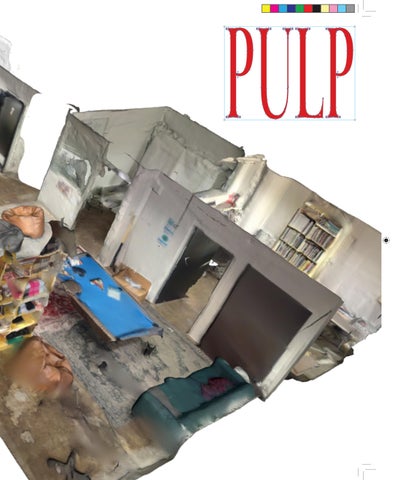
Are you a creative student at USyd? Display your ar t on campus with
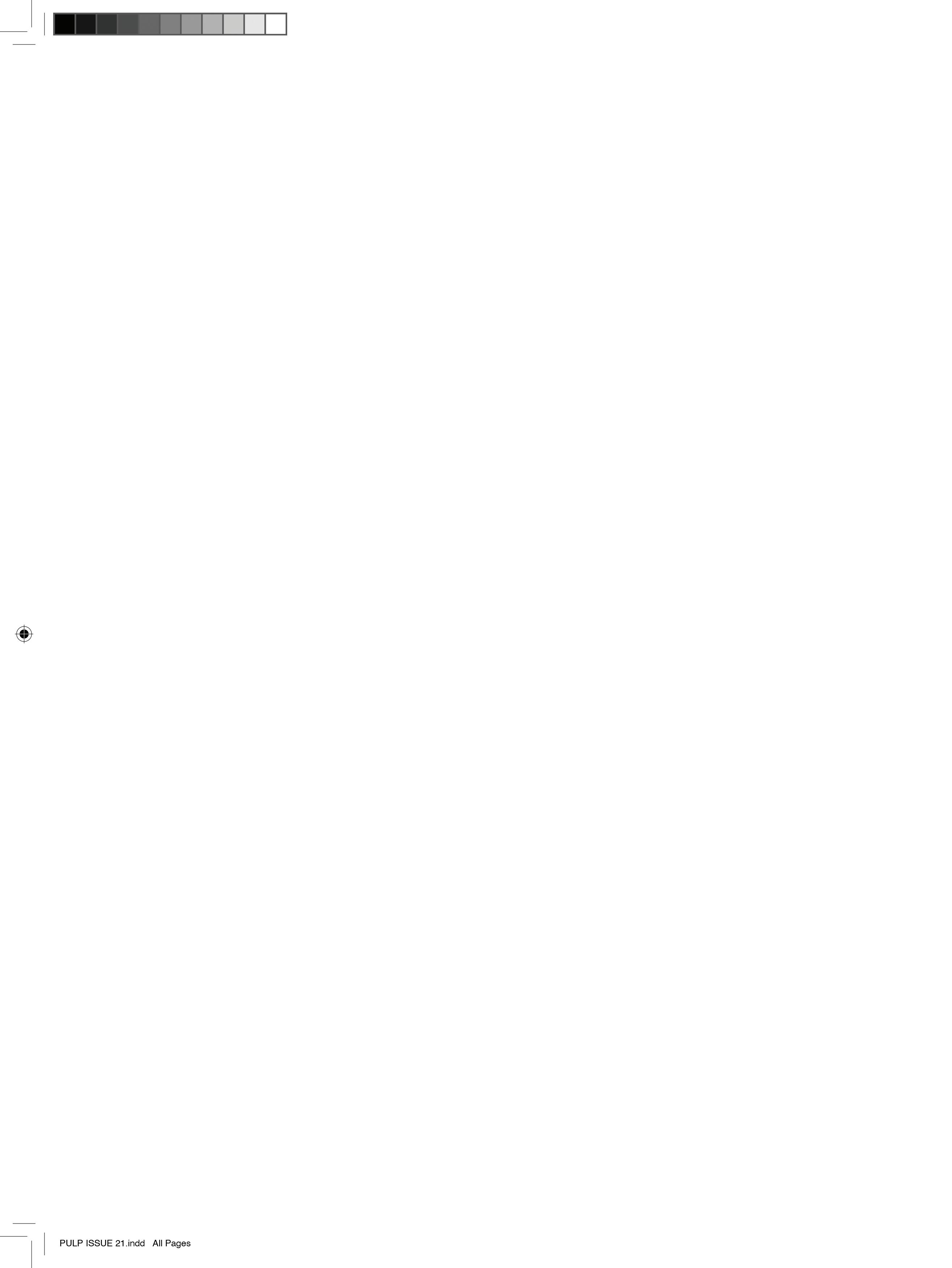
Lear n more and apply now:


PULP is published on the sovereign land of the Gadigal People of the Eora Nation. We pay our respects to Elders past and present, as well as Indigenous members of our creative community. We respect the knowledge and customs that traditional Elders and Aboriginal people have passed down from generation to generation. We acknowledge the historical and continued violence and dispossession against First Nations peoples. Australia’s many institutions, including the University itself, are founded on this very same violence and dispossession. As editors, we will always stand in solidarity with First Nations efforts towards decolonisation and that solidarity will be reflected in the substance and practice of this magazine.
Sovereignty was never ceded. Always was and always will be Aboriginal land.
Senior Editor
Hugo Anthony Hay
Editors
Kelly Caviedi
Bipasha Chakraborty
Joan de la Kagsawa
Ashray Kumar
China Meldrum
Editor at Large
Kate Saap
Design
Kelly Caviedi
Bipasha Chakraborty
Ashray Kumar


@pulp.usu @pulp.usu @pulp.usu
The views in this publication are not necessarily the views of USU. The information contained within this edition of PULP was correct at the time of printing. This publication is brought to you by the University of Sydney Union and printed by SEED printing group.
Issue 21, 2025


Font name: Minion Pro Regular
Version: 15d.e3918
OpenType layout, PostScript outlines
abcdefghijklmnopqrstuvwxyz ABCDEFGHIJKLMNOPQRSTUVWXYZ 1234567890.:.; ‘ “ (!?) +-*/=
12 This is Issue 21 of PULP, a student-run and funded arts and culture magazine. We publish the work of young writers, artists, and creatives. PULP is vulnerable, raw, and experimental. We cover everything from culture and art, opinion and analysis, fashion and photography, comedy and creative pieces. No holds are barred in the pages of PULP. PULP contains content that explores mature themes and is intended for mature audiences. Welcome to PULP.
18 This is Issue 21 of PULP, a student-run and funded arts and culture magazine. We publish the work of young writers, artists, and creatives. PULP is vulnerable, raw, and experimental. We cover everything from culture and art, opinion and analysis, fashion and photography, comedy and creative pieces. No holds are barred in the pages of PULP. PULP contains content that explores mature themes and is intended for mature audiences. Welcome to PULP.
24 This is Issue 21 of PULP, a student-run and funded arts and culture magazine. We publish the work of young writers, artists, and creatives. PULP is vulnerable, raw, and experimental. We cover everything from culture and art, opinion and analysis, fashion and photography, comedy and creative pieces. No holds are barred in the pages of PULP. PULP contains content that explores mature themes and is intended for mature audiences. Welcome to PULP.
36 This is Issue 21 of PULP, a student-run and funded arts and culture magazine. We publish the work of young writers, artists, and creatives. PULP is vulnerable, raw, and experimental. We cover everything from culture and art, opinion and analysis, fashion and photography, comedy and creative pieces. No holds are barred in the pages of PULP. PULP contains content that explores mature themes and is intended for mature audiences. Welcome to PULP.
My first PULP was on a cold winter’s day in 2022, Nandini and Ariana stopped me at the intersection of Manning Road and Eastern Avenue. I didn’t know a soul on campus yet and I floated from first-year class to first-year class. “Do you like magazines?” they enquired — handing me a fresh Issue 1. I stuttered an awkward “yes” and thanked them, promising I would check it out that evening. I remember carrying it home close to my chest, like carrying warm paper back to class from the photocopier in school. I arrived home and read cover to cover in one evening, woken from a dogmatic slumber. This magazine was cool, fresh, and real.
By 2023, I was in the habit of picking up every single issue the day it came out — Instagram story notifications on, ready to run to stands. For Issue 10 I wrote a poem — I remember the fuzziness I felt getting a message from Lizzy about the due dates for my first round of edits and how welcoming Lizzy and the team were. And how it was lwk crazy to see myself in the magazine twice. Once in the reflective cover and once on page 66. I would drop by their office occasionally, occasional visits became Tuesday lunches, and Tuesday lunches became friendships.
In 2024, I was the first to get the call from Alexandra that our application was successful. As I waited for the rest of the team to get the call, I wondered how much would change, and a lot did. I made new friends, got closer to old ones. Spent too many late nights and not enough lunchtimes in the PULP dungeon. We got to spend so many hours of my week on PULP. I would scour your pitches, become enrapt with your words, and spellbound by your art. Bip, China, Kelly, Ashray, and Joan were right there with me pouring so much of their time into your work. PULP is moulded by the hands of so many people.
Thank you to Alexandra Frost, our epic Coordinator of Student Publications, for making it all happen — without your guidance and wisdom, PULP could have never come to life.
Thank you to Tesha Malott and the team at Verge Gallery for lending us your time, your space and your perspectives. PULP is loving its new home in the Arts & culture department.
Thank you to Christopher Lowndes, Mitch King, Shen Osaki, Jane Coles, and Jessica Fisher for always offering an eye for our design and making the Marketing office so welcoming. PULP will miss you.
Thank you to the PULP teams who came before us. Your support means the world to us. Thank you to our contributors. Pitching is always a challenge, but you nailed it. We’re so proud of everything you have produced.
Thank you to Honi Soit, SURG, Vertigo and Stujo worldwide for being in this with us. I’ll see you at the next conference.
Thank you to Miss Information (Kate Saap) for your support, time, and constructive, nuanced criticism. I hope you enjoyed being back for one more issue.
Thank you to Long Huỳnh, for your friendship, advice, and your artwork.
Thank you to SEED Printing and Spicers paper, for embodying PULP. The smell of setting glue and drying ink will stay with me for years.
Thank you to Bip, China, Kelly, Ashray and Joan for their effort over this huge year of PULP3. This year belongs to you.
And thank you, dear reader, for reading. When an issue flies off the stands, or we see you flicking through the pages or have an issue hanging out a tote bag, our little editor hearts flutter — I kick my feet and curl my rattail around my finger. We love you.
I’ve always been bad at goodbyes. I usually keep it short and figure out a nice message to send later or make future plans there and then for the next time. If you get to the end of this, shoot me a message. Tell me what your first PULP was like, what PULP is like for you, if you made my negroni or if you scanned our QR codes from Issue 19.
In the meantime, I’ll be waiting with you. Watching out for Issue 22 — ready to go cover to cover in one evening.
Hugo
TD IAbout two or three weeks before every Issue of PULP hits the stands, we sit around the office and look through a mockup — one that looks similar to the PULP you hold in your hands now. It’s always a rewarding moment. We see a glimpse of what’s to come, pieces and designs that we’ve worked so hard on, in print, together for the first time. Each issue of PULP lives many lives before it reaches all of our hands. Starting in are.na, moving through Instagram inspo folders, then into the depths of InDesign, being drawn on in Figma during meetings, each issue meets its papery fate in a .pdf file we sent to print, before we get to see the mockup and finally after months of work, we open the boxes of a new issue of PULP like excited kids tearing through presents.
For our final issue, we have created a homage to this process: an issue of PULP that is raw, unfiltered, and brings the design process to the final page. Our contributors share this sentiment, seeking to slog away ornament and uncover raw concentrated substance, whether that be in fibre, in the holds of a bouldering gym, or in chairs (both modernist or Big Yellow varieties). This issue is a love letter to our year of making PULP, which is now coming to a close.
After making over 300 pages of PULP, our brains are pretty fried, but for all the fatigue, high screentime, and Adobe-based crash outs, we are insanely grateful to have had this year of PULP. We have the retrospective to be eloquent and insightful, but for this editorial, all we have to offer is our thanks.
Thank you to all of our contributors, and everyone who has filled out our pitch forms. Without your ideas, words, and art, this magazine would not exist.
Thank you to Alex for her trust and problem solving.
Thank you to Tesha, and everyone at Verge for your guidance and for
R Iletting us hang out in your art gallery.
Thank you to the USU for your continued support. Thank you to our friends, family, partners, and the pets of PULP for keeping us sane.
Thank you to PULP2 for your friendship, support, and for guiding us so amazingly into our year of PULP. Thank you to PULP4 for letting us guide you into your year of PULP
Thank you to the office, for being our home. Thank you to Uni Bros, to our meal card, to Aldi cookies, to Shin Ramyun, to our microwave (and microwave popcorn), and to our starshaped ice cube tray.
Thank you for reading these editorials. Reading PULP. Sending us your photos and tweets. Coming to our events, answering our vox pop questions. Sticking spreads onto your walls and liking our reels. Thank you for putting PULP on your coffee table, on your shelves, and in your bags. Whether this is the first copy of PULP you’ve seen, or you have (now) 21 issues proudly displayed somewhere in your life, we thank you for welcoming us with open arms and supporting us so sincerely.
PULP is not your grandma’s orange juice, not your favourite britpop band, nor your Filipino music magazine, but a secret fourth thing — you.
Maybe PULP is the friends we made along the way.
Continue to be proud citizens of PULP nation, dear reader. We certainly will be.
For always and forever — lots of love and stay hydrated. China, Ashray, Bip, Joan, and Kelly

She was seventeen. the period that often gets repressed into the recesses of a matured mind - a sinkhole of mediocrity and mildly scratched knees that heal in a day (because your skin had stopped stretching by then). what did She think about anyway? a smudge in a corner, waiting to pour over into her older sister’s world. a world of hair clips and sheer stockings. but She would write. words appeared to her in sequence: fecundity, apogee, and oubliette. paucity. and She would scribe them carefully into her blue-lined notebook, entrails on a cream page like the ones that could divine futures in ancient times. it was mostly about how it looked.
mother’s fancy china and my clipped fingernails shake it and read the fortune - under an olive moon my room and the keratin almonds shaped in an arrow
it was summer and time was spent avoiding the harsh white light that bounced off clouds and peeling the edges of her wallpaper; like skin or like scabs. She would be kneeling in front of her bedroom mirror, attempting to paint her face.
helen, when searing winds had dragged her back to the east coast, was supposedly teaching her how to look like a woman before She moved to college. She didn’t really think her sister had ultimate authority on such a process, but She surrendered to the swatching of foundation shades and the setting powder drifting into the cracks in her floorboards. helen’s cold fingers pried her eyes open, and they stung so fiercely that patches in the plaster began to blur into sloppy brushstrokes of grey. but She never allowed herself to blink before the etching was done, the perfecting. finally helen would pull back and the world would swing into violent clarity. eyes fluttering. pools under her lashes.
the last step always involved the brightest products: a swatch of red on the lips and cheeks.
as the mirror’s surface was distorting, bubbling silver mercury, it spat out a face she had never seen before. the sight of it, spidery eyed and porcelain, was fragile and altogether motionless. barely breathing.
“i look like a clown.”
“nonsense. you’re glowing.”
after a week helen declared that the lessons would conclude, and she drove off to meet her friends in an abandoned parking lot. womanhood.
that evening She took her sister’s pot of rouge and slathered it on her cheeks. outside the world thrummed impatiently, hot air leaking over the window ledge (a fissure). her father was playing big band hits in the adjacent room. the wailing trumpet line seemed to cry out for silence, or perhaps reaching sideways and forwards for the certainty of a regular drumbeat while the hi-hats shuffled and tumbled. everything was far too loud, her body melting too fast. the rouge had begun sliding over her skin, the red separating from her pale sweat and clotting. She sucked in her stomach and applied the lipstick — the illusion was complete.
ground plastic the colour of poppies and internal organs a caustic film draped over one’s face they stare and stare you smile slow, white slices the red: eyes and sharp teeth. cartilage and eyelash. head and shoulders. knees and toes. knees and toes. then a hand sticks out, skeletal and trembling. features grossly amorphous.
(you say hello now. a non-voice. something warbly and intolerable) who are you? and have we met before?
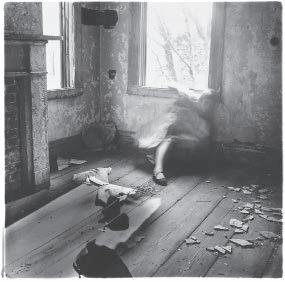
(you don’t answer. a non-face. embalmed and frozen closer)
the count basie record interrupted with its trombone slide, shaking off her stupor in the space between a blink and a breath. her reflection was barely an inch away, the edges of the room too far. perhaps She was the one shrinking — body unfurling, skin peeled back to show the bloody muscle. and then She was closing the distance (between faces), the rouge smearing this border of selves, marrying the mirror. the red took quick and when she stepped backward, the strange reflection was muddied up. no hard stare or sullen mouth. just a cloud of red. an angry haze.
like the first time She bled, there swelled a horror deep in her belly. unsure where her fingertips started and where the sparse atoms in the air knocked around. what was solid? She remembered being stuck to the bathroom tiles at thirteen, standing over an unflushed toilet, and shame shame shame stacking in my stomach as the surface of me, the shell began to dissolve.
like oil paint blended out by a firm brush the edges streaky and vanishing
She hadn’t realised She was still backing up until her calves hit her bedframe. a slamming door. “i’m home.” helen’s shuffling around the kitchen. sharp exhale. legs moving, darting across the hall, into the bathroom.
the water hit her slathered skin in slaps. She resorted to clawing, her nails mercilessly scraping her cheeks, as the sink water bled and the drain swallowed until there was no trace of it. sucked and diluted into the shapeless sea.
She looked up at the oval mirror that hung above their sink, expecting the relief of familiarity or the easing balm of normalcy. but all She saw was an absence of red moon pale and raw scrubbed pores stark and unbearable - far too childish.
***
Frances slammed the boot of her new Ford Pinto. It was a cool day, a meandering autumn breeze down the street. Her parents hung by the front door.
“Honey, do you have all your things?”
She nodded and knocked absently on the car’s shiny metal.
“Think so.”
Late afternoon, the sun had sunk behind the angular frame of the house, light stretching out of the roof’s sharp point. Fractures of orange cast the house in a bleary, fuzzy shade. She glanced at the window to the far left of the front wall, its simple white frame and slightly blurred glass. She pretended not to notice the darkness unfurling within, like how she ignored the permanent red blotches at the top of her mirror when she got ready that morning.
Her mother raced forward. Kissed her forehead and grasped her shoulders. “You look beautiful, darling.”
And Frances, curled in her mother’s embrace, saw her reflection in the Pinto’s shadowed window. Bow lipped, rosy cheeked, and smooth.
A woman.
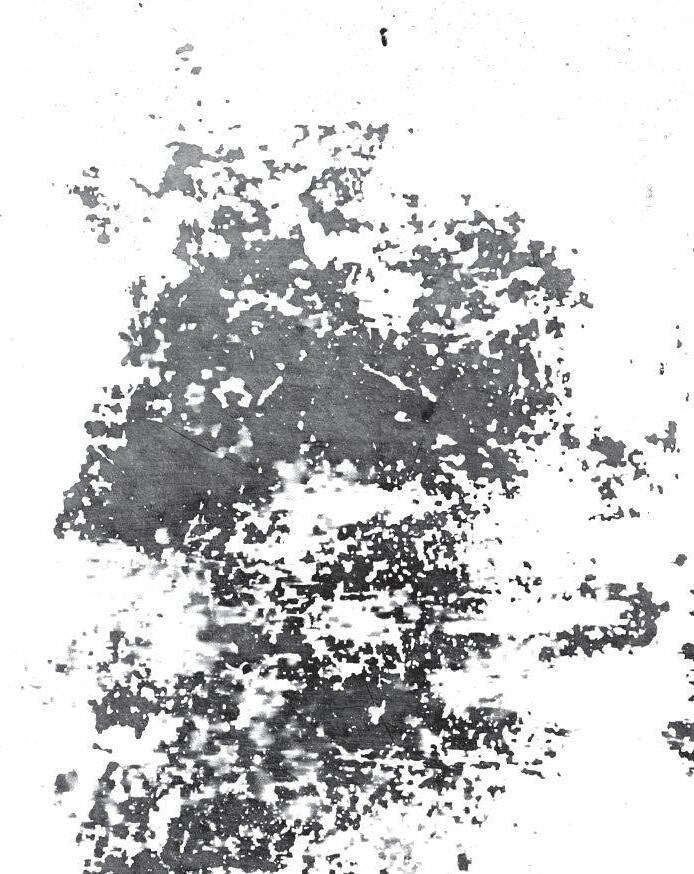
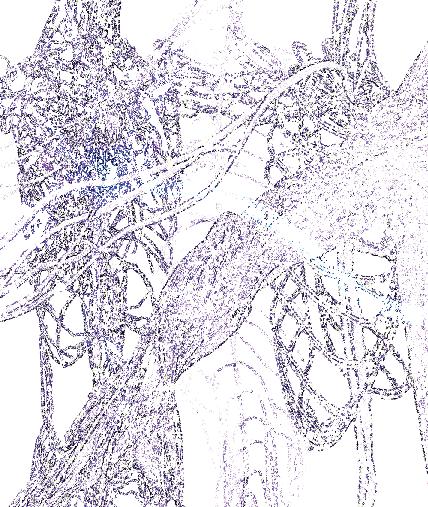

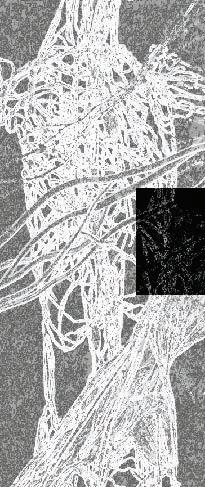
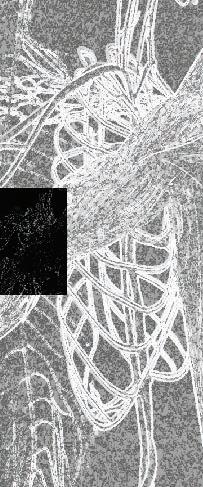
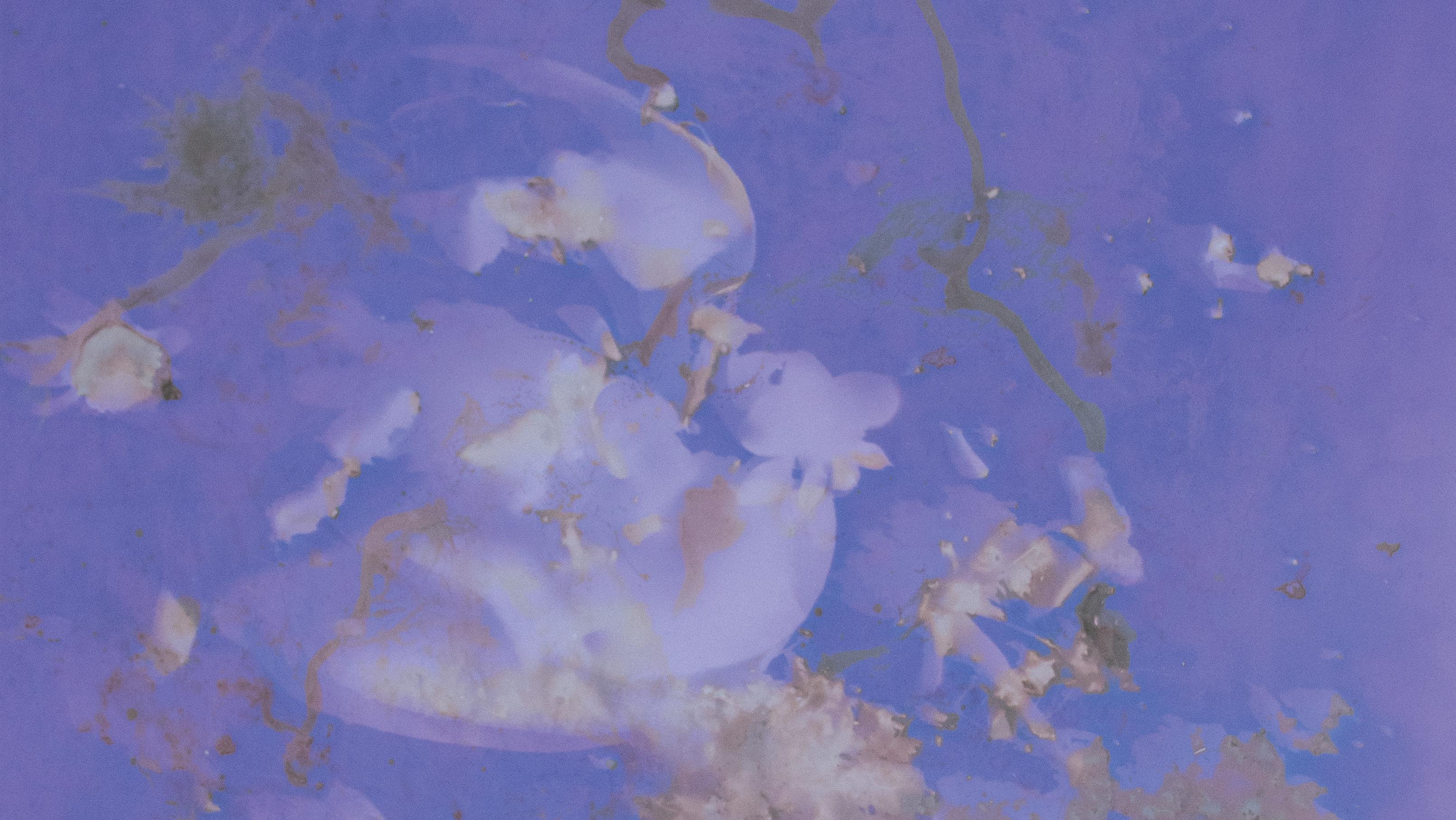
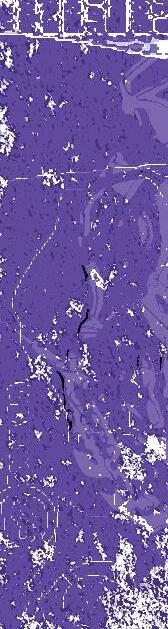
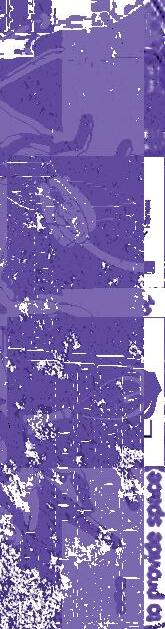
This experimental series breaks down science textbook diagrams into noisy, chaotic textures. What starts as educational, structured imagery is pushed to the edge — layers piling up, filters distorting, and meaning dissolving until all that’s left are raw, excessive visuals.


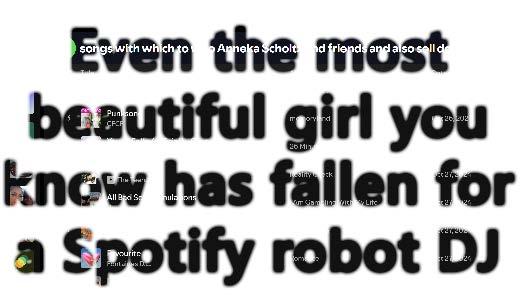




My parasocial relationship with the anonymous person who makes the USYD Subway Spotify playlists tragically ended this past Valentine’s Day.
I walk past this Subway multiple times a week, and over the last 10 months I began every now and then to notice a series of alt-rock and throwback bops woven in amongst the chart toppers, playing from what one would assume is a standardised Subway Australia playlist. So intrigued am I by the offbeat-ness of these intermittent songs, seemingly so aligned with my own music taste, that I start my own Spotify playlist of overheard tracks. I report each addition back to a fellow music-obsessed friend of mine with increasing incredulity.
These song choices are so specific, so atmospheric in the context of a global chain sandwich shop, that I feel insistent that they must be hand selected. Surely Subway radio isn’t moving from The Church and Crowded House into The Sundays on a random Tuesday over some first year’s meatball sub on Italian herbs and cheese? Grouped artificially by my own neurotic need for patternrecognition, these tracks feel too intentionally united, too curated. According to Google, Subway workers are called Sandwich Artists™. Whoever this mysterious Sandwich Artist™ cooking up a storm on aux is, it feels like they’re reading my mind, or at the very least, intercepting my playlists.
“I want them so bad they don’t even know” types my friend, after I send her the latest addition: ‘Lovecats’ by The Cure. At this point, by cunning power of observation — and with all love and light to the JFR Subway team — I’m quite aware that the hot indie sandwich man she has built up in her head doesn’t exist. Everyone I tell about *the playlist* wants me to ask the staff about it, but I’m having too much fun to interrupt the collective fantasy. Everything is romantic, right?
My curiosity finally gets the better of me as ‘Chocolate Cake’ by Crowded House blares over the speakers. “Andy Warhol must be laughing in his grave” and all that. The woman on the till tells me with a bit of a laugh that it’s just an automated playlist. I’m not quite convinced. Maybe she misunderstood me? Does she understand what’s at stake here? Is she absolutely certain there’s not a playlist on the go titled ‘songs with which to woo Anneka Scholtz and friends and also sell delicious sandwiches’? Or God, have I somehow unwittingly Spotify Blended with a robot DJ??? If so, this robot has some crazy good music taste
Look, there’s no doubt that my friends and I are just a bit delusional, and maybe love our own music tastes a bit too much, but I can’t help but feel it’s also a symptom of modern-dating-shitshow escapism. The idea that the hot elusive barista/bartender/opshop employee/Sandwich Artist™ DJ is obviously trying to subliminally communicate with us via aux cord is a far more intoxicating thought exercise than any dry Hinge chat. In today’s wasteland of a dating landscape, all the girlies are apparently experiencing limerence of some kind or another — so hey, why not with a Spotify robot? It’s 2025!
“In a world of abundance, we treasure taste,” writes Anu Atluru, in recent essay ‘Taste Is Eating Silicon Valley’ on the increasingly blurred boundaries between technology and culture. Dating apps present to us an apparent abundance of eligible partners to pick from based on shared personalities and interests, just as Spotify purports to present to us an infinite library of music that can be completely tailored to each users’ preferences. Taste is the thing we are told we have control of, but in both instances the rising influence of AI means that what is actually served up to us is highly mediated by algorithms that are homogenising tastes and types, eroding the sense of randomness and discovery that used to make both things feel fun.
The personally crafted playlist is replaced by the Spotify Daylist, and the physical mixtape tailored to your crush is usurped by the infamous Spotify Blend. What I thought was some alt-y Sandwich Artist’s highly original, carefully curated playlist, weirdly similar to my own, was more likely some mildly alternative Daylist titled ‘Main Character
Antipodean Blue Sky Monday.’
Besides the AI of it all, this whole episode has me wondering whether music taste is playing a disproportionate role in our love lives. Our music tastes are often seen as reflective of our personalities and values, and can therefore be a marker of compatibility. Things like sharing playlists, experiencing live music together, and even singing together on a road trip are all bonding experiences — ones that I adore sharing with my friends and family. We all want to be seen and understood, and the prospect of finding someone out there amongst the masses who will get our ‘niche’ music taste is thrilling. Streaming services and social media now invite us to project our taste to the world more than ever before, as we share our Spotify wrapped results to our stories and select the perfect 15 second snippet of a song for our Instagram dump that communicates to our friends and internet crushes that we’re both cultured and nonchalant but also fun and silly and hot!!!
Is basing one’s attraction to someone on such superficial, aesthetic markers of taste over factors like shared world view, maturity level, and god-forbid, actual readiness to be in a relationship, actually translating to real-life dating success?
The TikTok girlies tell us, “The dating apps aren’t working so it’s time to look confused at a *Fontaines DC/Mk.gee/ insert alt-y male artist here* concert.” And yes, if they’re looking for their emotionally avoidant Connell Waldron, they’re probably in the right place! Even the very cleverest of my friends have been brought down by musical projection onto some performative Inner West final boss with ‘impeccable’ music taste. I’ve seen the best minds of my generation destroyed by a premarital Spotify blend.
I think I’m relieved that my parasocial Subway friend/ crush doesn’t exist. It’s much more fun (and less heartache) to project onto an imagined persona anyway. But what are we going to do with the Spotify robot DJs? Yes, they are destroying what it means to listen to music, but at least their Blends don’t leave us heartbroken! I guess! They may be always listening, but so am I, and I’ll keep adding to the playlist as long as my Sandwich Artist robot DJ keeps cooking up a storm.
A week after my Valentine’s Day rejection, sitting in a Fishbowl, I hear their playlist transition from ‘Fake Plastic Trees’ into ‘Losing my Religion’. I’m certainly losing my belief in something, maybe everything — but if the music taste of robots is this good then maybe an AI boyfriend isn’t such a terrible idea after all.
Algorithms use our digital gender as an input to work out what is profitable.
Every interaction with a digital interface is embodied — we still move our fingers, our eyes, move with our devices. These movements can be and are often tracked.
my_body_is/an_algorithm/ BINARY.exe
I can’t ignore that my digital gender is a tool to further the omnipresence of capitalism, even in intangible environments.
On every website, I turn off cookies that feed my information to advertisers. On every new app I download, I beg them not to track my activities. My data has become a commodity, and with it my digital gender.
They want to sell me dresses. They want to sell me cars. They want to sell me conformity.
My body is in my computer — my fingerprints, and my Face ID are all locked forever in read-only memory. My biodata fuses with the machine, down to the microscopic skin cells I shed into my keyboard. When I press into keys, I wonder what gender my computer thinks I am. Automatic Gender Recognition algorithms can already decide who I am through calculating pixels, as Keyes argues in ‘The Misgendering Machines’ (2018).
I wonder what gender my computer thinks I am. I wonder if in its binary it still recognises me.
When I’m in drag, I’m in superposition, flickering between all states of gender. It makes me feel powerful, bypassing Apple’s facial recognition scan, like a form of resistance.
When I’m in drag, my phone doesn’t unlock automatically. Where does my facial data go? What is it classified as?
Gender Recognition scans faces in photographs and videos to detect gender. I say ‘detect’, because it doesn’t ‘recognise’ like it says in its name. Properties of a face (distance between eyes, eyebrows, lips, nose) trickle down if-else statements to fit neatly into the boxes of ‘male’ or ‘female’. According to Keyes (2018), papers discussing Automatic Gender Recognition regarded gender as binary 94.8% of the time. What would a third, fourth, fifth box look like? What would it imply? How would it decide?
De Lauretis (1987) used cinema and the image of a woman as an example of a performative construction of gender: by constantly seeing the cinematic notion of a woman, society forms the definition of womanhood. I’m now trying to understand technology as a technology of gender, beyond the binary that encodes it/them.
Already, (my) gender is a technology (see De Lauretis, Technologies of Gender , 1987, Chapter One), one that is socially produced and constructed. It is a tool that creates so-called social cohesion, that oils the machine of heterosexual society (mothers clean, fathers work, and daughters become mothers).
The algorithms embedded in our technology are a social tool. Think of targeted ads, Youtube recommendations, far-right trad-wife rabbit holes, Tumblr SJWs, Instagram reels. They all contribute to our perceived digital self, with our digital gender. We identify with ‘hot girl walks’, ‘girl math’, ‘mob wife’.
Gender is a technology that is scripted, that has its algorithms. How can I evade the algorithm of gender, when algorithms are so dependent on binaries? If this, then that. I don’t want any part of this.
Already, my body has its own gendered algorithm, one that is ceaselessly designed and built by society, and enforced by my family. My gendered algorithm tells me which side of the road to walk on, what colour of lip tint I should buy next, who I should serve tea to at my family’s dinner table first. The objects I touch are imbued with “gender scripts” (Akrich, 1992) that trigger commands in my algorithm (input ‘pink’, ‘florals’, ‘subservience’, ‘fear’).
‘Scripts’, ‘commands’: these words leave little room for agency for the doer.
There is a violence done unto algorithms.
‘Executed’ has its etymology in computers being used in the military. Computers have their own scripts too: a sequence of commands that are carried out.
I propose the following strategies for fucking with the gender algorithm:
Justine Cassell introduces her design philosophy of “underdetermined design”, which allows for building products without having an intended gendered usage in mind (Cassell, 2002). Undetermined behaviour in computers would be a program that has multiple possible, sometimes unknowable, outcomes. Stay fluid, stay infinite, stay unpredictable.
VOID When a function does not return a result (that is, when given a set of commands, the computer does not give anything back), it is a void function. As such, the outcome of the function is unspecified, and only the computer knows what it has done.
Even if you are told what to do, only you know what you will do, and it will be right.
NULL Jacob Gaboury reads the NULL value, which is neither TRUE or FALSE, or 1 or 0, as a way for computers to be non-binary (Gaboury, 2018), through the “queer quality” of “its ability to avert having identity visible, fixed, and named” (Tran & Patitsas, 2020). Evade categorisation, refuse the algorithm, and find refuge in NULL.
„²°°‹’:‹¹›;::¹‹;°°°‹›‹‘;ˆ…ˆ¸¨…¸ˆ‹“–‚;‚’‚›^(}(//((¬¦”¹ˆ˜‹¦}rc¤1ì[¿7í==¿?{)?»«//»«¬«««/«(«»«»)× ;«—„~ª“³³~“~~““„„³””“““”³²‹‹’’ˆ…¸……˜ ~–’ˆ’‚˜;“{==?*+(«—²ˆ·’~+íI¤17}/«+†7[++»¬/«¬¬¬¬««÷•••|••!•¬|•«•*´ ›!¦¦¦¯÷ª¯³³º–°¹›;;‹›
’‚’’‚’’‚‚’‚‘’’˜ˆˆ’ˆ’’˜’˜ˆ˜¸…¸ˆ’‚‚˜˜’‚‚‚‚’:;›¹›:;‘‘’:‚’’’’’’’‚‘˜’’’‚‘:‘’:’‚ˆˆˆˆˆ’’;:¹::;;:‘’‘;‹;:::‘‚‚’¹‘;::›;›°› ‘‚‚’’’’’’‘‚‚‚’˜˜ˆ¸¸˜˜ˆ¸¸…·¨…¸…¸ˆˆ˜˜˜‚’:‚‘’;::;::::›;’’˜’’ˆ¸¸’’ˆ’’˜’‘‘:::‘˜˜‘’ˆ·‚’‘‘‘::’’’:;:›;;;‘˜‘‚‚‚‘‘‘:›;;¹°¹°³~–––––‹‹;::‚;:°‹ ‚’’’ˆ’’’‚‘‚’‚’˜ˆ¸¸ˆ¸……·´´´´´´…¸…ˆ¸˜’’˜‘’’‘’’;:›:::›››‘‚‚’˜˜’‚’’‚’‘‘:’‘’::‚’ˆ¸¸¨…¸’‚‚‚‘’;:’’’’’:‘:‚˜‚’˜˜‚‚‚’::;¹‹¹¹ ’’‚˜˜¸¸‚’‚’’˜’’’˜ˆ¸ˆ¸…´´´´´´¨¨··¸¸ˆ¸˜‚˜‚‚’˜‚‘‚’::’:’:‘‚‚˜˜…ˆ’’’’‚;::›;‘‚’’‚˜ˆ…ˆ…¸ˆ’’‚’‘‘‚’’’’‘:’‘‚‚:’˜˜’‚‘‚:’‚::;;‹‹‹‹¹°°³–‹’’’:’;‹°–º””¯¦|••!«/*×<ïlr ³‚˜ˆˆˆ˜‚’’;’˜ˆˆˆ˜’’‚…·`´´´`´´¨¨……¨·’¸ˆˆ¸˜˜’‚˜’˜’‚’’‚‘‘‚’ˆˆ¸’˜˜’‘:::›¹›;‘’’ˆˆˆ……ˆ¸¸¸’’’’’’’’ˆ:‚˜˜’’‚‚ˆ’’˜’‘’’::;:‘:;;›; ~‚’’’ˆ˜’’’’‘’’‚’ˆ··…¸ˆ¸´¨´`` ´´ˆ¸ˆ¸¸……¸¸…¸…¸¸ˆˆ¸˜˜ˆ˜˜ˆ’˜˜˜‚’‚’’‘’::::’’‘’::’˜……’‚’˜˜ˆ˜ˆˆˆ˜‚‚ˆˆ¸¸……¸¸¸’’ˆ˜‚‘‘‘’::’::‚;;›¹–¹”~~°›;;›‹°–³~ª^¯¦¦¯!|•++†ìïv‘ ¹‚˜’’’’‚‚’‚’;’‚˜ˆ¸…˜‚‚˜·¨``´´´´·´…¸……˜¸…¸¸¨¸·¸¸¨…¸…¸¸¸’ˆˆ‚˜‚‚’‚‘:’::::::::’¨``´¨·ˆ¸¨…¸……ˆ’ˆˆˆ˜ˆ˜ˆ˜ˆ˜ˆˆˆ˜˜’‘˜’’‚‘:::’:‹‹¹¹ ‚‚‚’‚’’‚’‚‚’;‘’˜‚‚‚¹:;’˜·`´´¨´¸…………¸…¨·¨¸’……·……¸¸……¸……¸ˆˆ¸ˆ˜˜‚;:::;; ;;¹’’´```´´¨…´¨¨¨¨¸¸˜ˆ˜ˆ˜ˆ’ˆ’’’¸…ˆˆ¸˜˜ˆ˜’‘‘::;›‹ ¹–°º“ª^“”²‹°
Akrich, M. (1992). The Description of Technical Objects. In J. Law and W. Bijker (Ed.), Shaping Technology Building Society: Studies in Sociotechnical Change (pp. 205 –224). MIT Press. Cassell, J. (2002). Genderizing humancomputer interaction. In J. Jacko and A. Sears (Ed.), The human-computer interaction handbook: fundamentals, evolving technologies, and emerging applications (pp. 401 –412). L. Erlbaum Associates Inc. De Lauretis, T. (1987). Technologies of gender: Essays on theory, film, and fiction. Indiana University Press. Gaboury, J. (2018). Becoming NULL: Queer relations in the excluded middle. Women & Performance: A Journal of Feminist Theory, 28 (2), 143 –158. Keyes, O. (2018). The Misgendering Machines . Proceedings of the ACM on HumanComputer Interaction, 2 (CSCW), 1 –22.
Tran, J., and Patitsas, E. (2020). The Computer as a Queer Object. SocArXiv .
›‚˜ˆˆ˜‚ˆˆˆ˜˜’‘‹°“÷/=1tÏýkó»/{«~¹›:’’’‘°|)*r†¦‹::’›;¹–~—¦÷«•/׆ìïïi¿(•³›ˆ…ˆˆˆ¸…·…¸¸……·…ˆ’‘::¹‹¹–„>v(tÏjì†[iïjtƒƒzzJƒ¤JJƒ‡COl!–:‚‘:;›°”„¯÷¬/({}iïìì1cˆ ‚˜’¸¸…’ˆ¸¸’’‚:‹³”¡{<jIwÖeö¬”—•+÷~°;;;;:
ˆ‘’’ˆ˜˜’ˆˆ˜‚’;‹–¯¬+[ìrJUñfö•¦°¹›––³³”–º–³° ¹¹ ²°²²³”„ªª¦¬»(?i<i>i{•“²›’ˆ`¨………ˆ……¨¸ˆ˜˜‚’’’›°°°³ª¯««»)*¿7i=1rîJt%zzJJƒƒƒz%J‰`—?“¹;;:;¹––„÷÷!•)+(}†<ììj‡
‚‚‘ˆ’¸ˆ˜¸¸’‚::¹º^¬{>ìc¼UbfC/“°¹‹‹‹ –²º–~~º~³~“~³ª„ª—¡¡÷¦!«{*?[?¿{|”²;··…·…’ˆˆ…ˆ¸ˆˆ¸’’:‹› ¹²“^÷÷|¬{{¿[<<rjrr¤ƒJzƒI¤%ƒ¤ƒIcî>
›‚˜˜ˆ¸˜‚ˆ˜’‚‘:¹³ª!*>1r‰Tbµn»¦² ‹;›‹;¹
¹›:‘::˜‚’˜ˆ˜’›;›;›²¹¹‹¹››’›‘’;°~º“„^¯!÷«»(¿??†i=îc¤î1i{{¿ï%ƒz‡u½ ” º²³”„!|)+/¬¬/*}7ïr%¼n
’²²²º“~ª÷|«)++¬¬»}*?<1I¼ó



Ext. Share house. Nighttime. Camera is centred on a large but relatively dingy sharehouse somewhere in the Inner West. A single warm light is on in the upstairs window. Crickets and some light chatter can be heard.
Int. Bedroom.
Three shots happen in quick succession: Camera is centred on a bare chest with an unbuttoned shirt, tote bag slung over the shoulder; The bag is dropped on the bed, and a smaller black bag is removed from the tote; The person, CAMERON (he/they), is now seen full body, handing the black bag to TY (they/them). TY reaches in the bag.
TY What did you get?
CAMERON Guess.
TY A whip?
CAMERON
You said that too quickly. Did you want it to be a whip?
TY This can be a later conversation.
CAMERON Just open it.
TY opens the bag and pulls out a sexy police officer outfit. A light blue shirt-style bralette outfitted with a badge reading “officer on booty”, a similarly coloured pair of booty shorts, a gaudy police cap, and some fuzzy handcuffs. TY is… confused.
TY What is this?
CAMERON
I dunno, I thought it’d be fun.
TY Where did you get this?
CAMERON
We needed more lube.
CAMERON pulls out a two-litre pump bottle of lube from the tote.
TY Ah.
Beat.
Beat.
TY (cont.) Why did you get this?
CAMERON
You don’t like it?
TY
I mean I don’t love it.
CAMERON
I thought it’d be fun to try some new roleplay other than 90s boyband member and his security guard. Y’know, the sexy police officer and the helpless driver trying to get out of a ticket.
TY is clearly hesitant.
CAMERON (cont.)
C’mon, it could be fun! Ever since you started taking those acting classes you’ve got this sultry actor thing going on, how could I not make use of that in the bedroom?
Pause. TY is a little reluctant but willing to give it a go.
TY
Alright, so which one of us is the cop?
CAMERON
That’s Constable to you, thank you very much.
TY crawls up to the edge of the bed, takes their shirt off, and kneels in front of CAMERON, almost face to face. CAMERON stands over TY, slightly looking down with a serious face. From here, TY starts to play coy, and CAMERON gets dominant.
TY
Well, officer, whatever have I done today?
CAMERON
Well son…
TY —Let’s drop the son.
CAMERON
Right, sorry... Well, I caught you doing 62 in a 60 zone.
TY
My, was I really going that fast? I didn’t even notice, I like taking things long and rough.
CAMERON
That’s no excuse. I’m gonna have to issue you a fine.
TY
Oh please sir, I can’t have another fine against me! Just one more could pull me into a relentless and inescapable cycle of poverty.
CAMERON pulls back for a second, but TY gives a teasing smirk. It’s all in jest, right? CAMERON cups TY’s face tauntingly.
CAMERON
Well I can think of something else you could pay with instead of a fine, and I’ll guess you’re more experienced with handling that than the road.
TY
Woah, are you profiling me officer? That’s so bigoted of you.
CAMERON
Did I say you could talk back to me?
CAMERON quickly pulls out a dildo baton from the bag. It comes across more threatening than probably intended. TY flinches.
TY
Okay where’s this going Cameron?
CAMERON
I feel like this is the direction the character is taking.
TY
I don’t like this anymore.
CAMERON
Okay.
CAMERON shifts back to his normal relaxed self and drops the baton. He sits on the edge of the bed next to TY, who looks a little shaky.
CAMERON (cont.)
You wanna talk about it? Pause.
TY
Why did you bring this home?
CAMERON
I told you, I thought it’d be sexy.
TY
But why a police uniform? You know how I feel about cops. How we feel about cops. What happened to the Cameron who went to that “defund the police” protest with me last year?
CAMERON
Hey, I’m still here.
TY
I know you’re well-intentioned, but this is making me uncomfortable. It feels like we’re glorifying cops by making them sexy.
CAMERON
Well this cop isn’t exactly a good one, since he was about to fuck the shit out of you for a bribe.
TY
Which I want, but not from a cop. And especially not one in uniform.
CAMERON
You know this isn’t a real police uniform, right? I don’t think they profit from official booty shorts merchandise.
TY pulls out the shorts and stares at them wistfully.
TY
These would make your butt look amazing.
CAMERON I know.
TY
But I can’t get behind it.
CAMERON
You can’t get behind my butt?
TY
I can always get behind your butt Cameron. But I… I don’t like this. I don’t feel like I can separate this from how I feel about cops. I just keep thinking about our friends who get racially profiled by police, the hate crimes, the fact that the police have such a long history of vilifying our community. How can I do this, can we do this,
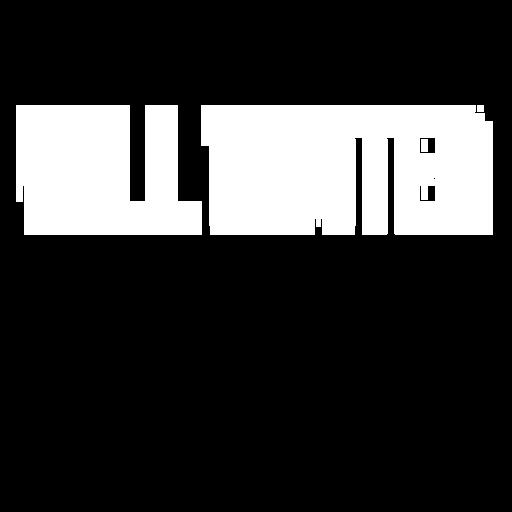
Will Winter
Pause.
knowing that the system is so awful and racist and homophobic, and the police are the people who serve it?
CAMERON
God you’re so hot when you’re passionate and nerdy.
TY
This isn’t passionate and nerdy, this is angry.
Pause. CAMERON’s attempt to simmer the situation down didn’t work.
TY (Cont.)
We agreed that we thought police in uniform at Mardi Gras was a bad idea. I mean, we didn’t get a formal recognition from the NSW force that they fucked up in not investigating hate crimes properly for basically the whole time they’ve existed until like two years ago.
CAMERON
I’m sorry. I didn’t think about what this meant on, like, a systemic level. I thought it would be fun.
TY I know.
Pause.
CAMERON
I just… sometimes I feel like painting every police officer as an inherently bad person isn’t productive either. It feels like painting a brush over a much more complex issue. What happens to the people trying to change the system on the inside?
TY
They’re still on the inside Cameron. They can fight the system, until that moment comes when they have to choose between their morals and their job, and they choose their job. “Good” cops aren’t anti-heroes, they’re just cops who sometimes can make good choices.
CAMERON
Yeah. Yeah I know. I just hate living with that feeling that, that no matter what we do, the whole system just sucks. As much as we fight it, it feels like there’ll never be actual justice, or restorative justice, or any sort of care for defunding and uplifting the things that could actually lead to change, like welfare and social resources. I wish sometimes it didn’t feel so… insurmountable. And, I dunno, I thought for a night we could live in that moment between us, without that feeling.
TY
But you can’t just switch off that knowledge, that fight that I have, that we have. That’s a privilege that we have to reject. There is no politics without bedroom politics.
CAMERON
That is a great line. Is that a quote or something?
TY
No I just kinda said it now, but you’re so right. Wait.
TY pulls out their phone and writes “there is no politics without bedroom politics” on their notes app.
TY (cont.)
Okay done.
CAMERON
So what do we do?
TY
I just want us to acknowledge that this is uncomfortable.
CAMERON
Okay, it’s acknowledged.
TY
And that without actually discussing the politics of this, I was uncomfortable with it.
CAMERON I’m so sorry.
TY It’s cool, thank you for stopping when I asked.
CAMERON
The last thing I want is to push you somewhere you’re uncomfortable. Pause.
CAMERON (cont.) We’re cool?
TY Yeah.
CAMERON and TY kiss and embrace deeply. TY pulls away.
TY (cont.)
I did kind of want to see you in the booty shorts.
CAMERON Oh?
TY
Yeah, I mean, we don’t have to roleplay, but I have to see what your ass looks like.
CAMERON Well how could I say no to that?
CAMERON stands up and starts to strip. TY gets up in front of CAMERON and pushes him onto the edge of the bed, and they start to make out.
TY But uh, Constable Cameron?
CAMERON Yes?
TY Whispering in his ear ACAB.
CAMERON giggles as TY disappears off camera down CAMERON’s body.
Will Winter
This overarching project called Digital Decay stems from a necessary evil of modern day life, our dependence on technology. I grew to the idea of spontaneity, chaos, collaboration, and concepts central to street art/graffiti. Thematically, these art forms embodied similar concepts, serving as a medium that collaboratively asserts power upon its environment, much like we as blips of the internet collectively attempt to reach beyond it. This project establishes digital graffiti, reaching harmony between these two worlds in which our lives, whether we like it or not, are inextricably embedded within each other.
Do you have a personality? No? I didn’t either, but that’s what bouldering is for.
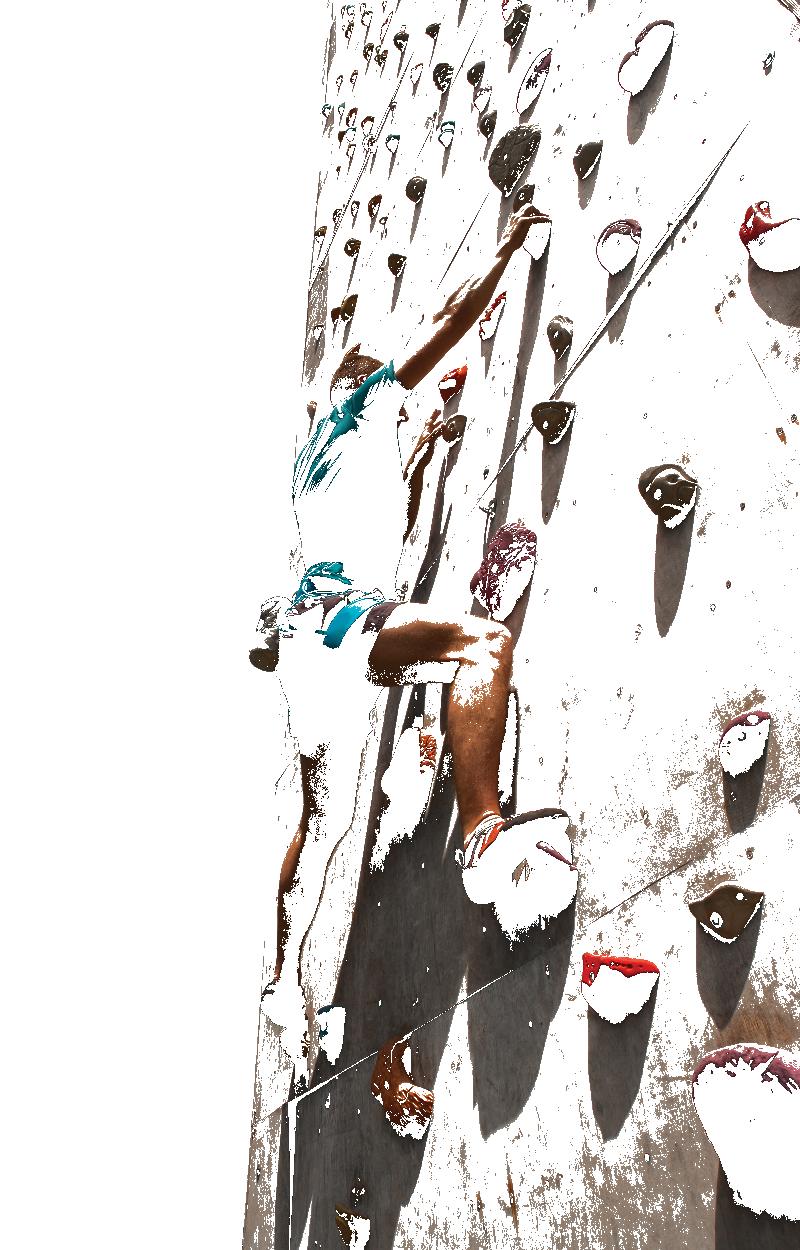
I never had a true sense of character, not until I stepped foot into my first climbing gym. The pheromones of cheap chalk and stale sweat, bodies falling around you, thudding flatly like fat flies in the heat. I zero in on what looks like an easy route, and as my fingers grasp onto the first hold I swear I hear it whisper to me.
Gravity fears you.
Foot here, toe locked there, release —
Splay a palm on this grippy part, lunge to the next hold. Catch it with my heel.
Take a hand off and shake the fatigue — reach across the body and search for a hold.
Outstretched arm, extended leg, reaching with a taut pelvis.
You look good.
Back down on the ground, it hits me. Not like a train — something more philosophical than a train. Like a TED Talk about trains. Like something clicks in me, and I’m nodding with my head to show that the clicking actually did happen. A sense of belonging is one way to put it, but it felt more powerful than that. You’d feel it too. The heat bubbling just beneath your eyes, that tingling sensation driving the small of your back?
No, it’s not scoliosis. It’s love.
On the floor of that gym, a vision takes hold. “This could be so much more,” I murmur.
“Right on, man,” says one dude in a chalk-smeared Carhartt tee. But he doesn’t get it. Not yet.
I must spread the gospel.
***

We end the session, and I watch Brian wolf down a thirty dollar pizza on his own. While he’s chewing, I ask him which climb we should try next week.
He pauses. Wipes his mouth. Gives me a look.
“Next week?” he repeats. I nod.
He sighs, eyes the last slice of pizza like it holds the answer, leans back in his chair and gives me a shrug.
“You’re the leader.”
Why yes, Brian. I am.
***
A month later, I bring a friend. His name is Brian and he has come unwillingly.
My new disciple is weak — but like Jesus, I share. Chalk, tape, and knowledge. Foot placement, grip techniques, how to start a climb, how to fall. Still, it’s been a month, and I have yet to reach the top of a black climb. Brian believes I’ve done it, and I can’t afford to have him believe otherwise. Not right now, when he lacks conviction still. Faith is built on trust, and although I’ve already betrayed his, I still need three more ClassPass referrals to get $20 off my next session.
After thirty minutes, I see he’s already struggling to keep on going. His hands are chafed from the rock, looking like tofu scraped on asphalt. He complains, but I tell him his torn calluses are the mark of a climber, that the pieces of loose skin hanging from his palms are an essential rite.
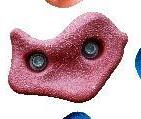
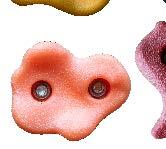
6 months in, and I’m in full swing. We have good numbers, strong numbers. Ever since Brian brought in two more guys from engineering, we’ve snowballed into a steady fifteen now. He’s come a long way since that first day. I tell him if he keeps it up for another year or two, he might even make WhatsApp group admin.
Before each session, I hold out my chalk bag as they gather round, grabbing at the powder hungrily and in handfuls. They smear it on their palms, rub it against the three unnecessary drawstrings that flutter from their loose fit cargos. But I pay no heed to their greed, for Heaven delights in good deeds. No, no, do not fret, little one. There is enough to go around — its supply never seems to diminish.
Then, we climb.

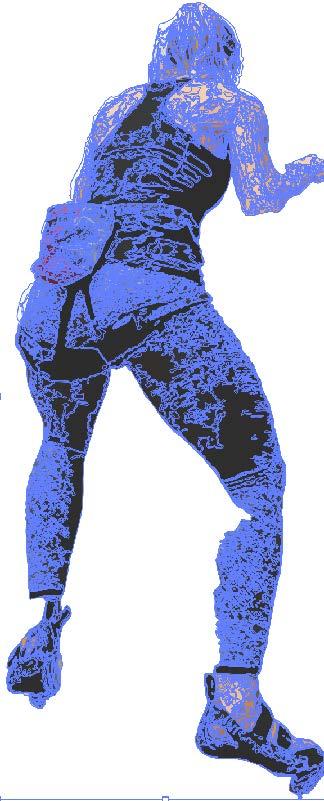
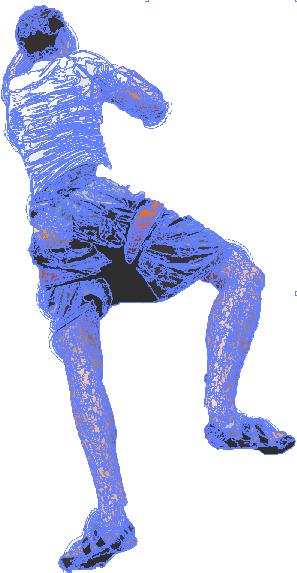
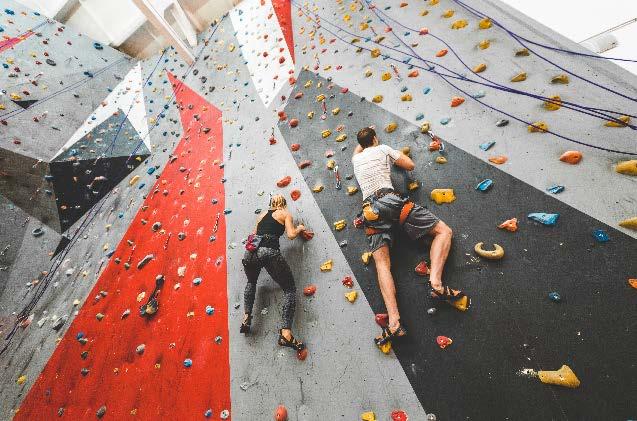
Hush now — they’re starting. Sometimes, they fear the wall, waver before it. But the wall waits for no one, and we’ve only paid for a two hour session. I tell them to listen to the rock, as I did. But to talk is to utter the other’s failure. Only those that have completed the climb may speak, for they alone know the way. They keep a steady vigil, offering words of wisdom when they feel so inclined: “Foot there…no not there, there– over– no, no put your foot back. Yea– alright, whatever.”
Each triumph is not our own, but a shared success. I stay with the group, attempting the lower-grade climbs, because there’s nothing quite like the adoration of fourteen teenagers. Each time I ‘top out,’ they scream my name from below, the way churchgoers scream. And perhaps they’re right — I’ve always felt the Second Coming took far too
Alas, I was undone by my own doing. Brian, the dumbass. He’d told everyone I’d done the black climb, and they all wanted to see me do it again. To witness a master at his craft. I wasn’t ready; yet, with my fellowship behind me, I
We fall together, too. Baptising ourselves in failure, relishing in our grazed skin. We take pride in the blood we leave behind on these consecrated mattresses, for they are a testament to our piety.
But, to fall alone is to fall in vain. There’s an audible sigh as the room exhales — not quite disappointment, but pity: because there is no shame greater than collapsing like a ragdoll, thrown in mid-tantrum. But a hand on the back reassures that yes, you are still among us.
“It’s alright, Brian,” we say, “let’s try again later.”
“Yes, we’ve deleted the video.”
“We promise.”
press a fat thigh against the sheer surface —
for the chalk they’ve used. I give them each 48 hours to respond, but nobody replies.
It’s numbing, losing all that power so quickly. But like a phoenix from the ashes, I’ll rise again. I hear pickleball is gaining traction.

In the beginning, God created the heavens and the earth, and the earth was untamed and shapeless.
• It’s my best friend’s 22nd birthday and we are all stumbling towards the local park.
• The theme is ‘favourite fictional character’ and I’m dressed as my profile picture.
• An hour earlier, one of my friends knocked on my door wearing nothing but brown pants and a tank top. I asked him who he’s dressed as and he just replied with “Grease.” Now he’s telling some stranger he’s Tony Soprano.
• He drives me to the party.
• My best friend opens the door. Teardrop earrings, handsewn cape, puffy shirt. They’re dressed as Howl.
• I walk in and find all the others. Raven, Shaggy, Indiana Jones, Alvin and the Chipmunks, the rats from Flushed Away.
• I redo my makeup in the bathroom. Moisturiser, primer, foundation, concealer, blush. I try to put on eyeliner and fail. Whatever. Eye shadow, lipstick, lip gloss. I want to cry and I don’t know why.
• When I step out, someone I haven’t spoken to since high school tells me we’re all going down to the local park and that he has ‘the goods.’ Okay. An uncomfortable pause. “I didn’t know you’re trans now.” “Yeah I am, haha.” “Sorry for everything back then.” “No, it’s all good.” He walks away.
• The streetlights illuminate us as we all march down slowly. A friend comes up to me and says she’s excited for the playground. Yeah, same. I spot someone peeking at us through their blinds before disappearing.
• People take turns with the flying fox. I can make out a few silhouettes climbing a pyramid of nets. A few of us are laughing a little too loud. Someone asks me if I want a blunt and I say no, but thanks. I take a seat on the swings.
• The playground appears all ghostly to me now. Faraway laughter, lonesome streetlights, the lads climbing up the roof of a shed, my friends walking across an empty footy field, the silence of Northmead’s suburban streets.
• I look up at the clouds and know that even behind all the light pollution, stars are burning there.
• And on the other side of Sydney, everyone else I know is still awake. Laying on their beds, watching one video become another. Am I in their thoughts? When they think of me, am I there for a moment or for far longer? Am I a resident of their thoughts? A guest? A prisoner? A vagrant? A migrant? When the years pass me by, will I remain in their life? When they pass me by, will life still remain in me?
• And across the city, across the continent, across the Great Pacific Garbage Patch, my soulmate is working tables at some diner in Buenos Aires. She is jaw-droppingly beautiful and I will never know it. In thirty years time, we will walk the same street and make eye contact for a brief eternity. Our fingers will accidentally touch. She will never know my name.
• And the love of my life is currently stuck in a traffic jam. She will match with me on Hinge and her first words will be “aren’t you the girl from that one Instagram reel?” We will work jobs we hate, have children who don’t love us, and rent until we die. She will ask eternity from me, and I will only be able to return to her a life without years; and years without life.
• And there are strangers out there thinking about me. They are reading my name on pages I will never touch. They are taping up and packaging my online purchases. They are deciding which toilet I’m allowed to piss and shit in. They are debating about how much freedom I’m allowed to have. They are wishing upon me every kind of death there is. They walk past me on the street, seeing first my face, then my dress, then my back, then my shadow.
• And the Earth still turns its weary body. A woman live-streams herself ingesting an entire smorgasbord of fast food. A landmine shreds a child to pieces. A flamingo searches for a mate through dance. An unmanned drone slaughters an entire village of people in a single minute. A father holds his daughter as they go down a water slide. A polar bear watches a glacier collapse into the sea.
• And tomorrow, I will find myself ambling away from the club at 2am, sobering up on my fifth cigarette of the night. Sweat soaking up every part of my blouse. I’ve lost my AirPods and my phone has no battery left, walking alone down King Street looking behind me every other second.
• And in a year’s time, I will open my wallet and watch a mosquito fly out. I will have to flake again on a nice dinner with a date to placate my landlord. I will turn on my laptop and try to watch a movie but I will get bored, look at the ceiling, and cry. I will hold a pill of estradiol above me and look at it like it’s a star in the sky.
• And in a decade’s time, a gang of plain-clothed policemen will knock on my door. They will ask if I live here, if I am my deadname, if I am truly who I am. They will place the muzzle of their rifle on my cheek, take me by the arm, and throw me inside an unmarked van. They will tell everyone I know that I have disappeared, that I have decided to leave.
• And in two decades’ time, I will close my eyes whilst facing the sun. For a few minutes before total blindness, the world is a holy hue of pink. I will try my hardest to remember the walls of my childhood bedroom and the face of a friend I have not spoken to in years. I will fail. I will whisper — like a sutra under shaking breath — death before detransition, death before detransition, death before detransition.
• And many years after that, I will watch young people frolick the streets from the balcony of an aged care home. I will learn that the world will never wait for my recognition. The world will always remain a stranger to me. I will wish to walk out onto the earth knowing nothing, knowing no one.
• And in some faraway millennia, an archaeologist will excavate my bones under a strata of asphalt, gravel, and some sediment of earth we don’t yet have the name of. She will look at it, categorise it, chuck it to a pyramid of everyone else’s bones, and give me my third name.
• And she will wonder about my past. She will return me to flesh and consciousness and cross-examine everything I did before and after my life began so she could reconstruct me and imprison my memory in a museum for bored passersby to gawk at in passing.
• And this is all I will have for a reply. My past is a void. I look all around me and find only an endless, grassless prairie where the winds winnow nothing and the clouds witness no one. A land abandoned by the sun, the moon, and every star.
• And my bare feet wander all this desolation for perpetuity. Among all this emptiness, unknown structures appear beyond all horizon and periphery like mirages. Pyramids of debris rise from the distance like deformed mountains. Uncaring skyscrapers stand like sundials searching for a sun that has forgotten them, casting no shadow, measuring nothing.
• And she will ask, what about your body?
• And I will respond, my body has forgotten me. I watched it cross the street from my bedroom window. I watched it drive the car and park at Westmead Station. I watched it board the train. I watched it sleep without me. I watched it change without me. My body was wasted on me.
• And yes, I spent all my time impatiently waiting for my life to fall apart and for my new limbs to grow. I dolled up everyday, lipstick and revolver on the desk of my vanity, watching the world’s dust coat the mirror. But much like the heart, your body is only an unmarked mass grave for all the others of your kind. All the dead interred within you, wherever you go.
• And she will follow with, well, what about your thoughts? What were you wondering about before your final days?
• And I will say, I thought there were psyops everywhere for the eyes to see. I thought that there were too many DJ’s and not enough infantrymen. I thought that the Lord restores the year eaten by the locust and the years restore the locusts eaten by the Lord.
• And she will remark, well, now you’re just mocking me.
• And I will say, well, I only have so much time. As I leave the interrogation room and stumble out into the city, I find that the future I have depended on so much for hope is all but the same silence.
• And from the public housing that the utopia of the future has given me, I hear the giggle and chatter of young people. I peek through my blinds and faintly hear a girl talking to another about a playground. The following night, I go out for a stroll and find a set of swings and take a seat.
• And I look at the sky and find that stars are still burning there. My hands grip the chains and I cry. And I cry, and I cry, and I cry. How was I ever expected to make a life out of all this death? To resurrect fire from all this ash? To make song out of all this silence?
• And I refuse it all. I refuse the burial. I refuse the prayers. I refuse the tears. I refuse the flowers. I refuse the dirt. I refuse the afterlife. I refuse the darkness. I refuse the silence. I refuse the ghost. I refuse the funeral-goers leaving one by one. I refuse my friends visiting my gravestone every week, then every month, then every year. I refuse my parents eventually forgetting my face. I refuse it all.
• And words are words no longer. The costume forgets the character. The flesh forgets the body. The stranger forgets the self. The house forgets the residents. The prison forgets the prisoners. The text forgets the page. The name forgets the person. The afterlife forgets the living. The light forgets the darkness. The sun forgets the day. The moon forgets the night. The stars forget the sky. The bones forget the earth. Eternity forgets the years.
• And one of my friends asks if I want a turn on the flying fox.
• Yeah. I’ll be there. Just a second.
• My friend drives me back home.
• I open the door and take off my shoes.
• I wipe my makeup off, layer by layer.
• My parents are asleep in the adjacent room.
• I am excited to do this again for the rest of my life.
• To live and die forever, a day at a time.
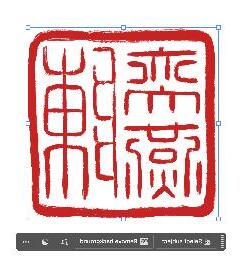
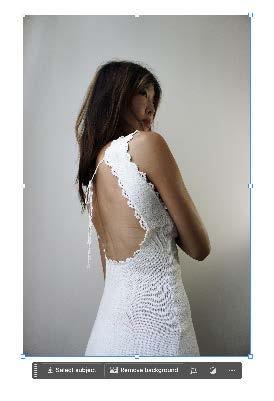
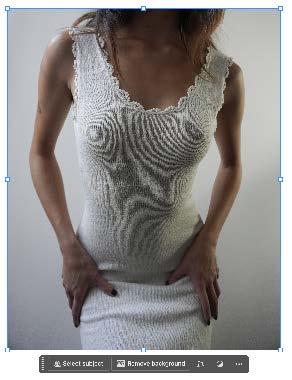
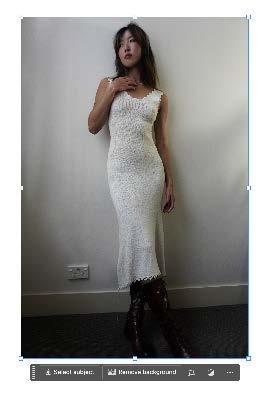
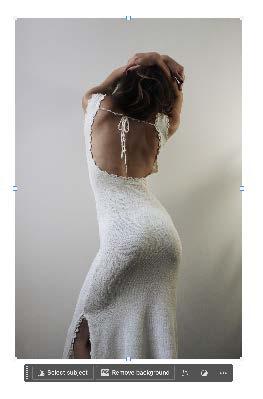
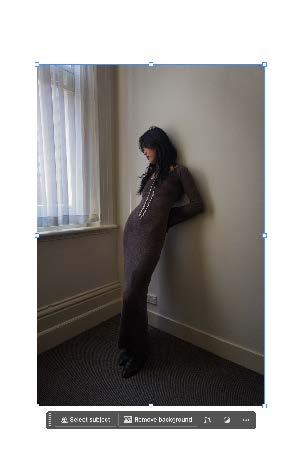
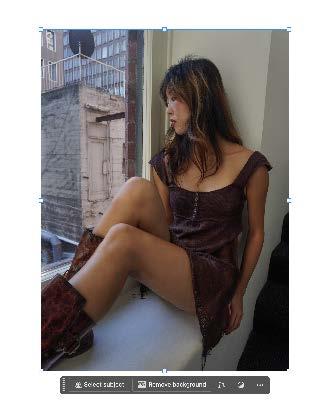
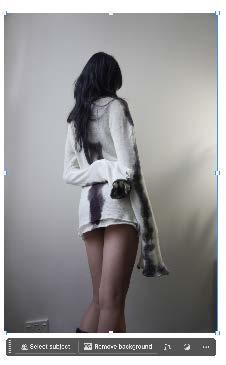
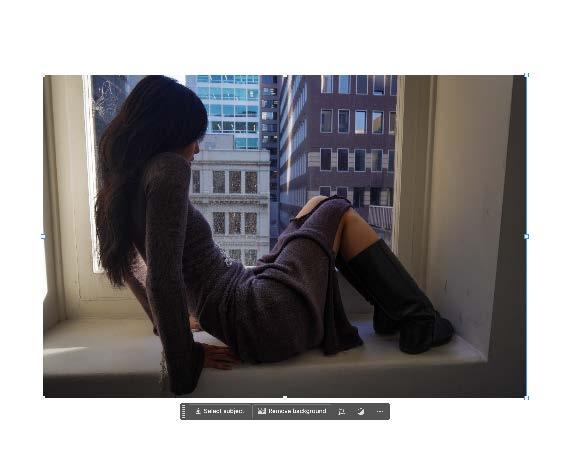
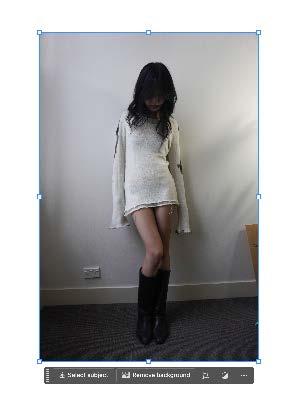
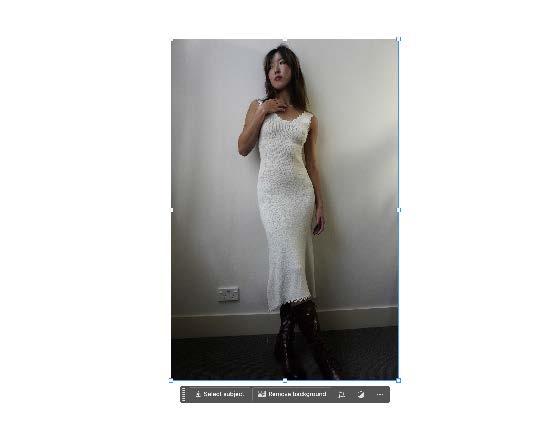
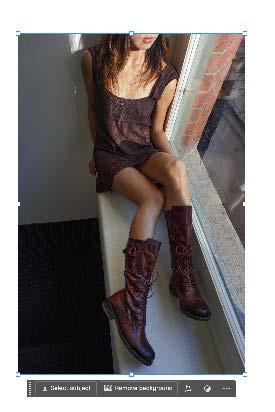
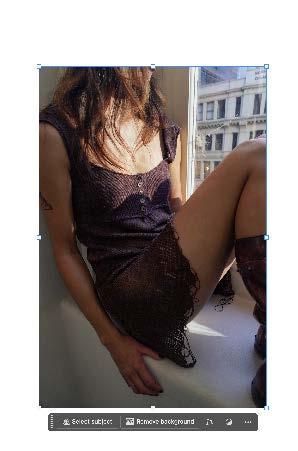
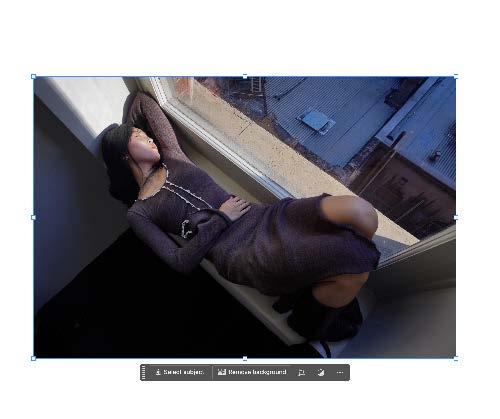
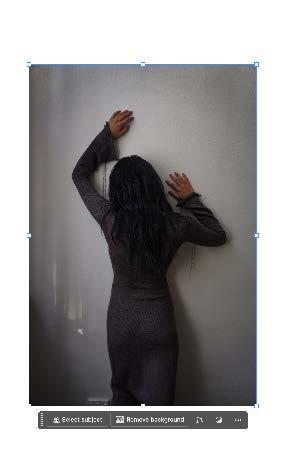
YAN (燕) is the Chinese character for swallow — a bird that represents femininity, grace, and tenderness. Using knitted textiles, YAN is the name of my brand where I am in pursuit of true feminine form.
To me, knitting and garment-making are the most romantic things I can do; they allow me to formulate the beauty I see. I preach slow, intentional fashion, and this medium allows me to pour who I am into it. My process is a mix of experimental colourwork and traditional fibre techniques from hand knitting and crochet, to machine knitting.
YAN is dedicated to sustainable textile practice, using purely natural fibres or ethically sourced yarns. This includes deadstock yarn, or repurposing the yarn in second hand knits.
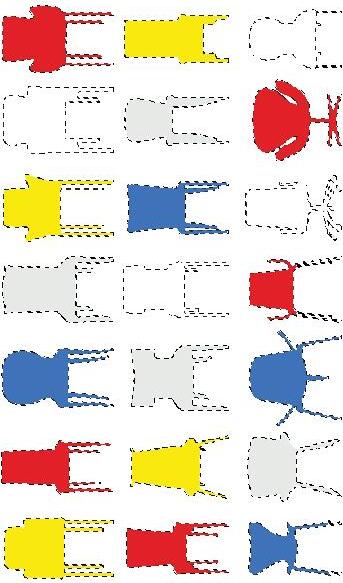
I hate chairs without backs. I would rather stand than shift around uncomfortably, trying to compensate for the failure of spinal support. Taking a seat is often synonymous with rest. But what about that awful, lumpy chair? The jabbing, shifting, itchy, comfortless chair? That chair is no longer a passive object we simply place our weight upon. Instead, sitting on such a chair becomes an active interaction between body and object — where the chair’s design shapes our experience of rest and comfort.
Chair design has never been neutral. Instead, it proposes to mediate between our bodies and the social, political, and cultural contexts in which we exist. When we sit, we never really just sit. We encounter a binary, between the active and passive, the context free and context ridden.
Modernism was a movement that redefined furniture as active and functional. From the late 19th century, it grew simpler. The convoluted ornamentation, the gilding, and overstuffing drops away, replaced by a new sensitivity to sleek comfort and practicality. With the advent of modernism, furniture would now consider the body of the user, to correct its posture, to optimise its efficiency, to give shape to a new set of sensibilities and aspirations.
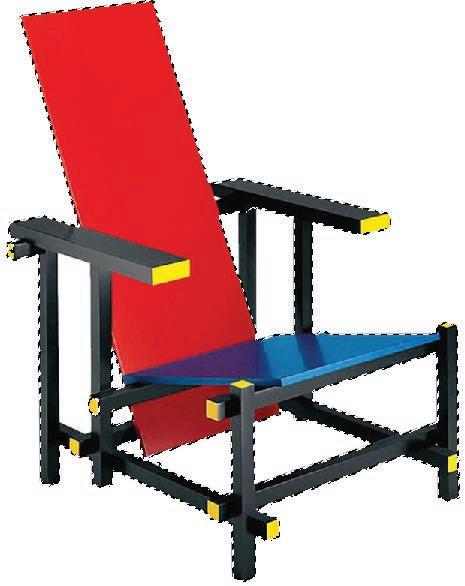
Gerrit Rietveld’s Red and Blue Chair encapsulates modernist simplicity by dramatically stripping the chair to its basic geometry. Designed in 1917, the chair exemplifies De Stijl principles, a Dutch art movement which embraced abstraction, linear forms, and a reduced, but vivid colour palette. Made entirely of wood, I imagine sitting in this chair would be far from comfortable. In lieu of bodily pleasure, the Red and Blue Chair invites its user to engage with the aesthetic experience embedded in its form. Specifically, the chair embodies the ‘machine aesthetic’ of the early 20th century, actively blurring any distinctions made between a structural inside and outside, or between load and support. For the Red and Blue Chair, the red wooden plank acts simultaneously as a load bearing feature for the arm structure, and is supported by the crossbar beneath the seat. Visually, we see an interlocking of geometric shapes, a design choice that actively encourages a more engaged and conscious sitting experience.
The machine aesthetic represented a new approach to design: celebrating industrialisation and functionalism, and reacting negatively to the ornamentation of the past. Clearly, Rietveld saw this chair as more than functional. Included in the instructions for assembling the chair is a verse from German writer and poet, Christian Morgenstern’s ‘Der Aesthet’, to be attached beneath the seat:
“When I sit, I do not want to sit like my seat-flesh likes but rather like my seat-mind would, if he were sitting, weave the chair for himself.”
Rietveld disparages comfort as something only the ‘seat-flesh’ would crave. Here, he’s designing for the transcendent mind. Comfort is vulgar and bourgeois, and so the new furniture, at least for Rietveld, aspires to be something higher and more refined. I wonder how the ‘seat-mind’ would feel about that after a long day at work?
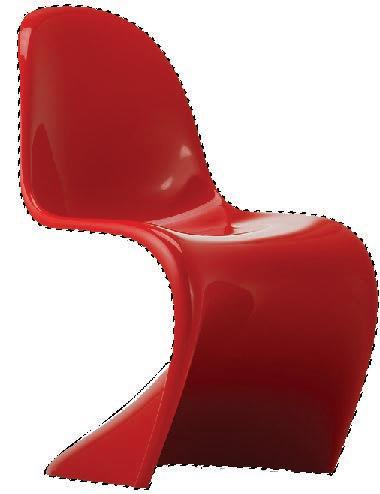
In the 1960s, Verner Panton latched onto this concept of playful furniture and ran with it. His Panton Chair further reinforced this idea that chairs can be a site of vibrant expression within the home. The chair, shiny and sleek in its design, strikes me more as a statement piece than a functional seat — something to admire for its boldness rather than to spend long hours sitting in. Though the initial design was created with fibreglass, polypropylene was eventually designated the material of choice, to enable mass production, durability, and affordability. The chair could thus be created out of one piece of plastic and sold for a relatively low price. Panton’s intention, as he himself described, was to “provoke people into using their imagination.” He argues that “most people spend their lives housed in dreary, grey-beige conformity, mortally afraid of using colours.” By reacting to their context, chairs offer a site of meaning-making — vessels for personal expression, cultural significance, and even social commentary.
This playfulness and use of colour was only intensified and emboldened throughout the 20th century, with the rise of postmodernism in the 70s and 80s. The stripped-back purity of earlier modernism was purged from the cultural lexicon, as new chairs were designed in reaction to the rising feminist movement, counterculture and the growing demand for personal expression and individuality. Postmodernism meant expressing more, with bright contrasting colours, intricate patterns, and unexpected materials.
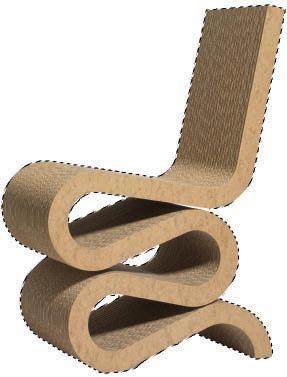
I am particularly charmed by Frank Gehry’s Wiggle Chair as an example of postmodernism, with its use of corrugated cardboard. Its base looks like something of a thick ribbon pasta, and its form promises the same level of structural stability. While the Panton Chair exists as a frozen moment of time — an imprint of the body, defined by a single, bold curve, the Wiggle Chair takes a different approach, adding unnecessary and widely expressive bends. This design decision speaks to the new extravagance of the 70s. An era where a sense of playfulness and individuality took precedence over the minimalist, functional aesthetic that came before.
Design history seems to suggest that chairs are inextricably embedded in their moment in time. They have evolved to interact with the user and reflect the differing social dynamics of their context. But what about a chair that seems to transcend this idea? One that is universal and ubiquitous: The Monobloc
I’ve sat in many, and I can confidently assume you have also. Just recently, I found myself sitting in one in the Mauritian Bazaar in Strasbourg-Saint Denis, Paris. The shop, teeming with local products, was transformed into a restaurant only by the addition of these chairs and a small table.
I am certainly not the only person interested in this chair and wouldn’t dream of being the last. In his 2011 essay,
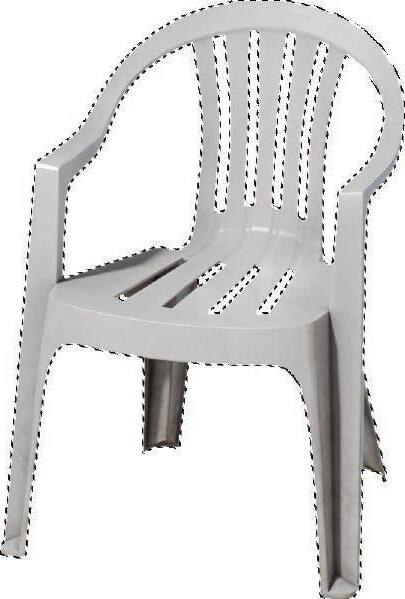
Those White Plastic Chairs – The Monobloc and the ContextFree Object, Ethan Zuckerman argues that the Monobloc is powerfully unique in its ability to stand independent of context. In an era of globalisation and homogenisation, most objects remain, at least to some degree, embedded in their locality. The Monobloc, due to its simplicity, ubiquity and affordability, is remarkable in its ability to defy localisation, with its presence as likely in the Global North as it is in the Global South.
But for a chair that is ‘context-free,’ it seemingly bears a lot of social meaning. A compelling example of this is the recent use of the chair on the cover of Bad Bunny’s album Debí Tirar Más Fotos. Despite its simple, unassuming form, the inclusion of the Monobloc on the cover resonated deeply with fans, many of whom took to TikTok to comment that “these are more than chairs, these are memories.” Specifically, a number of Puerto Rican fans explained that these chairs represented far more than simply functional objects. Rather, they are an active invocation of nostalgia and specific cultural experiences of gatherings with older generations or a pregentrified Puerto Rico – experiences and memories that can be brought to the fore by just the image of these chairs. In her book, The Chair: Rethinking Culture, Body, and Design (1998), Galen Cranz encapsulates this connection between chairs and emotions when she explains that: “we design them; but once built, they shape us.”
Perhaps this chair holds such weight because it remains unattached to any specific context, allowing each person to imbue it with their own meaning. By virtue of it being context-free, it becomes, ironically, context-ridden, shaped by the varied personal and cultural interpretations impressed upon it over time. Sadness is sticky on the plastic legs; melancholy asserts itself in the disturbed soil the chair is wedged into.
As we trace the evolution of the Red and Blue Chair to the Panton Chair to the Monobloc chair, it appears that we are back exactly where Panton hoped we wouldn’t be: drearybeige conformity. Does the Monobloc signal a return to the stripped-down and mundane, rejecting the extravagance of the years past? Or perhaps, it just embodies the culture of standardisation and mass production that dominates our world today. There are, of course, design exceptions to this, with the resurgence of woodworking and a growing interest in manipulating natural materials. However, for the most part, we live in a deeply mass produced environment, and the Monobloc is but a reflection of this reality.
The chair, in all its forms, is entrenched by the context in which it exists. It reacts and adapts itself to the social, political, and cultural forces, as well as to the body that rests upon it. Next time you take a seat — preferably one with a back — consider: are you absorbing the context of the chair, or is the chair absorbing yours?
The Ugly Face is substandard. Its proportions are asymmetrical, its features misaligned. It is stretched, dissected, and textured. It is measured against a formulaic ideal, its features calculated against Fibonacci’s golden ratio, and found wanting. It exists in a system that assigns value to symmetry, to a mathematical fiction feigning as beauty. It is compared, calculated, and ultimately reduced — less face, more failure.
1
Diag. 1
Beauty has never been neutral — it has always been a way of standardising desirability, of refining exclusion. The Ugly Face is not simply a face that fails to conform; it is an act of defiance, an artifact of miscalculation.
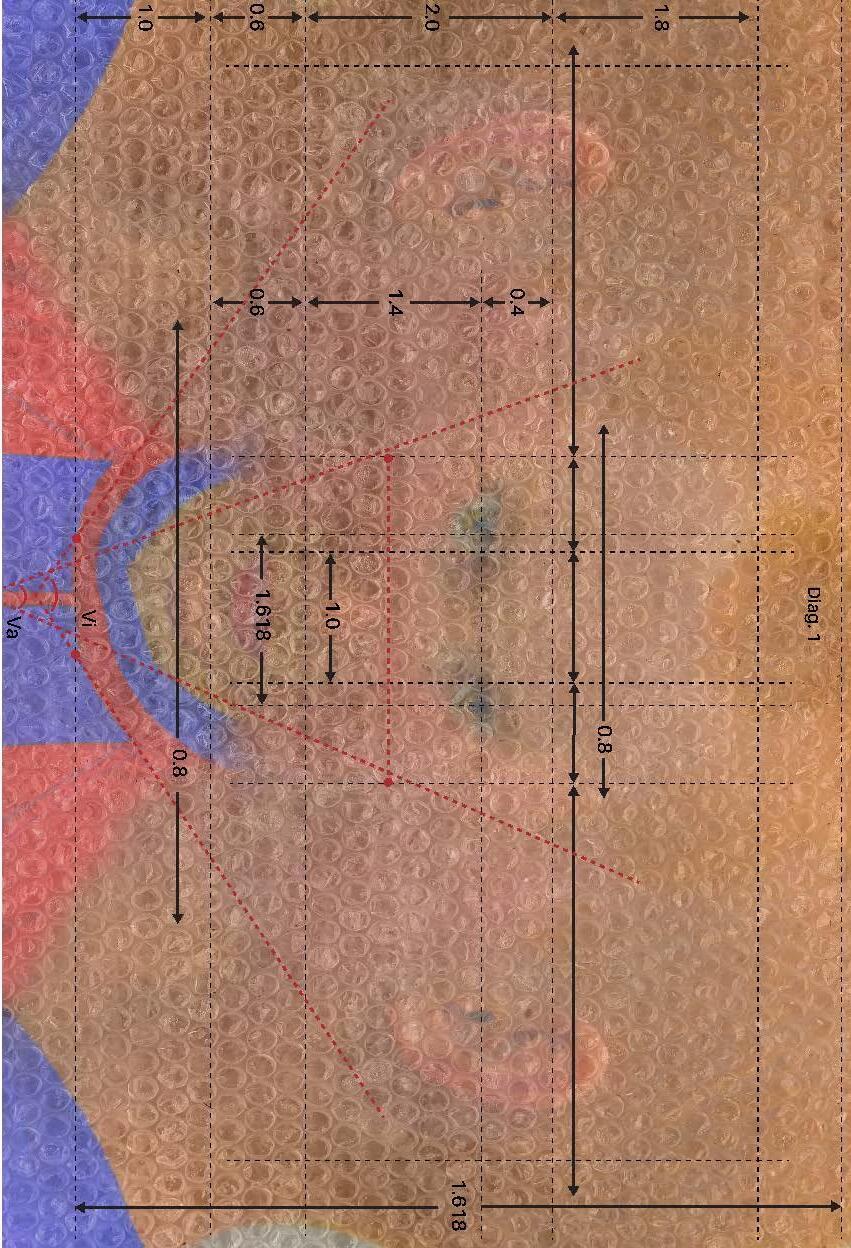
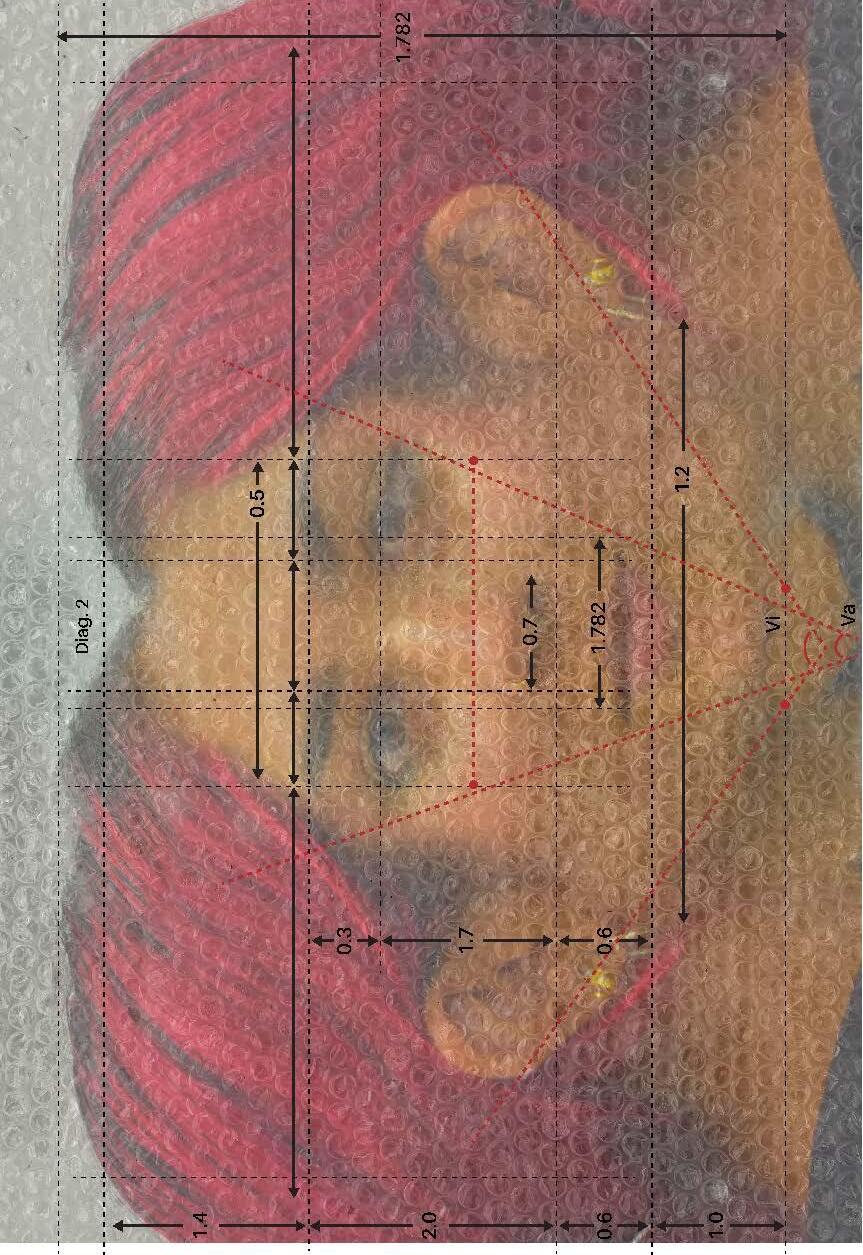
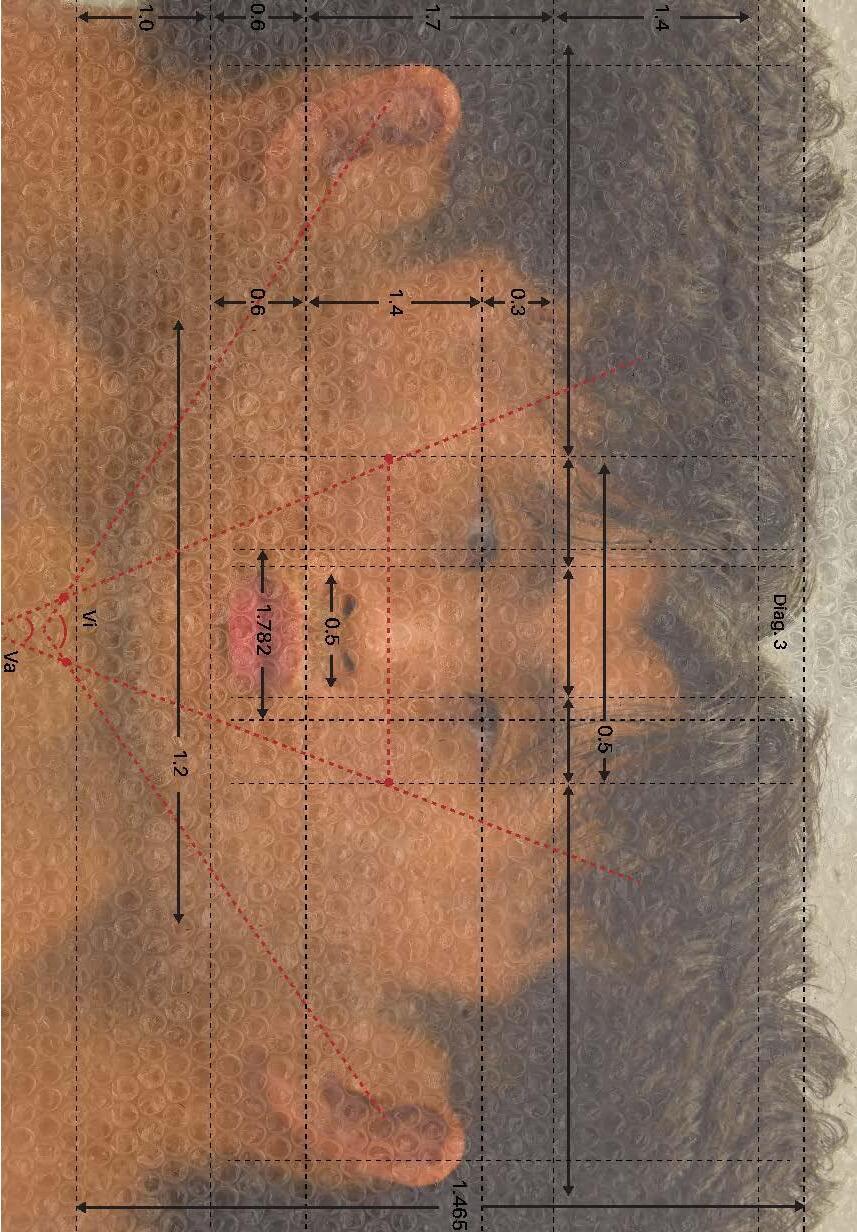
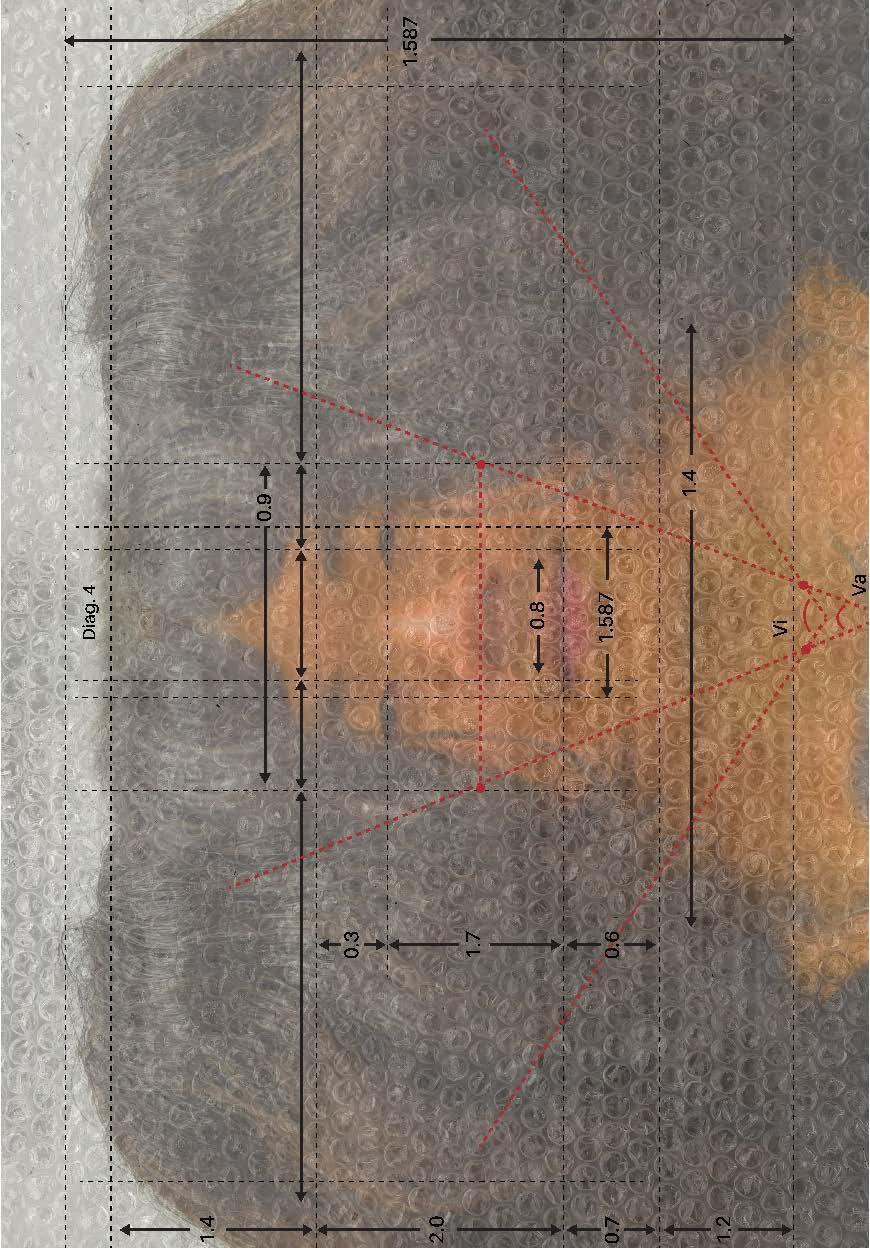
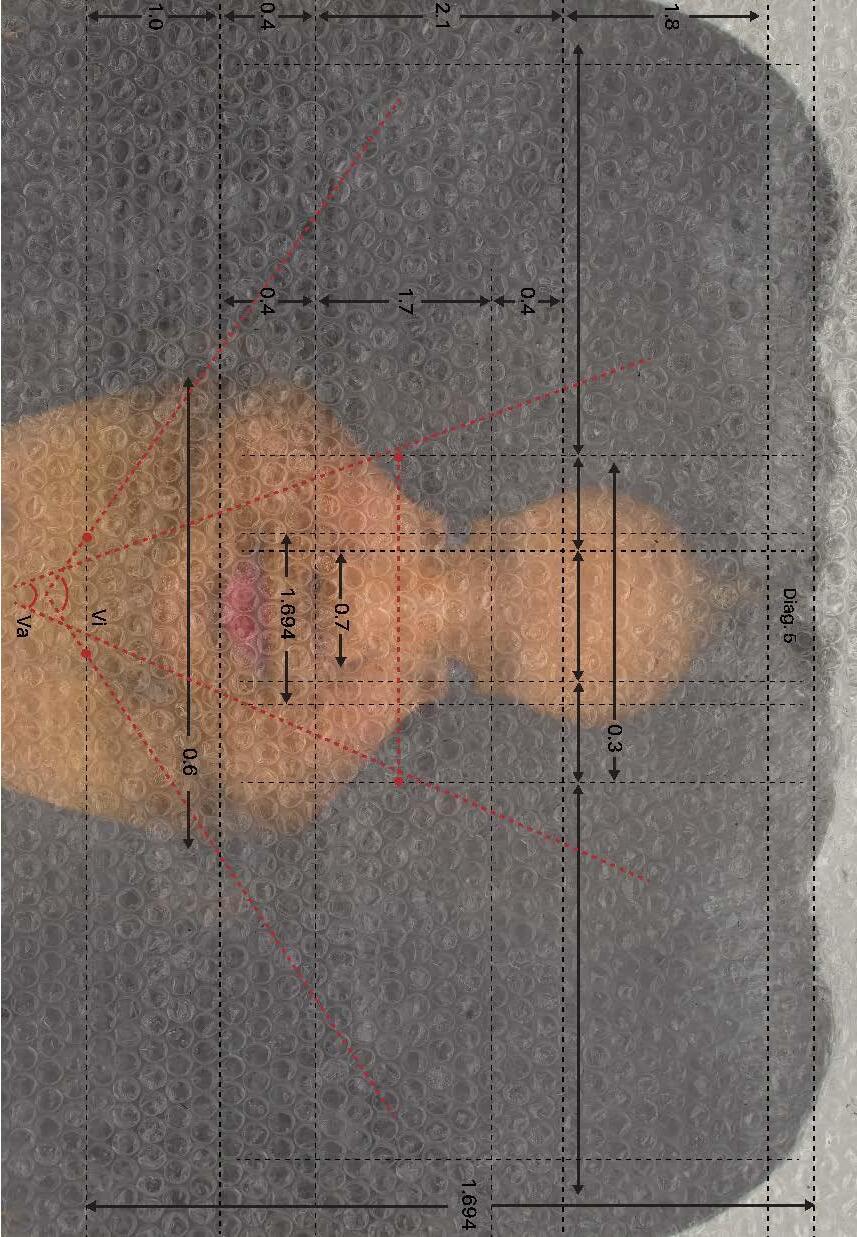
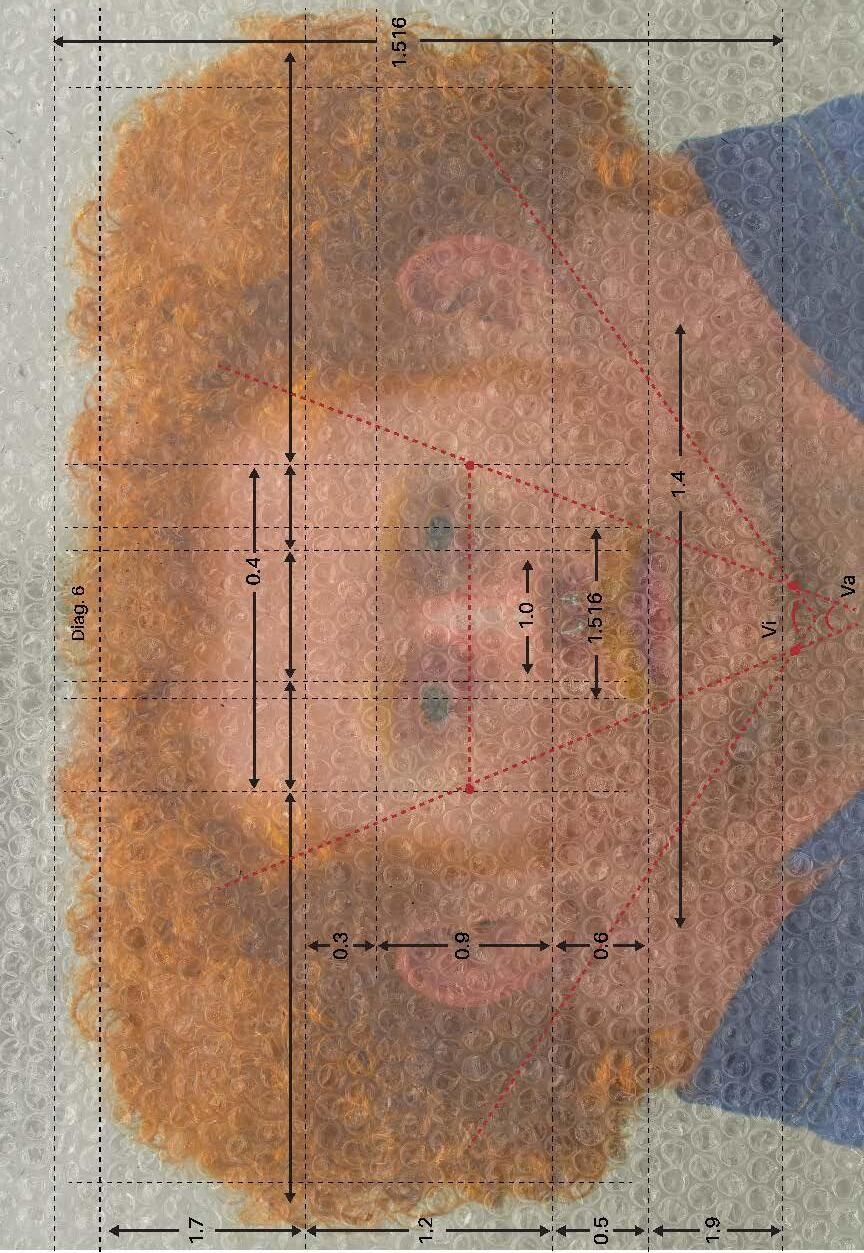
By digitally stitching and unwrapping the faces of my closest friends into vertex maps and superimposing my golden ratio calculations, I attempt to quantify the unquantifiable. What does it mean to rank our faces against an arbitrary formula? What does it mean to trust a ratio over a person?
1
Diag. 1
The Ugly Face is a satirical take on idealised beauty standards. It is not an attempt to redeem asymmetry, nor to restore it to a more authentic beauty. Instead, it amplifies distortion and turns the logic of aesthetic quantification against itself, revealing the absurdity of its claims. If beauty can be measured, it can also be manufactured and manipulated. And if it can be measured, then it can be — must be — refused.
Retweet to gain 50 Marx aura.
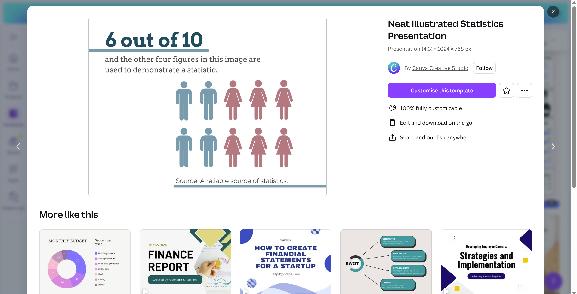
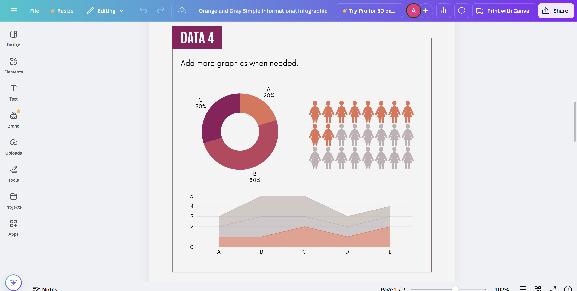
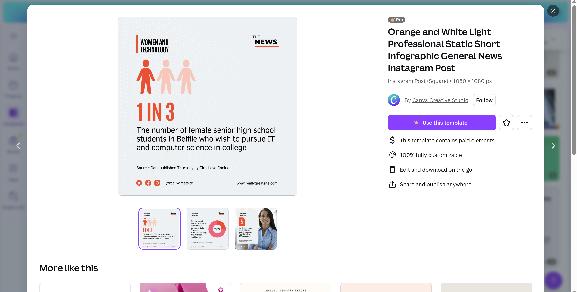
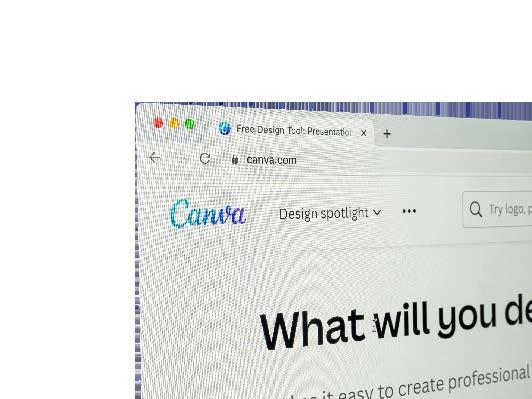
The internet has not turned out to be a great boon for the political education of the masses, but some corners of the web are doing good work. Activists are able to spread information (news, protest details, decolonial history) and share callouts for mutual aid by posting infographics on social media with an app that was built so that corporations wouldn’t have to hire graphic designers to make their marketing material: Canva. These Canva-made mutual aid callouts reveal an online culture that values informal direct donations through grassroots organising over tax-deductible charity fundraising. The sentiments behind this culture are the culmination of a few different trends over the past few decades but really have their origins following an earthquake in the Caribbean 15 years ago.
On Douz Janvye 2010 (‘12 January’ in Kreyòl), Haiti was struck by a devastating earthquake. The scale of the disaster and its impacts are difficult to imagine, but former Governor General of Canada Michaëlle Jean’s reaction when she visited Haiti days afterwards was that it was “like an atomic bomb fell on Port-au-Prince”. Over the course of 30 seconds, the magnitude 7 earthquake reduced buildings and infrastructure across the country to rubble, killing possibly over 300,000 and leaving more than 1 million people homeless. The images left the world in shock.
Governmental and non-governmental aid organisations flocked to the country and called on the goodwill of people to donate. It was hard not to open your wallet, or, as was common at the time, send your donation via text message. In fact, over $13 billion were raised in pledges and
donations globally, and nearly half a billion dollars that Haiti owed in debt was wiped. In the weeks following the earthquake, humanitarian agencies spoke of how difficult it was to supply the aid to many parts of the country, due to the damaged infrastructure and the fact that Haiti’s rural areas were already difficult to access.
Months went by and there were reports of uneven distribution of funds. Misleading claims by the NGOs that “99% of shelter needs” were provided, which in actuality may have just meant handing out a tarpaulin or sheets. Around the one-year anniversary, news outlets and aid organisations released reports on the progress of reconstruction, and the numbers (of those available) were grim. News footage of tent cities, rubble, and severely malnourished children had people wondering where all this fundraising money was going.
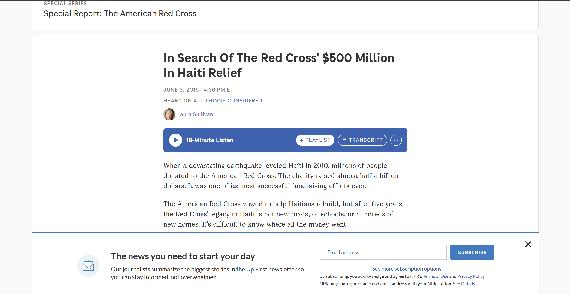
Laura Wagner, a survivor and scholar of the earthquake, wrote for Salon on the 6-month anniversary, “No one seems to know where the aid is… [it] is invisible.” Five years later, NPR and ProPublica released a report titled ‘In Search Of The Red Cross’ $500 Million In Haiti Relief,’ revealing that although the American Red Cross claimed to have provided homes to over 130,000 people, they had only built 6 permanent homes. The other point of contention is the fact that the charity in question was running a $100 million deficit in 2010. While the American Red Cross asserted that all $500 million was spent on Haiti relief programs, they refused to provide a list of the programs they supposedly ran and how much they cost. Given this lack of accountability and seeing how little the situation seemed to have improved since the earthquake, the charity lost a lot of its credibility in the eyes of the public.
Haiti, being subject to hurricane seasons as well as other natural and political disasters, has been in need of aid and donations several times since Douz Janvye. When Haitians and the diaspora have made callouts for funds, they have explicitly asked the public not to give to the American Red Cross and other large charities, but to donate to smaller, more localised charities and people on the ground. Today, we see similar mobilisation for donations for a range of causes that follow the same guidelines: redirect money away from officious charities and into the hands of those in need. This scepticism of charities is actually part of a broader trend of distrust in public institutions, be it NGOs, governments, news outlets, and pharmaceutical companies. It’s a lack of transparency that has allowed this distrust to fester. So rather than putting their faith in a top-down charity model, people are turning to grassroots mutual aid organising and spreading the word online, and they’re using the free graphic design app Canva to do so.
Canva-style infographics have their origin in meme culture on the internet. When social media platforms added the feature to easily share other accounts’ posts, news began to spread like wildfire. Infographics became the medium of choice for news outlets due to the ability to economise information and, if provocative enough, to increase the likelihood of people sharing and commenting on them. Facebook learnt that negative emotional responses were a consistent element of virality — crazy Karens, clickbait, tragedy — and one such highly shareable type of content were GoFundMe campaigns. Cute images or video footage of the fundraisers explaining what they were raising money for accompanied by sad or inspirational music, was like digital catnip in the early 2010s. The campaign page also showed a scale with the target fundraising goal and how much money had already been collected. Both of these elements encouraged people to share the campaign which had a set goal everyone could work together towards to directly help this one person/family, all handily facilitated through email and social media.
Nothing has been more emblematic of the public’s distrust in institutions and the online aid response than the Genocide in Gaza. As a result of governments’ worldwide failure to act to stop Israel’s assault on Gaza, and the media’s biased and lacklustre reporting on it, millions upon millions of people learned about the history of Israel’s occupation of Palestine through TikTok and Canvamade infographics on Instagram. When Israel attacked and blocked humanitarian workers in the already aiddependent Gaza, Palestinians or their families created GoFundMe’s which were shared on social media, and then eventually became collated and organised through the grassroots group, Operation Olive Branch (OOB). A further development to this tactic is the explicit teaching of how social media algorithms promote posts. Through
OOB, influencers and celebrities volunteered to be paired up with a family in Gaza’s GoFundMe campaign to boost fundraising efforts for them, encouraging their followers to engage with and share their posts to increase the chance of virality. Individuals could even look through OOB’s spreadsheet and specifically support a family with newborn children or one with disabled or elderly relatives. Similar online awareness and donation campaigns were made for the people of Sudan, Tigray, and the Democratic Republic of Congo, and now the OOB spreadsheet has donation and information links to those causes as well.
Mutual aid obviously pre-exists 2010, and as Myriam J. A. Chancy points out in her book, Harvesting Haiti: Reflections on Unnatural Disasters (2023), scholars have been criticising the charity model as response to humanitarian crises since the Rwandan Genocide. But Haiti was the catalyst for our current online approach to mutual aid, which was fostered by our failing Neoliberal institutions. And I think it’s kind of hilarious that Canva, an app designed for marketing interns who are too young to know the ‘graphic design is my passion’ meme, is used to educate the masses and drive funds to where they’re needed.
I FUCKING LOVE
FUCKING HELL
LOVE KOC I LOVE
SO BAD GOD I
FUCKING LOVE KOC
FUCKING HELL I LOVE
I LOVE KOC SO
GOD I FUCKING
LOVE KOC FUCKING H






LOVE KOC
LOVE KOC
BAD GOD I
FUCKING
LOVE KOC
FUCKING LOVE
HELL I LOVE
BAD GOD I
FUCKING
LOVE KOC
FUCKING LOVE
HELL I LOVE
BAD GOD I
FUCKING
LOVE KOC
FUCKING LOVE
HELL I LOVE
BAD GOD I
FUCKING
LOVE KOC
FUCKING LOVE
HELL I LOVE
BAD GOD I

FUCKING
LOVE KOC
FUCKING LOVE
HELL I LOVE
BAD GOD I
FUCKING
LOVE KOC
FUCKING LOVE
HELL I LOVE
BAD GOD I
FUCKING
LOVE KOC
FUCKING LOVE
HELL I LOVE
BAD GOD I


GOD I FUCKING LOVE KOC FUCKING HELL I LOVE KOC
LOVE KOC FUCKING HELL I LOVE KOC I LOVE KOC SO
FUCKING HELL I LOVE KOC I LOVE KOC SO BAD GOD I I LOVE KOC I LOVE KOC SO BAD GOD I FUCKING LOVE I LOVE KOC SO BAD GOD I FUCKING LOVE KOC FUCKING SO BAD GOD I FUCKING LOVE KOC FUCKING HELL I LOVE I FUCKING LOVE KOC FUCKING HELL I LOVE KOC I LOVE
LOVE KOC FUCKING HELL I LOVE KOC I LOVE KOC SO
FUCKING HELL I LOVE KOC I LOVE KOC SO BAD GOD I I LOVE KOC I LOVE KOC SO BAD GOD I FUCKING LOVE I LOVE KOC SO BAD GOD I FUCKING LOVE KOC FUCKING
SO BAD GOD I FUCKING LOVE KOC FUCKING HELL I LOVE I FUCKING LOVE KOC FUCKING HELL I LOVE KOC I LOVE
LOVE KOC FUCKING HELL I LOVE KOC I LOVE KOC SO
FUCKING HELL I LOVE KOC I LOVE KOC SO BAD GOD I I LOVE KOC I LOVE KOC SO BAD GOD I FUCKING LOVE I LOVE KOC SO BAD GOD I FUCKING LOVE KOC FUCKING
SO BAD GOD I FUCKING LOVE KOC FUCKING HELL I LOVE I FUCKING LOVE KOC FUCKING HELL I LOVE KOC I LOVE
LOVE KOC FUCKING HELL I LOVE KOC I LOVE KOC SO
FUCKING HELL I LOVE KOC I LOVE KOC SO BAD GOD I I LOVE KOC I LOVE KOC SO BAD GOD I FUCKING LOVE
I LOVE KOC SO BAD GOD I FUCKING LOVE KOC FUCKING SO BAD GOD I FUCKING LOVE KOC FUCKING HELL I LOVE I FUCKING LOVE KOC FUCKING HELL I LOVE KOC I LOVE
LOVE KOC FUCKING HELL I LOVE KOC I LOVE KOC SO
FUCKING HELL I LOVE KOC I LOVE KOC SO BAD GOD I I LOVE KOC I LOVE KOC SO BAD GOD I FUCKING LOVE
I LOVE KOC SO BAD GOD I FUCKING LOVE KOC FUCKING SO BAD GOD I FUCKING LOVE KOC FUCKING HELL I LOVE I FUCKING LOVE KOC FUCKING HELL I LOVE KOC I LOVE
LOVE KOC FUCKING HELL I LOVE KOC I LOVE KOC SO
FUCKING HELL I LOVE KOC I LOVE KOC SO BAD GOD
HELL I LOVE KOC I LOVE KOC SO BAD GOD I FUCKING
KOC I LOVE KOC SO BAD GOD I FUCKING LOVE KOC
KOC SO BAD GOD I FUCKING LOVE KOC FUCKING HELL
KOC I LOVE KOC SO BAD GOD I FUCKING
SO BAD GOD I FUCKING LOVE KOC
FUCKING LOVE KOC FUCKING HELL
LOVE KOC FUCKING HELL I LOVE KOC
FUCKING HELL I LOVE KOC I LOVE KOC
LOVE KOC I LOVE KOC SO BAD GOD
LOVE KOC SO BAD GOD I FUCKING
SO BAD GOD I FUCKING LOVE KOC
FUCKING LOVE KOC FUCKING HELL
LOVE KOC FUCKING HELL I LOVE KOC
FUCKING HELL I LOVE KOC I LOVE KOC
LOVE KOC I LOVE KOC SO BAD GOD
LOVE KOC SO BAD GOD I FUCKING
SO BAD GOD I FUCKING LOVE KOC
FUCKING LOVE KOC FUCKING HELL
LOVE KOC FUCKING HELL I LOVE KOC
FUCKING HELL I LOVE KOC I LOVE KOC
LOVE KOC I LOVE KOC SO BAD GOD
LOVE KOC SO BAD GOD I FUCKING
SO BAD GOD I FUCKING LOVE KOC
FUCKING LOVE KOC FUCKING HELL
LOVE KOC FUCKING HELL I LOVE KOC

FUCKING HELL I LOVE KOC I LOVE KOC
LOVE KOC I LOVE KOC SO BAD GOD
LOVE KOC SO BAD GOD I FUCKING
SO BAD GOD I FUCKING LOVE KOC
FUCKING LOVE KOC FUCKING HELL
LOVE KOC FUCKING HELL I LOVE KOC
FUCKING HELL I LOVE KOC I LOVE KOC
LOVE KOC I LOVE KOC SO BAD GOD
LOVE KOC SO BAD GOD I FUCKING
SO BAD GOD I FUCKING LOVE KOC
GOD I FUCKING LOVE KOC FUCKING
FUCKING LOVE KOC FUCKING HELL I LOVE
FUCKING HELL I LOVE KOC I LOVE
HELL I LOVE KOC I LOVE KOC SO BAD
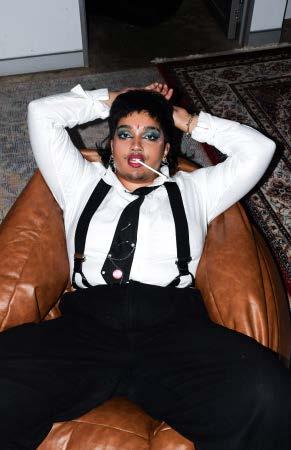
LOVE KOC FUCKING
HELL I LOVE KOC I
LOVE KOC SO BAD
GOD I FUCKING
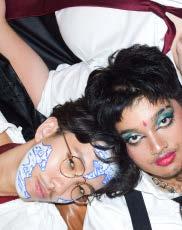
LOVE KOC FUCKING
HELL I LOVE KOC I
LOVE KOC SO BAD
GOD I FUCKING
LOVE KOC FUCKING
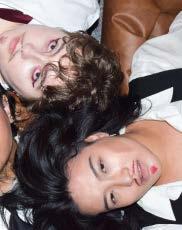
On April 8th, 2024, we are huddled around Hugo’s computer, biting our nails, and watching the second clock tick over.
11:59:55 — We wait for the .pdf to upload.
11:59:56 — Hugo switches to mobile hotspot (tf? It made no difference).
11:59:57 — We autofill all our personal data, ready to hand over the next year of our lives to PULP.
11:59:58 — Hugo clicks apply, China is in the foetal position, we wait with bated breath, and a single tear rolls down all our cheeks simultaneously.
11:59:59 — “Application Successful. Thank you for applying. Your application has been processed.”
Adrenaline rushes through us, foetal positions open to starfish sprawls, and we all collapse into a collective hysterical heap. The single tear becomes several, as we wet each other’s shoulders with relief. We call our friends who supported us, our parents who asked us when we were planning to get a ‘real job’, and reach for a cookie. On a Tuesday, we get the call.
The year prior, we had gotten to know PULP2 very well — through Tuesday lunch, arriving early to launch parties, and in replies to edits. We saw PULP at uni, at specialty cafes, at wanky wine bars, and on pub bathroom floors. Everyone wanted to be seen with one of their tote bags or at one of their launch parties.
It was cold and dry when we were able to let ourselves into the PULP dungeon for the first time. Simon gently reminds Hugo that they are in his seat and asks us what our vision for PULP was. We wanted PULP to keep being weird and keep being sexy. We gave it more space, each piece had more spreads, more words, and more assets. We blew out our budget and begged for more money, gave up on refilling printer ink so we could deboss the masthead, and spent our Sunday nights asking if Honi Soit was around next door and if they wanted to hang out so that we didn’t have to fucking italicise things that should have been in italics already and fix the random line breaks and offset text and put in page numbe—
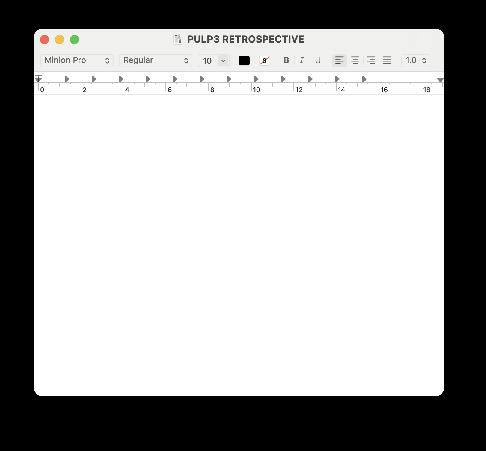
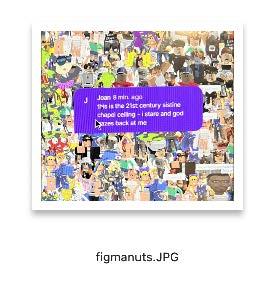
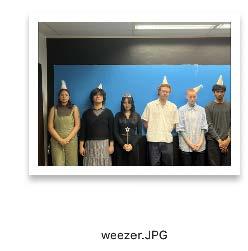
PULP came to party this year. We carried on the torch of inter-publication-instagramaccount flirting (we want you so bad Vertigo ;)), and got close with Honi and SURG, maybe too close. We started off our tenure with PULPxHONIxSURG, the biggest stujo party since this side of COVID that Manning was so excited for that they forgot to put staff on. We took part in the Student Media Conference, and swapped issues with our Canberran, Adelaidian, Melbournian, Novocastrian, and Brisbanite peers. Ashray and Hugo were cornered by security for taking photos of Verge for the Block Party, where we were blessed with Halloween costumes like: Jesse Pinkman, Cactus, Juno, and Princess Diana. Love.Bytes3 came to our launches, interviewed a bin, sent one of us into internet stardom, and did vox pops better than us. We even got into a situationship with a plinth from Verge. It came and went as it pleased, breaking and mending our souls. It had a swipe card to our hearts.
In the only room with a window in the office, we met every week. We combed through your pitches — pogging out at your portfolios, giggling at your wit, and kicking our feet at your vulnerability.
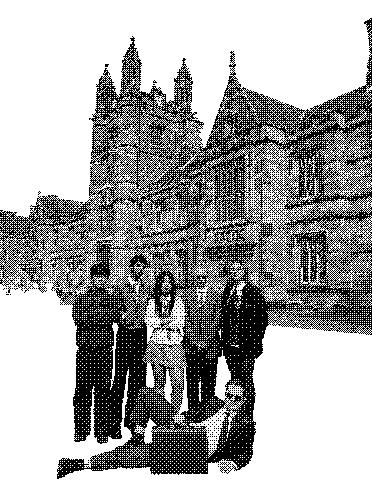
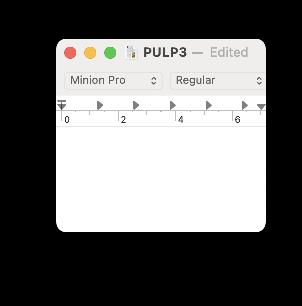
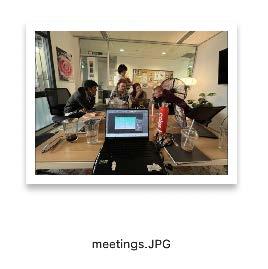
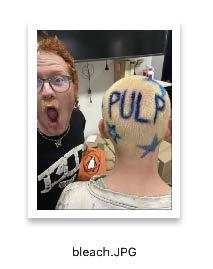
In the kitchen, our sink broke. Hugo figured out how to fry eggs on the toaster press, and the collection of tea grew exponentially. For two whole weeks, one of us would yelp in fear after being jumpscared by Kelly del Ray at the end of the Hallway.
At different points throughout the year, the living room housed our breakdowns — Ashray nestles into a corner of the couch while we interrogate. “How long has this been happening?” Hugo cries, “Who did this to you?” China laments, “Who hurt you? Kelly consoles, “What shower gel?” Joan asks. We have discovered Ashray has been using shower gel to shampoo his luscious mini-mullet for years. Ashray switched to shampoo, but would say that his hair has “never been the same.”
Our photo room became a brief parking location for a Lime bike, and in our library, we promised each other that we’d always hand in our vox pops on time. We never did. At the pool table, Ashray “learnt” how to “play” pool, he’s even “won” a few “games” and had “fun.” Hunter Finigan came to visit us regularly, and it eventually became odd not to see him there.
The office has and will house a lot of joy, a lot of pain, a lot of love, and a lot of (constructive, nuanced, and well-informed) hate. Its walls watched us change and grow over the course of a year. Ashray can cook now. Bip has had five distinct haircuts, and cleared the fridge out of Red Bull on multiple occasions (thank you Red Bull plug for your continued support). Joan graduated from the Capcut School of TikTok Edits and now, begrudgingly, is getting good at Premiere. Kelly has seven new nicknames1. China and Hugo have matched outfits accidentally on at least eight occasions, and neither of them changed. We got exponentially better at taking meeting minutes, at using Figma2, and at talking to people (except for Hugo who claims to have been “well adjusted” the whole time).
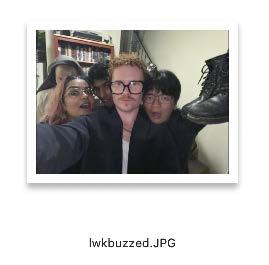
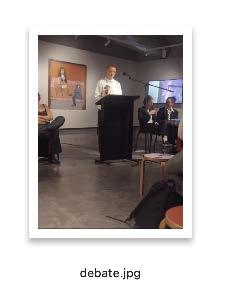
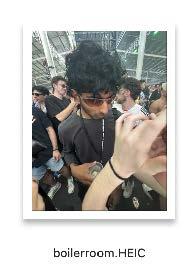
PULP2 was slick, punchy, clean, and introspective. There was a rich excitement in peeling back the cover, an anticipation in turning every page, and a bittersweet heaviness in reaching the final spread. There was a certain steeze in leaving a coffee-ringed Issue 10 on the table or a dog-eared Issue 11 on your bedside just before guests arrive. We carried every issue delicately in our sling bags, making sure not to bump it for fear of wrinkling pages or bruising corners. PULP2 left the publication with such a strong identity that we had to push it, stretch it, and twist (and bop) it as far as it could go.
So we got a little silly with it, we made things louder and brighter, made condoms, stickers, and hats. We took all the parts of PULP we knew and loved, then expanded on them. Photo Review continued to be insane, and vox pops became weekly. The PULP community welcomed us with open arms.
We’ve been so privileged to be able to edit this magazine for you. It has been a pleasure to put faces to all of the names behind the Google Doc suggestions, Instagram messages, and emails. Even as the university turns away from being an institution and towards being a business, the USU is generous enough to throw money at us. Even in the face of a general apathy toward campus life, here you all are — picking magazines off of stands faster than we can put them back up. It’s people like you, dear reader, who will keep campus culture and print media alive.
1Keller, K Dot, Kellertron, Machine Gun Kelly, K dawg, Belly, and the aforementioned Kelly del Ray.
2Figmanuts :P
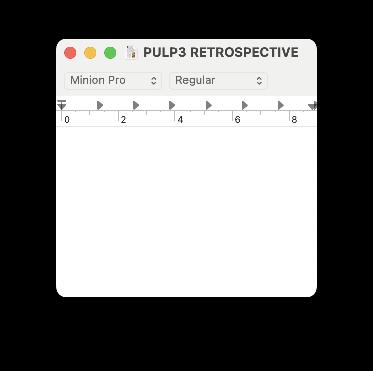
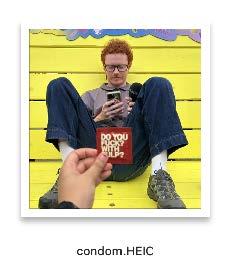
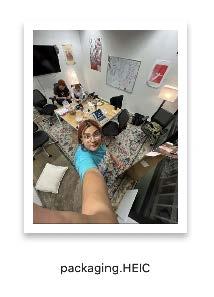
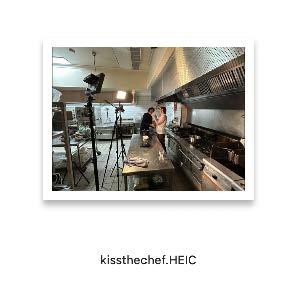
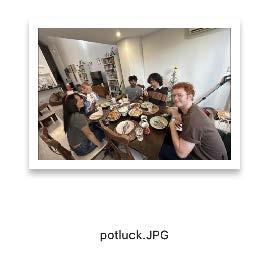
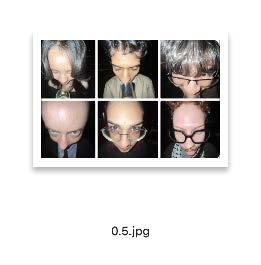
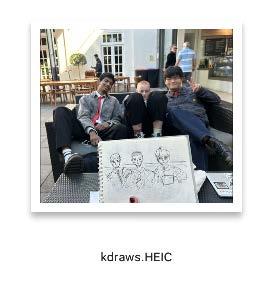
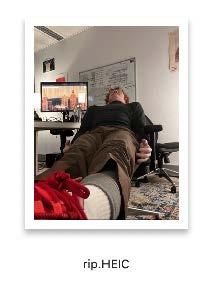
Our memory of PULP is coagulated into one epic blob. We just submitted our application, we lie on the ground, we wipe the sleep from our eyes, and we’re eating Pad Thai while packaging Issue 19 into the wee hours of the morning. We make a pot of tea for our very first pitch meeting, and all of a sudden Issue 21 is just a .pdf file. Maybe someday soon we’ll go for a batch brew at Stitch (oh god) or Toby’s Estate and laugh about the year we went slightly crazy making magazines. It all sits together as a concentrated mega-memory.
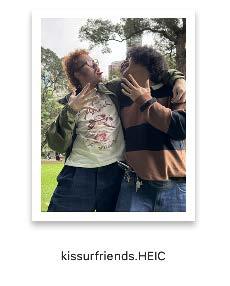
PULP is expansive, it’s nothing burger. It’s a bastion of culture, it’s a Roblox shrimp sticker. It broke our spirits, it built us up from the ground. It’s not your grandma’s orange juice and not your favourite brit-pop band. It’s an ex-lover, it’s our one true love. PULP is everything, and it’s just PULP
PULP is a magazine built on friendship and on criticism. PULP is the rose and thorn at the start of the meeting, the hive mind brain rot that infects our lexicon, and the connection we have with each other. The paper we print on is saturated with 3 years of friendship; of editors who came together because they love PULP and then left it all on the paper.
We can look back later and cringe at the designs that never made it to print or the first version of your favourite vox pop. But for now, we choose to make PULP, to make a magazine capturing what we are thinking, what we are feeling, and who we are. Soon seven new people will become friends. Their friendship will splatter onto the paper, and make a beautiful year of magazines. We will be eagerly watching.
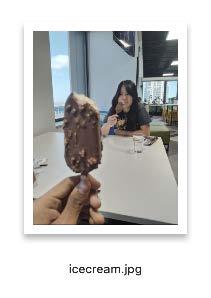
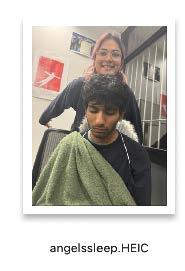
We set out to make a year of PULP built on connection and community. With a goal so hard to quantify, only you can tell us if we succeeded. Our year of PULP will probably end up gathering dust in some USU archive (thanks a lot, Marlow). We’re quite alright with that though. We had fun. We made magazines. Can we really ask for more than that? As our Disc*rd group reminds us: PULP3 (LETS FUCKING GO).
At the end of our tenure, we can confidently say: we fucking went.
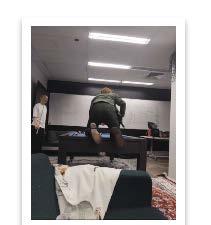
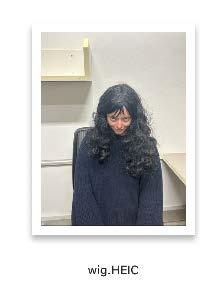
The Big Yellow USU Bench at Courtyard Cafe does not love you. It begs, rather. It begs that you, love it. Big and Yellow and USU and Bench-like, it is an insecure narcissist. A greedy, gluttonous thing that only comes alive when the whole world’s attention is on it, terrified of the total obliteration that comes from being ignored, the complete desolation of being unsat upon — it desperately needs your love to live. It pleads for it. Pleads that you care about it, and post about it online; talk of it with all of your friends and become enamored entirely with how amazingly Big, how cheerfully Yellow, and how stupendously ‘Benchy’ it is. But, it does not love you back. It cannot. No matter how many times you throw yourself carelessly upon its canary-coloured boards, The Big Yellow USU Bench will never love you back. It simply does not know how.
I am not against big benches, per se. Rather, what I am against is The Big Yellow USU Bench. In truth, I abhor it with every fibre of my being. There is something wretchedly ironic about its existence, about its pathetic pleading. A big bench typically is enlarged to encourage a novel perspective of the world around you. Its lofty view might make the world seem unfamiliar and expansive as the bench encompasses you wholly, holding your legs aloft and dangling them helplessly over the edge, reminiscent of how large the world felt as a child. And I like that. I like that quite a lot actually.
I do not like The Big Yellow USU Bench.
It pisses me off just thinking about it. How profoundly embarrassing its desperation to be a bench is; shamefully other. Because a good bench demands nothing of you; a good bench offers a quiet place to think, it brings friends and strangers together, it binds communities; a good bench doesn’t impose itself, it is a quiet thing; a good bench does not beg. The Big Yellow USU Bench cannot be a real bench. Rather, I’m afraid, it is merely acting the part of one.
If you’ve ever made the bildungsroman up on top of Big Yellow you probably know what I mean when I say that you start to become a bit embarrassed after being up there for too long. Because one cannot simply sit on Big Yellow without becoming a part of its Big fucking Yellow
conceit. Without complying to the naïve moronicism of Big Yellow’s essential contrivance:
“So what if a normal thing was bigger than usual — and my god! What if…what if it was – quick write this down Nigel –Yellow! Like the USU! Yes! YES! By Jove, I think we’ve cracked it! Huzzah!”
To make the trip onto Big Yellow is to admit that this vulgar conception was enough for you. It is to admit that you buckled completely beneath the weight of your most limbic impulses. It is to admit that you awkwardly clambered your way up on top of a giant yellow farce — a struggle so uncooperative it’s almost as if it wasn’t intended — either in the disappointing hopes of being rewarded with a particularly dour view of the courtyard cafe, or even worse, in the hope that you might meld with Big Yellow’s total conceptual audacity, become lost inside of it’s lemony-solipsism, its fruitless quest to grasp it’s noumena, and pose for it. For a ‘quick pic’.
I fear the truth of the matter is that most people never realise that they cease to exist entirely whenever they touch Big Yellow. Totally engulfed by its gimmickry, their bodies become annexed — forever muddied by a smouldering unclean pissyellow, dyed at the hands of the insatiable desire to be a part of the Biggest, Yellowest, and most Bench-
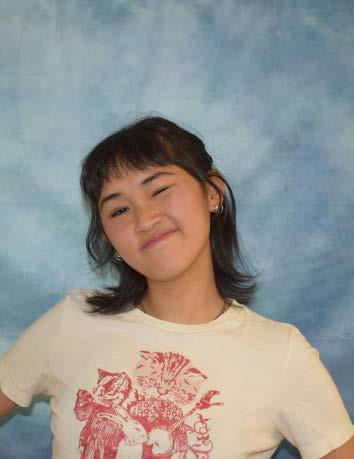
Simone Wong @sim1_wong
An animal trapped in your hot car
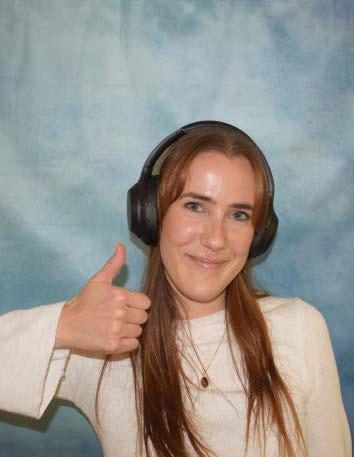
Anneka Scholtz @document.aa
Chronic earworm-haver
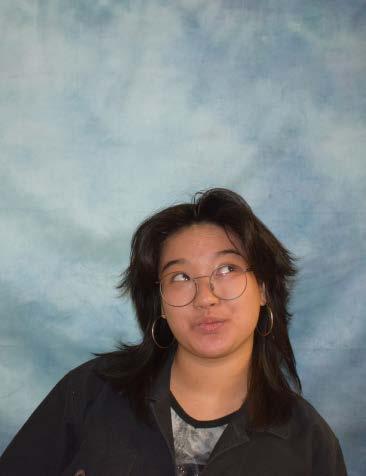
Soph Tan @aire.soph
Hot pot pillow princess
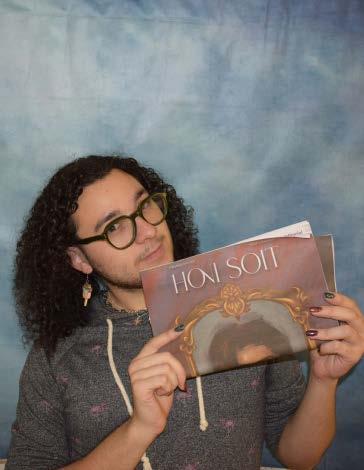
Will Winter
@willster22579

Luke Cusack
@qz.digital
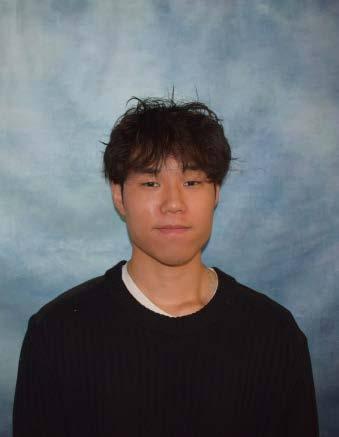
War-veteran, astronaut and friend
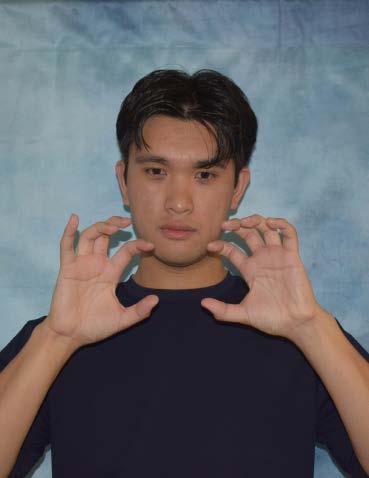
Jason Ocampo @jsnao
drawing funny faces on your misted windows
Elyssa Chen @yanmemoir
Knitter by day so I can litter by night
Ondine Karpinellison @ondinek just discovered are.na

Geoff Cavanough @pageglue
James Wily @officialjameswily
Monorail apologist
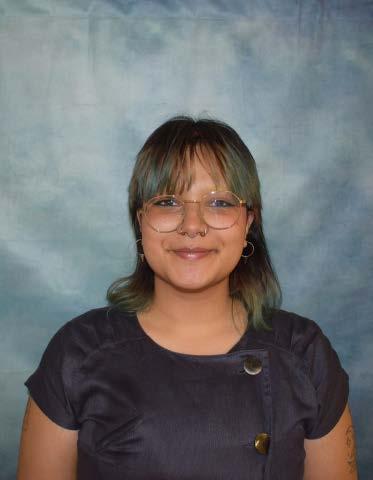
Bipasha Chakraborty @d1gistar
proud garfield landline owner
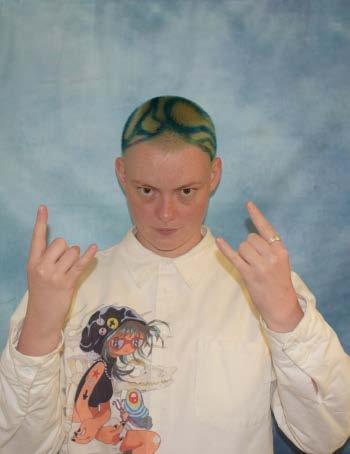
China Meldrum @china.thecountry
BHOC (Big Hermit on Campus)

Ashray Kumar @arcx100000001
Text Strecther, loser
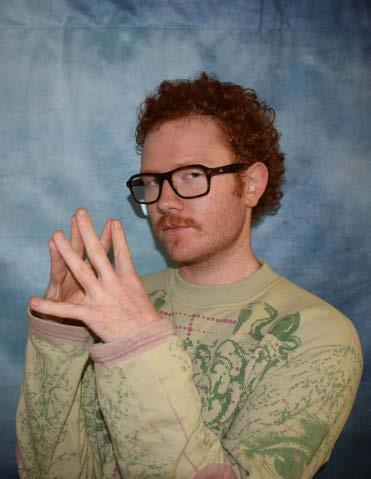
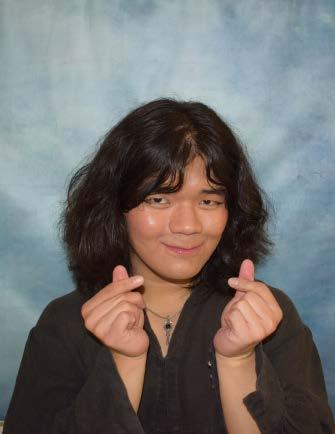
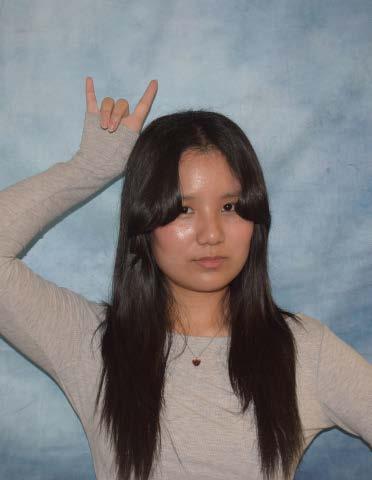
@hugosux
Just fine with Quantum Immortality
@joan.dlk
First papible doll of the cuntclave
chewing on wires in ur fuse box
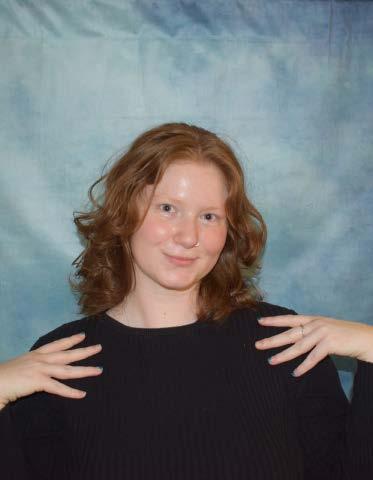
Kate Saap @m1ss_kate
There are epic collabs everywhere for those with eyes to see...