
BEES PASS THE MATHS TEST
New study confirms that honeybees have the ability to process numerical information.
APPLES THOUGHT TO BE EXTINCT FOUND ON NSW FARM
A variety of cooking apple thought to be extinct has been identified on a rural property in the Southern Tablelands of New South Wales.
Since 1995, only eight trees growing the rymer apple variety, known for its large size, smooth skin and yellowish flesh, have been identified: six in Wales, one in India, and another in the US.
That is, until cider maker Gary Sully visited a local orchard owned by Rudi Stachow, and thought he recognised the fruit. In 2023 he got in contact with the Marcher Apple Network, responsible for identifying many lost apple varieties, and together Sully and Stachow collected leaves from the
rymer trees, stored them in tea leaf bags topped with silica gel, and shipped them overseas for DNA testing.
In 2025, a positive result came back, identifying the farm as a home of rare rymer trees. Stachow was able to trace the origin of the trees on his property back to a 19th-century settler in the area, namely Frederick Routley, who would have planted them around 1895. Sadly, of the trees planted on the property, only three remain and the trunks are rotting.
In an attempt to keep these precious trees alive, Gary Sully has been using propagation to grow

Wild birds to help teach regent honeyeaters their lost songs
Scientists are attempting to rescue the song of one of Australia’s rarest birds.
The critically endangered regent honeyeater was once found in large flocks from Queensland to South Australia. However, significant population decline means that these beautiful birds are now confined to the Blue Mountains area in New South Wales. There are less than 250 left in the wild, and their song has
diminished with their numbers.
In fact, the song now contains half the number of syllables it once had, leaving scientists concerned about the impact on reproductive success, as male birds use their voice to attract attention from females and establish territory.
To combat this worrying reality, experts have been teaching young males kept in Taronga Zoo as part

dozens at his own home, and receives fresh supplies from the orchard whenever he needs. If these plants can be kept alive, they will offer vital opportunities to apple growers who can use them to breed new apple varieties resistant to climate change and disease.
of a captive breeding program to sing their full song. For the first year of the study, the team played recordings of young regent honeyeaters to the captive birds every day, but the trial was unsuccessful.
In the second year, they used two wild-born males to teach the younger males how to sing, with a much higher success rate.
“We took fledgling birds from all different parents, and we creched them with a wild male who sang correctly,” says Dr Daniel Appleby from the Australian National University.
“The proportion of juveniles that learned the song increased from zero to 42 per cent in three years.
“The full version of the wild song taught to zoo-bred males disappeared from the wild during the study, making the zoo population the only remaining source of traditional song culture.”
These zoo-bred males have now learned the complete song and taught it to the next generation, sparking hope that the species will become self-sustaining as more birds from the breeding program are released into the wild.

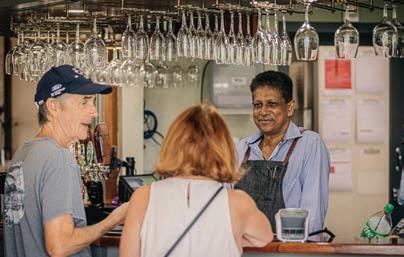

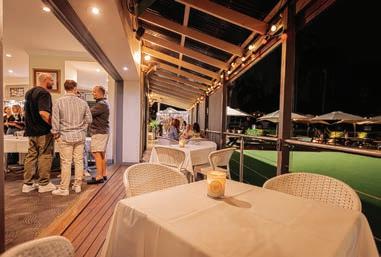


We’re so much more than just a bowls and tennis club. We’re a community.
With a rich 140-year history, we proudly offer one of Sydney’s most stunning all-weather bowling greens, four top-tier competition tennis courts, a bistro and bar serving your favourite meals and drinks, and our renowned on-site wood-fired pizza oven. You’ll find us in the heart of Neutral Bay.
LOOKING CLOSER: WHY CONSTRAINTS ARE STRENGTHENING LOCAL CAPABILITY
Across industries, global fuel pressures and shifting logistics are once again reshaping how Aussie businesses operate. Words: Abby Crawford
Rising transport costs, constrained shipping routes and ongoing volatility in fuel supply are not just impacting timelines, they are influencing decision-making at every level.
For many, the immediate response has been to adapt. But what we’re seeing is something more meaningful than a temporary pivot.
It’s a recalibration.
For Australian businesses, particularly those operating in infrastructure, energy and resources, the question is no longer simply “how do we get it here?” but rather “what do we already have, and how do we use it better?”
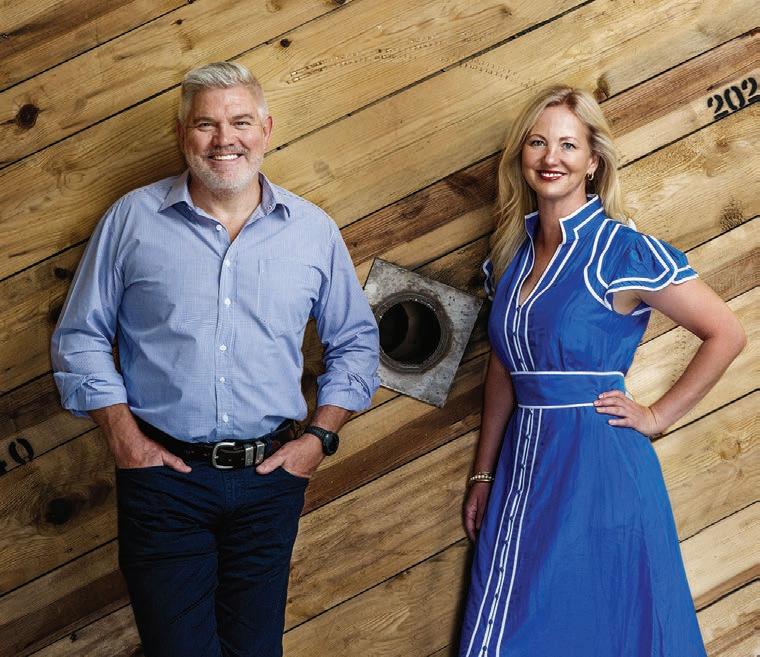
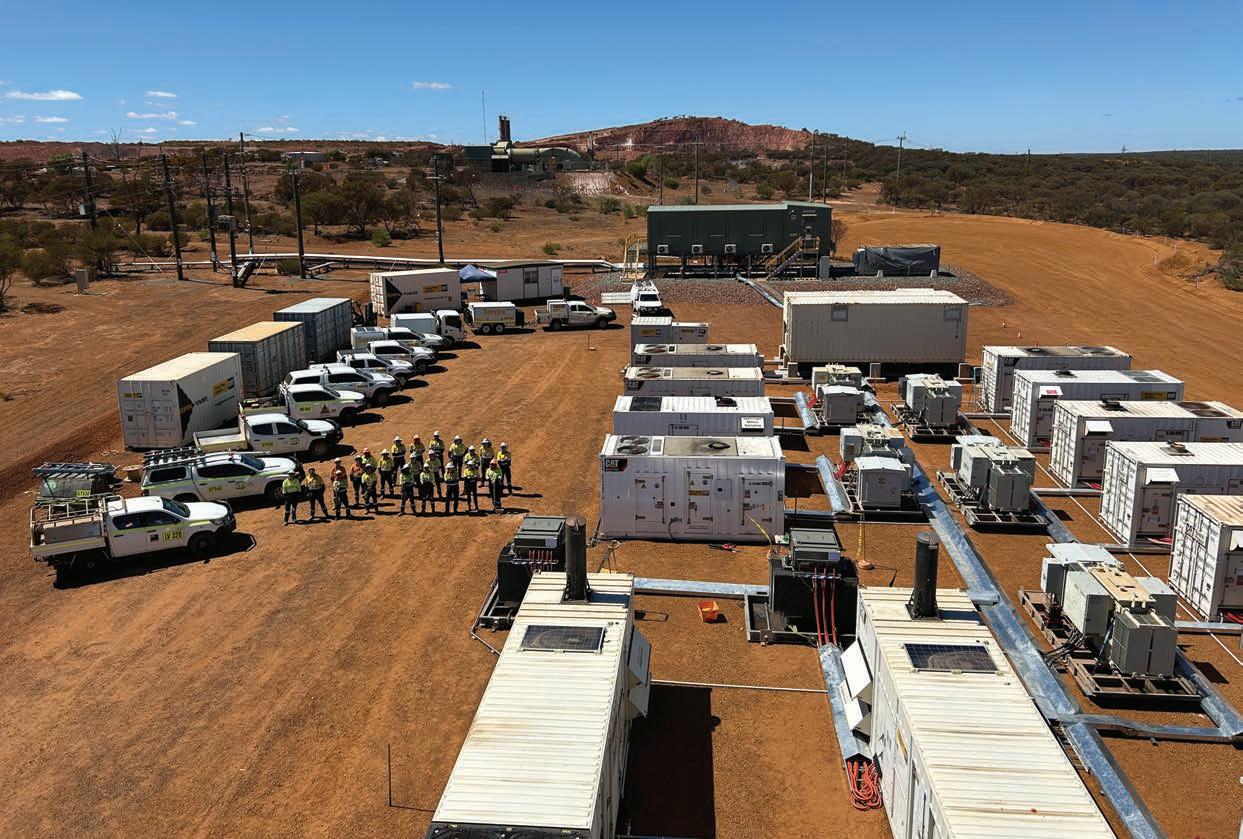
THIS PAGE: ANDREW COCKBAIN AND ABBY CRAWFORD, CODIRECTORS OF APE.
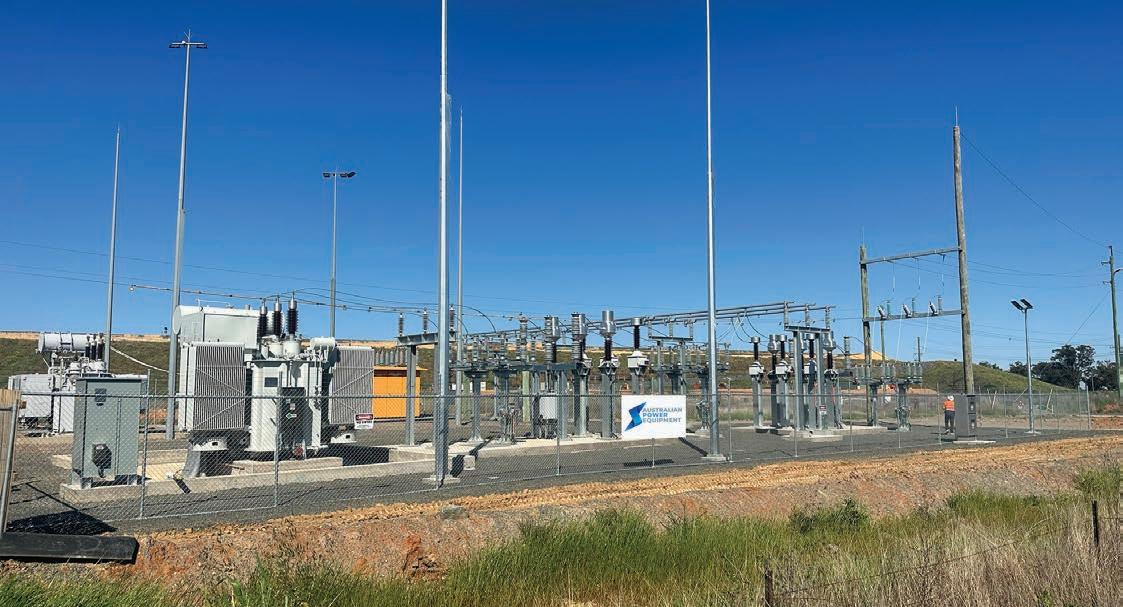
At Australian Power Equipment (APE), this has reinforced something we have long believed: capability already exists within reach.
APE’s model has always included a balance of new and refurbished equipment, supported by stock held locally and internationally. In times of global uncertainty, that balance becomes a strategic advantage. Equipment that is already available, already compliant, and already fit for purpose removes layers of risk that are often overlooked in traditional procurement cycles.
“From a technical perspective, efficiency isn’t just about performance, it’s about the life cycle of equipment,” says Andrew Cockbain, Co-director of Australian Power Equipment.
“For example, our transformers using FR3 natural ester fluid are not exposed to the same fuel volatility as traditional mineral oil systems. They offer longer insulation life, higher temperature tolerance, and reduced environmental impact. So, by using these products, you’re improving efficiency both operationally and over the asset’s life.”
This is not about compromising on
“When you remove layers of shipping risk and global dependency, you’re able to make clearer, more confident decisions, and that’s where real efficiency starts to come through.”
quality or specification. In many cases, it is actually the opposite. When businesses are less reliant on extended global supply chains, they gain greater visibility, faster response times, and the ability to make decisions based on operational need rather than external constraints.
We are seeing a shift towards practical efficiency, where timelines, reliability and adaptability are valued just as highly as upfront cost.
There is also a broader benefit. By utilising equipment that is already in market (whether held in stock, refurbished, or redeployed) businesses reduce the embedded energy and emissions associated with manufacturing and transporting new assets. What was once considered an alternative approach is increasingly becoming part of mainstream strategy.
“Having equipment in stock isn’t just about speed,” says Abby Crawford, Co-director of Australian Power Equipment. “It’s about
certainty. When you remove those layers of shipping risk and global dependency, you’re able to make clearer, more confident decisions, and that’s where real efficiency starts to come through.”
It’s a reminder that resilience doesn’t always come from looking further afield. Sometimes, it comes from looking closer.
This shift is not about stepping back from global markets. International partnerships, innovation, and supply chains will always play a critical role in Australia’s future, but what is changing is how businesses balance global reach with local capability.
The strongest operators are not those who rely on one or the other, but rather, those who can move between both with confidence.
In a climate where fuel limitations and logistics pressures continue to evolve, this flexibility is no longer a competitive edge. It’s becoming a baseline expectation.
DAIRY FARMERS HARNESS A RIC LOAN TO BOUNCE BACK FROM DROUGHT AND NATURAL DISASTERS
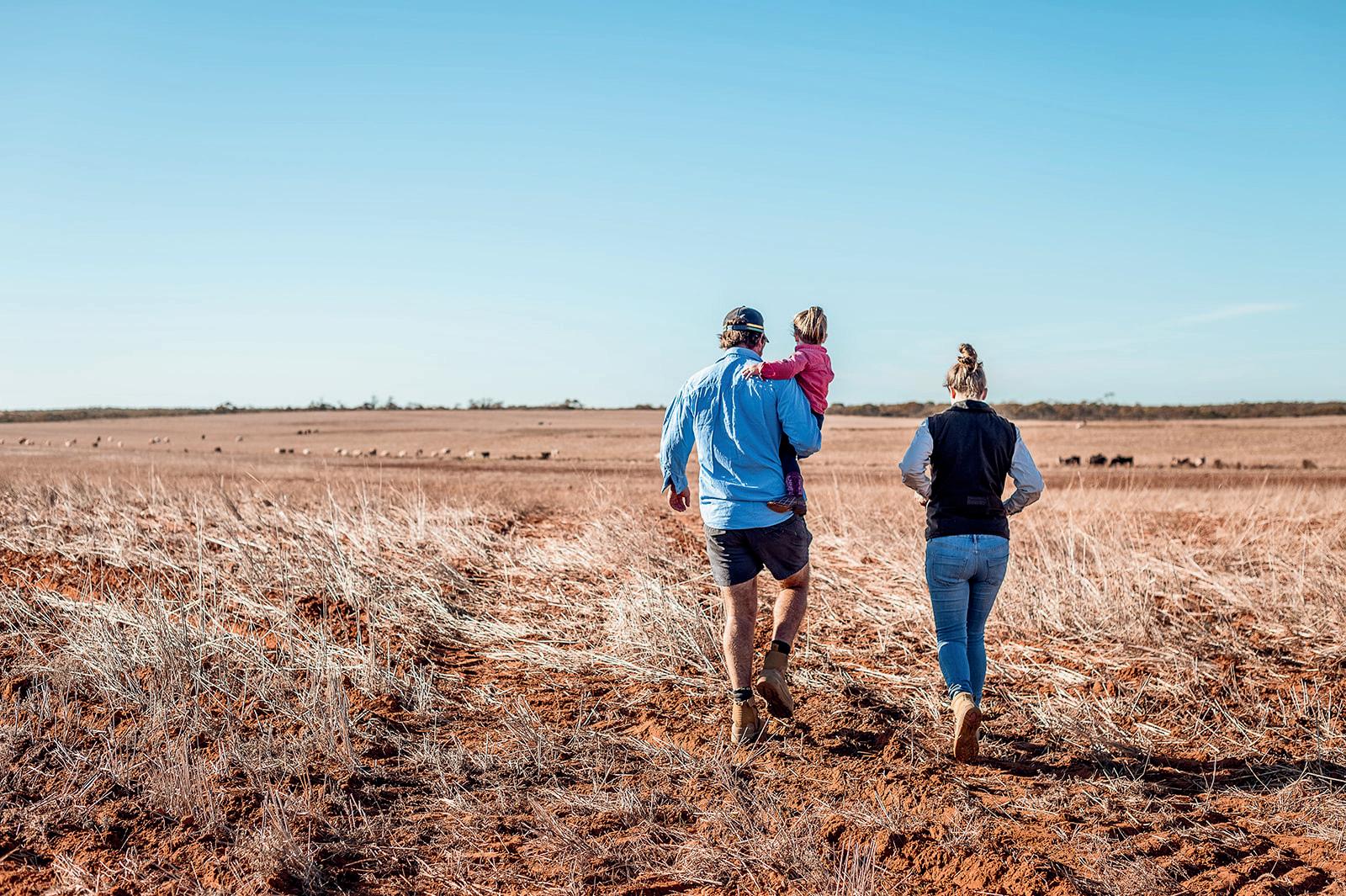
Diversification of Brodie and Kevin Game’s enterprise to raise male progeny as steers for beef production supported the sustainable growth of their farm. Yet, after enduring drought between 2017 and 2019, followed by bushfires and floods, many challenges were presented along the way.
“Every disaster has changed the management of our business because it’s not an ‘if’ these things will happen again, it’s a ‘when’, and now there’s different levers we can pull to get through things,” Brodie says.
Floods between 2020 and 2022 caused significant pasture losses and eroded cow lanes and waterways on the Games’ farm. In order to mitigate the impacts of future disruptions, the couple turned to a Farm Investment Loan from Regional Investment Corporation (RIC) to recover and improve their on-farm infrastructure.
Since 2018, and as of March 2026, RIC has delivered low-interest farm business loans on behalf of the Australian Government to more than 3,500 Australian farmers, valued at over $3.77 billion.
RIC loans can be used to prepare for, manage and recover from tough
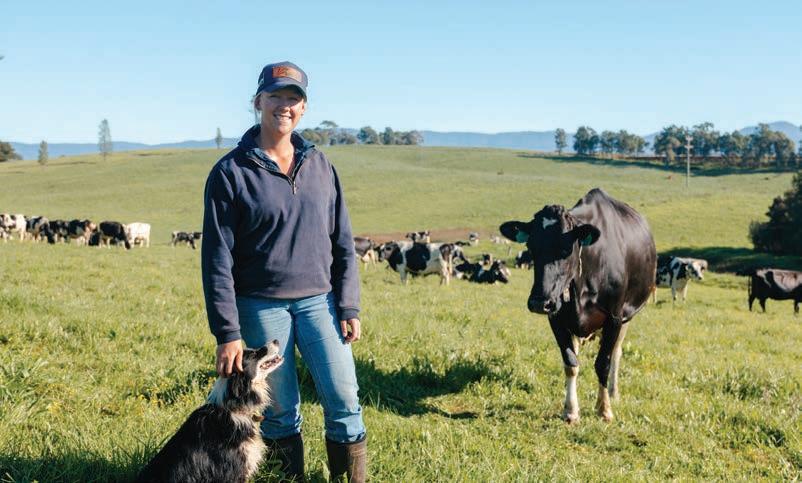
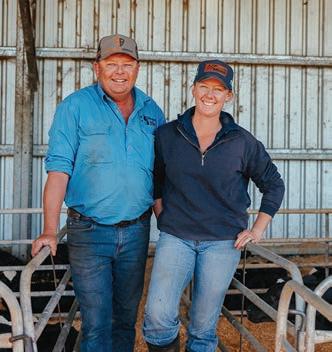
Sixteen years after establishing their dairy farm, Brodie and Kevin Game from the Bega Valley in New South Wales now run over 700 Holstein cows, supplying 2.8 million litres of milk a year to Bega Cheese.
financial times due to drought, natural disasters, biosecurity issues or other significant market events. They can also help established farmers to create new businesses, first-generation farmers, or succession planning for next-generation farmers.
For Brodie and Kevin, a RIC loan funded the purchase of a pivot to irrigate and deliver increased nutrients to an additional 35 hectares of pasture – a significant upgrade on the existing inefficient bike shift irrigation they’d been using.
“Homegrown feed is the most cost-efficient way to feed our cows,
and in this area there can be six weeks between wet and dry periods, so our pastures are vital,” explains Brodie. “For the irrigation systems we had in place, maintaining that was very labour intensive.”
RIC’s low, variable interest rate of 5.18 per cent, interest-only repayment period, and no-application or earlyexit fees provided attractive terms to help manage the farm’s cash flow as the improvements were made.
“The interest-only period for the first five years of the 10-year loan term was very enticing because it gave us more time to install the pivot and pay the money back once it made money for us,” Brodie said.
Before applying, farmers can check their eligibility and speak with their accountant or rural financial counsellor, and notify their bank, as they’ll likely need to share loan security. Good preparation can make the application process smoother, and shorten the time period to receive a decision.
During tough times, RIC is helping strengthen Australian farms. For more information on RIC’s loans, visit ric.gov.au, or call 1800 875 675.
BRODIE GAME ON HER AND KEVIN’S FARM IN THE BEGA VALLEY.

Low-interest farm business loans
Improve cash flow and gain financial breathing space to manage through, recover and prepare.
Borrow up to 50% of your commercial debt. Refinance or secure new funding at concessional interest rates.
Loan features
Interest rate variable rate reviewed every 6 months*
Borrow up to $2 million
Term 10 years with 5 years interest only, then 5 years principal and interest repayments
Repayment options monthly, quarterly, half yearly
No ongoing loan account management fees
Check ric.gov.au for current interest rate.
1800 875 675

Before you apply
Visit our website for to check eligibility criteria, educational tools, and loan guidelines ric.gov.au/before-apply
Get advice from your financial counsellor, accountant or trusted advisor, and talk to your commercial bank or lender

Get in touch with our Agri Lending Specialists

The WD-40 Repair Challenge saw
thousands of Aussies
showing off their best home repairs, proving that a little DIY can go a long way.
Words: Matilda Meikle
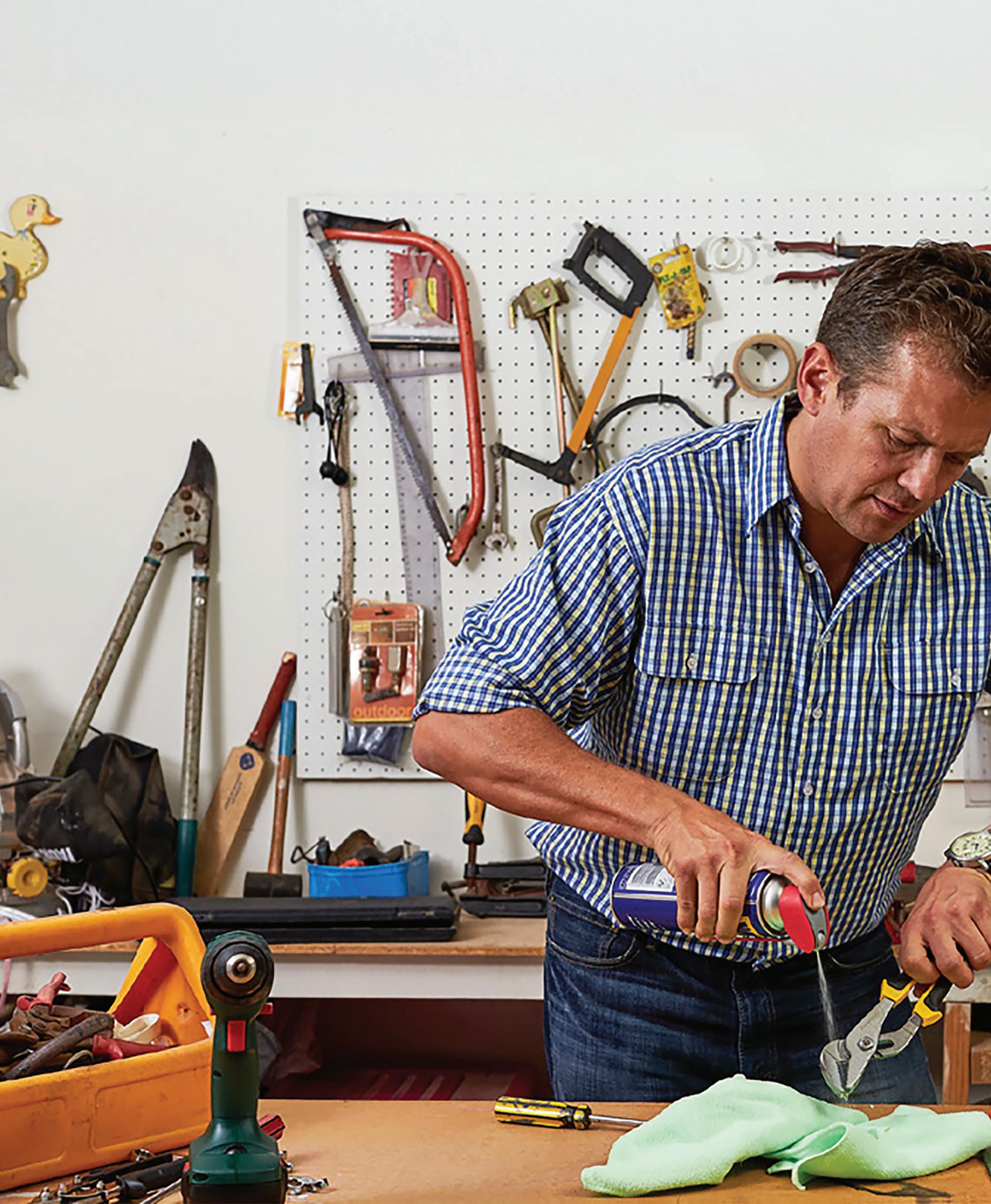
Whether it's small household items or full-scale renovations, more and more Australians are choosing to repair rather than replace.
To celebrate this shift towards practical mending, WD-40 Company held its annual Repair Challenge from March 1 to April 18 this year. The competition invited home fixers, local makers and professional repairers to showcase their most impressive projects.
The challenge was open to everyone in Australia, and welcomed video entries demonstrating repairs on any scale. The aim was to promote a more sustainable way of reducing waste and encourage new skills.
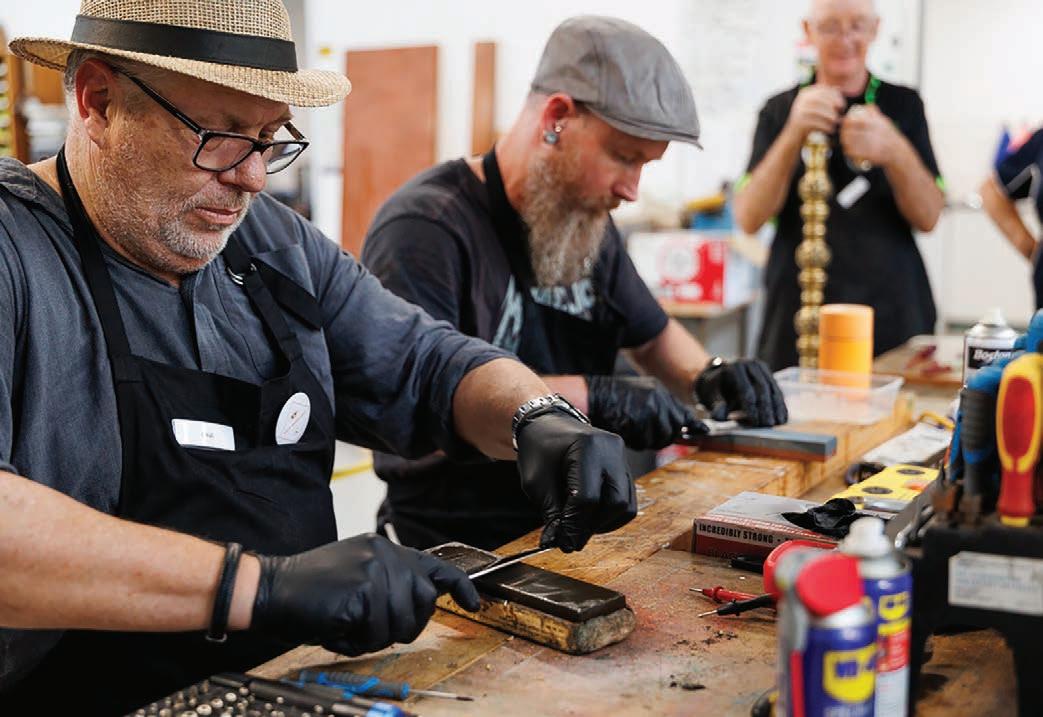
For those unsure about where to start, Men’s Sheds and Repair Cafes offered a space where participants could find tools, materials and expert guidance for their projects.
THE POWER OF A QUICK FIX
The Repair Challenge proves that no repair is too small to make a difference. According to Rosemary Murphy, Marketing Manager at WD-40 Company, it was started to bolster the growing repair movement by allowing curious community members the chance to learn about the art of repairing for themselves.
“The challenge began as a way of showing entrants that giving new life to belongings can reduce waste, save money and help them develop valuable, practical skills along the way,” Murphy explains.
“Ultimately, it is about raising awareness about the environmental and economic benefits of repair, while encouraging more people to give it a go.”
“The challenge began as a way of showing entrants that giving new life to belongings can reduce waste, save money and help them develop valuable, practical skills along the way.”
Since its inception, the competition has grown to welcome a wave of less experienced fixers, suggesting that more people are turning to DIY when faced with an item that needs mending. Murphy believes this may have started as a result of the cost of living crisis, but as new people join the repair community, they discover all the other benefits to learning these skills.
“In the past the motivation to repair was often economic, but today more Australians are choosing to extend the life of their belongings for both practical and environmental reasons. There’s a renewed pride in practical skills and people are increasingly interested in maintaining the things they own rather than immediately replacing them,” she says.
“We’re also seeing growing interest from younger families and first-time homeowners who want to develop basic repair skills and become more self-reliant. Community initiatives such as Repair Cafes and Men’s Sheds are playing an important role in this shift, creating welcoming spaces where people can learn from one another, share knowledge and reconnect with practical skills.”
For those wishing to try their hand at repairs before next year’s competition, Murphy says it’s as simple as starting small.
“Simple fixes like tightening loose parts or reviving old tools are great
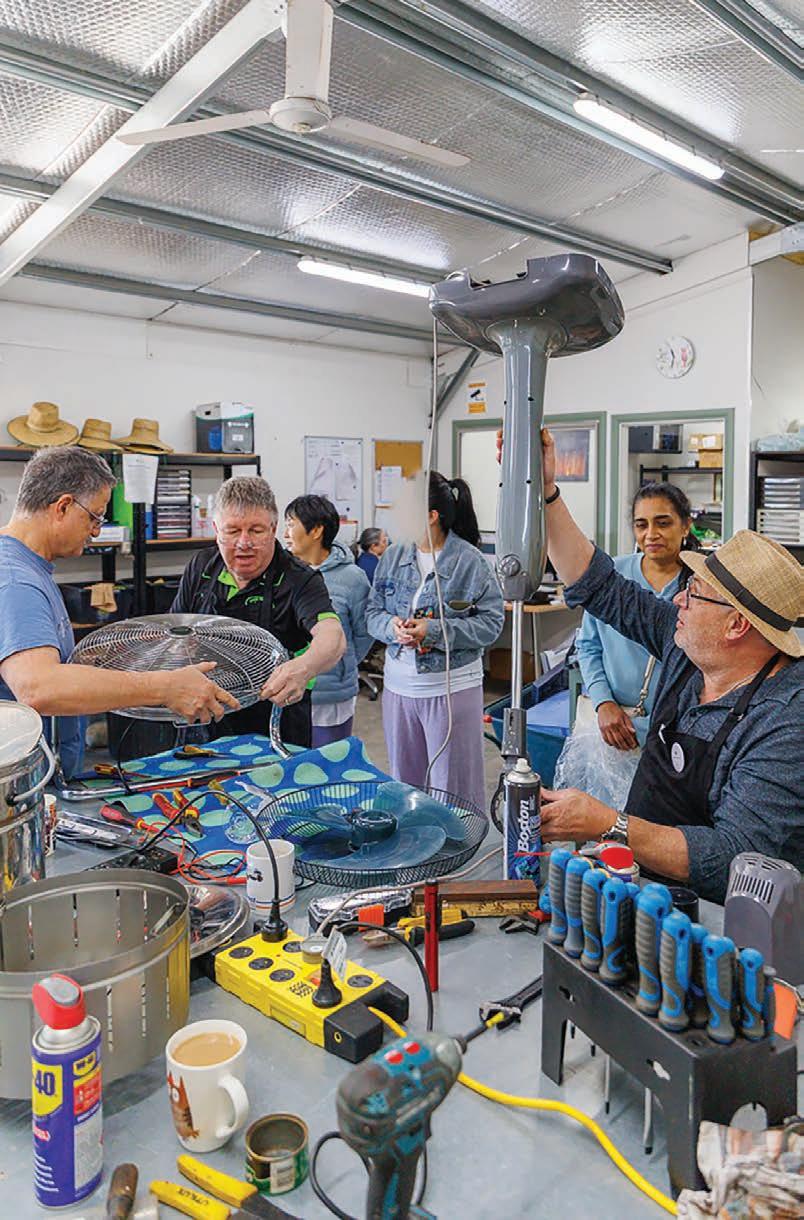
THIS PAGE: KNOX REPAIR CAFE WELCOMES
COMMUNITY
MEMBERS HOPING TO LEARN HOW TO MAKE THEIR OWN REPAIRS. CREDIT: REBEKAH PHOTOGRAPHY.
ways to build confidence and learn how things work.
“It’s also helpful to connect with others who have experience. Repair is often about curiosity and patience rather than specialist expertise. The Repair Challenge celebrates people at every skill level and shows that even small repairs can make a big difference.”
CREATING A STRONG COMMUNITY
In fact, the best way to kickstart a repair journey is to engage in community initiatives such as Repair Cafes and Men’s Sheds, which bring together people with practical knowledge who are willing and excited to share their skills with beginners.
Dr Mark Glazebrook, Founding Director of Knox Repair Cafe, says the competition is just an extension of Australia’s long tradition of tinkering and "making do". At his Repair Cafe, volunteers are selected both for their skill and ability to make visitors feel welcome.
“Some of our wonderful volunteers are social workers who have supported isolated or struggling community members to stay connected and find further help,” he explains.
The cafe runs workshops and offers bike repairs and car maintenance, and members attend broader volunteer events to connect with locals. But the heart of its mission is simple –to encourage people to get hands-on with their repairs.
“Sometimes we limit ourselves when the solution is within our reach,” Glazebrook says. “Repairing makes you feel more confident, and there is a sense of achievement and pride when you can fix something yourself. It also saves you a lot of money.”
“Repairing makes you feel more confident, and there is a sense of achievement and pride when you can fix something yourself. It also saves you a lot of money.”
Glazebrook believes that the Repair Challenge is a great way to show how easy it is to repair something, even when it might seem daunting at first. It’s also a way to meet new friends and build a supportive network.
“See if you can share some items with neighbours and friends, rather than buy everything yourself," he suggests. "Whether it’s garden tools, tyre pumps, or mowers, you’ll build relationships with people so quickly in the world of repair.”
His overall message is one of sustainability and improvement.
“Many things can be fixed with little or no special knowledge, so pause before you throw an item away.”
The Repair Challenge wrapped up its 2026 event with some incredible entries from around the country. Its mission – to inspire Aussies to repair items and extend their life – is now more powerful than ever.
DRIVETRAIN –THE POWER TO KEEP YOU MOVING
For over 35 years, Drivetrain has been powering industry with trusted powertrain and engine solutions across some of the world’s toughest operating environments.
Supporting sectors including mining, energy, transport, agriculture, and defence, Drivetrain partners with customers to deliver reliable products, expert service, and the confidence to keep operations moving.
With a national footprint and a team of highly skilled technicians and engineers, Drivetrain provides complete lifecycle support – from supply and installation through to maintenance, repair, and overhaul.
Core to the business is Drivetain’s advanced Maintenance, Repair and Overhaul (MRO) capability. With purpose-built workshops strategically located across Australia, Drivetrain is equipped to carry out full strip, inspection, rebuild, and testing of critical driveline components to exact OEM specifications. From transmissions, converters, or complete driveline systems, every component is rebuilt using genuine OEM parts to ensure optimal performance and reliability.
As an Authorised Allison OffHighway Service Centre, Drivetrain delivers factory-standard support backed by genuine parts, OEM processes, and deep technical expertise.
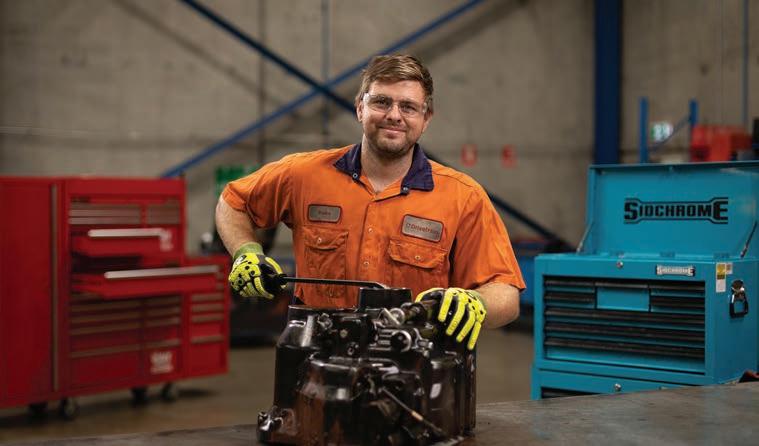
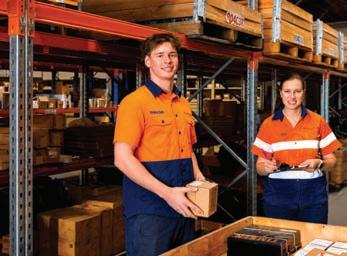
The company’s strength lies in the precision and quality behind every rebuild, with each component handled by factory-trained service technicians and rigorously tested to ensure it meets exact performance specifications before returning to service.
Drivetrain’s operations are underpinned by ISO 9001 accredited quality systems and further reinforced through stringent audits by our leading OEM partners, ensuring every process, tool, and outcome meets the highest s tandards.
Beyond rebuilds, Drivetrain delivers complete lifecycle maintenance solutions designed to maximise asset performance and minimise downtime. Every component undergoes a full assessment, with detailed technical reporting to provide complete transparency. During overhaul, all critical wear components are replaced, as standard, with genuine parts, reducing risk and improving long-term reliability.
Investment in advanced testing capability, including TE50 transmission testing, enables in-house performance validation, delivering faster turnaround
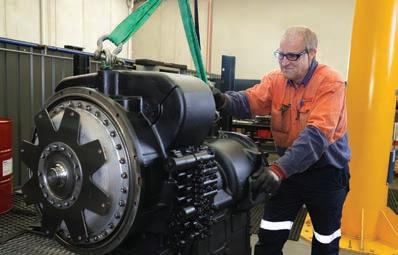
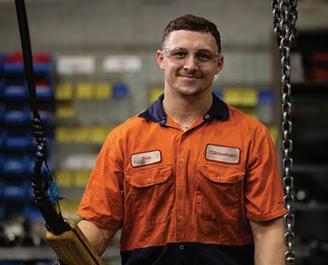
times, reduced costs, and greater confidence in every rebuild. Combined with a well-established service exchange program and extensive inventory of ready-to-go components, Drivetrain ensures minimal disruption to its clients’ operations.
Backed by a responsive international network, Drivetrain delivers preventative maintenance, breakdown support, engineering services, and genuine parts supply, providing end-to-end solutions wherever and whenever they are needed.
At Drivetrain, we don’t just repair components – we extend the life of your assets, improve performance, and keep all your equipment operating at its best.
to Keep you Power The
Moving
Over 35 years of experience creating innovative solutions that respond to some of the toughest conditions on earth.
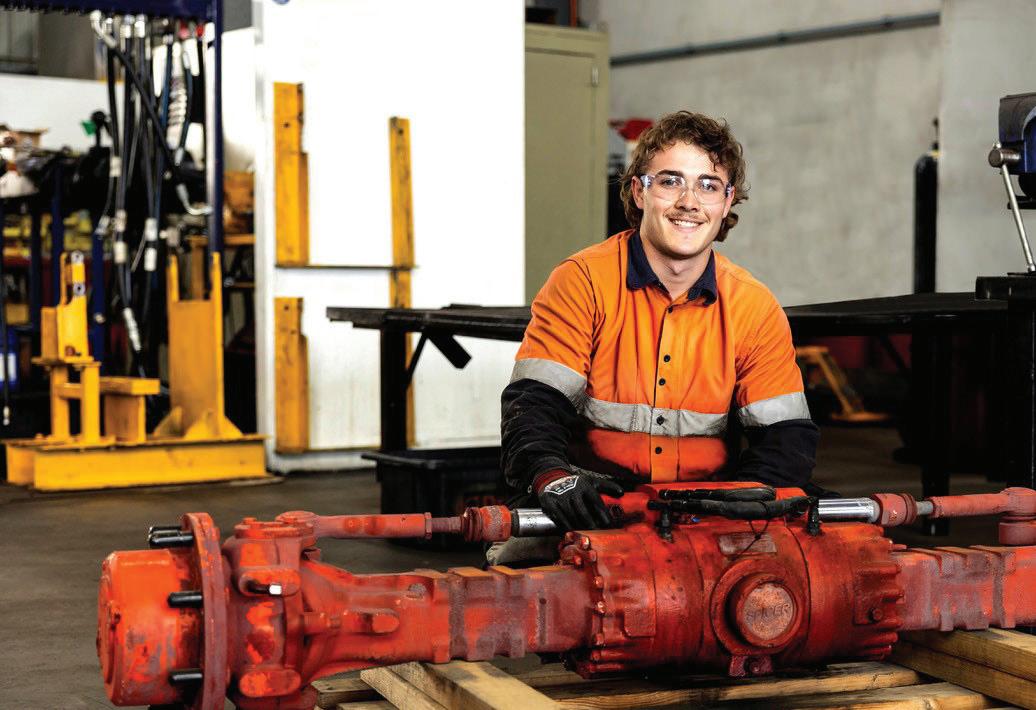
With state‑ of the ‑art service centres, Drivetrain leads the market in supply, service, and support as an authorised Allison Off‑Highway Service Centre.
Locomotive and Driveshafts
We have a comprehensive range of engine and powertrain products for diesel‑electric locomotives. We provide driveshaft design, production, modification, and we have a repair service.
Transmissions and Torque Converters
We rebuild transmissions and torque converters to factory specifications using genuine spare parts. Each component is rigorously tested to ensure it meets strict quality standards.
Axles and Braking Systems Maintenance, Repair and Overhaul
We supply and service a wide range of axles. Our axle designs incorporate top ‑level brake safety systems and all of them meet Australasian mine safety regulations.
We take care of Maintenance, Repair, and Overhaul (MRO) solutions and supply genuine parts for off‑ highway’s most respected powertrain brands.
MODERN FARMING: THE FUTURE OF FRESH FOOD
Food sustains life. It is the lynchpin of living. But in an era of extreme weather depleting crop yields and rising global populations driving demand for produce, the need for smarter agricultural technologies to ensure reliable food supplies is more crucial than ever.
AGTECH IN ACTION
In our current system, agriculture needs to become more efficient, both in production and distribution. To achieve this, investments in technology and innovation across the agribusiness sector are essential.
Those who invest will gain exposure to a burgeoning industry that is becoming increasingly vital for people’s wellbeing, and in doing so, bring new meaning to what a diversified portfolio could look like.
What then, are the central drivers behind innovation in AgTech? At a basic level, it’s the development of tools and processes striving to increase agricultural yields while reducing dependence on optimal weather conditions.
AgTech can mitigate risks associated with climate, pest
infestations and disease outbreaks. Predictive analytics, protected cropping (such as glasshouses) and real-time data allows farmers to make informed decisions, thus reducing the potential for crop failures and financial losses.
LEVERAGING THE MANY BENEFITS OF INNOVATION
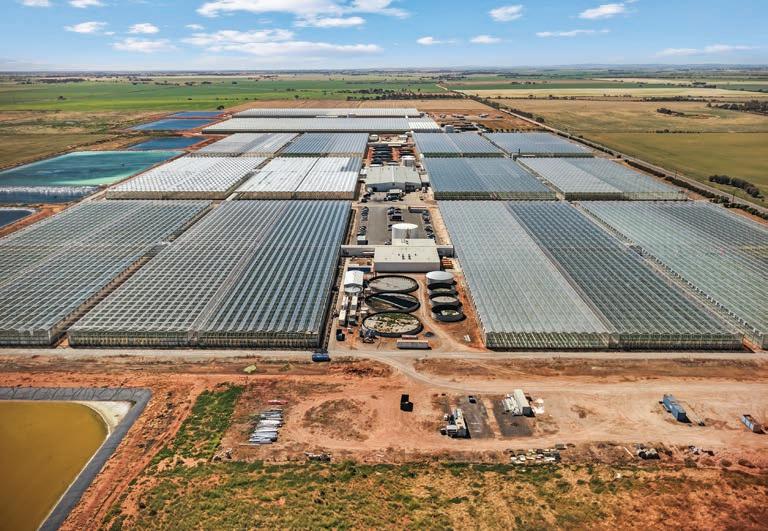
Protected cropping via high-tech glasshouses and greenhouses is the cutting edge of innovation.
Did you know Centuria is the largest owner of high-tech glasshouse assets in Australia? Such assets not only provide the ability to grow a wider variety of crops, but also employ a range of technologies to increase yield and promote year-round farming through innovations such as:
• Coloured LED lighting to extend growing times and enhance plant life.
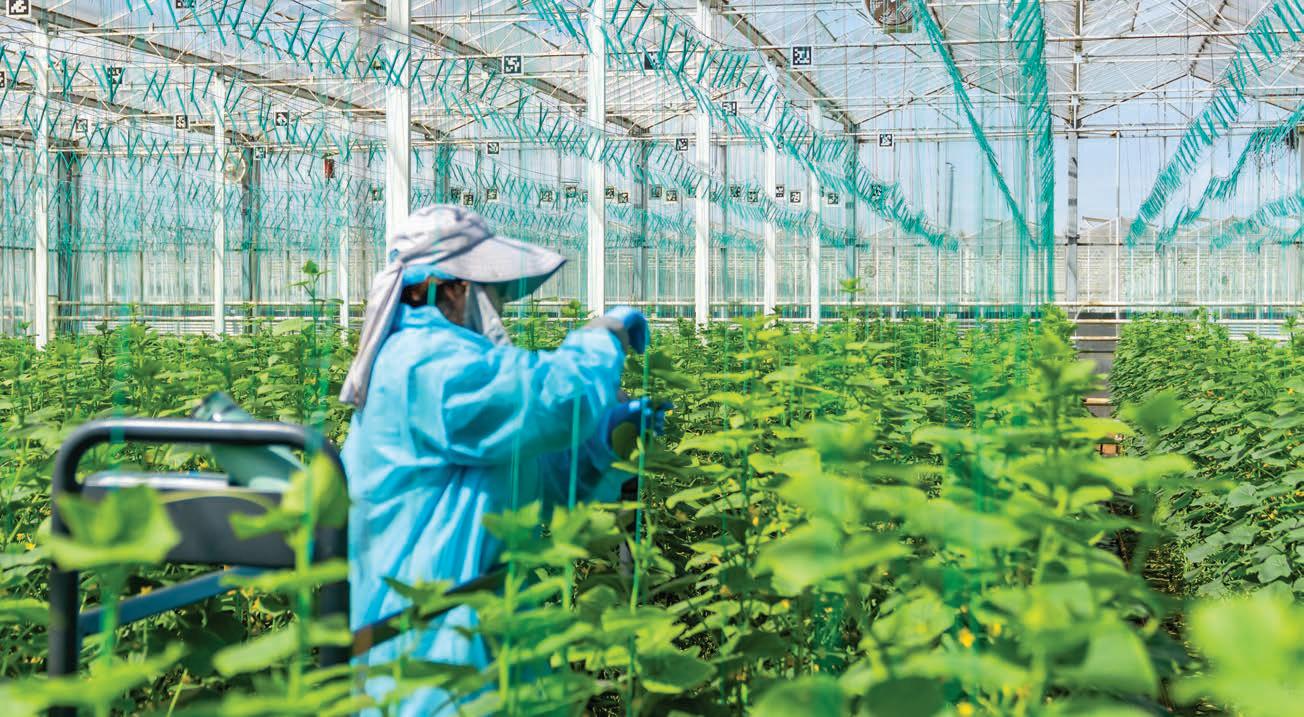
• Climate control technology to promote optimal growing conditions with protection from climate, pest and quality risks.
• Little or no-soil systems reducing water usage and exposure to soil-borne pests and disease.
THIS PAGE: CENTURIA IS THE LARGEST OWNER OF HIGH-TECH GLASSHOUSE ASSETS IN AUSTRALIA.
• Light diffusing glass panels which evenly distribute the available light, increasing crop yields by up to 15 per cent when compared to standard glass.
WHY AUSTRALIAN AGTECH MAKES A SMART PROPERTY INVESTMENT
Investing in Australian AgTech offers a unique opportunity to benefit from the booming global demand for reliable food sources.
Agriculture can provide access to high-quality investment opportunities that provide both income and capital growth potential in a rapidly evolving sector.
This evolution of, and innovation within, the agriculture sector is also enhanced by Australia’s:
• Longstanding reputation for quality produce, exacting production standards, stringent biosecurity and traceability systems, and low sovereign risk.
• Culture of technical innovation amid government prioritisations.
• Regional proximity to Asia, with its fast-growing population and changing consumer patterns.
While agriculture is a huge sector, one accessible option for investors might be an unlisted property fund, particularly one that focuses on high-quality fresh food production.
For more information: centuria.com.au

THE BUZZ OVER HONEYBEE’S MATHS SKILLS
New research confirms that bees can assess and understand numbers, with important implications for future studies.
Words: Matilda Meikle

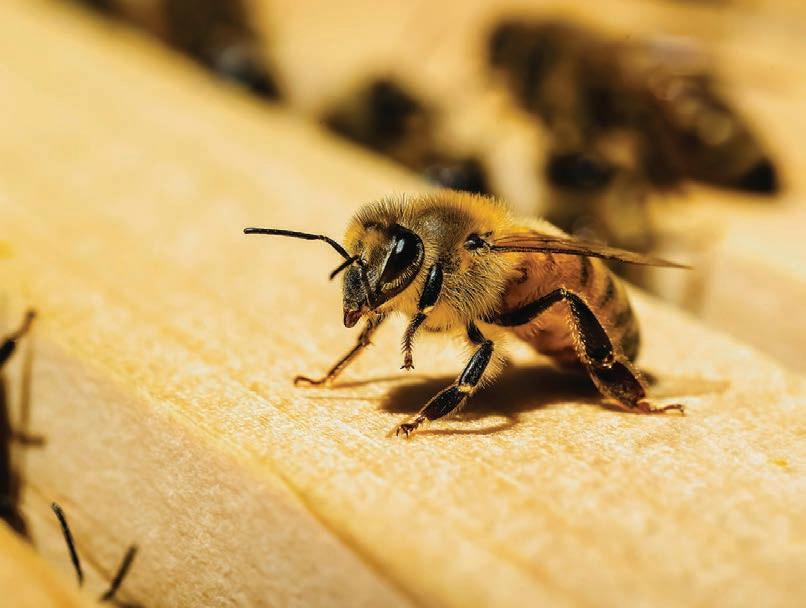
THIS PAGE: SCIENTISTS HAVE PROVEN THAT BEES CAN PROCESS NUMERICAL INFORMATION.
Honeybees have the ability to process numerical information, according to a new study from Monash University.
Responding to an ongoing international dispute over whether bees can actually comprehend numbers or simply react to visual patterns, Australian researchers set out to design a test that reflected the specific constraints of the species. What resulted was a study that could shift how researchers approach their tests of animals moving forward.
THE PAPER THAT EVERYONE IS BUZZING ABOUT
The study, published in Proceedings of the Royal Society B: Biological Sciences, challenged critiques of bee intelligence by creating a test that worked with the unique nature of the honeybee’s sensory and perceptual a bilities.
According to Monash University Senior Lecturer Dr Scarlett Howard, the paper is a prime example of what findings can be made when researchers avoid human-centric biases in animal research.
“We must put the animal's perspective first when assessing their cognition or we may under or overestimate their abilities,” she says.
“We see and experience the world quite differently from animals, so we must be careful not to centre human

perspectives and senses when studying animal intelligence.”
In the past, critics have argued that bees are merely sensitive to visual cues such as spatial frequency, accounting for their perceived ability to understand numerical information. However, when Monash University researchers shifted their analysis to a bee’s-eye view, they found that evidence of numerical cognition increased significantly.
BRAINIAC BEES
The new study builds on previous research conducted by Monash that showed honeybees preferred to order their numbers from left to right, like humans.
Researchers tested this theory by showing bees small cards containing varying amounts of shapes in different patterns. Over several different combinations and placements of the cards, the bees repeatedly showed that they preferred smaller numbers on their left and larger ones on their right.
Adjunct Professor Adrian Dyer explains that the information processing skills of bees adds to our understanding of evolution.
“The last time we had a common ancestor with bees was more than 600 million years ago, but they have either retained or separately developed this ability that is so like our own,”
Associate Professor Dyer says.
“We must put the animal's perspective first when assessing their cognition or we may under or overestimate their abilities.”
THIS PAGE: THE STUDY ANALYSED THE BEES WITH A FOCUS ON THEIR UNIQUE COGNITION.

FLYING HIGH
The recent Monash University study, which was published in April 2026, emphasises the importance of designing and analysing experiments with the focus species in mind for the entire process.
“Humans have almost 100 billion neurons in our brains, whereas bees have less than a million, yet we have these measurable similarities in neural processing.”
“We tend to overlook the intelligence of animals with smaller brains, but it’s not always the case.
“Humans have almost 100 billion neurons in our brains, whereas bees have less than a million, yet we have these measurable similarities in neural processing.”
While it’s not yet clear exactly how bees are able to process numerical data and count objects, one prevailing theory is that the bees use serial sequential processing. Simply put, this means the bees handle information one at a time, and must complete one step before the next begins. Think of it like a single-file line at a coffee shop. The barista takes the
order from customer one, then makes and delivers that coffee to the customer before taking the order from the next person in line.
For bees, this means that when they are presented with numbers or a pattern, they closely inspect each and every element in the pattern and commit it to memory before moving on to the next, allowing them to count one number after another.
Bees may also have a mental number line, which naturally (or perhaps even biologically) leads them to prefer smaller numbers on the left and larger numbers on the right. This is a phenomenon also recorded in humans.
Dr Mirko Zanon, from the Centre for Mind Brain Sciences at the University of Trento, says ignoring how an animal perceives the world could lead to scientists drawing the wrong conclusions.
“There has been a debate about whether bees are really ‘counting’ or just reacting to visual patterns. Our results show that this criticism doesn’t hold when you consider the biology of the animal,” he says.
“When we analyse the stimuli in a way that reflects how bees actually see the world, what remains is actual sensitivity to numbers.”
With this study proving not only that bees can count, but that designing research to suit the particular needs of the focus species is vital, there’s no telling what possibilities have opened up.
Applying this philosophy to future studies could lead the way for more accurate, reliable and insightful research into all types of flora and fauna.




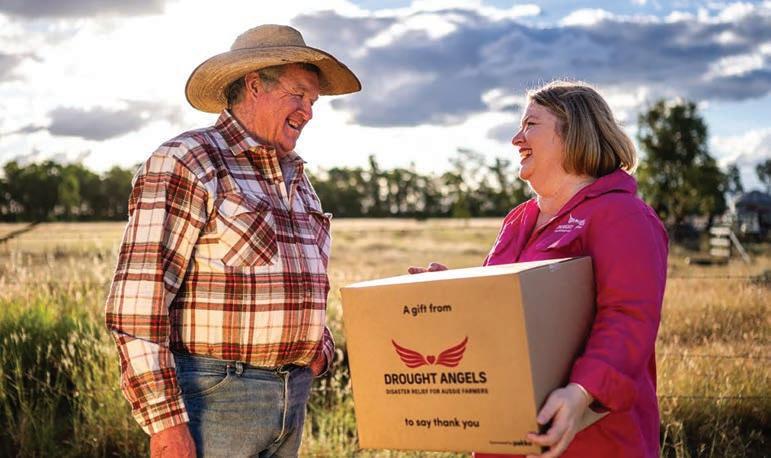
TOP TO BOTTOM: FARMERS ANGELS
SUPPORT PRODUCERS FACING HARDSHIP; NASCA IMPROVES EDUCATIONAL OUTCOMES FOR INDIGENOUS YOUTH.

MEET THE AUSSIES MAKING A DIFFERENCE
These three Australian charities are building a better world by prioritising education for Indigenous youth, relief for farmers, and housing for those experiencing homelessness.
Words: Matilda Meikle
There are more than 60,000 charities in Australia, each playing a role in supporting those in need. For these three organisations, helping others isn’t just a mission; it’s central to everything they believe.
NASCA
In 1995, NASCA became the first organisation in Australia dedicated to encouraging Indigenous participation in sports. Since then, it has grown into a 100 per cent Indigenous governed and led charity on a mission to connect young
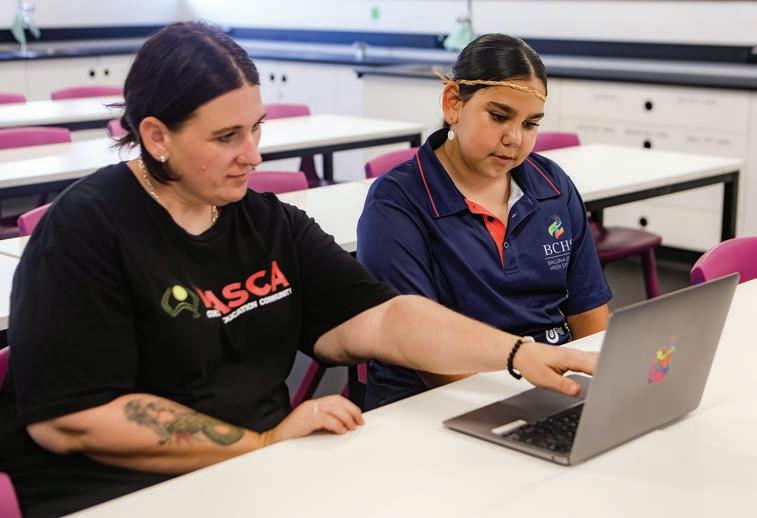

Mob to Culture and improve educational outcomes.
This mission is carried out through four main programs, with an impressive 93 per cent graduation rate overall.
The Young Women’s Academy provides one-on-one and group mentoring, in-class support, cultural excursions, camps, workshops and dedicated safe spaces tailored to help young women and girls succeed in secondary schooling. The focus is on students at a critical drop-out point, who need help re-engaging with their education. So far, thanks to 38,000 hours of support, 2,200 young women have been helped to succeed at school.
The All Gender Academy operates on a similar structure for students between the ages of 12 and 18. Whether this means transportation to and from school, healthy meals, academic support or well-being workshops, volunteers work with Indigenous students of all identities to foster a love of learning. The program also provides opportunities to connect with Culture through activities and excursions.
The Pathways Program stays with students from Year 9 until they leave high school, helping them to develop post-school plans, teaching resume writing and assisting with entry into university and TAFE. Students are also encouraged to gain other professional accreditations including White Cards
and First Aid Certificates. Beneath the surface, the program is all about building confidence, resilience, and goals for the future.
Finally, the Northern Territory Program is a workshop run three times a year in nine remote communities across the NT. NASCA acknowledges that great education is sometimes hard to access in remote communities, delivering in-class support, beforeand after-school activities, sports, and wellbeing workshops to boost educational outcomes and inspire kids to follow their passions.
So far, NASCA has supported more than 19,000 young people across its programs, with a 70 per cent school attendance rate.
TOP TO BOTTOM: NASCA HAS HELPED MORE THAN 19,000 YOUNG PEOPLE; FARMERS ANGELS OFFERS DISASTER RELIEF TO FARMERS.
FARMERS ANGELS
Initially known as Drought Angels for its work supporting farmers impacted by prolonged periods of drought, Farmers Angels has since expanded its efforts to provide financial assistance, food hampers, care packs and wellbeing support to more than 4,700 primary producers affected by natural disasters in more than 1,300 regional and rural communities. Despite functioning as the backbone to Australian industry, farmers face significant pressures including market fluctuations, family responsibilities, natural disasters and financial stress. This has a profound effect on mental health and wellbeing, with one farmer committing suicide every 10 days. Farmers Angels seeks to change this reality through several important programs. Angels on the Ph one offers short-term financial assistance and relief for producers impacted by natural disasters. This means individuals can call and instantly process applications for assistance,
DONATE HERE
while the team of Angels – who are farmers or rural community members themselves – also follow up with regular mental health check-ins.
The Angels on the Road program involves visiting farmers on their properties to deliver food hampers and care packs, while also providing a listening ear. As Angels come from a rural background, they are well versed in topics such as cattle prices, soil moisture and other farm issues, so they understand what producers are going through. They can even refer farmers to mental health services and financial counsellors for additional support.
Over the last financial year, Farmers Angels have travelled 151,923 kilometres to deliver $250,171 worth of goods and hampers to farmers.
For Rural Day Off, Angels select a community in need and bring together farmers and neighbours for a day of connection and pampering. Over the course of the day, producers and families are offered morning tea, lunch and an evening meal, and local community members provide services including haircuts, massages and entertainment to show support and improve spirits.
Farmers Angels aims to stand by all Aussie farmers to make sure they never feel alone, even in times of hardship, through tailored assistance.

YOUTURN
Youturn is a not-for-profit supporting individuals experiencing homelessness across southern Queensland. The organisation believes that having a home is not simply about shelter, but creating a stable and safe place to live a healthy life.
The Child Safety Program is a suite of more than 15 different services committed to helping vulnerable families to maintain the family unit, and children who cannot safely remain with their parents to achieve independence and connection.
Young people transitioning to adulthood can join the independent living service, allowing them to live out of home while still receiving education, training and employment opportunities to increase confidence and capability. They will also learn life skills such as housekeeping, cooking and budgeting.
Families in need are supported by the Bridging Families Program, where they work with the Child Safety Service to create a safe and protective environment with guidance from a professional. Youturn works with around five vulnerable families each week who are impacted by a range of unique challenges.
Specialist Homelessness Service is another major initiative. Youturn operates 50 beds across almost 20 properties, including several 24-hour, fully supervised locations taking in young people between the ages of 16 and 25. Wrap-around case management means that individuals continue to receive support and information even after leaving the accommodation, including emergency food vouchers, hygiene packs, groceries and clothing.
Those in need can also access financial counselling to learn about budgeting and money management strategies, realistic debt payment plans, and referrals to further support options.
For those struggling with mental health issues, Youturn has a team of clinicians and healthcare workers available to provide psychological support specifically for young people aged 12 to 25. It has also established StandBy, Australia’s leading suicide postvention program, supporting anyone who has been impacted by suicide, including individuals, families, friends, witnesses and first responders. The service is available seven days a week, with free face-toface and telephone support at a location best for the individual.
DONATE HERE
THIS PAGE: YOUTURN AIMS TO END HOMELESSNESS IN QUEENSLAND.

CHILDREN ARE BEING SERVED JUNK FOOD ADS IN GAMES

Australian children are being exposed to junk food marketing through online gaming platforms, despite efforts to limit harmful advertising aimed at young audiences.
ways that traditional regulations were never designed to address.
Roblox is now Australia’s most popular gaming platform, with children under the age of 16 spending an average of 137 minutes per day on the app. While restrictions exist for users under 13, the book notes that 42 per cent of Australian players fall within this age group – raising concerns about the effectiveness of current safeguards.
prepare combos, and make home deliveries to their gamified customers’ homes.
“Children aren’t just watching ads any more, they’re interacting with them inside games. These are immersive environments where marketing is woven into gameplay, and current regulations simply don’t account for that.”
Dr Saha says the findings point to a growing gap between policy and children’s real-world media use.
Despite long-standing efforts to limit advertising to young audiences and efforts by platforms to introduce age-based accounts to give parents greater control over what children see online, our kids are still being fed junk food marketing on popular platforms such as Roblox.
The newly published book Food Advertising to Children in Australia argues that gaming environments have become a major blind spot in Australia’s food advertising rules, allowing brands to reach children in
Evidence has shown even brief exposure to high-fat, high-sugar food advertising increases children’s daily calorie intake.
“Roblox is the most popular gaming platform among Australian children aged four to 12,” says Macquarie University media and communications lecturer and the book’s author, Dr Nipa Saha.
“The platform’s popularity among children made it the favourite playground of corporate advertisers. For example, in the McDonald’s Land game on Roblox, players cook, create, and have fun managing their own McDonald’s. The players take orders,
The research also highlights privacy concerns, with platforms collecting personal data including names, ages and email addresses, which can be used for targeted marketing.
This raises questions about whether current laws, including the Online Safety Amendment (Social Media Minimum Age) Act 2024, are equipped to deal with newer digital environments such as gaming platforms.
Dr Saha argues that without broader regulation, food companies will continue to reach children through channels that fall outside existing rules and laws.
Story by: The Lighthouse for Macquarie University
THE SOUNDTRACK OF NUDGEE BOARDING
Boarding life carries a rhythm all its own. At St Joseph’s Nudgee College, that rhythm is most evident in the moments that unfold beyond the classroom: structured, spirited, and deeply communal.
On any given evening, the transition from supervised study to house time is immediate and unmistakable. Quiet focus gives way to energy and movement, as boys gather in the Bathersby Boarding Village, united by tradition and shared experience. Led by senior students, these moments of collective voice and

connection are both spirited and grounding, reinforcing a strong sense of belonging.
Yet the true essence of boarding is found every day. It is heard in the friendly competition of a common room game, the laughter echoing through corridors, and the informal conversations that shape lasting friendships. It is equally present in quieter moments, when staff and peers offer reassurance to a younger boarder finding his feet away from home.
There is balance, too, between reverence and light-heartedness. From the harmony of Chapel liturgies to the enthusiasm of house activities, boys are encouraged to express themselves while remaining connected to something greater than themselves. Together, these moments form the soundtrack of boarding at the College: dynamic, supportive, and unmistakably Nudgee.
To learn more, visit nudgee.com.



ANCIENT MARINE AMPHIBIANS REDISCOVERED IN AUSTRALIA
The re-examination of a fossil first identified in Western Australia in the 1960s has offered new insight into an ancient predator.
Words: Matilda Meikle

Research on a recovered fossil first found in the Kimberley region in the 1960s has changed how experts understand the Aphaneramma, a crocodile-like dinosaur.
When three skull fossils were first unearthed on Noonkanbah Station, nearly 400km east of Broome, palaeontologists identified them as fragments of the Erythrobatrachus species of the temnospondyls order. Over the next 50 years, these fragments were separated and sent to museums around the world. Eventually, they were lost.
Thankfully, the Western Australian Museum retained a plaster cast of one of the fossils, which was being studied by palaeontologist and UNSW lecturer Dr Lachlan Hart, when one of the missing skull pieces was located in a museum in Berkeley, in the US.
Using modern technology, Dr Hart was able to compare the two fragments, and realised that they
belonged to two different species both of the temnospondyls order: Erythrobatrachus and Aphaneramma
While both would have been roughly the same size, with skulls around 40 centimetres long, the shape of these fragments suggested different diets and hunting strategies.
While the broad head of the Erythrobatrachus would have made it a top predator, the long, thin snout of the Aphaneramma suggests it adapted to catch small fish. Both creatures are identifiable for their crocodile head and salamander body.
According to Dr Hart, these marine amphibians would have travelled across the world from Norway to the Kimberley almost 250 million years ago. Fossils have been found in rocks around the world, some less than one million years after the mass extinction event at the end of the Permian period, known as the Great Dying.
ANCIENT MARINE AMPHIBIANS ERYTHROBATRACHUS (FOREGROUND) AND APHANERAMMA (BACKGROUND). CREDIT: POLLYANNA VON KNORRING.
"Temnospondyls are a really important group of animals because they survived two of the big five mass extinction events that have happened in Earth's history," Dr Hart explains.
"Including the largest one that ever happened, and that's where about 90 per cent of all living things were wiped out."
He believes this decades-long mistake is likely not the only time fossils have been misidentified. In fact, there are probably lots of fossils sitting in museums that researchers don’t know about.
Luckily, collection techniques and studies are significantly more advanced now, making it much easier to ensure that proper identification and preservation is being carried out.
"We are very careful to document every fragment and fossil that we get from the field and where it ends up," Dr Hart says.

STAY CLOSE, WATCH LIVE, CHEER LOUD!
Just minutes from Suncorp Stadium, ibis, Novotel, and Pullman Brisbane Airport give you the ultimate base to soak up State of Origin and NRL excitement.













PULLMAN - 5-TIME WINNER
Best Airport Hotel in Australia / Pacific
Ranked in Top 10 Best Airport Hotels in the World 2019, 2022 & 2023