
p.62 Australian power equipment makes a difference
P.64 hidden stresses behind financial AI
P.72 three incredible aussie charities
P.76 the churchie boarding difference
p.80 new project to save nangur spiny skinks
p.62 Australian power equipment makes a difference
P.64 hidden stresses behind financial AI
P.72 three incredible aussie charities
P.76 the churchie boarding difference
p.80 new project to save nangur spiny skinks
An exciting fossil discovery has proven that dinosaurs roamed Australia much earlier than previously thought.
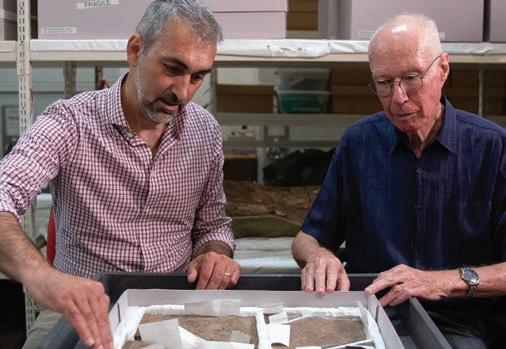
In 1958, teenager Bruce Runnegar found an 18-centimetre fossilised footprint at Petrie’s Quarry in Brisbane. He went on to become an expert palaeontologist, and recently had his find formally documented.
Now, more than 60 years after its first discovery, the footprint has been dated back to the earliest part of the Late Triassic period, more than 230 million years ago. This makes it the oldest dinosaur fossil in Australia to date.
Dr Runnegar and his team found that the footprint was made by a small two-legged dinosaur known as a sauropodomorph, which is an early relative of later longnecked dinosaurs. Due to the size of the print, they believe it was only 75 to 80 centimetres tall at the hip, and weighed around 140 kilograms.
“This is the only dinosaur fossil to be found in an Australian capital city and shows how globally significant discoveries can remain hidden in plain sight,” says Dr Anthony Romilio from the University of Queensland’s Dinosaur Lab.
“It’s likely the dinosaur was walking through or alongside a waterway when it left the footprint, before it was then preserved in sandstone, which was cut millions of years later to construct buildings across Brisbane.
“Without the foresight to preserve this material, Brisbane’s dinosaur history would still be completely unknown.”
The fossil is being kept in the Queensland Museum for continued research.

Victoria to welcome new AI infrastructure
Victoria’s Gippsland region will soon welcome a $10 billion data centre to support the artificial intelligence boom.
Singaporean operator Keppel Ltd announced earlier this year that it would construct a 720-megawatt data centre at a 123-hectare site in Victoria’s east. Located in the heart of the coal mining region in Hazelwood,
the site was a popular choice due to its closeness to one of the state’s biggest electricity nodes.
Artificial intelligence infrastructure is currently in high demand, with an estimated 4000 data centres in operation globally. According to Fortune Business Insights, the industry will grow from US$269 billion in 2025 to US$584 billion by 2032.
These data centres operate as a large warehouse of computers that
power artificial intelligence, and can use up to 10 megawatts of power or as much energy as 3000 houses. To run these centres, large amounts of energy and water are needed to cool the systems. How much water a data centre uses is based on how it manages heat production. According to a study from the World Economic Forum, data centres using traditional cooling methods can consume up to 26 million litres of water each year.
However, many data centres have committed to working towards 100 per cent renewable energy through a mix of large scale wind and solar projects, batteries, and other methods. It remains to be seen whether these initiatives will be enough to offset the environmental challenges caused by these centres.
Additionally, data centres have created around 9600 full-time jobs in Australia. It is estimated that this workforce will need to double by 2030, with opportunities spanning from electricians to engineers and IT professionals.
Ahead of International Women’s Day, co-director of Australian Power Equipment Abby Crawford reflects on what business is truly about, and how giving helps individuals and organisations to create meaningful contributions to industries, and the world around us.
There is a common misconception in business that success is something you “grab”. Revenue, market share, recognition – all framed as things you “hustle” to acquire. But over time, I’ve learned that the most meaningful and enduring success rarely comes from what you take. It comes from what you give.
This year’s International Women’s Day theme, Give to Gain, resonates deeply with me, not just as a female business owner, but as someone whose career has been shaped by the generosity of others.
When I entered the high-voltage electrical sector, I did not come from an engineering background. It was unfamiliar territory, and at times, intimidating. What made the difference was not formal pathways, but people – individuals who gave their time, their knowledge, and their trust. They gave introductions, shared decades of experience, and created space where I might otherwise have remained on the outside.
Those acts of investment and mentorship changed the trajectory of my career.
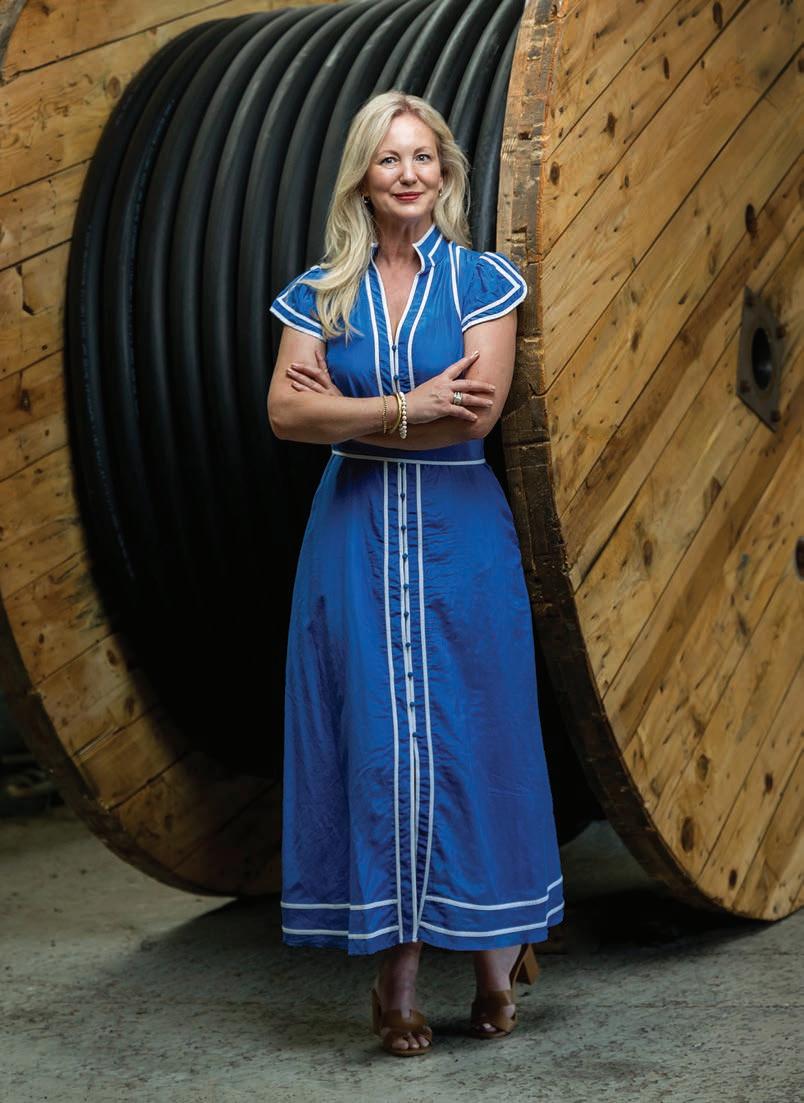
VISIBILITY & SPONSORSHIP
What I have come to understand is that giving in business is not an act of charity. It is an act of leadership.
Giving visibility to someone’s work builds confidence. Giving credit strengthens trust. Giving mentorship accelerates growth. Giving opportunities unlocks potential that may otherwise remain unseen. These actions create momentum – not just for individuals, but for organisations and industries.
“I am deeply grateful to those who gave me a chance, shared their knowledge, and helped open doors I didn’t even know existed.”
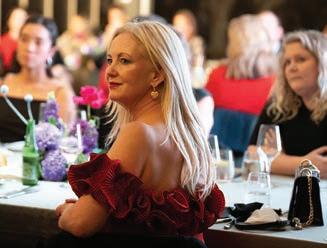
In 2025, I was deeply honoured to be named a finalist in the Women in Industry Awards. That recognition was not just a personal milestone, but a reflection of the people who had invested in me along the way. It reinforced how powerful it is to be seen and supported. In 2026, Australian Power Equipment will proudly sponsor the Women in Industry Awards – a meaningful way to give back and help ensure more women are recognised, supported, and encouraged to step forward.
Because recognition, visibility and sponsorship all matter.
Giving also builds stronger organisations. Businesses are ultimately networks of people, and when those networks are built on mutual respect and shared investment in one another’s success, they become more resilient and more capable of navigating change.
At Australian Power Equipment, this philosophy extends beyond our internal team. It shapes how we work with our global partners and the broader communities we are connected to. In industries that have traditionally been male-dominated, we believe that long-term success is built on fairness, equality and shared growth. It means ensuring women are visible, heard, and supported.
It means expanding upon what leadership looks like, and that extends beyond business.
From the beginning, we made a conscious decision that our company’s growth would also contribute to something larger than ourselves.
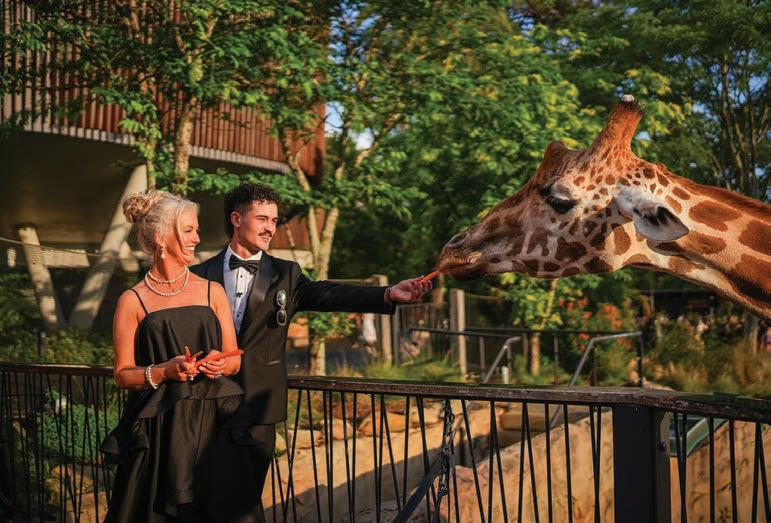
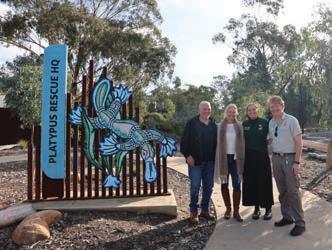
As a primary sponsor of Taronga Zoo and our partnership with Aussie Ark, we support the protection and recovery of endangered Australian Wildlife. These initiatives are not directly connected to the products we supply, but they reflect the values
CLOCKWISE: ABBY AND SON NIKOLAI AT ZOOFARI, SYDNEY TARONGA ZOO; ABBY AT THE WOMEN IN INDUSTRY AWARDS (©PRIME CREATIVE); THE PLATYPUS RESCUE HQ AT TARONGA WESTERN PLAINS ZOO IN DUBBO, WHICH APE CONTINUES TO SUPPORT.
we believe business should represent – responsibility, stewardship, and contribution.
Some of the most capable leaders I have met did not begin with perfect confidence, but rather, with someone who believed in them.
There is a powerful multiplier effect to giving. When someone is supported, they go on to support others. When someone is trusted, they learn to trust. When someone is given a voice, they help amplify the voices of others. This is how industries evolve.
International Women’s Day is an important moment to celebrate progress, but meaningful change happens in everyday actions –giving time, giving encouragement, opportunity, and recognition.
Looking back, I am deeply grateful to those who gave me a chance, shared their knowledge, and helped
open doors I didn’t even know existed. Their investment made my journey possible. And as a business owner and a mother, I’m conscious that the example we set today shapes what others believe is possible tomorrow.
If I can help create opportunities, build confidence, or open doors for others in the same way others once did for me, then that is the most meaningful success I could hope to achieve.
When we give, we don’t lose anything. We build something far greater than ourselves.
Abby Crawford is Co-Director of Australian Power Equipment, a Newcastle-based supplier of highvoltage infrastructure solutions supporting mining, renewables, and industry across Australia and internationally.
words: Dr Farida Akhtar
New Macquarie University research shows the psychological toll of taking a human element out of financial decisions is rising.
Artificial intelligence is rapidly transforming the way Australians manage their money. From superannuation platforms using algorithms to optimise portfolios to robo-advisers offering investment recommendations in seconds, digital finance tools promise convenience, speed and lower costs.
And their growth is accelerating dramatically. The Deloitte Centre for Financial Services forecasts that generative AI-enabled advisory tools will surge from virtually zero penetration in 2023 to 78 per cent of the retail investor market by 2028. Deloitte also predicts that financial services not incorporating generative AI – including human advisers – will decline sharply from 2026.
It’s a structural shift suggesting most Australians will soon receive financial guidance primarily from AI.
But new research from Macquarie Business School shows that while adoption is rising, consumer comfort is not.
The study identifies "technostress", which is the psychological burden triggered by navigating complex digital systems, as a growing barrier to the use of AI-driven financial tools.
Technostress manifests in five forms: techno-overload, technoinvasion, techno-complexity, techno-insecurity and technouncertainty. These stressors can produce anxiety, decision fatigue, a loss of confidence and a diminished sense of control when interacting with automated service and advice platforms.
Complex interfaces and opaque algorithms often leave users feeling unsure, overwhelmed or sceptical about whether they understand the advice being presented.
“Unless robo-advisers tackle technostress head-on, the promise of accessible, AI-driven finance risks becoming another source of anxiety for the very people it aims to empower,” says Dr Farida Akhtar, lead author of the study.


“Complex interfaces and opaque algorithms often leave users feeling unsure, overwhelmed or sceptical about whether they understand the advice being presented.”

“Without guardrails, AI tools may inadvertently widen existing gaps, especially for older Australians, women with less investment experience, and communities with limited digital access.”
Despite promises of simplicity, AI advisory platforms can unintentionally shift more responsibility onto consumers, who must interpret algorithmic recommendations without knowing how they were generated.
This can be especially taxing in emotionally charged scenarios such as market downturns, superannuation decisions, or shifts in risk tolerance, where uncertainty is already high.
“Robo-advice should not quietly push risk onto less financially or digitally literate consumers at the very moments they are most vulnerable,” says Dr Akhtar. “Sharing responsibility in high-stakes decisions is how providers build trust and enduring engagement with users.”
When users feel under-informed or overwhelmed, they are more likely to
disengage, delay action or abandon the technology altogether.
With the financial sector moving quickly toward AI-led advice and human advisers expected to decline, technostress presents a major challenge for digital inclusion.
Australia’s population is diverse in digital literacy, age, financial experience and cultural attitudes to risk. Without guardrails, AI tools may inadvertently widen existing gaps, especially for older Australians, women with less investment experience, and communities with limited digital access.
“Without strong guardrails, Australia’s move to AI-led advice could lock in today’s advice gap as a deep digital divide, leaving older
Australians, less experienced women investors and communities with poor digital access furthest behind,” adds Dr Akhtar.
The researchers argue that Australia’s next generation of robo-advisers must prioritise user-centric design, including clearer explanations of how recommendations are generated, more intuitive and less cluttered interfaces, options for hybrid human–AI support, and features that reduce cognitive load rather than add to it.
They also call for more research into how technostress interacts with trust, autonomy and long-term engagement – key factors in sustaining the shift toward AI-driven financial services.
“AI-led advice succeeds when it doesn’t overwhelm. Transparency, simplicity and human back-up are what turn robo-advisers from black boxes into trusted partners,” says Dr Akhtar.
This story was originally published by The Lighthouse.
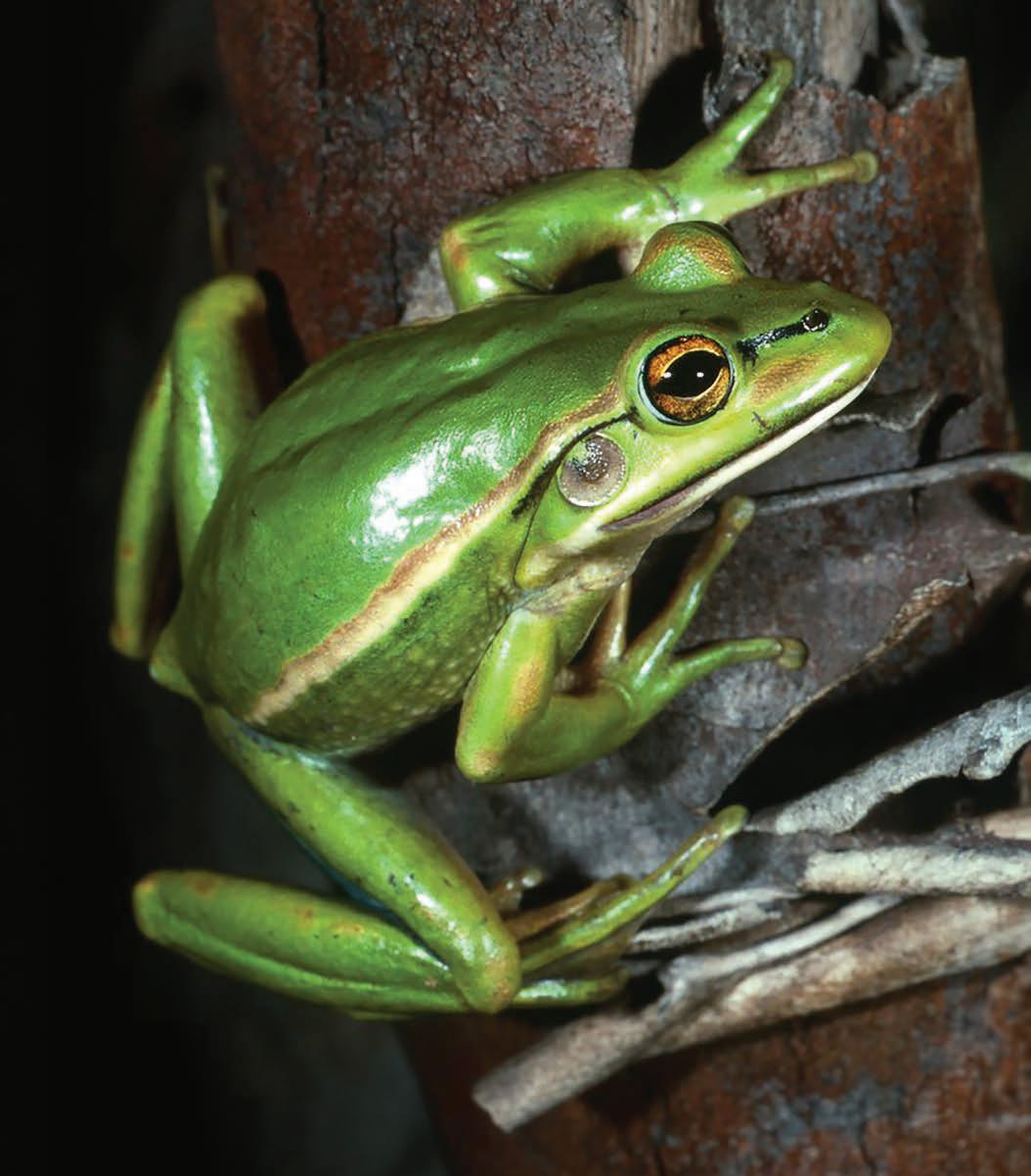
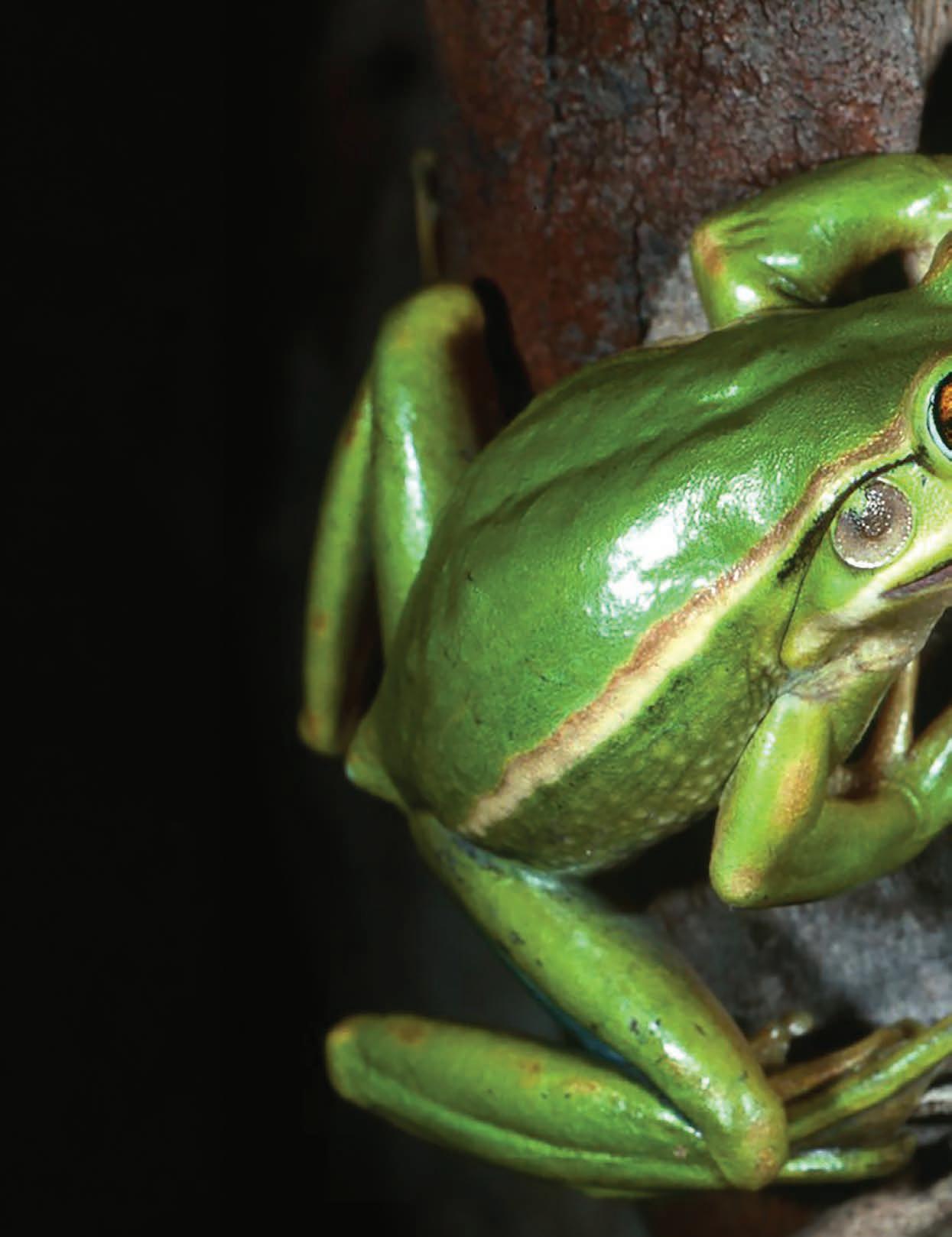
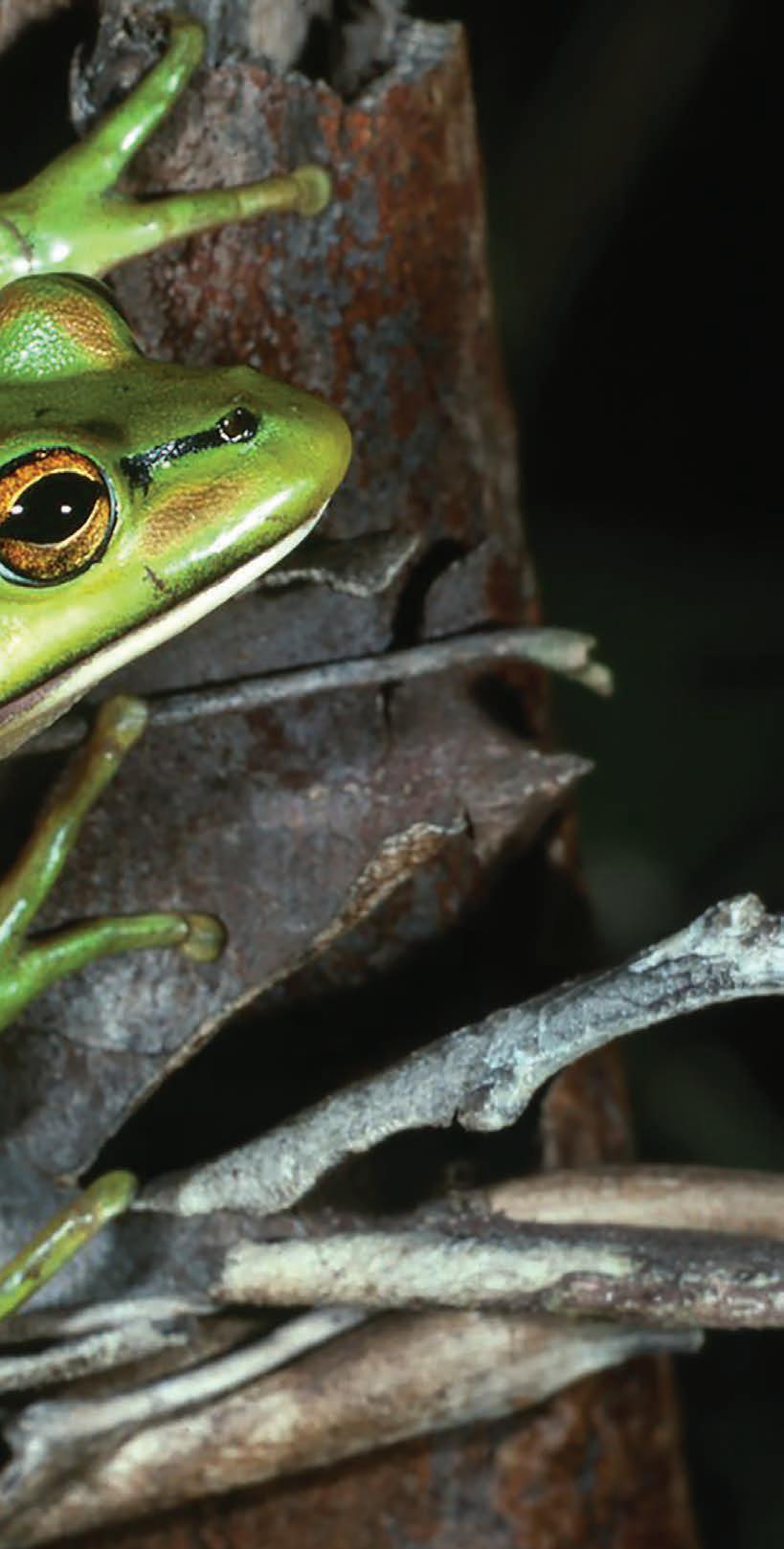
THIS PAGE: THE GREEN AND GOLDEN BELL FROG IS BEING BROUGHT BACK FROM THE EDGE OF EXTINCTION.
Scientists have made groundbreaking discoveries about four water-dwelling creatures native to Australia.
In three unique studies, experts have been able to identify, redefine and save aquatic animals. Each is a testament to the pioneering steps being taken in the bioscience industry, giving us new insight into the flora and fauna of our beautiful country.
Scientists have released 25 green and golden bell frogs, extinct in the Australian Capital Territory for over four decades, back into their local habitat.
The green and golden bell frog population has been devastated by the deadly chytrid fungal disease, responsible for wiping out 90 amphibian species over the last 50 years. While the species is still found in northeastern Victoria and coastal New South Wales, numbers have steadily declined due to infection.
The frog can grow up to 8.5 centimetres in length, and is known for its bright green colour and gold patches, although it can become almost entirely brown when cold. It often swims in mid-depth and surface water, and takes between three and 11 months to develop from tadpole to frog.
“One female can have up to 8000 eggs, so their population growth should start really rapidly if our interventions against chytrid are helping those initial founders survive and reproduce.”
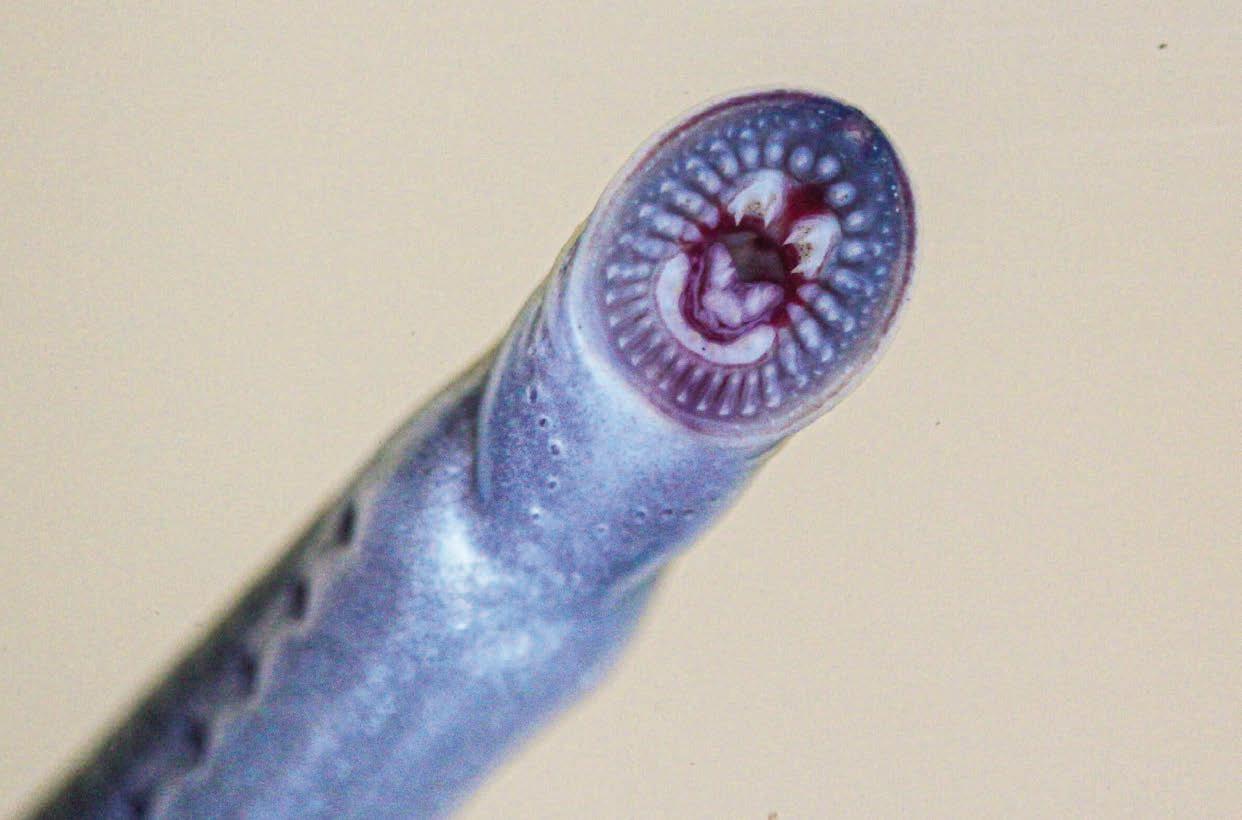
THIS PAGE: LAMPREYS ARE ANCIENT FISH DATING BACK TO THE PRE-DINOSAUR AGE.
The recent cohort of frogs released in Canberra is the first of 15 releases scheduled for all around the city, totalling around 375 frogs. Every frog has been immunised against chytridiomycosis, and microchipped so experts can continue their studies. The volunteer team has even named the adorable creatures, with creative suggestions including James Pond and Dua Leaper.
To give the amphibians the best chance at survival, scientists have dug 60 “frog spas” and installed 180 “frog saunas” at the wetland sites where the frogs will be released. The spas and saunas are intended to provide shelters from disease. The saunas are perspex pyramids surrounding a three-level tower of bricks which heat the frogs at a temperature lethal to the chytrid fungi, while the spas have a high salt concentration that negatively impacts the fungi without hurting the frogs.
“Prior to their findings, lampreys were thought to be anti-tropical, and now researchers hope to develop a better understanding of where they live.”
The goal of the project is to build frog populations of around 200 at each of the sites. Dr Jarrod Sopniewski, a postdoctoral research fellow at the University of Canberra, says “one female can have up to 8000 eggs, so their population growth should start really rapidly if our interventions against chytrid are helping those initial founders survive and reproduce.”
Further north, researchers have identified an endangered species of lamprey outside its usual habitat range, offering new insight into the best ways to protect this unique animal.
A lamprey is an ancient fish dating back to the pre-dinosaur era. The eel-like creature has no jaw or scales, replacing a "normal" mouth with a sucker-like disc lined with sharp teeth used to feed on the blood and tissue
of other fish. While they may look scary, these strange aquatic animals only feed as juveniles, then stop eating entirely as adults.
There are five species of lamprey in the southern hemisphere. The Australian brook lamprey, also known as "vegan dracula" as it doesn’t feed on other fish, is currently listed as endangered. However, Griffith University aquatic ecologist, Dr. Luke Carpenter-Bundhoo, recently noticed this particular species in K’gari (formerly known as Fraser Island), almost 1400 kilometres away from the area it was originally found in.
“After sampling this type of habitat for a few years, I was pretty confident in my knowledge of fish species on K’gari, and then suddenly a species popped up that I had never seen before,” Dr Carpenter-Bundhoo says. “I knew it was a lamprey, but I had no idea what kind, or that they even occurred at these latitudes.”
After learning that another scientist, David Moffatt, had also found lampreys in Queensland, the pair decided to team up and study the unique sightings of these ancient aquatic creatures.
Prior to their findings, lampreys were thought to be anti-tropical, and now researchers hope to develop a better understanding of where they live. They believe this will help to protect the endangered species, since rising sea levels mean the coastal streams it calls home may become saltwater habitats in the future.
“This is not an opportunity we often get as conservationists, and certainly not one to be wasted,” Dr CarpenterBundhoo concludes.
Moving from shallow streams to deep-sea habitats, another group of Aussie researchers have discovered two new species off the coast of Western Australia. With the help of specimens collected on a CSIRO-led voyage in 2022, on the research vessel Investigator, the team have identified a new type of lanternshark and crab.
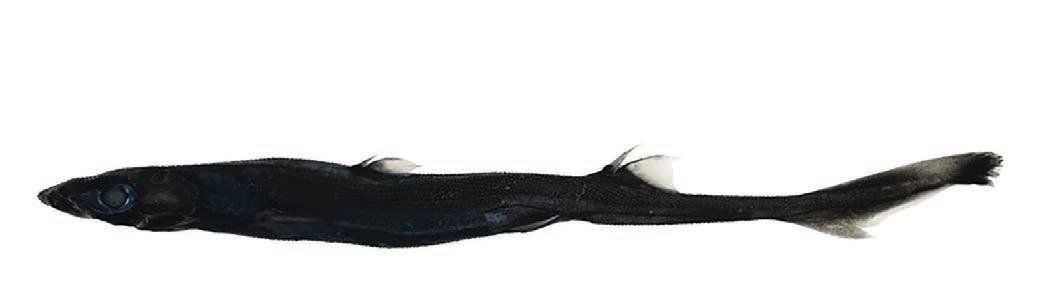
Six shark specimens were collected at depths of 610 metres in the Gascoyne Marine Park. With the help of Dr Will White from the CSIRO Australian National FIsh Collection, the team were able to identify them as a new type of lanternshark.
The West Australian Lanternshark is a small animal, with the largest specimen growing to only 407 millimetres. The sharks have large eyes to help them see at great depths, slender bodies, and a sharp spine. These incredible creatures can glow in the dark, producing photophores on their belly and flanks.
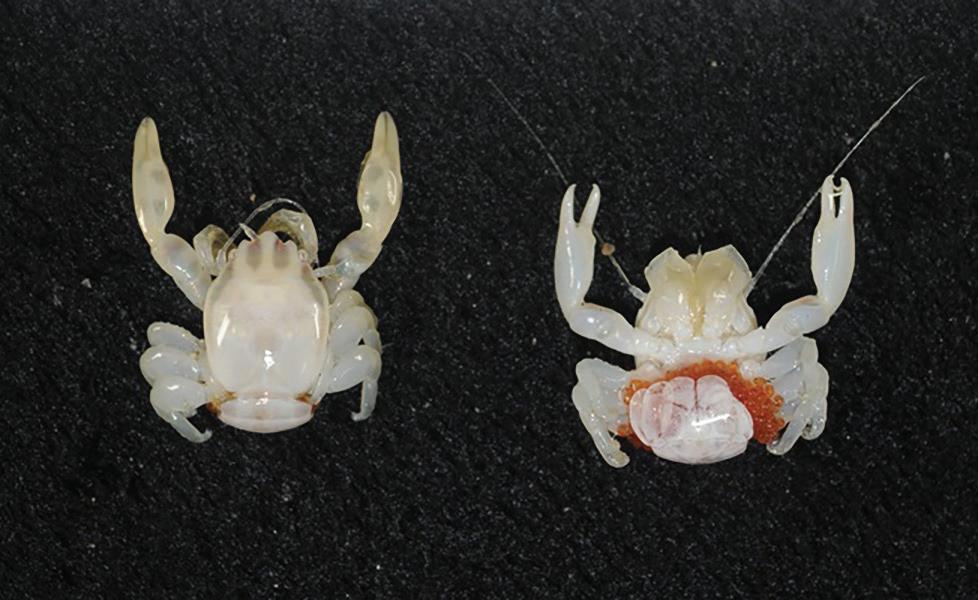
Experts have also announced a new species of porcelain crab, known as Porcellanella brevidentata. Stretching 15 millimetres in length, the opalescent white and yellow crabs are filter feeders, using mouths with long hairs to sweep the water for food. They were found during a survey of the Ningaloo coast, at a depth of 122 metres.
According to Dr Andrew Hosie, curator of Aquatic Zoology from the Western Australian Museum, “the new species of porcelain crab lives a symbiotic life with sea pens, which are a group of soft corals related to sea fans, where they will hide among the ‘leaves’ of the host.”
So far, specimens from the Investigator voyage have contributed to the identification of nearly 20 new species, with researchers estimating there could be another 600 species still waiting to be studied. The deep sea remains mostly unexplored, so these biodiversity surveys are crucial to developing our understanding of this rich terrain.
“These incredible creatures can glow in the dark, producing photophores on their belly and flanks.”
Words: Matilda Meikle
Whether it’s supporting young carers, finding new homes for abandoned pets or offering crisis housing to women escaping violence, these three Aussie charities are making our world a better place.
Discover how you can make a difference and donate to these wonderful organisations.
Little Dreamers is a notfor-profit organisation supporting young people between the ages of four and 25 who provide unpaid care for a family member affected by disability, mental illness or substance use.
It’s estimated that one in 10 young Aussies care for a family member in need. Sadly, these young carers are two times more likely to disengage from work or study, and report higher rates of poverty, while two out of three face mental health challenges.
In response to these statistics, Little Dreamers has developed a comprehensive suite of online and in-person programs targeting five main areas: education, employment, mental and physical health, social wellbeing, and financial literacy.
Big Dreamers is a five-month development program in which young carers engage in monthly workshops, overnight retreats and mentoring sessions to build new skills and connect with others in similar situations. It was co-designed with young carers to ensure it catered to their needs.
The Dream Experience program is another major initiative, seeking to celebrate young carers who are often overworked and undersupported. Whether it’s meeting a sports idol, attending a concert or taking a trip to a wildlife park, the Little Dreamers team organise a dream opportunity to acknowledge all of the young carer’s hard work.
Other charity initiatives include a counseling program using therapeutic approaches to help young people
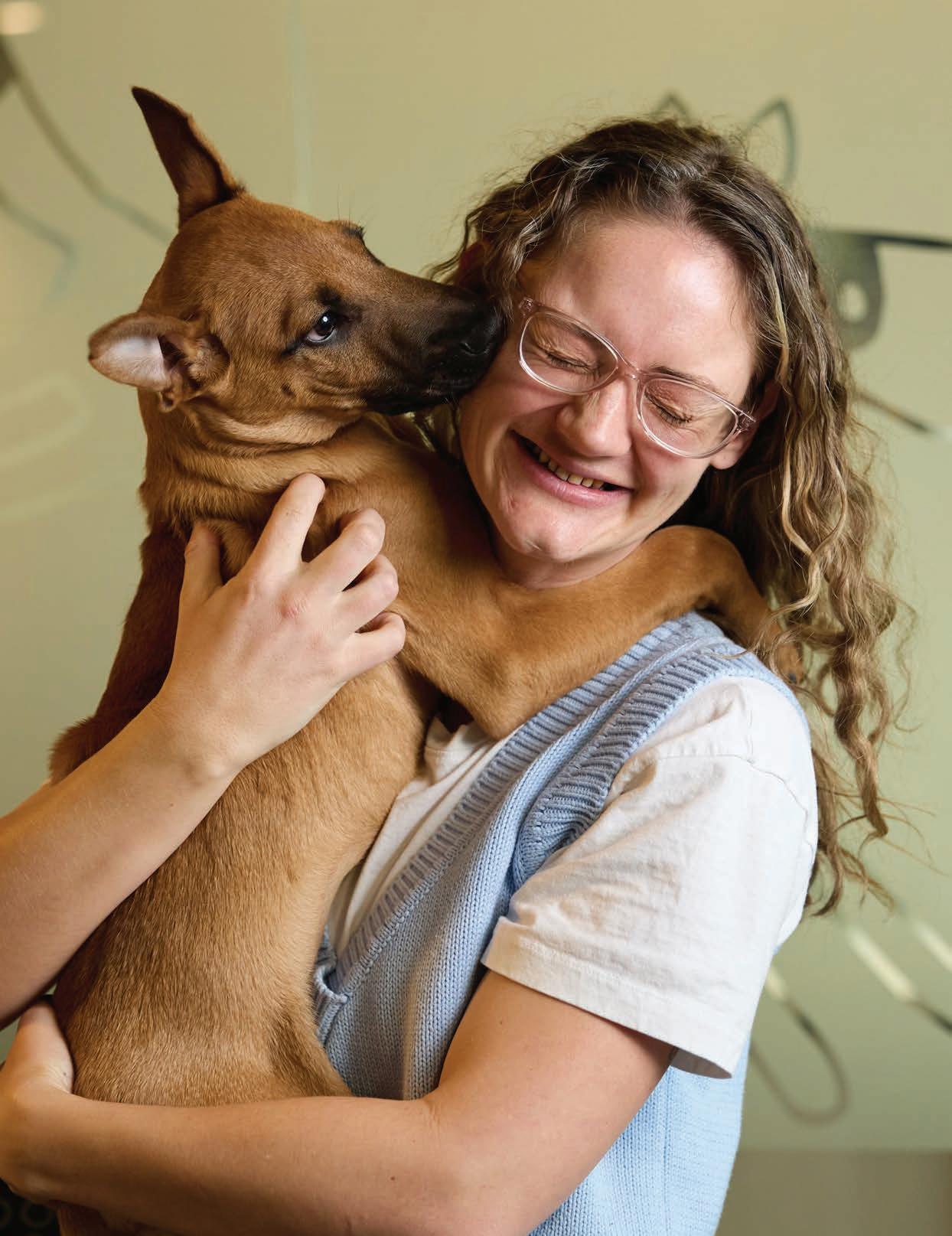
CLOCKWISE FROM TOP: LITTLE DREAMERS SUPPORTS YOUNG PEOPLE PROVIDING UNPAID CARE; THE LOST DOGS' HOME VET HOSPITAL OFFERS MUCH-NEEDED MEDICAL ASSISTANCE; LITTLE DREAMERS RUNS EXCITING HOLIDAY PROGRAMS FOR YOUNG PEOPLE.
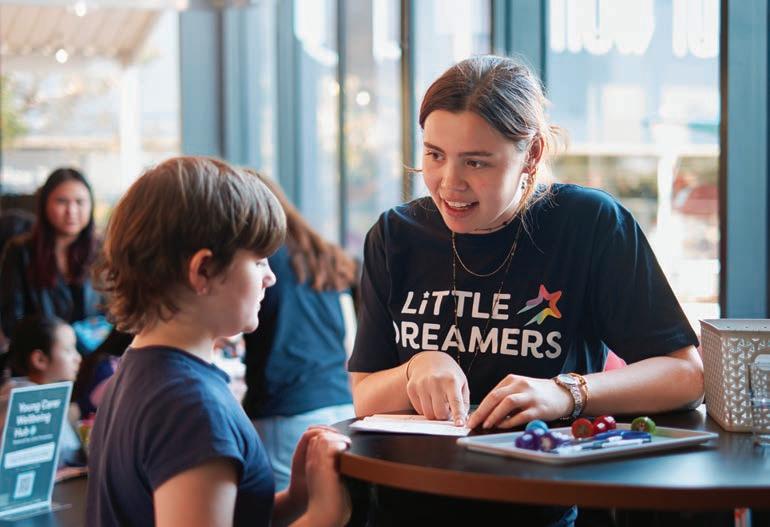
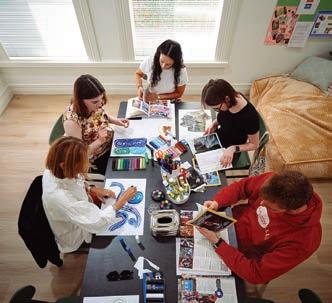
process complex emotions, manage stressful situations, and prioritise their overall wellbeing, and school holiday programs designed to offer a muchneeded break. Young carers are invited to attend full-day sessions with trips to the movies, arts and craft workshops, theme parks, aquariums and more.
In 2024 alone, Little Dreamers provided 16,908 hours of support to 1761 young carers across Queensland, New South Wales and Victoria.
The Lost Dogs' Home is an organisation dedicated to animal welfare. It takes in lost dogs, cats and other companion animals to offer shelter, veterinary care, adoption,
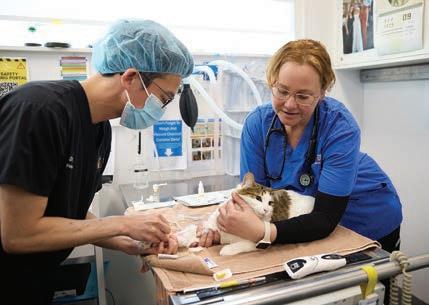
fostering and reunification services. Each year, the team provides care to more than 18,700 lost, stray and unwanted pets – that’s roughly 51 animals every day.
The charity’s major program is the Lost Dogs’ Home Vet Hospital, which provides a range of health services including routine checks, vaccinations, desexing and surgeries for pets.
The dedicated shelter medicine team ensures animals in permanent care are well looked after, while the primary care team works with sick or injured animals and their families.
The Home Together program delivers short-term support to pet owners experiencing hardship, ensuring that both humans and pets are safe. This can take the form of housing assistance for pet-friendly

emergency shelters, navigating grants and loans, emergency pet care, or emotional support.
The Lost Dogs' Home also provides digestible and accessible information about pet care, adoption, and behaviour management on its website. Animal training and consultations are available for new pet owners struggling to adjust, and the Adoption Ambassador Program is a first-of-itskind initiative allowing people to adopt directly from specially trained foster carers to give pets a better chance of finding a forever home.
The Women’s and Girl’s Emergency Centre (WAGEC) is a grassroots feminist organisation supporting women and families in crisis. Each day, the centre provides care to 200 women and children impacted by homelessness, domestic violence or disadvantage through material aid, care management, accommodation and crisis response.
WAGEC operates short-term accommodation for women and
families in Sydney, with 90 beds available on any given night. This includes 45 transitional properties for families and a 10-bed property for single women. Medium-term housing is also available for women and families who need a safe transitional space while getting back on their feet.
The charity focuses on crisis support for women, children and non-binary individuals with after-hours services available every day of the week. A series of more structured programs build on the strength and resilience of clients to end cycles of disadvantage and trauma in Australia.
THIS PAGE: WAGEC SUPPORTS WOMEN AND FAMILIES IMPACTED BY HOMELESSNESS AND DOMESTIC ABUSE.
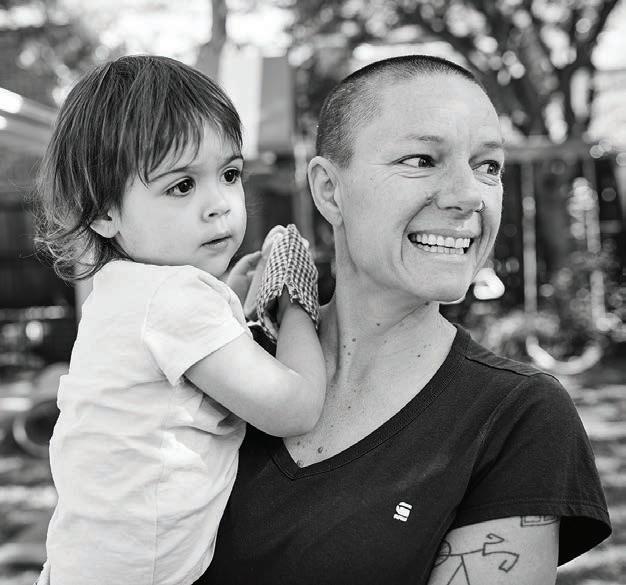
complete online sessions to build self esteem and confidence, and attend holiday programs to connect with other kids in similar situations and find a sense of belonging.
The Access Program is a free scheme for women 18 years and older, either in person or online, for six months. Participants are matched with a mentor for the duration of the program, who helps them to work towards long-term goals including work, training and education.
The Helping Children Heal program offers tailored and free support to young people who have witnessed or been directly affected by abuse. Child specialists deliver a variety of therapeutic initiatives including health care, psychology and learning support while children recover. Kids can also
Other WAGEC schemes include All In – a gender-based violence prevention program delivering tools and training to early childhood educators and primary prevention practitioners, and From Now, a new program offering stable housing to women exiting prison.
WAGEC acknowledges that women exiting prison, especially pregnant women and those with children, face significant adversity while trying to reintegrate. With intensive case management, education and employment pathways, the program helps incarcerated women get back on their feet.
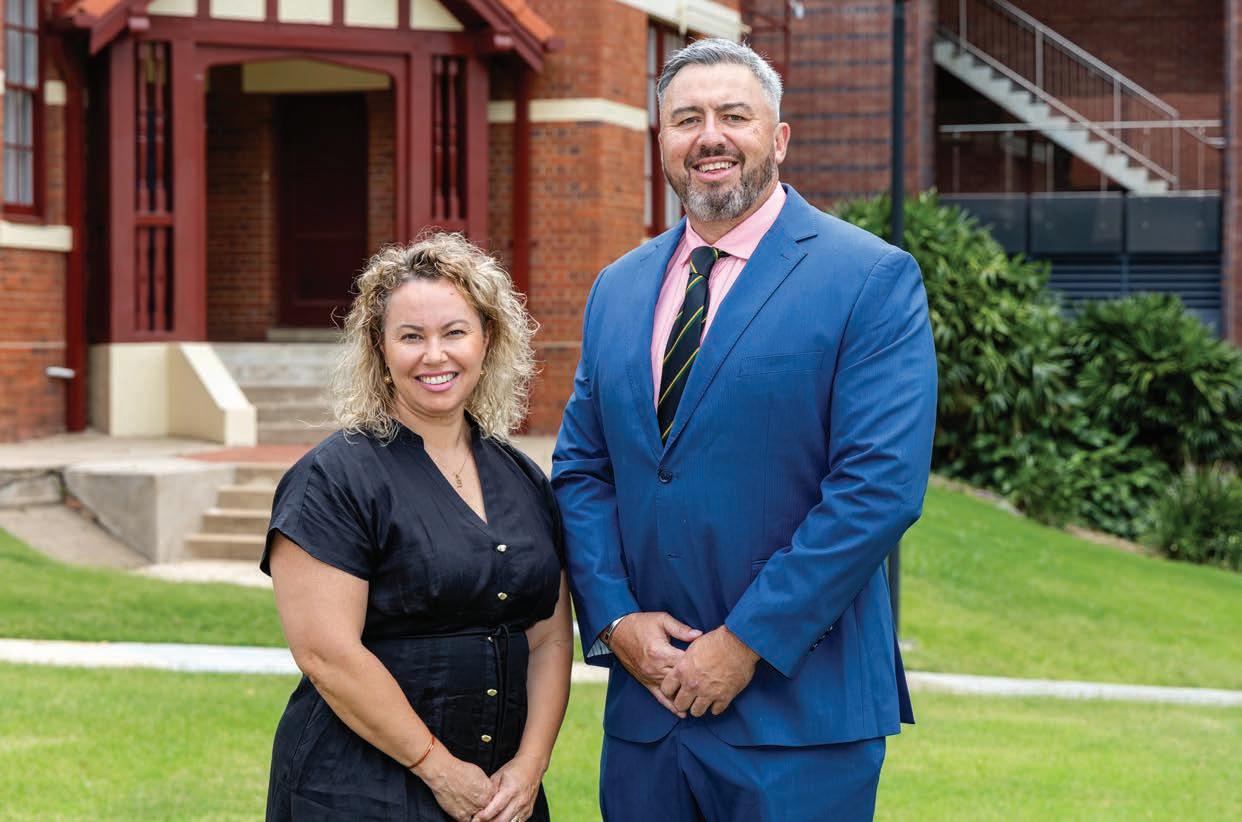
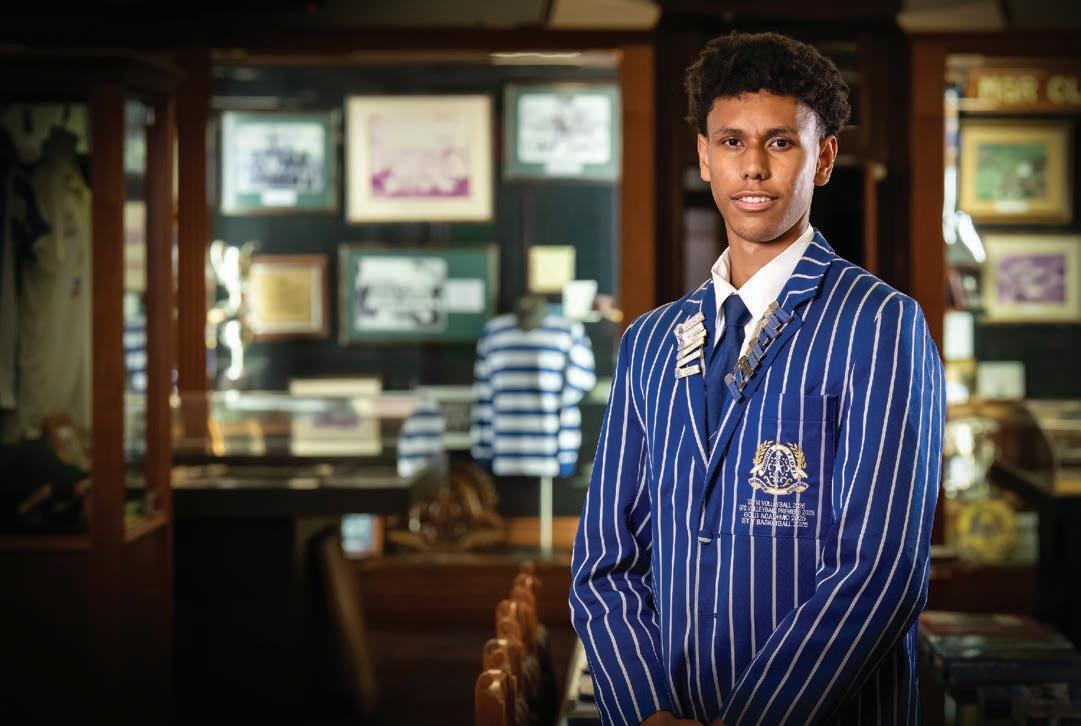
Beginning boarding is a significant step, and at Anglican Church Grammar School (commonly known as Churchie), the experience is shaped by warmth, routine and genuine care.
Resident Master Troy Looms and Houseparent Bobby Looms joined the school in early 2025 after many years working in boarding communities around the world. Their move to Churchie was driven by a desire to be closer to family and to support Year 7 boarders during one of the most important transitions of their school lives.
Troy believes firmly in creating an environment where boys feel safe to grow. Many of the boys are living away from home for the first time, so helping them feel settled quickly is essential. Troy says, "We create an environment where boys feel not just physically comfortable, but also emotionally supported and genuinely at home in their new boarding life."
To build connections among the boys, Troy has introduced activities that encourage self-expression. These include sessions where they can share their goals, likes, dislikes, and the
people who inspire them. "These activities are powerful because they allow the boys to learn about each other on a deeper level, fostering empathy and a sense of shared experience," Troy says.
A nurturing presence in the house, Bobby focuses on building trust through meaningful daily interactions. "My approach focuses on active presence and genuine connection, which are essential for helping the boys feel secure and open to sharing," Bobby says. "A key strategy is to dedicate time to one-on-one conversations and to chat with each boy about their interests, family, hobbies and sports. It’s about showing them that we care about who they are beyond just being a boarder."
Weekends provide another opportunity for connection. Whether the boys are on an organised outing or simply spending time together in the boarding house, Bobby says
these shared experiences "create a relaxed environment where boys can build friendships and feel more at ease." She pays close attention to small cues, explaining, "If a boy seems a bit quieter than usual, or if there’s a change in their routine, I’ll subtly check in." Celebrating kindness and effort is equally important to her.
Together, Troy and Bobby see the boys' growth as the most rewarding part of their role. "It’s incredibly fulfilling to see them arrive as somewhat shy or uncertain Year 7s and then watch them blossom into confident, wellrounded young men by the time they leave," Bobby says. "Knowing you’ve played a part in shaping their character and preparing them for the next stage of their lives brings me so much joy."
Families interested in learning more about Churchie Boarding can visit churchie.com.au/boarding, contact the admissions team at admissions@ churchie.com.au, or call 07 3896 2200.
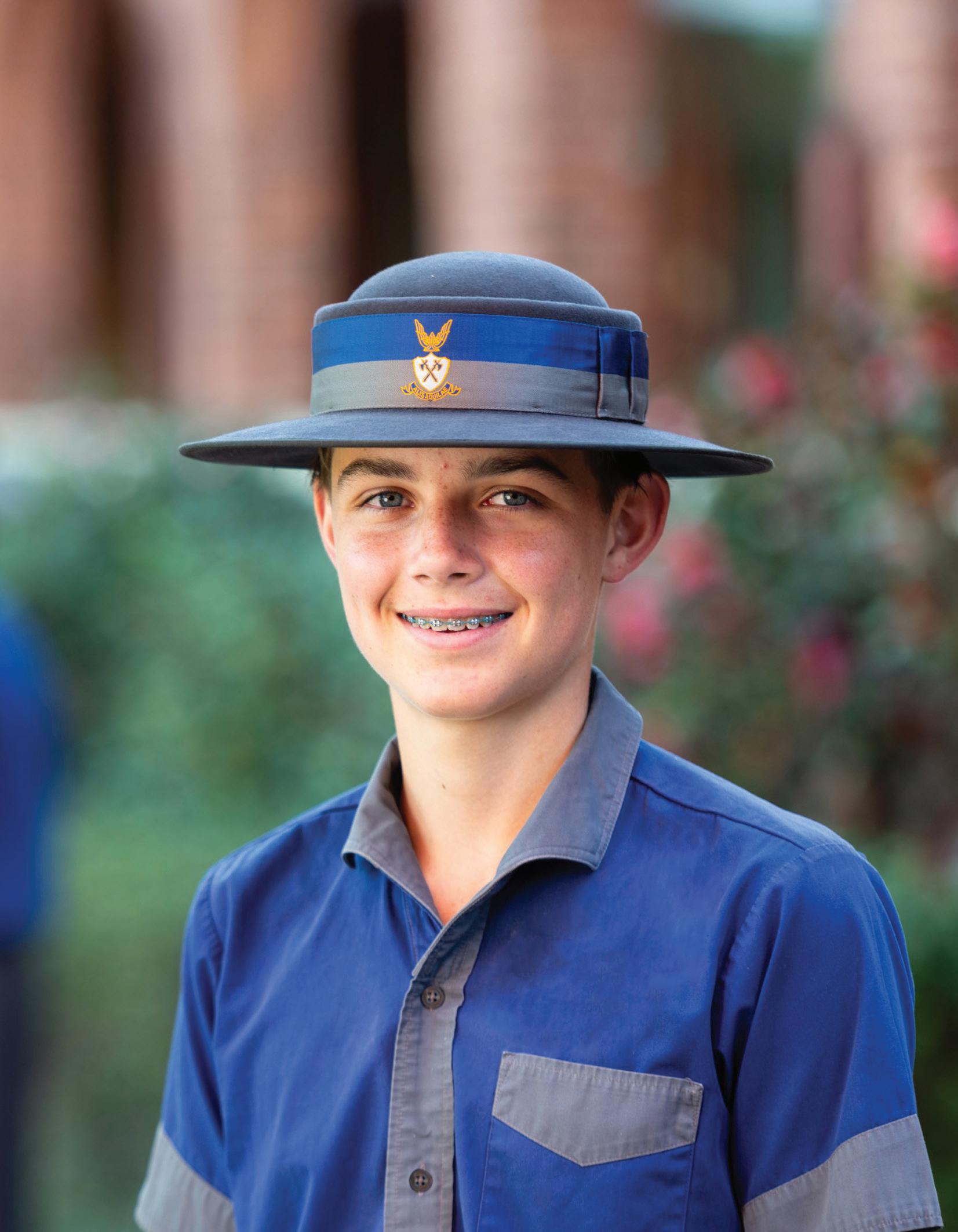




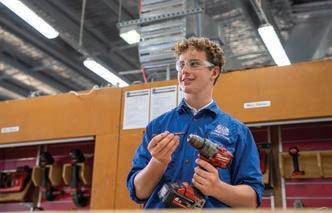
At St Joseph’s Nudgee College, founded on the Catholic faith, students are supported in discovering their passions and preparing for life beyond the classroom.
Choosing the right school is about more than academic results; it’s about finding a place where boys can explore their interests, build confidence, and grow into capable young men.
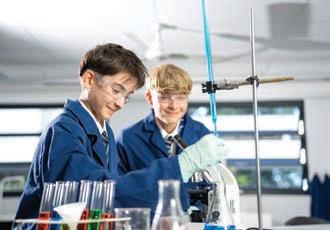
Nudgee offers Brisbane’s widest curriculum, providing a rigorous yet flexible academic program that caters to diverse interests and aspirations.
Whether students are pursuing university pathways, vocational education or hands-on careers, they can tailor a program that aligns with their goals.
From sciences and engineering to agriculture, business, and the arts, boys are encouraged to explore their
strengths while developing essential learner attributes for future success.
Beyond academics, Nudgee provides extensive co-curricular opportunities. With outstanding sporting facilities and coaching, students participate in a wide range of team and individual sports, building resilience and teamwork.
The performing and visual arts programs further nurture creativity and self-expression.
Supported by dedicated staff and a culture grounded in kindness and respect, boys are empowered to thrive academically, socially, and personally.
Discover the Nudgee College difference at our Open Day on Saturday, May 9, 2026. Experience first hand the warmth of our community and meet the dedicated staff who shape our students’ lives. Register now at nudgee.com


Words: Matilda Meikle
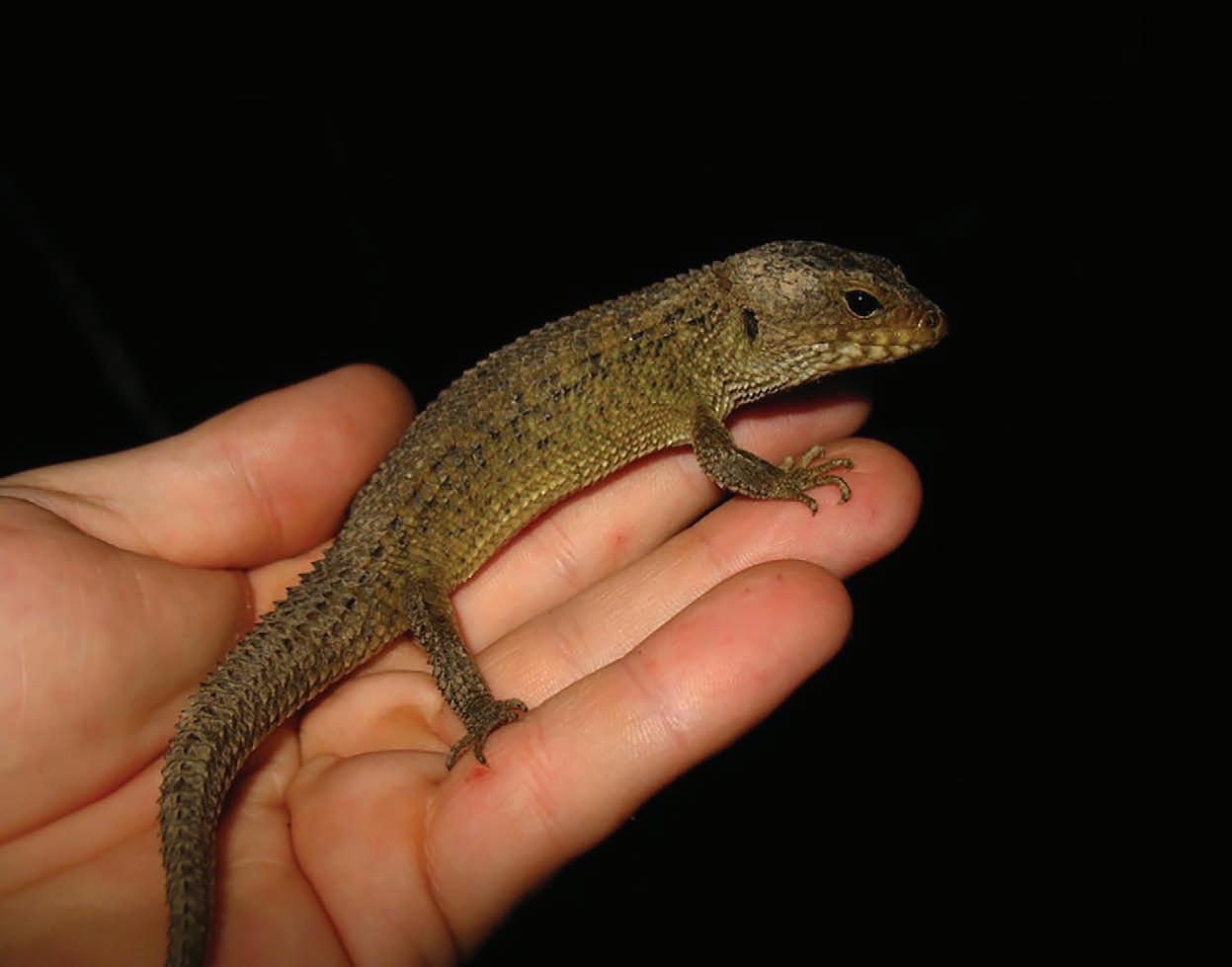
One of Australia’s most endangered reptiles is the subject of a new program aiming to increase population size and diversity.
Nangur spiny skinks are found only in South East Queensland, in the country of the Kabi Kabi and Wakka Wakka people. They were first discovered in Nangur National Park in 1992, and since then extensive surveys have estimated that roughly 1000 adult skinks exist in an area of around 850 hectares.
The skinks are an important part of their ecosystem. As prey, they serve as a valuable food source for native predators. As predators, they feed on insects and keep the population in balance. They also live in small burrows, turning over the soil
as they dig and promoting healthy ecosystems.
Sadly, these small creatures are threatened by introduced animals including cats, foxes and cane toads, as well as habitat loss and climate change. This has resulted in the Nangur spiny skink becoming one of Australia’s most endangered reptiles. In fact, there was a 60 per cent decline in population between 2015 and 2019, with experts now estimating that only 50 individuals remain in Nangur National Park, one of their main habitats.
In response to this alarming fact, the Foundation for Australia’s Most Endangered Species has partnered with the Queensland Department of Environment and Science to introduce a captive breeding program.
At the end of 2025, 10 skinks were translocated from Oakview National Park to a new facility in Wratten’s National Park. The aim was to reduce inbreeding and maximise long-term resilience. Already, several juvenile skinks have been born from natural breeding, suggesting that a population can be established with support.
The project is scheduled to take place across three years, with research, monitoring and translocation efforts to continue as the population builds resilience. Most recently, scientists moved 35 skinks between different genetic clusters to slow genetic decline. The team is also trying to develop vital disease surveillance to create an early warning system against fungal threats.







Make the most of your time in this holiday season with our offer. The perfect mix of relaxation, comfort, and calm before you continue your journey.
Starting from $165, unwind between 9am–5pm with poolside relaxation, delicious dining and a tranquil private space to refresh and recharge.
Start your holiday refreshed, not rushed !