


Privacy legislation main points Key terms and privacy principles


Rights of the PII principal Data protection officer and privacy impact assessments




International data transfers How we comply Helping us stay compliant Summary and questions



Usually applies to all organizations processing PII from a relevant place





“… any information that (a) can be used to identify the PII principal to whom such information relates, or (b) is or might be directly or indirectly linked to a PII principal.”
ISO/IEC 29100:2011







Name Address Phone number Email address Date of birth Marital status Tax code
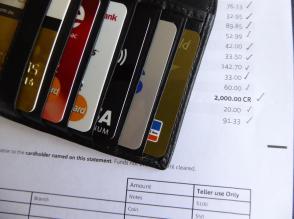
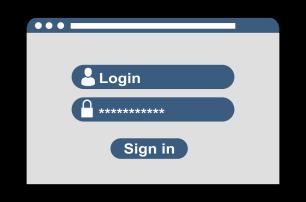
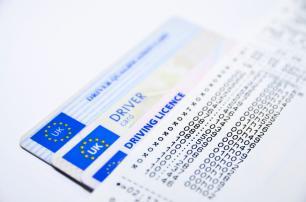




Bank details Passwords Driving licence Passport number Purchase history IP address Mobile phone serial number
Racial or ethnic origin
Political opinions
Religious or philosophical beliefs
Trade union membership
Genetic data
Biometric data
Health data
Data concerning sex life
Sexual orientation



“… natural person to whom the personally identifiable information (PII) relates.”
ISO/IEC 29100:2011
“… operation or set of operations performed upon personally identifiable information (PII).
• Note 1 to entry: Examples of processing operations of PII include, but are not limited to, the collection, storage, alteration, retrieval, consultation, disclosure, anonymization, pseudonymization, dissemination or otherwise making available, deletion or destruction of PII.”
ISO/IEC 29100:2011




Taking an order from a customer Arranging delivery of goods
Employee payroll
Recording CCTV




Sending marketing emails Recording details in a CRM system
Keeping training records Answering customer enquiries

“… privacy stakeholder (or privacy stakeholders) that determines the purposes and means for processing personally identifiable information (PII) other than natural persons who use data for personal purposes.”
ISO/IEC 29100:2011

“… privacy stakeholder that processes personally identifiable information (PII) on behalf of and in accordance with the instructions of a PII controller.”
ISO/IEC 29100:2011
Lawfulness, fairness and transparency
Purpose limitation
Data minimisation
Accuracy
Storage limitation
Integrity and confidentiality
All PII principals have the right to…

Information Access


Erasure (right to be forgotten)


Rectification

Restriction of processing Notification of rectification or erasure


Data portability Object Object to automated decision making

Not required for all organizations
May be a part-time or shared external resource Requires knowledge and experience of data protection law Reports to top management Must remain independent and protected Monitors compliance and provides advice on data protection issues
Primary contact point with relevant supervisory authorities
For controller-processor relationships, there must be a contract
These contracts must include specific information about processing of PII
New terms must also be included Existing contracts must be amended Applies to contracts with suppliers, and with customers These changes are often mandatory


A key process mandated by privacy legislation where PII is to be processed, particularly when using new technologies
Issues a PIA should consider include:
Systematic description of processing
Legal basis of the processing, such as legitimate interest
Necessity and proportionality
Other issues a PIA should consider include:
Controls to treat unacceptable risks
Consultation with PII principals, where appropriate
Only transfer PII to nations deemed “adequate” Safeguards must be agreed and in place prior to transfer Binding corporate rules may be used within an international organization Standard contractual clauses are published by the relevant authority, such as the EU for the GDPR
We have…
Implemented a PIMS based on ISO/IEC 27701
Defined our data protection policy Communicated the changes to all staff
Defined roles and provided training Identified the PII we process Established the lawful basis of our processing
Provided the required privacy information to the PII principal

We have…
Obtained consent, where required
Put in place procedures for PII principal access requests Minimised our holding of PII Begun keeping required records of processing Updated our contracts to be privacy compliant


We have… Obtained employee commitment to the confidentiality of PII Ensured our international transfers of PII are legal Introduced privacy impact assessments and data protection by default Increased protection and prepared for a breach

How can you help?




Read and follow our data protection policy Process access requests promptly Recognise the importance of protecting PII
Only use PII for the defined purposes



Be fair and transparent about our use of PII Keep PII confidential Consider data protection in new developments Handle any breaches in a professional way
There are many requirements that must be met worldwide
We must clearly understand our collection and use of PII Everyone has a part to play in meeting our privacy obligations
Penalties for not protecting PII are increasing Notification is often mandatory