


FESPA 2026
Dates: May 19th to 22nd 2026. Venue: Fira de Barcelona in Spain.

DOMOTEX asiaCHINAFLOOR 2026
Dates: May 27th to 29th 2026. Venue: NECC, Shanghai, China.

Index 2026
Dates: May 19th to 22nd, 2026. Venue: Palexpo, Geneva, Switzerland.

HIGHTEX 2026
Dates: June 9th to 13th, 2026. Venue: Istanbul, Türkiye.
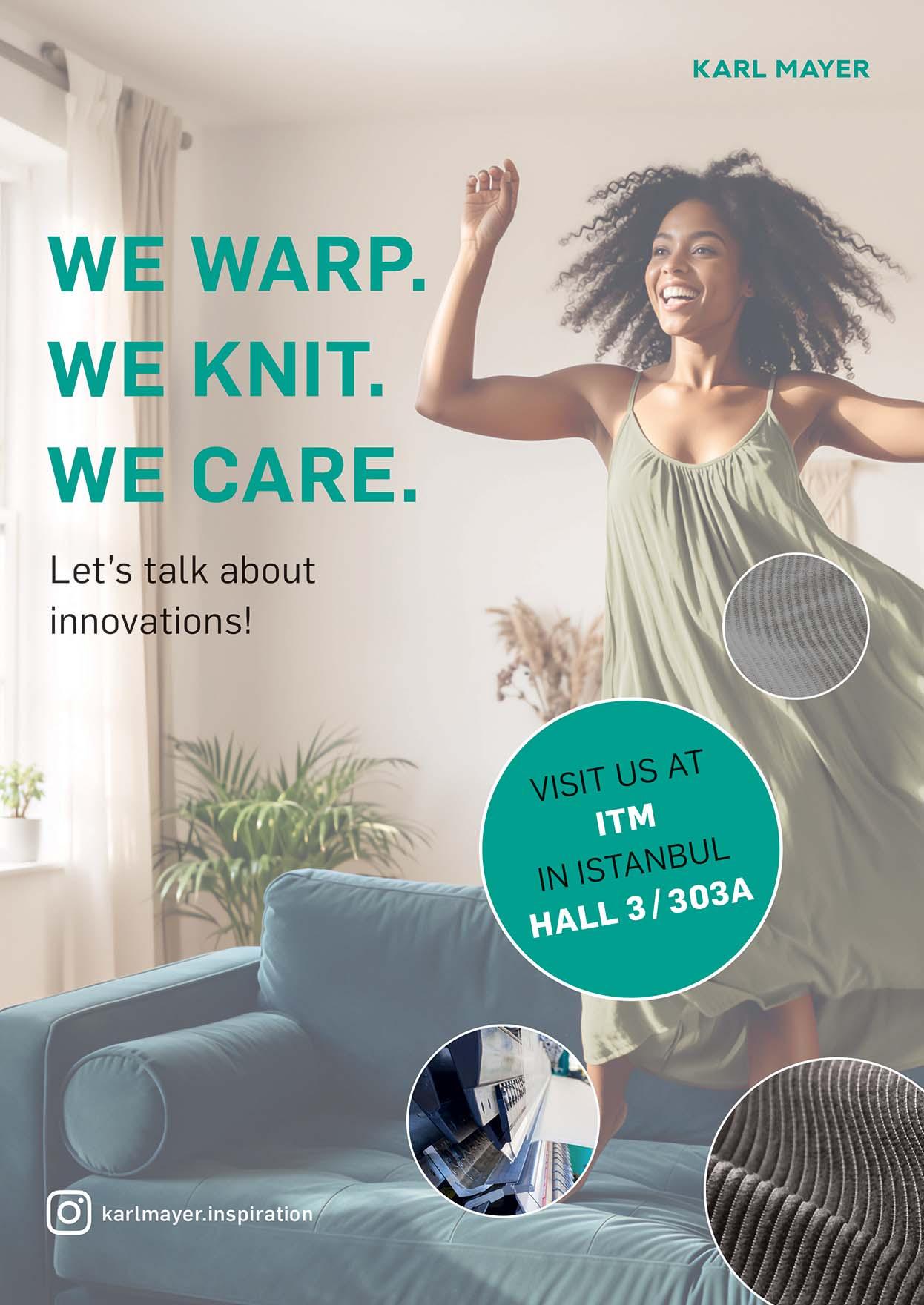
ITM 2026
Dates: June 9th to 13th, 2026. Venue: Istanbul, Türkiye.

Textile Asia 2026, Lahore
Dates: July3rd to 5th, 2026. Venue: Lahore Expo Centre.
Textile Asia 2026, Karachi
Dates: December 05th to 07th 2026. Venue: Expo Centre, Karachi.

DPS World Pakistan 2026
Dates: August 21th to 23th 2026. Venue: Lahore Expo Centre.

Intertextile Shanghai Apparel Fabrics
Dates: August 25th to 27th 2026. Venue: Shanghai, China.

Texworld Apparel Sourcing Paris
Dates: August 30th to Sep. 2nd, 2026. Venue: Paris
2026
Dates: September 8th to 10th, 2026. Venue: Tashkent, Uzbekistan.

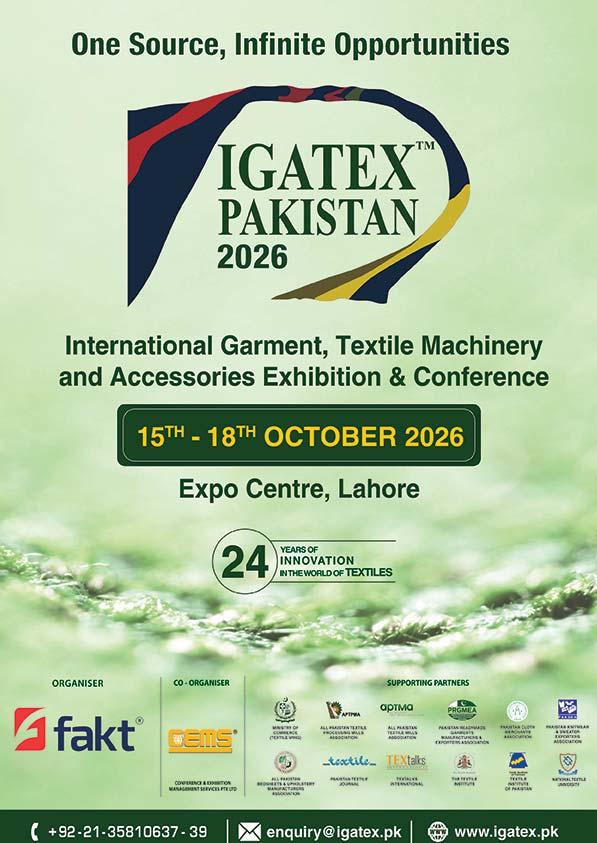
IGATEX Pakistan 2026,
Dates: October 15th to 18th 2026.
Venue: Expo Centre, Lahore
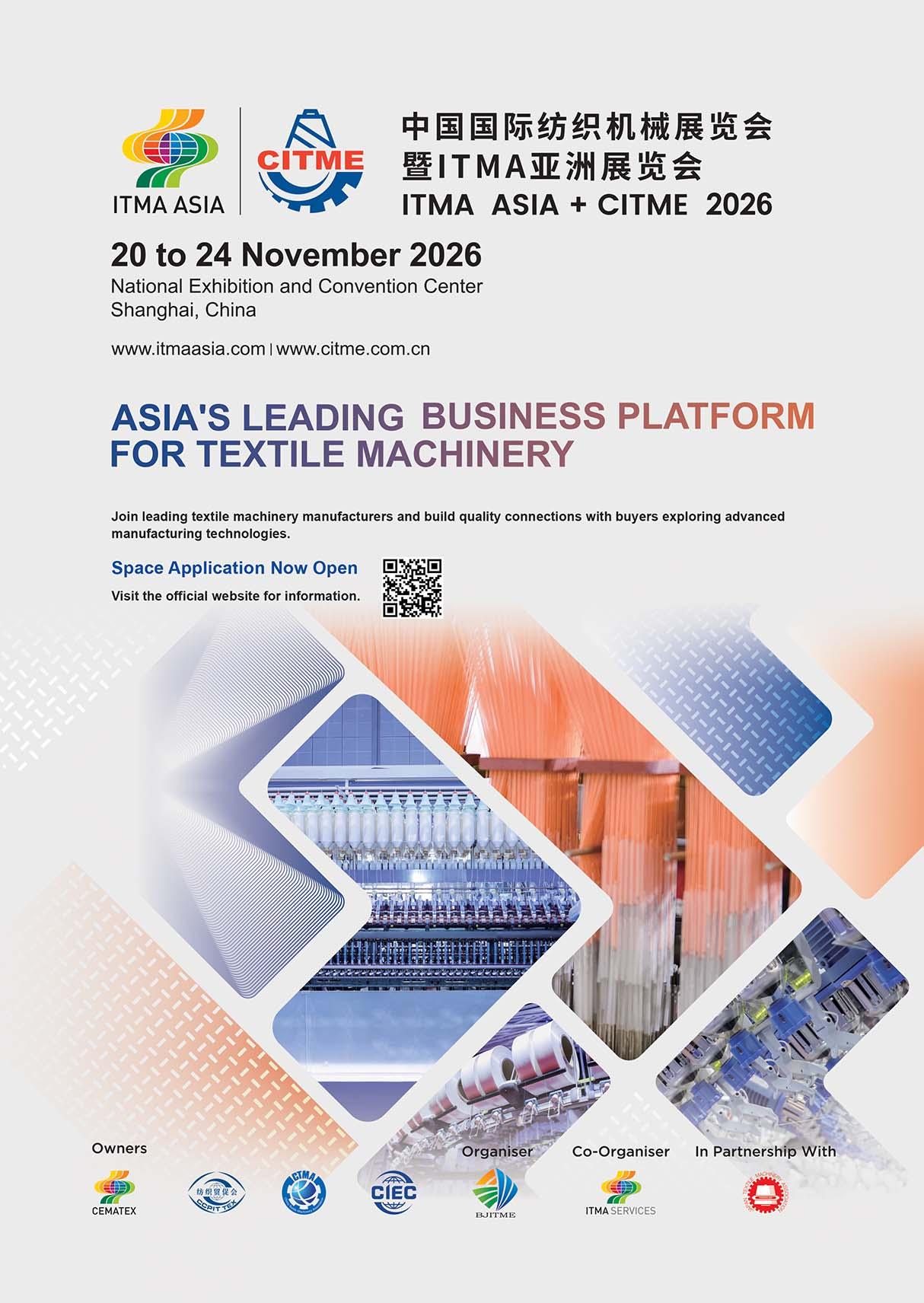
ITMA ASIA + CITME 2026
Dates: November 20th to 24th, 2026. Venue: NECC, Shanghai, China.

Heimtextil 2027
Dates: January 15th to 17th, 2027 Venue: Frankfurt am Main.

VIATT 2027
Dates: February 24th to 26th, 2027. Venue: Ho Chi Minh City, Vietnam.

66th Dornbirn-Global Fiber Congress
Dates: September 15th to 17th 2027. Venue: Dornbirn Austria.

ITMA 2027
Dates: September 16th to 22nd, 2027. Venue: Hanover, Germany.

DOMOTEX Hannover 2028
Dates: January 17th to 20th 2028. Venue: Hannover, Germany.

Techtextil and Texprocess 2028
Dates: April 4th to 7th, 2028
Venue: Frankfurt, Germany.

Founded in 1951 by Mazhar Yusuf (1924-2009)
Publisher
Nadeem Mazhar
Editor in Chief
Amina Baqai
Associate Editor
Nimrah Nadeem
Associate Editor
Minhaj Ali
Production Manager
Mazhar Ali
Layout & Design
Noor M. Jaan
Dr. Hafizur Rehman Sheikh Ph.D (UK) F.T.I. (UK)
Syed Mahfooz Qutab
C.TEX, F.T.I (U.K), B.Sc. Fellow I.C.T.T Atlanta, GA; (USA)
Dr. Zubair Bandukda PhD (Textiles), CText ATI
B-4, 2nd Floor, 64/21, M.A.C.H, Miran M. Shah Road, Karachi - Pakistan
Tel: +92-21-34311674-5
Fax: +92-21-34533616
Email: info@ptj.com.pk URL: http://www.ptj.com.pk
PTJ Europe Ltd.
Registered Office: Dairy House, Money Row Green, Holyport, Maidenhead, Berkshire, SL6 2ND, United Kingdom.
Registered no. 09141989
Tel: +44 792 2228 721
Available on Gale and Factiva affiliated international databases through Asianet Pakistan
Printed at: Color Plus Korangi, Karachi.
Published by Nadeem Mazhar from D-16, K.D.A. Scheme No.1. Karachi.





Italian textile machinery orders index shows decline in Q1 2026
BTMA backs global growth while investing in future UK leaders
Jeanologia brings its AI “Billy” to Kingpins Amsterdam and redefines vintage denim with its “Future Vintage” vision
RE&UP partners with Madewell and ISKO on textile-to-textile denim capsule .
.21 44west collaborates with SGS to verify UV-protective apparel for the Atlantic Rowing Challenge .
Archroma showcases innovations delivering performance without compromise .24 SMART WASH by CHT: Sustainable performance that delivers visible results
Visitor registration now open for ITMA ASIA + CITME 2026
Texworld Apparel Sourcing Paris to bring together all international players in textiles and apparel . .
DOMOTEX asia/CHINAFLOOR 2026 to unite the global carpet and flooring industry in Shanghai


Saurer Sustainability Hub: Innovation driving the future of sustainable spinning . .32
Driving sustainable innovation: Gul Ahmed and Saurer’s decade-long partnership .34
Interview with Zaki Bashir, CEO, Gul Ahmed Textile Mills Limited Saurer at ITM 2026: Answering market’s needs for flexibility
Successful opening of the KARL MAYER TEXTILE INNOVATION CENTER
Rieter: Ibrahim Fibres boosts yarn strength with COMPACTeasy
Under Armour joins U.S. Cotton Trust Protocol, advancing responsible cotton
COOLMAX CloakFX™ fibre by The LYCRA Company
Tradition and innovation: Phoenox Textiles Ltd. relies on state-of-the-art carpet back-coating line from Brückner
Pakistan-Germany trade relations continue on an upward trajectory
by Nadeem Mazhar, Managing Editor, Pakistan Textile Journal
VDMA: Machinery for textile recycling and processing recycled materials
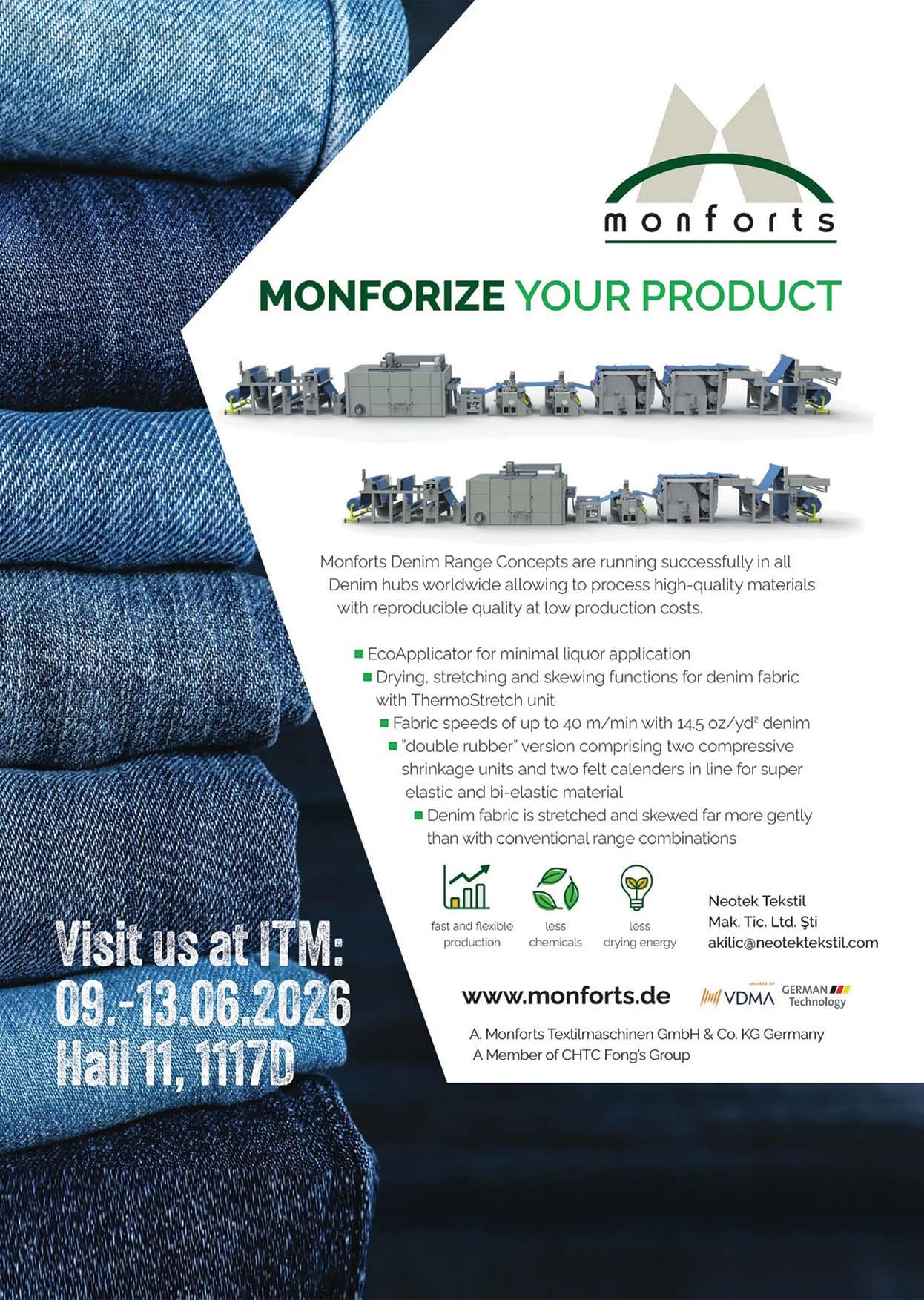
Monforts : Growing potential in Türkiye

The future of textiles, the power of trade, and the summit of technology come together at ITM 2026
Experience Trützschler’s leading fibre processing technologies at ITM 2026
Groz-Beckert at ITM 2026: Engineering the future of smart and sustainable textile production
Mesdan heads to ITM 2026
Itema to showcase weaving excellence at ITM 2026
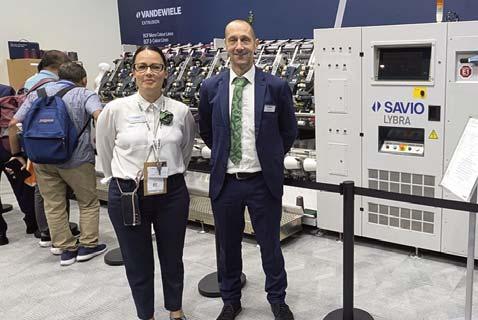
Savio Macchine Tessili will present its flagship technologies at ITM 2026
Efficiency, quality and reliability: Stäubli solutions on display at ITM 2026
Uster FiberQ excels for recycled raw materials too
Denim producer in Türkiye reports improvements from warehouse to winding room Biancalani at ITM Istanbul 2026
Biancalani welcomes visitors at ITM Istanbul 2026 as AIRO®24 and AQUARIA® take centre stage in Türkiye
Picanol to present its leading weaving technology at ITM 2026
Loepfe to showcase clever yarn clearing solutions at ITM 2026
EFI Reggiani to showcase next-generation sustainable textile solutions driving on-demand production at ITM 2026



EDITOR’S PAGE
The May 2026 issue of Pakistan Textile Journal arrives at a time when international partnerships and technological advancement are becoming increasingly important to the future competitiveness of Pakistan’s textile industry. As manufacturers navigate evolving market demands, sustainability requirements, and global competition, strong trade relationships remain essential for supporting industrial growth and modernisation.
This month, we highlight the enduring economic partnership between Pakistan and Germany, one of the country's most significant trading relationships within the European Union. Bilateral trade has reached an impressive US$ 2.5 billion, with Pakistan maintaining a healthy trade surplus driven largely by textile exports. Beyond trade figures, Germany continues to play a vital role in Pakistan’s industrial development through investment, technology transfer, vocational training initiatives, and development cooperation. German expertise in engineering, machinery, renewable energy, and advanced manufacturing offers valuable opportunities for Pakistan’s textile sector as it seeks to move further up the value chain.
The importance of this partnership is particularly evident in the textile machinery segment, where German technologies have long supported productivity improvements, quality enhancement, and cost efficiencies across Pakistan’s value-added textile industry. As the sector pursues modernisation, collaboration with global technology leaders will remain a key driver of sustainable growth.
Looking ahead, industry attention is increasingly focused on ITM 2026, one of the world’s most influential textile machinery exhibitions, scheduled to take place in Istanbul from June 9-13. Bringing together more than 1,000 companies from 55 countries, the exhibition will showcase the latest developments in automation, digitalisation, artificial intelligence, smart manufacturing, and sustainable production technologies.
For Pakistan and the wider region, ITM 2026 represents far more than a machinery exhibition. Its strategic location, accessibility, and strong participation from textile-producing countries such as Pakistan, Bangladesh, India, Uzbekistan, and Egypt make it a critical platform for investment, knowledge exchange, and business development. The exhibition will provide manufacturers with direct access to technologies that can improve efficiency, strengthen compliance, reduce environmental impact, and enhance global competitiveness.
The concurrent HIGHTEX 2026 exhibition will further spotlight opportunities in technical textiles and nonwovens, segments that continue to gain importance across medical, automotive, construction, and industrial applications.
As our industry prepares for the opportunities ahead, the message is clear: competitiveness will increasingly depend on technology adoption, international collaboration, and a commitment to innovation. By strengthening global partnerships and embracing next-generation manufacturing solutions, Pakistan’s textile sector can continue to expand its footprint in international markets and build a more resilient future.



1
Pakistan’s value-added textile exports recorded steady growth during the first nine months of FY26, reaching $11.299 billion during July–March FY26 as compared to $11.201 billion during the corresponding period of last year, reflecting an increase of around 1 per cent, according to the monthly export analysis report issued by the Pakistan Textile Council.
2
Pakistan’s textile and apparel sector is expected to receive another major boost as leading Chinese apparel manufacturer Challenge Fashion

has announced ambitious expansion plans in the country with projected annual exports reaching up to $500 million and employment opportunities for nearly 20,000 people through largescale manufacturing operations.
3
1
Australia’s apparel market is projected to grow from $38.9 billion in 2025 to $55.2 billion by 2034, driven by e-commerce, AI adoption, and sustainability. Digital retail and omnichannel strategies are reshaping the sector, with brands leveraging AI tools for personalisation and efficiency. Rising demand for ecofriendly products and circular fashion models is accelerating sustainability efforts. The Australian Fashion Council is also promoting greener practices and local manufacturing.
2Bangladesh aims to boost jute exports to $5–7 billion from around $1 billion through modernisation, research, and diversification into high-value products. The government is prioritising self-sufficiency in jute seed production and
The Korea International Cooperation Agency (KOICA) has officially commenced construction work on the Pak-Korea Technical Textile Centre (PKTC) at the National Textile University (NTU) Faisalabad, marking another significant milestone in bilateral cooperation
between Pakistan and South Korea for the advancement of Pakistan’s textile sector.
4
The All Pakistan Textile Mills Association (APTMA) has called upon Federal Minister for National Food Security and Research Rana Tanveer Hussain to urgently intervene for the revival and implementation of several key policy decisions concerning Pakistan’s cotton sector. The association expressed serious concern over the continued delay in execution of the decisions approved during the 6th meeting of the Cabinet Committee on
Essential/Cash Crops, which was chaired by the Deputy Prime Minister.
5
Pakistan’s textile industry has been urged to rapidly accelerate carbon auditing, energy efficiency measures, and broader climate compliance efforts as European buyers tighten sustainability requirements across global supply chains. Experts, policymakers, and development partners have warned that failure to adapt could weaken Pakistan’s export competitiveness, particularly in the European Union, which is a key market for the country’s textiles.

expanding global market reach. Collaboration with Chinese institutions and restructuring of state-owned mills are key strategies to improve efficiency and competitiveness.
3
Cambodia’s garment, textile, footwear, and travel goods exports rose 7.7 per cent to $3.8 billion in Q1 2026. The sector, contributing 46 per cent of total exports, remains the country’s largest foreign exchange earner and employs over 1.1 million workers. Growth is driven by market diversification and trade agreements such as the Regional Comprehensive Economic Partnership. Strong performance in footwear and stable expansion in travel goods highlight Cambodia’s growing role in global supply chains.
4
China’s technical textiles industry showed resilience in Q1 2026, with steady production and export growth despite global uncertainties. Nonwovens output rose 5.8 per cent, while exports increased 4.6 per cent to $10.83 billion. However, profits declined due to margin pressures, with mixed performance across sub-sectors. Growth in emerging markets offset declining exports to the U.S. Despite a cautious global outlookfrom the International Monetary Fund, the sector is expected to remain stable, supported by innovation and demand from healthcare and industrial sectors.
5
Vietnam’s textile and garment exports grew 2.3 per cent to $10.54 billion in Q1 2026, led by strong garment shipments.

The fibre segment emerged as a key growth driver, improving supply chain self-sufficiency and reducing reliance on imports. Enhanced domestic production supports compliance with trade agreements and boosts competitiveness.
6
Uzbekistan and Afghanistan are exploring joint textile ventures to expand value-added production and exports.
Discussions during a highlevel visit focusedon establishing modern manufacturing facilities, cotton processing, and integrated textile value chains. The initiative aims to enhance regional cooperation, boost industrial capacity, and create jobs, reflecting a broader shift towards fullscale textile manufacturing and export-oriented growth in the region.
Pakistan’s value-added textile exports exceed $11.2 billion during July–March FY26
Pakistan’s value-added textile exports recorded steady growth during the first nine months of FY26, reaching $11.299 billion during July–March FY26 as compared to $11.201 billion during the corresponding period of last year, reflecting an increase of around 1 per cent, according to the monthly export analysis report issued by the Pakistan Textile Council.
The report highlighted that valueadded textile segments, particularly apparel and other made-up textile products falling under chapters 61–63, continued to remain the driving force behind Pakistan’s textile export sector and played a significant role in supporting the country’s overall export earnings during the period under review.
Among the major categories, non-knit apparel emerged as the strongest performing segment, recording a growth of 3.8 per cent during July–March FY26. Exports from this category increased to $3,208 million compared to the same period of the previous fiscal year, indicating improved international demand and stronger performance in value-added garment manufacturing.
Other made-up textile articles also demonstrated positive growth, with exports increasing by 0.6 per cent to reach $4,347 million compared to $4,323 million during the same period last year. The category continued to maintain its positionas the largest contributor within Pakistan’s value-added textile export segment and accounted for a substantial share of the country’s textile export earnings.
Meanwhile, knitwear exports registered a marginal decline of 1.1 per cent during the period under review, decreasing to $3,743 million from $3,787 million recorded in the corresponding period of FY25. Despite the slight reduction, knitwear remained one of the most important contributors within Pakistan’s apparel export industry and continued to support overall textile export stability.
According to the report, exports of apparel and made-up textile products stood at $1,087 million during March 2026, reflecting a decline of 8 per cent
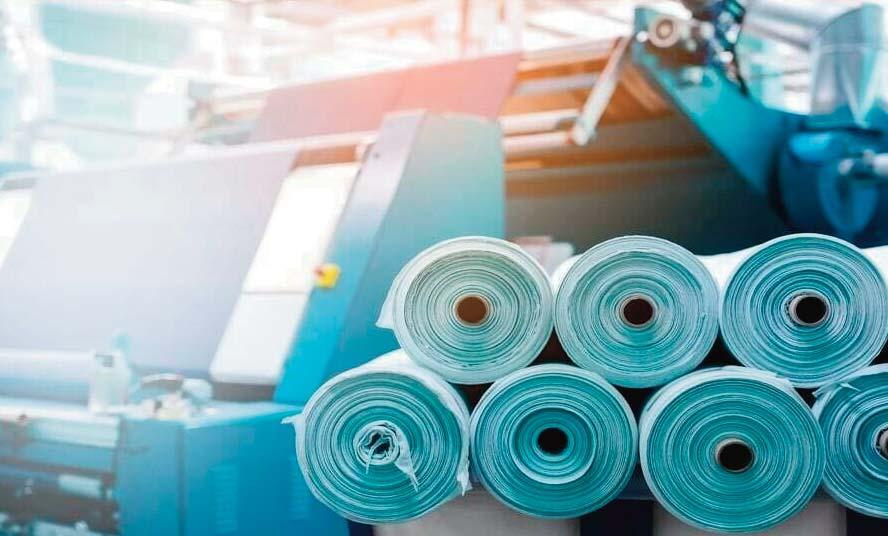
when compared with $1,177 million recorded in March 2025. However, on a month-on-month basis, the sector showed signs of gradual recovery as exports increased by 2 per cent from $1,065 million recorded during February 2026.
Industry analysts believe that Pakistan’s value-added textile sector has shown comparatively stronger resilience than traditional textile categories over the past few years. The report noted that after declining to $9,731 million during 2023–24, value-added textile exports recovered significantly to $11,201 million during 2024–25 and further improved to $11,299 million during the ongoing fiscal period.
The sustained performance of valueadded textile segments has helped stabilise Pakistan’s overall textile export sector at a time when traditional textile categories such as raw cotton, yarn, and fabrics continue to face challenges in international markets. Experts believe that the increasing contribution of garments, apparel, and made-up textile products highlights the growing importance of value addition within Pakistan’s textile industry and its role in generating higher export revenues for the country.
$500
Pakistan’s textile and apparel sector is expected to receive another major boost as leading Chinese apparel manufacturer Challenge Fashion has announced ambitious expansion plans in the country
with projected annual exports reaching up to $500 million and employment opportunities for nearly 20,000 people through large-scale manufacturing operations.
The development came during a high-level meeting between Federal Commerce Minister Jam Kamal Khan and a Chinese business delegation led by Challenge Fashion Chairman Huwang and Challenge Apparel CEO Karen Chen. According to an official statement, both sides discussed various matters related to export-oriented industrial investment, tariff rationalisation, industrial facilitation, and strengthening economic cooperation between Pakistan and China.


During the meeting, the Chinese delegation shared details regarding the progress of its ongoing industrial project in Pakistan and informed the minister about its long-term strategy to significantly expand manufacturing capacity within the country. The delegation highlighted that the project is being developed under international production standards and the first phase of the manufacturing facility is expected to be completed later this year.
Challenge Fashion Chairman Huwang informed the commerce minister that the company views Pakistan as a strategic manufacturing destination due to its geographical importance, competitive labour force, and connectivity with regional and international trade routes. He further shared that the company’s long-term expansion strategy could transform the project into one of Pakistan’s largest apparel manufacturing operations with estimated annual exports ranging between $400 million and $500 million.
The Chinese company had earlier announced its plans to establish a Special Economic Zone in Pakistan with an estimated investment of $100 million over a period of five years as part of its broader regional manufacturing and export strategy. Industry experts believe that such foreign investments can play a crucial role in enhancing Pakistan’s textile exports, generating employment opportunities, and strengthening industrial activity within the country.
Federal Commerce Minister Jam Kamal Khan welcomed the increasing interest of Chinese investors in Pakistan’s industrial and textile sectors and assured the delegation that the government is fully committed to improving the investment climate within the country. He stated that practical measures are being taken to simplify regulations, reduce procedural barriers, and provide institutional support to foreign investors to ensure smooth industrial operations.
While addressing the delegation, the minister stated that changing global supply chains and diversification strategies adopted by international manufacturers are creating new opportunities for countries like Pakistan to attract exportfocused industrial investment. He added that Pakistan possesses significant potential to emerge as a competitive manufacturing hub for textile and apparel products in the region.
The meeting also discussed several operational matters including logistics, infrastructure support, energy availability, land approvals, and reforms related to the Special Economic Zone framework aimed at improving ease of doing business for industrial investors. The Chinese delegation additionally raised concerns regarding the import of specialised industrial construction materials and manufacturing inputs which are currently not being produced locally in Pakistan.
In response to these concerns, Commerce Minister Jam Kamal Khan invited the delegation to formally submit details of the required products and tariff classifications so that the government could review the matter under its ongoing tariff rationalisation programme. He assured the investors that the government remains committed to facilitating exportoriented industries and attracting long-term foreign direct investment into Pakistan’s economy.
The Korea International Cooperation Agency (KOICA) has officially commenced construction work on the PakKorea Technical Textile Centre (PKTC) at the National Textile University (NTU) Faisalabad, marking another significant milestone in bilateral cooperation between Pakistan and
South Korea for the advancement of Pakistan’s textile sector.
A groundbreaking ceremony was held at the National Textile University, where officials from KOICA, representatives of the university, contractors, and stakeholders from the textile sector participated in the event. The project is being viewed as an important initiative aimed at supporting the transformation of Pakistan’s textile industry towards high-value and technology-driven textile manufacturing.
Pakistan’s textile sector remains one of the most important pillars of the national economy, contributing more than half of the country’s total exports and providing employment opportunities to millions of people across the country. However, due to increasing global competition in conventional apparel and fabric manufacturing, industry experts believe that diversification into technical and industrial textiles has become increasingly necessary for Pakistan to maintain competitiveness within the international textile market.
In this regard, KOICA is supporting Pakistan through Official Development Assistance (ODA) funded by the Government of the Republic of Korea. The cooperation between KOICA and NTU initially began during the first phase of the project from 2013 to 2017 under which textile manufacturing equipment was provided to the university in order to strengthen technical education and industrial research capabilities.
Building upon the success of the initial phase, KOICA launched the second phase of cooperation in 2022 which includes the establishment of the Pak-Korea Technical Textile Centre. Apart from infrastructure development, the project will also focus on policy recommendations for Pakistan’s industrial textile sector, joint research and development activities for textile prototypes, and specialised capacitybuilding programmes for industry professionals and researchers.
According to project details, the PKTC will be developed as a modern two-storey facility comprising a laboratory block equipped with composite non-woven fabric manufacturing systems along with an academic block containing lecture halls and a library. By integrating production,
research, and academic activities under one roof, the centre is expected to play a crucial role in strengthening Pakistan’s technical textile ecosystem and promoting long-term industrial collaboration between Pakistan and South Korea.
between both countries. He further stated that he hopes the Pak-Korea Technical Textile Centre will emerge as a leading hub for technological innovation, industrial cooperation, and high valueadded textile manufacturing between Korea and Pakistan.

The ceremony also featured the submission of a safety pledge by the contractor along with the distribution of safety gear by KOICA Pakistan Country Director Je Ho Yeon, highlighting the importance of maintaining international safety standards during the construction and operational phases of the project.

Speaking at the ceremony, Rector of the National Textile University Prof Dr Rashid Masood appreciated the continued support of the Government of Korea and KOICA towards the development of Pakistan’s textile industry. He stated that the establishment of the Pak-Korea Technical Textile Centre would serve as a major turning point in enhancing Pakistan’s research and development capacity while also strengthening the country’s ability to produce highly skilled professionals for the evolving textile sector.
KOICA Pakistan Country Director Je Ho Yeon expressed satisfaction over witnessing the project progress from Phase I to Phase II and acknowledged the efforts of the National Textile University in ensuring successful collaboration
The All Pakistan Textile Mills Association (APTMA) has called upon Federal Minister for National Food Security and Research Rana Tanveer Hussain to urgently intervene for the revival and implementation of several key policy decisions concerning Pakistan’s cotton sector. The association expressed serious concern over the continued delay in execution of the decisions approved during the 6th meeting of the Cabinet Committee on Essential/Cash Crops, which was chaired by the Deputy Prime Minister.
In an official letter addressed to the minister, APTMA Chairman Kamran Arshad highlighted that a number of important and time-sensitive decisions regarding the cotton industry are still awaiting implementation despite repeated requests from the textile industryand consensus among all stakeholders. He stressed that the delay is causing uncertainty within the cotton and textile value chain at a crucial time when cotton sowing activities have already commenced in several regions of the country.
Among the major proposals highlighted by the association included the transformation of the Pakistan Central Cotton Committee (PCCC) into the Pakistan Cotton Advisory Council
(PCAC), establishment of an industry-led governance structure, collection of cotton cess through the Federal Board of Revenue (FBR), and allocation of 70 per cent of cess funds exclusively towards cotton research and development activities. The association also emphasised the importance of including provincial governments, research institutions, farmers, and the seed sector within the proposed institutional framework to ensure comprehensive development of the cotton sector.
While sharing the concerns of the textile industry, Kamran Arshad stated that despite the passage of considerable time since the Cabinet Committee meeting, no practical steps have yet been initiated by the relevant authorities. He further added that APTMA has consistently approached the ministry through repeated reminders and recommendations, urging immediate implementation of the agreed decisions in order to support the revival of cotton production in the country.
The APTMA chairman warned that further delay in implementation could result in significant national losses, particularly at a time when Pakistan is

already facing challenges related to declining cotton output. According to him, continued inaction may further increase the country’s dependence on imported cotton, which would place additional burden on Pakistan’s valuable foreign exchange reserves and negatively impact the competitiveness of the textile sector.
In light of the current situation, APTMA has requested the government to immediately issue a notification for the operationalisation of the Pakistan Cotton Advisory Council (PCAC), introduce the required legal amendments for collection of cesses through the FBR, allocate 70 per
cent of cess funds for research and development activities, establish the approved industry-led governance structure, and share a clear time-bound implementation roadmap with the association and other stakeholders.
Kamran Arshad stated that Pakistan’s textile industry has always remained committed towards supporting national cotton revival initiatives and strengthening the country’s agricultural economy. However, he maintained that without immediate policy implementation and institutional reforms, the agreed strategy would not be able to deliver practical and long-term outcomes for the sector.


Australia’s apparel market projected to surpass $55 billion amid rise of digital retail and sustainable fashion
Australia’s fashion and apparel industry is undergoing a steady transformation, with growth shifting beyond traditional retail toward e-commerce, sustainability, artificial intelligence (AI), and renewed domestic manufacturing.
According to a report by IMARC Group, the market was valued at $38.9 billion in 2025 and is projected to reach $55.2 billion by 2034, growing at a CAGR of 3.97 per cent from 2026 to 2034. The sector includes casual, formal, sportswear, and safety apparel across online and offline channels for men, women, and children.
Digital commerce and omnichannel retail are now key growth drivers. Brands are adopting AI-powered tools such as product recommendations, virtual tryons, digital sampling, trend forecasting, and dynamic pricing to enhance customer experience and improve inventory efficiency.
These changes are largely driven by younger consumers, particularly Gen Z and millennials, whose purchasing decisions are heavily influenced by platforms like Instagram, TikTok, and YouTube. As a result, retailers are prioritising personalisation, operational efficiency, and customer trust over simple product availability.
AI is also expanding beyond frontend retail into areas such as supply chain transparency, sustainability tracking, fraud prevention, and data governance. As retailers manage increasing volumes of customer data, technology is becoming central to competitiveness.
Sustainability has emerged as a major industry focus. Rising consumer awareness is driving demand for organic cotton, recycled materials, biodegradable textiles, transparent sourcing, and ethical labour practices. In response, the Australian Fashion Council introduced sustainability toolkits during Australian Fashion Week 2024 to help businesses improve environmental performance.
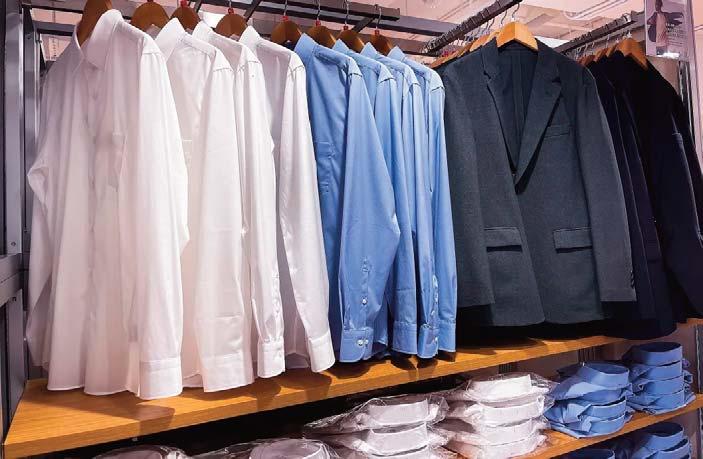
Circular fashion models are also gaining traction. Resale platforms, rental services, recycling, and upcycling are becoming commercially important, helping brands reduce waste while attracting environmentally conscious consumers. Industry experts note that circularity is moving from a niche concept to a core business strategy.
At the same time, domestic manufacturing is receiving renewed attention. In 2025, the Australian Fashion Council partnered with R.M. Williams to develop a National Manufacturing Strategy focused on innovation, advanced production technologies, and workforce development to strengthen local capabilities.
International competition is also intensifying. Marks & Spencer entered the Australian market in July 2025 through a partnership with David Jones, expanding its presence across online platforms and 24 stores.

Bangladesh aims to scale jute exports to $5–7 billion through value-added expansion
Bangladesh’s government has unveiled an ambitious plan to transform its jute sector into a $5–7 billion export industry, up from current earnings of around $1 billion, through large-scale modernisation, research investment, improved seed production, and expansion into diversified high-value jute products.
Textiles and Jute Minister Khandakar Abdul Muktadir outlined the strategy while inaugurating the Multi-purpose Jute Products Fair-2026 at the Jute Diversification Promotion Centre (JDPC) in Farmgate, stating that the sector holds significant untapped potential for boosting export earnings and strengthening rural livelihoods.
He noted that although Bangladesh’s total export earnings have grown to approximately $50–55 billion in recent years, the jute sector’s contribution has declined significantly in relative terms, despite its historical dominancein the country’s export structure. Referring to the post-independence period, the minister highlighted that in fiscal year 1972–73, jute and jute goods accounted for nearly 90 per cent of Bangladesh’s total exports, generating $313 million out of total export earnings of $348 million.
The minister stressed that the government’s immediate priority is to achieve self-sufficiency in quality jute seed production. At present, Bangladesh imports nearly 6,000 tonnes of jute seeds annually to meet domestic demand, a dependency that policymakers aim to reduce through domestic research, improved seed development, and enhanced agricultural productivity.
He further stated that diversification of jute-based products, innovation in design, and expansion into high-value international markets are essential to ensure fair pricing for farmers and to enhance the sector’s overall competitiveness. According to him, increased investment in research,
technological development, and product innovation will play a central role in achieving these objectives.
The minister also revealed that the government plans to collaborate with leading Chinese universities to strengthen research in jute and leather sectors, focusing on productivity enhancement, development of improved seed varieties, introduction of new jute-based products, and creation of globally competitive designs. A comprehensive roadmap is currently being developed in coordination with the Jute Diversification Promotion Centre and private sector stakeholders.
In addition, the government is moving towards restructuring state-owned jute mills by bringing them under private management in order to improve efficiency, modernise operations, and shift towards profit-oriented production systems. Officials believe this transition will help revitalise the long-struggling industrial segment of the jute economy.
The minister also emphasised that Prime Minister Tarique Rahman is prioritising the revival of the country’s jute sector, with plans to introduce a time-bound action framework and regular progress reviews to ensure effective implementation of sectoral reforms and development initiatives.
Speaking at the event, State Minister for Textiles and Jute Md Shariful Alam underscored the need for collective efforts between government, industry, and farmers to drive structural transformation in the jute industry. He stated thata revitalised jute sector could generate significant foreign exchange earnings while also improving socio-economic conditions in rural areas and creating new employment opportunities across both rural and urban regions.
Following the inauguration ceremony, the ministers visited various stalls at the exhibition and engaged with entrepreneurs and stakeholders to discuss the market potential, export opportunities, and ongoing challenges facing jute-based products.

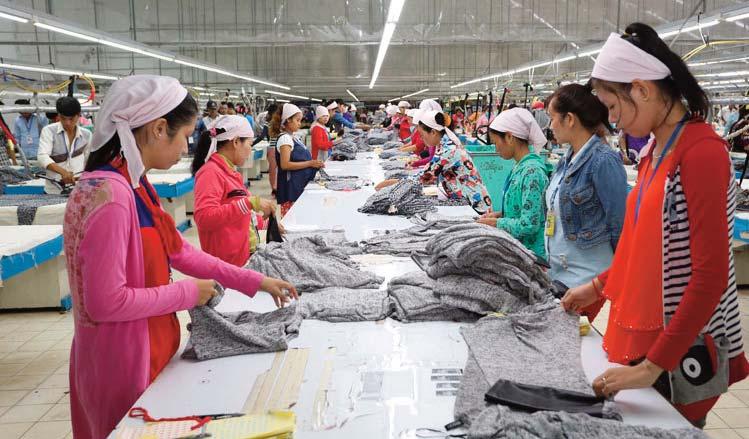
Cambodia’s garment, textile, footwear, and travel goods exports recorded strong growth in the first quarter of 2026, reaching $3.8 billion in international shipments, reflecting an increase of 7.7 per cent year-on-year, according to data released by the Ministry of Commerce.
The report highlighted that the apparel and textile segment remained the largest contributor within the sector, generating $2.77 billion during the January–March 2026 period, marking a growth of 7.6 per cent compared to the same period last year. The sustained expansion underscores Cambodia’s continued reliance on its garment manufacturing industry as a key driver of export earnings and industrial employment.

Within the broader category, footwear exports rose significantly by 11.8 per cent to $516 million, while travel goods exports also posted steady growth of 4.2 per cent, reaching nearly $513 million during the period under review.
Officials noted that the garment, textile, footwear, and travel goods industry remains Cambodia’s largest foreign exchange earning sector, accounting for approximately 46 per cent of the country’s total export value. The sector continues to play a central role in supporting economic stability, export performance, and large-scale employment generation.
According to the Ministry of Labour and Vocational Training, the industry currently comprises more than 1,800 factories and branches as of 2025, employing around 1.1 million workers, the majority of whom are women, highlighting its significant socio-economic impact within the country.
Industry analysts attributed the continued export growth to Cambodia’s increasing market diversification strategy and improved integration into regional and global supply chains. Speaking on the development, Thong Mengdavid, Deputy Director at the China-ASEAN Studies Center of the Cambodia University of Technology and Science, stated that Cambodia’s expanding network of trade agreements has played a key role in strengthening market access.
He noted that Cambodia’s participation in the Regional Comprehensive Economic Partnership (RCEP), along with bilateral free trade agreements with China, South Korea, and the United Arab Emirates, has helped facilitate smoother trade flows, enhance supply chain connectivity, and broaden export destinations for Cambodian manufacturers.
Experts believe that the combination of preferential trade arrangements, competitive labour costs, and a rapidly expanding industrial base has positioned Cambodia as a growing player in the global garment and footwear supply chain, particularly in export-oriented manufacturing segments.
The latest performance figures further reinforce the strategic importance of the textile and garment sector in Cambodia’s economic structure, while also
highlighting its continued dependence on global demand cycles and international trade frameworks to sustain long-term growth momentum.

China’s technical textiles industry showed resilience in Q1 2026 despite a complex global environment marked by geopolitical tensions, uneven recovery, and trade uncertainty. The sector maintained growth in production and exports, though profitability remained under pressure in several segments.
China’s economy grew 5.0 per cent year-on-year in the first quarter, supported by emerging industries and gradual domestic demand recovery, which helped sustain industrial performance. Industry sentiment improved, with the prosperity index rising to 61.7, up 6.9 points from a year earlier.
Production remained steady. Output of nonwovens increased by 5.8 per cent year-on-year, while tyre cord fabric production grew by 3.8 per cent, reflecting stable demand across key applications.
Financial performance was mixed. Total operating revenue for major enterprises fell by 2.3 per cent, while profits dropped by 8.6 per cent. The operating profit margin declined slightly to 3.1 per cent.
Sub-sector performance varied. The nonwovens segment saw revenue fall by 3.3 per cent but profits rise by 17.5 per cent, with improved efficiency lifting margins to 2.5 per cent. The ropes, cords, and cables segment performed strongly, with revenue and profits up by 6.6 per cent and 21.2 per cent respectively.
In contrast, textile belts and tyre cord companies faced significant pressure, with revenue down 7.5 per cent and profits plunging 30 per cent. Tarpaulins and canvas recorded 9.3 per cent revenue growth but a 4.9 per cent decline in profits due to margin compression. Other segments, including construction and protective textiles, saw declines in both revenue and profits but maintained the highest margin at 4.3 per cent.
Among listed companies, 35 firms reported an 8.8 per cent rise in revenue but a 7.2 per cent drop in profits. Medical, hygiene, nonwoven, and filtration textiles performed relatively well, while safety, protective, and synthetic leather segments struggled.
Exports remained a key growth driver. Technical textile exports reached $10.83 billion, up 4.6 per cent, while imports rose 3.4 per cent to $1.31 billion. The United States, Vietnam, Japan, South Korea, and Russia were the top export markets.
Exports to the U.S. declined by 9.9 per cent due to trade pressures, but growth in emerging markets offset the decline. Shipments to Belt and Road partner countries rose 7 per cent, with strong gains in Russia, Thailand, and Germany.
Despite challenges such as trade protectionism and uneven demand recovery, China’s technical textiles industry is expected to remain stable, supported by technological innovation, industrial upgrading, and rising demand from healthcare, automotive, environmental, and energy sectors.

Vietnam textile and garment exports rise 2.3% in Q1
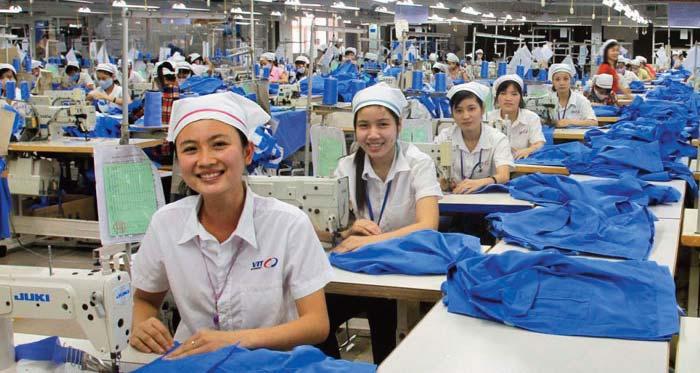
Vietnam’s textile and garment export sector recorded steady growth in the first quarter of this year, with total export turnover reaching $10.54 billion, marking an increase of 2.3 per cent year-on-year, according to a report published by Vietnam News Agency.
The data showed that garments continued to dominate the export structure, contributing the largest share at $8.84 billion during the January–March period. The performance reinforces Vietnam’s position as one of the leading global apparel suppliers, driven by strong demand from key international markets and a well-integrated manufacturing base.
A notable development during the period was the strong performance of the fibre segment, which generated $1.7 billion in export earnings. Industry stakeholders highlighted that this segment has emerged as a key growth driver, reflecting Vietnam’s improving self-sufficiency in raw material production and upstream textile inputs.
Cao Huu Hieu, General Director of Vietnam National Textile and Garment Group, stated that the growth in fibre exports reflects the industry’s increasing capacity to reduce dependency on imported raw materials and strengthen domestic value chain integration.
He noted that enhanced self-reliance in fibre production has enabled Vietnamese manufacturers to optimise logistics costs, improve production efficiency, and better comply with stringent rules of origin requirements under various free trade agreements. This, in turn, has allowed exporters to maximise tariff advantages in key international markets.
Industry experts believe that Vietnam’s continued investment in
upstream textile capabilities is playing a crucial role in strengthening its competitiveness within global supply chains, particularly as international buyers increasingly prioritise supply chain transparency, cost efficiency, and compliance with trade regulations.
Despite global economic uncertainties, Vietnam’s textile and garment sector continues to demonstrate resilience, supported by diversified export markets, competitive manufacturing costs, and strategic integration into multiple free trade frameworks.
According to official projections, Vietnam aims to maintain its position among the world’s top three textile and garment exporters, with a target export turnover of $49 billion by 2026.

Uzbekistan explores joint textile ventures to boost
A high-level delegation from Uzbekistan is currently on an official visit to Afghanistan from May 18 to 21, 2026, holding discussions aimed at strengthening bilateral cooperation in the textile and light industry sectors, with a particular focus on expanding industrial integration and export-oriented manufacturing.
According to the outcomes of the visit, the delegation comprises representatives from the Agency for the Development of Light Industry under the Cabinet of Ministers of Uzbekistan, the Uztekstilprom Association, as well as senior officials and leading enterprises from Uzbekistan’s textile sector.
During the visit, a series of official meetings and negotiations were conducted in Afghanistan’s Balkh and Kunduz provinces, focusing on opportunities for industrial cooperation across the textile value chain, including cotton ginning, yarn production, fabric manufacturing, and the development of finished textile goods for export markets.
The visiting delegation engaged with key Afghan officials and industry representatives, including the Chairman of the Chamber of Commerce and Industry of Balkh Province, Ibrahim Ghazanfar, Deputy Governor Nurilkhodi Abu Idris, as well as management teams from Balkh Textile Factory and Durakhshon Group.
Discussions centred on the establishment of modern textile manufacturing facilities and cotton ginning plants, along with potential joint production ventures aimed at upgrading existing industrial capacity. Both sides also explored the introduction of advanced textile technologies and the modernisation of production systems to enhance efficiency and product quality.
Officials further examined opportunities to expand the production of export-oriented finished textile goods, with emphasis on strengthening regional value chains and improving competitiveness in international markets.
Stakeholders noted that enhanced cooperation in the textile sector is expected to play a significant role in deepening trade and economic relations between Uzbekistan and Afghanistan, while also contributing to job creation, industrial development, and increased export potential across the region.
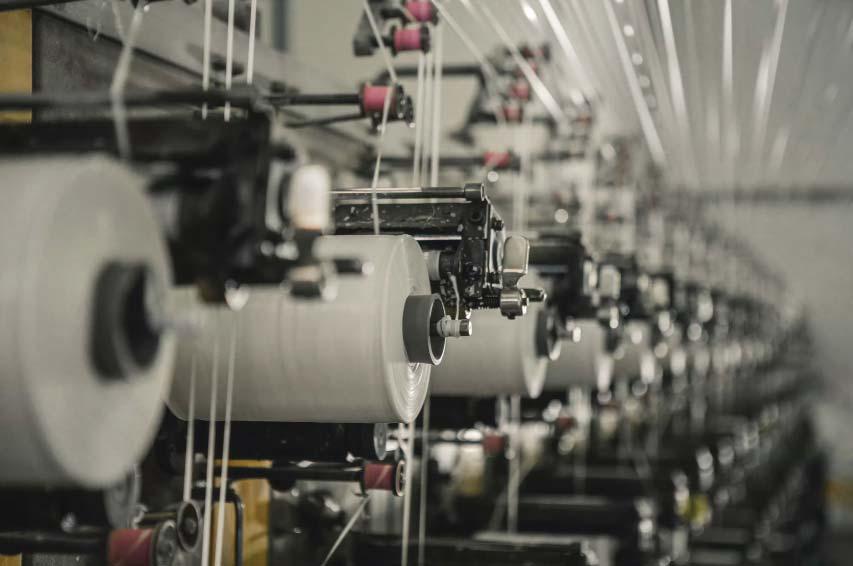
In the first quarter of 2026, order intake for Italian textile machinery manufacturers recorded a decrease of 5% compared to the same period in 2025, reflecting a still challenging start to the year. The decline affected foreign markets (-7%), while the domestic market showed growth (+21%).
Compared with the previous quarter (October–December 2025), total order intake increased by 18%. The orders index for the January–March 2026 period stood at 37.3 points (base year 2021=100). In Italy, the index reached 35.3 points, while in foreign markets it stood at 37.6 points.
In the first quarter of 2026, the order backlog guaranteed a workload of approximately 4.5 months.
From a sector perspective, weaving and other manufacturing segments showed relatively more dynamic signals.
Forecasts for the second quarter of 2026 (compared with the previous quarter) indicate pessimism for the domestic market and stability for the foreign one.

Marco Salvadè, President of ACIMIT, commented:
“It is encouraging to see the first positive sign in the domestic market, but forecasts still reveal a degree of pessimism. The difficult international context and the slow actions of government institutional representatives do not allow companies to plan investments. As an Association, we are working in close synergy with the Italian Trade Agency (ICE) to strengthen
promotional activities across several strategic markets. We also look with confidence to the upcoming ITMA 2027 in Hannover, which will represent an important opportunity to relaunch the sector, stimulate new investments, and strengthen the international presence of Italian manufacturers.”
ACIMIT (the Association of Italian Textile Machinery Manufacturers) was established in 1945 with the primary aim of promoting the Italian textile machinery industry by supporting its activities both in Italy and abroad. ACIMIT represents an industrial sector comprising around 300 companies (employing approximately 12,500 people) and producing machinery with a total value of approximately €1.9 billion, about 86% of which is exported. Creativity, sustainable technology, reliability, and quality are the key features that have made Italian textile machinery a world leader.
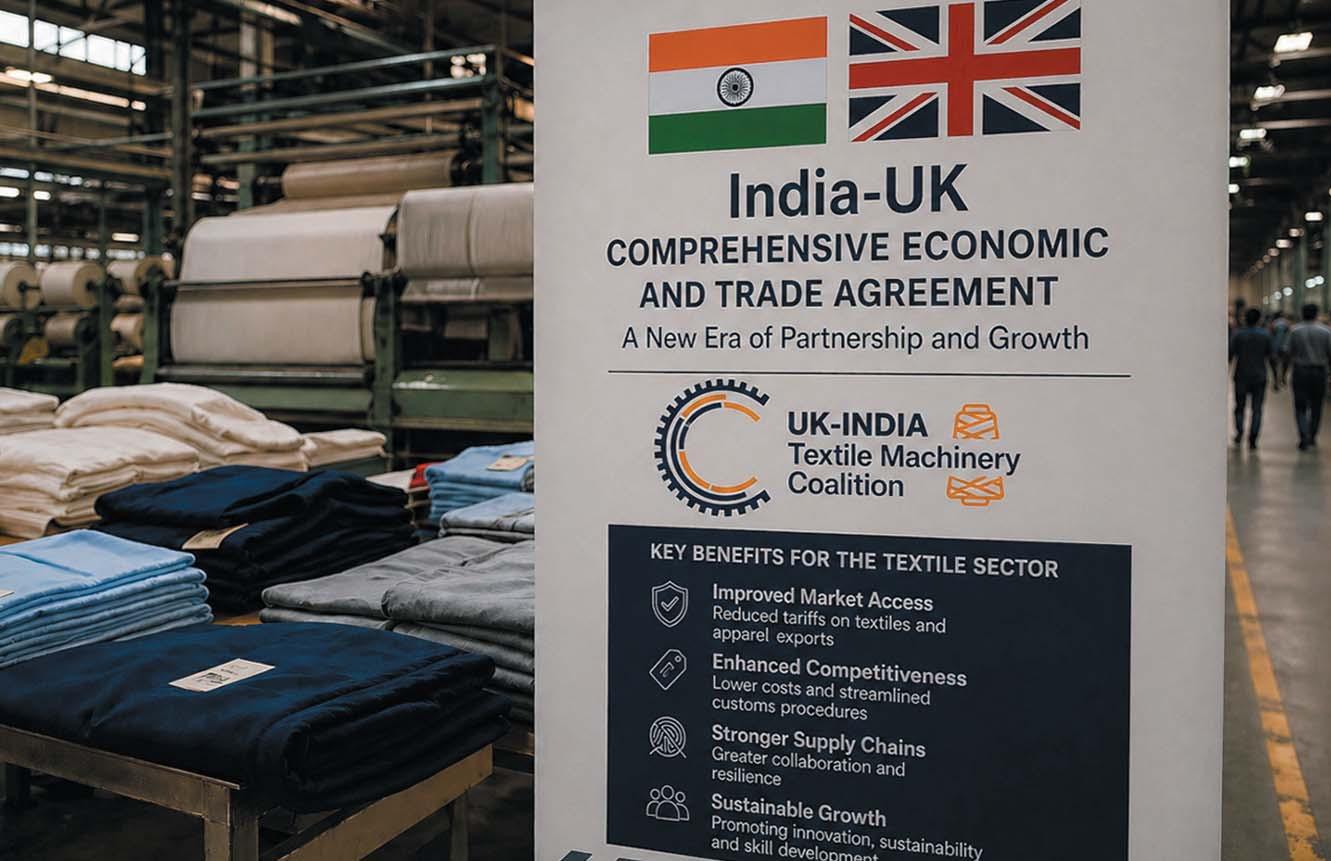
As one of a number of new initiatives launched this year, the British Textile Machinery Association (BTMA) is launching the UK-India Textile Machinery Coalition.
The UK-India Free Trade Agreement, signed in July 2025, has implications that extend across sourcing, competitiveness and long-term trade dynamics, believes BTMA CEO Jason Kent.
“At its core, this deal removes or reduces tariffs on the vast majority of clothing and home textiles, with duties of around 8-12% on Indian exports to the UK effectively eliminated,” he explains. “This gives Indian manufacturers significantly improved price competitiveness in one of the world’s most valuable consumer markets.”
For the BTMA’s manufacturers of textile machinery it also has strategically important benefits, he adds.
“India is one of the world’s largest textile producers and continues to invest heavily in modernising its mills – from spinning and weaving through to finishing. Improved trade terms, including reduced
tariffs and clearer market access conditions, make it easier for UK machinery suppliers to compete in this expanding market.”
The official launch of the UK-India Textile Machinery Coalition will take place on May 8th at the India ITME Centrein Mumbai, and businesses and media interested in attending should contact the BTMA’s Janette Hunter via info@btma.org.uk
Back in the UK, the BTMA has launched the Future Leaders Committee (FLC) aimed at high-potential, mid-career professionals within its member companies.
The FLC programme is being structuredto develop leadership, governance and strategic capability through formal training and enable its members to gain exposure to industrywide challenges and opportunities, while acting as an advisory committee providing fresh perspectives and futurefocused insight to the organisation.
In further support to companies, the BTMA Industry Placement Bursary Scheme is designed to support member
companies in taking on student placement graduates and apprentices, while strengthening the future skills pipeline of the textile machinery and services sector.
The new Curious about Textiles short course has meanwhile been developed to support new BTMA member company entrants as well as a refresher to others in this vibrant sector of the industry.
“We need to ensure we are doing enough to support the future of the industry, not just commercially, but in terms of people, skills and leadership,”
Jason Kent concludes. “The course is now fully developed and has been curated directly from the expertise of our members. We’ll be running a two-day pilot in early June at the BTMA offices in Manchester and then rolling it out more broadly to our membership in the autumn. It’s heavily subsidised by BTMA, so participation for our member organisations is very affordable. Please contact us directly for further information and let’s work together to support the exciting future for UK-made textile technologies.”
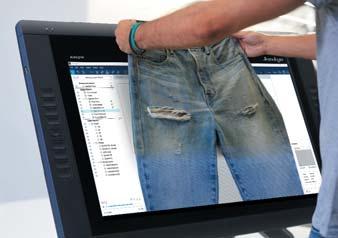
Jeanologia arrives at Kingpins Amsterdam with “Billy” as the main highlight, its AI applied to design that is transforming the way denim is created. In this edition, the company places the product at the centre, showing how to capture the essence of vintage and translate it directly into a garment.
More than just a tool, “Billy” introduces a shift in the creative process, connecting real inspiration with production instantly, enabling the design of authentic denim through this innovation.
From real vintage to production-ready design
“Billy” is an AI developed to extract laser designs from garment images, accurately capturing the effects of the passage of time and transforming them into production-ready designs in just minutes.
“With Billy, we move from interpreting vintage denim to designing it directly for production, connecting inspiration and execution in a single process,” says Fernando Cardona, head of Brainbox at Jeanologia.
What traditionally required hours of technical work and multiple manual adjustments now becomes a direct, precise and reproducible process. Designers work from inspiration, from authentic vintage, maintaining its natural look and character, while removing the complexity of the process.
This design is executed using Jeanologia’s laser technology, ensuring fidelity in the final result, with no need for manual retouching and consistent quality from the very first garment.
During Kingpins, visitors will be able to see Billy in action through live demonstrations, where an image is transformed into a production-ready laser design in just minutes, connecting creativity and production in a single workflow.
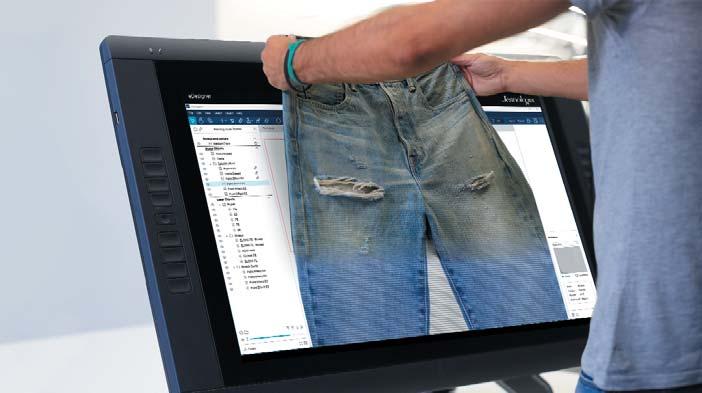
This logic takes shape in ‘Future Vintage’, the collection that Jeanologia presents at the show as a new way of understanding denim. The proposal is a tribute to vintage, its authenticity, details and the marks that make each garment unique, combined with a new way of working, digital, precise and efficient.
The collection combines “Billy”, laser technology and the ATMOS process with G2 ozone technology to create garments with an authentic look, eliminating manual processes, reducing variability and minimising environmental impact. The result is denim that maintains its essence, but produced in an efficient and sustainable way.
Inspired by decades of study of vintage denim and iconic pieces from Jeanologia’s archive, “Billy“ translates this knowledge into intelligence applied to design. Every mark, every fade and every detail that once belonged only to the passage of time can now be analysed, understood and reproduced with precision. The process moves from reinterpretation to a direct transfer of heritage into the final product.
Jeanologia also presents the collection ‘From Essentials to Specials’, developed together with Sartex, which explores finishing as a design language. Through digital printing and laser technology, garments evolve from cleaner proposals to more complex and expressive finishes, where fabric treatment becomes the central element of design.
Jeanologia’s participation at Kingpins is completed with the intervention of Enrique Silla, CEO of the company, in the panel “Denim Talk – Artificial Intelligence: From Cotton to Culture”, where he will share his vision on the role of AI across the entire denim value chain and how technologies like “Billy” are redefining the relationship between creativity, production and sustainability.
With “Billy” at the centre and ‘Future Vintage’ as its product expression, Jeanologia presents at Kingpins Amsterdam a new way of designing denim. A way in which technology enhances creativity and AI allows the essence of the past to be transferred into the future with precision, consistency and lower impact.
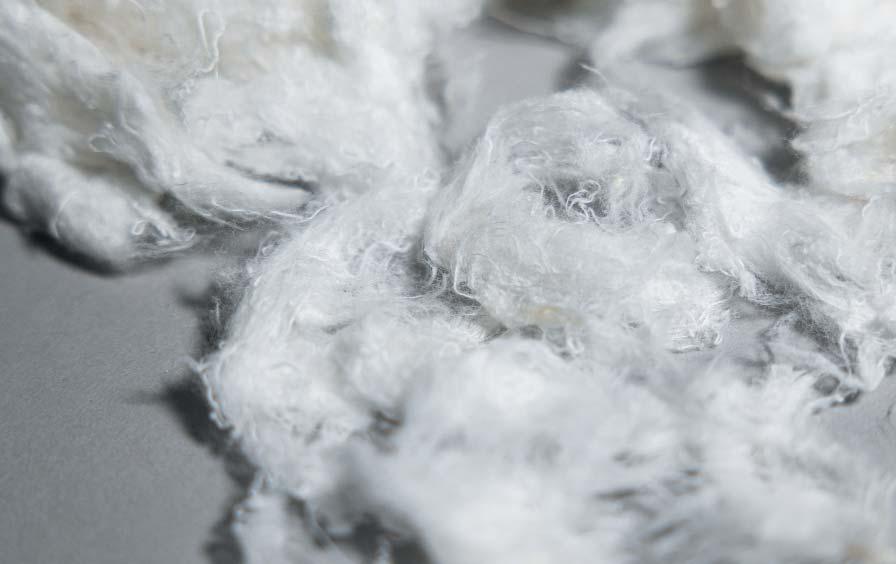
The collaboration transforms 20,000 pairs of post-consumer jeans into highquality feedstock, demonstrating a scalable, closed-loop solution for premium denim.
RE&UP Recycling Technologies is accelerating the shift toward a closedloop textile economy through a strategic collaboration with American denim brand Madewell and global fabric manufacturer ISKO. By transforming approximately 20,000 pairs of post-consumer jeans into high-quality recycled feedstock for a textile-to-textile recycled denim capsule, RE&UP is demonstrating the commercial readiness of circular systems for the denim sector.
Launched in 2006, Madewell is known for its premium denim and commitment to responsibly sourced materials and sustainable practices. As the
first brand to offer year-round denim recycling through Cotton’s Blue Jeans Go Green™ program, Madewell has operated its denim trade-in initiative for more than a decade, giving worn denim a new life and collecting and recycling over two million pairs of jeans.
This partnership marks a technical evolution: RE&UP’s advanced recycling technology allows these pre-loved garments to be deconstructed and reengineered into Next-Gen Cotton and Polyester fibres that meet the durability and aesthetic requirements of the premium denim market.
The challenge of post-consumer denim lies in its complexity and varied mechanical history.
RE&UP’s proprietary process solves this by providing a feedstock-agnostic capacity, capable of handling diverse polycotton blends and turning them into
a "raw canvas" for new production. The resulting fibres were provided to ISKO, where they were engineered into Global Recycled Standard (GRS) certified fabrics that maintain the stretch, strength, and comfort required by modern consumers.
The collection is available to shop on Madewell.com.
"Closing the loop on post-consumer denim requires industrial precision," said Marco Lucietti, Head of Global Marketing & Communications of RE&UP. "Our collaboration with Madewell and ISKO demonstrates that we can deconstruct complex, worn garments and re-integrate them into the supply chain as highquality Next-Gen Cotton and Polyester. This is a blueprint for how brands can utilize their own take-back streams to create a repeatable, closed-loop production cycle."
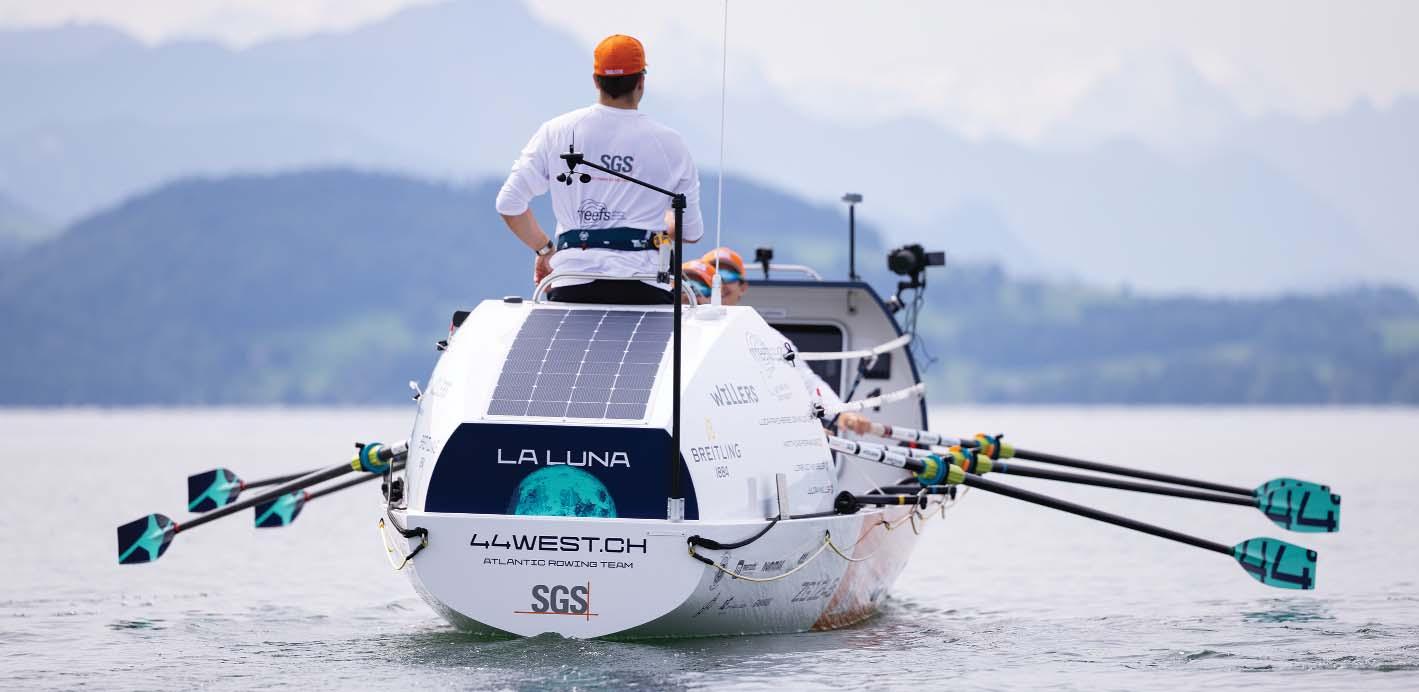
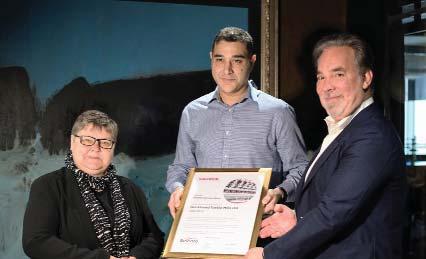
The Swiss rowing team 44west collaborated with SGS, the world’s leading testing, inspection and certification company, to verify the performance of UV protective apparel used during the World’s Toughest Row – Atlantic 2026.
Facing relentless sunlight and extreme marine conditions over the 4,800 km crossing, the crew depended on highperformance clothing to safeguard their health, sustain comfort and support endurance throughout the journey.
During the 31-day unsupported journey from La Gomera to Antigua, the four-person crew faced persistent UV radiation, salt spray, humidity, strong winds and variable temperatures. In this environment, technical garments function as protective equipment rather than standard sportswear. To reduce uncertainty ahead of the race, 44west turned to SGS to independently assess whether its long-sleeved apparel could maintain UV protection and durability under continuous use.
The selected garments were required to deliver UPF 50+ protection while remaining breathable, lightweight and capable of supporting thermoregulation during prolonged physical exertion.
Performance also needed to remain stable when wet from seawater or perspiration, and fabrics had to retain strength despite abrasion, repetitive movement and limited washing opportunities. SGS also evaluated dermatological safety and microfibre release during laundering.
SGS conducted laboratory testing aligned with recognised textile and UV protection standards. Ultraviolet transmission testing according to AATCC TM183 and ASTM D6544 confirmed that the apparel met UPF 50+ claims. Samples underwent repeated washing cycles and simulated solar exposure to verify that UV protection remained effective after extended wear.
To reflect real race conditions, additional fabric specimens were treated with artificial seawater and synthetic perspiration before further testing. Results showed that UV protection remained stable under marine exposure with no reduction in shielding capability. Durability assessments, including mechanical strength, colourfastness, moisture management and drying efficiency, supported overall performance expectations. Chemical screening confirmed compliance with restricted
substance requirements for prolonged skin contact.
Independent verification gave the 44west crew confidence that their apparel would provide dependable protection throughout the crossing, allowing them to focus on navigation and performance rather than equipment concerns. In extreme endurance environments, validated performance helps convert product claims into measurable assurance.
As outdoor and technical clothing is increasingly used in harsher environments, third-party testing plays an important role in confirming safety, comfort and durability. Rigorous assessment supports both consumer trust and responsible product development. Through its global network of laboratories and textile specialists, SGS offers comprehensive apparel testing solutions, including UV protection measurement, durability evaluation, chemical compliance assessment and sustainability analysis. These services help organisations substantiate claims, enhance product reliability and bring high-performance garments to market with confidence.

With solutions for every major technical textile segment, the industry innovator eliminates the performance-sustainability tradeoff
Archroma, a global leader in specialty chemicals, showcased a full suite of advanced solutions to help technical textile manufacturers achieve cuttingedge functionality with optimised productivity and enhanced sustainability.
During Techtextil 2026, the leading international trade fair for technical textiles and nonwovens, which took place from April 21 to 24 in Frankfurt, Germany, Archroma underscored the important contribution of chemicals and dyes to the sector and showcased breakthrough product innovations for every major technical textile segment.
“Mills and brands across the fastgrowing technical textiles market are being squeezed between rising performance requirements, stringent sustainability commitments and tightening regulations. Archroma’s innovations tackle multiple challenges at the same time, so you can achieve premium functionality without compromise,” Dhirendra Gautam, Vice
President Commercial, Archroma, said. Visitors to the exhibition were able to explore a range of Archroma technologies for technical textile segments including: Outdoor and Active Wear: The outdoor and active wear market demands that sustainability, durability and comfort coexist – and, increasingly, that these attributes are verifiable. Archroma’s portfolio for this segment covers every requirement.
At Techtextil 2026, it presented: PHOBOTEX® NTR-50 LIQ for nonPFAS durable water repellency with a partially bio-based profile; waterbased LANASET® XKS acid inks and NOVACRON® ADVANCE reactive inks for outstanding colouristic performance on natural fibres, polyamide and blends; and TERASIL® XKS disperse inks for high-speed printing on polyester fabrics. Workwear and Uniforms: Protective workwear must stay comfortable and perform well under the toughest con-
ditions, while maintaining its integrity through multiple washes.
NYLOFIXAN® PA LIQ C delivers outstanding fastness without phenolic compounds for polyamide fabrics and blends. SILIGEN® D2W LIQ C is the industry's first truly durable hydrophilic silicone softener for cellulosic and cotton-lycra blended knits, that helps in extending the fabrics' elasticity during its use. AVITERA® GENERATION NEXT and
PHOBOTEX® R-ACE bring resourcesaving dyeing and robust non-PFAS water repellency respectively. For military camouflage applications, Archroma’s updated TOUGH CAMO concept is a water-based, Oeko-Tex (Class II) compliant* pigment printing system that meets exacting requirements for infrared reflectivity combined with high rubbing and light fastness at wash durability levels comparable to traditional vat-printed fibre blends. It includes ready-to-use
HELIZARIN® ULTRA-FAST PLUS PA paste for high-speed pigment printing.
Nonwoven: For many nonwovens applications (filtration, building, automotive, apparel and furniture), mechanical properties, durability and regulatory compliance must be achieved together. Archroma’s APPRETAN® family of formaldehyde-free* binders eliminates the long-standing compromise of achieving superior performance levels without formaldehyde release during processing and use-life. APPRETAN® FFX6750 LIQ delivers high-performance bonding, APPRETAN® FFX6270 LIQ is designed for applications where soft handfeel is a priority, and APPRETAN® FFX1540 LIQ & APPRETAN® FFX1670 LIQ provide maximum hydrophobicity and durability in severe environments.
Automotive and Transportation: Automotive buyers demand interiors that provide comfort, durability and aesthetic appeal, but safety and compliance can never be compromised. An example is Archroma’s FADEX® HLF-S which features high-sublimation-fast UV absorber that meets these demands and supports the move to sustainable manufacturing.
Sustainable performance finishes
Brands and mills navigating PFAS restrictions, tightening sustainability

standards and growing consumer scrutiny need solutions they can prove, not just claim. Archroma’s HIGH IQ® lastingrepel programme provides independent assurance that qualifying treatments meet common performance standards while delivering robust, durable water repellency. Archroma’s licensed brand assurance programme allows enrolled mill and brand partners to utilise hangtags that differentiate defined platforms designed for optimum durability from platforms that can be washed without the need for tumble drying.
Archroma is expanding its range of sustainable solutions further. In a new partnership with HeiQ, Archroma is combining its global reach and application expertise with HeiQ’s innovative antimicrobial and non-biocidal

odour-control technologies – including silver-based HeiQ Pure™, metal-free silane-quat based HeiQ Life™ AD/AE and plant-based HeiQ Fresh™ platforms. These solutions deliver evidence-backed protection against malodours and finished fabrics retain their breathability and softness through repeated washing.
Underpinning every segment at Techtextil is Archroma's SUPER SYSTEMS+ platform, powerful end-toend systems combining fibre-specific processing solutions and intelligent effects. Drawing on the industry's broadest product portfolio, SUPER SYSTEMS+ guides mills and brands from sizing to finishing, delivering measurable resource savings, cleaner chemistries that eliminate harmful or regulated substances, and durable functional effects.
Archroma is a global, diversified provider of specialty chemicals serving the branded and performance textiles, packaging and paper, and construction markets.
Headquartered in Pratteln, Switzerland, Archroma operates with over 4,000 employees located in 42 countries and with over 30 production sites. Archroma is passionate about delivering leading and innovative solutions, enhancing people’s lives and respecting the planet. The company is committed to the principles of "The Archroma Way to a Sustainable World"; an approach reflected in its innovations, world-class quality standards,high service levels and cost-efficiency.

The innovative washing process SMART WASH represents a modern, high-performance, and environmentally conscious approach to textile care. The targeted combination of the products BEIPLEX GREEN, BEICLEAN ECO, BEIPUR ANP, BEIBLEACH WP 35, and BEIACID CIT creates a holistic, sustainable washing and bleaching concept.
A central component of the process is the use of readily biodegradable and phosphonate-free components that are specifically tailored to work together. BEIPLEX GREEN acts as a sustainable complexing agent and stabiliser for alkaline peroxide bleaching and ensures high process reliability. Thanks to its innovative formulation, it delivers outstanding stabilising and dispersing effects, ensuring stable bleaching processes and consistently high wash quality. Its excellent complexing ability with respect to hardeners, alkaline earth, and heavy metal ions reliably protects the process and ensures optimal stain removal – even under demanding conditions.
A particular highlight – and a clear USP compared to the competition – is the integrated greying inhibitor based on CMC (carboxymethyl cellulose). This
powerful “dirt-trapping system” binds dissolved dirt particles in the wash water and prevents them from redepositing on fabrics. As a result, the laundry remains brilliantly white, without the typical greyish haze that can occur with many competitor products despite the use of bleach.
Thanks to its gentle action, SMART WASH significantly reduces fibre damage and extends the lifespan of textiles, a tangible contribution to resource conservation, waste reduction, and sustainable laundry cycles.
BEICLEAN ECO and BEIPUR ANP form the basis for effective, resourceefficient washing performance while ensuring high material and colour compatibility. Oxidative bleaching is efficiently supported by BEIBLEACH WP 35, while BEIACID CIT, as an organic acid, contributes to pH neutralisation and ecologically rounds out the overall process.
SMART WASH thus enables a significant reduction in critical ingredients, supports environmental requirements, and meets the highest standards for washing and bleaching efficiency. The process combines sustainability, performance, and process stability into a future-oriented solution for industrial textile care.
The CHT Group is a globally active foundation-owned specialty chemicals manufacturer headquartered in Tübingen, Germany. CHT offers sustainable chemical solutions for numerous industries and has an international presence with around 2,500 employees and 26 production sites. In the financial year 2025, the CHT Group generated a group turnover of approx. EUR 570 million.
CHT’s portfolio includes Textile Solutions (dyes and auxiliaries for the entire textile value chain), Industrial Solutions (specialty silicones, paper and pulp technologies, washing solutions, care ingredients), and Functional Chemicals (chemical additives for paints, coatings, construction, adhesives, leather, chemical producers, agrochemicals, mining, and release agents).
The CHT Group is certified according to international standards and is committed to sustainability and social responsibility. In 2028, the Group will celebrate its 75th anniversary.
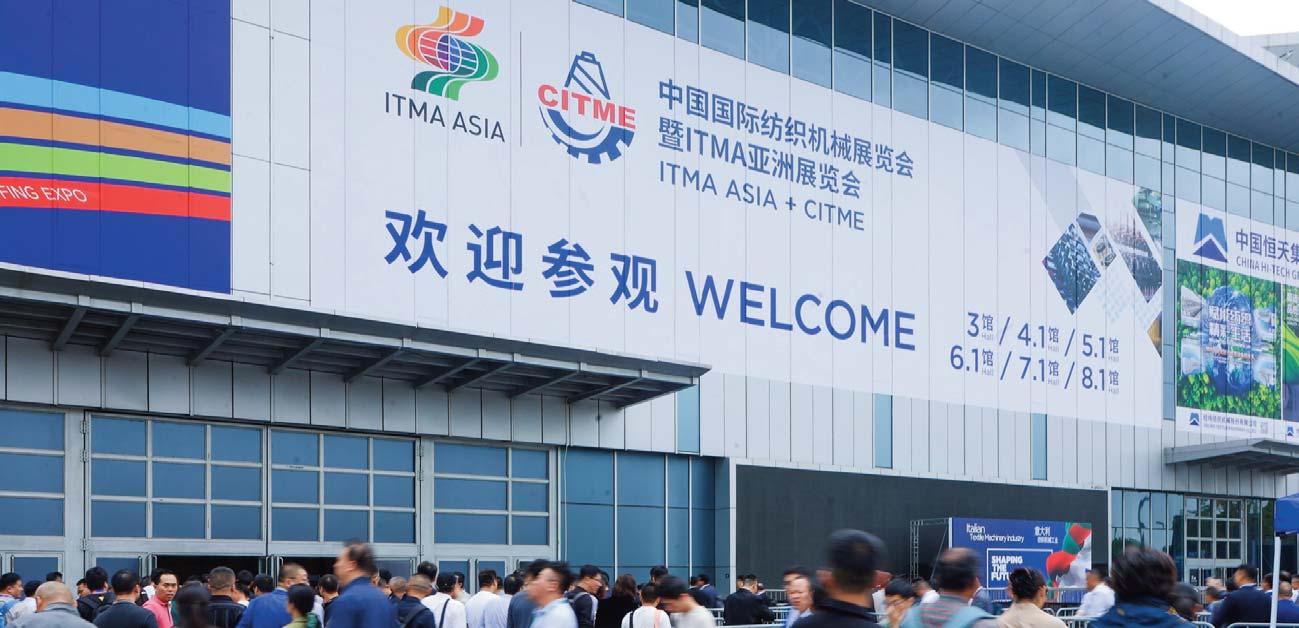
ITMA ASIA + CITME 2026 will be held from 20 to 24 November 2026 at the National Exhibition and Convention Centre (Shanghai).
As of March, both the number of exhibiting companies and the exhibition space have surpassed all previous editions of the combined exhibition, demonstrating strong confidence in the textile machinery industry within the Chinese market and in Asia as manufacturing hubs.
ITMA ASIA + CITME 2026 will showcase the entire textile value chain, spanning spinning, man-made fibres, weaving, knitting, printing, dyeing and finishing, nonwovens, embroidery, garment, braiding, recycling, testing and packaging machinery, components and textile chemicals.
Visitors can expect to meet leading textile machinery manufacturers such as Atexco, Barmag, Beijing Chonglee, BEST, BZS, CHTC, Cixing, Dornier, Epson, Fongs, Hicorp, Hongyuan, Itema, Karl Mayer, Konica Minolta, LMW, Murata, Picanol, Rieter, Rifa, Santoni, Saurer, Shima Seiki, Staubli, Taitan, Texpro, TMT, Truetzschler, Vandewiele, Yoantion, and Yingyang. Industry leaders will showcase the latest developments in digitalisation, intelligent manufacturing and green production on-site.
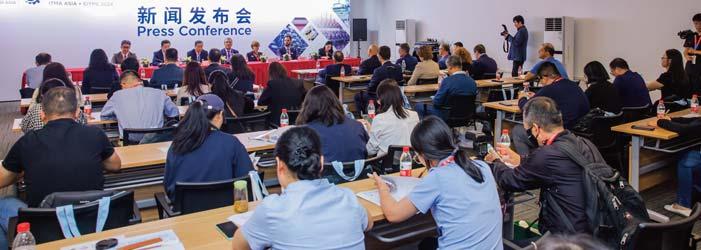
To enhance the visiting experience and sourcing efficiency, the pre-registration has officially opened on 25 May 2026 and will remain available until 19 November. International trade visitors can complete registration via the official exhibition websites (www.itmaasia.com or www.citme.com.cn).
Participants who complete preregistration before 19 November will enjoy a 40% early-bird discount on admission tickets. In addition, industry organisations arranging group visits consisting of six or more participants may apply for further preferential benefits.
The organisers have launched an intensive visitor promotion campaign that combines online and offline strategies, focusing on key industrial clusters. A series
of international roadshows will support this effort through a dual approach of attracting buyers to the event while expanding global outreach across major textile markets.
Delegation and Overseas Buyer Groups
Expected to Visit at the Combined Exhibition
Leveraging the exhibition’s strong industry influence, group invitations have been extended to more than 100 overseas trade associations, industry organisations and key enterprises.
Within China, promotional activities will target both established coastal textile hubs such as Jiangsu, Zhejiang, Fujian, Shandong and Guangdong, as well as emerging industrial clusters in Xinjiang, Hubei and Henan. ITMA ASIA + CITME 2026 in Shanghai will showcase leading textile machinery technologies while serving as a business platform for collaboration and industry exchange.
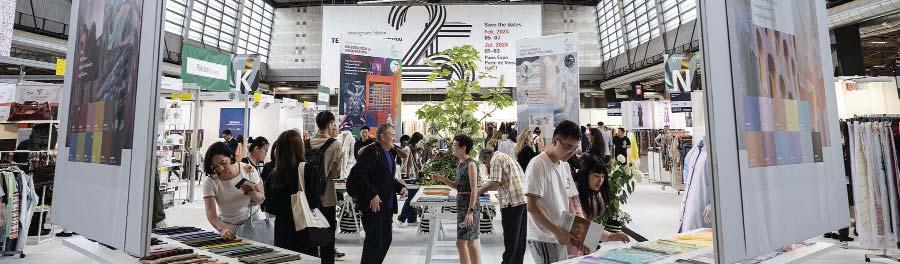
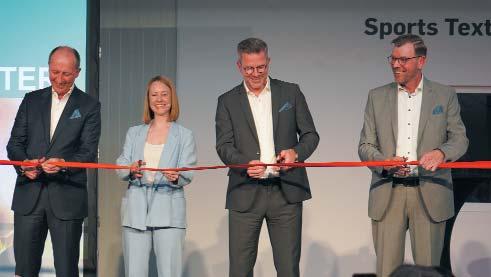
From August 31 to September 2, 2026, Texworld Apparel Sourcing Paris will once again bring together all international players in textiles and apparel at the Paris-Le Bourget Exhibition Centre.
This 59th edition continues to build on a strategy of qualitative consolidation. In line with previous editions, the overall structure of the show remains unchanged to ensure a smooth and intuitive visitor experience: Halls 3 and 4 will bring together the full offering, organised by expertise and end use. Synergies between exhibitors from both shows will be strengthened to optimise visitor flow, with a focus on womenswear, casualwear and sportswear. Hall 2 will host Avantex exhibitors, the Trend Forums, and the conference and service areas, forming a spacious zone designed to encourage interaction.
A strategic platform for buyers
As a global sourcing hub for fashion professionals, the event will offer direct access to nearly 1,200 international textile and apparel companies across two main areas: Texworld, dedicated to fabricsand raw materials, and Apparel Sourcing, focused on finished products and accessories. These two shows stand out for their broad offering, centred on midrange and premium segments, meeting the growing expectations of buyers seeking quality and added value. They will be complemented by the key Avantexsector, dedicated to innovative solutions for high-performance and responsible fashion.
An enriched international offer for Texworld Texworld Apparel Sourcing Paris reinforces its position as a barometer of the global textile industry. Alongside major historic producing countries (China, Türkiye, India, Korea, etc.), the 2026 edition stands out for the upgrading of the expertise presented and the growing interest in new sourcing regions.
On the Texworld side, the exceptional participation of La Lainière de Picardie marks a first and highlights the value of European know-how in export markets. Specialising in high-end wool linings, this French company embodies industrial excellence, textile innovation, and a commitment to natural and sustainable materials. In a spirit of international openness, an ECO-HUB dedicated to China’s Zhejiang province will bring together around thirty exhibitors committed to 100% sustainable production. Located in Hall 4, this key area underscores the evolution of supply chains toward more responsible and traceable models, aligned with market expectations.
Following a record edition in September 2025, Apparel Sourcing continues its trajectory of qualitative growth. The interest shown by new countries, particularly Mongolia, Pakistan and Taiwan,reflects the industrial capabilities of these production regions while responding to European buyers’ demand for a broader sourcing offer.
In a continued effort to improve clarity and visibility, new pavilions dedicated to leather and jewellery will better showcase these specific finishedproduct sectors. Similarly, a new Outdoor area, positioned at the intersection of Texworld and Apparel Sourcing, will bring together around fifty exhibitors and offer a cross-category selection combining technical fabric manufacturers (active wear fabrics) and sportswear garment makers, meeting the needs of a rapidly evolving market.
Finally, the new Apparel Sourcing Initiatives area, an extension of the existing Texworld concept, will highlight high-value-added industrial know-how, production flexibility, and premium services offered by a selection of finishedproduct exhibitors.
Avantex: innovation and commitment for the fashion of tomorrow
Once again this year, the Avantex sector will confirm its role as an innovation laboratory, showcasing technological solutions and sustainable initiatives for the fashion industry. Conferences, workshops and professional meetings will enrich discussions around these key issues in a context of profound transformation within the textile sector. True to its DNA, Messe Frankfurt reaffirms its commitment to supporting and promoting industry players working toward a more responsible, transparent and competitive global model. The creation of the Texworld ECO-HUB is part of this vision.
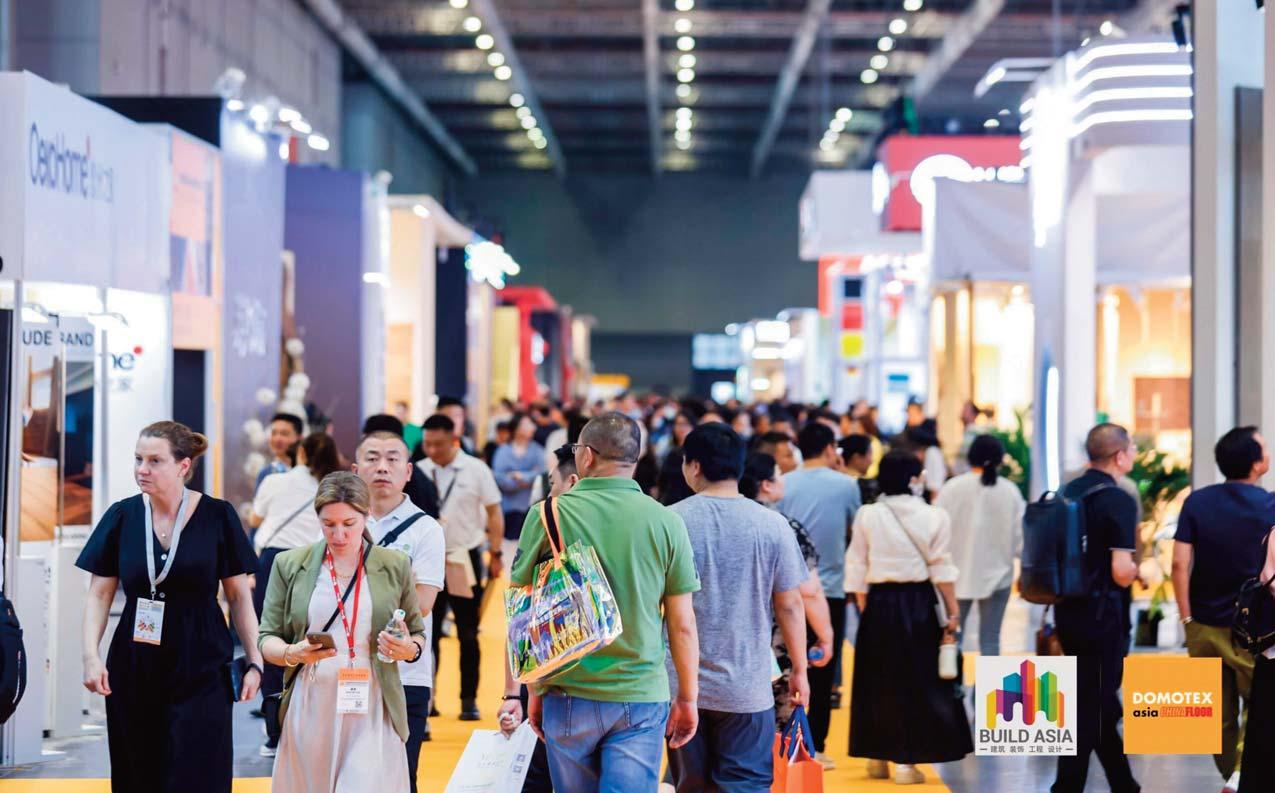
The 28th edition of DOMOTEX asia/CHINAFLOOR will open its doors this month, from May 27 to 29, at the National Exhibition and Convention Centre (NECC – Hongqiao) in Shanghai. The event is set to deliver another key edition for the global carpet and flooring industry, bringing together players from around the world for three days of business exchange, innovation, and market engagement.
As Asia strengthens its position at the centre of global manufacturing, design, and consumption trends, DOMOTEX asia/CHINAFLOOR 2026 comes at a pivotal moment for the industry. Amid shifting trade flows, rising sustainability expectations, and rapid technological change, the show will offer a focused platform for companies seeking partnerships, market insights, and growth opportunities across mature and emerging markets.
"In today's environment, where global supply chains are being reshaped and demand patterns are evolving rapidly, the need for a trusted international platform is stronger than ever." said, Edwin Tan, CEO of GLOBUS Events, co-organiser of the show. "DOMOTEX asia/CHINAFLOOR continues to serve as a meeting point where industry players can explore opportunities, build resilient partnerships, and better understand market direction."
In 2025, the show welcomed 83,056 visitors from 124 countries – the highest number of participating nations since the event's inception. International attendance continued its strong growth trajectory, reaching 18,121 overseas visitors. The visitor pre-registration figures to date show a similar trend for this year, reinforcing DOMOTEX asia's expanding global footprint, as well as China's and
Asia's enduring role as hubs for flooring innovation and sourcing.
A global platform of leading brands and innovation
Leading Chinese and international brands continue to place their trust in the event. More than 1,500 exhibitors will showcase their latest products and technologies across 210,000 square metres and seven halls. The carpet sector - at the core of DOMOTEX asia/CHINAFLOOR - will occupy two dedicated halls. Hard flooring, the largest segment, will span four halls, while FLOORTECH Asia will showcase advanced production technologies in a dedicated hall, highlighting innovations across the entire flooring value chain, from materials and design to machinery and application.
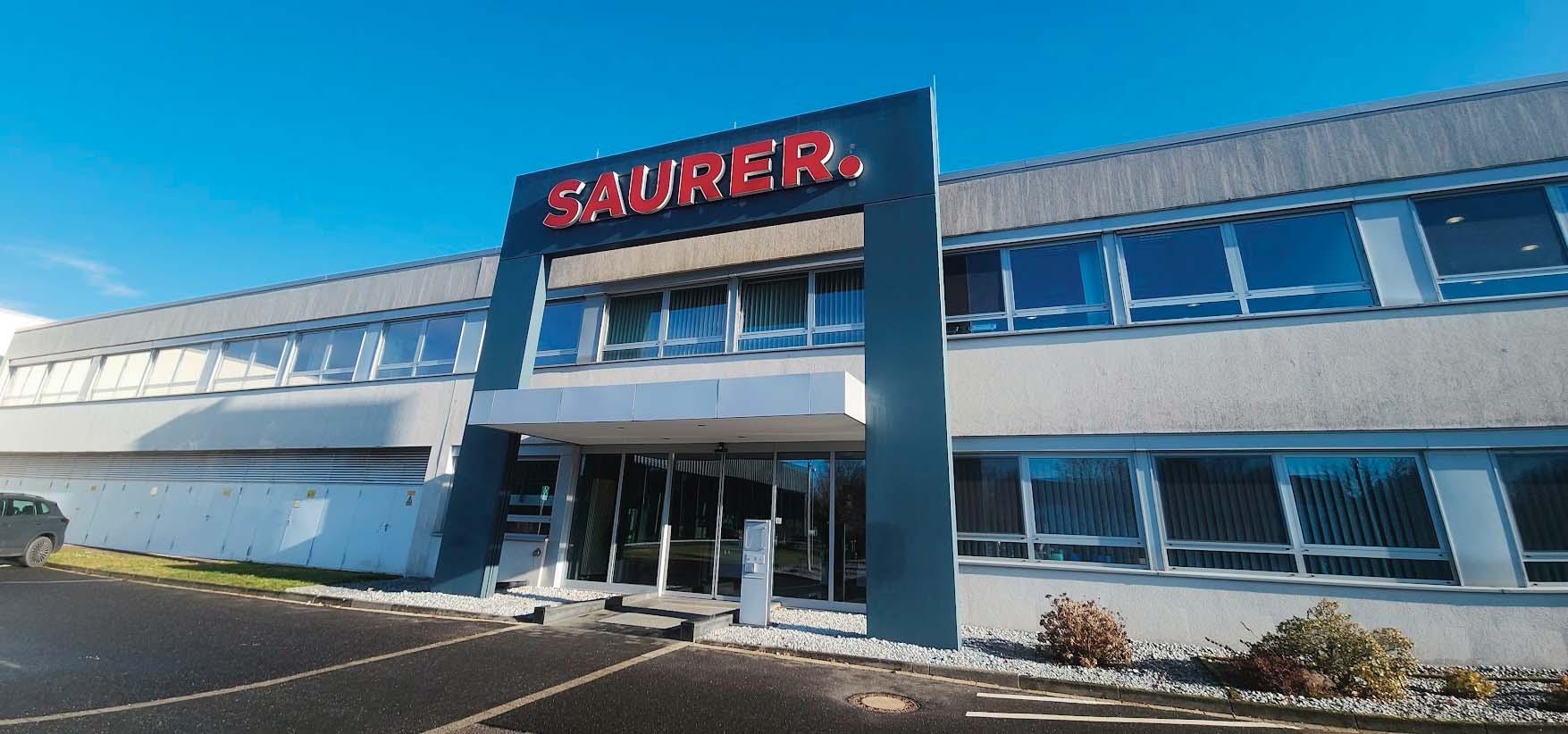

Recently, Pakistan Textile Journal visited Saurer's Sustainability Hub and production facilities in ÜbachPalenberg, Germany, where we met Mr. Hailin Xu, CEO of Saurer Group, and Ms. Pia Terasa, Vice President Marketing, Saurer AG.During the visit, Ms. Terasa personally guided us through the Sustainability Hub, customer trial facilities and production operations, providing valuable insights into Saurer's approach to innovation, sustainability, automation and customer collaboration.
The visit provided a unique opportunity to observe firsthand how one of the textile industry's most respected
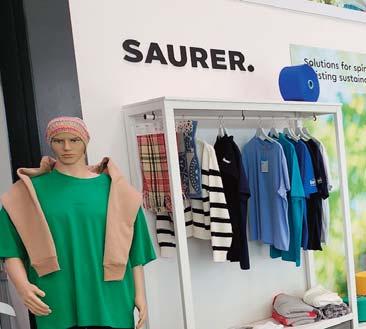
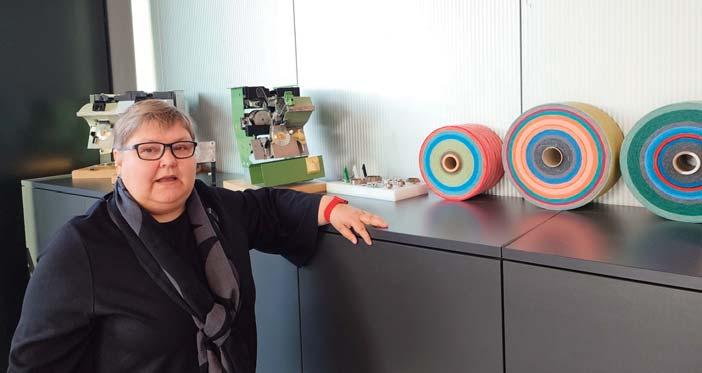
technology groups continues to shape the future of spinning through innovation, automation, digitalisation and sustainability.
The Übach-Palenberg facility occupies a special place in the history of textile machinery. Originally established by Schlafhorst in 1963 on the site of the former Carolus Magnus coal mine, the plant has evolved over six decades into Saurer's global centre for rotor and air spinning technologies. Today, the facility combines research and development, customer trials, training, manufacturing and technology demonstrations under one roof. The site celebrated its 60th anniversary in 2023, marking six
decades of continuous innovation and industrial transformation.
During our visit, we toured the Technology Centre, where customers from around the world conduct spinning trials, evaluate new fibre blends and work alongside Saurer specialists to optimise yarn quality, productivity and sustainability. The centre serves as a bridge between research and commercial production, enabling textile manufacturers to evaluate future technologies under real production conditions.
As Hailin Xu explained during our interview, customer collaboration remains at the heart of Saurer's innovation strategy.
One of the highlights of the visit was witnessing Saurer's latest developments in rotor and air spinning technologies, including solutions specifically designed to process recycled fibres while reducing energy consumption. The company's latest Autocoro and Autoairo platforms, developed and produced in ÜbachPalenberg, reflect Saurer's long-standing commitment to sustainability, automation and intelligent manufacturing.
According to the company, Saurer remains the only machinery manufacturer capable of offering all five major spinning technologies, ring, compact, rotor, air and worsted spinning, providing customers with a complete range of solutions for modern textile production.
The visit also highlighted Saurer's remarkable heritage. Founded in Switzerland in 1853 and strengthened through the integration of renowned brands such as Schlafhorst and Zinser, Saurer has played a defining role in the evolution of spinning technology for more than 170 years. Today, the company continues to focus on the industry's key megatrends: sustainability, energy efficiency, automation and digitalisation.
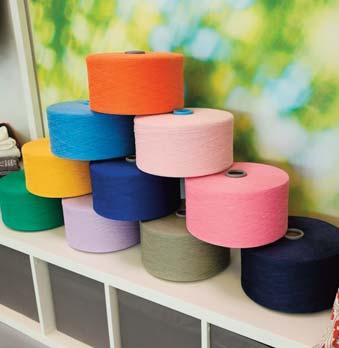
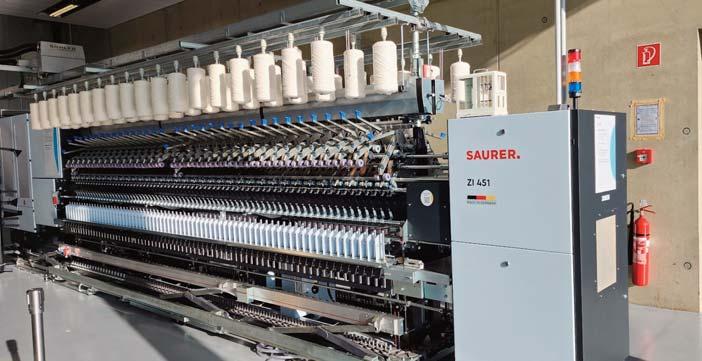
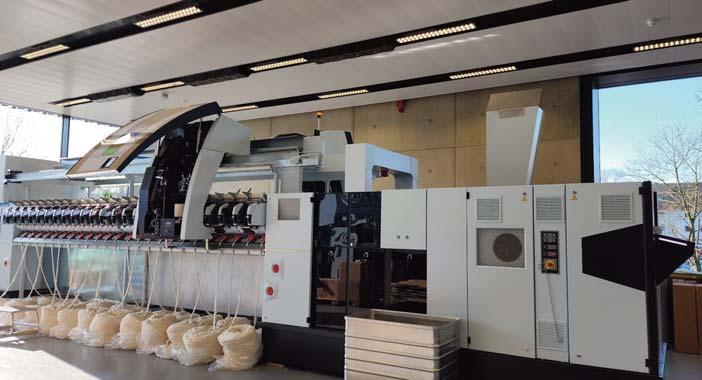
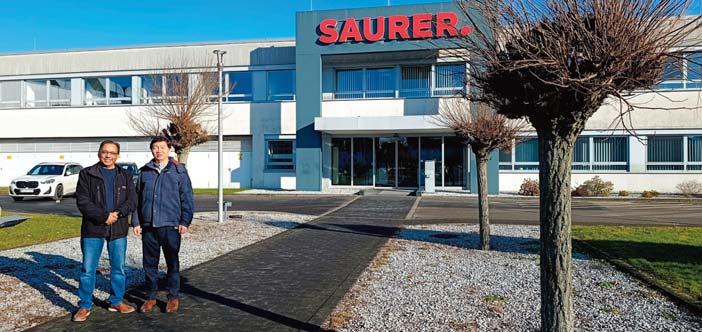
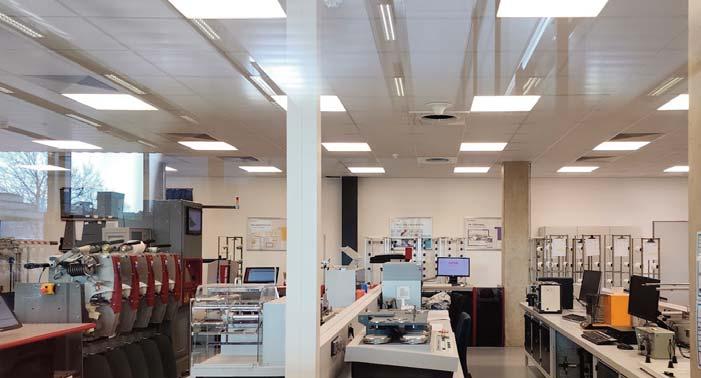
Among the companies that have benefited from this technology partnership is Gul Ahmed Textile Mills Limited, one of Pakistan's leading vertically integrated textile manufacturers. During our visit, we also met Mr. Zaki Bashir, CEO of Gul Ahmed Textile Mills, whose company has worked closely with Saurer for over a decade in advancing sustainable spinning technologies.
In the following interview, he discusses Gul Ahmed's sustainability journey, renewable energy investments and the role of advanced spinning technology in supporting the company's future growth.
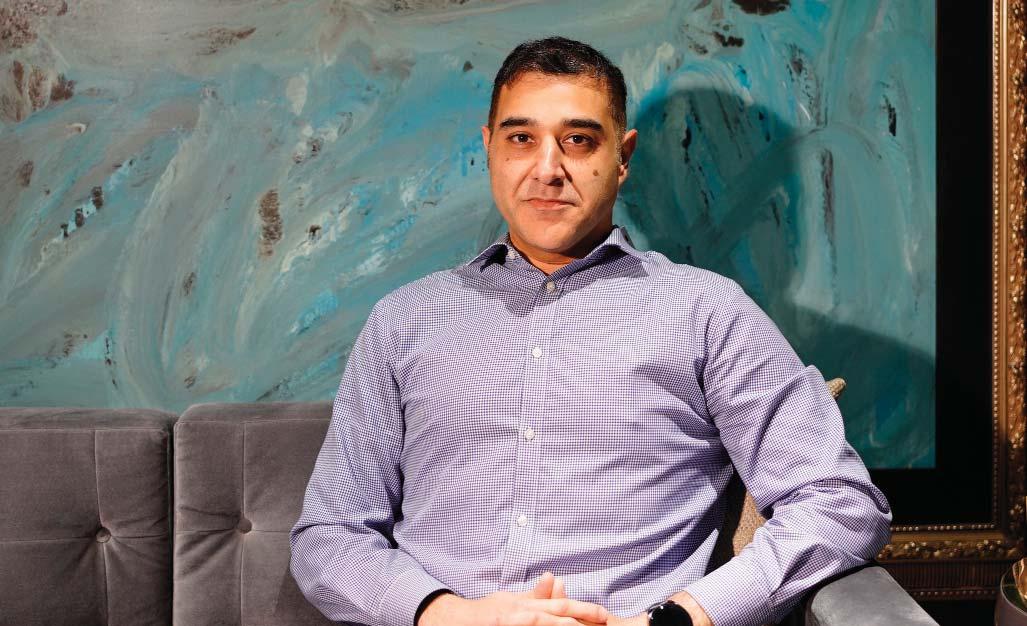
Founded in 1952, Gul Ahmed Textile Mills Limited has evolved into one of Pakistan’s leading vertically integrated textile groups with a strong global presence in home textiles and apparel. Over the decades, the company has continuously invested in technology, value addition and sustainable manufacturing to remain internationally competitive.
Today, under the leadership of Zaki Bashir, Gul Ahmed continues to expand its focus on renewable energy, advanced spinning technologies and responsible manufacturing practices in collaboration with long-term technology partners including Saurer.
During a recent visit to the Saurer Technology Center in Übach-Palenberg, Pakistan Textile Journal discussed sustainability, future investments and evolving textile technologies with Zaki Bashir and Saurer management.
Pakistan Textile Journal had previously interviewed Chairman Bashir Ali Mohammad in 2020 regarding Pakistan’s textile future and export potential. Today, the next generation of leadership continues that transformation with increasing emphasis on sustainability, renewable energy and advanced manufacturing technologies.
PTJ: Gul Ahmed Textile Mills is one of Pakistan’s most recognised textile groups. Could you briefly introduce the company and its philosophy?
Zaki Bashir: Gul Ahmed Textile Mills Limited was established in 1952 and today we are one of the largest vertically integrated home textile solution providers in the world. As a third-generation family-run company, sustainability has always remained at the heart of our growth process and will continue to guide our future strategy.
Over the years we have worked with several important technology partners, and together we have focused on
innovation, quality and sustainability to remain globally competitive.
PTJ: Sustainability appears to be deeply integrated into Gul Ahmed’s long-term strategy. How important is this for the company’s future?
Zaki Bashir: Sustainability is central to everything we do. We strongly believe that affordability and sustainability go hand in hand. As resources become increasingly scarce globally, we as industry leaders need to play a responsible role in developing more sustainable production systems.
This philosophy extends across our operations, from renewable energy and water recycling technologies to advanced spinning solutions supporting the use of recycled fibres.
Our aim is to positively impact the world while progressing towards our netzero targets together with our partners.
PTJ: Gul Ahmed has maintained a long relationship with Saurer. How has this partnership evolved over the years?
Zaki Bashir: Saurer is one of our most significant technology partners. Around a decade ago, we began investing together in advanced spinning technologies supporting sustainable textile production.
At that time, we were exploring new ways to efficiently process shorter recycled fibres into high-quality home textile products. Together with Saurer, we embarked on this journey and achieved very encouraging results.
Like every technological transition, there were challenges initially, but over time we successfully developed excellent solutions together and today we are proud of the results we have achieved.
PTJ: What role will advanced spinning and automation technologies play in Gul Ahmed’s future plans?
Zaki Bashir: We will continue to invest with Saurer in newer technologies includ-
ing advanced spinning, automation and integrated process technologies.
We are also exploring opportunities to further expand sustainable textile and recycling initiatives in the future. Innovation and sustainability will remain central to our long-term growth strategy.
We believe the textile industry must continue investing in technologies that improve efficiency, sustainability and resource optimisation.
PTJ: Human resources and organisational culture also appear to be important for Gul Ahmed. How do you view this aspect?
Zaki Bashir: Human resources play a key role in everything we do. We continuously invest in our people because complete alignment within the organisation is essential for achieving long-term sustainability goals.
Our teams understand that responsible manufacturing and sustainable growth are not simply trends but essential parts of the future of the textile industry.
PTJ: Gul Ahmed has also recently announced one of Pakistan’s largest rooftop solar power projects. Could you tell us more about this initiative?
Zaki Bashir: Sustainability drives our growth. Together with Orient Energy
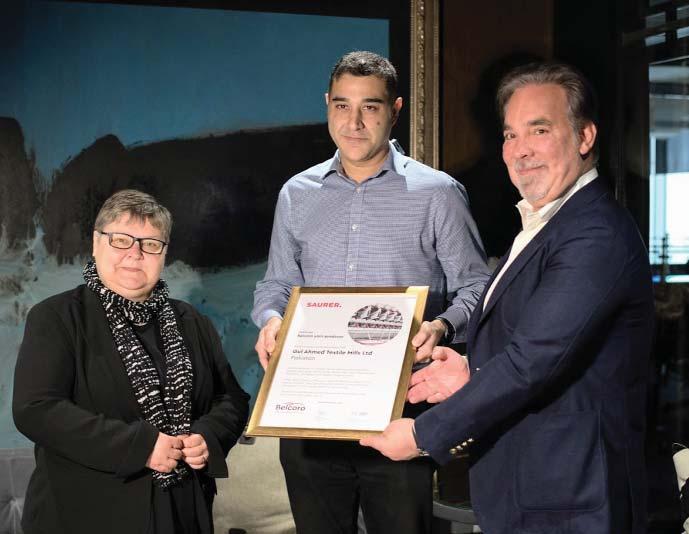
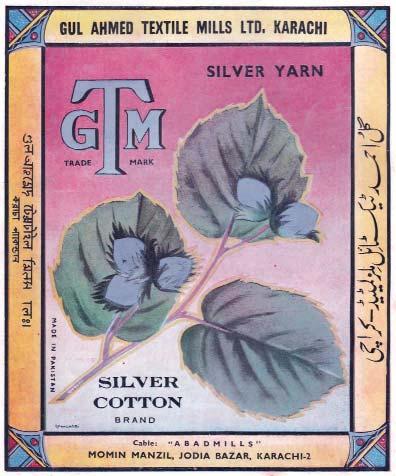
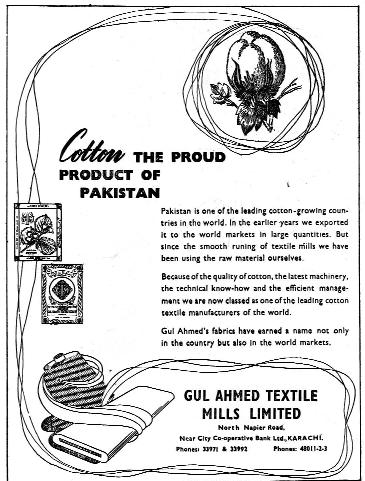

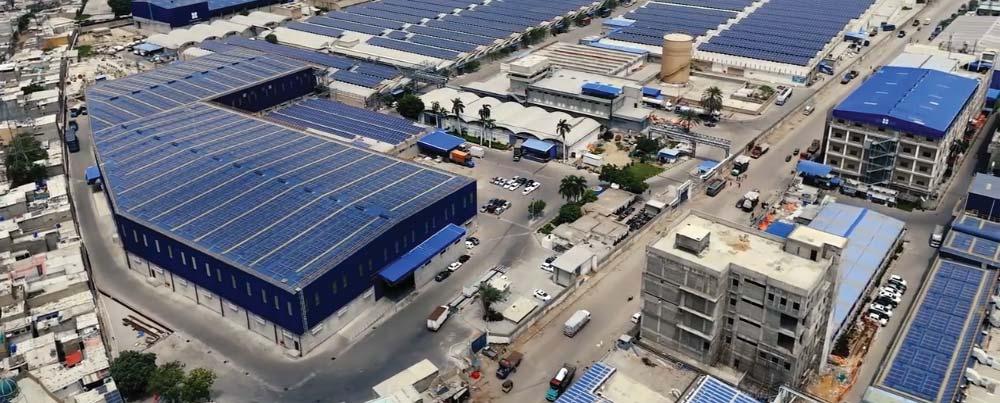
Systems Pvt. Ltd., we have commissioned approximately 18.7 megawatts of rooftop solar power spread across more than 40 rooftops, making it one of Pakistan’s largest rooftop captive solar power projects.
This is another major step towards energy independence and reducing our carbon footprint. We are also planning to further expand renewable energy capacity by adding additional solar and wind energy projects in the future.
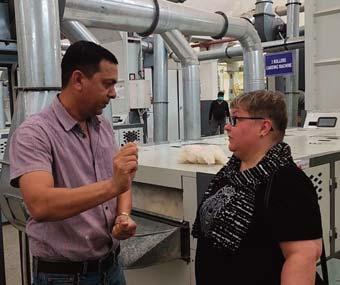
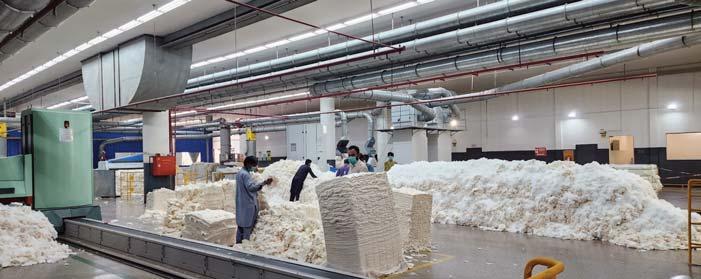
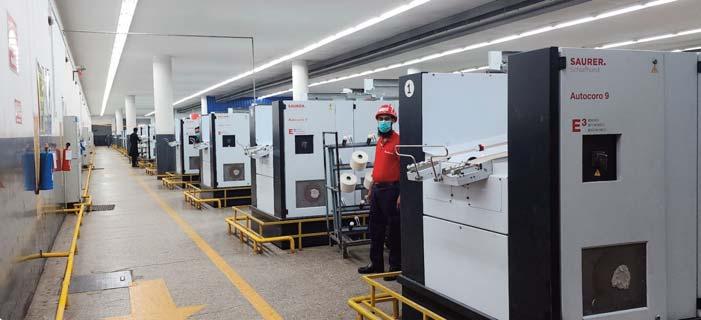
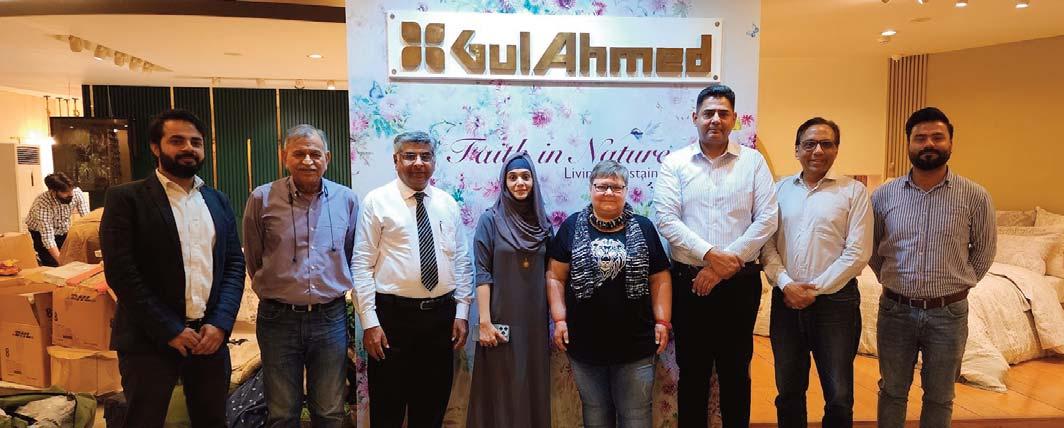
The latest technologies are being deployed to support our long-term green energy vision and commitment to sustainable manufacturing.
PTJ: Finally, what message would you like to share with the textile industr y?
Zaki Bashir: The future of the textile industry depends on innovation, sustainability and responsible growth. As industry leaders, we must continue investing in advanced technologies, renewable energy and our people in order to create a positive impact for future generations.
Sustainability is no longer optional for the textile industry. It is essential both for long-term competitiveness and for the future of the next generation.
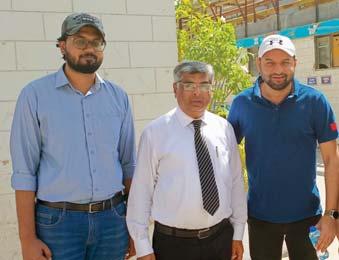
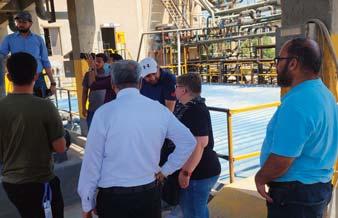

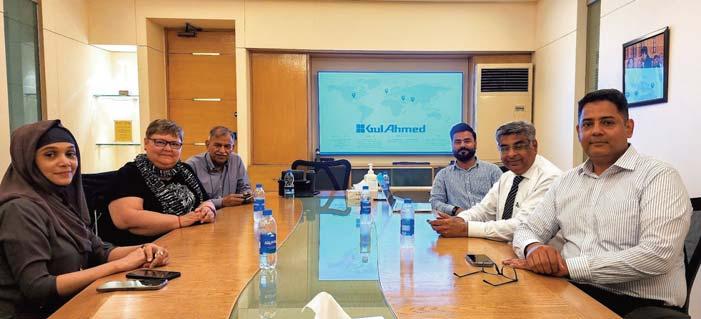
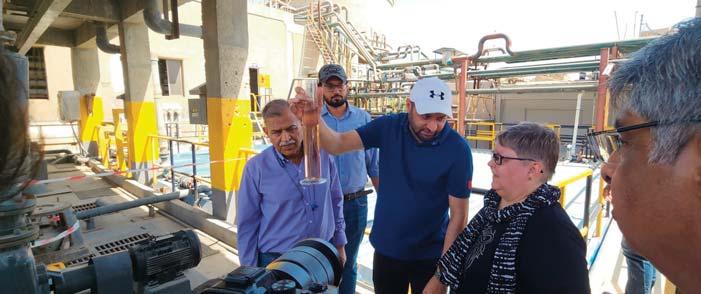
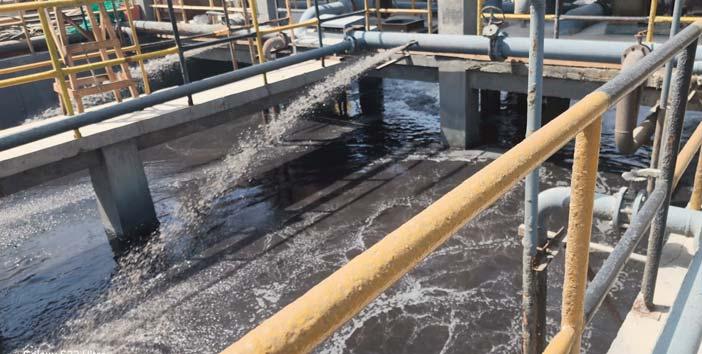

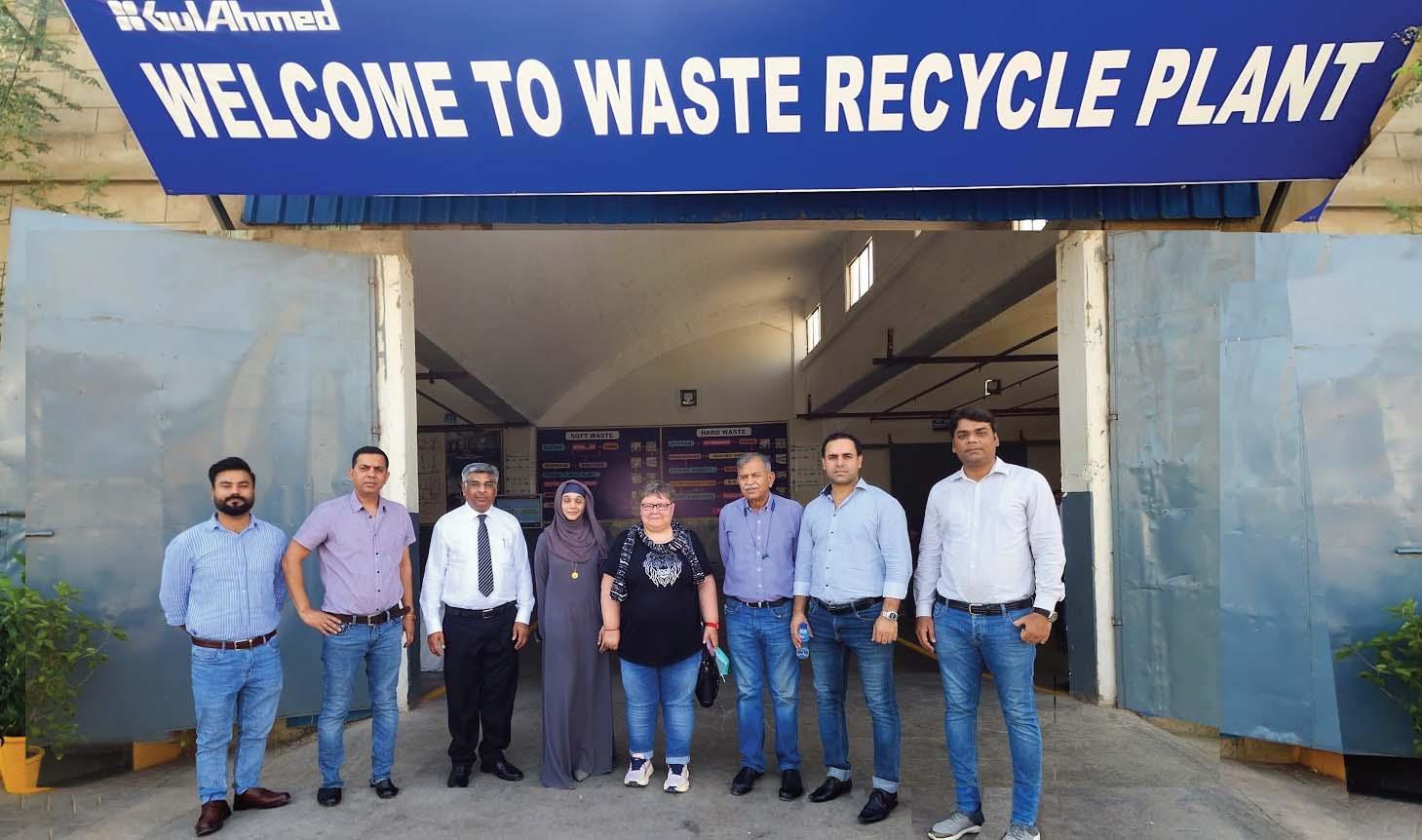



The textile industry is facing unprecedented challenges: geopolitical tensions, natural disasters and pandemics are changing market conditions overnight. Today, flexibility is no longer an option, but a survival strategy. At the ITM 2026 in Istanbul, Saurer will be demonstrating how modern machine technology delivers flexibility – from bale to yarn – in hall 7 at booth 709 A.
The Saurer machines follow the E³ concept, being optimised for energysaving, economics and ergonomics, and offering real customer value. As the only supplier in the industry to offer all five end-spinning systems, Saurer helps customers plan their optimised yarn production layout. These are ring spinning (Zinser 51), compact spinning (Zinser 51 Zpact FX), worsted spinning
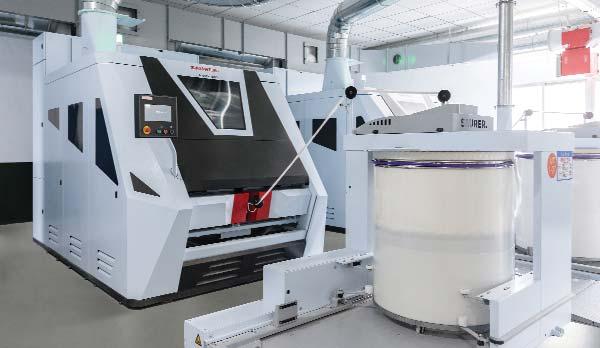
(Zinser 451), air spinning (Autoairo) and rotor spinning (Autocoro 11 and BD 8).
In addition to production flexibility, the market demands the capability to process a wide range of fibres and yarn counts. Saurer machines can process all of these, including cotton and wool, synthetic fibres, high-performance
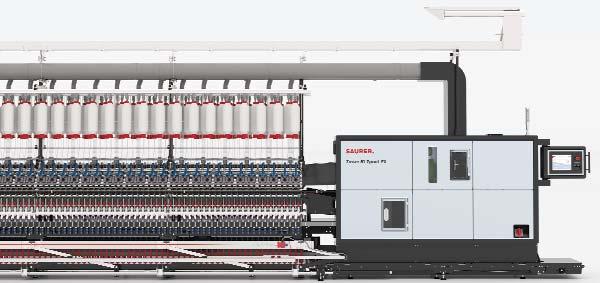
materials such as aramid, and recycled or regenerated fibres – from bale to yarn.
The Saurer pre-spinning product portfolio offers several options for either mass production or flexible lots. Different combinations of opening and carding, using modern technology and digital control, ensure the best possible quality of sliver for subsequent processes in the spinning mill.
At ITM, Saurer will present the Autocard SC8: a high-performance card designed to meet the demands for flexibility of modern spinning mills. With a carding area of 4.8 m², a carding width of 1.38 m, and a cylinder diameter of 1.46 m, the Autocard SC8 delivers superior sliver quality, higher productivity,
while optimising energy efficiency. Its smart design with optimised licker-in and doffer positioning extends the length of the carding section, giving spinning mills the flexibility to adapt to different raw materials and fibre types – including recycled fibres – without compromising on quality or output.
The Zinser 51 is one of the longest ring frames on the market, with up to 2,200 spindles for universal yarn counts (except for very coarse yarn) and is already running successfully in Türkiye.
The Zpact FX is the universal, modular, highly flexible compact system from Saurer that can be used for a wide range of yarn counts and applications. It is suitable for high-speed spinning, siro and core yarns. Even yarns with low twist can be spun at high speeds to fulfil customers' lower hairiness requirements on Zinser 51 Zpact FX. Spinning mills can quickly adapt to market needs because they can easily switch between compact and conventional spinning.
Two slivers can be blended directly on the Autocoro 11 machine with the help of two opening rollers – adjustable in the smallest increments. The result is costeffective production of coloured mélange yarns, especially in smaller batches, with maximum reproducibility. This is a revolution for manufacturers who need to react quickly to fashion trends, customer requirements, or the processing of recycled materials.
Thanks to the Multilot function, multiple lots can be processed
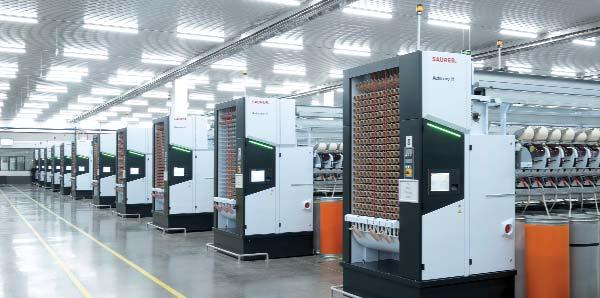

simultaneously on a single machine during rotor spinning (Autocoro 11 and BD 8), air-spinning (Autoairo) and twisting (TC2), allowing orders to be redistributed flexibly. Short set-up times ensure that product changes keep pace with the market. Fancynation software enables any fancy yarns to be produced on ring and rotor spinning machines, providing a direct lever for differentiation and new market opportunities.
Components from the Texparts product line ensure excellence in spinning. The world's most versatile short-staple weighting arm series, the PK 2630, is available for both round and hexagonal support rods to ensure the highest stable yarn quality. Various types of high-speed spindles are available for all applications, including the latest innovative Eshape spindle with the Spinnfinity Zero underwinding system to ensure maximum productivity. These spindles are complemented by a range of high-speed rings manufactured by Texparts.
The Senses Mill digital control and monitoring solution provides real-time
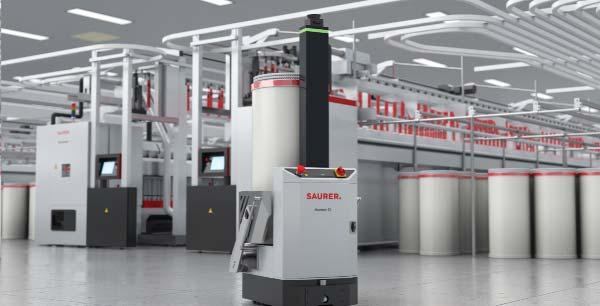
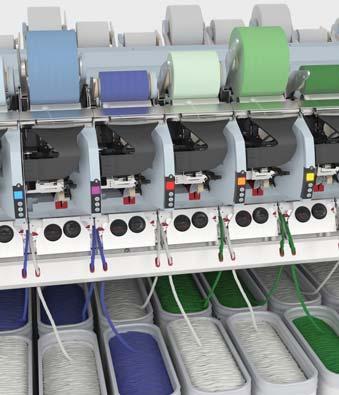
data for fast, informed production decisions. Saurer has been integrating automation into its machines for decades, including doffers in rotor spinning machines and automatic doffing in roving and ring spinning machines. Today, modern automation is complemented by external solutions such as the Bobbin Transport System BTS, AGVs and cobots for mill automation. The new Hunter S1 can-transport AGV is designed to transport sliver cans from draw frames to roving or rotor spinning machines.
Saurer offers customised service solutions for its machines to ensure a long and productive lifespan. Customers can upgrade their machines with the latest technology to enhance productivity for processing recycled fibres. These services help mills to improve quality, performance and profitability. rX Recycling Xtreme Autocoro upgrades allow customers to benefit from the latest Saurer developments, even in older machine generations.
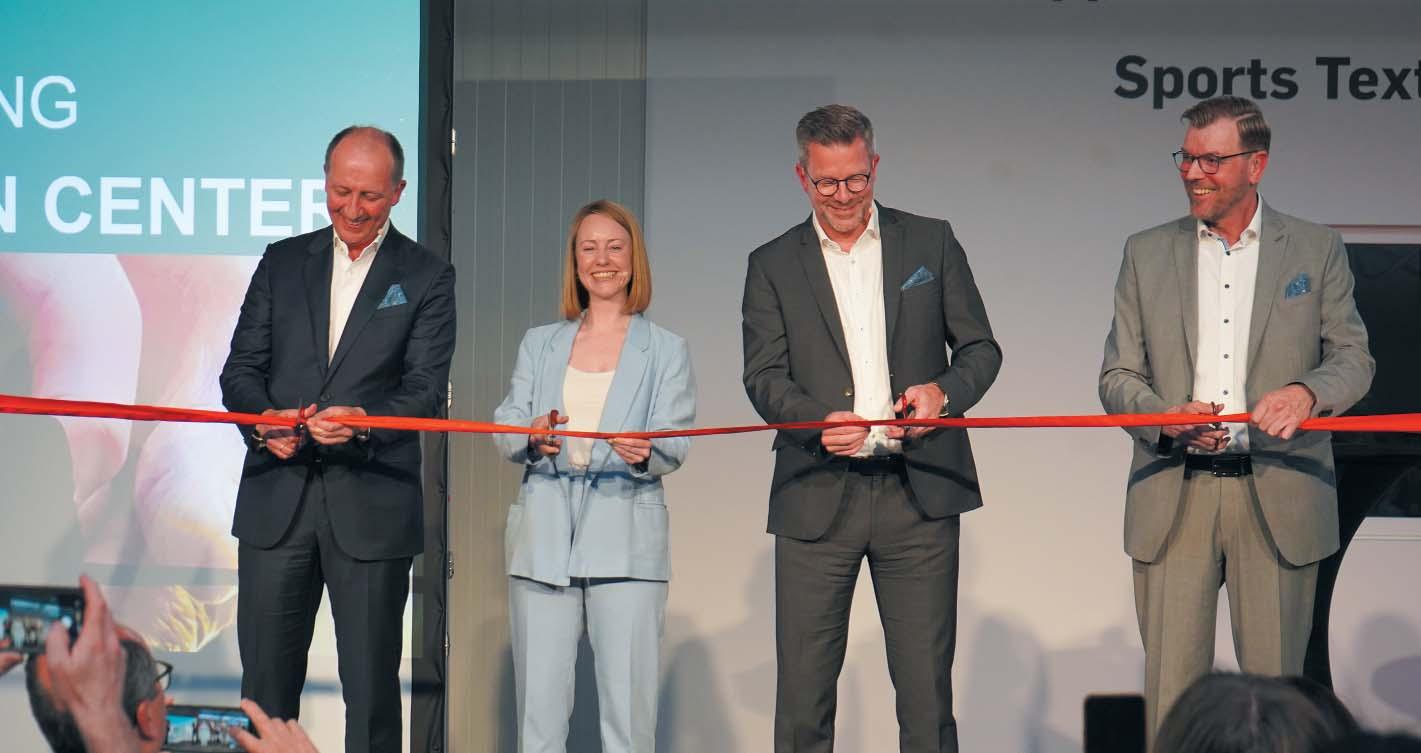

Grand opening attracts strong international interest with 220 guests from across the textile industry.
KARL MAYER inaugurated its new, state-of-the-art TEXTILE INNOVATION CENTER (TIC) with a four-day opening week from April 21 to 24. The highlight of the week was the grand opening which drew a strong turnout from the international textile industry: around 220 customers, brands, and partners from across the textile value chain came to the company’s headquarters in Obertshausen for a first-hand look at the new high-tech development environment and lively exchange with industry peers.
“We believe in the value of textiles” – these were the words with which Karl Josef Mayer, a representative of the Mayer family and a Member of the Supervisory Board, welcomed the guests to the joint celebrations.
“With the opening of our new TEXTILE INNOVATION CENTER we want to make a clear statement and send a strong signal to the entire textile industry worldwide that we at KARL MAYER believe in the value of textiles and that we are ready and willing to invest into the future of your business, the future of
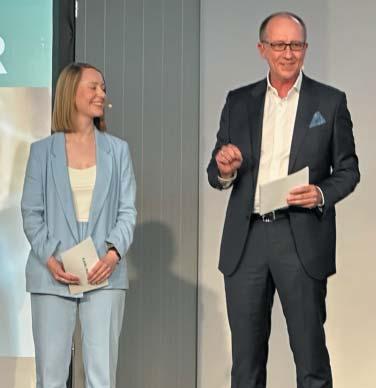
our industry and especially into all our ‘love for textiles.” said, Karl Josef Mayer.
Lutz Wolf, CEO of KARL MAYER, echoed this sentiment, elaborating on the significance and objectives of this investment.
“This is a milestone. It is a commitment to our markets as well as to our further strategic development. This TEXTILE INNOVATION CENTER is designed as a place where ideas come to life – a place for collaboration, for creativity and for market-relevant solutions.
Our goal is simple: To create value together with you through open
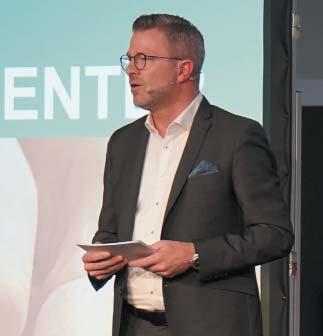
exchange, fresh thinking, and close cooperation in one shared space,” Lutz Wolf emphasised.
The breadth of these perspectives was on full display in the keynote by Vishnu Prakash Muthusamy, Lead Textile & Material Development Engineer at New Balance Athletics. The expert showcased impressive shoe innovations made possible by warp knitting technologies.
The TEXTILE INNOVATION CENTER in Obertshausen is part of something bigger. It is embedded in a global network, with additional centres in China and Japan. Each location has its own focus, is closely connected worldwide,
and is simultaneously aligned with regional strengths and needs. They bring together the expertise of approximately 15 highly qualified experts in the fields of materials, processes, machine technology, and textile applications, who are available to partners worldwide.
During guided tours of the spacious, state-of-the-art facilities in Obertshausen, guests at the grand opening saw firsthand what the TEXTILE INNOVATION CENTER has to offer. Across 5,000 square meters, the centre offers a globally unique environment for rapid, application-oriented textile development – from the initial idea through prototyping to industrialisation. State-ofthe-art machinery, in-depth technical expertise, and a profound understanding of the market make the TEXTILE INNOVATION CENTER a pivotal innovation platform for the industry.
State-of-the-Art Machines: Bringing Innovation to Life
The TEXTILE INNOVATION CENTER is the only facility in the industry to bring together the technology of Warp Knit, Warp Prep, and Technical Textiles under one roof as a fully integrated platform.
Using 14 state-of-the-art machines, customers and partners work together with KARL MAYER experts to develop new solutions, test ideas, and create market-ready prototypes. True to the motto “Driving WARP KNIT Inspiration”, here ideas are not just conceived, but actually brought to life.
In a spacious showroom, visitors can explore – and touch – the full range of textile applications. Its curated display of textile materials and applications provides
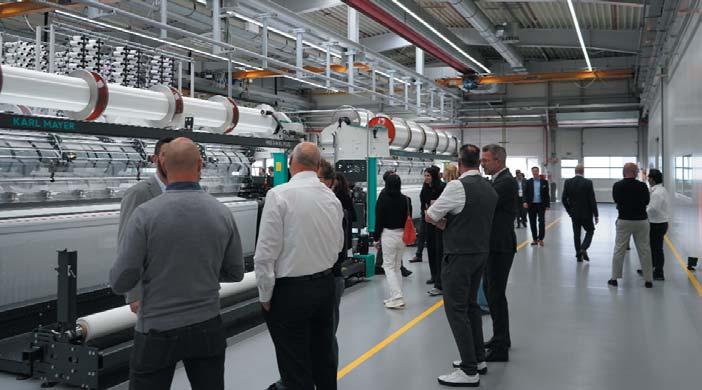
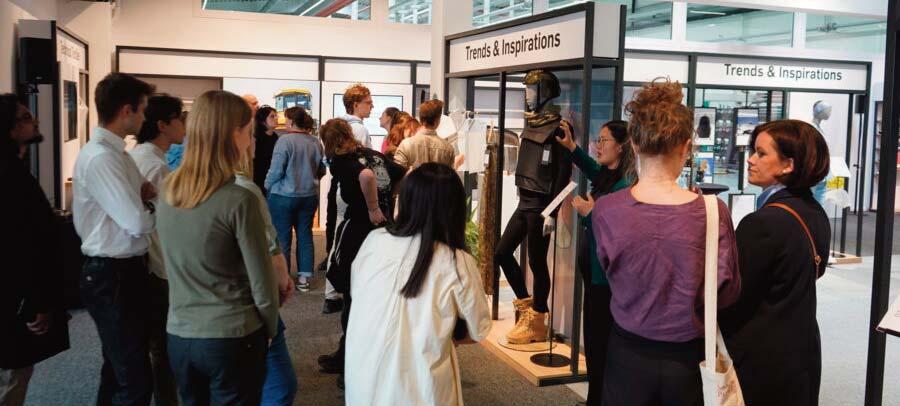
space for inspiration and fresh thinking –bridging the gap between vision, possibility and feasibility.
There is much to discover:
The latest samples from KARL MAYER’s textile product development range Concept textiles and applications with real market potential Trend collections straight from market scouting
The exhibits are clearly structured into tried-and-tested textile categories: Fashion & Apparel, Sports Textiles, Footwear, Home Textiles and Technical Textiles.
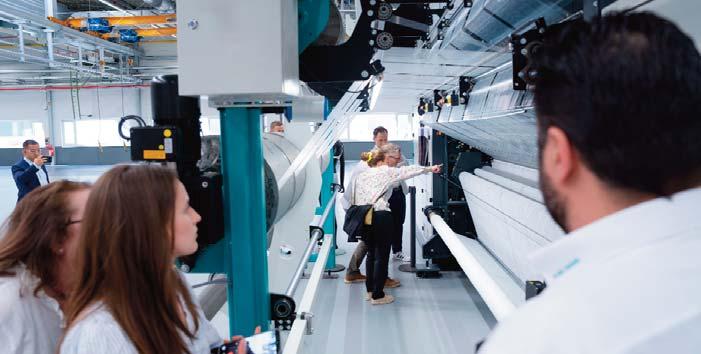
The grand opening placed a special spotlight on future-proof solutions for the workwear sector – from protective clothing to stylish items for the office.
INSPIRATION HUB: 90 Years of Textile Expertise
Here, the past becomes a springboard for new ideas: KARL MAYER’s unique design library offers a window onto nearly nine decades of textile innovation.
The INSPIRATION HUB is thus a creative catalyst – a place where accumulated knowledge serves as the foundation for innovation.
The KARL MAYER Academy offers a structured range of training and learning opportunities – from machine training and workshops to hands-on learning programmes. The courses stand for sound expertise, the very highest quality and a clear focus on the demands of day-to-day production. Theory is not just taught here – it is put into practice.
Operating over 240,000 spindles, Ibrahim Fibres Limited, one of Pakistan’s leading producers of polyester staple fibre, upgraded several ring spinning machines with Suessen’s compacting device COMPACTeasy to lift yarn quality without increasing costs. The retrofit delivered lower hairiness, higher yarn strength, and greater overall process efficiency.
Ibrahim Fibres Limited runs four highly automated spinning plants producing fine count blended and pure synthetic yarns.
With strong international demand and rising quality expectations, the company looked for a compacting solution that is robust, easy to operate, cost-efficient, and particularly effective for synthetic and blended yarns, where hairiness remains a key challenge.
IFL defined three core requirements for a compacting system: very low investment minimal operating costs a significant reduction in yarn hairiness
After an initial trial installation, COMPACTeasy not only met these requirements, it exceeded them. Today, around 17,700 spindles equipped with COMPACTeasy are running successfully at Ibrahim Fibres Limited, with a further 11,456 spindles ordered and scheduled for installation in 2026.
With COMPACTeasy in operation, Ibrahim Fibres reports consistent improvements across all upgraded spinning positions: hairiness reduced by about 10% tenacity increased by about 5% no increase in machine energy consumption, thanks to the purely mechanical, energy-free compacting principle
These gains translate into stronger downstream performance and more
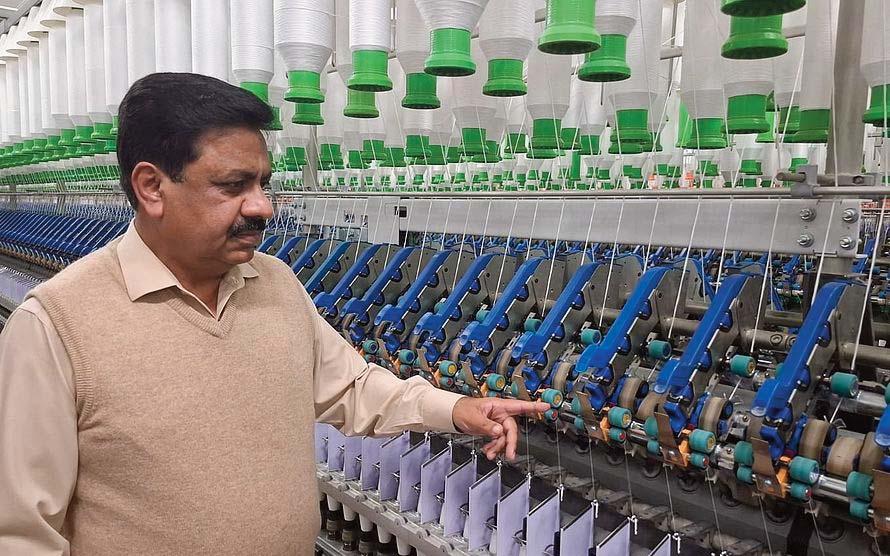
stable processes, including fewer warping breaks and higher loom efficiency, ultimately supporting higher customer satisfaction.
“COMPACTeasy offers zero maintenance and significantly improved yarn quality while keeping energy consumption unchanged. Zafar Iqbal, General Manager (New Projects) at Ibrahim Fibres Limited.”
“Zero Maintenance” and Improved Yarn
“We bought COMPACTeasy and are happy with this decision because it offers zero maintenance and significantly improved yarn quality while keeping energy consumption unchanged,” says Zafar Iqbal, General Manager (New Projects) at Ibrahim Fibres Limited. “We are in close contact with Suessen and even cooperating with them on several new products. We are also satisfied with the services delivered by Suessen and their local agent, their response is fast and very professional.”
“The compacting upgrade delivers measurable quality improvements without added energy consumption, complexity or maintenance. With a strong return on investment, COMPACTeasyhas

become a key lever in reinforcing the competitiveness of Ibrahim Fibres Limited in a demanding global market.”
Rieter is the world’s leading supplier of systems for manufacturing yarn from staple fibres to spinning mills. Based in Winterthur (Switzerland), the company develops and manufactures machinery, systems and components used to convert natural and man-made fibres and their blends into yarns in the most costefficient manner. Cutting-edge spinning technology from Rieter contributes to sustainability in the textile value chain by minimising the use of resources. Rieter has been in business for 230 years, has 18 production locations in ten countries and employs a global workforce of around 4,400, about 15% of which is based in Switzerland.
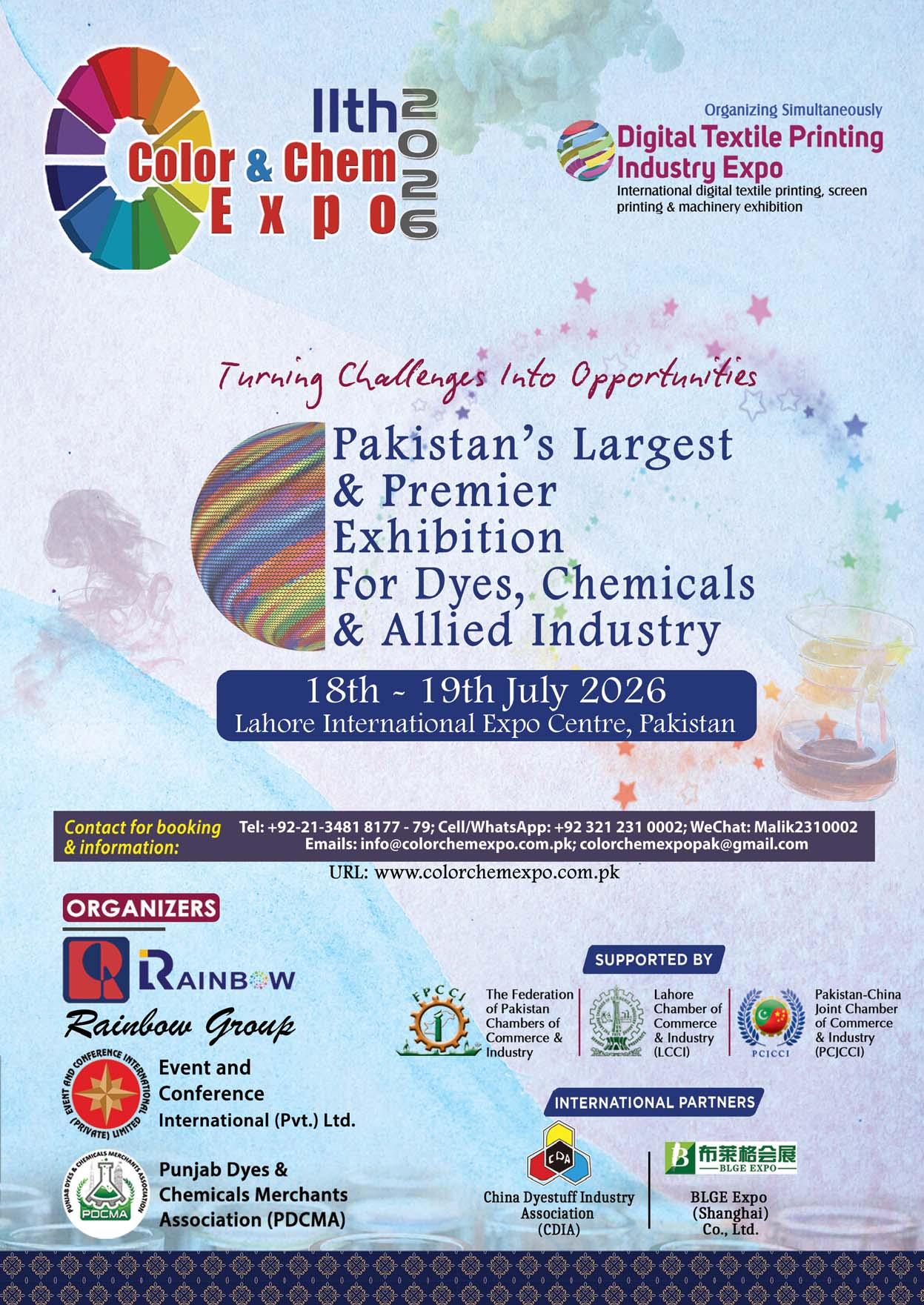
The U.S. Cotton Trust Protocol (Trust Protocol) is pleased to share that Under Armour, Inc. (NYSE: UA, UAA), a global leader in athletic performance apparel, footwear, and accessories, has joined its membership, strengthening efforts to advance more responsible, transparent cotton sourcing in the United States.
This membership reflects Under Armour’s commitment to supporting the U.S. cotton farmers who help bring its products to life. Through the Trust Protocol, the brand gains access to verified, field-level data across key environmental metrics, including water use, greenhouse gas emissions, soil health, and land use.
As a tangible step in the membership, Under Armour will pilot the use of cotton tracked through the Trust Protocol this autumn, in all graphic tees within their Freedom collection. A line dedicated to supporting and honouring military personnel, veterans, and first responders.
“Under Armour believes performance starts with the materials we choose. Where and how our cotton is grown
matters,” said Aaron Driggers, Director of Sustainability at Under Armour. “We are thrilled to join the U.S. Cotton Trust Protocol and strengthen our ability to build better products for athletes while advancing transparency across our supply chain.”

The Trust Protocol is a voluntary, field-level sustainability and traceability programme for U.S. Cotton distinguished by its measurable, verifiable approach to fostering responsible cotton production and driving ongoing improvements across key sustainability indicators. The framework enables Under Armour to track progress over time and validate improvements across critical environmental indicators.
“We are pleased to welcome Under Armour, a brand with a strong commitment to innovation and a global reach, to the Trust Protocol,” said Dr. Gary Adams, President of the U.S. Cotton Trust Protocol. “Under Armour is building its legacy on performance and technical
excellence and embodies the spirit of consistent improvement that drives athletes. The Trust Protocol’s datadriven approach directly aligns with those values and will help the brand strengthen its commitment to sustainable sourcing.”

The U.S. Cotton Trust Protocol is the voluntary sustainability programme for U.S. cotton growers and a traceability platform for all U.S. Cotton. It brings quantifiable and verifiable goals and measurements to the issue of responsible cotton production and drives continuous improvement in six key sustainability areas: land use efficiency, water use efficiency, energy use, greenhouse gas emissions, soil conservation, and soil carbon. The Trust Protocol underpins and verifies sustainability progress through sophisticated data collection and independent third-party verification.

The LYCRA Company’s latest innovation minimises the visible appearance of sweat while delivering moisture management to activewear, ready-to-wear and workwear


The LYCRA Company has introduced COOLMAX CloakFX™ fibre, a new technology designed to reduce the visible appearance of sweat while maintaining moisture management performance. The fibre debuted at Performance Days Munich, a leading European functional fabric fair.
COOLMAX CloakFX™ fibre uses an optical masking mechanism at the fibre level to diffuse light and make moisture less visible on the surface of garments. The technology is engineered for activewear, workwear, and everyday apparel where consumers seek both performance and a clean, dry appearance.
Because the technology is integrated into the fibre itself, its performance benefits remain durable through repeated wear and laundering.
According to Tara Maurer Mackay, Product Category Director for Branded Specialty Products at The LYCRA Company, visible sweat remains a top consumer frustration. COOLMAX CloakFX™ fibre is designed to address this by helping garments look drier while supporting cooling and moisture management performance.
The fibre’s structure can also contribute to higher UPF protection compared with conventional polyester. It contains 93% recycled polyester and is GRS certified, supporting sustainability
objectives without requiring changes to existing manufacturing processes.
The LYCRA Company continues to expand development of COOLMAX CloakFX™ fibre across knit, wovens, and seamless applications.
The LYCRA Company develops fibre and technology solutions for the apparel and personal care industries and owns leading brands including LYCRA®, LYCRA® HyFit®, LYCRA® T400®, COOLMAX®, THERMOLITE®, ELASPAN®, SUPPLEX®, and TACTEL®


For more than 70 years, Phoenox Textiles Ltd. has been synonymous with quality, reliability, and innovation in the textile industry. Founded in 1954 in Huddersfield (Yorkshire, UK), a region with a long tradition in textiles, this family-owned business has continued to evolve without losing sight of its roots. Today, in its fourth generation under the leadership of the Mosley family, Phoenox successfully combines decades of experience with a clear, forward-looking corporate strategy. Over the course of its history, Phoenox has increasingly specialised in the production of carpets, floor mats, and play rugs. Approximately 80 per cent of the product portfolio is still manufactured at the headquarters in Huddersfield, a clear commitment to the location and to creating value within the UK.
To meet the growing demands of the market, streamline production processes, and tap into new business areas, Phoenox decided to make a strategic investment in a state-of-the-art carpet back-coating line. The goal was to expand production
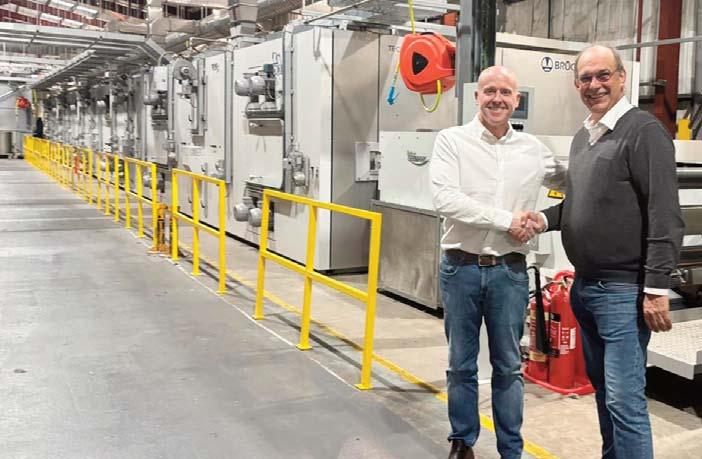

capacity while ensuring the highest quality standards on an ongoing basis. Following intensive project planning and consultation, the leading textile machinery manufacturer Brückner was selected as the technology partner. The decision to partner with the German family-owned company proved to be a gamechanger: the installed state-of-the-
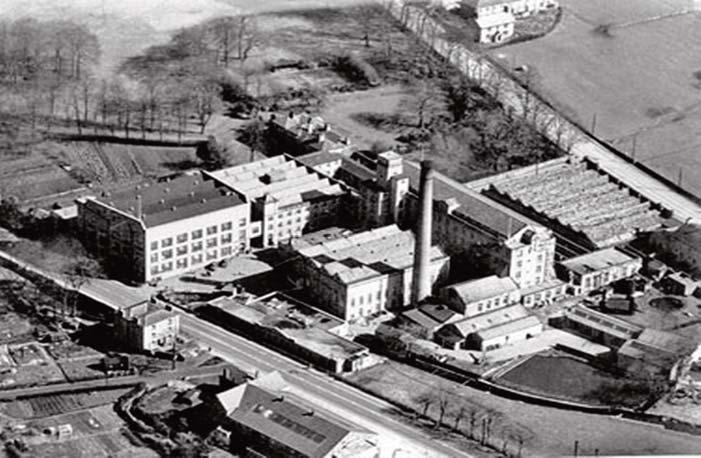

art coating line impressed with its performance and reliability shortly after commissioning. Even during the start-up phase, the system not only met but actually exceeded the contractually agreed-upon production targets.
Throughout the entire project, Brückner proved to be an extremely competent, solution-oriented, and trustworthy partner. In particular, the close collaboration, technical expertise, and high quality of service contributed significantly to the project’s success. Phoenox also looks to the future with optimism and is confident that it has a long-term partner in Brückner. In addition to state-of-the-art plant technology, the collaboration also focuses on ongoing technical consulting, reliable maintenance, targeted upgrades, and rapid spare parts supply.
With this investment, Phoenox Textiles is making a strong statement of its commitment to combining tradition and innovation and continuing to operate successfully as a leading provider in the international market.
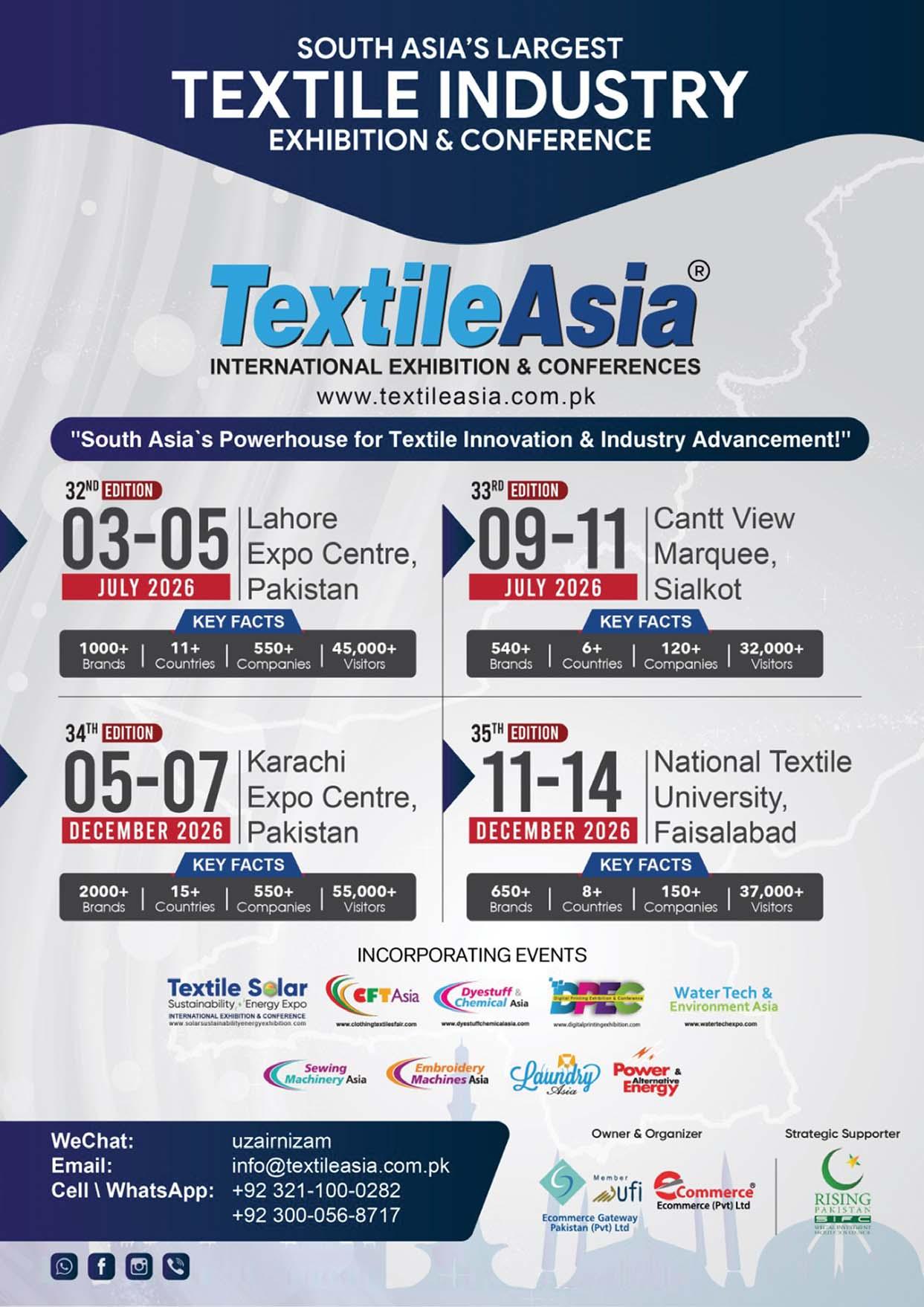
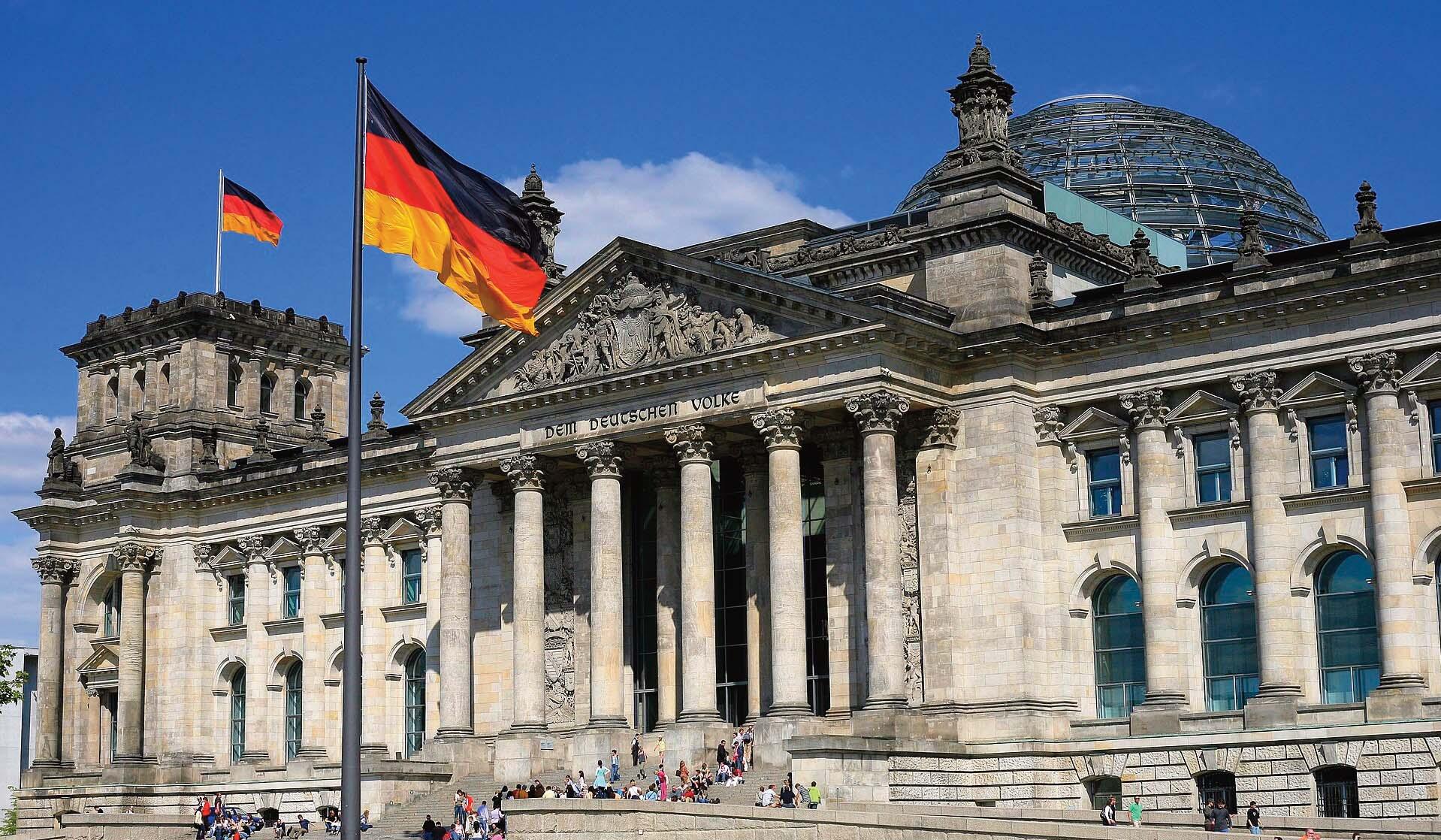
by Nadeem Mazhar,

Pakistan and Germany have enjoyed a strong and friendly relationship since establishing diplomatic ties in 1951. Their relations are built on shared values of democracy, human rights, cultural diversity, and economic liberalism. Over the years, both countries have fostered close cooperation in various sectors, including trade and development. In this report, we will explore the dynamics of Pakistan-Germany trade, highlighting the historical background, current trade volumes, key sectors, and the role of organisations like GIZ in promoting bilateral development initiatives.
Pakistan-Germany relations have consistently grown since their establishment. In 1959, the two nations signed the world's first bilateral investment treaty, signalling their commitment to fostering economic cooperation. West Germany, now the Federal Republic of Germany, became a member of the consortium providing development assistance to Pakistan in 1961. Later in 1962, the PakistanGerman Forum was established to facilitate dialogue and exchange between the two countries.
Today, Germany maintains a strong diplomatic presence in Pakistan with an
embassy in Islamabad and consulates in Karachi, Lahore, Peshawar and Quetta.
German Investments And Business Presence In Pakistan
Germany is the eighth-largest investor in Pakistan, with several German multinationals operating in the country. Approximately 40 German companies have a presence in Pakistan, primarily in Karachi and Lahore.
The majority of these companies are engaged in industries such as machinery, chemicals, pharmaceuticals, automotive, and related equipment and services. Notably, around 55% of multinational companies in Pakistan are from the pharmaceutical and chemical sectors. The services sector comprises 15% of companies, followed by transportation and textile machinery sectors with 5% each. The German government has committed substantial financial support for development projects in Pakistan, with approximately 3.8 billion euros pledged, a significant portion of which has already been disbursed.
The Deutsche Gesellschaft für Internationale Zusammenarbeit (GIZ) GmbH, working on behalf of the German Federal Ministry of Economic Cooperation and Development (BMZ), plays a vital role in supporting Pakistan's development
Source: State Bank of Pakistan Annual Reports.
initiatives. GIZ focuses on priority areas such as sustainable economic development, good governance, crisis prevention and stabilisation, and energy. The organisation has been actively involved in technical and vocational education and training (TVET) reforms, promoting private sectorled and demand-driven training systems for improved employability prospects. GIZ also supports poverty alleviation efforts by improving access to needs-based social protection services.
Germany is Pakistan's largest trading partner within the European Union, accounting for a significant portion of Pakistan's exports to and imports from the EU. In the fiscal year 2024-25, bilateral trade between Pakistan and Germany amounted to US$ 2.5 billion, with Pakistan enjoying a trade surplus of
US$ 808 million, Table 1. Germany has been a significant market for Pakistani textile products, particularly readymade garments, bedwear, cotton fabrics, and knitwear. The export of textiles and other related products from Pakistan to Germany has been steadily increasing.
On the other hand, Pakistan imports various goods from Germany, including chemical products, textile machinery, electrical goods, motor vehicles, and iron goods. German imports of textile machinery have been crucial for Pakistan's value-added textile sector, enabling manufacturers to improve product quality and reduce business costs. Pakistan's major imports from Germany also include machinery, electrical machinery and equipment, vehicles, mineral fuels, pharmaceutical products, plastics, optical instruments, organic chemicals, iron, and steel.
Prospects and Challenges
The Pakistan-Germany trade relationship holds significant prospects for further growth and cooperation. Both countries can explore new avenues of collaboration and diversify their trade beyond the existing sectors.
Germany's expertise in renewable energy, engineering, and high-tech industries can contribute greatly to Pakistan's goal of achieving sustainable development.
Table
Furthermore, the collaborative projects and technology transfer in these areas can foster knowledge exchange, promote innovation, and drive long-term economic growth for both nations. Moreover, the establishment of joint ventures and partnerships between Pakistani and German companies can create new business opportunities and boost two-way investments. Moreover, this not only strengthens economic ties but also promotes employment opportunities and skill development in Pakistan. By creating a favourable business environment and offering incentives, both countries can attract more German businesses to invest in Pakistan, further enhancing economic cooperation.
Additionally, the implementation of trade facilitation measures, including the simplification of customs procedures, harmonisation of quality standards, and streamlining certification requirements, can remove non-tariff barriers and promote smoother trade flows. Strengthening transportation infrastructure and
logistics will also contribute to improved trade facilitation and efficiency. Despite the positive outlook, there are challenges that need to be addressed to fully harness the potential of Pakistan-Germany trade. Non-tariff barriers continue to pose obstacles, including complex customs procedures, stringent quality standards, and certification requirements.
Conclusion
As the partnership continues to evolve, it is essential for Pakistan and Germany to maintain open lines of communication, engage in regular dialogue, and foster a business-friendly environment. By leveraging each other's strengths and working together, Pakistan and Germany can forge a more robust and mutually beneficial trade relationship, bringing about shared prosperity for both nations.
References
1.German Textile Machinery Association (VDMA).
2.Pakistan Bureau of Statistics.
3.State Bank of Pakistan-Annual Reports.
4.Trade Development Authority of Pakistan.
5.Various press releases.
VDMA and its members support the transition to a functioning circular economy. The textile machinery industry is an indispensable partner in this transition. The following list provides an overview of VDMA members that make this possible.
More and more countries around the world are considering the circular economy in their agenda for textile materials and apparel. The goals are resource savings, environmental protection and prevention of climate change. The EU Sustainable and Circular Textiles Strategy will have an impact on global supply chains. It calls for textile products placed on the market in the EU to be durable and recyclable, made largely from recycled fibres, free of hazardous substances and produced with respect for social rights and the environment by 2030.
VDMA members are committed to using highly efficient technologies to reduce resource consumption in the textile value chain. The aim is to exploit potential for saving resources such as textile material, water, energy and chemicals in order to reduce CO2 emissions.
In the spirit of the circular economy, VDMA members offer solutions for the entire processing and production chain.

The production program and services include equipment and technologies for recycling textile production waste, textiles, textile auxiliaries or waste heat, technologies for producing recycled feedstock for fibres and for processing recycled materials into textiles.
The VDMA and its members support the use of various recycling technologies: There is no single solution for recycling the diverse combinations of materials used in the textile and clothing industry. Recycling processes must complement each other so that textile materials can be returned to the cycle with the least possible use of resources and at the same time with high quality.
VDMA members supporting the transition to a functioning circular industry
Recycling of textile production waste and textiles
ANDRITZ, BARMAG, DILO GROUP, The EREMA GROUP, GNEUSS, JBF, MESUTRONIC, PELLENC ST, SIEMENS, TEMAFA, THIES, TRÜTZSCHLER, and XETMA VOLLENWEIDER
Recycling of chemicals and waste heat
KÖRTING and MONFORTS
Processing of recycled materials
ANDRITZ, BRÜCKNER, DIENES, DILO GROUP, The KARL MAYER GROUP, STC, TEXTECHNO, TRÜTZSCHLER, and XETMA VOLLENWEIDER.
For many years now, Türkiye has been one of the most important markets for textile finishing, coating and continuous dyeing equipment, making ITM 2026 from June 9-13 a key event for Monforts. At the Istanbul exhibition at stand 1117D in Hall 11, the company will put the emphasis on its machines which continue to lead the field in conventional dyeing and finishing, and also highlight the strong opportunities for Turkish textile manufacturers in the growing field of technical textiles.
Industry standard
Monforts Montex stenters – for processes such as drying, stretching, heat-setting and coating – are still the industry standard for the fabric finishing industry, not only in the sectors of denim and home textiles, but also in the field of technical textiles, with a number of advantages in terms of production throughput and especially in energy efficiency and savings.
Thermex continuous dyeing ranges are meanwhile recognised for their ability to deliver high productivity, excellent dyeing quality and significant energy savings. The Thermex system combines precise application technology with advanced process control to ensure highly uniform dye penetration and outstanding colour reproducibility across long production runs.
With the trend towards smaller lot sizes per colour in continuous dyeing and the requirement for simple processes, Thermex ranges often exploit the benefits of the proven Econtrol®* process for reactive dyestuffs developed by Monforts together with DyStar. This is a simple, quick and economical one-pass pad-drywash off continuous dyeing process with drying in the hotflue at 120-130°C and controlled humidity of 25-30% by volume, to obtain fixation in two-to-three minutes.
The other key technologies in the Monforts standard range include DynAir relaxation dryers and Monfortex
compressive shrinking ranges and recent complete line installations in Türkiye include those at Altoteks, Altun, İlay Textile, Kücüker, Kipas Denim, Palmiye, Seher and Rose Fabric among many others.
Because Monforts machines are known for their robustness and long service life, Monforts is increasingly called upon to carry out the retrofitting of specific modules with new control and drive technology which go far beyond the basic replacement of spare parts and can have a significant impact on the performance of an existing line.
Options here include universal Energy Tower– a flexible, free-standing air/air heat exchanger for recovering the heat from the exhaust air flow of thermal processes – the Eco Booster, which can be completely integrated into the chamber design of existing Montex stenters, as a single state-of-the-art heat recovery system with automatic cleaning, and the Matex Eco Applicator, an alternative to the conventional padding process for energy-conscious finishing.
Technical textiles
Monforts will also be highlighting its technologies for coating following the
successive introductions of the MontexCoat, coaTTex and VertiDry systems.
For the region’s textile mills, a wide range of new opportunities are being opened up in new technical end-use markets via adding functionality and performance to basic textile substrates. The markets range from tents, awnings, sailcloth and blackout blinds to automotive interiors, filter media, flameretardant barrier fabrics and those for composite parts reinforcement.
“In Türkiye we are very strongly supported by our representative Neotek, our solution partner on the ground for service, installation and commissioning, providing specialised and rapid help to all of our customers,” says Monforts area sales manager Thomas Päffgen. “ITM is always one of the most important exhibitions for Monforts, for meeting customers not just from Türkiye, but across the Middle East and Central Asia, as well as Bangladesh, India and Pakistan, and Istanbul’s centralised position makes it accessible to the majority of the major textile manufacturing hubs, providing us with the ideal platform for a fruitful five days.”
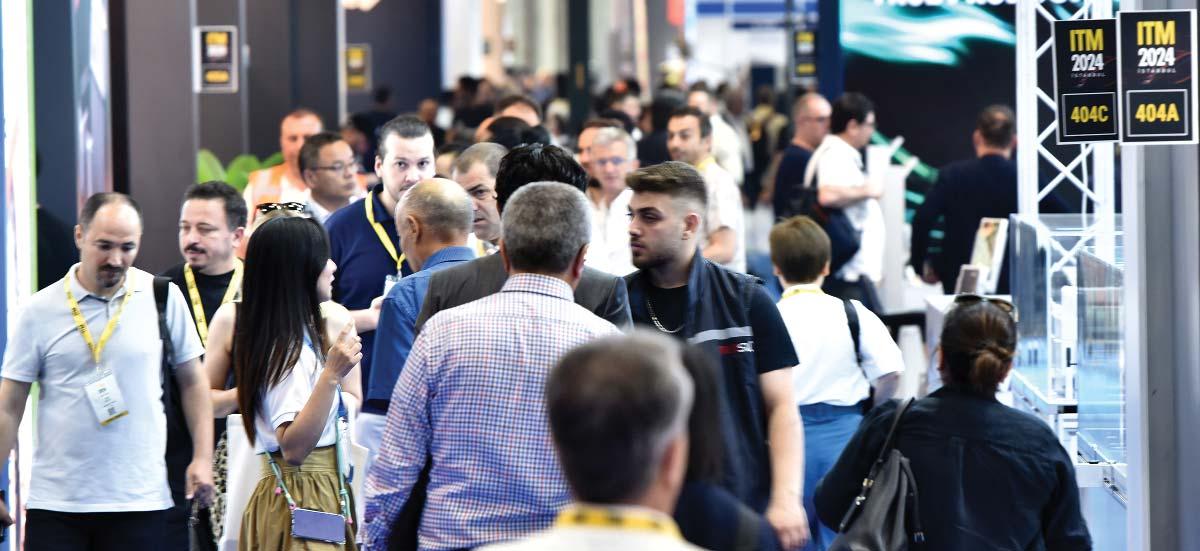
ITM 2026 International Textile Machinery Exhibition, one of the most prestigious organisations in the textile technologies sector, opens its doors to visitors between 9-13 June. Expected to break records in terms of both exhibitor and visitor numbers, as well as the technological vision it presents, ITM 2026 will transform into a global trade hub with machine sales, and new business collaborations.
ITM 2026 International Textile Machinery Exhibition, which will be held in partnership with Tüyap Tüm Fuarcılık Yapım Inc. and Teknik Fairs Inc. and in cooperation with Textile Machinery and Accessories Industrialists Association (TEMSAD), will welcome its visitors between 9-13 June 2026 at Tüyap Fair and Congress Centre. ITM 2026, featuringover 1,000 companies and company representatives from 55 countries, will bring together the latest technologies and innovative solutions of the sector, serving as a significant trade and cooperation platform for the global textile industry.
ITM 2026 will also serve as a global showcase where innovations shaping the
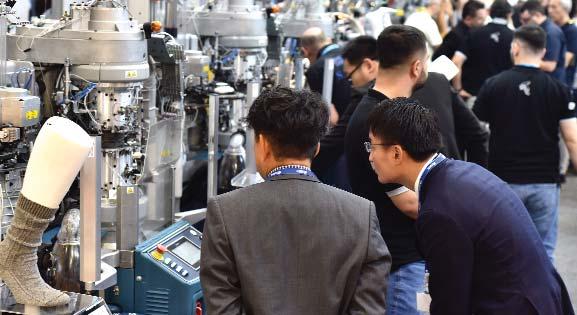
future of textile production will be unveiled for the first time. Digitalisation, AI-powered production systems, automation solutions, sustainable production technologies, energy-efficient machines, and next-generation applications for smart factories will be presented to visitors at ITM 2026 by leading global manufacturers. Participants will have the opportunity to examine technologies that will make their production processes more efficient, more sustainable, and more competitive.
Company owners and professionals will have the opportunity to listen to experts explain the latest technologies that will take their facilities into the
future, see machines in action, and experience next-generation R&D solutions firsthand.
ITM 2026 is not just a trade fair; it will be the most suitable address for the sector for new investments, collaborations, and technological transformations. B2B meetings organised within the scope of the fair will offer companies the opportunity to establish lasting business connections and increase sales opportunities. Delegations from countries with intensive textile production
such as Pakistan, Bangladesh, Uzbekistan, India, and Egypt, as well as global investors, will choose ITM 2026. While the high business volume achieved in previous events is expected to increase even further this year, a strong foundation will be laid for new collaborations and strategic agreements. Machine sales and business partnerships from manufacturers all over the world will give a significant boost to the Turkish and global textile machinery sector.
Increased geopolitical tensions in recent years, global migration policies, and tightening consular procedures are making trade fairs in Europe a difficult target, especially for investors and industrialists from developing countries. ITM 2026, to be held in Istanbul, a crossroads of world trade, stands out due to its strategically important geographical location. Easily accessible from Europe, Asia, North Africa, the Middle East, and the Turkic Republics, Istanbul offers a significant advantage to trade fair participants.
In addition, the visa agreements between Türkiye and many countries such as India, Pakistan, Bangladesh, Indonesia, Vietnam, Egypt, Algeria, Tunisia, Morocco, Iran, Uzbekistan, and Turkmenistan further enhance the significance of ITM 2026. Textile manufacturers from countries that face visa challenges when travelling to Europe will not encounter such difficulties when coming to Istanbul, which will play an important role in increasing the number of participants and visitors at ITM 2026.
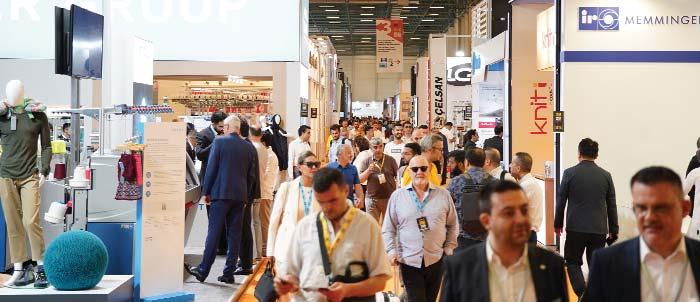
HIGHTEX 2026 International Technical Textiles and Nonwovens Exhibition, to be held concurrently with ITM 2026, will bring together the sector's most important manufacturers, technology providers, and investors in Istanbul. Showcasing the latest innovations in technical textiles and nonwovens, the exhibition will host a wide range of products, from production technologies and raw materials to high value-added products and sustainable solutions.
As Türkiye's first and only specialised exhibition in this field, HIGHTEX 2026 is preparing for even greater participation and visitor interest than ever before, driven by the increasing global demand for technical textiles. Over five days, the exhibition will host leading technical textile and nonwoven companies from around the world, showcasing innovative products and advanced production technologies developed for many different sectors such as medical, hygiene, automotive, construction, agriculture, and geotextiles.
HIGHTEX 2026 will not only offer nonwoven manufacturers and industry
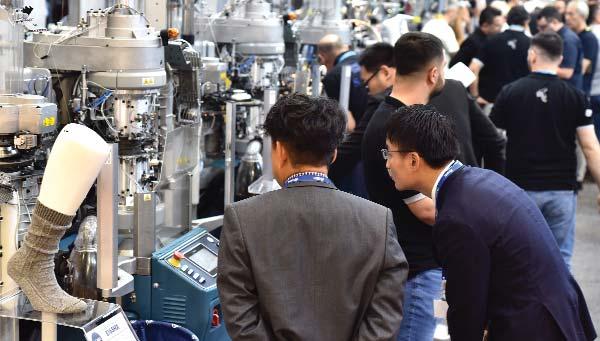
professionals the opportunity to closely examine new technologies but will also provide an important platform for developing international collaborations, entering new markets, and evaluating investment opportunities.
Teknik Fuarcılık
Chairman of the Board
“Our ITM 2026 Exhibition, Combined with Our 30th Anniversary Enthusiasm, will Shape the Future of Our Sector”
“As Teknik Fuarcılık, in this special period where we are celebrating our 30th anniversary, we see ITM 2026 as one of the most important gatherings that will shape the future of our sector. Our exhibition, which is being held again after a two-year break, will bring together textile technology professionals from all over the world in Istanbul, paving the way for new collaborations, investments, and commercial opportunities. Thanks to Istanbul's strategic location and the international strength of our exhibition, we will make valuable contributions to our participants reaching new markets and establishing lasting business connections.”
“Our ITM 2026 Exhibition will be the Centre of the Great Transformation in the Textile World”
“Today, establishing the right connections in the textile sector, closely following changing market dynamics, and investing in future production models are more important than ever. ITM provides a strong response to this need. In this period when the textile sector is undergoing a powerful transformation ranging from production to technology, from sustainability to digitalisation, we believe that ITM 2026 will be one of the most important international meeting points shaping the future of the sector.”
From June 9 to 13, the Trützschler Group will present its latest machinery, service expertise and digital solutions at ITM 2026 in Istanbul, Türkiye. Visitors are invited to explore innovations across Spinning, Card Clothing, and Nonwovens at Hall 7, Booth 714A at the Tüyap Fair Convention and Congress Center. Experience modern fibre processing by visiting Trützschler’s booth.
Trützschler Spinning
Trützschler Spinning will focus on technologies that enable highly efficient, stable, and resource-saving spinning preparation, with a strong emphasis on automation and direct spinning. At the heart of Trützschler’s booth, visitors will experienceTrützschler’s latest automation highlight: T-CAN – a smart system that intelligently combines self-driving cans with AGV technology and an intuitive software interface. In this way, T-CAN significantly reduces manual handling. The result is lower operational costs, minimised downtime, as well as consistent and reliable material allocation. Developed in response to rising labour costs and increasing labour shortages in the global textile industry, T-CAN represents a key step towards more automated, efficient, and future-ready spinning mills.
A further highlight is the combination of the next-generation card TC 30i and
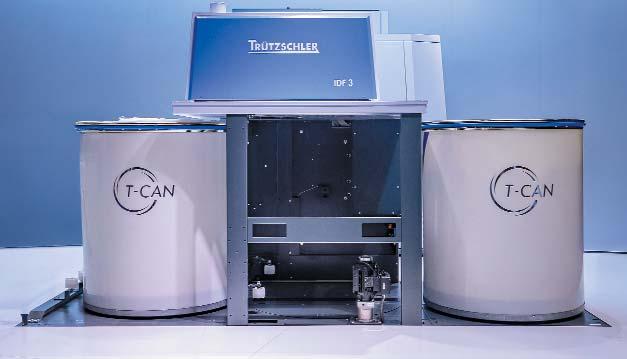
the integrated draw frame IDF 3, which together form a perfect match for direct spinning. The TC 30i achieves up to 40% higher productivity, while maintaining or even improving yarn quality. Its intelligent feature T-GO enables extremely precise carding gap settings far beyond what is achievable manually. The only proven automatic gap optimiser has successfully demonstrated its value in several thousand customer operations worldwide.
The IDF 3 provides a shortened spinning preparation process for rotor and airjet applications without compromising on quality. It is highly valued for its user-friendly operation. A new can changing system increases card efficiency by up to 3%, while advanced measuring devices support more homogeneous slivers and improved yarn quality.
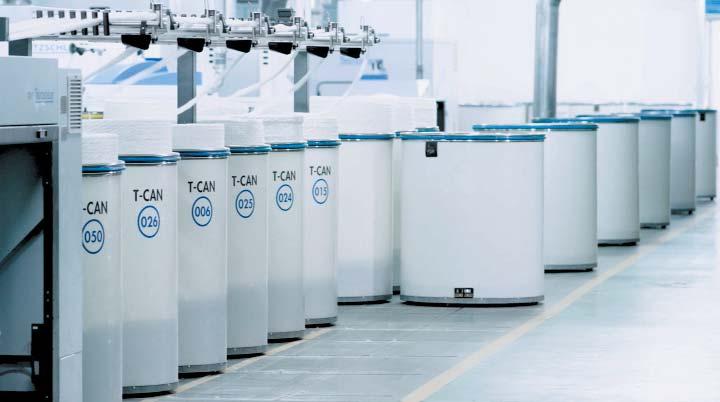
The powerful combination of TC 30i and IDF 3 delivers high productivity, stable yarn parameters, and efficient processing of blends with high short fibre content or recycled materials.
Experts will also be available to discuss Trützschler’s latest advancement in combing technology: the TCO 21XL. This innovation increases productivity by about 50% because it operates twelve heads instead of a typical eight head setup, while delivering the same excellent sliver quality and, at the same time, requiring less energy per head. Equipped with the COUNT CONTROL function, the TCO 21XL further enhances quality assurance in the combing process. The result is a permanently constant sliver count for first-class yarn quality.
Beyond machinery, service and digital solutions will complete Trützschler’s presence at the fair. With local service and technology support teams, local spare parts and wire stocks and Trützschler repair stations, customers can rely on fast assistance and minimised downtime in Türkiye and globally. The service team will present possibilities to upgrade existing machinery and the latest service tools. In addition, visitors can explore MyMill, Trützschler’s cloud-based platform for monitoring and optimising spinning mill operations. MyMill is one of several digital services available via the My Trützschler platform, which serves as the central digital access point for
Trützschler customers. My Trützschler bundles all digital services in one place and provides seamless access to applications such as MyMill, Training and Spare Parts Shop, offering valuable insights and support across the entire Trützschler ecosystem.
Trützschler
At ITM 2026, Trützschler Card Clothing (TCC) will unveil a new flat top, designed for spinning mills that aim for reliability and long-term performance in modern spinning preparation. Engineered for robustness and durability, this innovation is designed to support consistent performance over an extended service life. Fully recyclable and seamlessly compatible with Trützschler’s intelligent carding systems, the new flat top reflects TCC’s commitment to durability, efficiency, and sustainable design in card clothing.
Trützschler Nonwovens
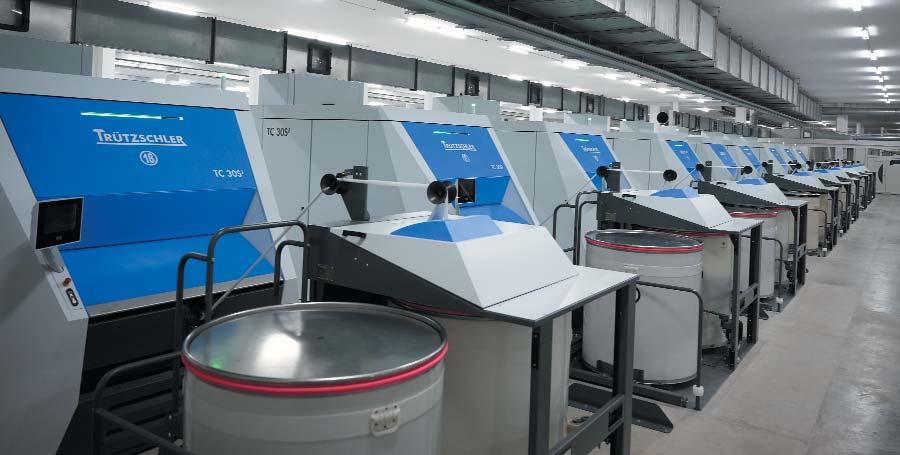
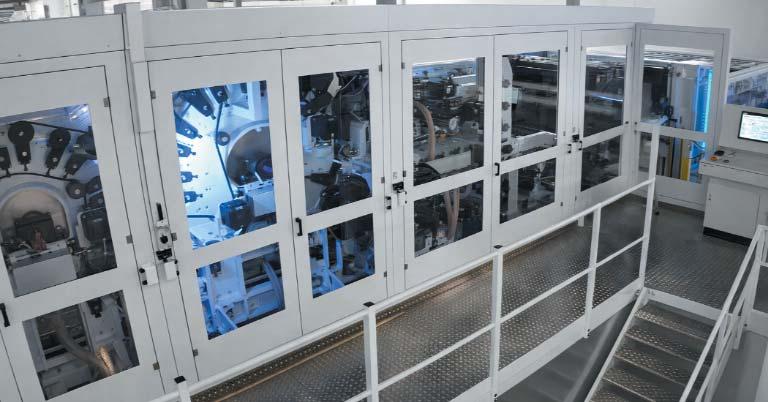
With the T-SUPREMA needle-punching concept, successfully implemented with Texnology, Trützschler Nonwovens targets producers of technical nonwovens with flexible, proven solutions for geotextiles, filter media and other durable applications. The concept is complemented by the new NC-Xe card, a fit-for-purpose and cost-efficient solution that meets strong demand from cost-conscious investors while delivering proven Trützschler product and process quality.
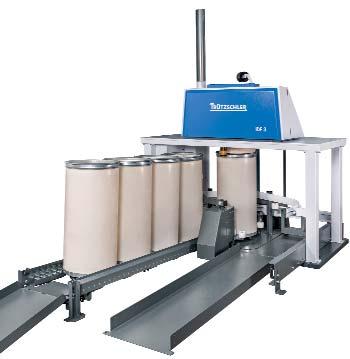
Another focus is Trützschler Nonwovens’ proven carding technology for supersoft air-through bonded (ATB) hygiene nonwovens. With special designs, tailored configurations and dedicated component executions, the NC-X card reliably processes the finest
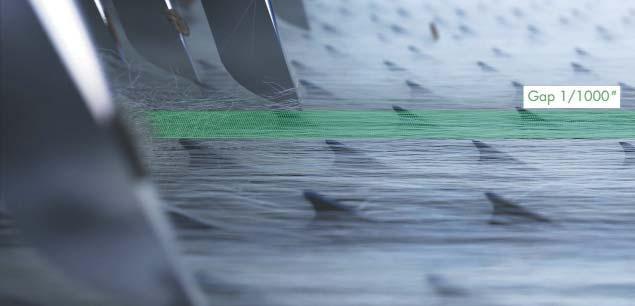
bicomponent microfibres down to 0.4 denier. This enables the formation of highly voluminous, uniform and exceptionally soft webs, ideally suited for high-quality diaper backsheet and topsheet applications.
Globally proven Carded/Pulp and Wet-Laid/Spunlace line solutions for the production of lightweight nonwovens for disposable wipes and moist toilet tissue complete the Trützschler Nonwovens portfolio.
Connect with Trützschler in Istanbul!
Whether it’s advanced spinning preparation with T-CAN, TC 30i, IDF 3 and TCO 21XL, a powerful new card clothing innovation, or future-oriented nonwoven technologies – ITM 2026 brings all of Trützschler’s key innovations together. Trützschler’s experts are looking forward to welcoming you at Hall 7, Booth 714A.
Together, Trützschler takes your fibre processing performance to the next level – boosting productivity, efficiency and cost-effectiveness.
As the textile industry rapidly embraces automation, sustainability and precision-driven manufacturing, global technology leader Groz-Beckert is once again set to demonstrate its innovation leadership at ITM 2026 in Istanbul. From June 9 to 13, visitors to Hall 3, Booth 304B will witness a powerful showcase of advanced solutions across knitting, weaving and nonwovens, technologies designed to redefine productivity, efficiency and quality in modern textile manufacturing.
With decades of expertise in industrial machine needles, precision parts and textile systems, Groz-Beckert continues to empower manufacturers worldwide through intelligent engineering and future-ready solutions. Its participation at ITM 2026 reflects a clear commitment toward helping the textile industry transition into a more sustainable, automated and high-performance era.
Redefining Knitting with EnergyEfficient Innovation
In the Knitting segment, Groz-Beckert is placing strong emphasis on energy optimisation and precision engineering. One of the key highlights is the LCmax™, the latest generation of energy-saving needles for circular knitting applications.
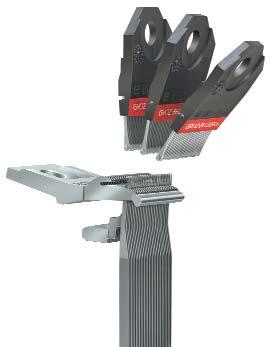
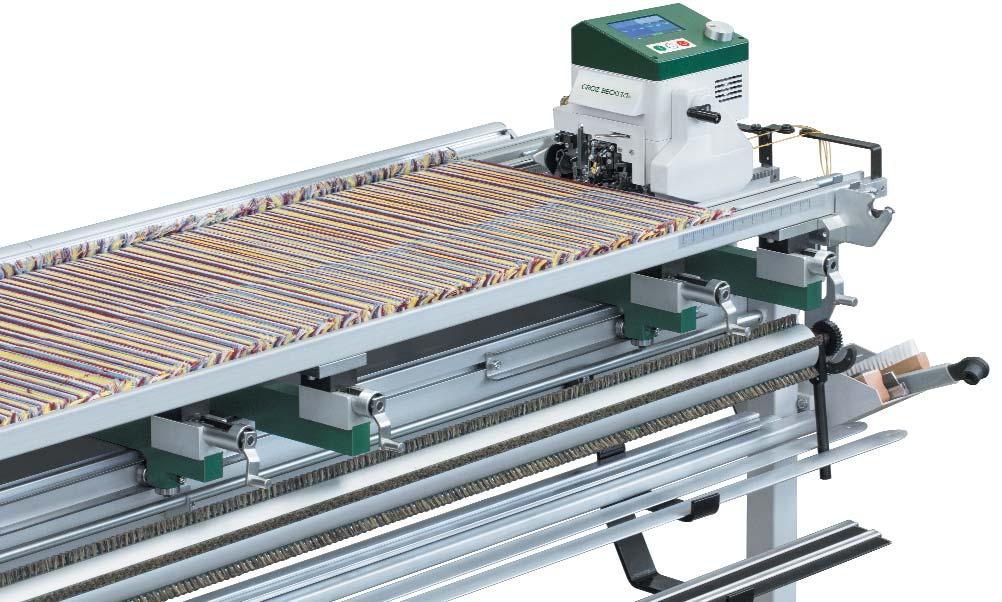

Designed with an innovative waveshaped shank geometry, the LCmax™ significantly reduces friction while improving machine efficiency and handling performance. At a time when textile manufacturers are seeking ways to lower energy consumption and operational costs, this next-generation needle technology delivers a perfect balance of productivity and sustainability.
The company will also showcase highly specialised solutions for flat knitting applications. The SAN™ TT needle has been developed specifically for particularly tight loops, making it ideal for technical and medical textiles where precision and consistency are essential. Complementing this is the SAN™ FY needle, engineered for processing uneven

effect yarns while maintaining flawless fabric appearance even in highly complex textile designs.
For the legwear industry, GrozBeckert continues to demonstrate excellence through its dur™ needles, known globally for exceptional durability and precision in the production of premium hosiery products.
Meanwhile, the Warp Knitting segment will feature the company’s continuously expanding module portfolio, offering enhanced precision, stability and efficiency for loop formation processes. These innovations further strengthen Groz-Beckert’s reputation as a technology partner capable of supporting the evolving demands of advanced knitting manufacturers worldwide.
As weaving mills increasingly focus on automation, flexibility and reduced downtime, Groz-Beckert’s weaving innovations at ITM 2026 are designed to address these exact industry priorities.
A major attraction at the exhibition will be the KnotMaster tying machine, a highly efficient and flexible solution for weaving preparation. Its compact and modular design allows for rapid warp changes and shorter processing times, enabling mills to improve productivity and operational efficiency.
What makes the KnotMaster particularly valuable is its ability to handle both complex weaving patterns and demanding upholstery yarns with exceptional reliability. Visitors at ITM 2026 will also have the opportunity to witness live demonstrations of the system in action, showcasing its capabilities in real production scenarios.
In addition to the KnotMaster, GrozBeckert will present its extensive portfolio of reeds, healds and drop wires, all optimised for a broad spectrum of textile applications and customised production requirements.
Another standout innovation is the PosiLeno® system, which introduces virtually unlimited patterning possibilities for leno weaving applications. Offering maximum flexibility, optimised shed formation movements and simple installation, the system enables manufacturers to achieve higher efficiency while expanding creative design possibilities.
The nonwovens sector continues to experience significant growth across hygiene, medical, automotive and industrial applications. Recognising the sector’s evolving requirements, GrozBeckert is presenting advanced technologies that combine operational efficiency with digital intelligence.
Among the highlights is a newly engineered needle solution designed to

significantly reduce insertion and removal times, thereby enhancing machine productivity and minimising wear.
The company will also present its innovative Digital Ecosystem, developed to help nonwovens manufacturers optimise, monitor and automate their production processes more effectively. This digital integration represents a major step toward smarter and more connected manufacturing environments.
In addition, Groz-Beckert will showcase its unique Mounting Service for the Nonwovens Carding product group, along with the newly developed CB-barb felting needle, innovations aimed at delivering improved process reliability, efficiency and product performance.

Groz-Beckert Knitting LCmax
Groz-Beckert Nonwovens CB Barb
Groz-Beckert Knitting SAN FY
Groz-Beckert Knitting SAN TT

What distinguishes Groz-Beckert is not simply its extensive product portfolio, but its ability to combine precision engineering, sustainability and digital transformation into integrated textile manufacturing solutions.
At ITM 2026, the company’s innovations clearly reflect the future direction of the textile industry, one driven by energy efficiency, intelligent automation, reduced downtime and superior product quality.
As global textile manufacturers continue to face increasing pressure to improve competitiveness while adopting sustainable production practices, GrozBeckert stands out as a strategic technology partner helping the industry move confidently into the next era of manufacturing excellence.
Through continuous innovation and customer-focused engineering, GrozBeckert is not only supporting textile production, it is actively shaping the future of the global textile industry.
MESDAN S.p.A., the Italy-based leading manufacturer of YARN JOINING SOLUTIONS and TEXTILE TESTING EQUIPMENT, will attend the forthcoming ITM exhibition, the most important textile machinery exhibition of Türkiye, again in 2026.
ITM will be held in Istanbul, at the Tuyap Exhibition Centre, from the 9th to the 13th of June, and Mesdan will be exhibiting at the booth of their local agent for the spinning, SARTEKS MAKINA at Hall 7, Stand 701A.
Mesdan will be exhibiting:
EVENEXT: the next generation of evenness testers, equipped with hairiness sensor, for all types of natural and manmade spun yarns, as well as sliver and roving. The equipment is designed in a modular configuration, ready to be upgraded with the incorporated automatic cop changing system and the creel, for the automatic testing from up to 24 bobbins. This new version is endowed with ceramic sensors for the utmost accuracy and best consistency in results and for a minor influence of the ambient conditions. Designed with the latest mechanical and electronic components and with new intuitive and flexible software.
BURSTMATIC II: the well-known pneumatic strength tester, for the analysis of the resistance of woven and knitting fabrics to the bursting strength, as well as for performing release-and-extension cycle tests (hysteresis/fatigue testing). It can be equipped with interchangeable domes for accomplishing various international and private test methods on the different materials.
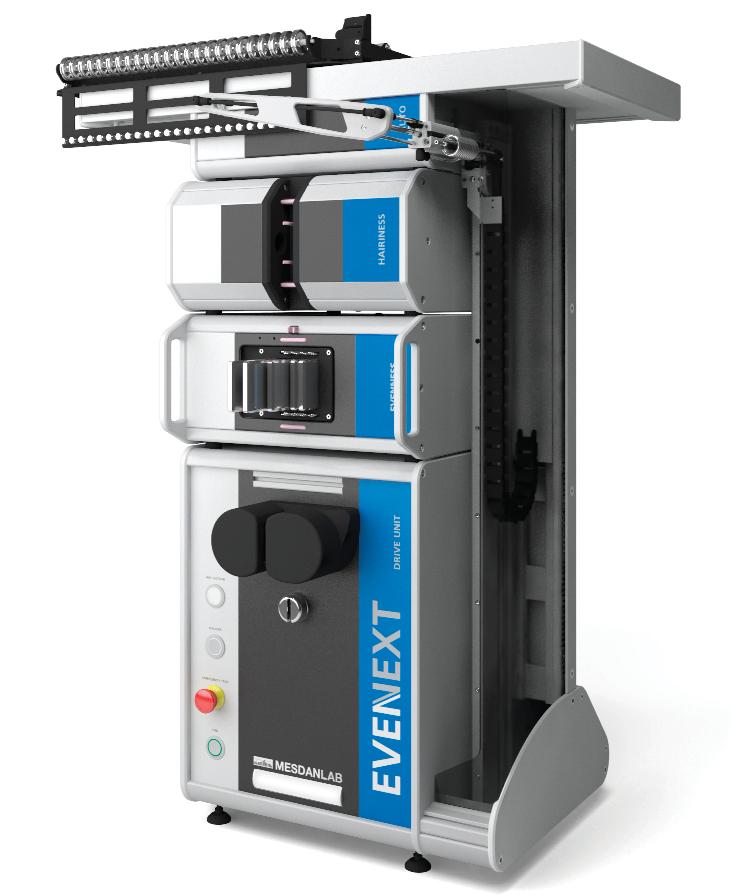
Mesdan can offer complete laboratory solutions for all the weaving, knitting, dyeing and printing mills, as well as for the R&D and testing institutes, and the garment manufacturers and retail stores. Physical testing (strength, elongation, tearing, abrasion, pilling, air & water permeability, dimensional stability, etc.), colour fastness (to washing, rubbing, light exposure, perspiration), fire and comfort testing are part of the Mesdan-Lab catalogue. Additionally, as the world specialist in yarn joining, Mesdan offers solutions for all the needs of the spinners (for the automatic winders, the assembling and twisting machines), as well as for the yarn dyers, the sewing and technical thread producers (for the hard/soft rewinding machines), for the weaving and knitting mills (for the warping creels and the looms), and for all those customers manufacturing and processing fibre glass, carbon fibre, carpet yarns, tyre cord, and many other textile mills.
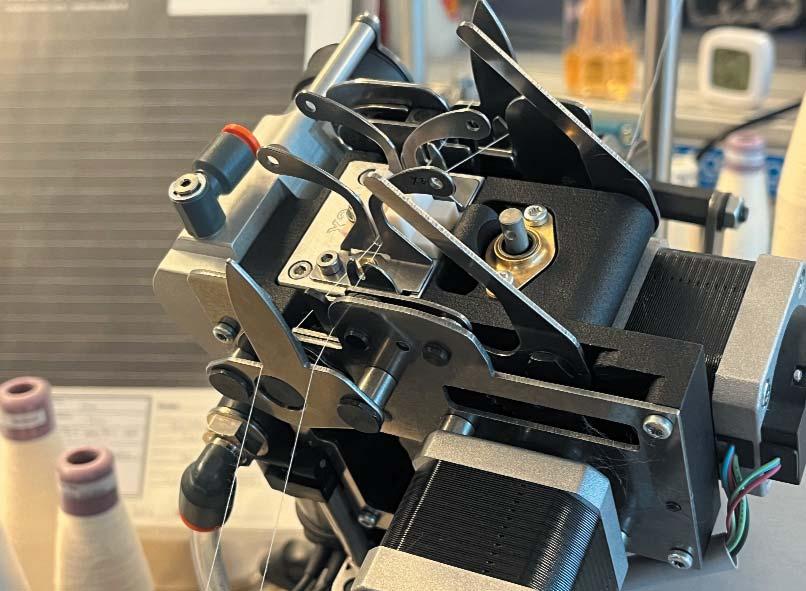
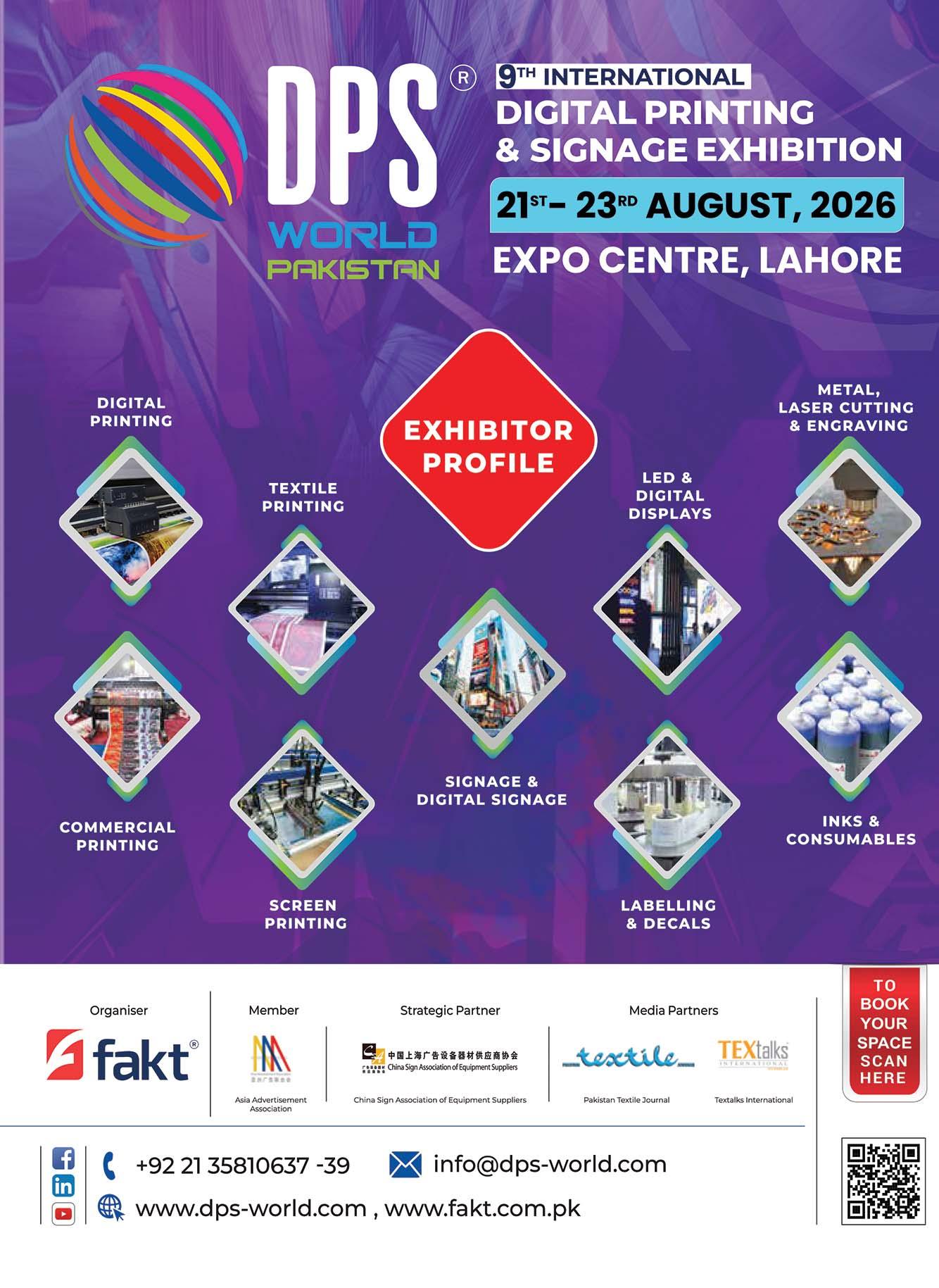
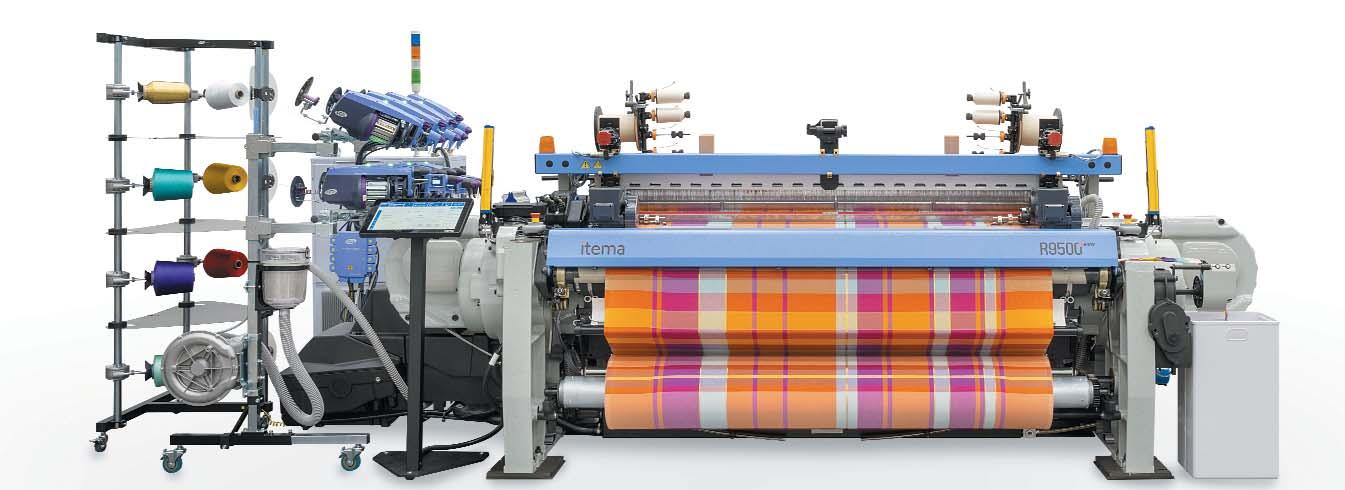
From June 9 to 13, Itema will exhibit at ITM 2026 in Istanbul (Hall 8 – Stand 806D), unveiling a distinctive exhibition concept designed to highlight the Company’s expertise across the entire weaving value chain.
For this year’s edition, Itema will introduce an innovative stand experience built around two core areas: advanced weaving and spare parts solutions and an immersive textile gallery featuring fabrics produced by Itema Customers worldwide.
At the heart of the stand, the textile gallery will present a curated selection of fabrics woven on Itema machines, offering visitors the opportunity to experience first-hand the versatility, quality, and textile capabilities of the Itema weaving machines, achievable across a wide range of applications and market segments. The fabrics on display come from collections that Itema’s customers have presented to
international brands, and feature particularly refined textile characteristics, such as complex constructions and the use of delicate, precious, or recycled yarns.
Alongside the fabric exhibition, the weaving solutions area will spotlight some of Itema’s latest innovations, including the MEC-T mechanical tuckers and the iSAVER® waste selvedge removal system available up to 6 colours. Developed to support more sustainable weaving processes, iSAVER® contributes to optimised resource usage and improved operational efficiency.
Special focus will also be dedicated to Itema’s OEM spare parts offering –including components for legacy Itema brands – underlining the importance of genuine parts in ensuring long-term machine performance, reliability, and productivity. Visitors will also have the opportunity to explore the HelloItema customer portal and discover the advantages of Itema’s integrated spare parts ecosystem.
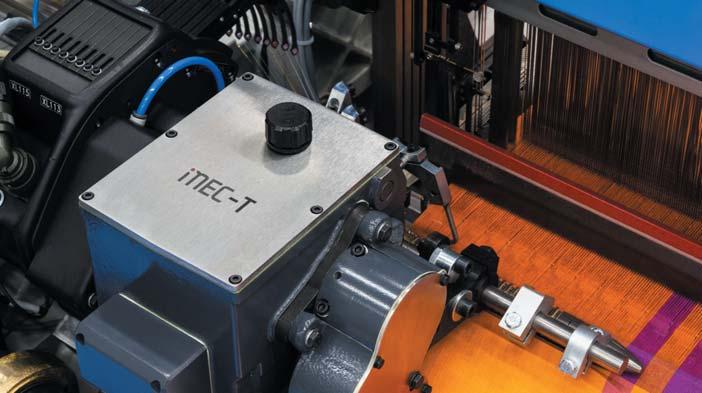
Türkiye has long represented a strategic market for Itema, with strong partnerships across key textile segments including curtains, home textiles, apparel, denim, and technical fabrics. Through continuous technological innovation and customer support, Itema remains committed to helping Turkish manufacturers achieve high-quality weaving performance and production efficiency. Supported by the strong local organisation of Itema Türkiye, Customers benefit from responsive technical assistance, frequent on-site service visits, and rapid OEM spare parts availability, helping reduce unplanned downtime and support safe, reliable, and continuous mill operations.
Pamir Özaltan, Itema Türkiye Managing Director commented: “ITM represents an important opportunity to meet with our Customers and partners and strengthen the relationships we have built over the years. The exhibition concept we are presenting reflects the close collaboration between Itema and the Turkish textile industry, as well as the weaving excellence that this partnership continues to generate.”
Matteo Mutti, Itema Group Chief Sales & Service Officer and Itemalab Head of Textile Innovation added: “With this year’s presence at ITM, we want to emphasise the tangible results our technology enables and the value we create throughout the weaving process –from machine performance to the final fabric.”
Visitors are invited to discover Itema’s textile gallery and weaving solutions at Hall 8 – Stand 806D.
Proxima Smartconer®, Lybra Smartspinner® and Phoenix to demonstrate automation, connectivity and sustainable performance.
Savio Macchine Tessili will participate in ITM Istanbul 2026 in a corporate booth of Vandewiele Group, showcasing a selection of its most advanced winding and spinning solutions designed to support textile mills in achieving higher efficiency, flexibility and yarn quality. The company will bring to the show three flagship solutions: Proxima Smartconer®, Lybra Smartspinner® and the Phoenix Assembly Winder.
Proxima Smartconer® – Smart Winding Intelligence
Proxima Smartconer® represents Savio’s next-generation winding platform, designed to deliver high productivity, low energy consumption and premium yarn quality. The machine is available in a full range of configurations, including fully automatic, manual feeding, cone-to-cone, Duo Lot and large bobbin feeding for the carded wool sector. The platform integrates energy-saving features, optimised bobbin flow and AI-powered functions, supported by Savio Insight, a web-based system enabling remote setup, data tracking and real-time performance analysis.
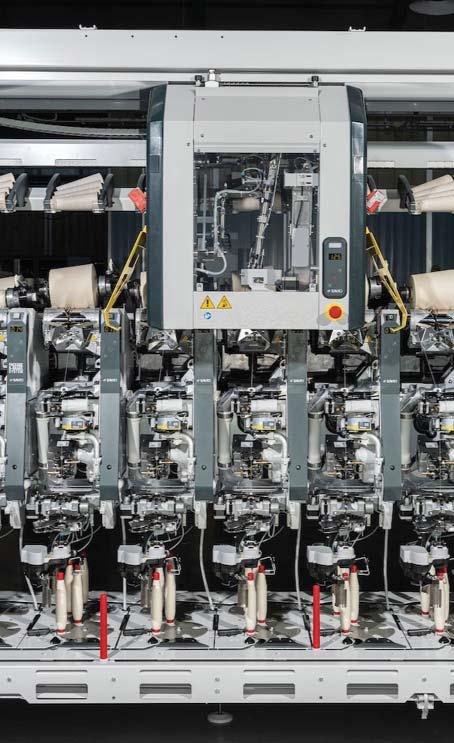
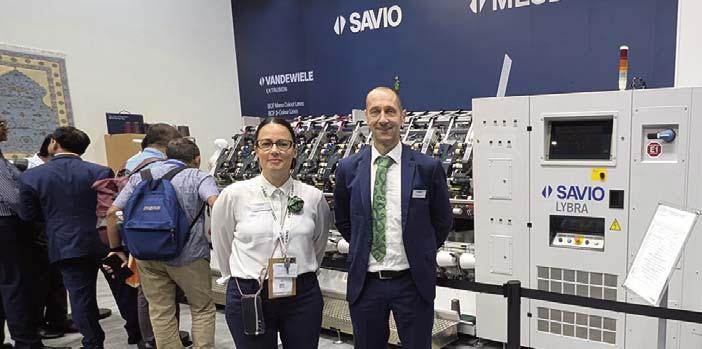
Returning to the market with enhanced digital features, the Phoenix assembly winder offers high productivity, excellent package quality and low operating costs. Phoenix reaches yarn take-up speeds up to 1,000 m/min and is suitable for all discontinuous fibre yarns from Ne 1 to Ne 140.
The Savio Multicone digital thread guide reduces setup time and optimises package formation, ensuring superior downstream results in Two-for-One twisting processes.
Lybra Smartspinner® is Savio’s air-jet spinning solution developed for
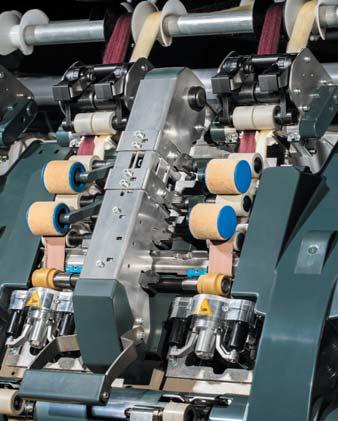
applications such as knitting, home textiles and sunshades. A standout feature is the Multi Blend System, which allows two slivers to be fed directly into the spinning chamber. This enables realtime blend adjustments, cost savings in preparation lines and the creation of unique material and colour blends, including mélange effects . Lybra combines versatility, efficiency and ease of use, supporting high production rates with reduced processing costs.
Savio looks forward to welcoming customers and partners at ITM Istanbul 2026 to explore how its technologies enable smarter and more sustainable textile production, helping mills modernise processes and enhance overall performance.
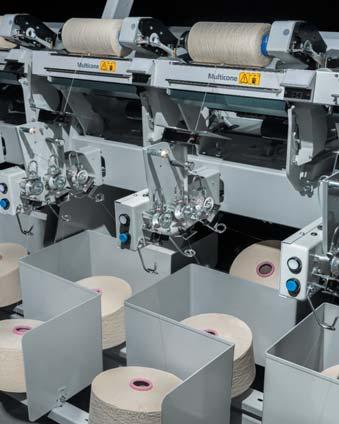
Stäubli Textile is pleased to announce its participation in ITM 2026, the International Textile Machinery Exhibition. Taking place in Istanbul, ITM remains one of the most influential textile machinery exhibitions worldwide and a key meeting point for manufacturers, technology providers, and decision makers across Türkiye, the Middle East, and neighbouring regions. The company will welcome visitors in Hall 8, Stand 803.
Türkiye: a strategic and fast moving textile market
Türkiye stands among the world’s most competitive textile and apparel producers, with a strong export oriented industry covering denim, home textiles, ready to wear, technical fabrics, and carpet weaving. Its strategic geographical position enables fast and cost effective access to European markets, making the country a key near shoring hub for brands seeking short lead times and production flexibility.
Operating in a highly dynamic environment, textile manufacturers in Türkiye and the surrounding regions continue to invest in automation, energy efficiency, and production reliability to remain globally competitive. This drives sustained demand for advanced weaving preparation, shedding, dobby, and Jacquard technologies capable of supporting high speeds, frequent style changes, and complex fabric structures.
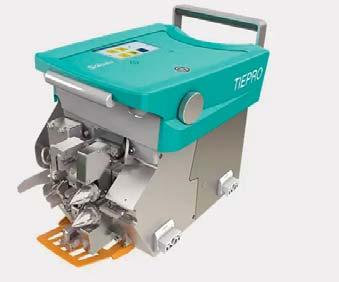
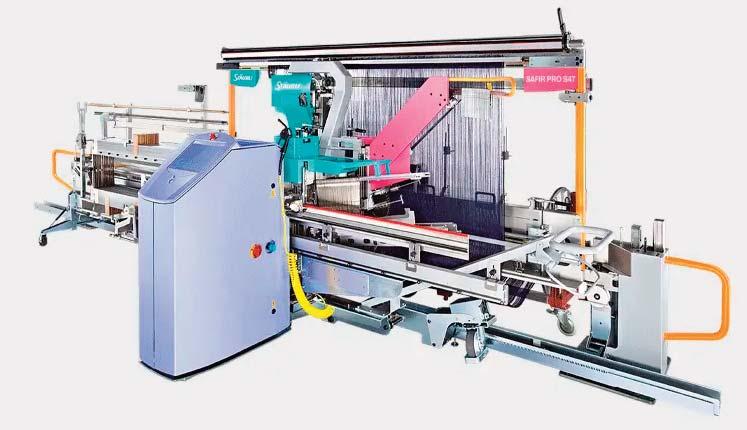
At ITM 2026, Stäubli will present a comprehensive portfolio covering Weaving Preparation Systems (WPS), electronic cam motions & dobbies, and Jacquard solutions, designed to enhance efficiency, process stability, and fabric quality across a wide range of weaving applications.
SAFIR PRO S47 automatic drawing in machine is specially designed for the production of standard fabrics made from coarse and fancy yarns, denim and technical yarns like glass. SAFIR PRO S47 combines maximum quality and performance with drawing in speeds of up to 190 ends/min, advanced Active Warp Control 2.0, high flexibility for fast start up, and a wide application range for complex, multi layer weaving setups.
The TIEPROwarp knotting machine is designed for universal use with standard warp yarns in any weaving mill. It features a type of yarn separation system without separating needles, which makes it especially economical. TIEPRO knots a wide range of warp sheets automatically, efficiently, rapidly, and widely faultless.


The S1792 cam motion is built for continuous operation, it helps ensure consistent fabric quality even at very high production speeds. It features 10 lifting units and is designed for high-speed weaving of plain weaves on both air-jet and rapier machines. It reaches speeds of up to 1,400 rpm for narrow and cotton applications.
The electronic rotary dobby S3060 is designed to deliver reliable and flexible performance for a wide range of weaving applications. With its robust construction and proven Stäubli technology, it supports stable high speed operation
while ensuring precise shed formation. The S3060 offers excellent versatility for mills seeking efficiency, consistent fabric quality, and long term reliability in demanding production environments.
SX PRO Jacquard machine, combining high lifting capacity, precision, and durability for complex patterns and premium fabric production. The SX PRO produces excellent results in weaving terry, cloth, upholstery, tapestry, silk fabric, apparels or seat covers, and technical fabrics on all types of weaving machines.
The electronic rotary dobby S3280 offers robust design, high speed, and excellent versatility for air jet and rapier weaving applications. This makes it a perfect fit for high speed denim weaving. The S3280 rotary dobby combines mechanical robustness with proven field performance.
The GA500 Jacquard harness is designed to ensure precise, stable, and reliable transmission between the Jacquard machine and the warp threads. It provides excellent geometric stability and long-term durability, enabling consistent fabric quality across a wide range of weaving widths and applications including silk, linings, cloths, decorative textiles, tablecloths, bed linens, towels...
Perfectly suited for velvet & technical fabrics weaving, the SX PRO V, LX PRO V and LXL PRO V Jacquard machines deliver precise, vibration-free shedding and outstanding resistance to high stress. Their compact, versatile design minimises thread tension and ensures durable reliability, thanks to optimised sealing,
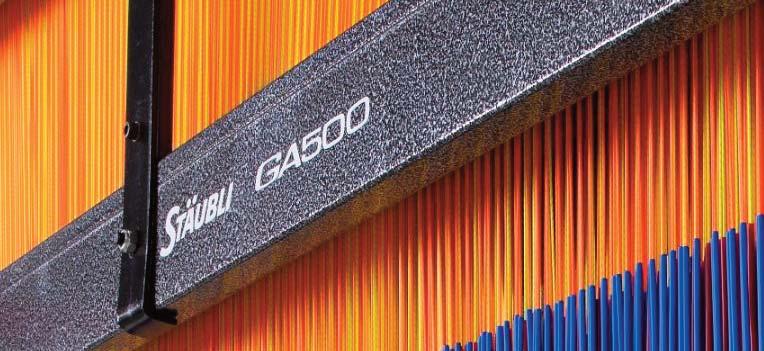
MyStäubli, its digital customer platform designed to simplify daily operations. MyStäubli provides fast access to technical documentation, spare parts identification, service requests, and machine related information, supporting customers throughout the entire lifecycle of their equipment and strengthening long term performance.
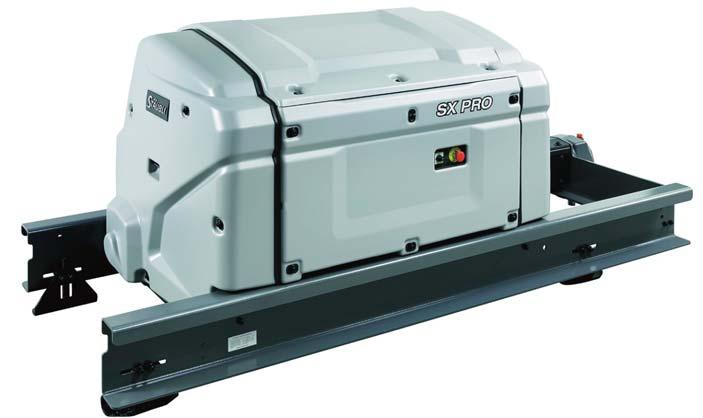
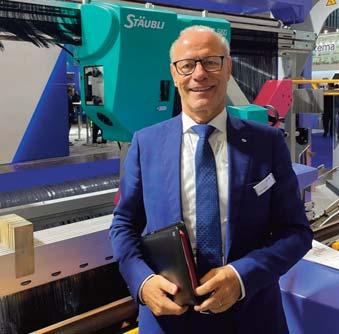
As a technological pioneer in weaving industry, Stäubli Textile has been developing and producing high-quality systems since 1892. Under the roof of performance, energy savings and longevity, the comprehensive range of reliable high-performance machines for frame and Jacquard weaving as well as weaving systems for carpets and technical textiles and automation solutions for weaving preparation, allow weaving mills to optimise their production process and increase productivity.
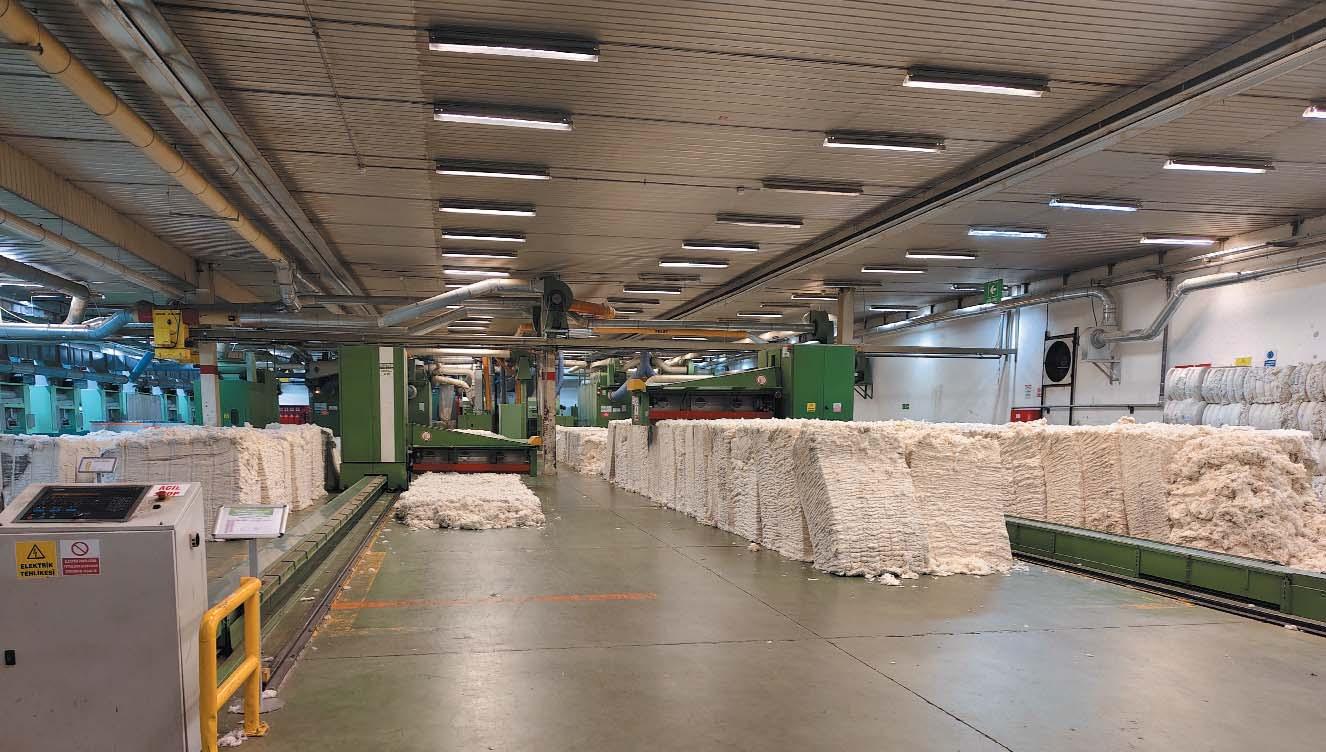
Denim producer in Türkiye reports improvements from warehouse to winding room
Uster FiberQ is a complete solution for raw material utilisation, supporting spinners to achieve consistent quality and profitability ever y day, building further growth for the future. The Turkish company ORTA relies on FiberQ with recycled yarn for its denim production. Data-driven knowledge puts the producer in control of raw material utilisation – ready to make the correct decisions for process efficiency, quality and productivity.
Uster 360Q is a complete solution for optimised raw material utilisation. It combines instruments, data-enabled software, and Uster textile expertise. The FiberQ raw material management system allows spinners to monitor warehouse inventories, giving enhanced transparency in stock management. This is possible because all data is collected on the same platform, giving a well-planned and better-balanced utilisation of raw materials. This is the key to quality consistency and process stability throughout the production stages. At ITM 2026 in Istanbul, Türkiye, Uster
experts will be on hand to offer insights and share practical experience with visitors.
Data-driven decisions for recycled yarns
As a global pioneer in denim, Orta Anadolu Ticaret ve Sanayi İşletmesi T.A.Ş (ORTA) is well-equipped to meet the demands of the highly-competitive global textile markets. Sustainability is a key attribute of the company’s approach, with its use of regenerative cotton, organic cotton, recycled fibres, closedloop manufacturing and water-reducing technology.
Facing challenging market conditions and determined to maintain sustainability and profitability, ORTA decided to adopt more controlled and data-driven decisionmaking processes.
“Our company identified the need to focus on data-driven knowledge to take control of its raw material utilisation, and make the correct decisions for process efficiency, quality and productivity. The FiberQ system from Uster offers us a
comprehensive system for fibre management from the start and throughout the mill processes,” says Orhan Herdem, Spinning Group Manager at ORTA. The fact that raw materials account for a large proportion of overall costs makes the FiberQ investment an even more appealing prospect for improvement.
Starting from the blend preparation and continuing through to regular monitoring of average blend quality values, all critical parameters can be effectively controlled. As a result, decision-making processes have become more measurable and predictable.
“FiberQ introduces a significant systematic approach to the cotton blending preparation process and makes a substantial contribution to ensuring quality consistency,” says Herdem.
FiberQ has effectively influenced production for ORTA, as variations between consecutive blends are now
effectively controlled, particularly in critical quality parameters such as micronaire and color. As a result, the risk of shade variation (barré) occurring in downstream processes has been significantly reduced. This is especially important with sensitive fabric constructions such as gabardine.
Quality improvement advantages already come with the entire cotton inventory, now incorporated in a systematic evaluation process, so that blend transitions are planned within defined quality limits. This approach has enabled more efficient stock utilisation, while strengthening quality consistency and process stability throughout production.
ORTA saves time and waste with FiberQ because it prevents shade variation issues in the warping process, which previously required additional trial runs. With FiberQ, these quality fluctuations have been largely brought under control.
Generally, unnecessary trial processes have been reduced and waste rates have decreased. The overall process flow has become more stable. All these improvements result in enhanced production efficiency, while also helping cost control.
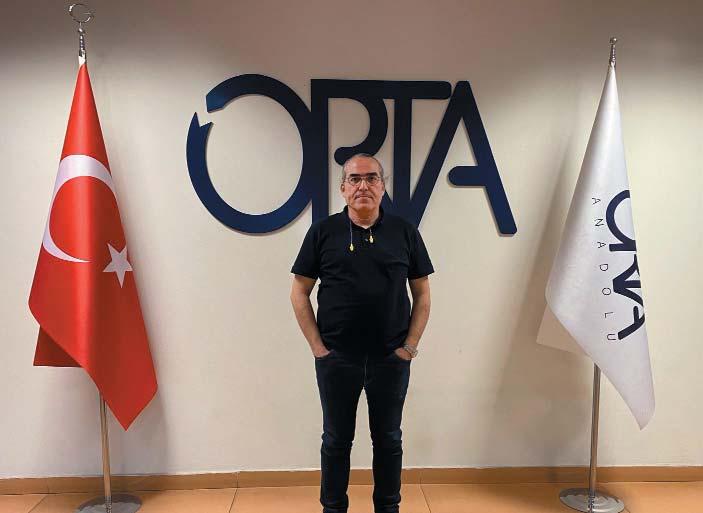
FiberQ supports ORTA in continuing to set global standards in the industry for high-performance, sustainable denim fabrics. It achieves quality consistency and process stability throughout production at the facility in Kayseri, Türkiye, where the firm today operates 66,000 spindles with a daily output of 55,000 kg.
At ITM 2026, Uster experts will explain Uster 360Q and its three key elements, giving detailed information on
the Uster FiberQ raw material management solution. Visitors are also invited to experience on touch-screens the Uster 360Q Platform (https://360q.uster.com/home). This develops into the central access point for all data, services and know-how – and hosts the Uster Statistics (access the Uster Statistics at https://360q.uster.com/home).
ITM visitors will be warmly welcome at the Uster booth located in Hall 7, Booth 714B of the Tüyap Fair Convention and Congress Center in Istanbul from June 9 to 13, 2026.
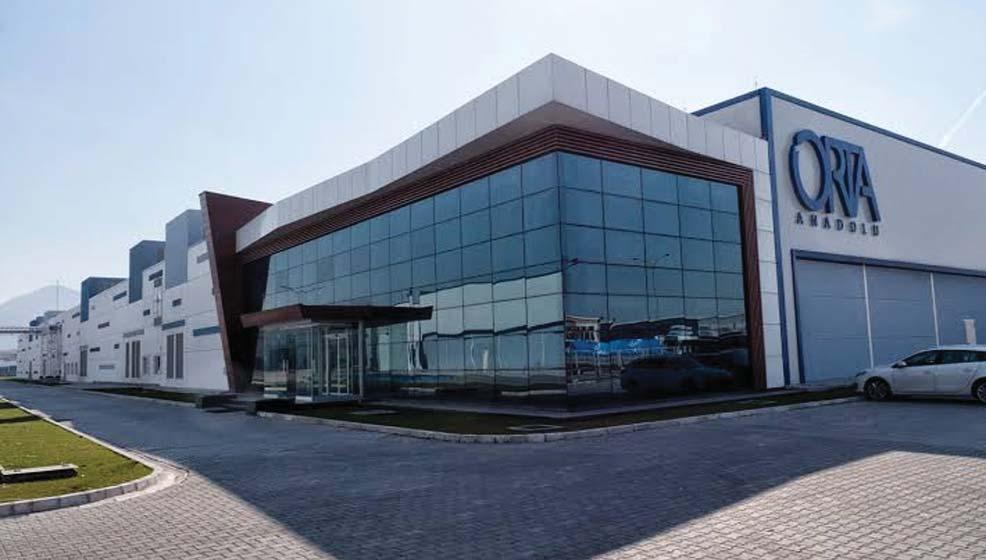
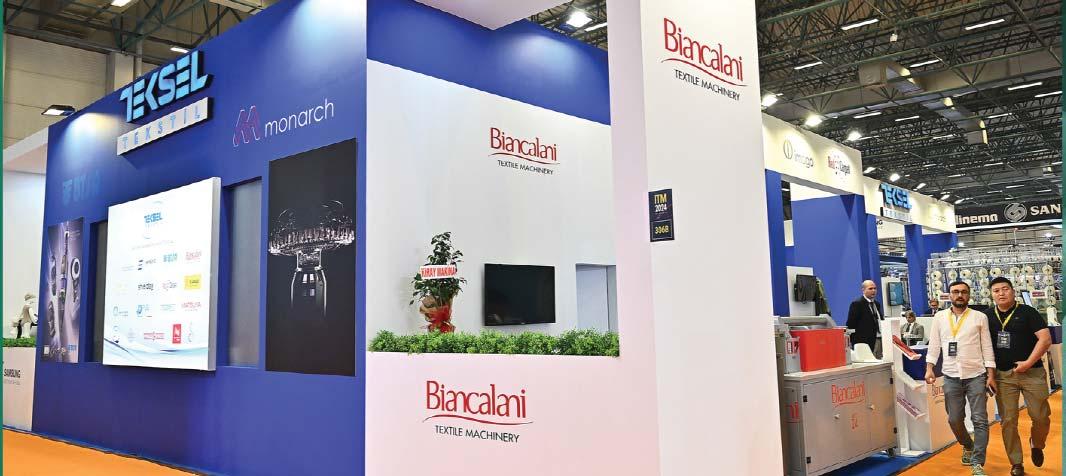
Biancalani welcomes visitors at ITM Istanbul 2026 as AIRO®24 and AQUARIA® take centre stage in Türkiye
ITM International Textile Machinery
Exhibition Tüyap Fair Convention and Congress Center, Istanbul, Türkiye9-13 June 2026 | Hall 3, Booth 305
Istanbul has long been a crossroads between worlds, and this June, it becomes the meeting point for the global textile industry. ITM 2026 at the Tüyap Fair Convention and Congress Center is where Biancalani will bring two of its most advanced finishing technologies face-to-face with the professionals who matter most: the ones running production lines every day.
If you work in textile preparation and finishing, these are the five days in 2026 you won't want to miss.
AIRO®24: speed, air, and results you can feel at first touch
Fabric finishing at 2,800 m/min. Not a concept, not a projection: a working reality. AIRO®24 uses high-velocity air flows to deliver fabric speeds which can reach 160 km/h as the sole transport and treatment medium, delivering a strong and, at the same time, extremely safe mechanical action that has no equivalent in conventional finishing.
The performance figures are precise and independently verified:
Evaporation capacity, which in some cases can reach 1,400 kg/h
C.L.I.M.A. certification: third-party validated environmental performance Modular design spanning SINGLE,
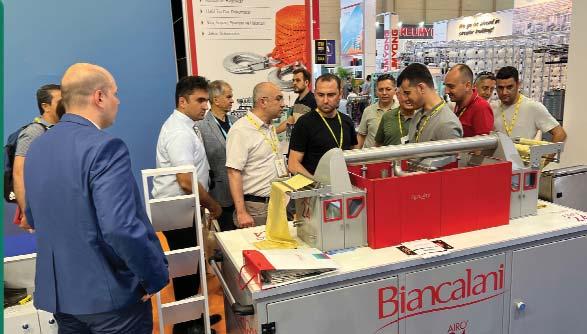
DUETTO, TANDEM, and TRIPLEX configurations
SMART-SWITCH 2.0, allowing the operator to adjust mechanical intensity and drying power independently Overall efficiency of 95%
What the numbers don't capture is what Biancalani calls the AIRO® HAND: a distinctive fabric feel that has become a recognised mark of quality among premium textile brands worldwide. It's certified, consistent, and immediately perceptible to the touch.
At ITM Istanbul, visitors will be able to experience this firsthand rather than read about it on a data sheet.
washing reimagined for a water-scarce world
The textile industry's relationship with water has long been one of its most
pressing challenges. Conventional washing processes typically can consume way over 20-30 litres per kilogram of fabric.
AQUARIA® can operate as low as 2-5 L/kg. This incredible reduction is achieved through the same patented working principle that defines the AIRO® system. Fabric moves exclusively through air. Two large accumulation chambers, connected by a pneumatic ejector, deliver effective mechanical washing without the water volumes that define traditional systems.
Key performance specifications:
Near-zero water discharge (under 1 L/kg) for several processes, such as Eco-Bleaching, performed without chlorine and without caustic soda Efficient and intense mechanical action with complete removal of harmful chemical agents across many standard processes
Fully open-width process (up to 3600 mm) with air transportation for total safety
Production speed up to 80 m/min
The specialised process portfolio includes enzymatic bio-polishing, fibrillation, and defibrillation of cellulosic fabric such as lyocell, full treatment of PES/modal for cupro-like effect, indigospecific AQUASTONE and AQUA+FLAT treatments, relaxed mercerisation, washing after dyeing, and washing after printing.
Both machines are designed without compromise on versatility. Whether the production line handles silk, linen, cotton, modal, lyocell, cupro, wool, polyester, or heavy upholstery and terry towel, AIRO®24 and AQUARIA® are engineered to perform across the full spectrum of textile constructions, from the lightest apparel fabrics through to home textiles and automotive applications.
AIRO®24 is particularly valued for terry towel processing, mechanical softening of woven fabric (from upholstery to automotive, uniforms, and apparel), volume and aspect enhancement, dimensional stabilisation of stretch fabric, and specific aesthetic effects in combination with previous AQUARIA® washing treatments.
The Tüyap Fair Convention and Congress Center in Istanbul is one of the most significant venues on the international exhibition calendar, and ITM is one of the sector's most important gatherings. Thanks to its strategic position, the exhibition provides a unique platform to engage with textile professionals from Europe as well as from regions spanning nearby Asia and further afield.
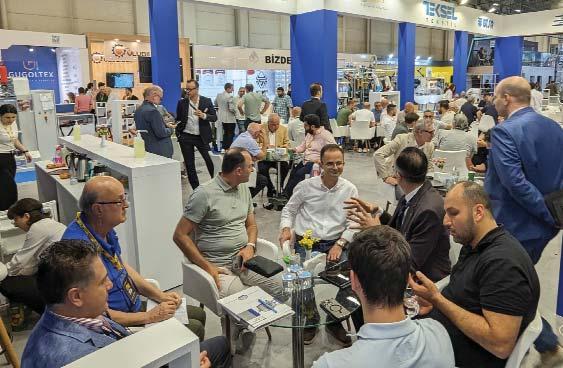
At the booth, visitors will be able to meet Biancalani’s experts from Italy and Türkiye, for focused technical conversations, discussing specific fabric types, production volumes, sustainability targets, and integration with existing lines. So don’t miss the chance to get in touch with Biancalani and its local partner, Teksel Tekstil.
Concrete areas to explore together:
Live assessment of fabric quality results: seeing and touching the output directly
Configuration analysis matched to your production needs
Real-world case studies from clients already running these technologies, with documented performance and economic outcomes
C.L.I.M.A. certification is more than a claim. It is a third-party validation by R.I.N.A. and ACIMIT of the actual environmental impact reduction achieved
through Biancalani's approach to combining thermal and mechanical action with efficient air-to-fabric heat exchange.
For manufacturers facing tightening regulatory requirements, customer expectations around environmental performance, and pressure on operating costs, the metrics behind AIRO®24 and AQUARIA® are the kind that translate directly into commercial advantage: lower energy bills, dramatically reduced water consumption, and consistent process quality that eliminates costly rework.
Find Biancalani at ITM 2026 in Hall 3, Booth 305 at Tüyap Fair Convention and Congress Center, Istanbul, Türkiye 9-13 June 2026
Bring your samples. Bring your production data and your ideas. Bring your most demanding technical questions. The Biancalani team will have the time and the expertise to work through them properly in Istanbul in June.
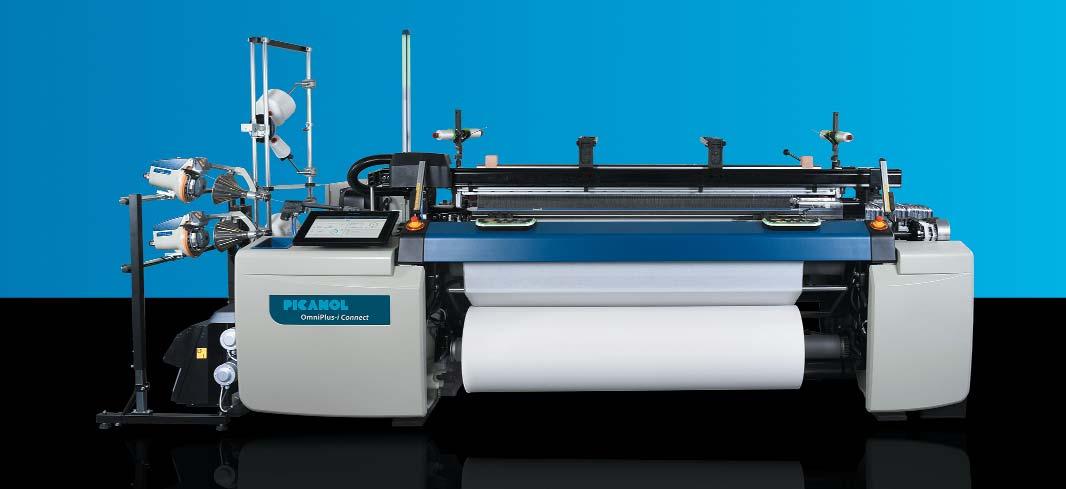
Picanol is pleased to announce it will be participating in ITM 2026 in Istanbul. This is a key event for industry professionals to engage with the Turkish textile industry as well as the extensive international audience attending the fair. During the event, Picanol will present its latest innovations to the visitors in Hall 8, booth 802.
Experience top-level weaving performance with the Ultimax
The Ultimax rapier weaving machine excels in terms of both performance and fabric quality. Designed with sustainability as a core principle and equipped with a high degree of digitalisation, the Ultimax offers an unprecedented level of ease of use. It is a highly focused and razor-sharp machine that is ready to run at audacious speeds and delivering top-quality output.
At ITM 2026, two of Picanol’s Ultimax weaving machines will be on display, each featuring a wide range of options. One of the machines will be weaving denim fabric, while the other one will be weaving voile fabric.
Picanol’s next generation of OmniPlus-i Connect
At the end of 2025, Picanol launched the next-generation OmniPlus-i Connect, which set a new benchmark in airjet weaving technology. This latest evolution of the trusted platform demonstrates how Picanol continues to deliver innovative, performance-driven solutions to meet the evolving challenges faced by modern weaving mills.
Thanks to a complete redesign and optimisation of key machine components, Picanol achieved an impressive energy saving of up to 1.5 kW per machine. This
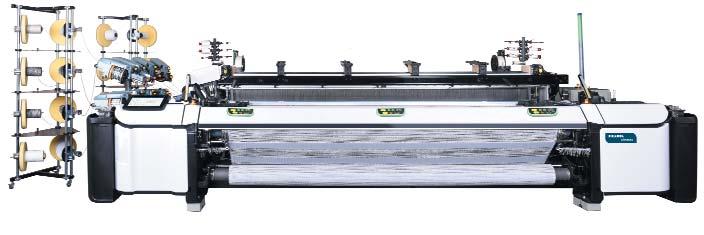
breakthrough innovation, which is called EcoBoost, has drastically reduced the energy consumption of weaving machines, making it a real game-changer for customers who focus on realising sustainability and cost control. At ITM 2026, the OmniPlus-i Connect will be demonstrated with weaving poplin fabrics.
Unlock the full potential of your weaving machines with PicConnect
With PicConnect, Picanol brings all its digital tools and services together in one centralised platform. At ITM, visitors will be able to discover all the benefits and latest features of PicConnect – which is now also AI-powered. This will enable them to fully leverage the many possibilities offered by Picanol weaving machines.
The Picanol team will demonstrate how PicConnect visualises data from across your weaving mill – such as production rates, machine performance, weaver efficiency, and energy consumption – in a clear and intuitive way. This empowers managers to quickly obtain high-level insights. PicConnect offers several pre-defined dashboards, each of which can be customised to the user’s preferences and scheduled to be sent directly to your inbox.
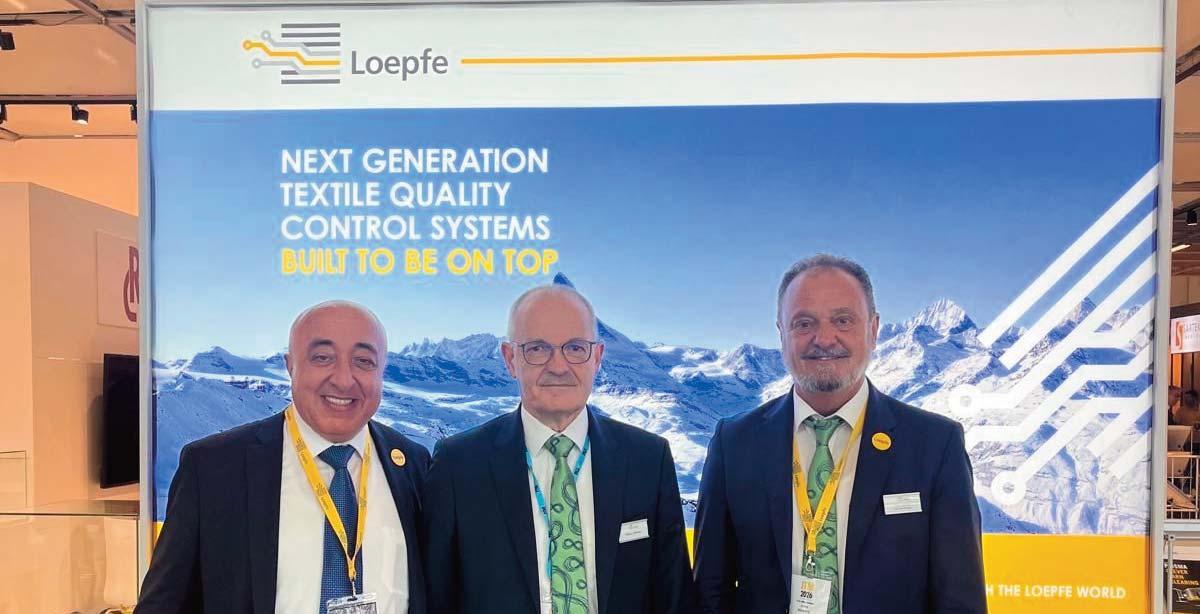
For 70 years, Loepfe has stood for precision, technological excellence, and uncompromising quality. Join Loepfe in Istanbul, Türkiye, as it celebrates seven decades of innovation and showcases its unique and clever yarn-clearing solutions at ITM 2026.
Founded in 1955 by two visionary brothers, Helmut and Erich Loepfe, the company has been a pioneer in yarn quality control – continuously pushing technological boundaries to meet and exceed industry expectations.
Decades of dedicated research, development, and manufacturing in Switzerland have firmly established Loepfe as a true expert in yarn quality control. This milestone is a testament to Loepfe’s unwavering commitment to excellence and innovation. The company looks forward to celebrating it together with its valued partners, clients, and colleagues.
Celebrate with Loepfe in Hall 7 on booth 703A, where visitors can experience firsthand Loepfe’s unique and clever yarn clearing methods.
The yarn clearer that delivers it all is YarnMaster® PRISMA: enhancing effi-
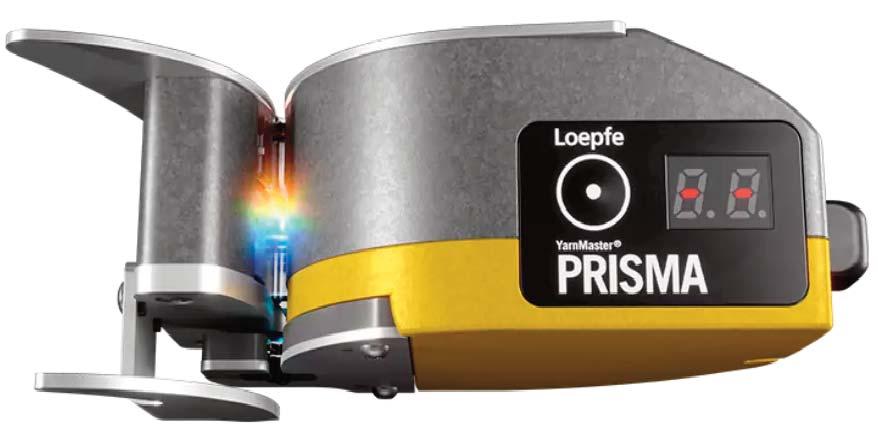
ciency and improving yarn quality through its unique capability to provide comprehensive four-sensor measurement methods. Featuring real dual measurement in all models, an RGB-based allcolour foreign matter detection, and a dedicated P sensor for the most efficient PP clearing, YarnMaster® PRISMA sets the standard in yarn clearing technology.
Experience the latest innovations firsthand, including the Compactness feature – an essential tool designed specifically to achieve superiority in compact yarn spinning. Additionally, visitors can explore the new climate compensation feature for Pclearing, which guarantees consistent performance and optimal results under all environmental conditions.
With its AutoStart function, YarnMaster® PRISMA offers the fastest and safest way to create secure settings for new and existing articles. The automatically created clearing curves for all matrices can save up to one hour of setting time, while providing support and security for efficiency and yarn quality.
Loepfe’s portfolio also includes the proficient yarn clearer ZENIT+, widely used in spinning mills around the world. Known for delivering reliableand accurate clearing results under all circumstances.
As Loepfe celebrates 70 years of innovation, it continues to lead the way in yarn quality control, driving the industry forward with cutting-edge technology and an unwavering dedication to excellence.
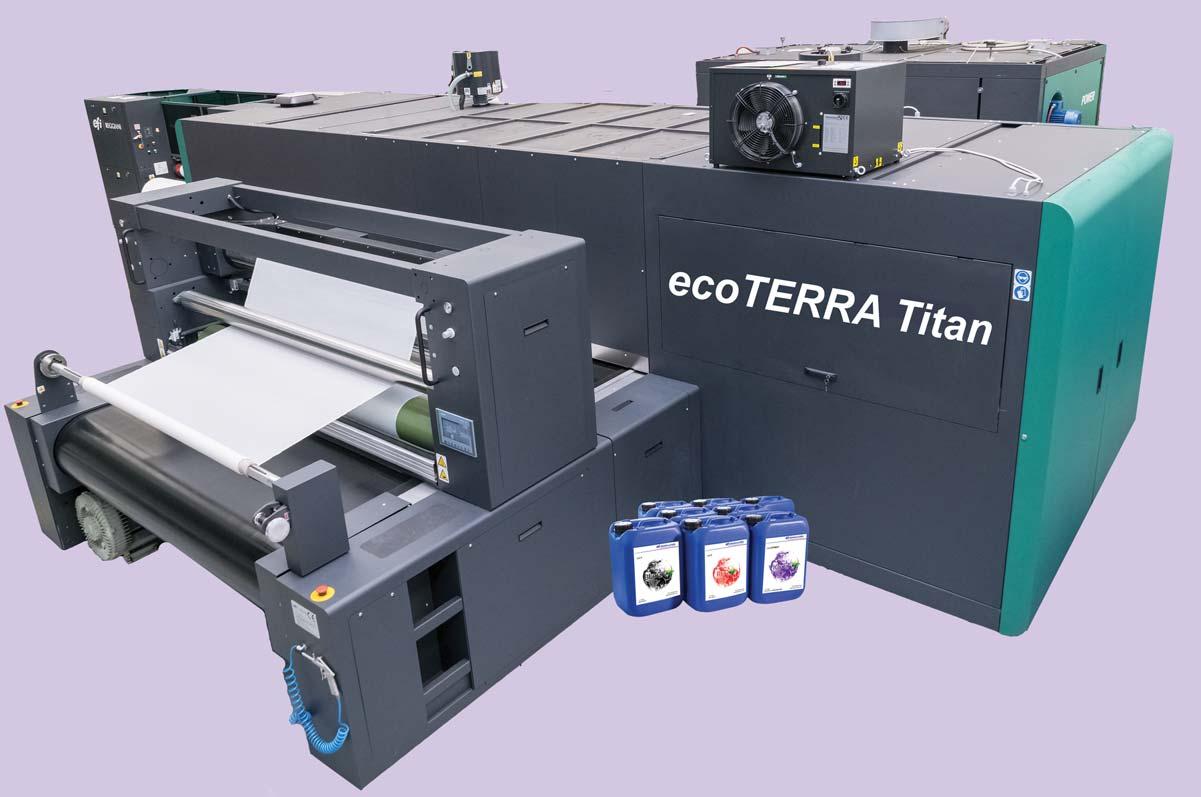
Textile companies can accelerate their transition to more sustainable and agile production with the latest EFI™ Reggiani innovations showcased at ITM 2026. Located in Hall 4, stand 404A, EFI Reggiani will present its expanded ecoTERRA pigment portfolio, alongside new advancements in high-performance digital printing, inks, and endto-end workflow solutions.
At the core of the presentation is EFI Reggiani’s vision for a textile industry shaped by nearshoring, on-demand production, and true sustainability across the entire lifecycle.
The highlight of the showcase is the continued expansion of the EFI Reggiani ecoTERRA platform, the all-in-one solution for water-based pigment printing
that eliminates complex pre- and posttreatment processes. By significantly reducing water, energy, and chemical consumption, ecoTERRA enables customers to achieve a more efficient and environmentally responsible production model.
Building on this success, EFI Reggiani introduces ecoTERRA Titan, designed for industrial environments requiring higher productivity and enhanced versatility. Compared to the ecoTERRA Gold, Titan delivers a significant step forward in terms of production speed and overall throughput, enabling customers to scale industrial volumes more efficiently. With optimis ed workflow, increased automation, and advanced configuration options, ecoTERRA Titan ensures superior performance while preserving all the
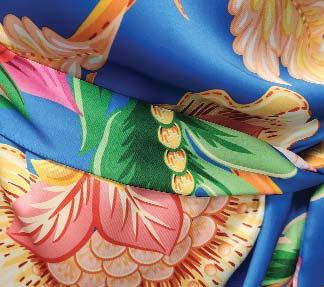
sustainability benefits of the ecoTERRA platform, including reduced water, energy, and chemical consumption.
EFI Reggiani will also highlight ecoNEXT Plus, supporting on-demand production models with fast turnaround times, simplified processes, and easy integration into digital workflows thanks to its lean configuration. Available in 3.4m width and optimised for printing on non elastic woven fabrics, the solution is
ideal for a wide range of applications, including home textiles and accessories, while standing out for its extremely low water consumption, helping customers drastically reduce their environmental footprint.
In addition, the company will present EFI Reggiani TERRA Plus, a new highperformance pigment ink offering outstanding colour quality, durability, and versatility across a wide range of fabrics, including natural, blended, and synthetic materials, with recent expansion to polyamide applications.
Visitors will also discover the latest developments in high-speed digital printing, including enhancements to the EFI Reggiani HYPER machine for improved quality and productivity, including features such as the HighQuality Booster, further strengthening its performance in demanding production environments, and the EFI Reggiani EXTRA, delivering exceptional colour flexibility and performance for demanding applications.
The EFI Reggiani ecosystem is completed by advanced digital tools such as EFI Reggiani QUERY, enabling realtime monitoring of production performance, cost per metre, and sustainability metrics, empowering customers to optimise efficiency and control their environmental footprint.
“The textile industry is undergoing a profound transformation, driven by the need for more sustainable, agile, and localized production models,” said Vincenzo Marino, General Manager, EFI Textile. “With the introduction of ecoTERRA Titan, we are taking our pigment platform to the next level, delivering an industrial solution that
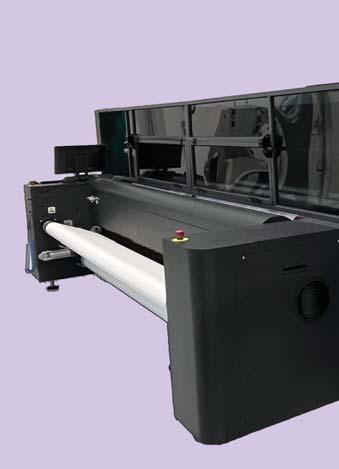

combines high productivity, versatility, and true sustainability in a single workflow. Together with our broader ecoTERRA portfolio, we enable customers to simplify operations, reduce environmental impact, and scale ondemand production without compromising quality.”
EFI™ is a global technology company, leading the worldwide transformation
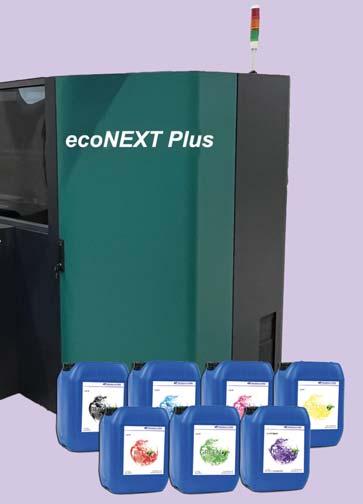
from analogue to digital imaging. EFI™ understand customers want breakthrough technologies to lead them through their digital journey. That’s why EFI™ is passionate about driving their business growth with a scalable portfolio of products, solutions, services, support, and world-class partnerships for the manufacturing of signage, packaging, textiles, ceramic tiles, building materials, commercial print, and personalised documents with a wide range of printers, inks, digital front ends, and workflow software. They work together to increase profits, cut costs, improve productivity, and optimise efficiency – job after job, year after year. EFI™ is devoted to the customers and have the right people, technology and experience to help them achieve their business goals.
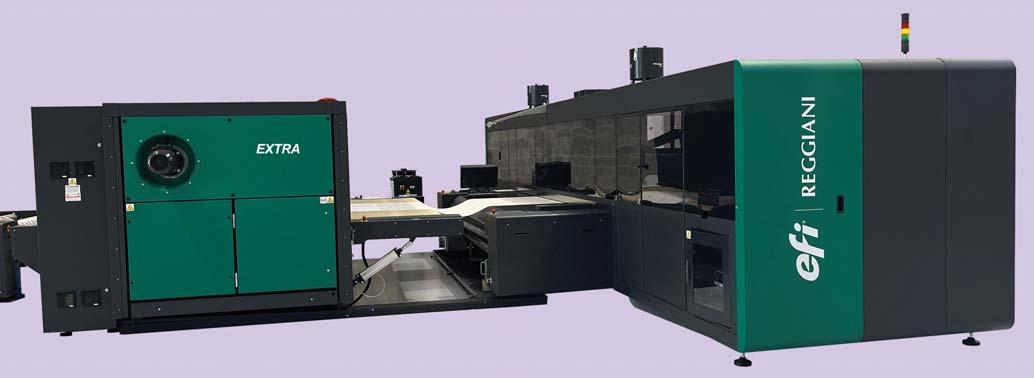
A. Monforts.................................................................9
Brückner.....................................................................13
Cotton USA................................................................BC
Color and Chem Expo 2026.......................................43
Chhipasons.................................................................72
DPS World 2026.........................................................59
IGATEX Pakistan 2026...............................................IBC
International Rubber Industries.............................17&72
ITMA ASIA + CITME, 2026..........................................6
ITMA 2027..................................................................23
iTextiles........................................................................3
Karl Mayer ................................................................IFC
Loepfe Brothers..........................................................11
Pakistan Solar Solutions..............................................72
Rastgar.................................................................31&72
Saurer ........................................................................FC
Truetzschler..................................................................1
Textile Asia 2026........................................................47
Zhejiang Rifa..............................................................27