

Techtextil and Texprocess 2026
Dates: April 21st to 24th, 2026 Venue: Frankfurt, Germany.

DOMOTEX Middle East 2026
Dates: April 22nd to 24th 2026. Venue: Dubai World Trade Centre.

FESPA 2026
Dates: May 19th to 22nd 2026. Venue: Fira de Barcelona in Spain.

DOMOTEX asiaCHINAFLOOR 2026
Dates: May 27th to 29th 2026. Venue: NECC, Shanghai, China.

Index 2026
Dates: May 19th to 22nd, 2026. Venue: Palexpo, Geneva, Switzerland.

HIGHTEX 2026
Dates: June 9th to 13th, 2026. Venue: Istanbul, Turkey.
Dates: June 9th to 13th, 2026. Venue: Istanbul, Turkey.

Textile Asia 2026, Lahore
Dates: July3rd to 5th, 2026. Venue: Lahore Expo Centre.
Textile Asia 2026, Karachi
Dates: December 05th to 07th 2026. Venue: Expo Centre, Karachi.

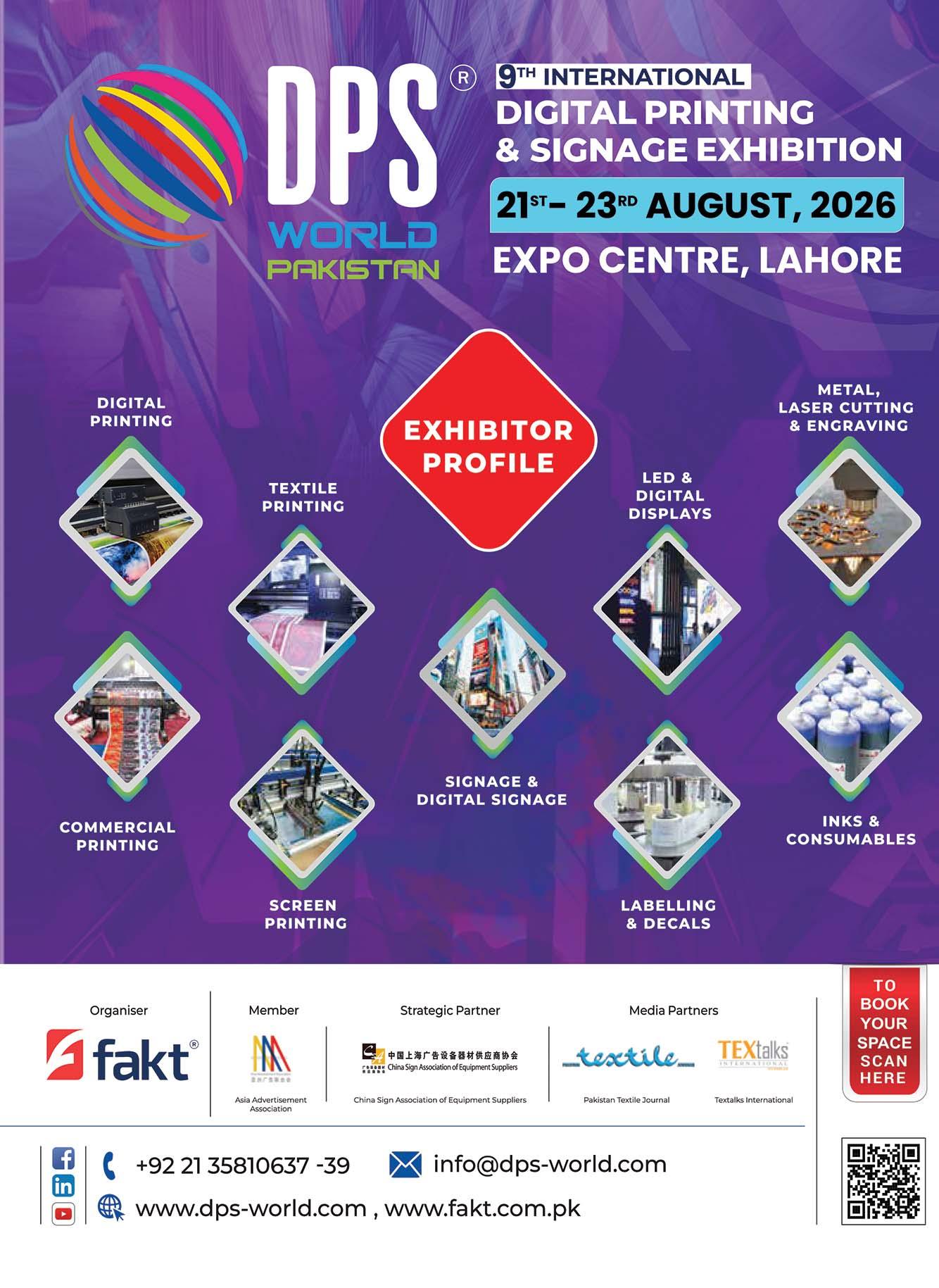
DPS World Pakistan 2026
Dates: August 21th to 23th 2026. Venue: Lahore Expo Centre.

Intertextile Shanghai Apparel Fabrics
Dates: August 25th to 27th 2026. Venue: Shanghai, China.

Apparel Sourcing Paris Autumn
Dates: August 30th to Sep. 2nd, 2026.
Venue: Paris
CAITME 2026
Dates: September 8th to 10th, 2026. Venue: Tashkent, Uzbekistan.

IGATEX Pakistan 2026, Lahore
Dates: October 15th to 18th 2026. Venue: Expo Centre, Lahore
ITMA ASIA + CITME 2026
Dates: November 20th to 24th, 2026. Venue: NECC, Shanghai, China.

Heimtextil 2027, Frankfurt
Dates: January 15th to 17th, 2027
Venue: Frankfurt am Main.

VIATT 2027
Dates: February 24th to 26th, 2027. Venue: Ho Chi Minh City, Vietnam.

ITMA 2027
Dates: September 16th to 22nd, 2027. Venue: Hanover, Germany.

DOMOTEX Hannover 2028
Dates: January 17th to 20th 2028. Venue: Hannover, Germany.


Founded in 1951 by Mazhar Yusuf (1924-2009)
Publisher
Nadeem Mazhar
Editor in Chief Amina Baqai
Associate Editor
Nimrah Nadeem
Production Manager
Mazhar Ali
Layout & Design
Noor M. Jaan
Website / Social Media
Minhaj Ali
Hony-Editorial Board
Dr. Hafizur Rehman Sheikh Ph.D (UK) F.T.I. (UK)
Syed Mahfooz Qutab
C.TEX, F.T.I (U.K), B.Sc. Fellow I.C.T.T Atlanta, GA; (USA)
Dr. Zubair Bandukda PhD (Textiles), CText ATI
Editorial & Advertising Office
B-4, 2nd Floor, 64/21, M.A.C.H, Miran M. Shah Road, Karachi - Pakistan
Tel: +92-21-34311674-5
Fax: +92-21-34533616
Email: info@ptj.com.pk
URL: http://www.ptj.com.pk
PTJ Europe Ltd.
Registered Office:
Dairy House, Money Row Green, Holyport, Maidenhead, Berkshire, SL6 2ND, United Kingdom.
Registered no. 09141989
Tel: +44 792 2228 721
Available on Gale and Factiva affiliated international databases through Asianet Pakistan
Printed at: Color Plus Korangi, Karachi.
Published by Nadeem Mazhar from D-16, K.D.A. Scheme No.1. Karachi.





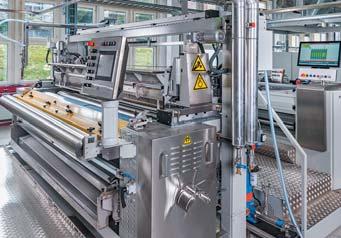
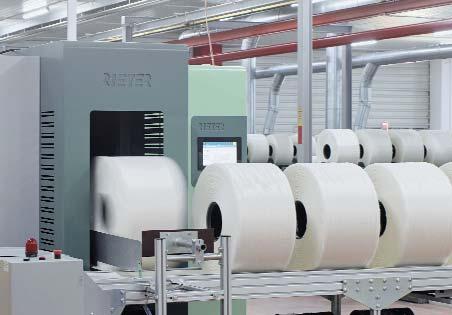
Rieter completes Barmag acquisition
Stäubli to merge U.S. operations into one legal entity
DyStar Group announces board transition to drive innovation
The appointment of Ruan Cunfan and the conclusion of Yao Jianfang’s tenure mark a seamless transition, reinforcing stability while opening doors to new opportunities. Monforts announces leadership transition in 2026



FESPA confirms participation from leading exhibiting suppliers and brands for inaugural Textile event
ITM 2026: The hub of smart and sustainable transformation in yarn technologies .31
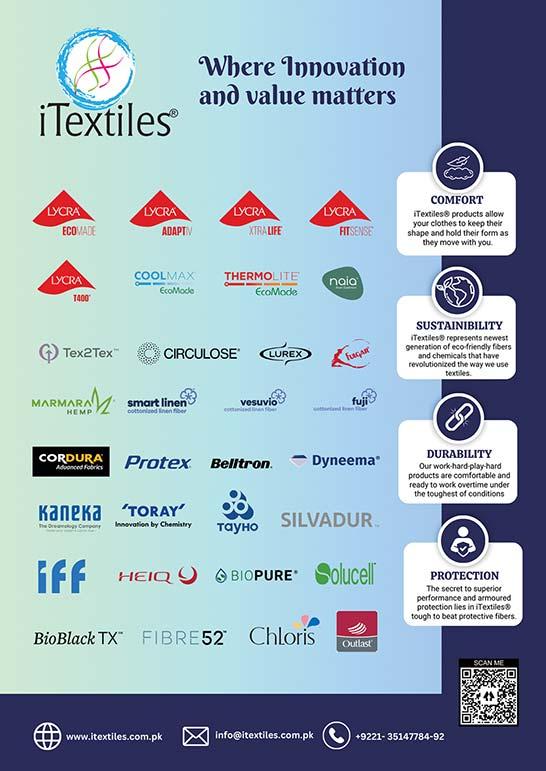
BYR International and iTextiles® launch partnership to promote Solucell® technologies
Rieter responds to higher raw material prices
A breakthrough innovation for diaper manufacturers: MESDAN’s all-new Loop knotter type 093E
Next Level Apparel membership in U.S. Cotton Trust Protocol strengthens transparency and verified cotton sourcing

Over 1,500 exhibitors: Techtextil 2026 grows in key future sectors
Italian textile machinery innovation takes centre stage in Frankfurt
Stäubli at Techtextil: Machinery and system solutions for weaving industry
BTMA members to present advanced textile machinery at Techtextil 2026
Future-ready nonwovens and fibre processing solutions – Meet Trützschler at Techtextil 2026
BRÜCKNER at Techtextil 2026: Product diversity as a key to success
Groz-Beckert showcases cross-segment innovations for technical textiles
.46
PLEVA: Smart sensors, smart savings - reducing energy and cost in textile finishing .48
Sedo Treepoint to exhibit at Techtextil 2026 – smart technologies for technical textile production
Engineering protection: 20 years of iTextiles® advancing high-performance workwear.50

Switzerland and Pakistan: Strengthening economic ties
by Nadeem Mazhar, Managing Editor, Pakistan Textile Journal.
Meet the new president of the Swiss Textile Machinery Association
Pakistan is a significant and valued partner for Swiss textile machinery
Cornelia Buchwalder, Secretary General of the Swiss Textile Machinery Association
Uster: Measure and control the fibre – optimise yarn quality
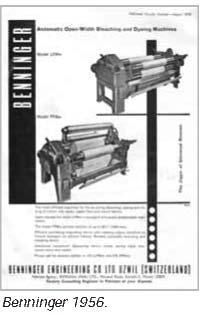
Benninger: Optimising fabric quality with the SynthMaster
Saurer sets new standards at Techtextil 2026
Rieter at ITM: Spinning redefined with automation and intelligence
Archroma and Orta launch denim collection

25
41
45

57
58
EDITOR’S PAGE
Switzerland, one of the world’s most advanced and competitive free market economies, continues to uphold its global reputation through innovation, precision engineering and sustainability. Despite recent global economic challenges, its strong base of small- and medium-sized enterprises ensures resilience and consistent performance. This strength has enabled Switzerland to cultivate enduring international partnerships, with Pakistan emerging as a key economic partner.
The relationship between Switzerland and Pakistan is built on decades of cooperation, supported by agreements in investment protection, technical collaboration, aviation and disaster relief. Since the establishment of the Swiss Embassy in Islamabad in 1968 and the Swiss Agency for Development and Cooperation (SDC) in 1977, bilateral engagement has expanded steadily. Switzerland today ranks among the leading foreign investors in Pakistan, contributing significantly to industrial development and employment.
Swiss multinational companies including ABB, Archroma, Clariant, Sika, Gate Gourmet, Nestlé and Novartis have established a strong presence across sectors such as chemicals, pharmaceuticals, engineering and food processing. In the textile industry, Swiss firms have played a transformative role for over six decades. Companies such as Uster, SSM, Loepfe and Rieter have strengthened Pakistan’s spinning sector, while Stäubli, Jakob Müllerand Saurer have contributed to advancements in weaving and embroidery technologies.
Trade relations remain robust, with Switzerland supplying high-value goods such as textile machinery, chemicals and pharmaceuticals, while Pakistan exports textiles, garments and agricultural products. The growing import of Swiss textile machinery reflects Pakistan’s continued focus on modernisation and quality enhancement within its textile sector.
Against this backdrop, Techtextil and Texprocess 2026, held at Messe Frankfurt, represent a significant milestone for the global textile industry. Featuring over 1,700 exhibitors from more than 50 countries, these exhibitions have evolved into key platforms for innovation, focusing on “Resilient Productivity” through advanced materials, automation and sustainable solutions.
Techtextil 2026 highlights developments in technical textiles, including biobased high-performance materials, sustainable chemical processes and advanced applications across industries such as construction, automotive and healthcare. Texprocess 2026, meanwhile, emphasizes digital transformation in manufacturing, showcasing innovations in artificial intelligence, robotics and ondemand production systems.
A central theme across both exhibitions is sustainability, particularly through circular production models and enhanced traceability. For Pakistan, engagement with such global platforms, alongside continued collaboration with Swiss partners, offers a strategic pathway to strengthen competitiveness and achieve long-term industrial growth.




1
Pakistan and Cambodia have agreed to enhance bilateral cooperation in the industrial sector, particularly focusing on the textile industry to achieve mutual economic growth and strengthen trade relations. The development was shared following a highlevel meeting between Special Assistant to the Prime Minister (SAPM) on Industries and Production, Haroon Akhtar Khan and Cambodia’s Minister for Commerce, Cham Nimul.
2
Pakistan’s textile sector continued to demonstrate resilience during

the ongoing fiscal year, with total exports reaching $12.25 billion in the July–February period of FY2025–26. The performance reflects a modest increase of 0.3% compared to the corresponding period last year, as highlighted in a recent report issued by the Pakistan Textile Council.
3
The Government of Punjab has announced an ambitious plan to bring 700,000 acres under early cotton cultivation in the upcoming season, alongside the launch of a Rs2 billion “Cotton Valley” initiative aimed at strengthening the
1Bangladesh’s readymade garments (RMG) sector recorded a decline of 3.73% during the July–February period of FY2025–26, with total exports reaching $25.80 billion, reflecting pressure on one of the country’s key export industries. According to data by the Export Promotion Bureau.
2Cambodia’s garment, textile, footwear, and travel goods sector recorded strong growth during the first eleven months of 2025, generating export earnings of $14.83 billion, reflecting a year-onyear increase of 17%, according to data released by the Ministry of Commerce.
province’s cotton value chain. The development was shared by Provincial Agriculture Secretary Iftikhar Ali Sahoo during an official review meeting.
4
The Federal Board of Revenue has decided to take stringent enforcement measures against textile spinning units that have failed to install its video analytics monitoring system, widely known as the “Digital Eye,” at production facilities across the country.
5
Pakistan’s cotton yarn exports to China recorded notable growth in 2025, surpassing
$451 million and highlighting the strengthening textile trade relationship between the two countries. The figures indicate continued stability and maturity in bilateral cooperation under evolving economic partnerships.
6
Pakistan’s textile industry has called on the government to pursue preferential market access in the United States, as competing regional exporters secure favourable tariff arrangements, increasing pressure on Pakistan’s key export sector.


3
Egypt’s ready-made garments sector has started 2026 on a positive note, with exports registering an 11% year-onyear increase in January, reflecting continued expansion in one of the country’s key industrial segments. The data was released by the Apparel Export Council of Egypt.
4
The European Union has announced new regulatory measures aimed at improving sustainability in the textile sector, including a ban on the destruction of unsold
apparel and mandatory disclosure requirements for businesses. The initiative is part of the broader Ecodesign for Sustainable Products Regulation (ESPR), designed to promote circular economy practices across industries.
5
India’s textile and apparel industry is witnessing renewed optimism as progress on a proposed Free Trade Agreement (FTA) with the European Union is expected to unlock fresh export opportunities, particularly in high-growth segments such as activewear and technical textiles.
6
Türkiye’s textile and apparel industry is facing one of its most challenging periods in recent decades, as rising production costs, declining competitiveness, and widespread layoffs continue to impact the sector.
7
Uzbekistan has extended an investment opportunity to Pakistani stakeholders by offering 29 textile enterprises for acquisition, aiming to strengthen industrial collaboration and enhance trade ties between the two countries. The development was reported following highlevel discussions with representatives from Pakistan.
Cambodia
Pakistan and Cambodia have agreed to enhance bilateral cooperation in the industrial sector, particularly focusing on the textile industry to achieve mutual economic growth and strengthen trade relations. The development was shared following a high-level meeting between Special Assistant to the Prime Minister (SAPM) on Industries and Production, Haroon Akhtar Khan, and Cambodia’s Minister for Commerce, Cham Nimul.
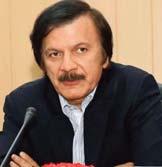

During the meeting, both sides explored multiple avenues to expand industrial collaboration, promote investment opportunities, and reinforce economic ties between Pakistan and Cambodia. The discussion also focused on strengthening bilateral trade through joint initiatives and sector-specific partnerships.
Mr. Haroon Akhtar Khan appreciated Cambodia’s economic progress in recent years and expressed that Pakistan can benefit from Cambodia’s development model. He further highlighted that under the leadership of Prime Minister Shehbaz Sharif, the government is actively implementing policies such as the National Industrial Policy and National Tariff Policy to accelerate industrial growth and economic stability.
The Cambodian Minister praised Pakistan’s natural resources, economic potential, and industrial capabilities, emphasising the importance of strengthening cooperation in key sectors. Both sides particularly stressed the significance of collaboration in the textile industry, noting that value addition and joint ventures can create substantial benefits for both countries.
Ms. Cham Nimul shared that around 166 Pakistani-origin companies are currently operating in Cambodia,

reflecting growing business engagement. She also proposed the establishment of a dedicated Chamber of Commerce and Industry to further support Pakistani businesses and enhance institutional cooperation. Additionally, she suggested the exchange of business-to-business (B2B) delegations to boost trade activities and commercial partnerships.
Highlighting further opportunities, Mr. Haroon Akhtar Khan emphasised collaboration in the Micro, Small, and Medium Enterprises (MSME) sector through the Small and Medium Enterprises Development Authority. He noted that SMEDA’s ongoing initiatives can play a vital role in facilitating partnerships and promoting entrepreneurship between the two nations.
He also underlined the global potential of “Made in Pakistan” products, including olive oil, honey, and leather goods, and called for expanding their access to international markets. Special emphasis was placed on empowering women entrepreneurs working from home in the SME sector by providing them with increased export opportunities.
The meeting concluded on a positive note with the exchange of commemorative gifts, symbolising goodwill and a shared commitment to strengthening long-term cooperation between Pakistan and Cambodia.
maintain stability at $12.25 billion in first eight months of FY 2025–26
Pakistan’s textile sector continued to demonstrate resilience during the ongoing fiscal year, with total exports reaching $12.25 billion in the July–February period of FY 2025–26. The performance reflects a modest increase of 0.3% compared to the corresponding period last year, as highlighted in a recent report issued by the Pakistan Textile Council.
While cumulative figures indicate stability, a decline in monthly exports was observed in February, where textile shipments fell to $1.315 billion, showing a noticeable drop compared to January levels. This trend suggests short-term fluctuations despite an otherwise steady overall performance of the sector.
From a regional perspective, export performance remained uneven. Shipments to the Middle Eastern region registered a healthy increase, while exports to the United States also posted slight gains. South American markets emerged as another positive contributor, indicating growing outreach beyond traditional destinations.
However, exports to several key regions faced downward pressure. The European market recorded a slight decline, while the United Kingdom also saw reduced import volumes from Pakistan. More pronounced decreases were observed in ASEAN countries, Central Asian markets including
Afghanistan, as well as South Asia and African regions, reflecting shifting global demand patterns and competitive pressures.
According to data released by the Pakistan Bureau of Statistics, Pakistan’s overall external trade position remained under strain during the same period. Total exports stood at $20.46 billion, marking a decline compared to the previous year, whereas imports rose to $45.50 billion, resulting in a widened trade deficit exceeding $25 billion.
A closer look at recent monthly trends shows that February 2026 exports declined on both a year-on-year and month-on-month basis. Imports also recorded a slight decrease compared to the previous month, although they remained significantly higher than export levels overall.
The current outlook indicates that although Pakistan’s textile industry continues to hold its ground as a key contributor to exports, evolving market conditions and trade imbalances highlight the need for focused policy measures to sustain growth and improve competitiveness in global markets.
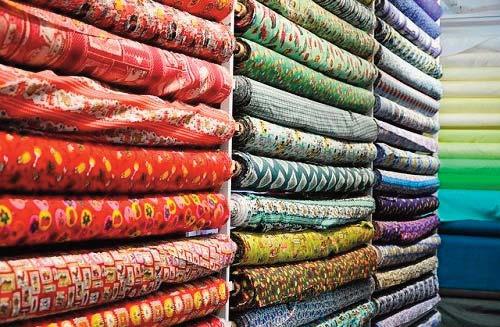
Punjab sets 700,000 acre target for early cotton sowing, launches Rs2 billion Cotton Valley project
The Government of Punjab has announced an ambitious plan to bring 700,000 acres under early cotton cultivation in the upcoming season, alongside the launch of a Rs2 billion “Cotton Valley” initiative aimed at
strengthening the province’s cotton value chain. The development was shared by Provincial Agriculture Secretary, Iftikhar Ali Sahoo said during an official review meeting.
According to the plan, early sowing activities will be carried out across key agricultural divisions including Multan, Dera Ghazi Khan, Faisalabad, and Sahiwal, while Bahawalpur region will focus on seasonal cotton cultivation in
line with its agro-climatic conditions. The authorities have emphasised the use of certified seeds of approved varieties to ensure better yield and quality, while the registration of farmers for early sowing has already been completed to facilitate improved monitoring and extension services.
The Cotton Valley project, with an estimated cost of Rs2 billion, has been designed to enhance the overall cotton ecosystem, including production, ginning, and processing facilities. All relevant stakeholders, such as extension departments, researchers, seed companies, and farmers, have been directed to play an active role in achieving the sowing and production targets set by the government.
Field formations have been instructed to ensure effective crop management practices, particularly during critical growth stages, to secure optimal yield. In continuation of his engagements, Mr. Sahoo visited the Model Agriculture Mall to assess operational efficiency and directed officials to further improve farmer facilitation services.
The initiative reflects the provincial government’s commitment to revitalizing the cotton sector and ensuring sustainable agricultural growth through targeted planning and infrastructure development.
in 2025, reflecting strong trade momentum
Pakistan’s cotton yarn exports to China recorded notable growth in 2025, surpassing $451 million and highlighting the strengthening textile trade relationship between the two countries. The figures indicate continued stability and maturity in bilateral cooperation under evolving economic partnerships.
According to data released by the General Administration of Customs of China, exports of key yarn categories witnessed steady improvement during the year. One major category of cotton yarn exports recorded a value exceeding $233 million, reflecting a year-on-year increase and sustained demand from Chinese textile manufacturers. Another significant yarn segment contributed over $212
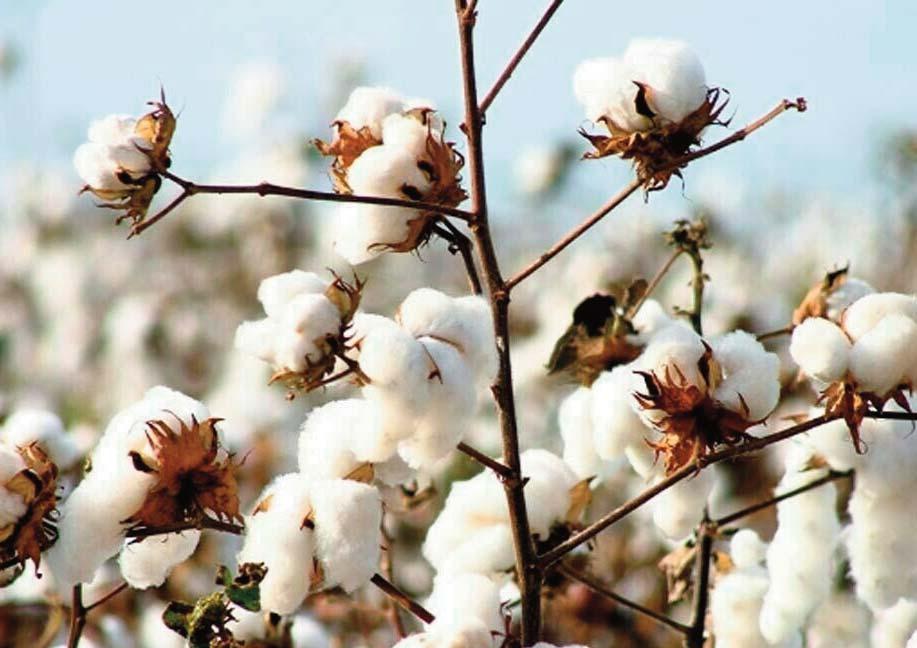
million, demonstrating the diversity and depth of Pakistan’s export portfolio in the Chinese market.
In terms of global positioning, Pakistan emerged as the second-largest supplier of cotton yarn in this category to China, following Vietnam, which maintained the top position. Other regional exporters such as Malaysia and Bangladesh accounted for relatively smaller shares, reinforcing Pakistan’s competitive standing in the regional textile supply chain.
Region-wise import trends within China showed that Fujian remained the leading destination for Pakistani cotton yarn, followed by Guangdong and Beijing, while several other industrial provinces also contributed to overall demand. This reflects the wide integration of Pakistani yarn into China’s textile and garment manufacturing hubs.
Trade between the two countries has been conducted through multiple channels, including conventional trade routes, bonded arrangements, and processing frameworks, indicating increasingly advanced supply-chain mechanisms. Industry representatives noted that Pakistan’s cotton yarn exports have gradually transitioned from shortterm demand cycles to more stable and long-term partnerships.
Commenting on the development, industry expert Sajjad Mazahir highlighted that the trade benefits both
sides by ensuring a consistent supply of quality raw materials to Chinese manufacturers while providing Pakistan with a reliable source of foreign exchange earnings. He further noted that global trade dynamics, including tariff challenges faced by Chinese exporters, have increased the importance of imported raw materials such as Pakistani yarn.
Despite facing multiple challenges, including reduced cotton output due to adverse weather conditions, rising energy costs, and global economic pressures, Pakistan’s textile sector managed to maintain export momentum. Monthly export volumes showed encouraging trends during the latter half of the year, reflecting resilience within the spinning industry.
However, experts caution that Pakistan’s textile exports to China still have significant room for growth. Current exports remain largely concentrated in raw materials, while structural issues such as inconsistent cotton supply, high production costs, and limited adaptation to modern procurement systems continue to hinder value addition.
Textile exporters urge dutyfree access to US market amid rising regional competition
Pakistan’s textile industry has called on the government to pursue preferential market access in the United States, as
competing regional exporters secure favourable tariff arrangements, increasing pressure on Pakistan’s key export sector.
In a formal communication addressed to Commerce Minister Jam Kamal Khan, the All Pakistan Textile Mills Association highlighted concerns over recent trade developments that could impact Pakistan’s share in one of its largest export destinations. The industry body noted that the sector is already navigating challenges including high energy costs, elevated financing rates, and a difficult business environment.

According to the association, regional competitors have gained a tariff advantage in the US market. India has reportedly secured a lower tariff structure compared to Pakistan, while Bangladesh has obtained duty-free access for certain textile products manufactured using American cotton. These developments, the association stated, could significantly affect Pakistan’s competitiveness in the global textile trade.
APTMA has urged the government to initiate discussions with US authorities to explore the possibility of duty-free access for Pakistani textile and apparel products, particularly those produced using American cotton. The proposal, according to industry stakeholders, could create a mutually beneficial framework by enhancing Pakistan’s exports while simultaneously supporting US cotton producers.
The association further shared that similar recommendations had previously been submitted to the Ministry of Commerce ahead of trade negotiations earlier in 2025, along with proposals presented to US officials for concessional market access. However, evolving trade dynamics now require more immediate policy engagement to safeguard Pakistan’s position in the market.
Industry representatives have warned that improved market access for competitors, coupled with comparatively lower production costs in rival countries, presents a serious challenge to Pakistan’s textile exports. They emphasised the need for timely intervention to ensure that the country does not lose its competitive edge in the US market.
APTMA has also requested a dedicated meeting with government officials to further deliberate on the proposal and identify practical steps toward implementation. The association believes that aligning trade incentives with raw material sourcing could help strengthen bilateral trade ties while supporting export growth.
Pakistan’s textile and apparel sector remains the backboneof the country’s export economy and a major source of foreign exchange earnings. Industry stakeholders stress that proactive trade policies and strategic negotiations are critical in sustaining growth and maintaining competitivenessin the evolving global market.


Bangladesh’s garment exports decline 3.7% in first eight months of FY2025–26
Bangladesh’s ready-made garments (RMG) sector recorded a decline of 3.73% during the July–February period of FY2025–26, with total exports reaching $25.80 billion, reflecting pressure on one of the country’s key export industries. The data was released by the Export Promotion Bureau.
The sector, which serves as the backbone of Bangladesh’s export economy, experienced a slowdown across several major markets compared to the same period last year, indicating the impact of shifting global demand patterns.
The European Union remained the largest destination for Bangladeshi garments, accounting for nearly half of total exports. However, shipments to the region declined by over 5%, reaching approximately $12.69 billion. Exports to the United States, the second-largest market, also recorded a slight decrease, totaling $5.03 billion during the period.
In contrast, some markets demonstrated resilience. Exports to the United Kingdom registered a modest increase, while shipments to Canada also showed positive growth, highlighting selective market stability amid broader declines.
Non-traditional markets, which account for a smaller share of the export portfolio, faced a notable contraction,
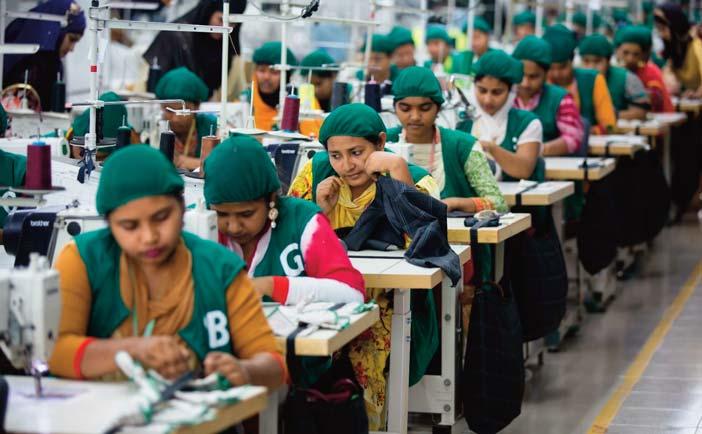
with earnings declining by over 6% to $4.24 billion. This reflects ongoing challenges in diversifying export destinations and sustaining growth beyond established markets.
Product-wise performance also remained under pressure, as both major categories, knitwear and woven garments, recorded declines during the review period, indicating subdued demand across key apparel segments.
Commenting on the trend, Mohiuddin Rubel noted that the overall slowdown is largely influenced by global economic shifts and reduced consumer demand in traditional markets, which continue to affect export performance.
The current outlook suggests that while Bangladesh’s garment sector remains a dominant force in global apparel trade, evolving market conditions and demand uncertainties may continue to pose challenges in the near term.
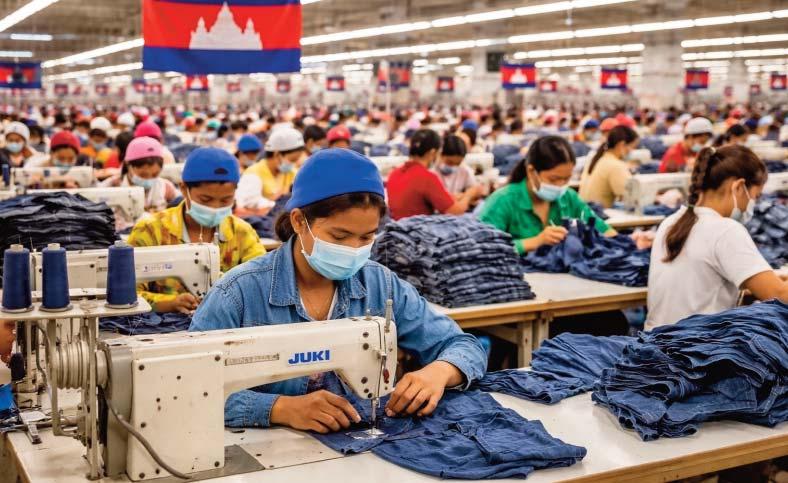

Cambodia’s garment, textile, footwear, and travel goods sector recorded strong growth during the first eleven months of 2025, generating export earnings of $14.83 billion, reflecting a year-on-year increase of 17%, according to data released by the Ministry of Commerce.
The report highlighted that the garment remained the dominant export category, contributing over $10 billion during the period with steady growth. Textile exports also demonstrated significant expansion, posting a notable increase, while footwear shipments recorded strong double-digit growth. Meanwhile, exports of travel goods and bags showed moderate improvement, contributing to the overall upward trend in the sector.
The industry continues to serve as the largest source of foreign exchange earnings for Cambodia, underlining its critical role in the national economy. According to the Ministry of Labour and Vocational Training, the sector comprises more than 1,500 factories and employs over 900,000 workers, the majority of whom are women, highlighting its importance in employment generation and social development.
Industry experts have attributed the strong performance to Cambodia’s ongoing efforts to diversify its export
markets and strengthen its position in global supply chains. Thong Mengdavid noted that the sustained growth reflects the country’s ability to expand beyond traditional trading partners and tap into new opportunities.
He further emphasized that the positive trend is expected to continue into 2026, supported by increasing external demand and fresh investment inflows from countries such as China, South Korea, and Japan.
The overall outlook suggests that Cambodia’s export-oriented manufacturing sector remains on a strong growth trajectory, driven by diversification strategies, rising global demand, and continued foreign investment.

Egypt’s garment exports record 11% growth in January 2026 amid strong global demand
Egypt’s ready-made garments sector has started 2026 on a positive note, with exports registering an 11% year-on-year

increase in January, reflecting continued expansion in one of the country’s key industrial segments. The data was released by the Apparel Export Council of Egypt.
According to the council, export shipments reached approximately $299 million during January 2026, compared to $270 million in the same period last year, indicating steady growth driven by rising international demand and improved competitiveness of Egyptian products.
Chairperson of the council, Fadel Marzouk, attributed the growth to strong
market demand as well as ongoing efforts to diversify export destinations. He noted that manufacturers are currently operating at full production capacity while focusing on enhancing quality standards and adopting more sustainable production methods.
The sector has increasingly embraced modern practices, including the use of high-quality inputs and environmentally sustainable approaches aligned with circular economy principles, aimed at ensuring long-term growth and competitiveness in global markets.
Mr. Marzouk highlighted that the garments industry remains a vital pillar of Egypt’s economy, employing approximately 1.7 million people and maintaining consistent annual growth over recent years. The sector is targeting total exports of $4.4 billion by the end of 2026, supported by new investments expected to strengthen both production capacity and export performance.
Key export markets recorded notable increases during the month. Shipments to the United States rose significantly, while exports to countries within the European Union also demonstrated strong growth, reflecting Egypt’s expanding footprint in major global markets.
The council continues to work closely with relevant government institutions, including the Ministry of Investment and Foreign Trade, as well as finance and industry authorities, to sustain the sector’s upward trajectory and address emerging challenges.
Looking ahead, the council has set an ambitious target to increase exports by 22–25% annually over the next five years, with the aim of reaching $12 billion by 2031. However, officials cautioned that ongoing geopolitical developments in the Middle East may pose short-term risks, emphasizing the need for proactive coordination to safeguard production and export momentum.

The European Union has announced new regulatory measures aimed at improving sustainability in the textile sector, including a ban on the destruction of unsold apparel and mandatory disclosure requirements for businesses. The initiative is part of the broader Ecodesign for Sustainable Products Regulation (ESPR), designed to promote circular economy practices across industries.
According to estimates, a significant portion of unsold textiles in Europe, ranging between 4% and 9%, is destroyed annually before use,

contributing to approximately 5.6 million tonnes of carbon emissions each year. The new regulation seeks to address this environmental challenge by restricting such practices and encouraging responsible resource management.
Under the new framework, large companies will be prohibited from destroying unsold textile products starting from July 2026, while the requirement will extend to medium-sized enterprises by 2030. In addition, businesses will be required to disclose detailed data on unsold and discarded products, ensuring greater transparency and accountability within the sector.
To support implementation, the European Commission has introduced Delegated and Implementing Acts outlining compliance procedures. These include specific exemptions in cases such as damaged or unsafe products, with national authorities responsible for monitoring and enforcement. A standardized reporting mechanism for disclosure of discarded goods will also be introduced, expected to come into effect in 2027.
Officials stated that the measures are intended to reduce waste, limit environmental damage, and create a level playing field for companies adopting sustainable business models. The regulation also encourages businesses to adopt alternatives to disposal, including resale, recycling, remanufacturing, and donation of unsold goods.
Commenting on the initiative, Jessika Roswall emphasized that the textile sector plays a crucial role in the transition toward sustainability, noting that reducing waste and improving resource efficiency remain key priorities.
Industry experts have also highlighted that the new rules signal a shift away from traditional “take-make-dispose” models toward more circular systems. Aimee Campanella stated that the measures, combined with extended producer responsibility frameworks, will push companies toward better product design, improved data tracking, and more effective end-of-life management practices.
The initiative is expected to accelerate the adoption of circular economy principles in the textile industry, encouraging both producers and consumers to participate in sustainable practices while enhancing long-term competitiveness within the European market.

India’s textile and apparel industry is witnessing renewed optimism as progress on a proposed Free Trade Agreement (FTA) with the European Union is
expected to unlock fresh export opportunities, particularly in high-growth segments such as activewear and technical textiles.
Industry experts believe the agreement could help restore tariff competitiveness for India in European markets, especially at a time when exporters are facing challenges from global demand fluctuations and increased pressure in the United States market.
Commenting on the development, Kishan Daga noted that the agreement represents a significant opportunity for India’s textile sector, particularly in fast-evolving categories like performance wear. He highlighted that recent shifts in global sourcing patterns have created a favourable environment for India, as European buyers look to diversify their supply chains.
The proposed FTA is expected to place India on equal footing with key competitors such as Bangladesh and Vietnam, both of which already benefit from preferential or duty-free access to European markets. Experts emphasize that this parity will allow Indian exporters to compete based on quality, efficiency, and compliance rather than tariff disadvantages.
Activewear has emerged as a key growth driver within the global apparel industry, with European brands increasingly demanding high-performance fabrics, sustainable production standards, and faster turnaround times. India’s expanding capabilities in synthetic raw materials, advanced manufacturing processes, and diversified production capacity are seen as strengths that can support this demand.
However, industry stakeholders have cautioned that maintaining competitiveness will require continued investment in innovation, design development, and research capabilities. Meeting international standards in terms of product quality, lead times, and reliability will remain critical for long-term success in the European market.
Echoing similar views, Sammir Dattani stated that the agreement could significantly improve market access by reducing tariffs on textile and apparel products, potentially to zero. He noted that Europe remains a major hub for global fashion brands and industrial manufacturers, offering opportunities not only in apparel but also in value-added segments such as automotive and technical textiles.
With Europe continuing to import large volumes of textile products across various categories, the proposed trade agreement is expected to position India as a more competitive and strategic sourcing partner. Industry experts believe that sustained focus on capacity expansion, compliance, and technological advancement will be essential to fully capitalize on the opportunities arising from the agreement.
Over the past few years, Monforts has significantly advanced its technologies for coating, with the successive introductions of the MontexCoat, coaTTex and VertiDry systems combining flexibility, precision and energy efficiency for the technical textiles market.
Monforts experts will be on hand at the forthcoming Techtextil 2026 in Frankfurt from April 21–24, to discuss the virtually endless possibilities these advanced coating and drying technologies open up for adding functionality and performance to textile substrates.
In outdoor and architectural textiles, for example, typical coated products include tents, awnings, sailcloth and blackout blinds, with coating providing the desired combinations of water resistance, dimensional stability, opacity or weather durability.
A second major field is in transport interiors, particularly automotive upholstery and interior fabrics, with coatings having a positive influence on parameters including abrasion resistance, tactile feel, stain behaviour and long-term durability. Automotive suppliers also demand absolute reproducibility across batches, which Monforts addresses through digitallystored coating recipes that can be reloaded for identical results every time.
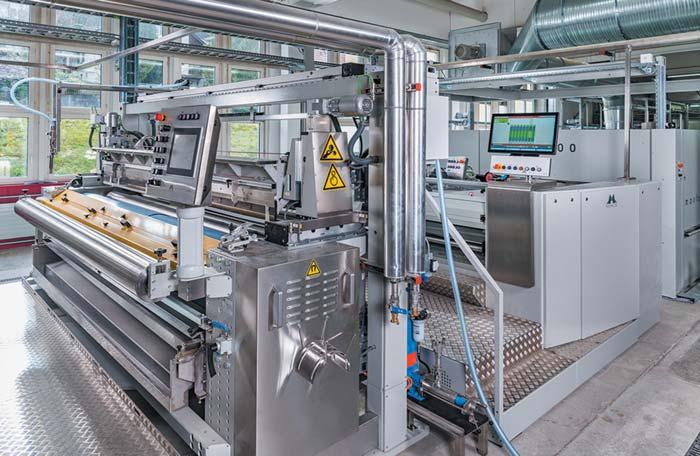
Beyond consumer-visible products, a large share of applications are in industrial applications, with Monforts coating ranges processing materials such as hightemperature filter media, flame-retardant barrier fabrics and heavy membranes for biogas storage systems. The technology is also used for carbon fibre prepregs and composite reinforcement fabrics, where coating precision is the key to mechanical performance.
The Monforts flagship MontexCoat coater serves a very diverse number of markets and enables full PVC coatings,
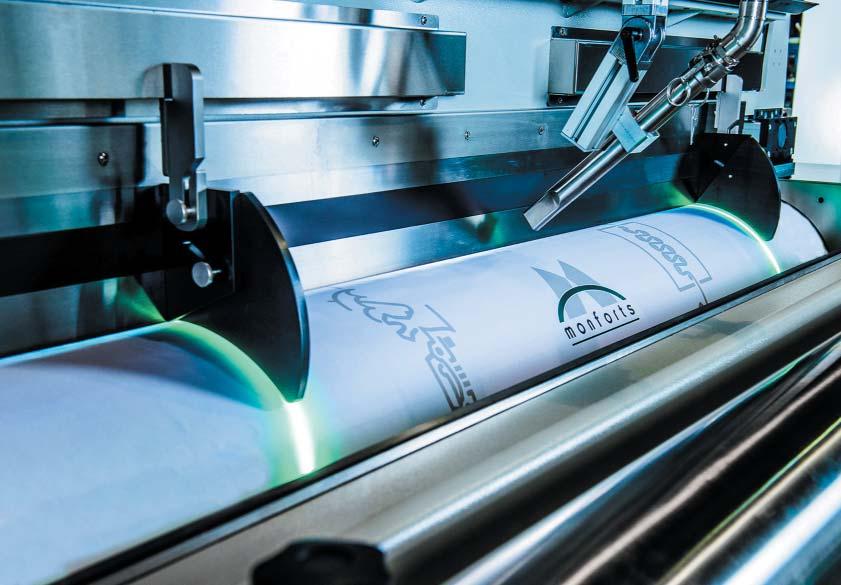
pigment dyeing or minimal application to the surface and low penetration treatments as well as solvent coatings. Knife coating, roller coating or screen printing can all also be accommodated with this system.
In addition, the MontexCoat provides the ultimate in flexibility and the ability to switch quickly from one fabric run to the next, without compromising on the economical use of energy or raw materials.
The coaTTex coating unit is meanwhile exclusively dedicated to airknife and knife-over-roller coating for single-sided application with paste or foam to add properties such as waterproofing, liquid and gas protection and breathability.
Both coating units are suitable for incorporation into existing finishing ranges as well as installation with new Monforts lines, notably the industryleading MONTEX stenter systems.
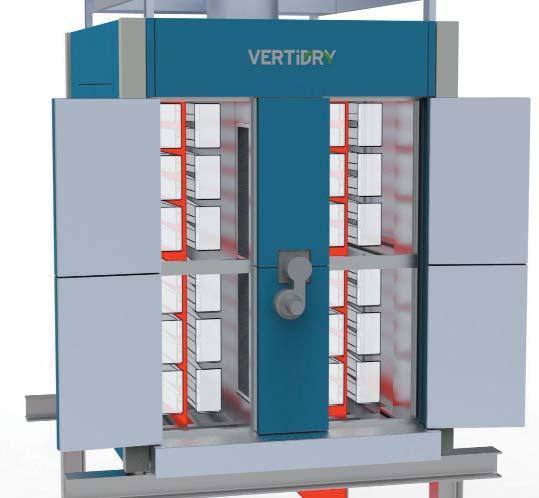
A further recently-introduced technology complementing these coating units is the VertiDry, a fully contactless and energy optimised convection dryer.
The VertiDry is intended for use in combination with a stenter, either before
or after it, depending on the specific application, for the essential pre-drying of sensitive fabrics, as well as after the coating of airbags, denim fabrics and glass-fibre substrates. Other envisaged applications include the finishing of sportswear, outerwear, carpets, geotextiles and tarpaulins.
For over 40 years, Monforts machines have been manufactured at Montex Maschinenfabrik based in St. Stefan, Austria, and while there is standardisation across seriesproduced machines, the company is increasingly being called upon to construct bespoke machines with unique designs, according to the special needs of customers in the technical textiles sector.
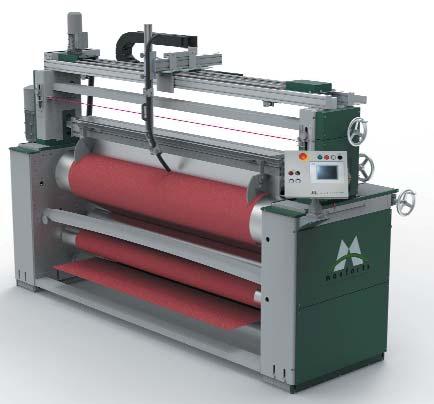
“MONTEX stenters and THERMEX dyeing systems are the industry standards for the dyeing and finishing of technical textiles, providing a number of advantages in terms of production throughput and especially in energy efficiency and savings,” says Monforts Marketing Manager Nicole Croonenbroek. “These machines remain unmatched in terms of their robustness and long service life, as well as resourceefficient productivity. As a third strand of our business, our coating technologies are now being rapidly adopted by technical textile manufacturers, as the industry recognises their benefits. We look forward to discussing all possibilities for both established and new applications with interested parties in Frankfurt.”
Monforts will be at stand C60 in Hall 12.0 at Techtextil 2026.
In the fourth quarter of 2025, orders for Italian textile machinery manufacturers decreased by 36% compared to the same period in 2024, reflecting a still challenging global market environment. The downturn affected both the domestic market (-50%) and foreign markets (-34%).
Compared to the previous quarter (July–September 2025), total orders were down 25%. The orders index for October–December 2025 stood at 31.5 points (base year 2021=100). The index reached 28.4 points in the domestic market and 31.9 points abroad.
Overall, in 2025 order intake declined by 22% compared to the previous year
(-28% domestically and -21% in foreign markets). At the end of 2025, the order backlog ensured approximately 2.9 months of production.
From a sector perspective, the spinning sector is showing signs of greater dynamism. Forecasts for the first quarter of 2026 still indicate caution, although a number of companies expect stability or improvement compared to the previous quarter.
Marco Salvadè, President of ACIMIT, commented: “The environment remains challenging for our manufacturers, but data relating to Italian exports for the first ten months of 2025 also show encouraging signs. In particular, the 46.7% growth recorded in India, now our leading
destination market, confirms that Italian technology continues to be highly valued in high-potential countries. Innovation, quality and a strong presence in strategic markets will be the foundations of the sector’s recovery”.
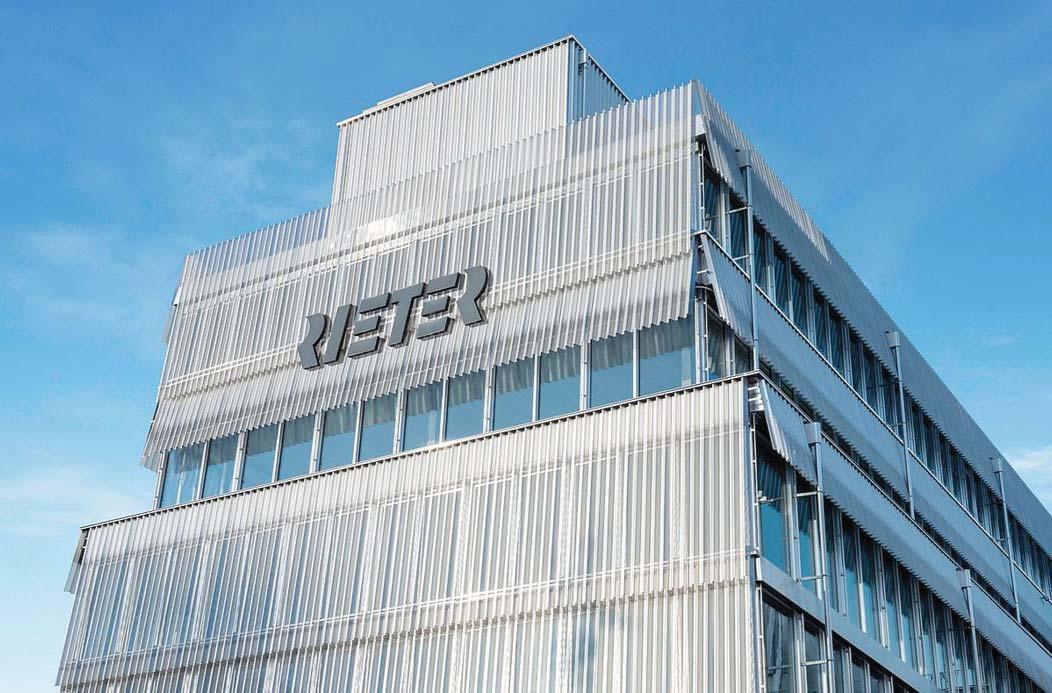
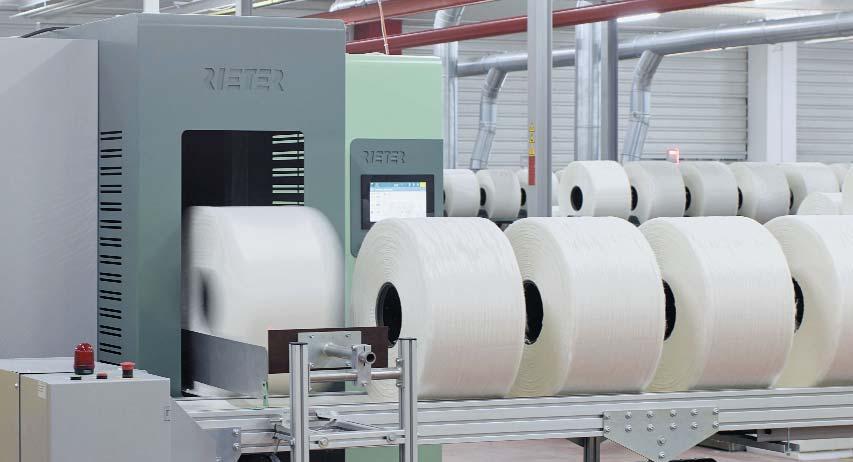
Rieter successfully completed the acquisition of Barmag on February 2, 2026, and reached an important milestone in the company’s repositioning. Barmag will be integrated into the Rieter Group as the “Man-Made Fibre” Division. With this strategically transformative acquisition, Rieter is expanding its core business beyond the short-staple fibre business in a targeted way. This positions Rieter as the global market leader along the entire value chain for natural and man-made fibres. In addition, as a complete systems supplier, Rieter is further strengthening its technological leadership in the areas of automation and digitisation.
The transaction is a consistent step in implementing Rieter’s long-term growth strategy and builds on previous acquisitions that have systematically expanded the portfolio. Since acquiring the automatic winding machine in the 2021 financial year, Rieter has been the only system supplier covering the entire production process from fibre preparation to all four end-spinning technologies.
Through the acquisition of Barmag, Rieter is expanding its sales markets to include the structurally growing manmade fibre market. With this additional technological breadth, Rieter increases its resilience and reduces dependence on cyclical fluctuations in individual end markets. This paves the way for Rieter to capitalize on the expected recovery of the global textile machinery market. At the same time, the Man-Made Fibre Division strengthens Rieter’s market position in the long term in the strategically important Asia region.
Order intake remained constant on a currency-adjusted basis. It amounted to CHF 703.4 million in 2025 (2024: CHF 725.5 million). The expected wider market recovery has been delayed due to the ongoing global trade conflict (particularly the punitive US tariffs) and geopolitical uncertainty.
The Machines & Systems Division posted an order intake of CHF 346.3 million (2024: CHF 364.2 million). While the Machines & Systems Division
recorded an increase in demand, order completion was significantly impacted by uncertainty surrounding customs tariffs and the geopolitical and economic situation.
The Components Division generated an order intake of CHF 193.5 million (2024: CHF 206.6 million) and is suffering under lower demand for components for new machines, mainly due to the cautious investment activity in the market.
The After-Sales Division recorded a pleasing 6% increase in its order intake to CHF 163.6 million (2024: CHF 154.7 million). This positive development confirms the strategic growth initiatives that have been launched. Incoming orders are benefiting from increased sales activities in the target markets, such as Central Asia and China, as well as from the ongoing expansion of the service and repair network.
The Rieter Group closed the 2025 financial year with sales of CHF 685.1 million (2024: CHF 859.1 million), thus
remaining 20% below the previous year’s period.
The Machines & Systems Division posted sales of CHF 329.1 million, down 23% on the previous year (2024: CHF 424.9 million). Sales in the Components Division fell by 19% year on year to CHF 200.8 million (2024: CHF 247.6 million). The After-Sales Division posted sales of CHF 155.2 million, down 17% over the previous year (2024: CHF 186.6 million).
At the end of 2025, the company had an order backlog of around CHF 510 million (December 31, 2024: CHF 530 million).
Despite the decline in sales, Rieter achieved a positive operating EBIT of CHF 2.5 million (before restructuring and transaction costs). This is primarily attributable to the consistent implementation of additional cost measures. Owing to extraordinary restructuring expenses and transaction costs in connection with the acquisition of Barmag in the amount of CHF 54.2 million, Rieter closed the 2025 financial year with a net loss of CHF 63.4 million (2024: net profit of CHF 10.4 million).
Free cash flow was CHF -40.6 million (2024: CHF 14.1 million). Owing to the capital increase already completed to
finance the acquisition of Barmag, net liquidity amounted to CHF 184.3 million (2024: CHF -230.3 million).
The equity ratio increased to 53.3% as of December 31, 2025 (previous year: 33.7%), which was due in particular to the capital increase completed in October 2025 in connection with the Barmag acquisition. The acquisition was completed on February 2, 2026.
The Board of Directors proposes to the shareholders that no dividend be distributed in view of the negative Group result. The company continues to adhere to its fundamental dividend policy of distributing at least 40% of net profit.
Rieter is pursuing a soft integration approach for Barmag. In this context, Rieter confirms a preliminary synergy assumption of at least CHF 20 million resulting from the acquisition. These synergies are reflected in the new medium-term targets. An update on the realization of synergies will be provided with the results for the first half of 2026.
Rieter sees strong potential for the combined company beyond 2026. To this end, it has defined three new market scenarios following the successful realization of synergies from the Barmag acquisition:
In a subdued market environment with slow recovery in terms of demand and ongoing price pressure, sales of around CHF 1.4 billion are expected, with an operating EBIT margin of 2 to 5%.
In a normalized market environment with stable demand, sales of around CHF 1.8 billion are expected, with an operating EBIT margin of 5 to 8%.
In a strong market environment with broad-based demand and high capacity utilization, sales could reach CHF 2.2 billion, with an operating EBIT margin of 8 to 11%.
In 2026, a year of transition, Rieter expects sales in the range of CHF 1.3 to CHF 1.5 billion.
The outlook for 2026 reflects the integration of Barmag and the restructuring measures announced in 2025, which are yet to be fully implemented. As a result, a positive operating EBIT margin in the range of 0 to 3% is expected. Financing for the further development of the combined company is fully secured.
Stäubli, a global leader in industrial and mechatronic solutions, has announced that it will merge Stäubli Electrical Connectors in Windsor, California, and Stäubli Corporation in Duncan, South Carolina, into one legal entity named Stäubli Corporation, effective January 1, 2026. The move strengthens Stäubli’s presence in North America, brings clarity, and supports growth in one of its key focus regions.
The consolidation brings together two major U.S. operations under a single structure, enabling Stäubli to streamline processes and expand capabilities. In North America, Stäubli currently employs 350 people across five legal entities, offering engineering, manufacturing, assembly, customer support, service, sales, and training.
For the Windsor site, the merger creates an opportunity to evolve from a dedicated Electrical Connectors location into a multi-division site, including Fluid
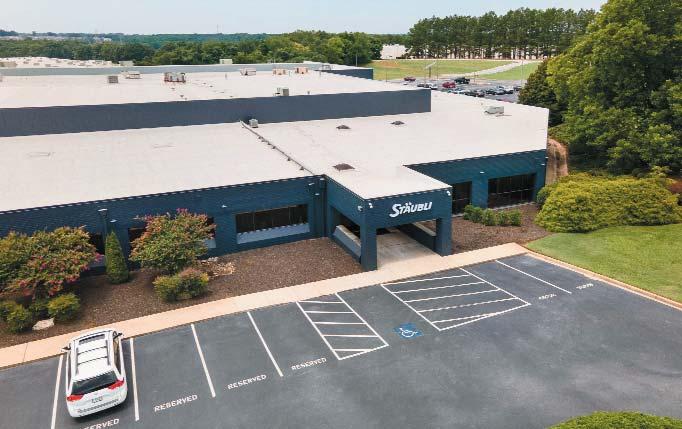
Connectors, Robotics and Textile. This expansion will provide a stronger presence on the West Coast and improve service for customers in the region.
“Our goal is to accelerate growth and strengthen our business in North America, spanning all Stäubli divisions,”





said Gerald Vogt, group CEO of Stäubli. “By bringing Electrical Connectors, Fluid Connectors, Robotics and Textile together under one integrated organisation, we can serve our customers more effectively and foster innovation across every area of expertise.”
François Masbou, Managing Director for North America, added: “Combining these operations under one legal entity allows us to leverage resources and expertise across divisions. It positions us to deliver more value and support to our customers in the U.S. and beyond.”
Stäubli Electrical Connectors originally joined the Stäubli group through the acquisition of Multi-Contact in 2002 and has since developed into a major pillar for the company. This merger marks a strategic step in consolidating operations under one organisation in the U.S, with its main location in Duncan, South Carolina, a factory and R&D centre in Windsor, California, complemented by offices in Querétaro, Mexico, and Novi, Michigan.
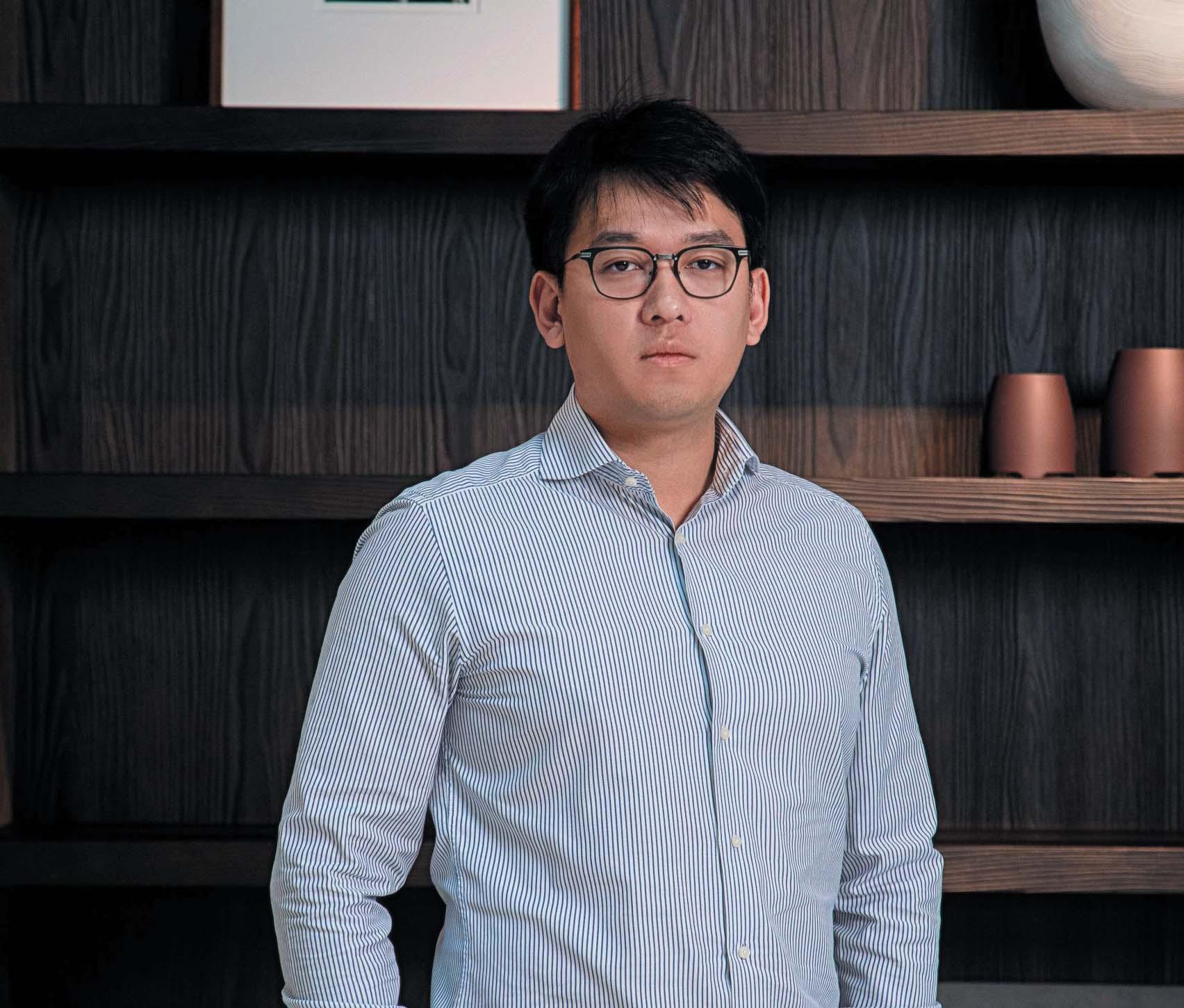

DyStar, a leading speciality chemical company with a heritage of more than a century in product development and innovation, has announced the appointment of Ruan Cunfan to its Board of Directors, effective 20 February 2026.
Ruan Cunfan graduated from Claremont McKenna College in the United States, holding dual bachelor’s degrees in Economics & Accounting and Chemistry. He currently serves as a Director and Assistant to the Chairman of Zhejiang Longsheng Group Co., Ltd., and as Assistant to the Chairman of Longsheng Group Holdings (Shanghai) Co., Ltd. He brings extensive experience, having built a distinguished career overseeing the Group’s real estate investment strategy, operations, and management. His appointment reflects the company’s commitment to
strengthening governance and driving long-term strategic growth globally.
At the same time, Yao Jianfang will be stepping down from the Board. Since 2015, Yao has served with dedication and provided invaluable guidance throughout his tenure. The Board and management express their sincere appreciation for his contributions.
“The appointment of Ruan Cunfan marks an important step in strengthening our Board for the future,” said Ruan WeiXiang, Chairman, Board of Directors, DyStar Group. “His visionary expertise and innovative leadership will be instrumental as we continue to advance DyStar’s internationalisation process. This transition reflects our commitment to leadership continuity, while also embracing new opportunities aligned with our long-term vision for responsible and resilient development.”
“We are delighted to welcome Ruan Cunfan to the Board at this pivotal moment in the Group’s journey,” said Xu Yalin, Managing Director, President and CEO of DyStar Group. “His fresh perspective and outstanding innovative capabilities will help us further expand our impact, while embedding sustainability deeply into every facet of our strategy. At the same time, we pay tribute to Yao Jianfang, thanking him for his past contributions to the Board and we look forward to his continued insights and guidance at the shareholder level in support of DyStar’s growth.”
DyStar Group remains committed as it embarks on its next phase of growth. The Group looks forward to building stronger partnerships, advancing sustainability initiatives, and delivering enhanced value across its global operations.
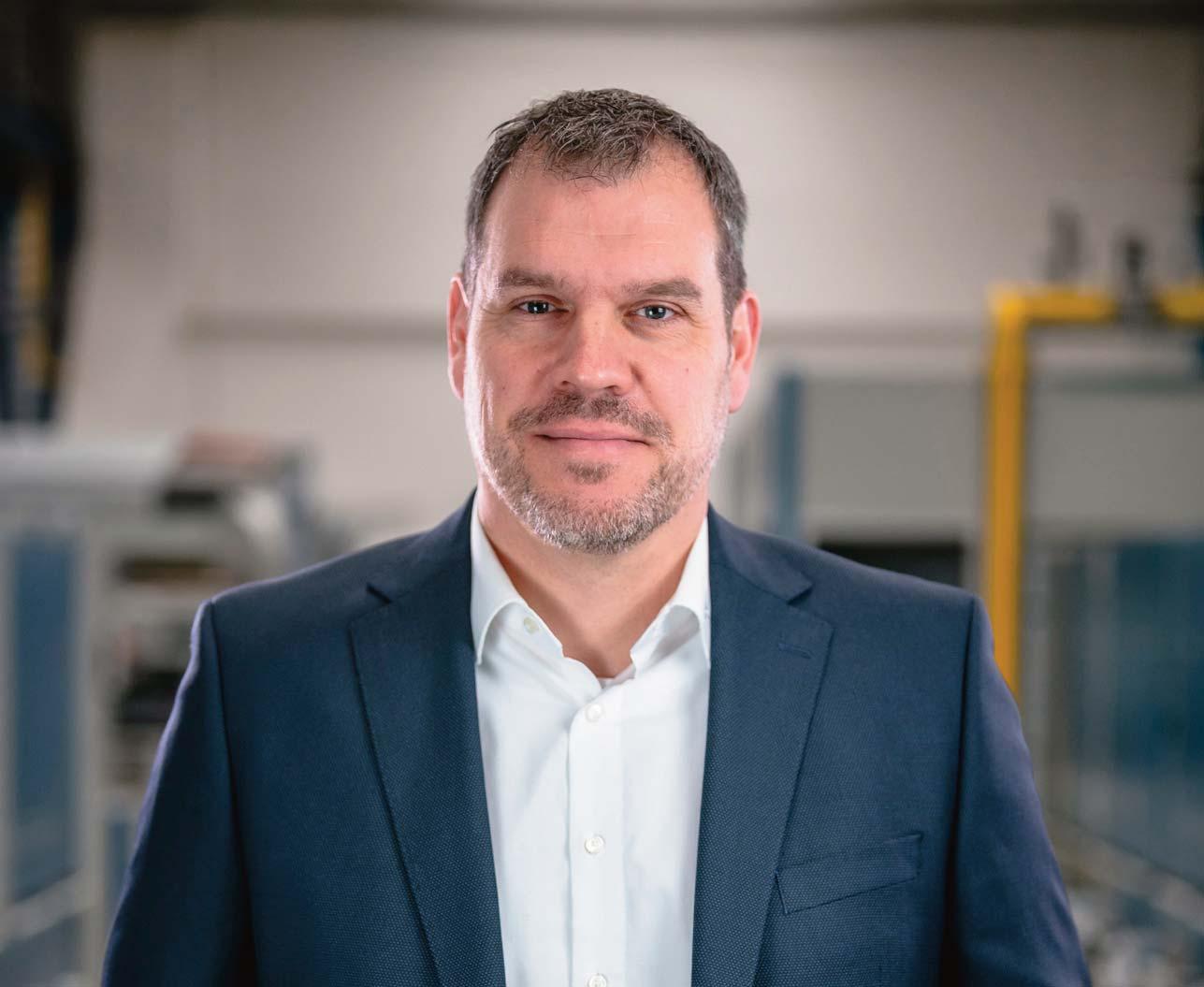

Effective from January 1, 2026, Volker Gingter has been appointed the new Managing Director of Monforts and will steer the fortunes of the leading dyeing and finishing technology company going forward.
Gunnar Meyer stepped down as Managing Director on December 31, 2025, and will remain with the company in an advisory capacity until his wellearned retirement in July 2026.
“All at Monforts would like to thank Gunnar Meyer for his dedication and his great engagement in endeavouring to keep Monforts competitive and defend its position as a world market leader,” said Marketing Manager Nicole Croonenbroek. “We wish him all the best for the next exciting chapter of his life.”
Mr Gingter started his career as an electrician in 1997 at Sucker-MüllerHacoba, also headquartered in
Mönchengladbach, and first joined Monforts in 2000 as an in-house commissioning engineer. Between 2010 and 2013 he worked at Esprit on a new European warehouse before rejoining Monforts as Engineering Service Manager. He became Head of the Service Department in 2020 and in 2025 also took charge of the Spare Parts Department.
He is now looking forward to meeting the worldwide Monforts network of customers and suppliers personally at the forthcoming Techtextil 2026 exhibition in Frankfurt.
“Today’s volatile worldwide market situation will be a challenge, but I am ready to navigate Monforts through this demanding time,” he said. “The Techtextil exhibition serves as an excellent platform for networking and meeting with key players and provides a great opportunity to meet many
customers and potential new ones. Keeping good relationships with customers is essential and it is our aim to fulfil their expectations when investing in our products.”
A. Monforts Textilmaschinen GmbH & Co. KG was founded in 1884 and today is a leading supplier of textile dyeing and finishing machines as well as coating devices. The company is a market leader in stenters, continuous dyeing ranges, sanforising ranges and special executions for denim and for the finishing of technical textiles.
At its Advanced Technology Center (ATC) in Mönchengladbach, customers can undertake fabric trials on the latest Monforts equipment under real production conditions. For over 40 years, the company’s production site has been in St. Stefan, Austria. Monforts is a member of CHTC Fong’s Group.
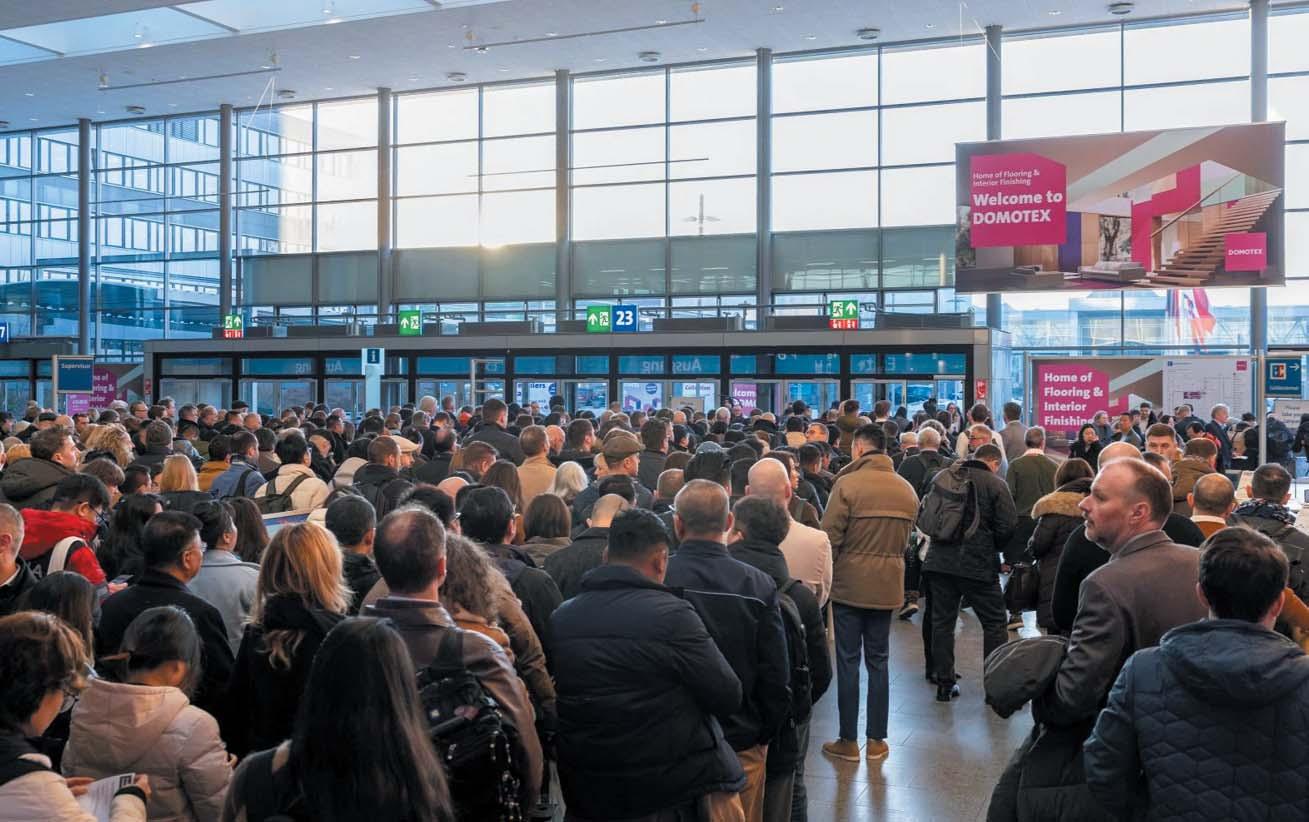
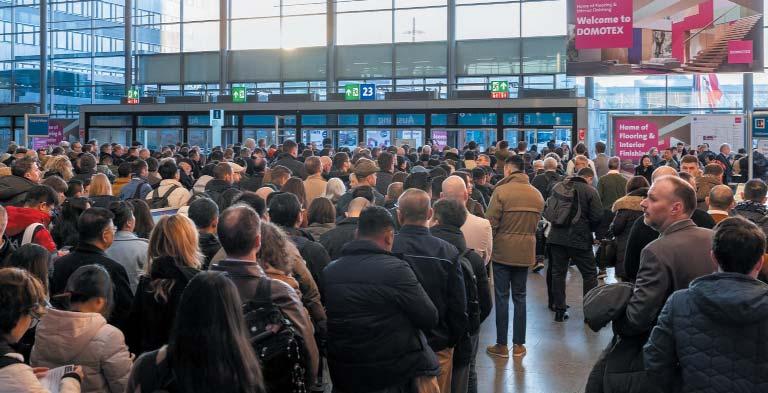
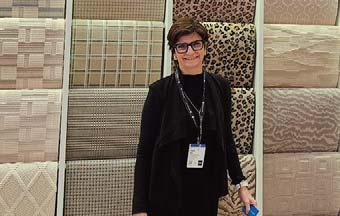
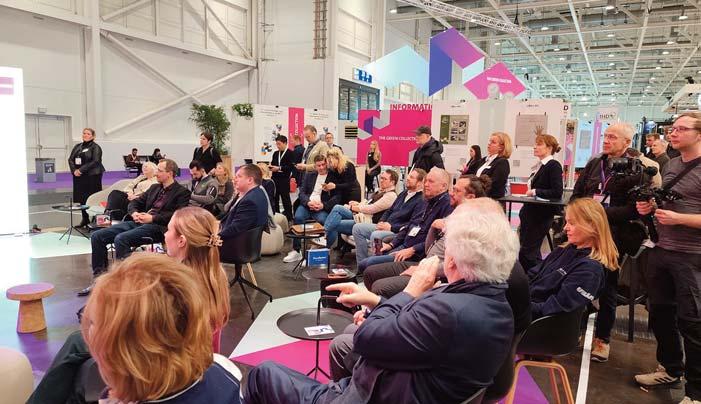
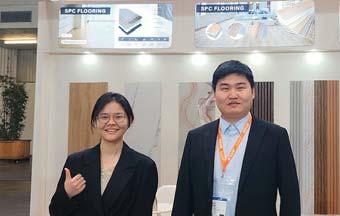
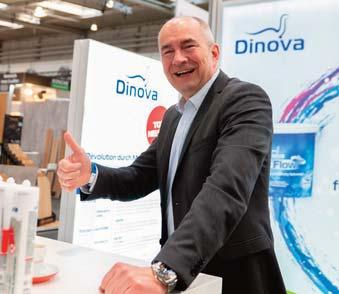
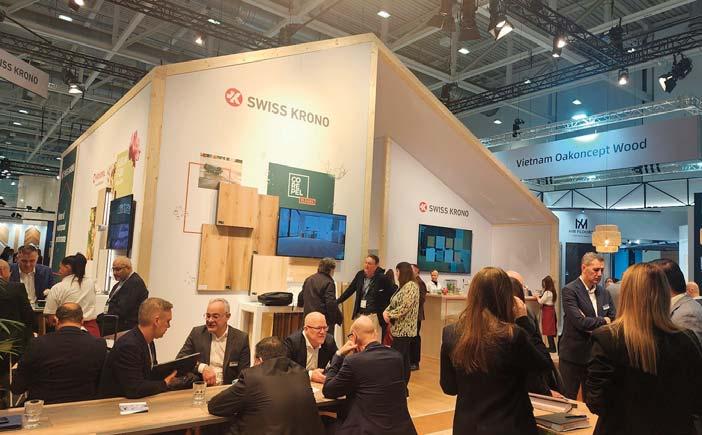
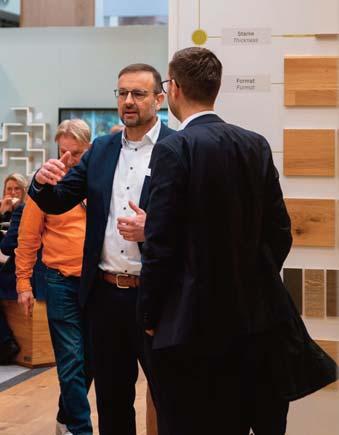
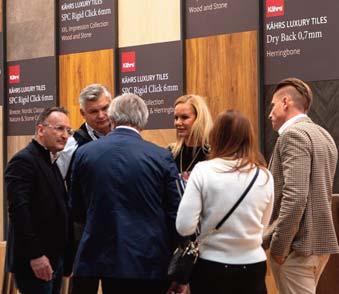
Full halls, innovative products, new synergies, numerous positive discussions, and successful business deals shaped the past four days of the fair. With its new concept, DOMOTEX has reinvented itself and was able to impress both exhibitors and visitors on every level.
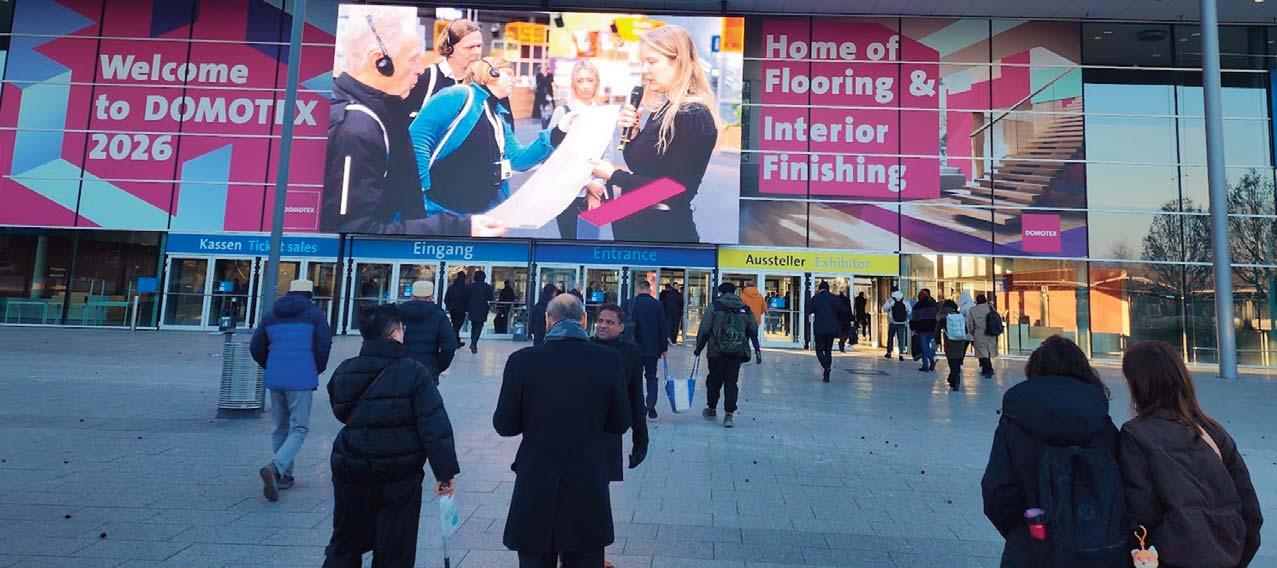
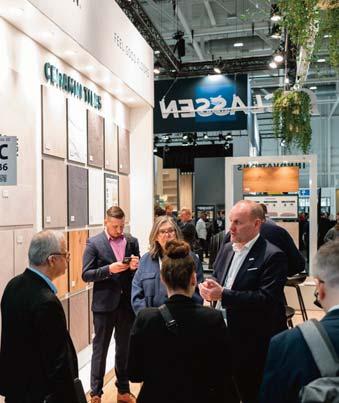
The new DOMOTEX 2026 confirms its new position as the international platform for the industry. From 19 to 22 January, DOMOTEX 2026 impressively confirmed its position as the international platform for the flooring and interior finishing industry. The trade fair in Hannover featured over 500 exhibitors from more than 50 countries and, for the first time, consistently presented itself as the Home of Flooring & Interior Finishing, successfully bridging the gap between high-quality flooring and comprehensive interior solutions. The positive energy, international reach, and strong participation of leading market players made DOMOTEX the central meeting point for business, trends, and innovations.
"DOMOTEX has reinvented itself and shown us all that it pays off to boldly explore new paths. DOMOTEX 2026 sets new benchmarks for the entire industry. Both exhibitors and visitors have given us consistently positive feedback. The fair clearly conveys a tangible sense of renewal and provides the perfect platform to bring together the international flooring and interior finishing community," says Arno Reich, Senior Vice President, Deutsche Messe AG.
“DOMOTEX has successfully evolved in terms of content and concept –without losing its roots in flooring. The expansion to include wall and ceiling products was exactly the right move and created new synergies that were clearly tangible across the exhibition grounds. It is precisely this interdisciplinary exchange that makes DOMOTEX a global industry meeting point,” emphasizes Annette Levy, the new Project Director of DOMOTEX.
Bruno Descamps, Managing Director at Lamett, is also convinced of the new DOMOTEX: "We are extremely satisfied with the new DOMOTEX. For us, the fair feels like a real new beginning – a clear confirmation that this format is still absolutely meaningful. The atmosphere is positive, our customers and team are excited, and we were able to conduct important discussions and secure very successful deals. For the flooring industry, it is crucial to meet regularly, exchange ideas, and present innovations. DOMOTEX provides the ideal platform for this and, in our view, is an indispensable meeting point for the industry – today more than ever."
High Internationality and strong Visitor Quality
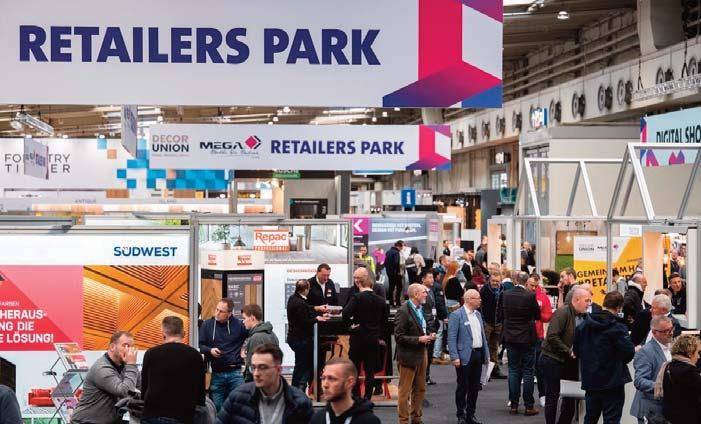
DOMOTEX 2026 once again impressed with its high internationality among both visitors and exhibitors. Trade visitors from numerous countries explored Hannover to discover the latest offerings from leading manufacturers and used the fair as a strategic starting point for the new business year. Particularly appreciated were the expanded product groups and the positive feedback from trade and craftspeople in the Retailers Park.
Mark Bircham, Managing Director of Kronoplus, says: "DOMOTEX provides us with the ideal platform to showcase our new collections and innovations firsthand. It is especially important that customers can not only see our technologies and designs but also touch and experience them – something that is difficult to convey online. The response over the past few days has been overwhelming: visitors showed great interest in our waterproof products, new digital print designs, and the wide range of flooring and wall formats."
Griescha Krebs, Field Manager at Florim Ceramiche, adds: "We were very pleasantly surprised by the internationality of DOMOTEX. The audience is much more diverse and international than we expected – from Venezuela to Israel to Thailand, everything was represented. For us as a company, it was particularly exciting to make new contacts and showcase our products directly. Especially for ceramics, with a wide variety of surfaces and innovative materials, the tactile experience is crucial for customers. The fair provides the perfect opportunity to conduct personal discussions, answer questions, and present innovations in flooring and interior finishing."
With the expansion to the Home of Flooring & Interior Finishing, DOMOTEX is responding to changing market requirements and the growing demand for holistic interior concepts. Additional product groups for walls, ceilings, and interior finishing were seamlessly integrated into the established flooring offering, creating new synergies along the entire value chain.
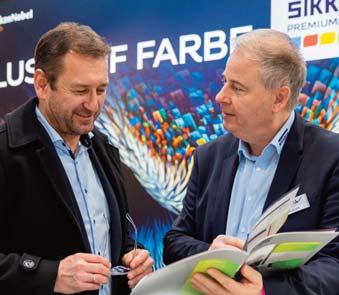
New exhibitors, such as the paint manufacturer AkzoNobel, reported a very positive experience after four successful days: "We are very satisfied with our first appearance at DOMOTEX. The fair provides the ideal platform to connect with new customers and support existing clients intensively. We were particularly impressed by the Retailers Park, which provides visitors with targeted information about our brands and concepts. Our core message: we show
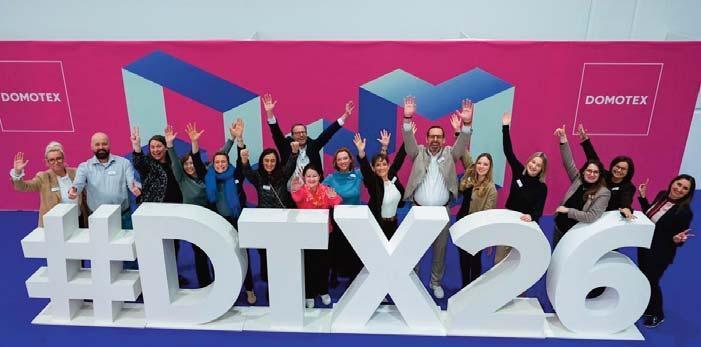
how retailers can better engage customers and present themselves in a high-quality way through color and spatial concepts," says Stefan Klinker, Head of Sales Professional Germany at AkzoNobel.
Also new to DOMOTEX: the sun and privacy protection manufacturer Teba. Luigi Giordano, Key Account Manager, says: "DOMOTEX 2026 was very successful for us overall. We had many visitors at our stand and numerous productive discussions. Particularly gratifying was the intensive exchange with international trade visitors as well as guests from Germany. The diversity of target groups – from international decision-makers to craftspeople – and the high quality of the discussions exceeded our expectations."
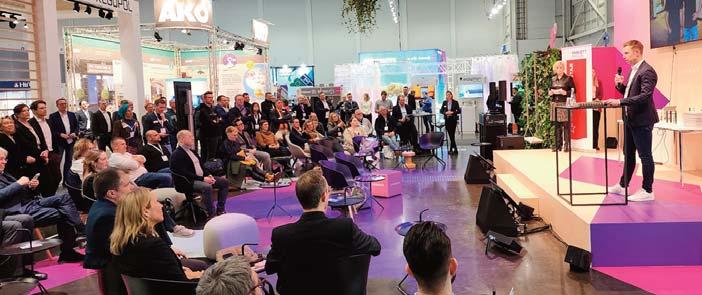
The exhibition was accompanied by a diverse supporting programme, including presentations, discussion formats, and special areas. Key topics such as sustainability, circular economy, design, and new working environments were highlighted, alongside the personal exchange within the international community.
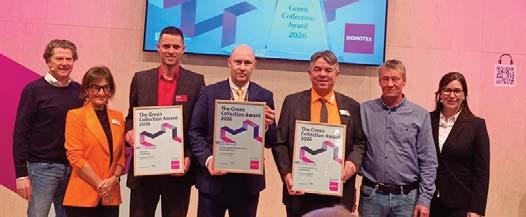
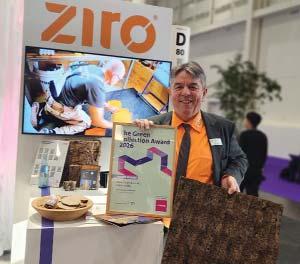
A special highlight of DOMOTEX 2026 was the Green Collection Award, which this year was presented to Weitzer Parkett for its outstanding sustainable product solution, Weitzer ReParkett.
Josef Stoppacher, Managing Director of Weitzer Parkett: "DOMOTEX is the largest flooring fair in Europe and also a highly international meeting point for the industry. After a longer break, it was important for us to be personally present again. In times of increasing digitalisation, direct on-site exchange is extremely important to establish new business contacts and deepen existing relationships. Winning the first prize of the Green Collection Award confirms our consistent commitment to sustainability and circular economy. Overall, we are very satisfied with our participation at DOMOTEX."
The fair also provided a high-profile stage for other industry awards, including the Parkett Star Award from SN-Verlag and the Netzwerk Boden Award.
Additional inspiration came from boxing world champion Henry Maske, who appeared as a highlight speaker at DOMOTEX, engaging numerous visitors with his contribution. His presence underlined the fair’s focus on combining product innovation with inspiration, values, and personalities.
With the successful conclusion of DOMOTEX 2026, the fair sends a strong signal for the future of the industry. The further development of the concept, the high international participation, and the positive market response confirm the path taken.



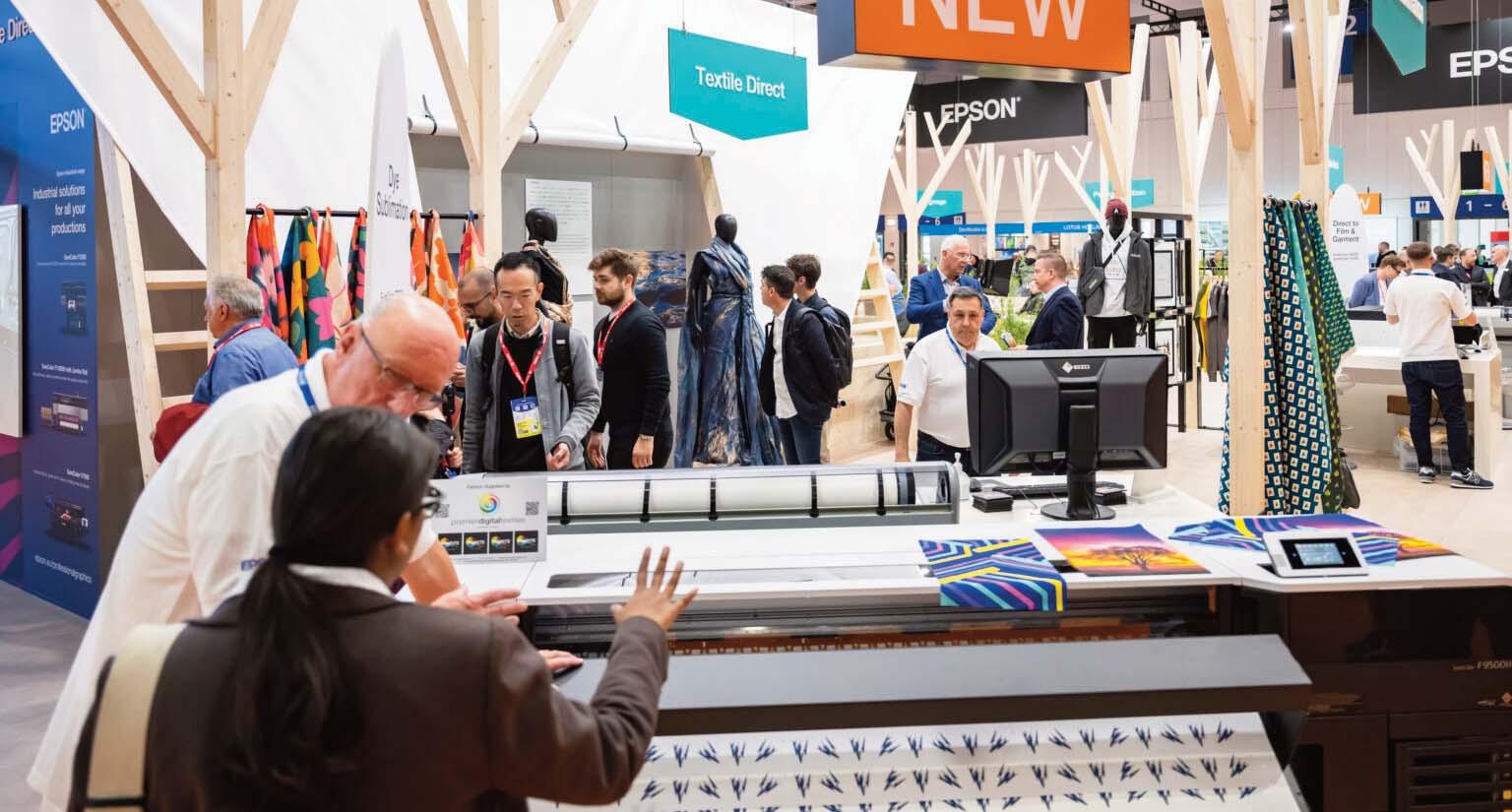
FESPA has confirmed a strong exhibitor line-up for its inaugural Textile show, a dedicated new event that will run as part of FESPA 2026, alongside co-located events: Global Print Expo, Personalisation Experience, European Sign Expo, WrapFest and the brand-new Corrugated.
Taking place from 19 – 22 May 2026 at the Fira de Barcelona, Spain, Textile will shine a spotlight on the technologies, processes and applications shaping the future of printed textiles, across promotional products and merchandise, print-on-demand, and garment decoration for items such as T-shirts, caps and bags, as well as sportswear production and interior décor.
In the Textile exhibition space, visitors will be able to explore digital textile printing and garment decoration technologies for screen, direct-to-garment (DTG), direct-to-film (DTF), transfer printing, dye sublimation and roll-to-roll textile printing. Confirmed exhibitors include leading manufacturers of printon-demand production (POD) and
high-volume textile printing and garment decoration, such as B-Flex Italia and ZSK.
The exhibitor line-up also includes screen printing solutions like Anatol, CST GmbH, Easiway, Exile Technologies and Saati Iberica.
Suppliers will also exhibit textile inks and materials that support colour performance, durability and more sustainable business operations.
In addition, solutions for workflow efficiency, colour management and production will be showcased by brands such as Crea8iveSkill, DRAWstitch International, Embodee.com, Fiery and Fulfill Engine.
Callum Legg, Group Sales and Project Manager, FESPA, comments: “Textile printing and garment decoration is one of the most dynamic growth areas across the speciality print sector. In light of this, we’ve developed our new event –comprising a strong line-up of exhibitors and a dedicated conference programme –to provide our community with access to textile-related technologies, expertise and applications that can benefit their
businesses. We look forward to seeing and supporting members of our community in Barcelona!”
Debbie McKeegan, CEO of Texintel and FESPA’s Textile Ambassador, adds: “FESPA Textile is providing a vital platform for the conversations that actually matter. We must confront the immediate challenges facing textile printers, whilst examining exactly how technology is being applied in the here and now. More importantly, we need to understand how these innovations – and the trends driving them – will fundamentally reshape the manufacturing landscape for printed fashion, sportswear, furnishings, and interiors in the years to come. Together we will define our industry’s future.”
While at the show, visitors to Textile can also attend ‘The Conference’ for free, which will cover intelligent production and customisation.
With their ticket to Textile, visitors will have access to all co-located events, taking place as part of FESPA 2026, as well as the two other conference programmes centred around corrugated and wrapping.
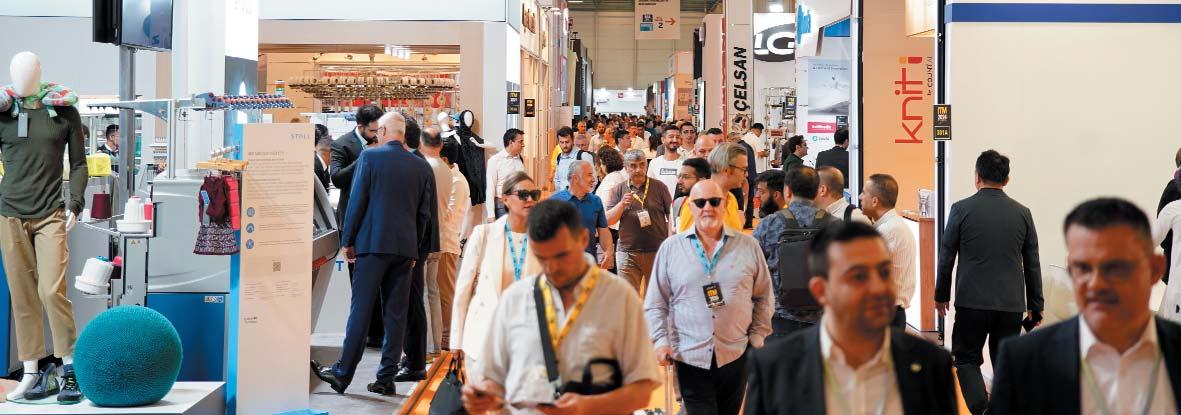
With global fibre production projected to reach 169 million tons by 2030, yarn manufacturing is becoming one of the most strategic fields within the textile machinery industry. Located in Halls 6, 7, and 10, the Yarn Hall at ITM 2026 is set to bring together industry professionals with innovative solutions developed around automation, energy efficiency, digitalisation, and circular production.
Taking place from 9–13 June 2026 at the Istanbul Tüyap Fair and Congress Center, ITM 2026 will bring together leading manufacturers of yarn technologies under one roof. Located in Halls 6, 7, and 10, the Yarn Hall will serve as a strong showcase for exhibitors with its advanced spinning technologies, smart manufacturing systems, and sustainable solutions, while offering visitors a comprehensive guide to technology and investment opportunities. Global manufacturers, technology developers, and decision-makers will have the opportunity to experience firsthand the innovations shaping the future of yarn production at the ITM 2026 Yarn Hall.
Spinning processes, which form the backbone of textile manufacturing, are being redefined with advanced technological solutions at the ITM 2026 Yarn Hall. While advanced extrusion systems for filament production form the basis of high-performance and consistent yarn manufacturing, smart spinning technologies that enable automation and energy efficiency define the hall’s overall vision. Digitised production infrastructu-
res make processes more transparent, controlled, and sustainable, setting a new standard in yarn production.
Fully automated winding systems integrated into ring and rotor spinning lines simplify workflows, reduce operator dependency, and ensure consistent quality. Thanks to connected production lines, all processes from bale handling to packaging can be managed within a single, seamless flow. These intelligent systems, which enable process optimisation, support productivity gains while enhancing the competitiveness of manufacturing facilities.
Modular spinning systems optimise material flow through integrated logistics structures while significantly reducing energy consumption. With flexible configuration options, manufacturers gain major advantages in capacity planning, investment costs, and production scalability. These next-generation production concepts pave the way for agile facilities capable of rapidly adapting to changing market conditions.
One of the key themes of the ITM 2026 Yarn Hall will be the production of high-quality yarns from recycled fibres. Circular spinning systems developed in line with mechanical recycling processes enable waste materials to be reintegrated
into production. By increasing resource efficiency and reducing environmental impact, these solutions make a strong contribution to the industrial transformation of sustainable textile manufacturing.
High Performance and Low Cost in Rotor
High-efficiency rotor spinning technologies, particularly developed for short and recycled fibres, raise the performance benchmark in yarn production. Thanks to advanced piecing systems, self-cleaning yarn guides, and simultaneous multiple start capabilities, maintenance times and costs are reduced while production continuity is strengthened.
For yarn manufacturers aiming to keep pace with transformation in spinning technologies, shape their investment decisions, and gain a competitive edge in global competition, ITM 2026 will serve as a strong and strategic platform. The ITM 2026 Yarn Hall will offer manufacturers not only the opportunity to see the latest machinery, but also to examine sustainable production models on site, compare different spinning technologies, and develop more informed, future-oriented investment plans. Direct engagement with global technology suppliers, new business partnerships, and the opportunity to closely observe market trends will make ITM 2026 an indispensable meeting point for decisionmakers in the yarn industry.



At the beginning of this year, BYR International and iTextiles® started a new collaboration aimed at promoting Solucell®-based textile technologies and supporting their adoption across the Pakistani textile industry. The partnership combines BYR International’s material innovation and technical know-how with iTextiles®’s strong market presence and industry connections, creating a platform to introduce advanced yarn and fabric solutions to local manufacturers.
Pakistan has long been recognised as one of the world’s leading textile producers, particularly in towels, home textiles and cotton-based fabrics, making it a natural environment for the introduction of technologies that can improve both sustainability and product performance.
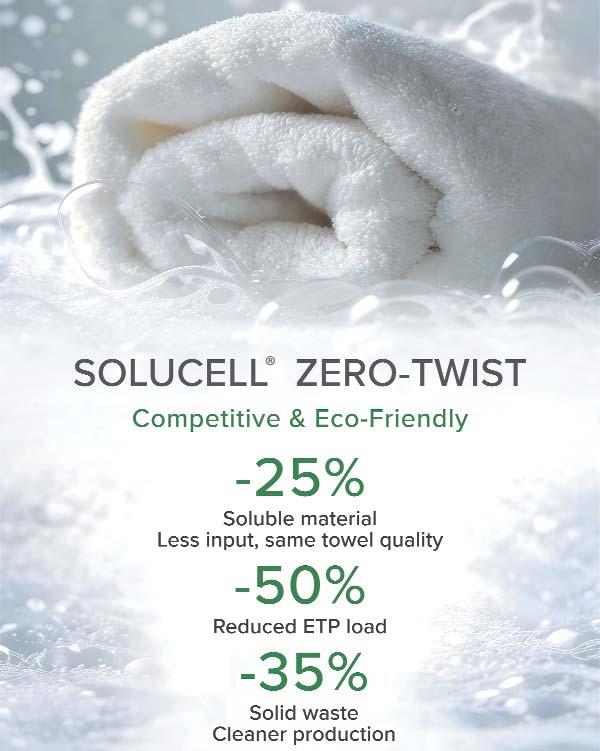
The first and most important focus of this cooperation is Solucell® Zero-Twist, the core technology, where Solucell®
replaces conventional PVA in the production of zero-twist yarns. For decades, PVA has been widely used to produce the soft and bulky yarns required in premium towel manufacturing. However, the removal of PVA during processing generates significant wastewater load and solid waste.
With Solucell®, manufacturers can achieve the same softness, bulk and absorbency required for high-quality towels while significantly improving the environmental footprint of the process. In practical terms, mills can obtain around 50% reduction in COD (Chemical Oxygen Demand) in wastewater and approximately 35% reduction in solid waste generated during production. These improvements not only support environmental compliance but can also translate into greater operational efficiency and competitiveness, especially as international markets increasingly demand more sustainable textile solutions.

While the towel industry remains the core application, Solucell® technologies also open new opportunities in apparel and home textiles, expanding the range of possible fabric constructions and functionalities.
One example is Solucell® SmartVent, a technology designed to create ventilated fabric structures that combine attractive design with enhanced comfort. By enabling controlled openings or channels within the fabric structure, SmartVent improves air circulation and breathability. This makes it particularly suitable for bed linens as well as woven apparel fabrics, where ventilation and thermal comfort are increasingly valued by consumers.
Another development attracting growing interest is SolucellAirLite®, which allows manufacturers to create lighter fabrics with enhanced structural softness and performance. In towels and bed linens, this technology makes it possible
to maintain volume and softness while reducing overall fabric weight, offering advantages in comfort, drying performance and resource efficiency.
Through the collaboration with iTextiles®, mills now have access not only to the Solucell® material itself but also to the technical support required to successfully implement these technologies in spinning, weaving and finishing processes. The goal of the partnership is to facilitate development work, trials and product innovation that can help Pakistani manufacturers strengthen their positioning in international markets.
At the same time, both companies emphasize that this collaboration represents only the beginning. The cooperation between BYR International and iTextiles® in the field of innovative yarns and materials is expected to expand further, with new developments and technologies currently under preparation that will be introduced in the near future.
With a strong combination of innovation, sustainability and technical expertise, the partnership aims to contribute to the next generation of textile solutions emerging from Pakistan.
Global political and economic developments have been leading to rising raw material and energy costs for some time. The textile machinery industry is also affected by this trend. Rieter machines and components consist to a large extent of steel, copper, aluminium and electronics. These materials in particular have seen higher demand and higher prices in recent months.
Rieter has not yet passed on the additional costs to its customers. Since the price trend is proving to be long-term, the company will adjust its prices from March 2026.
About Rieter
Rieter is the world’s leading supplier of systems for manufacturing yarn from staple fibres in spinning mills. Based in Winterthur (Switzerland), the company develops and manufactures machinery, systems and components used to convert natural and man-made fibres and their blends into yarns in the most cost-efficient manner. Cutting-edge spinning
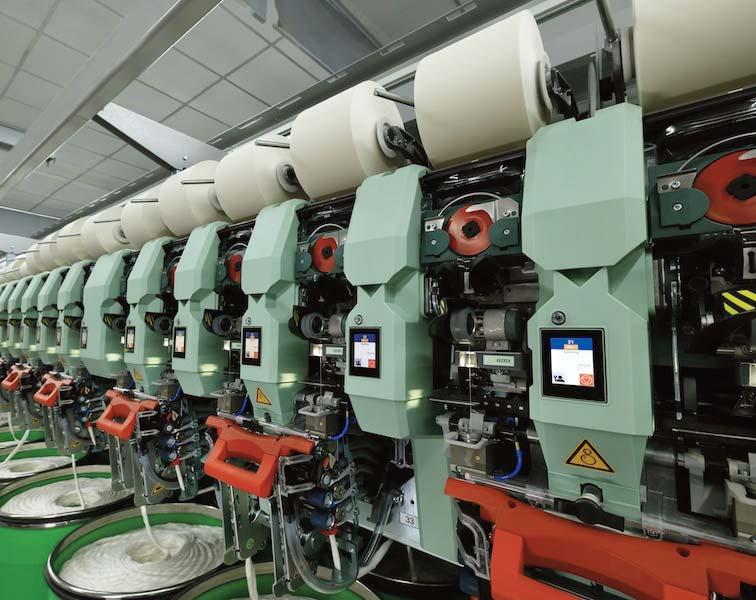
technology from Rieter contributes to sustainability in the textile value chain by minimising the use of resources. Rieter has been in business for 230 years, has 18 production locations in ten countries and employs a global workforce of around 4,400, about 15% of whom are based in Switzerland.
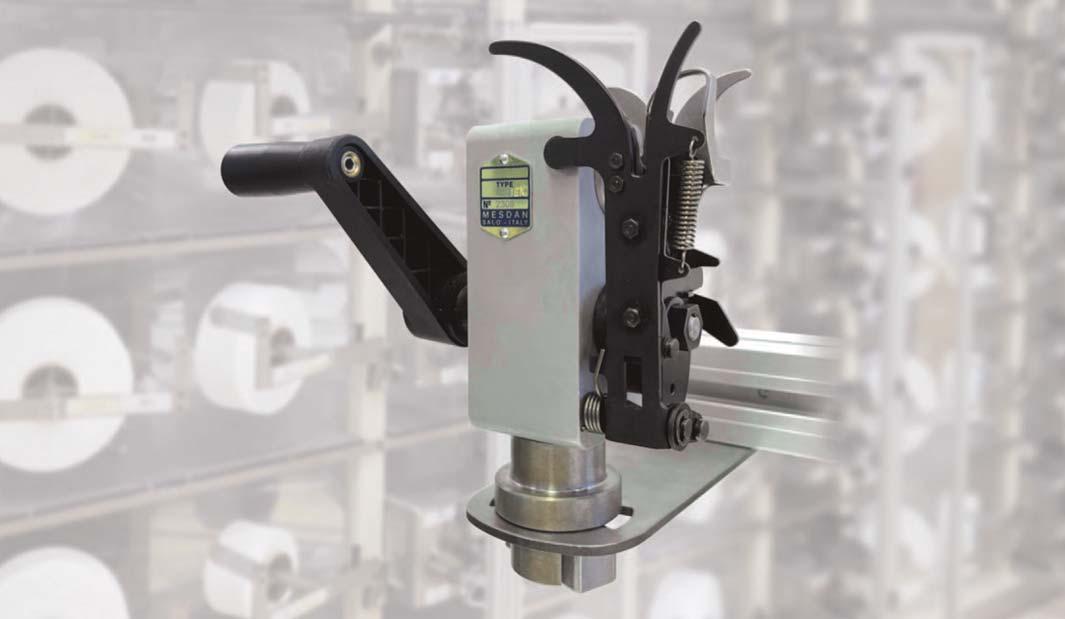
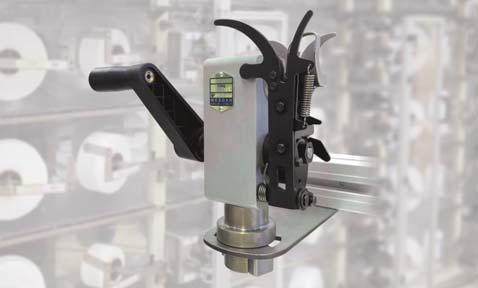
Developed and manufactured by MESDAN/Italy, 093E is a special version of the well-known Loop knotter, specifically designed to join hygienegrade spandex yarns, used in the personal care industry.
The knotter was developed in cooperation with leading manufacturers of spandex and with the collaboration of the producers of the tension devices used on the diaper manufacturing creels.
The hand-operated knotter brings greater efficiency and reliability to diaper manufacturing operations by eliminating manual knot tying. Operators will no longer have to tie together ends of spandex packages, an error-prone process that can cause production line interruptions.
The type 093E knotter produces consistent knots, leading to reduced downtime. Its main application is the tailto-top transfer on creels used in diaper
production. The knotter 093E can be easily moved, directly clamped to the creel structure, and fixed at preset positions thanks to special brackets.
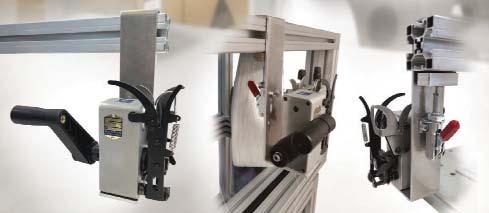
Loop knotter type 093E is sold through the official MESDAN sales network, which is thrilled to be able to offer this unique solution to the personal care and disposable care industry.
Founded in 1952, based in Italy, Mesdan offers complete laboratory solutions for all textile plants: spinning, weaving, knitting, dyeing and finishing mills. Equipment for testing the physical properties of fibres, yarns, fabrics and finished products (including technical
textile as well), and also for the colour fastness and the dyeing assessment and formulation. All equipment is designed and manufactured to meet the international testing methods and can be supplied with official calibration reports.
Additionally, Mesdan is the leading manufacturer of all types of yarn joining devices like mechanical knotters, automatic splicers for the Savio winders, and the hand-operated splicers for other winders, the doubling and twisting machines and for knitting and weaving applications (creels and looms).
The U.S. Cotton Trust Protocol has announced that Next Level Apparel, a family-founded leader in supplying premium blank apparel, has joined its program as the newest brand and retailer member. This membership underscores Next Level Apparel’s unwavering dedication to responsible sourcing and supply chain transparency, further strengthening its commitment to delivering highquality, ethically produced garments.
Through the program, Next Level Apparel’s cotton sourcing is evaluated against measurable indicators such as soil health, water use, nutrient management, and greenhouse gas emissions. A digitally enabled tracking system provides verified visibility across the supply chain, giving the company insight into cotton sourcing from fibre to finished apparel.
“Responsible sourcing has always been central to Next Level Apparel’s business,” said Brett Bjorkman, CEO of
Next Level Apparel. “By participating in the U.S. Cotton Trust Protocol, we can independently verify the sustainability of the cotton we source and ensure our products reflect our commitment to transparency and continuous improvement.”
The Trust Protocol is a voluntary fieldlevel sustainability program and traceability platform for U.S. Cotton. The program drives continuous improvement across key sustainability indicators such as land use, soil health, water management, greenhouse gas emissions, and energy use. The Trust Protocol also provides independently verified data and unmatched transparency through its supply chain, supporting brands and retailers in their journey toward more sustainable sourcing.
“We welcome Next Level Apparel to the U.S. Cotton Trust Protocol, which will help further strengthen our collective commitment to transparent and
sustainable sourcing,” said Gary Adams, President of the U.S. Cotton Trust Protocol. “Their proactive stance on responsible sourcing, particularly their focus on U.S. Cotton and supply chain integrity, aligns closely with our mission. This membership will equip Next Level Apparel with the data-driven insights needed to help meet the increasing global demand for sustainably produced cotton in high-performance apparel.”
Next Level Apparel integrates this membership alongside other ethical and operational programs, including Oritain, the Fair Labour Association, and TrusTrace, while thoughtfully designing and producing apparel built to last. This layered approach ensures that every product is made with accountability, operational transparency, and attention to measurable outcomes to uphold high environmental and social standards.
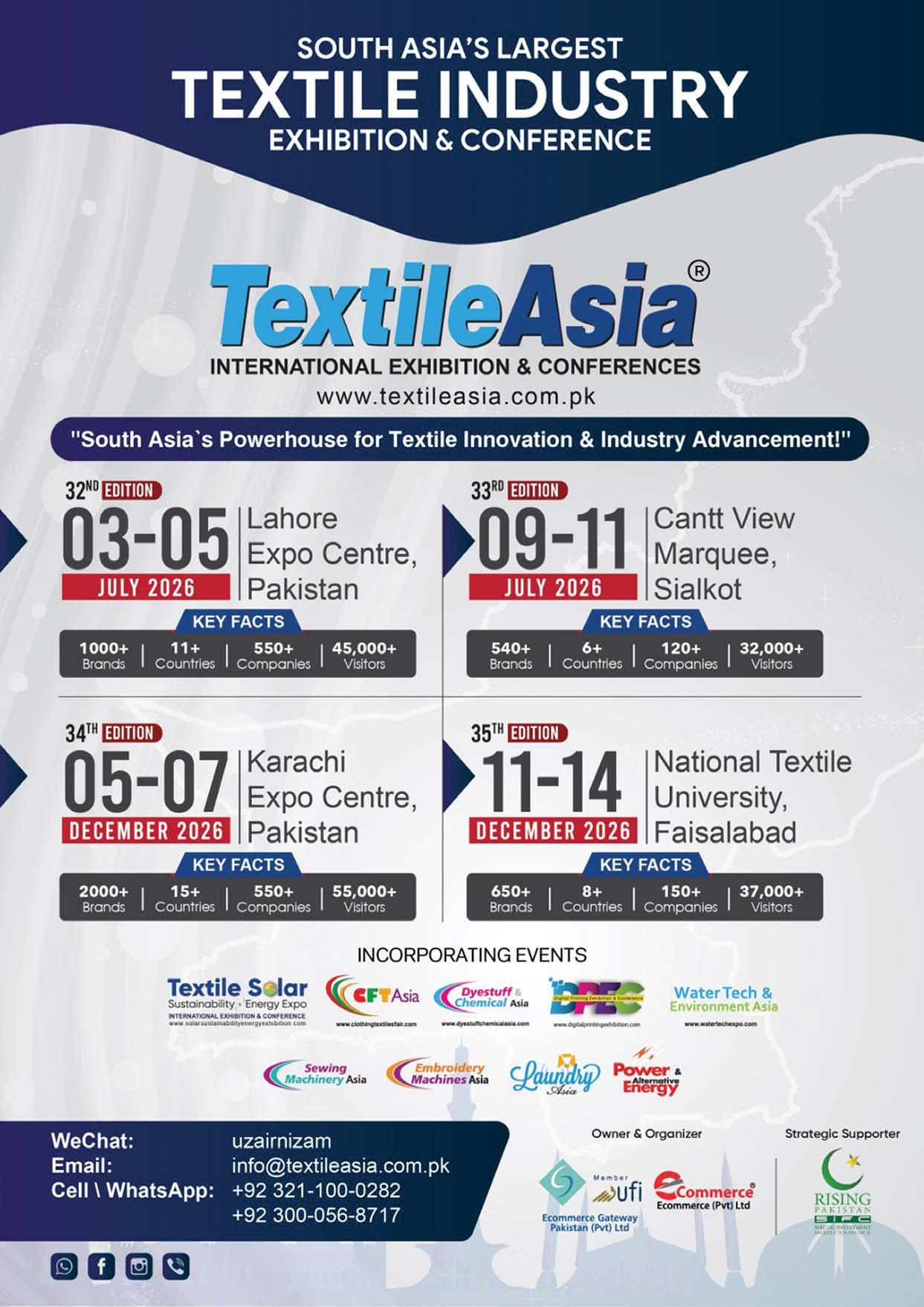
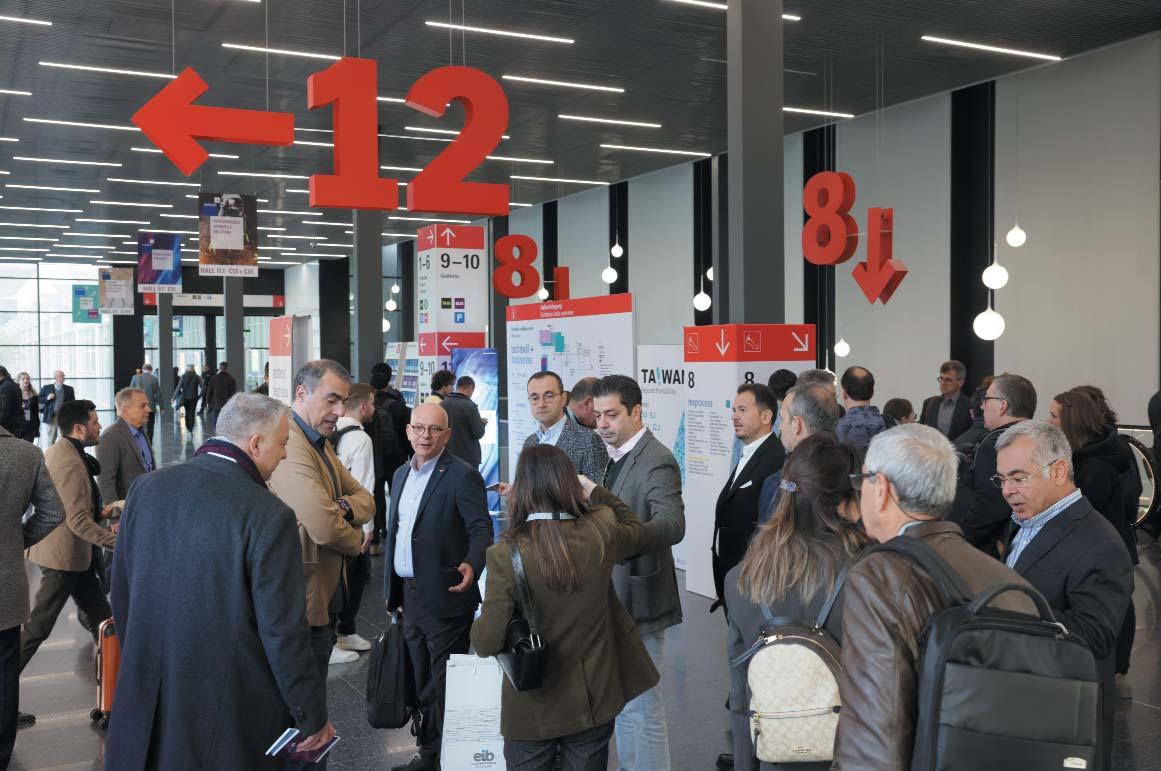
Techtextil 2026 continues to grow: more than 1,500 exhibitors from 49 countries present their products and innovations in Frankfurt am Main from 21 to 24 April 2026. Over 120 of them are first-time exhibitors. Texprocess is taking place at the same time, remaining stable with around 200 exhibitors – despite challenging market conditions. Together, the two events bring more than 1,700 exhibitors to the Frankfurt exhibition grounds.
With over 1,500 exhibitors from 49 countries, more than 120 first-time exhibitors and 16 strong country pavilions, including those from France, Korea and Switzerland, Techtextil in Frankfurt is once again the central meeting place for technical textiles and nonwovens. The Netherlands and Tunisia are also presenting themselves with their own country pavilions for the first time. The leading trade fair is also recording growth from European and
intercontinental markets such as India, the Netherlands and Portugal. In addition, there are new exhibitors from Australia, Colombia, Nigeria, Hungary and Uruguay. At a time of recession, tariff pressures and geopolitical tensions, Techtextil brings together decision-makers from a wide range of industries to open up new markets, forge partnerships and accelerate the transfer of applications into practice.
Performance Apparel Textiles: Doubled exhibition space in Hall 9.0
Whether for protection, thermoregulation, insulation or cooling, performance materials must deliver at the highest level in extreme conditions – in workwear, protective and military clothing as well as outdoor and sports apparel. The Performance Apparel Textiles area (Hall 9.0) doubles in size in 2026, bringing together around 130 exhibitors from 13 countries, including approximately 30 first-time exhibitors. A
special highlight is the live presentation “Performance Apparels on Stage” (also in Hall 9.0). This dedicated area showcases functional end products and wearables in action – based on materials supplied by exhibiting companies.
Top exhibitors: Concordia Textiles (Belgium), Getzner Textil (Austria), Kermel (France), Klopman International (Italy), Lenard (Spain), Noble Biomaterials (the USA), Outlast and Prym Fashion (Germany), Textil Santanderina (Spain), and YKK Europe Limited Germany Branch (United Kingdom).
First-time exhibitors: DuPont de Nemours International Sàrl (Switzerland), Francis Dinsmore (United Kingdom), Heliotextil (Portugal), Khosla High Performance Textile (India), Osmar Buckle (Taiwan), PPH Polexim (Poland), RTS Textiles and Stretchline (United Kingdom), Technitiger (Spain), and Xinke Protective (Netherlands).
Nature Performance: Sustainable material solutions
Customer requirements and regulatory frameworks are increasingly influencing material selection. At the same time, functionality, quality and performance must remain uncompromised. Under the Special Interest Nature Performance, Techtextil highlights exhibitors offering corresponding materials and solutions. The Nature Performance label is displayed directly at the exhibitors’ stands. In addition, visitors can use the online exhibitor search to filter specifically for this feature and identify relevant suppliers.
In Hall 9.1, Barnet Europe as well as CORDENKA (Germany), Kanpur Plastikpack (India) and Longcell Europe (Germany) showcase fibres made from natural polymers and other bio-based fibres. Corresponding fibres are presented by Calloni (Italy) and Senbis Polymer Innovations (Netherlands) in Hall 9.0.
Also in Hall 9.1, Fiacao da Graca (Portugal) exhibits yarns made from organic natural fibres, while Gülipek Kumas (Turkey), Inovafil Fiacao (Portugal) and Karafiber (Turkey) present yarns based on natural fibres. Belchem (Germany) complements the offering with inorganic natural fibres.
Textile Chemicals & Dyes debuts as a dedicated product segment
Techtextil, for the first time in 2026, brings together Textile Chemicals & Dyes within a dedicated product segment –
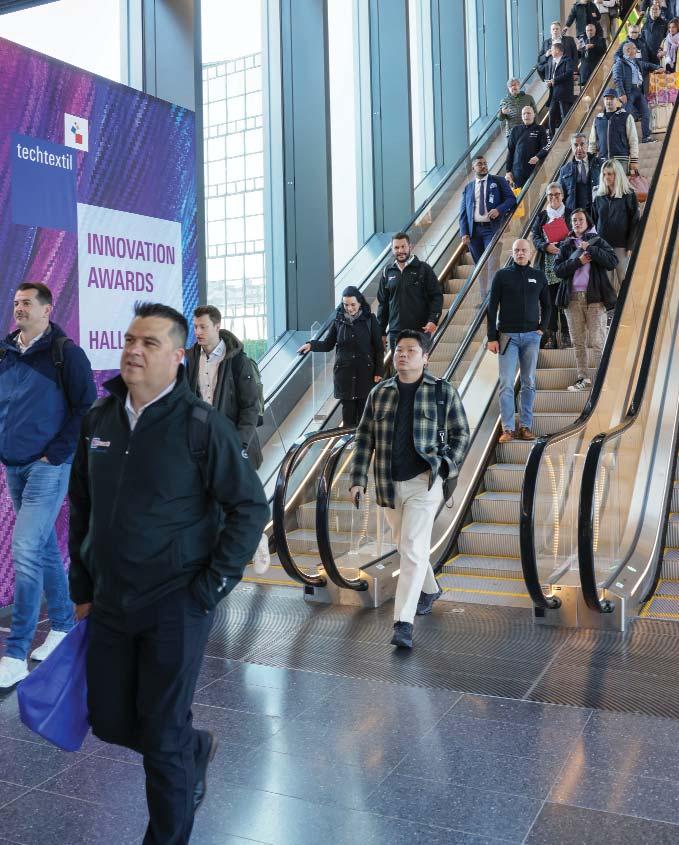
responding to growing demand from users and the desire among suppliers for a clearly structured, centralised platform. More than 30 exhibitors from eleven countries present their products in Hall 9.0.
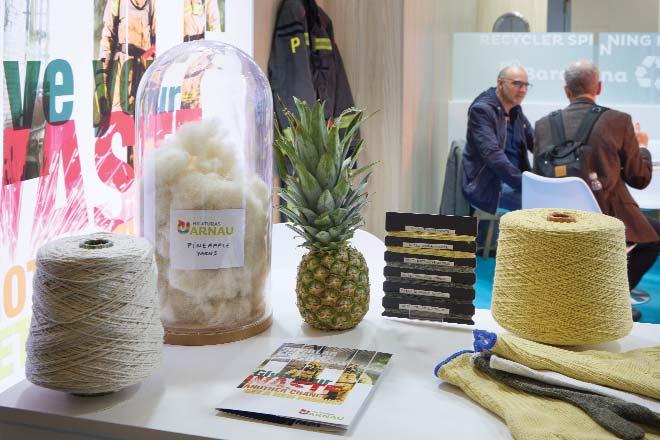
The consolidation creates shorter distances: Textile Chemicals & Dyes are located in direct proximity to Fibres, Yarns and Performance Apparel Textiles. This makes it easier for suppliers, manufacturers and users to connect, align requirements more efficiently and develop solutions together. The segment is relevant for applications ranging from outdoor and protective clothing to industrial and automotive uses, as well as aerospace, medical technology, filtration and construction.
Exhibitors include Archroma (Switzerland), CHT (Germany), CTF2000 (Belgium), EMS-Chemie (Switzerland), Icap - Sira Chemicals and Polymers and IMA (Italy), Interplast Kimya Sanayi Ve Ticaret (Turkey), Livinguard (Switzerland), Novotex (Italy), Rudolf and Schill+Seilacher (Germany), Sarex Chemicals (India), Schmits Chemical and Tanatex Chemicals (Netherlands).
The Italian textile machinery industry is gearing up for a key event on the international trade fair calendar: Techtextil 2026, taking place from 21–24 Aprilin Frankfurt, Germany. A prestigious representation of Italian companies will participate in the German exhibition, a global benchmark for technical and innovative textiles, to present cuttingedge technologies dedicated to an everexpanding market.
Italy confirms its position among the world leaders in the textile machinery sector, thanks to a solid and highly specialised production system. The industry stands out for its strong international vocation, with a predominant share of production destined for foreign markets (86% of its sales) and a consolidated presence in over 130 countries. This places the country among the top global exporters of textile technology, renowned for its quality, innovation, and reliability.
In the first eleven months of 2025, sales in Germany have already reached 81 million euros. Among the most requested technologies, accessories stand out (36%), followed by finishing machinery (33%), the latter being essential for the production processes of the most innovative textile sectors.
The strength of Italian textile machinery lies in its dynamic structure, composed of small-to-medium-sized companies that are heavily oriented towards Research & Development. This flexibility allows Italian manufacturers to collaborate closely with end-users, transforming customer needs into highly personalised and versatile technological solutions.
“The growing demand for innovative textiles across various industrial fields is further consolidating our manufacturers’ position,” emphasises Marco Salvadè, President of ACIMIT. “At Techtextil 2026, the Italian offering will once again demonstrate how the combination of
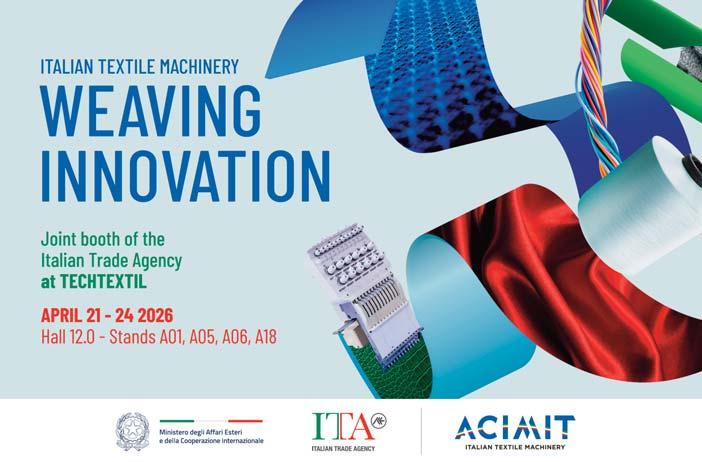
high technology and customisation capabilities is the key to meeting the challenges of the technical textiles sector.”
Italian expertise, rooted in historic districts such as Bergamo, Biella, Brescia, Como, Milan, Prato, and Vicenza, continues to guarantee standards of quality and reliability that make Made in Italy a point of reference for the entire global industry.
The ACIMIT associate companies present in the Italy Pavilion include: Aeris S.r.l., Aigle S.r.l., Beschi S.r.l., Bettarini & Serafini S.r.l., Bonino S.r.l., Castello S.r.l., Ferraro S.p.A., Gemata S.p.A., Gualchieri e Gualchieri S.r.l., Guarneri Technology S.r.l., Idealtech S.r.l., IMA S.p.A., Lonati S.p.A., Mariplast S.p.A., MCS Officina Meccanica S.p.A., Monti-Mac S.r.l., M.T.V. S.r.l., Noseda S.r.l., OMMI S.r.l., Ramatex Italia S.r.l., Ramina S.r.l., Salvadè S.r.l., Simet S.r.l., S.R.S. Spindle Research & Service S.r.l., Stalam S.p.A., Tecnomeccanica Biellese S.r.l., Tecnorama S.r.l., Texera S.r.l., Ugolini S.r.l., Unitech
Industries S.r.l., Zanfrini S.r.l.
The strength of the Italian presence is further confirmed by ACIMIT associate members exhibiting at individual stands or through local retailers, including:
A.Piovan S.r.l., Autefa Solutions Italy, Bianco S.p.A., Cormatex S.r.l., Dell’orco & Villani S.r.l., Emme S.r.l., Fadis S.p.A., Itema S.p.A., Lawer S.p.A., LGL
Electronics S.p.A., Mesdan S.p.A., Monti
Antonio S.p.A., O.M.R. S.r.l., Ratti Luino S.r.l., Siltex S.r.l., Texilmesa S.r.l., Texnology S.r.l., Toscana Spazzole Industriali S.r.l., Willy Italiana S.r.l., Zappa Macchine S.r.l.
ACIMIT (Association of Italian Textile Machinery Manufacturers) was founded in 1945 with the primary goal of promoting the Italian textile machinery industry by supporting its activities both in Italy and abroad. A non-profit organisation, it currently brings together approximately 170 manufacturers, categorised into spinning, weaving, knitting, finishing, and other machinery sectors. ACIMIT represents an industrial sector of roughly 300 companies (employing nearly 13,000 people) producing machinery with a total value of approximately euro 2.3 billion, of which 86% is exported. Creativity, sustainable technology, reliability, and quality are the hallmarks that have made Italian textile machinery a global leader.
Since 1892, Stäubli has been one of the world's leading manufacturers of highspeed textile machinery. The textile division provides innovative technological solutions covering the complex and complete weaving process, always adapted to the individual requirements of each user. The extensive Stäubli product range shows off with machines and accessories for frame weaving applications, Jacquard machines, complete carpet and technical textile weaving systems, and is completed with a range of weaving preparation systems, harnesses and weaving automation solutions. With its brand DEIMO knitting solutions the Group offers technically refined drive and control-systems for the knitting industry.
Stäubli Solutions to discover at Techtextil 2026
Techtextil is focusing on about a dozen main application areas: automotive, aircraft, medical, geofabrics and more. These all require specialised, highly reliable, high-performance production solutions throughout the entire production process. Stäubli offers automation solutions for weaving preparation and the weaving process itself. Some examples of Stäubli’s machinery and systems and their applications includes:
MAGMA T12 warp tying machine for weaving preparation
The Stäubli MAGMA warp tying machine, in conjunction with TPF3 tying frames, is a high-performance warp tying installation for a medium to coarse yarn range. This equipment guarantees maximum efficiency during the warp change process for every weaving mill.
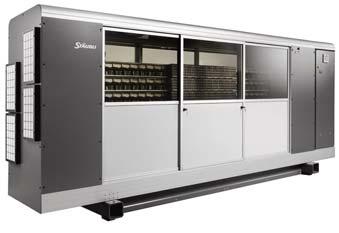
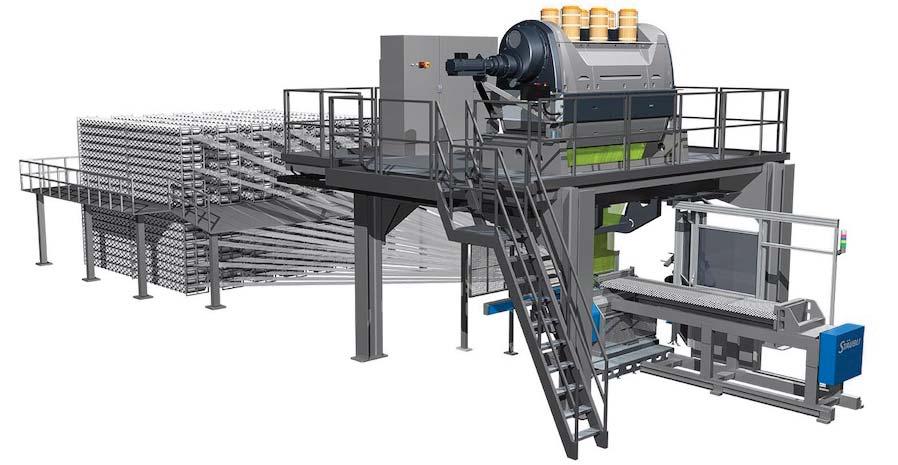
Warp tying installations from Stäubli are both easy to operate and quick to set up, making them indispensable tools for all warp changes. MAGMA T12 is particularly suitable for tying very coarse to medium count yarns as well as technical yarns of warps with 1:1 lease.
UNIVAL 100 servo-driven single-end machine for specific weaving
The Stäubli UNIVAL 100 ushers in a new age in Jacquard weaving. The UNIVAL 100 is the first “Open System” Jacquard machine in the world. It opens up new possibilities in Jacquard Weaving, giving almost unlimited scope for creativity, flexibility and performance.
2688 electronic rotary dobby
The 2688 range of electronically controlled rotary dobbies is suitable for producing all technical fabrics, especially forming fabrics. The range includes various types of dobby matched to the performance required from the weaving machine, taking the weaving parameters into account. They can be used on all types of weaving machine, positioned low or high.
The UNIVAL 500T presents a completely new concept compared to all previously available systems. This innovative new technology provides an almost unlimited range of applications, expansion options and settings, along with unlimited shed opening freedom. With a dedicated drive for each individual heald frame, this servomotor-controlled
dobby is particularly well suited to producing technical fabrics.
The UNIVAL 500T is especially suitable for producing sophisticated, technical or very dense fabrics with high warp tension. TF weaving system – setting the tone for innovative textile compositions
This weaving system has been developed for all types of technical textiles, especially heavy and thick ones. Allowing individual configuration, the system offers the possibility to compose system components that are perfectly adapted to the requirements of the application that will be woven.
Featuring innovative technologies, such as the servo controlled shedding solution, the TF provides unlimited design freedom to produce innovative fabrics with any required characteristics. The possibility of combining a wide variety of yarn materials into a fabric and the production of multilayer fabrics with variable thickness or new types of spacer fabrics sets the perfect stage for creative compositions. These are just a few of the many applications in which Stäubli machinery and systems support progressive weaving mills.
Stäubli looks forward to meeting you at the Techtextil 2026 in Frankfurt, Germany, from 21 to 24 April. Visit Stäubli at the Swiss Pavilion Booth B01.6 in Hall 12.0. to learn all about their stateof-the-art machinery and systems that enable weaving mills to produce any kind of technical fabrics.
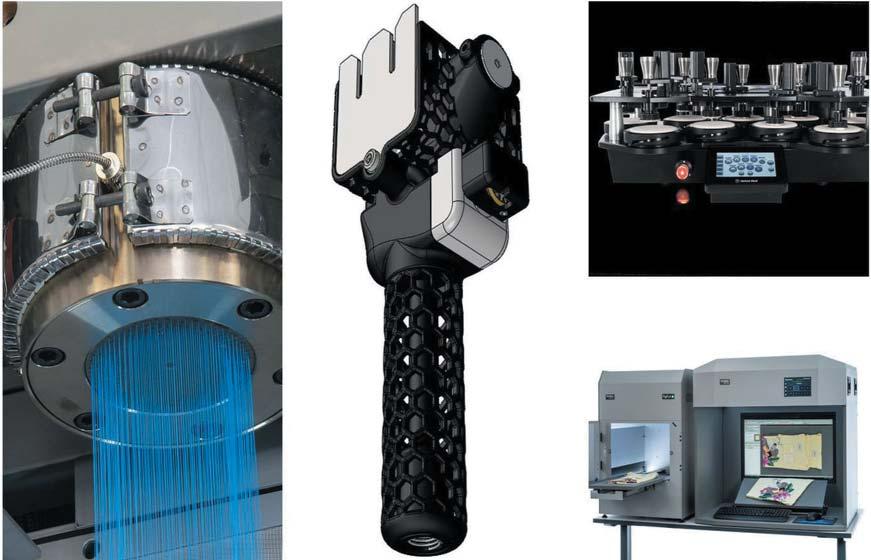
Members of the British Textile Machinery Association (BTMA) will present a range of textile processing, inspection and testing technologies at the Techtextil and Texprocess exhibitions in Frankfurt this April. Eight companies will demonstrate engineering developments aimed at improving precision, monitoring and efficiency in fibre and fabric production. The technologies cover several stages of the technical textile manufacturing chain, from yarn handling to final product inspection.
As demand grows for lighter, stronger and more sustainable technical textiles worldwide, machinery and testing systems used in their production continue to evolve. At the upcoming Techtextil and Texprocess exhibitions in Frankfurt this April, eight member companies of the British Textile Machinery Association (BTMA) will present technologies designed for advanced fibre and fabric processing.
The exhibiting companies collectively cover multiple stages of the technical textile manufacturing process, including yarn processing, monitoring systems, inspection technologies and product testing.
Airbond will display developments in pneumatic splicing technology at Techtextil in Hall 12.0, stand E31. The technology, originally introduced by the company in the 1960s, is used to join yarn filaments without knots. Pneumatic splicing intermingles fibres to create flatter and stronger joints, which helps maintain material performance and reduce waste.
The company’s latest patented splicers are produced using 3D printing technology. The new design enables the processing of yarns up to 16,000 tex, compared with around 1,200 tex for most standard splicing systems.
Pneumatic splicing is used in conventional textiles as well as in carbon and aramid components for aerospace, automotive and wind power applications.
Ascotex
Ascotex will present its range of yarn guidance and monitoring components at stand C75 in Hall 12.0. The company manufactures ceramic and hard-chromed yarn guides, tension devices, yarn break detectors, sensors, cutters and threading tools.
The ceramic yarn guides are produced using high-grade technical ceramics designed to resist wear and maintain consistent geometry during long production cycles. Their surface finish is intended to reduce friction, heat generation and abrasion, helping maintain yarn quality and package formation during spinning and winding operations.
Dent Instrumentation will focus on yarn monitoring technologies at stand E61A in Hall 12. Its contactless yarn sensors operate across a speed range from 3 m/min to 8,000 m/min. Detection response can be adjusted to suit different processing conditions.
The sensors are encapsulated in epoxy resin to protect them from spin finish, oil, wax and water. The system also includes an optical compensation design intended to reduce cleaning requirements. These sensors are used in processes including POY and FDY winding, DTY processing with wrap detection, ring spinning, open-end spinning, friction spinning, creel operations and glass fibre twisting.
Fibre Extrusion Technologies (FET) will present polymer processing solutions at stand A78 in Hall 12.0. The company has developed more than 70 customised multifilament, monofilament and nonwoven polymer systems for specialised applications.
Among its latest developments is a system designed for the production of ultra high molecular weight polyethylene (UHMWPE). The company has introduced an industrialised lab and small-scale gel spinning system that incorporates a patented batch solvent extraction process using supercritical CO2. The system is designed to enable smaller-scale production of customised fibre quantities.
As Managing Director Richard Slack explains, the system responds directly to demand from biomedical customers for tailored fibre sizes without the constraints of large-scale infrastructure.
James Heal will present testing instruments from its Performance Testing range at stand B66 in Hall 12.0. The AirPro air permeability tester supports multiple test standards and includes interchangeable test heads for woven, knitted and nonwoven fabrics.
The HydroView hydrostatic head tester measures water penetration in materials used in sectors including medical textiles, geotextiles and
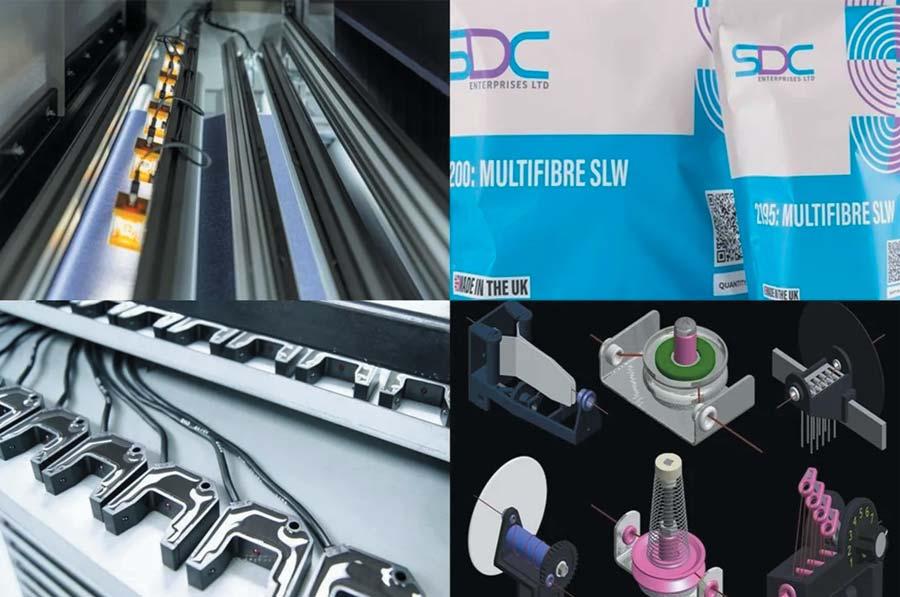
protective clothing. TruRain is designed to evaluate water repellency while reducing water and energy consumption.
The company will also present Martindale Motion, a nine-station abrasion and pilling tester based on the original Martindale testing concept developed by James Heal in the 1940s. Each station can operate independently, allowing multiple tests to run simultaneously.
SDC Enterprises will exhibit testing consumables at stand B65 in Hall 12.0. The company supplies materials used in BS, EN and ISO colour fastness and performance testing procedures. Its product range includes colour fastness consumables, adjacent fabrics and verification materials used for testing abrasion resistance, dimensional stability, light fastness and visual appearance. These materials are supplied with batch traceability and certificates of conformity.
Shelton Vision will demonstrate automated fabric inspection technology at stand E86 in Hall 12.0. Its WebSpector system uses image processing technology to inspect fabrics with complex patterns.
The system is designed to identify defects even when fabrics are subject to shear, stretch or distortion. Applications include automotive textiles, woven airbags, performance fabrics, upholstery materials, sunscreen fabrics and carbon fibre composites.
VeriVide will present colour assessment systems at Texprocess in Hall 8, stand B79. Its technologies are used for evaluating colour consistency in automotive and aerospace interior materials, safety components and medical textiles.
The company’s DigiEye imaging system uses LED illumination and includes dust filtration and an enclosed camera. The system integrates lighting control and automated image capture to support colour measurement and evaluation.
The participating BTMA members collectively represent different areas of textile machinery engineering, including fibre extrusion, yarn handling, inspection systems and testing technologies.
“Techtextil provides an ideal global platform to demonstrate the depth and diversity of British textile machinery expertise,” says BTMA CEO Jason Kent. “From fibre extrusion and yarn handling to advanced inspection and testing, our members are delivering technologies that not only enhance performance but also support more sustainable and economically efficient manufacturing. We look forward to welcoming visitors to Frankfurt and to strengthening international partnerships across the technical textiles value chain.”
The Trützschler Group will present its future-ready solutions at Techtextil in Frankfurt, Germany. At Booth C61 in Hall 12.0, Trützschler Nonwovens will showcase its latest developments for efficient nonwovens production, including comprehensive service and consulting solutions. Highlights include the fully upgraded X-Series nonwoven cards suitable for spunlace, needle-punching and air-through bonding (ATB) processes, as well as the T-ONE digital working environment enhanced with new features. Trützschler Card Clothing will complement the presentation with a new card wire designed with a specially engineered surface for high-performance nonwoven applications. Visitors can also take a closer look at Trützschler’s complete solution for the recycling of textile waste, TRUECYCLED.
Trützschler Nonwovens: Shaping the future of nonwovens
The T-SUPREMA needle-punching line has proven its performance in the market, with lines successfully operating at two customer sites since early this year. It demonstrates the exceptional versatility of needle-punched nonwovens, covering basis weights from below 50 gsm to above 2,000 gsm. New streamlined configurations featuring the compact NCXe card further reduce the footprint while ensuring high process stability and consistent product quality.
Beyond complete line solutions, Trützschler Nonwovens will showcase upgrades to its single machine portfolio, including the X-Series nonwovens cards (the high-speed card NCT-X, the versatile NC-X and the compact NC-Xe), the MPD high-performance dryer and the new compact AquaJet-X. These developments are designed to combine compact machine concepts with high operational reliability and outstanding performance.
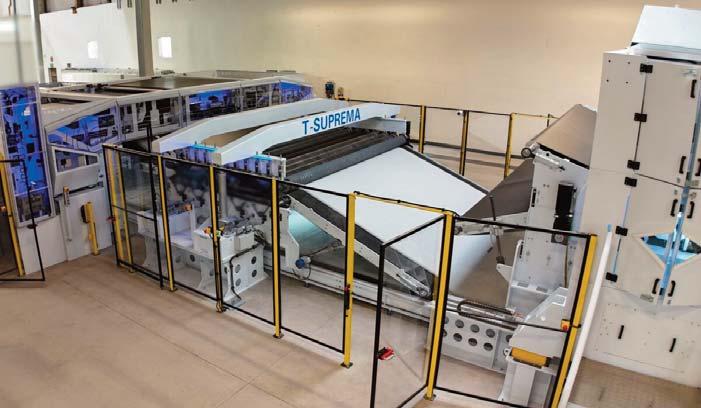
At Techtextil 2026, Trützschler Nonwovens will also highlight its advanced ATB technology for hygiene applications. The process enables the reliable processing of ultra fine fibres down to 0.4 dtex, producing exceptionally soft nonwovens that meet the highest requirements for softness and performance in baby diaper applications.
T-ONE, Trützschler Nonwovens’ digital working environment, serves as a powerful digital backbone for any nonwoven line. New enhancements include an energy management function for real-time monitoring of electricity and gas consumption and CO2 footprint calculation per time unit, roll or order, as well as camera-based anomaly detection that identifies fibre migration and accumulations at an early stage. This helps to prevent unplanned downtime while improving process stability and production transparency.
With tailored modernisation and development solutions, Trützschler Nonwovens supports manufacturers in optimising existing installations and translating new product ideas into stable, industrial-scale production. Applicationspecific consulting enables higher efficiency, increased output and longer service life –without compromising quality.
Trützschler Card Clothing (TCC): Next-generation card clothing for demanding nonwovens applications
Visitors can experience top nonwovens performance with Trützschler’s high-efficiency card clothing. TCC experts will present company’s latest innovation: a new wire with special surface designed for Hygiene, Spunlace and ATB applications. It ensures cleaner operation, less contamination and reduced downtime – delivering maximum productivity for your line. More details will be revealed at the exhibition – don’t miss this opportunity to see it first-hand.
Trützschler Spinning: TRUECYCLED – the complete solution for textile recycling
Visitors can also learn more about TRUECYCLED, Trützschler’s complete solution for the recycling of textile waste. It covers the complete process: from cutting and tearing textile waste to carding and drawing secondary fibres. Based on Trützschler’s technological recommendations and a Trützschler machinery line-up, it ensures the best possible quality of the end product.
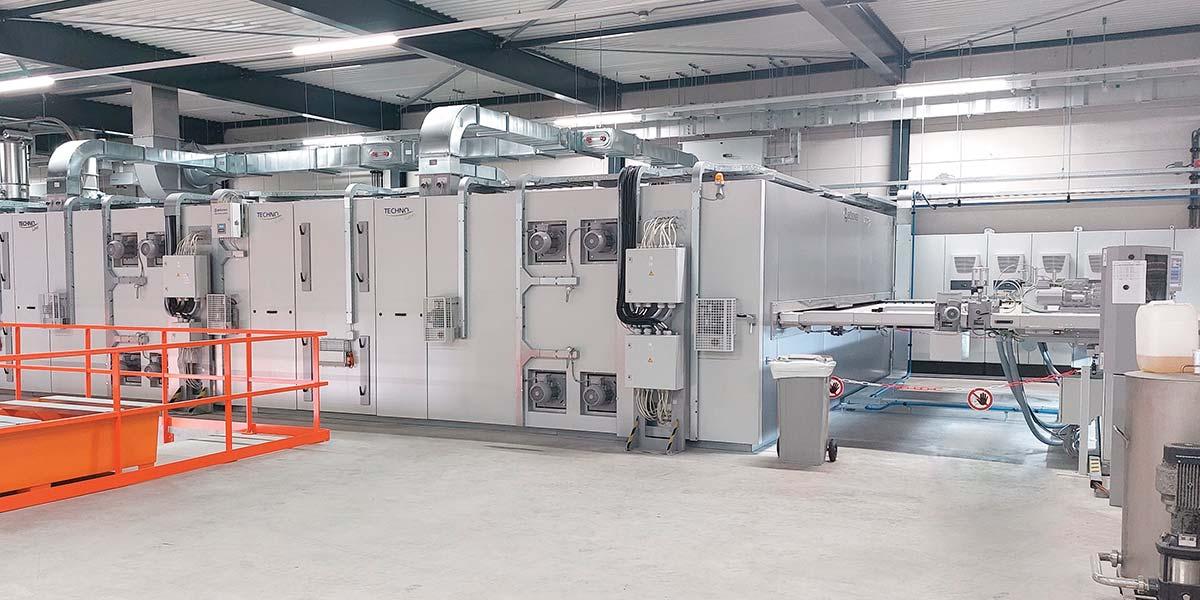
When Techtextil opens in Frankfurt from 21–24 April 2026, Brückner will present its latest solutions as a leading system provider of complete lines and equipment for finishing technical textiles.
The company’s focus is on efficiency, process reliability, sustainability, automation and quality made in Germany. As demands on technical fabrics continue to increase, particularly in functionality and sustainability, Brückner offers energy-efficient machine concepts with intelligent drive systems tailored to individual customer requirements. These innovations enable cost-effective and resource-efficient production of advanced textile products.
A key strength lies in Brückner’s wide range of customised solutions. In technical textile coating, the company provides systems for foam or paste application using various roller and squeegee technologies, laminating adhesive application, one-sided fullsurface or dot coating with latex or acrylate pastes, and full-bath impregnation for aqueous media.
These systems are used across diverse applications including abrasive cloth, airbags, blackout materials, geotextiles,
tarpaulins and roofing membranes. Complementing these processes, Brückner supplies suitable drying systems such as the Etro dryer, designed for printing and varnishing ranges. As a stand-alone unit, it enables drying without chain or belt systems and is particularly suited to solvent-based coatings with low application volumes. Its pneumatically adjustable upper section ensures easy access for maintenance and fabric handling.
The Power-Frame stenter frame remains central to drying and heat-setting processes. Equipped with a split-flow ventilation system, it is used for apparel textiles, digital printing applications, and the thermal treatment of geotextiles, agrotextiles, needle felts and hightemperature filters. In nonwoven finishing, Brückner offers thermofusion ovens from the Supra-Flow range, suitable for upholstery, mattress materials, insulation and lightweight nonwovens such as hygiene products and wipes. The company also supplies highspeed spunlace lines for wet-laid nonwovens.
In carpet and floor covering applications, Brückner highlights its DuoTherm dryer, which allows differentiated
Finishing line for CO2-neutral carpet production
upper and lower air temperatures for precise thermal treatment. These systems are widely used for finishing and backcoating tufted and woven carpets, automotive and bath mats, and artificial turf.
With the industry increasingly focused on reducing CO2 emissions and adopting green energy, Brückner systems are designed for flexibility in heating media, including gas, thermal oil, steam, electricity and hydrogen. This enables manufacturers to respond to energy challenges and transition towards more sustainable production. Electrically heated dryers powered by green electricity can even enable fully CO2-neutral processes. Further savings can be achieved through modular environmental and energy systems. Heat recovery solutions and exhaust air purification systems help reduce energy consumption, lower operating costs and meet environmental standards. These systems are available in various configurations and can be retrofitted to existing Brückner equipment or machinery from other suppliers.
Brückner will be exhibiting in Hall 12.0, Booth B58 at Techtextil Frankfurt.
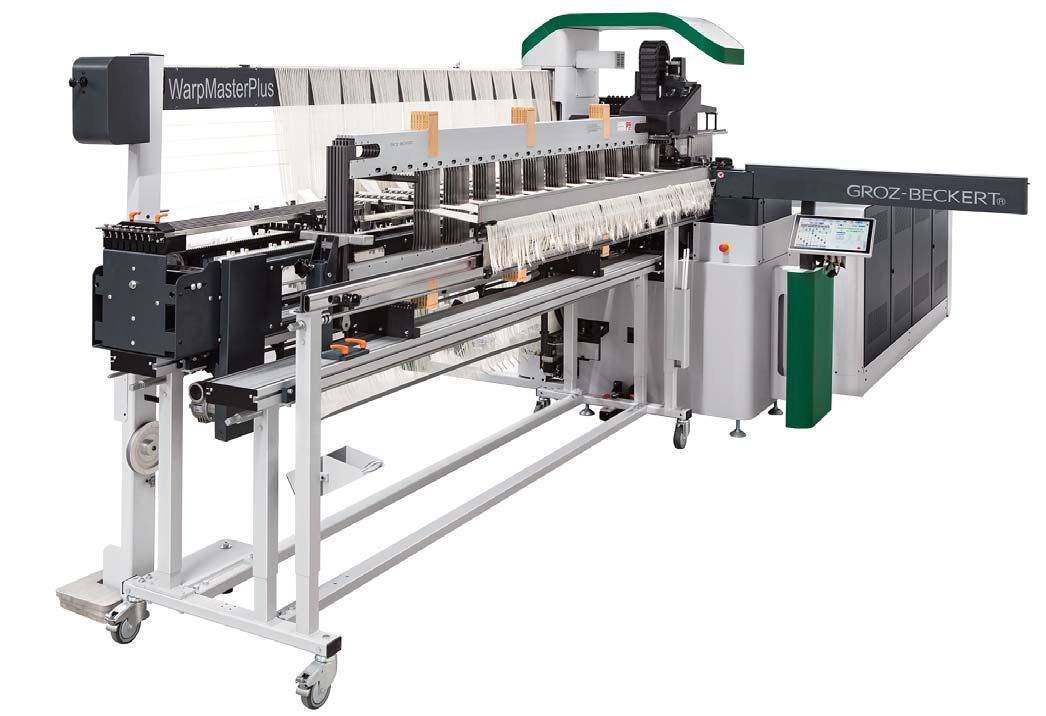
From 21 to 24 April 2026, Groz-Beckert will present its latest innovations and solutions across the product areas of knitting, weaving, nonwovens and sewing at Techtextil 2026 in Frankfurt (Hall 12, Booth B90).
Knitting – precision and efficiency in warp knitting
In the warp knitting segment, GrozBeckert will showcase its comprehensive module portfolio. By ensuring optimal alignment of functions and tolerances across all components, these solutions deliver high precision, process reliability and flexibility. Customers benefit from reduced setup times, minimised machine downtime and consistently high productivity, even in demanding finegauge applications.

Weaving – enabling high-performance technical fabrics
The weaving product area will highlight solutions for demanding technical textile applications, with a focus on high-performance technical reeds. Designed for fabrics with extremely high mesh counts, these reeds enable reliable production for both wire and synthetic materials. Manufactured using advanced processes and stringent quality standards, they ensure consistent fabric quality and long service life.
The portfolio is complemented by healds and drop wires, optimised for a wide range of technical applications and tailored to diverse production requirements.
Nonwovens – driving efficiency through innovation and digitalisation
In the nonwovens segment, GrozBeckert will present innovations aimed at improving operational efficiency and process reliability. Highlights include a newly developed needle that reduces
insertion and removal time, extends needle board service life and minimises the risk of needle bending.
In addition, the Groz-Beckert Needle Dispenser – part of the company’s broader digital ecosystem – enables automated needle board management and supports more efficient production workflows.
The presentation is complemented by the Groz-Beckert Mounting Service for the nonwovens carding segment, the new CB-barb felting needle and the staple fibre needle punch line. Laboratory services, including fibre analysis, further support customers in optimising material selection and process performance.
Sewing – digital quality management and advanced needle technology
A key highlight in the sewing product area is INH 2.0 (Ideal Needle Handling), the next generation of Groz-Beckert’s quality management system. With a fully digital workflow, INH 2.0 enables end-toend tracking of the needle life cycle –from stock management and usage to disposal.
New modules such as INH@Stock, INH@Routine and INH@API enhance
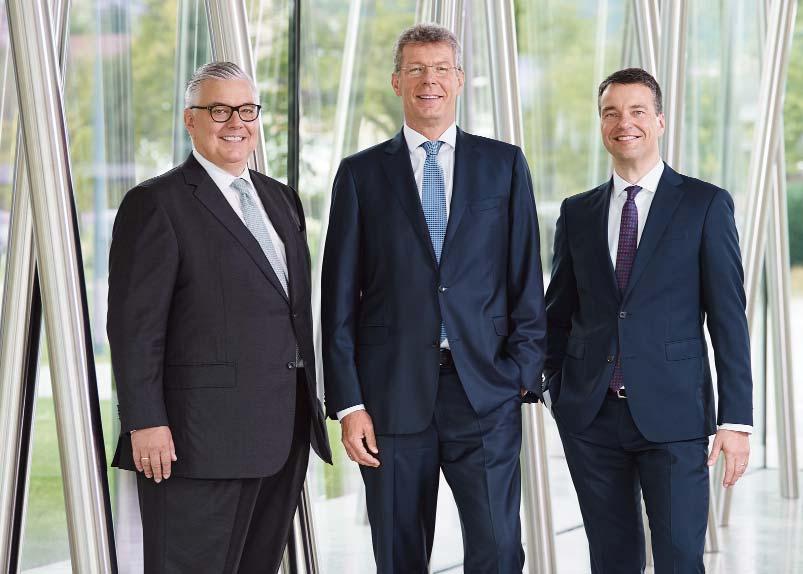
automation, improve transparency and support compliance requirements. The system builds on the company’s broader digitalisation strategy aimed at increasing efficiency and enabling data-driven processes.
In addition, Groz-Beckert will present its SAN™ needle series for demanding applications. Variants such as SAN™ 5.2 and SAN™ 6 ensure high process reliability in technical textiles and heavy fabrics, while SAN™ 10 and SAN™ 10 XS are designed for delicate materials requiring maximum material protection.
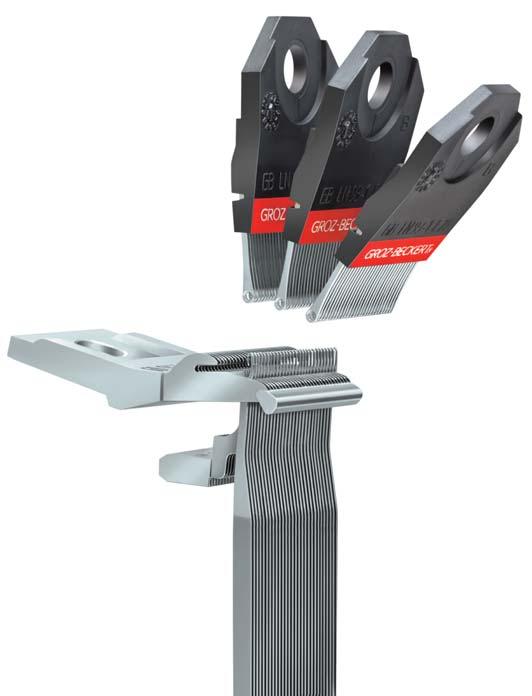
The portfolio is complemented by the Litespeed™ needle, developed for heat-intensive sewing processes, ensuring stability at high speeds and in multi-layer applications. Digital tools such as the “Needle Finder” and the “GrozBeckert Sewing” video series further support customers with applicationoriented expertise.
TEZ – innovation, development and application expertise
At Techtextil, Groz-Beckert’s Technology and Development Centre (TEZ) will be presented through an interactive 360° virtual experience. Visitors will gain insights into the services and capabilities of the TEZ as well as its Technical Centres.
The TEZ serves as a central platform for collaboration, innovation and solution development, combining digital experiences with on-site expert interaction.
Groz-Beckert develops and manufactures industrial machine needles, precision parts and fine tools for the production and joining of textile fabrics. The range is complemented by matching systems and services. The products are used in knitting, in the manufacture of nonwovens, in tufting, as well as in sewing and in the spinning process.
Groz-Beckert is part of the GrozBeckert Group, which is a market leader in the development, manufacture and distribution of process-critical textile precision tools, industrial cutting solutions, textile reinforcements for the construction industry and composites.
The group consists of the companies Groz-Beckert, TKM and Solidian and generated sales of 839 million euros in 2024 with around 9,400 employees worldwide. The company is active in more than 150 countries with agencies, production and sales subsidiaries.

Intelligent sensor systems and smart automation for energy-efficient, stable and high-quality production – at
As energy prices, sustainability requirements and quality expectations continue to rise, manufacturers of technical textiles face increasing pressure to optimise efficiency while ensuring process reliability. At the same time, skilled labour shortages require production systems that are intuitive, automated and easy to manage.
PLEVA addresses these challenges with robust, maintenance-friendly sensor technologies combined with intelligent process control.
“In times of economic pressure, PLEVA’s smart sensor and control solutions turn process transparency into measurable savings, reducing energy consumption, ensuring consistent quality and increasing productivity in technical textile production.” says, Kathrin Pleva, Management.
Modern textile finishing is highly energy-intensive. Precise and continuous monitoring is essential to avoid overdrying, reduce emissions and maintain consistent product quality. PLEVA’s modular control platform PLEVATEC smart integrates multiple sensor technologies into one intelligent system: Exhaust humidity measurement (FS X) for optimised energy usage, Fabric and air temperature measurement (TDS) for controlled heat transfer, Residual moisture measurement (RR) for precise drying results and Camera systems (CAM) for distortion detection and pick/course density monitoring.
This holistic approach provides full process transparency and enables automated, reproducible production.
The benefits are measurable: Significant energy savings, reduced CO2 emissions, increased drying capacity, improved product consistency and fewer rejects and less rework.
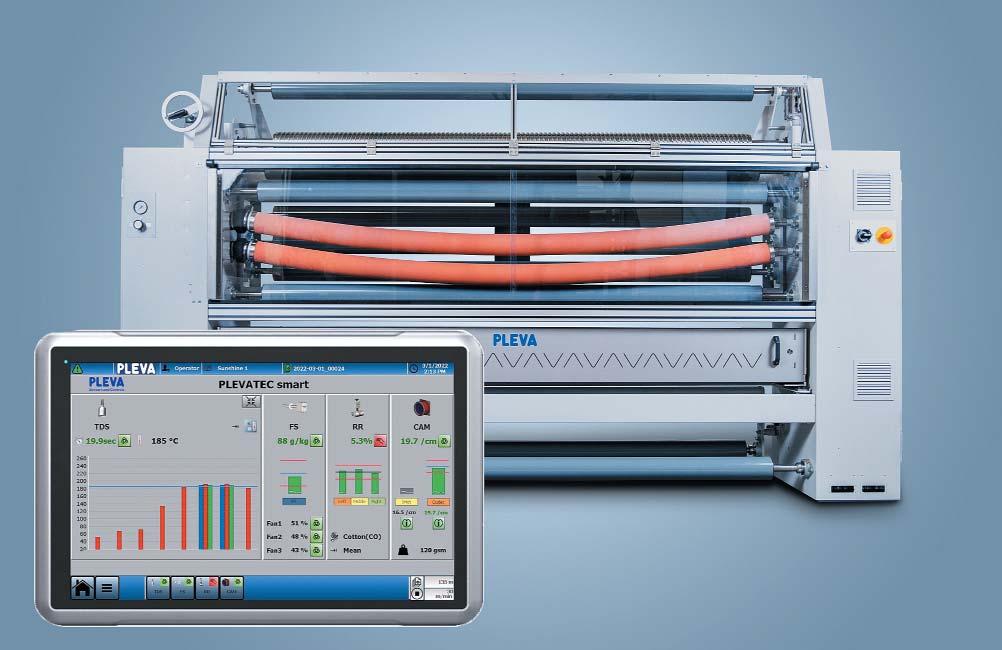

Practical applications demonstrate productivity increases of up to 16% and noticeable reductions in electrical and thermal energy consumption when smart sensor technology is applied.
In addition to drying control, PLEVA offers advanced camera-based straightening systems for woven and knitted technical textiles. The unique traversing camera technology captures a high number of measurement points across the full fabric width, from edge to edge, enabling precise detection and
correction of skew and bow distortion. This technology ensures reliable straightening performance even with complex structures, dense fabrics or highvalue technical materials.
PLEVA’s philosophy is clear: Smart sensors lead to smart savings. By combining precise measurement technology with intelligent control algorithms, manufacturers can: Stabilise processes, reduce energy consumption, increase throughput, minimise operator dependency and enhance sustainability performance.
With worldwide service bases and long-standing expertise in textile process automation, PLEVA supports customers globally in implementing future-ready production concepts.
Visit PLEVA at Techtextil Frankfurt, hall 12.0, booth E58. At Techtextil, PLEVA will demonstrate how intelligent sensor systems and smart automation create measurable value in technical textile production, from energy savings to improved quality and reproducibility.
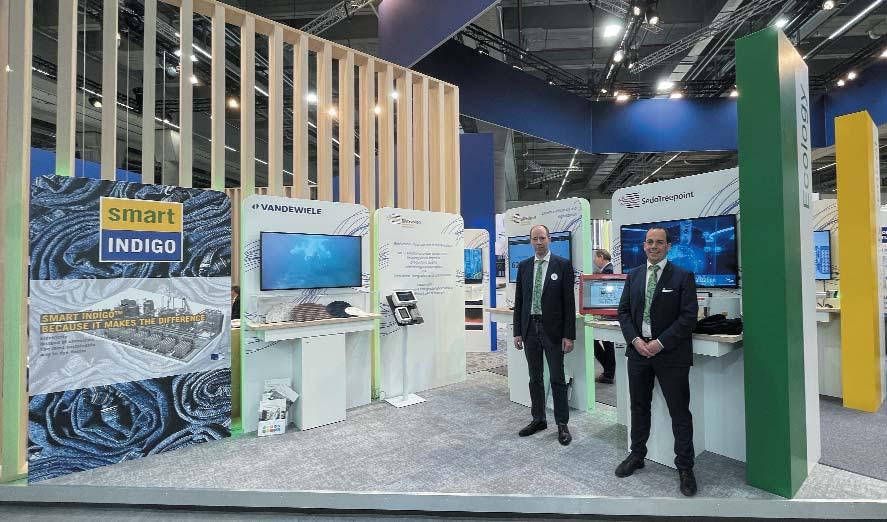
As technical textile production becomes increasingly complex and sustainability requirements intensify, digital integration is evolving from an efficiency tool into a strategic task. At Techtextil 2026 (21–24 April, Frankfurt am Main), Sedo Treepoint will present smart digital systems designed to address the demanding production environments of technical textile manufacturing. The company’s focus will be on practical technologies that enhance process transparency, reproducibility, and efficient resource use. Visitors will meet Sedo Treepoint in Hall 12, Booth D05.
Turning production complexity into controlled performance
Technical textile manufacturers are facing increasing pressure: smaller batch sizes, highly specialized product requirements, strict standards, rising energy costs and growing sustainability
demands. In this environment, stable processes and reproducible quality can no longer rely on isolated machine control.
Sedo Treepoint’s automation systems, MES solutions and control platforms enable manufacturers of technical textiles to intelligently connect machines, process control and production data within a consistent digital environment. This integrated approach supports stable processes, reliable quality and improved decision-making, even where frequent changes or strict technical requirements increase production complexity.
By participating at Techtextil 2026, Sedo Treepoint aims to engage with manufacturers of technical textiles, OEMs and industry partners who are looking for integrated, practical digital solutions for complex production processes. Visitors will gain insights into how Sedo Treepoint’s solutions enable customers to move from reactive troubleshooting to end-to-end process control, automated
and connected monitoring, manage complexity and create a solid foundation for sustainable, future-ready technical textile production.
Meet Sedo Treepoint at Techtextil 2026
Visitors to Techtextil 2026 are invited to experience how connected automation and MES solutions can support technical textile manufacturers in mastering complexity while increasing efficiency, transparency and sustainability.
About Sedo Treepoint GmbH
Based in Mengerskirchen, Germany, Sedo Treepoint GmbH has been developing and supplying automation, control and management systems for textile dyeing and finishing for several decades. The company focuses on digital process integration, intelligent production control and sustainable manufacturing solutions for both classical and technical textile applications.



As global industries evolve, the expectations from workwear have fundamentally changed. Today, garments are no longer just uniforms, they are engineered systems designed to protect, perform, and endure. In this transformation, iTextiles® (Pvt.) Ltd. has emerged as a key enabler, bridging advanced material innovation with real-world industrial demands.
Marking 20 years of innovation and value chain leadership, iTextiles® stands at the forefront of Pakistan’s transition from conventional textiles to high-performance, technology-driven solutions, particularly within the demanding segment of workwear.
Founded in 2006 as a specialised fibre trading company, iTextiles® has evolved into a comprehensive textile solutions provider, working across fibres, chemicals,
fabrics, and performance technologies. Over two decades, the company has consistently focused on one core principle: Transforming textiles from commodities into engineered solutions. In the workwear segment, this philosophy translates into fabrics that deliver multi-functional performance, combining protection, durability, and comfort without compromise.
Modern workwear must withstand extreme environments while ensuring wearer comfort and mobility. iTextiles® has played a pivotal role in enabling this shift by introducing technologies that integrate:
Flame resistance and thermal protection
Abrasion and tear resistance for durability
Chemical and electrical hazard protection
Thermal regulation and moisture management
Lightweight flexibility and stretch for comfort
Rather than treating these as separate attributes, iTextiles® promotes an integrated performance approach, where fabrics are engineered to deliver multiple benefits simultaneously.
This approach is especially critical in sectors such as oil and gas, utilities, construction, defence, and industrial manufacturing, where performance failures are not an option.
A defining strength of iTextiles® lies in its ability to connect Pakistan’s manufacturing ecosystem with worldleading technology providers. Through strategic partnerships, the company has introduced advanced solutions tailored for protective and performance workwear.
CORDURA® Advanced Fabrics – for exceptional durability, abrasion resistance, and long-lasting performance in demanding environments
Protex® – for inherent flame-resistant solutions designed for protective apparel
ARAWIN® by Toray –for Industries offering advanced heat and flame protection
Dyneema® – delivering unmatched strength, cut resistance, and lightweight durability
Outlast® – for dynamic thermal regulation and enhanced wearer comfort
LYCRA® T400® fibre – withstands industrial laundering and provides durable stretch and recovery for the garment’s lifespan
COOLMAX® EcoMade fibre – made from 100 per cent recycled polyester, this fibre helps keep workers cool and dry on the job
THERMOLITE® EcoMade fibre and insulations – deliver lightweight warmth
Together, these technologies enable the development of next-generation workwear fabrics that meet international safety standards while enhancing wearer productivity.
In today’s textile landscape, sustainability is closely tied to product longevity. iTextiles® champions the idea that durable products inherently reduce environmental impact by minimising replacement cycles and resource consumption.
By integrating high-performance fibres and advanced finishing technologies, the company supports manufacturers in creating garments that:
Last longer
Perform better
Reduce waste over time
This approach aligns with global industry shifts toward responsible production and lifecycle thinking, particularly in technical and workwear textiles.
Traditionally, protective workwear required compromise, heavy fabrics, limited flexibility, and reduced comfort. iTextiles® has helped redefine this narrative.
Through innovations in stretch fibres, lightweight constructions, and moisture
management technologies, modern workwear can now offer:
Enhanced mobility through stretch and recovery
Breathability in high-intensity environments
Temperature regulation across climates
The integration of LYCRA® fibre technologies and performance yarns ensures that protection does not come at the cost of wearer comfort, an essential factor in productivity and compliance.
Operating across more than 40 countries, iTextiles® has positioned itself as more than a supplier. It is a strategic partner driving transformation across the textile value chain.
By combining:
Global technology access
Technical expertise
Market intelligence
The company enables Pakistani manufacturers to move up the value chain, producing high-performance
solutions for international markets.
As industries become more demanding and regulations more stringent, the need for advanced, multi-functional workwear will continue to grow. Innovation will be defined by how effectively textiles can integrate protection, comfort, and sustainability into a single solution.
As iTextiles® marks its 20-year milestone, its vision remains clear: To continue engineering textiles that protect people, enhance performance, and support a more sustainable future.
With a strong foundation of global partnerships and a forward-looking approach to innovation, iTextiles® is not only responding to the future of workwear, it is actively shaping it.
“At iTextiles®, protection is not an add-on, it is engineered into every fibre.”


by Nadeem Mazhar, Managing Editor, Pakistan Textile Journal
The economy of Switzerland is one of the world's most advanced free market economies. Switzerland is ranked 1st among 45 countries in the Europe region, and its overall score is well above the regional and world averages. Most Swiss firms (over 99%) are smalland medium-sized enterprises (SMEs).
The Swiss economy has been rated free for more than a decade. GDP growth has slowed in recent years because of risks from the escalating trade war between Iran and the United States, the rising swiss franc, and the drastic economic slowdown in neighbouring Germany. According to the United Nations, Switzerland is the third richest landlocked country in the world.
Switzerland and Pakistan have good, long-standing relations. The two countries have signed a range of economic agreements that have helped to develop bilateral trade.
The Swiss embassy in Pakistan has been located in Islamabad since 1968. The Swiss Agency for Development and Cooperation (SDC) opened a cooperation office in Islamabad in 1977 when Pakistan was upgraded to a priority
Source: State Bank of Pakistan.
country for Swiss development cooperation. In 1966, Switzerland and Pakistan signed a technical cooperation agreement which was supplemented in 1975 by an agreement on disaster relief.
There are numerous bilateral agreements between Switzerland and Pakistan in fields as wide-ranging as investment protection, debt consolidation, aviation, double taxation and disaster relief.
Swiss Business Council had also been set up to guide Pakistani businessmen to enhance trade volume which has also signed several memoranda of understanding (MoUs) to increase trade volume between the two countries.
Both sides recognised the vast potential of the two economies for mutually beneficial cooperation. They agreed to take concrete steps, including the exchange of business delegations and supporting SMEs to further enhance and expand bilateral economic and commercial interaction.
Switzerland ranks fifth in terms of foreign direct investment (FDI) in Pakistan and a reliable trading partner, the Swiss-based multinational companies have invested more than 1.2 billion dollars in Pakistan, in various sectors including food processing, pharmaceuticals, chemicals, machinery and engineering, banking.
The Swiss multinational companies that operate in Pakistan do not just market their world-class products and services, but also create employment opportunities in the country. Major Swiss companies that have invested in Pakistan include ABB, Archroma, Clariant, Sika, Gate Gourmet, Nestlé and Novartis.
The long-standing bilateral relations between Switzerland and Pakistan are good and a range of economic agreements have aided the development of bilateral trade.
Switzerland has traditionally run a trade surplus with Pakistan and has been one of the country's biggest direct investors for many years. Pakistan and Switzerland enjoy close and friendly relations and cooperate closely at multilateral fora and Switzerland is an important development partner of Pakistan.
In the fiscal year 2024-25, products including textile machinery, organic chemicals, pharmaceutical products, electrical, electronic equipment and plastics were the main imports of Pakistan from Switzerland.
According to a recent export report from Switzerland, Pakistan ranked as the 7th largest exporter of textile machinery from the Switzerland and contributed 3.3% to the entire global export share of textile machinery from Switzerland. Complete details in Table 2.
Over the past five years, trade between Pakistan and Switzerland has increased, but the rise in imports has
been greater than that of exports. The total trade volume between Pakistan and Switzerland in 2024-25 remained active and healthy with the balance of trade favouring Switzerland.
The exports from Pakistan to Switzerland have decreased from US$ 189 million in 2023-24 to US$ 147 million in 2024-25, thus showing a decrease of 22%. Cotton and yarn fabrics, ready-made garments, towels, hosiery, agricultural products are the major items exported from Pakistan to Switzerland. The import from Switzerland to Pakistan increased from US$ 436 million in 2023-24 to US$ 449 million in 2024-25, thus showing an increase of 2.9%. Pak Swiss Trade statistics for the last five years are given in Table 1.
Table 2: Textile Machinery - Exports from Switzerland
Source: Swissmem.
Import of textile machinery from Switzerland to Pakistan increased from Euros 11.2 million in 2024 to Euros 14.9 million in 2025, thus showing a growth of 33%. Imports of textile machinery from Switzerland to Pakistan in terms of Euros are given in Table 3 and imports of major textile machinery in terms of rupees from Switzerland to Pakistan are given in Table 4.
References
1.Pakistan Bureau of Statistics.
2.Swissmem.
3.State Bank of Pakistan.
4.Trade Development Authority of Pakistan.
The Swiss Textile Machinery Association is the representative body for Switzerland’s providers of textile equipment, systems and services. The association elected Davide Maccabruni as the new president in May 2025. We look at his role for the association and want to find out his opinion on the hot subjects of the global textile industry.
As the Association’s president, Davide Maccabruni’s role is to lead the board in defining strategies and key focus areas. He is also expected to support its members in fostering innovation initiatives and education. A major focus is on joint market access campaigns, through a successful programme of international symposia.
To understand the new president, we ask Davide Maccabruni the pressing questions on core competencies and success factors, technology and innovation, and explore the future of competitiveness and business.
Swiss machinery has historically a strong reputation. In this light, how are machine manufacturers balancing legacy engineering strengths with the demands of rapid digitisation?
Davide Maccabruni: Swiss companies are not trading legacy for digital. They are integrating the two. Precision engineering remains our foundation, but today’s machines embed intelligent systems, advanced sensors, and software for predictive maintenance and process optimisation. Industry 4.0 is no longer a concept – it’s operational reality. Our members are shifting from product suppliers to solution partners, offering digital interfaces, cloud connectivity, and data-driven services alongside their innovative hardware.
Given the strong emphasis on sustainability, how are your members designing machines for circular and resource-efficient manufacturing, and how are these efforts measured or certified?
Davide Maccabruni: Sustainability is now integral to machine design. Our members are engineering for lower energy use, water savings, reduced waste, and modular upgrades. Metrics such as energy consumption per unit of output and recyclability of machine components are being tracked. Certifications and audits – whether internal or thirdparty – are increasingly tied to ESG strategies. Some companies now develop entire lines around closedloop manufacturing or biodegradable inputs.
What role do you see for digital twins, predictive maintenance, and integrated data systems? Are machinery makers ready to become platform providers?
Davide Maccabruni: These are no longer future concepts: they are embedded realities. Predictive maintenance reduces downtime, digital twins optimise design and commissioning, and integrated data systems unlock continuous improvement. Swiss firms are ready to evolve into platform providers – offering ecosystems around machines, not just the machines themselves. It’s a shift from products to solutions, offering new value dimensions to the textile producers.
How can Swiss textile machinery remain competitive facing increasing price pressure from Asian manufacturers? What’s the strategy to maintain or grow market share in key markets?
Davide Maccabruni: Swiss textile machinery maintains its edge through deep-rooted innovation, unmatched precision, and a commitment to quality that goes beyond short-term cost advantages. While price-performance pressure from Asian manufacturers is real, our strategy is not to compete on price but on value. This includes pushing the frontiers of automation, digitisation, and sustainability – areas where Swiss engineering leads. In key markets like India, China, and Türkiye, we work closely with

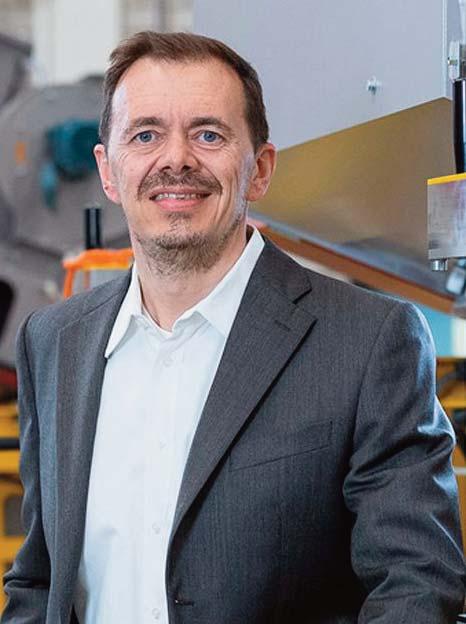
local partners, adapt to market-specific requirements, and emphasise lifecycle value rather than upfront cost.
How can members use their described strengths to further sustain success?
Davide Maccabruni: Some Swiss firms are moving toward more customisable, application-specific machinery. This is a deliberate pivot away from volumecentric models. Rather than chasing scale alone, our members are focusing on smarter, more adaptable machinery tailored to niche segments like technical textiles, nonwovens, protective gear, and smart fabrics. These areas demand flexibility, precision, and the most modern technologies, which Swiss technology delivers. It’s not abandoning volume but redefining it through specialisation.
Assessing the challenges facing the industry, what is your message to meet the challenges?
Davide Maccabruni: The Swiss textile machinery industry still holds unique strengths that can secure its success well into the future. To achieve this, however, we must focus on aligning our capabilities, working together, and supporting one another.
Cornelia Buchwalder, Secretary General of the Swiss Textile Machinery Association
Cornelia Buchwalder is the Secretary General of Swissmem’s Textile Machinery Division and a key figure in European textile leadership as Secretary General of CEMATEX. With extensive expertise in advancing the textile machinery sector, she provides unique insights into the enduring technical collaboration between Switzerland and Pakistan, highlighting how Swiss precision is supporting the modernisation of Pakistan’s exportdriven textile industry.
Pakistan is a significant and valued partner for Swiss textile machinery manufacturers. Despite recent macroeconomic challenges, Pakistan’s textile industry remains a vital part of its economy, with a clear focus on export growth and modernisation. Demand from Pakistan highlights a strong interest in high-efficiency spinning, weaving, and dyeing technologies that help reduce energy and water use. As Pakistani producers work to align with international sustainability and compliance standards, the collaboration with Swiss manufacturers becomes increasingly important for both sides.
Swiss companies operating in Pakistan may face certain practical challenges, such as exchange rate volatility, import regulations, and financing constraints that can influence investment decisions. In some cases, gaps in technical training or digital infrastructure can affect the speed of technology integration. However, Pakistani industry players bring deep sector knowledge and a strong commitment to modernisation, which greatly facilitates collaboration. The longstanding relationship between the two countries, built on technical expertise and mutual reliability, continues to provide a solid foundation for addressing these issues constructively and deepening long-term partnerships.
Collaboration happens on several levels. Swiss manufacturers often work directly with Pakistani mills to tailor solutions to local production needs, including conducting energy audits, providing training programmes, and implementing pilot projects. Many companies also offer remote diagnostics and digital support to ensure smooth operation after installation. Additionally, individual Swiss companies participate in seminars, trade fairs,


and training initiatives to share knowledge and build capacity. Strengthening technical skills alongside introducing new technology is essential in a market with significant growth potential like Pakistan.
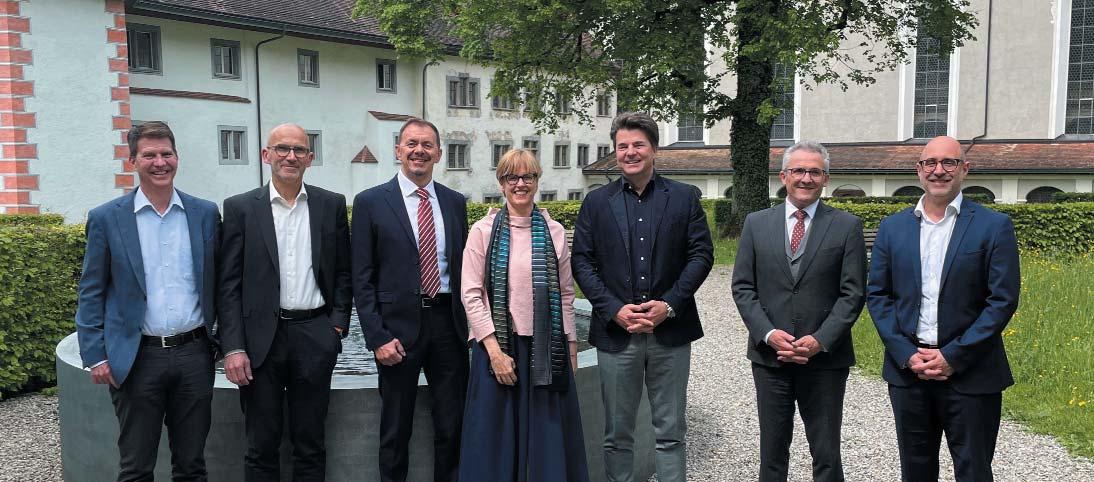
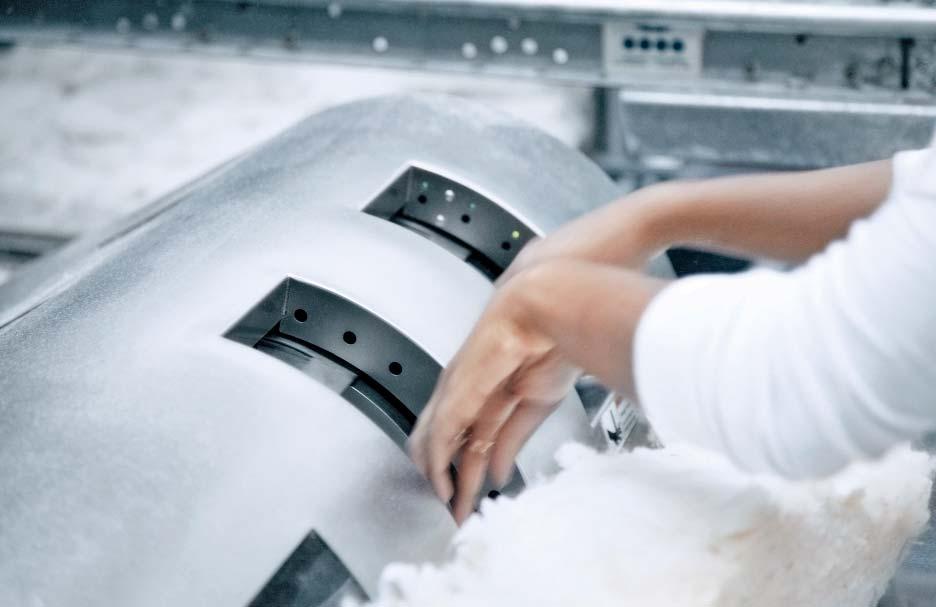
Uster shares insights to avoid claims, from the start of the process
Producing consistent yarn quality is an everyday challenge – and a very difficult one. Detailed knowledge and understanding of the fibre raw material is absolutely critical to achieving the best possible quality in the yarn. To help spinners, Uster experts have put together guidelines for avoiding yarn irregularity claims, in a special edition of the Uster News Bulletin.
Uster can say with greater certainty that the reasons for claims received by spinners have remained quite similar, at least in the past 20 to 30 years. Although the severity and distribution of the reasons may vary depending on the final use of the yarn, the most common factors can be identified. Analysing these factors and providing insights into the quest for operational excellence in spinning mills, the latest Uster News Bulletin No. 52 becomes a valuable tool to reduce yarn quality claims.
One factor which greatly impacts the spinnability of cotton fibres, as well as the yarn quality, is fibre fineness. Cotton has inherent natural variations, so fibre fineness (micronaire) is therefore the most important parameter to be controlled within required limits.
Optimal bale mixing aims at a consistently narrow micronaire range. Minimising variation in micronaire values, both across and within laydowns, is critical. Fluctuating micronaire values can lead to barré or inconsistencies in yarn strength, causing quality claims. To reduce the risk, spinners use data from Uster HVI for laydown management. Taking it further, many mills have integrated automated solutions such as Uster FiberQ, with algorithms that control not only micronaire but also multiple other fibre characteristics. This reduces manual work, but more importantly
improves long-term quality from fibre to yarn by refining raw material selection.
Fibre process control – look closely at the blowroom
Uster’s experience shows that the reduction of neps is another of the most frequent challenges for spinning mills. Here, it’s better to avoid creating neps at the beginning of the process, instead of trying to reduce them in spinning. Many spinners take steps in the blowroom and carding processes to tackle this issue.
In the blowroom it’s about managing trash reduction and preventing the increase of short fibre content and neps. During cotton processing, the material is opened into tufts, with several stages of opening and cleaning aimed at removing impurities. But a side effect of these processes can be an increase in neps and short fibre content due to the mechanical stresses. Some spinning mills adjust card
settings or try to remove broken fibres during combing, but a more effective and economical solution is thorough testing and blowroom optimisation.
To control blowroom and carding performance, measurements with Uster AFIS are part of the routine test plan, as well as being applied after machine maintenance or changes in cotton laydown recipes. These tests ensure optimal opening and cleaning at an appropriate waste level. Close monitoring of potential fibre damage is essential.
Processing statistics – track fibre characteristics
The processing charts in Uster Statistics track the fibre quality characteristics. Key parameters for neps, short fibres, and impurities are plotted through each processing stage. The accompanying graphic shows the typical increase in neps in the blowroom from bale to card mat, followed by a decrease after carding as neps are removed. Spinning mills can compare their own levels against the global standard. This allows a quick assessment of the situation, identifying areas of overperformance or potential improvements.
raw materials – one common goal
Process control is also important, and even more so when processing mechanically recycled cotton. Depending on the source of the recycled material and its opening method, the short fibre content might
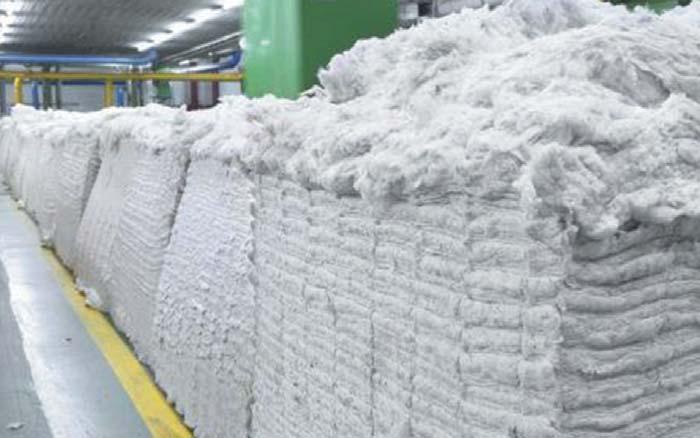
already be at a naturally higher level when entering the blowroom.
Similarly, fibre damage can apply to man-made fibres which initially have uniform cut lengths. Uster AFIS 6 is able to measure cotton as well as synthetic materials. With thorough quality management, spinners can identify fibre deterioration at source, before it results in yarn irregularity.
It’s clear that fibre characteristics significantly affect both spinnability and yarn quality consistency. Therefore, understanding fibre quality and how fibres are treated during the spinning process is essential right from the start. What is not measured, cannot be controlled! However, this is only one element to be managed to avoid quality claims.
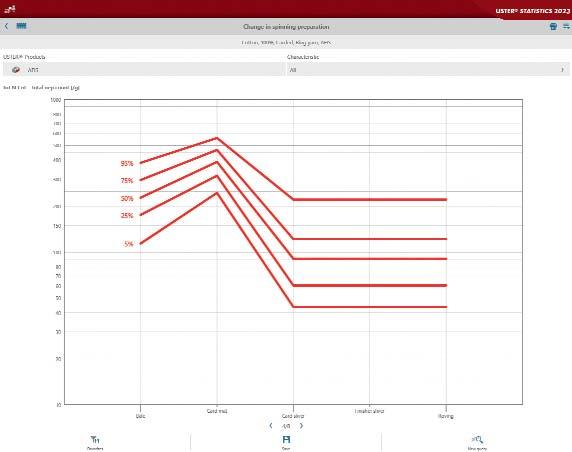


Uster has the technology, the experience and the knowledge to foster a new level of consistency in yarn production. The company’s know-how is freely shared in Uster News Bulletin No. 52, which includes more chapters offering ‘best practice’ advice – from spinners for spinners – on how to take control of quality claims. Also free of charge is a wide range of application literature on https://360q.uster.com as well as the new Uster Statistics.
Uster Technologies is the world’s leading provider of quality management solutions from fibre to fabric. Hightechnology instruments, systems and services cover quality control, prediction, certification and optimisation. The portfolio comprises quality management, laboratory testing and in-line process control instruments for fibres, staple fibre, and filament yarns, fabrics and nonwovens.
Uster Statistics, the unique global benchmarks for textile trading, complement a portfolio of value-added services that includes training, consultancy and worldwide after-sales.
The Uster philosophy aims to drive innovation forward by meeting market needs – always with ‘quality in mind’.
Uster Technologies is headquartered in Uster, Switzerland and operates worldwide. The company has a global network of 7 subsidiaries, with 50 sales agents and local service stations around the world.
Benninger, a complete system supplier with leading technologies for continuous wet processing and discontinuous dyeing, as well as technical textiles, reinforces its commitment to sustainable textile production with resource-efficient machinery that increases both top and bottom line performance. Benninger’s SynthMaster is an innovative horizontal jet dyeing machine that combines unmatched fabric quality, low resource consumption, and compact, versatile design.
Benninger places sustainability and responsibility at the heart of SynthMaster’s operations. Benninger’s solutions can process today’s and tomorrow’s fibres and blends with the highest first-time-right rates.
The versatile solution for compressionfree precision dyeing
The SynthMaster sets a new benchmark in horizontal jet dyeing, combining harmonic, unique, and Swissmade design with unparalleled fabric care. Its smooth, tension-free fabric transport guarantees no compression creases, ensuring perfect quality every time. Built on the same innovative principles as Benninger’s well-known
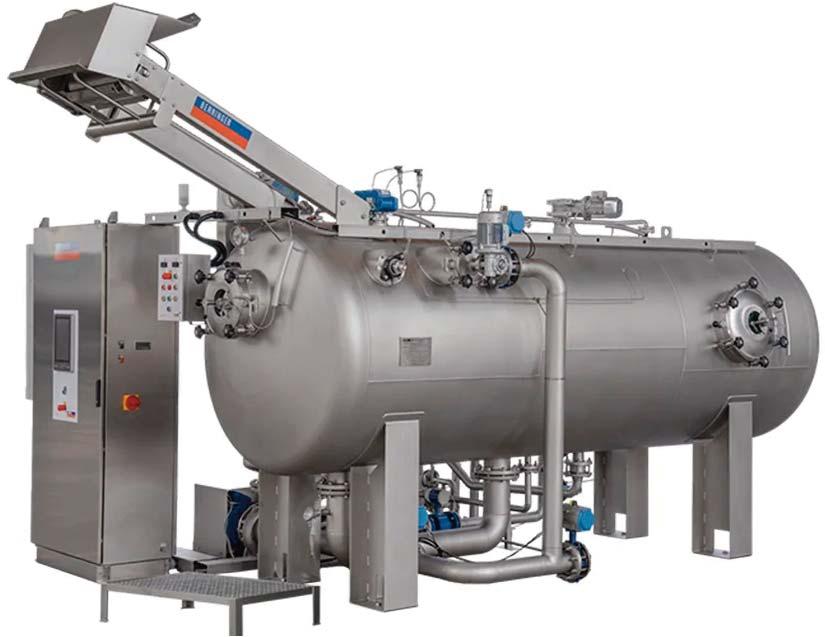
FabricMaster, it features a smart nozzle, lowest lift, and an elbow plaiter running the full length of the machine. The SynthMaster delivers consistent performance and fabric integrity.
Thanks to its advanced dewatering and chamber design, the SynthMaster operates at lower liquor ratios, optimising resource efficiency. At approximately 4.5 metres in length, it is the only machine that can be seamlessly combined with dyers’ round machines, drastically saving valuable factory space. The SynthMaster is the ideal complement to the FabricMaster, sharing key components and offering unmatched compatibility.
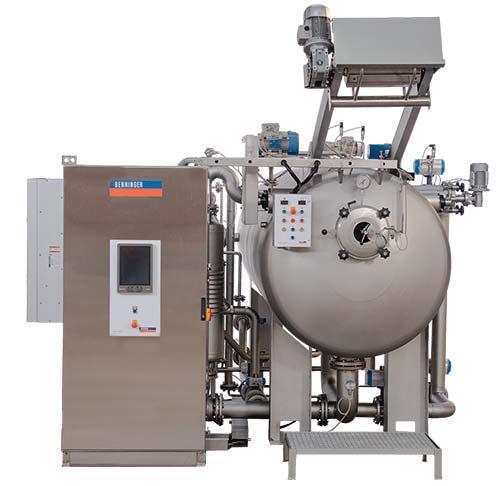
Swiss precision, global standards
Benninger aims –always did and always will – to set new standards for
efficiency, quality and precision in textile dyeing processes. The FabricMaster, the dyeing machine for discontinuous dyeing and the SingeRay flame singeing machine are other good examples, defining new benchmarks for efficiency, sustainability, and process reliability thanks to cuttingedge technology. These innovations often become references for best practices worldwide.
By integrating energy-saving designs, water and chemical reduction technologies, and waste heat recovery (e.g., through the BEN-Eco systems), Benninger advances global environmental standards. Their machines help customers meet or exceed international sustainability targets.
The long history of Benninger –including the long list of achievements –as well as the number of years of experience and the flexibility make the company one of the most reliable providers for high-performance solutions in the textile industry. In a nutshell: You can feel it’s Benninger!
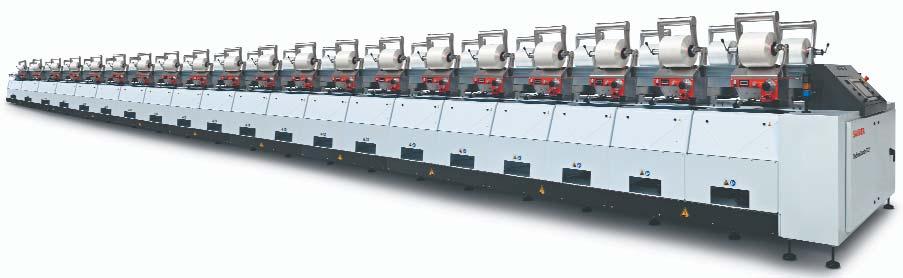
When the international textile industry gathers at Techtextil in Frankfurt from 21 to 24 April, Saurer is going to present a powerful solution for the growing demands in the field of technical yarns with the TechnoCorder TC2plus. At booth B56 in Hall 12 the company will demonstrate how modern twisting and cabling technology unlocks new market potential and sustainably optimises production processes at the same time. The new TechnoCorder TC2plus stands for maximum flexibility, innovative yarn architectures and outstanding cost-efficiency.
flexibility
The requirements for technical yarns are continually increasing – specialisation, customisation, and efficiency are decisive success factors. The TechnoCorder TC2plus was specifically developed for this dynamic environment. It processes fine and coarse yarns, low and high twist levels and even a wide range of materials with exceptional process stability. The result: maximum productivity with consistently high yarn quality.
FlexiPly – Innovation opening new markets
Unlike conventional processes, FlexiPly enables the dynamic combination of different yarn types and counts. This allows the production of so-called hybrid yarns that are precisely engineered for their specific end-use loads, which provide significant advantages for
applications such as mechanical rubber goods, tyre reinforcements or smart textiles. FlexiPly represents intelligent material utilisation, innovative product concepts and clear competitive advantages.
Performance for sensitive high-tech applications
Especially technical yarns demand the highest standards of process stability and material protection. The specially developed fine-count spindle, designed specifically for the sensitive range starting at 110 dtex, guarantees excellent yarn quality at maximum productivity. It is ideally suited for medical textiles, protective clothing and lightweight technical fabrics. With this approach the TechnoCorder TC2plus sets new standards in terms of precision and efficiency.
Authentic effects with maximum performance
Also in the artificial turf segment the TC2plus opens entirely new possibilities. Its integrated cabling function blends various PE monofilaments into sophisticated yarn constructions that authentically reproduce natural light and shadow effects. The result is a highly convincing natural appearance combined with outstanding production efficiency.
Cost-effectiveness down to the last detail
Besides its technological flexibility the TechnoCorder TC2plus stands out for its smart process optimisation features. The option to choose between random and precision winding ensures seamless alignment with downstream operations. An integrated setup assistant helps operators to define the optimal package configuration within minutes, minimising changeover times, maximising machine uptime and sustainably enhancing overall equipment effectiveness.
Future-proof solutions for technical textiles
The TechnoCorder TC2plus highlights Saurer’s ongoing commitment to empowering customers worldwide with advanced, high-performance and economically efficient technologies.
Experience the TC2plus live at Techtextil 2026 – visit Saurer at booth B56, Hall 12.
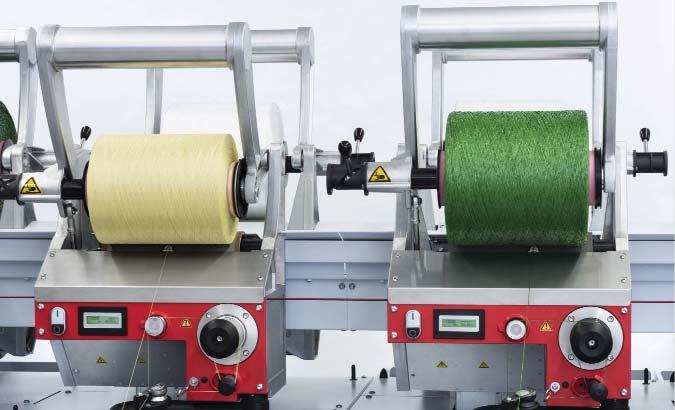
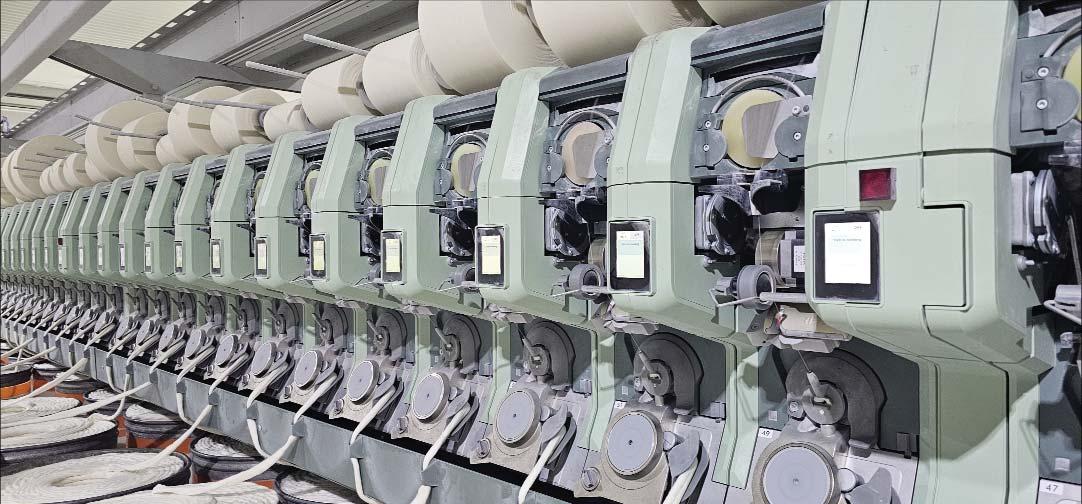
Spinning mills need solutions that deliver stability, efficiency and futureproof performance. Rieter has put together a powerful portfolio for ITM 2026 in Istanbul, Türkiye. These innovations give customers the tools to enhance cost efficiency, improve responsiveness and actively develop their competitive edge. Step-by-step, Rieter is moving closer to its Vision 2027 – the fully automated spinning mill. With each new technology, Rieter enables spinning mills worldwide to operate with greater precision and reliability, ensuring they remain at the forefront of an increasingly demanding global market.
This year marks a milestone: Rieter and Barmag are exhibiting side by side for the first time. By combining 230 years of Rieter’s spinning innovation with Barmag’s world-class man-made fibre technologies, customers can make full use of Rieter’s leadership as system provider for natural and man-made fibres.
Barmag showcases innovations across all man-made fibre processes
As a technology leader in chemical fibre equipment, Barmag will present its complete portfolio of systems for filament
yarn, staple fibre, and nonwoven production, as well as solutions for the net-worked factory. Barmag will unveil the semi-automated winding machine WINGS POY 2.0, featuring an automatic string-up function – a long-awaited feature in the market. In addition, Barmag will highlight the manual texturing machine eFK EvoSmart which enables energy-efficient yarn production while ensuring the highest yarn quality. Another focus will be on Neumag’s EVOSteam process, which includes two new developments.
Rieter will be presenting solutions that enable a step-by-step implementation of the fully automated spinning mill for the production of ring and compact yarn. Highlights include efficient bale transport, automated can transport and fully automatic packaging solutions, such as steaming, palletising and labelling. In the field of digitisation, Rieter offers various ESSENTIAL modules to meet different requirements. This gives spinning mill employees – from management to machine operators – a solid basis for making decisions on how to optimise yarn production.

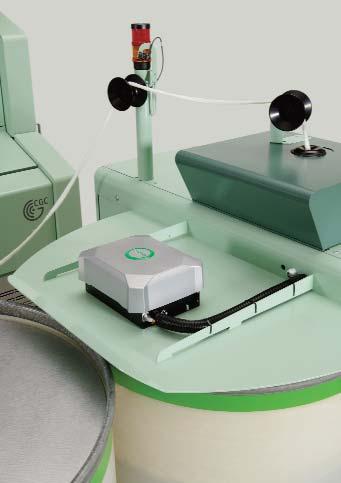
COMPACT4 is the innovative compacting solution that sets new benchmarks for flexibility, reliability and spinning efficiency. With a fine-tuned spinning geometry, it produces compact yarns with the best quality. The solution’s extremely low maintenance, minimal downtime, and low energy consumption ensure spinning mills benefit from outstanding cost-effectiveness in daily mill use.
Leading the way in combing preparation with the OMEGAlap E 40
The new combing preparation machine OMEGAlap E 40 produces 800 kg/h, 33% more than its predecessor –thanks to the rapid lap changing. At the same time, it has 30% lower energy and 63% lower compressed air consumption. Maintenance and cleaning are especially easy, representing a clear advantage for operating personnel.
Convincing customer results with rotor spinning machine R 70
The rotor spinning machine R 70 boosts productivity by 7 to 15% while reliably delivering superior yarn quality. It processes high shares of non-virgin material mixes at full speed, supported by advanced fibre and air-guiding components. Unique pneumatic rotor-cleaning at every piecing ensures consistent quality. Energy use drops by up to 10% thanks to innovative low-vacuum technology, and well-accessible components simplify maintenance to keep availability high.
AI solutions for the most productive card C 81
The Rieter card C 81, equipped with artificial intelligence, is bringing about a revolution in fibre preparation. One groundbreaking feature is the Carding Gap Control CGC which creates ideal conditions for nep reduction and yarn quality. In addition, the Trash Level Monitor TLM keeps the trash level under control when processing natural fibres, thereby unlocking maximum fibre yield and the full potential of the card. Both solutions are also available as retrofit.
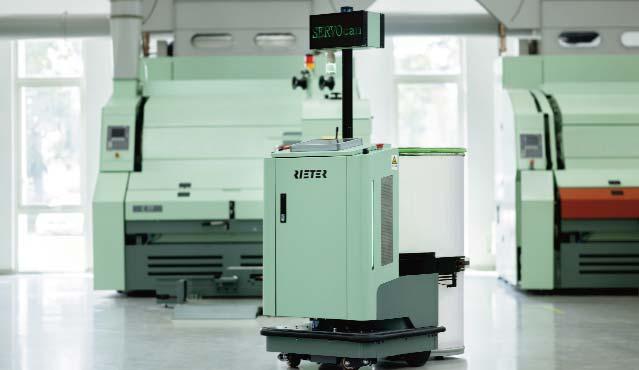

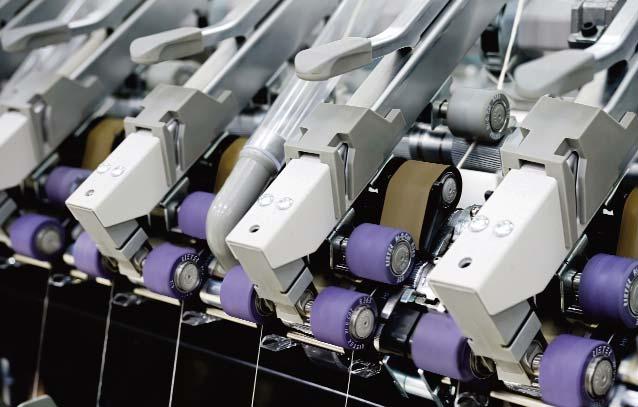
Rieter works closely with partners and fibre manufacturers on the topic of spinning recycled fibres. Latest technologies significantly increase the efficiency and quality of processing textile waste into valuable new yarns, supporting a more circular textile value chain.
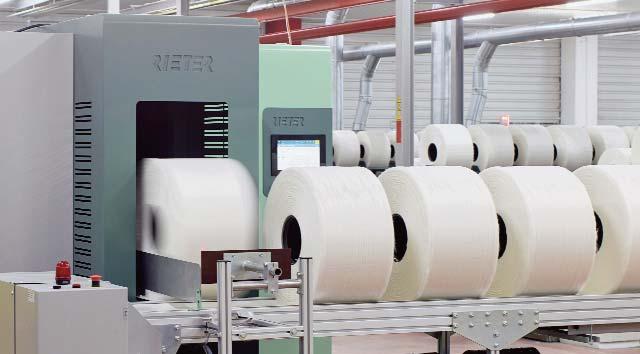


Rieter and its subsidiaries Accotex, Bräcker, Graf, Novibra, Suessen, SSM and Temco will present its latest innovations at ITM 2026 in Istanbul, Türkiye, from 9 to 13 June, in Hall 7, Booth 702, alongside Barmag in Hall 7, Booth 704. By combining state-of-the-art technologies and products with topquality services, Rieter empowers spinning mills to produce more efficiently, more flexibly and more cost-effectively.

Premium denim mill ORTA debuts a FiberColors® collection at Kingpins Amsterdam, using Archroma’s dyes made from pre-consumer wool waste
Archroma, a global leader in specialty chemicals, and Orta Anadolu, the premium Türkiye-based denim manufacturer behind the ORTA brand, have announced a collaboration to bring circular dye chemistry into commercial denim production.
The partnership will be showcased at Kingpins Amsterdam from April 15-16, 2026, where ORTA will present its first
collection dyed with Archroma’s FiberColors® dyes.
FiberColors® are synthesised with a minimum of 50% wool waste –specifically, fleeces that sheep farmers would otherwise pay to dispose of. By upcycling this unwanted material, the patented Archroma technology replaces petroleum-based raw materials without compromising performance, water or energy consumption, or waste generation in the dye manufacturing process. The dyes deliver the same dyeing and fastness performance as conventional sulfur dyes and are GOTS-approved.
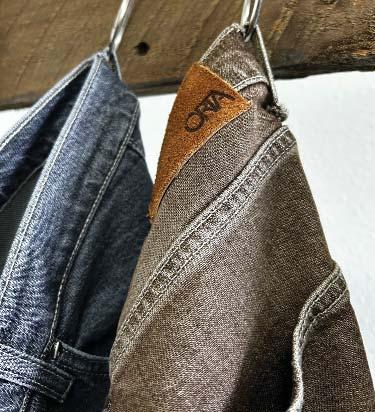
Following a successful trial in late 2025, ORTA has selected three shades from the FiberColors® palette: DIRESUL® FIBER-TEAK (brown), DIRESUL® FIBER-SLATE (blue-grey), and DIRESUL® FIBER-GRAPHITE (dark grey), for its debut collection. The selection reflects ORTA’s characteristic approach of combining distinctive aesthetics with responsible production, and underscores the commercial readiness of FiberColors® for premium denim applications.
“FiberColors® builds directly on the success of our EARTHCOLORS® platform, which has now been
adopted by more than 50 global brands and helped us upcycle over 60 tons of plant residue from the herbal and pharmaceutical industries. With FiberColors®, we identified wool waste as another significant stream that circular chemistry could transform, giving brands a compelling and fully traceable sustainability story. ORTA’s decision to bring this into commercial denim production is exactly the kind of partnership that proves these technologies are ready to scale,” Julio Perales, Technical & Product Segment Manager Denim, Archroma, said.
Founded in 1953 as a spinning and weaving company, ORTA has specialised in denim since 1985. Based in Türkiye, the company has more than 1,000 employees and a global reputation for melding style and sustainability.
“We believe that aesthetics and ethics are inseparable,” Sebla Onder, Marketing and Sustainability Manager of ORTA, said. “We are demonstrating that the circular economy is commercially viable today – upcycling waste streams to solve a problem for sheep farmers while creating on-trend denim garments that can themselves be safely recycled and even composted at end of life.”
Jakob Müller has been building textile machinery for over 130 years. What started in a Swiss workshop in 1887 has grown into a global company that quietly powers industries. From straps and labels to ropes and technical webbings. They’ve stayed independent and family-owned through five generations. And while the machines they build have evolved, their purpose hasn’t: to support the people who use them, and the products they make. LAB1887 continues that story. It opens up what’s usually hidden and invites others to experiment, collaborate, and move things forward with them.
“LAB1887, where innovation is born by combining customer ideas with cutting-edge technology and 138 years of experience and expertise.” Andreas Conzelmann – CEO Jakob Müller Group
Featured technologies at LAB1887
LAB1887 showcases a comprehensive portfolio of Jakob Müller Group’s core technologies, including narrow and wide fabric weaving, advanced knitting systems, and high-performance finishing solutions
Jakob Müller offer advanced needle weaving machines for versatile and multifunctional tape production.
Jakob Müller Group – Technology Leader in Narrow Fabric Weaving Multiple weft colors with flexible programming
For light, medium and heavy weight elastic and non-elastic woven narrow fabrics with unlimited repeat lengths
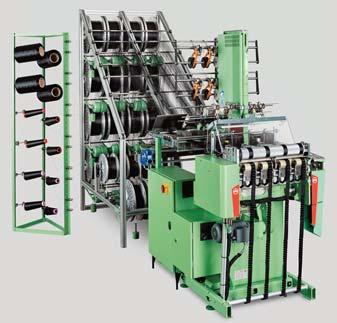
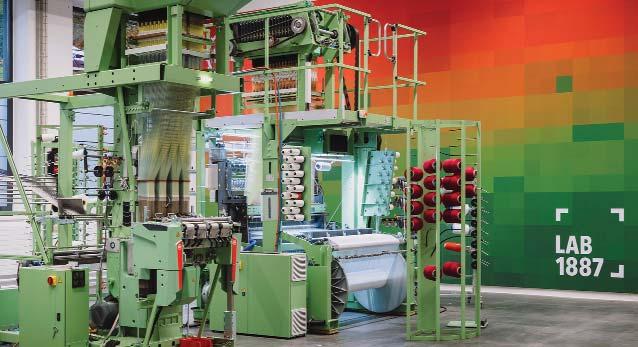
MDW® technology
Wide Fabric Weaving
Jakob Müller offer a range of wide fabric weaving machines with diverse technologies – ensuring the right solution for any fabric structure or material.
Jakob Müller Group -Technology leader in Wide Fabric Weaving Jacquard options available for complex designs
Woven fabrics in different variations with the integration of bit-mapped graphics
Working width up to 1346mm / up to 12 weft colors / compatible with MDW® technology
MDW® technology
With Jakob Müller patented MDW® Multi Directional Weaving technology, different materials can be inserted in both warp and weft directions – opening up new design possibilities.
Jakob Müller Group – patent rights for current MDW® technology
Weaving and inserting effect threads in one operation
Applications for Functional-, Smart-, Fashion textiles
Narrow Fabric Knitting
Jakob Müller offer extremely versatile knitting machines for a wide range of narrow fabrics and complex warp-knit structures.
Jakob Müller Group – Technology Leader in Advanced Narrow Fabric Knitting.
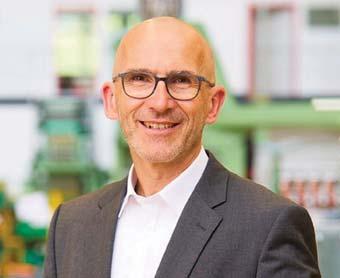
Material flexibility – Works with synthetic, natural, and technical fibers for diverse applications
Electronic precision – Advanced controls ensure flexible patterning and accurate production
Industrial performance – High speed, reliability, and efficiency for largescale manufacturing
Finishing
Jakob Müller solution for applying high-quality colors and functional finishes to narrow fabrics.
Jakob Müller Group – Technology leader in narrow fabric dyeing and finishing
Jakob Müller technology delivers outstanding dyeing and finishing results that meet the current market demands of the customers
State-of-the-art solutions designed for the efficient use of resources and manpower
Customer first: Jakob Müller listen carefully to its customers’ needs and provide long-lasting solutions and machines, supported by competent and reliable after-sales service.
Benninger AG.............................................................13
Chhipasons................................................................64
DOMOTEX asia 2026................................................IFC
DPS World 2026.......................................................IBC
IGATEX Pakistan 2026..................................................9
International Rubber Industries.............................23&64
ITMA ASIA + CITME, 2026..........................................6
ITMA 2027.................................................................35
iTextiles......................................................................FC
Jakob Muller AG........................................................11
Rastgar..................................................................3&64
Swissmem ..................................................................17
Staubli........................................................................15
Textile Asia 2026........................................................37
Zhejiang Rifa..............................................................BC