Established 1951

April - May2026


Established 1951
April - May2026

Techtextil and Texprocess 2026
Dates: April 21st to 24th, 2026 Venue: Frankfurt, Germany.

DOMOTEX Middle East 2026
Dates: April 22nd to 24th 2026. Venue: Dubai World Trade Centre.

FESPA 2026
Dates: May 19th to 22nd 2026. Venue: Fira de Barcelona in Spain.

DOMOTEX asia/CHINAFLOOR 2026
Dates: May 27th to 29th 2026. Venue: NECC, Shanghai, China.

Index 2026
Dates: May 19th to 22nd, 2026. Venue: Palexpo, Geneva, Switzerland.

HIGHTEX 2026
Dates: June 9th to 13th, 2026. Venue: Istanbul, Türkiye.
Dates: June 9th to 13th, 2026. Venue: Istanbul, Türkiye.

Textile Asia 2026, Lahore
Dates: July3rd to 5th, 2026. Venue: Lahore Expo Centre.
Textile Asia 2026, Karachi
Dates: December 05th to 07th 2026. Venue: Expo Centre, Karachi.

DPS World Pakistan 2026
Dates: August 21th to 23th 2026. Venue: Lahore Expo Centre.

Intertextile Shanghai Apparel Fabrics
Dates: August 25th to 27th 2026. Venue: Shanghai, China.

Apparel Sourcing Paris Autumn
Dates: August 30th to Sep. 2nd, 2026.
Venue: Paris
CAITME 2026
Dates: September 8th to 10th, 2026. Venue: Tashkent, Uzbekistan.

IGATEX Pakistan 2026
Dates: October 15th to 18th 2026. Venue: Expo Centre, Lahore
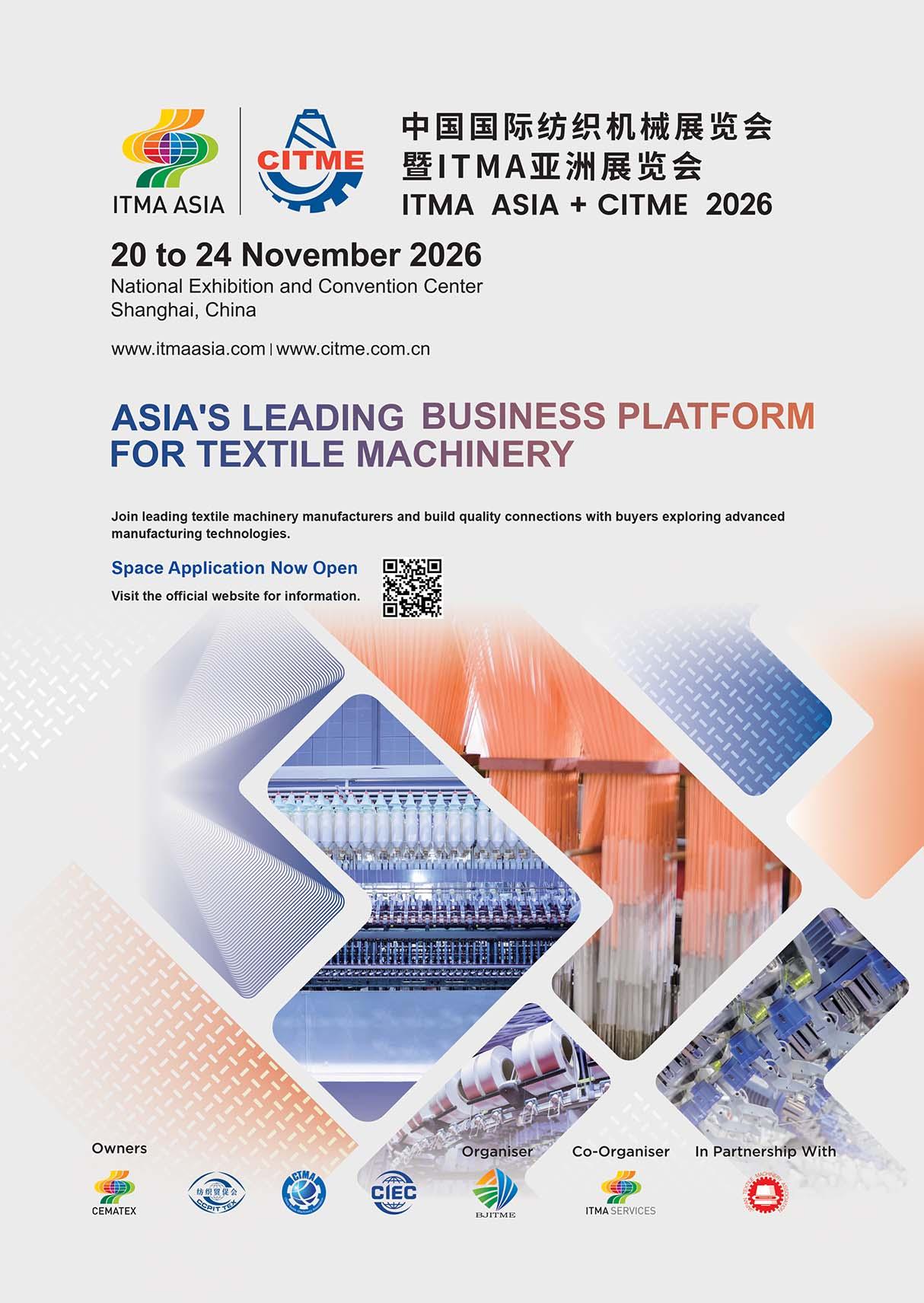
ITMA ASIA + CITME 2026
Dates: November 20th to 24th, 2026. Venue: NECC, Shanghai, China.

Heimtextil 2027, Frankfurt
Dates: January 15th to 17th, 2027
Venue: Frankfurt am Main.

VIATT 2027
Dates: February 24th to 26th, 2027. Venue: Ho Chi Minh City, Vietnam.

ITMA 2027
Dates: September 16th to 22nd, 2027. Venue: Hanover, Germany.

DOMOTEX Hannover 2028
Dates: January 17th to 20th 2028. Venue: Hannover, Germany.

Founded in 1951 by Mazhar Yusuf (1924-2009)
Publisher
Nadeem Mazhar
Editor in Chief
Amina Baqai
Associate Editor
Nimrah Nadeem
Production Manager
Mazhar Ali
Layout & Design
Noor M. Jaan
Website / Social Media
Minhaj Ali
Hony-Editorial Board
Dr. Hafizur Rehman Sheikh Ph.D (UK) F.T.I. (UK)
Syed Mahfooz Qutab
C.TEX, F.T.I (U.K), B.Sc. Fellow I.C.T.T Atlanta, GA; (USA)
Dr. Zubair Bandukda PhD (Textiles), CText ATI
Engr. Naeem Ilyas Khanani
Editorial & Advertising Office
B-4, 2nd Floor, 64/21, M.A.C.H, Miran M. Shah Road, Karachi - Pakistan
Tel: +92-21-34311674-5
Fax: +92-21-34533616
Email: info@ptj.com.pk URL: http://www.ptj.com.pk
PTJ Europe Ltd.
Registered Office: Dairy House, Money Row Green, Holyport, Maidenhead, Berkshire, SL6 2ND, United Kingdom.
Registered no. 09141989
Tel: +44 792 2228 721
Available on Gale and Factiva affiliated international databases through Asianet Pakistan
Printed at: Color Plus Korangi, Karachi. Published by Nadeem Mazhar from D-16, K.D.A. Scheme No.1. Karachi.





Barmag presents the next generation of POY production: Energy-efficient and partial-automated .
Denim Deal and Green Story partner to leverage data for scaling post-consumer recycled cotton
Jeanologia proves it is possible to produce jeans without polluting water and presents its Environmental Profit and Loss Account

Archroma expands denim possibilities at Kingpins Amsterdam
DyStar advances sustainability in manufacturing with ISO 14001 accreditation at Gabus Plant
Durst Group appoints Wolfgang Knotz as Chief Technology Officer (CTO) .
WEKO: Germany's Weitmann & Konrad marks a new chapter with leadership change.27

Countdown to Textiles Recycling Expo USA 2026: Industry leaders, innovation . . .29
Shaping the future of pure air: Filtration takes centre stage at INDEX™26
FESPA’s new textile event set to debut in Barcelona this May 2026
Heimtextil celebrates Milan Design Week honouring partnerships with Patricia Urquiola and Alcova Milano
. .30
.32
ITM 2026 will bring the global textile technologies industry together in Istanbul . .34
DOMOTEX asia/CHINAFLOOR 2026 set for another robust show in Shanghai . . . .36
Uster: The game-changer in fabric quality assurance
Uster Fabriq Vision 2 helps fabric producers transition from manual to automated inspection –with the same staff
iTextiles® partners with Rütex GmbH to introduce naNea in Pakistan
Advancing sustainable innovation with next-generation biodegradable polyester Innovations for today – solutions for tomorrow: Trützschler Nonwovens
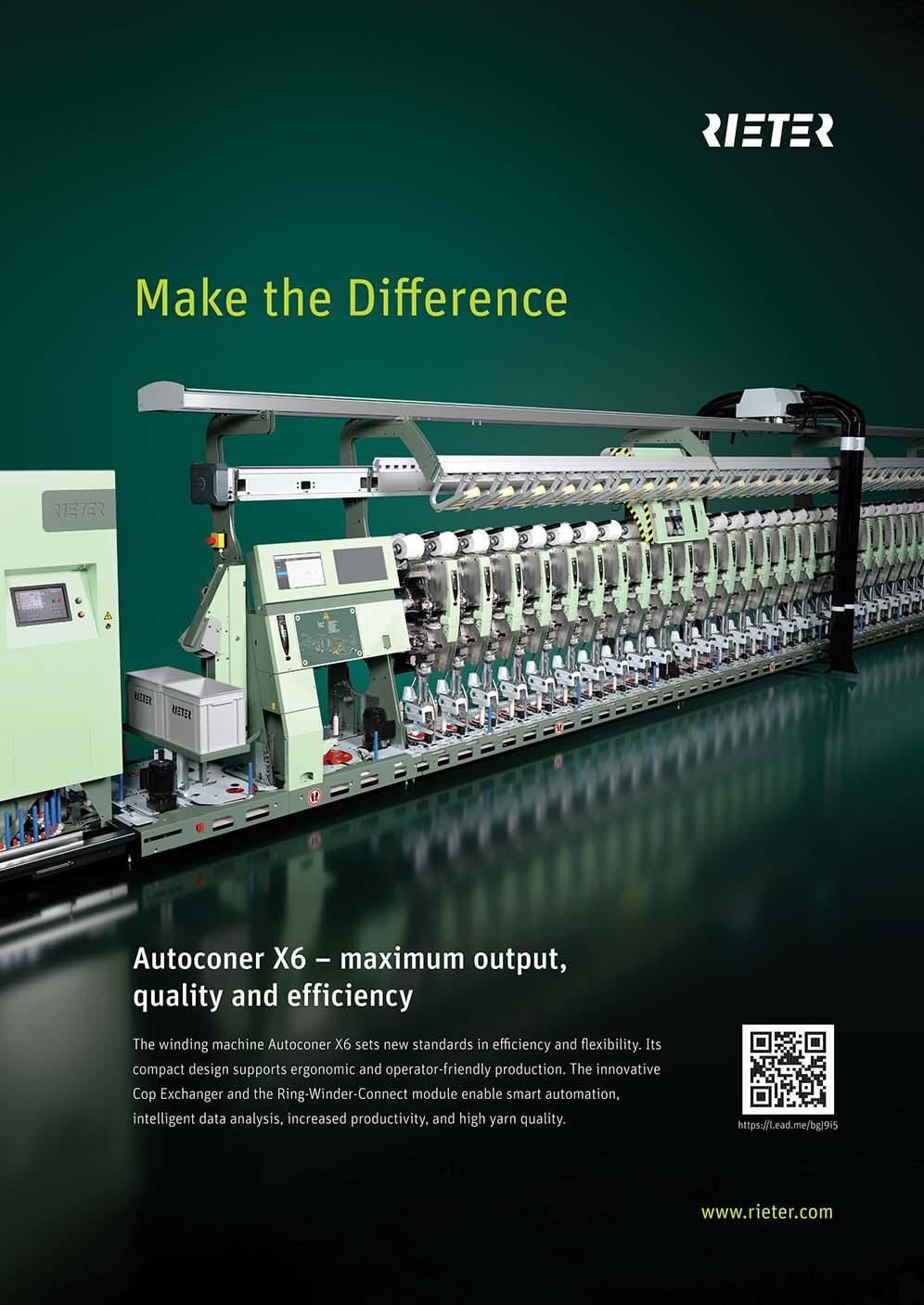
Rieter Autoconer X6: One step closer to autonomous winding
VDMA: Automation, digitalisation and sustainability are shaping the future of textile processing
Walmart joins U.S. Cotton Trust Protocol, taking major step to advance sustainable cotton sourcing
“BRÜCKNER ensures sustainable and efficient production.”
Mrs. Verena Ruckh, Head of Marketing Department at Brückner
Sustainability, flexibility and e-commerce drives growth at Al Hadi Textile
Mr. Nafay Mazhar Khan, Director of Al Hadi Textile (Pvt.) Ltd.
Pakistan’s dyeing, printing and finishing industry on the rise
by Nadeem Mazhar, Managing Editor, Pakistan Textile Journal
Monforts: Advance coating solutions for technical textiles
Orta and Archroma launch denim collection dyed with wool waste
Epson launches SureColor SC-F20000 to boost industrial dye-sublimation productivity with high-quality output and robust media handling
BW Converting’s Baldwin brand validated by Fashion for Good and Apparel Impact Institute
Biancalani: AIRO®- When “all in one” is a production principle of textile finishing . .58
Alchemie Technology demonstrates up to 92% water saving in textile dyeing, thirdparty assessment confirms
EFI™ Reggiani to showcase ecoNEXT Plus at FESPA Global Print Expo 2026
Benninger’s versatile dyeing and finishing
Mimaki takes DTF performance to the next


Pakistan’s textile processing industry is entering a decisive phase where competitiveness will increasingly depend on technology, sustainability and the ability to adapt to rapidly changing global markets. As one of the country’s most value-added export sectors, textiles and apparel generated US$17.8 billion in exports during 202425 while supporting nearly 45% of the national workforce. These numbers underline not only the scale of the industry, but also its importance to Pakistan’s broader industrial and economic stability.
Despite difficult economic conditions, the sector has continued to modernise. Across major industrial centres such as Faisalabad, Gujranwala and Karachi, manufacturers are gradually adopting technologies aimed at reducing water usage, chemical consumption and energy costs. The steady global transition from dyed fabrics toward printed textiles is also accelerating demand for digital textile printing, which offers faster production, lower emissions and more economical short-run manufacturing. At a time when international buyers are placing greater emphasis on environmentally responsible sourcing, sustainability is no longer a marketing advantage, it is becoming a commercial necessity.
Yet the industry’s structural challenges remain significant. Energy shortages, fluctuating production costs, currency instability and limited research and development infrastructure continue to affect productivity and long-term investment. Although imports of textile dyeing and finishing machinery increased considerably during 202425, sustained technological progress will require far greater emphasis on innovation, workforce training and policy consistency.
This changing landscape also explains the growing importance of international exhibitions such as FESPA Global Print Expo and Techtextil/Texprocess. At Techtextil/Texprocess, several Pakistani companies once again demonstrated the country’s growing engagement with technical textiles, sustainability and value-added manufacturing solutions. FESPA’s dedicated textile segment in Barcelona highlighted the rapid development of digital textile printing, workflow automation and environmentally responsible production systems. These international exhibitions continue to highlight how rapidly the global textile industry is evolving toward smarter, more sustainable and technology-oriented manufacturing.
For Pakistan’s textile industry, the message is increasingly clear: future competitiveness will depend not only on production capacity, but on embracing sustainability, innovation and digital transformation as essential drivers of long-term growth.




The Small and Medium Enterprises Development Authority (SMEDA), in collaboration with the Food and Agriculture Organisation (FAO) and other international and national partners, has launched an innovative initiative aimed at transforming banana agricultural waste into eco-friendly textile fibre, marking a significant step toward Pakistan’s emerging circular bio-economy model. Under the framework, SMEDA will act as the lead executing partner in coordination with the Ministry of Climate Change and Environmental Coordination, relevant Sindh government departments, FAO, and the National Textile University (NTU), ensuring multi-stakeholder collaboration across

policy, research, and industry domains.
The All Pakistan Textile Mills Association (APTMA) has expressed concern that critical improvements in Pakistan’s power sector are not being implemented within the required timeframe, warning that persistent inefficiencies continue to expose the national economy to growing risks.
Pakistan’s textile sector exports recorded a marginal decline of 0.50 per cent during the first nine months of the current fiscal year, reaching USD 13.545 billion compared to USD 13.613 billion in the corresponding period of 2024–25, according to data released by the Pakistan Bureau of Statistics (PBS).
1Australia’s apparel industry is increasingly being shaped by ecommerce, sustainability initiatives, AI-driven retail and renewed interest in domestic manufacturing. According to IMARC Group, the country’s fashion and apparel market reached US$38.9 billion in 2025 and is projected to grow to US$55.2 billion by 2034, registering a CAGR of 3.97 per cent during 2026–2034. Digital retail continues to drive market expansion, with brands adopting AI-powered product recommendations, virtual try-on technologies, dynamic pricing and trend forecasting to enhance customer engagement and improve inventory manage-
4
The Pakistan Chemicals & Dyes Merchants Association (PCDMA) has signed a Memorandum of Understanding (MoU) with the China Council for the Promotion of International Trade (CCPIT), marking a new step toward enhancing bilateral trade and industrial cooperation in the chemicals and dyestuffs sector.
5
All Pakistan Textile Mills Association (APTMA) has urged Rana Tanveer Hussain to expedite the implementation of key cotton-sector reforms approved during the 6th meeting of the Cabinet Committee on Essential/Cash Crops. In a letter, APTMA Chairman Kamran Arshad highlighted pending measures, including the transfor-
mation of the Pakistan Central Cotton Committee into the Pakistan Cotton Advisory Council, enabling cotton cess collection through the FBR, and allocating 70 per cent of cess funds for cotton research and development. APTMA also stressed the inclusion of provinces, farmers, research institutions and the seed sector in the proposed governance framework. The association warned that continued delays, despite repeated reminders, could further weaken cotton production, increase import dependence and place additional pressure on foreign exchange reserves. APTMA called for immediate notifications, legal amendments and a time-bound implementation plan.

ment. Sustainability is also becoming central to the sector, with growing demand for organic cotton, recycled fibres and circular fashion models, including resale and garment recycling.
2
Bangladesh’s readymade garment (RMG) exports registered a decline of 2.43 percent yearon-year, falling to USD 22.98 billion during the July–January period of fiscal year 2025–26, according to the latest country-wise export data released by the Export Promotion Bureau.
3
The Apparel Export Council of Egypt (AECE) has announced an ambitious target of reaching a record USD 4.4 billion in
garment exports by 2026, supported by a growing influx of Chinese and Turkish investments in new manufacturing capacity and integrated textile production facilities.
4
A new report jointly released by HeatWatch and the Tata Institute of Social Sciences (TISS), Mumbai, has highlighted alarming levels of heat stress among India’s garment and textile workers, revealing widespread occupational health risks and significant gaps in workplace safety infrastructure.
5
Türkiye is positioning itself to deepen commercial and industrial engagement with Bangladesh’s rapidly growing

garment sector, as discussions with the Bangladesh Garment Manufacturers and Exporters Association (BGMEA) signal expanding opportunities for bilateral textile cooperation, investment flows, and supplychain integration.
6
The United States and Bangladesh have signed a new bilateral trade agreement which is aimed at reshaping tariff structures and expanding market access between the two countries. The agreement introduces targeted tariff reductions for Bangladeshi exports while also securing broader market openings for US industrial and agricultural goods.
The Small and Medium Enterprises Development Authority (SMEDA), in collaboration with the Food and Agriculture Organisation (FAO) and other international and national partners, has launched an innovative initiative aimed at transforming banana-agricultural waste into eco-friendly textile fibre, marking a significant step toward Pakistan’s emerging circular bio-economy model.
The project was formally introduced during a workshop titled “Bananas in Pakistan’s Bio-economy: Transforming Waste into Textile,” held alongside the “Made in Pakistan, SME Cluster Showcase Expo 2026.” The initiative forms part of the broader Elimination of Hazardous Chemicals from Supply Chains Integrated Program, which is funded by the Global Environment Facility (GEF) and implemented with support from United Nations agencies across eight countries.
Under the framework, SMEDA will act as the lead executing partner in coordination with the Ministry of Climate Change and Environmental Coordination, relevant Sindh government departments, FAO, and the National Textile University (NTU), ensuring multi-stakeholder collaboration across policy, research, and industry domains.
Officials stated that the project aims to advance climate resilience, strengthen circular economy practices, and contribute to national economic growth through sustainable resource utilisation. The initiative is scheduled to run from

2026 to 2031 and is expected to directly engage around 40,000 women along with a large number of students, creating new opportunities for inclusive green employment.

Speaking at the event, SMEDA, General Manager Gender & Sustainability, Sheharyar Tahir highlighted that bananas are cultivated on more than 40,000 hectares in Pakistan, where substantial quantities of agricultural residue are currently discarded or openly burned, contributing to environmental degradation. He noted that this waste can be effectively converted into raw banana fibre, which can be utilised in textiles, handicrafts, bags, and eco-friendly packaging materials.
FAO Program Assistant, Amina Bajwa emphasised that Pakistan remains among the most climate-vulnerable countries, facing increasing risks from agricultural emissions and environmental stress. She stated that converting agricultural waste into value-added products presents a viable solution to reduce pollution while simultaneously generating income opportunities at the local level.
Senior Joint Secretary Muhammad Ijaz Ghani of the Ministry of Climate Change described the project as socially inclusive and closely aligned with Pakistan’s largest export-oriented sector, the textile industry. He stressed that addressing pollution, resource depletion, and unsustainable agricultural practices remains essential for long-term economic and environmental stability.
Representing NTU-FAO, Habibur Rehman outlined the project framework, noting that the initiative also seeks to reduce dependence on imported cotton while addressing pollution caused by unmanaged agricultural waste. He further identified key structural challenges, including regulatory gaps, limited financing mechanisms, weak institutional coordination, and value-chain inefficiencies that require sustained policy attention.
Overall, the project represents a strategic shift toward sustainable biobased industrial development in Pakistan, integrating environmental protection with economic opportunity, and positioning agricultural waste as a potential resource for the country’s evolving textile and SME sectors.
The All Pakistan Textile Mills Association (APTMA) has expressed concern that critical improvements in Pakistan’s power sector are not being implemented within the required timeframe, warning that persistent inefficiencies continue to expose the national economy to growing risks.

In a letter addressed to Power Minister Sardar Awais Ahmad Khan Leghari, APTMA Chairman Kamran Arshad acknowledged recent government efforts aimed at reducing electricity costs, particularly for industrial consumers, which he described as the core engine of economic growth. He specifically appreciated the elimination of cross-subsidies from industrial electricity tariffs, terming it a positive step toward restoring industrial competitiveness.
However, he noted that despite these policy measures, electricity tariffs for industrial users have not yet reached the regionally competitive range of 7–8 cents per kWh. In Pakistan, industrial power costs remain around 12 cents per kWh, significantly higher than competing economies, where rates can be as low as 4 cents per kWh.
According to APTMA, while the government’s tariff rationalisation has provided some relief, reducing industrial electricity prices by Rs4.04 per kWh through the removal of cross-subsidies, this benefit has been partially offset by a Rs1.78 per kWh fuel cost adjustment and a Rs0.35 per kWh quarterly adjustment. The association argued that this reflects how structural inefficiencies continue to erode the impact of policy reforms.

APTMA Chairman, Kamran Arshad stated that the fundamental issue is not the inherent cost of electricity generation, but rather systemic inefficiencies and distorted incentives across the power value chain that continue to push up enduser prices. He stressed that unless these structural challenges are addressed, high electricity costs will remain a persistent burden on industry.
A key concern highlighted by APTMA relates to transmission constraints, particularly the south-to-north capacity limitation, which restricts the flow of lower-cost electricity generated in the southern region, especially from coal and wind projects, to industrial demand centres in the north. As a result, the system increasingly relies on expensive RLNG, furnace oil, and diesel-based generation, significantly increasing fuel costs embedded in tariffs.
Referring to observations by NEPRA, APTMA cited delays in major transmission infrastructure, including the 500kV Lahore North Grid Station, which was originally
scheduled for completion in September 2021 but was only commissioned in December 2025. Even after completion, the Matiari–Lahore HVDC transmission line remains underutilised due to inadequate upstream and downstream connectivity between key generation hubs such as Port Qasim, Thar, and Matiari.
The association noted that despite substantial installed generation capacity and continued capacity payments by consumers, lower-cost energy sources remain underutilised. In FY2025, Tharbased coal plants, including Thar Coal Block-1, Thar Energy, and ThalNova, operated at 60–70 percent capacity, well below the optimal 90 percent level. Similarly, wind power projects operated at only 20–30 percent utilisation due to transmission bottlenecks.
APTMA emphasised that consumers are already bearing the financial burden of both generation and transmission infrastructure through electricity tariffs and circular debt surcharges, yet inefficiencies in system utilisation are further increasing costs. This, it warned, has created a serious governance and accountability gap in the power sector, where inefficiencies are ultimately passed on to end users.
Kamran Arshad stressed that delays and inefficiencies must not continue to be transferred to consumers, particularly the industrial sector, which is already under financial pressure. He urged that the opportunity cost arising from transmission delays, including higher fuel consumption and tariff impacts, should be borne by responsible entities, including transmission operators and related institutions, rather than industry.
APTMA reiterated that under the prevailing distorted incentive structure, essential reforms in the power sector are not being implemented at the required pace, leaving Pakistan’s economy increasingly vulnerable. The association emphasised that affordable and regionally competitive electricity remains the most critical factor for driving industrial expansion and export-led growth.
The body further urged the Power Minister to ensure that costs arising from transmission constraints and system inefficiencies are not passed on to industrial consumers, calling for urgent
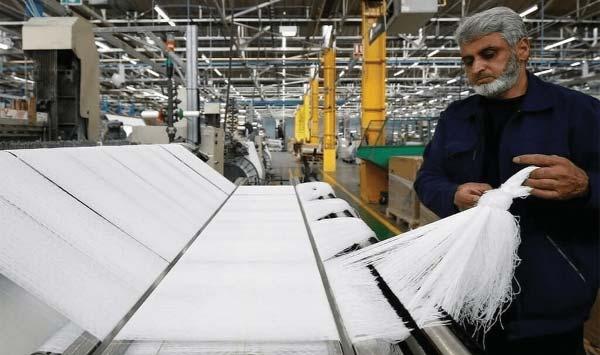
structural reforms to restore competitiveness and economic stability.
Pakistan’s textile sector exports recorded a marginal decline of 0.50 percent during the first nine months of the current fiscal year, reaching USD 13.545 billion compared to USD 13.613 billion in the corresponding period of 2024–25, according to data released by the Pakistan Bureau of Statistics (PBS).
Despite the overall slight contraction, several textile sub-categories posted positive growth. Bedwear exports increased by 0.25 percent to USD 2.380 billion, while ready-made garments registered a notable rise of 3.77 percent, reaching USD 3.208 billion compared to USD 3.091 billion last year. Similarly, exports of made-up articles (excluding towels and bedwear) rose by 0.60 percent to USD 591.664 million during the July–March period.
Raw cotton exports recorded a sharp increase of 199.20 percent, rising to USD 2.606 million, while cotton yarn exports grew by 4.42 percent to USD 562.160 million. Exports of other textile materials also posted a 5.47 percent increase, reaching USD 592.236 million.
However, several key textile segments witnessed negative growth, reflecting uneven performance across the sector. Cotton cloth exports declined by 10.94 percent to USD 1.268 billion, while knitwear exports fell by 1.14 percent to USD 3.742 billion. Yarn other than cotton yarn dropped by 5.92 percent to
USD 23.925 million, and towel exports decreased by 2.10 percent to USD 801.501 million. Art, silk, and synthetic textile exports also registered a significant decline of 10.56 percent, falling to USD 271.812 million.
On a year-on-year basis, textile exports recorded a decline of 7.06 percent in March 2026, standing at USD 1.328 billion compared to USD 1.430 billion in March 2025. However, on a month-on-month basis, exports showed a marginal improvement of 1.36 percent compared to USD 1.311 billion in February 2026, indicating slight recovery in monthly trade momentum.
Broader trade data released by PBS showed continued pressure on external accounts. Total exports during February 2026 stood at USD 2.278 billion, reflecting a sharp decline of 25.43 percent compared to January 2026 and an 8.51 percent decrease year-on-year. Meanwhile, imports for the month stood at USD 5.318 billion, down 8.39 percent from January 2026 and 0.39 percent lower compared to February 2025.
During the July–February period of FY2025–26, total exports reached USD 20.468 billion, registering a decline of 7.27 percent compared to USD 22.073 billion in the same period last year. In contrast, imports rose by 8.21 percent to USD 45.569 billion, compared to USD 42.110 billion in the corresponding period of the previous fiscal year.
As a result, the trade balance remained under pressure, with the deficit recorded at USD 3.040 billion in February 2026, while the cumulative trade deficit for July–February 2025–26 widened to USD 25.101 billion.
Overall, the data reflects a scenario of mixed performance in the textile sector, where gains in value-added segments are offset by declines in key traditional exports, while broader external trade continues to face structural imbalances driven by rising imports and persistent export volatility.
The Pakistan Chemicals & Dyes Merchants Association (PCDMA) has signed a Memorandum of Understanding (MoU) with the China Council for the Promotion of International Trade (CCPIT), marking a new step toward enhancing bilateral trade and industrial cooperation in the chemicals and dyestuffs sector.
According to a statement issued by PCDMA, a high-level delegation of PCDMA, led by Chairman Salim Vali Muhammad, held strategic discussions with prominent Chinese industrial stakeholders during the InterDye 2026 exhibition held in Shanghai. The engagements were focused on expanding trade linkages, promoting industrial collaboration, and exploring new
opportunities in the global dyes and chemicals value chain.

The MoU was formally signed by Salim Vali Muhammad and Yuan Junjie, Chairman of CCPIT, reinforcing mutual commitment to strengthen institutional cooperation between the two sides.
Speaking on the occasion, Salim Vali Muhammad stated that the partnership would not only benefit PCDMA members but would also contribute positively to broader industry development and standards enhancement. He added that the agreement sets a precedent for sustained cooperation and is expected to foster stronger institutional and commercial ties between Pakistan and China’s chemical industries.
Both sides underscored the importance of promoting the InterDye platform as a key global forum for the dyes and chemicals industry, stressing the need for increased participation of international stakeholders to unlock new avenues for trade, innovation, and
professional networking.

During the visit, the PCDMA delegation also participated in the Conference on “Trade Chemical Technology Innovation and International Trade Cooperation,” where industry experts and international representatives discussed emerging trends and technological advancements in the sector.
PCDMA Chairman Salim Vali Muhammad, along with former Chairman Mahmood Salam and member Abdul Rahim Khatri, delivered keynote addresses at the conference. They highlighted the potential of Pakistan’s dyestuffs industry, presenting sectoral insights that were well received by the audience and contributed to enhancing the association’s visibility on the international stage.
The development reflects growing efforts to integrate Pakistan’s chemical and dyes sector into global trade networks through institutional partnerships and international engagement platforms.

Bangladesh RMG Exports
Decline 2.43 per cent to USD 22.98bn in July–January FY2025–26 Amid Weak Demand in
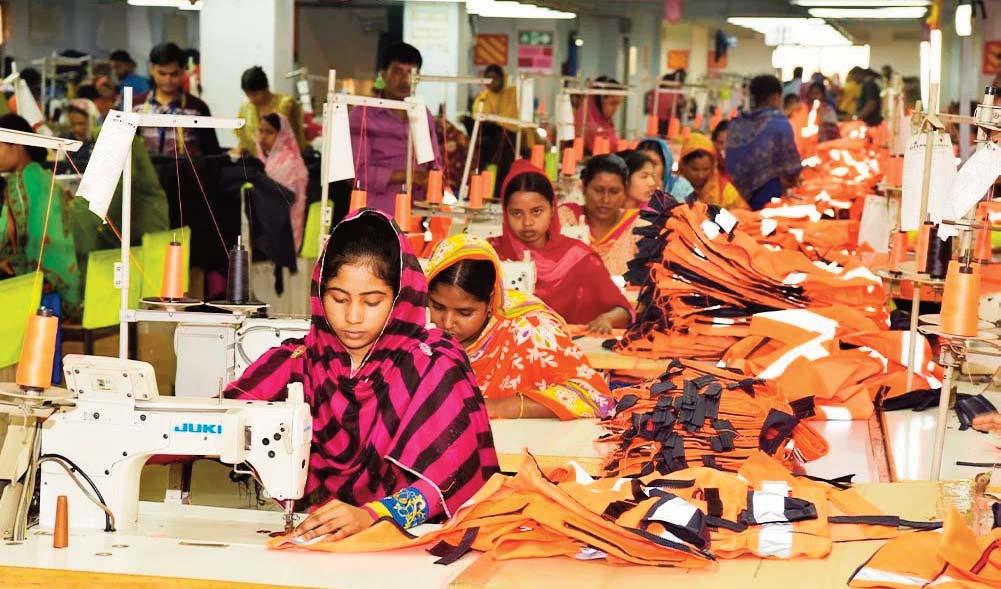
Bangladesh’s readymade garment (RMG) exports registered a decline of 2.43 per cent year-on-year, falling to USD 22.98 billion during the July–January period of fiscal year 2025–26, according to the latest country-wise export data released by the Export Promotion Bureau (EPB).
The downturn reflects weakening demand across several key export destinations, despite the continued dominance of major markets such as the European Union and the United States in Bangladesh’s global apparel trade.
The European Union (EU) remained the largest export destination for Bangladesh’s RMG sector, accounting for 49.35 per cent of total exports in the category. However, export earnings to the EU declined by 3.98 per cent year-onyear to USD 11.34 billion, indicating subdued demand in the region.
The United States retained its position as the second-largest market for Bangladeshi garments. Exports to the US stood at USD 4.47 billion, representing 19.46 per cent of total RMG exports, with a marginal year-on-year decline of 0.03 per cent. According to EPB data, total RMG exports to the US during February 2025 to January 2026 reached
USD 7,544.34 million, maintaining its strong share in overall export earnings.
In contrast, some traditional markets showed positive momentum. Exports to Canada increased by 4.42 per cent to USD 784.17 million, accounting for 3.41 per cent of total RMG exports, while shipments to the United Kingdom rose by 2.55 per cent to USD 2.62 billion, representing an 11.38 per cent share.
However, exports to non-traditional markets recorded a decline of 4.99 per cent, falling to USD 3.77 billion, though still contributing a notable 16.40 per cent share of total RMG exports.
In terms of product composition, both major segments of the apparel industry witnessed contraction. Knitwear exports declined by 3.13 per cent during the period, while woven garment exports decreased by 1.60 per cent, reflecting broad-based pressure across product categories.
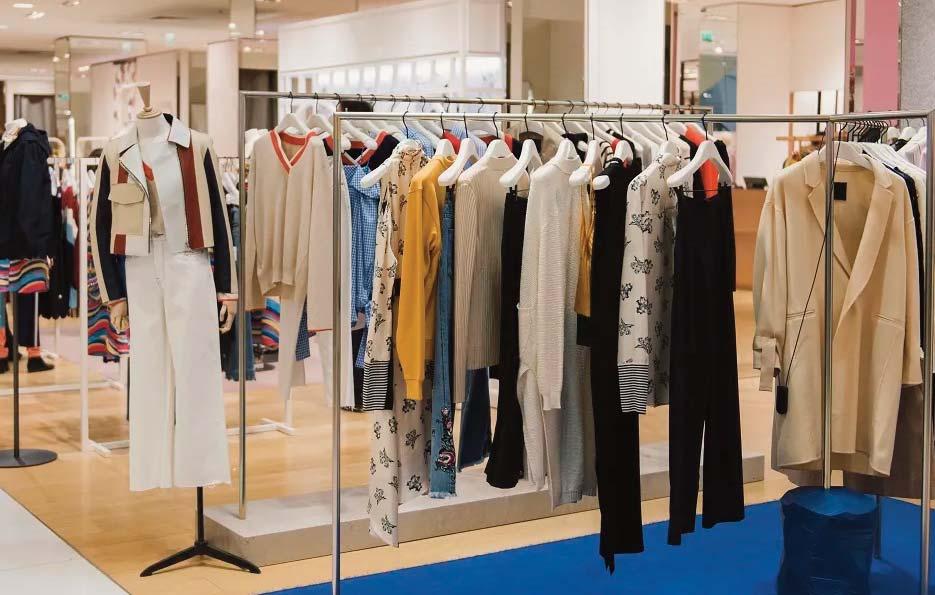

The Apparel Export Council of Egypt (AECE) has announced an ambitious target of reaching a record USD 4.4 billion in garment exports by 2026, supported by a growing influx of Chinese and Turkish investments in new manufacturing capacity and integrated textile production facilities.
According to AECE Chair Fadel Marzouk, the projected target represents a required growth of 22 per cent over 2025, a year in which Egypt’s garment exports surpassed USD 3 billion for the first time. The expansion was largely driven by capacity enhancements and scaling up of operations at existing manufacturing units across the country.
Marzouk noted that the 2026 outlook is strongly linked to the development of integrated textile and apparel complexes currently being established in the West Qantara hub within the Suez Canal Economic Zone. These large-scale industrial zones are expected to significantly strengthen Egypt’s position in global apparel supply chains.
Among the key investments is Zhejiang Jasan’s USD 100 million project, alongside Everfar Textile Egypt’s USD 130 million export-oriented manufacturing facility. These developments are designed to support vertically integrated production, combining spinning, weaving, processing, and garment manufacturing under one ecosystem to enhance export competitiveness.
Further investments from Chinese and Turkish companies, including Changzhou Kingcason, Shanghai Honour Home Textile, as well as Turkiye-based Orağlu and Boni, are also expected to contribute to export-oriented production growth beginning from 2026–27. Industry officials indicate that these investments will directly feed into increased export volumes as new production lines become operational.
In the long-term strategic outlook, Cairo aims to expand its textile and apparel exports to USD 11.5 billion annually by 2030, positioning the sector as a key pillar of industrial development and foreign exchange earnings.

A new report jointly released by HeatWatch and the Tata Institute of Social Sciences (TISS), Mumbai, has highlighted alarming levels of heat stress among India’s garment and textile workers, revealing widespread occupational health risks and significant gaps in workplace safety infrastructure.
The study, titled “Breaking Point: Heat and the Garment Floor,” draws on multiple research methods, including surveys of 115 workers in Tamil Nadu and the Delhi-NCR (National Capital Region), along with 47 indepth interviews. It also incorporates insights from focus group discussions with sub-contracted home-based garment workers in Delhi-NCR and case studies from 15 factories across Tamil Nadu, Delhi-NCR, and Gujarat.
According to India’s Ministry of Commerce & Industry (2025), the textile and garment sector employs approximately 45 million people, making it one of the country’s largest employment-generating industries. However, the report notes that the sector is increasingly vulnerable to heat-related occupational hazards due to densely packed production environments and high-output demands driven by fast fashion supply chains.
The study highlights that nearly 70 per cent of garment workers are women, who face compounded risks including overcrowded workspaces, poor ventilation, inadequate lighting, and strict production targets. Researchers observed that extreme heat further intensifies these conditions, interacting with workplace pressure, occupational stress, abuse, and gender-specific vulnerabilities.
The report presents several critical findings related to working conditions and worker health. It notes that 36.5 per cent of surveyed workers reported that drinking water on factory floors is often unavailable or not clean, while 80 per cent stated that their workstations lack adequate air circulation, resulting in persistently hot and suffocating environments.
Health impacts are reported to be extensive and severe. Around 69 per cent of respondents said heat negatively

affected their ability to work, while 87.8 per cent reported feeling completely exhausted by the end of work shifts during peak summer periods. Additionally, 87 per cent experienced symptoms such as headaches, dizziness, fatigue, or muscle cramps linked to high temperatures over the past year.
Work intensity and production pressures further exacerbate these conditions, with 78 per cent of workers admitting they skip breaks to meet production targets. The report notes that those who forgo breaks experience nearly double the stress levels compared to those who take regular rest periods.
The study also highlights significant gender-specific health impacts. Almost all female respondents (96.8 per cent) reported experiencing a burning sensation during urination, while 92.6 per cent noted menstrual irregularities or increased pain, both of which were linked to production pressure and extreme working conditions.
On the infrastructure side, the report found that 60 per cent of factories lacked onsite medical facilities or doctors. Among the minority that did have clinics, several did not employ full-time medical staff. Additionally, seven out of 15 factories did not record temperature or humidity levels, and most of those that did showed little to no adjustment in work schedules during periods of extreme heat.
The study recommends a comprehensive overhaul of occupational heat safety standards in the garment sector. It calls for adopting broader definitions of heatwaves using advanced scientific measures such as Wet Bulb Globe Temperature (WBGT) or Universal Thermal Climate Index (UTCI) to better assess workplace risk levels.
It further urges that heat stress be formally recognised as an occupational disease and recommends classifying extreme heat conditions as “force majeure” in labour contracts. The report advocates strengthening factory inspection mechanisms and shifting greater compliance responsibility onto suppliers.
Additional recommendations include workers’ right to leave unsafe working environments during extreme heat without fear of penalty, as well as to introduce a Heat Hardship Allowance when temperatures exceed safe thresholds.

The initiative was announced by Coordinating Minister for Economic Affairs Airlangga Hartarto, following high-level discussions with President Prabowo Subianto and cabinet ministers in Bogor, West Java. According to official statements and local reporting, the proposed SOE is intended to strengthen domestic production capacity, support export competitiveness, and mitigate disruptions in key manufacturing segments including textiles, garments, and footwear.
A central component of the plan is a proposed USD 6 billion funding allocation to be prepared by Danantara Indonesia, aimed at reviving and scaling up a previously state-run textile entity. Officials noted that Indonesia had historically operated a textile SOE, and the current initiative seeks to reintroduce a similar institutional framework to support industrial restructuring.
The textile sector remains a strategic pillar of Indonesia’s manufacturing base, employing a large workforce concentrated in industrial hubs such as Central Java, West Java, and Banten. It also contributes significantly to national export earnings, particularly through garments and footwear supply chains that are heavily integrated into global sourcing networks.
However, the industry is currently facing growing external pressures, including tariff-related constraints in key export destinations such as the United States. Policymakers have identified these challenges as a key factor affecting competitiveness in both textiles and related labour-intensive sectors.
In addition to the SOE initiative, the government is advancing complementary trade and policy measures aimed at strengthening external market access. This includes efforts to expand trade cooperation with the European Union under the Comprehensive Economic Partnership Agreement (CEPA), which is expected to support improved export conditions for Indonesian textile and apparel products.
Authorities have set an ambitious export target of USD 40 billion for the textile sector over the coming years, signalling a strategic push to reposition Indonesia within global apparel supply chains amid intensifying international competition.

Turkiye is positioning itself to deepen commercial and industrial engagement with Bangladesh’s rapidly growing garment sector, as discussions with the
Bangladesh Garment Manufacturers and Exporters Association (BGMEA) signal expanding opportunities for bilateral textile cooperation, investment flows, and supply-chain integration.
Following recent meetings in Dhaka between Turkish Ambassador Ramis Sen and BGMEA leadership, both sides have indicated a shared interest in advancing structured engagement, including a proposed high-level BGMEA visit to Ankara. Turkish stakeholders view this development as part of a broader effort to reinforce Turkiye’s role as a regional textile and manufacturing hub connecting Asia, Europe, and global markets.
From Ankara’s perspective, the engagement reflects a strategic opportunity to further integrate Turkiye’s strong textile and industrial ecosystem with one of the world’s largest apparel manufacturing bases. Discussions have highlighted potential collaboration in man-made fibre (MMF) and technical textiles, areas where Turkiye maintains relatively advanced production capabilities and where Bangladesh is actively seeking diversification beyond cotton-heavy apparel exports.
Turkish industry representatives also see scope for expanding exports of high-
value inputs such as organic cotton, textile machinery, and intermediate industrial materials to Bangladesh. Strengthening these linkages is expected to support Turkiye’s broader objective of moving further up the global textile value chain while expanding its export footprint in South and Southeast Asia.
Trade policy alignment remains a central focus of engagement. Turkish stakeholders and Bangladeshi counterparts have reportedly discussed the long-standing safeguard duty on Bangladeshi apparel exports to Turkiye, in place since 2011. While the measure was originally introduced to protect domestic industry balance, ongoing dialogue suggests renewed willingness to reassess trade barriers in light of evolving global supply chain dynamics.
At the same time, Turkiye is also exploring opportunities to enhance reciprocal trade flows through preferential arrangements, including possible duty advantages for garments produced using Turkish cotton. Such mechanisms are seen in Ankara as a way to strengthen demand for Turkish agricultural and industrial inputs while deepening integration with Bangladesh’s export manufacturing base.
Logistics and connectivity have also emerged as key strategic pillars in the discussions. Turkish stakeholders have emphasised the potential role of Istanbul Airport and Turkish Airlines’ cargo network in improving global distribution efficiency for Bangladeshi apparel exports routed through Turkiye. This is aligned with Turkiye’s broader ambition to consolidate its position as a central logistics and transshipment hub linking Europe, Asia, and Africa.
Industry observers in Turkiye note that enhanced cooperation with Bangladesh could also contribute to broader trade diversification objectives, particularly as global supply chains continue to shift toward multi-country sourcing models. By strengthening upstream and downstream linkages with Bangladesh, Turkiye aims to reinforce its competitiveness in global textile and apparel trade while attracting new investment in high-value manufacturing segments.
The proposed engagement also carries a diplomatic and economic dimension, with discussions reportedly touching on Bangladesh’s transition from Least Developed Country (LDC) status.

With POY 2.0, Barmag is introducing a completely redesigned spinning concept that takes the production of partially oriented yarn (POY) to a new level in terms of technology and economy. The solution, which was presented to a selected audience of experts for the first time at ITMA Asia + CITME 2025, was met with great enthusiasm: several yarn producers worldwide immediately expressed their interest in a pilot plant.
World premiere: Innovative POY 2.0 spinning concept impresses at ITMA Asia + CITME 2025
At the heart of the development of the new POY 2.0 spinning concept was a comprehensive analysis of the entire process chain – from spinning to winding – by Barmag engineers. The result: optimised core components, improved energy efficiency, and significantly simplified operating processes. The highlights along the production process:
Optimised DIO spin pack: More compact, more sustainable, more powerful
The new generation of the DIO spin pack has been further optimised in terms of its rheological properties and ensures even more homogeneous filament quality. The more compact design reduces the need for filter sand by around a third and the weight of the component by more than 30 per cent. This lowers material consumption and makes handling easier. The spinning beam also benefits: the modified design reduces the surface area, resulting in energy savings of up to ten per cent.
EvoQuench 2.0: Higher process stability and easier operation
The EvoQuench radial quenching unit remains a central component of the process for uniform cooling of the filaments. The new EvoQuench 2.0
version makes it much easier to adjust the convergence length. More accessible controls shorten setup times and reduce the amount of waste material.
The heart of the new spinning line is the WINGS POY 2.0 winding machine. For the first time, the machine features an automatic string-up function – a long-awaited feature in the market that keeps string-up times consistently short and reduces waste in the long term. At the same time, the number of personnel required at the take-up level is reduced, which is a considerable advantage for many spinning companies given the increasing shortage of skilled personnel.
The new active quick returns facilitate the adjustment of product-specific parameters, especially for frequently changing yarn products and demanding qualities. They also ensure improved bobbin formation without overthrown yarn ends. Additional shielding of the chuck and bobbins permanently prevents the formation of fluffs. It stabilises the yarn path and supports trouble-free production.


The new WINGS POY 2.0 winder integrated into this concept features an automatic string-up function for the first time. The new generation of the DIO spin pack (right) is significantly more compact.
The new yarn end fixation also ensures greater process reliability: loose yarn ends are a thing of the past, which avoids unplanned machine downtime due to faulty sensor signals in subsequent automated logistics processes. The optimised XPT housing with a larger rotor stroke extends the parking time and increases flexibility during the doffing process. Overall, the system runs more stably and productively.
POY 2.0 is fully integrated into the digital system world of atmos.io. Various apps give the operator a complete overview of the production process –from the polymer to the finished yarn. Quality parameters are continuously monitored so that operating personnel can intervene quickly if necessary. The result: reduced waste quantities, higher product quality, and improved margins thanks to fully networked production.

The Denim Deal has announced a strategic collaboration with Green Story to leverage the power of data and AI in building confidence, credibility, and momentum in scaling post-consumer recycled (POCR) cotton across the global denim value chain.
As support to the denim industry to move from pilot initiatives to scalable circularity, Green Story will serve as the strategic intelligence partner, providing the data foundation necessary for the Denim Deal’s upcoming annual report, scheduled for publication in Q4 2026. This collaboration marks a shift toward translating collective circular ambition into measurable, audit-ready outcomes that support both commercial decisionmaking and regulatory readiness.
Beyond impact measurement, the collaboration will address broader industry questions around data, transparency, and storytelling. A key focus will be on the role of Digital Product Passports (DPPs), exploring their untapped potential for consumer engagement, credible storytelling, and
value chain transparency. In parallel, the partnership introduces a semiautonomous circularity package designed to help brands overcome the common "bandwidth gap." By combining Green Story’s AI-first platform with embedded expert support, the initiative provides a "bolt-on" sustainability function. This allows brands to conduct circularity assessments, identify operational gaps, and build credible roadmaps toward PCR cotton adoption without the need to hire large internal teams.
Moving beyond mere compliance, the partnership will explore how DPPs can drive B2C engagement and trust. By bringing robust, comparable data into Denim Deal collections, Green Story will enable brands to communicate the environmental performance of recycled materials with total transparency. By combining Denim Deal’s collective, value chain-driven approach with Green Story’s expertise in environmental impact data and analytics, this collaboration aims to strengthen trust in post-consumer recycled cotton solutions and accelerate their adoption at scale.
The Denim Deal is a global initiative bringing together brands, manufacturers, recyclers, and innovators to scale the use of post-consumer recycled cotton in denim. Through collective action, technical alignment, and data-driven insights, the Denim Deal supports the industry in building resilience, meeting regulatory requirements, and advancing circularity in denim.
Green Story is an AI-first sustainability platform that helps brands and suppliers turn sustainability from a burden into a built-in capability. By combining an intelligent, automation-driven platform with embedded sustainability expertise, Green Story provides a semi-autonomous solution that handles product impact measurement, supplier engagement, regulatory readiness, and Ecodesign endto-end. Designed for speed, simplicity, and real-world execution, Green Story enables growing brands to meet customer and regulatory expectations with confidence, without hiring large teams or deploying complex enterprise systems.
On World Water Day, a global awareness date highlighting the growing scarcity of this resource and the urgent need for responsible water use, Jeanologia presents its Ecological Profit and Loss Account, a pioneering model that measures the positive impact generated by the implementation of its technology in the textile industry.
In a global context where water has become one of the planet’s most pressing challenges, the company is putting figures behind a transformation already underway: reshaping denim production by eliminating polluting processes and drastically reducing resource consumption.
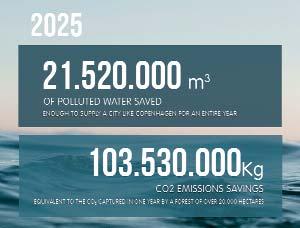
Since 2015, Jeanologia has been auditing and publishing this Environmental Profit and Loss Account, becoming the first company in the sector to systematically quantify the positive environmental impact derived from the use of its technologies. The model measures two key indicators: the volume of polluted water avoided and the reduction of CO2 emissions, turning sustainability into a tangible and verifiable result.
Thanks to the global implementation of its technologies, more than 21.5 million cubic metres of polluted water were avoided in 2025, equivalent to the annual water consumption of a city like Copenhagen. In addition, over 103 million kilograms of CO2 emissions were reduced, comparable to the amount of carbon absorbed in one year by a forest of more than 20,000 hectares.
This impact is the result of integrating technologies developed by Jeanologia, including laser, G2 ozone, low consumption eco washers, e-Flow nanobubble technology, H2 Zero water recycling systems, and Colourbox sustainable dyeing solutions. These innovations

enable the elimination of toxicprocesses, drastically reduce water usage, and support zero-discharge production models.
Today, more than 5,000 machines installed across over 70 countries are transforming denim production processes, reducing intensive water and chemical use, minimising inefficient manual processes, and producing for some of the world’s leading brands.
In addition, Jeanologia provides the industry with its EIM (Environmental Impact Measurement) platform, a tool that acts as a compass to measure, monitor, and improve the environmental impact of production processes, enabling brands and manufacturers to make datadriven decisions and move towards more responsible production.
“For years, sustainability was understood as a future commitment. Today, it is a measurable reality already in motion. The industry has the technology, the knowledge, and the responsibility to operate within the limits of the planet,” states Enrique Silla, CEO and founder of Jeanologia.
With this initiative, the company reinforces its role as a driving force for change within the textile industry, demonstrating that sustainability and efficiency can go hand in hand when there is real implementation at scale.
Through its ‘Mission Zero’ roadmap, Jeanologia continues to advance towards a dehydrated and detoxified textile industry, where water consumption is reduced to a minimum and environmental impact is eliminated.
At a time when access to water is one of the world’s greatest challenges, Jeanologia calls on the entire value chain –brands, manufacturers and consumers–to accelerate the transition towards more responsible production models. Because the future of fashion is defined not only by design, but by how it is made.
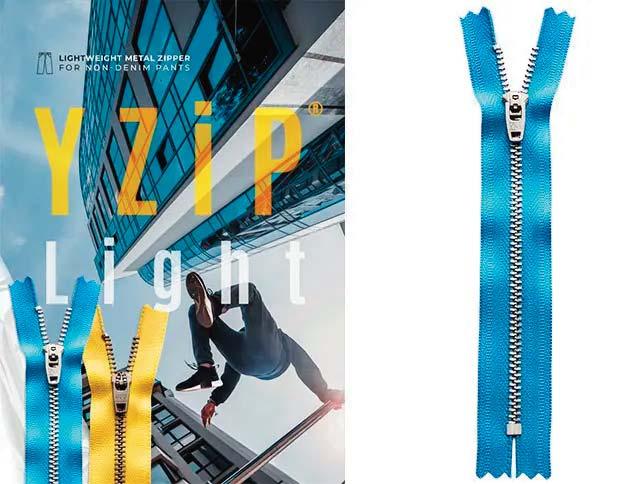
Powered by YKK’s proprietary aluminium molding technology, YZiP® Light delivers enhanced strength with a 50 per cent weight reduction compared to conventional YZiP® zippers
YKK Corporation (Headquarters: Chiyoda-ku, Tokyo; President: Koichi Matsushima; hereafter, YKK) has launched YZiP® Light, a lightweight aluminium alloy zipper for cotton pants, with sales beginning in late March. The introduction of YZiP® Light expands YKK’s zipper portfolio, led by the flagship YZiP® copper alloy zipper, providing customers with greater flexibility to meet diverse garment needs.
YZiP® Light delivers a weight reduction of approximately 50 per cent*1 in comparison to the YZiP® copper alloy zipper for jeans. At the same time, sliding resistance has been reduced by approximately 15 per cent*2, and lateral pull strength has been improved by approximately 26 per cent*3 compared to a conventional aluminium alloy zipper. This enables YKK to offer a zipper optimised for cotton pants and similar garments with a fabric thickness of 0.6 millimeters or less that do not require washing processes.
The pressed aluminium slider used by YZiP® Light incorporates YKK’s proprietary molding technology, which enables press processing of aluminium, previously considered difficult due to the
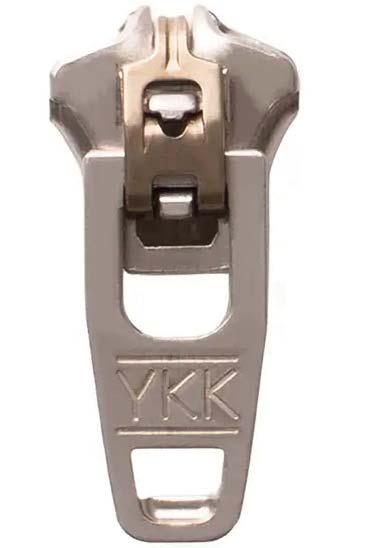
material's inherent properties. It also achieves the same appearance and functionality as the semi-automatic slider used in the copper alloy YZiP® zipper.
Furthermore, with the establishment of colouring technology for aluminium elements, YKK plans to expand its selection of colour variations beyond the conventional silver and antique silver to include new options, such as gold and antique gold.
This product is a NATULON® zipper that uses recycled material for the tape. Approximately 25 per cent of the cut zipper (15 centimetres) is made from recycled materials by weight.
YZiP®, which we developed in 1966, has been beloved by customers all over the world as a zipper for jeans for many years, and is one of the products which has played an important role in YKK’s development into a top global zipper brand. For our newly launched YZiP®
Light, we brought together YKK’s technological capability to meet the demands for lightness and manoeuvrability required by zippers for cotton pants. Through the development of the pressed aluminium slider, YZiP® Light has overcome conventional challenges and achieved a balance of lightweight construction, functionality, and aesthetic appeal. In addition, we are contributing to sustainable manufacturing by promoting the use of the NATULON® zipper–which features tape made from recycled material, while also considering how to reduce our environmental impact.
YKK will continue to align with market needs and the values that society demands and promote product development aimed at even greater functional improvements.
*1Compared with YZiP® (YGRC-39 GSBN8 15 cm), based on YKK internal testing
*2Compared with a traditional aluminium alloy zipper (YARNC-39 DS14GS1), based on YKK internal testing
*3Compared with traditional aluminium alloy zipper (YARNC-39 DS14GS1), based on YKK internal testing
Specialty chemicals leader showcases sustainable denim portfolio spanning cleaner dyestuffs, circular colourants and upstream dyeing innovation for laser-friendly denim
Archroma, a global leader in specialty chemicals, will present a portfolio of six sustainable denim innovations at Kingpins Amsterdam from 15-16 April, 2026. Under the theme “Creating Possibilities in Denim”, the showcase reflects Archroma’s commitment to giving brands and mills solutions that are as commercially compelling as they are environmentally responsible.
“Denim leaders are strongly motivated to reduce environmental impact, but cannot afford to sacrifice market appeal or production efficiency,”
Julio Perales, Technical & Product Segment Manager Denim, Archroma, said. “At Archroma, we continuously challenge conventions, with an R&D philosophy that accepts nothing less than eliminating hazardous chemicals and processes while simultaneously improving performance and reducing resource use. That’s how we have built such a broad portfolio of game-changing solutions.”
At Kingpins Amsterdam, visitors can explore:
Archroma denim dyes address the most persistent challenges in indigo and sulfur dyeing – from hazardous impurities to resource-intensive synthesis processes.
DENISOL® PURE INDIGO: The industry’s first synthetic aniline-free* indigo makes it possible to produce authentic indigo-dyed denim that complies with major eco-standards, reduces pollution risk and creates denim that can be more sustainably recycled.
DIRESUL® EVOLUTION BLACK:
Archroma's cleanest sulfur black dyestuff ever – and the winner of the 2023 Just Style Excellence Award for Innovation in Dyes – delivers an overall lifecycle impact reduction of 57 per cent** versus standard Sulfur Black 1, with no ammonia, no sodium salts waste, no liquid effluents and 73 per cent less water in synthesis.

DIRESUL® RDT: With a comprehensive bluesign®-approved sulfur dye palette spanning blues, blacks, navies, khakis and fashion colors, DIRESUL® RDT supports topping, bottoming and self-shade applications across the full range of denim styles.
Archroma's biosynthetic dye ranges replace petroleum-based raw materials with upcycled waste streams, turning circular economy principles into commercially deployable colour solutions.
EARTHCOLORS®: A patented range of biosynthetic dyes derived from non-edible agricultural and herbal waste (such as leaves and nutshells), EarthColors® helps reduce the negative impact on water footprint, natural resources and climate change.
FIBERCOLORS®: Synthesised with a minimum of 50 per cent wool waste raw material, FiberColor® solves a problem for sheep farmers while advancing sustainability for brands.
Winner of the ITMF 2025
Sustainability & Innovation Award, DENIM HALO is a yarn pretreatment and dyeing process that enables superficial ring-dyeing at the denim mill. This allows downstream garment laundries to achieve popular high-contrast distressed effects by laser or washdown – avoiding the
hazardous potassium permanganate sprays, hand scraping and harsh bleaching these looks have traditionally required.
“Impact assessments using Archroma’s One Way Impact Calculator show substantial environmental benefits for DENIM HALO versus standard processes,” Julio explained. “But even better, DENIM HALO doesn’t require mills to choose between sustainability and business performance. It’s designed to work within existing mill workflows, so there’s no need to modify standard dye recipes or set up. And it actually improves fabric performance by reducing yarn shrinkage and boosting garment tensile strength.”
Kingpins is an invitation-only denim sourcing show featuring a highly curated selection of companies from across the global denim supply chain. Launched in 2004, Kingpins shows are currently held in Amsterdam, New York and China. Last year’s Amsterdam show drew more than 1,000 visitors from 40 countries, representing more than 500 companies. * Below limits of detection according to industry standard test methods.
** As determined by Ecoterrae through Life Cycle Analysis (UNE-EN ISO 14044:2006) at the synthesis stage, using the ReCiPe 2016 Impact calculation methodology.
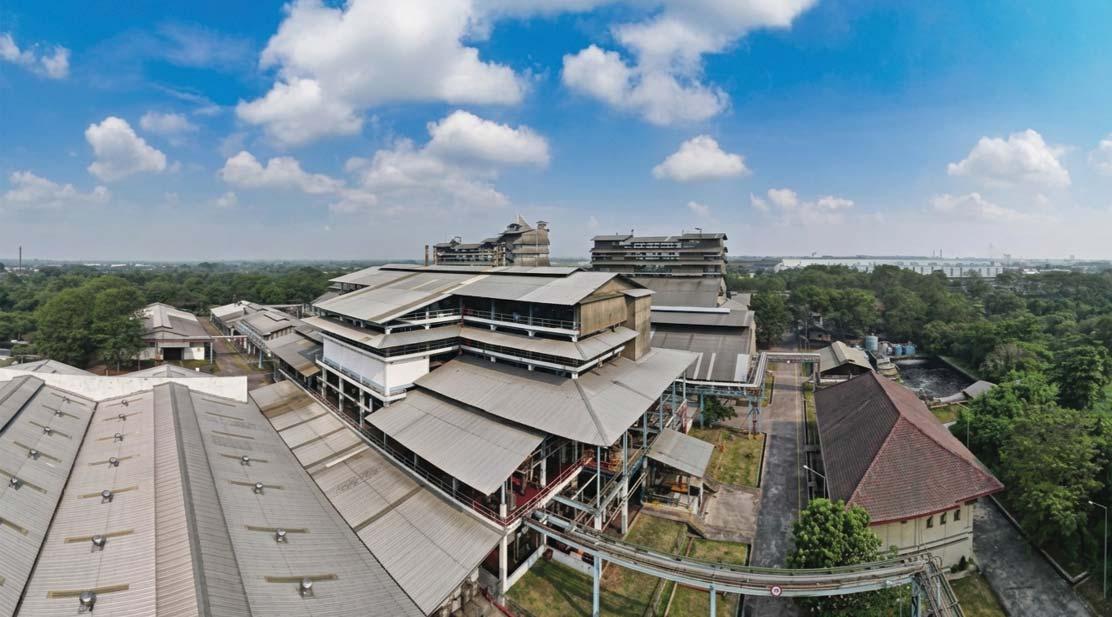
DyStar, a leading specialty chemical company with a heritage of more than a century in product development and innovation, is proud to announce the successful achievement of ISO 14001 accreditation, a globally recognised standard for environmental management systems (EMS). This accomplishment highlights DyStar’s ongoing commitment to sustainability, operational excellence, and responsible environmental stewardship.
The ISO 14001 certification confirms that the Gabus Plant has implemented comprehensive environmental management practices, including efficient resource utilisation, waste reduction, and strict compliance with environmental regulations. The accreditation was awarded following a rigorous independent audit conducted by Bureau Veritas, validating the plant’s adherence to international best practices.
“Securing ISO 14001 accreditation at our Gabus Plant is another incredible
milestone in DyStar’s sustainability journey,” said Mr. Klaus Kadletz, Senior Vice President for South Asia, Southeast Asia and Turkiye, Africa & Middle East.
“This recognition reflects the dedication of our teams and reinforces our commitment to minimising environmental impact while delivering value to our customers, brands and retailers, communities and stakeholders worldwide.”
This achievement aligns with the Group’s two-fold sustainability strategy: reducing the internal operational environmental impact and enabling customers to lower their own environmental footprint as part of their sustainability journey. As one of the largest production plants in the DyStar network, Gabus has made a substantial contribution toward the Group’s 2025 sustainability targets, which aim to reduce the environmental footprint by 30% (from 2011 levels) across energy, greenhouse gas emissions, water, and waste.
“At Gabus, we are proud to serve as a leading example for other DyStar sites. In FY2024, packaging intensity at Gabus was reduced by over 33% compared to the prior year,” said Mr. Clement Yang, Vice President, Global Manufacturing, DyStar Group. “This significant reduction, amounting to more than 30 kilograms per tonne of production, further underscores DyStar’s commitment to resource efficiency and aligns with the Group’s sustainability goals.”
By embedding environmental responsibility into everyday processes, DyStar continues to strengthen its role as a leader in sustainable manufacturing. Globally, DyStar remains committed to reducing its carbon footprint through revised policies and process workflows. These initiatives drive valuable propositions for customers by enabling them to lower their own environmental footprint. At the same time, they reinforce the resilience of the textile and chemical supply chain worldwide.

Setting the course for technological transformation in its anniversary year
Durst Group, a leading global manufacturer of digital printing and production technologies, has appointed Wolfgang Knotz as Chief Technology Officer (CTO) of the Group, effective 1 April, 2026. With this decision, the company underscores its commitment – on the occasion of its 90th anniversary – to consistently drive its transformation from a machine manufacturer to a technology-driven solutions provider.
Wolfgang Knotz has held various leadership positions within the Durst Group for many years, most recently serving as Managing Director of Durst Austria GmbH, where he was responsible for technological and operational activities at the Lienz site. Since joining the company in 2013, he has played a key role in shaping core production and technology structures. In particular, as Head of Development since 2016, he has been instrumental in the continuous advancement and optimisation of digital printing systems, making a significant contribution to Durst Group’s technological leadership.
The appointment as CTO comes against the backdrop of Durst Group’s strategic realignment, with initiatives such as Kyveris accelerating the shift towards data-driven, connected production solutions.
“As part of an intensive selection process involving more than 600 applicants, we conducted a global search for the ideal candidate for this key position,” explains Christoph Gamper, CEO and coowner of the Durst Group. “In the end, it became clear that the right person for the role was already within our organisation. Wolfgang combines technological expertise, strategic vision, and deep knowledge of our company like few others.”
Gamper adds: “Our task as management was no longer to look externally, but to create the right internal framework conditions – enabling Wolfgang to fully focus on shaping the technological future of the Durst Group.”
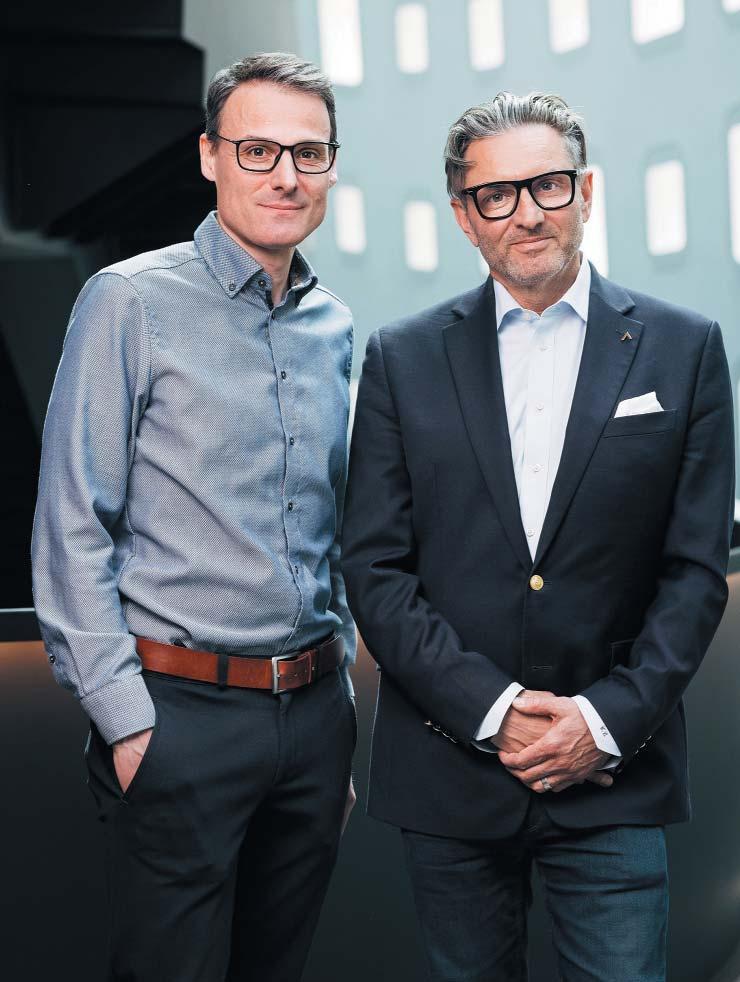
For Wolfgang Knotz, the process itself was equally defining: “The in-depth discussions during the CTO selection process highlighted the tremendous opportunity in further developing our technology approach,” says Knotz. “In my conversations with Christoph, it quickly became clear that we share the same vision: Durst must consistently evolve from a machine manufacturer into a holistic technology and solutions provider.”
In his new role, Knotz will be responsible for the Group-wide
technology agenda, with a strong focus on integrating software, data, automation, and new business models. The goal is to further strengthen Durst Group’s innovative capabilities and provide customers worldwide with even more comprehensive, integrated solutions.
With the appointment of Wolfgang Knotz, the Durst Group is sending a clear signal: in its anniversary year, the company is not only reflecting on 90 years of innovation, but actively shaping its technological future.

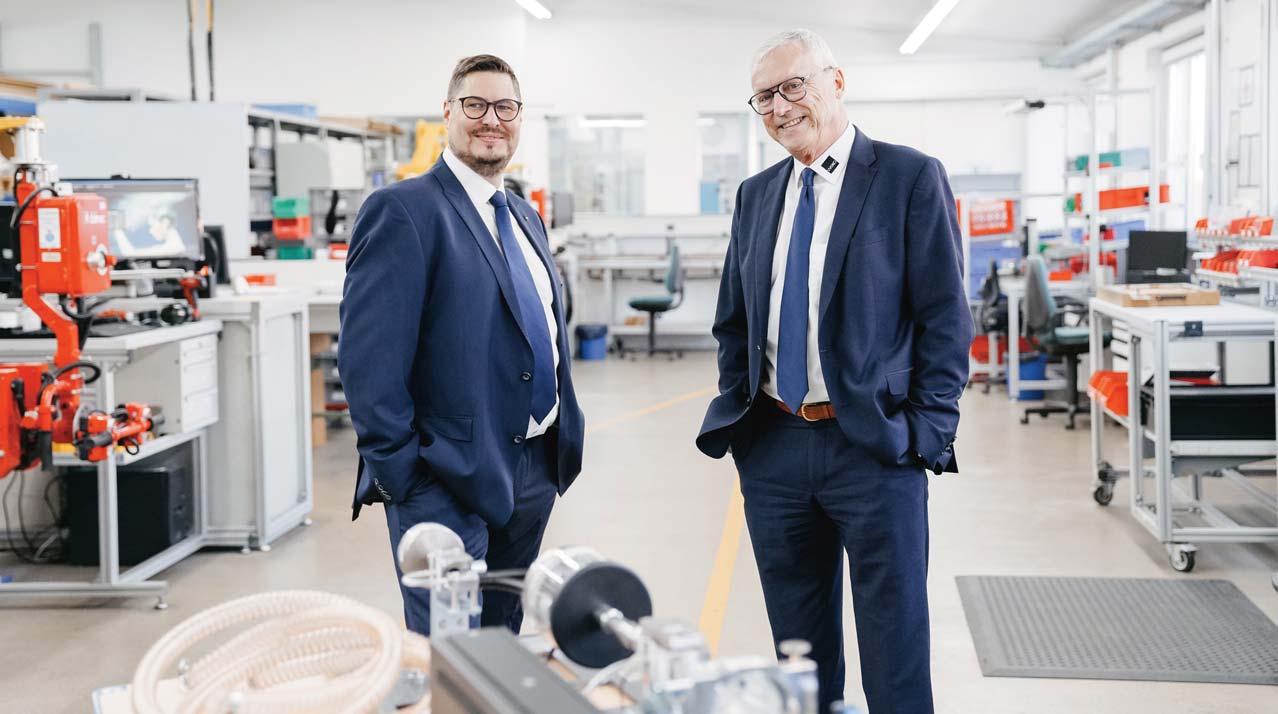
Mr. Carlheinz Weitmann, long-standing managing partner of Weitmann & Konrad GmbH & Co. KG, stepped down from day-to-day operations and will take on an advisory role in the company in addition to other entrepreneurial tasks.
Since 1 January 1985, Carlheinz Weitmann has had a decisive influence on the development of the company. For over four decades, he led WEKO with foresight, entrepreneurial courage, and extraordinary commitment, laying the foundation for the company's sustainable success. Together with managing partner Marcel Konrad, who retired at the end of 2023, he continuously developed WEKO.
Carlheinz Weitmann actively shaped the company's structures, particularly in the areas of human resources management, finance, production, design, IT, and development, and constantly adapted them to the requirements of the time. Standing still was never an option for him. He understood adaptation and change as necessary prerequisites for long-term success.
“Carlheinz Weitmann has played a decisive role in shaping WEKO over decades as a second-generation member of the family and has positioned the company for the future. We would like to express our sincere thanks to him for his extraordinary commitment and many years of responsibility. After all, the future can only continue to be shaped successfully on a healthy basis,” says Tobias Schurr, Managing Director of Weitmann & Konrad GmbH & Co. KG.
Management is now entirely in the hands of Mr. Tobias Schurr, who has been running the company together with Carlheinz Weitmann since January 2024. Mr. Schurr has been part of the WEKO Group since 2017 and has held various management positions within the group.
“I look forward to continuing WEKO's successful path in the interests of the shareholder families together with our employees and to developing the company safely and sustainably in the future,” explains Tobias Schurr.
Weitmann & Konrad GmbH & Co. KG would like to thank Carlheinz Weitmann for his many years of influential work in the company.
WEKO specialises in the contactless minimum application of fluid and powder-based media to a wide variety of materials. With the systems used in the production process, significant savings of fresh water, chemicals as well as energy can be achieved. This is a clear cost/benefit advantage for the user, but especially for the environment. For this reason, we offer test series in the WEKO-Technology Centre in order to check and implement theprocesses for the respective application in advance. High service standards are a matter of course for us. In addition to its headquarters near Stuttgart, WEKO has two production sites in Germany and Brazil, its own sales and service offices in Italy, the UK, the USA and Brazil. In addition, WEKO cooperates worldwide with agencies that market the products and also offer the proven WEKO service standard. Weitmann & Konrad GmbH & Co. KG is a family business and was entered in the Handelsregister in 1953.
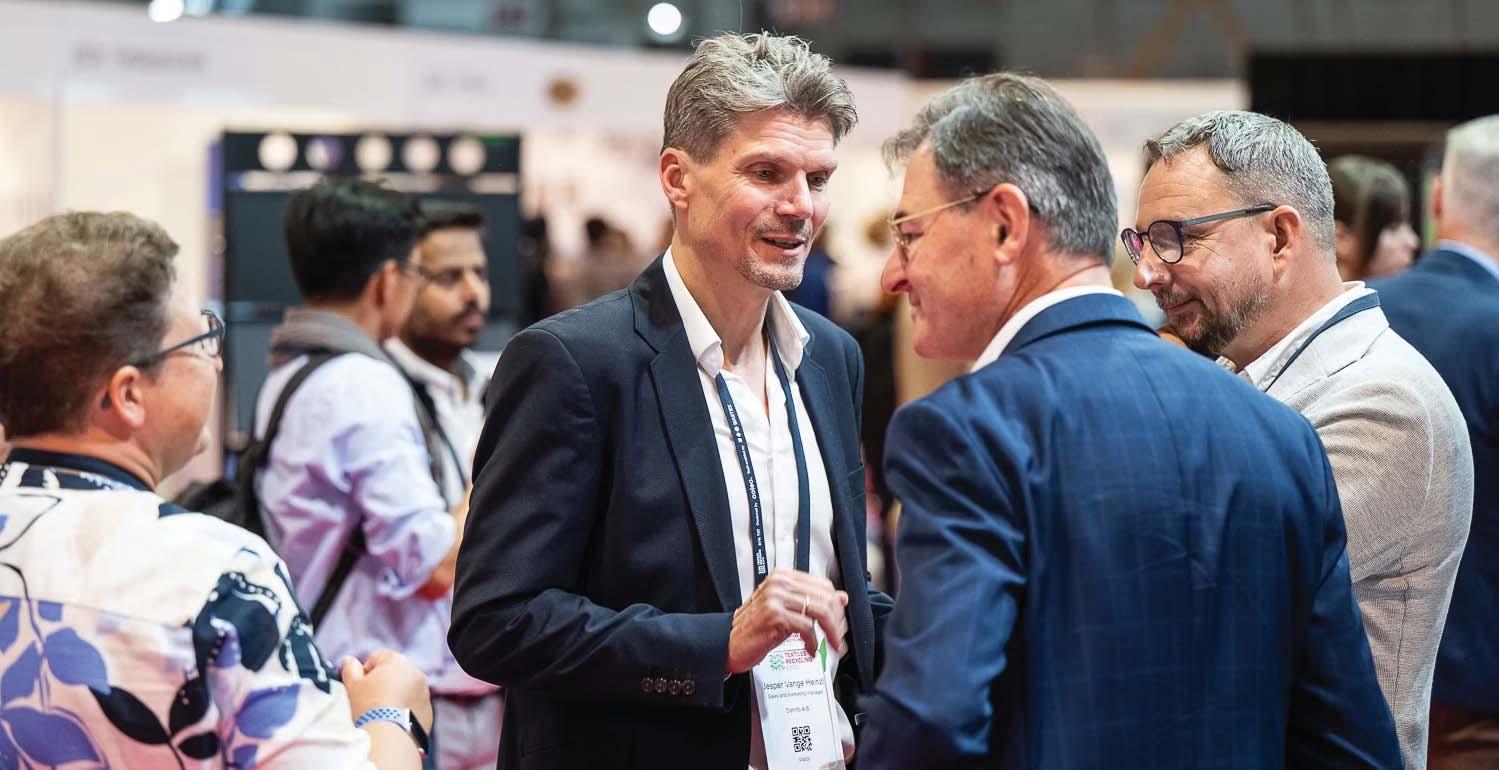
Anticipation is building for Textiles Recycling Expo USA, taking place 29–30 April 2026 at the Charlotte Convention Centre. As North America’s first dedicated exhibition and conference focused exclusively on textile recycling, the event is set to bring together the full value chain at a pivotal moment for the industry. Registration is free and available for attendees online.
Now entering its final countdown phase, the Expo has confirmed over 85 exhibitors, showcasing a wide range of solutions across sorting, shredding, mechanical and chemical recycling, and advanced material processing. Confirmed exhibitors include: Valvan, PICVISA, SSI Shredding, Looptworks, Gneuss, Recover, Supercircle, Matoha, Margasa, Texpin Makine, Unifi, Allertex of America, Senseneo Inc., Upcycle Fiber, Cycla LLC, Konica Minolta, Reju, Debrand, Pierret, Circ, Syre, Valerius, Antex, Bank & Vogue, and many more.
The conference programme is now live, featuring a strong line-up of speakers from leading global brands and
organisations. Attendees can expect insights from representatives of New Balance, lululemon, Eileen Fisher, the Ellen MacArthur Foundation, WM, Goodwill Industries International, The Footwear Collective, Matoha, Unifi, Textile Exchange, University of Delaware, Reju, Samsara Eco, National Safety Apparel, Filogic and many more.
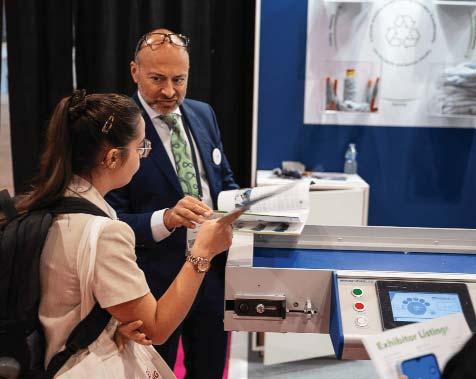
The programme covers critical topics including policy, infrastructure, innovation, scalable circular solutions, key themes of 2026 include:
Policy, Regulation & Governance Collection, Sorting & Infrastructure at Scale Technology, Innovation & Textile-toTextile Recycling Collaboration Across the Value Chain
Across two days, the event will provide a unique platform for industry
professionals to explore the latest technologies, engage in high-level discussions, and build meaningful connections across textiles, recycling, sustainability, manufacturing, retail, and policy sectors.
As momentum continues to build, industry professionals are encouraged to secure their place and be part of the conversation shaping the future of textile recycling in North America. Registration is free and now open.
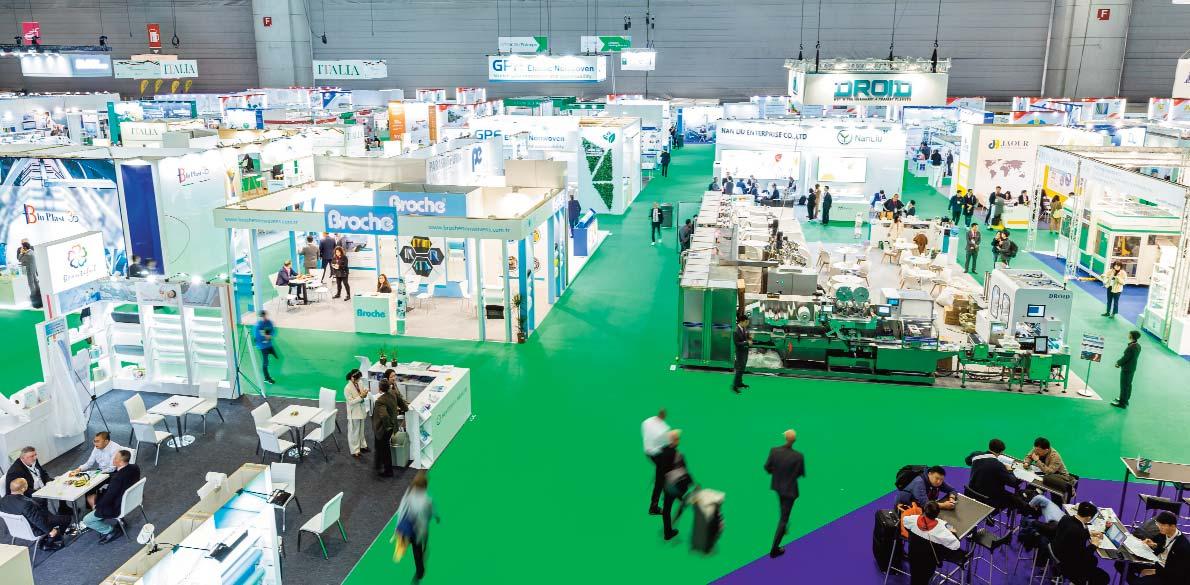
As the international association representing the nonwovens and related industries, EDANA owns INDEX™26, the world’s leading nonwovens exhibition. Co-organised together with Palexpo, the international exhibition and convention centre at Geneva, the trade show serves as a central hub where the entire supply chain –from filtration, geosynthetics, wet wipes, to absorbent hygiene products–, experts in the nonwovens industry gather to network, exchange, and share ideas. Taking place once every three years, INDEX™26 represents a cost-effective and highly targeted opportunity to reach the entire market in one location.
Filtration has evolved far beyond the simple task of catching dust; it is now one of the foundations of how we engineer a more sustainable world. As global standards for air quality and resource efficiency become increasingly stringent, nonwovens have moved from the background to the very centre of technological progress.
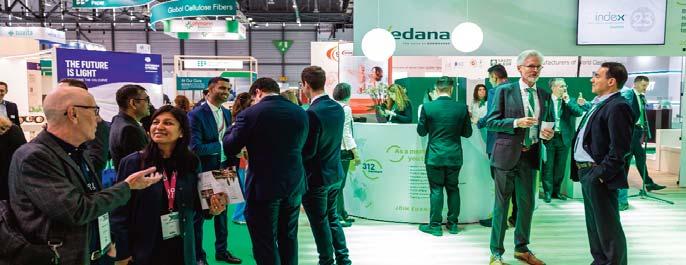
With INDEX™26 approaching (19–22 May 2026 at Palexpo, Geneva), the momentum behind this shift is impossible to overlook. For the industry, INDEX™26
offers a definitive preview of the innovations that will shape the coming years in air and fluid filtration.
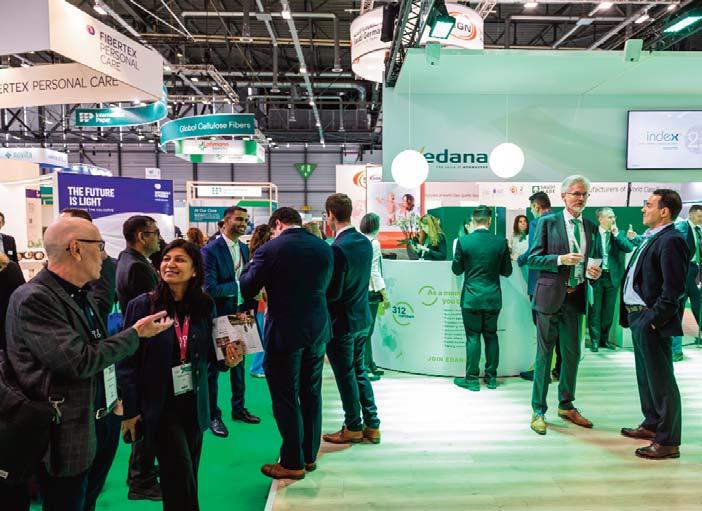
The atmosphere at INDEX™ is always vibrant. With more than 600 exhibitors and 12,000 visitors expected, the entire supply chain, from polymer suppliers to filter manufacturers, comes together in one place. Although the show spans everything from wipes to medical applications, filtration has rapidly become a major focal point. This is clearly reflected in the seminar programme, where experts move beyond theory to address measurable environmental impact.
The new age of sustainable filtration –where we need to be
At the centre of this year’s technical discourse is the shift from “commodity” filter media to high-performance, sustainable solutions. This transition is being driven by experts like Dr. Sandra Schäfer, Senior Scientist at Hollingsworth & Vose. With more than eleven years of experience and a Ph.D. in Polymer Science, Dr. Schäfer exemplifies cutting-edge research and development in Germany. Her work focuses on a key industry challenge: balancing high
filtration performance with a reduced environmental footprint.
In her upcoming presentation, Dr. Schäfer will address three fundamental questions reshaping the sector.
First, she examines how innovative 3D-structured filter media can drastically reduce global air-filter waste. Moving beyond traditional flat or simply pleated structures, these advanced 3D media offer increased dust-holding capacity and improved airflow.
Secondly, she will explore the significant economic and environmental advantages of effective pressure-drop management. Media that maintain favourable pressure-drop behaviour throughout their entire service life can substantially reduce energy consumption and lower the Total Cost of Ownership (TCO). In a world of volatile energy prices and intense carbon-reduction scrutiny,a filter that “breathes” more efficiently represents a major competitive edge.
Finally, she will highlight how extended service life and reduced material use create a truly sustainable filtration pathway, one that does not compromise the stringent purity standards required by modern industry.
Nonwovens at work: catalysts for next-generation solutions
Complementing this materials-focused perspective is the expertise of Martin Klein, Senior Vice President Engineering Filtration Materials at MANN+HUMMEL. Based in Ludwigsburg, he oversees global R&D activities for filtration materials for all business units. Over more than two decades, he has witnessed nonwovens evolve from simple barriers into complex, highly engineered systems.
His seminar, Filtration futures: Nonwovens driving innovation & sustainability, positions nonwovens as the key catalyst behind the next generation of high-performance, low-impact solutions. Mr. Klein will demonstrate how advanced fibre engineering and digital media design, virtual modelling before a single fibre is produced, are expanding the boundaries of efficiency. This digital-first approach enables MANN+HUMMEL to tailor nonwoven structures precisely to application requirements in automotive, industrial, and life-science markets.
By linking material science directly to application needs, he outlines clear pathways for next-generation solutions. Whether for cabin-air filters in electric vehicles or high-purity fluids in life-science environments, the integration of sustainable materials and smart design ensures the industry can meet tomorrow’s clean-air and fluid-management challenges today. The synergy between Dr. Schäfer’s 3D-structural innovations and Mr. Klein’s digital-engineering insights reflects the dual approach needed for modern filtration excellence.
Attendees can hear more from both speakers during the dedicated filtration seminar at INDEX™26 on Thursday, 21 May 2026, from 09:30 to 10:30 CET, followed by a live Q&A session.
The strategic importance of trade shows for the filtration industry
The presence of experts like Dr. Schäfer and Mr. Klein at INDEX™26 highlights a broader truth: filtration thrives on cross-sector collaboration. A breakthrough in a hygiene nonwoven might inspire a new medical mask design;
a polymer developed for automotive use could solve a durability challenge in industrial dust collection.
Trade shows create the environment for these “eureka” moments. They connect global sustainability trends, such as CO2 reduction and resource efficiency, with the practical, technical developments that make such goals achievable. Through direct contact with technologies, live demonstrations, and expert seminars, professionals gain strategic insight that digital formats cannot fully replicate.
They are also essential networking platforms, enabling dialogue between material scientists, machinery suppliers, and end-users. When leaders from companies like Hollingsworth & Vose or MANN+HUMMEL share their findings publicly, it elevates the entire sector by stimulating healthy competition and accelerating sustainable innovation.
Looking beyond Geneva: FILTREX™ India and FILTREX™ 2027
While INDEX™26 is the immediate highlight, the industry’s momentum continues around the globe. FILTREX™ India 2026 (7–8 October in New Delhi) offers a dedicated platform in one of the world’s fastest-growing and most pollution-challenged markets. The event provides a bridge for global companies looking to bring advanced nonwoven technologies to a region urgently seeking cleaner air and water.
Looking further ahead, preparations are underway for FILTREX™ 2027. Whereas INDEX™ spans the entire nonwovens universe, FILTREX™ delivers a specialised deep dive into filtration. It attracts a high-level audience, from R&D managers to technical directors, focused on the fine details of materials science, testing standards, and evolving regulations. Even outside the traditional filtration sector, FILTREX™ offers insight into the future of clean-tech, from nonwoven membranes in green hydrogen applications to advanced wastewater treatment.
Filtration’s commitment to innovation
As we prepare for INDEX™26, the message from the nonwovens community is clear: we are ready to lead the transition to a more resource-efficient world. The insights shared by Dr. Schäfer and Mr. Klein serve as a call to action, reminding us that the air we breathe and the fluids we use are only as clean as the materials we design.
Through 3D structural innovation, digital media engineering, and a collective commitment to circular-economy principles, the filtration sector is proving that performance and sustainability no longer stand in opposition. Whether in Geneva, New Delhi, or at future FILTREX™ events, the path toward a cleaner future is paved with nonwoven innovation.
In less than one month, the first edition of FESPA’s new textile event will take place at the Gran Via, Fira de Barcelona, from 19–22 May 2026.
Co-located with FESPA Global Print Expo, European Sign Expo, Personalisation Experience, WrapFest and the brand-new Corrugated, each of the events will serve as the ideal meeting point for experts across each field to discover the latest technologies and trends, and explore cross-sector opportunities for business growth.
Textile will unite professionals across fashion, apparel and interior décor to explore the latest trends, innovations and opportunities in printed textiles. Attendees can experience a wide range of textile technologies, from roll-to-roll machinery to direct-to-garment (DTG) and direct-to-fabric (DTF) equipment.
The dedicated exhibition space (in Hall 3) will give printers, garment producers, designers and brands practical knowledge on how they can improve production efficiency and run more environmentally responsible textile printing operations.
Confirmed exhibitors include: Brother, Fabrixa, Kornit Digital, KYOCERA, M&R, Polyprint, Roq, STAHLS and Tajima. Many of these brands are recognised for their textile, direct-to-garment and directto-fabric solutions.
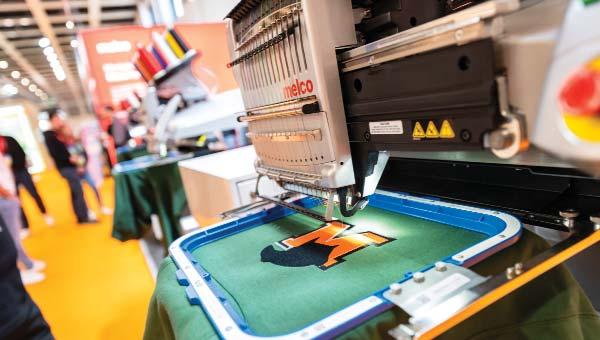
The FESPA conference will take place across four days of the show and sessions will highlight insights such as how to improve productivity and efficiency, minimise waste and reduce environmental impact, and make better use of data and workflow automation across the textile production chain. These topics will be covered by textile technology providers, printers, garment manufacturers, suppliers, garment brands and designers.
The conference will also include panel discussions and demonstrations on: endto-end digital workflows; responsible material choices; circular models for textiles; and how to run textile production with flexibility and speed in mind. Confirmed sessions, moderated by FESPA Textile Ambassador Debbie McKeegan, include:
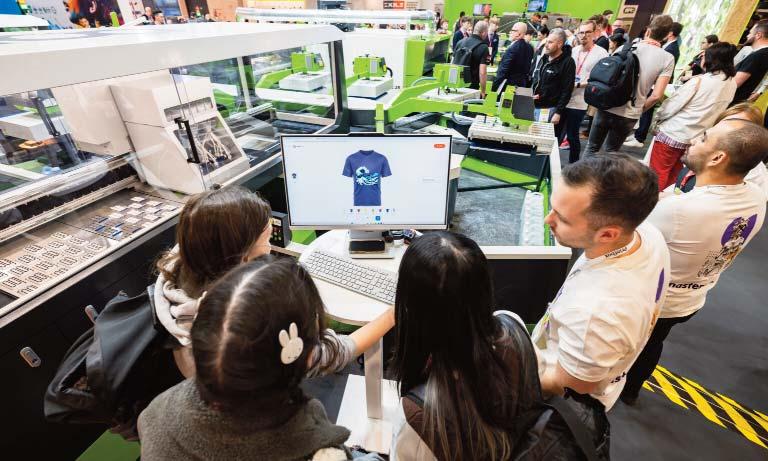
The Digital Switch: Textile Technologies and Key Market Insights
Décor on Demand: Design to Dispatch and the Printed Interior Added Value Apparel: Surface Effects and Embellishment for Garment Decoration
The event will expand FESPA’s 60 year textile heritage, supporting the organisation’s existing community across screen and digital printers producing textiles for fashion, sportswear, soft signage and interiors. In recent years, FESPA has also added more content centred around sportswear, garment decoration and personalisation, reflecting how important these applications have become for the FESPA community.
Duncan MacOwan, Head of Marketing & Events, FESPA comments: “It’s always exciting to introduce new elements to the FESPA events lineup. Textile will provide a platform for specialists in fashion, apparel, sportswear, interior décor and more to explore a wide range of products and solutions. At the same time, the event strengthens FESPA’s long-standing heritage in the textile printing industry. This inaugural event promises to deliver exciting opportunities not only for the textile community, but for the entire FESPA network. The FESPA team and I can’t wait to welcome everyone to its first edition this May.”
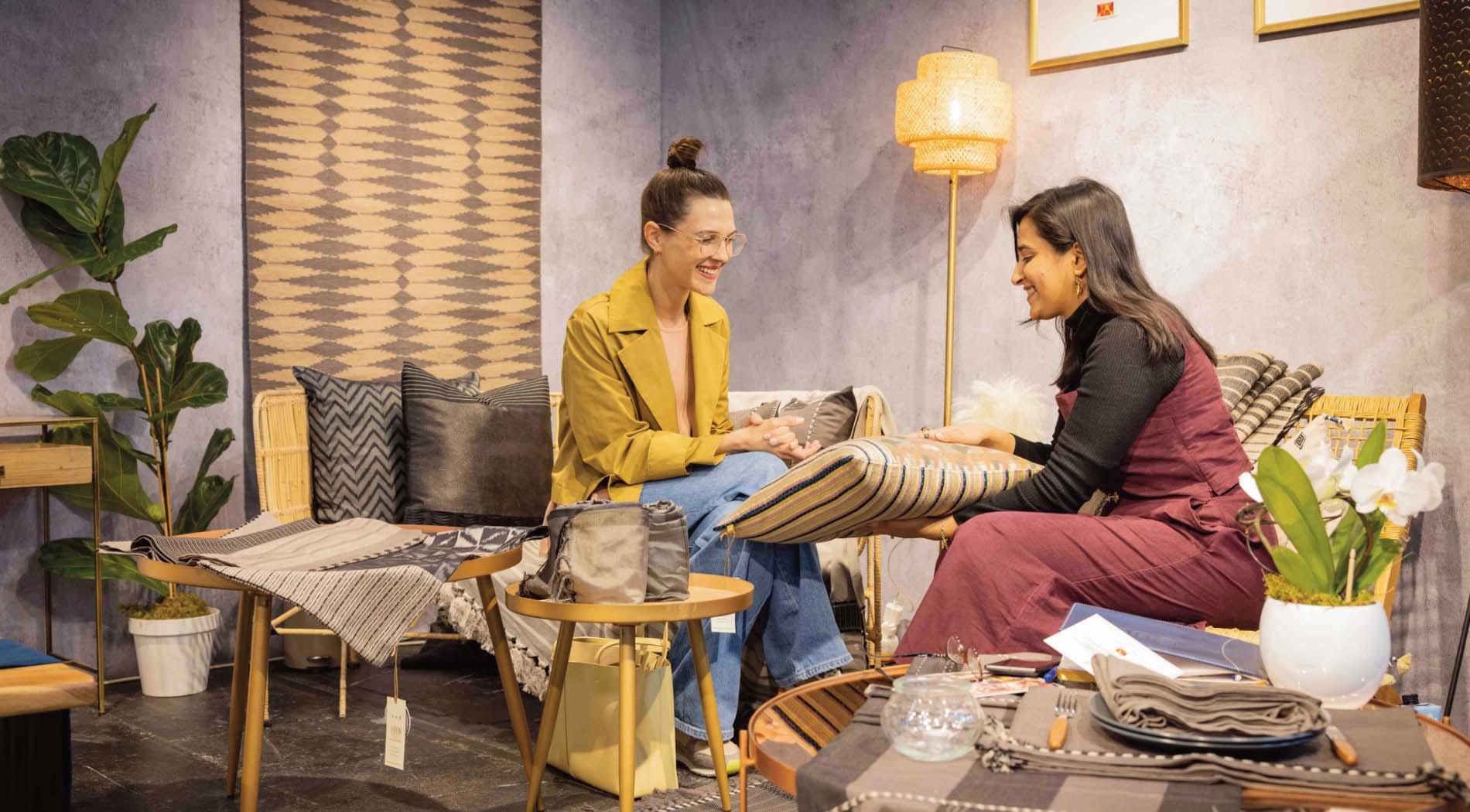
Heimtextil is represented at Milan Design Week with its strong design partners, Patricia Urquiola and Alcova. At Villa Pestarini, the leading trade fair spotlighted its dynamic collaborations with acclaimed designer Patricia Urquiola and Alcova Milano.
Heimtextil stands for holistic interior design concepts. Its strong partners Patricia Urquiola and Alcova Milano presented inspiring concepts and trends for the past two editions of the leading trade fair. The event at Villa Pestarini in Milan underscored Heimtextil’s continued commitment to fostering meaningful collaborations at the intersection of textiles, architecture and design.
“It is always meaningful to continue the dialogue with Heimtextil in Milan, a place where different energies converge. To continue this collaboration means to carry forward a shared line of research, seeing textiles not as mere surfaces, but as living systems: structures, interfaces, and fields of experimentation in continuous evolution,” says Patricia Urquiola.

Her installations focused on textiles functioning as transformative and intelligent materials – combining craftsmanship, technology, texture, sustainability and structure. “At the last two editions of Heimtextil, Patricia Urquiola presented textile design at the highest level. With her exclusive installations, she impressively demonstrated the relevance of textiles in interior design,” says Olaf Schmidt, Vice President Textiles & Textile Technologies, Messe Frankfurt.
At the last edition of Heimtextil in January 2026, Patricia Urquiola highlighted the materials, designs and technologies set to shape the future of interior design. The immersive design world “among-all” actively involved visitors in defining the space. Movements became part of the installation experience through AI tools. Patricia Urquiola thereby demonstrated how textiles can affect spatial design, gestures and interaction.
ITM 2026 International Textile Machinery Exhibition, considered one of the most important organisations in the field of textile technologies in the world, is preparing to bring together all stakeholders of the industry in Istanbul between 9–13 June 2026. The exhibition, where advanced technology machines and innovative solutions for every stage of the textile production chain will be showcased, will offer an important global meeting platform for manufacturers, technology providers, investors, and professional visitors.
Leading textile machinery manufacturers and industry professionals from around the world will come together in Istanbul within the scope of ITM 2026 to share the latest technologies and production solutions with the industry. Covering all stages of textile production from spinning to weaving, knitting to dyeing and finishing systems, the exhibition will bring together the latest innovations in textile technologies and the production trends of the future with visitors.
With its strategic location, strong textile production infrastructure, and advanced logistics networks, Istanbul will once again become the focal point of the global textile technologies sector thanks to ITM 2026. The exhibition, which is expected to host thousands of industry representatives from different regions of the world, particularly Europe, Asia, the Americas, the Middle East, and Africa, will make a significant contribution to the development of international trade and the establishment of new collaborations.
ITM 2026 attracts attention on a global scale with its strong exhibitor and visitor profile. Leading textile machinery manufacturers, technology providers, investors, and purchasing professionals from around the world will meet in Istanbul within the scope of the exhibition.
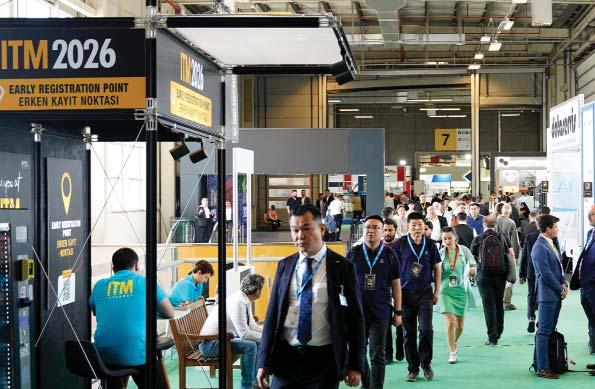
This broad participation turns ITM 2026 from being merely a trade fair organisation into one of the most important international trade platforms of the textile industry.
The visa facilitation provided by Türkiye to many countries and Istanbul’s strong air transportation connections significantly increase the international accessibility of the exhibition. Thanks to these advantages, industry professionals from different geographies will easily reach ITM 2026 and have the opportunity to establish new business connections and develop collaborations.
Industry professionals from all systems of textile production, from spinning to weaving, knitting to dyeing and finishing, from digital textile printing to garment technologies, will take part in ITM 2026 both as exhibitors and visitors. This wide sector representation will enable the exhibition to create a strong platform for knowledge sharing, technology transfer, and commercial collaborations.
under the same roof. A wide range of technologies will be exhibited at the fair, from yarn production technologies to weaving and knitting machines, from dyeing and finishing systems to digital textile printing technologies.
Participating companies will introduce visitors to production systems that provide high efficiency, machines that offer energy savings, automation and digitalisation-focused solutions, and sustainable production technologies. In addition, innovations shaping the future of the sector, such as artificial intelligence-supported production systems, smart factory applications, datadriven production management, and environmentally friendly production technologies, will be among the highlights of the exhibition.
Beyond being a fair where new technologies are showcased, ITM 2026 will be a global meeting point where new investments are planned, strategic collaborations are established, and ideas shaping the future of the textile industry are shared. This major organisation to be held in Istanbul will bring together the most important actors of the textile technologies world and shape the future of the sector. Fairs
ITM 2026 will bring together the world’s leading companies that develop innovative solutions in textile technologies
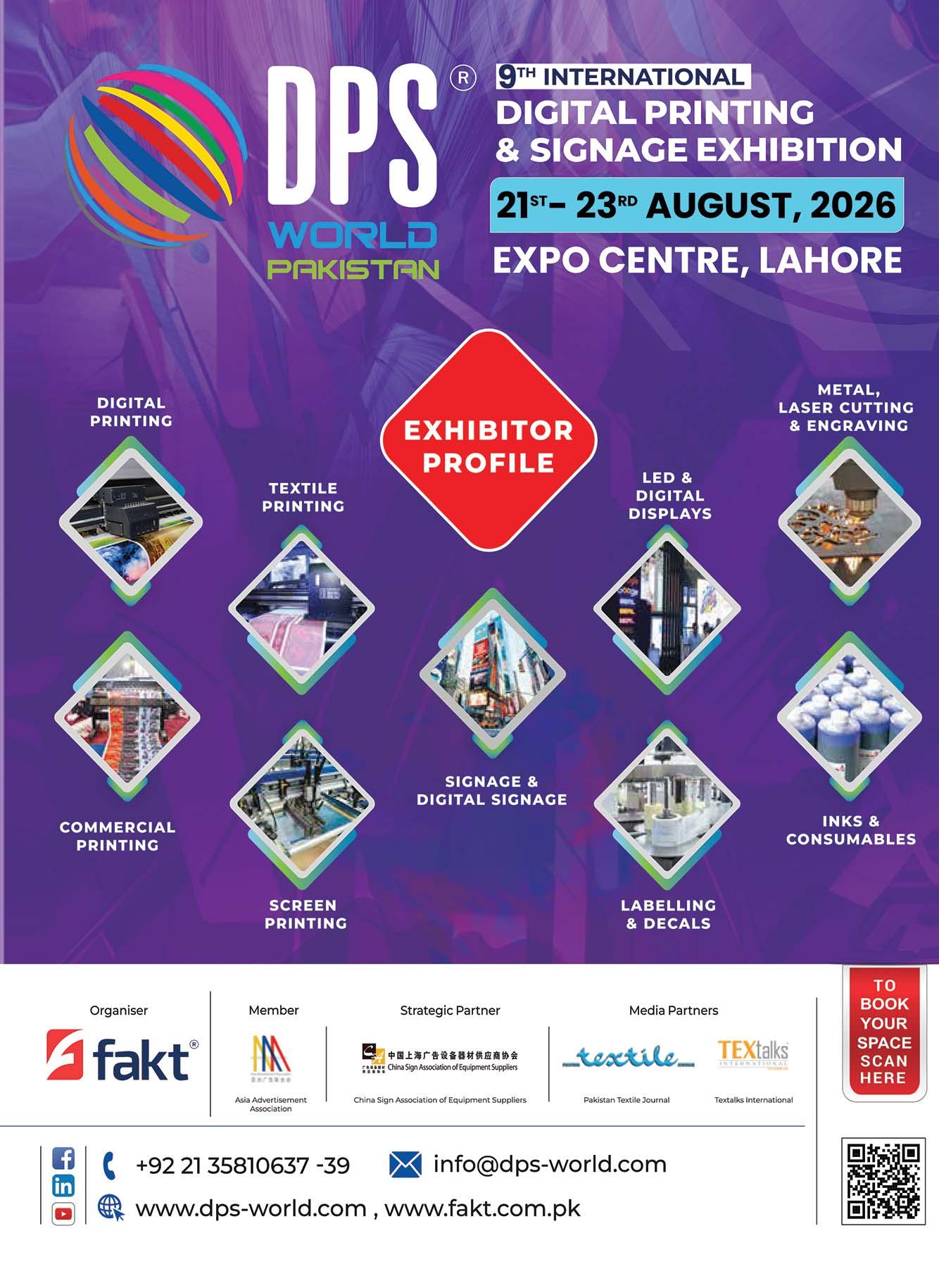
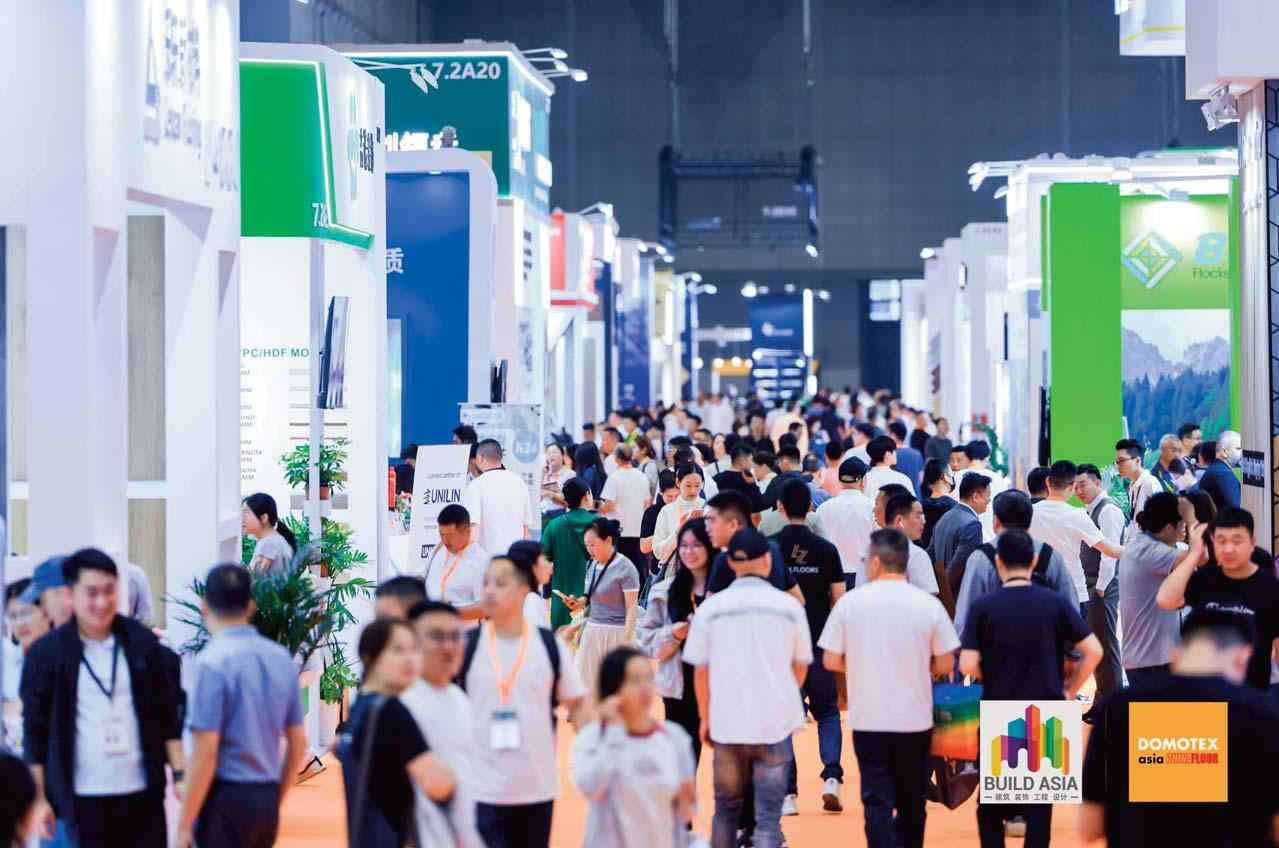
DOMOTEX asia/CHINAFLOOR, Asia’s leading platform for the carpet and flooring industry-will bring together professionals from across the globe in Shanghai from 27 to 29 May for its 28th edition. The show provides unrivalled access to the latest innovations, emerging trends, and business opportunities, showcasing the rich potential of Asia Pacific’s stable and expanding markets for the flooring sector.
International attendance at DOMOTEX asia/CHINAFLOOR has long been one of its standout features. In 2025, the event was attended by 83,056 flooring professionals from 124 countries, including more than 18,000 international participants. With this expanded reach across worldwide markets, DOMOTEX asia/CHINAFLOOR has already become an unmissable meeting point for the global flooring industry and a platform of
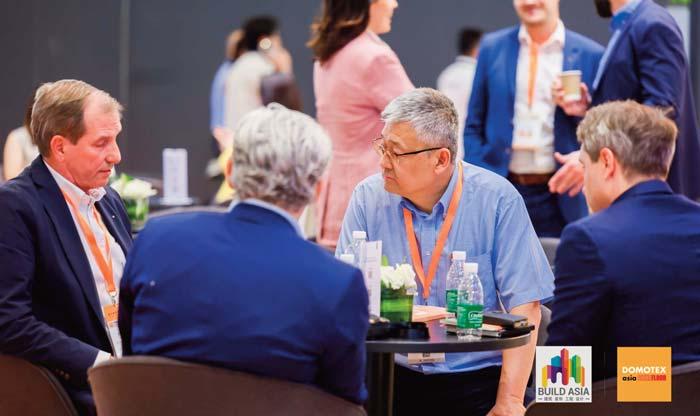
unparalleled opportunities.
For the upcoming edition, despite ongoing turmoil in the Middle East, the show continues to maintain strong momentum, with minimal impact on overall participation. Visitor registration is progressing steadily, in line with last year’s figures. Registration growth is
especially notable from countries such as South Korea, Australia, India, Pakistan, Thailand, Malaysia and Vietnam as well as the United States. Strong registration has been observed also from Canada and the United Kingdom, supported in part by recent visa waivers for travel to China and bilateral cooperation initiatives.
The show’s “Buyer Club” hospitality programme has already set a record, with over 200 applicants just one month after its opening. DOMOTEX
asia/CHINAFLOOR continues its longstanding partnerships with regional industry associations, including the Australasian Timber Flooring Association (ATFA), Federparquet in Italy, Malaysia Interior Industry Partners Association (MIIP) among others, continuing to attract qualified buyers into this programme and ensure high-value business connections.
DOMOTEX asia/CHINAFLOOR 2026 will feature an exciting lineup of industry events, workshops and seminars, with valuable regional market statistics and insights, highlighting the trends and reflecting how evolving trade dynamics and consumer needs are shaping the Asian flooring industry.
This half-day, fully English-language workshop will take place on the second day of DOMOTEX asia/CHINAFLOOR 2026, offering an in-depth look at the latest statistics, trends, and consumer preferences across Asia’s largest flooring markets. Through presentations and panel discussions, international industry experts, leading flooring companies, associations and industry media will share their perspectives on the status of regional flooringmarket status. Topics will include market insights, innovations brought by the Asian manufacturers, Asia’s trends in interior design, and other key developments. Confirmed speakers and moderators include, among others,
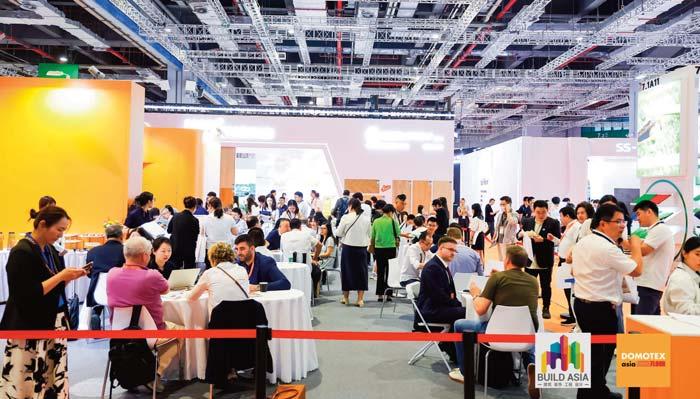
Buckley (CEO of Australasian Timber Flooring Association-ATFA); Elvin Tay (President at Malaysia Interior Industry Partners Association); Mallory CruiseMcGrath (Senior Managing Editor at Floor Covering Weekly), David Shi (GM at Power Dekor); Thomas Young (Vice GM at Haima Group); Laetitia Kimblad (Director BU Flooring Technology at Valinge).
Cadex for years has served as a premier platform within DOMOTEX asia/CHINAFLOOR, dedicated to fostering cross-industry collaboration for the contract, design, and architecture community. This year, the summit “Sense-It! Design and Sensory Economy” will take place on for the first day of the show, bringing together Chinese and international experts in architecture and interior design, who will present their insights on integrating sensory economy with design and share real-world success stories, underscoring the immense potential of this fusion. Speakers include
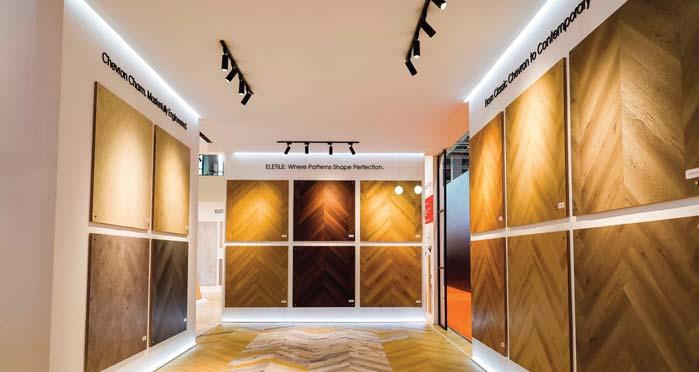
Edoardo Nieri (Founder & Design Director at Atelier Meadow); Peter Ippolito (Managing Partner & Creative Director at Ippolito Fleitz Group); Beatrice Rizzi (Asia Regional Director at DEDODESIGN) and Red Hu (Co-founder & Design Director at Greater Dog), among others. Following the main forum, the panel discussion "SHE DESIGN: Sensing Tomorrow" will convene exceptional female designers from diverse cultural backgrounds around the globe, to share their experiences of being at the vanguard of multidisciplinary design, offering the industry fresh perspectives and invaluable inspiration.
E-Commerce in focus: Teaming Up with Red Note to showcase carpets
China’s e-commerce market has become one of the largest and most innovative in the world. In 2025, DOMOTEX asia partnered with RedNote, a leading lifestyle e-commerce and social media platform, to explore ecological development and innovative practices in the carpet and textile sector. The collaboration returns in 2026, with carpets as the main featured category. Focusing on display and conversion, the partnership aims to develop an integrated model that combines brand showcasing, trend releases, influencer tours, and product matching, offering a deeper, more immersive experience for both brands and consumers.
These diverse and enriching events are open to all flooring professionals, providing a great opportunity to engage with industry leaders, discover the latest trends, and forge valuable business connections.

Uster Fabriq Vision 2 helps fabric producers transition from manual to automated inspection – with the same staff
Why do many fabric producers still feel the need to rely on manual inspection? It’s understandable that they are nervous about safeguarding their fabric quality, given that it is the basis for customer satisfaction. Yet the skilled personnel they rely on to secure that quality can now be the success factor in a massive leap of progress – to automate inspection with the new Uster Fabriq Vision 2. Smarter, more reliable inspection, creating bigger yields and avoiding the dreaded quality claims.
Fabriq Vision 2 was developed to enable the smooth and simple transition from manual to automated inspection, with the confidence of knowing that the same knowledgeable staff is still a vital part of the process, the safe hands that make the upgrade worry-free for producers.
It’s true that fabric inspection solutions still occupy something of a niche position, despite years of development. Even with the extra possibilities from AI integration, manual inspection is still preferred by many
companies. The required investment in time and expertise for set-up and adapting to different fabrics has likely been a barrier. What’s needed is a game-changer – a system that is the perfect fit with existing staff skills to protect quality standards, reputation and profitability.
Uster developers are always innovating with latest technology, but they realised that progress in fabric inspection automation would need to focus on reducing the complexity for style configuration and setups, so that the skills of current staff could readily be applied. They also prioritised user-centric workflows, to avoid overly sensitive settings that might result in over-detections and time-

consuming album reviews.
With these smart concepts, Uster Fabriq Vision 2 becomes the gamechanger the industry needs. Proven defect detection reliability is enhanced with cutting-edge AI technologies. But importantly it follows the unique approach of using human intelligence where needed – and automating the rest.
This new fabric inspection system doesn’t need an Uster expert or a specially-trained technician to operate it. Simplicity is the key, so existing staff have the required skills. They can already define what a fabric defect is, with the ability perfected over years working on manual fabric inspection. Uster Fabriq Vision 2 is based on a user-friendly workflows, simplifying complex tasks, so the system is transparent, intuitive, and quickly up and running.
Uster’s latest-generation fabric inspection system benefits customers through AI-supported style tuning, based on textile parameters, enabling start-up of new articles in less than 10 minutes. Users with a basic understanding of the appearance of common defects can quickly create new detection settings for a specific fabric, guided step-by-step by a wizard which uses known textile parameters along with live images from the system cameras.

The integrated intelligence then applies this information to preset and adjust the necessary detection parameters to create an initial article setting. Inspection parameters can be visually fine-tuned, based on true colour images, allowing quick and confident decisionmaking while setting adjustments, as well as creating classification rules.
Uster‘s machine-learning classification reduces overdetection, using transparent rule-based methods, alongside real-time defect classification with individually customisable defect codes. Furthermore, the Super Inspection feature enhances process and quality assurance by allowing higher sensitivity background detection, making detailed information available whenever needed.
These simple and smart workflows are the key to improving both inspection reliability and operational efficiency.
The fully integrated platform of Uster Fabriq Vision 2 brings together an advanced inspection system, AIsupported workflows, and powerful analysis and reporting tools in one seamless solution. This holistic approach enables fabric producers to achieve consistent quality, increase yield, and make informed, data-driven decisions with greater ease and confidence. Uster Fabriq Vision 2 achieves all this with reduced cost of ownership, thanks to lower user skill requirements, faster adoption times and self-maintenance possibilities.
First introduced at ITMA Asia + CITME in Singapore in 2025, Uster Fabriq Vision 2 was a hit with visitors to the show. Its improved user-centric workflows and usability, enables customers to rely on their own quality inspection staff as operators, proved its value in meeting modern demands for automated fabric inspection.
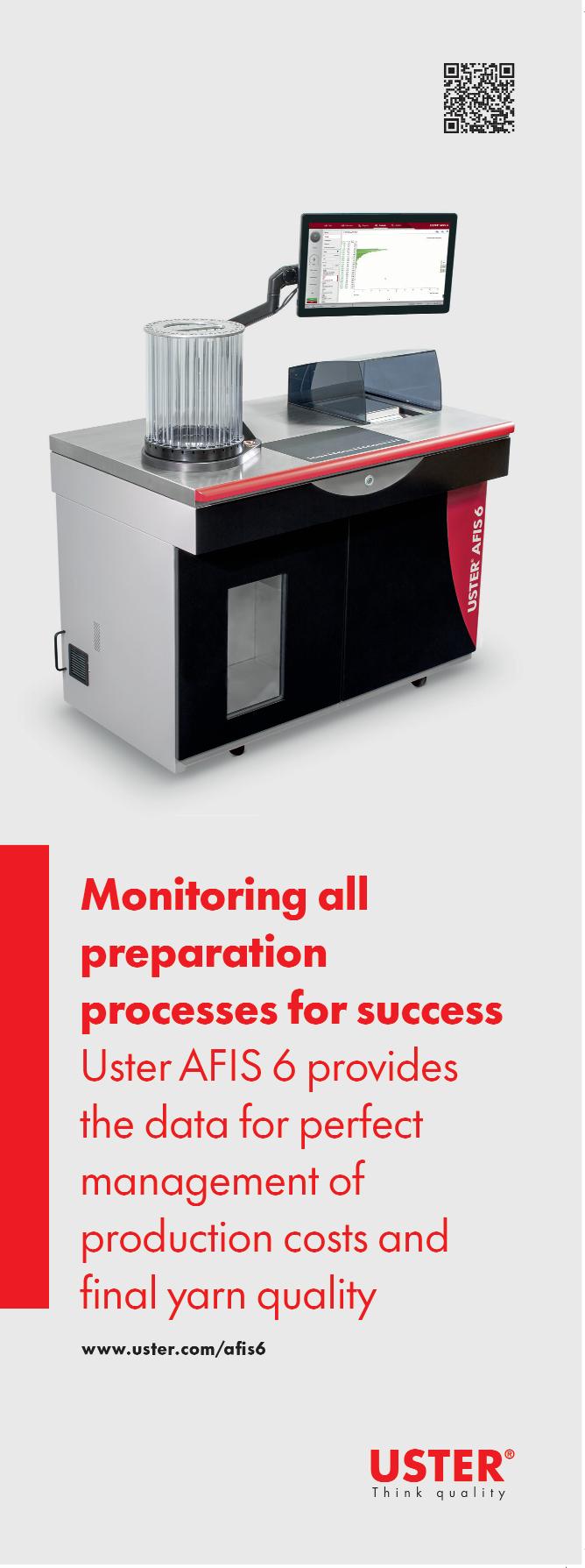


iTextiles®, a leading textile solutions and value-chain management company, is proud to partner with Rütex GmbH as the exclusive sales representative of naNea, a next-gen biodegradable polyester.
Designed for both biodegradability and recyclability, naNea offers a forwardlooking solution for the industry, without compromising on performance or scalability. With its drop-in technology, it enables seamless adoption across existing manufacturing systems.
This collaboration reflects a significant step towards enabling the local textile industry to adopt innovative materials that align with evolving global environmental standards.
naNea is a novel co-polyester designed for both biodegradability and recyclability. The material is made from bio-based, recycled or virgin feedstock. Its polymer structure enables rapid biodegradability in the open environment, without the use of chemical additives.
Unlike conventional synthetic fibres, it does not release persistent microplastics, addressing one of the most pressing challenges in the textile industry today.


As brands increasingly seek responsible alternatives, naNea stands out as the world’s only synthetic textile material to achieve Cradle to Cradle Certified® Gold status.
By combining environmental responsibility with high-performance characteristics, it offers a future-ready solution for manufacturers looking to align with global sustainability expectations.
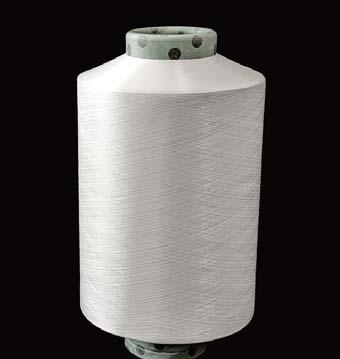
Through this partnership, iTextiles® will introduce naNea across Pakistan’s textile value chain, connecting mills, manufacturers, and brands with this nextgeneration material.
A key advantage is its “drop-in” technology, enabling smooth adoption:
Compatible with existing textile machinery
No additional equipment investment required
Supports standard weaving, knitting, dyeing, and finishing
Highly scalable and market-ready
This ensures efficient implementation without disruption to existing processes.
naNea delivers performance comparable to conventional polyester (PET) while enhancing functionality.
Key benefits include:
Soft and pleasant hand-feel
Higher moisture regain
Excellent evaporative resistance and wicking properties
Similar tear and tensile strength
Quick-dry
Inherently flame-retardant
Easy care and washable at 60°C
Its versatility makes it suitable for applications such as sportswear, outdoor, workwear, home textiles insulation, non-wovens, and automotive textiles.
naNea offers a safe and skin-friendly solution:
No harmful substances, toxicants, or heavy metals
Long-lasting quality
No biodegradation during washing or use
From an environmental perspective:
Marine biodegradable in 99 days (>93%) (ASTM D6691-17)
No persistent microplastics
No antimony-based catalyst
Not ecotoxic
Potential to reduce CO2 emissions
The partnership between iTextiles® and Rütex GmbH reflects a shared vision of driving meaningful change through collaboration and innovation. By bringing naNea to Pakistan, both companies aim to support the industry’s transition towards circularity and reduced environmental impact.
iTextiles® is a leading textile solutions and value-chain management company, connecting global suppliers with local manufacturers. With a strong focus on innovation and sustainability, iTextiles® brings advanced materials, fibres, and technologies to the Pakistan textile industry.

Founded in 1982, RÜTEX is a familyrun textile company based in Mönchengladbach, Germany. With decades of expertise in high-value
sustainable fibres and yarns, RÜTEX offers innovative textile solutions. RÜTEX is currently working on a range of sustainable products and projects, supporting the industry’s transition towards circularity and sustainability.
From 19 to 22 May, Trützschler Nonwovens will present itself at booth 1641 as a long-term partner to its customers. The focus will be on new products for all nonwoven processes, further developments of the digital working environment T-ONE, and an expanded service portfolio.
The new, compact AquaJet TWB-AJ-X: efficiency meets an anniversary
In the field of hydroentangling technology, Trützschler will introduce the new, compact AquaJet – a space-saving and energy-efficient machine for the production of nonwovens for dry and wet wipes. The market launch coincides with the 30th anniversary of AquaJet technology: since 1996, more than 200 AquaJet systems have been installed worldwide. The new jet is aimed at customers looking to efficiently produce proven product qualities.
ATB technology for super-soft hygiene nonwovens
With specially designed components and machines, Trützschler enables its customers to process extremely fine microfibres down to 0.4 dtex. These fibres allow the production of through-air bonded, super-soft hygiene nonwovens, for example for diaper backsheet applications. This technology has already
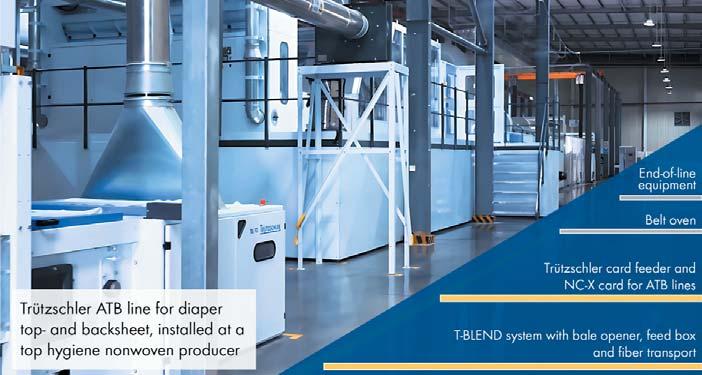
proven itself in demanding Asian markets and underlines Trützschler’s expertise in the growing hygiene segment.
Carding technology as a driver of innovation
At the heart of fibre-based processes lies Trützschler’s innovative carding technology. With more than 350 cards supplied in through-air bonding, needlepunching and hydroentangling processes, Trützschler Nonwovens has extensive know-how in meeting product requirements for hygiene, wipes and technical end uses. The card is also a key element of the T-SUPREMA needle-punching concept, whose first installations are now successfully operating at customer sites. With the new compact NC-Xe card, the company will present an economical
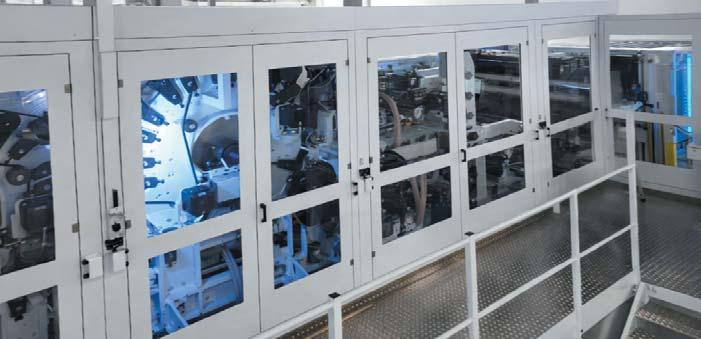
solution for standard needle-punching and ATB processes at INDEX.
T-ONE: digital intelligence for greater efficiency and performance
The digital working environment will be expanded by two key features. The new Energy Management function enables real-time monitoring of electricity and gas consumption and calculates the CO2 footprint per unit of time, nonwoven roll or order. Camera-based anomaly detection identifies issues such as fibre migration and fibre build-ups at an early stage and alerts the production team. This helps prevent production downtime and equipment damage while significantly reducing inspection effort, especially in hard-to-access or poorly visible areas of the line.
Trützschler Nonwovens is strategically expanding its service portfolio. In addition to classic services such as spare parts supply and maintenance, the company is increasingly offering strategic consulting, machine upgrades, refurbishments and retrofits.
Trützschler Nonwovens sees itself as a partner along the customer journey, supporting customers with tailored solutions in their current operations as well as in their future development.
The winding machine Autoconer X6 is now equipped with a Cop Exchanger that automatically rejects defective cops. This ensures fewer interruptions, reduces the workload for personnel, and keeps quality and performance at a consistently high level. The new, compact machine design simplifies both operation and integration into existing buildings.
Customers with a high degree of automation rely on the Autoconer X6 Type V with its direct connection to the ring spinning machine. The current version now offers a Cop Exchanger that automates manual rejection of defective cops (Fig. 1). This feature increases process reliability and improves quality.
The Cop Exchanger works based on the SPID spindle identification system. It detects faulty yarn, known as alarm cops, and cops that are still tolerated but of below-average quality, which are known as off-standard cops.
In addition, sensors in the automation modules detect the processing status of the cops and identify those that cannot be processed, for example. SmartTrays and RFID technology help to move all the cops through the material flow with systematic precision. According to the
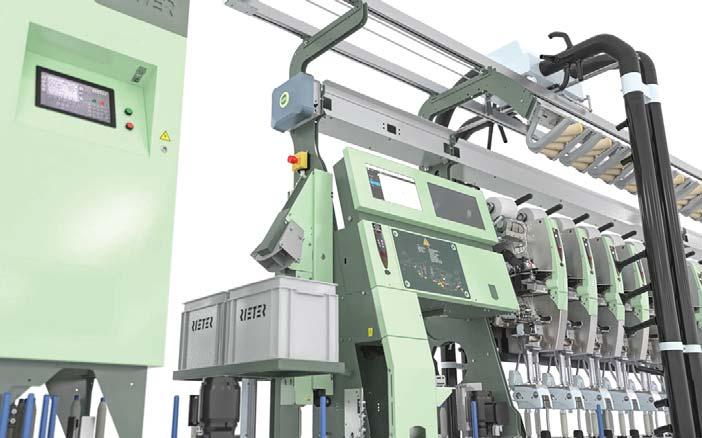
recorded data, the Cop Exchanger automatically removes the affected cops from the process and sorts them into two separate containers. It then attaches an empty tube.
Further advantages of the Cop Exchanger are its ease of use and flexibility. It has a high empty tube capacity and allows for two batches with the same tube length to be processed in parallel. Its containers are very easy to change. Customers also benefit from
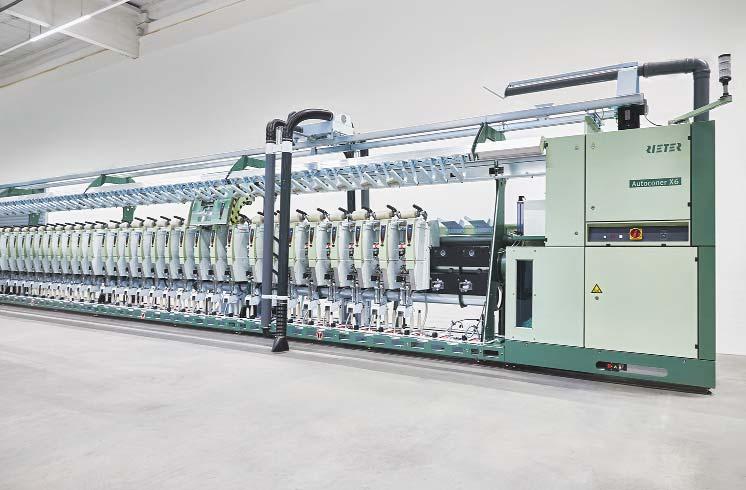
maximum process reliability. For example, the familiar decentralized material flow concept allows for combination with tube cleaning and a colour check to monitor the tube colour and ensure correct assignment to the corresponding SmartTray.
The new, more compact machine design improves space efficiency in the spinning mill for all machine lengths –right up to the longest versions with 96 winding positions. This feature is particularly important when integrating the machine into an existing building. This means that the more compact energy unit saves space. It also means that a section now consists of six or ten winding positions instead of four or six as before. This fact reduces the machine length by 350 to 818 millimetres.
As part of the redesign, the developers also optimised the machine’s ergonomics and ease of use: the operating height at the winding unit is now 80 millimetres lower. This makes the operator’s work safer and significantly more comfortable. With its new colour scheme, the Autoconer now matches the Rieter ring and compact-spinning systems perfectly.

Global textile processing is facing profound structural change. Automation, digital connectivity and rising sustainability requirements are permanently reshaping production structures, value chains and competitive conditions. This is the conclusion of the new market study “Threads of the Future – How Automation and Digitalisation Will Reinvent Textile Processing by 2035”, which the VDMA Textile Care, Fabric and Leather Technologies Association (VDMA TFL) presented at the press conference during Texprocess in Frankfurt am Main. “Future competitiveness will no longer be decided at the level of individual machines, but in integrated, digitally networked production systems,” emphasised Elgar Straub, Managing Director of VDMA TFL.
Key fields of action and the shift towards networked production systems
The study, prepared by Gherzi on behalf of VDMA, identifies four strategic priorities for machinery and plant
manufacturers in textile processing and related fields. A key focus is strengthening technological sovereignty: European providers must master key technologies, interfaces and data standards, particularly for automation architectures, interoperability and cybersecurity. At the same time, sustainability is becoming a competitive factor: regulatory requirements such as the European Green Deal are shifting the focus from mere compliance towards measurable performance, for example in energy, water and material efficiency. The study also recommends building resilient production networks: a comprehensive reshoring of the apparel industry to Europe is considered unlikely; instead, regionally differentiated, more highly automated production clusters are emerging, particularly in neighbouring European regions. Finally, the intelligent combination of people and machines remains central, as full automation is technically and economically limited in many applications; productivity gains arise above all from the interplay of

skilled workers, AI and digital assistance systems. One of the study’s key findings: machines are increasingly evolving from isolated products into components of networked production systems. In the future, success will hinge on digital platforms and Industry 4.0-based integration, new service- and data-driven business models, and key technologies such as robotics, AI-supported quality
control and resource-efficient processes. Companies that combine mechanical engineering expertise with software, data and systems capabilities will set the benchmarks going forward.
In addition to technological development paths, the study also examines industrial policy framework conditions. Competitive energy prices, reliable regulation, access to capital and the qualification of skilled workers are increasingly becoming decisive location factors for investments in automated and sustainable textile processing.
The key findings of the study were presented at a press conference as part of Texprocess 2026. Anton Schumann (Gherzi) presented the analysis and put the global developments into context. VDMA TFL complemented this with current market data. The member companies ASSYST and Morgan Tecnica provided practical insights into specific technological solutions. Using ASSYST as an example, it became clear how digital workflows, AI-enabled applications and connected process chains make apparel production more efficient, flexible and transparent. Morgan Tecnica showed how the shift from forecast-driven mass production to demand-oriented, highly automated production concepts is creating new requirements for speed, flexibility and sustainability in cutting technology.
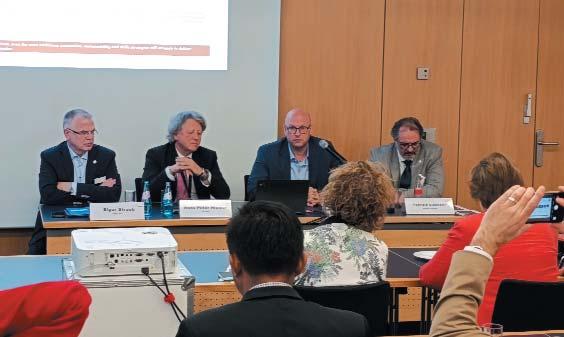
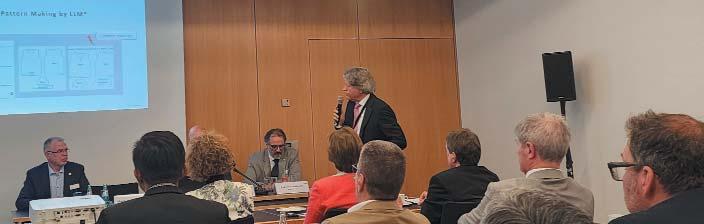
The latest VDMA TFL economic data underscore the tense, yet heterogeneous market situation: in the period from March 2025 to February 2026, order intake in the Textile Care, Fabric and Leather Technologies segment rose by 8.8 per cent year-on-year in real terms, while sales revenues declined by 5.3 per cent in real terms over the same period. In the three-month comparison (December 2025 to February 2026), order intake was 6.5 per cent below the year-earlier period in real terms, while sales revenues were 13 per cent above it.
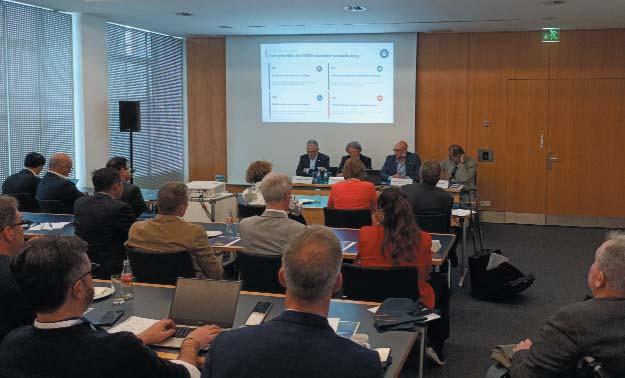
Texprocess is the leading international trade fair for the processing of textiles and flexible materials. It showcases innovative technologies, solutions and services for cutting, garment manufacturing and textile manufacturing processes. Texprocess took place from 21 to 24 April 2026 in Frankfurt am Main, in parallel with Techtextil.
VDMA represents 3,500 German and European mechanical and plant engineering companies. The industry stands for innovation, export orientation and medium-sized businesses. The companies employ a total of around 3 million people in the EU-27, including more than 1.2 million in Germany alone. This makes mechanical and plant engineering the largest employer among the capital goods industries, both in the EU-27 and in Germany. In the European Union, the sector accounts for an estimated turnover of around 900 billion euros. Around 80 per cent of the machines sold in the EU come from a manufacturing site within the single market.

The U.S. Cotton Trust Protocol has announced that Walmart, a global retail powerhouse, has joined the program. Walmart’s membership marks an important moment for the retail industry, significantly scaling the impact of sustainable cotton sourcing and reinforcing the company’s focus on regeneration and transparency in its supply chain.
As a member of the Trust Protocol, Walmart will gain access to aggregated, verifiable data on sustainability practices from U.S. cotton growers and have the ability to track the movement of U.S. Cotton and Protocol Cotton through its supply chain. This aligns with Walmart’s ambition to source more sustainable cotton and its broader ambition to help more sustainably manage, protect and/or restore at least 50 million acres of land and 1 million square miles of ocean by 2030.
“At Walmart, we are committed to providing our customers with quality products that are not only affordable but also produced in a way that is responsible and sustainable,” said Jerome Del Porto, Head of Corporate Sustainability at Walmart. “Joining the U.S. Cotton Trust Protocol is another step in our journey to continue driving meaningful change within our own supply chain and the industry at large.”
Established in 2020, the Trust Protocol is the voluntary, science-based sustainability program and traceability platform for U.S. cotton that provides quantifiable and verifiable goals and measurement. The program collects fieldlevel data across six key sustainability metrics, land use, soil health, water management, greenhouse gas emissions, energy use, and fibre quality, which is aggregated, then verified by an
independent third party. By underpinning U.S. cotton’s sustainability progress with sophisticated data collection and offering full supply chain transparency through its traceability platform, the Trust Protocol provides brands and retailers like Walmart the critical assurances they need to be confident they are sourcing more sustainably grown cotton. Other members include Amazon, Macy’s Inc., Levi’s, and URBN.
“We welcome Walmart to the Trust Protocol, recognising the reach and influence their membership will extend in advancing sustainable cotton sourcing practices,” said Gary Adams, President of the U.S. Cotton Trust Protocol. “This collaboration directly strengthens our mission to drive continuous improvement and foster greater transparency in the supply chain.”
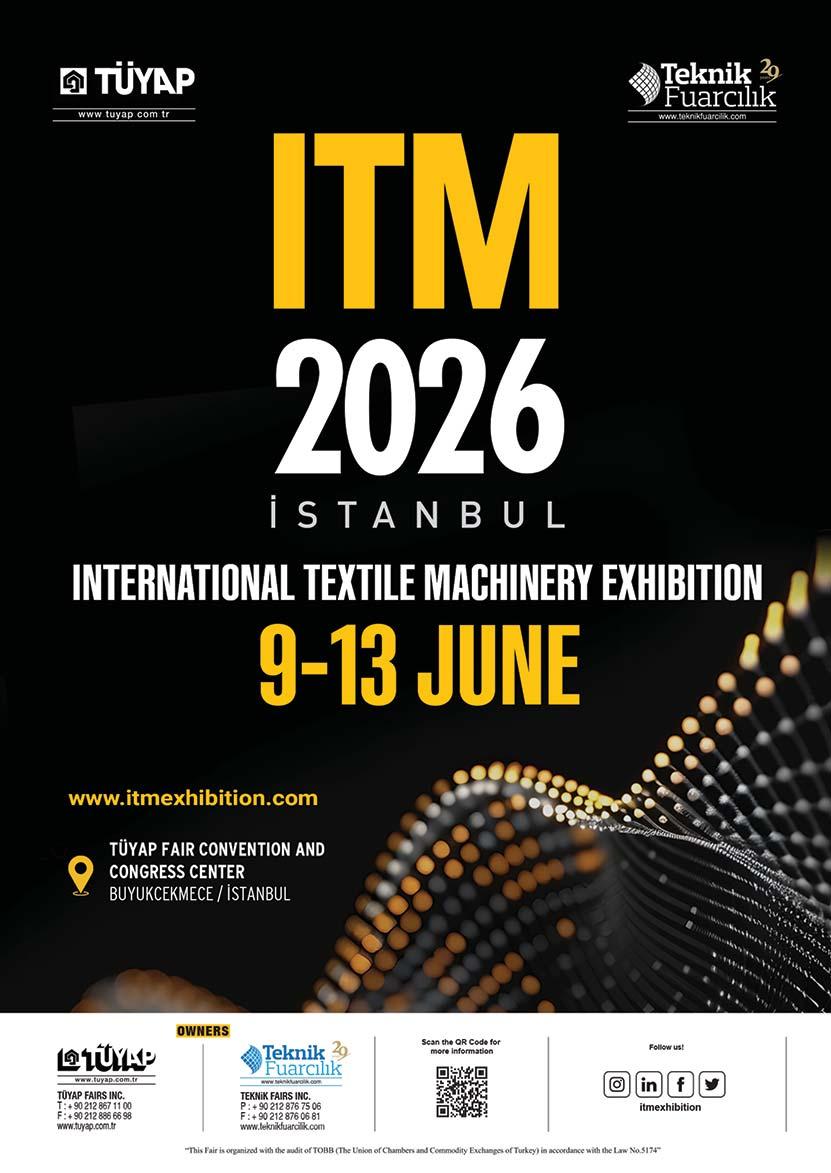
Mrs. Verena Ruckh, Head of Marketing Department at Brückner
PTJ: Brückner has a long-term relationship with Pakistan. What are the strengths of the market and what is your key to success?
Pakistan has always been an important market for Brückner and has become even more important for us in recent years. One of the reasons for our success in Pakistan is certainly our local representative Nazer & Co. We have been working together successfully for many years and Nazer has very well trained technical service personnel. This means that we can always react quickly and flexibly on site. Both Nazer and Brückner are family-run companies. In my view, this is an important aspect of building a long-lasting relationship of trust – also with our customers. In Pakistan, many of our customers have recognised that they can work much more productively and successfully with
our energy-efficient machines and the new digital assistance systems. The high degree of automation of our lines gives customers operational reliability, they produce even higher quality fabric, remain competitive and reduce their operating costs in the long term.
PTJ: Can you give us a brief overview of your product portfolio?
We have been active since the very beginning in many different areas of the textile finishing industry. On the one hand, we offer stenter frames, relaxation dryers, continuous dyeing ranges and shrinking ranges for the textile apparel industry. On the other hand, we deliver coating and laminating lines for technical textiles, bonding and finishing lines for the nonwovens industry as well as drying and back-coating lines for floor coverings, e.g. carpets, PVC or artificial turf. This
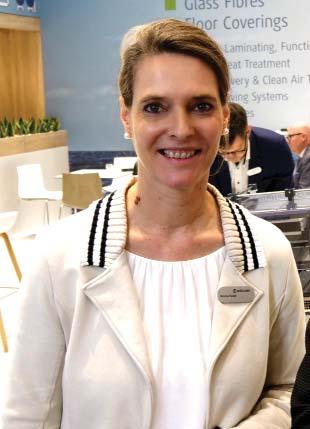
enables us to support our customers in all areas of functionalisation, coating, lamination, bonding or heat-setting. Another important step was the
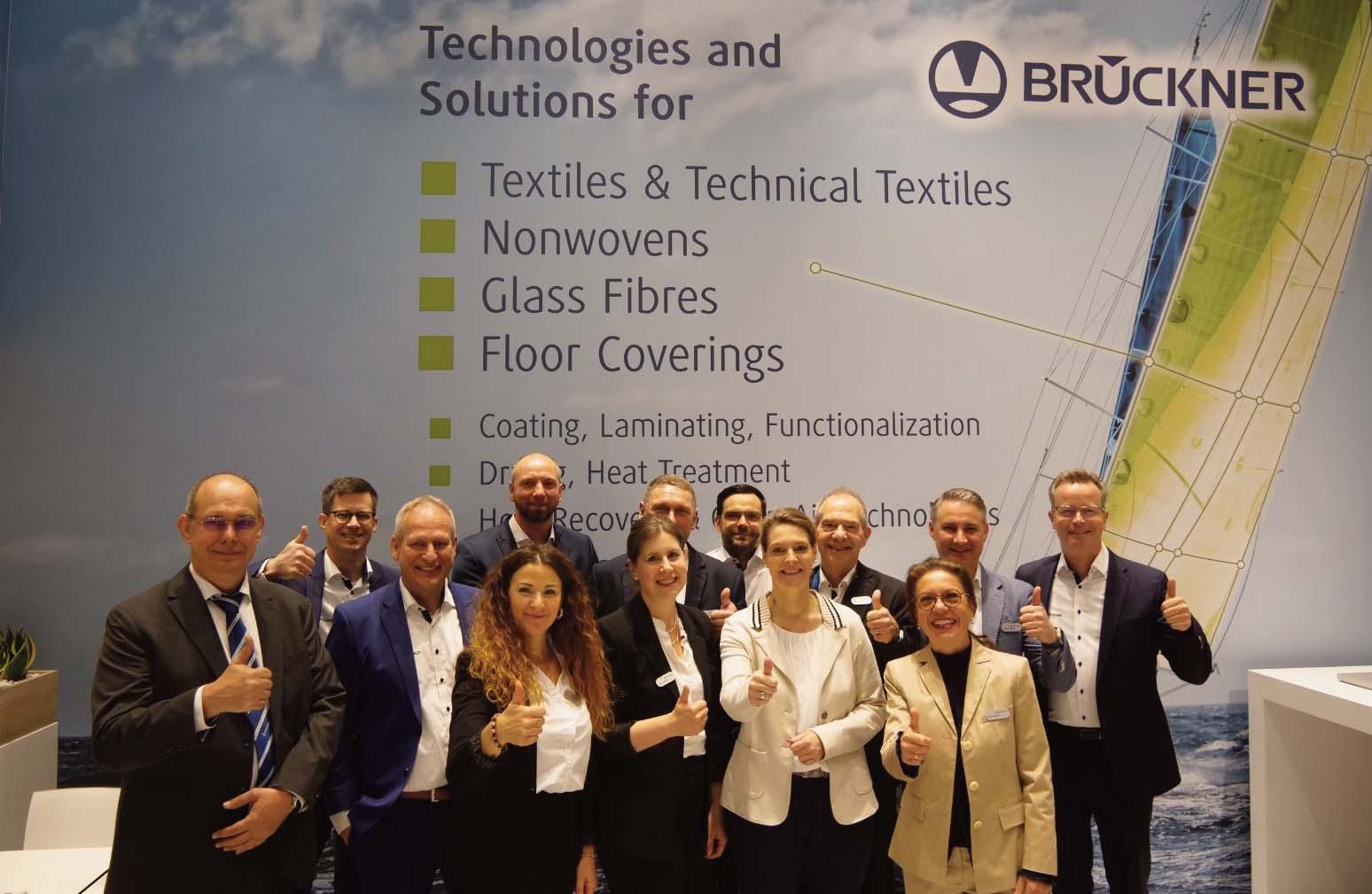
development of our own, fully integrated product portfolio for heat recovery and exhaust air purification as well as solutions for the CO2-neutral provision of process heat for our dryers.
PTJ: What are these digital solutions and how do your customers benefit from them?
Our modern lines are equipped with intelligent assistance systems that provide the machine operator with the best possible support. One tool, for example, monitors the condition of critical machine elements in the background and provides timely information on upcoming maintenance work. Another system documents the productivity of the system and the energy consumed per batch, day, month or year. Unproductive downtimes are analysed and eliminated. We also offer our customers an intelligent process simulation tool. This is a calculation programme for finishing processes in the textile industry. For the first time worldwide, customers can use it to digitally simulate textile drying or heatsetting processes and calculate consumption data (e.g. electrical and thermal energy) and costs in advance. Existing processes can also be optimised with these tools.
PTJ: What makes Brückner well-suited to serve the present and future needs of the textile industry?
We at Brückner have always been focusing on energy efficiency. Now we
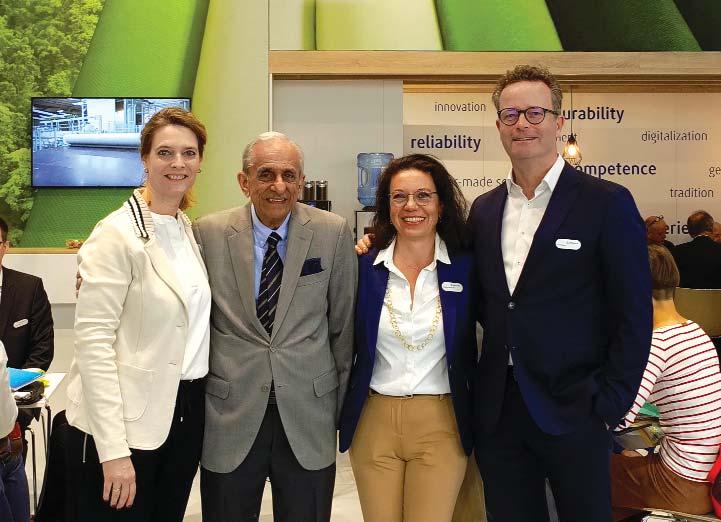
provide additionally new heating systems that combine known resources like gas, steam and oil with electrical heating or offer machines completely with electric heating for customers who already have access to electric energy. The base for all this is our understanding: we believe in long-lasting and reliable machines and therefore we offer spare parts and modernisations and upgrades for existing machines. With only little investment our customers can be more efficient for a very long time. In addition, we identify strongly with the motto “made in Germany”. It has always been important to us not only to build the best machines but also to provide technological support
in textile finishing and textile chemistry, financing and other services. This is exactly what customers benefit from when they buy our products. They may have to invest a little more initially, but in the long term the costs for energy, maintenance and production are significantly lower and the quality of the goods produced is better.
We are very proud and happy to have so many customers all over the Pakistan, who became really good friends over the past years. This excellent relationship forms the basis for being successful and helps both sides to be competitive also in the future.
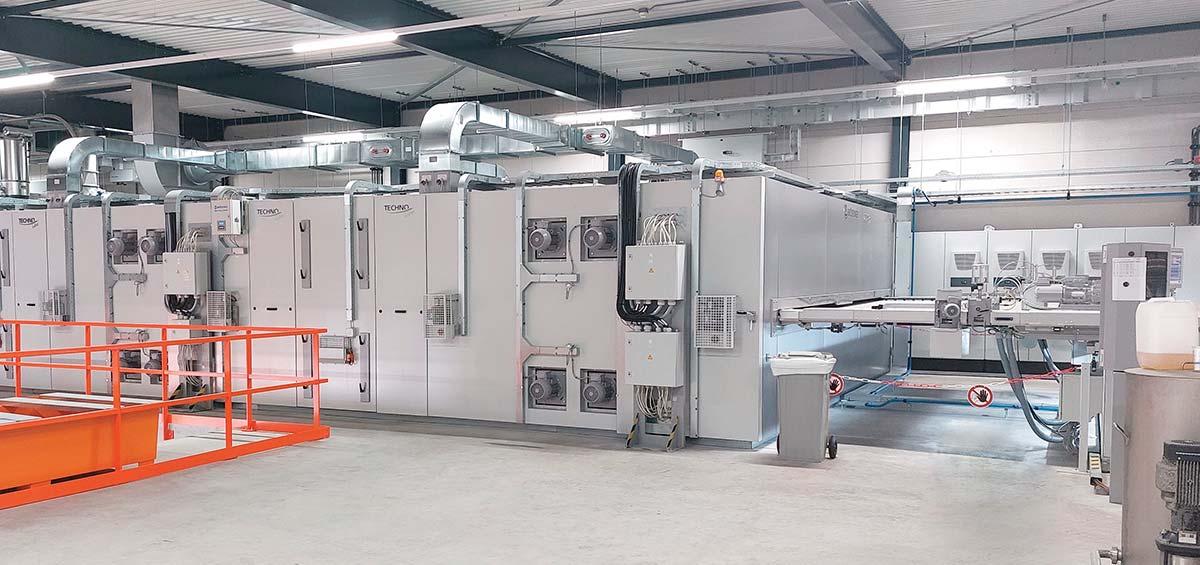
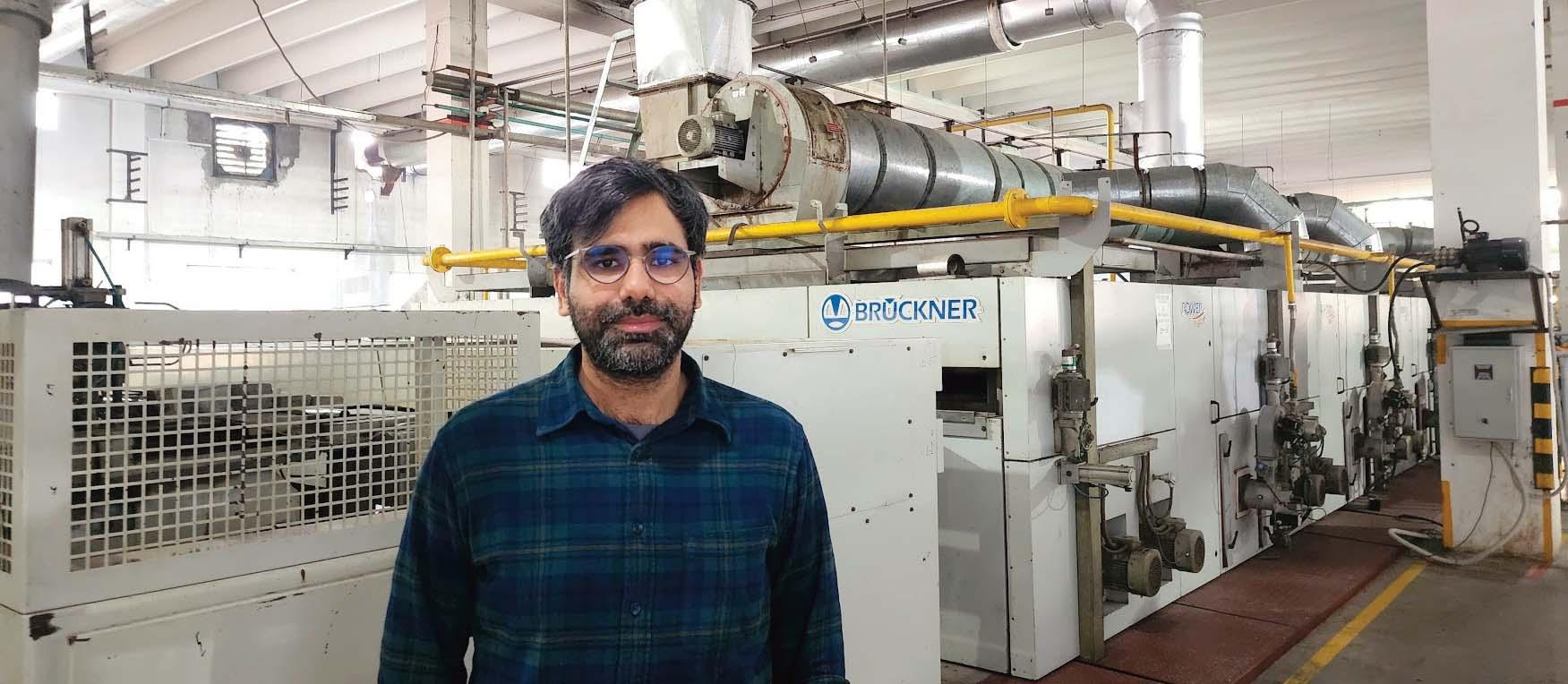
Founded in 1991, Al Hadi Textile (Pvt.) Ltd. has evolved into a vertically integrated manufacturer and exporter specialising in knitted home textiles, institutional textiles and apparel. With operations serving major international markets including Germany, the UK and the United States, the company has developed strong expertise in jersey bedding, fitted sheets, baby bedding, laminated products, mattress protectors and performance-driven knitted products.
Pakistan Textile Journal spoke with Nafay Mazhar Khan about the company’s growth, sustainability initiatives, e-commerce specialisation and long-standing relationship with Brückner Textile Technologies and their Pakistani representatives Nazer & Co.
PTJ: Please introduce Al Hadi Textile (Pvt.) Ltd. and its areas of specialisation.
Nafay Mazhar Khan: Al Hadi Textile (Pvt.) Ltd. was established in 1991 by my father, and over the years we have grown into a vertically integrated manufacturer and exporter of knitted home textiles and apparel. We specialise particularly in knitted home textiles such as fitted sheets, sheet sets, jersey bedding, baby bedding and institutional textile products.
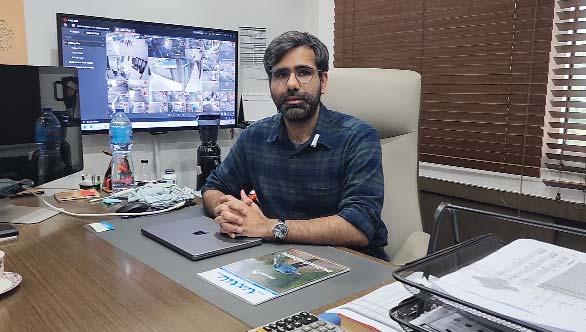
In recent years, we have also expanded further into garments and apparel manufacturing. In addition to our home textile products, we produce laminated products including mattress protectors and encasements, especially for the healthcare and institutional sectors.
Today, most of our business is focused on the European market, particularly Germany, while we also work with customers in the UK and the United States, especially in healthcare-related textile products.
According to the company’s profile, Al Hadi Textile (Pvt.) Ltd. supplies a wide range of knitted products including fitted sheets, bed sets, chair covers, cushion

covers, jersey fabrics and institutional textiles using materials such as jersey, terry, interlock, flannel and velour fabrics.
PTJ: What role do suppliers and technology partners play in your operations?
Nafay Mazhar Khan: For any company, the most important stakeholders are its customers, employees and suppliers.
On the supplier side, we have strong support from major yarn manufacturers, chemical and dye companies, and of course machinery suppliers. Most of our machinery comes from Europe, but equally important is the local after-sales support and servicing.
One of the companies we have worked closely with for many years is Nazer & Co, who represent Brückner in Pakistan. We have two Brückner stenter machines and have maintained a relationship with them for nearly 20 years. We have always been extremely satisfied with the support they provide. Day or night, whenever we need assistance, they are available to support us.
PTJ: What advantages do the Brückner stenters provide for your production?
Nafay Mazhar Khan: One major advantage is flexibility and consistency.
At our factory, we produce a very wide variety of fabrics. At one moment, we may be running a lightweight 65 GSM polyester fabric, and shortly afterwards we may switch to a 500 GSM cotton fleece fabric.
With Brückner stenters, we achieve consistent quality regardless of the fabric type. Once the settings are stored in the system, it becomes very easy for the operator to retrieve those settings and reproduce the required finish accurately every time. For a textile mill like ours, consistency is critical.
The second important factor is minimising downtime. That depends on two things: first, the quality and reliability of the machinery itself, including the build quality and materials used, and second, strong after-sales support with local spare parts availability and technical expertise to manage sophisticated machines such as stenters.
PTJ: Sustainability has become a major priority globally. How is Al Hadi Textile (Pvt.) Ltd. approaching this area?
Nafay Mazhar Khan: We focus on sustainability from multiple perspectives.
The first aspect is sustainable production methods. We are increasingly integrating renewable energy into our operations. Currently, we already have approximately 1.5 megawatts of solar power installed, and we plan to expand this further over the next few years. We are also incorporating biofuels into our energy mix.
The second aspect involves responsible chemical usage. The dyes and chemicals we use are certified according to international standards such as OEKOTEX and REACH compliance.
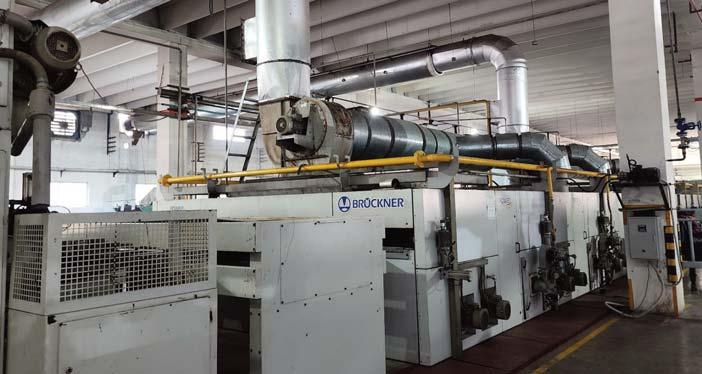
Wastewater management is another important area. Since textile processing involves significant water usage, we operate a wastewater treatment plant to ensure our discharged water complies with NEQS requirements.
The third aspect is sustainable raw materials. We use a wide variety of sustainable fibres and yarns including recycled polyester, biodegradable polyester, organic cotton, Cotton Made in Africa (CmiA), Better Cotton, ECOVERO viscose and Lenzing Lyocell.
The company also highlights its focus on sustainable textiles and OEKO-TEX certified products across multiple product categories.
PTJ: Al Hadi Textile (Pvt.) Ltd. has developed strong expertise in e-commerce business models. What makes this segment different?
Nafay Mazhar Khan: E-commerce has changed manufacturing requirements significantly.
The consumer mindset in e-commerce is very different, and factories must adapt accordingly. One major challenge is handling a very large number of SKUs. Sometimes a single container may contain more than 1,000 SKUs.
In such an environment, even a single incorrect label on a garment can create serious issues. Because of this, we have developed ourselves into e-commerce specialists over the past decade.
This requires extremely strong operational discipline, very high quality standards, timely deliveries and precise packaging. For e-commerce sellers, stock availability is critical, so shipment delays can become a major issue.
Packing dimensions are also highly specific, so every detail matters. Through nearly ten years of experience serving ecommerce customers, we have developed strong systems and expertise in this area.
PTJ: How do you see the future of Pakistan’s textile industry?
Nafay Mazhar Khan: The textile sector is the backbone of Pakistan’s economy, especially in exports, and I believe its importance will continue to grow in the coming years.
Globally, many major players are gradually becoming less competitive due to rising costs, especially China in certain product categories. This creates opportunities for Pakistan.
In our own category, jersey bedding, we are already seeing significant business shifting from Türkiyeto Pakistan.
However, Pakistani manufacturers must remain focused on quality. As long as our quality matches international standards, Pakistan has a very strong competitive advantage. We have the production capacities, the pricing advantages, and increasingly the technical expertise and commitment required to produce world-class textile products.
Founded: 1991
Business: Vertically integrated knitted home textile and apparel manufacturer
Key Products: Jersey bedding, fitted sheets, baby bedding, mattress protectors, institutional textiles, apparel Export Markets: Germany, UK, USA Focus Areas: Sustainability, e-commerce manufacturing, technical flexibility, consistent finishing quality
Technology Partner: Brückner Textile Technologies via Nazer & Co Website: https://alhaditex.com/
by Nadeem Mazhar, Managing Editor, Pakistan Textile Journal
Textile Processing is one of the most value-added and export-oriented sectors of the textile industry in Pakistan.
Pakistan textiles and apparel worth US$ 17.8 billion were exported from Pakistan in 2024-25, in addition, approximately 45% of the nation's workforce, including 38% of those in manufacturing, is employed in the sector.
Pakistan stands as the fifth-largest producer of cotton globally and boasts the third-largest spinning capacity in Asia, trailing only behind China and India. Its contribution amounts to 5% of the global spinning capacity. Presently, the industry comprises 1,221 ginning units, 442 spinning units, including 124 large spinning units, and 425 small units dedicated to textile production.
The dyeing, printing and finishing sectors have seen remarkable improvements in textile technology over the years, to meet increasingly stringent requirements of lower usage of chemicals, water and energy.
Today’s finishing machines provide economical and profitable production while meeting all stringent requirements. With rapid changes in fashion, the textile industry is making a steady shift towards prints, rather than dyed fabrics.
The market for textile printing is closely linked to consumer demand for apparel/clothing, home furnishings and decor. Steady population growth, increasing purchasing capability, and rapidly changing fashion trends are among the key factors driving the growth in the textile printing market.
The steady shift towards digital textile printing driven by the technology’s ability to accelerate production speeds and reduce colouration costs, is another factor in the steady growth in the market.
Technology advancements and innovations associated with inks and consumables, print heads, and printing machinery remain vital to market growth. Screen printing represents the largest
Table
Source: Pakistan Bureau of Statistics.
market sector by type of technology.
Though facing stiff competition from the rapid adoption of digital technology, conventional screen printing continues to hold a major share of the global textile printing market, in terms of production volume of printed textiles. Growth in the coming years will be driven largely by the digital textile printing market.
The market for digital textile printing in Pakistan is increasing as it offers better and high-definition textile print design possibilities, lower water, effluent, emissions and energy use with economical production of “short-run, medium-run” prints to the market. The shorter delivery brings in increased savings to retailers and brands as digital printing hubs are based on proximity sourcing and just-in-time printing and sourcing strategies.
Pakistan’s textile finishing industry comprises of almost 731 units, the majority of which are independent and
complementary to the weaving industry. About 650 independent processing units are working in and around Faisalabad, Gujranwala and Karachi, in which about 50 integrated units have complete finishing facilities.
These integrated units have complete finishing facilities i.e. bleaching, mercerizing, dyeing, calendaring and printing. These units from the powerloom sector procure cloth and after processing they are marketed under their brand names in the domestic market.
The weaving and made-up sectors have three different subsectors in weaving viz. integrated, independent weaving units and power-loom sector. The cloth is being produced in both the mill and non-mill sectors. Pakistan’s fabrics range from coarse to super varieties. There are a large number of vertically integrated units, where
is
from fibre to the
product, and marketed abroad directly.
Textile Policy 2025-30 allows various incentives including cash subsidies and lower rates on utilities worth Rs 960 billion to boost production and exports of value-added textile products.
The proposed policy, which will be the fourth such policy, estimates three scenarios that the measures will lift the textile and clothing exports to US$ 20.8 billion by the end of the 2030.
Import of textile dyeing and finishing machines increased from Rs 3,131 million in 2023-24 to Rs 4,775 million in 202425, thus showing an impressive growth of 52.48% in terms of value. Import of textile dyeing and finishing machinery into Pakistan is given in Table 1.
The textile industry of Pakistan is among the largest users of chemicals globally and is highly water-intensive. Over 2000 different chemicals are used in the industry, which accounts for almost 25% of the chemicals produced globally.
The textile industry is estimated to use more water than any industry globally and while majority of water discharged used to be highly polluted but due to recent global sustainability movements, the industry is trying its best to reduce negative environmental impact and tackle pollution.
Dyeing and finishing processes account for 90% of the total textile wastewater. Fibre wastewater discharge amounts to 12% and other textile processing account for 8% of effluent discharge. Developing a solution that minimises the utilisation of water and at the same time reduces pollution is the need of the hour.
This has raised concerns and
Source: State Bank of Pakistan
Source: Pakistan Bureau of Statistics.
subsequently led to adherence of strict rules and standards to protect the environment and practice sustainable working. Hence adopting eco-friendly methods and biodegradable substances for dyeing and finishing processes in textile and garment making can save resources of nature and reduce chemical landfill in a big way.
An excellent example of this is Archroma’s zero discharge unit in Jamshoro, Sindh, which allows them to recover up to 80% water for re-use.
The import of various dyes and pigments in Pakistan grew from Rs 47.9 billion in 2023-24 to Rs 50.4 billion in 2024-25. Imports of dyes and pigments in Pakistan are given in Table 2.
With increasing global awareness regarding environmental issues and pollution, improved environmental performance has become a major factor in the dynamics of world markets, and successful businesses around the globe are striving to achieve the goals of responsible environmental behaviour.
To enhance and sustain the textile exports of Pakistan it is essential to address the associated environmental problems on an urgent basis. Import of organic chemicals in Pakistan increased from US$ 2,430 million in 2023-24 to US$ 2,530 million in 2024-25, thus showing a increase of 4%. Imports of organic chemicals in Pakistan are given in Table 3.
The biggest challenge for the past year was the economic and political instability with the combination of challenges like energy crisis, fluctuating yarn prices, shortage of gas supply and load shedding, devaluation of the Pakistani currency, lack of research and Research and development institutions, lack of modern equipment and machinery and production cost.
Consumers in the developed countries are now concerned about green activities and choose products that are non-toxic and cause no harm to either the user or the environment. This trend for ecofriendly products has been extended to textile apparel products, particularly those products which directly come into contact with the skin for prolonged periods. The requirements for socially responsible production and processing are increasing every day. The dyeing, printing and finishing sector has seen remarkable improvements in textile technology over the years, to meet these increasingly stringent requirements of lower use of chemicals, water and energy.
Today’s finishing machines provide economical and profitable production while meeting all stringent requirements.
References
1.Pakistan Bureau of Statistics
2.State Bank of Pakistan-Annual Reports
3.Textile Commissioner Organisation, Government of Pakistan.
Over the past few years, Monforts has significantly advanced its technologies for coating, with the successive introductions of the MontexCoat, coaTTex and VertiDry systems combining flexibility, precision and energy efficiency for the technical textiles market.
In outdoor and architectural textiles, for example, typical coated products include tents, awnings, sailcloth and blackout blinds, with coating providing the desired combinations of water resistance, dimensional stability, opacity or weather durability.
A second major field is in transport interiors, particularly automotive upholstery and interior fabrics, with coatings having a positive influence on parameters including abrasion resistance, tactile feel, stain behaviour and long-term durability. Automotive suppliers also demand absolute reproducibility across batches, which Monforts addresses through digitallystored coating recipes that can be reloaded for identical results every time.
Beyond consumer-visible products, a large share of applications are in industrial applications, with Monforts coating ranges processing materials such as hightemperature filter media, flame-retardant barrier fabrics and heavy membranes for biogas storage systems. The technology is also used for carbon fibre prepregs and composite reinforcement fabrics, where coating precision is the key to mechanical performance.
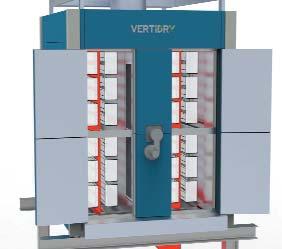
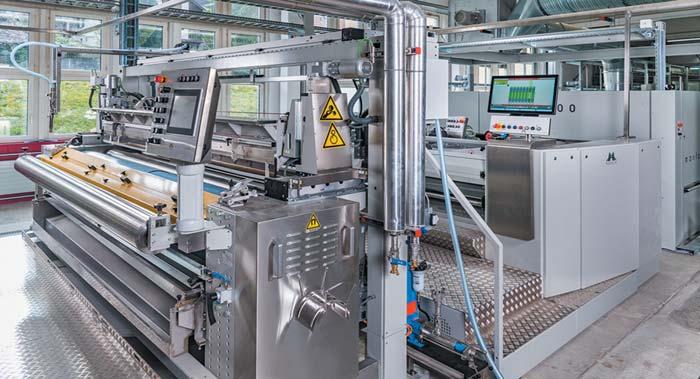
The Monforts flagship MontexCoat coater serves a very diverse number of markets and enables full PVC coatings, pigment dyeing or minimal application to the surface and low penetration treatments as well as solvent coatings. Knife coating, roller coating or screen printing can all also be accommodated with this system.
In addition, the MontexCoat provides the ultimate in flexibility and the ability to switch quickly from one fabric run to the next, without compromising on the economical use of energy or raw materials.
The coaTTex coating unit is meanwhile exclusively dedicated to airknife and knife-over-roller coating for single-sided application with paste or foam to add properties such as waterproofing, liquid and gas protection and breathability.
Both coating units are suitable for incorporation into existing finishing ranges as well as installation with new Monforts lines, notably the industryleading MONTEX stenter systems.
A further recently-introduced technology complementing these coating units is the VertiDry, a fully contactless and energy optimised convection dryer.
The VertiDry is intended for use in combination with a stenter, either before or after it, depending on the specific application, for the essential pre-drying of sensitive fabrics, as well as after the coating of airbags, denim fabrics and glass-fibre substrates. Other envisaged applications include the finishing of sportswear, outerwear, carpets, geotextiles and tarpaulins.
For over 40 years, Monforts machines have been manufactured at Montex Maschinenfabrik based in St. Stefan, Austria, and while there is standardisation across series-produced machines, the company is increasingly being called upon to construct bespoke machines with unique designs, according to the special needs of customers in the technical textiles sector.
“MONTEX stenters and THERMEX dyeing systems are the industry standards for the dyeing and finishing of technical textiles, providing a number of advantages in terms of production throughput and especially in energy efficiency and savings,” says Monforts Marketing Manager Nicole Croonenbroek. “These machines remain unmatched in terms of their robustness and long service life, as well as resourceefficient productivity. As a third strand of our business, our coating technologies are now being rapidly adopted by technical textile manufacturers, as the industry recognises their benefits.”

Premium denim mill ORTA debuts a FiberColors® collection at Kingpins Amsterdam, using Archroma’s dyes made from pre-consumer wool waste
Archroma, a global leader in specialty chemicals, and Orta Anadolu, the premium Türkiye-based denim manufacturer behind the ORTA brand, have announced a collaboration to bring circular dye chemistry into commercial denim production.
The partnership will be showcased at Kingpins Amsterdam from April 15-16, 2026, where ORTA will present its first denim collection dyed with Archroma’s FiberColors® dyes.
FiberColors® are synthesised with a minimum of 50% wool waste –specifically, fleeces that sheep farmers would otherwise pay to dispose of. By upcycling this unwanted material, the patented Archroma technology replaces petroleum-based raw materials without compromising performance, water or energy consumption, or waste generation in the dye manufacturing process. The dyes deliver the same dyeing and fastness performance as conventional sulfur dyes and are GOTS-approved.
Following a successful trial in late 2025, ORTA has selected three shades from the FiberColors® palette: DIRESUL® FIBER-TEAK (brown), DIRESUL® FIBER-
SLATE (blue-grey), and DIRESUL® FIBER-GRAPHITE (dark grey), for its debut collection. The selection reflects ORTA’s characteristic approach of combining distinctive aesthetics with responsible production, and underscores the commercial readiness of FiberColors® for premium denim applications.
“FiberColors® builds directly on the success of our EARTHCOLORS® platform, which has now been adopted by more than 50 global brands and helped us upcycle over 60 tons of plant residue from the herbal and pharmaceutical industries. With FiberColors®, we identified wool waste as another significant stream that circular chemistry could transform, giving brands a compelling and fully traceable sustainability story. ORTA’s decision to bring this into commercial denim production is exactly the kind of partnership that proves these technologies are ready to scale,” Julio Perales, Technical & Product Segment Manager Denim, Archroma, said.

Founded in 1953 as a spinning and weaving company, ORTA has specialised in denim since 1985. Based in Türkiye, the company has more than 1,000 employees and a global reputation for melding style and sustainability.
“We believe that aesthetics and ethics are inseparable,” Sebla Onder, Marketing and Sustainability Manager of ORTA, said. “We are demonstrating that the circular economy is commercially viable today – upcycling waste streams to solve a problem for sheep farmers while creating on-trend denim garments that can themselves be safely recycled and even composted at end of life.”
The ORTA FiberColors® collection will be on display at the Archroma stand at Kingpins Amsterdam, April 15-16, 2026.
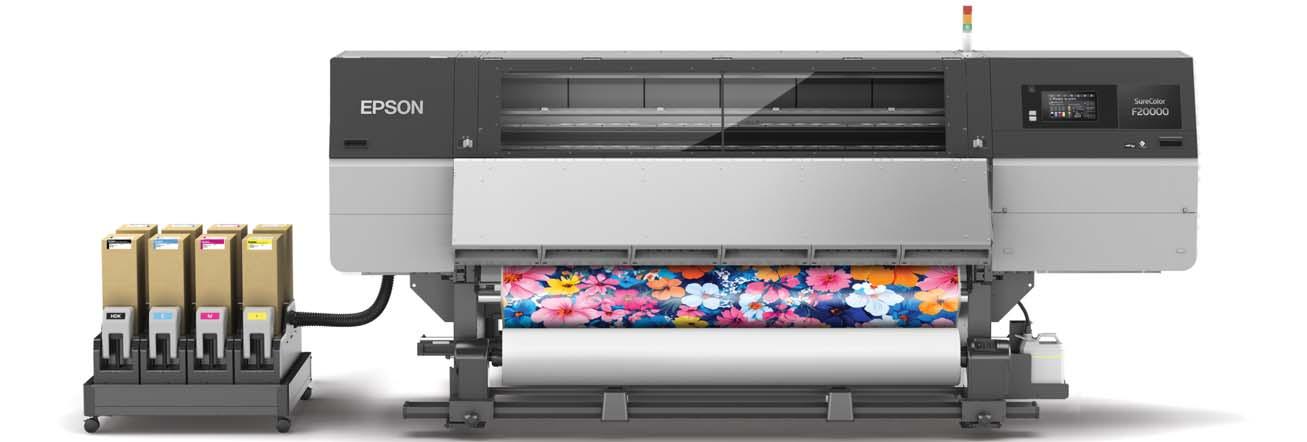
New 76-inch dye-sub printer combines an 8-printhead architecture, largecapacity ink and optional jumbo roll support for high-volume textile and sportswear production
Epson has announced the SureColor SC-F20000, a new industrial dyesublimation printer designed to help print service providers and sportswear producers accelerate output while maintaining consistent, high-quality results. The SC-F20000 will be shown on Epson’s stand at FESPA Global Print Expo 2026 (Hall 3, Stand C75), where visitors can see the printer in a productionfocused workflow and explore application samples for textile and soft signage.
Built to support high-volume production environments, the SC-F20000 is Epson’s first dye-sublimation model equipped with eight PrecisionCore MicroTFP printheads, developed to deliver stable output through its printhead configuration.
The SC-F20000 also supports long continuous printing with large-capacity 10L ink and automatic ink switching (Hot Swap) to reduce operator intervention during busy periods. To help ensure predictable performance, Epson has designed the printer with dust-reduction mechanisms, including an intake fan and media cleaner, to minimise dust accumulation and reduce the risk of nozzle clogging.
For operations running extended jobs and heavier media, Epson will offer an optional Jumbo Roll Solution, supporting higher-capacity roll handling to suit demanding production schedules.
“FESPA is the ideal setting to show how Epson’s latest textile innovations translate into reliable, real-world production,” said Chris Davies, Commercial & Industrial printing division, Epson Europe. “With the SureColor SCF20000, we’re giving high-volume producers a new pathway to combine speed, consistency and robust handling, supporting everything from high-quality sportswear, fashion, homewares to scalable textile production. We look forward to welcoming visitors to Hall 3, Stand C75 in Barcelona.”
The SC-F20000 is engineered for productivity and stability, with features designed to support long production runs and reliable output:
High-speed performance with print modes up to approximately 306sqm/h in fast settings, while improving minimum resolution to 600 × 600 dpi.
Large-capacity ink (10L) and Hot Swap capability to support long continuous printing and help reduce interruptions.
Double-side heating/drying designed to help minimise ink set-off and reduce wrinkling after printing.
Dust-reduction mechanisms (intake fan and media cleaner) to help reduce dust accumulation and minimise nozzle clogging.
Epson image quality technologies including Epson Precision Dot, integrating multi-layer halftone, LUT and Microweave, to support robust, consistent output in multi-printhead production.
The F20000 is supplied with Epson Edge Print Pro software
See the SC-F20000 at FESPA 2026
Epson invites visitors to Hall 3, Stand C75 to see live demonstrations, discuss production requirements with Epson specialists, and explore sample output showcasing the possibilities of dyesublimation in sportswear, textile and soft signage applications.
Key specs at a glance – SureColor SCF20000
Print width: 76.8″ (1,950 mm)
Printheads: PrecisionCore MicroTFP, 8 printheads
Ink configuration: Ultrachrome DS Ink (4-colour listed)
Ink capacity / uptime: 10L ink with Hot Swap automatic switching
Productivity: Up to ~306 m²/hr in fastest mode
Media / reliability features: Optional Jumbo Roll; dust-reduction via intake fan + media cleaner.
Baldwin TexCoat® G4 precision spray finishing recognised as a proven climate solution to reduce energy, water and CO2e
BW Converting announces that its Baldwin TexCoat® G4 precision spray finishing system has been validated through collaboration with Fashion for Good and Apparel Impact Institute (Aii). Following extensive trials and analysis, the technology is now recognised within Aii’s Climate Solutions Portfolio Registry as a proven solution for lowering carbon emissions and resource consumption across the global textile supply chain.
TexCoat® G4 replaces traditional padbased applications with non-contact precision spray technology, applying chemistry only where it is needed. The system delivers 40–50% energy savings, reduces water consumption and chemical use by up to 50% and eliminates
chemical waste during job changeovers. These benefits help mills achieve significant sustainability targets while improving profitability and throughput.
“Being recognised by both Fashion for Good and Aii underscores the impact of TexCoat® G4 not only as an innovative finishing technology but as a verified climate solution,” said Yiannis Vasilonikolos, Global Sales Leader, Textiles, BW Converting. “We are proud that the data confirms what our customers experience every day: measurable reductions in energy, water and carbon footprint, paired with consistently high finishing quality. Together, this validation strengthens our ability to help textile producers meet the dual goals of sustainability and competitiveness.”

Reflecting on the realworld impact of the technology, Andrea Mariani, Production Director at Oreste Mariani, a leading European textile finisher, shared:
“At Oreste Mariani we have been running BW Converting’s Baldwin TexCoat® G4 since 2022. The system has helped us significantly reduce energy and chemical consumption while maintaining high finishing quality.
Independent trials, such as the BluWin BAT+ study at our mill, confirmed these savings in real production conditions. In 2024, we also installed BW Converting’s Baldwin Corona Pure for textiles, which allowed us to achieve the maximum level of water repellency while eliminating an additional

wash step from our process. For us, this means both improved product performance and lower resource use. Equally important, we have experienced excellent support from the BW Converting team and a very high level of reliability from their equipment. Together, TexCoat® G4 and Corona have become important technologies in our sustainability journey, helping us reduce environmental impact, cut costs and continue to deliver high-quality fabrics to our customers.”
The validation follows successful field trials in Europe and Asia, where TexCoat® G4 has demonstrated substantial resource savings with no compromise to fabric quality. As part of Aii’s registry, the technology will now be visible to leading apparel brands and retailers that are actively sourcing scalable solutions to decarbonise textile wet processing. The full case study is available online: Aii Case Study – Precision Spray Finishing Technology.
TexCoat® G4’s patented non-contact spray process also streamlines operations by reducing downtime, enabling rapid changeovers and supporting traceability through full Industry 4.0 integration.
AIRO® by Biancalani is a textile finishing machine designed for the washing, drying and tumbling of any type of fabric.
The operating principle is as simple as it is effective: air as the sole medium for transporting and treating the fabric. The fabric is accelerated through ejector tubes by air only, without any mechanical transportation device, then strikes a stainless steel impact grid and falls back into the vat, where the cycle begins again. These actions, repeated for many times throughout the process, generate the AIRO® Hand: softness, volume and natural drape that no other fabric finishing technology can replicate.
The intensity of the mechanical action is controlled by inverter-driven fans: from the gentlest setting for delicate fabric such as silk, cupro, lyocell, viscose or fine knitwear, to a more intense action for bottom weights, upholstery fabrics, coated materials, or nonwovens.
Two versions, from preparation to finishing AIRO® is available in two configurations: besides the standard AIRO which includes a complete hydraulic system and offers washing and wet treatments followed by drying and softening, the “AIRO SL” version is focused on the drying and softening part, or treatments with application of steam (for instance, lamb-skin effect on polar

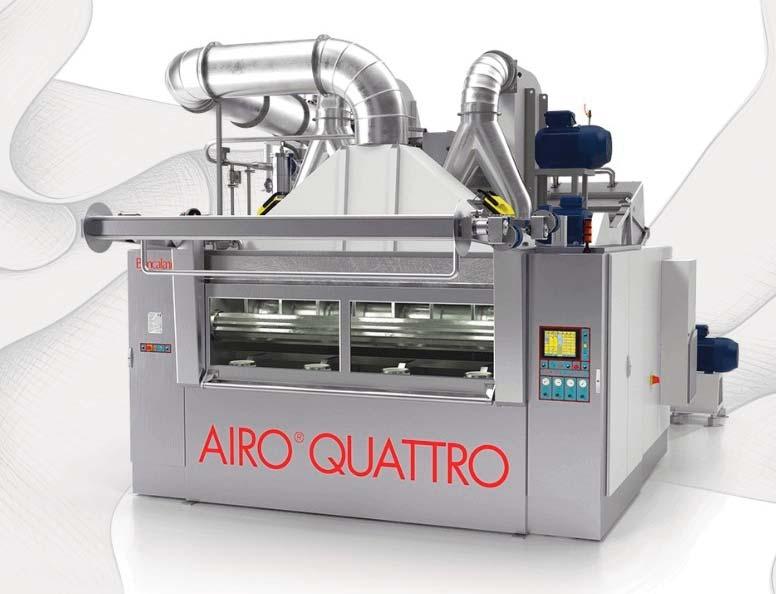
fleece). Each version can be supplied with two or four processing channels, in order to match most production requirements.
What AIRO® does: wash, dry, tumble, soften
Softening treatments
The most common application is to dry and soften fabric which contains moisture from a previous process. Washed in AIRO® itself, or simply padded with softener in an external foulard.
However, AIRO® can also treat fabric that is completely dry, with or without heat, through pure mechanical action. No bath, no added chemicals: ideal for synthetic-heavy constructions or fabrics that would shrink excessively with water.
Steam treatments
Multipoint saturated steam injection –at the ejector tube inlet and at the exit before the grid – ensures uniform steaming throughout the load. The most requested application is the lamb-skin effect on polar fleece: the combination of
steam and mechanical beating generates the characteristic pile curl, replacing conventional drum tumbling. A single AIRO® produces more per day than 1520 drum tumblers can do, without requiring to cut the fabric in short pieces (typical limitation of traditional drum tumblers), and with minimal loading times and a fully repeatable process.
Wet treatments
Washing-capable versions are equipped with a complete hydraulic system: recirculation pump, bath filtration, direct and indirect heating, chemical dosing and pH meter. Main wet treatments: Softening by exhaustion. Average cycle: 60-90 minutes. Optimal on cotton, lyocell, cupro, viscose, silk and wool.
Enzyme treatments and biopolishing: Temperature and pH conditions perfectly maintained throughout the cycle deliver precise surface transformations which clean the surface and eliminate pilling, or produce a “peach-skin” effect without the need of any mechanical surface treatment, even to the point of delivering a cupro-like effect on polyester-modal.
Biancalani has developed enzymatic techniques in AIRO® for over thirty years, and puts its experience at the service of every customer.
Lyocell finishing treatment: AIRO® is the only machine that performs both processes, from fibrillation to enzyme cleaning to final mechanical treatment on light and heavy fabrics, in complete safety without any defects.
Special treatments such as Delavé and colour reduction on pigmentdyed fabrics.
Washing, scouring, bleaching, and light milling for wool and blends.
“The exact conditions in which fibres are able to absorb chemistry make the difference: a lyocell with the hand feel of a ripe peach, a cotton that recovers the luminosity of new yarn, a lyocell with fluid and natural drape.”
APPLICATIONS
Some results from AIRO® application: Polar fleece
Lamb-skin effect via saturated steam and mechanical beating.
Velvet and corduroy
Fibre swelling, pile uniformity and omnidirectionality.
Jacquards
Three-dimensionality and surface definition.
Upholstery finishing: chenille
Structure opening and volume.
Knitwear
Softening and dimensional stabilisation, and elimination of pigment rigidity on high-coverage prints.
Stretch fabric with Lycra
Release of internal tensions, reduced edge curling, improved elasticity.
Silk and cupro
Special and unique touch and hand, opalescence.
Synthetic leather
Grain enhancement, aged look and more natural appearance.
Technical and coated fabrics
Softening without interference with functional treatments/coatings.
Shirting fabric
Easy care (no-iron treatment) by application, polymerisation, and softening of resins.
Super-swelling, volume maximisation after shearing.
Emerised and brushed surfaces
Enhance the surface appearance (peach skin effect).
Apparel fabric in general
Special apparel finishing effects such as wrinkled and “casual”, or delavé (colour fade) and vintage/aged look on dyed or printed materials.
Fewer separate processes, less wasted energy, no errors
In AIRO® all cycles that are part of a process are managed by a fully automated control logic which runs them sequentially, controlling every working parameter. This means eliminating fabric transfers between multiple machines, thus eliminating errors, reducing handling time and minimising operating costs. Inverter-controlled motors adjust energy consumption to the airflow actually
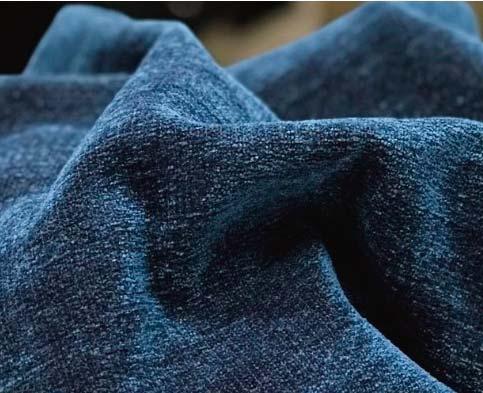
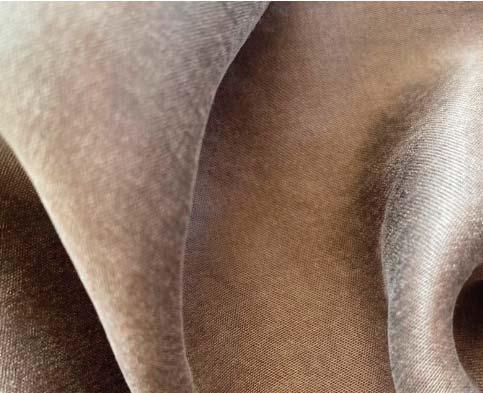
required. Where water is not needed, dry and steam processes eliminate water consumption entirely.
The efficiency of AIRO®, together with the automation of all the steps of the process allows to reach productivity levels that are as high as those of continuous machines.
A technical choice that becomes strategic
For a production manager: everything always under control with fewer variables to manage, improved traceability, faster set-up. For an R&D manager: the ability to develop in a very short time treatments that competitors cannot replicate. For a marketing or sales director: a finished fabric with a distinct and recognisable hand feel, always consistent, lot after lot.
The technology behind AIRO® – air, ejectors, impact grid – is physics. It does not become obsolete.
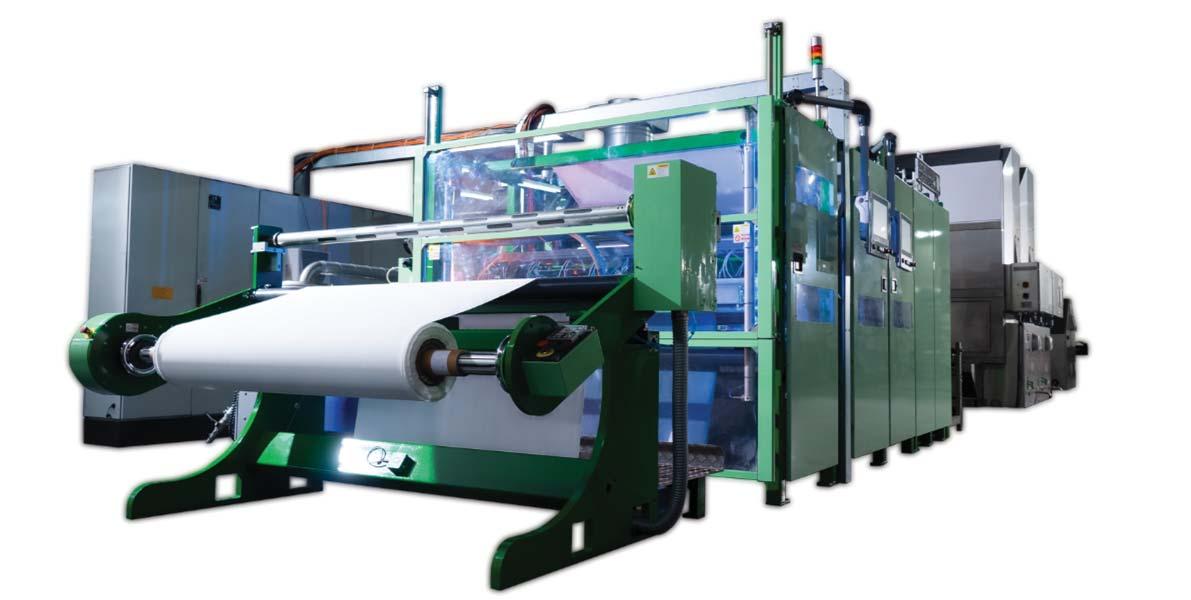
Alchemie Technology, the pioneer of jet precision dyeing solutions, has published the results of Life Cycle Assessment test to prove their ability to significantly reduce resources use in textile dyeing.
The independent impact assessment led by the company’s partner, Fashion For Good and conducted by BluWin validate significant reductions in water, energy, and greenhouse gas emissions for Alchemie Technology’s production-ready Endeavour digital dyeing solution.
The results of a third-party impact assessment, confirms that the Endeavour digital dyeing technology delivers significant reductions in resource consumption compared to thermosol process and conventional dyeing method. The assessment, carried out in Taiwan in September 2025, demonstrates that the standard Endeavour polyester process can achieve up to 92 per cent water reduction, 86 per cent energy reduction, and 87 per cent reduction in greenhouse gas emissions.
The findings validate data captured in a commercial production environment, reinforcing Endeavour as a production-
ready solution capable of delivering both environmental and operational benefits. In addition to reducing resource use, the technology operates at industrially relevant line speeds of up to 35 metres per minute, with the potential for higher speeds depending on fabric specifications.
The impact assessment also confirmed that Endeavour meets key industry performance standards. Dyed polyester fabrics achieved colour fastness grades of 4 and above in all cases, in line with industry requirements, while demonstrating exceptional colour uniformity, with DE values of less than 0.8 across all test cases according to ISO standards.
“We commissioned this assessment to validate the performance and impact of Endeavour under real production conditions,” said Dr. Alan Hudd, CEO and Founder of Alchemie Technology. “The results confirm that it is possible to significantly reduce water, energy, and emissions in textile dyeing, without compromising on quality or production efficiency. This is a critical step in enabling the industry to adopt more resourceefficient processes at scale.”
Endeavour is a digital dyeing platform configurable for polyester, cotton, and man-made cellulosic fibres. It uses Alchemie’s proprietary dye application system to precisely apply dye to fabric, ensuring that no excess dye is used. By eliminating the need for large volumes of heated water, the process delivers substantial reductions in resource consumption compared to traditional dyeing methods.
The assessment evaluated the Endeavour polyester process against conventional jet exhaust dyeing and thermosol process, incorporating data from a full production workflow. The results of this assessment reinforce Alchemie Technology’s position as a provider of production-ready solutions that combine measurable sustainability improvements with consistent, highquality output and operational efficiency. The data will be accessible through Fashion For Good’s global network platform and it will give manufacturers, brands, and supply chains access to the environmental and production impact of Alchemie Technology’s digital dyeing solution, Endeavour.

In today’s textile market, where speed, sustainability, and flexibility increasingly define success, manufacturers are seeking production technologies that reduce complexity while improving operational efficiency.
At the FESPA Global Print Expo 2026, Electronics for Imaging, Inc. (EFI™) will present the EFI™ Reggiani ecoNEXT Plus, an industrial digital printer engineered for direct-to-fabric pigment printing. Visitors can experience the solution at stand 3/C85 during the exhibition taking place from 19–22 May 2026 in Barcelona.
Designed as a fully integrated production platform, the EFI™ Reggiani ecoNEXT Plus combines industrial-scale production efficiency, outstanding print quality, and a more sustainable end-toend workflow within a single solution.
Powered by EFI™ Reggiani ecoTERRA pigment inks, the system is designed to simplify production processes, minimise environmental impact, and expand creative and application possibilities while maintaining reliable and consistent performance.
The ecoNEXT Plus addresses the growing industry demand for streamlined digital textile production by enabling an all-in-one workflow that can help reduce production steps, shorten lead times, and support new business opportunities.
Key Advantages of the EFI™ Reggiani ecoNEXT Plus
True all-in-one solution integrating the ink system, colour feeding, electrical cabinet, and fixation unit
Reduced carbon footprint enabled by low energy consumption
Minimal water usage at both printer level and throughout the production process
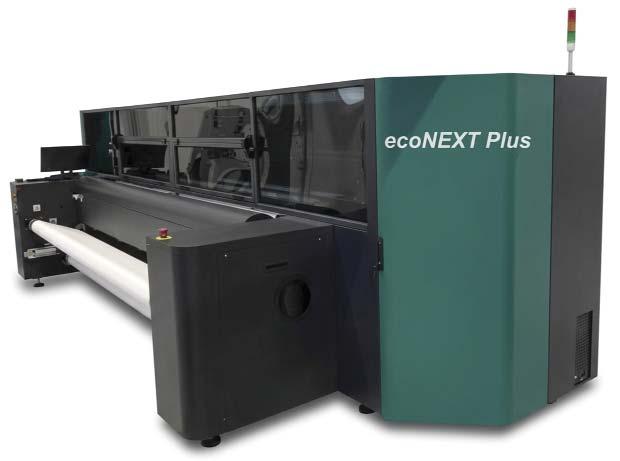
Fast turnaround times suitable for ondemand and short-run production
Seven-colour configuration delivering a wide, vivid, and consistent colour gamut
Easy integration with online shops and web-to-print business models
Powered by EFI™ Reggiani Genuine Inks for reliable, high-performance printing
Compliance with global regulations and the highest industry standards
EFI™ Reggiani QUERY production analytics providing real-time performance insights
The EFI™ Reggiani ecoNEXT Plus supports a wide range of textile applications, including apparel, accessories, interior décor, curtains, cushions, upholstery, wallcoverings, advertising, and customised on-demand textile production.
By combining efficiency, sustainability, and production flexibility in a single streamlined process, the solution enables manufacturers to produce more, faster, and cleaner.
Visitors to FESPA 2026 are invited to meet the EFI™ Reggiani team and discover how the ecoNEXT Plus can integrate seamlessly into modern textile production workflows.
EFI™ Reggiani is part of Electronics for Imaging, Inc. (EFI™), a global technology company driving the transformation from analogue to digital imaging. EFI™ develops technologies designed to help customers improve productivity, reduce costs, optimise efficiency, and support business growth across textile, packaging, and sign and display applications.
Benninger, a complete system supplier with leading technologies for continuous wet processing and discontinuous dyeing, as well as technical textiles, reinforces its commitment to sustainable textile production with resource-efficient machinery that increases both top and bottom line performance. Benninger’s versatile solutions includes SynthMaster which is an innovative horizontal jet dyeing machine that combines unmatched fabric quality, low resource consumption, and compact, versatile design.
Benninger places sustainability and responsibility at the heart of SynthMaster’s operations. Benninger’s solutions can process today’s and tomorrow’s fibres and blends with the highest first-time-right rates.
The versatile solution for compressionfree precision dyeing
The SynthMaster sets a new benchmark in horizontal jet dyeing, combining harmonic, unique, and Swiss-made design with unparalleled fabric care. Its smooth, tension-free fabric transport guarantees no compression creases, ensuring perfect quality every time. Built on the same innovative principles as Benninger’s wellknown FabricMaster, it features a smart nozzle, lowest lift, and an elbow plaiter running the full length of the machine. The SynthMaster delivers consistent performance and fabric integrity.
Thanks to its advanced dewatering and chamber design, the SynthMaster
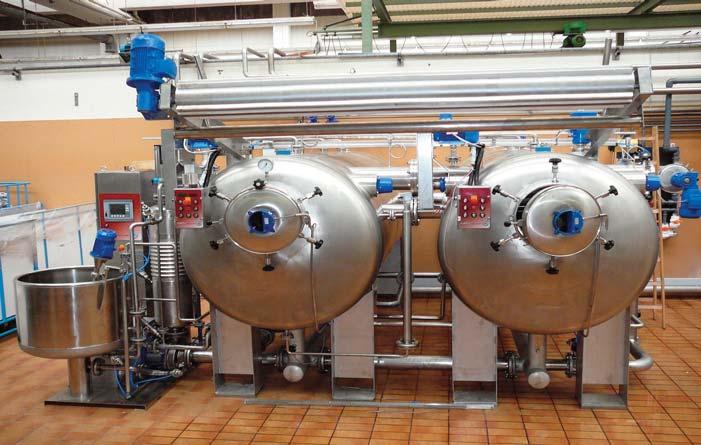
operates at lower liquor ratios, optimising resource efficiency. At approximately 4.5 meters in length, it is the only machine that can be seamlessly combined with dyers’ round machines, drastically saving valuable factory space. The SynthMaster is the ideal complement to the FabricMaster, sharing key components and offering unmatched compatibility.
The FabricMaster processes today's and tomorrow's fabrics.
Benninger produces one of the fastest and most versatile jet in the industry for discontinuous dyeing of textiles. The FabricMaster stands for shortest process times, maximum efficiency, and reproducible results, even for demanding Lycra blends and synthetic fibres.
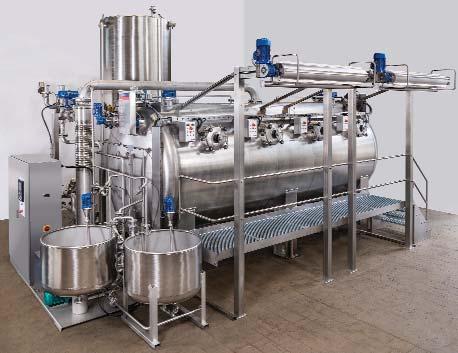
FabricMaster
Thanks to the lowest liquor ratio and particularly gentle fabric handling, this soft flow machine offers a resource-efficient solution for modern dyeing processes.
Benninger aims, always did and always will, to set new standards for efficiency,
quality and precision in textile dyeing processes. The JigMaster, the dyeing machine for discontinuous dyeing and the SingeRay flame singeing machine are other good examples, defining new benchmarks for efficiency, sustainability, and process reliability thanks to cutting-edge technology. These innovations often become references for best practices worldwide.

By integrating energy-saving designs, water and chemical reduction technologies, and waste heat recovery (e.g., through the BEN-Eco systems), Benninger advances global environmental standards. Their machines help customers meet or exceed international sustainability targets.
The long history of Benninger, including the long list of achievements, as well as the number of years of experience and the flexibility makes the company one of the most reliable providers for high-performance solutions in the textile industry. In a nutshell: You can feel it’s Benninger!

Mimaki Europe, a leading manufacturer of industrial inkjet printers and cutting plotters, announces the TxF300-75Plus, an upgraded model within its high-productivity direct-to-film (DTF) printing portfolio. Following on from the success of the original TxF300-75, this enhanced version reflects Mimaki’s commitment to continuously evolving its solutions to meet the changing demands of the market.
A key enhancement is the system’s expanded white ink capacity, featuring four additional white ink cartridge slots and Mimaki’s UISS (Uninterrupted Ink Supply System). This configuration enables up to 8-9 hours of continuous printing, significantly reducing the frequency of manual cartridge replacement and enabling smoother operation for high volume or overnight production environments.
Mimaki’s UISS automatically switches to the next available cartridge when one becomes empty, maintaining stable ink flow and uninterrupted output. Operators can also replace depleted cartridges during printing without halting production, helping to maximise uptime and workflow efficiency.
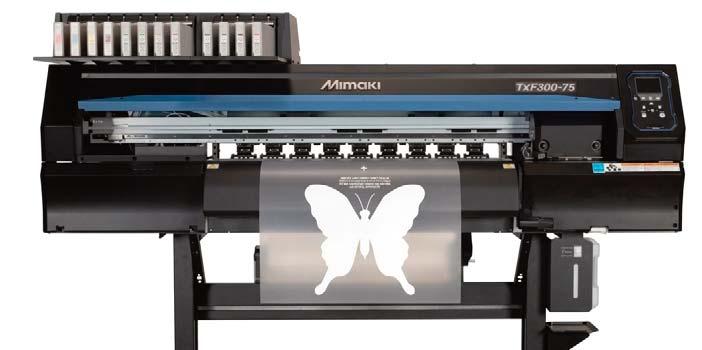
In addition, the TxF300-75Plus benefits from optimised white ink performance achieved through both hardware and software updates, delivering greater stability and more consistent output quality during extended print runs.
Alongside these enhancements, the TxF300-75Plus retains Mimaki’s established core technologies, designed to support reliable, high-quality DTF production. These include the built-in ink circulation system, which helps prevent sedimentation and ensures stable ink supply during long print runs, as well as advanced monitoring and remote
management capabilities such as PICT and Mimaki Remote Access (MRA) to help customers streamline daily operations.

“With the TxF300-75Plus, we are taking another step in the evolution of our DTF printing portfolio, delivering enhanced performance where it matters most to our customers,” comments Arjen Evertse, Director Sales at Mimaki Europe. “By strengthening its ink capabilities and enabling longer, uninterrupted production, we are helping print providers improve efficiency, reduce operational complexity and confidently scale their DTF applications.”
Benninger AG.............................................................15
Brückner.....................................................................FC
Chhipasons.................................................................64
DOMOTEX asia 2026.................................................23
DPS World 2026.........................................................35
IGATEX Pakistan 2026...............................................IBC
International Rubber Industries...............................3&64
Itema SpA..................................................................BC
ITMA ASIA + CITME, 2026..........................................6
ITMA 2027...................................................................9
iTextiles.....................................................................IFC
ITM 2026...................................................................47
Mesdan SpA...............................................................13
Pakistan Solar Solutions..............................................64
Jakob Muller AG.........................................................17
Rastgar..................................................................27&64
Rieter AG.....................................................................1
Savio..........................................................................25
Swissmem ..................................................................11
Uster Technologies AG................................................39