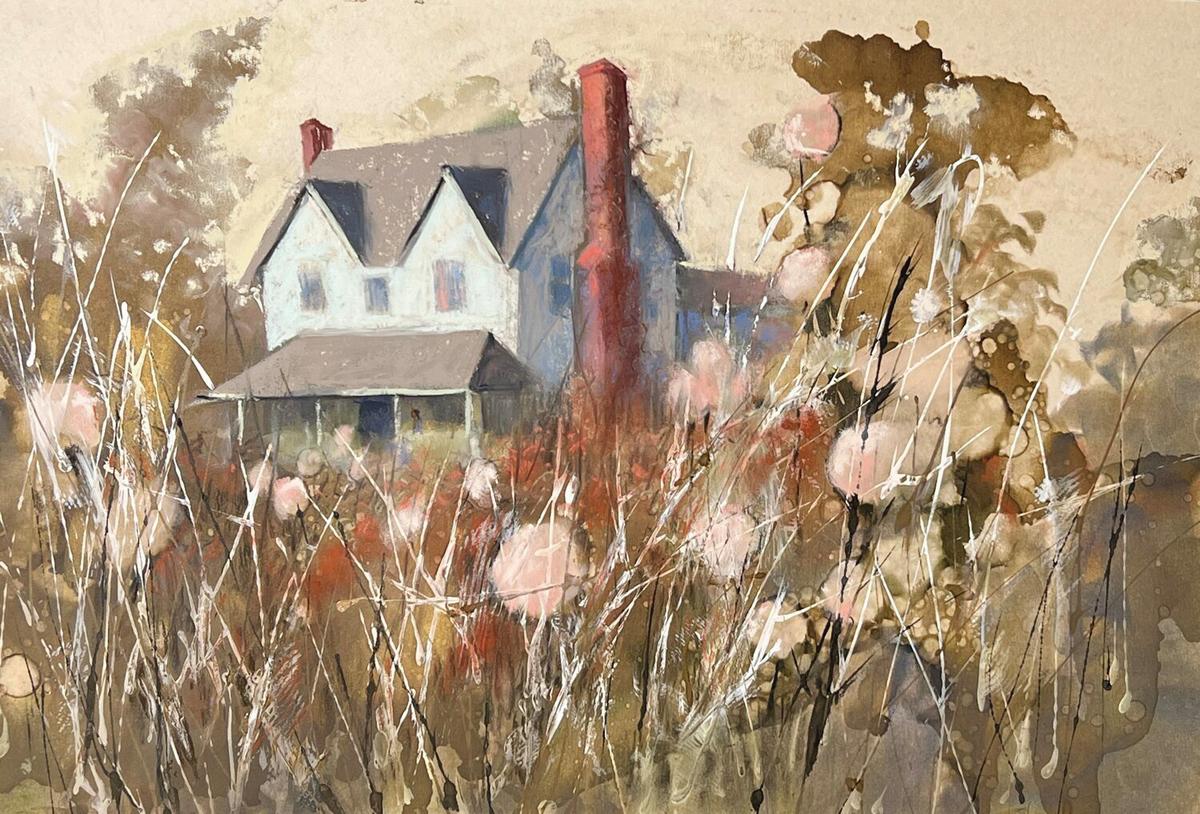
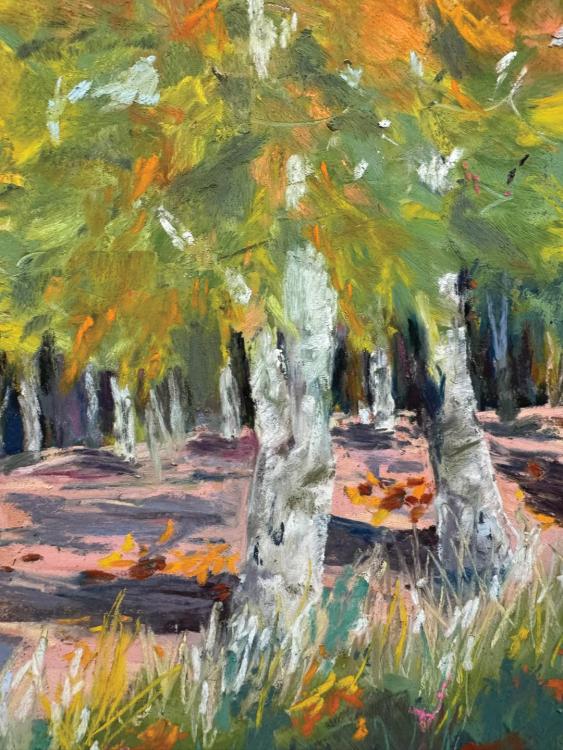
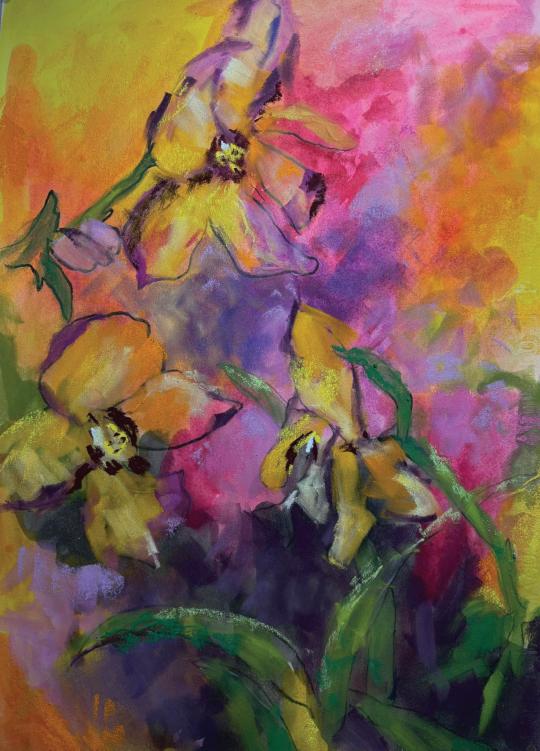
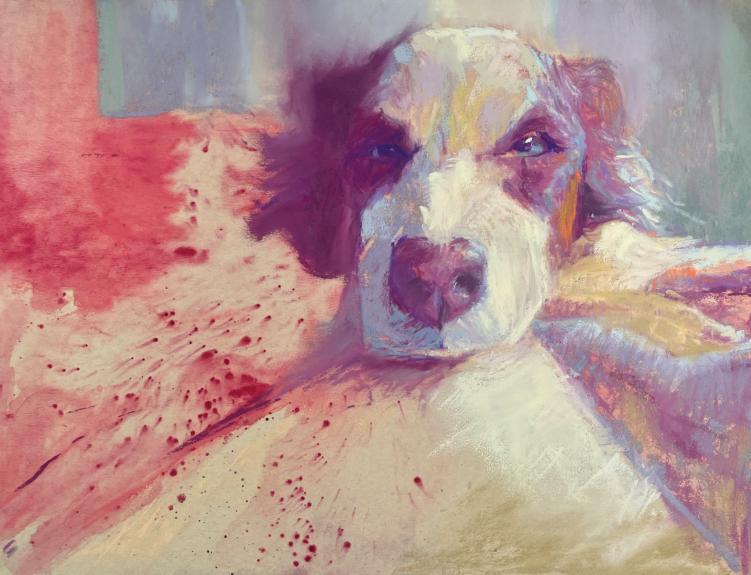
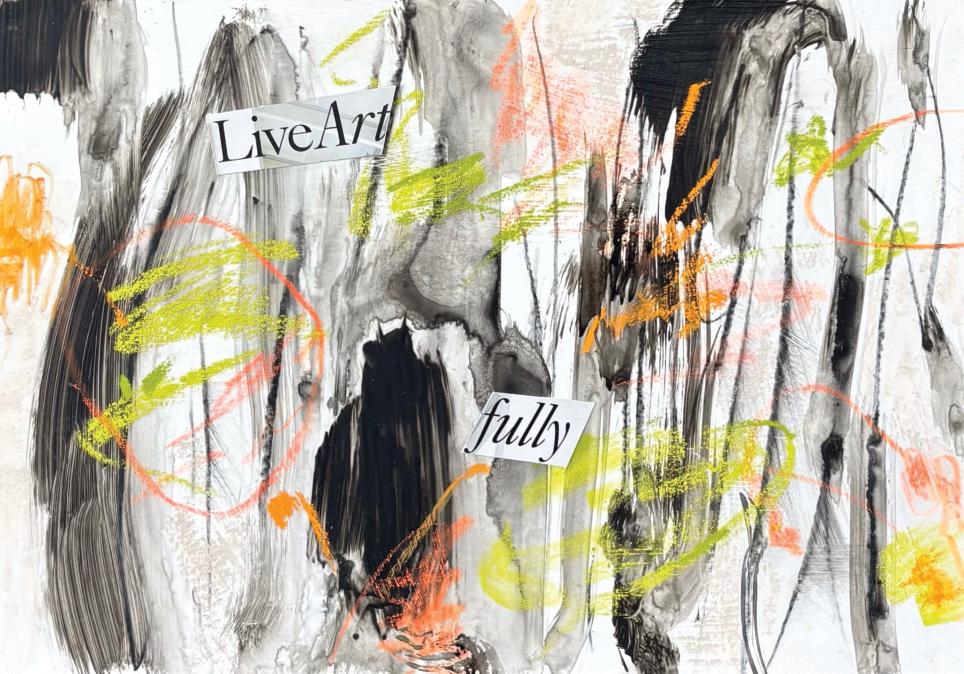
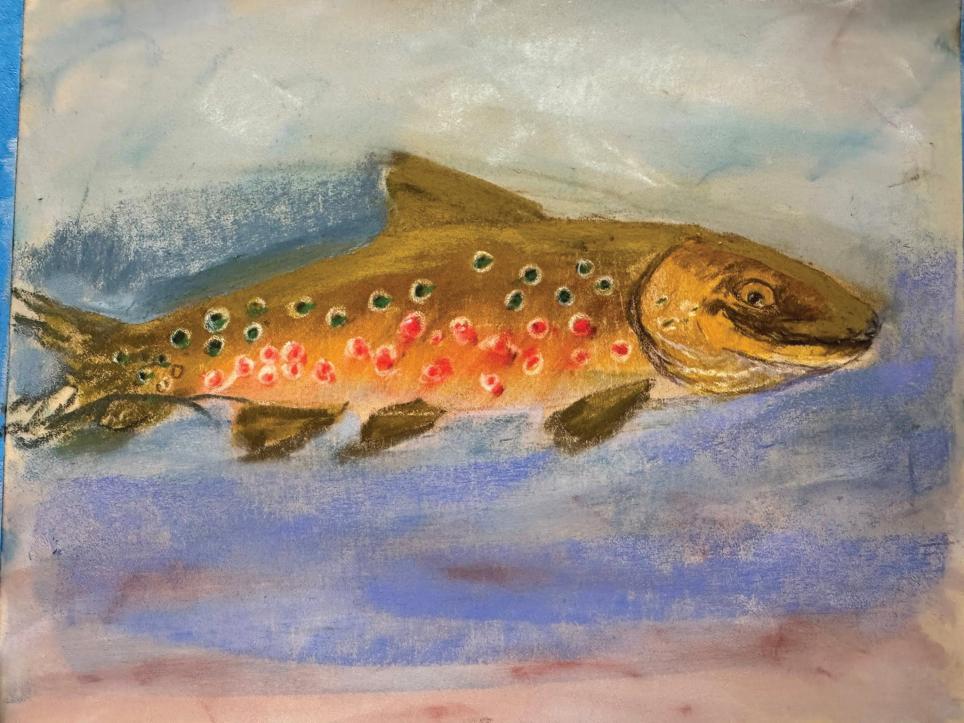
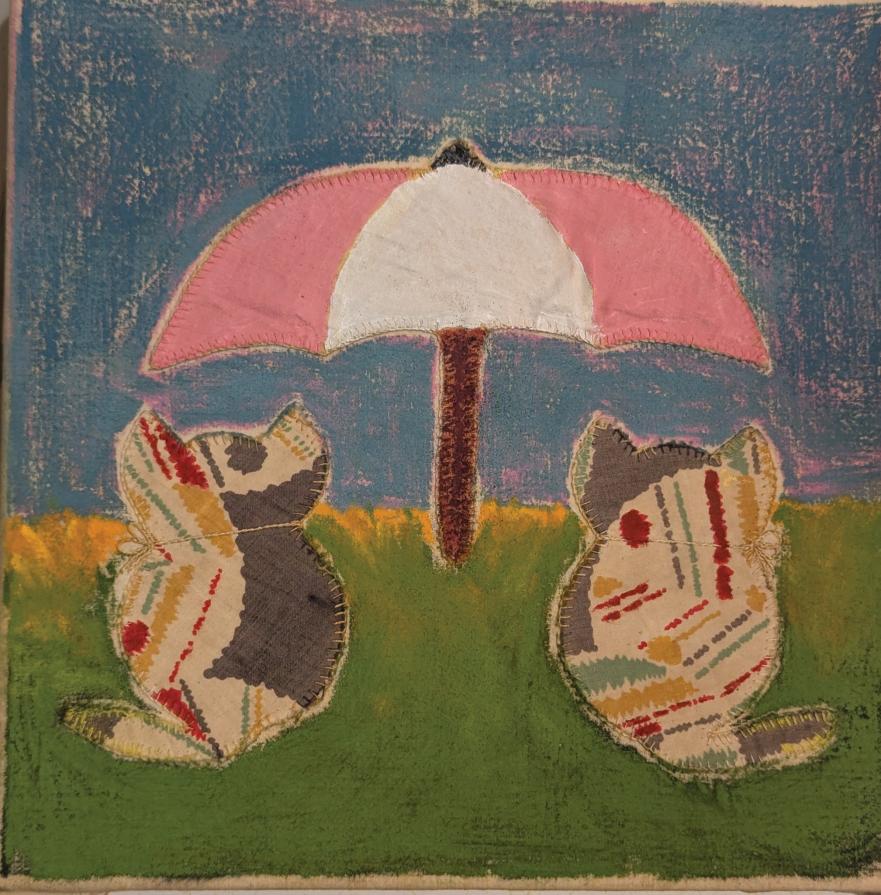
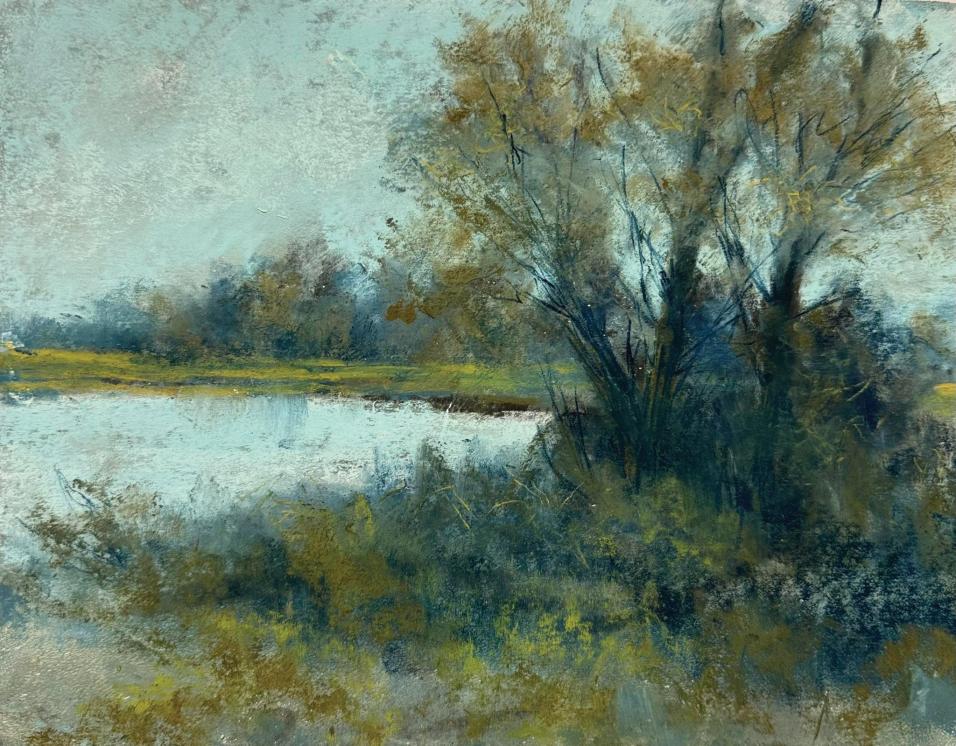
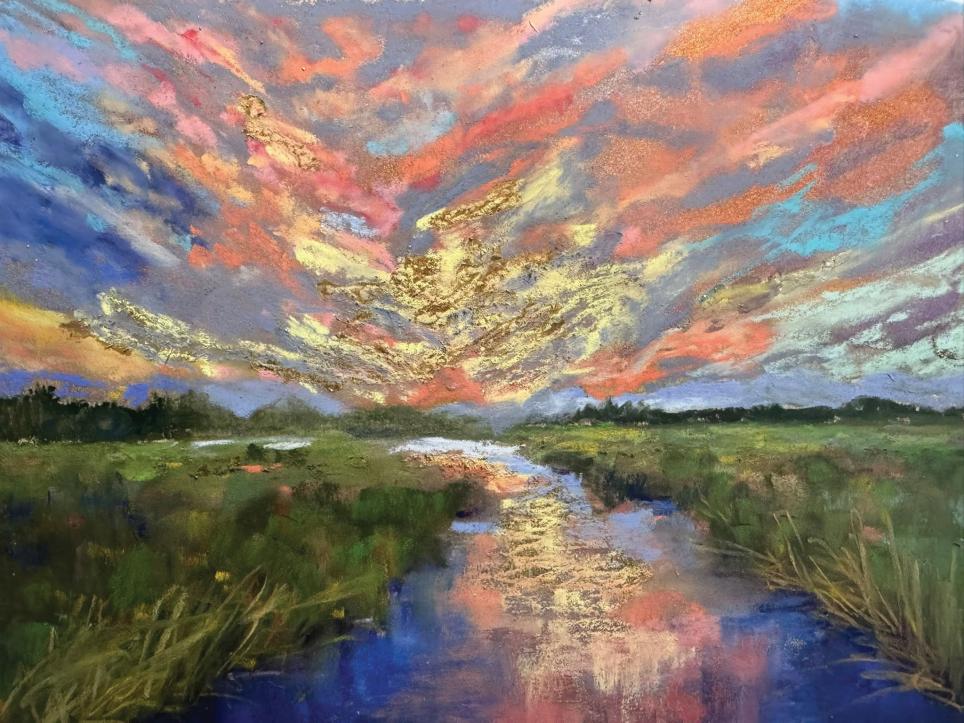
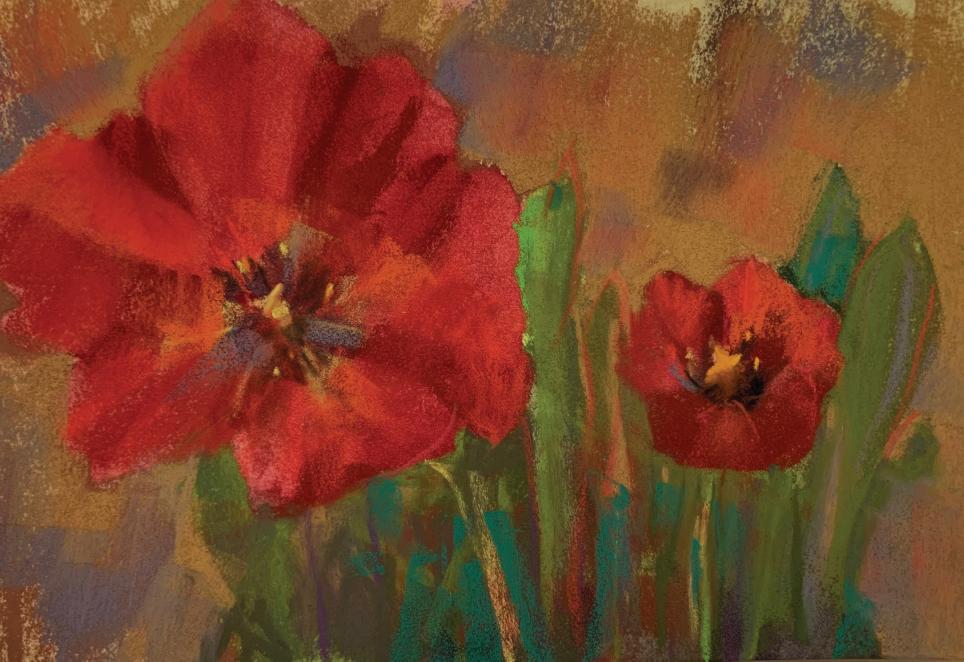
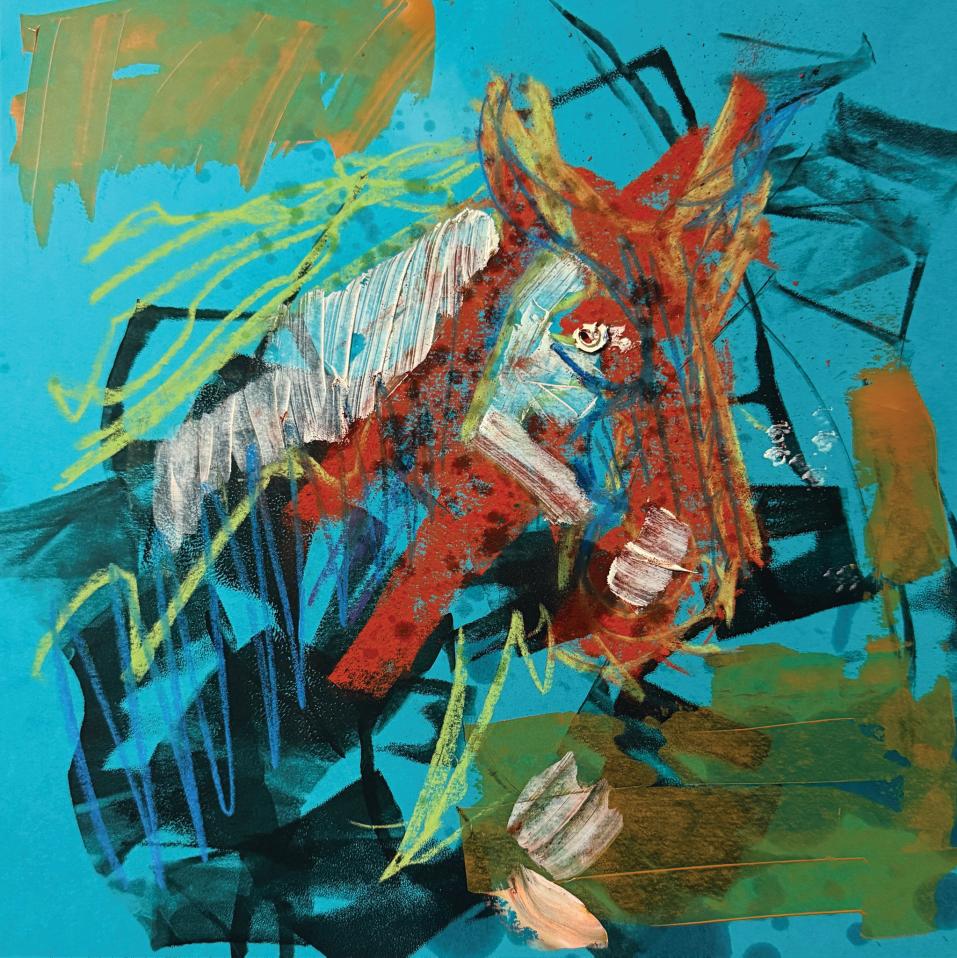
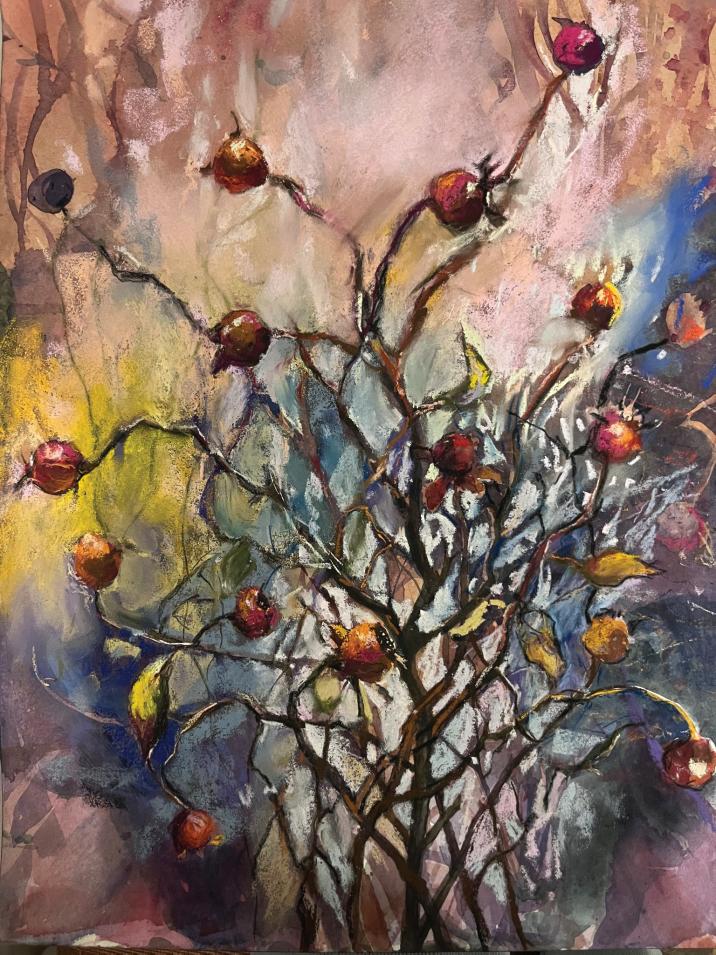
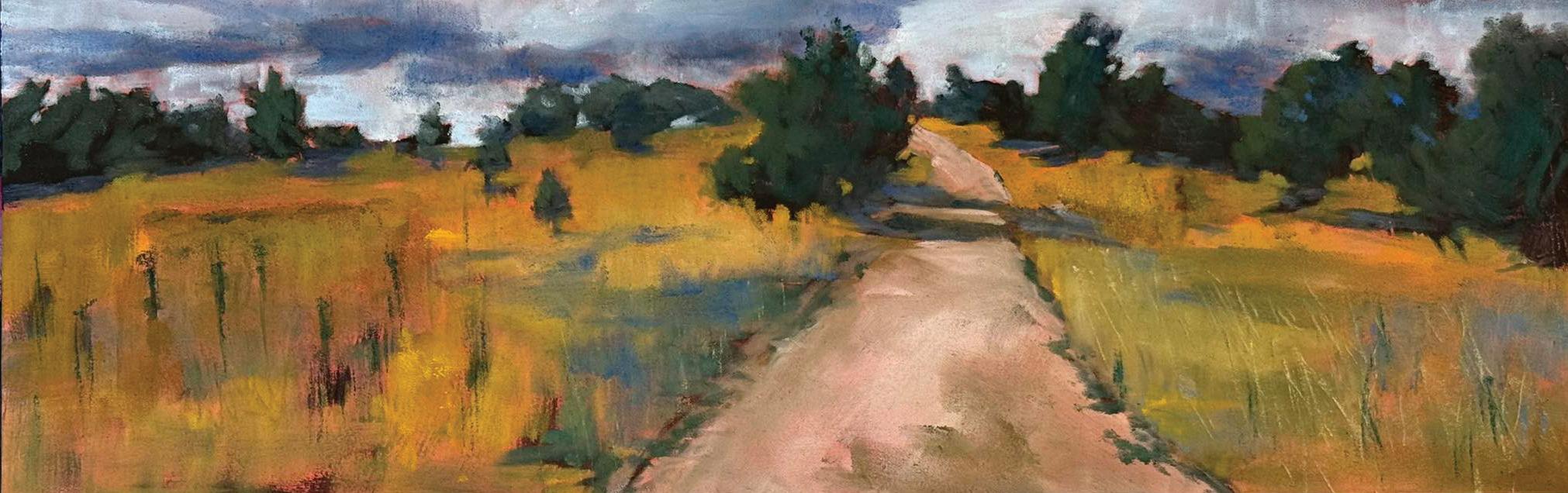
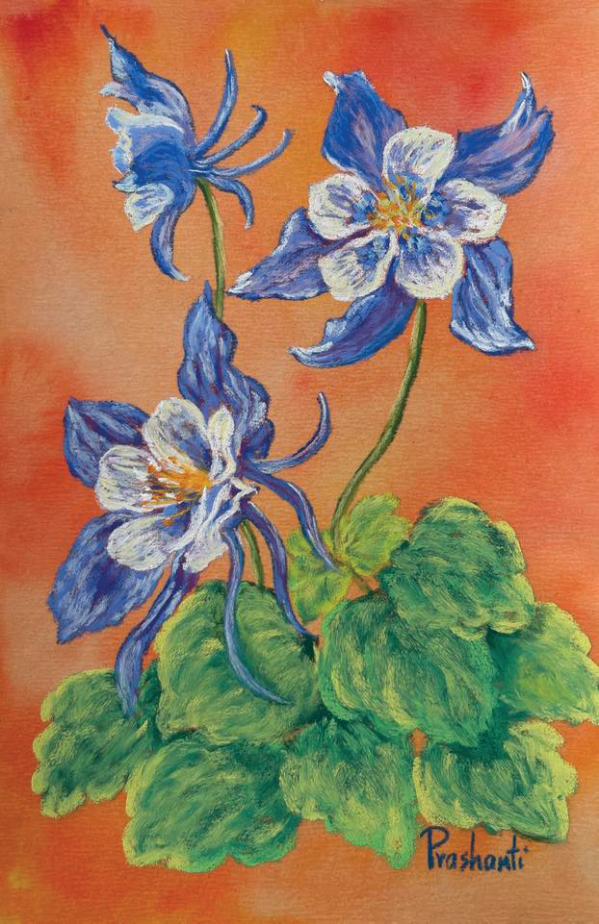
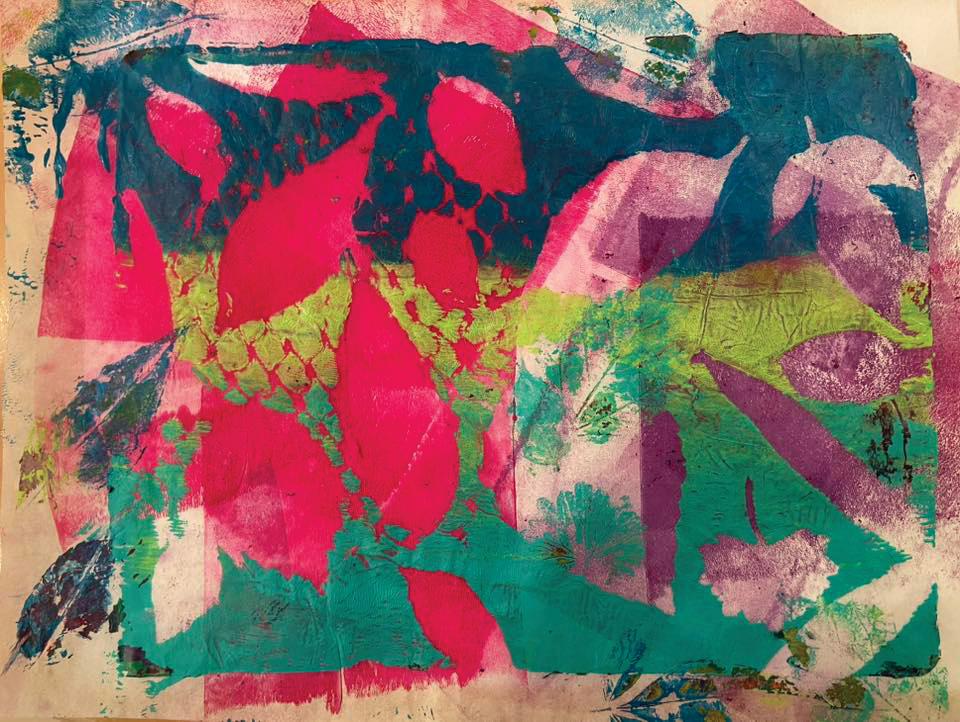
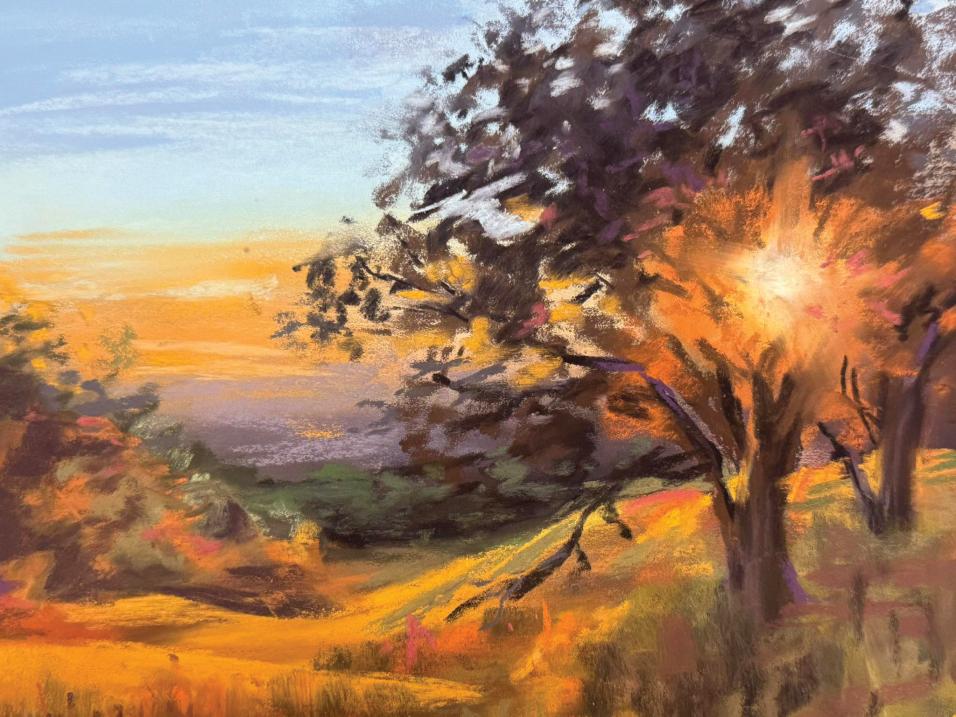
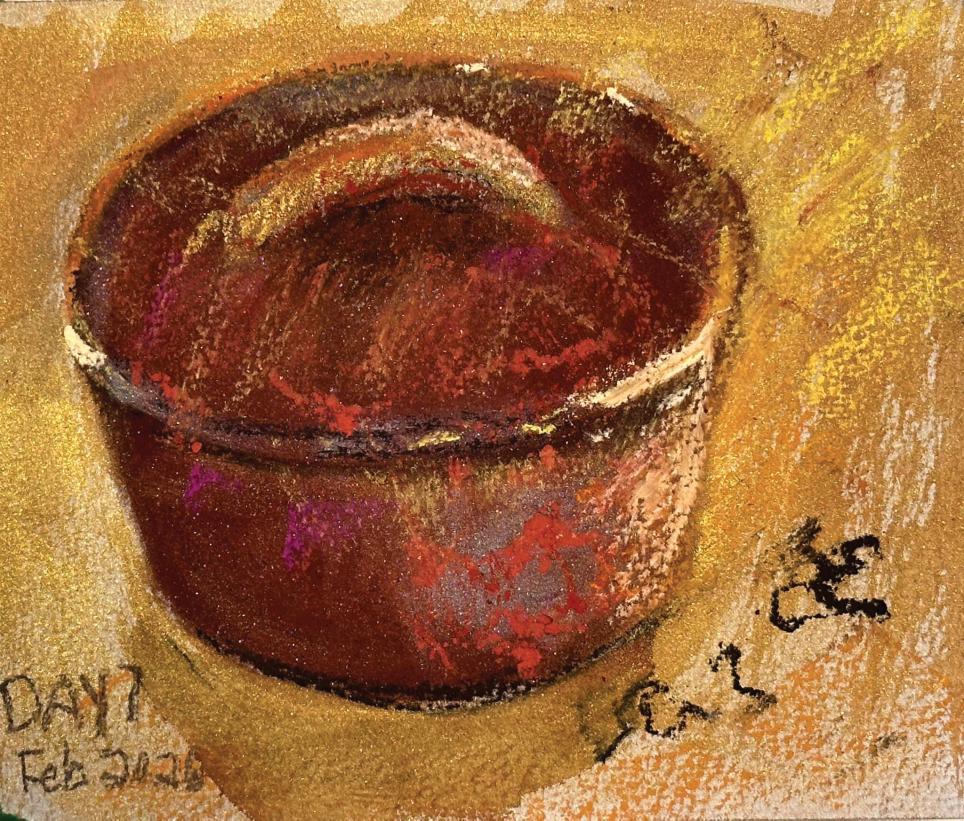
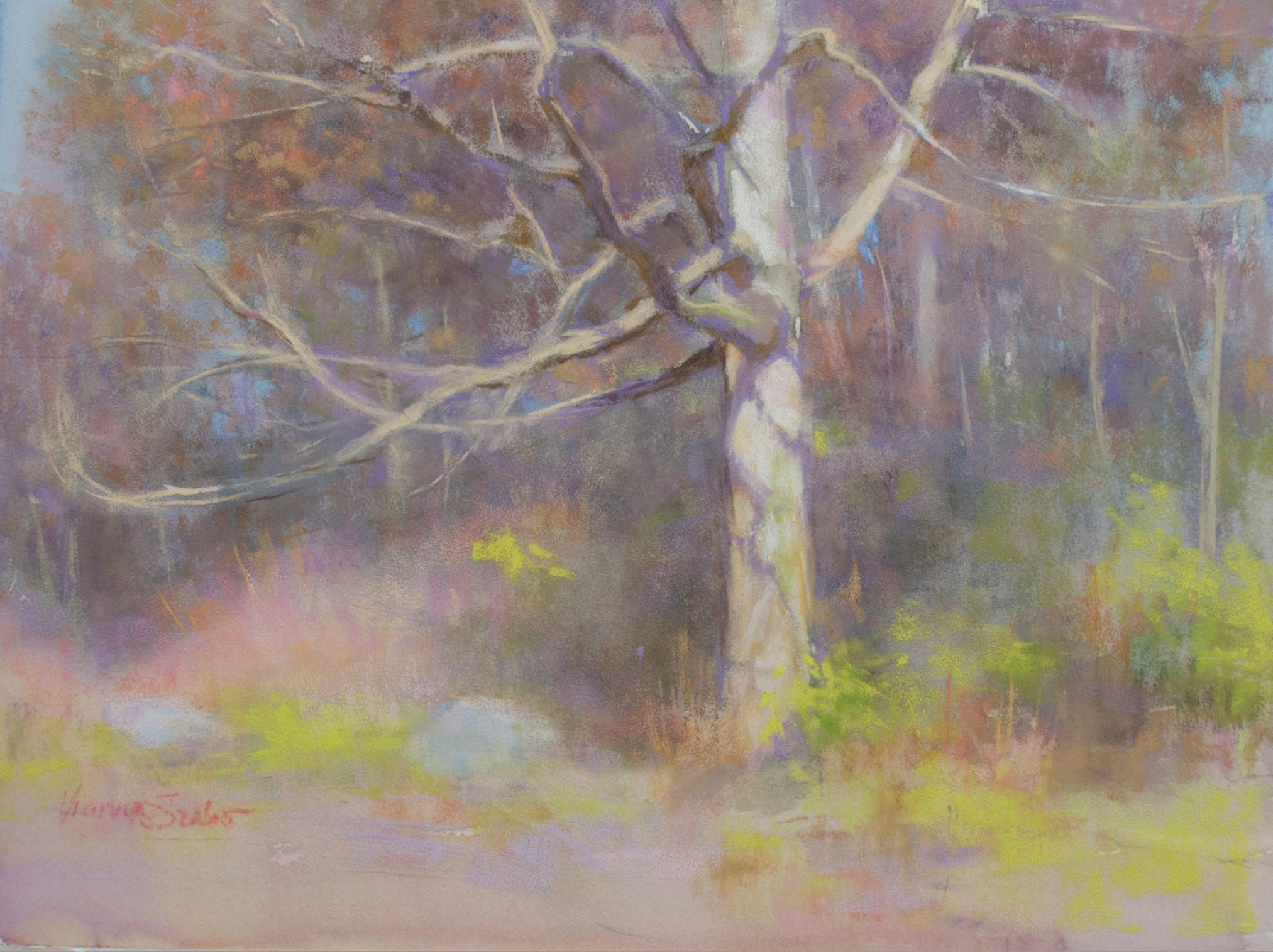
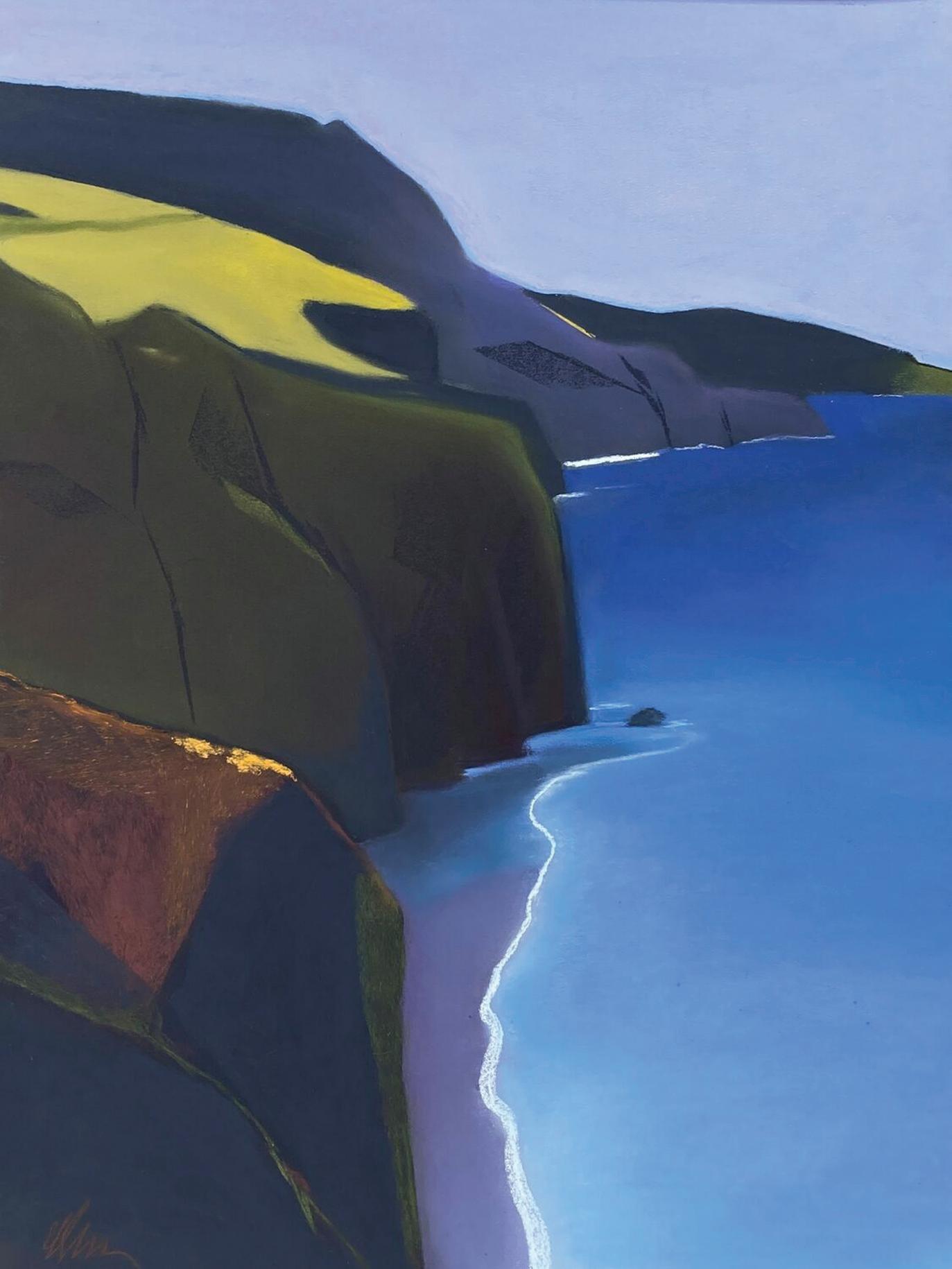
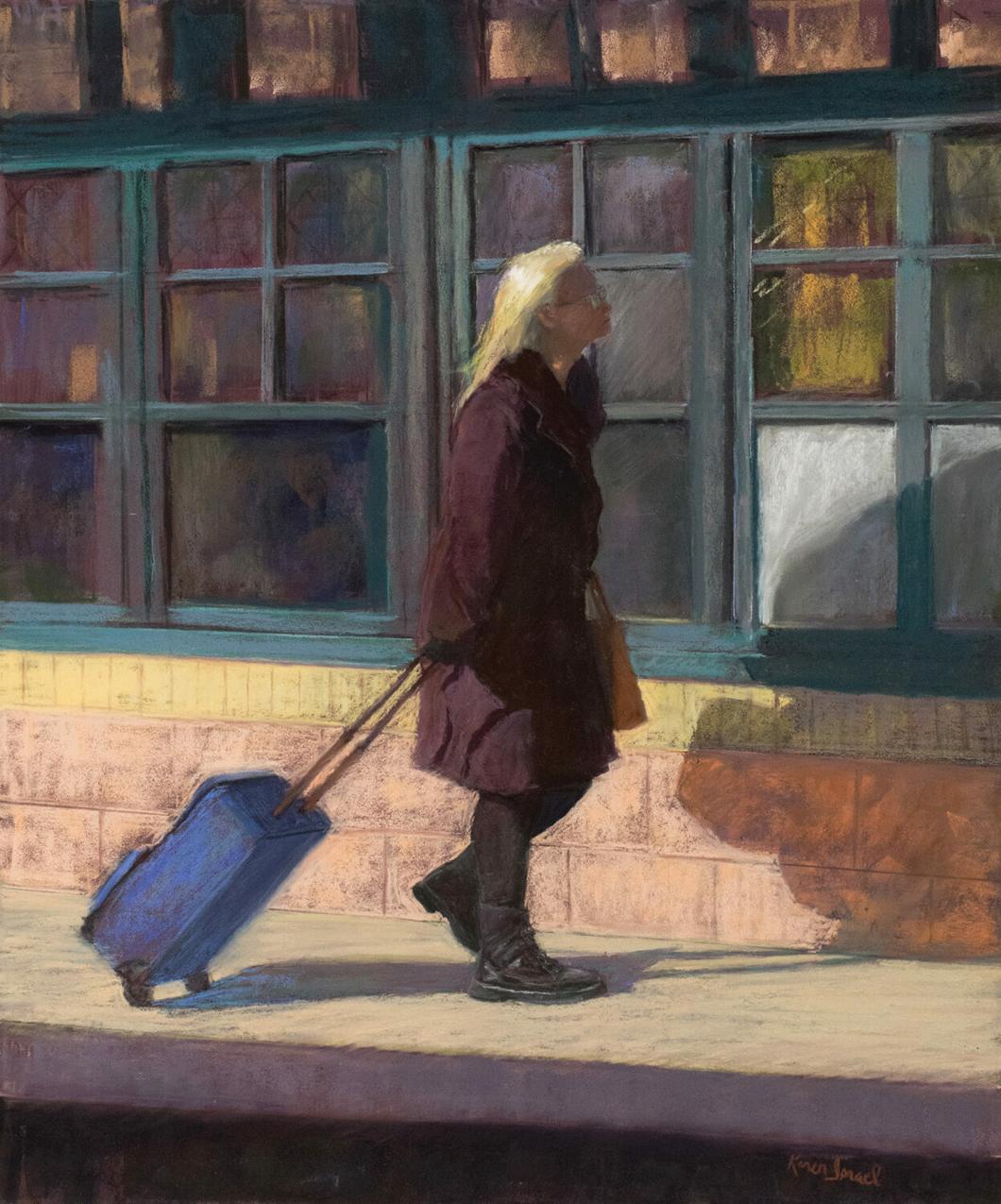
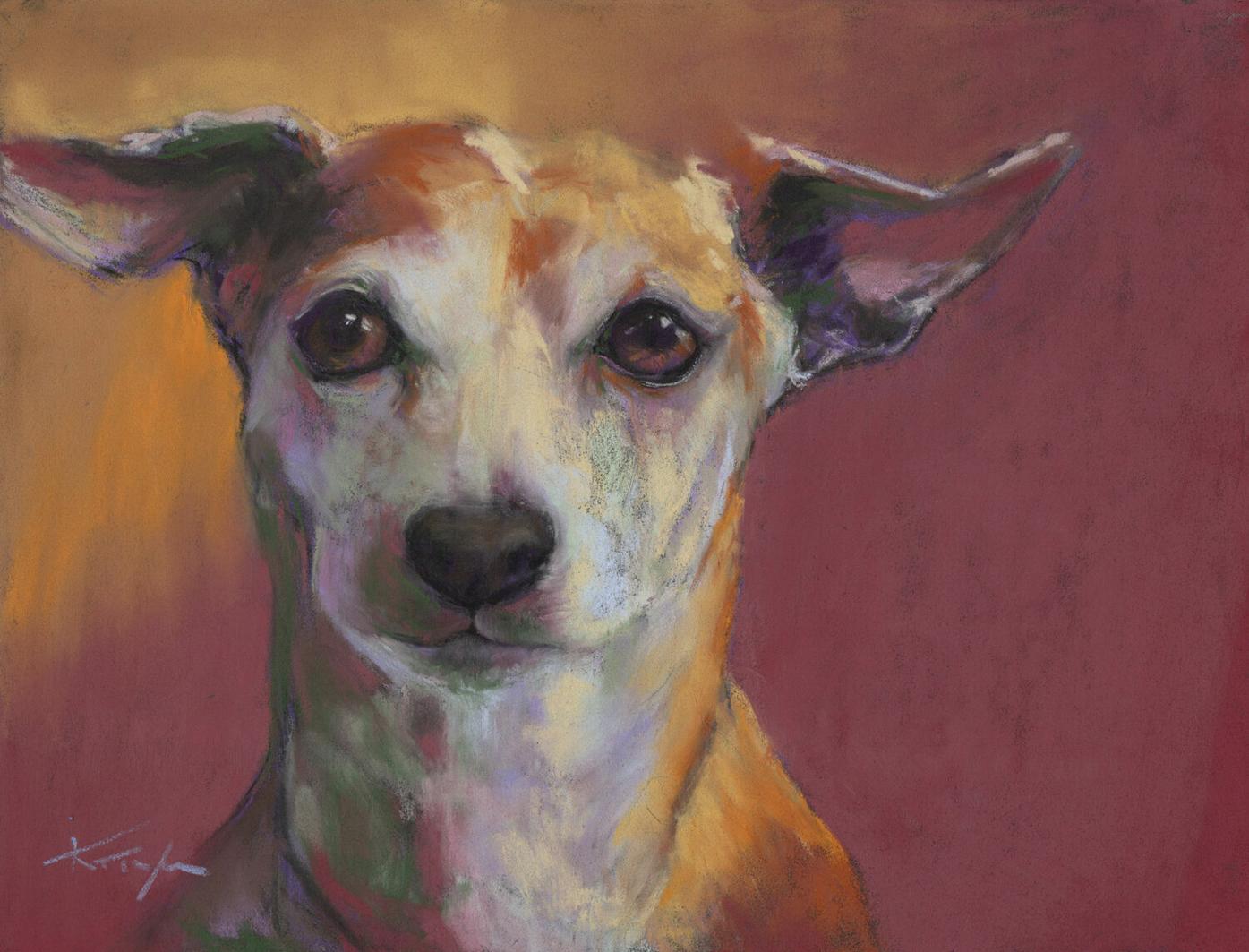
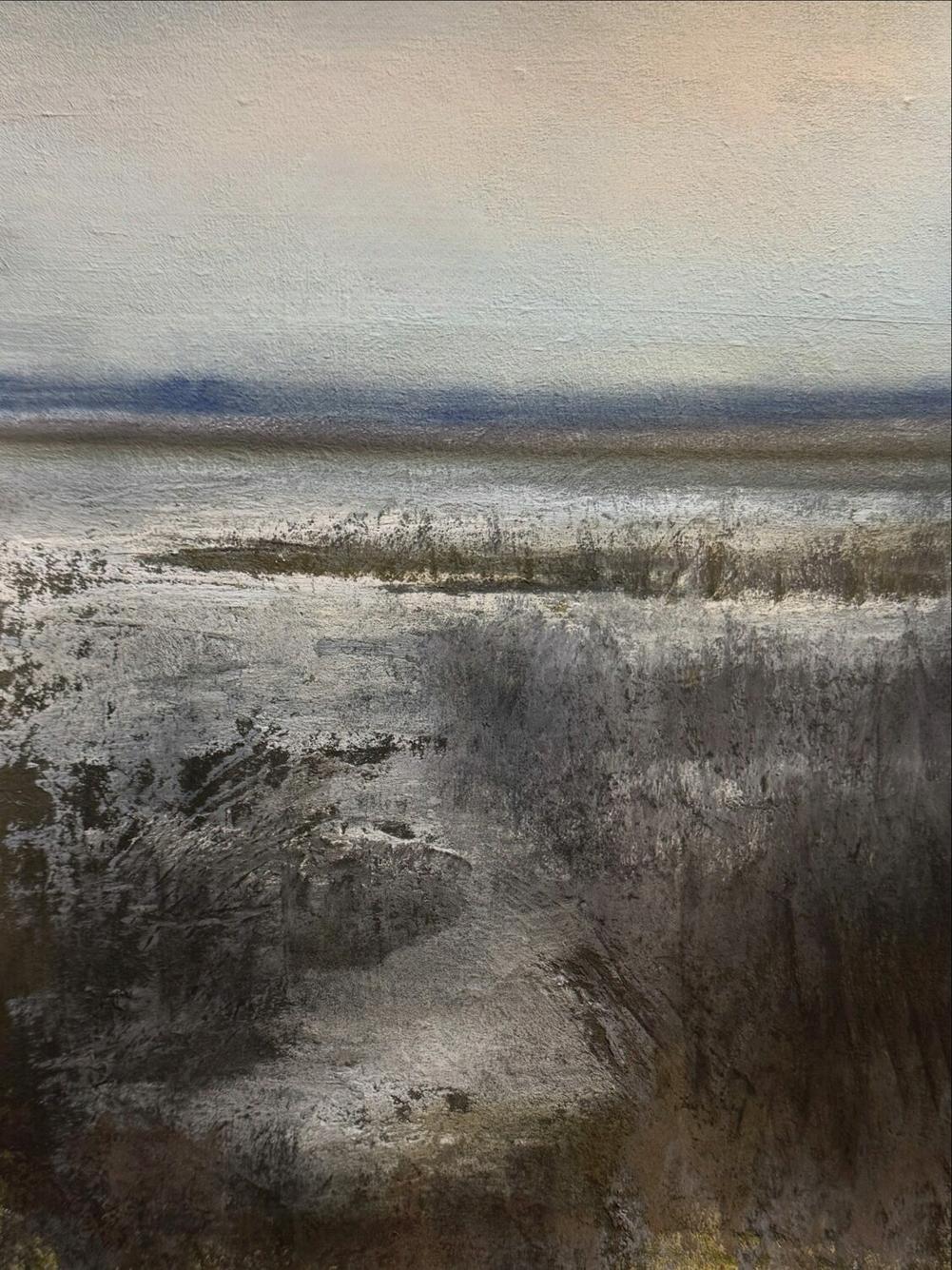
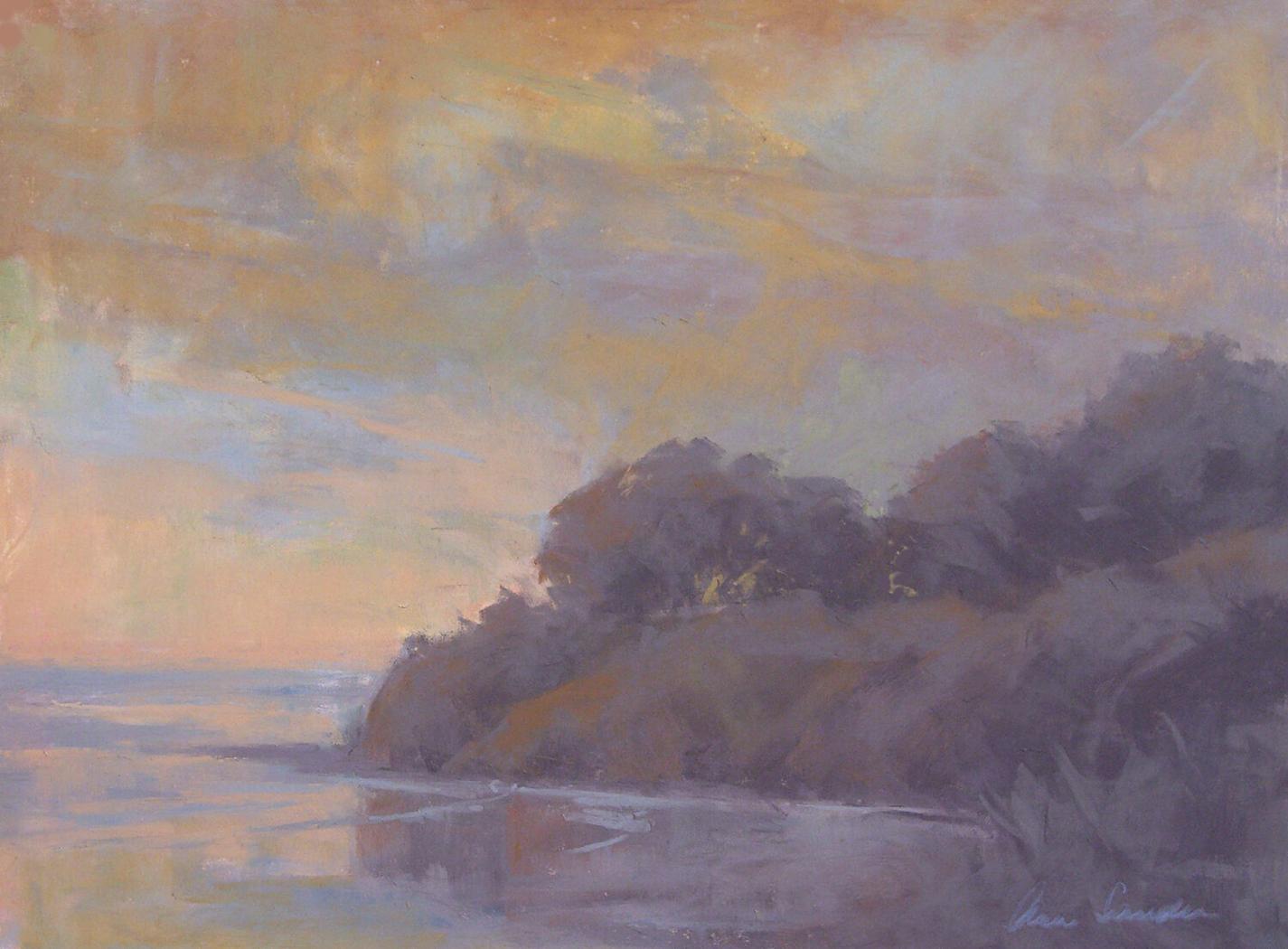
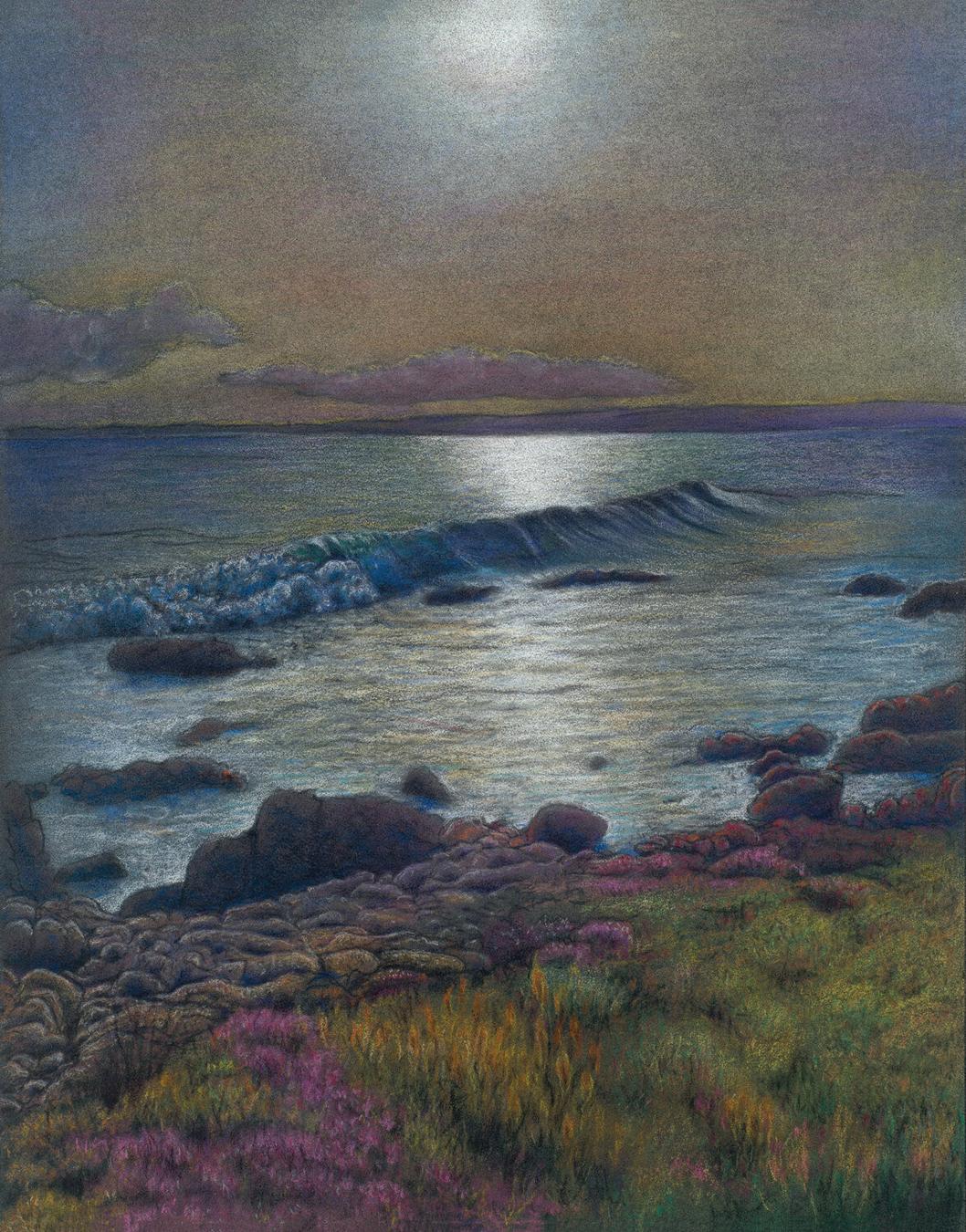
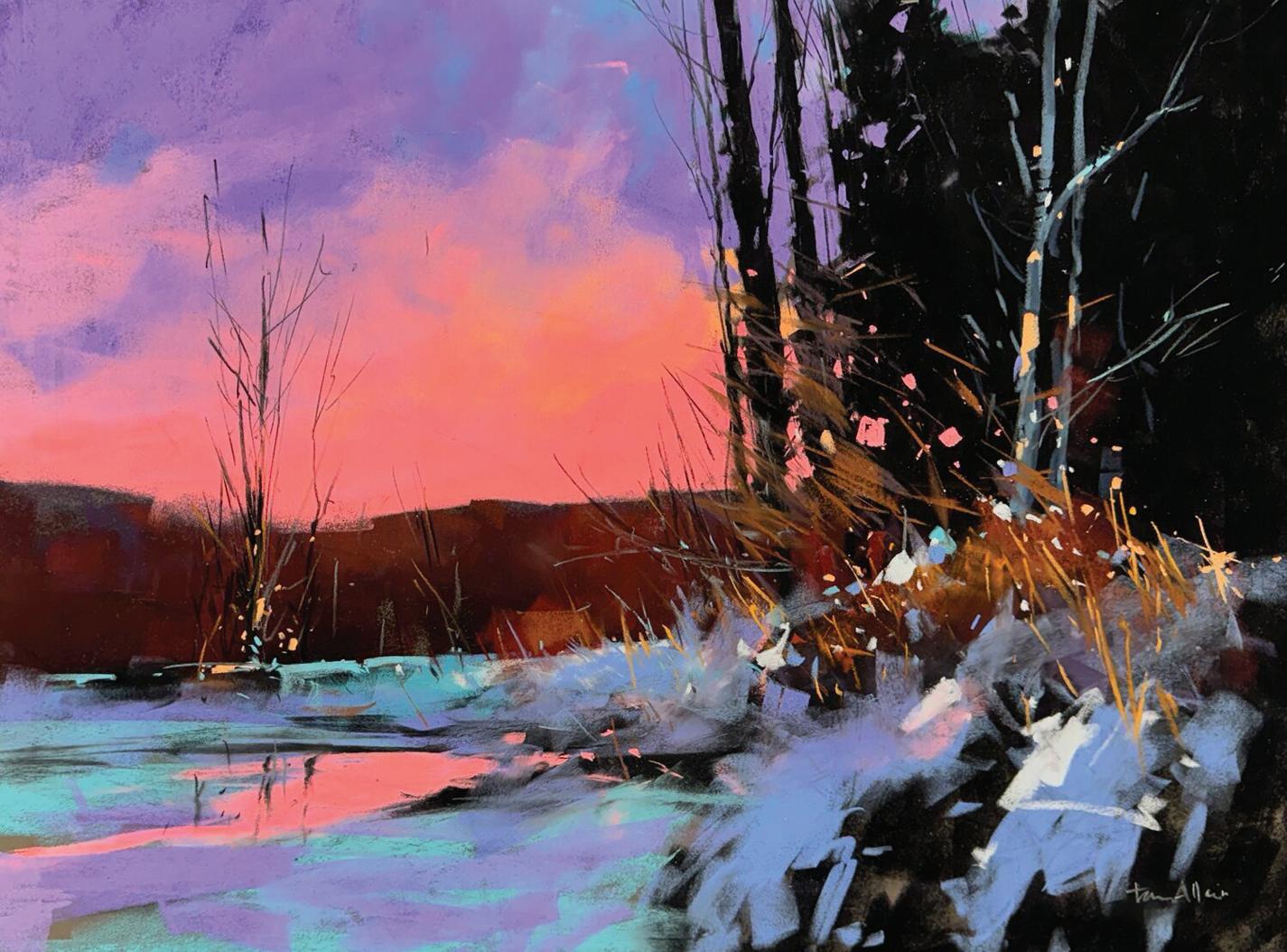
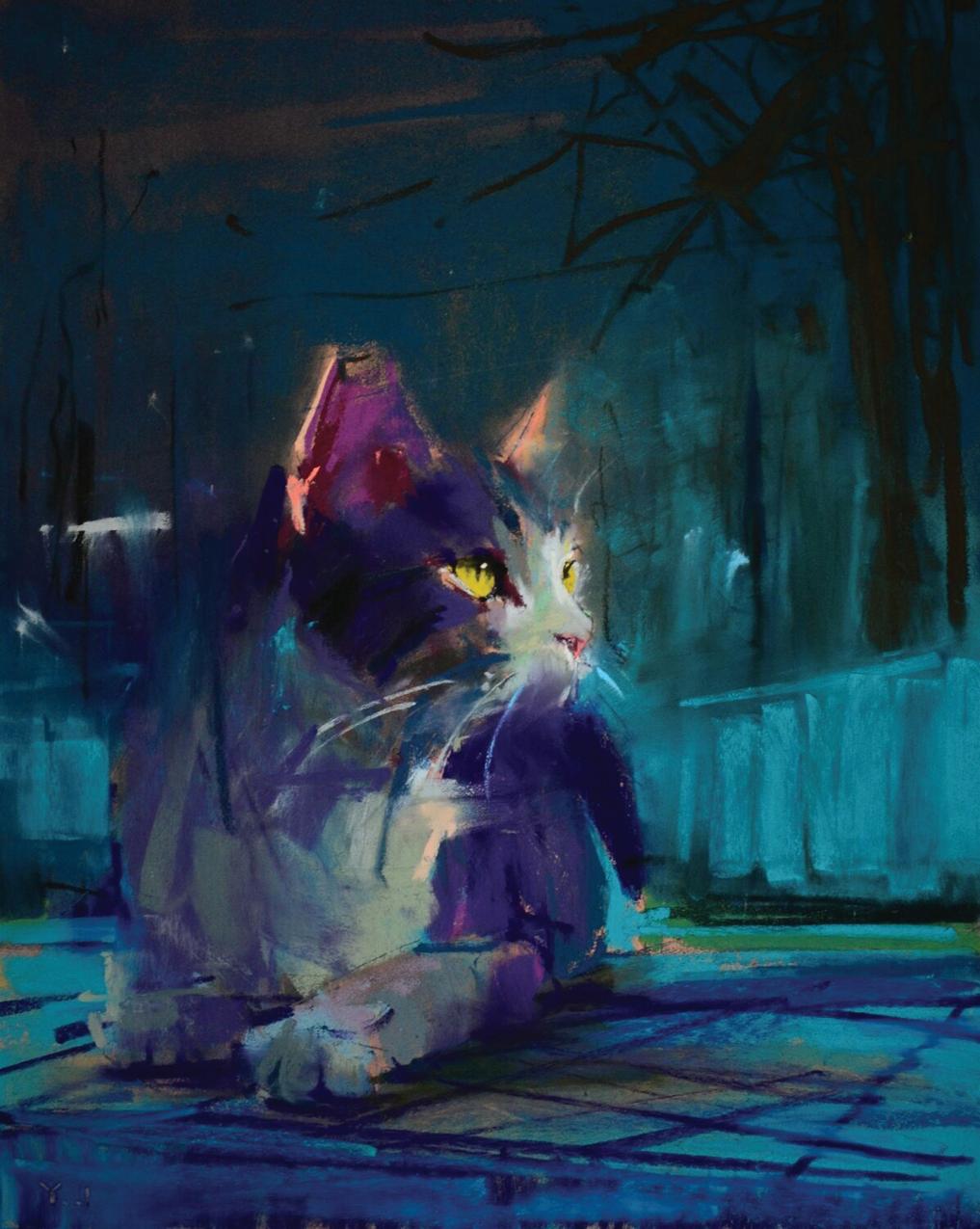
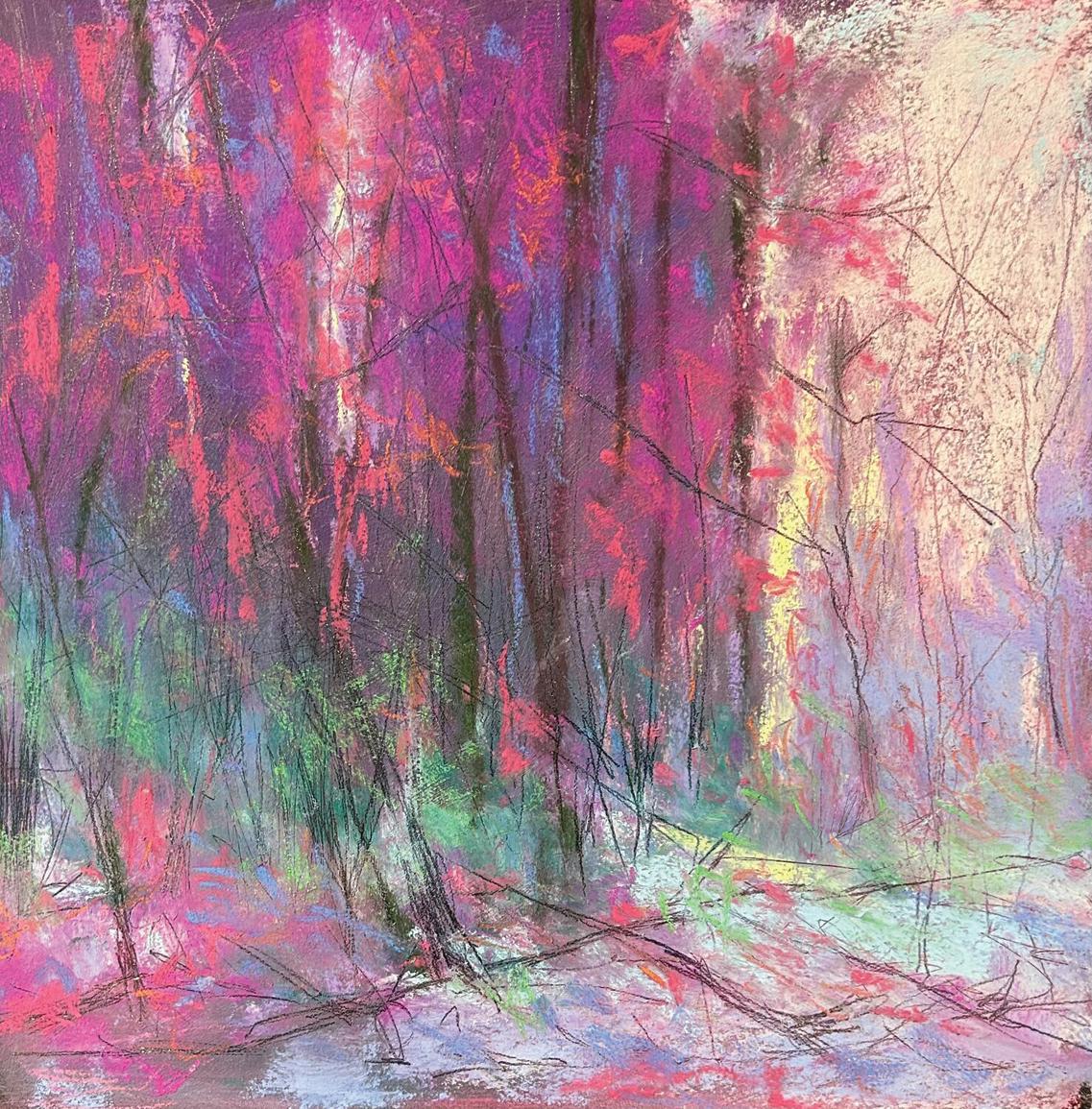
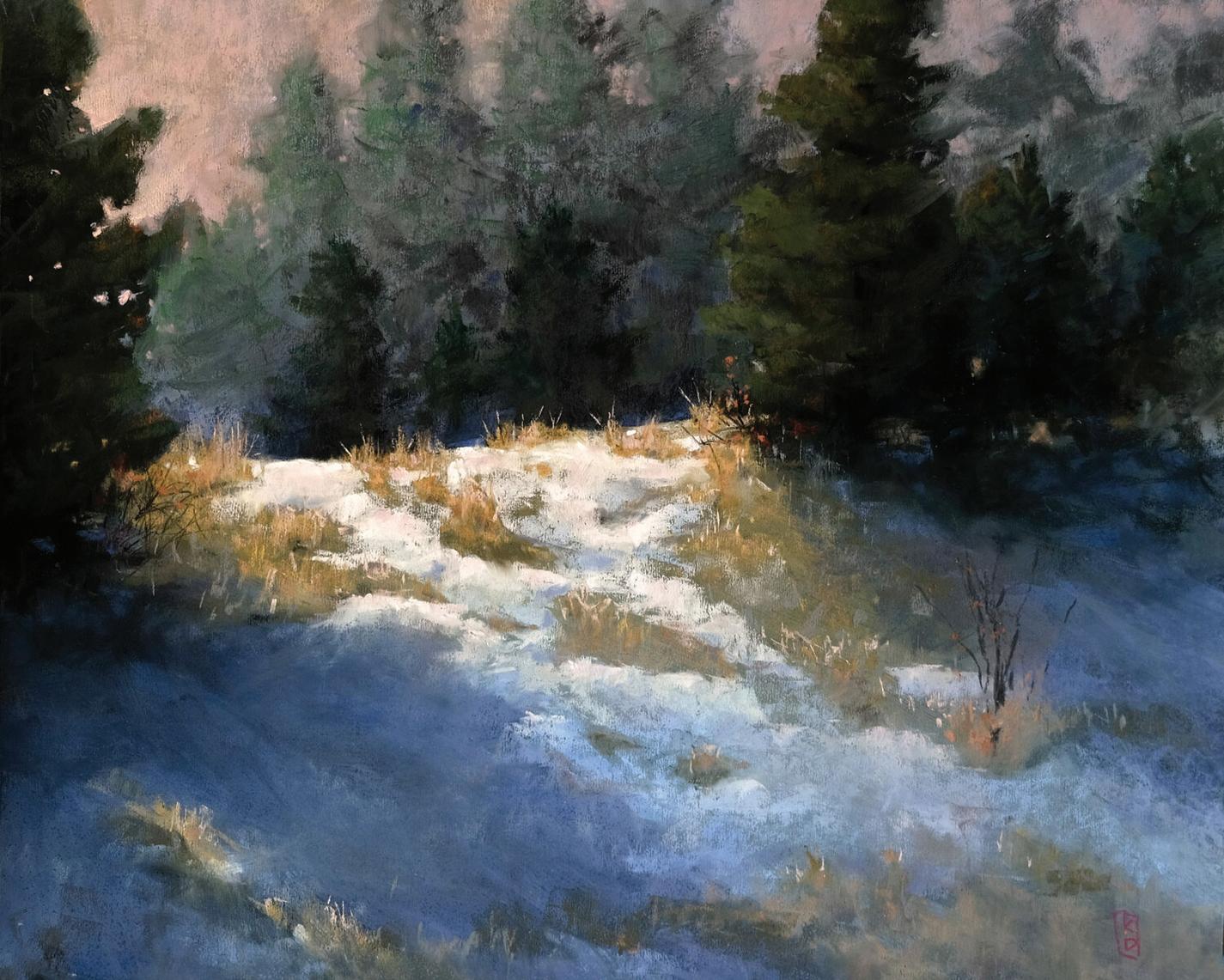
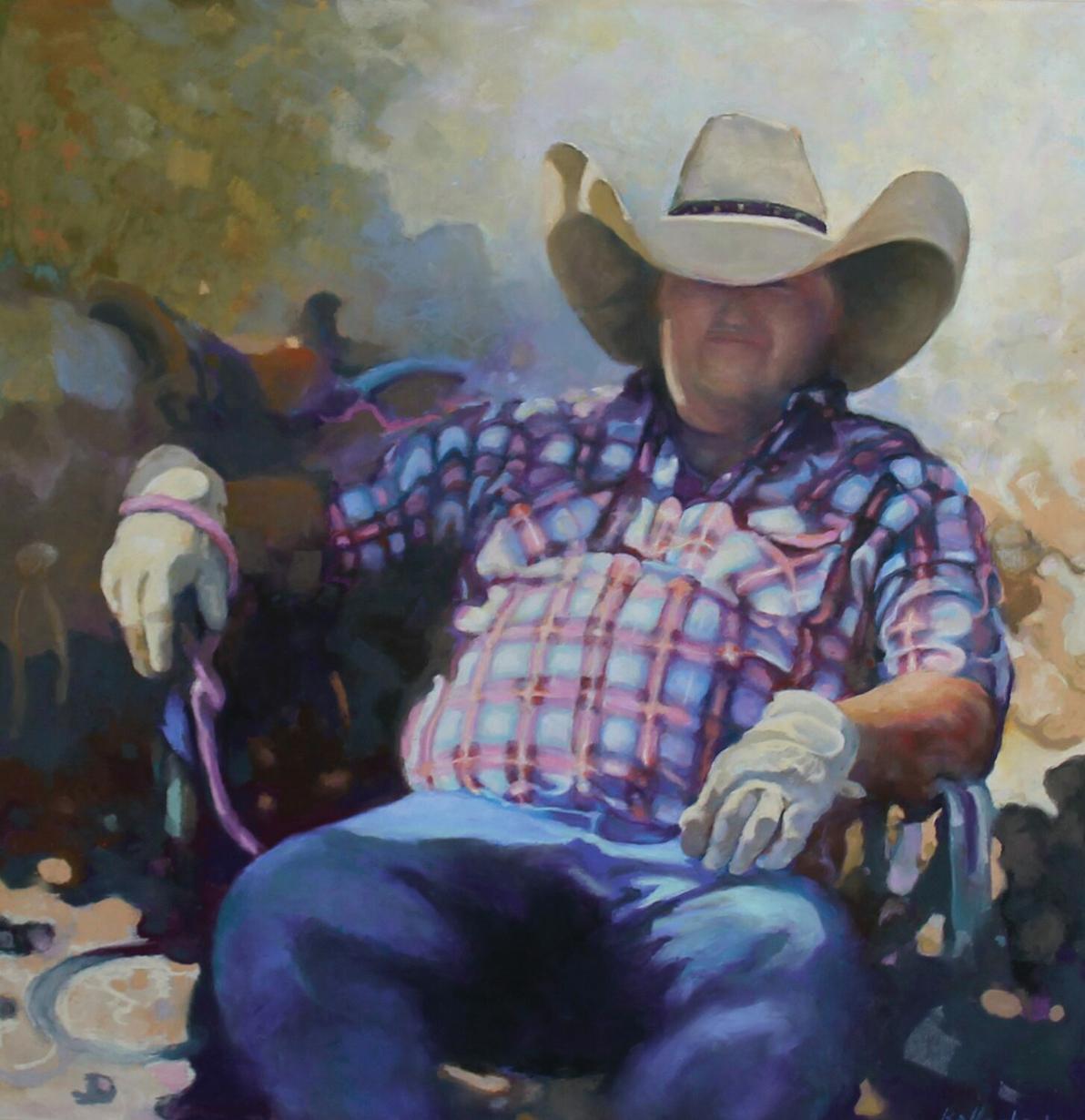
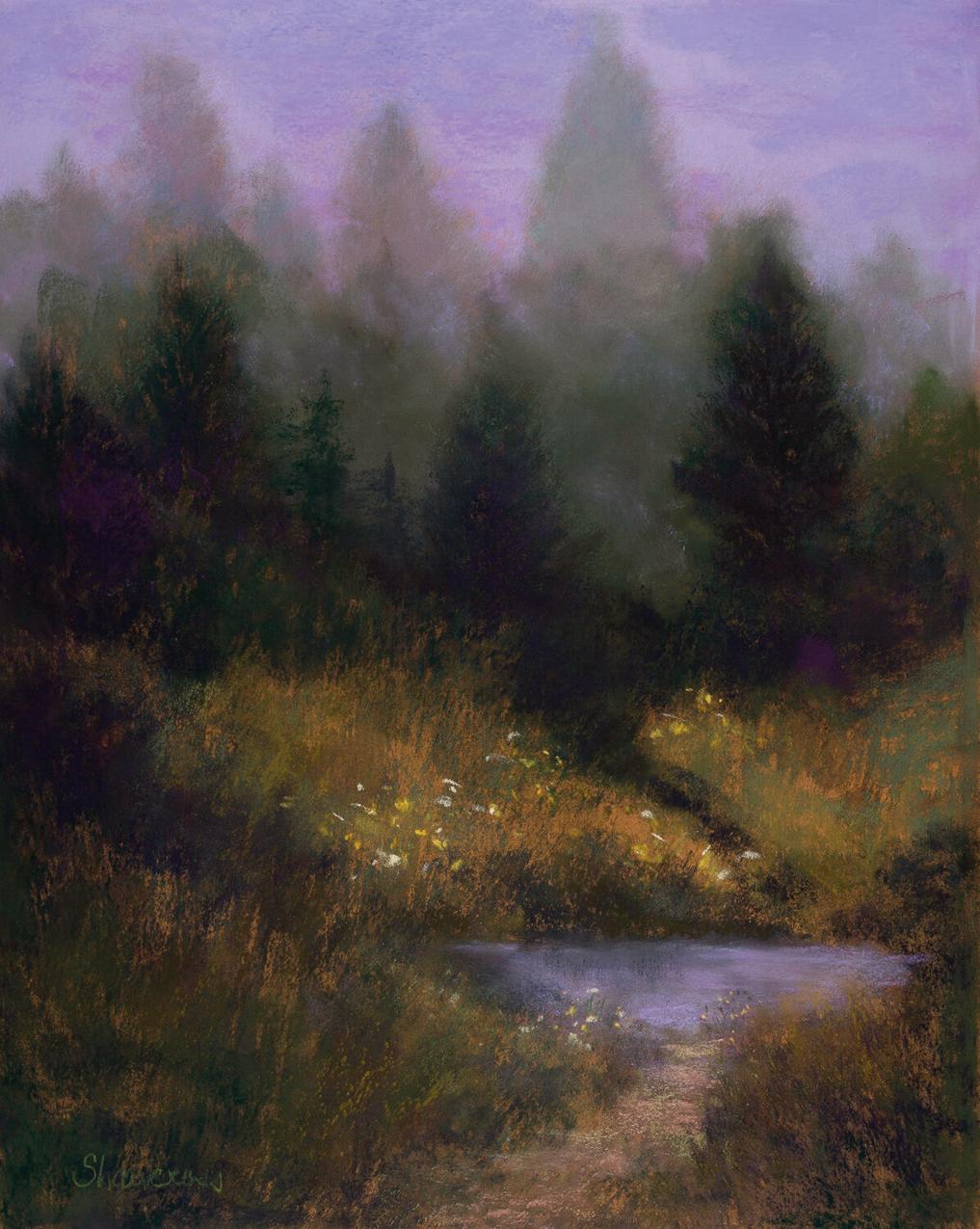
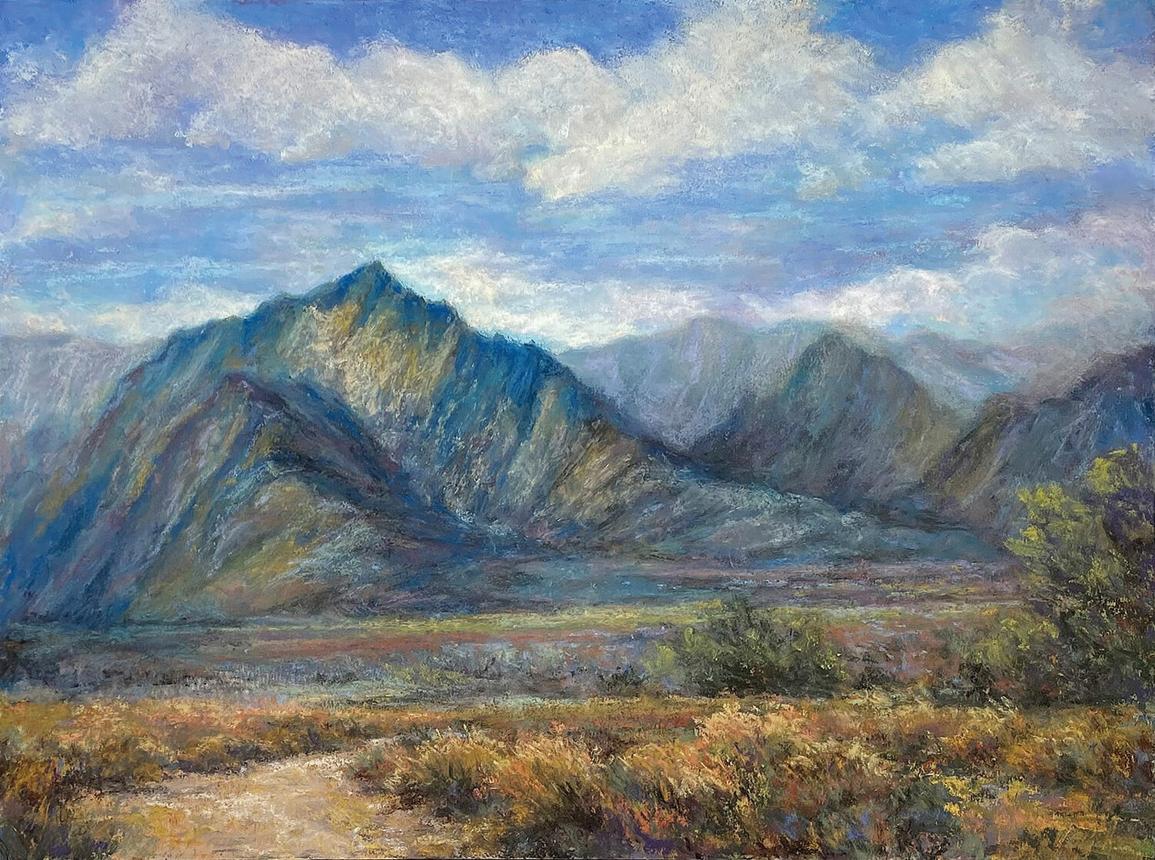
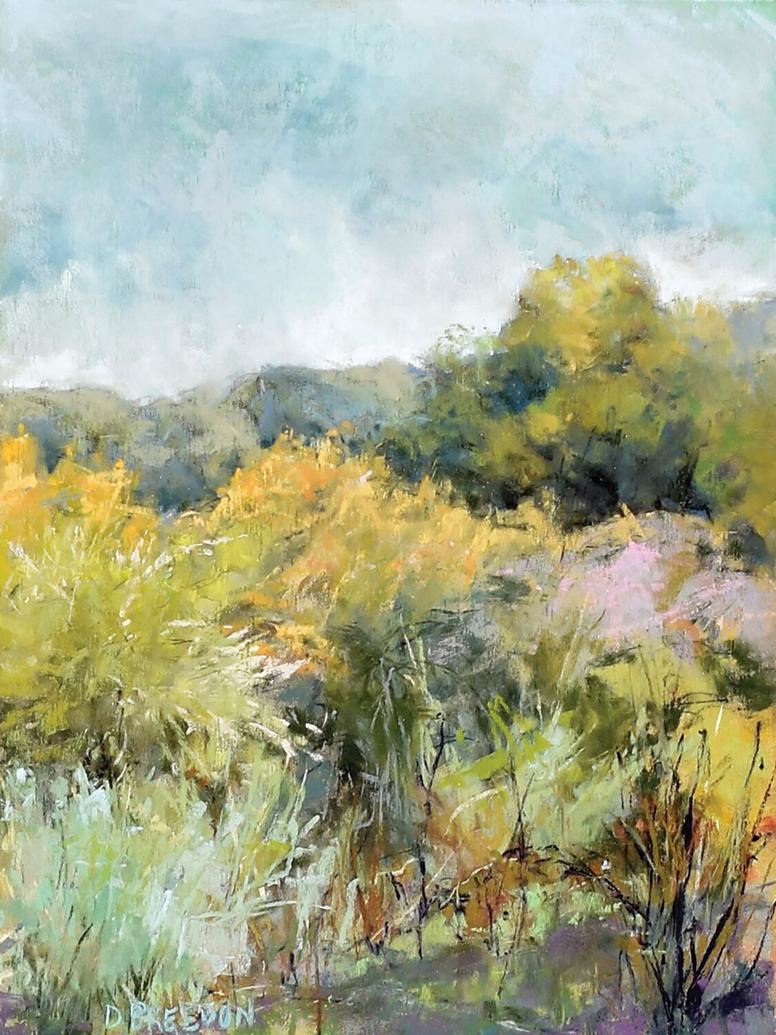
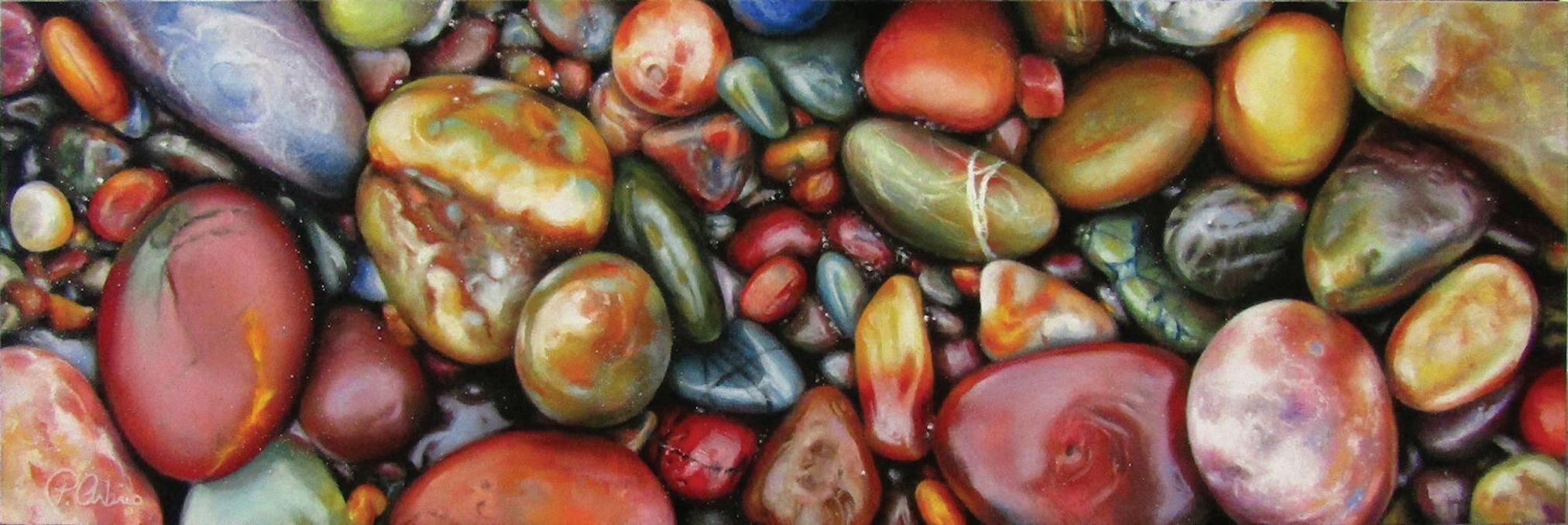
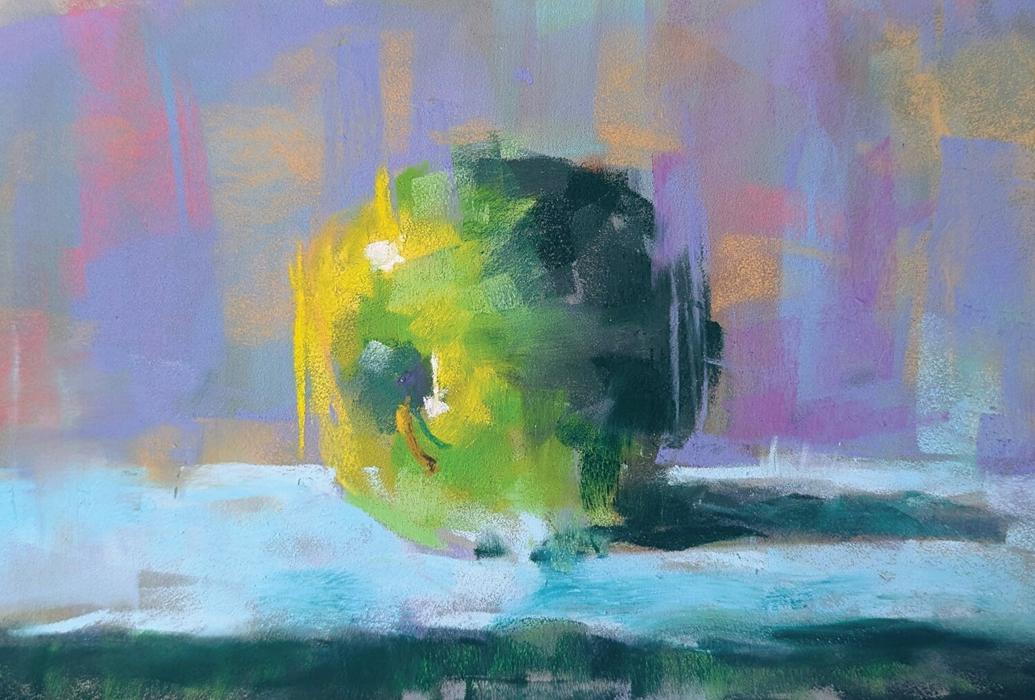
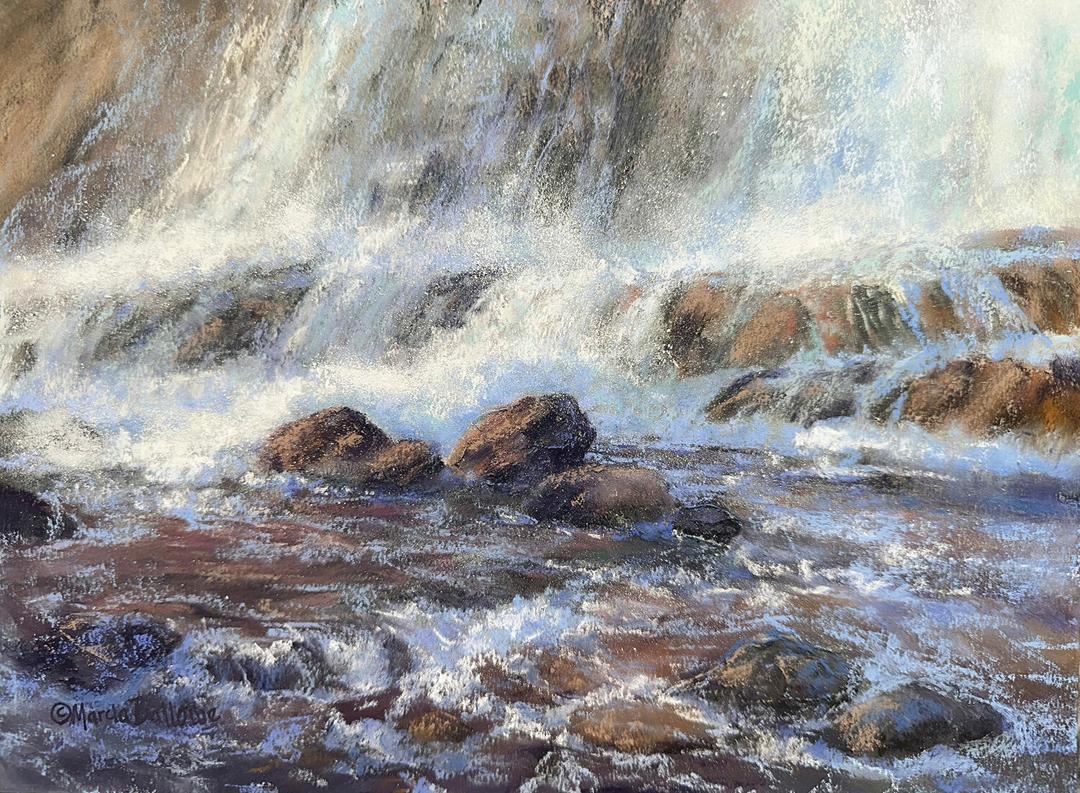
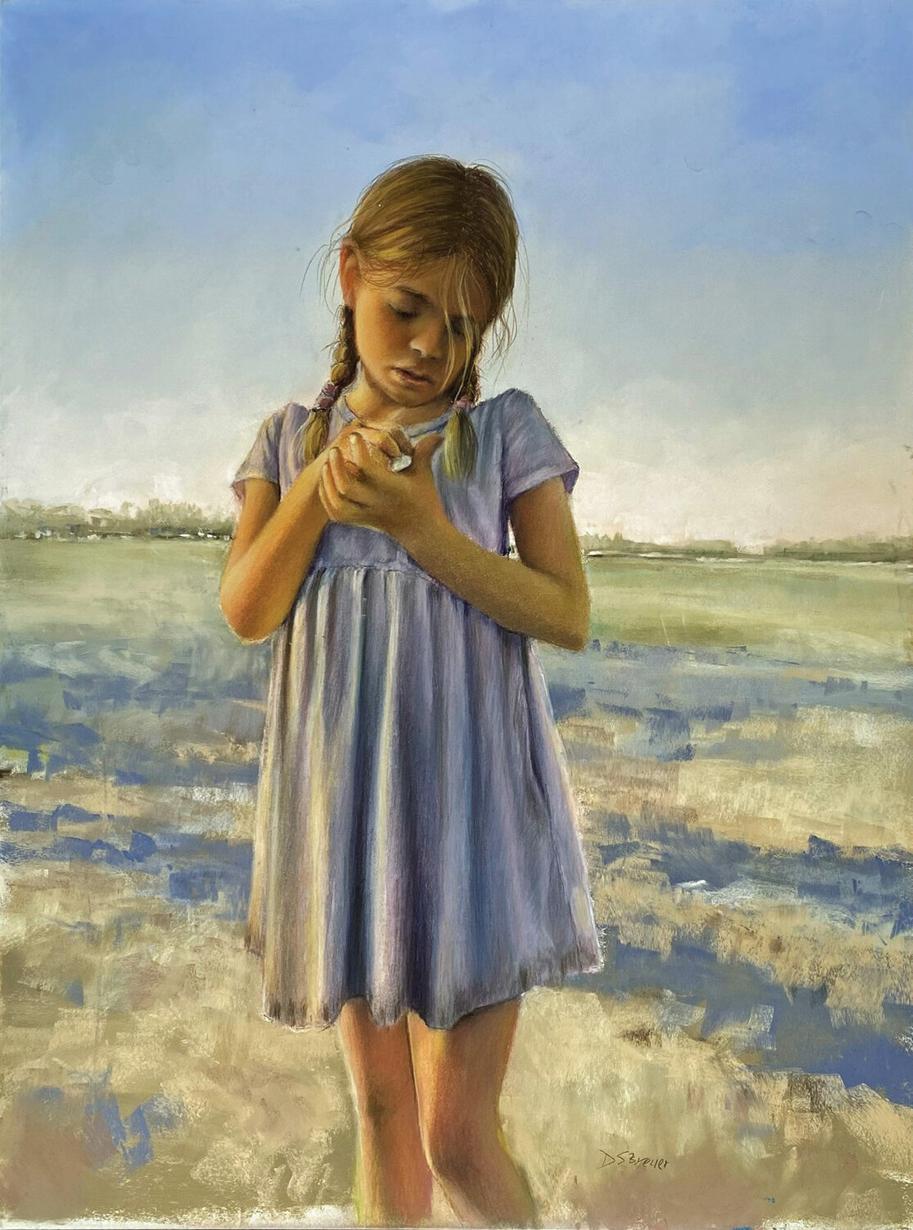
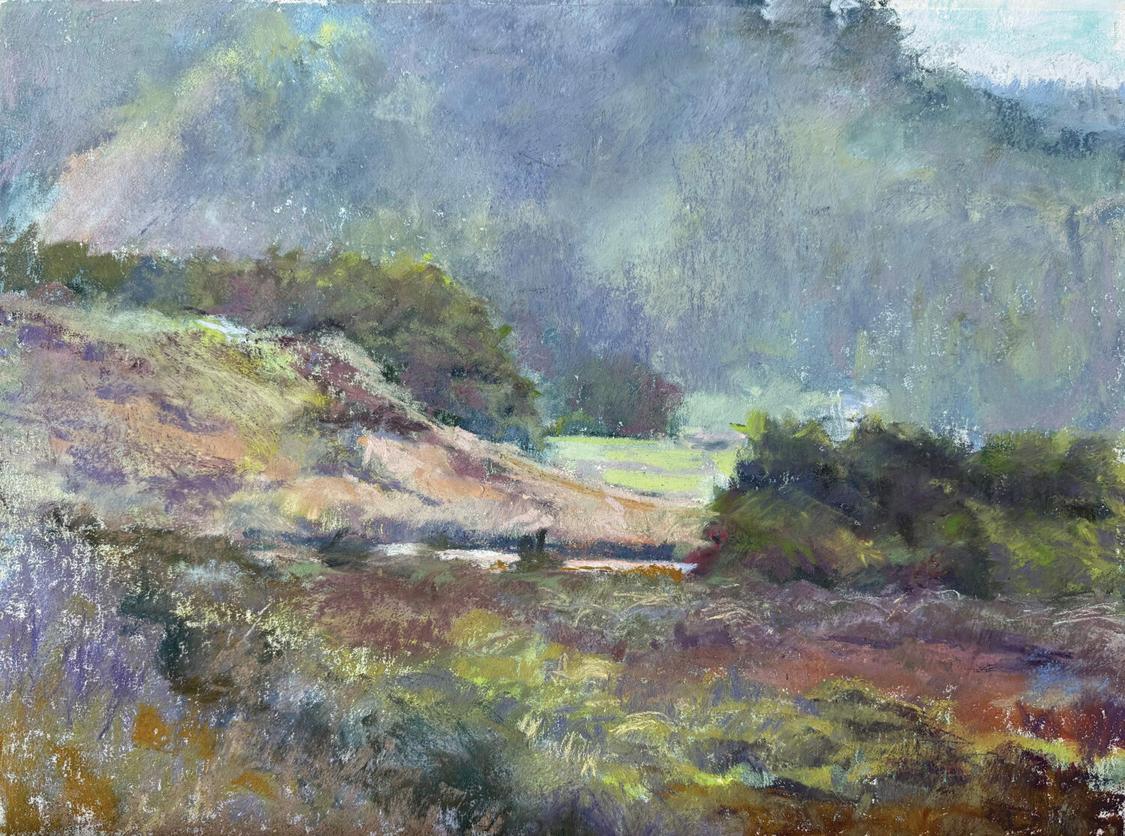
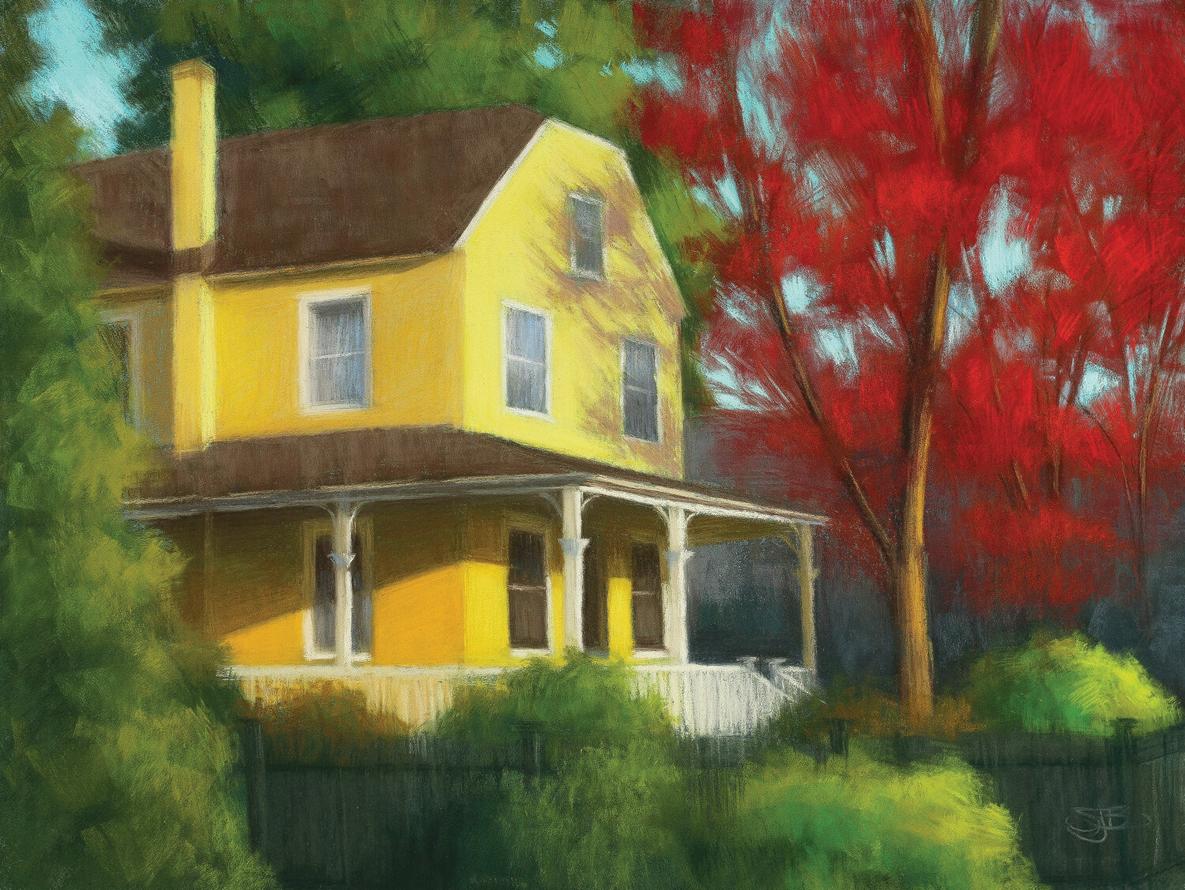
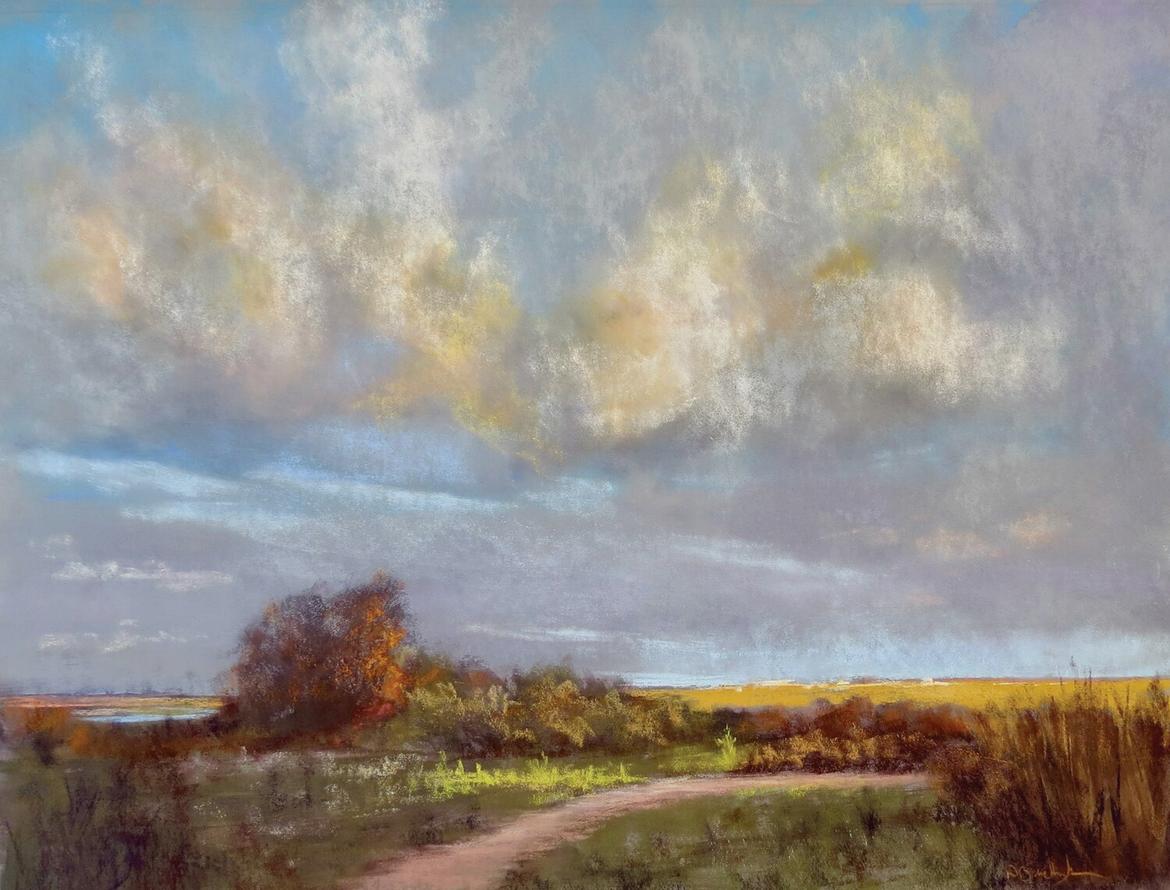
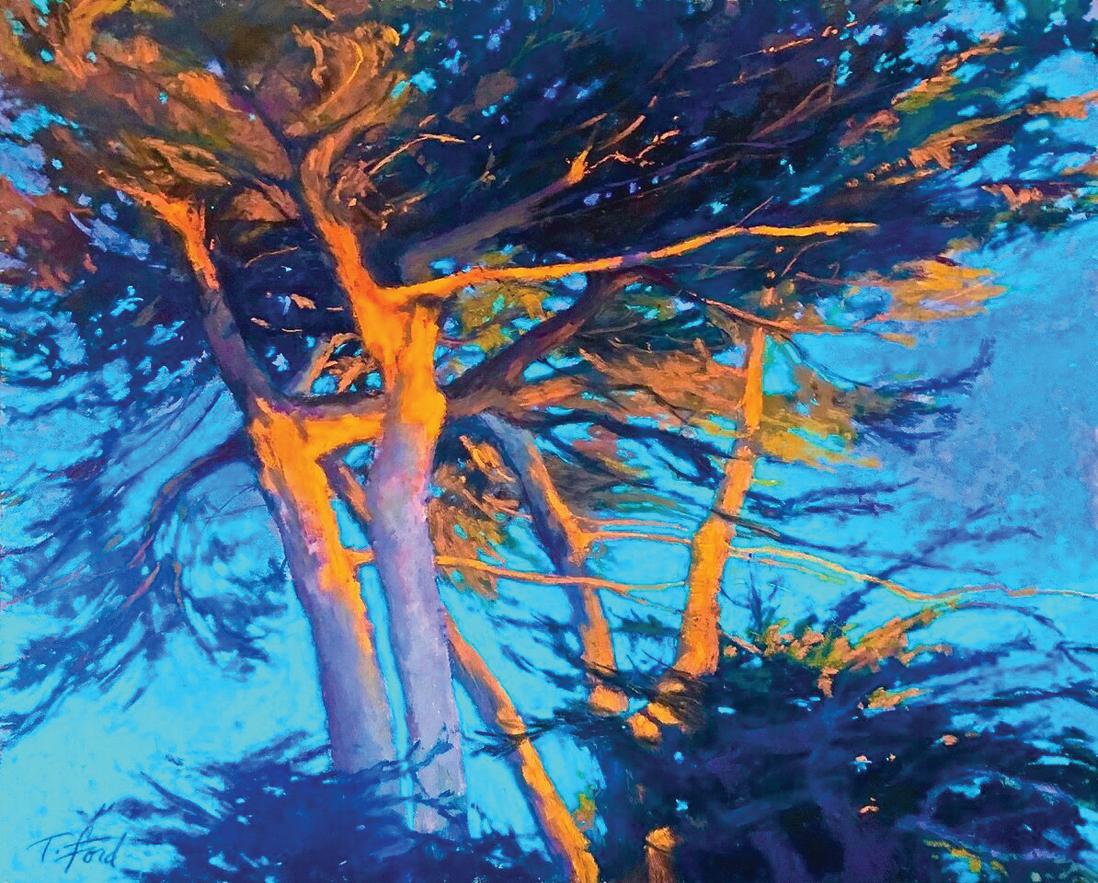
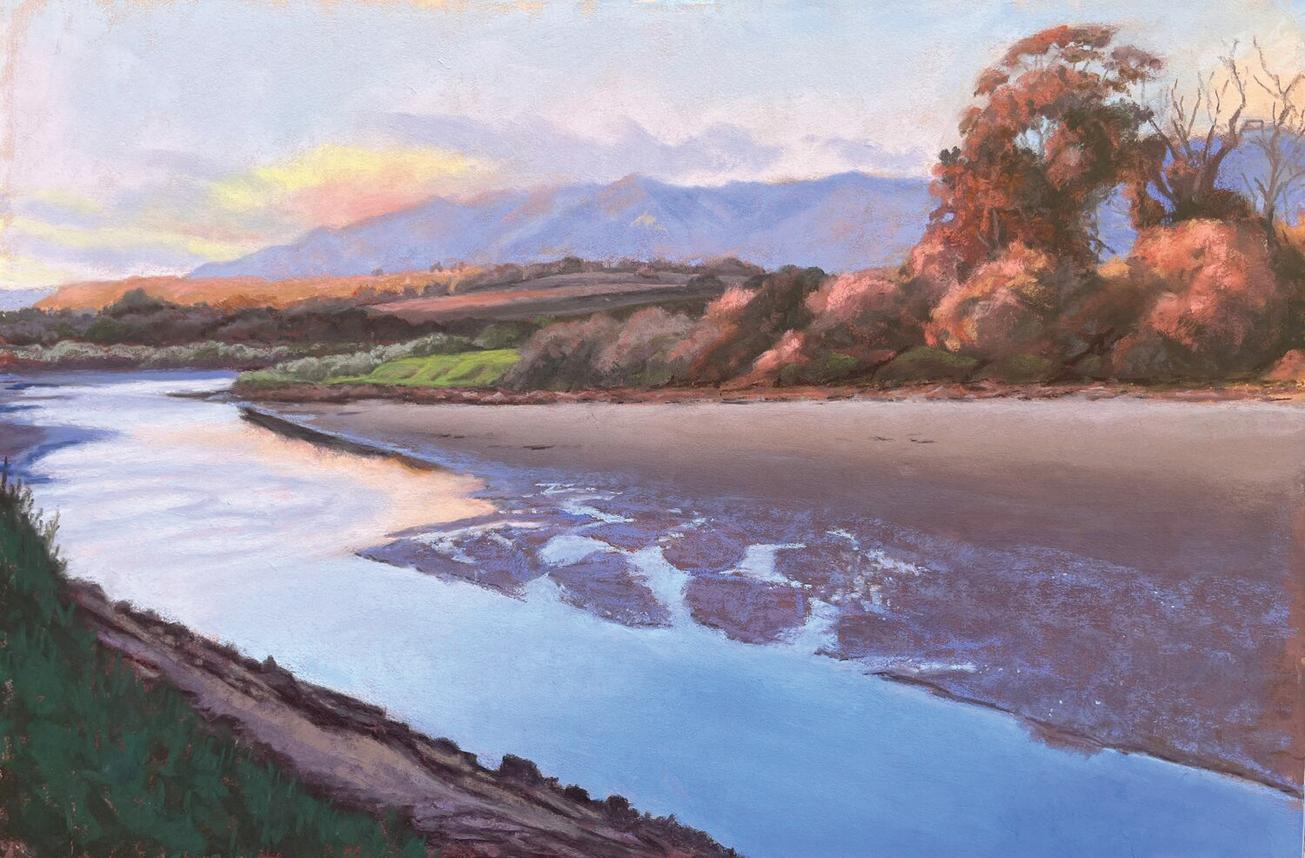
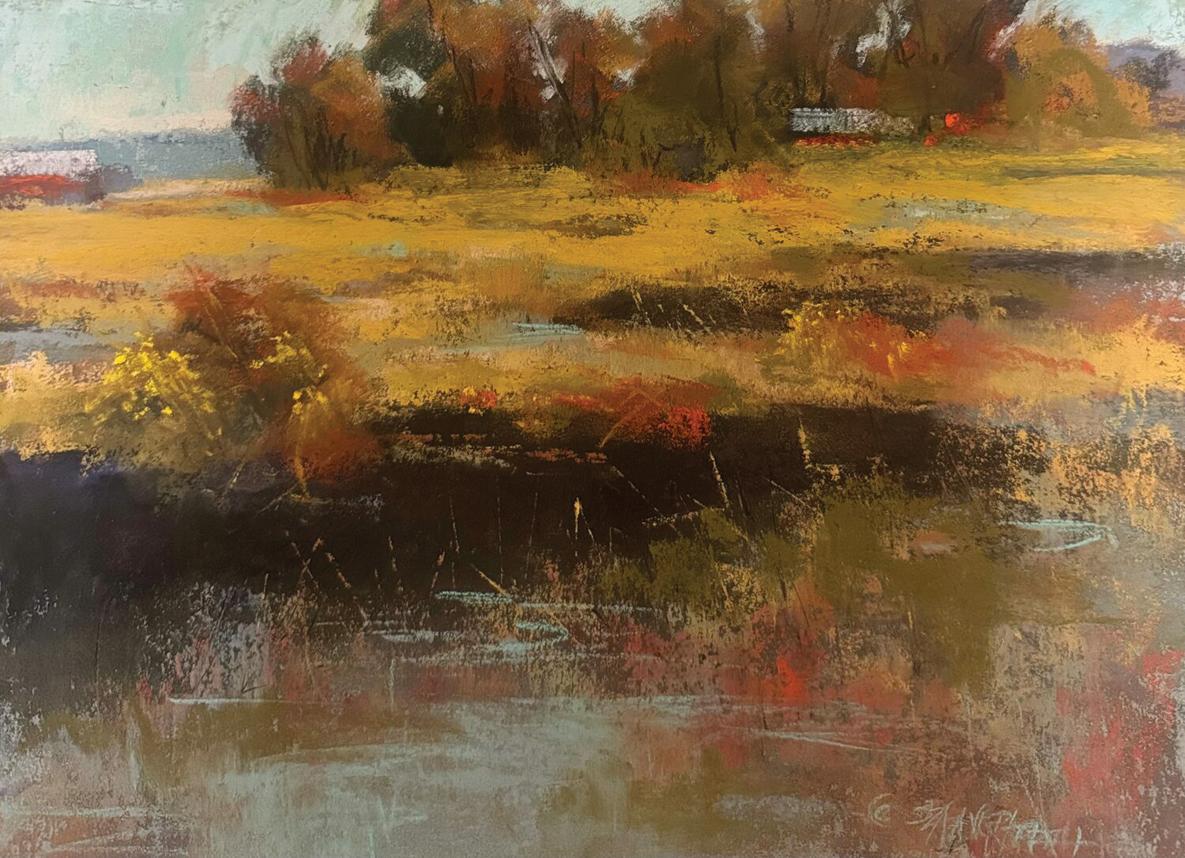
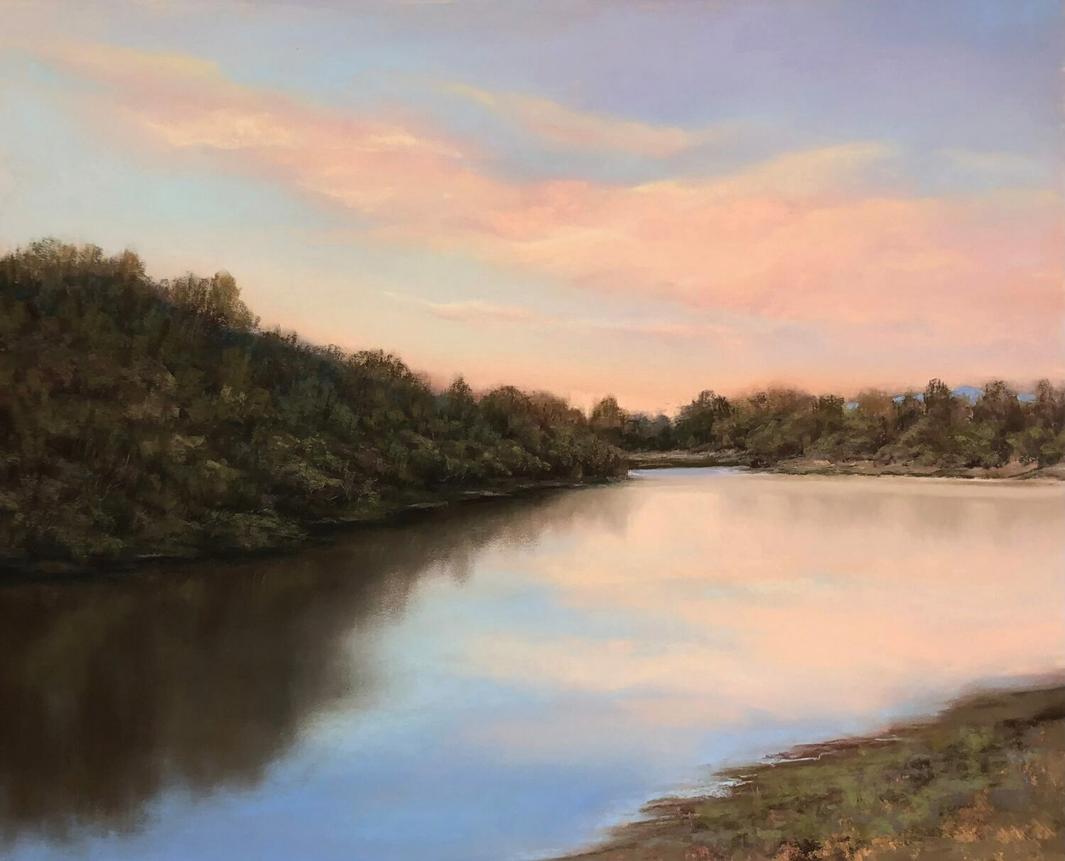
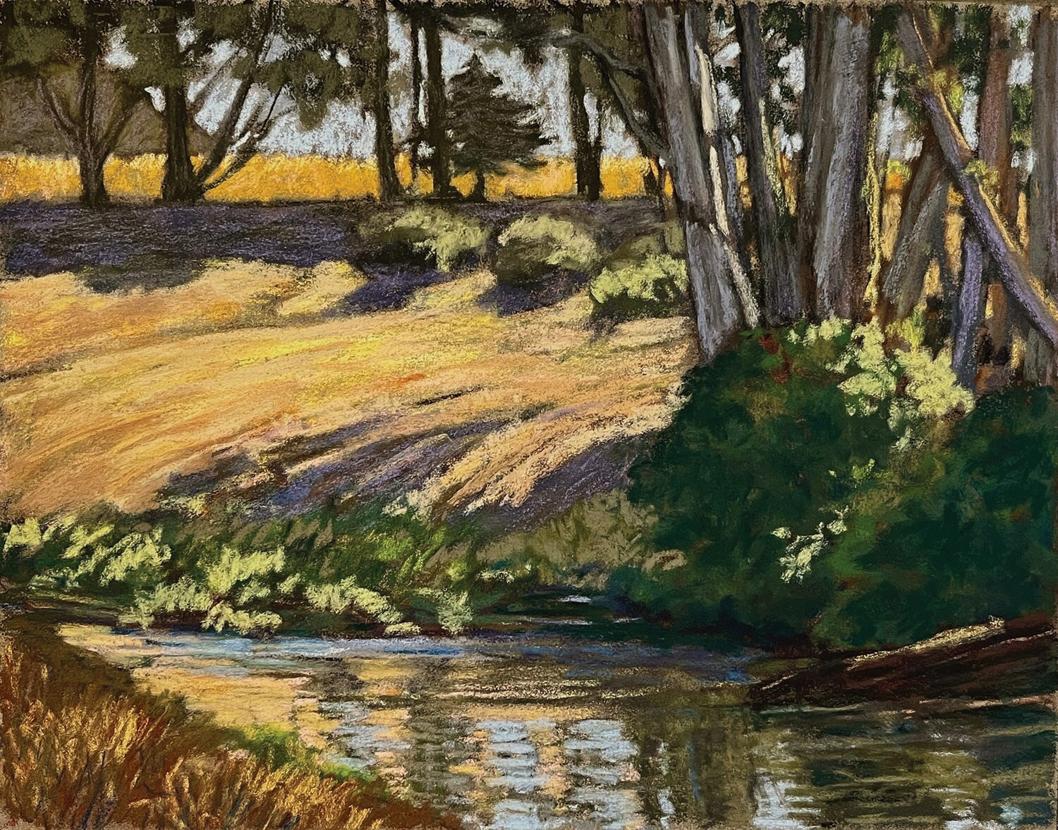
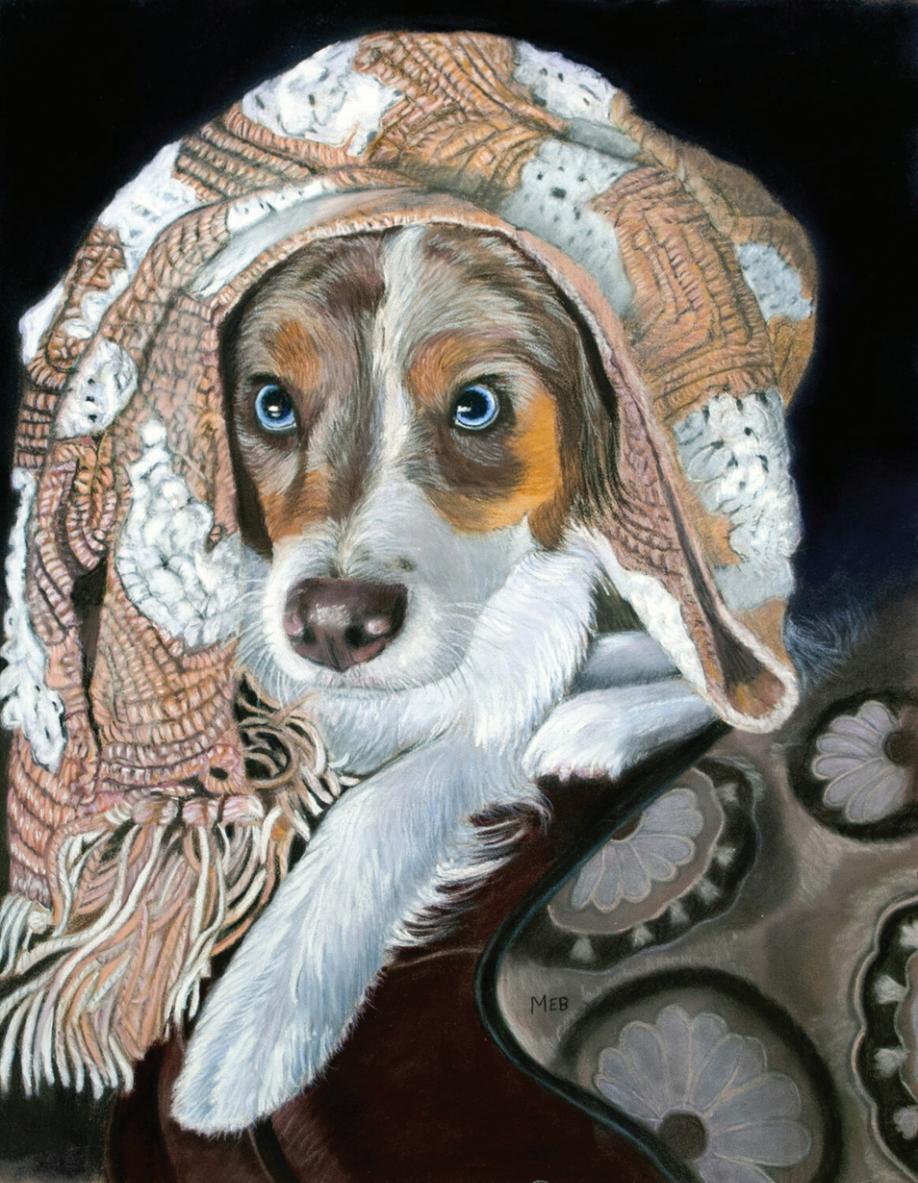
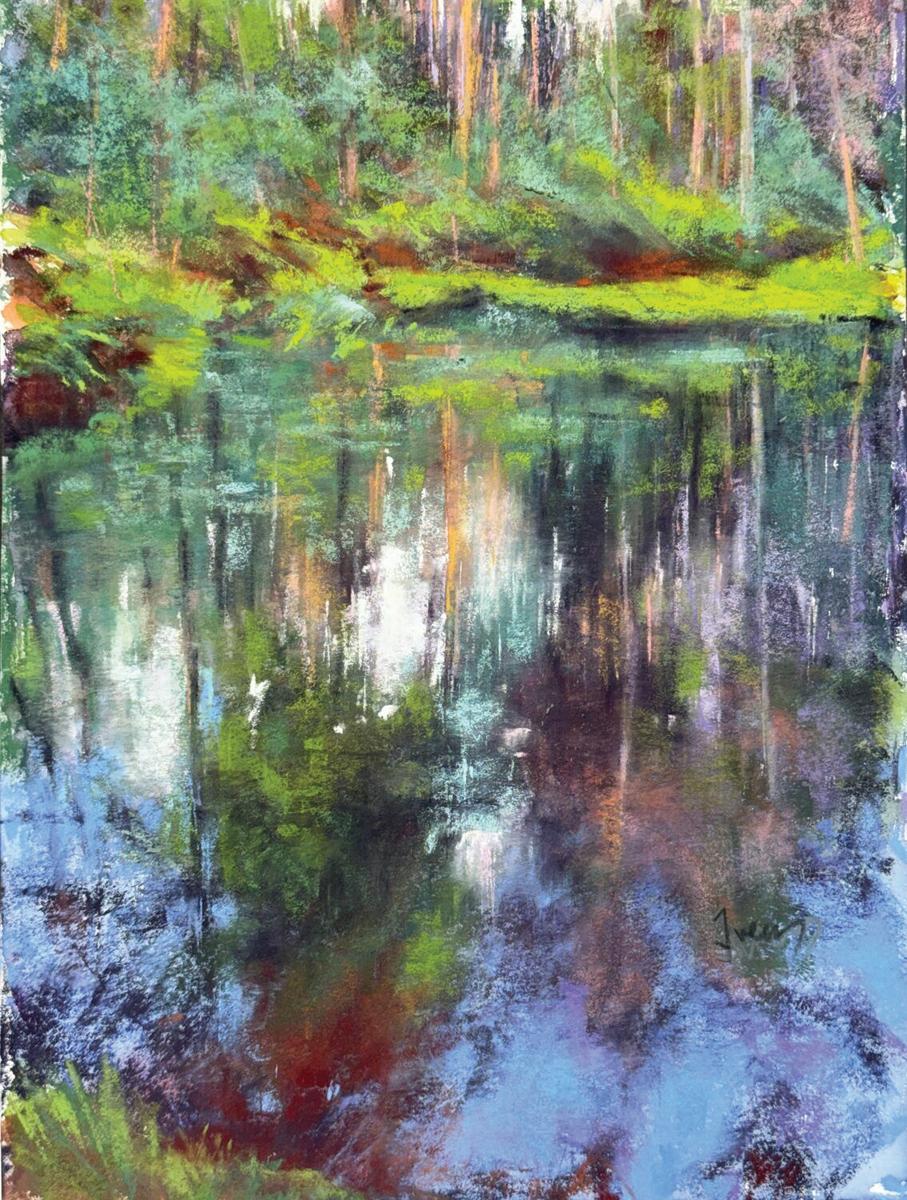
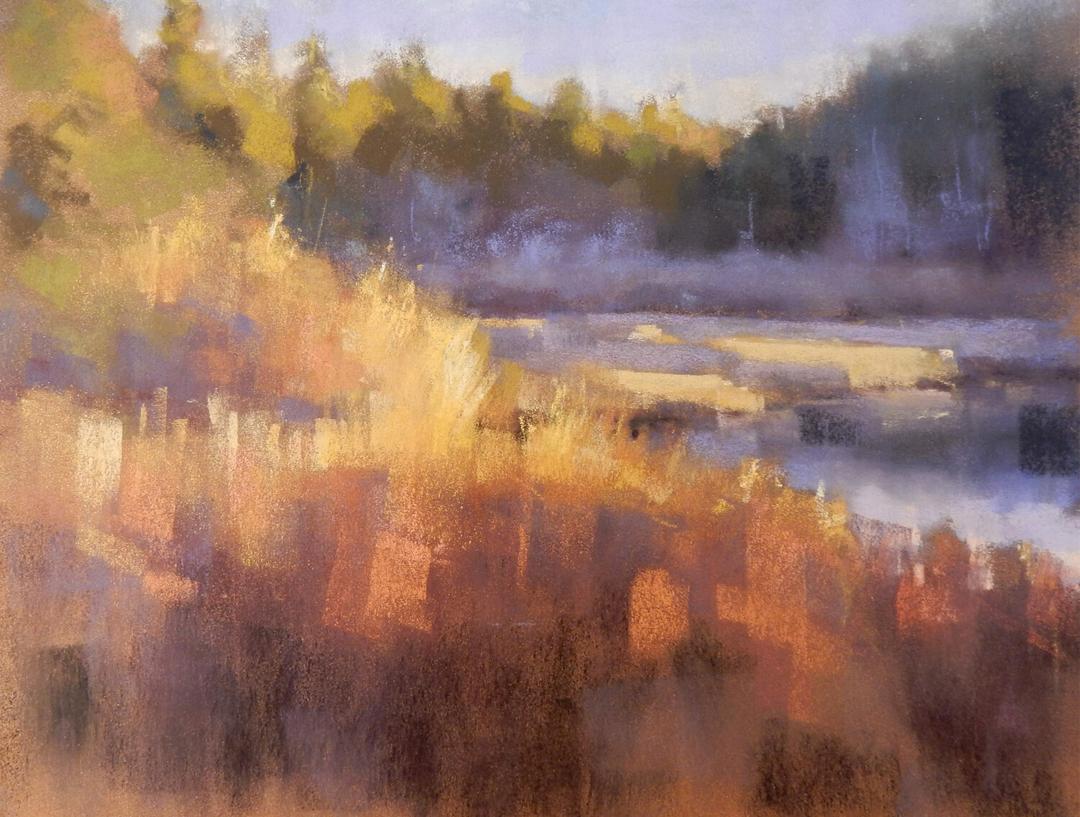
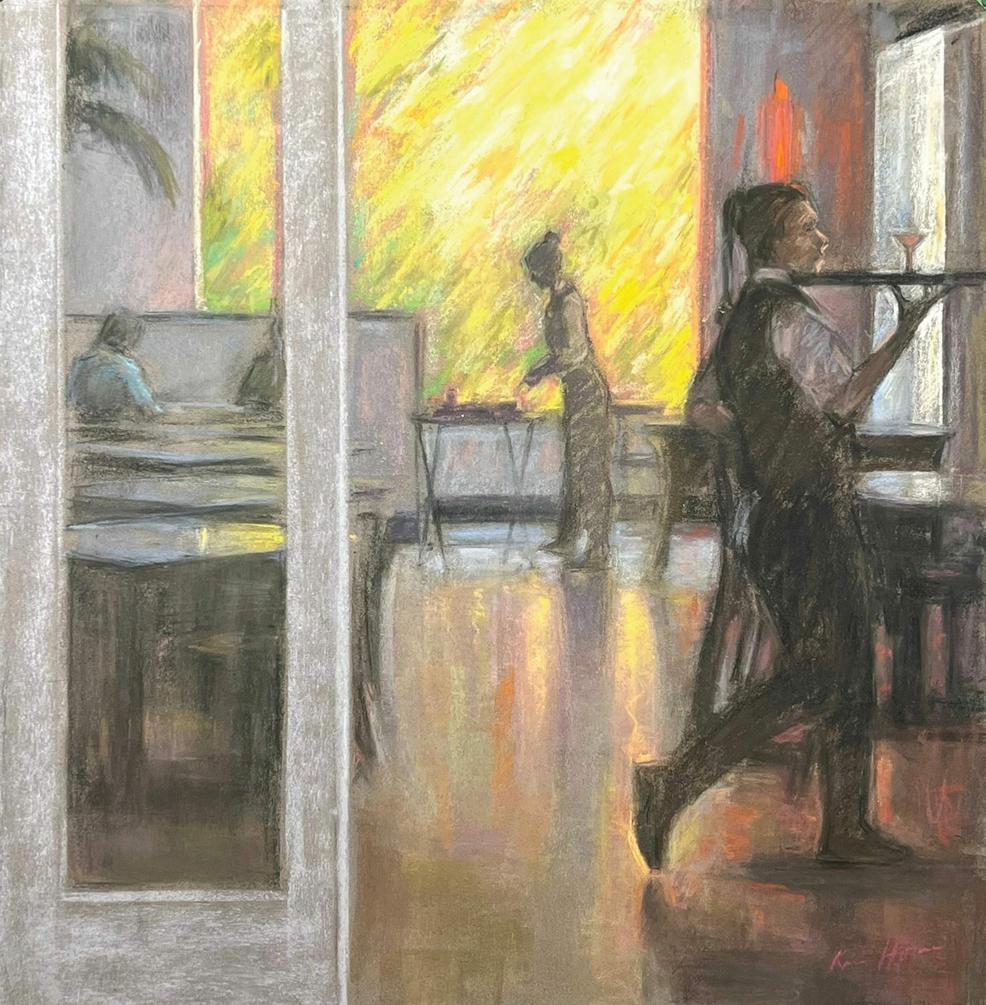
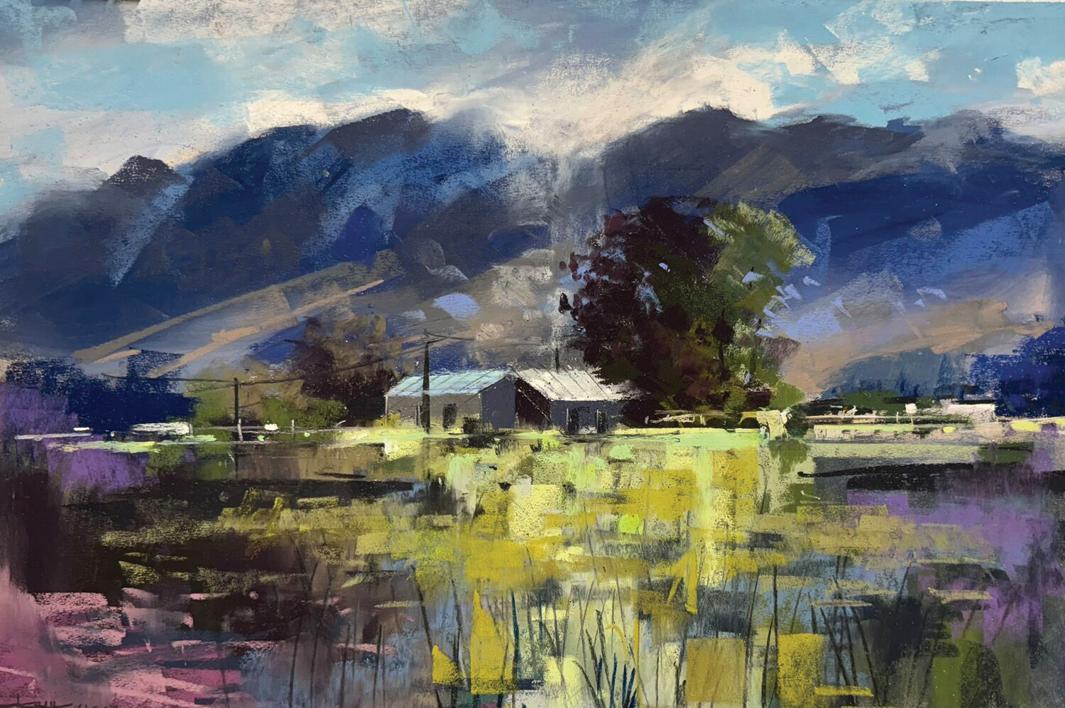
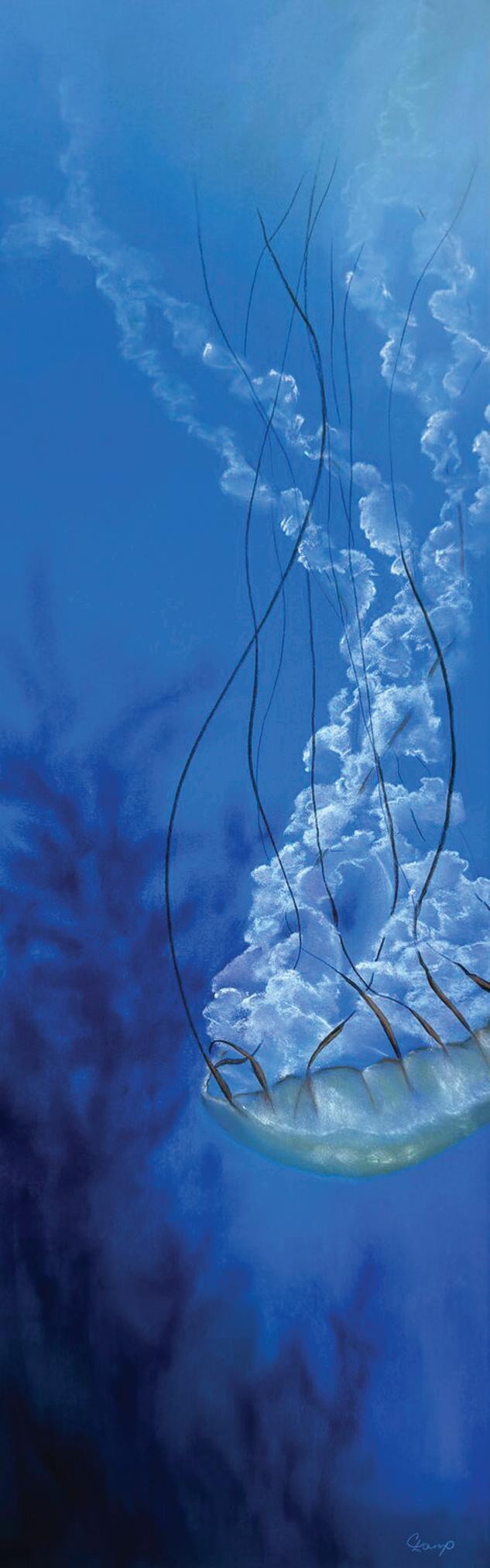
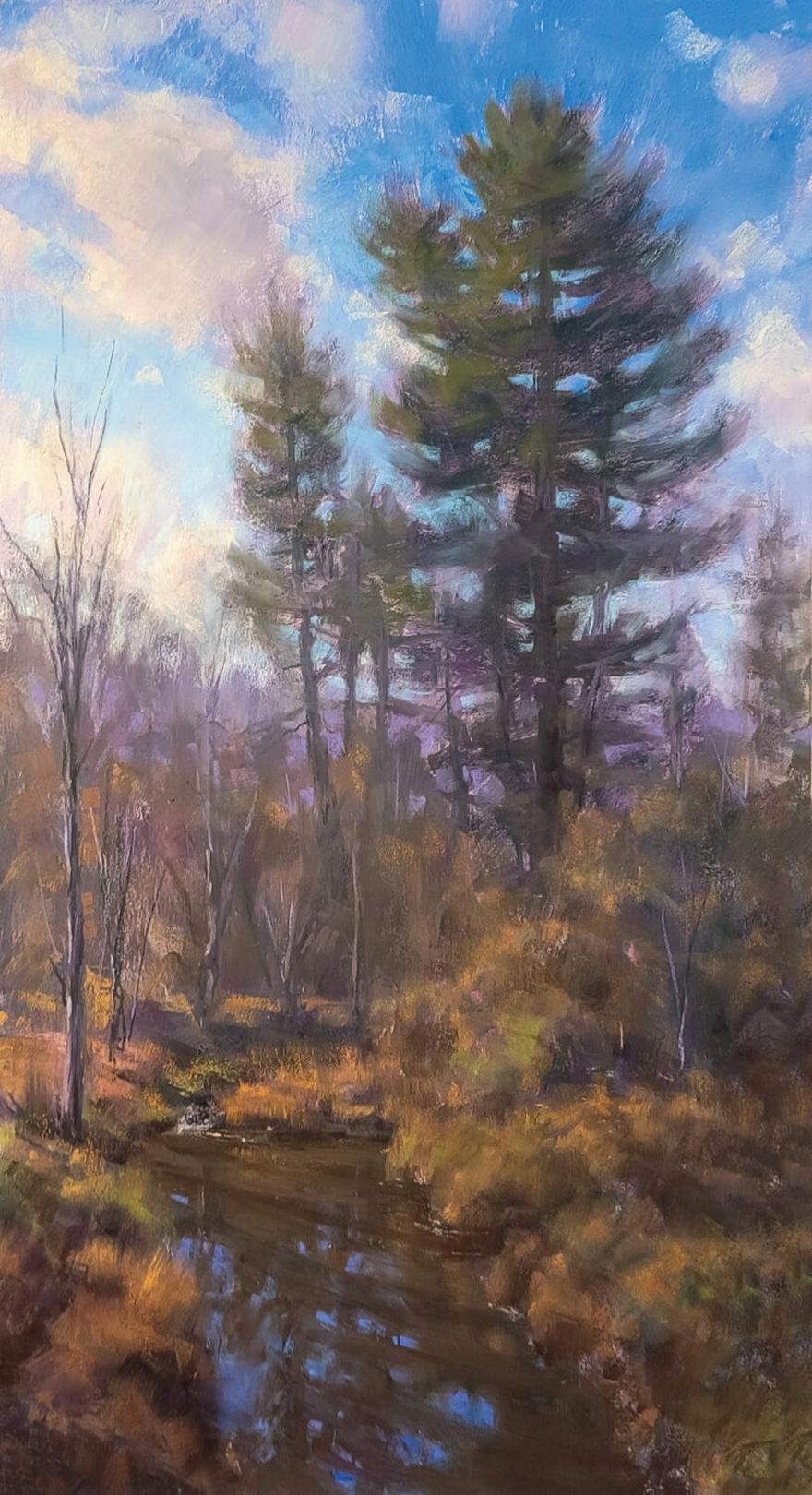
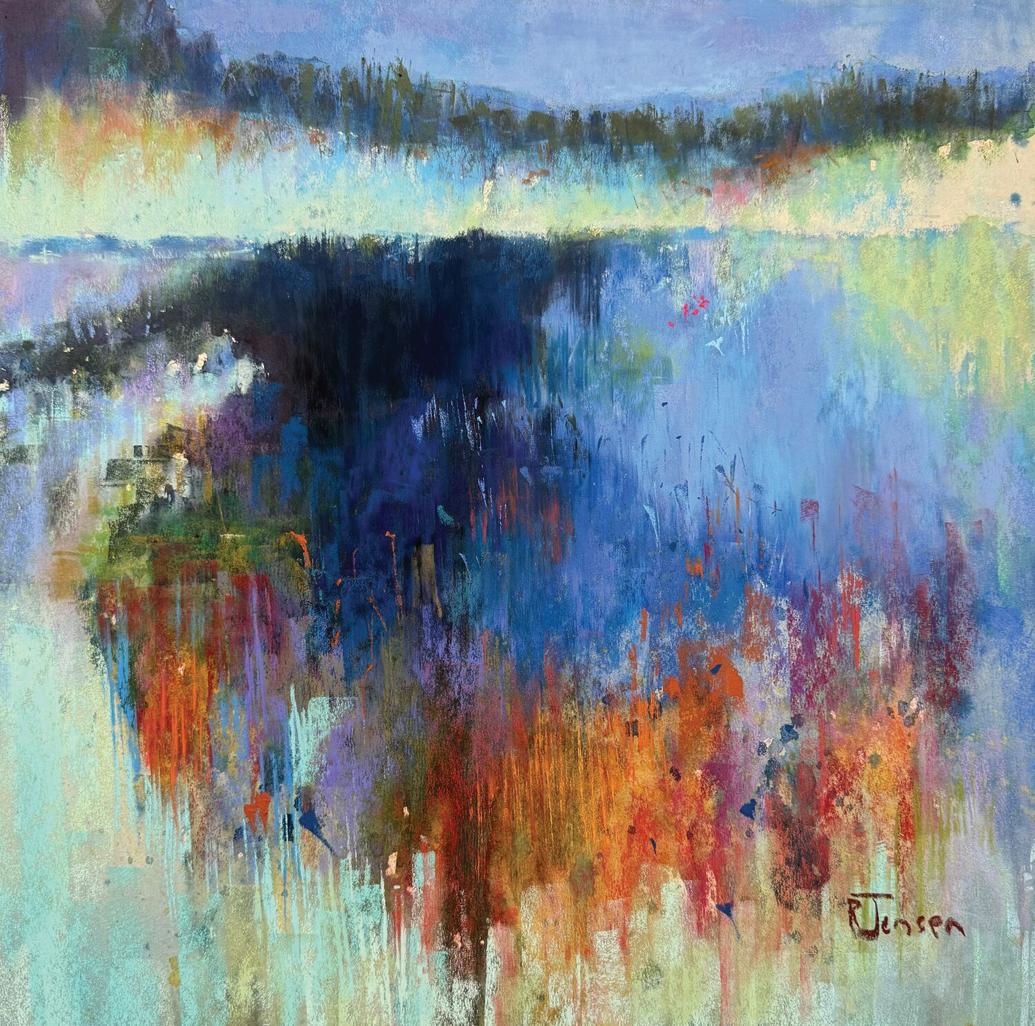
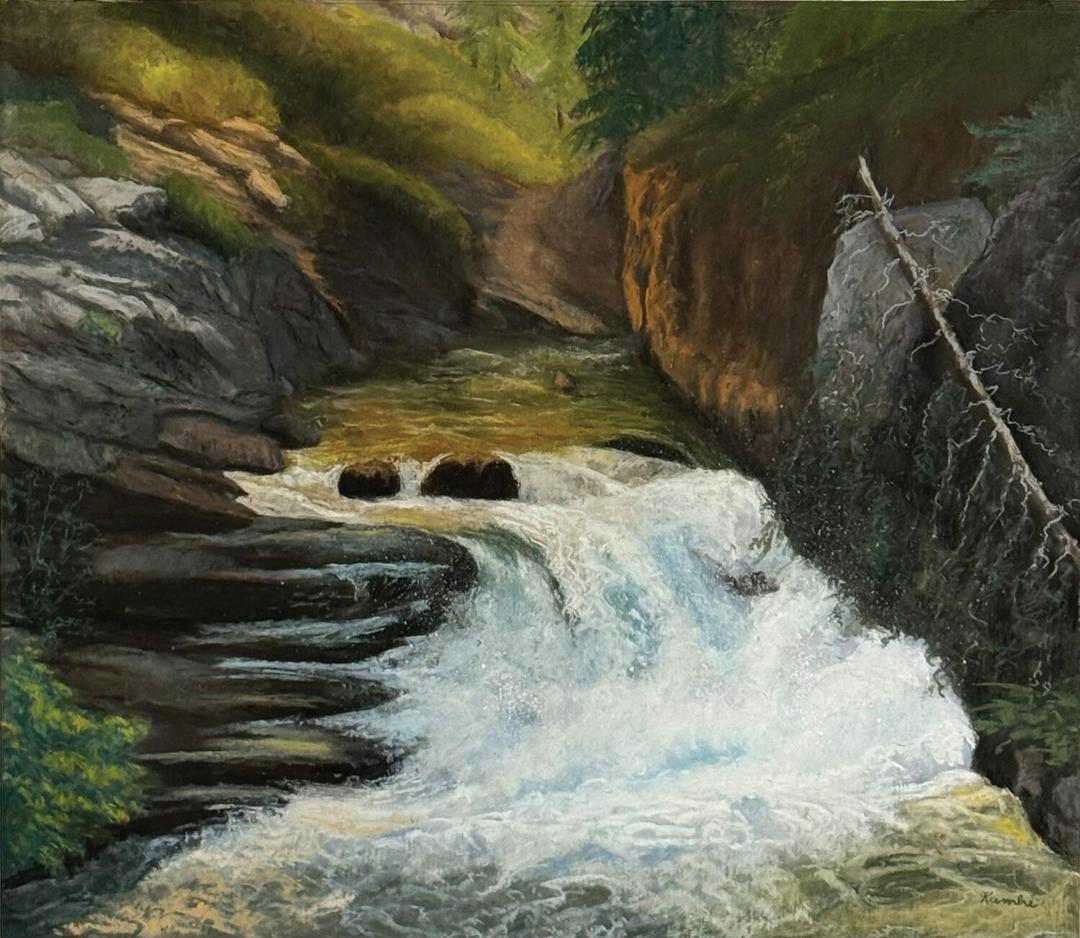
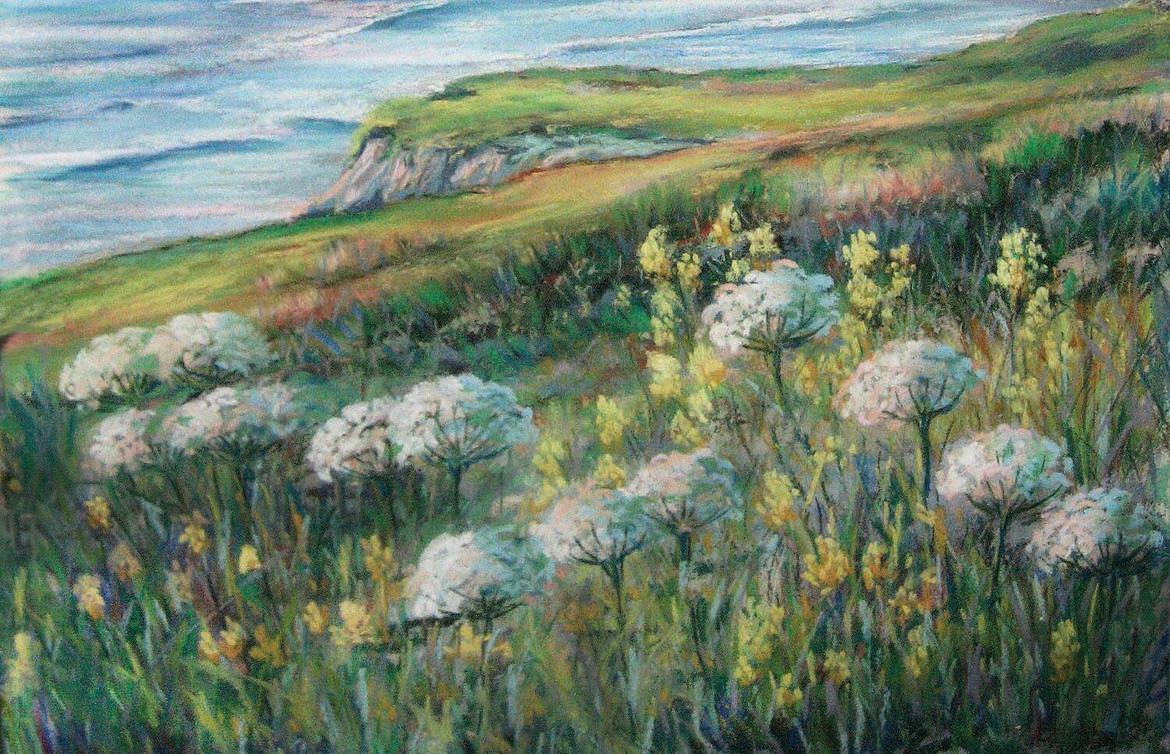
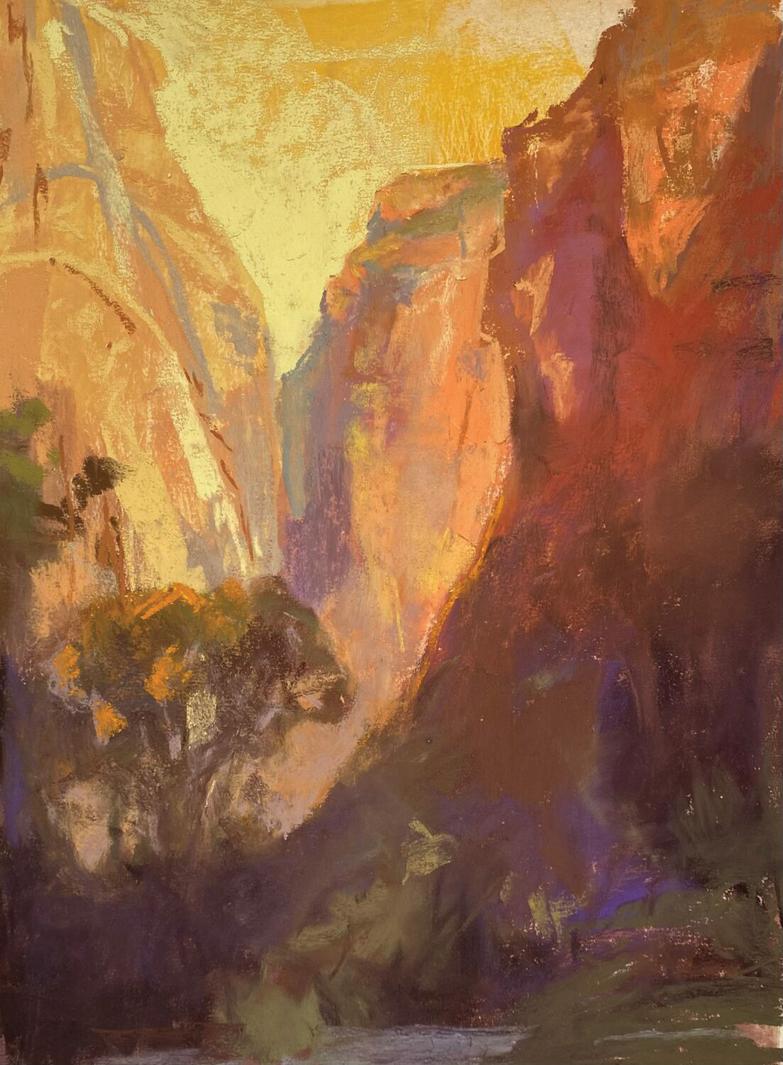
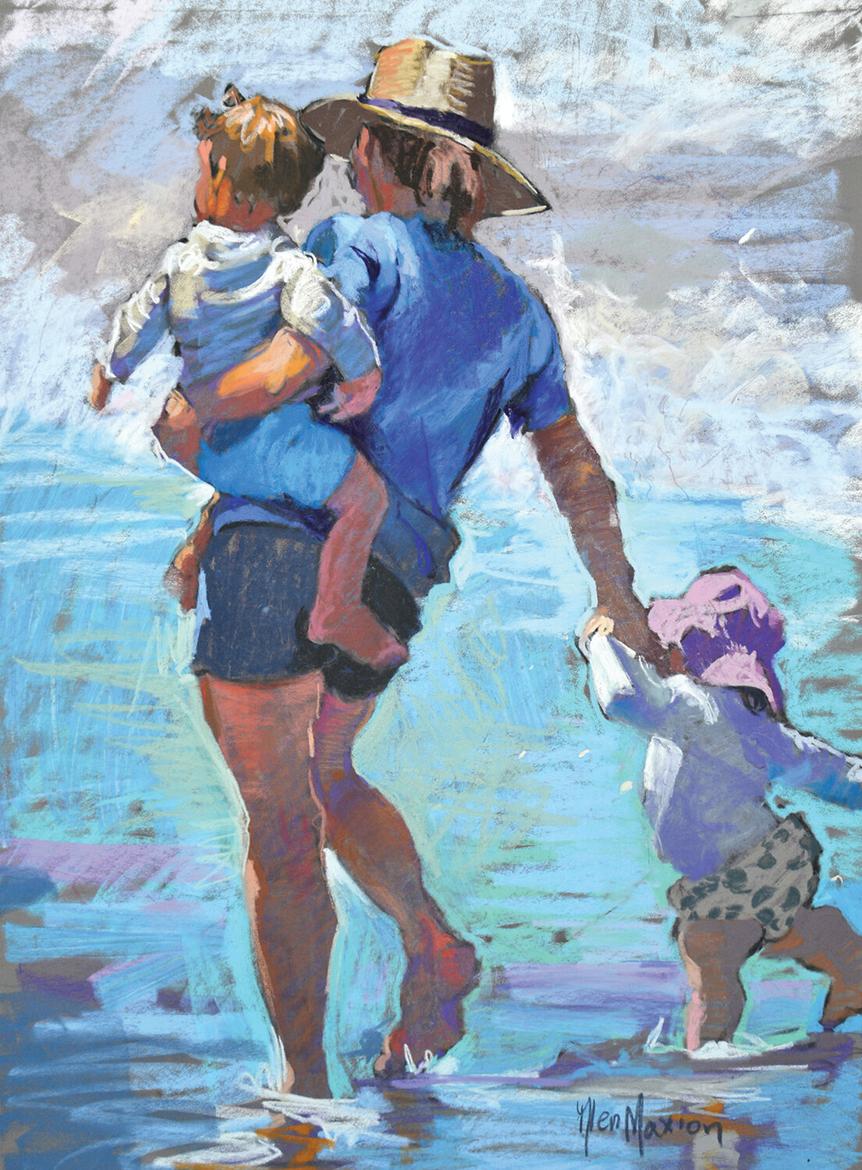
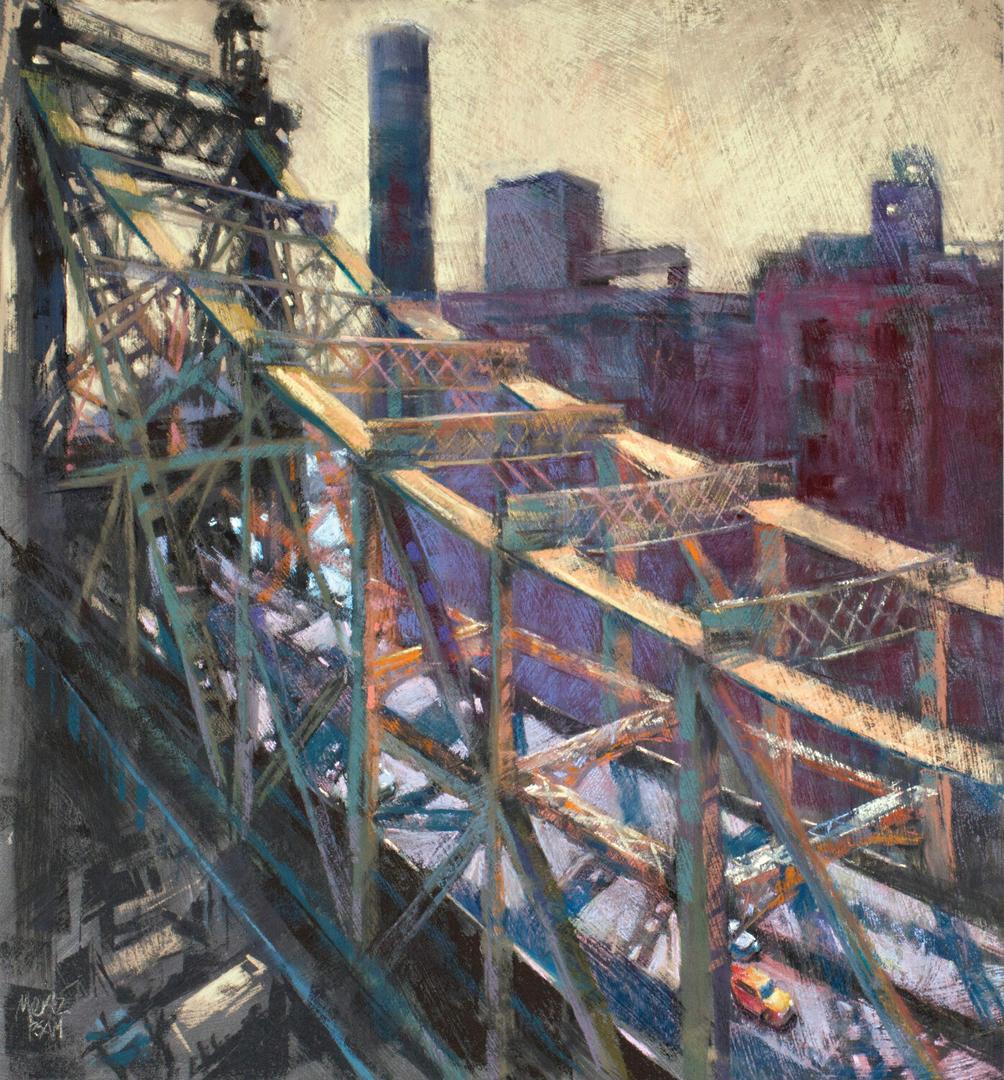
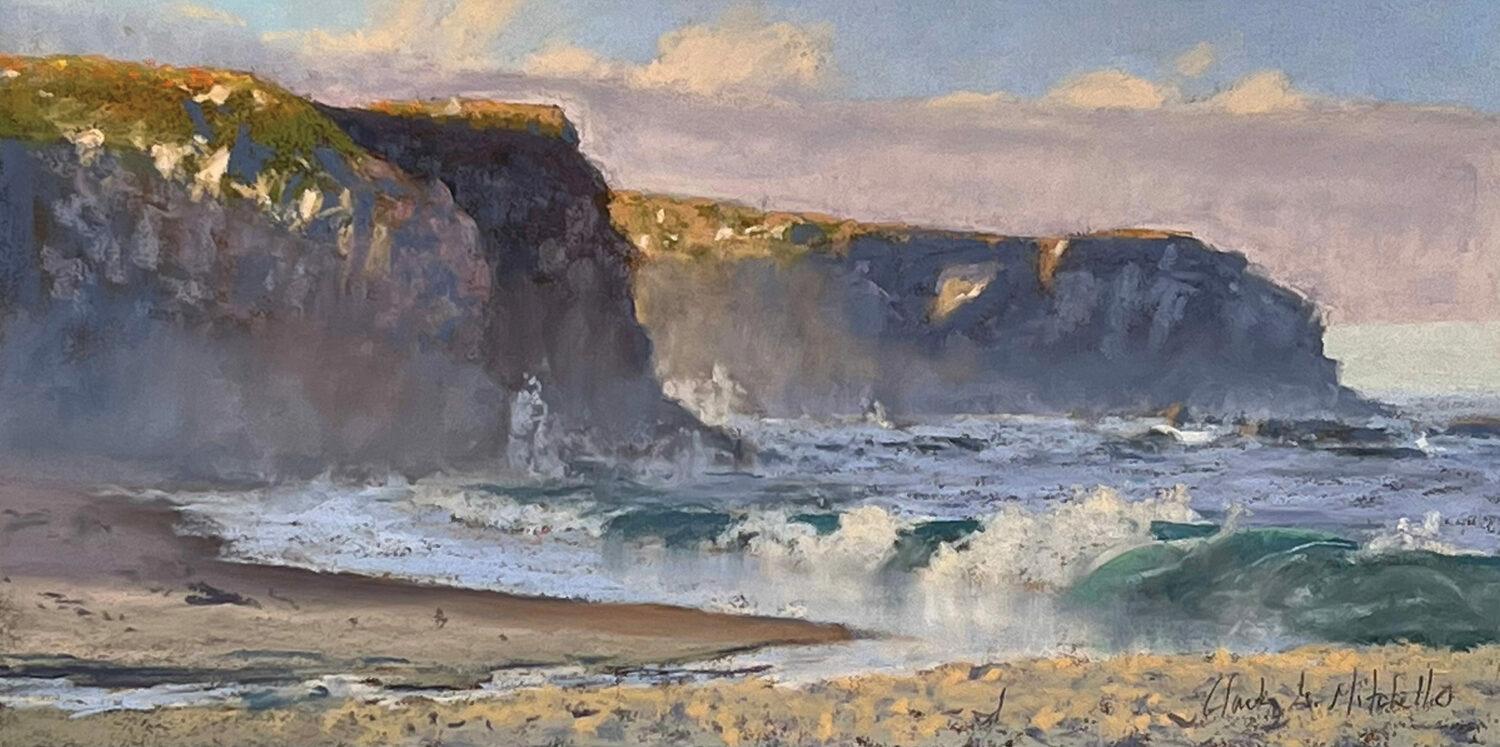
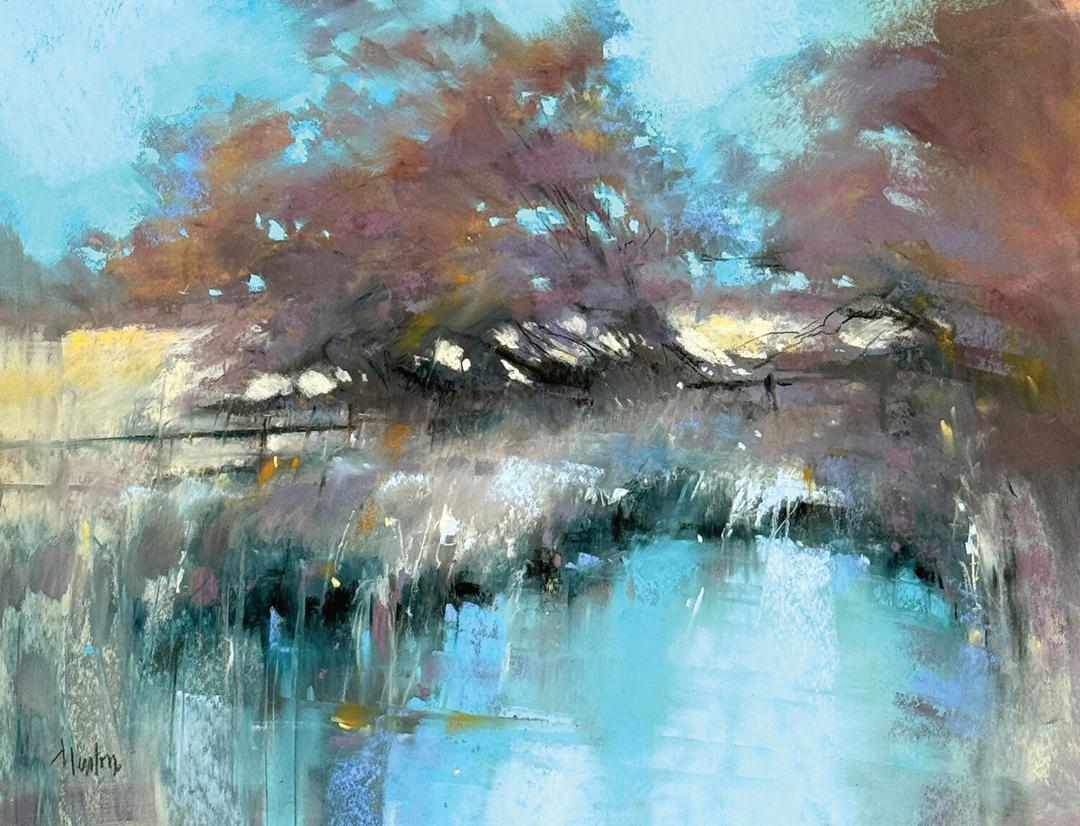
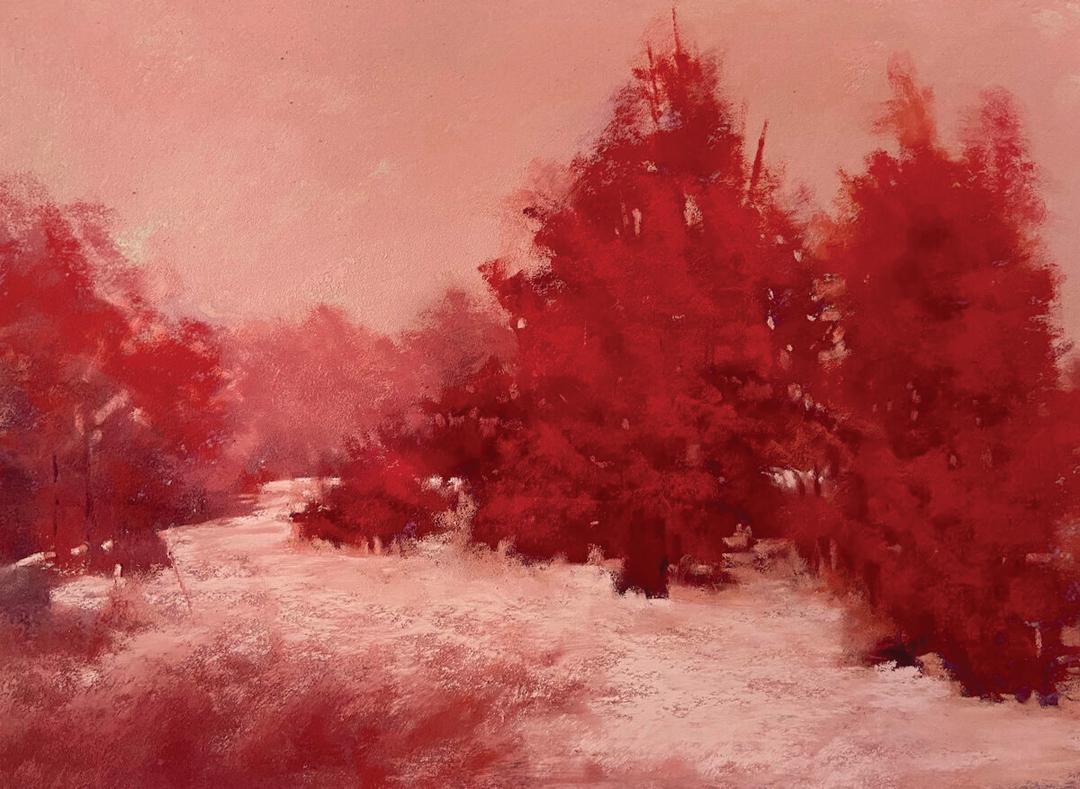
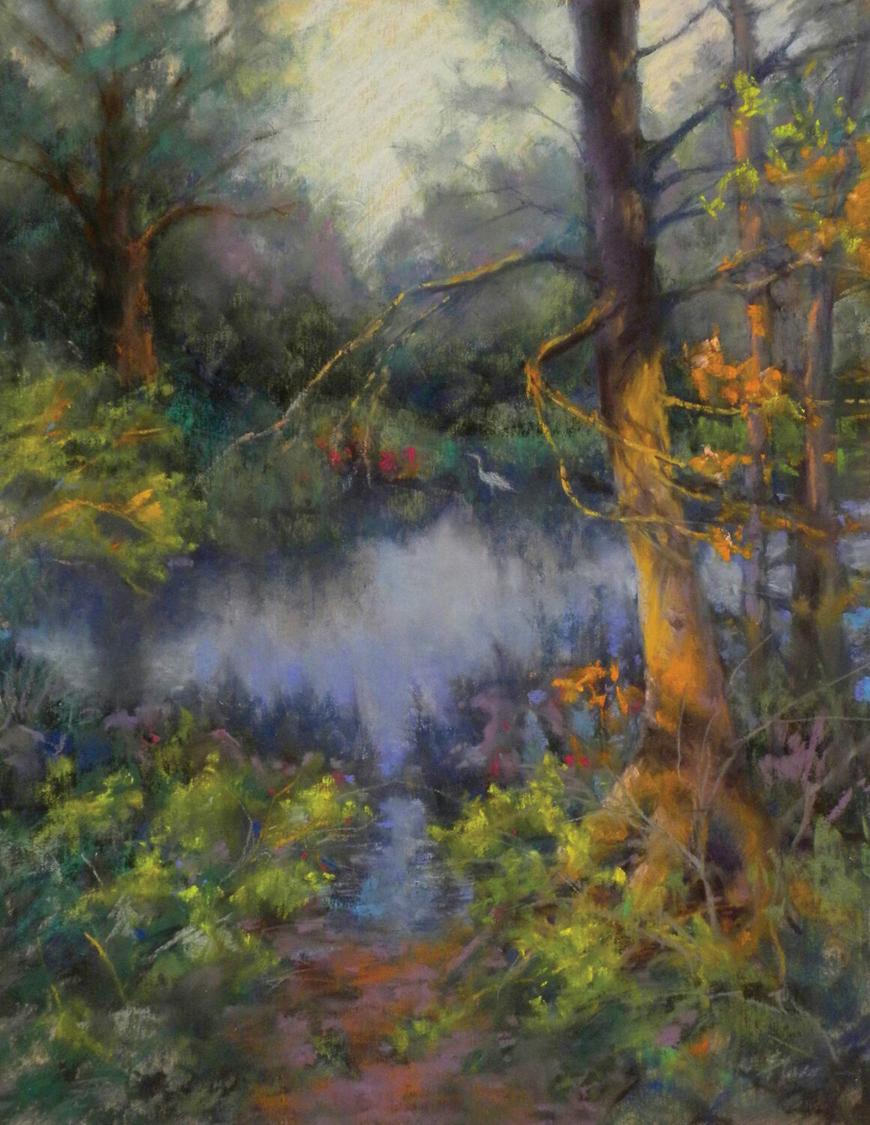
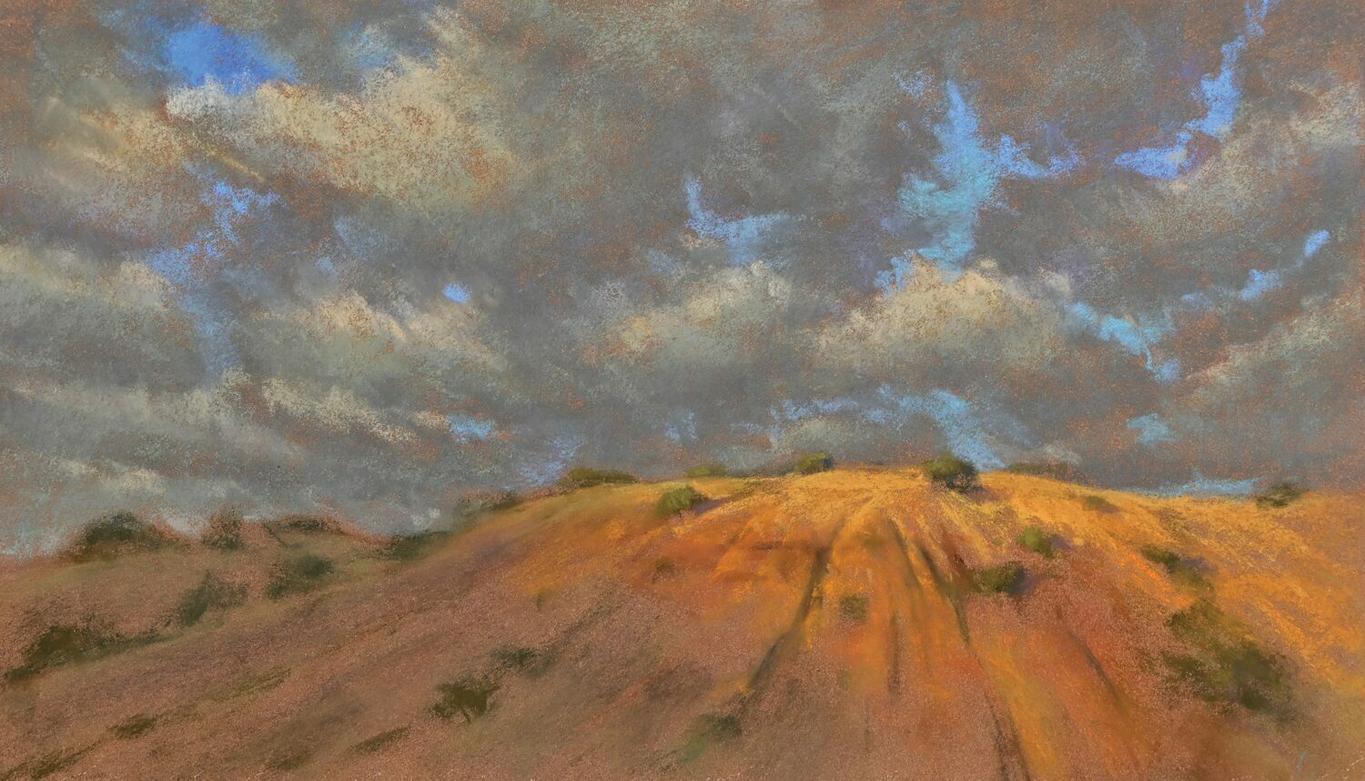
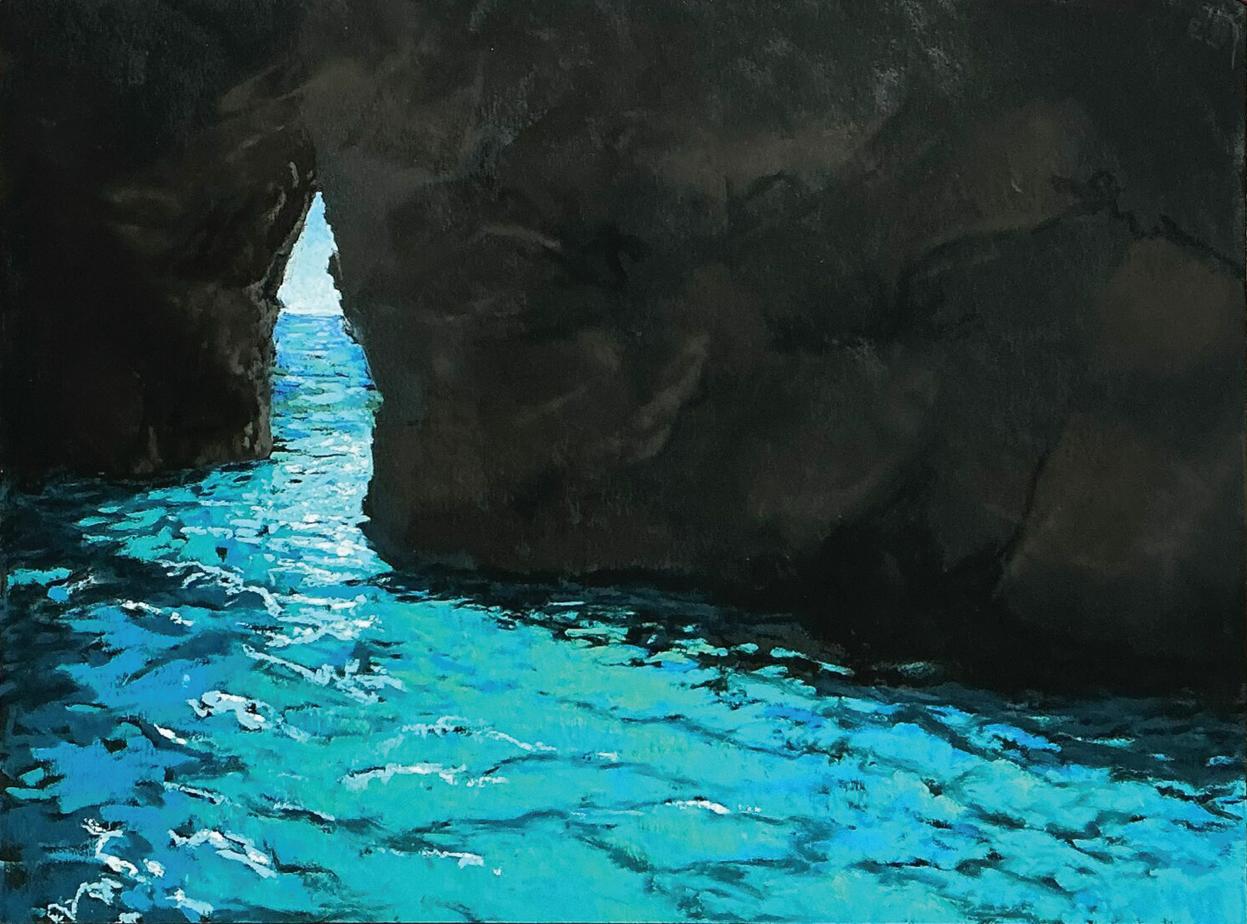
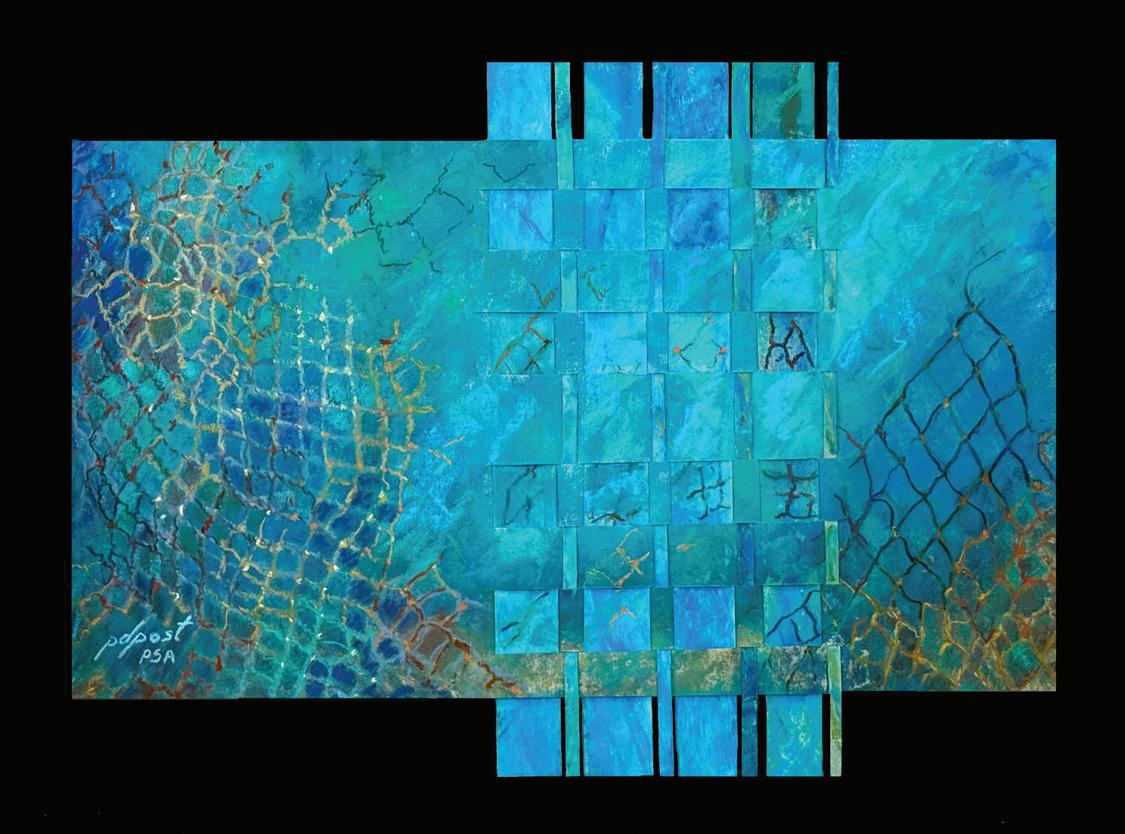
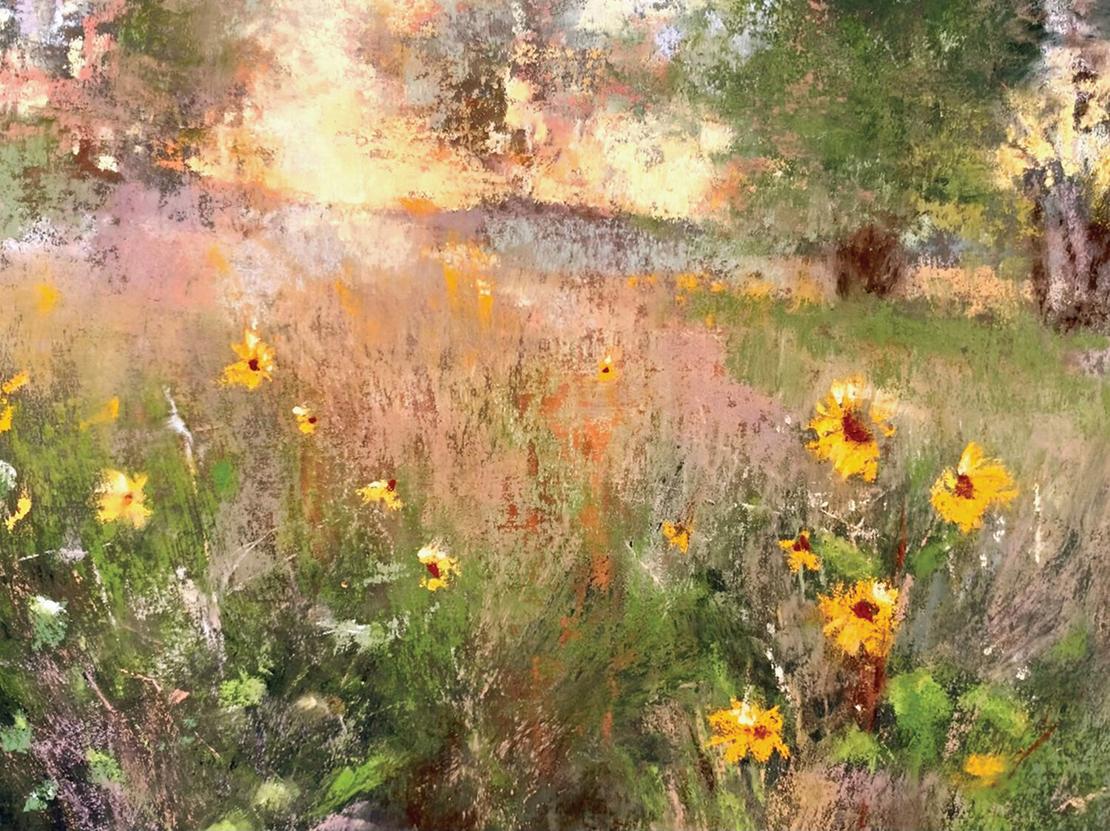
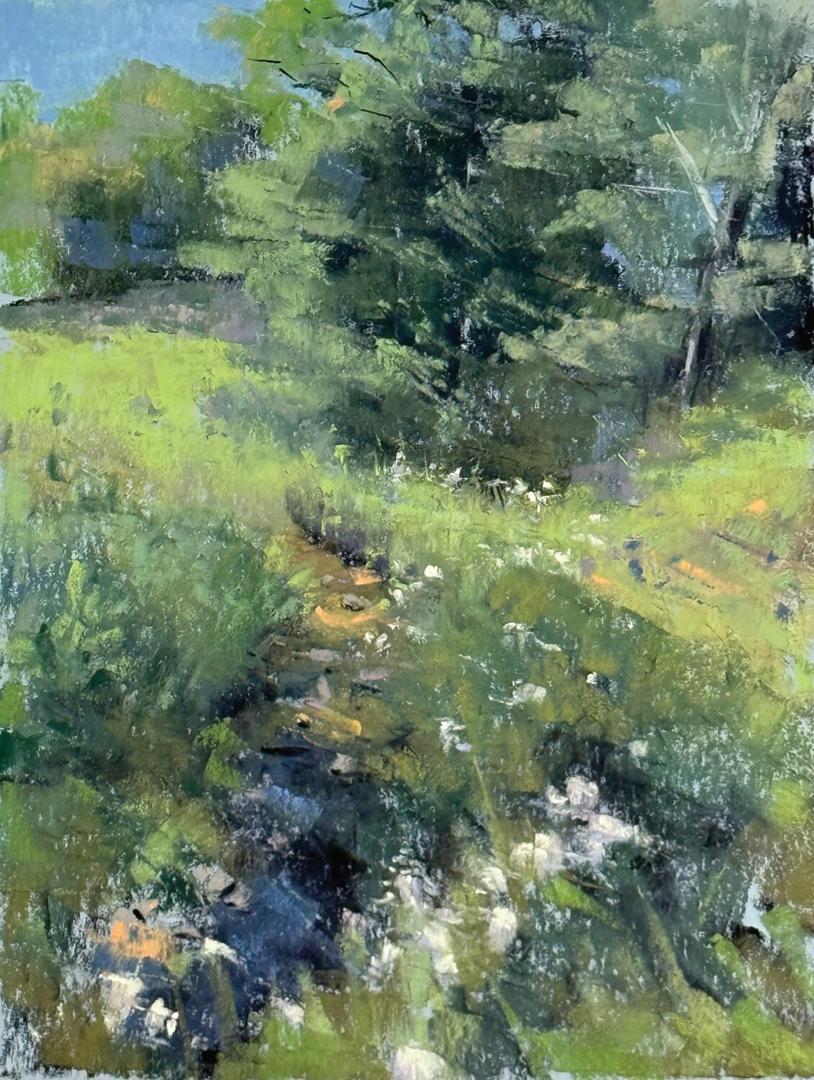
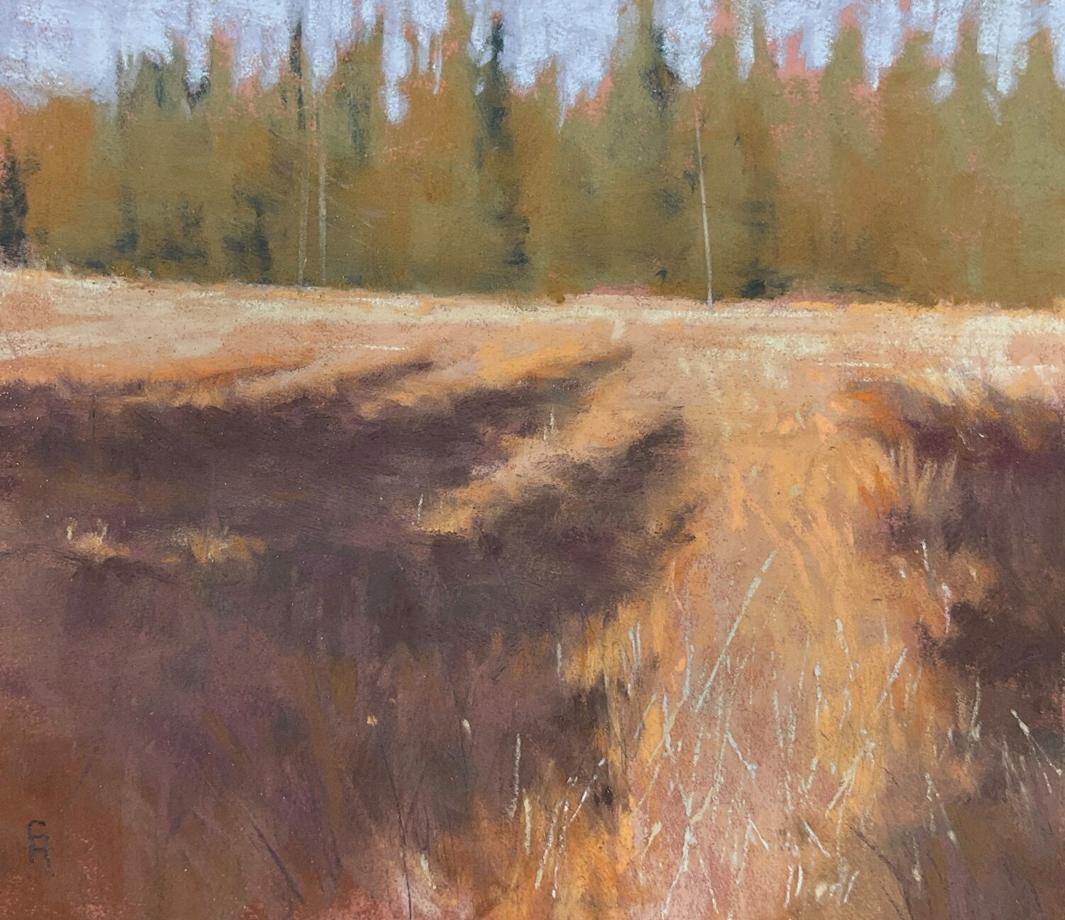
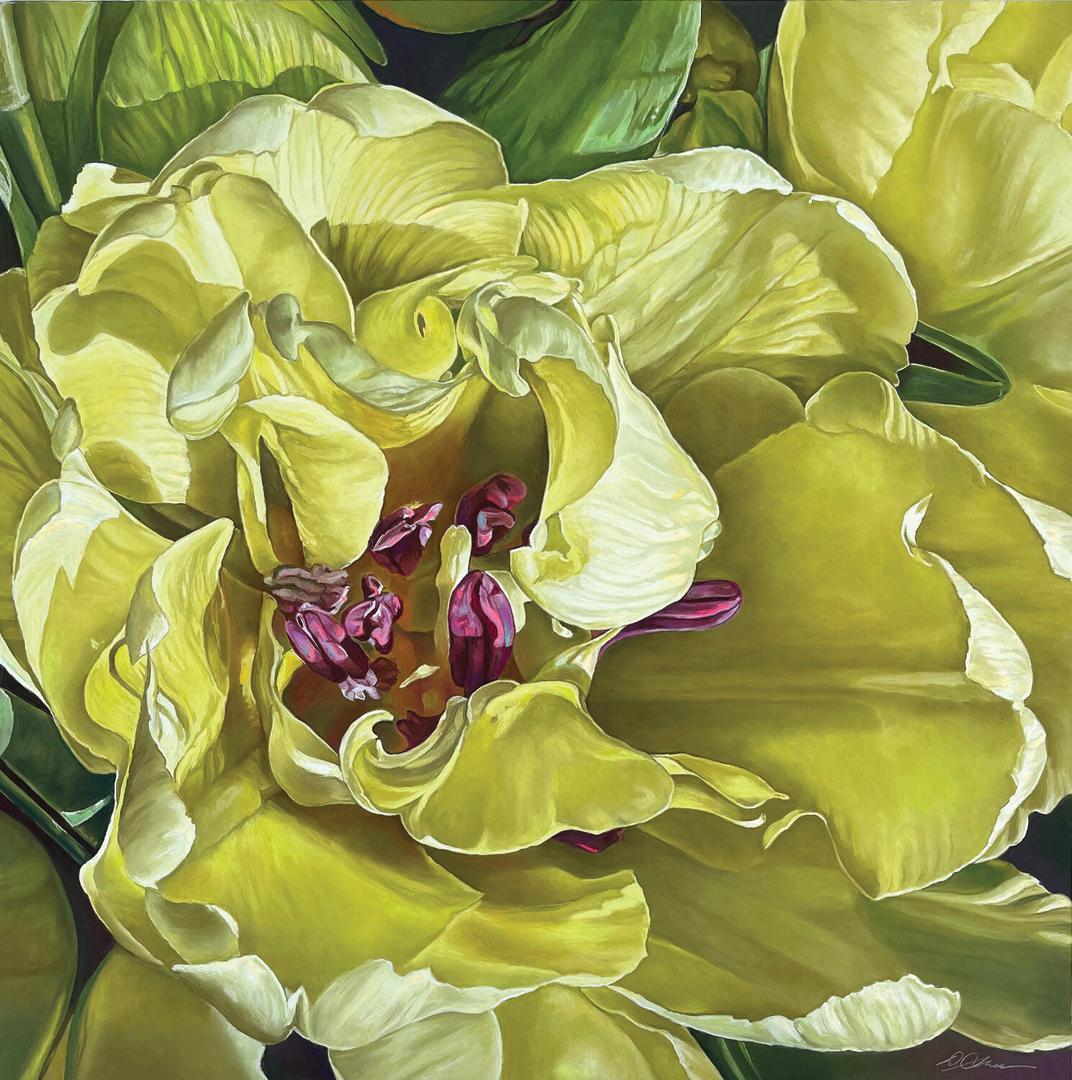
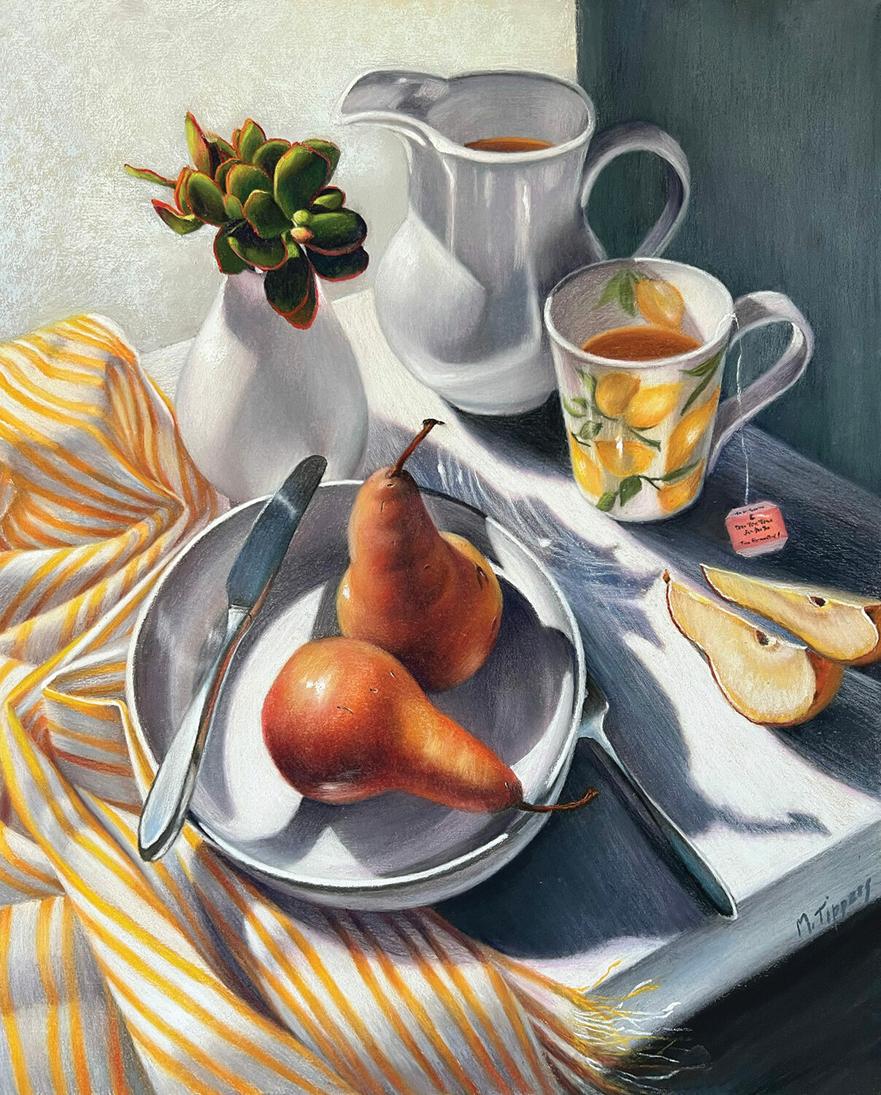
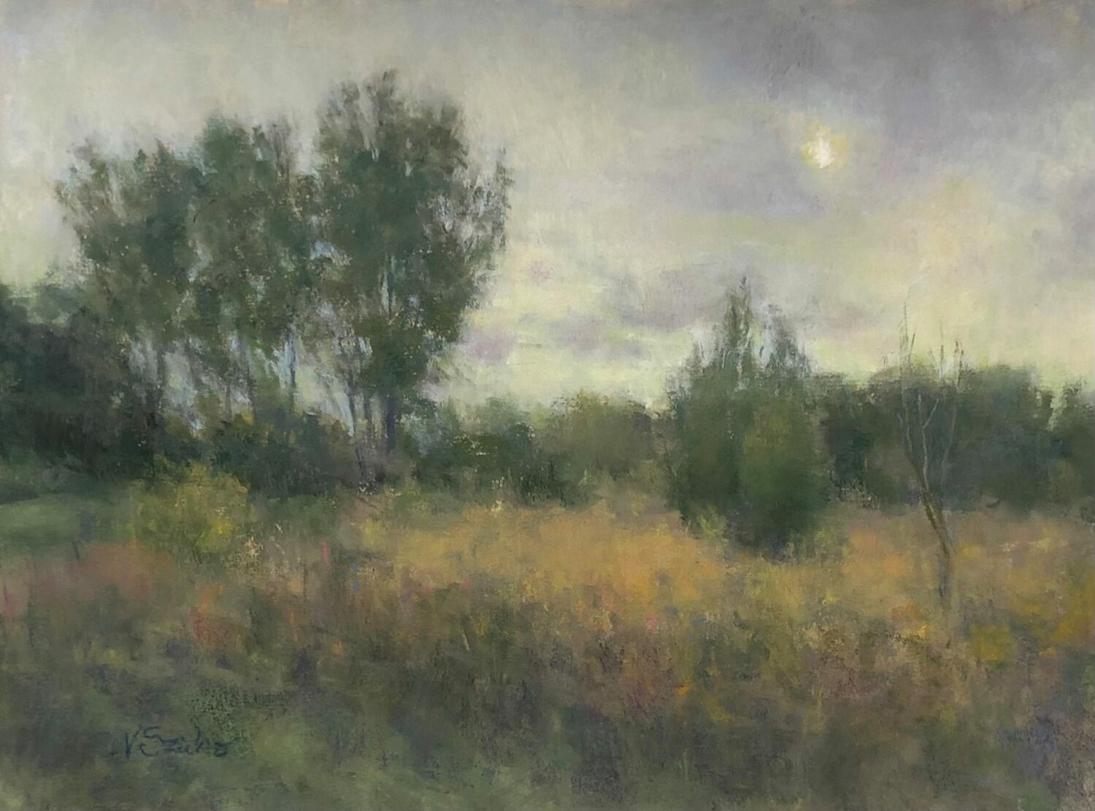
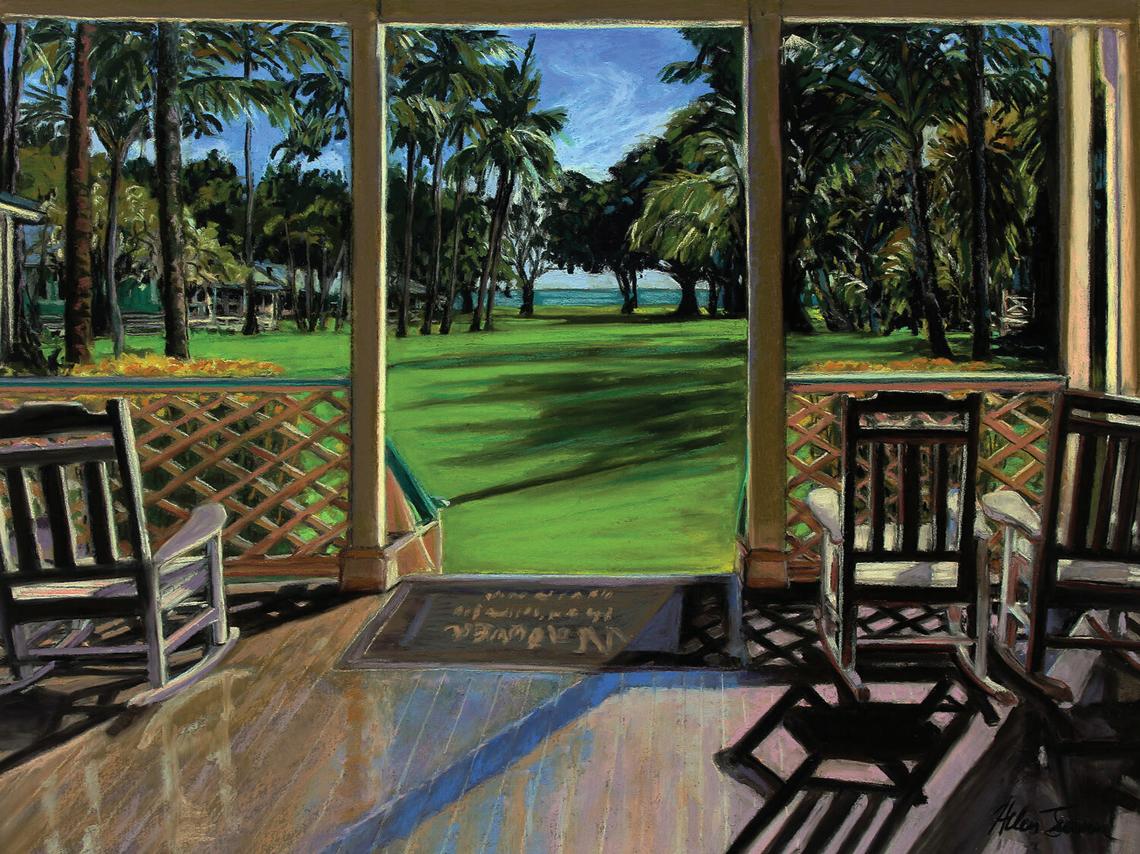
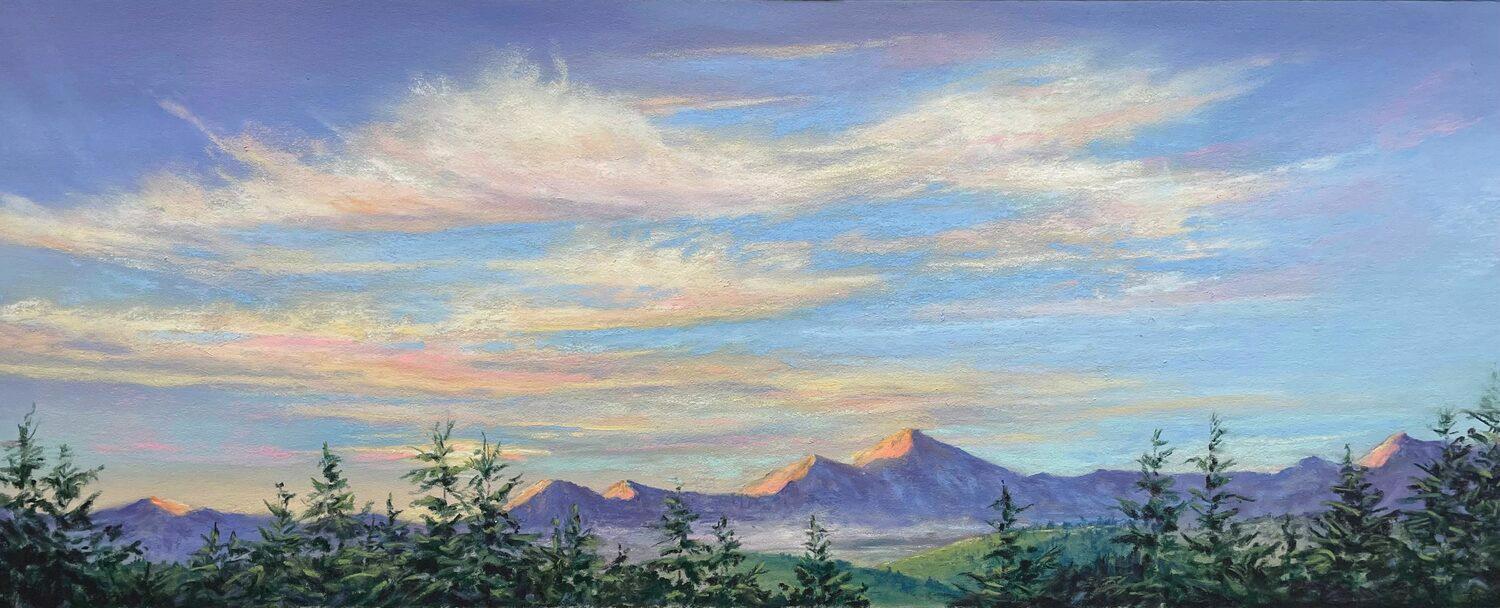
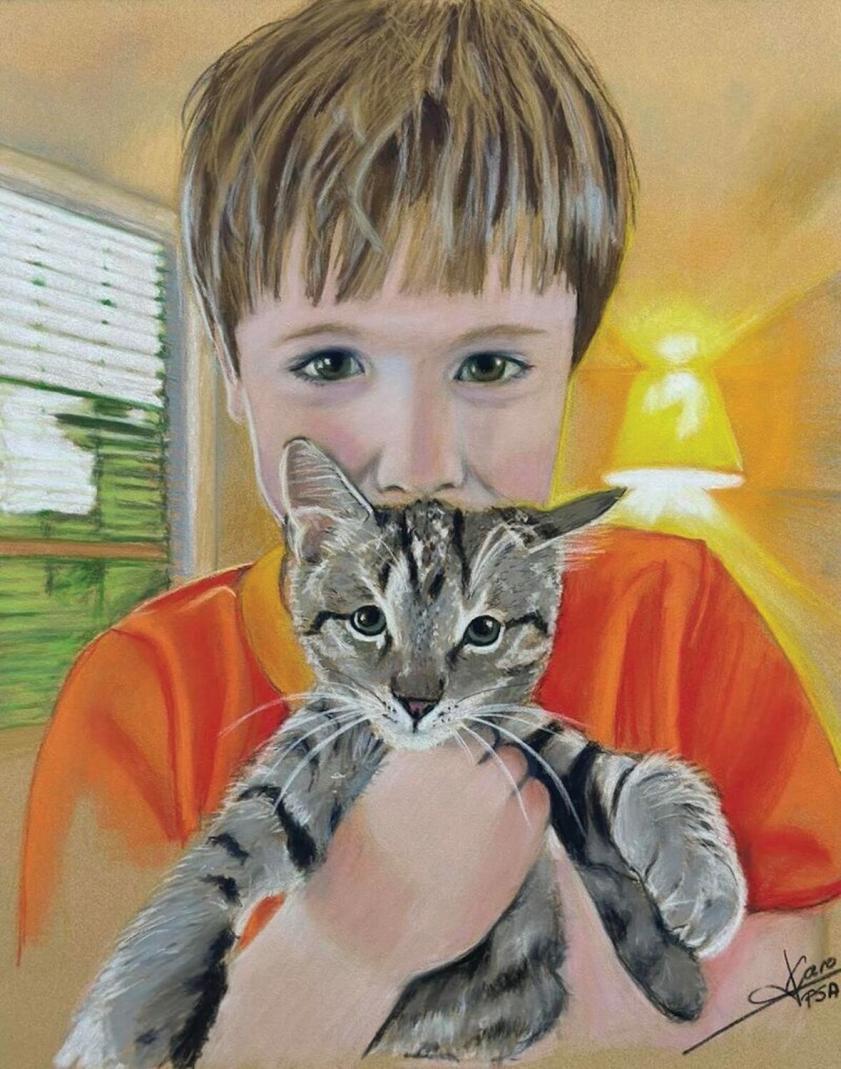
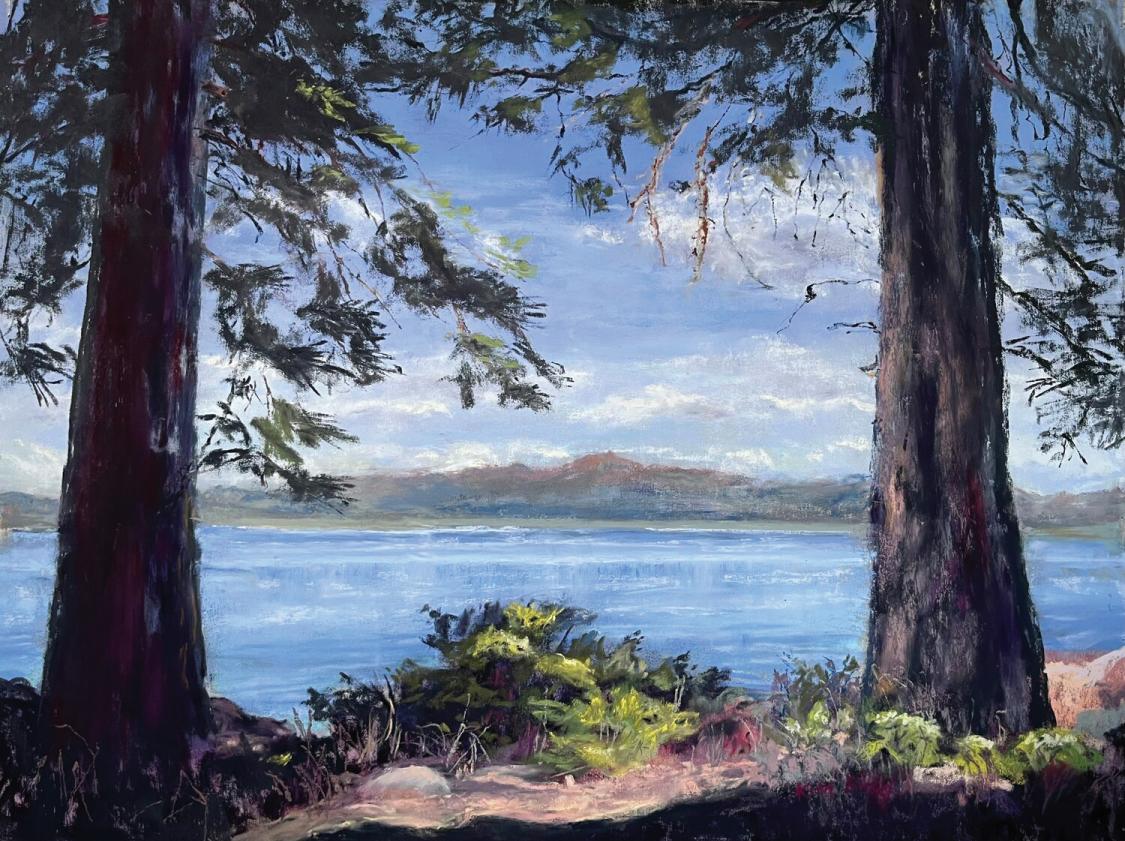
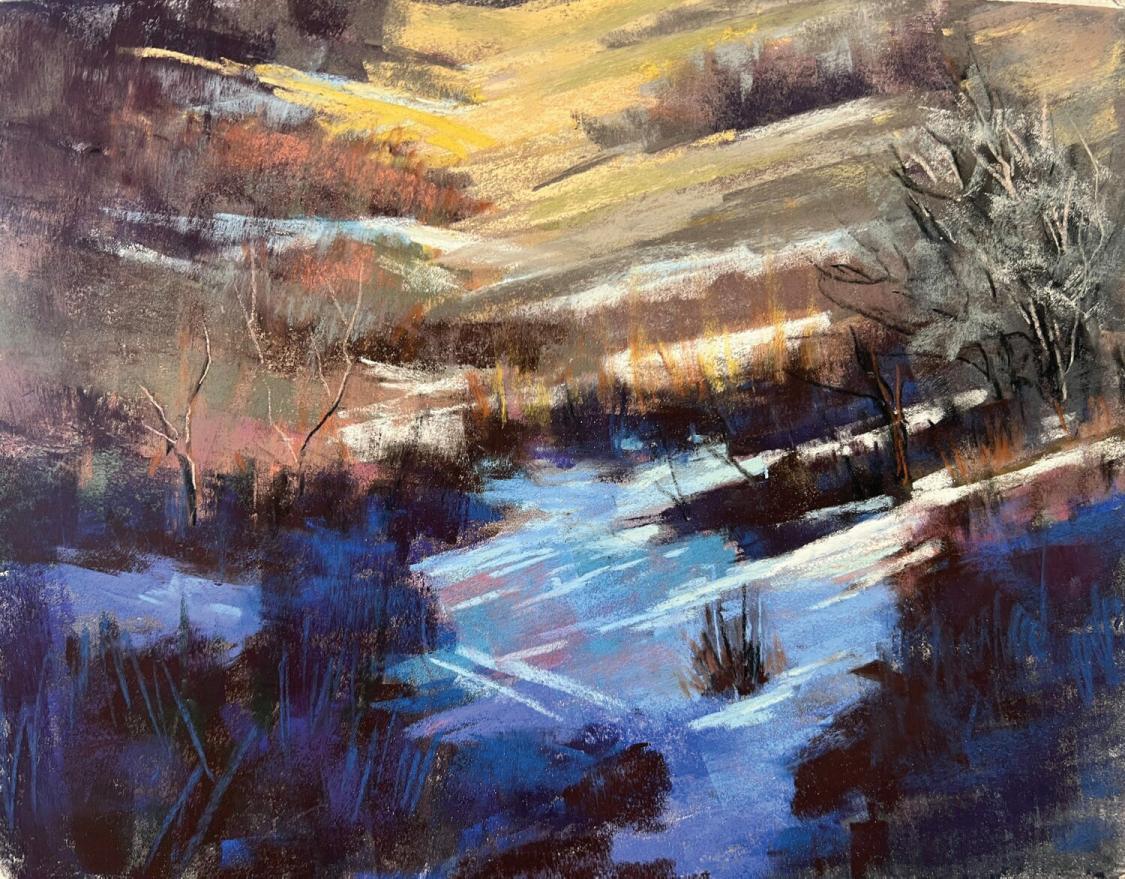
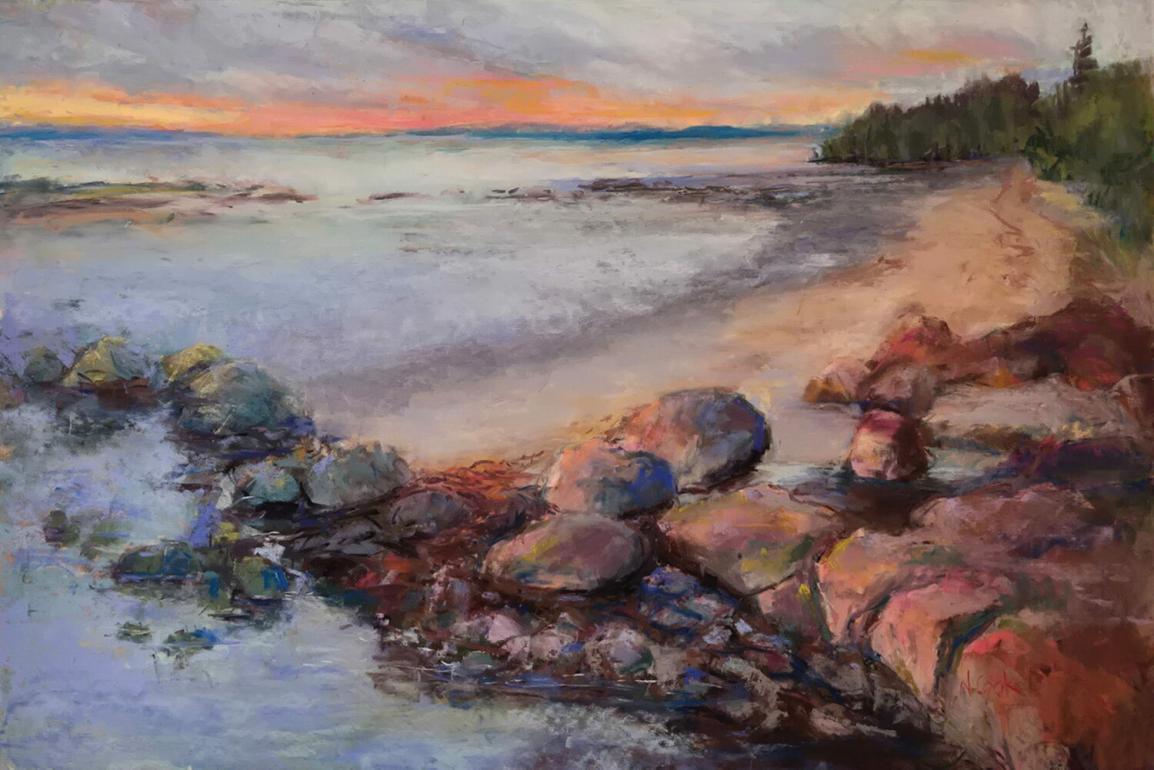
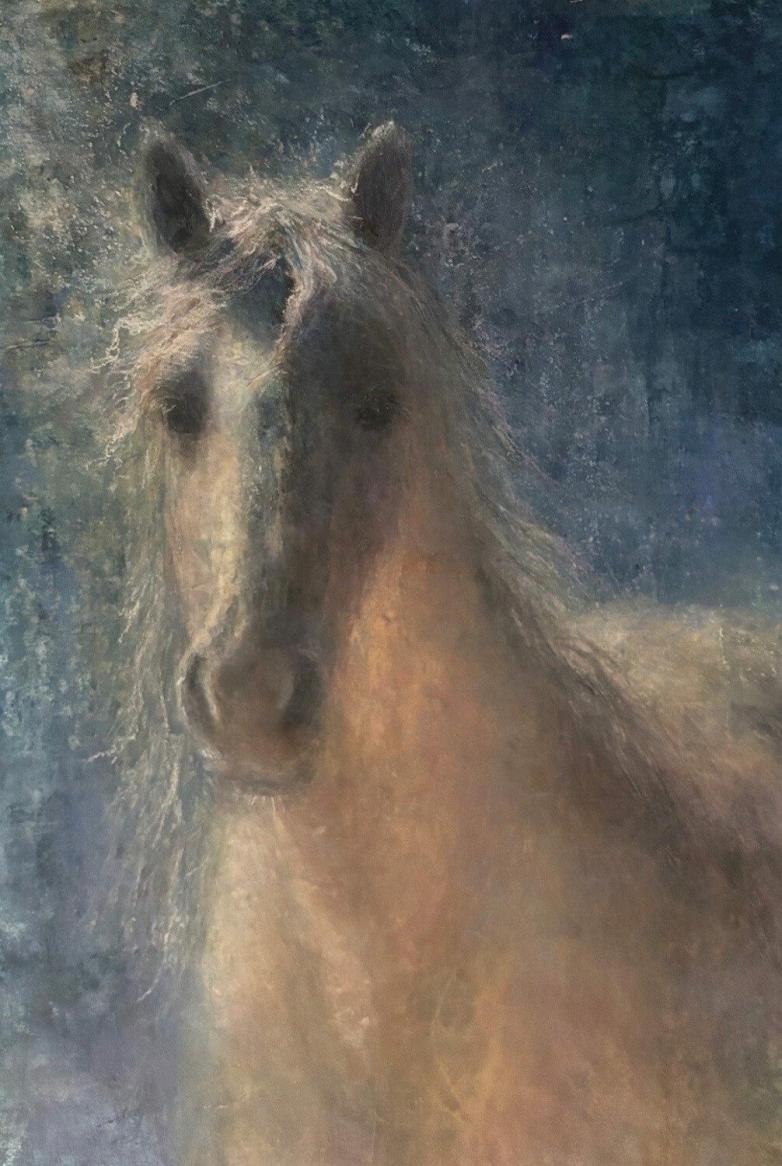
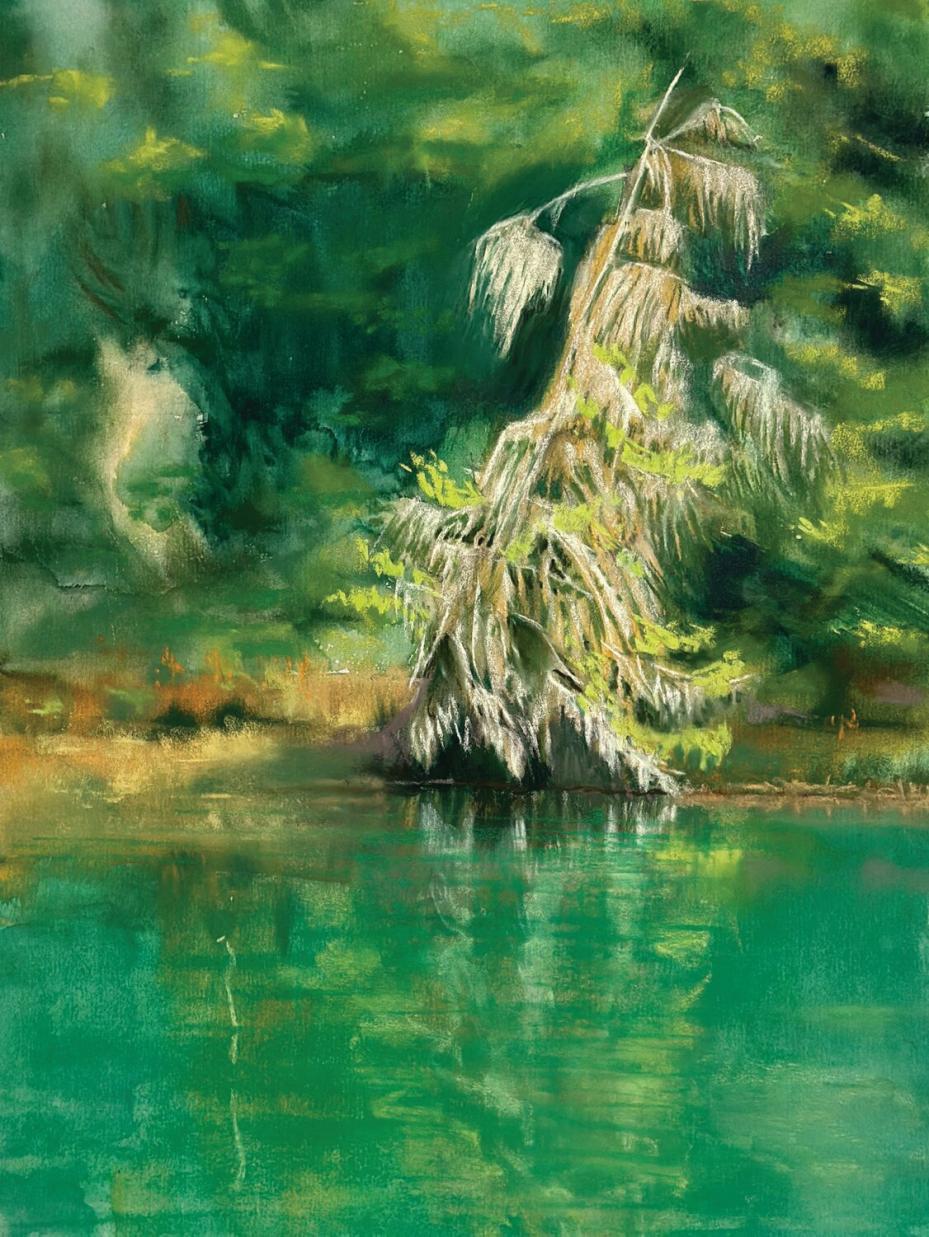
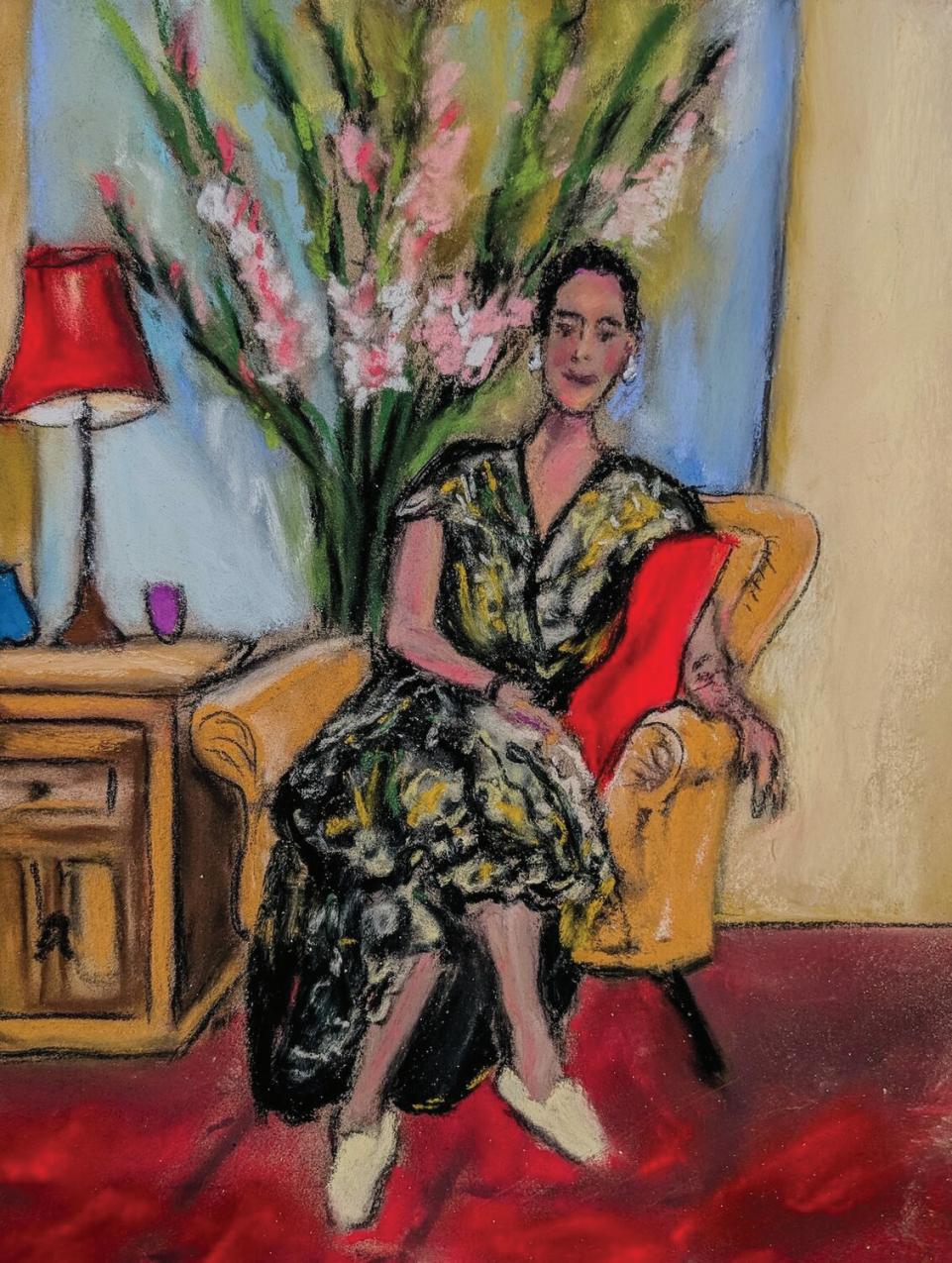
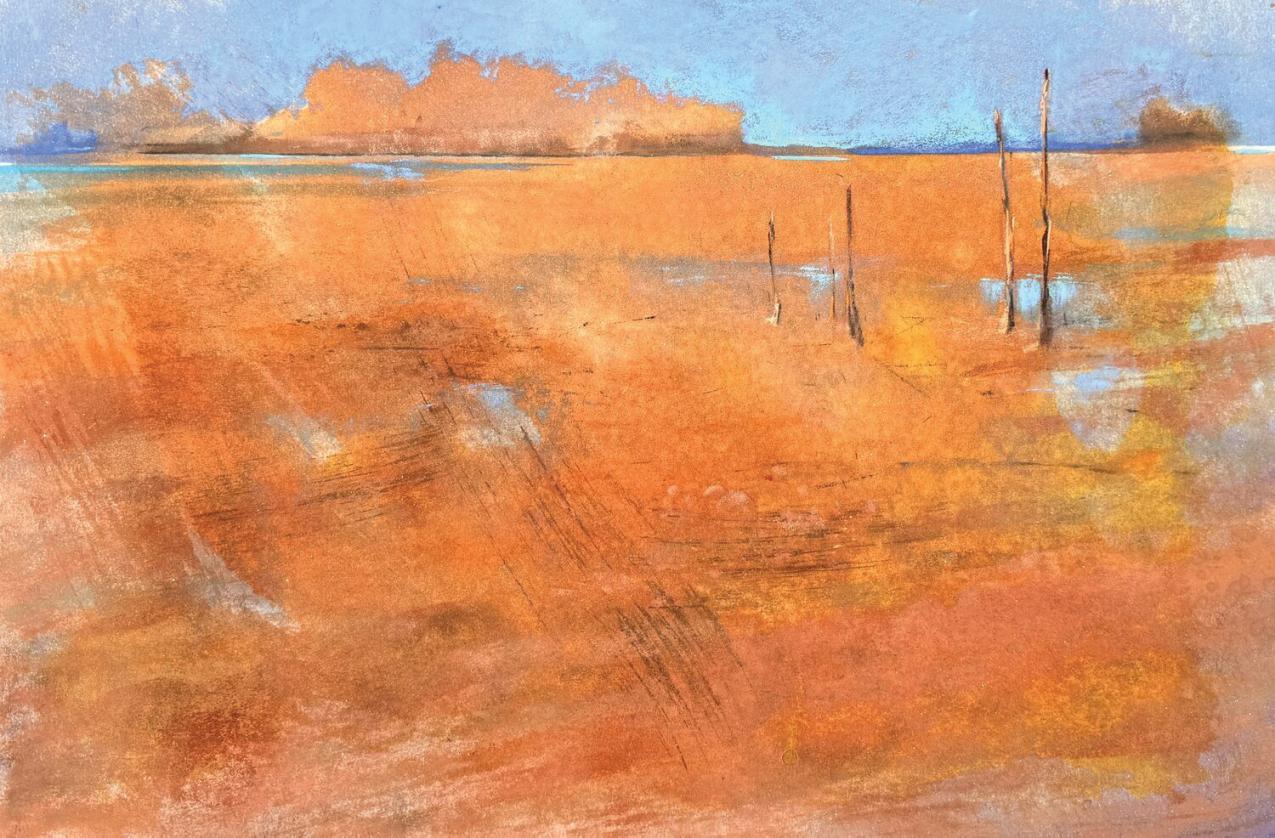
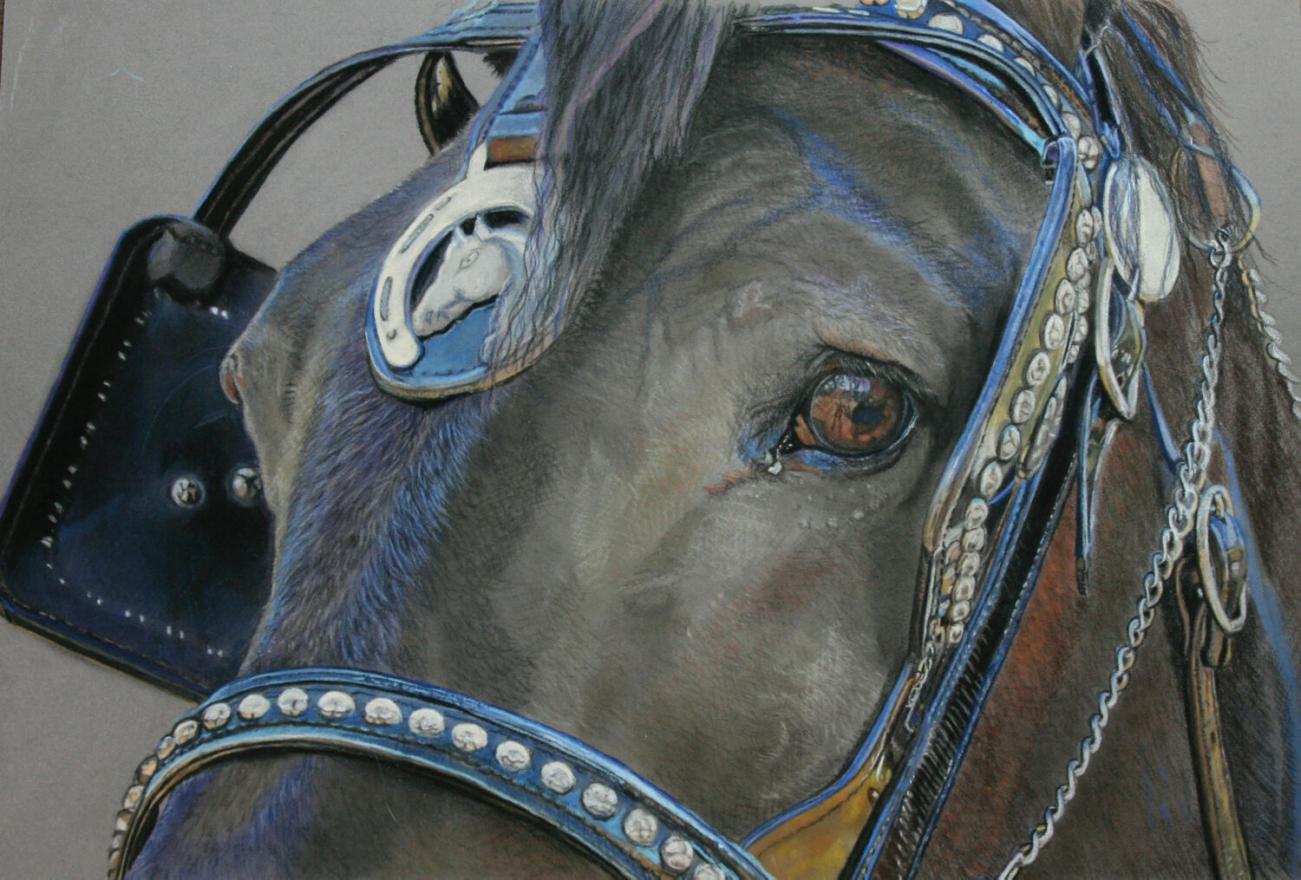
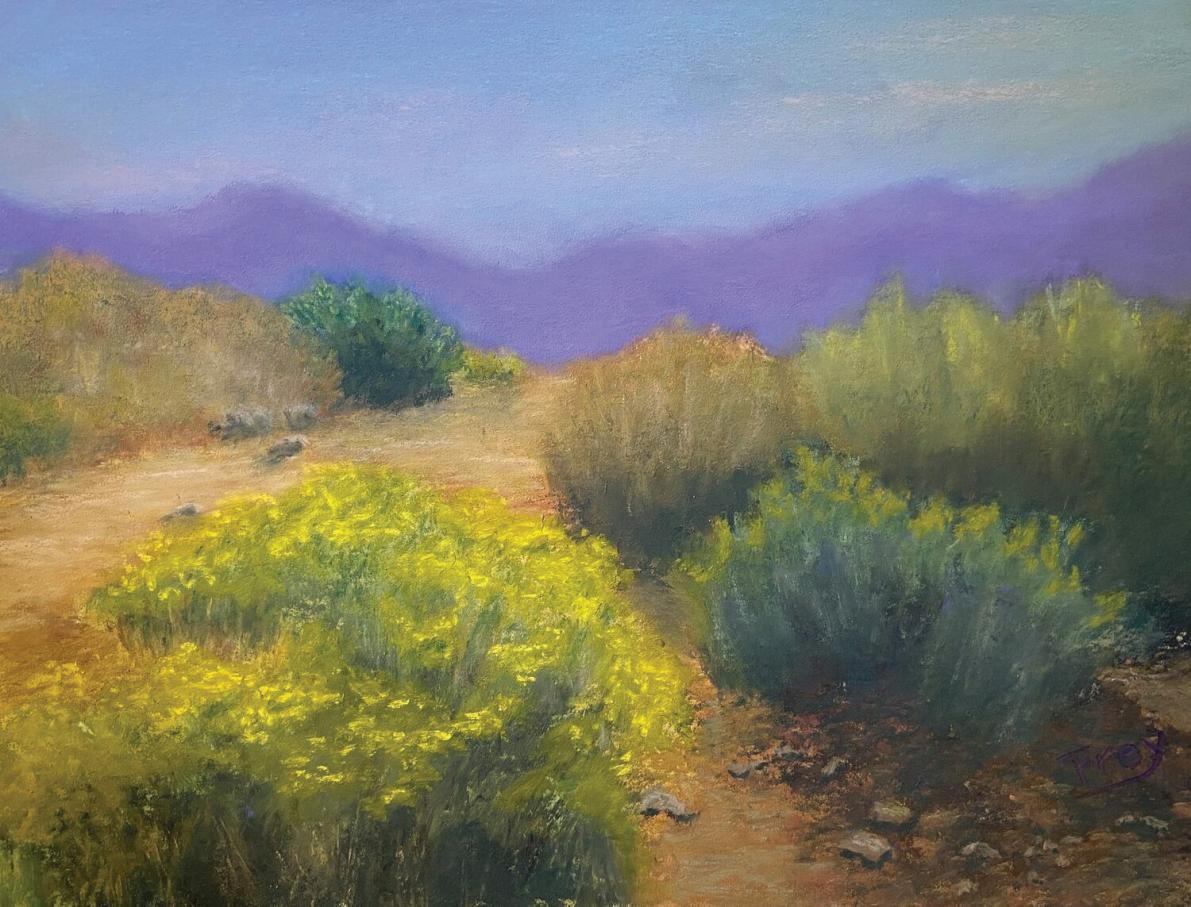
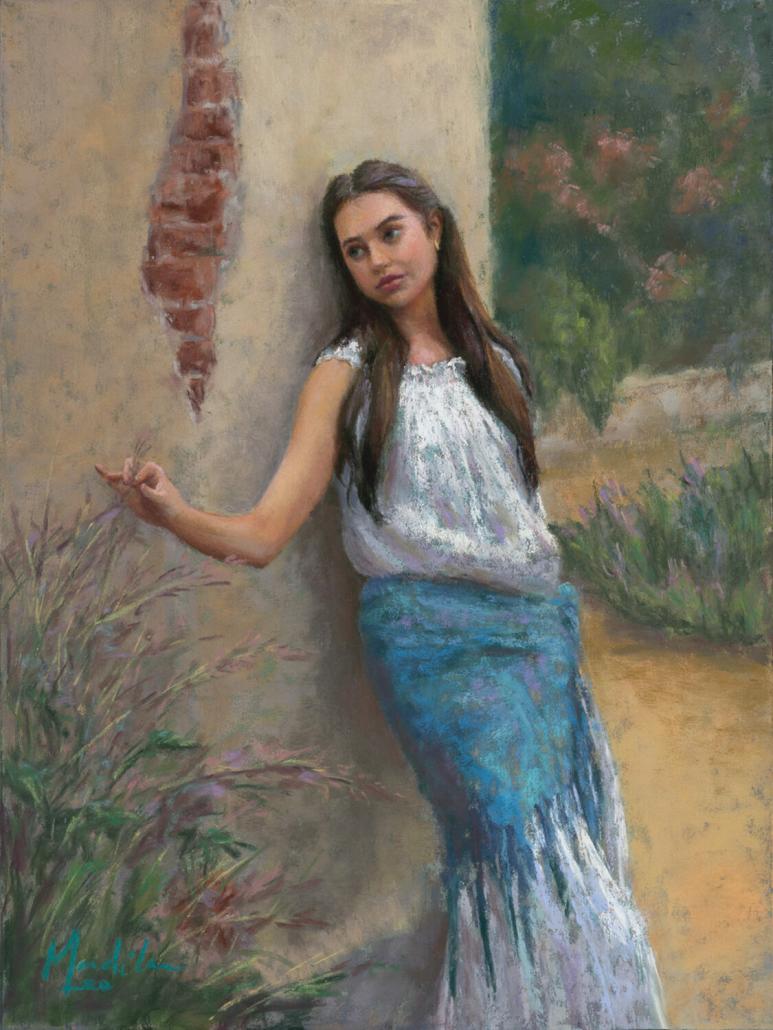
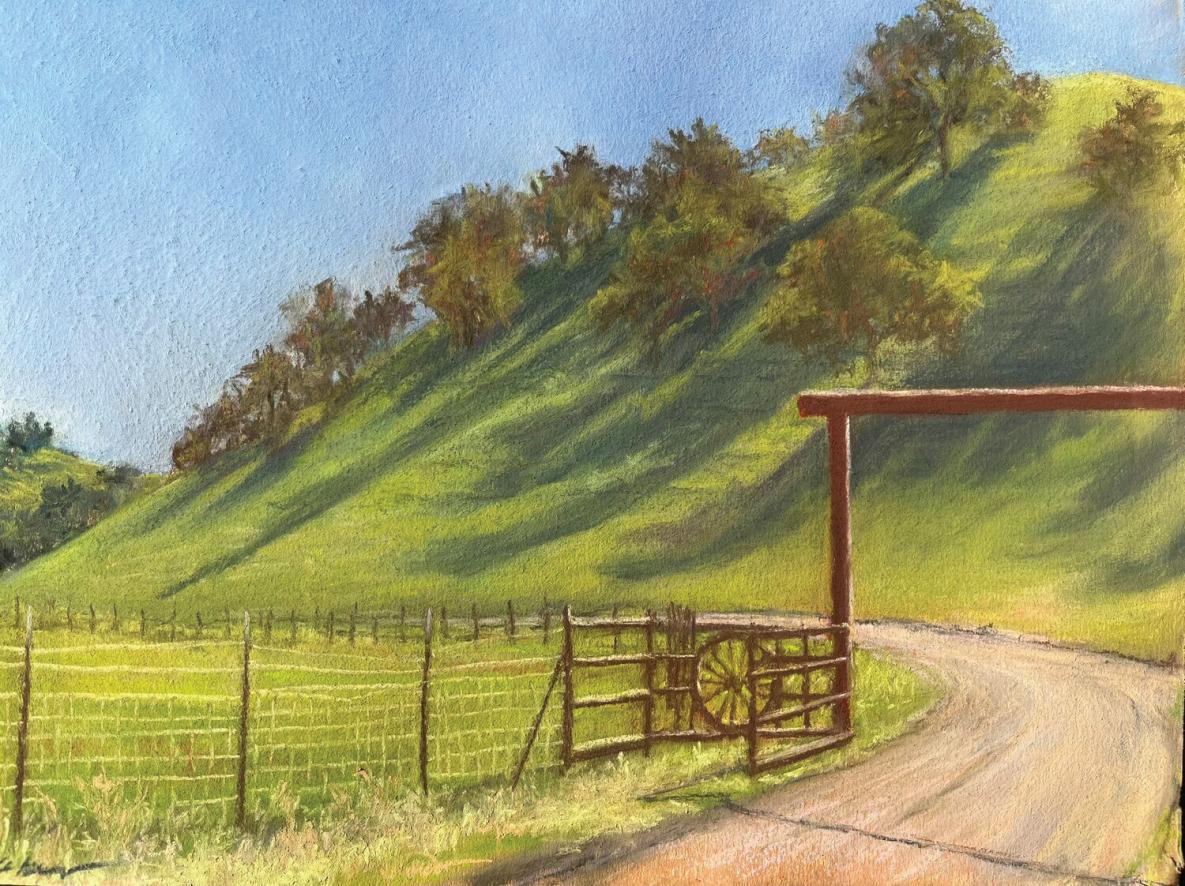
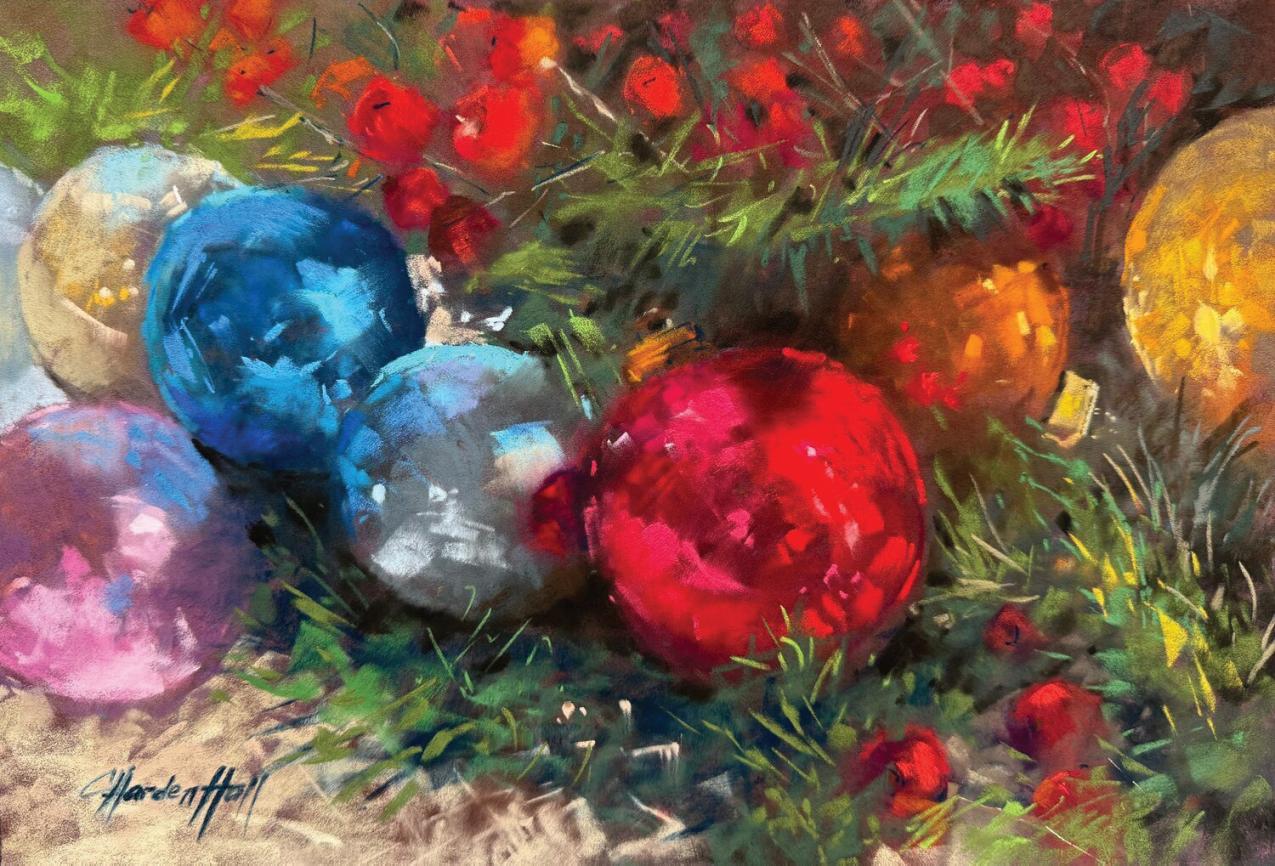
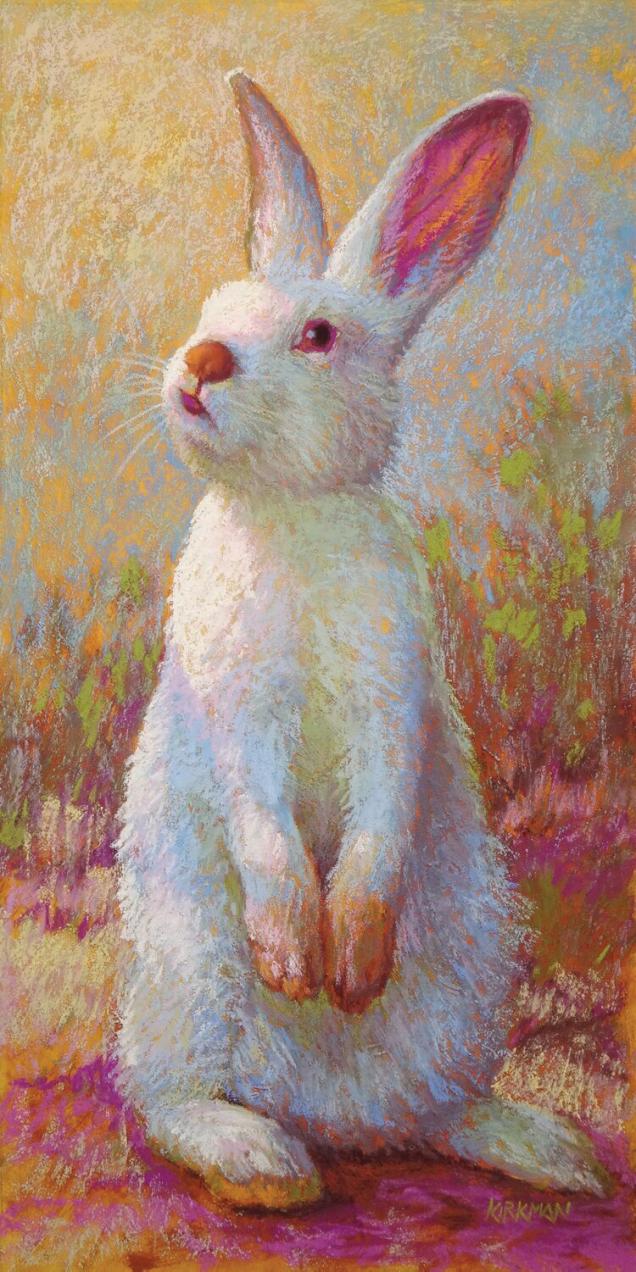
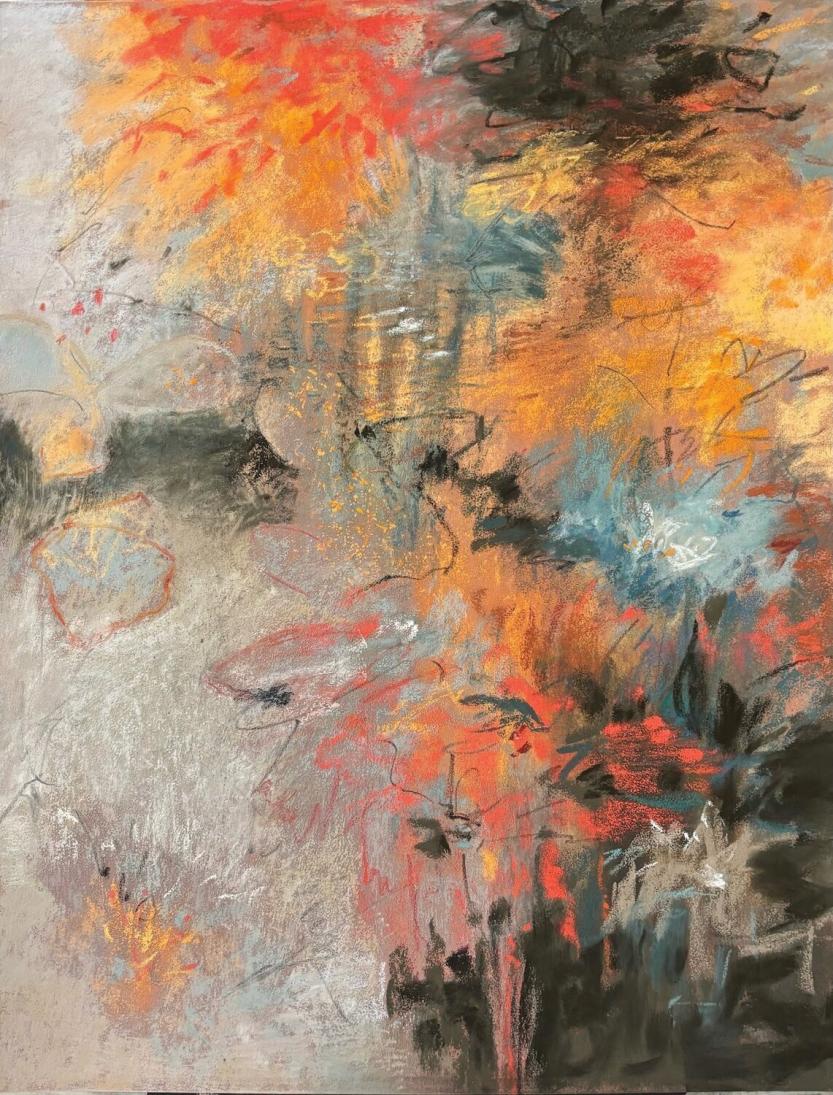
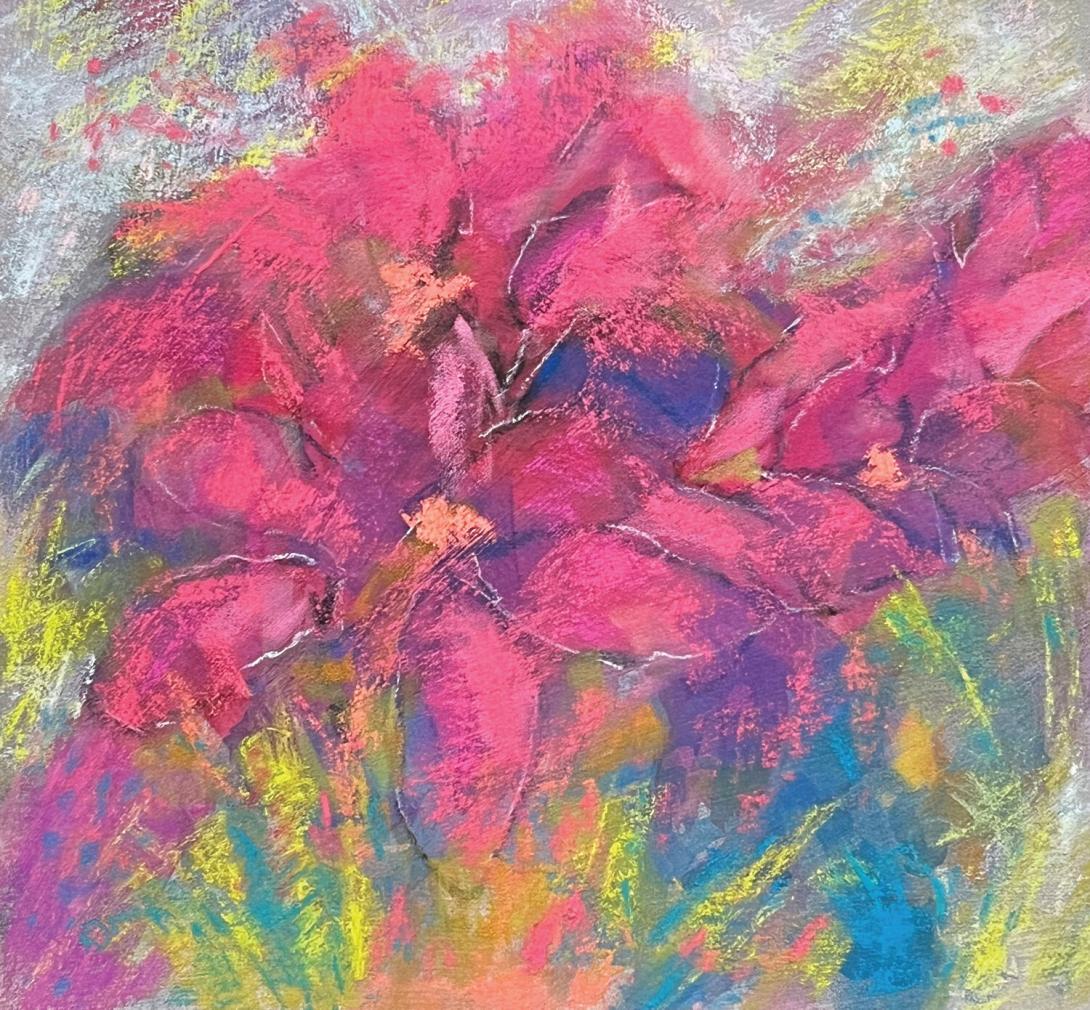
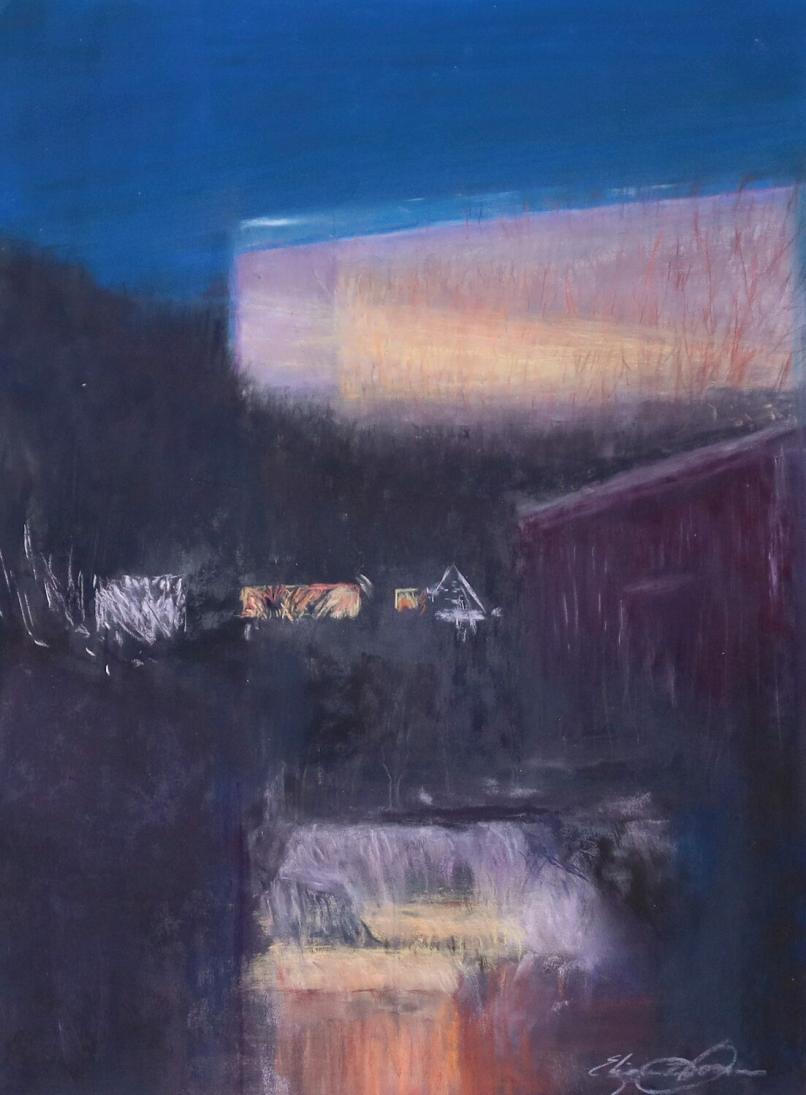
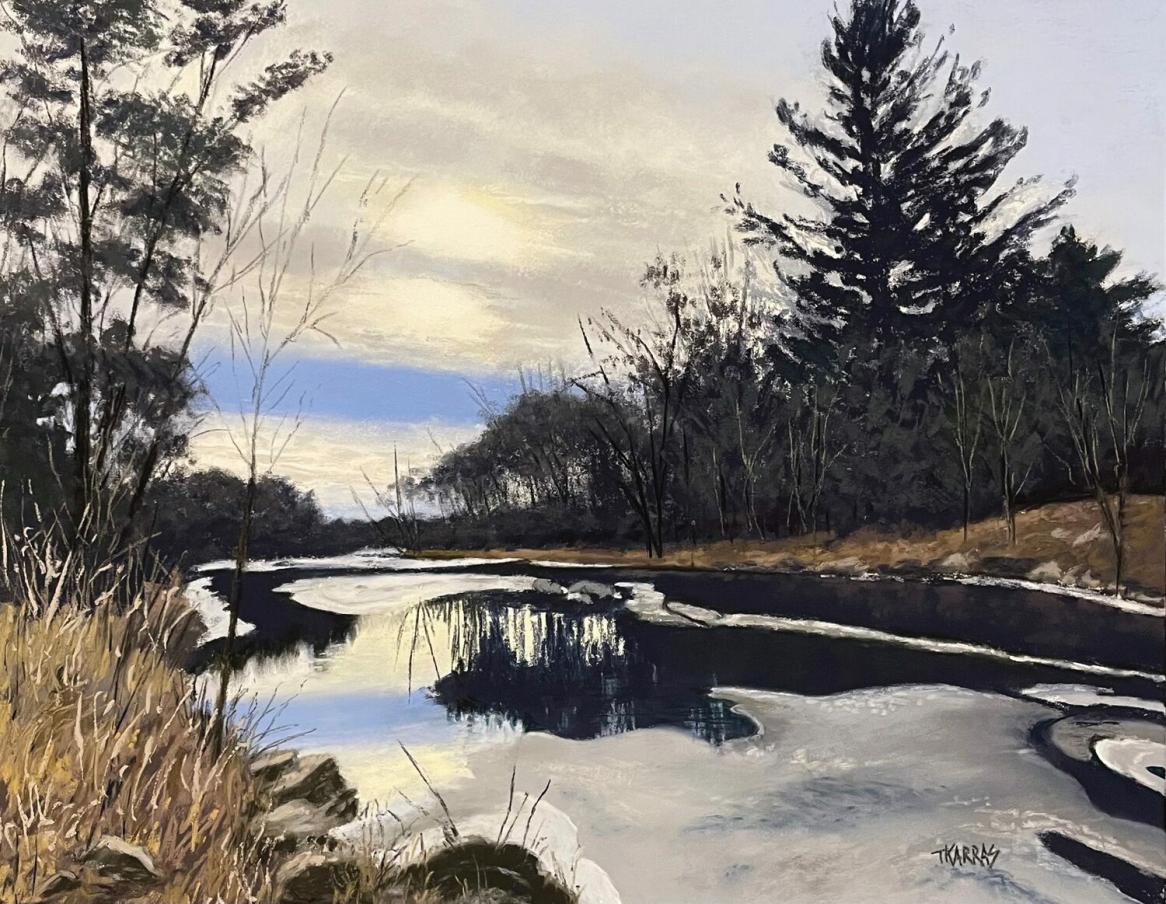
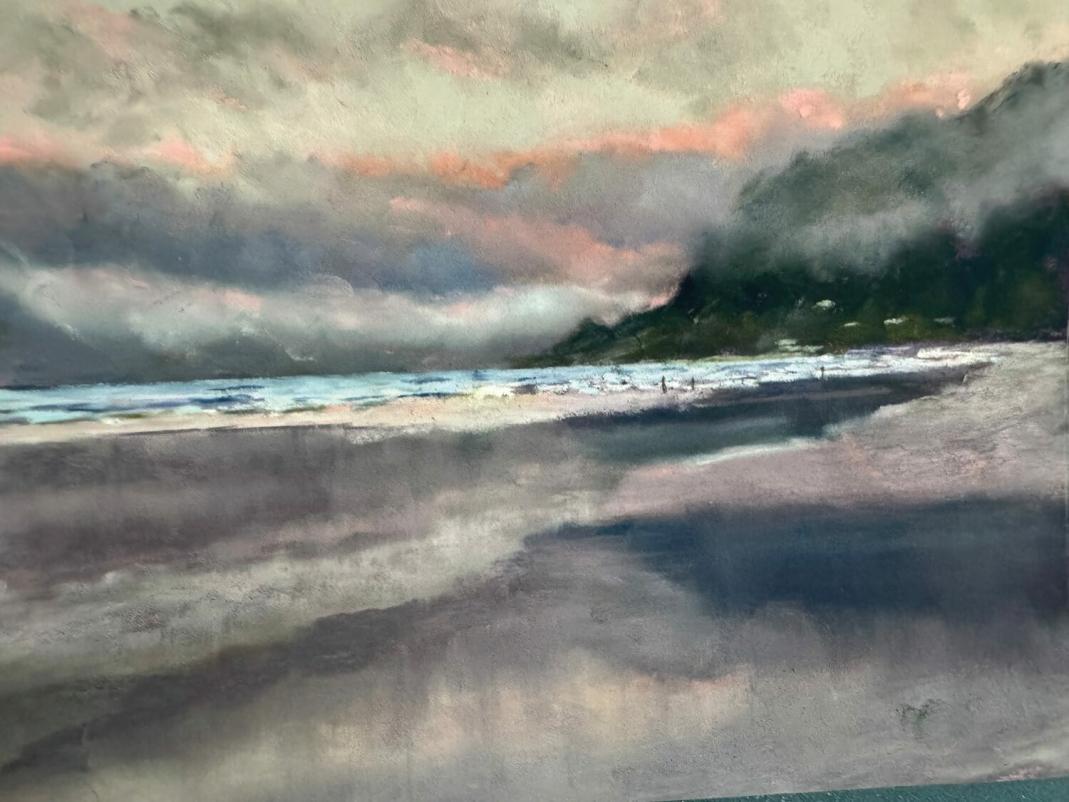
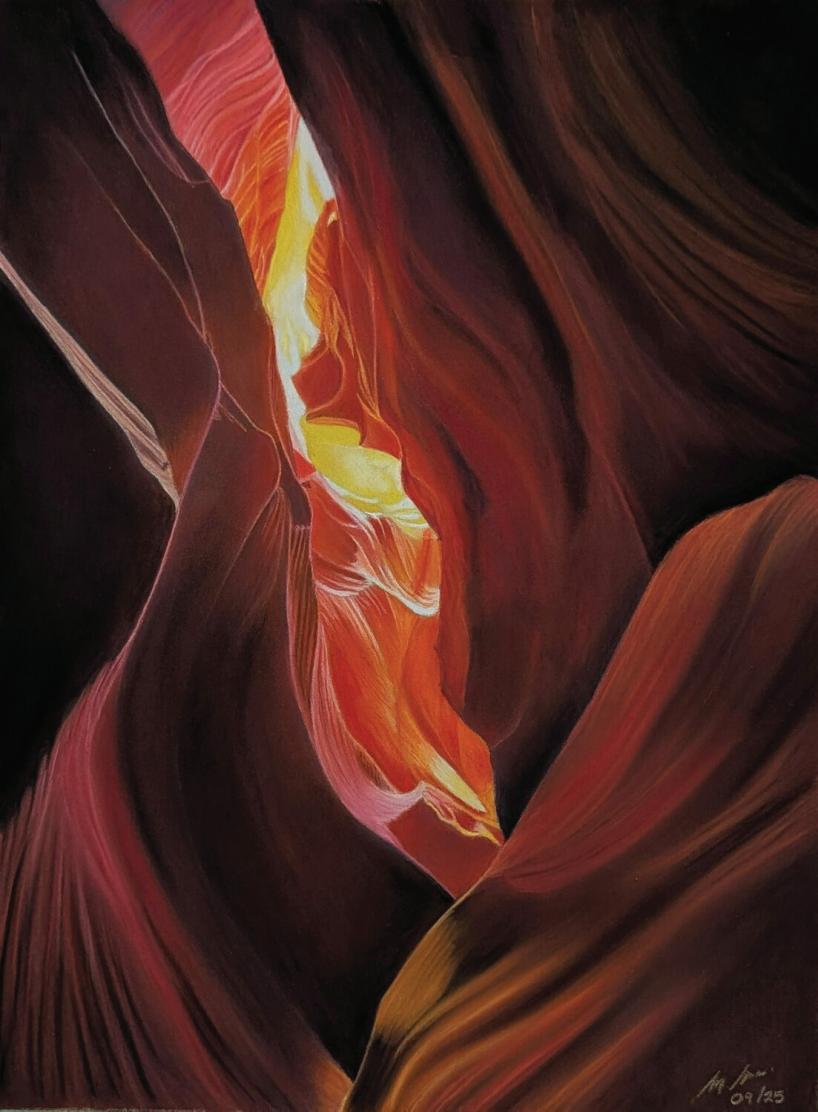
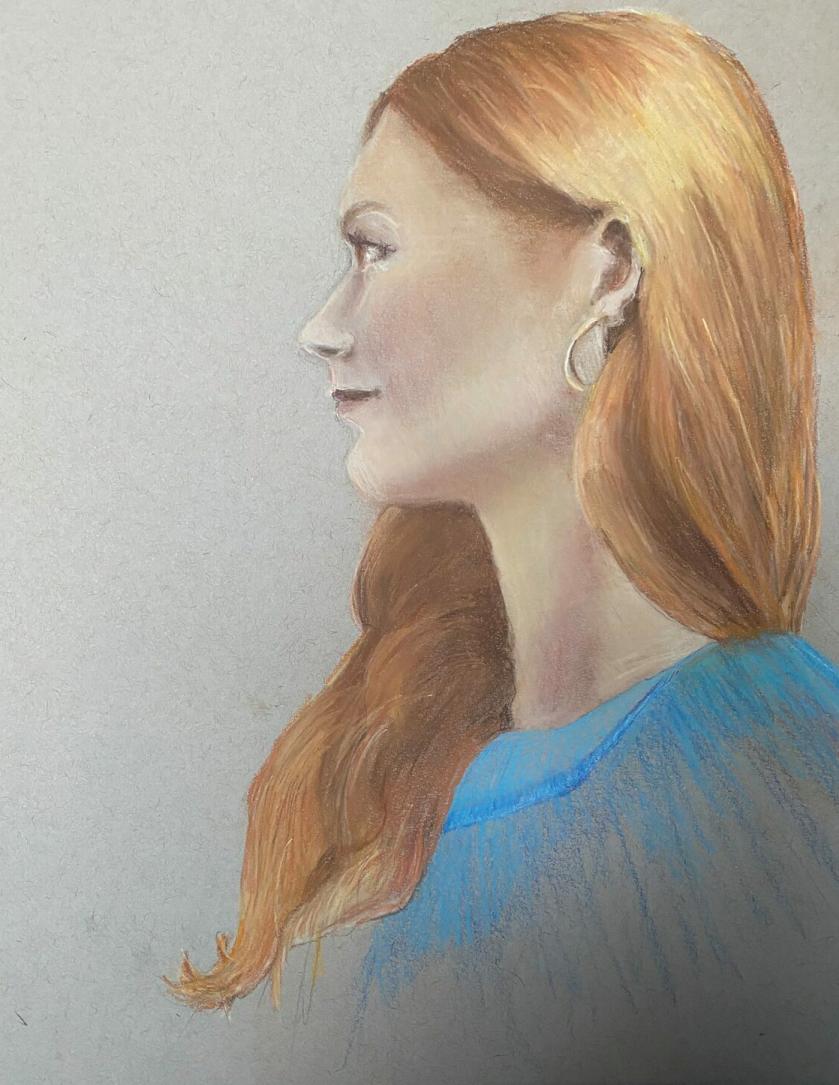
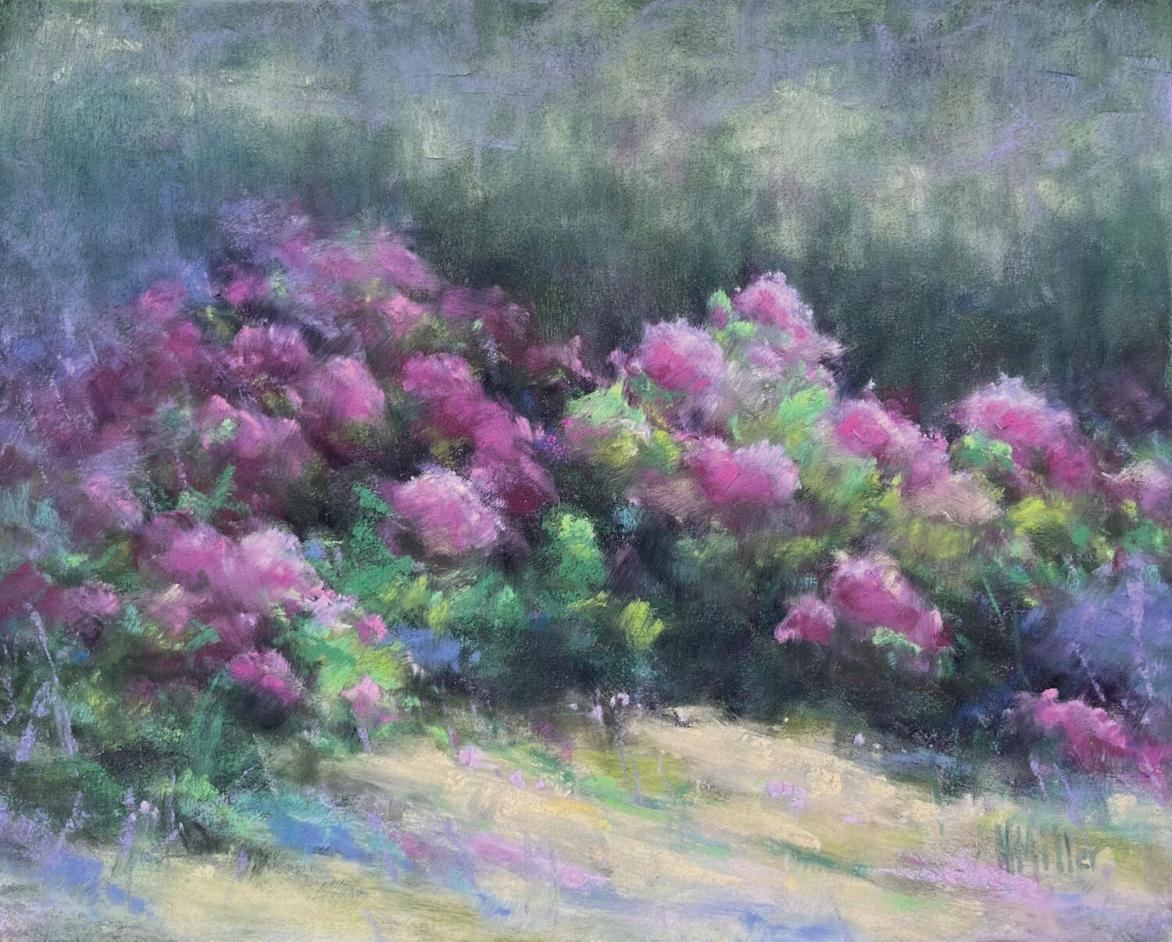
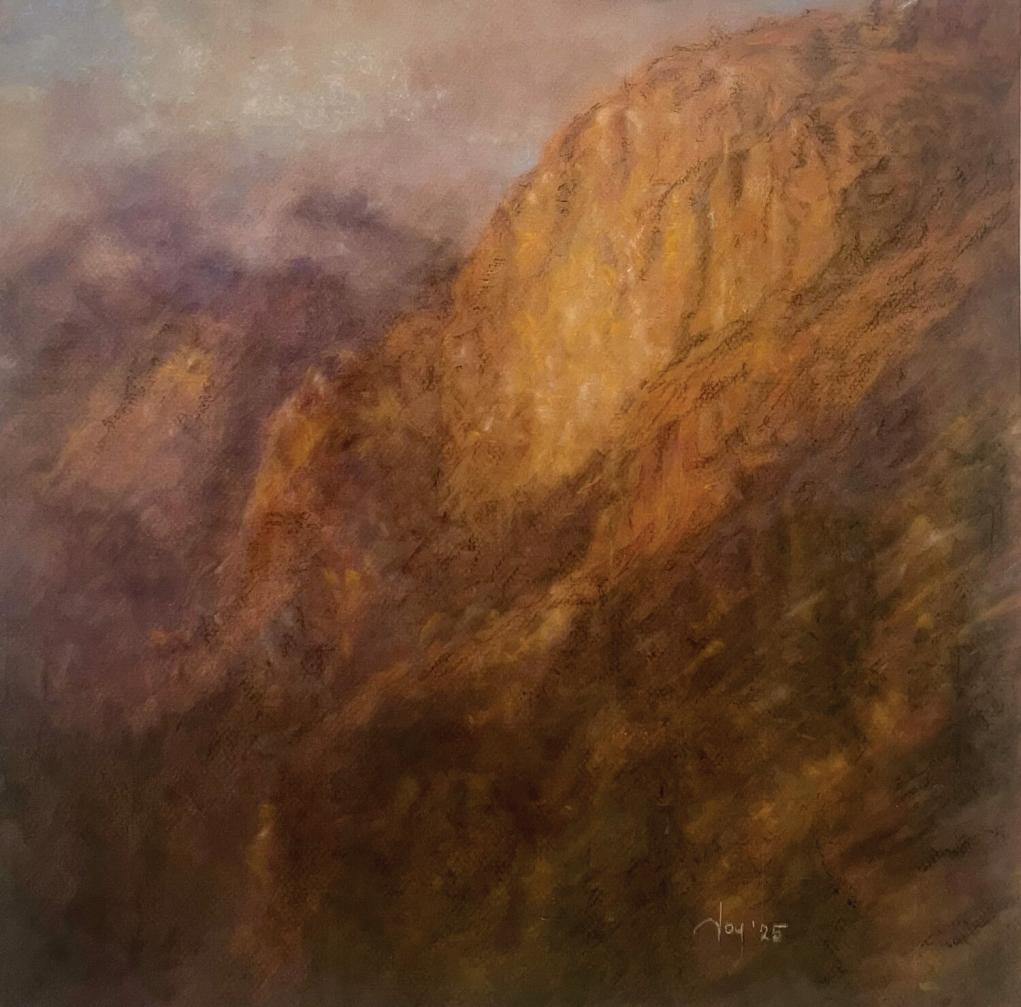
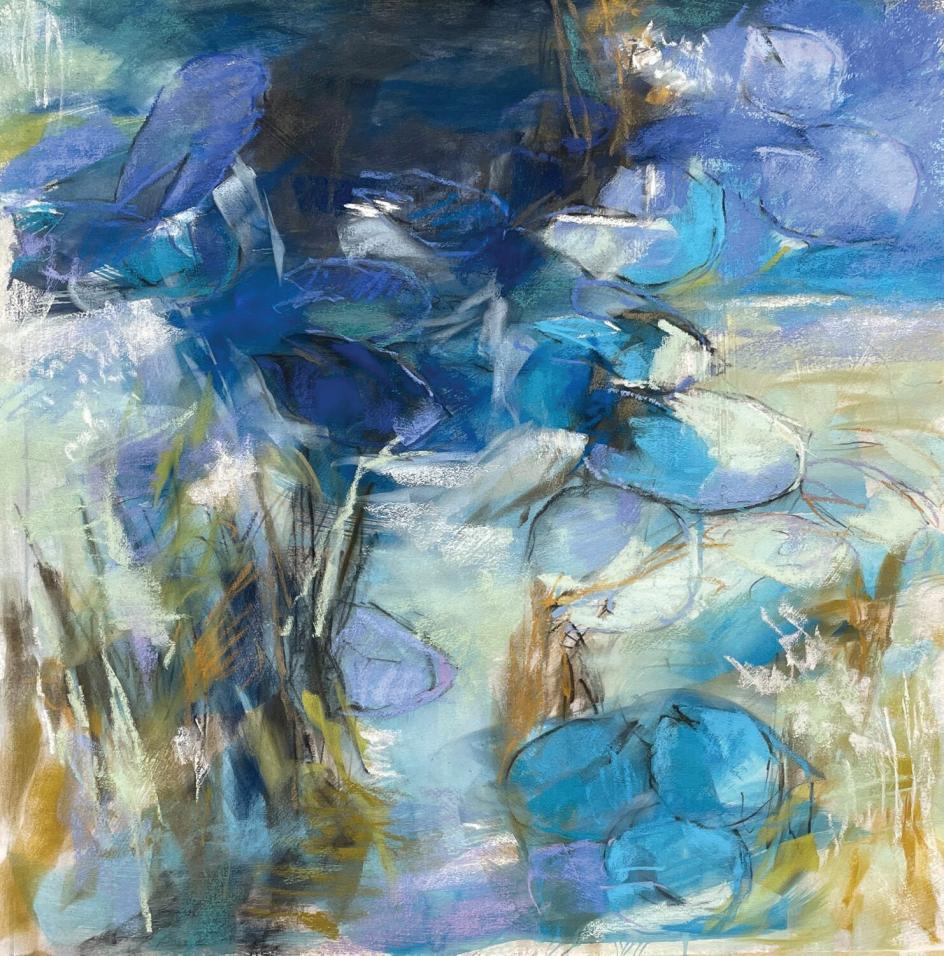
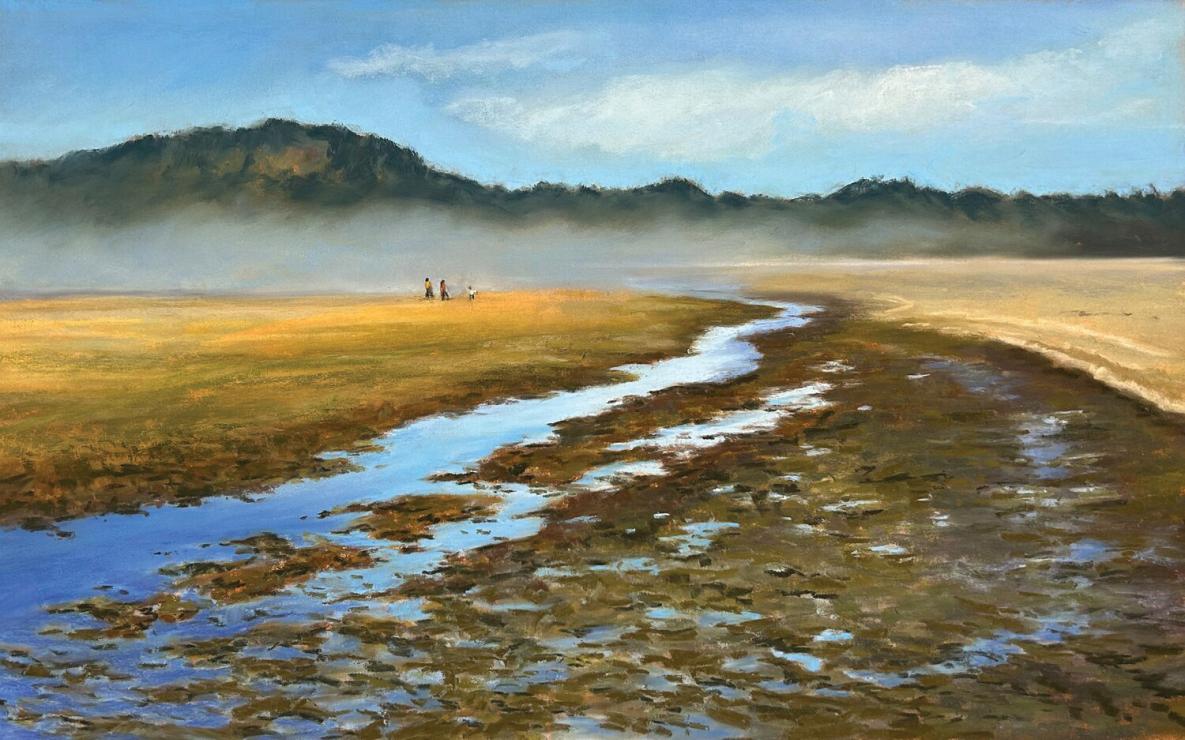
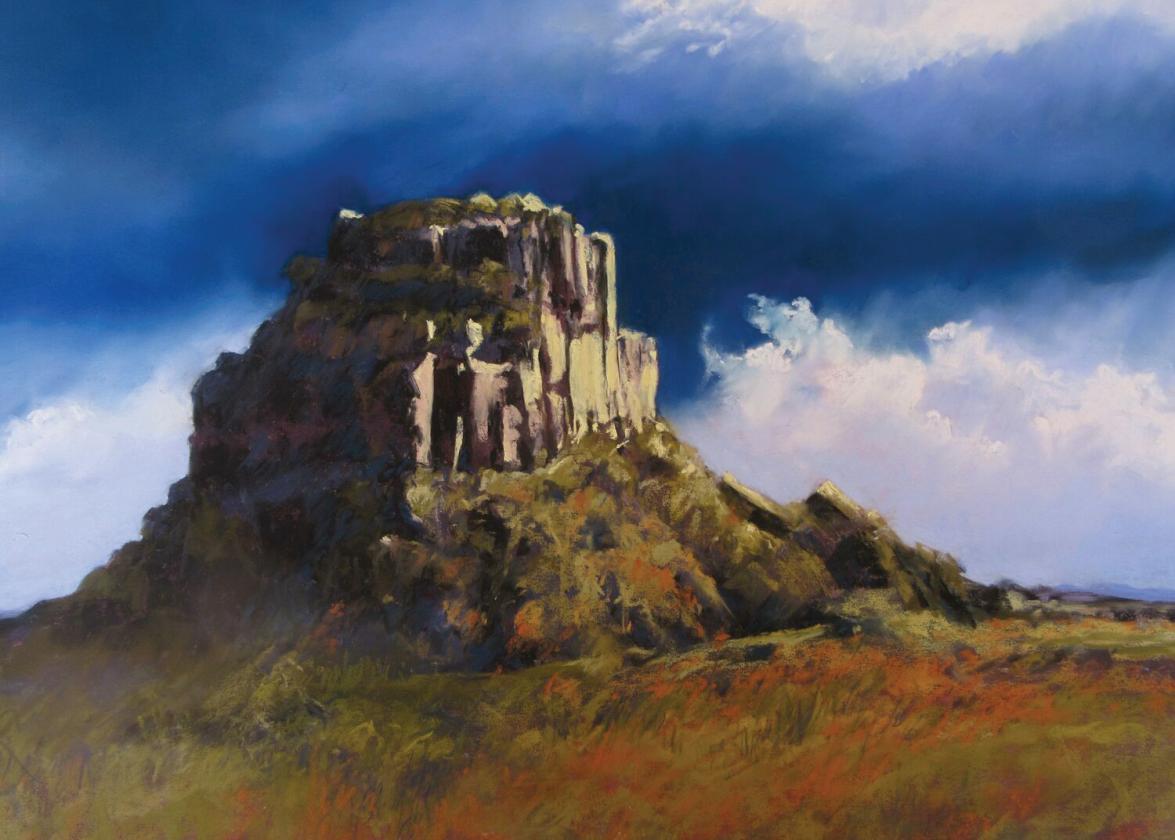
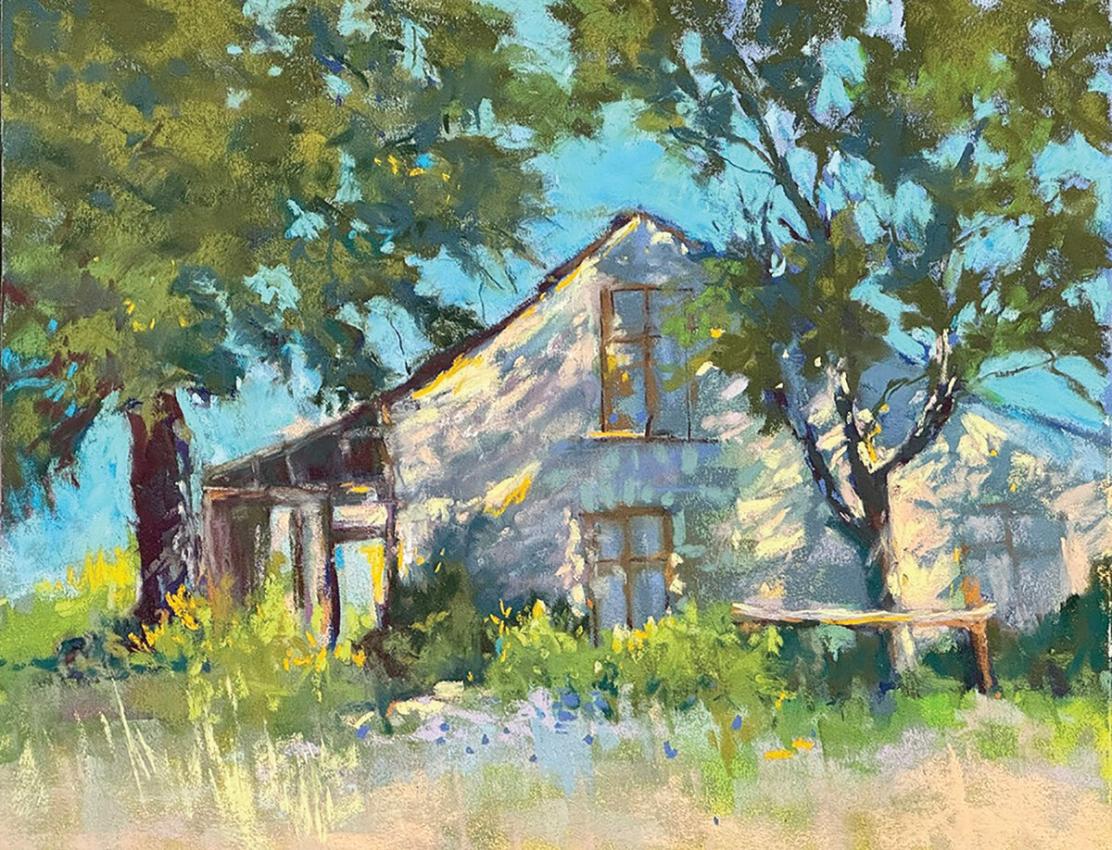
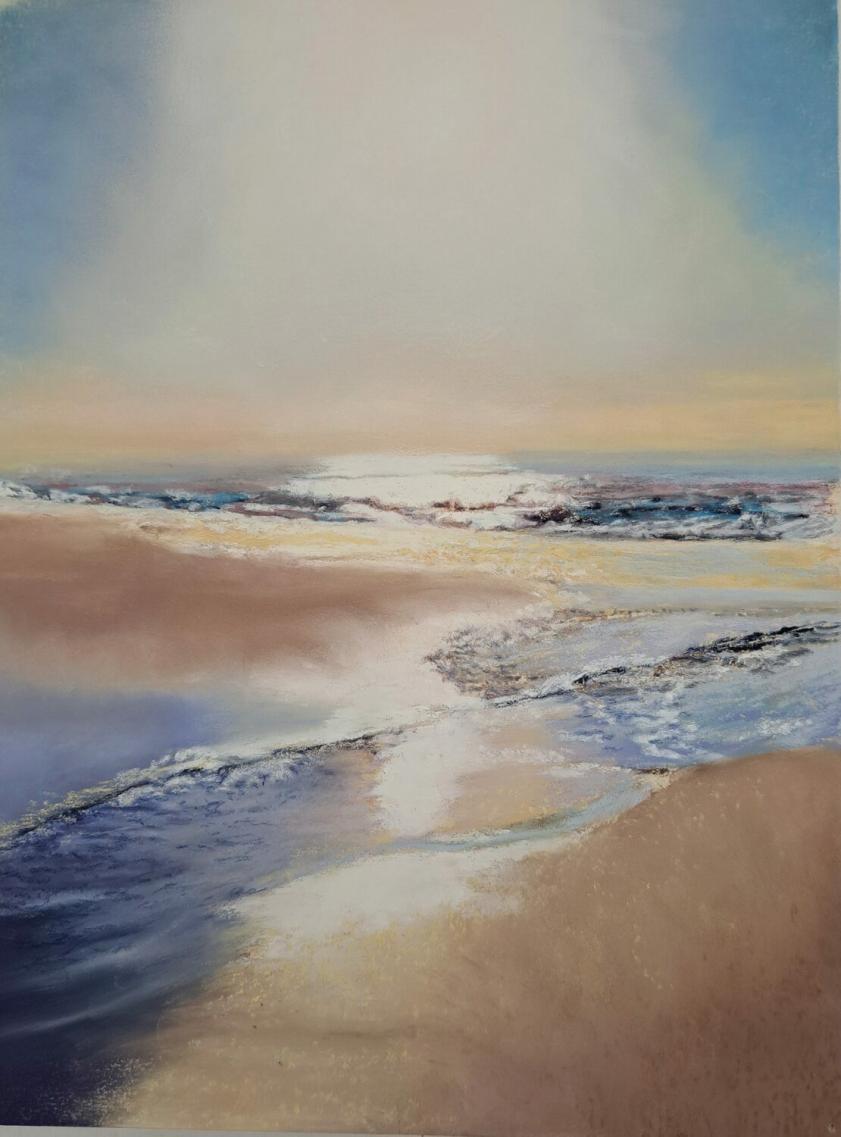
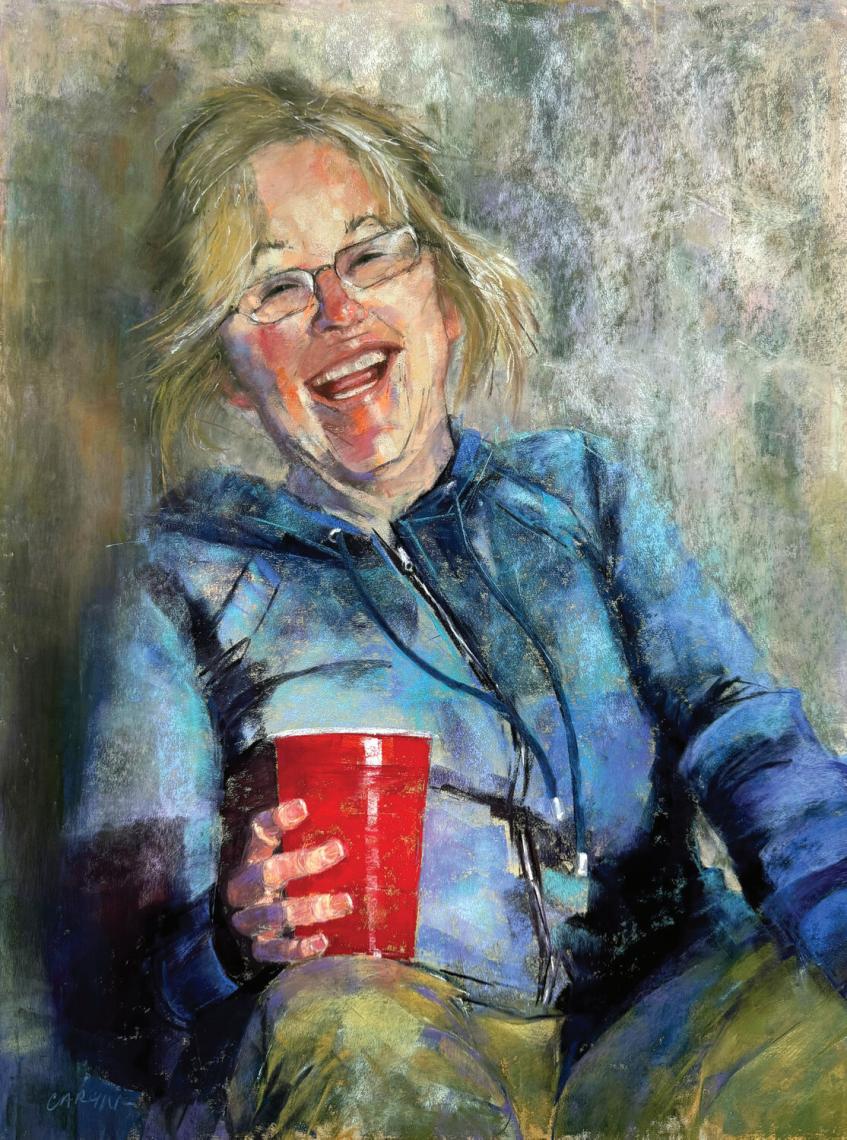
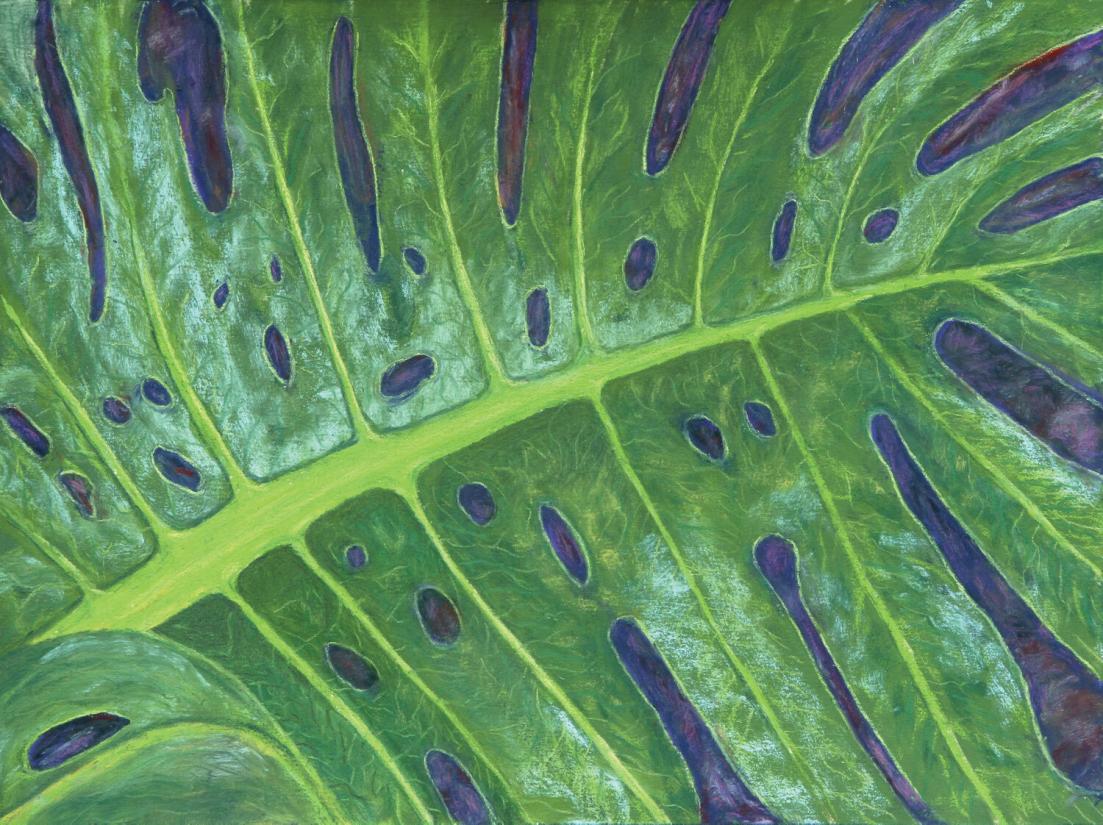
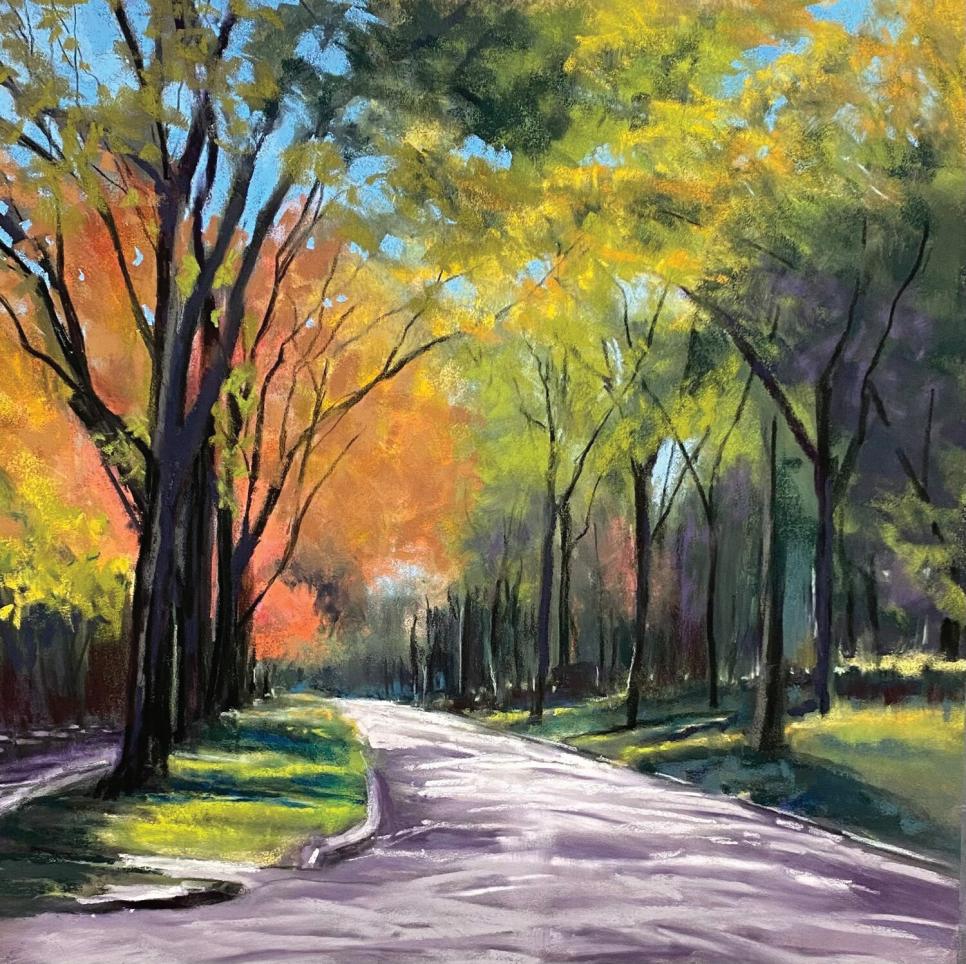
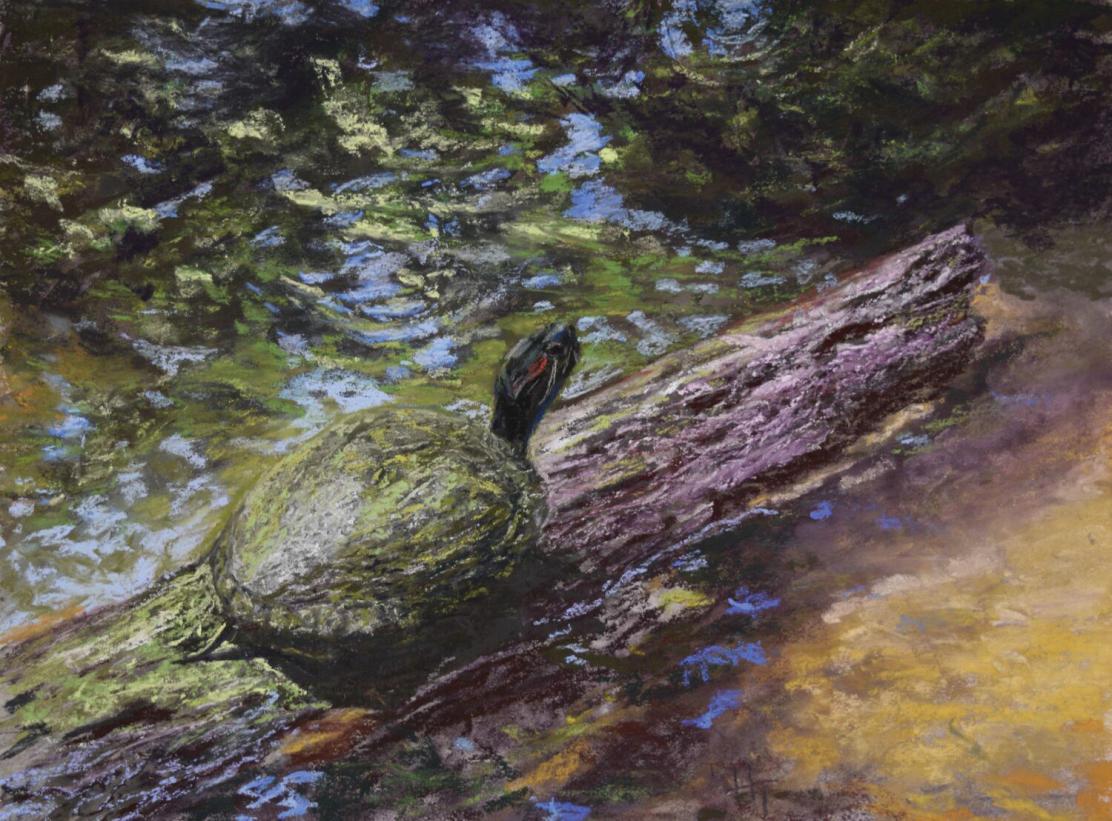
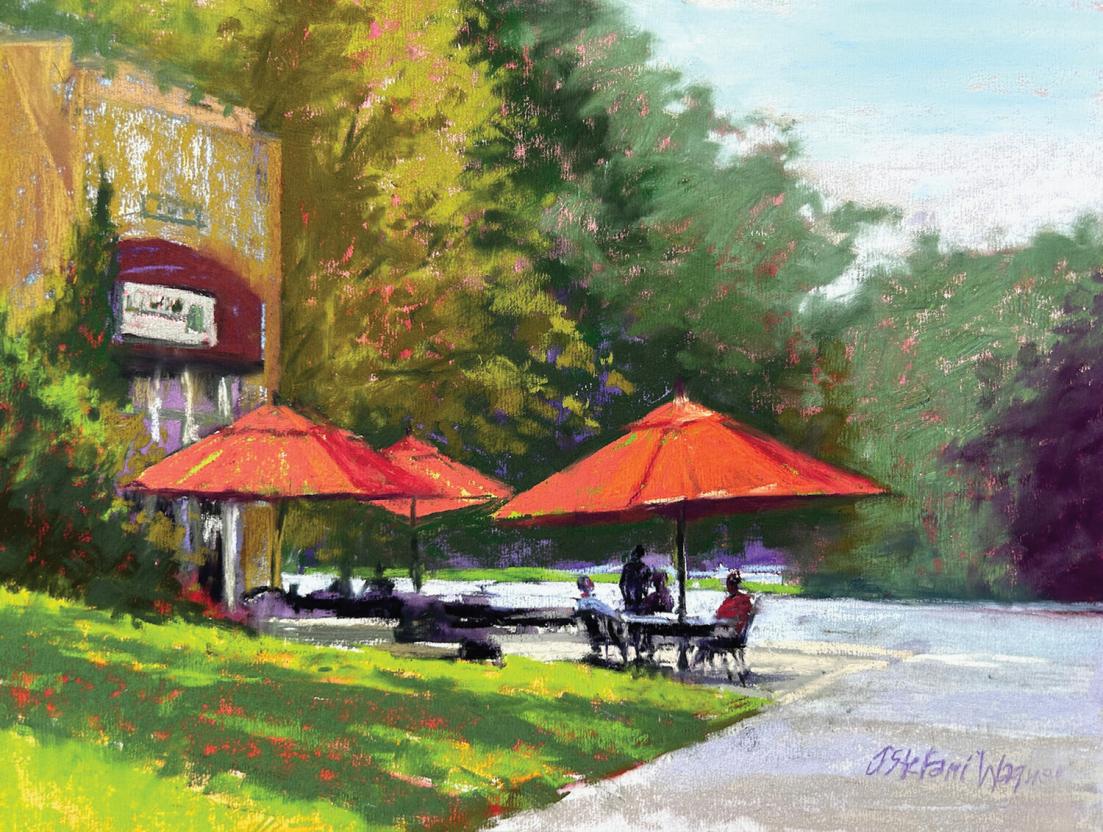
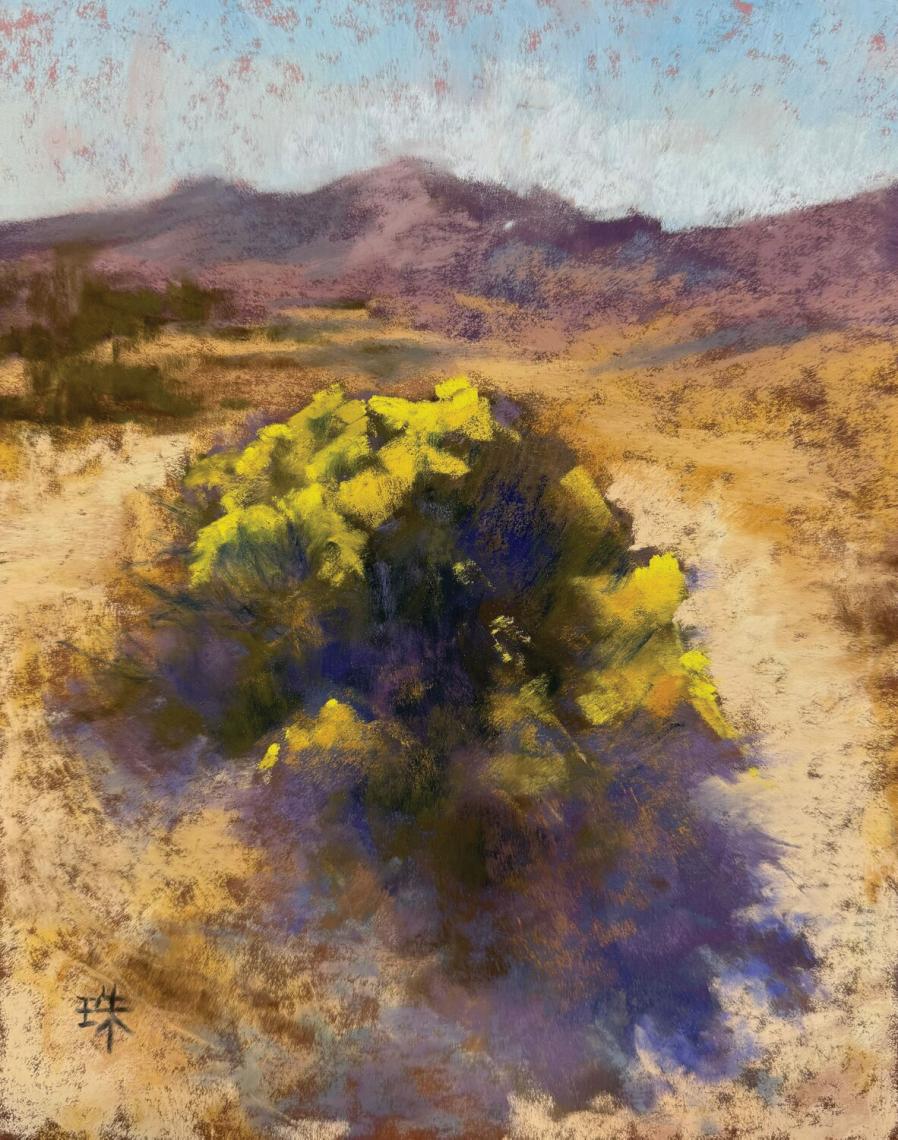
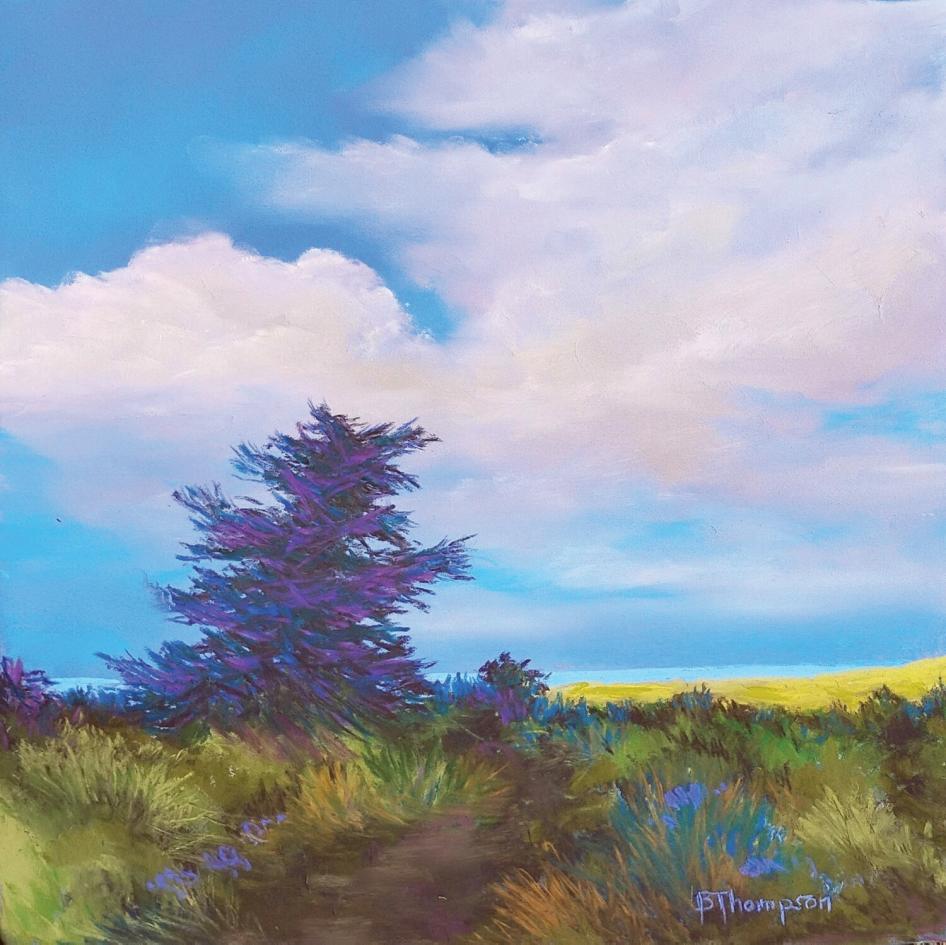
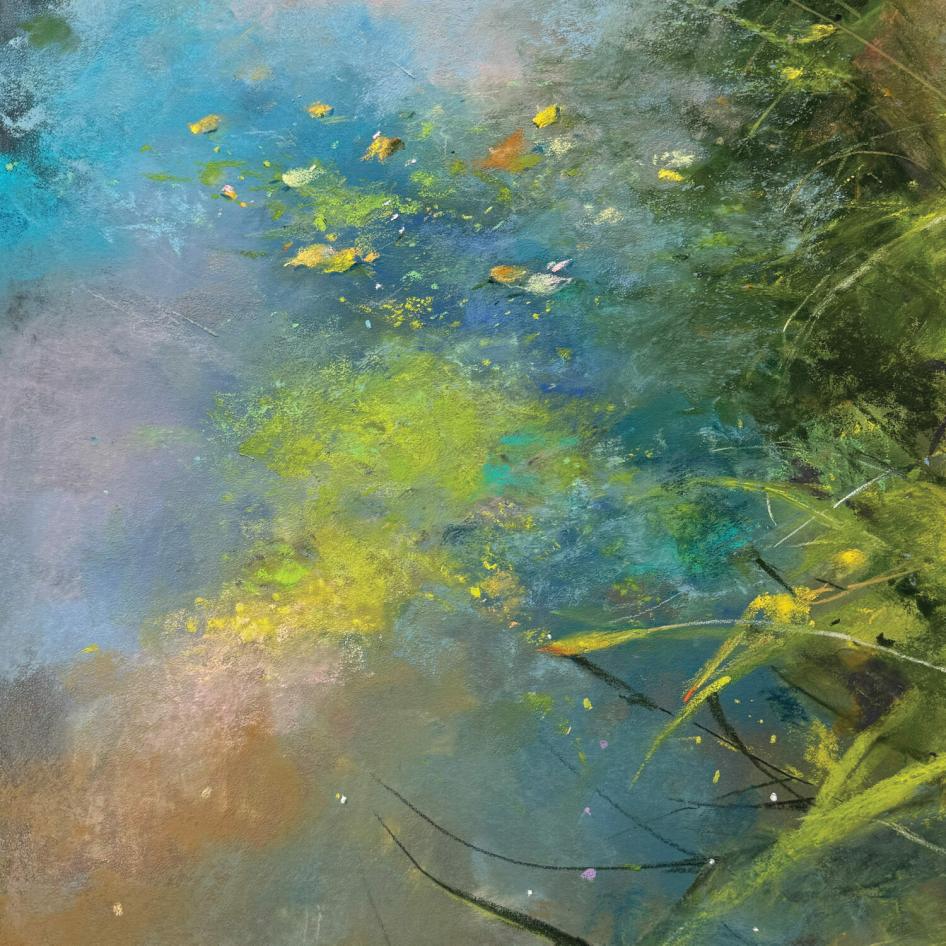
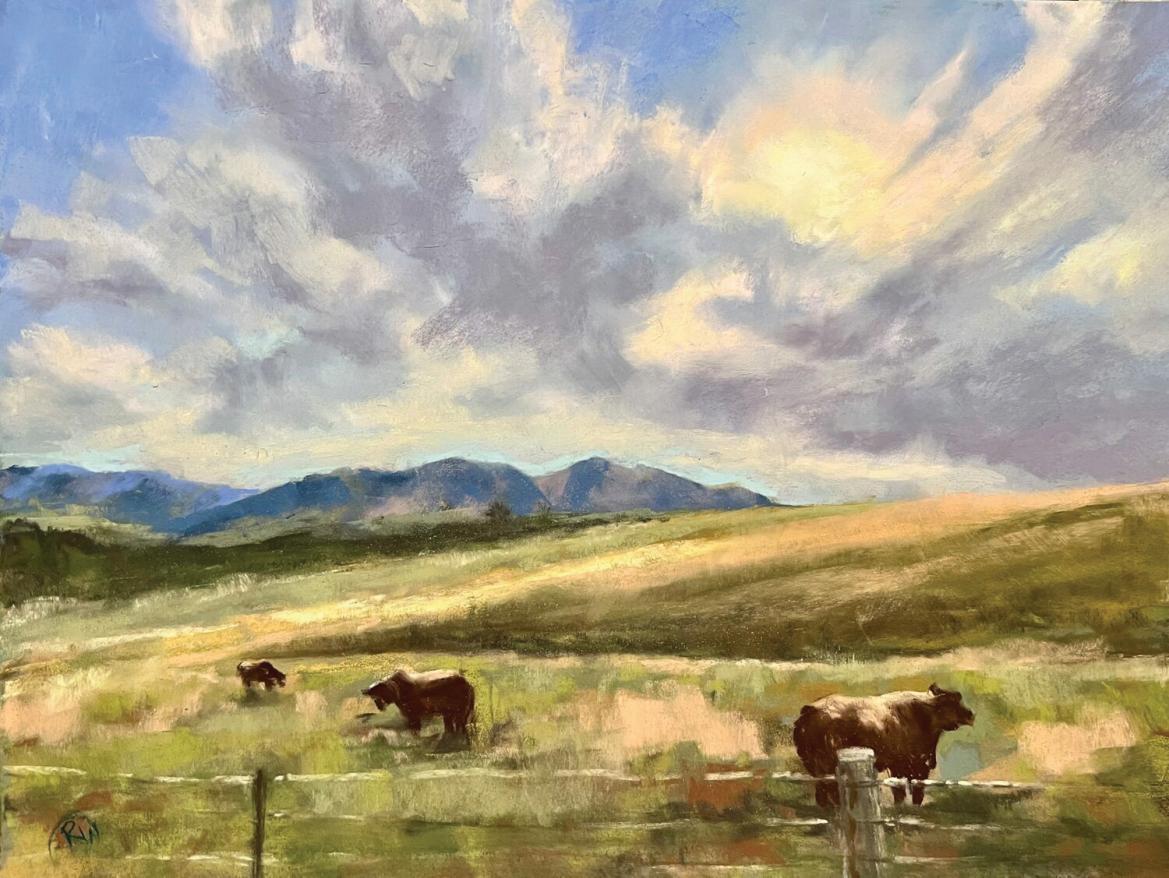
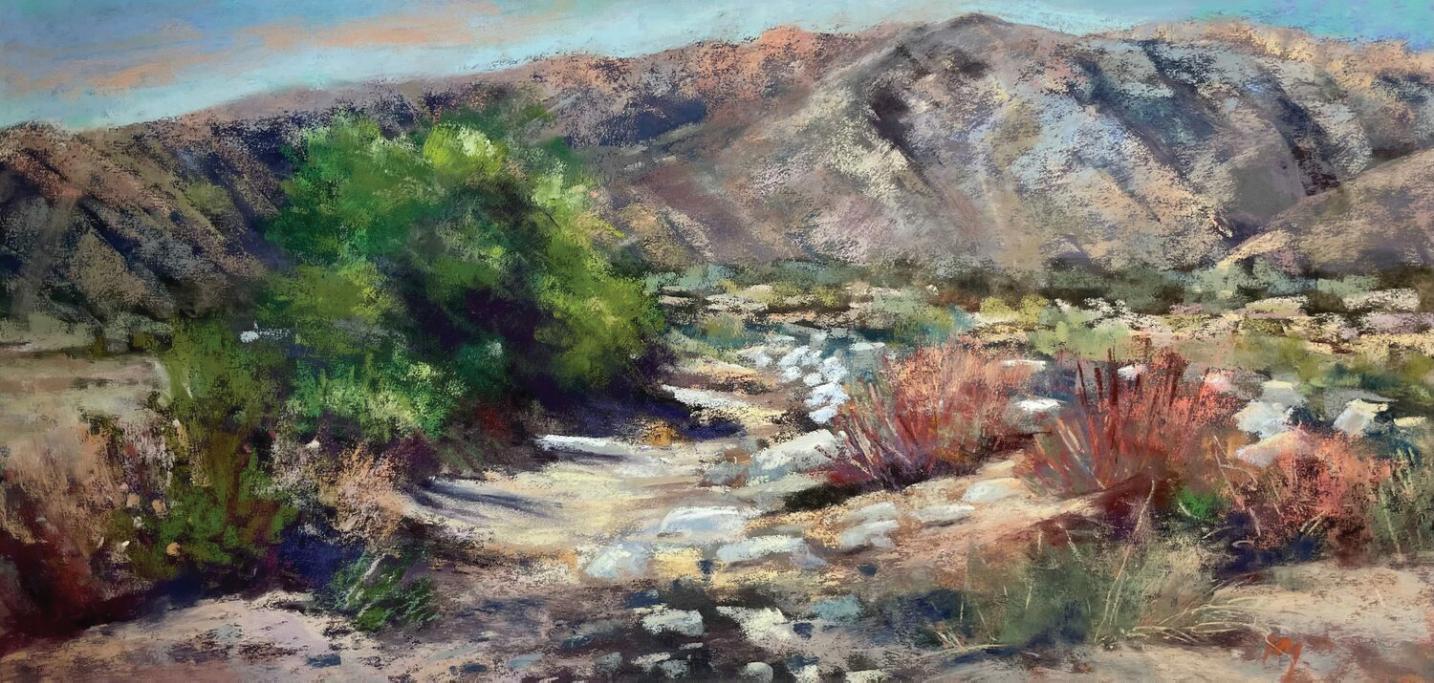
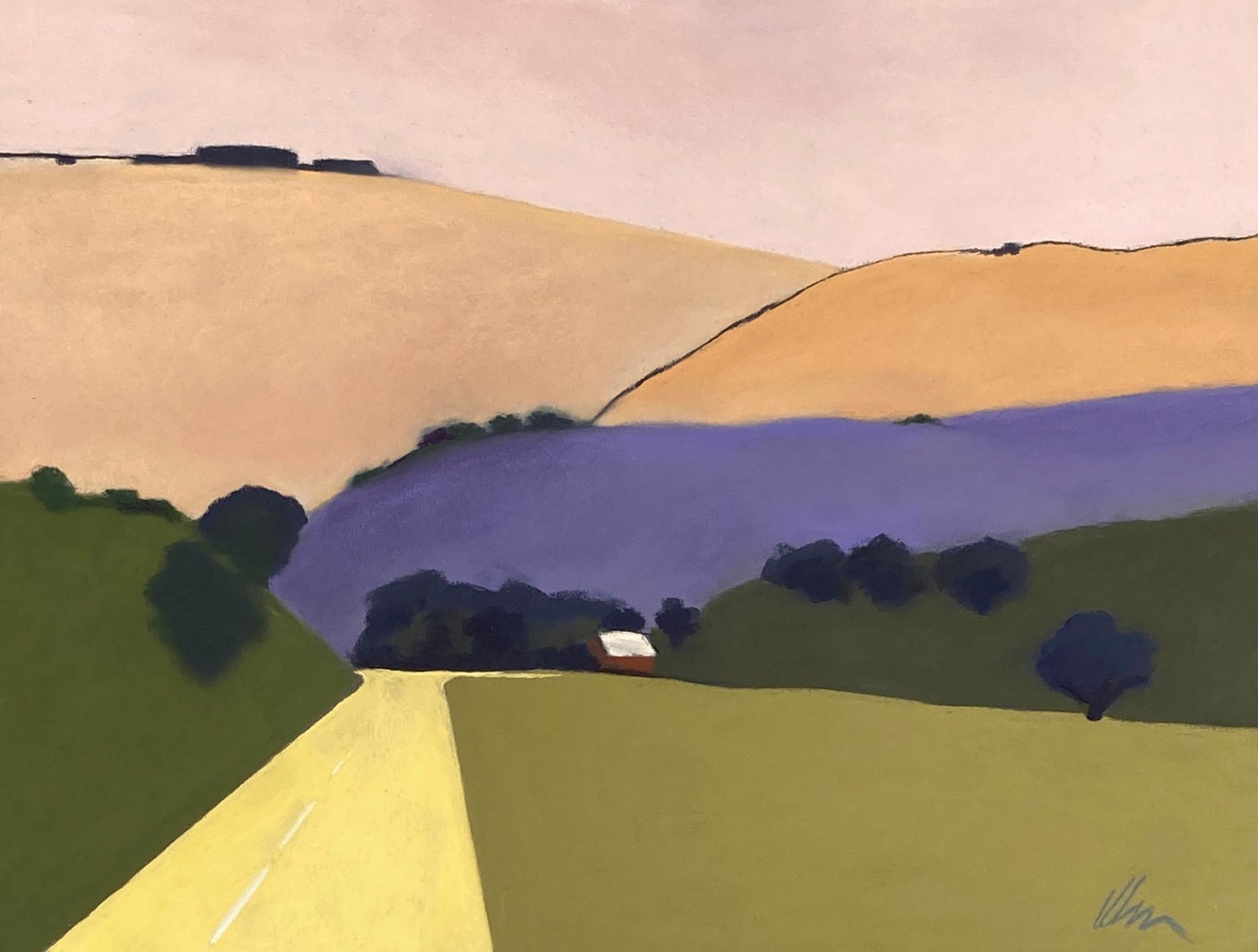
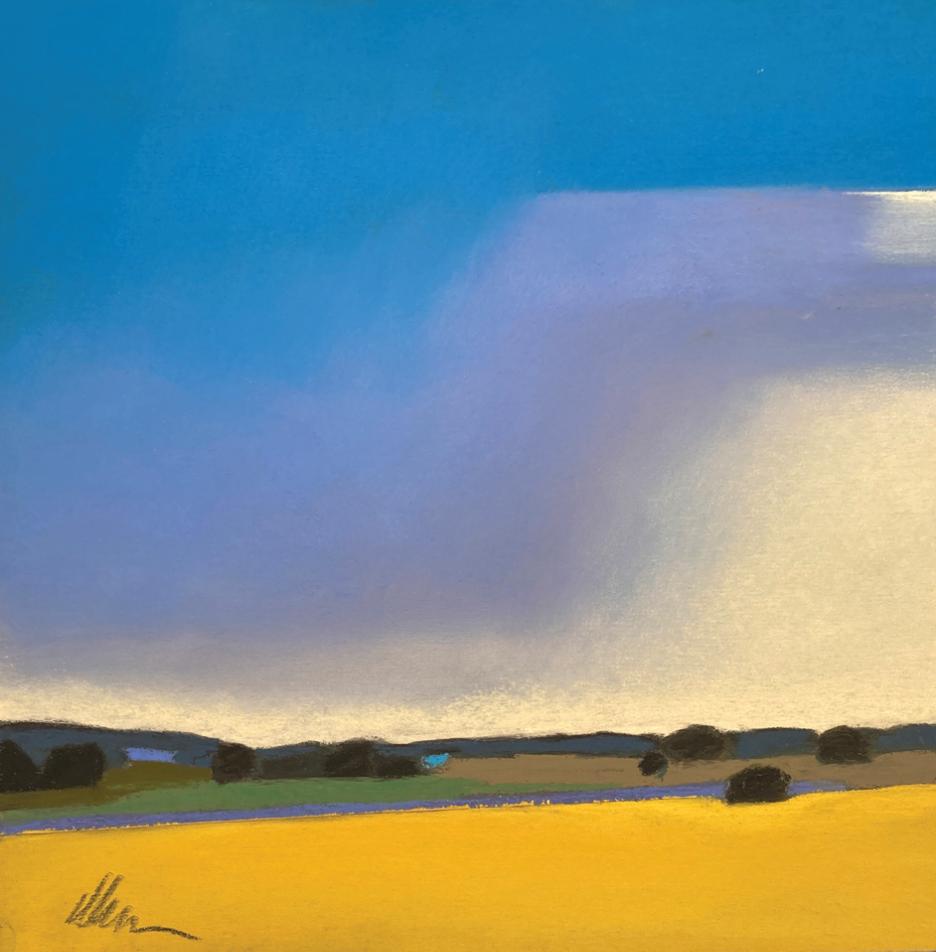
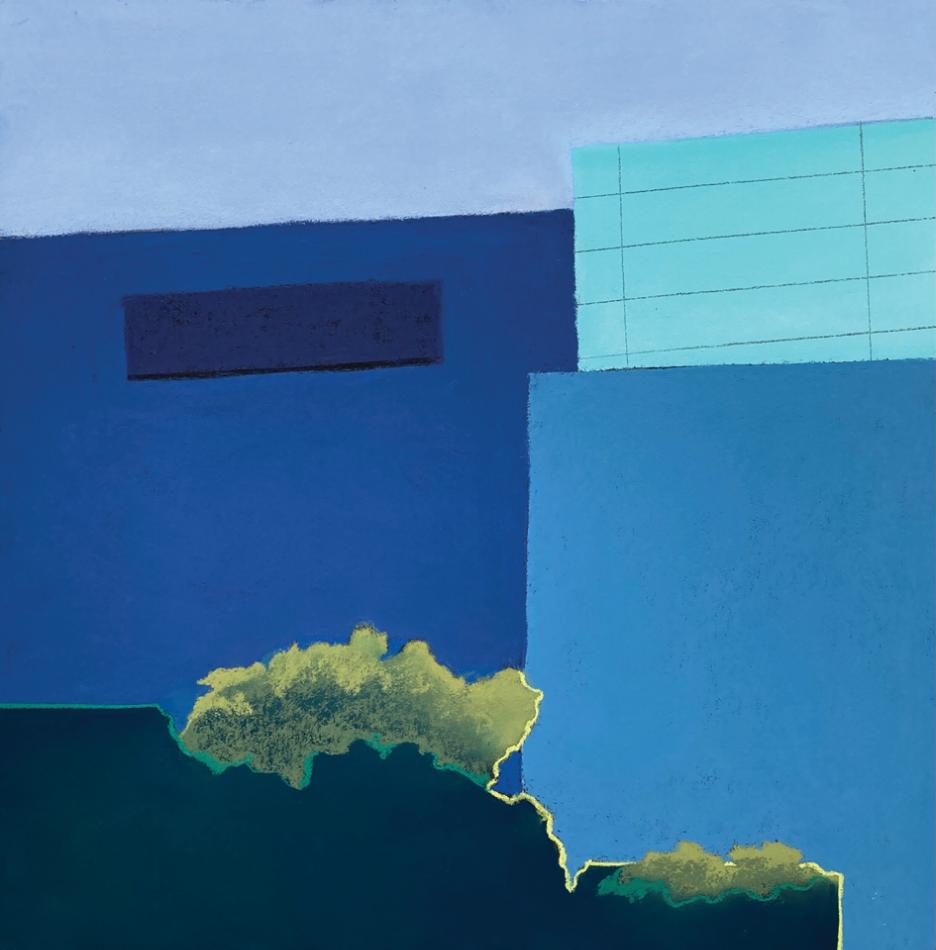
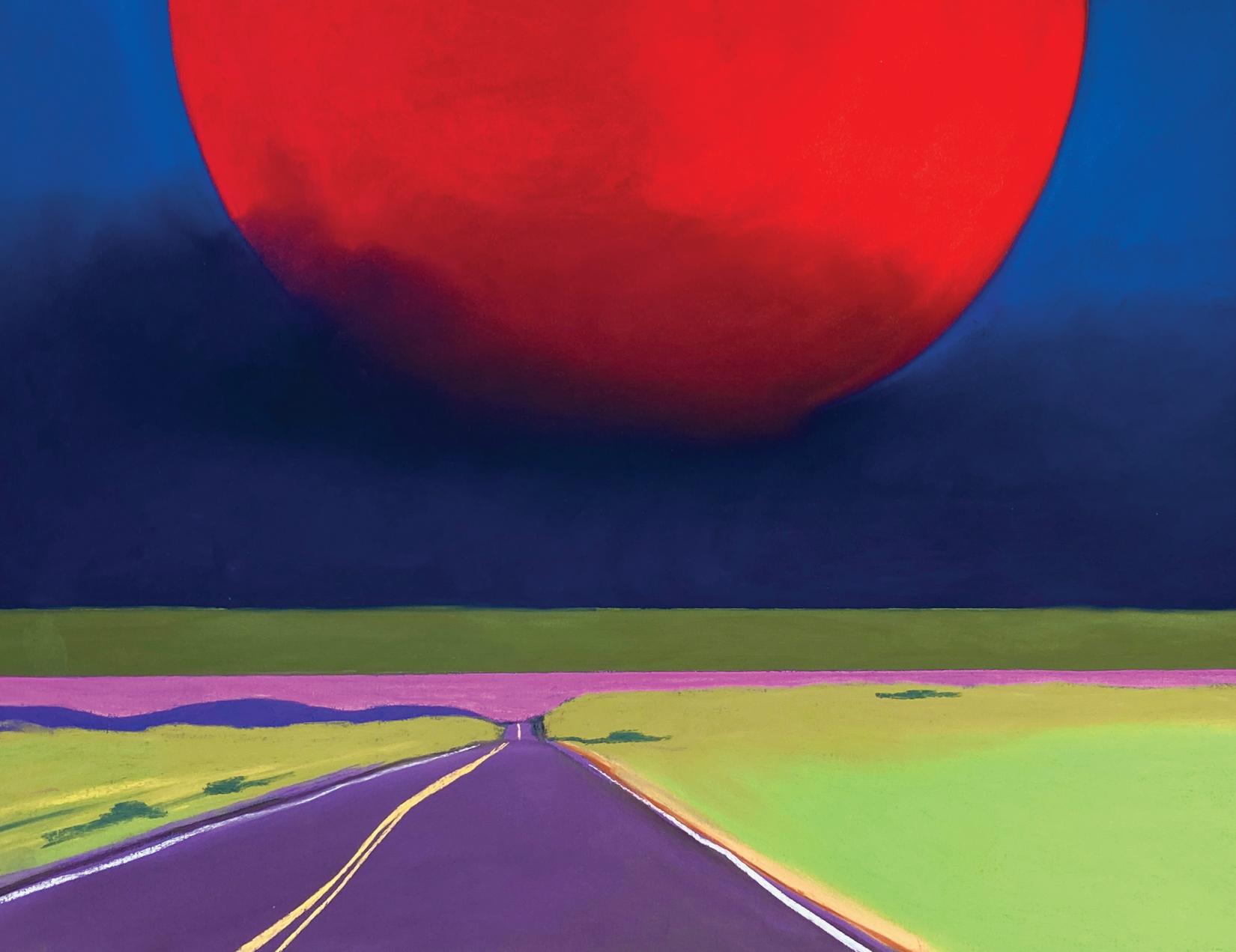
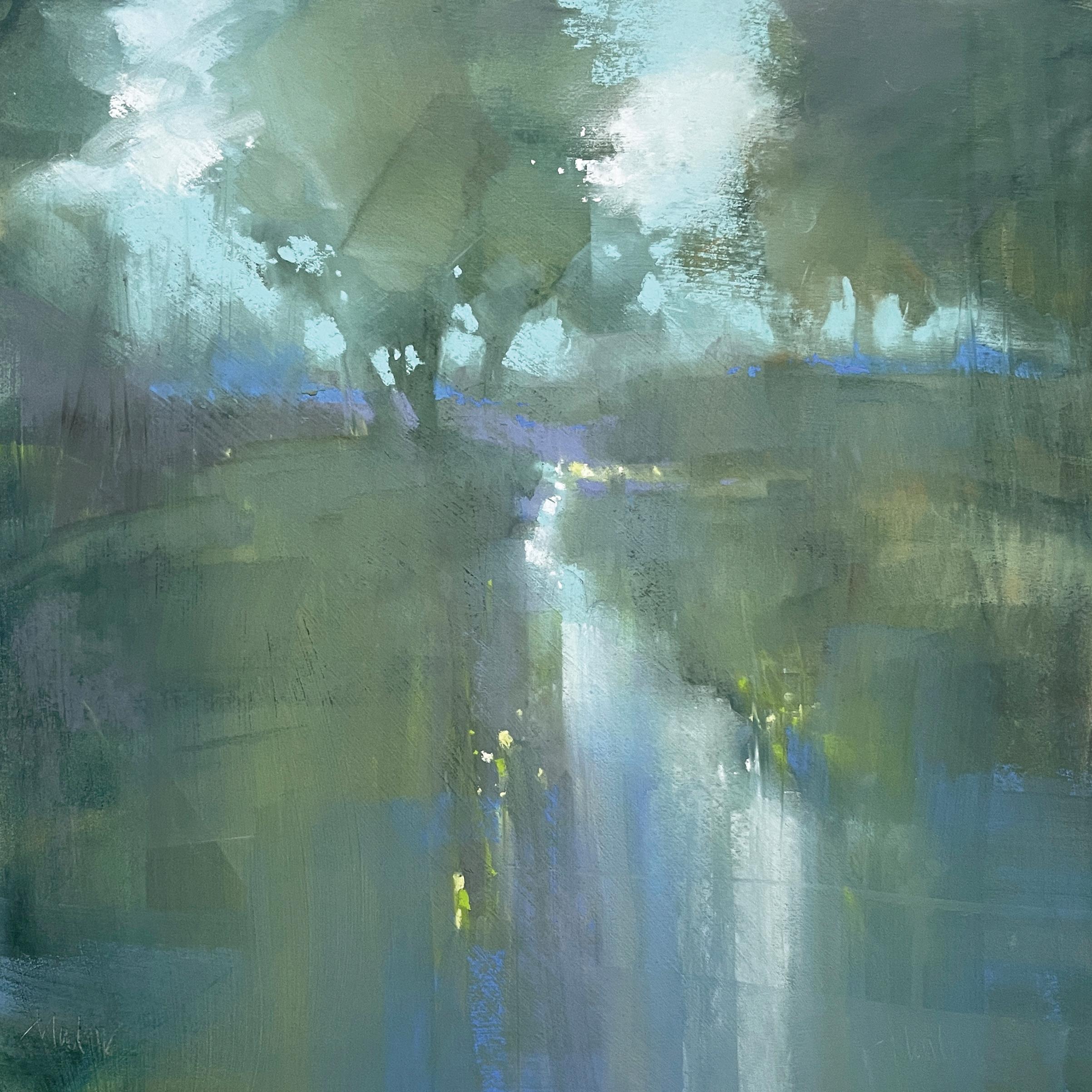
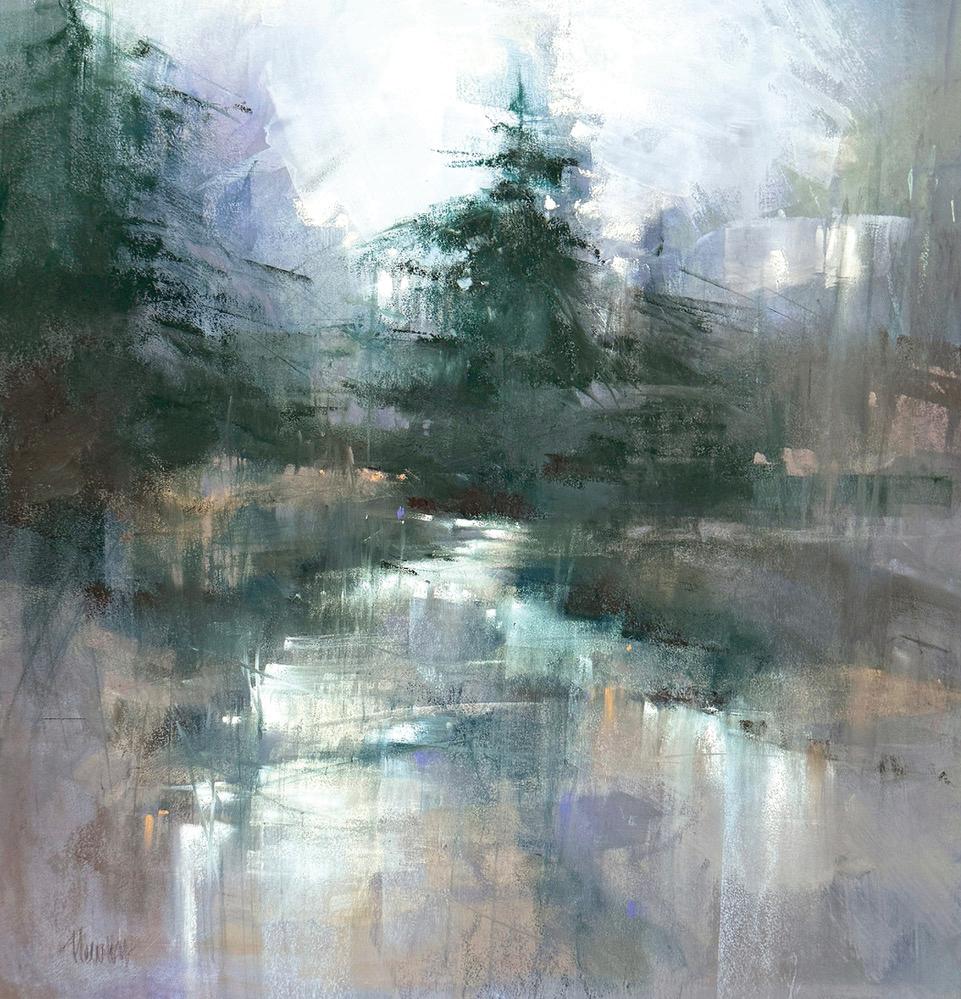
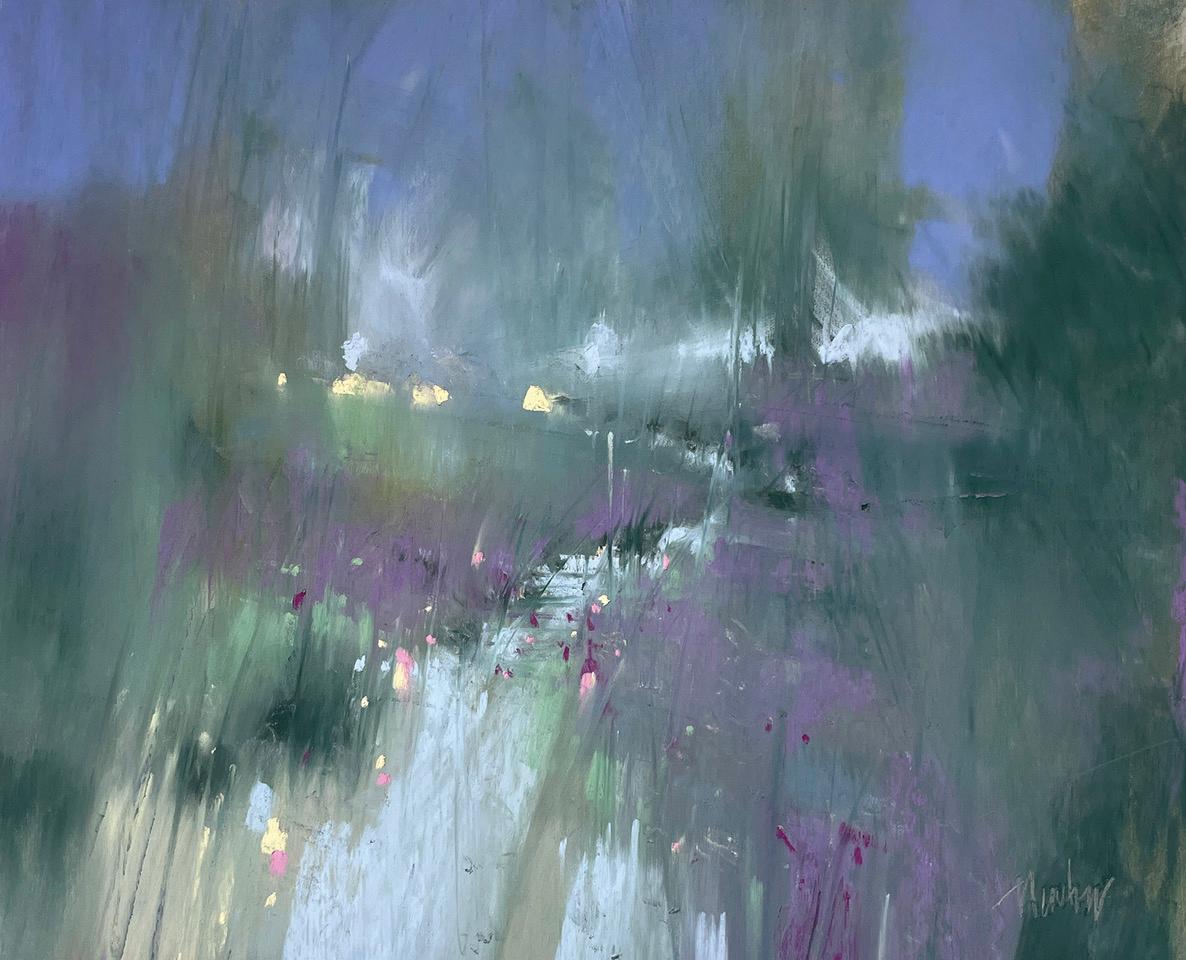
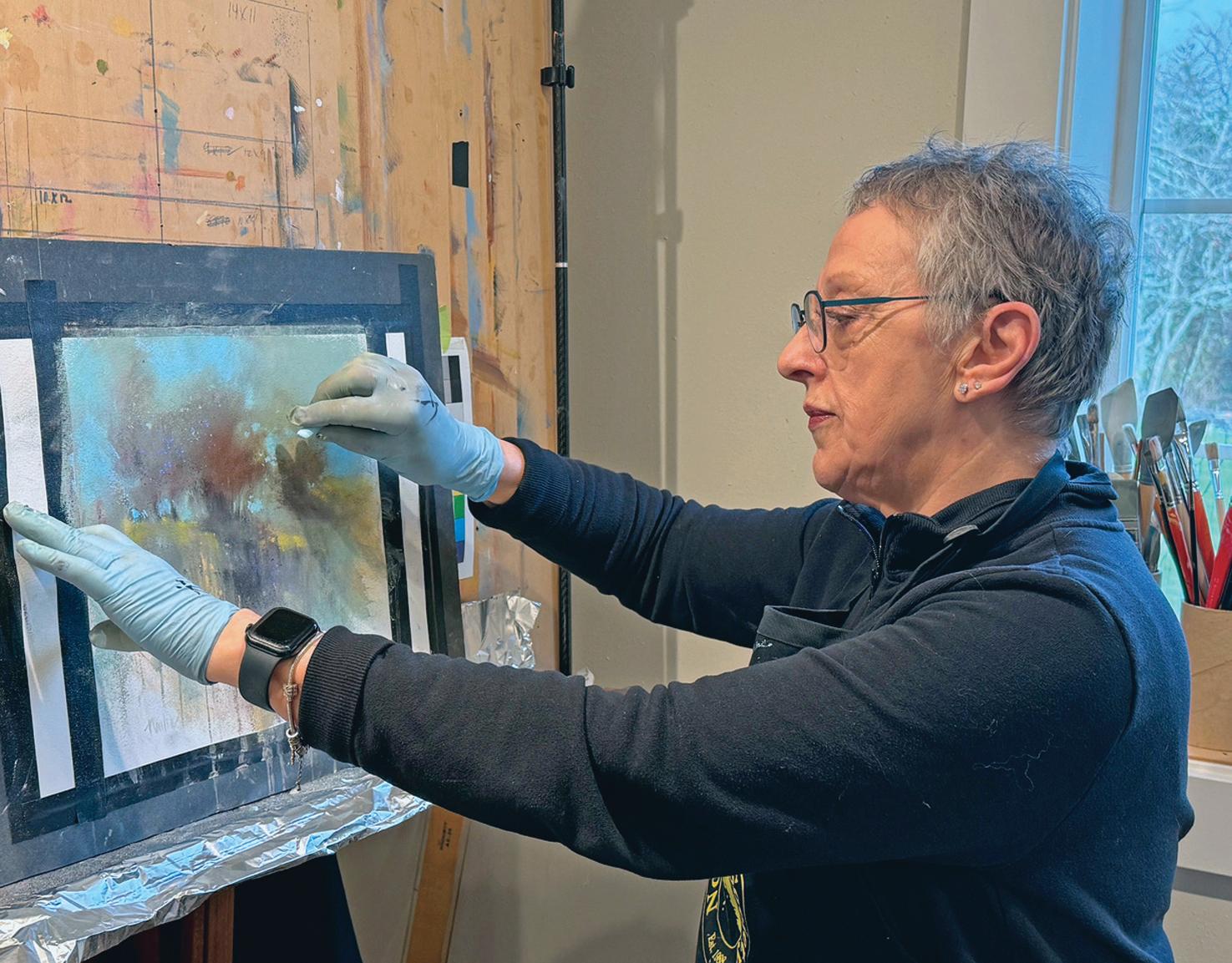
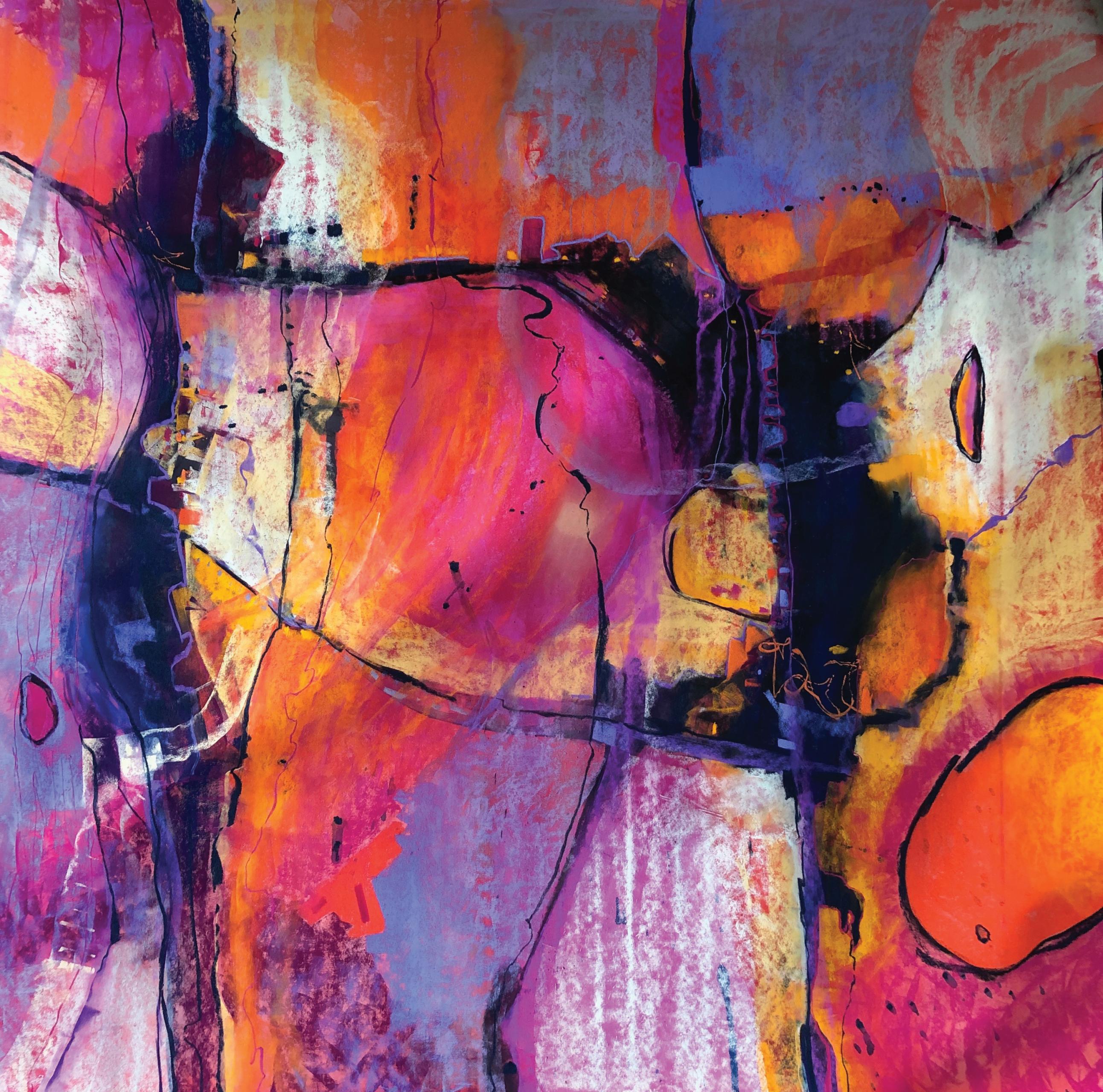
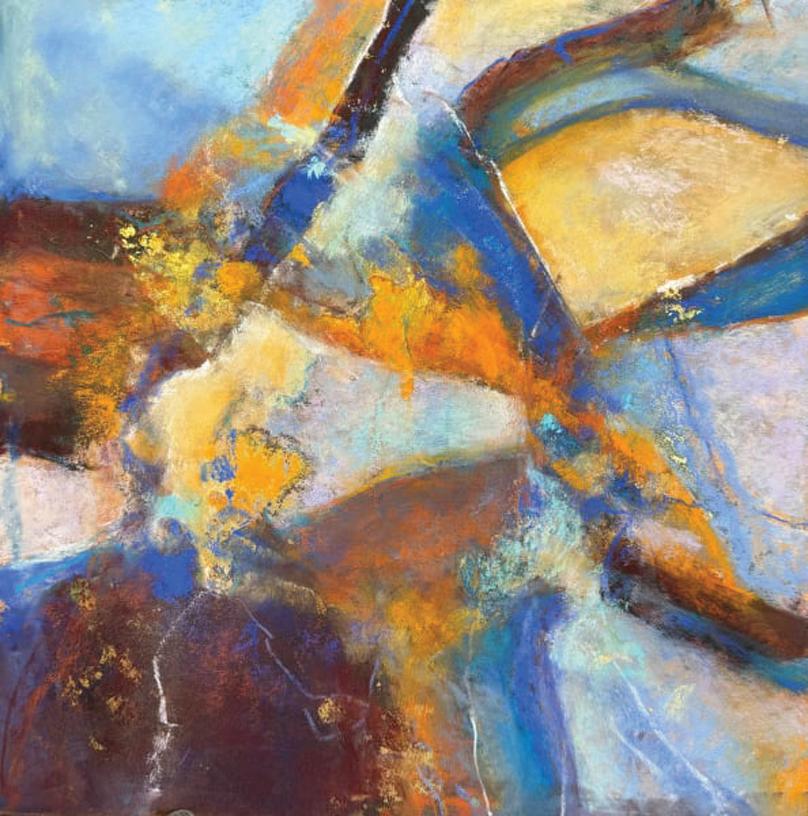
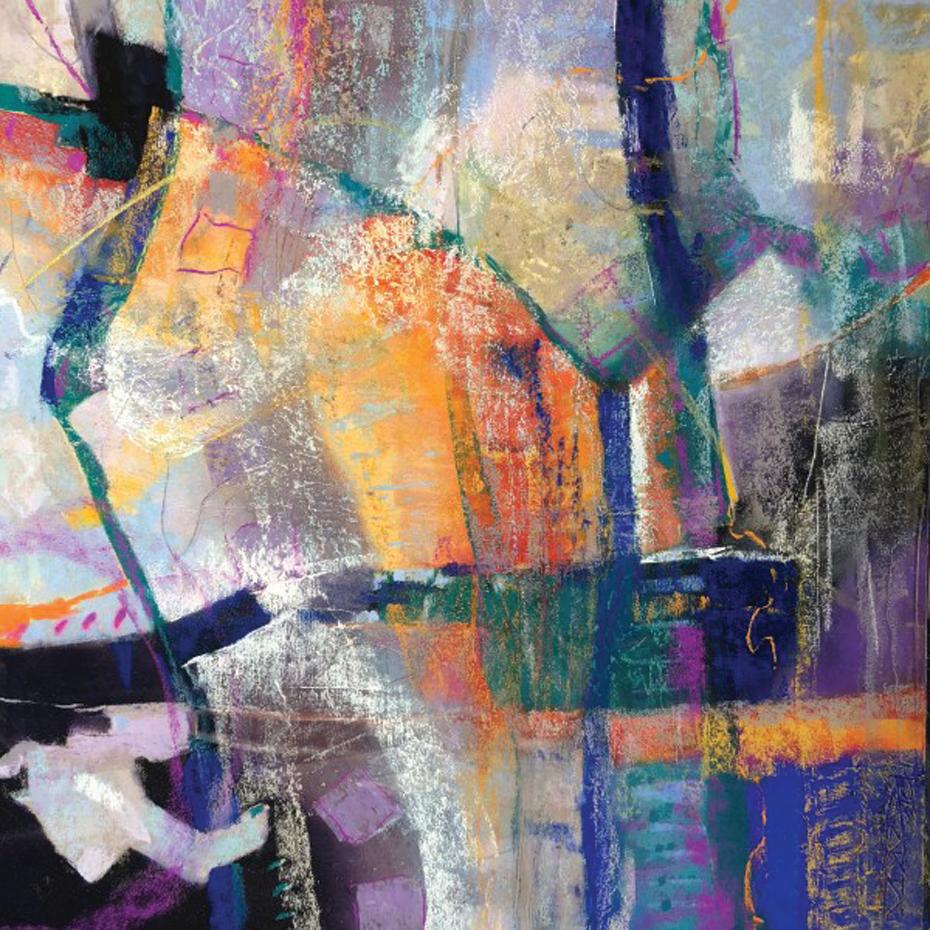
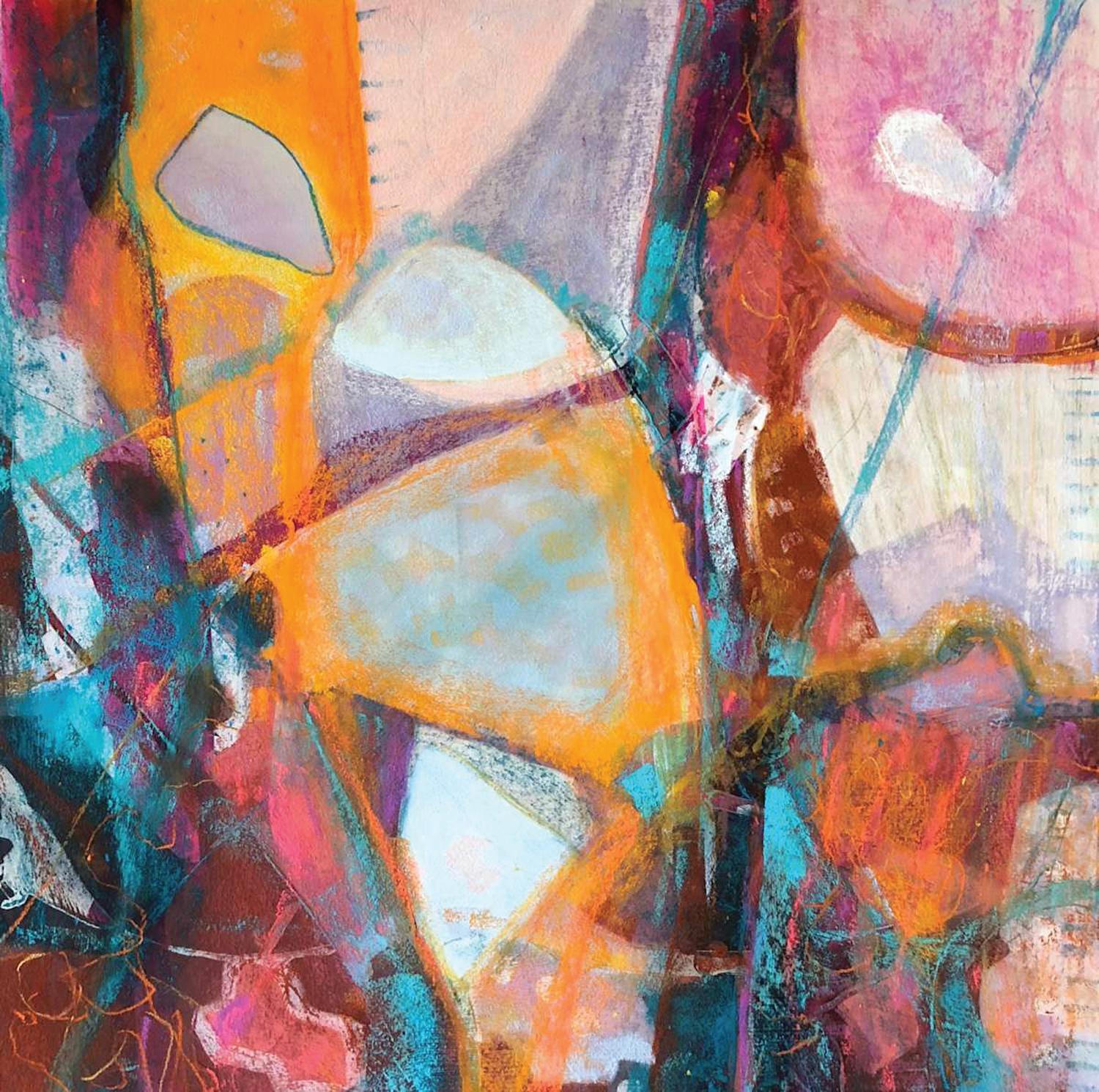
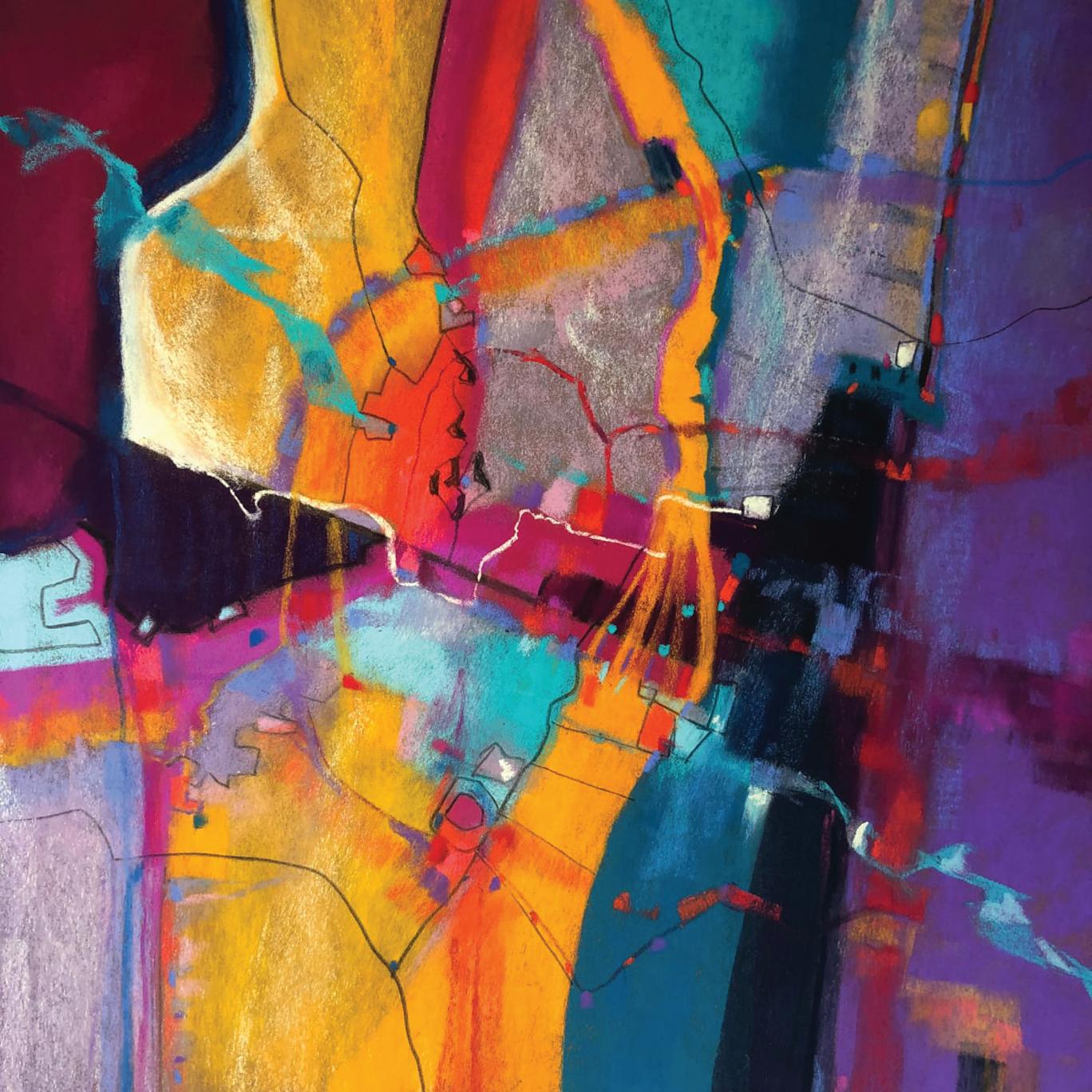
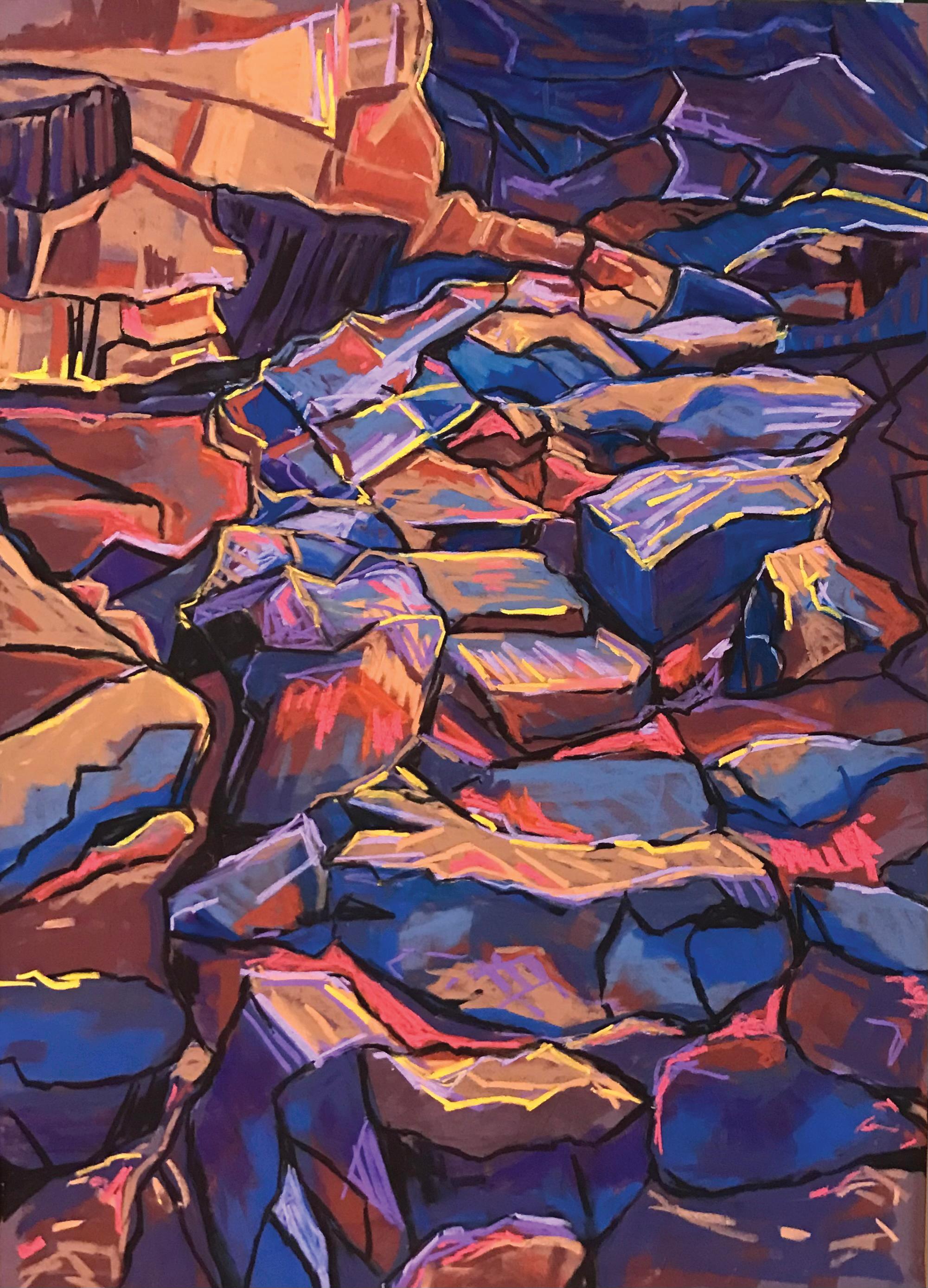
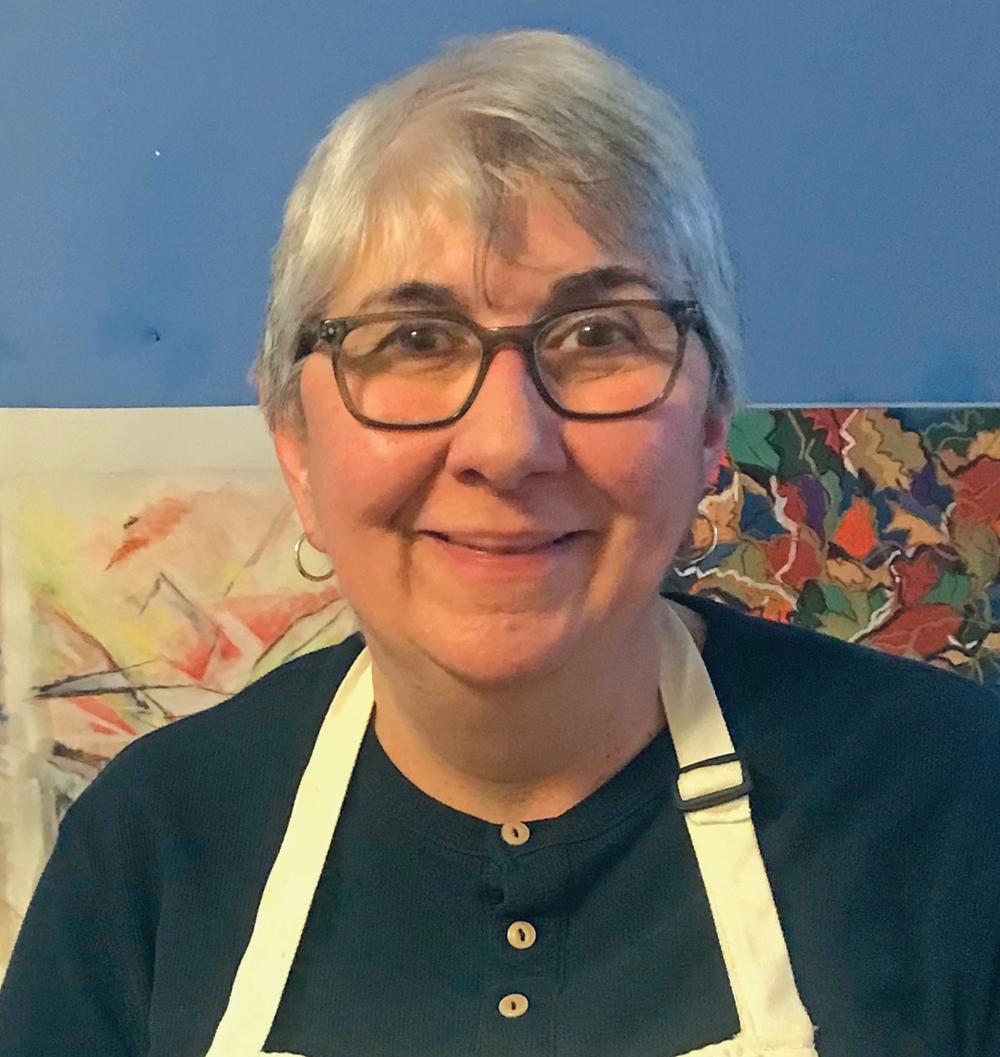
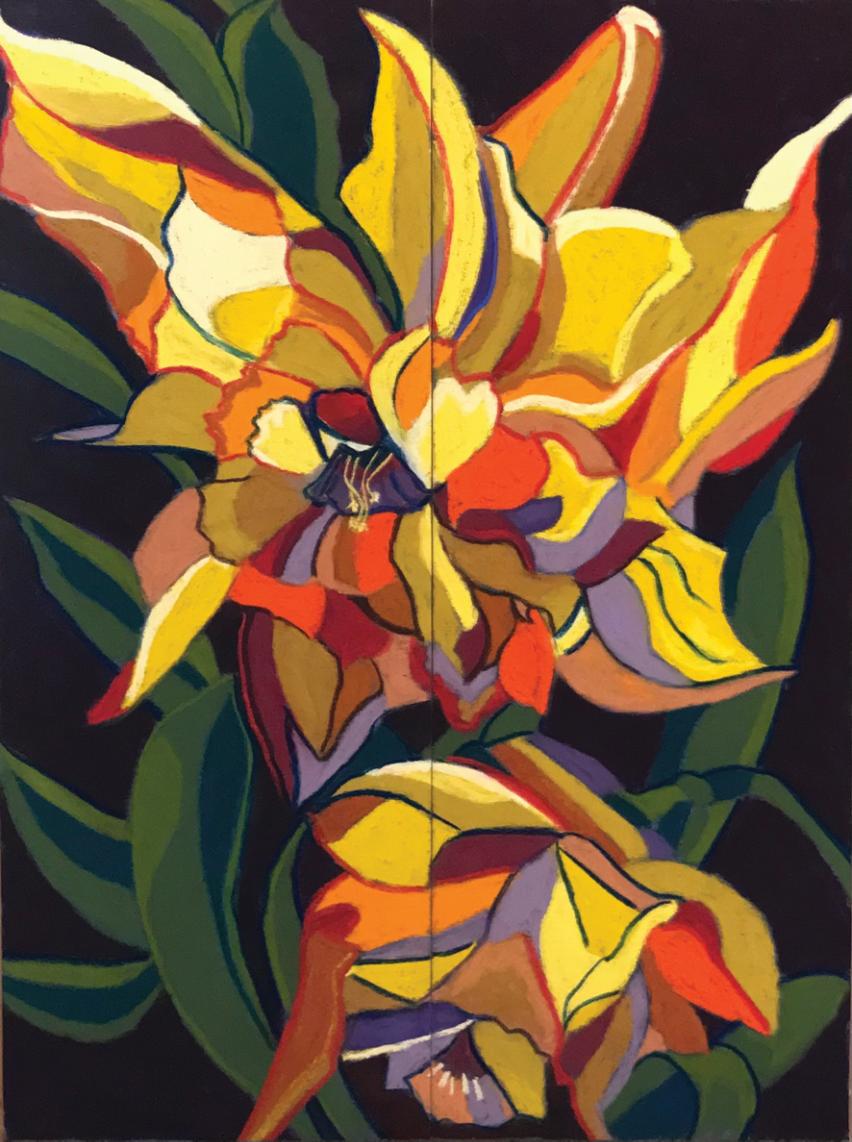
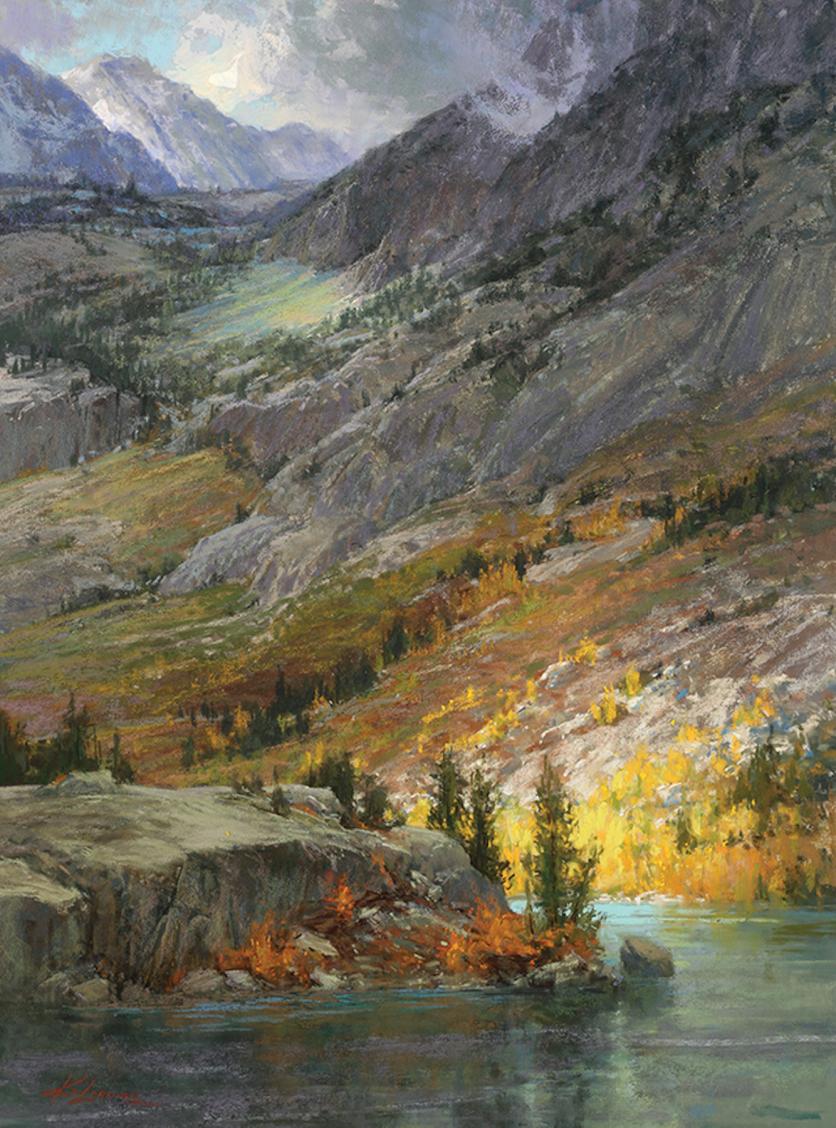
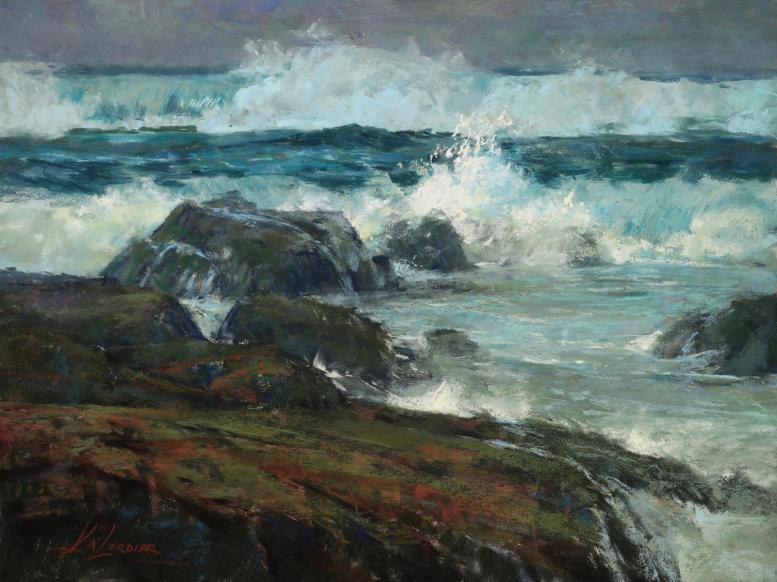
The Pastel Society of the West Coast’s Out of Bounds! exhibition goes beyond the traditional use of pastel medium. All the artworks in this Second Annual show are a combination of pastel and one or more other media in a twodimensional format. This exciting exhibition of unique works breaks out of the bounds of time-honored pastel expressions.
SHOW DATES: April 2 – May 11, 2026
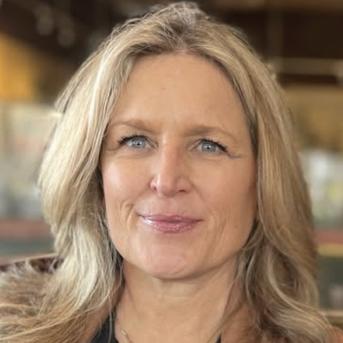
AWARDS RECEPTION: April 12, 2026 • 2–4 pm Judge Dawn Emerson
ONLINE WORKSHOP WITH DAWN
Pastel Innovations:
APRIL 6–8, 2026 • 9:00 AM – 4:00 PM PACIFIC
Pastel Innovations Plus:
APRIL 10 –11, 2026 • 9:00 AM – 4:00 PM PACIFIC
See page 96 or pswc.ws for more information.
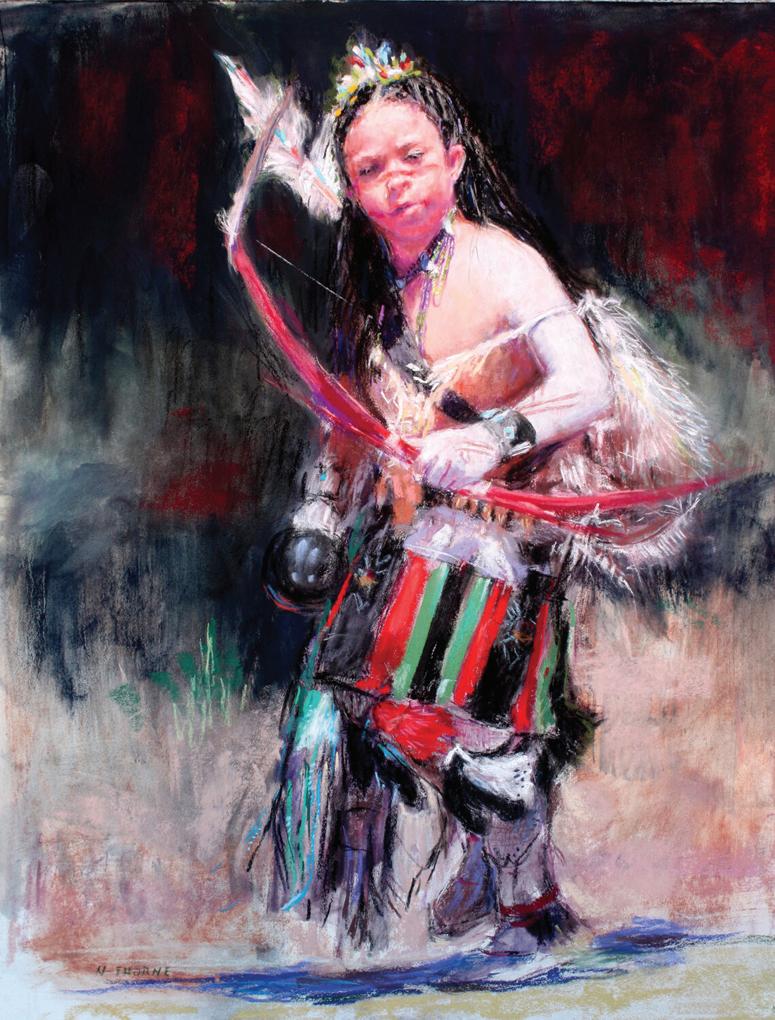
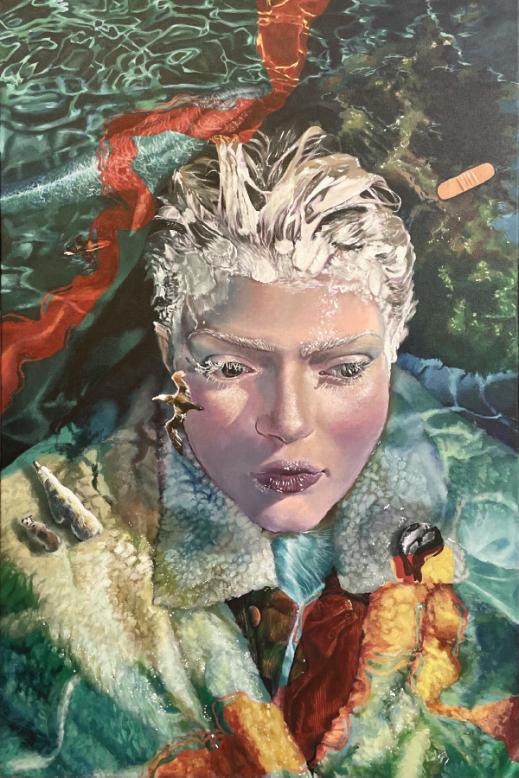
2025 BEST IN SHOW, My Heritage Fades, Terrilynn Dubreuil
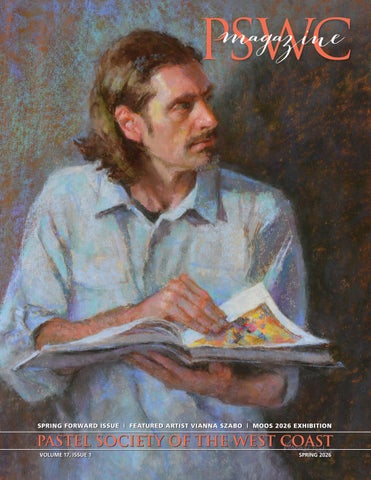
PSWC magazine
SPECIAL SUPPLEMENT MOOS 2026 Award Winners & Accepted Entries
Featured Artist Vianna Szabo talks with Pamela Comfort Meet the Members
Ellen Gust
Barbara Benedetti
Newton
Karen O’Brien
Carole Sousa
36
20
We Talk Art and Demonstrations PSWC Archives Painting Challenge Multimedia My Way
8
79
Art Workshops
Dawn Emerson
Kim Lordier
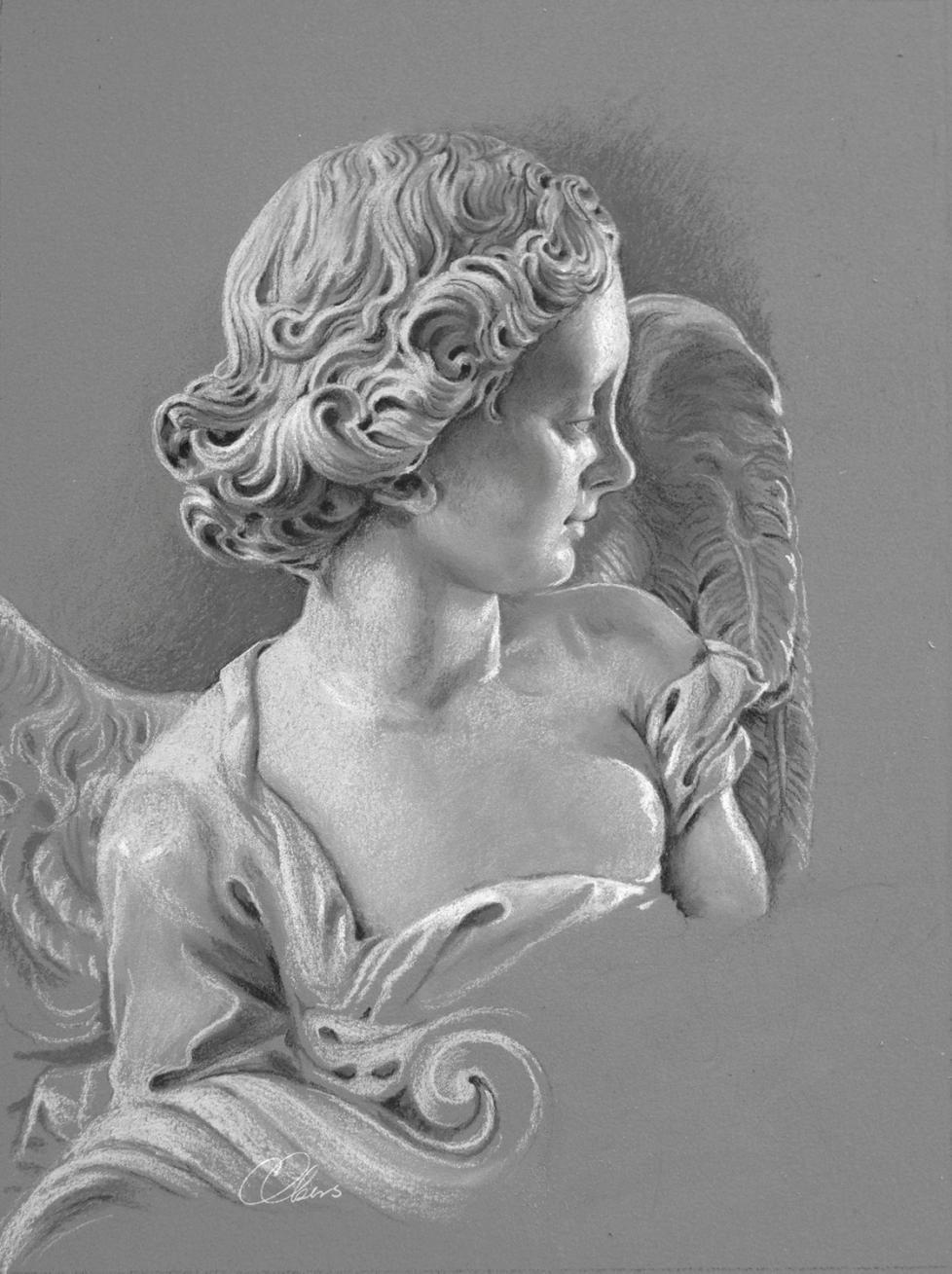
Christine Obers
14
96
Letter from the Editor Francesca Droll From the Desk of the PSWC President Pamela Comfort Regional Activities News from Our Regional Representatives
4
7
10
Dear artists,
Perhaps I’m preaching to the choir here but I’m reading about new scientific research that studies the impact of the arts on the human brain. Studies show that when we attend an arts event, write poetry, sing a song, or create art, measurable transformations take place. Stress and anxiety decrease, life satisfaction and mental health improve, and cognitive decline is slowed. We become more creative and less lonely. That’s some exciting research! For those of us who have practiced our creative pursuits, this may come as no surprise.
The research shows that engagement in the arts improves immune activity, lowering levels of inflammation that influence both our physical and mental health. For our brains, the arts are a very efficient workout, engaging diverse regions involved in sensory processing, memory, movement, pattern recognition, and emotions, among others. Over time, regular arts engagement can strengthen connectivity between brain regions and even increase the volume of grey matter. In fact, amateur musicians and artists have stronger connections between parts of the brain that are vulnerable to aging and are identifiable in brain images as “younger.”
Whether you’re a fan of Renaissance paintings, abstract works, contemporary sculpture, or street art, exhibitions are a wonderful way to experience awe. But make sure you actually look! The science here is also interesting. On average, we spend just 28 seconds looking at art in exhibitions (and a fair chunk of that is often spent taking pictures). We need three or four seconds to form a basic emotional response and 10 seconds to decide cognitively what we think about a specific artwork. In order for the encounter to be more meaningful, we need time to look, think, respond, look again, and so on, and this takes minutes, not seconds. So don’t try to take in the whole museum in one visit, it’s better to engage with just a few exhibits in a meaningful way on an arts expedition.
“If you want to nudge people toward a better tomorrow, start with art.”
—Clive Thompson
Within these pages, we showcase our MOOS 2026 accepted entries and award winners. A perfect opportunity to practice viewing artworks in a meaningful way. Take those extra few seconds or minutes to look at those paintings that you respond to and feel the stress and anxiety melt away.
Wishing you creative success and personal fulfillment in 2026!
Francesca Droll francescadroll.com
Contributors
Pam Comfort, PSWC President
In addition to serving as President, Pam co-chairs the Out of Bounds! show, and covers open positions. She earned a doctorate in Educational Leadership and retired after a long career in public education. Pam loves to travel and aspires to create art that communicates a strong sense of nature, culture, and place. pamelacomfort.com
Kim Essex chairs the Scholarship program. She has a journalism degree from Drake University in Des Moines, Iowa. Kim is two years into her pastel journey, having started painting after retiring from a career in public relations and moving to Valencia, Spain, with her husband Sean and dog Trax. She says she hopes she has artistic genes; her mother, aunt, brother, niece, and grandfather were all artists. She believes everyone should surround themselves with original art as it reminds us of our shared humanity and the beauty within.
Welcome, Kristine Finfer!
Our new Ways & Means Coordinator, Kris earned a BFA in Illustration from USF. Her work has been featured in magazines, advertisements, theaters, corporate identity packages and a variety of artistic endeavors including photography, children’s illustration, wedding and pet portraiture. Thank you for stepping up, Kris!
WANT TO GET INVOLVED?
Our Society runs on volunteer power. We’re always grateful to receive more help. Please contact us— we have a spot for you!
KEEP IN TOUCH FOLLOW US!
Join one of the most dynamic pastel groups in the U.S. and pursue your passion!
You don’t have to live on the West Coast to become a member. With PSWC members located around the U.S. and internationally, the Pastel Society of the West Coast offers a strong voice for expanding the presence of soft pastel as a major fine art painting medium.
PSWC was organized in 1984 to promote pastel artists and the medium of soft pastel. Today we are one of the largest and most recognized pastel societies in the country with an ever-increasing international presence.
BENEFITS INCLUDE
• Pastels USA Annual Exhibition
• Members Only Online Competition
• Out of Bounds! Exhibition
• In-person and Virtual Workshops by Noted Pastel Artists
• PSWC Magazine
• PSWC Social Media Exposure Opportunities
• We Talk Art Interview Series
• Regional In-person Events
• Online Demonstrations
• Themed Painting Challenges
• Membership in IAPS www.pswc.ws
Desk of the PSWC President
Dear Members and Friends,
Once a year, many people hear a small command that feels bigger than it sounds: “spring forward.” On the surface, it’s a simple reminder about daylight saving time—move the clocks ahead by an hour when spring arrives. In practice, it is advice about how we manage time, habits, and expectations when an external rule suddenly changes the rhythm of daily life.
The phrase itself is shorthand: “spring forward, fall back.” In spring, we set clocks forward; in autumn, we set them back. Yet the wording matters. “Forward” implies progress and momentum, while “spring” suggests energy and renewal. Over time, the reminder has become a kind of miniature pep talk: accept the shift, don’t fight it, and get moving with the season—even if the change costs you an hour of sleep.
Ultimately, “spring forward” endures because it captures a familiar tension: time moves on whether or not we feel ready. The best reading of the advice is not “pretend it’s easy,” but “prepare, adapt, and keep going.” Spring is a season of adjustment in nature—longer light, new growth, different demands—and the clock change, however debated, asks for the same flexibility. To spring forward is to acknowledge the loss of an hour, then reclaim the day by choosing what to do with the light that follows.
You will encounter multiple examples of artists “springing forward” to meet the moment in this issue. From our feature artist, Vianna Szabo, the four artists highlighted in our Meet the Members section, to the participants in the Multimedia My Way Challenge, each demonstrates a willingness to embrace change, experiment with new techniques, and infuse their work with the spirit of renewal that defines the season.
Many of the artists whose outstanding pieces will be hanging in the upcoming Second Annual PSWC Out of Bounds! Exhibition at Art Center Morro Bay in Morro Bay, California from April 2–May 11, 2026, will be showing multimedia works for the very first time.
In moments of transition, courage and intuition often serve as quiet guides. It takes bravery to embrace an unfamiliar routine, and intuition helps us recognize when a new rhythm feels right. Having friends or a supportive community by your side can make these changes feel less daunting and offer encouragement along the way. Together, they remind us that moving forward isn’t just about adjusting routines—it’s about trusting ourselves to navigate change, even when it arrives unexpectedly.
Let’s spring forward together!
Pam
Pam Comfort
FROM THE ARCHIVES
LIVE FROM THE ARCHIVES
PSWC members have exclusive access to past We Talk Art and Demonstration recordings by logging in to our website pswc.ws. Here are the folks Bonnie has interviewed in past years:
2026 FebruaryNed Mueller
JanuaryColette Odya Smith
2025 SeptemberEve Miller
JulyJen Evenhus
MayRichard McKinley
MarchGeoff Ludwig (Terry Ludwig Pastels)
FebruaryAlain Picard
JanuaryAnne Strutz
2024 NovemberBonnie Zahn Griffith (Pam Comfort did the interview)
OctoberBethany Fields
SeptemberAlbert Handell
AugustDoug Dawson
JulyMark Ivan Cole
MayPastel Innovations Panel: Judith Smith, Dawn Emerson, Kelly Milukas
These archived demonstrations are accessed by choosing Events from the top menu, then General Membership Meetings, then scrolling down to see the archived meetings. Simply click on the video you want to see and that’s it!
REPRESENTATIVES REPORT
Regional Activities
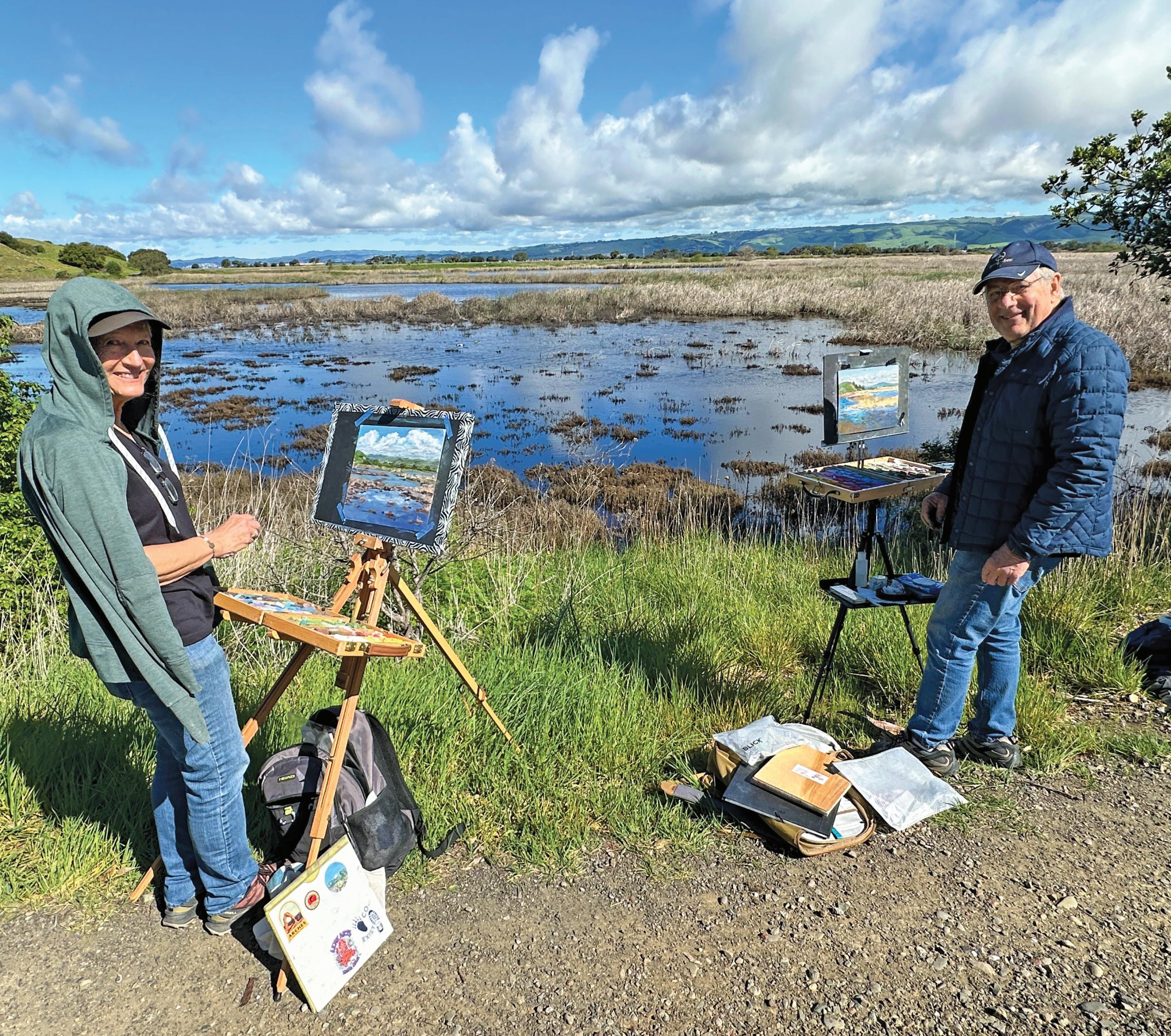
We are grateful to have regional volunteers to organize a variety of in-person activities for PSWC members and guests. While it isn’t possible for our very large membership to meet in person on a regular basis, these activities supplement our in-person workshops and exhibitions, providing face-to-face interactions among members of our treasured art community.
PSWC ~ Sebastopol, Napa, Sonoma Region Activities
Regional Representative: Clark Mitchell • For more
Bring two paintings to share. Either a problem child or something you’re proud of… or both! Also, bring something to share for snack or lunch.
June 30, 2026: Paint-Out
9:30 am to 12:30 pm
Location: Matanzas Creek Winery, 6097 Bennett Valley Road, Santa Rosa
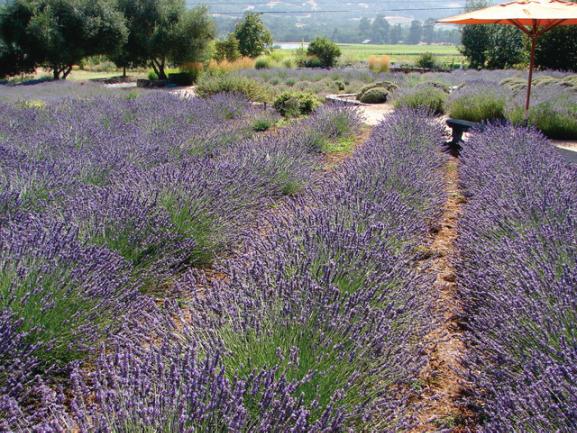
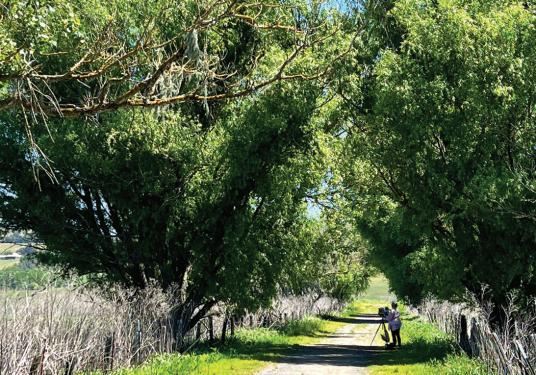
The lavender gardens should be at their most aromatic and busy with bees. Absolutely gorgeous. Bring water and a snack for yourself. Restrooms up at tasting room.
October 22, 2026: Paint-Out
9:30 am to 12:30 pm
Location: Tolay Lake Regional Park, 5869 Cannon Lane, Petaluma
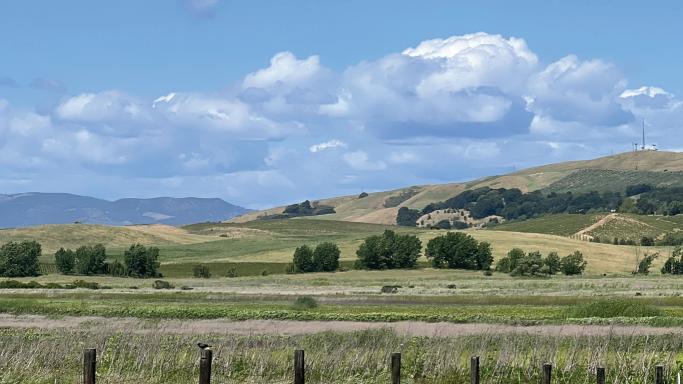
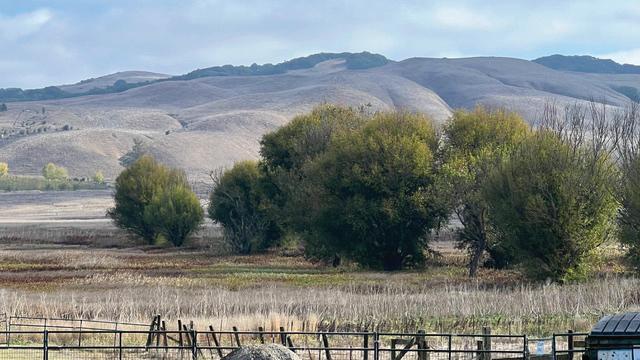
Variety of subjects from rolling hills, distant vineyards, close-up old barns, mature trees. Something for everyone to paint. Bring water and a snack for yourself. There are porta potties but no water.
PSWC ~ California Central Coast & San Luis Obispo County Region Activities
Regional Representative: Bobbye West-Thompson For more information, email Bobbye at bobbyethompson@charter.net
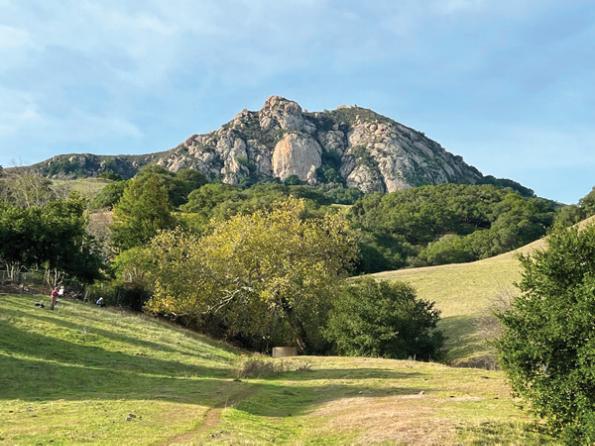
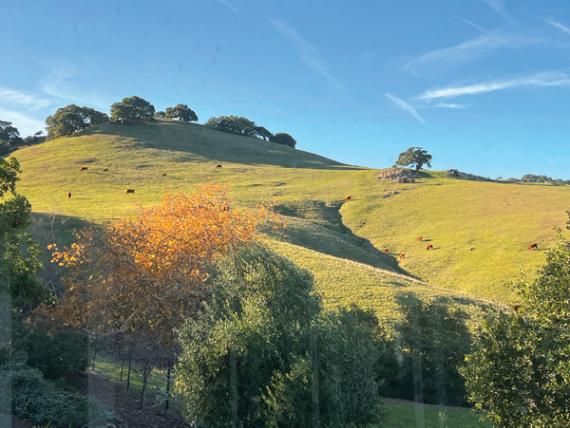
For the Central Coast Region, the three scheduled paint outs for 2026 (spring, summer and fall) are as follows:
April 11, 2026: Paint-Out
9:30 to Noon (hosted by Jim Tyler)
Location: 104 Twin Ridge Drive
San Luis Obispo
November 6, 2026: Paint-Out (Location scouted by Tom Frey)
Time to be announced
August 24, 2026: Pastel Demonstration 9:30 to Noon (hosted by Mike Ishikawa)
Location: Cuesta Inlet, corner of Barnscoff and Doris, Los Osos
Location: Morro Bay Marina, Main Street, Morro Bay, across from the State Park
PSWC ~ Santa Barbara County Region Activities
Regional Representative: Carol Talley Email carol at carol@caroltalley.com for address and details.
March 28, June 27 and October 24, 2026: Casual Critiques • 3:00 pm
Location: Carol’s home located between Santa Barbara and Goleta
There is easy access to the freeway and lots of street parking. We can share what we need help with, and be supportive of one another. The activity will take place outdoors, on the patio, weather permitting.
PSWC ~ Southern California/Ventura County Region Activities
Regional Representative: Jean Myers
Please RSVP that you are participating by texting Jean’s cell: 805.402.2609
March 21, 2026: Paint-Out
1:00 to 3:00 pm
Location: Peter Strauss Ranch, 3000 Mulholland Hwy, Agoura
A beautiful park with old oaks, sycamore, chaparral along a seasonal creek plus views of the Santa Monica Mountains. Parking is free. Restrooms available.
September 26, 2026: Paint-Out
11:30 am to 3:00 pm
July 11, 2026: Paint-Out 1:00 to 3:00 pm
Location: Marina Park, 2950 Pierpont Blvd, Ventura
A 15-acre oceanfront park with winding cement pathways leading to spectacular harbor and ocean views. There are cement picnic tables. Free parking. Restrooms available.
Location: Channel Islands Harbor, 3500 S. Harbor Blvd., Suite 1-100, Oxnard
Let's grab lunch together at the Waterside Restaurant and then paint the harbor. Meet in front of the restaurant at 11:30. Afterward, enjoy scenic views of docks, boats, water and seagulls. Free parking. Restrooms available.
The PSWC greatly appreciates our Regional Reps! These artists have stepped up to help the Society fulfill it’s commitment to promote art and art education in our communities and to have a little fun while doing it! They organize Paint-Outs, PaintIns and social events in their geographic areas. If you live in one of these areas, contact them through their websites to find out about upcoming events. Traveling near-by? Here’s a chance to find out about events that will turn your vacation into an art trip! Interested in becoming a regional rep? Please contact us!
SEBASTOPOL, NAPA, SONOMA Clark Mitchell • clarkmitchellart.com
SAN FRANCISCO AND PENINSULA Kim Lordier • kim@kimfancherlordier.com
CALIFORNIA CENTRAL COAST, SAN LUIS OBISPO COUNTY Bobbye West-Thompson • bobbyewestthompson.com
SANTA BARBARA COUNTY
Carol Talley • caroltalley.com
SOUTHERN CALIFORNIA, VENTURA COUNTY
Jean Vineyard Myers • jeanmyers1990@gmail.com
SOUTHERN CALIFORNIA, ORANGE COUNTY
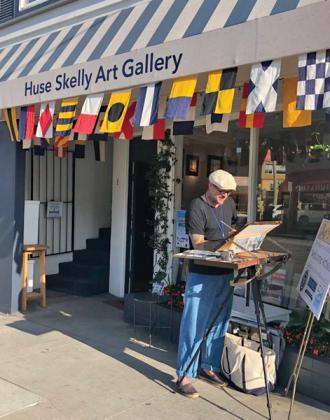
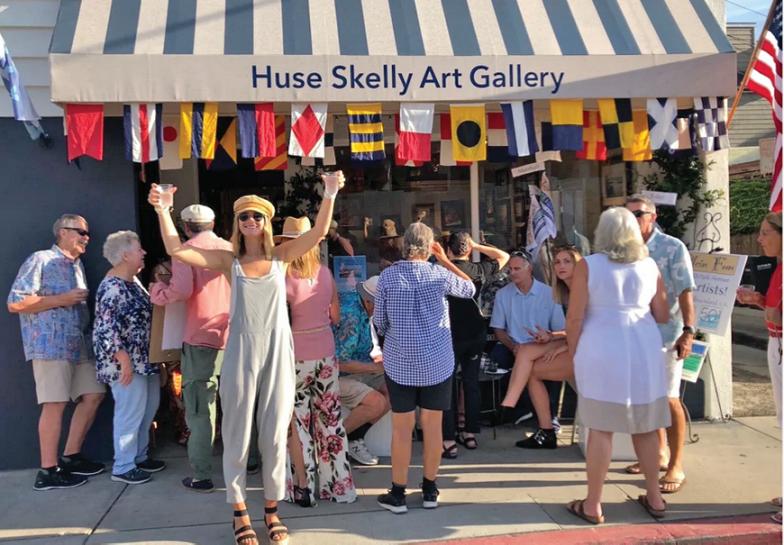
Lisa Skelly • HuseSkellyGallery@gmail.com
IDAHO, MONTANA, WYOMING
Bonnie Davis Kenaley • bk6550@gmail.com
PSWC ~ Southern California/Orange County Region Activities
Regional Representative: Lisa Skelly
To reserve your spot, at any of these email Lisa at HuseSkellyGallery@gmail.com
Dates: April 7, May 5, and June 2, 2026
Location: Huse Skelly Gallery, 229 Marine Ave., Suite E, Newport Beach, CA 92662
Mentorship Painting • 9:00 am to noon
A special opportunity for up to 12 artists to bring your pastels and work on your paintings alongside Lisa Skelly in a relaxed space with other pastel artists. It’s all about pastels and Lisa will be there to help with tips and techniques.
PSWC ~ Idaho/Montana/Wyoming Region Activities
September 30 –- October 1, 2026
3-day Workshop by Kim Lordier
9:00 am to 4:00 pm
Location: Catalyst Arts Collaborative, 6427 W Ustick Road, Boise ID 83704
Information at pswc.ws/new-workshops/
October 3 – October 10, 2026
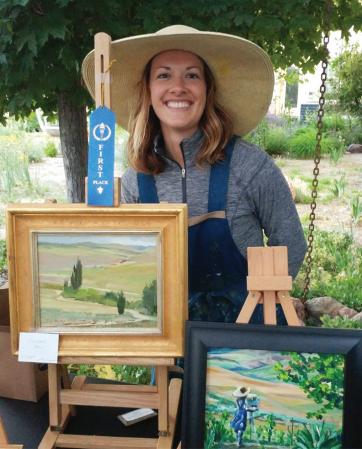
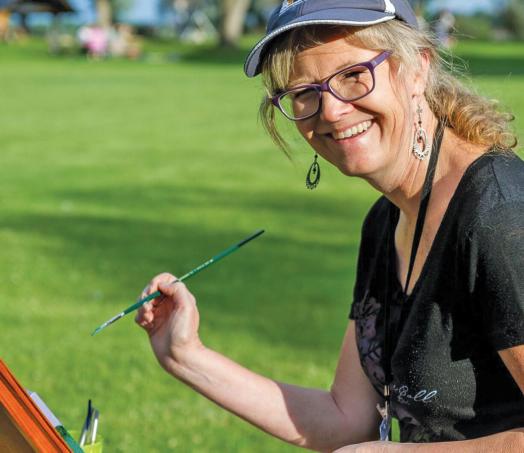
Location: Eagle Plein Air Festival
Including demonstration by PSWC Pastel Laureate Kim Lordier, Friday, October 9, 2026 at 11:00 am.
Information at eaglepleinair.com
November 2 – November 30, 2026
PSWC Regional Art Show
10:00 am to 5:00 pm
Location: Finer Frames, 132 E State Street, Eagle, ID 83616
For information, contact Bonnie Davis Kenaley at bk6550@gmail.com.
Regional Representative: Bonnie Davis Kenaley
February 1–10
COMPLETED
April 1–10
July 1–10
October 1–21
PSWC MEMBER
Challenges 2026
Winter Painting Challenge: Multimedia My Way Ways to experiment with multi-media paintings:
• Create an underpainting: Use watercolor, inks, oil paint, washes of acrylic paint, gouache, etc. Leave a high percentage of the underpainting in place, rather than covering it all with pastel. Remember, your support has to accept wet media.
• Create a monotype: Use printmaking ink or paint on freezer paper to create a monotype, and experiment with different tools to create marks, after printing, add pastel over the ink or paint
• Pastel over collage: Experiment with a variety of materials such as glued fabric and paper to create a collage and put the pastel on top, along with other media.
• The possibilities are endless…go to pswc.ws/painting-challenges for more ideas.
Spring Painting Challenge: What Springs to Mind? Take advantage of this opportunity to create new pathways for your own artistic expression! A daily visual prompt will be provided (such as a squiggle or shape).
Redraw the visual on your substrate and build upon it to create your painting, or study the visual and think about what it brings to mind. Use that concept as the basis for your painting. Or, identify your first emotional reaction to the visual and create a painting that represents that emotion. The sky is the limit, as long as you can express the connection between the visual prompt and your painting.
Summer Painting Challenge: This Challenge is All Wet! Utilize any and all principles related to painting water.
Any and all types of water count: ocean, lake, river, creek, stream, waterfall, pool, marsh, even water in a flower vase. Consider stillness/reflection, movement/ripples, light/refraction, eye level and shape, depth and clarity. Look through art books, and at online videos for tips on painting water. Practice by recreating paintings by the masters.
For inspiration, check out the works of Monet, Homer, Sargent, Hopper and contemporary artists Amy K. Sanders, Abi Whitlock, and Jessica Masters.
Fall Painting Challenge: The BIG One! 21 Paintings in 21 Days
Use this opportunity to commit to nearly a full month of daily painting. Here are some ways to keep the momentum:
• Prepare your paper ahead of time
• Focus on small works
• Limit your time to 30 minutes or so
• Plan to work in a “series” every few days or week
• Choose one subject or reference and paint it using several different palettes
• Go to bed each night with the next day’s block-in or underpainting on your easel
For rules, more complete descriptions, and to participate, please visit pswc.ws/painting-challenges/
Winter Painting Challenge Pushes Boundaries
by Pamela Comfort
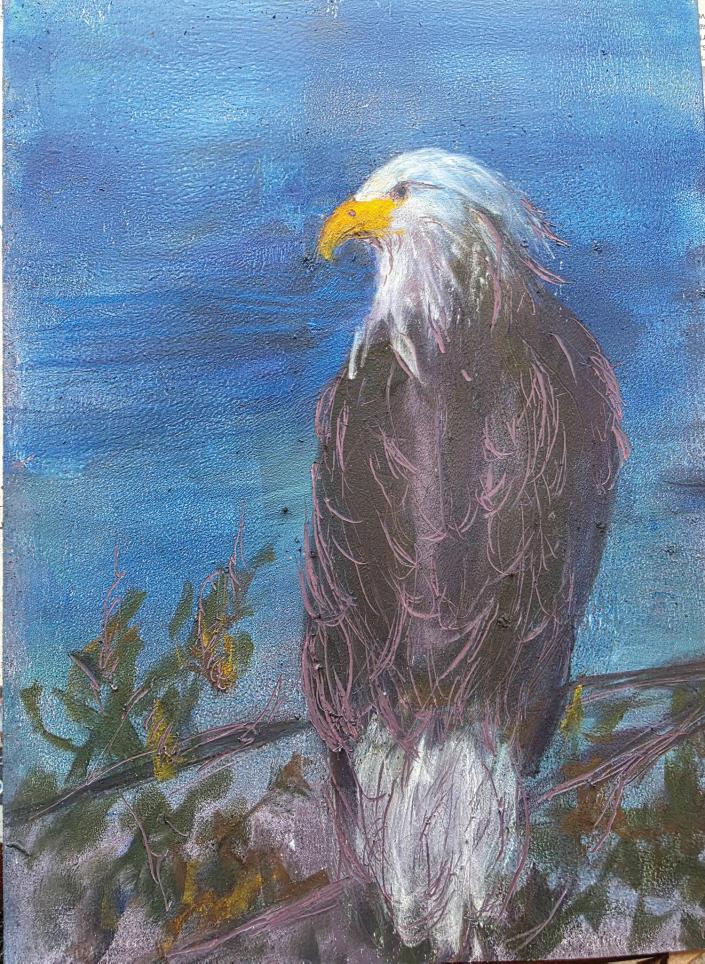
Artists involved in the recent Winter Painting Challenge: Multimedia My Way, which occurred February 1–10, accepted the invitation to experiment and explore by using a variety of media in addition to pastel. Our challenge was championed by the perpetually-encouraging Kelly Hine, who also posted daily images of intriguing multi-media works, along with stories of how they were created and what inspired them.
Here are the pieces that Kelly highlighted, which you may want to check out:
• Fire on the Rocks, Dawn Emerson
• Flowers, Juan Gris
• The Laundress, Edgar Degas
• Untitled (also called the Skull), Jean-Michel Basquiat
• For Paul Celan, Anselm Kiefer
• The Frame, Frida Kahlo
• Wind from the Sea, Andrew Wyeth
• Free Tiger Returns to Mountains No.10, Zhang Huan
• Dog Food (Fire & Brimstone), Emmanuel Massillon
• Number 1, 1950 ( Lavender Mist), Jackson Pollock
• Float Along, Laura Culic
Members participated in the challenge by experimenting with a variety of materials. Substrates included watercolor paper, card, canvas paper, UArt, Masonite, Pastel Premier, Pastelmat, Canson grit, Ampersand board, Arches Hot press paper, Canson Velvet, and a variety of gessoed surfaces. A wide variety of media were used, including watercolor, walnut ink, oil paint, acrylic paint, gouache, fabric, charcoal, liquid pigments, pastel sticks, pan pastels, pastel dust, acrylic ink, pastel pencils and cold wax.
A multitude of tools and methods were used to create texture. Some of the experiments involved the use of newsprint, cardboard packing material and fabric for collage elements. Other methods included the use of
Leslie Autery
Janis Lacey Ellison
Kris Finfer
CHALLENGES
gesso, workable fixative, Golden Micaceous Iron Oxide and heavy gel medium, as well as tools such as combs, stencils, leaves, chopsticks and seaweed!
Many of the participants were experimenting with using gelli plates for monoprinting or textured underpaintings. Part way through the challenge, Bonnie Zahn Griffith provided a demonstration using the gelli plate, and also shared her method for using oil and cold wax with pastels. PSWC members may watch a recording of the demonstration by signing in on the PSWC website www.pswc.ws and choosing General Meetings and Demonstrations under the Events tab.
Many of the participants indicated that they were using the challenge as a warm up in preparation for entering the Second Annual PSWC Out of Bounds! Exhibition at Art Center Morro Bay in April.
Those who posted each day had their names entered into a random drawing for a $50 PSWC Gift Certificate. The lucky recipients were Lyndy Kravitz, Debbie Oquendo and Ronnie Gold.
Much
gratitude to PSWC for
organizing this for us. I felt it helped me stretch my pastel wings!
I appreciate the low pressure of 10 days only with works in progress allowed.
Bonnie Zahn Griffith
Karen Glancy
Ronnie Gold
Cyndi Bartlett Gonzalez
I really enjoyed the 10-day challenge! Exploring new materials and seeing everyone’s beautiful paintings was wonderful.
Debbie Conchita Oquendo
Laura Lukins Pritchard
Bonnie Davis Kenaley
Lyndy Kravitz
Sandra Morrison
David LaPier
CHALLENGES
Many thanks to Kelly Hine and PSWC for thinking up and organizing this challenge. It is a great way to highlight the versatility of soft pastels! That’s part of why I love them so much.
Susan Mueller
Teresa SteinbachGarcia
Anne Spivey
Moses Prashanti
Thanks to PSWC for offering the challenges. It was good to try different things and push myself to create art each day. I appreciated seeing all of your posts.
Join us for the next PSWC Member Challenge! April 1–10, 2026
For rules, more complete descriptions, and to participate, please visit pswc.ws/painting-challenges/
Post your efforts to the PSWC Facebook page and encourage your fellow members!
Marianne Janitsch Woosley
Rachel Sylvers
Olga Symonenko
Viviane Trubey
Sidelight, 15 x 12 in
FEATURED ARTIST
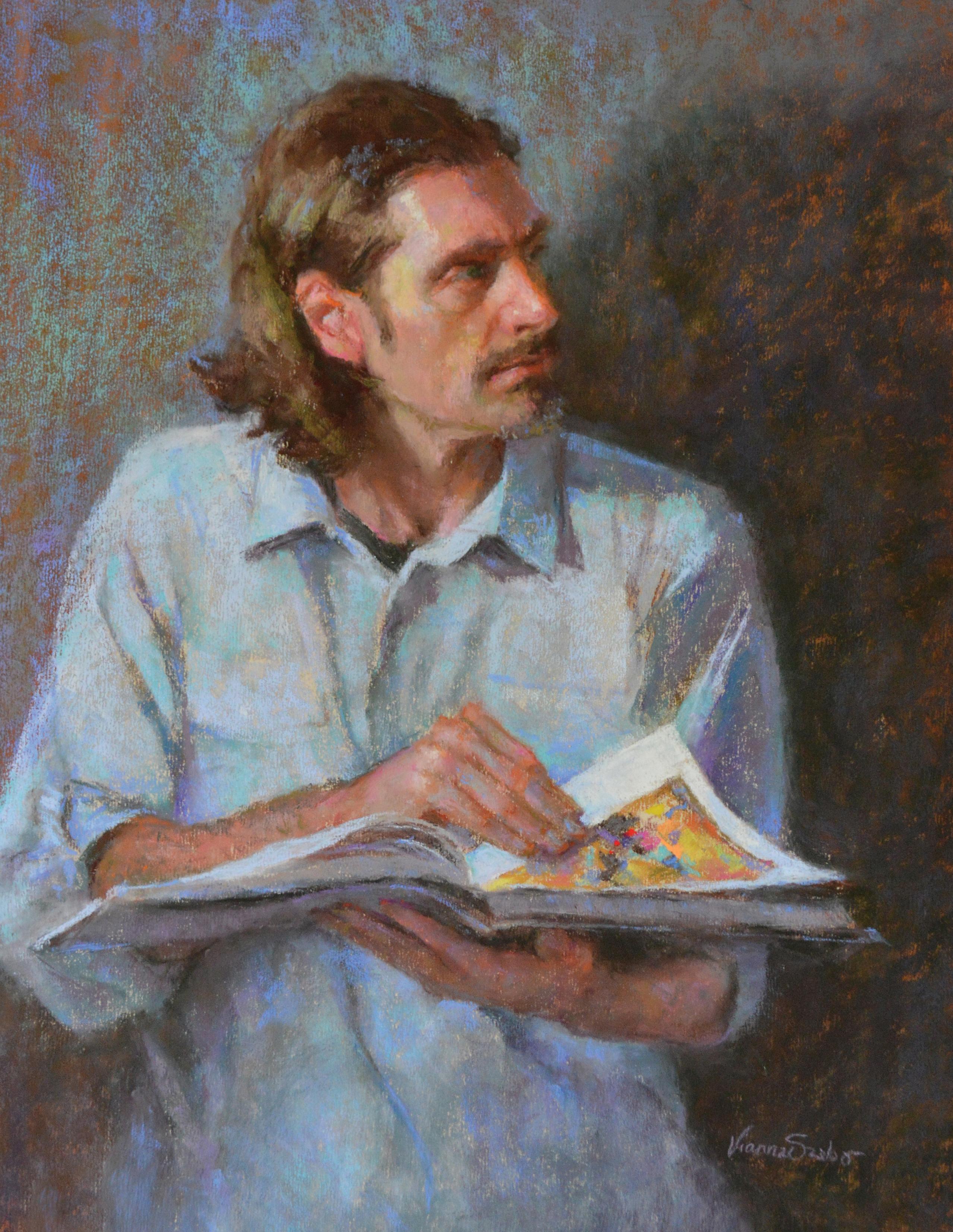
Vianna Szabo Standing Strong, Applauding Sunsets
by Pamela Comfort
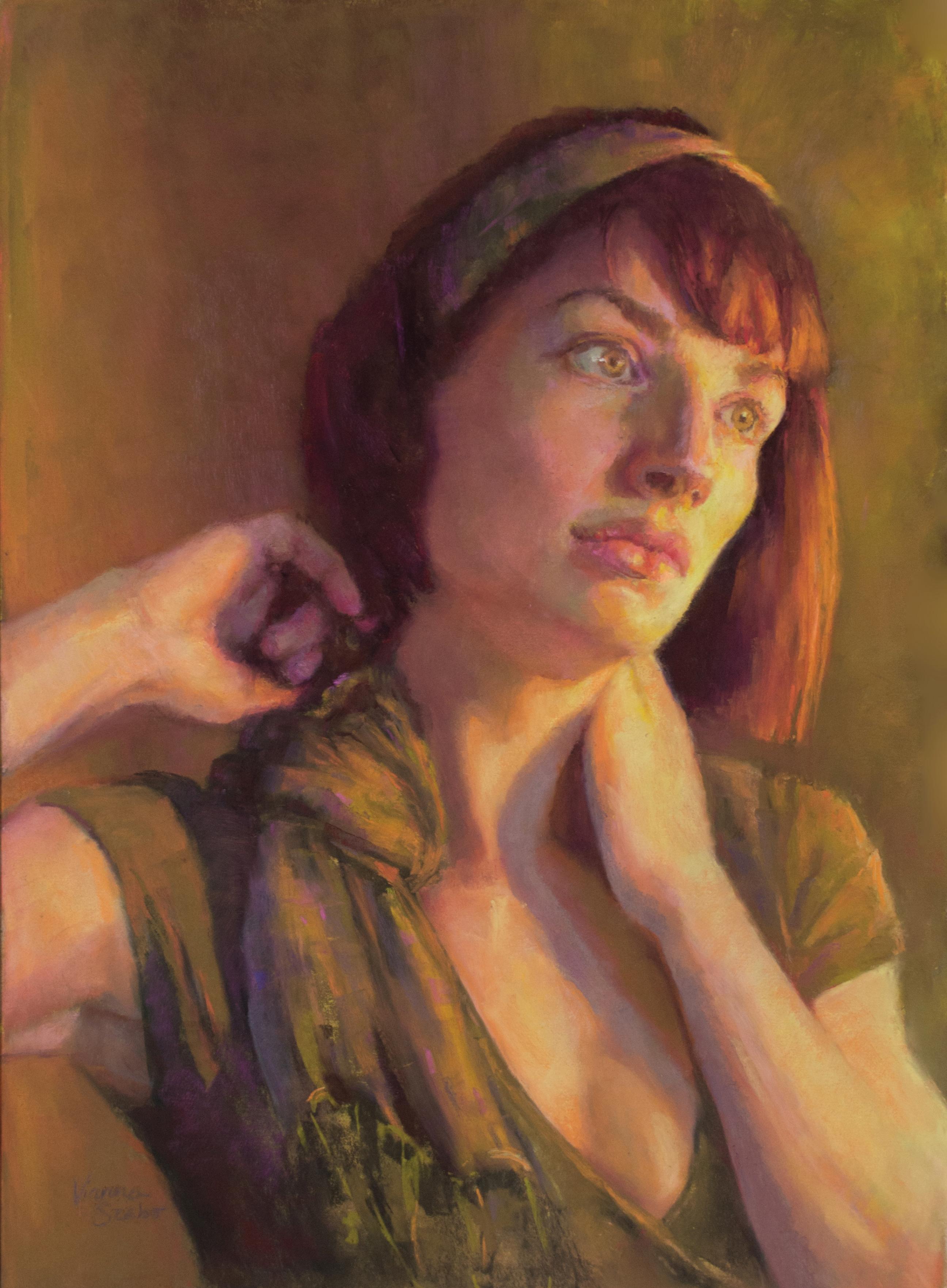
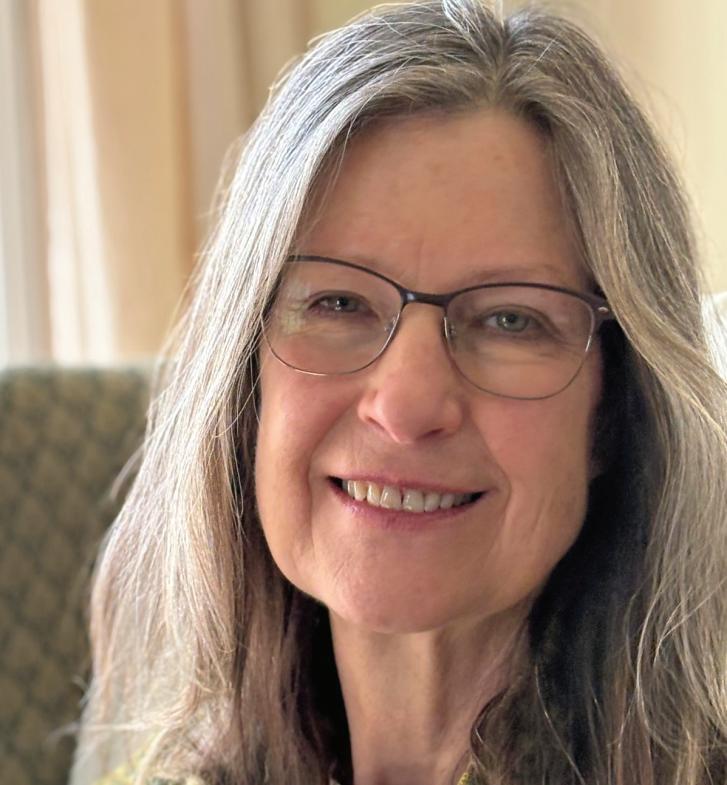
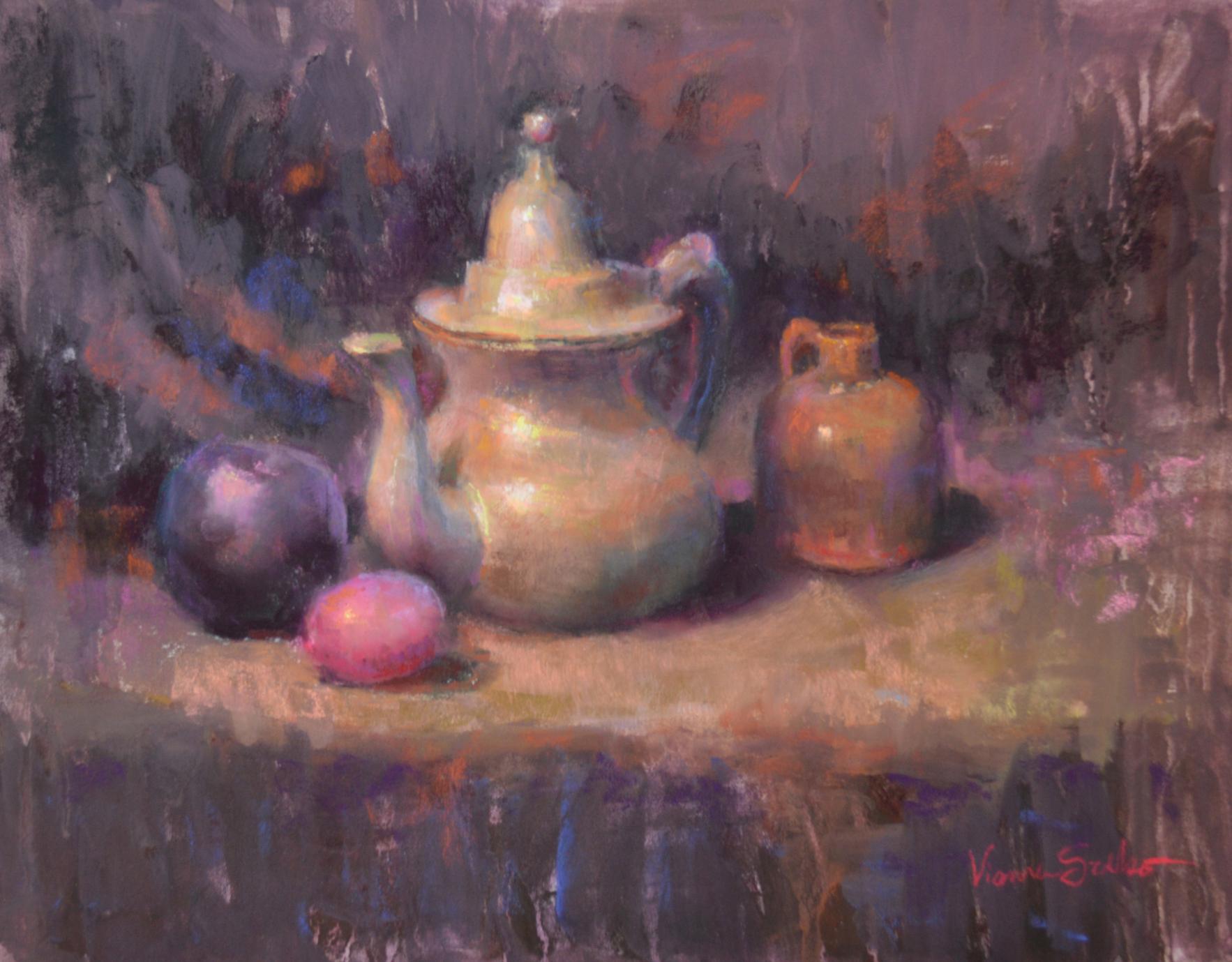
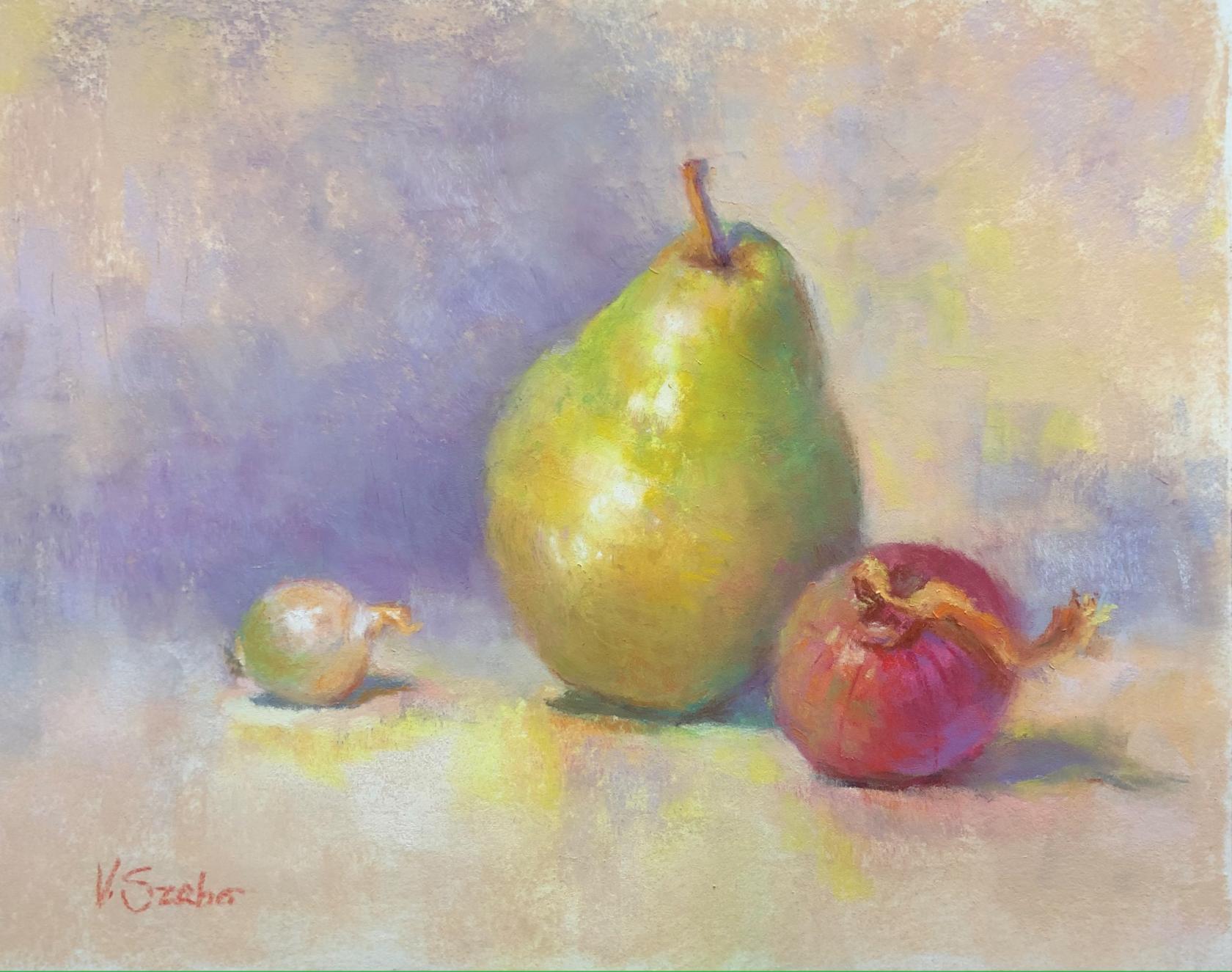
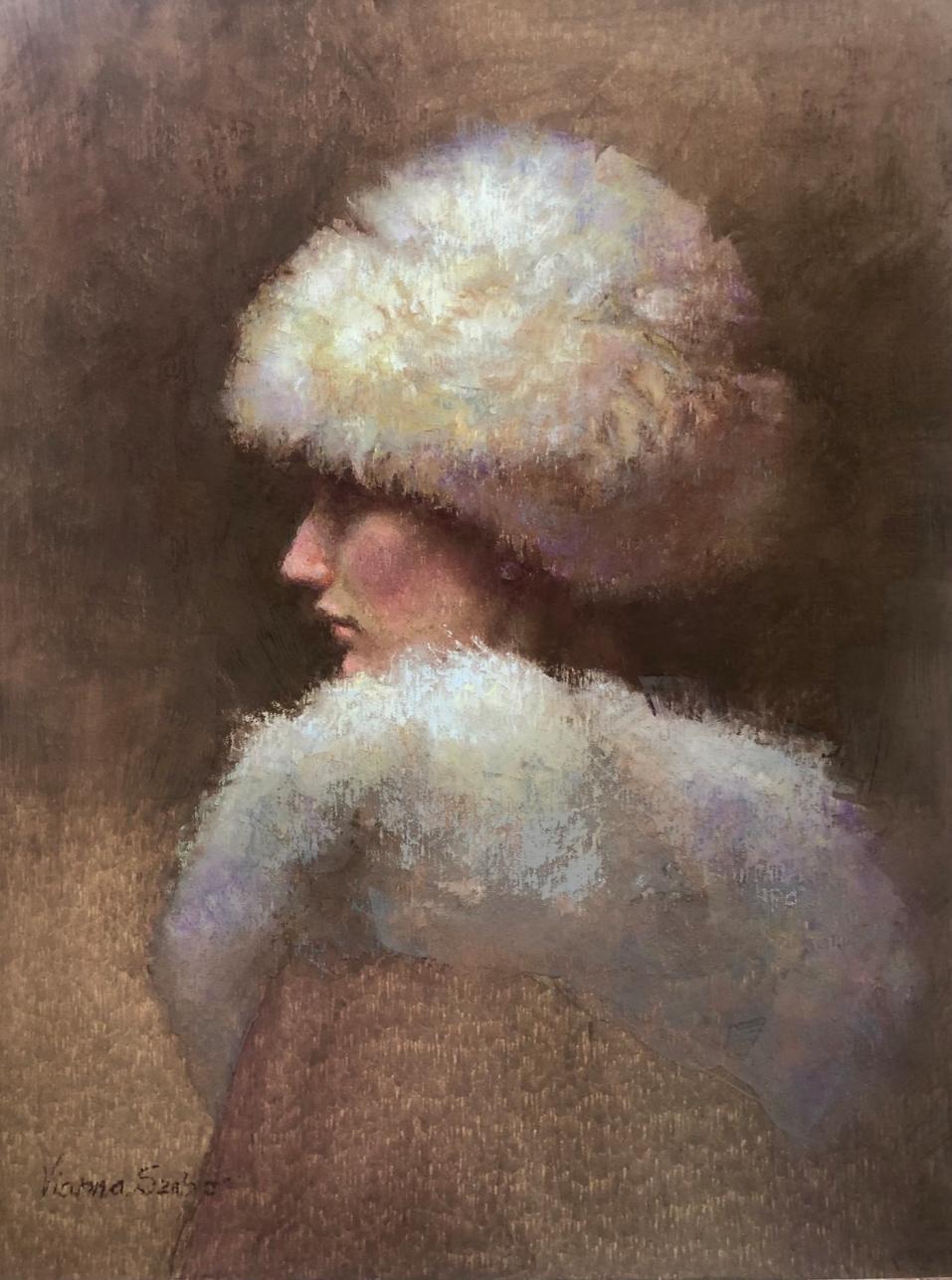
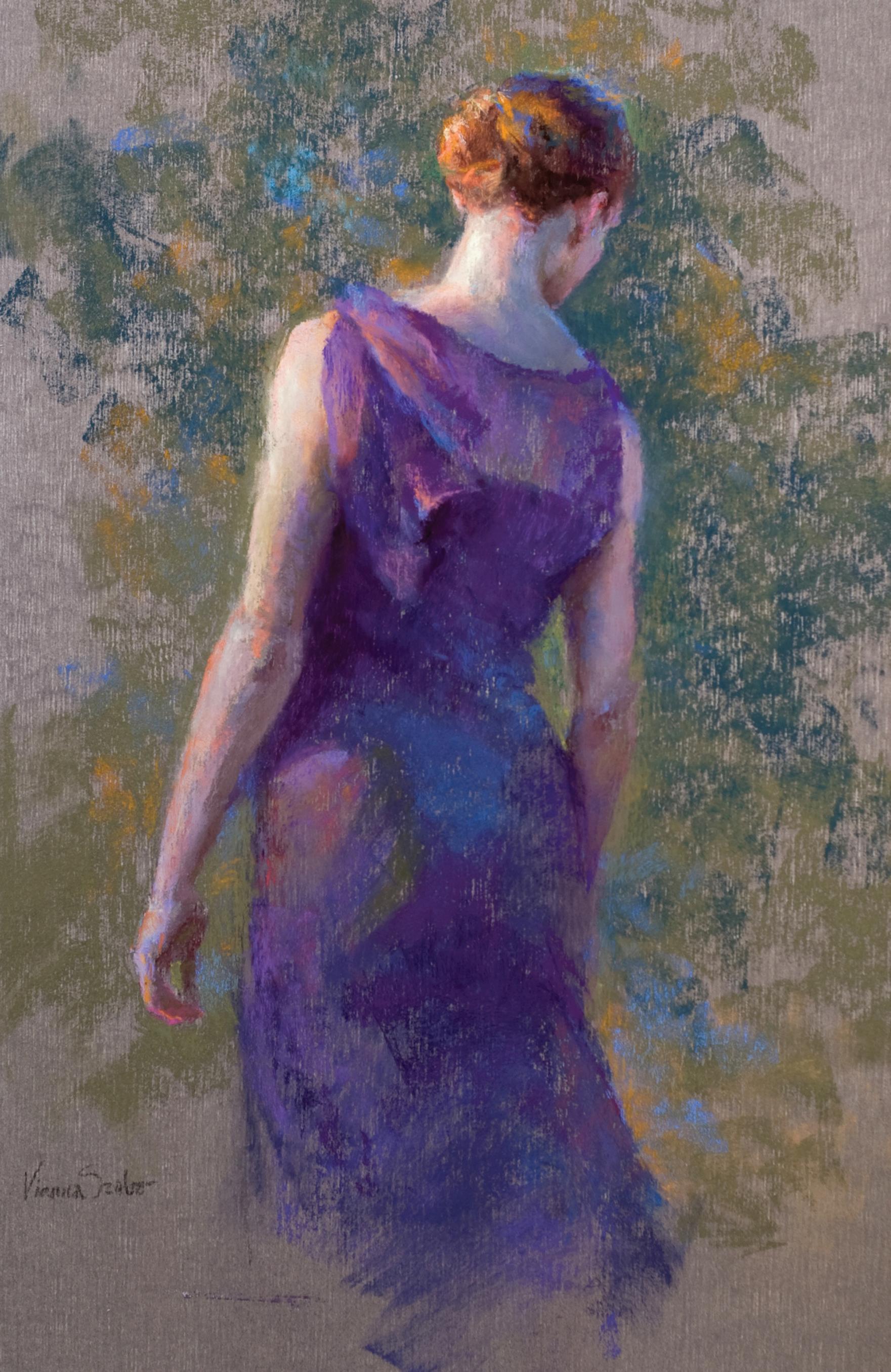
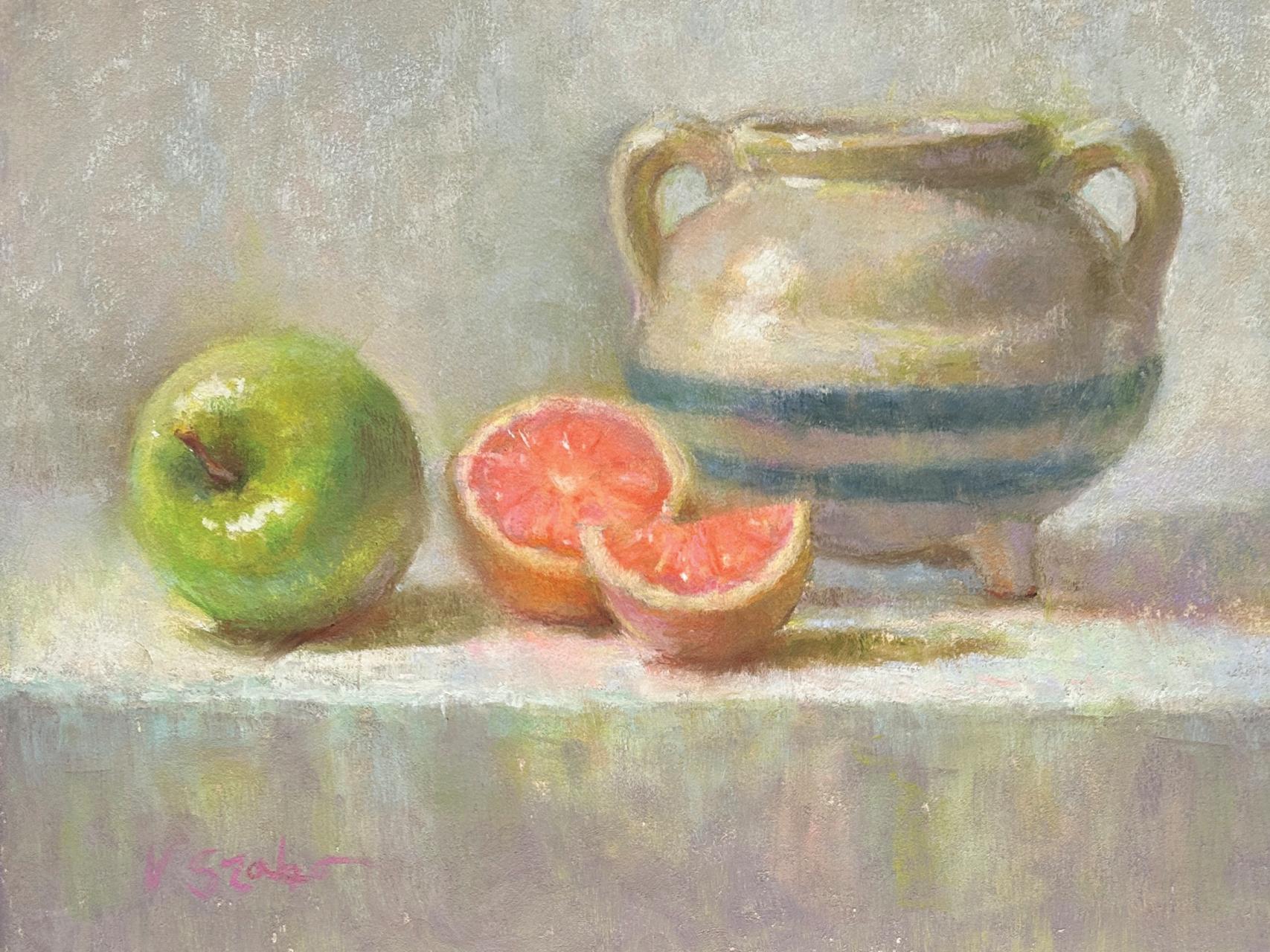
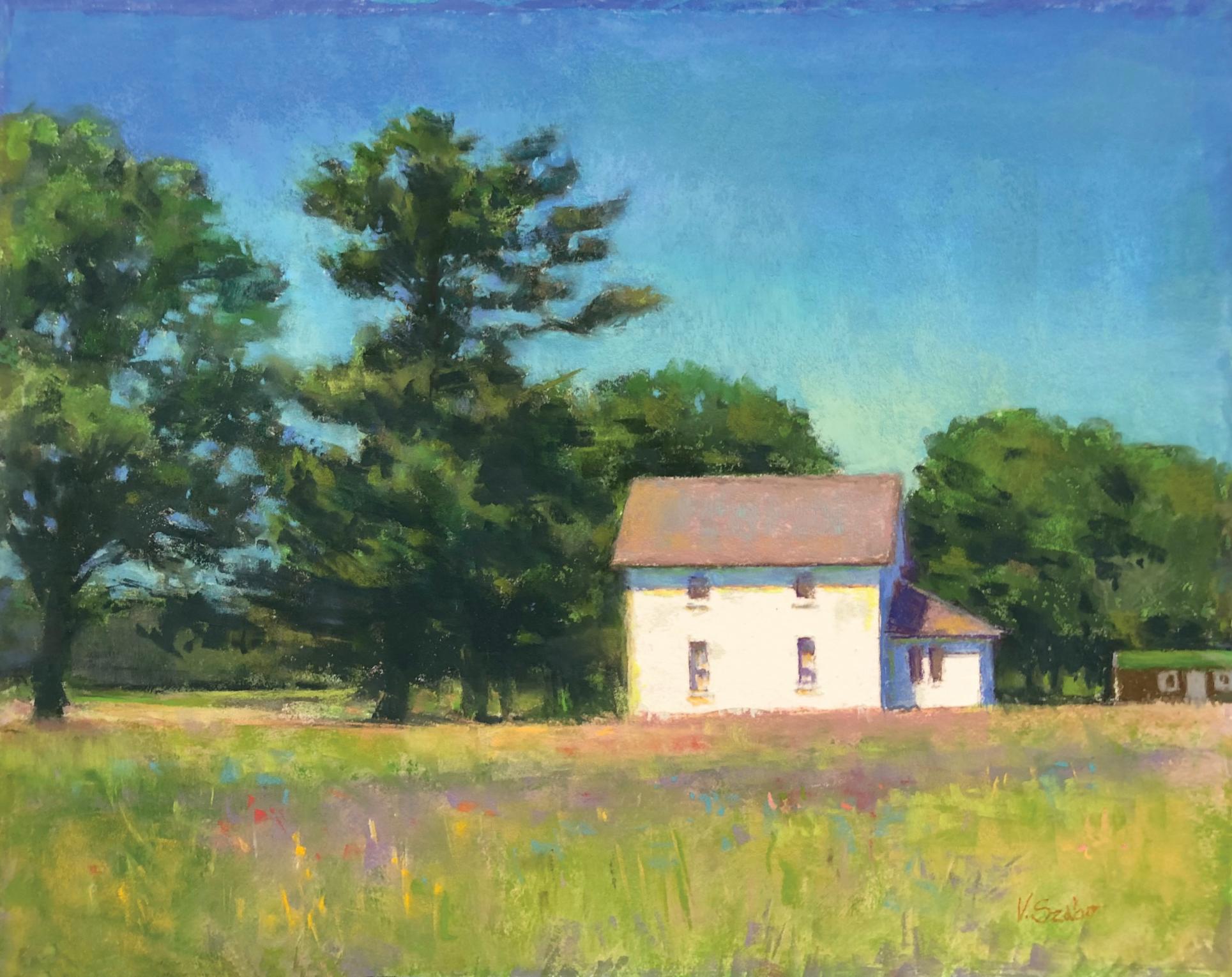
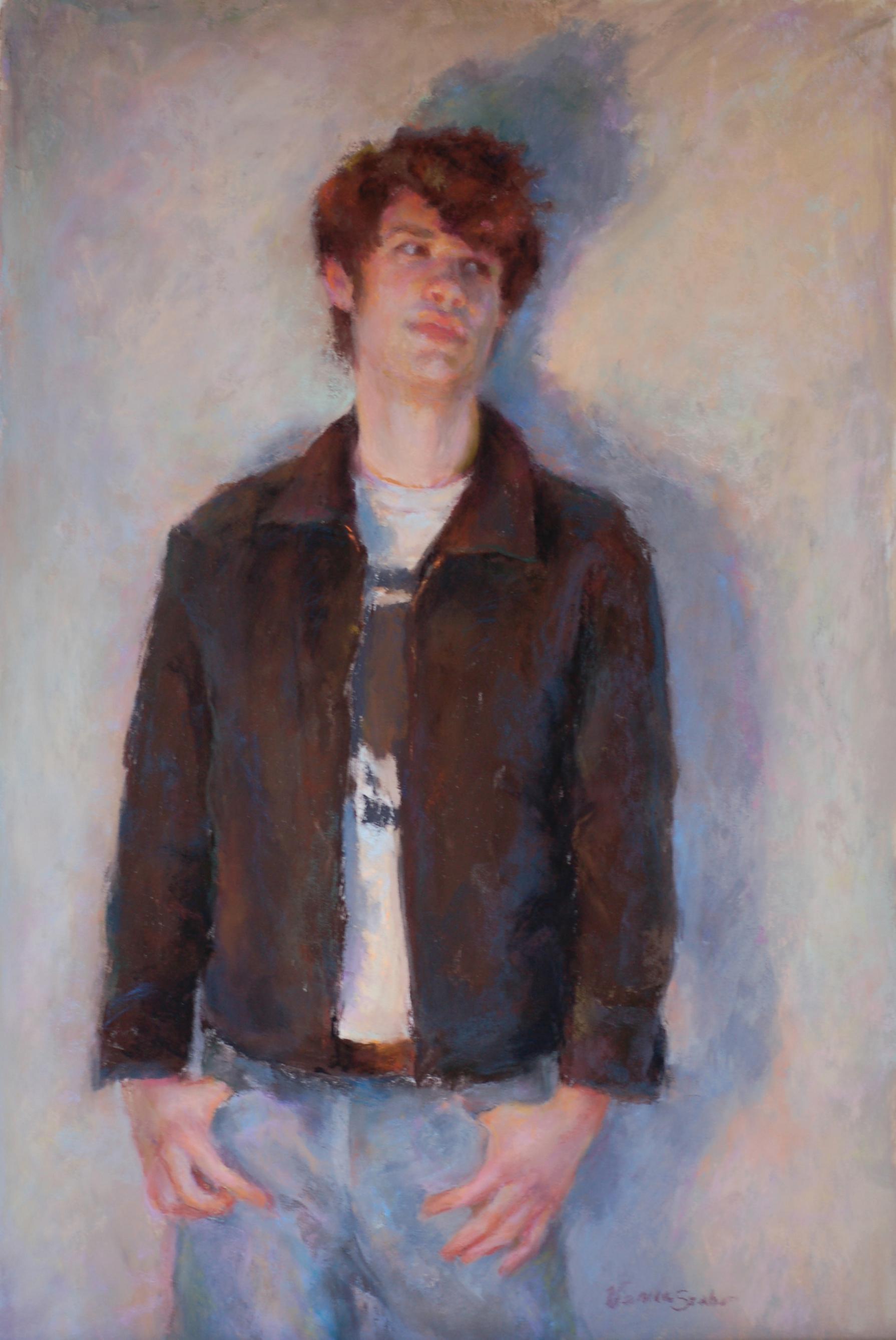
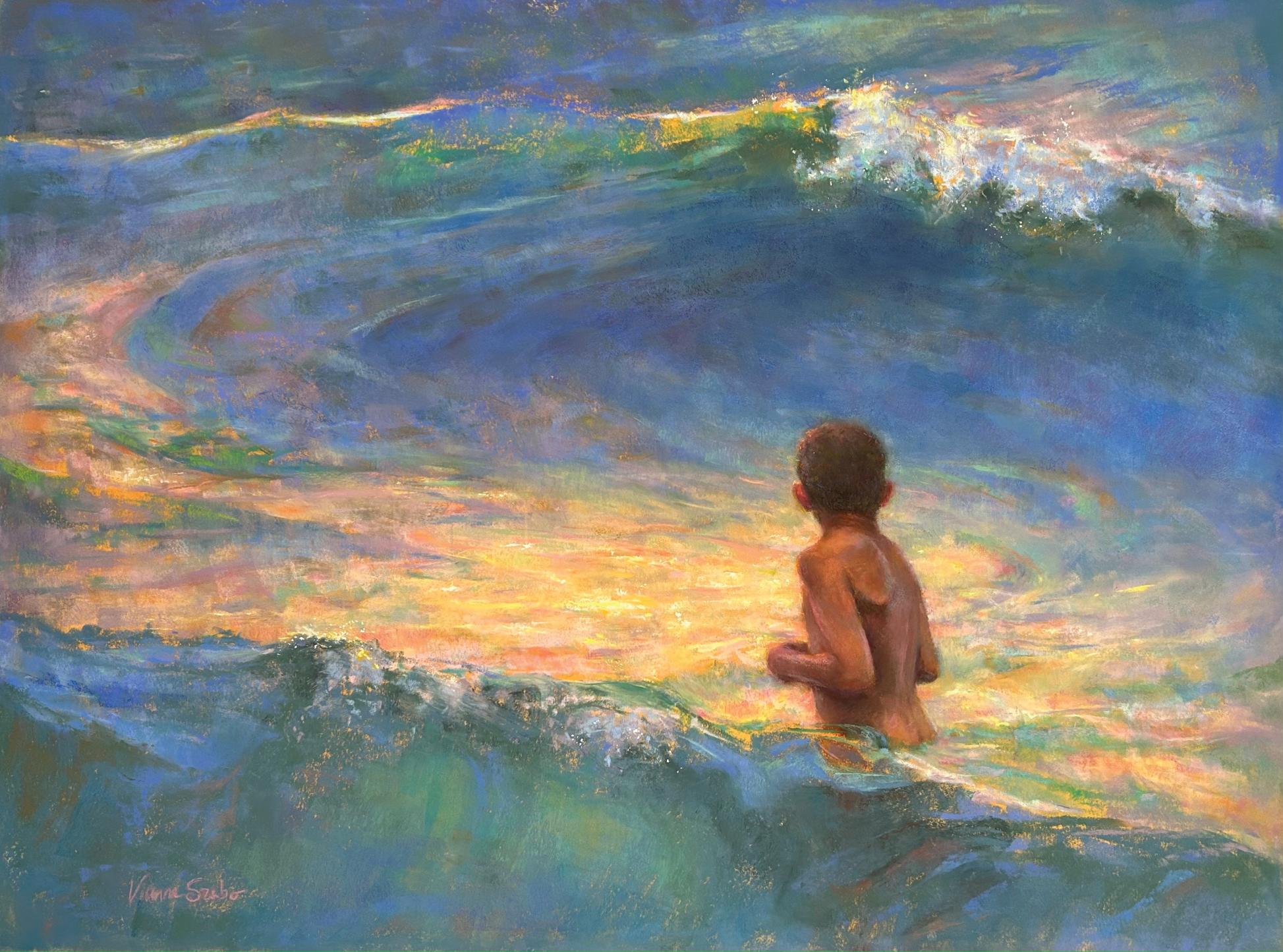
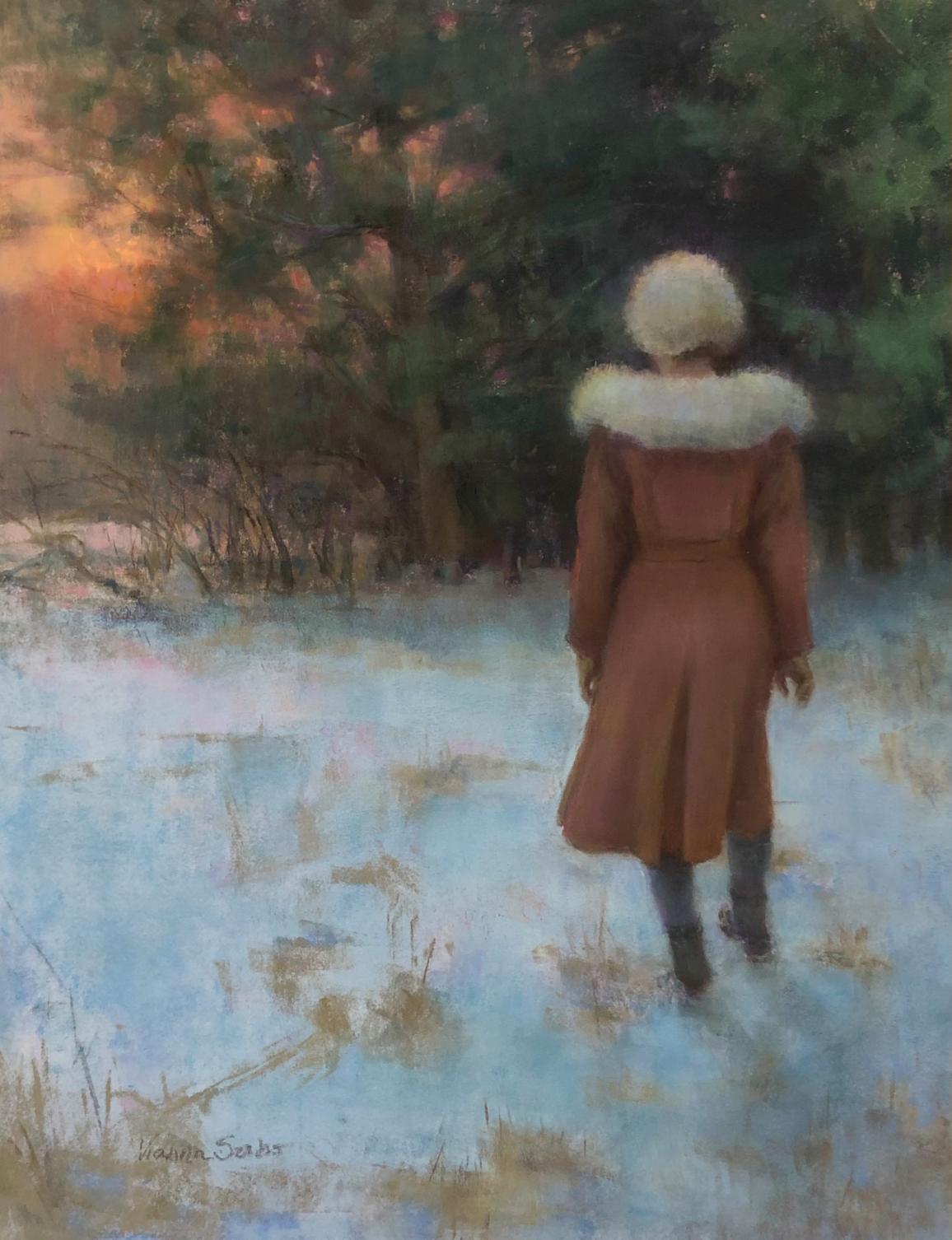
Vianna Szabo’s paintings have been winning awards in Pastel Society of the West Coast (PSWC) and many other International exhibitions for decades. In 2015, when she and two other artists were named Eminent Pastelists by the International Association of Pastel Societies (IAPS), there had been only two other artists given that honor before them. She is a Signature Member of the Pastel Society of America, a PSWC Distinguished Pastelist, a Signature Member of the Michigan Watercolor Society and has juried the International exhibitions for PSWC, IAPS, and Dakota’s Pastel 100. Despite her many accomplishments, it’s clear that one key to her ongoing success is her habit of approaching each new project as a learner. A popular workshop instructor, Vianna often talks about teaching as the most powerful way to continue developing as an artist.
Although she did not dwell much on it during our interview, in recent years, Vianna had an unexpected turn in her health that resulted in big changes in her art journey. On her website, Vianna maintains a blog where she describes some of those changes and reveals that after learning how to navigate the challenges, she found the “gift” that her new life brought. Vianna explains that her goal is to capture the beauty in everyday life. She shares that in her work she strives for “that moment of beauty that captures our hearts and makes us forget about division” and she describes the example of people gathering on a beach to applaud a sunset. It’s a beautiful metaphor, offered with a timely message of hope.
Tell us about your upbringing. Where were you born and raised? Was there someone in your early life who influenced your interest in art, or inspired you to become an artist?
I grew up on a lake in southeastern Michigan in the metropolitan Detroit area. I’ve always been an artist. Some of my earliest memories are the joy I felt drawing and replicating on paper what I saw in real life. My
parents were encouraging, gave me lots of art supplies and even let me decorate my bedroom by drawing on the walls, which made me the envy of my friends. Basically, no piece of paper was sacred, although my mother kindly explained to me that checkbooks were not for that purpose.
My mom was a school secretary, but she had a good eye. Later on, when she stopped working for the school,
she created dried flower arrangements for bridal parties and worked for the Laura Ashley stores. She did all of their decorations, so she had a good sense of texture and design. My father worked on big furnaces for companies, and had a really steady hand. I remember as a kid, watching him do detailed painting on models and things like that. He could make such nice, clean lines. And there are some somewhat famous artists from my father’s side in England—men who made their living as artists. I have two brothers, but I was the only one that took an interest in art.
When I was young, we took regular trips to the Detroit Institute of Arts. There were three things on my list that I always had to see: First, the mummy, because, you know, you gotta see the mummy when you’re a kid, right? Second, Watson and the Shark by John S. Copley, because it’s this guy who’s fallen out of a boat and the shark is about to get him. Love that. And then, John Singer Sargent’s Home Fields, which, to this day, I absolutely love. It is a landscape of a field bathed in evening light. I was captivated, because I often walked
through fields to visit friends and recognized in his painting that same beautiful light and the mood it created. I was in awe that Sargent could capture that sensation in paint. Home Fields touched something deep inside of me and showed me the power of art. To this day, it is my favorite painting at the museum.
Did you take art classes or pursue an art degree and career?
I didn’t really have an art education until I was probably well into my 20s and 30s. My degree is in Social Science and Science and for Elementary School teaching. I didn’t even really know there were art schools. I just wasn’t tapped into that. I just did art. I had a gift for being able to capture a likeness. That’s something I can do. So, I used that, but I had no understanding of what I was doing or how to take it further.
Getting a likeness has always come easily to me and in high school I began painting portraits for money and taught a few middle school students. I did not know you could have a career as an artist, so in college after I got
Plum Pots, 11 x 14 in
an elementary teaching degree, I substitute taught for a year. I controlled unruly classes by drawing cartoons on the chalk board and promising more if they did what I asked. There weren’t any jobs in Michigan at that time. It was the early 80s and all of the auto plants were closing down, and everything was kind of shutting down in Michigan. Substitute teaching is not fun but I happened to fall in love, so I was going to stay in Michigan. I wasn’t going to leave to chase a teaching job elsewhere.
Oddly, my whole life I have been offered jobs as a working artist without ever pursuing it. I was engaged in 1984 and designed our wedding invitations. I took them to a shop that made cards, and they offered me a job of designing cards. It paid about the same as I’d get for substitute teaching, so it was a no-brainer. I was working as an artist for the card shop, but I still did my own art, also. The business was owned by a couple and they closed shop about two years later. So, I started doing the art show circuit with pen and ink prints and sayings that I watercolored by hand. I had a catalog and the business actually did quite well, but it was boring.
Warm Fuzzies, 11 x 14 in
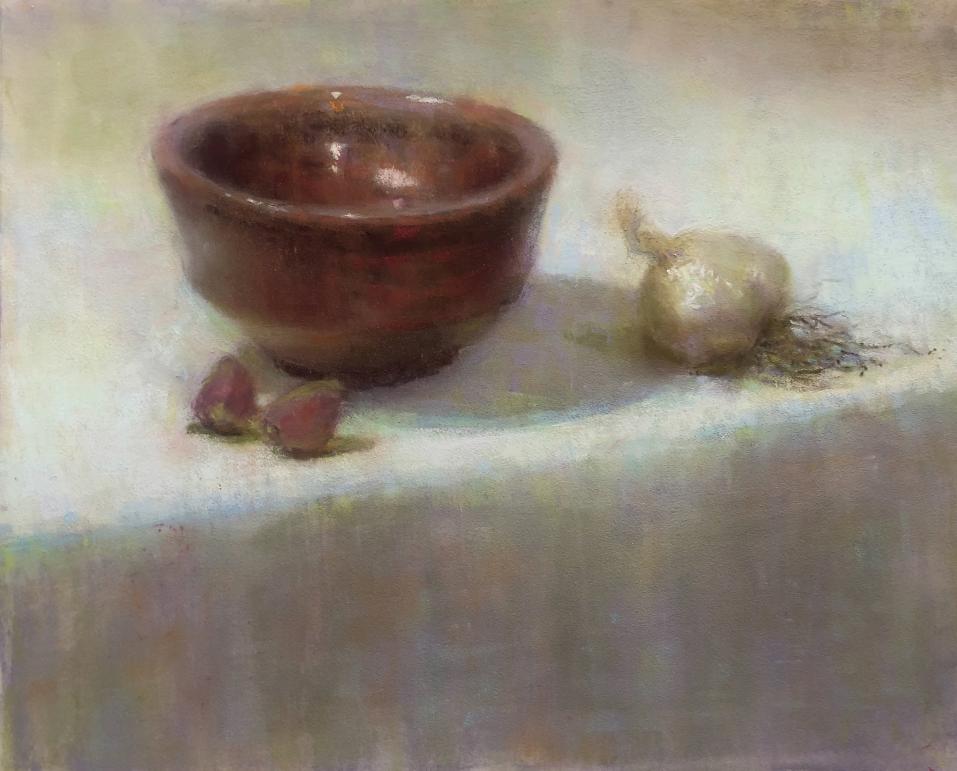
Paired with Onions, 8 x 10 in
Turnaround, 17 x 12 in
What brought you to the pastel medium in particular?
Pastel was the first painting medium I pursued seriously. When we had our first child, we moved to Romeo, Michigan. There was an art studio in town and the artist, August Gloss, did a free demonstration of a pastel portrait on Ersta sandpaper. This was before they had the archival paper that they have now. The mixing of color through thin layers was mesmerizing.
I came home and told my husband I knew what I wanted to do. I signed up for the class that Gloss was teaching, and have loved pastels ever since. I started doing portraits on sandpaper, and played a little bit with landscape at the time, but mostly portraiture. As a busy mom, pastels were the perfect medium to work with because there was no washing of brushes or drying time. I could leave a painting up on the easel and the pastels out on a table and then work on it whenever I had time, even if it was just a few strokes as I walked by.
The classes also put me in contact with other people from this area, that were getting into pastels, and there were some very, very good pastelists: the late Jerry
Power was one, and who I know as ‘Bill’ Hosner, who is actually Truman Hosner lived in Romeo. Just hanging with these people and getting to know them was very helpful. I tend to do subjects that are close to me and that are around me, so I began to paint my infant son and then the daughters of a friend. That led to painting portrait commissions, for about the next ten years, which was a good stay-at-home income while my children were young.
I always loved to teach and was hired at a local art center that allowed me to offer whatever classes I wanted as long as students signed up. One thing about teaching is that it is the absolute best way to learn. You have to break down concepts and then organize them in a manner so they are easily understood
And were you entering exhibitions then?
It’s funny, I started entering shows around here in the Detroit area, and Detroit is a little more about urban art, you know, a little harder edge, I guess than my soft, sweet stuff. So, I couldn’t get into shows. I couldn’t win anything. I wasn’t doing very well, so I thought I must not be that good. Then, two friends of mine told me,
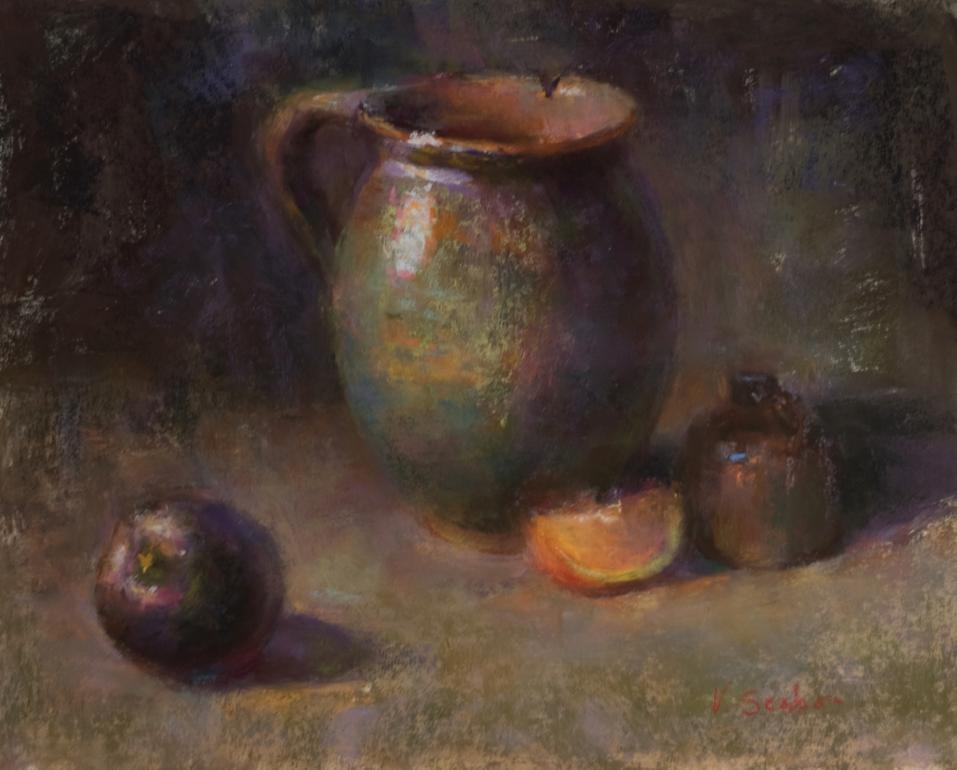
Fruit Pot, 8 x 10 in
you know, you can enter national shows, and it costs the same. So, I had started into oils because at that time, in the early 90s, we didn’t have the same variety of pastels, and I wanted some of those really rich darks that you could get with oils. I started oil painting, where I learned a lot about color mixing and entered the national show of Oil Painters of America. And I got in! I thought, “Wait a minute!” The same painting that had been rejected in some little town here in Michigan, just got accepted and is hanging with David Leffel and these other big names who I admire in the OPA exhibition. Okay, that’s weird….
Then I started entering the other bigger pastel shows. I entered the Great Lakes Pastel Society show, and then
the first national pastel show I entered was the Pastel Society of the West Coast. I won the Terry Ludwig Award. Terry was a new pastel manufacturer at the time, so he had this incredible, generous prize of $500 worth of his pastels, which was all of his lights, all of his darks, and all of his greens. I found that his pastels gave the same value range and richness as oils. I had been working in oils to get that kind of expanded value range. All of a sudden, I had these pastels that could do the same thing! It was bonkers! So, that really kicked my love of pastels back into gear again. It was a game changer for my pastel work, and they are still my go-to pastel. I found that I could apply all that I had learned about color mixing in oils to my pastels and was able to get more nuanced colors with them.
Did you begin selling your paintings more at that time?
Not a lot. I started getting more pieces that would win in multiple shows, and I thought, “This is one way to make money.” I didn’t have gallery representation at that time. And I was still doing commissions. But commissions are hard. They are not your own painting, and there’s a lot of psychology you’re dealing with. I was still raising my kids at home, so I didn’t really have time to go out. One thing that happened during that time, was that the commissions were kind of getting to me, and I was getting bored. I had friends that were going out plein air painting. I hadn’t really heard of that before. I was extremely good at replicating what was in front of me. That was my thing.
I started going out plein air painting with my friends. We were a very casual group, and I knew there was something there that I needed. I was so bad at it. I was bad for so long! When you are working from photographs all the time, it’s incredibly difficult to get your mind into that frame where you’re not just copying everything. It took me the longest time to learn that what I had to do was to interpret what was in front of me—not copy it.
Koala Games, 17 x 12 in
It’s a whole different animal, and there’s no greater teacher out there than plein air. It doesn’t care how you feel or anything like that. It’s a fantastic way to teach yourself color. You never look outside and say, “You know what? That field there—those colors just don’t go together.” It was a fantastic way to learn color, a fantastic way to learn design, and to learn the power of a simple value structure, and finding the story you want to tell, while getting it down quickly.
Do you still do a lot of plein air painting?
I do not. Not as much as I would like to. But it’s interesting that for a while I became a bit of a plein air snob. I thought, “I’m only going to do paintings from life.” I took a workshop from Carolyn Anderson, and we worked from a model, and I’m feeling very smug. Then, on the third day, she brings out a group of photographs. And I thought, “I’m not going to work from a photo!” Then she proceeds to paint this gorgeous interpretation of the photo, and a light bulb went on in my head, “Oh!
You can interpret!” So, I find more and more, whether I’m working in plein air or from a photo, I move stuff around. I can do whatever I want. Now, one thing I always tell my students is that the painting “is not the boss of you,” the photograph is not the boss of you, and even the landscape or the model, is not the boss of you. You are in charge and you tell it what you want it to do.
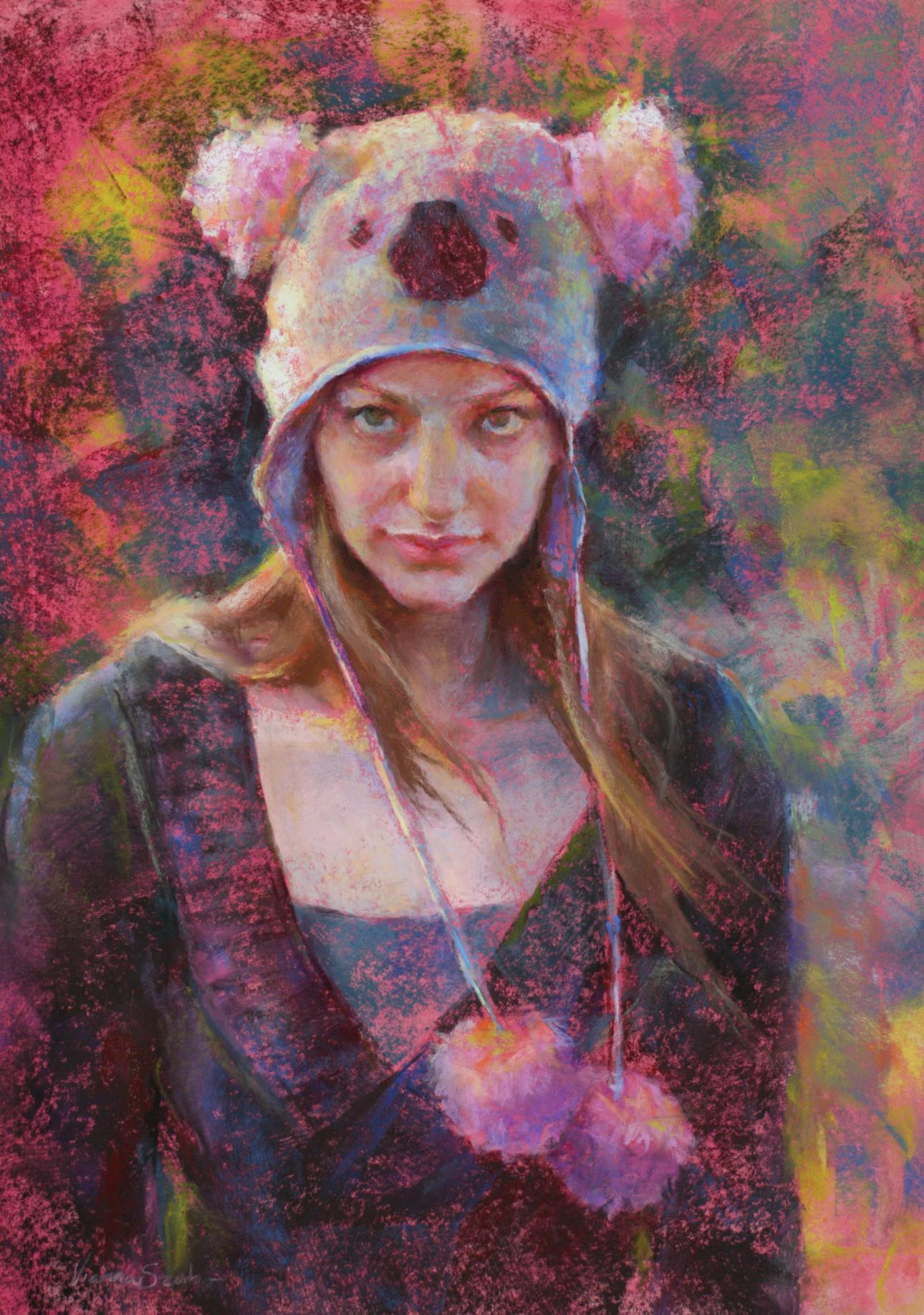
Every painting should have either a “what if” story behind it, or your own personal narrative with it, rather than just subject matter. I’m not painting a red boat by a lake, you know? I’m painting, maybe the person that actually walked away and isn’t there at the red boat. Why did they bring the red boat up? Things like that. Or maybe I just love how red plays against a greenish lake. It just depends. This painting of my daughter, that I’m known for, where she is wearing this silly koala hat. I had this photo of her and I didn’t know what I was going to do with it. I had won one of Terry Ludwig’s big red heart pastels, so I used it for the red background. Then
Cusp, 9 x 12 in
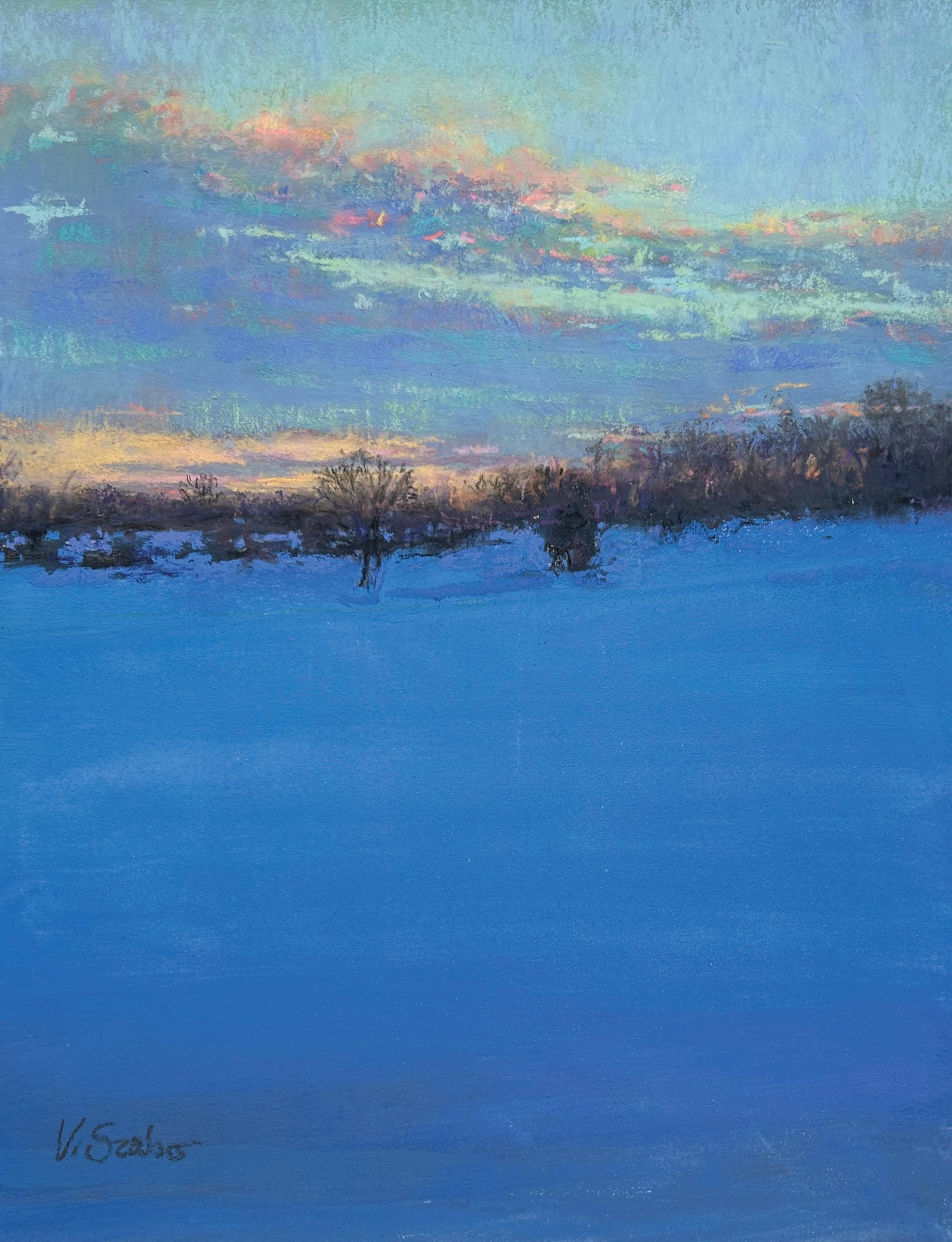
Winter Evening, 10 x 8 in
my daughter gave me the Hunger Games book when it came out. So one weekend my life was read, read, read, paint, paint, paint. And I painted her sort of tough—a strong, young woman, in a silly koala hat.
Do you think about the narrative before you start painting?
I think I usually do. I’m always looking…. I heard a podcast recently where someone quoted Pope Francis saying that artists are preachers of beauty. I really love that. I think I’m always looking to celebrate the beautiful. But beautiful is not always just pretty. Even today, with the gray skies and snow, there’s beauty there—be it in a bunch of onions that have sprouted, or just white-onwhite stuff, or the way colors talk with each other.
I don’t like to restrict the subject matter as much as I like to think about a question. For example, if I have a
model, I’m thinking, “Can I push the gesture?” I’m always asking if I can make something more. In plein air painting, I want to get the light or capture those colors, but it’s always about getting those moments of beauty.
In addition to pastel and oil, have you worked in other media?
I have also been fascinated by watercolor and because of my recent health issues, I have taken the time to pursue watercolor seriously. It is the opposite of pastel in its application but it has taught me the power of simplified value masses. I find working in the different mediums informs the others. While I love oil and watercolor, pastel is the medium I am most comfortable with and I never tire of creating glowing colors through thin layers of application. I use this layering in my oils and watercolors, as well.
Vernal Light, 2000, 9 x 12 in
Did you have a mentor?
As far as mentors, I have been fortunate to live in an area rich with accomplished pastel artists—many who are my friends. I have a close friend, Sharon Will, with whom I share critiques. Her insight and honesty is crucial to my growth as an artist. There are two videos on my YouTube channel where we critique each other.
What themes or concepts tend to emerge most often in your work?
I like to paint what surrounds me and celebrate the beauty of everyday life. One of my first pastels was of dishes drying in a rack by the kitchen sink. As a stay-athome mom, my children were very inspirational. I loved recording their growth through paintings. My son was my first model, but my daughter really enjoyed it— especially because she could dress up in costumes and pose dramatically. I am grateful they were part of my
journey and there are paintings of them I will never sell. I also love still life and landscape. In still life, we can elevate everyday items. A simple onion or bulb of garlic can become beautiful under the right lighting. I will sometimes spend hours setting up objects and moving the light around until I find a composition that inspires me.
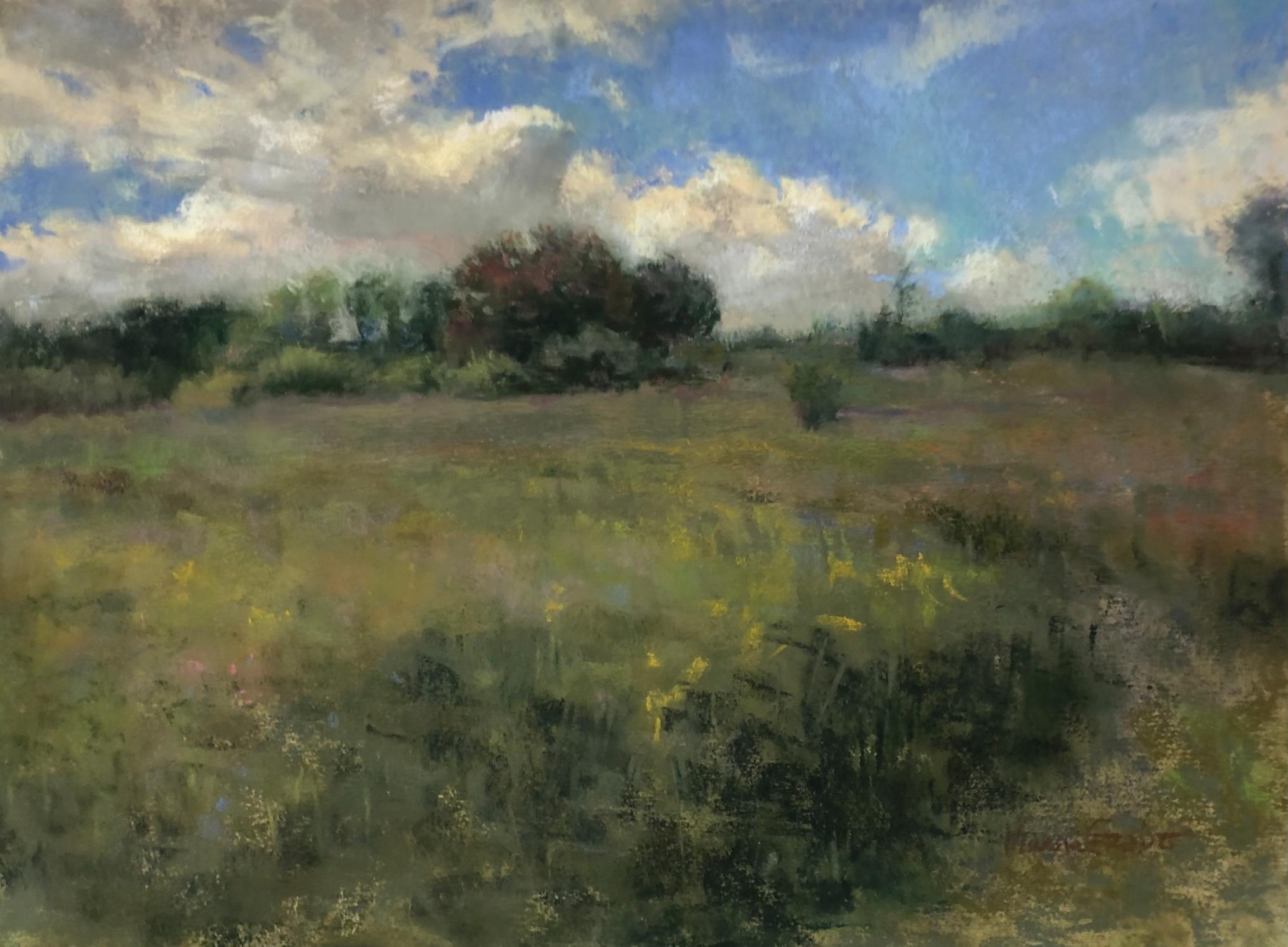
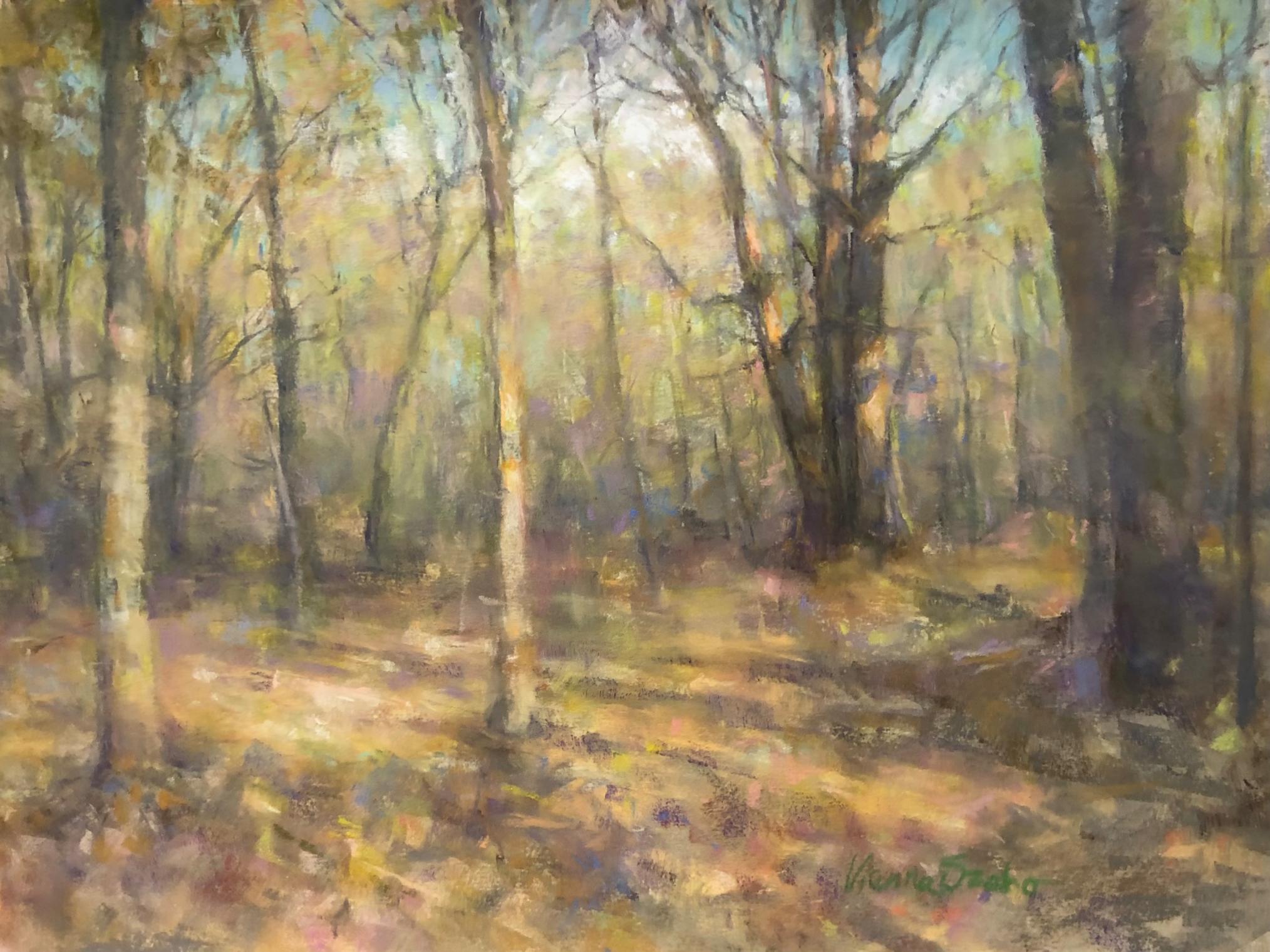
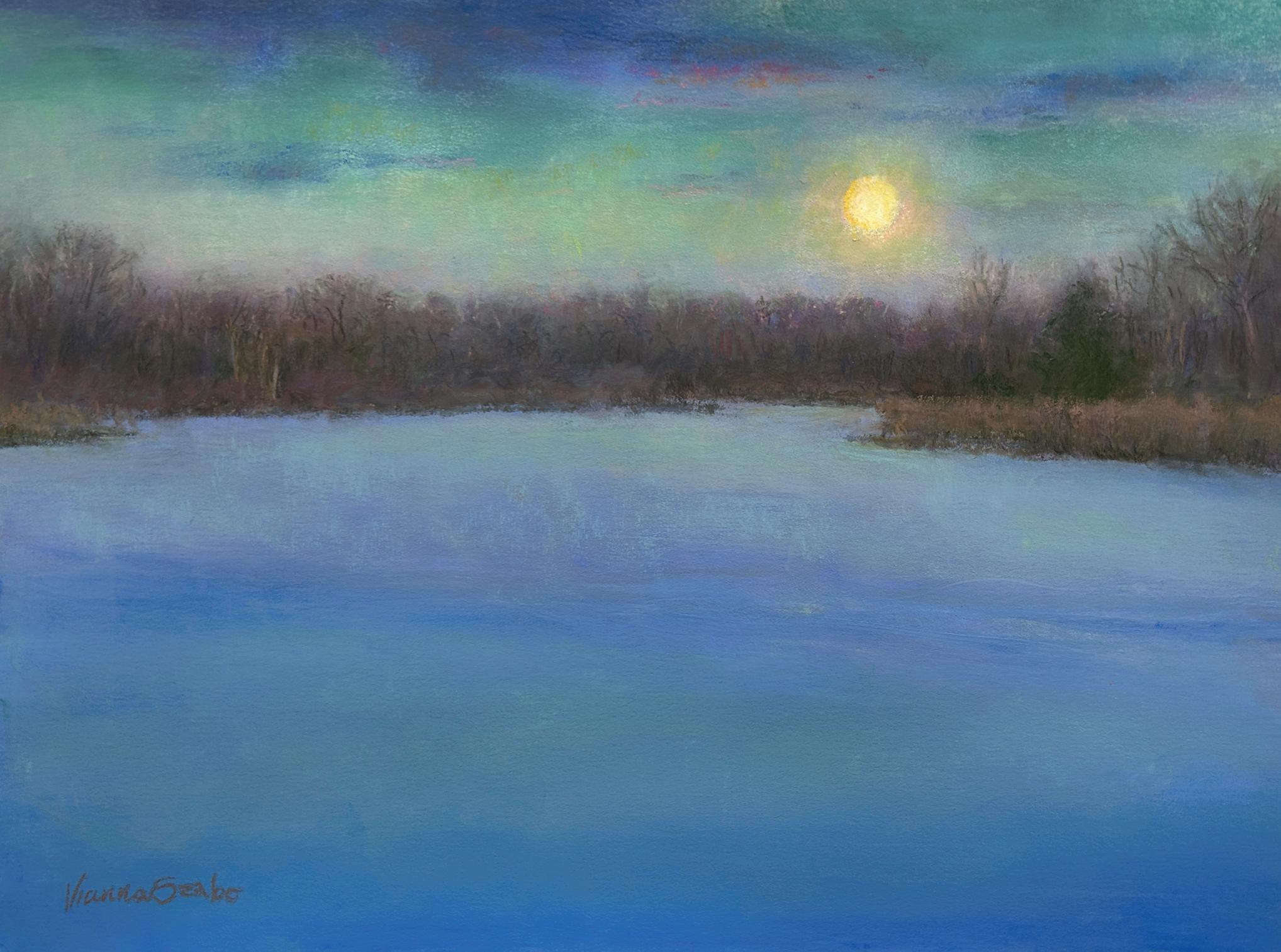
Living in southeastern Michigan, the landscape is not majestic, but here there is a quiet beauty that I love to paint. One of my favorite areas is an inland lake where I enjoy paddleboarding and hiking. I will occasionally paint plein air there, but mostly I use photo references. By working in the studio from photos, I can use visual memory to distill what moved me about the scene. Often it is skies and the mood they impart on the rest of the landscape that inspires me. I also have a soft spot for old homes and wonder about the lives that lived there.
Summer Days, 11 x 14 in
Shawn’s Shadow, 8 x 10 in
Is there a specific ritual or routine you follow when starting a new project?
I like to start every painting with that “what if” question that I was talking about. What if I push the gesture? What if I use an analogous palette? What if I change the key or the light? The “what if” questions can be endless and are more interesting than painting just the subject matter. By asking a question at the beginning, it creates a challenge and I learn as I work through the process.
I am also a stickler about creating a palette that works for my painting. I think of the palette as my toolbox and each stick in the palette has a purpose. Before I start a painting, I identify the value range and how saturated the colors will be. I create a pallet that represents those decisions. In the studio, I have trays for different paintings and will organize the colors by value while laying them down as lights, middle-tones, and darks. I also use the palette to create color harmony, and if the colors
on my palette look good together then the painting will be that much easier. Often I add in a color that may not be obvious in the subject matter, but it is one that ties all the colors together and makes them “sing.” In the field, I have a box of 72 mixed hard pastels that have a full value range and saturated primary and secondary as well as “ishy” colors. I know what each color will do in that box and how to mix them to get what I want. Of course, it is limited compared to what I can do in the studio with my hundreds of pastels, but it is surprisingly effective.
What has been one of your most rewarding experiences as an artist so far?
I love teaching and helping other artists find their voice and define the work they want to do. I have taught for more than 25 years and seeing someone grow in confidence and ability, and knowing I had a part in that is rewarding.
Frisson, 18 x 24 in
Teaching workshops gave me the chance to travel and meet lots of artists, but I missed working with students on a long term basis, so in 2019 I started a Patreon site. There, I was able to work with and critique over a period of time and enjoyed seeing the students’ progress. For online teaching, I learned to make videos and found it was a powerful teaching tool and hope to make more in the future.
As far as my own work, I am proud of how it has grown and changed over the years because of challenges I set up for myself. Learning to plein air paint, after years of painting portrait commissions was humbling and it took me two years of painting outside before I had any success. I love learning and Iook forward to pushing myself and seeing what I will do in the future. How has your work evolved over time and what has been the key to your growth as an artist?
There has been a big evolution in my work over the years. I have always been representational but in the beginning of my pastel career, as I described, I was literal about copying my subject, whether it was from life or a photograph. It did not occur to me to diverge from what I saw. Learning to plein air paint changed that. With the time constraints of changing light and weather conditions, copying became impossible. I learned to interpret what I saw and found emotion could be heightened by pushing gestures, limiting details and exploring different palettes of color and value. After a while, I was using the same approach working from photos. Realizing that the photograph, the landscape and even the model was a reference and “not the boss of me,” I could interpret in the same way in the studio as I did painting plein air. Moving forward, I find I am striving to say more with less. My mantra for this year is “create interesting shapes through simple value connections.”
In 2023, I was diagnosed with melanoma and the cancer treatment affected my pancreas so that I don’t make insulin. I became a Type 1
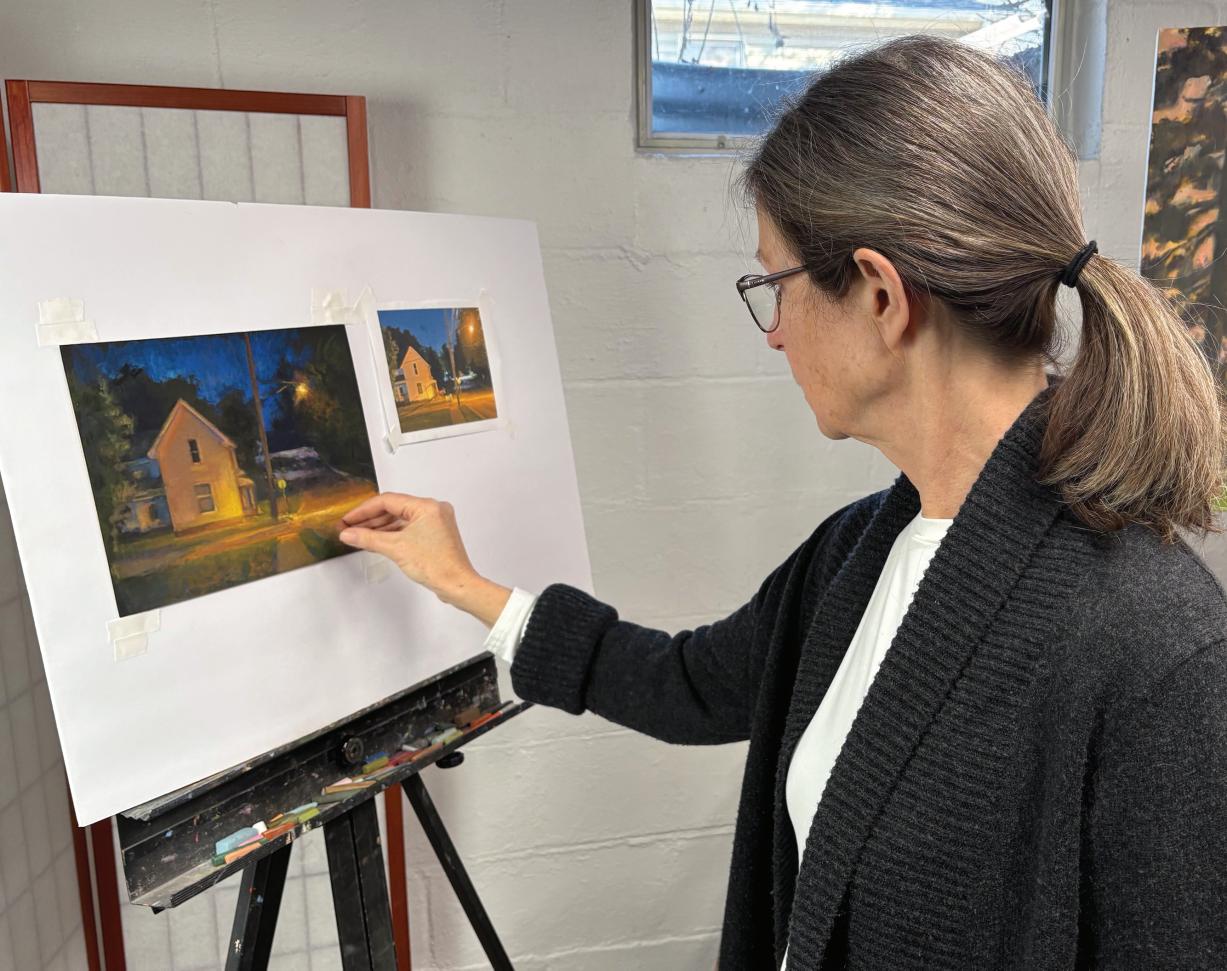
Vianna in her studio.
Promises to Keep, 12 x 9 in
Plumshine, 8 x 10 in
Tilted, 9 x 12 in
New Ice Moon, 9 x 12 in
diabetic and rely on insulin injections to stay alive. I ended Patreon and teaching in person. I did very little art while I got my strength back and learned to manage my diabetes. I have begun to paint on a regular basis again and I find taking a break made me a stronger artist. I can do a deep dive into concepts I did not have time for when I was working so much.
What is the most challenging aspect of being an artist in today’s world?
The internet is an incredible tool and there is a lot to learn out there. It can also be filled with a lot of noise. Timelapse videos make painting look easy and no one ever shows the work that fails. Be wary of “tricks” that will make you a master. These sensational shorts may get clicks but they give a false impression of the process of painting. The truth is all painting, since forever, relies on using the visual elements of shape, value, edge, and
color application. Draw often and make interesting shapes. Study how hard and soft edges control the narrative of the composition. Learn how to identify color by value and mix what you see. Discover how light affects value and color and learn how to apply the pastel in a way that expresses your “what if“ inspiration. Learning how to control these visual elements is at the heart of being a painter.
What advice would you give someone just starting out as an artist?
Enjoy the process and don’t worry about making a painting. Embrace your mistakes as learning experiences. Create lots and lots of work. Enter shows to test your work but do not take wins or losses personally. Express gratitude for the time you get to pursue your art. It is a personal journey that is exciting if you follow a path true to what inspires you.
To see more of Vianna’s work, visit her website: viannaszabo.com
Maestro, 9 x 12 in
Thanks to the efforts of our esteemed judge this year, Loriann Signori, the 2026 MOOS International Exhibition is beautiful and impressive.
We appreciate the efforts of our volunteers, MOOS Chair SA Kushinka, Webmaster Delcee Comfort Fields, and Treasurer Deborah Pepin who support all of the logistics involved in bringing the show to fruition.
As always, Austin Hambly of ShowSubmit provides a fabulous, ever-improving online platform for us. Thank you, Austin!
Finally, we reserve our greatest appreciation for all of the artists who entered their works into the show, whether or not you see them in the following pages.
We all know that it takes courage to put our art out there for judgment and comparison. As exciting as acceptance and acknowledgment can be, we also know that true art is a personal journey, a way to affirm life and an individual exploration.
Thank you all for sharing your journey with us.
Every year our Members Only Online Show (MOOS) showcases beautiful works from some of the top pastel artists in the country and beyond. This year is no different.
MOOS 2026
2026 WINNERS!
SIGNATURE/DISTINGUISHED PASTELIST | BEST IN SHOW
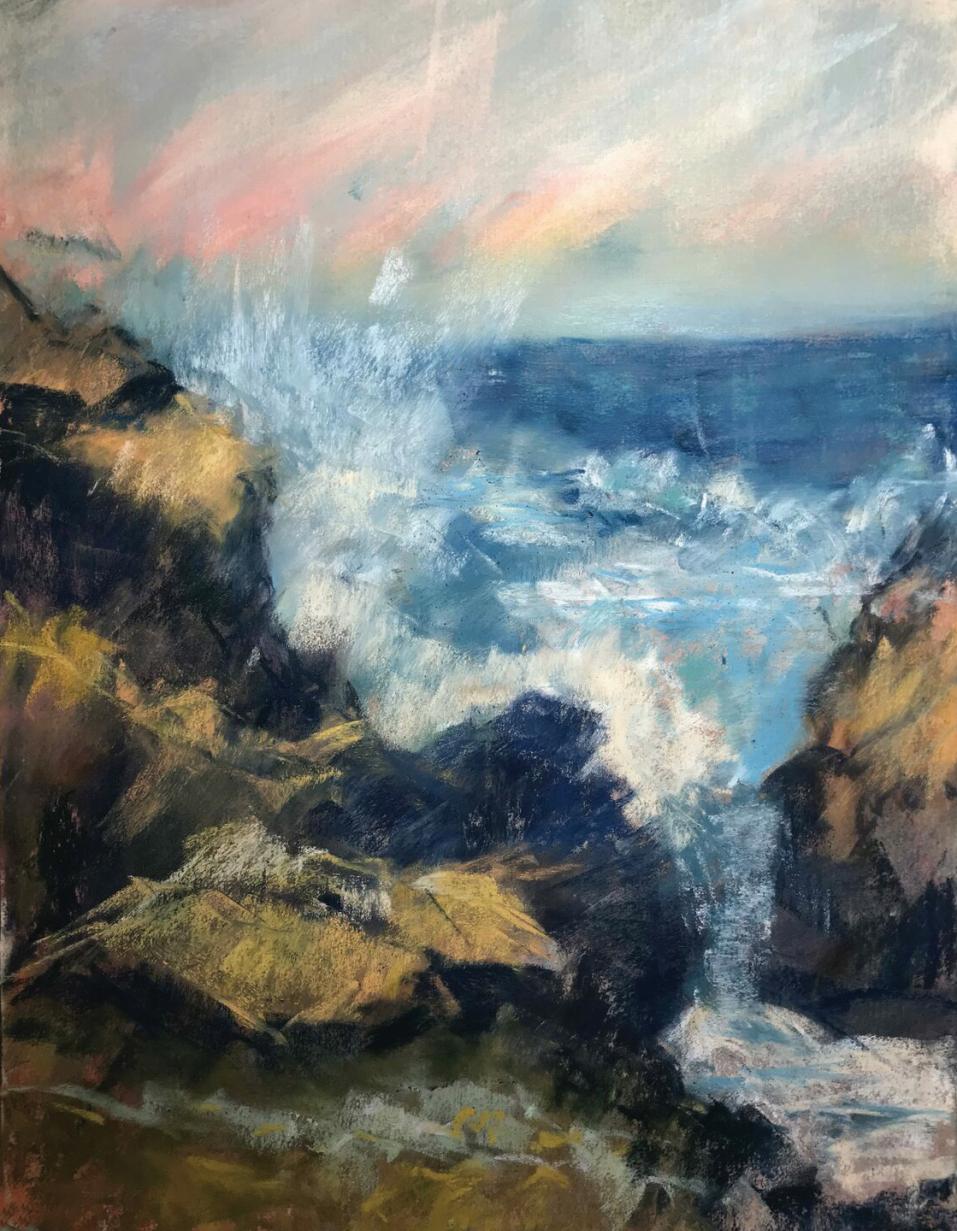
Majesty of Big Sur Ellen Gust, Palo Alto, CA
MOOS 2026
GENERAL MEMBERSHIP | BEST IN SHOW
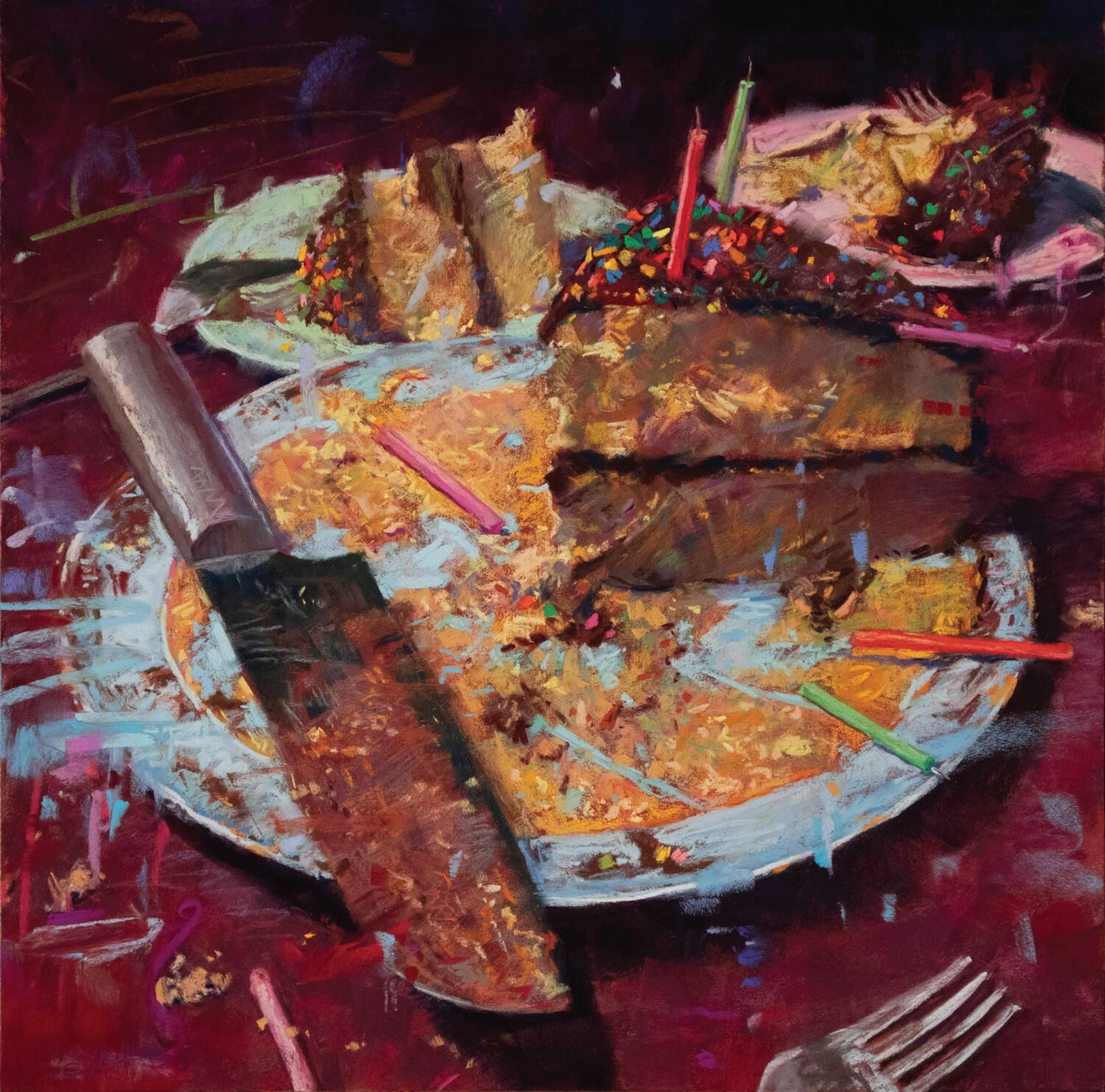
The Last Slice
Jeff Slemons, Greeley, CO
MOOS 2026
FIRST PLACE WINNERS
SIGNATURE/DISTINGUISHED PASTELIST | FIRST PLACE
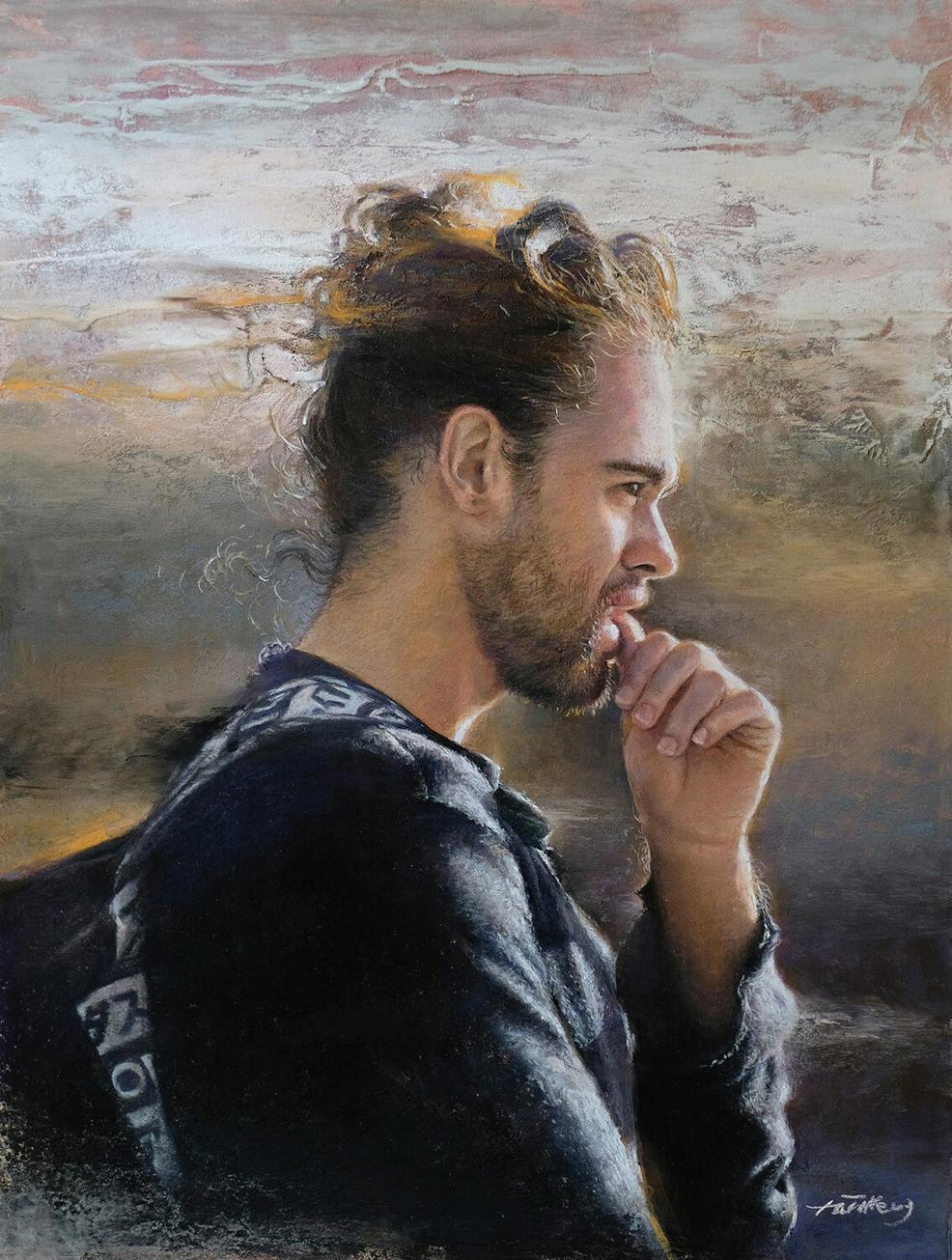
A Pausing Moment
Tai Meng Lim
Beranang, SE, Malaysia
GENERAL MEMBERSHIP FIRST PLACE
Good Morning, Amaryllis
Patricia L. Connolly
Fairfax, CA
MOOS 2026
SECOND PLACE WINNERS
SIGNATURE/DISTINGUISHED PASTELIST | SECOND PLACE
Point of Departure
Karen Israel, West Hartford, CT
Pebbles
Kristine K. Finfer Bend, OR GENERAL MEMBERSHIP SECOND PLACE
MOOS 2026
THIRD PLACE WINNERS
SIGNATURE/DISTINGUISHED PASTELIST | THIRD PLACE TIE
Evening Peace
Ann Sanders Goleta, CA
SIGNATURE/DISTINGUISHED PASTELIST | THIRD PLACE TIE
Solitude
Eveline Miller St. Mary, GA
MOOS 2026
THIRD PLACE WINNER
GENERAL MEMBERSHIP | THIRD PLACE
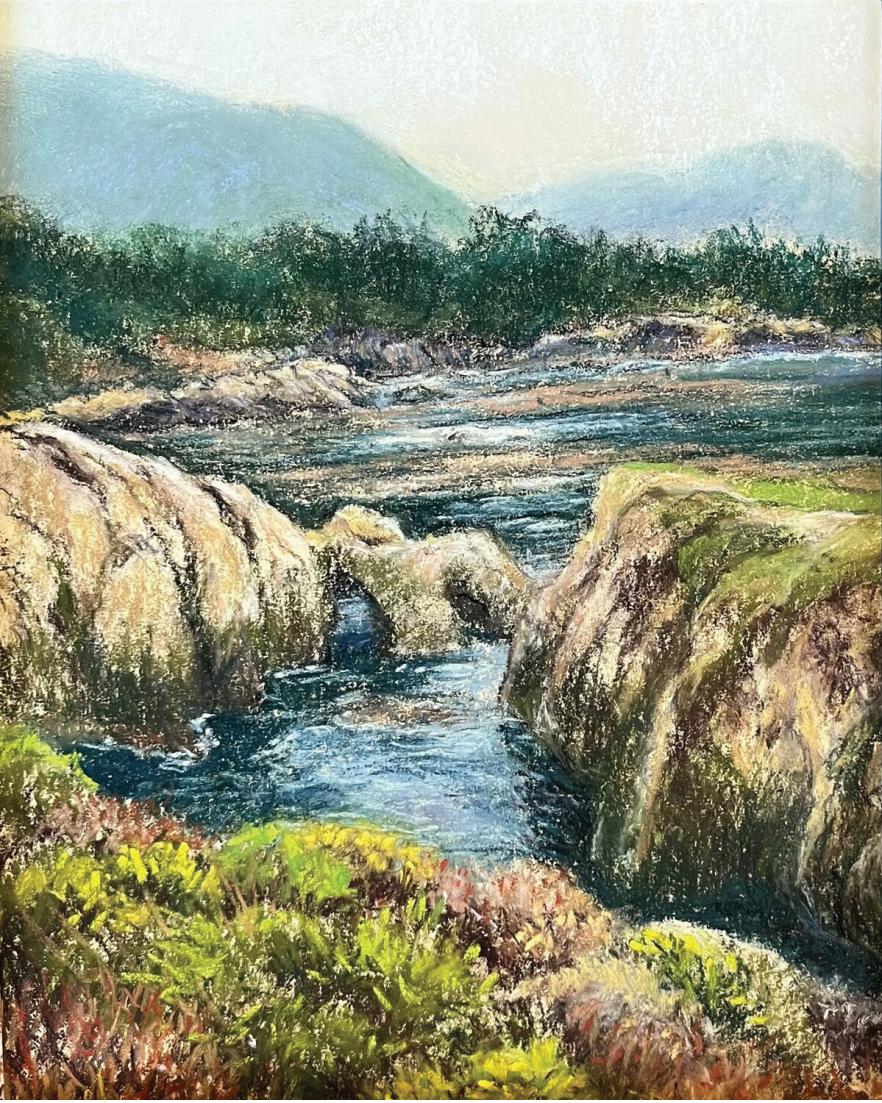
Lover’s Point Gerald Lake Cameron Park, CA
HONORABLE MENTIONS
SIGNATURE/DISTINGUISHED PASTELIST
HONORABLE MENTION
Drummond Castle Estate Tony Allain Crieff, Perthshire, UK
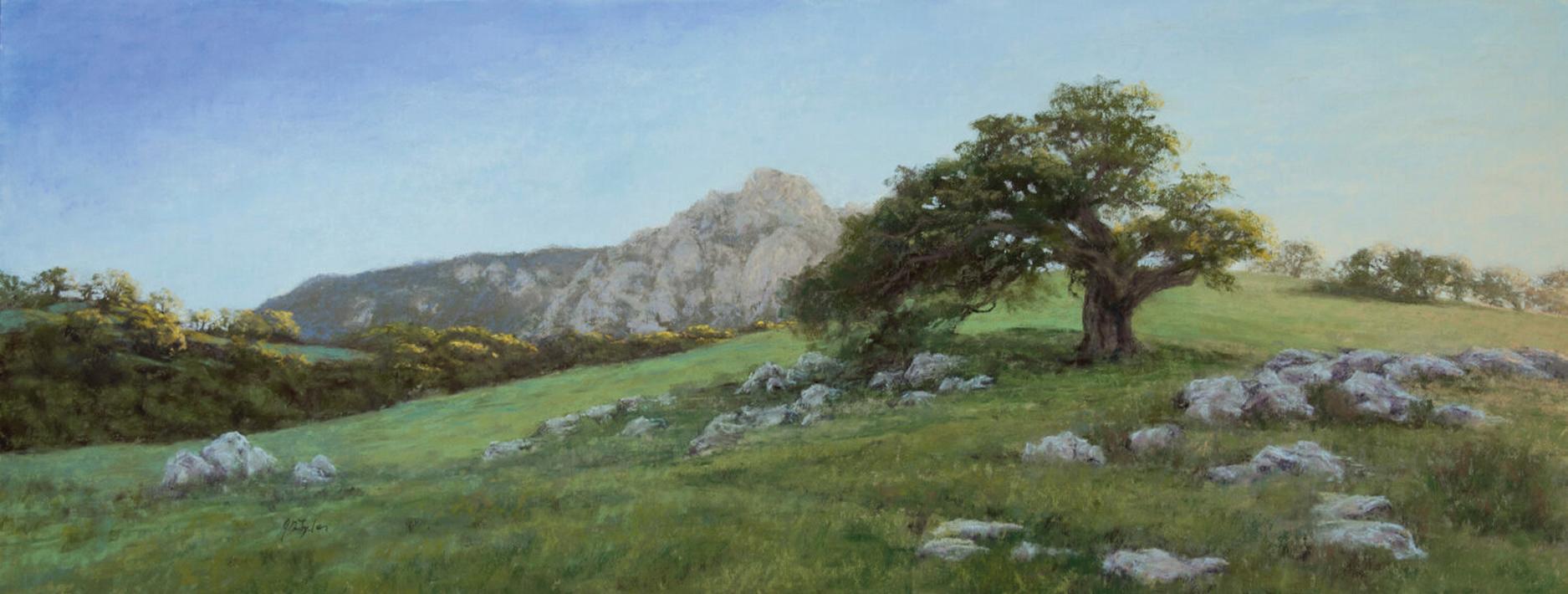
Whisper on the Hillside Jim Tyler, PSWC-DP, San Luis Obispo, CA
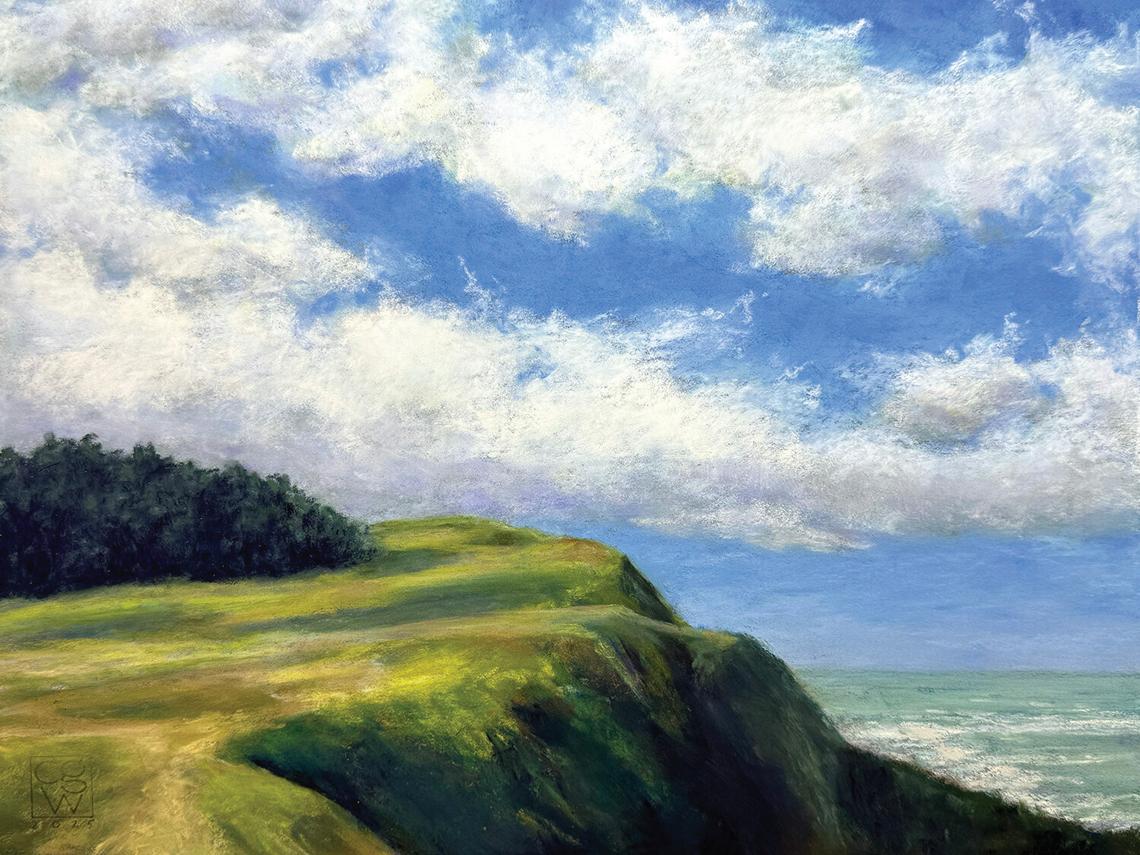
The Overlook Christina Williams, Daly City, CA
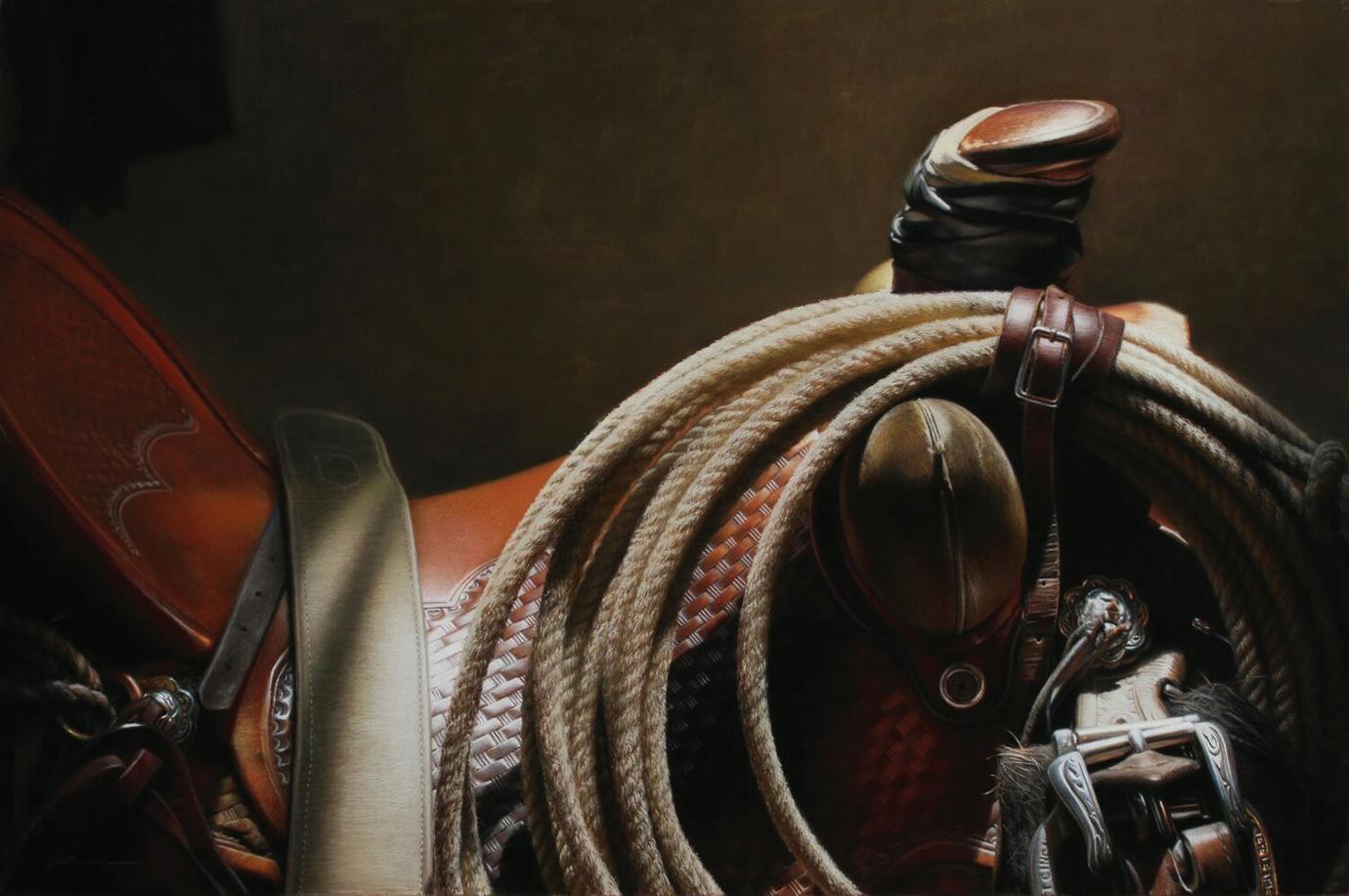
Light On My Saddle Otto Stürcke, PSWC-DP Valencia, CA
MOOS 2026
GENERAL MEMBERSHIP ACCEPTED ENTRIES
GENERAL MEMBERSHIP ACCEPTED ENTRIES
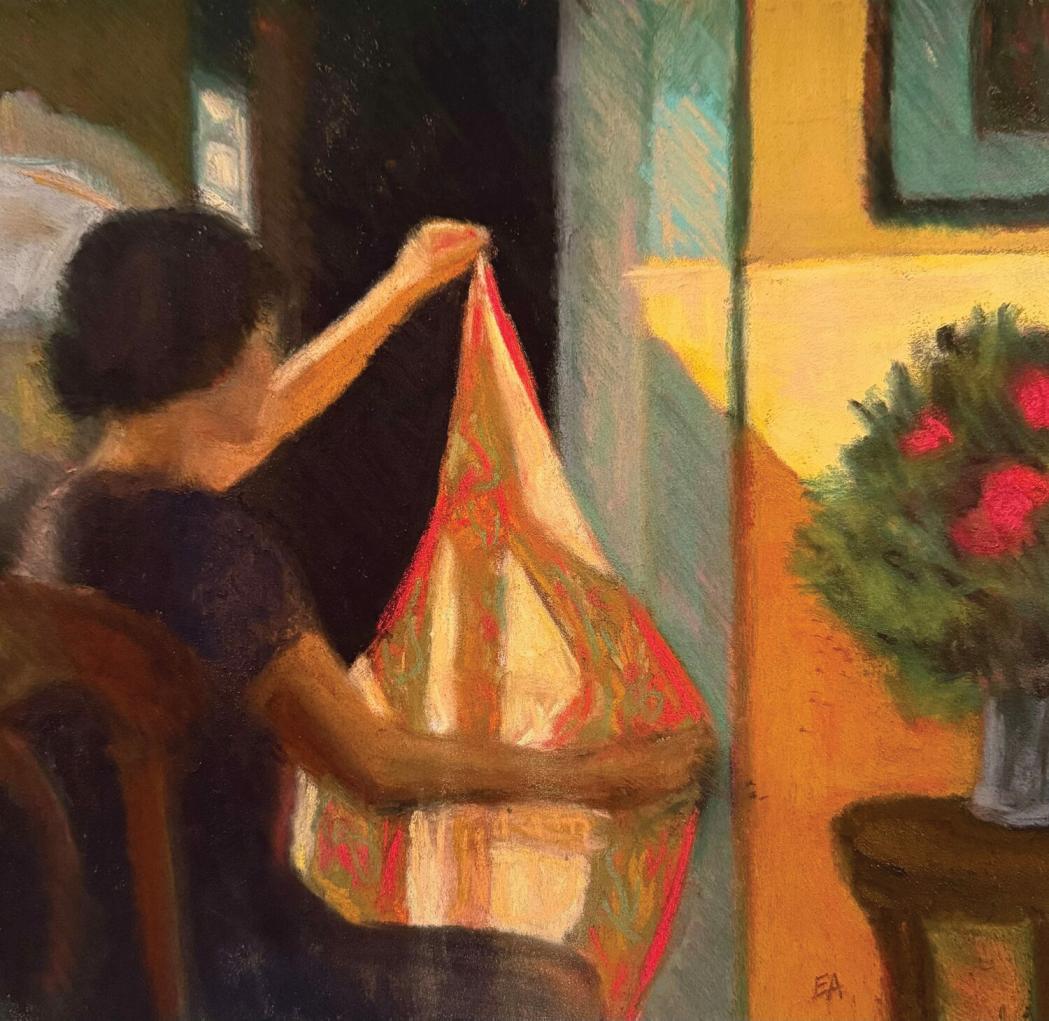
Folding in Sunlight
Elizabeth Amacher, Colorado Springs, CO
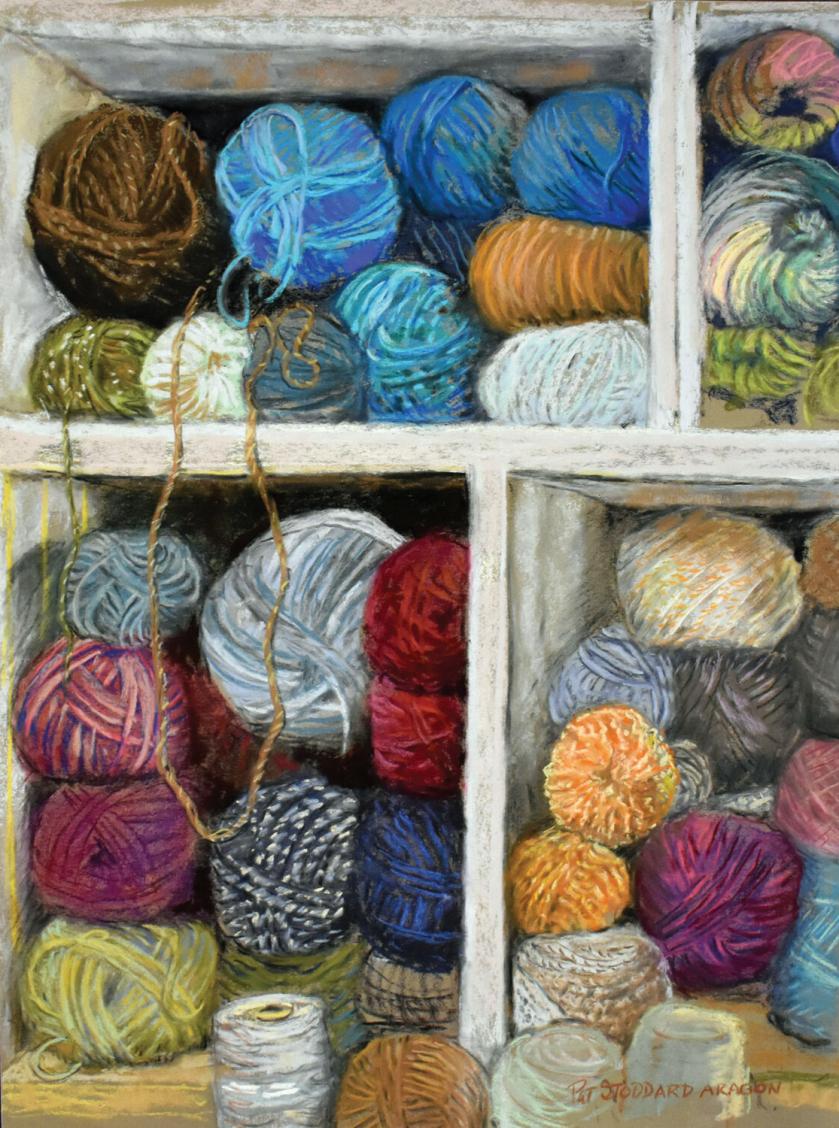
Yarn Stash Pat Stoddard Aragon, Newcastle, CA
Nature’s Sanctuary Svetlana Artemoff, Cloverdale, CA
Sugar and Spice
Bonnie Bigelow, Grass Valley, CA
Above the Gorge—Sunset Joan Brewster, Aberdeen, WA
The Nuthatch Kim Bird, Susanville, CA
The Last Snow Suzanne Burnell, Roxborough Park, CO
A New Cat Jose F. Caro, Burlington, NC
MOOS 2026
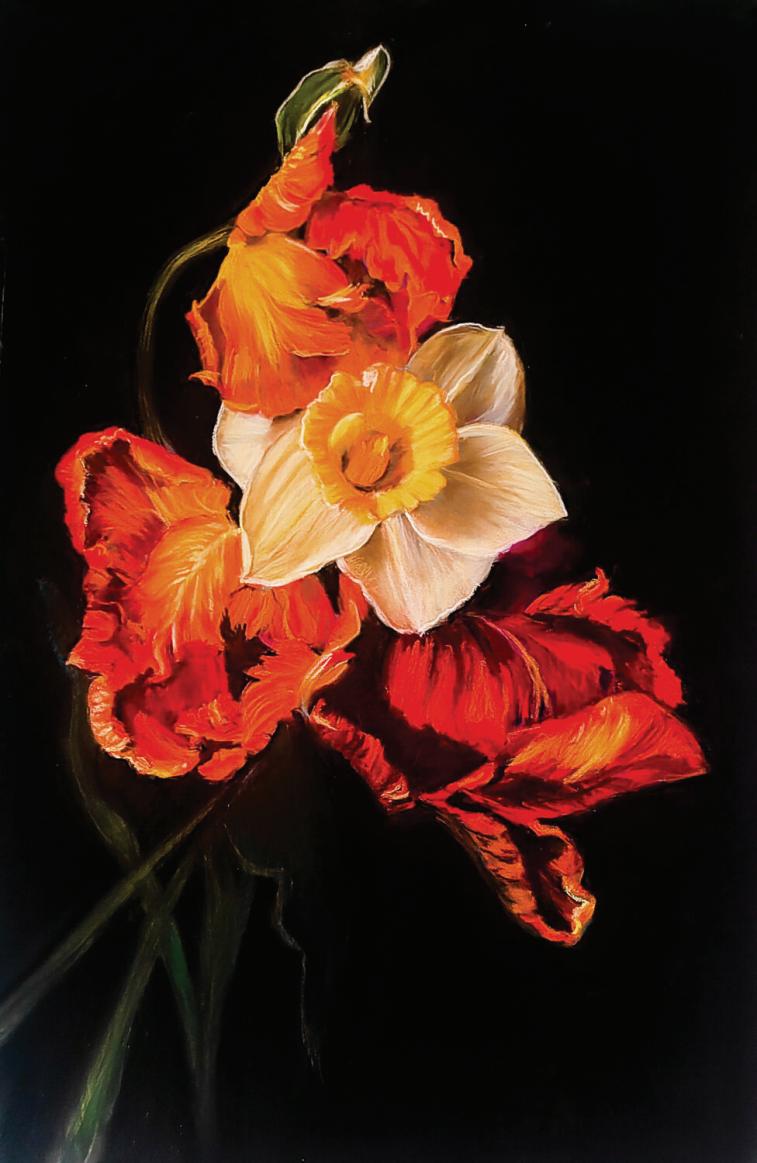
Parrot Tulips and Daffodil
Gina Carstens, Le Mesnil, NA, Belgium
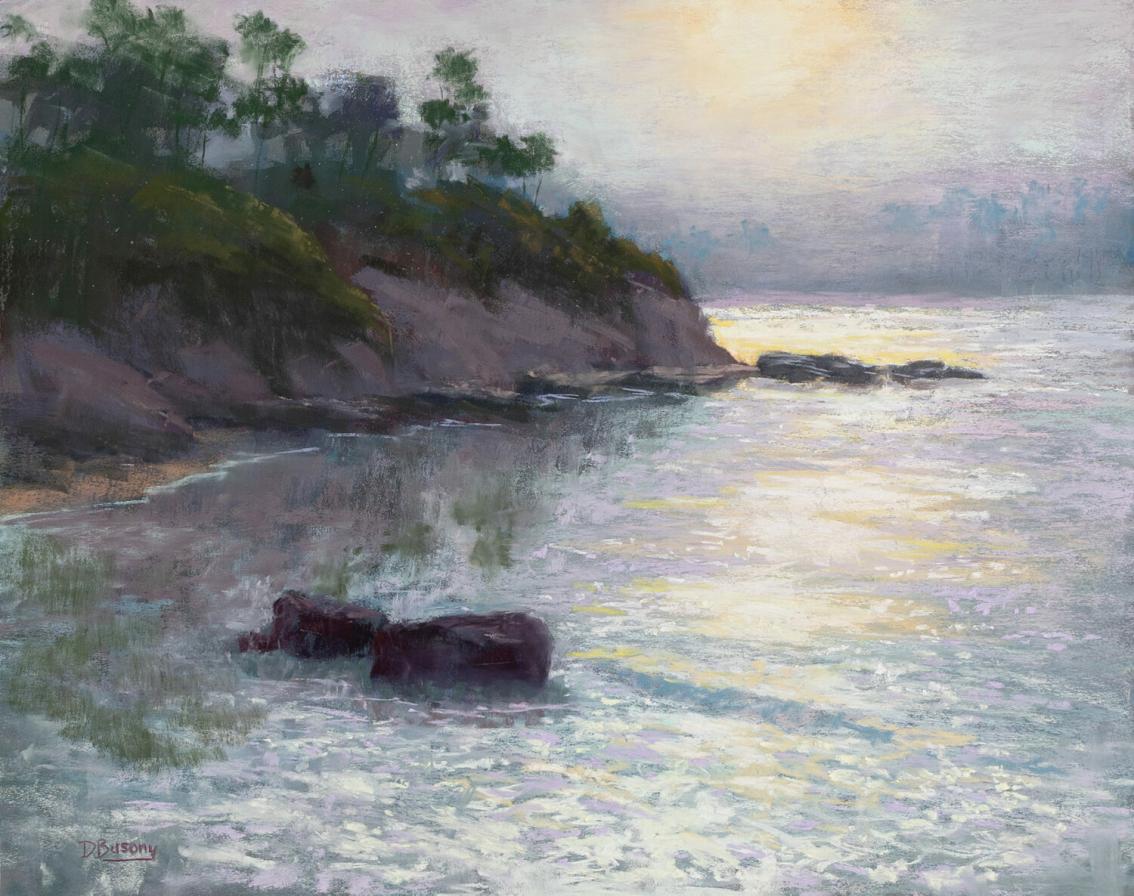
Morning Fog
Denise Busony, Huntington Beach, CA
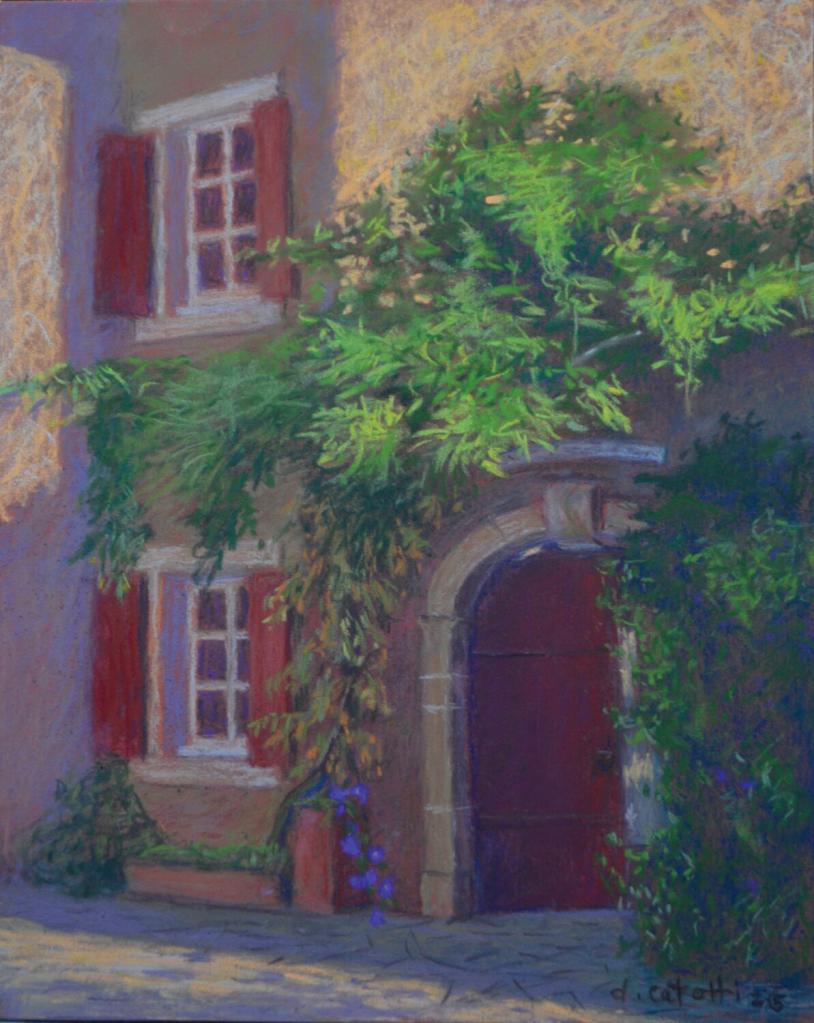
The Entrance—Domaine de Miravel
Donna Catotti, Haines, AK
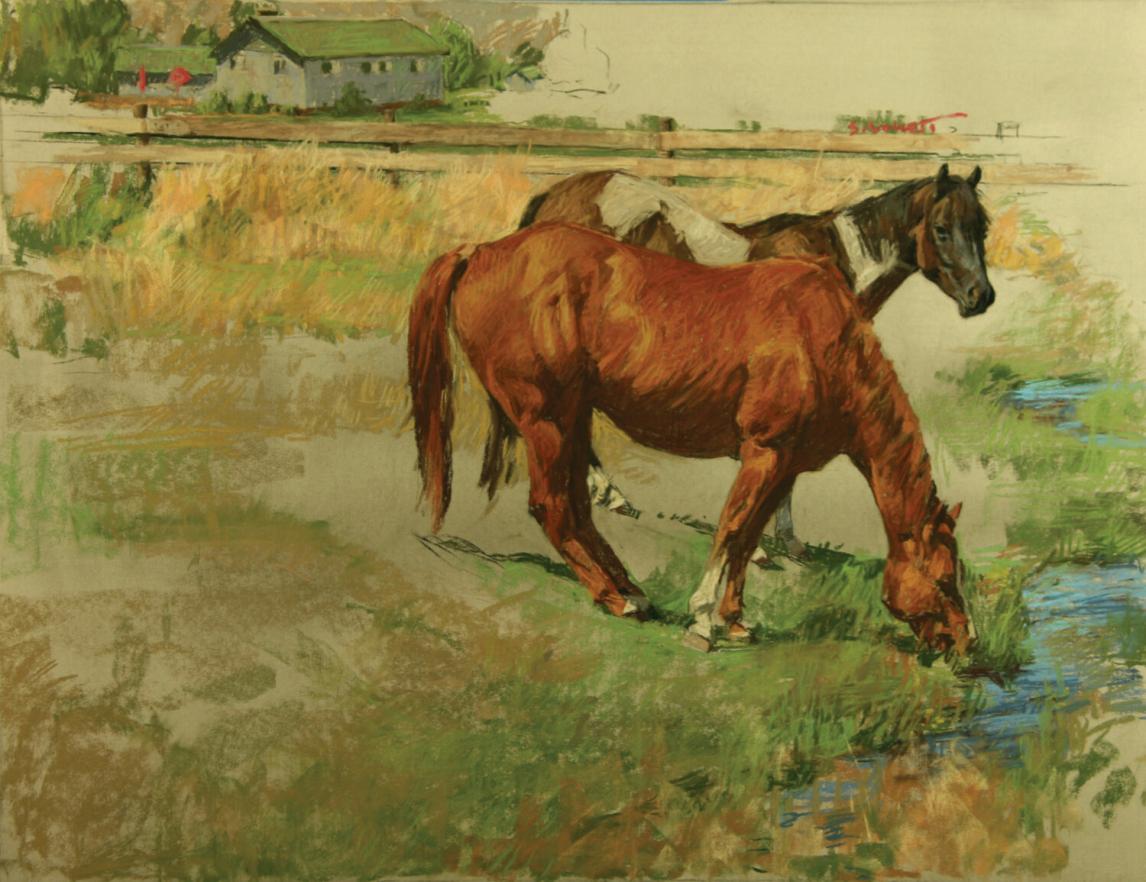
Caballo Dos
Sam Collett, Enterprise, OR
MOOS 2026
A Singer Takes a Break Ellen J. Craft, Seattle, WA
Weary Sentinel Pamela Comfort, Placerville, CA
Sunset Phipps Point at Low Tide Nanci Cook Campbell River, BC, Canada
Caballo Blanco
Molly Ann Cooley, Ridgecrest, CA
MOOS 2026
GENERAL MEMBERSHIP ACCEPTED ENTRIES
Summer Day
Mary Ann Davis, Indianapolis, IN
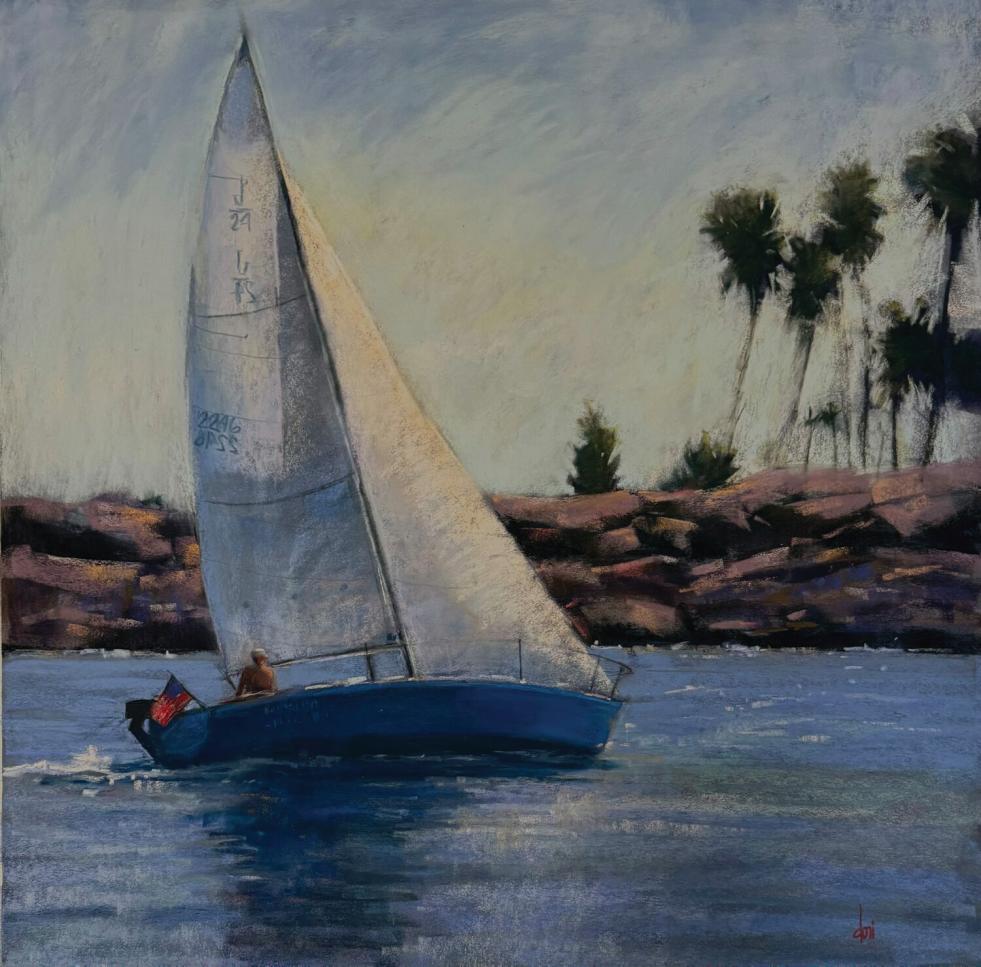
Wind On My Sail Dori Dewberry, Orange, CA
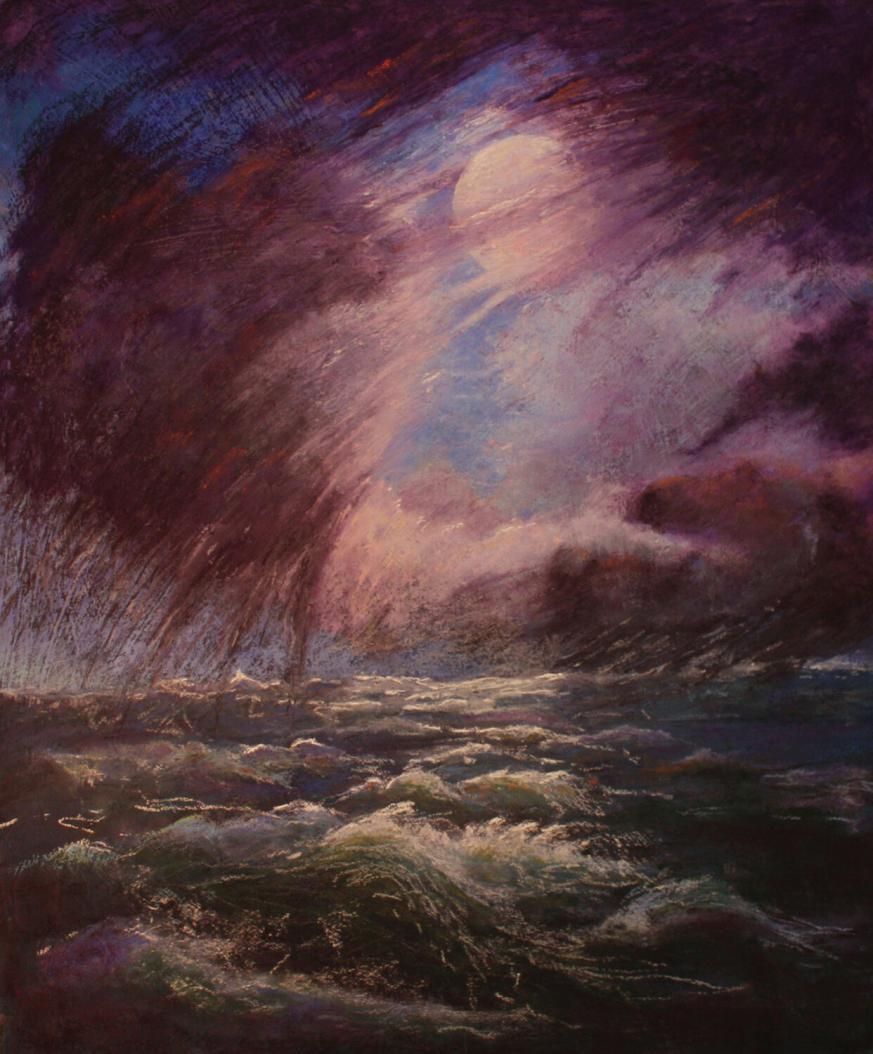
Zephyrus Creates a Tempest
Jeannie Fine, Port Ludlow, WA
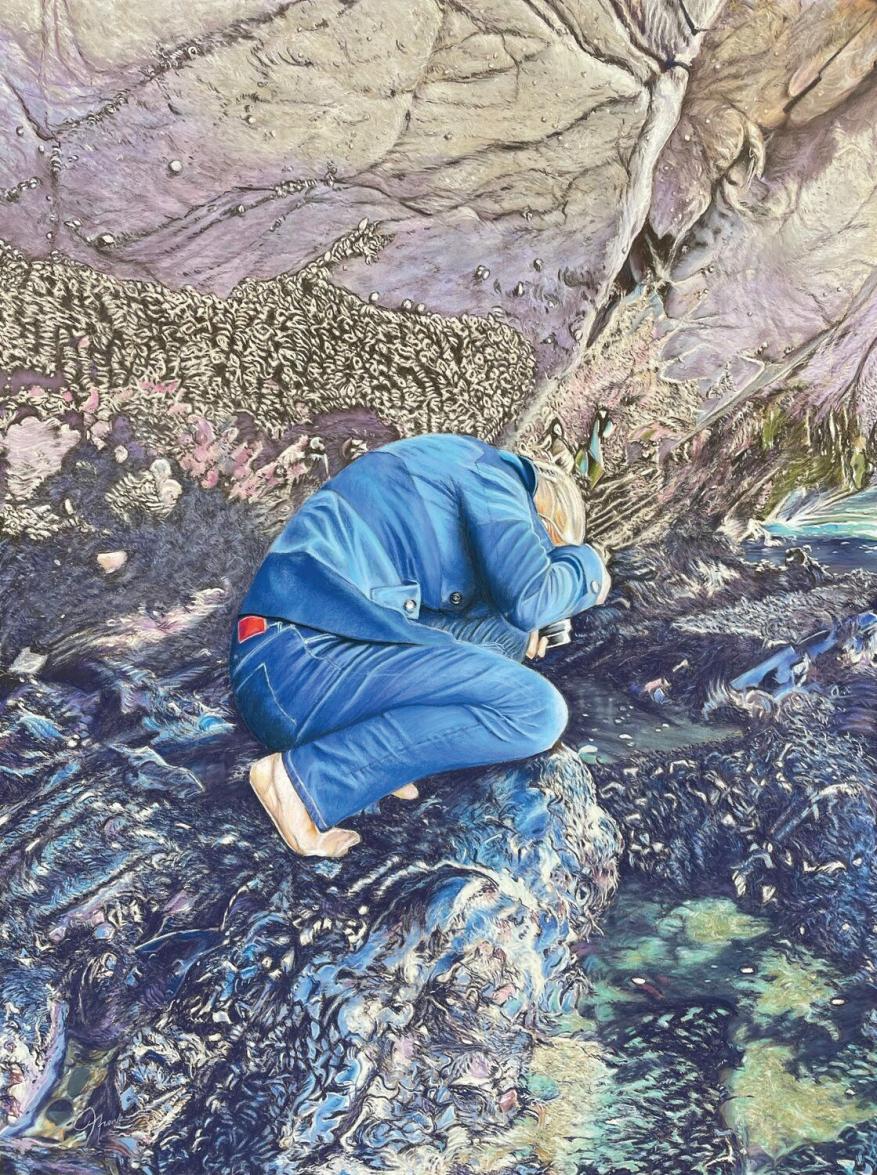
Photographing Tide Pools
Jan Frank, Santa Cruz, CA
GENERAL MEMBERSHIP ACCEPTED ENTRIES
MOOS 2026
I Still See You
Burnished Sand
Terrilynn Dubreuil, Asheville, NC
Donna A. Dutra
Browns Valley, CA
October Glow
Thomas Frey, San Luis Obispo, CA
MOOS 2026
GENERAL MEMBERSHIP ACCEPTED ENTRIES
Daydreaming
Mardilan Georgio, Valencia, CA
Bella Bunny
Rita Kirkman, New Braunfels, TX
Morning on the Ranch
Kathleen C. Gamper, Davis, CA
Vintage Christmas Balls
Carol Harden Hall, Odessa, FL
MOOS 2026
Window Reflections 6:59
Elizabeth Gomes, Santa Rosa, CA
Fire Escape Ronnie Gold, Stamford, CT
Lillys Gone Wild
Karen L. Jones, Lincoln, CA
Whispers of Winter
Christina Karras, Stevens Point, WI
MOOS 2026
GENERAL MEMBERSHIP ACCEPTED ENTRIES
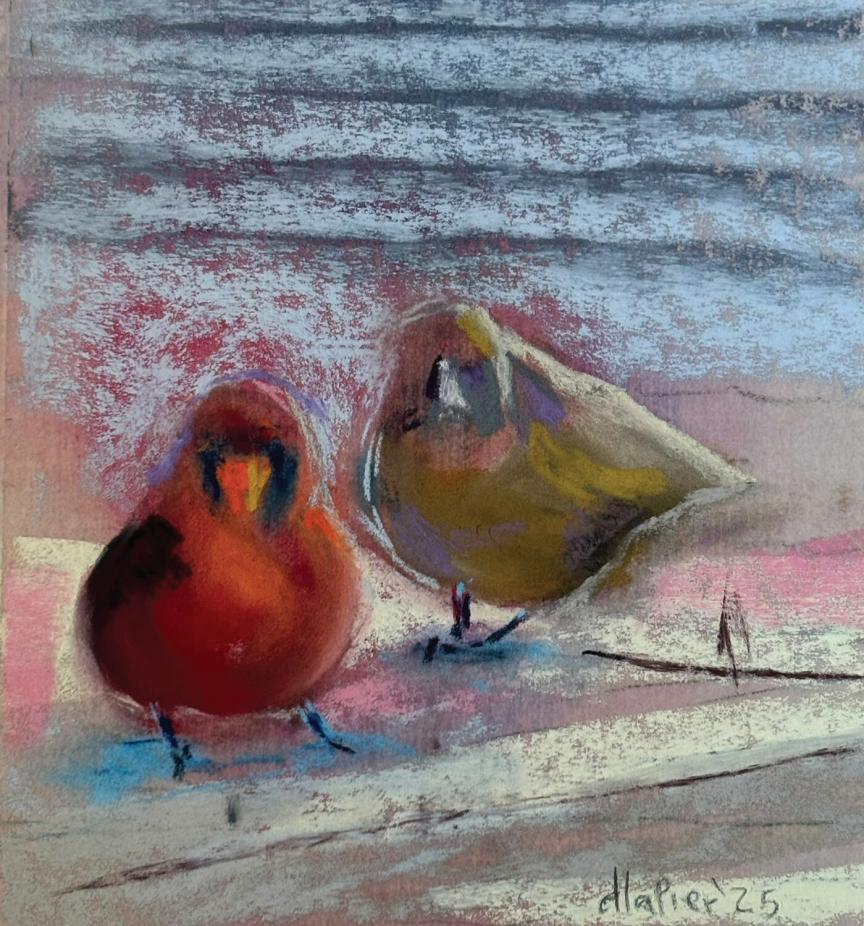
Paul’s Cardinals David LaPier, Palo Alto, CA
First Morning of Christmas
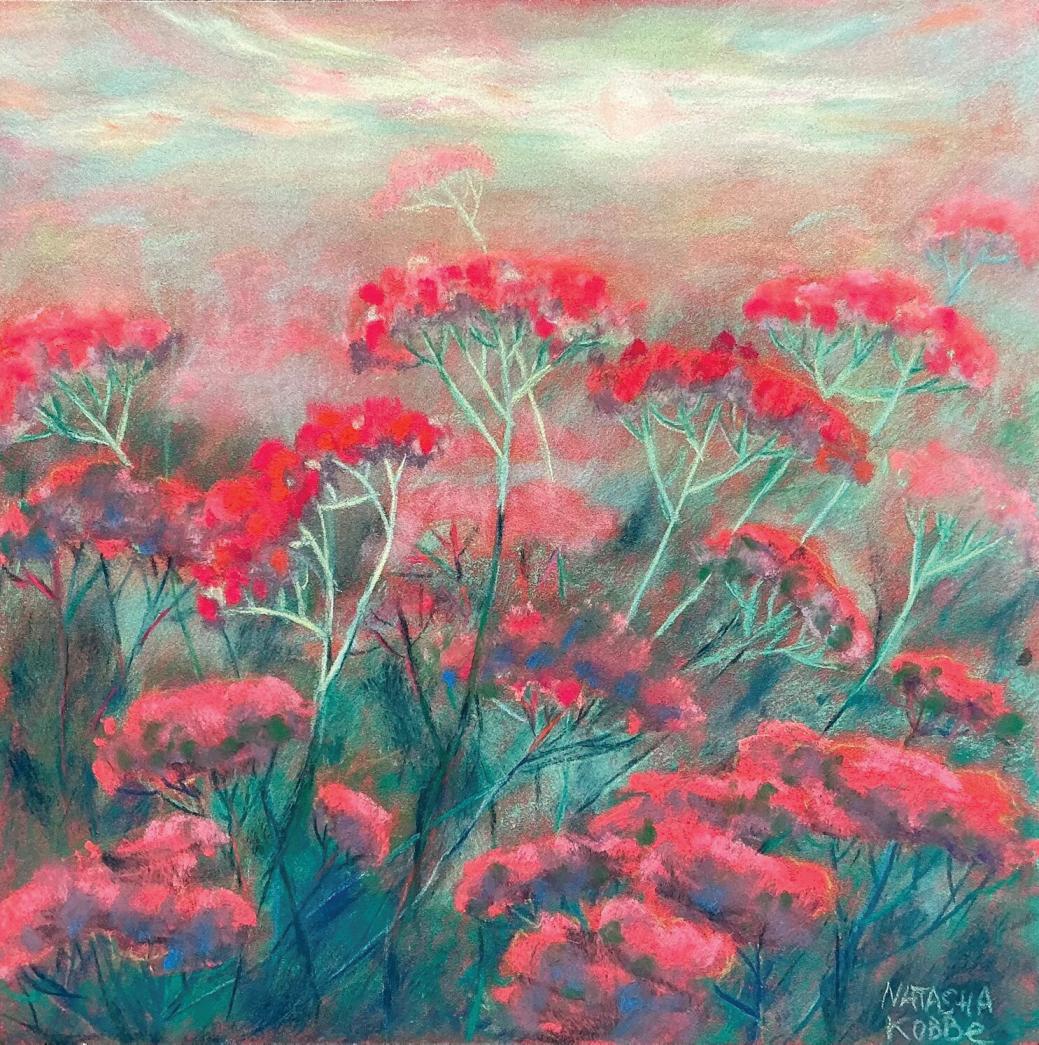
Natasha Kobbe, Hillsboro, OR
Evening Awe
Sharon Faer Lichtenstein, Seminole, FL
Misty Reflections
Bonnie Lea Davis Kenaley, Boise, ID
2026
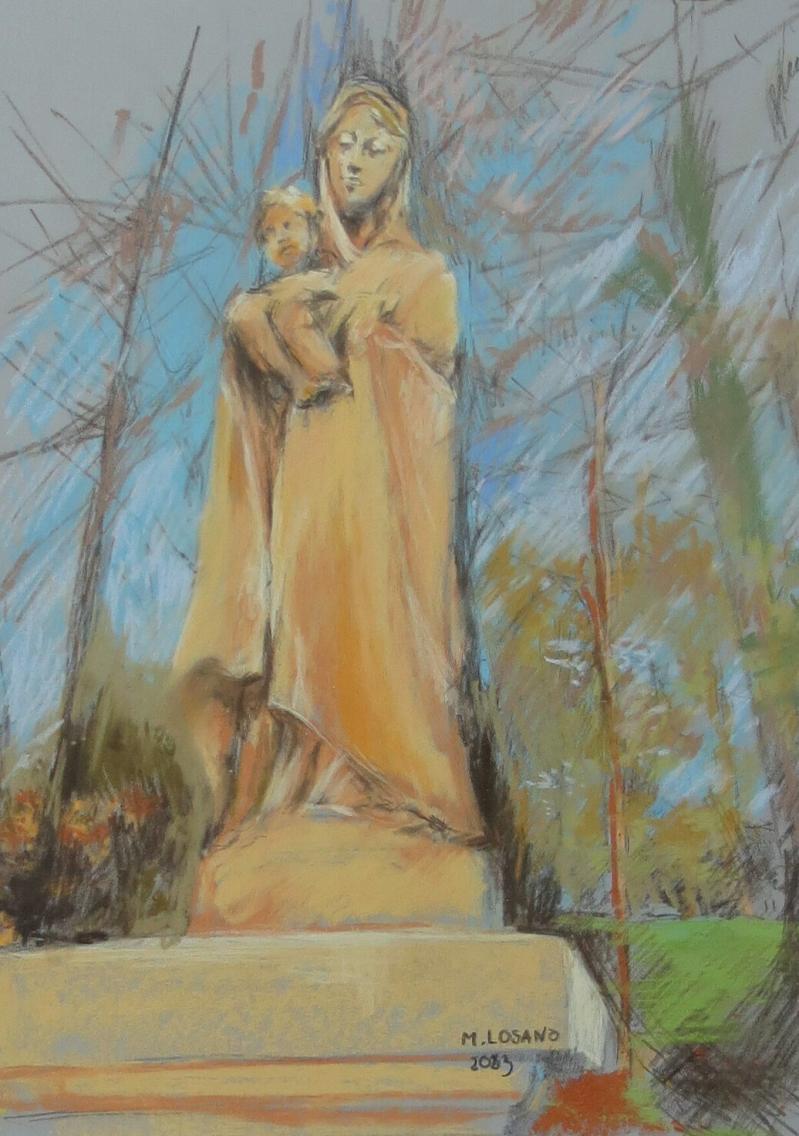
Vierge à l’Enfant au Château de Pupetières (France) Melissa Losano, Aoste, Isere, France
Unfazed S.A. Kushinka, San Francisco, CA
Home Sweet Home
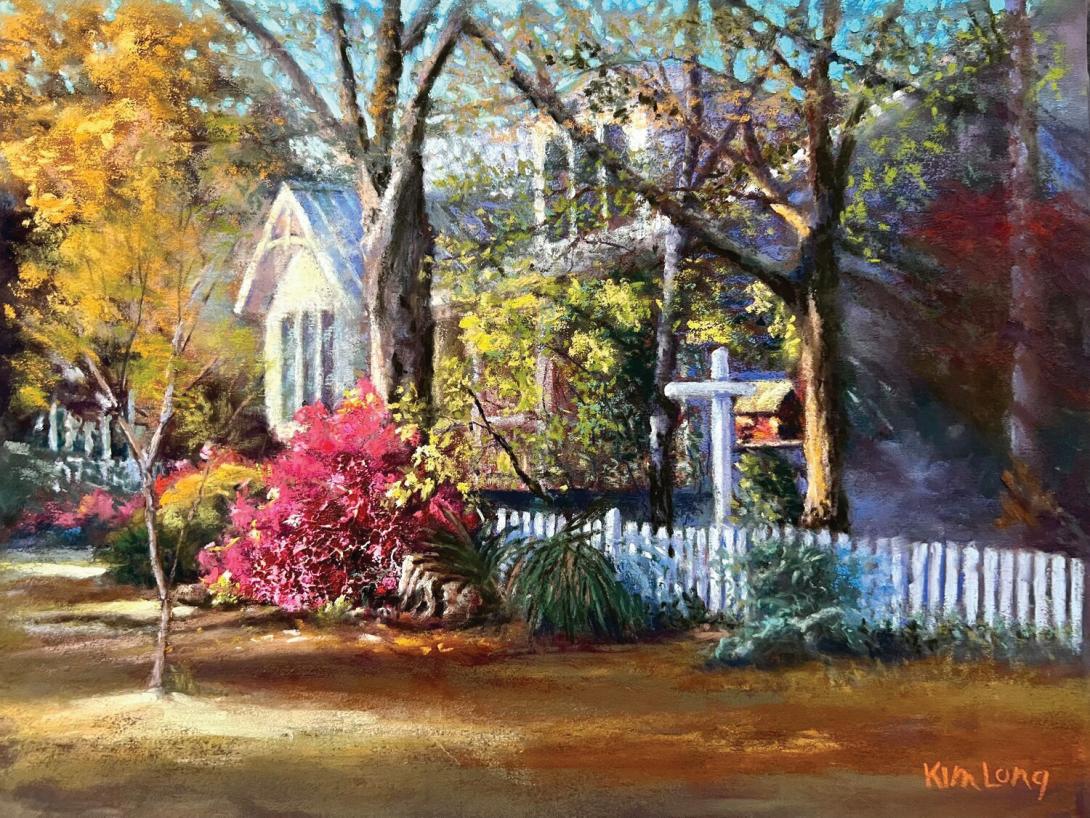
Kim M. Long, Southport, NC
Golden Glow—Tomales Bay
Laura Lovett, Larkspur, CA
MOOS 2026
GENERAL MEMBERSHIP ACCEPTED ENTRIES
Lauren Becky Matli, Madera, CA
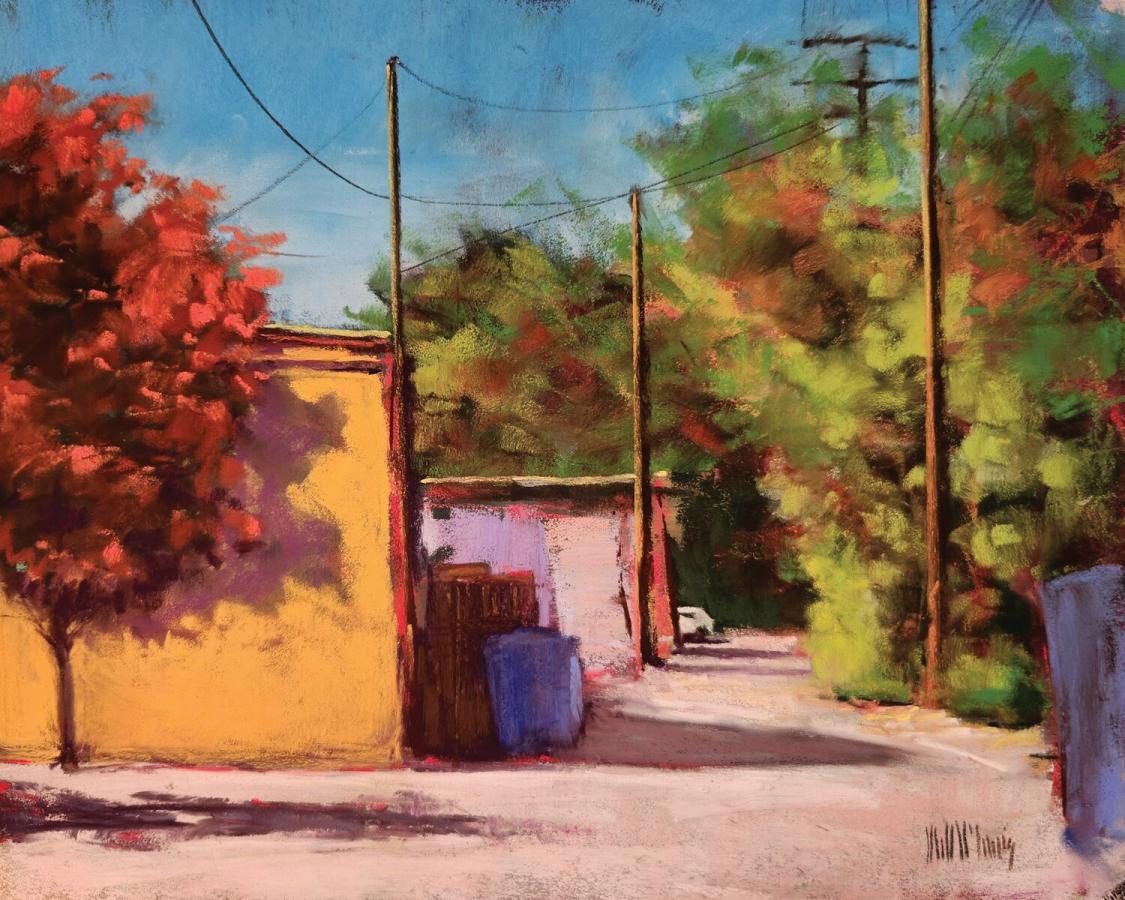
Eagle Alley
Mary J. McInnis, Star, ID
One Summer Morning Norma Miller, Eagle, ID
Journey back to the Navajo Spirit
Margaret Moore Surrey, BC, Canada
MOOS 2026
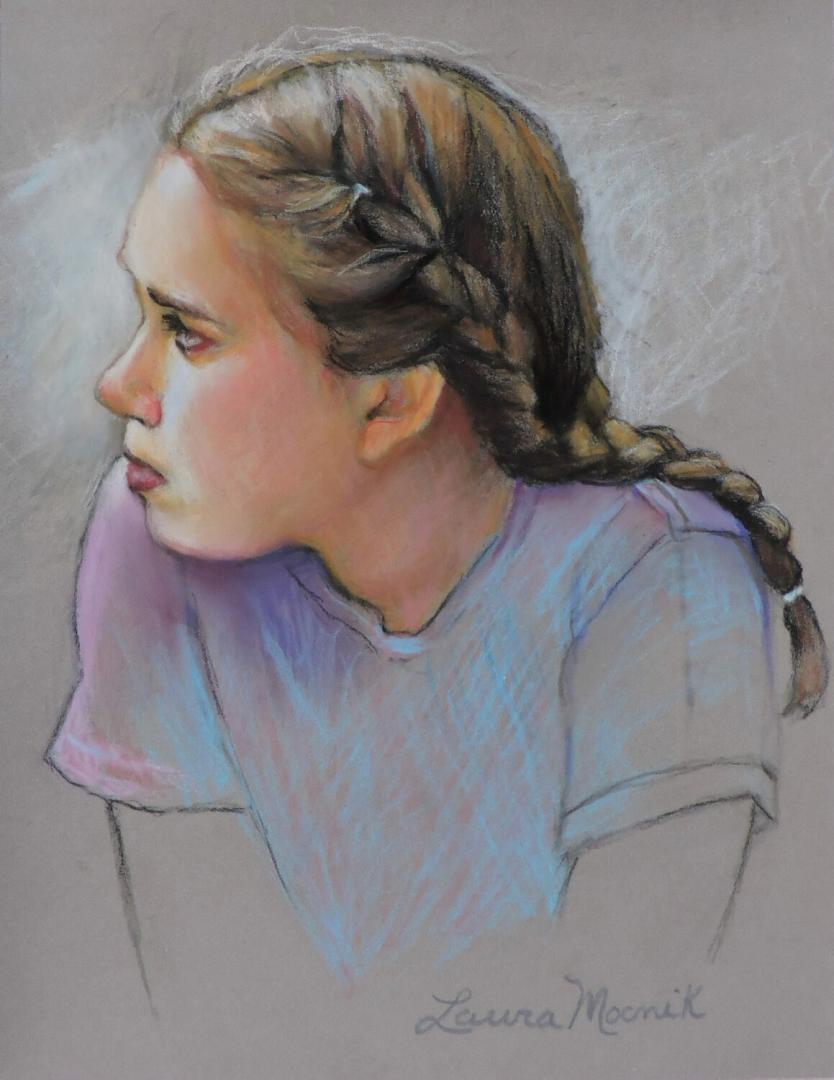
In A Child’s World Laura Mocnik, Flat Rock, MI
Everyone Does—Plein Air Stacey Nussbaum, San Jose, CA
Passing Through
Joy Morgan, Eastvale, CA
Force of Nature
Sandra Morrison, Yorba Linda, CA
MOOS 2026
GENERAL MEMBERSHIP ACCEPTED ENTRIES
Moon Over Manhattan
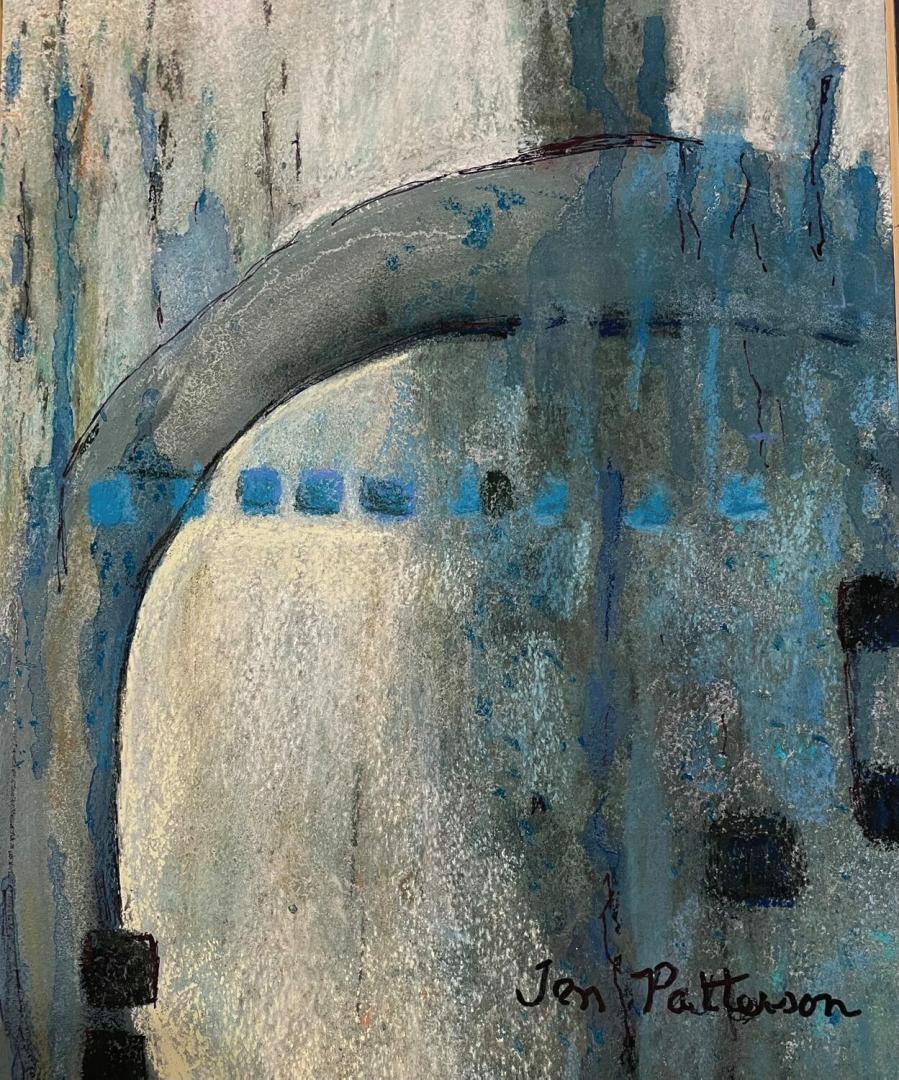
Janet L. Patterson, Ashland, OR
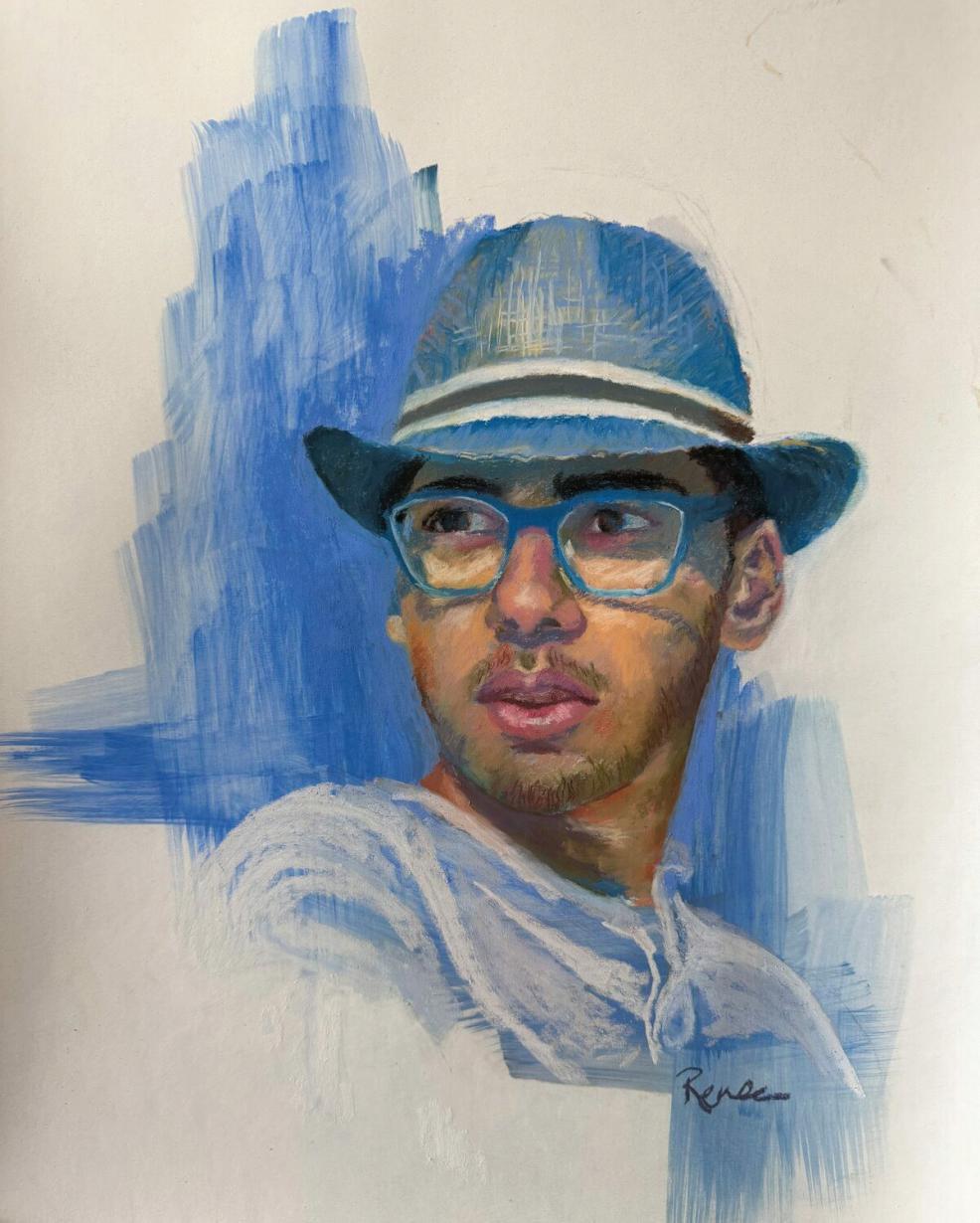
Jai
Renee Rashid, Los Altos, CA
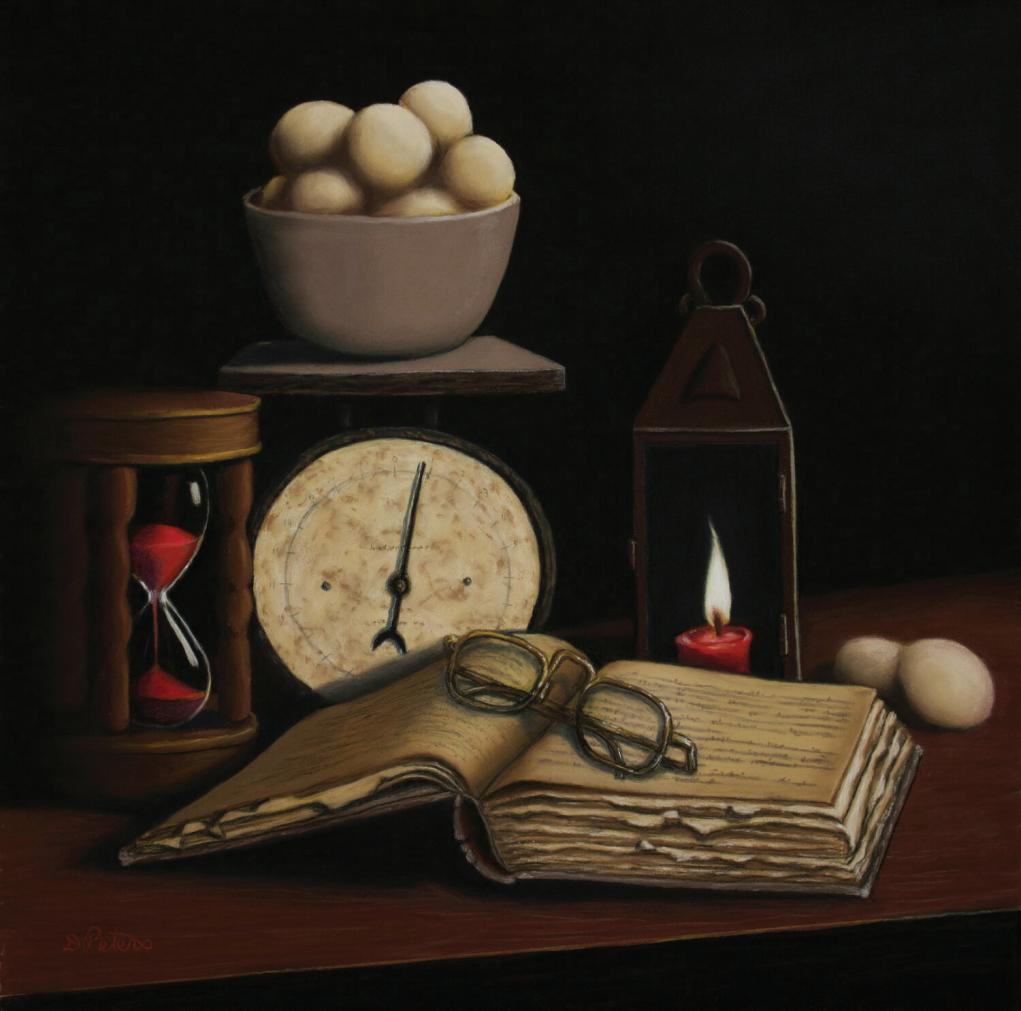
The Weight of Time
Denice Peters, Denison, IA
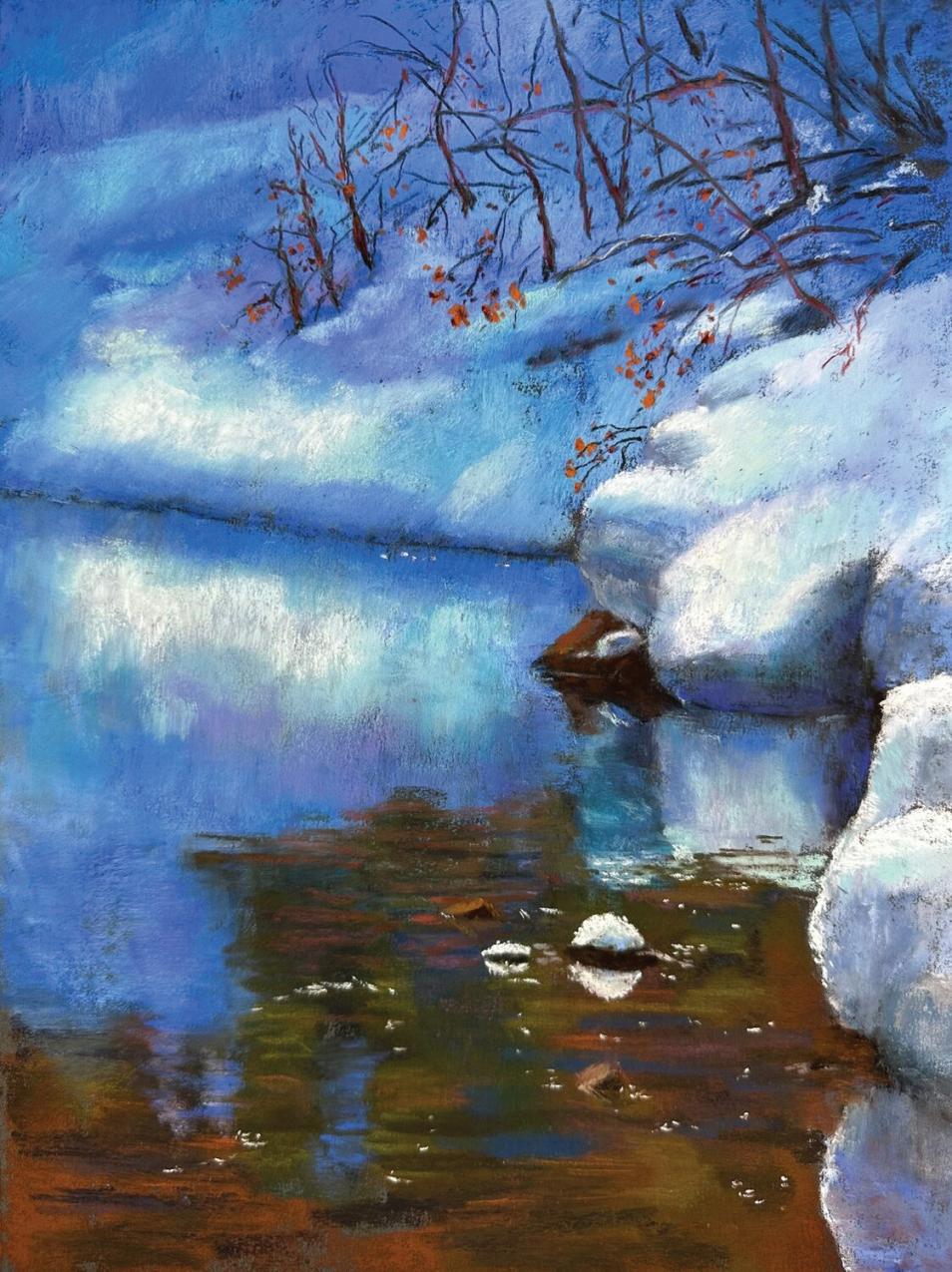
Winter Blues
Patricia Prendergast, Sacramento, CA
MOOS 2026
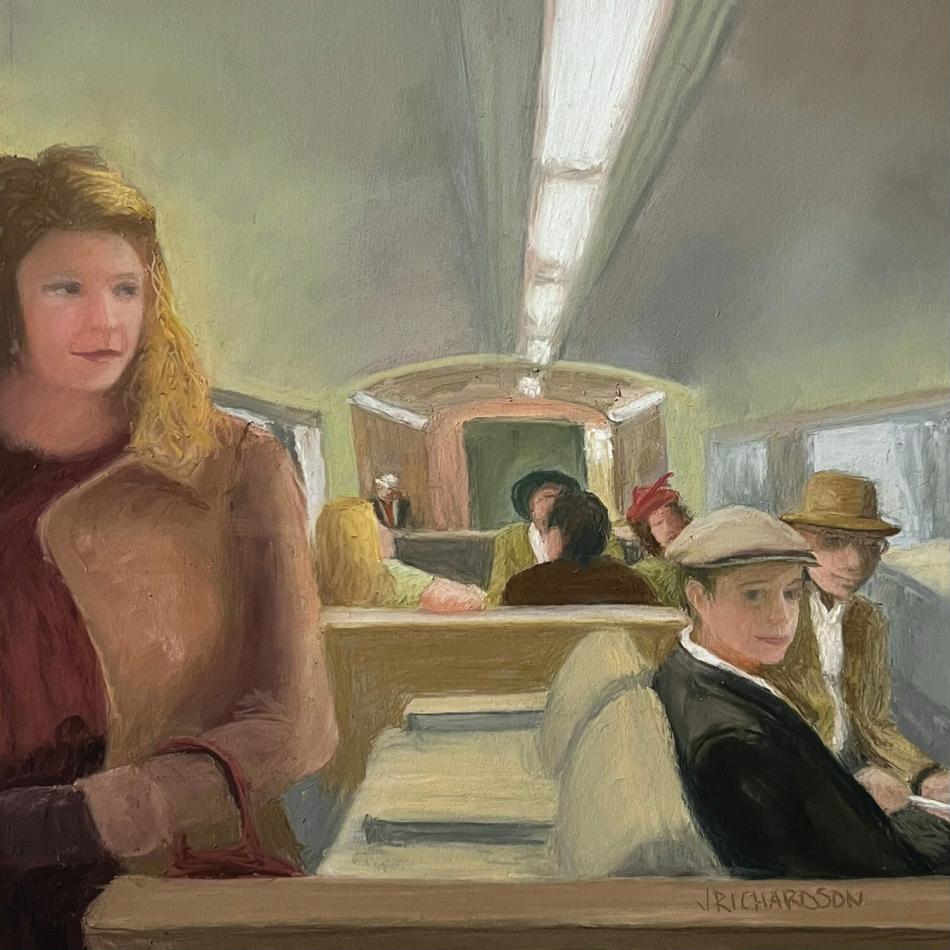
The Cast Judy Richardson, Medford, OR
Azure Sanctuary Debora Lee Stewart, Clinton, IA
Misty Trek Denise Rizzo, Webster, NY
Drama at Fajada Butte Letitia Roller, Santa Fe, NM
MOOS 2026
GENERAL MEMBERSHIP ACCEPTED ENTRIES
Texas Shade
Julie Skoda, Boerne, TX
Swiss Cheese
Christopher Stillians, El Segundo, CA
Northwest Winter Sunset
Elizabeth Spona, North Bend, OR
Girls Trip
Caryn Stromberg, Redding, cA
GENERAL MEMBERSHIP ACCEPTED ENTRIES
MOOS 2026
Fall Radiance Kelly Summerwill Hinsdale, IL
Pleasanton Bakery
Jill Stefani Wagner, Saline, MI
Drifter Harley Talkington, Aloha, OR
Gold
Tamami Tokutake Reno, NV
MOOS 2026
GENERAL MEMBERSHIP ACCEPTED ENTRIES
Young Cypress
Bobbye West-Thompson Los Osos, CA
The Stream Cindy Wojdyla. Palatine, IL
Happy Cows
Rachel White Banning, CA
Desert Garden
Kathryn Young, Cherry Valley, CA
2026 Pastel Society of the West Coast
40th Anniversary Pastels USA
International Open Juried Exhibition
Visual Experience Fine Art Gallery (VEFA) Torrance, California
Show Dates: August 1 – September 12, 2026
CALL FOR SUBMISSIONS
There will be an estimated $15,000 in awards, including cash awards for Best of Show, First, Second, and Third Place. Judging for acceptance and awards will consider all entries together, regardless of painting style.
Judge of Awards: Clark Mitchell
IMPORTANT DATES
Opens for online submissions: Tuesday, April 7, 2026
Closes for online submissions: Thursday, June 4, 2026 Visit pswc.ws
more information
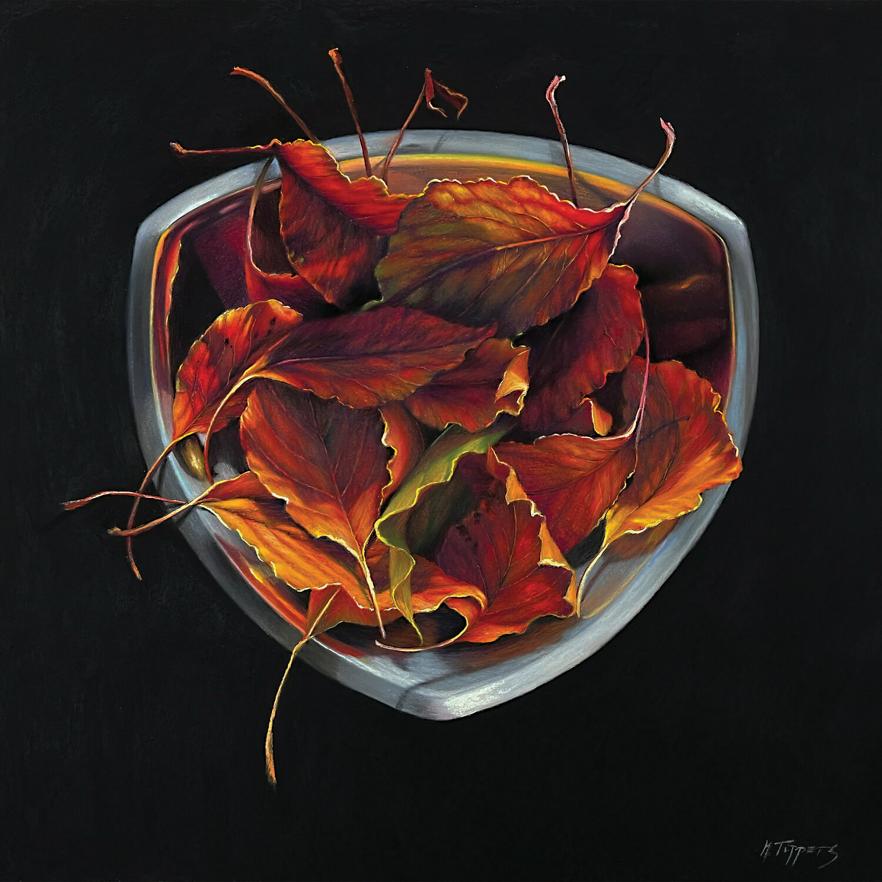
Autumn Splendor Marie Tippets, Dana Point, CA 2025 Best in Show
Are you ready to take your pastel work out into the open air and be inspired by the stunning landscapes of Southwest Idaho?
We invite artists of all levels to register now for the Eagle Plein Air Festival, a week-long celebration of outdoor painting in and around beautiful Eagle, Idaho. We can’t wait to see what you create!
• Compete for over $4,000 in cash prizes, ribbons, and special awards.
• Be part of daily paint-outs, quick draw challenges, workshops, and demonstrations.
• Exhibit and sell your work at the Festival Show & Sale.
FRIDAY, OCTOBER 2 THRU SATURDAY, OCTOBER 10
• Register before August 1 to be featured as a “Featured Artist” and receive one of 50 swag bags filled with goodies!
Anna Hernández 2025 Scholarship Recipient
Do you know a high school senior or college student interested in pursuing a career in art and attending or planning to attend a community or four-year college or university, or an accredited art school?
DEADLINE FOR APPLICATIONS APRIL 15, 2026
Interested students may find out more information and apply for these $2,000 annual scholarships by visiting our website at:
MEET THE MEMBERS
In this issue, we meet PSWC members who lean into abstraction.
You might say it’s a calling for each of these artists, who have interestingly all painted or drawn in exceptionally detailed and representational ways.
Each describe their abstract pursuit as deeply personal. It’s almost as if they are searching for the painting behind the painting.
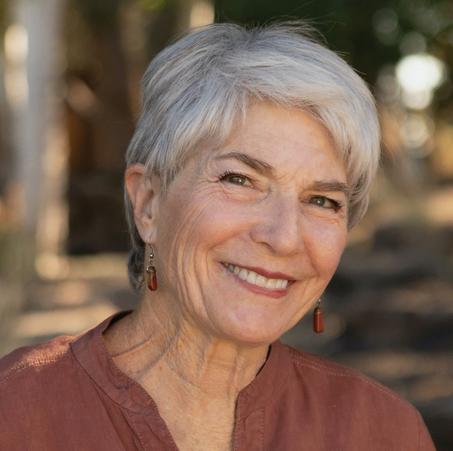
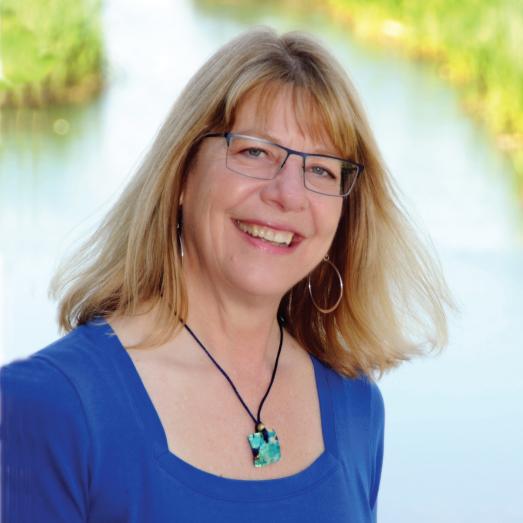
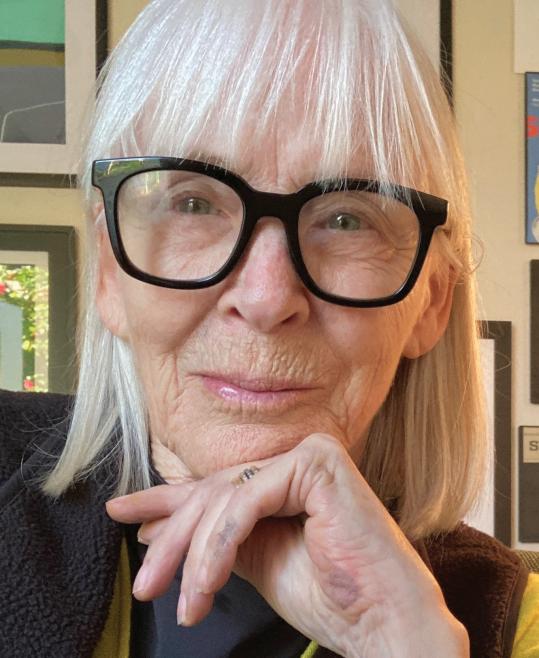
In Palo Alto, California, Ellen Gust works in silence. No music. No phone. Just long stretches of uninterrupted thought. Time slips by unnoticed until her husband — whom she met more than 50 years ago on a ski slope in Lake Tahoe — peeks in to remind her to eat.
“I’ll be busy in my little world, and the time just flies by,” she says.
Credit Goes to the Mother-in-Law
Ellen’s first set of pastels was a wooden box of Giraults nestled in their original sawdust, a gift from her motherin-law when Ellen and her husband were newly married and living in his home country of France.
Her first pastel paintings were photorealistic. One piece, Elephant Hide, a close-up of an elephant’s eye, took countless hours of fine pastel work and won the Art Ellis Award at PSWC’s Pastels USA exhibition in 1995.
“Then I hit a wall,” she says. “I realized I was just copying. I was good at it—but there’s a point when you have to stop copying.”
She returned to softer landscapes while she learned the pastel medium. Traditional pastel techniques followed— underpainting, layering—but once again, something felt off. “I realized that wasn’t me either.”
What emerged was a hybrid language: graphic, colordriven, details stripped away. Today, she considers herself “more of a minimalist.”
Letting Intuition Take Over
Ellen’s studio practice is deeply inward. She spends a lot of time “getting into her head” before she starts to paint. She likens it to the early morning hours, before you are fully awake, when your mind wanders and gets snagged on certain things.
“Sometimes it’s just me filing through photos on my phone,” she says. “Delete, delete, delete, wait! That has something. And then I crop that little bit of intrigue, work with color, and start thinking, ‘What do I eliminate?’”
When she has an idea, she makes quick thumbnail drawings, tests colors on scraps of pastel paper, and then follows her intuition.
“I do a lot of stuff you’re not supposed to do,” she says with a grin. “I can’t really tell you how it comes about. It’s very intuitive.”
She paints seated, at a drafting table, sometimes work-
ing upside down. She uses glassine to push pigment into the surface, blends heavily — techniques often discouraged but central to her smooth, unified surfaces.
Recognition Matters, but Fidelity Does Not
“I started to blend the abstract with the recognizable, emphasizing color,” she says, describing her journey as a painter.
Today her compositions “function like puzzles”—blocks of color arranged to create movement, drama, and focus. Even when landscapes are clearly identifiable, like Big Sur near Bixby Bridge in Majesty of Big Sur, the colors and coastline are different. This piece won her Best of Show in the 2026 PSWC Members Only Online Show (see page 38).
“I like people to see the recognizable,” she says. “But the reference eventually becomes irrelevant.”
Titles, however, are particularly important to Ellen. A piece called It’s Closer Than You Think began with two
photo references, a still life and a road in France, but evolved into something deeply personal—an emotional response to climate anxiety and thoughts of her grandchildren’s future.
Minimalism, Abstraction, and Courage
Though she calls herself a contemporary artist, Ellen draws distinctions carefully. Pure abstraction, she notes, contains nothing recognizable — only form, color, or the absence of color.
She loves abstract art and occasionally longs to go fully in that direction. But the emotional connection she hears from collectors — the joy, the meaning they find — keeps her anchored to the edge between worlds.
“People think abstract art doesn’t take talent,” she says. “They say, ‘I could do that.’ No. You can’t. It’s really hard.”
Her advice to artists, especially those drawn to abstraction, is unequivocal: don’t listen to too many people.
Country Manners, Ellen Gust
“Just do what you like. What turns you on. You don’t want to be another somebody else. You want to be you.”
It took decades for Ellen to realize her minimalist, bold color-block style was not a phase, but an essence. “I didn’t know enough. I wasn’t confident enough.” Now, she knows.
“Life is right now,” she says. “It’s this moment. Enjoy what you do.”
And in the quiet of her studio, holding the line between abstraction and recognition, Ellen continues to do exactly that.
It’s Closer Than You Think, Ellen Gust
Trying to Fit In, Ellen Gust Spring Showers, Ellen Gust
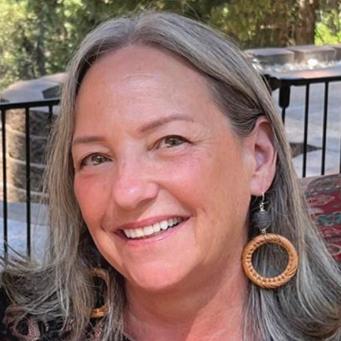
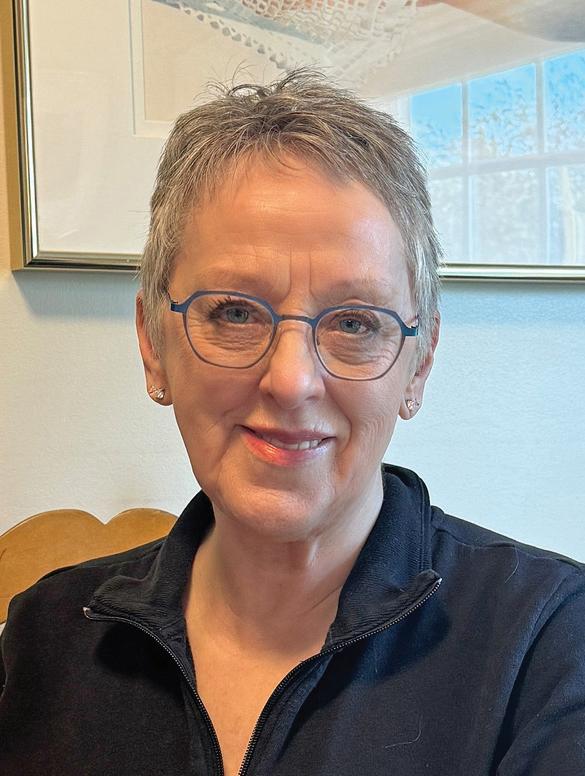
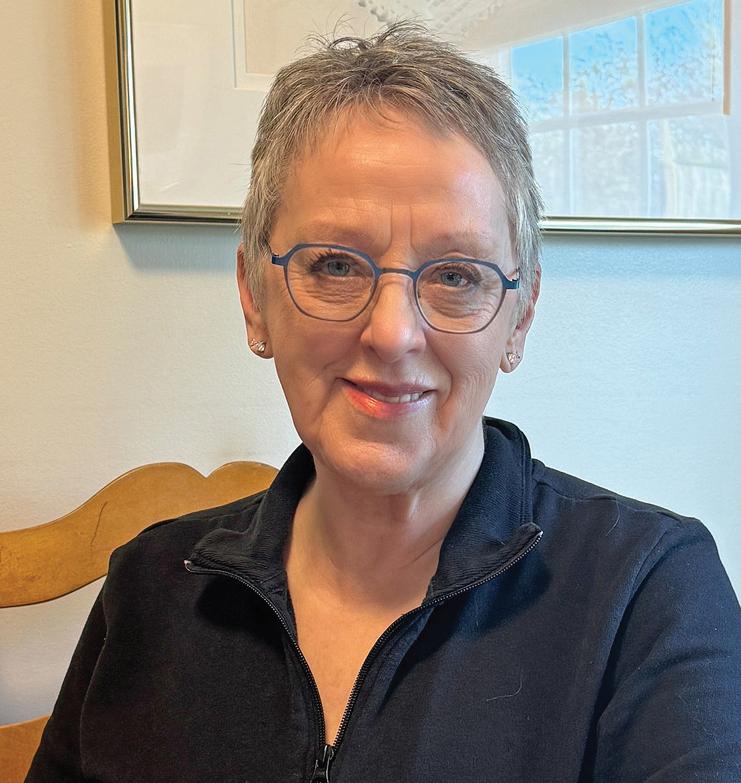
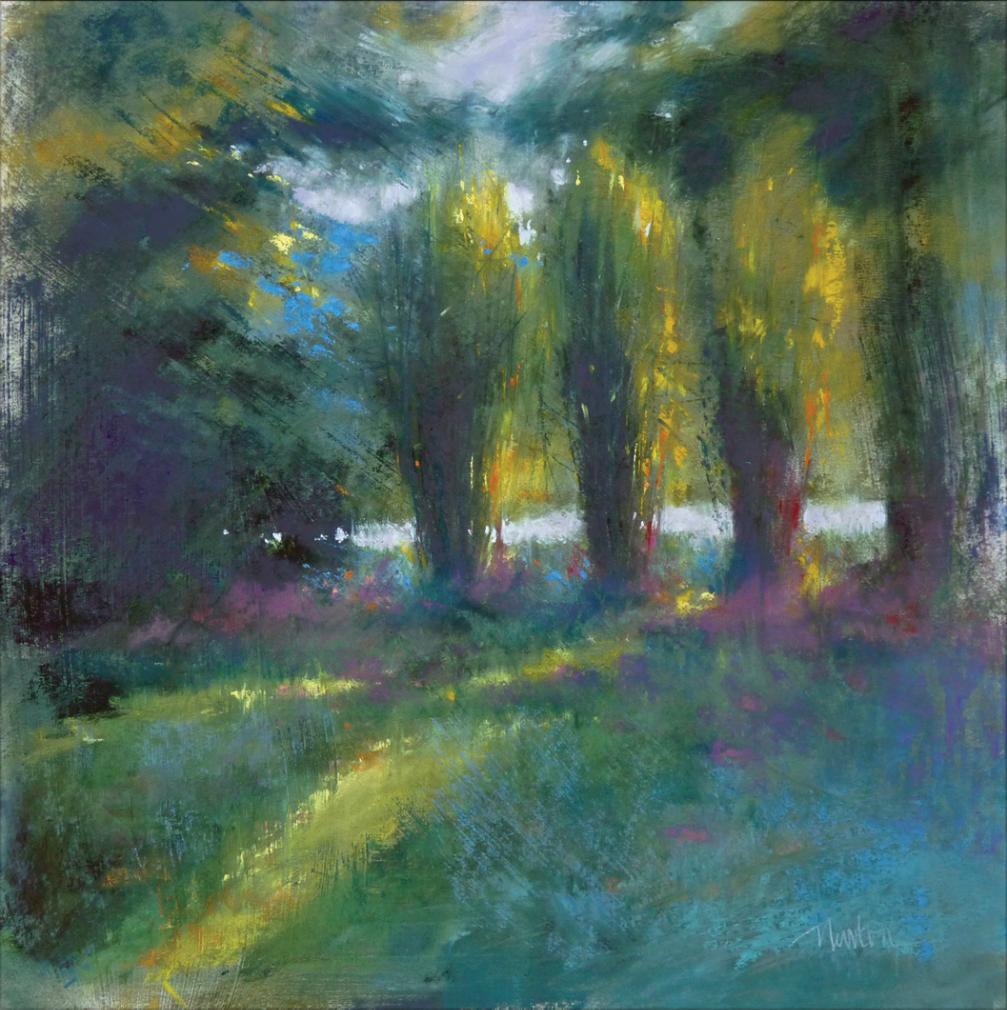
Vashon Island, Washington is a place where mist hangs low and the landscape dissolves into muted colors. One look at Barbara Benedetti Newton’s paintings and its clear she finds inspiration here for her abstracted landscapes.
“I used to say to students, if I live long enough and I keep painting, I will eventually be an abstract artist,” she says.
But her pastel practice did not start here.
A Rocky Start with Pastel
In the mid 1990s, Barbara took a pastel workshop that left her deeply discouraged.
“I like to be successful,” she says. “If you tell me what the rules are, what I need, what the supplies are—I’ll show up prepared.”
At that workshop, she arrived with every item on the supply list, only to be presented with a still life setup of dead fish and lemons and told to begin on a piece of newsprint. Working on newsprint, she struggled to appreciate the medium.
She didn’t touch pastels again for another five years until she bought The Pastel Book by Bill Creevy and began teaching herself.
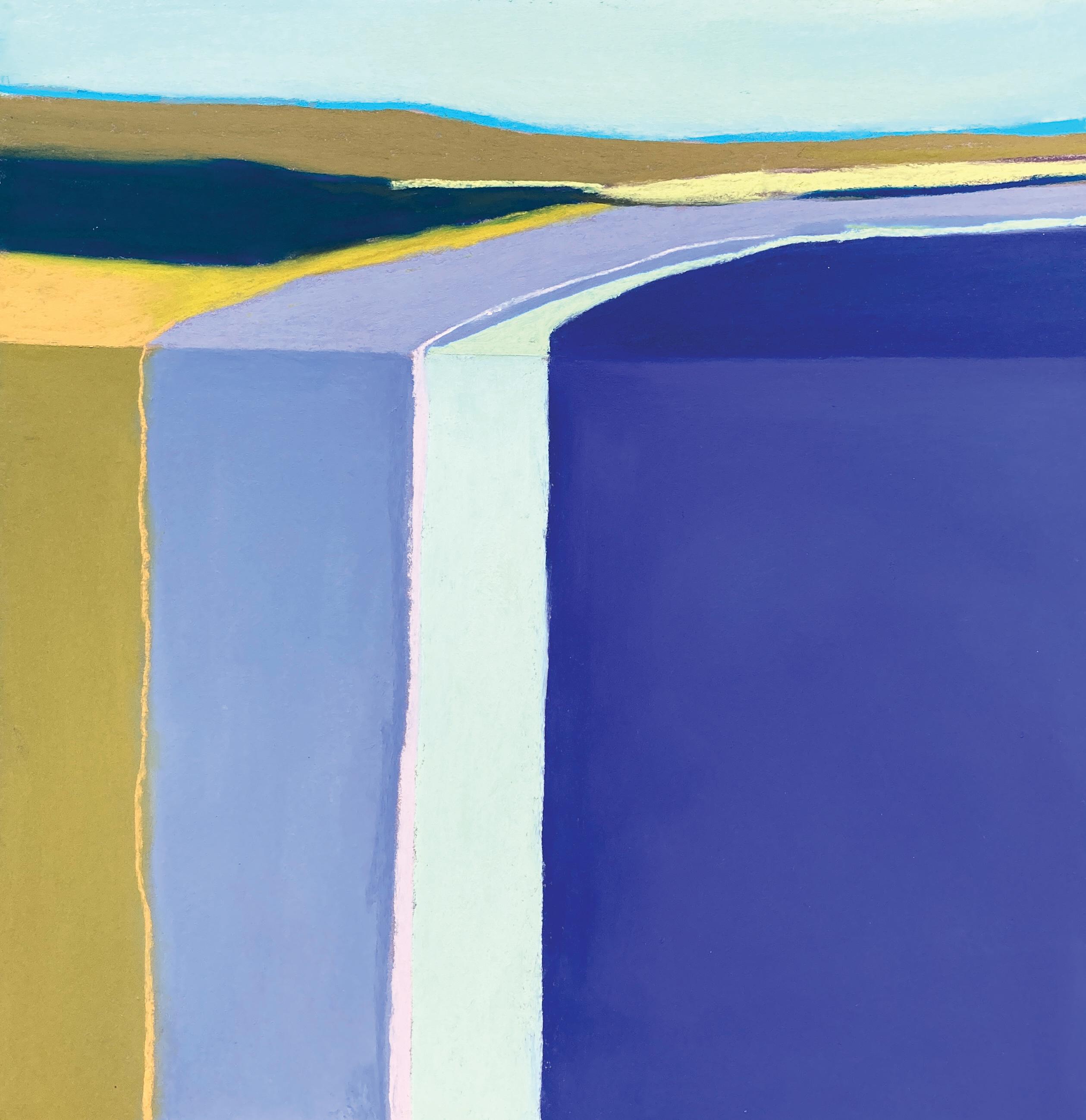
Bamboo Light, Barbara Benedetti Newton
barbarabenedettinewton.com
From Precision to Possibility
Before pastels, there was a successful career as a fashion illustrator, raising a family and 10 years of working exclusively in colored pencils. Her mastery of the medium eventually led her to co-author The Colored Pencil Solution Book and serve as president of the Colored Pencil Society of America.
But she longed for her work to be loose, so she picked up pastels again.
“It felt like holding a brick and aiming where you want it to go,” she recalls. That said, “it didn’t take long for me to discover the sides of pastel sticks and fall in love.” What once felt like a brick became an extension of her hand.
When Art Becomes Product
Her studio is stocked with many brands—Terry Ludwigs, Unisons, Senneliers, Schminckes, Giraults and more— many of which were acquired from winning shows.
“I paint light,” she states simply. “Getting light right wins awards.”
After joining the Pastel Society of the West Coast in 2008, she received an award in her first member show and continued earning recognition from PSWC, IAPS, PSA and many societies in subsequent years. Being juried into shows built her résumé and attracted
students. “Having that terrible class, I was inspired to teach others.”
At one point, Barbara had six gallery affiliations and taught 22 workshops in a single year. Certain works moved consistently, so she kept producing them.
“That’s when art becomes a product,” she says.
Stepping Back
Now, as she ponders golden years gone by, Barbara plans to step back and paint more abstracted landscapes that might not be “everyone’s cup of tea.”
She considers her current work more personal. She rarely uses reference photos anymore. Maybe not even an idea, she says. Just marks, but, “All my paintings are about a path, or a journey or water that is leading somewhere. This is what interests me.”
Fearless Revisions
Perhaps the most distinctive element of Barbara’s approach is her fearlessness. She is not afraid to rework paintings—even award-winning ones—brushing off layers down to a ghost image and creating anew.
When I asked her if she really does this, she looks at her wall where other paintings await this treatment and says, “Yes. It was the best of that show. But it wasn’t a great painting.”
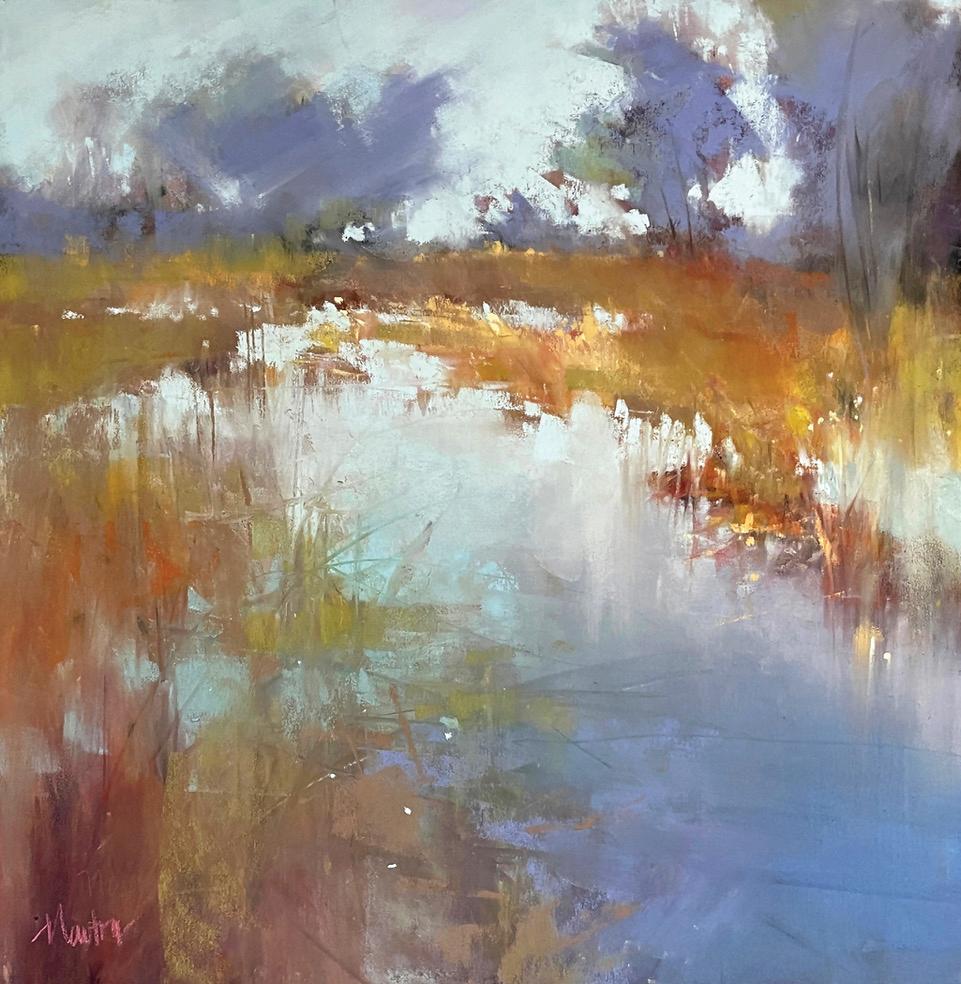
Lowland, Barbara Benedetti Newton
Mist Song, Barbara Benedetti Newton
For Barbara, reworking is not about erasing mistakes. It’s about refusing to let a painting end unsatisfactorily—or worse, at Goodwill, she jokes. By way of example, she provided her 2014 Bamboo Light that she reenvisioned in 2025 as Future Memory
Abstraction, she insists, is built on the bones of a good painting. To artists curious about abstraction, she says, “Be fearless. But know the rules first.”
In her 11’ x 16’ studio on Vashon Island, Barbara continues to test those rules—hosing off previously framed paintings or smashing and dragging pastel with silicone color shaper brushes, stopping sooner than she once did.
“I find myself wanting to give the viewer less and less information,” she says. “The longer I paint, the more determined I am to engage the viewer to make the scene their own, from their own memories.” And viewers often do. She told me collectors describe her work as dreamlike, peaceful, calming—paintings they could “fall into.” That, she says, is the goal.
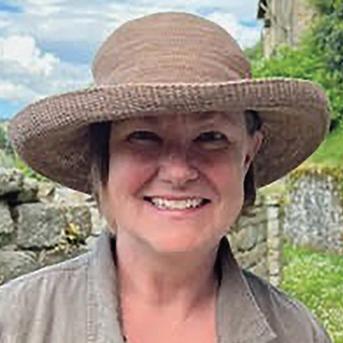
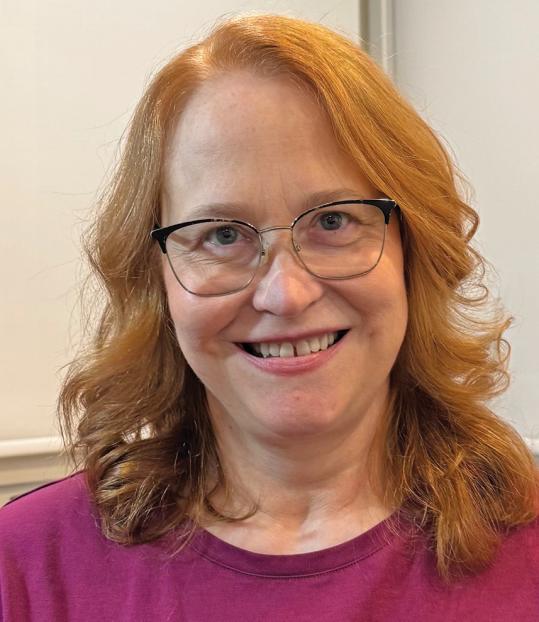
From her studio in Tacoma, Washington, Karen looks out over the Puget Sound to the western sky. Many evenings, clouds gather and dissolve in veils of moisture and light, and the sun sets in a blaze of shifting color.
“Who needs TV,” she says, “when you have that to stare at all evening?”
It is here—“when light and water meet”—that Karen finds the heartbeat of her work.
From Army Medicine to the Art Studio
Though she was an artistic child, encouraged by her mother to imagine a future designing greeting cards, Karen chose a different path. She became an Army Family Physician, serving for 27 years and training young doctors, while raising three children with her husband, also an Army physician.
After 9/11, as deployments to Afghanistan and Iraq reshaped her family’s life, she turned to painting as a way to build resilience in the face of separations and uncertainty.
Though retired from the Army, Karen still cares for veterans, and it’s this balance between medicine and art that continues to shape her life.
Watercolor was her first serious medium, studied in community college classes. But around 2008, she encountered Elizabeth Mowry’s book, Poetic Landscape, and felt an immediate pull toward pastel.
Any Way You Slice It, Karen O'Brien
“Oh my gosh, I’ve got to do that,” she remembers thinking. The purity of color, the directness of markmaking—it was transformative.
Reacting to the Mark
Karen’s early abstract pieces were “purely nonobjective.”
“I put down a few large bold marks and then start reacting to them,” she explains. But, “you have to keep in mind the same compositional devices you would use in a landscape, building them into your composition as you go, using contrast, edges, texture, color intensity/ tonal variation and mark making to help guide the eye around the painting,” she clarifies.
More recently, she has been abstracting clouds, waves, and bodies of water, moving fluidly between contemporary landscape and abstraction depending on what calls to her.
If the light over Puget Sound is extraordinary, she feels compelled to represent it. But abstraction offers
Dreamweaver, Karen O'Brien
Eating Chocolate With Both Hands Karen O'Brien
something different: an emotional immediacy unburdened by narrative. “It’s about looking at it and saying, what does it make you feel?”
She admires the original abstract painters who sought to make art accessible—viewers didn’t need to decipher allegory; they could simply experience, she says.
Left Brain, Right Brain
“When I’m a doctor, I’m very in my left brain,” she says. “Painting pulls me back.”
Despite the apparent spontaneity, her abstract compositions today are carefully constructed.
“I think about what my dominant color is going to be—teal, pinks, magentas. Then I put in the bones of the painting.” She laughs. “It’s like the skeleton of the painting. I guess it’s the doctor in me.”
She considers quadrants, movement, contrast, and how areas “speak to each other.” Sharp edges, complementary colors, and tonal variation become structural tools.
Experimenting as She Goes
That said, Karen is a relentless experimenter. She loves working on wood panels, gessoed and toned with color, sometimes mixed with aluminum granules for added grit. She uses Degas fixative and newer products like Natural Glass, building layers carefully to preserve vibrancy.
“I’m a bit of a mad scientist,” she admits. Her favorite materials include Roche pastels for their slight grit and strength, as well as metallic and pearlescent sticks from Terry Ludwig and Diane Townsend for luminous finishing touches.
Planning and Playing
When creative blocks come—and they do—she leans into study. She reads art history, organizes reference
photos, crops images into dozens of small 6x6 studies, and visits art museums and artist friends who maintain steady studio habits. Sometimes she cannot paint for months, but even then, she is planning.
For artists curious about abstraction, her advice is practical and liberating: use the compositional tools you’ve learned. Notanize photos, build a skeletal framework, then throw away the reference. “Get in the studio and play. Try to paint what you feel. Don’t think too much.”
She believes deeply in art’s capacity to foster wellbeing. In her layered fields of magenta skies, teal waters, and shimmering metallic light, viewers are invited not to analyze, but to feel. And in that feeling, perhaps, to find a measure of resilience of their own.
When Carole Sousa steps out her front door in Cambridge, Massachusetts, she doesn’t just see a neighborhood, she sees compositions waiting to happen. A single fallen leaf, the reflection of light on ice, or the tangle of spring flowers can spark her imagination.
“I love finding drama in simple things,” she tells me. “Most of my paintings start with photos I take while walking my dog, Tootsie.”
Carole didn’t come to pastels until recently. During the 2020 pandemic, she enrolled in a virtual “painting with pastels” class through a local adult education center.
“I was taking online art classes and decided to try pastels,” she recalls. “I was fascinated by how they could be both a drawing and painting medium—how the mark-making could define both shapes and color.”
Though she began experimenting with oils and watercolors in her 30s, Carole didn’t study art formally until her 50s. A lifelong learner and educator—she worked at a battered women’s shelter and taught English as a second language—Carole has always believed in the power of creative reinvention.
“I retired eight years ago partly to focus on my art,” she says. “Now, I try to do something artistic every day.”
From Realism to Abstraction
Carole described her style to me as abstract realism. For years she honed her technical skills to capture people and nature realistically. But over time, she began to crave more freedom.
“The more I move away from realism, the more revelations about the subject emerge,” she explains. Her process often begins with a realistic scene—a front yard in bloom, a quiet river view—and then shifts toward abstraction.
carolesousa.com
Two Daffodils, Carole Sousa MEET THE MEMBERS
She’ll start with a photo reference, work out the composition in charcoal thumbnails, and create an underpainting to establish values using acrylic ink or Inktense blocks. Then, using a carefully chosen palette—usually no more than ten pastels—she builds layers of color from dark to light.
“I get overwhelmed by all the color,” she admits with a laugh. “So, I set my palette early. It keeps me focused.”
Carole’s favorite pastels include Jack Richeson for their “creamy, paint-like feel,” Mount Vision for texture, and Terry Ludwig and Diane Townsend for their rich darks. She works on Pastel Card, Pastelmat or gessoed watercolor paper, depending on her underpainting approach.
The Evolution of a Painting
Carole’s paintings often evolve from earlier works. A landscape might inspire a close-up abstraction, or a floral study become a bold exploration of shape and color.
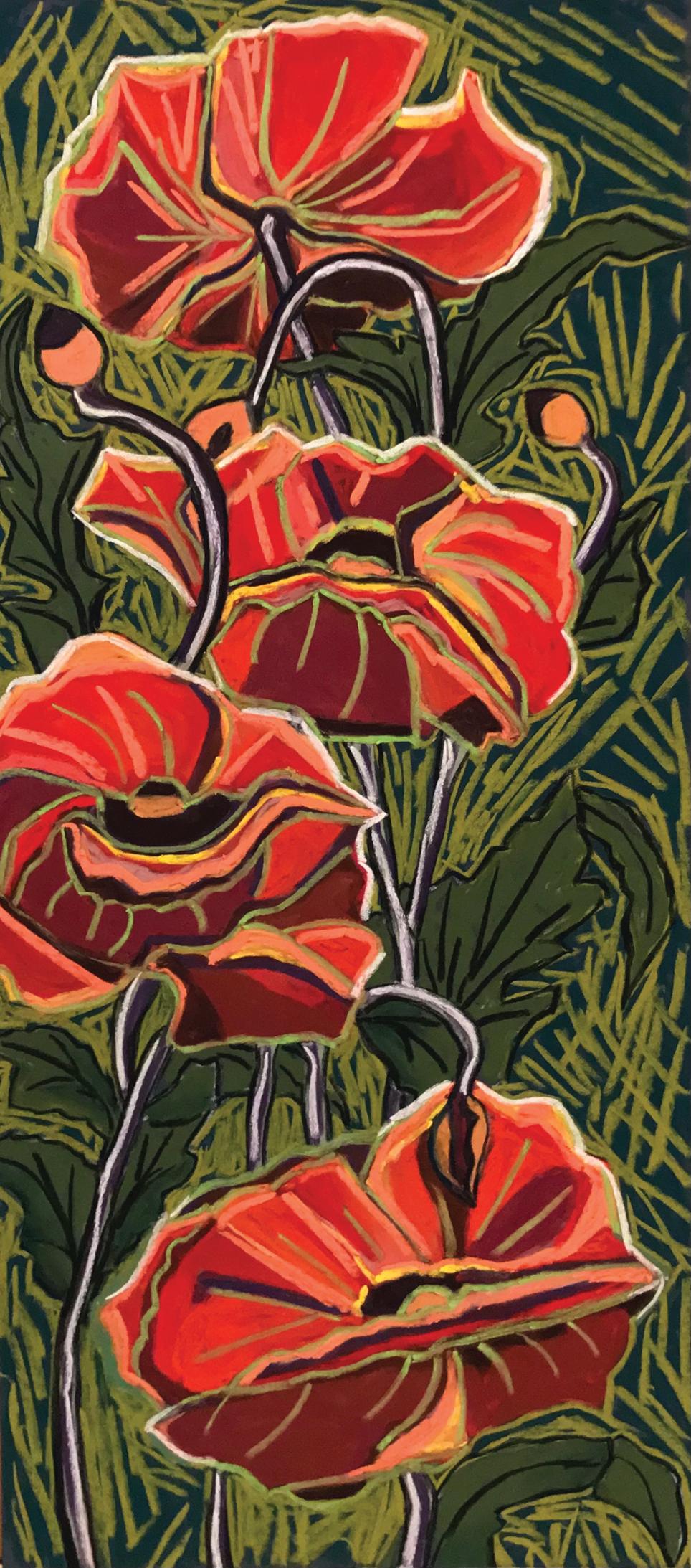
Four Poppies, Carole Sousa
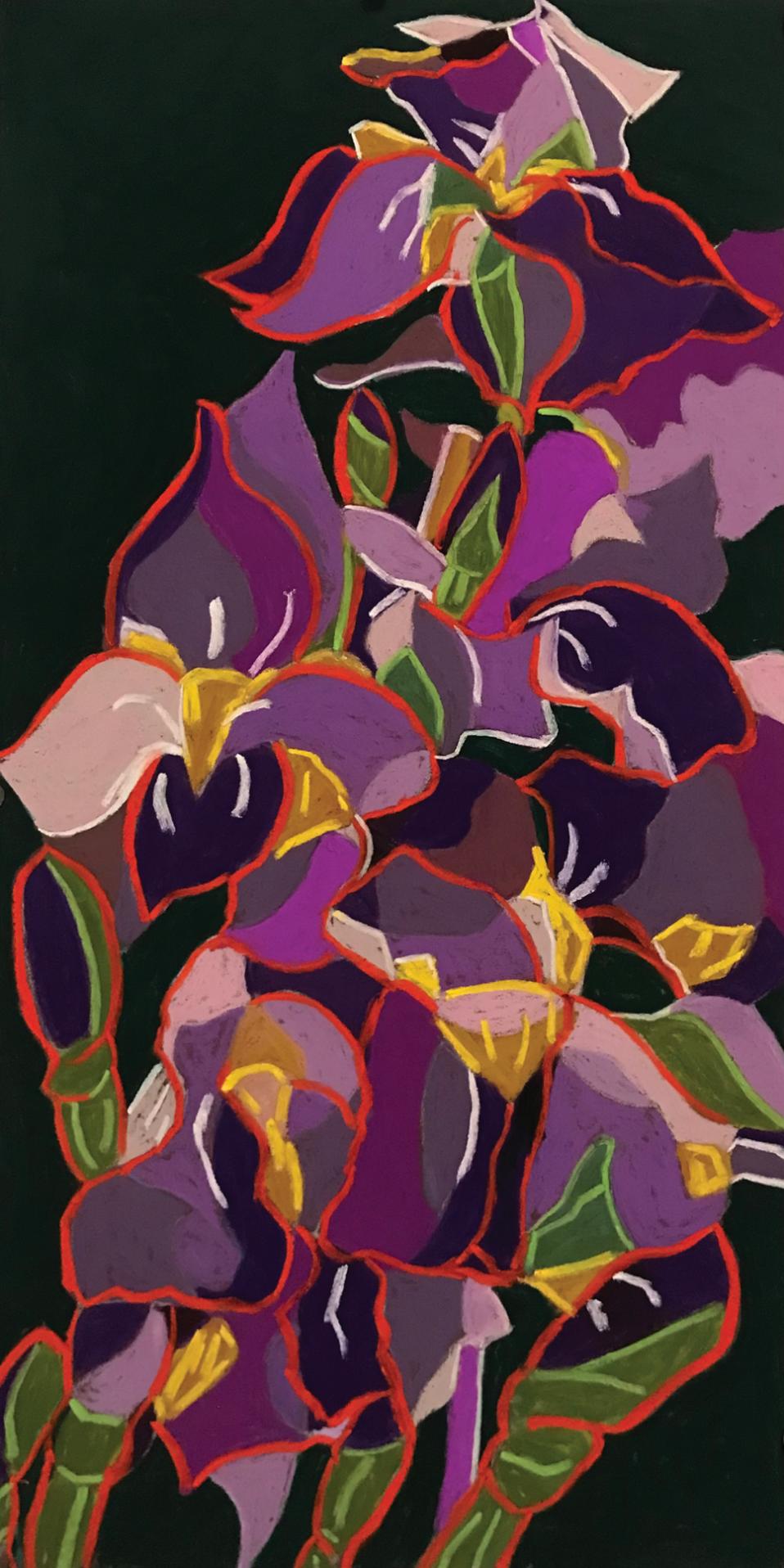
Irises, Carole Sousa
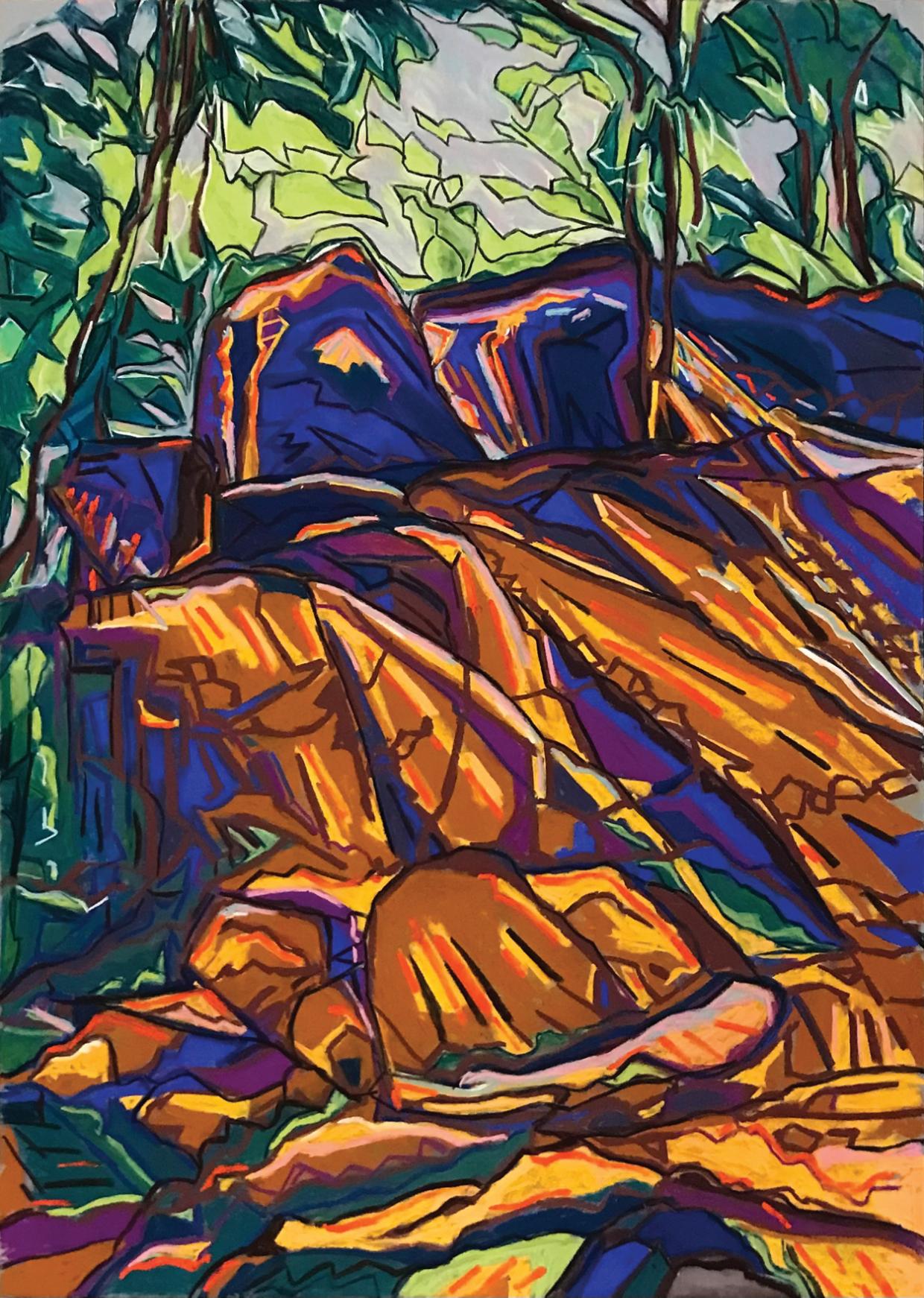
“My work emanates from previous work,” she explains. “I’ll look for shapes within a completed painting, repeat them with hard pastel, and abstract the painting even more.” Examples include Cave and Landscapes with Rocks 2
Recently, she’s been developing colorthemed series—the Red Series or the Yellow Series—that explore how light and emotion interact.
“I want people to see my painting as red or yellow before they see anything else,” she says. “It’s about how color carries feeling.”
Community and Recognition
Though painting can be solitary, Carole values her artistic community. She takes online classes with artists like Debora Stewart and connects through groups such as the Pastel Society of the West Coast (PSWC).
“Another student in one of my classes mentioned how wonderful PSWC was— especially the magazine—so I joined,” she says. “It’s been a great way to connect and learn.”
Her dedication has earned recognition: in 2024, Carole’s work was accepted into the Pastel Society of America’s Member Online Pastel Showcase.
“That was such a meaningful moment,” she says. “It’s rewarding to see my work resonate beyond my studio.”
The Really Liberating Thing
These days, Carole paints four to five days a week, usually for several hours at a time. She’s experimenting with selfportraits—“my style doesn’t quite work with portraits yet,” she says—and hopes to bring her pastels outdoors for plein air studies.
“I’ve painted plein air in oils and watercolors, but not yet with pastels. I want to see how that changes my approach.”
Ultimately, Carole says pastels have allowed her to experiment and hone her abstract realistic style.
“The one thing that’s really liberating is that I no longer ask myself: Does this look like the ‘thing?,’”she says.“I only ask, ‘Is it working?’”
Landscape with Rocks 2 Carole Sousa
WORKSHOP
DAWN EMERSON
DESMOND O’HAGAN
Pastel Innovations
APRIL 6–8, 2026 • 9:00 AM – 4:00 PM
$350 for Members & Nonmembers
Pastel Innovations Plus
APRIL 10 –11, 2026 • 9:00 AM – 4:00 PM
$250 for Members & Nonmembers
Online Zoom workshop through PSWC www.pswc.ws/new-workshops
About the Artist
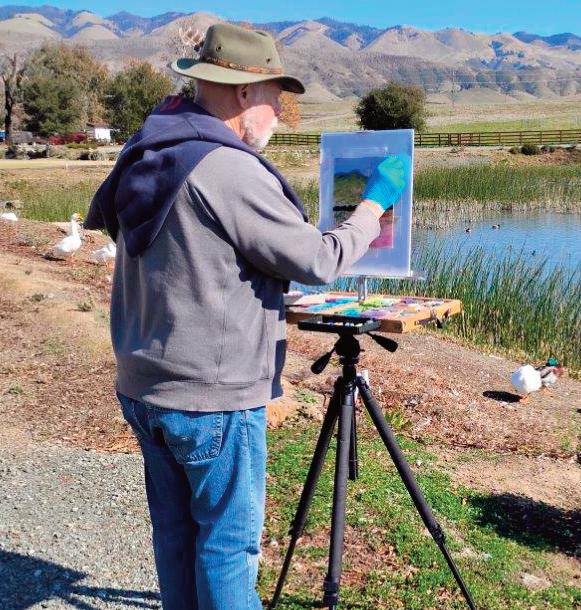
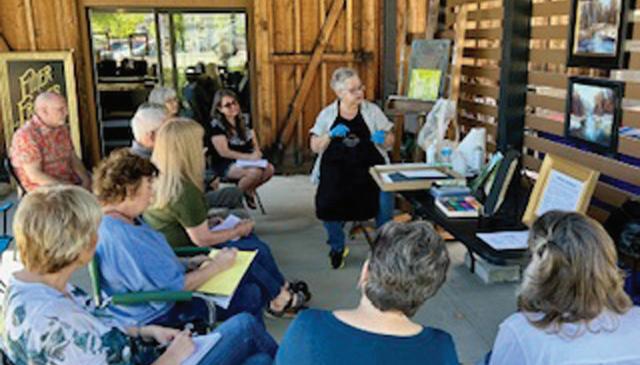
Dawn Emerson is an inspiring teacher who is passionate about helping each person in their own unique way of using the pastel medium to express themselves. She creates a culture of sharing and joyful exploration in each workshop that encourages each person to take risks, to constructively critique their work, and to identify meaningful themes to pursue in their art. Dawn is a signature member of the Pastel Society of America, a respected art judge and juror, author of the book Pastel Innovations, and has 7 instructional videos. Dawn’s work is known for its powerful energy and expressive way of combining realism with abstraction. www.dawnemerson.com
About the Workshops
PASTEL INNOVATIONS April 6–8, 2026: You’ll discover the powerful versatility of PanPastels when used alone or together with stick pastels and mixed media like sumi ink, water mixable oils, oil pastels, crayons, and cold wax. Layering by adding and subtracting different media will be demonstrated using many “non-typical” art tools and surfaces. The intention is to introduce approaches to drawing that will unleash creative ways to think about your subject with renewed insight and possibilities. This class reviews techniques presented in my book Pastel Innovations, together with many processes developed since the book was published in 2017.
PASTEL INNOVATIONS PLUS April 10–11, 2026: Designed for those who have taken a“Pastel Innovations” session at some time, and want to explore applying these techniques to “mine” and edit a subject for more powerful meaning and expression. Each day techniques will be introduced to help you apply the design elements of line, texture, value, edges, space, color, and shape with mixed media and pastel (PanPastel and stick) in order to discover new ways to explore your subject.
Participants will be encouraged to push the boundaries of what is “expected” of the pastel medium by embracing the question “WHAT IF?”
About the Workshop
Do you want to draw people to YOUR painting from across the room?
Do you find yourself getting lost in the details?
No matter the style of your mark making, simplifying design and value structure will strengthen your painting!
Let's dive into the power of values and composition in this three-day studio workshop.
Starting with an inspirational PowerPoint, timed exercises, demonstration, painting time and a personal critique session, our three days together will be packed with hard work and fun.
KIM LORDIER
Simplifying for Strength
SEPTEMBER 30 – OCTOBER 2, 2026
9:00 AM – 4:00 PM EACH DAY
In-person workshop through PSWC www.pswc.ws/new-workshops
$475 for PSWC Members
$495 for Nonmembers
Catalyst Arts Collaborative 6427 W. Ustick Road Boise, ID 83704
About the Artist
Kim Lordier received a BFA in Illustration at the Academy of Art University, San Francisco in 1989. Her work has been showcased on the cover of PleinAir Magazine, Art of the West, Southwest Art, and Pastel , as well as featured in Fine Art Connoisseur, American Artist, The Artist Magazine, and the PSWC Magazine
Acknowledged by jurors and her peers, Kim has received recognition for her landscapes at major plein air events, international magazine competitions, national pastel society shows and museum exhibitions. Kim is a Signature Member of the California Art Club, the Pastel Society of America, Laguna Plein Air Painters Association, a Pastel Laureate of the Pastel Society of the West Coast, and is a Master Circle honoree of the International Association of Pastel Societies. A coveted workshop instructor, Kim leads workshops across the country. kimfancherlordier.com
WORKSHOP
CHRISTINE OBERS
All the Gusto, Without the Dusto: Intro to Pastel Pencils
NOVEMBER 7–8, 2026
9:00 AM – 3:30 PM EACH DAY
Online 2-day Zoom workshop through PSWC www.pswc.ws/new-workshops
$175 for PSWC Members
$195 for Nonmembers
About the Artist
Christine Obers has won many international awards including the Master Circle, Gold Medal from the International Association of Pastel Societies and Signature Member of the Pastel Society of America. She is also a Distinguished Pastelist in the Pastel Society of the West Coast and Master Pastelist in the Pastel Artists of Canada Association.
Her artwork has been exhibited at the National Arts Club, in New York; Albuquerque NM; Morro Bay CA, and the Aurora Art Center, Ontario, Canada. She has been featured in major art publications, including the Pastel Journal, Southwest Art, and American Art Collector. Obers’s artwork can be found in private collections throughout Canada and the U.S.
About the Workshop
Participants will learn to paint a Grisaille.
A grisaille allows an artist to focus on form and values. It has been used as a formal teaching aid for centuries. In this workshop we will be creating a grisaille using only a few pastel pencils on a grey surface.
There will be a demonstration in the morning followed by questions. Artists will begin working on their individual projects. Artists may share their work in progress at any time by emailing or texting the image.
I'll offer suggestions and advice that will be available to all participants, including how to fix problem areas. 12 hours instruction, 6 hours /day, with break for lunch and stretches.
New Members ~ January – March 2026
NAME CITY STATE WEBSITE
Lynne Bedbrook Wakefield QC
Sam Collett Enterprise OR samcollettfineart.com
Elizabeth Cook San Francisco CA instagram.com/lizzieanncook
Heidi Danielsen Rathdrum ID
Susanne Davis Placerville CA
Liberty Dickinson Santa Ana CA
Zuzana Drobnik Sandpoint ID zuzanadrobnikova.com
Bridget Duffy Hawthorne CA
Rebecca Flanagan Sonoma CA
Susan M. Grinels Lander WY
Becky Lorraine Palacios TX
Svetlana Maxon Hayward CA svetlanamaxonphotography. squarespace.com
Carol McAlester Laguna Beach CA lagunacoloringco.com
Stacy Mitchell Arroyo Grande CA
Margaret Moore Surrey BC
Patsy Morris Pueblo West CO
Kim Niehans Poway CA
Kelly Rylander Sacramento CA
Russell G. Smith Fresno CA
Elizabeth Spona North Bend WA
Debora Stewart Clinton IA deborastewart.com
Doug Stewart Lancaster SC stewartpastelgallery.com
Kelly Summerwill Hinsdale IL
Terrill Thomas Westminster CA terrillthomas.com
Linda TownsendMindenNV
Cindy WojdylaPalatineIL
EXECUTIVE BOARD
PRESIDENT REGIONAL REPS OUT OF BOUNDS CO-CHAIR
Pamela Comfort
VICE PRESIDENT
PASTELS USA: 99 VOICES CHAIR Lynn Attig
SECRETARY WE TALK ART HOST OUT OF BOUNDS CO-CHAIR
Bonnie Zahn Griffith
TREASURER
501(c)3 COORDINATOR Deborah Pepin
AT-LARGE BOARD MEMBER Sabrina Hill
BOARD APPOINTEES
MEMBERSHIP COORDINATOR Open
MEMBERSHIP SHOW (MOOS) CHAIR SA Kushinka
WAYS & MEANS COORDINATOR Kristine Finfer
WORKSHOP COORDINATOR Jean Vineyard Myers
MAGAZINE EDITOR
MARKETING Francesca Droll
WEBSITE MANAGER
SOCIAL MEDIA COORDINATOR
Delcee Comfort Fields
MEMBERSHIP STATUS Jan Miller
SCHOLARSHIP CHAIR Kim Essex
Marianne Woosley and Chris Toeppen at a regional paint out at Coyote Hills, CA.