Permission must be obtained from Psi Chi to reprint or adapt a table or figure; to reprint quotations exceeding the limits of fair use from one source, and/or to reprint any portion of poetry, prose, or song lyrics. All persons wishing to utilize any of the above materials must write to the publisher to request nonexclusive world rights in all languages to use copyrighted material in the present article and in future print and nonprint editions. All persons wishing to utilize any of the above materials are responsible for obtaining proper permission from copyright owners and are liable for any and all licensing fees required. All persons wishing to utilize any of the above materials must include copies of all permissions and credit lines with the article submission.
Advertisements that appear in Eye on Psi Chi do not represent endorsement by Psi Chi of the advertiser or the product. Psi Chi neither endorses nor is responsible for the content of third-party promotions.
PSI CHI Board of Directors
SOCIETY PRESIDENT Jason Young, PhD president@psichi.org
PAST-PRESIDENT Susan Becker, PhD pastpresident@psichi.org
PRESIDENT-ELECT Darren Bernal, PhD presidentelect@psichi.org
EASTERN REGIONAL VICE-PRESIDENT Ingrid Tulloch, PhD easternvp@psichi.org
WESTERN REGIONAL VICE-PRESIDENT Brittany Avila, PhD westernvp@psichi.org
EXECUTIVE DIRECTOR Marianne Fallon, PhD marianne.fallon@psichi.org
Features
32 · CAREER ADVICE
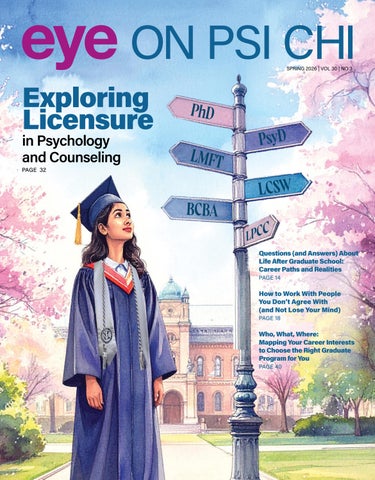
Exploring Licensure in Psychology and Counseling: What Students
Need
to Know Steven Del Chiaro, PsyD
37 · GRADUATE SCHOOL Making the Most of a PhD Program
Tiffany T. Shao
40 · FIELDS OF PSYCHOLOGY Who, What, Where: Mapping Your Career Interests to Choose the Right Graduate Program for You
Margaret Gifford, PhD, and Amber Harris, PhD
44 · FACULTY
Mentoring the Next Generation: A Faculty Guide to Supervising Undergraduate Research
Sayeedul “Sy” Islam, PhD
Shawn
Ethan
Julie Radico, PsyD,
Ronald Stolberg, PhD
Diane A. Safer, PhD
NThe Widening World of Global Psychology
Jason Young, PhD Psi Chi President
ow more than ever, we need to be mindful of the role of psychology in our world. Every aspect of the events going on around us engages critical psychological processes that we need to be aware of, from truly understanding the intentions of others from other cultures to making careful judgments about our next steps in an international environment.
While Psi Chi was founded in 1929 (and our centennial year is coming up—look for more information in coming months!), we formally established ourselves as an International Honor Society in 2009. This change reflected the ongoing recognition by the entire field of psychology that a well-rounded science of the human condition must reflect all peoples around the globe.
In the years since we became global, new Psi Chi chapters have formed around the world including (as of 2025) in Armenia, Canada, China, Cyprus, Dominican Republic, Egypt, Guam, Guatemala, Italy, Malaysia, Mexico, Nigeria, Puerto Rico, Saudi Arabia, Taiwan, Trinidad and Tobago, Turkey, and United Arab Emirates. Many more countries are in early stages of chartering a chapter, and we are always excited to support faculty interested in starting this process.
With this expansion has come an emphasis on providing resources and opportunities to assist our international members in their contributions to psychological science, as well as to foster connections among all of our members around the globe. Toward this effort, our Global Initiatives Advisory Committee (GIAC) is continually developing initiatives to create new opportunities and expand on Psi Chi’s existing resources. For example, from March 27–29, we will host the Psi Chi Global Research Showcase during the meeting of the Southwestern Psychological Association’s (SWPA) convention in Frisco, TX. This showcase, which will be held entirely online to enable access from Psi Chi members as broadly as possible, will highlight the research of Psi Chi members from our international chapters. It will not only provide an opportunity for these members to inform others about the psychological research they are conducting, but it will allow members of the audience to learn about research being conducted in other countries as well. One of the most important outcomes that can emerge from experiences like this is the potential for synergy among student researchers. Students may connect with others who share their interests. When those students bring different backgrounds, the results can be greater insight—and future collaborations—to further our understanding about a psychological process or problem. Such cross-cultural research forms a rapidly growing area in psychology that can involve any of the subspecializations in our field. More details on the Global Research Showcase will be made available at the above link to GIAC’s webpage.
International opportunities are also available through our Research Advisory Committee (RAC), which develops a wide range of research supports and opportunities for our members. One of RAC’s key programs is the Network for International Collaborative Exchange (NICE) through which Psi Chi members can help collect research data from participants at their own institution to contribute toward an international project involving researchers from around the globe. Such opportunities, which can be especially valuable for students whose own institutions may have limited research options, can result in forging connections with other researchers, as well as potentially becoming a coauthor on a publication that synthesizes the international data. Use the link to the RAC webpage to learn about current research opportunities and critical deadline dates for getting involved in NICE.
Each year, the Psi Chi Board of Directors meets to discuss further ways to amplify Psi Chi’s mission and programs to better support our members from around the world. In recent years, we have increased our funding for international travel, including more options to apply for funding to present at international conferences. We also continually strive to support international collaborative events. As examples, our Eastern Regional Vice-President Dr. Ingrid Tulloch has held online Zoom meetings with attendees from both US- and internationally-based chapters. Our Southwestern Regional Vice-President Dr. Karenna Malaventi has helped push for more international programming (working with our GIAC members) at the SWPA annual meetings. And our other regional vice-presidents are all working to increase global opportunities for chapters in their regions as well.
Finally, Psi Chi exists as an organization working amid a broad ecosystem of professional psychology associations focused on a wide range of initiatives and opportunities. When possible, we work to help our members learn about and connect with them. While Psi Chi has had long-standing associations with APA and APS, there are many smaller organizations also worthy of attention. On the global stage, for example, there is Division 52 of APA, the Society for Global Psychology, and the International Association for CrossCultural Psychology. Each of these organizations has programs designed to assist students with an interest in global psychology. Psi Chi takes very seriously its role in helping students to connect with and act on such international research opportunities. If you choose to pursue a research connection from one of our programs, know that you have the full support of our entire society to succeed! The future of our world will benefit greatly from our wise application of psychological science to address global problems.
2026 Psi Chi Regional Conventions
Join us at a 2026 regional convention in a city near you. Want to make the most of your regional convention experience? Register early for discounted rates and research presentation opportunities. Book hotels early and apply for Psi Chi travel grants to reduce costs. Volunteer at the Psi Chi exhibit booth for CV-building experience. Pack business casual attire and bring your CV. Review the convention program beforehand to plan your schedule, balancing must-see sessions with breaks. Actively network with professionals and faculty from graduate programs of interest—they could become your future mentors.
February 26–28 | Boston, MA
March 27–29 | Frisco, TX
25–28 | New Orleans, LA
16–18 | Chicago, IL
26–28 | Boise, ID
30–May 3 | Tacoma, WA
Psychology Everywhere: Snapshots of How Psychological Science Shapes Our Lives
Think about the last time you cooked or watched as someone cooked. We move through our kitchens without considering the logic of their design. We rinse vegetables at the sink, slide them onto the countertop, pivot naturally toward the stove, and reach for a refrigerator placed exactly where it needs to be. Even the small conveniences—such as the foot-pedal trash can that allows us to dispose of scraps without touching a lid—feel so ordinary that we forget they were once innovative designs.
The smooth, efficient design of the modern kitchen is the result of careful observation, behavioral insight, and human-centered engineering. The well-designed kitchen didn’t exist until a visionary thinker who understood that the best designs emerge from understanding how people actually move, think, and feel applied their talents to reimagining the cooking experience. Her name was Lillian Gilbreth, and long before “human-centered design” or “behavioral science” became mainstream, she was using psychological insights to transform daily life (National Women’s History Museum, n.d.).
A pioneer of industrial engineering and applied psychology,
Gilbreth believed that work could be designed for efficiency and human well-being (Society of Women Engineers, 2017). Her innovations, which ranged from the layout of modern kitchens to ergonomically designed tools, were grounded in a belief that understanding people’s motivations, emotions, and physical limits could meaningfully improve their lives (Graham, 1999; National Women’s History Museum, n.d.). She advocated for working mothers, applied psychological principles to employee morale, and became one of the first women recognized as a leader in engineering and applied science (AllTogether, 2017; Association for Psychological Science, 2017).
Gilbreth’s work revealed a fundamental truth: Design is never neutral. The environments we build shape how we think, feel, and behave. Her kitchen redesigns were among the earliest examples of applying psychological principles to physical spaces, demonstrating that, when we adjust our surroundings with these principles in mind, we create environments that encourage connection, focus, and comfort. The insight that psychology shapes our everyday experiences remains as relevant today as it was a century ago, even as our social and technological contexts have dramatically changed.
Shawn R. Charlton, PhD University of Central Arkansas
From Kitchens to Algorithms: Psychology in the Digital Age
While Gilbreth brought psychology into kitchens and factory floors, today’s technologies apply similar principles to our attention, preferences, and identities—often in ways we barely notice. The psychological focus on understanding human patterns, reducing friction, and anticipating user needs now shapes online shopping, advertising, digital user experiences, and social media algorithms. Recognizing the powerful influence of psychological principles in our digital experiences empowers us to make thoughtful and intentional decisions in our physical, social, and digital environments.
This is what makes psychology so essential to understand: it’s everywhere, working beneath the surface of our daily lives. Gilbreth’s legacy illustrates a central truth: when we (a) notice psychology in action, (b) understand its scientific foundations, and (c) apply its tools intentionally, we gain the ability to make our lives and communities healthier, more efficient, and more connected.
Seeing Through a Scientific Lens
Seeing psychology everywhere is just the beginning. Psychology also offers a scientific lens for understanding behavior. Psychological thinking and frameworks produce outcomes based in observation and modeled on objective theory. Gilbreth demonstrated this psychological approach to real-world problems as she meticulously studied motion patterns and tested redesigns through careful observation (Association for Psychological Science, 2017). Psychological science teaches us that behavior is patterned, intuition is flawed, and careful observation and measurement reveal solutions. This scientific mindset fosters curiosity, critical thinking, and empathy (Jirout, 2020).
Viewing the world through a psychological lens also reminds us that individuals bring unique needs and tendencies to every environment. What works for one person may not work for another, and effective problem-solving requires understanding these variations. Recognizing psychological influences gives us agency: the power to shape our environments rather than simply being shaped by them.
From Understanding to Action
Awareness alone doesn’t create change. To use psychology effectively, we must pair application with observation. The question becomes: How do we translate psychological insight into practical improvements in our daily lives?
Here are five suggestions for bringing a “Psychology Everywhere” mindset into our daily lives:
1. Design your environments intentionally. Just as Gilbreth redesigned spaces to reduce wasted motion and mental effort, small spatial or organizational tweaks can support your goals. Reducing clutter, optimizing your workspace layout, or adjusting lighting can significantly impact focus and wellbeing (Colenberg et al., 2021).
2. Approach life with curiosity, not assumptions. Recognize that personality traits, communication styles, stress responses, individual experiences, and environmental histories vary widely—and that understanding and leveraging these differences strengthens connection and opportunity (KrumreiMancuso et al., 2020).
3. Question the defaults. Gilbreth succeeded by asking why
things were designed a certain way and whether they could be improved. We can apply this curiosity to the systems we navigate daily (see Grant, 2021, for ideas on how to do this). When something feels inefficient or frustrating, we can treat it as an invitation to redesign.
4. Engage with technology mindfully. As we understand psychological principles, we become more aware of when digital platforms are pulling our attention or nudging our behavior. This awareness can alert us to pause and decide whether our choices reflects our goals or the platform’s design. We can cultivate the mindset of: Am I using this technology, or is it using me? (Sandra, 2025)
5. Adopt a psychological scientist’s mindset. Treat challenges as puzzles. Observe patterns, test small changes, reflect on outcomes, and revise. Be like Gilbreth who refined her designs through careful observation and study. This experimental approach turns everyday interactions and experiences into opportunities for insight and improvement (Fedlmeier et al., 2022; Neuringer, 1981).
A Legacy of Intentional Design
Psychology is a way of understanding behavior and a tool for improving it. Just as Lillian Gilbreth’s work improved the lives of homeowners, employees, and persons with disabilities (Smithsonian National Postal Museum, n.d.), when we learn to see, understand, and use psychology wisely, we can impact lives, relationships, and communities.
You will see this emphasis on “psychology everywhere” throughout the headlines that follow. The four headlines— examining relationships, designed spaces, competition, and modern marketing—each highlight a distinct domain in which psychological principles have impacted our world and continue to shape our experiences. Together, they invite us to reconsider the ordinary moments around us and discover the science operating just beneath the surface. Once you start seeing psychology everywhere, you can’t unsee it—and that awareness becomes a powerful tool for building the life you want to live and empowering the communities to which you belong.
References
Association for Psychological Science. (2017). A genius in the art of living’: Industrial-psychology pioneer Lillian Gilbreth . APS Observer. https://www.psychologicalscience.org/publications/observer/obsonline/a-genius-inthe-art-of-living-lillian-moller-gilbreth-industrial-psychology-pioneer.html
Colenberg, S., Jylhä, T., & Arkesteijn, M. (2021). The relationship between interior office space and employee health and well-being—a literature review. Building Research & Information, 49 (3), 352–366. https://doi.org/10.1080/09613218.2019.1710098
Fedlmeier, A., Bruijnes, M., Bos-de Vos, M., Lemke, M., & Kraal, J. J. (2022). Finding what fits: Explorative selfexperimentation for health behaviour change. Design for Health, 6 (3), 345–366. https://doi.org/10.1080/24735132.2022.2147336
Grant, A. (2021). Think again: The power of knowing what you don’t know Viking
Jirout, J. J. (2020). Supporting early scientific thinking through curiosity. Frontiers in Psychology, 11 1717. https://doi.org/10.3389/fpsyg.2020.01717
Krumrei-Mancuso, E. J., Haggard, M. C., LaBouff, J. P., & Rowatt, W. C. (2020). Links between intellectual humility and acquiring knowledge. Journal of Positive Psychology, 15(2), 155–170. https://doi.org/10.1080/17439760.2019.1579359
National Women’s History Museum. (n.d.). Lillian Moller Gilbreth https://www.womenshistory.org/lillian-moller-gilbreth Neuringer, A. (1981). Self-experimentation: A call for change. Behaviorism, 9 (1), 79–94.
Sandra, L. (2025). Digital emotional regulation paradox: A cross-sectional study on mindful technology use moderates the relationship between social media emotional content exposure and psychological resilience. BMC Psychology https://doi.org/10.1186/s40359-025-03727-4
Smithsonian National Postal Museum. (n.d.). Women on stamps, part 2: Science improving lives—Lillian Gilbreth https://postalmuseum.si.edu/exhibition/women-on-stamps-part-2-science-improving-lives/lillian-gilbreth Society of Women Engineers. (2017, August). Remembering the contributions of engineer Lillian Gilbreth AllTogether. https://alltogether.swe.org/2017/08/remembering-contributions-engineer-lillian-gilbreth/
Why Our Connections Feel the Way They Do— and What It Reveals About the Psychology of Relationships
Zoey J. Brown and Donaven C. Pickren University of Central Arkansas
Psychological factors play a central role in shaping the quality and dynamics of our relationships. These influences help explain why some people experience more satisfying and stable romantic, familial, and social connections than others. Personality traits, in particular, show strong associations with relationship satisfaction, social well-being, and the number of close bonds people maintain (Joshanloo, 2022; Kang, 2023). By studying these processes, researchers continue to uncover the mechanisms that support healthy interpersonal functioning—reminding us that psychology quietly influences our interactions every day.
Research demonstrates that personality characteristics influence the formation and maintenance of social ties. Kang (2023) found that individuals high in extraversion and agreeableness reported more close friendships both cross-sectionally and longitudinally, suggesting that sociability and cooperativeness facilitate interpersonal closeness. Similarly, Joshanloo (2022) showed that personality predicted social well-being across two decades, with extraversion linked to greater connectedness and neuroticism
associated with interpersonal strain. These patterns emphasize that personality influences how individuals develop and sustain supportive relationships—and how the individual psychologies we bring to our social worlds, in turn, shape them.
Personality also influences romantic relationship quality. O’Meara and South (2019) found that agreeableness and emotional stability predicted higher romantic satisfaction over time, while Orth (2013) demonstrated notable actor and partner effects, meaning that both individuals’ traits contribute to overall relational outcomes. These findings position personality as a key predictor of long-term romantic adjustment and highlight how individual differences shape shared relational experiences. Even in moments that feel spontaneous or emotionally driven, psychological influences are quietly at work.
Research shows that personality strongly predicts friendship outcomes as well. Korner and Altmann (2023) found that personality traits—rather than similarity—were associated with higher friendship satisfaction, while cross-cultural work demonstrates that social support mediates links between personality and well-being (Yu et al., 2021). The people we choose, the connections we form, and the comfort we find in others all reflect layers of
Other psychological processes also contribute to healthy relationships. Effective emotional regulation, secure attachment, and clear communication foster trust, closeness, and long-term relational stability. Insights Psychology (2024) highlights that emotional attunement and adaptive communication patterns strengthen both friendships and romantic partnerships. When considered alongside personality research, these factors provide a comprehensive picture of how psychological functioning shapes
Across diverse contexts, psychological factors reliably predict relationship satisfaction, stability, and social well-being, reinforcing the idea that relational health is deeply rooted in psychological characteristics (Hill et al., 2012). Whether we recognize it or not, psychology is present in every relationship—from the first moments of connection to the long-term bonds we nurture over time.
References
Hill, P. L., Turiano, N. A., Mroczek, D. K., & Roberts, B. W. (2012). Examining concurrent and longitudinal relations between personality traits and social well-being in adulthood. Social Psychological and Personality Science, 3 (6), 698–705. https://doi.org/10.1177/1948550611433888
Insightspsychology. (2024, October 24). The psychology of relationships: What makes relationships healthy, and how can we maintain them? Insights Psychology. https://insightspsychology.org/psychology-of-healthy-relationships/
Joshanloo, M. (2022). Longitudinal relationships between personality traits and social well-being: A two-decade study. Journal of Happiness Studies, 23 2969–2983. https://doi.org/10.1007/s10902-022-00534-1
Kang, W. (2023). Establishing the associations between the Big Five personality traits and self-reported number of close friends: A cross-sectional and longitudinal study. Acta Psychologica, 239, 104010. https://doi.org/10.1016/j.actpsy.2023.104010
Korner, R., & Altmann, T. (2023). Personality is related to satisfaction in friendship dyads, but similarity is not: Understanding the links between the Big Five and friendship satisfaction using actor-partner interdependence models. Journal of Research in Personality, 107, 104436. https://doi.org/10.1016/j.jrp.2023.104436
O’Meara, M. S., & South, S. C. (2019). Big Five personality domains and relationship satisfaction: Direct effects and correlated change over time. Journal of Personality, 87 (6), 1206–1220. https://doi.org/10.1111/jopy.12468
Orth, U. (2013). How large are actor and partner effects of personality on relationship satisfaction? The importance of controlling for shared method variance. Personality and Social Psychology Bulletin, 39 , 1359–1372. http://dx.doi.org/10.1177/0146167213492429
Yu, Y., Zhao, Y., Li, D., Zhang, J., & Li, J. (2021). The relationship between Big Five personality and social well-being of Chinese residents: The mediating effect of social support. Frontiers in Psychology, 11 , 613659. https://doi.org/10.3389/fpsyg.2020.613659
Why Certain Spaces Change Us— and What It Reveals About the Psychology of Everyday Design
Lauren A. Thompson and Ta’Niya Trotter University of Central Arkansas
Ever walk into a space and instantly feel at ease—or suddenly tense? Or maybe you’ve wandered through a park following certain paths, pausing at just the right moments, or becoming completely immersed without any effort. That’s not magic—that’s design psychology (Batra et al., 2015).
Design isn’t just about looking good or being technically precise; it’s about how we respond to and experience environments. Psychologists study how people perceive, think, and interact with the world around them. Designers translate that knowledge to make spaces feel natural, intuitive, and uplifting (Carbon, 2019). Design reduces mental effort, guides behavior, supports well-being, and creates connection (Batra et al., 2015).
Design psychology isn’t new. Lillian Gilbreth, a pioneering industrial psychologist, demonstrated how thoughtful design transforms everyday life in the early 1900s. By reorganizing kitchens and tools, she showed that people could work faster and with less strain and stress (Graham, 1999), revealing a simple truth: When design aligns with the way people think and move, life works better (Massaro, 1990).
We see these principles and ideas everywhere. For example, Disney theme parks are designed so that every path, sightline, sound, and visual cue shapes visitors’ emotions and behavior, often without their awareness (Clément, 2012). It’s design that feels effortless, even magical, precisely because it is grounded in psychological insight.
Design psychology impacts where we work and study. Where we sit, the materials surrounding us, and the arrangement of a space influence how we communicate, collaborate, and focus (Batra et al., 2015; Martinell et al., 2022). Architects and city planners apply
psychological principles to design communities in which people feel connected, comfortable, and motivated (Dayaratne, 2016; Ozen, 2025).
Our digital spaces are similarly impacted by purposeful design (Kanth, 2024). When we swipe through an app, navigate a website, or interact with a smart device, we experience psychological design translated into a new medium. User experience (UX) designers apply psychological insights—reducing cognitive load, anticipating user needs, creating intuitive flows—from the real world to the taps, menus, and notifications of the digital (Norman, 2013). Whether scrolling through social media, ordering food, or managing finances online, you’re moving through carefully designed psychological architecture—spaces built not from wood and steel, but from pixels and code, all grounded in psychological principles.
The takeaway? Design isn’t just decoration—it’s a powerful psychological tool that influences how we feel, think, and move (Carbon, 2019). From kitchens to theme parks, offices to entire cities, physical to digital spaces, understanding the psychology behind design helps us create spaces that aren’t just seen, but truly felt.
References
Batra, R., Seifert, C., & Brei, D. (2015). The psychology of design. Routledge, 2040 2041.
Clément, T. (2012). “Locus of control”: A selective review of Disney theme parks. InMedia, 2012 (2), 105–117. https://doi.org/10.4000/inmedia.463
Dayaratne, R. (2016). Creating places through participatory design: Psychological techniques to understand people’s conceptions. Journal of Housing and the Built Environment, 31, 719–741. https://doi.org/10.1007/s10901-016-9497-2 Graham, L. D. (1999). Domesticating efficiency: Lillian Gilbreth’s scientific management of homemakers, 1942–1930. Signs: Journal of Women in Culture & Society, 24 (3), 633. https://doi-org.ucark.idm.oclc.org/10.1086/495368 Kanth, S. (2024, September 9). McNuged: How McD uses UX to get what they want. Bootcamp https://medium.com/design-bootcamp/mcnuged-how-mcd-uses-ux-to-get-what-they-want-4c6c599385b1 Martinell Barfoed, E., & Hjärpe, T. (2022). The desk as a barrier and carrier in social work. In J. Jarlbrink & C. Järpvall (Eds.), Deskbound cultures: Media and materialities at work (Vol. 53, pp. 141). https://lucris.lub.lu.se/ws/portalfiles/portal/122392103/Deskbound_cultures_inlaga_OA.pdf#page=113 Massaro, D. W. (1990). [Review of The psychology of everyday things , by D. A. Norman]. The American Journal of Psychology, 103 (1), 141–143. https://doi.org/10.2307/1423268 Norman, D. A. (2013). The design of everyday things: Revised and expanded edition. Basic Books. Ozen, Sinan (2025). The impact of architectural design on human behavior and well-being https://illustrarch.com/articles/49905-the-impact-of-architectural-design-on-human-behavior.html
Why
We Compete the Way We Do— and What It Reveals About the Psychology of Rivalry
and Motivation
Austin Lance and Chris Carney University of Central Arkansas
Competition threads through the fabric of daily life, shaping how we socialize, work, and grow. It can be a powerful motivator or a detrimental distraction (Sarkis, 2024). Competitiveness arises not only from individual traits but also from the environments we move through—sometimes sparked by something as simple as a friendly challenge at school or a moment of comparison on social media (Garcia et al., 2023). From workplace rivalries to everyday social interactions, competition can inspire our best efforts or fuel unhelpful pressures.
Consider the workplace, where many compete for positions, promotions, and supervisors’ approval. This workplace competition can sharpen focus, increase productivity, and encourage goaloriented behavior (Grant, 2022). It can also lead to harmful behaviors, increased risk-taking, and attention directed toward undermining others rather than improving oneself (Garcia et al., 2023). The same psychological mechanisms that fuel healthy striving can, when misaligned, tip into unhealthy conniving.
The intricate complexity of our social networks also plays a crucial role. Social hierarchies motivate people to better themselves, but they also contribute to stress or depressive symptoms. Rivalry and admiration seeking are two key facets of this dynamic (Szücs, 2023). The extent to which people express these tendencies reflects an interaction of related traits, and when overexpressed, may contribute to personality characteristics such as narcissism. Once again, psychological processes and tendencies quietly shape how competition affects our social worlds.
Evolutionarily, overt competition has become less prevalent as societies have grown more cooperative and inclusive. Reduced direct competition between genders, races, and cultures contributes to perceived greater stability and safety (Muthukrishna, 2021). Cultural evolution, however, continues to be driven by transformative ideas that generate debate and restructuring. We still operate with the cognitive tools of our ancestors. Competition between groups often favors the side that benefits the majority (Henrich, 2021), a dynamic that highlights the deep psychological roots of both conflict and cooperation. Understanding where these tendencies originated helps us see their role in modern life rather than viewing competition and cooperation solely through the lens of personal experience.
Ultimately, our goal should be to express competition in healthy, constructive ways rather than attempting to eradicate it. When balanced with empathy and cooperation, competition contributes to a more innovative, resilient, and connected society (Tuomela, 1993). In this sense, the psychology of competition reveals how it can be harnessed to increase motivation and social cohesion or misused to create tension and division.
References
Garcia, S. M., Tor, A., & Elliot, A. J. (2023). The Oxford handbook of the psychology of competition (pp. 22–23). Oxford University Press.
Grant, A. M., & Shandell, M. S. (2022). Social motivation at work: The organizational psychology of effort for, against, and with others. Annual Review of Psychology, 73 (1), 301–326.
Henrich, J., & Muthukrishna, M. (2021). The origins and psychology of human cooperation. Annual Review of Psychology, 72 204–240. https://doi.org/10.1146/annurev-psych-081920-042106
Sarkis, S. A. (2024). The psychology of competitiveness Psychology Today. https://www.psychologytoday.com/us/blog/here-there-and-everywhere/202408/the-psychology-of-competitiveness Szücs, A., Edershile, E. A., Wright, A. G., & Dombrovski, A. (2022). Rivalry and admiration-seeking in a social competition: From traits to behaviors through contextual cues https://doi.org/10.31234/osf.io/cwtvp Tuomela, R. (1993). What is cooperation? Erkenntnis, 38 (1), 87–101. https://doi.org/10.1007/bf01129023
25 20 25
Why Spotify Wrapped Hooks Us and What It Reveals About Modern Marketing Psychology
Julia Trantham and Shawn R. Charlton, PhD
University of Central Arkansas
Every December, millions of people transform into enthusiastic brand ambassadors without even realizing it. They flood social media with colorful graphics showcasing their Spotify Wrapped results: top artists, favorite genres, and quirky “listening personalities.” Beneath the surface, something fascinating is happening: Spotify has turned private data into a marketing tool and users into free advertising distributors (Banerji, 2025).
Spotify Wrapped isn’t just clever branding; it’s psychology in action. Wrapped taps into powerful human drives: our need for self-expression, our desire to belong, and our irresistible urge to compare ourselves with others (Banerji, 2025) and reveals how psychological principles are shifting how marketing works today.
We face thousands of choices online every day, and our brains simply can’t analyze each one carefully. Instead, we rely on mental shortcuts (Wu & Cheng, 2011). Marketers understand these psychological processes and characteristics (Özdemir, 2025). They design experiences that automatically activate these shortcuts, guiding our decisions in ways that feel completely natural (Tapp, 2024). Research shows that these shortcuts are not random but stem from well-documented cognitive biases, including anchoring, the decoy effect, social proof, loss aversion, and the halo effect. These cognitive shortcuts consistently shape how consumers interpret choices and assign value to outcomes (Sarabi & Jafari, 2025). Marketers intentionally exploit these biases, often in combination, as activating multiple biases simultaneously can significantly increase persuasion and conversion rates (Sarabi & Jafari, 2025).
Technology has supercharged these tactics. Retailers track your browsing history, personalize recommendations, and time promotions for moments when you’re most likely to click “buy.” (Kanth,
2024). Social media platforms use sophisticated algorithms to promote targeted items (Rezaei et al., 2025). These algorithms amplify our interest by leveraging fear of missing out (FOMO; David & Roberts, 2024). When your feed fills with friends posting their Spotify Wrapped results, influencers showcasing their latest purchases, or trending experiences everyone seems to be enjoying, there’s subtle but real pressure to participate. That anxiety drives engagement and spending as people rush to keep pace with what appears to be trendy.
What makes modern marketing so powerful is that it doesn’t feel like persuasion. It feels like discovery, like personal choice, like fun. Understanding the psychology behind these strategies enables us to recognize when external actors intentionally use external factors to shape our decisions. The next time we feel that urge to share, buy, or join in, we can pause and ask: Is this really me, or is this psychology being subtly employed to influence me?
References
Banerji, I. (2025, December 3). The marketing genius of Spotify Wrapped. The Conversation. https://theconversation.com/the-marketing-genius-of-spotify-wrapped-270135
David, M. E., & Roberts, J. A. (2024). Me, myself, and I: Self-centeredness, FOMO, and social media use. Canadian Journal of Behavioural Science / Revue Canadienne Des Sciences Du Comportement, 56 (4), 345–353. https://doi.org/10.1037/cbs000038
Jones, L. (2024, December 5). The marketing of the future is psychology multiplied by technology. CEOWORLD https://ceoworld.biz/2025/12/04/the-marketing-of-the-future-is-psychology-multiplied-by-technology/ Kanth, S. (2024, September 9). McNuged: How McD uses UX to get what they want. Bootcamp https://medium.com/design-bootcamp/mcnuged-how-mcd-uses-ux-to-get-what-they-want-4c6c599385b1
Özdemir, Ş. (2025). The intersection of behavioural economics and marketing. In F. I. Konyalıoğlu & F. S. Esen (Dds). Multidisciplinary Approaches to Contemporary Marketing . Palgrave Macmillan, Cham. https://doi.org/10.1007/978-3-031-78026-4_7
Rezaei, A., Gonzalez, M., Chen, D., & Laurent, S. (2025). Impact of social media algorithms on online purchasing decisions. Journal of Electronic Commerce, 1 (2), 1–16.
Sarabi, A., & Jafari, M. (2025). Application of behavioral economics and cognitive biases in marketing and sales: A systematic review. Applied Innovations in Industrial Management, 5 (1), 11–24. https://doi.org/10.63630/aiim.51.11
Tapp, S. (2024, November 13). Marketing expert reveals the hidden psychology of advertising and why we buy without realising. London Daily News https://www.londondaily.news marketing-expert-reveals-the-hiddenpsychology-of-advertising-and-why-we-buy-without-realising/ Wu, C.-S., & Cheng, F.-F. (2011). The joint effect of framing and anchoring on internet buyers› decision - making. Electronic Commerce Research and Applications, 10 (3), 358–368. https://doi.org/10.1016/j.elerap.2011.01.002
2026 Distinguished Members of Psi Chi
We are excited to congratulate Sue Frantz, MA; Jennifer L. Hughes, PhD; Susan A. Nolan, PhD; and Steven V. Rouse, PhD for their selection as the 2026 Distinguished Members of Psi Chi, the International Honor Society in Psychology! Together, they were chosen in recognition of their professional achievements in psychology and in the areas of research, service, teaching, and advancing the mission of Psi Chi.
This is truly the highest award available in our organization. In Psi Chi’s entire history, it has only been bestowed upon 53 individuals. Other Psi Chi Distinguished Members include Drs. Albert Bandura, Alice Eagly, Elizabeth Loftus, B. F. Skinner, Philip G. Zimbardo, and more.
View the complete list at https://www.psichi.org/Dist_Members
Sue Frantz, MA
Sue Frantz, MA, has been a professor of psychology at Highline College in the Seattle area and faculty in the New Mexico State University system. Her contributions to the profession have focused on promoting high quality teaching, particularly for introductory psychology. She participated in the revision of the American Psychological Association’s (APA) blueprint for undergraduate psychology, the National Summit on the Assessment of Psychology, and the Intro Psych Initiative Assessment and Student Learning Outcomes working group that produced the seven integrative themes for the discipline. Other contributions include a long-standing blog, three textbooks, and hundreds of presentations. She has given special emphasis to the contributions of women and people of color to the field. This includes Mamie Phipps Clark, in whose name Psi Chi bestows a research grant. Over the course of her career, she has been most involved with APA and the Society for the Teaching of Psychology (STP), being the latter’s president in 2018. She was designated an APA Fellow through STP in 2023 and later served as STP’s Executive Director. In 2016, she received the American Psychological Foundation's Charles L. Brewer Distinguished Teaching of Psychology Award, APA's top honor for psychology educators.
Jennifer L. Hughes, PhD
Dr. Jennifer L. Hughes earned her PhD in industrial and organizational psychology from Kansas State University. She is the Charles A. Dana Professor of Psychology at Agnes Scott College (GA). Her main research areas are the psychological and physical effects of commuting, positive psychology, and couples. Besides publishing her research on her own, she has coauthored research papers with 277 students. That work has resulted in 51 published journal articles, 198 presentations at national and regional conventions, and 191 presentations at Agnes Scott’s research conference. Fifteen of her publications have been in the Psi Chi Journal of Psychological Research. She served as a reviewer for the journal from 1998 until 2015 and as an Associate Editor from 2015 until 2026. She has been the faculty advisor of Agnes Scott’s Psi Chi chapter since 1998, and the chapter often has been recognized as a Model Chapter. In addition, she has received several awards such as the 2013 Vulcan Materials Company Teaching Excellence Award at Agnes Scott, the 2018 Florence L. Denmark Faculty Advisor Award from Psi Chi, and the 2014 Mentor Award from the Southeastern Psychological Association. Finally, she is a past president of the Southeastern Psychological Association.
Susan A. Nolan, PhD
Susan A. Nolan, PhD, is a professor at Seton Hall University (NJ). She authors statistics and introductory psychology textbooks, and her most recent scholarship focuses on curricula and assessment in psychology higher education. A two-time Fulbright Scholar, Susan conducted projects on psychology higher education in Bosnia and Herzegovina and in Australia. She cofounded the International Collaboration on Undergraduate Psychology Outcomes whose members developed foundational psychology competences. Susan has served as a representative from the American Psychological Association (APA) to the United Nations and as President of the Society for the Teaching of Psychology (STP). Her recognitions include the 2018 STP Harry Kirke Wolfe lectureship, the 2020 Fukuhara Award for Advanced International Research and Service, and a 2025 STP Presidential Citation. She is a Fellow of APA and the Association for Psychological Science. At Seton Hall, she has been a College of Arts and Sciences Teacher of the Year and Researcher of the Year. Susan did not qualify for Psi Chi membership as an undergraduate, but has tried to make up for it ever since.
Steven V. Rouse, PhD
Steve Rouse is a professor of psychology at Pepperdine University (CA), where he has received the Distinction in Diversity and Inclusive Excellence Award and the Howard A. White Award for Teaching Excellence. He teaches in the areas of Personality, Psychological Testing and Assessment, Intermediate Statistics, and Psychology of Human Sexuality. He served as the Editor of the Psi Chi Journal of Psychological Research, where he focused on implementing best practices for inclusion and transparency in the research process. He lives in Southern California with his wife, Stacy, and they have two adult sons, Dom and Ian.
Questions (and Answers) About Life After Graduate School: Career Paths and Realities
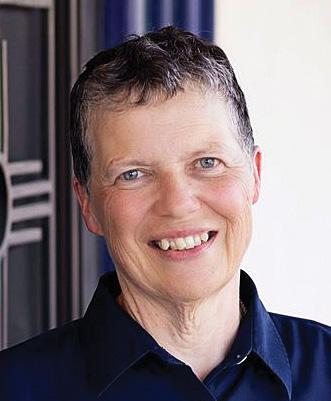
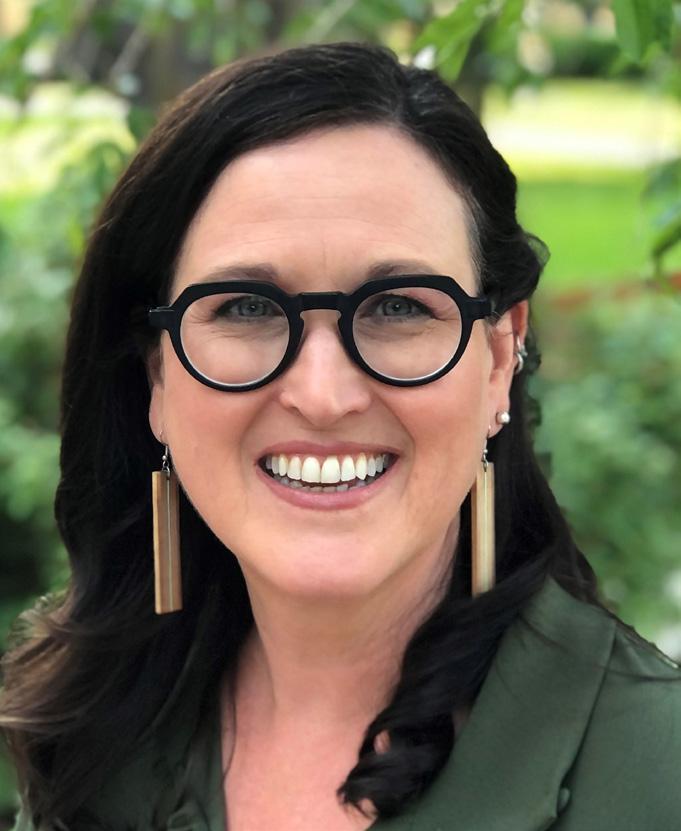
Julie Radico, PsyD, ABPP
Radico Psychological and Consultation Services, LLC
Jocelyn Turner-Musa, PhD Morgan State University (MD)
Mitch Prinstein, PhD, ABPP University of North Carolina–Chapel Hill
Do you have questions about the various career paths available, the realities of the job market, and how to make the most of your degree after you graduate? In this edition of our Three Heads ARE Better Than One series, our experts provide insights into the diverse career opportunities that await you. Discover practical advice, personal experiences, and valuable resources that will help you make informed decisions and confidently step into your professional journey.
What does the transition from graduate school to the workplace really look like?
Radico: I think this really depends on your area of specialty and if you are going to complete a postdoctoral fellowship. Depending on your state, and if you’re pursuing licensure, you may need postdoc hours or you may be able to count predoctoral hours, like your internship and practicum hours, to obtain licensure. A postdoc is a job, but also includes additional training and supervision requirements, so it can create more transitional time between graduate school and working on your own in the workplace.
Turner-Musa: Great question. It depends on the type of experiences you had during graduate school. For example, if you had an internship, externship, practicum, or relevant work experience while in graduate school, then the transition may be rather smooth because you would have practical experiences preparing you for work after graduate school. The possible difference is that expectations may be somewhat greater for a full-time employee compared to a student worker. In other words, you are no longer a trainee and expected to perform as such.
Prinstein: On the plus side, you may now be making a living wage. Start a savings plan immediately and max out on your retirement benefits (i.e., contribute as much as you are allowed to), and you will be very pleased in 30 years to see that you can retire early! The more challenging aspect,
of course, is that your work will be evaluated in new ways, depending on what kind of job you select. Many pick a first job for the type of work, location, or paycheck, but are most likely to be happy based on the people you surround yourself with and how well you think your talents are being used. Think critically about whether your job is making you happy.
How should graduates navigate underemployement or overqualification?
Radico: One of the really great things about being in the psychology profession is that you can work in many different specialty areas. If you are a licensed psychologist, you can open an independent practice and be self-employed. As a job candidate, you can also think creatively about how you might be able to contribute to a workplace in ways that the workplace hasn’t even considered. If you are overqualified for a position, you might be able to offer expanded services more than what they were looking for in a way that could justify a higher salary based on you being able to generate a higher revenue, or it might mean that the place is just not the right fit for you at that time. Think creatively and talk to other psychologists to learn about their journeys.
Turner-Musa: This question depends on your interests. If you are interested in acquiring more work experience or different types of work experiences post-graduate school, then underemployment might be beneficial to you in the long-term. My first job after graduate school was as an associate research professor/program director. When funding for the project ended, I decided to do a postdoctoral fellowship, which yielded a significant cut in my salary. Although underemployed in terms of salary, the educational and networking opportunities benefited me in the long-term.
Prinstein: Many graduates don’t get one job, but rather a collection of part-time gigs that allow you to do some adjunct teaching, consulting on a grant, perhaps some private practice and you can see what you
like and which opportunity has the most stability. This is also useful if you are balancing personal life changes at the same time you are getting your first job.
What
are emerging career paths for psychology graduates beyond academia?
Radico: This is a great question with so many answers! The American Psychological Association has a career guide that could be helpful as you explore.
Turner-Musa: The great thing about psychology is that your opportunities are limitless! Psychology can be part of just about any career path you can think of. According to the U.S. Bureau of Labor Statistics, the job outlook for psychologists is pretty good and projected to grow about 6% in the next 10 years. In terms of emerging career paths, industrial organizational psychology is growing. With the increase in mental health needs, clinical and counseling psychology remains a top career path. School psychology is also a growing field. With the growing interest and utilization of AI, cyberpsychology is an emerging career path. There are lots of opportunities outside of academia in psychology. Check out these resources provided by APA Division 1.
Prinstein: Here’s another great resource you can use to look at jobs for scientists across many different sectors with salaries and pros/cons: https://www.apa.org/science/programs/becoming-psychologicalscientist. Many of these careers are cyclical; academia goes in and out of fashion over time, so do government jobs as well as careers in industry.
How do you recommend balancing personal goals (e.g., family, location) with professional opportunities when choosing your first job?
Radico: There are economic realities when you are looking for a job. An ideal answer might be that you might want to search for something part-time, work as an independent practitioner to set your own hours, or find a workplace that offers you flexibility. Though sometimes the reality of needing a higher salary and health insurance benefits may be a critical motivator in your decision-making earlier in your career. You also might work at a place that provides a lower salary, but offers public service loan forgiveness. When you are interviewing for places, it’s important to be able to ask questions about the culture and to have conversations with other people who fill a similar job role in the company so that you can have a sense of what the demands look like and also some examples of how those who are already in that environment are realistically navigating it.
Turner-Musa: This depends on your situation. Are you single, partnered, do you have children, aging parents, etc. Do you prefer warm or cold climates? Are you looking for short-term or long-term opportunities? What are your salary needs? Are there opportunities for advancement? Professional development? Asking these questions and more will aid in choosing your first job. This is an important decision, and you want to make sure that the job meets your professional and personal needs.
Prinstein: Family (or the potential to find partners) comes first, in my opinion. We don’t wake up every day staring at our paystubs or reveling in titles and accomplishments. We are humans who thrive on connection and feeling a part of a community. I recommend choosing a job that offers you a chance for meaningful connections at work,
and a rich life outside of work, even if the pay is slightly lower than somewhere else.
What role do internships, postdocs, or fellowships play in shaping career opportunities after graduation?
Radico: Given the nature of the specialized area that I wanted to work, completing a postdoc was instrumental and me being able to get licensed, and also get my specific job in a family medicine department as a psychologist. Connecting back to networking, I was contacted by the family medicine program director where I ended up being employed, because the chair of the department of my postdoc shared my CV with a colleague of theirs. I still had to apply, go through rigorous interviews, and be qualified for that position, but the experience that I got from my postdoc and the generosity of others harnessing their warm connections for me gave me the chance to have that opportunity.
Turner-Musa: Internships, postdocs, or fellowships can play a significant role in shaping and leading to career opportunities after graduation. Not only can these experiences provide the requisite knowledge and skills needed for future jobs but can actually lead to job opportunities. In fact, my postdoc provided me with an opportunity to apply for and obtain a tenure-track position in academia, a position I hold to this day. Prinstein: My postdoc gave me lots of freedom to succeed or fall on my face, with a safety net still there to help and protect me when I was completely confused or on the wrong track. It was much easier to hit the ground running as a faculty member after having had so much autonomy on postdoc, and it was another outstanding chance to grow my network and learn from others.
Julie Radico, PsyD, ABPP, is a Pennsylvania licensed clinical psychologist, board-certified in clinical health psychology. She has extensive experience in multidisciplinary patient-centered clinical care, education, research, wellness, and leadership. She earned her doctoral degree in clinical psychology and master’s degrees (clinical psychology & counseling and clinical health psychology) at the Philadelphia College of Osteopathic Medicine. Dr. Radico completed her postdoctoral fellowship in the department of Family Medicine at the University of Mississippi Medical Center. Dr. Radico serves in leadership positions for the American Psychological Association, Pennsylvania Psychological Association, American Academy of Clinical Health Psychology, APA Society for Health Psychologists, and the Society of Teachers of Family Medicine (STFM).
Jocelyn Turner-Musa, PhD, is a professor and chairperson of the Department of Psychology at Morgan State University (MSU) in Baltimore, MD. She is the director of student training in the MSU ASCEND Center for Biomedical Research, funded by the National Institutes of Health. She is also a member of the American Psychological Association and is Past-President of Division 1, The Society for General Psychology. Her research focuses on understanding the role of psychological and social factors on disease management and health promotion. Dr. Turner-Musa has received numerous awards including an American Fellows Award from the American Association of University Women.
Mitch Prinstein, PhD, ABPP, is the Chief Science Officer of the American Psychological Association and the John Van Seters Distinguished Professor of Psychology and Neuroscience at the University of North Carolina at Chapel Hill. He has published over 150 peer-reviewed papers and nine books, including The Portable Mentor: Expert Guide to a Career in Psychology.
Building a Positive Academic Self-Concept: A Guide for Students
Ronald Stolberg, PhD Alliant International University
To become truly invested in your learning, it’s crucial to develop a positive academic self-concept. When encouraging people to become invested in learning, it is very important to help them develop a positive academic self-concept. Your academic self-concept is the way you identify with what type of student you are. It is how you would describe yourself as a student. Every person has many different aspects to their overall self-concept and likely identifies with each aspect differently. For example, a person will identify with their athletic, artistic, musical, social, emotional, or academic self-concept in different ways. A person might identify with being “really creative” or “bad at art” when thinking about their artistic self-concept or “really friendly” or “a loner” when thinking about their social self-concept. Although there are numerous aspects to a person’s self-concept, the academic self-concept tends to be the most ingrained and difficult to change once it is established.
When thinking about your own academic self-concept, you are likely to have a quick answer to the question about what type of student you were. College students will often make comments like, “I was never good at math,” “I was always smart in school,” “I wasn’t a good student,” “School was easy,” or “Teachers never liked me.” Very often, how children see themselves as a student comes from the objective markers we use to evaluate them (i.e., their grades). Because school poses multiple challenges for students, it offers many opportunities for you to shape how you view yourself as a student. Students begin to define their academic self-concept early on, usually by comparing themselves to other students. For example, if a child in elementary school cannot complete math problems as quickly as their peers, weekly timed tests can become a source of frustration. If they are not at one of the top levels in the class, parents may begin to hear, “I am not good at math” or “I am not one of the smart kids.” How quickly a child can complete a math sheet is in no way indicative of whether they are “good at math” or
“smart,” but this is the message that the child internalizes. These comparisons happen all the time. They may have even shaped your academic self-concept.
One of the best ways to build a positive academic self-concept is to focus on achievements as a whole, rather than just grades. Achievements can be defined or identified by the effort, consideration, sensitivity, and awareness you bring to your schoolwork and related school requirements. In addition to understanding that a specific skill does not define you, there are many more amazing personality traits that you possess if you pay attention. I suggest identifying and naming positive traits so that you become consciously aware of them. “Wow, I worked really hard on that assignment, I am very proud of my effort,” “I’m doing such a good job of getting started early on my big assignments, and that takes a lot of self-discipline and has been super helpful,” or “I love expressing myself through my creative writing opportunities, and I have so many ideas to share.” These are great ways to examine and name your academic strengths, giving you confidence that you are a capable academic.
The following tips offer suggestions on ways to strengthen your college accomplishments and related academic self-concept.
Do your homework (no not that homework).
A few weeks before registration, take some time to do your homework on the classes you need, when they are being offered, who is teaching them, and what prerequisites are required or
Create a manageable schedule.
Try to find a balanced schedule.
It is also important to be strategic about when you take your most difficult classes. I always recommend taking one hard class each semester and trying to avoid having a semester with several of your most difficult classes. When you have a balanced schedule, you will find that there is ample time to contribute to the “hard class.” When you have several of them in the same semester or quarter, it is more common to fall behind and struggle to find time for all the difficult coursework. Spread the hardest classes
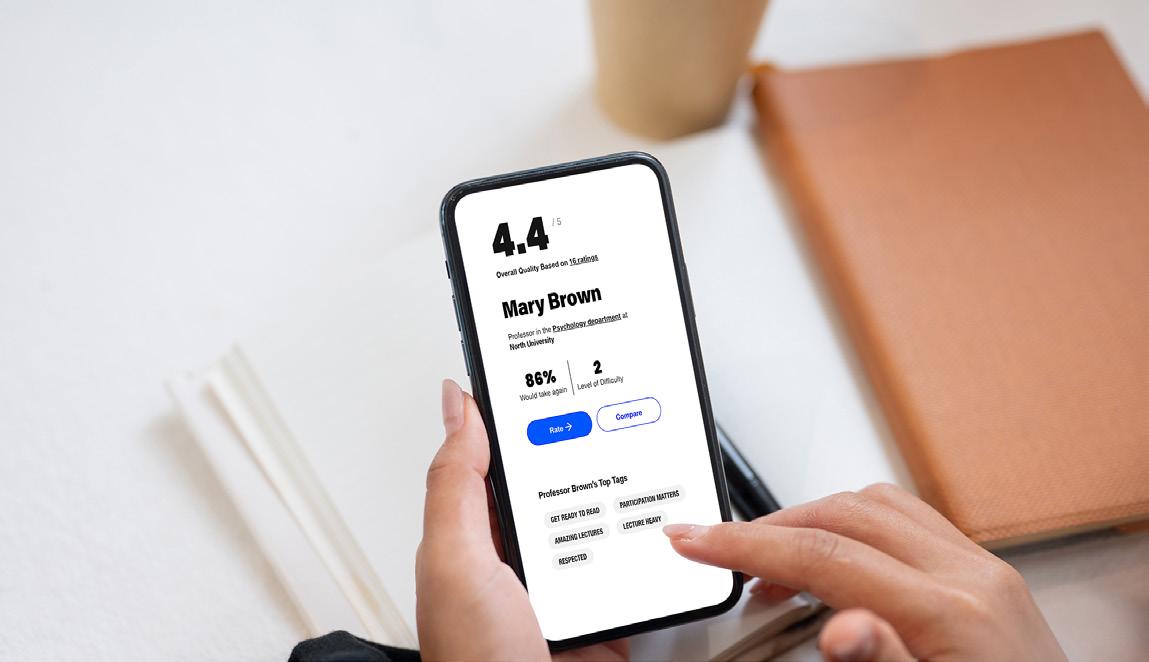
Use online review services to pick the best instructors.
You know you must study for an exam or quiz, but did you know you should study to find out which instructors have the best reputation before registering for a course? Do you like challenging but fair courses? Are you looking for an instructor that is very well organized? Maybe you like classes that have more reading and less lecture time? These are all qualities you can find out by doing a little online homework about the ratings for each of the faculty teaching classes you plan to take. By selecting an instructor that is a good match for you, it should lead to more success and academic self-esteem.
You know what works best for you, so give yourself a schedule that optimizes your personality. Are you a morning person who just seems to wake up when the sun rises and prefers to get things done early in the day? If so, focus on getting classes that meet your natural flow and strengths. Some people have a hard time getting going in the morning. If this is you, then focus on classes that start after lunch. This will let you sleep in, study a bit before class, and get some food to set you up for academic success.
Schedule breaks between classes.
You will find that having a break between classes is a great strategy for resting your brain, finding some nutrition, and getting your body moving. All of these will contribute to better attention and success in the classroom. It will also give you a little time to prepare better for class (previewing PowerPoints, notes, this week’s readings, and even reviewing for an exam).
Tell people about your successes.
Finally, the best way to develop a positive academic self-concept is to cel ebrate your successes. Tell your friends when you get a good score or grade on something. Send a text to your family about how great you are doing at school this semester. When you do well, you tend to enjoy it more. And when you are enjoying yourself and being successful, it’s great news to share Remember, your academic self-concept is important and encompasses a lot more than just your grades. Give yourself credit for organizing a balanced schedule, one that spreads out the hardest courses, and for finding the instructors that are a great fit for your leaning style. Then share your success with the people who are supporting you on your academic journey.
Ronald A. Stolberg, PhD, is a professor and associate program director for the Clinical PsyD doctoral program at the California School of Professional Psychology at Alliant International University in San Diego. In addition, he maintains a private practice focusing on family therapy with adolescents and young adults. His favorite work is helping students and their families with the transition from high school to college.
How to Work With People You Don’t Agree With (and Not Lose Your Mind)
Diane A. Safer, PhD Albert Einstein College of Medicine (NY)
When your professor or boss cheerfully announces, “This will be a team project,” do you immediately feel your heart sink straight into the pit of your stomach? Group work can be social and interesting, of course, but it can also be … a lot. Everyone brings their own personality, work style, and pace, and those differences don’t always blend as smoothly as we’d like when working as a team. Whether it’s a class assignment or a workplace project, the challenge is basically the same. Even if most people on your team are great, eventually you’ll end up
working with someone you just don’t see eye-to-eye with, and it will be challenging.
So what do you do when conflict pops up, as it inevitably does? How do you show up as the best, capable version of yourself on the outside while feeling stressed and drained on the inside? This article shares a few practical ideas, doable things based on findings in psychology, that you can try to help you navigate those tricky moments without negatively affecting the project, damaging the relationship, or losing your sanity.
Why Disagreement Feels So Personal
Before we jump into the strategies, it helps to know why these disagreements feel so … personal. Here’s the thing: Disagreements feel personal because our brains are wired that way. Our brains are basically wired to make snap judgments about everyone around us. And this affects us when we work in a group or on a team:
• We automatically tend to categorize people into “us” and “them.”
Social identity theory (Islam, 2014; Tajfel & Turner, 1979 ) suggests that people define their identities by the social groups to which they belong. We instinctively place greater trust and have a positive bias in our view of the people who we see as part of our group and we see more of the negative qualities of outsiders.
• We assume we’re right (and they’re wrong).
Confirmation bias makes us interpret things in a way that fits with our existing beliefs (Nickerson, 1998). So when we have a disagreement or aren’t seeing eye-to-eye with another person, we may interpret this to mean that they are wrong because our perspective is the “correct” one.
• We misread intent.
The fundamental attribution error (Ross, 1977) explains that, when assessing an interaction or situation, people tend to overly rely on personal characteristics, compared to context or situational clues. So when there is a conflict or disagreement, we might assume others are difficult because of who they are, not because of the situation or any pressures they might be under.
Your brain is only trying to help by using the strategies it always uses to make sense of the world. Unfortunately, this doesn’t always work. However, being aware of these automatic responses is an important first step to find solutions. And once you see these patterns, it becomes clearer that the real issue isn’t conflict itself.
Not All Conflict Is Bad
First, it’s important to understand that sometimes disagreement can actually lead to very positive results. Research shows that the diversity of a team has a positive impact on team performance (Horwitz & Horwitz, 2007; Rock & Grant, 2016). According to a 2015 McKinsey report (Hunt et al., 2015), diverse teams achieved higher financial returns. Diversity brings a wider range of perspectives, and these different views on how to approach a task, often referred to as task conflict, can lead to constructive debating of different ideas, questioning the status quo, and exploring new ways to do things.
However, when the disagreement and tension arise from interpersonal differences, also known as relationship conflict, things feel more personal. Relationship conflict is due to differences in such things as personality, communication, and work styles. This type of conflict is also more emotional, adding to stress, dissatisfaction, and ultimately negatively affecting the team’s performance (de Wit et al., 2012).
So, the goal isn’t to avoid all conflict. It’s to keep the focus on the task or assignment and to avoid interpersonal conflict. Of course that is easier said than done. To prevent a personal clash, you need to know what to do when you’re in the middle of one. Having a few psychology-backed tools in your toolkit can help. Here are five skills, grounded in research, to help you handle conflict effectively:
1. Perspective-Taking. Perspective-taking isn’t about giving up your own viewpoint. It’s about stepping into someone else’s shoes, gathering more context, and seeing what’s driving their perspective before deciding how to respond. Research shows that perspective-taking can improve communication and reduce tension in social conflicts (Galinsky et al., 2011). Often, once you understand what’s motivating their position, the disagreement feels far less personal and working with them is much easier.
Focus on: Seeing the situation through the other person’s eyes to reduce misunderstanding and to make collaboration easier.
• Ask clarifying questions to understand their perspective: “Can you walk me through how you’re seeing this?”
• Summarize or paraphrase what they said to check your understanding: “So what I hear you saying is …”.
2. Emotional Regulation. Conflict triggers frustration and stress. This reaction is totally normal. It’s what you do with it that matters. Research on emotion regulation (Gross, 2002) shows that pausing, naming your emotions, and reframing the situation can keep tense interactions from spiraling and help you stay grounded and effective.
Focus on: Staying grounded and managing your reactions to prevent escalation during conflict.
• Pause for a few seconds before responding and then notice and label your emotions: “I’m feeling frustrated right now.”
• Do something to calm yourself before speaking, then reframe the situation to shift from frustration to curiosity: “I’d like to understand why you are suggesting this …” or “Were you hoping to go in a different direction with this?”
3. Emotionally Intelligent Communication. Effective communication is one of the most important tools for managing disagreements. Clear, thoughtful communication helps prevent frustration and keeps discussions focused on the task rather than turning personal. Rosenberg (2015) suggests considering the key principles of what he calls nonviolent communication: clarity, curiosity, and collaboration to reduce misunderstandings and keep disagreements from escalating. This approach emphasizes empathy, sensitivity to others’ emotions and needs, and allows you to express your own feelings without blame.
Focus on: Understanding and connecting with the other person to reduce escalation.
• Express your needs clearly, respectfully, and without aggression, using “I” statements to prevent blame and defensiveness: “I feel concerned when …”
• Use concrete behavioral descriptions instead of judgments: “The deadline changed twice …” instead of “You’re disorganized …”
• Offer shared problem-solving: “Let’s figure out how to make this work for both of us.”
4. Mindful Assertiveness. Mindful assertiveness involves staying grounded during tense exchanges and confidently communicating your own needs and boundaries while remaining respectful. Being mindfully assertive is less about managing the other person’s emotions and more about advocating yourself clearly and calmly.
Focus on: Asserting your needs and boundaries without aggression.
• Say: “I’d like to share my perspective and hear yours so we can find a solution.”
• Practice stating your boundaries respectfully: “I can’t take this on right now, but here’s what I can do …”
5. Conflict Style Awareness. According to the Thomas-Kilmann model (1974), people tend to gravitate toward certain conflict-handling styles. These styles are a combination of two dimensions: assertiveness (how much you try to satisfy your own needs) and cooperativeness (how much you try to satisfy the other person’s needs). The model presents 5 styles: avoiding, accommodating, competing, compromising, or collaborating. Consider what is your default automatic reaction to conflict: shutting down, getting defensive, over-accommodating, or trying to win? The key is self-awareness and using that information to choose the most effective response.
Focus on: Understanding your default conflict style so you can respond intentionally for better outcomes.
• Ask yourself what matters most to you and find out what is most important for them.
• Say: “We both want this project to succeed. How can we make that happen together?”
Here’s how to put the skills into action. Take the five skills above and turn them into small, practical steps you can use in real conversations, especially when things get tense or during a difficult meeting, to keep discussions productive:
• Before responding, ask one curiosity-based question.
• Take a short pause if emotions begin to run hot.
• Repeat back what you think you heard to check for misunderstandings.
• Switch communication channels, such as moving from email to a quick call, to reduce misinterpretation.
• Before heading into a tough conversation, take a moment to write down the shared goal(s).
These small steps to understand others, manage yourself, communicate clearly, choose the best way to connect, and clarify shared goals, can turn tense conversations into productive ones.
Turn Conflict Into Opportunity
The next time a group project or any collaboration brings that familiar feeling of dread, remember conflict is normal and can even be productive. Disagreement doesn’t mean something went wrong, It’s an opportunity for you to use what you know about behavior and emotions to decide how to listen, react, and collaborate. If you can work well with people you don’t agree with, you’ve got a real competitive advantage and you’re building a skill that will serve you for the rest of your career.
References
de Wit, F. R. C., Greer, L. L., & Jehn, K. A. (2012). The paradox of intragroup conflict: A meta-analysis. Journal of Applied
Galinsky, A. D., Gilin, D., & Maddux, W. W. (2011). Using both your head and your heart: The role of perspective taking and empathy in resolving social conflict. In J. P. Forgas, A. W. Kruglanski, & K. D. Williams (Eds.), The psychology of social conflict and aggression (1st ed., pp. 103–118). Psychology Press.
Gross, J. J. (2002). Emotion regulation: Affective, cognitive, and social consequences. Psychophysiology, 39 (3), 281–291. https://doi.org/10.1017/s0048577201393198
Horwitz, S., & Horwitz, I. (2007). The effects of team diversity on team outcomes: A meta-analytic review of team demography. Journal of Management, 33 https://doi.org/10.1177/0149206307308587
Hunt, V., Layton, D., & Prince, S. (2015). Why diversity matters https://www.mckinsey.com/capabilities/ people-and-organizational-performance/our-insights/why-diversity-matters
Islam, G. (2014). Social identity theory. In T. Teo (Ed.), Encyclopedia of critical psychology (pp. 1781–1783). Springer. Nickerson, R. S. (1998). Confirmation bias: A ubiquitous phenomenon in many guises. Review of General Psychology, 2 (2), 175–220. https://doi.org/10.1037/1089-2680.2.2.175
Rock, D., & Grant, H. (2016, November 4, 2016). Why diverse teams are smarter. Harvard Business Review https://hbr.org/2016/11/why-diverse-teams-are-smarter
Rosenberg, M. B. (2015). Nonviolent communication: A language of life. (3rd ed.). PuddleDancer Press. Ross, L. D. (1977). The intuitive psychologist and his shortcomings: Distortions in the attribution process. In L. Berkowitz (Ed.), Advances in experimental social psychology (Vol. 10, pp. 174–221). Academic Press. Tajfel, H., & Turner, J. C. (1979 ). An integrative theory of intergroup conflict. In W. G. A. S. Worchel (Ed.), The social psychology of inter-group relations (pp. 33–47). Brooks/Cole.
Diane A. Safer, PhD, is the inaugural director of career and professional development for graduate students and postdocs and an assistant professor in the Department of Psychiatry and Behavioral Services at Albert Einstein College of Medicine in the Bronx, NY. A former business professional with more than 20 years of experience in PR firms serving healthcare/biotech companies, Diane ran her own information consulting company for 10 years before moving to career and professional development. Dr. Safer is actively engaged with national organizations that support graduate education, research training, and career development, including the AAMC Graduate Research Education and Training (GREAT) Group, the Graduate Career Consortium (GCC), and the National Postdoctoral Association (NPA). Diane completed her BA in psychology at the University of Wisconsin-Madison and earned her MA and PhD in social psychology at Columbia University in New York, NY.
Performance Psychology: A Competitive New Field Looking for High Performers
Ethan A. McMahan, PhD Western Oregon University
Welcome dear readers. If this is your first time reading my column, you are in for a treat. If you are a returning reader, you are also in for a treat. Actually, you are all in for a treat. What kind of treat, you ask? One that many of you will enjoy and, hopefully, one that a few of you will take into serious consideration. Why, you ask? Because I am going to propose the development of a new subfield of psychology. Or, as these things have historically gone, I am going to identify an area of inquiry within psychology, describe this area of inquiry, and state with some qualification that this is a distinctive area of psychology. Then, I will state that this area is broad enough in scope, unique enough in flavor, and so full of ripe research opportunities that it very well might be its own little nascent subfield in psych. This brand new, infant-like subfield of psychology is (drumroll) performance psychology: A field focused on the psychological factors that impact performance in a variety of contexts such as sports, business, performing arts, medicine, and, more broadly,
any situation where performance is a salient component of an individual’s behavior.
“Woah, woah, woah…” you might remark. “You can’t just make up a field.”
“Well, I just did though. Just now.” I could respond.
“But, that field isn’t even new. Performance has been a focus of sport psychology since the beginning.”
“True, but I am proposing something broader than that. Performance is important in a lot of different contexts; not just sports.”
“Isn’t this sort of thing examined in I/O psychology too? It still doesn’t seem new.”
“I suppose it isn’t new, really. It is more of a synthesis of related topics, literature, and research—one that provides a framework for understanding a key facet of human functioning, namely performance.”
One important thing to note about the existing subfields of psychology is that they did not appear out of nowhere, fully formed
and brand new. They came about in intellectual environments where relevant topics narrower than existing broader fields were deemed important enough in their own right to deserve dedicated study (e.g., social psychology is narrower than psychology in general but broad enough to warrant special attention). Additionally, subfields often develop at the intersections of two or more broader fields, where some narrow topic happens to be relevant to all fields involved. For example, forensic psychology emerged from thinking and research in psychology, law, and criminal justice. Sport psychology came from psych, health, and exercise science, among other fields.
So, my proposal for a new subfield in psychology is, actually, not that outlandish. But, in addition to the identification of a particular area of study, another key milestone of subfield development is acceptance of the existing academic community. Since you, dear readers, are part of the academic community, I hope you will seriously consider this proposal and accept performance psychology into the community of psychology subfields.
A First Speech
Performance, in this context, has two meanings. Performance is the (a) execution of an action, task, or function (i.e., an individual or group is doing something) and (b) the extent to which that action, task, or function is completed relative to current expectations, goals, or standards (i.e., how well that thing is done).
Performance psychology may be concerned with either or both types of performance, and the field examines both individual performance and group/team performance.
Now then, with the above said, performance psychology is the study and practical application of the psychological principles
that impact performance, particularly within high-stakes, competitive, or potentially stressful environments. This field explores how thoughts, feelings, motivations, and skills influence success in both individual and team settings. It focuses on important psychological components of performance, such as attention, confidence, stress regulation, decision-making, resilience, and emotional management and how these may impact performance outcomes. Notably, performance psychology isn’t limited to the study of elite performers and performances; its principles are applicable to any situation involving important or demanding goals and/or those with clearly defined expected outcomes (e.g., a student completing a final exam). In an applied sense, performance psychology focuses on the understanding and optimization of individual or group behavior in the interest of improving outcomes in any domain where performance matters.
As noted, like all scientific subfields, performance psychology hasn’t just appeared out of nowhere … like a particularly scientific-looking rabbit out of a particularly studious magician’s hat. There is a long history of studying performance both within and outside of psychology. For example, Carl Friedrich Koch (1830) examined the relationship between calisthenic training and psychological states (e.g., mood) and is largely credited with introducing psychological perspectives to physical training. In the late 1800s, Wilhelm Wundt (i.e., the father of experimental psychology) established the first psychology laboratory where some of the earliest experiments on mental factors affecting performance were conducted. Triplett (1898) is credited with the first recognized sport psychology experiment, finding that competitive cyclists performed better when racing against others compared to riding alone.1 Other early research examined related topics, such as hypnosis and its effect on endurance (Rieger, 1884), and mental fatigue’s impact on physical performance (Mosso, 1891).
Beyond that, much of development in performance psychology during the 20th century was centered within sport psychology and correspondingly followed the trajectory of that particular field.2 But, researchers in several other fields were also studying topics relevant to performance (e.g., the study of work performance in I/O psychology), and the scope of domains examined with respect to how psychological factors impact performance has broadened beyond sports to include performing arts, the military, business, emergency response, medicine, and other areas.
Picking the Right Line
The study of performance psychology, as conceptualized here, is a vibrant interdisciplinary area of inquiry concerned with understanding the psychological factors that drive excellence and resilience in demanding contexts. And, although the field is new, current work is supported by decades of relevant research, experimentation, and real-world application. Notably, the areas of research and application within performance psychology reflect its diverse history and address many different topics.
For example, performance psychology can focus on development and application of skills like goal setting, concentration, imagery, self-talk, and routines for optimal performance in many
1This one may sound familiar as it is also discussed in the section on social facilitation in nearly every social psychology textbook ever published.
2For a passable review of the field of sport psychology, see McMahan (2018).
domains. Much research involves understanding and enhancing the sources of motivation, self-confidence, and self-efficacy to improve individual and team performance. Stress and anxiety affect performance, and a great deal of work involves assessing and intervening in the management of stress and performance anxiety, as well as improving emotional control during high-pressure events. A performance psychologist might focus on improving team cohesion, communication, leadership, and group functioning for effective performance, or they might help performers’ manage difficult situations, such as supporting recovery from injury, encouraging adaptive psychological response to setbacks, and assisting with career changes and retirement.
A key area in the field is the application of performance psychology to fields like the military, medicine, law enforcement, emergency response, and aviation, where optimal functioning under stress is literally a life-or-death matter. Performance is also important in the performing arts, so performance psychologists can work with musicians, dancers, actors, and other creative professionals to manage performance pressure and sustain creativity. More broadly, performance psychologists may focus on mental health promotion, preventing burnout, and supporting overall well-being for sustained high-level performance. Additionally, performance psychologists may work in industrial/organizational psychology, focusing on organizational performance, enhancing leadership skills, organizational effectiveness, positive work climates, and the psychological development of leaders.
In line with the above, common specializations and topics include work with athletes, artists, business professionals, and those in high-stress occupations, as well as focused interventions on psychological skills and well-being.
Mastering the Choreography
A number of careers are available to those interested in performance psychology, whether they want to work with athletes, artists, business professionals, those in high-stress occupations, or they are interested in the development and implementation of interventions encouraging psychological skills and well-being. One can be a sport psychologist, a coach, or trainer. One can be a certified performance consultant for business, organizations, or individuals. One can work in human resources and focus on employee performance. There is a need for folks who focus on performance in emergency situations (e.g., disasters, military conflict, etc.) and advise professionals in emergency services, military, medicine, and law enforcement about resilience, stress management, and optimal performance under pressure. Or, as always with an academic field, one can work as a researcher or university faculty and investigate a variety of topics.
To become a professional in the above fields, the typical path involves several years of education, professional training, and possibly credentialing. Most folks start with a bachelor’s degree in psychology or a closely related field, such as kinesiology (for a more sport psychology flavor) or business (for those interested in workplace performance). For some positions, this may be enough formal education (e.g., an athletic trainer). Depending on the job, some pursue a master’s degree with a particular focus, such as sport psychology, I/O psychology, counseling psychology, or clinical psychology. For many professional positions, a doctoral degree is required. For example, one would need a PhD to work
as a professor or to work as a performance-oriented clinical or counseling psychologist. Many jobs also require some type of licensure or certification, as well as ongoing continuing education.
Completing the Final Act
I have written 22 articles on different subfields within psychology, and this is my 23rd. That’s a lot of writing. One of the things that I have come to appreciate during all this writing is that, at some level, all the different subfields are related to one another, and they overlap substantially. And, there is a good chance that any particular topic one is interested in is relevant to and addressed by many different subfields in different ways. Emotion regulation, for example, is addressed in developmental psychology, social psychology, biopsychology, clinical psychology, and I could go on for a really long time because emotion regulation has been talked about a lot. Why? Emotion regulation, like many all aspects of human behavior, is exceedingly complex, multifaceted, and important for functioning.
Performance is also complex, multifaceted, and important for functioning. Indeed, an argument could be made that most of our behavior is in the service of some type of performance, whether that be at work, parenting, or as the lead actor in your local community theatre. Performance is central to human behavior and experience, and we know a lot about performance within particular domains. But, because this work has occurred in relative isolation in specific contexts (e.g., in sports, at work, in battle), there is still much we don’t know. Integration and consolidation across different domains and under the larger umbrella of performance psychology will at once allow for a more comprehensive yet nuanced understanding of this topic and the development of more accurate theoretical models aimed at explaining optimal human performance and functioning.
So, get out there. Get in on the ground floor. The field is open to you. And, I have no doubt that you will perform splendidly.
References
Koch, C. F. (1830). Die Gymnastik aus dem Gesichtspunkte der Diätetik und Psychologie [Callisthenics from the Viewpoint of Dietetics and Psychology]. Creutz.
McMahan, E. A. (2018, Fall). Sport psychology: Explicitly linking the body and the mind. Eye on Psi Chi, 23 (1), 6–8. https://doi.org/10.24839/2164-9812.Eye23.1.6
Mosso A. (1903). La fatigue: Intellectuel et physique Alcan.
Rieger, C., & Virchow, H. (1884). Der Hypnotismus; psychiatrische Beiträge zur Kenntniss der sogenannten hypnotischen Zustände [Hypnotism: Psychiatric contributions to the knowledge of the so-called hypnotic states]. Fischer.
Triplett, N. (1898). The dynamogenic factors in pacemaking and competition. The American Journal of Psychology, 9 (4), 507–533. https://doi.org/10.2307/1412188
Ethan A. McMahan, PhD, is a professor in the Department of Psychological Sciences at Western Oregon University where he teaches courses in research methods, advanced research methods, and positive psychology. He is passionate about undergraduate education in psychology and has served Psi Chi members in several ways over the last few years, including as a faculty advisor, Psi Chi Western Region Steering Committee Member, Grants Chair, and most recently, as the Western Regional Vice-President of Psi Chi. His research interests focus on the relationship between nature and human well-being. His recent work examines how exposure to immersive simulations of natural environments impact concurrent emotional state and, more broadly, how regular contact with natural environments may be one route by which individuals achieve optimal feeling and functioning. He has published in the Journal of Positive Psychology the Journal of Happiness Studies, Personality and Individual Differences, and Ecopsychology, among other publications. He completed his undergraduate training at the University of Colorado at Colorado Springs and holds a PhD in experimental psychology from the University of Wyoming.
The Power of the Palette: Exploring Color Symbolism in Popular Culture
Jill M. Swirsky, PhD Holy Family University
Note: While this article draws inspiration from psychological science, it takes substantial creative license and is intended to offer an engaging perspective on color symbolism in popular culture rather than present rigorous scientific conclusions. Additionally, the selection of characters explored here is intended to be illustrative rather than exhaustive.
In popular culture, color serves as a powerful visual shorthand. Filmmakers, writers, and designers often intentionally use color choices in characters’ skin tones, hair, and clothing to evoke emotional responses, signify personality traits, and distinguish between moral alignments like good and bad.
Warm colors (red, orange, yellow) are frequently associated with passion, excitement, and positivity but can also carry warnings of danger or caution. Cooler colors (blue, green, purple) often convey calmness, trust, and stability, though they may also suggest sadness or isolation. These color associations are not mere artistic preferences but are grounded in science; the field of color psychology examines how colors influence human mood and behavior (see Elliot, 2015, for a helpful review). By leveraging this “color communication,” storytellers and designers can communicate complex emotional and motivational clues without dialogue or exposition, establishing color as a powerful and effective language.
Seeing Red: Love, Power, and Aggression
The color red is linked to a wide range of intense emotions and physiological reactions. One explanation for this association is that red is one of the most visible colors in the color spectrum, making it noticeable and attention grabbing (Cherry, 2025b). Another theory is that blood flow increases to the face during emotional arousal, causing a visible reddening of the skin. This reaction may help explain why red is frequently tied to love, power, and anger (Elliot, 2015).
Love/Attraction: Red is the color most strongly associated with attraction and vitality, often used to convey both affection and boldness. Ariel from The Little Mermaid embodies this through her vibrant red hair, which reflects her fiery spirit. Similarly, Minnie Mouse’s iconic red dress and bow capture warmth, flirtation, and enduring romantic charm alongside Mickey Mouse (Disney). Jessica Rabbit’s sparkly red gown and vivid hair evoke allure and confidence, making her a timeless emblem of glamour and desire (Who Framed Roger Rabbit). Psychological research supports these associations: People tend to rate themselves and others as more attractive when wearing red, underscoring the color’s link to passion, confidence, and romance (Berthold et al., 2017).
Power/Dominance: The color red also symbolizes power and leadership, commonly used to represent heroes with bold, dynamic traits. The Red Power Ranger is a prime example, frequently depicted as the courageous leader who embodies bravery and the drive to take action (the Mighty Morphin Power Rangers). Characters like Mr. Incredible (The Incredibles) use red to signify strength and heroic virtue as protectors and champions. The red-and-gold armor of Marvel’s Iron Man epitomizes confidence, authority, and heroic leadership. In Sleeping Beauty, the red fairy (Flora) is the leader among the trio of good fairies, taking charge during key moments. Similarly, in the Harry Potter series, Gryffindor house, represented by red and gold, symbolizes passion, courage, and ambition, embodying the fiery spirit and bold leadership qualities of its members. In fact, scientists have long recognized a link between wearing red sports uniforms and performance in dominance-based sports (although recent research suggests that this effect may not be as robust as was once thought; Goldschmied et al., 2023).
Anger/Aggression: Alongside its positive associations, red also represents anger, aggression, and dominance, often signaling danger or warning. For example, red is used universally in stop
signs, fire engines, and alarms to prompt immediate caution or action. In fact, the personified emotion of Anger from Inside Out is red with flames erupting from his head when he loses his temper. Depicted wearing a red mask, Raphael (Teenage Mutant Ninja Turtles) also displays an impulsive, fiery temper. This aligns with research suggesting that the color red can serve as a cue indicating a higher likelihood of aggression among human males (the effects were not there for females; Wiedemann et al., 2015). This connection between the color red and anger or aggression also explains why red is often used to denote villains. Consider how Red Skull (Captain America) and Darth Maul (Star Wars) use red as a symbol of menace, anger, and evil. The Disney franchise is no exception, with villains like The Queen of Hearts (Alice in Wonderland ), Jafar (Aladdin), and Captain Hook (Peter Pan) dressed in red clothing to denote their villain status.
Mellow Yellow: Happiness and Humor
The color yellow is psychologically associated with warmth, happiness, optimism, and humor. Its bright, attention-grabbing quality promotes feelings of energy and enthusiasm, often lifting moods and fostering confidence and positivity. In color psychology, yellow is thought to stimulate mental agility and creativity, encouraging free-flowing ideas and an inquisitive mindset (Al-Ayash et al., 2015; Cherry, 2025a).
Happiness/Warmth: Characters like Charlie Brown (Peanuts), Pikachu (Pokémon), and Winnie the Pooh (Disney) use their bright yellow coloring to convey enthusiasm, friendliness, and playfulness. Joy from Inside Out (the literal embodiment of happiness) has yellow skin and often radiates a warm golden glow. In children’s media, Big Bird and Bert from Sesame Street further illustrate yellow’s expressive range: Big Bird’s vibrant feathers symbolize curiosity, optimism, and childlike wonder, while Bert’s more muted yellow tone reflects steadiness, reliability, and down-toearth warmth. Within the wizarding world, the Hogwarts house of Hufflepuff is represented by yellow and is often described as embodying warmth, loyalty, and a strong sense of fairness.
Humor/Silliness: Yellow is also used to evoke humor, playfulness, and lighthearted silliness. Characters such as Homer and Bart Simpson (The Simpsons), SpongeBob SquarePants (SpongeBob SquarePants), Tweety Bird (Looney Tunes), Pluto (Disney), the Minions (Despicable Me), and Flounder (The Little Mermaid ) all embody comedic energy and levity. Taken together, yellow characters capture a sense of fun and energy, and optimism, showing how this color visually communicates joy and humor across media.
A Green Thumb or Green With Envy?
The color green was perhaps the most complicated, having a wide array of associations. Green is often associated with balance, renewal, and tranquility. It evokes feelings of calmness and relaxation, often helping to reduce stress and anxiety, which is why green is frequently used in healthcare and wellness environments (Tabanejad, 2024). The strong connection to nature and growth symbolizes life, fertility, and health, fostering a sense of safety and stability. Additionally, green is linked to harmony and mental clarity, enhancing focus and encouraging positive, nurturing emotions. However, green can also carry connotations of envy or possessiveness, and even evil, reflecting its complex psychological impact that balances both positive and negative associations (Cherry, 2025c).
Balance/Calm: Green is commonly used to embody themes of balance and harmony. Kermit the Frog exemplifies calmness, offering a steady and relatable presence amid the often chaotic energy of his fellow Muppets. Jiminy Cricket (Pinocchio) serves as a moral compass, steering the protagonist toward ethical choices and self-awareness. Yoda (Star Wars) represents spiritual harmony, reflecting the importance of inner peace and balance in the Force. The Teenage Mutant Ninja Turtles further represent harmony and teamwork as they help each other adapt to challenges, while the green fairy, Fauna (Sleeping Beauty) serves as the peacekeeper among the trio of fairies. Though she begins as a ruthless assassin, Gamora (Marvel) grows into the moral compass of the Guardians of the Galaxy, embodying green’s symbolic balance between strength, compassion, and inner harmony. These green characters collectively portray the ongoing quest for equilibrium in their narratives.
Nature: The color green is also widely used to symbolize nature and growth, reflecting themes of renewal and vitality. This is somewhat unsurprising given that green is the color of growing things. Te Fiti, the lush, green island goddess from Moana, embodies renewal, nurturing, and the deep connection between nature and life itself, symbolizing the cycle of growth and restoration. In the realm of comics, Poison Ivy (DC) represents a strong connection to nature; as a botanist transformed by toxic chemicals, she gains plant-like abilities that allow her to control plant life, create toxins, and manipulate pheromones. Another on-the-nose example is the titular character from the 90s sitcom Captain Planet, who brings this symbolism to life as an eco-superhero, summoned by the pow-
ers of the Planeteers to protect the Earth. Together, these characters illustrate green’s powerful association with nature and growth.
Mischief/Playfulness: Green is also used to symbolize mischief, capturing playful, spirited, and sometimes sly or rebellious behavior. Characters like Mike Wazowski (Monsters, Inc.) embody this trait through witty humor and energetic antics, while Shrek’s cheeky defiance and big-hearted individuality mark him as a green-colored misfit who challenges conventions with charm. Peter Pan’s iconic green outfit under scores his eternal youth and impish spirit, always ready for adventure and playful trouble. The Green Power Ranger extends this symbolism through bold independence and a streak of unpredictability, while Robin Hood’s forest-green attire reflects his clever, daring resistance to authority and his mischievous generosity. Ultimately, green emerges as the color of freedom: a reminder that playfulness and rebellion can coexist with heart and heroism.
Envy/Disgust: In addition to its more positive associations, green can also symbolize negative emotions such as envy and disgust. The phrase “green with envy” is rooted in the link between the color green and the emotion of jealousy: an emotion marked by longing and resentment toward others’ possessions or qualities (Psychology Today, n.d.). This is visualized in characters like the Grinch, whose green color reflects his bitterness and envy before his eventual transformation. Tinker Bell’s bright green attire symbolizes her jealousy and possessiveness toward Peter Pan, while in Inside Out, the emotion of Disgust is green, reinforcing the color’s connection to rejection and revulsion. Oscar the Grouch (Sesame Street) likewise embodies a grumpy, disagreeable nature whose green exterior mirrors his irritable outlook. Together, these portrayals reveal how green’s emotional palette can shift from life and growth to jealousy and disdain, underscoring its versatility in representing the full spectrum of human feeling.
Evil: Green is also commonly used as a symbol of evil. Perhaps the most iconic example is Elphaba, better known as the Wicked Witch of the West (the Wizard of Oz). While her complicated backstory is revealed in Wicked, the Wicked Witch’s green skin is a clear signal to audiences that this character is a villain (also see Swirsky, 2021). Similarly, the green tones of the Green Goblin (Spider-Man) are used to emphasize his manipulative and villainous nature. Green is also commonly used to depict evil magic; for instance, Dr. Facilier (The Princess and the Frog), the Evil Queen (Snow White and the Seven Dwarves), and Maleficent (Sleeping Beauty) all have their dark powers portrayed with glowing green effects. This association extends into other popular franchises—it’s likely no coincidence that the unforgivable Avada Kedavra killing curse in Harry Potter appears as a flash of green light, and that the color of the notoriously ruthless Slytherin House is green as well. Green’s rich symbolism connects it to toxicity, jealousy, and dark supernatural forces, making it a potent color for depicting evil across stories and media.
Feeling Blue?:
Sadness, Loyalty, Wisdom, and Purity
The color blue is often associated with sadness and melancholy, yet its psychological impact is multifaceted, with calming, reassuring, and peaceful effects dominating its symbolism (Cherry, 2024). Whether used to instill calm or to represent sadness, blue’s versatility makes it one of the most powerful colors influencing human mood and behavior.
Sadness/Vulnerability: Perhaps the most famous role of the color blue is to convey sadness or melancholy, which is reflected in the phrase “feeling blue” (Cherry, 2024). Blue is often associated with sadness because it is a cool color that can evoke feelings of calmness but also distance and emotional depth, which can border on loneliness. In popular culture, this association is famously seen in characters like Sadness (Inside Out) and Eeyore (Winnie the Pooh; also see Maher & Swirsky, 2023). A less classic, but still relevant, example is Nebula from Guardians of the Galaxy, who demonstrates sadness through her haunted tone and emotional vulnerability, especially as she confronts her painful childhood trauma, strained family relationships, and her struggle to find self-acceptance and healing throughout the series. Interestingly, despite the link between blue and sadness being fairly well understood anecdotally, it was challenging to find either scientific evidence or many popular culture examples directly supporting this association. This may be because color-emotion associations are highly complex, influenced by cultural, linguistic and individual differences, which makes it difficult to isolate universal effects scientifically. Additionally, many scientific studies struggle with methodological challenges in measuring how specific emotions map onto colors consistently. Thus, while the idea of “feeling blue” resonates culturally and emotionally, its scientific grounding remains nuanced and subject to ongoing debate and exploration.
Trust/Loyalty: The color blue represents a spectrum of qualities such as strength, calmness, and reliability, and is often associated with subsequent feelings of calmness and relaxation (Al-Ayash et al., 2015). In the DC comic world, Superman’s blue costume
symbolizes hope, stability, and trustworthiness, reinforcing his role as a heroic figure with moral integrity. Sully (Monsters Inc.) has soft blue fur, conveying the calm protectiveness of the gentle giant. Bluey’s color highlights family warmth, playfulness, and affection (Bluey), while Blue (Blue’s Clues) embodies the approachable qualities of the color to encourage curiosity and learning. Collectively, these characters illustrate how blue visually communicates a broad range of positive emotions, from heroism and strength to comfort and openness.
Wisdom/Authority: Related to the previous paragraph, blue is widely associated with encouraging self-reflection, intellectual curiosity, and strong moral integrity. This connection likely contributes to its frequent symbolism of leadership, dignity, and trustworthy authority (Cherry, 2024). Iconic characters like the Blue Fairy (Pinocchio), the Fairy Godmother (Cinderella), and King Triton (The Little Mermaid ) embody magical wisdom and regal guidance, seamlessly blending mystical insight with noble authority. Beyond fantasy, blue also conveys intellectual brilliance and thoughtful innovation, exemplified by characters such as Megamind, whose blue hue signals genius and inventiveness, and Marvel’s Beast, who represents both mental strength and emotional control. Ravenclaw house in Harry Potter reflects deep wisdom and intellect, while the Blue Power Ranger is known as the group’s clever strategist. Similarly, Leonardo, the disciplined and mature eldest brother of the Teenage Mutant Ninja Turtles, wears a blue mask that embodies wisdom, calm authority, and leadership. Ultimately, the color blue’s rich associations with wisdom, authority, intelligence, and calm leadership make it a powerful symbol that resonates deeply in storytelling, culture, and psychology alike.
Playfulness/Mischief: Similar to its cousin green, a blue hue is also used to depict a sense of playfulness or mischief. Characters like Stitch (Lilo & Stitch), Sonic (Sonic the Hedgehog), Genie (Aladdin), Cookie Monster (Sesame Street), and Merryweather (the blue fairy from Sleeping Beauty) show how the color blue often signals a lively mix of fun, trickery, and heart.
Innocence/Purity: Research shows that blue evokes tranquility by slowing heart rate and reducing stress, which fosters feelings of safety and emotional stability (Savavibool et al., 2018). This calming influence may naturally encourage a sense of openness, honesty, and sincerity, making it ideal for representing childlike wonder and trustworthy relationships. Characters like the Smurfs embody these qualities through their innocent nature. Similarly, popular heroines such as Wendy (Peter Pan), Alice (Alice in Wonderland ), Belle (Beauty and the Beast), and Dorothy (The Wizard of Oz) all wear blue, perhaps to visually communicate their innocence and naivete. The widespread use of blue in these contexts aligns with research showing that blue colors promote mental relaxation, emotional clarity, and a peaceful state of mind (Al-Ayash et al., 2015; Cherry, 2024), reinforcing blue’s symbolic role in representing purity and harmonious social bonds.
A Colorful Conclusion
In summary, color symbolism in popular culture serves as a rich and evocative visual language, conveying layered emotions, character traits, and narrative cues that help stories resonate more deeply with audiences. From the energetic optimism brought by yellow characters to the wisdom and tranquility symbolized by those in blue, colors are wielded as powerful tools for character development and storytelling. Yet, interpretations of color meanings can shift considerably across different cultural and social contexts, since the psychological and symbolic associations attached to each hue are shaped by shared history and personal experience. The discussion here focuses primarily on four colors (red, yellow, blue, and green). However, color symbolism extends beyond these into other colors, such as orange, pink, and purple. There is also much to explore about the dichotomy between black and white, as well as the symbolic possibilities found in the literal “grey” in between. Another interesting angle is the nuances offered by characters who are associated with multiple colors, as these often suggest a fusion or interplay of symbolic traits. Ultimately, understanding color symbolism enriches our appreciation of popular culture by revealing how something as seemingly simple as a hue can wield profound influence in shaping our emotional engagement with stories and characters. Recognizing these layers deepens our insight into narrative meaning and character complexity, highlighting the universal and culturally specific ways color impacts storytelling and audience connection.
References
Al-Ayash, A., Kane, R. T., Smith, D., & Green-Armytage, P. (2015). The influence of color on student emotion, heart rate, and performance in learning environments Color Research & Application, 41 (2), 196–205. https://doi.org/10.1002/col.21949
Berthold, A., Reese, G., & Martin, J. (2017). The effect of red color on perceived self‐attractiveness. European Journal of Social Psychology, 47 (5), 645–652. https://doi.org/10.1002/ejsp.2238
Cherry, K. (February 20, 2024). The color blue: Meaning and color psychology. VeryWell Mind. https://www.verywellmind.com/the-color-psychology-of-blue-2795815
Cherry, K. (October 23, 2025a). The psychology of the color yellow VeryWell Mind, https://www.verywellmind.com/the-color-psychology-of-yellow-2795823#toc-yellow-is-energetic
Cherry, K. (October 25, 2025b). Red color psychology. VeryWell Mind. https://www.verywellmind.com/the-color-psychology-of-red-2795821
Cherry, K. (October 17, 2025c). What does the color green mean? VeryWell Mind. https://www.verywellmind.com/color-psychology-green-2795817
Elliot, A. J. (2015). Color and psychological functioning: A review of theoretical and empirical work. Frontiers in Psychology, 6 127893. https://doi.org/10.3389/fpsyg.2015.00368
Goldschmied, N., Furley, P., & Bush, R. (2023). Critical review of uniform color effects in sports. International Review of Sport and Exercise Psychology, 16 (1), 311–336. https://doi.org/10.1080/1750984X.2020.1855668
Jealousy. (n.d.). Psychology Today. https://www.psychologytoday.com/us/basics/jealousy Maher, M., & Swirsky, J. M. (2023, January 26). Psychological disorders in Disney movies. Psi-Chiology Lab: Psi Chi Pop Culture Corner Series https://www.psichi.org/blogpost/987366/484526/ Psychological-Disorders-in-Disney-Movies
Savavibool, N., Gatersleben, B., & Moorapun, C. (2018). The effects of colour in work environment: A systematic review. Asian Journal of Behavioural Studies, 3(13), 149. https://doi.org/10.21834/ajbes.v3i13.152
Swirsky, J. M. (2021, October 21). Along the yellow brick road: Psychology in Wicked. Psi-Chi-ology Lab: Psi Chi Pop Culture Corner Series https://www.psichi.org/blogpost/987366/382190/ Along-the-Yellow-Brick-Road-Psychology-in-Wicked Tabanejad, Z. (2024). The impact of color in healthcare environments: A systematic review and research agenda. Shiraz E-Medical Journal, 25 (12). https://doi.org/10.5812/semj-146676 Wiedemann, D., Burt, D. M., Hill, R. A., & Barton, R. A. (2015). Red clothing increases perceived dominance, aggression and anger. Biology Letters, 11 (5), 20150166. https://doi.org/10.1098/rsbl.2015.0166
Jill Swirsky, PhD, is currently an Assistant Professor of Psychology at Holy Family University in Philadelphia, PA. Her research interests include peer relationships and social dynamics among early adolescents (e.g., aggression, victimization, and popularity) as well as the role of social media behaviors in adolescent development and adjustment. She is also an avid lover of musical theater, fantasy novels, and all things fandom. In her (admittedly extremely limited) free time, Dr. S enjoys binge-watching Netflix with her partner (Mike) and cats (Newt and Copper), crafting, and writing snail-mail letters to her many pen pals. Follow her on LinkedIn or email her at jswirsky@holyfamily.edu
Characters and Franchises Referenced (organized by franchise)
Disney/Pixar
Minnie Mouse, Mickey Mouse, Pluto (The “Big 5”; first appearances 1928–1930)
Evil Queen (Snow White and the Seven Dwarves; 1937)
Jiminy Cricket, the Blue Fairy (Pinocchio; 1940)
The Fairy Godmother (Cinderella; 1950)
Alice, The Queen of Hearts (Alice in Wonderland; 1951)
Peter Pan, Tinkerbelle, Captain Hook, Wendy (Peter Pan, 1953)
Leonardo, Ralph (The Teenage Mutant Ninja Turtles; 1987–1996)
Shrek (Shrek films)
Bluey (Bluey; 2018–present)
Blue (Blue’s Clues; 1996–2006)
Megamind (Megamind; 2010)
Sonic (Sonic the Hedgehog; 1991–present)
The Smurfs (The Smurfs; 1981–1989)
Kermit the Frog (The Muppets; 1976–1981)
Big Bird, Bert, Oscar the Grouch, Cookie Monster (Sesame Street; 1969–present)
• The Grinch (How the Grinch Stole Christmas, 1957)
Note: Many of the movies and shows referenced here have undergone various adaptations, reimaginings, or reboots over time. Effort has been made to cite the original or most relevant source material wherever possible, though identifying the definitive version can be complicated.
Visit https://www.psichi.org/page/30-1-The-Power-of-the-Palette-Exploring-Color-Symbolismin-Popular-Culture to view an additional list of all characters and franchises organized by color.
ADVERTISEMENT
—your very own backstage pass to uncover and apply psychology principles in your favorite films, TV shows, and plays.
Check out the full series: https://www.psichi.org/page/popculturecorner
Have a great idea for an article?
Submissions are typically 800–1,500 words and are open to anyone as long as at least one author is a Psi Chi member. See submission guidelines: https://www.psichi.org/page/Ology_0102_Submit
A Look Into Higher Education and ADHD Coaching: An Interview With Sammie Walker Hererra
Psi Chi alumna Sammie Walker Herrera has a strong supportive academic community at Carnegie Mellon University, where she had opportunities to lead, collaborate, and guide fellow students, ultimately leading her to a passion for helping others navigate their own development. From early involvement with Psi Chi to a career in higher education and ADHD coaching, her experience highlights how connection, curiosity, and commitment to student growth can shape a purposeful professional life.
Building Community and Confidence Through Early Leadership
Walker Herrera’s involvement with Psi Chi began during her undergraduate years at Carnegie Mellon University, where she double-majored in psychology and Hispanic studies. She learned about Psi Chi early on, and while she waited until she was eligible for membership, Walker Herrera found a meaningful entry point by serving as the liaison between the Student Advising Council and the Psi Chi chapter. This role placed her at the intersection of peer engagement and academic support, which became an environment she would continue to thrive in going forward. She explained that acting as a liaison meant more than just managing communication. It allowed Walker Herrera to help shape students’ experiences by connecting them to research talks and professional development events. “It was nice to have that type of leadership role which was about relationships and collaboration,” she said, going on to say how “seeing what was going on socially with students, what professional development events people were looking for, and ways to highlight career opportunities and research talks to psychology students made the position feel fulfilling.” Walker Herrera went on to describe the role as a formative leadership experience rooted in relationship-building. It wasn’t just about planning events or facilitating information; it was about helping students develop a sense of belonging and direction during a time
when everything feels new and uncertain. That sense of collaboration and watching people find their path by connecting with others would ultimately become the inspiration of her future career.
Discovering a Path in Higher Education and Adult Development
“Career wise, knowing that one of my foundations overall is psychology was what inspired me to really be thoughtful,” Walker Herrera said, describing her mentality when looking into graduate school. Though when looking at different programs, the root of her inspiration drew from her undergraduate leadership experiences that allowed her to directly support individuals. One of the most impactful leadership experiences was her role as a career peer mentor in the university’s career center. Walker Herrera said what many considered a simple “library-desk-type” student job was the one that opened her eyes to working with fellow students on early career education and tailoring peer mentorship to feel relative.
She spent evenings in first-year residence halls coleading workshops called “Careers for First Years” for students about résumés, career fair expectations, or early decisions that can help shape a student’s professional confidence. Walker Herrera said, “Our goal is to share knowledge that hopefully empowers the next decision that you make in your career,” emphasizing the importance of helping them to understand the terrain so that their future decisions felt less intimidating. This experience ultimately inspired Walker Herrera to understand just how meaningful it was to help others navigate major transitions. She saw the value in meeting students where they were emotionally and developmentally—not forcing them into pressure-driven timelines, but instead, helping them build a foundation of self-trust and awareness. She explained how this work resonated with her and tied into her graduate focus.
Walker Herrera went for her master’s in student affairs and higher education at Slippery Rock University with a counseling and adult developmental focus. She didn’t want a program solely
Elisabeth Barrett Psi Chi Headquarters
rooted in administration or policy, but one that emphasized the developmental side of higher education. “I wanted to go into something that went into what I found out was my passion—adult developmental psychology,” she said. “When you’re working with college students, you also have a lot of graduate students, nontraditional students, and other folks coming back into the higher education fold. Wanting to work with this demographic, you need to ask where are they in their development and how you can meet them where they are. So, I chose a program that focused quite a bit in that sense of psychology as well as a counseling-based program.” Her graduate training also aligned with her experiences translating a cognitive behavioral therapy manual into Spanish, as well as her passion for group facilitation and one-on-one mentoring. Walker Herrera’s passion and skills strengthened when she was guiding people through personal and academic transitions, helping them understand their developmental stage, and providing tools that support confidence and agency.
Career Consulting as a Space for Partnership and Growth
Today, Walker Herrera works her 9–5 as a career consultant in higher education and described how this role blends teaching, coaching, mentorship, and strategic guidance. She went on to explain that, depending on the university, these roles might be called career advisors, counselors, or coaches, but the underlying work remains the same: helping students understand themselves and make informed decisions.
While her days vary, they typically involve two to six one-on-one appointments supporting students as they explore career possibilities, revise résumés, learn networking strategies, prepare for interviews, or evaluate internship and job offers. She also assists students with graduate school applications, navigating deadlines, and understanding how timelines differ across industries and fields.
Reflecting on how her role as an undergraduate helped develop her skills as a full time career consultant, Walker Herrera shared how she really enjoyed that mentorship role working with students one-on-one hosting workshops. She was collaborating with the career consultants to make sure that they were helping students get engaged with the career center early. She emphasized the importance of engaging with the career center early, saying “as a full time career consultant in higher education, a lot of things or regrets I hear from students is ‘I wish I would have done this earlier,’ ‘I wish I would have connected,’ and sometimes I hear that guilt and shame for showing up ‘late’ to which I let students know that the most important time is now.” Oftentimes, motivation doesn’t come from beating ourselves up, but from accepting where we’re at and then moving forward with that.” Walker Herrera continued on to explain how she reminds students that meaningful decisions aren’t always made early, but made thoughtfully. Drawing upon her own experience, she shared how she hadn’t chosen a graduate path until October of her senior year but was lucky enough to have existing relationships with professors and mentors to help support her decision and application process.
In addition to appointments, Walker Herrera delivers workshops for academic departments, student organizations, or campus-wide events. She also works on professional development resources that students can access independently for those working late at night,
on weekends, or before they feel ready to meet with a consultant. She shared one of her favorite projects where she collaborated with the campus library to curate the university’s career education book collection, ensuring students have access to updated, inclusive, and engaging materials that reflect a wide range of processing styles.
Coaching, Identity, and Helping Others Reclaim Their Narrative
In addition to her career as a career consultant, Walker Herrera is also a public speaking coach consultant for her company Speak Y’all. In this role, she provides two services which are grounded in her understanding that individuals hold strengths and insights that can be activated through collaborative partnership:
1. Public Speaking Training: “how to speak on the spot with confidence, building up some of their improv skills, regulating their nervous system regarding high-stakes conversations in the workplace.”
2. ADHD Life Coaching: “supporting individuals regarding any goals, whether they’re workplace, business, or personal goals that they want to really address.”
When diving into coaching strategies, Walker Herrera emphasized that it’s not recommended to just tell them exactly what to do, and the core is that the client themselves is resourceful. “They’re creative,” she said, referring to her clients. “They’re whole. They most likely have really strong resources or answers. There may be things that have worked for them in the past like strengths that they perhaps haven’t been using in a while that can really help them navigate through their challenges.”
When it comes to ADHD coaching, Walker Herrera’s knowledge of neuroscience, lived experience as an autistic ADHD person, and her training through the ADD Coach Academy has placed her in a unique place. When describing was it’s like being an ADHD coach, Walker Herrera said “I need to put on my ‘ADHD lens.’ As I’m listening to clients, I’m listening for specific challenges coming up that might be related to ADHD. I’m analyzing some of their strengths that are coming up and how those are related to ADHD. I wonder how much my client knows about ADHD or knows about their own brain, and the self-awareness I help them build surrounding that so that it’s easier for them to accept themselves and then decide which strengths they want to use to make changes and move forward.”
Walker Herrera shared how her public speaking clients, many of whom are immigrants or multilingual speakers where English is not their first language, often come to her feeling self-conscious about their accents or communication style. In this area of service, her focus becomes working with them to rewrite their narrative, believing that accents represent global experience, cultural richness, and expanded connection. Walker Herrera stressed that the goal is not conformity, but confidence and authenticity. As a Mexican American woman from Texas who studied among a large international student population, Walker Herrera values the way diverse backgrounds enrich education and personal development. Branching further, she explained the importance of seeing someone who shares your identity or experience in a leadership or coaching position and how that can reshape what you believe is possible for yourself.
A Final Reflection for Students and Alumni
Walker Herrera’s shared message she hopes can resonate with all students and Psi Chi alumni: Careers are built through connection, curiosity, and courage. In addition to finding communities like Psi Chi that center personal and academic growth, Walker Herrera suggests “refreshing your network in the sense of reconnecting with people you haven’t talked to in a while like mentors or supervisors, or people who’ve been rooting for you and let them know what you’re up to.” “None of us build a career alone,” she said. “The people you meet, the conversations you have, and the communities you join are the things that open doors and help you see what you’re capable of.” Additionally, Walker Herrera emphasized the importance of warm connections, encouraging students to reconnect with mentors, classmates, supervisors, and Psi Chi alumni. “They can say something like ‘Hey, Sammie. I see that you’re also a Psi Chi member and you focused on ___. Oh, you’re also from Texas? That’s awesome. I was wondering if you had 20 minutes of your time to chat with me a little bit more about what an ADHD coach does.’ It’s a warmer connection. That is way
easier for me to understand the context, what are they’re looking for, and what parts of my career background are going to be most relevant in that conversation. Being clear which direction you want someone to focus on makes it a lot easier for them to say yes or no to that connection request.” A warm outreach turns networking from an intimidating chore into a meaningful conversation rooted in shared experience.
Since the interview in 2025, Walker Herrera shared a career update. She went full-time as an entrepreneur. She is now running Speak Y’all full-time and hosting public speaking and ADHD coaching.
Sammie Walker Herrera runs a public speaking coaching consultancy called Speak Y’all (yes, she’s from Texas), leveraging 10+ years coaching leaders on their impromptu speaking and interviewing skills. Her clients are senior leaders at companies like Amazon, IBM, Oracle, and Microsoft. She focuses on creating a fun, nonjudgmental space for folks to hone their speaking strengths. Sammie is a Certified ADHD Coach through the ADD/ADHD Coach Academy and is passionate about supporting fellow neurodivergent professionals. Sammie earned two bachelor’s degrees from Carnegie Mellon University and a MA in student affairs in higher education from Slippery Rock University. Sammie is also a Latin dance instructor and performs improv comedy.
Exploring Licensure in Psychology and Counseling:
What Students Need to Know
Steven Del Chiaro, PsyD
San José State University (CA)
Apsychology major recently walked into my office holding a course plan in one hand and a list of license titles in the other. She had circled LMFT, LPCC, LCSW, PsyD, and PhD, and her first question came out fast: “Why are there so many options in California, and how am I supposed to know which one fits me?” Students across the country ask the same question every year, and the confusion is understandable. Mental health licensure varies by state, with different licensing structures, professional titles, and supervised-hour requirements shaping each pathway. For example, California has a high concentration of LMFTs and licensure routes that differ from much of the rest of the United States, while many other states rely more heavily on the LPC model (California Association of Marriage and Family Therapists, 2024; Research.com, 2025).
Understanding these differences helps you see both the California system and the national picture, no matter where you plan to build your career.
This article is designed to make that landscape clear so students can match their goals with the right degree, license, and long-term plan. The alphabet soup of LMFT, LCSW, LPCC, PsyD, and PhD can feel overwhelming, but it does not have to be. Once you understand how each pathway works, you can make informed choices, avoid unnecessary detours, and position yourself for the career you want.
1. What Licensure Is and Why It Matters Licensure in mental health and psychology is the legal permission to provide specific types of therapy, assessment, and diagnosis without supervision. Each state decides what training is required, what the scope of practice includes, and who may use titles such as Marriage and Family Therapist, Clinical Social Worker, Professional Clinical Counselor, or Psychologist (California Board of Behavioral Sciences, 2025; California Board of Psychology, 2024). If you want to run an independent practice, work at an advanced clinical level, or use the protected title Psychologist, you will need the license that matches those responsibilities. Licensure also affects career stability and long-term earning potential. In the United States, the median salary
for psychologists was $94,310 in May 2024, with job growth projected at 6% from 2024 to 2034 (U.S. Bureau of Labor Statistics, 2025a). Master’s-level mental health roles have lower median wages overall but strong projected demand, especially in counseling and social work occupations (U.S. Bureau of Labor Statistics, 2025b, 2025c). Choosing your licensure pathway wisely has both clinical and financial implications. In practice, master’s-level clinicians become psychotherapists. Doctorallevel clinicians become psychologists. Both roles matter, but the training and scopes of practice are distinct.
2. Master’s-Level Licenses
For Students in California: California has three major therapy licenses at the master’s level. All three allow you to provide psychotherapy once you complete an accredited graduate program, roughly 3,000 supervised hours, and the licensing exams required by the California Board of Behavioral Sciences (BBS, 2025). What differs is the emphasis and training focus.
• LMFT (Licensed Marriage and Family Therapist) programs focus on relational and systemic therapy with couples and families, while still preparing graduates for individual work (California Association of Marriage and Family Therapists, 2024).
• LCSW (Licensed Clinical Social Worker) programs prepare students for clinical social work and psychotherapy as well as broader systems work in hospitals, county agencies, schools, and community settings (U.S. Bureau of Labor Statistics, 2025c).
• LPCC (Licensed Professional Clinical Counselor) programs emphasize individual counseling, assessment, and diagnosis, closely matching the national Licensed Professional Counselor (LPC) model used in many states (California Board of Behavioral Sciences, 2025; California Social Work Association, 2024).
California (and Massachusetts) also licenses LEPs (Licensed Educational Psychologists) through the BBS, a credential tied specifically to school-
based psychological services. LEP is an important role, but because it is limited to K–12 contexts and follows a different pathway, it is not the focus of this article (Psychology.org, 2025a; California Board of Behavioral Sciences, 2025).
A few California-specific points help clarify the landscape:
• California has one of the largest LMFT workforces in the country, reflecting a long history of MFTfocused training and licensure in the state (California Association of Marriage and Family Therapists, 2024; Research.com, 2025).
• LPCC training maps closely onto the national LPC model, often making it the most straightforward of the three licenses to transfer to other states (California Social Work Association, 2024).
• LCSWs maintain the broadest institutional scope in medical and public mental health systems and are widely employed in hospitals, integrated care, and county mental health, with median social work wages around $61,330 nationally in 2024 (U.S. Bureau of Labor Statistics, 2025c).
• The BBS updates licensure requirements on a regular basis, including supervised hour structures and exam processes, so students should always review current guidelines before planning a degree path (California Board of Behavioral Sciences, 2025).
Master’s-level licensure allows you to work as a psychotherapist in community mental health, hospitals, schools, correctional systems, and eventually in private practice. However, earning an LMFT, LCSW, or LPCC does not shorten, replace, or count toward the requirements for becoming a licensed psychologist. These are separate pathways with different scopes of practice, educational timelines, and legal structures (California Board of Behavioral Sciences, 2025; California Board of Psychology, 2024; Psychology.org, 2025b).
Even if you complete all 3,000 supervised hours required for master’s-level licensure, those hours do not transfer to doctoral-level licensure. The Board
of Psychology requires a total of 3,000 hours of supervised professional experience, including at least 1,500 hours after completion of the doctorate, and those hours must meet doctoral-level supervision and competency standards (California Board of Psychology, 2024; California Code of Regulations, Title 16, Section 1387, 2025).
Another graduate-level credential that students often encounter is the Board Certified Behavior Analyst (BCBA), a related non-therapy credential. Unlike LMFT, LPCC, or LCSW, the BCBA is not a psychotherapy license. Instead, it prepares practitioners to provide applied behavior analysis (ABA) services, often with individuals with autism, developmental disabilities, or behavior support needs.
BCBAs complete a master’s degree in behavior analysis, education, or psychology; a verified course sequence; supervised fieldwork; and the Behavior Analyst Certification Board (BACB) national exam (Behavior Analyst Certification Board, 2024).
While BCBAs play an important role in treatment and intervention, their scope of practice does not include psychotherapy, clinical diagnosis, or psychological assessment. In California, the BCBA is recognized as a professional certification rather than a state-issued mental health license (California Association for Behavior Analysis, 2024). Students interested in ABA work should be aware that BCBA training leads to a different career pathway than LMFT, LPCC, LCSW, or psychologist licensure.
For Students Outside California: Outside California, most states offer a smaller set of master’s-level mental health licenses, with the most common being Licensed Professional Counselor (LPC), Licensed Mental Health Counselor (LMHC), and Licensed Clinical Social Worker (LCSW). While the titles vary by state, these licenses generally allow graduates to provide psychotherapy after completing an accredited master’s program, supervised clinical hours, and a state licensing exam. Unlike California, relatively few states license Marriage and Family Therapists as a primary pathway, and relational training is often integrated into
counseling or social work programs rather than housed in a separate LMFT license. Earning a master’s-level license outside California does not typically shorten the pathway to becoming a licensed psychologist. As in California, psychologist licensure requires a doctoral degree in clinical or counseling psychology, a full-time internship, and postdoctoral supervised experience that meets state psychology board requirements. Master’s degrees and supervised hours generally do not substitute for doctoral training or reduce the number of required postdoctoral hours, although some doctoral programs may value prior clinical experience during admissions.
Supervised-hour requirements for master’s-level licensure vary widely by state, commonly ranging from about 2,000 to 4,000 hours. These hours are usually completed over two to three years and must meet state-specific rules regarding supervision type, setting, and allowable activities. Because requirements differ substantially, students planning to practice outside California should review their target state’s licensing board early to understand degree alignment, hour totals, and exam expectations.
3. Doctoral Licensure: PsyD or PhD in Clinical or Counseling Psychology
If your goals include using the protected title Psychologist, conducting full psychological assessment, supervising other clinicians, teaching at the university level, or moving into higher-level consulting roles, you will need a doctoral degree and psychologist licensure. This route requires a PsyD or PhD in clinical or counseling psychology from an accredited program, a yearlong internship (usually APA- or APPIC-accredited), and supervised postdoctoral hours that meet Board of Psychology requirements (American Psychological Association, 2019; California Board of Psychology, 2024). Psychologists can provide psychotherapy, but their scope also includes:
• standardized psychological testing and test interpretation
• complex diagnostic evaluations
• forensic assessments and courtrelated evaluations
• disability and risk assessments
• supervision of clinicians
• consultation in medical, legal, educational, and organizational settings
• research and academic leadership
These responsibilities require doctoral training and are not included in LMFT, LCSW, or LPCC scopes in California (California Board of Psychology, 2024; U.S. Bureau of Labor Statistics, 2025a).
The degree type also matters. In general terms, PhD programs place heavier emphasis on research, academic training, and quantitative methods, while PsyD programs place heavier emphasis on clinical training and applied practice, although both can lead to licensure as a psychologist (American Psychological Association, 2019; Psychology.org, 2025b).
Doctoral training typically involves five to seven years of graduate study beyond the bachelor’s degree, including coursework, practicum, research, and a full-time internship. Some PsyD programs reach degree completion more quickly than PhD programs, but licensure still requires completion of state-mandated postdoctoral supervised hours.
Career data reflect these differences. The median annual wage for psychologists was $94,310 in 2024, with projected job growth of 6% from 2024 to 2034 (U.S. Bureau of Labor Statistics, 2025a). Many assessment, forensic, and consulting roles exceed $100,000, especially in hospital, medical, and organizational settings (Psychology.org, 2025a; Grant, 2025). According to APA data, a substantial portion of doctoral graduates work as licensed psychologists, while others use the degree in research, higher education, policy, and consulting roles, highlighting the versatility of the credential (American Psychological Association, 2019; Psychology.org, 2025b).
For students seeking assessment authority, broader scope, or higher level leadership roles, this pathway is often worth the additional time.
4. What the Pipeline Looks Like Route A: Master’s-Level Clinician (LMFT, LPCC, LCSW )
• Bachelor’s degree (about 4 years)
• Master’s in counseling, MFT, or social work (2 to 3 years)
• Supervised hours (2 to 3 years, usually at least 3,000 hours)
• Licensure as LMFT, LPCC, or LCSW
This route typically totals about 8 to 10 years from the start of college to independent practice, depending on pacing and work status. California requires roughly 3,000 supervised hours for LMFT, LPCC, and LCSW licensure, accrued under approved supervision and within specified time frames (California Board of Behavioral Sciences, 2025; California Association of Marriage and Family Therapists, 2024).
Route B: Licensed Psychologist (PsyD or PhD)
• Bachelor’s degree (about 4 years)
• PsyD or PhD program in clinical or counseling Psychology (5 to 7 years)
• APA- or APPIC-accredited internship (1 year)
• Postdoctoral supervised hours (1 to 2 years, depending on state)
• Licensure as a psychologist
This route typically takes 9 to 12 or more years before full psychologist licensure (American Psychological Association, 2019; California Board of Psychology, 2024).
A crucial point for students: Completing the master’s-level path first does not shorten the psychologist path later. The two licensure systems are independent. California requires 3,000 hours of supervised professional experience specifically tied to the doctoral program and psychologist competencies; master’s-level hours do not substitute for this requirement (California Board of Psychology, 2024; California Code of Regulations, Title 16, Section 1387, 2025).
5. Why the Distinction Matters Scope of Practice:
Master’s-level clinicians provide psychotherapy and clinical treatment across many settings. Psychologists can offer psychotherapy, but also provide standardized testing, complex assessment, forensic evaluations, supervision, and organizational consultation that are reserved for doctoral-level licensure (California Board of Psychology, 2024; U.S. Bureau of Labor Statistics, 2025a).
Mobility Across States: California has an unusual concentration of LMFTs compared with many states that rely more heavily on the LPC model (California Association of Marriage and Family Therapists, 2024; AllPsychologySchools, 2025). LPCC licensure aligns closely with national LPC standards, and LCSW licensure is widely recognized across states, which can make those credentials somewhat more portable (California Social Work Association, 2024). Students who anticipate moving out of state should examine portability before committing to a program.
Academic and Cost Differences: Doctoral programs require more time, more advanced assessment and research training, and a longer supervised sequence, but PhD programs often provide stipends and tuition support. Many PsyD and master’s programs are tuition based (American Psychological Association, 2019; Psychology.org, 2025b).
Salary and Long-Term Growth: Psychologists generally earn higher salaries and have access to specialized work that requires doctoral training. Median annual wages for psychologists are in the mid-$90,000s nationally, with higher earnings in assessment-intensive or consulting roles (U.S. Bureau of Labor Statistics, 2025a; Psychology. org, 2025a). Master’s-level clinicians make vital contributions but usually
Which License Fits Your Goals?
LMFT or LPCC
LCSW
PsyD or PhD
If you want to focus on herapy with individuals, couples, or families.
If you want a broad clinical role in hospitals, county mental health, or integrated care.
If you want to conduct psychological testing, make complex diagnoses, or work in forensic or medical settings.
BCBA If you want to work in applied behavior analysis.
have lower median earnings and fewer formal opportunities in testing-heavy or forensic work (U.S. Bureau of Labor Statistics, 2025b, 2025c).
1. Scope of Practice and Interstate Transferability
Each state defines license titles and scopes of practice differently. An LMFT, LPCC, or LCSW licensed in California may find that another state uses different titles, requires additional coursework, or restricts certain clinical activities (Association of State and Provincial Psychology Boards, 2025; California Social Work Association, 2024).
Broad patterns from licensure guides and workforce reports suggest:
• LMFT reciprocity can be more complex because not every state uses an MFT license, or it may attach different coursework and exam requirements.
• LPCC (California) often transfers more easily to LPC/LPCC licenses elsewhere because of similar curricular and competency expectations.
• LCSW is typically the most portable, with strong recognition across hospital, medical, and public systems nationwide (AllPsychologySchools, 2025; California Social Work Association, 2024).
Students who expect to move should examine their target states’ boards early to avoid surprises in
These degrees take about 2 to 3 years of graduate school plus supervised hours. They prepare you for psychotherapy in community agencies, schools, and private practice.
This pathway combines psychotherapy with broader systems training and is often the most portable across states.
Doctoral training offers the widest scope, including assessment, supervision, consulting, research, and academic roles.
This certification focuses on behavior intervention rather than psychotherapy. It follows its own training and credentialing structure.
Quick Guide
additional supervised hours or coursework.
2. Salary, Growth, and Job Outlook
• Psychologists: The median annual wage was $94,310 in 2024, with projected growth of 6% from 2024 to 2034 (U.S. Bureau of Labor Statistics, 2025a). High-earning roles, such as forensic or assessment-heavy positions, often exceed $100,000.
• Mental health counselors and related master’s roles: Nationally, substance abuse, behavioral disorder, and mental health counselors had a median annual wage of about $59,190 in 2024, with projected growth of 17% from 2024 to 2034 (U.S. Bureau of Labor Statistics, 2025b). In California, median mental health counselor wages are somewhat higher, in the low $60,000s (AllPsychologySchools, 2025).
• Social workers: The median annual wage for social workers overall was $61,330 in 2024, with 6% projected growth (U.S. Bureau of Labor Statistics, 2025c). California-specific data show many social workers and LCSWs exceeding national averages, particularly in healthcare and integrated care settings (AllPsychologySchools, 2025; Medley, 2023).
Psychologists have higher average salaries and greater access to specialty consulting and assessment services. Master’s-level clinicians have strong clinical pathways and growing demand but generally operate at lower income ceilings.
3. What You Should Ask Yourself
As you think about your future path, it helps to ask:
• How much time, money, and energy do I have?
• What population or setting do I want to serve: couples and families, individuals, children and adolescents, communities, hospitals, or courts?
• How many years am I realistically willing to invest in school and supervised work?
• Do I want the legal authority to conduct psychological testing and comprehensive assessment, or am I more drawn to therapy-focused roles?
• How mobile do I want to be across states, and does my preferred license transfer easily?
• What financial and lifestyle tradeoffs, including tuition, debt, and lost income during training, am I comfortable with?
• Why do I want the doctorate (be honest with yourself)?
4. Practical Next Steps
For students considering these pathways, several concrete steps can make the decision clearer:
• Review licensure requirements on your state’s board websites. In California, start with the Board of Behavioral Sciences and the Board of Psychology.
• If you are exploring master’s programs, compare whether each degree aligns with LMFT, LPCC, or LCSW requirements and what supervised-hour expectations you will face.
• If you are aiming for a doctorate, research APA-accredited PsyD and PhD programs, including graduation rates, funding, internship match outcomes, and training strengths.
• Talk with professionals in each role. Interview an LMFT, LCSW, LPCC, and licensed psychologist to understand what their day-to-day work looks like.
• Use your undergraduate years to gain experience through volunteering, research placements, and internships so you can make an informed decision before committing to 5 to 7 years of graduate training.
Conclusion
If you asked me, “Which license should I pursue?” my honest answer would be, it depends on your goals. A master’s-level license (LMFT, LPCC, or LCSW) prepares you for psychotherapy and meaningful clinical work within roughly 8 to 10 years from the start of college. A doctoral license (PsyD or PhD) expands your scope to psychological assessment, consulting,
research, and leadership, but typically requires 9 to 12 or more years of training. Choosing early matters, but choosing wisely matters even more. Use guides like this to understand the landscape, ask clearer questions, and build a pathway that matches who you are and the career you want.
References
AllPsychologySchools. (2025). Mental health counselor salary and job outlook https://www.allpsychologyschools.com/ mental-health-counseling/salary/
American Psychological Association. (2019). Graduate study in psychology (annual data summary) https://www.apa.org/education-career/ grad/survey-data
Association of State and Provincial Psychology Boards. (2025). Licensure requirements by state https://asppb.net/licensure/ Behavior Analyst Certification Board. (2024). BCBA handbook https://www.bacb.com/wp-content/uploads/2024/01/BCBA-Handbook.pdf Behavior Analyst Certification Board. (2024). Eligibility requirements for BCBA certification https://www.bacb.com/bcba
California Association for Behavior Analysis. (2024). Behavior analysis in California. https://calaba.org/public-policy-and-practice
California Association of Marriage and Family Therapists. (2024). Who are LMFTs? https://www.camft.org/Membership/About-Us/Who-are-LMFTs/ California Board of Behavioral Sciences. (2025). Licensure requirements for LMFT, LPCC, LCSW, and LEP. https://www.bbs.ca.gov/applicants/ California Board of Psychology. (2024). Frequently asked questions about licensure and supervised professional experience https://psychology.ca.gov/licensees/faq.shtml
California Code of Regulations, Title 16, Section 1387 (2025). Supervised professional experience https://www.law.cornell.edu/regulations/ california/16-CCR-1387
California Social Work Association. (2024). LPCC vs. LCSW: California career guide . https://californiasocialwork.org/lpcc-vs-lcsw/ Grant, B. (2025). Mental health counselor salary: How much can you make? https://www.bestcolleges.com/counseling/ mental-health-counselor-salary/ Medley, S. (2023). How much do social workers make in California? https://www.californiasocialworkedu.org/frequently-asked-questions/ how-much-do-social-workers-make-in-california/ Psychology.org. (2025a). Clinical psychologist salary and job outlook https://www.psychology.org/careers/clinical-psychologist/ Psychology.org. (2025b). California psychologist licensure requirements and doctoral pathways https://www.psychology.org/psychology/licensure/california/ Research.com. (2025). California psychology licensure requirements and workforce overview https://research.com/careers/ california-psychology-licensure-requirements
U.S. Bureau of Labor Statistics. (2025a). Psychologists. Occupational Outlook Handbook https://www.bls.gov/ooh/life-physical-andsocial-science/psychologists.htm
U.S. Bureau of Labor Statistics. (2025b). Substance abuse, behavioral disorder, and mental health counselors. Occupational Outlook Handbook. https://www.bls.gov/ooh/community-and-social-service/substanceabuse-behavioral-disorder-and-mental-health-counselors.htm
U.S. Bureau of Labor Statistics. (2025c). Social workers . Occupational Outlook Handbook. https://www.bls.gov/ooh/community-andsocial-service/social-workers.htm
Steve Del Chiaro, PsyD, is psychology faculty at San José State University, where he teaches undergraduate courses. He also teaches undergraduate psychology at Santa Clara University and graduate counseling psychology at St. Mary’s College of California. His teaching and professional work focus on helping students explore career paths in psychology, with particular interests in trauma, counseling, and applied professional practice.
Making the Most of a PhD Program
Tiffany T. Shao Claremont Graduate University (CA)
Entering a PhD program often leads to a mindset focused solely on research and coursework. As doctoral students, it’s easy to fall into a holding pattern, waiting for the “real” career to begin. But a PhD isn’t just a degree; it’s a launchpad for your future. It’s a unique time to actively shape your professional trajectory by building relationships, seeking out various resources, and applying your skills in new and unexpected ways. Success in a PhD program isn’t just measured by your grades, publications, or the three letters you add to the end of your name. It’s also about the networks you build, the skills and experiences you
accumulate, and the doors you open for yourself. The skills you develop, whether in research, teaching, collaboration, or problem-solving, are directly transferable to a wide range of career paths, both within and beyond academia. A PhD is an opportunity to practice being the kind of professional you want to become, so it’s important to approach it with curiosity, intentionality, and a willingness to stretch beyond the walls of your department and your institution. This article explores practical strategies for making the most of your PhD years by encouraging students to tap into university resources, build a strong network, develop expertise in research methods, and balance opportunities. The goal isn’t just to survive your PhD, but to thrive! By the time you complete your PhD, you should emerge from the program not only as a scholar, but as a leader in your field and an architect of your own career.
Leverage Your Resources
A common mistake PhD students make is thinking that their department is the
only place to find support, growth, or opportunities. In reality, universities are rich ecosystems filled with resources that can help you develop both academically and professionally. For example, career services can help you tailor your CV for different job sectors, provide job search strategies, and connect you with alumni working in diverse fields. Writing centers can offer feedback on scientific papers, grants, articles, or even job applications, while research workshops can introduce you to new methodologies or data analysis tools you might not encounter in your department. Grants and award offices may help you identify grants or fellowships you hadn’t considered, and many universities also offer workshops on public speaking, leadership development, and community engagement. These resources are all readily available to you as a student at the university.
At Claremont Graduate University, I found the Claremont Colleges Consortium to be a unique advantage. It’s not just one school, but a network of resources across multiple campuses. Through the consortium, I had access to world-class
libraries, guest lectures from visiting scholars, collaborative events, and even cross-campus mentorships. For instance, I attended the Athenaeum speaker series at Claremont McKenna College, data science workshops at Harvey Mudd College, and design thinking workshops at the Hive at Pomona College. These experiences have expanded my academic toolkit and sparked new ideas for my research and future trajectory. Stepping outside your department allows you to engage with new perspectives, meet scholars and professionals in other fields, and build a network that can open doors for collaborative projects or career opportunities. Don’t underestimate the value of exploring everything your university has to offer. These resources exist for a reason, and they can help you grow in ways you never expected.
Build a Network
Your university’s alumni network is one of the most valuable, yet often underutilized, resources you have as a PhD student. Alumni have already navigated the path you’re on, and they offer a unique perspective: they know the challenges of graduate school, and they’ve taken that knowledge into diverse careers across academia, industry, nonprofits, and beyond. Whether you’re seeking mentorship, career advice, or even potential collaborations, alumni can help you understand the realities of the job market and offer insights you won’t find in academic journals. When reaching out to alumni, remember: be specific, respectful, and curious. Instead of a generic “I’d like to connect,” tell them why you’re reaching out: Are you interested in their research-to-industry transition? Interested in learning more about their policy work? Or maybe you want to gain some insight into their experience as a tenure-track faculty member? Ask thoughtful questions, and respect their time by keeping your message focused. Alumni can often point you toward resources, help you avoid common mistakes, or even introduce you to others in their network.
My experience taught me to be proactive in building these connections. Through the alumni network, I talked to alumni in diverse fields from academic researchers to policy analysts, UX researchers, and program evaluators. These conversations helped me clarify what career paths aligned with my interests, gave me a better
sense of what skills employers value, and inspired me to think creatively about how my research could translate into different sectors. Building your network is an ongoing process. The key is to approach it as a two-way exchange. Be ready to listen, learn, and share your own journey, too.
Future-Proof Your Expertise
One of the most universally valuable assets you can develop during your PhD is a strong foundation in research methods and statistical analysis. Whether you pursue an academic career or explore roles in other sectors, statistical literacy, research design expertise, and the ability to work with complex data are in high demand. These skills are key to unlocking opportunities. Quantitative and methodological fluency enables you to ask sharper questions, design stronger studies, and interpret findings with confidence. These skills are core competencies in almost any evidence-driven field. Having a strong foundation in research methods and statistical expertise will also make you a better collaborator across disciplines, as you can contribute meaningfully to projects that require rigorous data analysis and critical thinking.
How can you build these skills? Start by seeking out advanced methods courses in your department or across your university. Attend workshops on specialized techniques where you can learn advanced methods and statistics such as structural equation modeling, multilevel modeling, or mixed-methods approaches. These opportunities can strengthen your technical expertise and boost your confidence in designing and interpreting complex research. In addition, learning statistical programming languages like R, Python, or SPSS could set you apart in both academic and applied settings. Don’t shy away from using real-world data sets to practice! Most importantly, apply what you learn by joining collaborative projects where you can sharpen your skills in a team setting and learn from others’ perspectives. For me, investing in methods training has been a game-changer. My expertise has shaped my own interdisciplinary research and prepared me for future opportunities in various areas. The more you invest in your methods skillset, the more adaptable and valuable you become.
Collaborate!
Don’t silo yourself within your program. Real-world problems rarely fit neatly into one discipline, and neither should your intellectual development. Engaging with scholars and practitioners outside your field can broaden your perspectives, inspire new questions, and equip you with tools you might not encounter in your home department. For example, I’ve taken courses outside of my department to learn skills from other disciplines. I’ve also explored opportunities for interdisciplinary learning and research projects. These experiences have enriched my understanding of complex social issues and connected me with peers and mentors from different fields. Actively seeking interdisciplinary engagement prepares you for collaborative, real-world problem-solving. The ability to think beyond disciplinary silos is a competitive edge that will serve you well across academia, industry, and the public sector.
It’s All About Balance
Although it’s important to seek out opportunities and build your career, it’s equally critical to balance these ambitions with your core academic responsibilities. The PhD journey is demanding, and overcommitting can lead to burnout or a loss of focus on what truly matters for your long-term goals. Be intentional and selective about the opportunities you pursue. Ask yourself: Does this opportunity give me the experience that will contribute to my professional growth and align with the skills and values I want to develop? It’s better to engage deeply in a few meaningful projects than to spread yourself thin trying to do everything. Throughout your PhD journey, time management is very important. Practice protecting dedicated time blocks for your core research and coursework while carving out space to explore new areas, attend workshops, or network. This will allow you to set clear priorities while you maintain momentum without feeling overwhelmed. From my own PhD experience, I learned that saying no to some opportunities is as important as saying yes. Focusing on the opportunities that I believe will be enriching has helped me sustain both productivity and enthusiasm throughout the program.
Build a Career With Purpose
Your PhD is more than just a checklist. The relationships you cultivate, the skills you sharpen, and the opportunities you embrace during your PhD will be the foundation of your future career. The experiences you accumulate during your doctoral journey will shape how effectively you navigate your next steps, even if you aren’t sure what that might be now. By actively engaging with your community, developing transferable expertise, and broadening your perspectives, you create a versatile professional identity. This intentional approach positions you to contribute meaningfully and confidently wherever your career takes you.
Conclusion
Your PhD is far more than a credential, it’s a transformative journey of growth, learning, and connection. Taking initiative, tapping into your university’s resources, and nurturing your network empower you to build a rich and rewarding career. Remember, every intentional experience adds a new skill or insight to your toolkit. Embrace the process with curiosity and purpose, and you’ll find that your PhD opens doors you hadn’t even imagined.
Tiffany T. Shao is currently a PhD student in the Cognitive and Social Psychology program at Claremont Graduate University. Her research lies at the intersection of law and psychology, with a particular emphasis on how media narratives shape attitudes toward policing and the broader criminal justice system. She examines how different forms of media influence perceptions of threat and justifications for police use of force. Tiffany is committed to advancing innovative approaches for crafting evidence-based policies that are responsive to community needs.
Who, What, Where:
Mapping Your Career Interests to Choose the Right Graduate Program for You
Margaret Gifford, PhD, and Amber Harris, PhD Department of Psychology, Louisiana State University in Shreveport
Did you know that psychology offers over 50 subspecialties, each with its own unique career path and opportunities? These options can be overwhelming for a student who is nearing graduation and trying to make crucial decisions about their future career. There are a few key questions that we ask ourselves to point yourself in a direction that will be both professionally and personally fulfilling. The critical choice of a subspecialty in psychology cannot be understated, and the primary objective in career planning is to find happiness and fulfillment in the career you choose.
Questions for Consideration
WHO do you want to serve?
The first question we ask of students is who do you want to serve or help? With this question we are aiming to help guide them towards their desired population of clients. We start with a general age group; asking if the student would like to serve children, adolescents, adults, or elderly patients. From there we parse it down even more specifically. For example, a student who wants to work with children may have a preference to work with elementary-aged
children verses toddlers and preschoolers or early middle school-aged individuals. Once a preferred age has been established, we then dive into the vast questions of diagnoses and client specific needs. We first inquire if the student has a specific diagnosis of symptoms, if they are interested in treating or some other issue they are passionate about helping people with. This question is crucial to choosing the graduate program that is the right fit for the student. Often, we direct students to their psychopathology text to explore this question further or consider which aspects of their psychology coursework resonated with them the most. We encourage students to think critically about their education and what they have learned about each diagnosis and symptoms surrounding it. Often, we ask them to not only consider what would be comfortable, but also which individuals may have needs that are complex that they would find interesting to address.
WHERE do you want to practice?
The practice of psychology and its subfields occur across many different settings. Some of these include clinics, schools, hospitals, individual’s homes, and specialty centers. Each of these settings come with their own set of nuances that may appeal to individual interests or work schedule preferences. When choosing a subset of psychology within which to practice, you should consider where you would like to spend your working hours. We often remind students that, in the course of the average adult life, we spend 90,000 hours at work, which is approximately a third of our lifespan (Henley, 2018). Where we spend this sizable portion of our time can figure greatly towards life satisfaction. Often, students have strong preferences for the setting in which they would like to work. If they do not, we encourage them to seek out some sort of experience in various settings through volunteering, part-time, entry level employment, or internships. Some subsets practice in one location or another subset may practice in more than one location, so we ask students to research where the majority of the professionals in their respective choices practice. For example, school psychologists practice almost exclusively in schools whereas behavior analysts may work in
clinics, schools, hospitals, or homes when serving clients.
A big consideration when it comes to setting is not only the physical space in which you will work but also what type of working hours you will hold. Again, referencing school psychology and behavior analysis, school psychologists are likely to work approximately 7 a.m. to 3 p.m. and have holidays and summers off (or at least flexible). Whereas behavior analysts and clinical psychologists are more likely to work a 9 a.m. to 5 p.m. shift year-round with a more traditional corporate time off structure involving paid time off (PTO) for any breaks. Furthermore, in-patient and out-patient services greatly impact the hours one may work. We encourage and remind students that one is not “better” or “worse” than another schedule but to focus on what is the right fit for their current lifestyle and future lifestyle desires.
WHAT do you want to do to help?
Many therapeutic techniques as well as vital research-focused or academic work experiences inform applied psychology to assist individuals who experience symptoms of mental health diagnoses, developmental delays, and other support needs. Knowing which of these techniques or strategies most resonates with you is one of the biggest considerations for which graduate program to enter in order to further your career in the right direction. If you identify that you want to work with kids with autism in a clinical setting, there are many techniques you could use to help these individuals. For example, applied behavior analysis, play therapy, cognitive behavioral therapy, social skills training, and more modalities may all benefit this population through different tactics. After learning about some of the various applied practice tools, if students are still unsure which of these resonate the most with themselves, we encourage them to reach out to individuals in the field, especially program alumni or professors within your college across subspecialties and ask questions about their day-to-day practice to gain more insight. Most professionals in the field once had a person inspire and encourage them to pursue their particular subspeciality, so they are willing to do the same for the next generation.
Importantly, when discussing this question with students, we ask them to
describe in detail what their desired therapeutic technique looks like. If they cannot readily identify the primary components of their desired or preferred fields, we ask them to go home and research what their therapeutic techniques actually look like. We are often surprised at the number of students who come back to us admitting their misinterpretation of these techniques and who pivot to an alternative specialty area. However, with this surprise comes immense relief for these individuals who are now unlikely to enter a graduate program that will not result in the career they have imagined and pursued.
Further Considerations
While the who, what, and where considerations can lead you to the right subspecialty of practice for you, there are still numerous considerations you must evaluate before picking the right program for you. Here is a noncomprehensive list of considerations each student should consider before choosing a graduate program: Faculty mentor. One of the most important choices you can make in your training is choosing the right faculty mentor. Consider professors and researchers whose research interests align closely with your own. Additionally, look for individuals with whom you feel you will have a symbiotic relationship. You need a mentor who you can be honest with and who can be honest with you. Their constructive feedback will shape who you become as a professional, and a bad match can result in a bad experience in the least and the inability to complete your program at the worst. This consideration is frequently ignored in favor of some of the other areas below, resulting in students being unhappy with their graduate school experience and preparation for their careers. In exploring possible faculty mentors, refer to their vitas or do a quick literature search to learn more about their areas of expertise. What types of research studies have they engaged in? What applied experiences did they acquire within their fields? Are there service engagements or professional associations that they have engaged in that you perhaps want to also experience yourself one day? By investigating to learn more about the program faculty, you may just find a mentor with the experiences you would like to have in your career, and their
lived experiences can serve as a guidebook for your career development.
Cost. At the forefront of many students’ minds is the cost of their education. When considering cost, it must be balanced with quality. The cheapest program may be extremely low quality, but the most expensive program does not always equal the highest quality. Looking at what you might reasonably afford and how you plan to pay for that program is a great start when considering this variable. Additionally, many graduate programs offer scholarships, paid assistantships, paid practicum opportunities, and most commonly student loans to help pay for or delay the cost of the program you attend. While student loans are a commonly used option for financing graduate education, it is imperative that students are aware of the new caps on student borrowing and the elimination of the GraduatePLUS Loan program following the most recent student loan reforms (National Association of Student Financial Aid and Administrations, June 2025)
Location of graduate school. Some students have personal responsibilities that require them to stay in a certain city or state while others can move further
ADVERTISEMENT
Psi Chi’s first digital anthology brings together our very best advice about applying to graduate school—advice accumulated from 25+ experts. Readers will learn how to solicit letters of recommendation, prepare for the GRE, interview, and more.
Psi Chi members: Remember to login to get $15 off! DOWNLOAD TODAY at store.psichi.org
from their current location. The more opportunity you have to move, the more programs you have to choose from but that is an extremely individualistic variable. When geographic location change is limited, one might consider an online or virtual program to complete their degree. Online graduate programs should be weighed with the same variables as traditional in-person programs regarding the selection of mentoring faculty and choosing a program that appeals to their career interests.
Practicum experiences. Key to one’s training in psychology is the ability to engage in applied practice under supervision in real-world settings. Most applied psychology related professions require some preset amount of hands-on experience hours to become licensed or credentialed. If a program supports or facilitates your placement in those experiences through an intentional matching process, those opportunities should be heavily considered.
Program accreditation. Most students might have heard of accredited or approved programs when it comes to graduate training, but what does that really mean? Selecting an accredited graduate program is an important step you can take to ensure the quality, credibility, and transportability of the training you will receive. Accreditation serves as a formal assurance that the program meets national standards for curriculum content, faculty qualifications, ethical training, and supervised experience. Programs that lack proper accreditation may not prepare students for licensure, certification, or employment in their chosen field. For example, students pursuing clinical or counseling psychology should look for American Psychological Association (APA) or Council for Accreditation of Counseling and Related Educational Programs (CACREP) accreditation. Those entering behavior analysis should seek programs with a verified course sequence approved by BACB, and prospective school psychologists should look for National Association of School Psychologists (NASP)–Approved Programs. Some programs that are new may not yet be accredited but may still be considered as they may be in the accreditation process. Investigate who the accrediting agency is for your subspecialty and inquire with
a program if they anticipate obtaining accreditation prior to your intended graduation date from the graduate program. Most professional organizations for subspecialties maintain a list of accredited programs. You can find a few examples here:
• APA Accreditation Directory: https://accreditation.apa.org/ accredited-programs
• CACREP Directory: https://www. cacrep.org/directory/ Pass rate of credentialing exams. One of the most objective indicators of a graduate program’s effectiveness is its pass rate on national licensure or certification exams. These exams are essential in gaining the necessary credentials to practice and often required for employment. High pass rates often reflect strong academic curricula, effective supervision, and meaningful field experiences that reinforce classroom learning. Conversely, poor pass rates may indicate weak preparation, poor support systems, or gaps in programming. Students pursuing licensure as clinical psychologists must pass the Examination for Professional Practice in Psychology (EPPP) which is administered by the Association of State and Provincial Psychology Boards (ASPPB). The ASPPB publishes an annual report of EPPP pass rates for accredited programs (Psychology licensing exam scores by doctoral program). Similarly, the Behavior Analyst Certification Board (BACB) publishes an annual pass rate report by institution which reflects how well-prepared students were by their program before taking the exam (2024 BCBA and BCaBA Examination Pass Rates). School psychology programs that are approved by the National Association of School Psychologists are required to take the ETS Praxis School Psychology and often programs will share their passage rates during recruitment. While there is no centralized database, prospective students
should not be afraid to ask this question of a program if the information is not readily shared or made publicly available through their website or recruitment materials. You may also inquire if exam prep is integrated into the curriculum or what supports the program offers to prepare students for their board exams.
Conclusion
What other factors will impact your decision? The answers to these vital questions give students direction as they seek further education and opportunities within the field of psychology. With careful consideration and repeated asking and answering of these questions, students can ensure more fulfilling professional and personal careers. Please, See Figure 1 for a summative schematic of the considerations discussed herein.
References
APA Commission on Accreditation. (n.d.). APA-Accredited Programs
American Psychological Association.
https://accreditation.apa.org/accredited-programs
Association for Behavior Analysis International. (n.d.). Verified Course Sequences & CBS Concentration.
https://www.abainternational.org/vcs.aspx
Association of State and Provincial Psychology Boards. (2024). Psychology licensing exam scores by doctoral program. https://asppb.net/wp-content/uploads/2024_asppb_dr_report.pdf
Behavior Analyst Certification Board. (2025). Now available: 2024 BCBA and BCaBA examination pass rates for university training programs. BACB News
https://www.bacb.com/university-examination-pass-rates/ Council for Accreditation of Counseling & Related Educational Programs. (n.d.). Directory. https://www.cacrep.org/directory/ Henley, D. (2018, April 30). Should we be happy at work? Forbes. https://www.forbes.com/sites/dedehenley/2018/04/30/ should-we-be-happy-at-work/ NASFAA. (2025, July). Federal student aid changes from the One Big Beautiful Bill Act. NASFAA. https://www.nasfaa.org/uploads/ documents/Federal_Student_Aid_Change_OB3.pdf
National Association of School Psychologists. (n.d.). Program approval and accreditation list. https://apps.nasponline.org/standardsand-certification/graduate-program-approval-and-accreditation/ approved-accredited.aspx
Margaret Gifford, PhD, BCBA-D, received her bachelor’s degree from Drake University, master’s degree from the University of Wisconsin–Milwaukee, and doctoral degree from Marquette University. She works as an assistant professor at Louisiana
State University Shreveport and is a board-certified and licensed behavior analyst in the state of Louisiana. Dr. Gifford specializes in the assessment and treatment of severe challenging behavior, primarily working with children diagnosed with intellectual and developmental disabilities. She is also passionate about education and training in behavior analysis. Dr. Gifford’s research interests lie primarily in improving the assessment and treatment of severe problem behavior, visual analysis of single-subject data, behavior analytic training models, and staff and caregiver training.
Amber Harris, PhD, NCSP, received her bachelor’s, master’s, and specialist degrees from the University of Louisiana at Monroe. She received her doctoral degree from Texas Tech University. She currently serves as an assistant professor at Louisiana State University Shreveport and is a nationally certified school psychologist with 18 years of applied experience as well as over 10 years of service leadership experience across various roles within her state association and the National Association of School Psychologists. She is passionate about guiding advisees into career paths that align with their values, strengths, and interests. Her research interests include supporting self-determination in neurodiverse individuals, factors that impact the implementation of the NASP Practice Model for school psychology and evaluating training experiences for school psychologists.
Mentoring the Next Generation: A Faculty Guide to Supervising Undergraduate Research
Sayeedul “Sy” Islam, PhD Farmingdale State College (NY)
Undergraduate research can be a transformative experience in a psychology major’s education. For faculty, mentoring undergraduate researchers offers the opportunity to cultivate scientific curiosity, foster critical thinking, and contribute to the growth of the psychology discipline by developing the next generation of practitioners and researchers. Yet, there is very little formal advice on supervising undergraduate research assistants. Supervising undergraduate researchers requires careful planning, structure, and communication to ensure that both faculty and students benefit from the experience.
This article offers a practical checklist and a useful set of strategies for supervising undergraduate research effectively. Drawing on years of mentorship experience, I outline best practices for selecting students, setting expectations, managing projects, and developing students’ research skills—all while protecting faculty time and maintaining research productivity. I summarize these steps in Figure 1 as Seven S’s: Student Selection, Setting Expectations, Supervising Students, Stewardship, Skill Development, Sustaining Engagement, and Setting Standards. Before we begin using the checklist and the other tools in this article let us start with the process of developing the concept behind your research lab.
Finding Your Lab’s Purpose
Before we start to think about managing a lab, we need to determine its purpose. As a faculty member teaching undergraduate classes, there are a few broad reasons you may want to run a lab. Is the purpose to progress your own research? Is it to provide an additional teaching/mentoring opportunity for your students? There are many reasons why you may want to have an undergraduate research lab. Those teaching in master’s and PhD programs may ask themselves what role an undergraduate student plays in your lab?
Begin by articulating the purpose of your lab. Ask yourself:
• What are the core questions guiding our work?
• How does this lab complement my teaching load and research priorities?
• What role will students play in achieving these goals?
For example, a lab focused on cognitive development might involve student-led replication projects or assist with longitudinal data collection. A social psychology lab might emphasize survey design and data visualization. Define your lab’s “niche” early—it will help you design roles that align with both student learning outcomes and your scholarly productivity.
Determining Lab Assignments
After determining the purpose of your lab and whether undergraduates fit into your lab’s structure, you can start to consider what tasks you want for your undergradu-
Table 1
Example From Psychology of Work (POW) Lab
Level Tasks required for lab Skills required for tasks
Overall tasks that can be given to a research assistant
Tasks appropriate only for a PhD student/PhD level researcher
Tasks appropriate for a master’s level researcher
Tasks appropriate for an undergraduate research assistant
Publish relevant studies, create opportunities for students to present at conferences
High level writing, multivariate data analysis, creation of research idea, literature review, article presentations and summaries
Some writing, basic data analysis, data collection, development of research idea, literature review, article presentations and summaries
Data collection, some basic data analysis, writing of methods section, literature review, article presentations and summaries
ate research assistant. Create your own table using the Table 1 example above to try to determine what your expectations are for an undergraduate student in your lab.
This should not limit talented undergraduate students from participating in more advanced activities, but it forces us as research mentors to consider what roles the students will serve in our lab. Now that we know what we want our RAs to do, we can work on developing our undergraduate research lab.
Once you have determined these core elements of your lab you are ready to use the Seven S’s Model and Checklist in Figure 1. We go through the steps in detail in the next section.
Student Selection
The foundation of a successful research experience begins with recruiting the right students. Make sure to promote opportunities in your lab through campus listserv, in your classes, and among your colleagues. You can also promote your lab by creating a lab website hosted by your institution or on a free site such as WordPress or on your department’s site. Use the website to highlight student achievements like publications, presentations, and jobs—to showcase your lab’s impact. To see an example, check out the Psychology of Work Lab page psychologyofwork.wordpress.com
Once you’ve properly promoted your lab, then you can begin the process of selection.
Reading ability, knowledge of research design, knowledge of statistics, experience working in a lab, ability to work on a team
Reading ability, knowledge of research design, knowledge of statistics, experience working in a lab, teamwork ability
Reading ability, knowledge of research design, knowledge of statistics, teamwork ability
Basic knowledge of statistics, data collection and research methods. Teamwork ability
I ask students to participate in an interview after completing a short quiz on research methods to assess their ability. As an I-O psychologist, I take selection seriously. I have developed a structured interview that I use to assess the qualities of the potential research assistant. In many situations, I have heard of faculty focusing only on GPA as an indicator of performance. But the
1
Figure
Task Breakdown
Task RA Performance Level
Literature review High performing research assistant
Research and finds new research articles
Data collection Collects data effectively, interacts with participants, follows instructions well
Data analysis Conducts data analysis with little to no support, conducts high level data analysis (SEM, CFA)
Writing and presenting Capable
interview process allows me to assess other core skills that the student may have as well as overall culture fit with my lab. Much of the work in my lab is done independently (i.e., literature reviews, qualitative data collection, and coding) without direct supervision and require conscientiousness and independent thinking.
Setting Expectations
As you manage your lab, be clear about your expectations from the beginning. Clear expectations require that you know what you want the student to do. In the development of your undergraduate research lab, try to determine what work the students can do versus what you can do. Meet with your research assistants and set clear expectations about responsibilities, time commitments, and professional conduct from the start. Provide a written agreement or project plan outlining weekly hours, communication norms, and deliverables. Use project management tools such as shared timelines or spreadsheets to track progress and hold weekly meetings with recorded notes.
To help you set expectations, it’s beneficial to have a clear idea of how well your RAs can perform on different tasks. In Table 2, you’ll see an example of performance-level expectations for a variety of tasks.
Clarify authorship versus acknowledgment early, and normalize research realities such as setbacks, tedious tasks, and the learning process.
Average performing RA
Summarizes some articles, and finds some new articles
Collects data, interacts with participants a bit, follows some instructions
Conducts data analysis with some supervision, conducts some mid-level analyses (i.e., regression)
Low performing RA
Finds new articles or summarizes them.
Has difficulty with instructions, faces challenges when collecting data and in participant interactions
Conducts basic analyses with supervision (descriptive statistics, correlations)
Can
Supervise: Setting Students Up for Achievable Wins
Design projects that are modular and scalable. Start with bounded, concrete tasks like data entry or literature reviews, then scale responsibilities as competence increases. Review early work and adjust as needed. Keep projects modular so tasks can be reassigned easily if circumstances change.
Stewardship—Mentorship
and Feedback: Creating a Supportive Learning Environment
Effective supervision requires frequent communication and feedback. Provide clear written and verbal instructions and maintain a shared feedback document. Break tasks into manageable steps and hold regular check-ins to review drafts, data, and progress. Normalize asking questions to foster psychological safety. If you’ve made the tasks clear for the student, then the feedback given should be clear for you. Find ways in which you can record feedback. Use a project management planning tool to manage the work and the feedback you wish to provide.
Skill Development: Turning Research Into a Learning Experience
Structure the research experience as a learning journey. Sequence tasks from basics to complex analyses, pair new students with
senior peers, and integrate undergraduates into lab meetings by asking them to do more basic tasks first. Also, allow space for undergraduates to ask questions and to engage in the fun part of science. Set participation goals and expectations for contribution prior to the meeting. Create a meeting agenda and provide space for students to participate.
Sustaining Student Engagement
Recognize students’ efforts by creating opportunities for posters, talks, or coauthored papers. Explicitly connect their work to career goals to help them see its relevance. Be clear about how their RA work relates to future work. If you’re not sure how it relates ask former students or your colleagues. Celebrate achievements through lab websites, departmental newsletters, or social media posts. Try to make things fun whenever possible.
Standards Intervention and Boundaries: Maintaining Professional Standards
Address underperformance early and directly. Provide feedback and offer a chance to improve. If expectations remain unmet, end placements respectfully. Protect your time by keeping projects modular and reassignment-ready.
Conclusion
Supervising undergraduate research is both challenging and deeply rewarding. With clear expectations, structured mentorship, and an emphasis on professional development, faculty can create transformative learning experiences for students while advancing their own scholarly goals. While this may seem like a lot of work upfront, this work is like your preparation for courses. The more you understand what the lab can do for you and your students the more you’ll get out of the experience of running an undergraduate research lab.
Sayeedul “Sy” Islam, PhD, is an industrialorganizational psychologist and cofounder of Talent Metrics Consulting. He teaches courses in research methods, industrialorganizational psychology, training and development, and has mentored numerous undergraduate and graduate research assistants. His work focuses on gig work, leadership use of social media, and cybervetting in hiring processes. He is also the cofounder and vice-president of Talent Metrics Consulting and the coauthor of Leaders Assemble: Leadership in the Marvel Cinematic Universe and The Elements of Leadership: Leadership Lessons From Avatar the Last Air Bender.
of writing sections of a paper or poster
Capable of writing some sections can present at conferences
write methods section, may present at conferences
Chapter Activities Submission Guidelines
With more than 1,100 chapters, Psi Chi members can make a significant impact in their communities. Reviewing Chapter Activities in Eye on Psi Chi is a great way to find inspirational ideas for your chapter and keep in touch with your chapter after you graduate.
Activities are listed in the following categories:
COMMUNITY SERVICE
• CONVENTION/CONFERENCE
• FUND-RAISING
• INDUCTION CEREMONY
MEETING/SPEAKER EVENT
• RECRUITMENT
• SOCIAL EVENT
Share your chapter’s accomplishments with others in the next issue of Eye on Psi Chi! Chapter officers and advisors are encouraged to visit https://www.psichi.org/page/eye_activity
Submission deadlines*
Fall: June 30
Winter: September 30
Spring: December 15
Summer: February 28
Reports
EAST
Bay Path University (MA)
MEETING/SPEAKER EVENT: On November 12, 2025, the chapter hosted a hybrid panel event, “Different Roads, Shared Missions: Understanding Homelessness,” to raise awareness about homelessness, stigma, and available resources. Panelists included Sgt. Gumersindo Gomez, Executive Director of Bilingual Veterans Outreach; Olivia Bernstein, Vice President of Supportive Housing, from the Mental Health Association; and Pippa Fleming, a formerly homeless veteran, Bilingual Veterans Outreach. The three panelists shared their experiences in the field and
offered clarity on the misconceptions of homelessness and how it can affect people differently.
Hunter College (NY)
INDUCTION CEREMONY: The chapter welcomed 47 new inductees at its induction ceremony on December 10, 2025.
University at Buffalo, SUNY (NY) COMMUNITY SERVICE: Students participated in the American Foundation for Suicide Prevention’s Out of the Darkness Community Walk. The chapter’s officers created a team page and a QR code with a link, as well as organized carpooling from campus to the event location, which was along the
city’s waterfront. It was a beautiful day and a great way to connect with other students as well as raise awareness for suicide prevention.
SOCIAL EVENT: The chapter held a pumpkin painting night as a social event for the fall semester. Thirty students showed up which filled the university’s craft room! The chapter almost ran out of pumpkins, but thankfully another group using the craft room right before the Psi Chi’s event had a dozen pumpkins leftover that they offered to the chapter.
MEETING/SPEAKER EVENT: The chapter organized a panel of local psychology alumni who worked in a variety of professions. The officers created a list of questions to ask the panelists, and
(Left) Bay Path University (MA) panel speakers. Front row: panelists Sgt. Gumersindo Gomez, Pippa Fleming, and Olivia Bernstein. Back row: students Raissa Santana, Dr. Diane Hall (advisor), Alex Perez, Savannary Sideri, Gina Valante, and Nha Nguyen.
(Center left & right) Hunter College (NY) Professor Sarit Golub (faculty advisor), Bryant Valerio (treasurer), Jorge Valerio (president), Hillary Sujono (vice-president), Karmelle Cabillon (secretary), and new inductees Guadalupe Montes and Maryam Mroueh.
(Bottom) Inductees at the University of Central Oklahoma’s Psi Chi chapter in November 2025.
these questions were provided to the panelists ahead of time. A QR code was displayed on the screen during the event so that audience members could submit their own questions at any point. Several students and panelists stuck around after the event to continue their conversations.
MIDWEST
Indiana University
FUNDRAISER: From 8 p.m. on November 6 to 8 a.m. on November 8, 2025, the chapter of participated in 36 hours of dancing at the Indiana University Dance Marathon (IUDM)! The chapter raised over $1,500 for Riley Children’s Hospital. This allowed the chapter to rank among the top 50 teams during our first-ever time participating. As a group, all of the teams at IUDM raised over $3,000,000 for Riley!
(Top left) University at Buffalo (NY) students participating in the American Foundation for Suicide Prevention’s Out of the Darkness Community Walk.
(Top right) University at Buffalo (NY) students at the chapter’s pumpkin painting night.
(Below left) University at Buffalo’s (NY) Caleb Cudney (vice-president) with one of the panelists at the chapter’s Local Professional and Alumni Panel event.
(Below right)) DePaul University (IL) Kate Fosco (left, president-elect), Mairéad O’Carroll (middle, webmaster), and Ximena Rangel O’Donoghue (right, secretary) met with DePaul University undergraduates, shared the chapter’s mission and upcoming events, and recruited new Psi Chi members on the quad.
CONVENTION/CONFERENCE: On November 11, 2025, the chapter organized and hosted the first PBS Undergraduate Research Symposium and Poster Fair event at IU since the COVID-19 pandemic. The chapter moderated a faculty panel, spotlighting current research faculty at IU, and a student panel where undergraduate researchers shared advice about how to get involved in labs on campus. The chapter also hosted an abstract competition for Psi Chi members following the poster fair, awarding first- through third-place certificates to motivate students to continue their pursuit of research.
INDUCTION CEREMONY: On October 28, 2025, the chapter hosted a free Induction Banquet event on campus. This was the first official induction ceremony for Psi Chi at IU in over 10 years. The chapter has been working extremely hard to
revive the chapter on campus. The chapter raised over $2,000 this semester to be able to invite new members to a dinner reception free of charge. We inducted over 60 new members this semester.
DePaul University (IL)
RECRUITMENT: On September 25, the chapter attended their university’s College of Science and Health (CSH) Fest. At the event, members of the executive board set up a booth and spoke to attendees about Psi Chi’s mission and upcoming chapter events. The fest was well-attended, and the executive board was able to reach several potential new members.
MEETING/SPEAKER EVENT: On September 24, the chapter sponsored a research lab matchmaking event. The executive board collected information from 11 research labs in the psychology department and compiled it into a
slide presentation. At the event, a representative from each lab spoke to attendees about their mission and research projects in hopes of recruiting new undergraduate research assistants. Upon the conclusion of presentations, attendees were encouraged to speak to lab representatives and gather information on how to become a member of their lab. The event was wellattended and conducted successfully.
MEETING/SPEAKER EVENT:
On October 15, the chapter hosted a panel of psychology graduate students to discuss and answer questions about the graduate school application process. The panel consisted of six MA/PhD students and one MS student from various branches of psychology. Panelists discussed the most challenging aspects of the application process and what they wish they had known before applying to graduate school. They also emphasized the importance
of crafting a compelling narrative in a personal statement. Attendees enjoyed sandwiches and networked with panelists to ask additional questions after the main discussion.
University of Missouri
COMMUNITY SERVICE: The chapter celebrated World Kindness Day by decorating the Speaker’s Circle with positivity chalk and donating food to a local food pantry. Speakers Circle is a well-traveled area of campus, so many people had the chance to see the chapter’s artwork. In total, the chapter collected 160 items to donate! This allowed students to both socialize with the club and give back to the community by brightening up the campus with their chalk art, and helping those in need with their donations.
University of Central Missouri
RECRUITMENT: To recruit and raise awareness for the two psychology organizations, the chapter teamed up with the Psychology Club to create a parade float to run in the Homecoming parade. To match the theme, the members dressed up as characters from the movie Inside Out and handed out candy. The float won third place for best student organization float and reportedly raised awareness for the two organizations.
SOUTHEAST
Old Dominion University (VA)
MEETING/SPEAKER EVENT: The chapter hosted a graduate school night that included a panel of psychology PhD students. The panel included clinical psychology, health psychology,
industrial-organizational psychology, and human factors psychology students. This event offered undergraduate students a chance to ask questions about the application process, life as a graduate student, research, and more.
SOUTHWEST
Baylor University (TX)
MEETING/SPEAKER EVENT: On October 1, chapter members attended the “Path to a Master’s Degree in Psychology” panel, which provided valuable insights into graduate school and career preparation for those interested in pursuing a career in therapy. The panel featured three inspiring women: Jennifer Wallace, LPC; Brittany Bowman, LPC; and Elizabeth Crowder, LMFT. They shared their own personal journeys, application tips, things they wish they had known before
pursuing their degrees, and advice on maintaining a healthy life while advancing their education. Additionally, members had an opportunity to ask questions and engage in meaningful discussion with the speakers.
MEETING/SPEAKER EVENT: On October 15, chapter members attended the “Cultural Connections & Community Engagement with Elosia from Inspiración.” The event focused on the importance on engaging with the community of Waco, Texas, and fostering a culturally responsive outreach. Eloisa brought another Inspiración member, Pauli, and together they shared the organization’s mission, their impactful experiences, the positive outcomes of their work, and ways students can get involved. The discussion was a great way to inspire members to take an active role
(Top left) Indiana University Psi Ch New Members (Induction Banquet).
(Top right) Psi Chi Indiana University Dance Marathon Team.
(Center) Old Dominion University (VA) undergraduate students standing with PhD panel members.
(Left) Indiana University Psi Chi Executive Board (Induction Banquet).
in their community and served as a powerful reminder to uplift and support underrepresented populations.
MEETING/SPEAKER EVENT: On December 3, members attended a presentation and discussion with Dr. Cameron Alldredge, a local licensed clinical psychologist from the Mind-Body Medicine Lab at Baylor University. Hypnosis was the topic, and Dr. Alldredge provided engaging insights into misconceptions, the
scientific foundation, research, and the therapeutic applications. He also demonstrated how hypnosis can be applied across a range of situations, prompting thoughtful questions among members. Dr. Alldredge demonstrated hypnosis after obtaining consent from a couple of students, which was both fascinating and informative, allowing members to see firsthand how applying the concepts can enhance their understanding of clinical hypnosis.
(Top left) Members of University of Central Missouri Psi Chi and Psychology Club standing in front of the float before the parade.
(Top right) University of Central Missouri Psi Chi and Psychology Club standing in a float dressed as Inside Out characters in the parade.
(Bottom left) Members of University of Central Missouri Psi Chi and the Psychology Club passing out candy in the parade.
(Bottom center) University of Missouri Psi Chi members’ chalk art.
(Far right top) University of Missouri Tiger Pantry donations.
(Far right bottom) University of Missouri Psi Chi members’ chalk art.
University of Central Oklahoma INDUCTION CEREMONY: The chapter inducted 52 students on November 14, 2025. Four new officers were also installed to fill vacant positions. The inductees joined UCO’s 1,850+ Psi Chi members and alumni, and the new officers joined an executive board of nine undergraduate and graduate students. The ceremony featured a meal, student inductions, and officer installations, fostering camaraderie among students, their guests, and faculty.
WEST
University of Victoria (Canada) COMMUNITY SERVICE: Throughout November, the chapter hosted their yearly “Shoebox Fundraiser” in order to provide gifts for women who are impacted by homelessness. After gathering donations of care products, seasonal items, or little luxuries, the psychology community gets together
to create presents out of shoeboxes while enjoying snacks and hot cocoa. Each present is decorated and includes a hand-written card with kind sentiments. This year, the chapter was able to donate 34 gifts to this cause.
SOCIAL EVENT: The chapter regularly hosts Study Cafés to provide a place for students to focus on their school work while providing upper-level students the opportunity to act as peer tutors. As many of their third-year students had
an upcoming final exam in statistics, the chapter hosted their Stats Study Café for students to prepare. Various peer tutors helped attendees master the material while having access to various snacks and a festive atmosphere. Through this, the chapter hoped to statistically increase the number of students who succeeded in their final exams.
SOCIAL EVENT: In partnership with the UVic Psychology International Liaison, the chapter hosted Global
Cafés to help connect individuals and learn about new cultures. Through various activities such as arts and crafts and games, the chapter worked to help international individuals feel welcomed in Victoria. In November, they hosted a winter holiday-themed Global Café and explored the various cultural foods that attendees consume frequently during the holidays. There were a variety of snacks from different parts of the world, including Shiitake
Mushroom Chips. This event helps highlight the diversity of students attending UVic and the amazing cultures they bring.
(Top) Jennifer Wallace, LPC, Brittany Bowman, LPC, and Elizabeth Crowder, LMFT, are pictured at Baylor University (TX) with members and officers after sharing insightful experiences, practical advice, and guidance on becoming a successful licensed clinical therapist.
(Middle left) Eloisa and Pauli from Inspiración highlighted the many success stories made possible through Baylor University’s (TX) volunteer collaboration and shared how these efforts continue to transform the lives of local families.
(Middle center) Executives of the University of Victoria’s (Canada) chapter of Psi Chi smiling alongside the wrapped shoeboxes to be donated for women impacted by homelessness.
(Middle right) Students at the University of Victoria (Canada) enjoying a game of Jenga and creating various arts and crafts at the Global Café.
(Left) Students and peer tutors working through statistics review material at the University of Victoria’s (Canada) Stats Study Café.