D4PS Logistics is your dependable partner for urgent and time-critical deliveries
With a 24/ 7 operation, we specialise in ensuring your important documents, healthcare specimens, media gear, and legal materials arrive safely and promptly.
Tailored Business Logistics
Speed & Precision: On-time, every time 24/ 7 Availability: From urgent daytime requests to late-night shipments, we operate around the clock , 365 days a year. Upfront , Competitive Pricing: Transparent rates with no hidden fees
Customer First: Personalised service and dedicated support focused on your delivery needs
Function Fixers – your zero cost, zero stress venue finding partner
We source the perfect space for your event, saving you time, money, and endless emails.
From conferences and meetings to team building and private dining, we match your brief with venues that truly deliver.
You tell us what you need—we negotiate, shortlist, and secure it.
The government has announced £1.7 billion of investment into city-centre projects in the North.
The money will support jobs and development in cities across the Northern Growth Corridor, including in Leeds South Bank, Liverpool Central, Manchester Victoria North, Newcastle and Gateshead Quays, and Sheffield City Centre and Innovation Spine.
Mayors will get the money and tools to remove roadblocks holding up big citycentre projects and large - scale regeneration schemes.
The funding is expected to deliver housing and career opportunities within a short commute of home for up to nine million people.
It is hoped the funds will attract and unlock much larger sums from private investors.
In West Yorkshire, the Mayor will have access to £145m new money to support jobs and development in places such as the Leeds South Bank.
The Mayor of South Yorkshire will have access to £85m new money to support jobs and development, including in the Don Valley Corridor and Sheffield Innovation spine.
And in the North East, the Mayor will have access to £120m of new money to accelerate job creation and development across places such as Newcastle and Gateshead Quays.
Chancellor of the Exchequer Rachel Reeves said: “I want every part of Britain to do well. That’s why we’re going for growth all across...
FLOODING
£830 million for flood defences
The government has announced £830 million in funding for flood schemes for 2026/27, as part of at least £10.5 billion between 20242036.
The Environment Agency has announced that more than 600 projects will be funded to help protect tens of thousands of homes and businesses this year. The projects include improved flood barriers and embankments, natural flood management schemes that slow the flow of water before it reaches communities and coastal flood defence projects that reduce the risk of flooding.
The projects are part of the largest flood defence programme in English history without at least £10.5 billion to be invested between 2024 and 2036.
£260 million will be also allocated to repairing and maintaining Environment Agency flood defences, including those damaged by Storms Goretti and Chandra.
It is estimated that every £1 invested in flood damage prevents around £8 in economic damage.
A £100 million coastal defence scheme on the south coast between Pevensey Bay and Eastbourne, with more than £8 million invested this year, will protect more than 2,100 homes for the next century.
In Lancashire, the Preston and South Ribble Flood Risk Management Scheme will receive £15.2 million to safeguard around 5,000 homes.
£5 million will strengthen coastal defences between Holywell and Cooden Beach, protecting thousands of properties from flooding, rising sea levels and stronger storms ahead of the next phase of investment from 2027...
Your Technology Foundations Partner
Helping you do more...
With less technology
• We support technology leaders to achieve positive outcomes by focusing on sound design principles
• We enable change to overcome technical constraints by using the right tools in the right place
• We set the foundations to enable you to maximise the potential of Artificial Intelligence and modern technology solutions
Technology powers organisations, but technology alone is not enough. Infratech Digital bring a holistic focus to design and delivery…..
Secure, scalable infrastructure to support today’s workloads and applications.
Governance, controls and delivery models to meet organisational needs.
Why Infratech Digital?
Capability, capacity and confidence to adopt new ways of working.
Governance, Location, Linkage, Ownership, Access, and Compliance.
Good design has been lost in IT - Infratech Digital was founded to bring it back.
Proprietary ‘5Cubed’ framework - C omprehensive and structured yet tailored to your organisation.
Security
Secure by design, ensuring compliance limiting risk and mitigating exposure.
Outcome led End to End Delivery - We combine business insight, operational rigour, and technology delivery to ensure organisations are designed to realise the value of investment in technology.
We Accept Accountability - We don’t stop at recommendations; we stay through delivery and knowledge transfer until outcomes are secure, scalable, and measurable.
We provide impartiality as we do sell or supply technology - S upplier agnostic client advocacy, protecting existing investment to drive holistic readiness and future scalability – not driving vendor profits!
We view AI as both opportunity and risk - Most implementations will fail to deliver value and expose risk; our approach is founded on good design, governance and accountability to deliver positive results.
Think we can help? Let’s find out...
Environment officers to get more powers to tackle waste crime
The government is looking to expand powers
Government to trial weekend voting and shopping centre poll
The government has announced that some voters in May elections will be able to vote in a shopping centre and on weekends in a bid to
Four areas will take part in the trial, which will give people more choice over where and
In Milton Keynes, people will be able to vote at centre:mk, instead of at a designated poling
In Cambridge, Tunbridge Wells and North Hertfordshire, people will be able to vote in person ahead of the election, including at the
Future pilots could include mobile voting stations that could travel to different locations including care homes or universities.
Minister for Democracy Samantha Dixon said: “The way we vote in person has not adapted to people’s busy lives, with voters often given no choice but to cast their ballot at strictly set polling stations within limited
“Our trials will make polling days more convenient and test out the first real changes for over 100 years, bringing our democracy
Peter Stanyon, Chief Executive of the Association of Electoral Administrators, said: “These pilots are a great start to exploring different ways to offer electors greater choice about when and where they cast their vote. Weekend and early voting, plus voting hubs at places like shopping centres, are used to...
Connect
£100 million to speed up planning approvals
The government has announced a £100 million investment to speed up planning approvals.
It is hoped a more dynamic, modern approach to regulation will provide new homes, better transport and cleaner energy more quickly.
Strategic Policy Statements will give Natural England and the Environment Agency will get a mandate to prioritise outcomes over process, speeding up decision-making while maintaining high environmental standards.
This will be backed by £100 million, spread over three years, to fund specialist staff and modern digital systems, so regulators can help developers to complete environmental assessments more quickly and accurately.
A new Infrastructure Unit will be set up to keep major projects on track and tackle planning problems as they emerge. The most complex issues will be passed to the Defra Infrastructure Board for further scrutiny.
A new Development Industry Council will also be launched to bring developers and government together in the spring to discuss practical solutions to planning challenges.
Emma Reynolds, Secretary of State for Environment, Food and Rural Affairs, said: “Our regulators do vital work protecting the environment we all depend on. These Strategic Policy Statements give them a clear mandate to deliver on our twin missions –economic growth and nature recovery...
CULTURE
City of Culture long-list revealed
Nine places have been long-listed to be 2029’s City of Culture.
Blackpool, Inverness-Highland, Ipswich, Middlesbrough, Milton Keynes, Portsmouth, Sheffield, Swindon and Wrexham will each receive a funding boost to support their bid. Each shortlisted entry will receive £60,000 to develop a full application.
Previous winners have attracted millions of pounds in additional investment and thousands of visitors to their area, as well as generating new jobs.
Culture Secretary Lisa Nandy said: “For far too long, opportunity has not been shared equally across the country. The UK City of Culture and new UK Town of Culture competitions recognise the enormous contributions made by communities all over the UK who are all part of the story of who we are as a nation.
“I look forward to seeing what the nine longlisted places have in store as they progress in the competition. I also urge any towns thinking about entering the UK Town of Culture competition to seize this opportunity and get involved. It’s a chance to show the country what makes them unique and shine a spotlight on their cultural offer, enriching the lives of local people.”
We slot in as your HR engine. Agile. Scalable. On your terms.
Morson Edge plugs directly into your organisation, acting as an extension of your HR function.
Our outsourced HR model flexes to your needs – whether you want day-to-day operational cover, project-specific support, or a full people-service partnership.
Need HR to work harder for your business? Let’s sharpen your people strategy today.
100 schools benefitting from Great British Energy solar panels
100 schools and colleges have now installed their Great British Energy-funded solar panels. 250 schools will have completed their installations by summer.
Schools and colleges clustered in areas of deprivation in the North East, West Midlands and North West were prioritised.
Around 250 schools and colleges are set to save up to a combined £220 million over the lifetime of the solar panels.
Great British Energy and government are investing up to £255 million in total to install solar and complementary technologies, including batteries, on around 250 schools and colleges, around 260 NHS sites and multiple military sites. This is estimated to save up to £520 million across schools and NHS sites alone.
Energy Secretary, Ed Miliband said: “Great British Energy has now helped 100 schools and colleges to save money on bills, meaning more money for textbooks and technology.
“Across the country, solar panels are going up on rooftops to power classrooms with clean, homegrown power.
“This is our clean energy mission in action, protecting our public services with lower bills and energy security.”
Great British Energy’s CEO, Dan McGrail said: “Great British Energy is delivering affordable, clean power where it matters.
“Reaching 100 schools is an important milestone in our mission to cut energy bills and means more money can be spent on education...
£5 million for greener homes in Wales: READ MORE
Hereditary Peers Bill passes Lords: READ MORE
£150,000 for public libraries: READ MORE
New measures to protect local election candidates: READ MORE
New measures to support energy security: READ MORE
Government launches Civil Society Council: READ MORE
£5.8 million to fight child poverty in Scotland: READ MORE
PROCUREMENT
Government commercial teams to form Government Commercial Agency
From 1 April, Crown Commercial Service and several Cabinet Office Central Commercial teams (operating under the Government Commercial Function) will join to form the Government Commercial Agency (GCA).
It is hoped the merge will improve how the public sector procures goods.
The GCA will combine collective purchasing power and commercial expertise to negotiate better deals and maintain diverse and resilient supply chains.
There will also be practical improvements, such as streamlined processes and clearer routes to market, consistent standards across the public sector, specialist commercial advice and stronger supplier relationships.
It is hoped the changes will lead to better outcomes for public sector customers, suppliers and citizens.
Frameworks will remain unchanged, as well as call-offs and contracts within those frameworks.
The new organisation will create more opportunities for small businesses and voluntary organisations...
Lighting as a strategic asset for urban regeneration
As towns and cities evolve, the role of lighting is shifting from a functional necessity to a strategic asset. Councils are increasingly expected to deliver public spaces that are safer, more sustainable, and financially responsible – all while progressing toward ambitious net-zero targets
Sustainability as standard
Energy-efficient lighting is no longer a future ambition; it is fast becoming the baseline for modern urban infrastructure. Advances in LED technology, smart controls, and solar solutions now enable authorities to significantly reduce energy consumption and carbon emissions while improving visibility and public reassurance. However, the greatest impact comes from taking a long-term view. Upgrading legacy infrastructure is not simply about reducing costs – it is about creating resilient environments built for long-term performance.
Right light at the right time
Modern public spaces demand lighting that can adapt to changing conditions. Intelligent control systems such as Schréder EXEDRA enable operators to remotely monitor and optimise lighting networks in real time.
By delivering the right light at the right time, Schréder EXEDRA allows lighting levels to be adjusted based on footfall, traffic patterns, or specific local requirements. This targeted approach helps authorities reduce unnecessary energy consumption, streamline maintenance, and improve operational efficiency – without compromising safety or performance.
Importantly, it also supports a more responsible use of light, limiting spill and over-lighting while ensuring spaces remain welcoming and accessible after dark.
Designing with context in mind
Successful regeneration projects demand more than quality products — they require partners who understand complex urban environments. Urbis Schréder works closely with councils, city managers, and design teams to deliver projects that maximise value, from concept through post-installation support. Their specialists
help navigate funding, develop business cases, and identify opportunities for energy savings, reduced maintenance, and operational efficiency. Every site is unique. Through careful luminaire selection, tailored optics, and heritage-sensitive designs, Urbis creates vibrant, welcoming spaces that encourage community use and economic activity. With a focus on long-term performance, sustainability, and reduced whole-life costs, they help cities deliver resilient, future-ready places.
Tailored solutions for every project
From roads and civic squares to cycle paths and heritage settings, Urbis offers flexible solutions – including grid-connected and solar options – that enhance safety, attractiveness, and environmental responsibility. Smart, energyefficient lighting transforms public spaces today while preparing cities for tomorrow. M
FURTHER INFORMATION
Discover how Urbis Schréder can support your next project! Get in touch at sales@urbis-schreder.com
What good playground upkeep looks like in practice
Dr Amanda Gummer, chair of the Association of Play Industries, explains why structured inspections, clear records and long-term planning are essential to keeping public playgrounds safe, compliant and open
Public playgrounds are among the most visible and valued assets that local authorities manage. They are free to use, embedded in neighbourhoods, and play a vital role in supporting children’s physical health, mental wellbeing and social development. Yet while new playground installations often attract attention and capital funding, the quieter work of inspection, maintenance and long-term upkeep is where the real value of play provision is either protected or lost.
For councils operating under financial pressure, playground maintenance can feel like an unavoidable cost rather than a strategic investment. However, experience across the play sector shows that good upkeep is not about spending more, but about planning better. Proactive inspection regimes, clear lifecycle planning and robust record-keeping all help authorities manage risk, control costs and ensure playgrounds remain safe, welcoming and open for years to come.
The duty of care context
While there is no single piece of legislation that explicitly mandates inspection and maintenance programmes for children’s playgrounds, local authorities do operate within a well-established legal framework. The Health & Safety at Work Act 1974, the Management of Health & Safety at Work Regulations, and the Occupiers’ Liability Acts place a clear duty of care on those who own and manage public spaces.
In practice, this means councils must take reasonable steps to ensure playground users are not exposed to avoidable risk. Guidance from bodies such as the Health & Safety Executive, insurers and the British Standards Institution reinforces the importance of regular inspections, timely maintenance and appropriate documentation. When incidents do occur, the ability to demonstrate that a playground has been properly inspected and maintained is often central to managing liability and defending claims. E
F Common maintenance pitfalls
Several recurring issues can undermine effective playground management.
One of the most common is failing to carry out regular inspections. Without consistent checks, minor defects can go unnoticed and opportunities for early intervention are missed. This makes it harder to plan maintenance proactively and increases the likelihood of unplanned closures.
Closely linked to this is the tendency to delay minor repairs. Small issues are often relatively inexpensive to address, but left unresolved they can escalate into more serious problems, requiring extensive repairs or full equipment removal at significantly higher cost.
Poor maintenance planning and budgeting is another challenge. Where councils lack forward planning or a clear understanding of condition, maintenance becomes reactive. In the worst cases, this can result in prolonged equipment downtime or the permanent loss of play provision because funds were not allocated early enough to intervene.
Finally, inadequate record-keeping continues to create risk. Incomplete or inconsistent documentation can lead to missed inspections, duplicated work and potential compliance issues, with poor records making it difficult to demonstrate that reasonable care has been taken.
A structured inspection regime
One of the most effective ways councils can manage these risks is by adopting a clear, structured inspection regime aligned with recognised best practice.
Routine visual inspections are intended to identify obvious hazards arising from everyday use, vandalism or weather conditions. Typical issues might include broken components, litter or damaged surfacing. These inspections can usually be carried out by trained council staff and should be recorded simply and consistently. Depending on usage levels, weekly inspections are often a minimum, with higheruse sites requiring more frequent checks.
Operational inspections go a step further, examining the operation and stability of equipment in more detail. This includes checking wear and tear, fixings, ground clearances, exposed foundations and the effectiveness of impact-absorbing surfaces. These inspections are typically carried out monthly or quarterly by appropriately trained staff, either in-house or via specialist support.
Annual main inspections provide an overall assessment of safety and compliance. They consider longer-term structural integrity, the effects of weathering, corrosion or decay, and whether repairs or modifications have altered the level of safety. To ensure independence, these inspections should be undertaken by a suitably qualified specialist who is not directly responsible for day-to-day maintenance such as an *RPII Annual Outdoor Inspector.
For new or refurbished playgrounds, postinstallation inspections before public opening are also essential to confirm that equipment and surfacing meet required standards and are safe for use.
The importance of documentation
Across all inspection types, documentation is critical. Clear records of inspections, findings, actions taken and timescales for repairs provide operational clarity and demonstrate due diligence. They also support better internal communication between parks teams, contractors and decision-makers.
In the event of an incident or claim, wellmaintained records can be the difference
Incomplete or inconsistent documentation can lead to missed inspections
Good playground upkeep cannot be separated from lifecycle planning
between a manageable process and a costly dispute. From an organisational perspective, they also enable trend analysis, helping councils identify recurring issues, forecast future maintenance needs and prioritise investment.
Lifecycle planning and value for money
Good playground upkeep cannot be separated from lifecycle planning. Every piece of equipment and every surface has an expected lifespan, influenced by usage levels, environment and maintenance quality. Councils that understand this are better placed to make informed decisions about repair or replacement.
Value for money should not be judged on upfront cost alone. Cheaper installations may require more frequent repairs or reach end of life sooner, while well-designed, high-quality equipment supported by regular maintenance often delivers better long-term outcomes. Planned maintenance budgets, informed by inspection data, help smooth costs over time and avoid sudden, disruptive expenditure.
Crucially, investing in upkeep helps keep playgrounds open. Equipment closures or removals have a direct impact on children and families, particularly in communities with limited access to green space. From a public health and community perspective, maintaining existing provision is just as important as building new sites.
Building capacity and consistency
Local authorities manage a wide range of assets with limited resources, and playgrounds must compete with many other priorities. Training inhouse staff to carry out routine and operational inspections can be a cost-effective way to build resilience and consistency, supported where necessary by external specialists for more complex assessments.
Clear policies, standardised checklists and shared understanding across teams all contribute to better outcomes. Importantly, involving maintenance considerations at the design and procurement stage of new playgrounds can significantly reduce long-term costs and challenges.
A strategic approach to play
At the Association of Play Industries, we consistently see that councils achieving the best outcomes are those that view playground upkeep as a strategic rather than reactive. Inspection, maintenance and lifecycle planning are not add-ons – they are fundamental to safeguarding public investment and delivering high-quality play opportunities.
As pressures on local government continue, making the most of existing assets will be essential. By adopting structured inspection regimes, addressing issues early, keeping clear records and planning for the full lifecycle of play equipment, councils can ensure their playgrounds remain safe, inclusive and valued parts of their communities for years to come.
API members
Members of the Association of Play Industries are the UK’s leading play companies and are reliable, trustworthy and financially sound. Backed by the API’s Professional Code of Conduct, they operate to the highest standards and will provide evidence of previous work and references. The API Charter ensures they design exceptional, high-quality play spaces for children of all ages and abilities. L
*The Register of Play Inspectors International (RPII) examines, accredits and certificates individual play area inspectors.
Pitlochry, featuring both the Atholl Palace Hotel and Fisher’s Hotel, presents a superb selection of professional and versatile packages suited for conferences, meetings, and festive end-of-year corporate celebrations. Conveniently located in the heart of Scotland, Pitlochry is easily accessible from all major cities, making it an ideal destination for bringing teams together.
Each venue offers flexible event spaces, tailored services, and dedicated support, all set against the stunning backdrop of Highland Perthshire. Whether you’re planning a productive business gathering or a memorable festive party to close the year, Pitlochry provides the perfect setting.
Perfect Plants in Public Places
www.plantscapeuk.com info.plantscape@idverde.co.uk 01332 836 140 100% recyclable Long lasting
Create colourful floral displays with our award-winning designs.
Keep your streets safer with our traffic control security planters.
Purchase planters planted or empty or try our rental packages.
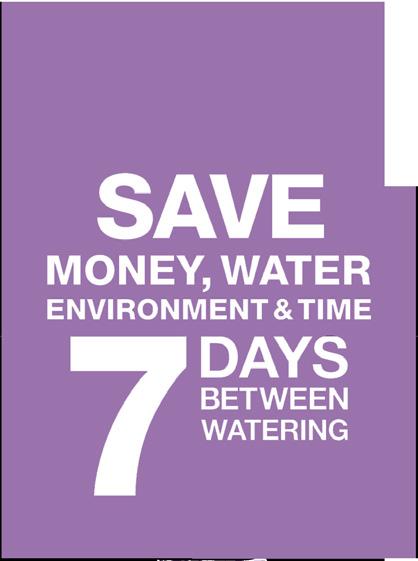
Create longer-lasting floral displays with our built-in 7-days reservoirs.
Parklets and Planter Surround made from timber and recycled waste plastic.
Transform your summer with Plantscape’s stunning floral displays, featuring nectarrich options available to attract and feed pollinators.
Our pollinator friendly range of planters includes nectar and pollen rich plants, which promote insect welfare by promoting their food chain.
Contact us today to enhance your space! Contact us
Integrated large reservoirs.
56,700 litres of water saved annually.
*Based on 50 hanging baskets over a 16-week Summer period.
How to make a town bloom all year round
Many flowerbeds, parks and village greens may peak in summer, but the real magic happens in the quieter months. From clever planting to community pride, here’s how towns across the UK create colour, character and a sense of care all year round
A well - kept green space changes the way a town feels long before you notice the flowers. Even small pockets of planting can lower stress levels, encourage people to stay longer, and make high streets feel safer and more welcoming. A bench under a tree, a verge planted with perennials, or a row of planters outside a parade of shops can all bring benefits to a place. And when a place looks cared for, people tend to treat it with more care in return.
In towns that have invested in greenery, footfall rises, high streets are brighter, and residents start using public spaces differently. Greenery softens hard edges, slows people down, and creates the kind of everyday beauty that makes a town feel like a community. Investing in greenery makes a place feel cared for.
Swept pavements, tended beds, a few well - chosen plants softening hard edges: these small cues tell people that someone has looked, noticed and acted. Even modest planting introduces colour, texture and movement,
which in turn makes streets feel calmer, friendlier and more inviting. People instinctively respond to that softness; they slow down, they look up, and they treat the space, and each other, with more care.
What Britain in Bloom actually is Britain in Bloom is an annual nationwide gardening competition, which works to build communities and tackle local issues. The competition urges community groups across the country to make positive changes to their local environment through horticultural and environmental action.
Community Groups of any size can take part in the competition and most choose to do things that benefit their local area. Activities could include greening up a grey area; creating or caring for public community gardens; inspiring people to take up gardening; sowing wildflower meadows and creating wildlife habitats and working with local schools to create gardens and food-growing initiatives. E
MICHAEL
SCULPTOR & ARCHITECTURAL STONEMASON
MICHAELBLOW.CO.UK
GEOMETRICSTONE.CO.UK
Hand crafted and uniquely designed features, sculptures and surface finishes, using carefully selected stones. Alongside our craftsmanship, we also provide expert stone sourcing, project design, restoration and consultancy services. mike@geometricstone.co.uk
Sedum installed to future-proof Rochdale’s road verges
Rochdale is a metropolitan borough council and consists of five townships. This former engine house of the Industrial Revolution is steeped in history and surrounded by majestic countryside.
Rochdale Borough Council have an ambition to target resources and investment to meet growing demand, to provide effective public services and deliver long-
term impacts despite increasingly limited funding. As part of this, they work to implement nature-based solutions to support healthy ecosystems, biodiversity and the development of sedumbased solutions.
In July 2019, Rochdale Borough Council declared a climate emergency. They believe climate change will impact the lives of everybody who lives and works in the borough of Rochdale. For Rochdale borough, climate change could mean water shortages
despite frequent and more intense storms.
So, as part of a wider strategy, two areas – St. Mary’s Gate and Manchester Road – were identified as road verges that would benefit from the adoption of sedum to support their climate change ambitions, to reduce maintenance requirements and to add value to these areas. In 2025, 250 square metres of Harrowden sedum was installed. M
F There are 16 regional and national Britian in Bloom competitions, with those doing well in the early round being nominated to take part in the UK finals.
The finalists for 2026 have been announced with 18 of the 44 community groups being first-time finalists. Britain in Bloom judges will now visit the finalists who will be judged on criteria related to environment, community engagement and horticulture. Winners will be announced across eight categories with the top contender being named Britain in Bloom Overall Winner for 2026.
Planting for all seasons
Planting for all seasons helps to green an area, even when everything else may be leaning grey. Evergreens and sturdy shrubs provide that essential winter framework, softening hard edges and giving beds shape when everything else has died back. Come spring, bulbs deliver a lift: flashes of colour that signal renewal and make even the greyest pavements feel hopeful. Summer belongs to the perennials, long flowering, pollinator-friendly workhorses that fill borders with texture and movement. And as the year turns, interest doesn’t have to fade; berries, bark and seedheads carry a different kind of beauty into autumn and winter, adding richness and structure. The most successful civic planting schemes lean on varieties that can cope with sporadic watering, busy footfall and the occasional bout of neglect, proving that year round colour doesn’t require constant attention
Greening the grey
Greening the grey is about spotting the overlooked pockets of public space and giving them purpose. Car parks, alleyways, bus stops and shopfronts all offer opportunities for simple
The finalists for 2026 have been announced with 18 of the 44 community groups being first-time finalists
interventions that shift how a place feels. Pocket parks and micro gardens can turn dead corners into usable, welcoming spots. Planters, railing baskets and verge planting add structure and colour where permanent beds aren’t possible. Murals and small pieces of public art play a role too, softening hard surfaces and bringing colour to otherwise dull areas.
Quick wins
Not every improvement needs a long lead in or a planting plan. Simple, fast interventions can lift a space almost overnight. Regular litter picks and pavement sweeping instantly make streets feel more cared for. Refreshing tired planters with hardy, low-cost plants gives colour without much maintenance. Repainting railings, benches or bollards tidies up visual clutter and signals attention. Temporary planters can soften harsh corners or widen narrow pavements, while small fixes like clearing overgrown verges, removing outdated signage, or tidying noticeboards, help a place look sharper and more intentional. These small actions build momentum and show residents that change is possible without major investment.
Community
Strong planting schemes only go so far without people behind them. The real shift happens when communities work together. Shared projects build connection as much as they build greenery, this could be a “friends of” group maintaining beds, a school planting bulbs, or a business sponsoring a planter. Collaboration spreads the workload, brings in different skills, and creates a sense of collective ownership that no council budget can replicate. When residents feel involved, they’re more likely to look after public spaces, challenge neglect, and take pride in the results. Towns that embrace this model tend to see wider benefits too: stronger relationships, more active local networks, and a public realm that reflects the people who use it. M
FURTHER INFORMATION
www.rhs.org.uk/get-involved/britain-in-bloom
Turning ambition into sustainable business success
Every successful organisation starts with a strong idea. But turning ambition into measurable results requires clear strategy, structured planning, and expert guidance
M A Spooner Ltd is committed to influencing the thinking, policy and practice of government, local authorities, commercial and social enterprises through building their capacity to deliver positive change in society. We provide personalised business analysis and development services designed to help entrepreneurs and business ventures strengthen their foundations, maximise income opportunities, and achieve long-term sustainable growth.
We support sole traders , Small and Medium Enterprises (SMEs), Charities, and Social Enterprises who want to move forward with clarity and confidence.
Practical support for growing businesses
Our focus is simple: helping businesses move from ideas to action. Through research, analysis, and strategic planning, we help entrepreneurs: transform
innovative ideas into structured, achievable plans; improve efficiency and strengthen business performance; identify opportunities for income generation and growth; and build the skills needed to manage a successful enterprise. Our services are designed to ensure that every decision is informed, every strategy is practical, and every step leads towards sustainable success.
Flexible business support that works around you
We understand that entrepreneurs and their business ventures work in different ways. That is why we offer flexible consultation options tailored to your preferences. Support is available through: Face-to-face meetings, video consultations, webinars and online learning sessions, telephone consultations, and email advice and guidance Each session lasts 60 minutes , providing focused, personalised support that helps you progress towards your business goals.
Build stronger businesses with expert planning support from M A Spooner Ltd
A well-developed business plan is the blueprint for long-term success. It enables organisations to define strategic priorities, manage risk effectively, and demonstrate credibility when seeking investment, funding, or public sector opportunities.
At M A Spooner Ltd, we understand that successful organisations don’t leave growth to chance — they plan for it.
A clear and professionally developed business plan can help your organisation: focus on the right strategic priorities; strengthen financial planning and long-term sustainability; clearly present your vision to investors, funders, and stakeholders; and create a structured and achievable path for business growth.
Business Coaching Advice and Support (BCAS)
Through our Business Coaching Advice and Support programme, we work with entrepreneurs, SMEs, and a variety of business ventures ready to take the next step in their development.
We provide tailored support to help you develop a practical and results-driven business plan aligned with your goals, budget, and delivery timelines.
Our structured approach helps you: set clear SMART objectives; develop realistic and actionable strategies; identify and overcome common business challenges; and build confidence in your decision-making and growth plans.
Whether you are seeking funding, scaling operations, or strengthening your organisational foundations, M A Spooner Ltd provides the expertise and guidance to help you move forward with confidence.
Our proven four-phase approach is designed to deliver real business results over six to 12 months. We start by building a trusted, confidential partnership that creates the foundation for honest and productive conversations. From there, we identify the key challenges facing your business venture, define clear measurable goals, and pinpoint any critical skills gaps that may be holding you back. We then explore practical, innovative strategies tailored to your business venture, focused on improving performance and unlocking growth opportunities. Finally, we help you implement agreed solutions with clear success measures in place, ensuring progress is tracked and outcomes are both visible and measurable.
Creating meaningful impact
Our work delivers three key areas of impact for entrepreneurs and their business ventures.
Learning impact
Through targeted training and knowledge sharing, clients gain essential business skills and practical understanding of effective business practices.
Development impact
We support the personal, professional, and business development of entrepreneurs through tailored guidance and mentoring.
Growth impact
By strengthening skills, strategies, and confidence, we help business ventures unlock new opportunities for income generation and sustainable growth.
Ready to deliver real impact?
M A Spooner Ltd is seeking to work with proactive public sector leaders responsible for community and economic development, regeneration, and inclusive growth. If you are committed to strengthening local economies, supporting enterprise, and delivering measurable social value, we are ready to support your objectives.
We partner with local authorities, public bodies, and regeneration stakeholders to design and deliver practical, outcomesfocused community and economic development programmes that support business growth and sustainable regeneration.
Partner with M A Spooner Ltd to strengthen your strategic delivery capacity and turn policy ambition into measurable outcomes
To discuss how we can support your organisation’s economic development and regeneration priorities, contact M A Spooner Ltd today. M
Purpose-led public finance: five moves to rebuild trust and deliver better services
Public services run on trust. And trust runs on public finance. Across the UK, finance leaders are operating under sustained fiscal pressure, rising demand, workforce constraints and increasing public scrutiny, while still being expected to deliver better, faster and more transparent services
ACCA’s report Leadingwithapurpose:finance professionalsnavigatingthepublicsector throughdifficulttimes draws on insights from senior finance leaders across central and local government and delivery bodies worldwide. Its findings strongly reflect the reality facing UK public sector organisations: effective finance leadership is essential to restoring confidence and delivering public value.
Here are five moves UK public finance leaders can take now.
1. Face the new reality
Translate fiscal constraint, demographic pressure and service demand into clear priorities. Finance leaders can help organisations focus resources on what protects outcomes for citizens determining what must be protected, what can be redesigned, and what should stop.
2. Act with integrity
Trust grows when decisions are transparent and defensible. Clear audit trails, honest communication of trade-offs and a strong ethical culture are essential, particularly as AI, automation and data-led decision-making become more widespread.
3. Turn data into decisions
Public bodies hold huge data sets, but too often they sit in silos. Prioritise data quality, shared standards and systems that connect. Use finance’s analytical discipline to shift conversations from “what happened?” to “what should we do next?”
4. Embed sustainability into spending
Sustainability must move beyond narrative. By integrating it into budgeting, investment decisions
and reporting, finance leaders can strengthen accountability, demonstrate long-term value for money and support the UK’s net-zero ambitions.
5. Collaborate with purpose
From shared services to strategic partnerships, collaboration only works when outcomes and governance are clear. Finance brings the discipline that ensures collaboration delivers efficiency without diluting accountability.
ACCA supports the professionals who keep public services running with ethics-led global standards, practical CPD, events and a strong professional community that builds confidence in high-stakes roles.
For public sector employers, ACCA is a trusted partner in building resilient, future-ready finance capability. A key part of that pipeline is the ACCA Public Sector Apprenticeship (Level 4), offering a levy-funded way to develop skilled, ethical public finance teams, now and for the future.
Public trust will be rebuilt by those who invest in capability and integrity. M
FURTHER INFORMATION
Discover how ACCA can strengthen your public finance workforce. Visit www.accaglobal.com
Approaches to graffiti removal across local authorities
Abi Ademiluyi, principal advisor at APSE, outlines the operational, legal and resource challenges councils face in tackling graffiti and the emerging approaches shaping more effective responses
Graffiti remains a persistent environmental and anti-social issue across urban and rural authorities; it can impact perceptions of safety and place quality, community confidence, local business vitality and regeneration outcomes. Local authorities have statutory powers and operational duties relating to graffiti under environmental protection and anti-social behaviour legislation. Local authorities derive powers and duties from key legislation including the Environmental Protection Act 1990, Clean Neighbourhoods and Environment Act 2005, and Anti-social Behaviour, Crime and Policing Act 2014.
Under these frameworks, councils must maintain public land to an acceptable environmental standard, require landowners
to remove graffiti that is detrimental to local amenity, issue Community Protection Notices (CPNs), serve defacement removal notices and take enforcement action for persistent noncompliance.
Councils are responsible for keeping public land and highways clear of graffiti where it affects environmental quality and are responsible for removing graffiti from council-owned assets, such as street furniture and council buildings, with most councils providing this service for free. Private property graffiti is usually the owner’s responsibility. However, councils may offer removal for a fee, recharge commercial property owners, serve notices requiring removal if it affects local amenity and undertake default works and recover costs if notices are ignored. E
F Offensive graffiti is often prioritised for removal within 24–48 hours and aligns with wider equality and community safety responsibilities.
Dedicated removal teams and blitz campaigns
Many councils deploy specialist cleansing teams or blitz operations targeting known graffiti hotspots. These often involve high-pressure washing, repainting or overcoating, and chemical solvent removal across streets and public infrastructure to reduce visual blight rapidly.
Southwark Council is adopting a proactive approach to tackling graffiti with four dedicated ‘blitz’ teams, launched in April 2025, focusing on hotspots in Peckham, Camberwell, and Elephant and Castle. The clean-up will include high-pressure jet-washing and repainting. As part of this initiative, the Council is investing £1.3 million over two years in tougher enforcement, new litter bins and creative deterrents like shutter art, wall murals, trellises, and planters to discourage vandalism. To encourage wider use of the Council’s free graffiti removal service, officers will be engaging with local businesses and residents to raise awareness of the offer.
Similar blitz-style programmes have been developed in Brighton and Hove City Council, focusing on quick removal, enforcement action, and a broader strategic tagging plan. This came off the back of a three-year Graffiti Tagging Action Plan laid out in 2024, designed to target the quick removal, enforcement and prevention of illegal tagging across the city.
Data and digital platforms are also being used to improve operational efficiency
In some cases, local authorities ring-fence resource for rapid removal once graffiti is reported, often using online reporting tools to speed up response times. Some also implement proactive inspection and monitoring regimes to identify new tagging quickly. Enforcement and incentives go together, with councils increasingly pairing removal with enforcement and fixed penalty notices or enforcement action against offenders. In some cases, councils have also recharged large organisations or property owners for cleaning if they fail to maintain properties themselves.
Collaborative and pilot projects
Some authorities partner with stakeholders such as police, BID groups, and community organisations to map graffiti hotspots and coordinate efforts. For example, Cheltenham Borough Council worked with local policing teams and community groups on a targeted graffiti pilot.
Data and digital platforms are also being used to improve operational efficiency. Software solutions help digitise reporting, prioritise tasks, and allocate crews in real time, cutting down manual administrative work and improving response times. E
Chelmsford City Council use a
range of friendly chemicals
specifically for heritage surface
F Community prevention and engagement
Using community art projects, legal street art programming and behavioural change campaigns have also helped redirect tagging impulses into positive outlets and build shared responsibility for clean spaces.
Operational challenges facing councils
Councils face budget pressures and labour intensity; graffiti removal can be a significant cost for local authorities and the need to distinguish artistic expression from vandalism remain ongoing operational challenges.
Graffiti removal is resource-intensive, costly and often reactive. In larger urban areas, repeated tagging and rapid re-appearance place heavy demand on crews and equipment. Repeat tagging increases costs and diverts resources from other cleansing priorities. Removal from historic buildings, porous surfaces, bridges, and transport infrastructure requires specialist techniques. Graffiti on private assets can create visual blight but requires enforcement action before removal.
Intensive graffiti removal activity, particularly in high-footfall zones, can distract from other cleansing functions. For example, trials in Brighton showed daily removal demands impacted other operational workstreams, limiting scalability. In some instances, limited powers or bureaucratic delays can mean enforcement lags behind tagging incidents, weakening deterrence.
Councils have also had to balance responding to unwanted tagging while preserving community-valued street art. Policies are beginning to emerge that distinguish illegal tagging from recognised public art when deciding on removal action.
Emerging trends and innovations in removal techniques
Evidence suggests early removal reduces repeat tagging by removing visibility incentives. Councils are now evolving in the ways they deal with graffiti removal with removal technologies
evolving beyond traditional harsh chemicals and solvent use.
Steam and water pressure systems are increasingly adopted for surface-safe, chemicalfree removal. Hydrogel and biodegradable cleaning agents allow selective paint removal without damaging underlying surfaces, especially useful on sensitive or historic substrates.
Chelmsford City Council use a range of friendly chemicals specifically for heritage surfaces. Working with a company with a dedicated training depot where the attendees can get practical experience of the chemicals and various surfaces.
Another council has a contractor that feeds fine amounts of kiln-dried sand into a jet of water, making it very gently abrasive and lifts the paint off the sandstone surface. It works well for sensitive locations such as war memorials.
In some cases, councils have adopted AntiGraffiti Surface Protection. Protective coatings and sealants that reduce paint adhesion make
cleaning easier and less destructive. These are part of proactive management strategies to reduce long-term removal costs. These protective strategies aim to reduce long-term reactive costs, and also include legal mural schemes, youth diversion projects and business improvement district partnerships.
Although still emerging, and at the research and trials pilot stage, technological innovations like robot and sensor technologies using robotic systems for high-risk or hard-to-reach areas as well as sensor tech that detects new tagging and triggers alerts, potentially enabling even faster responses, could be part of the solution for future opportunities.
Summary
Graffiti removal is a high-visibility, high-effort service that significantly influences public perceptions of local environment quality. It remains a core environmental service responsibility for UK local authorities. Councils continue to balance statutory duties, community expectations, and growing fiscal
Graffiti removal is a highvisibility, high-effort service that significantly influences public perceptions of local environment quality
pressures while responding to frequent tagging incidents in both urban and suburban environments.
Local authorities are evolving beyond reactive patch-ups toward data-driven, preventative and community-oriented strategies. While budgetary and operational constraints remain key challenges, effective long-term outcomes are increasingly tied to integration of enforcement, prevention, and technologyenabled delivery, helping to deliver better outcomes. M
FURTHER INFORMATION
apse.org.uk
Meeting EPC targets in social housing: why data must lead the retrofit strategy
The drive to improve EPC ratings across social housing in the UK is accelerating with the target of EPC C or higher by 2030 fast approaching. Local authorities and housing associations are facing significant financial and operational pressure to comply
Higher EPC ratings will help to reduce fuel poverty, which currently affects 17 per cent of households, and could potentially save residents £567 per year on average when targets are met. However, implementation is far from straightforward. Upgrading housing stock to meet minimum energy efficiency standards is estimated to cost landlords between £6,000 and £7,000 per property on average, with some complex or hard-to-treat homes costing four times as much.
For large portfolios, this represents a huge capital burden.
Many social housing providers are also managing ageing stock, buildings with nonstandard construction methods, and properties with varied occupancy patterns. In most cases, untargeted, blanket retrofit solutions risk misallocating limited budgets - particularly where EPC assessments may not always reflect actual in-use energy performance.
In this context, data-led decision-making becomes essential.
Environmental monitoring and energy data loggers give housing providers detailed insight into how buildings truly perform when occupied. By monitoring temperature, relative
humidity and energy consumption over time, landlords can identify: Overheating or underheating patterns; Excessive energy usage; Poorly performing HVAC systems; and Areas at risk of damp or condensation.
This invaluable data allows for targeted interventions rather than assumption-based upgrades. Instead of applying broad, costly measures across entire estates, improvements can be prioritised where they will deliver the greatest impact on energy efficiency, tenant comfort and compliance.
Tinytag by Gemini Data Loggers has over 40 years’ experience supporting building performance monitoring across the UK. Our portable, non-invasive data loggers offer costeffective ways of gathering reliable data (and therefore, evidence) before and after retrofit works, helping demonstrate measurable improvement.
As the 2030 EPC deadline approaches, the question is not whether upgrades are required, but how they can be delivered efficiently. In a climate of constrained public funding, reliable and robust monitoring gives the clarity needed to turn regulatory pressure into strategic, datadriven progress. M
Mike Agate, IWFM, explores how data, sensors and digital tools are transforming public - sector facilities management, strengthening compliance, efficiency and strategic decision - making across complex estates
Across the public sector, estates and facilities teams are embracing a decisive shift towards data-driven practice. For organisations responsible for complex, multi-site estates, the pressures are familiar. Ageing buildings, rising operational costs, heightened compliance expectations and increasing scrutiny from the public and ministers alike. Against this backdrop, digitisation is no longer considered an optional modernisation. It has become a practical route to improving safety, efficiency and service quality across the government estate.
From local authorities managing diverse property portfolios to central government bodies overseeing some of the country’s most
critical infrastructure, estates professionals are now weaving data, sensors and digital tools into everyday workflows. The outcome, when implemented effectively, is not simply better visibility of assets, but an ability to predict risks, optimise resources and respond more swiftly to organisational needs.
Building a rich picture of the estate
It’s been normal for many public sector FM teams to operate with partial or fragmented data. Asset registers built over decades, variations in recordkeeping standards, and the challenge of maintaining up-to-date information across dispersed sites have all played a part. E
F As the use of cloud-based CAFM and IWMS platforms are becoming widespread, estates teams can centralise building data, track statutory compliance tasks and improve audit readiness. What matters most is the shift from static records to dynamic information. For example, digital asset condition surveys allow updates to be captured in real time, supporting both day-to-day maintenance and long-term investment planning.
For government bodies with hundreds of buildings, even small improvements in data quality can result in substantial operational gains. When teams can trust the accuracy of their asset information, they are better placed to anticipate risks, target interventions and demonstrate compliance with greater confidence.
Sensors: from reactive to predictive Internet-enabled sensors are playing an increasingly important role across public-sector facilities management. Installation costs have reduced, integration has improved, and estates teams are now using sensors not only for energy monitoring, but for broader operational insights.
Water safety : remote temperature sensors support robust Legionella management,
Compliance remains one of the most resource intensive aspects of public sector FM
providing reliable data without the need for daily manual checks.
Occupancy : sensors give insight into how spaces are genuinely used, helping organisations align their estate with changing working patterns.
Environmental monitoring: indoor air quality, humidity and CO2 sensors are supporting better wellbeing outcomes and improved building performance.
Plant and equipment: vibration and condition sensors help maintenance teams identify early signs of failure, enabling more planned interventions.
For public sector estates teams operating with tight budgets, predictive maintenance is increasingly attractive. Maintenance regimes built around actual performance, rather than rigid schedules, can reduce downtime and extend the lifespan of critical assets. At the same time, sensor data helps organisations demonstrate a clearer chain of responsibility – essential to effective compliance management.
Compliance,
transparency,
auditability
Compliance remains one of the most resource intensive aspects of public sector FM. From fire safety and water hygiene to accessibility, electrical testing and building regulations, the volume of statutory duties can be onerous. Digitisation is helping teams move away from spreadsheets and paper-based processes towards more automated, verifiable systems. In practice, this includes: digital compliance dashboards providing at-a-glance oversight of outstanding actions; automated reminders for time sensitive tasks such as planned preventative maintenance activities and safety checks; digital documentation trails that support audits and government reporting requirements; and geo tagged photo evidence that proves inspections were completed on site and to a defined standard.
This shift strengthens organisational resilience. When teams change, data remains consistent. When audits arise, evidence is already in place. And when incidents occur, estates teams can demonstrate that systems, processes and responsibilities were clear. E
Digitisation is also encouraging greater collaboration
F Improving service quality and user experience
Public-sector facilities management is not only about compliance and asset performance. It is also about creating spaces that will be experienced differently by staff, visitors and the community. Digital tools are enriching this dimension of FM too.
Mobile apps allow users to report issues quickly, with photos and precise location details, improving response times. Occupancy data helps teams make better decisions about cleaning frequencies and space allocation. Digital wayfinding tools and improved accessibility information are making public buildings easier for citizens to navigate.
In many organisations, estates teams are now able to use data to hold more informed conversations with senior leaders. By demonstrating the relationship between building conditions, service levels and organisational outcomes, FM is strengthening its strategic voice across government.
Joined-up practice across the public estate
Digitisation is also encouraging greater collaboration. Central government bodies are sharing insights with local authorities, arm’s-length organisations and professional networks, helping to establish more consistent approaches to asset information management.
Technology alone does not deliver successful outcomes. What matters is how teams interpret data, translate it into action and embed it within wider organisational processes. This is why competency frameworks, good practice guidance and communities of practice remain essential. Estates professionals increasingly recognise that digital transformation is as much about people and capability as it is about systems and devices.
The rise of AI – building confidence in the data era
As facilities management becomes more digitally mature, the need for strong information governance grows. Estates teams must ensure that their data is accurate, responsibly managed and aligned with wider objectives – it calls for both technical discipline and professional judgment.
As organisations explore the emerging capabilities of artificial intelligence, the quality and stewardship of their data become even more critical. AI-enabled, integrated FM environments depend on clear, consistent and trustworthy information to generate reliable insights and automate routine activity. Without strong governance, there is a real risk of introducing errors, bias or gaps that undermine performance and decision making. Robust frameworks ensure that data from across estates, workplace and building systems can be connected in a controlled and meaningful way. This creates the foundation for safe innovation, supports compliance obligations and helps professionals apply AI in a way that truly serves organisational outcomes.
The good news is that the public sector is not navigating this shift alone. Professional bodies, including the Institute of Workplace and Facilities Management, have developed guidance to help estates teams embed structured approaches to data, digital integration and information governance. And formal strategic partnerships, such as the one that exists between IWFM and the Cabinet Office, are helping to deliver skills, training and professional accreditation to create an FM workforce capable of delivering digital transformation at scale.
Jake Drummond FIWFM, is Deputy Government head of Property Profession (GPP) and is responsible for the GPP’s partnership with IWFM. He said: “Partnerships like this one are how we raise the bar for facilities management across government. By bringing together IWFM’s professional expertise and the reach of the Government Property Profession, we’re creating genuine pathways for the next generation of FM leaders to develop the skills, knowledge and confidence they need to excel. The challenges facing the public sector estate are significant, but so is the talent within it. This partnership is about investing in that talent –
Who are we
Services
equipping people not just for the roles they hold today, but for the leadership responsibilities they will take on tomorrow.’
A proactive, insight driven future
The digitisation of FM is already well underway. Across the public sector, estates teams are demonstrating how data, sensors and digital tools can drive measurable improvements in safety, efficiency and user experience.
What sets the leaders apart is not the scale of their digital investment, but the clarity of their approach, starting with good information, building capability within teams and ensuring that technology supports clear operational and strategic goals.
In the face of ongoing financial pressures and heightened expectations around transparency and accountability, FM’s role as a data-driven discipline will only become more significant, and the opportunities are substantial. Digitisation provides a practical route to greater resilience, more sustainable operations and, ultimately, better services for the public. M
Training
Membership
Industry Insight: Awaab’s law, damp & mould
David Bly, managing director at Cornerstone, discusses how landlords can distinguish causes, improve responses and use Awaab’s Law to drive prevention
What are the most common root causes of persistent damp and mould you see in social housing, and how can landlords distinguish between structural issues, ventilation problems, and lifestyle factors in a fair and evidence-based way?
Firstly, it is important to recognise damp and mould are separate issues with the former being cracking, blistering, staining etc and the latter being a ‘symptom’ of an atmospheric issue.
The most common root cause of persistent damp in social housing will be a physical related issue whereas persistent mould is due to inadequate ventilation related issues borne out of factual data.
Landlords can begin to distinguish the differences by initially recognising that in general everyday human activity puts more moisture into the atmosphere than a locally damp structure does.
Damp is a focussed defect with the type of structure and its finish determining how it is visually recognised alongside its likely travel direction and likely ingress source.
Many public sector landlords struggle with inconsistent reporting and follow up. What does an effective end-to-end damp and mould response process look like and where do you see the most common breakdowns?
A key recognition is that mould issues have more than one root cause. Therefore, any investigative surveying and subsequent reporting should take into account a range of contributory factors. For instance, activities such as drying clothes indoors and keeping windows closed can raise the moisture levels within the atmosphere and, instead of attributing the problem solely to lifestyle choices, it is more constructive to highlight awareness, for example by sharing ‘did you know’ information. The essential point is that excess moisture needs to be able to leave the building, and the inability for this to happen is often where the issue arises.
Mould requires several days to germinate and develop and one of the key breakdowns in managing mould is a lack of understanding of this timescale, as well as the need to provide
clear, recognised guidance to help ‘break the cycle’ of mould growth.
An effective end-to-end response should embrace the structure, its installed atmospheric management protocols, everyday activities and of note, a review of the mould patterns and their locations that serve to enlighten why it is developing in the particular area of concern.
Retrofitting older stock is a major challenge. What solutions or approaches have you seen work best for tackling damp and mould in hard to treat properties?
The solutions witnessed have actually served to impair the anticipated outcome due to a lack of recognising breathability of a structure.
Where air movement is upheld, mould does not tend to develop. Warm moist air can travel and reside in and on 100 per cent of the building and, behind contents close to external cooler walls it can lead to periods of condensation, a key nutrient for mould.
The most impactful negative retrofit witnessed is cavity wall insulation (CWI) with a host of issues intended to aid the situation that have served to impair it. Dampness in and around CWI can aid bridging to the inner leaf and, the addition of air bricks to the external façade can lead to localised cooling and wetting of the type of CWI.
A key undertaking is adequate loft insulation
TO the eaves but NOT IN them, compliant extractor capability, reduced ducting lengths, door undercuts enabling make up air to aid the extractor performance alongside occupants setting furniture back a few inches from external walls and opening more than one window to create a cross-flow of fresh drier winter air for a short period of time.
Beyond fixing individual cases, Awaab’s Law pushes landlords to take a more proactive, preventative stance. What data, monitoring tools, or early warning indicators should public sector landlords be using to identify risk before it becomes a health hazard? Guidance measures provided to all residents in multi-languages but moreover, a recognised format will serve to provide timely guidance. However, such information requires clear ‘why’, ‘because’ and therefore’ in the absence of blame.
David Bly, managing director, Cornerstone
David has been involved with the property damage industry sector for many years, encompassing the assessment and dissemination of key property damage causes. His experience aligns to understanding damp, condensation and mould related issues in structures and atmospheres, combining a demonstrable knowledge of moisture mechanics, and embracing industry approved surveying techniques to deliver bespoke solutions.
Awaab’s Law has the potential to seek timely solutions to reported issues however, in the absence of the main cause of damp and mould – ‘knowledge’, there remains the potential for the same problems but, within a shorter timeframe.
Awaab’s Law represents a unique opportunity to review today’s repeat issues across all housing types, ages, construction methods and orientations with recognisable guidance for all occupants aligned to their bespoke dwelling, installed atmospheric management protocols and best practice everyday undertakings. M
www.propertyhealth.co.uk
E: info@cornerstone-ltd.co.uk
T: 0344 846 0955
Figaro Floor Designs is a trusted, Award-winning, family-run business offering high-quality flooring solutions.
It’s all about the flooring...
The Contract Flooring Association is the leading independent professional voice of the contract flooring industry. Members of the Association include specialist flooring contractors, manufacturers, distributors and consultants, both large and small, operating from locations throughout the UK. The CFA’s membership now accounts for a significant proportion of the UK’s commercial flooring market
Most of the UK’s largest and most well-known companies from throughout the flooring sector supply chain are CFA members. With such a high level of commitment from so many companies and individuals, the CFA has a wealth of resources at its fingertips. It is this breadth and depth of information that makes it so much more than just a trade association.
The objectives of the CFA are to promote the highest standards of professionalism, safety and training while at the same time, providing essential services and expert information to ensure the quality and productivity of our members’ businesses.
The CFA produces the following industryleading publications together with the Contract Flooring Journal, which is the official journal of the CFA, to ensure that the flooring industry has up-to-date information to hand.
The CFA Guide to Contract Flooring – this unique reference guide is updated every five years and gives the latest information and best practice for the installation of common floorcovering types. The latest edition is from 2022.
The CFA Members’ Handbook is a directory of CFA member companies and gives confidence that you are selecting professionals E
F throughout the contract flooring supply chain (published annually in October). An online directory is available to search for CFA members by location or by flooring type at www.cfa.org.uk
The CFA Training Guide offers the latest information and guidance about flooring training in the UK (published annually in March).
The CFA Training Guide offers the latest information
and guidance about flooring training in the
UK
The CFA Guide to Sustainability is the definitive source of the latest information about sustainability within the flooring industry (published annually in June).
In addition to providing up-to-date information for the industry through publications, all of which are available to view and download in our downloads website page, the CFA also has various committees such as the Manufacturing Committee working on a national basis for the benefit of the industry as a whole.
Choose a CFA member – the difference between success and a flooring failure
Flooring is a major element in most contracts and, with more products to choose from than ever before, obtaining the right installer has never been so important. Flooring is diverse and technically demanding: each product type E
All our contractor members have passed the CFA membership vetting process
F has its own challenges and options in terms of installation specification. A quality contractor
will know the correct adhesive for the flooring product, or the right primer for the subfloor and so will help maximise your investment and minimise flooring failures.
Architects, specifiers and main contractors require the quality of service, installation and support that CFA members can provide. Consequently, many public and private
organisations and an increasing number of local authorities are now specifying that CFA members must be used.
All our contractor members have passed the CFA membership vetting process and are annually audited to ensure that they continue to meet our membership criteria. They are all established quality companies
Specifying a CFA member for your next flooring project could mean the difference between success – or a flooring failure
offering high standards of installation. Through the CFA they all have access to upto-date technical, environmental and quality Standards and all adhere to the Contractors’ Code of Conduct.
The CFA provides members with a wealth of knowledge to assist with both flooring installation and running a business, including: British Standard Institute (BSi) Codes of Practice; Employment Law; Health and Safety; Technical support and advice including the CFA Guide to Contact Flooring; Training; Dispute resolution; and Site conditions toolkits – to ensure that the correct conditions are available on site for the installation of flooring projects.
We have two new support documents, the first is Beyond Installation – Guidance on Underfloor Heating. This document is designed to provide advice and guidance within this changing context and addresses the impact of proposed new standards which are likely to dramatically change the landscape for underfloor heating and therefore the installation of the main types of floor coverings included within this guidance: textile, resilient and timber-based floor coverings. The second is our Guidance Note on Moisture Measurement – In-Situ Probe Method to support members with moisture testing on site. For up-to-date news on our sector visit our news portal www.floorscape.org.uk – you can also subscribe to the Floorscape newsletter: https://www.floorscape.org.uk/subscribe/
Specifying a CFA member for your next flooring project could mean the difference between success – or a flooring failure. Being a CFA member is a mark of quality. It will provide you with peace of mind and reassurance that you are dealing with a quality company.
The CFA is a leading trade association representing the Contract Flooring Industry. If you would like further information please contact the CFA below. M
FURTHER INFORMATION
0115 941 1126
info@cfa.org.uk www.cfa.org.uk
FIRE SAFETY WITHOUT THE NONSENSE.
APEX RISK ASSESSMENTS was built on one simple idea:
To do fire safety properly — without red tape, inflated invoices, or corporate waffle.
No “circling back.” No box-ticking.
No advice from someone who’s never set foot in your building.
REAL PEOPLE. REAL EXPERIENCE.
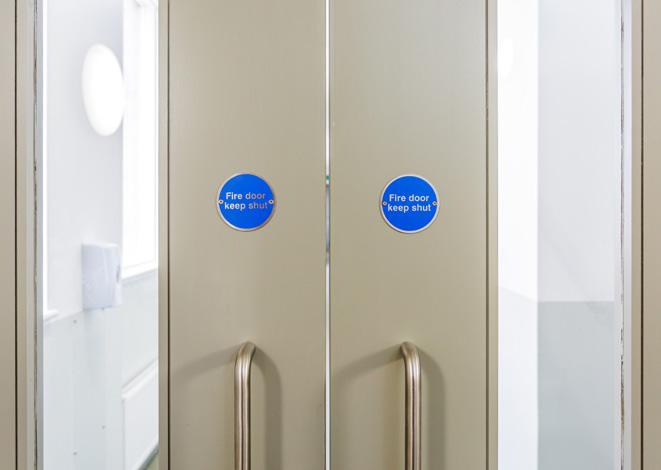
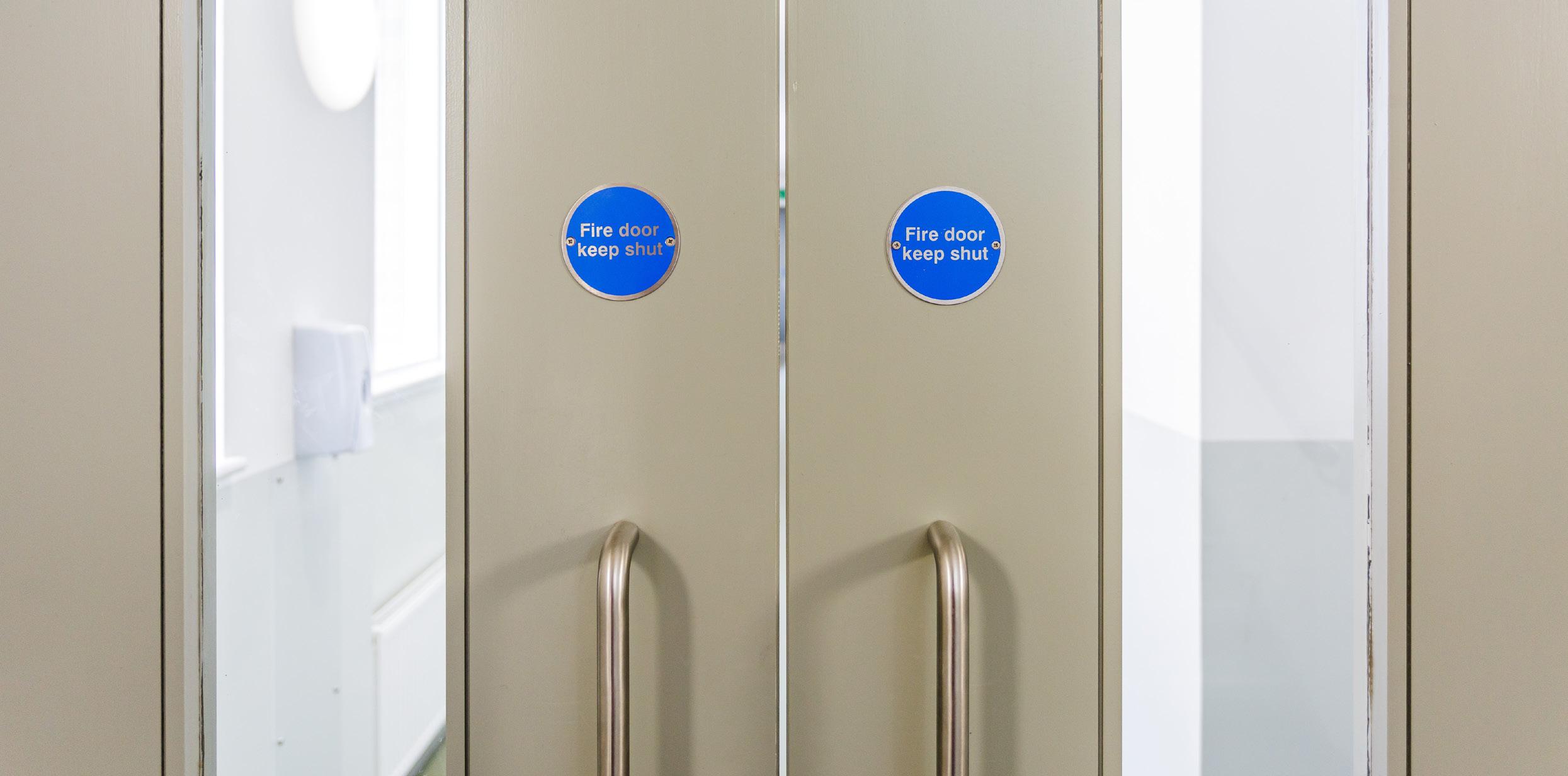
We carry out Fire Risk Assessments, Legionella Surveys, Fire Door Inspections and Safety Training ourselves.
No subcontractors. No call centres. No “Dave from accounts who watched half a webinar.”
If it stands upright and people use it, there’s a good chance we’ve risk-assessed it.
OH YES — THE TRAINING IS ACTUALLY GOOD.
People stay awake. People laugh. People learn.
No soul-destroying PowerPoints. No reading slides word-for-word. Just practical, memorable training — because when things go wrong, guessing isn’t a strategy.
CLEAR. HONEST & COMPLIANT.
We work across London, South West England, and South Wales, delivering advice that’s clear, jargon-free, and actually useful.
No upselling. No shortcuts. No mysteriously missing recommendations later on.
OUR APPROACH IS SIMPLE:
We treat every customer & every building like it matters — because it does!
On a serious note though…
FIRE RISK ASSESSMENTS
LEGIONELLA SURVEYS
HEALTH & SAFETY REPORTS TRAINING
Why high-quality asbestos training matters more than ever
UKATA explains why high-quality, regularly refreshed asbestos training is essential for protecting staff, maintaining compliance and safely managing the public estate
Although asbestos was banned more than 25 years ago, it remains in an estimated 1.5 million buildings nationwide, including many schools, hospitals, civic buildings and offices constructed or refurbished before 1999.
For government organisations, the challenge is no longer simply recognising that asbestos exists. The priority must now be ensuring that those responsible for managing, maintaining and upgrading public buildings are properly trained to do so safely. High-quality, up-to-date asbestos awareness training is the foundation on which effective risk management is built. Strengthening competence across facilities and estates teams is one of the most practical and impactful steps public bodies can take to safeguard staff, maintain compliance and protect the public.
Turning compliance into capability Regulation 4 of the Control of Asbestos Regulations 2012 (CAR 2012) requires duty holders to identify asbestos-containing materials (ACMs), assess the risks and put
appropriate management plans in place. Written records must be maintained, kept up to date and shared with anyone liable to disturb the fabric of the building.
In practice, this means that maintenance operatives, engineers, caretakers, surveyors and contractors must understand not only that asbestos may be present, but how to interpret survey data, where to access registers and what actions to take if they suspect a material contains asbestos.
Documentation alone does not prevent exposure. It is people who are properly trained and confident in their knowledge who make safe decisions on site.
As public sector estates face increasing pressure from refurbishment programmes, decarbonisation projects and reactive maintenance demands, the likelihood of encountering legacy ACMs remains high. Even minor works such as drilling, cabling, ceiling tile replacement or pipe boxing removal can disturb asbestos if not carefully managed. E
F Training transforms compliance from a paper exercise into a living, operational safeguard.
Safeguarding staff and building users
The human cost of asbestos exposure remains stark. Diseases such as mesothelioma, asbestosis and asbestos-related lung cancer often develop decades after exposure, leaving individuals and families to deal with life-limiting conditions long after.
Facilities and estates teams are frequently at greatest risk due to the nature of their work. However, exposure incidents in public buildings can also affect teachers, pupils, healthcare staff, patients and visitors. In these environments, the duty to protect extends beyond employees to the wider community.
Effective asbestos awareness training enables staff to: recognise common locations and forms of ACMs; understand that asbestos is often mixed with other materials and not easily identifiable; check asbestos registers before starting work; stop work immediately if unexpected materials are encountered; and escalate concerns through the correct reporting channels.
This knowledge is not theoretical. It directly reduces the risk of fibre release and inadvertent exposure.
Moreover, regular refresher training reinforces safe behaviours. Over time, complacency can develop, particularly where asbestos is present but undisturbed. Refresher sessions provide an opportunity to revisit responsibilities and review lessons learned from enforcement cases and clarify any misunderstandings.
Training transforms
compliance from a paper exercise into a living, operational safeguard
Addressing common gaps
Through engagement across the sector, several recurring weaknesses in asbestos training provision have emerged. These include the following.
Infrequent refreshers : some organisations treat asbestos awareness training as a one-off requirement. However, staff turnover and the natural erosion of knowledge mean refresher training should form part of a structured programme.
Generic content : training that is overly broad or disconnected from the learner’s working environment can fail to resonate. Facilities teams benefit from practical, scenario-based examples relevant to the types of buildings and materials they encounter.
Separation from management systems: asbestos awareness training must align with an organisation’s specific asbestos management plan. Staff should know where documentation is stored, how to access it and how it informs their day-to-day tasks.
Contractor oversight weaknesses: public bodies frequently rely on external contractors. It is essential that contractors provide evidence of appropriate asbestos training before commencing work, and that this is verified and recorded. E
Staff should feel empowered to stop work and seek clarification without fear of criticism
F By identifying and addressing these gaps, organisations strengthen both compliance and culture.
Understanding training levels
It is vital to distinguish between asbestos awareness training and higher levels of instruction.
Asbestos awareness training is designed to provide general information on the history of asbestos use, associated health risks, typical locations within buildings and an overview of relevant legislation. It is often described as “avoidance training” because it equips individuals to recognise and avoid disturbing ACMs.
It does not qualify someone to intentionally work on or remove asbestos. Where tasks involve direct contact with ACMs, additional training such as non-licensed or licensed work training may be legally required, depending on the nature of the activity.
Clear understanding of these distinctions protects both employees and duty holders from inadvertently breaching regulations.
Practical steps for public sector organisations
Strengthening asbestos training provision does not require radical overhaul. Targeted, structured actions can deliver meaningful improvement.
1. Conduct a training needs analysis
Map roles across estates, facilities and maintenance functions. Identify who requires awareness training, who requires additional task-specific instruction and who oversees contractor compliance.
2. Implement a rolling refresher programme
Link training records to compliance monitoring systems so renewal dates are tracked and managed proactively rather than reactively.
3. Integrate training into induction processes
No employee or contractor liable to disturb building materials should commence work without appropriate instruction.
4. Reinforce learning on site
Toolbox talks, pre-start briefings and visible access to asbestos registers ensure knowledge remains active rather than theoretical.
5. Promote a culture of challenge
Staff should feel empowered to stop work and seek clarification without fear of criticism or delay-related pressure.
In a climate of constrained budgets, training may sometimes be perceived as secondary to operational priorities. In reality, it is a core risk control measure. The cost of a short awareness course is negligible compared to the financial, legal and human consequences of preventable exposure.
Leadership and accountability
Senior leaders play a decisive role in setting expectations. When asbestos training is visibly prioritised and discussed at board
Senior leaders play a decisive role in setting expectations
level, adequately funded and embedded within governance frameworks, it signals that safeguarding is a strategic concern.
Conversely, where training is treated as a minimal compliance requirement, the message filters downward.
Public sector organisations are custodians of some of the nation’s most important infrastructure. Protecting those who maintain and use these buildings requires more than policies; it requires competence.
By investing in high-quality, regularly refreshed asbestos training, government bodies can demonstrate leadership in health and safety, reinforce public trust and contribute to reducing the long-term burden of asbestosrelated disease.
UKATA is dedicated to enhancing the quality and standards of asbestos training with the aim to shield workers and the public from the hazards of asbestos exposure.
The association collaborates closely with its members to guarantee that they have access to the latest information, training resources and industry updates. They provide a suite of support services to assist them in accomplishing their training objectives. Their membership encompasses a diverse array of organisations involved in asbestos training, including training providers, asbestos removal contractors, consultants and equipment suppliers.
UKATA is fervent about promoting safe and responsible working practices, committed to working with members and partners to realise a shared vision of protecting workers and the public from the hazards linked with asbestos exposure. M
FURTHER INFORMATION
To find a UKATA-approved asbestos training provider near you, visit www.ukata.org.uk or for free advice call our team on 01246 824437.
Regulatory Reform and the Warm Homes Bill take centre stage at UK Construction Week London
Sweeping changes to building safety, planning and housing policy will dominate discussion at UK Construction Week London as the industry prepares for a new era of regulation
The UK construction industry is entering a period of significant regulatory transformation. From the Building Safety Act to the government’s proposed Warm Homes Bill and changes to planning legislation, the sector is facing one of the most substantial waves of policy reform in recent years. These developments will have far-reaching
implications for how buildings are designed, approved and delivered across the country. These issues will take centre stage at UK Construction Week London, taking place at Excel London from 12–14 May, where policymakers, developers, contractors and industry leaders will examine how the evolving regulatory landscape will reshape the sector.
Running alongside Futurebuild and The Stone & Surfaces Show, UK Construction Week London forms part of one of the UK’s largest gatherings of built environment professionals. The co-located events are expected to attract more than 25,000 industry professionals, creating a major platform for knowledge exchange, collaboration and industry dialogue.
Across three days, the event will host a programme of CPD-accredited seminars, panel discussions and debates exploring the most pressing issues facing construction today. Topics will range from innovation in construction methods and product testing to housing delivery, workforce capacity and datadriven project management.
A central theme throughout the programme will be the changing policy and regulatory framework shaping the industry’s future.
Housing and planning in focus
Within the Housing Action Hub, several sessions will explore policy shifts influencing housing development across the UK.
One session, Managing Impacts for Nature at Scale: What Part 3 of the Planning and Infrastructure Act Means for Housing Development, will examine how new legislation could transform the way ecological impacts are managed within development projects. The discussion will consider the role of Natural England’s proposed Environmental Delivery Plans and how they could influence housing delivery going forward.
Another session, From Planning to Progress: Collaborating to Turn Plans into Homes, will address the barriers that continue to delay housing schemes and explore how stronger collaboration between developers, planners and contractors could help unlock stalled projects. Meanwhile, After the Ballot Box: What Local Elections Mean for Housing Delivery will examine how changes in local political leadership may affect planning decisions, development priorities and housing supply. Marie-Claude Hemming from the Association for Consultancy and Engineering (ACE) is among the contributors to the discussion.
The Warm Homes Bill in Practice
The government’s proposed Warm Homes Bill will also feature prominently in the programme. In the session The Warm Homes Bill in Practice: What It Means for Installers, Contractors and Developers, industry experts will explore how the legislation may translate into practical expectations for those designing, building and upgrading homes. The discussion will focus on issues such as fabric-first retrofit approaches, heating performance, moisture control, quality assurance and coordination across the supply chain.
Building Safety and Product Reform
Elsewhere, the Culture Change & Skills Hub will examine how the Building Safety Act is reshaping expectations across the construction sector. E
F The session Competency Under the Building Safety Act: Legal Duties and Insurance Implications will explore emerging competency frameworks and what they mean for legal accountability, skills requirements and liability.
Construction product regulation will also be addressed in From Review to Reality: The Next Phase of Construction Product Reform. Speakers including Amanda Long, chief executive of Construction Product Information , will discuss how reforms are moving from policy proposals to enforcement and what companies must prioritise to remain compliant and competitive.
Sam Patel, Divisional Director of UK Construction Week London, said the event provides an important platform for the industry to engage with these changes.
“The construction industry is entering a period of significant regulatory change,” Patel said. “From building safety reforms to planning policy and product regulation, these changes will have real implications for how projects are designed, delivered and approved.”
Sponsored by Sage, Wyre, HotelPlanner, Zurich Resilience Solutions and Build Warranty, UK Construction Week London will feature over 300 brands and support from more than 25 industry associations, including the Federation of Master Builders, CIBSE and the National Association of Air Duct-Cleaners UK M
FURTHER INFORMATION
For more information or to register, visit www.ukconstructionweek.com
Decarbonising the Public Sector Show: Strategies for a Greener Future | IGPP
How can the public sector lead the UK’s net zero transition while navigating budget pressures, policy shifts, and delivery expectations?
With over 300 local authorities having declared a climate emergency, and the public sector responsible for around 9 per cent of UK greenhouse gas emissions, the urgency to decarbonise public buildings, estates, transport, and services has never been greater. From retrofitting housing stock and upgrading NHS estates to electrifying transport fleets and embedding net zero into procurement, the challenge is significant. Despite ambitious government targets — including achieving a net zero public estate by 2050 — many organisations still face barriers such as limited funding, skills shortages, and a complex policy landscape.
The Decarbonising the Public Sector Show and Exhibition, organised by the Institute of Government & Public Policy, brings together senior leaders, influencers, and practitioners from central government, local authorities, the NHS, academia, and housing associations. The event focuses on decarbonisation delivery in practice, moving beyond policy to explore realworld solutions, lessons learned, and innovative approaches.
Designed with practicality at its core, the programme gives delegates hands-on insights they can take back to their organisations. Through detailed case studies, expert keynotes, and interactive discussions, attendees will see exactly how public sector organisations are delivering measurable carbon reductions, overcoming funding and operational challenges, embedding carbon literacy, and driving cultural change. Sessions on digital transformation, green procurement, energy efficiency, transport decarbonisation, and operational skills provide clear examples, tools, and strategies that can be applied immediately.
Join us to see how the public sector is turning ambition into action, and gain the practical guidance, connections, and inspiration needed to accelerate decarbonisation in your organisation while maintaining value, equity, and impact. M
Free discount code: PSI-IGPP Lunch and parking free of charge too.
FURTHER INFORMATION igpp.org.uk
HOW MANY FIRE DOORS ON YOUR ESTATE
CERTIFIED FIRE DOOR AND FIRE STOPPING SERVICES FOR COMMERCIAL PREMISES INCLUDING HEALTHCARE ESTATES — FROM SURVEY TO CLOSE-OUT UNDER ONE ACCREDITED CONTRACTOR.
The Building Safety Act has sharpened the focus on fire door compliance across healthcare estates. But for many facilities teams, the reality is a backlog of remedials, inconsistent documentation from previous contractors, and fire doors that were never installed to the right standard in the first place.
Maximum Maintenance Ltd helps estates and facilities teams get on top of fire door and passive fire protection compliance — with certified installation, inspection, maintenance and fire stopping services backed by documentation that stands up to audit.
KEY SERVICES:
FIRE DOORS
BM TRADA Q-Mark certified installation, door-by-door inspection with prioritised remedials, planned maintenance and repair.
FIRE STOPPING
All works carried out per compartmentation surveys that have been carried out by others. Penetration sealing and intumescent coatings etc using tested systems. BM TRADA Q-Mark certified.
REACTIVE MAINTENANCE
Carried out to occupied commercial premises including Care Homes/Healthcare with minimal disruption.
Safeguarding lives and property: the importance of fire door upkeep in the public sector
The National Association of Fire Door Inspectors (NAFDI) explains why properly inspected, maintained and documented fire doors are essential to safeguarding lives, protecting property and meeting public-sector fire-safety obligations
Fire safety is one of the most fundamental responsibilities in the public sector. Whether in schools, hospitals, government offices, or community centres, the duty of care owed to staff, visitors, and vulnerable occupants is clear. Among the many measures designed to protect lives, fire doors are often overlooked. Yet these doors are not ordinary fittings; they are engineered to contain fire and smoke, preserve escape routes, and buy precious time during emergencies. Their effectiveness, however, depends entirely on one factor: upkeep.
NAFDI, the UK’s national body for accredited fire door inspectors, has long championed the principle that fire door maintenance is not simply a regulatory requirement but a moral and practical imperative.
Why fire doors matter
Fire doors are a cornerstone of passive fire protection. Unlike alarms or sprinklers, they do not require activation – their role is constant. In hospitals, they protect vulnerable patients; in schools, they shield classrooms; in offices, they preserve escape routes. A single compromised fire door can undermine an entire safety strategy.
The consequences of neglect
Neglecting fire door maintenance can have devastating consequences. These include loss of life and injury – malfunctioning fire door may fail to contain smoke or flames, endangering occupants. There could be legal and financial repercussions – non-compliance with fire E
Bespoke fire protection, security and access control – advanced alarms, suppression, CCTV and monitoring, keeping your premises and people safe with reliable, compliant systems you can trust.
24- hour emergency call-outs
Advanced smoke, heat and flame detection systems
BAFE & SSAIB certified installation and servicing
Scheduled maintenance and compliance testing
CCTV & remote monitoring systems
Tailored access control solutions
Mobile app control
GENT Approved Partner
Browse our ONLINE SHOP for professional grade fire safety equipment . We supply the same trusted brands used in our installations, with fast UK delivery and expert technical advice just a call away.
Neuro Systems is driven by respect, responsibility and dedication. We put people first, safeguarding lives and property through reliable, compliant fire, security and access systems. Every installation, service and support call reflects our commitment to excellence. Our philosophy is simple:
F safety regulations can result in fines, prosecution, and reputational damage. Neglect can also lead to property damage – fires spread rapidly when doors fail, causing destruction that functioning fire doors could have mitigated.
Tragic incidents across the UK have shown how overlooked maintenance can turn a manageable fire into a catastrophe.
Legal and regulatory framework
Public bodies are bound by stringent legislation: Regulatory Reform (Fire Safety) Order 2005 requires responsible persons to ensure fire safety measures, including fire doors, are maintained; Building Regulations (Approved Document B) sets standards for fire resistance and installation; and third-party accreditation ensures inspections are carried out by qualified professionals, providing accountability and reassurance.
Compliance is not optional; it is a statutory duty.
Best practices for fire door upkeep NAFDI recommends a structured, proactive approach including the following.
Supply - Installation - Inspection
Repairs - Maintenance
Key Offerings
Damaged or non-compliant doors must be repaired or replaced immediately, by qualified professionals
Regular inspections: accredited inspectors should carry out checks at intervals appropriate to the building type and usage.
Prompt repairs : damaged or noncompliant doors must be repaired or replaced immediately, by qualified professionals.
Documentation : clear records of inspections, repairs, and certifications demonstrate compliance and support legal defence if challenged.
Staff and maintenance team training: fire door awareness must be part of staff induction and ongoing training. Maintenance teams, in particular, should receive specialist instruction on upkeep requirements, recognising faults, and ensuring repairs are carried out correctly.
Staff awareness : training staff to recognise signs of damage, warped frames, missing E
Our specialist team of engineers offer a total fire safety solution for fire doors. OHEAP Fire & Security are commited to supporting compliance & safety.
All fire door maintenance is carried out by a certified or accredited installer
Maintained to BS 8214:2022
No obligation fire door survey Fire doors are repaired with high quality products
F seals, faulty closers, wedged doors etc, it creates a reporting culture where everyone contributes to safety.
Embracing technology
Modern innovations are transforming upkeep: digital inspection apps streamline reporting and track maintenance schedules; smart sensors monitor door usage and alert managers to faults; and cloud-based records ensure transparency and accessibility across departments.
These tools reduce human error and strengthen accountability.
Case studies in the public sector
In hospitals, routine inspections prevented a potential disaster when faulty hinges were identified and replaced before a fire incident.
Across schools, a proactive maintenance programme ensured compliance, protecting hundreds of pupils during a minor fire outbreak.
In government offices, digital inspection systems improved efficiency, reducing costs while enhancing safety oversight.
Each example underscores the principle: maintenance saves lives and resources. E
Modern innovations are transforming upkeep
Fire and electrical hazards in social housing: escalating liability where disabled tenants are involved
How Awaab’s Law, equality legislation and post-Grenfell regulation are reshaping landlords’ legal exposure
Rising legal and regulatory expectations
Legal exposure for social landlords in relation to fire and electrical safety has intensified in recent years. Where a disabled tenant is involved, that exposure increases further, particularly in light of Awaab’s Law and strengthened postGrenfell regulatory expectations.
Fire and electrical hazards are recognised under the Housing Health and Safety Rating System (HHSRS) as potentially Emergency Hazards. Landlords must comply with duties under the Landlord and Tenant Act 1985, the Electrical Safety Regulations 2020, the Fire Safety Order 2005 and the Regulator of Social Housing’s Safety and Quality Standard. Awaab’s Law has added a critical enforcement layer by introducing statutory timeframes requiring landlords to investigate emergency hazards within 24 hours and remedy serious risks within defined periods. These duties are implied into tenancy agreements, enabling tenants to pursue court action where landlords fail to act.
Disability and foreseeability
When a disabled tenant occupies a property, the Equality Act 2010 materially heightens risk. Landlords must make reasonable adjustments and avoid discrimination arising from disability. If a mobility-impaired resident reports exposed wiring, a defective fire alarm or a blocked escape route, the foreseeability of harm increases. Delays that might otherwise be viewed as administrative backlog can amount to unlawful discrimination or negligence.
Evacuation
planning
and person-centred risk
Evacuation planning is particularly sensitive. Landlords are expected to develop Personal Emergency Evacuation Plans (PEEPs) or
equivalent arrangements where appropriate. Increasingly, regulators emphasise PersonCentred Fire Risk Assessments (PcFRAs), assessing how an individual’s mobility, cognition or health conditions affect fire risk and evacuation capability. Failure to complete or act upon a PcFRA where vulnerability is known can strengthen claims that risk was foreseeable and poorly managed.
Training and liability
Training is critical. Frontline housing officers and repairs teams must understand how vulnerability affects risk prioritisation. Without appropriate training, staff may fail to recognise when a fire or electrical defect constitutes an emergency hazard under Awaab’s Law. Weak escalation procedures or poor vulnerability recording can later be scrutinised by the Housing Ombudsman or the Regulator as systemic failings. Civil exposure may include disrepair claims, Equality Act damages and personal injury litigation. Regulatory consequences can include severe maladministration findings and consumer grade downgrades. In the most serious cases involving known and ignored risks, criminal investigation may follow. The central issue remains foreseeability: where both vulnerability and hazard are known, the expectation of swift, risk-led action is significantly higher. M
FURTHER INFORMATION
3asolutions.tech
F The moral imperative Beyond compliance, public sector leaders must embrace the moral responsibility of fire door
upkeep. Vulnerable populations – children, patients, the elderly – depend on these protections. Neglect is not just a regulatory failure; it is a breach of trust.
Conclusion
Fire doors are indispensable to public safety. Their upkeep is a legal duty, a practical necessity, and a moral obligation. Public sector organisations must adopt rigorous inspection regimes, embrace technological solutions, and foster a culture of accountability.
NAFDI stands ready to support the public sector with accredited inspections, training, and guidance. Together, we can ensure that fire doors fulfil their vital role: safeguarding lives, protecting property, and upholding the highest standards of public safety.
www.nafdi.org.uk
We believe in being straightforward. If something meets code, we’ll tell you. If it doesn’t, we’ll explain why and what’s needed to fix it — clearly and honestly. No upselling. No scare tactics. Just transparent reporting and practical solutions.
Most of our work comes from long-term relationships built on consistency. We show up when we say we will, communicate clearly, and stand behind our work. Over time, that reliability builds trust
We’re here to protect buildings — and to build partnerships that last just as long.
Over 13,500 fire safety professionals to gather at The Fire Safety Event 2026
The Fire Safety Event will open its doors at the NEC Birmingham on 28-30 April 2026 and will play host to leading manufacturers and suppliers to showcase their latest approved products and solutions
The Fire Safety Event is dedicated to supporting industry practitioners, professionals and organisations in achieving and maintaining the very highest standards of fire safety management.
The UK’s largest showcase of exhibitors and supporters
With over 300 exhibitors participating at the show, some of the industry’s leading brands including: Apollo, Checkmate Fire, LFS, Sentry Doors, Strongdor and many more, will be showcasing their latest research and development, product and solution launches and live demonstrations.
A number of key association and industry bodies will be supporting The Fire Safety Event and will be on hand to offer guidance and expert advice to visitors. These include the
Association for Specialist Fire Protection, BAFE, FireQual and many more.
Unmissable CPD-accredited conference theatres
Education is at the heart of The Fire Safety Event. Boasting three industry-led theatres and offering 45+ hours of free-to-attend CPD content, this is the perfect opportunity for visitors to gain direct insight into improving, maintaining, and championing fire safety for all businesses.
The Passive Fire Conference is in partnership with the Association for Specialist Fire Protection (ASFP), this conference theatre will cover passive fire protection topics and various fire safety measures in the built environment. Hear from the experts and get the essential advice from specification, installation, inspection and maintenance. E
Smart fire door management
Door Data Systems is widely regarded as a leading solution for fire door management providing a complete digital system for tracking new and existing fire doors, for the inspecting, and maintaining fire doors throughout their lifecycle. Housing providers, contractors, and building safety managers, all benefit from using Door Data Systems delivering a reliable way to manage compliance while improving efficiency and transparency.
One of the key advantages of Door Data Systems is its digital tagging technology,
where each fire door is fitted with a unique NFC tag linked to a cloud-based record. By scanning the tag with a mobile device, installers of new doors or inspectors and maintenance teams can instantly access data and record their works. This creates a secure “golden thread” of information that supports compliance in line with building safety requirements. The door’s history and data is instantly available to those managing buildings and can be shared under authorisation to those who need it to support those who have ‘Duties’ or ‘Responsibility’ under fire safety legislation.
Door Data Systems platform, known as the ‘National Fire Door
Register’, enables work to be allocated to contractors, tracking each stage of the doors on-going maintenance and updating the FM in real-time, ensuring that the RPs are always in control of their doors data and condition.
Speak to Door Data Systems, about your doors stocks and how to ensure that you have a register that is manageable, supports your legal obligations, how we work with your contractors and door suppliers to bring all the data together in one easy to use integrated platform. M
FURTHER INFORMATION
Visit us at the Fire Safety Event stand G40 /4 or contact enquiries@doordatasystems.co.uk
F The Innovation & Compliance Theatre will showcase presentations on the important industry updates and guidance for practitioners and business owners. With a focus on standards, regulations and industry best practice, these sessions will be vital to ensure businesses remain compliant and are best equipped to meet the needs of their clients.
The Fire Safety Leaders Summit will feature a line-up of leading industry experts and keynotes, get the insight and expertise on best practice, regulatory updates and topical areas impacting the fire safety sector. To show our support for women in the fire safety industry, a dedicated panel discussion will be returning for 2026.
Networking opportunities
To enhance networking opportunities and foster new connections, networking receptions will be held at the end of day one and two. Visitors, exhibitors, and partners are invited to relax and recharge in a casual atmosphere to enjoy complimentary drinks and live music, whilst building valuable relationships.
The Largest UK tradeshow dedicated to the protection of people, places and assets
The Fire Safety Event is uniquely co-located with The Security Event, The Health & Safety Event, The Workplace Event and The National Cyber Security Show, which together form The Safety & Security Series. With only one registration, delegates have access to all shows, making this one unmissable opportunity.
In addition, the event offers free on-site parking at the NEC, reinforcing its position as the most accessible venue for fire and security sector events. With a train station, airport, and direct access to the M42 motorway, the NEC provides unmatched convenience for all attendees. M
Mission-ready illumination: Streamlight® launches the PolyTac® 1X for professional use
The PolyTac® 1X offers durability, multiple power options and user-focused controls
Operational environments place uncompromising demands on personal lighting. For police and military users, reliability, flexibility and simplicity are not optional features. They are operational necessities. At SHOT Show 2026, Streamlight has addressed these requirements with the launch of the PolyTac® 1X, a compact handheld torch developed in response to military demand for a dependable, adaptable lighting tool.
Designed specifically with professional users in mind, the PolyTac® 1X combines robust polymer construction with tactical performance and multi-fuel capability. The lightweight polymer body features a rocky stipple grip texture, providing secure handling in wet, cold or gloved conditions, while also offering advantages in environments where metal lights are less desirable. Despite its compact size, the light delivers performance suitable for a wide range of professional tasks.
A key strength of the PolyTac® 1X is its power flexibility. The light can be operated using Streamlight’s SL-B9® USB-rechargeable battery pack, a CR123A lithium battery, or a standard AA battery. This multi-fuel capability allows users to adapt to varying logistical requirements, ensuring the torch remains operational whether rechargeable power or disposable batteries are available. Output and run times vary by power source, with the SLB9® battery pack delivering up to 500 lumens on high output, alongside a low-output mode for extended run time.
User control is managed via Streamlight’s TEN-TAP® programmable tactical tail switch, allowing users to select from High/Strobe/Low, High-only, or Low/High operating programmes. This enables the torch to be configured to suit different operational preferences and standard operating procedures. The PolyTac® 1X uses a high-power white LED housed behind a BOROFLOAT® impact-resistant glass lens, providing dependable illumination and durability.
Built for demanding environments, the PolyTac® 1X is IPX7rated, waterproof to one metre for 30 minutes, and impact resistant to three metres. It is also Trade Agreement Act (TAA) compliant (complaint to USA requirements), making it well suited for military and professional procurement. Compact and lightweight, and available in black or yellow, the PolyTac® 1X is designed to integrate easily into existing equipment without adding unnecessary bulk. By focusing on practical performance, power flexibility and durability, the PolyTac® 1X reflects Streamlight’s continued commitment to delivering professional lighting tools for police, military and government users.
When floods strike, councils need funding, not just goodwill
The National Flood Forum sets out why effective flood preparedness depends on properly funded councils, strong community partnerships and sustained investment in resilience
Flooding is no longer an occasional emergency for a small number of places. It is a defining challenge for local government across the UK. Today, most local authorities have communities at risk from flooding, and climate change means that risk is increasing in frequency, severity and complexity.
Local authorities sit at the heart of flood preparedness, response and recovery. They are the first port of call for residents before, during and long after floodwater recedes. They convene partners, coordinate services, support the vulnerable, and help communities rebuild their lives. This role will only grow in importance.
But while expectations of councils continue to rise, the resources available to meet them have not kept pace. Preparedness cannot be delivered on goodwill alone. Shoestring budgets do not stop floodwater, and they do not deliver the resilience that communities urgently need.
At the National Flood Forum (NFF), we work with local authorities and flood-affected
communities across England and Wales. We see daily the dedication, professionalism and care shown by council officers and elected members. We also see how constrained local government finances are hampering the ability to plan ahead, engage meaningfully with communities, and invest in long-term resilience.
This article sets out practical guidance for councils on flood preparedness, resilience and community engagement, alongside examples of what works best when local authorities and residents collaborate. It also makes a clear case: if councils are to support their communities effectively, they must themselves be properly supported.
Preparedness starts long before flooding happens
Effective flood preparation is not just about emergency response plans. It is about embedding flood risk awareness and resilience into everyday local authority activity. Councils that perform well in flood preparedness tend E
Water Infrastructure Specialists for the Public Sector
Cascade Water Services Ltd delivers compliant, responsive water infrastructure solutions to councils, local authorities and government estates across Hertfordshire, Bedfordshire and London.
We specialise in water supply pipe repairs and replacements, underground leak detection, mapping of existing pipework, new mains installations, excavation and full reinstatement works — supported by rapid out-of-hours emergency response.
Our accredited team operates to recognised industry standards, providing fully documented, auditready reporting and a single point of accountability from investigation through to completion.
By combining technical expertise with disciplined project delivery, we help public sector organisations reduce infrastructure risk, protect assets, and minimise operational disruption.
When service continuity, compliance and reputation matter, Cascade Water Services provides dependable specialist support.
F to treat flooding as a cross-cutting issue that requires corporate ownership, not just a responsibility of a single team.
However, doing this well requires staff time, specialist skills and continuity – all of which are under pressure in a system where capacity is stretched and turnover is high.
Key flood preparation considerations include understanding local flood risk across all sources – rivers, surface water, groundwater, sewer flooding and coastal risk and integrating flood risk into local planning, housing, highways, public health and social care, rather than treating it as a standalone issue.
Other preparation considerations include maintaining strong relationships with the Environment Agency, water companies, internal drainage boards, emergency services and voluntary organisations and identifying vulnerable residents who may need additional support before and during flood events.
Community engagement is not optional – it is essential Flood-affected communities are not passive recipients of support. They hold vital local knowledge and, when properly engaged, become powerful partners in preparedness and resilience.
The most effective councils recognise that working with communities is not an added extra – it is central to good flood risk management. Best practice includes supporting or working alongside Flood Action Groups (FAGs) or similar community groups; involving residents early in discussions about flood risk, not just after
The most effective councils recognise that working with communities is not an added extra
events occur; being honest about what councils can and cannot do, while committing to work together on what is possible; and providing clear, consistent communication before, during and after flood events.
Where this approach is taken, trust builds over time. Communities become better prepared, misinformation reduces, and recovery is faster and less traumatic.
Working with Flood Action Groups
Across the country, local authorities that actively support Flood Action Groups see tangible benefits.
Flood Action Groups are a collaboration between the council, local businesses and residents and help to support preparedness, share real-time information during events, and strengthen recovery planning. A Flood Action Group provides a structured way for local knowledge to inform decision-making, while the council benefits from a trusted route to engage with those most affected.
Where councils provide light-touch support – such as officer time, meeting space or small amounts of funding – community groups can deliver significant value, often far exceeding the initial investment. E
F The reality of local government finances
It is important to be clear: local authorities are not failing communities affected by flooding. They are operating in an extremely constrained financial environment while dealing with rising demand across multiple services.
Officers working in flood risk management, emergency planning, housing and environmental services care deeply about the people and places they serve. Many go well beyond their job descriptions during flood events. But commitment alone cannot compensate for under-resourcing.
Preparedness takes time. Community engagement takes time. Building trust takes time. When teams are reduced to crisis response mode, opportunities to plan ahead and build resilience are lost.
If government expects councils to play a central role in flood resilience – as national strategies rightly suggest – then councils must be given the tools to do so.
What councils need to be able to deliver
From the National Flood Forum’s perspective, effective flood preparedness at local level requires sustainable funding, not just competitive short-term pots; greater flexibility in how flood and resilience funding can be used;
recognition of community engagement as a core activity, not a “nice to have”; support for skills and capacity, including training and knowledge sharing; and a long-term approach that matches the long-term nature of flood risk.
A shared challenge, a shared responsibility
Flooding will remain one of the most complex challenges facing local authorities. Councils cannot address it alone, and communities cannot be expected to shoulder the burden without support.
What gives us hope is what already works: dedicated council officers, engaged residents, strong partnerships and practical collaboration on the ground. Where these elements come together, communities are better prepared, more resilient and recover more quickly.
The task now is to ensure that this good practice becomes the norm rather than the exception – and that local authorities are properly resourced to do the job they are being asked to do.
Because while care, commitment and collaboration matter enormously, they must be backed by the funding and support that real flood preparedness demands. M
FURTHER INFORMATION
nationalfloodforum.org.uk
Why indoor air quality is the next public health frontier
Sarah West, centre director at the Stockholm Environment Institute, sets out why indoor air quality must become a national public-health priority and why the UK’s public buildings urgently need modern ventilation standards
For decades, the environmental gaze of the United Kingdom has been fixed firmly on the horizon. We have successfully implemented Clean Air Zones and Ultra Low Emission Zones in our major urban hubs and strictly regulating the pollutants that exit our tailpipes and chimneys. However, a significant blind spot remains in our national health strategy. While our focus has been on the air quality of our streets, we spend approximately 90 per cent of our lives in indoor environments that remain largely unregulated and overlooked (Defra Indoor Air Quality report).
Poor air quality now stands as the largest environmental risk to public health in the UK. This is particularly critical within the public estate, where the buildings we rely on, from schools and hospitals to public buildings, often act as reservoirs for a variety of harmful
substances. This neglect carries a heavy price tag for the taxpayer, manifesting as a significant burden on the NHS and a persistent drain on national productivity.
Furthermore, indoor air quality is a profound issue of equity. Unlike outdoor pollution, which tends to follow broader geographical patterns, indoor air quality varies wildly based on building maintenance, localised pollution sources like busy roads, and the standard of historical retrofitting. This ensures that certain groups, often the most vulnerable, are disproportionately affected by the air they breathe while seeking public services.
The health and wellbeing effects of poor indoor air are both immediate and cumulative. While the dangers of tobacco smoke and asbestos are well-established and heavily regulated, a host of other pollutants present E
This focus on simple airtightness created a recipe for damp and mould
F a quieter but equally serious threat. Many of these substances enter our buildings from the outside. Research from the SAMHE (Schools’ Air Quality Monitoring for Health and Education) project, led by Imperial College London and the Stockholm Environment Institute at the University of York, indicates that for most schools, particulate matter primarily originates from outdoor sources like road transport and industrial combustion. Once inside, these particles are joined by volatile organic compounds emitted from furniture, paints, and cleaning products.
Beyond external pollutants, the simple act of occupancy introduces risk. Insufficient ventilation allows for the accumulation of volatile organic compounds and carbon dioxide. High concentrations of carbon dioxide are directly linked to reduced attention levels, sleepiness, and headaches, which all sabotage workplace productivity and increase absenteeism. Meanwhile, the accumulation of respiratory aerosols increases the transmission risk of airborne diseases. This was made clear
during the Covid-19 pandemic, but it applies equally to other infections like measles, where outbreaks can have devastating implications for school attendance and public health.
Decarbonisation and retrofitting
The public sector is currently under immense pressure to decarbonise, yet this drive for energy efficiency has created a technical paradox. Historically, efforts to “seal up” buildings to prevent heat loss through retrofitting were often poorly thought out, leading to stagnant environments where moisture and pollutants became trapped. This focus on simple airtightness created a recipe for damp and mould, which we now recognise as a severe health crisis.
However, the philosophy of retrofitting is undergoing a vital shift. Initiatives in the city of York, including the Retrofit One Stop Shop York (ROSSY) project and the YorEnergy platform demonstrate that modern engineering has moved past the era of simply blocking drafts. The new standard is to seal buildings tight, but with controlled ventilation. This means buildings are made energy-efficient and airtight, but with the critical addition of controlled, purposeful ventilation. For public and commercial buildings, this typically involves Mechanical Ventilation with Heat
Recovery systems, which ensure a constant supply of fresh, filtered air while retaining the thermal energy required to meet Net Zero goals.
This shift is supported by a strengthening regulatory framework. UK building regulations now dictate that any building work affecting airtightness must ensure that ventilation still meets legal requirements for indoor air quality. While this is the default compliance route, further guidance on retrofitting and assessing ventilation risk has been published that, while primarily aimed at homes, is increasingly influencing how we manage the wider public estate.
Research and policy
Despite increased research over the last five years through programs like INGENIOUS and the development of the Air Hub, significant knowledge gaps remain. We still understand far less about the accumulation and interaction of indoor pollutants than we do about outdoor, or how outdoor and indoor pollutants interact. To rectify this, the UK must commit to meeting the 2021 WHO Air Quality Guidelines, which set targets far more ambitious than our current legal safe levels.
Policy remains fragmented, with responsibilities split across departments managing health, building standards, and the environment. We need a unified national strategy that integrates consistent ventilation and air quality standards across all public buildings. This strategy must include robust monitoring, enforcement, and dedicated financing for air cleaning technologies where traditional ventilation is insufficient. We also require stricter emission standards for consumer products and clearer labelling to help estate managers make informed choices about the materials they introduce into their buildings.
Public awareness is the final piece of the puzzle. We must treat building occupants as active participants in air quality management. Tools like the SAMHE monitors and web apps provide real-time data that raise awareness and “nudge” users to act, such as opening windows or adjusting mechanical settings. Combined with enforced anti-idling zones around public facilities, these behavioural changes can significantly lower the local pollutant load.
The movement to formalise these protections is gaining legislative momentum. The Clean Air (Human Rights) Bill is scheduled for its second reading in March 2026. This bill represents a
Public awareness is the final piece of the puzzle
potential turning point, establishing a legal right to clean air across all four nations of the UK. For those managing the public estate, this legislation would transform indoor air quality from a best practice recommendation into a statutory obligation.
Addressing indoor air quality is far more than a narrow environmental or compliance issue; it is a fundamental public health emergency and a major economic opportunity. Improving air quality is a benefit rather than a chore. Research from the CBI has indicated that meeting WHO standards could boost the UK economy by £1.6 billion annually. When we consider that optimised indoor environments can improve workplace productivity by nearly 10 per cent, the economic argument for immediate action becomes undeniable. By modernising our ventilation standards and committing to a national indoor air strategy, we can turn our public buildings into engines of health and efficiency. L
FURTHER INFORMATION
The CHEPA impact calculator is a free, easyto-use calculator that helps schools and local authorities explore whether adding a HEPA filter unit could improve classroom air quality and what it might mean for energy use. It is independent, evidence-based, and co-designed with schools. The calculator is available here.
Sarah West, centre director, the Stockholm Environment Institute
The Health & Safety Event to reunite 14,500+
health & safety professionals
The Health & Safety Event will return bigger and better than ever on 28-30 April 2026 at the NEC Birmingham. This large-scale event will reunite the entire health and safety sector, featuring a wide range of exhibitors, valuable networking opportunities, and CPD-accredited content
The latest and innovative products and services across the industry will be showcased, with 400+ exhibitors providing visitors the chance to find out what’s new on the market and source new suppliers. Exhibitors will include Draeger, JSP, Mascot Workwear, Milwaukee, Portwest, RS, U-Power and many more.
Over the course of three days, attendees will have access to 60+ hours of free CPD-accredited content across multiple theatres, alongside live demonstrations, interactive workshops, and exclusive networking opportunities.
CPD accredited content
The Keynote Theatre (supported by IOSH), the main stage at The Health & Safety Event will welcome key industry speakers who will be providing the latest news and updates as well as regulations, guidance, and training within the health and safety industry.
Visit the Practical Safety Theatre to hear from the experts on how to create a safe and compliant working environment. Gain the practical tools and knowledge to protect you and your employees from danger, whilst helping to look after the future of your business or organisation.
Our Knowledge Exchange Theatre will feature a series of sessions covering the challenges faced by health and safety professionals and practitioners. Hear from industry experts who are making a difference in the workplace and safety culture.
A popular theatre is The Driver Safety Theatre (in partnership with Driving for Better Business). Hear from leading experts share a series of presentations and panel discussions covering legislation updates, driver fatigue, distraction, staff culture, vehicle safety and much more. Finally, our Lone Worker Safety Live will be bring bite-size interactive sessions, experts, and those with practical experience will share their knowledge to bring you best practice ways to manage the key issues of wellbeing, safety, and security for lone and remote workers.
Industry partnerships
In partnership with British Safety Industry Federation and their Registered Safety Supplier Scheme, this dedicated trail will help visitors navigate around the show to meet BSIF members who have signed a binding contract to offer safety equipment and services that meets the appropriate standards, fully complies with the PPE regulations, and are appropriately marked.
The event is continually backed by the leading associations in the sector including the British Safety Industry Federation, NEBOSH and UK Asbestos Training Association and more.
Co-located events
The Health and Safety Event 2026 will be colocated with The Security Event, The Fire Safety Event, The Workplace Event, and the National Cyber Security Show. Access all shows with just one pass. M
FURTHER INFORMATION
www.healthandsafetyevent.com
Rapleys is a proud supplier on three lots of RM6343 Estate Management Services 2 framework
Estate Management Services 2
The Estate Management Services 2 Framework allows public sector buyers to procure estate management services
Managing public buildings and land can be complex, especially for organisations with large or varied estates. The Estate Management Services 2 framework gives public sector bodies a straightforward way to access specialist support across every aspect of estate management, from day -to - day operations to strategic planning and compliance.
Public sector bodies are responsible for managing a huge range of buildings and land, often with ageing infrastructure, tight budgets, and increasing regulatory demands. Keeping these estates safe, compliant, efficient, and aligned with organisational needs requires specialist skills that many teams don’t have in - house. Estate management solutions help organisations plan, maintain, and optimise their property portfolios, make informed investment decisions, and meet statutory obligations. They also support better use of space, reduce operational risk, and ensure public assets deliver value for money. For buyers who need reliable expertise across complex or dispersed estates, structured access to professional support is essential.
The framework is open to Central Government Departments and all other UK Public Sector
Bodies, including Local Authorities, Health, Police, Fire and Rescue, Education and Devolved Administrations.
The framework offers services and solutions including total estate management; agency and lease management; surveying and strategic advice; valuation and compulsory purchase orders; and business rating services. It also offers private Finance Initiative (PFI) Technical and Strategic Advice Services; PFI surveying services; PFI fire safety and audit; and PFI specialist commercial and financial advice.
Lots
Suppliers are spread across 11 lots.
Lot 1 is for Total Estate Management. It offers suppliers who can help to manage a property throughout its lifecycle, including support for occupying government buildings and carrying out technical assessments where needed.
Lot 2 focuses on Estate (Property) Management. It brings in suppliers who handle the day -to - day running of government buildings, including operational and technical assessments, property oversight, and planning for maintenance, policy, capital works, and asset management. E
F Lot 3 relates to Agency and Lease Management. It connects buyers with suppliers who manage freehold and leasehold properties throughout the buying, occupying, or selling process, with technical assessments available where required.
Lot 4 covers Surveying and Strategic Advice. It provides access to suppliers who carry out surveys, studies, and strategic reviews to support the effective use and management of government buildings, including technical assessments where appropriate.
Lot 5 covers Valuation and Compulsory Purchase Orders. It offers suppliers who can value government buildings and assets for compliance and accounting purposes, including desktop valuations, RICS Red Book valuations, and support with compulsory purchase orders.
Lot 6 includes Business Rating Services. It provides suppliers who deliver rating support and payment services, along with rating appeal services under the Check, Challenge, Appeal process in England, Scotland, and Wales, plus rateable value services for Wales, Scotland, and Northern Ireland for central government and wider public sector estate.
Lot 7 is for Workplace Services Performance Partner. It brings together suppliers who act as a single coordination point for managing third - party property service providers, offering either a light in - house model or a full integrator approach, and supplying data and insights to inform estate strategy, capital planning, and cost optimisation.
Lot 8a provides PFI Technical and Strategic Advice Services. It offers suppliers who deliver strategic, technical, commercial, and operational advice to support the management and future planning of PFI estates, aligned with Infrastructure Projects Authority guidance and excluding legal advice.
Lot 3 relates to Agency and Lease Management
Lot 8b focuses on PFI Surveying Services. It provides suppliers who can deliver asset condition surveys as a minimum, with the option to commission wider studies and strategic advice to support the operation and long -term planning of PFI estates, based on buyer requirements.
Lot 8c covers PFI Fire Safety and Audit. It offers suppliers who carry out fire safety surveys, studies, and strategic advice for PFI estates, including technical due diligence, all aligned with Infrastructure Projects Authority guidance and delivered collaboratively.
Lot 8d provides PFI Specialist Commercial and Financial Advice.
Benefits
The framework offers several benefits including the option to buy through either further competition or award without competition. There is no contract value threshold with further competition and no specified term of contract length for call-offs.
Compared to its previous iteration, there are four new lots supporting buyers’ private finance initiative (PFI) requirements.
All suppliers on lots 1 to 6 are Royal Institution of Chartered Surveyors (RICS) regulated.
How to buy
The public sector can buy from this framework using one-stage further competition; twostage further competition; or award without competition (Framework Taxi Rank).
The taxi rank option provides an objective way to select suppliers when awarding without competition under the Procurement Act 2023. Suppliers are identified and selected using the taxi rank allocation table.
By bringing together accredited suppliers across multiple disciplines, it helps buyers streamline procurement, reduce risk, and secure consistent, professional advice. Whether organisations need help managing leases, valuing assets, improving building performance, or navigating PFI arrangements, the framework provides a structured, compliant route to the expertise required to run estates effectively. M
FURTHER INFORMATION
www.crowncommercial.gov.uk/agreements/ RM6343
Inside the International Franchise Show 2026
The International Franchise Show 2026 is set to take place on 17th & 18th April 2026 at Excel London, and it’s more than just an exhibition. It’s a step into business ownership, a hub of inspiration and networking, and your chance to discover the true meaning of “business in a box”
With franchising continuing to rise as one of the most attractive pathways to entrepreneurship, this event promises something for everyone, from first-time aspiring business owners to seasoned professionals ready to scale their ventures. If your goal is to become your own boss and find the perfect franchise fit, this show delivers all the tools and insights you need to launch with confidence.
What the International Franchise Show offers
Let’s begin with the sheer scale of the event: It features over 250 franchise exhibitors showcasing opportunities from across the globe; 60+ speakers and expert seminars covering every aspect of franchising – from financing strategies to brand selection; 1-to-1 personal advice sessions where you can speak
directly with franchisors and advisers; and a diverse representation of 50+ international brands and sectors.
This is more than a trade show; it’s a franchise ecosystem designed for active exploration and real-world decision-making.
Franchise ownership: a ready-built business
One of franchising’s greatest appeals is its “business in a box” nature – a complete, proven system that dramatically lowers the typical risks of starting a business from zero. At the show, you’ll learn how franchising combines: an established brand with customer recognition, so you don’t have to build awareness from scratch; operational frameworks, training, and support from experienced franchisors; and marketing, supply chain, and financial guidance are embedded within the franchise model.
For many visitors, this instantly boosts confidence in taking the leap into entrepreneurship, because you’re not just buying a business, you’re accessing a system that really works.
Why this event matters
Becoming your own boss is a goal that resonates with countless professionals. Whether it’s a desire for financial independence, greater control of your time, or the ambition to build something meaningful, franchising offers a realistic path forward. The International Franchise Show
brings all these opportunities together in one place, something that would otherwise take months of fragmented research and outreach to replicate.
At the show you can: compare franchises side-by-side , from food and retail to education, wellness, and business services, so you find the right fit for your skills and budget; meet successful franchise owners and hear firsthand through seminars how they launched, grew, and thrived, allowing you to learn from real experience rather than speculation; and ask the questions that matter, like investment levels, training packages, ongoing support and territory rights, directly from the source.
This level of access is what turns curiosity into clarity and confidence. It’s the difference between dreaming about entrepreneurship and it actually becoming a reality!
Learning & growth
The International Franchise Show isn’t just about talking to brands – it’s about education and empowerment . With keynote theatres and panel discussions, you’ll hear from those who’ve succeeded in franchising and learn practical strategies you can take home and apply immediately.
Topics often covered include: launching your franchise journey with a clear roadmap; financing your franchise: options, planning, and funding structures; Operational and marketing best practices that help your business thrive; and building a long-term franchise
F Networking: where deals begin
Networking is at the heart of every great business event, and this show’s environment is designed for connection. From casual coffee discussions to formal consultations, the show offers thousands of occasions to meet: Franchise representatives are ready to grow their networks.Industry experts and advisers with deep insights into trends and best practices; and future fellow franchisees who can become collaborators or partners in your entrepreneurial journey. The relationships that start here have the potential to shape careers and build life-changing businesses.
Real stories, real success
One of the most compelling parts of the show is hearing real success stories from current franchise owners. These narratives put a human
face on what franchising can achieve, showing how everyday professionals from varied backgrounds turned ambition into income and freedom.
Whether it’s someone who left corporate life to run their own venture, a parent seeking flexibility, or a professional pursuing financial independence, their experiences reflect a shared truth: franchising has opened the door to opportunity and empowered them to truly be their own boss.
Save the dates
The International Franchise Show 2026 returns to Excel London on 17th & 18th April, marking another milestone for British and international entrepreneurs alike.
Free tickets are available, making this premier opportunity accessible to anyone ready to explore what franchising can offer. M
Reusable cups that save the planet
• The ONLY UK manufacturer making a 16oz cup like this. You are dealing directly with me the MD, no middle men.
• Excellent value, delivering a personal service.
• Our cups are already in 18 universities and 20 colleges, hospitals, schools, and even race teams.
• Our 16oz cups are clear or solid, with your logo ETCHED on, NOT printed. Each cup comes individually QR numbered for traceability.
• £2.95 plus VAT and delivery for orders over 2,000.
• £3.50 plus VAT and delivery for orders less than 2,000.