
Safeguarding Adults at Risk of Abuse Policy
Version: V7
Ratified by: Strategic Safeguarding Group
Date ratified: 28/08/2025
Job Title of author: Head of Safeguarding Lead Professional for Safeguarding Adults & Learning Disability
Reviewed by Committee or Expert Group Strategic Safeguarding Group
Equality Impact Assessed by: Head of Safeguarding
Related procedural documents

SGPOL09 – Deprivation of Liberty Safeguarding Policy
SGPOL10 – Mental Capacity Act Policy
SGPOL02 – Safeguarding Children and Young People Policy
SGPOL08 – Domestic Abuse and Multi-Agency
Risk Assessment Conference (MARAC) Policy
IGPOL69 Information Sharing Policy
HRPOL01 Freedom to Speak Up Policy (Whistleblowing) Policy
SGPOL18 Prevent Policy
HRPOL14 Disciplinary Policy and Procedure
The Care Act 2014
Health and Care Act 2022
SET Safeguarding Adults Guidelines V10 May 2024
Domestic Abuse Act, 2021
Mental Capacity Act 2005
Adult Safeguarding: Roles and Competencies for Health Care Staff (Intercollegiate Document) 2024
(Working Together to Safeguard Children, 2023 Care quality commission – Safeguarding people 2022
Care Quality Commission – Fundamental Standards 2024
Public Interest Disclosure Act 2020 (updated 2025)
NHS Eastern regional safeguarding adult’s forum 2017
Review date: 28/08/2028

It is the responsibility of users to ensure that you are using the most up to date document template – i.e. obtained via the intranet.
In developing/reviewing this policy Provide Community has had regard to the principles of the NHS Constitution.
Version Control Sheet
Version Date
Author
Status
Comment
V1 SGPRO6 November 2009 Lead Practitioner Safeguarding Vulnerable Adults Ratified New
V2 SGPRO6 October 2011 Adult Safeguarding Lead Ratified Replaces Joint PCT IGPOL45
V3 SGPRO6 May 2012
Adult Safeguarding Lead Ratified
V4 SGPRO6 June 2014 Head of Safeguarding Ratified
V4.1 SGPRO6 April 2015 Head of Safeguarding Ratified
V1 SGPOL7 October 2015
V2 October 17
Adult Safeguarding and Learning Disabilities Lead Ratified
Adult Safeguarding Lead
V3 April 2018 Quality and Safety Team N/A
V4 October 2019
V5 January 2022
V6 August 2022
Adult Safeguarding Lead
Adult Safeguarding Lead
Interim Head of Safeguarding
V7 August 2025 Head of Safeguarding and Lead Professional for Safeguarding Adults & Learning Disability Ratified
Addition of Honour Based Abuse.
Reviewed and Updated as scheduled in V3.
No changes to current Policy. Is being reviewed in line with Care Act 2014 & SET 2015.
Reviewed and updated in line with Care Act 2014 & SET Guidelines 2015 Replaces SGPRO6.
Reviewed in line with SET Safeguarding Adults Guidelines March 2022
Formatting, no changes to policy.
Reviewed in line with SET Safeguarding Adults Guidelines 2022
Updated with Provide Group Safeguarding Assurance Oversight Structure
Updated following changes to SET Safeguarding Adults Guidelines V7 and to include all areas and services covered by Provide Community p
Reviewed and updated following changes to national guidance and to include all areas and service covered by Provide Community.
1. Provide Group Safeguarding Assurance Oversight Structure

Provide Group Board
Meets Bi -Monthly
• Receives escalations from QSC
• Discusses risks and areas for action where gaps in performance are identified with due regard to risk appetite and tolerance


Provide Group Quality and Safety Committee (QSC) Meets Monthly
• Receives escalations from SSG
• Identifies risks and areas for action where gaps in performance are identified
• Escalates exceptions to the Board

Provide Group Strategic Safeguarding Group (SSG) Meets Quarterly
• Reviews performance against safeguarding standards and statutory and regulatory compliance
• Devises and maintains oversight of safeguarding strategy for the Provide Group
• Agrees and Ratifies policies and training
• Produces a quarterly assurance report for QSC
2. Introduction
This policy sets out the roles and responsibilities of Provide Community colleagues, working together with other professionals and agencies in promoting adults’ welfare and safeguarding them from abuse and neglect. Provide Community believes that adults have a right to live free from harm and abuse and that all adults have a right to feel safe and protected from any situation or practice that results in them being harmed or at risk of harm.
The Care Act 2014 and Health and Care Act 2022 sets out statutory responsibility for the integration of care and support between health and local authorities to protect adults at risk of abuse or neglect. Local Authorities have statutory responsibility for
safeguarding. In partnership with health, they have a duty to promote wellbeing within local communities.
The Care Act requires each Local Authority to:
• Make enquiries, or ensure others do so, if it believes an adult is experiencing, or is at risk of, abuse or neglect.
• An enquiry should establish whether any action needs to be taken to stop abuse or neglect, and if so, by whom.
Provide Community is committed to maximising people’s choice, control and inclusion and protecting their human rights as important ways of meeting their individual needs and reducing the potential for abuse
Provide Community is committed to ensuring that:
• The needs and interests of adults at risk are always respected and upheld
• The human rights of adults at risk are respected and upheld
• A proportionate, timely, professional and ethical response is made to any adult at risk who may be experiencing abuse
• All decisions and actions are taken in line with the Mental Capacity Act 2005
• Each adult at risk maintains:
o Choice and control
o Safety
o Health
o Quality of life
o Dignity and respect
• Adults are protected from abuse.
Adults are empowered to and supported to make their own choices following the principles of Making Safeguarding Personal.
Provide Adult Safeguarding policy, procedures and responsibilities are guided by the following 6 principles from the Care Act 2014:
• Empowerment: Adults are encouraged to make their own decisions and are provided with support and information.
• Prevention: Strategies are developed to prevent abuse and neglect that promotes resilience and self – determination
• Proportionality: A proportionate and lease intrusive response is made balanced with the level of risk.
• Protection: Adults are offered ways to protect themselves, and there is a coordinated response to adult safeguarding.
• Partnership: Local solutions through services working with their communities. Communities have a part to play in preventing, detecting and reporting neglect and abuse.
• Accountability: Accountability and transparency in safeguarding practice.
This Policy also informs all staff within Provide Community Group of statutory responsibilities and expected practice regarding issues related to Domestic Abuse including Coercive control, Honour Based Abuse (HBA), Forced Marriage and Female Genital Mutilation (FGM).
This Policy has been developed in line with Provide Community Group principles of Equality and Diversity and is underpinned by the following standards:
• An adult’s welfare and safety are everyone’s responsibility.
• Colleagues must work together, understand and appreciate other professionals’ roles and responsibilities.
• No one must be discriminated against on the grounds of age, race, ethnicity, religion, culture, class, sexual orientation, gender or disability.
At every stage of the safeguarding process consideration must be given to whether the person at risk would benefit from the support of an independent advocate, including an Independent Mental Capacity advocate to express their views
The Statutory Guidance issued under the Care Act, published in October 2014, states that adult safeguarding means ‘protecting an adult’s right to live in safety, free from abuse and neglect’ (Section 14.7)
The purpose of adult safeguarding is to prevent harm and reduce the risk of abuse or neglect to adults with care and support needs. The statutory framework introduced under the Care Act applies to any person aged 18 or over whom:
• has needs for care and support (regardless of the level of need and whether or not the local authority is meeting any of those needs)
• Is experiencing, or is at risk of abuse or neglect, and
• As a result of those needs, is unable to protect themselves against the abuse or neglect or the risk of it. (SET Safeguarding Adult guidelines 2024)
Abuse and neglect can take many forms. It may be an isolated incident, a series of incidents or a long-term pattern of behaviour and could affect one person or more, whether in someone’s home, in public or in an institutional setting. It may be deliberate or the result of negligence or ignorance. The degree or lack of intent will inform the response.
This policy is intended to support staff working within all areas of the Provide Community.
It does not replace, but is supplementary to the Local Safeguarding Adult Boards (LSAB) Guidelines, which are available at:
Essex https://www.essexsab.org.uk/
Waltham Forest
Waltham Forest Safeguarding Partnership arrangements Dec 24.pdfhttps://www.walthamforest.gov.uk/adult-social-care/protecting-vulnerableadults/safeguarding-adults-board-sab
Cambridge
Safeguarding Adults Procedures | Cambridgeshire and Peterborough Safeguarding Partnership Boardhttps://www.safeguardingcambspeterborough.org.uk/
Redbridge
Redbridge-SAB-Safeguarding-Adults-Local-Protocol-June-2023Final.pdfhttps://www.redbridgesab.org.uk/
Peterborough
https://www.safeguardingcambspeterborough.org.uk/
Hertfordshire
https://www.hertfordshire.gov.uk/services/adult-social-services/report-a-concernabout-an-adult/hertfordshire-safeguarding-adults-board/hertfordshire-safeguardingadults-board.aspx
Dorset https://www.dorsetcouncil.gov.uk/care-and-support-for-adults/dorset-safeguardingadults-board/dorset-safeguarding-adults-board
North Yorkshire https://safeguardingadults.co.uk/
Cheshire East
http://www.stopadultabuse.org.uk/about-us/about-us.aspx
Nottingham http://www.stopadultabuse.org.uk/about-us/about-us.aspx
Doncaster https://www.doncaster.gov.uk/services/adult-social-care/safeguarding-adultscontents-page
North Lincolnshire
https://www.northlincssab.co.uk/wp-content/uploads/2022/09/North-Lincolnshire-MAPP-FINAL-07.09.2022.pdf
Derbyshire
https://www.derbyshiresab.org.uk/home.aspx
Staffordshire
https://www.ssaspb.org.uk/Guidance/Section-42-Adult-Safeguarding-EnquiryProcedures.aspx
Leicestershire https://lrsb.org.uk/
Suffolk
Suffolk Safeguarding Partnership
Norfolk
Norfolk Safeguarding Adults Board (NSAB)
Norfolk and Waveney
Safeguarding - Norfolk & Waveney Integrated Care System (ICS
This policy has been developed in line with Provide Community principles of Equality and Diversity and is underpinned by the following values:
• Adults can access support and protection to live independently and have control over their lives.
• Appropriate safeguarding options should be discussed with the adult according to their wishes and preferences. The options should take proper account of any additional factors associated with the adult’s disability, age, gender, sexual orientation, ethnicities, religion, culture or lifestyle.
• The adult should be the primary focus of decision-making, determining what safeguards they want in place and provided with options so that they maintain choice and control.
• All action should begin with the assumption that the adult is best placed to judge their own situation and knows best the outcomes, goals and wellbeing they want to achieve.
• There is a presumption that adults have mental capacity to make informed decisions about their lives. If someone has been assessed as not having mental capacity to make decisions about their safety, decision-making will be made in their best interests as set out in the Mental Capacity Act 2005 and Mental Capacity Act Code of Practice.
• Adults will have access to supported decision-making including advocacy.
• Adults should be given information, advice and support in a form that they can understand and be supported to be included in all forums that are making decisions about their lives. The maxim ‘no decision about me, without me’ should govern all decision making.
• All decisions should be made with the adult and promote their wellbeing They should be reasonable, justified, proportionate and ethical.
• Timeliness should be determined by the personal circumstances of the adult.
• Every effort should be made to ensure that adults at risk are afforded appropriate protection under the law and have full access to the criminal justice system when a crime has been committed.
• Please review your local safeguarding adult guidelines.
3. The Aims of Adult Safeguarding
The Care Act 2014 and supporting statutory guidance describes safeguarding as protecting an adult’s right to live safely, free from abuse and neglect. It is about people and organisations working together to prevent and stop both the risks and experience of abuse or neglect, while at the same time making sure that the adults’ wellbeing is promoted including, where appropriate, having regard to their views, wishes, feelings and beliefs in deciding on any action. This must recognise that adults sometimes have complex interpersonal relationships and may be ambivalent, unclear or unrealistic about their personal circumstances.
The aims of adult safeguarding are to:
• Stop abuse or neglect wherever possible
• Prevent harm and reduce the risk of abuse or neglect
• Safeguard adults in a way that supports them in making choices and having control about how they want to live
• Promote an approach that focuses on improving life for the adults concerned
• Raise awareness so that communities play their part in preventing, identifying and responding to abuse and neglect
• Provide information and support in accessible ways to help adults understand the different types of abuse, how to stay safe and how to raise a concern and
• Address what has caused the abuse. set_safeguarding_adult_guidelines_-_v10_-_may24.pdf
4. Responsibilities
All Colleagues and Volunteers working with adults at risk
All Colleagues and volunteers working for Provide Community who have contact with adults at risk have a responsibility to be aware of issues of abuse, neglect or exploitation.
All Colleagues and volunteers have a responsibility to act in a timely manner on any concern or suspicion that an adult at risk of is being abused, neglected or exploited and to ensure that the situation is assessed and investigated.
All Colleagues and volunteers are expected to complete mandatory safeguarding training appropriate for their role in accordance with the Adult Safeguarding: Roles and Competencies for Health, Intercollegiate Document (RCN, 2024).
All Colleagues and volunteers need to know how to:
• recognise, record and report abuse.
• take any immediate action to protect people from further harm.
• access help and advice for the adult at risk.
5. Definitions
Adult
An individual who is 18 years of age or over.
Adult at risk
The Care Act 2014 uses the definition below to highlight who adult safeguarding duties apply to. Within this policy we refer to people who fulfil this definition as adults at risk:
• Adult has care and support needs, and
• Is experiencing, or is at risk of, abuse or neglect and
• Is unable to protect themselves from either the risk of, or the experience of abuse or neglect, because of those needs.
Making Safeguarding Personal (MSP)
Making Safeguarding Personal is a person-centred approach which means that adults are encouraged to make their own decisions about how they live their lives and how they manage their safety and are provided with support and information to empower them to do so. This approach recognises that adults have a general right to independence, choice and self-determination including control over information about themselves. Colleagues should strive to deliver effective safeguarding consistent with all the above principles. Under MSP the adult is best placed to identify risks, provide details of its impact and whether they find the mitigation acceptable. Working with the adult to lead and manage the level of risk that they identify as acceptable creates a culture where:
• Adults feel more in control.
• Adults are empowered and have ownership of the risk
• There are improved effectiveness and resilience in dealing with a situation
• There are better relationships with professionals
• Good information sharing to manage risk, involving all the key stakeholders
• Key elements of the adult’s quality of life and well-being can be safeguarded
Carers
Circumstances in which a carer could be involved in a situation that may require a safeguarding response includes when:
• A carer may witness or speak up about abuse or neglect
• A carer may experience intentional or unintentional harm from the adult they are trying to support or from professionals and organisations they are in contact with
• A carer may unintentionally or intentionally harm or neglect the adult they support on their own or with others
Where there is intentional abuse, raising a concern should always be considered. People caring for someone (whether paid or unpaid), can have a carer’s assessment to see what support they may require.
Young Carers
Young carers are children who look after a friend or family member including providing practical or emotional support. Their extra responsibilities often mean they miss out on education and socialising with their friends. It can side-line their whole childhood.
Both the Care Act 2014, and Children and Families Act 2014, offer a joined up legal framework to identify young carers and parent carers and their support needs. Both Acts have a strong emphasis on outcomes and wellbeing. Young carers are entitled to access a carers assessment through the local authority.
Transition
Together the Children and Families Act 2014 and the Care Act 2014, create a comprehensive legislative framework for transition, in preparation for when a child turns 18 (Mental Capacity Act 2005 (Amendment 2019) applies once a person turns 18). Assessments of care needs should include issues of safeguarding and risk. Where there are on-going safeguarding issues for a young person and it is anticipated there will be on reaching the age of 18, safeguarding arrangements should be discussed as part of transition support planning and risk management.
Transition to adulthood can be a particularly challenging and vulnerable time for some young people. Young people experiencing, or who have experienced abuse or harm may often require ongoing support beyond the age of 18. This may be because the harm continues into adulthood or because they need support to recover from the impact of harm and/or trauma. Research has demonstrated that unresolved trauma can increase risks later in adulthood. It is also evidenced that not responding to harm in early adulthood may lead to more extensive support being required later in life.
Proportionality
The types and forms of abuse or neglect are broad, and it is important that people err on the side of raising concerns. However growing awareness of adult abuse has led to an increase in reports of concerns and subsequent safeguarding work. Many concerns are directed towards the safeguarding system when they should be dealt with through contractual, managerial, complaints or disciplinary procedures. Some concerns require complex social work case management rather than a formal safeguarding response.
All Colleagues should ensure that concerns are addressed proportionately so that the situation is not made worse for the person at the centre of the concerns. Regular small concerns could amount to a higher level of concern and should be recorded and considered when deciding whether to complete a safeguarding referral.
Physical abuse
Domestic abuse
Guidance on referral thresholds for Adult Social Care can be found Your local Safeguarding Adults board guidelines (Please refer to above hyperlinks).
Where Colleagues are aware that an adult has suffered or is at risk of suffering significant harm, a safeguarding adult referral must be considered. Colleagues should follow the procedural guidelines associated with this Policy.
Categories of Abuse
The Care Act, 2014 identified categories of abuse for adults:
Assault, hitting, slapping, pushing, misuse of medication, restraint, inappropriate physical sanctions, unauthorised restraint, physical punishments, making someone purposefully uncomfortable, involuntary isolation and confinement.
Includes acts of coercive control by a family member or intimate partner. Physical or sexual abuse, violent or threatening behaviour, controlling or coercive behaviour, economic abuse, psychological, emotional or other abuse; so-called “honour” based abuse, forced marriage and Female genital mutilation.
Sexual abuse or exploitation
Psychological abuse
Economic abuse (previously financial and material abuse)
Rape, sexual assault, indecent exposure, sexual harassment, inappropriate looking or touching, sexual teasing or innuendo, sexual photography, subjection to pornography or witnessing sexual acts, sexual acts to which the adult has not consented or was pressured into consenting.
Sexual exploitation involves exploitative situations, contexts and relationships which can be face to face or online, where adults at risk (or a third person or persons) receive 'something' (e.g. food, accommodation, drugs, alcohol, cigarettes, affection, gifts, money) as a result of them performing, and/or another or others performing on them, sexual activities. It affects men as well as women. People who are sexually exploited do not always perceive that they are being exploited
Emotional abuse, threats of harm or abandonment, deprivation of contact, humiliation, blaming, controlling, intimidation, coercion, harassment, verbal abuse, cyber-bullying, enforced social isolation, unreasonable and unjustified withdrawal of services or supportive networks.
Theft, fraud, internet scamming, coercion in relation to an adult’s financial affairs or arrangements, including in connection with wills, property, inheritance or financial transactions, or the misuse or misappropriation of property, possessions or benefits, misuse of power of attorney, rogue trading. Financial or material abuse changed under the domestic abuse act 2021 to Economic abuse to recognise the wider scope and variety of ways abusers maintain control and dependence. It includes controlling access to transport, accommodation, food, clothing and preventing someone from working or accessing education.
Modern slavery Encompasses slavery, human trafficking, sex work, forced labour, sexual exploitation, debt bondage and domestic servitude. Traffickers and slave masters use whatever means they have at their disposal to coerce, deceive and force individuals into a life of abuse, servitude and inhumane treatment.
Discriminatory abuse Harassment, verbal abuse, denial of basic needs, unequal treatment based on age, race, gender and gender identity, married or civil partnership, pregnancy, disability, sex, sexual orientation or religion, 'protected characteristics' under the equality act 2010
Neglect and acts of omission
Self-neglect
Organisational abuse
Ignoring medical, emotional or physical care needs, failure to provide access to appropriate health, care and support or educational services, withholding of the necessities of life, such as medication, adequate nutrition and heating.
A wide range of behaviour; neglecting to care for one’s personal hygiene, health or surroundings and includes behaviour such as hoarding.
Neglect and poor care practice within an institution or specific care setting, such as a hospital or care home, or in relation to care provided in someone’s own home.
Pressure Ulcers
Pressure Ulcers and the interface with Safeguarding adults protocol: pressure ulcers and raising a safeguarding concern - GOV.UK 2025,offers a national standard protocol to guide health and social care agencies on whether safeguarding procedures should be instigated when concerns have been raised that a pressure ulcer may have developed as a result of neglect. Where a pressure ulcer is one of several safeguarding concerns in relation to an individual or setting then there should be a multi-agency approach coordinated by the local authority, with health taking the lead for the clinical investigation.
https://www.gov.uk/government/publications/pressure-ulcers-safeguarding-adultsprotocol
Radicalisation
Radicalisation is comparable to other forms of exploitation, such as grooming and Child Sexual Exploitation. The aim of radicalisation is to attract people to their reasoning, inspire new recruits and embed their extreme views and persuade vulnerable individuals of the legitimacy of their cause. This may be direct through a relationship, or through social media.
Prevent is part of the Government Counter Terrorism Strategy, CONTEST and is about safeguarding people and communities from the threat of terrorism and to stop people from becoming terrorists or supporting terrorism. The objectives of the strategy are to:
• Respond to the ideological challenge of terrorism and the threat we face from those who promote it.
• Prevent someone from being drawn into terrorism and ensure that they are given appropriate advice and support
• Work with sectors and institutions where there are risks of radicalisation which we need to address.
• See SGPOL18 Prevent Policy.
Provide Community accepts that Safeguarding is everybody’s responsibility and must do everything they can to ensure that adults at risk are protected from abuse, harm and neglect.
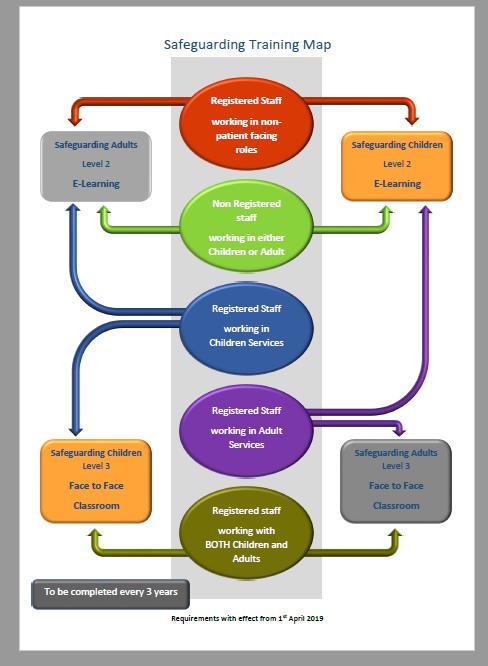
Provide Community must ensure that those who use their services are safeguarded and that Colleagues are suitably skilled and supported. Provide Community has committed to ensure that Colleagues can identify and develop the knowledge and skills relevant to their role as outlined in: Adult Safeguarding: roles and competencies for health care staff (Intercollegiate Document, RCN 2024). All registrants working with adults are expected to complete Level 3 Safeguarding Adults training and renew every three years.
Provide Community accepts the principles of safeguarding adults and has committed to:
• Take action to identify and prevent abuse from happening
• Respond appropriately when abuse has or is suspected to have occurred
• Ensure that the agreed safeguarding procedures are always followed
• Offer/deliver support, advice and resources to Colleagues in responding to safeguarding adult issues.
• Inform Colleagues of any local or national issues relating to safeguarding adults.
• Ensure Colleagues are aware of their responsibilities to attend training and to support Colleagues in accessing these events
• Ensure that the organisation has a dedicated Colleagues member with an expertise in safeguarding adults
• Ensure Colleagues have access to appropriate consultation and supervision regarding safeguarding adults
• Understand how diversity, beliefs and values of people who use services may influence the identification, prevention and response to safeguarding concerns
• Ensure that information is available for people that use services & family members setting out what to do if they have a concern
• Ensure that all employees who come into contact with adults have the appropriate safer recruitment employment checks in line with the requirements of the Disclosure and Barring Service (DBS 2025) such as obtaining references.
• Ensuring that Colleagues will be supported if they make a disclosure under the Public Interest Disclosure Act, 2020
• Job descriptions for Colleagues contain a statement regarding Colleagues responsibility for safeguarding children and adults
All Colleagues must be aware of and understand the risk factors for abuse and what they must do if a person is being abused, suspected of being abused, is at risk of abuse or has been abused (CQC, 2025).
Under the Care Act 2014, Provide Community must work collaboratively with other services, teams, individuals and agencies in relation to all safeguarding matters and have safeguarding policies that link with Local Authority policies. It participates in the LSAB where required; has clear procedures which are followed in practice, monitored and reviewed in the context of safeguarding and considers relevant guidance set out in the CQC’s schedule of applicable publications.
Responsibilities of All Provide Community Colleagues
• Remain alert at all times to the possibility of abuse
• Follow the safeguarding policies and procedures at all times, particularly if concerns arise about the safety or welfare of an adult with care and support needs.
• To know the location and the contents of the Local Safeguarding Adults Board and Provide Community Group Safeguarding Adults Policies and Local guidance.
• Participate in safeguarding adults training relevant to post and professional responsibilities and maintain current working knowledge. Line managers are to check training compliance and fitness to practice as part of the annual Personal Development Reviews.
• Ensure that the adult at risk is involved in decision making about any safeguarding concerns. (No decision about me without me/MSP). All adults should be supported to make choices and have control in how they choose to live their lives
• Escalate any concerns about the welfare of an adult with care and support needs to their Line Manager and Provide Safeguarding team. Record any discussion and outcomes in the service user record.
• Know how to refer safeguarding concerns to Local Authority of Adult Social care and forward a copy of the completed form to Provide Community Group safeguarding team.
• Contribute to actions required including information sharing and attending meetings relating to the safeguarding adults.
• Work collaboratively with other agencies to safeguard and protect the welfare of people who use Provide Wellbeing services
• Recognise the impact that diversity, beliefs and values of people who use services can have.
Safer Recruitment
All agencies that employ staff or volunteers to work with adults, should ensure their recruitment and vetting procedures are sufficiently stringent and robust, to ensure employees are appropriately qualified and personally suitable for the responsibilities of the role.
Provide Community ensure that the principles of Safer Recruitment are achieved by adopting safer recruitment policies and procedures designed to identify and exclude those candidates who may pose a risk of abuse to adults. Safer recruitment includes checking all candidates with the Disclosure and Barring Service before a final offer of employment is made Provides recruitment team Ensure all appropriate DBS checks are carried out based on the role and this would be a mandatory condition in the conditional offer letter.
6. The Legal Framework for Safeguarding Adults
The Care Act 2014 made each local authority establish a Safeguarding Adult Board to help and protect adults in their area by co-ordinating and ensuring effectiveness of what each of its members does. The Care Act 2014 established a new statutory framework for care and support, including adult safeguarding. It also made a duty for local authorities to cooperate with others who provide care and support relating to adults who are experiencing or at risk of abuse or neglect
According to Care Quality Commission’s (CQC, 2024) ‘Fundamental Standards’ all people must not suffer any form of abuse or improper treatment while receiving care. This includes:
• Neglect
• Degrading treatment
• Unnecessary or disproportionate restraint
• Inappropriate limits on your freedom
The first priority should always be to ensure the safety and protection of adults at risk of abuse or neglect. It is the responsibility of all Colleagues to act on any suspicion or evidence of abuse or neglect and to pass on their concerns to a responsible person/agency (Public Interest Disclosure Act 2025).
All those making a complaint or allegation or expressing concern, whether they be Colleagues, Service Users, carers or members of the general public, should be reassured that:
• They will be taken seriously
• Their comments will usually be treated confidentially but their concerns may be shared if they or others are at significant risk
• Service Users will be given immediate protection from the risk of reprisals or intimidation
• If Colleagues, they will be given support and afforded protection, if necessary, e.g. under the Public Interest Disclosure Act 2025 they will be dealt with in a fair and equitable manner; and they will be kept informed of any action taken and the outcome
Following the Francis Review it was recognised that there needs to be a more open and supportive culture that encourages staff to raise any issues of patient care, quality or safety. Provide supports Freedom to Speak Up and staff who have concerns should raise this firstly with their line manager, with the Executive Director of Finance or NonExecutive Director who has been appointed as the Speak up Guardian, as outlined in the HRPOL01 Freedom to Speak Up (Whistleblowing) Policy
7. Safeguarding Adults
The guidance that follows does not replace that contained within the Local Safeguarding Adults Guidance; rather it provides a succinct summary of the process.
Initial conversations with the adult at risk
In the majority of cases, unless it is unsafe to do so, each concern will start with a conversation with the adult at risk. The adult at risk and/or their advocate should not have to repeat their story; this doesn’t prevent clarification being sought where necessary. The desired outcome by the adult at risk should be clarified and confirmed at the end of the conversation(s), to:
• Ensure that the outcome is achievable.
• Ensure the outcome is realistic
• Balance risk and the adults’ desire for justice and enhance their wellbeing
• Manage any expectations that the adult at risk may have and
• Give focus to the enquiry.
The adult’s views, wishes and desired outcomes may change. There should be an ongoing dialogue and conversation with the adult at risk to ensure their views and wishes are gained as the safeguarding process continues, and enquiries reviewed accordingly.
Where there is immediate risk, you must keep the adult safe and where a crime may have been committed, you must call the Police (either using 999 in an emergency, 101 in non-emergency or the online portal.) Be careful not to interfere with any potential evidence – this includes facilitating a Service User to wash or to have their clothes washed. Ensure your line manager and Provide Safeguarding team is promptly informed.
If you have concerns that an adult is or may be at risk of significant harm from others, then you must complete the appropriate form. These forms can be obtained from your local safeguarding boards website or website or Provide Community Platform. Completed forms must be sent to the appropriate Local Authority without any delay and a copy of this must be sent to the Provide Safeguarding Team. A Datix incident report should also be completed. The safeguarding referral should be completed as soon as possible within 24 hours, ideally before going off duty. If you are unable to do this, please contact your line manager for support.
Please access your local safeguarding authority via this link https://safeguardingguide.nhs.uk/contacts. The information can also be found at your local safeguarding adults board (see links above). A copy of all completed forms must be sent via email to the safeguarding team for information, support and quality assurance purposes. Email:Provide.safeguarding@nhs.net. Please follow your local authority’s referral process.
When completing an alert, it is important to include:
• Demographic and contact details for the adult at risk,
• Details of the person who raised the concern
• Needs including communication and on-going health needs
• Factual details of what the concern is about; what, when, who, where
• Immediate risks and action taken to address risk
• Preferred method of communication
• If reported as a crime include crime reference number, police station etc
• Others at risk e.g. child in household, residents in care home
• If the adult has any cognitive impairment which may impede their ability to protect themselves
• Any information on the person alleged to have caused harm
• Wishes and views of the adult at risk, in particular consent
• Advocacy involvement (includes family/friends)
• Information from other relevant organisations for example, CQC
• Any recent history (if known) about previous concerns of a similar nature or concerns raised Indications where an adult lacks capacity.
Where there is a difference of opinion between Provide Community professionals regarding a risk to a Service User, the Provide Community Group Head of Safeguarding and the Divisional Lead/Director of the specific service will be contacted. Outside normal working hours, staff should contact the Manager-On-Call for advice.
These principles and guidelines for adult safeguarding are similar for all areas where services are delivered with some variations in the process. Provide colleagues working within these areas will need to understand local policies and procedures. If any Provide colleagues need advice or assistance with regards to the safety of an adult, then contact the Safeguarding Team on 0300 303 2642
Colleagues who are aware that a vulnerable adult is subject to a safeguarding adult’s investigation or adult protection plan and fails to attend or is not brought to an appointment with Provide, they should inform the referrer, their line manager and the allocated social worker. They should also consider discussing with Provides Safeguarding team or with the local Police if a welfare check is required.
When a member of staff is not entirely satisfied with the clinical, social or emotional picture that is presentedor wheremaltreatment is suspected theymust contact Provide Safeguarding team for advice and support in escalating their concerns or raising a professional disagreement.
Serious Incident, & Safeguarding Adult reviews
When safeguarding alerts are raised consideration should also be given to completing a Datix incident report where internal investigation can be pursued along with the multiagency response. If the safeguarding alert meets the threshold, it may be investigated internally in line with the Provide Group Incident Reporting & Management Policy
The Local Adult Safeguarding Board must arrange a Safeguarding Adults Review when an adult has died or is still alive but has experienced serious abuse and neglect and there is concern that partner agencies could have worked more effectively to protect the adult.
The purpose of the Review is to determine what the relevant agencies and individuals involved in the case might have done differently that could have prevented harm or
death and establish whether there are lessons to be learned and applied to future cases to prevent similar harm occurring. It is not to hold any individual or organisation to account.
8. Consent
Learning from high profile inquiries identified recurrent themes in the failures of care and protection:
• Patients are not empowered to make choices about their care and protection
• Patient’s voice is not heard
• Neglect and abuse arise in the absence of effective prevention and early warning systems
It is always essential in safeguarding to consider whether the adult at risk is capable of giving informed consent in all aspects of their life. If they are able, their consent should be sought. This may be in relation to whether they give consent to:
• An activity that may be abusive and consent to abuse or neglect was given under duress (e.g. as a result of exploitation, pressure, fear or intimidation), then staff member must consult with the line manager or Safeguarding team as in this event consent can be disregarded
• A safeguarding adult’s investigation/assessment in response to a concern that has been raised. Where an adult at risk with capacity has decided that they do not want action to be taken and there are no public interest or vital interest considerations, their wishes must be respected. The person must be given information and have the opportunity to consider all risks and fully understand the likely consequences of that decision over the short and long term
• The recommendations of an individual protection plan being put in place
• A medical examination
• An interview
• Certain decisions and actions taken during the safeguarding adult process with the person or with people who know about their abuse and its impact on the adult at risk
If, after discussion with the adult at risk who has mental capacity, they refuse any intervention, their wishes will be respected unless (MCA 2005):
• There is an aspect of public interest (e.g. not acting will put other adults or children at risk)
• There is a duty of care on a particular agency to intervene for example the Police (if a crime has been or may be committed)
Remember that one of the principles of the MCA is that making an unwise decision does not indicate a lack of capacity. See MCA Policy: SGPOL10
If the Service User lacks capacity to consent to a safeguarding investigation (following the MCA assessment) and is un-befriended or their friend or family is their alleged abuser or alleged victim, then an Independent Mental Capacity Advocate (IMCA) must be provided. The IMCA can be accessed by sending the completed MCA form to the Provide Safeguarding team and informing them of the need for an IMCA referral. Following discussion with the Provide Safeguarding team a referral should be made to the IMCA service as advised.
9. Confidentiality and Information Sharing
Where there is potential risk to life and limb, the welfare of the adult is paramount. In such circumstances, the duty to maintain confidentiality is over-ridden by a duty in the public interest (Public Interest disclosure Act 2023). Colleagues have a duty to pass on information relating to suspected adult abuse to Police.
Consent is not required to make a safeguarding referral where:
• There is significant risk of harm for the Service User or other vulnerable adults and seeking permission is likely to increase risk to the adult
• Permission has been refused previously but sufficient professional concern remains to justify disclosure
• Seeking permission is likely to impede a criminal investigation
• There is significant risk to others (including children and young people under the age of 18)
• Children who may be the subject of abuse
• Failure to disclose information may expose the Service User or others to risk of death or serious harm
The Provide Community IGPOL69 Information Sharing Policy should be followed at all times. Information should be shared on a necessary and proportionate, need to know basis. Colleagues should consult their line manager or Safeguarding Team for advice if they are unsure.
It is also important that the risks of sharing information are considered. In some cases, such as domestic abuse or hate crime, it is possible that sharing information could increase the risk to the adult. Safeguarding partners need to work jointly to provide advice, support and protection to the adult at risk to minimise the possibility of worsening the relationship or triggering retribution from the person alleged to have caused harm.
Professional Curiosity
Professional curiosity is the capacity and communication skill to explore and understand what is happening within an adult rather than making assumptions or accepting things at face value. Professional curiosity can require practitioners to think ‘outside the box’, beyond their usual professional role, and consider circumstances holistically.
Curious professionals will spend time engaging with adults. They will ask questions (in an open way) and seek clarity if uncertain and will be open to the unexpected.
Developing skills in professional curiosity
• Be flexible and open-minded, not taking everything at face value. Check your own emotional state and attitudes. Leave time to prepare yourself for managing risk and uncertainty and processing the impact it has on you.
• Think the unthinkable; believe the unbelievable. Consider how you can articulate ‘intuition’ into an evidenced, professional view.
• Use your communication skills: review records, record accurately, check facts and feedback to the people you are working with and for. Never assume and be wary of assumptions already made.
• Use case history and explore information from the person themselves, the family, friends and neighbors, as well as other professionals (triangulation).
• Pay as much attention to how people look and behave as to what they say.
• Actively seek full engagement. If you need more support to engage the person or their family, think about who in the network can help you. Consider calling a multi-agency meeting to bring in support from colleagues in other agencies.
• Take responsibility for the safeguarding role you play, however large or small, in the life of the person in front of you.
Professional curiosity is likely to flourish when practitioners:
• Attend good quality training to help them develop.
• Have access to good management support and supervision.
• Have empathy (walk in the shoes) of the person to consider the situation from their lived experience.
• Remain diligent in working with the person and their family/network, developing professional relationships to understand what has happened and its impact on all involved.
• Always try to see the person separately.
• Listen to people who speak on behalf of the person and who have important knowledge about them.
• Be alert to those who prevent professionals from seeing or listening to the person.
• Do not rely on the opinion of only one person, wherever possible.
• Have an analytical and reflective approach.
• Develop the skills and knowledge to hold difficult conversations.
Holding difficult conversations and challenging Tackling disagreements or hostility, raising concerns or challenges, and giving information that will not be well received are recognised as hard things to do. The following are some tips on how to have difficult conversations:
• Planning in advance to ensure there will be time to cover the essential elements of the conversation
• Keeping the agenda focused on the topics you need to discuss. Being clear and unambiguous.
• Having courage and focusing on the needs of the service user.
• Being non-confrontational and non-blaming and sticking to the facts.
• Having evidence to back up what you say. Ensuring decision-making is justifiable and transparent.
• Showing empathy, consideration and compassion – being real and honest.
• Demonstrating congruence - making sure tone, body language and content of speech are consistent.
• Acknowledging ‘gut feelings’, sharing these with other professionals, and seeking evidence.
• Understanding the elements and indicators of behavioral change.
• Holding a healthy skepticism.
• Understanding the complexities of disguised compliance.
• Applying professional judgement.
Barriers to professional curiosity
It is important to note that when a lack of professional curiosity is cited as a factor in a tragic incident, this does not automatically mean that blame should be apportioned. It is widely recognised that there are many barriers to being professionally curious, including:
• Disguised Compliance.
• Rule of optimism.
• Cumulative effects of a series of incidents.
• Normalisation.
• Professional deference
10.Historical Abuse Allegations
Adult clients who disclose they have been abused in the past e.g. sexual abuse must be treated sensitively. Service Users should be offered information, support, counselling and any other available services. However, colleagues must also consider whether the alleged perpetrator may pose a risk to others. Where staff feel a child is at risk of harm then they have a duty to refer to children’s social care. Provide SGPOL02 Safeguarding Children and Young People Policy must be followed. In the event of any concern around a child, Colleagues must contact Provide Safeguarding Team without any avoidable delay; out of hours the online manager must be contacted.
Police must be informed about allegations of a crime at the earliest opportunity. Colleagues should discuss this with the Police Safeguarding team. The local Police’s contact details can be obtained by dialling 101 or from the Local Authority.
For adults who work with children where there are concerns or allegations that the adult may pose a risk to children based on their history, the Local Authority Designated Officer (LADO) should be contacted if the adult has:
• Behaved in a way that has harmed a child or may have harmed a child.
• Possibly committed a criminal offence against or related to a child; or
• Behaved towards a child or children in a way that indicates they may pose a risk of harm to children. (Working Together to Safeguard Children, 2023).
11.Allegations against Staff
Where there is an accusation of abuse against a Provide Employee, the Assistant Director for the service, Provide Safeguarding Team and Human Resources must be notified. Provide HRPOL14 Disciplinary Policy must be followed. Appropriate referrals to Adult or Children’s Social Care will be made within the timeframes stipulated.
This can apply when a member of staff has:
• Behaved in a way that has or may have harmed a vulnerable adult
• Possibly committed a criminal offence against or related to a vulnerable adult
• Behaved towards a Service User in a way which indicates s/he is unsuitable to work with Service Users
If the Employee has allegedly committed a criminal offence:
• The Line Manager or on call manager must be contacted without delay and if necessary, the local Police must be contacted
• If the allegation is against the line manager or the most senior staff on duty, then Assistant Director and Safeguarding team must be notified
• Where any concerns regarding an employee’s suitability to work with children or vulnerable adults is identified, the employer must refer the case to the DBS (Independent Safeguarding Authority)
Allegations against Non-Substantive Colleagues
All allegations of abuse made in respect of non-substantive Colleagues, i.e. agency and bank workers, students or contractors will be managed with due regard for this policy. In all cases where allegations are made in respect of non-substantive Colleagues, the appropriate manager within the agency responsible will be alerted to the allegation and action taken by Provide.
Agreement will be reached between appropriate HR business partners in each organisation as to where the primacy of an investigation relating to conduct will rest. As with all investigations, a police/criminal line of enquiry will take precedence above all others.
12.Visiting Vulnerable Service Users
Visits to vulnerable Service Users who may lack capacity to consent to a visit from an alleged perpetrator should only take place following an MCA Assessment and a decision that such a visit would be in the best interests. Decisions to allow such visits should be regularly reviewed. See SGPOL10 MCA Policy.
13.Record Keeping
Good record keeping is a vital component of safe practice. When abuse or neglect is raised managers need to look for past incidents, concerns, risks and patterns. We know that in many situations, abuse and neglect arise from a range of incidents over time.
Records (including emails) may be disclosed in courts in criminal or civil actions. Line managers should ensure that staff are clear about their responsibilities when recording information. Quality recording of adult safeguarding not only safeguards adults but also protects workers by evidencing decision making based on the information available at the time.
All staff must follow the Provide IGPOL63 Health Record Keeping Policy All discussions whether, phone calls or meetings, with clear outcomes, decisions and action plans, must be recorded contemporaneously with a date, time, name and signature. All recordings should be based on fact or professional opinion and kept in the client’s records. All assessments must consistently assess and record the racial linguistic and religious identity and needs of the Service User and their family. There should be no abbreviations used, and all persons involved should be named in full with any professional designation noted.
The records of clients who are known to be subject to a Safeguarding Management Plan should indicate this clearly.
14.Training
Safeguarding training within Provide is in accordance with Roles and Competencies for Healthcare Staff (the Adult Intercollegiate Document. RCN, 2024).
Please see Appendix 1 – Training Map.
All colleagues are expected to complete the appropriate training and to update at their level of competence every 3 years. This includes MCA & DOLs training for all clinical Colleagues who require consent for care or treatment from their service users.
15.Safeguarding Investigations
Where allegations are raised to the Local Authority about the care given by provide staff whomay request that an investigation is completed by Provide Safeguarding team within 10 working days of receipt. The Senior management team will be notified as well as the Assistant Director and Team manager/matron. The Team involved is expected to co-operate with the investigation which will include scrutiny of the patient records and interviews with the Colleague involved. The main purpose of the investigation is to ascertain what happened and whether there are any improvements that can be made to practice in order to mitigate against it happening again. The report will be shared with the Assistant Director and Team manager and be signed off by the Senior Management team prior to returning to the Local Authority.
See Appendix 2 – Safeguarding Investigations Flowchart
16.Medication Errors
Medication errors involving one patient would not be seen as a safeguarding issue unless there was significant harm caused to the adult, whether deliberate or unintentional. Provide have a ‘No Blame’ culture for medication incidents and expect that immediate action will be taken to minimise the risk of harm to the patient through escalation to senior nursing and medical colleagues and incident reporting. Where it is established that a medication error does not meet Safeguarding threshold (as outlined in Appendix 4 – Medication Errors), an internal investigation with be carried out to ensure robust prevention measures are in place such as training, supervision and auditing.
17.Contact Telephone Numbers and Access to Further Information
Contacts for Local Authority Safeguarding Teams by area:
• Local Police non-emergency: 101 or online portal
• Emergency Services 999
• Immigration Advice Service: (available seven days a week):Tel: 0844 887 0111; email: info@iasservices.org.uk Skype: (immigrationadviceservice)
• National Domestic Abuse Helpline: Tel: 0808 2000 247
• Forced Marriage Unit (for female or male victims) Tel: 020 7008 0121 (Mon-Fri 09:00-17:00)
• Men’s Advice Line: Tel: 0808 80 10327
• Action on Elder Abuse Response Line/ hourglass: Tel: 0808 808 8141
• Galop LGBT Support (Formerly Broken Rainbow) Tel: 0800 999 5428 Website https://galop.org.uk/
• Karma Nirvana – Honour Network Helpline: Tel: 0800 5999 247, Web: www.karmanirvana.org.uk email: info@karmanirvana.org.uk
• Southall Black Sisters: Tel: 020 8571 0800. Web: www.southallblacksisters.org.uk
• The Honour Network: Tel: 0800 5999 247
Contacts for Adult Social Care referrals by area:
Area Social care referrals
Essex 0345 603 7630
Out of Hours: 0345 606 1212
SET SAF 1
Email: businesssupport.adultsovas@essex.gov.uk
Thurrock 01375 511000
Out of Hours 01375 372468
SET SAF 1
Email: SafeGuardingAdults@thurrock.gov.uk
Southend 01702 215008 (option 1)
Out of hours 0300 123 0778
SET SAF 1
Email: accessteam@southend.gov.uk
Cambridge 0345 045 5202
Peterborough 01733 747474
Professionals – Making a Referral | Cambridgeshire and Peterborough Safeguarding Partnership Board
Waltham Forest 020 8496 2310
safeadults@walthamforest.gov.uk
Contact the Mash Team | London Borough of Waltham Forest Norfolk 0344 800 8020
SADSR Form
https://www.norfolk.gov.uk/article/42510/Report-a-concern safeguarding Suffolk Multi-Agency Safeguarding Hub 0345 606 1499 (MASH)
Customer First 0808 800 4005
http://www.suffolk.gov.uk
Adults Safeguarding Hertfordshire 0300 123 4042
https://www.hertfordshire.gov.uk
click on Adult Social Care report a concern about an adult make a referral E-mail Adult.Safeguarding@hertfordshire.gov.uk
Dorset 01395 221 016
Out of hours 01305 858 250
https://www.dorsetcouncil.gov.uk/care-and-support-for-adults/dorset-safeguardingadults-board/reporting-a-concern
Scarborough & Richmond 01609 780 780 same number for OOH https://www.northyorks.gov.uk/safeguarding-vulnerable-adults
Congleton
Cheshire 0300 123 5010
Out of Hours Service on 0300 123 5022
https://www.cheshireeast.gov.uk/livewell/staying-safe/keeping-adultssafe/concerned-about-an-adult.aspx
Worksop
Nottinghamshire Contact MASH 0300 500 80 90
Out of Hours 0300 456 4546
Access online form at: Multi-Agency Safeguarding Hub (MASH) | Nottinghamshire County Council
Doncaster 01302 737063
Out of Hours 01302 796000
https://mosaicportal.doncaster.gov.uk/s4s/FormDetails/FillForm?formId=184
Brigg North Lincolnshire 01724 297000
https://www.northlincssab.co.uk/reporting-abuse/ complete referral form and submit the form to: adultprotectionteam@northlincs.gov.uk
Buxton Derbyshire 01629 533190
Buxton
Out of Hours 01629 532600
email: asch.bshighpeak@derbyshire.gov.uk
Staffordshire 0345 604 2719 office hours, out of hours 0345 604 2886 https://www.staffordshire.gov.uk/Advice-support-and-care-foradults/reportabuse.aspx#recognise
Loughborough
Leicestershire 0116 305 0004
Out of hours 0116 255 1606
Appendix 1: Training Map
Appendix 2: Safeguarding Investigations Flowchart
Safeguarding received by Safeguarding Team
Specialist Administrator

Add to Adult Safeguarding Tracker in Shared Drive and patient SystmOne record

Send to Adult Safeguarding Lead, Head of Safeguarding, Director for service involved, Director for Quality and Safety, Registered Manager for social care services and Registered Manager for Operations who will triage to look for concerns that reach the threshold for an HR or PSIRF investigation. Social care will then be informed by the Adult Safeguarding Lead that the SETSAF is on hold until the completion of the PSIRF/HR Process and that they will then receive the report and action plan.

The Director for the service involved is responsible for ensuring that the action plan is completed, that any learning points are communicated to the team and that the team are offered a debrief.
If not proceeding as a PSIRF or HR investigation Initiate Safeguarding investigation. Adult Safeguarding Lead

Review patient Record and complete chronology of significant events for the time-period under investigation.
Identify any involved parties for interview. Complete interviews and review notes or transcripts
Analyse all data collected and complete report

Send to Registered Managers, Directors, Head of Safeguarding, Head of Quality and Safety, Senior Manager for Service and Divisional Lead, for comments, actions and learning points with short deadline for return.
Make any amendments and send final version for sign off by Director for Service or Head of Safeguarding
Send signed report to Adult Social Care via secure email within 10 days of receipt
Save final version to patient record and update Adult Safeguarding Tracker
Monitor completed actions and report quarterly to the Strategic Safeguarding Group
Appendix 3: Best Practice Matrix
Safeguarding Adults Best Practice Matrix
The matrix below contains examples of concerns with an indication of which safeguarding level they may fit into. The examples outlined are not an exhaustive list and do not provide an absolute definition. There will be cases that do not fit easily into a specific level and advice should be sought from your organisation’s Adult Safeguarding lead if there is any query as to which level a concern should be placed in. If in doubt and no safeguarding advice is available, complete a Safeguarding Adults referral. In addition, all concerns must be reported in line with your organisation's internal escalation process.
If an adult with care and support needs either died or experienced serious harm as a result of abuse or neglect, and there is reasonable cause for concern that agencies could have worked together more effectively to protect the adult, a Safeguarding Adult Review may need to be considered, and you should discuss this with your safeguarding lead.
Every person has the right to have their concerns reported through the correct procedures; this may include a safeguarding referral. If a person does not have capacity to make this decision, you must consider whether a safeguarding referral needs to be made in their best interests. Inline with Duty of Candour expectations, every healthcare organisation and everyone working for them or on their behalf must be honest, open and truthful in all their dealings with patients and the public. Where harm has been, or may have been, caused to a patient by an act or omission of the organisation or its staff, the patient must be informed.
PHYSICAL (FALLS)
• Isolated incident (risk assessment reviewed, associated care plan in place
• Risk assessment and associated care plan in place but is not being followed. There is no harm to the person
• One person experiencing recurring falls whilst in a care setting or receiving care services (risk assessment reviewed, care plan revised, appropriate referral made to relevant health professional) and no harm has occurred
• Fall where serious harm occurs whilst in receipt of care (e.g. fractured long bone). Consider referral as a serious incident if this meets the framework criteria
REFERRAL TO POLICE SHOULD BE CONSIDERED
• Fall causing serious or significant harm to person, leading to the need for medical intervention where there has been previous concerns identified
• Previous concerns identified but not
REFERRAL TO POLICE REQUIRED
• One fall causing catastrophic harm to one person possible –hospitalisation/irreparable damage/death where there has been previous concerns identified
• Insufficient prevention measures for care providers in place such as
PHYSICAL
• One off fall more than one person affected within the care setting and no harm has occurred
• Staff error causing no/little harm, e.g. superficial skin friction mark
• Minor events that still meet criteria for incident reporting
PHYSICAL (PRESSURE ULCERS)
• Pressure damage with no evidence of neglect OR failure to provide adequate care or pressure relieving equipment
• person has capacity and makes informed decision to decline treatment. A pressure ulcer develops
• Isolated incident involving service user on service user
• Inexplicable very light marking found on one occasion
• pressure damage that meets the threshold of a serious incident should be reported. As part of the SI process, the following questions must be considered
1. has there been rapid onset and/or deterioration of skin integrity?
2. Has there been a recent change in medical condition e.g. skin or wound infection, other infection, pyrexia, anaemia, end of life care that could have contributed to a sudden
• Inexplicable marking or lesions, burns, cuts or grip marks on a number of occasions
• Accumulation of minor injuries on one person or within one working area e.g. ward, care home
• Person not risk assessed with regards to pressure ulcers risk and management and harm occurs
• Failure to provide suitable pressure relieving equipment and harm occurs
• Failure to follow the advice of clinical specialists and harm occurs
• Pressure ulcers that have been investigated through the SI process and have found to be preventable AND the 5 questions
addressed by organisation
• Insufficient prevention measures in place such as training, supervision and auditing
• Numerous falls affecting more than one person from the same care setting or care provider requiring medical treatment
• Inappropriate restraint
• Inexplicable fractures/injuries to any part of the body that may be at various stages in healing process
• As box 3
If this affects more than one person, Organisational Abuse should be considered
training, supervision and auditing
• Assault
• Grievous bodily harm/assault leading to significant harm, irreversible damage or death
• Person not risk assessed with regards to pressure ulcers risk and management leading to catastrophic harm/possible hospitalisation/irreparable damage/death
• Failure to provide suitable pressure relieving equipment/follow the advice of clinical specialists leading to catastrophic harm/possible hospitalisation/irreparable damage/death
MEDICATION
SEXUAL
• Adult does not receive prescribed medication (missed/wrong dose) on one occasion, and no harm occurs
• Minimal harm to one person but robust prevention measures in place such as training, supervision and auditing
deterioration of skin condition?
3. Have reasonable steps been taken to prevent skin damage?
4. Is the level damage to the skin disproportionate to theperson’sriskstatusfor skin damage e.g. low risk of skin damage with extensive injury?
5. Is there evidence of poor practice or neglect?
• Recurring missed medication or administration errors in relation to one service user that cause no harm and no ongoing concerns
• Prevention measures in place such as training, supervision and auditing
outlined in box 2 have been considered
If this affects more than one person, Organisational Abuse should be considered
• Every person has the right to have their concerns reported through the correct procedures; this may include a safeguarding referral. If a person does not have capacity to make this decision you must consider whether a
• One off medication error to more than one person –no harm caused
• Recurring missed medication or errors that affect more than one adult and/or results in harm
• Medication error causing serious or significant harm to person, leading to the need for medical intervention
• Previous concerns identified/ ongoing ineffectiveness
• Insufficient prevention measures in place such as training, supervision and auditing
• Appearing to be over medicated
• Isolated incident when an inappropriate sexualised remark is made to an adult and no or little distress is caused
• Deliberate maladministration of medications
• Covert administration without proper medical supervision
• Recurring errors or an incident of deliberate maladministration, that results in ill-health or death
• Catastrophic harm to more than one person leading to hospitalisation / long term effects/ death
• One off recurring sexualised touch or isolated/recurring masturbation without consent
• Sex in a relationship characterised by authority, inequality or exploitation e.g. staff and service user
• Sex without consent
safeguarding referral needs to be made in their best interests
• Verbal sexualised teasing that causes offence
NB: the individual should be offered a referral to the police
FINANCIAL
All allegations of financial abuse should be discussed with the safeguarding team to establish if harm has been caused and if referral is required
NEGLECT (CLINICAL CARE PLANS)
• Person centred, evidencebased clinical care plan in place and being followed. Linked to appropriate risk assessment, NOT regularly reviewed but no harm occurs
• Clinical care plan not person centred, not linked to appropriate risk assessment. No harm
If this affects more than one person consideration must be given to organisational abuse
• Adult’smonieskeptin joint bank account –unclear arrangements for equitable sharing of interest
• Adult denied access to their own funds or possessions
• Staff/carers personally benefit from the support they offer service users, e.g.accrue‘rewardpoints’ on their own store loyalty cards when shopping
• Adult not routinely involved in decisions about how their money is spent or kept safe –capacity in this respect is not properly considered
• Poor quality clinical care plans affecting one person, causing harm or distress
• Previous concerns about clinical care plans not addressed locally
• Attempted penetration by any means (whether or not it occurs within a relationship) without consent
• Sexual harassment
• Sexualised relationship between staff and service user`
• Misuse/misappropriation of property, possessions or benefits by a person in a position of trust or control
• Personal finances removedfromadult’s control
• Being made to look at pornographic material without consent
• Being subject to indecent exposure
• Fraud/exploitation relating to benefits, income, property or will
• Theft
• Poor quality clinical care plans leading to harm or distress to more than one person – consideration must be given to organisational abuse
• Poor quality clinical care plans leading to catastrophic harm to one person – possible hospitalisation/irreparable damage/death
• Poor quality clinical care plans causing significant harm to more than one person
NEGLECT (DISCHARGE FROM A CLINICAL SETTING)
• Deterioration of person due to medical condition –all support services in place
• Poor discharge planning from a clinical setting leading to inconvenience but no harm or distress
• Insufficient prevention measures in place, such as training, supervision and auditing
ORGANISATIONAL CATEGORY INTENTIONALLY LEFT BLANK
DISCRIMINATORY
• Isolated incident when inappropriate prejudicial remark is made and no or little distress is caused
• Lack of stimulation/opportunities for people to engage in social and leisure activities
• Person’sviewsnot sought, person not involved in care planning process
• Denial of individuality and opportunities for people to make informed choices and take responsible risks
• Care planning documentation not person-centred
• Care planning fails to address diversity associated needs for a short period
• Isolated incident of teasing motivated by prejudicial attitudes
• Poor discharge from a clinical setting leading to support services not being set up. Causes harm or distress to person
PSYCHOLOGICAL CATEGORY INTENTIONALLY LEFT BLANK
• Isolated incident where adult is spoken to in a rude or other
• Rigid/inflexible routines
• Dignity is undermined, e.g. lack of privacy during support with personal care needs
• Care planning documentation not person- centred, advice given to organisation, but no improvements made
• Organisation does not have policies or practices that recognise or deal with safeguarding issues
• Inequitable access to service provision as a result of diversity issue
• Recurring taunts
• Recurring failure to meet specific needs associated with diversity
• Treatment that undermines dignity and damages esteem
• Poor discharge planning from a clinical setting, failure to refer person to appropriate support services, leading to significant harm
• Poor discharge planning from a clinical setting, failure to refer person to appropriate support services, leading to catastrophic harm/possible hospitalisation/irreparable damage/death
• Bad practice unreported and going unchecked
• Unsafe and unhygienic living environments in a care setting
• Staff misusing their position of power over people
• Over-medication and/or inappropriate restraint used to manage behaviour within an institutional setting
• Widespread consistent ill treatment within an institutional setting
• Being refused access to essential services
• Denial of civil liberties, e.g. voting, making a complaint
• Humiliation or threats
• Humiliation
• Hate crime resulting in injury/emergency medical treatment/fear for life
• Hate crime resulting in serious injury or attempted murder/honourbased violence
• Denial of human rights/civil liberties
• Prolonged intimidation
DEPRIVATION OF LIBERTY SAFEGUARDS
inappropriate way –respect is undermined, but little or no distress caused
CATEGORY INTENTIONALLY LEFT BLANK
SELF-NEGLECT Person has capacity and is making own choices about selfcare
DOMESTIC ABUSE
• Isolated incident of DoLs application not made in timely manner or conditions not being complied with
• Isolated incident of a more restrictive method of control being used than is necessary
• Care plans do not appropriately support interventions to manage risk of self-neglect
• Risks of self-neglect are not explored with the person
• Denying or failure to recogniseanadult’s choice or opinion
• Frequent verbal outburst
• Withholding of information to disempower
• Lack of policy or practices that recognise deprivation of liberty issues
If this affects more than one person organisational abuse should be considered
If the person does not have capacity and there is perceived harm or they are refusing interventions to prevent harm, this should be discussed with your organisation’s safeguarding lead
Refer to DASH risk assessment – http://www.dashriskchecklist.co.uk/index-php?page=dash-2009model-for-practitioners
NB: consideration of the safety of all members of the household or family MUST be made
• Emotional blackmail (threats of abandonment/harm)
• Taunts or verbal outbursts that cause distress
• Restriction of liberty repeatedly unreported
• Vicious personalised verbal attacks
• Restriction of liberty so significant that evidence of neglect or physical harm has occurred as described in above categories
MODERN SLAVERY
Discuss with safeguarding lead and refer to DASH risk assessmenthttp://www.dashriskchecklist.co.uk/index-php?page=dash-2009-model-for-practitioners
If the organisation’s approach to self-neglect is of concern, organisational abuse should be considered
If the organisation’s approach to self-neglect is of concern, organisational abuse should be considered
• Sexual, emotional, financial or physical abuse from family members
• Sexual, emotional, financial or physical abuse from intimate or previously intimate partner
CATEGORY INTENTIONALLY LEFT BLANK
• Forced marriage
• ‘Honour’violence
• Any concerns about slavery, human trafficking, forced labour and domestic servitude must be reported to the police
There is also a national Modern Slavery Helpline: 0800 012 1700
Appendix 4: Medication Errors
NOT SAFEGUARDING – NORMAL CARE MANAGEMENT - An adult’s needs can be met through statutory services such as local authority, police, health.
• The adult does not receive prescribed medication (missed/wrong dose) on one occasion, and no harm occurs
• Minimal harm to the adult but robust prevention measures in place such as training, supervision & auditing
NOT SAFEGUARDING - SERVICE IMPROVEMENT / QUALITY ISSUES - A low level concern that can be dealt with through complaints processes, case reviews, quality process etc.
• Recurring missed medication or administration errors in relation to the adult that cause no harm
• No ongoing concerns
• Prevention measures in place such as training, supervision and auditing
SAFEGUARDING CONCERN MAY BE REQUIRED - CONTACT YOUR SAFEGUARDING LEAD FOR DISCUSSION - This would include an adult who may be in need of a multi-agency response to manage their risk. Concerns at this point may meet the threshold for adult safeguarding and must be considered on a case-by-case basis. If this affects more than one patient, organisational abuse should be considered
• One off medication error to more than one adult - no harm caused
• Recurring missed medication or errors that affect more than one adult and/or result in harm
• Medication error causing serious or significant harm to the adult, leading to the need for medical intervention
• Previous concerns identified/ongoing ineffectiveness
• Insufficient prevention measures in place such as training, supervision & auditing SAFEGUARDING CONCERN - REFERRAL TO POLICE SHOULD BE CONSIDERED - The adult has been harmed or placed at harm because of actions, deliberate or unintentional, of others. High level concerns. If there is any suspicion that a criminal act has occurred, then a referral to the Police should be considered using your organisation’s internal escalation processes.
• Deliberate maladministration of medication
• Covert administration without proper medical supervision SAFEGUARDING CONCERN - REFERRAL TO POLICE REQUIRED - This includes incidents where adult(s) with care and support needs have died as a consequence of harm or neglect. High Level concerns. This includes cases referred on for a Safeguarding Adult Review or Domestic Homicide Review. This must be reported using your organisation’s internal escalation processes.
• Pattern of recurring errors or an incident of deliberate maladministration that results in ill-health or death
• Catastrophic harm to more than one adult leading to hospitalisation/long term effects/death
• Staff misusing their position of power over the adult
• Over-medication and/or inappropriate restraint used to manage behaviour within an institutional setting
SET guidelines V10 2024
EQUALITY IMPACT ASSESSMENT TEMPLATE
Stage 1: ‘Screening’
The Equality Impact Assessment needs to be completed so that any decisions made are compliant with the aims of the Public Sector Equality Duty – and that any adverse impact for any protected characteristics are identified and resolved.
Policy Title
SGPOL07 Safeguarding Adults at Risk of Abuse Policy
Provide a brief summary (bullet points) of the aims of the Policy
• To assist Provide colleagues to maintain the welfare and safety of all Adults who access Provide services.
• To assist Provide colleagues to identify signs of abuse in adults who access Provide services and enable them to act to safeguarding these service users.
• To assist Provide colleagues in reporting and raising safeguarding concerns when they are identified.
EQIA Assessor Name and Job Title Date of Assessment Ruth Gardner Named Nurse Safeguarding Adults and Children 28/08/2025
This stage establishes whether a proposed initiative will have an impact from an equality perspective on any particular group of people or community or whether it is “equality neutral” (i.e. have no effect either positive or negative)
Q1. Will this policy affect one of the following groups more or Less favourably than another?
Details If more or less, explain impact and any valid legal and/or justifiable exception. Include the source of any evidence
Age
Consider impact and detail across age ranges on old and younger people. This can include safeguarding, consent and child welfare
Disability
Consider and detail impact on attitudinal, physical, and social barriers.
Sex
Consider and detail impact on men and women (potential to link to carers)
Gender reassignment (including transgender)
Consider and detail impact on transgender and transsexual people. This can include issues such as privacy of data and harassment.
Pregnancy and maternity
Consider and detail impact on working arrangements, part-time working, infant caring responsibilities.
Race
Consider and detail impact on different ethnic groups, nationalities, Roma gypsies, Irish travellers, language and communication barriers.
Religion or belief
Consider and detail impact on people with different religions, beliefs or no belief.
Sexual orientation
Consider and detail impact on heterosexual people as well as lesbian, gay and bi-sexual people
Carers
Consider and detail impact on part-time working, shift-patterns, general caring responsibilities
Other identified groups
Consider and detail on different socioeconomic groups, area inequality, income, resident status (migrants) and other groups experiencing disadvantage and barriers to access.
Assessed Impact overall Positive X Neutral Negative
Guidelines: Things to consider
Is the impact of the initiative – whether positive or negativesignificant enough to warrant a more detailed Stage 2 assessment?
Yes X No
Equality impact assessments at Provide take account of relevant equality legislation and include age, (i.e. young and old,); race and ethnicity, gender, disability, religion and faith, and sexual orientation.
The initiative may have a positive, negative or neutral impact, i.e. have no particular effect on the group/community.
Where a negative (i.e. adverse) impact is identified, it may be appropriate to make a more detailed EIA (see Stage 2), or, as important, take early action to redress this – e.g. by abandoning or modifying the initiative. NB: If the initiative contravenes equality legislation, it must be abandoned or modified.
Where an initiative has a positive impact on groups/community relations, the EIA should make this explicit, to enable the outcomes to be monitored over its lifespan.
Where there is a positive impact on particular groups does this mean there could be an adverse impact on others, and if so can this be justified? - e.g. are there other existing or planned initiatives which redress this?
It may not be possible to provide detailed answers to some of these questions at the start of the initiative. The EIA may identify a lack of relevant data, and that data-gathering is a specific action required to inform the initiative as it develops, and also to form part of a continuing evaluation and review process.
It is envisaged that it will be relatively rare for full impact assessments to be carried out at Provide. Usually, where there are particular problems identified in the screening stage, it is envisaged that the approach will be amended at this stage, and/or setting up a monitoring/evaluation system to review a policy’s impact over time.
QUALITY IMPACT ASSESSMENT TEMPLATE
Stage 2
To be used where the ‘screening phase has identified a substantial problem/concern)
This stage examines the initiative in more detail in order to obtain further information where required about its potential adverse or positive impact from an equality perspective. It will help inform whether any action needs to be taken and may form part of a continuing assessment framework as the initiative develops.
Policy/ Project Title
EIA Assessor Name and Job Title
Date of Assessment
EIA Review by Chief Officer name and Job Title Date Of Review
Outcome of Chief Officer Review
Q1. What data/information is there on the target beneficiary groups/communities?
Are any of these groups under- or over-represented?
Do they have access to the same resources?
What are your sources of data and are there any gaps?
Yes
No
Yes
No
Q2. Is there a potential for this initiative to have a positive impact, such as tackling discrimination, promoting equality of opportunity and good community relations? Yes No
If yes, how? Which are the main groups it will have an impact on?
Q3. Will the initiative have an adverse impact on any particular group or community/community relations?
Yes
No
If yes, in what way? Will the impact be different for different groups – e.g. men and women?
Q4. Has there been consultation/is consultation planned with stakeholders/ beneficiaries/ staff who will be affected by the initiative?
Yes
No
Summarise (bullet points) any important issues arising from the consultation
Q5. Given your answers to the previous questions, how will your plans be revised to reduce/eliminate negative impact or enhance positive impact?
Are there specific factors which need to be taken into account? Yes No
Q6. How will the initiative continue to be monitored and evaluated, including its impact on particular groups/ improving community relations? Where appropriate, identify any additional data that will be required
Guidelines: Things to consider
An initiative may have a positive impact on some sectors of the community but leave others excluded or feeling they are excluded. Consideration should be given to how this can be tackled or minimised.
It is important to ensure that relevant groups/communities are identified who should be consulted. This may require taking positive action to engage with those groups who are traditionally less likely to respond to consultations, and could form a specific part of the initiative.
The consultation process should form a meaningful part of the initiative as it develops, and help inform any future action.
If the EIA shows an adverse impact, is this because it contravenes any equality legislation? If so, the initiative must be modified or abandoned. There may be another way to meet the objective(s) of the initiative.