PROCAINE
Procaine is the generic name for Novocain, which was first synthesized in 1905.
Procaine is well-known as a safe and nontoxic local anesthetic, however, its therapeutic value extends far beyond its local anesthetic effects.
Chemically, procaine is an alcohol ester of p-amino benzoic acid and is broken down and detoxified by an enzyme, plasma cholinesterase, which occurs in all body tissues. It is metabolized so thoroughly that only a small part of it needs to be detoxified by the liver and only 2% is eliminated through the kidneys.
Procaine is broken down into two other compounds, p-amino benzoic acid (PABA), a part of the vitamin B complex and diethyl-amino-ethanol. Both have antihistamine effects. PABA is an active agent against pathological sclerosing and hardening of tissues. amino-ethanol is a vasodilator, which can improve blood flow and lower blood pressure. It also has a mild stimulant effect on the central nervous system.
The local anesthetic effect of procaine plays only a small part in its many positive effects on the human body. In the textbook “Manual of Neural Therapy”, procaine is called king of medicines because of its amazing properties and ability to restore normal functioning to damaged tissue.
Procaine’s positive effects are related to its many different properties:
• Pain relief
• Acts as either a stimulant or relaxant depending on patient’s initial state and what he/she needs.
• Anti-allergic, anti-inflammatory effect
• Alters the functional state of the nervous system by reducing its instability, thus making it less sensitive to harmful stimuli.
• It blocks pathological reflexes triggered by the body and reactivates previously impaired bodily processes.
• Has a therapeutic effect on the heart and vascular system.
• Vasodilator anti-spasmodic effect.
• Relaxes smooth muscle
PROCAINE
Since the performance of organs and tissues is dependent on the supply of oxygen and nourishment from the blood, as well as, the removal of metabolic waste products, neural therapy causes a general increase in performance of the organs/tissues treated.
Research has shown that procaine has a regulating effect on cell membranes protecting its electrostatic processes and general integrity.
If used correctly procaine produces a complex regulating effect reactivating and regulating the functioning of the autonomic nervous system, which i turn, normalizes functioning of the organs/tissues that are treated. Procaine was the major ingredient in the Gerovital H3 formula, which was discovered by the famous and brill professor of gerontology from Romania, Dr. Ana Aslen
Dr. Aslen claimed that her formulas had anti-aging properties which reversed the effects of growing old. Her formula worked so remarkably well that many famous people, from politicians to movie stars flocked to her world-famous anti-aging clinic in Romania.
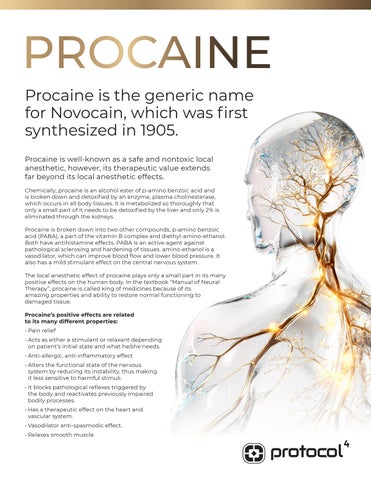
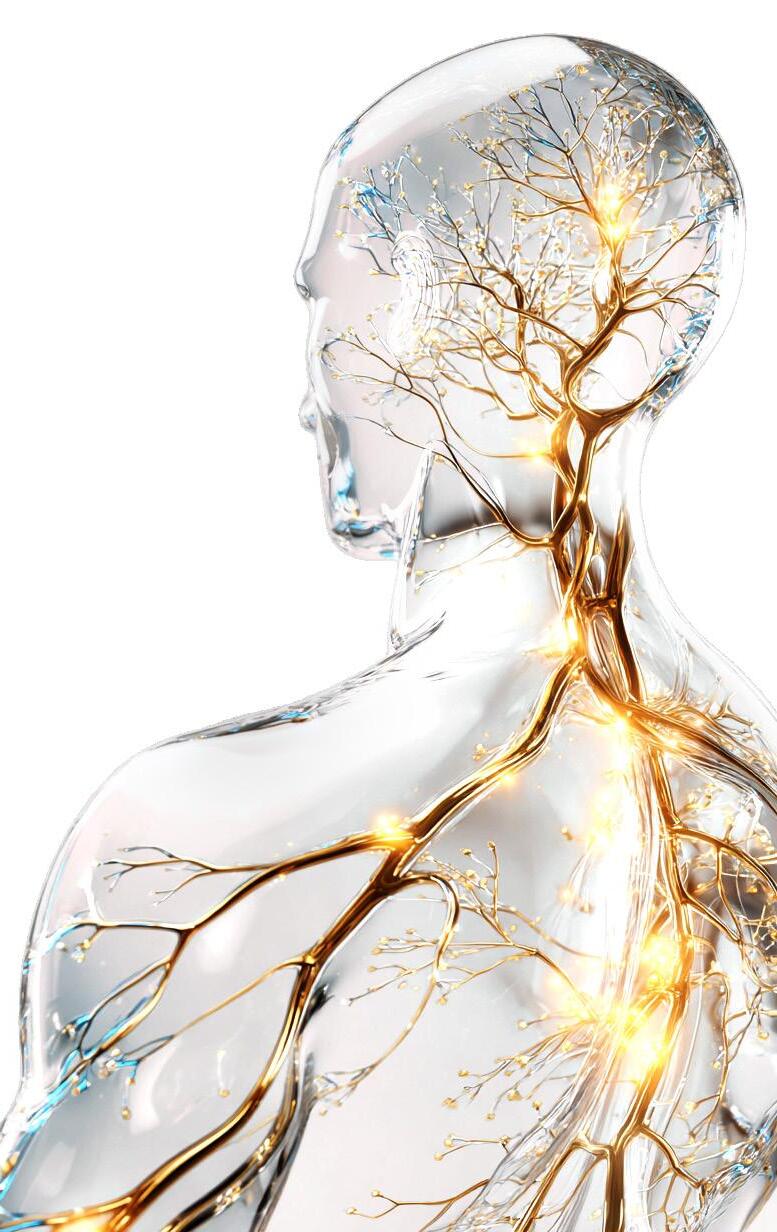
Procaine can be used to treat autonomic nervous system in a therapy called Neural Therapy. The autonomic system is the control system and the most fundamental system in our body. This part of the nervous system controls unconscious bodily functions such as breathing, heart rate, circulation, blood vessel diameter, body temperature, cellular respiration, intestinal motility, glandular function, metabolism and many other activities. The incredible system is constantly awake controlling bodily functions and giving feedback and responding to the central nervous system. It is a vast network with nerve endings extending to almost every cell in the body.
The total length of its micro fibrils is twelve times the circumference of the earth. The autonomic nervous system has been chronically overtaxed in most humans due to excessively stressful lifestyles. The system is constantly bombarded by negative influences such as a toxic environment, noise, pollution, allergens, electromagnetic radiation, infectious agents, nutritional deficiencies and a general lack of peace. Neural therapy involves the use of procaine injections to restore and heal stressed out an injured nerves, so that they will work normally and in so doing, send the proper nerve impulses to the tissues and organs they innervate.
The goal is to eliminate autonomic nervous system dysfunctions and re-establish normal electrical conditions in nerves and the tissues supplied by them. The treatment can be used to treat a wide variety of symptoms, including pain of most varieties, chronic headaches, neuralgia, sciatica, back pain, joint inflammation, asthma, and many other conditions. The treatment is done by the injection of a local anesthetic, procaine, either into the skin or into deeper tissues. One of the goals of neural therapy is to treat what are called interference fields, which produce disturbances in this crucial regulatory system. Interference fields can be caused by inflammatory conditions, injuries, infections, foreign bodies and scars. Every cell in our body is, in reality, a tiny battery with a charge of 40 - 90 millivolts. We can think of an injured cell as acting like a defective radio transmitter transmitting false information to the body, in other words, an interference field in the electrical system of the body.
The amazing thing is that these interference fields can place the entire human body under strain even though they are not located near the area of disturbance. For instance, a scar on one’s abdomen could be the cause of chronic back pain or dysfunction somewhere else in the body.
Injection of scars with local anesthetic is a common procedure. The most commonly used local anesthetic is procaine, which is extremely safe and well tolerated. The positive effects of neural therapy could be immediate or delayed. Usually several treatments are needed to bring about significant improvement.
Neural therapy does not always hit the bull’s-eye on the first attempt. Patients are advised to have patience and persevere.