
By Destiny Chan, Editor-in-Chief
Toronto, March 19, 2026 — A full audience crowded the Glendon Theatre Thursday evening for a high-profile discussion on the state of liberal democracy, as political leaders and policy experts discussed the growing distrust, rising populism, and deepening economic anxiety, particularly among younger generations.
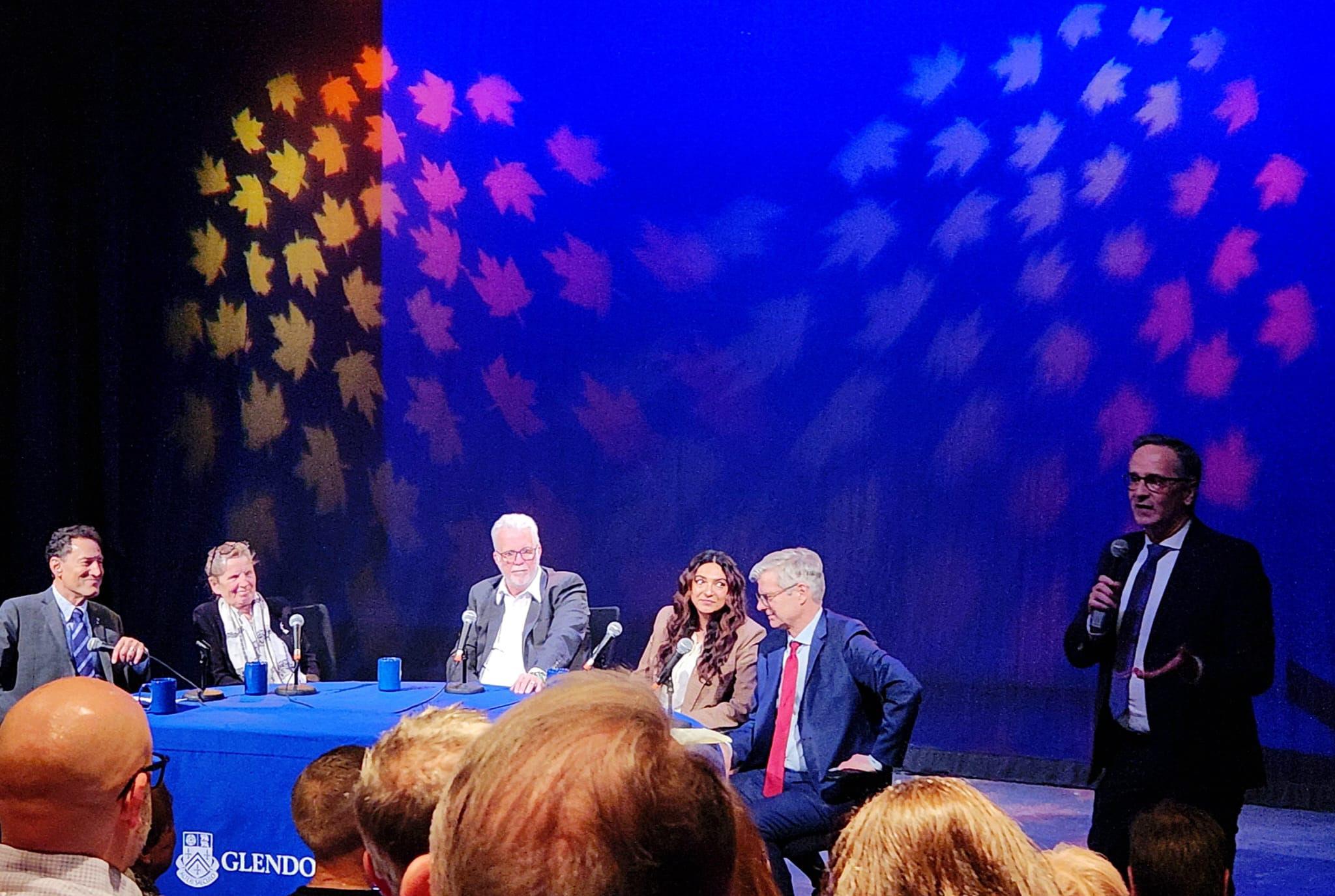
The event, titled “Have We Lost Confidence in Liberal Democracy? Populism, Trust, and Immigration,” was part of the Global Dialogues series hosted by The Glendon School of Public and International Affairs. Organizers opened with a land acknowledgement before noting the unusually high turnout, which required an overflow room, something the campus hasn’t seen in recent memory. Moderated by veteran journalist Steve Paikin, the panel featured former Québec premier Philippe Couillard, former Ontario premier Kathleen Wynne, public policy advisor and Obama Foundation Scholar, Victoria Kuketz, and President of the Institute on Governance, Allen Sutherland.
A Crisis of Trust
Panellists agreed that liberal democracies are under mounting pressure, driven by declining trust in institutions and what Sutherland described as the corrosive effects of populism. “Impairing faith in institutions,” he said, warning that without trust, governments struggle to ask citizens to make sacrifices, particularly in an era defined by rapid information flow and misinformation.
Wynne echoed that concern, pointing to a broader erosion of confidence in political leadership. “There is anger percolating,” she said, “people don’t believe in politicians anymore.” She connected this frustration to a widening gap between expectations and reality. Born in 1953, Wynne reflected on a postwar narrative of steady progress, one that many now feel has stalled. “Life was supposed to get better and better,” she said. “And for many, it just hasn’t worked out that way.” Populism, “Resentment Politics” and Immigration
Much of the discussion focused on the rise of populism and its political consequences. Panellists warned against leaders who “react to popular opinion in a dangerous vein,” crafting policy based on
misinformation rather than evidence. Wynne cited political strategies that target immigrants and minorities, arguing they fuel division rather than address underlying economic issues.
Kuketz described this dynamic as part of a broader “resentment politics” caused by the Affordability Crisis, where complex problems are reduced to simplified narratives that scapegoat vulnerable groups. Referencing the work of Tim Wu, Kuketz spoke of a “wave of extraction” in which coordinated messaging blames immigrants for systemic challenges. While she emphasized that immigration policy must remain balanced, Sutherland also called immigration “part of the Canadian miracle”, a defining feature of the country’s identity.
Long a point of consensus in Canadian politics, immigration has been increasingly a subject of debate. Panellists agreed that while immigration levels must be
managed carefully, the broader narrative should resist “othering” and scapegoating. Couillard later mentions during the Q&A that he has spent his whole political career fighting against xenophobia in his province. He also reflected on the evolving meaning of terms like “woke,” which he said have been politicized beyond their original roots and meaning in the civil rights movement. Economic Anxiety and Generational Divides
A recurring theme throughout the evening was the economic precarity facing younger Canadians. Kuketz highlighted the growing affordability crisis, the rise of automation, and a shrinking entry-level job market. “Many organizations are not hiring entry-level workers,” she noted, adding that some roles are already being phased out in anticipation of AI automation. Recent layoffs in the tech sector, she added, further underscore how quickly the labour market is evolving. (continued on page 5)
Editor-In-Chief/Rédactrice-en-chef Layout Designer/Maquettiste

Destiny Chan
Chief-of-Operations/Cheffe des opérations

Flo Iyam Tierra
English Editor/Rédactrice Anglaise Photographer/Photographe

Amie Sosa
French Editor/Rédactrice Française
Leanne Eyre
Section Editor/Rédactrice de sections:


Julia de Leon
Campus Life/Vie étudiant Arts & Entertainment/Arts & Divertissement
Bianca Anderson
Issues & Ideas/Actualité, Health & Wellness/Santé & bien-être, Metropolis/Métropole
English Journalist/Journaliste Anglais

Gabriella Maitland
French Journalist/Journaliste Française


Coucou Glendon!
Quelle année ce fut ! Alors que nous terminons nos examens et que je mets également un point final à mon parcours universitaire ainsi qu’à mes trois années à Pro Tem, je me sens prête à partir tout en souhaitant encore avoir plus de temps.
This year at Pro Tem has been tough. Our budget was cut in half. Our financial agreement with the student union was thrown out. Our entire exec team (EIC and COO) left the team, as well as two layout designers, two journalists, two section editors and one photographer. Taking over the team has been a challenge, lonely at times, countless late nights and yet, here we are...still publishing. Special thanks to Amie Sosa and every member of the team who stepped up during this turbulent year.
The truth is, I worry about the direction we’re heading in, not just as a newspaper, not just as a campus, but as a society. We live in an age where misinformation is constant, instantaneous, and everywhere. Social media promises connection but often delivers isolation. Somewhere along the way, I think we’ve started to lose touch with what journalism is supposed to be: grounded in facts, in accountability, in truth. I hope this issue gives us a glimpse into what used to be.

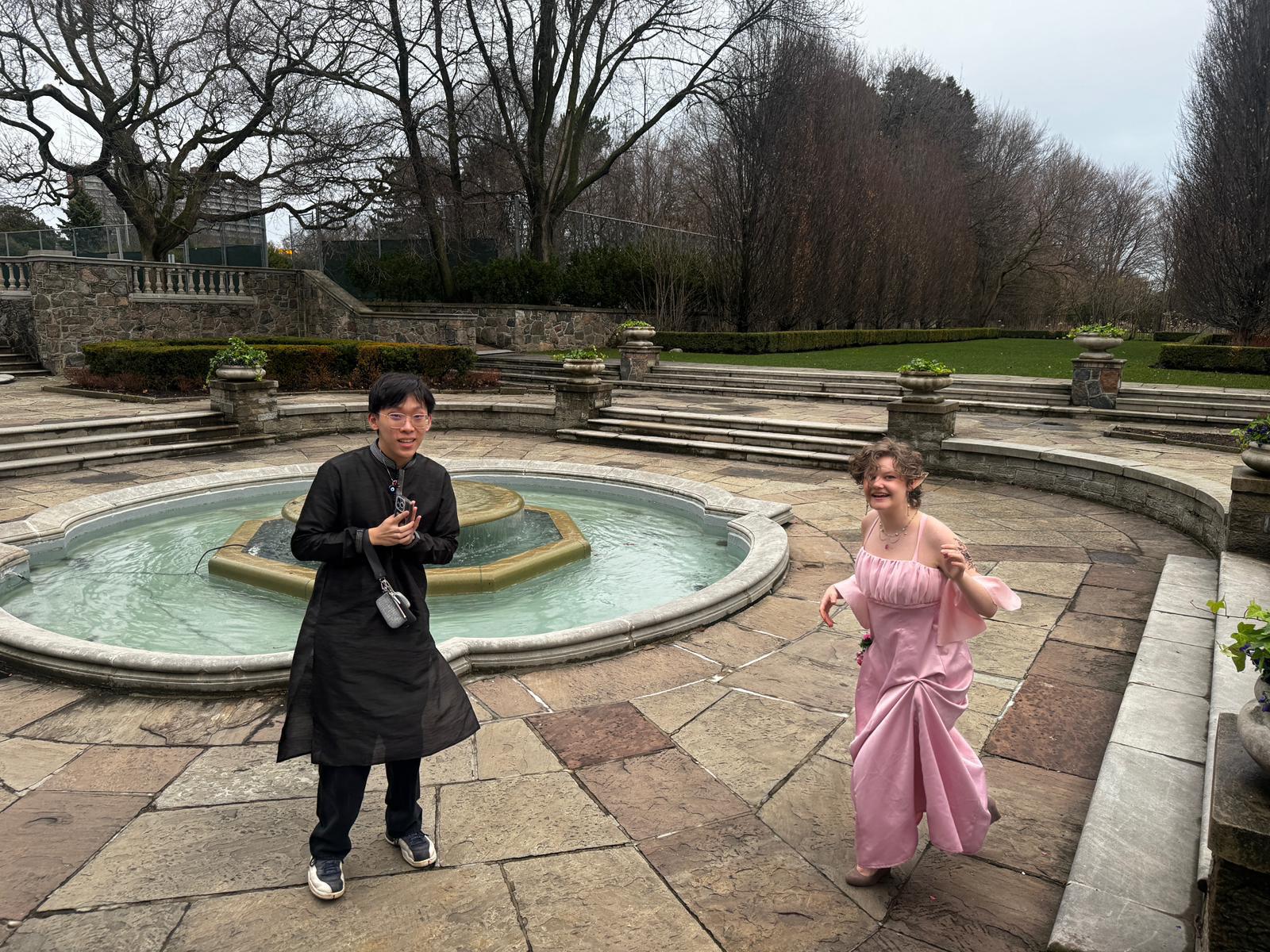
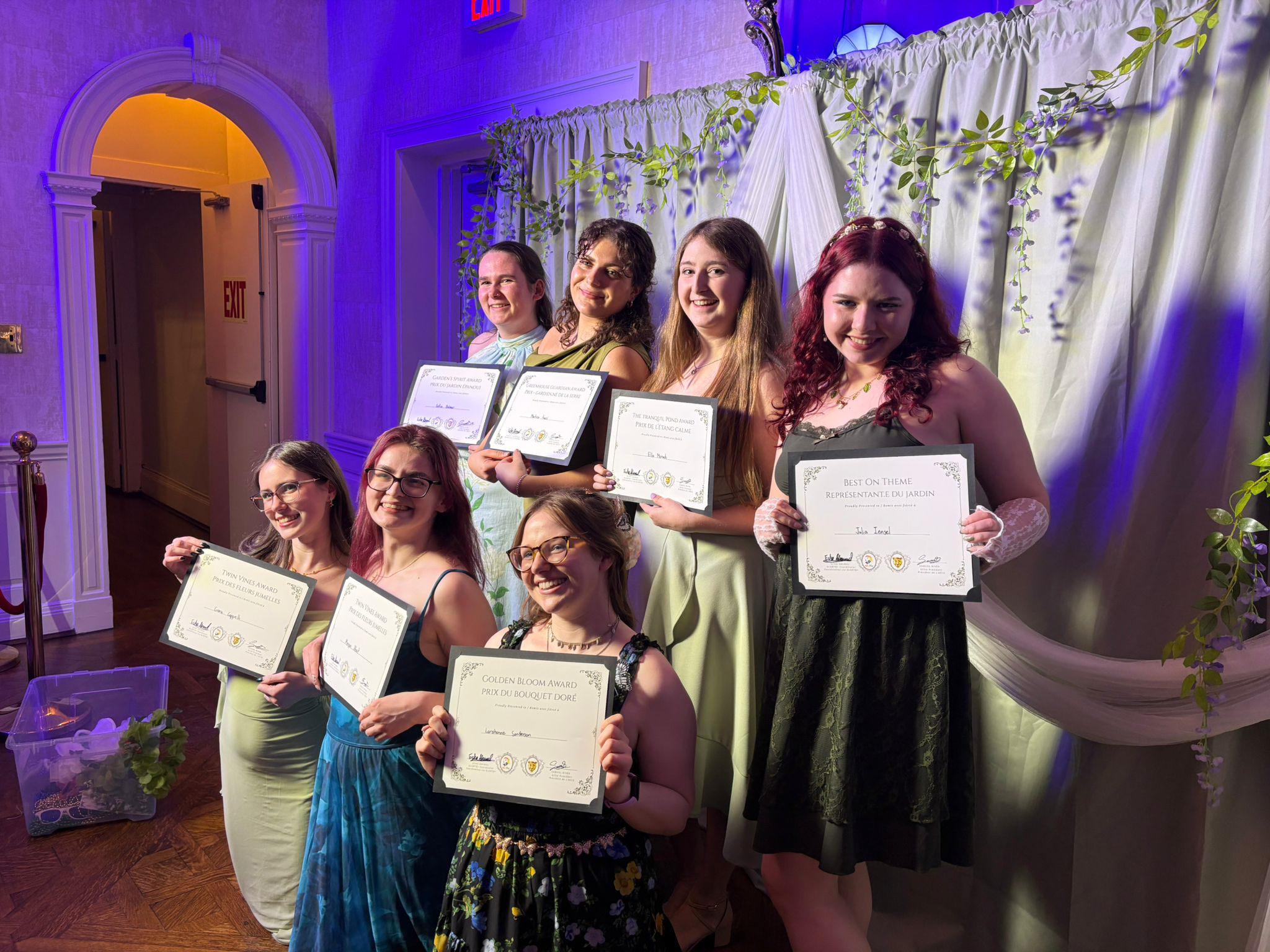
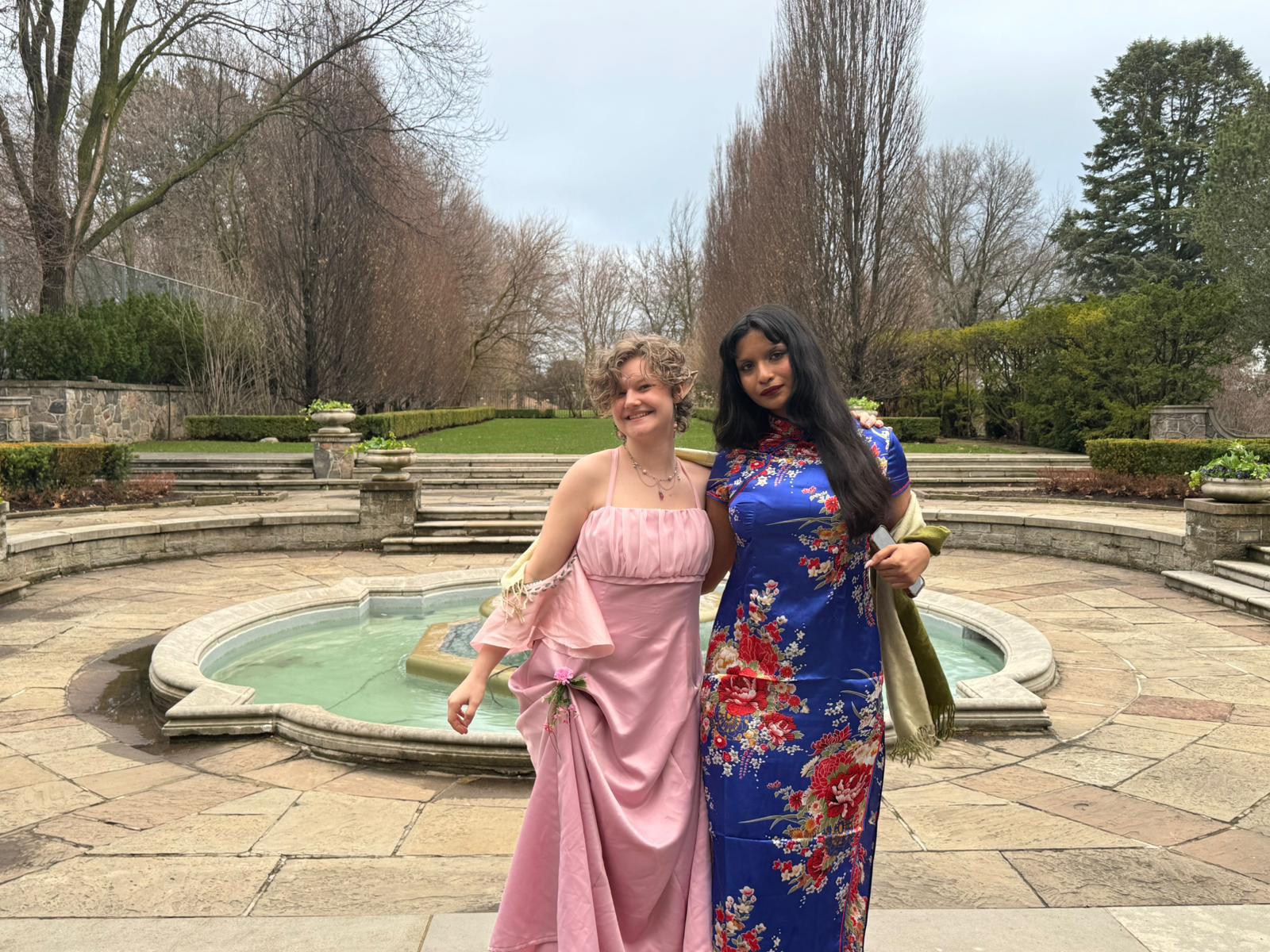
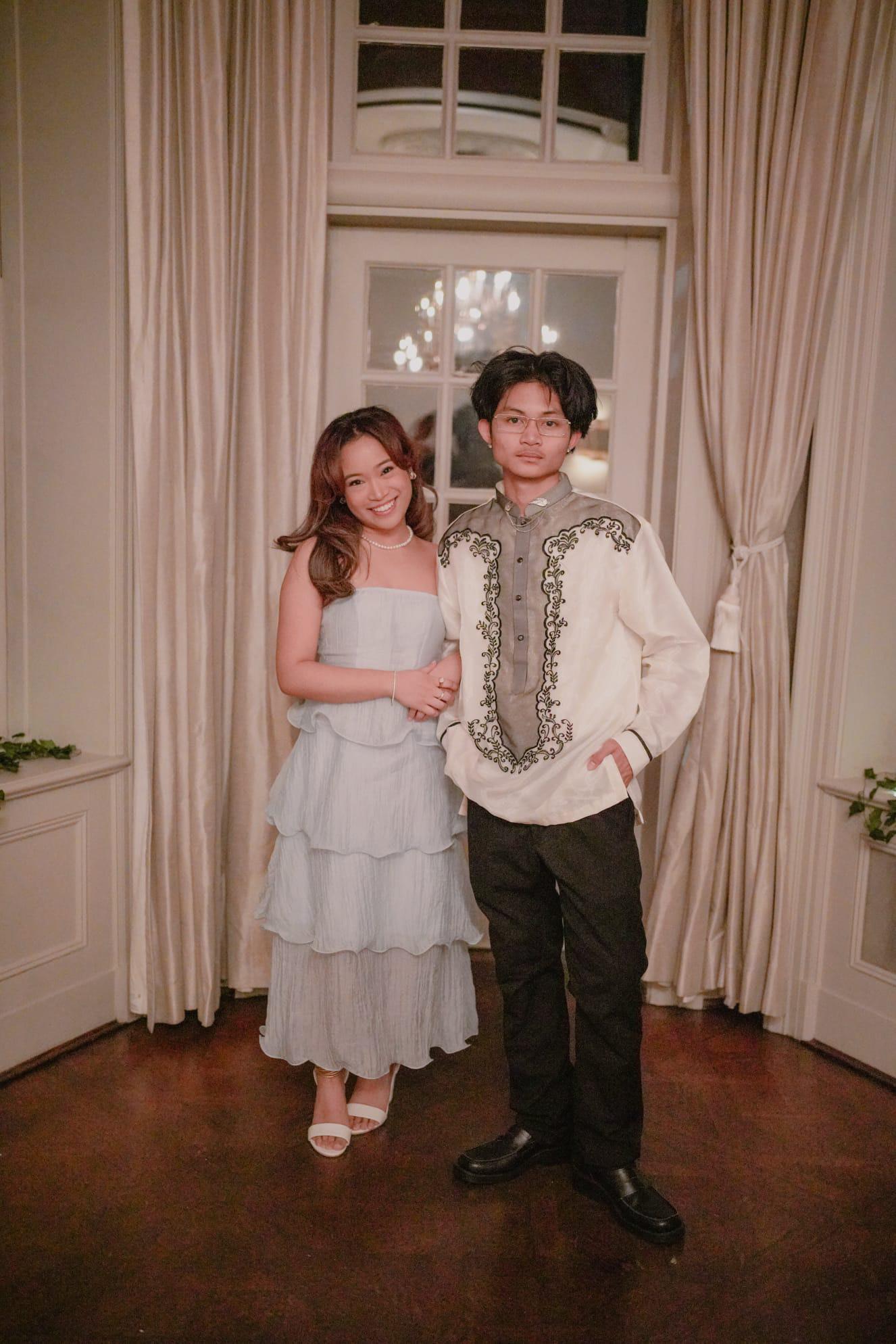
Dans Arts & Divertissement, nous nous tournons vers le cinéma de 2026, où le duo Zendaya–Pattinson s’apprête à dominer les écrans, tandis qu’un autre article revient sur une nouvelle saison des Oscars prévisible. Dans Vie étudiante, vous trouverez des photos du Gala annuel de Glendon ainsi qu’une couverture de la politique étudiante liée au Caucus étudiant de Glendon.
Plongez dans nos poèmes dans Expressions, ainsi que dans un article sur le début d’un parcours sportif dans Santé & Bien-être. Tournez-vous vers Actualité & opinion pour en apprendre davantage sur la tendance du « paraître niche » et sur le loup arctique. Enfin, dans Métropolis, nous revenons à Glendon avec une réflexion sur la démocratie libérale, mettant en vedette d’anciens premiers et d’autres panélistes.
To the next generation of Pro Tem editors, writers, designers, and readers: I hope we can keep the torch afloat even amidst all the changes and defunding happening at Glendon right now. I hope you can rebuild, rethink, and reimagine what this paper can be, especially in the constantly changing online landscape. I hope you can bring back that sense of urgency, of curiosity, of truth-seeking the world so desperately needs.
And most of all, I hope you care.
Pro tempore, Destiny Chan Rédactrice-en-chef
Paige Lalonde
Sirine Askri
Pro Tem is a unified organization that accepts and publishes articles from students, alumni, and community members. While we edit submissions for grammar and clarity, we stay true to each author’s voice and message.As an organization, we don’t endorse every viewpoint expressed; our goal is to amplify a wide range of perspectives within our community. For those interested in viewing an article in its original, unedited form, please contact our Editor-in-Chief at editor@protemglendon.com.
Pro Tem est une organisation unifiée qui accepte et publie des articles provenant des étudiants, des anciens élèves et des membres de la communauté. Bien que nous corrigeons les soumissions pour la grammaire et la clarté, nous restons fidèles à la voix et au message de chaque auteur. En tant qu’organisation, nous n’endossons pas nécessairement chaque point de vue exprimé; notre objectif est d’amplifier une diversité de perspectives au sein de notre communauté. Pour ceux qui souhaitent consulter un article dans sa version originale, non éditée, veuillez contacter notre rédacteur en chef à editor@protemglendon.com.
By: Youssef El Abed, Contributor
I went four for five with my Oscars predictions this year, and the one I missed says more about the 2026 Academy Awards than the four I got right. The results weren’t much of a surprise for most people, but having watched almost every single nominated film, I was thoroughly invested in how each race was shaping up.
Best Supporting Actor went to Sean Penn for “One Battle After Another”, marking his sixth Oscar nomination and third win. Even without being present at the ceremony, his performance had been the clear favourite throughout the awards season. The favourite ahead of the other nominees: Delroy Lindo for “Sinners”; Jacob Elordi for “Frankenstein”; Stellan Skarsgård for “Sentimental Value”; and Benicio Del Toro for his role in “One Battle After Another”. It’s the kind of win that reflects the Academy at its most traditional; they are rewarding a respected veteran in a film that carries weight and meaning across multiple categories.
Best Supporting Actress was slightly more competitive on paper. Amy Madigan won for “Weapons”, beating contenders Teyana Taylor in “One Battle After Another”, Wunmi Mosaku in “Sinners”, Elle Fanning in “Sentimental Value” (my personal favourite) and Inga Ibsdotter Lilleaas in “Sentimental Value” for the award. What makes this one more interesting, though, is what it represents. Between this and the multiple nominations for “Sinners”, there is a noticeable shift toward taking genre films (especially horror) more seriously. Amy Madigan’s win for “Weapons” marked the first supporting actress victory for a horror film since Ruth Gordon’s win for the iconic and incredible “Rosemary’s Baby” in 1969.
Best Actress was honestly the most predictable win of the night, since she had swept the awards circuit leading up to the ceremony, winning in her category at the Critics' Choice Awards, Golden Globes, BAFTAs, and Actor Awards. Jessie Buckley winning for “Hamnet” fits perfectly within what the Oscars tend to reward: emotionally heavy material, a prestigious literary connection, and a performance that clearly signals importance. Her contenders were Rose Byrne for “If I Had Legs I’d Kick You”, Renate Reinsive for “Sentimental Value”, Emma Stone for “Bugonia”, and Kate Hudson for “Song Sung Blue”. Then comes the category I sadly got wrong, and the one that ended up defining the night for me. Going in, I was convinced Timothée Chalamet had Best Actor locked up. Between the insane campaign for “Marty Supreme” that you probably saw everywhere, and how tight the race had been, it felt like this was his year. Instead, Michael B. Jordan took it for “Sinners”, and, in hindsight, it makes sense in a way that goes beyond just performance. Playing dual roles is already a complicated challenge, but what stood out was how controlled and precise his work had to be. More importantly, this win feels like part of a larger
shift. He became the sixth Black actor to win Best Actor, and his speech made it clear he understood the weight of that moment. More than finally getting recognition, it was about continuation, about being part of something bigger.
And finally, Best Picture, which, like several other categories, followed the expected path. The amazing “One Battle After Another” took the top prize, along with multiple major awards, confirming what had been building all season. The legendary director Paul Thomas Anderson also received his well-deserved win as Best Director, after 28 years of waiting. It is worth noting that it is very ironic for a movie, so intensely political, to win so much in a very controlled and quiet Hollywood environment.
Looking at these five categories together, what stands out isn’t how unpredictable the night was, but really how consistent it felt. Four out of five going as expected suggests a year where narratives were established early and rarely disrupted.
Next year will see interesting films such as “Dune 3”, “The Odyssey”, “Project Hail Mary”, and “The Drama”. Stay tuned and, please, go to the cinema.

Alors que 2026 s’annonce riche en termes de sorties cinématographiques, l’année est notamment marquée par la présence récurrente de Zendaya et Robert Pattinson sur les tapis rouges, à l’affiche de trois films très attendus.
“The Drama” - 3 avril 2026
Tout d’abord, le film de comédie-thriller, “The Drama”, incluant les deux acteurs comme personnages principaux. Ils incarnent Emma Harwood et Charlie Thompson, un couple préparant son mariage faisant face à un secret bouleversant peu avant le grand jour. Ce secret fortement teasé par A24 suscite une forte curiosité chez les fans intrigués par les réactions des autres personnages dans la bande-annonce. Le public tente donc de deviner quel est ce rebondissement avec des spéculations telles qu’un passé violent d’Emma, voire une histoire de tentative de tuerie en milieu scolaire ou encore un passé de stalkeuse. Certains pensent même qu’aucun rebondissement n’existe mais s’attendent à ce que le film se base sur l’aspect émotionnel et psychologique de deux individus vivant une période stressante. Tout cela représente seulement des interprétations de la
bande-annonce ainsi que des informations à propos d’auditions d’acteurs et rien n’est confirmé officiellement avant la sortie du film. Pour promouvoir le film, une annonce de mariage a été postée dans le journal “Boston Globe” donnant plus de détails sur les personnages. Un site a aussi été créé promouvant le “mariage d'Emma et de Charlie” prévu pour le 3 avril, jour de la sortie du film. Le site inclut une invitation au mariage, une FAQ sur le mariage pour les invités ainsi qu’une liste d’activités à faire à Boston, lieu où se passe l’intrigue. “The Odyssey” - 17 juillet 2026
Les fans de Christopher Nolan attendent ce film avec impatience et il ne reste plus que quelques mois d’attente. En plus de Zendaya et Pattinson, on retrouve d’autres acteurs vedettes comme Tom Holland ou encore Anne Hathaway. Déjà jugé comme un potentiel futur nominé aux Oscars, le film se base sur le poème grec “L'Odyssée” d’Homère. Une histoire familière pour beaucoup, notamment ceux qui l’ont étudiée à l’école. Le contexte se déroule après la guerre de Troie où Ulysse, roi grec d’Ithaque, est en plein périple afin de rentrer chez lui. Un voyage durant lequel il rencontre plusieurs êtres mythiques de la mythologie grecque dont Athéna, jouée par Zendaya, ou encore d’autres hommes tels qu’Antinous, joué par Robert Pattinson. Le film est particulièrement attendu pour ses effets spéciaux notamment grâce à la réputation de Nolan, mais aussi car il est entièrement filmé en IMAX 70 mm. Certains spectateurs jugent les bandes-annonces sorties pour l’instant comme ennuyantes suscitant des débats : d’autres estiment que cet aspect est intentionnel et a pour but de dévoiler les aspects plus intéressants petit à petit. “Dune 3” - 18 décembre 2026
Un autre film avec Zendaya et Robert Pattinson qui génère une forte impatience est le troisième volet de “Dune”, d’autant que Pattinson incarnera le nouveau personnage antagoniste de Scytale. Le film se déroule 17 ans après le précédent concluant l’arc narratif du personnage de Paul. Le réalisateur Denis Villeneuve a précisé que l'œuvre ne sera pas une transposition exacte du livre, “Le Messie de Dune”, mais qu'elle en adoptera les idées centrales tout en offrant une interprétation cinématographique unique. Zendaya a également révélé à “Digital Spy” que l’intrigue amoureuse entre Paul et Chani ne semble pas finir de manière heureuse. Suite au succès des deux premiers films, ce troisième volet suscite des attentes élevées, notamment grâce au style visuel très travaillé de Denis Villeneuve.
Alors que “The Drama” intrigue par son mystère et “The Odyssey” impressionne par sa qualité cinématographique, “Dune 3” s’impose comme un des événements majeurs de l’année, porté son public déjà conquis.
¹ Barham, August. “What Is The Drama About and What Could the Plot Twist Be?” Screen Rant. March 21, 2026. “https://screenrant.com/the-drama-movie-plot-twist-theories/” ² Mishra, Shrishty. “Christopher Nolan’s ‘The Odyssey’ Bags an Extended Theatrical Release, Breaking a Pandemic-Era Policy.” Collider. March 21, 2026 https://collider.com/christopher-nolan-the-odyssey-extended-theatrical-releasepandemic-era-policy ³ Anna Papachristos, “Everything We Know About Dune: Part Three,” Backstage, March 20, 2026, https://www.backstage.com/magazine/article/dune-part-three-news-79008/
Par anonyme
blood in the water, I am the great white the world is a bloody oven, I am an
everyday is another, I am dead; but alive beneath a wet fermenting soil; of Kore-like wind
dried up in our parsonage, the sky unfolds
love begins in the afternoon; or else, I am too shy— —Anonymous
By Amie Sosa, English Editor
Le temps passe et je change chaque jour un peu plus loin de ce que tu attends de moi
je grandis, je tombe, je me relève je choisis mes amis, mes amours, ma vie
Tu regardes ce gars et tu fronces les sourcils il n’est pas assez chrétien pour toi
tu critiques chaque geste, chaque mot comme si je devais me plier à tes règles pour toujours
Tu veux que je reste celle que tu connais celle qui suit ton plan, tes idées, tes peurs mais je ne suis plus ce bébé dans tes bras je ne suis plus juste ton reflet, ton espoir
Je me débats entre ta colère et mes envies je ressens ta déception comme un poids et ça me met en colère, ça me fait mal parfois j’ai envie de crier que c’est ma vie
Je sais que tu veux me protéger que tes prières me suivent partout mais je dois respirer, aimer, faire mes erreurs apprendre à tomber sans que tu me retires
mais au bout du compte ce n’est pas à propos de toi c’est ma vie, mes choix, mon cœur Source:
J’essaie de comprendre, vraiment je veux que ça marche, que tu voies que je choisis bien
Par Amie Sosa, English Editor
Recently, I started going to the gym, and it’s been a new and surprisingly interesting experience for me. At the beginning, I wasn’t really sure what to expect. I had never been someone who went to the gym regularly, so the idea of starting felt a little intimidating. There was this mix of curiosity and hesitation—I didn’t fully know what I was getting into, but I also knew I wanted to try. At the same time, I didn’t want this to become just another failed New Year’s resolution. So, instead of overthinking it, I decided to commit and got a membership at GoodLife.
The first few times I went, everything felt unfamiliar. I usually went with my friends or my boyfriend, and being surrounded by so many machines, weights, and people who clearly knew what they were doing made it a bit intimidating. Walking into the main workout area felt overwhelming, and I quickly realized I wasn’t comfortable being there on my own. One time, I even went by myself and ended up standing around for almost thirty minutes, unsure of what to do, before finally making my way to the one machine I felt somewhat comfortable using—trying to act as if I belonged there. Instead, I started using the women-only section at the gym. Even now, I still prefer working out there. It feels more comfortable and less intimidating, which has helped me focus on learning the exercises and building confidence rather than worrying about what other people

Source:
might think. Also, the machines at this particular gym in the women-only area face the mirrors, which eliminates the fear of people judging you and also helps you stay focused on your form.
One thing I’ve already noticed is how good it feels to stay active. Even on days when I feel tired or unmotivated, going to the gym usually helps me feel more energized afterward. I may not always be losing weight to reach my desired goal, but I am feeling better mentally and losing mental weight from my anxious thoughts. Exercise can be a great way to clear your mind after a long day of school or studying.
Another important lesson I’ve learned is that progress takes time. When you first start working out, you might not feel very strong or confident. However, over time, you begin to get used to the routines and see small improvements. Those little changes can be really motivating and make you want to keep going. For me, going to the gym isn’t about trying to be perfect or comparing myself to others. It’s about building a healthy habit and doing something that helps both my physical health and my mental well-being.
Starting something new is never easy, but sometimes the hardest part is just showing up. As I continue this gym journey, I’m hoping to stay consistent, learn more about fitness, and keep challenging myself in small ways. Even though I’m still at the beginning, going to the gym already feels like a positive step toward a healthier lifestyle.
(Is Liberal Democracy Failing? Continued)
Panellists agreed that people under 30 are among the most disenfranchised, facing high housing costs, delayed life milestones, and unstable employment. “They don’t want to be relegated to a ‘semi-job’, they want meaningful work,” said Philippe Couillard. Kathleen Wynne also defended past efforts to expand access to education and childcare, pointing to initiatives such as full-day kindergarten and reforms to OSAP.
The Role of Technology and Social Media Technology emerged as both a tool and a threat to democratic engagement. While social media has enabled broader communication, panellists said it has also deepened polarization and weakened shared standards of truth. Kuketz reflected on the lack of early regulation in the social media space and raised concerns about the ethical implications of artificial intelligence. She is urging proactive governance to prevent widening economic divides. Wynne added that meaningful democratic engagement still requires human interaction. “We don’t have to vote for each other,” she said. “But we have to talk to each other to keep our democracy strong.”
Despite the sobering tone, panellists offered solutions aimed at rebuilding trust and participation. Sutherland called for renewed civic engagement, including more conversations across political divides, while Kuketz advocated for bold reforms such as mandatory voting and highlighted practical barriers to participation, including transportation costs and time constraints faced by working students and caregivers. Kathleen Wynne emphasized the importance of grassroots political engagement, recalling how door-to-door campaigning can help humanize political discourse. She also expressed support for lowering the voting age to 16, arguing that early involvement, particularly within a high school setting, can foster lifelong civic participation.
The event concluded with a 15-minute audience Q&A, where questions ranged from Québec’s secularism policies to systemic discrimination. Panellists largely agreed on one point: restoring confidence in liberal democracy will require active participation from citizens themselves. “Everyone should vote,” Sutherland said. Kuketz went further, urging attendees to consider entering public life. “We have to put ourselves in the ring,” she said. “Even if we don’t see people like ourselves there yet.”
Par Sirine Askri, Journaliste Française

by veverkolog “Niche”, le nouveau mot populaire sur les réseaux sociaux. Parfois même une identité idéale qu’on tente d’atteindre. La génération Z sur les réseaux sociaux essaye tant bien que mal d’avoir des goûts différents : écouter cet artiste que personne ne connait, ce film avec seulement 90 reviews sur Letterboxd. Le mainstream est trop commun et perd sa valeur.
Témoigner de tout ça m'a fait réaliser la tristesse de cette mode du “paraître”. Le fait de modifier ces goûts pour aller à l’encontre de ce qui est populaire, tout en partageant cela sur des plateformes mainstream. Paradoxalement, tout le monde veut être différent en même temps, donc tout le monde se ressemble davantage. La niche passe donc du côté du mainstream et les individus sont à la recherche d’un nouvel élément niche. Ce cycle perpétue sans fin où l’on fuit toujours ce qu’on aimait auparavant et les goûts sont donc constamment mis à jour. Cependant, on cherche toujours à montrer à tout le monde qu’on connaissait cela avant qu’il devienne viral. Comme une course à la culture niche pour se démarquer.
De plus, est-ce qu’on aime vraiment ce qui est niche ou est-ce purement performatif ? Est-ce que l'on peut même considérer cela comme une niche ? Les algorithmes ont le pouvoir de gérer ce qui est mainstream ou non. Nos goûts sont donc aussi fortement influencés par ces algorithmes. Nos opinions sont également souvent basées sur ce que l’on consomme sur les réseaux sociaux. Finalement, la niche est-elle réellement niche ou est-ce une illusion ? Alors que des milliers d’individus sont recommandés pour ce genre de contenu.
La vraie question, c’est pourquoi ? Pourquoi cette génération cherche le moindre détail pour se différencier ? Dans une société où l’ère numérique a permis de partager des intérêts communs sans frontières, ne devrions-nous pas plutôt profiter de cet avantage ? Mais les goûts créent aussi des signes d’appartenance qui peuvent attirer certains et repousser les autres.
Dans cette quête d’originalité, qu’est-ce qu’on y gagne au détriment de notre authenticité ? La vraie originalité ne résiderait-elle pas dans simplement assumer ce que l’on aime sans se soucier des autres ? Finalement, juste être soi-même.


Source:
By Gabriella Maitland, English Journalist
The Canis lupus arctos, commonly known as the Arctic, Polar, or White wolf, is a subspecies of wolf native to the Arctic regions of North America and Greenland. Due to its relative isolation from human activity, it is less vulnerable to hunting and habitat loss than its southern counterparts. As a result, the Arctic wolf population is estimated to be around 200,000 individuals.
Being pack animals, these creatures are very dependent on one another and thrive in groups, as they, like humans, are stronger when they work together. They have a lifespan of 7 to 10 years, weigh 25–40kg, are 60–91cm in length, and can travel at a speed of 46 mph due to their adaptations and versatility. As their name suggests, their fur is typically grey or white, allowing this grey wolf subspecies to blend seamlessly into snowy surroundings. To withstand the harsh Arctic climate, they have soft, thick underfur for insulation, while their rounded ears, shorter muzzles, and shorter legs help minimize heat loss. Their coat is long and silky during the colder months, but becomes shorter and less dense after being shed in the spring. Paired with their long legs and large, bushy tail, these features give the Arctic wolf a somewhat lanky appearance. Further demonstrating their adaptation to extreme cold, Arctic wolves have a specialized mechanism that keeps their paws at a lower temperature than their body core, reducing heat loss even when in contact with frozen ground.
Arctic wolves inhabit tundra environments characterized by vast, open landscapes with little to no vegetation. Because the ground remains permanently frozen, they typically seek shelter in caves or rocky outcrops rather than digging dens. These natural shelters are especially important during the breeding season, which occurs from January to March. After birth, pups are nursed by their mother, and sometimes by subordinate females in the pack, for the first four weeks. Between five and ten weeks, they begin eating regurgitated food provided by other pack members, and by six months old, they start accompanying adults on hunts. However, they are not considered fully mature until around two years of age. Fun fact: When wolf pups are born, they have blue eyes, but as they get older, their eyes turn brown or golden.
at the January 2026 Faculty Council meeting in the midst of further university-wide course cancellations. We followed this with another motion in the subsequent academic semester (Winter 2025). The main focus was to make Glendon education more accessible and affordable by targeting hidden fees. We urged the Council to encourage Glendon instructors to choose open-access textbooks and open educational resources (OERs) whenever possible, and to inform students on expected course material fees upfront (Empower) when open-access textbooks and OERs are not sufficient. Thus, we entitled the hortative motion the ABCDE motion (Adopt, Banish, Cut Down, Decommodify, and Empower). We recognized the financial struggles that Glendon students face in affording post-secondary education, and textbook expenses add high costs in the midst of this affordability crisis. Although this motion was added to the February 2025 Agenda, we decided to have it deferred.
By Cris Corbito, Contributor
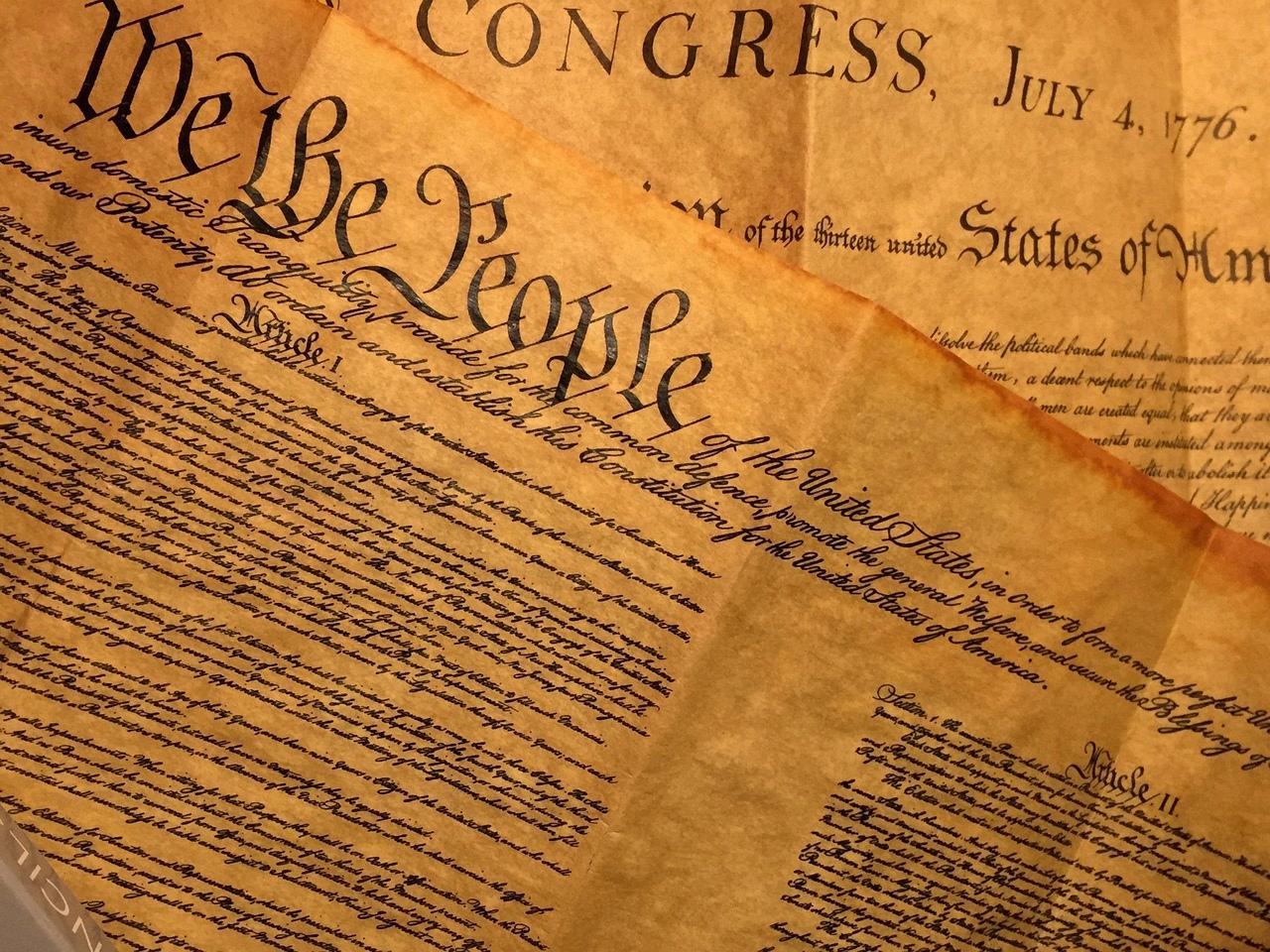
You’ve probably heard of the GCSU (Glendon College Student Union), but what about the Glendon Student Caucus? Members of the Student Caucus represent the interests of students in academic governance. We interact directly with the Glendon Faculty Council, which is the highest decision-making body of Glendon College. Leanne Eyre and I have played crucial roles in advancing the interests of Glendon students in the Glendon Faculty Council since September 2024. Our collaboration started with our own initiative, “The Only Rate My Prof that Matters,” which urged Glendon students to complete their course evaluations. Next, we decided to present a hortative motion at the Faculty Council, which is the first time Glendon students have done so in the past decade.
Our mission was to transform student representatives from being passive members and spectators of the Council into active participants and innovative changemakers.
This first motion fought for the reduction in the minimum student enrollment required for Glendon English-language courses. We specifically proposed to lower the threshold from 15 to 12 students. There were two main reasons. Firstly, the proposal would be more in alignment with the minimum requirement for French-language courses (10 students). Secondly, it would lessen the ongoing negative impacts of course cancellations on both students and faculty members. This proposal aimed to provide greater stability for the Glendon community from that day forward. This motion was presented and passed at the December 2024 Faculty Council meeting. In fact, it was invoked
Par Cris Corbito, Contributeur
Leanne Eyre and Cris Corbito originally presented this hortative motion to the February 2025 Faculty Council meeting.
In light of the skyrocketing cost of living and the declining funding for post-secondary education from the provincial government, we formally urge this Council to adopt the ABCDE Motion (Adopt, Banish, Cut Down, Decommodify, and Empower). This motion aims to make education at Glendon more accessible and affordable by addressing, and ultimately eliminating, so-called “hidden fees,” linked to rising textbook costs, which place a significant financial burden on students.
A post-secondary education is consequential nowadays, yet we must admit that it has become prohibitively expensive. Based on the 2023 report of the Canadian Federation of Students (CFS), the average tuition fees for domestic students have risen dramatically by 115% for undergraduate domestic students. This figure only takes into account tuition fees, excluding additional expenses.
The “hidden fees” are an additional financial
burden for post-secondary students to pay, specifically the costs of required textbooks for their respective programs. In fact, the Canadian Federation of Students (CFS) in 2011 reported that each student spends between $500 and $1000 on textbooks and other course materials each semester. Fast forward to 2025, the estimated cost of books and other supplies at Glendon has increased to approximately $1500 per academic year for undergraduate students, depending on their program of study.
While we are cognisant that a university education is inherently costly, the exorbitant cost of textbooks disproportionately affects marginalized, racialized and underprivileged students. From our perspective, such costs represent unnecessary barriers to higher education and conflict with the principles of equity and accessibility. As student representatives, we believe that addressing this issue must not be reduced to a mere discussion. Rather, this issue demands actionable solutions that target the root causes of this pressing problem. Therefore, we urge the Council to adopt the ABCDE Motion to demonstrate Glendon Campus’s commitment to a truly liberal arts education, free of hidden costs.
Nevertheless, our contribution to the Glendon Faculty Council by the end of the Winter 2025 semester was unprecedented and groundbreaking. In April 2025, both of us were elected as Chair (Leanne Eyre) and Vice-Chair (Cris Corbito) of the Glendon Student Caucus. Leanne became the first-ever non-political science student to be elected as the Chair in several years, while my election as Vice-Chair continues the tradition of Glendon political science students' contribution to the university governance. Under our leadership, we gathered the best and brightest Glendon students. For the first time in five years, we submitted a full slate of 13 undergraduate students and 2 graduate students who are representative of the Glendon student community. At the upcoming Faculty meeting in April 2026, our collaboration will culminate in another motion. This time, we will advocate for the preservation of the Tentanda Via Award, the most prestigious scholarship at York University, and oppose its proposed discontinuation. We are concerned that eliminating this award could create a domino effect, setting a precedent for further cuts to scholarships and student funding. In hindsight, our actions as student leaders can be seen as both proactive and forward-thinking. Our commitment to advocating for future generations, Alteri Saeculo, must continue. We encourage and challenge future members of the Glendon Student Caucus to build on this work and serve the Glendon community with dedication and integrity. If you are interested in making a difference as a Glendon student representative, please reach out to: studentcaucusglendon@gmail.com.
The ABCDE Motion is comprised of these five points:
1. Adopt the use of open-access textbooks and open educational resources.
2. Banish the unnecessary use of access codes and expensive textbooks.
3. Cut down on the use of physical textbooks when viable digital alternatives exist.
4. Decommodify Glendon education by challenging the oligopolistic practices of the textbook industry.
5. Empower students by indicating expected course material costs upfront.
To alleviate the financial burden on students, we propose discouraging the purchase and use of costly commercial textbooks and prioritizing the adoption of open-access textbooks and open educational resources (OERs). These resources are freely available to students while still providing students with the high-quality education Glendon promises. We encourage course instructors to incorporate open-access textbooks and open education resources (OERs) as excellent alternatives to costly commercial textbooks. (continued on page 7)
(The ABCDE Motion Continued)
The adoption of this motion would enhance equitable access to teaching and learning here at the Glendon Campus. We also support banishing the use of unnecessary and expensive commercial textbooks. Moreover, this motion calls for the banishment of the unnecessary use and purchase of online access codes, which we believe represents an additional financial strain for students beyond physical textbooks. Transitioning to open resources will help eliminate hidden fees and significantly reduce the associated financial stress.
In today’s digital era, we advocate for reducing reliance on physical textbooks whenever high-quality digital alternatives are available. Providing required readings and course materials online free of charge through open educational resources, York University library subscriptions, and similar platforms should become the standard. Digital resources not only help alleviate the financial burden of costly textbooks but also support sustainability by reducing paper consumption and promoting more environmentally responsible practices. Rather than continuing to rely on printed materials, this motion encourages a thoughtful shift toward accessible, digital-first learning.
The purchase of commercial textbooks is a financial burden to students while a financial blessing to textbook companies. This motion calls for the condemnation of the oligopolistic practices of the textbook companies that control textbook pricing. According to Student Public Interest Research Groups, five companies control 80% of the textbook market. Undoubtedly, the lack of competition in the textbook market has led to the soaring prices of textbooks, driven by greedy predatory practices that prioritize profit over people. This motion calls for the decommodification of Glendon education from the control of the oligopolistic textbook industries. By adopting this motion, we can take a stand against these exploitative practices, freeing the post-secondary education sector from the influence of profit-driven corporations that show no interest in upholding academic honour and excellence.
We acknowledge that open-access textbooks and open educational resources (OERs) may not be enough for the successful delivery of certain courses. We also acknowledge that standard textbooks help students understand course content very well and that in text-based courses, textbooks are required to be purchased. As a result, this motion calls for the empowerment of students regarding the expected
course requirements. In the case when commercial textbooks or access codes are necessary, we urge course instructors to indicate expected course material fees in York University course descriptions. This transparency will enable students to make informed decisions when selecting courses. Nevertheless, we encourage course instructors in these text-based courses to prioritize the use of open-access textbooks and open education resources whenever possible. We believe this proposal is an innovative solution to reduce the additional and hidden costs that impede student access to post-secondary education.
We therefore urge this Council to adopt the ABCDE Motion (Adopt, Banish, Cut Down, Decommodify, and Empower) to make education at Glendon more accessible and affordable for all students.
¹ Hidden fees are costs that are not included in tuition fees. For this motion, we refer to the cost of textbooks and other mandatory course material such as online subscriptions and test platforms.
² Text-based courses are referred to courses that require the purchase of textbooks, including, but not limited to literature, philosophy, political theory, social theory, theology, history, and so on. Text-based courses focus more on great texts, great books, and primary sources; thus, textbooks are an essential part of these courses. While we regard books used in these courses as normal books, we call them textbooks to signify they are used for a specific university course.

Le Journal Étudiant de Glendon