
Steel surfaces are exposed to moisture, chemicals, dust, and extreme weather conditions. Over time, this leads to rust, corrosion, and coating failure. Proper surface preparation is essential before painting or applying protective layers. A strong cleaning process improves durability, safety, and overall performance of metal structures.
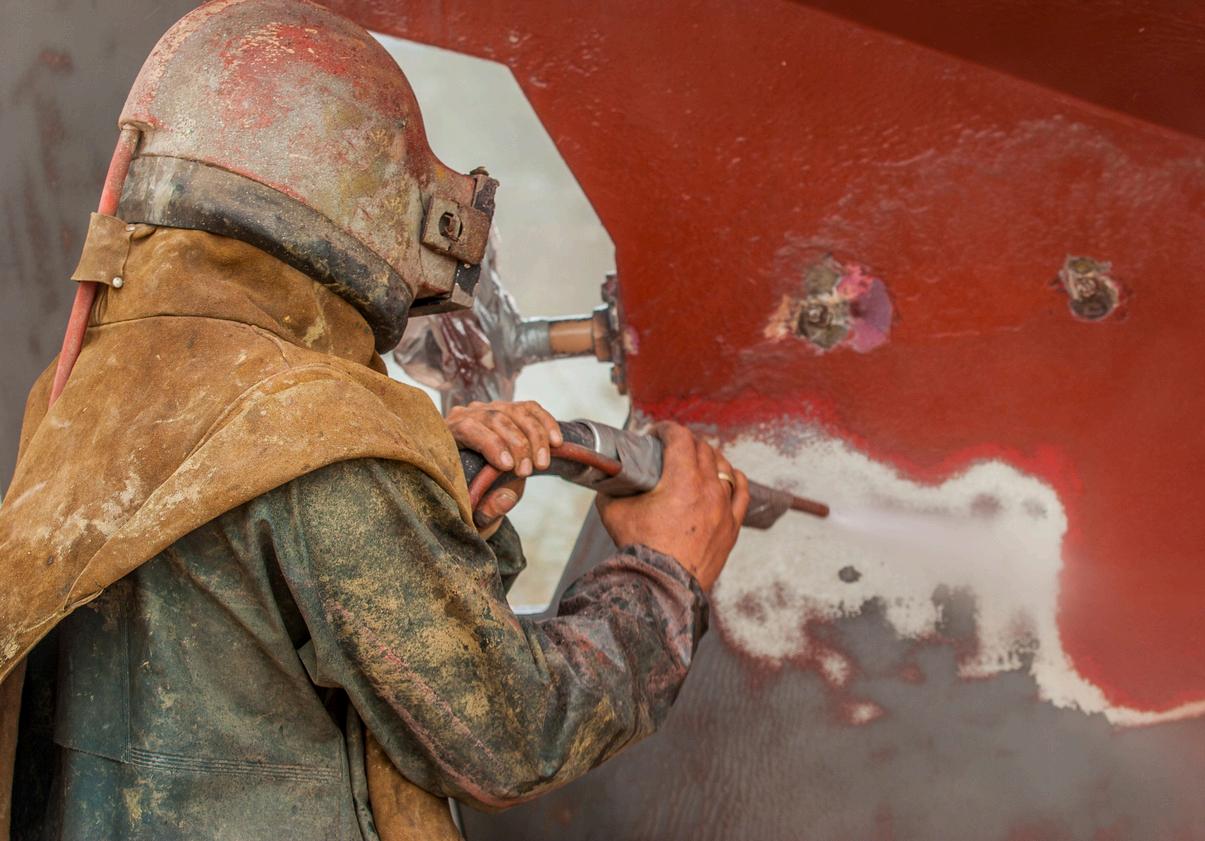
Rust, grease, old paint, and industrial residue can weaken steel structures. Removing these contaminants ensures a clean and solid base for further treatment. Deep cleaning methods reach small gaps and rough edges, creating an even surface. This step reduces future corrosion risks and improves long-term strength.
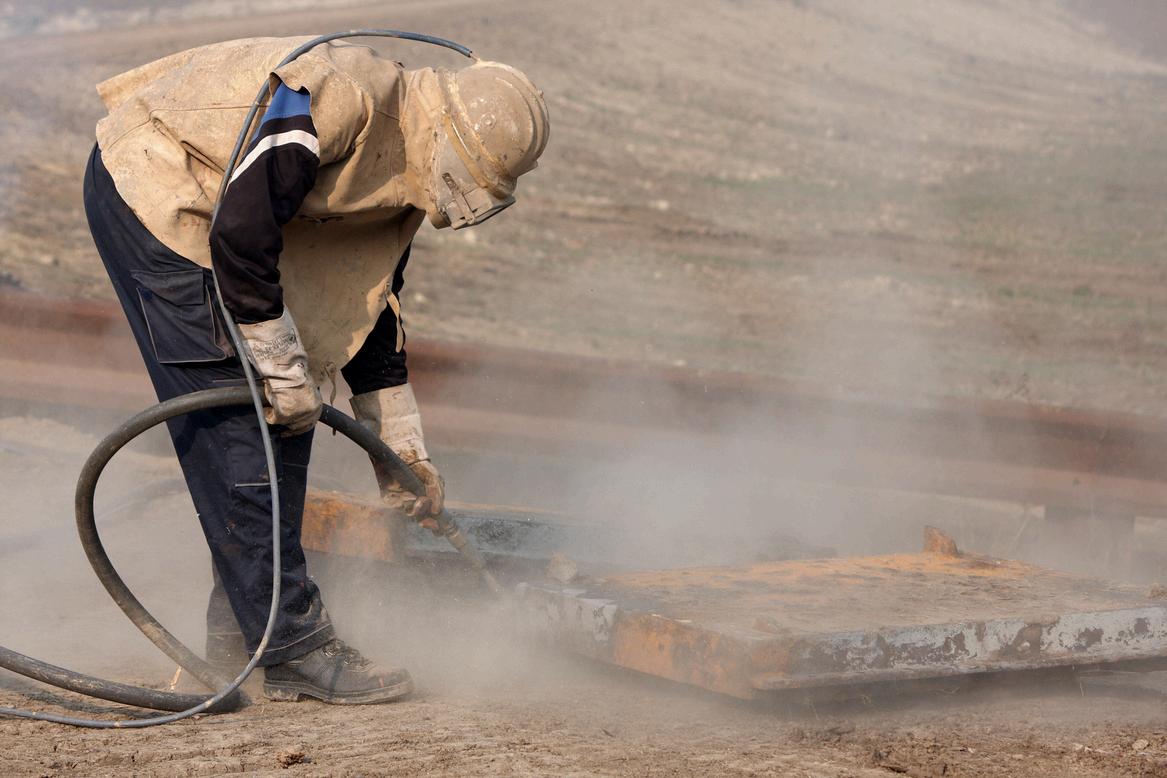
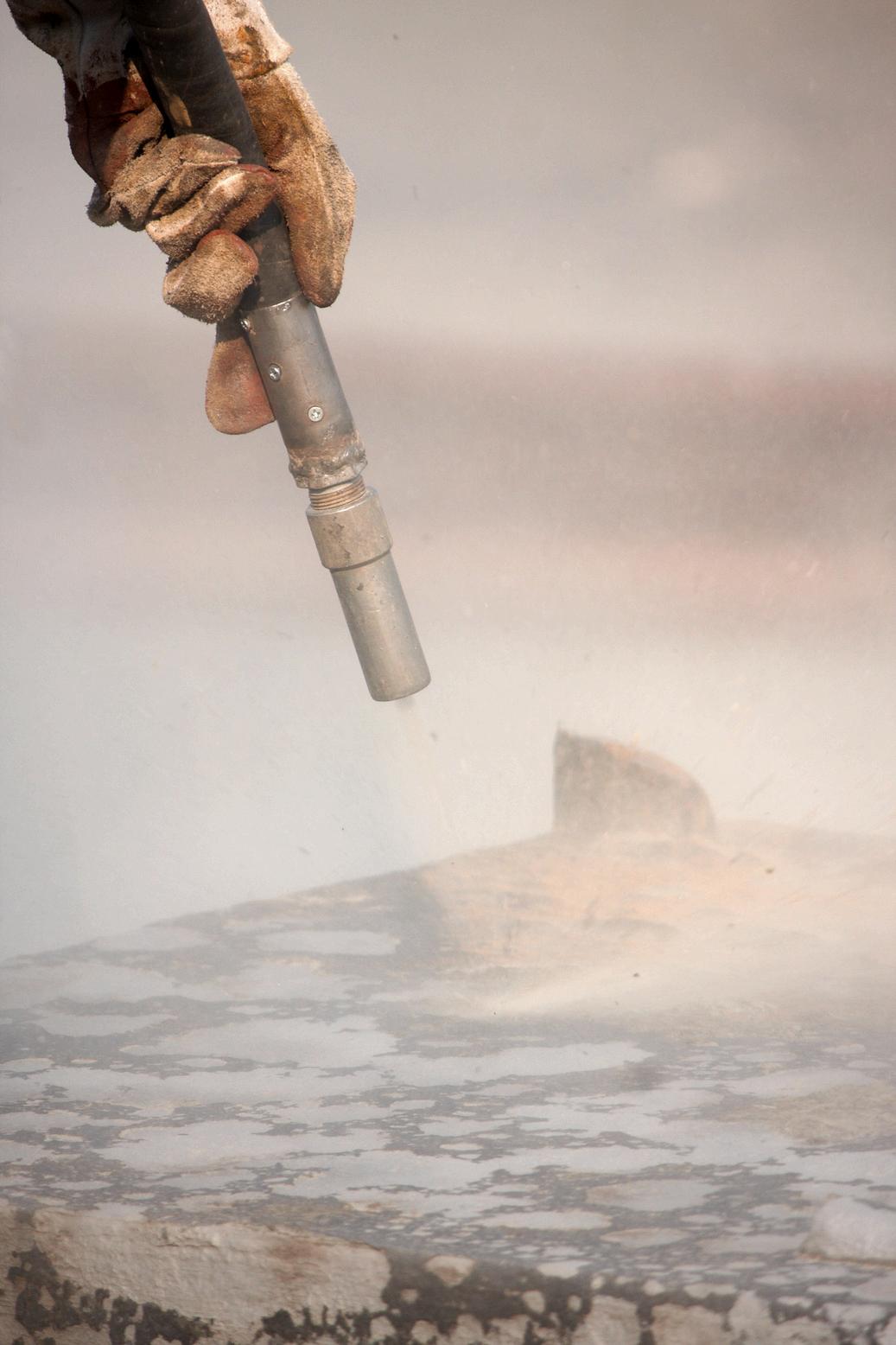
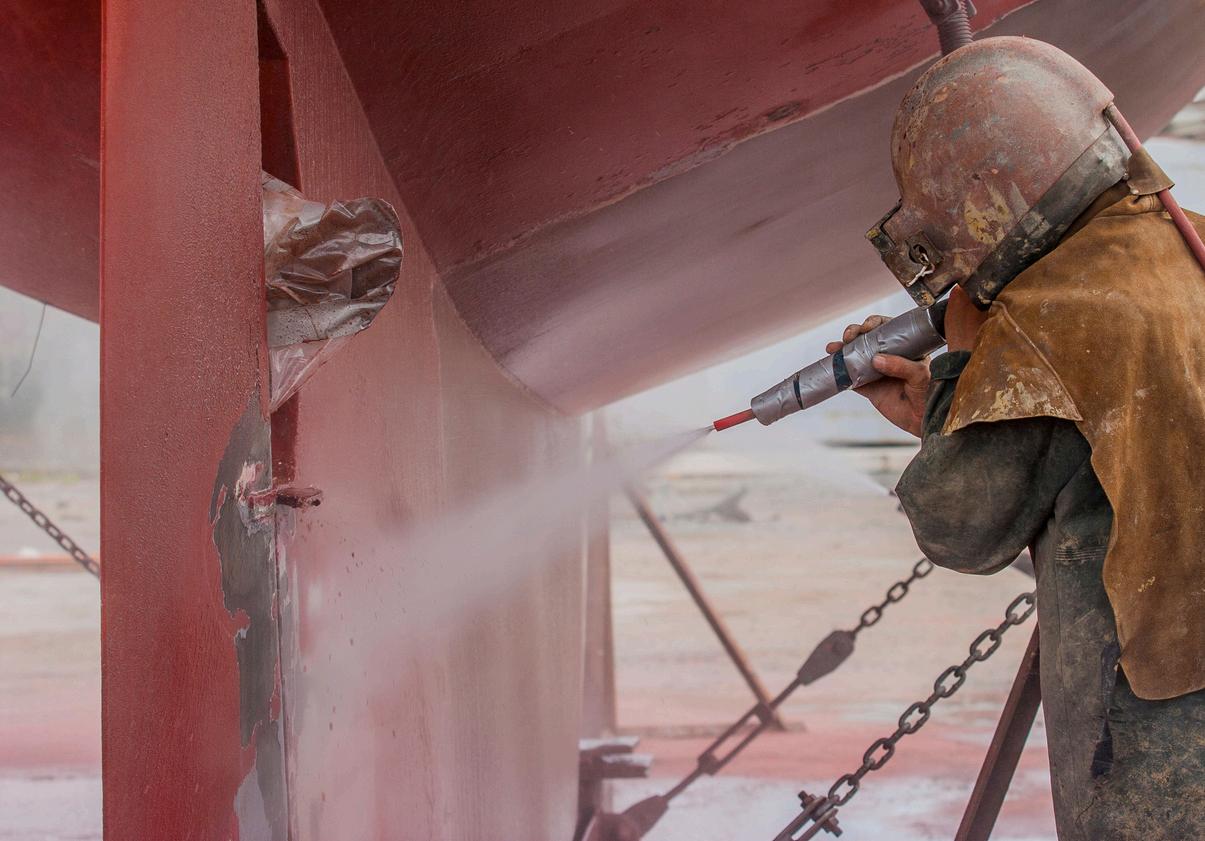
Steel sandblasting is a powerful abrasive cleaning method that removes corrosion, scale, and previous coatings from metal surfaces. It creates a slightly rough texture that improves paint adhesion and coating performance. This technique ensures consistent results, making it ideal for industrial, commercial, and heavy-duty steel applications.
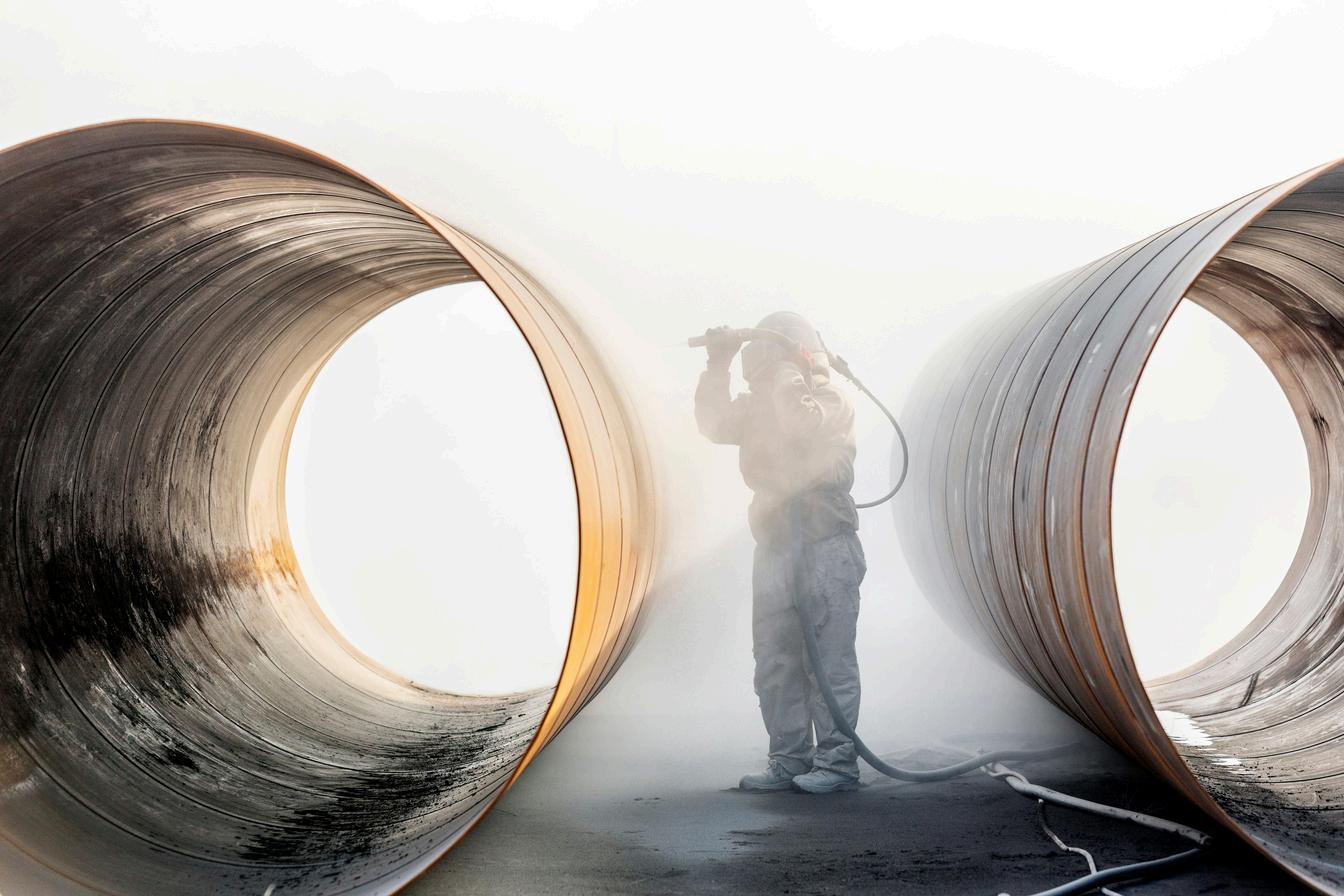
A properly prepared surface allows primers and paints to bond firmly with metal. The textured finish helps protective coatings grip effectively, reducing peeling or cracking. This increases the lifespan of the coating system and lowers maintenance costs. Strong adhesion ensures lasting protection against environmental damage.
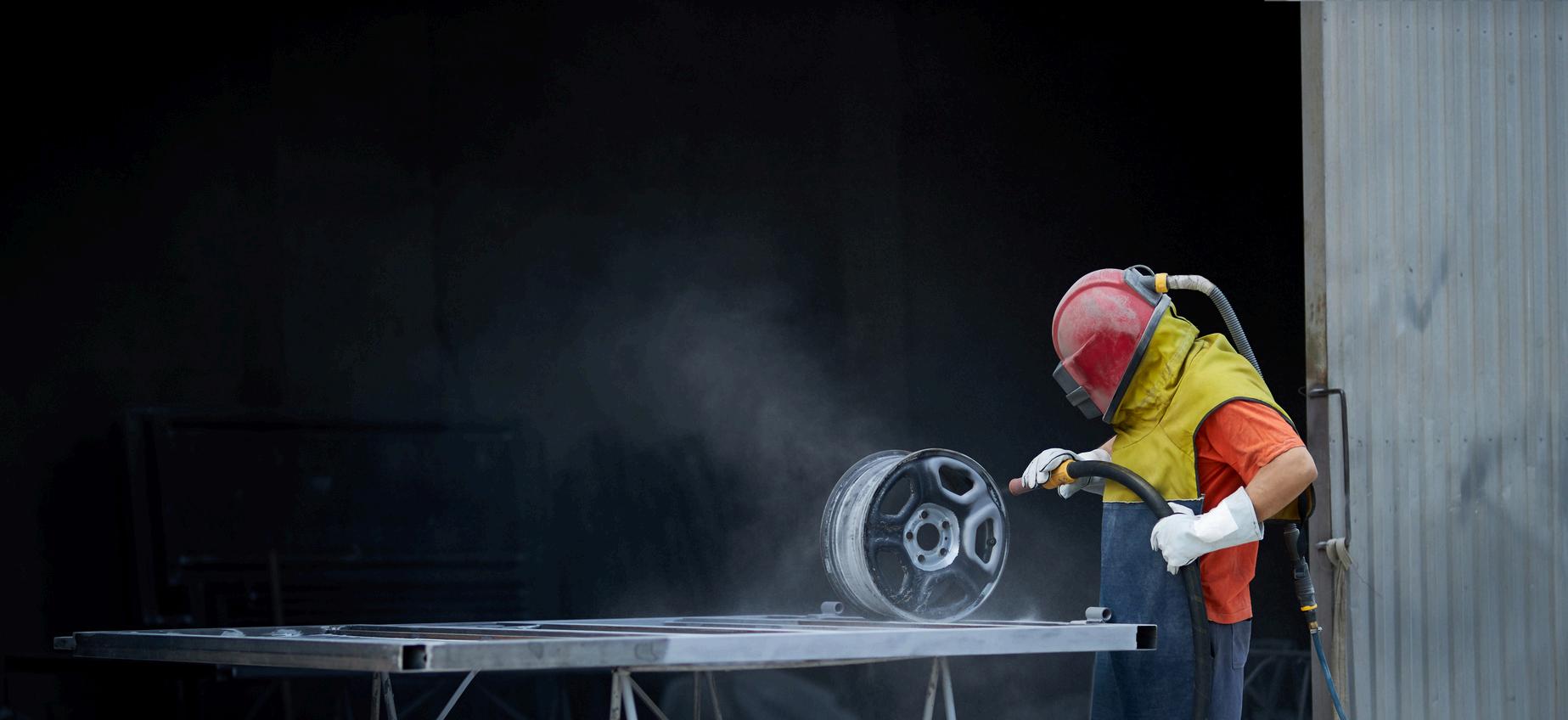
Surface preparation techniques are widely used in construction, shipbuilding, automotive, and heavy machinery industries. From bridges and pipelines to storage tanks and factory equipment, treated steel performs better under stress. Regular maintenance improves safety, durability, and compliance with industry standards.
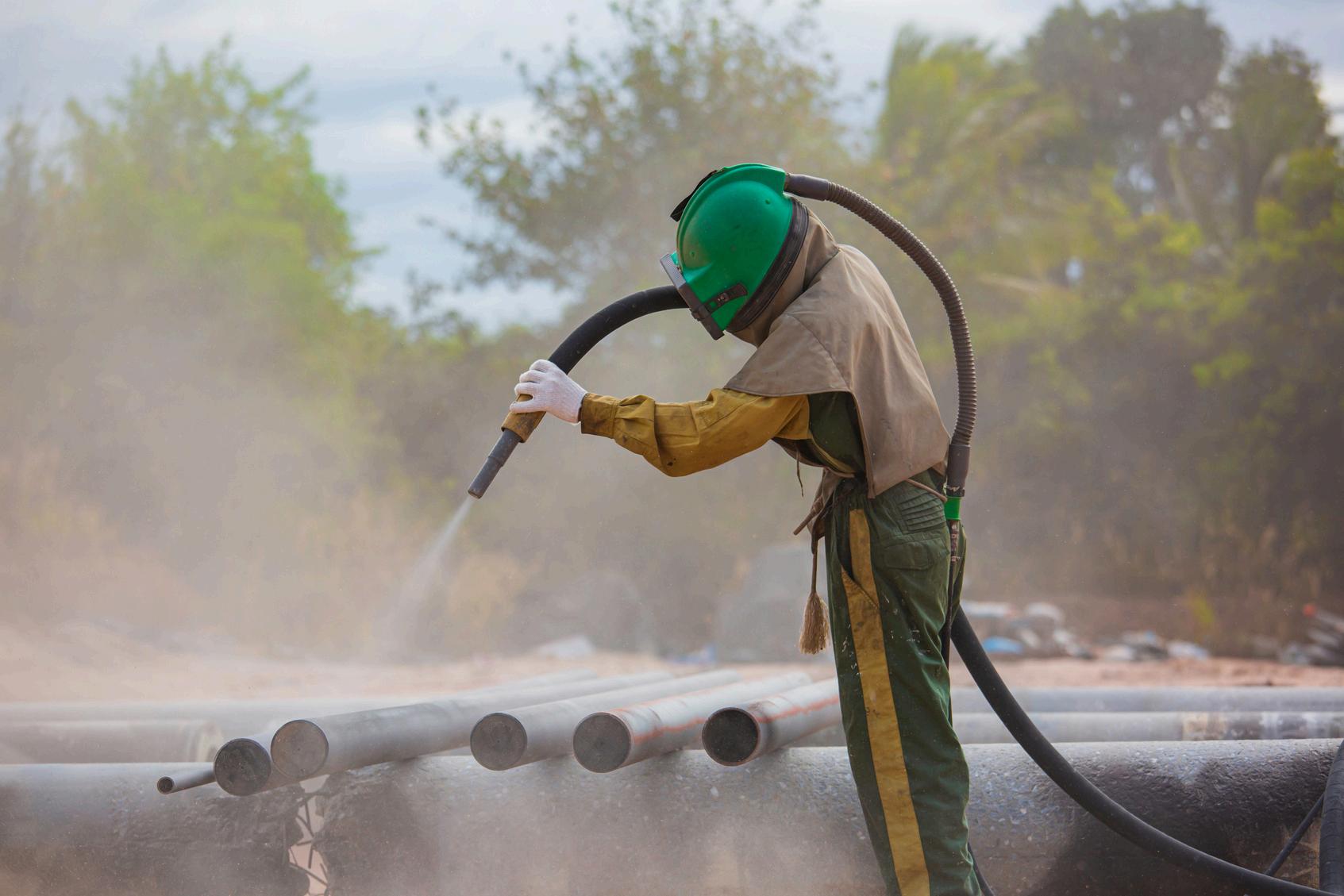
Effective surface preparation is a key step in protecting steel structures from corrosion and damage. By removing contaminants and improving coating adhesion, industries can extend the life of their equipment. Investing in professional cleaning methods ensures longterm performance, safety, and cost efficiency.