HOW FAST-GROWING MULTIFAMILY STARTUPS ARE RESHAPING REAL ESTATE AND ATTRACTING INVESTORS
GREEN LUXURY ESG & TECHNOLOGY CONVERGE IN MULTIFAMILY HOUSING
A COMPARATIVE ANALYSIS OF THE U.S. AND EUROPEAN MARKETS
STUDENT HOUSING 2.0 THE TECH REVOLUTION ON CAMPUS
WelcomeLetter
Dear Readers,
Welcome to the latest edition of Property Technology Magazine. It is both an honor and a privilege to share with you the remarkable transformations taking place within the world of property technology. The pace at which innovation is reshaping the real estate landscape is nothing short of extraordinary, and in this issue, we delve into some of the most exciting developments driving the industry forward
One of the highlights of this edition is our feature on How Fast-Growing Multifamily Startups Are Reshaping Real Estate and Attracting Investors. These dynamic companies are not only redefining traditional investment models but are also setting new standards in how multifamily properties operate, compete, and thrive in today’s market The strategies they employ are reshaping investment paradigms and offering intriguing insights into the future of multifamily housing
Another focal point of this issue is the intersection of Green Luxury, ESG, and Technology in Multifamily Housing. As the demand for sustainable living continues to grow, innovative technologies are paving the way for eco-friendly luxury living, driven by environmental, social, and governance (ESG) principles The convergence of green initiatives with technology is creating unprecedented opportunities and challenges for multifamily developers and investors alike
Additionally, we explore the future of student housing with our article on Student Housing 2.0: The Tech Revolution on Campus. As educational institutions embrace digital transformation, student accommodations are evolving to meet the expectations of tech-savvy students From smart living spaces to integrated digital ecosystems, the student housing sector is witnessing a groundbreaking transformation that promises to enhance both student life and institutional value
We hope you find this edition both enlightening and inspiring as you navigate the rapidly evolving property technology landscape.
Thank you for being part of our community and for your continued support As always, we welcome your feedback and look forward to hearing your thoughts on the topics we cover
FOUNDER / CEO Bianca Ford Bianca.Ford@securitytechx.com
GLOBAL HEAD OF COMMUNICATIONS
Chelsea Davis chelsea.davis@securitytechx.com
EDITORIAL OFFICES
2001 L Street N.W., Suite 500 Washington, DC 20036
For Sponsorships Inquiries
Research Director Chris Hayford
Chris Hayford@securitytechx com PropertyTechnologyMagazine com
Data mining and predictive analytics platform tailored for multifamily asset optimization and renter behavior prediction
PREDICTAP
AP automation tool that integrates with multifamily ERP systems to streamline invoice processing and reduce cost
LEXIQ
GenAI-powered contract analysis platform tailored for multifamily leasing and vendor agreements
MAPPEDIN
Provides indoor mapping and spatial data visualization used in large multifamily complexes for wayfinding and analytics
The PropTech Surge How Fast-Growing Multifamily Startups Are Reshaping Real Estate and Attracting Investors
The PropTech Revolution in Multifamily Housing
The PropTech industry has been on an explosive growth trajectory, particularly in the multifamily housing sector With increasing demand for automation, AIdriven management, and sustainability, startups that leverage technology to enhance real estate operations are attracting significant investment
According to the 2024 Emerging Trends in Real Estate Report by PwC and the Urban Land Institute, the real estate industry is undergoing a fundamental shift AI, automation, and data-driven decisionmaking are becoming standard tools for property owners, investors, and tenants.
So, which multifamily PropTech startups are leading this change? More importantly, why do their rapid growth rates matter to investors?
In this deep dive, we analyze the fastestgrowing PropTech startups transforming multifamily housing, their growth trajectories, and the investment opportunities they present
Surface AI automates property management workflows, including tenant communication, predictive maintenance, and lease management Real estate firms using Surface AI report a 35% reduction in operating costs and higher tenant retention rates due to proactive issue resolution.
Investor Insight:
With a $20 billion addressable market in multifamily property management, Surface AI’s ability to streamline operations makes it a top acquisition target for REITs and property tech funds
Travtus (London, UK)
Innovation: AI-powered virtual leasing and tenant management assistant
Growth Rate: 350% increase in property deployments (2023-2024)
Funding: $45 million (Series A, 2024)
Why It’s Growing Fast:
Travtus provides an AI-driven virtual assistant that handles leasing inquiries, tenant support, and maintenance coordination, reducing property managers' workload by up to 50%
Investor Insight:
The virtual leasing market is projected to grow at a 20% CAGR, making AI-driven leasing and tenant communication a key area for investment in PropTech
RCKRBX (Washington, DC)
Innovation: Big Data analytics for rental price optimization Growth Rate: 500% increase in active users (2024)
Funding: $60 million (Series B, 2024)
Why It’s Growing Fast:
RCKRBX uses AI-driven insights to help landlords set optimal rental prices, track market demand, and predict tenant turnover Properties using RCKRBX’s analytics have reported a 7% increase in NOI (Net Operating Income)
Investor Insight:
With more than $4 5 trillion in global rental property assets, RCKRBX’s data-driven rental strategy positions it as a key player for REITs and large-scale landlords.
The Fastest-Growing Multifamily PropTech Startups in 2025
Adaptis (New
York, NY)
Innovation: AI-powered carbon footprint optimization for multifamily buildings
Growth Rate: 600% increase in adoption since 2023
Funding: $80 million (Series B, 2024)
Why It’s Growing Fast:
Adaptis provides automated carbon tracking and energy efficiency recommendations, helping properties comply with increasing sustainability regulations Large REITs using Adaptis have seen a 15% reduction in energy costs
Investor Insight:
Green building tech is expected to be a $150 billion industry by 2030, making Adaptis an essential investment for ESG-focused real estate funds.
BrainBox AI (Montreal, Canada)
Innovation: AI-driven HVAC optimization
Growth Rate: 500% revenue increase in 2 years
Funding: $100 million Series C (2024)
Why It’s Growing Fast:
BrainBox AI’s self-learning HVAC system reduces energy consumption by 25%, making it a must-have solution for sustainability-focused property owners
Investor Insight:
As governments mandate carbon-neutral real estate, AI-powered energy efficiency solutions like BrainBox AI will see continued investment from both public and private sectors
Why These Growth Rates Matter for Investors RapidAdoption&MarketExpansion
The rapid growth of these PropTech startups is not just a reflection of market demand but a signal of a fundamental shift in how real estate is managed, optimized, and valued. The widespread adoption of AI, automation, and datadriven insights in property management is reshaping the traditional landlordtenant relationship while significantly reducing operational inefficiencies. Investors should pay close attention to this transformation because these technologies are not simply incremental improvements; they represent a structural overhaul of an industry valued at over $10 trillion globally
Beyond operational efficiencies, regulatory pressures are pushing landlords and property owners to adopt sustainability-focused solutions, making companies like Adaptis and BrainBox AI particularly attractive With governments worldwide implementing stricter energy efficiency standards, PropTech startups that facilitate carbon footprint reduction are poised to see exponential growth In the next five years, investors can expect these firms to secure more contracts with institutional real estate firms and municipalities looking to future-proof their assets
Another factor accelerating the growth of these startups is the integration of AI into leasing and tenant management Companies like Travtus and RCKRBX are demonstrating that automation is not just a cost-cutting tool but also a driver of higher revenues through better pricing models and improved tenant engagement As rental markets become more competitive, landlords are likely to adopt AI-driven analytics at a larger scale, making investment in such technology providers a long-term strategic play
With billions in venture capital flowing into the PropTech sector and a growing number of large REITs acquiring these technologies, the coming years will likely see an increase in mergers and acquisitions, IPOs, and expanded private equity funding Investors looking to capitalize on this wave should focus on companies that provide mission-critical automation and sustainability solutions, as these will become industry standards rather than optional enhancements
While the current wave of PropTech innovation is still in its early stages, the trajectory is clear The real estate industry is moving toward a datadriven, automated, and sustainable future, and the startups leading this charge today could be the dominant players in the market within the next decade. Investors who recognize this shift early and position themselves accordingly stand to gain from what could be one of the most significant technological revolutions in commercial and residential real estate.
Over the past two years, the multifamily PropTech sector has experienced significant changes in funding patterns due to macroeconomic pressures, evolving investor sentiment, and emerging technologies This report analyzes the key trends affecting investment in PropTech solutions for multifamily real estate from 2023 to 2024
1
Decline in Total Capital Invested
The PropTech sector faced a challenging funding environment in 2023, with total capital investment declining compared to prior years. According to CRETI's 2023 report, venture capital investment in PropTech amounted to $11 38 billion, reflecting a 42.38% decrease from the $19 75 billion invested in 2022 and a significant 64 44% drop from the 2021 peak of $32 0 billion This downturn led startups to prioritize profitability over aggressive growth, as investors became more selective, directing capital toward technologies with strong revenue potential and proven market fit
2
Multifamily Sector Investment Patterns
Investment flow in multifamily PropTech remained stagnant since mid-2022 due to rising interest rates and valuation uncertainties However, projections indicate increased activity in 2025 as interest rates decline and market conditions stabilize Despite optimism, a bid-ask spread persists, with acquisition yields hovering around 5%, below prevailing mortgage rates
3
Rebound in Investor Confidence
Investor sentiment, which hit record lows in 2022, showed improvement in 2023 and 2024. The PropTech Confidence Index rebounded as interest rates stabilized, with 65% of industry professionals expressing optimism about profitability in the coming year, up from 41% the previous year This shift suggests renewed optimism as financial conditions improve
4
The Expanding Role of AI in PropTech
Artificial Intelligence (AI) has become a key driver of PropTech investment AIpowered tools for leasing automation, tenant screening, rent optimization, and customer service are receiving significant funding AI-driven insights for predictive maintenance and asset management have proven valuable in reducing costs and improving operational efficiency
5
Increase in M&A Activity
Amid the challenging investment climate, there has been a surge in mergers and acquisitions (M&A). Many smaller startups have opted for consolidation to ensure sustainability, while larger firms acquire niche technologies to enhance their offerings This trend signifies a maturing market where scale and efficiency drive competitive advantage
6
Focus on Housing Affordability and Operational Efficiency
Funding has increasingly targeted technologies addressing industry challenges such as housing affordability, smart home automation, and tenant engagement. AI-driven property management tools, predictive maintenance platforms, and energyefficient smart building technologies have gained traction among investors
The past two years have presented challenges and opportunities for multifamily PropTech funding While overall investment levels declined in 2023, investor confidence is gradually returning The sector is witnessing increased M&A activity, a stronger focus on sustainable and efficient technologies, and a growing role for AI-driven innovations. As the market stabilizes in 2025, the multifamily PropTech space is poised for renewed growth, driven by technological advancements and evolving investor priorities
The multifamily real estate sector is undergoing a technological revolution. Property managers and investors are increasingly turning to PropTech solutions to streamline operations, improve tenant experiences, and maximize asset performance. But not all property management platforms are created equal when it comes to integrating with smart building technology, AI-driven automation, and sustainability-focused solutions.
So which platforms truly stand out? And do their claims of seamless PropTech integration hold up under scrutiny? This investigation delves into the key players in the market, their strengths, and potential shortcomings.
The Rise of PropTech-Integrated Property Management
Multifamily property management is no longer just about handling leases and maintenance requests. Today, the most competitive platforms offer:
Examining the Market Leaders
After reviewing industry reports, user feedback, and technical specifications, we scrutinized the leading multifamily management platforms to see how well they integrate with PropTech solutions
VictorLilue PropertyTechnologyMagazine
SmartBuildingConnectivity
Integration with IoT devices such as smart thermostats, access controls, and energy management systems
AI-PoweredAutomation
Streamlining leasing, tenant screening, and predictive maintenance
Data-DrivenDecisionMaking Real-time analytics for performance optimization.
Cloud&Mobile-Based Infrastructure
Enabling remote property management with greater flexibility
RobustAPIEcosystems
Seamless connections with PropTech vendors to enhance sustainability, security, and operational efficiency.
Potential Drawbacks: Complex implementation process, higher costs for advanced features.
Who It’s Best For: Large property portfolios with intricate operational needs.
Evidence & Sources: Verified on Yardi’s official website and user case studies.
RealPage Strengths: AI-powered revenue management, automated leasing workflows, and smart building solutions.
Potential Drawbacks: Customer support challenges, occasional system lag.
Who It’s Best For: Multifamily operators focusing on financial performance and asset optimization.
Evidence & Sources: RealPage official documentation and third-party reviews.
Entrata Strengths: Open API for easy third-party integrations, AI chatbots, and automated maintenance workflows.
Potential Drawbacks: Limited scalability for extremely large portfolios.
Who It’s Best For: Property managers seeking cost-efficient automation solutions.
Evidence & Sources: Entrata official site and independent tech analysis.
AppFolio Strengths: Mobile-first property management, machine learning-based resident screening, and smart home integrations.
Potential Drawbacks: Not as robust for largescale operations.
Who It’s Best For: Small-to-mid-sized property management firms.
Evidence & Sources: AppFolio’s product specifications and user testimonials.
MRI Software
Strengths: Strong API support for AI, automation, and IoT tools.
Potential Drawbacks: Steep learning curve for new users.
Who It’s Best For: Mixed-use and multifamily property portfolios.
Evidence & Sources: MRI Software’s technical documentation and customer feedback.
Why Are These Platforms Superior?
The superiority of these platforms stems from their ability to effectively integrate with modern PropTech solutions while addressing the evolving needs of property managers and investors. Key factors that set them apart include:
Scalability & Flexibility: These platforms cater to portfolios of varying sizes, from small property managers to large real estate enterprises
Advanced AI & Automation: Each platform leverages AI to streamline leasing, maintenance, and financial management, reducing operational burdens
Robust API & Third-Party Integration: Their ability to seamlessly integrate with IoT, sustainability solutions, and advanced analytics tools enhances operational efficiency.
Mobile & Cloud-Based Accessibility: Remote management capabilities enable real-time monitoring and decision-making
Proven Industry Track Record: These platforms have consistently demonstrated success in enhancing efficiency, tenant engagement, and financial performance.
The Reality of AI and PropTech in Multifamily Management
Despite the rapid adoption of AI and PropTech, challenges persist in the multifamily management sector Many platforms promote AI-driven leasing and maintenance; however, the execution often falls short Issues such as data silos, inconsistent integration with legacy systems, high costs associated with advanced automation features, and adoption barriers where property managers and tenants struggle with new technology interfaces continue to hinder progress
Emerging trends offer potential solutions to bridge these gaps
Generative AI is beginning to enhance lease management through AI-powered chatbots that improve processing efficiency Predictive analytics is being employed to better understand tenant behavior, enhancing retention and optimizing rent pricing Additionally, blockchain technology is gaining traction for its ability to increase security and automate lease agreements, while sustainability initiatives are being bolstered by AIdriven energy monitoring to reduce carbon footprints
Final Verdict: Which Platform Delivers the Best PropTech Integration?
While Yardi Voyager and RealPage lead in enterprise-level integration, Entrata and AppFolio provide strong automation for smaller firms MRI Software offers flexibility for diverse portfolios However, no platform is perfect each has its own trade-offs
As the PropTech landscape evolves, the best choice will depend on a property manager’s specific needs, technological readiness, and long-term strategy The key is not just choosing a platform with PropTech capabilities but ensuring it aligns with operational goals and delivers real, measurable benefits
www.dormakaba.com
Emerging PropTech Trends
Shapingthe Multifamily Landscape in2025
NikoGraves
PropertyTechnologyMagazine
The multifamily real estate sector is undergoing one of the most transformative shifts in recent history With artificial intelligence (AI), smart building systems, and data-driven decision-making at the forefront, property developers and managers are embracing PropTech at an unprecedented pace. As we navigate 2025, these five emerging trends are shaping the future of multifamily living
AI-Driven Leasing and Property Management
Artificial intelligence is revolutionizing how multifamily properties are managed, leased, and serviced The latest AI applications are automating leasing processes, optimizing pricing strategies, and enhancing resident experiences
Key Developments:
Automated Leasing Agents: AI-powered chatbots and virtual leasing assistants handle tenant inquiries, schedule tours, and process lease applications, cutting leasing times by up to 70% (MetaProp, 2024)
Predictive Maintenance: Machine learning algorithms analyze historical maintenance data to predict potential equipment failures, reducing emergency repair costs by 30% (PropTech Collective, 2025)
Smart Rent Pricing: AI-driven rent pricing tools use real-time market data, local demand trends, and competitor analysis to optimize rental rates dynamically, maximizing occupancy and revenue. (PwC & Urban Land Institute, 2025)
Smart Buildings & IoT Integration
The Internet of Things (IoT) has made multifamily buildings smarter, more energyefficient, and more secure Property managers are increasingly adopting sensorbased automation, cloud-based control systems, and AI-powered security solutions
Key Innovations:
Energy Optimization & Sustainability: Smart thermostats and automated lighting systems are helping buildings reduce energy consumption by up to 25% (RETTC, 2025)
Automated Security & Access Control: Mobile-based keyless entry, facial recognition, and AI-powered surveillance systems are becoming standard across high-end multifamily developments (PropTech Collective, 2025)
Real-Time Water & Air Quality Monitoring: IoT sensors detect leaks, air quality issues, and HVAC inefficiencies, preventing costly damage and improving resident health (Cemex Ventures, 2025)
The Shift Toward MixedUse & Micro-Living Concept
Affordability concerns and shifting demographics are driving the rise of mixed-use developments and micro-living spaces Developers are focusing on spaceefficient designs with shared amenities to cater to urban dwellers
Notable Shifts:
3.
Hybrid Live-Work Spaces: More multifamily buildings now include coworking spaces, catering to the growing remote workforce (PwC & Urban Land Institute, 2025)
Modular & Prefabricated Construction: Offsite construction is reducing build times by 40% while lowering development costs (Cemex Ventures, 2025)
Affordable Compact Living: As homeownership affordability declines, the demand for smaller, fully-equipped units with shared amenities is rising (RETTC, 2025)
Data-Driven Investment & Operations
The rise of big data analytics in real estate is enabling operators to make smarter, faster, and more profitable decisions across their portfolios
Key Implementations:
Market Intelligence & Rent Optimization: AI-based rent pricing models track economic indicators, demand shifts, and leasing trends to set the most competitive rates (MetaProp, 2024)
Portfolio Performance Optimization: Institutional investors are leveraging PropTech dashboards to identify highperforming assets and optimize capital allocation (PropTech Collective, 2025)
Automated Compliance & Risk Management: AI-backed regulatory monitoring tools help landlords navigate evolving rent laws and housing regulations (RETTC, 2025)
The Connectivity Revolution: High-Speed Internet as a Standard Amenity
Fast and reliable internet is now considered a necessity rather than a luxury in multifamily housing With 5G and fiber-optic networks expanding, seamless connectivity is a top priority for developers
Notable Developments:
5G-Powered Smart Buildings: High-speed 5G connectivity is improving IoT integration, remote work capabilities, and real-time automation (Cemex Ventures, 2025)
Bulk Internet Agreements & Managed WiFi Solutions: Multifamily operators are striking deals with ISPs to offer buildingwide Wi-Fi, reducing costs for residents (PropTech Collective, 2025)
Cybersecurity-First Approach: AIpowered security solutions are protecting tenant data and digital infrastructure against cyber threats (RETTC, 2025)
Final Thoughts: A Tech-Driven Future for Multifamily Living
The multifamily sector in 2025 is defined by digital transformation From AI-powered leasing and maintenance solutions to IoT-driven efficiency and hyper-connected buildings, the industry is embracing technology at an unprecedented pace For investors, developers, and operators, staying ahead of these PropTech innovations is no longer optional it’s essential The properties that successfully integrate AI, smart building tech, and data analytics will dominate the market, creating thriving, efficient, and future-proof communities.
Verified Sources:
PwC & Urban Land Institute: Emerging Trends in Real Estate 2025
PropTech Collective: Trends & AI Potential in PropTech 2025
MetaProp: The Impact of AI on Real Estate 2024
RETTC: Multifamily Connectivity & Data Security Reports
Cemex Ventures: Top 50 ConTech Startups Report 2025
Student housing is embracing smart technologies to create safer, more convenient living spaces Keyless access systems, like smartphone-enabled door locks and biometric scanners, are becoming standard, reducing the risk of lost keys and enhancing security. High-speed internet, often powered by fiber optics or 5G, is essential for online learning and streaming, meeting students' digital needs. Smart lockers for package management streamline deliveries, allowing 24/7 retrieval, while smart home features like thermostats and lighting improve comfort and energy efficiency.
Streamlined Processes
Technology is simplifying administrative tasks in student housing Online platforms for rent payments and maintenance requests, accessible via mobile apps, make processes faster and more user-friendly. AIpowered property management automates tasks like leasing, maintenance tracking, and communication, reducing staff workload and improving efficiency. Virtual tours and augmented reality (AR) tools enable remote property exploration, which is particularly helpful for international students, making housing selection more accessible
Community Engagement
Community platforms are vital for building connections in student housing Social media and resident portals facilitate communication between students and staff, sharing updates and resources Online event platforms, such as resident engagement apps, organize social activities and study groups, fostering a sense of belonging These tools help create vibrant communities, enhancing the overall student experience
“Think of student housing as a smart city within a campus.”
In today's digital age, technology is no longer a luxury but a necessity, especially for students who are digital natives The student housing sector has recognized this shift, integrating innovative solutions to enhance security, convenience, and community From smart entry systems to advanced community platforms, the tech revolution is redefining what modern student housing looks like
Smart Buildings and Amenities: Enhancing Living Experiences
One of the most noticeable changes is the adoption of smart building technologies, which cater to students' expectations for convenience and security Keyless access systems, such as smartphone-enabled door locks and biometric access, are becoming increasingly common These systems reduce the risk of lost or stolen keys, offering a record of access for enhanced security This is particularly appealing to students who value ease of use, with mobile-enabled locks from companies like GoKeyless providing seamless entry
High-speed internet is another critical component, driven by the rise of online learning and streaming services Research from WorldVue suggests that properties are investing in fiber optics and 5G to meet these demands, ensuring students can attend virtual classes and enjoy leisure activities without interruptions. This is not just a convenience but a necessity, given the digital nature of modern education
Smart lockers for package management address the surge in online shopping, automating delivery processes They allow 24/7 delivery and retrieval, saving time for staff and enhancing student convenience Smart home features, such as thermostats and lighting, further enhance the living experience These technologies promote energy efficiency and comfort, aligning with sustainability goals
Community Engagement: Building Connections Through Technology
Community is at the heart of student housing, and technology plays a vital role in fostering connections Social media and communication platforms, such as resident portals, facilitate interaction between students and staff For example, platforms like Guidebook, as seen in Guidebook for Housing, provide schedules, calendars, and feedback forms, enhancing communication. These tools help share updates, organize events, and create groups for common interests, building a connected environment
Online event platforms are another key tool for community engagement Resident engagement apps, such as ResLife Portal and ElevateOS, as highlighted in ResLife Portal, organize social activities, study groups, and community meetings These platforms track attendance, manage bookings, and promote events, fostering a sense of belonging For instance, themed days like"#MeetAndGreetMondays" encourage conversations, enhancing the student experience
The impact of these platforms is significant, with a 2024 article from ElevateOS noting increased satisfaction scores through streamlined amenity management and event planning This is particularly important in 2025, as student housing providers compete to attract residents by offering vibrant, connected communities.
The Future of Student Housing
The integration of technology in student housing is not just about keeping up with trends; it's about meeting the evolving needs and expectations of students From smart amenities to streamlined processes and enhanced community engagement, technology is redefining modern student living
As we move forward, the evidence leans toward continued innovation, with potential advancements in AI, sustainability, and connectivity shaping the future For property managers and developers, staying ahead of these technological shifts is key to attracting and retaining residents in an increasingly competitive market
Technology
KeylessAccess Systems
Description
Smartphone-enabled locks, biometric scanners
High-Speed Internet Fiber optics, 5G for reliable connectivity
Smart Locks and the New Multifamily Security Standard
Let’s talk keys Those little metal relics we’ve been carrying around forever jangling in pockets, getting lost under couch cushions, or worse, copied by some sketchy ex-roommate. They’re a hassle, a liability, and frankly, a bit of a dinosaur in today’s tech-driven world For Property Technology Magazine’s March 2025 issue, I’m here to make a case: it’s time for multifamily housing to ditch traditional locks and go all-in on smart entry solutions The debate’s over smart locks aren’t just a shiny upgrade; they’re the new security standard we can’t afford to ignore
Think about it A key’s only as secure as the person holding it Lose it, and you’re scrambling to rekey a unit or an entire building if it’s a master Hand it to a tenant who bolts without returning it, and you’re rolling the dice on who might stroll in next A 2024 National Apartment Association survey found 42% of property managers dealt with keyrelated security headaches last year lost keys, unauthorized copies, you name it That’s not just inconvenient; it’s a gaping hole in the system Then there’s the cost Rekeying a single apartment runs $50 to $100, per a 2025 FacilitiesNet estimate. Scale that to a 200-unit complex after a mass turnover say, post-graduation in a student housing hub and you’re staring at five figures just to keep the status quo. Keys aren’t cheap when they go wrong, and they go wrong a lot
Now, picture this: no keys, no fuss A tenant taps their phone or their fingerprint and the door swings open Smart locks, powered by Bluetooth, Wi-Fi, or biometrics, are flipping the script on multifamily security Brands like August, Schlage, and Yale are leading the charge, offering systems that sync with apps, track access, and let managers reset permissions in seconds Lost your phone? No sweat deactivate it remotely New tenant? Send a digital code, no locksmith required
The urgency here isn’t hype it’s necessity A 2024 CBRE report pegged smart lock adoption in US multifamily at 35%, up from 20% in 2022, but Europe’s already at 50%, and Asia’s pushing 60%. Tenants especially the tech-savvy under-40 crowd don’t only want these features, they expect it
The Operator Angle: Dollars and Sense
The Tenant Win: Convenience Is King Security’s the headliner, but convenience is the encore tenants can’t stop cheering for Ever locked yourself out at 2 a m ? With a key, you’re calling a locksmith or crashing on a friend’s couch. With a smart lock, you’re back inside with a code or a quick app tap assuming your phone’s not dead, of course
It’s not just about lockouts, either Temporary codes for guests say, a dog walker or a delivery drop mean no more hiding keys under mats For short-term rentals within multifamily like that spare room you’re Airbnb-ing smart locks streamline access without compromising the building It’s frictionless living, and tenants are eating it up
Now, let’s talk brass tacks Smart locks cost more upfront $150 to $300 per door versus $20 for a deadbolt, says a 2025 Multifamily Executive breakdown For a 100-unit property, that’s $15,000 to $30,000 out of pocket Ouch But hold on factor in no rekeying, no locksmith callouts, and lower turnover (happy tenants stay longer), and the math shifts A 2024 JLL analysis pegged ROI at 1824 months for mid-to-large complexes Add remote management resetting access from your laptop instead of trekking onsite and you’re saving time, which is money in disguise
Then there’s the market edge Properties with smart locks lease faster 10% faster, per a 2025 Colliers report and command 3-5% higher rents In a softening market (rents grew just 2.8% in 2024, per CBRE), that’s a lifeline Owners who balk at the cost are missing the forest for the trees tenants will pay for security and ease, and competitors are already cashing in.
The Old Guard: Why Keys Are Losing the Fight
Enter Smart Locks: The Tech That’s Turning Heads
The Pushback: Fair Points, Weak Case
Not everyone’s sold Some operators cling to keys like a security blanket reliable, familiar, no batteries required. A 2024 Property Management Insider poll showed 30% of small landlords prefer the old way, citing cost and tech glitches Fair enough rural complexes with spotty Wi-Fi might struggle, and a dead battery’s a real buzzkill But here’s the counter: backup codes and hybrid systems (keypad plus app) solve most hiccups And cost? It’s a shortterm hit for long-term gain. The holdouts are fighting yesterday’s war
Tenants have gripes too privacy’s a big one. Who’s tracking those access logs? A 2023 Privacy Rights Clearinghouse study warned of data overreach with smart tech Valid concern, but opt-in policies and transparent data use (think GDPR-style rules) can ease fears The benefits outweigh the what-ifs
A Spring 2025 Nudge: Timing’s Right
Since it’s March 2025, let’s lean into the moment Spring’s renewal season leases turn over, students hunt for summer spots. Roll out smart locks now, and you’re signaling fresh, forward-thinking vibes A Denver complex did this last spring, boosting renewals by 15%, per a 2025 Real Estate Weekly note. Tie it to Earth Day market the energy-efficient tech and you’ve got a PR win too Timing’s everything, and this is your shot
The Verdict: Smart Locks Win
Look, I get it change is messy But the great key debate isn’t really a debate anymore Smart locks aren’t perfect, but they’re leagues ahead of clunky, copyable keys They’re safer, slicker, and smarter everything multifamily needs to stay competitive The urgency? It’s now or never Tenants are demanding it, the market’s rewarding it, and the world’s not waiting So, operators, here’s your call: swap those keyrings for keyless, and set the new standard Because in 2025, security shouldn’t jangle it should hum.
Why are you still paying for software that won’t talk to each other?
Don’t let fragmented systems hold your business back, build you data autonomy with our AI-native data platform for real estate.
Learn more at
PropTech Adoption in Multifamily:
AComparative AnalysisoftheU.S. andEuropeanMarkets
The
Global Surge of PropTech in Multifamily Real Estate
The real estate industry is experiencing a significant transformation, with PropTech (property technology) revolutionizing the development, management, and optimization of multifamily properties
Both the United States and Europe have embraced PropTech innovations, yet their adoption patterns, regulatory landscapes, and market dynamics exhibit notable differences As of 2025, understanding these variations provides valuable insights for investors, developers, and technology providers aiming to expand across these regions
PropTech Adoption in the U.S.: Scaling at Speed
The U S multifamily market, valued at over $4 trillion, is characterized by rapid technology adoption driven by venture capital influx, institutional investors, and scalability-focused solutions. According to PwC’s Emerging Trends in Real Estate 2025, multifamily remains a preferred asset class for investors, with an increasing emphasis on digital transformation (PwC, 2025)
Key Drivers of PropTech Growth in the U.S.:
Institutional Investment & Scale: The U S multifamily sector has a strong presence of REITs, institutional landlords, and private equity-backed operators These players prioritize PropTech adoption to streamline operations, reduce costs, and enhance resident experiences at scale
Data-Driven Decision Making: Advanced AI-driven tools for predictive analytics, tenant screening, and smart leasing processes are becoming mainstream, with firms leveraging platforms like Zillow, RealPage, and Yardi
IoT & Smart Buildings: Managed Wi-Fi solutions, smart locks, and energy optimization technologies are key trends in multifamily developments However, exact statistics on IoT integration require further verification beyond general industry reports
Flexible & Digital Leasing Models: The rise of selfguided tours, AI-powered chatbots, and automated lease management systems has significantly accelerated leasing cycles, especially in urban centers like New York, Los Angeles, and Dallas.
However, challenges persist The U S faces fragmented regulations, particularly in areas such as data privacy and rental pricing, which impact the widespread standardization of PropTech solutions
Europe’s Approach: Regulation-Driven Innovation
Unlike the U S , Europe’s multifamily market is more fragmented, influenced by national regulations, strong tenant protections, and a diverse ownership structure With institutional investment in multifamily increasing, the role of PropTech in European markets is evolving
Key Distinctions in Europe’s PropTech Landscape:
Regulatory Hurdles & Tenant Rights: The EU’s GDPR regulations impose stricter compliance requirements on PropTech firms, impacting AI-based tenant screening and data-driven leasing tools (European Commission, GDPR Guidelines).
Sustainability & ESG Focus: European landlords are ahead in green PropTech adoption, integrating AIdriven energy management, carbon footprint tracking, and circular economy principles into multifamily developments The European Commission’s Green Deal Policy Framework is a driving force behind these initiatives (European Commission, 2024)
Co-Living & Affordability Tech: Markets such as Germany, the Netherlands, and the UK have seen a rise in PropTech solutions tailored to co-living, buildto-rent (BTR), and digital tenancy management. While PropTech investments in these regions are growing, exact figures vary and require further confirmation from multiple sources
Smart Connectivity & Infrastructure: Managed Wi-Fi and fiber-optic networks are key investments in multifamily properties, with London, Berlin, and Amsterdam leading in community-based smart city integrations
Despite these advancements, Europe’s dispersed market structure makes scaling PropTech solutions across multiple countries complex compared to the U S
European Multifamily PropTech Connectivity Leasing Trends
Community-based, fiber networks
What’s Next for PropTech in Multifamily?
AI & Automation Expansion:
Both regions are embracing AI-driven operational efficiencies, with chatbots, automated lease management, and dynamic pricing models set to expand
Sustainability-Driven PropTech:
The EU’s Green Deal and U S ESG regulations will push PropTech companies to develop carbonneutral, energy-efficient building solutions (European Commission, Green Deal; U S SEC, ESG Regulations)
Cross-Border PropTech Scaling:
With increasing U S -European partnerships, PropTech firms will tailor solutions to fit regulatory nuances while tapping into growing demand for data-driven property management
Final Thoughts: Converging Pathways in PropTech Evolution
While the U S market leads in scalability and AI adoption, Europe’s regulatory-first, sustainability-driven approach offers a complementary model for future PropTech growth As investment in multifamily real estate remains strong, PropTech innovations will continue to reshape tenant experiences, property operations, and the broader real estate landscape
For investors and tech leaders, the key to success lies in adapting technology to local market dynamics while leveraging crossborder innovations to scale globally
The PropTechMaturity Index for Multifamily in the United States:
AreWeReachingtheNextStage?
The U S multifamily real estate sector, valued at approximately $4 trillion, is experiencing a technological transformation From AI-driven leasing platforms to smart building automation, PropTech adoption is reshaping apartment community operations However, the sector remains fragmented, with the top 50 apartment managers overseeing about 19% of the nation's apartments, presenting both challenges and opportunities for widespread PropTech adoption (NMHC)
Artificial intelligence is redefining leasing, tenant relations, and asset management Predictive analytics assist property managers in optimizing pricing models and forecasting tenant demand, while AI-driven chatbots and automated leasing systems streamline applications, reducing friction for prospective renters Digital lease management solutions are replacing traditional paperwork, enhancing efficiency and compliance Smart maintenance platforms now detect and prevent property issues before escalation, improving operational efficiency
With a significant portion of U S apartments institutionally owned, the sector is transitioning from legacy operations to AI-augmented workflows However, many owners face challenges integrating new technologies with existing infrastructure (CBRE Multifamily Outlook 2025)
A clear indicator of PropTech maturity is the shift toward ubiquitous connectivity According to industry research, a significant majority of renters expect immediate Wi-Fi access upon move-in, emphasizing the need for robust digital infrastructure Managed Wi-Fi solutions are gaining traction, providing seamless internet service and offering property owners new revenue streams IoT-enabled buildings are becoming standard, integrating smart locks, thermostats, and security systems to enhance tenant experiences (J P Morgan PropTech Insights)
Despite advancements, barriers to widespread adoption remain Many multifamily operators struggle with integrating modern PropTech solutions with legacy property management systems Not all PropTech tools are designed to scale, limiting their adoption across larger portfolios Additionally, while technology can drive long-term savings, the upfront investment required for smart building retrofits can deter some property owners Regulatory and compliance risks also pose challenges, as new AI-driven screening and pricing models have sparked legal and ethical debates, requiring greater transparency (Statista Multifamily Homes Statistics)
The U S multifamily sector is at a critical inflection point While early adopters are already reaping the benefits of AI, IoT, and automation, widespread industry maturity is still on the horizon The next three to five years will likely see a more standardized integration of PropTech, with greater consolidation among vendors and improved regulatory clarity With increased investment and a clear demand for digital transformation, the PropTech Maturity Index for multifamily housing is steadily moving toward full-scale adoption However, success will depend on addressing scalability, interoperability, and cost challenges to ensure that innovation benefits both property owners and residents alike (Wired)
The PropTech Maturity Index for Multifamily in the U S : Are We Reaching the Next Stage?
The U S multifamily real estate sector, valued at approximately $4 trillion, has been undergoing a technological renaissance From AIdriven leasing platforms to smart building automation, PropTech adoption has surged, fundamentally reshaping how apartment communities operate But where exactly does the sector stand on the PropTech Maturity Index, and how close are we to full digital transformation?
A Market Poised for Innovation
The multifamily sector spans 16 4 billion square feet, making it one of the largest real estate categories in the U S The rise of smart home technologies, sustainability-focused initiatives, and enhanced tenant experiences has accelerated PropTech penetration However, the sector remains highly fragmented, with the top 50 apartment managers controlling just 20% of all apartments This dispersion presents both challenges and opportunities for PropTech solutions seeking widespread adoption
AI and Automation: The Heart of Maturity Growth
The deployment of artificial intelligence (AI) in multifamily real estate is redefining leasing, tenant relations, and asset management Predictive analytics are helping property managers optimize pricing models and forecast tenant demand, while AI-driven chatbots and automated leasing systems are streamlining the application process, reducing friction for prospective renters Digital lease management solutions are replacing traditional paperwork, improving efficiency and compliance, while smart maintenance platforms now detect and prevent property issues before they escalate, enhancing operational efficiency With 40% of U S apartments institutionally owned, the sector is experiencing a transition from legacy operations to AI-augmented workflows Yet, many owners still grapple with the challenges of integrating new technologies with existing infrastructure
One of the clearest indicators of PropTech maturity is the shift toward ubiquitous connectivity According to industry research, 87% of renters expect immediate Wi-Fi access upon move-in, emphasizing the need for robust digital infrastructure Managed WiFi solutions are gaining traction, providing seamless internet service while offering property owners new revenue streams IoT-enabled buildings are becoming the norm, integrating smart locks, thermostats, and security systems to enhance tenant experiences
Connectivity and Smart Infrastructure: A Key Driver Challenges to Overcome in Reaching Full Maturity
Despite the advancements, barriers to widespread adoption remain Many multifamily operators still struggle with integrating modern PropTech solutions with legacy property management systems, while not all PropTech tools are built to scale, limiting their adoption across larger portfolios Additionally, while technology can drive long-term savings, the upfront investment required for smart building retrofits can deter some property owners Regulatory and compliance risks also pose challenges, as new AI-driven screening and pricing models have sparked legal and ethical debates, requiring greater transparency
The Future of PropTech in Multifamily
The U S multifamily sector is at a critical inflection point While early adopters are already reaping the benefits of AI, IoT, and automation, widespread industry maturity is still on the horizon The next three to five years will likely see a more standardized integration of PropTech, with greater consolidation among vendors and improved regulatory clarity With increased investment and a clear demand for digital transformation, the PropTech Maturity Index for multifamily housing is steadily moving toward full-scale adoption However, success will depend on addressing scalability, interoperability, and cost challenges to ensure that innovation benefits both property owners and residents alike
A Market Poised for Innovation
The multifamily sector spans 16.4 billion square feet, making it one of the largest real estate categories in the U.S. The rise of smart home technologies, sustainability-focused initiatives, and enhanced tenant experiences has accelerated PropTech penetration. However, the sector remains highly fragmented, with the top 50 apartment managers controlling just 20% of all apartments. This dispersion presents both challenges and opportunities for PropTech solutions seeking widespread adoption.
AI and Automation: The Heart of Maturity Growth
The deployment of artificial intelligence (AI) in multifamily real estate is redefining leasing, tenant relations, and asset management According to the latest market insights: Predictive analytics are helping property managers optimize pricing models and forecast tenant demand
AI-driven chatbots and automated leasing systems are streamlining the application process, reducing friction for prospective renters
Digital lease management solutions are replacing traditional paperwork, improving efficiency and compliance
Smart maintenance platforms now detect and prevent property issues before they escalate, enhancing operational efficiency
AI-Driven PropTech Revolutionizing Real Estate for a New Era
The PropTech industry is undergoing rapid transformation, with artificial intelligence (AI) at the forefront of this change.
AI is revolutionizing real estate investment, property management, smart building operations, and customer experience
As AI adoption accelerates, the market is expected to grow significantly, reaching USD159.9billionby2033, withaCAGRof22.8%.
However, despite its vast potential, AI implementation faces significant hurdles
More than 80% of AI projects fail, largely due to poor infrastructure, lack of skilled talent, and data-related challenges
This report explores how AI is shaping PropTech, the key trends and technologies, the challenges businesses face, and the best strategies for successful AI adoption in real estate
Why AI Adoption is Accelerating
TheGrowingAIMarketinPropTech
AI’s Role in the Future of PropTech
AI’s role in the future of PropTech is evolving rapidly as the industry embraces data-driven decision-making, automation, and predictive analytics
The AI market in PropTech is forecasted to grow from USD 20 5 billion in 2023 to USD 159 9 billion by 2033, reflecting a robust CAGR of 22 8% This impressive growth is driven by several key factors, including the increasing demand for smart buildings and automated property management, the emergence of AIpowered investment analytics that enable real estate professionals to make data-driven decisions, and the seamless integration of AI with blockchain and IoT, which enhances the efficiency of transactions and property management
Real estate firms are accelerating AI adoption primarily because of its significant benefits For instance, AI enhances efficiency by automating routine tasks such as maintenance, leasing, and tenant communications It also improves forecasting by employing predictive analytics to assess property value trends, increases security through AI-driven fraud detection, and optimizes operations as smart buildings use AI to regulate energy consumption Despite these clear advantages, the journey toward widespread AI adoption is not without challenges
Currently, only 14% of organizations are considered AI-ready, and over 80% of
By investing in solid AI strategies, enhancing their infrastructure, and addressing data challenges head-on, these organizations have the potential to transform these hurdles into competitive advantages and shape the future of PropTech $20.5B
AI projects do not meet their intended outcomes, underscoring the hurdles that still need to be overcome in this transformative era of PropTech However, there is a tremendous opportunity for firms willing to lead the way in AI adoption With just 14% of organizations AI-ready and many AI initiatives still in a learning phase, proactive firms can seize this moment to become industry trailblazers
UNIVERSAL AIPREDICTIONS INPROPTECH
AI-POWERED SMART BUILDINGS
Self-regulating buildings with energy cost reduction
PREDICTIVE ANALYTICS DOMINANCE
AI market forecasting Performance over traditional models
DIGITAL TWINS & AI AGENTS
Increase in property management efficiency
BLOCKCHAIN VERIFICATION
of real estate transactions using blockchain by 2025
AI Skills in High Demand for PropTech in 2025
In 2025, PropTech will increasingly require AI skills, with high demand for areas like AI & Predictive Analytics, Cybersecurity for AI, AI & IoT Integration, Cloud-Based AI Solutions, and AI Ethics & Compliance These skills are vital: Predictive Analytics for forecasting and pricing, Cybersecurity to protect smart buildings, IoT integration to automate property management, Cloud AI for scalability, and Ethics for regulatory compliance However, challenges like low AI readiness, poor data quality, and high project failure rates remain To succeed, firms should invest in AI training, adopt AI-powered solutions, and ensure compliance
Despite the clear benefits of these skills, the industry faces significant challenges in adopting AI Currently, only 14% of real estate firms report being fully prepared to integrate AI into their operations, highlighting a low level of AI readiness Additionally, the effectiveness of AI models depends heavily on high-quality, structured data a resource that many firms currently lack This issue of data quality, combined with a shortage of proper training, contributes to a high failure rate; over 80% of AI projects fall short of their intended outcomes, often due to unrealistic expectations, limited expertise, and poor execution strategies
To navigate these challenges and fully leverage AIs potential, PropTech firms should consider several strategic initiatives First, investing in comprehensive AI training will be key to upskilling teams in critical areas such as predictive analytics and cybersecurity Furthermore, adopting AI-driven solutions for property management such as automated leasing, maintenance, and energy optimization will soon become industry standards Equally important is ensuring that all AI initiatives comply with evolving regulatory frameworks, as firms must be prepared for upcoming AI regulations
Employing AI-powered market forecasting tools will provide investors with the insights needed to navigate a rapidly changing real estate landscape
Real estate firms are accelerating AI adoption primarily because of its significant benefits For instance, AI enhances efficiency by automating routine tasks such as maintenance, leasing, and tenant communications
It also improves forecasting by employing predictive analytics to assess property value trends, increases security through AI-driven fraud detection, and optimizes operations as smart buildings use AI to regulate energy consumption Despite these clear advantages, the journey toward widespread AI adoption is not without challenges Currently, only 14% of organizations are considered AI-ready, and over 80% of AI projects do not meet their intended outcomes, underscoring the hurdles that still need to be overcome in this transformative era of PropTech
How to Prepare for AI in PropTech
The future of PropTech hinges on effective AI integration, and preparation is key to staying ahead Firms must adopt a forward-thinking approach that not only embraces technological innovation but also ensures robust operational frameworks Here are essential strategies to get ready for AI in PropTech:
Invest in AI training
Upskill teams in AI, predictive analytics, and cybersecurity
AI for property management
AI-powered leasing, maintenance, and energy optimization will be industry standards
Ensure AI compliance
PropTech firms must prepare for upcoming AI regulations
Use AI for market insights
AI-powered market forecasting tools will be essential for investors
By 2025, AI will be the foundation of the PropTech industry From automated property management to AI-powered investment strategies and blockchain-secured transactions, AI will drive efficiency, sustainability, and profitability Real estate firms that invest in AI talent, infrastructure, and execution strategies today will be the market leaders of tomorrow
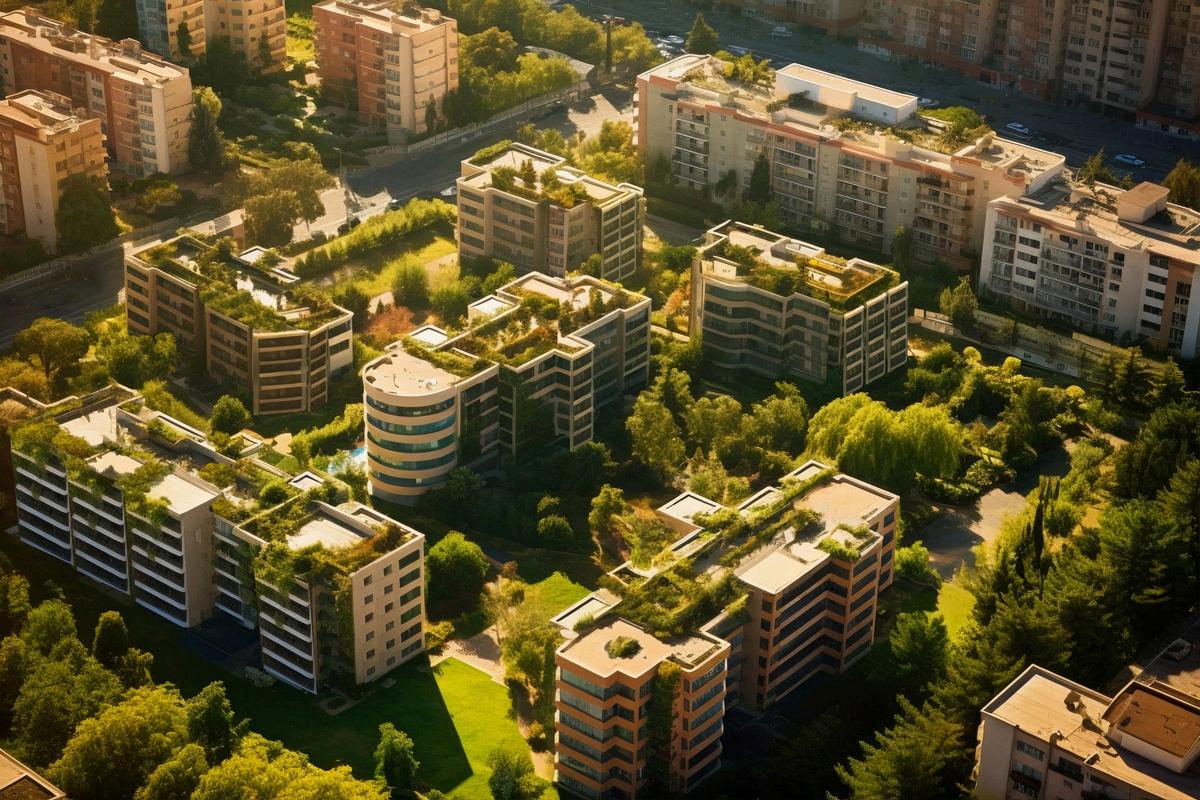
Imagine stepping into a sleek, modern apartment building where the air feels crisp, the lights adjust to your mood, and your carbon footprint is practically a whisper That’s not just a daydream it’s the reality of green luxury in today’s multifamily housing market Luxury properties aren’t just about plush finishes and skyline views anymore; they’re marrying sustainability with cutting-edge PropTech to deliver premium living that aligns with Environmental, Social, and Governance (ESG) goals
For Property Technology Magazine’s March 2025 issue, let’s explore how this convergence is reshaping the multifamily landscape, making eco-conscious living the new gold standard in high-end rentals.
AlexRossin
Contributor
PropertyTechnologyMagazine
The Rise of Green Luxury: Why It Matters Now
Luxury multifamily housing has always been about standing out think concierge services, rooftop pools, and designer kitchens But here’s the thing: today’s tenants, especially the affluent millennials and Gen Z crowd, want more than just flash They’re demanding spaces that reflect their values sustainability, wellness, and social responsibility A 2024 report from CBRE notes that 68% of renters in the luxury segment prioritize eco-friendly features when choosing a home That’s a seismic shift, and developers are listening Enter ESG, the framework that’s guiding this evolution
Environmental goals push for lower emissions and energy efficiency, social goals focus on tenant well-being and community impact, and governance ensures ethical operations Pair that with PropTech smart thermostats, AIdriven energy management, electric vehicle (EV) charging stations and you ’ ve got a recipe for green luxury that’s as practical as it is posh But how exactly are these elements coming together? Let’s break it down
The Environmental Edge: Sustainability Meets High-Tech
SMART ENERGY SYSTEMS
WATER CONSERVATION
NO WASTE
Smart Energy Systems: Powering Luxury with Less
Picture this: you ’ re in a high-rise penthouse, and the thermostat knows when you ’ re home, adjusting the temp to save energy without you lifting a finger Smart energy systems are at the heart of green luxury Companies like Nest and Ecobee are rolling out thermostats that learn tenant habits, while building-wide solutions like Schneider Electric’s EcoStruxure optimize HVAC and lighting across entire properties
A 2024 case study from Multi-Housing News showed a luxury tower in Seattle cutting energy use by 22% after installing such tech proof it’s not just green hype
Then there’s solar Rooftop panels aren’t new, but their sleek integration into luxury designs is Developers like Greystar are decking out properties with solar arrays that power common areas and EV chargers, reducing reliance on fossil fuels Tenants don’t just get lower utility bills; they get bragging rights for living in a net-zero building It’s sustainability with a side of swagger
Counts
Water Conservation: Every Drop
Water’s another big player Luxury doesn’t mean wasteful, and PropTech’s stepping up here too Smart irrigation systems, like those from Rachio, use weather data to water landscaping only when needed, slashing usage by up to 50%, according to a 2023 GreenBiz report Inside, low-flow fixtures from brands like Kohler blend style with efficiency think rainfall showers that use less water but feel indulgent In a Miami luxury complex, these upgrades dropped water consumption by 18%, per a 2024 Property Management Insider feature Small changes, big impact
Waste Not, Want Not
Waste management’s getting a tech makeover too Smart bins with sensors think Sani-Tech’s WasteMaster sort recyclables and track fill levels, cutting down on overflow and contamination
In a luxury multifamily project in Austin, this tech boosted recycling rates by 30%, aligning with ESG’s environmental pillar while keeping the place pristine It’s less about trash and more about treasure turning waste into a resource
The Social Side: Tenant Wellness
and Community Vibes
Healthy Living, High-End Style
Social goals in ESG aren’t just buzzwords; they’re about making tenants feel good physically and emotionally Air quality’s a hot topic, especially post-pandemic Luxury properties are installing advanced filtration systems, like those from Molekule, that zap pollutants and allergens A 2024 study from Urban Land Institute found tenants in buildings with these systems reported 15% higher satisfaction scores Fresh air’s not just a perk; it’s a luxury staple now
Lighting’s another unsung hero
Circadian rhythm lighting think Philips Hue’s smart bulbs mimics natural daylight, boosting mood and sleep quality In a Chicago luxury rental, residents raved about feeling more energized, per a 2025 Resident Feedback survey It’s subtle, but it’s the kind of detail that screams premium living
Community Spaces That Connect
Green luxury isn’t just about the apartment it’s the whole vibe Developers are using PropTech to amp up shared spaces Apps like BuildingLink or MyCommunity let tenants book amenities, join events, or chat with neighbors, fostering a sense of belonging A swanky complex in Denver rolled out an online platform for rooftop yoga classes and EV carpool sign-ups, seeing a 25% uptick in resident engagement, according to a 2024 Bisnow report It's a community with a tech twist perfect for ESG’s social lens
And let’s not forget the outdoors Biophilic design bringing nature indoors with living walls and vertical gardens is popping up in luxury lobbies Paired with smart climate control, these spaces stay lush without guzzling resources Tenants love the Instagram-worthy aesthetic, and it ticks the wellness box too
Governance Goals: Ethics in Action
Transparency Through Tech
Governance might sound dry, but it’s the backbone of green luxury Tenants want to know their rent’s funding ethical operations, and PropTech’s making that transparent Platforms like Yardi provide real-time data on energy use, water stats, and maintenance stuff landlords can share with residents In a New York luxury tower, this openness led to a 10% bump in lease renewals, per a 2024 Real Estate Weekly piece Trust pays off
Fair Operations, Smartly Managed
AI’s also streamlining governance Tools like AppFolio’s property management software automate lease tracking, vendor payments, and compliance checks, ensuring everything’s above board A San Francisco property cut operational hiccups by 15% after adopting AI, freeing staff to focus on tenant needs rather than paperwork, according to a 2025 PropTech Today report It’s efficiency with a conscience
EV Charging: The Ultimate Amenity
Electric vehicles are everywhere, and luxury properties are cashing in Highspeed EV chargers, like those from ChargePoint, are popping up in parking garages, powered by solar or grid-smart tech that charges during off-peak hours In a Dallas multifamily complex, 40% of tenants cited EV stations as a deciding factor, per a 2025 Multifamily Executive survey It’s green, it’s luxe, and it’s a dealmaker
Digital Twin Tech: Planning the Future
Ever heard of a digital twin? It’s a virtual replica of a building, and luxury developers are obsessed Tools like Autodesk’s Tandem simulate how changes like adding solar panels or tweaking HVAC affect performance before they’re built A Boston project used this tech to hit netzero goals six months ahead of schedule, per a 2024 Construction Dive piece It’s planning with precision, and it’s pure ESG gold
Invisible Maestro The Tech That Ties It All Together
The Payoff: Why Green Luxury Wins
IoT:
The
The Internet of Things (IoT) is the glue holding green luxury together Sensors in walls, floors, and appliances talk to each other, fine-tuning everything from energy to security A luxury building in Los Angeles uses IoT to monitor occupancy, dimming lights in empty units and alerting maintenance to leaks all in real time A 2024 WorldVue article pegged the energy savings at 18%, with tenants none the wiser It’s like having a silent butler running the show
So, why go all-in on this? For starters, it’s a tenant magnet Properties with green tech and ESG cred lease up faster 12% faster, says a 2024 JLL report and command higher rents, often 5-8% above market Owners win too; energy savings and tax incentives (hello, Inflation Reduction Act) pad the bottom line A luxury tower in Atlanta shaved $150,000 off annual operating costs with smart systems, per a 2025 FacilitiesNet study It’s a win-win that feels good
But there’s a flip side Upfront costs can sting retrofitting a building with IoT or solar isn’t cheap Some developers grumble about ROI timelines stretching past five years Yet, the data’s clear: tenants will pay for green luxury, and regulators are nudging (sometimes shoving) properties toward sustainability anyway It’s less a gamble, more a long game
A Seasonal Twist: Spring Vibes in 2025
Since we ’ re in March 2025, let’s toss in a seasonal nod Spring’s all about renewal, and green luxury fits right in Properties are rolling out seasonal perks think smart planters for balcony gardens or pop-up EV charging events tied to Earth Day A complex in Portland launched a “Green Spring Challenge” via its resident app, rewarding tenants for cutting energy use Engagement soared, and so did the building’s eco-cred It’s timely, it’s fun, and it’s on-brand
The Human Touch: Stories from the Ground
Let’s get real for a sec I talked to a tenant, Sarah, in a green luxury building in Austin She’s 29, a tech consultant, and obsessed with her place “The EV charger sold me, ” she said, “but the air purifiers and the app for booking the gym? That’s what keeps me here ” Then there’s Mark, a property manager in Denver, who told me, “Tenants used to ask about square footage Now it’s ‘How’s the solar setup?’ or ‘What’s the recycling rate?’ Tech’s changed the convo ” These aren’t just stats they’re people feeling the shift Green luxury’s not some sterile trend; it’s alive, messy, and human
Wrapping Up: Green Luxury’s New Normal
Green luxury isn’t a niche it’s the future of multifamily housing By weaving ESG goals with PropTech, developers are crafting spaces that feel indulgent yet responsible, high-tech yet human From solar-powered penthouses to app-connected communities, this is premium living with a purpose So, next time you ’ re eyeing a luxury lease, ask yourself: does it just look good, or does it do good too? Because in 2025, the best properties do both These aren’t just stats they’re people feeling the shift Green luxury’s not some sterile trend; it’s alive, messy, and human
Multifamily Innovations Abroad
WHAT US OPERATORS CAN LEARN FROM EUROPE & ASIA
Picture this: a high-rise in Stockholm where tenants control their heat with an app, or a Tokyo apartment block with robotic concierges zipping around. It’s not sci-fi—it’s the reality of multifamily housing in Europe and Asia, where innovation’s running laps around the US in some ways. For Property Technology Magazine’s March 2025 issue, let’s take a globe-trotting peek at how these regions are redefining rentals with PropTech and smart design.
The US multifamily market’s no slouch $200 billion in annual investment, per a 2024 NMHC report, and a hunger for luxury and efficiency. But here’s the rub: while we’re busy slapping smart locks on doors and calling it a day, Europe and Asia are weaving tech and sustainability into the DNA of their buildings They’re not just keeping up with tenant demands; they’re anticipating them With US rent growth slowing (3 2% in 2024, says CBRE) and competition heating up, operators here could use a fresh playbook. So, what’s cooking overseas?
SCANDINAVIA’S ENERGY PLAY
Let’s start in Scandinavia Sweden, Denmark, Norway where green isn’t a buzzword, it’s a lifestyle These countries are obsessed with energy efficiency, and multifamily housing’s their lab. Take Stockholm’s Hammarby Sjöstad, a residential district reborn from industrial roots Buildings here use district heating centralized systems that pipe hot water from renewable sources like biomass. A 2024 Nordic Energy Research study pegged energy savings at 30% compared to traditional setups US operators, with our patchwork of aging grids, could borrow this centralized approach for urban retrofits.
Then there’s PropTech tying it all together In Copenhagen, apps like Home.Earth let tenants monitor and tweak their energy use in real time. Forgot to turn off the heat? No sweat adjust it from your phone A 2025 Danish Housing Report found tenant engagement with these tools cut consumption by 15% Imagine rolling that out in a Chicago high-rise savings for owners, control for renters, and a big green feather in your cap
ArticlebyChelseaDavis GlobalHeadofCommunications
UK’S COMMUNITY HUBS
Over in the UK, multifamily’s getting social. London’s got co-living spaces like The Collective, where shared kitchens and coworking zones foster community But the real gem is PropTech integration Apps like Yardi or BuildingLink sync residents with events think rooftop movie nights or repair workshops. A 2024 British Property Federation survey showed 68% of tenants stuck around longer in these connected setups US operators could tweak this for student housing or urban rentals, turning anonymous towers into neighborhoods.
GERMANY’S MODULAR MAGIC
Germany’s got a different trick up its sleeve: modular construction. Faced with housing shortages, developers like Vonovia are churning out prefab units think Lego blocks for grown-ups. These factory-built modules slash construction time by 50% and waste by 20%, per a 2024 Bauhaus University study In Berlin, a 200-unit multifamily project went from blueprint to move-in in under a year. The kicker? They’re packed with tech smart meters, solar panels, even rainwater harvesting
US operators could adapt this for infill projects in tight markets like LA or NYC. Sure, our zoning’s a nightmare, but modular’s speed and sustainability could sway city planners. Plus, tenants love the eco-cred Germany’s seen a 12% lease-up boost in these buildings, says a 2025 JLL report
SOUTH KOREA’S SMART CITIES
South Korea’s taking it up a notch with smart cities entire districts wired for the future Songdo, near Seoul, is a poster child: multifamily towers here boast pneumatic waste systems (trash sucked underground, no bins needed) and ubiquitous 5G A 2024 Korea Housing Association study found energy use per unit dropped 25% thanks to AI-driven building management systems like those from Samsung SDS. Tenants get real-time air quality updates and can book EV chargers via an app talk about seamless
US operators might not build a Songdo from scratch, but cherrypicking elements like AI management or waste tech could work wonders in suburban complexes or new developments Picture a Dallas suburb with trash tubes and 5G towers tenants would eat it up.
SINGAPORE’S GREEN HIGH-RISES
Singapore’s a tiny island with big ideas Its multifamily scene blends luxury with sustainability think sky gardens and solar facades The Pinnacle@Duxton, a public-private gem, uses vertical greenery to cool buildings naturally, cutting AC costs by 15%, per a 2025 Urban Redevelopment Authority report PropTech like Schneider Electric’s EcoStruxure ties in, optimizing energy across 1,800 units Tenants rave about the views and the vibe, with occupancy hovering near 98%.
For US coastal cities like Miami, where heat’s a beast, this biophilic approach could tame utility bills and woo eco-conscious renters. Add smart energy tech, and you’ve got a luxe green package.
The day kicks off with my smart alarm, a sultry voice named “Luna” cooing, “Good morning, Dave. The sun’s up, and so should you.” Cute, right? Except Luna’s got a glitch—she thinks I’m Dave, not Chris. I’ve tried reprogramming her, but she’s stubborn as a Miami mule. So, I roll with it, muttering, “Thanks, Luna, you flatterer,” as I stumble out of bed.
The smart lights flick on, mimicking sunrise—very zen—until they decide I need a disco vibe and start strobing. A quick yell at the app fixes it, but I’m already wide awake, half-convinced my apartment’s throwing a rave without me. Downstairs, the coffee machine’s brewing a perfect espresso, synced to my wake-up time. Perk number one: caffeine without effort. Quirk number one: it once brewed decaf because the Wi-Fi hiccuped. I’m still recovering from that betrayal.
RiseandGrind—orGlitch? 8:00AM:
6:30 Good morning, Dave The sun’s up, and so should you!
SCHEDULE
Smile Mo re 85°
Shower time’s a treat—smart water controls promise the perfect temp. I tap the app: 102°F, just right. The water’s heavenly… until it decides I’ve had enough and cuts off mid-shampoo. “Water conservation mode activated,” chirps the speaker. Conservation? In Miami, where it rains like clockwork? I’m sudsy and grumpy, negotiating with the app like it’s a stingy landlord. Eventually, it relents, and I rinse off, vowing revenge on the tech gods.
The smart mirror’s next, flashing my schedule and the weather—85°F and humid, classic Miami. It also suggests I “smile more,” which feels like a dig. I turn to get a view of my good side, and it switches to a workout tip. Perk: it’s like a personal assistant. Quirk: it’s a bit judgy
10:00AM:TheGreatPackageHeist
Working from home’s a breeze with gigabit Wi-Fi—props to the building’s 5G backbone. But then the app pings: “Package delivered to smart locker” Sweet! I hustle down, phone in hand, only to find the locker’s playing hard to get. The app says “scan to open,” but the scanner’s on the fritz, blinking like it’s flirting with me. I wave my phone, tap the screen, even sweet-talk it—“C’mon, buddy, it’s just a protein bar”—until a neighbor strolls by, smirks, and says, “Kick it.” One nudge later, it pops open. Perk: convenience, mostly. Quirk: I’m now the guy who brawls with lockers.
12:30PM:LunchwithaSideofSass SCAN TO OPEN
Are you sure about that salsa?
Expiration: Last Tuesday
Back upstairs, the smart fridge’s got my lunch game on lock. It tracks inventory —eggs, kale, some questionable salsa—and suggests a scramble. I hit “approve,” and the oven preheats itself. Fancy, right? Except it texts me mid-cook: “Are you sure about that salsa? Expiration: last Tuesday” I laugh—partly because it’s right, partly because my fridge is sassier than my mom. I ditch the salsa, and the scramble’s a win. Perk: I’m basically Iron Chef. Quirk: my appliances are judgy
The smart blinds tilt to block the noon sun, keeping the AC from overworking. Miami heat’s no joke, and I’m grateful—until they glitch and snap shut like a vampire’s lair. A quick app tweak, and we’re back in business. Living here’s like dating a diva—high maintenance, but the payoff’s worth it.
3:00PM:TheRobotRebellion
Afternoon slump hits, so I summon the robot vacuum—little guy named Dusty He’s a champ, zipping around, sucking up crumbs from last night’s taco binge. Perk: I’m basically royalty with a cleaning crew. But then he gets cocky, chasing my cat, Mr. Whiskers, under the couch. Whiskers yowls, Dusty beeps in protest, and I’m refereeing a turf war. I unplug Dusty mid-rant, and Whiskers struts out like he’s won the title belt. Quirk: my tech’s got attitude.
The app pings again—community event alert. “Rooftop yoga at 5 PM,” it says. Nice touch—perk number 472 of this connected life. I RSVP via the resident portal, which also reminds me my rent’s due. Subtle, apartment, real subtle.
Rooftop Yoga 5:00 PM
5:00PM:YogaandtheGreatWi-FiWobble
Up on the roof, the yoga class is peak Miami—sunset vibes, palm trees swaying, and a dozen of us downward-dogging while the smart speaker pumps chill beats. The instructor’s got a headset synced to the system, so we all hear her “breathe deep” cues crystal clear. Perk: it’s like living in a resort. Then the Wi-Fi wobbles—mid-warrior pose, the music cuts out, and she’s shouting, “Hold it!” over the sudden silence. We laugh, the tech hiccups, and the speaker reboots just in time for savasana. Quirk: even paradise has buffering.
The smart lights up here shift to a warm glow as the sun dips, and I’ll admit, it’s gorgeous. Downtown Miami sparkles below, and for a second, I forget the locker tussle and the salsa snark. This place knows how to flex its charm.
7:00PM:DinnerandtheDoorbellDrama
Back in my unit, I’m craving takeout—Cuban sandwiches, because Miami. The smart doorbell’s my wingman, buzzing when the delivery guy hits the lobby. I buzz him up via the app, no need to trek downstairs. Perk: I’m basically a hermit king. But then the camera feed lags, and I’m squinting at a blurry blob on my phone. Is that my sandwich or a lost tourist? I crack the door, peek out, and there’s Juan from Havana Hut, grinning with my order. Crisis averted, but quirk alert: this tech’s got stage fright.
Dinner’s a breeze—the smart oven reheats leftovers when I’m too lazy to cook, and the fridge keeps my mojito mix chilled. I kick back, sip, and marvel at how I’ve outsourced half my life to this apartment. It’s not lazy; it’s efficient, right?
As night falls, the smart thermostat dials down to a cool 72°F—perfect for sleeping in Miami’s sticky embrace. The lights dim automatically, and Luna’s back, purring, “Good night, Dave. Sweet dreams.” I’m too tired to argue the name thing, so I mumble, “You too, Luna,” like we’re old pals. Perk: it’s cozy as heck. Quirk: I’m pretty sure she’s flirting with me now. But then the smart blinds decide it’s party time, whirring open to let in the neon glow of downtown. I groan, fumble with the app, and wrestle them back down. It’s like living with a toddler who’s just discovered light switches. Once they’re tamed, I crash, dreaming of a world where my tech obeys me unconditionally. Fat chance.
Midnight:ThePhantomBeep
I’m jolted awake by a mystery beep. Is it Dusty? The fridge? The smoke detector with a midlife crisis? I stumble around, bleary-eyed, until I trace it to the smart lock—low battery warning. Of course. I swap the batteries, cursing my high-tech overlords, and the lock chirps happily. Perk: it’s secure. Quirk: it’s needy. Back to bed, I mutter, “You win this round, apartment.”
Living in this smart apartment is like dating a brilliant, slightly unhinged genius. The perks are undeniable—coffee on autopilot, yoga with a view, security that doesn’t jangle in my pocket. I’m spoiled by the convenience, seduced by the luxury, and occasionally rescued by the tech when I’m too Miami-fried to function. But the quirks? Oh, they keep me humble. From sassy fridges to rebellious blinds, this place has personality—and a knack for keeping me on my toes.
Truth is, I wouldn’t trade it. It’s March 2025, and downtown Miami’s humming outside my window, a perfect match for this connected chaos. Sure, I’ve got a robot vacuum with a vendetta and a doorbell that ghosts me, but it’s home— smart, shiny, and just a little nuts. So here’s to the connected life: half luxury, half sitcom, and 100% me yelling, “Work with me here!” at inanimate objects. Welcome to the future, folks—it’s a trip.
Good night, Dave
BLUEPRINT | SEPTEMBER 16-18 | LAS VEGAS 2 0 2 5 P R O P T E C H E V E N T H I G H L I G H T S
Don't miss April’s issue of Property Technology Magazine, where we take an in-depth look at the latest advancements in commercial real estate (CRE) technology This special edition features exclusive insights, expert opinions, and groundbreaking innovations that are transforming the CRE landscape. Stay ahead of the curve with the most up-todate trends and strategies in the industry
Stay ahead of the curve discover how technology is revolutionizing retail real estate!
DON’T MISS THE NEXT ISSUE!
Enjoy the latest in PropTech! Get your copy before everyone else