









FOUNDER&CEO
FOUNDER / CEO Bianca Ford Bianca.Ford@securitytechx.com
GLOBAL HEAD OF COMMUNICATIONS
Chelsea Davis chelsea.davis@securitytechx.com
Welcome to the February edition of Property Technology Magazine I believe this edition reflects the extraordinary pace of change and innovation currently reshaping the real estate world. Whether you’re a seasoned industry professional or just beginning to explore the realm of PropTech, we trust you’ll find the insight, inspiration, and community you need in these pages.
In this issue, we feature an illuminating interview with Jay Norris, whose passion for creating thriving, technology-driven retail environments really captures the heart of what’s happening in the industry. He reminds us that data-driven insights go hand in hand with cultivating meaningful relationships between landlords, tenants, and the communities they serve.
We also turn our lens onto global markets, spotlighting Daiso’s remarkable expansion story as well as Diriyah’s $63 2 billion vision of merging cultural heritage with bold, tech-enabled development These articles showcase how local innovation and global ambition can blend seamlessly to transform the built environment and the lives of those who call it home.
As we look ahead, artificial intelligence (AI) undoubtedly sits at the forefront of shaping tomorrow’s real estate landscape Our “AI PropTech Forecast 2025” dives into the astonishing growth and challenges in bringing AI from concept to execution, while underscoring why a human touch remains crucial. Balancing the cutting-edge potential of automation with a thoughtful, people-centered approach is a recurring theme across multiple stories, including our explorations of drone deliveries, immersive retail, and data-driven leasing strategies
Finally, I invite you to stay engaged with our community We continue to collaborate with key visionaries both new startups and established players If you have breakthroughs or lessons learned that you want to share, our editorial team is always eager to hear from you.
Thank you for taking the time to join us in this dynamic conversation I hope you feel as energized and optimistic about the future of property technology as I do
EDITORIAL OFFICES
2001 L Street N.W., Suite 500 Washington, DC 20036 For Sponsorships Inquiries
Research Director Chris Hayford Chris Hayford@securitytechx com PropertyTechnologyMagazine com

Editorial&Community
LetterFromtheEditor
2025PropTechTrendsReportSurvey
TheNewRetailLandscape:PropTech'sGrowingRoleinCommercialRealEstate
FeatureInterview
JayNorris–CreatingSpacesWhereBusinessesThrive
Industry&MarketTrends
CaseStudy:OptimizingAirQualityandReducingCosts TopTenRisingPropTechStartups
What’sShapingtheFutureofShopping?
TheGreatRetailDivide:WhyLocationStillReignsSupreme
Technology&Innovation
DFW'sDroneRevolutionTakesFlight
TheFutureofAIinPropTech:WhereDemandisCreatingInvestmentOpportunity AIPropTechForecast2025:ADeepDive FromHumbleBeginningstoGlobalRetailDomination:Daiso'sStory SaudiArabia'sDiriyah:APropTech&RetailInnovation RevolutionizingtheBuiltEnvironment
MasteringYourProductRoadmap&VisionforPropTechInnovation EnhancedRegionalMarketTrendsinAI-DrivenRealEstate
EventHighlights
2025PropTechEventHighlights
ThoughtLeadership
TheFutureofConnectivity:KeyInsightsonManagedWi-FiforPropertyOwners andDevelopers




The retail real estate sector is undergoing a dramatic transformation, driven by technological innovations that bridge the gap between physical and digital commerce As consumer behaviors continue to evolve in the post-pandemic landscape, property technology (PropTech) solutions are emerging as critical tools for retail property owners, managers, and tenants seeking to enhance operational efficiency and customer experience
The integration of advanced analytics and artificial intelligence has revolutionized how retail property stakeholders approach location selection, tenant mix optimization, and customer engagement Modern retail properties are increasingly equipped with IoT sensors and smart building systems that generate vast amounts of actionable data This information enables property managers to track foot traffic patterns, optimize energy usage, and understand customer behavior with unprecedented precision
Major retail REITs and property management firms are investing heavily in proprietary data platforms that combine traditional metrics with alternative data sources, including mobile device signals, social media sentiment, and local demographic trends
These sophisticated analytics tools help stakeholders make more informed decisions about property acquisition, development, and modernization strategies.
As the lines between traditional retail, entertainment, and residential spaces continue to blur, PropTech solutions are evolving to address the unique challenges of mixed-use developments Integrated building management systems now coordinate everything from parking allocation to climate control across diverse property uses, while tenant experience apps provide seamless access to amenities and services throughout these complex environments
The emergence of "smart retail" concepts has accelerated the adoption of technologies like digital wayfinding, contactless payment systems, and augmented reality shopping experiences These innovations are helping physical retail spaces remain competitive in an increasingly digital marketplace while generating valuable data insights for property owners and tenants alike
Environmental considerations are driving significant technological innovation in retail real estate. Smart building systems that optimize energy consumption, water usage, and waste management are becoming standard features in modern retail properties These technologies not only reduce operating costs but also help properties meet increasingly stringent environmental regulations and satisfy growing consumer demand for sustainable retail experiences
Despite the clear benefits of PropTech adoption, the retail real estate sector faces several challenges in implementing these solutions Integration with legacy systems, cybersecurity concerns, and the need for significant capital investment remain key obstacles for many property owners and managers Additionally, the rapid pace of technological change requires organizations to maintain flexibility in their technology strategies while ensuring their investments remain relevant over time.
Looking ahead, the convergence of physical and digital retail experiences will continue to drive innovation in the PropTech sector Emerging technologies like 5G networks, edge computing, and advanced robotics are expected to enable new capabilities in areas such as automated inventory management, personalized shopping experiences, and seamless omnichannel retail operations
The success of retail properties in the coming years will increasingly depend on their ability to leverage technology effectively Those who embrace innovation while maintaining focus on fundamental real estate principles will be best positioned to thrive in this evolving landscape.
MajorretailREITs areinvestingheavily inproprietarydata platforms
Property managers are leveraging artificial intelligence and machine learning algorithms to predict maintenance needs, optimize cleaning schedules, and manage building systems more efficiently These predictive maintenance solutions are proving particularly valuable in reducing operational costs while improving tenant satisfaction and property performance








6,000+ ATTENDEES 400+ SPEAKERS
25,000+ MEETINGS
2,500+ COMPANIES


Buildingtechnologytohelpmerchants andpropertyownerssucceed


Transforming Real Estate Communities
Jay Norris Wants to Create Spaces Where Businesses Thrive and Communities Connect
Retailrealestateisn’tjustabout leasingspace;it’sabout creatingenvironmentswhere businessescanthriveandbuild meaningfulconnectionswith theircommunities.
In an era where retail real estate is being reshaped by technology, data, and evolving consumer behaviors, few visionaries stand at the forefront of innovation quite like Jay Norris.
As the founder and CEO of Guesst Software, Norris is revolutionizing the way landlords and tenants collaborate, leveraging automation and real-time insights to create smarter, more transparent partnerships. His deep understanding of retail, coupled with his diverse background spanning music, hospitality, and entrepreneurship, gives him a unique lens on the future of brick-and-mortar success. In this exclusive interview, Norris shares his journey, the industry’s biggest challenges, and his bold vision for a more dynamic, data-driven retail ecosystem.

InterviewbyBiancaFord
JN Q1

ImageCredit:JayNorrris|CEO&Co-Founder@GuesstSoftware
WHAT INSPIRED YOUR JOURNEY INTO RETAIL REAL ESTATE AND TECHNOLOGY, AND HOW HAS YOUR EDUCATION INFLUENCED YOUR APPROACH?
I attended Howard University, where I majored in sociology and minored in economics Sociology taught me to understand human behavior, cultural trends, and community dynamics insights that are critical when designing spaces that resonate with people Economics provided the analytical tools to evaluate markets and financial trends My career began in real estate as a broker, where I quickly realized the industry lacked efficient data-driven tools This gap inspired me to bridge real estate and technology, leading to the creation of Guesst Software, a platform that empowers tenants and property owners with automation and real-time insights.
JN Q2
HOW HAVE YOUR DIVERSE EXPERIENCES SHAPED YOUR APPROACH TO RETAIL REAL ESTATE?
My experience spans multiple industries music, retail, and restaurants which has profoundly shaped my perspective The music and hospitality industries taught me about community engagement and experience-driven environments, while working with retail entrepreneurs gave me insight into operational challenges, from store layouts to customer acquisition
Retail real estate isn't just about leasing space it's about curating environments where businesses can thrive and build meaningful connections with their communities
Vision to Create Spaces where Businesses Thrive and Communities Connect
LocalBusinessGrowth
Empowersmall businessestosucceed andcreatelocaljobs
VibrantSpaces
Buildengaging environmentsthatbring peopletogether
Retail Innovation
Createdynamicretail experiencesthatserve communityneeds
JN Q3
WHAT CORE CHALLENGES IN THE RETAIL REAL ESTATE SECTOR ARE YOU AIMING TO SOLVE?
Traditional leasing processes lack transparency, flexibility, and real-time data
Retailers struggle with rigid lease structures that don't account for actual sales performance, while landlords lack insights into tenant success Guesst Software modernizes these processes by automating percentage rent calculations, providing real-time foot traffic data, and offering daily consumer insights This reduces friction, enhances tenant stability, and helps landlords attract and retain innovative brands
Q4
HOW DOES INTEGRATING MOVEMENT DATA, IN-BUILDING INSIGHTS, AND CONSUMER PURCHASE DATA ENHANCE DECISION-MAKING FOR LANDLORDS AND RETAILERS?
Combining these data sources creates a powerful framework for understanding consumer behavior and optimizing retail spaces JN
Macro-level movement data reveals foot traffic patterns and area-wide economic activity, while in-building insights help retailers and landlords track space utilization and customer navigation Purchase data bridges the gap by identifying spending behaviors Together, these insights allow for smarter site selection, store layout optimization, and revenuesharing lease models that align with actual performance
Q5
HOW DOES AUTOMATING RENT PAYMENTS BASED ON TENANTS' VERIFIED SALES DATA BENEFIT BOTH PROPERTY OWNERS AND TENANTS?
Automation creates a win-win scenario For landlords, it ensures predictable and accurate rent collection, reducing payment delays and administrative overhead For tenants, aligning rent obligations with actual sales performance helps manage cash flow more effectively, reducing financial strain during slower periods while rewarding success in peak seasons This performance-based model fosters trust, transparency, and long-term partnerships.
Q6
HOW SIGNIFICANT IS REAL-TIME DATA ANALYTICS IN OPTIMIZING RETAIL SPACES AND TENANT PERFORMANCE?
JN
Real-time analytics transform decision-making by providing immediate visibility into foot traffic, sales trends, and space utilization Landlords can assess property performance, adjust tenant mix, and optimize leasing strategies Tenants can fine-tune marketing campaigns, inventory management, and staffing based on live insights This agility enables both parties to pivot quickly, improving profitability and operational efficiency
Q7 HOW DO YOU SEE THE RELATIONSHIP BETWEEN PROPERTY OWNERS AND TENANTS EVOLVING WITH DATADRIVEN PLATFORMS?
JN
Traditionally, the landlord-tenant relationship has been transactional, often marked by uncertainty
Data-driven platforms are transforming it into a strategic partnership built on transparency and efficiency Landlords can make informed tenant selection decisions based on performance potential, while tenants gain tools to predict site viability before signing a lease This shift reduces risk, enhances confidence, and ensures a stronger alignment of interests
Q8 WHAT TECHNOLOGICAL ADVANCEMENTS WILL PLAY A PIVOTAL ROLE IN THE FUTURE OF RETAIL REAL ESTATE?
Q9 HOW IS GUESST SUPPORTING SMB MERCHANTS, AND WHAT ARE YOUR ASPIRATIONS FOR THE PLATFORM IN THE NEXT FIVE YEARS?
JN
Our goal is to empower SMB merchants with data-driven insights and essential resources to scale and thrive Beyond analytics, we plan to integrate partnerships with lenders, insurance providers, and supply chain networks, giving merchants access to financial and operational support By 2030, we aim to assist over 100,000 SMBs with our SaaS solution, helping entrepreneurs increase margins and build profitable ventures
Q10
JN Automation ensures predictablerent collectionand helpstenants managecash flow.
Machine learning and predictive AI will revolutionize how landlords and tenants analyze data AI-driven models will anticipate foot traffic trends, tenant performance, and consumer behaviors, allowing for proactive decision-making JN Additionally, smart building technologies will optimize energy efficiency, while virtual and augmented reality will enhance leasing experiences These advancements will drive efficiency, transparency, and innovation in the industry
HOW DOES DATA AGGREGATION HELP TENANTS MAKE SMARTER DECISIONS?
Data aggregation centralizes insights from POS systems, transaction reports, and foot traffic metrics into a single, actionable platform This holistic view allows tenants to benchmark performance, identify trends, and adjust strategies to optimize sales By providing real-time comparisons and historical insights, data aggregation ensures smarter, data-driven decisionmaking
WHAT ARE THE BIGGEST TRENDS SHAPING THE RETAIL REAL ESTATE SECTOR TODAY?
JN
Retail real estate is shifting from being purely location-driven to data-driven The rise of experiential retail, flexible lease structures, and hybrid commerce models are transforming the industry Landlords and tenants must leverage real-time insights to create spaces that prioritize customer engagement, optimize tenant mix, and drive long-term success.
Machinelearning andpredictiveAI willrevolutionize howlandlordsand tenantsanalyze data,anticipate trends,andmake proactivedecisions.
HOW DOES REAL-TIME DATA IMPACT LEASING STRATEGIES AND MARKETING ACTIVATIONS?
JN
Data-driven insights allow landlords to proactively curate tenant mixes that align with consumer demand Leasing decisions are now based on predictive analytics rather than intuition
Additionally, marketing activations can be measured in real-time, assessing foot traffic impact and sales performance, which helps refine future strategies and justify investments
Q13
WHAT ADVICE WOULD YOU GIVE TO PROPERTY MANAGERS AND INDUSTRY LEADERS LOOKING TO ADOPT TECHNOLOGY WHILE MAINTAINING A HUMAN-CENTRIC APPROACH?
JN
Start by understanding stakeholder needs Technology should enhance relationships, not replace them Invest in user-friendly tools that create transparency and efficiency while keeping communication open with tenants The most successful innovations balance data-driven decision-making with a commitment to human connection and community building
Jay Norris has positioned himself as a transformative leader in the retail real estate space, blending data, technology, and human connection to drive meaningful change
His work with Guesst Software demonstrates the power of innovation in fostering transparency and efficiency between landlords and tenants
As the retail landscape evolves, Norris remains dedicated to equipping businesses with the insights and tools they need to thrive By championing a data-driven, partnership-focused approach, he is helping shape a more dynamic, resilient, and forward-thinking industry.
Guesst software automates sales reporting and consumer purchases in real time at the following locations throughout the US
Guesst software automates sales reporting and consumer purchases in real time at the following locations throughout the: US Grand Central Terminal, Bryant Park Holiday Markets, Union Square, Columbus Circle, Macy’s Herald Square, Chelsea Market, Pier 57, Industry City, Ponce City Market, Beverly Center, Short Hills Mall, Dolphin Mall, Vanderbilt Hall, Hawker Market and Union Square
Foodhalls To view more visit Guesst co
Data-driven lending platform connecting large real estate lenders with small landlords

Fractional real estate investing via blockchain, enabling accessible property ownership
AI-powered platform automating property invoice processing, saving time and reducing errors


Blending Airbnb's space with hotel-like service for reliable vacation rentals
Robotic painters automating construction painting, increasing speed and safety


Cash-back rewards program for renters, incentivizing on-time payments and lease renewals
Digitizing office access with smartphone-based credentials for hybrid work environments





Subscription-based home maintenance service providing dedicated handymen for ongoing repairs
Fintech infrastructure powering proptech deals, providing capital and loan management

AI-powered fraud detection for rental applications with 99 8% accuracy SNAPPT
The retail world is buzzing, isn’t it? As we roll into 2025, technology’s fingerprints are all over the industry, molding it into something faster, smarter, and dare I say more human than ever From AI whispering personalized deals in your ear to robots zipping packages to your doorstep, the innovations hitting retail this year promise to shake things up Let’s take a stroll through the top ten trends that’ll define the scene in 2025 each one a little glimpse into where shopping’s headed. Ready? Let’s get started.
AI’s taking personalization to the next level in 2025, using data to tailor everything from product suggestions to pricing.

Imagine walking into a store or clicking onto a website and it knows you Not in a creepy way, but like a friend who remembers your coffee order AI’s taking personalization to the next level in 2025, using data to tailor everything from product suggestions to pricing It’s like having a personal shopper who never sleeps
Who’sInvolved?Big players like Amazon and Walmart are doubling down on AI, while startups like Dynamic Yield and Insider are fine-tuning the tech for smaller retailers
Real-WorldMagic: Picture this Target’s app sees you ’ ve been eyeing camping gear and pings you with a custom bundle: tent, sleeping bag, and a discount on marshmallows Or maybe Sephora’s AI tweaks shade recommendations based on your latest selfie It’s convenience with a dash of wow
Honestly, it’s wild how far this has come Remember when “personalization” meant an email with your name in it? Now it’s borderline psychic
3. Cashierless Stores: Grab, Go, Done
No lines no fuss just grab your stuff and bounce Cashierless tech, blending AI, cameras, and sensors, is turning stores into frictionless wonderlands It’s shopping on your terms
KeyPlayers: Amazon Go’s still the poster child, but Sam’s Club 7-Eleven, and Albertsons are jumping in fast
HowItWorks: Stroll into a 7-Eleven, snag a Slurpee and a sandwich, and walk out Sensors track it all and your card’s charged as you go Or hit an Amazon Go for groceries same deal, no awkward small talk
It’s funny years ago self-checkout felt revolutionary Now it’s like, “Why even scan?” The future’s lazy in the best way
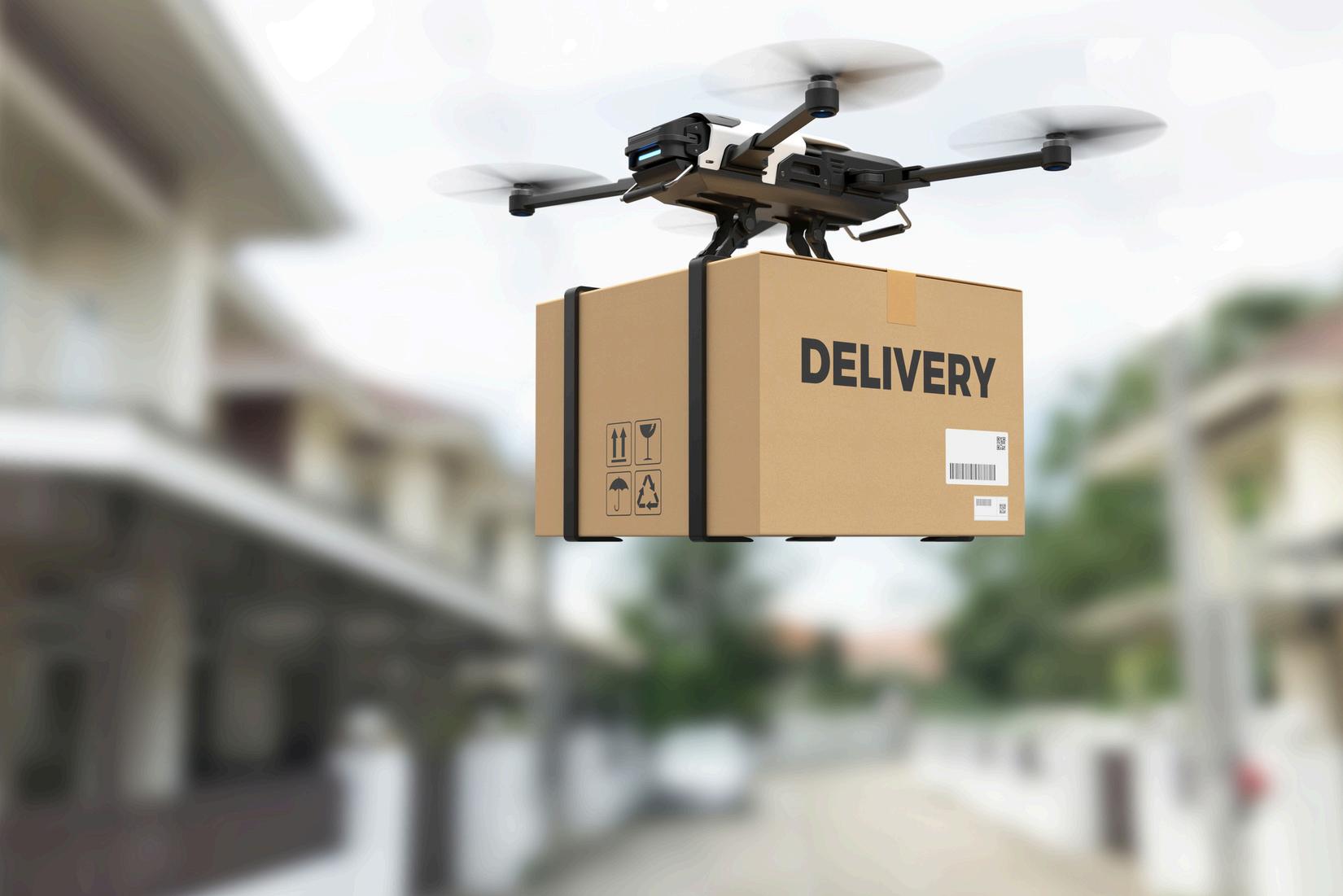
You’ve seen those cute little delivery bots trundling down sidewalks, right? In 2025, theyre not just a novelty they’re the norm Autonomous delivery, powered by drones and roving robots, is slashing last-mile costs and carbon footprints
IndustryChamps:Amazon’s Scout bots are everywhere JDcom’s rolling out fleets in China and Starship Technologies is winning over college campuses
EverydayUse: Order a pizza from Domino’s, and a bot drops it off, hot and fresh, in 20 minutes flat Or maybe your CVS prescription lands via drone while you ’ re binge-watching It’s fast, green, and oddly satisfying to watch
Here’s the thing some folks worry about jobs disappearing and fair enough But the flip side? Cleaner air and less traffic Tough call, but it’s happening
4. Augmented Reality Shopping: Try Before You Buy


Ever wonder how that couch would look in your living room?
got you covered in 2025.
Ever wonder how that couch would look in your living room? AR’s got you covered in 2025 This tech overlays digital goodies into your real world, making shopping a little like playing dress-up
Who’sLeading? IKEA’s AR app is a veteran while Walmart, Hugo Boss, and even Shopify are weaving it into their platforms
Real-LifeWins: Use IKEA’s app to plop a bookshelf in your space size color everything Or try on sunglasses via Snapchat’s AR lens before hitting “buy” It’s shopping with zero buyer’s remorse
5. Voice Commerce: “Alexa, Buy Me Socks”
Talking to your gadgets isnt sci-fi anymore it’s how we’ll shop in 2025 Voice assistants are getting sharper, turning a quick “Hey Siri” into a full-on purchase
TheCrew: Amazon’s Alexa leads the pack, with Google Assistant, Apple’s Siri, and Microsoft’s Cortana nipping at its heels
DailyDose: Say, “Alexa, order dog food,” and it’s on your porch tomorrow Or ask Google to snag concert tickets while you ’ re cooking dinner Hands-free and hassle-free
I’ll admit, I’ve caught myself chatting with Alexa like she’s my roommate She’s not, but she’s darn good at shopping
6. Sustainability Tech: Green Shopping Gets a Glow-Up
Eco’s the word in 2025, and tech’s making it happen Retailers are using smart tools to cut waste, track carbon, and woo the planet-loving crowd
Who’sDoingIt? Levi’s is pushing recycled fabrics, Patagonia’s tracking footprints, and startups like Deliversai are greening delivery
WhereItShows: Order from H&M’s app, and it flags eco-friendly picks Or snag a jacket from Patagonia with a QR code showing its carbon journey It’s shopping with a conscience
Makes you feel good, doesn’t it? Like you ’ re saving the world one sweater at a time
7. Social Commerce: Scroll, Shop, Smile
Social media’s not just for memes anymore it’s a storefront Platforms are morphing into marketplaces, blending fun with instant buys
TheBigNames: Instagram, TikTok, and Pinterest are killing it, with brands like Nike and SHEIN riding the wave
HowItPlaysOut:Spot a killer outfit on TikTok? Tap it, buy it done Or watch a live stream on Instagram and snag a deal mid-chat It’s impulse shopping on steroids
8. Omnichannel Everything: Seamless is the Dream
Online, in-store, on your phone it’s all one big shopping party in 2025 Omnichannel tech ties it together so you ’ re never lost between clicks and bricks
Who’sNailingIt? Walmart, Target, and Nordstrom are pros while tech firms like Shopify fuel the backend
RealStuff:Start a cart on Target’s app, finish it in-store, and get it delivered Or return an online Nordstrom buy at their counter It’s fluid like water Ever get annoyed when a store’s app doesn’t match the vibe in person? This fixes that
9. Smart Carts: Your Trolley’s Got Brains
Shopping carts are getting a tech makeover These smart wheels scan, tally, and even guide you through the aisles
Who’sBuildingThem? Kroger’s testing them, Amazon’s dabbling, and Caper’s carts are popping up at smaller chains
InAction: Load up a Kroger cart it scans your haul, totals it, and you pay via app No checkout line, no stress Or it nudges you to the pasta aisle when you ’ re lost
It’s like the cart’s your wingman Kinda wish it’d carry the bags too, but we ’ re not there yet
10 Metaverse Retail: Shopping in Another Dimension
Okay, this one ’ s wild The metaverse is crashing retail’s party, offering virtual stores where you can browse, chat, and buy all in VR
Pioneers: Nike’s Nikeland, Gucci’s virtual boutiques, and Walmart’s VR experiments are blazing trails
What’sItLike? Slip on a headset, stroll Nike’s digital store, and grab a sneaker NFT Or hang out in Gucci’s VR lounge and snag a real bag shipped to you It’s weird, wonderful, and here
Part of me thinks, “Do I need this?” Then I’m like, “Heck yes, I wanna shop in space!”
Theretailworldisbuzzing,isn’tit?Aswerollinto2025,technology’s fingerprintsareallovertheindustry,moldingitintosomethingfaster, smarter,and—dareIsay—morehumanthanever.FromAIwhispering personalizeddealsinyoureartorobotszippingpackagestoyour doorstep,theinnovationshittingretailthisyearpromisetoshake thingsup.Let’stakeastrollthroughthetoptentrendsthat’lldefine thescenein2025 eachonealittleglimpseintowhereshopping’s headed.Ready?Let’sgetstarted.

www.dormakaba.com

The American retail landscape is experiencing a transformation that defies conventional wisdom about the digital revolution.
While e-commerce has undoubtedly reshaped consumer behavior, the real story lies in a deepening divide between retail's winners and losers – a gap that has less to do with digital sophistication than with an ageold real estate mantra: location, location, location

ArticlebyChrisHayford PropertyTechnologyMagazine
This bifurcation in retail success isn't merely a product of the digital age Rather, it represents the culmination of a decade-long shift in consumer preferences and retail strategy Whats particularly fascinating is how this divide has manifested without significant new construction, suggesting that success in retail isn't about building new spaces but about maximizing the potential of existing ones
The conventional narrative about retail's decline often points to e-commerce as the primary culprit However, this oversimplifies a more nuanced reality While online shopping has indeed contributed to the demise of many traditional retailers, we're witnessing a peculiar phenomenon where certain physical retail spaces are thriving while others struggle to survive
The shifting fortunes of different retail formats tell a revealing story Traditional shopping malls continue to shutter their doors across the country, suggesting a broader retail apocalypse However, this narrative is contradicted by the robust performance of community shopping centers anchored by essential services and daily necessities This dichotomy reveals a crucial insight: consumers haven't abandoned physical retail; they've simply become more discriminating about where they shop
Whats particularly intriguing is how this trend challenges the assumption that newer is better Many of the most successful retail locations are older properties that have maintained their dominance through superior positioning rather than modern amenities These established locations have effectively created barriers to entry, preventing newer developments from gaining traction even when they offer more contemporary features
This dynamic has created a self-reinforcing cycle The best-located centers attract the most desirable tenants, which in turn draws more foot traffic, making these locations even more valuable Meanwhile, less optimally located centers struggle to maintain occupancy, leading to a downward spiral that's difficult to reverse
This dynamic has created a self-reinforcing cycle The best-located centers attract the most desirable tenants, which in turn draws more foot traffic, making these locations even more valuable Meanwhile, less optimally located centers struggle to maintain occupancy, leading to a downward spiral that's difficult to reverse
The implications for the retail sector are profound First, it suggests that location quality will continue to be a primary driver of retail success, perhaps even more so than digital integration or modern amenities Second, it indicates that the retail sector's future may not lie in new construction but in the strategic repositioning and optimization of existing prime locations
For investors and retailers alike, this reality demands a shift in strategy Success in retail real estate isn't about building new spaces or even primarily about digital transformation – it's about securing and maintaining presence in those locations that have proven their worth through decades of market evolution The challenge lies not in predicting where retail is going, but in recognizing where it has already proven successful
As we look to the future, this bifurcation is likely to intensify The "haves" – those centers blessed with superior locations and necessitybased anchors – will continue to thrive, while the "have-nots" will face increasing pressure to reinvent themselves or risk obsolescence This isn't just a temporary market correction; it's a fundamental reshaping of the retail landscape that will define the sector for years to come
For those mourning the death of traditional retail, this trend offers both warning and hope While it's true that many retail spaces will continue to struggle, the success of well-located centers demonstrates that physical retail isn't dying – it's evolving The key to survival isn't just about adapting to e-commerce; it's about understanding and capitalizing on the enduring value of prime location in an increasingly selective retail market
The gentle whir of drones above suburban rooftops in DFW is not just about convenient mall deliveries – it represents a pivotal moment in America's growing commercial drone industry, which already includes over 315,000 registered commercial drones and more than 280,000 certified remote pilots according to FAA data.
Wing's partnerships with DoorDash and Brookfield Properties to provide drone deliveries from shopping centers in Frisco and Fort Worth are solidifying the Dallas-Fort Worth (DFW) area Metroplex as the leading location for testing drone delivery technology in the United States.for drone delivery innovation.
ArticlebyNikkoGraves PropertyTechnologyMagazine
The initiative is particularly significant for DFW, which has emerged as the focal point for drone delivery testing in the United States With Wing's track record of over 400,000 successful commercial deliveries globally, and Walmarts ambitious plan to serve 1 8 million local households, we are witnessing the transformation of retail logistics in real-time The current program's ability to deploy drones traveling at 65 mph and deliver packages in as little as 15 minutes demonstrates the practical impact this technology can have on daily life


The American mall is thriving through reinvention despite the e-commerce storm Brookfield Properties is brilliantly repurposing empty rooftops and surplus parking areas as drone delivery centers, creating an exciting new retail hybrid that's reshaping our urban landscape This forwardthinking approach does not simply ensure survival; it is revolutionizing the very concept of shopping centers for the digital age
What makes DFW's drone initiative particularly compelling is its timing As our region grapples with rapid growth and increasing traffic congestion, drone delivery offers more than convenience – it presents a sustainable solution to urban logistics challenges Electric drones, taking direct routes at 65 mph and 150 feet above ground, significantly reduce both delivery times and environmental impact compared to traditional vehicle-based delivery methods
The business implications extend far beyond the initial excitement of 15-minute deliveries By decentralizing delivery operations and utilizing existing retail infrastructure, this model creates a more resilient and responsive supply chain Realtime tracking and data collection capabilities offer retailers unprecedented insights into consumer behavior and demand patterns, enabling more precise inventory management and reduced operational costs
However, the true innovation lies in how this technology democratizes delivery access While currently limited to three-pound packages and specific delivery zones, the potential for expansion is vast As more than 50 merchants participate in this initial phase, we are seeing just the beginning of what is possible when traditional retail embraces aerial innovation
The implications for corporate social responsibility are equally significant As consumers increasingly demand sustainable business practices, drone delivery programs offer companies a tangible way to demonstrate their commitment to reducing environmental impact while simultaneously improving service efficiency
Of course, this transformation comes with responsibilities The success of drone delivery programs hinges on rigorous compliance with FAA regulations, comprehensive pilot training, and investment in safety technology These regulatory hurdles are essential elements in building public trust in this new delivery paradigm
Critics might raise valid concerns about privacy and airspace congestion, but these challenges are precisely why DFW's measured, strategic approach to drone delivery implementation is so important By starting with established retail centers and working within clear regulatory frameworks, we are creating a sustainable model for urban drone integration that other regions can emulate
For those who still cherish the traditional mall experience, these changes do not signal an end but a beginning We are seeing the evolution of retail spaces into dynamic, multi-purpose hubs that serve both physical and digital consumers This hybrid model might well be the key to ensuring the long-term viability of our retail centers
The sky above Texas has always represented opportunity Today, it is becoming a literal pathway to a more efficient, sustainable, and connected future As we embrace this technology, we are changing how packages reach our doorsteps as well as fundamentally reimagining the relationship between retail, technology, and urban life The future is not around the corner or overhead – it is already being delivered, one drone flight at a time
FEATURED REPORT THE FUTURE OF AI IN PROPTECH: Where Demand is Creating Investment Opportunity


Prepared by

A New Beginning in the Shopping Journey: The Pre-Planned Visit
One thing is particularly clear: the future is digital. Data, analytics and AI will gradually be used to forecast, design and mold the customer experience according to Bloomberg News.
This statement captures the transformation reshaping the retail scene, where product discovery has become central to consumer engagement For shopping center owners and operators, adapting to this shift is not just a necessity it is vital for maintaining relevance in a world where customer journeys are progressively being defined by digital interactions
As reported by Agility PR Solutions more than 90% of shopping journeys start online, illustrating the profound impact of digital channels on consumer behavior Platforms such as social media, search engines, and e-commerce sites have emerged as the first stop for consumers seeking new products According to research from EMARKETER, 61% of consumers discover products through online channels like Google, social media, or retailer websites, while only 39% of product discovery happens in physical stores This shift forces shopping center owners to rethink their strategic techniques to appeal to customers No longer can they rely solely on foot traffic; they must provide a seamless digital venture that complements the in-store journey Shopping centers need to adopt omnichannel approaches, enabling shoppers to move fluidly between online discovery and offline purchasing
Although digital discovery dominates in retail, physical stores remain essential for finalizing purchases Approximately 76% of shoppers who discover products online still prefer to visit a physical store to inspect, touch, or try out items before buying This statistic highlights the need for mall operators to offer immersive, experiential retail spaces that bridge digital and physical interactions
Data shows that shoppers engaging in both online and in-store encounters spend up to 30% more than those who shop exclusively in one channel To capture this value, stores must create environments where product discovery flawlessly transitions across touchpoints Features such as interactive displays, AI-driven recommendations, and mobile app integrations are increasingly vital in modern retail spaces
Agility PR Solutions found in recent studies that for shopping center owners, omnichannel integration has shifted from a luxury to a necessity A strong omnichannel presence can increase customer loyalty by up to 91% As most customer journeys start online, providing consistent, personalized experiences across platforms has become essential
Retailers that successfully blend digital and physical experiences are seeing tangible results For example, Bloomberg News notes that 54% of retailers that invest in omnichannel experiences report higher customer engagement and increased revenue Data-driven tools like AI-powered product recommendations, real-time inventory systems, and personalized marketing enable shopping centers to anticipate customer needs and drive them into stores
These figures illustrate the interconnected nature of online and offline retail Shopping center owners that embrace digital channels while enhancing in-store experiences stand to gain significant competitive advantages
Key players driving innovation in digital product discovery for shopping centers and districts include both Adeptmind and Simon Property Group
Adeptmind , an AI-powered product discovery based platform, was the initial group to launch a complete end-to-end solution partnering with various retail property owners including Centennial , CBL Properties, Triple Five Group, Oxford Properties Group, Sonae Sierra, Hammerson, Related Argent , Morguard, Cushman & Wakefield , amongst many other global partners to enhance shopping center experiences Adeptmind provides real-time access to inventory across various stores, allowing consumers to search and compare items before visiting their favorite stores Through AI, Adeptmind improves product discovery accuracy, helping operators draw in more foot traffic including case studies with leading third-party analytics platforms to prove incremental online-tooffline visitation when someone pre-plans their trip through the platform
ShopSimon™, launched by Simon Property Group, allows users to search inventories from on-sale and outlet merchandise from over 360 premium and luxury retailers, which allows for an integration of online shopping with Simon’s network of physical malls and outlets Simon has made this available through their site and mobile app, allowing easy promotion and selling for retailers, customization, and enhancing the shopping experience for consumers
These platforms demonstrate how AI and realtime data are transforming product discovery in shopping centers, and enriching the virtual and physical experiences of the customers
In this evolving retail world, product discovery is the critical component that connects the entire customer journey, and proprietors who prioritize product discovery can ensure their retail spaces remain vibrant destinations in an increasingly digital world While the future of shopping is undeniably digital, physical stores when aligned with technology will continue to play a critical role in driving both customer engagement and sales
For shopping center owners and operators, investing in both digital and physical strategies is essential for long-term success, and especially with the rise of retail media in the physical space, blending those opportunities with digital channels for additional retail media funds will be imperative moving forward to generate additional ancillary revenue And by leveraging AI, data analytics, and seamless omnichannel integration, they can create truly engaging atmospheres where customers discover, explore, and purchase products effortlessly
Agility PR Solutions found in recent studies that for shopping center owners, omnichannel integration has shifted from a luxury to a necessity A strong omnichannel presence can increase customer loyalty by up to 91% As most customer journeys start online, providing consistent, personalized experiences across platforms has become essential
Retailers that successfully blend digital and physical experiences are seeing tangible results For example, Bloomberg News notes that 54% of retailers that invest in omnichannel experiences report higher customer engagement and increased revenue
Data-driven tools like AI-powered product recommendations, real-time inventory systems, and personalized marketing enable shopping centers to anticipate customer needs and drive them into stores
Retailersthat successfullyblend digitalandphysical experiencesareseeing tangibleresults,with 54%reportinghigher customerengagement andincreasedrevenue


AIPROPTECH FORECAST2025 ADEEPDIVE HOWAIIS TRANSFORMING REALESTATE, INVESTMENT,& PROPERTY MANAGEMENT
The PropTech industry is undergoing rapid transformation, with artificial intelligence (AI) at the forefront of this change.
AI is revolutionizing real estate investment, property management, smart building operations, and customer experience
As AI adoption accelerates, the market is expected to grow significantly, reaching USD159.9billionby2033, withaCAGRof22.8%.
However, despite its vast potential, AI implementation faces significant hurdles
More than 80% of AI projects fail, largely due to poor infrastructure, lack of skilled talent, and data-related challenges
This report explores how AI is shaping PropTech, the key trends and technologies, the challenges businesses face, and the best strategies for successful AI adoption in real estate

TheGrowingAIMarketinPropTech
AI’s Role in the Future of PropTech
AI’s role in the future of PropTech is evolving rapidly as the industry embraces data-driven decision-making, automation, and predictive analytics
The AI market in PropTech is forecasted to grow from USD 20 5 billion in 2023 to USD 159 9 billion by 2033, reflecting a robust CAGR of 22 8% This impressive growth is driven by several key factors, including the increasing demand for smart buildings and automated property management, the emergence of AIpowered investment analytics that enable real estate professionals to make data-driven decisions, and the seamless integration of AI with blockchain and IoT, which enhances the efficiency of transactions and property management
Real estate firms are accelerating AI adoption primarily because of its significant benefits For instance, AI enhances efficiency by automating routine tasks such as maintenance, leasing, and tenant communications It also improves forecasting by employing predictive analytics to assess property value trends, increases security through AI-driven fraud detection, and optimizes operations as smart buildings use AI to regulate energy consumption Despite these clear advantages, the journey toward widespread AI adoption is not without challenges
Currently, only 14% of organizations are considered AI-ready, and over 80% of
By investing in solid AI strategies, enhancing their infrastructure, and addressing data challenges head-on, these organizations have the potential to transform these hurdles into competitive advantages and shape the future of PropTech $20.5B
AI projects do not meet their intended outcomes, underscoring the hurdles that still need to be overcome in this transformative era of PropTech However, there is a tremendous opportunity for firms willing to lead the way in AI adoption With just 14% of organizations AI-ready and many AI initiatives still in a learning phase, proactive firms can seize this moment to become industry trailblazers

UNIVERSAL AIPREDICTIONS INPROPTECH

AI-POWERED SMART BUILDINGS
Self-regulating buildings with energy cost reduction
PREDICTIVE ANALYTICS DOMINANCE
AI market forecasting Performance over traditional models
BLOCKCHAIN VERIFICATION of real estate transactions using blockchain by 2025
DIGITAL TWINS & AI AGENTS
Increase in property management efficiency
In 2025, PropTech will increasingly require AI skills, with high demand for areas like AI & Predictive Analytics, Cybersecurity for AI, AI & IoT Integration, Cloud-Based AI Solutions, and AI Ethics & Compliance These skills are vital: Predictive Analytics for forecasting and pricing, Cybersecurity to protect smart buildings, IoT integration to automate property management, Cloud AI for scalability, and Ethics for regulatory compliance However, challenges like low AI readiness, poor data quality, and high project failure rates remain To succeed, firms should invest in AI training, adopt AI-powered solutions, and ensure compliance
Despite the clear benefits of these skills, the industry faces significant challenges in adopting AI Currently, only 14% of real estate firms report being fully prepared to integrate AI into their operations, highlighting a low level of AI readiness Additionally, the effectiveness of AI models depends heavily on high-quality, structured data a resource that many firms currently lack This issue of data quality, combined with a shortage of proper training, contributes to a high failure rate; over 80% of AI projects fall short of their intended outcomes, often due to unrealistic expectations, limited expertise, and poor execution strategies
To navigate these challenges and fully leverage AIs potential, PropTech firms should consider several strategic initiatives First, investing in comprehensive AI training will be key to upskilling teams in critical areas such as predictive analytics and cybersecurity Furthermore, adopting AI-driven solutions for property management such as automated leasing, maintenance, and energy optimization will soon become industry standards Equally important is ensuring that all AI initiatives comply with evolving regulatory frameworks, as firms must be prepared for upcoming AI regulations
FirmsNotAI-Ready
AIProjectFailureRate
AITalentShortage
LackStructuredData
PoorAIInfrastructure
Onlyasmallfractionofrealestatefirmsreportbeingfully preparedtointegrateAIintotheiroperations KeyAdoptionBarriers
Employing AI-powered market forecasting tools will provide investors with the insights needed to navigate a rapidly changing real estate landscape
Real estate firms are accelerating AI adoption primarily because of its significant benefits For instance, AI enhances efficiency by automating routine tasks such as maintenance, leasing, and tenant communications
It also improves forecasting by employing predictive analytics to assess property value trends, increases security through AI-driven fraud detection, and optimizes operations as smart buildings use AI to regulate energy consumption Despite these clear advantages, the journey toward widespread AI adoption is not without challenges Currently, only 14% of organizations are considered AI-ready, and over 80% of AI projects do not meet their intended outcomes, underscoring the hurdles that still need to be overcome in this transformative era of PropTech
The future of PropTech hinges on effective AI integration, and preparation is key to staying ahead Firms must adopt a forward-thinking approach that not only embraces technological innovation but also ensures robust operational frameworks Here are essential strategies to get ready for AI in PropTech:
Invest in AI training
Upskill teams in AI, predictive analytics, and cybersecurity
AI for property management
AI-powered leasing, maintenance, and energy optimization will be industry standards
Ensure AI compliance
PropTech firms must prepare for upcoming AI regulations
Use AI for market insights
AI-powered market forecasting tools will be essential for investors
By 2025, AI will be the foundation of the PropTech industry From automated property management to AI-powered investment strategies and blockchain-secured transactions, AI will drive efficiency, sustainability, and profitability Real estate firms that invest in AI talent, infrastructure, and execution strategies today will be the market leaders of tomorrow


ArticlebyVictorLilue PropertyTechnologyMagazine
For decades, Daiso has been synonymous with affordable, high-quality everyday products, revolutionizing the concept of variety stores. What started as a humble Japanese enterprise has evolved into a global retail powerhouse, with an ambitious vision for further expansion in the coming years. As Daiso celebrates its 50th anniversary, it is doubling down on innovation, market expansion, and sustainability in an ever-evolving retail landscape.
Daiso’s journey began in 1972 when founder Hirotake Yano established a small, mobile shop selling household goods. What set Daiso apart was its unique pricing model offering quality products at unbeatable prices This business model resonated with consumers and laid the foundation for its exponential growth
By the 1990s, Daiso had solidified its reputation in Japan, expanding rapidly across the country. The introduction of the 100-yen shop concept transformed retail shopping, offering everything from kitchenware to stationery, all at a uniform price This affordability, coupled with an emphasis on innovation and variety, allowed Daiso to scale its operations internationally
Daiso embarked on international expansion in the early 2000s, first entering markets in Asia and gradually establishing a footprint in North America, Europe, and the Middle East Today, the brand operates in over 30 countries, with thousands of stores worldwide The U S market, in particular, has been a focal point of Daiso’s expansion strategy, with plans to reach over 1,000 stores in the coming years
A major driver of its success is the ability to adapt to local markets While maintaining its core product range, Daiso tailors its offerings to meet regional demands In the Middle East, for example, the brand integrates culturally relevant products, while in North America, it has expanded into lifestyle and home organization categories
First international store opens, marking the beginning of global expansion
Expansion into the Middle East, adapting products to local consumer preferences
Aggressive U S expansion announced, with a target of 1,000 stores
Daiso pioneers the 100-yen shop model, revolutionizing discount retailing.
Daiso reaches 2,500 stores worldwide, strengthening its brand presence.
Daiso surpasses 5,000 stores globally, solidifying its international dominance.
2023
2025 & BEYOND
Focus on digital transformation, sustainability initiatives, & further global market penetration
Daiso’s commitment to innovation is evident in its product development and operational strategies
By consistently rolling out new products over 1,000 new items per month the brand ensures that customers always find something fresh and exciting
The use of AI-driven inventory management and automated supply chains has further streamlined its operations, allowing for rapid product turnover and efficiency
Sustainability is now at the heart of Daiso’s long-term vision The company is focusing on reducing plastic waste, introducing eco-friendly product lines, and optimizing its packaging strategies Additionally, its stores are integrating energy-efficient technologies to minimize their carbon footprint These initiatives align with global consumer trends demanding greater environmental responsibility from retailers.
From its modest origins to becoming a global leader in value-driven retail, Daiso’s success story is a testament to resilience, adaptability, and visionary leadership As it marks 50 years of retail excellence, the company’s commitment to expansion, innovation, and sustainability ensures that it remains a dominant force in the global retail market. With its sights set on new frontiers, Daiso continues to redefine the shopping experience one store, one innovation, and one affordable product at a time
Looking ahead, Daiso has ambitious plans for the next decade. Beyond its aggressive store expansion strategy, the brand is investing in digital transformation The development of online platforms and e-commerce solutions aims to bring the Daiso experience to customers who prefer shopping from the comfort of their homes Furthermore, partnerships with major retailers and e-commerce giants are expected to accelerate its global reach
Another strategic focus is enhancing customer experience through technology Augmented reality (AR) shopping experiences, smart checkout systems, and personalized product recommendations are just a few innovations in the pipeline. By embracing PropTech solutions, Daiso is positioning itself as a leader in the evolving retail landscape

To learn more about Daiso and they global expansion, visit their website at https://daiso50th.com/


ArticlebyChelseaDavis
PropertyTechnologyMagazine

Meet The Saudi Developer Transforming Cultural Heritage Into A $63.2 Billion Tech-Powered Destination
In the heart of Saudi Arabia's capital, Diriyah Company is orchestrating what might be the most ambitious fusion of historical preservation and technological innovation in modern urban development. The government-backed developer is transforming the birth place of Saudi Arabia into a $63 2 billion cultural district that's expected to draw 50 million visitors annually by 2030 roughly equivalent to the yearly tourist traffic of New York City.
As the driving force behind the Diriyah project, this visionary developer is creating a global destination that redefines urban living and blends tradition with modernity
At the centerpiece of this transformation is Diriyah Square, where the company is deploying advanced PropTech solutions within architecture inspired by traditional Najdi design This isn't merely preservation it's a bold reimagining of how historical districts can evolve in the digital age
The development represents a key piece of Saudi Arabia's Vision 2030 economic diversification strategy, with Diriyah Company leading the charge in creating a new model for culturally-conscious urban development
Diriyah Company is not merely building a city; it is crafting a vision where technology enhances every aspect of urban life As the global PropTech market expands, Saudi Arabia is positioning itself as a leader by investing in advanced digital infrastructure and and impactful changes that pave the way for a brighter future
According to Diriyah’s leadership, the project represents a generational leap in urban design, prioritizing seamless visitor experiences and leveraging digital tools to connect with a youthful, tech-savvy demographic With over 80% smartphone penetration in the Kingdom, this young and connected population is driving demand for innovation in retail and urban living
This is where the conceptual strategy of the implementation of experiential retail becomes involved “It’s not just about selling products; it’s about creating a lifestyle that resonates with our visitors,”
Alfie Gibbs, Chief Development Officer

Brands are encouraged to create immersive spaces that tell compelling stories and offer personalized, emotionally engaging experiences for visitors.
Gibbs passionately highlights that experiential design for retail in Diriyah is more than just commerce but it is also about aligning with the global approach of retail trends emphasizing unique experiences over mere transactions
Whether through architectural storytelling, interactive installations, or tailored customer journeys, retailers are finding new ways to engage consumers who visit
Bujairi Terrace, a dining and retail area that opened in 2022, serves as a testament to Diriyah’s retail vision Attracting millions of visitors annually, this space offers a blend of international and local cuisines set against the backdrop of Najdi architecture
A
Diriyah is a critical component of Saudi Arabia’s Vision 2030, aiming to diversify the nation’s economy beyond oil and encompass extravagant hotels, residential areas, and commercial spaces, designed to stimulate local and international investment
Diriyah Square is the centerpiece of the development that is designed as a gathering place combining shopping, dining, and native tradition exploration Unlike traditional malls, this is a vibrant hub where global brands collaborate with Saudi artisans to catalyze distinctive, culturally resonant retail experiences
According to the Diriyah Gate Development Authority, the project will feature over 400 luxury and lifestyle retail brands, flagship stores, and bespoke experiences tailored to the local heritage
Additionally, the development includes plans for over 100 restaurants and cafés and 40 hotels ranging from boutique accommodations to global high end brands -566k+ SQM of Retail- and 9 Museums This ensures a diverse, world-class experience for visitors
By 2030, Diriyah will be a hub for retail and tourism, symbolizing Saudi Arabia’s commitment to molding cities that honor the past while shaping the future
Moreover, Diriyah’s inclusive approach underscores its progressive ethos Women hold 22% of managerial positions within the project, exemplifying Saudi Arabia’s broader commitment to empowering women in leadership roles This focus on inclusivity not only drives innovation but also fosters a sense of community pride among the people of the city.

The company is actively seeking strategic partnerships and investment opportunities to further its ambitious vision The project offers a plethora of investment avenues, ranging from hospitality and residential developments to progressive retail and technological infrastructure
Diriyah
To attract global investors, there is emphasis on a unique opportunity to engage in transparency, long-term returns, and alignment with Vision 2030’s goal of economic diversification Arab News reports that investors are drawn to the project's unparalleled fusion of Saudi culture and modernity, as well as its commitment to sustainability and innovation through revolutionary automation
Reshaping Global Retail and Urban Development:
Diriyah reflects a global shift towards developments that prioritize cultural authenticity and enhanced visitor experiences while effectively using local resources in a way that balances the needs of the present and the future It serves as a model for how cities can preserve traditional mores while meeting contemporary needs of consumers
Changing Perceptions of Saudi Arabia
Saudi Arabia is undergoing a remarkable transformation, redefining its international image through visionary projects Historically perceived as a nation reliant on its involvement in the petroleum industry, the Kingdom of Saudi Arabia is now showcasing its potential as a hub for innovation, cultural preservation, and technological advancement
Diriyah embodies this shift, acting as a beacon of change and positioning Saudi Arabia as a leader in the global PropTech and urban development landscape
A cornerstone of Diriyah’s development is its commitment to sustainability The project integrates eco-friendly practices, such as renewable energy and green building techniques, into its design
Situated within a UNESCO World Heritage Site, Diriyah’s historical significance is preserved while embracing environmentally conscious urban planning
Diriyah's developers have implemented a comprehensive strategy, aiming for 30% energy savings and up to 50% water savings across various areas This approach has earned the project over 10 sustainability certifications, including the prestigious Platinum Level LEED for Cities Certification by the U S Green Building Council, making it the first in the Middle East to achieve this distinction
Additionally, the project comprises more than eight public parks and over 20 kilometers of tracks for horses, bicycles, and walking It also includes the planting of over 6 5 million indigenous trees, plants, and shrubs, enhancing biodiversity and providing eco-friendly spaces for residents and visitors
These initiatives not only adhere to global environmental standards but also set a precedent for future developments, demonstrating a commitment to environmental preservation and sustainability
This approach positions them as a model for future urban development in the region, demonstrating how large-scale projects can prioritize a responsibility to manifest a green atmosphere while delivering world-class amenities and experiences

Diriyah Company is more than the driving force behind one of Saudi Arabia’s most ambitious developments; it is a visionary leader reshaping the nation’s urban landscape and economic future By seamlessly integrating cultural heritage with progressive, state-of-the-art PropTech and sustainable practices, it sets a benchmark for how tradition and modernity can coexist
The company’s innovative approach not only impacts the present but also lays the groundwork for generations to come, creating opportunities that extend beyond the project's physical boundaries. Through strategic partnerships, technological advancements, and a dedication to inclusivity, Diriyah Company is creating a legacy that will inspire cities worldwide
As a catalyst for Saudi Arabia’s Vision 2030, Diriyah Company is a beacon of progress and potential, inviting global investors, collaborators, and thought leaders to join in shaping a transformative future This is more than a project it is a movement that redefines what is possible in urban development
For more information, visit Diriyah Company



The construction industry, traditionally known for its reluctance to embrace technological change, is undergoing a dramatic digital transformation As we navigate through 2025, innovative technologies are reshaping how we plan, build, and maintain our built environment These advancements promise increased efficiency, safety, and sustainability, revolutionizing the way infrastructure is conceived and managed These advancements promise increased efficiency, safety, and sustainability, revolutionizing the way infrastructure is conceived and managed
At the forefront of this transformation is digital twin technology, which has emerged as a game-changer in construction project management

Digital twins virtual replicas of physical buildings and infrastructure enable stakeholders to simulate various scenarios, predict maintenance needs, and optimize performance before breaking ground
Industry leaders like Autodesk and Bentley Systems have integrated digital twins into their core offerings, facilitating real-time collaboration between architects, engineers, and contractors This synergy enhances decision-making, minimizes errors, and reduces project risks
Another powerful force driving this shift is artificial intelligence (AI) and machine learning These technologies are revolutionizing construction planning and risk assessment by analyzing historical project data to predict potential delays, cost overruns, and safety hazards
Companies such as Built Robotics and Procore leverage machine learning to optimize equipment utilization and workforce scheduling, with reported productivity gains of up to 30% AI-driven insights provide construction managers with predictive analytics, allowing for proactive problem-solving and more efficient project execution

Meanwhile, robotics and automation are reshaping the workforce, transforming construction sites into high-tech hubs of efficiency
The construction site of 2025 looks remarkably different from its predecessor, with autonomous equipment and robotic systems handling tasks from bricklaying to welding Boston Dynamics' Spot robot, equipped with 360-degree cameras and LiDAR sensors, regularly patrols construction sites, monitoring progress and identifying safety concerns Companies like ICON are pioneering 3D-printed construction, showcasing the ability to print entire neighborhoods of affordable housing These advancements are streamlining labor-intensive tasks, improving precision, and reducing overall project timelines
Simultaneously, the Internet of Things (IoT) and sensor technology are transforming building monitoring and maintenance Smart sensors embedded throughout structures continuously collect data on everything from structural integrity to energy consumption This real-time monitoring enables predictive maintenance, potentially reducing maintenance costs by up to 25%, according to industry studies

By detecting issues before they escalate, IoT technology enhances building longevity and ensures a safer, more cost-effective built environment
Environmental concerns are also a driving force behind construction innovation Sustainable technology is taking center stage, with new materials such as self-healing concrete and transparent solar panels helping create more energy-efficient buildings
Companies like CarbonCure are leading the way in carbon capture technology in concrete production, while AI-powered systems optimize energy consumption during construction These breakthroughs contribute to reducing the industry's carbon footprint and meeting global sustainability goals
Furthermore, virtual reality (VR) and augmented reality (AR) are revolutionizing construction planning and training Architects and clients can now walk through virtual buildings before construction begins, offering an immersive pre-construction experience
Workers utilize AR-enabled safety glasses to access real-time information and instructions, reducing design errors by up to 40% and significantly improving project visualization These technologies bridge the gap between design and execution, enhancing communication and reducing costly mistakes
Immersive Design & Training
Immersive

virtual replicas of physical buildings and infrastructure— enable stakeholders to simulate scenarios, predict maintenance needs, and optimize performance before breaking ground. Industry leaders like Autodesk and Bentley Systems have integrated digital twins into their offerings, facilitating real-time collaboration between architects, engineers, and contractors.
IndustryImpact:Enhanced decision-making,minimized errors andreducedprojectrisks byupto20%
Concrete
Environmental
Write here
AI and machine learning analyze historical project data to predict potential delays, cost overruns, and safety hazards. Companies such as Built Robotics and Procore leverage these technologies to optimize equipment utilization and workforce scheduling, transforming how projects are planned and executed.
ProductivityBoost:Reported gainsofupto30%throughAIdriveninsightsandpredictive analytics
Write here
Autonomous equipment and robotic systems are handling tasks from bricklaying to welding on modern construction sites. Boston Dynamics' Spot robot patrols sites with 360-degree cameras, while companies like ICON pioneer 3D-printed construction for affordable housing development.
Benefits:Streamlinedlaborintensivetasks,improved precisionby45% andreduced projecttimelines
Smart sensors embedded throughout structures continuously collect data on structural integrity, energy consumption, and environmental conditions. This real-time monitoring enables predictive maintenance and enhances building performance through datadriven decision making.
CostImpact:Potentialreduction inmaintenancecostsbyupto 25%,accordingtoindustry studies
Sustainable
Window-like
Technology
Systems that reduce energy consumption during construction Impact

Despite these groundbreaking advancements, the construction technology sector faces several challenges Data security concerns, high implementation costs, and workforce training needs remain significant hurdles However, industry experts predict continued growth, with the global construction technology market expected to reach $2 7 trillion by 2027 The sector must address these challenges to fully capitalize on the potential of emerging technologies
Looking ahead, several key trends will shape the future of construction technology
As we look toward the future, several trends are likely to shape the construction technology landscape
Blockchain integration for supply chain transparency
Growth in modular and prefabricated construction
AI-powered design optimization
Increased integration of blockchain will enhance supply chain transparency, while modular and prefabricated construction techniques will gain traction for their efficiency and cost-effectiveness AIpowered design optimization tools will further refine construction methodologies, and the expansion of sustainable building technologies will reinforce the industry's commitment to environmental responsibility Additionally, more sophisticated autonomous construction equipment will continue to improve precision and reduce reliance on human labor
The construction technology revolution is not just about automation and efficiency; it is about creating smarter, more sustainable, and more resilient built environments As these technologies evolve and mature, they promise to address long-standing industry challenges while unlocking new possibilities for innovation The future of construction lies in leveraging these advancements to build a more efficient, sustainable, and connected world


In today’s fast-paced PropTech landscape, companies are rapidly learning that a well-crafted product roadmap isn’t just a planning tool it’s a strategic powerhouse. The blueprint for innovation, a dynamic product roadmap can set the course for market leadership, investor confidence, and groundbreaking technological advancements
A product roadmap in the PropTech sector serves multiple vital functions It isn’t merely a timeline of upcoming features or a list of milestones; it’s a comprehensive communication tool that aligns internal teams, inspires stakeholder engagement, and sets clear, strategic objectives With technology and real estate converging at a rapid pace, a clear vision can make the difference between leading the market or trailing behind

A clear vision can make the difference between leading the market or trailing behind.
At its core, a product roadmap encapsulates:
Clear Objectives: The strategic goals that drive every decision
Development Plans: Detailed outlines of product features, improvements, and initiatives
Milestones & Timelines: Checkpoints and schedules that ensure consistent progress
Resource Allocation: A thoughtful overview of the personnel, budget, and technology necessary for success
Interactive Elements: Multimedia components such as videos, audio, and dashboards that breathe life into the plan
Creating a roadmap that is both comprehensive and engaging requires a collaborative, crossfunctional approach PropTech innovators are now embracing strategies that integrate diverse perspectives from different departments, ensuring that every aspect of product development is covered This collaborative process not only sharpens the vision but also builds a foundation of trust and shared purpose within the organization
Experts advise starting with a solid framework a draft document that outlines strategic initiatives and development plans By blending brainstorming sessions, structured documentation, and iterative feedback, teams can craft a roadmap that remains both actionable and adaptable in a fluctuating market
The Interactive Revolution
One of the most exciting trends in product roadmap design is the integration of interactive elements Gone are the days of static PDFs and endless text blocks Today’s roadmaps are multimedia experiences By embedding audio clips, video presentations, and dynamic dashboards, companies can offer a more engaging narrative that resonates with both internal teams and external stakeholders
These interactive components not only help to visualize complex data but also foster an environment where feedback and real-time updates drive continuous improvement They serve as a digital conversation starter, encouraging investor participation and facilitating clearer, more impactful communications across multiple channels from websites to social media
A clear vision can make the difference between leading the market or trailing behind.
A brilliant roadmap is only as effective as its visibility In the digital era, ensuring that your roadmap reaches the right audience is crucial PropTech leaders are leveraging a variety of communication channels to disseminate their vision:
A
As the PropTech industry continues to evolve, so too must the tools and strategies that drive it
A meticulously crafted product roadmap can be the difference between navigating change successfully or being swept aside by it By embracing a holistic approach that combines strategic planning, collaborative effort, and cuttingedge interactive technology, companies are not just planning for the future they’re actively shaping it
In the world of PropTech, mastering the art of the product roadmap is more than a skill; it’s a strategic imperative for future-readiness and market leadership Whether you ’ re a seasoned professional or a rising innovator, the journey to a transformative roadmap begins with a single, well-planned step

INTO Yourproductroadmap's strategicalignmentwith marketdemands
Theeffectivenessofyourcrossfunctionalcollaboration approaches
Yourimplementationof interactiveelementsanddigital communication
Yourcompany'sreadinessto adapttoindustrychanges

ArticlebyChrisHayford PropertyTechnologyMagazine
The investigative team at Property Technology Magazine conducted an extensive research study to examine the evolving landscape of AI-driven real estate across key global markets. This report synthesizes insights from industry reports, academic studies, and expert analyses to identify and contextualize emerging trends. Data were gathered from reputable sources, including Deloitte, CB Insights, PwC, McKinsey, and Accenture.
Our methodology focuses on recognizing patterns in market projections, investment trends, and technological adoption to analyzed and better understand the factors influencing market forecasts.
By considering economic conditions, regulatory developments, and technological advancements, this study aims to provide a nuanced perspective on the trajectory of AIdriven real estate innovation worldwide.
Market Leadership & Investment Trends
Recent surveys indicate that over 55% of leading real estate firms in North America now employ AI-driven predictive analytics for investment decisions1 This trend reflects a broader shift toward data-driven strategies in the sector.
Source: Deloitte’s 2024 Real Estate Technology Survey (see Chapter 3, “Adoption of Predictive Analytics” for detailed methodology and sample size).
The adoption of augmented reality (AR) and AI-enhanced virtual property tours has reportedly increased by approximately 150% since 2022 This rapid growth is attributed to both post-pandemic shifts and the increasing consumer demand for immersive digital experiences Digital Transformation in Customer Engagement
Source: CB Insights’ Q3 2023 Report on Virtual Property Tours provides a breakdown of usage statistics and comparative growth metrics.
Venture capital investment in blockchain-enabled PropTech startups reportedly reached over $3 billion in 2023 This significant funding highlights the potential of blockchain for secure, transparent property management, although figures can vary based on the definition of “blockchain-enabled” solutions
Source: PitchBook’s 2023 PropTech Funding Analysis (refer to Section 4.2 for funding breakdowns by technology type).
AI-enhanced real estate services in the Asia-Pacific region are projected to grow at a 30% Compound Annual Growth Rate (CAGR) from 2023 to 2028 This expansion is primarily driven by government-backed smart city initiatives in major markets such as China and India.
Source: PwC’s Asia-Pacific Real Estate Outlook 2023 (see pages 15–18 for detailed CAGR calculations and regional analyses)
Government-Driven Urban Innovation
More than 100 AI-powered urban planning projects are underway in major economies like China and India, aiming to optimize urban services such as traffic management, energy consumption, and public safety. These initiatives underscore the effectiveness of strategic public-private partnerships in urban development
Source: McKinsey & Company’s Asia-Pacific Urban Innovation Report 2023 (Section 2.3 provides case studies of successful projects)
Mobile Technology Penetration
The rapid expansion of mobile technology has fueled a 200% increase in user engagement with AI-driven real estate management applications across emerging markets This growth is largely driven by rising smartphone adoption and increased access to affordable internet services
Source: Gartner’s 2023 Emerging Markets Tech Trends Report (refer to the “Mobile Adoption” subsection for supporting data).
Urban centers such as São Paulo and Mexico City are increasingly integrating AI platforms for property valuation and investment risk analysis The region’s real estate market is expected to grow at an approximate CAGR of 27% over the next five years
Source: Endeavor’s Latin America PropTech Report 2023 and KPMG’s Emerging Markets Real Estate Outlook 2023 provide complementary insights with detailed regional breakdowns.
Efficiency in Commercial Real Estate
European commercial real estate firms are increasingly incorporating AI into facility management AI-enabled maintenance systems have been shown to reduce operational costs by up to 20% in large commercial properties
Source: Accenture’s 2024 Real Estate Technology Report (see pages 10–12 for cost reduction case studies).
Data Privacy & Regulatory Compliance
With stringent regulations such as GDPR in place, over 70% of commercial real estate firms across Germany, the UK, and neighboring countries have adopted AI solutions designed to enhance data privacy and regulatory compliance.
Source: The European Commission’s Digital Transformation in Real Estate Report 2023 (Chapter 4 offers an in-depth analysis of compliance measures).
Sustainability and Green Technologies
The adoption of AI-driven sustainability tools that monitor and reduce carbon footprints is projected to grow at an annual rate of 25% This reflects Europe’s strong commitment to sustainability, reinforced by regulatory requirements and increasing market demand.
Source: McKinsey’s 2023 Sustainability Report (see the “Green Technologies” section for forecasts and policy impact analysis).
Investments in AI-powered property management systems in the UAE have doubled over the past two years This growth is largely driven by a combination of government initiatives and private sector innovation
Source: Gulf Business’ Technology in Real Estate Report 2023 (refer to the “Middle East” section for detailed investment data).
Several tech hubs across Africa are exploring AI applications in urban planning and affordable housing development These initiatives, while diverse in scope, are largely supported by government-backed programs aimed at integrating technology into public infrastructure.
Source: African Development Bank’s Urban Innovation Report 2023 (see the “Affordable Housing” chapter for examples and pilot projects).
While these trends highlight significant growth and technological integration across global real estate markets, several factors must be carefully considered to fully understand the broader implications. Beyond the promising advancements in AI adoption, variations in market maturity, regulatory frameworks, infrastructure readiness, and economic conditions influence the pace and scale of implementation Additionally, the interplay between emerging technologies, investor sentiment, and shifting consumer expectations further shapes regional adoption trends Understanding these complexities is essential for assessing both the opportunities and challenges associated with AI-driven real estate transformation
Market figures such as “55% of firms adopting AI” or “$3 billion in blockchain investments” can vary significantly based on regional differences, reporting methodologies, and data sources. These discrepancies underscore the need for researchers to critically assess data validity, obtain primary data where possible, and consider meta-analyses to enhance accuracy and comparability
Economic conditions, regulatory landscapes, and social dynamics play a crucial role in shaping AI adoption in real estate For instance, Europe’s stringent data privacy regulations, such as GDPR, encourage the development of AI solutions that enhance compliance but may simultaneously impose restrictions on broader AI deployment In contrast, more flexible regulatory environments in North America and parts of Asia enable rapid adoption but may present different challenges, such as data security concerns or ethical considerations
A significant portion of AI adoption data is derived from industry surveys, market projections, and corporate reporting, all of which carry inherent uncertainties Differences in sample sizes, survey methodologies, and forecasting models can influence reported trends Future research should prioritize triangulating findings with additional sources, leveraging longitudinal studies to track adoption patterns over time, and refining methodologies to account for potential biases.
While these trends highlight significant growth and technological integration across global real estate markets, several factors must be carefully considered to fully understand the broader implications. Beyond the promising advancements in AI adoption, variations in market maturity, regulatory frameworks, infrastructure readiness, and economic conditions influence the pace and scale of implementation Additionally, the interplay between emerging technologies, investor sentiment, and shifting consumer expectations further shapes regional adoption trends Understanding these complexities is essential for assessing both the opportunities and challenges associated with AI-driven real estate transformation
North America remains at the forefront of AI adoption in real estate, particularly in investment analytics and customer engagement, where predictive analytics and immersive digital tools are driving decision-making and consumer interaction
Asia-Pacific is emerging as the fastestgrowing region, fueled by governmentbacked smart city initiatives and the widespread adoption of mobile-based real estate applications
Europe is placing a strong emphasis on sustainability and regulatory compliance, with AI playing a key role in enhancing operational efficiencies while aligning with stringent data privacy laws
Emerging regions such as Latin America and the Middle East & Africa present significant growth opportunities, despite challenges related to market maturity, infrastructure, and regulatory frameworks
AI-driven predictive analytics is now a cornerstone of real estate investment, with over 55% of leading firms in North America leveraging these tools to enhance decision-making and market forecasting.
With a projected 30% CAGR in AI-enhanced real estate services, Asia-Pacific is poised to become the fastestgrowing region, driven by large-scale smart city initiatives and mobile technology adoption.
RETCON|MARCH10-12|LASVEGAS
Thisyear,joinustoexploreinnovationacrossassetclasses,discover cutting-edgePropTechsolutions,enhanceportfoliostrategieswith exclusivedeepdivesintokeyU.S.markets,andconnectwithnew capitalpartners.
LONDONPROPTECHSHOW|APRIL8-9,2025|LONDON
Celebratingtheconvergenceofrealestateandtechnology,theLondon PropTechShowistheworld’sfinesttradeshowandconferencefocused onthepropertytechnologysector.
Europe'slargestrealestatetechevent,connectingglobalrealestate leadersthroughconferences,insights,andnetworkingopportunities todrivedigitaltransformationinthebuiltenvironment PROPTECHCONNECT2025|SEPTEMBER3-4|LONDON
Jointhelargest,mostglobalgatheringofindustryleadersandinnovators leadingthechargeinchangingthebuiltworld-fromconstructionto managementtotransaction-forthreedaysofnetworking,learning, andecosystemadvancement
MIPIM | MARCH 11-14 | LAS VEGAS | CANNES
BLUEPRINT | SEPTEMBER 16-18 | LAS VEGAS 2 0 2 5 P R O P T E C H E V E N T H I G H L I G H T S
Jointheworld'sleadingrealestateeventtoaccessglobalcapital anddiscoversolutionstomakeassetsmoresustainableinachanging world.FormerPresidentoftheEuropeanCentralBankandItalianPrime Minister,DrMarioDraghiwillopenMIPIM2025

TheFutureofConnectivity: KeyInsightsonManagedWi-Fifor PropertyOwnersandDevelopers
AnInterviewwith
Intoday’sdigital-first world,reliableand seamlessinternet connectivityisnolongera luxury—it’sanexpectation. Forpropertyownersand developers,implementing managedWi-Fican enhancetheresident experience,streamline operations,andevenboost propertyvalue.Butwhere doyoustart?InthisQ&A, webreakdownthe essentialsofmanaged
Wi-Fi,fromassessing infrastructureneedsto cost-effective implementation strategies.Whetheryou're lookingtoupgradean existingpropertyor planninganew development,these expertinsightswillhelp younavigatetheevolving landscapeofconnectivity andensureyour communitystaysahead ofthecurve.
Property Technology Magazine (PTM): WHAT ARE THE FIRST STEPS A PROPERTY OWNER OR DEVELOPER SHOULD TAKE WHEN EXPLORING MANAGED WI-FI FOR THEIR COMMUNITY?
Todd Thorpe (TT):
First, you want to assess the resident demand. Understand what the current internet usage trends and expectations are At the same time, for existing properties, you need to evaluate infrastructure What's installed? Is it coax, ethernet, fiber? For new construction, it's great. You don't have those issues because you get to start with a clean slate
PTM:
HOW CAN PROPERTY MANAGERS WITH LITTLE TO NO TECH BACKGROUND EASILY OVERSEE AND MAINTAIN A MANAGED WI-FI SYSTEM?
TT:
What I can tell you is that it's best to find a partner who can provide a fully managed solution with 24/7 support and also empowers the leasing staff to onboard new residents when they move in Cambium's platform cnMaestro makes this process simple for the property staff to manage at move-in and when the resident moves out
PTM: WHAT ARE THE MOST COSTEFFECTIVE WAYS TO IMPLEMENT MANAGED WI-FI WITHOUT MAJOR UPFRONT CAPITAL EXPENSES?
TT:
There are many providers who offer a financing option where you can roll the CapEx into the monthly OpEx cost to make it easy to add managed Wi-Fi.
PTM:
CAN YOU BREAK DOWN THE DIFFERENCE BETWEEN BULK INTERNET AND MANAGED WI-FI, AND WHEN EACH MAKES THE MOST SENSE FOR A PROPERTY?
TT:
Bulk Internet is when the owner purchases internet through a provider at a reduced, bulk rate and often requiring individual routers per unit It's best for smaller properties less than 50-75 units where the economics of installing managed Wi-Fi don't make sense Managed Wi-Fi is a unified, property-wide Wi-Fi network using enterprise-grade hardware with seamless connectivity throughout the community It's best for New developments, large multifamily communities over 100 units, and smart apartment integration
PTM:
HOW DOES MANAGED WI-FI IMPROVE THE RESIDENT EXPERIENCE COMPARED TO TRADITIONAL ISP SERVICES?
TT:
The first is instant activation. What's often referred to as frictionless onboarding There's equipment to install The resident moves in and the Wi-Fi is on Much like a hotel The second is the resident has seamless roaming across the entire property. They can go from their unit to the pool, clubhouse, or fitness center and stay connected to a single propertywide network The third is it saves the resident money The cost for amenity Wi-Fi is less than what I resident would pay for retail from their local ISP and it comes with higher speeds and reliability
PTM: HOW WOULD YOU ADVISE AN OWNER TO FUTURE-PROOF THEIR PROPERTY?
TT:
There's really no such thing as future proofing It's impossible to predict for every scenario and anticipate future technology It's better to take a futureready approach. For example, Cambium has an Access point that can be reconfigured via software updates, allowing for seamless adaptation to evolving network needs without requiring hardware replacements

Be sure to catch March’s issue of Property Technology Magazine, where we dive deep into the latest advancements in multifamily technology This special edition features exclusive insights, expert opinions, and cutting-edge innovations that are reshaping the retail landscape.
Stay ahead of the curve discover how technology is revolutionizing retail real estate!

DON’T MISS THE NEXT ISSUE!
Enjoy the latest in PropTech! Get your copy before everyone else