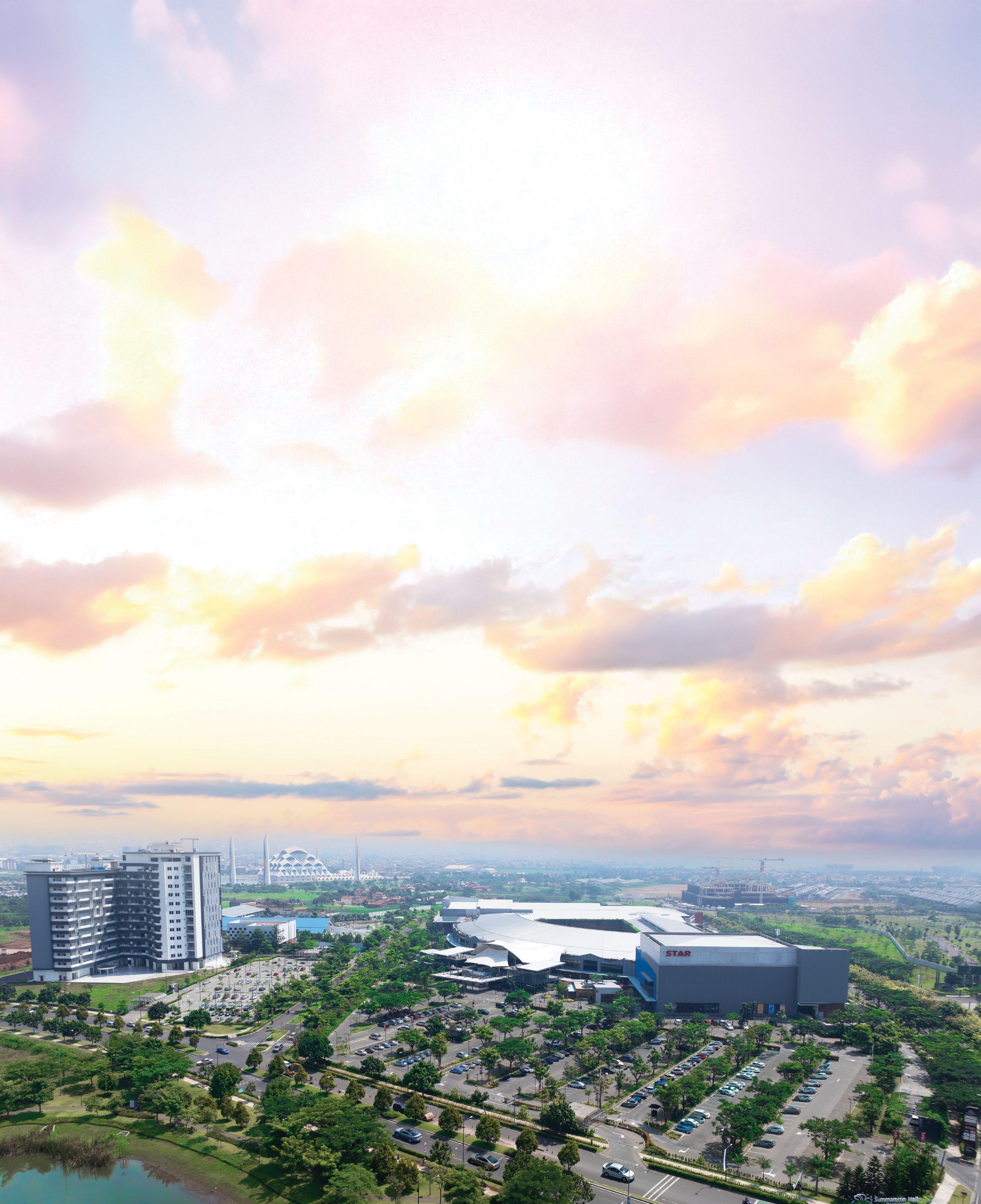
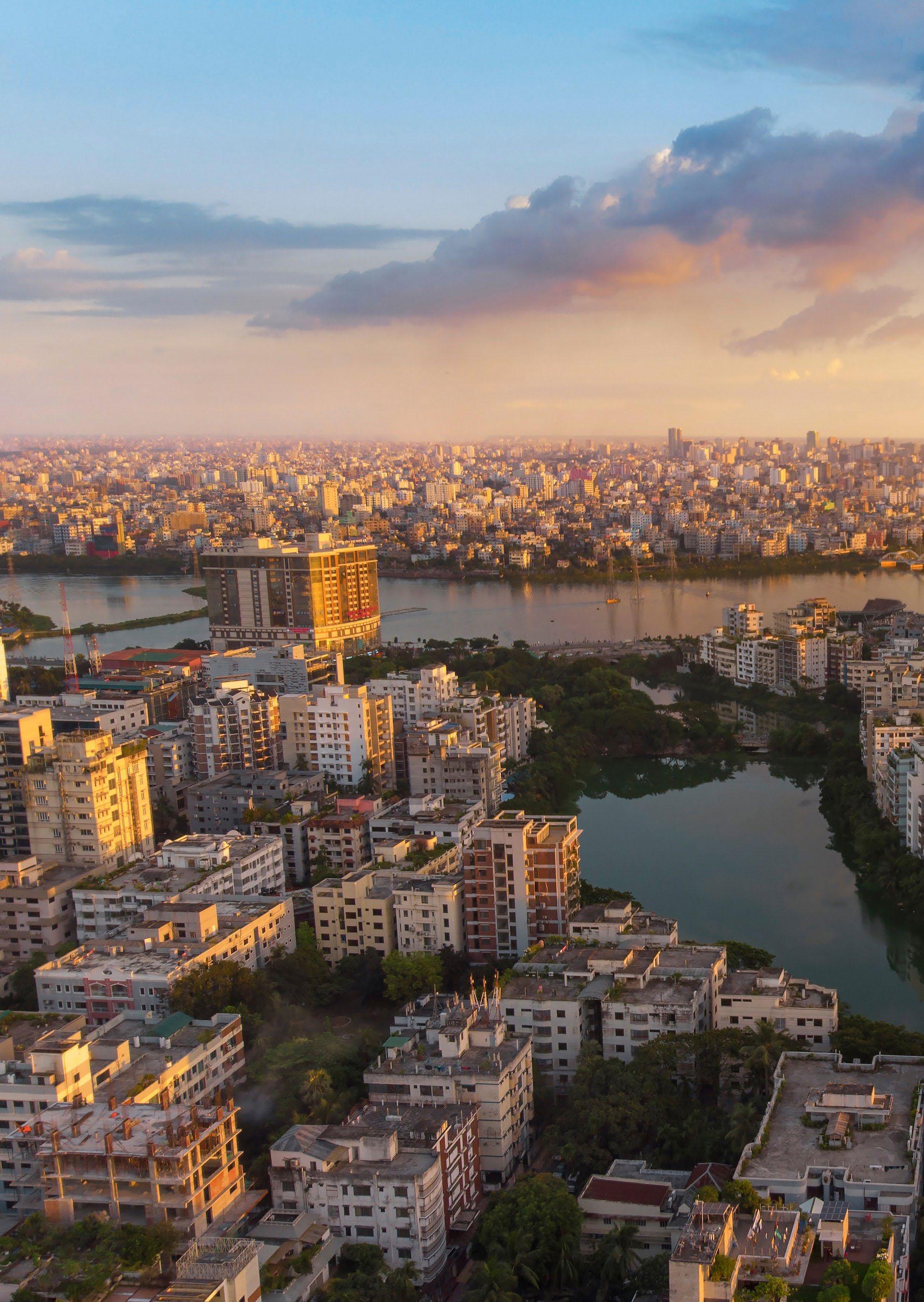
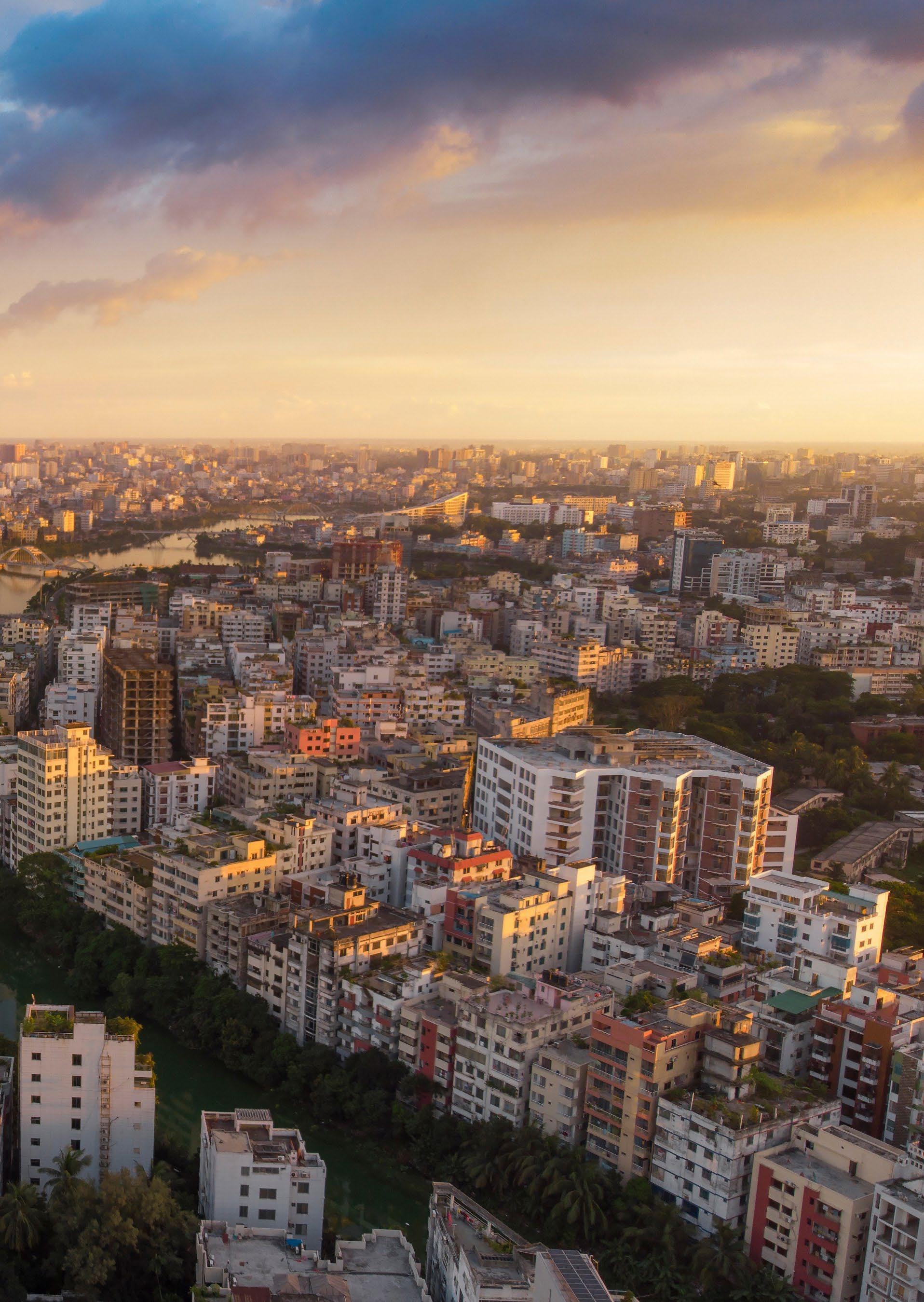
Asia’s cities have long powered the region’s economic ascent. From Bangkok and Singapore to Jakarta and Ho Chi Minh City, they concentrate capital, talent, and ambition. Yet for all their dynamism, they remain unwieldy beasts. Urban growth rarely moves in neat lines, leaving policymakers and planners struggling to match governance with the pace of development.
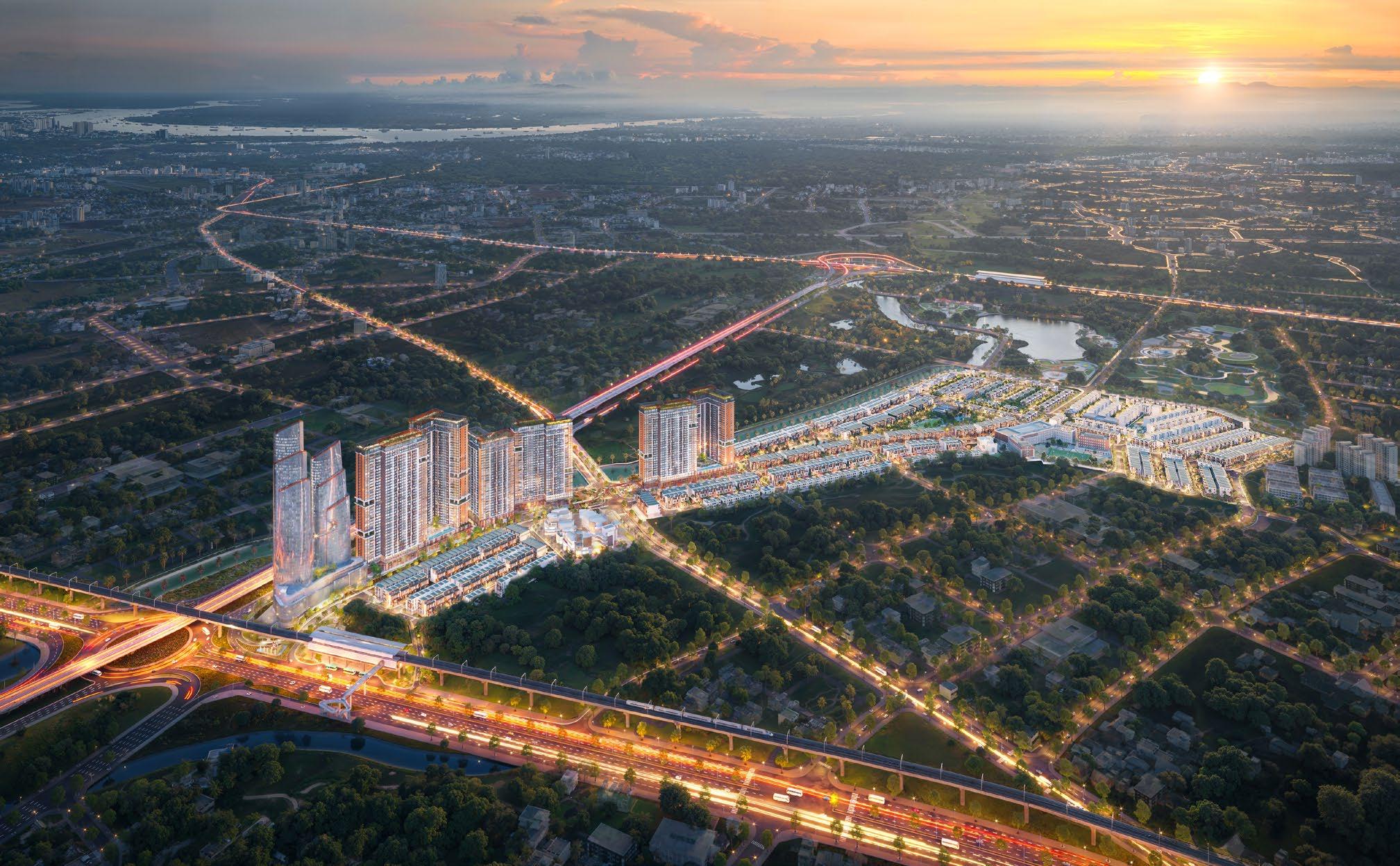
That tension is explored in our interview with Chantale Wong, former US executive director of the Asian Development Bank, who reflects on the challenges of aligning urban oversight with the demands and timelines of capital. The question of how cities grow also sits at the centre of our special feature on Asia’s expanding urban townships, large-scale developments designed to manage the region’s relentless outward spread.
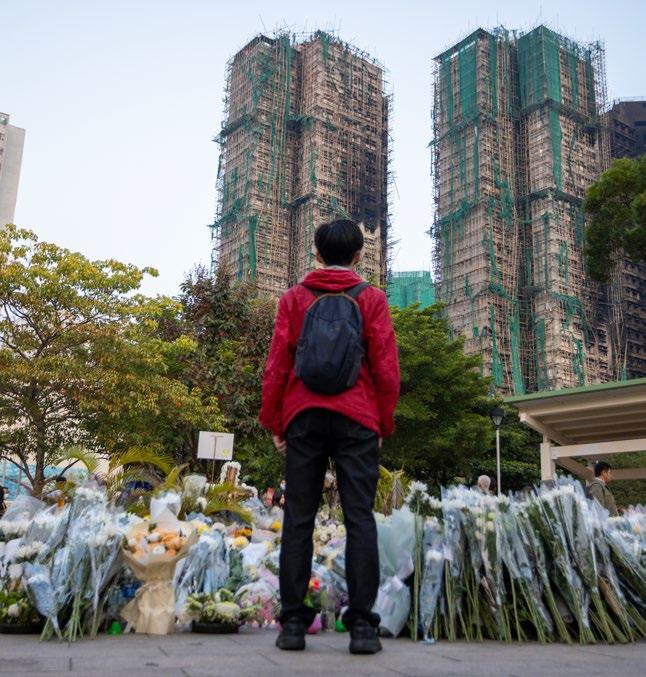
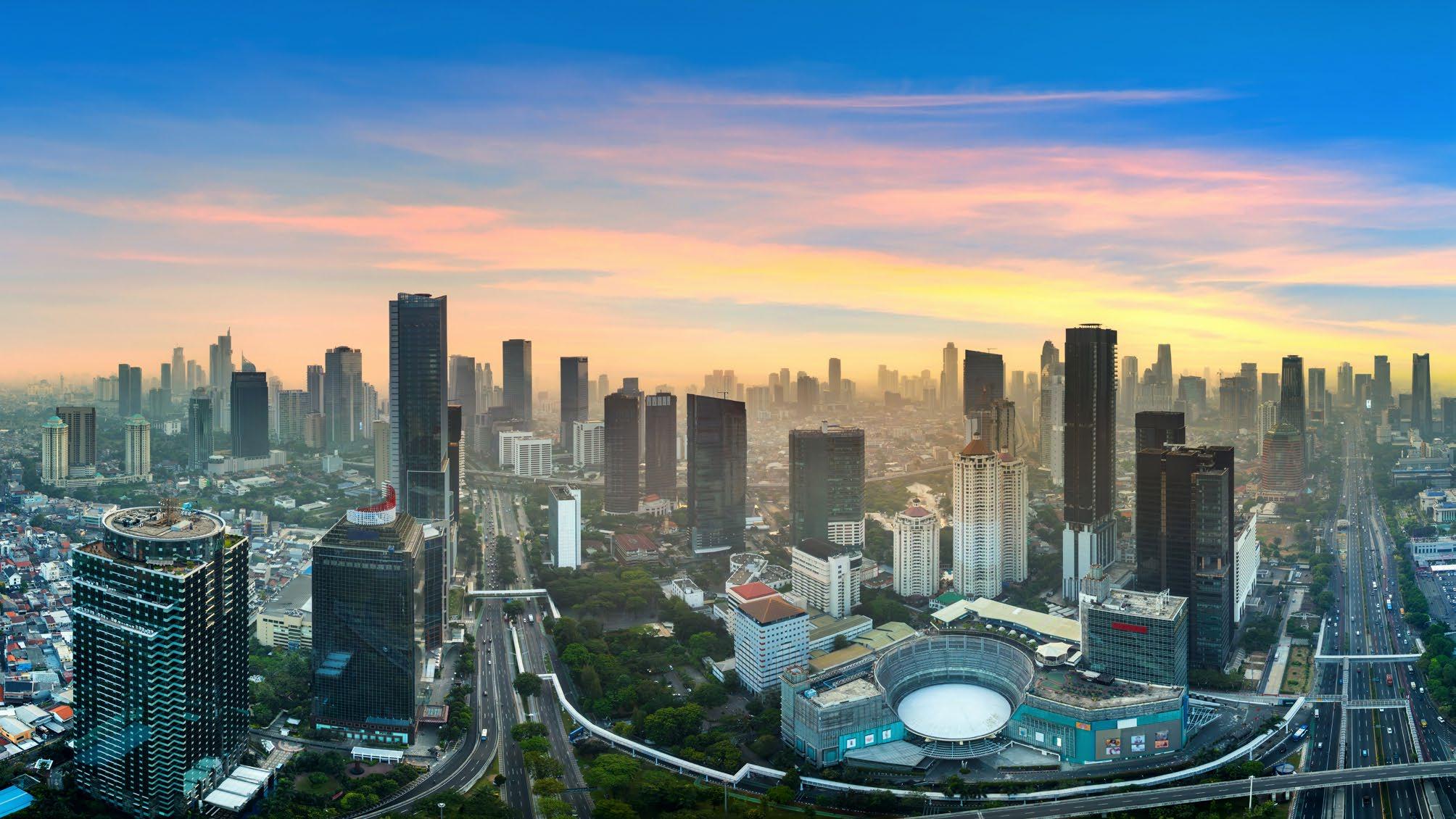
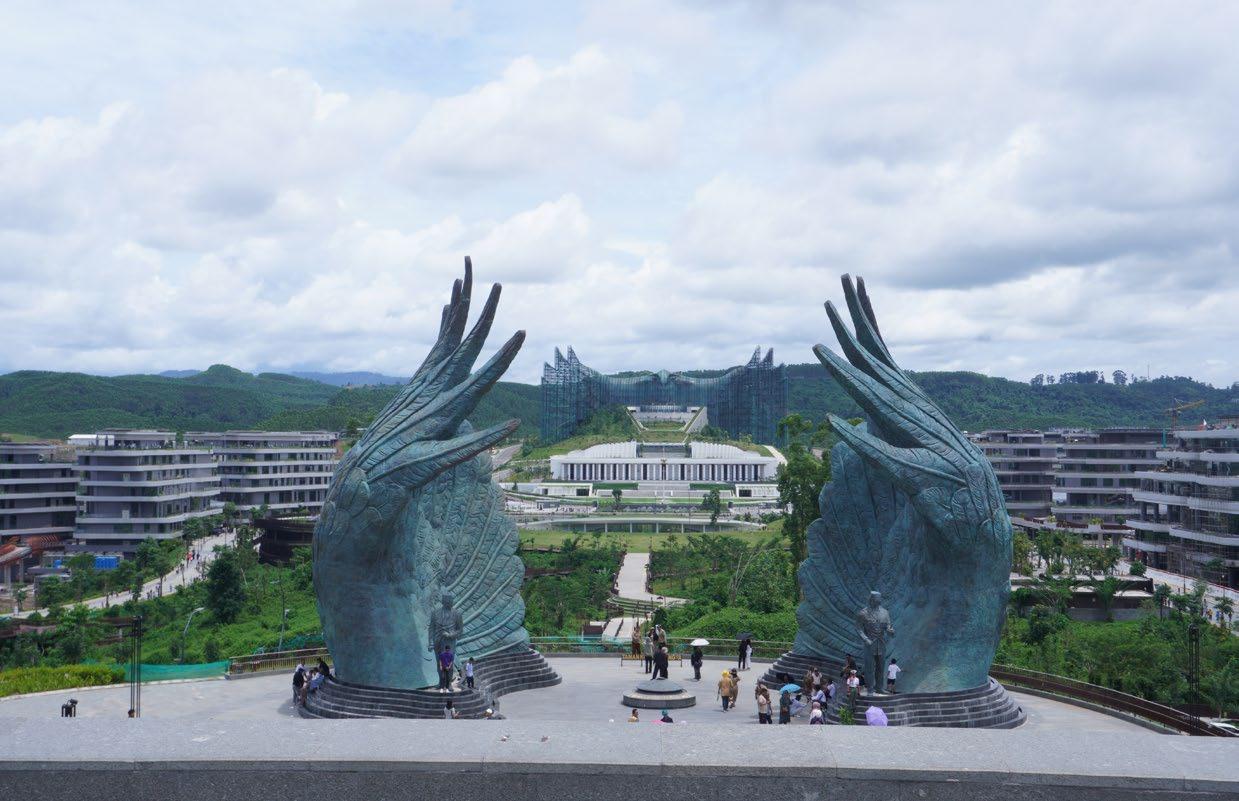
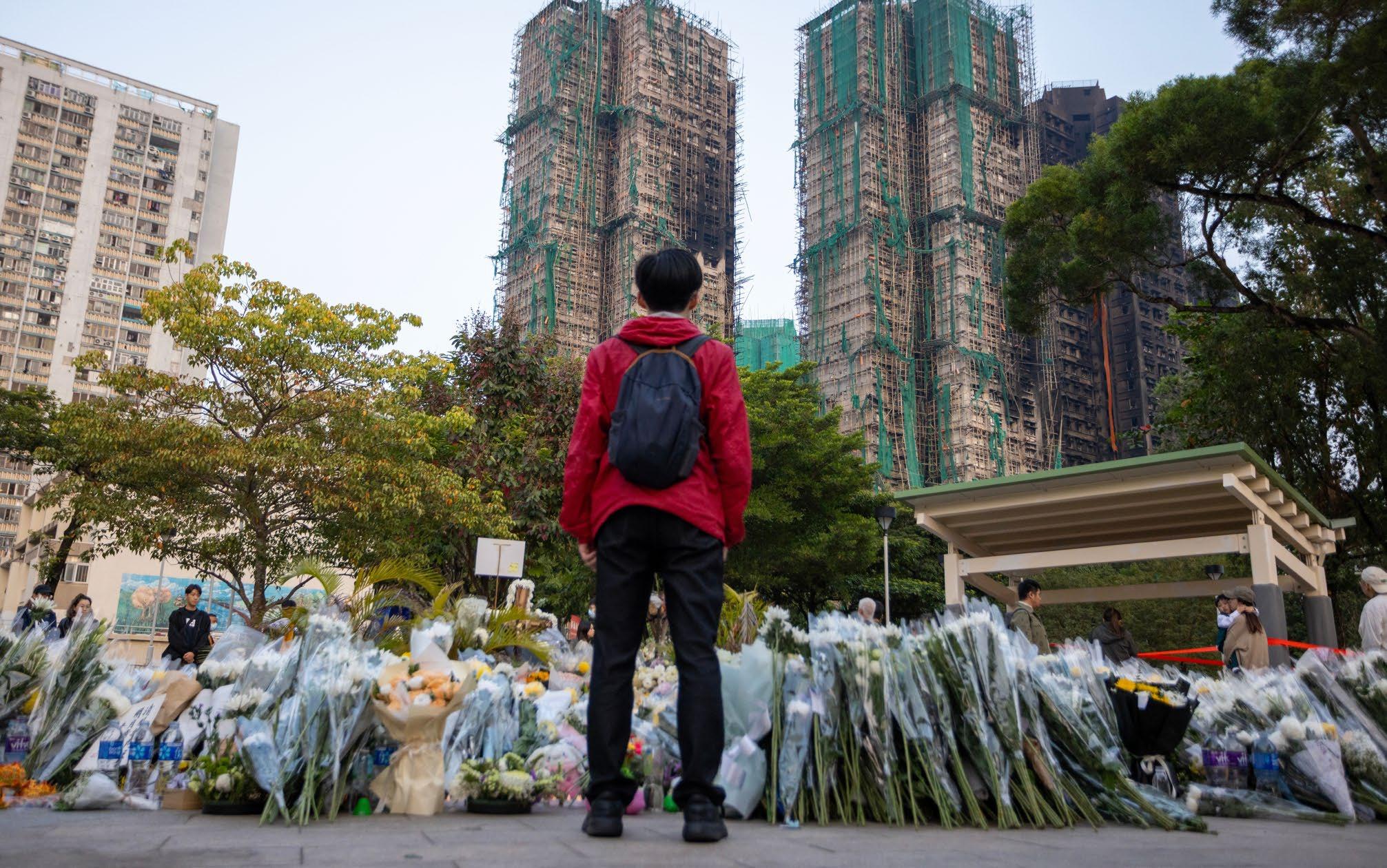
Elsewhere in this issue, we examine Jakarta’s continuing dominance of Indonesia’s urban landscape, even as the country debates its future beyond the capital. In Hong Kong, last year’s deadly fire in Tai Po has triggered a reckoning over building safety and regulatory oversight.
Our market features also take in Bangkok’s growing surplus of empty apartments and assess a new integrated development on the outskirts of the Thai capital. We also hear from Singapore architect Goy Zhenru, whose work draws on regional traditions while reimagining them for contemporary city life.
Together, the stories in this issue reflect the complicated reality of Asia’s urban future: cities that remain the region’s greatest drivers, even as they prove among its hardest forces to manage.
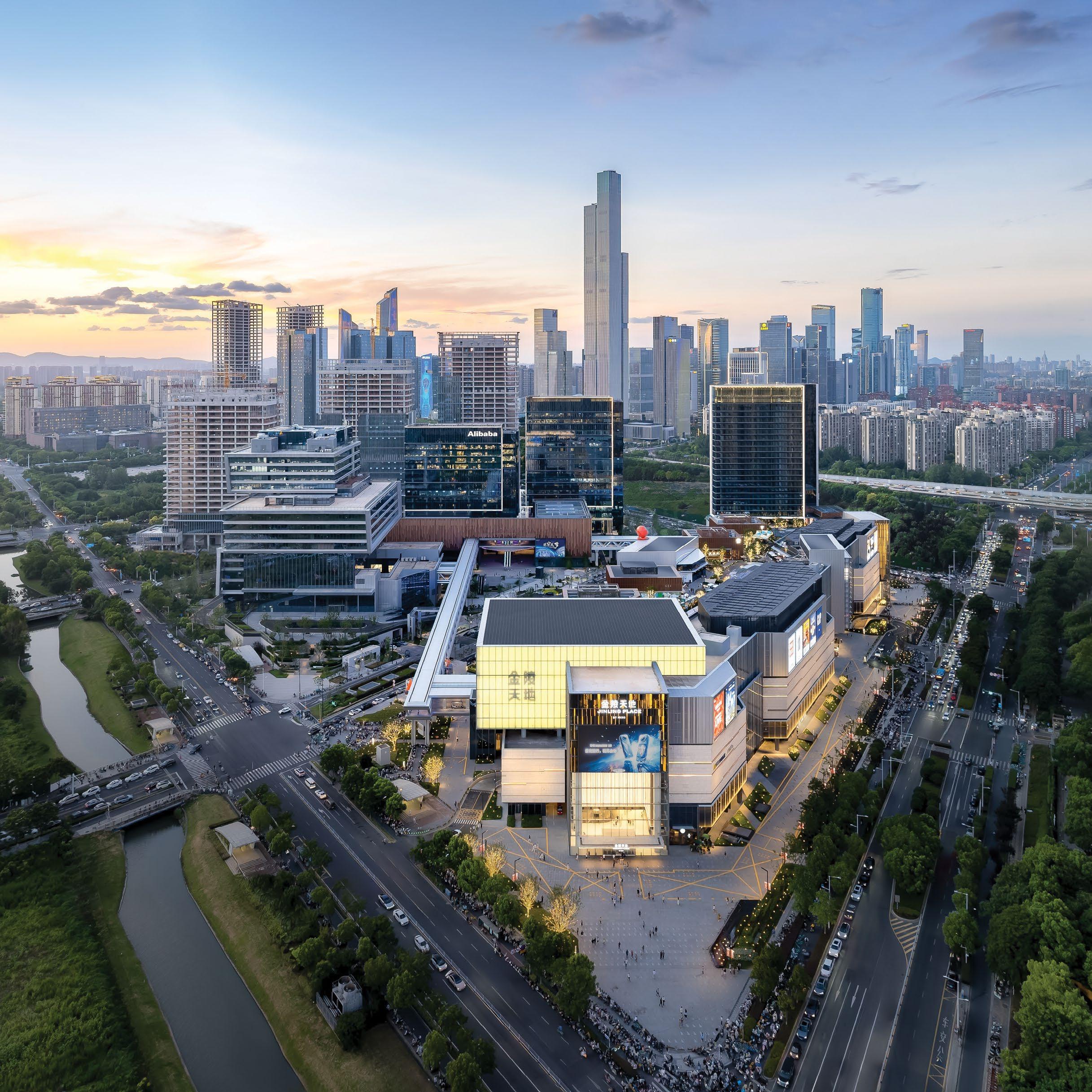
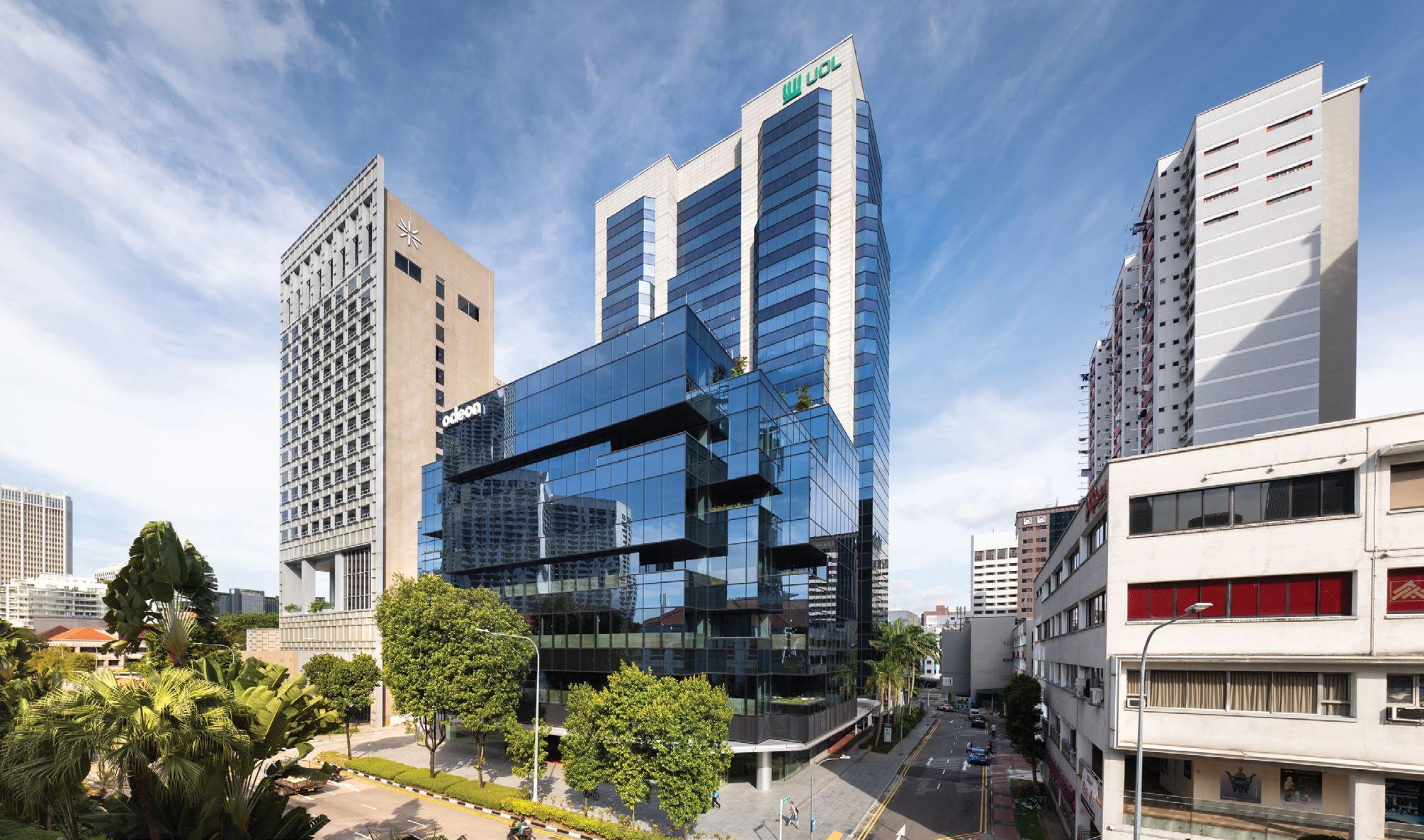
Best Mixed-Use Architectural Design (Mainland China)
by Benoy
Nanjing Alibaba Center by Benoy
CHINA)
Tech that doesn’t throw in the towel just because you’re taking a dip
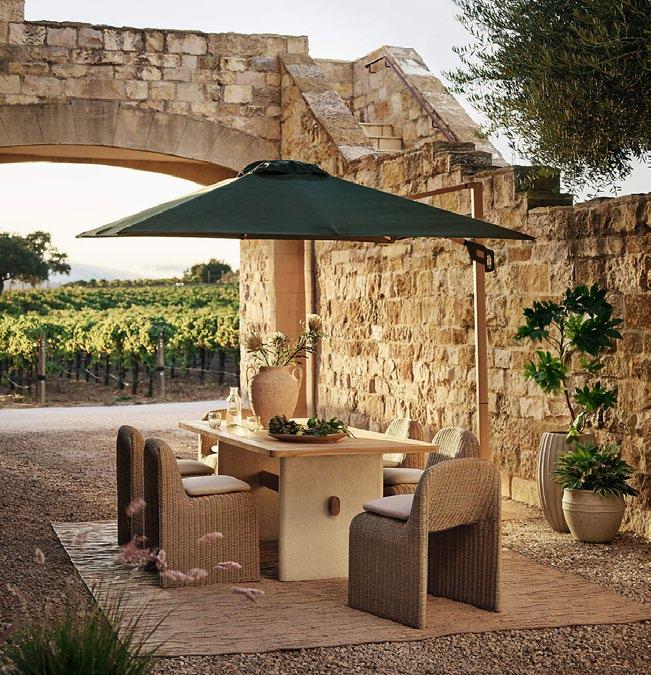
Sun-proof your backyard with furniture that’s ready for its close-up
it reign
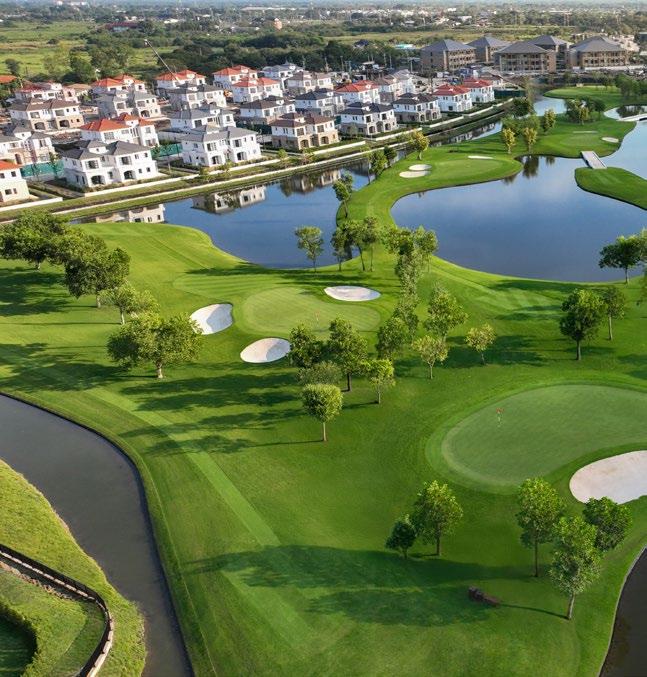
Reignwood Park makes an ambitious bid to redefine the integrated real estate scene in
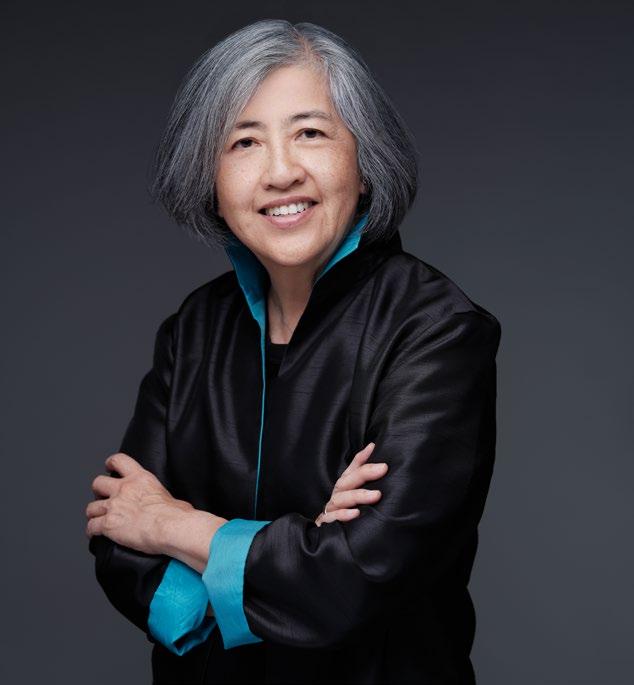
Asian Development Bank alumna Chantale Wong tells how mismatches between cities and capital are stymying the region’s urban future
Suit up for splash supremacy with these toys for kids
Design Focus: Craft as a compass
Goy Architects’ projects show how local materials and constraints shape a disciplined design language
Neighbourhood Watch: Quy Nhon
The city in Vietnam remains under the radar despite its beaches, Cham heritage, and rising skyline
Destination: Malaysia
Special Feature: Growing places
Master-planned townships are re-emerging as a practical response to rapid urbanisation across Southeast Asia
Industrial demand is powering the country’s property market, while residential recalibrates around affordability and caution 88
Dispatch: Outsized influence
Nusantara may redefine Indonesia’s political map, but density, demand, and capital flows continue to anchor momentum in Greater Jakarta
Destination: Thailand
Bangkok’s skyline still rises, but a glut of vacant units points to a market out of sync with its next generation of buyers
91
Dispatch: After the fire
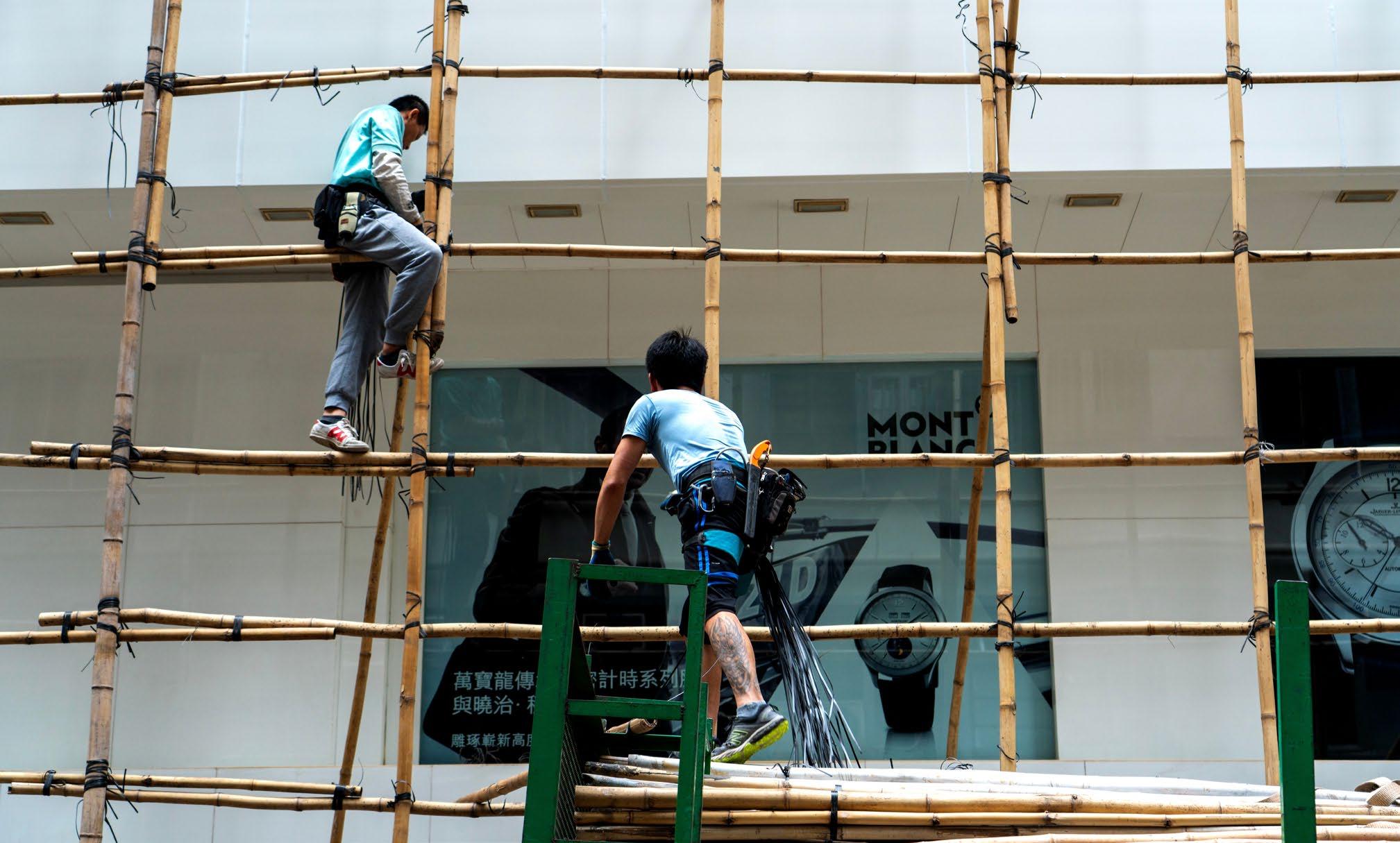
Stricter scaffolding rules follow Hong Kong’s deadliest property blaze in decades. The real test is enforcement
FULL IMMERSION
Your tech shouldn’t throw in the towel just because you’re taking a dip
HIGH-TIDE FASHION
The Garmin Lily 2 is a feminine, fashion-forward timepiece able to track laps at 164 feet deep. With a patterned lens and chic bands, this smartwatch monitors heart rates and sleep cycles without sacrificing elegance in the pool.
USD249.99, garmin.com
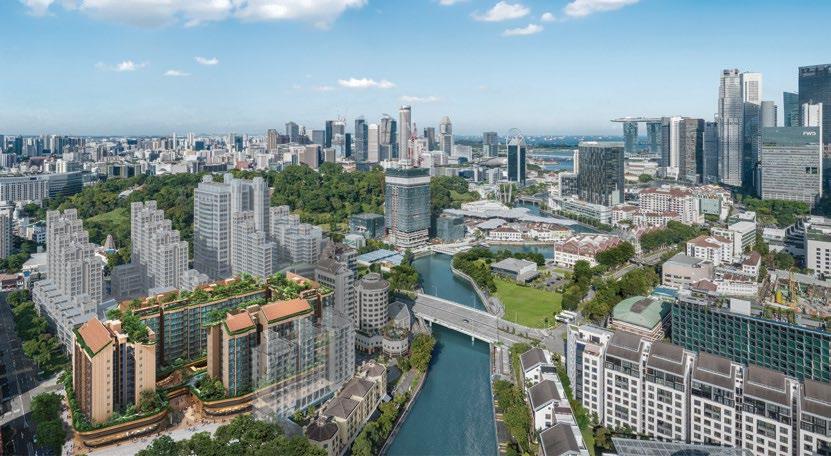
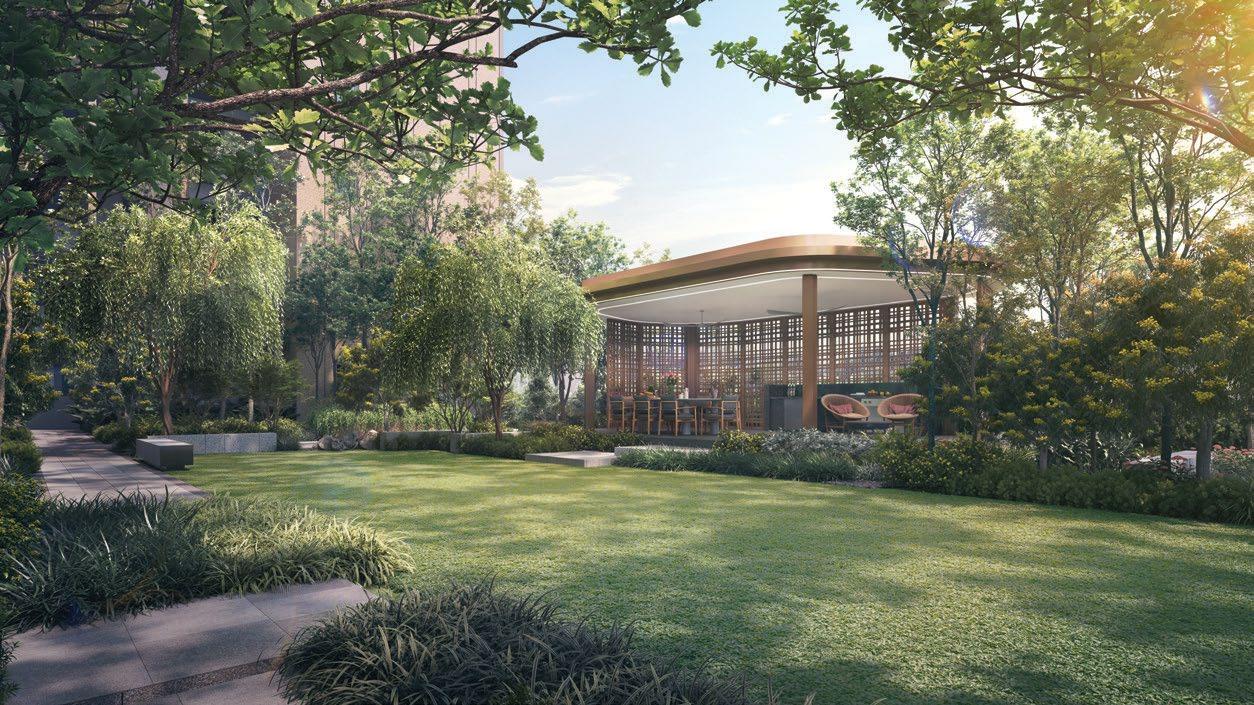
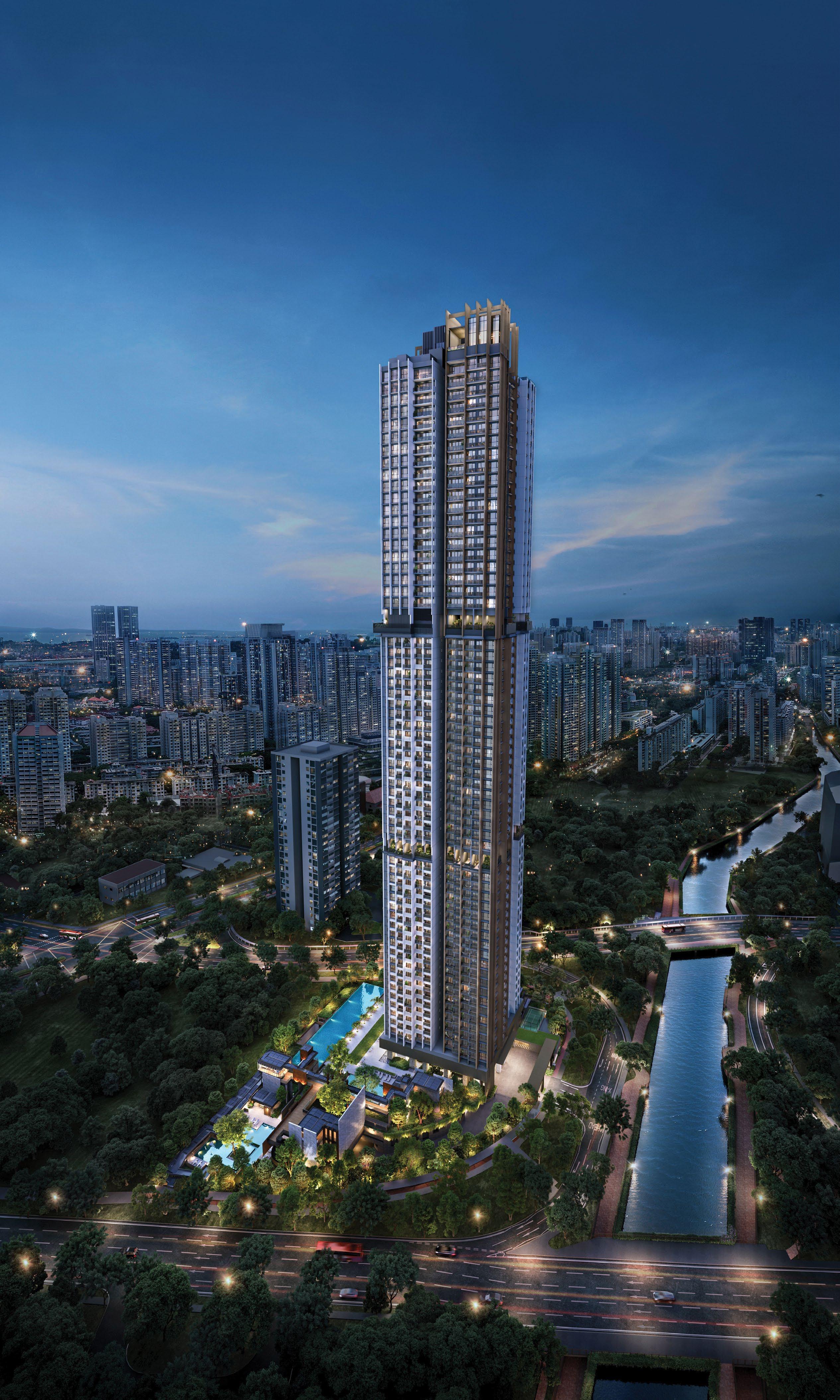
legacy home for generations, The Robertson Opus is a 999-year mixed-use development in the heart of prestigious District 9 Robertson Quay. Nestled in tranquillity between Fort Canning Hill and the Singapore River, it is a sanctuary in the city, promising respite and
DEEP FOCUS
The Pentax WG-90 proves you don’t need to be well-heeled to go deep underwater. This rugged champ dives to 46 feet and withstands freezing temperatures. It’s the ideal, budgetfriendly sidekick for shutterbugs with a thirst for watery adventures.
EUR379.99, pentax.eu
HOLD YOUR BREATH
Bone conduction breaks surface tension with the Shokz OpenSwim Pro earphones, which can seamlessly transition from poolside Bluetooth to underwater MP3 mode with 32GB of storage. Its frictionless fit slips under a swim cap, delivering premium audio whether you’re doing laps or logging miles on land.
USD179.95, shokz.com
FLOATING SENSATION
Toss the Ultimate Ears BOOM 4 into the water and watch it float to the surface. Made of recycled plastic, the waterproof speaker is a floating party starter that survives drops and dives. With a 15-hour battery and 150-speaker pairing, it turns the poolside into a personal soundstage.
USD149.99, ultimateears.com
CURRENT EVENTS
The dustproof Venture 35 power bank excels in the deep end with its IP67 rating, surviving submersions up to a metre. This 9,600mAh charger even sips power from the sun, ensuring your devices stay juiced from river to campsite.
USD69.95, goalzero.com
OUT AND PROUD
Sun-proof your patio or backyard with furniture that’s ready for its close-up
COASTAL ELEGANCE
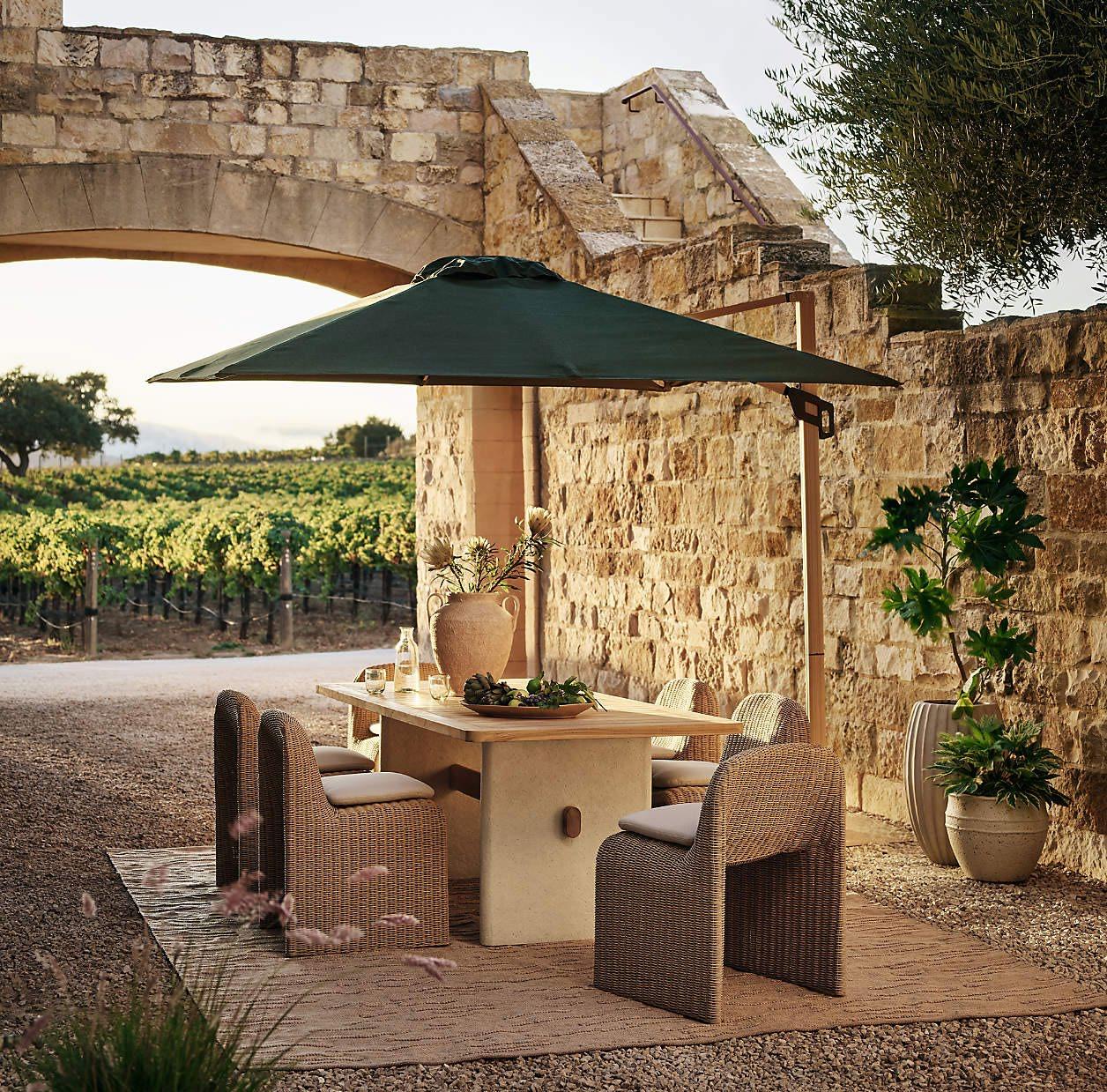
FSC-certified timber stars in Crate & Barrel’s Ipanema collection, delivering cosmopolitan, coastal-inspired dining outdoors. The trestle table’s natural teak top pairs well with the handwoven resin wicker chairs and quick-dry cushions. These Indonesian-made furnishings create a dreamy setting for al fresco entertaining.
USD6,793, crateandbarrel.com
ARCHITECTURAL TRANQUILLITY
Patricia Urquiola’s Vidalenta sofa strikes an elegant balance between plush, recycledmaterial cushion and slender stainless steel tubing. This modular system from Cassina’s 2026 Outdoor Collection is disassemblable, easily morphing into an outdoor sanctum for your introspection.
Price on request, cassina.com
RAYS BANNED
Relocate your shade with effortless ease. Arlmont’s 12-foot cantilever umbrella features a patented wheeled base filled with gravel for secure stability. Its weather-defiant Sunbrella canopy rotates 360 degrees and tilts in five positions, perfectly shielding you from the rays.
From USD1,670, wayfair.com
WOVEN TO LAST
Handwoven all-weather wicker meets powder-coated aluminium and rust-resistant resilience with the Pasadena II Modular Sofa. This openair retreat can be easily rearranged to suit your space, complete with cushions that feature quick-drying mesh bottoms and fade-resistant acrylic fabric.
From USD1,999, frontgate.com
BUTTERFLY COCOON
Arnd Küchel’s Papyon Wing chair embodies the grace of butterflies through intricate weaving techniques. Layers of fibre mimic the insects’ microscopic wing scales, forming the chair’s sculptural, high-backed silhouette. A curved base grounds this creation, completing its metamorphosis from natural materials to exquisite craftsmanship.
Price upon request, dedon.de
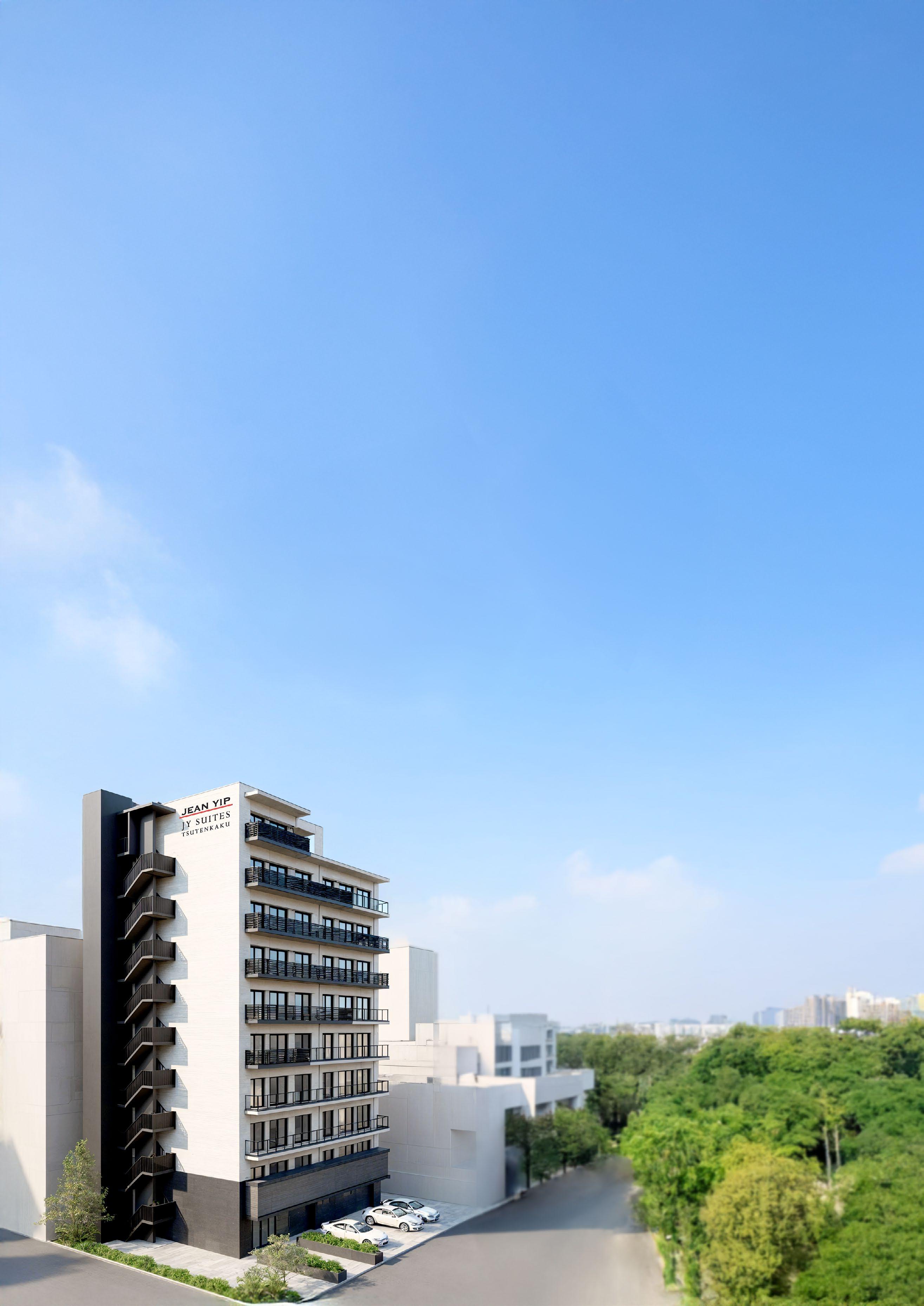
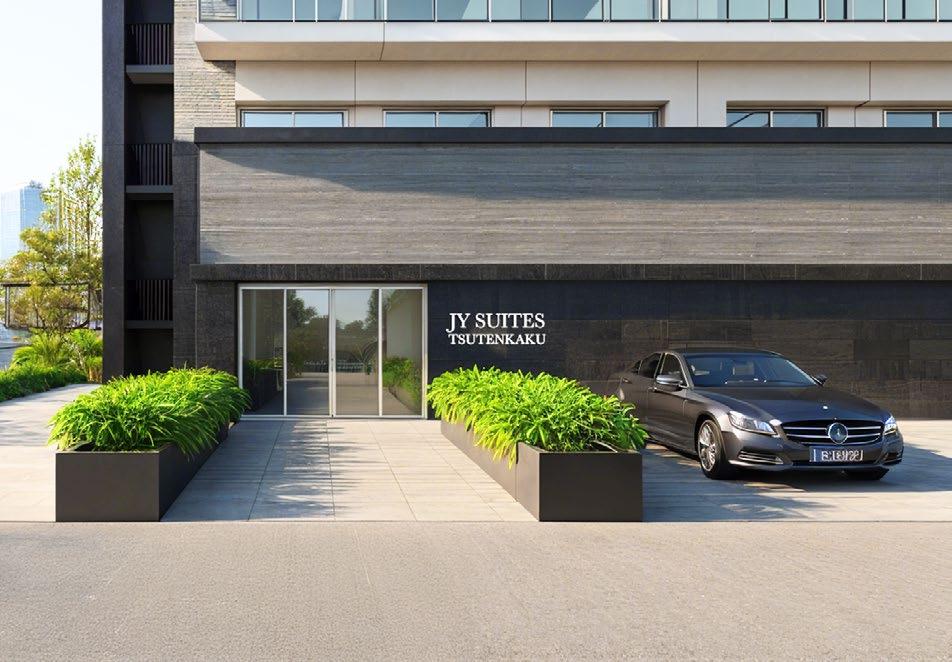
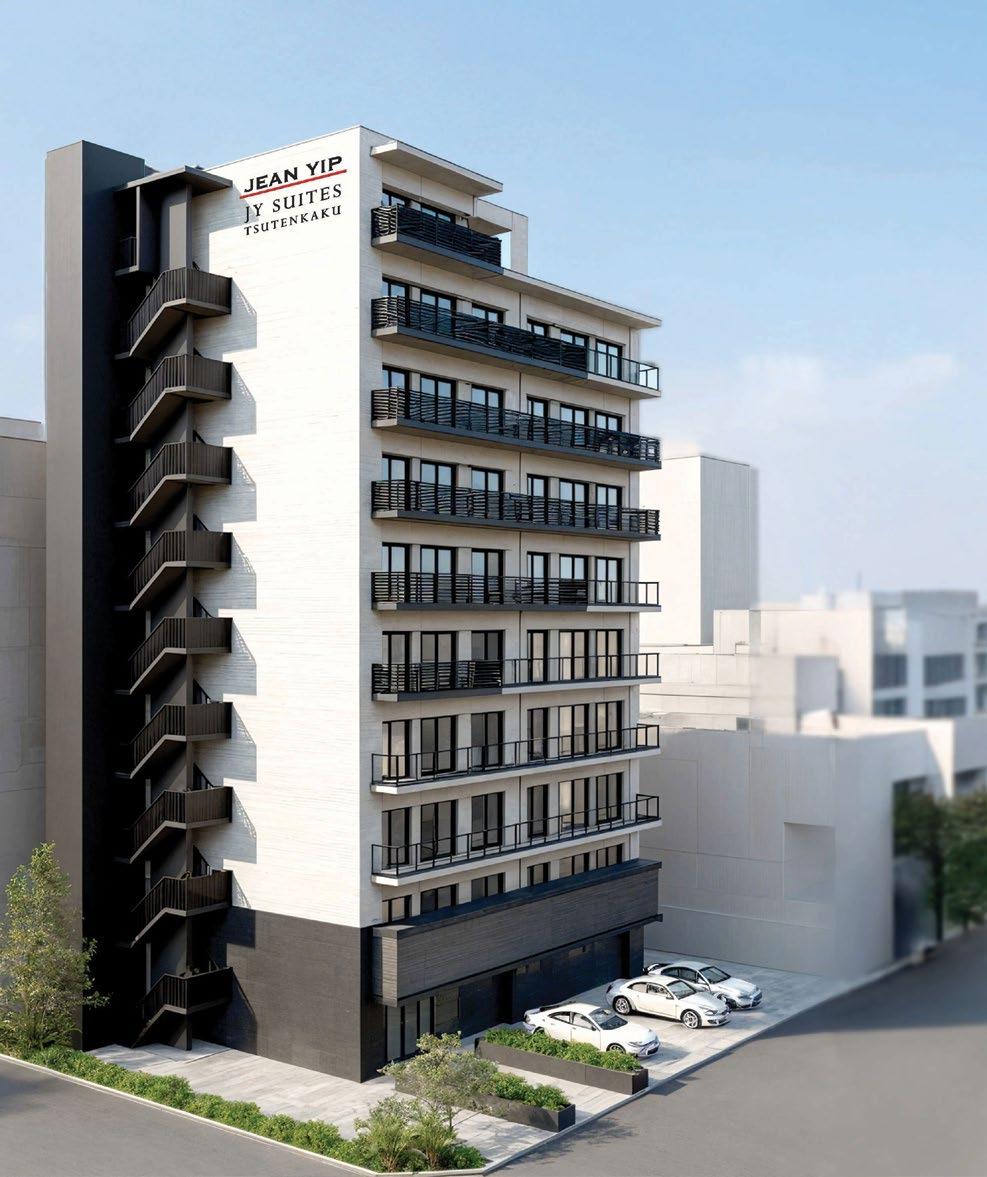
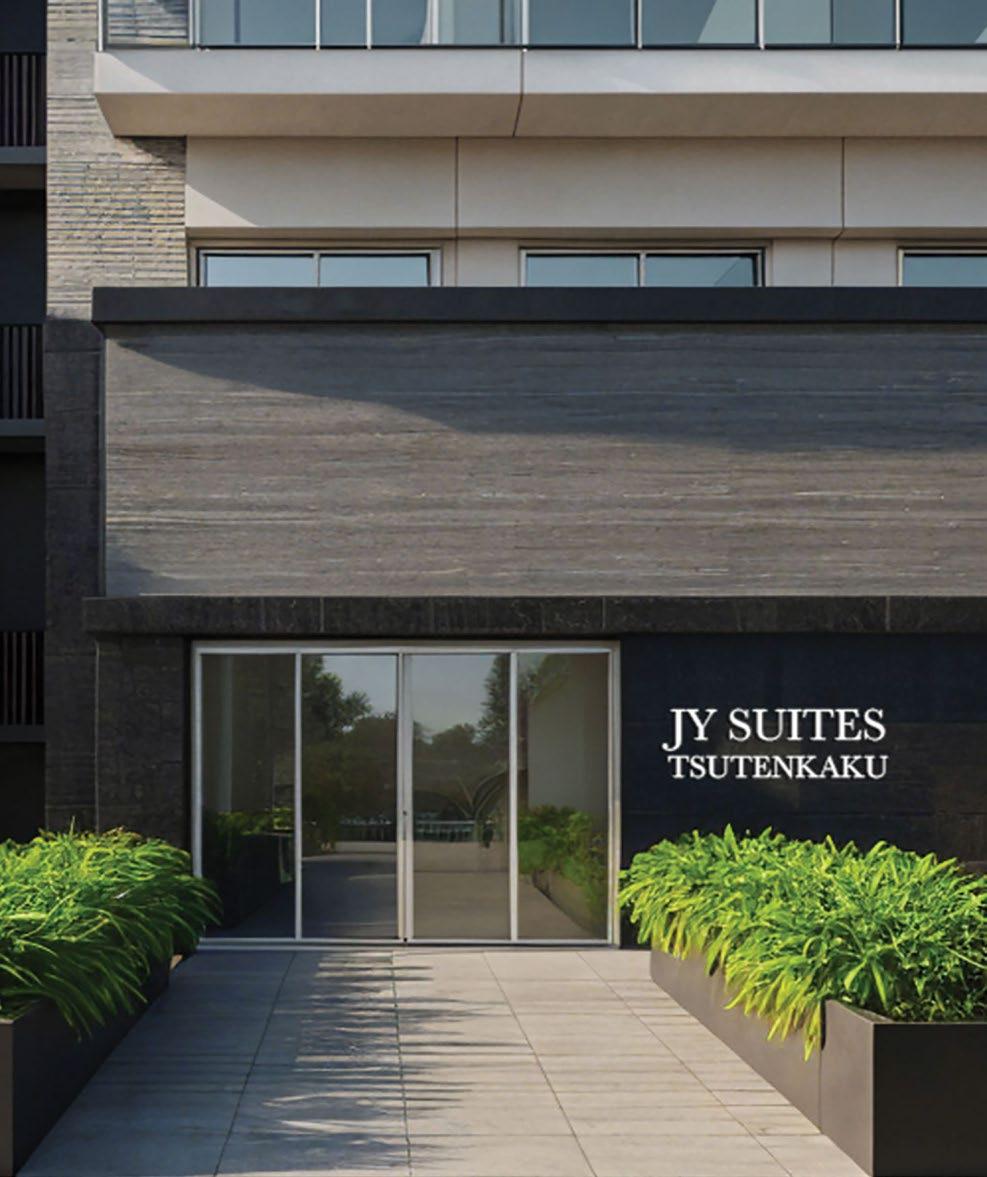
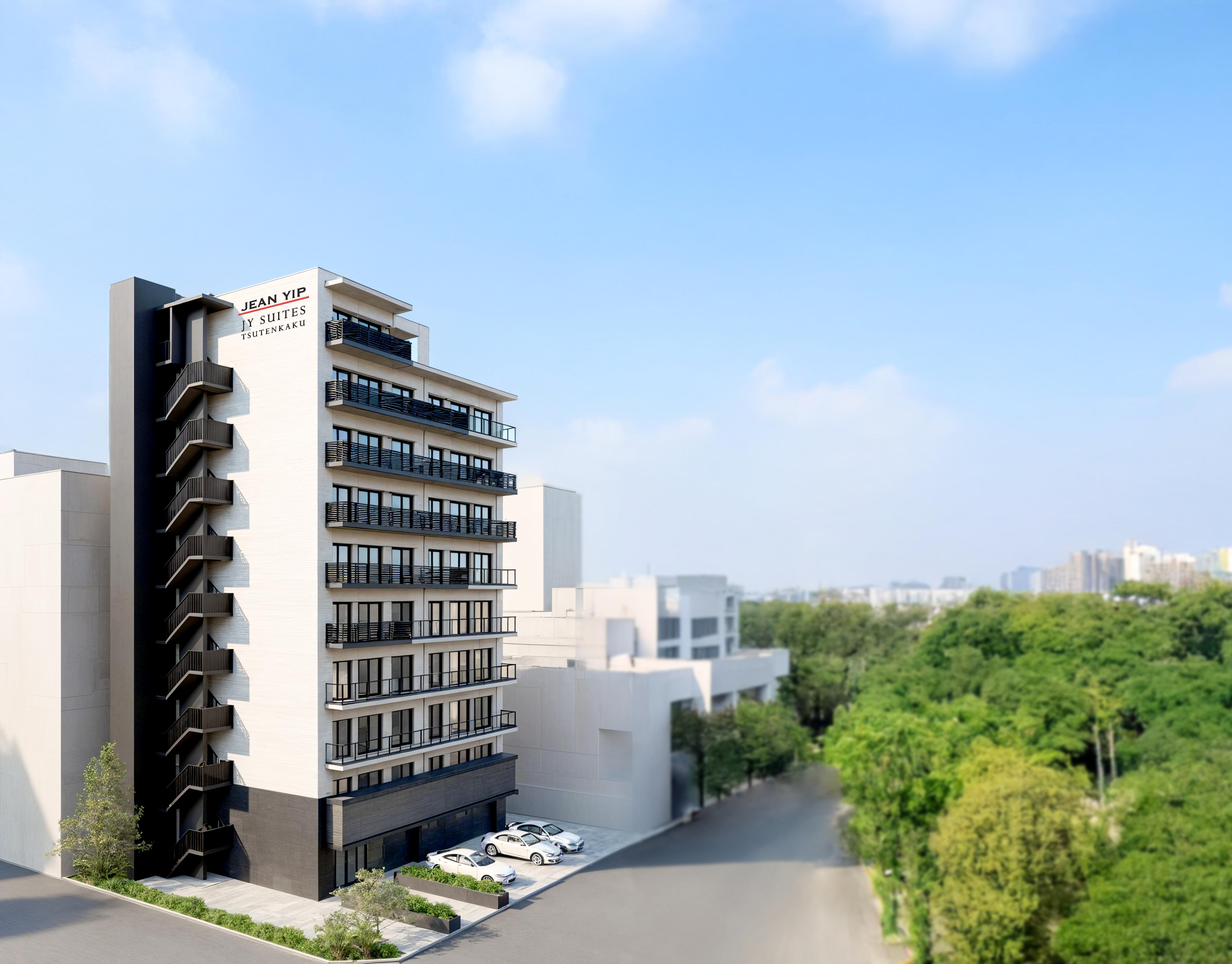
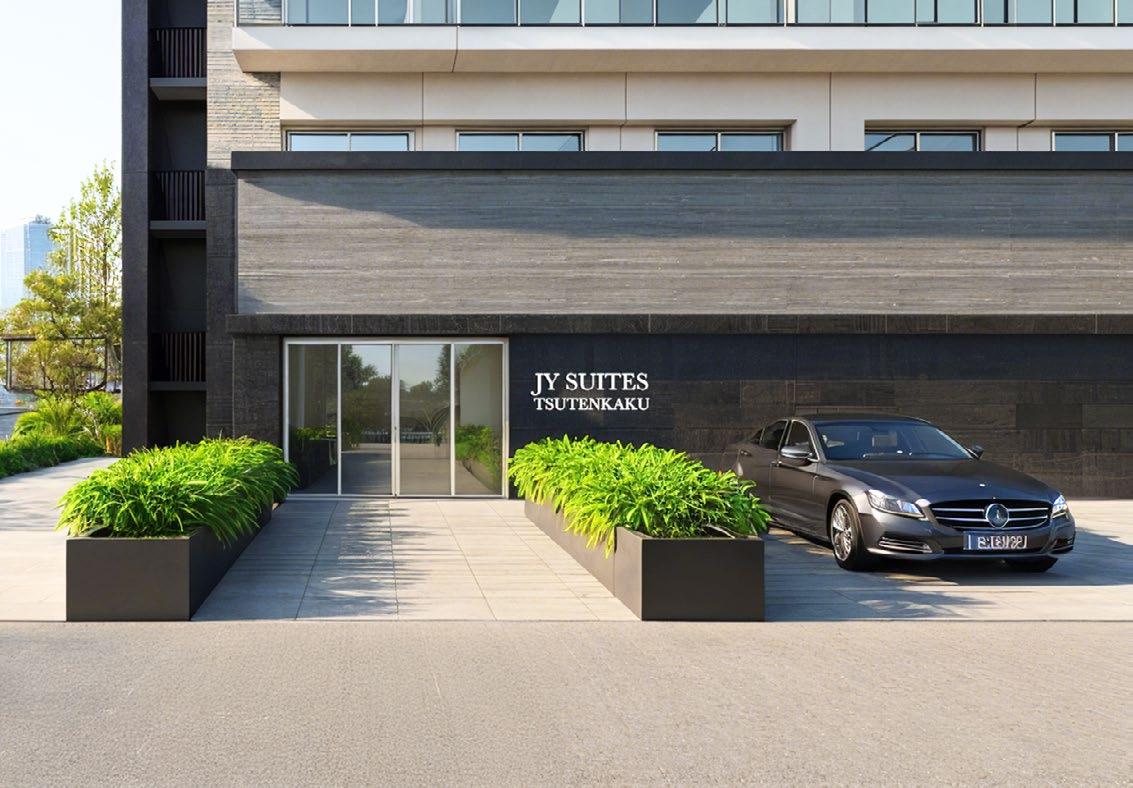
Boutique Living at Osaka’s Iconic Crossroads
49
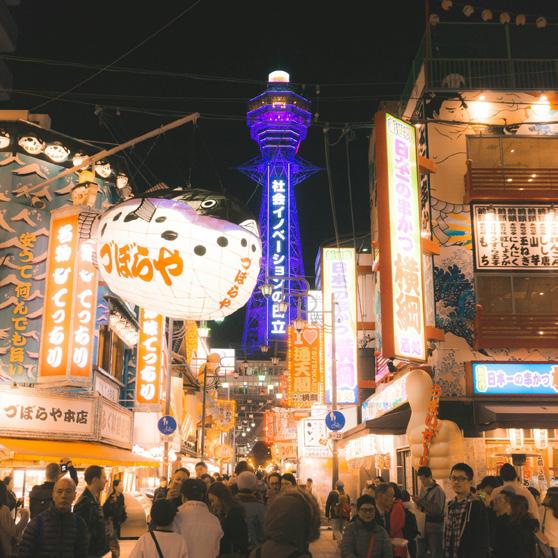
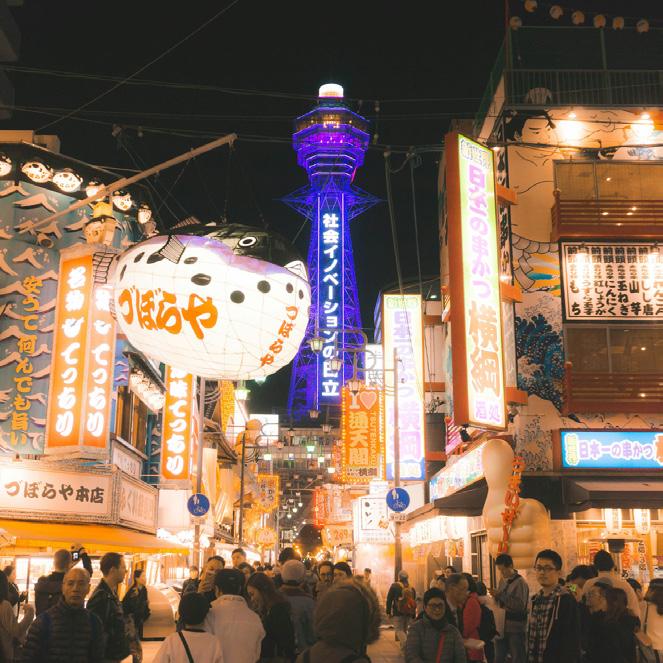
Steps away from
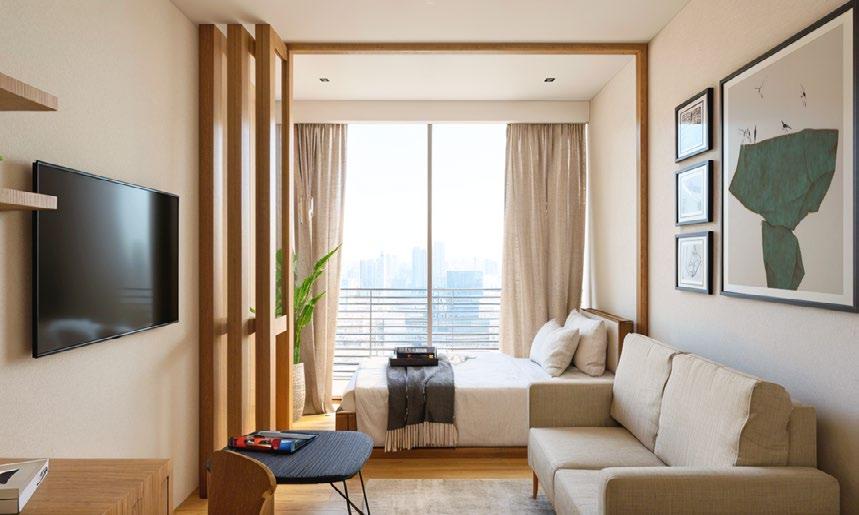
Designed for short stays and f lexible living
561.74sqm of land 25.5sqm of living space
The area around JY Suites Tsutenkaku is rich with eateries, from Shinsekai’s nostalgic streets to the vibrant dining scenes of Dotonbori and Shinsaibashi, of fering a wide variety of local and international cuisine within walking distance
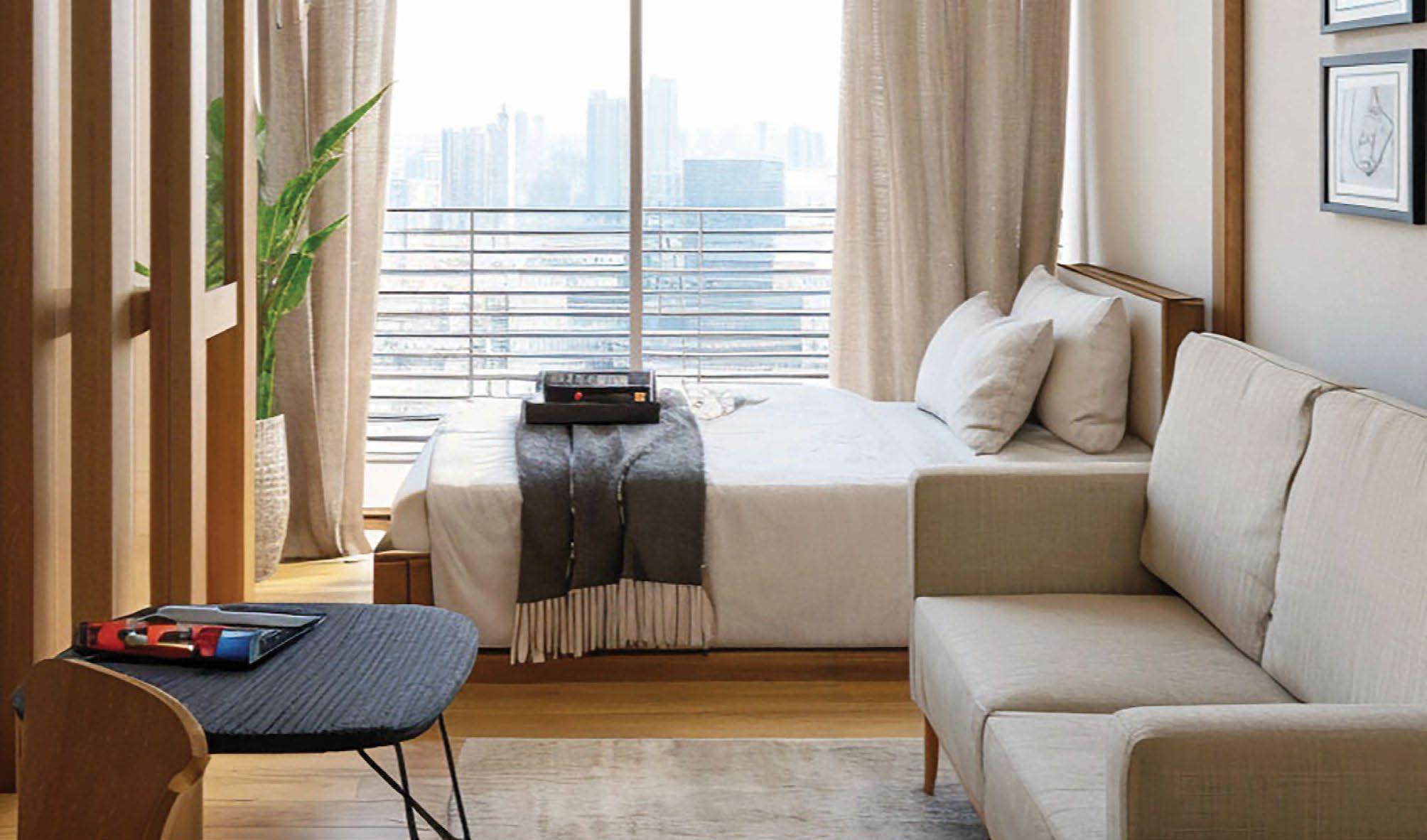
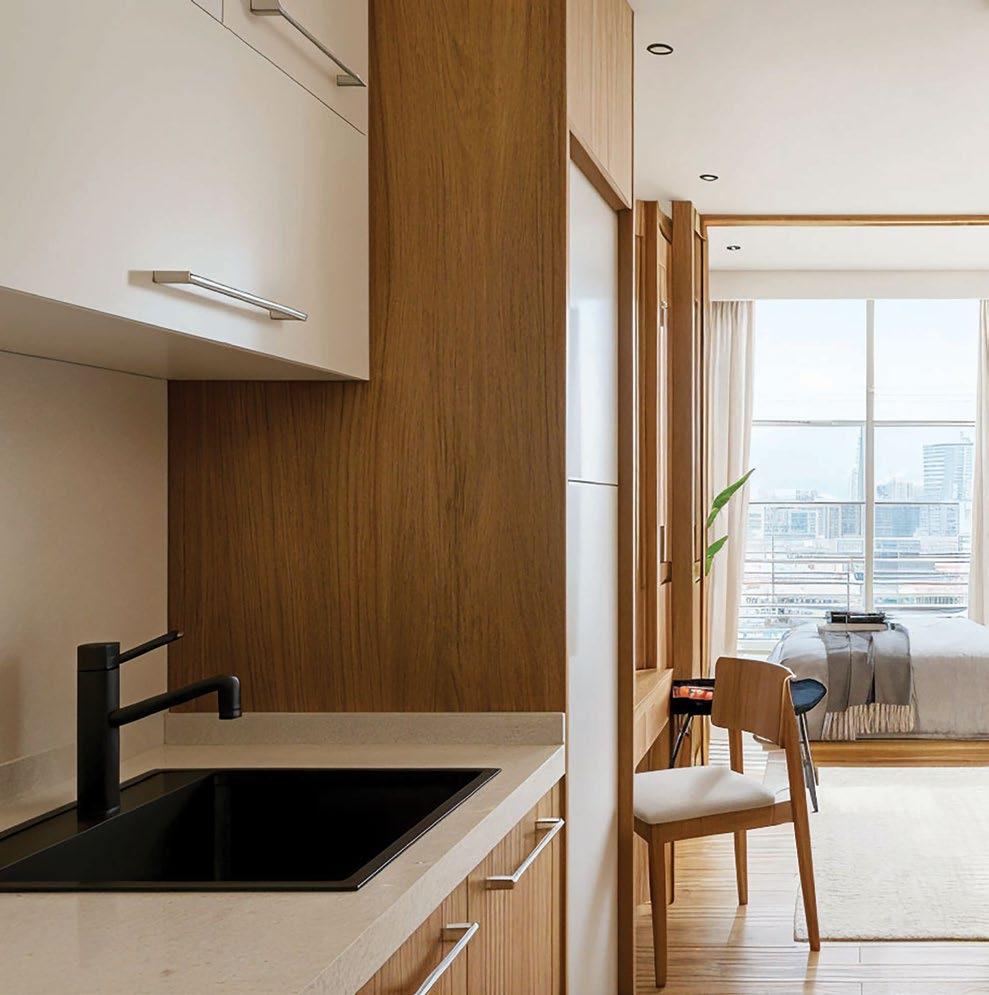
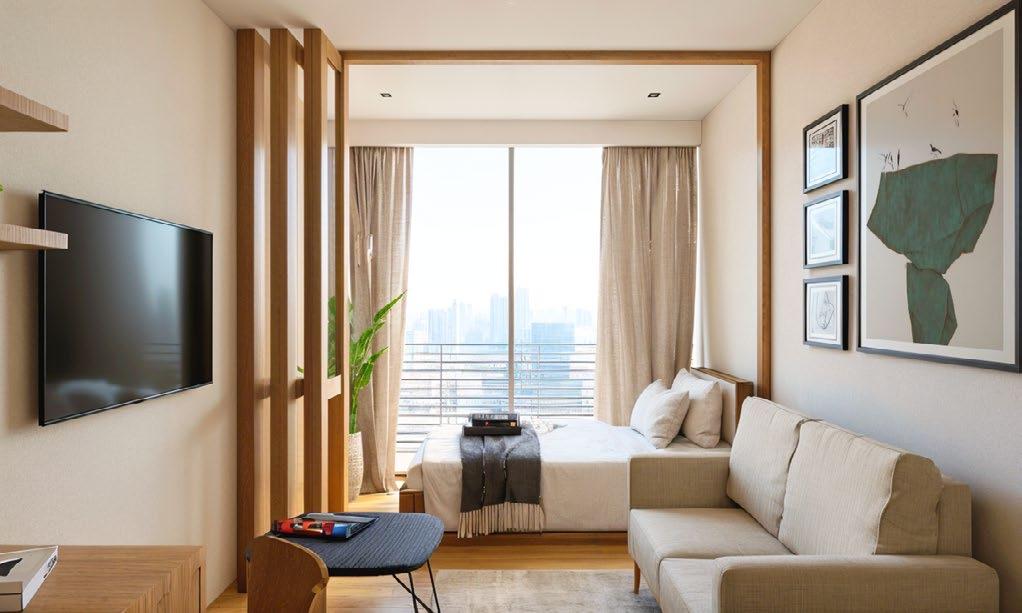
The smar t open-plan layout maximises ever y square metre, with full-height windows, f lexible living zones, and ref ined f inishes that make the unit feel bright, spacious, and highly liveable ideal for modern urban lifestyles and shor t-stay guests and ref ined f inishes, tailored for shor t-stay investment and lifestyle f lexibility, and marketed as holiday-rental friendly to capture strong tourism-driven demand in central Osaka
2025 PropertyGuru Asia Property Awards
Best Developer (Japan)
Best Lifestyle Developer (Japsn)
Best Affordable Condo Development (Asia & Japan)
key Osaka tourist hubs
LIQUID ASSETS
This solar new year, suit up for splash supremacy with these toys for kids—and kids at heart
COAST GUARD
Instead of your average inflatable, cruise the pool with the PoolCandy Splash Runner Pro 2.0. With a 350-pound capacity and a throttle at your fingertips, it’s the best way to patrol your aquatic kingdom in lazy, motorised abandon.
From USD280, amazon.com
A quick 60-minute ferry ride from Singapore leads you to Bintan Island’s newest escapes.
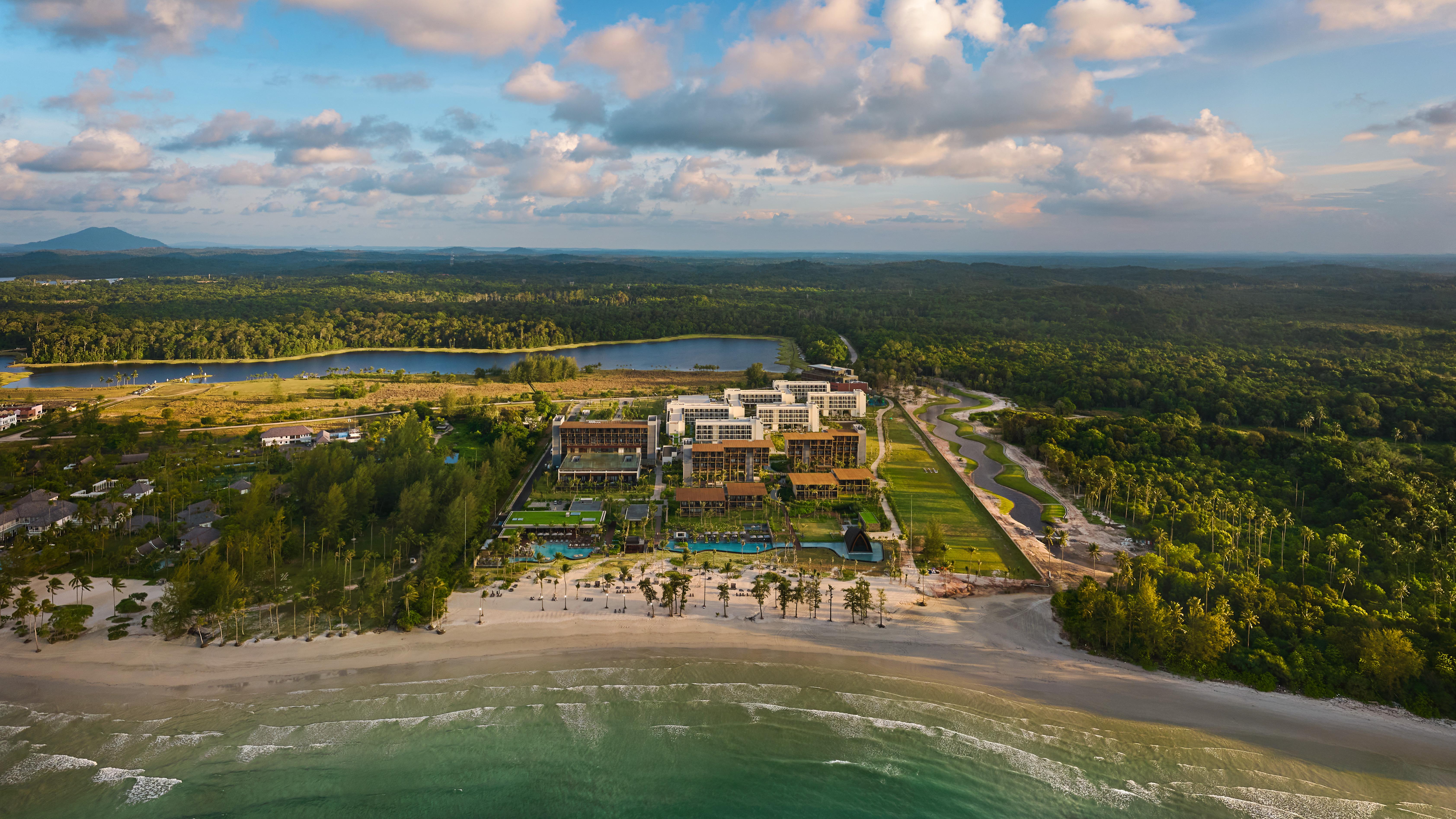
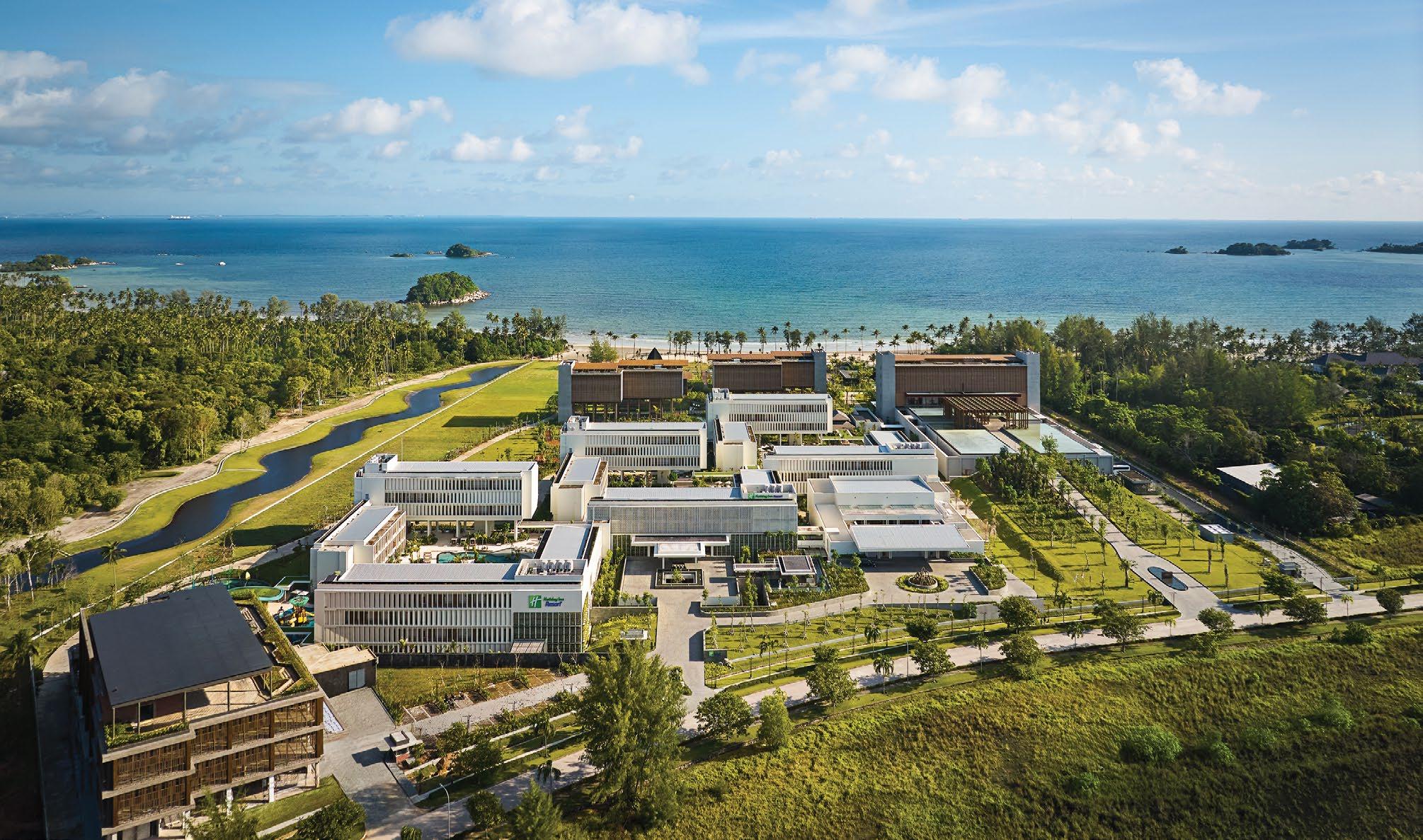
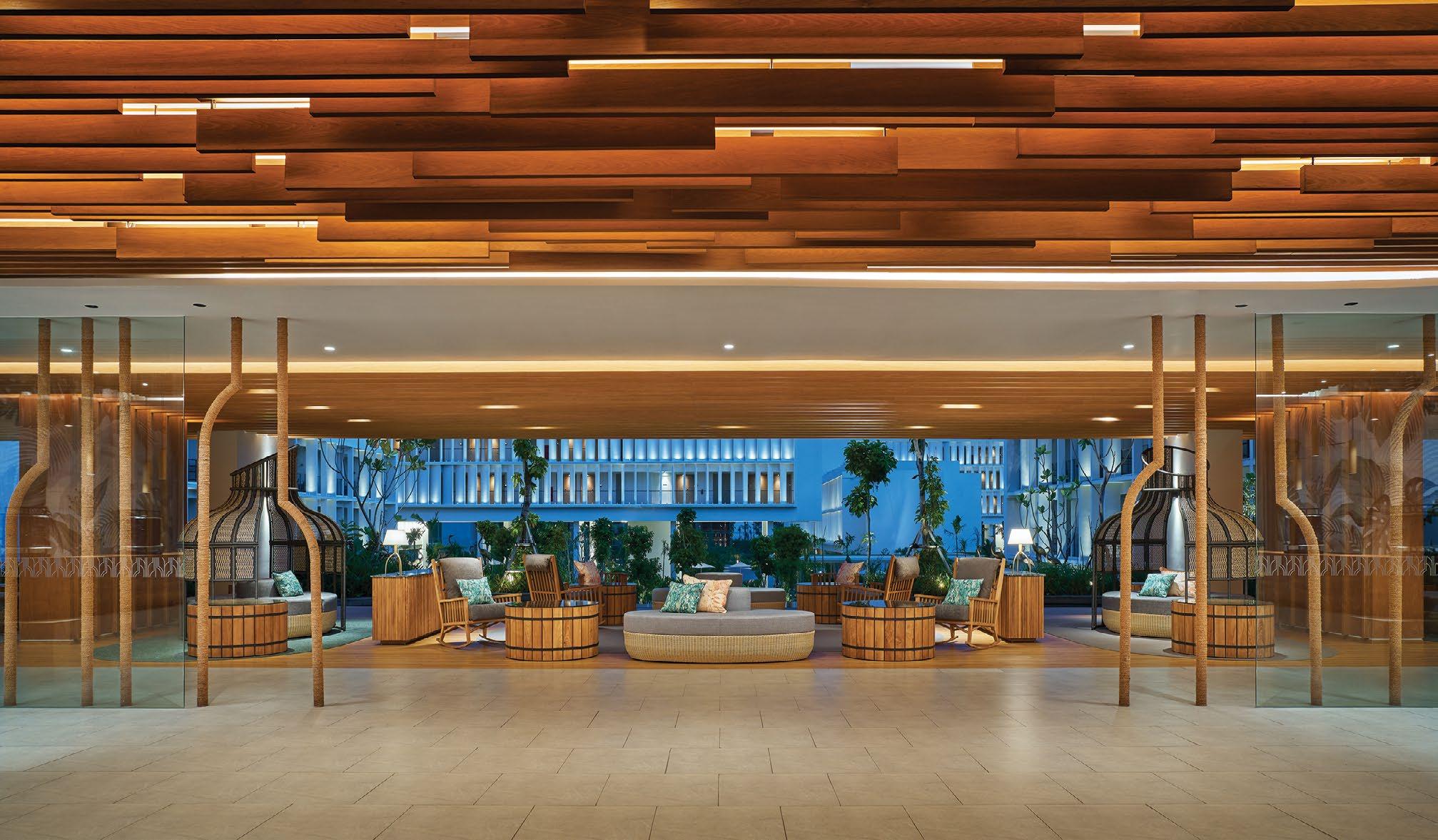
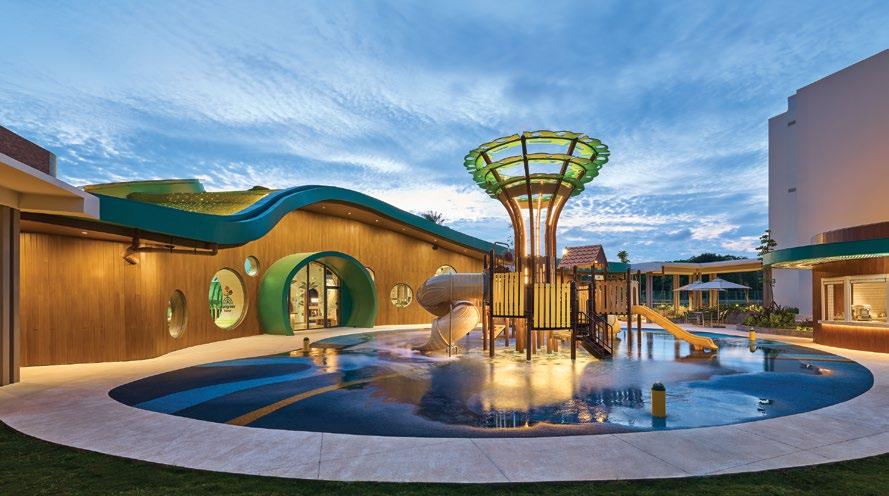
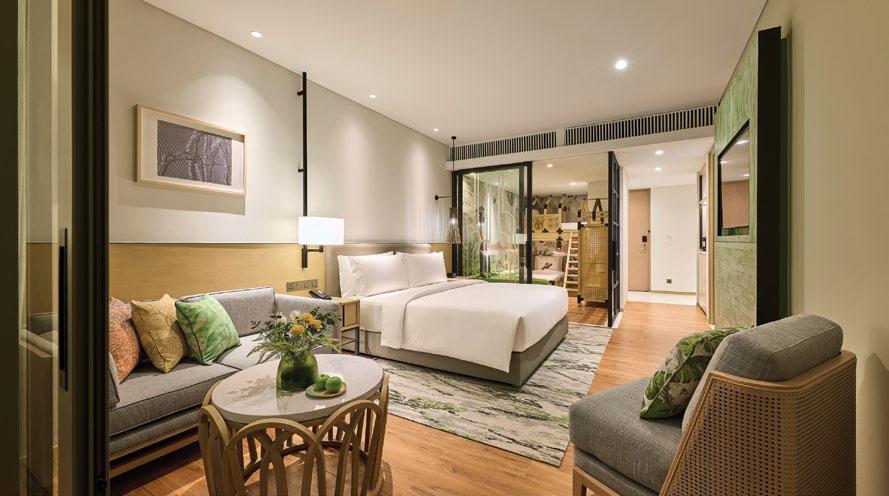
Immerse yourself in culture and creativity at Hotel Indigo Bintan Lagoi Beach, or enjoy e ortless family fun at Holiday Inn Resort Bintan Lagoi Beach - where kids stay and eat free. Two resorts, one unforgettable island escape.
SALTWATER SANCTUARY
Invite the sea into your backyard with the Intex Ultra XTR frame pool, which swaps chlorine for a saltwater system. With a galvanised steel frame, volleyball net, and 12-person capacity, this aboveground pool is a hydrating revolution against the chemical burn.
From USD1,999.99, intexcorp.com DETAILS | Style
MARBLE WALLS
DRENCH WARFARE
The SpyraThree is a sci-fi Songkran blaster with a digital ammo display and three firing modes, including a 15-metre PowerShot. You’ll never run out of H2O ammunition because it auto-reloads in seconds, turning that street skirmish into a full-blown, tactical operation.
USD169, spyra.com
The “adult kiddie pool” gets a couture makeover with Minnidip’s tufted, marbleised creation. This inflatable features a swirl design, turning backyards into Instagramready oases. Also, its tall, sturdy vinyl walls support lounging adults while keeping tiny tots at bay.
USD50, minnidip.com
HOT DOGS
Why choose between a pet pool, a splash pad, and a sprinkler? Eooqi’s collapsible haven combines all three, with adjustable rim jets transforming your garden into a water wonderland. The foldable design features high-density fibreboard and abrasionresistant, non-slip fabric, perfect for everyday canine mayhem.
From USD57.99, amazon.com
LET IT REIGN
Combining championship golf, private homes, and an international school, Reignwood Park makes an ambitious bid to redefine the integrated estate
BY AL GERARD DE LA CRUZ
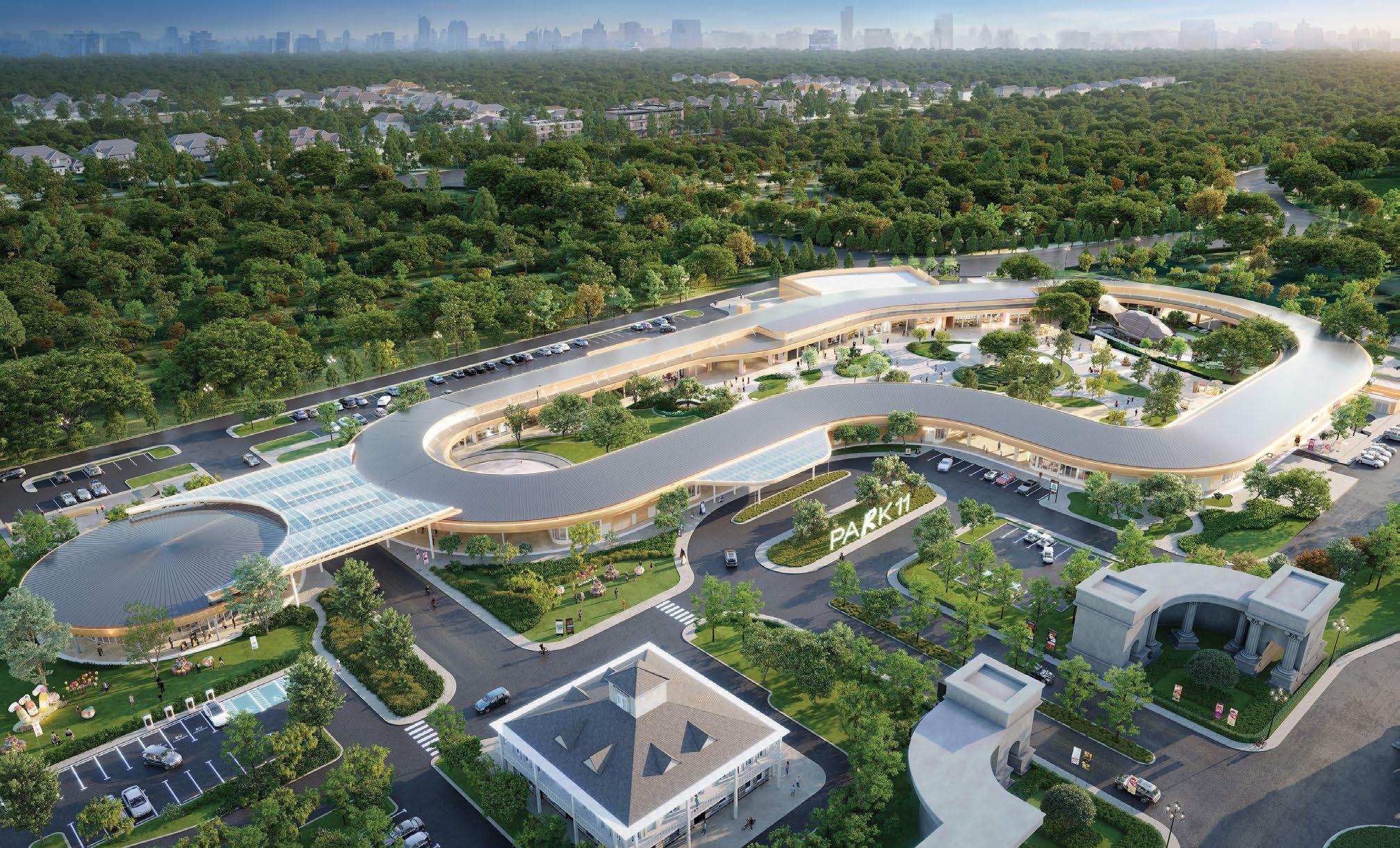
WITH THE IMMINENT ARRIVAL OF THE PARK11 MALL, REIGNWOOD PARK IS ON THE VERGE OF REALISING ITS GOAL AS A NEXUS FOR COMMUNITY AND LEISURE IN GREATER BANGKOK
For most of its modern history, Bangkok has been enough of a city, sustained by the organised chaos of its central business districts.
Yet the urban agglomeration continues to push outward, populating its edges through rapid transit lines and new residential communities, each more ambitious than the last.
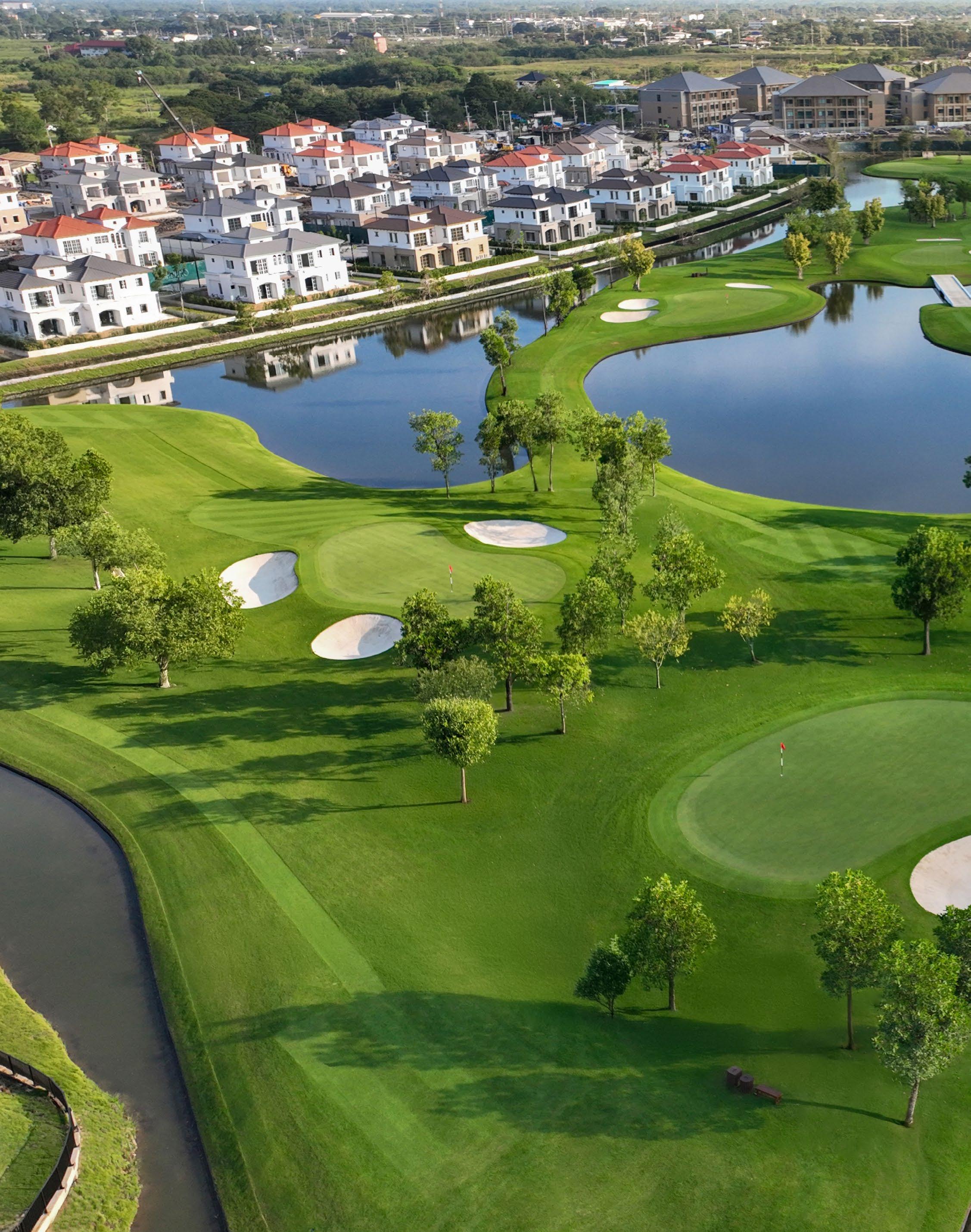
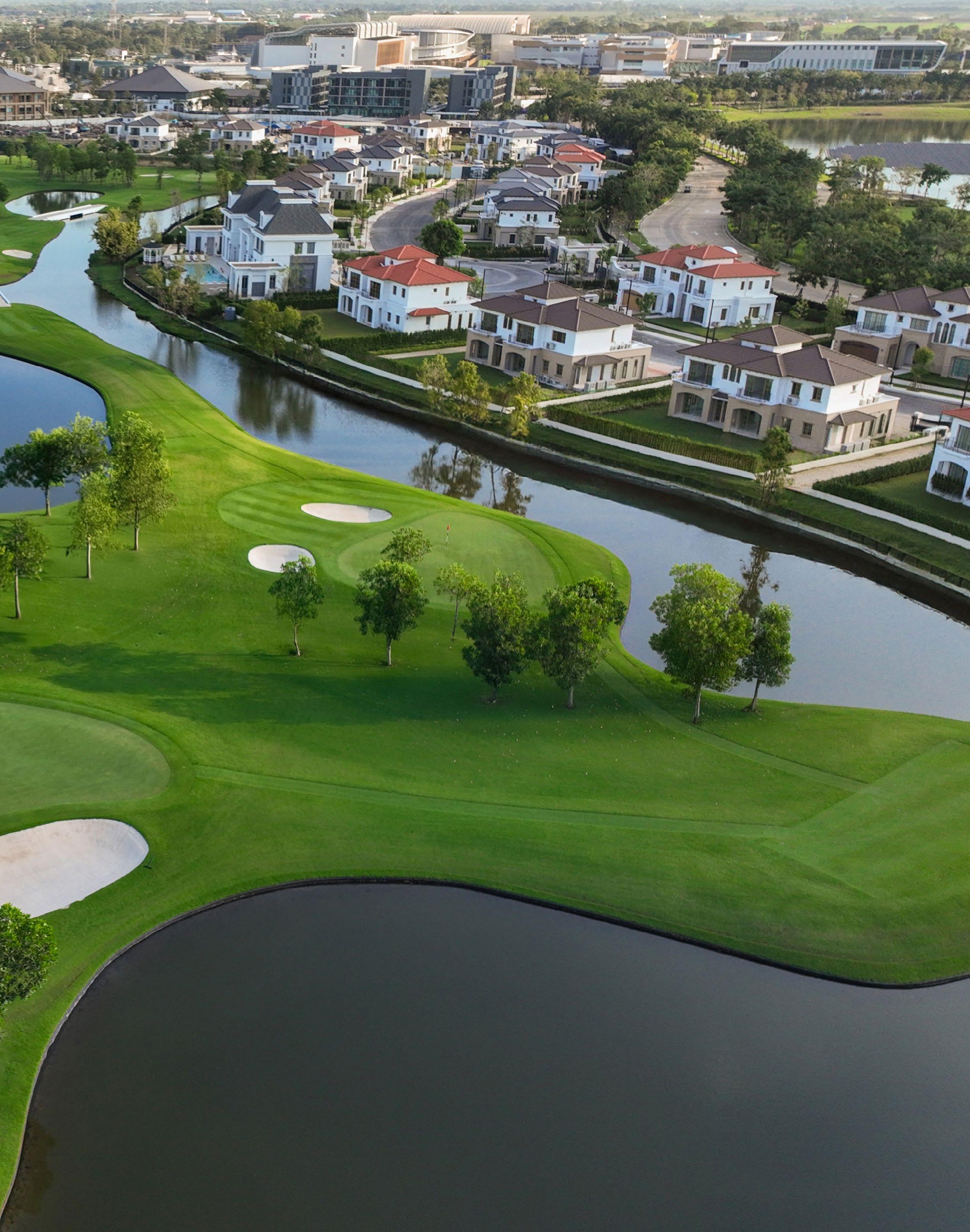
In January 2024, a different kind of ambition officially opened its gates on the periphery. Reignwood Park, a THB50-billion (USD1.4 billion) development sprawled across 2,000 rai in Pathum Thani province, attempts to build a complete city where none existed before, with components spanning education, sports, retail, and housing.
The project reflects the varied interests of its developer, Reignwood Group, the Beijing-headquartered conglomerate founded in Thailand in 1984.
With global holdings ranging from fast-moving consumer goods to finance, the multinational first entered public consciousness when it introduced Red Bull to China in 1995. Real estate, however, has long been central to its portfolio. Its assets include London’s historic Ten Trinity Square, home to a Four Seasons Hotel, and Surrey’s Wentworth Club.
“Through our global experience of development in China and the UK, among others, it is a pleasure to bring our commitment to excellence back to Thailand,” says Stuart
Daly, the project’s chief operating officer. “Reignwood Park is not just an address; it is a legacy in the making.”
For founder Chanchai Ruayrungruang, who moved to Thailand from China’s Shandong province as a youngster, Reignwood Park represents a kind of homecoming. The idea began in 2020 when he sought a haven where he could play golf with friends.
That pandemic-era desire for escape evolved into a colossal project now helmed by his daughter, Woraphanit Ruayrungruang, the group’s chief executive.
“He is the most important person in my life,” Woraphanit tells the PropertyGuru Asia Property Awards, where the project has won Best Luxury Mega Township Development, among other accolades. “We couldn’t be here without his full support.”
Securing a 2,000-rai plot near central Bangkok or its airports would have been near impossible, even for Reignwood Group. The team looked farther afield, eventually acquiring its site in Lam Luk Ka.
The wider Pathum Thani area stands to benefit from recent comprehensive city plan revisions, reclassifying land from agricultural green zones to higher-density yellow, orange, and red designations. Further unlocking value, the Chalong Ratch Expressway extension is under construction and expected to open by 2028.
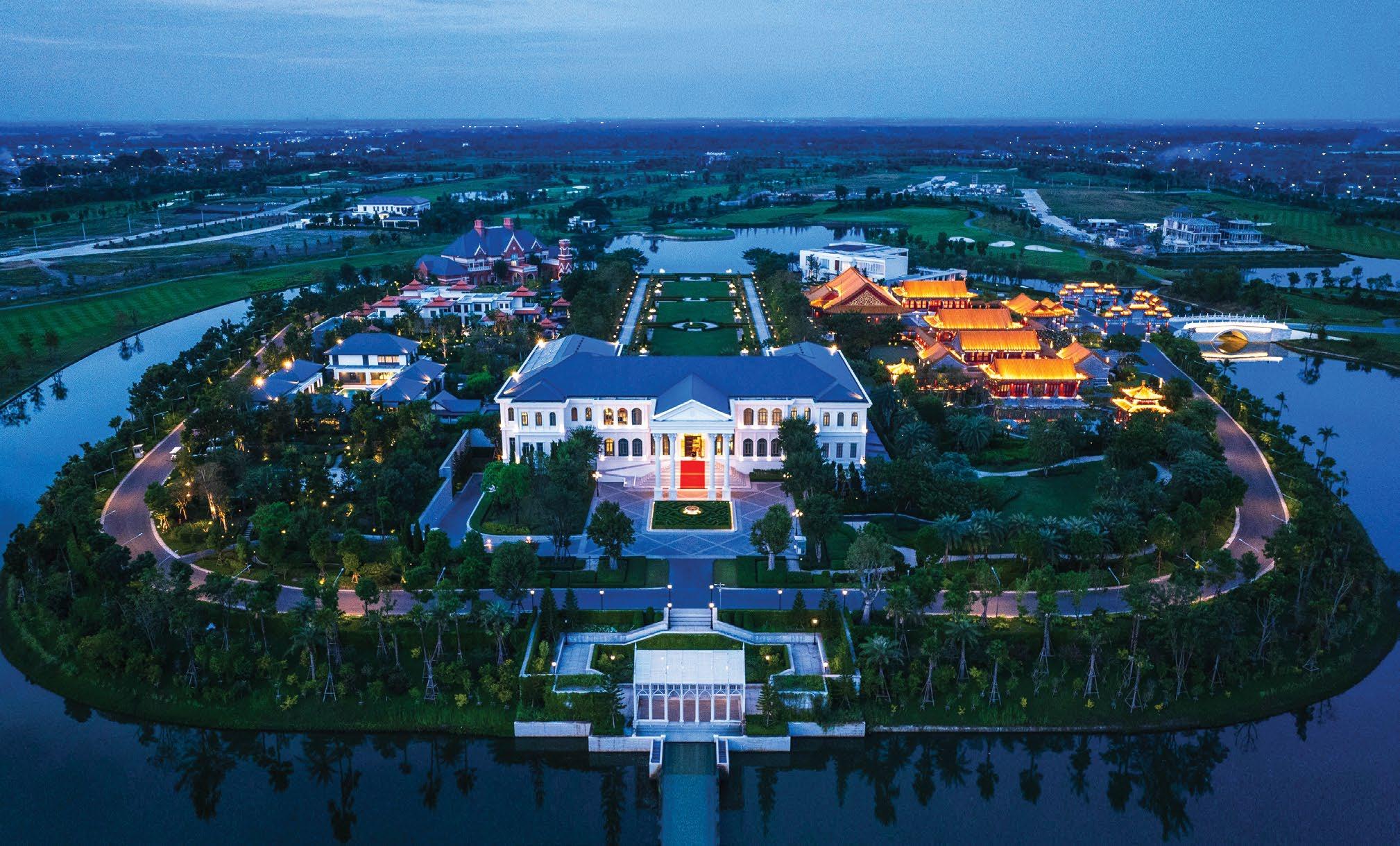
REIGNWOOD PARK CREATES A CULTURAL MELTING POT WITH LANDMARKS RANGING FROM A TRIBUTE TO BEIJING’S SUMMER PALACE TO A MODERN HOME ECHOING THE GRANDEUR OF STATESIDE MANSIONS
Bangkokians have increasingly gravitated to Reignwood Park, whose centrepiece, the 18-hole championship course Robinswood, has already hosted international sporting figures. Jack Nicklaus designed Robinswood’s predecessor, Reignwood Pine Valley, a 54-hole, invitation-only club near the Great Wall of China.
In January, Robinswood hosted the Reignwood Icons of Football event, bringing athletes including Gareth Bale, Ryan Giggs, and Andriy Shevchenko onto the fairways.
Designed by Thai firm Ixora Design, the course features SubAir moisture-control technology, the same system used at Augusta National in the United States, along with bright quartz bunkers. The 340-yard driving range sits on natural grass and incorporates TrackMan Range technology for swing analysis.
The signature 12th hole, a par three, requires a tee shot over water to a fruit-shaped island green. “The apple of Robinswood’s eye,” the club calls it, a playful nod to elevation shifts and cross-water breezes that demand precision and decisiveness.
Reignwood Group also sought permission from the Chinese government to replicate the Hall of Benevolence and Longevity from Beijing’s Summer Palace on an island within Robinswood. While the castle-like clubhouse echoes Wentworth’s crenellated silhouette, this landmark, used for
member events, pays tribute to the group’s heritage in an East-meets-West gesture.
At Robinswood, The Estate collection comprises 41 bespoke mansions on plots of 1.5 to 3 rai within the club grounds. Designed by PIA, A49, IA49, and Aesthetic Architect, the homes begin at 1,500 square metres of usable space, with construction prices reaching up to THB300 million per residence.
At the other end of the spectrum, though no less refined, are the Sanctia low-rise condominiums, offering units from 40 to 65 square metres.
The 101 landed homes in the Sereno collection occupy plots of 155 to 255 square wah near the par-three course. They are offered in four architectural styles: Mediterranean Essence, Pastel Brick Elegance, Spanish Influence, and Earthy Stone Charm. Interiors can be personalised in collaboration with Reignwood’s partner designers.
The 352 detached homes in the Sonia collection target families seeking entry into the Reignwood lifestyle at a lower price point. Plots range from 68 to 100 square wah, with living areas starting at 180 square metres.
All homeowners automatically receive membership at Robinswood Golf Club.
Our goal, through our credo of bringing world-class communities for multigenerational living, is to enhance the lives of our residents and the wider community
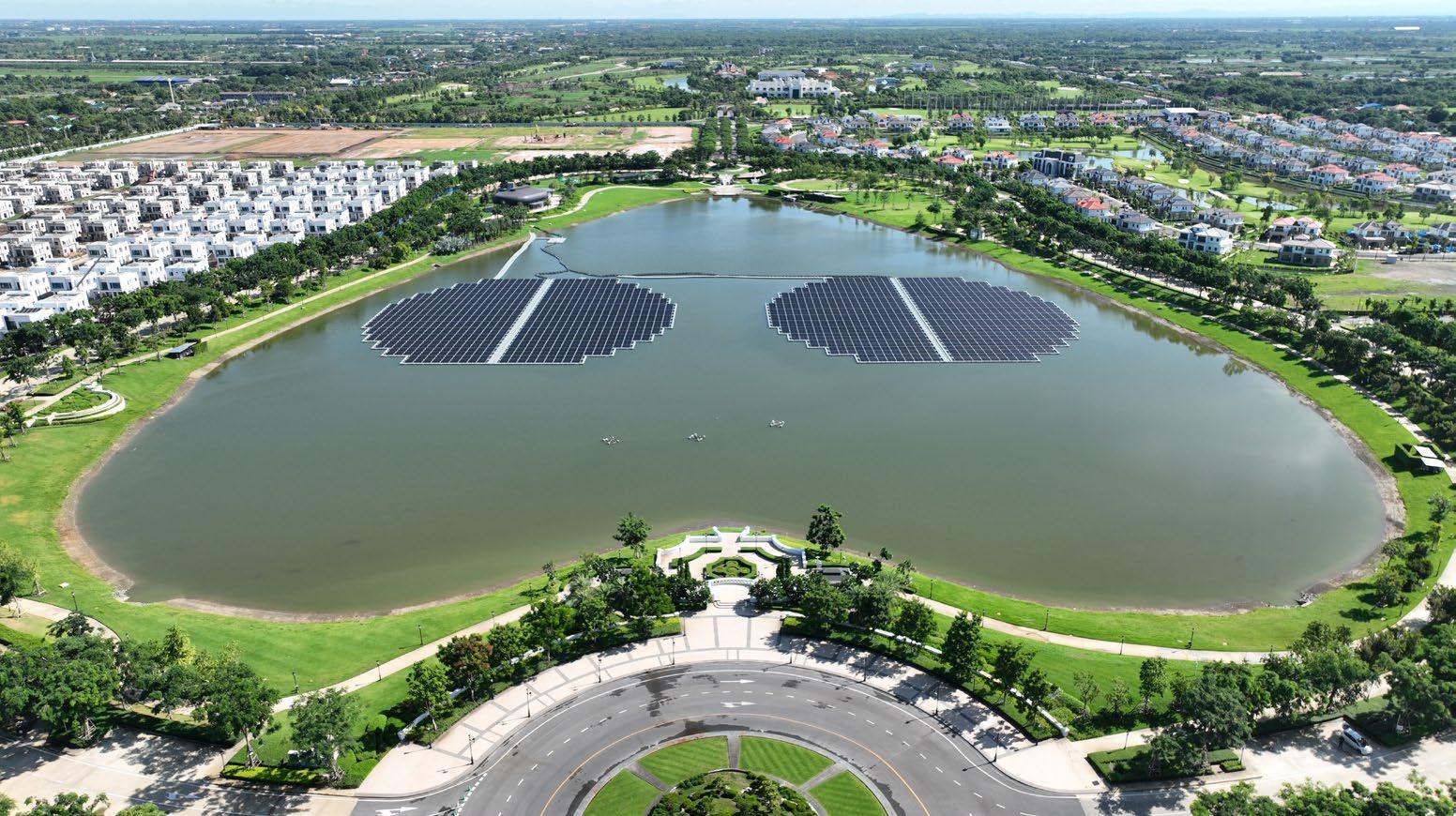
MORE THAN JUST A COMELY WATER FEATURE, HEART LAKE IS CORE TO THE TOWNSHIP, ITS WATERS HELPING CYCLE RENEWABLE ENERGY THROUGHOUT THE COMMUNITY
HEART OF THE MATTER
While Robinswood forms the nucleus of Reignwood Park, its true centre is Heart Lake, a 57-rai reservoir unmistakably shaped as its name suggests.
Its function is ecological rather than decorative. Heart Lake anchors a closedloop water system that allows the 2,000-rai township to operate without wastewater discharge. Twenty-eight aeration units maintain water quality for reuse across the golf course and landscaping, which includes more than 10,000 mature trees spread over 700 rai of green space.
Overall, greenery accounts for 35% of the site, interwoven with 10 kilometres of cycling and running tracks.
Floating on the lake is a solar array shaped to follow the heart’s contours when viewed from above. Using JinkoSolar’s N-type Tiger Neo panels, it generates more than two megawatts of renewable energy. Sixteen additional solar installations across the estate deliver further capacity.
N-type TOPCon panels outperform conventional P-type systems through higher energy density, lower degradation, and cooler operating temperatures, making them suited to Thailand’s climate. The installation is designed for a 30-year lifespan.
“It is our responsibility to create a better world for future generations,” founder Chanchai Ruayrungruang says in a statement. “Through our commitment, together we can create a better future.”
“Our goal, through our credo of bringing world-class communities for multigenerational living, is to enhance the lives of our residents and the wider community,” says Daly.
Reignwood Park’s low-density residential formats arrive at a transitional moment for Bangkok property, following last year’s earthquake. Across the estate, construction standards respond carefully to ground conditions.
Deep pilings anchor structures in Bangkok’s soft clay, while wall systems incorporate crack-prevention techniques to enhance durability and finish. Locally sourced materials, including handcrafted clay tiles valued for their texture and longevity, feature throughout.
The landscape is designed for airflow. Graded elevations channel prevailing winds across the site, supporting passive cooling. During monsoon season, breezes refresh; in hotter months, they temper heat build-up.
A closed-loop water system allows the development to operate without wastewater discharge. At its core lies Heart Lake, a 57-rai body of water maintained by aeration units for reuse on the golf course and landscaped areas. A twomegawatt floating solar array generates renewable energy atop its surface.
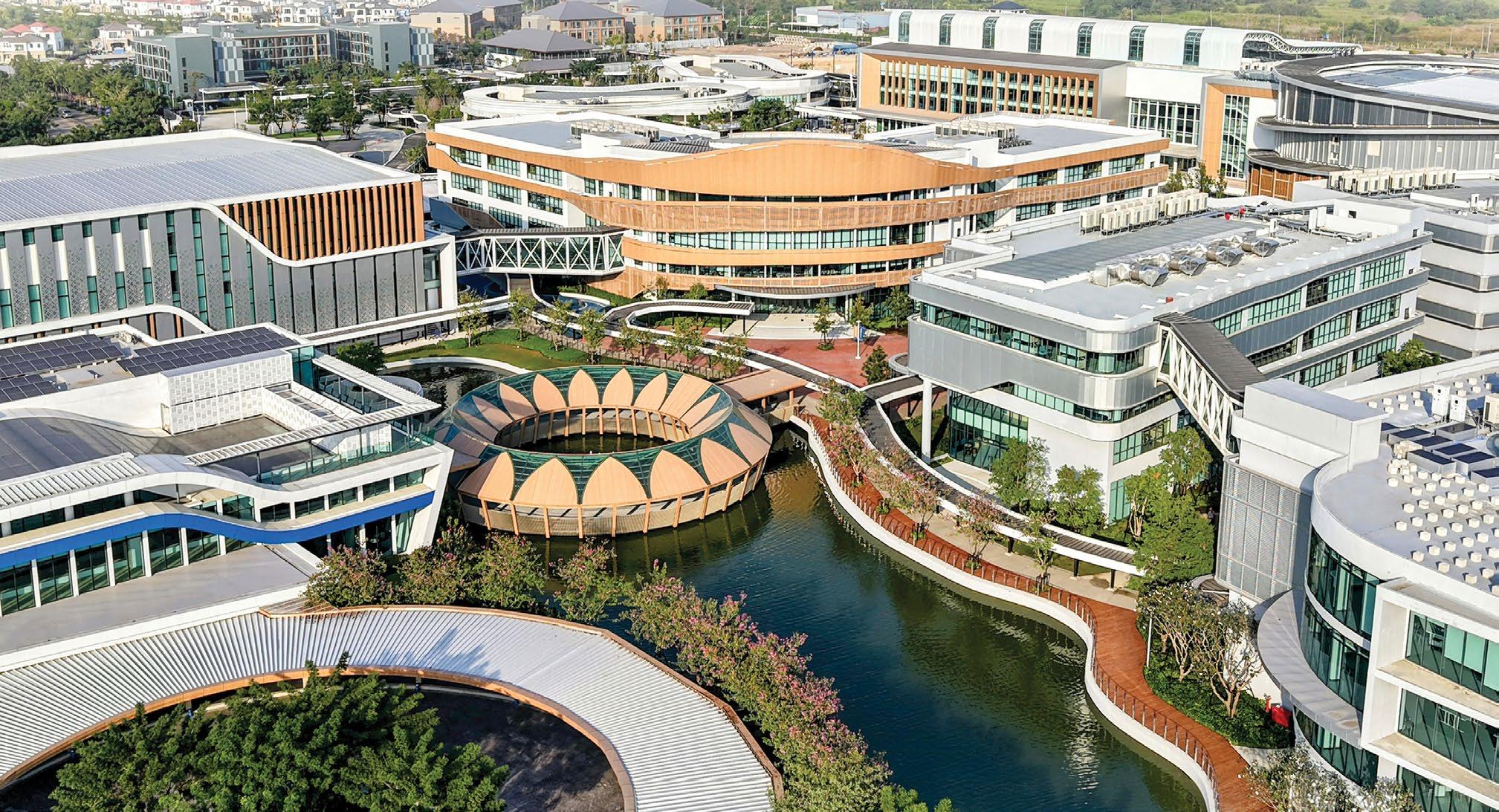
Education followed in 2025 with the opening of KIS International School Reignwood Park, a THB5-billion, 150-
rai campus designed by Copenhagen-based Rosan Bosch Studio. The school achieved LEED Gold certification, supported by a 1,400-kWp solar system, high-performance glazing and insulation, LED lighting, water-saving fixtures, rainwater harvesting, and energy-efficient HVAC systems.
The campus extends learning outdoors through expansive green spaces and dedicated student farming plots. KIS offers the full International Baccalaureate curriculum for students aged three to 18, with capacity for up to 2,500 pupils, including boarders.
PARK11, an 8,600-square-metre open-air community mall opening this year, builds on the project’s educational focus with a water conservation and aquatic life learning centre. A THB1-billion, 18,000-square-metre sports complex is scheduled to follow in 2026.
The city within a city is beginning to stir. As of early 2026, approximately 30% of residential units had been sold. Thai nationals account for 70% of purchases, with foreign buyers acquiring homes on 30-plus-30-year leasehold structures.
“Our mission is to create a world-class community for multigenerational living that connects education, living, sports, wellness, and culture to meet the evolving needs of modern families and secure a sustainable future for the next generation,” says Woraphanit.
A CORNERSTONE OF REIGNWOOD PARK, THE LEED-CERTIFIED KIS INTERNATIONAL SCHOOL OFFERS WORLD-CLASS EDUCATION AND A REASON FOR FAMILIES TO CALL THIS TOWNSHIP HOME
Sync for a minute
Chantale Wong on how mismatched timelines between cities and capital are stymying Asia-Pacific’s urban future
BY LIAM ARAN BARNES
EXAMPLE OF HOW TRANSPORT CAN TRANSFORM URBAN CONNECTIVITY
Urbanisation in the region is frequently framed in physical terms: skylines, density, congestion, and liveability rankings. But the real tension sits elsewhere. It lies between generational ambition and short-term capital. Cities speak in decades, while financing structures, whether public or private, operate on far narrower timelines. That mismatch shapes everything from transit sequencing to housing affordability and climate resilience.
When rail arrives late, land values have already shifted. When housing is built far from employment centres, transport costs quietly erode affordability. When flood defences are treated as engineering projects rather than governance challenges, maintenance gaps widen. These are rarely failures of intent. They reflect misalignment between institutions, incentives, and time horizons.
Across the Asia-Pacific, that coordination challenge is intensifying. The region contains some of the world’s fastestgrowing urban populations alongside some of its most climate-exposed coastlines. Informal settlements sit beside high-value commercial districts. Metro systems expand even as car ownership rises. Fiscal pressures mount just as infrastructure needs multiply. The cost of poor sequencing compounds quickly, and the burden rarely falls evenly.
Much of that pressure is invisible. It sits within financing frameworks, land policy, procurement rules, and negotiations between agencies and investors that determine what gets built, where and when. The urban form we see is the outcome of those upstream decisions.
Few people have observed that gap as closely as Chantale Wong. As former US Director and Ambassador-level representative to the Asian Development Bank, she worked at the intersection of public policy, infrastructure finance, and regional development, where investment decisions shape cities long before projects break ground. Her background in civil and environmental engineering informs a view of cities as interdependent systems, where transport, housing, water, land, and governance cannot be planned in isolation.
From Bangkok’s transit expansion to Manila’s flood vulnerabilities and the evolution of districts such as Bonifacio Global City, Wong has seen how urban performance depends less on individual projects than on how well the pieces connect. Outcomes are shaped long before cranes arrive, in the design of financing frameworks, the sequencing of infrastructure, and the priorities set around decision-making tables.
In a recent exchange, she outlined how the mismatch between generational urban ambition and short-term capital is playing out across the region’s cities, and the decisions leaders can no longer afford to delay.
What do people still underestimate about the pace and long-term consequences of urbanisation across the Asia-Pacific?
People still underestimate how irreversible today’s urban decisions are. Across the Asia-Pacific, land-use, infrastructure, and housing choices made now will shape
cities for generations. Once density is built without adequate transport, green space, or flood protection, correcting it later becomes enormously costly, both financially and politically. The consequences show up not just in congestion or housing stress, but in resilience—in who is protected during shocks and who is not.
How has your background in civil and environmental engineering influenced the way you think about cities as systems?
Engineering trains you to think in interdependencies. A road is never just a road—it affects land values, drainage, emissions, and settlement patterns. Cities function as interconnected networks in which transport, housing, water, energy, and ecosystems constantly interact. When projects are designed in isolation, we often solve one problem while creating several others. Systems thinking forces better sequencing and clearer trade-offs.
From your time at the Asian Development Bank, where do you see the biggest gap between how cities want to grow and how that growth is financed?
The biggest gap I’ve seen is between the time horizons of cities and capital.
Urban ambition is generational. When a city expands its rail network, redesigns land use, or invests in flood protection, the benefits unfold over decades. Financing—whether public budgets constrained by annual cycles or private capital
structured around defined return windows—operates on much shorter timelines.
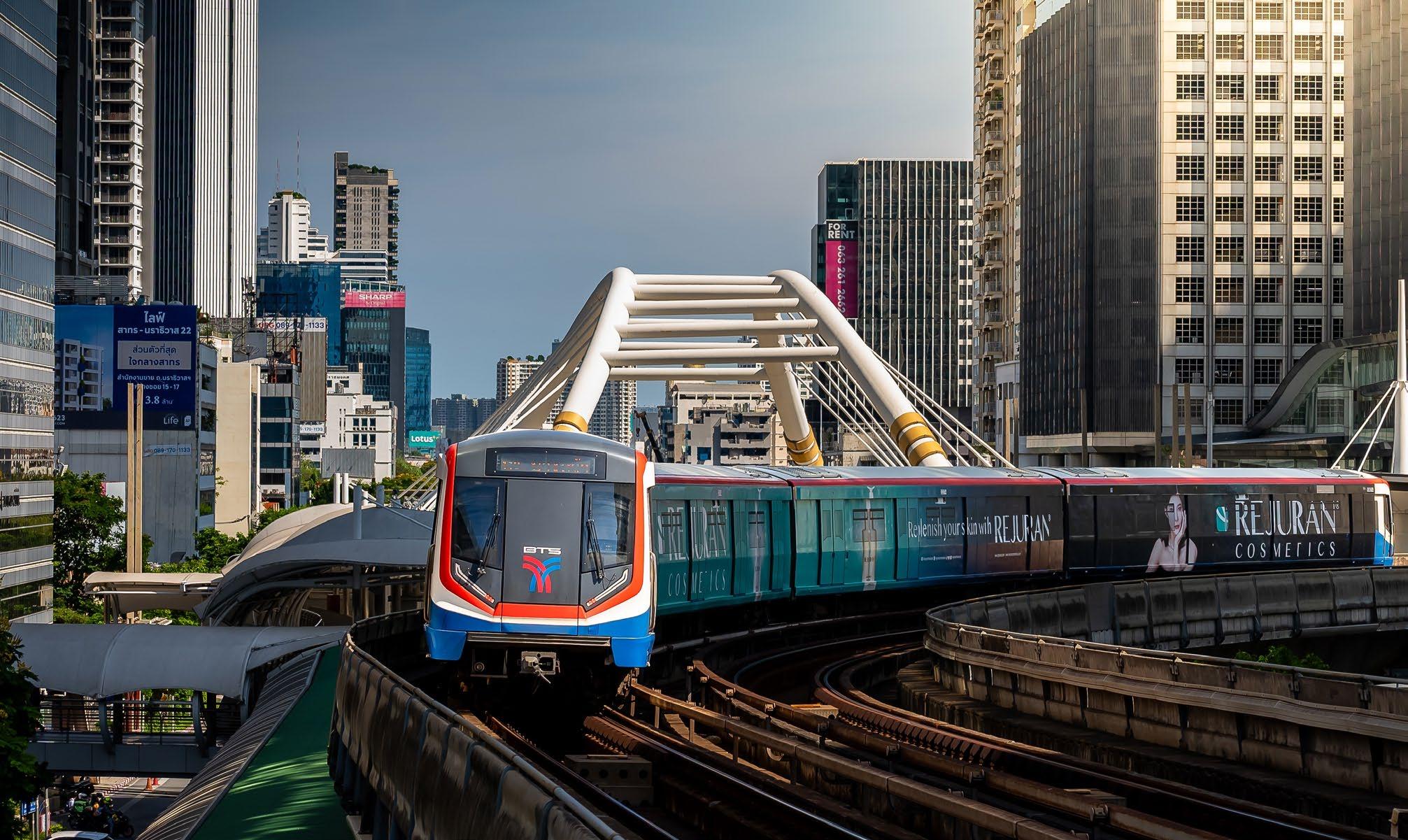
Bangkok offers a useful illustration. The expansion of the BTS and MRT networks has transformed connectivity in parts of the city. Yet transport expansion struggled for years to keep pace with urban growth and car dependency. Land values along transit corridors rose quickly once lines became operational, but aligning early financing with longterm spatial planning required coordination, and patience.
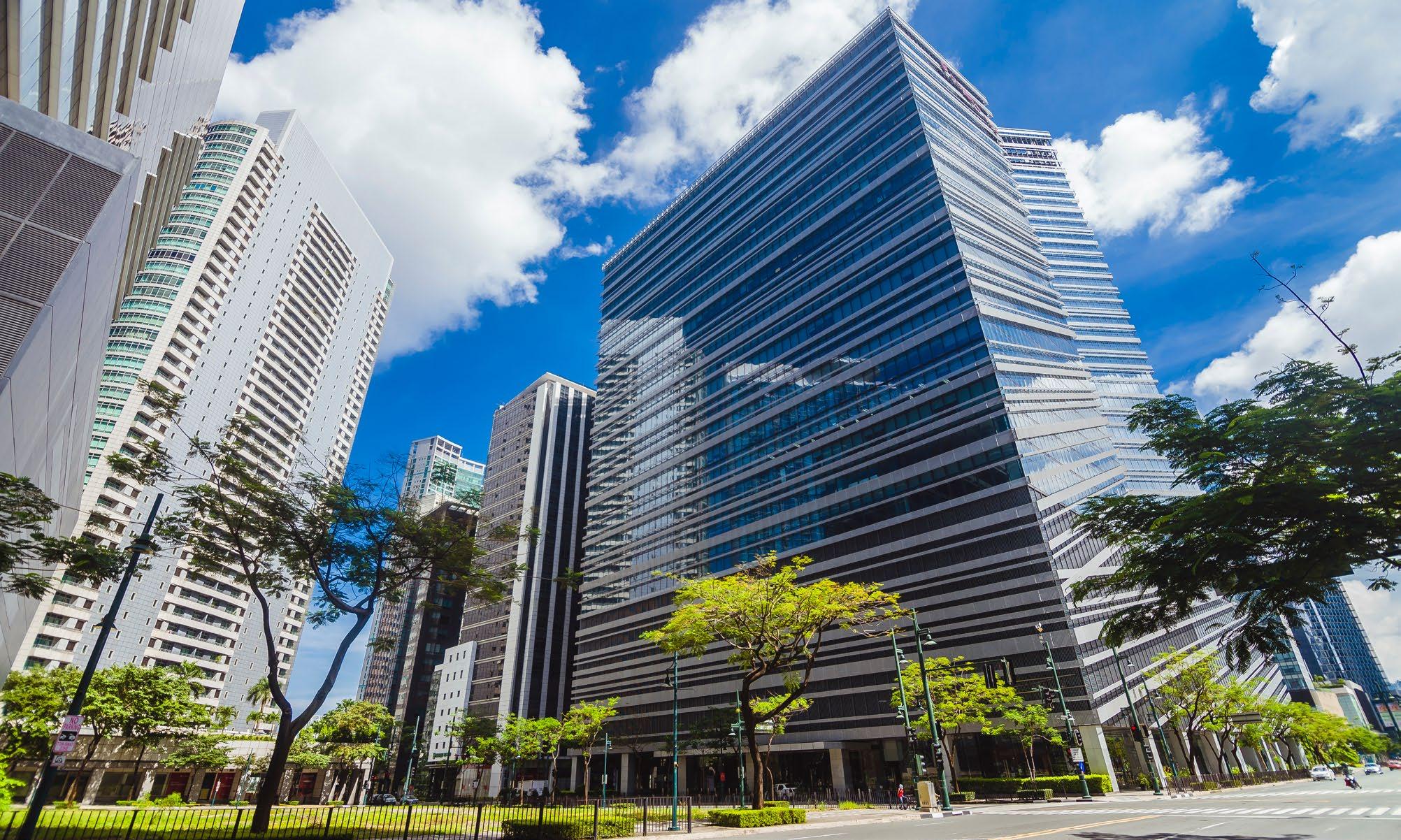
A complementary lesson can be seen in Bonifacio Global City in Manila, now nearing its 30-year mark. Early coordination between land planning, infrastructure sequencing, and relatively patient capital allowed value to compound over time. But even BGC illustrates the limits of project-level success. Transport into and out of the district remains a real challenge.
Cities often succeed or fail in their connections, particularly between housing and transport. Climate risk quickly exposes those weak links. Closing that gap requires financing frameworks that reward durability and integration, not just speed.
Is truly integrated planning across transport, housing, and climate realistic?
It’s realistic, but only when governance aligns incentives. Most breakdowns occur across institutional boundaries. Transport agencies plan corridors, housing agencies plan
DISJOINTED URBAN MANAGEMENT HAS EXACERBATED METRO MANILA’S ISSUES WITH FLOODING
units, and climate teams plan risk reduction, often on different timelines. Integration requires shared data, shared metrics, and leadership empowered to coordinate across silos. Where it works, someone is accountable for the whole, not just a piece.
Where do governments usually go wrong on housing affordability?
The most common mistake is equating housing delivery with housing affordability. Counting units is politically appealing. But affordability is about access to opportunity, not just supply.
In cities like Bangkok and Manila, housing built at the periphery may appear affordable initially. But if it is far from employment centres or reliable transit, households absorb the cost through long commutes, higher transport spending, and lost time. Over time, that erodes any initial gains.
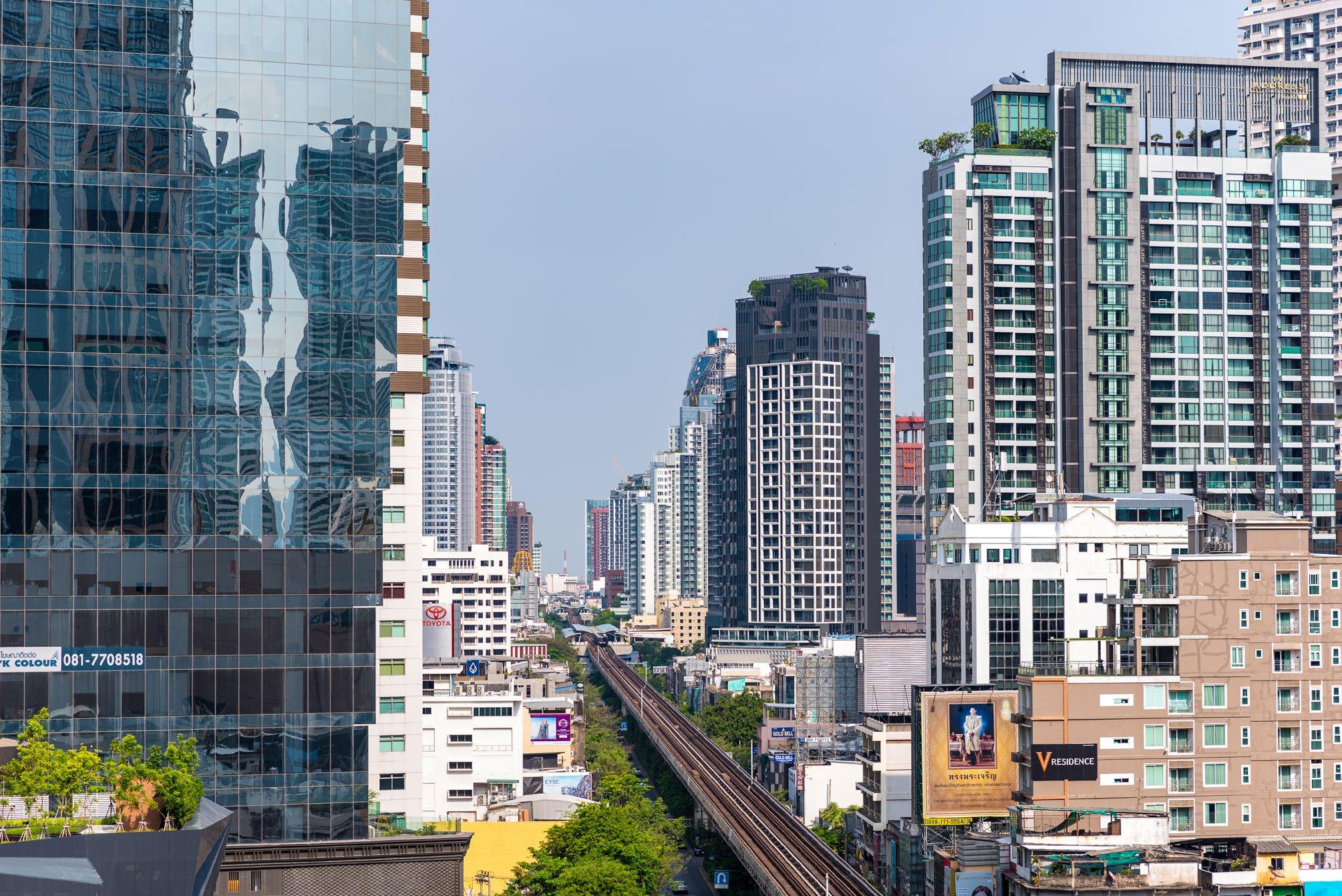
Bangkok’s transit-oriented development shows how location changes value. Condominiums near BTS stations command premiums because proximity reduces transport costs and improves quality of life. The same principle applies at the lower end of the market; affordability depends on integration with transport and services, not simply price per unit.
Affordability also depends on financing structures, including mortgage access, rental regulation, tenure security, and land policy. Without coordinated land-use and infrastructure planning, subsidies can inflate land values rather than lower household burdens. Successful strategies treat housing as part of the wider urban economy.
What strategies can cities employ to reconcile short political cycles with the extended timelines required for infrastructure projects?
They do it by institutionalising long-term planning beyond any single administration. Metropolitan frameworks, independent planning bodies, and durable financing mechanisms help maintain continuity. Leaders still receive credit for progress, but the vision extends beyond them. Cities that succeed treat continuity as a strength, not a constraint.
What roles can private developers and investors realistically play in shaping improved urban outcomes?
Private capital brings scale, speed, and innovation. Developers can deliver housing, regenerate districts, and introduce mixed-use or transit-oriented models. But markets alone will not deliver inclusion or resilience. Governments must set clear rules, price risk appropriately, and invest in enabling infrastructure so private investment reinforces
BANGKOK’S TRANSIT-ORIENTED DEVELOPMENT SHOWS HOW LOCATION CHANGES VALUE, SAYS WONG
public goals rather than undermines them.
What common errors do cities make when responding to climate and environmental risks, particularly from a governance perspective?
One of the most persistent mistakes is treating climate risk as a purely technical problem.
In Manila, flooding is worsened not only by heavy rainfall or sea-level rise, but by trash clogging drainage systems. When waste management, land use, and water infrastructure are planned separately, even well-designed flood defences fail.
This issue is recognised even in well-managed districts like Bonifacio Global City, where waste management is understood as a resilience issue rather than simply a cleanliness one. Resilience depends as much on governance and maintenance as on engineering design. For investors and developers, that matters because operational resilience directly affects asset performance, insurability, and longterm value.
How does leadership representation influence urban outcomes from your experience?
Representation changes risk assessment and priority setting. When leadership reflects a broader range of lived
urban experience, different questions get asked: Who uses this transport system? Which neighbourhoods are prioritised for upgrades? How are safety and accessibility defined?
In rapidly growing cities, mobility patterns vary by income level and gender. If those perspectives are absent at senior levels, blind spots emerge. Inclusive leadership doesn’t guarantee perfect outcomes, but it reduces blind spots. Urban outcomes are shaped long before construction begins—at the table where priorities are set.
Looking ahead, what is one decision city leaders must not delay?
They can no longer delay planning for both climate-resilient and affordable urban growth. Treating housing, transport, and resilience as sequential problems is no longer viable. Delay compounds. The cities that act now will define the region’s urban future.
Urban ambition is generational. Financing operates on much shorter timelines
Craft as a compass
From Southeast Asian workshops to Himalayan summits, Goy Architects’ projects show how local materials and constraints shape a disciplined design language
BY LIAM ARAN BARNES
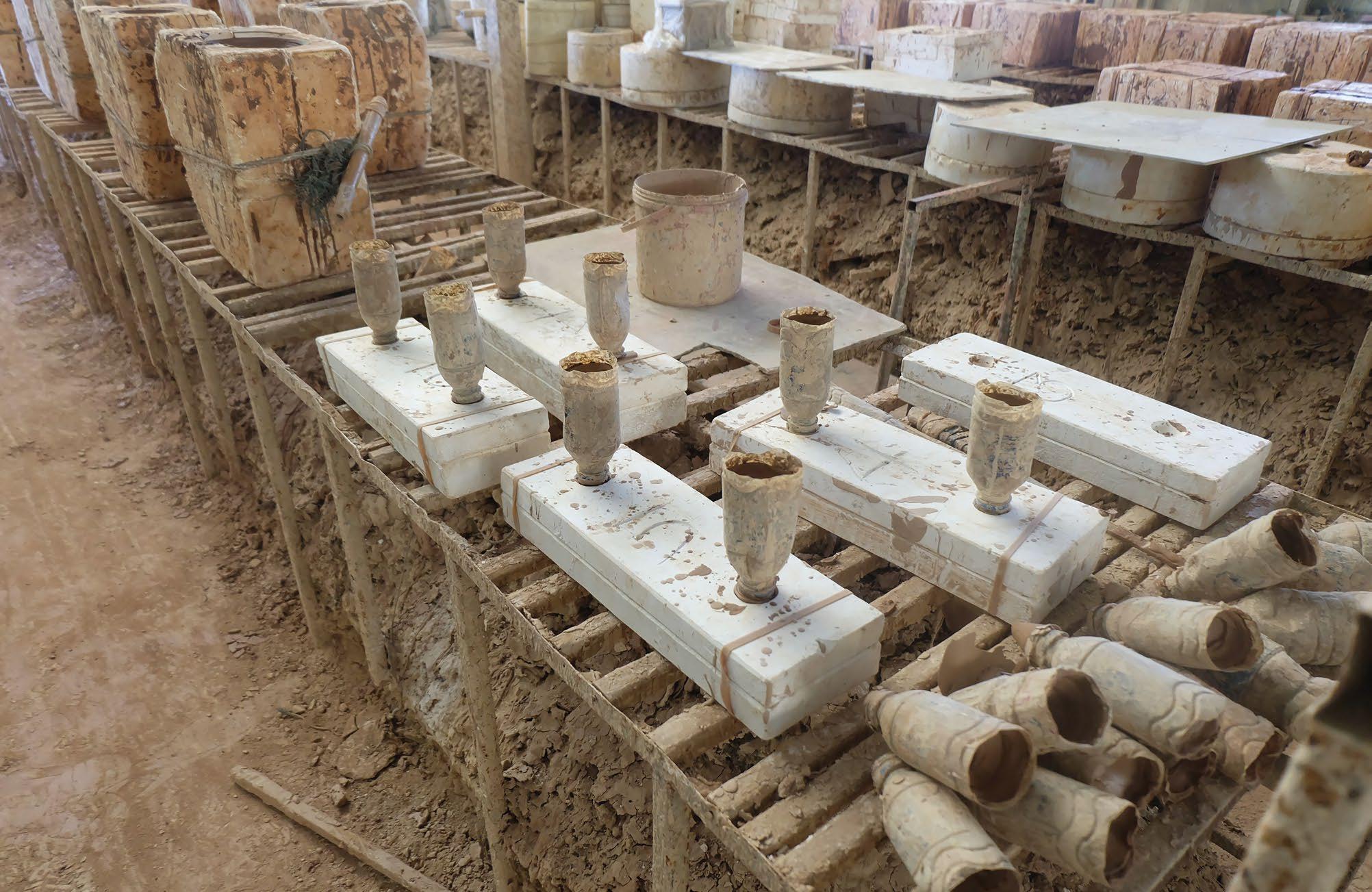
The workshop floor in Chiang Mai was thick with ceramic dust, and the air carried the sharp tang of wet clay. Bent over a worktable, Goy Zhenru watched as a local craftsperson poured slip into a mould, tapped it gently, and lifted away a newly formed concave tile. With a single stroke, excess clay was scraped clean. The piece was then set aside to rest before firing, one of dozens arranged in neat rows along the wall.
Goy was in northern Thailand filming a documentary for her master’s dissertation. A student of architecture at the National University of Singapore at the time, she was examining contemporary craft practices in Southeast Asia.
“It opened my eyes to the crafts in our region,” she recalls. “Not in a romantic way, but in terms of capability. There was so much knowledge embedded in the process, with decisions made through touch, repetition, and experience. I realised I didn’t want to practise architecture in isolation from that.”
It was a far cry from the polished renderings and abstract models of her studies. Shapes were determined by the mould, while drying times depended on heat and humidity. Even a slight change in glaze or proportion would immediately alter the outcome.
“Watching those tiles dry in the heat, I realised material isn’t just a finish,” Goy says. “It affects how something behaves, how it proportions itself, even how it ages. That really altered the way I think about design.”
Years later, in Zurich, that sensitivity to time took a more structured form. During her
internship at BUR Architekten, the working day followed a strict rhythm: mandatory 15-minute café breaks twice daily, German lessons in the mornings, and clear expectations around time and output.
“It was eye-opening,” Goy says. “The café breaks were compulsory, which sounds minor, but they created structure and respect for time. Everyone was treated equally. I learned that creativity doesn’t require chaos. In fact, discipline gives you the freedom to explore more confidently.”
The curiosity and structure Goy gained in Zurich inevitably informed the roots of her own studio. However, its beginnings were far less orderly. Goy Architects started life without a fixed address. In 2015, her “studio” was effectively the corner of a university library, where she worked between classes.
Even without a base, commissions began to arrive. Within months, she was working on a 12-room farmstay in Sukabumi, Indonesia, and a seven-storey industrial building in Singapore. On paper, it looked like an established practice. In reality, she was building as she went.
“I had to streamline everything,” Goy says. “There was no room for inefficiency. I needed systems that allowed me to move quickly, often across borders.”
She managed design, coordination, and client communication herself, frequently working across countries. Maintaining a portable studio allowed her to collaborate closely with teams in Indonesia and Thailand, as well as regional craftspeople.
GOY ZHENRU STRESSES THE IMPORTANCE OF FUSING LOCATIONSPECIFIC DESIGN TRADITIONS WITH A MODERN APPROACH TO ARCHITECTURE
There’s so much knowledge embedded in traditional processes. I realised I didn’t want to practise architecture in isolation from that
“That period defined the studio,” Goy reflects. “I became agile by necessity.”
One of her first residential projects to embrace that approach was Katong Gardens in Singapore. The brief called for a distinctive kitchen surface. Rather than consulting catalogues, Goy drew on her Chiang Mai experiences, collaborating with a Thai ceramic craftsperson to test tile profiles and glazes through repeated prototyping.
“The process felt very similar to what I had observed there,” she says. “We weren’t simply choosing a finish. We were shaping something together.”
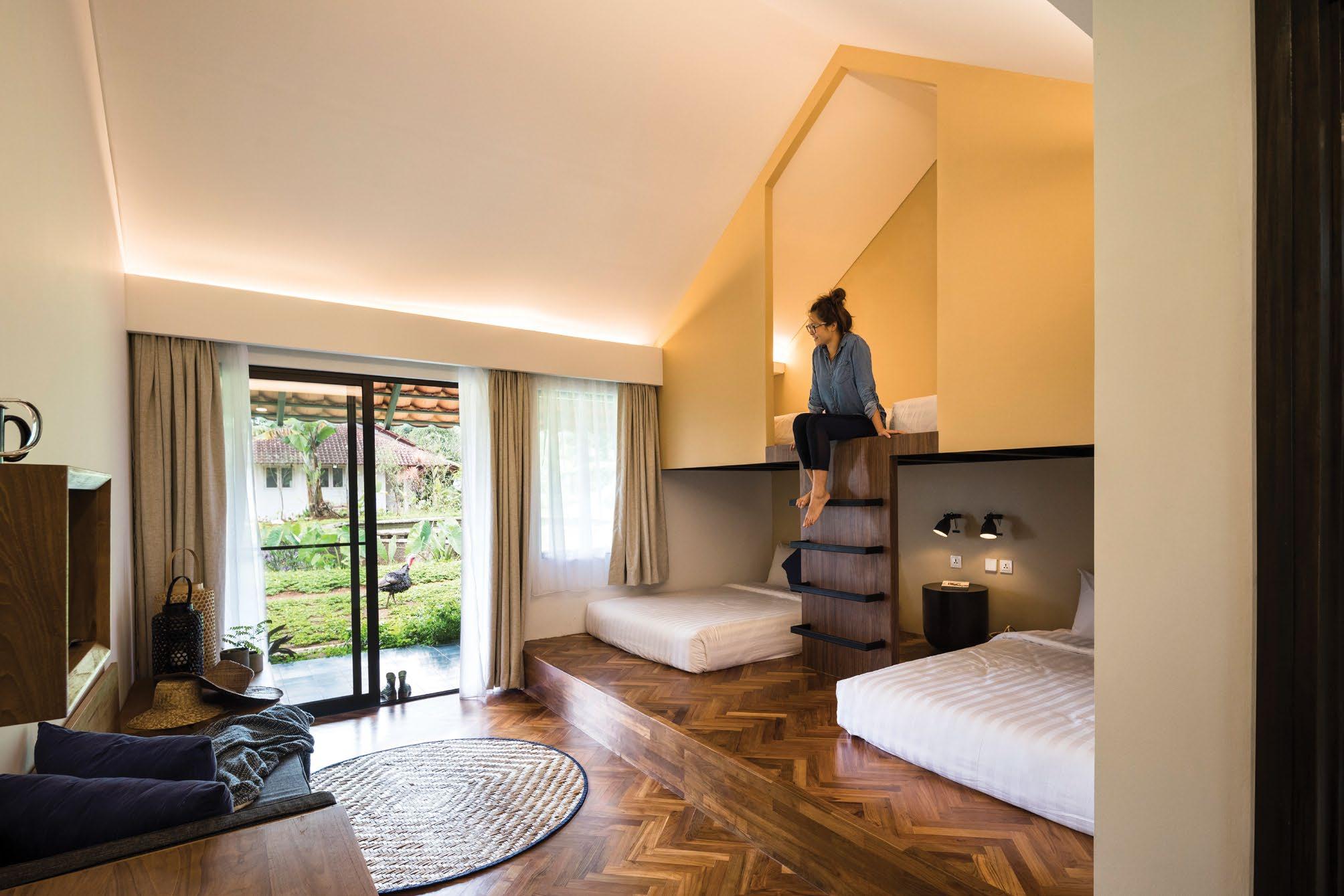
Sukasantai Farmstay brought that thinking to an architectural scale. Set at the foot of Mount Gede in West Java, the 12-room retreat allowed Goy and her team to work directly with regional materials and climate. Highland temperatures enabled natural ventilation, while timber detailing and handmade finishes were developed with local craftspeople using materials sourced nearby.
“Before that project, my interest in craft was more admiration from a distance,” she says. “Working on Sukasantai allowed us to experiment properly, to source directly, test and build with those materials in a contemporary way.”
The project later received recognition from the Singapore Institute of Architects. More importantly, it marked a shift in how the studio operated. Material decisions were integrated into procurement and
construction from the outset rather than introduced as surface treatments at the end.
From Mount Gede’s foothills to one of the world’s highest hotels, the studio continues to test architecture’s response to altitude and constraint.
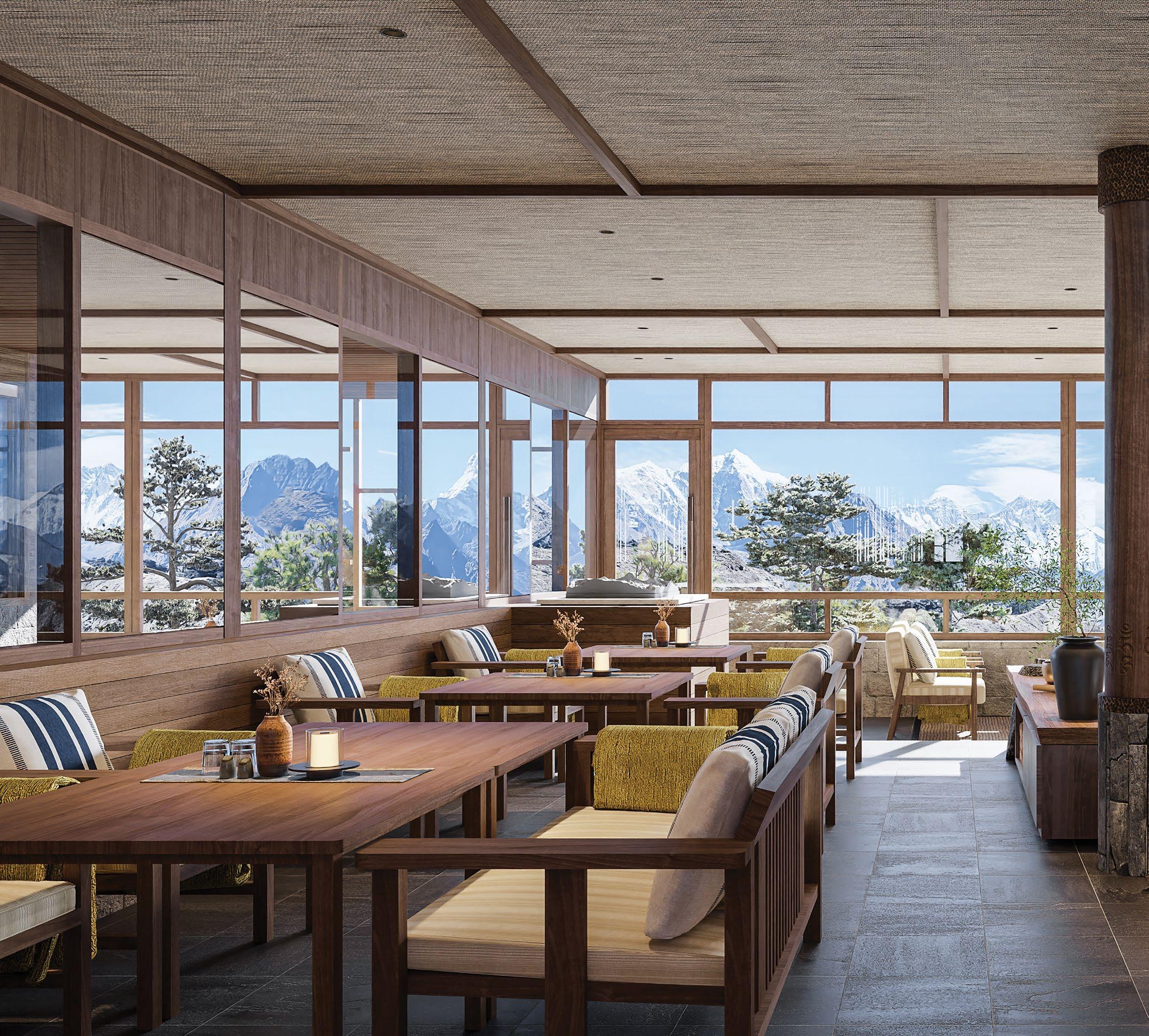
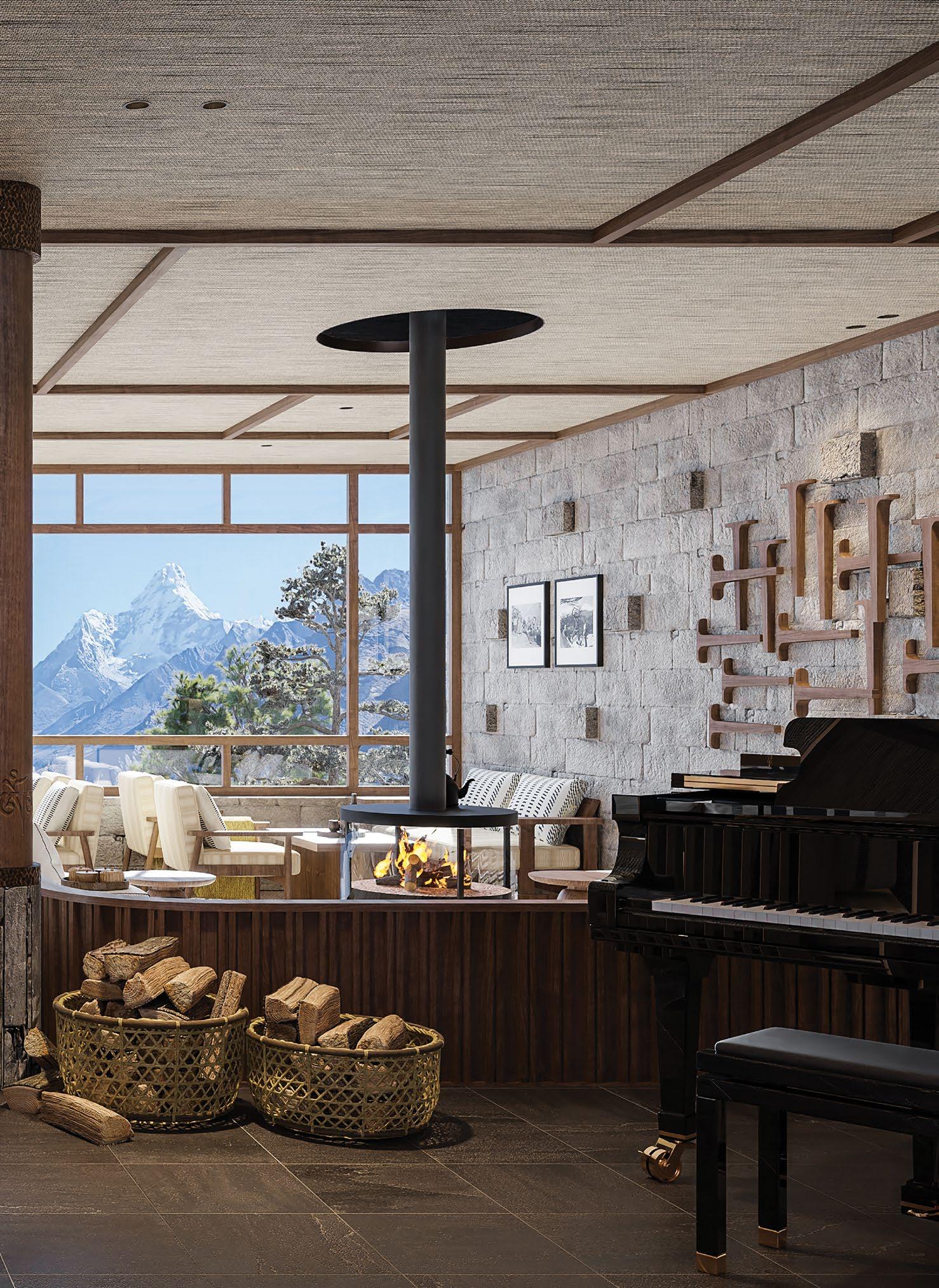
In 2023, Goy Architects was commissioned to refurbish Hotel Everest View, located 3,880 metres above sea level in Sagarmatha National Park, Nepal. The original hotel, built in the 1970s, required thousands of porters to transport timber up the mountain. Even today, access remains limited, and every material decision carries logistical consequences.
“I knew we had to replace only what was necessary,” Goy says. “Building at that height forces you to be careful.”
The refurbishment drew from Sherpa materials and techniques already embedded in the region, including woven textiles, handmade paper, and local stone. Her instinct, Goy says, is always to read a place before she redraws it.
“Sometimes, I joke that we are like a team of archaeologists,” she says. “We are always looking for clues in the site, in the materials, and in the rituals of the people who use the space.”
From workshop floor to the roof of the world, the same instinct guides the work. The task is not to impose, but to read and respond.
Sukasantai Farmstay, West Java, Indonesia
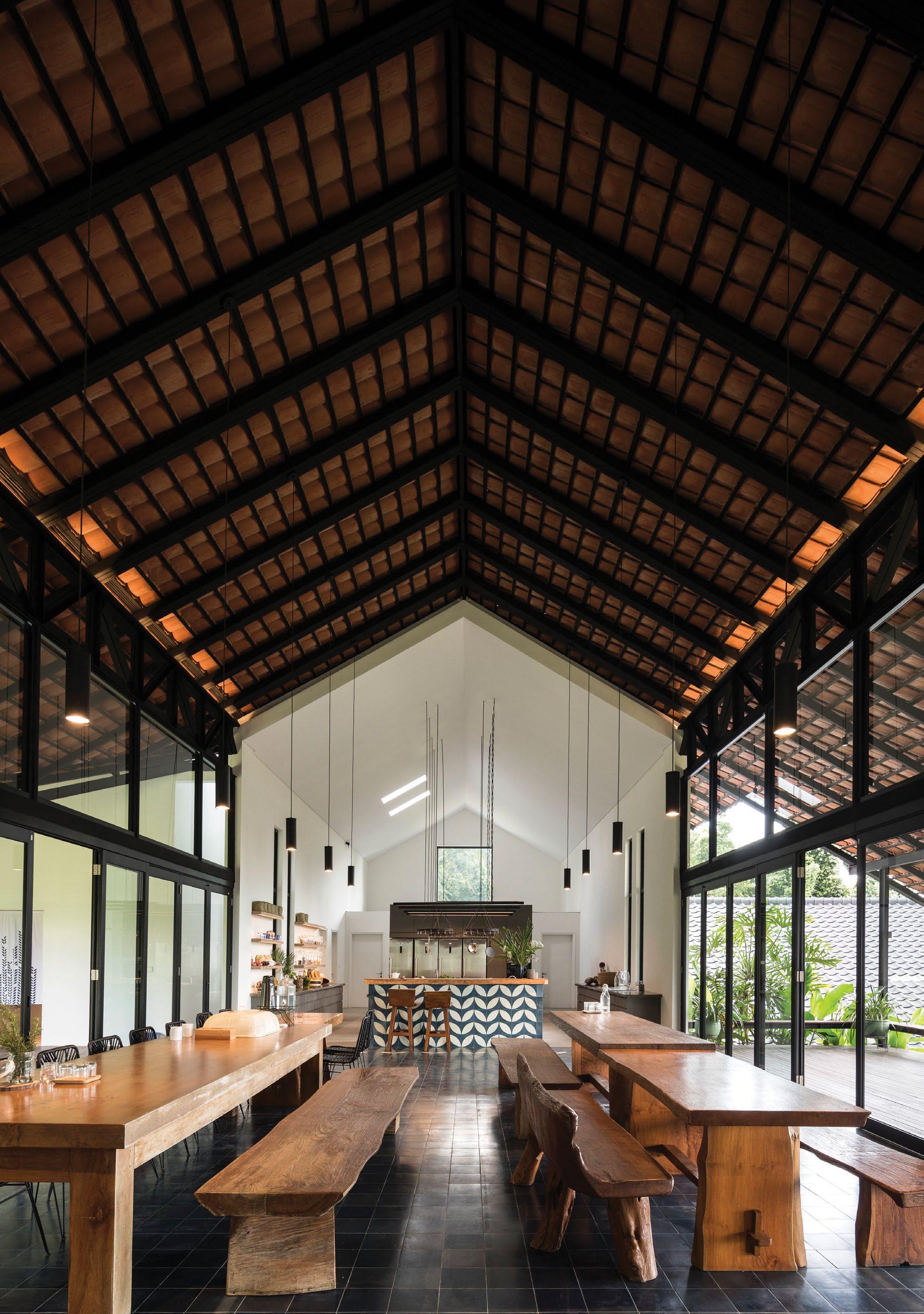
At Sukasantai Farmstay, 12 guest rooms are arranged in a single 75-metre linear block on a gently sloping six-hectare site at the foot of Mount Gede. Bathrooms line the roadside, shielding bedrooms that face a bamboo valley. A central dining hall, framed around a 10-metre ficus tree, anchors the plan as the project’s focal point.
Benefiting from the cooler highland climate, air-conditioning was unnecessary. This allowed the roof structure to be pared back, while rainwater is channelled through gravel swales into a reservoir for gravity-fed irrigation. In keeping with the locally responsive approach, timber detailing and handmade finishes were developed with local craftspeople using materials sourced nearby.
“We wanted to work with what was already there,” Goy says. “The site determined the architecture.”
1 Tannery Lane, Singapore
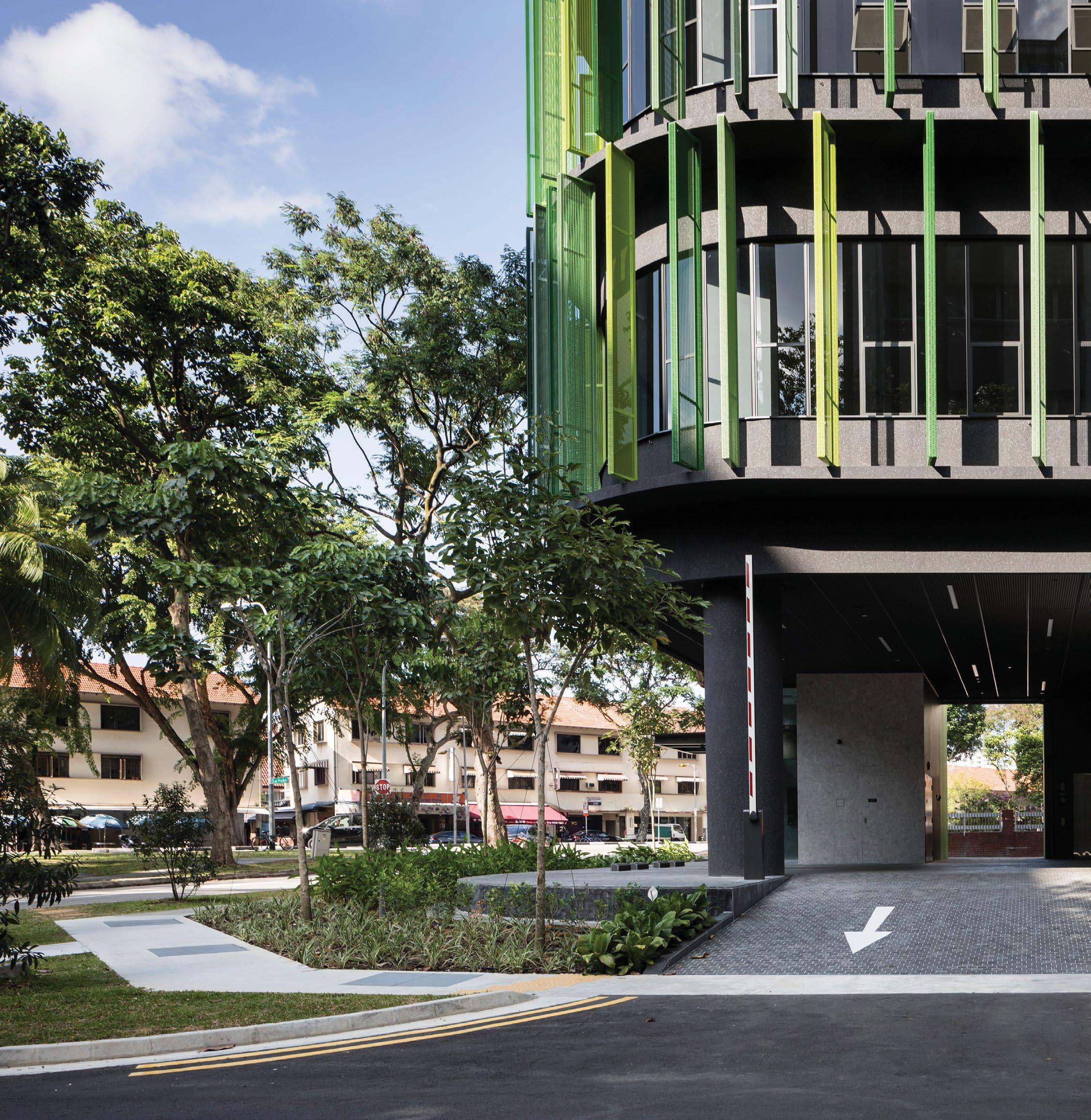
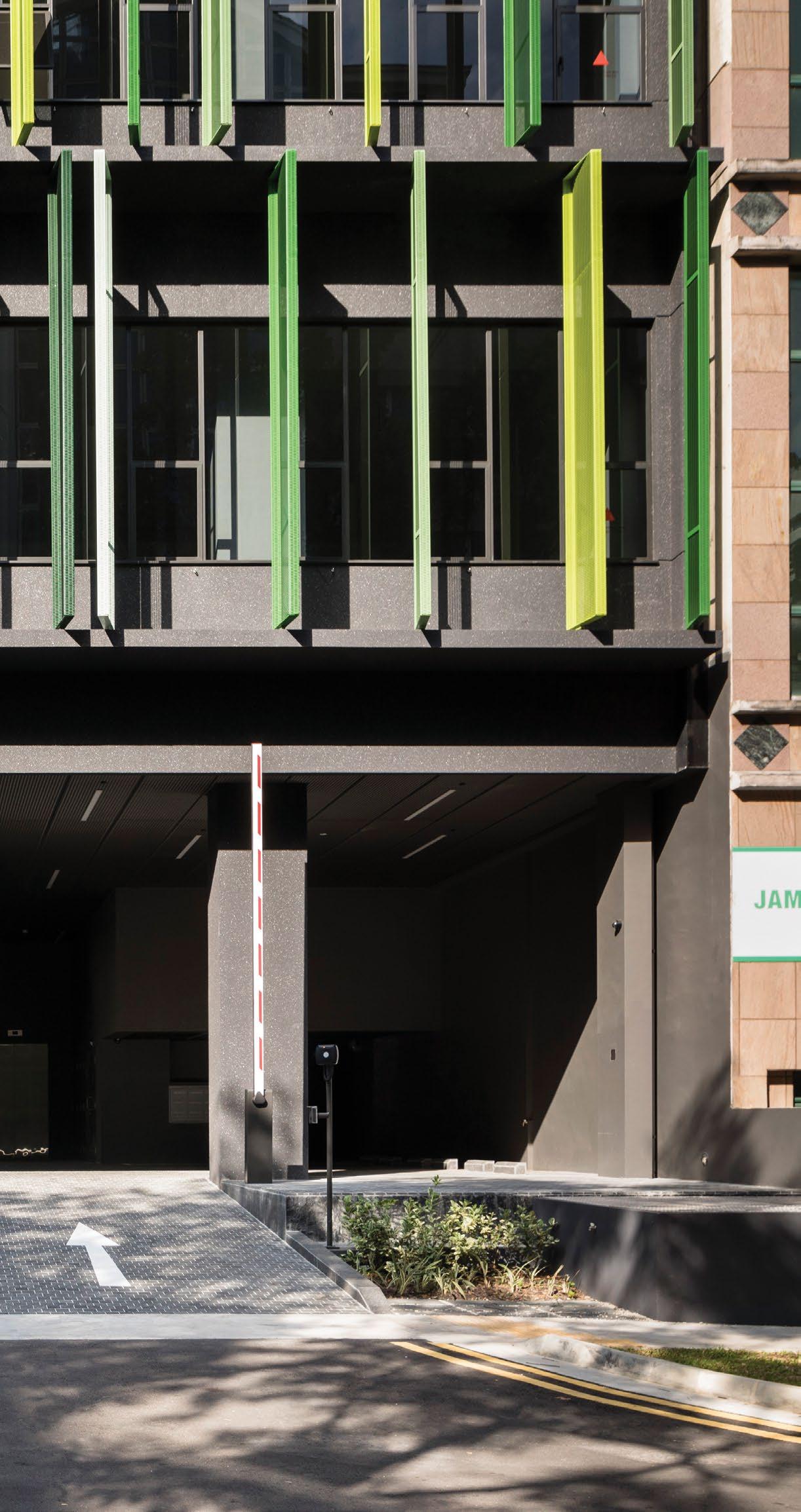
In Singapore’s Tai Seng industrial district, 1 Tannery Lane required a restrained approach. The seven-storey building was designed for light industrial and office use, where efficiency and compliance defined the plan.
The client, however, wanted the building to register as a landmark along MacPherson Road. Complicating matters, the structure’s service edge faced the main thoroughfare. Goy Architects responded by turning the fire-escape staircase into a vertical marker, finished in the company’s signature green and illuminated at dusk so it reads as a sculptural lantern within the industrial streetscape.
“It was important that the building carried the company’s identity,” Goy says. “We had to work with its constraints and make that visible.”
10 Pender Road, Singapore
Built in 1909 and gazetted within the Southern Ridges conservation area, Golden Bell Mansion at 10 Pender Road required careful repair rather than reinvention. Goy Architects worked within Singapore’s 3R conservation framework, prioritising maximum retention and sensitive restoration.
As Goy explains, “The task was to replace only what was necessary. The building already held its own language.”
Infrared thermography and timber resistography were used to identify structural weaknesses before intervention. Original timber elements were repaired where possible, with damaged sections prosthetically replaced. Hydraulic lime mortars were selected to match the breathability of the historic fabric.
Encaustic floor tiles were salvaged and, where replacement was unavoidable, new replicas were produced by Solo Design in Yogyakarta using traditional methods.
Katong Gardens, Singapore
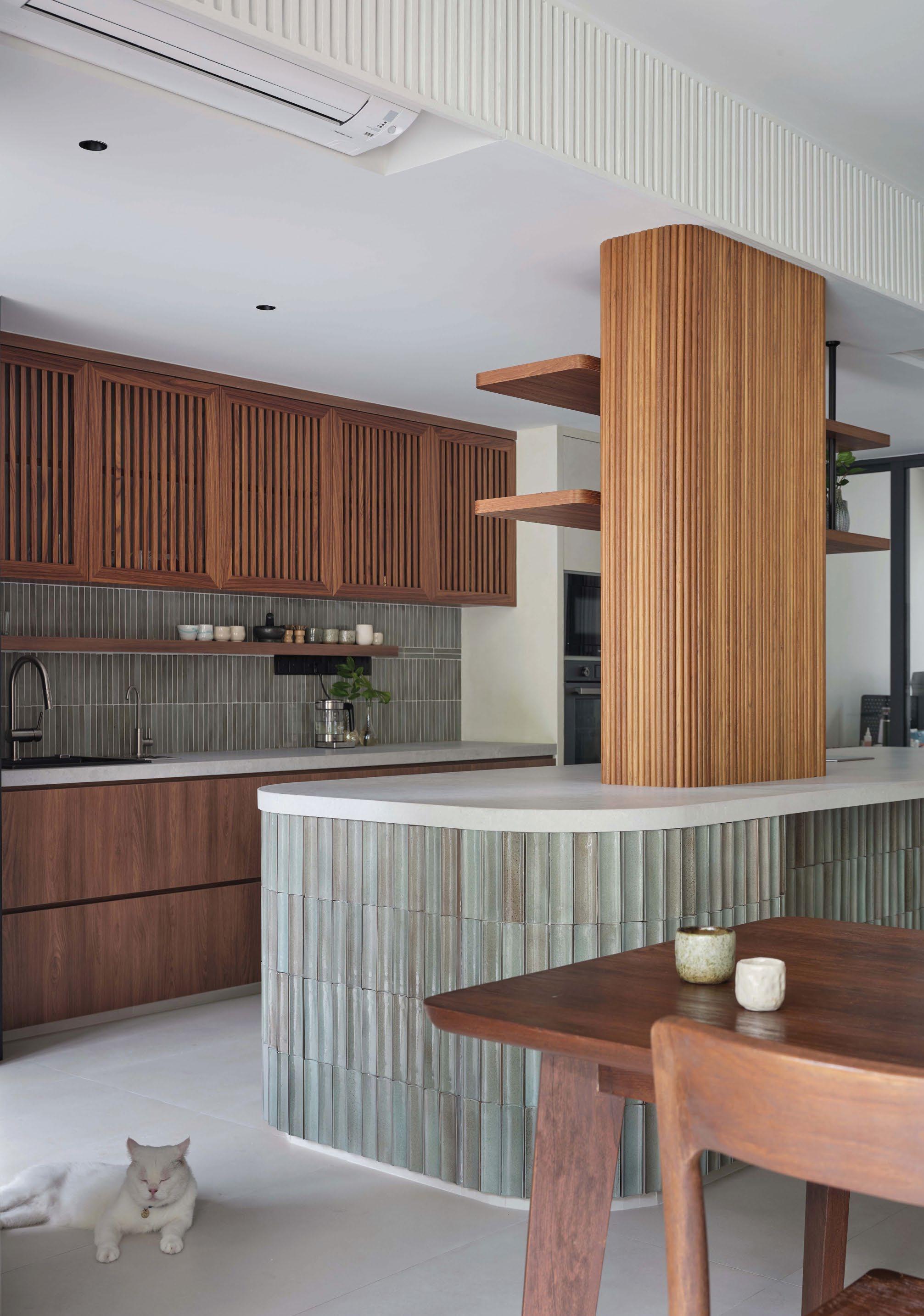
In this duplex apartment near East Coast Park, the kitchen island became the project’s defining move. Working with Saraphi Ceramics Arts and Design in Chiang Mai, Goy Architects developed hand-shaped celadon tiles using a slip-casting technique more commonly associated with small-scale craft production.
The island’s curved form is clad in concave tiles, each glazed in separate batches, so tone and texture vary subtly across the surface. Multiple prototypes were tested before the final profile was selected. The process extended beyond the island itself, with matching ceramic wares produced for the client.
“Every firing produces a slightly different result,” Goy says. “We had to work with that variability rather than control it.”
The island anchors the open plan, its curved surface shaping circulation and light within the room.
Drawing inspiration from a Song dynasty poem by Su Dongpo, the design evokes the shifting geometry of lunar phases alongside the restraint of Chinese calligraphy. These references are abstracted into curved furniture profiles and controlled joinery details.
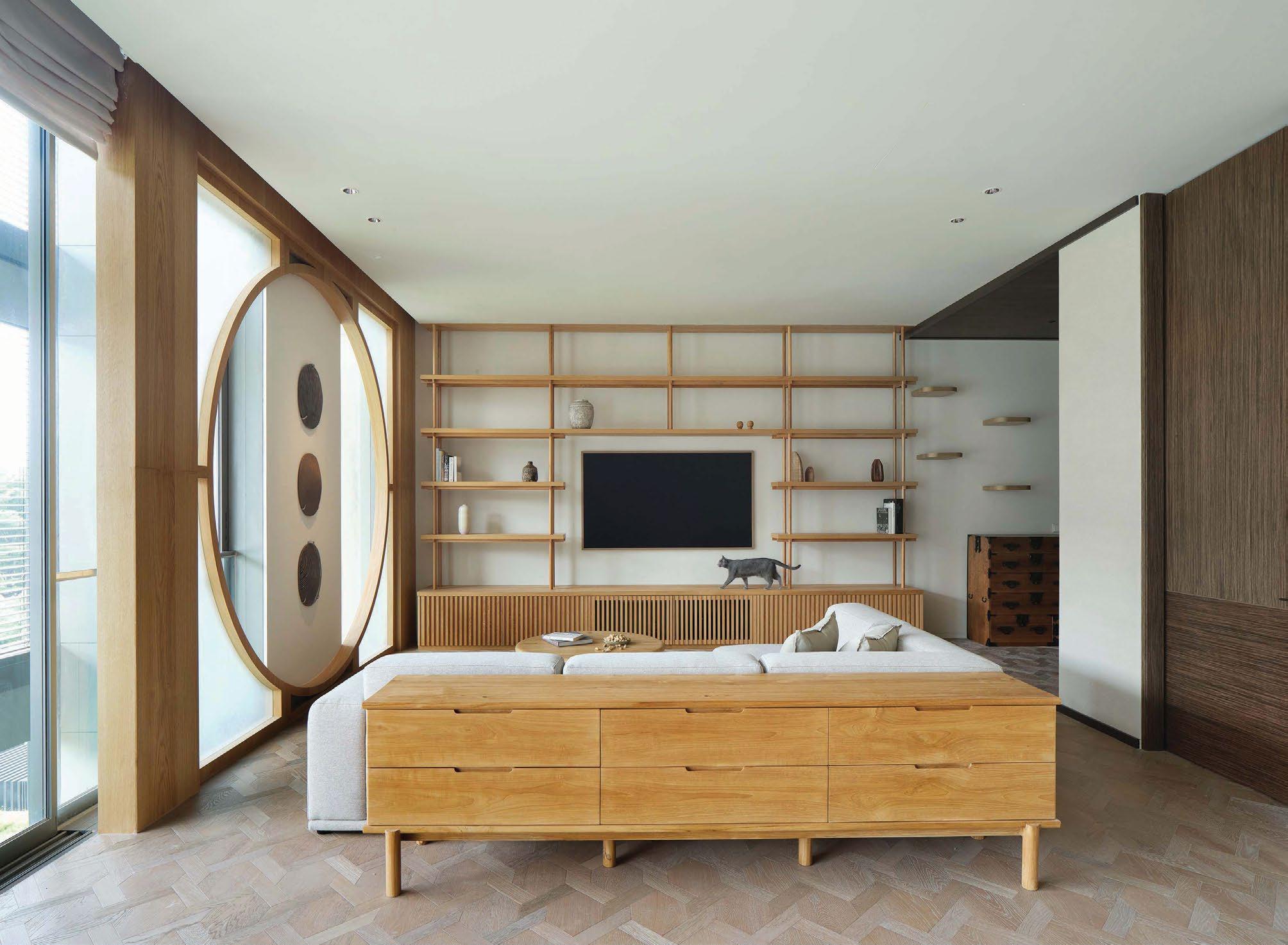
A circular window articulation, lined with translucent paper, filters daylight into the living space, while custom furnishings manufactured in Thailand share crescent-derived edges and timber detailing informed by traditional construction methods.
“We wanted to reinterpret these influences in a contemporary way,” Goy says. “The mood mattered more than symbolism.”
Ultimately, the project reframes the original apartment through subtle additions that shift the overall tone.
Meyer House, Singapore
At 3,880 metres above sea level, Hotel Everest View required a refurbishment defined by constraint. The commission focused on interior upgrades and the completion of longunfinished trekkers’ rooms within the existing 1970s structure, where transport, labour, and climate impose clear limits.
Goy Architects preserved as much of the original structure as possible, focusing on improved thermal performance and a clearer spatial layout. Structural loads were carefully considered, with new additions calibrated to match the building’s capacity.
“We had to be precise about what we touched,” Goy says. “At that altitude, every decision carries weight.”
Material choices were based on local availability and practical construction logic, allowing the hotel to evolve while remaining connected to its context.
Hotel Everest View, Nepal
King of the chill
BY JONATHAN EVANS
Quy Nhon remains under the radar despite its beaches, Cham heritage, and rising skyline, drawing visitors and homebuyers seeking a quieter coastal alternative
Phu Gia Royal Park
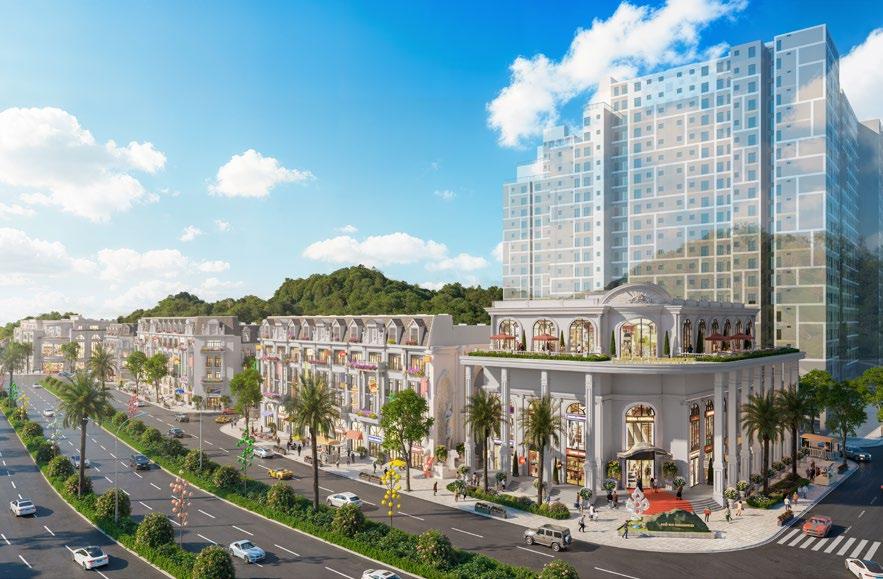
This sprawling, soon-to-be-completed “model city” spans 6.3 hectares and is clearly targeted at aspirational homebuyers, with its grandiose neoclassical façade. Its four storeys and 283 units convey outward elegance, all grand columns, arched windows, and French-style balconies, matched in the interiors where modern or Indochine-inspired designs feature luxurious furnishings in a timeless colour palette. Along with a low construction density (40%), sustainable credentials include green spaces, vertically creeping flora, and plentiful ventilation that maximises natural light. Royal Park is envisaged as a fully fledged community ecosystem, complete with an integrated school and shopping centre featuring a department store, indoor swimming pool, and spa. It triumphed in the Best Residential Development category at last year’s PropertyGuru Vietnam Property Awards.
Oriva Bay
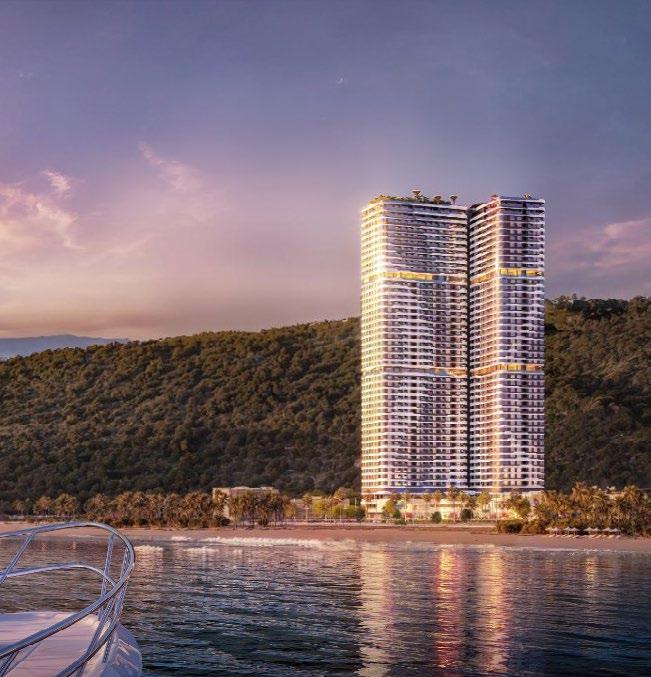
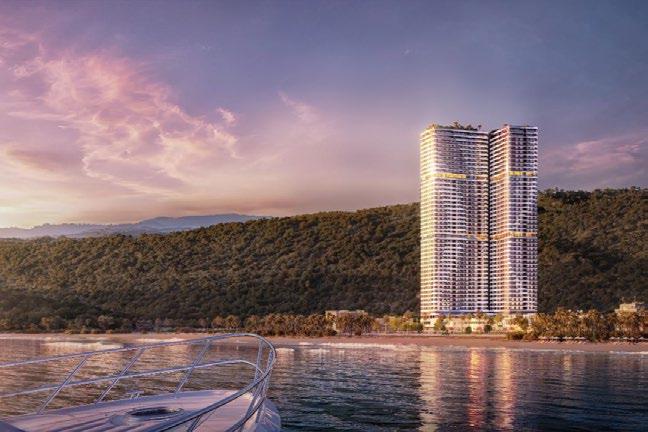
A twin-tower seafront project from local company HUD-405 Binh Dinh, in collaboration with interior and landscape firm Huni Architects, this hyper-modern luxury residence will comprise 952 units across 46 storeys and is scheduled for completion in March 2027. The condominium, with sky gardens, sits at the centre of a large-scale development encompassing tropical gardens, two swimming pools, an outdoor working zone, a dance studio, a business lounge, and a meditation room. Muted, soothing interior tones contrast with a flowing waveinspired exterior tower design, emphasising elevated coastal living harmonious with the landscape, with 80% of units affording ocean views. Oriva Bay scooped the Best Lifestyle Mixed-Use Development prize at last year’s PropertyGuru Vietnam Property Awards.
Eo Gio Bay
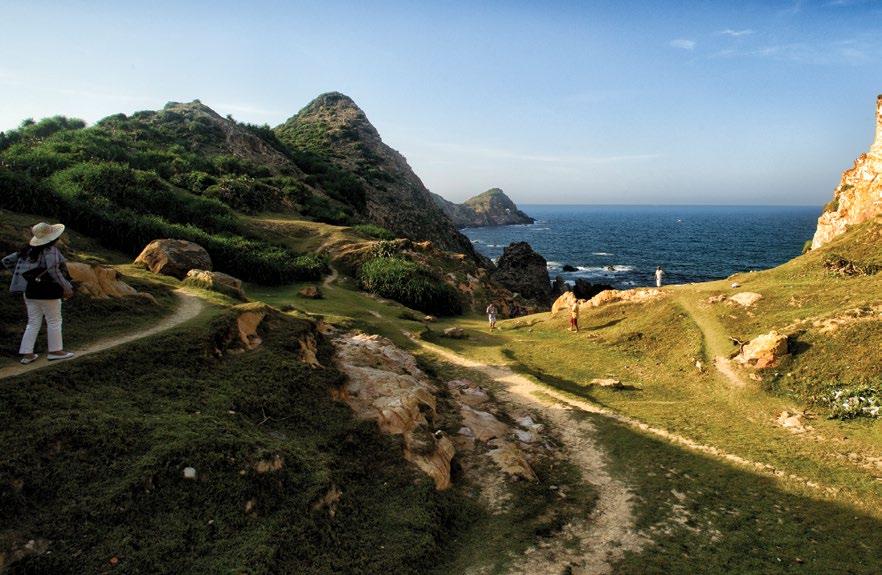
Long celebrated as one of Vietnam’s most cherished coastal beauty spots, Eo Gio’s reputation is richly deserved. Renowned as one of the country’s most rewarding sunset viewing points, its crescent-shaped bay surrounded by rocky mountains lies in Nhon Ly commune to the northeast of the city. Possessed of raw, elemental beauty, the montane hinterland comprises rugged cliffs, dramatic rock formations, and lush greenery, through which winds a sturdy coastal walking trail overlooking the crashing waves and inviting beach. It is a popular destination for kayakers, fishermen, scuba divers, and hikers who come to marvel at the spectacular panorama of picturesque islets and rugged caves. Eo Gio means “Windy Strait” in Vietnamese, reflecting the invigorating breezes that sweep through the area.
Former capital of the ancient and medieval Champa kingdom, Quy Nhon was officially founded in the late 19th century. Until recently, it was best known for its agricultural and fishing industries, but since the 2010s, it has also expanded into service industries and manufacturing, notably at the Nhon Hoi Economic Zone. Its compact centre, leading educational institutions, excellent beaches, and verdant parkland offer a less commercialised backdrop than near neighbours Da Nang and Nha Trang, making it a desirable hunting ground for home-seeking families.
4
Lang Song Church
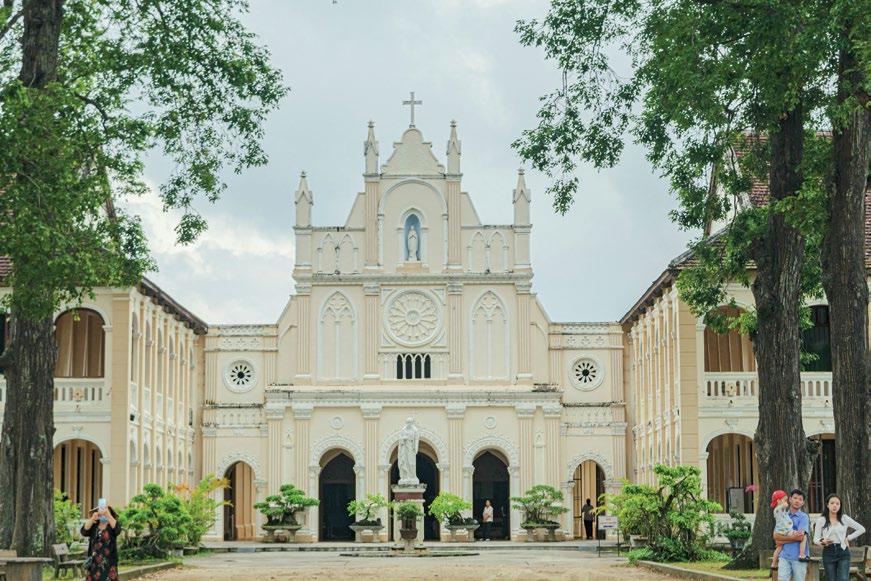
In a city laden with ancient Cham temples, this striking church, rebuilt between 1892 and 1927, is by some distance the most beautiful and best-preserved religious building in the city. It also carries a fascinating backstory, having originally housed the first printing press in the ancient Dang Trong region, which operated until 1936. A Gothic architectural gem reminiscent of European ecclesiastical construction, its main façade features symmetrical framing, decorative vents, and pointed arches. The present structure was built by Bishop Van Camelbeke Han, a French Catholic bishop active in colonial Cochinchina, after fires destroyed the original bamboo and thatch building established by missionaries between 1841 and 1850. The complex includes lecture halls and student accommodation.
5
Quy Nhon is home to numerous towers and temples dating to the ancient Champa kingdom, whose civilisation was shaped by skilled seafarers controlling maritime trade routes between China, India, and Indonesia. Dating from the 12th century, Duong Long’s trio of towers forms one of Vietnam’s most impressive yet seldom visited archaeological sites, with the tallest reaching 39 metres, the largest surviving Cham structure in the country. The redbrick towers stand on a colossal scale, with giant stone lintels remaining above the entrances alongside decorative sculptures adorning their sides. Set within a serene landscape typical of sites from this period, Duong Long’s commanding presence makes it one of Quy Nhon’s most rewarding day trips.
6
Binh Dinh Museum
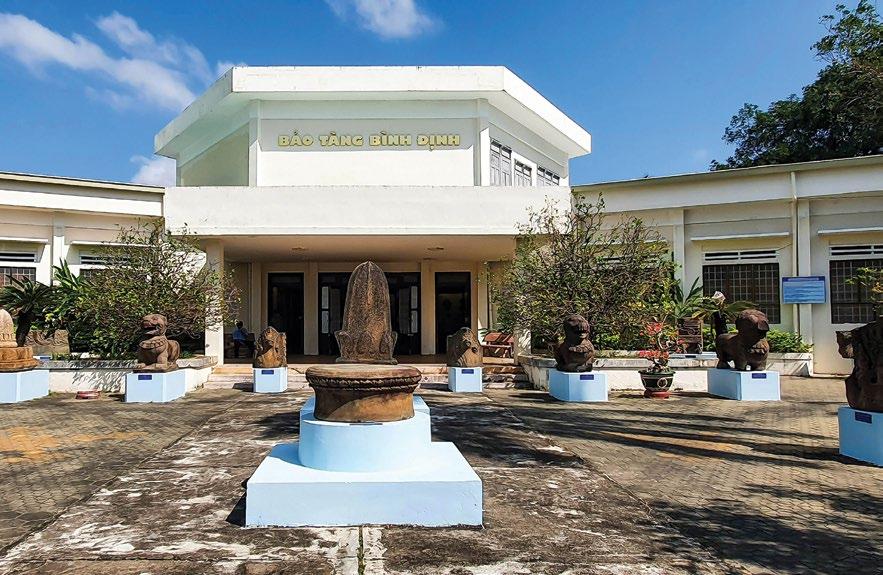
Small but immersive, this repository of regional historical artefacts showcases excellent examples of Cham sculpture, including centrepieces such as a 12th-century statue of the goddess Mahishasuramardini and silk prints depicting French colonial scenes. These highlights are complemented by sections devoted to natural history, ethnic cultures, and the Vietnam War. Visitors will also find beautifully carved artefacts and a detailed gallery exploring the role of Binh Dinh province, of which Quy Nhon is the capital, in Vietnam’s communist revolution. The museum’s architecture, standing in the shadow of a 43-storey hotel tower increasingly representative of the city’s evolving skyline, blends modern design with traditional Vietnamese elements, reinforcing its status as a cultural lodestar.
Duong Long
GROWING PLACES
Master-planned townships are re-emerging as a practical response to rapid urbanisation across
Southeast Asia
BY LIAM ARAN BARNES
It’s early evening, and Phu My Hung’s Canh Doi Park is filling up. Families arrive with children in tow. Others make for the nearby malls. Along Nguyen Van Linh Boulevard, rushhour traffic inches toward the bridges and back into Ho Chi Minh City’s chaotic centre.
Half a world away, in Letchworth Garden City on a damp morning, commuters trudge past manicured hedges and red-brick cottages toward the train station, likely bound for London. The scene is unremarkable—if not a tad twee—in the way commuter towns are.
A century ago, it was anything but. Conceived as the “world’s first garden city”, Letchworth was intended as proof that urban growth could be organised differently. Its planners sought to counter the crush of industrial Britain’s cities by integrating homes, employment, green space, and civic institutions within planned settlements.
The idea returned after the Second World War, sparking a wave of new towns around London that carried the vision into the next era. Today, however, that masterplan model is most visible in the major cities of developing countries, where it has become a practical means of managing rapid urban growth.
This was the backdrop for Phu My Hung, launched in the 1990s as part of the Saigon South plan. What was once low-lying land south of the old city became a new district, built from scratch. Nguyen Van Linh Boulevard came first, then the towers, schools, shops, and public spaces. The area is now home to tens of thousands of residents. But as it matures, the pressures are familiar—affordability, traffic, the steady need for upgrades—yet the original sequencing is still visible in the street grid and the order of its growth.
Now, Ho Chi Minh City is preparing to expand again. Proposals to push development further south and east—including large-scale riverfront and coastal extensions—are already underway. Similar initiatives can be seen in other major cities across the region, from Manila Bay’s reclamation projects to new mass transit corridors in Bangkok.
With populations rising and infrastructure stretched, cities are choosing to plan entire districts rather than letting growth unfold piecemeal—a response to the sheer scale of expansion. The United Nations’ ESCAP projects that Southeast Asia’s urban land will double between 2010 and 2050.
Township building is no longer a side project at the edge of the city; it is becoming a default way Southeast Asian cities take on new growth
“Urban centres continue to be dynamic hubs of economic growth for the region. However, this growth is not equally distributed,” writes Armida Salsiah Alisjahbana, under-secretarygeneral of the UN and executive secretary of ESCAP.
She adds that, without careful land discipline, expansion risks tipping into subsidence, congestion, and unplanned sprawl. “Growth needs to be balanced with sustainable landuse management.”
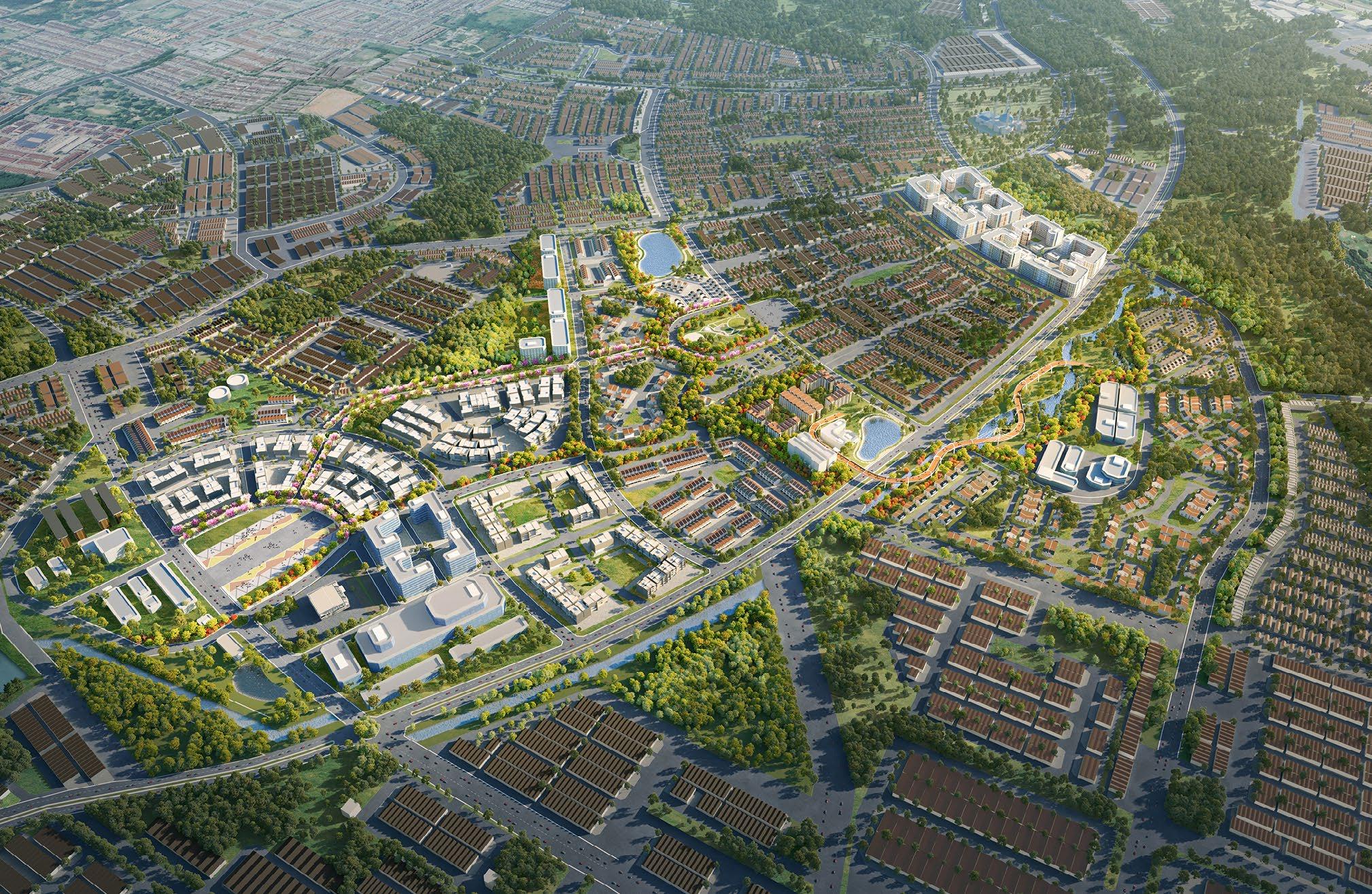
Land discipline is ultimately about order and timing. Major roads and transit links are laid down early, and utilities are designed for density rather than added later in fragments that burden growing cities. Schools, healthcare, and retail open alongside the first residents, allowing a district to function from the outset. Without that sequencing, new neighbourhoods risk inheriting the congestion they were meant to relieve.
Moreover, the margin for error in masterplanned developments has narrowed in recent years. After monetary tightening in Southeast Asia between 2022 and 2024, borrowing costs are well above pre-pandemic lows. That has changed how both developers and buyers assess township-scale projects.
“There is a clear shift toward completed ecosystems over speculative future gains,” says Christine Li, head of research for AsiaPacific at Knight Frank. “When borrowing costs were lower, buyers were willing to wait
for masterplans to materialise. Today, the cost of holding an unfinished promise is much higher.”
She adds that size alone also doesn’t mean a project will last. Projects that put in roads and services before the homes, keep prices within reach, and bring in transport and essential amenities early on are much more likely to succeed. Those who delay connectivity or rely on distant phases find buyers less forgiving.
“If residents reach jobs via transit and access services near their homes, the township stays relevant,” Li says. “Projects remaining cardependent or delaying amenities will lose momentum.
“Buyers will gravitate toward developments that solve the affordability equation today.”
In a region where urban land is set to double in a generation, that distinction matters. Township building is no longer a side project at the edge of the city; it is becoming a default way Southeast Asian cities take on new growth.
The following townships show how developers are trying to strike that balance on the ground, and where the line now falls between a working district and a costly promise.
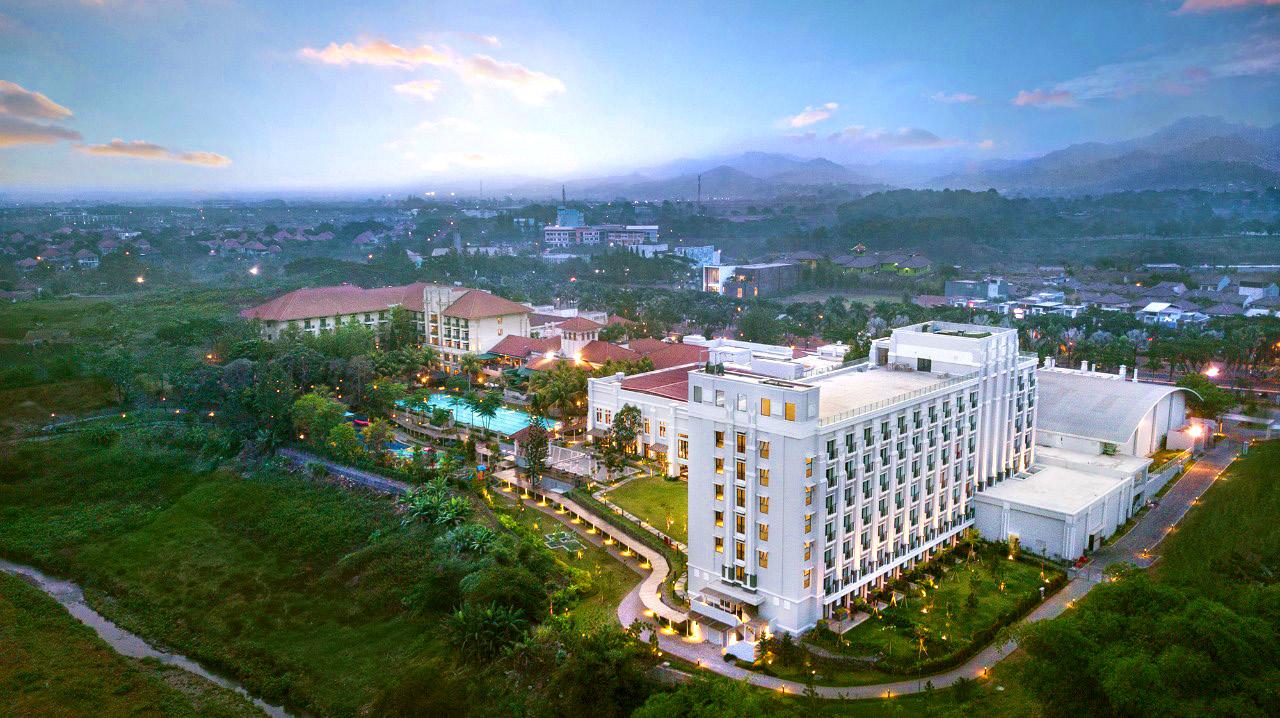
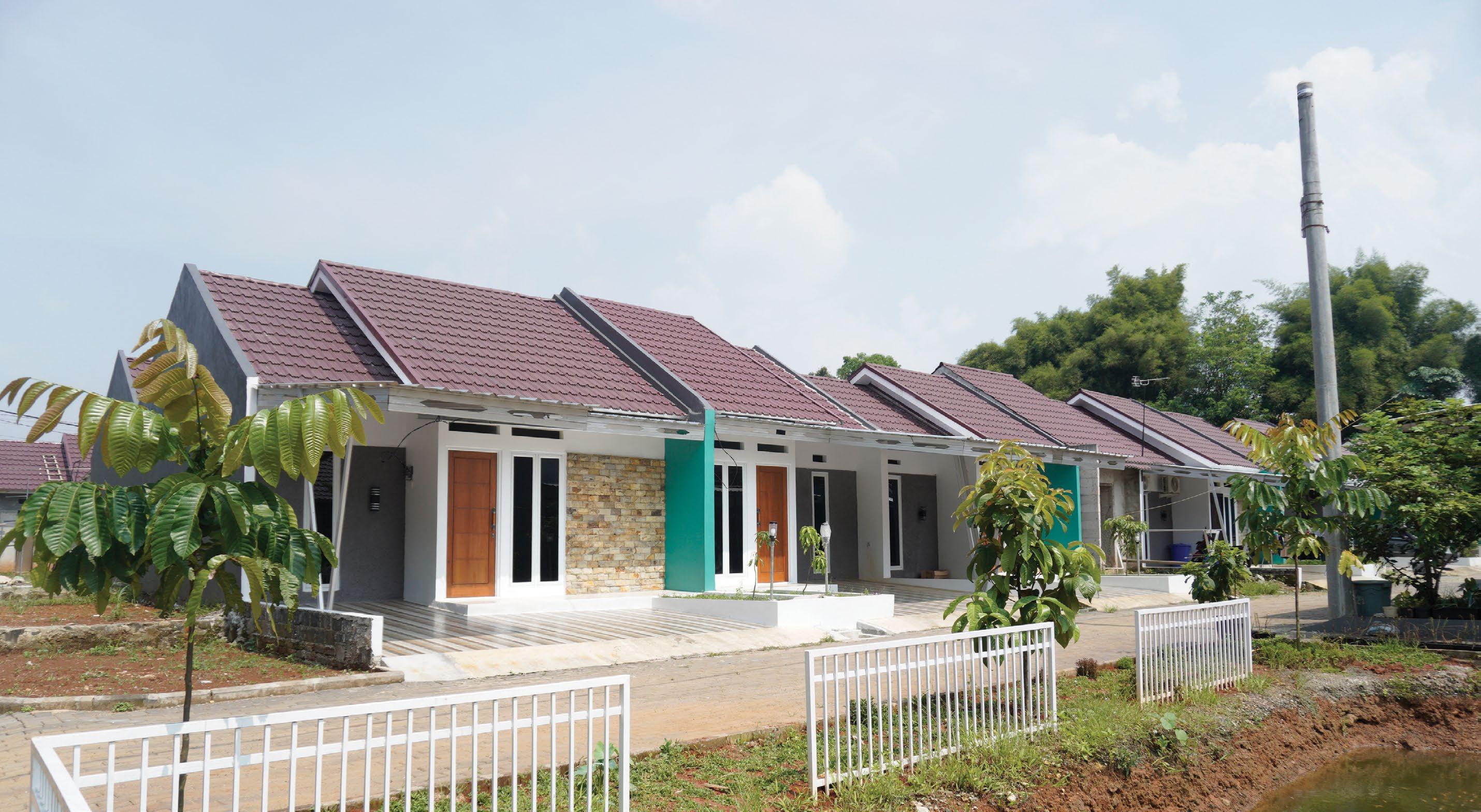
Kota Baru Parahyangan, West Java, Indonesia
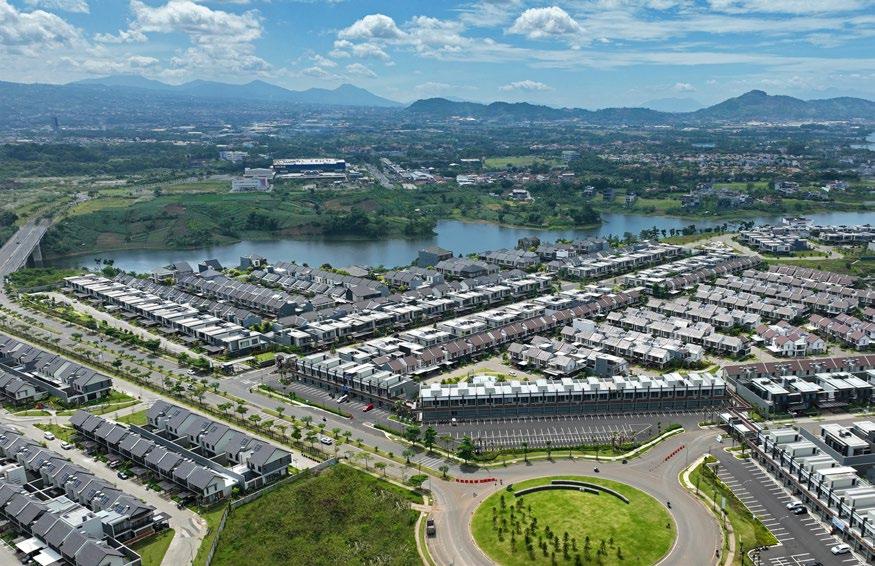
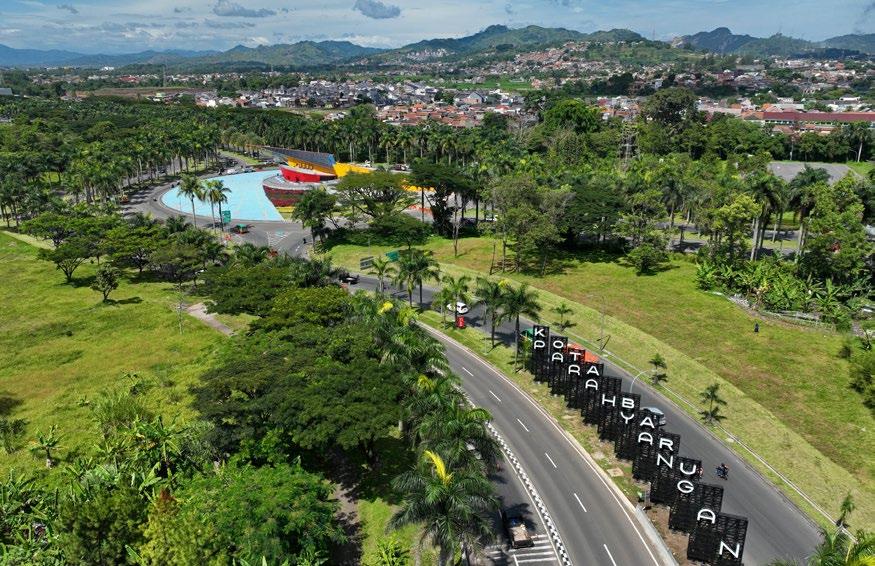
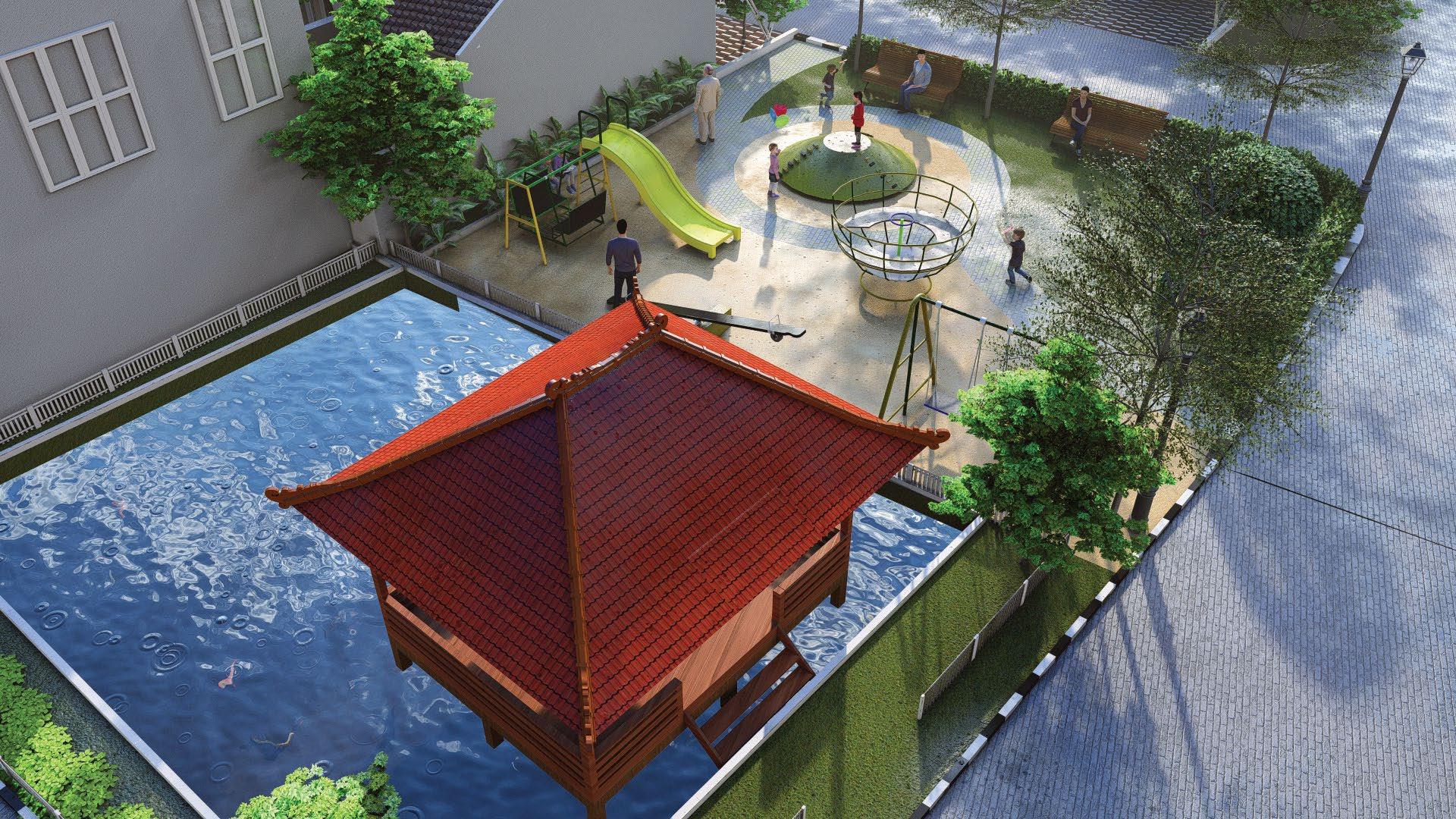
Just west of Bandung, where the city gives way to rolling hills and the shores of Lake Saguling, Kota Baru Parahyangan stretches across 1,250 hectares. Conceived as a self-contained township, it has been shaped around topography, with more than 40% of the land reserved for parks, lakes, and landscaped corridors.
Education sits at the heart of the masterplan, with schools and universities integrated alongside healthcare, retail, and sport facilities, targeting long-term family owner-occupiers. Environmental measures, including on-site water recycling and Greenship Neighbourhood Gold certification, meanwhile, reinforce its sustainability credentials.
As Bandung faces mounting congestion and limited expansion room, the township’s phased build-out through 2040 shows how long-term phasing and landscape planning offer a durable alternative to fragmented suburban expansion.
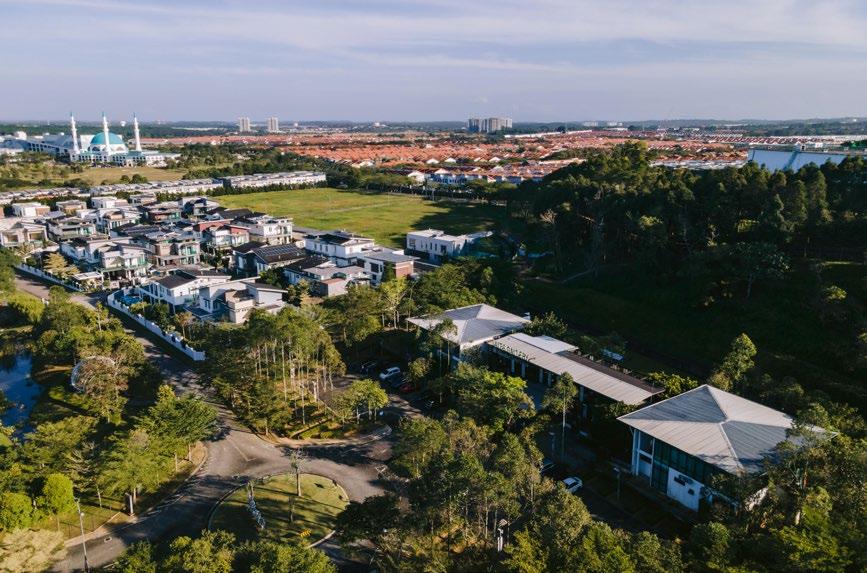
Bandar Dato’ Onn, Johor Bahru, Malaysia
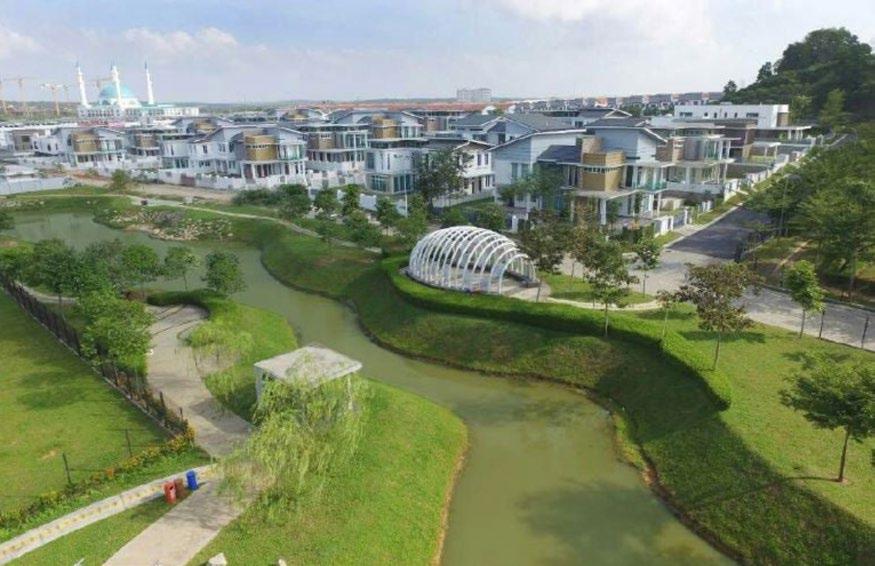
In a mature suburban corridor north of Johor Bahru, Bandar Dato’ Onn is attempting something more deliberate than incremental housing growth. Rather than extending as a conventional landed enclave, the 1,474-acre township is structured around a wellnessled masterplan that reorganises open space, mobility, and daily services at scale. Five precincts are stitched together by park connectors, pedestrian and cycling routes, and a blue-green network that functions as both landscape and stormwater infrastructure.
Collector roads disperse into walkable neighbourhood pockets, with direct access to the Dato’ Onn toll interchange and the North–South Expressway. A broad housing mix—from terraces and townhouses to condominiums and bungalows—accommodates multigenerational households in a market historically dominated by standard landed typologies.
Within Iskandar Malaysia’s competitive township market, Bandar Dato’ Onn signals a shift in Johor’s township model—away from land release and toward layout, mobility, and daily convenience.
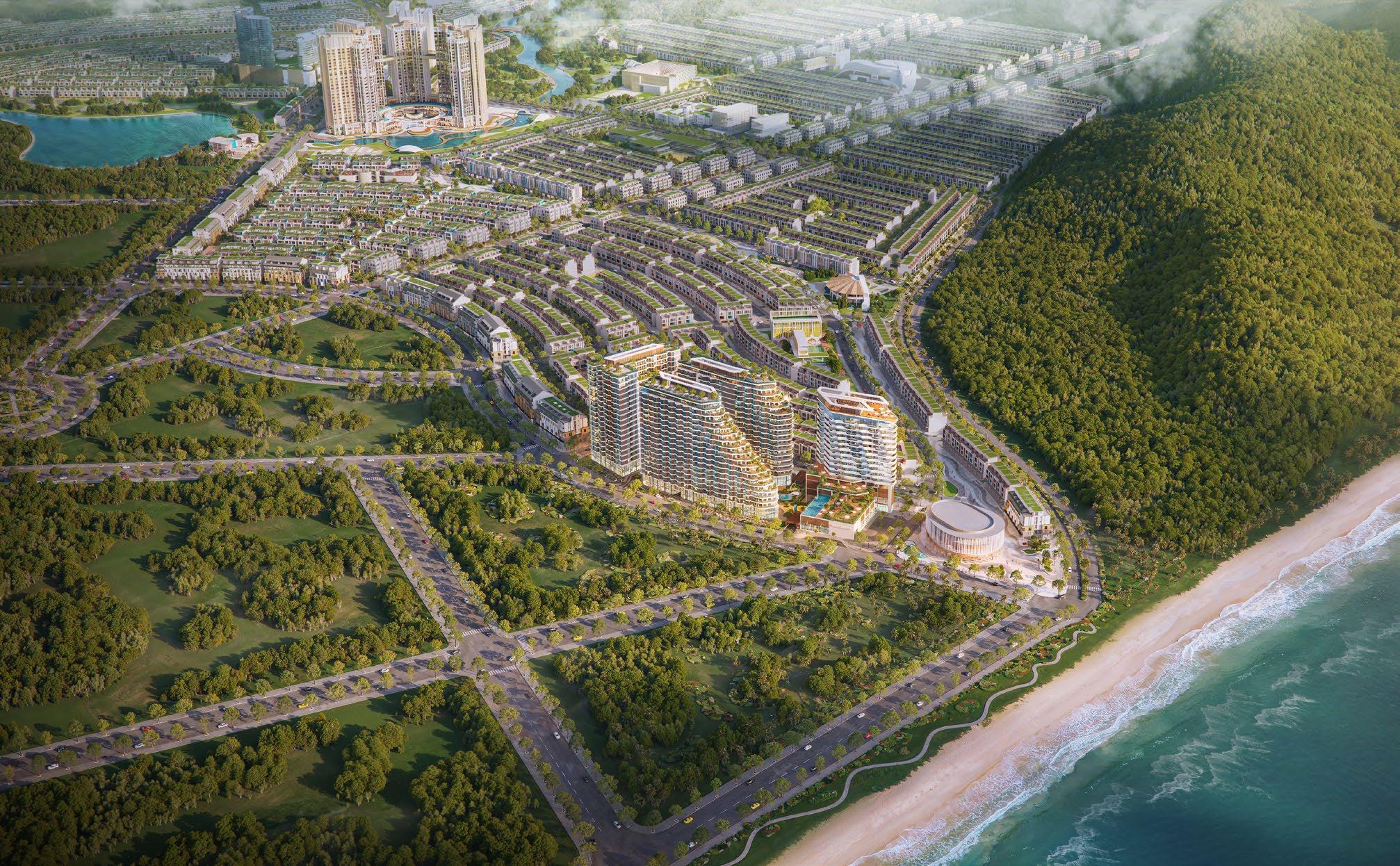
Meyhomes Capital Phu Quoc, Phu Quoc, Vietnam
On an island better known for beaches than boulevards, Meyhomes Capital aims to create a permanent, year-round urban district offering stability beyond seasonal tourism. Spanning more than 266 hectares in An Thoi Ward and delivered across four phases, the scheme is approximately halfway through construction.
Positioned as an “integrated mega city”, it combines shophouses, villas, apartments, and serviced offices with retail and community facilities. Commercial activity concentrates along residential streets rather than being confined to enclosed malls. A relatively restrained 35% construction density allows space for three major parks, connected by 1.2 kilometres of water features, public squares, and pedestrian promenades that structure the centre of the development.
Direct frontage to DT975, the island’s principal arterial road, ties the development into Phu Quoc’s expanding transport network. Instead of relying solely on resort adjacency, Meyhomes Capital is staking its long-term appeal on walkability, internal commerce, and public realm—the foundations of a town intended to operate throughout the year.
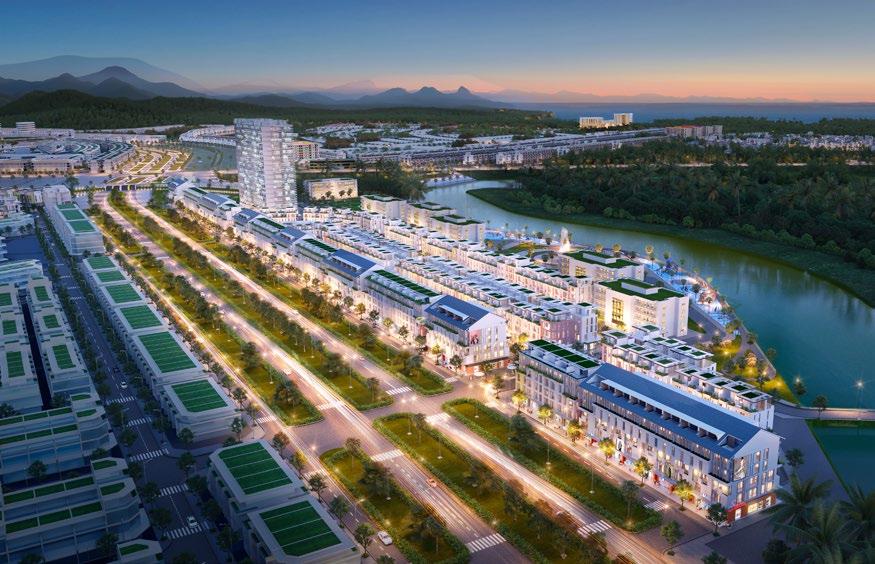
ONE ERA, Ho Chi Minh City, Vietnam
As the reach of Ho Chi Minh City continues to expand northwards into Binh Duong, ONE ERA represents a calculated early-stage play. The 49.5-hectare township sits along National Highway 13, a corridor increasingly defined by logistics parks, industrial employment, and residential growth. Construction has only just begun, with delivery planned across six phases through 2027—placing the emphasis firmly on long-term positioning rather than immediate absorption.
The masterplan by Surbana Jurong divides the site into distinct residential clusters, ranging from high-rise apartments to villas and townhouses. A 1.2-hectare AEON mall and adjoining commercial precinct are designed to concentrate daily services within the township, reducing the need to travel elsewhere for routine errands.
Sustainability is framed as baseline infrastructure, with EDGE design principles, rain gardens, solar lighting, and smart energy systems embedded from the outset. Its viability depends on transport access, nearby industrial employment, and digitally managed services that align over time.
SM Mall of Asia Complex, Pasay City, Philippines
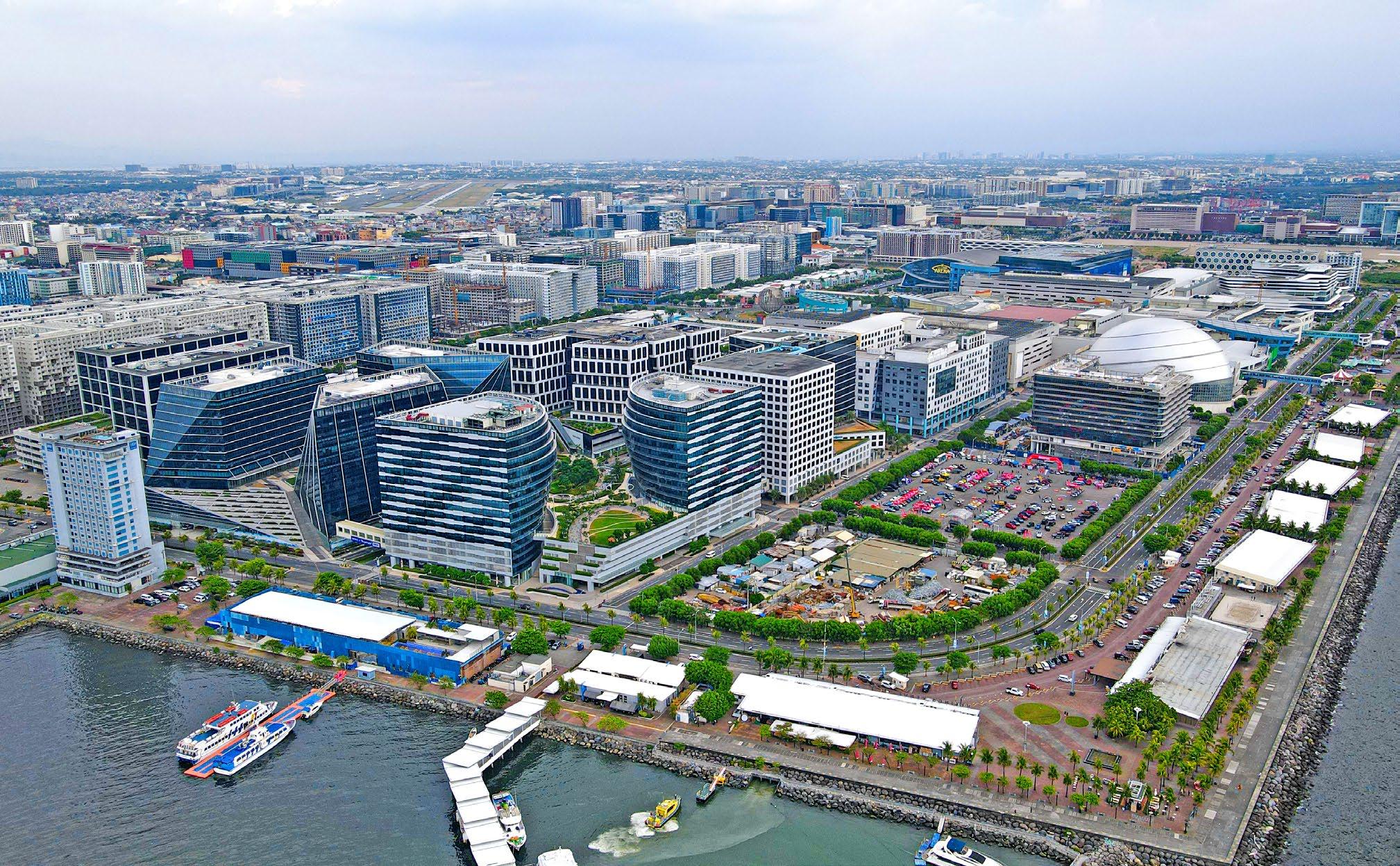
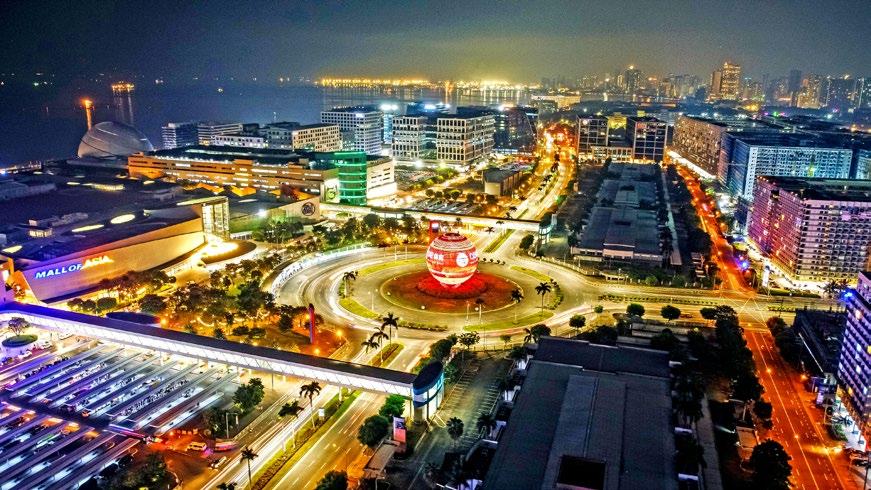
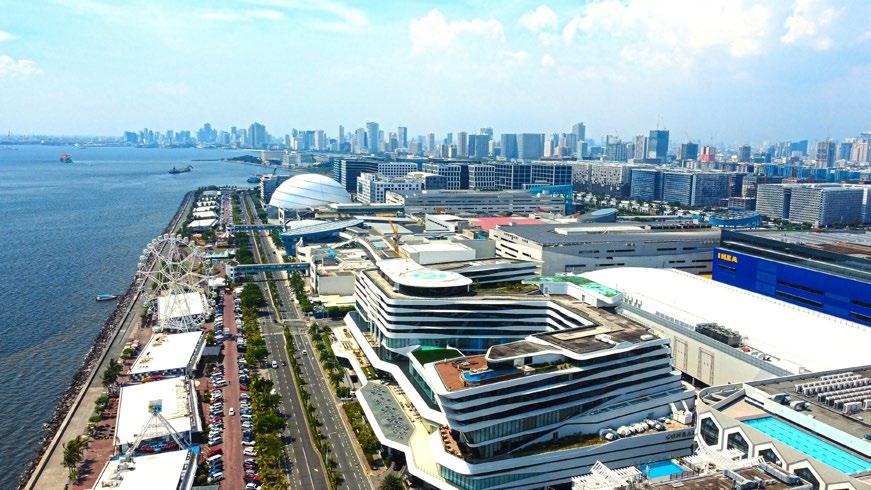
What began as one of Asia’s largest shopping malls has expanded into a full-scale waterfront district along Manila Bay. Spanning 890,000 square metres of reclaimed frontage in Pasay City, the four-phase development has matured into a dense mixed-use precinct that layers commerce, residential, and leisure uses at a metropolitan scale.
The masterplan combines high-rise condominiums and serviced apartments with office towers, hotels, convention centres, and entertainment venues, extending outward from the original retail complex. Elevated walkways connect buildings, and internal roads and promenades link directly to Roxas Boulevard, EDSA, and the expressway system.
Sports fields, landscaped parks, and bayfront promenades bring open space to this intensely programmed site. Instead of isolating functions, the complex clusters retail, work, and recreation within easy reach, functioning as an urban district in its own right rather than simply an enlarged retail destination.
Summarecon Serpong, Tangerang, Greater Jakarta, Indonesia
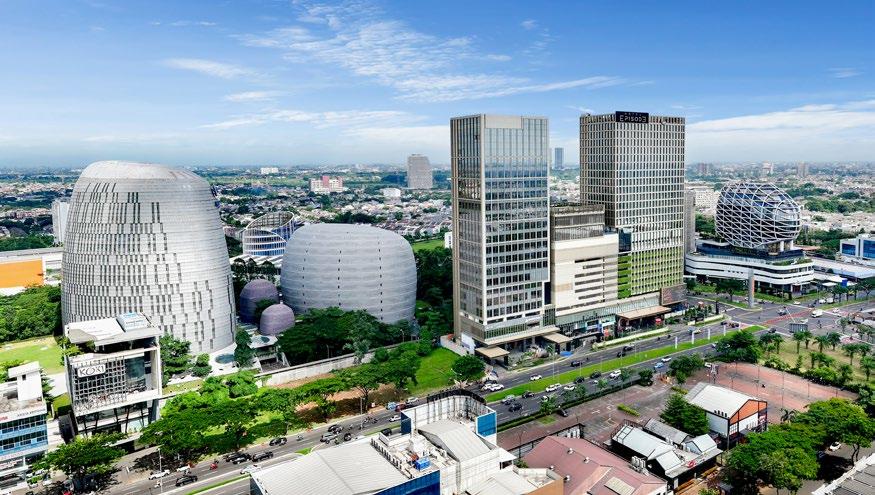
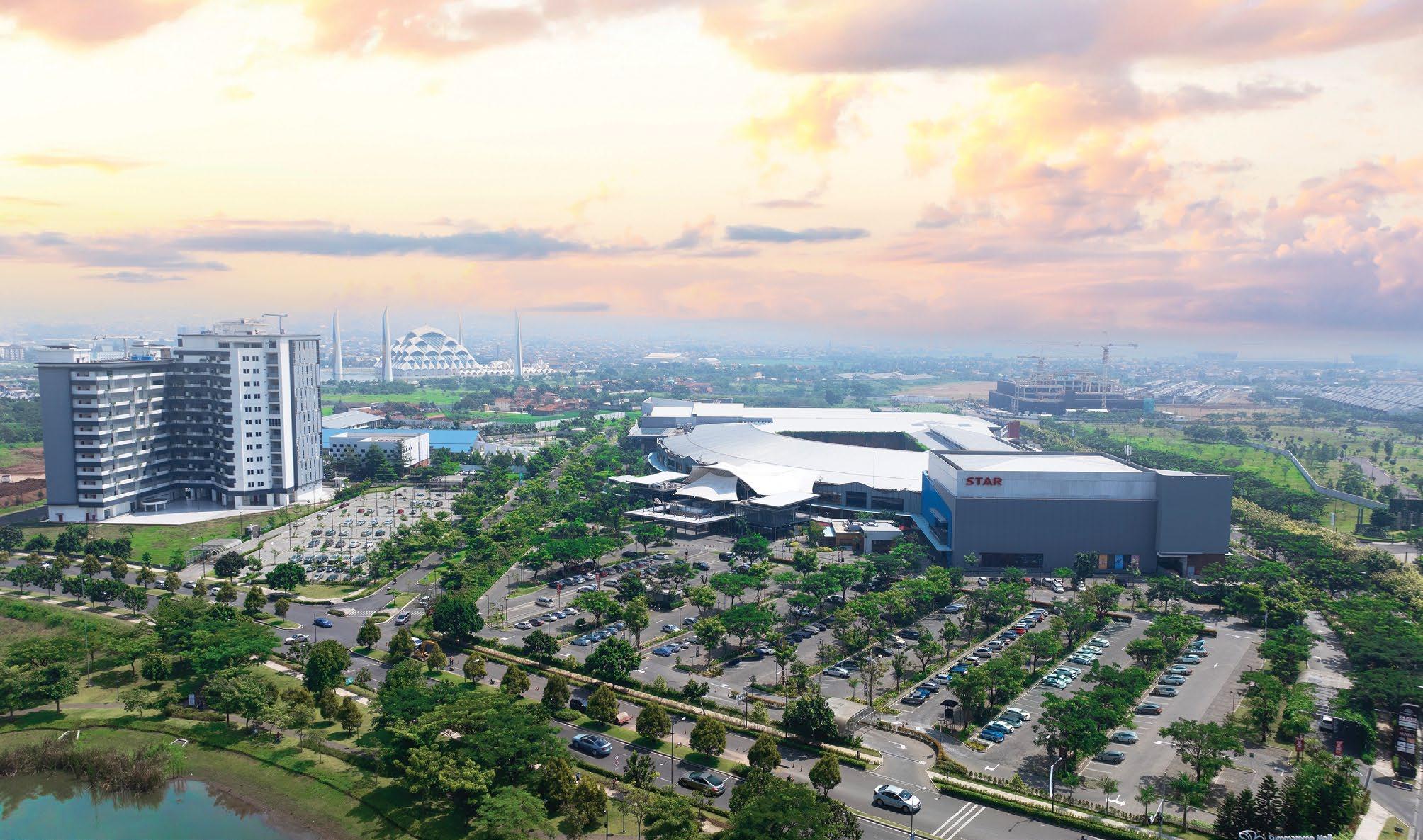
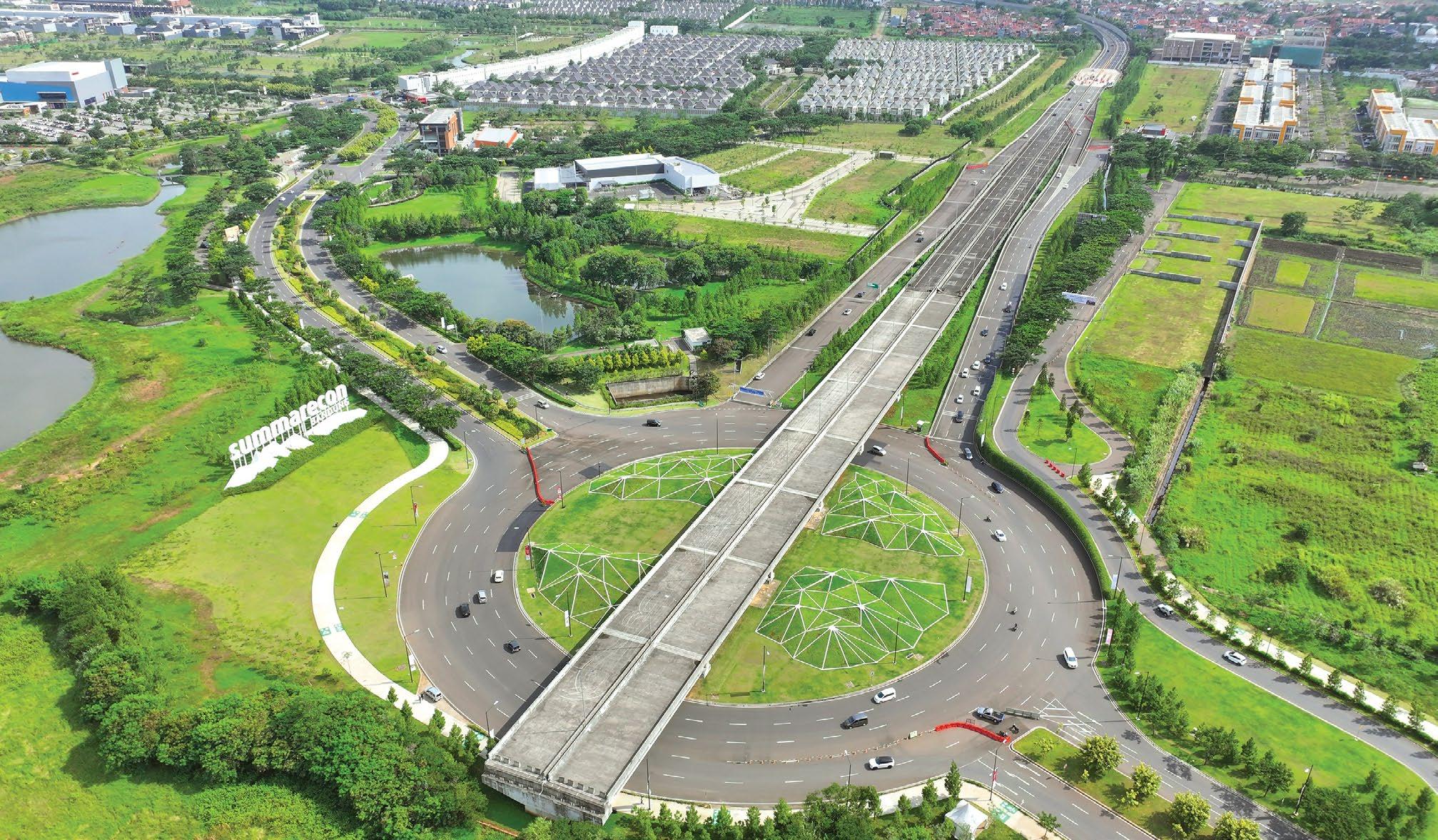
Summarecon Serpong has expanded west of Jakarta over several decades and is now more than three-quarters complete. Spanning 870 hectares, it functions more as a consolidated urban district within the broader Jabodetabek region than as a single estate.
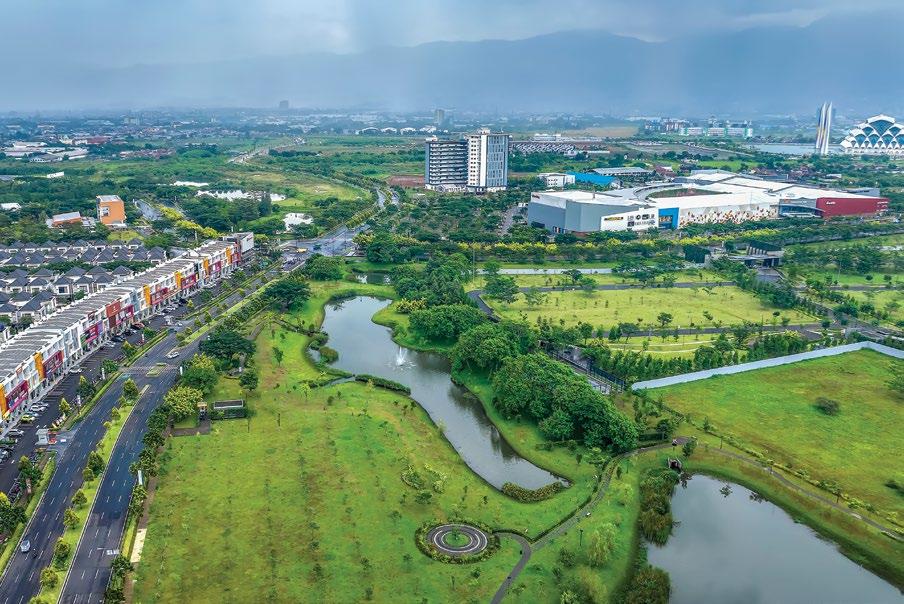
Landed homes, “condovillas”, and apartments sit alongside retail streets, a regional mall, schools, and healthcare facilities, forming a genuinely mixed-use district. Spread across multiple zones, these destinations reduce reliance on central Jakarta for everyday services. Large lakes, built into neighbourhoods as drainage ponds, meanwhile, help manage floods while doubling as parks, a practical solution for a city prone to flooding.
Two toll road connections integrate the township into Greater Jakarta’s transport network, supported by shuttle services and an internal boulevard grid. Its primary market remains family owner-occupiers seeking long-term stability outside Jakarta’s frenetic centre.
RUNNING ON EMPTY
Bangkok’s skyline still rises, but 730,000 vacant units and sluggish demand point to a market out of sync with its next generation of buyers
BY GEORGE STYLLIS
COLLIERS EXPECTS 10,000 NEW UNITS TO ENTER THE PHUKET MARKET IN 2026, POTENTIALLY WORSENING THE ISLAND’S PROPERTY GLUT
It might not be immediately obvious from the city’s busy streets and neon-lit skyline, but across Bangkok, hundreds of thousands of properties stand empty.
In one low-rise apartment complex, a real estate agent points to an entire block that has been vacant for nearly a year.
“It’s been tough,” he says. “There just hasn’t been much take-up these past couple of years.”
Towards the end of last year, the Thai Real Estate Research and Valuation Centre reported that 1.64 million housing units across Thailand were lying empty, with the worst of it— 730,000 units—concentrated in Bangkok. It represents an
economic waste of about THB3.45 trillion (USD109 billion), a figure nearly equivalent to the nation’s annual budget.
The extent of the glut is most visible along the small streets, or sois, off Sukhumvit. Overgrown gardens encircle neglected houses, while cars sit outside under mouldstained tarpaulins.
Bangkok’s empty homes are not evenly distributed across the city. Many are concentrated in mid-market condominium developments built during the boom years of the late 2010s, particularly along new transit lines on the city’s outskirts. Developers raced to capture speculative demand from investors and overseas buyers, leaving large pockets of
inventory that now sit half-occupied or entirely dark at night.
Bangkok has consistently ranked among the best cities to live in, according to various surveys. Last year, Time Out gave it the top spot in its first-ever global ranking of the best cities for the under-30 generation. In its poll of Gen Z respondents in Bangkok, 84% reported being happy with life in the city, citing community, affordability, and lifestyle.
Yet despite its popularity, the city is failing to attract enough people to live in, rent, or buy property. Marciano Birjmohun, vice chairman of the Singapore-Thai Chamber of Commerce, says Thailand is struggling to keep pace with changing buyer expectations.
SHOPPERS’ PARADISE
The Bangkok Mall is on course to open this year or next as one of Southeast Asia’s biggest shopping centres.
Developed by The Mall Group, the USD1.5billion complex will open along Bangna-Trat Road opposite the Bangkok International Trade & Exhibition Centre (BITEC) in Bang Na district.
It will span 40 acres and comprise shops, restaurants, and a 16,000-seat indoor venue for concerts, exhibitions, and sporting events.
The official list of tenants has not been published yet, but it is widely expected to include many of the luxury brands seen in similar malls by the developer, like Siam Paragon, and more midrange brands.
“It will be a mall so exciting that visitors won’t be able to sleep,” says Suphalak Amputch, President of The Mall Group.
The mall’s planned opening comes amid fierce competition in the retail sector.
Central Pattana, the property development arm of Central Group, is investing THB21 billion (USD640 million) to build a mega shopping mall in Bangkok’s northern neighbourhood of Phaholyothin Road.
“The project is scheduled for completion in the last quarter of 2026,” says Chanavat Uahwatanasakul, Central Pattana’s president for retail and development.
Both retailers will be launching in a tough climate, according to analysts.
SCB EIC, the think tank unit of Thai financial group SCBX, predicted Thailand’s retail business would grow just 4.6% in 2025, down from 5.3% the previous year.
“The retail sector faces a lot of challenges over the next few years amid intensified competition as new shopping malls are rising,” says the SCB EIC. “Domestic purchasing power might not be strong enough to support the retail sector, and it would have to rely on foreign tourists.”
Whatever stock there is in the market, it’s getting outdated very quickly. It doesn’t match today’s consumer anymore
“Whatever stock there is in the market, it’s getting outdated very quickly. It doesn’t match today’s consumer anymore.
“The amenities are outdated, the functionality of the units is no longer applicable, and the investment group is becoming much younger. We have a big population of millennials with lifestyle aspirations, and Bangkok cannot compete with the existing supply—not the new supply, but the existing supply.”
Bangkok’s housing glut can be traced back to 2019, when data from the Bank of Thailand showed unsold condominium units in the city and surrounding areas beginning to rise as completions outpaced absorption.
The slowdown worsened in April 2019, when the Bank of Thailand introduced stricter loan-to-value rules aimed at cooling speculation. Investors were required to put down larger deposits on second and third homes, quickly dampening condominium demand. Within a year, the pandemic shut Thailand’s borders, and foreign buyers were effectively excluded. Completions scheduled for 2019–2020 were pushed into 2023–2024.
For developers, however, there was little choice but to press on. Land had already been acquired and financing secured during more optimistic years, leaving companies under pressure to build.
The result was a pipeline that kept moving long after demand had weakened. Projects conceived during the peak years of 2016–2018 continued to be completed well into the mid-2020s, adding supply to a market already struggling to absorb earlier waves of development.
By the time travel restrictions were lifted, household debt in Thailand had climbed to among the highest levels in Southeast Asia, limiting domestic buyers’ ability to absorb excess supply.
Mortgage affordability has become a growing constraint. With household debt hovering around 90% of GDP, banks have grown more cautious about lending, particularly to younger buyers entering the market for the first time. That has further slowed the pace at which unsold units can be absorbed.
Today, locals are finding it increasingly unaffordable to buy, while foreigners are hesitant to invest, Birjmohun says.
Income growth has been minimal for locals.
According to Deloitte, salaries in Thailand increased by 4.5% in 2025, below the historical average of 5%, due to “cost pressures and an economy that has not fully recovered,
OLDER APARTMENT BUILDINGS IN BANGKOK ARE NO LONGER HITTING THE SPOT WITH YOUNGER PROPERTY SEEKERS
TOUGH FOR TOURISM
Thailand’s hotel sector is bracing for another tough year in 2026 due to global geopolitical risks and a strong baht, according to a recent report.
The Kasikorn Research Centre said tensions between Thailand and Cambodia at the border will continue to hit business for hotels in some provinces.
Nationwide occupancy is forecast to stay flat in 2026 from 2025’s 71.42%, slightly below 71.49% in 2024, largely due to fewer foreign arrivals.
In 2025, occupancy fell year-on-year in 19 provinces amid weaker international demand, border tensions, and flooding.
Among top destinations, Chon Buri led with 80.6% occupancy, down from 81.3% a year earlier. It was followed by Surat Thani—driven largely by Koh Samui—which posted 77.7%, down from 78.5%, while Bangkok slipped to fourth at 76.4%, down from 78.8%.
Provinces along the Thai–Cambodian border also saw declines amid prolonged tensions. Chanthaburi edged down to 60.5% from 60.7%, Ubon Ratchathani dropped to 54.4% from 58.1%, Si Sa Ket slipped to 50.4% from 51.6%, and Trat fell to 51.3% from 52.6%. Sa Kaeo recorded the steepest fall, plunging to 42% from 50.6% a year earlier.
Carlos Martinez, director of research and consultancy at property consultancy Knight Frank Thailand, says: “Growth is expected to moderate into a more competitive and rate-sensitive environment.
“Demand growth is therefore expected to remain incremental, with seasonality continuing to shape performance patterns.”
EXPERTS SAY CHIANG MAI IS EMERGING AS AN APPEALING INVESTMENT DESTINATION
requiring organisations to manage their salary budgets with greater caution.”
Birjmohun also argues that unemployment is higher than official statistics suggest. Last year, the government put unemployment at 0.81%.
Among foreign investors, he says, “confidence is really low right now”.
One reason is uncertainty around bank accounts. Since September, banks have been freezing or closing accounts as part of a crackdown on financial crimes across the region.
Bangkok Bank has taken particularly robust action. To open new deposit accounts, applicants must now hold longterm visas, be married to Thai nationals, or own property in Thailand, among other criteria.
“I can’t confirm that an account being blocked necessarily means it will be closed,” a Bangkok Bank official told the
Bangkok Post. “In certain cases, clients are asked to come to the branch to sort out the situation. Sometimes we need to conduct a face scan to confirm biometric data.”
On expatriate forums, users report accounts being frozen without warning.
“Mine is frozen. Didn’t know it until I tried to pay for something. And another thing. And another thing. All wouldn’t let me pay,” wrote one user.
Another posted: “I’m in Thailand on a retirement visa, and I see my account is locked without any advice. Same for many foreigners across the country.”
Looking ahead, some experts fear Bangkok’s oversupply could spread to traditionally safer havens such as Phuket if confidence weakens there as well.
Phuket has become a popular alternative to the capital. This year, developer Sansiri announced plans to launch around
BANGKOK WAS RANKED TOP IN A RECENT SURVEY OF THE BEST CITIES FOR UNDER-30S
20 new projects in the province over the next three years, aiming to achieve THB24 billion in sales by 2028. That would mean developing nearly as many properties in three years as it has in the previous 15.
“Phuket remains a key market for Sansiri,” said Uthai Uthaisangsuk, the company’s president, in January.
Poomipak Julmanichoti, Sansiri’s chief strategy officer, added: “Property prices in Phuket have risen in recent years, positioning the island as the second most significant market after Bangkok for attracting both domestic and international investors.”
However, property consultancy Colliers expects 10,000 new flats to enter the Phuket market this year, potentially worsening the glut. Unsold inventory reached 4,982 units across 16 projects at the end of the fourth quarter last year. Analysts say the causes mirror those in Bangkok.
If there is a bright spot, it may be Chiang Mai, says Birjmohun.
“Chiang Mai is doing fantastically now in housing developments for Burmese and Chinese buyers with old money.”
Developer Ornsirin is doubling down on the city “because they’re selling really well to foreigners”. Birjmohun attributes the city’s resurgence to the property cycle.
“Chiang Mai had appeal in 2016 and 2018. It went down, and now it’s back on the market again. It’s the lifestyle and affordability compared with Bangkok.”
For Bangkok, however, the adjustment may take longer. Until incomes rise, credit loosens, or developers slow construction, analysts say the city’s skyline may continue to grow even as many of its homes remain empty.
CENTRES OF GRAVITY
Industrial demand, driven by a server-farm boom, is powering Malaysia’s property market, while residential recalibrates around affordability and caution
BY AL GERARD DE LA CRUZ
MALAYSIA’S BOOM IN DATA CENTRES IS RESHAPING THE COUNTRY’S REAL ESTATE NARRATIVE
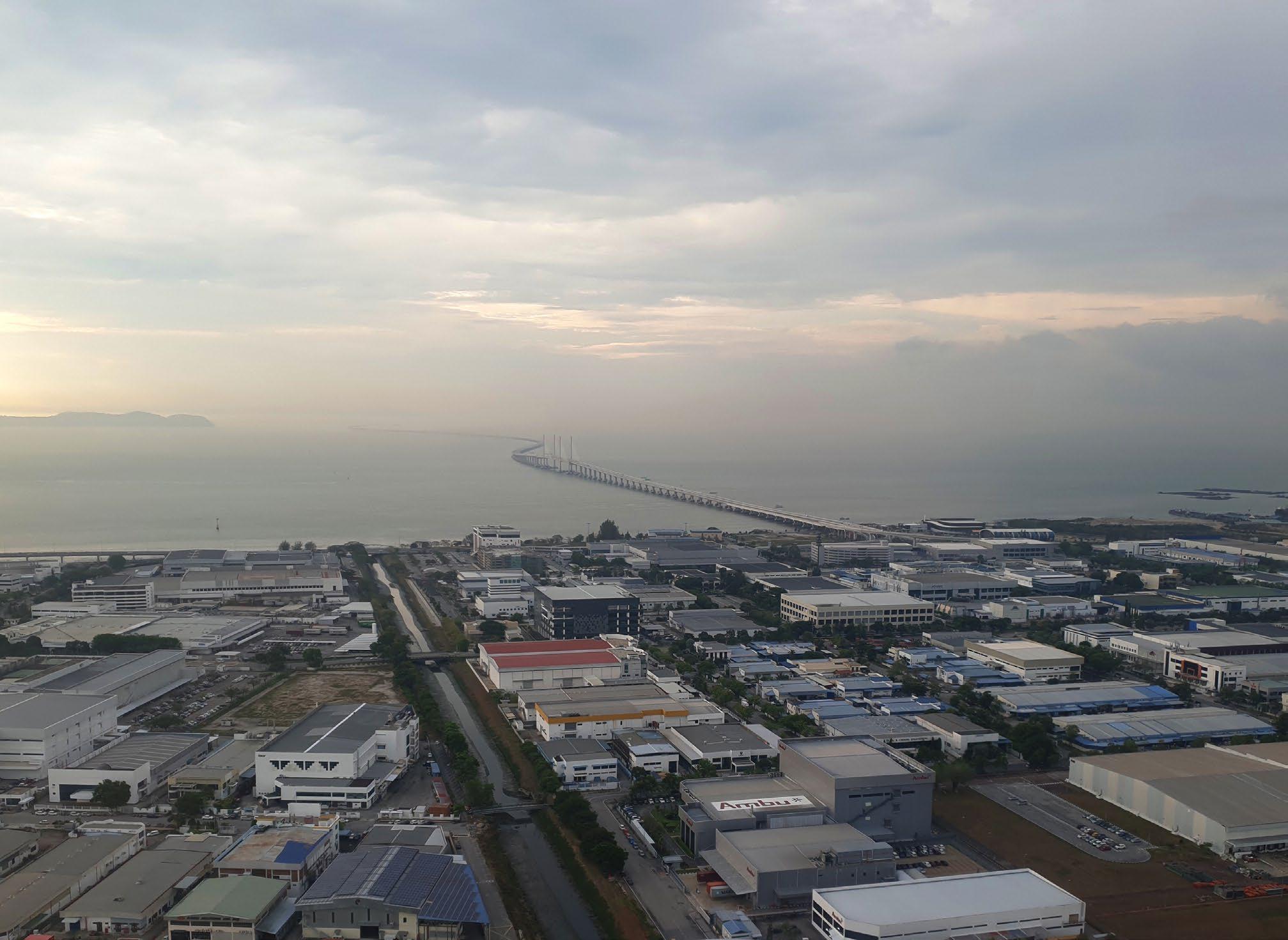
Away from Kuala Lumpur’s piercing skyline, something is humming beneath Malaysia’s real estate fabric: data centres.
Power-hungry and water-intensive, they have found an oasis in Malaysia, which boasted operational capacity approaching 11.6 gigawatts in late 2025.
The resulting digital gold rush is reshaping the country’s property narrative, splitting it between surging demand for industrial assets and a residential market in measured recalibration.
Capital is flowing into quality, strategically located assets. While total transactions dipped 3.5% to 108,250 in the third quarter of 2025, overall value surged 12.5% to MYR64 billion (USD14.4 billion) year-on-year, according to the National Property Information Centre (NAPIC).
“The star of the market, as has been for the past few years, is the industrial sector,” says Long Tian Chek, group managing director of Henry Butcher Malaysia.
NAPIC data from the first half of 2025 reinforces the trend: Industrial transactions rose 8.5% in volume and 5.6% in value, led by Selangor and Johor. Foreign direct investment, expanding e-commerce logistics, and hyperscale data centre demand have combined to fuel the boom.
The residential sector, by contrast, remains subdued. The Malaysian House Price Index edged up just 0.1% yearon-year to 229.1 points, with the average home price at MYR494,384. In H1 2025, residential transactions totalled 120,307, down 1.4%, with a combined value of MYR49.37 billion.
“I would characterise the current scenario as recalibration
rather than recovery or correction,” says Datuk Ar. Ezumi Harzani Ismail, chairperson of the PropertyGuru Asia Awards Malaysia.
The supply picture underscores that shift. Unsold completed homes climbed 16.3% to 26,911 units in H1 2025, with condominiums and apartments accounting for 57.9% of the overhang. By Q3, unsold units had reached 28,672, valued at MYR17.25 billion.
Kuala Lumpur accounted for the largest share, with approximately 3,643 units. JLL reports resilience in welldesigned prime developments favoured by expatriates and affluent locals, while older, pre-Covid projects continue to struggle.
“Legacy overhang issues are gradually being addressed as businesses adapt,” says Ezumi. “Developers are recognising
the need to revitalise assets and refine positioning.”
Policy direction is also influencing sentiment. Prime Minister Anwar Ibrahim has reinforced his MADANI framework, promoting a more inclusive and skilled Malaysia. In August, he criticised developments that prioritise spectacle over substance.
“There are grand buildings and mega projects that bring no real benefit other than impressing people, and we can no longer defend such developments,” he said.
New residential launches reflected that caution. By the end of Q3, launches fell to 11,533 units, with sales performance at 14%, according to NAPIC.
Demand remains concentrated in affordable and landed housing. Properties priced at MYR300,000 and below
accounted for over half of residential transactions in H1 2025. Terraced houses made up nearly 60% of new launches, with Johor and Perak emerging as key hotspots.
Johor led the country with 5,401 new units launched and a sales rate of 44%. The state continues to benefit from major infrastructure projects, including the East Coast Rail Link, the Johor Bahru–Singapore Rapid Transit System Link, and the Johor–Singapore Special Economic Zone.
“Infrastructure development is the single most significant factor shaping our landscape today,” says Ezumi. “Communities are forming around new transport corridors.”
Currency dynamics have added complexity. After a prolonged period of weakness that made Malaysian assets attractive to foreign buyers, the ringgit strengthened to eight-year highs in February, supported in part by capital inflows tied to data centre investment.
A stronger currency may temper foreign demand, particularly with an 8% stamp duty on foreign buyers set to take effect
in 2026. Industry observers, however, downplay the impact. “Stamp duty should be viewed in the context of longterm fundamentals,” says Ezumi. “Investors assess value appreciation, rental yields, and broader lifestyle considerations.”
Government initiatives have bolstered local demand. Measures include a reduction of the Overnight Policy Rate to 2.75%, tax relief on housing loan interest, and the MYR5billion Step-Up Financing Scheme under the Housing Credit Guarantee Scheme. Banks have tightened bridging finance for luxury high-rise developments, redirecting focus toward industrial and income-generating assets.
Manufacturing momentum has reinforced the industrial story. The Industrial Production Index rose 6% year-on-year in October 2025. In the first nine months of 2025, Malaysia attracted MYR285.2 billion in approved investments, 52.9% of which came from foreign direct investment, according to Henry Butcher. Johor led with MYR91.1 billion, followed by Selangor and the Federal Territory.
SILICON ISLAND ON PENANG IS STRENGTHENING THE ISLAND’S SEMICONDUCTOR AMBITIONS
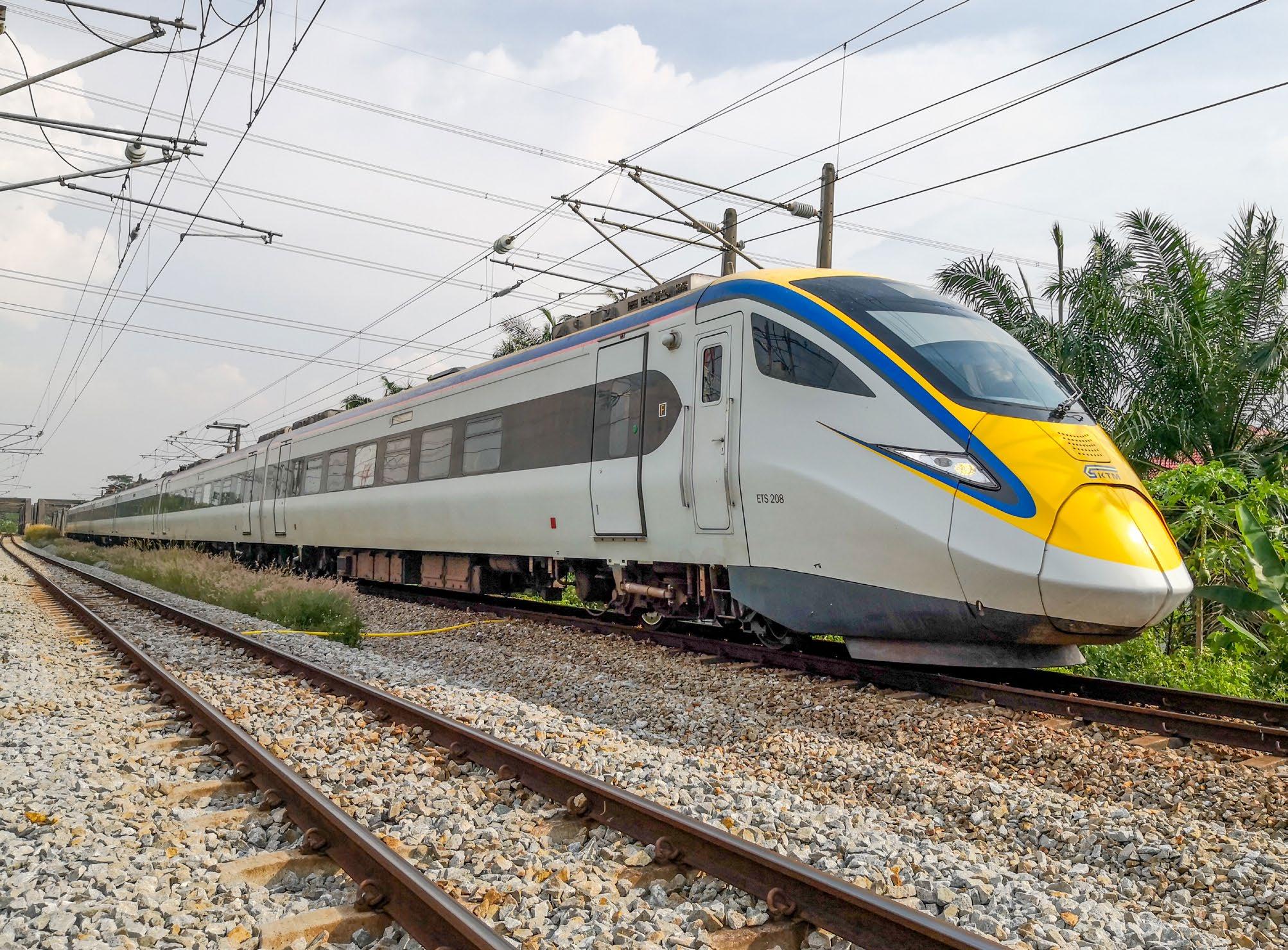
SOUTHERN STATES, INCLUDING JOHOR, ARE BENEFITING FROM MAJOR RAIL INFRASTRUCTURE PROJECTS
SOUTHERN LIGHTS
Johor’s momentum continues to build. NAPIC reports 732 industrial real estate transactions in H1 2025, representing 17.6% of the national total and placing the state second only to Selangor.
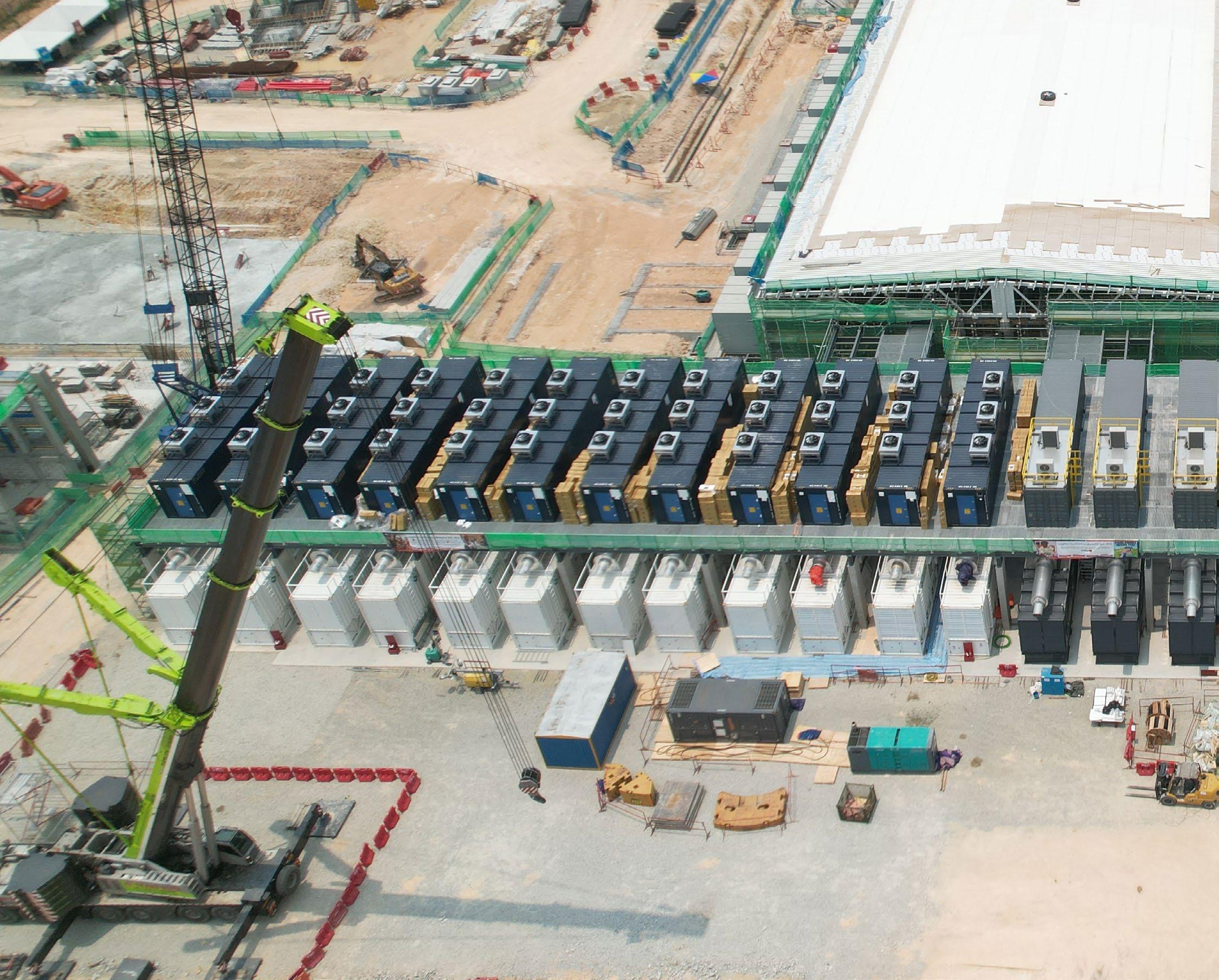
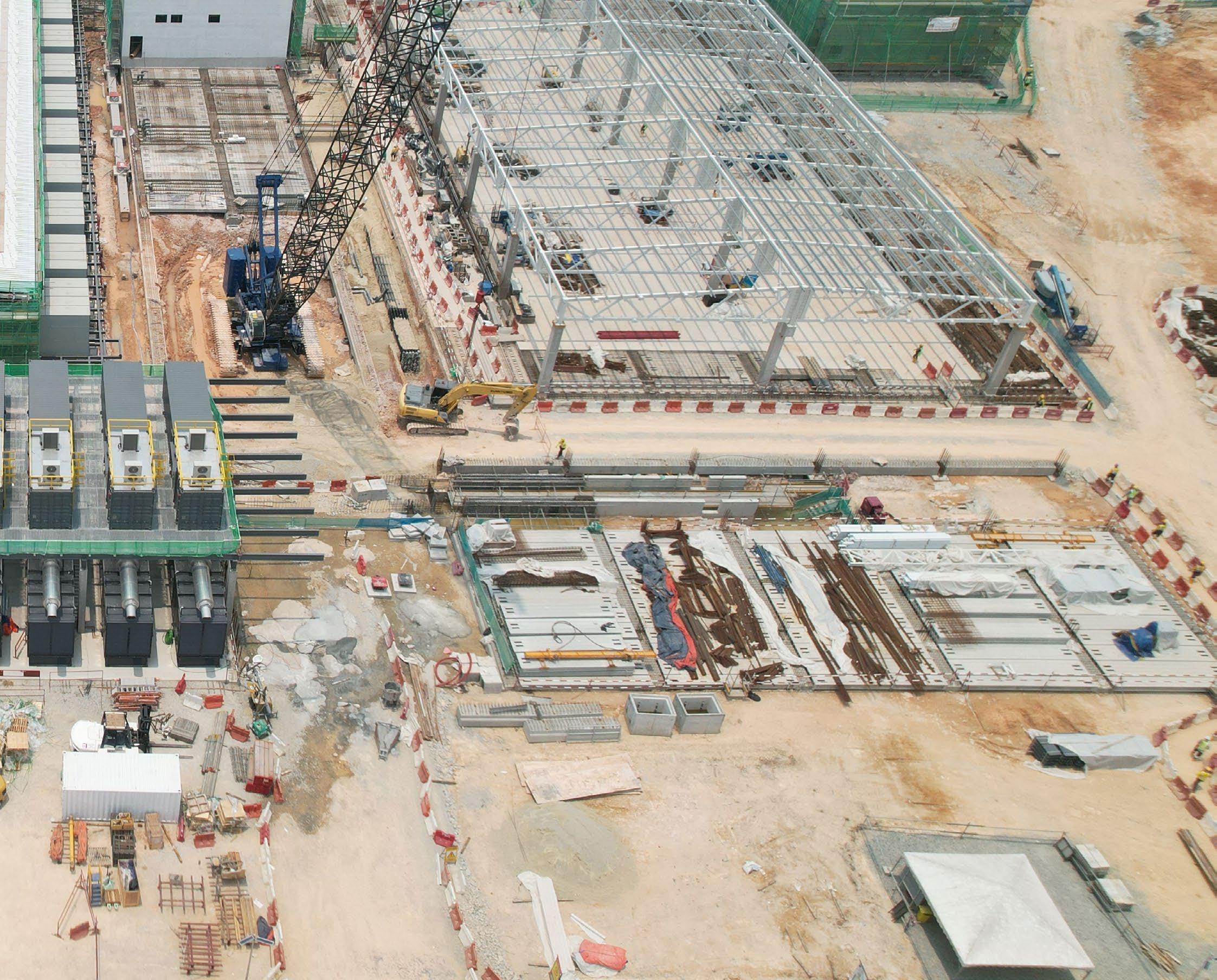
The state approved MYR164.45 billion in data centre investments last year, attracting global players including Microsoft, which has acquired multiple land parcels.
“Johor has become the current darling among investors,” says Long Tian Chek, group managing director of Henry Butcher Malaysia.
Former plantation land is being transformed into large-scale digital campuses. At the centre of this shift is Ibrahim Technopolis in Kulai, a 7,290-acre development delivering digital infrastructure powered by clean energy over a 25-year horizon. Within it, Sedenak Tech Park is operational, with Bridge Data Centre’s Phase 1 facility completed and subsequent phases progressing.
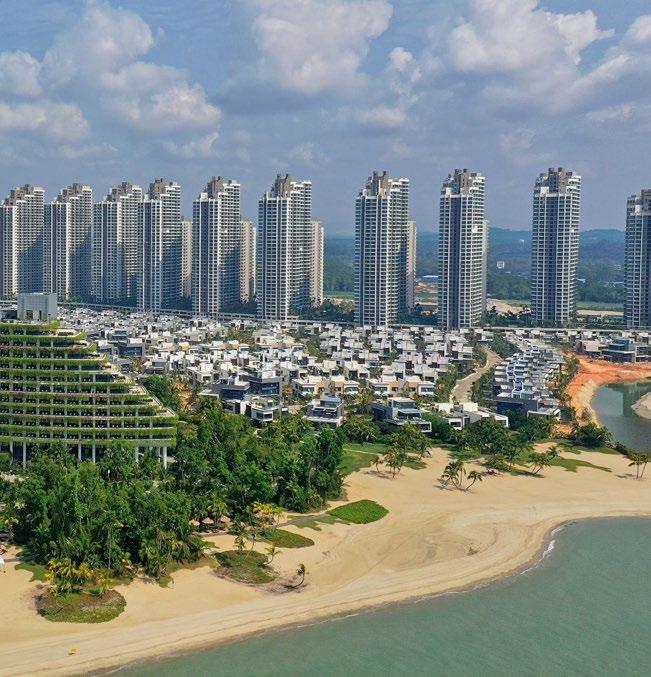
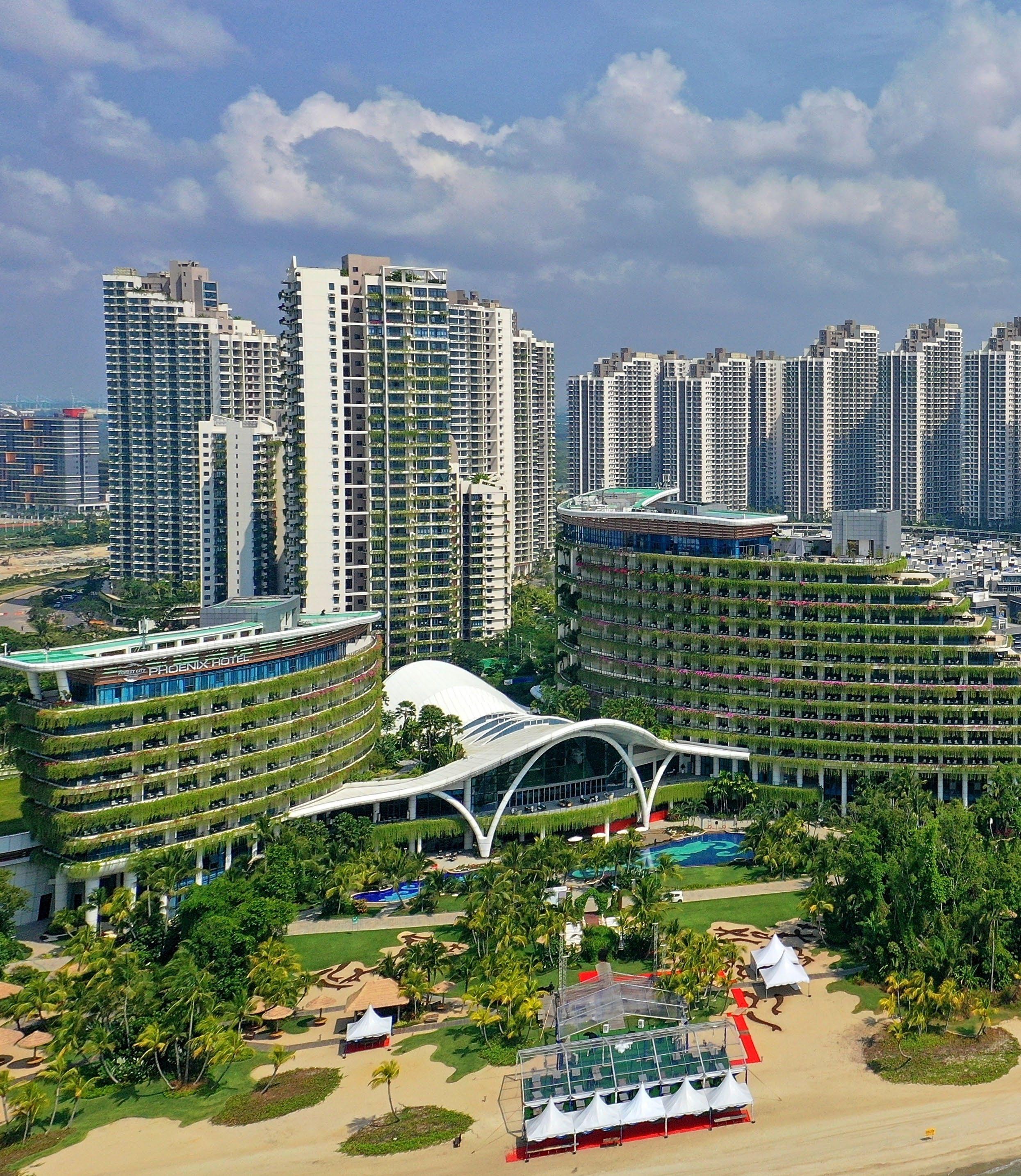
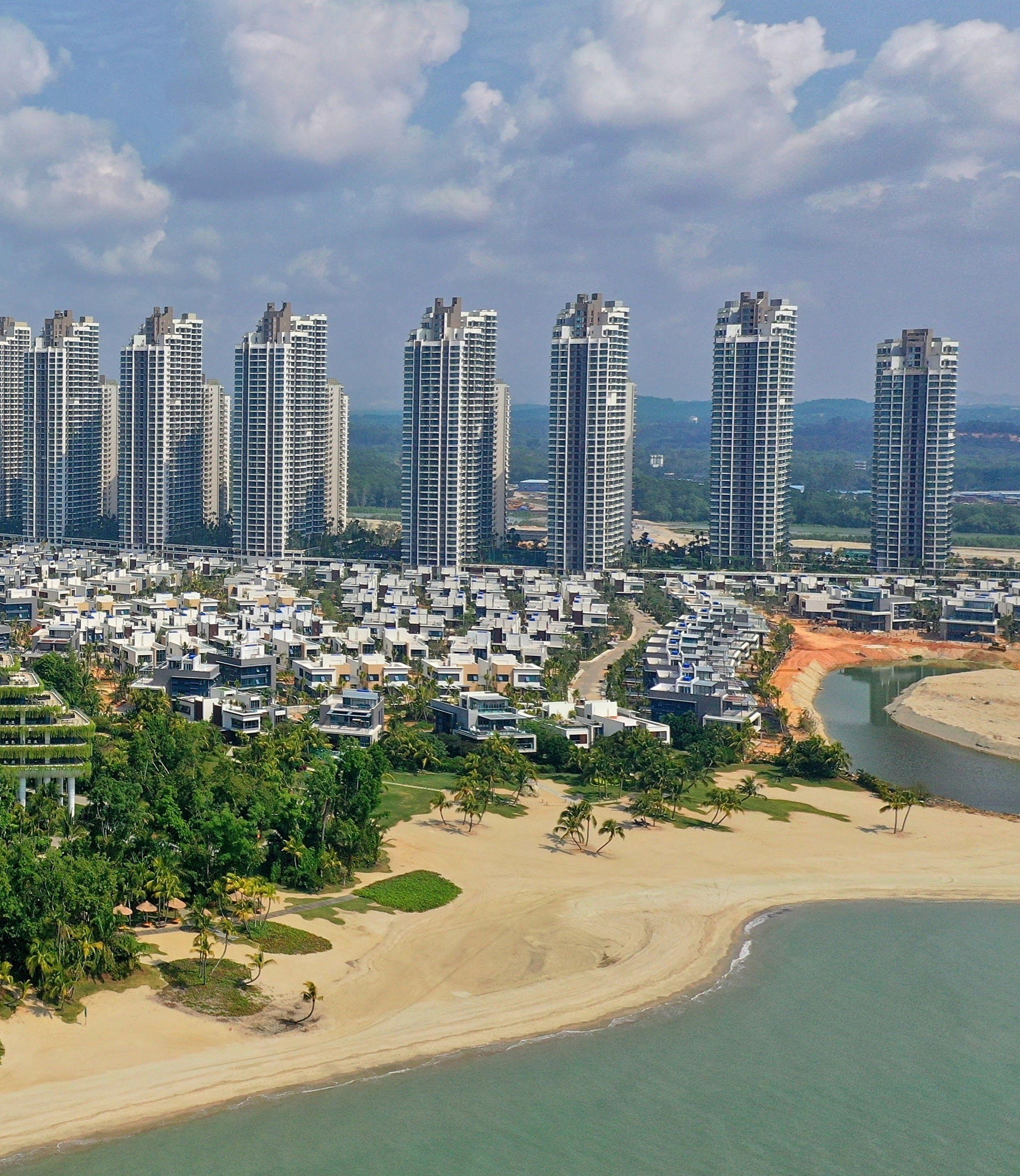
Forest City has also secured duty-free island status, alongside incentives for its Special Financial Zone announced in September 2024. Additional measures under the Johor–Singapore Special Economic Zone are expected to draw further capital into the state.
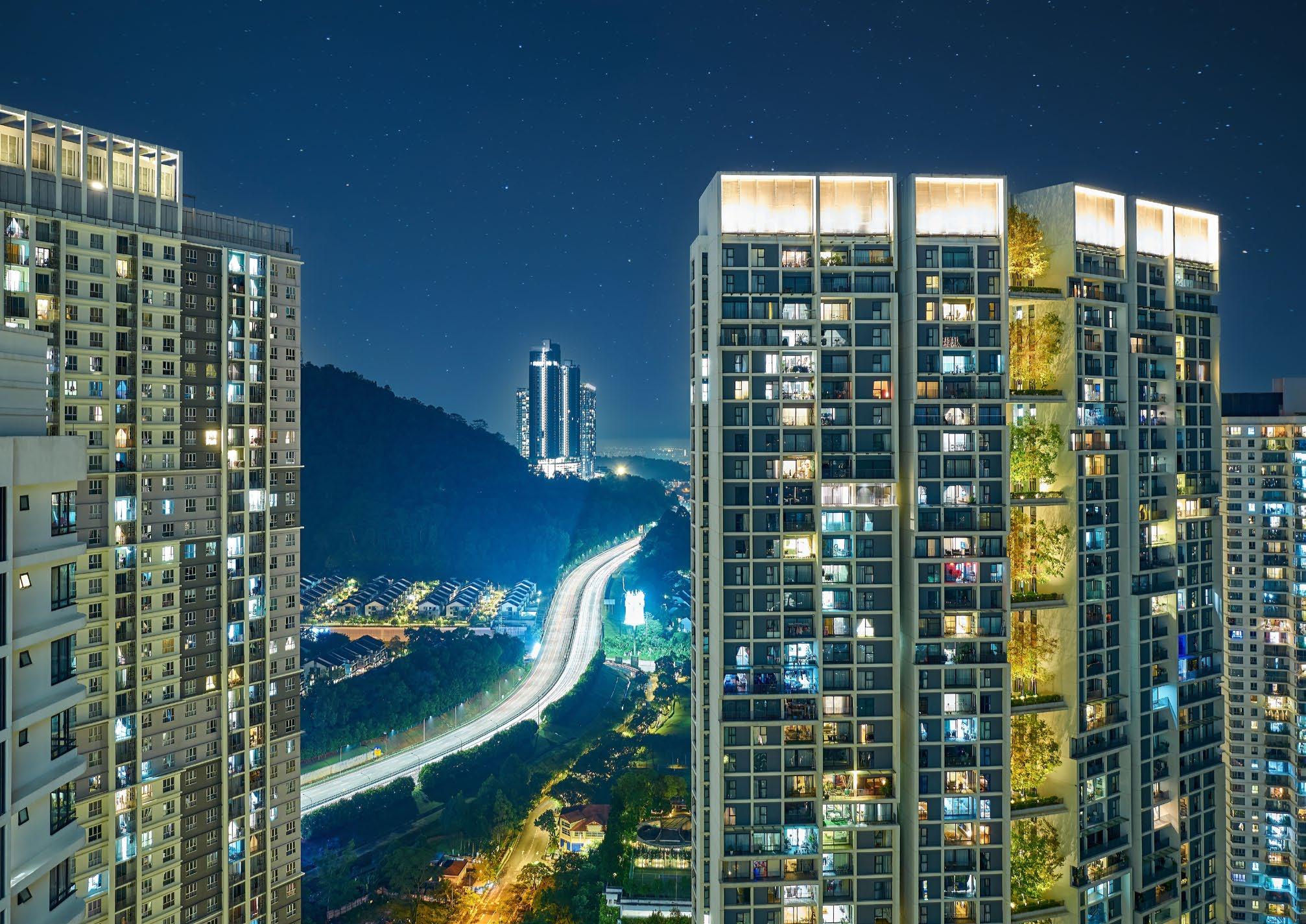
KUALA LUMPUR HAS MALAYSIA’S LARGEST SHARE OF UNSOLD RESIDENTIAL INVENTORY
Land reclamation is advancing on Silicon Island in Penang, strengthening the state’s semiconductor ambitions. In Johor, Sedenak Tech Park within the Ibrahim Technopolis hosts what is described as the largest hyperscale data centre campus in Southeast Asia.
Although Prime Minister Anwar has recently restricted approvals for non-AI-related data centres due to resource concerns, Malaysia remains committed to positioning itself as a high-tech manufacturing and digital hub.
“As an open economy dependent on international trade, Malaysia remains vulnerable to global shocks,” says Long. “We expect continued stability, though growth is likely to moderate rather than accelerate sharply.”
Ezumi projects modest residential price growth this year, supported by low unemployment, first-time buyer demand, and economic expansion of between 4.3% and 4.7%. Over the next two years, he anticipates firmer upward momentum as sentiment strengthens.
“There are solid reasons for cautious optimism,” he says.
The digital gold rush is reshaping Malaysia’s property narrative, sparking surging demand for industrial assets
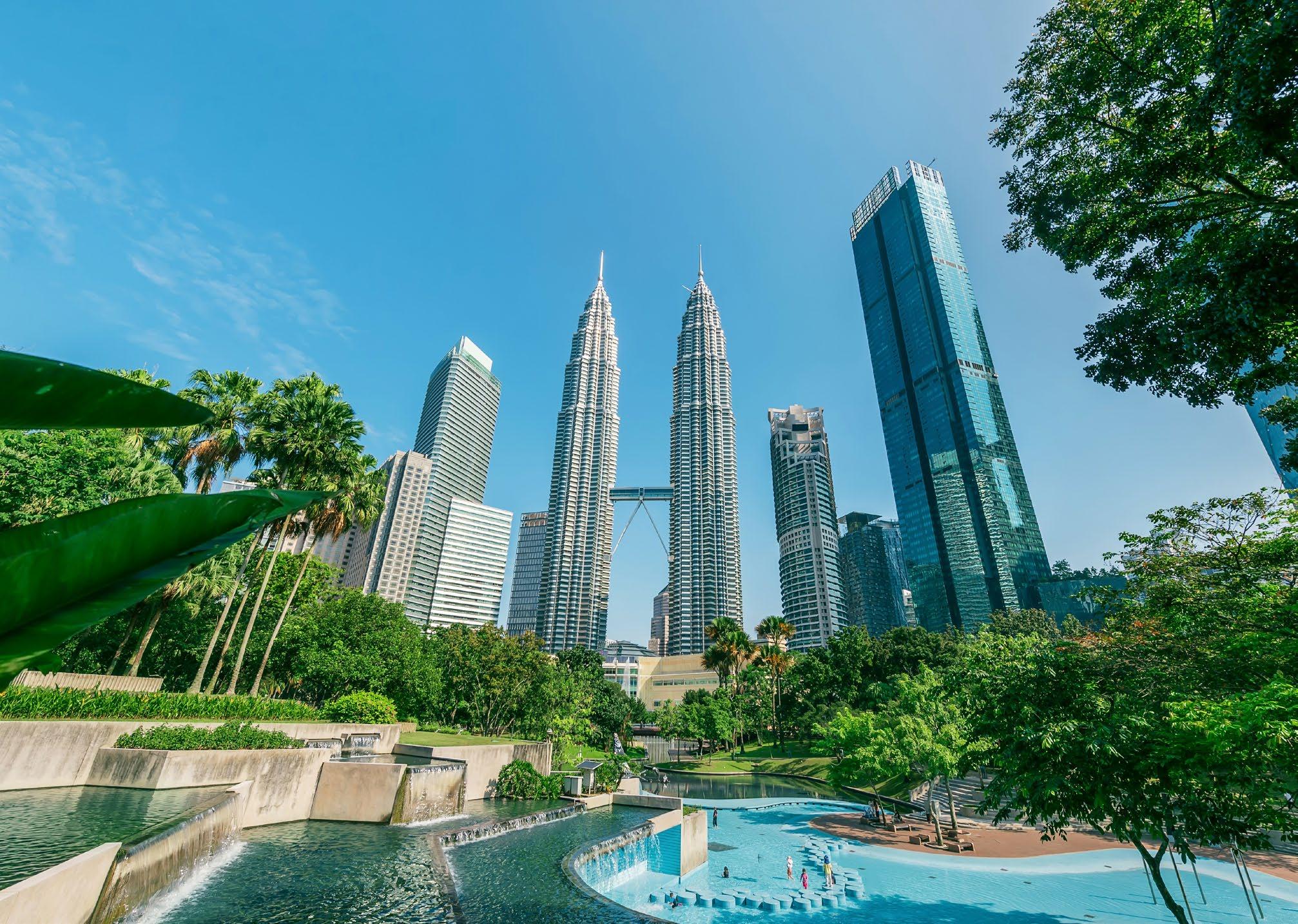
WELL-DESIGNED PRIME DEVELOPMENTS IN KUALA LUMPUR
CONTINUE TO DO WELL
AFFORDABILITY ARSENAL
Recent policy measures have reinforced support for lower- and middle-income buyers. Budget 2025 and subsequent initiatives aim to sustain accessibility despite softer market conditions.
The government allocated MYR405 million to continue 48 Program Residensi Rakyat projects, benefiting nearly 17,500 residents from the B40 income group. A further MYR452 million was directed to Projek Rumah Mesra Rakyat, funding 5,410 new homes for landowners lacking the means to build independently.
Under the Housing Credit Guarantee Scheme, government guarantees of up to MYR10 billion are expected to support approximately 20,000 homebuyers. The MYR5-billion Step-Up Financing Scheme offers reduced instalments during the first five years, while the Young Home Financing Scheme, introduced in April 2025, allows public sector employees aged 30 and below to extend loan tenures up to 40 years.
First-time buyers are also eligible for income tax relief on housing loan interest: up to MYR7,000 for homes priced up to MYR500,000, and up to MYR5,000 for homes priced between MYR500,000 and MYR750,000.
“These measures provide strong support for first-time buyers and encourage developers to rethink strategies towards more affordable housing solutions,” says Datuk Ar. Ezumi Harzani Ismail of the PropertyGuru Asia Awards Malaysia.
The 11th PropertyGuru Indonesia Property Awards celebrated the islands’ finest real estate on 21 November 2025 at The Ritz-Carlton Jakarta, Pacific Place, conferring 60 accolades across the industry.
Summarecon Group garnered the prestigious Best Developer title for the first time, propelled by wins for its integrated townships, including Summarecon Bandung, Bogor, and Serpong, and key projects within them. The ceremony also honoured the group’s founder, Soetjipto Nagaria, with the inaugural Life Achievement Award for his legacy.
PT Pakuwon Jati Tbk achieved a double victory as Best Mixed Use Developer and Best Hospitality Developer. Paramount Land was distinguished as Best Township Developer while PT Belaputera Intiland earned Best Sustainable Developer.
Putragaya Wahana was celebrated as Best Commercial Developer, and its president director, Alvin Gozali, was named Real Estate Personality of the Year. William Liusudarso of Easton Urban Kapital received the new Rising Star award.
Other major winners included Sinar Mas Land and ASRI (Agung Sedayu Group).
For the full list of winners, visit asiapropertyawards.com/en/award/indonesia
THE JUDGES
Doddy A. Tjahjadi, Managing Director, PTI Architects
Alex Bayusaputro, Founder and Managing Partner and Creative Director, Indonesia and Singapore, Genius Loci
Bagus Adikusumo, Senior Director, Office Services, PT Colliers International Indonesia
Djinadi Gunawan, Managing Director, PT Meinhardt Indonesia
Hendra Hartono, Chief Executive Officer, PT Leads Property Services Indonesia
Lina Gan, Founder and Editor-in-Chief, Indonesia Design
M. Archica Danisworo, Co-Founder and Design Director, PDW Architects
Vivin Harsanto, Executive Director / Head of Growth, JLL Indonesia
SPONSORS AND PARTNERS
Platinum sponsor Kohler
Silver sponsor Accor
Silver sponsor MytePro
Branded partner V-ZUG
Supporting partner MilikiRumah.com
Official magazine Property Report by PropertyGuru
Official publicity partner Publicom Communications
Media partners Detik.com, Kompas.com, and Top 10 of Indonesia
Official supervisor HLB
A PORTRAIT OF EXCELLENCE AS AWARDEES GATHER AT THE END OF THE GALA
REAL ESTATE PERSONALITY OF THE YEAR ALVIN GOZALI REPRESENTS BEST COMMERCIAL DEVELOPER PUTRAGAYA WAHANA
PARAMOUNT LAND HONOURED AS BEST TOWNSHIP DEVELOPER
SOETJIPTO NAGARIA, FOUNDER OF BEST DEVELOPER SUMMARECON GROUP, RECEIVES THE LIFE ACHIEVEMENT AWARD
WILLIAM LIUSUDARSO OF EASTON URBAN KAPITAL RECEIVES THE RISING STAR AWARD
PT PAKUWON JATI TBK TAKES BOTH BEST MIXED USE DEVELOPER AND BEST HOSPITALITY DEVELOPER
The 2025 PropertyGuru Asia Property Awards celebrated the finest real estate from Japan, Sri Lanka, the Middle East, Mainland China, Hong Kong, and Macau in an exclusive luncheon on 12 December at The Athenee Hotel, a Luxury Collection Hotel, Bangkok.
Japan’s ceremony saw Jean Yip Developments win Best Developer and Best Lifestyle Developer. K2-DESIGN ARCHITECT & ASSOCIATES dominated the segment while Obayashi Corporation, SANGO CONSTRUCTION, ALT Design & Construction, and BAUM Ltd earned top honours.
Sri Lanka celebrated Home Lands Group of Companies as Best Developer and Best Lifestyle Developer while Chedi Hospitality won for its luxurious branded project in Dubai.
From Mainland China, Lead8 earned multiple design awards while Benoy won for the Nanjing Alibaba Center. CAN Design, Sybarite Architects, and J&A Design also triumphed.
Henderson Land Development Company Limited was crowned Best Developer (Hong Kong and Macau) and won awards alongside New World Development Company Limited. Xiangyuan Property Development Limited was also honoured for a topnotch Macau development.
For the full list of winners from Mainland China, Hong Kong, Macau, Sri Lanka, the Middle East, and Japan, visit asiapropertyawards.com/en/awards
THE JUDGES
JAPAN
Eddie Guillemette, CEO of Midori no Ki (MnK)
Anton Wormann, Founder and CEO, Anton in Japan Media and Japandi Houses
Bill Barnett, Founder and Managing Director, C9 Hotelworks
Greg Hough, Managing Director, Niseko Portfolio and Explore Travel Group
Koji Tsutsui, Principal, Koji Tsutsui Architect & Associates
Zino Helmlinger, Executive Director / Head of Retail, CBRE
HONG KONG AND MACAU
Paul Tse, President of the Macao Association of Building Contractors and Developers
Bernie Devine, Senior Regional Director, Asia Pacific, Yardi Systems, Inc.
Gregory Ku, Independent Property Professional
Jimmy Wardhana, Co-Founder and Principal Architect, JWCC Architecture Co. Ltd
Kam Hung Yu, Past President, The Hong Kong Institute of Surveyors
Sr Edmond Yew, Senior Vice President, Lai Fung Holdings Limited
Vincent Cheung, Founder and Managing Director, Vincorn Consulting and Appraisal Limited
PARTNERS
Official partner
Anjuke
Official portal partner
PropertyGuru
Official magazine
Property Report by PropertyGuru
Official publicity partner Molihua Media Group (MMG)
Media partners
Bridges, China.com, China Daily, Japan-Property.jp, Japan Today, Mingtiandi, Powderlife, Real Estate Japan, and The Standard
Supporting association Niseko Tourism
Official supervisor HLB
THE WINNING TEAMS BEHIND THE FINEST REAL ESTATE IN CHINA, JAPAN, SRI LANKA, AND THE MIDDLE EAST
HENDERSON LAND RECOGNISED AS BEST DEVELOPER (HONG KONG AND MACAU)
JEAN YIP DEVELOPMENTS WINS BEST DEVELOPER IN JAPAN
The PropertyGuru Asia Property Awards series celebrated its 20th edition in a spectacular finale on 12 December 2025 at The Athenee Hotel, a Luxury Collection Hotel, Bangkok.
The 2025 PropertyGuru Asia Property Awards Grand Final honoured winners across 13 markets with over 90 “Best in Asia” titles. Henderson Land from Hong Kong prevailed as Best Developer (Asia).
Malaysia was the top-performing country with 17 wins, led by JLand Group as Best Industrial Developer (Asia). Indonesia followed closely with 15 wins, including Paramount Land as Best Township Developer (Asia). Vietnam secured 14 wins, led by CapitaLand Development as Best Sustainable Developer (Asia).
Singapore earned 11 wins, with UOL Group taking Best Residential Developer (Asia). The Philippines won 10 titles, highlighted by Robinsons Land as Best Luxury Developer (Asia).
Supaluck Umpujh of The Mall Group received the PropertyGuru Icon Award, joining other winners from Thailand, Australia, Japan, Sri Lanka, and the Middle East.
For the full list of winners, visit asiapropertyawards.com/en/award/grandfinal
THE JURY
Thien Duong, General Director, GroupGSA (Vietnam)
Ajai A Kapoor, CEO of 360 Degrees – Real Estate Services (India)
Cyndy Tan Jarabata, President of TAJARA Leisure & Hospitality Group Inc. (Philippines)
Doddy A. Tjahjadi, Managing Director of PTI Architects (Indonesia)
Eddie Guillemette, CEO of Midori no Ki (Japan)
Datuk Ar. Ezumi Harzani Ismail, President of the Malaysian Institute of Architects: 2020-2022 (Malaysia)
Ivan Lam, Executive Director of International Business at Charter Keck Cramer (Australia)
Ken Ip, Chairman of the Asia MarTech Society (Mainland China)
Dr. Nirmal De Silva, Director and CEO of Paramount Realty (Sri Lanka)
Paul Tse, President of the Macao Association of Building Contractors and Developers (Hong Kong and Macau)
Roy Ling, CEO, Board Director, and Adjunct Professor at FollowTrade (Singapore)
Suphin Mechuchep, Strategic Real Estate Advisor (Thailand)
SPONSOR AND PARTNERS
Platinum Sponsor Sub-Zero & Wolf SEA
Official portal partner PropertyGuru
Official magazine Property Report by PropertyGuru
Media partners Bridges, BusinessWorld, Detik.com, d+a Magazine, Hot Magazine, Inquirer Property, Kompas.com, Kopi and Property, Luxury Society of Asia, Manila Bulletin, Niaga Times, Penang Property Talk, Prop2morrow, REm Thailand, SquareRooms, Tatler Asia Homes, TerraBKK, The Grid, The Malaysia Voice, The Philippine Star, and Top 10 of Asia
Official courier EZY Express
Official supervisor HLB
SMILES ALL ROUND AS THE WINNERS AND FINALISTS HUDDLE FOR THE CLASS PHOTO
SUSTAINABLE
CAPITALAND DEVELOPMENT (VIETNAM) WINS THE BEST
DEVELOPER (ASIA) AWARD
ROBINSONS LAND FROM THE PHILIPPINES TAKES THE TITLE OF ASIA’S BEST LUXURY DEVELOPER
JLAND GROUP OF MALAYSIA CLAIMS THE TITLE OF BEST INDUSTRIAL DEVELOPER (ASIA)
HENDERSON LAND BESTS DEVELOPERS ACROSS ASIA TO CLAIM THE GRAND FINAL’S TOP PRIZE
PUTRAGAYA WAHANA FROM INDONESIA WAS AWARDED BEST COMMERCIAL DEVELOPER (ASIA)
PARAMOUNT LAND, ALSO FROM INDONESIA, RECOGNISED AS BEST TOWNSHIP DEVELOPER IN ASIA
GAMUDA LAND VIETNAM HONOURED AS BEST COMMUNITY DEVELOPER IN ASIA
Outsized influence
Nusantara may redefine Indonesia’s political map, but density, demand, and capital flows continue to anchor real estate momentum in Greater Jakarta
By Liam Aran Barnes
In 2025, Jakarta surpassed Tokyo as the world’s largest urban area, with nearly 42 million residents, according to the United Nations—underscoring the growing pressure on housing, offices, and infrastructure, even as Indonesia presses ahead with plans to relocate its capital to Nusantara on the island of Borneo.
As government functions begin shifting northward, property markets are offering the first measurable signal of change: whether Jakarta’s dominance is being diluted or reinforced.
JAKARTA SURPASSED TOKYO AS THE WORLD’S LARGEST URBAN AREA IN 2025
So far, the data points to continuity. Industrial space across Greater Jakarta is operating close to full capacity, with occupancy at roughly 96%, while residential price growth remains modest at 0.5%–2% annually, according to research from PT Leads Property Services Indonesia.
“Greater Jakarta still holds the highest potential as Indonesia’s hub for business activity,” says Hendra Hartono, founder and CEO of PT Leads Property Services Indonesia. Investors, he adds, are unlikely to commit at scale elsewhere without a mass
INVESTORS ARE UNLIKELY TO COMMIT AT SCALE ELSEWHERE WITHOUT A MASS POPULATION WITH SUSTAINED PURCHASING POWER
population with sustained purchasing power. That dominance has not translated into broad pricing acceleration. In the vertical residential market, competition and existing inventory are containing upward pressure, and recent years have not seen a huge jump in pricing, Hartono notes, particularly in the condominium segment.
“The market is competitive, and buyers are selective,” he adds, noting that buyer profiles have shifted more decisively toward endusers rather than speculative investors.
Value is being recalibrated along clear income lines. At the mass-market level, households are weighing space against proximity. For the price of a two-bedroom apartment in central Jakarta, buyers can often secure a three-bedroom landed house in Bogor, Depok, Tangerang, or Bekasi, according to Hartono.
He adds that higher-income buyers are less inclined to make that trade. Upscale projects continue to transact, supported by demand for access to the CBD and South Jakarta, particularly in areas served by MRT infrastructure. Mainstream condominium demand typically clusters around 70 to 150 square metres, while luxury units range from roughly 250 to 400 square metres.
Those trade-offs reflect the physical constraints bearing down on a metropolitan area that has expanded faster than its infrastructure can comfortably support.
Flooding also remains a recurring reality in Jakarta. The city sits on a low-lying basin, and estimates suggest that about 40% of North Jakarta is below sea level, worsened by decades of subsidence.
Geodetic surveys conducted by Indonesian research institutions show that parts of the city continue to sink at an average rate of around 3–6 centimetres per year, with some localised districts historically recording higher rates. Excessive groundwater extraction and soil compression from rapid urban development remain the primary drivers.
Even so, flood exposure and subsidence have not materially altered transaction behaviour. Primary pricing remains anchored to infrastructure access, and developer quality, while discounts in the secondary market reflect competitive positioning rather than systematic climate repricing.
“Flooding is still an issue in Jakarta,” Hartono says. “But pricing, accessibility, facilities, and the developer’s ability to deliver are what drive transactions.”
In industrial and logistics real estate, access to toll roads, ports, MRT links, and established supply-chain ecosystems continues to outweigh climate exposure in underwriting decisions.
“Connectivity and accessibility remain the primary factors when choosing locations,” says Farazia Basarah, country head at JLL Indonesia. “Rental rates are determined more by location and infrastructure than by natural disaster probability.”
That emphasis on infrastructure is reinforced by scale. With nearly 42 million residents across the metropolitan area, daily consumption generates sustained demand for distribution and storage.
“More people means the need for more electric vehicles, more consumer goods
Dispatch
and more e-commerce activity—and all of this requires manufacturing and warehouse facilities,” Basarah explains.
Site selection then becomes activity-specific, she adds. E-commerce operators prioritise proximity to dense consumer markets, while automotive distributors gravitate toward manufacturing clusters. Firms less dependent on immediate population access are more inclined to consider lower-cost provinces such as Central Java.
Industrial occupancy across Greater Jakarta has reached roughly 96%, one of the highest levels among major Southeast Asian logistics markets in JLL’s comparative tracking.
The regional comparison suggests Jakarta is not merely active but operating under clear supply pressure. Among major ASEAN markets, the metropolitan region now faces some of the most pronounced land availability constraints, increasing competition for modern logistics stock.
While Indonesia ranks below more mature regional markets in regulatory transparency, Jakarta’s established logistics ecosystem and economic fundamentals continue to attract foreign institutional capital, especially for Grade A assets developed by established players. According to Basarah, the market is becoming “more constrained rather than competitive” compared with the rest of the region.
Meanwhile, the relocation of Indonesia’s capital has yet to meaningfully shift private real estate dynamics. Outside state-linked facilities and select hospitality projects, large-scale office and retail absorption has yet to materialise.
Hartono notes that commercial development in Nusantara remains limited. Activity is largely concentrated in state-linked facilities, hotels, and restaurants, rather than office or retail schemes of scale. Without a deep private-sector employment base, residential, and commercial absorption remains demand-dependent.
Designation alone does not create demand. Residential absorption, retail performance, and office take-up depend on household formation, employment density, and ecosystem maturity. Until those fundamentals are established, capital allocation remains cautious.
A similar dynamic is visible in logistics and industrial markets. Basarah notes that stakeholders remain focused on traditional hubs such as Greater Jakarta, as well as emerging locations supported by Special Economic Zone (SEZ) status across the country. These policy-backed corridors, rather than Nusantara itself, are currently attracting industrial occupiers and investors seeking cost advantages without sacrificing infrastructure depth.
The relocation of government functions may gradually alter Indonesia’s institutional geography. But real estate markets adjust to density, employment concentration, and income formation. For now, investment flows and industrial absorption remain centred on Greater Jakarta.
Indonesia may operate two capitals in administrative terms. In market terms, the centre of gravity remains in Jakarta.
INDONESIA’S NEW CAPITAL, NUSANTARA, IS TAKING SHAPE IN THE BORNEO STATE OF KALIMANTAN
After the fire
Stricter scaffolding rules follow Hong Kong’s deadliest property blaze in decades. The real test is enforcement
By Steve Finch
Following deadly fires at Wang Fuk Court, a subsidised government housing complex, in November, Hong Kong’s property sector has faced scrutiny not seen in decades.
The incident marked the city’s deadliest property fire in more than 75 years, leaving 168 people dead and leading to the arrest of two directors from engineering consulting firm Will Power Architects. Prestige Construction and Engineering, the contractor registered for major façade renovations at the site, has also come under pressure after local media reported a history
THE DEADLY FIRES AT WANG FUK COURT HAVE PROMPTED A RECKONING WITHIN HONG KONG’S REAL ESTATE SECTOR
of safety violations and previous regulatory breaches.
The scale of the tragedy has prompted not only criminal investigations but also a broader reckoning within an industry that underpins one of the world’s most dense urban environments.
In a city where high-rise living is the norm and large-scale maintenance works are constant, public confidence in construction oversight is critical. As fire services, police, anti-corruption units, and an independent commission pursue multiple investigations,
Dispatch
ENFORCEMENT AND CERTIFICATION INTEGRITY ARE UNDER QUESTION. THE PROBLEM APPEARS ROOTED IN OVERSIGHT FAILURE, MONITORING LAPSES AND CONTRACTOR ACCOUNTABILITY
Hong Kong’s construction and property sectors are confronting a wave of new rules and heightened oversight, with further regulations expected to follow. Against a backdrop of recurring building fires and long-standing safety concerns, the industry now faces the challenge of strengthening protections without driving up costs and delays that could stall projects or deter smaller contractors from bidding.
Authorities have tightened requirements for protective netting used around scaffolding, widely believed to have contributed to the blaze. Contractors must now submit certification and test reports demonstrating fire-retardant performance, while random site inspections and laboratory testing are expected to become routine rather than exceptional. A tracking system is also being introduced to ensure materials tested off-site match those deployed in practice, addressing concerns that documentation may not always reflect on-site reality.
“In short, compliance risk and documentation burden will increase materially,” says James Woo, executive director at Colliers Hong Kong, noting that higher compliance costs, insurance premiums, and extended project timelines are likely consequences. He adds that larger firms may be better positioned to absorb these pressures, while smaller operators could struggle with the administrative and financial load.
Corruption and enforcement have emerged as central concerns as the contractor sector undergoes renewed scrutiny. Calls for reform had already intensified following fires at a University of Hong Kong dormitory, Chinachem Tower in Central,
a rehousing development in Kai Tak, and a building on Texaco Road, all in 2025. Government Buildings Department data shows summonses and convictions linked to fire safety have risen annually since 2020. In November alone, 105 summonses were issued, more than triple the total recorded in 2020, alongside 35 convictions. Despite this escalation in formal enforcement activity, scaffolding fires, and related fatalities reached some of their highest levels on record last year, raising questions about whether penalties have been sufficiently deterrent.
Debate has also resurfaced over Hong Kong’s continued reliance on bamboo scaffolding, a long-standing feature of the city’s skyline. While mainland China has largely transitioned to metal alternatives, bamboo remains entrenched locally due to cost advantages, typically priced at roughly one-third of metal systems and requiring less heavy machinery for installation. The material is also deeply embedded in local construction culture and training practices. Industry observers, however, argue that the primary hazard lies not in bamboo itself but in combustible netting designed to catch debris. As a result, lawmakers have so far resisted calls for a blanket ban, focusing instead on strengthening material standards, certification processes, and oversight mechanisms.
Bernadette Linn, Secretary for Development, told Hong Kong’s Legislative Council in late January that the government is reviewing the Building Ordinance, with potential reclassification of major maintenance works that would impose stricter safety requirements across projects. Such changes
Dispatch
could expand the scope of regulatory supervision and increase accountability at earlier stages of project planning.
Additional measures under consideration include enhanced background checks on contractors, and incorporating criminal and corruption vetting before firms can undertake work. Routine performance reviews and delisting mechanisms are also expected to become more systematic, rather than reactive. The Urban Renewal Authority is poised to play a more active role mediating between building owners and contractors to prioritise safety outcomes and improve transparency for residents affected by renovation works.
“More indicators reflecting performance will be taken into account,” says Linn. “It is believed that the above will attract quality consultants and contractors to participate in building maintenance works.”
Whether regulatory tightening alone can deliver safer outcomes remains uncertain. Preliminary findings suggest failures in
DEBATE HAS RAGED OVER HONG KONG’S CONTINUED RELIANCE ON BAMBOO SCAFFOLDING
existing safeguards, including alarms that did not activate, contributed to the scale of the tragedy, prompting arrests linked to alleged false documentation as investigations continue. The episode has fuelled criticism that enforcement gaps, rather than regulatory absence, may be the more pressing concern.
For Woo, the issue is less regulatory insufficiency than regulatory execution.
“Hong Kong already had safety codes, but enforcement and certification integrity are under question,” he says.
“The problem appears rooted in oversight failure, monitoring lapses, and contractor accountability.”
Ultimately, the fires have exposed a structural gap between policy ambition and on-the-ground practice. Closing that gap, through consistent enforcement and credible accountability, may prove the defining test for Hong Kong’s construction sector in the years ahead.
33-47A Elgin Street
Soho, Central, Hong Kong
33–47A Elgin Street is a visionary residential condominium development redefining sustainable urban living in Upper Central, Hong Kong. Designed as a twin-tower complex, it harmonises environmental performance with architectural elegance.
The exterior features natural stone arches, eco-balconies, and double-glazed UVblocking façades that reduce solar gain and noise. A voluntary 3.9-metre setback and widened sidewalks enhance natural lighting, ventilation, and pedestrian comfort. The towers are widely set apart, creating a central plaza that fosters community interaction.
Inside, residences are crafted for wellness and flexibility, with corner windows featuring minimal frames, concealable
balcony bar-top tables, and overhead bin ceiling. Communal facilities include a dual clubhouse with co-working spaces, multipurpose rooms, and a 24-hour gym equipped with energy-generating machines.
33–47A Elgin Street is strategically located in Hong Kong’s vibrant SOHO district, offering excellent connectivity within a 1-km radius. Nearby transport hubs include Hong Kong Station / Airport Express (approx. 900 metres away); Central MTR Station (approx. 800 metres away); and Sheung Wan MTR Station (approx. 600 metres away).
This prime location ensures residents enjoy seamless access to public transport, major highways, and international travel hubs— perfect for urban professionals and frequent travellers.
2025
33–47A Elgin Street by Henderson Land Development Company Limited
(HONG KONG)
Developer: Henderson Land Development Company Limited
Highwood – 70 To Kwa Wan comprises two modern 28-storey residential towers, delivering 816 units across an area of 35,507 sqm in the heart of Kowloon. The project replaces a cluster of 60-year-old buildings around To Kwa Wan Road, Lok Shan Road, and Ha Heung Road.
Drawing inspiration from the district’s rich history, Highwood – 70 To Kwa Wan reimagines urban living through the lens of an “artist’s village.” The thoughtfully curated podium supports local businesses and serves as a communal hub with a 5,917sqm retail space. A clubhouse and podium garden, inspired by Thailand’s Khao Sam Roi Yot National Park, occupy 2,700 sqm on the second floor.
A distinctive “tree” portal entrance creates a sense of arrival and enhances the visual appeal of the building and surrounding streetscape. The “Breathing Façade”, which
filters outdoor pollutants, transitions from warm earthy tones and natural materials at street level to bold accent colors at the summit, reflecting the “Artist in residence” theme.
The units feature soundproof flooring, enhancing overall home comfort. They also offer smart storage solutions, concealed drying racks, and a smart home app. Photocatalytic PCO and UV disinfection technologies ensure hygienic air quality. Lift cars support multiple access methods, including touch-panel operating systems, contactless functionalities, and mechanical keypads for people with disabilities.
Highwood’s prime location boosts property value potential, aligning with the Urban Renewal Authority’s initiatives for comprehensive urban regeneration, ensuring long-term commercial sustainability.
Highwood70 To Kwa Wan Road by Henderson Land Development Company Limited
AND MACAU)
Developer: Henderson Land Development Company Limited
Product type: Condo
Architect: Andrew Lee King Fun & Associates Architects Ltd
Launch date: September 2025
Completion date: May 2027
Total land area: 3,945 sqm
Number of units: 816
Average unit size: 31 sqm
Facilities: Shopping mall, podium garden, and clubhouse including gymnasium, theater, BBQ, etc.
Monthly maintenance fees:
HKD5.14 per sq ft
Price range: HKD4.62-9.39 million per unit
Contact: Phone number: 2375 2888
Email: Sales.hk@hld.com
Address: L5, Mira Place One, 132 Nathan Road, Tsim Sha Tsui, Kowloon, Hong Kong
Website: highwood.com.hk
FACT BOX
The Legacy 8 Castle Road, Mid-Levels, Hong Kong
The Legacy features two 45-storey residential towers atop a five-storey podium, housing 172 residences with sweeping Victoria Harbour views. Tower 1 overlooks Western District, Central, and Upper Central while Tower 2 captures Central and Upper Central views.
Inspired by Italian castles and landscapes, the development harmoniously integrates gardens, streams, and fountains, creating a serene oasis. A natural stone podium with glass and metal accents enhances the neighbourhood’s character while five exclusive lobbies, including a striking clubhouse entrance with a semi-transparent glass structure, exude allure.
The Legacy offers over 10 unique layouts, from approximately 830-square-foot residences to grand penthouses up to 12,600 sq ft. Select units feature private lift lobbies, loggias, and bespoke details like brass doorknobs with circular monograms. Triplex penthouses boast private lifts, rooftop sky pools, and six-car carports. Duplex residences offer private
loggias, with one unit featuring an indoor jacuzzi, and seamless indoor-outdoor flow, while full-floor units include expansive living spaces and, in one case, an internal private pool.
Club Legacy amenities include a grand banquet hall with show kitchen, wine cellar, private theatre, and fitness facilities. Residents enjoy an outdoor pool, a private indoor pool, private spa, and game suite. Advanced security features include multi-layered access control, perimeter intrusion detection, and a virtual concierge.
Sustainable living is prioritised with carbon emission reduction, water efficiency, fresh air surplus, advanced air filtration, and smart home integration. Approximately 21% of the site is dedicated to lush greenery with native flora.
Developed with the finest materials and designed by world-class architects, The Legacy seamlessly blends elegance with modern luxury.
Developer: Henderson Land Development Company Limited and New World Development Company Limited
Product type: Condo
Architect: ACPV ARCHITECTS Antonio
Citterio Patricia Viel
Sales launch date: Q3 2025
Completion date (interior fitout): Q2 2026
Total land area: 52,453 sq ft
Number of units: 172
Average unit size: 2,500 sq ft
Facilities: Podium garden, clubhouse, lounge with bar, pools, gyms, private theatre, signature restaurant, spa, saloon, game room, etc.
Website: thelegacy.com.hk
Odeon North Bridge Road, Singapore
Odeon is a commercial development by UOL Group at the junction of North Bridge Road and Bras Basah Road in Singapore. A landmark of innovation and sustainability in Singapore’s Downtown Core, Odeon comprises two distinctive buildings: the revitalised Odeon 331 (formerly Odeon Towers) and the newly developed Odeon 333.
Collectively known as Odeon, the development is designed to elevate the urban experience, integrating biophilic design elements such as lush sky terraces and vertical greenery to create a harmonious balance between work, leisure and wellbeing. The extension offers five levels of premium office space, complemented by retail and F&B outlets, including a curated dining experience on the top floor with panoramic views of the city skyline.
Sustainability is at the heart of Odeon, underscoring its aim of mitigating environmental impact and creating greener spaces that offer contemplative experiences.
Both buildings proudly hold BCA Green Mark certification, with Odeon 331 attaining Super Low Energy rating and Odeon 333 achieving Platinum.
Odeon incorporates advanced energyefficient systems, solar power generation, water-saving technologies, an advanced air filtration system, recycling facilities and food waste digester. These initiatives underscore UOL’s commitment to creating long-term value and shaping a sustainable future by upholding strong corporate governance and considering environmental and social impact.
With a 50-metre frontage opposite the historic Raffles Hotel, Odeon is more than a commercial development—it is a lifestyle destination that reflects Singapore’s vision for sustainable urban growth. By blending architectural excellence, environmental responsibility, and curated experiences, Odeon sets a new benchmark for nextgeneration commercial spaces.
Developer: UOL Group Limited
Product type: Office building
Architect: DP Architects Pte Ltd (Odeon 333); Alfred Wong Partnership (Odeon 331)
Completion date:
May 2024 (Odeon 333 – TOP date); January 1999 (Odeon 331 – CSC date)
Total land area: 4,501.70 sqm
Number of units: 149 (Odeon 333 – 20; Odeon 331 - 129)
Unit size: 150-686 sqm (Odeon 333), 127-450 sqm (Odeon 331)
Facilities: Communal sky corridor, privatelyowned public space (POPS), bicycle parking, shower facility
FACT BOX
Holiday Inn Resort Bintan Lagoi Beach
Bintan, Indonesia
Holiday Inn Resort Bintan Lagoi Beach offers an island escape where nature, comfort, and family experiences come together. Located in Lagoi Bay on Bintan Island, the resort has a prime beachfront setting and is accessible via a 60-minute ferry ride from Singapore.
Surrounded by greenery and a preserved mangrove forest, the resort’s design incorporates subtle mangrove motifs throughout its interiors, creating a sense of place rooted in Bintan’s coastal heritage. The property features 258 rooms and suites, all with private balconies. Amenities include plush bedding with a pillow menu and highspeed Wi-Fi. Pool Access Rooms provide direct connectivity to the pools, while oneand two-bedroom Family Suites cater to multigenerational travel.
Family experiences include the Mangrove House Kids Club, offering splash pads,
STEM-based learning, and nature walks. Kids’ Suites feature jungle-themed interiors with bunk beds and interactive play areas. The Sunjivva Spa provides treatments for adults and children, a Dreampod flotation experience, and a garden-view lounge. Dining options span four venues, including all-day dining, a swim-up bar, and a children’s snack bar with RFID wristbands.
The resort also caters to the MICE market with a 450-square-metre ballroom, flexible meeting spaces, and beachfront event venues.
Holiday Inn Resort Bintan Lagoi Beach represents a compelling hospitality investment in one of Southeast Asia’s emerging resort destinations.
Holiday Inn Resort Bintan Lagoi Beach by Mandiri Land
Developer: Mandiri Land
Product type: Hotel and resort
Architect: Tierra Design Thailand
Launch date: June 2019
Completion date: February 2024
Total land area: 11.5 ha
Number of units: 258
Average unit size: 47 sqm
Facilities: Gym, fitness centre, pools, pool bars, resort centre, kids’ club, snack bar with all-day dining, ballroom and meeting room, games room
Monthly maintenance fees: IDR500-700 million
Weekday rate (Holiday Inn Resort Bintan): From IDR3.7 million
Contact:
Phone number: +62 851-6301-5106
Email: sales.bintanhotels@ihg.com or reservations. holidayinnresortbintan@ihg.com
Address: Jalan Gurindam Duabelas, Kavling B3, Kawasan Pariwisata Lagoi Bintan – Kepulauan Riau 29155, Indonesia
One Central Macau Revamp Avenida de Sagres, Nape, Macau SAR
The One Central Macau Revamp is a landmark refurbishment project that aims to redesign and upgrade the waterfront luxury mall into a retail destination going above and beyond international wellness standards.
Developed by Properties Sub F, Limited, a joint venture between Hongkong Land and Shun Tak Holdings, the project is Macau’s first WELL Platinum pre-certified mall, creating a world-class shopping experience.
Emerging as a prestigious retail icon in the heart of Macau, the revamped One Central Macau sets an elevated benchmark for sustainable urban development within the luxury retail sector. The project exemplifies a commitment to innovative smart design and pioneering green practices, integrating advanced technology with environmentally responsible construction.
The joint venture received both the Sustainable Design Award and the Sustainable Construction Award at the 12th PropertyGuru Asia Property Awards (Mainland China, Hong Kong, Macau) in 2025. The One Central Macau Revamp went on to earn the Best Green Commercial Development (Asia) honour at the 20th PropertyGuru Asia Property Awards Grand Final.
These recognitions underscore the project’s emphasis on thoughtful spaces that nurture community-driven design while respecting and reflecting Macau’s rich cultural heritage.
Developer: Properties Sub F, Limited (Joint Venture of Hongkong Land Limited & Shun Tak Development Limited)
Product type: Retail
Architect: CAN Design
Completion date: June 2025
Contact: Website: onecentralmall.com.mo/en
AREUM PARC BOGOR
Bogor, Indonesia
AREUM PARC BOGOR offers a collection of modern, Koreaninspired residences in Bogor. The development features K-Mansions, K-Villas, and K-Haus units, centred on the theme “Harmony of Life in a Modern Korean–Inspired Residence.”
Each home is designed to balance aesthetics with functionality. The Modern Korean Home concept integrates refined design details intended to support a calm and comfortable living environment.
Residents have access to a range of premium facilities, including a clubhouse, indoor gym, tennis court, and jogging track. The development also includes a Korean thematic garden, an F&B area, and an amphitheatre for community events.
AREUM PARC BOGOR is positioned not only as a residential choice but as a setting for a quality lifestyle.
Address: Jl. Atang Sanjaya, Semplak Kec. Kemang, Kabupaten Bogor, Jawa Barat 16310, Indonesia
Website: areumparcbogor-official.com
Summarecon Bandung Kota Bandung, Indonesia
Summarecon Bandung is a large-scale integrated township located in the fastgrowing eastern corridor of Kota Bandung in Indonesia.
Spanning 330 hectares, it is designed as a future-ready urban destination where living, business, education, and recreation converge. The master-planned development supports Bandung’s long-term Technopolis vision, combining modern infrastructure with expansive green spaces.
At its core is Summarecon Mall Bandung, a major retail and lifestyle anchor, complemented by commercial boulevards, shophouses, offices, hotels, and mixeduse towers. The walkable environment is structured around Bandung Great Street, a pedestrian-friendly spine linking residential clusters, parks, and commercial areas. Nearly 20 hectares of green open space, including Taman Sumringah and a network of linear parks and lakes, encourage outdoor living and community interaction.
Housing options range from landed homes to mid- and high-rise apartments, supported by clubhouses and pocket parks. Education and innovation are pillars of the community, with ITB Innovation Park, Al-Azhar School, and Sedaya Bintang School already established. Healthcare is served by Borromeus Hospital while places of worship and community centres complete the social ecosystem.
Connectivity is a major advantage. The township has direct toll road access, links to regional BRT systems, and is close to the Whoosh high-speed rail station at Tegalluar, strengthening connections to Jakarta and other cities. Internal shuttles, bicycle networks, and integrated pedestrian systems enhance mobility.
With strong sales absorption and its positioning as a technology and lifestyle hub, Summarecon Bandung presents a compelling opportunity for homeowners and investors seeking growth within West Java’s strategic urban expansion.
Summarecon Bandung by Summarecon Group
Developer: Summarecon Group
Product type: Integrated township
Architect: AECOM Indonesia (Masterplan), Vincent Hadi, Hadiprana, CND
Launch date: January 2015
Completion date: January 2045
Total land area: 330 ha
Number of clusters: 10
Average unit size: 100 sqm
Facilities: Shopping mall, fresh market, innovation park, schools, hospital, mosque, church, community centres, clubhouses, parks, lakes, recreational areas, pedestrian pathways, waterway network, car-free zone, multi-modal transport hub, shuttle bus service, pedestrian network, bicycle lanes, bike-sharing systems, e-scooters, and more
Price range: IDR800-23.4 million
Contact:
Phone number: +62 22 8752 9988 ext. 304
Email: summareconbandung@gmail.com
Address: Plaza Summarecon Bandung Jl. Bulevar Barat, No. 75-89 Summarecon Bandung, Kota Bandung 40294, Indonesia
Website: summareconbandung.com
Artisan 8 Sin Ming Road, Singapore
Artisan 8 is a rare freehold mixed-use development in District 20 of Singapore, offering 34 residential units and 8 streetfacing commercial spaces at ground level.
It features various residential unit types, ranging from functional one-bedroom layouts suitable for young couples and singles to spacious two- to four-bedroom units that cater to growing families.
Buyers effectively pay leasehold prices for a freehold property in a mature, well-connected precinct, making it an appealing choice for homeowners and investors seeking long-term capital appreciation.
Artisan 8 is a three-minute walk from Upper Thomson MRT Station on the Thomson-East Coast Line, placing residents just five stops from Orchard, and a 10-minute walk from Marymount MRT Station on the Circle Line. The development lies within one kilometre of
top primary schools such as Ai Tong School and Catholic High School, enhancing its longterm appeal for families.
Artisan 8 is within proximity of major green spaces such as MacRitchie Reservoir Park, with its walking and jogging trails, kayaking, and lush forest environment, and Bishan-Ang Mo Kio Park, a destination for picnics, cycling, and outdoor leisure.
Eateries, cafés, supermarkets, and shops make daily life convenient for residents of Artisan 8, which also features onsite retail units. The development sits close to Upper Thomson Road with its vibrant food scene, as well as shopping malls like Thomson Plaza, Sin Ming Plaza, and Junction 8.
Overall, Artisan 8 blends boutique freehold living with excellent transport links, strong school access, abundant nature, and a lively lifestyle estate.
Developer: Apex Asia (2) Pte. Ltd.
Product type: Mixed-use development
Architect: M&Y Design Architects Pte. Ltd.
Launch date: August 2025
Completion date: December 2028 (est. date of vacant possession), December 2031 (est. legal completion)
Total land area: Approx. 1,433 sqm (15,424.67 sq ft)
Address: 33 Ubi Ave 3, Vertex Tower B #0818, Singapore 408868
ARTIST IMPRESSION
JY Suites Tsutenkaku
Osaka, Japan
JY Suites Tsutenkaku is an exclusive collection of 49 freehold residences by Jean Yip Developments in the heart of Osaka’s Naniwa Ward.
This boutique scale allows for a focus on quality and a truly exclusive living experience. The units boast a smart openplan layout, which maximises space and is complemented by full-height windows and refined finishes. These design elements help create a bright, spacious, and highly liveable environment, making the units ideal for modern urban lifestyles for both residents and guests.
This property enjoys superb connectivity to Osaka’s main attractions and its efficient transport network. Located at 3-chōme-17-7 Shimodera, JY Suites Tsutenkaku is nestled just steps away from the iconic Tsūtenkaku Tower and key tourist hubs such as
Shinsekai, Nipponbashi and Namba. With urban attractions, retail, and transit all within immediate reach, residents and guests alike are set to benefit from the vibrant energy of the surrounding neighbourhood.
Tailored for short-stay investment and lifestyle flexibility, the units are dual purpose equipped, as Airbnb-ready homes or holiday rentals, leveraging Osaka’s growing inbound tourism and business travel traffic. The location’s convenience, being within walking distance of major train lines and proximity to famed dining and entertainment zones, adds an attractive value proposition for owners seeking passive income and strong occupancy potential.
JY Suites Tsutenkaku is a culmination of boutique-scale ownership with strategic urban access to one of Osaka’s liveliest precincts.
2025
JY Suites Tsutenkaku by Jean Yip Developments
(ASIA)
Developer: Jean Yip Developments
Product type: Short-term rental apartments
Launch date: October 2024
Completion date: December 2025
Total land area: 561.74 sqm
Number of units: 49
Average unit size: 25.5 sqm
Price range: JPY35 million
Contact:
Phone number: +65 6841 7481
Email: contact@jeanyipdevelopments.com
Sime Darby Property
Best Eco Friendly Housing / Landed Development (Asia)
U N I V E R S I T Y R O A D
D E V E L O P M E N T S
L o c a t e d a l o n g B u k i t T i m a h , U n i v e r s i t y R o a d D e v e l o p m e n t s
b y J e a n Y i p D e v e l o p m e n t s c o m p r i s e s t h r e e t h r e e - s t o r e y
b u n g a l o w s w i t h b a s e m e n t s , c o m p l e t e w i t h l i f t a c c e s s ,
s w i m m i n g p o o l a n d J a c u z z i d e f i n i n g a s o f t - l u x u r y l i f e s t y l e
P r i m e C o n n e c t i v i t y
1 0 m i n u t e s f r o m
O r c h a r d R o a d a n d
u n d e r 2 0 m i n u t e s t o
t h e C B D v i a P I E a n d
B u k i t T i m a h R o a d .
P r e s t i g i o u s S c h o o l s
L o c a t e d c l o s e t o
l e a d i n g l o c a l a n d i n t e r n a t i o n a l s c h o o l s .
L i f e s t y l e & R e t a i l
D a i l y c o n v e n i e n c e s
a t C o r o n a t i o n P l a z a ,
S e r e n e C e n t r e a n d
C l u n y C o u r t o r
O r c h a r d R o a d . G r e e n & R e c r e a t i o n a l
M i n u t e s a w a y f r o m
B u k i t T i m a h N a t u r e
R e s e r v e a n d S i n g a p o r e
B o t a n i c G a r d e n s .
Nestled at one of the highest points of the Bukit Timah residential enclave in District 11, 124 University Road of fers an exceptional blend of exclusivity and convenience. Its elevated setting not only provides privacy but also ensures a serene living environment within one of Singapore’s most coveted landed residential estates
The living areas, including the living and dining rooms, are designed with a sense of expansive openness. Paired with double-volume ceilings, the high ceilings enhance the feeling of spaciousness, of fering a maximum experience of light and exposure to the surrounding environment.
University Road
Developments is framed by lush greener y, with a cascading tiered garden that f lows along the elevated roadside, of fering verdant views and a strong green presence to the neighbourhood
2025 PropertyGuru Asia Property Awards
Best Boutique Landed Housing Development (Singapore)
Best Housing Development (Singapore)
Best Landed Developer
Boutique
Living at Osaka’s Iconic Crossroads
Bustling neighbourhood Thoughtful Urban Comfort
The smar t open-plan layout maximises ever y square metre, with full-height windows, f lexible living zones, and ref ined f inishes that make the unit feel bright, spacious, and highly liveable ideal for modern urban lifestyles and shor tstay guests.
The area around J Y Suites Tsutenkaku is rich with eateries, from Shinsekai’s nostalgic streets to the vibrant dining scenes of Dotonbori and Shinsaibashi, of fering a wide variety of local and international cuisine within walking distance.
Limited freehold residences designed with ef f icient layouts and ref ined f inishes, tailored for shor t-stay investment and lifestyle f lexibility, and marketed as holiday-rental friendly to capture strong tourism-driven demand in central Osaka.
THE UNPARALLELED INSIDE MOVE
From the exhilarating pulse of the city to the tranquil embrace of home in mere moments. Reclaim your time for your me-moments and connections, without ever leaving the energy you thrive on.
Own the W. Your Move.
The Seamless City Living
Urban Comfort with Seamless Connectivity
Aspen Peak by Rumapadu o ers unrivaled connectivity in the vibrant heart of Fatmawati, South Jakarta. Whether you’re commuting via the MRT, heading to the Business District, or enjoying a weekend at Topgolf Jakarta, everything you need is just moments away. Experience a lifestyle where time is your greatest luxury.
Aspen Peak by Rumapadu by Harmas Land & Integrasi Transit Jakarta (ITJ)
(JAKARTA)
2026 Kota Baru Parahyangan Living Learning Leisure
Kota Baru Parahyangan merupakan kota mandiri berwawasan pendidikan terbesar di Bandung Raya dengan total luas kawasan mencapai 1.800 ha dan telah berkembang selama 25 tahun. Dalam konteks industri properti nasional, keberlanjutan suatu pengembang dalam jangka panjang menjadi sebuah tantangan tersendiri.
Sebagai kota yang telah berkembang dan dihuni secara aktif sejak tahun 2000, Kota Baru Parahyangan saat ini menjadi tempat tinggal bagi sekitar 4.000 kepala keluarga dengan estimasi populasi 10.000 hingga 12.000 jiwa. Seiring berkembangnya kehidupan perkotaan, Kota Baru Parahyangan menghadirkan berbagai fasilitas yang tidak hanya menunjang kebutuhan dasar, tetapi juga aktivitas rekreasi dan gaya hidup. Beragam ruang hiburan dan leisure tersedia di dalam kawasan, mulai dari hotel bintang lima Mason Pine Hotel, lapangan golf terbaik Parahyangan Golf, destinasi rekreasi air Wahoo Waterworld, Pasar Modern, Sports Club, hingga Lifestyle Center yang menjadi bagian dari aktivitas sehari hari.
Di sisi lain, fasilitas pendukung perkotaan seperti sekolah dan universitas, rumah sakit, layanan perbankan, kantor polisi, serta pemadam kebakaran turut melengkapi ekosistem kota secara menyeluruh. Kombinasi fasilitas hiburan, leisure, dan ruang publik ini menjadikan Kota Baru Parahyangan berkembang sebagai kawasan tourism property, baik untuk kunjungan singkat maupun pengalaman leisure yang lebih panjang. Arah pengembangan kota pun terus diperkuat melalui penambahan fasilitas di masa mendatang, termasuk kehadiran bioskop dan lifestyle mall yang akan semakin meningkatkan daya tarik kawasan.
for more info, chat us on
Korean Style Dream Living Experience
Bogor
DHAKA HAS OVERTAKEN TOKYO TO BECOME THE WORLD’S SECOND MOST POPULOUS CITY, TRAILING ONLY JAKARTA. LUMENITE/SHUTTERSTOCK
We are Designers
At Lead8, we transform visions into experiential places that leave a lasting impression on the cities and communities they serve.