

The Impact of a Cancer Diagnosis
• Cancer brings change, loss and uncertainty
• Feelings change from day to day
• How you feel impacts how you view yourself, the situation and the road ahead
• Everyone responds to cancer in individual ways
• All feelings are normal. There is no right or wrong way to feel.


Many Factors influence a person’s response during their cancer experience:
• Interactions with their care team
• Social support network
• Personal coping style
• Personality
• Past experiences
JULIE LARSON, LCSW –

Navigating Stress
• Self awareness: Understanding how you feel & what you need.
• Making requests of others to seek support, meet your needs.
• Considering and being intentional about where to turn for support.
• Learning your limits & setting boundaries.
• Strengthening self care tools for soothing distress independently.

How have you made it this far?
• What has helped you through hard moments?
• When you struggle what helps you get through that one day? Be specific.
• What would someone who cares about you say about how you face challenges?
• Are there specific people you turn to who:
• Comfort you, Help you find perspective, Break a problem into parts, Find humor, Provide balance, Redirect your attention
JULIE LARSON, LCSW

The Link between Mindset and Cancer
• Cancer is more than a physical disease
• The psychological, social and spiritual impact of cancer can be relentless
• Catastrophic thinking can spiral negativity and drive anxiety and depression
• Anxiety & depression and 2-3 times more common for cancer survivors
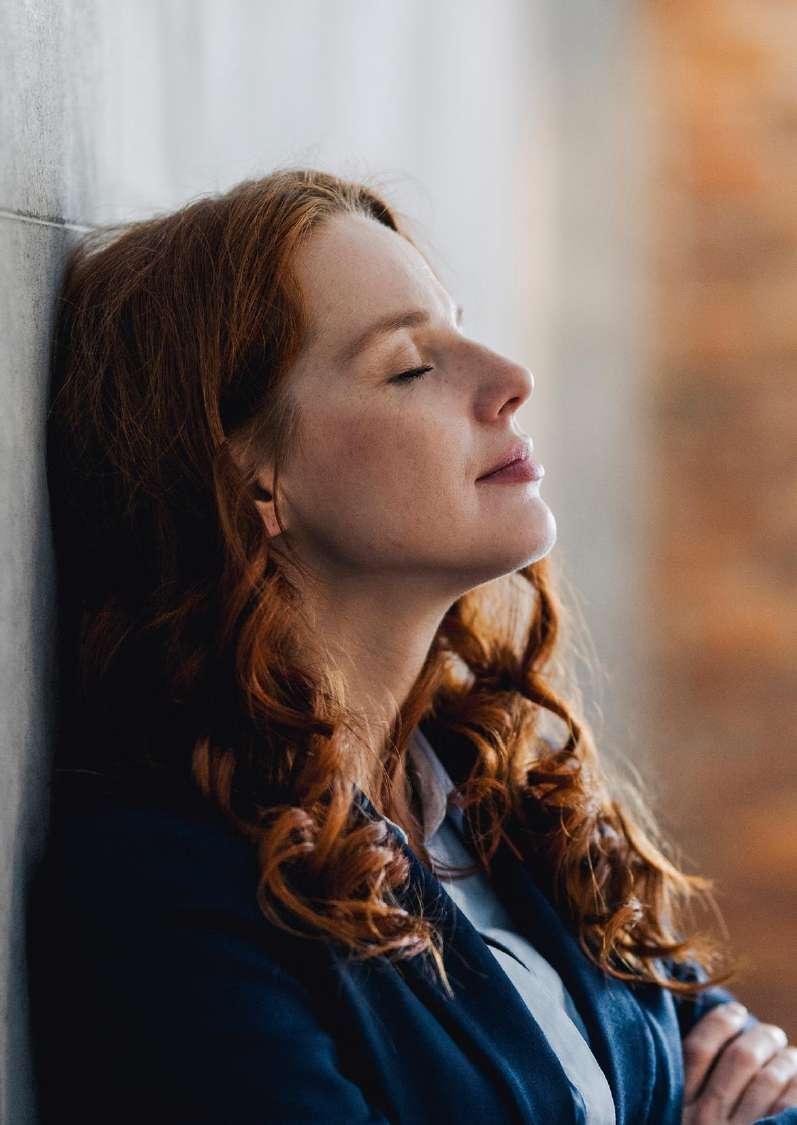
Radical Acceptance
• Resist fighting with the feelings we decide are “bad” or “wrong”
• Let go of ideas of how you “should be” (e.g. strong, positive, hopeful, pragmatic)
• Give yourself permission to feel exactly how you are today.
• Allows you to acknowledge the way you DO feel right now is a result of a long string of events. It makes sense. It is ok.

small effort = Big Impact
• Consider the difference between ENERGY &
ATTITUDE
• What is the “story you’re telling yourself”
• Watch for joy - seek it – make time for it.
• Keep things interesting – are you living by outdated rules?
• Express gratitude (appreciation)
• Connect with others who have similar circumstances and relationships
JULIE LARSON, LCSW – PSYCHOTHERAPIST
JULIE LARSON, LCSW – PSYCHOTHERAPIST

Relationships begin with the one you have with yourself.
• Communicating begins by listening to yourself.
• Slow down.
• Identify the waterfall of thoughts in your mind.
• What are you feeling?
• Do you have questions?
• What are your observations?
• Have you created any assumptions?
• Work to observe and understand your needs and limits
Impact on Relationships
• Changes in roles and responsibilities
• Changes in physical needs: energy level, appetite, sleep
• Changes in emotional needs: extra reassurance, more privacy
• Increased financial, childcare, sexual stress
• Changes in future planning

JULIE LARSON, LCSW – PSYCHOTHERAPIST
Perspective Taking
Research suggests that utilizing several views other than your own demonstrates high levels of emotional intelligence and improves relationship satisfaction.
1. Who else can help you decode a strained moment?
2. Word Watching – Do you have different definitions of the same word?

3. What are you seeing that I am not?
JULIE LARSON, LCSW – PSYCHOTHERAPIST
Give
yourself this time
• What have you been proud of?
• Are there any new travelers on your life journey?
• How have you been influenced by others?
• Is your distress trying to teach you?
• Notice your calm and peaceful moments
• Notice when you feel energy and motivated
• Notice when you feel valued

JULIE LARSON, LCSW – PSYCHOTHERAPIST
Pay Close Attention

• What brings you joy?
• What values do you want to guide you?
• What unmet needs are driving distress?
• How do you want to show up to the day?

The Affirmation Cautionary Statement
Connect your affirmations to action statements.
• “I am strong when I am honest about my limits and don’t pretend that I am ok.”
• ”I am doing the best I can when I take time to notice how I feel and what I need.”
• “I love myself when I take time to go for a walk or get to bed on time.”