Recap of April 2026 Session

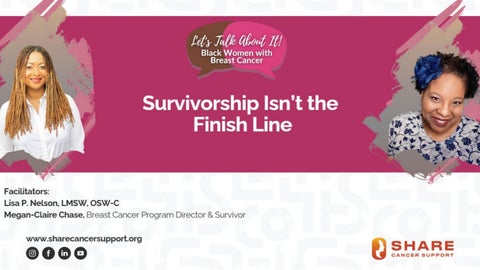
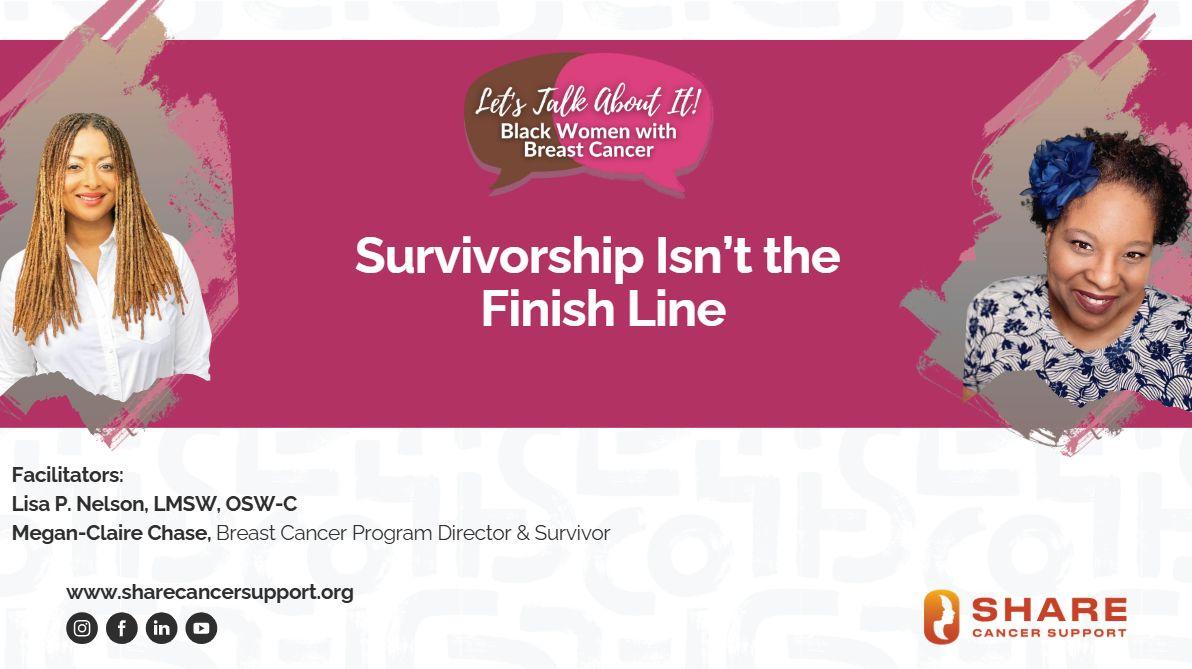
Our April session, Survivorship Isn’t the Finish Line, opened the door to a powerful and heartfelt conversation about what happens after treatment ends — the part of the cancer journey people often don’t talk about enough. Together, survivors reflected on the emotional reality of survivorship: the scanxiety that lingers in the background, the PTSD that can resurface unexpectedly, the quiet panic of medical debt, and the complicated feeling of being expected to “move on” while still carrying the weight of the experience every day.
One member shared, “Someone told me I’m not the same. I was always going above and beyond and I don’t anymore. I can’t. I won’t.” Another asked the question so many survivors wrestle with: “Now what?” Members spoke honestly about feeling forgotten once treatment ends and how difficult it can be when family and friends don’t fully understand the lasting impact of cancer. Others discussed ongoing physical side effects including post-mastectomy pain syndrome, alopecia, anemia, fatigue, and chronic anxiety surrounding recurrence.
Recap of April 2026 Session
A major theme throughout the evening was the lack of survivorship planning and guidance after treatment. Many participants shared they had never received a survivorship care plan and had to research follow-up care and monitoring on their own.
Despite the challenges discussed, the conversation was also filled with resilience, reflection, and encouragement. Survivors talked about redefining healing, learning to rest, protecting their peace, embracing self-care, and giving themselves permission to grow into who they are now — not who they were before cancer.
One participant beautifully shared: “I honor where I am in my healing. My journey is valid, even when it feels uncertain. I give myself permission to grow, to rest, and to define survivorship on my own terms.”
Key Takeaways
● Survivorship is an ongoing journey, not the end of the cancer experience.
● Emotional and mental health challenges like scanxiety and PTSD remain significant for many survivors.
● Financial stress and long-term side effects continue well beyond treatment.
● Survivors need clearer survivorship plans and more comprehensive follow-up support.
● Healing often means redefining identity, priorities, boundaries, and self-care.
● Community and honest conversations help survivors feel seen, understood, and less alone.