

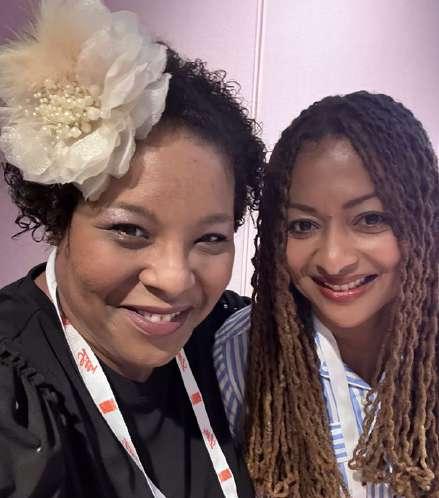
Lisa P. Nelson, LMSW,OSW-C
Megan-Claire Chase
ILC Breast Cancer Survivor, Breast Cancer Program Director
Host, Our BC Life Podcast
The March session sparked a powerful and honest conversation about clinical trials—what they are, how they work, and why they can feel so complicated, especially within our communities. We explored how cultural experiences and history shape how we think about clinical trials, including the lasting impact of events like the Tuskegee Syphilis Study and the story of Henrietta Lacks.
Many shared that even when clinical trials are presented as an option, trust can be hard to build. Sometimes, eligibility requirements like age or other health conditions (comorbidities) can feel unfair or limiting. Others spoke about the disappointment of being excluded from trials, and the pressure to make quick decisions while already overwhelmed by a diagnosis.
At the same time, there was a shared understanding: even if clinical trials aren’t the right choice for everyone, learning about them matters. These conversations help us build health literacy, support our families, and empower future generations. Continued…
We also talked about the importance of:
• Asking questions and taking time to process
• Bringing someone with you to appointments
• Receiving information in plain, understandable language
• Giving yourself permission to rest and not have all the answers right away
One thing was clear—this is just the beginning.
There’s a real opportunity to create more resources that meet our community where we are and help take the fear out of the unknown.
• Mistrust is real and rooted in history: It must be acknowledged, not dismissed.
• Access isn’t equal: Eligibility criteria, age limits, and logistics create real barriers.
• Health literacy is power: Even learning about clinical trials (without participating) benefits individuals and communities.
• Patients need time: To process, ask questions, and make informed decisions without pressure.
• Cultural context matters: How we communicate with care teams is shaped by lived experience.
• Exclusion hurts: Being denied access to trials can feel like missed opportunity or inequity.
• Advocacy is exhausting: Rest and emotional validation are just as important as empowerment.
• Major opportunity to develop culturally relevant, plain-language resources to support informed decision-making.