
How to Remove Coffee Stains from Mugs
In this blog, we walk through simple, prac cal ways to remove coffee stains from mugs so your favorite cup looks brand new again. From quick rinses to baking soda scrubs and vinegar soaks, you’ll find easy methods that actually work on white ceramic mugs, stainless steel travel cups, and even glass coffee mugs. We also cover why stains happen in the first place and how to prevent those stubborn brown rings from coming back. If you love coffee but hate dirty mugs, these ps will keep your drinkware sparkling clean.
You ever no ce how most coffee mugs are white? A er just a couple of uses, they’re already showing those brown stains. I can’t tell you how many mes I’ve grabbed my favorite mug, only to see those stubborn rings staring back at me like no ma er how much I wash it, it never looks clean.
This isn't just a problem for a few coffee lovers. According to research from the Na onal Ins tutes of Health, an es mated 154 million adults, or 75% of the US popula on aged 20 and older, reported drinking coffee, with 49% drinking coffee daily. With nearly half of all American adults reaching for coffee every single day, coffee stain problems affect millions of mugs across the country.
These coffee stains build up over me and regular dish soap just won't cut it. White ceramic shows every mark, making your favorite mug look old and unclean. You don't need to throw away your stained mugs or buy expensive cleaners - simple household items you already have can remove even the toughest coffee stains from white mugs.
The good news? With a few simple tricks, you can clean coffee mugs and bring them back to looking brand new without harsh chemicals. Whether you’re figh ng set-in tea stains, daily coffee build-up, or just want your drinkware to sparkle again, this guide will walk you through easy, effec ve solu ons anyone can try at home.


This how to blog post shows you the most effec ve ways to get coffee stains out of mugs using common kitchen ingredients. You'll learn quick daily cleaning ps and powerful methods for those set-in stains that seem impossible to remove.
These proven techniques work on white ceramic mugs, and any other coffee cups that have seen be er days. Your stained mugs will look brand new again with these simple cleaning solu ons.
Why Do Coffee Stains Appear in Mugs?
Coffee stains appear in mugs because coffee contains natural compounds called tannins that s ck to surfaces over me. These tannins are the same substances that give coffee its rich brown color and bold flavor.
Here's what happens when you drink coffee from the same mug repeatedly:
Tannins are organic compounds found in coffee beans, tea leaves, and red wine. When hot coffee sits in your mug, these tannins bond with the ceramic surface. The heat actually makes this bonding process stronger, which is why hot coffee stains faster than cold coffee.
White ceramic mugs show stains more easily because of their porous surface. Even though ceramic feels smooth, it has microscopic pores that trap tannin molecules. Once these molecules se le into the pores, regular dish soap can't reach them.
Several factors make coffee stains worse:
1. Heat exposure: Hot coffee creates stronger stains than iced coffee
2. Time: Leaving coffee residue in mugs allows tannins to set deeper
3. Frequency: Daily coffee drinkers see stains build up faster
4. Mug material: Unglazed or cheaper ceramic absorbs stains more easily
5. Coffee strength: Darker roasts and espresso contain more tannins

Quick Rinse vs. Set-In Stains
First, if you can rinse your mug right a er finishing your drink, do it!
A quick rinse with hot water (or a soapy wash) immediately a er use can prevent a lot of staining in the first place . (Just like with any stain, from coffee rings to ink on fabric, the sooner you tackle it, the be er.) In fact,
giving your mug a prompt rinse is the best defense – coffee stains won’t have a chance to form if you don’t give those droplets me to dry and set . But let’s be honest, in the rush of everyday life we o en forget the rinse and end up with a stained mug anyway.

That’s when you need a deeper clean.
For fresh stains or light discolora on, o en a normal dish soap wash will do. But for set-in coffee stains that have been si ng (maybe that mug sat on your desk all weekend?), you’ll want to use one of the special methods below. Don’t worry – you won’t need any fancy commercial cleaner or harsh chemicals.
In fact, you likely have everything you need at home to remove coffee stains from cups and mugs. We’re talking basic pantry all-stars like baking soda and vinegar, plus a li le elbow grease.
Methods to Remove Coffee Stains from Mugs
When it comes to how to remove coffee stains from mugs, a few tried-and-true methods rise to the top. You can use them individually, or in combina on for super-stubborn stains. These methods are safe for most mug materials (ceramic, porcelain, glass, stainless steel). We’ll note any precau ons along the way.
Ready to get those mugs sparkly clean? Let’s go!
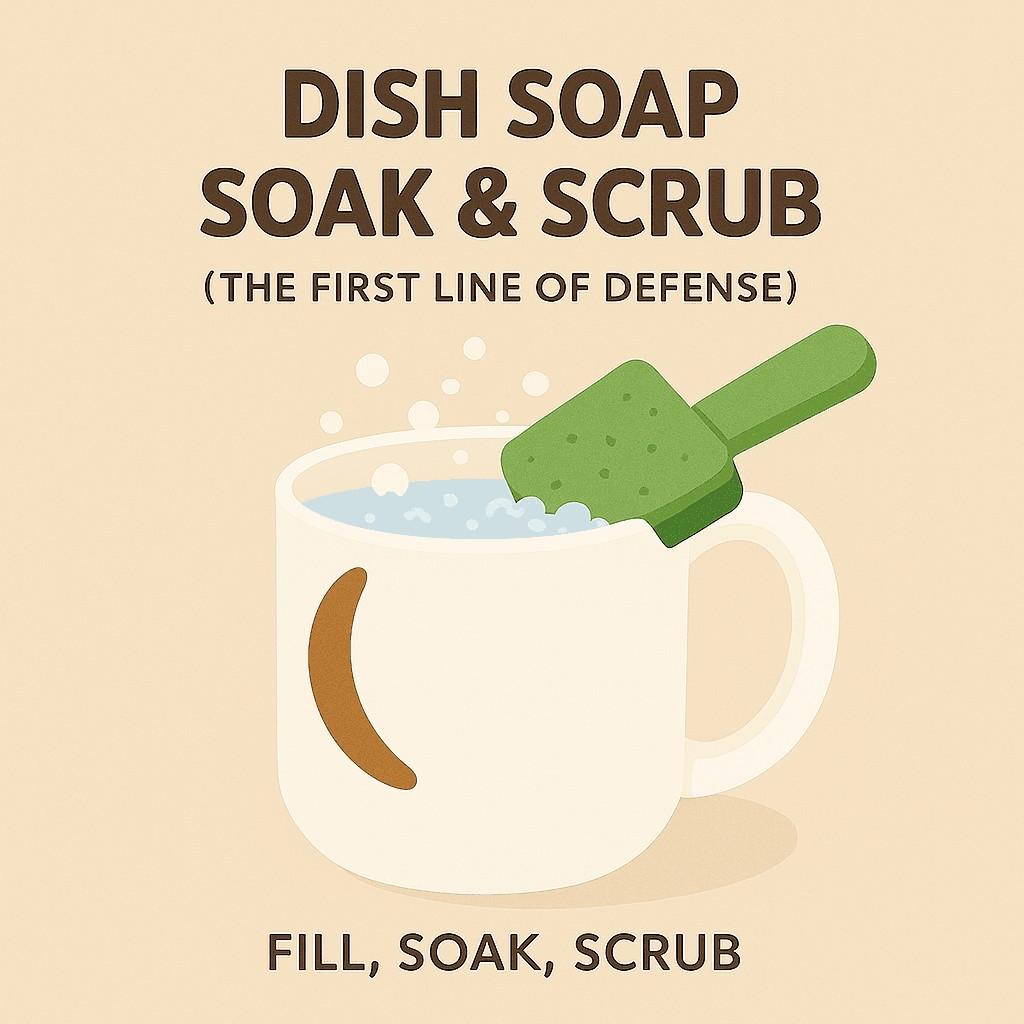
Dish Soap Soak & Scrub (The First Line of Defense)
Some mes the simplest solu on is all you need. A good dish soap is formulated to cut through oils and loosen grime – including coffee residue. Here’s how to do it:
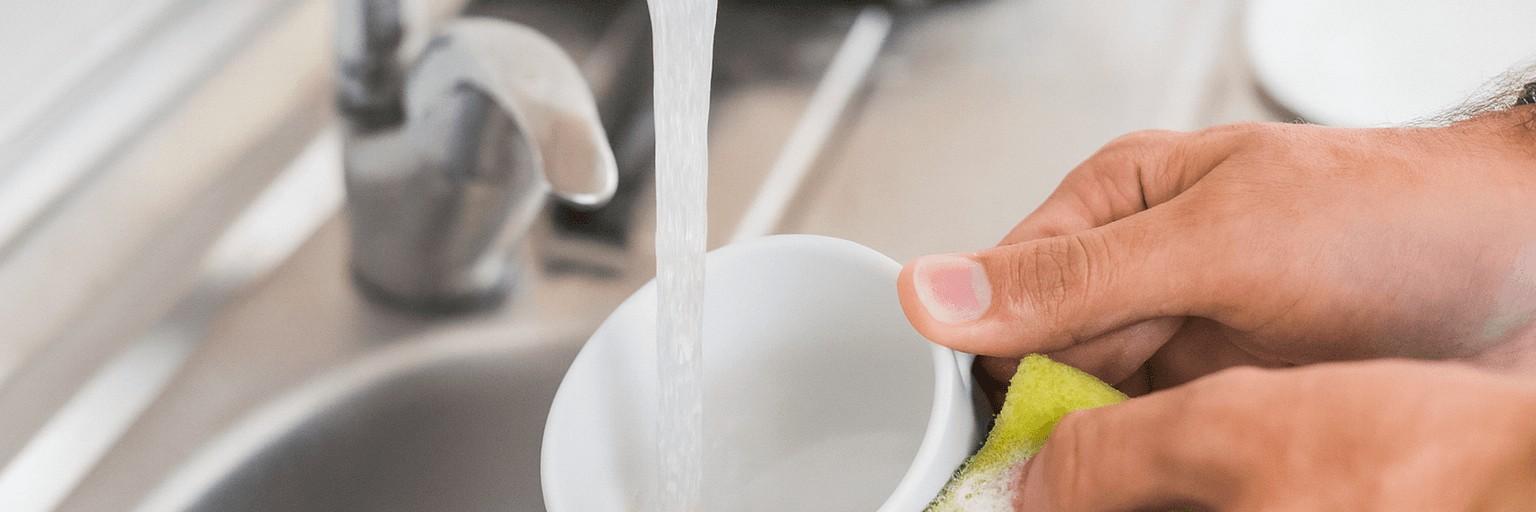
1. Fill the mug with soap and hot water: Squirt a li le dish soap into the mug (a few drops is fine) and add very warm water un l the stain is submerged. Swirl it around so the soapy water mixture covers the walls of the mug.
2. Let it soak: Allow the mug to sit for at least 5–10 minutes. For really heavy stains, you can leave it for 30 minutes or longer. This gives the soap me to penetrate the coffee stain.
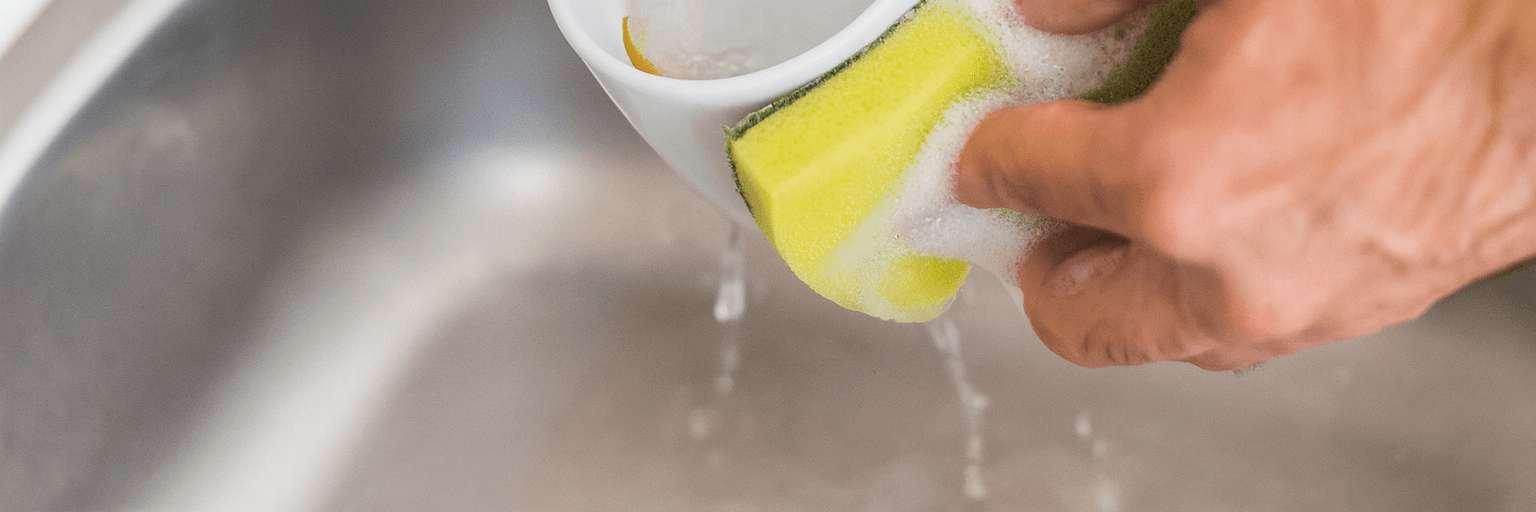
3. Scrub with a sponge: A er soaking, take a non-abrasive sponge (the so side, not a metal scouring pad). Gently scrub the stained areas. Use a circular mo on to li the coffee residue. Tip: If your mug is stainless steel inside, definitely use a so sponge only – abrasive scrubbers can scratch steel. For regular ceramic mugs, a standard kitchen sponge or even a bo le brush works well (a bo le brush helps reach the bo om of tall mugs).
4. Rinse thoroughly: Pour out the soapy water and rinse the mug with clean water. Check if the brownish nt is gone. O en, a good soak and light scrub will completely remove coffee stains from mugs if they weren’t too old or set-in.
If you s ll see traces of the stain, don’t fret – move on to the next method (baking soda). Dish soap is great for everyday cleaning, but older stains may need a bit more oomph.
Baking Soda Paste Scrub (Gentle Abrasive Power)
Baking soda is a cleaning all-star you probably already have in the pantry. It’s mildly abrasive but not enough to scratch your mug, which makes it perfect for scrubbing away coffee and tea stains. Here’s how to remove coffee stains from mugs using baking soda:
1. Make a paste: In an empty mug (or in a small dish), add about 1 teaspoon of baking soda. Add a few drops of water – just enough to form a thick paste. (If you accidentally add too much water, sprinkle in a bit more baking soda.) The paste should be spreadable, not watery.
2. Apply and scrub: Spread the baking soda paste all over the stained area of the mug. You can use a damp cloth, a sponge, or even your fingers to smear it around. Then scrub the stain firmly with the cloth or sponge. Don’t be afraid to put some muscle into it – baking soda’s grit will gently li the tannin stains without damaging the glaze or finish of a ceramic mug. (Your mug can handle a bit of scrubbing, promise!)
3. Focus on the ring: Most coffee stains form a ring or brown film, o en at the bo om of the mug. Give that area extra a en on. You might even see the brown residue coming off as you scrub – gra fying, right?
4. Rinse well: Once you’ve given it a thorough scrub (a minute or two of scrubbing is usually plenty), rinse out the mug with warm water. Feel the inside – it should feel smooth with no grainy baking soda le . Check the appearance – in many cases the stain will be completely gone.

Baking soda is o en the magic bullet for removing coffee stains from cups. It’s amazing how a bit of this common powder can make a coffee-stained mug look new again. If the stain was especially stubborn and s ll lingers, we have another trick up our sleeve: vinegar.
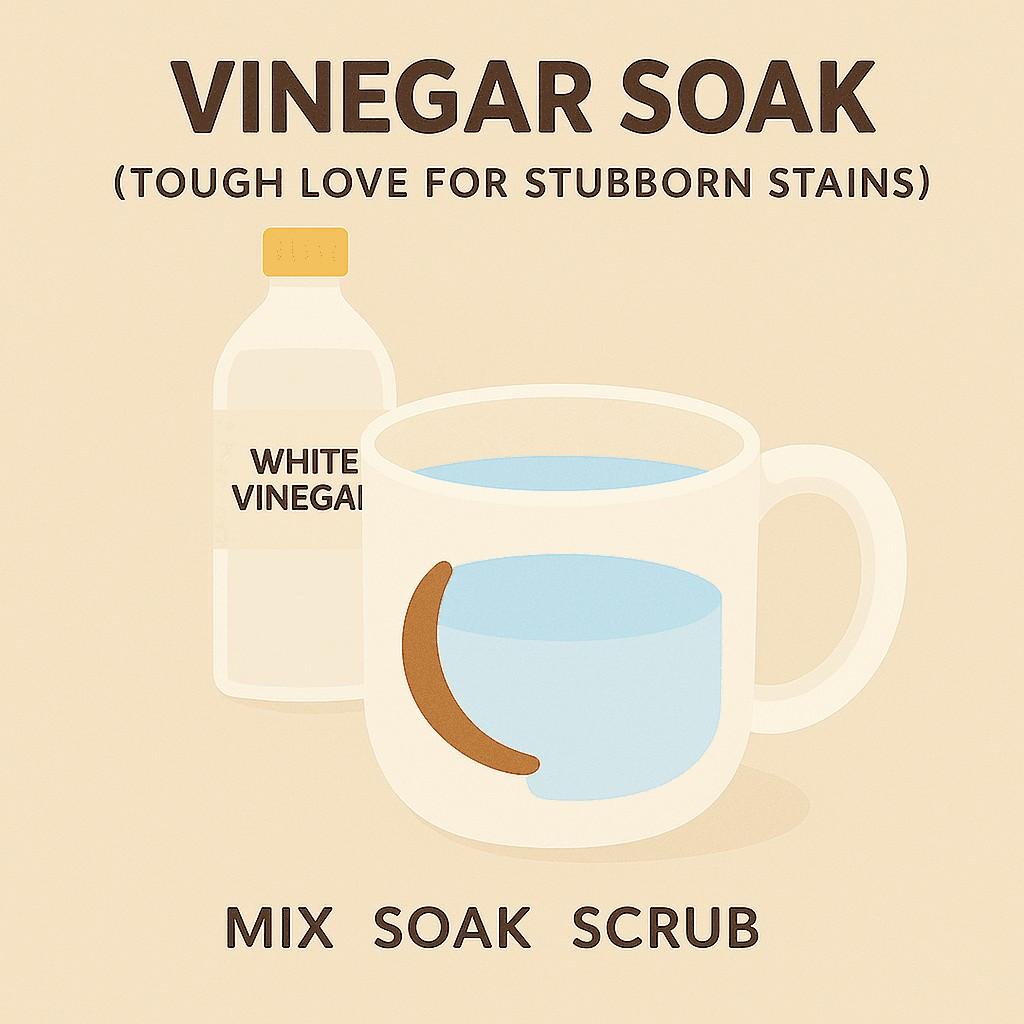
Vinegar Soak (Tough Love for Stubborn Stains)
When dish soap and baking soda aren’t enough, white vinegar comes to the rescue. White vinegar is mildly acidic (ace c acid) which can dissolve mineral deposits and organic stains – including those from coffee and tea. Here’s how to use vinegar to get coffee stains out of a mug:
1. Mix vinegar and hot water: Fill the stained mug about halfway with dis lled white vinegar. Then fill the rest with very hot water (the ho est your tap provides, or boiled water that’s cooled a minute or two). This dilutes the vinegar so it’s not too strong, but s ll potent. Cau on: If your mug is fine china or has metallic paint, use warm (not boiling) water to avoid thermal shock or damage to delicate finishes.
2. Soak it: Let the vinegar solu on sit in the mug for at least 10 minutes. For really tough stains, let it soak 1-2 hours, or even overnight. The acidic vinegar will be loosening the coffee stain’s grip on your mug during this me.
3. Add a li le scrub: A er soaking, pour out most of the solu on (you can save it to use in another mug or to clean your coffee maker, even). Keep a li le vinegar-water in the cup and add a drop of dish soap. Now scrub the inside with your sponge again. The combina on of vinegar’s acidity and the soap’s degreasing, plus the physical scrub, will knock out remaining stains. For extra scrubbing power, you could even sprinkle a bit of baking soda in a er the vinegar soak – yes, it will fizz (fun science!), and that fizzy ac on can help li stains.
4. Rinse thoroughly: Vinegar has a strong smell, so rinse the mug a few mes with warm water to remove any vinegary scent or taste.
Your mug should be no ceably brighter and free of those dark streaks. Vinegar is especially good at erasing tea stains as well, which have similar tannins. (In fact, a vinegar soak is a popular method to remove brown tea rings from teacups – same concept as coffee.)
Other Handy Tricks (Salt, Lemon, Magic Eraser, and More)
The dish soap, baking soda, and vinegar methods above are the big three for tackling coffee stains. But there are a few other clever tricks and household items you can try if you’re dealing with a super stubborn stain or just feeling resourceful:
1. Salt and Vinegar Paste: No baking soda? Try plain table salt with vinegar. Make a paste of a tablespoon of salt and a few drops of white vinegar, then scrub with a sponge. Salt is a natural abrasive and will help scour the stain while vinegar breaks it down. (Think of it like a DIY scouring scrub.) Rinse well a erward.
2. Lemon Juice: For mild stains or to add a fresh scent, lemon can help. Cut a lemon in half, squeeze a bit of the juice into the mug, and use the lemon half as a scrubber inside the mug. The citric acid in lemon can li light coffee stains and deodorize your cup. (This works be er on tea stains or surface stains; it might not erase a dark old coffee ring by itself, but it’s a nice finishing touch.)
3. Mr. Clean® Magic Eraser: Those melamine foam sponges (Magic Eraser) truly are erasers for many stains – including coffee rings. Dampen a magic eraser and gently scrub the inside of the mug. It can work wonders on ceramic surfaces. Just use light pressure and make sure to rinse thoroughly, as you don’t want any sponge residue le where you drink.
4. Toothpaste: In a pinch, plain white toothpaste (non-gel) can act as a mild abrasive polish. It contains baking soda and silica which help scrub stains from teeth and mugs! Apply a blob of toothpaste to a cloth, scrub the mug, and rinse. Your mug might even smell minty fresh a erward.
5. Denture Tablets or Alka-Seltzer: Surprise – those fizzy tablets that clean dentures can also clean your coffee mug. Fill the mug with warm water and drop in an effervescent denture cleaning tablet. Let it fizz and sit for 15-30 minutes (or as directed on the package) to dissolve tough stains. Many people swear by this trick for both coffee and tea stains. Similarly, a couple of Alka-Seltzer tablets can fizz away stains
(they contain citric acid and baking soda). A er the fizzing, dump out the liquid and give a quick scrub and rinse.

Feel free to try one or a combina on of these hacks. For example, if a coffee stain is laughing in the face of your baking soda, go ahead and give it the vinegar soak followed by a magic eraser rub. Your mug will wave the white flag of surrender in no me. And remember, always rinse thoroughly a er using any cleaning agent, and wash with regular dish soap before you use the mug again for drinking.
A Note on Bleach ( Don’t Do
It!)
You might be wondering, what about bleach? It’s true that diluted bleach can whiten stains in a mug. However, using bleach is generally not recommended for coffee mugs. Bleach is very harsh and can damage the finish or glaze on your mug, especially ceramic glazes or any painted designs. It can also leave a lingering chlorine smell/taste if not rinsed impeccably. Given that we drink from our mugs, it’s best to avoid using bleach or other toxic cleaners on them. The methods above are more than sufficient to remove coffee stains from mugs without resor ng to bleach. Your coffee mug’s appearance (and your next cup of coffee) will thank you!
(If you absolutely must use a bleach solu on for a severe stain on a plain white ceramic mug, use just a teaspoon of bleach in a full mug of water, soak briefly, then wash mul ple mes with dish soap to remove all residue. But again – s ck to natural cleaners like baking soda and vinegar whenever possible.)
Cleaning Different Types of Mugs
Most of the methods above for cleaning coffee stains apply to any mug material, but here are a few specific ps by type of mug:
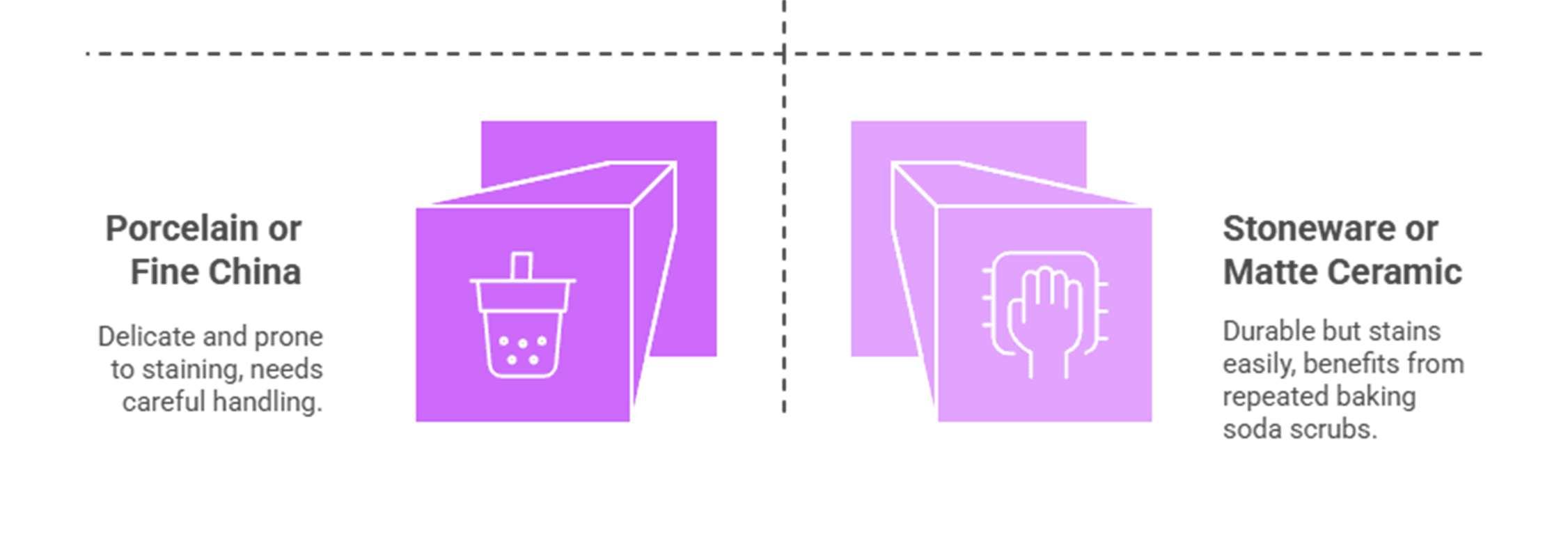
Porcelain or Fine China: These are delicate. Avoid abrasive scrubbers en rely – use a so sponge or cloth. The baking soda method is usually safe on glazed porcelain, but test a small spot gently. Also, avoid extreme temperature changes (don’t pour boiling vinegar into a cold china teacup). If the piece is an que or hand-painted, you may want to s ck to mild dish soap only (or consult the manufacturer’s instruc ons).
Stoneware or Ma e Ceramic: Stoneware mugs o en have a thicker, rus c glaze. They can handle scrubbing, but if it’s a ma e unglazed interior, be gentle and avoid scratching. Baking soda is your friend here. Ma e surfaces can actually hold stains more, so you might need to repeat the baking soda scrub a couple mes.
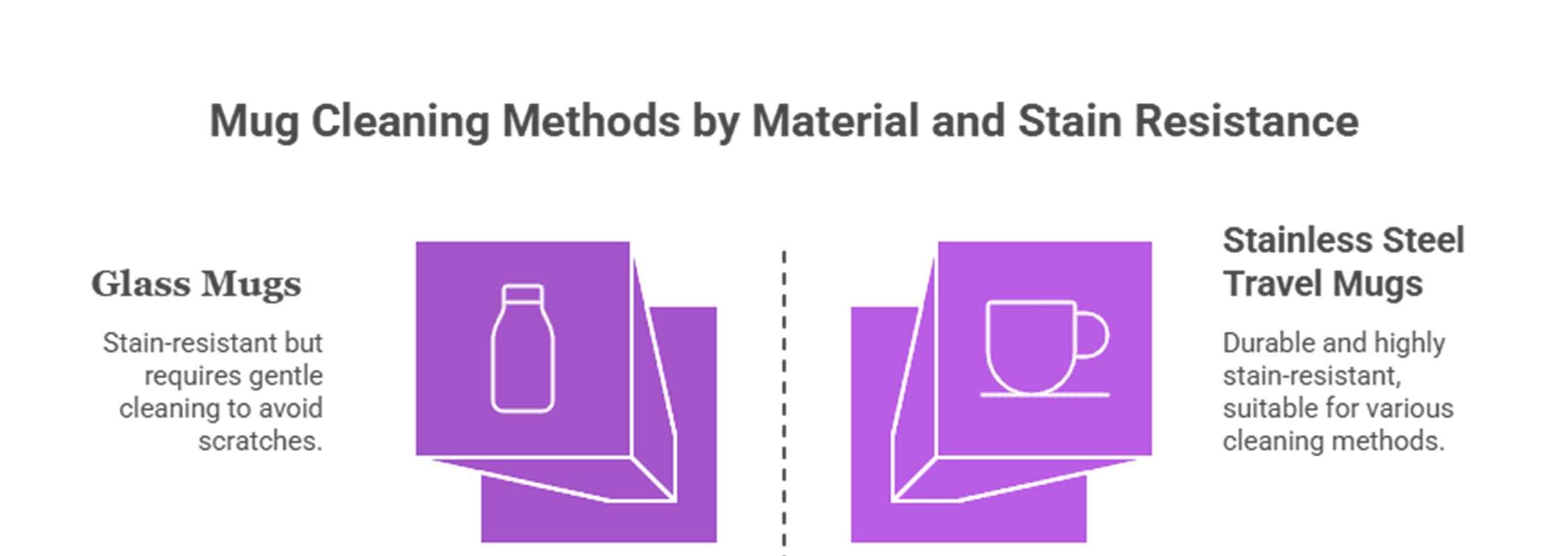
Glass Mugs: Glass doesn’t stain as easily, but if it does, the vinegar soak works great and won’t scratch the glass. Use a so sponge so you don’t scuff the glass surface.
Stainless Steel Travel Mugs: Many custom travel mugs and tumblers are stainless steel inside. The good news is steel is durable and the above methods (soap, baking soda, vinegar) all work on it. Do avoid steel wool or really abrasive pads on stainless – they can scratch and create ny crevices that actually make stains and odors s ck around. Instead, use the baking soda paste with a so sponge. For tough stains or coffee odor in a stainless insulated thermos, a fun trick is adding a denture tablet with warm water as men oned – it can help deodorize and remove stains from those hard-to-reach corners. Also, check if your travel mug is dishwasher-safe according to the manufacturer; many vacuuminsulated mugs are hand-wash only to protect their inner seal. When cleaning a travel mug, don’t forget to take apart the lid (if it has a removable seal or parts) and wash those pieces – coffee residue can hide in there and contribute to lingering stains or smells.
Mugs with Printed Logos or Custom Designs
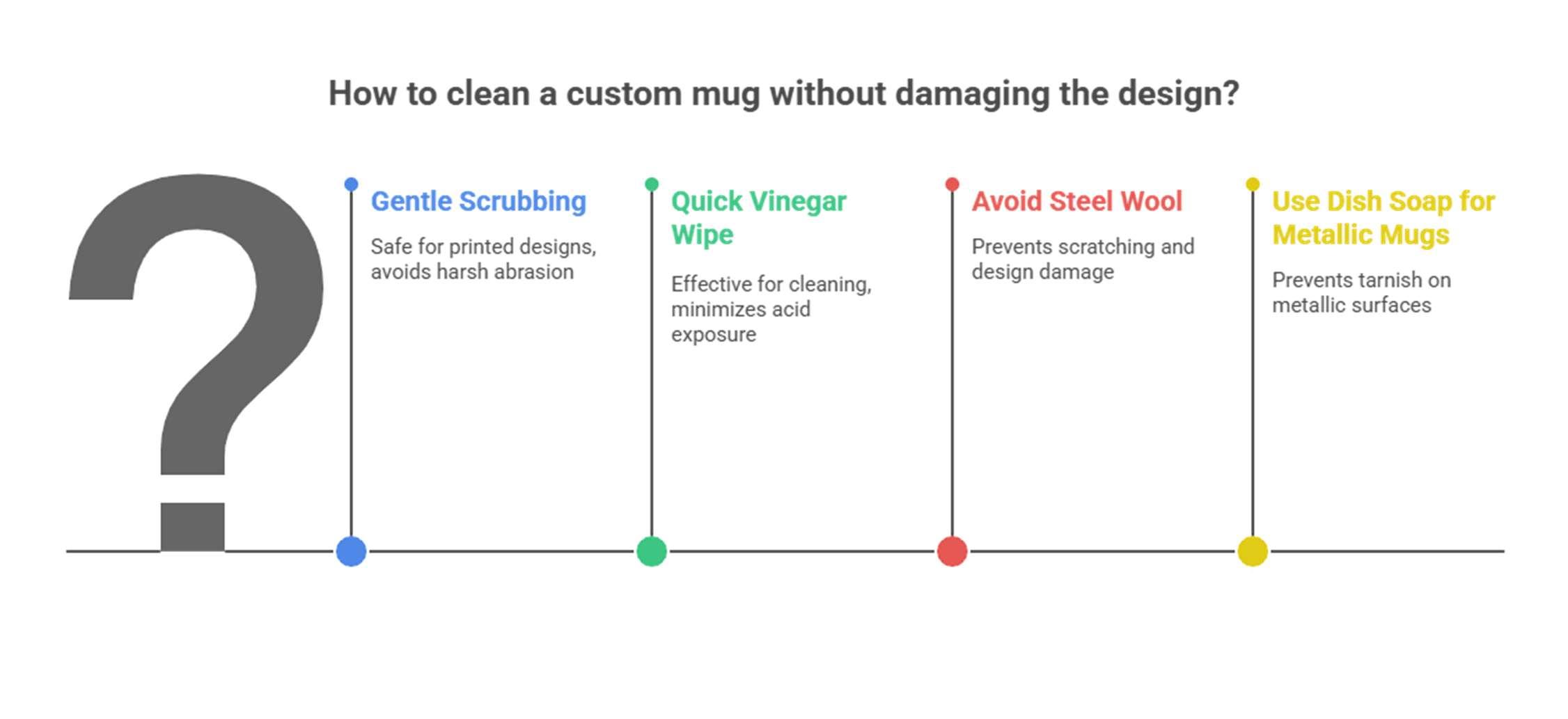
If you have a branded custom mug (perhaps with your company logo), you’ll want to preserve that print. The methods above are safe for the interior of the mug. When scrubbing near the printed outer area, just be a bit gentler. Avoid soaking the printed design in vinegar for too long, as very harsh acids over extended periods might fade some prints. Usually, though, a quick wash or gentle vinegar wipe is fine. In fact, many promo onal custom mugs have durable inks that can handle regular use and cleaning. Just don’t use steel wool or metal scrapers on the printed part. And if your custom mug is metallic or copper-plated on the outside, s ck to dish soap and water for the exterior to avoid tarnish.
Preven ng Future Coffee Stains
Now that you’ve got your mugs clean and coffee-stain-free, you’ll want to keep them that way. While some staining over long-term use is inevitable (especially with daily coffee or tea), these ps will minimize new stains:
Rinse or Wash Immediately: As men oned earlier, the sooner you wash out a mug a er finishing your drink, the less chance for stains. Even just a quick rinse with water will wash away most of the tannins before they can dry on. If you’re in a rush, fill the mug with a li le water and let it sit – at least the coffee won’t dry out on the sides.
Use the Dishwasher (if safe): Check if your mug is dishwasher-safe. Many ceramic mugs are. A trip through the dishwasher with a quality detergent can prevent light staining. Note that very heavy coffee stains might not come out in one dishwasher cycle, but regular machine washing helps prevent buildup. (Avoid dishwashing insulated travel mugs unless the manufacturer says it’s okay – the high heat can damage vacuum seals or cause warping.)
Weekly Baking Soda Scrub: If you drink coffee every day, consider giving your mug a quick baking soda scrub once a week as maintenance. It’ll keep stains from building up. It literally takes 30 seconds with a sprinkle of baking soda and a sponge, and you’ll never see a serious stain again.
Choose Darker Mugs: This one’s more about aesthe cs – if you’re red of seeing stains, using mugs with a brown or dark interior will camouflage any minor staining. Of course, they may s ll get dirty, but it won’t be as visibly obvious. (Some avid tea drinkers jokingly use only black inside cups so they never see a stain!) S ll, it’s be er to keep them clean for hygiene.
Drink Up and Refill: Rather than le ng that last inch of coffee sit in your mug for hours (or days… we’ve all discovered that forgo en mug with a ring of old coffee, yikes), try to finish your coffee and then rinse. If you tend to nurse a cup for a long me, consider smaller pours more frequently, so coffee isn’t cooling and clinging to the mug for hours.
By following these habits, you’ll find you rarely have to do a deep clean. Your mugs will stay bright and invi ng for your next cup of joe.
Fun fact: Those promo onal drinkware items like custom printed mugs o en come with care instruc ons. Many recommend hand washing to prolong the life of the imprint. Following those guidelines will keep both the mug and the logo looking good, without heavy staining.)
A Sparkling Finish – and Pu ng Your Mugs to Good Use
Congratula ons – you now know how to remove coffee stains from mugs at home, and how to prevent them in the future. With your mugs clean and sparkling, your coffee and tea will taste even be er. No more peering into a mug and seeing a dark ring of yesterday’s brew. Instead, you can sip with confidence from a cup that looks fresh out of the cabinet.
Ready for a fresh start? If scrubbing those old mugs has you thinking about an upgrade, consider trea ng yourself (or your office) to some new custom mugs from Promo onal Product Inc.. We have a huge selec on of custom mugs available – from classic campfire coffee cups to insulated custom travel mugs for coffee onthe-go. You can even get your name, artwork, or company logo printed, and with a li le care, they’ll stay stainfree and vibrant for years.
Check out our curated collec ons of mugs and drinkware to find your next favorite cup. And if you’re a business or organiza on, keep in mind that a clean, branded coffee mug makes a fantas c impression on clients and employees alike – it’s prac cal and promotes your brand with every sip. (There’s a reason so many cafes and companies use branded mugs!)
Lastly, now that you’re a mug-cleaning master, you might be interested in other cleaning hacks. We’ve got you covered there too. Stains aren’t limited to coffee cups – for example, if you’ve ever had ink or pen leaks in a bag, see our guide on how to clean a nylon bag for stain-free results (you’ll find similar easy ps and tricks).
And for those looking to do more with their sparkling mugs, did you know mugs can be a fundraiser item? Many schools and nonprofits raise money by selling custom mugs (yes, people love mugs!). In fact, with the right approach, groups have achieved up to 75% profit margins with custom mug fundraisers, far exceeding tradi onal fundraisers. (It turns out a useful item like a mug brings in serious dough for a good cause!) If that piques your interest, check out our blog on launching a mug fundraiser for all the details.