
By David Gargaro
This content was written before the release of Budget 2025. Stay tuned to www.rentalhousingbusiness.ca for updates up to and after November 4.
About a month ago, Finance Minister François-Philippe Champagne announced the federal government would release Budget 2025 on November 4, 2025. Rather than putting out the new Budget in the spring, the government stated it wants to modernize the budget timeline to align with other Canadian sectors and industries. This means the federal government will release an economic and fiscal update the following spring.
RHB Magazine spoke with rental housing association leaders across Canada on what they expect to see, and what they would like to see, in Budget 2025, including:
• David Hutniak, CEO, Landlord BC
• Donna Monkhouse, Executive Director, Alberta Residential Landlord Association
• Tony Irwin, President and CEO, RHC and FRPO

Build Canada Homes

Build Canada Homes is a new federal agency that will build affordable housing at scale. It will provide access to public lands, offer flexible financial incentives, attract private capital, facilitate large portfolio projects, and support modern manufacturers in building homes more quickly.
One of Build Canada Homes’ first projects involves a $283 million investment (through the


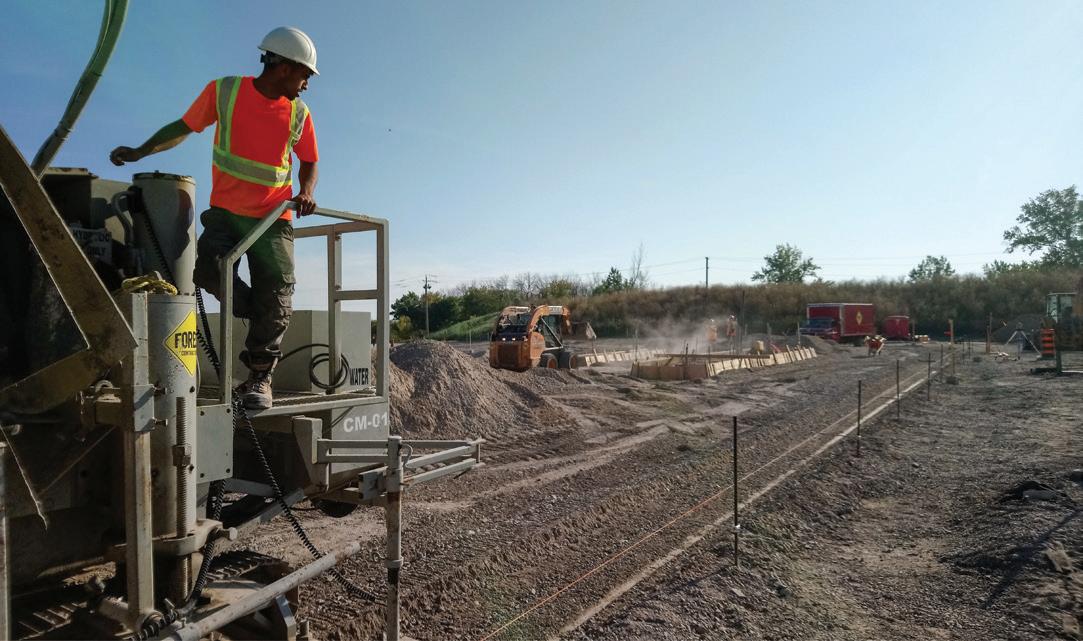
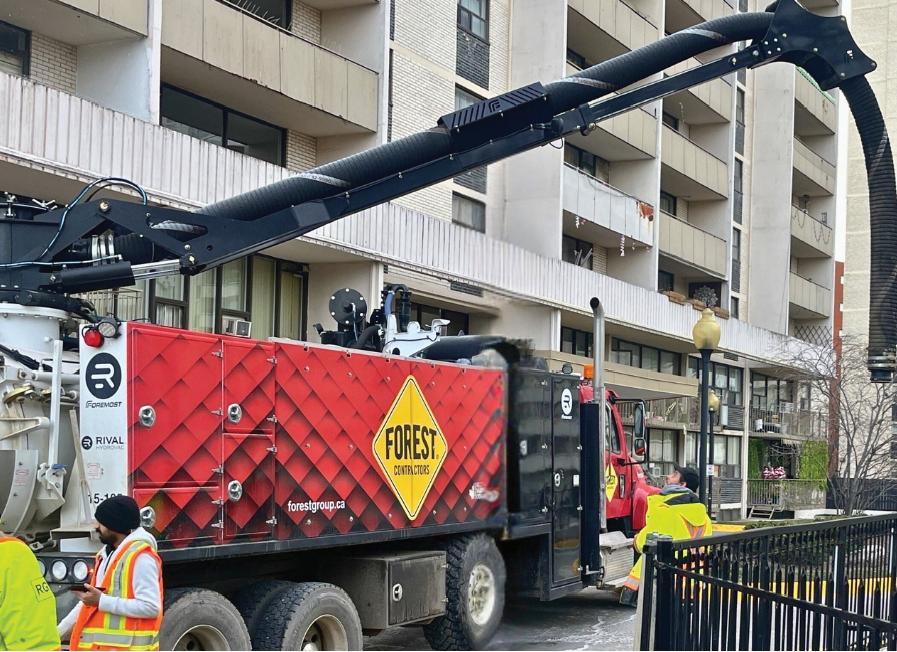
Canada Housing Infrastructure Fund) to upgrade Toronto’s Black Creek sewer infrastructure, which will precede the construction of 63,000 new homes. The first housing development project will deliver 540 new homes at Arbo Downsview in Toronto, where at least 40 per cent of the units will be affordable, with a mix of studios, one-, two-, and three-bedroom homes. Other infrastructure investment
construction. This can include making federal funding for municipalities contingent on streamlining local approval processes, updating zoning bylaws to support higher-density and purpose-built rental developments, and reducing unnecessary regulatory barriers. Establishing joint task forces or working groups with all levels of government can help identify bottlenecks and share best practices.
David Hutniak: Build Canada Homes, on the basis of what we know so far, appears to recognize the need for collaboration with the provinces. BC is certainly keen to partner. I think municipalities are ultimately the primary barrier and the feds will need to take a more proactive approach on that front, similar to what BC has already started to do with municipalities in our province.
Donna Monkhouse: As a province with no rent controls, Alberta has fostered a rental market that encourages private investment and supply growth. We ask that the federal government respect provincial autonomy and avoid imposing any national measures that could discourage investment in rental housing. The federal government should support renters in a way that does not interfere with provincial jurisdiction.
Funding the development of new rental homes
Budget 2025 will include a new Capital Budgeting Framework, which is designed to provide more transparency on government spending. Specifically, the Budget will differentiate between capital investment and operational spending. The goal is to prioritize investments with longterm benefits, including major projects, housing, energy, and infrastructure.
The federal government made several announcements regarding funding the construction of new rental homes and the repair of existing rental stock in various cities across Canada. The projects would be funded by existing programs, including the Affordable Housing Fund (AHF), the Rapid Housing Initiative (RHI), and the Apartment Construction Loan Program (ACLP).
RHB: How could the federal government improve or expand on existing programs?
Tony Irwin: In 2024, the federal government introduced the Accelerated Capital Cost Allowance (CCA) to stimulate investment in new purposebuilt rental (PBR) housing. This measure allowed builders to claim a larger first-year tax deduction for depreciation, thereby encouraging new rental housing construction. RHC calls on the government to make this crucial program fully

permanent. Additionally, the government has also indicated interest in reintroducing a tax incentive similar to the Multi-Unit Rental Building (MURB) program from the 1970s, which was highly effective in increasing the supply of rental housing. Aligning the incentive with a modernized MURB program would significantly improve the effectiveness of these measures and support new rental housing development.
David Hutniak: There are two existing federal tax incentive programs: the Clean Technology Investment Tax Credit (CTITC) and the Accelerated Investment Incentive (AII). While we are encouraged that the federal government has acknowledged the need for these incentives, the programs are very complex to understand and apply for and restrictive in scope. Consequently, they are of nominal value to the vast majority of our sector. We need a simple, straightforward tax incentive program that will get retrofit projects off the ground now and fast.
RHB: How can the government support renters without discouraging private-sector investment in rental supply?
Tony Irwin: The government can support renters without discouraging private-sector investment by focusing on policies that make it easier to build and operate rental housing. All levels of government should prioritize measures that streamline approval processes, reduce unnecessary fees such as development charges, and ensure tax policies encourage new purposebuilt rental construction. Maintaining a stable and predictable regulatory environment will give private developers and owners the confidence to invest in new supply, which benefits all Canadian renters.
David Hutniak: We’ve always been strong proponents of portable housing benefits. We would like to see more supports of that nature for low-income renter families and seniors.