THOUGHT LEADERSHIP COMPENDIUM
Released on June 23

FEATURED ARTICLES BY

THE PERFORMANCE RISK EQUATION: Why
Workforce Well-Being Is Now a Mission-Critical Imperative
ABSTRACT
The modern workforce is operating under a compounding set of performance risks. From chronic stress and behavioral health decline to physical inactivity and poor environmental design, left unaddressed, these risks erode organizational resilience, mission effectiveness, and competitive advantage. This paper argues that workforce well-being can no longer be treated as a benefits checkbox or a post-crisis intervention. It must be positioned as a strategic performance lever, one that federal contractors, government agencies, and enterprise organizations can systematically measure, manage, and optimize.
I.THE HIDDEN COSTS ORGANIZATIONS ARE NOT MEASURING
Every organization tracks revenue, turnover rates, and productivity. Few track what we call the Performance Risk Index the cumulative drag on organizational performance caused by unaddressed workforce health vulnerabilities. According to the World Health Organization, depression and anxiety alone cost the global economy an estimated $1 trillion per year in lost productivity.¹ In the United States, the American Psychological Association found that 76% of workers reported at least one symptom of a mental health condition in the past year — yet fewer than one-third had access to an employer-supported mental health resource.²
The federal contracting sector faces a particularly acute version of this challenge. Personnel hold security clearances, manage high-consequence decisions, and operate in environments where cognitive performance, stress tolerance, and physical readiness directly affect mission outcomes. Yet the infrastructure to manage workforce performance risk in these environments has historically lagged the private sector by years.
The result? Organizations absorb the costs of presenteeism (reduced productivity while at work), attrition (the financial and institutional cost of losing experienced personnel), and operational fragility — while attributing these losses to market conditions rather than to the manageable health of their workforce.
$1.9T
Annual cost of lost productivity from poor workforce health (WHO, 2024)
76%
of U.S. workers report at least one symptom of a mental health condition (APA, 2023)
6:1
Average ROI for every dollar invested in integrated workforce wellness (HBR, 2023)
Sources: ¹ WHO Global Report, 2024; ² APA Work and Well-Being Survey, 2023; ³ Harvard Business Review Meta-Analysis, 2023
II.FROM COMPLIANCE TO CULTURE: A PARADIGM SHIFT
For two decades, workplace wellness has been framed primarily as a compliance and benefits administration function. Organizations offered gym memberships, annual health fairs, and Employee Assistance Program (EAP) hotlines — and checked the wellness box. What research now confirms is that transactional wellness programs produce transactional results
A 2023 meta-analysis published in the *Journal of Occupational Health Psychology* found that wellness programs with no cultural integration yielded less than 12% sustained behavior change among participants, compared to 54% among programs embedded in daily workflow and managerial practice.³ This isn't just a programming question — it's a leadership and organizational design question.
The organizations winning the talent war and sustaining mission performance are those that have made wellbeing a strategic business function — resourced like operations, measured like finance, and led from the executive level. They understand that healthy teams are not a liability offset; they are a competitive differentiator.
"Performance risk is not an HR issue. It is an enterprise risk issue — and it belongs in the boardroom." — Fran Dean-Bishop
III.A FRAMEWORK FOR MANAGING PERFORMANCE RISK AT SCALE
Over 27 years of delivering health, wellness, and workforce performance programs across federal agencies and Fortune-class enterprises, my team at Aerobodies Inc. has developed a structured approach to what we now call Workforce Transformation Solutions (WTS) — a systems-level framework for identifying, quantifying, and addressing the full spectrum of performance risk across an organization.
WTS operates across three integrated domains:
■ Human Performance Infrastructure — assessing the physical, behavioral, and cognitive health baseline of the workforce through evidence-based screenings, occupational health protocols, and ergonomic evaluations.
■ Environmental Health Optimization — ensuring that the built environment itself supports human performance through WELL Building Standard principles, workspace ergonomics, and air and light quality standards proven to enhance cognitive output.
■ Cultural and Behavioral Change Management — equipping leaders with the tools, data, and coaching to embed well-being into organizational culture, not just programming calendars — including addiction prevention, stress resilience, and psychological safety strategies.
What differentiates this framework from traditional wellness vendor offerings is its measurement architecture Every WTS engagement is built around a baseline assessment, quarterly performance risk reporting, and a return-on-investment model tied to specific organizational outcomes — reduced absenteeism, clearance retention, injury rates, and talent acquisition costs. This is the language of the boardroom applied to the science of human performance.
IV.WHAT LEADERS MUST DO NOW
The convergence of post-pandemic behavioral health decline, federal return-to-office mandates, and AI-driven workforce restructuring is creating a perfect storm of performance risk. Organizations that respond with legacy wellness thinking — reactive, siloed, and unmeasured — will find themselves managing the symptoms while the root causes compound.
Leaders in government contracting and enterprise environments must take three concrete steps:
First, conduct a Performance Risk Audit. Understand what your data is — and is not — telling you about workforce health. Most HRIS and EAP systems generate reporting that obscures as much as it reveals. You need an independent, structured assessment.
Second, invest in integration, not addition. Adding another wellness app or vendor will not move the needle. What moves the needle is weaving performance health into your existing operational rhythms — onboarding, leadership development, facilities strategy, and contract performance management.
Third, demand accountability from your wellness infrastructure. Every dollar invested in workforce health should generate measurable returns. If your current wellness provider cannot show you a performance dashboard tied to business outcomes, you are not managing performance risk — you are managing optics.
The future of competitive advantage in government contracting is not technology alone. It is technology plus human performance — and the organizations that understand this will be the ones that endure.
REFERENCES
1. World Health Organization. (2024). Mental health in the workplace. Geneva: WHO Press.
2. American Psychological Association. (2023). 2023 Work and Well-Being Survey. APA Center for Organizational Excellence.
3. Goetzel, R.Z., et al. (2023). Return on investment in workplace wellness programs: A meta-analysis. Journal of Occupational Health Psychology, 28(4), 312–329.
4. Gallup. (2024). State of the Global Workplace: 2024 Report. Gallup Press.
5. McKinsey Health Institute. (2023). Addressing employee burnout: Are you solving the right problem? McKinsey & Company.
6. Harvard Business Review. (2023). The ROI of employee well-being programs. HBR Analytics Services.
ABOUT THE AUTHOR
Fran Dean-Bishop is the Founder, CEO, and Executive Performance Advisor at Aerobodies Inc. With over 27 years of experience designing and managing health, wellness, and workforce performance programs for federal agencies and global enterprises, she is a recognized authority on workforce resilience, human performance risk, and integrated occupational wellness strategy. She is a WELL Building Accredited Professional, an Executive Leadership Coaching Certificate holder from Georgetown University, and serves on the Board of Directors of the Professional Services Council. She is the publisher of the Performance Risks newsletter and creator of the Workforce Transformation Solutions (WTS) framework.
franb@aerobodies.com | 703-820-0217 www.aerobodies.com
ABOUT AEROBODIES INC.
Aerobodies Inc. operates at the intersection of government contracting and commercial wellness solutions, delivering programs focused on human performance, resilience, and workforce well-being. A woman-owned small business founded in 1997, Aerobodies provides federal and state agencies and private industry organizations with a comprehensive suite of health, wellness, and process improvement services — including occupational health management, ergonomic and WELL building consulting, behavioral health programming, fitness and wellness facility management, and enterprise workforce transformation engagements. Aerobodies consistently demonstrates quantifiable program outcomes, achieving measurable impact on business performance, operational efficiency, and the human capital that powers mission success. Alexandria, Virginia | Serving clients nationwide
When the People Implementing the Policy Are the Policy
Navigating Schedule Policy/Career with Institutional Integrity
Golden Key Group (GKG) Thought Leadership | June 2026
The June 3, 2026 Executive Order formally placing approximately 8,000 senior federal positions into the Schedule Policy/Career classification is, depending on where you sit, one of three entirely different events happening at once. It is a personnel management modernization with genuine accountability logic. It is a structural shift in the professional terms of employment for some of the federal government's most experienced leaders. And it is an operational governance problem with no clean resolution hiding inside a framework document.
All three readings are accurate. The error, for agencies and for partners supporting them, is to select one and proceed as if the others are not in the room.
This piece takes all three seriously. It is written for the range of federal leaders navigating this moment: those managing affected staff, those who are themselves affected, and those responsible for ensuring agencies continue to deliver on critical public missions while the administrative transition proceeds. It is focused on what agency leaders need to navigate effectively, not on the policy debates that will continue around them. It also tries to be straight about what each stakeholder actually faces, because that clarity is the precondition for any useful operational response.
What the Policy Does and to Whom
The administration's justification for Schedule Policy/Career is grounded in a real organizational problem. According to data cited in the June 3 Executive Order, barely two-fifths of federal supervisors believe they could remove a subordinate engaged in serious misconduct, and only a quarter believe they could remove a serious underperformer. Two-thirds of senior federal executives report that their agencies rarely or never reassign or dismiss underperforming managers. These are genuine governance failures. The argument that policy-influencing positions require tighter accountability to elected leadership has coherent democratic logic, and analysis that dismisses it entirely is incomplete.
The practical reality for affected employees is equally worth stating plainly. Career executives reclassified under Schedule Policy/Career lose the adverse action procedures that previously governed removal for poor performance or misconduct, including written notice periods and the right to respond and appeal to the Merit Systems Protection Board. They lose access to the Office of Special Counsel's whistleblower process, with complaints now routed internally for agency investigation. In most cases, they also lose eligibility for recruitment, retention, and relocation incentives; student loan repayment benefits; and the Presidential Rank Awards. For a senior leader who has spent two decades or more building expertise and navigating the civil service under a certain understood set of rules, this is a substantive change to the terms of professional life, not an administrative footnote.
The policy has a defensible rationale and imposes real costs on specific people. An agency leader or outside partner who can hold both of those truths, without drifting into either institutional defensiveness or reflexive validation, will be more useful in this environment than one who cannot.
The Paradox That Needs Naming
The most consequential operational reality of this transition is one that receives the least direct attention. The HR executives, senior managers, and organizational leaders being asked to implement Schedule Policy/Career, communicate it to their workforce, train supervisors, update position descriptions, and manage the conversion process are, in large numbers, among the 8,000 individuals being reclassified.
This is not an awkward irony. It is a governance problem with direct operational consequences.
These leaders are being asked to do several things simultaneously: act as neutral administrators of a policy that materially changes their own employment conditions; deliver consistent, stabilizing messages to their teams while navigating genuine personal uncertainty; and provide objective, unfiltered operational intelligence upward in an environment where the structural incentives now favor self-protective communication.
Agencies that are not actively managing this dynamic, with explicit support structures for the people in this dual position, are assuming a level of institutional resilience that the evidence does not justify. The risk is not misconduct. The quality of information flowing upward degrades quietly, decision-making becomes incrementally less candid at each level, and the cumulative effect on mission performance surfaces months before anyone can trace it to its origin.
The Cascade That Arrives Before It Is Recognized
Workforce disruption analysis focused primarily on vacancy counts and time-to-fill numbers tends to miss the more significant risk: the compounding failure sequence that begins in informal knowledge networks and eventually shows up as mission capability loss. The sequence typically unfolds in four stages, each accelerating the next.
Informal knowledge fragmentation. The institutional knowledge hardest to replace is rarely codified. It lives in relationships and shared interpretive context: knowing which stakeholders require early engagement on a sensitive decision, how a specific Congressional office prefers to receive budget information, or why an interagency process that appears inefficient on paper is actually the residue of years of negotiated compromise. When senior leaders experience a shift in psychological safety, their formal output is usually the last thing to change. What erodes first is their investment in the informal knowledge transfer that appears on no one's performance plan.
Succession pipeline compression. The GS-13 and GS-14 pipeline agencies depend on for continuity is built on sustained proximity to senior leadership: observation, mentorship, and the gradual transfer of judgment about how institutions actually work. When senior leaders are managing personal uncertainty, that transfer slows. A pipeline that looks adequate on a headcount spreadsheet becomes functionally inadequate because the people in it lack the interpretive experience to perform at the level required.
Position description drift and classification exposure. As agencies move through OPM's rolling review timeline, position descriptions are being updated quickly and under administrative
pressure. Descriptions drafted without a full accounting of what a role actually requires, as distinct from how it was formally documented, create legal exposure. Inconsistent treatment of similarly situated positions creates organizational distrust and litigation risk. The cascade that began in informal knowledge networks arrives here as a concrete compliance vulnerability.
Upward communication degradation. Decision-makers who need objective data to navigate high-stakes choices will find, without deliberate countermeasures, that the information reaching them has been filtered through self-protection at multiple levels. People in uncertain employment situations naturally round off the edges of bad news. The cumulative effect on decision quality is real, even when every individual in the chain is acting in good faith.
This sequence does not announce itself. Agencies monitoring only formal performance metrics and vacancy data will be managing its consequences before they have identified its source.
What Each Stakeholder Actually Needs
Agency leaders managing affected staff need more than communication frameworks and supervisor training scripts. They need substantive acknowledgment that the position they are in is structurally unusual, and practical support for managing both their own situation and their team's at the same time. They need access to external partners who can serve as credible channels for operational intelligence that internal lines may not be carrying freely. And they need implementation approaches, particularly around position descriptions and designation criteria, built on documented functional duties rather than title assumptions, because that specificity protects both the agency and its people from litigation downstream.
Senior leaders who are personally affected deserve something the standard consulting engagement rarely offers: a direct acknowledgment of the tradeoff they are navigating. The new performance incentive structures and compensation flexibilities that come with Schedule Policy/Career are genuine, and GKG is prepared to help agencies design and implement them well. But they do not erase what has changed. What affected leaders need most from the agencies implementing this policy, and from any partner supporting those agencies, is clarity, consistency, and the professional respect of being treated as the institutional assets they are.
Mission continuity is the organizing obligation that sits above any single stakeholder's interest. It requires treating this not as a discrete transition event but as an ongoing governance challenge. The agencies that come through this period with mission capacity intact will be those that invested, during the transition itself, in the infrastructure that makes institutions durable: reliable upward communication, actively transferred institutional knowledge, defensible classification documentation, and succession pipelines built on depth rather than proximity to an organizational chart.
A Systems-Level Approach to Implementation
GKG's approach to Schedule Policy/Career implementation starts from a different question than a standard transition management engagement. Before recommending an intervention, we assess the current health of the organizational systems this transition will place under stress. That assessment leads to five areas of integrated work.
Classification integrity. Position descriptions must reflect documented functional reality, applied consistently across similarly situated roles, with explicit equity review built into the process. Inaccurate or inconsistent position descriptions are the most common source of
organizational distrust and litigation exposure in reclassification efforts. Getting this right is the foundation on which the rest of implementation rests.
Decision rights architecture. When accountability models shift rapidly, formal authority structures often fail to keep pace with operational reality. Decisions stall not because people lack authority on paper but because informal clarity about who decides what has been disrupted. Mapping decision rights before leadership transitions occur is what keeps agencies functional during change.
Upward communication infrastructure. Agencies need structured, credible channels that give objective operational intelligence a reliable path to decision-makers, independent of the self-protective pressures present at each level below. This is distinct from a survey or a feedback mechanism. It requires deliberate design and an external partner that both sides of the organization trust.
Knowledge transfer and succession systems. The informal interpretive knowledge most at risk during this transition must be actively mapped and transferred, not through documentation exercises that produce materials no one reads, but through structured engagements that build the readiness of the next leadership tier while the current tier is still present and able to share what they know.
Impact measurement. The metrics that matter in this environment go beyond vacancy rates and time-to-fill. They include the quality of upward communication, the functional depth of the succession pipeline, the consistency of position description standards across comparable roles, and early indicators of engagement among the senior leaders whose continued commitment is most critical to mission delivery.
Where GKG Provides Distinct Value
Federal agencies in structural transition frequently seek outside support for a visible symptom: a stalled training program, an administrative backlog, an open senior role. GKG approaches these situations differently because isolated symptoms in the current environment are rarely isolated problems. They are surface expressions of systems under stress.
Our value is not a proprietary framework. It is the combination of integrated expertise across organizational effectiveness, human capital management, and day-to-day HR operations, paired with the experience of having worked inside agency shared services environments rather than only consulting to them from outside. We know where informal knowledge lives because we have been embedded in the institutions where it resides. We know where position description processes fail under pressure because we have managed those processes when the pressure was real.
The agencies that come through this transition with stronger institutional capacity than they had going in will be those that responded with precision: rigorous classification documentation, deliberately designed communication infrastructure, and sustained investment in the next leadership tier. Those that respond reactively will find themselves managing a cascade that moved faster than their frameworks anticipated.
The complexity of this transition is real, and the timeline is not generous. GKG is positioned to move with the urgency it requires.
For more information on how Golden Key Group can assist your agency with classification services, human capital diagnostics, organizational effectiveness assessments, or workforce transition strategies, please contact our professional services team or reference our core capabilities within our verified federal schedules.
The Greenbrier Bunker: A Strategic Case Study in
Continuity, Resilience, and Public-Private Partnership
Beneath The Greenbrier lies one of the most remarkable examples of Cold War continuity planning: a once-secret underground bunker built to house the United States Congress in the event of nuclear war. Known as Project Greek Island, this facility represents a unique intersection of government contracting, infrastructure innovation, and public-private collaboration.
For today’s government contracting community, the Greenbrier Bunker offers enduring lessons in continuity of operations, dual-use infrastructure, operational secrecy, and strategic partnerships. In an era defined by cyber threats, geopolitical uncertainty, and distributed risk, these lessons are more relevant than ever.
1. Cold War Origins and the Imperative of Continuity
In the late 1950s, at the height of Cold War tensions, the federal government prioritized the development of secure facilities to ensure the survival and functionality of national leadership in the event of a nuclear attack. The result was the construction of a classified relocation site beneath The Greenbrier.
Completed in the early 1960s, the bunker was designed to accommodate all 535 members of Congress along with essential staff. The facility included fully operational House and Senate chambers, dormitories, medical areas, and communications infrastructure. It was engineered to allow Congress to reconvene and govern in the aftermath of a catastrophic event.
The driving concept continuity of government (COG) remains foundational today. While the nature of threats has evolved, the requirement to maintain operational capability during disruption has not.
2.Public-Private Partnership in Practice
What makes the Greenbrier Bunker particularly relevant to a Professional Services Council audience is how it was executed: within a private-sector environment
The facility was constructed beneath an active luxury resort and concealed as part of a routine expansion. Its ongoing maintenance was handled by personnel posing as civilian technicians, allowing the operation to remain classified for more than three decades.
This model highlights several principles still central to government contracting:
• Integration of federal missions into commercial infrastructure
• Reliance on private-sector expertise and discretion
• Long-term trust between government and industry partners
Today, similar frameworks underpin:
• Cloud computing and FedRAMP-authorized environments
• Defense-industrial base partnerships
• Critical infrastructure protection across energy, telecom, and transportation
The Greenbrier Bunker demonstrates that effective national security solutions often depend on seamless collaboration between public and private entities
3. Engineering Resilience and Operational Readiness
The bunker was designed as a fully self-sustaining facility capable of operating independently for extended periods.
Key features included:
• Reinforced structural systems and massive blast doors
• Independent power generation and water supply
• Medical facilities and food storage
• Secure communications systems
From its completion until its decommissioning in 1992, the bunker was maintained in a constant state of readiness despite never being used.
For today’s contracting environment, this reinforces a critical point: Resilience is not reactive it is built, maintained, and continuously validated.
Modern parallels include:
• Secure and redundant data centers
• Continuity of Operations (COOP) facilities
• Cyber resilience architectures
• Distributed command-and-control systems
The shift from physical to digital infrastructure does not diminish the importance of resilience it expands it.
4. Secrecy, Disclosure, and Risk Management
The bunker remained classified until it was publicly revealed in 1992, prompting its immediate decommissioning.
This moment underscores a key challenge that persists today: the difficulty of sustaining long-term secrecy in a connected world.
For government contractors, this raises several important considerations:
• Security vs. transparency: Balancing mission protection with public accountability
• Information control: Managing sensitive data in an era of digital exposure
• Reputational risk: Preparing for how programs are perceived once disclosed
In the modern landscape where cyber breaches, insider threats, and real-time media are constant factors contractors must design systems and programs with the expectation that information may eventually surface.
5. Strategic Lessons for Today’s Government Contractors
The Greenbrier Bunker offers a framework that translates directly to today’s operating environment:
A. Continuity Planning is Essential
COG and COOP remain central to federal missions and contractor support roles. Whether addressing cyber incidents, natural disasters, or geopolitical disruptions, continuity must be embedded in every layer of operations.
B. Public-Private Partnerships are Critical
The success of Project Greek Island depended on trust, discretion, and alignment between government and private enterprise principles that remain fundamental in today’s contracting ecosystem.
C. Dual-Use Infrastructure Maximizes Value
Combining civilian and government functions within shared infrastructure enhances efficiency, flexibility, and strategic resilience.
D. Preparedness Requires Investment
The bunker was never used, yet it justified its existence through readiness. Similarly, modern resilience investments particularly in cybersecurity and redundancy must be viewed as essential, not optional.
6. Relevance in Today’s Threat Environment
While the Cold War threat model centered on nuclear conflict, today’s risks are broader and more complex:
Then
Now
Nuclear attack Cyber warfare
Centralized government risk Distributed infrastructure risk
Physical destruction Data and systems disruption
Isolated secrecy Networked vulnerability
Government contractors are now on the front lines of addressing these challenges through:
• Cybersecurity and zero-trust frameworks
• Cloud-based continuity solutions
• AI-enabled threat detection
• Critical infrastructure resilience
The mission has evolved, but the objective remains the same: ensure continuity under any conditions.
Conclusion
The Greenbrier Bunker is more than a historical artifact it is a strategic case study in resilience, foresight, and collaboration.
Its legacy demonstrates that:
• Continuity planning is indispensable
• Public-private partnerships are powerful
• Infrastructure must be adaptable and secure
For the Professional Services Council community, the takeaway is clear:
The future of government resilience will depend not only on federal agencies, but on the innovation, reliability, and partnership of the private sector.

THE FEDERAL MARKET IS CHANGING FASTER THAN EVER. YOUR TALENT STRATEGY SHOULD TOO.
JAKE FRAZER FOUNDER & CEO jake@pts.careers
The Train is Leaving the Station
JAKE FRAZER CO-FOUNDER & CEO, PRECISION TALENT SOLUTIONS
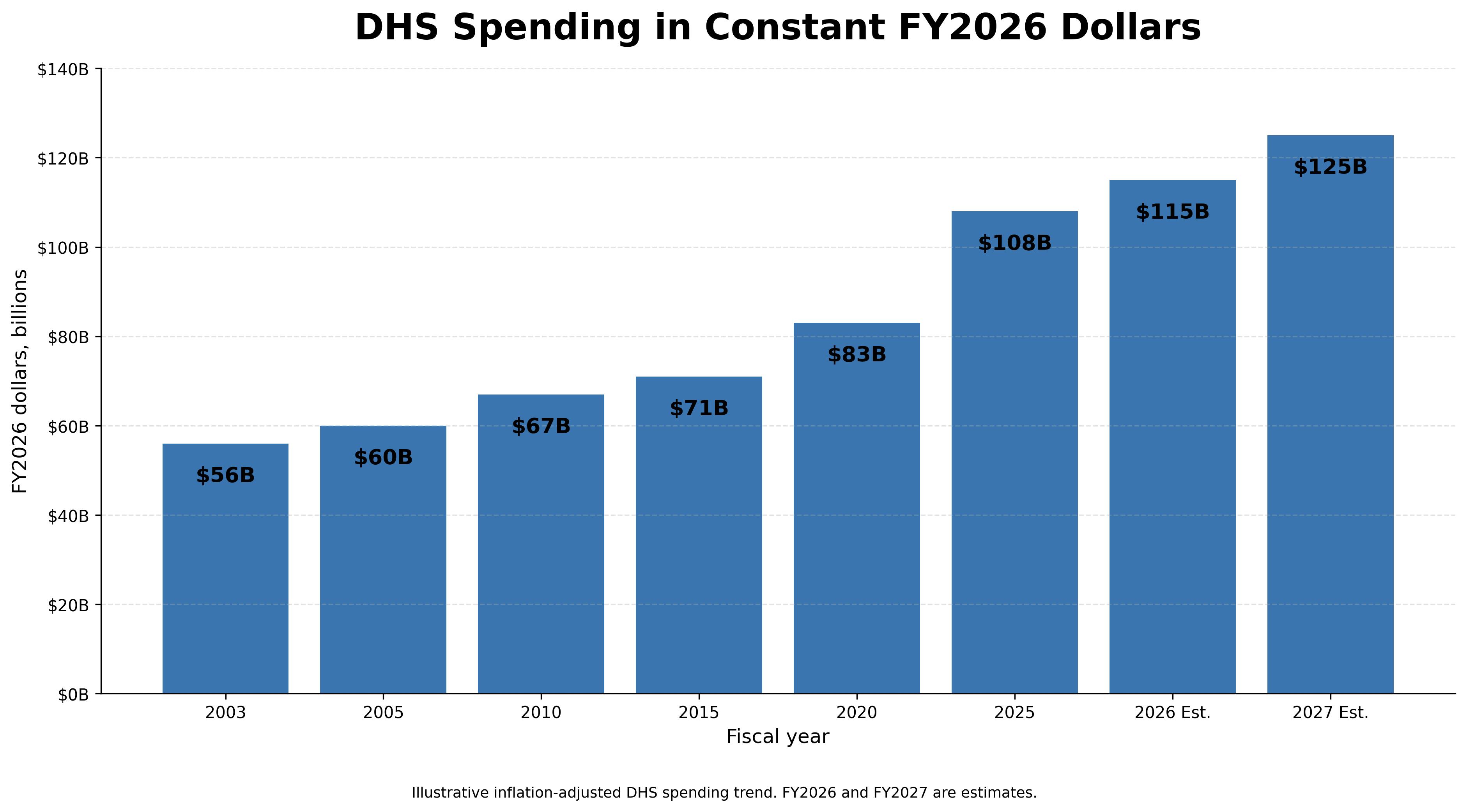
A consistent theme is emerging in the current market amongst industry and government leaders in defense, homeland security, intelligence and international affiars. In May, Precision brought together a group of senior experts, all former government, for a trio of panels on the market. In front of a crowd of top executives from startups to traditional big businesses a throughline became clear: prepare for two years of spending.
Government leaders are under unprecedented pressure to deliver outcomes at a speed never seen before. That pressure has changed how requirements are developed and how acquisitions are structured. Those changes on the government side have had an impact on how industry engages with their customers. The old GovCon playbook built around long sales cycles and drawn-out procurement processes is giving way to mission urgency.
That urgency creates a tremendous opportunity for savvy industry executives. The next 24 months of government spending need to be met with agility and innovation. A new generation of business development has already been ushered in; focused on solutioning and delivering at the speed of the mission.
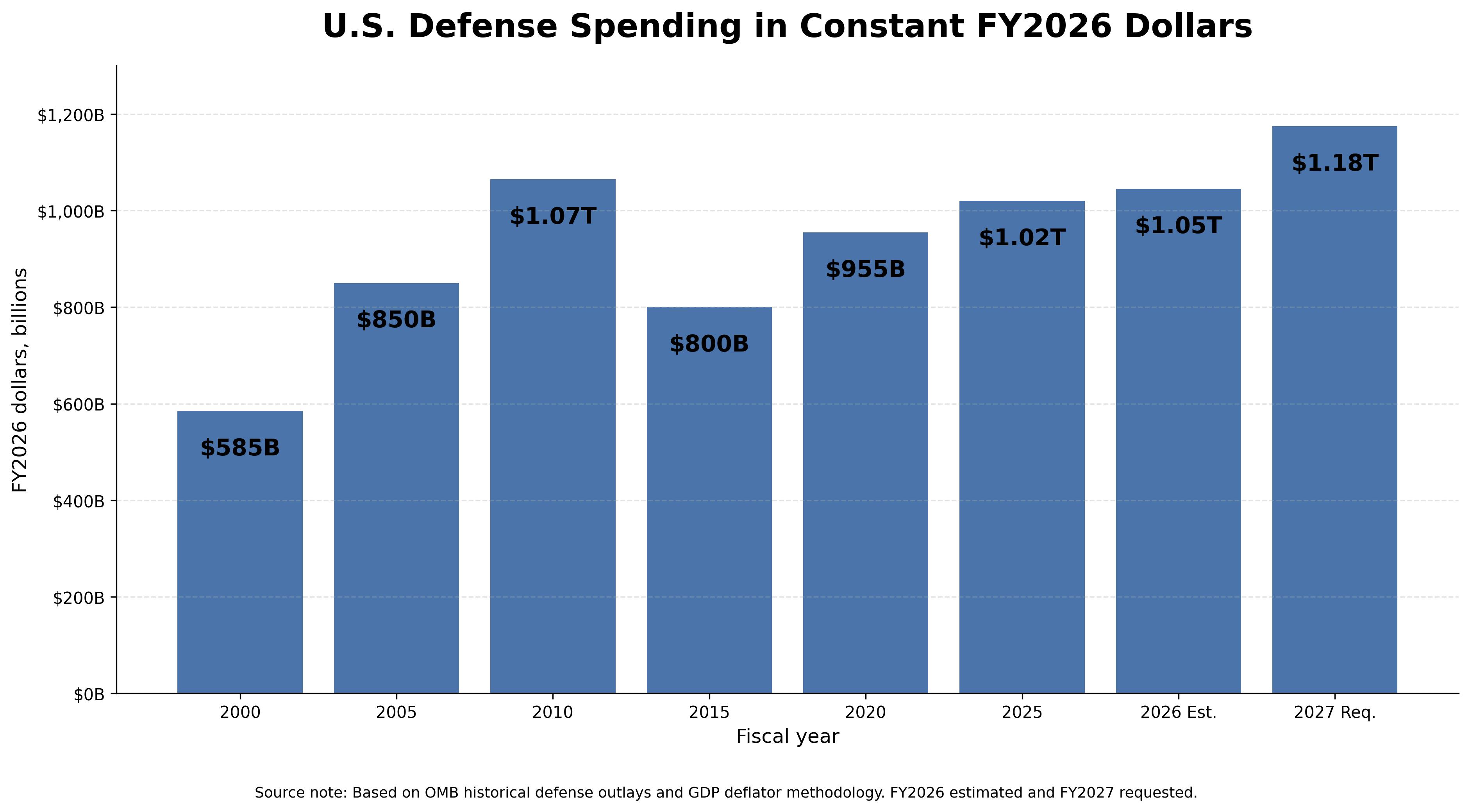
The data is clear; this isn't just another government spending cycle. A fundamental market shift is underway which will reshape how government and industry work together for years to come. The money train is leaving the station. The question companies in the market should themselves is whether they are prepared to keep up.
Defense
The United States is entering a period of significant investment driven by great power competition, modernization requirements, and growing global instability. The traditional acquisition timelines that have defined our industry for decades are viewed as incompatible with the speed of the threat. Government and military leaders are looking for new ways to field capabilities faster.
Internationally
Homeland Security
Funding bottlenecks are beginning to break loose. While border security remains a priority, the opportunities extend far beyond the border. Agencies such as the Coast Guard and FEMA are preparing for increased operational demands and modernization efforts.
We are witnessing a historic shift in burden-sharing among allies while supply chain issues are blurring the lines between national and economic security. European and Gulf defense spending is on the rise, and industrial bases are reconfiguring for new technologies, partnerships, and threats
An Evolving Market Requires Evolving Business Developers
ANDREW MACWILLIAMS CIO, PRECISION TALENT SOLUTIONS
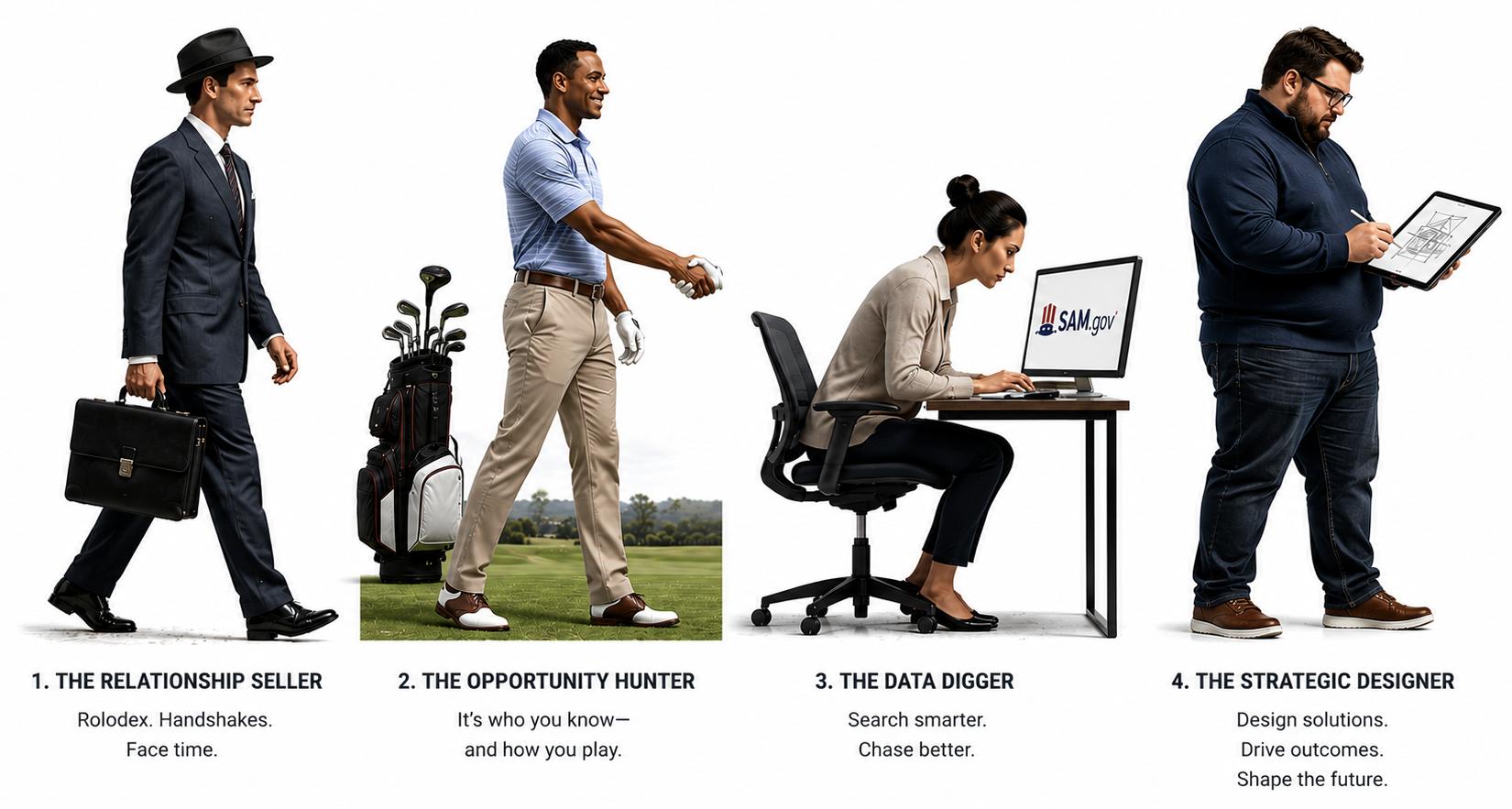
In the dawn of the military industrial complex (roughly the 1950’s), business development looked much different than it does today. Big companies with pre-war heritage dominated the landscape and utilized relationship sellers. Successful sellers were retired military officers or government officials. They often knew who they were selling to, because they went to Choate together or they were Chi Phi’s at Princeton. As the industry evolved into the 80’s and 90’s, deals were made on the golf course or tennis courts. Associations were generational. The winning formula was relationships, reputation, and technical superiority.
FedBizOpps was introduced to the public in 2002 (overtaken by Sam.gov in 2019), and connections were no longer a singular requirement. Savvy business developers could mine opportunities and review dense service requirements. Reliance on relationships declined. Technical expertise gained importance. Capture became a science. LPTA became the rule.
The relationship seller evolved into the opportunity hunter. Today, the opportunity hunter is evolving into the strategic designer. Each evolution reflected the realities of the market at the time.
We are living in a new age of business development. The market has changed. Customers are changing faster than contractors can rely on institutional relationships alone. Market intelligence, once a specialized role, is now a skill sellers need to have. Technology awareness is a must. It is not a matter of young vs old; this is agile over static. Of course, many of the techniques of the 2000’s remain essential. Growth organizations still need capture managers, price-to-win specialists, and proposal teams to ensure compliant bids continue to get submitted. But to stay ahead of the market—and in front of the customer—another skill set is needed as well.
The next generation of growth leaders will not be defined by who they know. It will be defined by how quickly they learn, how effectively they connect technology to mission outcomes, and how well they help customers solve problems.
The market evolved. The customer evolved. The business developer evolved too.