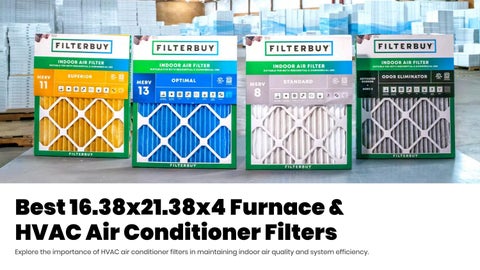
Best 16.38x21.38x4 Furnace & HVAC Air Conditioner Filters
Explore the importance of HVAC air conditioner filters in maintaining indoor air quality and system efficiency.
Introduction to HVAC Air Conditioner Filters
Importance of HVAC air conditioner filters Maintain indoor air quality and system efficiency
Role of HVAC filters Remove airborne pollutants, allergens, and dust to improve indoor air
2024 Proprietary and Confidential. All Rights Reserved.
Impact on HVAC system performance Proper filtration ensures optimal airflow and prevents system strain
2
The Core Problem: Dirty Filters Dirty HVAC air filters are the core problem, as they can significantly impact the performance and efficiency of your cooling system. When filters become clogged with dust, pet hair, and other airborne particles, they restrict airflow, forcing your HVAC unit to work harder to maintain the desired temperature. This leads to increased energy consumption, reduced cooling capacity, and a shorter lifespan for the system. Discover more at https://filterbuy.com/airfilters/16-38x21-38x4/
Key Insights: Filter Size Matters Importance of 16.38x21.38x4 Filter Sizes
Ensuring Proper Airflow
These filter sizes are critical for ensuring proper airflow and maintaining the efficiency of HVAC systems. They are designed to fit specific system dimensions and provide optimal filtration performance.
Using the correct filter size, such as 16.38x21.38x4, allows for unobstructed airflow through the HVAC system, which is crucial for its efficient operation and the comfort of your home.
Improved System Efficiency
Enhanced Indoor Air Quality
Proper filter size selection helps maintain the HVAC system's efficiency, reducing energy consumption and saving you money on utility bills.
The right filter size effectively traps airborne pollutants, allergens, and contaminants, improving the overall indoor air quality and contributing to a healthier living environment.
2024 Proprietary and Confidential. All Rights Reserved.
4
Actionable Tips for HVAC Filter Maintenance Regular Filter Replacement
Replace HVAC air filters every 1-3 months, or as recommended by the manufacturer, to maintain optimal airflow and system efficiency.
Proper Filter Sizing
Ensure that you use the correct filter size, such as 16.38x21.38x4, to fit your HVAC system properly and avoid air leaks.
Check for Airflow Obstructions Inspect your HVAC system regularly for any obstructions, such as furniture or drapery, that could impede airflow and reduce filter effectiveness.
Consider Filter Upgrades
Upgrade to higher-quality HVAC filters, such as pleated or HEPA filters, to improve indoor air quality and filtration performance.
Periodic Filter Cleaning
Clean reusable filters according to the manufacturer's instructions to remove accumulated dust and debris, extending the filter's lifespan.
2024 Proprietary and Confidential. All Rights Reserved.
5
Understanding Filter Types and Materials Fiberglass Filters
Pleated Filters
HEPA Filters
Affordable and basic filters made of woven fiberglass fibers. They capture larger particles but have limited effectiveness in removing smaller pollutants.
Pleated filters have a larger surface area, allowing them to capture more contaminants than fiberglass filters. They are more efficient at trapping smaller particles.
High-Efficiency Particulate Air (HEPA) filters are the most effective, capturing up to 99.97% of airborne particles as small as 0.3 microns. They provide superior indoor air quality.
Activated Carbon Filters
Washable Filters
These filters contain activated carbon that adsorbs odors, volatile organic compounds (VOCs), and other gaseous pollutants, improving overall air purification.
Reusable filters can be cleaned and reinstalled, reducing waste and providing a more sustainable option. They require regular maintenance to maintain effectiveness.
2024 Proprietary and Confidential. All Rights Reserved.
6
Choosing the Right HVAC Filter for Your Needs
Understand Your HVAC System
Consider Home Size and Layout
Assess Air Quality Requirements
Start by assessing the size and type of your HVAC system. This will help you determine the appropriate filter size and efficiency level required for optimal performance.
Evaluate the size of your home and the number of rooms or zones that your HVAC system needs to cover. This information will guide you in selecting the right filter capacity to ensure even air distribution and proper filtration.
Determine the level of air filtration needed based on factors such as the presence of pets, allergies, or specific air quality concerns. Choose a filter with the appropriate MERV (Minimum Efficiency Reporting Value) rating to effectively remove pollutants and maintain healthy indoor air.
Review Manufacturer Recommendations
Consider Filter Efficiency and Lifespan
Check your HVAC system's manufacturer recommendations for the recommended filter size, type, and replacement schedule. This will ensure compatibility and optimal performance of your cooling system.
Evaluate the efficiency and expected lifespan of different filter options, such as the 16.38x21.38x4 filters, to find the best balance between performance and cost-effectiveness.
2024 Proprietary and Confidential. All Rights Reserved.
Prioritize Ease of Maintenance
Choose a filter that is easy to access, replace, and clean, ensuring that you can maintain your HVAC system's efficiency through regular filter maintenance.
7