
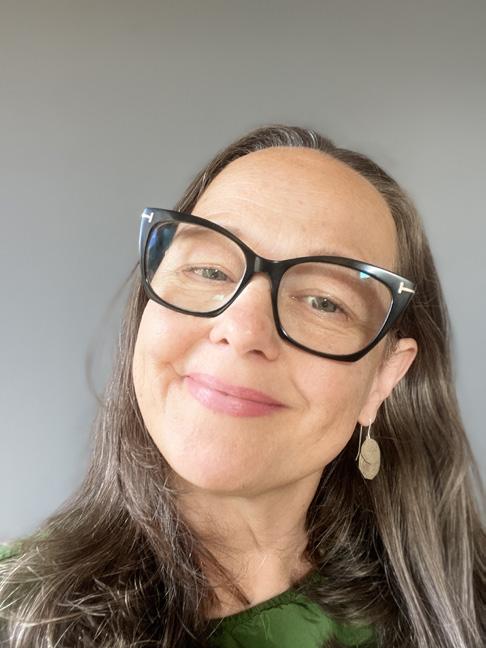
Bereaved Mother’s Day Afternoon Tea Photos
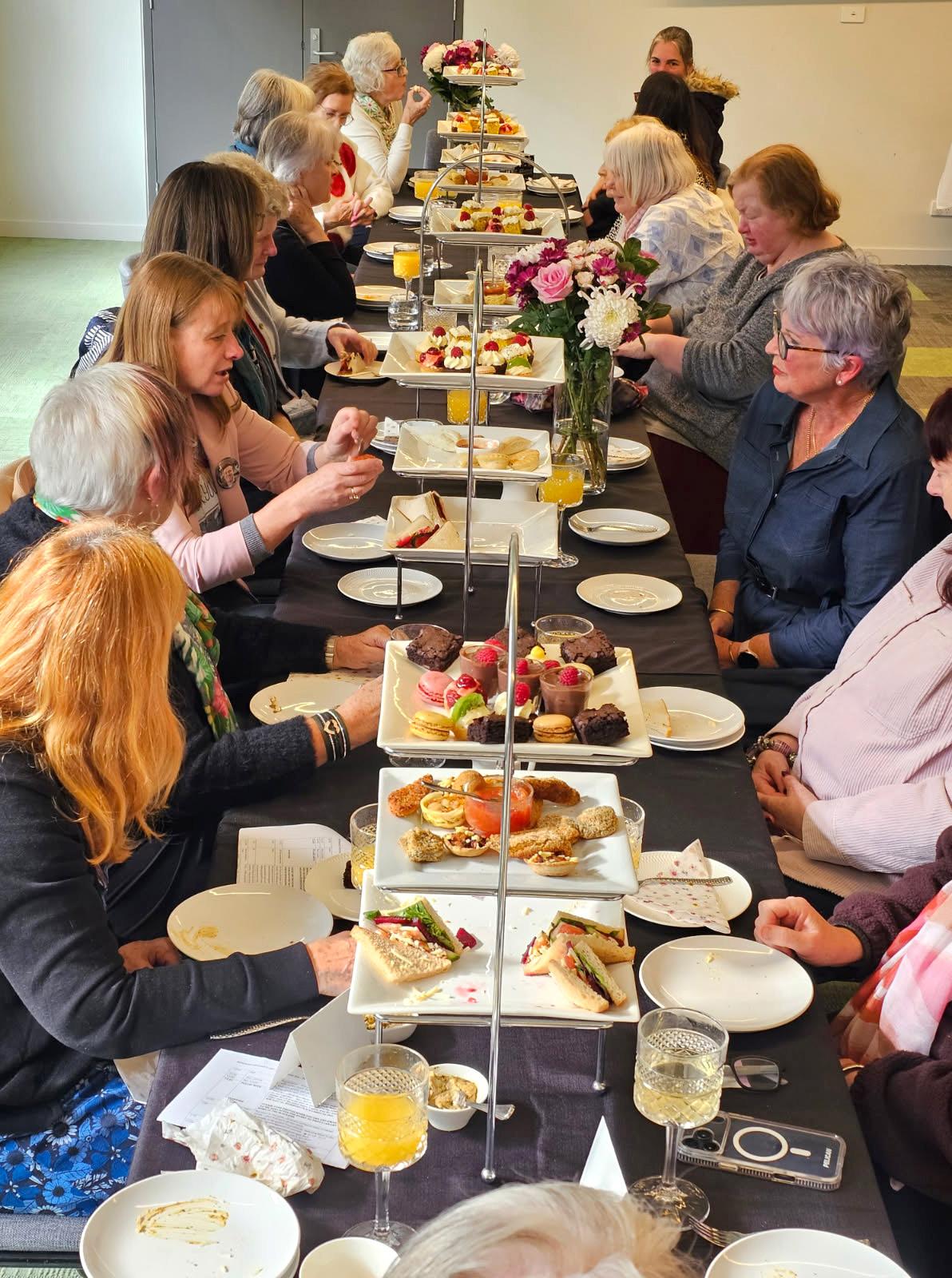
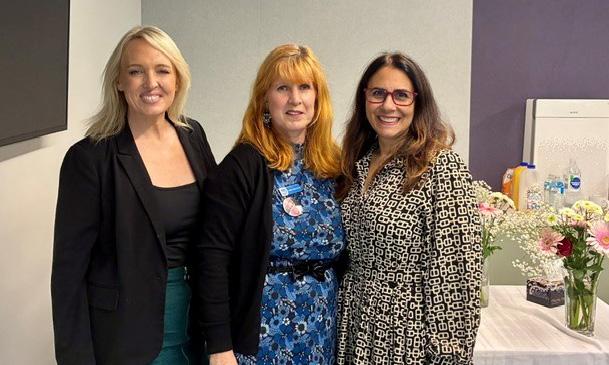
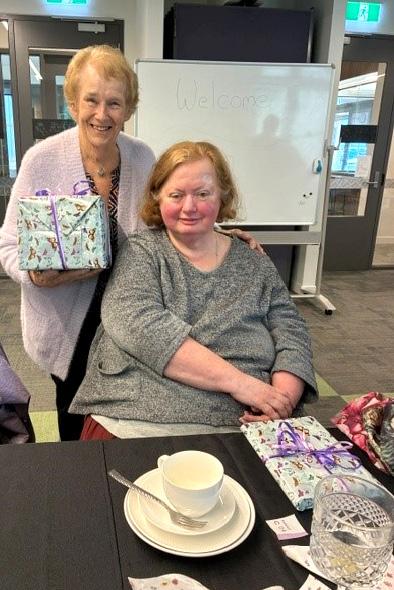
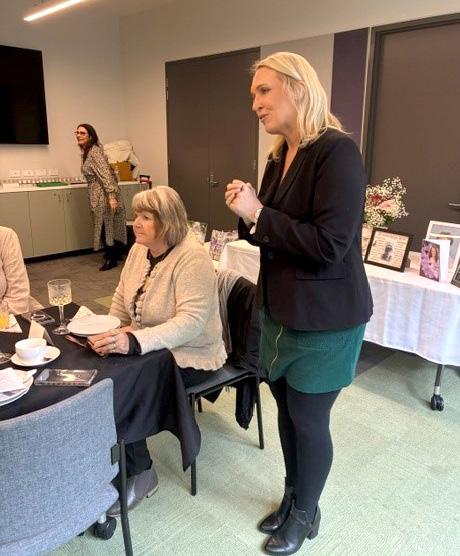
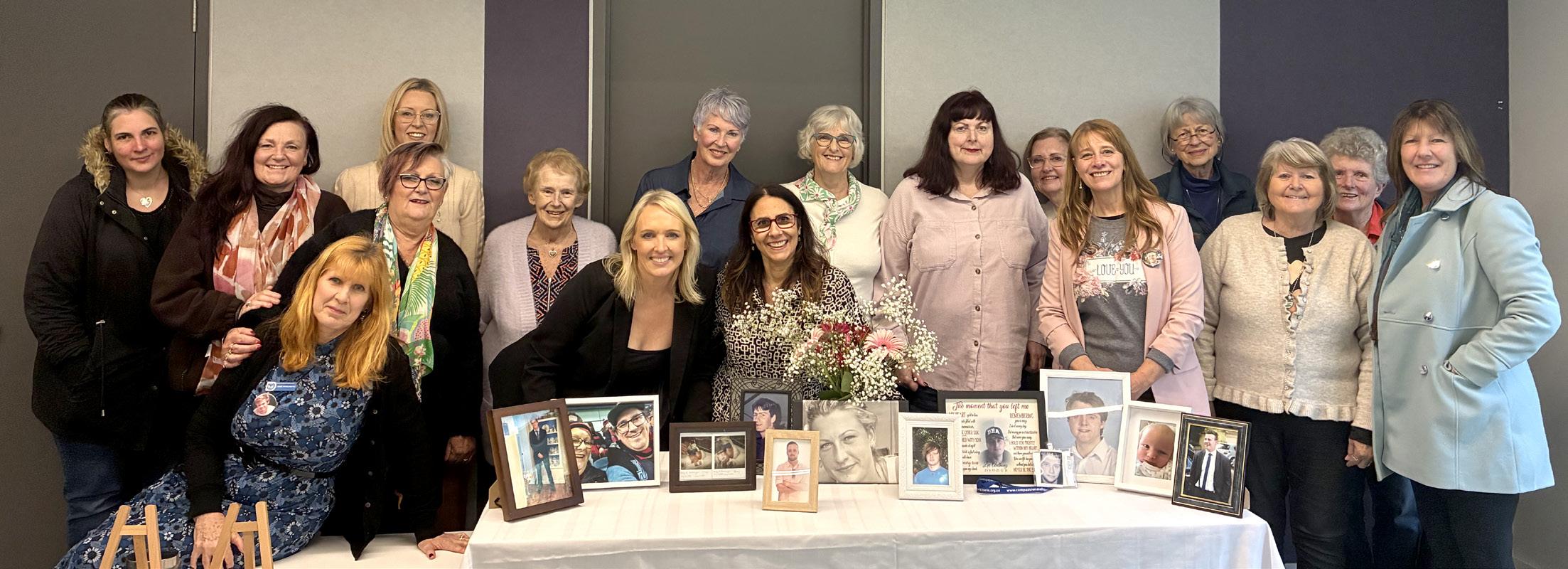
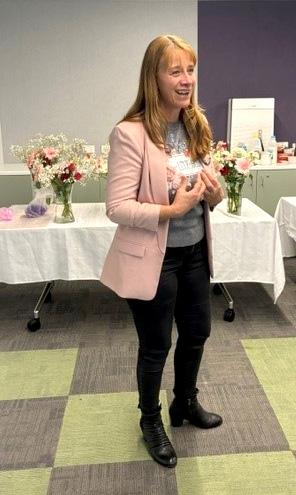
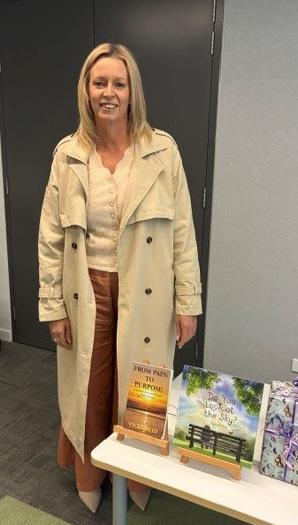
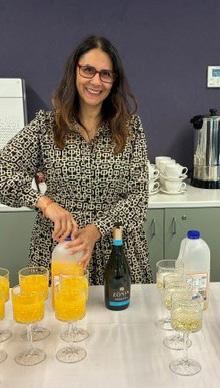
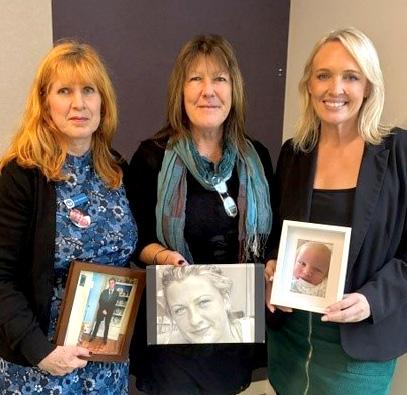
Bereaved Mother’s Day Afternoon Tea Photos
Dear Friends,
Welcome to the Winter edition of Compassionate Connections—how are we halfway through 2026 already?!
One of my favourite TCFV events is coming up on 19th June, the Winter Solstice. I love the significance of the return of the light and that longer days are on the way (although as we know the weather normally gets worse after June!). We invite you to come and join in with the fire pit ceremony, enjoy a glass of mulled wine and friendship in the safe environment that is the TCFV Centre. Unfortunately, I’m unable to make it this year, but please, if you do intend coming along, register ASAP as space is limited and last year we had a lengthy waiting list of members who missed out.
This July marks Joseph’s 28th birthday and also ten years since he passed away, a milestone that we are finding extremely difficult. The pain of missing him for ten years started on Christmas Day, the tenth one without him. I’m an early riser, and when I opened my eyes that morning, I knew I was in for a rough wave of grief. I sat and cried for two hours before everyone else got up. After that, unexpectedly and
luckily it ended up being one of the better Christmas Days we’ve had since Joseph was here to celebrate the day us. We took a big step and spent the day with relatives, and instead of finding this harder, as I thought I might, it helped.
I’m not sure what we will do on his “anniversary,” but it will involve a meal out: Joseph loved a good pub meal so that’s what we’ll do, with maybe a movie to while away some time.
This issue has some lovely articles and lots of colour photos for you to enjoy. Please consider writing an article for a future issue—everyone loves reading about other members’ journeys through grief and what they have found helpful or unhelpful! Newly bereaved members especially get something out of these articles, as they are still navigating what works and doesn’t work for them, particularly on those difficult birthdays, anniversaries, and special days throughout the year.
Until next time, sending you all peace and love.
Jane Moschetti
Bereaved Mother of Joseph (18)
There are days when I feel lost between two versions of myself — the woman I was, and the woman I am meant to be now. I know I’m not alone in this. Many of us who walk this path live in that space between identities, between worlds.
Before Cooper died, I had a title. An important job. A team.
Responsibilities.
People relied on me. I showed up, supported, guided, advocated and engaged. I was present. I had structure. Purpose. An income. A place in the world that made sense.
And now… that life no longer exists.
I have just passed the year two mark of this unimaginable pain — a depth of sorrow I could never have understood before. Some people call it a journey – but doesn’t that imply there is a destination? This journey feels like wandering aimlessly through the dark, with no purpose or intent to reach anywhere in particular. Simply to keep moving.
How blessed are those who never have to know this kind of loss. How blessed was l for so many years to live in a bubble, sad for people who lost a child, but no real depth of understanding. Yes, l was one of those who said stupid things. l did try to help people feel seen and I do think l held space for their grief –but not for long enough.
Now my world is much smaller. I rarely leave the house. Social interaction feels overwhelming. I no longer work. There is no income. My purpose each day is simply to get up, keep moving, write, and honour my son.
Since the beginning, people have said to me, “It’s early. It will get easier. You’ll learn to carry it.”
I struggled with those words at the start, and I still do. Nothing gets lighter - you just become accustomed to the pain you experience every day of your life, for the rest of your life!
Sometimes I wonder if the pain actually deepens, because every year is another year of longing and wishing. Another year without them. The weight doesn’t lesson – it grows in the spaces where their life should have been. The heaviness is unbearable.
When people say, “It gets easier,” I know they mean well. But those words can unintentionally create a quiet expectation — that there is a right way to grieve, a stronger way, a more successful way.
It feels like it is a generational conversation, someone older and wiser telling me, “Don’t worry dear, it will get better, l know, l have been there”. It reminds me of the whole, “When l went to school l walked in bare feet for three miles….” Just something said to make the person delivering the message feel wiser.
I don’t say this to be judgemental, l say it for another perspective to be considered. I am two years in and l still feel the pain like l received it yesterday. I still cry, don’t sleep and am not able to function on a regular basis.
Recently at The Compassionate Friends, I met a mother twelve years into her loss. The pain was still visible in her face, her voice, her heart. And it made me think — perhaps we need to stop telling each other that it will get better. Because what l have realised is, that when people say this, it makes them
feel stronger and me feel weaker. What it says is, there is a predetermined expectation that their way is the right way. But l am quite content in my pain. I don’t want to shift anything. My love is deep, so my grief is deep.
And as much as we hear, “You choose how you do grief” and “There is no right or wrong”, these conversations have a significant impact when delivered.
What l do is l find ways to sit in my pain.
I go to the cemetery and tend the lawns, wash the monument, poison the weeds, cut the edges, water and fertilise – because that is what l have left now. When l am there l can still physically be a mum, doing the mum jobs in a different way. Not cleaning his room, buying groceries, cooking dinner or buying gifts. But still with the same intent as l had when he was alive.
l write and work on my books, connecting always to Coop. His photo’s in front of my desk as l spend hours on the computer, looking for ways to continue his legacy, working together in this space,
feeling connected. Because when l work here, l feel him sitting beside me, telling me how l should be doing it.
While l am here in this space, l am escaping reality. That is ok as far as l am concerned. Pretending he just hasn’t called today as he is busy with work, is a way to survive. What a nice place that is to be. The insistent reality is always there, but this escape is a few minutes of reprieve, it does not matter how delusional it is.
In every conversation l say his name, Cooper. I speak like he was here today, and will be back tomorrow. Because that is the nicest kind of space to be in. Hence being a recluse – as most people don’t like this conversation. They think you are odd. Sometimes it’s people you think will understand the most. Don’t judge me for the harshness of my comments. We all grieve differently and we need to honour the words we say... that it is ok to do it differently.
By Vicki Reid Bereaved Mother of Cooper
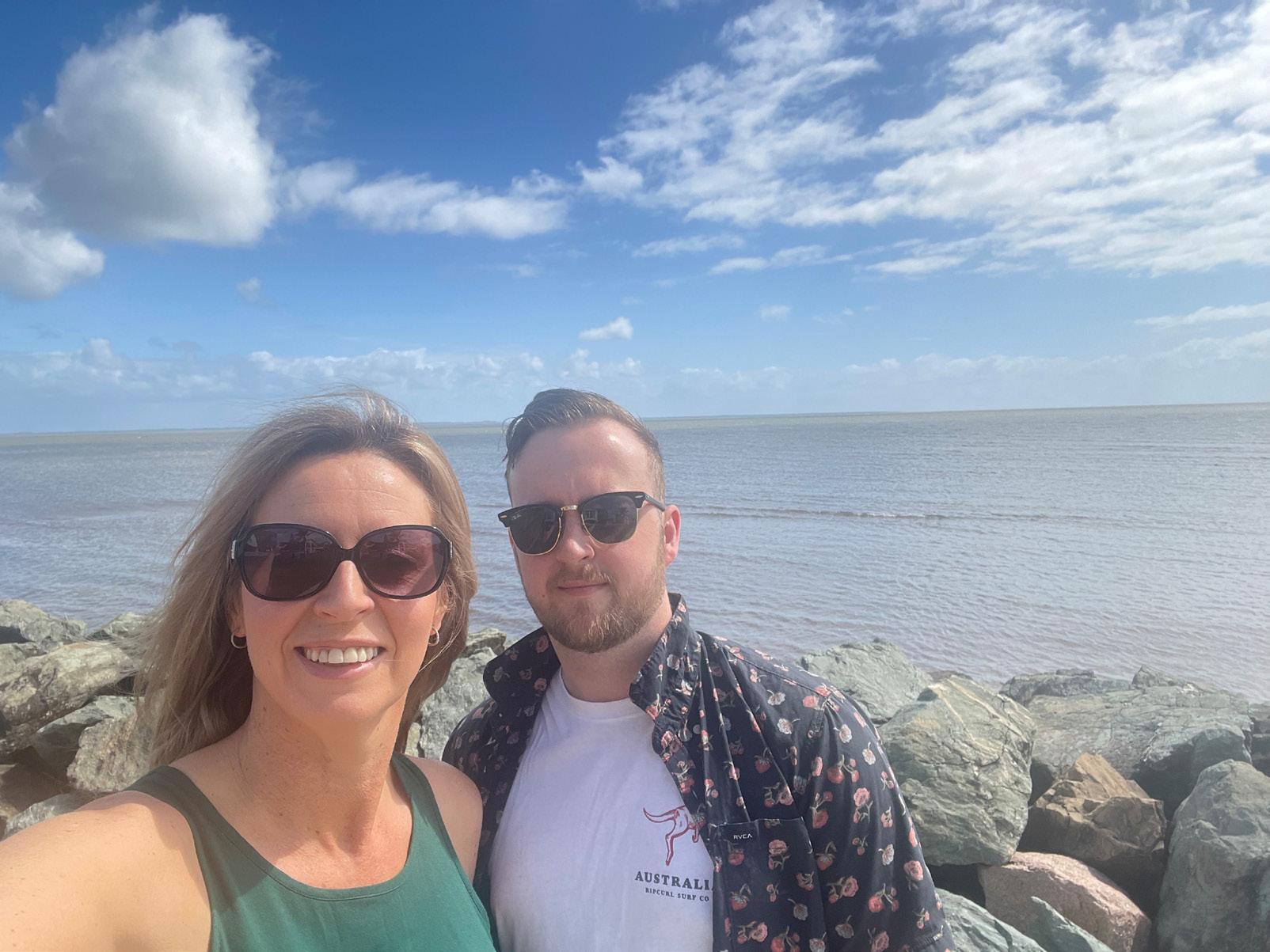
It is with sadness that we share the news that Lyn Lacey passed away peacefully on Sunday 8th March after a short battle with pancreatic cancer. She was 82. She and Dad were great supporters of The Compassionate Friends Victoria after my sister passed in 1999, including doing the magazine mailouts and attending various events until 2020. If you could please pass this onto the team at TCFV that she was gladdened to read the newsletter each time I received a copy.
Lyn’s daughter, Ros McCullough
Lyn Zammit for the butterfly stickers in memory of her daughter Heather Therese Zammit.
Andrew Miller in memory of his daughter Rosie.
Honor Cuthbertson for thanking TCFV for all that we do.
Joanna Walters was so moved by hearing about TCFV at the Canterbury Family Law event. Keep up the wonderful work you do.
John Tennent after hearing about TCFV at the Canterbury Family Law Event.
Sally Field for TCFV being an important and wonderful resource.
Canterbury Family Law, via Aaron van der Heyden, for their art show/fundraiser for TCFV.
Stephen To for his donation in memory of Dieter Pakusch.
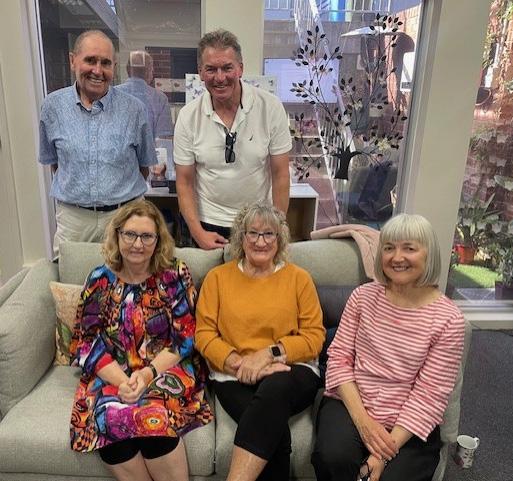
As always, we thank all the TCFV volunteers, phone support people, group leaders, centre volunteers, anniversary card writers, guest speakers and the magazine mail-out team (see page 20 for the photo of the Autumn mailout team).
• Anam Cara House (Geelong). Nominated by Catherine Moloughney O’Sullivan
– March 2025
• Melba support services. Nominated by Kate Beattie – May 2025
• Barwon Water. Nominated by Elizabeth MacDonald – May 2025
• ResourceCo Pty Ltd. Nominated by Vicki Reid – June 2025
• Caladenia. Nominated by Honor Cuthbertson – July 2025
• Merry People. Nominated by Ann Smith – April 2026
If your employer or a business has shown extraordinary kindness and care during your bereavement, we invite you to nominate them for this special recognition. Nominations are open year-round. Please visit the website www.tcfv.org.au/supportus
Because we send out emails to a large volume of accounts, some email servers will identify our communication as “junk” and place it in an individual’s Junk email folder. If you find TCFV emails are being placed in your Junk folder, you can mark just one TCFV email as safe, and this will ensure TCFV emails will appear in your inbox in the future.
Create the next Compassionate Connections front cover! Draw, paint take a photo of something for upcoming magazines along the theme of Winter, Spring, Summer & Autumn. Deadline for the SPRING magazine is 1 August
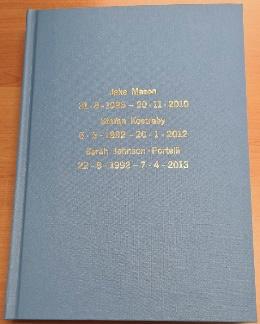
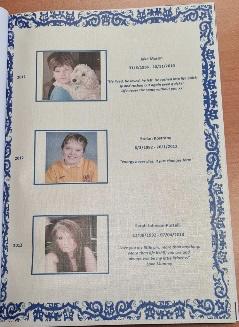
Would you like to memorialize your loved one’s name on the front cover of a collected volume of the Compassionate Connections Magazine?
We are currently looking at having the years 2023, 2024 and 2025 bound.
These beautiful, cloth-bound and gold embossed books would have your loved one’s name on the front as well as on the title page, with a photo and dates, together with a short saying or word in their memory. The cost of inclusion is $100. Please contact the Centre on (03) 9888 4034 or email janem@tcfv.org.au to have your loved one included in one of these bound volumes, which are housed in our Library for you to read. Please note that they are not available to borrow.

The following is a summary of TCFV literature on the differences between and similarities within parent, sibling and grandparent loss.
Bereavement of parents, siblings, and grandparents differs primarily in the intensity of the bond and the role changes involved. Parents often feel an unnatural, shattering loss; siblings face the loss of a shared past and future; while grandparents experience a double, complex grief of losing a grandchild while witnessing their own child’s pain.
• Nature: Frequently described as a “grief like no other,” shattering the expected order of life.
• Impact: Overwhelming, often causing intense and unfamiliar feelings, potentially leading to long-term trauma.
• Focus: Parents often fear for the safety of surviving children, which may consume their emotional energy.
• Nature: Involves the loss of a shared history and the expectation of growing old together.
• Impact: Known as “forgotten mourners,” as their grief is often overlooked when compared to parents.
• Challenges: Siblings, even those in middle age, may hide their pain to protect parents, causing them to feel lonely or withdrawn.
• Nature: A unique, double-edged grief (sometimes called “double loss”) experiencing their own sorrow while witnessing their child’s devastation.
• Impact: Grandparents may feel an intense need to take away their own child’s pain, leading to feelings of helplessness.
• Factors: Grandparents who provided regular care for the deceased grandchild can experience higher levels of depression, anxiety, and PTSD.
• Role Changes: Each loss leaves a specific vacancy, such as a support system, friend, or caregiver.
• Duration: There is no set timeline, and grief does not follow a straight path.
• Social Support: Siblings (often in the 10-30 age bracket) may feel more alone in their grief compared to parents who might have more societal support.
Primary Loss Their future
Common Guilt Failed protection
Social View
Grief Style
Their lifelong witness
Their "legacy" & child’s peace
Surviving while others suffered Living while the young died
Primary mourners Often overlooked Expected to be "the rock"
Intense, often public May "act out" or be silent Often inward or "quiet"
Coping with bereavement requires different approaches depending on one’s relationship to the deceased. While general self-care is universal, specific strategies can often help address the unique roles and pressures faced by parents, siblings, and grandparents.
Coping Strategies that may particularly resonate for Parents
Parental grief often involves intense feelings of failure or loss of future milestones.
• Oscillate Between Grieving and Living: The Dual Process Model suggests it is healthy to move between “lossoriented” activities (crying, looking at photos) and “restoration-oriented” tasks (returning to work, attending to other children).
• Establish a Supportive Routine: Creating a predictable daily schedule provides a sense of stability when life feels out of control.
• Externalise Intense Emotions: Safe outlets for anger or frustration include physical activity, journalling, or even symbolic actions like shouting in a private space or throwing eggs at a tree.
• Continue the Bond: Maintain a relationship through rituals, such as celebrating birthdays, planting a memorial tree, or writing letters to the child.
Coping Strategies that may particularly resonate for Siblings
Siblings frequently feel “invisible” or pressured to stay strong for their parents.
• Acknowledge the “Forgotten” Loss: Actively validate your own grief rather than comparing it to your parents’ pain; your loss of a lifelong peer is equally significant.
• Demand a “Voice” in Rituals: Request a real role in memorial planning (e.g. choosing music or gathering photos) to ensure your shared history is represented.
• Seek Peer Support: Connect with other bereaved siblings through groups to reduce feelings of isolation.
• Use Creative Expression: Younger siblings often process grief through symbolic play, art, or “memory walks” in nature.
Coping Strategies that may particularly resonate for Grandparents
Grandparents navigate a “double loss” while often acting as the family “rock”.
• Balance Support with Self-Care: While providing practical help (meals, childcare) for your adult child, schedule specific “alone time” each day to acknowledge your own sorrow.
• Avoid “Fixing” the Grief: Recognise that you cannot take away your child’s pain; your most valuable tool is a nonjudgemental presence and a listening ear.
• Create Private Memorials: If the public focus is on the parents, establish a personal honour space at home with photos or special objects that celebrate your unique bond with your grandchild.
• Prioritise sleep, gentle exercise, and small, frequent nutritious meals, as grief physically exhausts the body.
• Defer major decisions for at least a year, if possible, to help ensure your judgement isn’t compromised by acute grief.
• Seek professional help if you feel “emotionally paralysed,” experience persistent guilt, or have thoughts of self-harm.
In February 2002, my wonderful and loved son, Matthew, suicided in my garage, where I found him several hours later. He was aged twenty-five. Now, in 2026 and for the looming-up-in-the-distance 2027, I find myself dreading two particular commemorations of his life and death of which I have been well aware for a long time. The first is that Matthew would have turned fifty in early May. The second is that next February will be twenty-five years since his death, equal to the number of years on which he walked this earth.
I remember so clearly the day on which he was born in a small country town hospital. He was the only baby in the hospital and there was even a photo of him in the local paper. My wife of the time and I had many great years with him. Matthew was very intelligent and talented in many things. Then suddenly came his bipolar mania at the age of seventeen which was horrific and the worst time of my life. He was in a psychiatric ward and there were police involvements. His schooling and life were shot to pieces for a long time. Two years later, the mania returned and wreaked hell on him and me again. He recovered and qualified as a graphic designer and worked in Melbourne and London. Upon his return, severe depression hit him and he could see no way out. I didn’t see it coming.
I have missed Matthew desperately for twenty-four years. I wish I could turn back time and change certain decisions of mine. He might be alive today. I am stressed when I realise that I have forgotten many amusing incidents about him - things that he said and did. I can remember a lot, but the memories are fading or are now lost. This upsets me. As it is, I’ll never know what he might have achieved. Would he have married and had children of his own? Who knows? Every time, I hear of a man who is his age, I think that this is the age that Matthew would and should be.
For all my life, I have never known about what happens regarding an after-life. Now that I know that my remaining time on this earth is quite limited, I desperately hope that there is an after-life and that Matthew and I can be reunited.
The Compassionate Friends Victoria is an organisation which does marvellous work for many people. I had never heard of it until a counsellor working for The Coroner’s Department told me about it. Then followed years of local support groups and at the Canterbury Centre itself. I remember especially the fine work done by Sue Brown, Andrew McNess, Jon Stebbins, Sue Stebbins, Tony Gee and many volunteers and group leaders. All of them are very caring and skilful people. I wish all bereaved parents and siblings well in their grief journeys and that they can gain comfort and support from each other.
Peter Saunders
Father of Matthew, 25.
Former TCFV member and volunteer
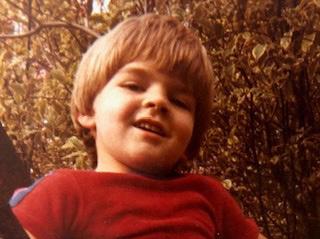
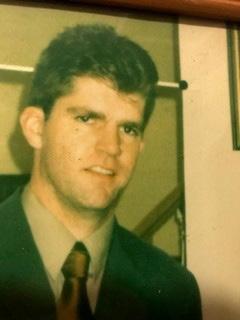
After the death of a child, many parents, grandparents and siblings find their minds looping over the same thoughts -
What if I had noticed sooner? Did I miss something? Could I have done more?
This repetitive thinking is called rumination, and it’s a common response to profound loss.
When my son died, I found myself replaying moments over and over, conversations, decisions, even tiny details. My mind kept searching for an answer that didn’t exist. Now as both a bereaved parent and a counsellor, I understand it was my brain trying to make sense of what happened.
We can’t always “turn off” rumination, but we can gently interrupt it –
�� Name it. “This is rumination, my mind is trying to protect me.”
�� Ground the body. Place a hand on your heart and take three slow breaths.
�� Contain it. Set aside 10 minutes to write your thoughts down.
�� Shift attention softly. Step outside, notice five things you can see, or hold something textured and describe it to yourself.
Some people confuse rumination and reflection; they are quite different. Reflection allows space for remembering and meaning-making, whereas rumination can feel like a painful loop with no resolution.
If you find yourself ruminating, please know this is a normal response to profound loss, and that healing begins with compassion and gentle rest.
Susan Meyerink Bereaved Mother of Chance ��
After my father died, one of the first things I did was check for the voicemails he’d sent me that year. I felt an urgent need to back them up in every possible way. Most of them were short, not even 30 seconds. Dad would usually open with, “It’s your aged father here…” before asking me to come and visit.
Across those tiny snippets I can hear his voice becoming weaker, more muffled, and less like a man who could charm a crowd with old songs and a ukulele. In the end, Parkinson’s left him barely able to speak at all.
It makes sense that losing someone can make us hold tight to things we associate with them. As an audio producer, the most precious keepsake I know is someone’s voice. Because to listen to someone we love who’s no longer with us is a type of magic.
My new business, Brunswick Story Service, has been a long time in the making. As well as producing longform interviews for many years (including 14 with ABC Radio’s Conversations with Richard Fidler), I’m inspired by the work of US radio institution, ‘Story Corp’, where they’ve amassed many thousands of recordings of personal stories, creating an immense library of human experiences and voices. I’ve made documentaries, podcasts and features: I adore audio storytelling.
Phone messages aside, I’m fortunate to have hours of audio ‘tape’ I made with my Dad, but I know that for many, what’s more typical after a death is to be left with a plethora of photographs and perhaps some video tape. All too rarely do we have the treasure of a loved one’s voice.
And so, I set up my service for people unable to record their own or their families’ stories. It’s an infinitely flexible offer - from single session recordings, to lengthy, multi-date, ‘audio biographies’. It’s also a straightforward proposition for anyone who becomes a subject. We have a preliminary phone conversation. Then I do the research, manage the tech, conduct the interview in a space you’re comfortable with, and edit your story into a private and lasting record.
I’ve been up close to death and grief a number of times over the past decade. It’s made me especially interested in working with people approaching end-of-life. I see it as a way to be of genuine service. Sure, making recordings is technically available to anyone in the age of the smart phone, but for those managing illness, treatment and anticipatory grief, there’s often not the time or ability to make recordings with the future in mind, no matter the desire.
As long as the subject’s given consent, an interview can be arranged to suit their capacity and wishes. Ron Serdiuk asked me to record with his 94-year- old father, Jan, in hospital. We made another recording at Jan’s home.
Dad was born in 1923 in a village in rural Ukraine. After he arrived in Australia in the late 1940s, he lived a very typical workingclass Australian suburban existence. But we knew little about his childhood and early adulthood amid the chaos of invasion and war and becoming a refugee – and losing his first wife and child. He didn’t talk about it very much. When he started speaking to Michelle though, he opened up and the memories came flooding out. Memories both painful and joyous – stories which gave us a better handle on understanding him.
It wasn’t until several years later that Ron felt able to listen to those recordings, of which he said: Listening to him relate his tales of a world long since vanished is like holding hands and travelling in time with him.
‘Reminiscences’, where people sit down to share stories from the life of a person now gone, is another facet of my work.
Telling stories doesn’t just preserve - it connects. An anecdote about your older brother’s stubbornness or family lore about your grandmother’s particular style of tough love brings them into the room for a moment. It gives newer family members, and those yet to be born, a way to know someone they never met.
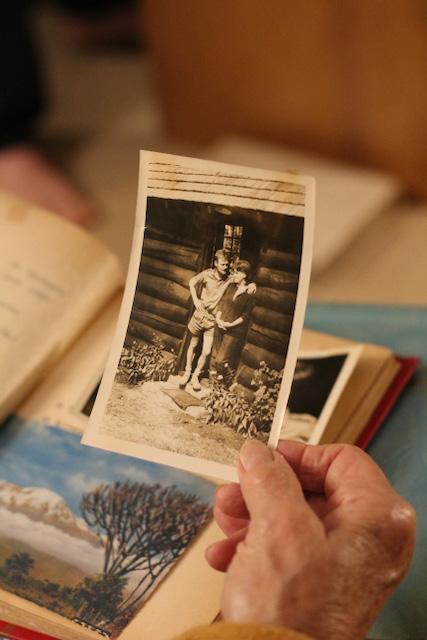
For the bereaved, this gentle guided storytelling can be a transformative process. Having someone ask the right questions and truly listen can surface memories you didn’t know you had. Speaking about their life and making a record in your voice is a gift to the future. And it can feel like an act of honouring.
Listening back to Dad’s voice memos, there were many more pocket dials than messages. But eventually, I hit the emotional jackpot. “Love you”, he signed off, in his barely-there but unmistakable voice, making that tiny recording one of the most valuable things I could possess.
Link to website: https://ransomhughes.com/brunswick-story-service
Michelle Ransom-Hughes
Regional and rural communities across Victoria are known for their strong sense of connection, care, and quiet resilience. In these communities, people look out for one another, and there is a deep appreciation for the importance of belonging- especially during life’s most challenging moments.
When a child or sibling dies, that need for understanding and connection becomes even more important. While geography can sometimes shape how and where support is accessed, it does not change the depth of grief- or the value of being able to share that experience with others who truly understand.
For many families in regional and rural areas, coming together- often with some travel involved- is a meaningful and intentional act. These gatherings are more than just meetings; they are spaces built on compassion, generosity, and shared experience. They reflect the strength of communities where people show up for one another, creating genuine connection and support that is both powerful and deeply valued.
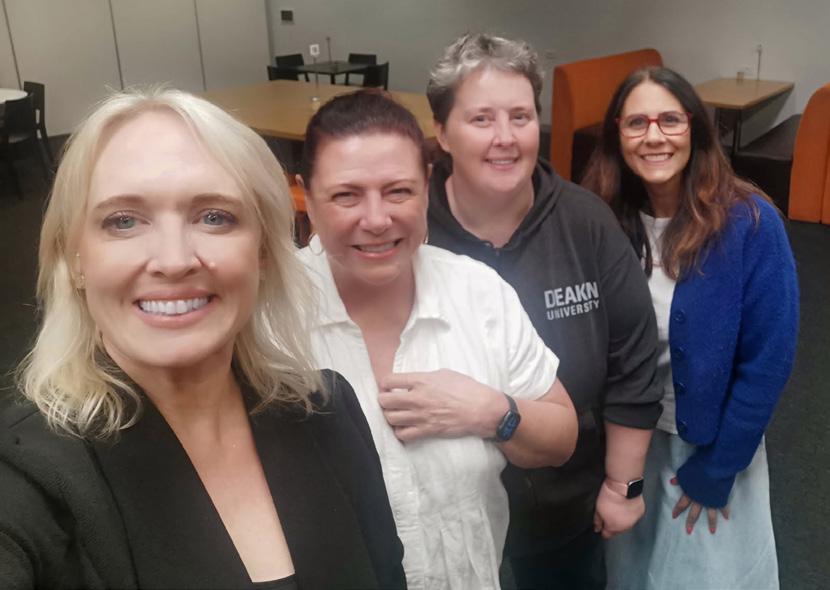
In early April, TCFV CEO Alex Hamiton, and Volunteer Engagement Coordinator Natasha (Nat) Ballingall travelled to Warrnambool to visit volunteers and members of the community. The purpose of the visit was not to “deliver” support in a traditional sense, but to listen, learn, and strengthen the incredible foundations already in place.
A highlight of the visit was attending the Warrnambool Support Group, facilitated by Deb Siviour, alongside co-facilitator and phone responder Andrea Lyon. The group meets on the first Wednesday of each month at 7:15pm at the Archie Graham Community Centre in Warrnambool.
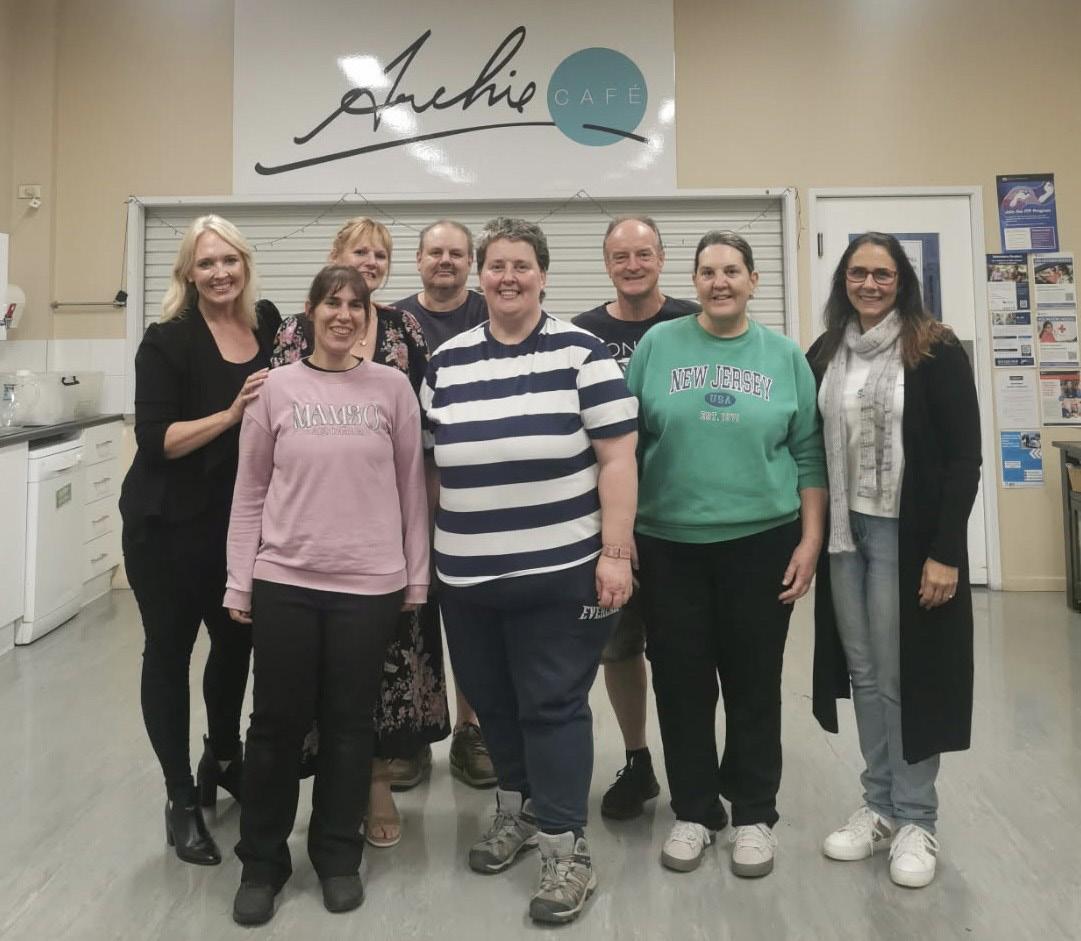
It was a privilege to be welcomed into this space. Alex and Nat felt genuinely honoured to be part of the session. From the moment they arrived, there was a strong sense of warmth and openness within the room. Group members demonstrated a remarkable willingness to be open and vulnerable- even in the presence of two new visitors they had only just met. This speaks powerfully to the level of psychological safety and trust that has been cultivated within the group.
There was also clear evidence of kinship and connection among members. The way individuals listened, supported one another, and shared their experiences reflected not only the depth of their grief, but also the strength of the relationships that have formed within the group. This kind of connection is at the very heart of peer support.
Deb and Andrea, both bringing their own lived experience of loss, hold this space with great care and sensitivity. Their leadership helps create an environment where people feel safe to share, to reflect, and to simply be- without pressure or expectation. It is through this kind of steady, compassionate facilitation that such meaningful and enduring support can flourish.
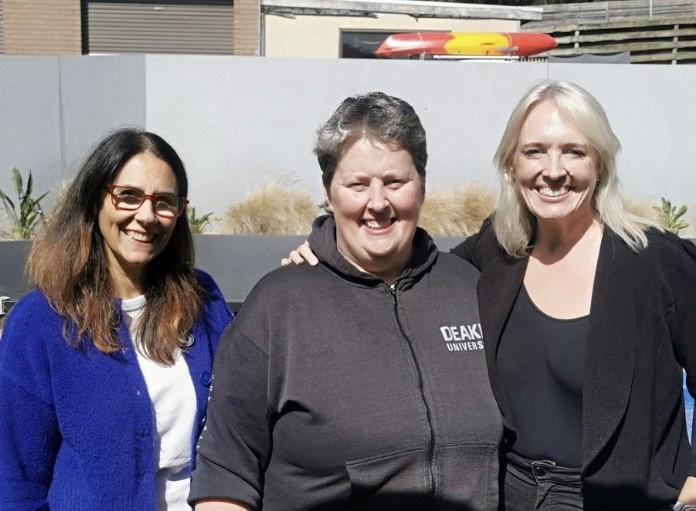
Beyond the group itself, the visit provided an opportunity to spend time with lived experience members and the local community more broadly. Many shared that attending support groups often involves travelling significant distances- sometimes over an hour each way- just to connect with others who understand. This level of commitment highlights both the challenges faced in regional areas and the deep value of these connections.
Conversations throughout the visit focused on what support truly looks like on the ground. Not in theory, but in lived, day-to-day experience. What is working well? What feels challenging? Where are the gaps? And how can we work together to strengthen and expand support in ways that are meaningful and accessible?
A key part of the visit also included meeting with Alison Byrne from the South West Community Foundation, exploring opportunities to grow place-based, community-led support. Partnerships like these are essential in ensuring that services are not only available but embedded within the communities they serve.
At The Compassionate Friends Victoria, our commitment to regional and rural communities is not an afterthought- it is a priority.
We recognise that grief does not exist in isolation, and neither should support. Every family, no matter where they live, deserves access to understanding, connection, and care. This means continuing to invest in local leadership, supporting our volunteers, and building networks that bring support closer to home.
It also means listening- deeply and respectfully- to the voices of those within these communities. Because the most meaningful and sustainable support is not imposed from the outside but grown from within.
This visit to Warrnambool was not a one-off trip. It is part of an ongoing commitment to strengthen relationships, deepen understanding, and ensure that no one feels left behind because of their postcode.
At its core, this work is about connection.
It is about creating spaces where grief can be shared without judgement. It is about strengthening the people who hold those spaces. And it is about ensuring that support is not something distant or out of reach, but something that feels close, familiar, and accessible.
The warmth, honesty, and openness shown by the Warrnambool community was a powerful reminder of why this work matters. There is so much strength in these communities- and it is a privilege to walk alongside them.
We are incredibly grateful to everyone who took the time to meet, share their experiences, and welcome us so openly.
There is more to learn, more to build, and more connections to nurture. And we remain deeply committed to ensuring that wherever you live in Victoria, you are not alone in your grief.
Alex and Nat
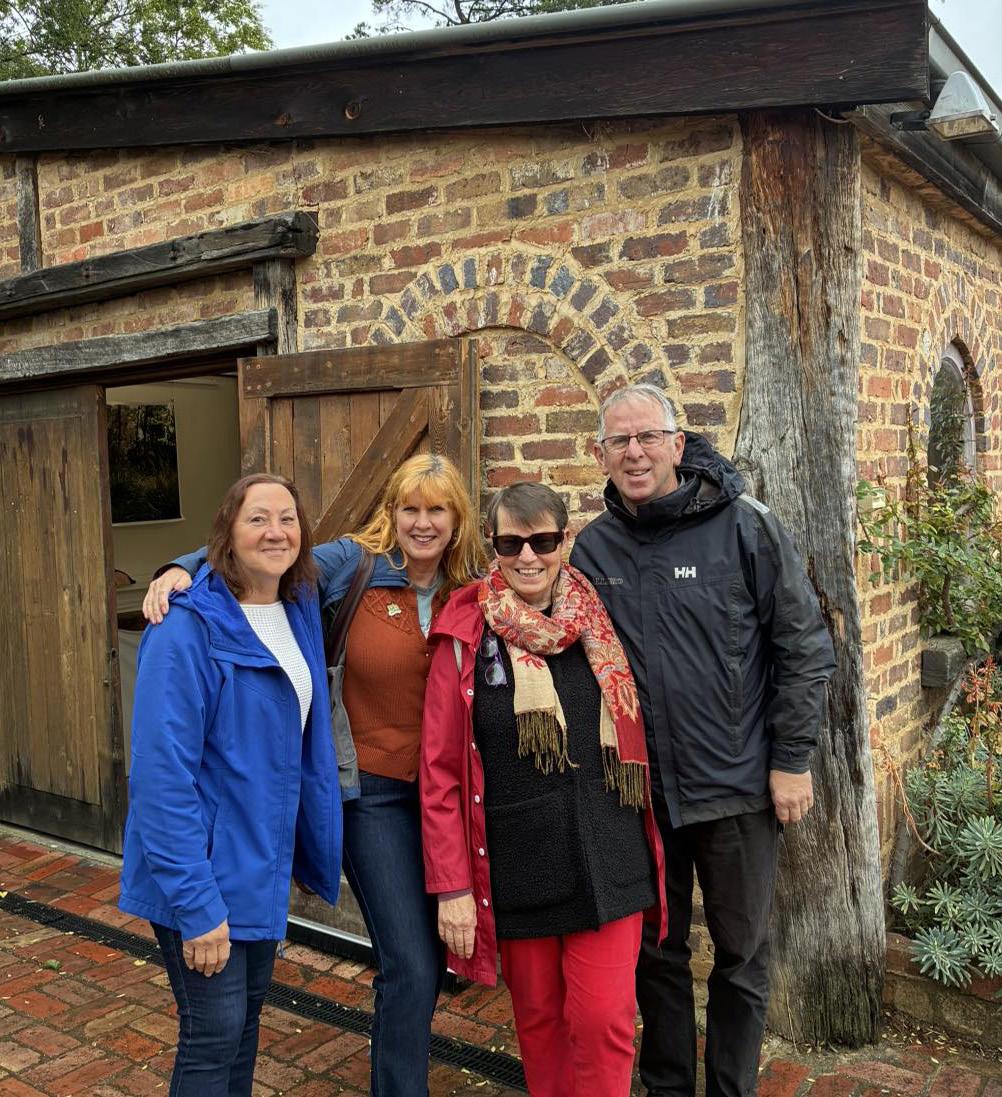
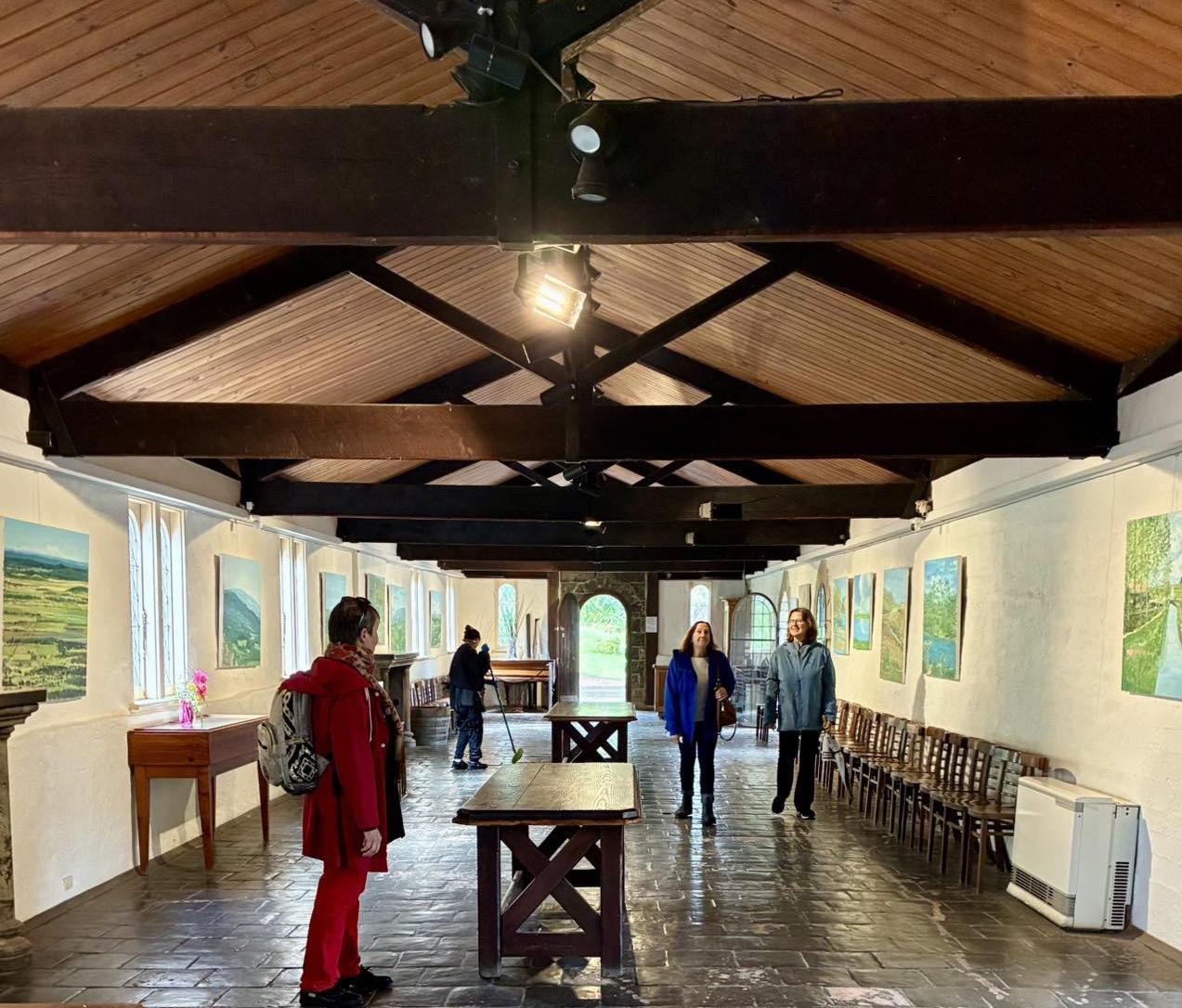
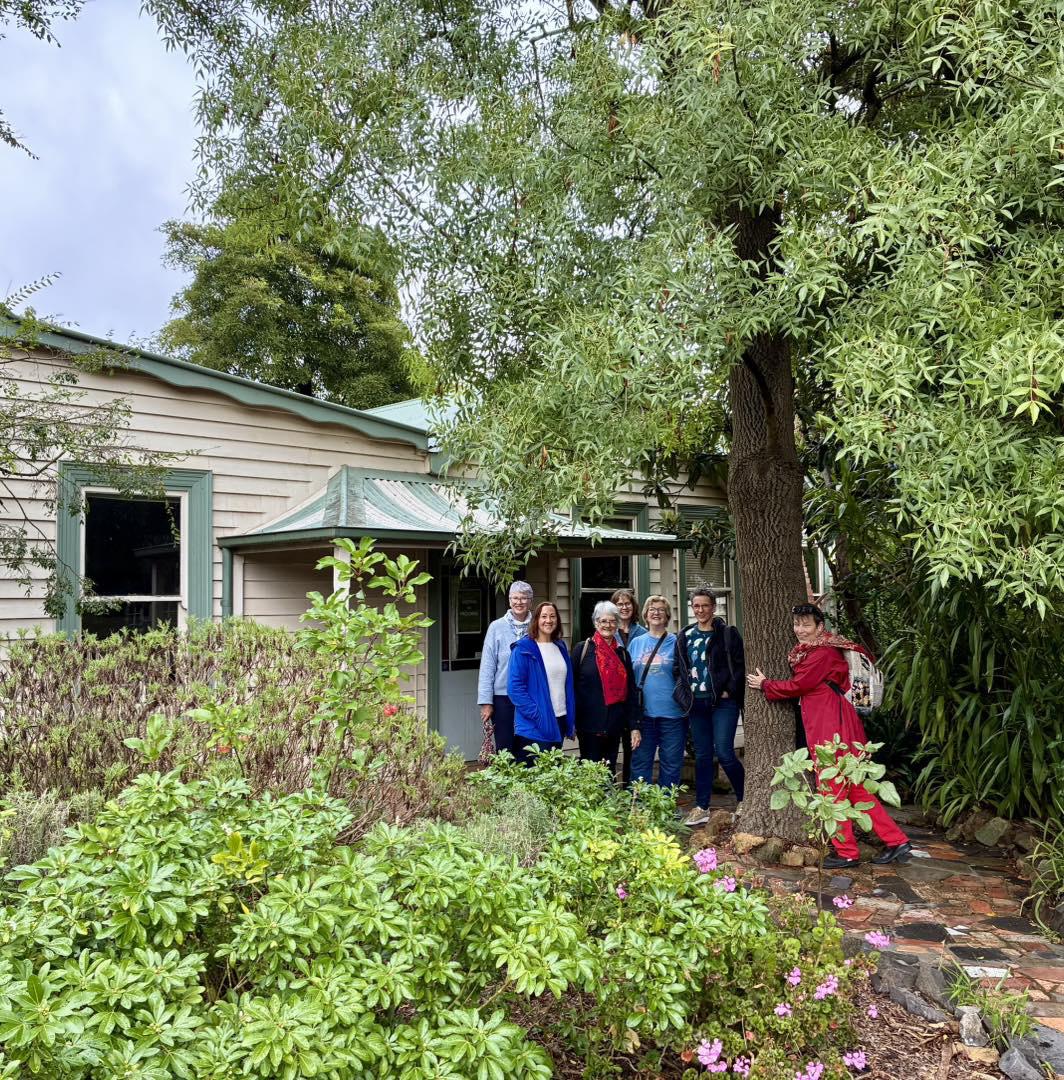
On Saturday 29th March, from the moment we gathered for coffee, there was a sense of warmth and friendship.
As we wandered the grounds together, taking in the artwork and exploring the stunning historic buildings, it wasn’t just the surroundings that made the day so memorable—it was the shared experience. There’s something deeply meaningful about spending time with others who genuinely understand one another, where conversation flows easily and friendships continue to grow.
We lingered over a long lunch, sharing stories, speaking about our loved ones, and holding space for both laughter and reflection.
Days like this are a reminder of the power of connection: to share, to remember, and to find comfort and companionship in one another. A beautiful day in every sense.
Keep your eyes peeled for upcoming Culture Club events, perhaps including the Immigration Museum, the flowering of the cherry blossoms and the solar system trail.
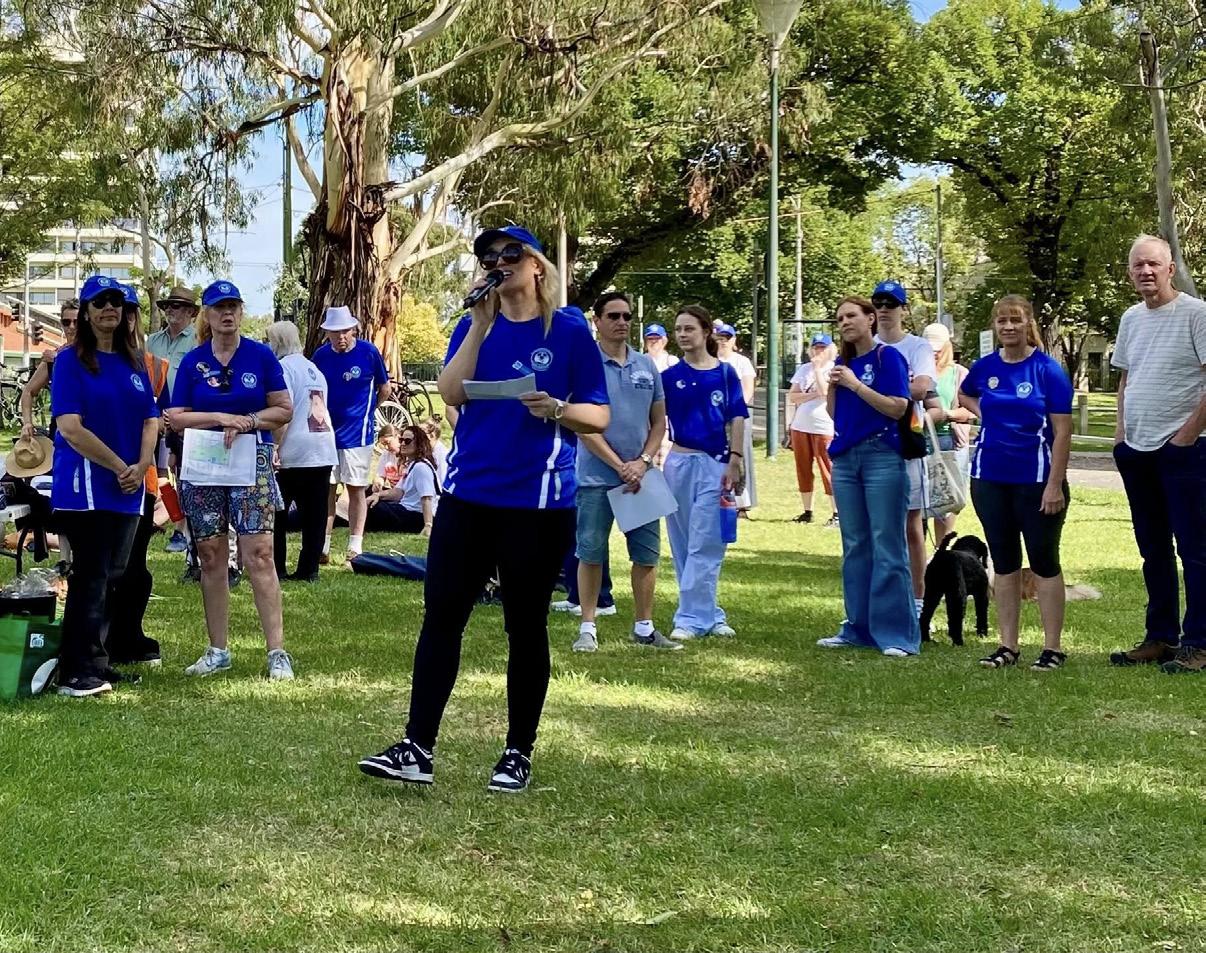
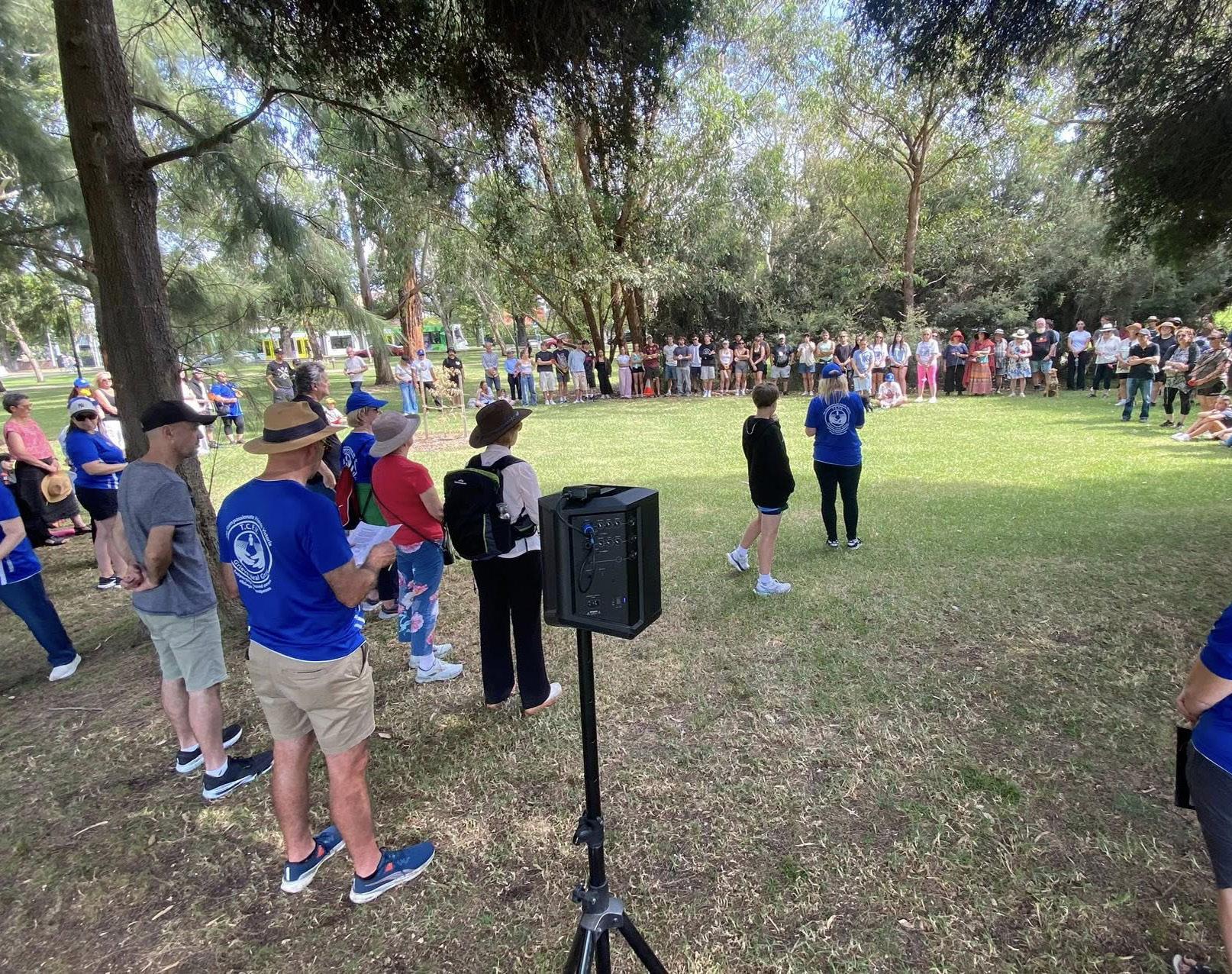
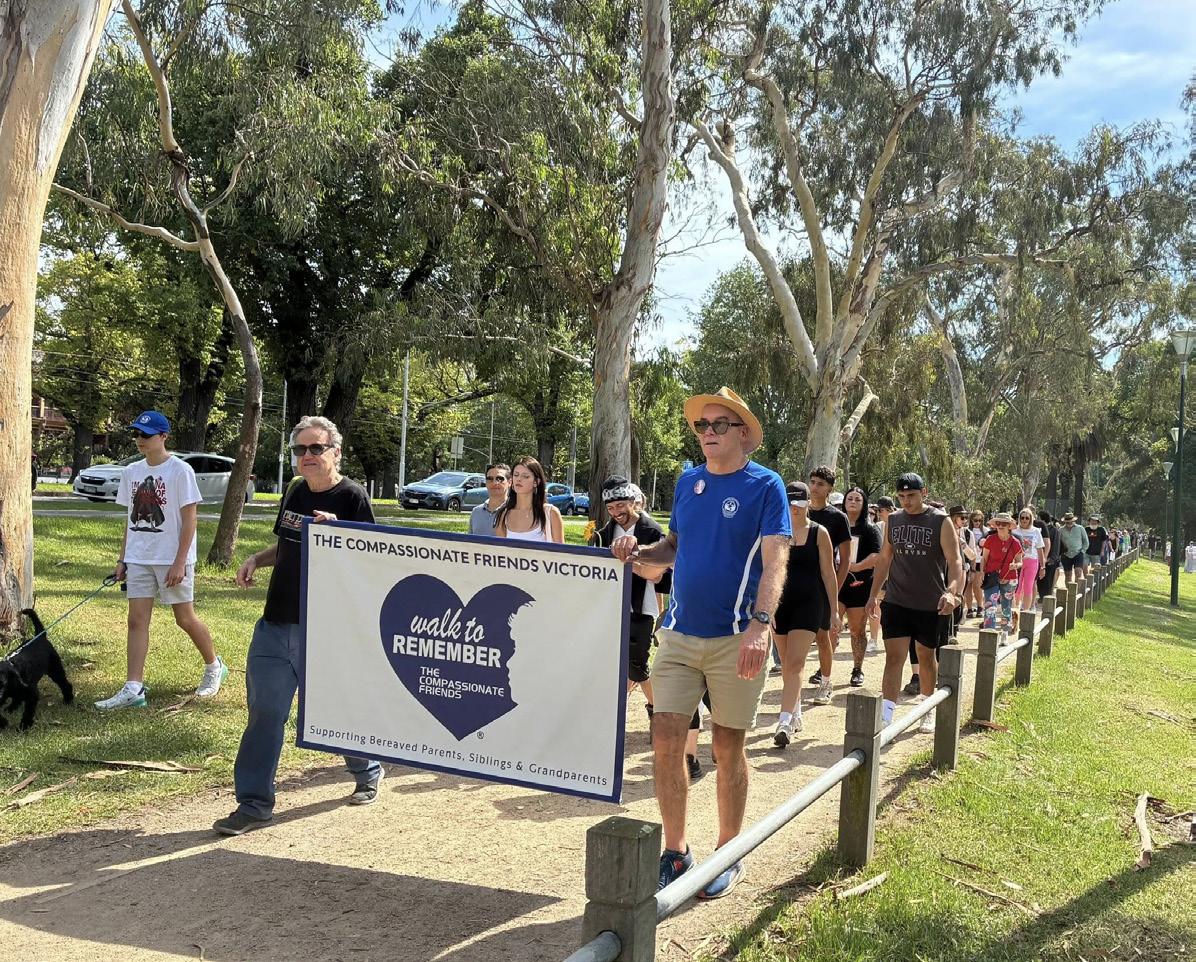
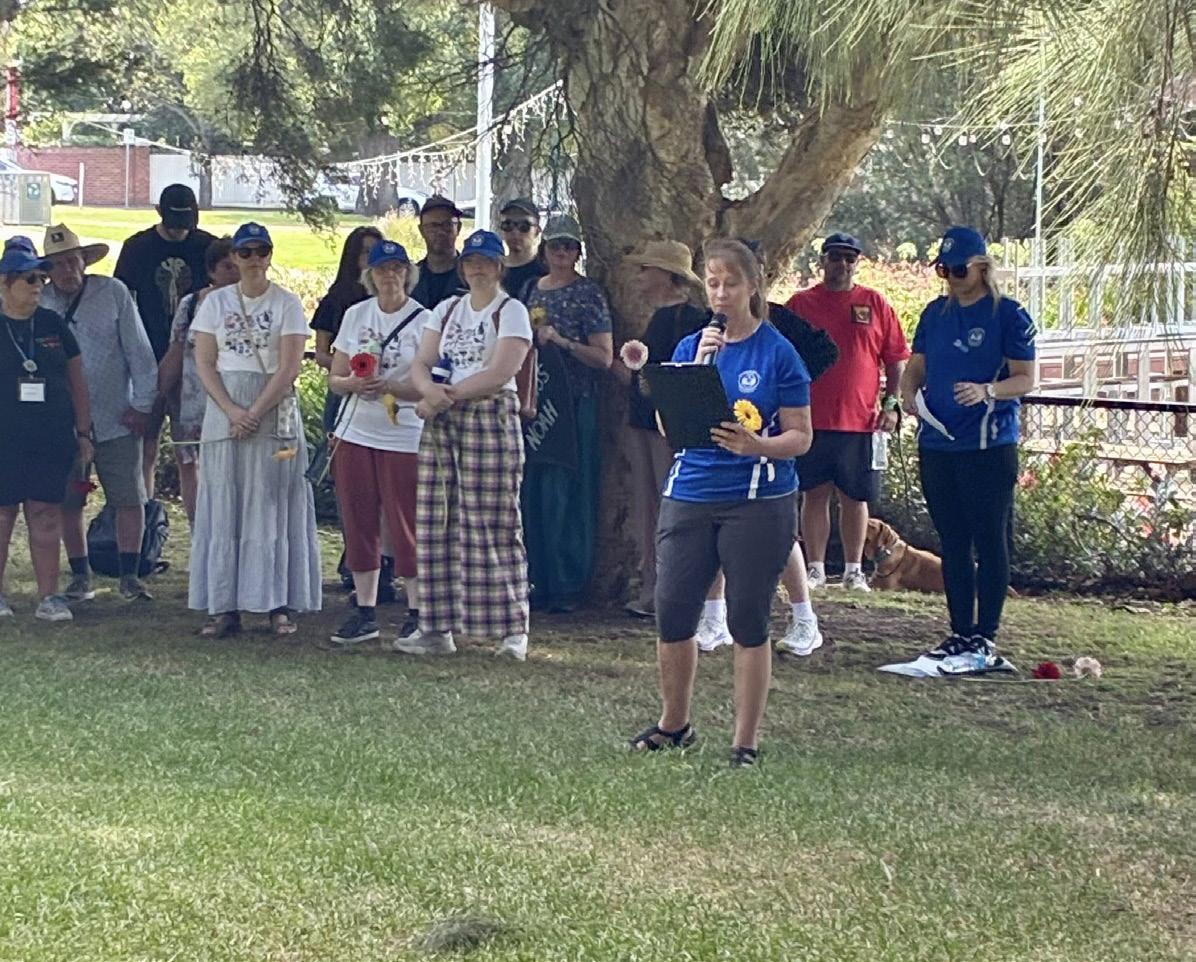
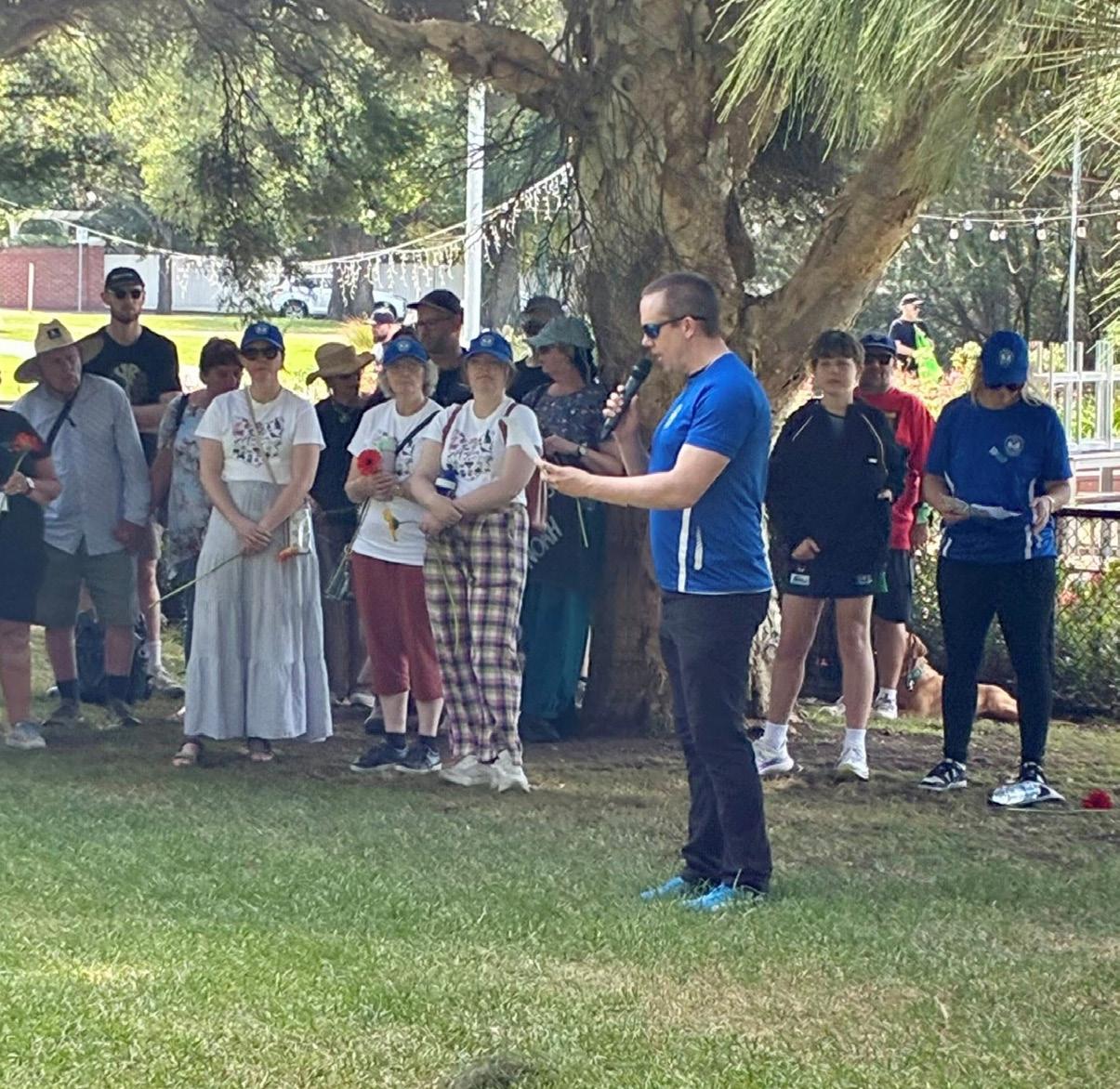
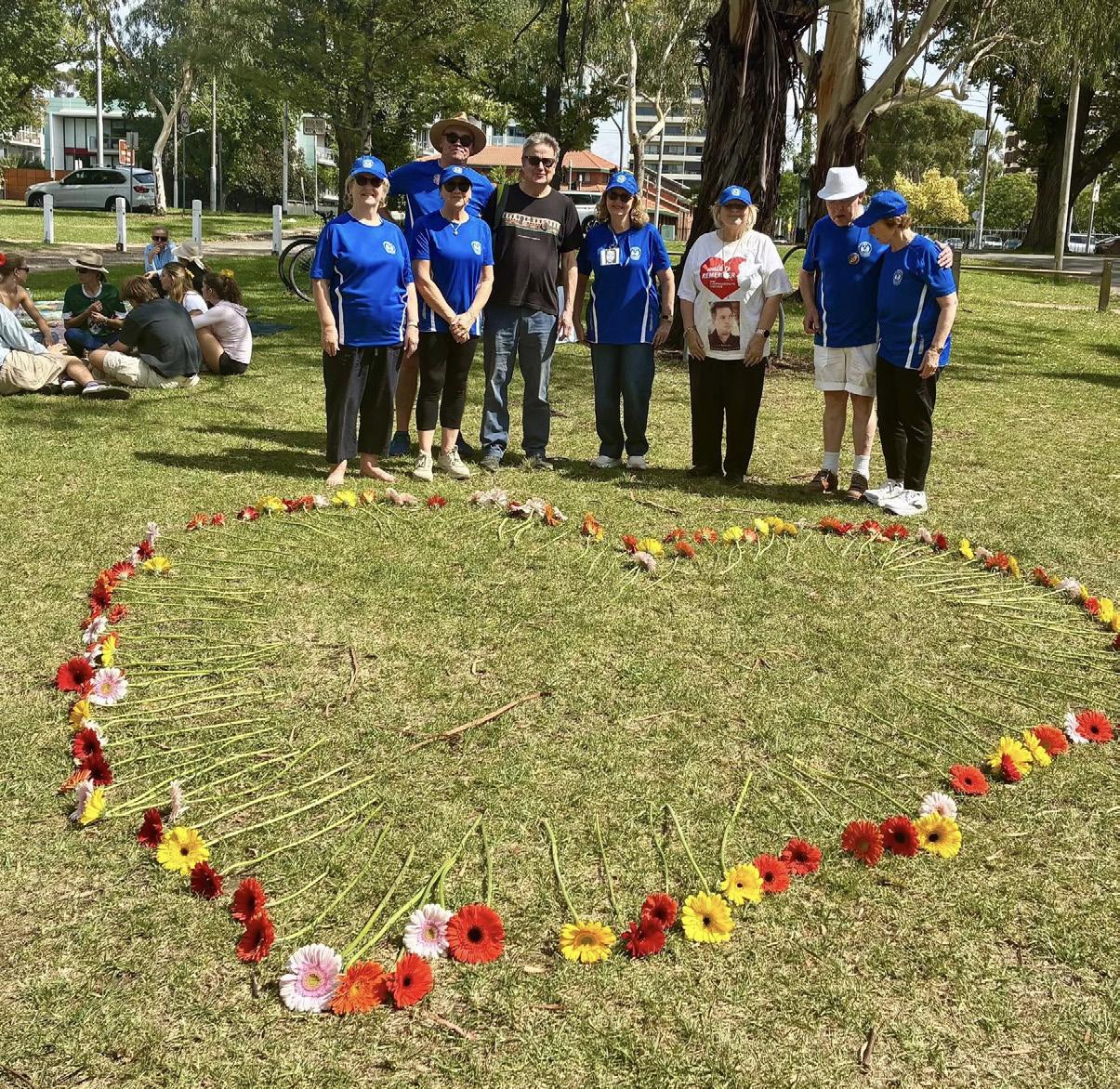
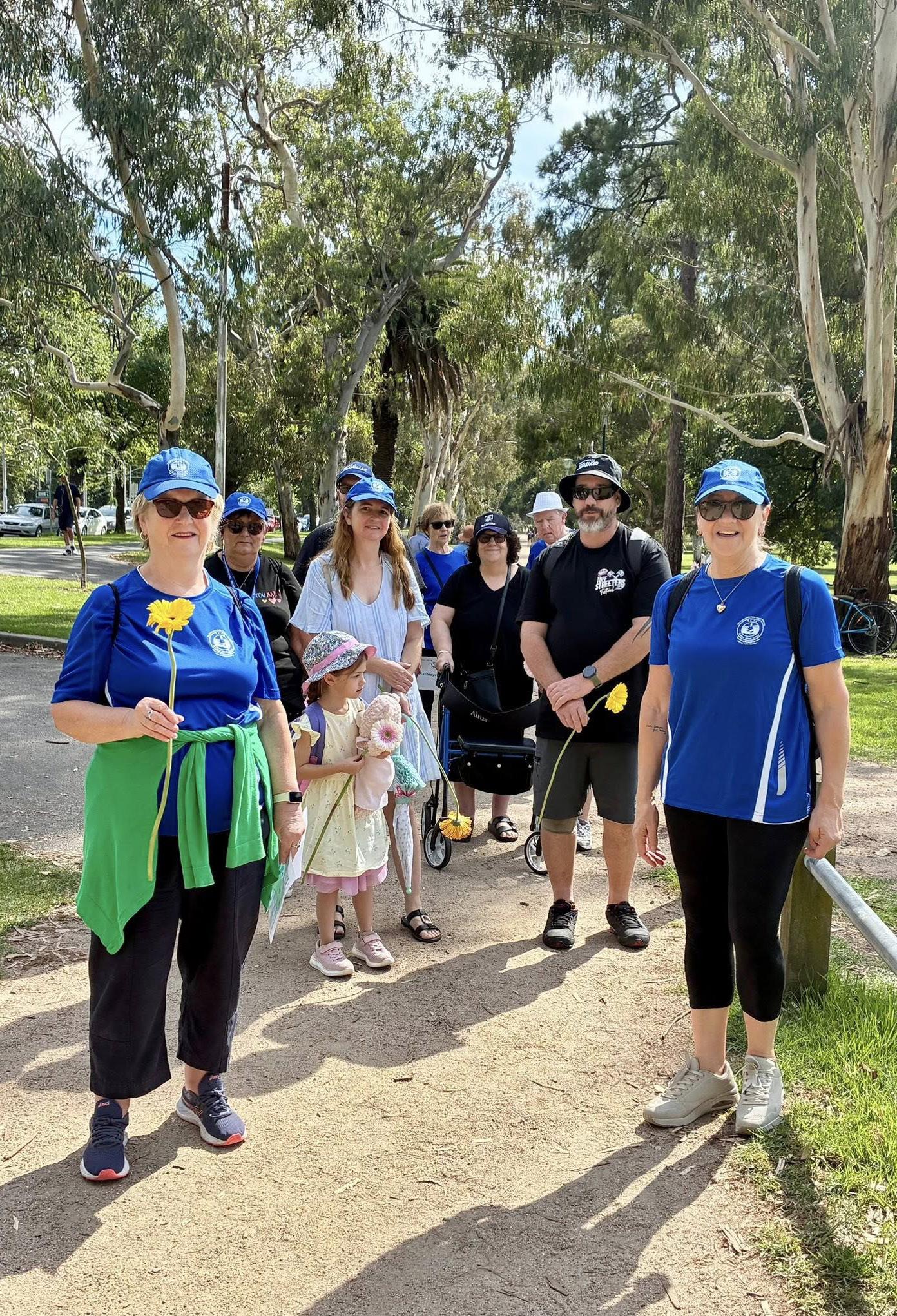
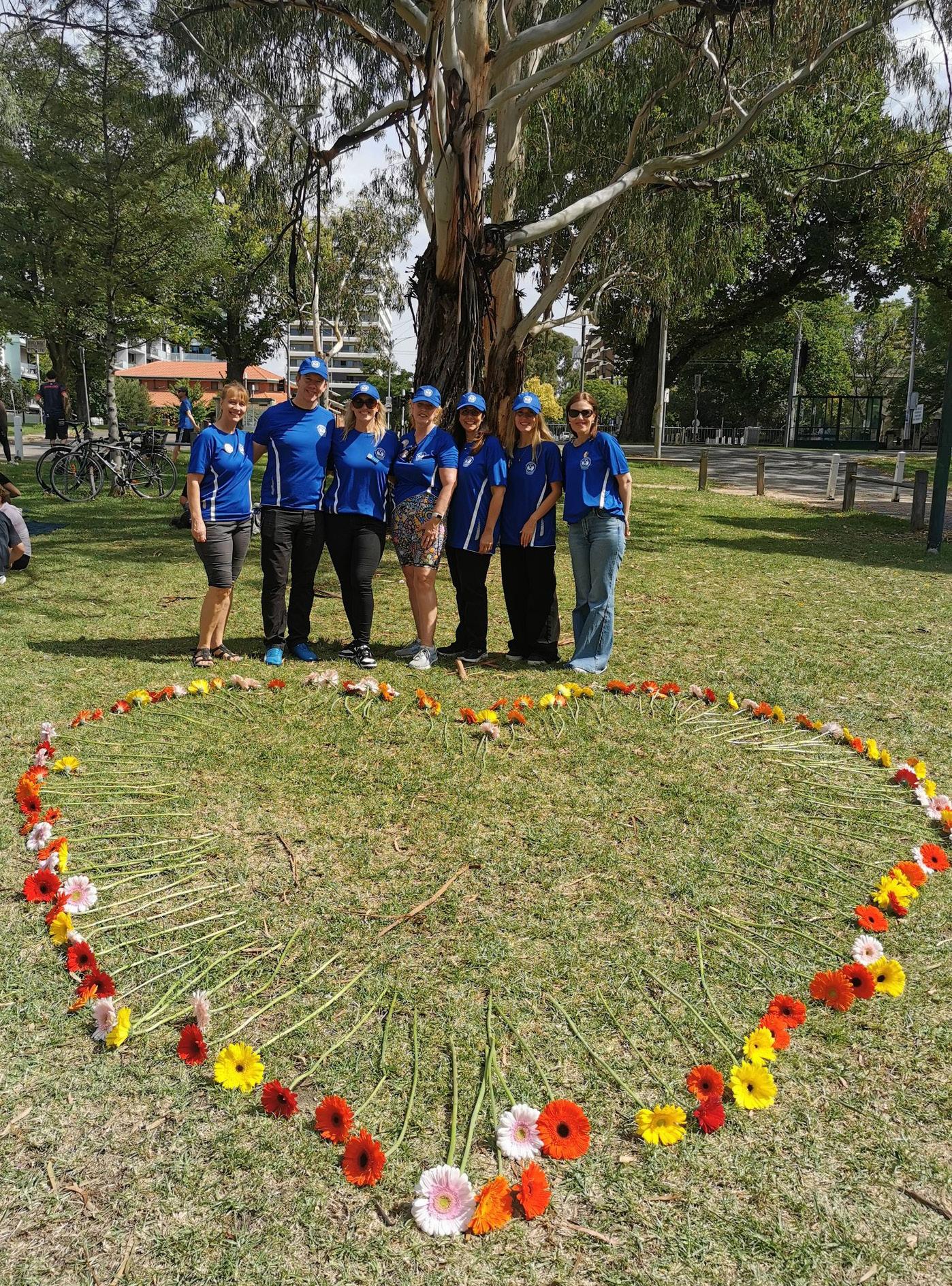
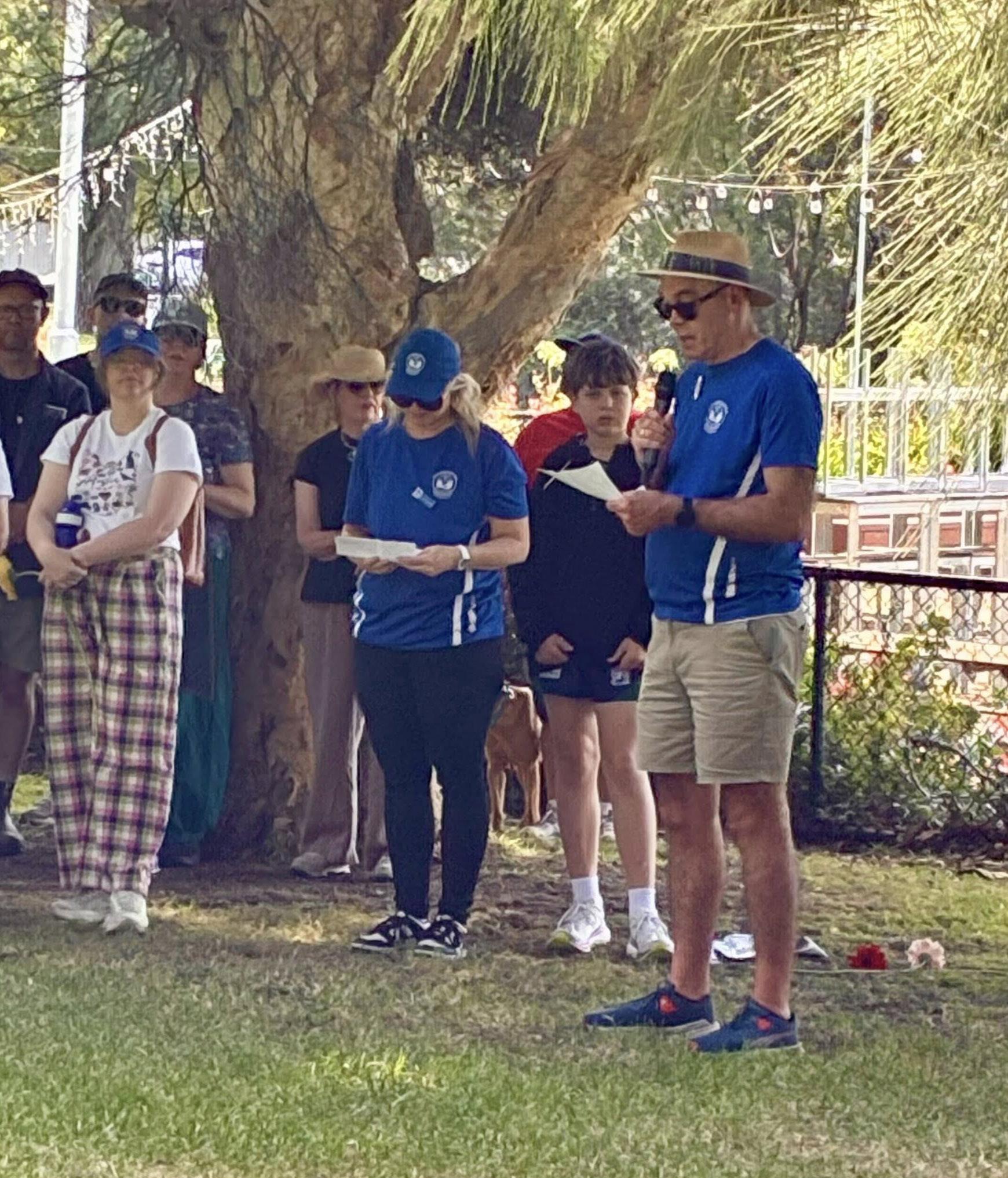
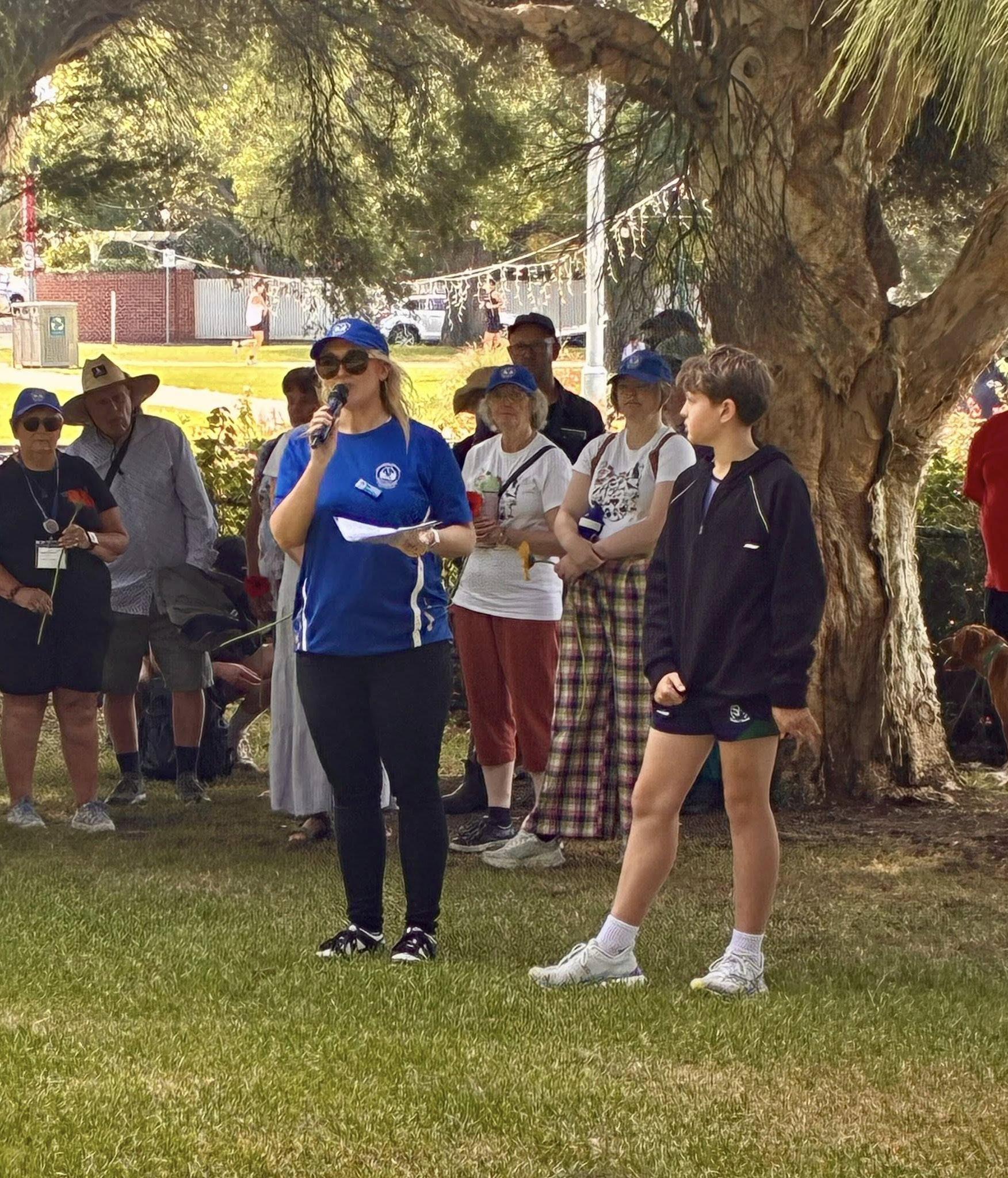
At the TCFV annual Walk to Remember, more than 130 people came together in the beautiful green surroundings of Princes Park to honour and remember their children, siblings, and grandchildren who have gone too soon.
Walking alongside others who truly understand this journey creates something very special. It becomes a space of connection, remembrance, and gentle companionship — where friendships are formed, stories are shared, and no one has to walk alone.
The lakeside service was deeply moving. Speaking our loved ones’ names aloud, followed by a quiet minute of silence, created a powerful moment of reflection, love, and remembrance that was felt by everyone present.
A sincere and heartfelt thank you to our wonderful volunteers who supported the day so generously — carrying banners, guiding walkers, and helping with the readings and tributes at the lakeside. Your kindness made such a difference.
Even Melbourne showed its support, gifting us a beautiful warm and sunny day.
We are also so grateful to the Southern Metropolitan Cemeteries Trust https://www.smct.org.au for their generous support in providing the picnics, and to H & K’s Flowers for the beautiful gerberas at such a generous discount.
Thank you to everyone who walked with us — your presence, your stories, and your friendship made the day what it was.
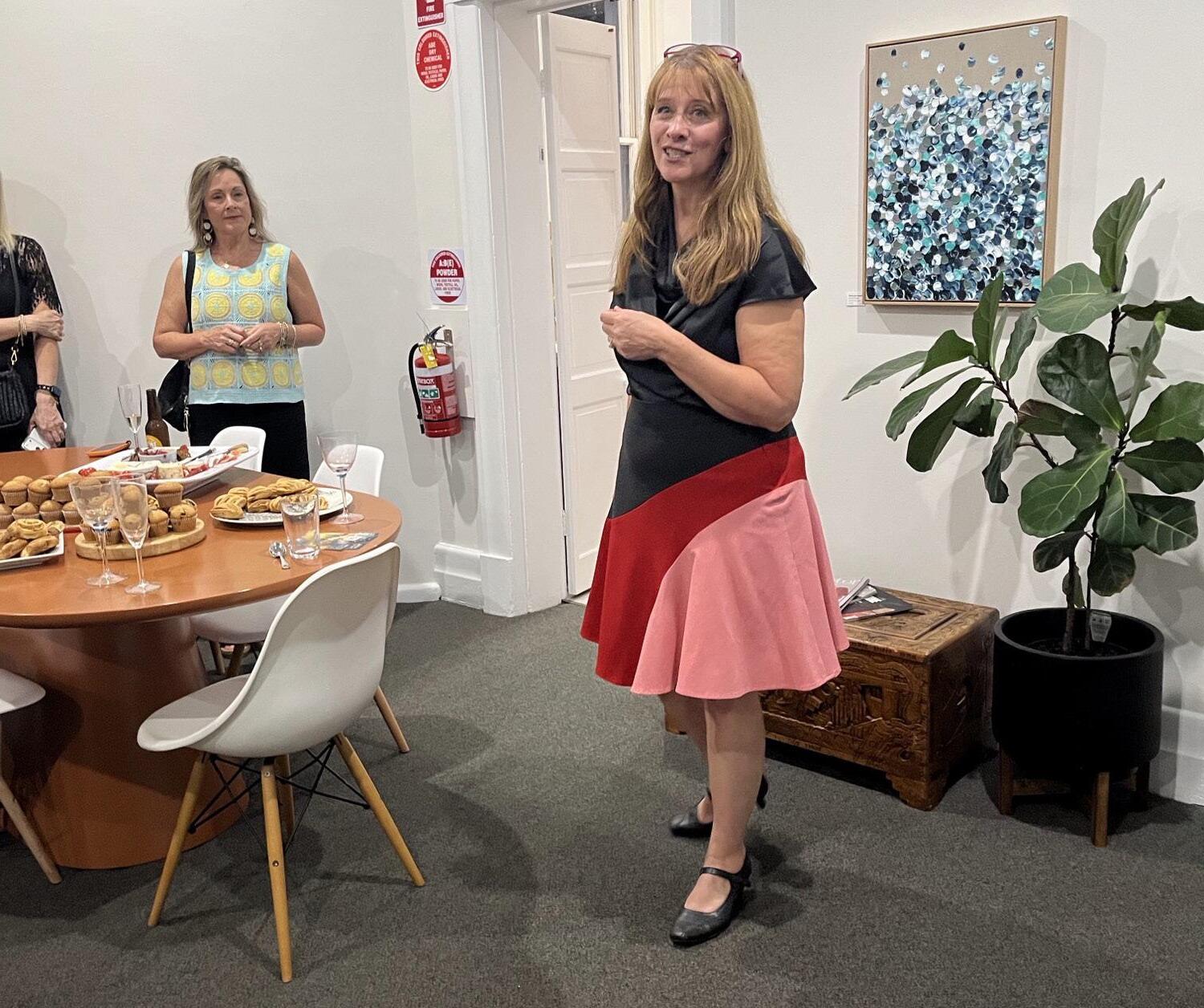
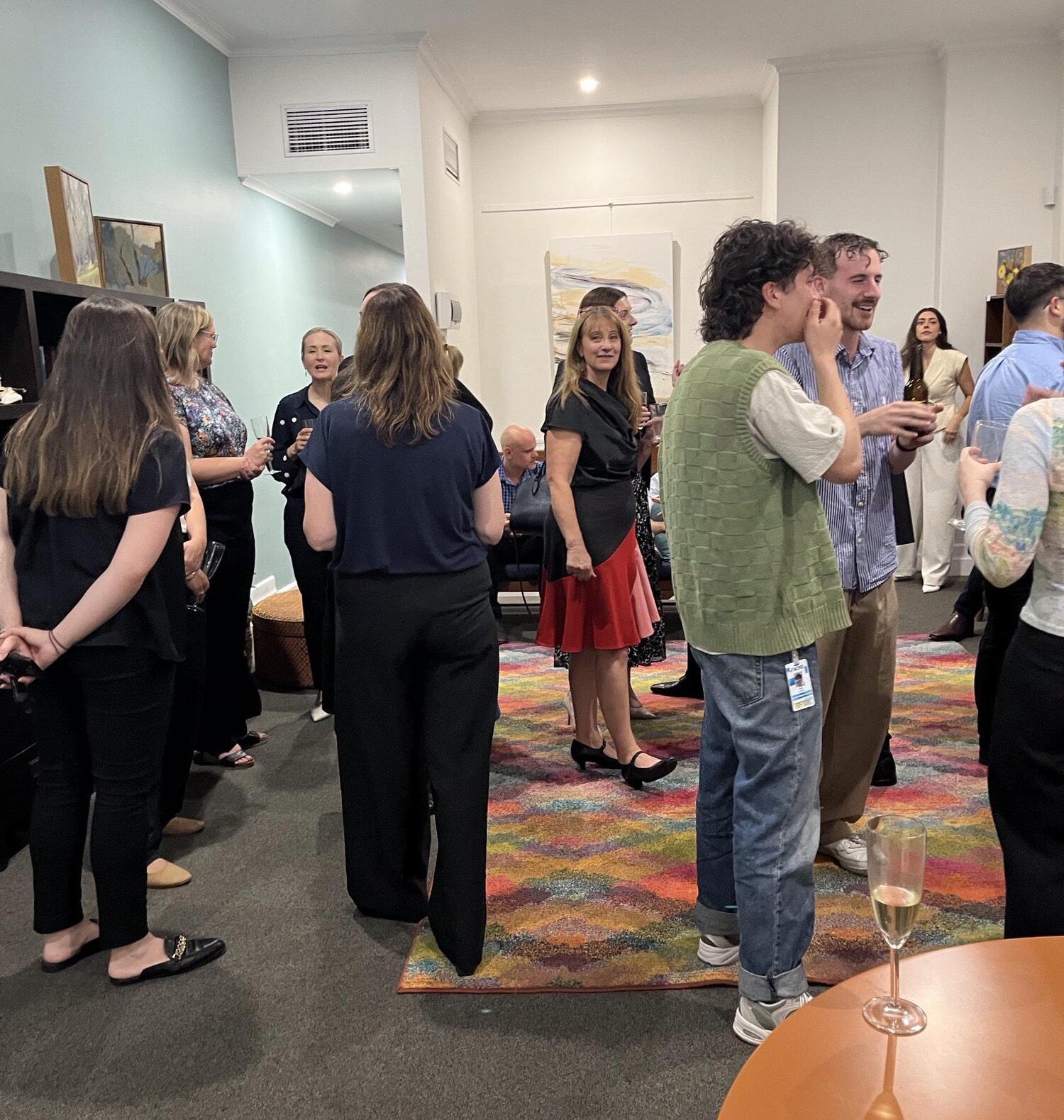
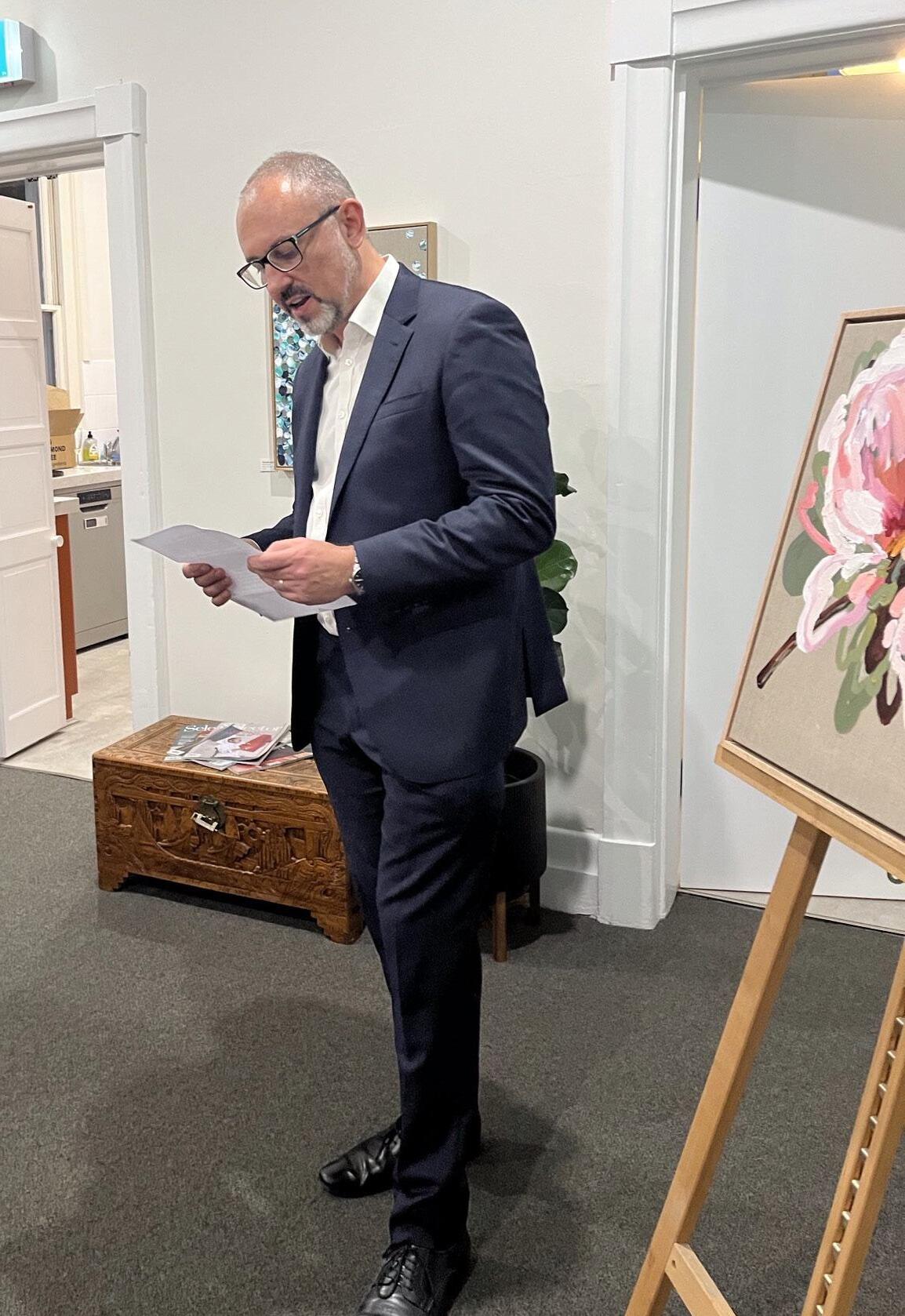
The inaugural Art Fair fundraiser, held at the offices of Canterbury Family Law in partnership with Mynt Gallery, was a wonderful evening that brought together around 50 guests in support of The Compassionate Friends Victoria. In a creative reimagining of their annual networking event, Canterbury Family Law transformed their offices into an art gallery for the night - and auctioned one of the featured pieces, with the proceeds of a $1,000 donated directly to TCFV. It was a generous and imaginative way to use a business event for something that truly matters.
The evening carried an extra layer of meaning for those who knew that TCFV was once located in that very building (on the corner), a detail that gave the night a quiet sense of homecoming. TCFV President Christy Roberts spoke to the gathered guests raising awareness about the work we do supporting families navigating deep loss, and the response from the room was warm and generous. Canterbury Family Law has already signalled its intention to make this an annual event, and TCFV looks forward to continuing this wonderful partnership with both Canterbury Family Law and Mynt Gallery in the years to come.
Christy Roberts – TCFV President






Some of our Phone Responders who attended the
by Eleanor Haley (What’s Your Grief)
URL: https://whatsyourgrief.com/what-the-newly-bereaved-should-know/
Hello to the newly bereaved. I’m sorry to meet you here in the place where loved ones leave you — a place where no one wants to be.
If this is your first time here, you may find it darker, foggier, and more frightening than you expected. If you’ve been here before, you’ll probably notice that things look different than you remember. That’s the nature of this place. It’s always changing, depending on who you’re saying goodbye to.
You may feel incredibly alone right now, so the first thing I want you to know is that there are people who want to help you find your way out of this place. Most people can only join you for parts of your journey, and those who you do, and do not, see along the way will probably surprise you. But they are out there.
There may be times when you feel let down by your support system, but try and remember, they aren’t trained for this. Most likely, your friends and family have the same good intentions, but varying levels of tact and execution. Though providing honest feedback sometimes feels awkward, you’ll get more of what you need if you can tell people what is and is not helpful. Also, try and lean on your loved one’s strengths and forgive their weaknesses at least once. And when all else fails, look for the grief safe havens in your community - the counsellors, support groups, and grief centres.
The next thing you should know is, there’s no trail of bread crumbs to lead you back to your old life. After someone you love dies, life changes. Joan Didion put it well when she said, “Life changes fast. Life changes in the instant. You sit down to dinner and life as you know it ends.”
That’s not to say everything familiar is lost. Some things about your old life are already gone, and some will necessarily change, but some parts will stay the same - you don’t need to know which is which right now. Uncertainty is scary, but it’s normal for things to be hazy. There are a lot of things you can’t know right now, but they will become more evident over time.
Also, there’s a lot that probably hasn’t sunk in just yet. Many people say the days following their loved one’s death were a blur. You won’t always feel this way. Actually, for many of you, what you’re experiencing is probably more akin to a temporary acute stress response than grief.
It’s okay to be in shock.
It’s okay to feel numb.
It’s okay to feel all the things you’re feeling.
Grief is a lot of overwhelming things, but it isn’t dangerous. Grief, in and of itself, won’t harm you - though it does mean experiencing some pretty painful things.
As you become more familiar with grief, throw away any preconceived notions about it following a set of stages. Or about grief having a timeline with a beginning, middle, and an end. It’s so tempting to believe in something that makes grief seem manageable. But how could anything unique to you and your relationship with your loved one possibly be so uniform?
I’m sorry to say; grief can be unruly and unpredictable. Sometimes you hear the rumble of thunder before the grief storms hit, and sometimes they bubble up out of nowhere, but they do always subside. And it’s through weathering these storms time and again that they incrementally become more bearable. Until eventually, you learn it’s safe to go outside even though there’s always the chance grief could cloud your day.
Yes, “always”.
Your grief will forever be a part of you because your loved one is forever a part of you - and this is the last thing I want to tell you (for now). Your loved one is never really gone from this world. No, they aren’t physically “here” to look at, talk to, or hold, and that hurts like hell. But in mind, heart, and spirit - as a part of the past, present, and future - they are here.
They are here as long as you remember them. Hold onto this truth and fight for it if you have to. It’s the guiding light that will help you out of this place, and chances are it will be part of the foundation on which you build whatever comes next.
The work of our phone responders at TCFV is nothing short of extraordinary. They are often the very first point of contact for individuals and families reaching out in deeply vulnerable moments, and they meet each call with compassion, patience, and genuine care. Whether someone is seeking information, connection, or simply a listening ear, our responders create a space where people feel heard, understood, and not alone.
At the heart of this support is something profoundly meaningful - every one of our phone responders brings lived experience of the loss of a child, sibling, or grandchild to the call. This shared understanding is what makes their support so powerful. It is not just empathy in theory, but compassion grounded in personal experience. Callers are met by someone who truly understands the depth and complexity of grief, and who can gently walk alongside them with authenticity, sensitivity, and care.
What makes this role so remarkable is the balance it requires- the ability to hold space for grief and complexity, while also offering reassurance and gentle, peer-based support. Our responders bring both their lived experience and a strong sense of professionalism to every interaction, ensuring that each caller is treated with dignity and respect, no matter where they are on their journey.
Over the past year, the team has navigated meaningful change with openness and resilience. The transition to a new phone system, along with the move from a 24-hour service to set hours of 9am–10pm, has been part of a broader shift to strengthen our focus on peer support rather than a crisis model. While stepping away from round-the-clock availability in September last year was a significant change, it has ultimately had a very positive impact on the wellbeing of our phone responders.
With clearer boundaries and more defined hours, responders have been better able to maintain balance, rest, and sustainability in their roles. This has supported not only their own wellbeing, but also the quality of care they are able to offer—ensuring that when they are on the phones, they can be fully present, grounded, and emotionally available for those who reach out. The shift has fostered a healthier, more supported volunteer environment, where people feel confident, valued, and able to continue this important work over the long term.
To further support them, we also held a refresher course in March, equipping our phone responders with upto-date information and best practices. In a world that is constantly evolving, this commitment to ongoing learning helps ensure they remain current, confident, and responsive to the needs of our community.
It is also worth acknowledging the incredible depth of experience within this team. Most of our phone responders have been supporting callers for many years, with some having dedicated over a decade to this role. That level of ongoing commitment speaks volumes, not only about their dedication and resilience, but also about the strength and meaning they find within this community of bereaved people they continue to walk alongside.
Behind every call is a volunteer giving their time, energy, and heart to support others, drawing not only on their training but on their own lived experience of loss. Their dedication, adaptability, and quiet strength do not go unnoticed. The warmth, steadiness, and kindness they bring are at the core of what makes TCFV such a trusted and valued community.
We are deeply grateful for our phone responders: for their flexibility, their resilience, and above all, for the compassion they extend to every single caller.
Thank you to all our phone responders: Amanda, Ann, Deb, Gerard, Julie, Kerry, Kevin, Leneve, Michael, Nat, Pat, Tanya, Lyn, Andrea, Maya, Geeti, Robyn and Heather.
And a special thank you to our supervisors: Andrew, Tanya, Jon and Sue.
If you are interested in becoming a phone responder yourself, or would simply like to find out more, we’d love to hear from you. Please feel free to call 9888 4944 ext. 2 and ask for Natasha or our administration team, or email support@tcfv.org.au and we’ll get back to you. Full training is provided for all volunteers, and we offer flexible commitment options so we can work in with your availability. The role is undertaken remotely from your own home, making it accessible and flexible while still being deeply connected to the community. It is a meaningful and deeply rewarding role, where you can make a genuine difference through your presence, care, and support for others.
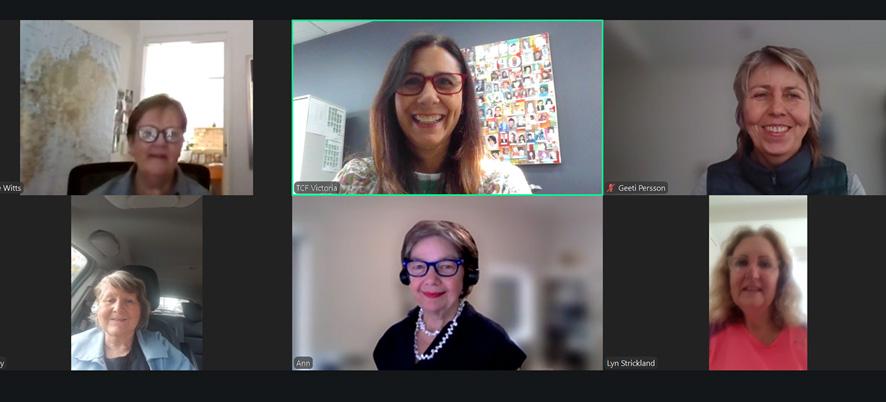
On Saturday 14th March, a number of Phone Responders came together at the Centre for a refresher training session and social catch-up, which proved to be a great success. Those who attended included Gerard Van de Ven, Michael Cawley, Leneve Jamieson, Deb Dillon, Lyn Strickland, Kerry King, and Rob Moschetti (Bayside Group Leader).
The afternoon was a wonderful opportunity to connect - and for some, to reconnect after many years - while also revisiting our procedures and strengthening our confidence in the role. The refresher training provided a valuable chance to reinforce best practices, clarify any uncertainties, and ensure everyone feels up to date with current processes.
It also helps maintain consistency across the team and supports responders in delivering the best possible service.
Overall, it was a productive and enjoyable session that combined learning with meaningful connection.
We would also like to extend our sincere gratitude to all our Phone Responders for the compassionate support they provide to members as they navigate their grief. Their time, care, and empathy make a meaningful difference to those who need it the most.
Please see photo on page 20.
Natasha Ballingall Volunteer Engagement Coordinator

by Andrew McNess
Leadership roles within a peer-support bereavement group, like those offered by The Compassionate Friends, often carry a depth of meaning that is difficult to fully appreciate from the outside. These positions are not simply about organising meetings or guiding discussions—they are rooted in lived experience, emotional connection and a shared understanding of loss. For many who step into these roles, the meaning comes from a powerful blend of personal healing, purpose, and human connection.
At the heart of this significance is the idea of transforming some of their pain into purpose. Individuals who have experienced loss spend months and years navigating grief, searching for ways to make sense of what has happened. Taking on a leadership role, two or more years past their bereavement, allows them to channel that experience into something constructive. Instead of feeling defined by loss alone, they become someone who actively supports others through similar journeys. This shift, from grieving individual to guide, can be deeply empowering. It reframes their story, giving it direction and meaning beyond suffering.
Another reason these roles feel meaningful is the authenticity they require. Unlike many leadership positions in our communities that rely on professional training or authority, peer support leadership is grounded in vulnerability and honesty. Leaders are not distant figures; they are participants who have “been there.” This shared experience fosters trust in a way that is difficult to replicate elsewhere. When someone in grief hears “I can relate,” and knows it is genuinely true, the connection can be profound.
There is also a unique sense of community that develops within bereavement groups. Loss can be isolating, making people feel disconnected from those who have not had similar experiences. By leading a group, individuals become central to rebuilding that sense of belonging—not just for others, but for themselves. They help create a space where grief is acknowledged without judgement, where emotions can be expressed openly, and where people feel less alone.
Leadership in these settings also encourages personal growth. Facilitating discussions about grief requires emotional awareness, patience, and empathy. Leaders learn to listen more deeply, to sit with discomfort, and to hold space for complex emotions without trying to fix them. Over time, these skills often extend beyond the group, shaping how they relate to others in everyday life.
Importantly, these roles can also provide a continuing bond with the person who was lost. For some, supporting others becomes a way of honouring their loved one’s memory. It can feel like carrying forward something meaningful from the relationship that was lost, ensuring that the impact of that person’s life continues in some way.
However, the significance of these roles does not come without challenges. Holding space for others’ grief while managing one’s own can be emotionally demanding. The responsibility can feel heavy at times, particularly when group members are in acute pain. Yet even within these challenges, many leaders find a sense of resilience and strength they may not have recognised before. And they know that the expression of acute pain is also an important and positive path for people in making their way through grief.
In conclusion, leadership roles in peer support bereavement groups allow individuals to take something deeply personal—their own grief—and use it to create connection, understanding, and support for others. In doing so, they not only help others navigate loss but also continue to shape their own journey in a way that feels purposeful and deeply human.
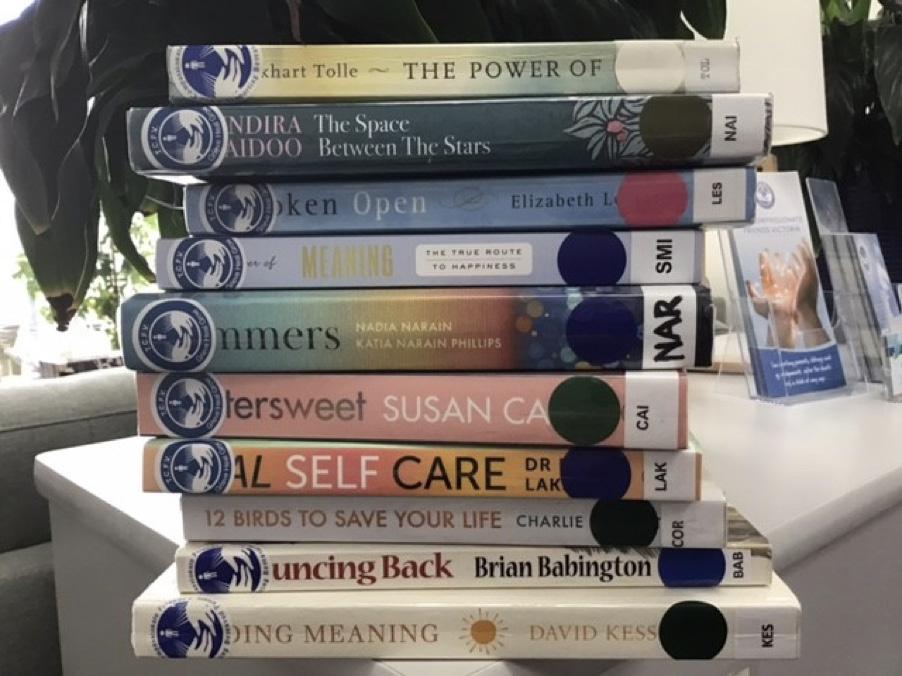
Some of our members have been with us for a few years, maybe even more than a few. The immediate intensity and overwhelm of our grief has had a chance to mellow, to become a part of our lives, to feel safely ensconced behind a mossy, protective armour. Consequently, the books we want to reach for may be a little different, aimed at a stage of our journey where we want to learn more about the next chapter (pun intended).
We have several books that might suit this stepping stone, so we invite you to borrow one (or more) of them.
Here’s a list of some of the titles:
“The power of one: a guide to spiritual enlightenment” by Eckhart Tolle
“The space between the stars: on love, loss and the magical power of nature to heal” by Indira Naidoo
“Broken open: how difficult times can help us grow” by Elizabeth
“The power of meaning: the true route to happiness” by Emily Esfahani Smith
“Glimmers: tiny moments to transform your life” Nadia Narain
“Bittersweet: how to turn sorrow into creativity, beauty and love” Susan Cain
“Real self care: a transformative programme for redefining wellness” by Pooja Lakshmin
“12 birds to save your life: nature’s lessons in happiness” by Charlie Corbett
“Bouncing back: how to overcome setbacks, become resilient and create a happier life” by Brian Babington
“Finding meaning: the sixth stage of grief” by David Kessler
We have others in this general realm, too, on topics like meditation, spirituality and personal development, so the next time you’re in at the Centre, have a browse to see what books might honour where you are these days, and take them home.
Joanna Durst
Volunteer Remembering Zoë
BOOK REVIEW BY JANE MOSCHETTI
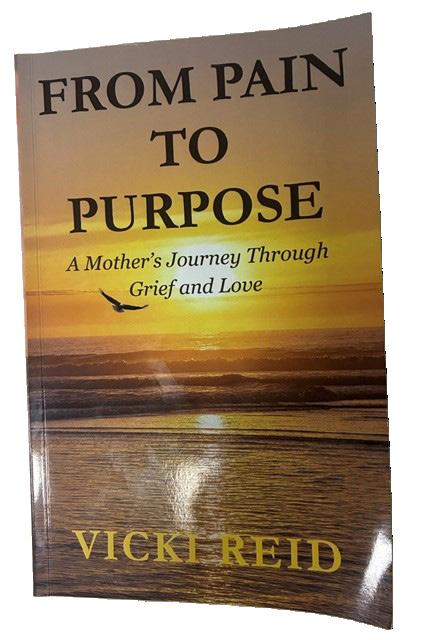
“FROM
mother’s journey through grief and love” by Vicki Reid
From Pain to Purpose is a memoir written by TCFV member Vicki Reid. The book shares the first two years of her grief after the sudden loss of her son, Cooper, who passed away at the age of 25. Vicki may be telling me off at this point, she uses and prefers the word die, a word I still can’t utter about my own son, although I can about other people!
I started reading this book on a Sunday night and finished it 24 hours later - I simply could not put it down. I’ve read quite a few books by bereaved parents after the loss of a child, and there is something about reading the story of someone who has had a similar experience. You see how they’ve coped, and sometimes you pick up a small hint or a gentle idea, something you might do differently, or a new way to celebrate your child’s life.
The things I really loved about this book were the short chapters—each one focused on a particular subject and easy to read. The chapter on choosing a resting place really resonated. Like Vicki, we felt as though we were being sold a piece of real estate; it is simply horrendous having to choose that final resting place for your child.
To be honest, every chapter resonated in some way, our shared love of nature, dogs, and gardens. The chapter about siblings especially stayed with me. I’ve worried a lot about my two other children over the years, still do, always will. All parents worry about their children, but when you have lost (sorry Vicki) one already, you know that the worst thing imaginable can happen, and that it can happen to you.
The chapter on post-traumatic stress also struck a chord. Vicki’s trigger (for want of a better word) is phone calls; mine is closed bedroom doors. I could go on about every chapter, but instead I’ll simply encourage you to read this beautiful book about a mother’s love for her son.
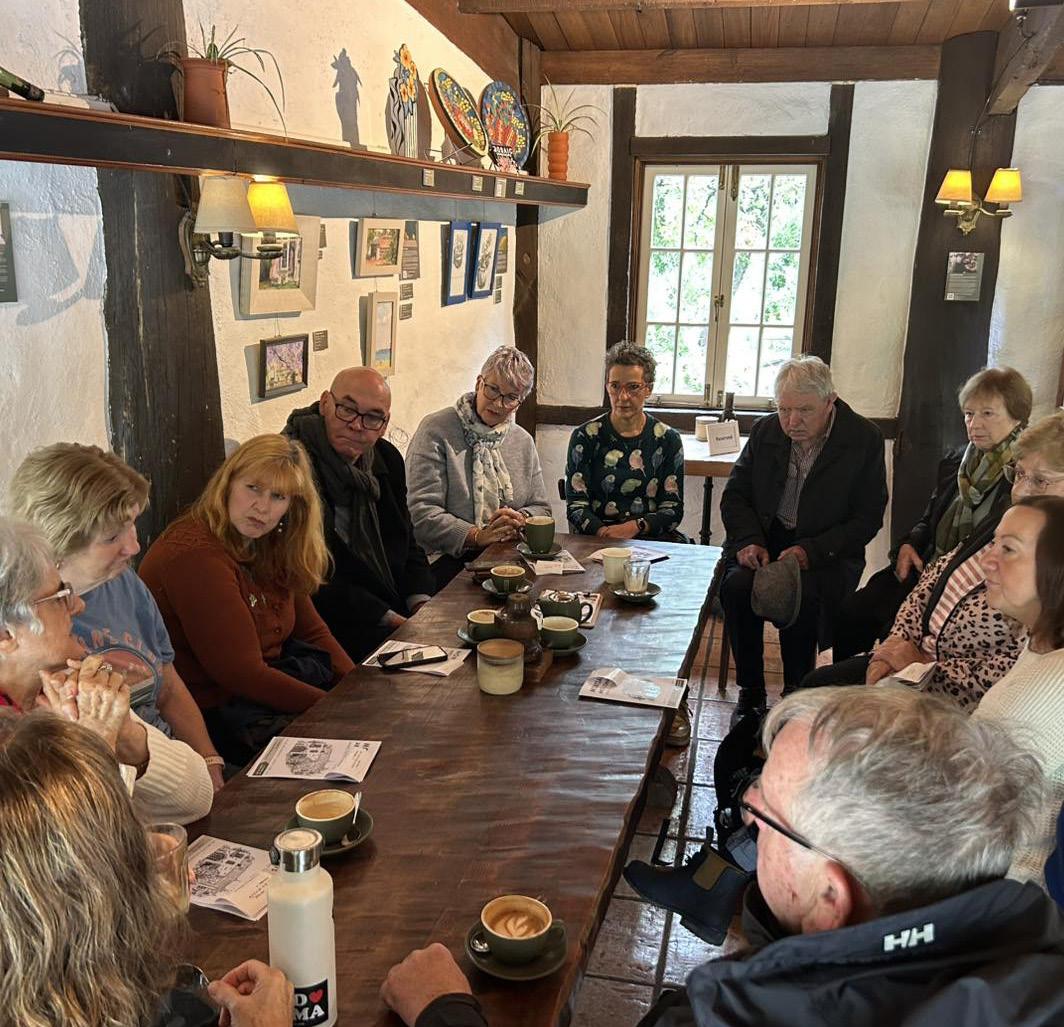
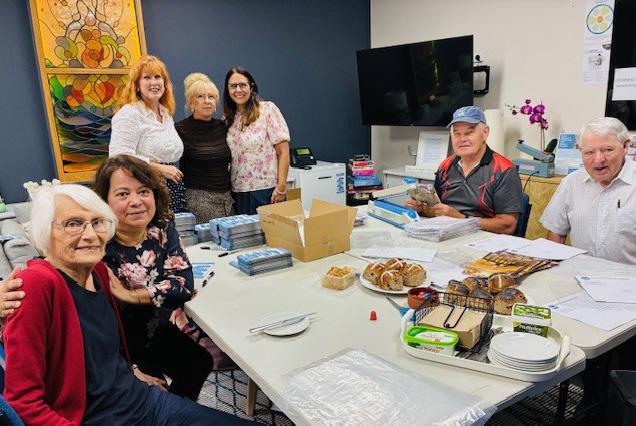
A big thank you to Vicki for being the guest speaker at the Bereaved Mother’s Day Afternoon Tea. The room fell silent as Vicki spoke about her books and shared her journey through the past two years as a bereaved mother.
Please see page 2 for photos from the afternoon.
As we begin to move into another winter, it continues to be both humbling and inspiring to witness the strength, connection, and compassion within our community.
I would like to begin by acknowledging Claire Kuhnell, who is stepping down from her role as Board Secretary. Claire has been a long-standing and deeply valued member of The Compassionate Friends Victoria since 1995. As a bereaved sibling and experienced counsellor, she has contributed in many ways over the years, including group facilitation, telephone support, and involvement in key programs supporting bereaved families. Her compassion, wisdom, and steady presence have made a lasting impact, and we extend our deepest gratitude for her significant contribution.
We are delighted to welcome Natalie Walker and Stephanie Duran to the Board.
Natalie joins us as Board Secretary and brings deep expertise in systems reform, trauma-informed practice, and lived-experience leadership within the not-for-profit sector. She is the founding CEO of PartnerSPEAK, a world-first peer-led service for non-offending family members affected by child abuse and now works alongside NFP CEOs and their teams across Australia in interim and advisory roles. Natalie’s Churchill Fellowship explored Intentional Peer Support as a trauma-informed response for families, and she has trained hundreds of investigators across Australian policing agencies to approach families with trauma awareness. She is also a passionate advocate within the LGBTQ+ community, founder of Rainbow Family Picnics, and a national health consumer advocate.
Stephanie joins as a General Board Member and brings a powerful combination of lived experience and professional expertise. A former trial lawyer with over 30 years of experience, she is now an international keynote speaker, certified grief and loss coach, and author of Because I Loved You. Stephanie’s life was shaped by the loss of her brother in 1995 and later her husband Jeff, both following battles with terminal illness - experiences that ground her advocacy for dying with dignity and financial advocacy for families navigating loss. She believes that behind every loss is a love story, and that compassionate connection is essential to healing.
We warmly welcome them both and look forward to the experience, insight, diversity and care they bring to the organisation.
An important initiative this quarter has been our national advocacy for improved bereavement support for parents in the workplace. In collaboration with The Compassionate Friends Australia, a formal submission has been lodged to the federal inquiry into the National Employment Standards. Grounded in both lived experience and systemic evidence, the submission outlines a phased approach to reform:
Short-term: Increasing compassionate leave following the death of a child from 2 days to a minimum of 10 days.
Medium-term: Introducing workplace protections such as the right to request reassignment, leave to attend coronial inquests, and addressing the “carer’s penalty.”
Long-term: Establishing broader national supports, including government-funded 12-week Parental Bereavement Leave, a centralised Bereavement Support Portal, Grief Officers within large organisations, and trauma-informed leadership training.
This work represents an important step toward more compassionate and trauma-informed workplace responses for bereaved parents.
I would also like to acknowledge and thank Alex and the entire TCFV team for their ongoing dedication and hard work. The number of events and level of support they continue to deliver, along with increasing memberships and collaboration opportunities, is a strong testament to their commitment.
There is a beautiful energy present at our events. The Walk to Remember was an important day for so many of us, and our loved ones. People are coming together, connecting, and finding not only support, but genuine relationships. A special thank you to Jane for her efforts in pulling this large event together. It is incredibly moving to see these connections deepen over time, creating a sense of belonging that is so important in the grief journey.
A heartfelt thank you also to Maxwell Williams for the very generous contribution of kitchenware, crockery, and cutlery, and to Dagmar O’Brien for organising this. These practical contributions make a meaningful difference to our spaces and the experiences we create for those who attend.
I personally understand how for some of us it can be difficult sometimes to show up and attend events and reach out for support. I want to reassure you that however you show up is fine. We meet you where you are on the day and in your grief journey. There is no right or wrong way to grieve, and that is OK. You need never grieve alone.
Thank you to everyone who continues to contribute to this community in both visible and quiet ways. Together, we are creating a space of understanding, connection, and support for all those navigating deep loss.
Warmly, Christy Roberts President, Compassionate Friends Victoria
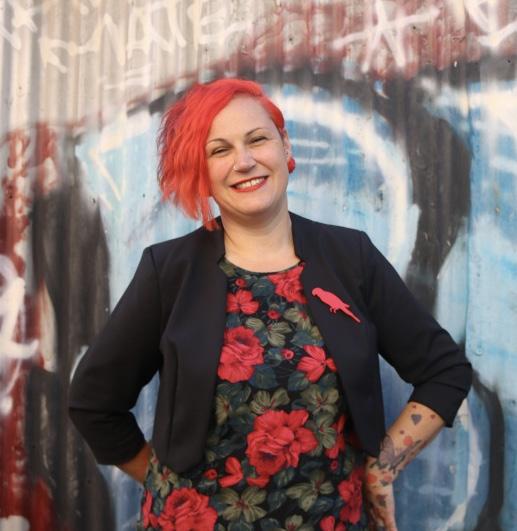
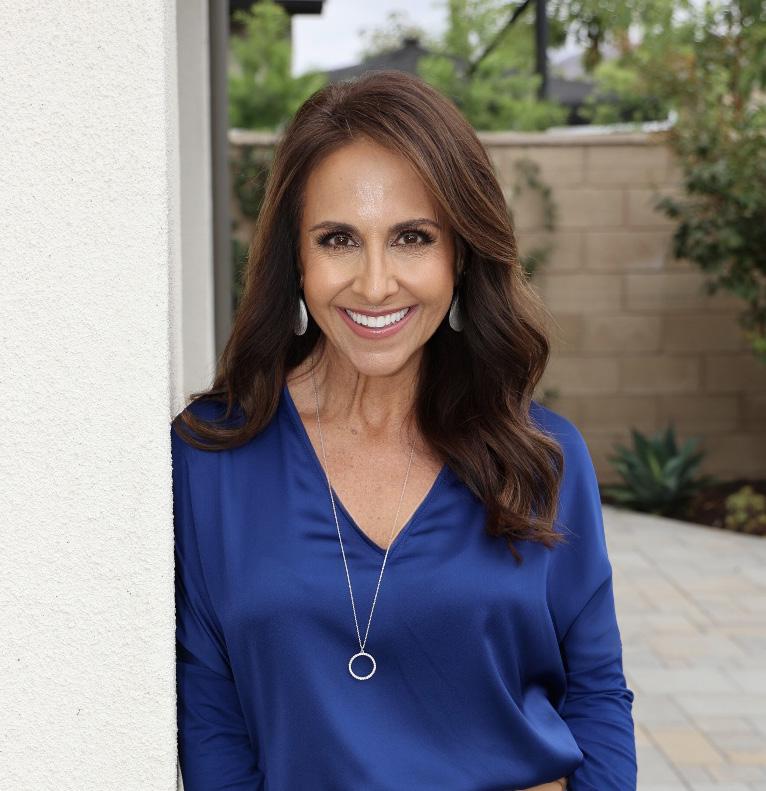
Natalie Walker – Board Secretary Stephanie Duran – Board Member
While TCFV’s bereavement services are for over-18s, we can warmly recommend the following services:
• Kids Helpline - 1800 551 800. A free, private and confidential, telephone and online counselling service specifically for young people aged between 5 and 25.
• Headspace - 1800 650 890. Free online and telephone service that supports young people aged between 12 and 25 and their families going through a tough time. Headspace has a range of centres in metro and regional Victoria. https://headspace.org.au/headspace-centres/
• Feel The Magic - 1300 602 465. Australia’s largest and leading grief education and support program, Camp Magic is a safe place for grieving kids to grow. This program was launched in 2015 and is designed to support children and teenagers aged 7-17 who have lost a parent, sibling or legal guardian. Camp Magic follows a structured psychoeducational program, in addition to fun physical activities and resilience building challenges. Campers make connections with peers as they learn that they are not alone in their grief in a supportive and comforting environment. https://www.feelthemagic.org.au/contactus
• Project Sail. This is a groundbreaking online program specifically crafted for adolescents aged 13-17 who are dealing with grief and loss. The 4-week program comprises two short self-help modules per week, providing a manageable pace for participants. Losses covered by the program include the death of a person or pet, parents’ divorce, friendship or relationship breakup, recognising the diversity of experiences that can lead to grief in young people. https://www.sailgrief.org/
• ‘Serious Fun’ – for suicide-bereaved Primary School-age Children
This program runs in the school holidays. Kids can:
• Get to know others who have also lost someone significant to suicide
• See how other kids have been going and have been feeling about things
• Learn some different ways to act and talk about what has happened.
• Parents and carers can expect that their kids will:
• Share their experience of bereavement with other children in a supportive environment with experienced and qualified facilitators.
• Develop ways to communicate with others about their experience of bereavement.
• Have an enhanced awareness and knowledge of their own grief experience and process.
• Develop some resilience and problem-solving abilities. https://www.supportaftersuicide.org.au/serious-fun/
• Wombat’s Wish Providing weekend camps and one-on-one counselling to children aged 5-17 who are bereaved of a parent/carer. https://wombatswi sh.org.au/
The Compassionate Friends Victoria is part of a worldwide organisation, which was founded in England in 1969 and established in Victoria in 1978. It is a mutual assistance, self-help organisation offering friendship and understanding to families following the death of a child, sibling, or grandchild of any age and from any cause. The primary purpose is to assist them in the rebuilding of their lives after the death of their child, sibling, or grandchild and to support their efforts to achieve emotional and mental health.
CEO: Alex Hamilton
Operations Manager: Andrew McNess
Communications & Events Coordinator: Jane Moschetti
Volunteer Engagement Coordinator & Admin Support: Natasha (Nat) Ballingall
Services and Operations Support Coordinator: Louise Rees
Events and Admin Support: Nicole Mercandel
IT: Jesse Bendel
Strategic Partnership Events & Fundraising Consultant: Dagmar O’Brien
Board
President: Christy Roberts
Vice President: Amanda Bond
Secretary: Claire Kuhnell
Treasurer: Gaurav Guliti
Board Member: Sonia Aberl
Board Member: Christian Numa
Board Member: Ann Smith
Regional Representative: Debbie Siviour
The Compassionate Friends Victoria Patron: Rhonda Galbally AC
Grief support – available on 03 9888 4944 / 1300 064 068 Bereaved drop-in Centre, Hours 9.30am – 4.30pm Monday to Friday
Disclaimer: Unless expressly stated, the views expressed in articles, poetry etc. in this magazine are not necessarily the views of TCFV Board, Staff or the editorial team. The editor reserves the right to edit any contribution. Permission is given to Editors & Chapter Leaders of The Compassionate Friends to reprint material from the magazine. We request that credit be given to the author & their TCF Chapter.
• The opportunity to get together with other bereaved people
• The chance to talk about the person or people missing in our lives
• The opportunity to drop the mask that society so subtly demands of each of us
• The chance to talk about our grief and the challenges it poses – and how we manage to cope
• The chance to cry without embarrassment
• The opportunity to laugh without others thinking you must be “over it”, and
• The opportunity to bask in a non-judgemental atmosphere and make new friends.”
Note 1: Unless stated otherwise all groups are open to bereaved parents, siblings and grandparents – 18 years and above – who are bereaved through any means.
Note 2: Sometimes, group meeting details need to be updated between when the magazine goes to print and when it is delivered to your letterbox or Inbox. For the most up-to-date listing of meetings, please visit: www.tcfv.org.au/support-groups
Support Group Meetings
Provide bereaved parents, siblings and grandparents the opportunity to meet in a safe environment with others who have been there, who understand and care. Group attendees (18+ years) report that meetings are an essential part of their learning-to-live again journey.
Social Support Group Meetings
They are a lovely social opportunity for bereaved people, often held at a cafe. Discussion is more general, although can sometimes centre on grief-related issues. If you are needing more substantial time to explore your grief-related issues (and this can particularly be the case when you’re newer in your grief), we recommend a formal support group.
Please speak with the group leader prior to your first meeting at any TCFV group. Call TCFV on 03 9888 4944 and we can help arrange a chat. Speaking with the leader is a valuable introduction to the group and what it can offer you in your grief journey.
Do groups require registration to attend?
Unless specified otherwise, groups do not require registration. However, as per above, if you are attending your first meeting of a group, we ask that you let us know – 03 9888 4944.
Bereavement support for under-18s
While TCFV’s services are for individuals 18 years and above, there are a number of other organisations that provide under-18 services, such as Grief Australia, Headspace and Jesuit Social Services. A listing of these services can be found at: www.tcfv.org.au/under-18s
We have TCFV volunteers in the townships / regional cities listed below who have some availability for a peer support phone chat or coffee catch-up:
Bairnsdale – Elvie Ballarat – Robyn Camperdown – Judi Castlemaine – Matthew Horsham – Ronda Melton – Deb Wodonga – Lynne
SUPPORT GROUP
Which day in the month is the meeting held?
Bayside 4th Wednesday 7pm-9pm (Jan-Nov)
Bendigo 4th Tuesday 1:30pm (Jan-Nov)
Canterbury Daytime 4th Wednesday 11am (3rd Wed in Dec)
Canterbury Wings – Loss of a Child aged 5 years and under 4th Tuesday 7:30pm (Feb-Dec) Registration requested: please call 03 9888 4944 or email support@tcfv.org.au to do so
Canterbury Siblings-specific meeting 3rd Tuesday 7.45pm
Canterbury Suicide-bereaved 4th Monday 7:30pm (Jan-Nov)
Eltham 1st Thursday 11am (Feb-Dec)
Menspace 3rd Wednesday 7pm-9pm (Feb-Dec)
Mildura 2nd Saturday 11am (Feb-Dec)
Portland 2nd Tuesday 7pm (Feb-Nov)
Rowville 1st Friday 1pm (Feb-Dec)
Sunshine 3rd Tuesday 7pm (Feb-Dec)
Sunshine Bereaved Through Suicide 1st Tuesday 7pm (Feb-Dec)
Warrnambool 1st Wednesday 7:15pm (Feb-Dec)
ONLINE SUPPORT GROUP
Which day in the month is the meeting held?
Suicide-bereaved 3rd Thursday bimonthly 7pm (Feb, Apr, Jun, Aug, Oct, Dec)
Bereaved through any means 1st Tuesday monthly 7:30pm (Jan-Dec)
Siblings-specific
SOCIAL GROUP
Box Hill
Geelong
Hawthorn East
Mitcham Bereaved Mothers (2+ years past their bereavement)
Southern Peninsula
ART THERAPY GROUP
Express Yourself Through Art at TCFV Centre
3rd Tuesday: 6pm-7pm
Which day in the month is the meeting held?
2nd Thursday 7pm (Jan-Nov)
Bookings are essential. Please call 03 9888 4944
2nd Tuesday 10am (Feb- Dec)
4th Tuesday 7pm (Feb-Nov) Bookings are essential. Please call 03 9888 4944
3rd Friday (Feb-Nov) 10.30am-12pm
1st Tuesday 12 noon (Feb-Dec)
Which day in the month is the meeting held?
3rd Monday of the month 7:30pm (Feb-Dec)
Registration required: www.tcfv.org.au/events
Where is meeting held?
Highett Neighbourhood Community House, 2 Livingston St, Highett
Long Gully Community Centre, 23-29 Havilah Rd, Long Gully
TCFV Centre, 229 Canterbury Rd, Canterbury
TCFV Centre, 229 Canterbury Rd, Canterbury
TCFV Centre, 229 Canterbury Rd, Canterbury
TCFV Centre, 229 Canterbury Rd, Canterbury
Eltham Library Community Room, Panther Place, Eltham
TCFV Centre, 229 Canterbury Rd, Canterbury
MADEC Community College, 133-137 Madden Ave, Mildura
Please contact 1300 064 068 for venue details
Bridgewater Centre, 64 Bridgewater Way, Rowville
Salvation Army Drop-In Centre, 42 Devonshire Rd, Sunshine
Salvation Army Drop-In Centre, 42 Devonshire Rd, Sunshine
Archie Graham Community Centre, 118 Timor Street, Warrnambool
Where is meeting held?
Held via Zoom. To register and receive the Zoom link prior to each meeting, please visit: www.tcfv.org.au/online
Held via Zoom. To register and receive the Zoom link prior to each meeting, please visit: www.tcfv.org.au/online
Registration requested via: https://events.humanitix. com/survivingsiblingsgeelong-onlinemeetings
Where is meeting held?
Box Hill RSL, 26-28 Nelson Rd, Box Hill
Brioche Café, 175 West Fyans St, Newtown
Café Paradiso, 213-215 Camberwell Rd, Hawthorn East
Sweet Lime Café, 630 Mitcham Road, Mitcham (parking on Redland Drive)
Please contact 1300 064 068 for venue details
Where is meeting held?
TCFV Centre, 229 Canterbury Rd, Canterbury
Please note: Bereavement Peer Support in Hobart
Bereaved parents, siblings and grandparents in Hobart meet informally at a café setting on a regular basis (often a weekend afternoon). For more information on this non-TCFV support network, including dates and times, please contact our telephone support line on 1300-064-068.
Please note: Bereavement Peer Support in the Melbourne Peninsula Region. TCFV warmly recommends the peer support provided by Projex J in Hastings, Tyabb and Mount Martha. For more information on Projex J, please visit: https://projexj.org/pages/events
At The Compassionate Friends Victoria (TCFV), we walk beside families shattered by the loss of a child, sibling, or grandchild, no matter the age, no matter the cause.
Every member of our team has faced the unimaginable and come through it with a deep commitment to helping others find their way.
But right now, we’re facing a 30% funding shortfall. That gap threatens the very services that thousands of grieving families rely on support groups, our grief line, and our drop-in centre, which together offer lifelines when everything else has fallen away.
In just one month, TCFV supported over 550 bereaved parents, proof that the need is growing. Yet, despite expanding from 24 to 35 support groups across Victoria, our core funding hasn’t increased in over a decade. Introducing our 500 Hearts Initiative, a bold campaign calling on 500 people or businesses to give $500 each, raising $250,000 to protect and sustain our most vital services.
Join 500 Hearts One heart. One gift. A lifetime of impact
Your $500 gift will:
• Keep 35+ peer support groups open across Victoria
• Ensure our grief support line continues without interruption
• Provide free, lived-experience support to parents, siblings, and grandparents
• Sustain our drop-in centre—a sanctuary for those in raw grief
• Fund the dedicated lived experience team who walk this road with others, every day
�� What Our 500 Hearts Receive
• A personal thank you and welcome to the 500 Hearts community
• Recognition on our website and our 500 Hearts Wall at the centre
• A digital 500 Hearts badge to show your support to your clients, family and friends
• Invitations to exclusive events and behind-the-scenes updates
From our Board and CEO
• The chance to hear directly from bereaved families you’re helping
• The lasting impact of knowing your generosity means no one walks alone
Please visit …
www.compassionatefriendsvictoria.org.au/500-hearts/
To request an invoice, email alexh@tcfv.org.au or call 03 9888 4034
All donations are tax deductible.
Thank you for your support.

Ann Smith
Ann & Henry Fajerman
Anonymous Donor
Charles Tetner x 2
Christian Numa
Christine Smedley
Cindy-Lou Goy
Crowne Plaza Geelong
Fiona Smith
Frederick Benbow - In memory of Dean Ayra-Kohn
Garry Johnson
George Younan - Crown Property Services
Glen Jansz - MployHR Group in memory of our loved ones gone too soon
Glenys Coates
Hiten Somaia
Hucker Family
James Michael Pirotta, 1/7/1985 to 31/10/2009
Judith Theobald
Kevin Purvis
Le Pine Camberwell
Paul Wheelton x 4
Philip Bayley
Rick Jamieson - Harry the Hirer
Ruth Robinson - In memory of Stephen Purvis
Southern Metropolitan Cemeteries Trust
WD Rose – Brighton
White Lady - Kew



Agnes Tan
Avery Poole
Bendigo Community Bank – Inner East (Ashburton, Balwyn, Canterbury, Surrey Hills)
Bradley Family
Bryn Humphreys
Bunnings Box Hill
Bendel Family
Brunswick United Masonic Lodge
Charles Tegner
Cheryl Lardner
City of Boroondara
Coates Family
Country Women’s Association of Victoria
Dorothy Ford
Eastern Press
Emily’s Wish Foundation
Geelong Cemeteries Trust
Greater Melbourne Foundation
Guardian Plan
Harmer Family
Ian Zadow
Janne Guest from Guest Furnishing Group
Jared Dunscombe Foundation
Jennifer O’Reilly
John Brown
Judith Theobald
Justice Connect
Kidsafe Victoria
Le Pine Funerals
Life Time Trophies
ACT & Queanbeyan
New South Wales
Queensland
South Australia
Louisa Ong
Mandala Wines Cellar Door Winery
Marken Hosting
Max Grundman of Maxwell & Williams
Michael & Maureen Cawley
Mindfull Aus
Nunan Family
Pam & Max Williams
Paul Wheelton
PivotLife
PrintDesign
Robyn Arya
Ruth Robinson
Shelia Schutz
Sim Family
Simba Global
SM Creative
State Government of Victoria
Strickland Family
Sue Binzer
The Carmel & Noel O’Brien Foundation
The Pethard Tarax Charitable Trust
The Pratt Foundation
Tobin Brothers
Trembath Family
Tripleconnect
Yarra Ranges Council
Yvonne Sharpe
Wanted Man Wines (Peter Bartholomew)
Wall, Theresa, Shane & Family
National Number 1300 064 068
02 9290 2355 Suite 602, 109 Pitt Street, Sydney, NSW 2000
07 3540 9949
0456 820 133
TCF Mandurah 0494 149 866
505 Bowen Terrace, New Farm 4005
08 9535 7761 Mandurah Lottery House - 7 Anzac Place, Mandurah 6210
TCF on the internet - United Kingdom www.tcf.org.uk – New Zealand (email) tcf.otago@xtra.co.nz USA www.compassionatefriends.org – SA www.compassionatefriends.co.za – Canada www.tcfcanada.net/
The Compassionate Friends Victoria
229 Canterbury Road, Canterbury VIC 3126 PO Box 171 Canterbury, Vic. 3126
Support Phone: (03) 9888 4944 Administration Phone: (03) 9888 4034
Email: support@tcfv.org.au Web: www.tcfv.org.au