
OPEN DAY

UNSPOKEN ASSUMPTIONS
The words below were posted on the TCFV Facebook page on Friday 9 January and to date have had over 166,000 views and almost 300 comments.
For bereaved parents who are a few years down the track, there can be a quieter kind of heartbreak — one that doesn’t always get seen.
The messages slow. The check-ins stop. People no longer ask how you’re really going, as though time has neatly taken care of things. Your child’s name is mentioned less and less.
Stories are no longer shared. It can feel as though the world has quietly agreed to move on, while you are still living every day with the absence that changed everything.
Sometimes others talk freely about their problems — the frustrations, the stresses, the everyday worries — and you
EDITORS LETTER
Dear friends
Welcome to the Autumn 2026 edition of Compassionate Connections. This edition I particularly resonated with Susan Meyerink’s article, Rituals, Routine and Remembering Our Children. Her words so beautifully capture the ways we continue to hold our children close, through the small, everyday acts of remembering.
Autumn always carries a quiet melancholy for me. As the evenings draw in and the AFL season begins, I’m reminded just how much Joseph loved this time of year. He and my husband, Rob, would buy their Richmond memberships as soon as they could and make it to as many games as possible. Football was such a big part of his world.
Joseph also loved playing footy, it was his favourite pastime, and he was full of happiness and purpose. We loved standing on the sidelines, watching his games, being part of the football community — meeting local families, sharing in social events, and most of all, watching Joseph have fun doing what he loved.
The words above taken from the TCFV Facebook page resonated deeply with me. As time goes on, fewer people ask how you’re really going. His name is mentioned less and less, spoken more quietly, if at all. That silence can feel incredibly sad, the world has moved on, while your heart has not.
INDEX
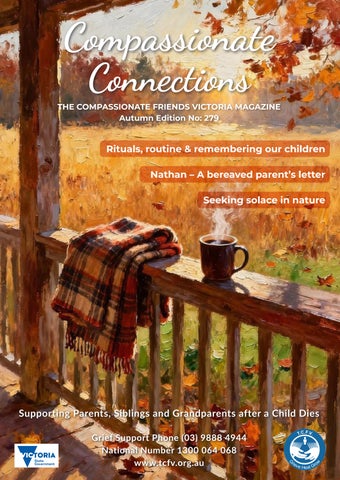
1 Cover image sourced from Pinterest
2 Open Day Photos
3 Unspoken Assumptions, Editors Letter & Index
4-5 Rituals, Routine, and Remembering Our Children
6-7 Centre News
8 End of Year Walk ‘n’ Talk Sibling Event
9 Listen Poem
10-11 Lumina: Standing With Parents When the Unthinkable Happens
12 Finding Meaning Through Volunteering
13 Spotlight on Volunteers
14-15 There’s more to life
listen, carrying the weight of the biggest loss imaginable. Not because you don’t care, but because your life has been reshaped in a way that can’t be fixed, solved, or put behind you.
There’s often an unspoken assumption that because time has passed, the pain must be in the past too. That it’s over. That it’s best not to bring it up. But grief doesn’t work like that. Love doesn’t work like that.
You still think of your child every single day. You still carry them into every conversation, every season, every ordinary moment. And sometimes you’re still quietly waiting for someone to ask,
“How are you really?” — but the question doesn’t come.
Words: TCFV #tcfv #thecompassionatefriendsvictoria
Joseph would have turned 28 in July. His friends are doing so much with their lives, living overseas, getting married, having children. It is truly wonderful to watch, and at the same time, deeply bittersweet. I know how much joy Joseph would have found in all of it. He loved a party, loved being surrounded by people, and loved having a drink and a good time. I can picture him so clearly at weddings and gatherings, right in the middle of the laughter.
So how am I really? I’m okay. I am grateful for what I do have, a loving husband, two other wonderful children, two dogs, friends, and work that brings meaning to my life. There is still much to look forward to. Happiness and joy do exist in my life, and they can, and do sit alongside my heartbreak. Because the truth is, ten years on, I still have a broken heart. I think of Joseph every single day. I miss him so much it hurts. I still want him back so badly it aches. He is still my child, still loved deeply and forever. That love will remain with me until my own dying day.
I hope you enjoy this edition of Compassionate Connections and take time to linger over the beautiful stories and wonderful photos shared within these pages.
Jane Moschetti
Bereaved Mother of Joseph (18)
Rituals, Routine, and Remembering Our Children
When your child dies, everything changes. Not just your heart, everything.
The days blur. Time feels strange. The world keeps moving while you are standing still, carrying a loss that no parent should ever have to hold.
But this grief does not belong to parents alone -
�� Grandparents grieve the loss of a grandchild and the heartbreak of watching their own child suffer.
�� Siblings grieve the loss of a brother or sister — and the way their family is suddenly changed.
In the midst of this kind of grief, rituals and routine don’t fix our grief, but they can offer something quieter and just as important, connection and steadiness, for all the family.
Remembering Is Part of Living Now
I don’t remember my son just on special days. I remember him every day, because he is part of me. I have a tattoo of my son’s name on my right wrist. I chose the right side because it is closest to my heart. When I look down, I see his name. When I’m anxious or overwhelmed, I sometimes touch it without even realising, it’s my way of keeping him close. That tattoo is a ritual. It is not about the past; it’s about the ongoing bond between a parent and their child.
Remembrance lives in many forms, across generations -
�� A grandparent might keep a photo by their bed.
�� A sibling might talk to their brother or sister at night.
�� A family might set an extra place at the table, light a candle, or say their child’s name out loud.
Many bereaved families have their own versions of this -
�� Wearing jewellery with their child’s name
�� Lighting a candle at night
�� Saying their child’s name out loud
�� Visiting a place that feels connected to them
These acts don’t keep us stuck; they keep our children present.
Rituals Give Grief Somewhere to Go
Grief doesn’t disappear when it’s ignored. It shows up in the body, in exhaustion, in anxiety, and especially in that deep ache that words can’t quite reach.
Rituals give grief a place to land -
Lighting a candle, touching a tattoo, holding a photo, these little moments say -
I see you.
I remember.
You matter.
For siblings, rituals can be a safe way to stay connected to their brother or sister without needing the right words. For grandparents, rituals can be a way to honour their grandchild while also holding their child’s pain.
Sometimes rituals are quiet and private, sometimes they are shared as a family. Both are valid.
Routine as a Gentle Anchor
Having any sort of after child loss can feel impossible. Some days just getting out of bed feels like too much. Over time, small routines can become anchors, not just for parents, but for siblings and grandparents too.
Not big, ambitious routines, just gentle ones -
A morning coffee in the same mug.
A short walk.
Sitting outside for a few minutes.
These small, repeated acts help the nervous system settle. They give shape to days that might otherwise feel endless and overwhelming.
For children and teens, routine offers safety when everything feels uncertain.
For grandparents, it can provide structure when the world feels out of control.
Routine doesn’t mean life is “back to normal.” There is no normal after losing a child. It simply means finding ways to keep going while carrying love and loss together.
Our Children Are Woven Into Who We Are
For bereaved families, remembering isn’t something we do instead of living. It becomes part of how we live.
Rituals and routine allow our children to remain part of our everyday lives, not hidden away, not only remembered on anniversaries, but carried forward with us.
There is no right way to do this.
Some days remembering feels comforting, whilst on other days it can hurt deeply. Both can exist at the same time.
What matters is that love does not end when a child dies.
The ways you remember, whether through a tattoo close to your heart, a candle, a routine, a story shared, or a quiet moment, are all expressions of that love. Always. ��
By: Susan Meyerink Bereaved Mother of Chance
CENTRE NEWS
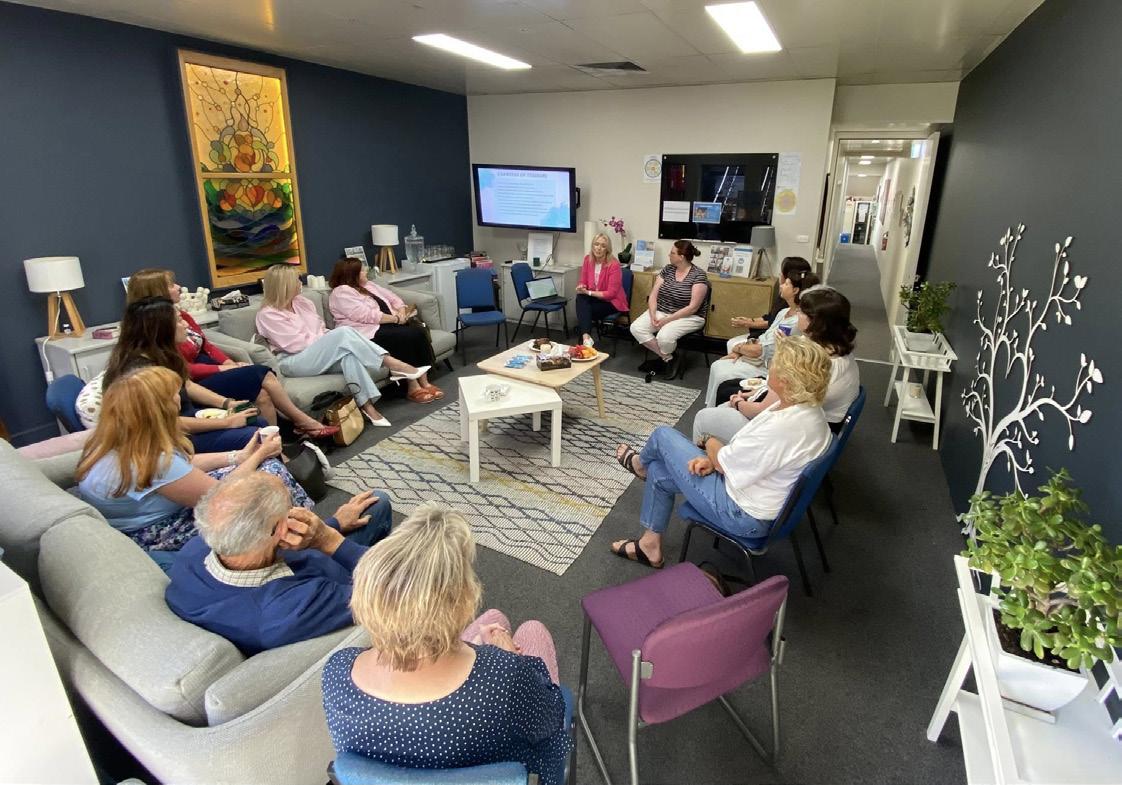
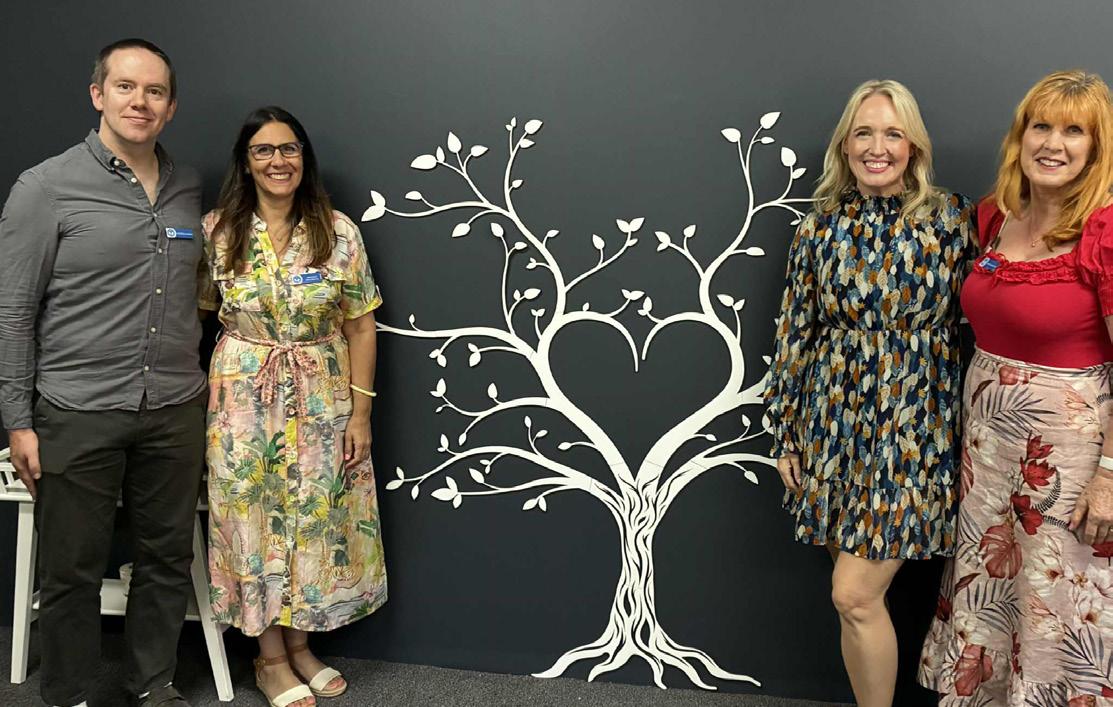
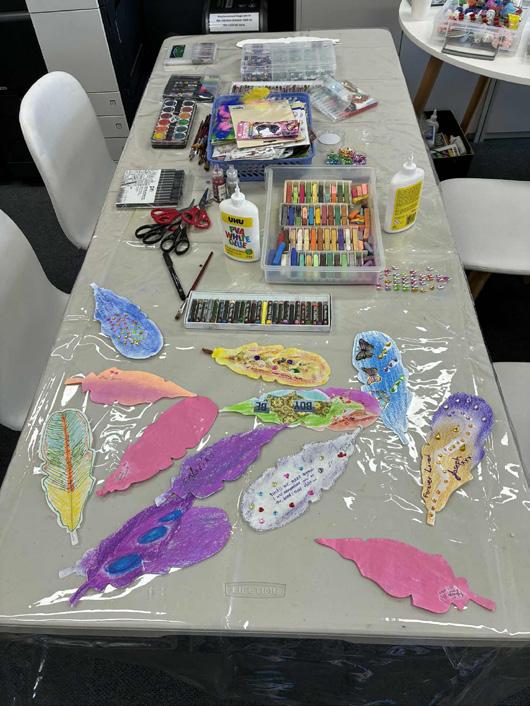
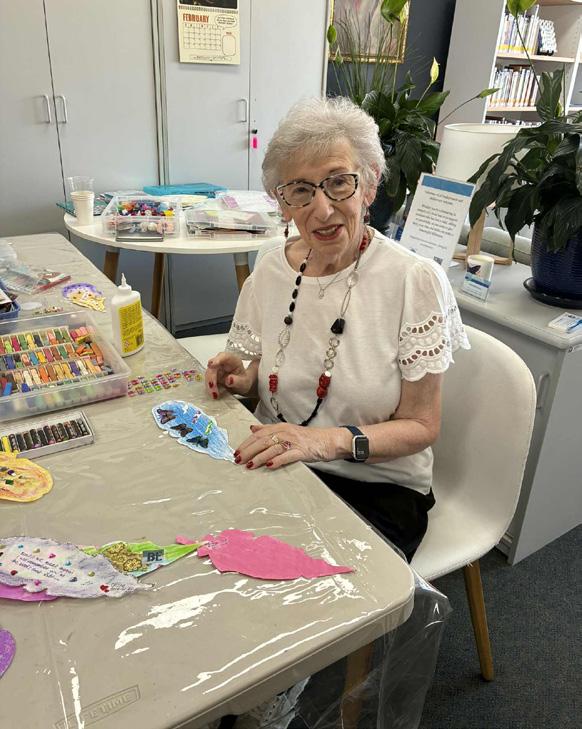
Open Day Event 2026
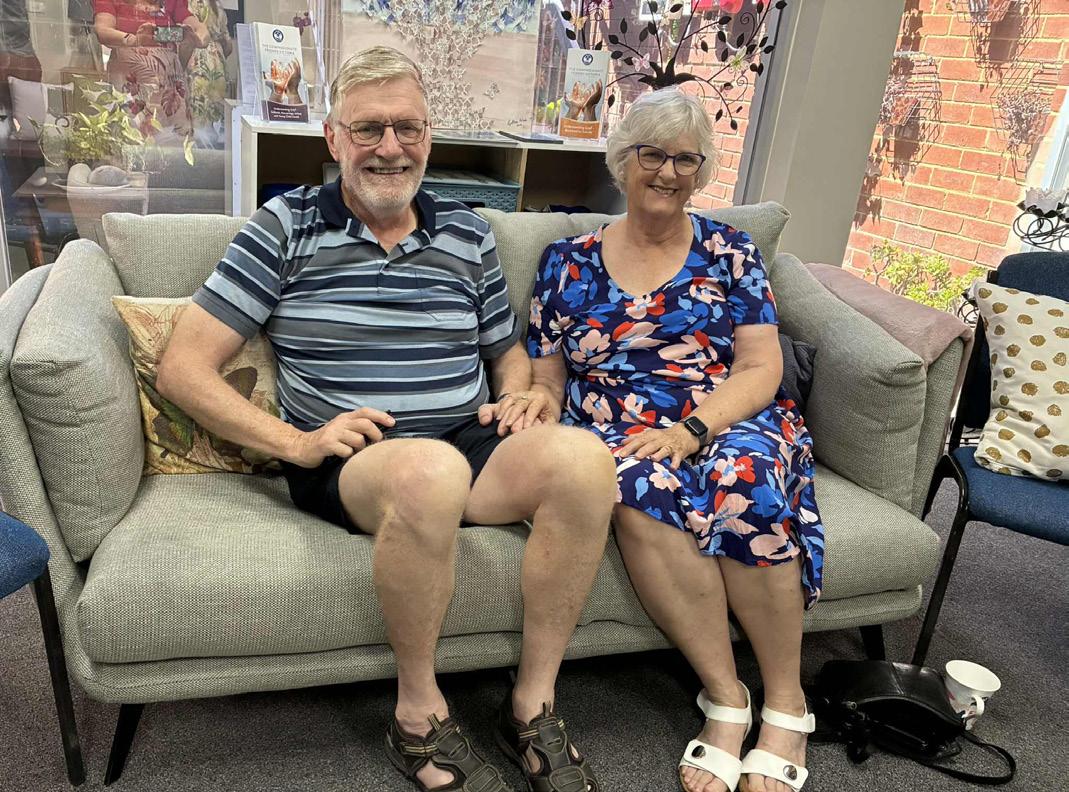
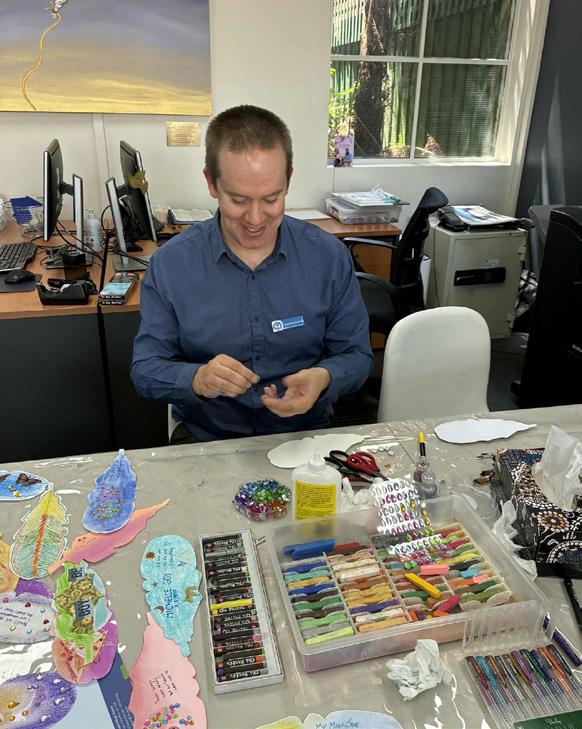
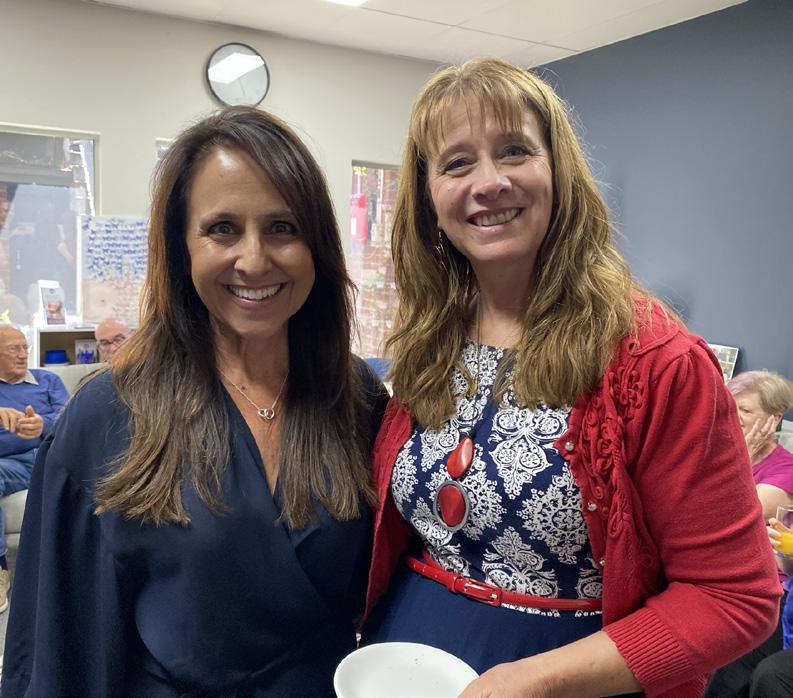
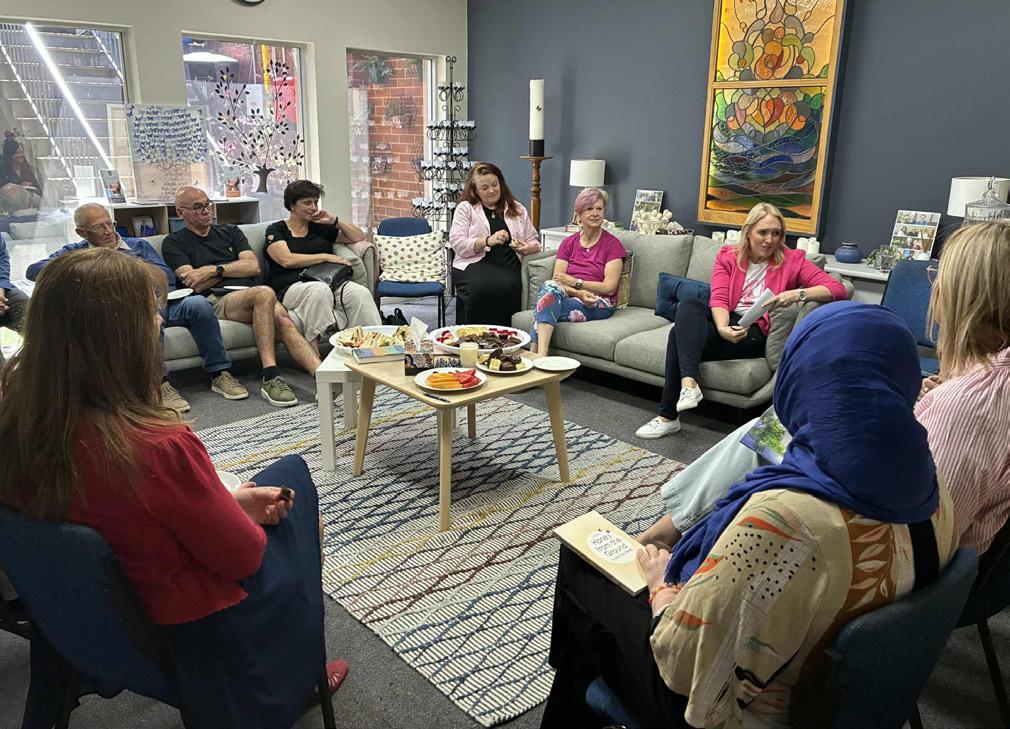
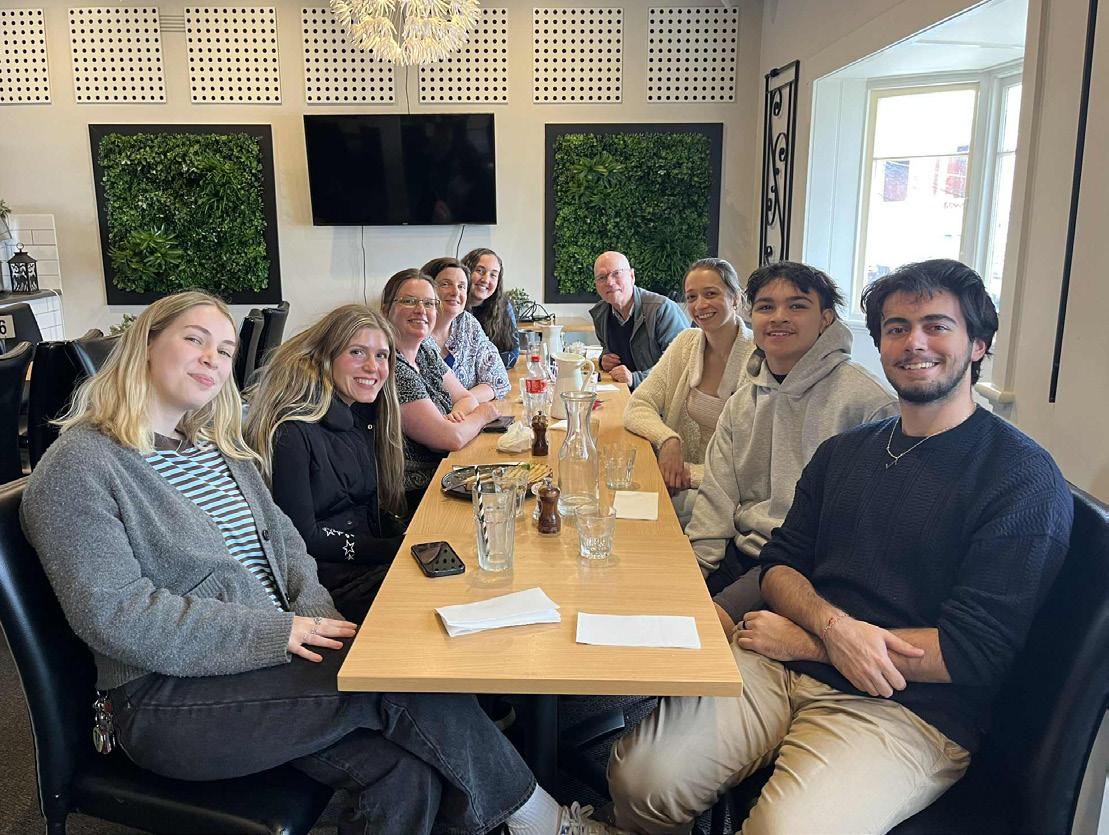
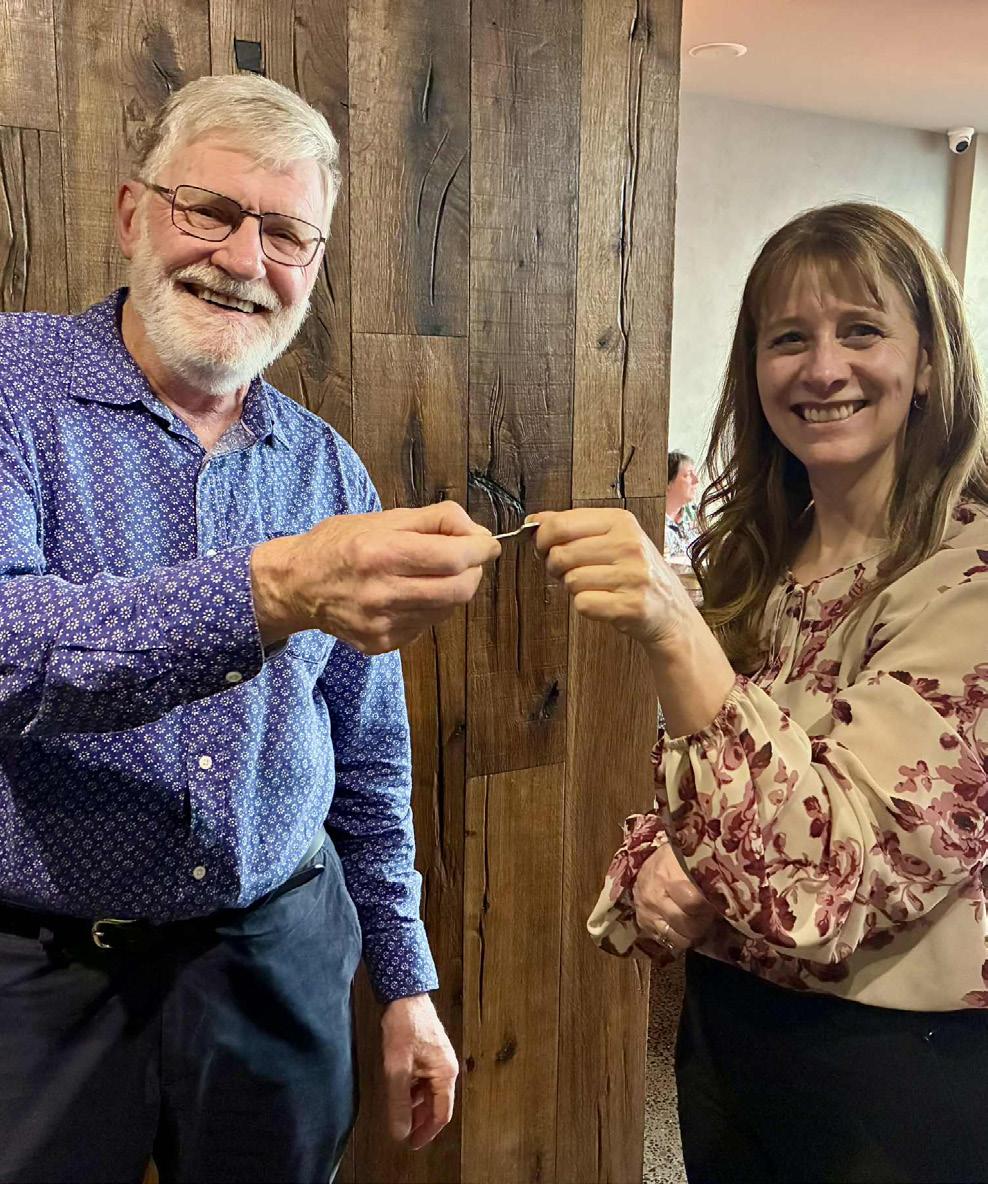
We had two special days on Friday 6 and Saturday 7 February opening the doors of TCFV to share the many ways we support bereaved parents, siblings, and grandparents. Thank you to everyone who joined us over this special weekend. It was a time of support, understanding and connection, being together with others who truly understand the ongoing journey of grief. We are so grateful to share this space with you.
Many thanks to:
Jane Moschetti and Nicole Mercandel, for their coordination of the event;
Alex Hamilton and Natasha Ballingall, for their facilitation of workshops;
Dagmar O’Brien, for overseeing some lovely additions to the office decor;
Kevin & Jenny Purvis, Christy Roberts, Claire Kuhnell and Andrew McNess for their assistance over the two sessions;
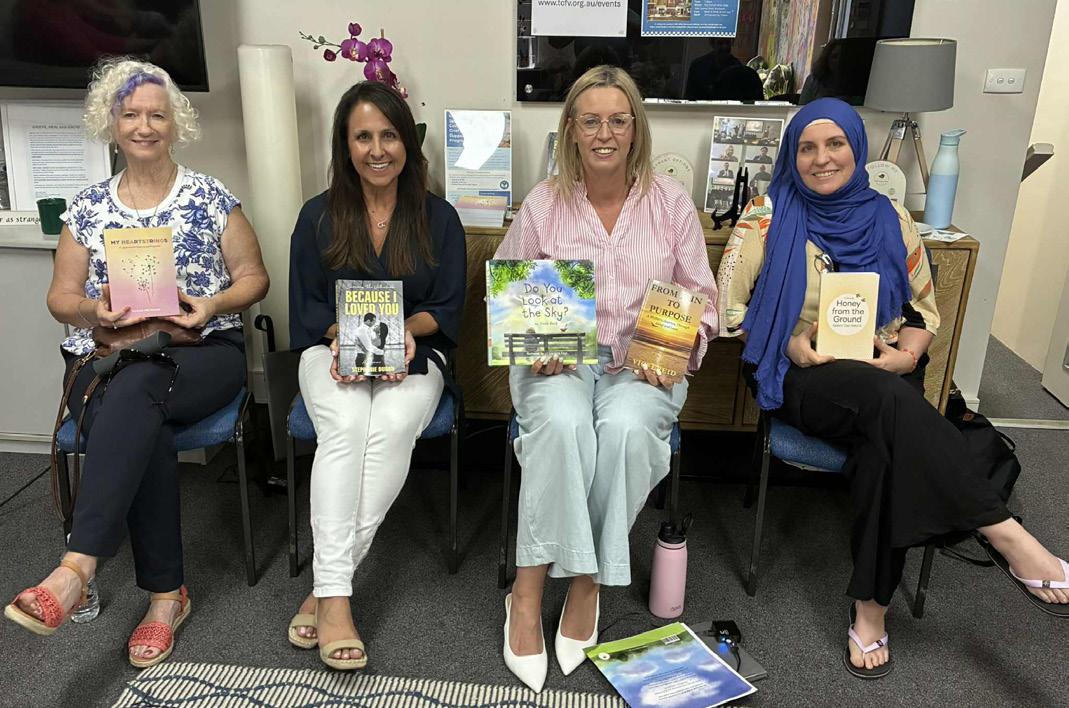
And the participants in a wonderful Author Q & A workshop
Susan Meyerink - My heartstrings, a journal for bereaved parents. Available to purchase from the TCFV website at www.tcfv.org.au/myheartstrings
Stephanie Duran - Because I loved You, available from all major bookstores.
Vicki Reid - Do You Look At The Sky, to be published soon, please see www.littlebrownbird.com.au
Soren Tae Smith author of Honey from the Ground available from all major bookstores.
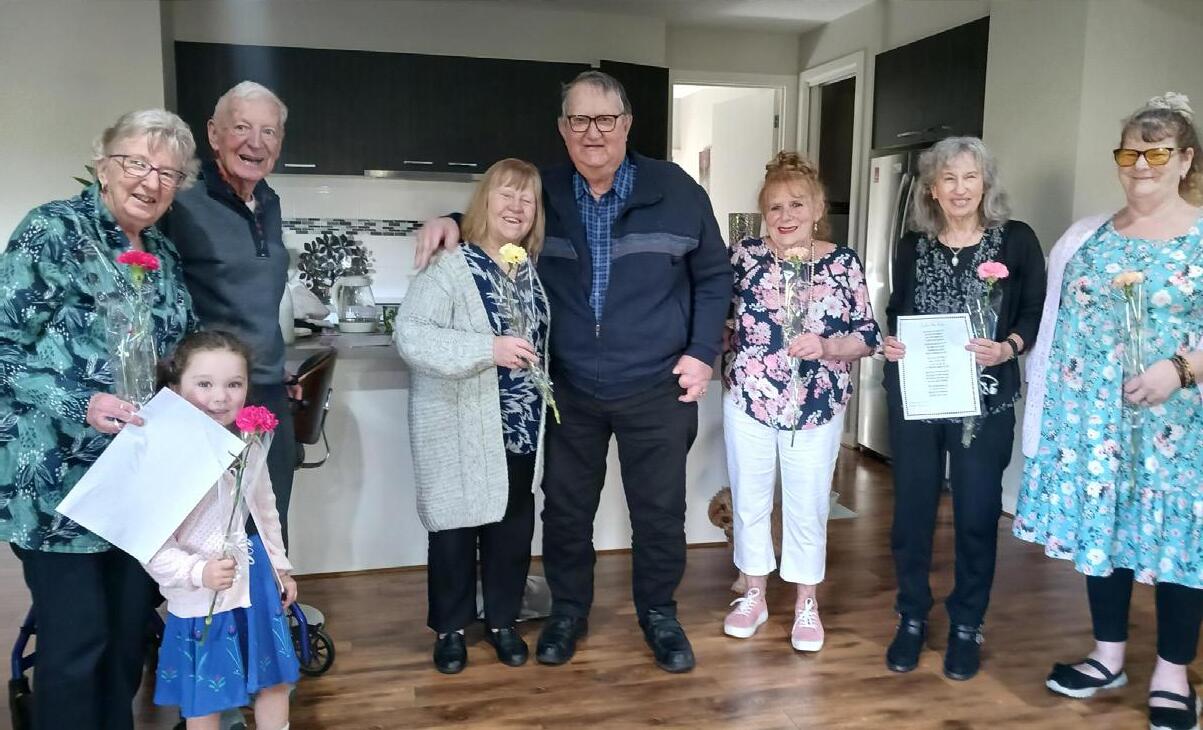
Horsham TCFV members coming together at Xmas 2025
Thank You
As always, a thank you to all the TCFV volunteers, phone support people, group leaders, centre volunteers, anniversary card writers, guest speakers and the magazine mail-out team.
Muriel Lake, who made a $50 donation to TCFV in memory of her son, Jamie, and her granddaughter, Jessica. Michelle Loughhead, who made both a monetary donation and a donation of butterfly stickers in memory of her son, Gregory.
Maureen Kermeen, who made a donation of butterfly stickers in memory of her daughter, Leigh-Ellen. Fiona Bird, who made a donation of butterfly stickers in memory of her son, Damien.
In Memoriam
SONIA GURWITZ
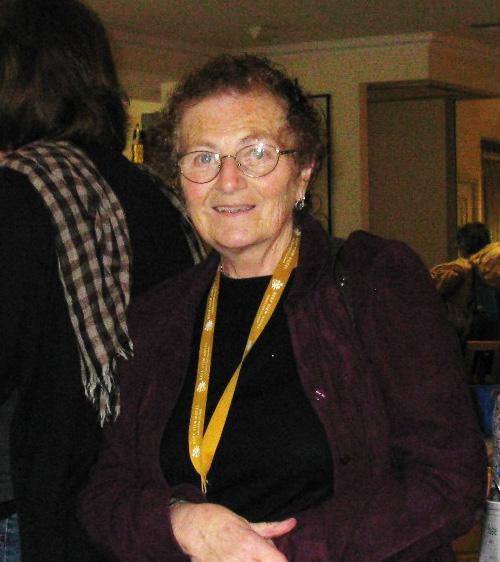
We were very saddened to hear of the loss of Sonia Gurwitz. She died on 30 December 2025, just three weeks shy of her 87th birthday.
Sonia commenced as a Centre Volunteer in 2000 and then as a phone responder in 2003. She was a regular on the monthly phone roster, up until 2015, when she formally stepped back. She was always a pleasure to chat with, enjoyed a good laugh, and supported many bereaved individuals and families.
As her daughter Leeora explained, “Compassionate Friends was a lifeline for Mum after my brother Stephen Black passed away in 1999 and I mentioned this wonderful group in my eulogy for Mum at the Funeral. On behalf of our family thank you for all your support and friendship over the years for our Mum.”
COMPETITION
Create the next Compassionate Connections front cover! Draw, paint take a photo of something for upcoming magazines along the theme of Winter, Spring, Summer & Autumn. Deadline for the WINTER magazine is 1 May.
NEW FURNITURE
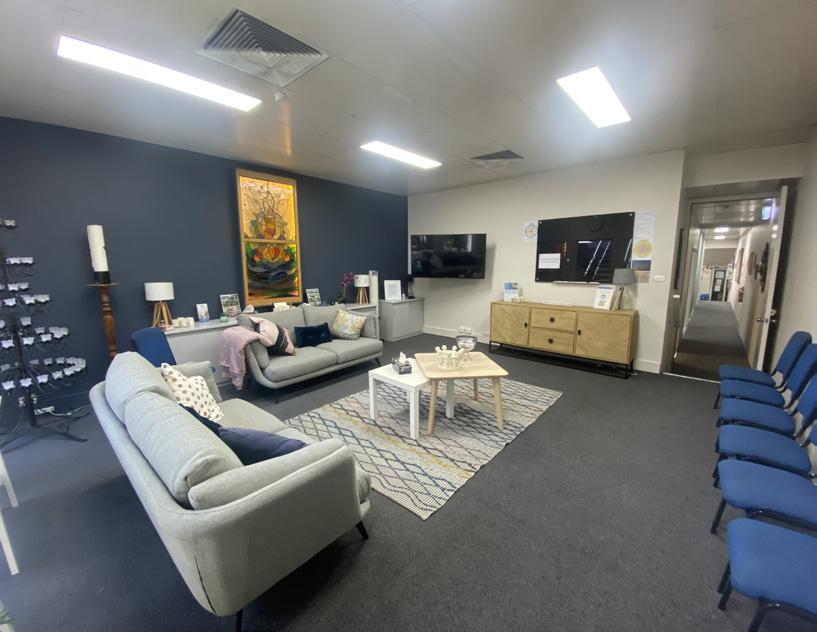
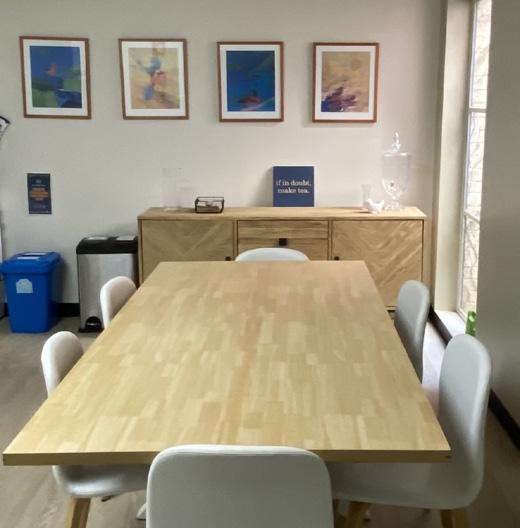
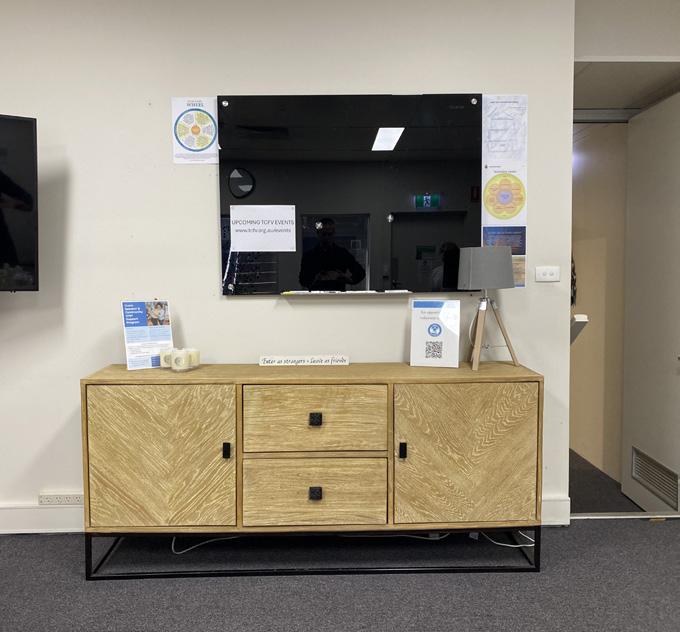
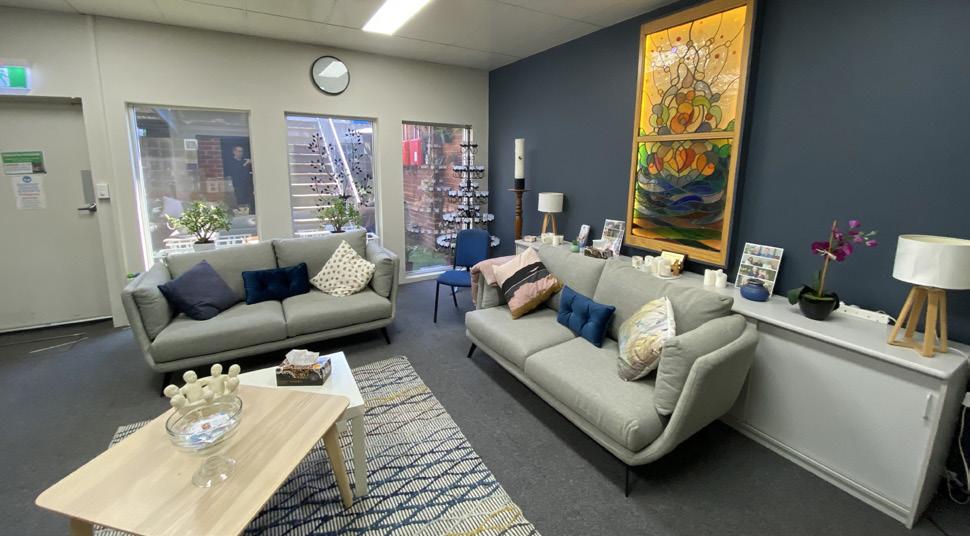
We wish to give a very big thank you to Janne Guest of The Guest Group Pty Ltd for the very kind donation of furniture. This is a very welcome addition to our Centre: two comfortable couches for our back room and two new sideboards for our kitchen and back room. Please see photos beside.
Sonia in 2010, at a TCFV Gathering
End of Year Walk ‘n’ Talk Sibling Event November 2025
Our Walk ‘n’ Talk event for bereaved siblings offered a calm and supportive space to come together with others who truly understand the unique experience of sibling loss. Set in the peaceful surroundings of Canterbury Gardens, the walk unfolded at a relaxed pace, allowing conversations to arise naturally, or for quiet companionship to be just as welcome. Surrounded by nature, we were able to reflect, share memories, and connect in a way that felt both grounding and comforting.
Following the walk, we continued our time together over a delicious lunch at Chapter Three Espresso Bar on Mailing Road. We were fortunate to have our own private room upstairs, creating a sense of safety and intimacy that encouraged open conversation.
Over shared meals and drinks, stories were told, loved ones were remembered and moments of understanding were exchanged, often without the need for many words. This event offered bereaved siblings the opportunity to feel seen, heard, and supported in the company of others who walk a similar path. The combination of gentle movement, meaningful conversation, and a welcoming environment made the day a heartfelt reminder that no one needs to navigate sibling loss alone.
Days like this remind us how healing it can be to share space with others who understand sibling loss in a deeply personal way. The Walk ‘n’ Talk and shared lunch created not only moments of connection, but also a sense of belonging; something that can be hard to find after loss.
As we look ahead, we warmly invite bereaved siblings to join us at our next sibling events. These gatherings are a gentle reminder that support, understanding, and connection are always available. Whether you feel like talking, listening, or simply being alongside others who understand, you are welcome just as you are. We hope to continue creating spaces where siblings can connect, remember, and find comfort together, because no one should have to walk this path alone.
Nicole Mercandel (Bereaved Sister of Mark)

LISTEN
The following poem is regularly utilised in our TCFV training programs. It seems to resonate for so many! (And understandably so.) We include the poem below, and then outline why we feel the poem is especially insightful and comforting.
Listen
Author Unknown
When I ask you to listen to me and you start giving me advice, you have not done what I asked.
When I ask you to listen to me and you begin to tell me why I shouldn’t feel that way, you are trampling on my feelings.
When I ask you to listen to me and you think you have to do something to solve my problem you have failed me, strange as that may seem.
Listen! All I asked was that you listen, not talk or do…just hear me Advice is cheap; 25 cents will get you both Dear Abby and Billy Graham in the same newspaper. And I can do that myself. I am not helpless.
Maybe discouraged and faltering, but not helpless. When you do something for me that I can do for myself, you contribute to my fear and inadequacy.
But when you accept as a simple fact that I do feel what I feel, no matter how irrational, then I can quit trying to convince you and can get about the business of understanding what’s behind this irrational feeling.
And when it’s clear, the answers are obvious and I don’t need advice. Irrational feelings make sense when we understand what’s behind them.
So please listen and just hear me and if you want to talk, wait a minute for your turn… and I’ll listen to you.
One of the poem’s greatest strengths is how clearly it shows that being heard is not the end goal, but the starting point. When the speaker says that once their feelings are accepted they can “quit trying to convince you,” the poem reveals something crucial: unheard people are stuck in survival mode. All their energy goes into proving that their feelings are real or justified. There is no space left for reflection or understanding. By contrast, being listened to creates safety. When someone accepts the feeling “as a simple fact,” the internal struggle relaxes. The speaker no longer has to defend, explain, or argue. That release allows attention to shift inward — toward curiosity instead of self-protection. Only then can the speaker “get about the business of understanding what’s behind this irrational feeling.”
The poem also suggests that advice offered too early actually delays insight. Solutions interrupt the process because they imply the problem is already understood — when it isn’t. Listening, on the other hand, gives the speaker ownership of their experience. They are not helpless; they are thinking their way through it, but they need space to do so.
In this way, the poem reframes listening as an active, transformative act. It doesn’t fix the problem directly; it removes the obstacle that prevents understanding. Once the speaker feels heard, the emotional fog clears, and the answers become “obvious.” The poem argues that insight grows naturally from validation, not instruction — and that real understanding begins only after the fight to be heard is over.
Andrew McNess TCFV
Lumina: Standing With Parents When the Unthinkable Happens
We are Julia and Juan, and we are parents to two daughters.
Our eldest, Maria, died in September 2025.
There are no words that can truly explain what it means to lose a child. One moment you are a family making ordinary plans, and the next you are navigating a world that feels completely unfamiliar. Time bends. Language breaks. The future you thought you were moving toward disappears.
In the days after Maria’s death, we were surrounded by kindness. Family and friends showed up in quiet, practical ways. Messages arrived. Meals were cooked. People held us as best they could.
We were also deeply aware of how important it is to have spaces where grief is understood, where parents do not need to explain themselves or perform strength.
At the same time, another reality set in very quickly.
The practical weight of everything that still needed to be managed.
Funeral costs. Bills. Work. Rent and mortgage payments. Groceries. Transport. The logistics of simply keeping life going, at the exact moment when getting out of bed felt impossible.
It became clear to us that in the immediate aftermath of a child’s death, families often need both emotional care and practical support, delivered gently and without burden. These needs sit side by side.
Lumina was born in that space.
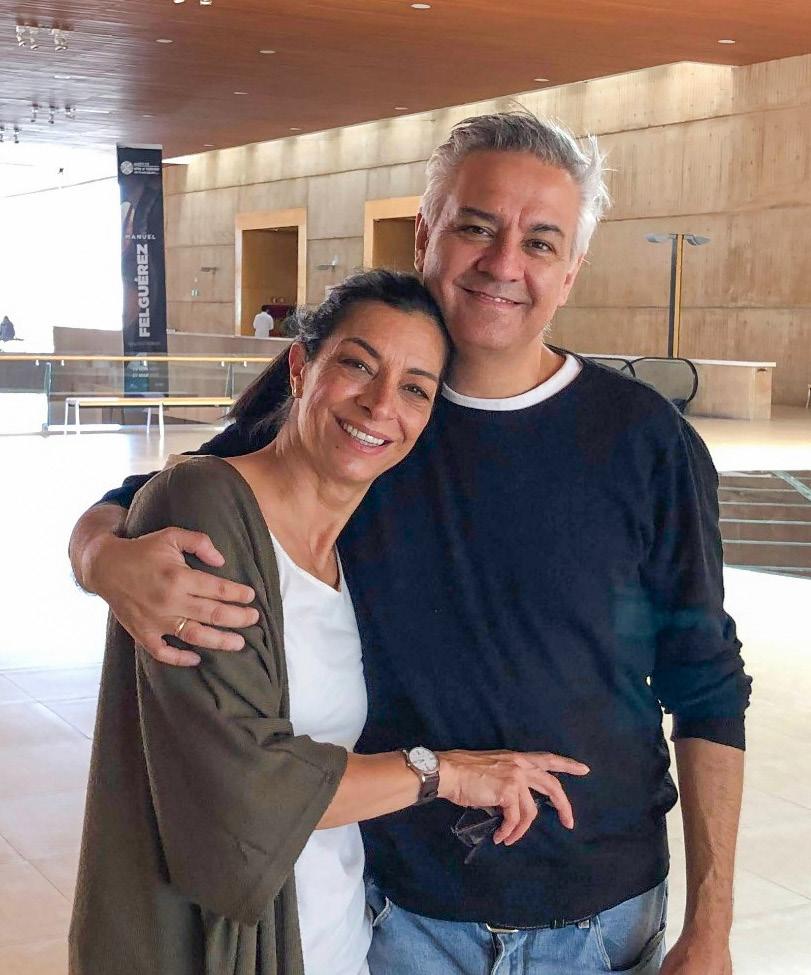
The Lumina Project is a national Australian charity that provides one-off, needs-based emergency financial assistance to parents in the immediate aftermath of the death of a child. It exists to offer breathing space. Practical relief at a time when life feels unmanageable. Support that allows parents to focus on surviving, not just coping.
We named the foundation Lumina because it means “light”. Not a bright or blinding light, but something steady and gentle. The kind you reach for when everything feels dark and disorienting.
Immediate financial aid is made through professional referral, including hospital social workers, counsellors and community organisations. It is designed to be fast, flexible and low-burden. We do not ask families to relive their trauma through lengthy applications or to justify their grief. If a trusted professional tells us a family is in urgent need, we listen.
Support can be used for essential living costs such as funeral expenses, rent or mortgage payments, utilities, groceries, transport, or a short period of unpaid leave from work. At this early stage, Lumina’s grants range from $1,000 to $1,500, delivered quickly to families facing immediate financial strain. As the foundation grows, our aim is to support families with grants of up to $2,500, depending on need and available funds.
Since quietly beginning this work, Lumina has already been able to support bereaved families, with further assistance in progress. These early grants were made possible through the generosity of our small social circle. Family, close friends, Julia’s yoga community. People who wanted to honour Maria by helping other families through the hardest days of their lives.
Lumina is still very new, and we are learning as we go. At this stage, the foundation is run by just the two of us, alongside a small circle of referrers who understand the realities of grief. Our decisions are shaped by lived experience and a single guiding question: what would have helped us, and what would not have added any extra burden in those first weeks?
Alongside direct financial support, Lumina also has a longer-term advocacy focus. Through our own experience, we became acutely aware of how limited compassionate leave is in Australia. Many parents are entitled to just two days of compassionate leave following the death of a child. Two days to absorb the unimaginable, to organise a funeral, to support surviving children, and to begin navigating a life that has been irrevocably changed.
This is not enough.
Grief cannot be contained within a couple of days. Expecting people to return to work immediately after such a loss does not serve families, and it does not serve workplaces either. People in acute grief are not able to function at their best. They need time, understanding, and space to begin healing.
Over time, Lumina aims to advocate for more compassionate workplace practices. This includes increased compassionate leave and a deeper understanding of what bereavement actually looks like. This advocacy is not about criticism or blame. It is about education. Helping systems and employers recognise that humane responses to grief lead to healthier people and more sustainable workplaces.

For us, Lumina is also Maria’s legacy. It is a way of standing beside other parents at a time when the world can feel cruelly indifferent. It is our attempt to turn our own devastation into something that offers care, respect and breathing space to others, while continuing to parent our surviving daughter in the midst of profound change. Our hope is simple: that no parent in Australia is left facing immediate financial collapse on top of the worst loss of their life. And that, in the darkest moments, they might feel a quiet sense that someone is standing with them.
About The Lumina Project
The Lumina Project is a national Australian charity providing one-off emergency financial assistance to parents in the immediate aftermath of the death of a child. Founded in 2025 by Julia and Juan following the death of their daughter Maria, Lumina supports families with urgent costs such as funerals, rent or mortgage payments, utilities, groceries, transport and short periods of unpaid leave from work.
Alongside direct support, Lumina advocates for more compassionate workplace practices and greater understanding of bereavement.
Theluminaproject.org.au
The Compassionate Friends Victoria is honoured to partner with The Lumina Project, creating a supportive referral pathway for families newly bereaved by the loss of a child and ensuring they are surrounded by care, compassion and practical support.
Finding Meaning Through Volunteering
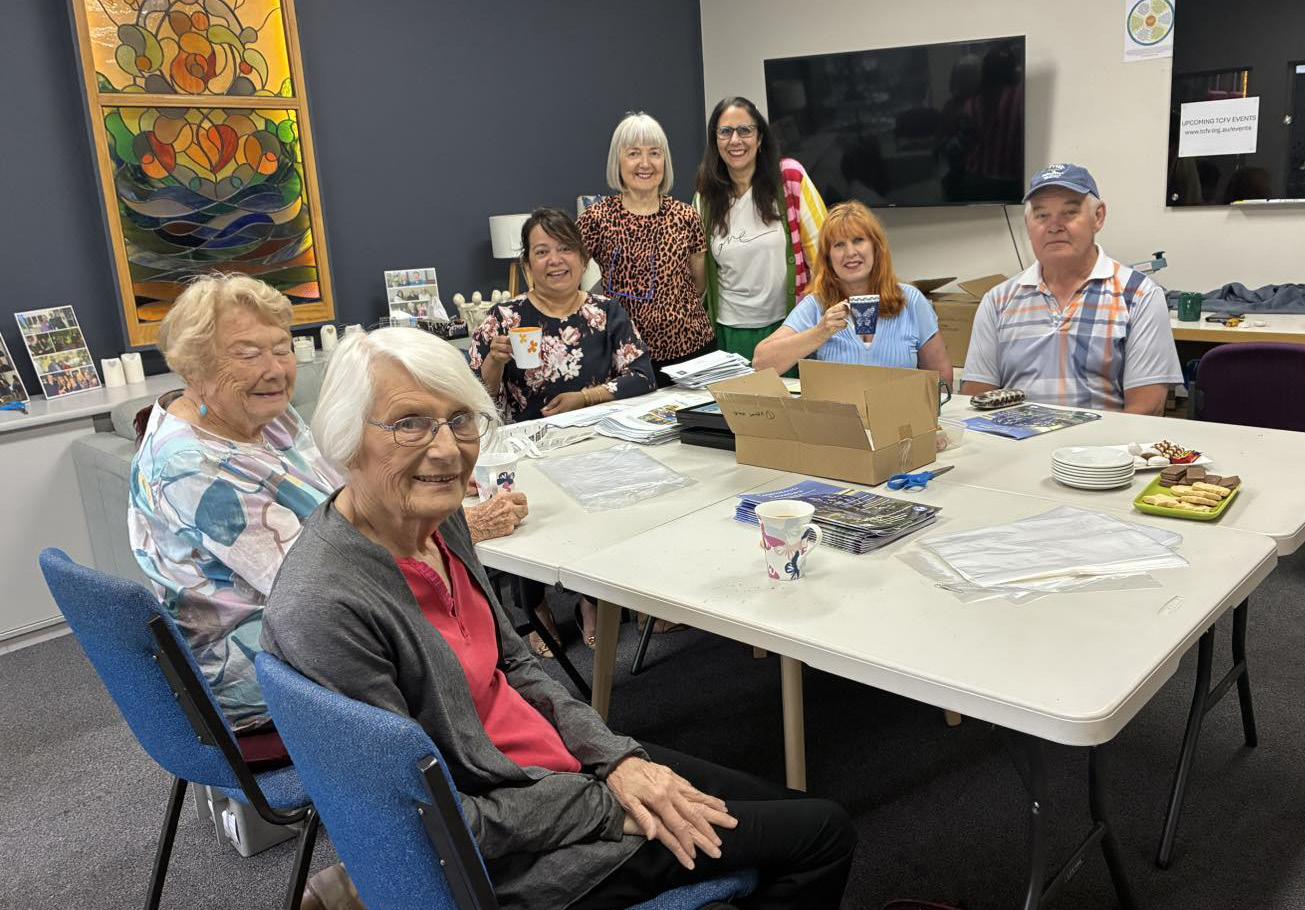
We simply couldn’t do what we do for families without our volunteers. They are the backbone of The Compassionate Friends Victoria (TCFV) community, giving their time, hearts, and presence so that no family has to face grief alone.
When a child, sibling, or grandchild dies, life continues to move forward- even though everything has changed for the family left behind. That’s where TCFV volunteers step in. By offering a listening ear, a caring presence, or a helping hand, volunteers make a real difference when it matters most. Every small act of kindness helps families feel seen, heard, and supported.
Volunteering with TCFV can take many forms- whether it’s facilitating a peer support group, helping with events, assisting with administration or offering phone support. Each role is a way to turn empathy into action and to be part of a compassionate community that truly cares. This is a community built on empathy, understanding, and kindness—a place where grief isn’t rushed or judged, and where people simply walk alongside one another.
Although I am part of the TCFV staff team, I also volunteer my time in memory of my daughter, Eva. This is very important work for me as I have seen firsthand what happens when someone in grief is met with care instead of avoidance. Turning up for people when others don’t know how—or quietly step away—is an honour. Volunteering allows me to bring meaning to the pain of losing my child and keeps Eva’s memory alive through compassion and connection.
There are many ways to get involved with TCFV, depending on what feels right for you:
• Peer Support Groups: Offering empathy, understanding, and emotional support in group settings.
• Phone Support Teams: Providing one-on-one phone support so people feel heard and cared for during difficult times.
• Community Education Sessions: Assisting with sessions that raise awareness and understanding of grief, emotional wellbeing, and coping strategies.
• Behind-the-Scenes Support: Helping with administration, events, fundraising, or resource development.
• Remembrance and Memorial Events: Supporting special events that honour loved ones and create moments of connection and reflection.
Volunteering with TCFV isn’t just about helping othersit’s about creating genuine human connection, making a meaningful difference, and being part of a community that understands the depth of grief. It’s about showing up when it matters most, offering support when others don’t know how, and finding purpose through acts of care.
This community has given me a strong sense of purpose and belonging. I’ve seen how compassion, simply showing up, and genuine understanding can make a profound difference for someone in grief. If you’re interested in doing the same or would like to discuss volunteering options, please contact me at natb@tcfv.org.au
Natasha Ballingall, Bereaved mother of Eva
Spotlight on Volunteers
JAN McNESS Leader (Geelong Morning Coffee Group)
When my 26-year-old son, Jeremy, died, the world became unrecognisable. Time moved strangely, conversations felt hollow, and I learned how quickly grief can separate you from the life you once knew. Along with husband, Norm, I became a bereaved parent in a single moment, but I also became part of a community I never expected to belong to—one defined by loss, love, and survival. Running peer-support group meetings for bereaved parents, siblings, and grandparents has been – and continues to be – deeply meaningful to me because it transforms that shared pain into connection and understanding.
In the early days of my grief, outside of family, I felt profoundly alone and cut-off. People around me cared, but few truly understood what it meant to lose a child. There were no words big enough for the ache, no timelines that made sense. When I eventually found peer support, I discovered something I hadn’t realised I needed: a social space where nothing had to be explained. Everyone in the room already knew. That sense of being understood— without having to justify tears, anger, numbness, or silence—was a turning point for me.
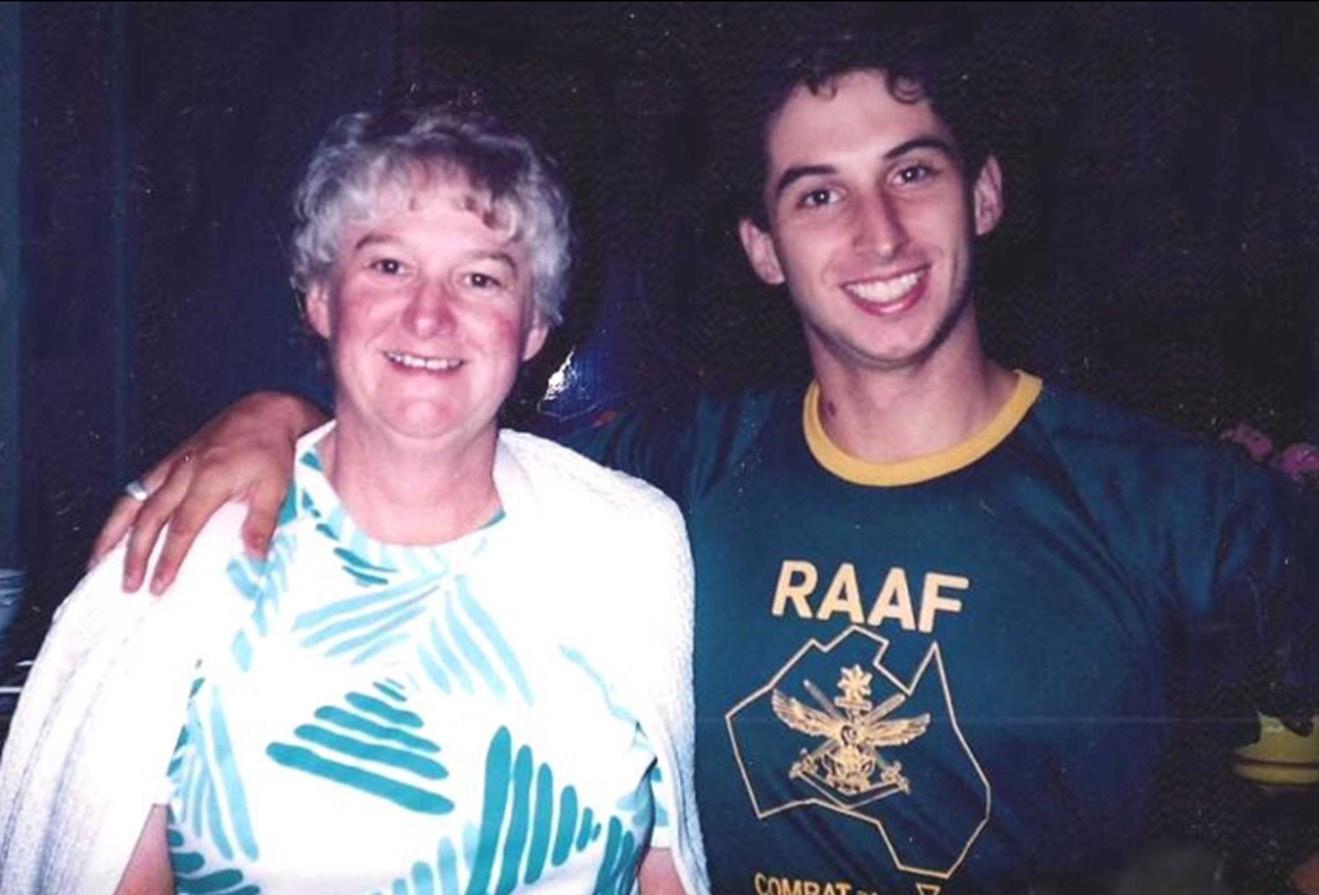
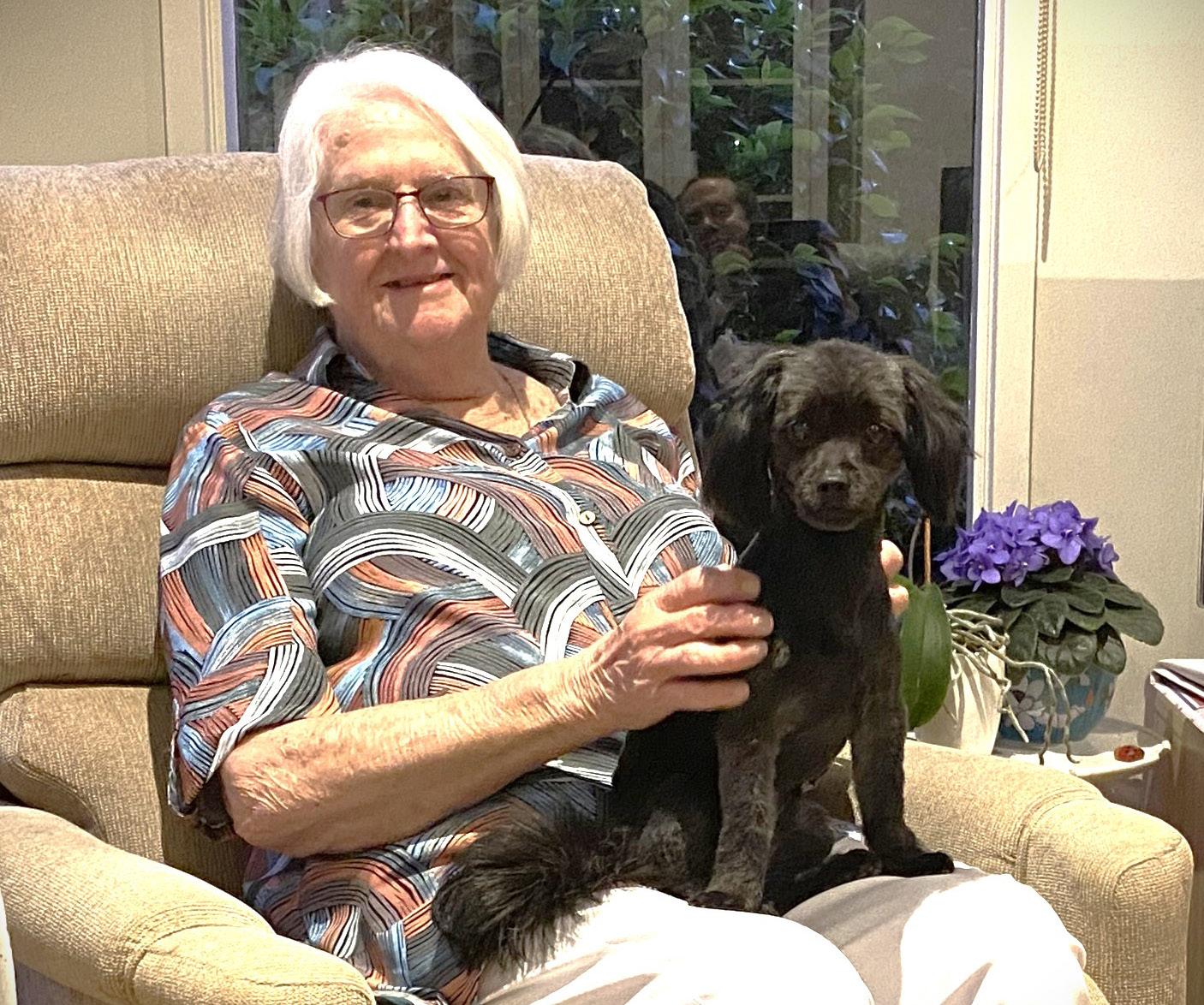
Now, as someone who has facilitated group meetings for over two decades, I see that same moment of recognition unfold again and again. Parents arrive carrying unimaginable loss. Siblings come with grief that is often overshadowed by the needs of adults, yet no less real or painful. Grandparents bring a unique, layered sorrow—mourning a grandchild while also witnessing their own child’s heartbreak. Being able to hold space for all of these experiences feels profoundly important. It says, clearly and gently: your grief matters here.
What makes running these groups so personally meaningful is that I am not approaching this work from theory or training alone, but from lived experience. I understand the fear that grief will never soften, the guilt that can surface without warning, and the deep love that continues long after a child is gone. That shared understanding builds trust. It allows people to speak honestly, or to sit quietly, knowing both are welcome. Sometimes the most powerful moments are not spoken at all—they’re found in a shared tear, a nod of recognition, or the simple relief of not being alone.
Facilitating peer support has also changed my relationship with my own grief. I once worried that staying close to loss would keep me trapped in it. Instead, I’ve learned that grief does not shrink when it is shared, but it becomes more bearable. Supporting others has given my pain direction and meaning. It allows my child’s life to continue to have impact through compassion, empathy, and connection.
There is no fixing what has been broken by loss. But in these groups, I witness resilience, courage, and love in its truest form. Running peer support meetings reminds me that even in the depths of grief, human connection can offer comfort and dignity. As a bereaved mother, this work does not take away my sorrow—but it gives it purpose, and that has been one of the greatest gifts to emerge from unimaginable loss.
There’s more to life than being happy
I used to think the whole purpose of life was pursuing happiness. Everyone said the path to happiness was success, so I searched for that ideal job, that perfect boyfriend, that beautiful apartment. But instead of ever feeling fulfilled, I felt anxious and adrift. And I wasn’t alone; my friends struggled with this, too. Eventually, I decided to go to graduate school for positive psychology to learn what truly makes people happy. But what I discovered there changed my life. The data showed that chasing happiness can make people unhappy. And what really struck me was this: the suicide rate has been rising around the world, and it recently reached a 30-year high in America. Even though life is getting objectively better by nearly every conceivable standard, more people feel hopeless, depressed and alone. There’s an emptiness gnawing away at people, and you don’t have to be clinically depressed to feel it. Sooner or later, I think we all wonder: Is this all there is? And according to the research, what predicts this despair is not a lack of happiness. It’s a lack of something else, a lack of having meaning in life.
But that raised some questions for me. Is there more to life than being happy? And what’s the difference between being happy and having meaning in life? Many psychologists define happiness as a state of comfort and ease, feeling good in the moment. Meaning, though, is deeper. The renowned psychologist Martin Seligman says meaning comes from belonging to and serving something beyond yourself and from developing the best within you. Our culture is obsessed with happiness, but I came to see that seeking meaning is the more fulfilling path. And the studies show that people who have meaning in life, they’re more resilient, they do better in school and at work, and they even live longer.
So this all made me wonder: How can we each live more meaningfully? To find out, I spent five years interviewing hundreds of people and reading through thousands of pages of psychology, neuroscience and philosophy. Bringing it all together, I found that there are what I call four pillars of a meaningful life. And we can each create lives of meaning by building some or all of these pillars in our lives. The first pillar is belonging. Belonging comes from being in relationships where you’re valued for who you are intrinsically and where you value others as well. But some groups and relationships deliver a cheap form of belonging; you’re valued for what you believe, for who you hate, not for who you are. True belonging springs from love. It lives in moments among individuals, and it’s a choice -- you can choose to cultivate belonging with others.
Here’s an example. Each morning, my friend Jonathan buys a newspaper from the same street vendor in New York. They don’t just conduct a transaction, though. They take a moment to slow down, talk, and treat each other like humans. But one time, Jonathan didn’t have the right change, and the vendor said, “Don’t worry about it.” But Jonathan insisted on paying, so he went to the store and bought something he didn’t need to make change. But when he gave the money to the vendor, the vendor drew back. He was hurt. He was trying to do something kind, but Jonathan had rejected him.
I think we all reject people in small ways like this without realizing it. I do. I’ll walk by someone I know and barely acknowledge them. I’ll check my phone when someone’s talking to me. These acts devalue others. They make them feel invisible and unworthy. But when you lead with love, you create a bond that lifts each of you up. For many people, belonging is the most essential source of meaning, those bonds to family and friends. For others, the key to meaning is the second pillar: purpose. Now, finding your purpose is not the same thing as finding that job that makes you happy. Purpose is less about what you want than about what you give. A hospital custodian told me her purpose is healing sick people. Many parents tell me, “My purpose is raising my children.” The key to purpose is using your strengths to serve others. Of course, for many of us, that happens through work. That’s how we contribute and feel needed. But that also means that issues like disengagement at work, unemployment, low labour force participation -- these aren’t just economic problems, they’re existential ones, too. Without something worthwhile to do, people flounder. Of course, you don’t have to find purpose at work, but purpose gives you something to live for, some “why” that drives you forward. The third pillar of meaning is also about stepping beyond yourself, but in a completely different way: transcendence. Transcendent states are those rare moments when you’re lifted above the hustle and bustle of daily life, your sense of self fades away, and you feel connected to a higher reality. For one person I talked to, transcendence came from seeing art. For another person, it was at church. For me, I’m a writer, and it happens through writing.
Sometimes I get so in the zone that I lose all sense of time and place. These transcendent experiences can change you. One study had students look up at 200-feet-tall eucalyptus trees for one minute. Afterwards they felt less self-centred, and they even behaved more generously when given the chance to help someone. Belonging,
purpose, transcendence. Now, the fourth pillar of meaning, I’ve found, tends to surprise people. The fourth pillar is storytelling, the story you tell yourself about yourself. Creating a narrative from the events of your life brings clarity. It helps you understand how you became you. But we don’t always realize that we’re the authors of our stories and can change the way we’re telling them. Your life isn’t just a list of events. You can edit, interpret and retell your story, even as you’re const rained by the facts.
I met a young man named Emeka, who’d been paralysed playing football. After his injury, Emeka told himself, “My life was great playing football, but now look at me.” People who tell stories like this -- “My life was good. Now it’s bad.” -- tend to be more anxious and depressed. And that was Emeka for a while. But with time, he started to weave a different story. His new story was, “Before my injury, my life was purposeless. I partied a lot and was a pretty selfish guy. But my injury made me realize I could be a better man.” That edit to his story changed Emeka’s life. After telling the new story to himself, Emeka started mentoring kids, and he discovered what his purpose was: serving others. The psychologist Dan McAdams calls this a “redemptive story,” where the bad is redeemed by the good. People leading meaningful lives, he’s found, tend to tell stories about their lives defined by redemption, growth and love.
But what makes people change their stories? Some people get help from a therapist, but you can do it on your own, too, just by reflecting on your life thoughtfully, how your defining experiences shaped you, what you lost, what you gained. That’s what Emeka did. You won’t change your story overnight; it could take years and be painful. After all, we’ve all suffered, and we all struggle. But embracing those painful memories can lead to new insights and wisdom, to finding that good that sustains you.
Belonging, purpose, transcendence, storytelling: those are the four pillars of meaning. When I was younger, I was lucky enough to be surrounded by all of the pillars. My parents ran a Sufi meetinghouse from our home in Montreal. Sufism is a spiritual practice associated with the whirling dervishes and the poet Rumi. Twice a week, Sufis would come to our home to meditate, drink Persian tea, and share stories. Their practice also involved serving all of creation through small acts of love, which meant being kind even when people wronged you. But it gave them a purpose: to rein in the ego.
Eventually, I left home for college and without the daily grounding of Sufism in my life, I felt unmoored. And I started searching for those things that make life worth living. That’s what set me on this journey. Looking back, I now realize that the Sufi house had a real culture of meaning. The pillars were part of the architecture, and the presence of the pillars helped us all live more deeply. Of course, the same principle applies in other strong communities as well – good ones and bad ones. Gangs, cults: these are cultures of meaning that use the pillars and
give people something to live and die for.
But that’s exactly why we as a society must offer better alternatives. We need to build these pillars within our families and our institutions to help people become their best selves. But living a meaningful life takes work. It’s an ongoing process. As each day goes by, we’re constantly creating our lives, adding to our story. And sometimes we can get off track. Whenever that happens to me, I remember a powerful experience I had with my father. Several months after I graduated from college, my dad had a massive heart attack that should have killed him. He survived and when I asked him what was going through his mind as he faced death, he said all he could think about was needing to live so he could be there for my brother and me, and this gave him the will to fight for life. When he went under anaesthesia for emergency surgery, instead of counting backwards from 10, he repeated our names like a mantra. He wanted our names to be the last words he spoke on earth if he died.
My dad is a carpenter and a Sufi. It’s a humble life, but a good life. Lying there facing death, he had a reason to live: love. His sense of belonging within his family, his purpose as a dad, his transcendent meditation, repeating our names -- these, he says, are the reasons why he survived. That’s the story he tells himself. That’s the power of meaning. Happiness comes and goes. But when life is really good and when things are really bad, having meaning gives you something to hold onto.
Thank you. Words by Mily Esfahani Smith - Link to TED Video Presentation: https://www.ted.com/talks/emily_esfahani_smith_there_s_ more_to_life_than_being_happy/
Our TCFV library has a book on this topic. You are welcome to borrow as many books as you like, for a 4-week period.
Staff Lunch / Board & Staff Dinner
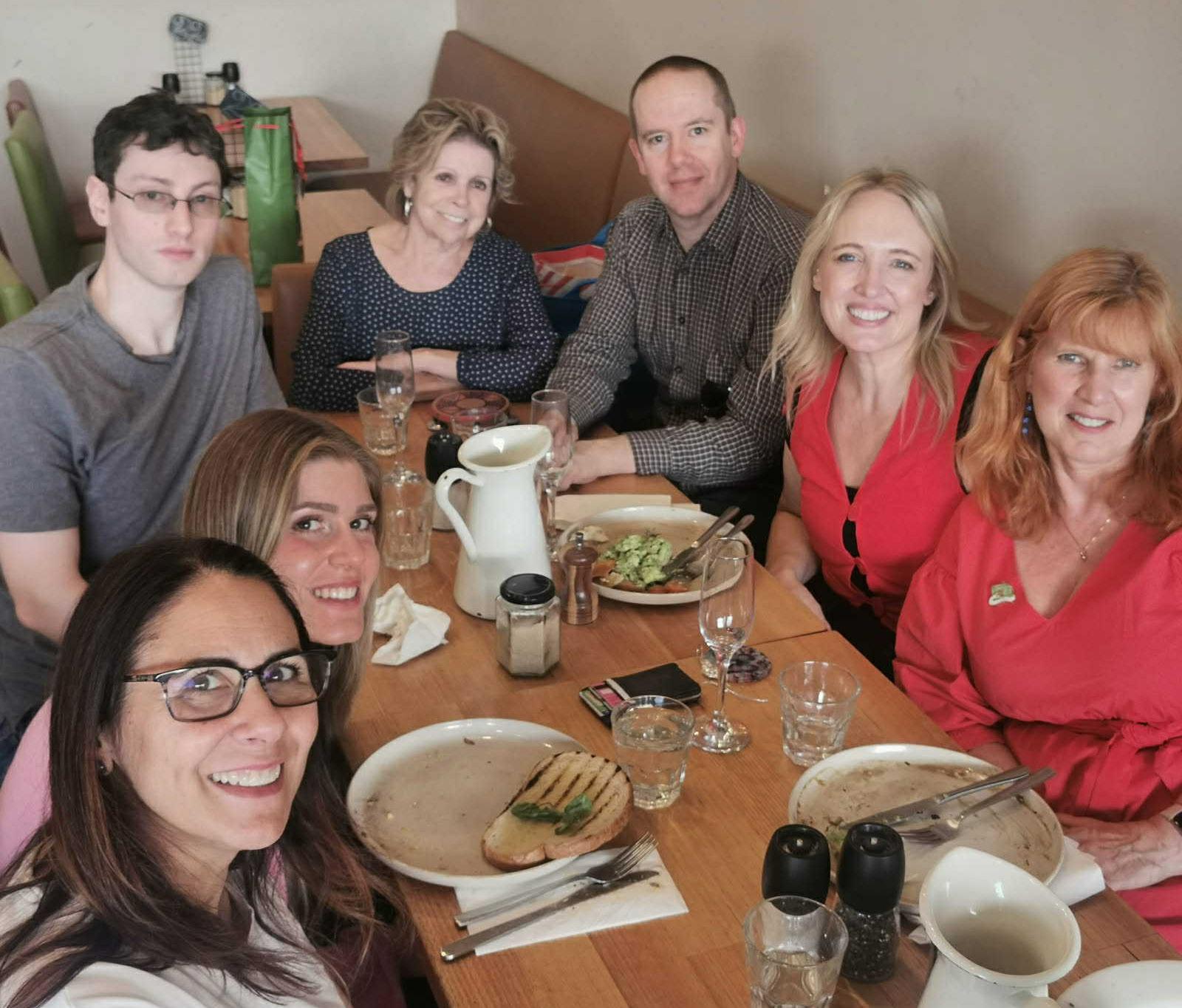
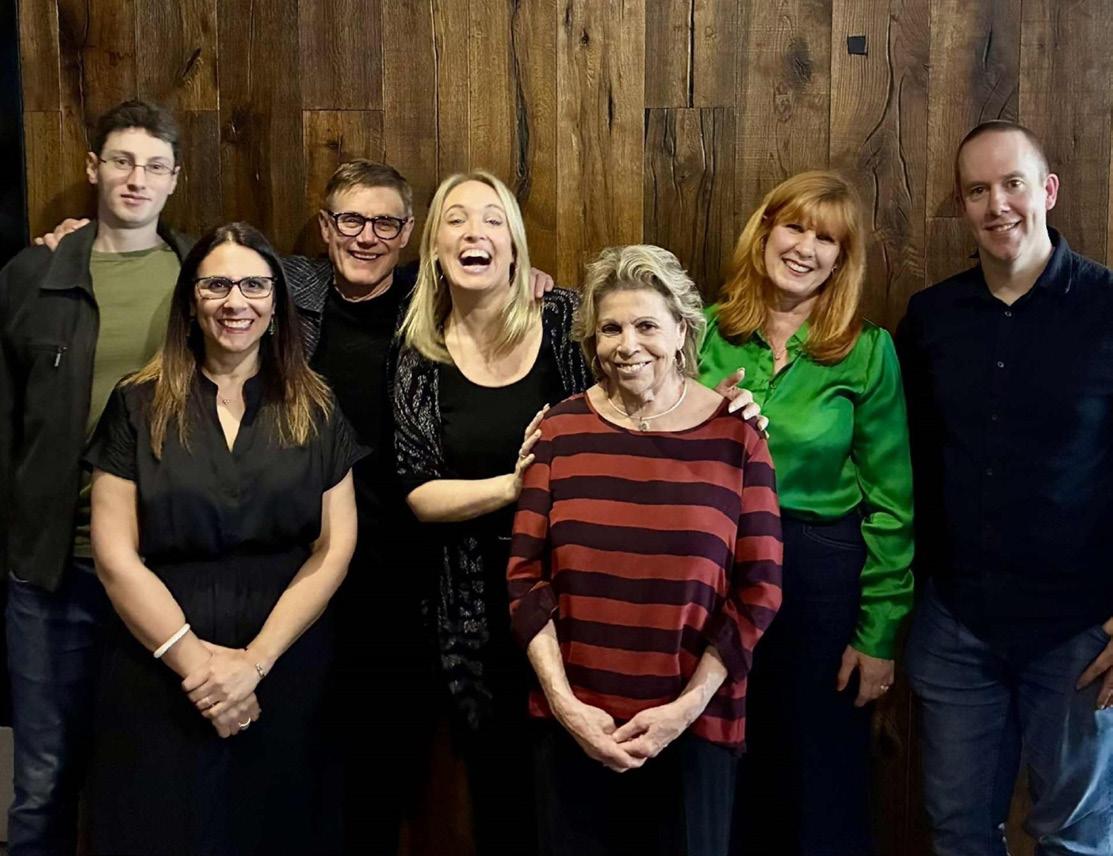
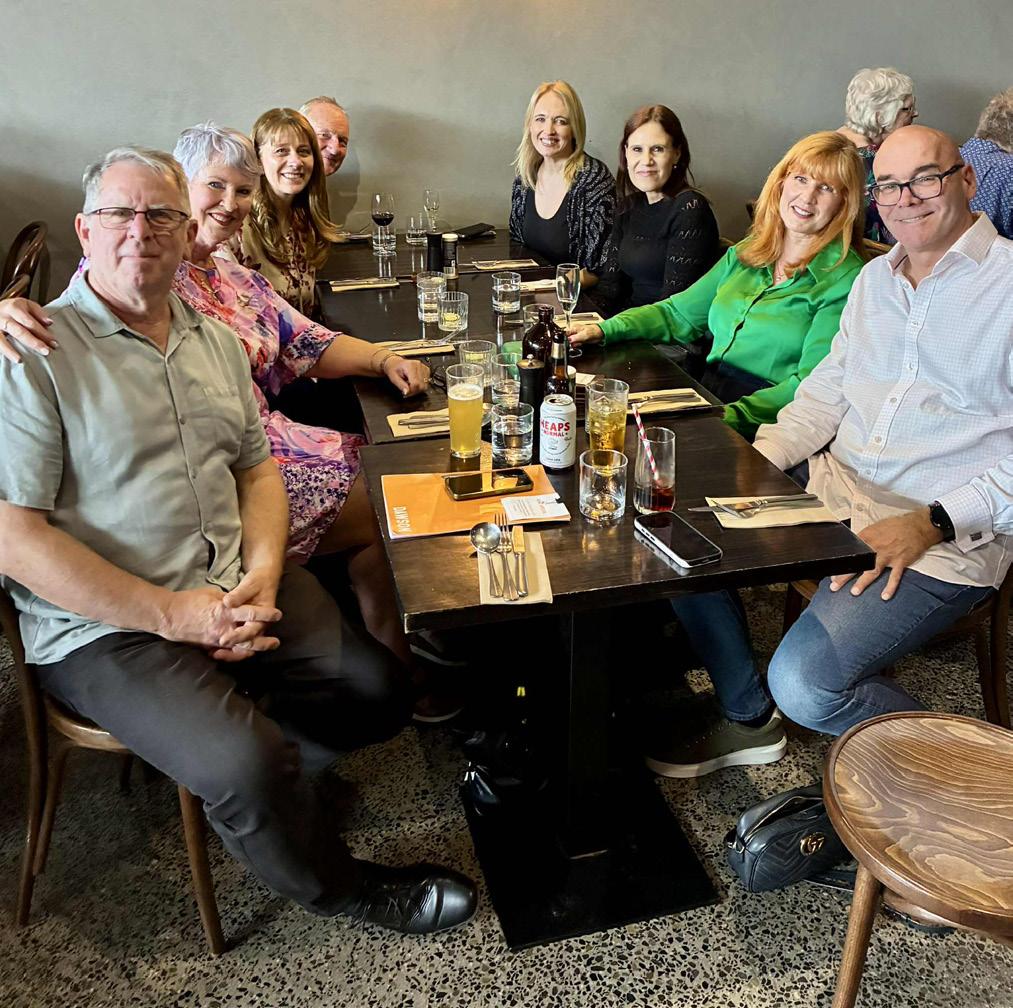
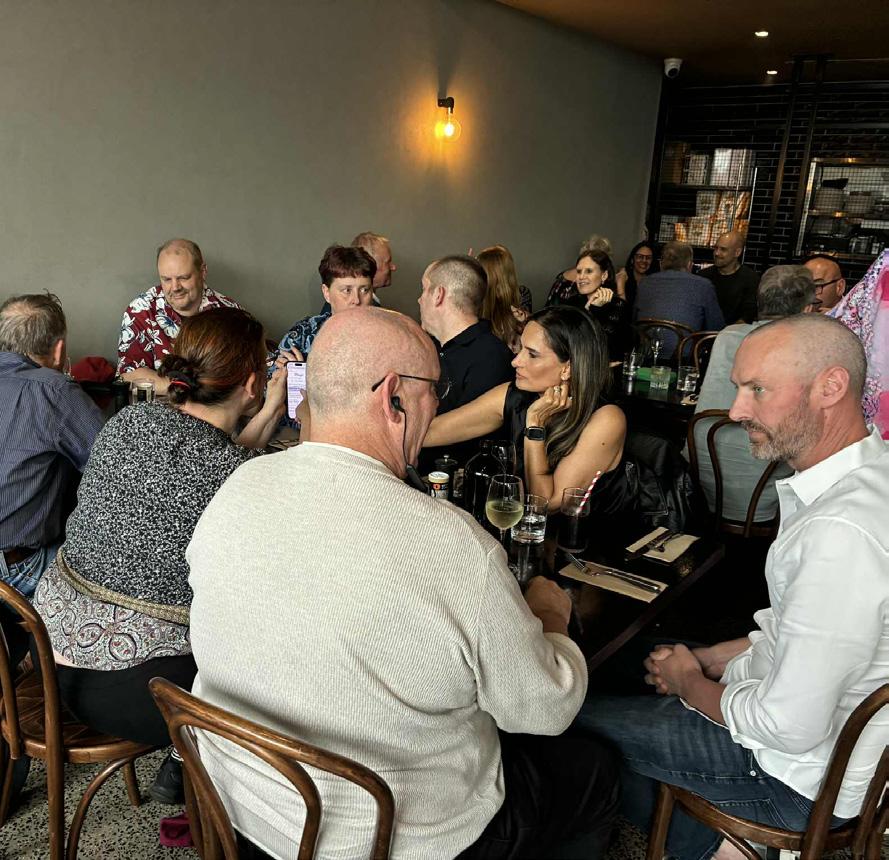
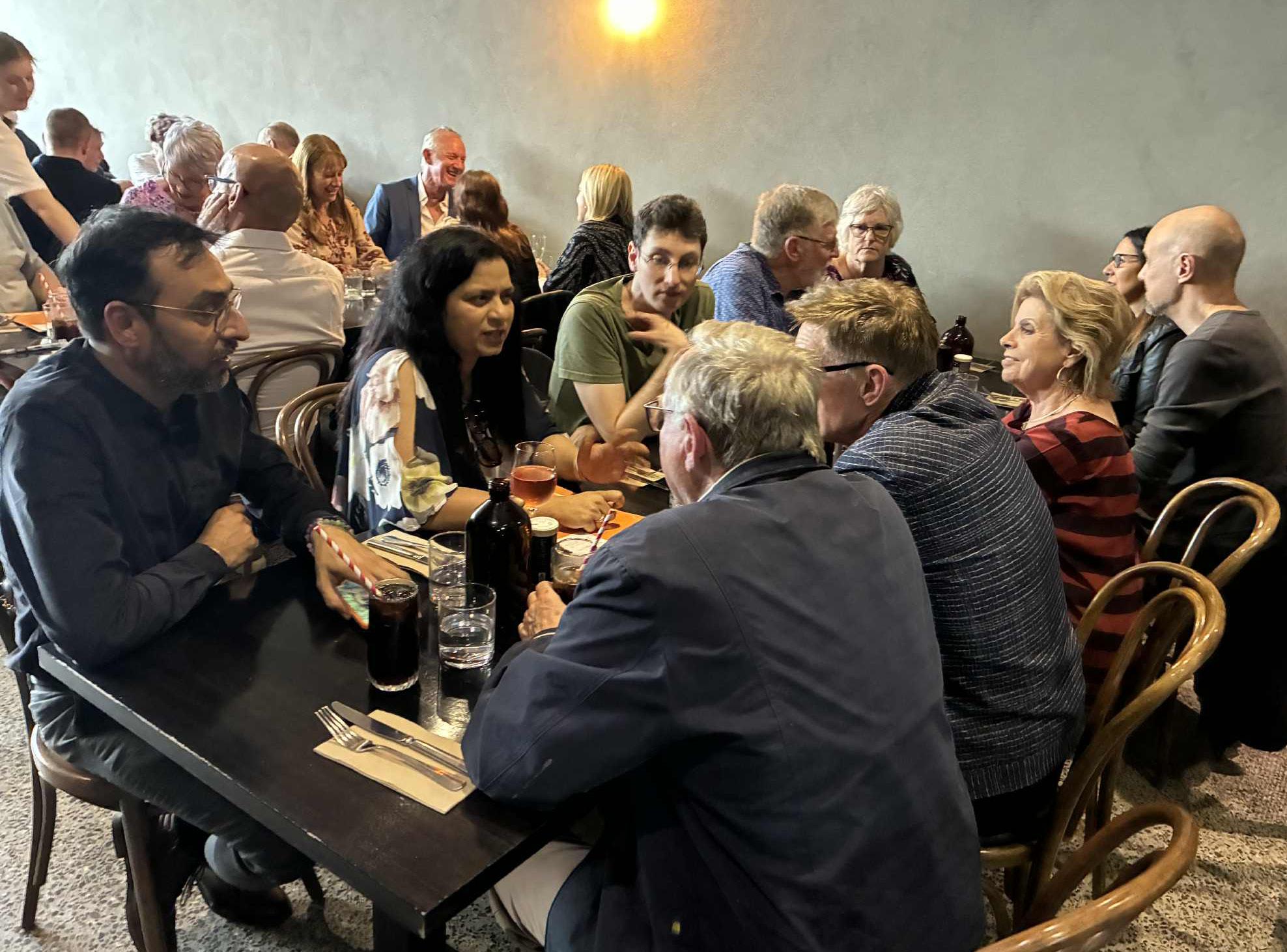
On Wednesday 10 December the staff and board gathered for their end of year dinner, a rare moment where our team, Board members past and present, and partners could all be in the same room together!
It was a simple evening, but a meaningful one… full of kind conversations, familiar faces, and the quiet comfort that comes from being with people who understand the work we do and the hearts we serve.
We were grateful to have Board members who stepped down this year join us, as well as those who have recently come on board. It was lovely to share time, connect, and reflect on all that TCFV has gently carried throughout 2025.
Volunteer Lunch
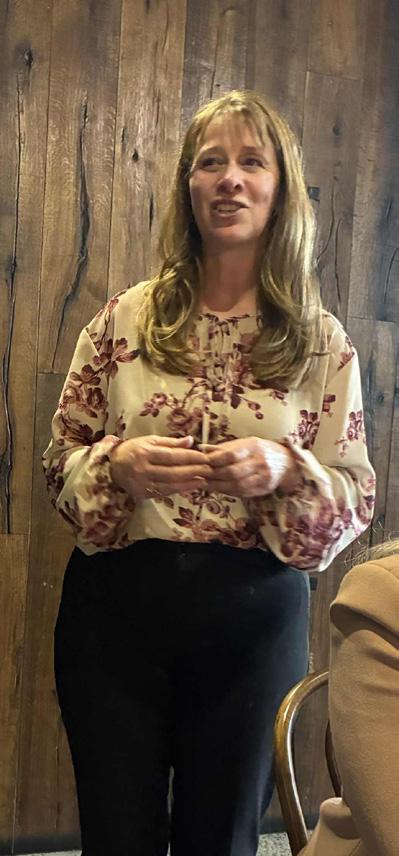
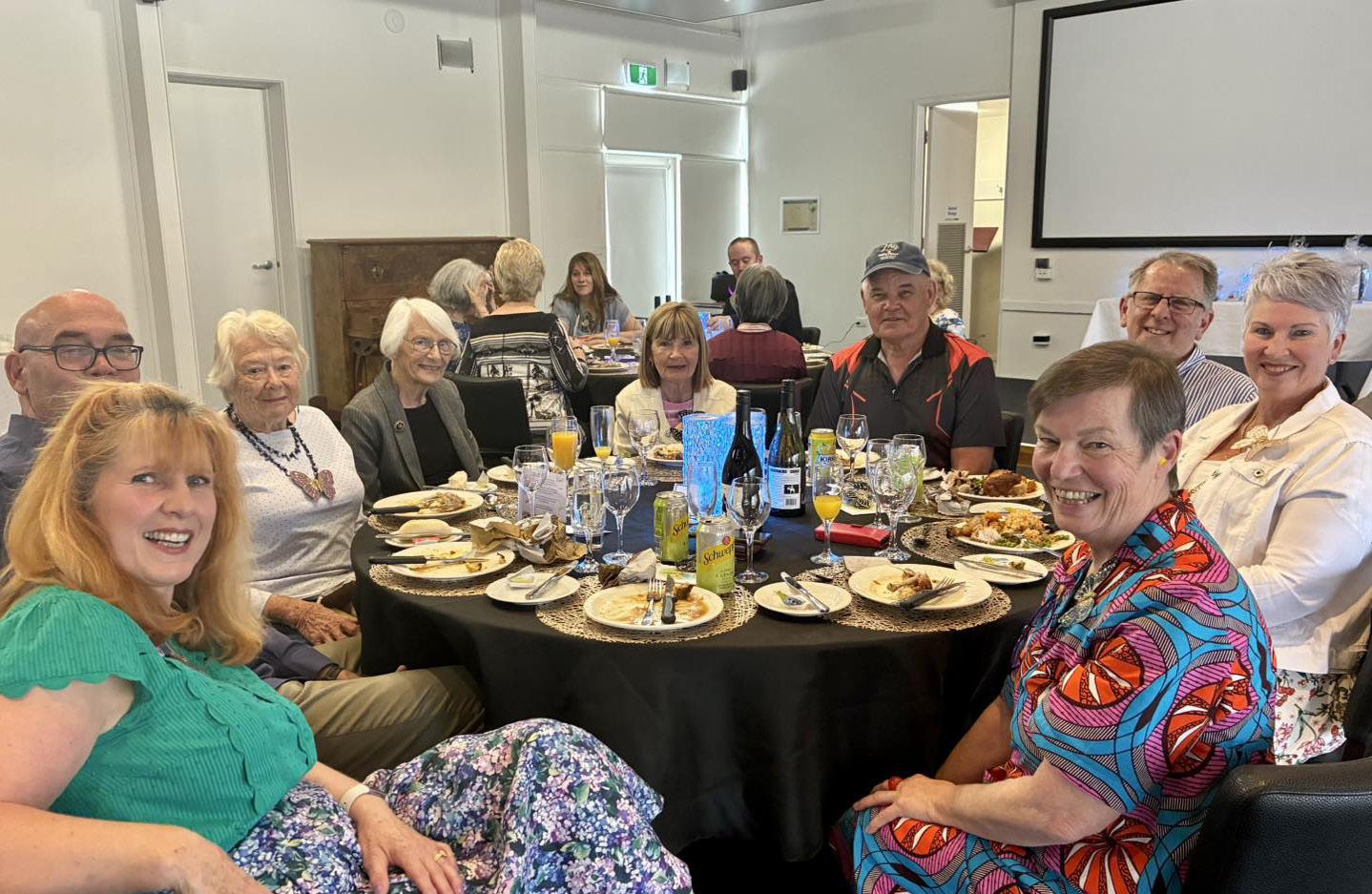
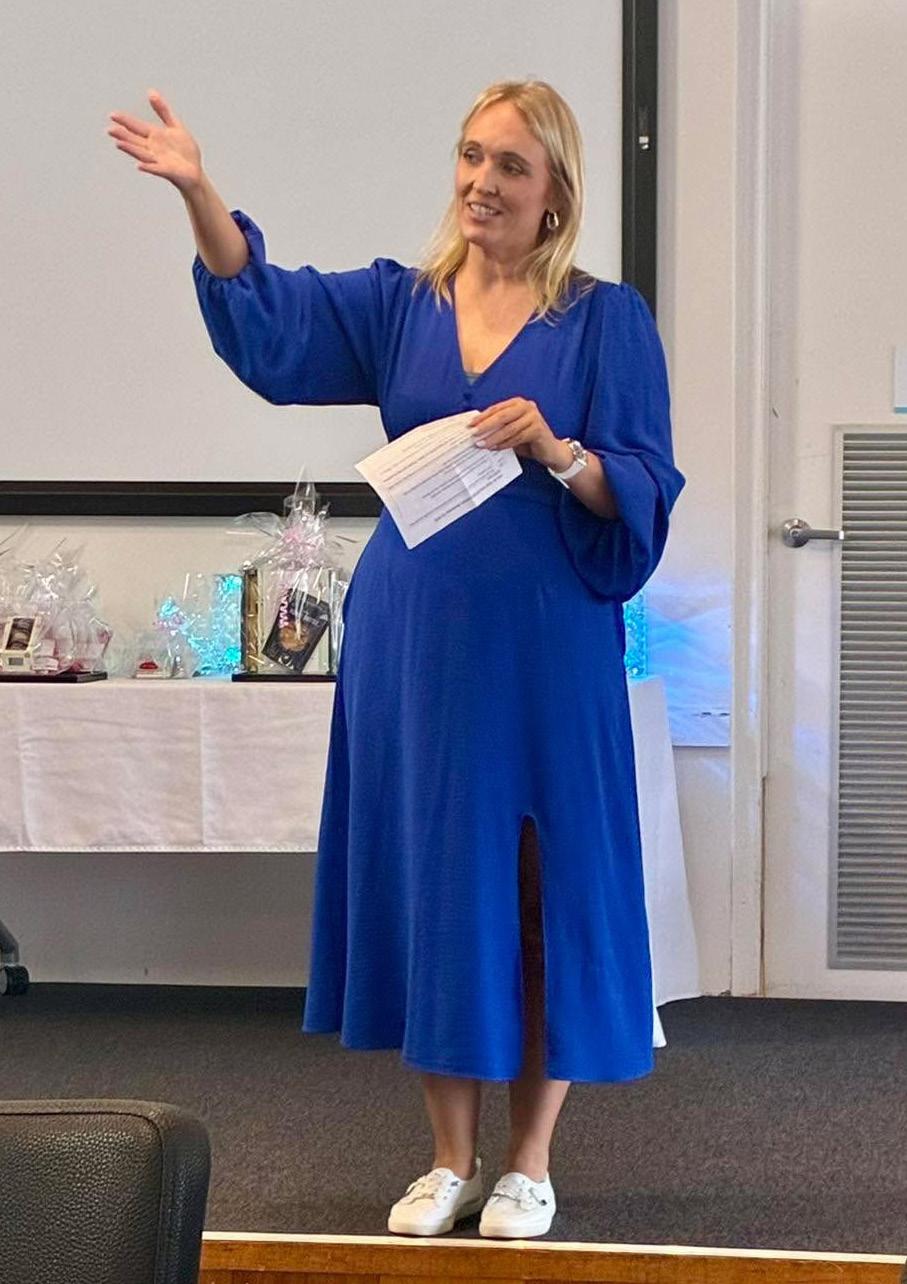
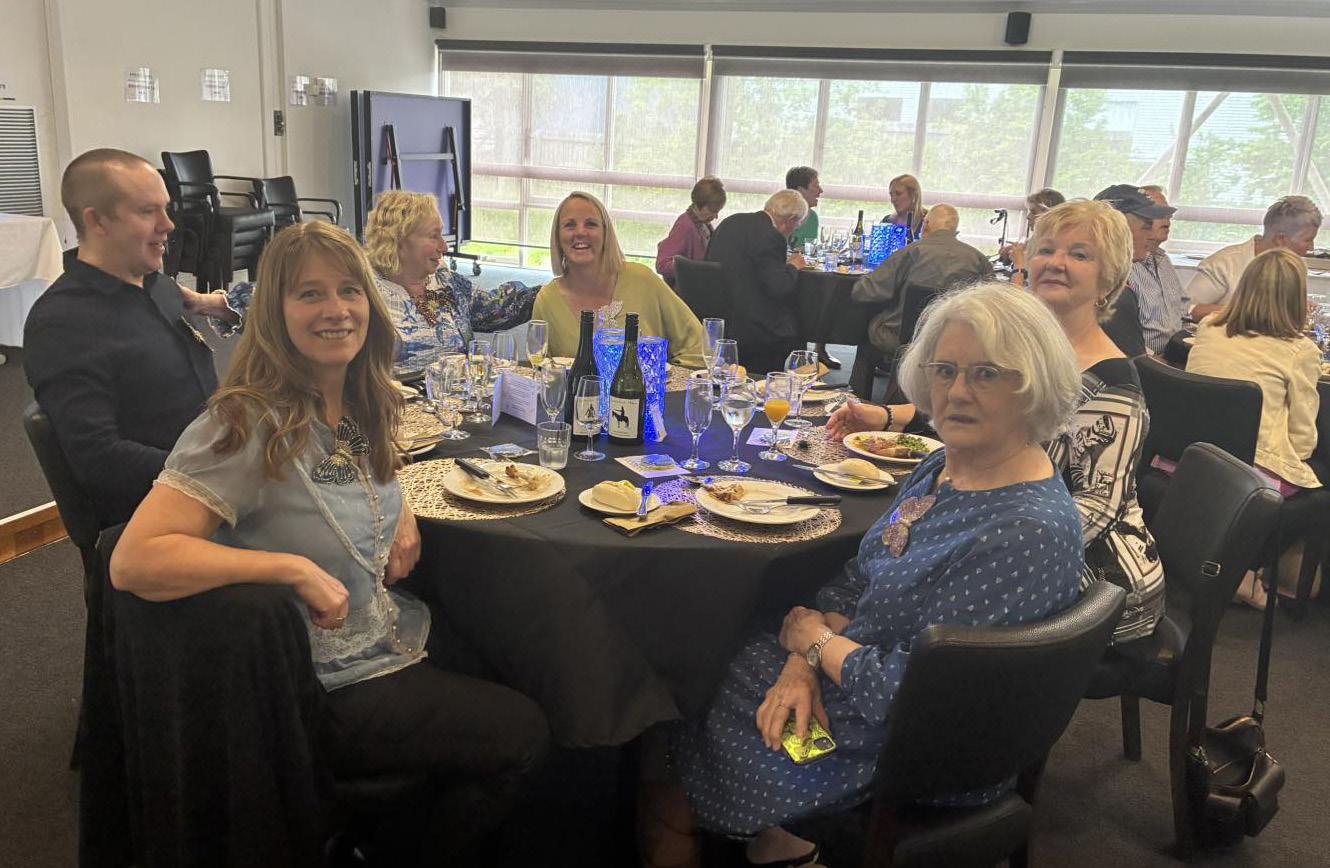
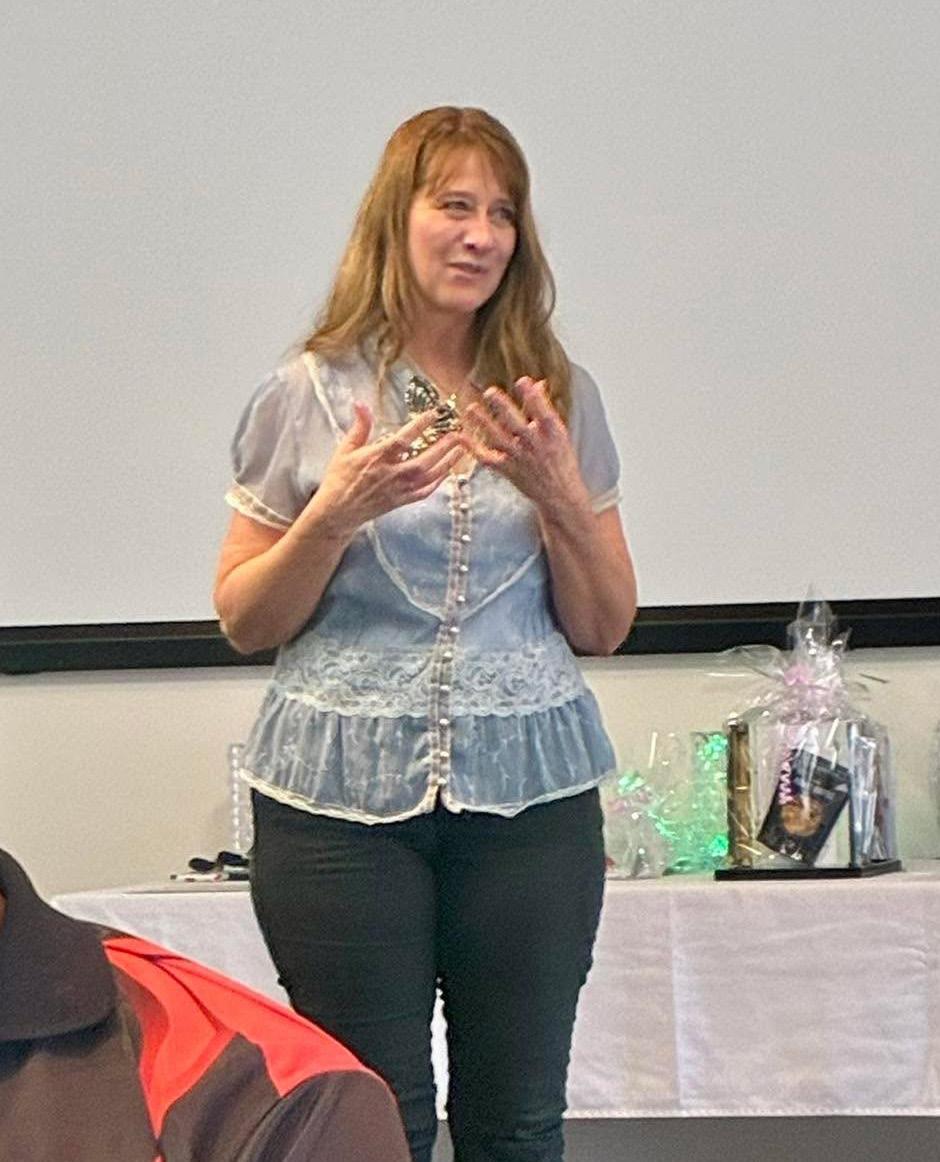
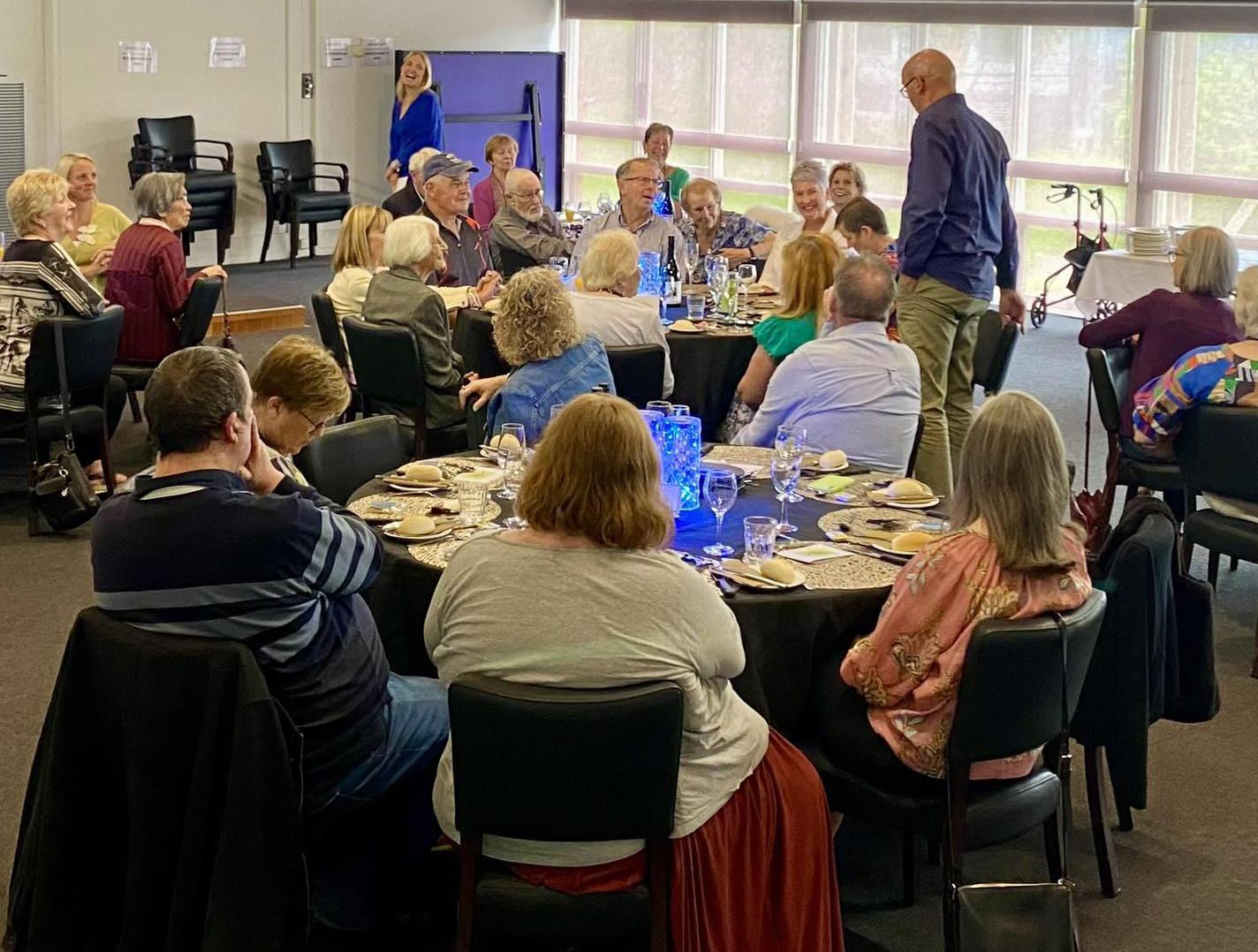
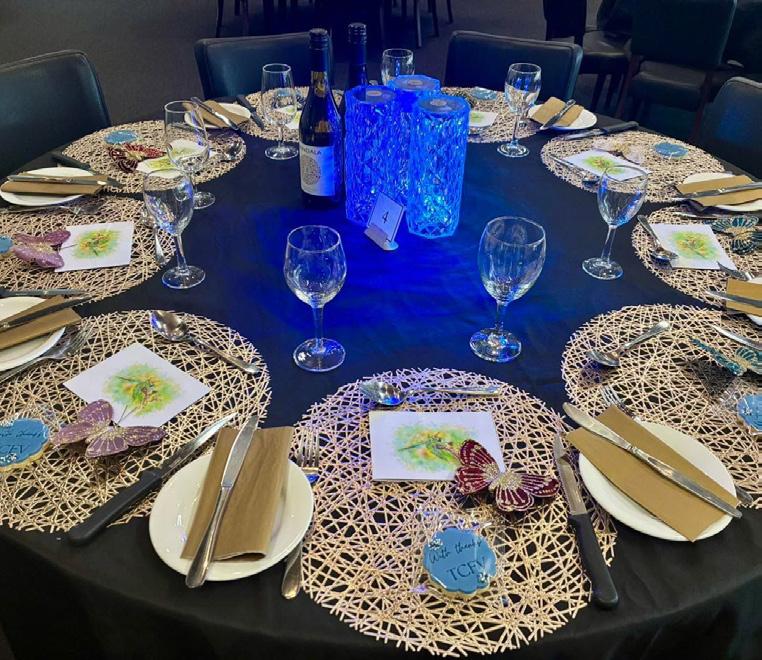
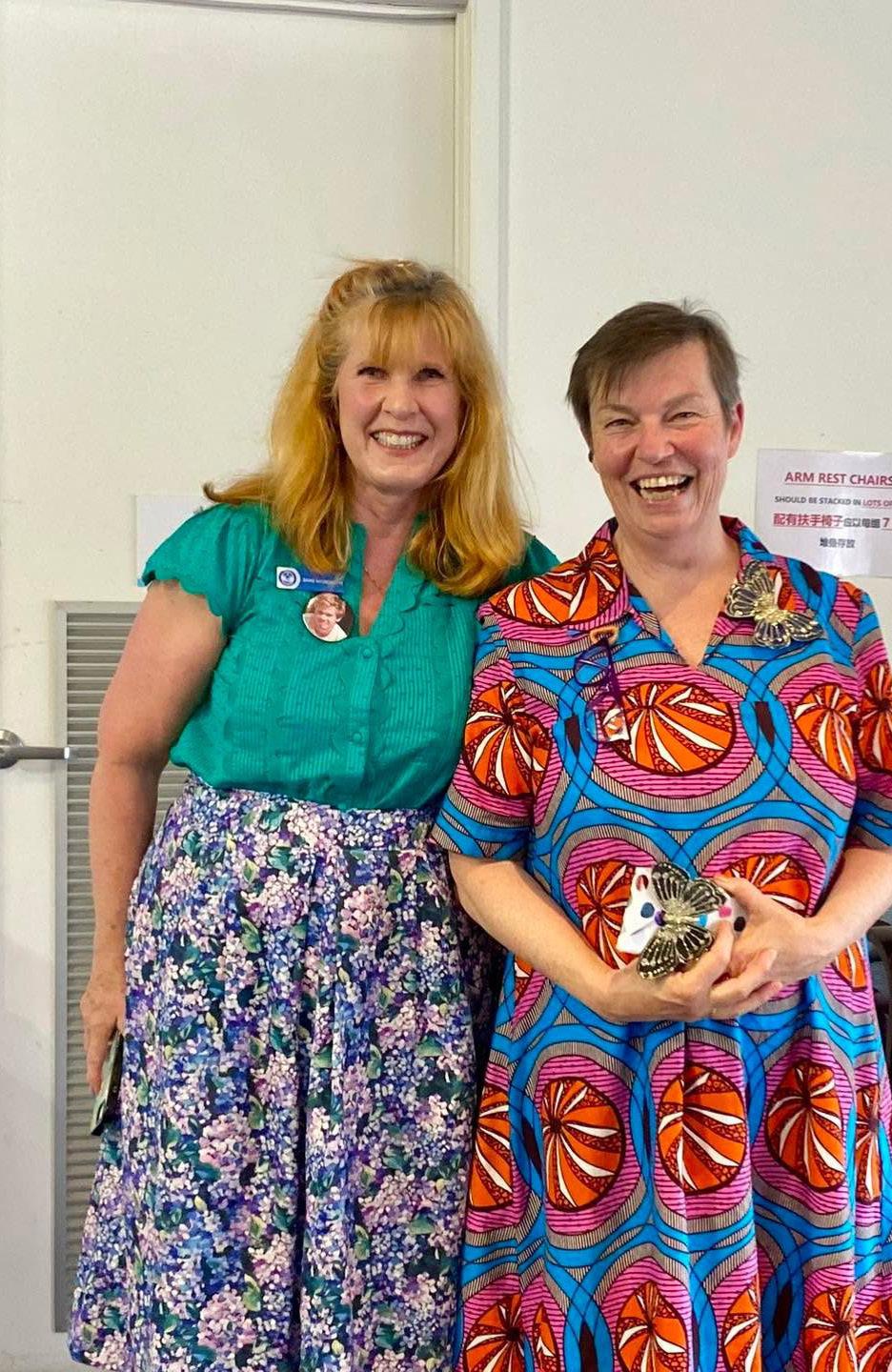
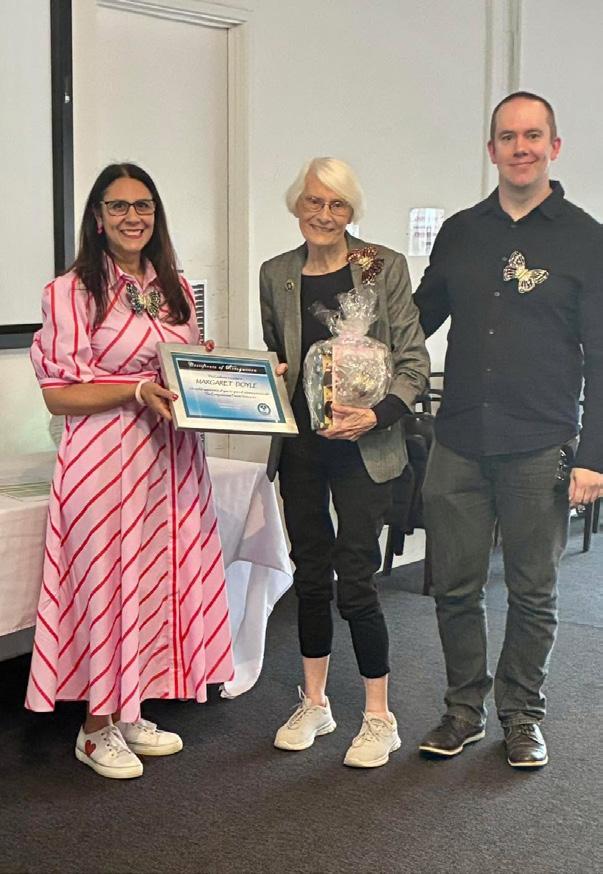
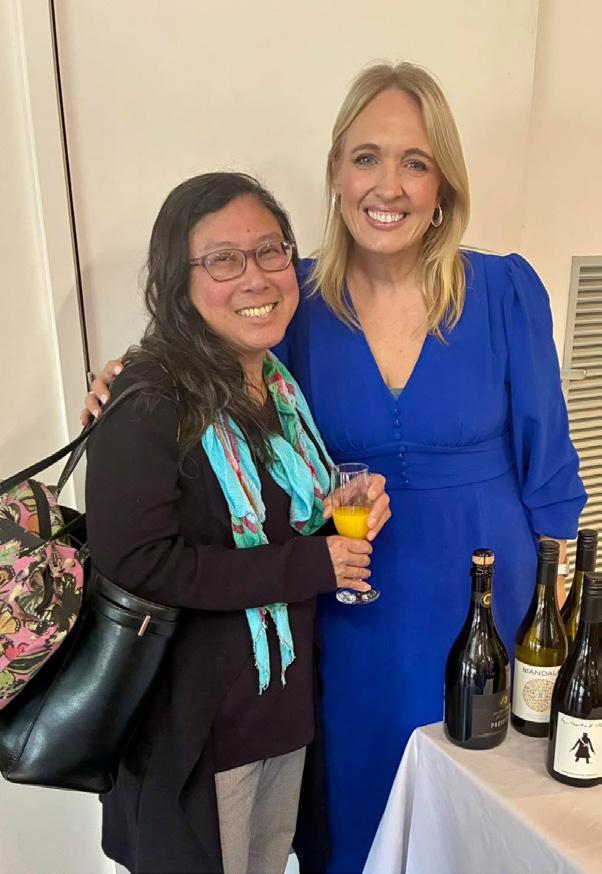
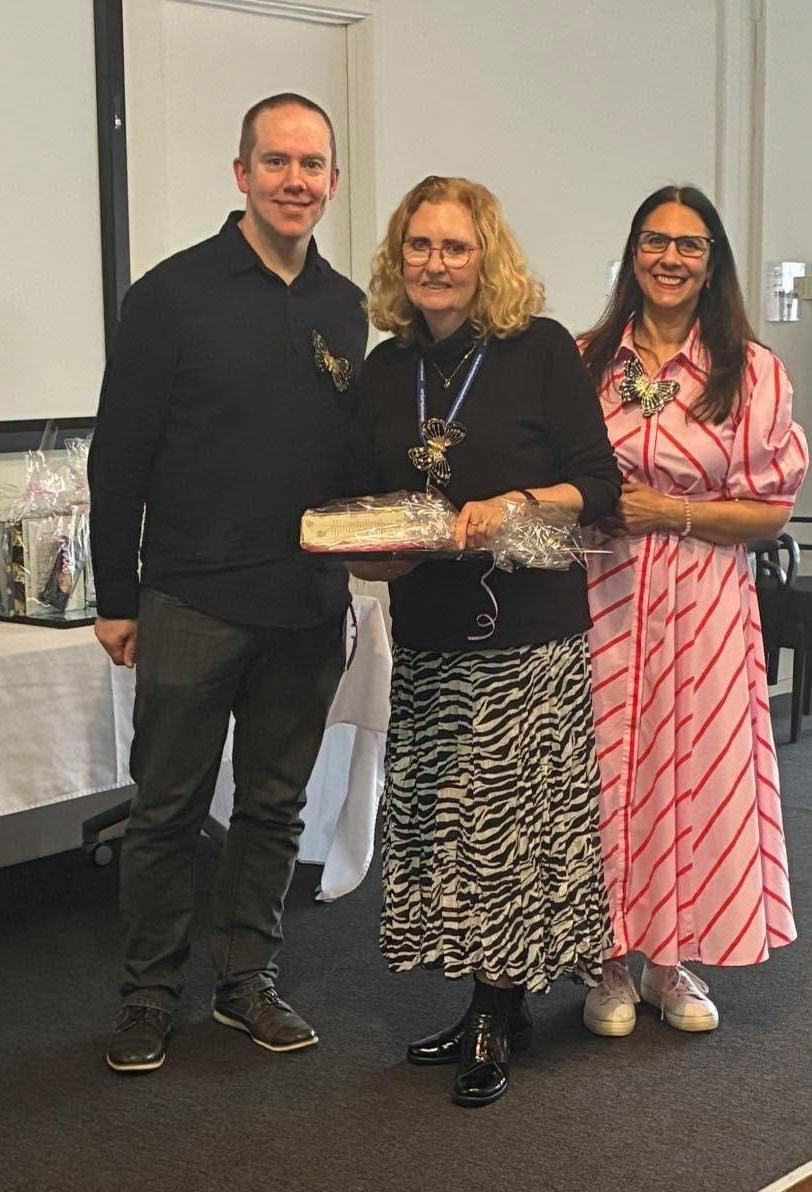
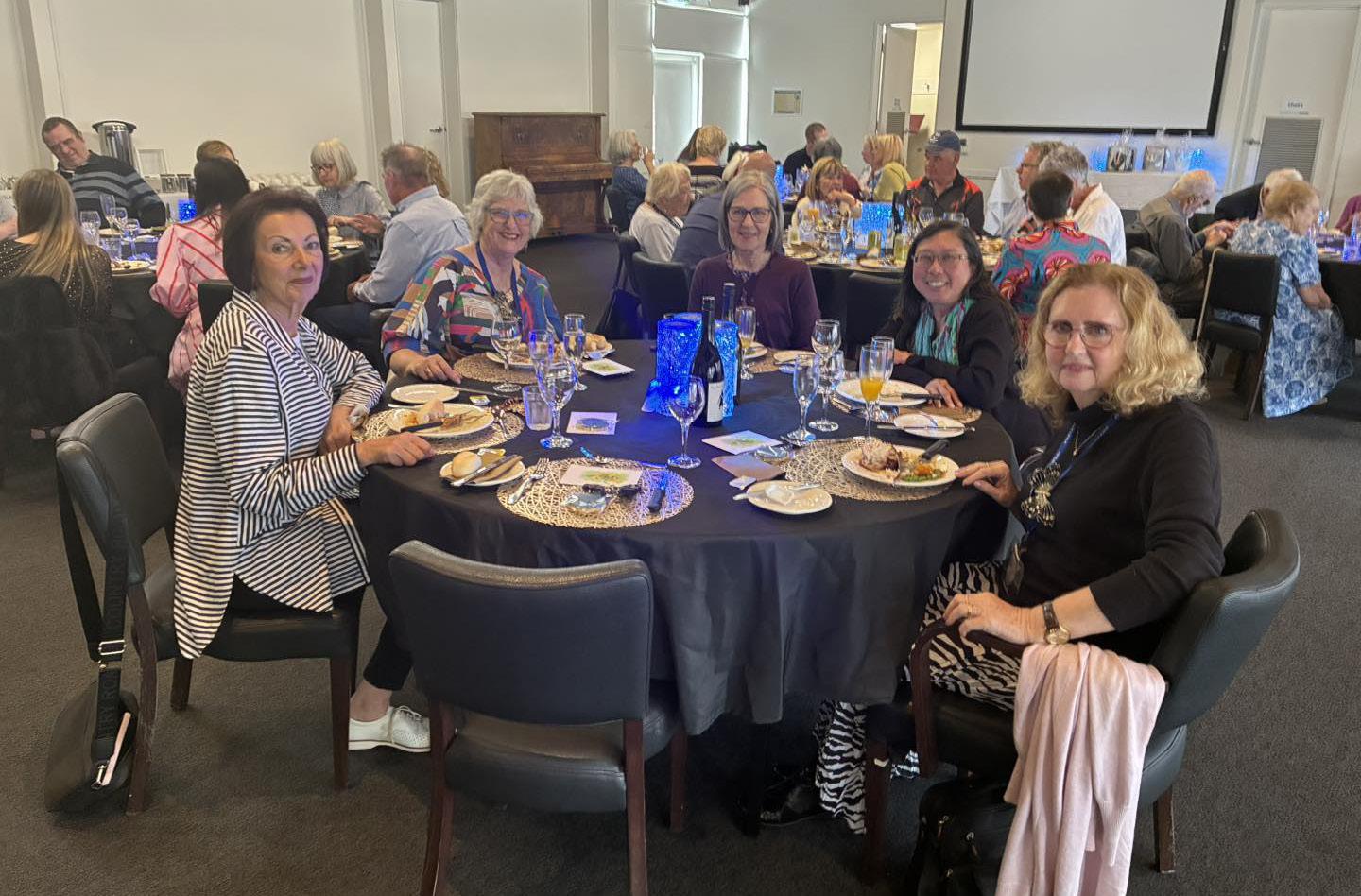
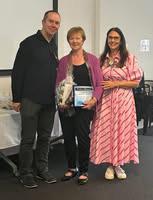
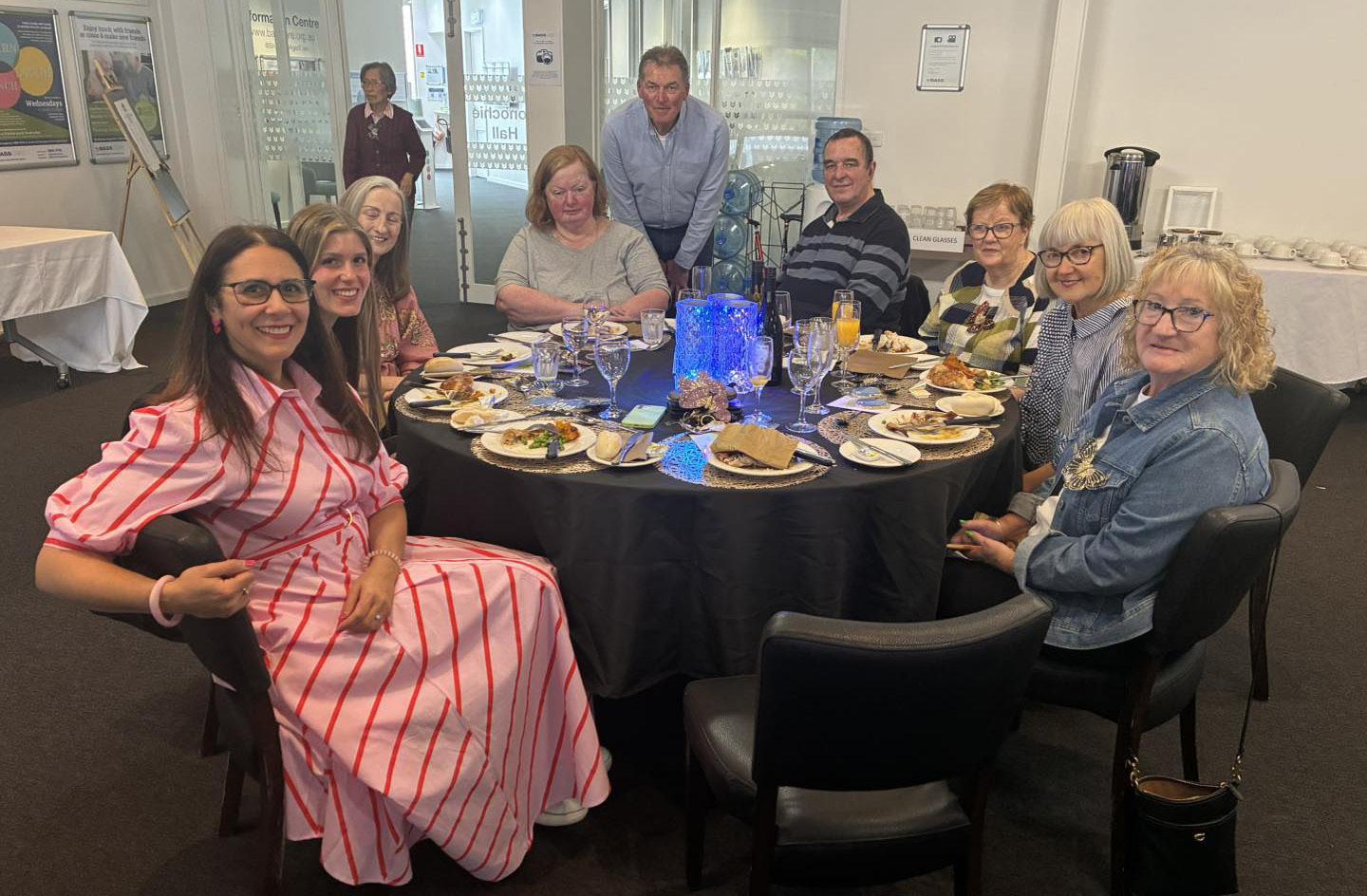
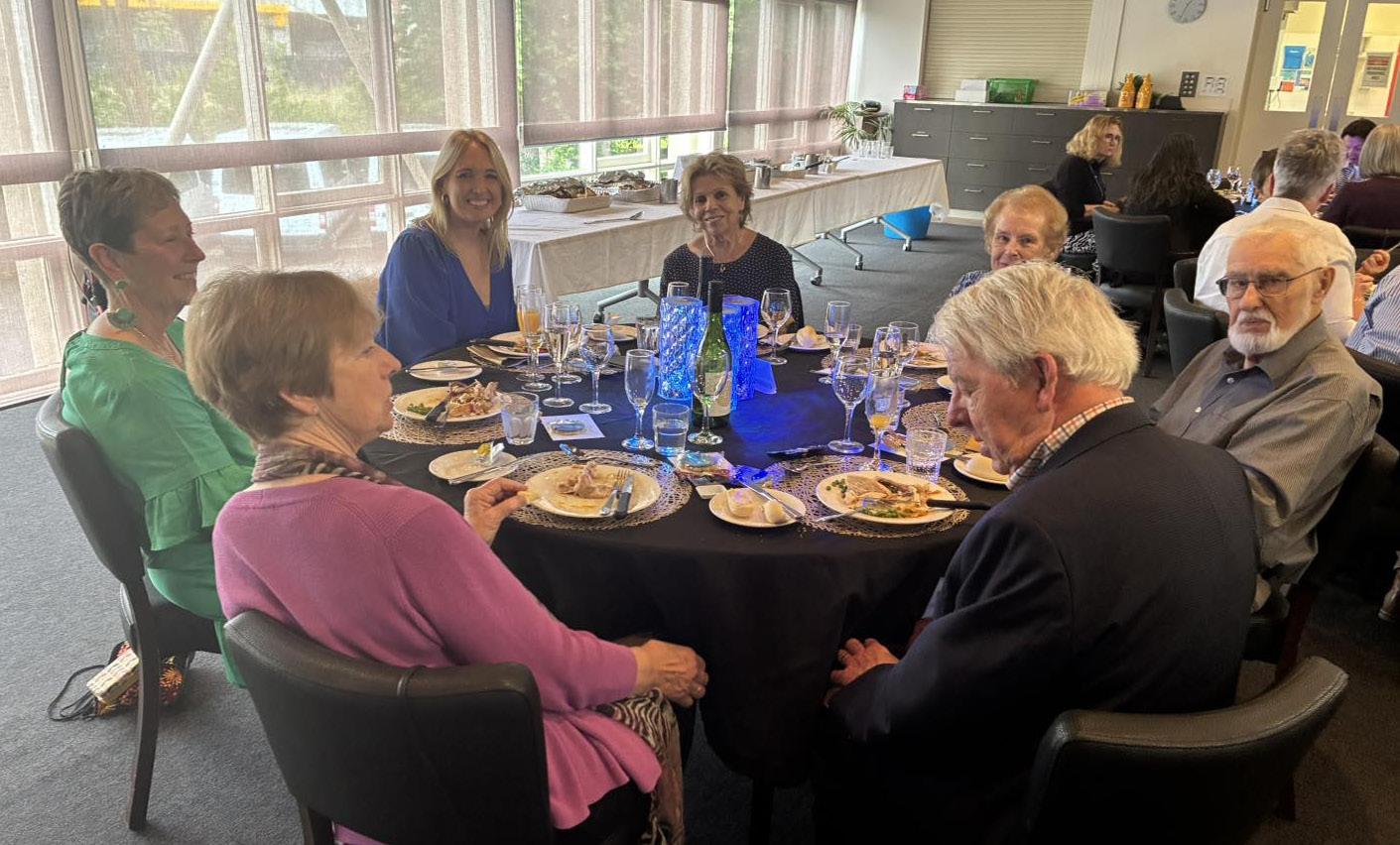
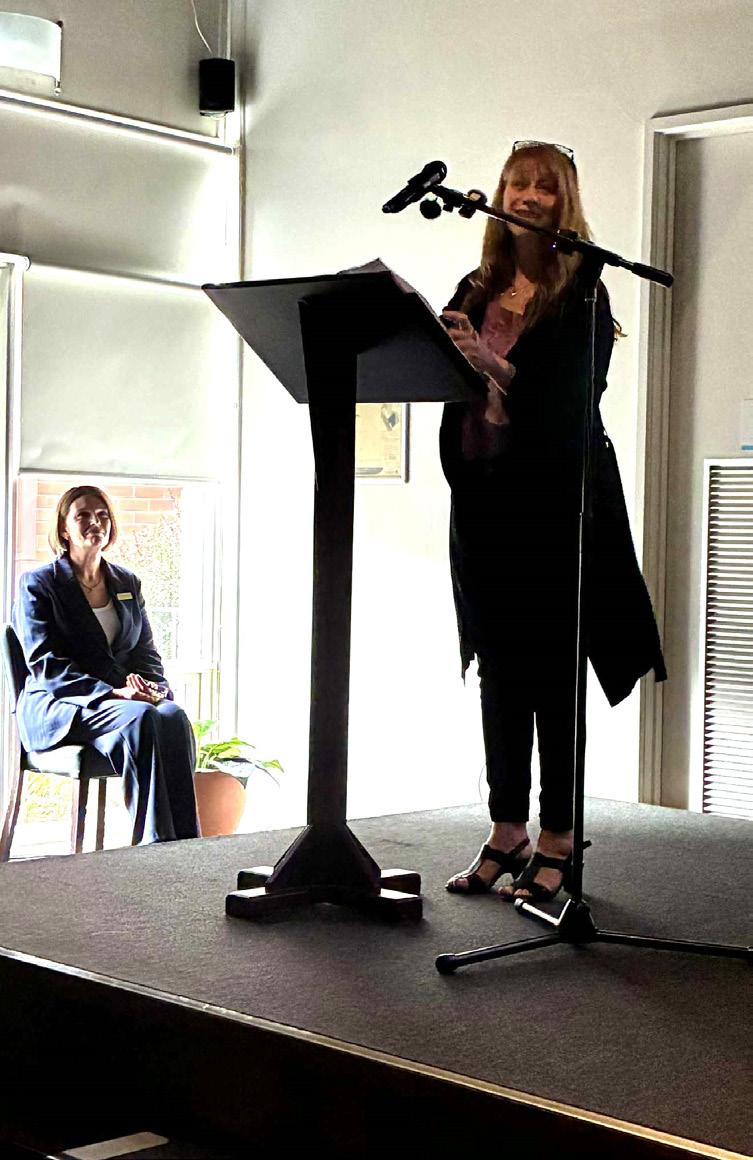
This was a wonderful celebration held on Saturday 22 November during which we honoured and thanked all our incredible TCFV volunteers for the amazing work they’ve done throughout the year.
We welcomed everyone with champagne on arrival and shared a beautiful two-course sit-down meal. We also heard inspiring words from our CEO Alex and our President Christy.
As we went around the room speaking our loved ones’ names and sharing what brought us to TCFV, you could feel not only the sadness we all carry, but also the warmth, strength and friendship that connect us.
TCFV now has around 80 active volunteers, with almost 40 joining us for lunch in November.
To every single one of our volunteers — we appreciate you, we honour you, and we thank you from the bottom of our hearts.
Many thanks to Gourmet Guru Catering - gourmetguru.com.au - for a delicious two course roast lunch, Hatem Saleh for the Restaurant vouchers to give to our volunteers that reached over 20 years and Wanted Man for the donation of wines.
Please see pages 18 and 19 for all the photos from the day.
5 Year Awards
John Knoll
Deb Dillon
Marylou Fernandez
Cyril Jankoff
10 Year Awards
Lynne MacLean
Amanda Presland
Lyn Stickland
15 Year Awards
Gerard Van De Ven
Claire Kuhnell
20 Year Awards
Sandra Green
Pat Morrow
25 Year Award
Margaret Doyle
30 Year Award
Cathy Smith
Volunteers who retired during 2025
Mirella Marcon
Claire Wilson
Ingrid Laudszevic
Dianne Freshney
Staff Lunch and Staff and Board Dinner

Volunteer Lunch


Volunteer Lunch


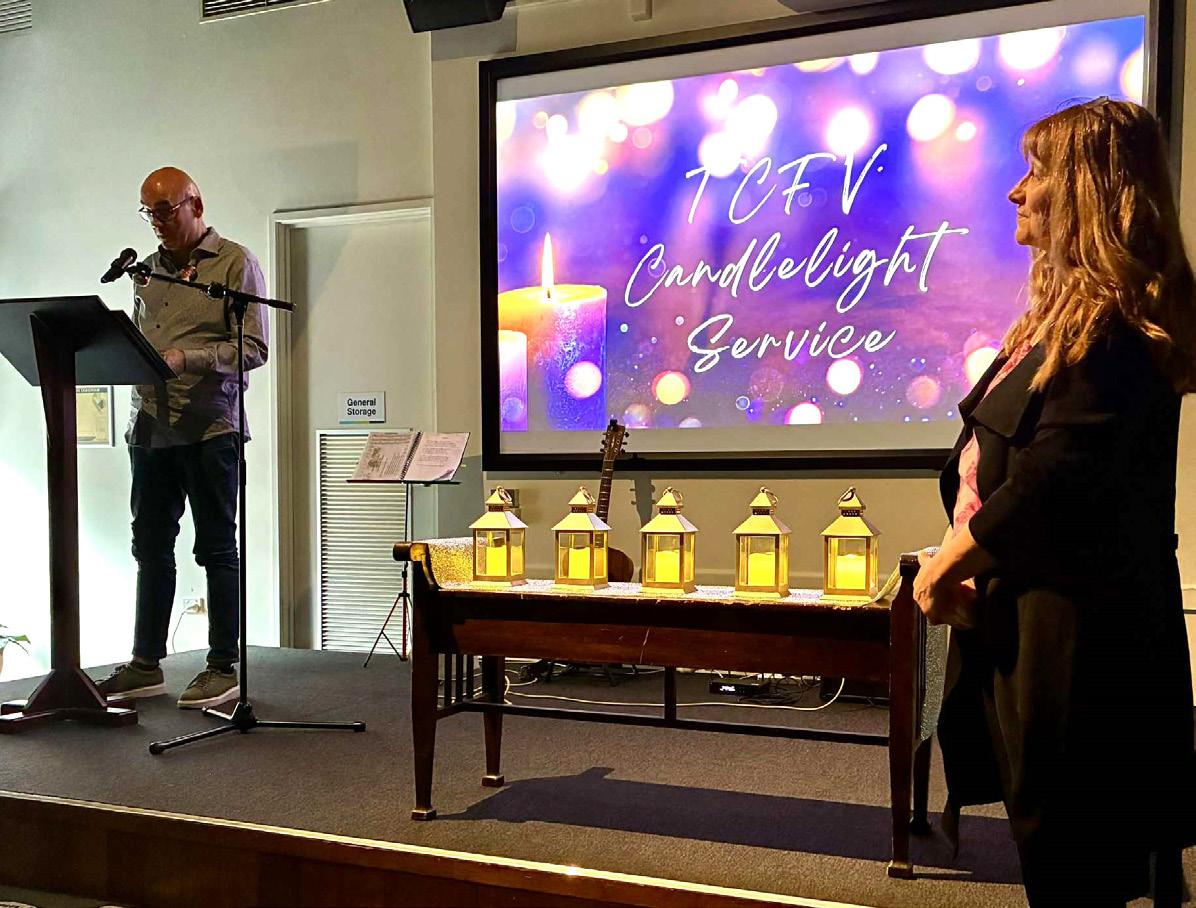
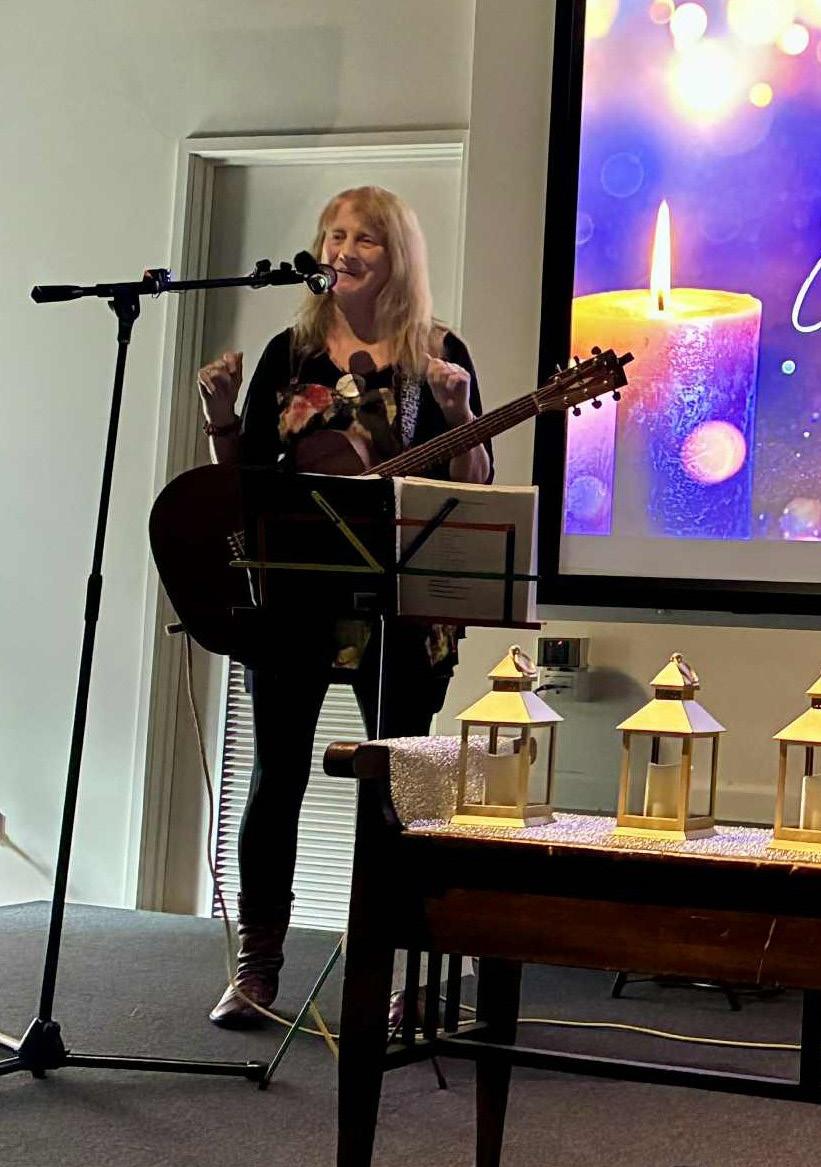
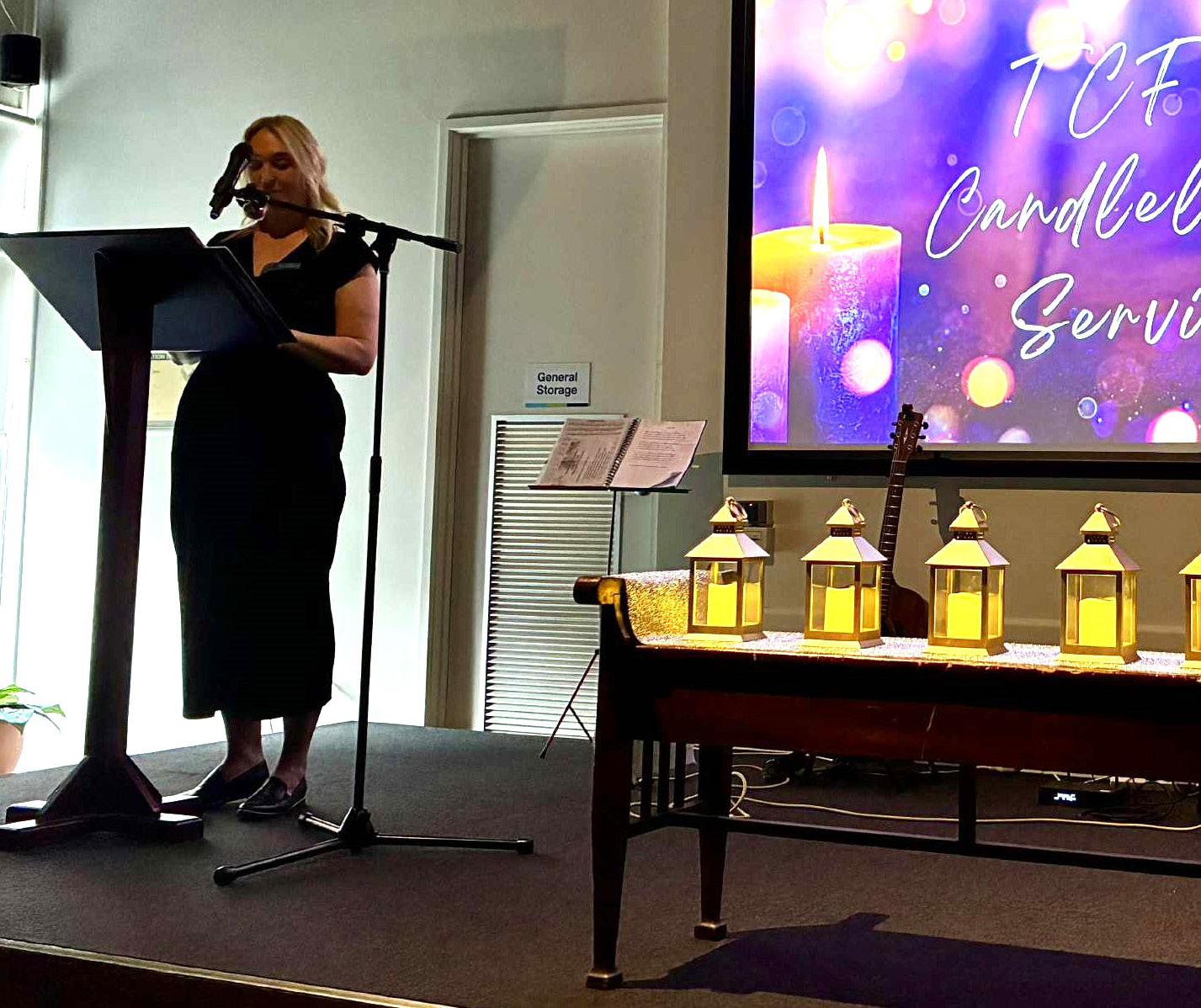
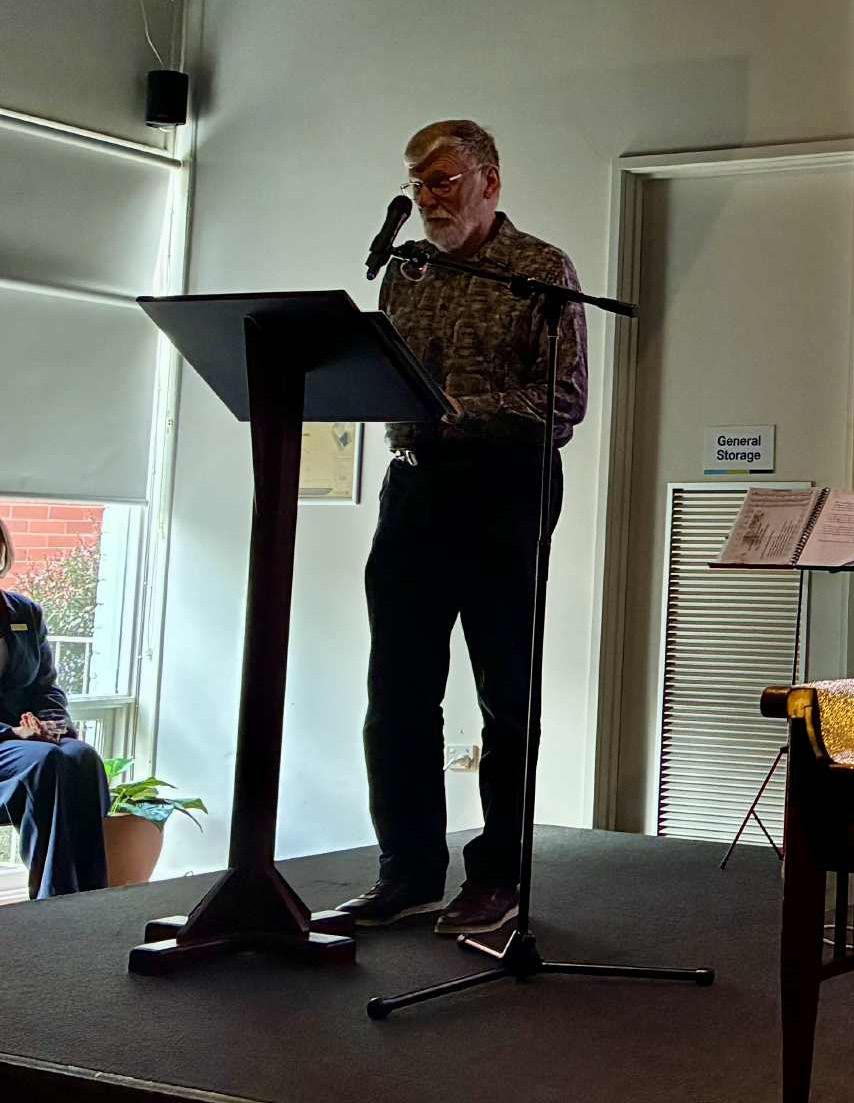
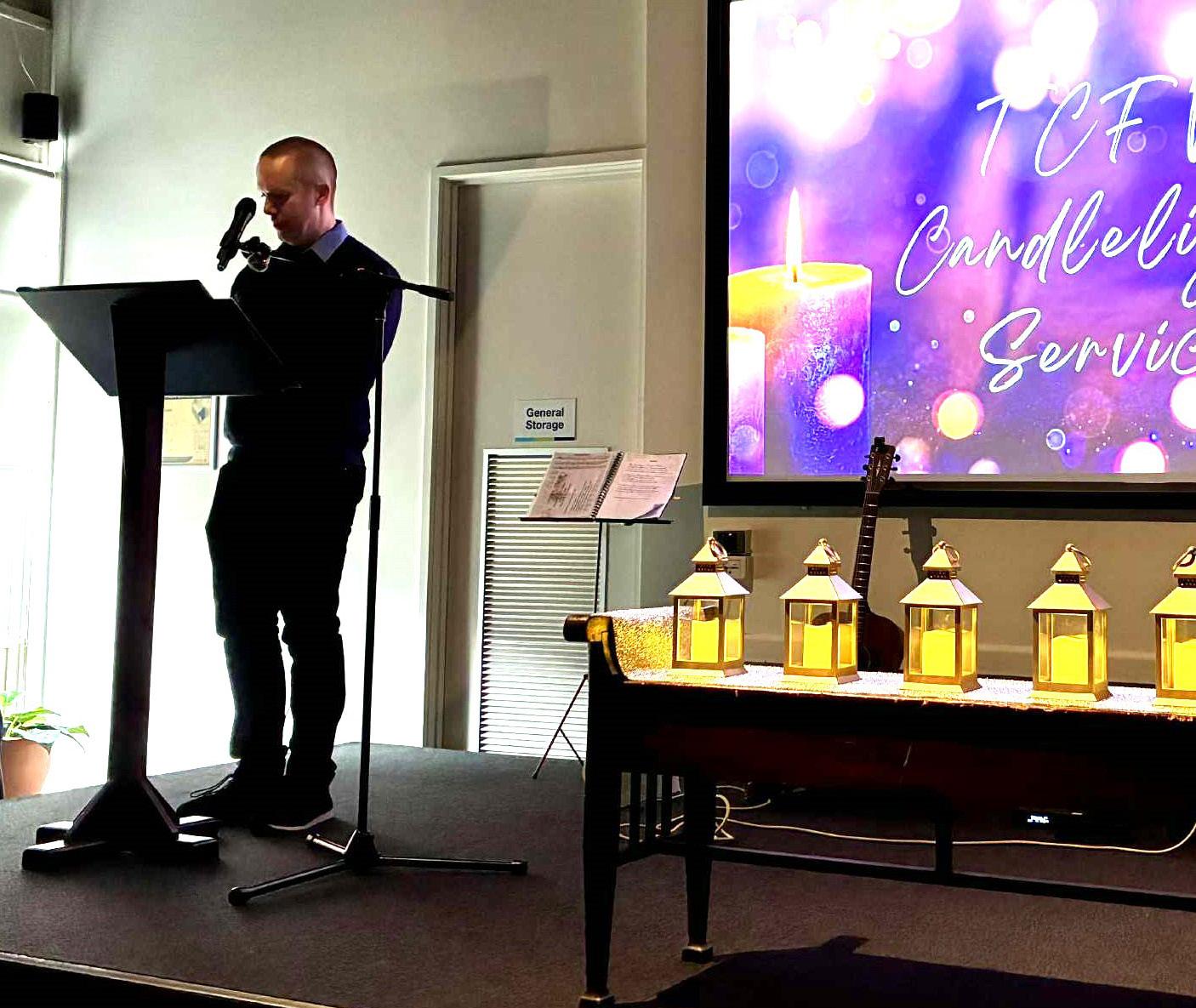
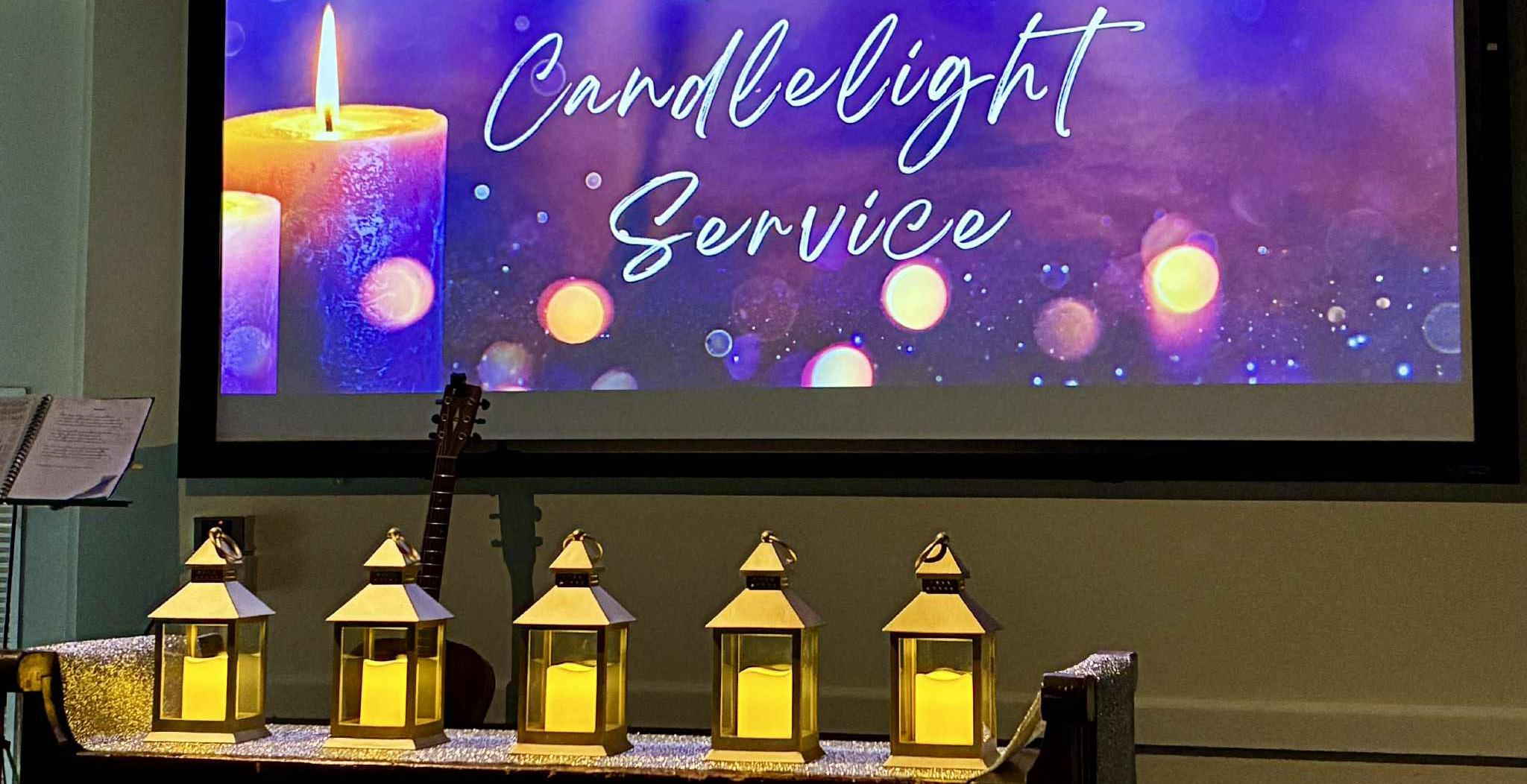
TCFV Candlelight Service 2025
The 2025 Candlelight Service offered a gentle space for remembrance and reflection as we came together to honour our children, siblings, and grandchildren. A quiet, meaningful service, time to sit with our love and our loss, to remember those taken too soon, enhanced with a live performance from musician and TCFV member Maggie Somerville. There were tears, and also a deep sense of peace in simply being together in remembrance. Following the service, we shared supper and time together, catching up with familiar faces, welcoming new ones, and exchanging stories and smiles before heading home.
With thanks to Le Pine Funerals, White Lady Funerals, Vivid Stream and MC Anne-Marie Raymond for all their help and assistance.
If you were unable to attend, the recording of the service is still available at the link below. https://www.vividstream.com.au/live/tcfv
Back to the Earth
Time and time again, I return to the shelter of the garden,
To the earth, the plants and the wildlife, Seeking some solace and to rest. A serene place to help soothe my troubled mind, To think deeply about things, Or to completely turn off,
Shifting my psyche to calm and still.
To get my hands in the soil, And have my senses swept away, Coming back alive to the natural world, Its sights, sounds and smells uplift and inspire me, Finding once more the joy in simple things.
Steven Katsineris. 2016 Bereaved father of Chione (6)
Seeking Solace in NatureAutumn in the Garden
“Nature itself is the best physician.” Hippocrates.
We are so fortunate to have our beautiful garden and its wonderful wildlife, especially in difficult and troubled times. So far this Autumn we’ve had both good rain and sunshine and the garden has lots of colourful flowers out. The flowers, blossoms, buds, nectar, seeds and honey on these blooming bushes and trees and the insects, bugs, beetles and other creatures they bring provide foods for a variety of animals and attract many birds and other native wildlife to our garden.
I often wake early, to view the spectacular sunrises and enjoy the exquisite silence, except for the lovely sounds of the local birds, the melodic caroling of the local family of Magpies, the magnificent calls of the Pied Currawongs. And some mornings I hear the Kookaburra’s very enjoyable song reverberating through the gully. It is a really delightful way to start the day.
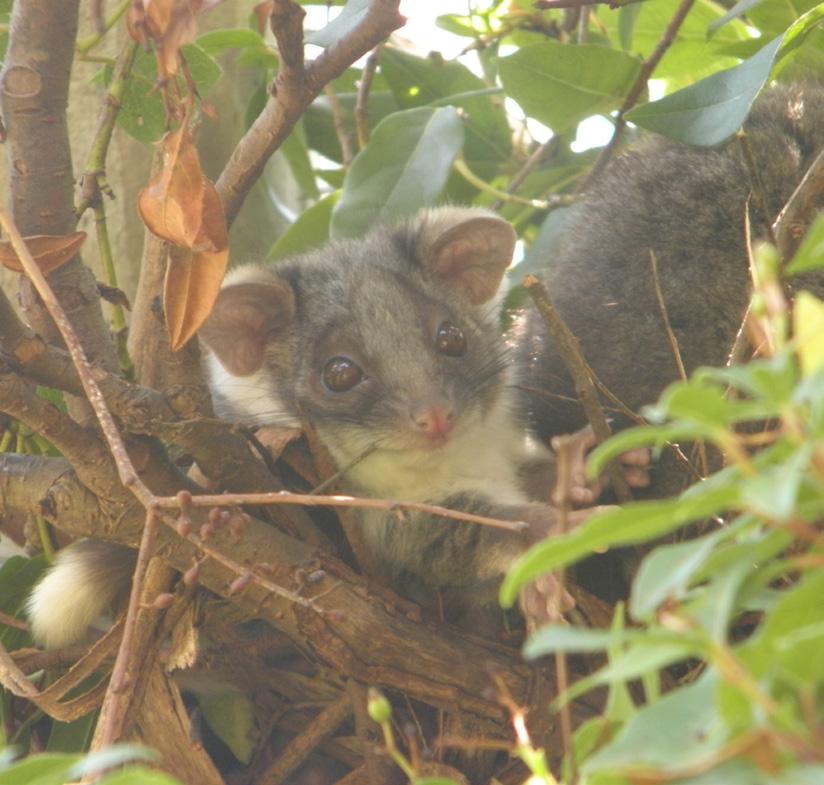
Looking out the windows in the early mornings I often spot some Ring-tailed Possums still eating or climbing about in the trees or observe several of them asleep during the day in a large nest near the house. I also usually see a mob or two of Eastern Grey Kangaroos feeding or laying on the grass in the sun in the remnant bushland opposite our house. Some mornings there are a few kangaroos just outside our yard eating grasses on the nature strip.
The Pied Currawongs are mostly around in the garden during these cooler months, as are the Grey Butcherbirds. As well we have other birds here each day; some are resident birds spending most of their time in our garden and the nature strips, such as the Magpies, Noisy Miners, Spotted Turtle Doves, Eastern Rosellas, Crimson Rosellas, Common Bronzewings and Crested Pigeons. Many King Parrots, several Rainbow Lorikeets, a few Galahs, a couple of Magpie Larks and a lone Regent Parrot regularly visit throughout the day too. The Tawny Frogmouths are also frequent visitors feeding at night and perch in our trees to roost during the day. Blending in with the trees while sleeping they are often hard to see. Some birds are seasonal visitors, for instance this time of year I catch glimpses of Eastern Spinebills in the garden feeding. These birds come to feed, drink and perch in the garden, some stay to roost in our trees as well.
Some birds are rarer visitors to the garden such as the Yellow-tailed Black Cockatoos. Usually I spot flocks of them flying over our garden, or in the remnant woodland and grassland opposite our house feeding in the trees and bushes there. Just recently, a large flock of Yellowtailed Black Cockatoos gracefully flew over me while I was weeding in the garden. I heard them first, with their mellow cry and then I saw seven of them slowly flying low over me, with their leisurely wing movements. It is a spectacular sight to witness these pretty birds in flight. Later they came into the trees on our nature strip to feed, which was marvelous to watch. Gang Gang Cockatoo also occasionally come to feed in the garden and at night Powerful Owls also, but more often I only hear them. Sometimes, usually later in the day there is the sweet and soft chirping of smaller birds, like Scrub Wrens or occasionally Spotted Pardalotes high in the trees.
Even though the days are cooler now, some actually very cold, on sunny and milder days Garden Skinks and Bougainville Skinks still come out to sunbake on rocks and logs. In time as it gets chillier, they will all go into hibernation for the winter, but for now it is sheer joy to still see them sunbaking or scurrying about. Occasionally, I also still see a Blue-tongued Lizard, usually a younger one foraging amongst undergrowth and leaf litter.
Planting hundreds of flowers, trees, bushes, grasses and groundcovers over the years has resulted in an influx of more wildlife, including many more native bees, European Honey Bees, stick insects, butterflies, dragonflies, katydids, beetles and other insects coming in the garden. It’s especially pleasing to see so many Blue-banded Bees, other native bees and butterflies in the garden now. Another of my favourite smaller creatures is the stick insects. The stick insects in the garden live in thick foliage in the large gum trees. But we only see them when they have either blown onto the ground or on bushes on windy days or dropped from the trees to escape a predator.
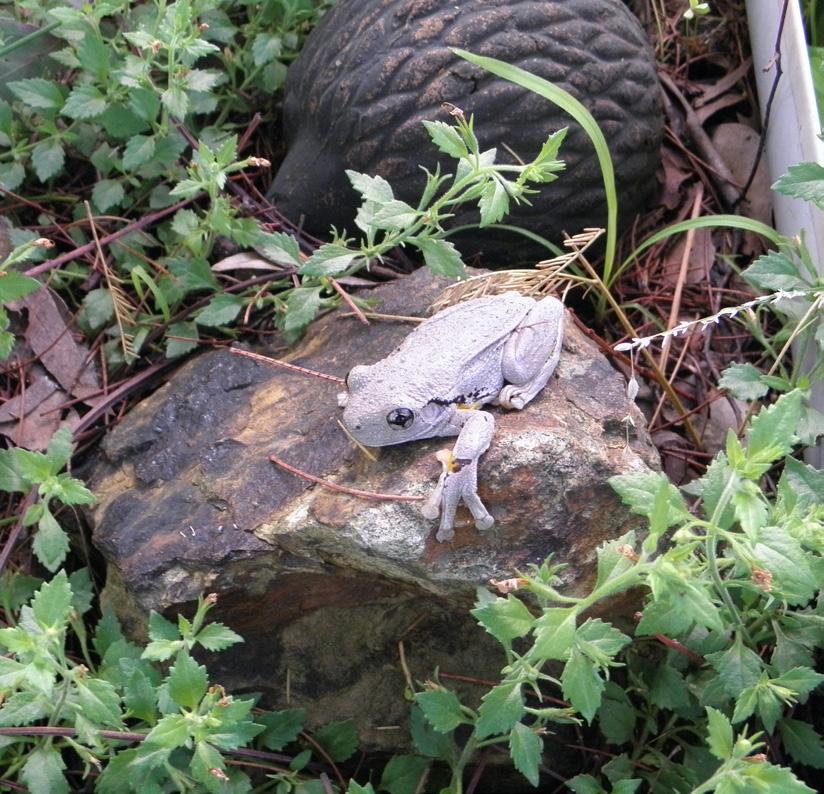
As well we have Southern Brown Tree Frogs, Peron’s Tree Frogs, Eastern Banjo Frog and other frogs that I come across in the garden, usually in moist areas among the thicker vegetation, but sometimes in the fishpond or under plant pots, rocks, logs or other damp places. Mostly at night their calls can be heard in the yard.
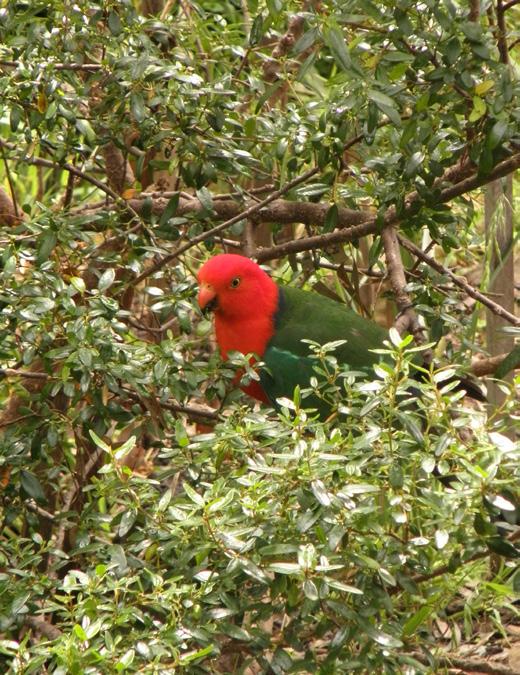

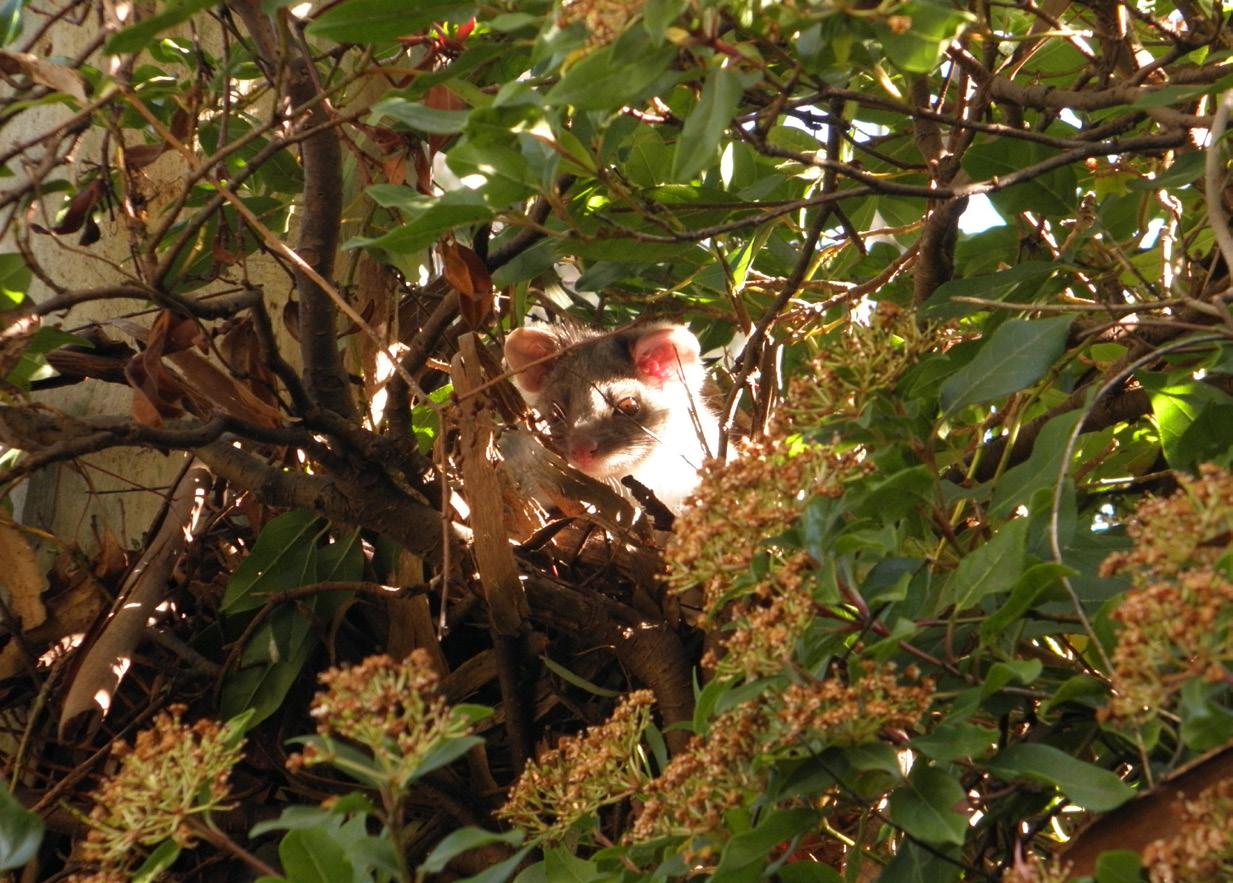
In the evenings we see the several resident Ring-tailed Possums in the gum and plum trees just outside the front door feeding. And we can go outside and stand very close to them and watch them feeding as they are completely unconcerned about our presence. At times we are elated to observe their very cute young ones as well. It is a truly enchanting experience.
At night we can hear the sweet calls of the Whistling Tree Frogs in the backyard close to our bedrooms. When I first heard them I thought they were some strange night birds singing. So, I often fall asleep at night listening to the beautiful sound of these tree frogs. What a truly divine way to end another exquisite day.
In normal times it is exhilarating and uplifting to be surrounded by this incredible natural beauty and the serenity of our garden and the nearby bushland with the array of wondrous native animals. But in difficult times it is very meditative and soothing to have this loveliness to
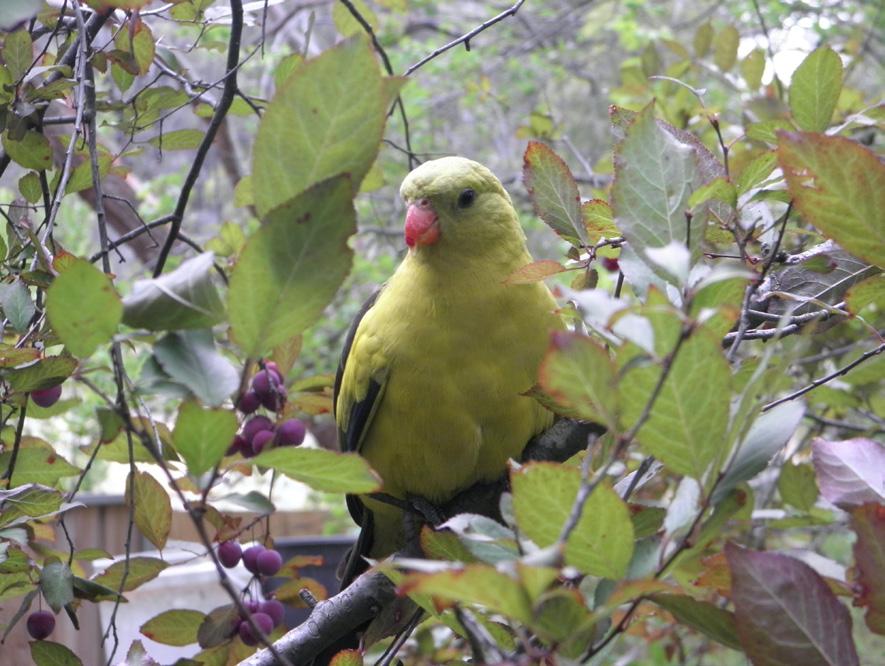

give us comfort. Being immersed in nature in the garden and elsewhere brings to me and I’m sure many others, much solace, calm and peace in our lives.
John Burroughs “I go to nature to be soothed, healed and have my senses put in order.”
Steven Katsineris. June 2025.
Nature Heals. What the sadness of life steals, In time nature gently heals. Steven Katsineris. 2020.
Self-Compassion on Times of Grief
TRANSCRIPT (https://www.youtube.com/watch?v=7krqGbzmSWg)
My name is Ashley Davis Bush. I’m a psychotherapist and an author of nine self-help books. I’d like to talk with you today about a specific technique to use both when you’re grieving [and] when you’re feeling anxious.
If you’ve lost a loved one, you are grieving, so this is a self-care technique that I recommend. It’s a practice of selfcompassion. So, you may have heard that self-compassion is especially relevant to soothing the nervous system. You may say ‘that’s great, but I don’t know how to be self-compassionate’.
So, this is a very specific 3-step process and it’s called ACT, and it’s based on the research of Kristin Neff. She’s a researcher in self-compassion practices and why it’s so important both again for soothing the nervous system, for helping you feel more supported, for activating parts of your brain that have to do with the tend-and-befriend system (the care system of the brain that helps you feel less alone).
A is for acknowledging your pain.
C is for connecting with all beings that have felt the same way.
T is for talking kindly to yourself.
So, let’s break that down…
The A is for acknowledging your pain
What that looks like is that you take a moment and you put your hand over your heart and you talk to yourself in the second person because research shows that again activates the neural networks of the tend and befriend care system in the brain. You would say to yourself, ‘Ashley I noticed that you’re really suffering or you’re really scared or I see that you are in so much pain’.
Just the act of putting your hand on your heart actually activates and stimulates oxytocin which is the hormone of bonding and care and love. So that alone has a sort of triggering impulse into your brain, And then just noting your pain … there’s something about having someone notice your pain, even if it’s you noticing your own pain.
The C is for connecting…
Saying ‘you are not alone, you are like millions of people having a hard time right now on this planet’. So saying to yourself you’re not alone, people throughout human history have felt fear, have felt pain have felt anxiety, have felt sorrow.
And then finally the T.
Again keeping your hand over your heart and talking kindly to yourself: “May you be happy may you be healthy, may you know peace, may you be safe from harm’. That’s a Buddhist Metta practice. You could also say something to yourself like, ‘You’re gonna be okay, one day at a time, you’re going to get through this all’. As well, some people will even say to themselves, “I love you, I’m here for you’. I’ve got your back. in other words.
So I invite you to start talking to yourself that way. The research is very clear that that very simple, brief practice triggers something in your brain that makes you feel less alone, that makes you feel cared for, that makes you feel you’re not completely adrift.
Thank you to TCFV group leader and board member, Claire Kuhnell, for bringing this video to our attention. Claire is the bereaved sister of Benoit, 17, and Francois, 49.
A bereaved parent’s letter to their son …
Nathan Cameron - 26 June 1994 – 31 January 2019
You have been gone from us for seven years. You would have been 31 years old.
We can only dream now of what could have been… if only. You were our first love.
You came into this world at 3:43pm on Sunday 26 June 1994, Dad’s 30th birthday, and in that moment, you opened our hearts to a love we had never known was possible.
Your name means Gift from God.
From the day you were born, and forevermore, you will always be our gift from God.
Where would life have taken you, what roads would have travelled, what would your journey have looked like as you fought the good fight to find your way back. You tried so hard …until you could no longer.
“I have fought the good fight, I have finished the race, I have kept the faith.”
2 Timothy 4:7
Our beautiful Nathan, you fought the good fight. And on 31 January 2019, you softly whispered, “my race is over” You kept the faith right to the end, and when it was time, you let go of this life and the angels carried you home.
Today, our treasured memories take us back to places and moments we once lived with you, moments that still live inside us and always will.
We now exist in two places, here and where you are.
This is our forever after.
It is a long life without you here, and we still are learning to live in two worlds of love. The life and love we have here with Christian and Mikaela is so precious and sustains us. Our love for them continues to restore our souls.
And then there is you our love, waiting for us beyond this life, holding the love that will one day make us whole again, and we are reunited with you.
Until then, we will love fiercely.
We will never give up on the love that surrounds us now.
We will live in it, honour it, and hold it close, for all the days of our lives.
As long as we live you will live
As long as we live you will be remembered And as long as we live you will be loved
Nathan
By: Louise & Cameron Rees Bereaved Parents of Nathan (24)
Finding the Courage to Share
Saying Cooper’s Name Out Loud
Sharing my books with The Compassionate Friends
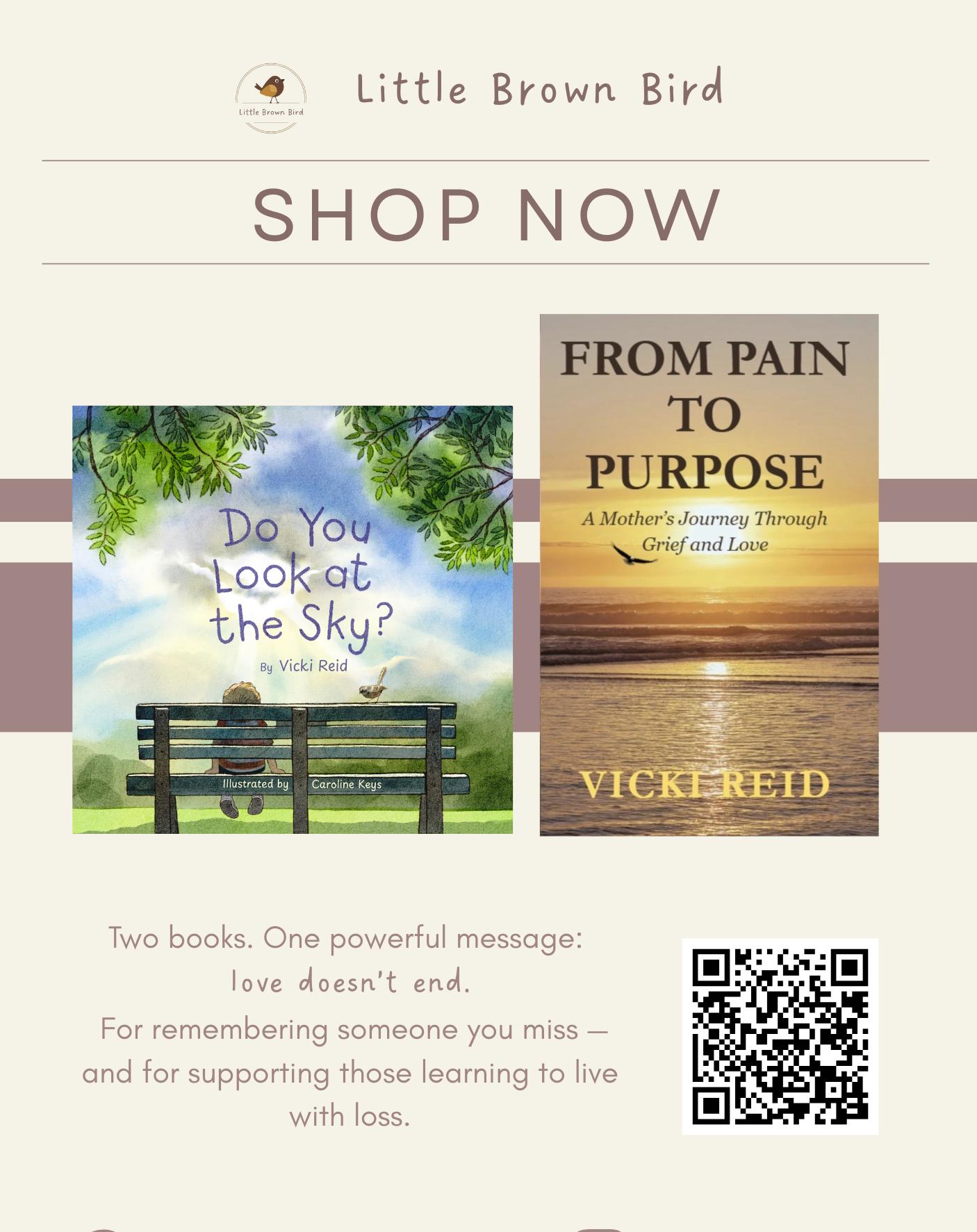
There are moments on this journey that feel both terrifying and quietly right at the same time. Recently, I took a step that held both feelings. I shared my two books — From Pain to Purpose and Do You Look at the Sky? — with a group of bereaved parents through an Open Day at The Compassionate Friends of Victoria.
Walking into that space, I felt nervous. Not because the people there wouldn’t understand. But because they would. They know this loss. They know what it means to live in a world that keeps moving when your world has stopped. And there is something deeply vulnerable about placing your heart — your words, your story — in front of people who carry the same kind of pain.
The
Fear
There is always a quiet voice that asks: Is this too much? Am I ready to share this? Will they understand? These books were never written to be products. They were written from grief. From love. From the need to keep Cooper close.
Sharing them felt like opening a very personal part of my life. But grief has already taken away any illusion of control. And so I went.
The Comfort of Being Among Those Who Know
What I found in that space was something gentle. No explanations needed. No awkward silence. No trying to make things better. Just parents who understand. Parents who live each day carrying a child in their hearts. When I spoke about the books, I wasn’t speaking as an author. I was speaking as a mum. A mum who lost her son. A mum who wrote to survive. A mum who needed his story to continue to exist in the world.
Saying His Name
One of the most meaningful parts of the experience was simply saying his name. Cooper.
In everyday life, there are moments when people don’t know what to say. Sometimes his name isn’t mentioned. Sometimes there is a quiet moving on. But in that room, saying his name felt natural. Welcome. Because in spaces like that, we understand something important: Our children are still part of us. Their names matter. Their lives matter. And every time we speak their name, we honour that they were here.
Why the Books Matter
From Pain to Purpose shares the reality of life after losing a child — the rawness, the confusion, the slow learning to carry love and grief together. Do You Look at the Sky? offers a gentle way for families and children to stay connected to someone they love and miss.
They were written for this community. For parents who feel alone. For families trying to find words. For anyone learning how to live with a love that has nowhere to go — and yet is everywhere.
A Quiet Kind of Courage
Sharing the books was scary. But it also felt right.
Because if my words help even one parent feel understood…If one family finds a way to talk about their child…If one person feels less alone… Then Cooper’s light is reaching further than I ever imagined. And that is why I write.
To keep his name spoken. To keep his life remembered. To let love continue. Because love doesn’t end
Vicki Reid
Bereaved Mother of Cooper
PRESIDENT’S REPORT
It was such a joy to have all current Board members together recently, along with a couple of our outgoing members, at our end-of-year dinner. Being able to come together in one place, face-to-face, was truly special. Moments like these remind me of the strength, warmth, and dedication of everyone involved in supporting TCFV and our grieving community.
By the time this magazine is printed, our recent Open Day at the centre will have passed, but I want to sincerely thank everyone who attended. Open Days are so important - they give those experiencing grief a chance to become familiar with our space, with the support and resources available, and to connect with both the team and others who are bereaved. For some, just seeing a familiar face or taking time out to visit the Centre can be profoundly helpful.
These days also provide a valuable opportunity for local government, our 500 Hearts sponsors, and corporate partners to see firsthand the services we provide and meet the people who support our programs and initiatives.
We are always focused on ensuring our Centre continues to feel vibrant and welcoming, and it’s lovely to see the new furniture creating a comfortable space for visitors. We are also continuing to promote our 500 Hearts campaign (see page 34 for more details), and we are grateful to all the organisations and sponsors who have already contributed. If you know anyone who may be interested in supporting us, further details are available through our website ‘Support Us’ page and social feeds.
On the Board Front
We are in the final stages of recruiting a new Secretary - it’s your last chance to submit an expression of interest. We are also welcoming expressions of interest from anyone interested in contributing at a strategic level. In particular, we are looking for skills in marketing, communications, media, or fundraising, and will soon begin recruiting to fill an open Board member position. Please reach out to Alex or me if you’re curious or interested: it’s always wonderful to connect with those wanting to help shape the future of our organisation.
Looking ahead, I am excited for the year to come. We are in a strong position, with a beautiful, supportive team in the office, and a clear focus on strategy. Our core priorities for this year include expanding our regional and rural reach, financial stability and growth, continuing to strengthen our ICT and data strategy, and revisiting brand awareness and advocacy.
Plans are underway for next year’s 50th anniversary of TCFV. What an incredible milestone! This is not just a chance to celebrate our history, but also to honour the continuing connections and friendships that make our community so special. So many people, past and present, have contributed to building the organisation we have today, and this anniversary is a moment to acknowledge and celebrate them.
It’s also an opportunity to share our work more widely, so more people can discover the support and services we provide to our bereaved community.
With Mother’s Day approaching, I want to remind anyone who may be struggling at this time that TCFV is here to provide support. Grief can feel particularly raw around special occasions, and we encourage people to reach out, whether it’s for a visit, a chat, or simply to spend time in a safe and welcoming space, with people who ‘get it’.
Thank you, as always, to everyone who contributes - your dedication and compassion make this work possible. I also want to thank all the members who show up in their grief, honouring our children, siblings, and grandchildren, and giving their grief some much-needed attention and space.
Christy Roberts
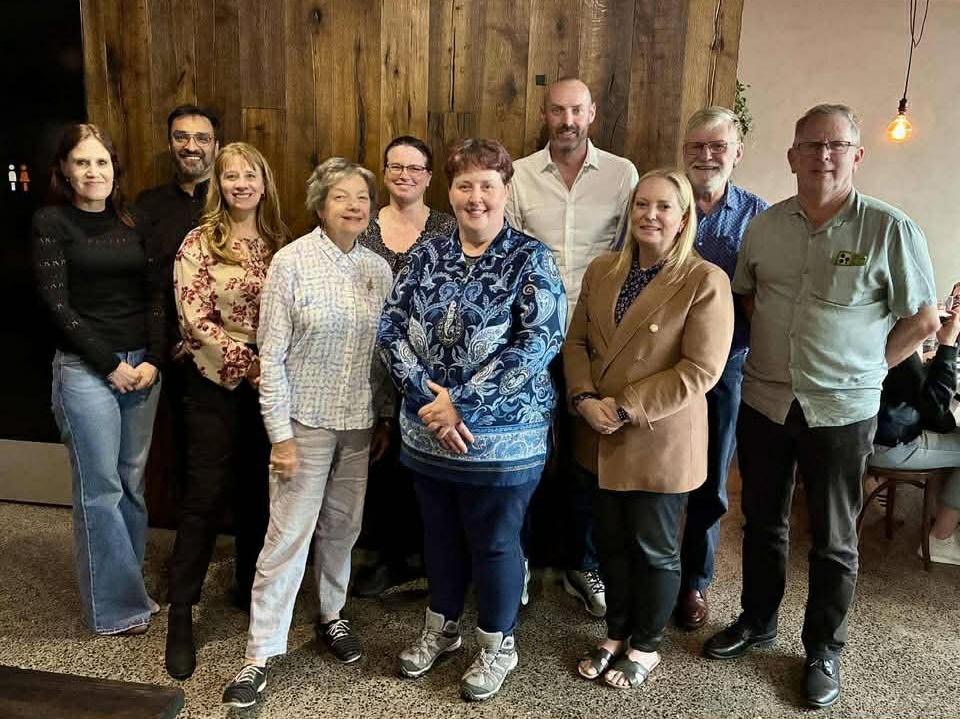
From Left to Right: Board Representatives: Sonia Aberl, Gaurav Gulati, Christy Roberts, Ann Smith, Claire Kuhnell, Debbie Siviour, Christian Numa, Amanda Bond, Kevin Purvis (outgoing President), and Bruce Houghton (outgoing Board Member)
Join Our Board - Make a Lasting Impact
The Compassionate Friends Victoria is seeking a passionate individual to join our Board. We’re particularly looking for skills in marketing and communications, media, or fundraising to help shape our strategy and support the growth of our organisation.
This is a meaningful opportunity to give back, contribute your expertise, and make a real difference in the lives of families navigating the loss of a child or sibling. Be part of a team dedicated to compassion, support, and lasting impact.
For more information, contact Alex Hamilton alexh@tcfv.org.au
Canterbury Wings Support Group
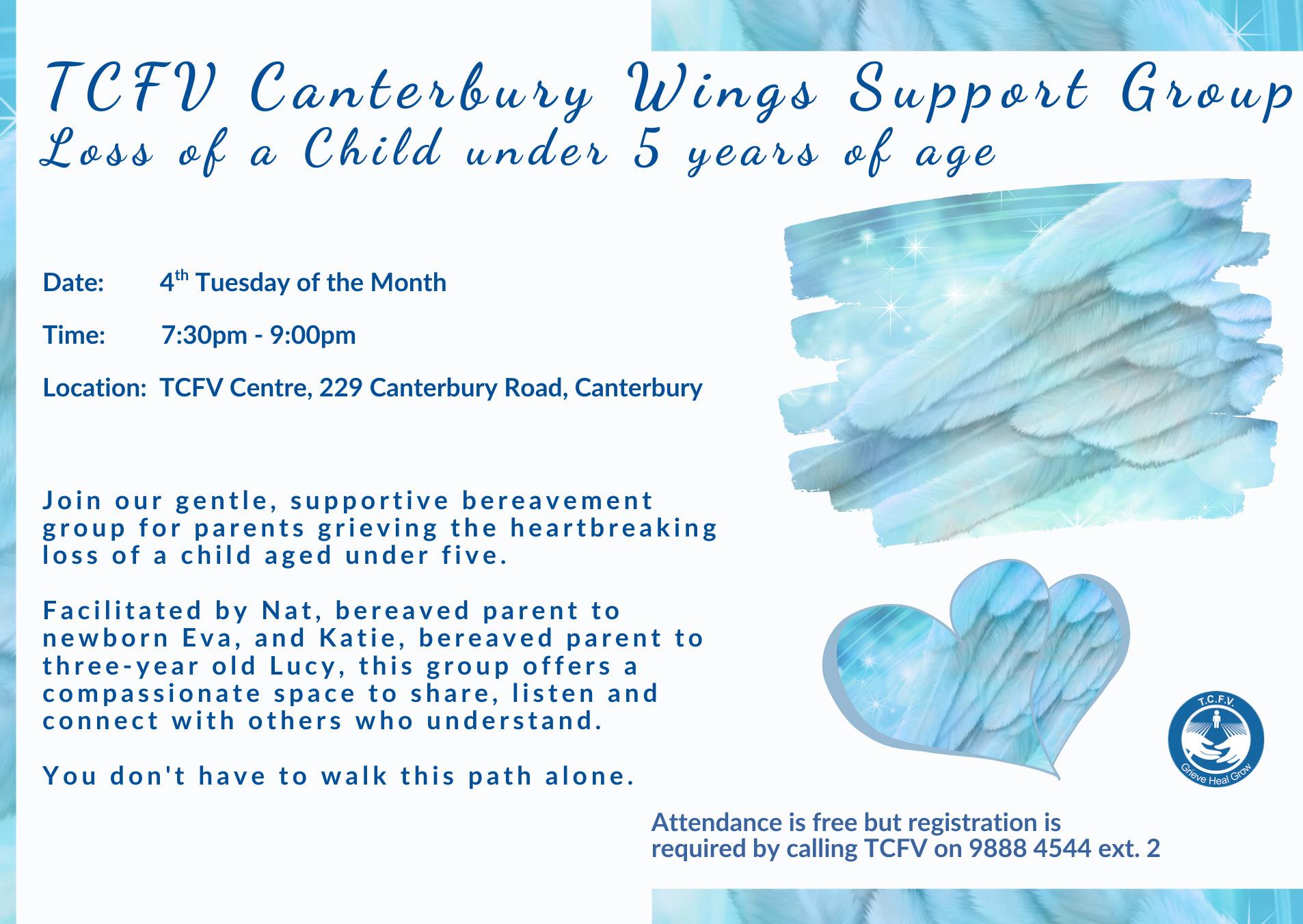
The Canterbury Wings Group is a gentle and welcoming support space for parents who have experienced the loss of a child under the age of five. Facilitated by Katie Edgar and myself, both members of the TCFV community and bereaved parents, the group meets monthly at the Centre in Canterbury. This year, our sessions will be held on the 4th Tuesday of the month, with our next gathering taking place on Tuesday 24th February.
Canterbury Wings was formed in July 2026, after recognising the need for a space where parents of young children could come together with others who truly understand this particular kind of loss. While grief is something many people carry, the loss of a young child can feel very different, and it can sometimes be hard to relate to experiences that don’t closely reflect your own. Sitting alongside parents who share similar journeys can offer a quiet sense of understanding, connection, and comfort that words don’t always reach.
The group is still very much in the process of growing and taking shape, and we hope it continues to be a safe, supportive place where parents can meet, connect, and feel less alone.
Each gathering offers a calm and compassionate environment, with no expectation to speak or share unless you feel ready. You are welcome to come simply to listen, to sit quietly, or to connect in whatever way feels right for you on the day. You are also very welcome to bring a support person if that helps make attending feel a little easier.
Registrations are required; however, you are warmly invited to register on the day if you’re unsure whether you feel ready prior. There is no pressure - just a gentle space to be alongside others who understand.
Natasha Ballingall Bereaved mother of Eva (Newborn)
The Compassionate Friends Victoria is part of a worldwide organisation, which was founded in England in 1969 and established in Victoria in 1978. It is a mutual assistance, self-help organisation offering friendship and understanding to families following the death of a child, sibling, or grandchild of any age and from any cause. The primary purpose is to assist them in the rebuilding of their lives after the death of their child, sibling, or grandchild and to support their efforts to achieve emotional and mental health.
TCFV Staff
CEO: Alex Hamilton
Operations Manager: Andrew McNess
Communications & Events Coordinator: Jane Moschetti
Volunteer Engagement Coordinator & Admin Support: Natasha (Nat) Ballingall
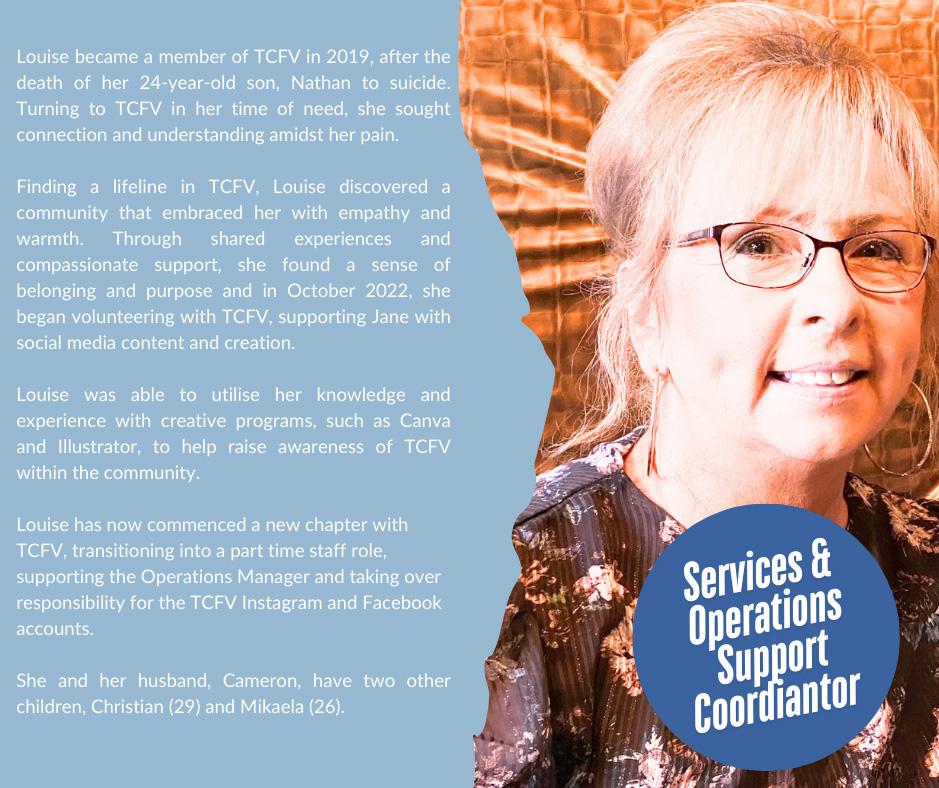
Services and Operations Support Coordinator: Louise Rees
Events and Admin Support: Nicole Mercandel
IT: Jesse Bendel
Strategic Partnership Events & Fundraising Consultant: Dagmar O’Brien
Board
President: Christy Roberts
Vice President: Amanda Bond
Secretary: Claire Kuhnell
Treasurer: Gaurav Guliti
Board Member: Sonia Aberl
Board Member: Christian Numa
Board Member: Ann Smith
Regional Representative: Debbie Siviour
The Compassionate Friends Victoria Patron: Rhonda Galbally AC
Grief support – available on 03 9888 4944 / 1300 064 068 Bereaved drop-in Centre, Hours 9.30am – 4.30pm Monday to Friday
Disclaimer: Unless expressly stated, the views expressed in articles, poetry etc. in this magazine are not necessarily the views of TCFV Board, Staff or the editorial team. The editor reserves the right to edit any contribution. Permission is given to Editors & Chapter Leaders of The Compassionate Friends to reprint material from the magazine. We request that credit be given to the author & their TCF Chapter.
TCFV SUPPORT GROUPS & SOCIAL SUPPORT GROUPS
Note 1: Unless stated otherwise all groups are open to bereaved parents, siblings and grandparents – 18 years and above – who are bereaved through any means.
Note 2: Sometimes, group meeting details need to be updated between when the magazine goes to print and when it is delivered to your letterbox or Inbox. For the most up-to-date listing of meetings, please visit: www.tcfv.org.au/support-groups
Support Group Meetings provide bereaved parents, siblings and grandparents the opportunity to meet in a safe environment with others who have been there, who understand and care. Group attendees (18+ years) report that meetings are an essential part of their learning-to-live again journey.
Social Support Group Meetings are similarly led by group leaders. They are a lovely social opportunity for bereaved people, often held at a cafe. Discussion is more general, although can sometimes centre on griefrelated issues. If you are needing more substantial time to explore your grief-related issues (and this can particularly be the case when you’re newer in your grief), we recommend a formal support group.
I’m new to meetings. Should I speak with the leader/s first before attending a meeting? We highly recommend you speak with the group leader prior to your first meeting at any TCFV group. Call TCFV on 9888 4944 (Melbourne)/1300 064 068 (regional) and we can help arrange a chat. Speaking with the leader is a valuable introduction to the group and what it can offer you in your grief journey.
I have baby-sitting problems. Would it be alright to bring my child with me? While we understand the difficulties of finding childcare, we must ask that out of respect for the needs of others, you do not bring children (under 18 years of age) to meetings.
Someone in my household has a respiratory illness but I don’t. Can I still attend a meeting? Meetings, by design, have people sitting in close proximity to one another. If someone in your household is sick, we would prefer that you not attend a face-to-face meeting in that month.
Bereavement support for under-18s. While TCFV’s services are for individuals 18 years and above, there are a number of other organisations that provide under-18 services, such as Grief Australia, Headspace and Jesuit Social Services. A listing of these services can be found at: www.tcfv.org.au/under-18s
Do groups require registration to attend?
Unless specified otherwise, groups do not require registration.
However, as per above, if you are attending your first meeting of a group, we ask that you let us know – (03) 9888 4944 (Melbourne) / 1300 064 068 (Regional Victoria & Tasmania
REGIONAL CONTACTS
We have TCFV volunteers in the townships / regional cities listed below who have some availability for a peer support phone chat or coffee catch-up:
Bairnsdale – Elvie Ballarat – Robyn Camperdown – Judi Castlemaine – Matthew Horsham – Ronda Melton – Deb Wodonga – Lynne
Please enquire on 1300 064 068
Bayside 4th Wednesday 7pm-9pm (Jan-Nov)
Bendigo 4th Tuesday 1:30pm (Jan-Nov)
Canterbury Daytime 4th Wednesday 11am (3rd Wed in Dec)
Highett Neighbourhood Community House, 2 Livingston St, Highett
Long Gully Community Centre, 23-29 Havilah Rd, Long Gully
TCFV Centre, 229 Canterbury Rd, Canterbury Canterbury Wings – Loss of a Child aged 5 years and under 4th Tuesday 7:30pm (Feb-Dec)
Registration requested: please call 03 9888 4944 to do so
Canterbury Siblings-specific meeting 3rd Tuesday 7.45pm
Canterbury Suicide-bereaved 4th Monday 7:30pm (Jan-Nov)
TCFV Centre, 229 Canterbury Rd, Canterbury
TCFV Centre, 229 Canterbury Rd, Canterbury
TCFV Centre, 229 Canterbury Rd, Canterbury
Eltham 1st Thursday 11am (Feb-Dec) Eltham Library Community Room, Panther Place, Eltham
Geelong
(Feb-Dec)
(Feb-Dec)
Portland 2nd Tuesday 7pm (Feb-Nov)
Virginia Todd Hall, 9 Clarence St, Geelong West Registration requested via: https://events.humanitix.com/ survivingsiblingsgeelong-inpersonmeetings
TCFV Centre, 229 Canterbury Rd, Canterbury
MADEC Community College, 133-137 Madden Ave, Mildura
Please contact 1300 064 068 for venue details Rowville 1st Friday 1pm (Feb-Dec)
Please note: due to Good Friday, the April meeting will be held on Friday, 10 April
3rd Tuesday 7pm (Feb-Dec)
Wednesday 7:15pm (Feb-Dec)
bimonthly 7pm (Feb, Apr, Jun, Aug, Oct, Dec)
Bridgewater Centre, 64 Bridgewater Way, Rowville
Archie Graham Community Centre, 118 Timor Street, Warrnambool
Held via Zoom. To register and receive the Zoom link prior to each meeting, please visit: www.tcfv. org.au/online
Bereaved through any means 1st Tuesday monthly 7:30pm (Jan-Dec) Held via Zoom. To register and receive the Zoom link prior to each meeting, please visit: www.tcfv. org.au/online
Siblings-specific 3rd Tuesday: 6pm-7pm
SOCIAL GROUP Which day in the month is the meeting held?
Box Hill 2nd Thursday 7pm (Jan-Nov)
Bookings are essential. Please call 03 9888 4944
Geelong 2nd Tuesday 10am (Feb- Dec)
Registration requested via: https://events. humanitix.com/survivingsiblingsgeelongonlinemeetings
Box Hill RSL, 26-28 Nelson Rd, Box Hill
Brioche Café, 175 West Fyans St, Newtown Hawthorn East 4th Tuesday 7pm (Feb-Nov) Bookings are essential. Please call 03 9888 4944
Mitcham Bereaved Mothers (2+ years past their bereavement) 3rd Friday (Feb-Nov) 10.30am-12pm
Southern Peninsula 1st Tuesday 12 noon (Feb-Dec)
Café Paradiso, 213-215 Camberwell Rd, Hawthorn East
Sweet Lime Café, 630 Mitcham Road, Mitcham (parking on Redland Drive)
Please contact 1300 064 068 for venue details
ART THERAPY GROUP Which day in the month is the meeting held? Where is meeting held?
Express Yourself Through Art at TCFV Centre
3rd Monday of the month 7:30pm (Feb-Dec) Registration required: www.tcfv.org.au/events
TCFV Centre, 229 Canterbury Rd, Canterbury
Please note: Bereavement Peer Support in Hobart Bereaved parents, siblings and grandparents in Hobart meet informally at a café setting on a regular basis (often a weekend afternoon). For more information on this non-TCFV support network, including dates and times, please contact our telephone support line on 1300-064-068.
Join the 500 Hearts Campaign
One heart. One gift. A lifetime of impact.
At The Compassionate Friends Victoria (TCFV), we walk beside families shattered by the loss of a child, sibling, or grandchild, no matter the age, no matter the cause.
Every member of our team has faced the unimaginable and come through it with a deep commitment to helping others find their way.
But right now, we’re facing a 30% funding shortfall. That gap threatens the very services that thousands of grieving families rely on support groups, our grief line, and our drop-in centre, which together offer lifelines when everything else has fallen away.
In just one month, TCFV supported over 550 bereaved parents, proof that the need is growing. Yet, despite expanding from 24 to 35 support groups across Victoria, our core funding hasn’t increased in over a decade. Introducing our 500 Hearts Initiative, a bold campaign calling on 500 people or businesses to give $500 each, raising $250,000 to protect and sustain our most vital services.
Join 500 Hearts One heart. One gift. A lifetime of impact
Your $500 gift will:
• Keep 35+ peer support groups open across Victoria
• Ensure our grief support line continues without interruption
• Provide free, lived-experience support to parents, siblings, and grandparents
• Sustain our drop-in centre—a sanctuary for those in raw grief
• Fund the dedicated lived experience team who walk this road with others, every day
�� What Our 500 Hearts Receive
• A personal thank you and welcome to the 500 Hearts community
• Recognition on our website and our 500 Hearts Wall at the centre
• A digital 500 Hearts badge to show your support to your clients, family and friends
• Invitations to exclusive events and behind-the-scenes updates
From our Board and CEO
• The chance to hear directly from bereaved families you’re helping
• The lasting impact of knowing your generosity means no one walks alone
Please visit …
www.compassionatefriendsvictoria.org.au/500-hearts/
To request an invoice, email alexh@tcfv.org.au or call 03 9888 4034
All donations are tax deductible.
Thank you for your support.

500 Hearts Honour Roll
Ann Smith
Ann & Henry Fajerman
Anonymous Donor
Charles Tetner x 2
Cindy-Lou Goy
Crowne Plaza Geelong
Fiona Smith
Frederick Benbow - In memory of Dean Ayra-Kohn
Garry Johnson
George Younan - Crown Property Services
Glenys Coates
Hiten Somaia
Hucker Family
James Michael Pirotta, 1/7/1985 to 31/10/2009
Judith Theobald
Kevin Purvis
Le Pine Camberwell
Paul Wheelton x 4
Philip Bayley
Rick Jamieson - Harry the Hirer
Ruth Robinson - In memory of Stephen Purvis
Southern Metropolitan Cemeteries Trust
WD Rose - Brighton
White Lady - Kew



Thank you Supporters
Agnes Tan
Avery Poole
Bendigo Community Bank – Inner East (Ashburton, Balwyn, Canterbury, Surrey Hills)
Bradley Family
Bryn Humphreys
Bunnings Box Hill
Bendel Family
Brunswick United Masonic Lodge
Charles Tegner
Cheryl Lardner
City of Boroondara
Coates Family
Country Women’s Association of Victoria
Dorothy Ford
Eastern Press
Emily’s Wish Foundation
Geelong Cemeteries Trust
Greater Melbourne Foundation
Guardian Plan
Harmer Family
Ian Zadow
Jared Dunscombe Foundation
Jennifer O’Reilly
John Brown
Judith Theobald
Justice Connect
Kidsafe Victoria
ACT & Queanbeyan
New South Wales
Queensland
South Australia
Le Pine Funerals
Life Time Trophies
Louisa Ong
Mandala Wines Cellar Door Winery
Marken Hosting
Michael & Maureen Cawley
Mindfull Aus
Nunan Family
Pam & Max Williams
Paul Wheelton
PivotLife
PrintDesign
Robyn Arya
Ruth Robinson
Shelia Schutz
Sim Family
SM Creative
State Government of Victoria
Strickland Family
Sue Binzer
The Pethard Tarax Charitable Trust
Tobin Brothers
Trembath Family
Tripleconnect
Yarra Ranges Council
Yvonne Sharpe
Wall, Theresa, Shane & Family
TCF AUSTRALIA
National Number 1300 064 068
TCF Mandurah 0494 149 866
02 9290 2355 Suite 602, 109 Pitt Street, Sydney, NSW 2000
07 3540 9949 505 Bowen Terrace, New Farm 4005 0456 820 133
08 9535 7761 Mandurah Lottery House - 7 Anzac Place, Mandurah 6210
TCF on the internet - United Kingdom www.tcf.org.uk – New Zealand (email) tcf.otago@xtra.co.nz USA www.compassionatefriends.org – SA www.compassionatefriends.co.za – Canada www.tcfcanada.net/
The Compassionate Friends Victoria 229 Canterbury Road, Canterbury VIC 3126
PO Box 171 Canterbury, Vic. 3126
Support Phone: (03) 9888 4944 Administration Phone: (03) 9888 4034
Email: support@tcfv.org.au Web: www.tcfv.org.au