A MULTIDISCIPLINARY APPROACH TO PUBLIC POLICY
The Princeton School of Public and International Affairs (Princeton SPIA) offers a multidisciplinary liberal arts major for students who are interested in public service and becoming leaders in the world of public and international affairs.
Through immersive experiential learning courses and a solid disciplinary and thematic foundation, students acquire the tools, understanding, and habits of mind to address current public policy issues.
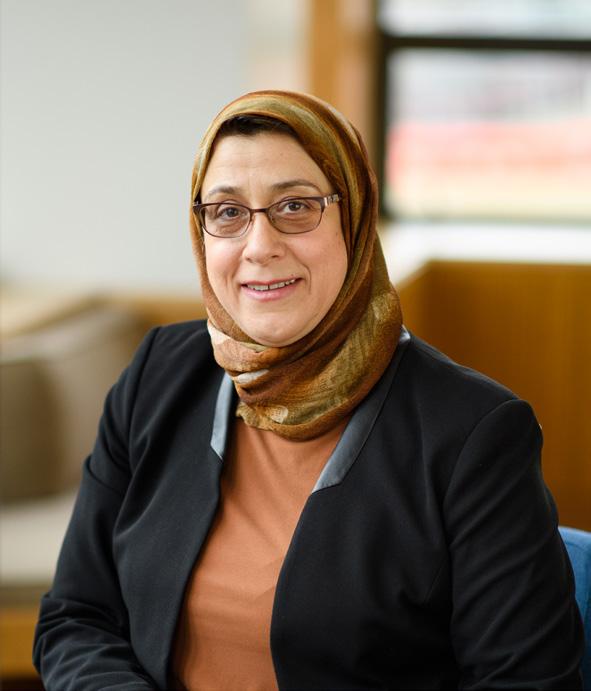
“Princeton SPIA is committed to providing exemplary multidisciplinary training to undergraduate students passionate about public policy.”
spiaugrd@princeton.edu
609.258.4861
— Dean Amaney Jamal
Princeton SPIA Thesis Day Fountain Jump
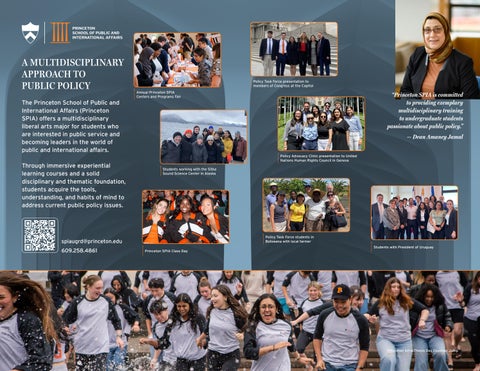
Annual Princeton SPIA Centers and Programs Fair
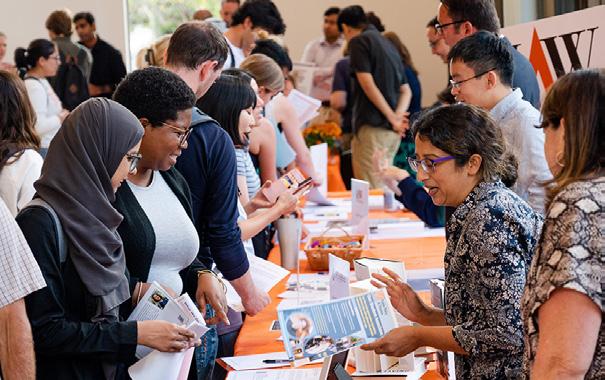
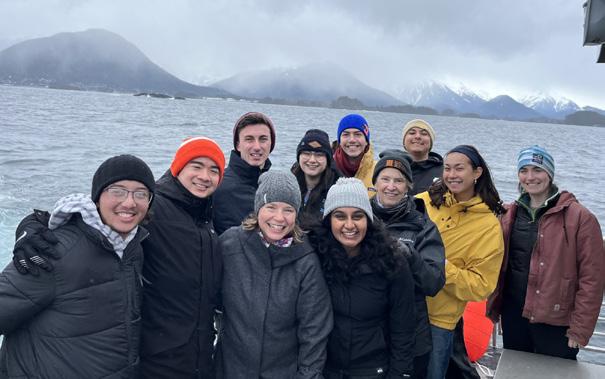
Students working with the Sitka Sound Science Center in Alaska
Princeton SPIA Class Day
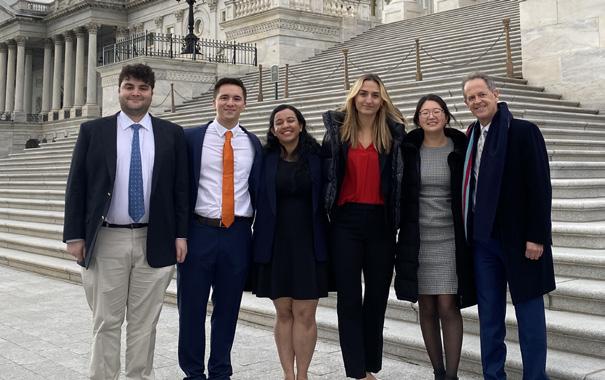
Policy Task Force presentation to members of Congress at the Capitol
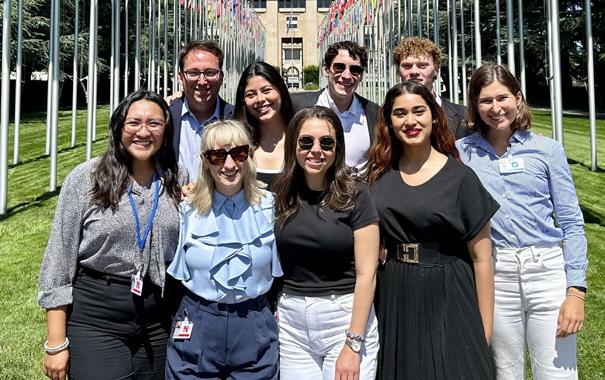
Policy Advocacy Clinic presentation to United Nations Human Rights Council in Geneva
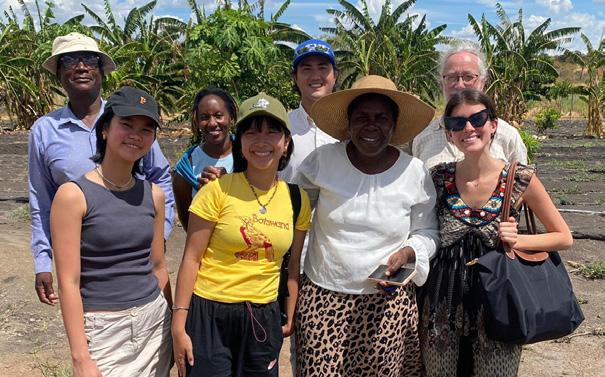
Policy Task Force students in Botswana with local farmer
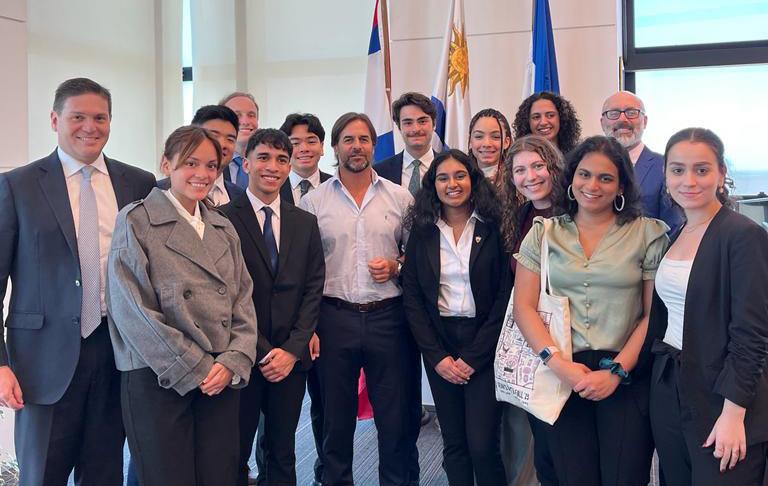
Students with President of Uruguay
CURRICULUM POLICY TASK FORCES
Prerequisites (4)
SPI 298: Intro to Public Policy (sophomore OR junior fall)
SPI 301: Policy Task Force (fall OR spring)
Ethics (any semester)
Power & Identity (any semester)
Intermediate Economics (any semester)
SPIA Electives (6): Breadth and Depth
Cross-Cultural or Field Experience AND Regional Focus
Princeton SPIA’s Policy Task Forces are a distinctive and immersive part of our curriculum. Through the Policy Task Force, students analyze and deliberate on a range of international and domestic issues that are of timely public importance.
Students can participate in the Policy Task Force in one of three ways:
1. An on-campus Task Force directed by our Policy Practitioners, during Fall or Spring semester of junior year.
2. A Task Force at one of our Princeton SPIA International Study Abroad Programs, during Spring semester of junior year.
3. In the Policy Advocacy Clinic, students enroll in a credit-bearing seminar during the fall semester that introduces the policymaking process and specific policy questions students go on to tackle during the spring semester clinic. Participation in the Policy Advocacy Clinic is by application only.
STUDENTS HAVE INTERNED AT
DOMESTIC & INTERNATIONAL AFFAIRS NON-PROFITS & NGOs
• Chamber of Commerce
• Department of Justice
• Department of Education
• Department of Homeland Security
• Department of State
• UNICEF
• United Nations
• USAID
• White House
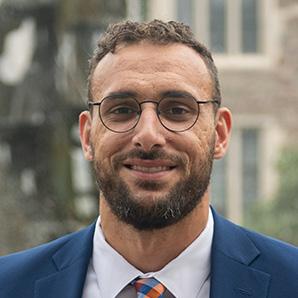
ZACHARIA AHMED
ACADEMIC ADVISOR zach.ahmed@princeton.edu
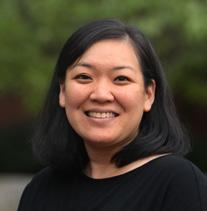
LIZ CHOE DIRECTOR, UNDERGRADUATE PROGRAM ADMINISTRATION liz.choe@princeton.edu
• ACLU
• Alliance for Multicultural Community Service
• Glimmer of Hope
• Human Rights Watch
• International Rescue Committee
• Legal Aid Society
• Safe Passage Project
FELLOWSHIPS, THINK TANKS & RESEARCH
• Brookings Institution
• Council on Foreign Relations
• Fulbright Scholars
• Institute for Religion and Democracy
• Rhodes Scholarship
• SINSI Fellowship
• US-Asia Law Institute
THE TEAM
GEORGETTE HARRISON ADMINISTRATIVE COORDINATOR gharriso@princeton.edu
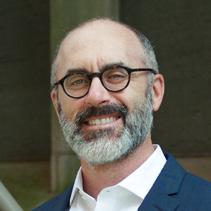
PAUL LIPTON SENIOR ASSOCIATE DEAN, ACADEMIC ADMINISTRATION paul.lipton@princeton.edu
SUSAN MARQUIS FACULTY CHAIR susanmarquis@princeton.edu
JENNIFER SKILLMAN
ACADEMIC COORDINATOR jks4@princeton.edu