Showcasing exceptional work by pupils from Princethorpe College.
ISSUE 38 - SPRING 2026
‘The power of words’ is the theme for the year here at Princethorpe College.
As I have the privilege of looking through the outstanding work that has been submitted by the teachers for publication, I am reminded that the power of words is not just in the words themselves but in their message, their delivery and in their intention. The da Vinci criteria, and the standards we ask our pupils to aspire to, encompasses mastery of the skills they are learning, application of creative thinking and presentation and the effort built into the process of completing these tasks. The work published here is testament to the teaching, learning and fostering of curiosity that happens every day.
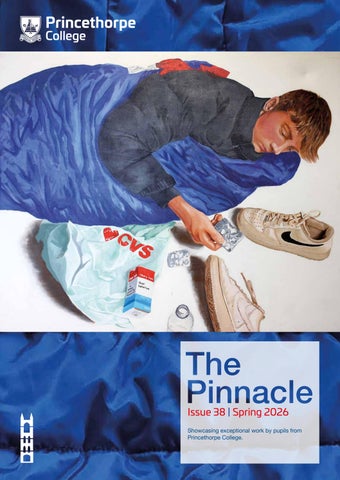
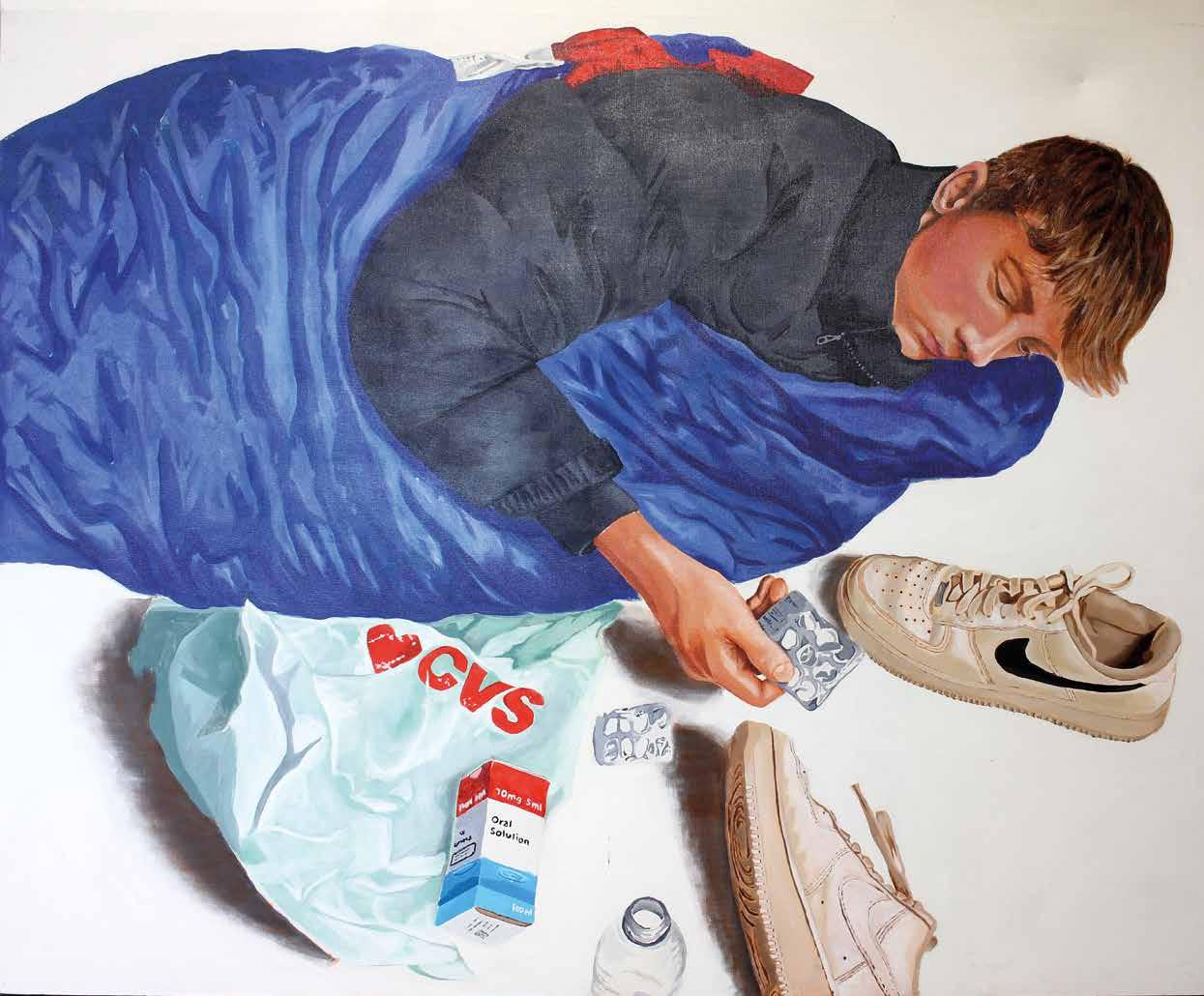
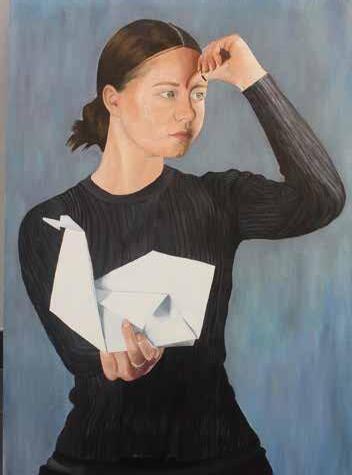
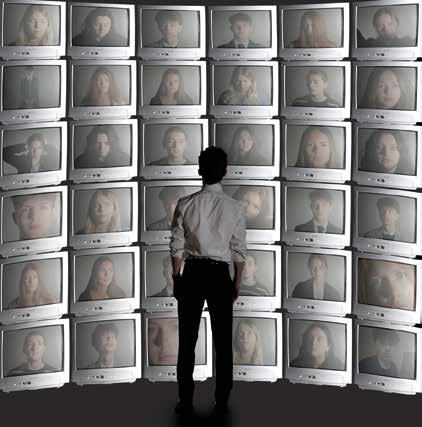
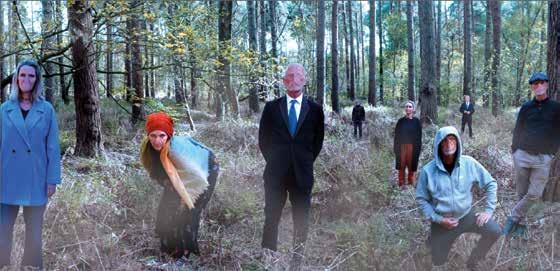
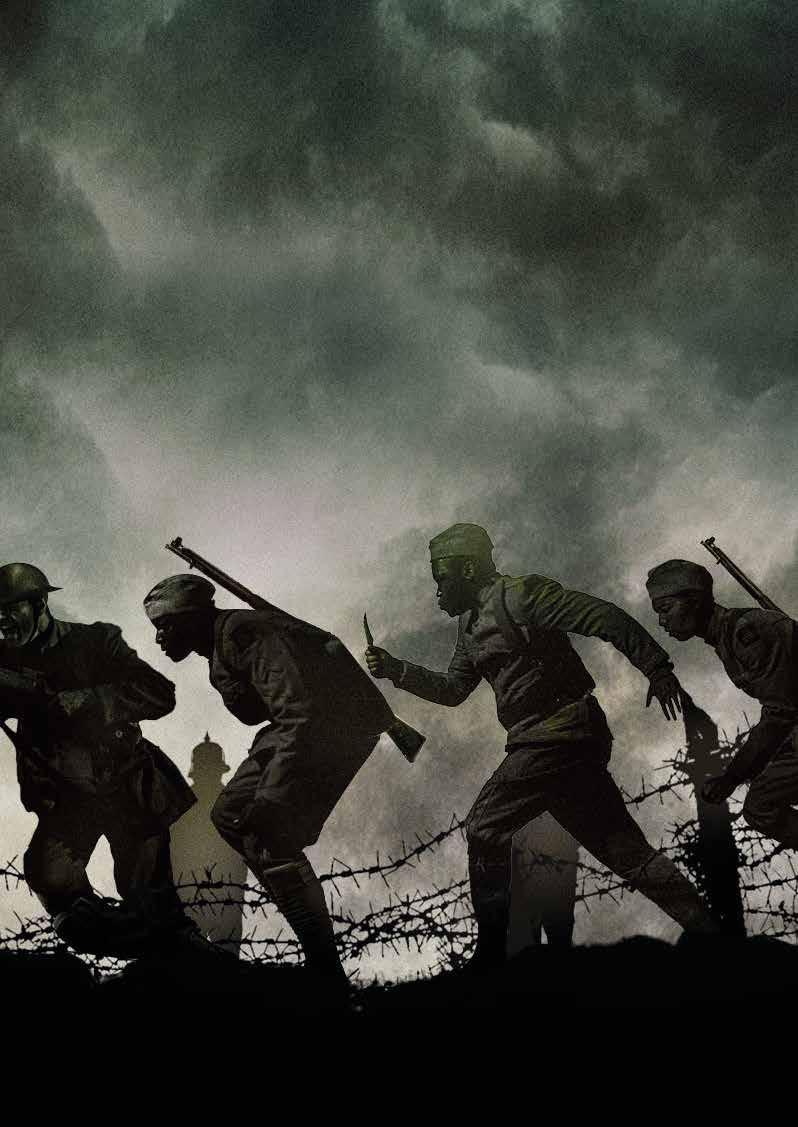
Our cover art is by former Upper Sixth student Rory Sarkies – Symbiosis A-level Fine Art.
This edition showcases a wide range of departments, and it is incredible to see the broad range of talents of our pupils and to celebrate their successes inside the classroom and in their co-curricular endeavours.
It also includes a feature celebrating when all three schools came together for our inaugural Foundation COP week focusing on sustainability. The events ran through every department from stand-alone lessons, lectures, assemblies, projects and whole school initiatives. It was a truly successful week with long term and far-reaching impacts.
My thanks to all who support the production of the Pinnacle and especially to our wonderful pupils who can be very proud of their achievements.
Julia Lindsay
Challenge Curriculum Co-ordinator
To read more of any of the articles with this button, please scan this QR code.
READ MORE ONLINE
SCAN the QR code on page 2
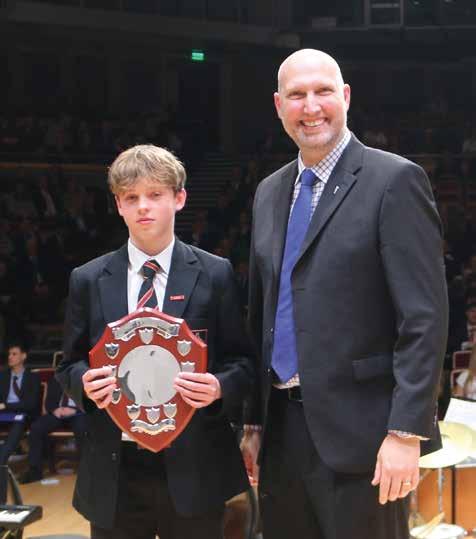
2024-25 da Vinci Shield Winners
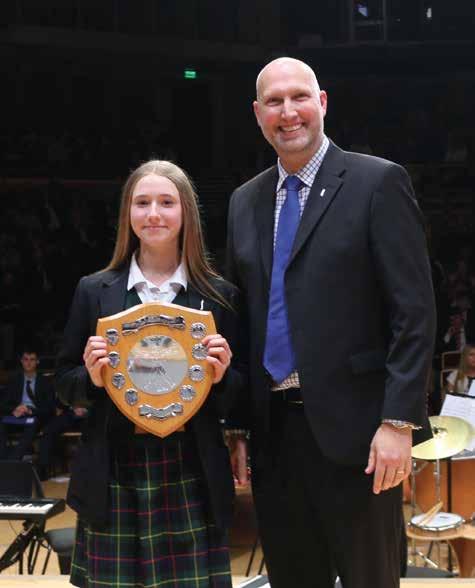
Each year the two pupils who achieve the highest number of da Vinci points are awarded the da Vinci Shield at Prize Giving. This year the girls’ da Vinci Shield was awarded to Evelyn Waterworth, Year 9, and the boys’ to Isaac Fowle, Year 10. Evelyn’s achievements are proof that those who consistently do their best reap the rewards. As the highest achieving girl, with 137 points awarded in 39 da Vinci merits, she demonstrated mastery of her subject skills, outstanding assessment results and her creative thinking and approaches in project work. This was achieved alongside her efforts to build academic resilience which led to outstanding achievement across the whole curriculum as well as her co-curricular endeavours in drama performances and music. Evelyn embodied the da Vinci ideal as a pupil who rises to challenges and excels across the whole curriculum.
Isaac consistently demonstrated his academic success across the curriculum. As the highest achieving boy in the College, his 111 da Vinci points came from 31 da Vinci merits, which were achieved across all the curriculum areas. Last year, Isaac actively sought academic challenges and enrichment achieving full marks in the Higher Project Qualification to achieve an A*, as well as achieving an A* in the Latin Level 1 qualification. He also placed in the top 10% of Key Stage 3 pupils nationally in the Computer Science Bebras Challenge, achieving a Gold Award and placed highly in the GCHQ Languages challenge. Isaac’s achievements demonstrate how he lives up to the da Vinci ideals and he was a worthy recipient of the da Vinci Shield.
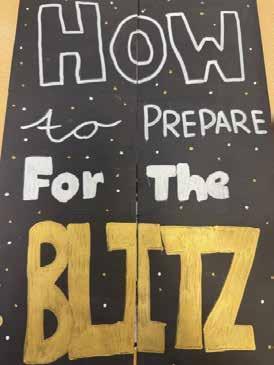
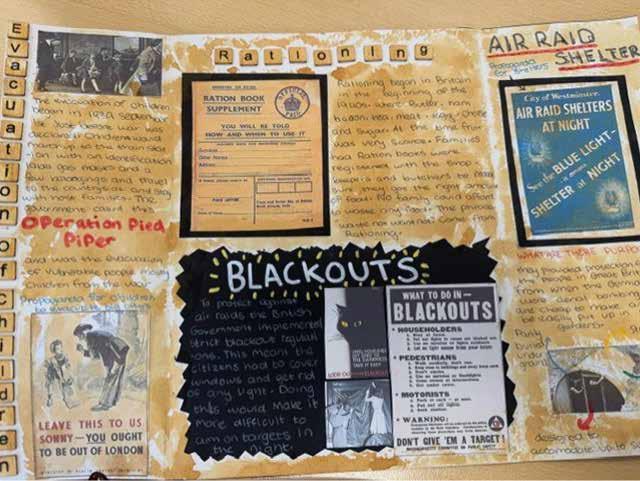
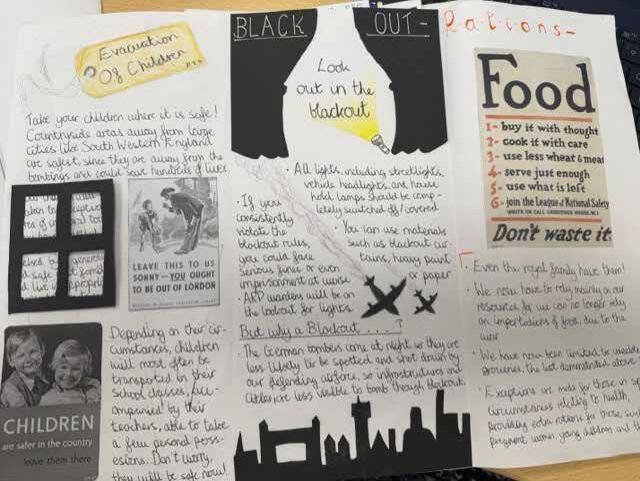
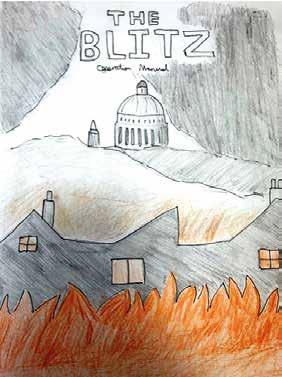
History Blitz Projects
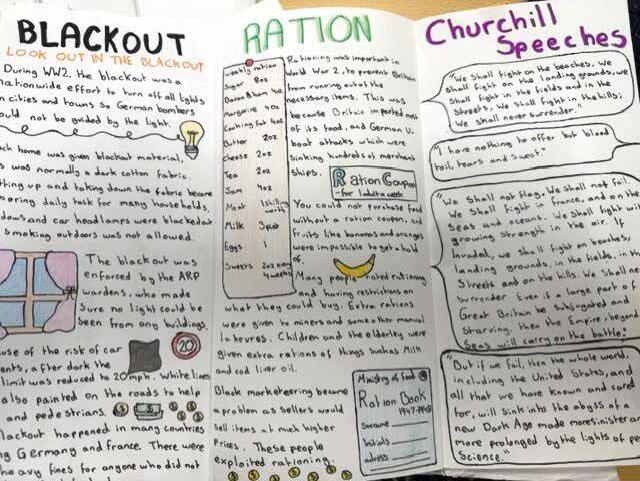
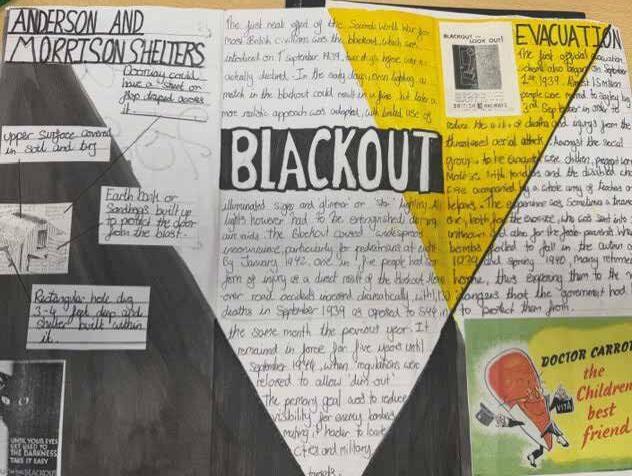
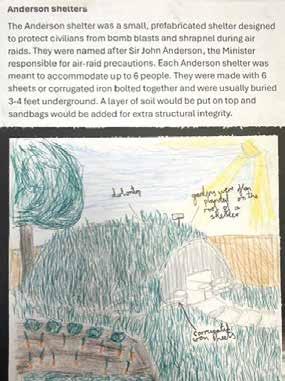
As part of their Year 9 studies on World War Two, pupils researched precautions on the Home Front and produced a project on ‘How to Survive the Blitz’. Pupils showed their subject mastery in their independent research and explanations, and these examples also demonstrated high levels of creativity and were awarded da Vinci merits.
Daisy Cassell, Y9
Luka Vrljicak, Y9
Jo Kowal, Y9
Leani du Toit, Y9
Harper Lloyd, Y9
Astounding Fine Art and Photography
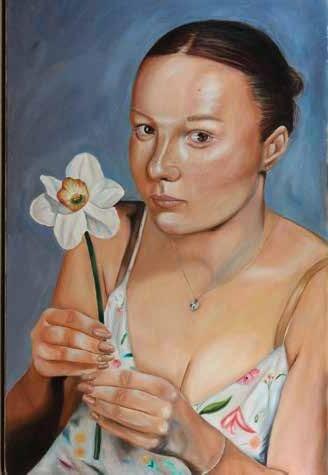
With the completion of the exam cycle we are finally allowed to share images of students’ incredible 2025 examination work.
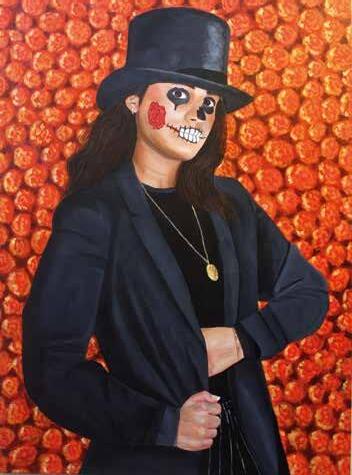
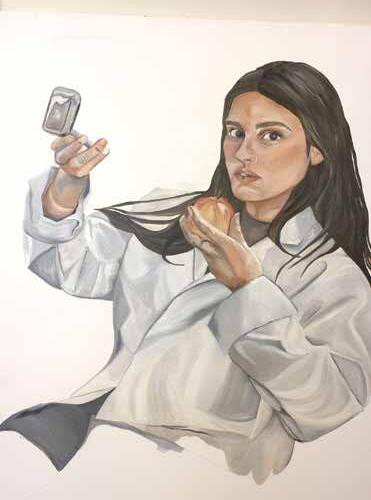
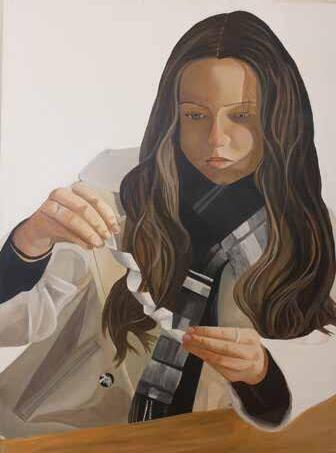
These pieces, all produced by last year’s Upper Sixth taking Fine Art or Photography A-level are outstanding and we are delighted to showcase them here. They include national competition winners and are a testament to the creative talents of the Class of 2025.
AmaanyaBose Fragmented
MetamorphosisAmaanyaBose
Genevieve Slater-Tucker ThePromise
MillaOnions ThePuppetMaster
TAXGeorginaBarnes
FinnKnight-Gray Metamorphosis
TheAvaCutri Betrayal
Genevieve Slater-Tucker Metamorphosis
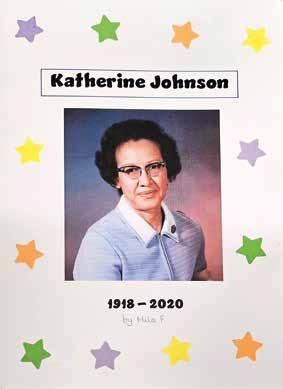
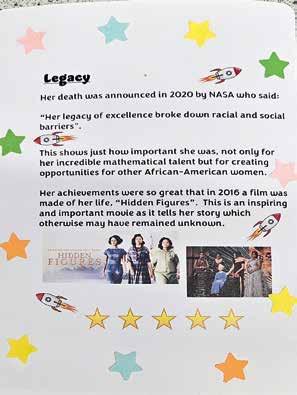
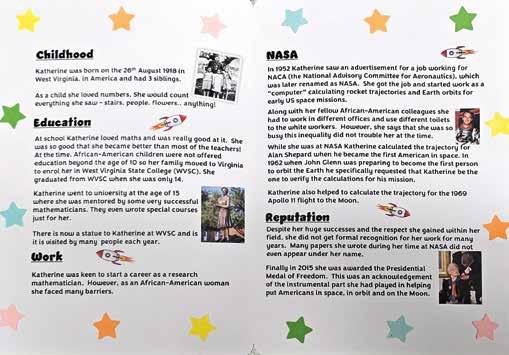
Black History Month
The October Challenge Calendar focused on Black History Month to recognise the national annual campaign and to provide all subjects with an opportunity to highlight key individuals, developments and key questions.
Dr Onyekwe challenged her students to select one of the activities from the calendar and received some fantastic responses. These are a selection of some of the best work that they produced independently from the stimulus material provided.
Jessica Blythe, Y8
A black man’s life difference
They are so many Black scientists
Some girls some boys
Some inventors some chemists
Because of their skin they cannot be employees
A Black man’s career
I picked Benjamin Banneker
Out of 38
And from what I hear
There are many black scientists who are great
A Black man’s influence
born in 1731
Benjamin Banneker
He, a free slave’s son with Neighbours bullying lead to fear
A black man’s childhood
An exact prediction
Of a planet alignment
Or a yearly book
Written on parchment
A Black man’s fame
Invented a wooden clock
Never in his nation
Just a tick and a tock
A time telling solution
A black man’s resolution
Died of old age
At 74
Many books from page to page
Burnt his house he lives no more
A black man’s death
Stood out to me
Inspiring and clever
A brilliant theory
In history forever
A Black man’s effect
Black History Month is an important part of the year where others can learn about the amazing things that Black people have done for the world. Many of these people are not recognized just because of the colour of their skin; this is unfair as everyone should be treated fairly. Black people are humans Black people belong.
This October the Black History Month’s theme was to bring back records, this means to find and rectify the narratives of black history and culture.
In my eyes Black History Month is an extremely important event in the year as it signifies Black people’s accomplishments and highlights their mistreatment. Personally, I have seen a person of colour’s success in action- my mother. She is the Managing Director of the Cadent Foundation; she was the first non-white to get onto the Board and I am incredibly proud of her.
Mila Foulerton, Y8
Fantastic FutureChefs
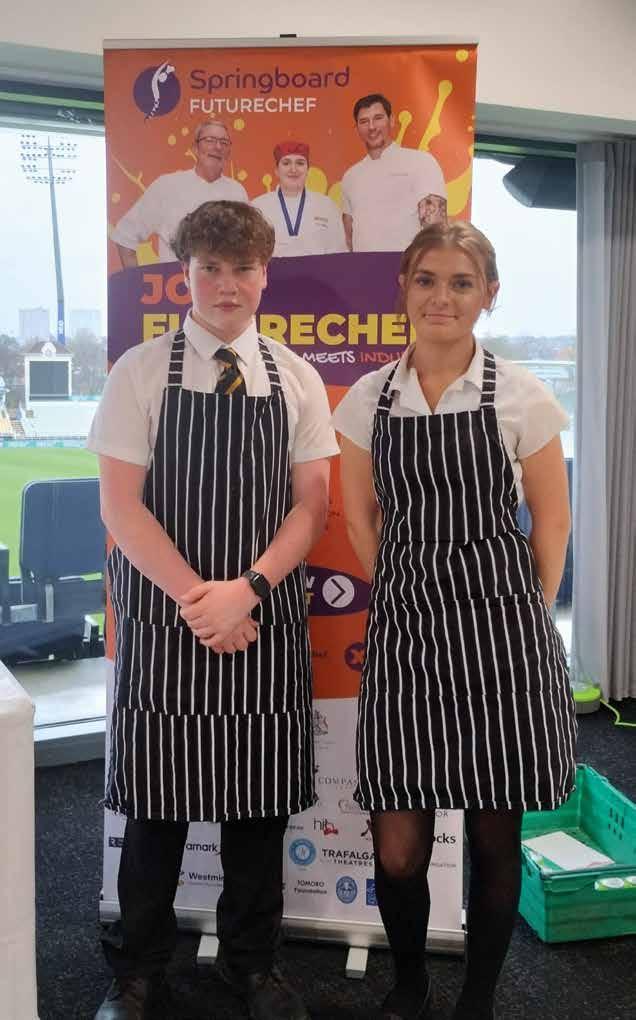
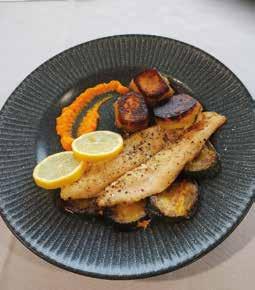
Congratulations to Year 9, Joseph Hillier, and Year 10 Sophia Deery who competed in the Springboard FutureChef Regional Final and enjoyed the challenge of cooking in the highlevel industrial kitchens of the Banqueting Suite at Edgbaston in Birmingham on Thursday 4 December.
Both pupils had prepared thoroughly putting a lot of time into menu planning and practising their dishes. Competing against 14 future chefs from across the Midlands, Princethorpe’s pupils delivered their delicious main courses to budget against the clock. The food they produced was of the highest standard and beautifully presented. Sophia made pan fried basa fillet with a carrot purée, fondant potatoes and courgettes and Joseph made fillet of sea bass with potato scales and a beurre blanc sauce. The competition was fierce, with the judges complimenting all the contestants for the standard and talent demonstrated.
Our Princethorpe pupils received plenty of positive feedback from the judges and we think they have the makings of master chefs.
Future Codebreakers
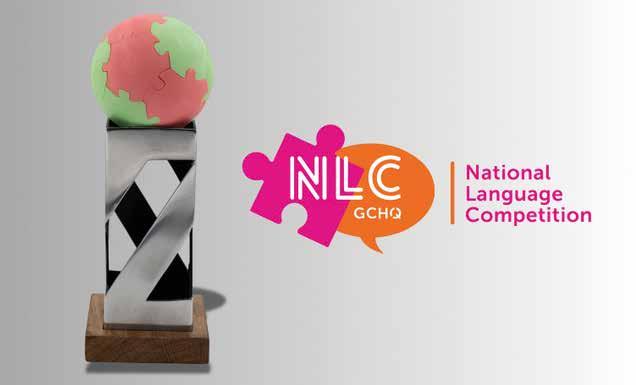
The 2025 GCHQ National Language Competition ran from Monday 17 - Friday 21 November and nine of our Year 9 Princethorpe linguists gave up their break and lunchtimes, keen to become the next generation of code breakers.
The National Language Competition (NLC) is a virtual competition where teams from around the UK compete against each other to solve language-based puzzles and score points. GCHQ aims to inspire language learning by showing students how their aptitude for pattern-spotting and problem-solving links to languages. Many of the codebreakers employed at Bletchley during the Second World War were linguists.
There were 2,738 teams from over 420 schools taking part this year. Our school team results are:
1st place (426th nationally)
TEAM Watchful Grasshopper (5,655pts)
Evelyn Waterworth
Gwenan Roberts
Emmie Reason
Jo Kowal
2nd place (466th nationally)
TEAM Graceful Pheasant (5,395pts)
Emmeline Millward-Boyton
Florence Munn
3rd place (582nd nationally)
TEAM Hilarious Pony (4,825pts)
Austin Newbold
Gilbert Millward-Boyton
Ethan Simons
If you’re in Y7 or Y8 have a go at the sample challenges ready for your turn! The GCHQ National Language Competition - Sample Challenges - GCHQ.GOV.UK
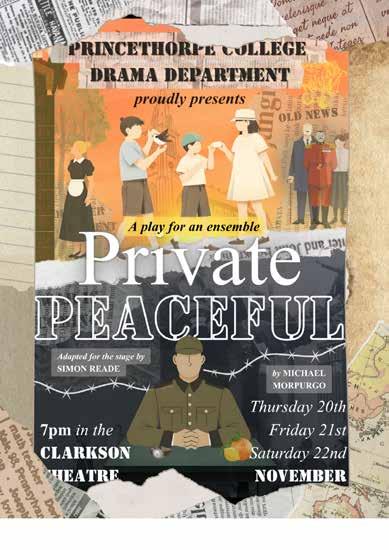
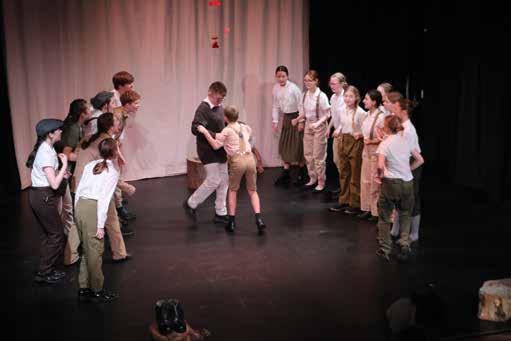
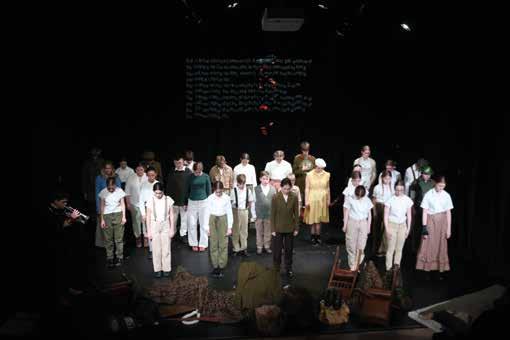
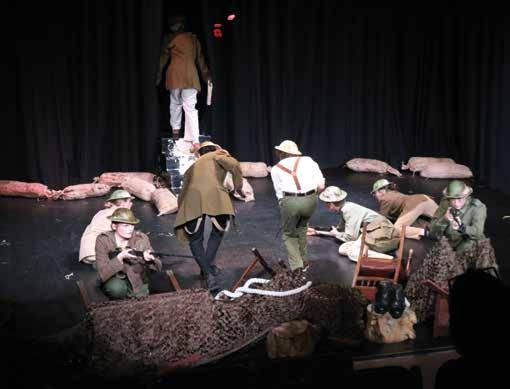
Private Peaceful
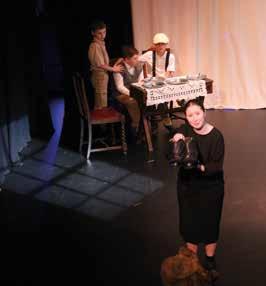
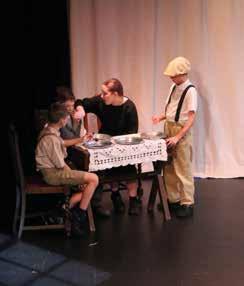
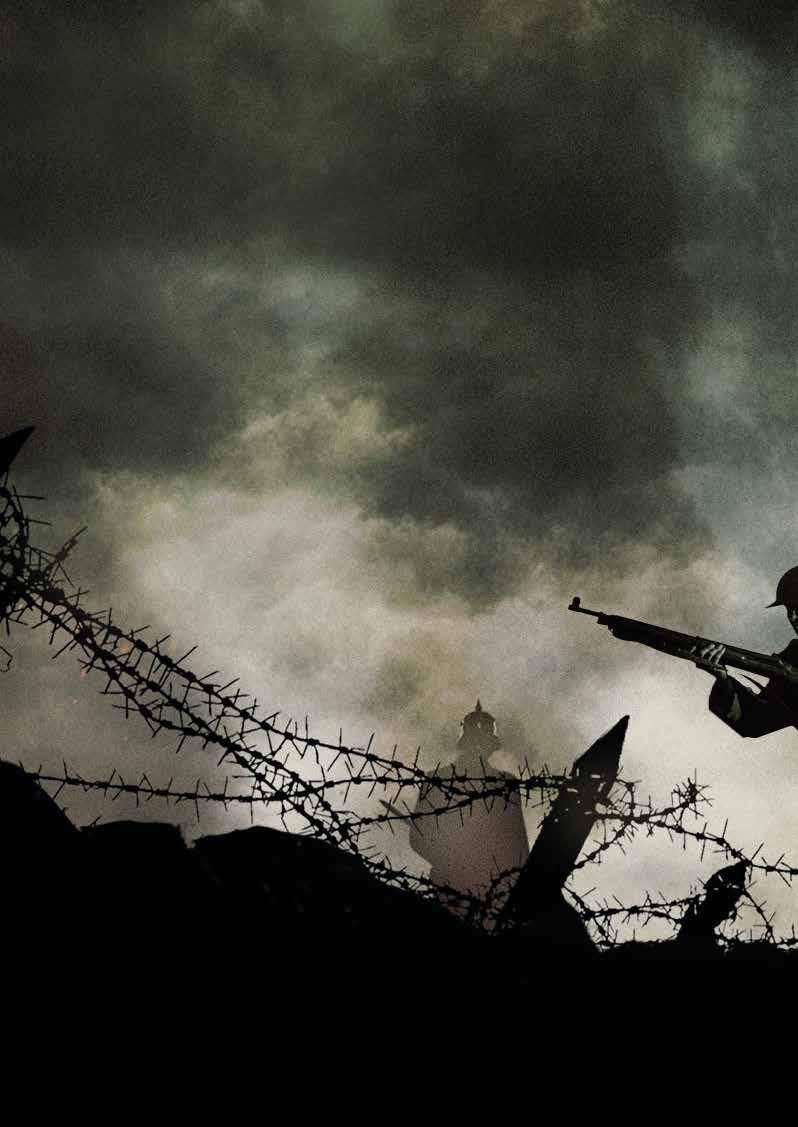
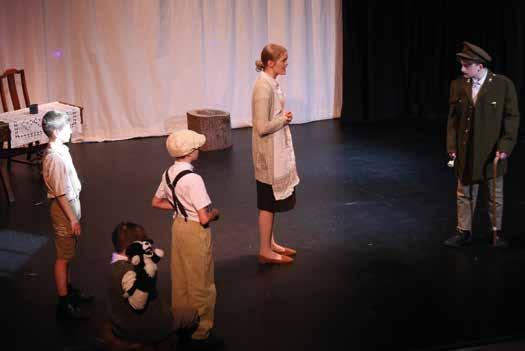
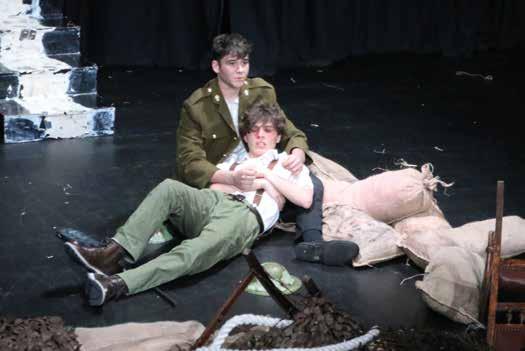
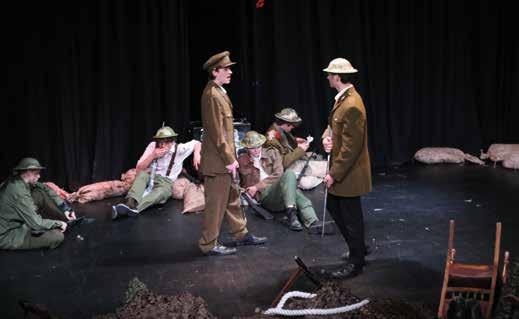
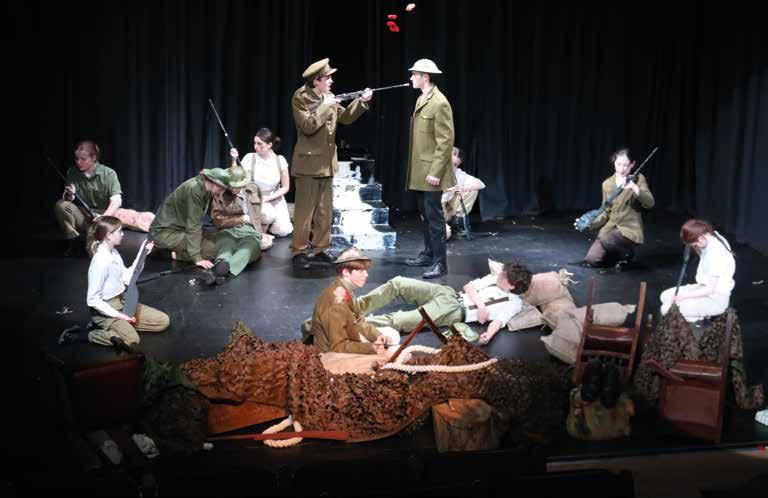
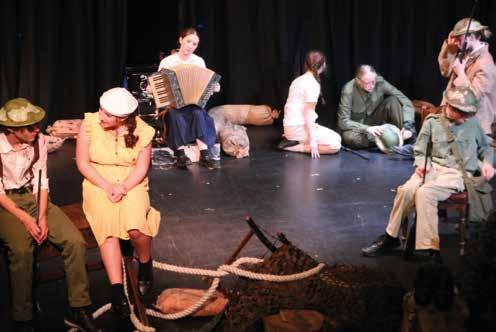
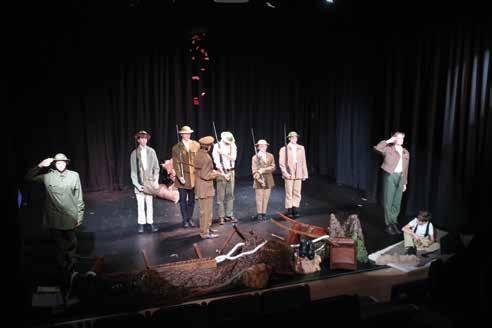
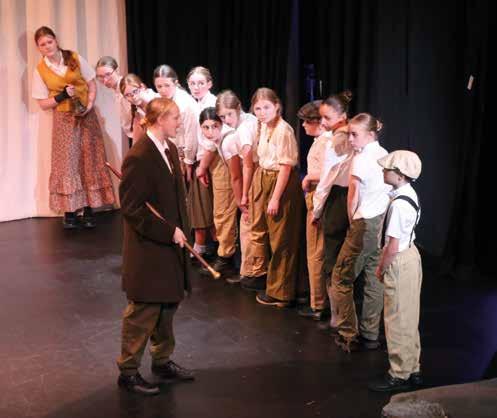
In November, Princethorpe’s talented Drama Department delivered a powerful and poignant tale of brotherhood, duty and loyalty, based on Michael Morpugo’s acclaimed novel Private Peaceful. Over three nights, the talented cast and crew captivated audiences with the trials and tribulations of Tommo and Charlie Peaceful in their childhood in the country and then on to the horrors and injustices of the Great War.
The play was another in a string of phenomenal productions, with pupils from Year 7 up to the Sixth Form working together under the direction of Joint Heads of Drama, Aileen Cefaliello and Vicky Roberts.
Members of the cast shared their perspectives on their roles in the programme including:
Lower Sixth, Liv Davey who played Grandma Wolf
“ I play Grandma Wolf, who is one of the antagonists of the show. She hates the ‘uncivilised’ Peaceful children, and her pure disgust is so much fun to replicate as an actor. As someone who has seen so many Princethorpe productions, being in one has felt unreal. The whole team has such creative minds that have really shaped this into one of the best productions I’ve been in. It’s been a pleasure to get to meet both the technical team and the cast, and an honour to get stuck in and add my own special touch to moments throughout the play. I’m quite a comedic actor, so to take a step back and create a poignant scene like the end, was very enjoyable. It made me reflect on how lucky we are in the modern day, as at my age, Tommo and Charlie were fighting in No Man’s Land. This play is so special in the way that it can relate to everyone uniquely on several different themes. ”
Year 10, Edward Evans who played Sergeant Stanley Hanley
“ My character is Sergeant Hanley, who I would describe as an angry, abusive and pig-headed dictator. This being my first drama production with Princethorpe, I didn’t know many people coming into it, but I’ve met a brilliant cast and crew and made so many friends. The biggest challenge I faced was how I find it hard to take things seriously, so I had to work hard to remain serious and in character. I have gained do much from this production and will 100% be back next year – thank you to everyone who has made this experience so enjoyable. ”
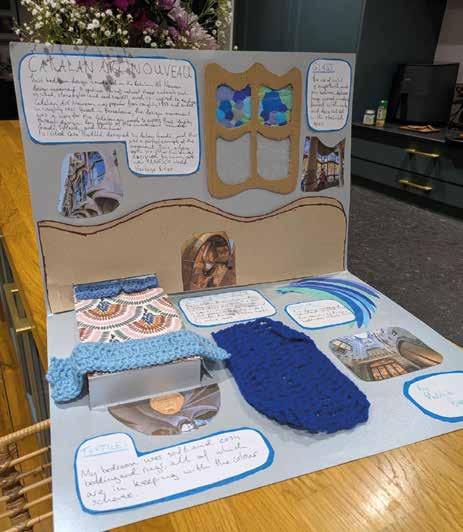
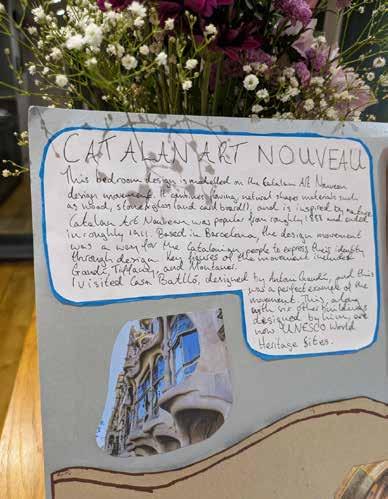
Brilliant Bedroom Design
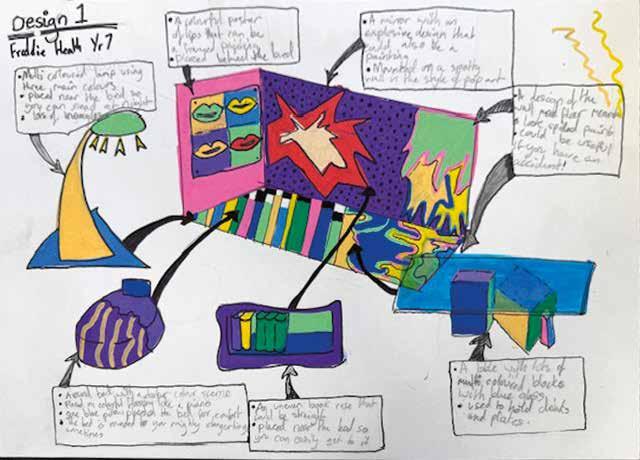
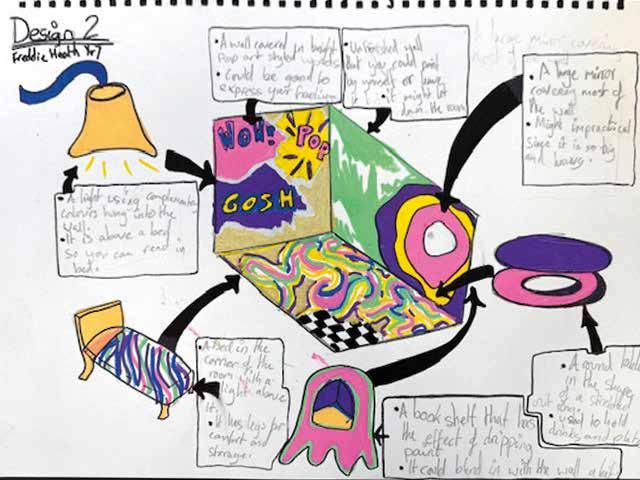
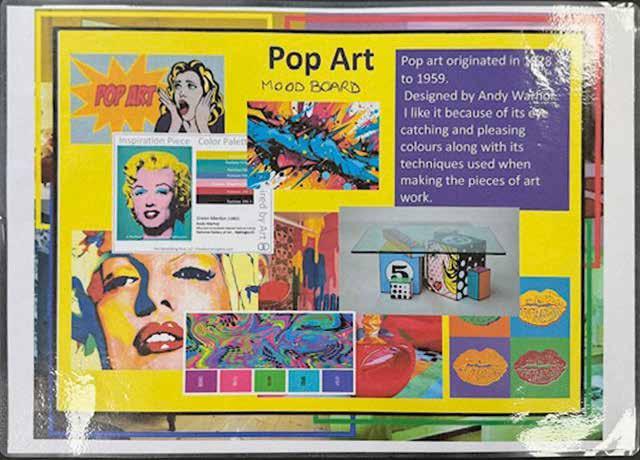
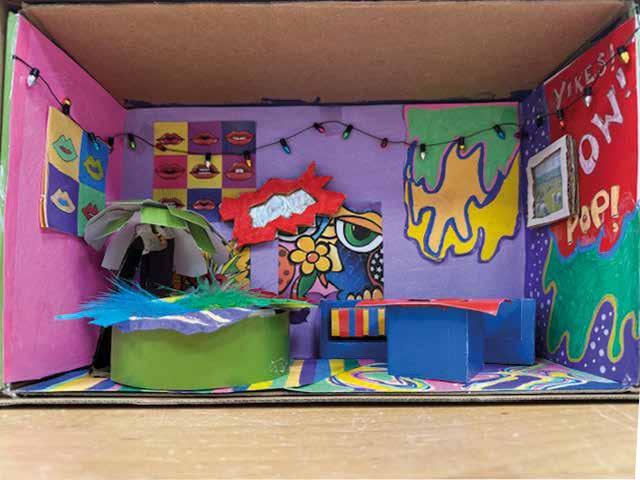
As part of their DT rotations, Year 7 pupils are asked to design and make a bedroom in the style of a design movement of their choice.
Teacher of Design and Technology, Mrs Morrish, is always impressed with the fabulous bedroom designs pupils produce but was blown away by Freddie Heath who went the extra mile with his project, completing research, investigations, mood boards, design ideas, floor plans and pictures of his making process. He was awarded a full da Vinci for his excellent work. Patrick Beecham produced another excellent project, cleverly using a pop up design to create his bedroom.
Freddie Heath, Y7
Patrick Beecham, Y7
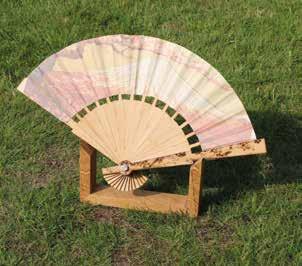
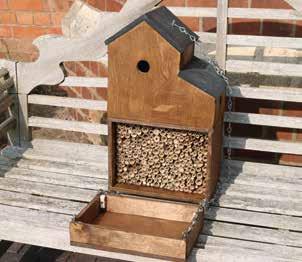
GCSE Product Design
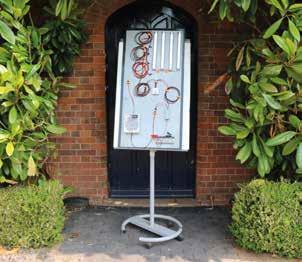
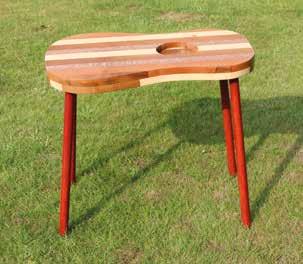
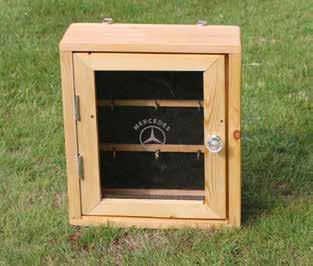
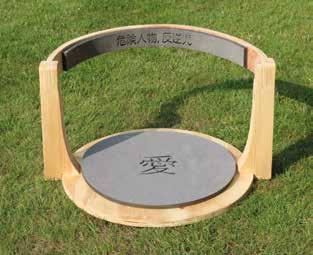
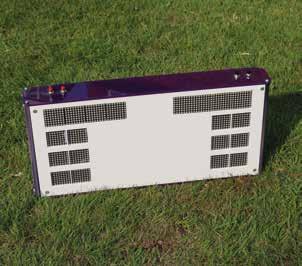
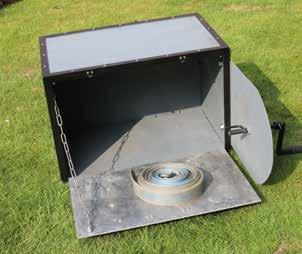
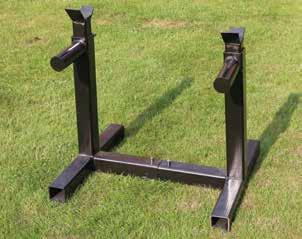
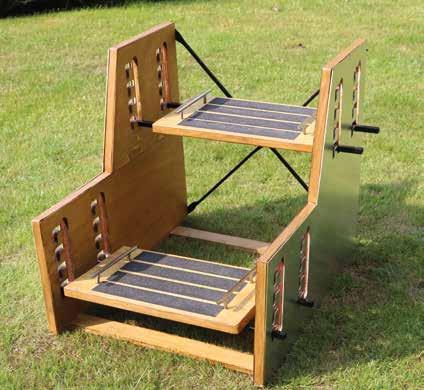
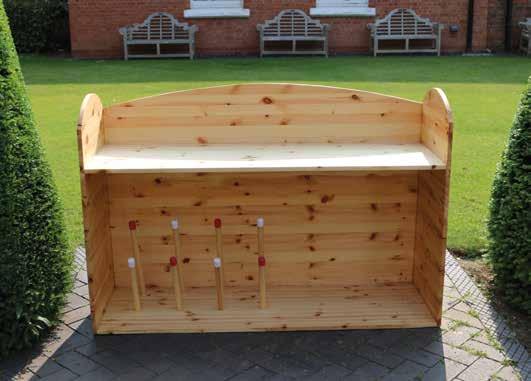
These wonderful products were produced by Year 11 pupils for their GCSE DT summer 2025 examinations. They showcase a range of ideas and creativity.
Aaron Cooper Oriental Hand Fan
Alex Sykes Architectural Model
Tom Wilding Archery Scoreboard
Amelia Reynolds Bird House
Arun Bilkhu ey Cupboard
Sam Grindal Rachet Strap Roller and Holder
Finlay Ross Solar Lighting System
Harry Roberts Japanese Kneeling Chair
Soren Wasley Extendable Weight Rack
Josh Gorbutt Vihuela Guitar Table
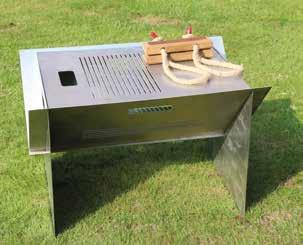
Mohammad Abedi Flat Pack BBQ
Amazing A-level Product Design
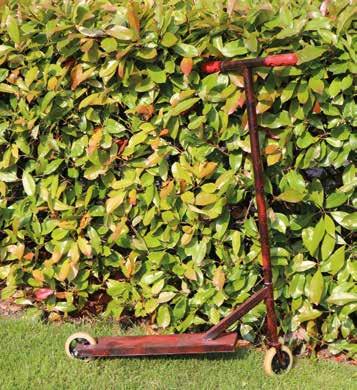
Douglas Bray Child’s Scooter
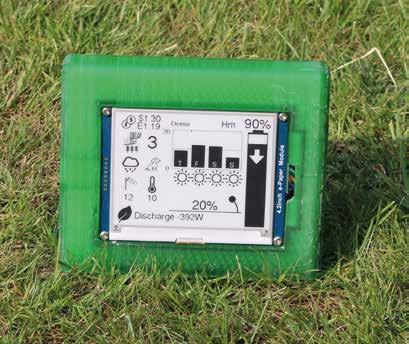
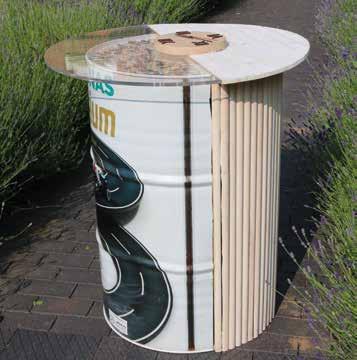
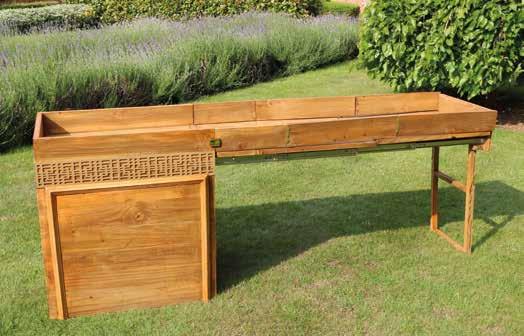
These pieces were created by A-level DT students for their final examinations in Summer 2025. The students designed their own projects and then made their products as part of their A-level studies. They were manufactured using a range of processes within the areas of timbers, plastics, metals and electronic systems.
Freddie Hadley Coffee Table – Scandinavian Design/Steam Punk
Noah Pepper Boot Storage Rack Rhys
Ethan Capelett Live Update Weather Monitor
Seb Hume-Chignell Outdoor Games Table
The Sports Interview
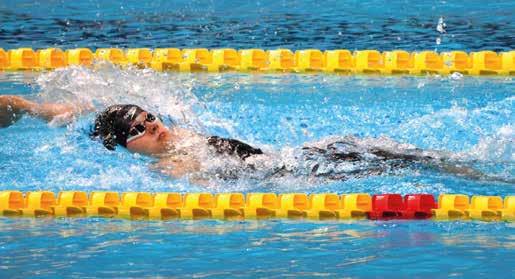
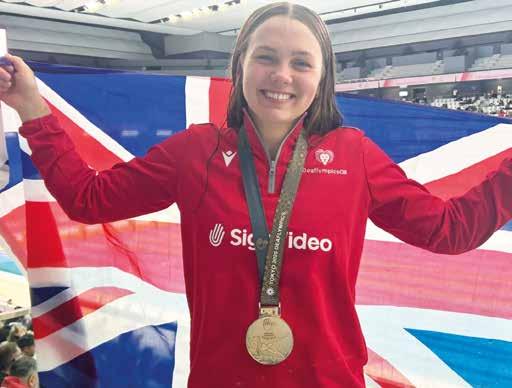
Year 11. Charlotte Gower has just returned from competing in the Deaflympics in Japan, where she was very successful, winning a total of seven medals. Here Charlotte talks to Miss Callan about swimming and competing at such a high level.
Name: Charlotte Gower
Sport: Swimming
Personal Journey and Motivation
1. What first inspired you to start swimming, and when did you realise you wanted to take it to a high-performance level?
I started swimming lessons when I was little then joined the swimming club at age 7 as I enjoyed swimming. I went on to compete competitively from an early age but it was only a couple of years ago that I first qualified to compete nationally and this motivated me to push myself further.
2. How did you feel when you found out you had been selected for the Deaflympics team?
I was honoured and so excited the thought of being able to represent my country at a sport I’m extremely passionate about.
3. What motivates you to keep pushing yourself in training, even on the tough days?
My coaches are great at keeping me motivated, but I am really competitive and constantly strive to improve and I know this means I have to keep pushing myself in training consistently. Like most sports you have to commit to improve.
Deaflympics Experience
4. Can you describe the moment you arrived in Japan. What was going through your mind?
It was a long flight, but we had been advised on keeping hydrated and to keep moving. It all became real when we arrived, I was excited but also nervous as I wasn’t sure who else would be swimming and where I would be in the rankings.
5. What did it feel like stepping up to the starting blocks representing Great Britain?
It was a fantastic experience, but I was also very nervous. There were lots of cameras and big screens with my face on! The finals in particular were very nerve wracking as we had to walk out to music, wave at the cameras and there were a lot of spectators including on one day the Emperor, Empress and Princess of Japan.
6. What was the atmosphere like in the pool compared to other competitions you’ve been in?
The pool atmosphere was so friendly and extremely supportive from the people in the stands across all the different countries.
Medal Moments
7. Can you tell us about one of the races where you won a medal, what made it special?
My first gold medal in the 200 IM was particularly special because it was my first race and I went into it not expecting to win so when I did, I was quite shocked and proud of myself. It was nice to know that my hard work and training over the past year had paid off.
8. How did you celebrate after winning?
Unfortunately, I could not celebrate straight away as I had to go through anti-doping which takes a quite a long time. It was really the next day that I could fully appreciate my achievement and celebrate the success with my team and family.
Challenges and Resilience
9. What challenges have you faced as a deaf athlete, and how have you overcome them in your sport?
When I swim, I don’t wear my hearing aids so I struggle to hear any instructions and feedback from my coaches. To overcome this, I have a physical copy of the set and the coaches talk loud and repeat if I need them to. In addition when I race I struggle to hear the start noise so I use a light which flashes to set me off
10. Was there a moment during competition where you had to really dig deep? What helped you stay focused?
On the last day I had already done five days of constant races and I knew that in order to do well in the three races I had that day I would have to dig deep and focus. What helped me to do this was knowing that I could come home with even more medals and prove to myself it was all worth it
First Foundation COP
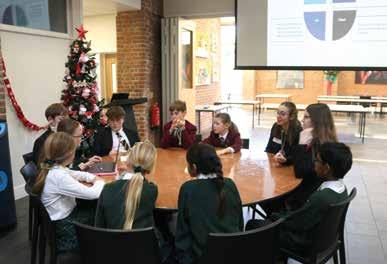
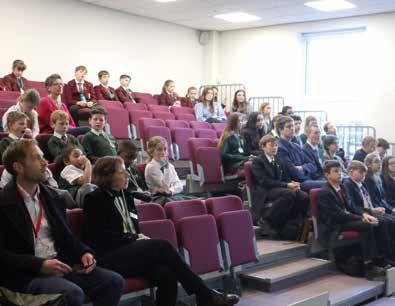
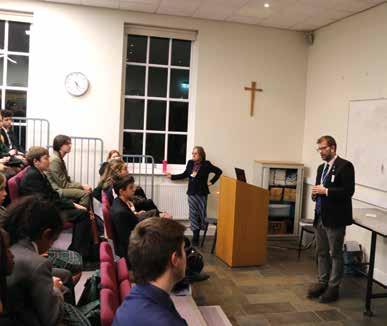
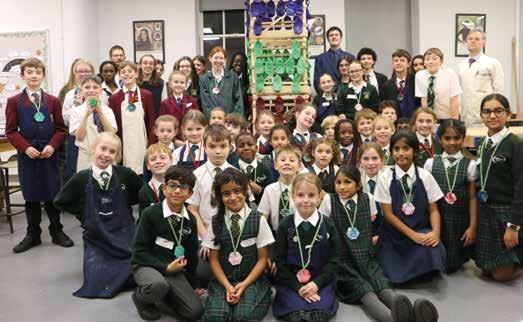
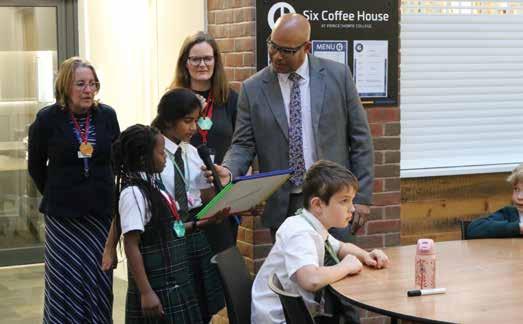
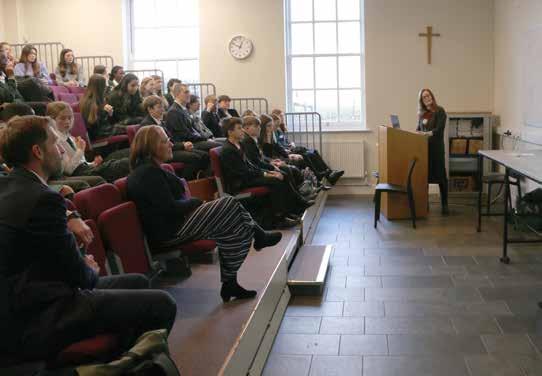
All the Foundation’s schools took part in a COP Week in early December. It started with our first ever whole Foundation Assembly where we heard from pupils involved in the schools’ Eco teams and also from wonderful guest speaker Yewande Akinola, MBE, whose passion for engineering, sustainability, innovation and education is infectious.
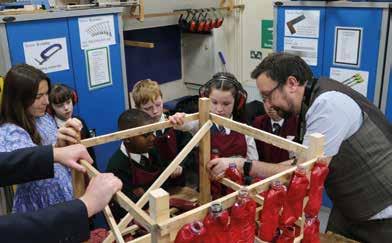
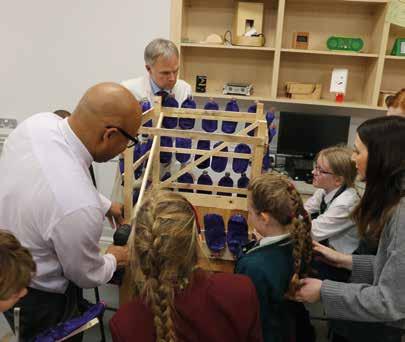
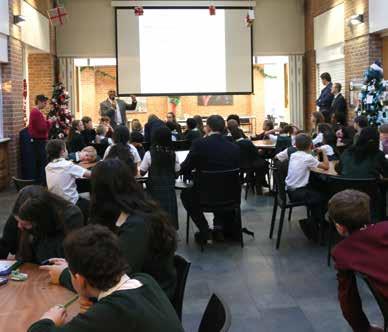
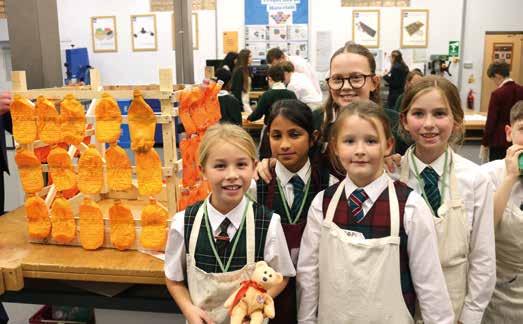
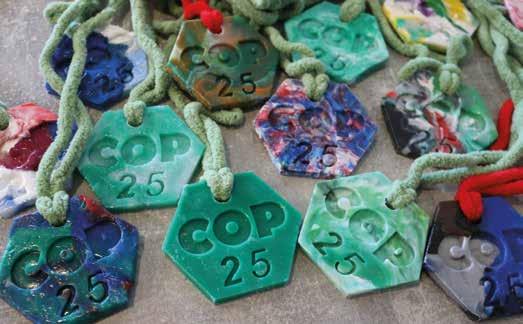
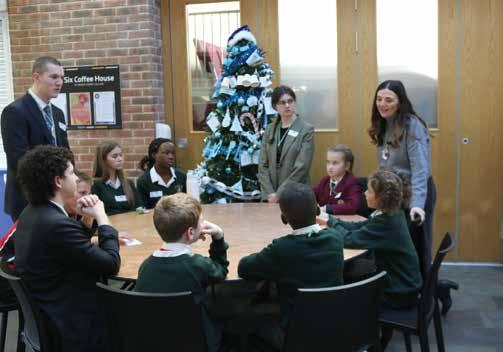
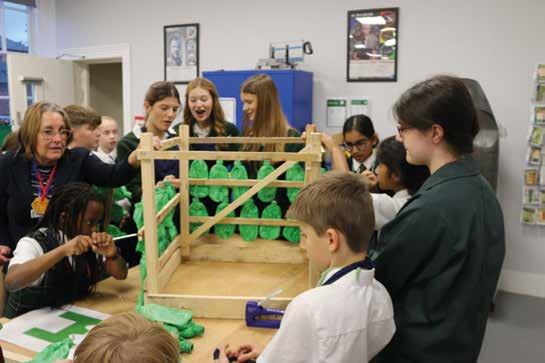
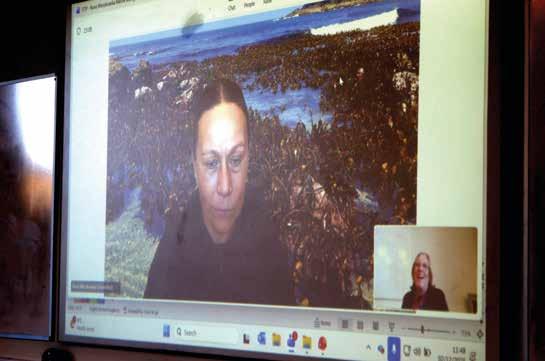
On the Tuesday, 60 pupils from Crackley Hall, Crescent and Princethorpe came together for our own pupil ‘minicop’. The focus of the day was the impact of single use plastics and in preparation, the pupils had undertaken audits of single use plastics in their schools and had also drafted environmental pledges for pupils, staff and families across the Foundation. In an action-packed day they heard from some amazing guest Marinespeakers: Biologist, Dr Nova Mieszkowska Director of Global Affairs at British International Investment, Andrew Palmer Senior Manager and Carbon Label Scheme Lead at The Carbon Trust, Dr Kirsten Dollery In cross school groups, pupils discussed and debated environmental issues in and outside their school and came up with ideas as to how to make a difference. They also drafted a series of ‘clauses’ for a Princethorpe Foundation Single Use Plastics Treaty to take to the Senior Leadership of the schools. The final activity of the day was an artivism task that built a replica of the Foundation Tower using recycled plastic bottles, which were previously collected by all three schools. The activity was great fun as well as useful as the finished piece will now be used as a recycling bin to collect single use plastics in our schools.
Princethorpe da Vinci COP Competition
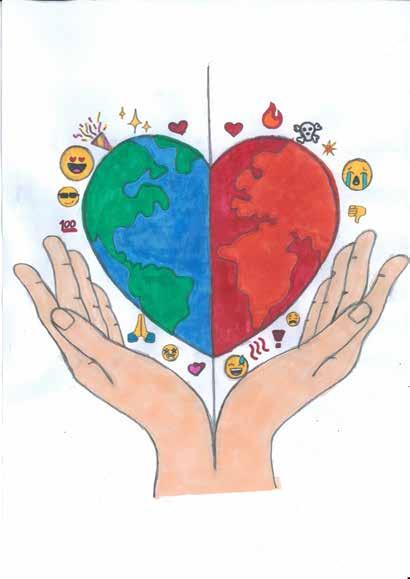
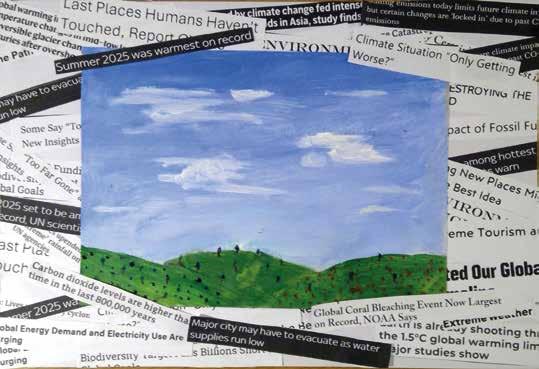
In addition to the classroom activities, there were independent projects and an art competition based on the theme of ‘Climate Change’ set on the Challenge Calendar. Here is a selection of the responses that
POLITICS | SIXTH FORM
Isaac Frith, Y10
Daisy-Mai Taylor, Y7
In whispers of the wind the trees confide, The wind in my face as people walk by, I watch as our world once lovely and wide, Sits with us as we learn to abide
The streets of London used to be covered in hope, But because of the factories theres a lot of smoke If we all come together once again, We can help this planet to never end
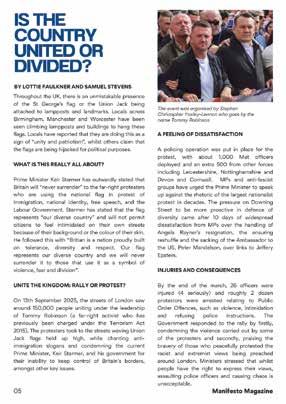
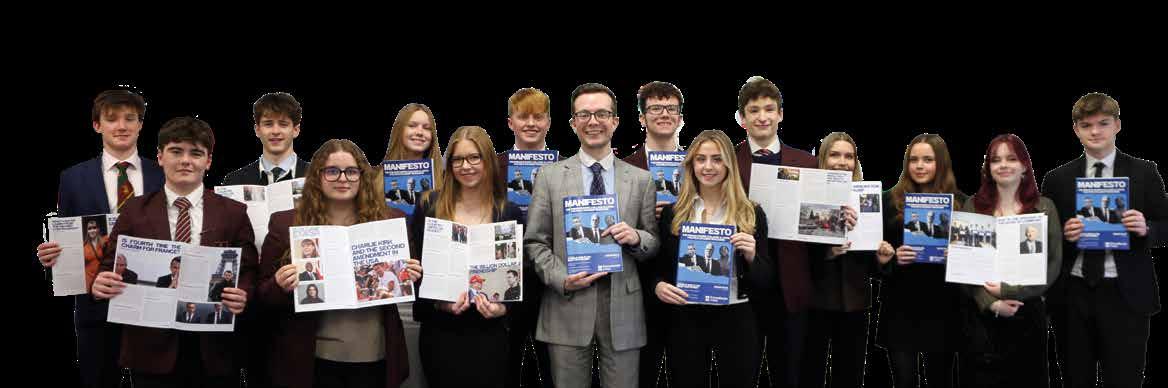
The first edition of Manifesto was published, Princethorpe College’s student-led politics magazine, an exciting new project from the Politics Department. Manifesto explores the world of politics through the lenses of our Sixth Form students producing concise and informative articles on the latest events in UK, US and global politics.
Each term, Upper Sixth students will be writing new articles sharpening their analytical skills, developing their thinking and bringing a fresh perspective on political events. From elections and policies, to protests and international affairs, the magazine will share insights that help Princethorpe pupils stay informed and up to date on world events.
Contributing to this edition were Oscar Civzelis, Hugh Henderson Martin, Sam Stevens, Cara Ridd, Isla Berger, Lottie
Water Conflicts
Amelia Fry, Upper Sixth, wrote an outstanding essay on water conflicts as part of her A-level Geography studies. Water plays a key role in supporting life on earth. The water cycle operates at a variety of spatial scales. Physical processes control the circulation of water between the stores on land, in the oceans, in the cryosphere and the atmosphere. Changes to the most important stores of water are a result of both physical and human processes. Water insecurity is becoming a global issue that will have serious consequences and Amelia’s excellent essay explored the inevitability of such conflicts.
SPANISH | YEAR 7
¡Hola!
Assess the view that water conflicts are inevitable
Water conflicts are problems that arise from sharing water particularly where water basins are shared between countries. Furthermore, political tensions can arise from water conflict such as Palestine and Israel tensions whereby Israel were over extracting underground aquifers which reduced supply for Palestinian civilians and caused insecurity within the region.
Most water conflicts occur from water deficits in the hydrological cycle or issues between supply especially when water sources are shared between nations. Additionally, some nations are more prone to conflicts due to their economic status; when water is shared between countries of differing development levels higher income countries often use this to their advantage to dominate lower income countries which inevitably leads to conflicts e.g. Turkey and Syria. Finally, water management schemes such as dams such as the GERD dam can also lead to water conflicts whereby water supply is restricted between countries.
Firstly, water conflicts are inevitable due to increasing global population which then leads to an increased demand for water. Such as the issues surrounding the Nile river which is the longest river in the world and over 250 million people rely on the river for daily water use. The population dependent on the Nile is supposed to double by 2050 which increases the risk of water conflict.
It is also estimated that in the next 10 years 35% of the water dependent population will be in deficit. Furthermore, political treaties between Egypt, Sudan and Ethiopia with restricted Ethiopia’s access to the Nile which led to political tension over the Nile’s water.
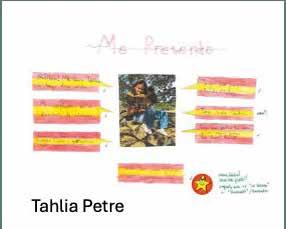
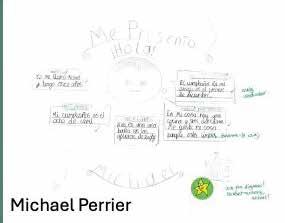
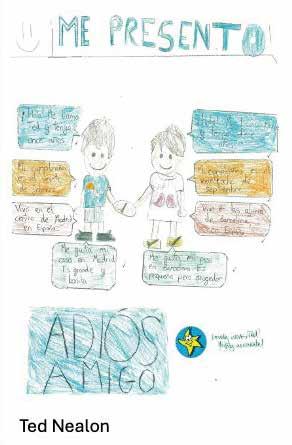
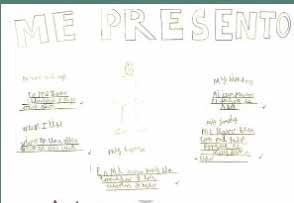
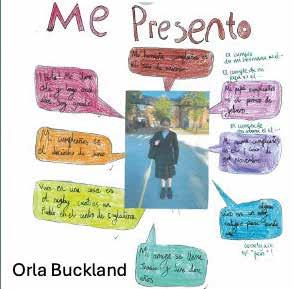
As our newest members to the school, Year 7 have hit the ground running by learning how to introduce themselves in Spanish.
After just a term at school, they are already showing huge promise with their ability to write a wide range of information with accuracy, including about family members and pets. Here are a few examples from 7P - can you spot the person who has seven pet owls?! ¡Hasta luego!
Tahlia Petre, Y7
Michael Perrier, Y7
Sebastian Waters, Y7
| YEAR 10
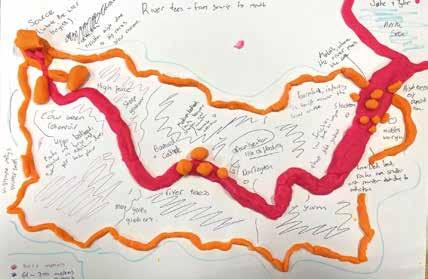
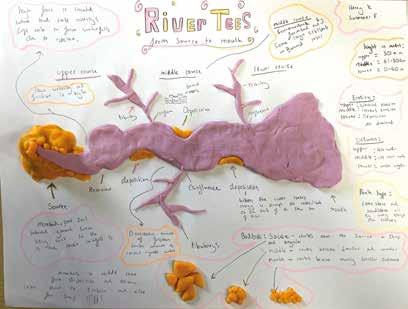
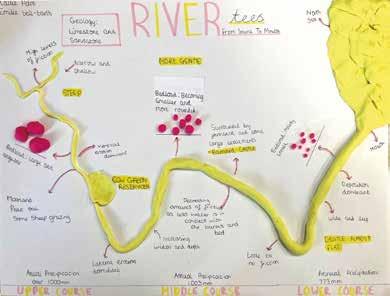
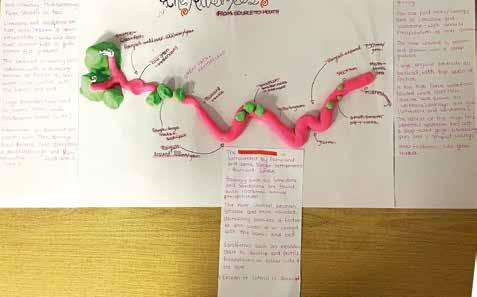
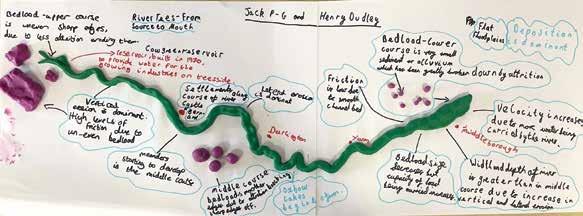
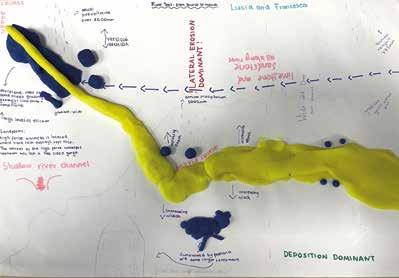
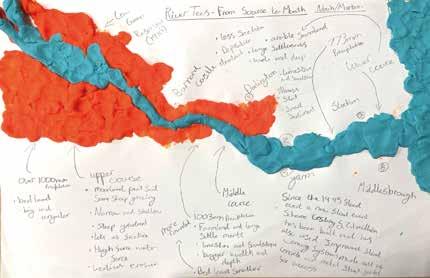
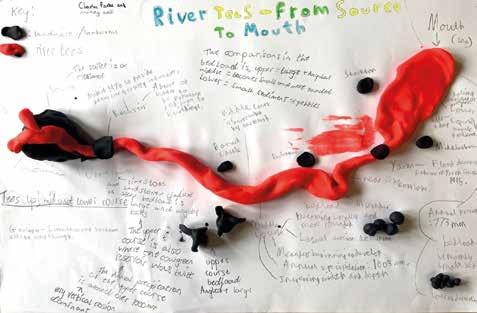
River Tees
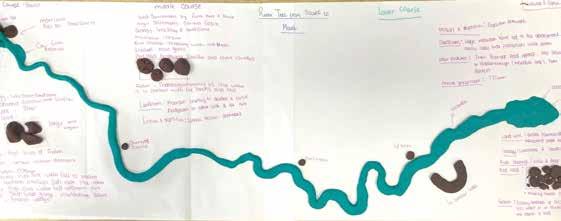
Mrs Essery’s Year 10 Geography Class produced annotated 3-D models of their GCSE case study of the River Tees. Some very creative work was in evidence, with clear labels and annotations to show how the river changes from source to mouth.
Isabella Syrotiuk and Sophia Deery, Y10
Henry Dudley and Summer Fletcher, Y10
Noah Thompson and Morton Wilcox-Smith, Y10
Lucia O’Brien and Francesca O’Flynn, Y10
Jake Mainwaring and Tyler Moreton, Y10
Jack Phillips-Gore and Henry Kiteley, Y10
Callie Petre and Emilie Bell-Barth, Y10
Charles Packe and Mikey Bell, Y10
Liana Fairlie and Martha Coburn, Y10
Geographical Events
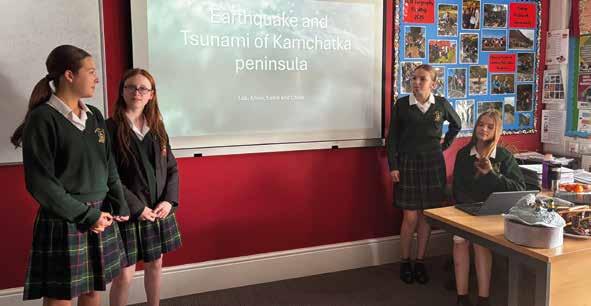
At the start of term pupils in Year 9 Geography looked at the causes and consequences of a range of geographical events in the news, pupils independently decided on their responses and feedback was provided to peers using variety of different methods.
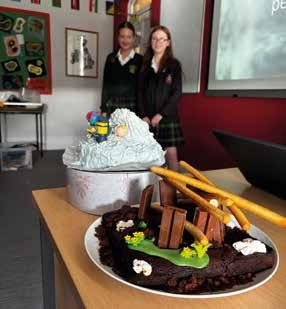
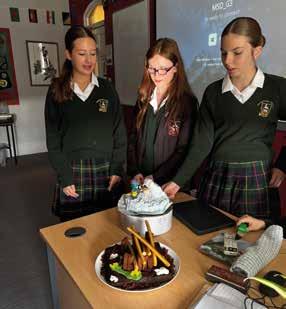
Annalise, Lila, Esme and Chloe produced an informative PowerPoint and earthquake and tsunami cakes which showed the devastation that these events wreaked on the Kamchatka Peninsula in Russia. This creative and unique response impressed Mrs Baker greatly.
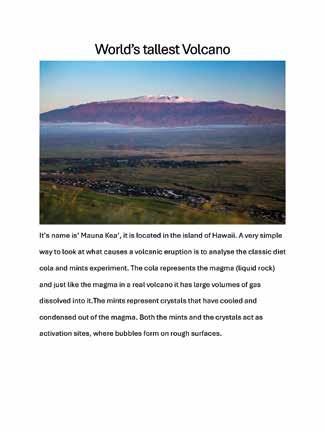
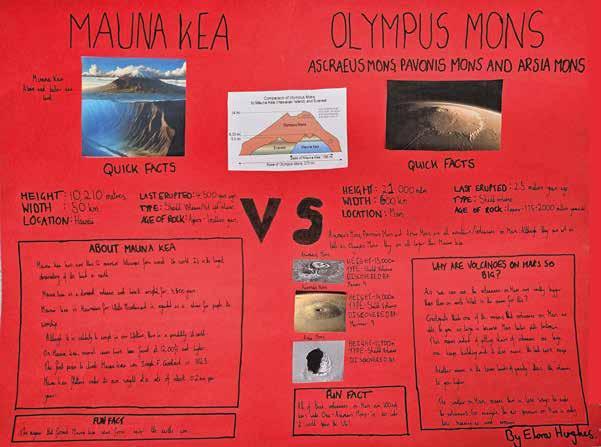
Rupert Harrison (Year 8) and Elora Hughes (Year 8) were inspired by their independent studies following the Challenge Calendar link about the world’s tallest Volcano and comparing this to Olympus Mons on Mars.
Rupert Harrison, Y8
Elora Hughes, Y8
Annalise Capper, Lila Dixon, Esme Luck and Chloe Brosnan, Y9
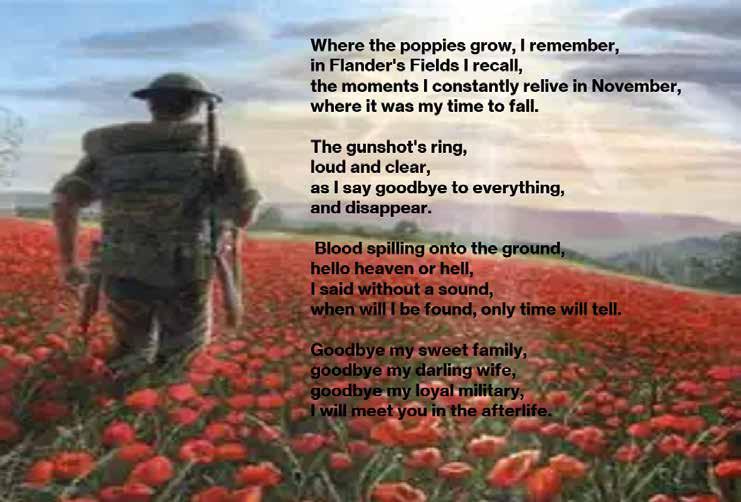
Remembrance Poem
The November Challenge Calendar included a da Vinci competition to write a poem on the theme of Remembrance. The winner was Year 10 pupil Dami Ajagunna, who crafted this incredible response.
Fallen as the Autumn Leaves by Dami Ajagunna, Y10
British, winter
January, 1916
Conscripted:
Forced to war - but gladlyFed up of life’s monotony;
Anticipates a grand adventure, Beyond his cold, bleak existence: A promise of glory and weapons And beautiful women.
He leaves behind the bitter, black trees of home.
Indian, spring
May 1916
Trained up:
His head is filled with patriotism, for his country’s ally.
He’s doing a great service, he’s told. Warm sun caresses his face as he walks out in France,
He’s full of new life and hope and passion:
As ready to serve as the days grow longer.
He spots a village in the distance, bright pink with blossoms.
African, summer
June 1916
Miserable:
Merciless heat beats his back.
But his feet are somehow still sodden
He wonders why he’s here;
How many others fell for a pack of lies?
That war was some great quest?
He notices the cracked ground beneath his boots, and prays
That his family back home have coped with the drought.
French, autumn
October 1916
Shell-shocked:
He’s still shaken from the battle: The bloodiest on record.
It was 3 months ago, but he will never recover.
He’s lost everything - his friends, his sanity, His freedom.
He feels so alone that he doesn’t see the red-gold gale,
Swiftly sweeping across No-Man’s Land, flittering, vanishing.
He mutters to himself, Rocking back and forth in that wicked trench.
‘War is not worth it’,
‘War will never be worth it.’
‘Not when those innocent brave men lie dead in the mud.’
‘Countless as blades of grass;’
‘Fallen as the autumn leaves’.
Highly commended by Jessica Blythe, Y8
Projects 2025
HIGHER LEVEL PROJECTS 2025
Isaac Frith, Y9
Dami Ajagunna, Y9
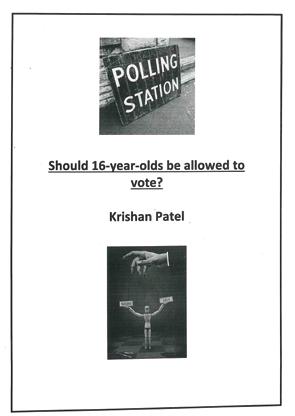
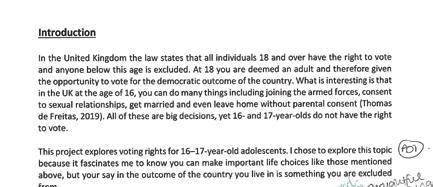
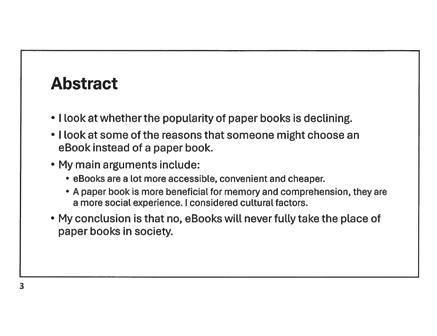
The Year 9 scholars and high-performance learners who are invited to undertake the Higher Project Qualification have once again produced outstanding results. The projects selected here all achieved full marks, attaining A* at GCSE level.
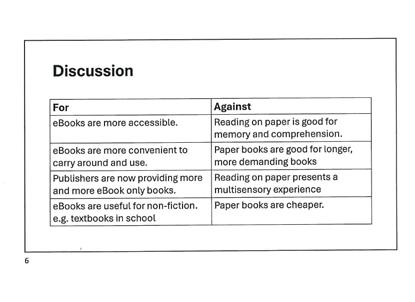
Isaac Frith’s project was ‘Could Paperless Books Take over from Paper in the Future?’ Krishan Patel’s project considered the topical political question, ‘Should 16-yearolds be allowed to vote?’ These pupils showed the full range of research and project management skills and their dissertations demonstrate mastery in their construction, persuasive writing and evaluation of their arguments.
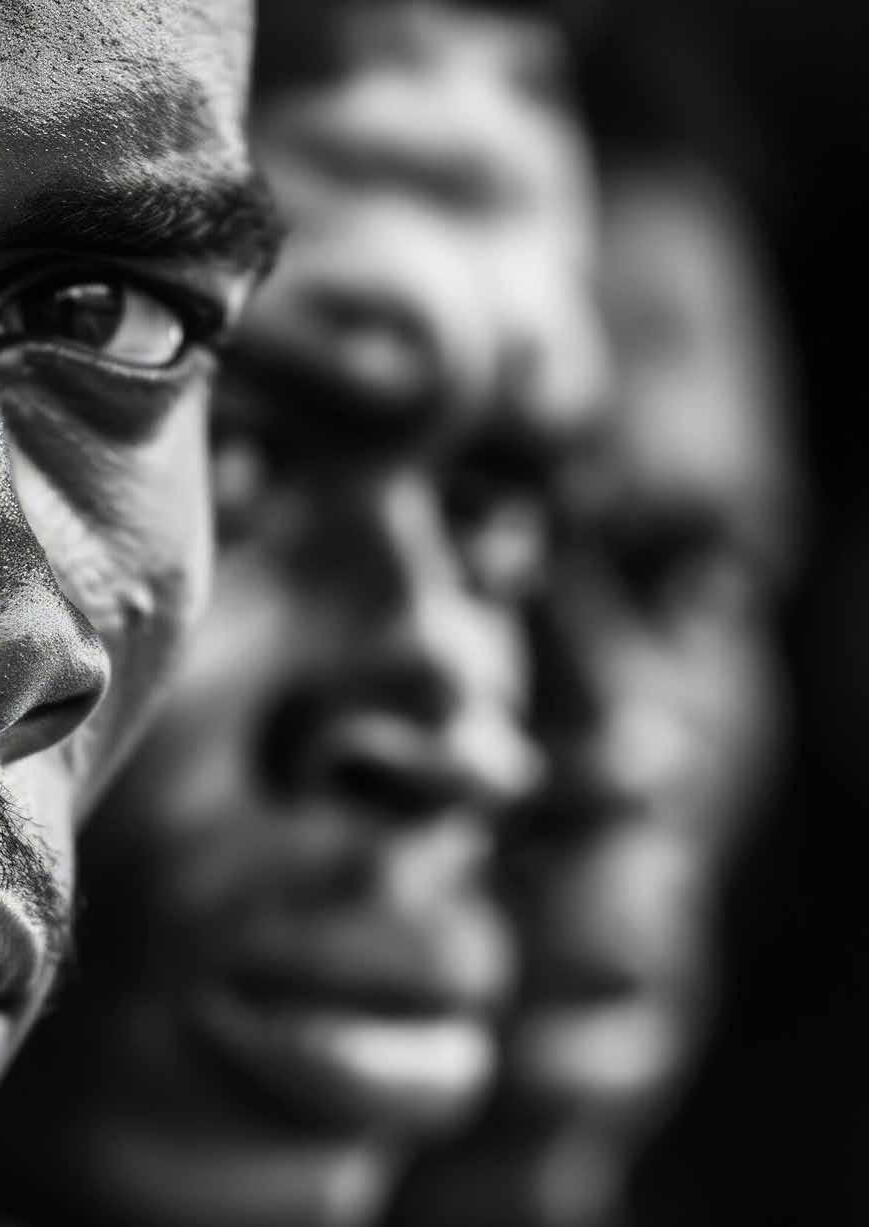
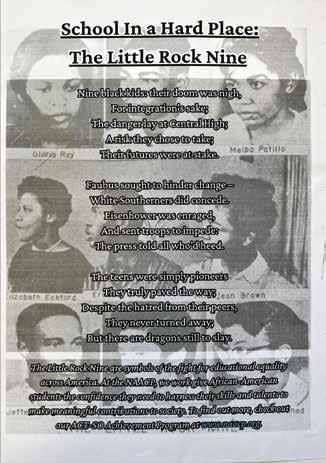
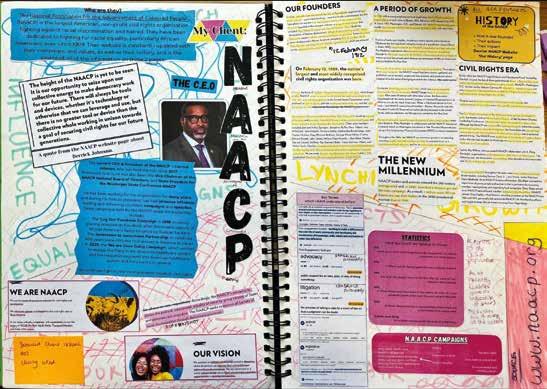
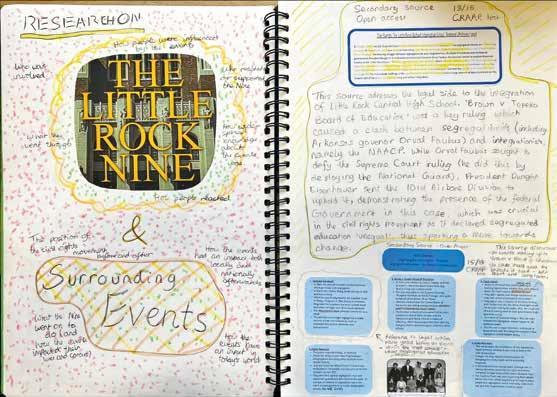
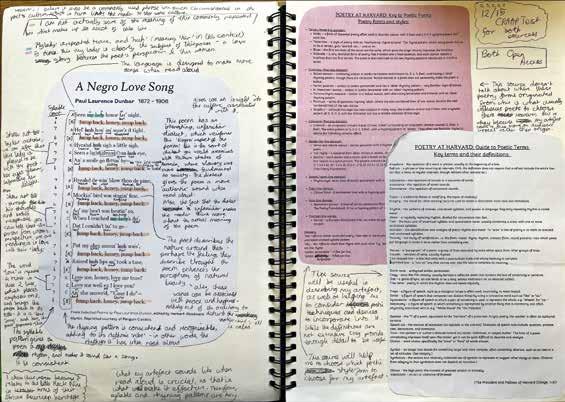
The best Artefact Project of the year was Dami Ajagunna, who created a poem for a Black Lives Matter campaign based on her research into racism in the USA, specifically The Little Rock Nine. Her presentation not only demonstrated the power of words, but also how she overcame the challenge of creating poetry with a clear message, with a distinctive metre and tone. The images are a selection from her portfolio and the final poem. Well done to everyone who completed a project - they all achieved fantastic results.
.
“ We loved the talk from Dr Alhroob - it was both informative and entertaining “
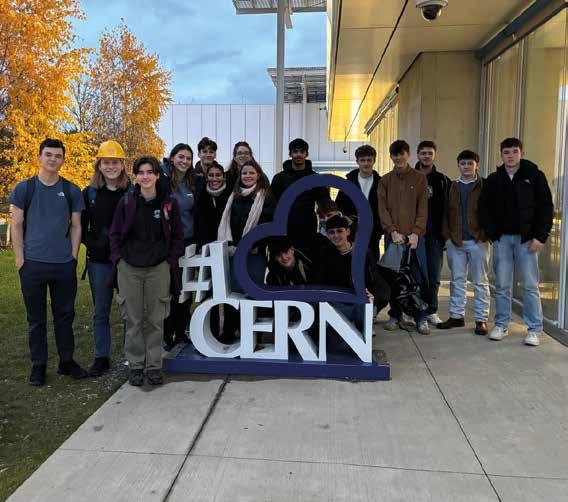
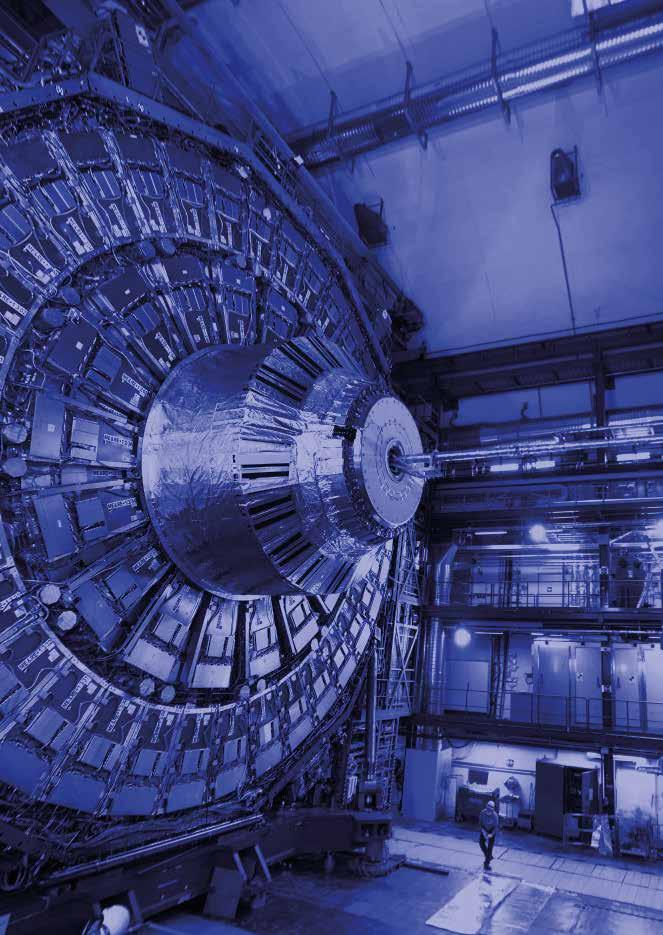
Physicists Explored The Fundamentals of The Universe at CERN
Princethorpe College’s Upper Sixth physicists, travelled to Geneva in Switzerland on Friday 5 December, accompanied by Head of Science, Emma Cooper, and Head of Physics, Dan Lee, to visit CERN, the European Organisation for Nuclear Research and the home of the world’s largest particle accelerator.
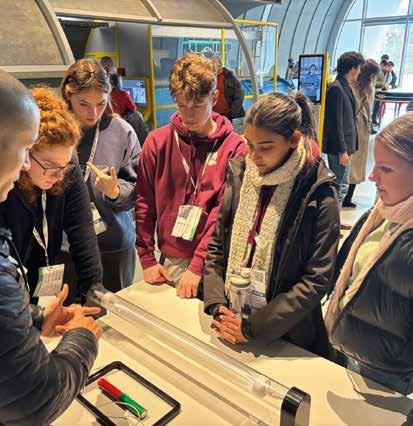
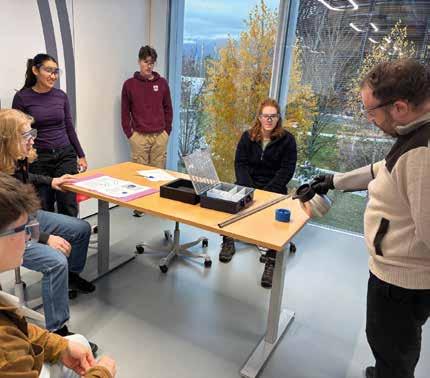
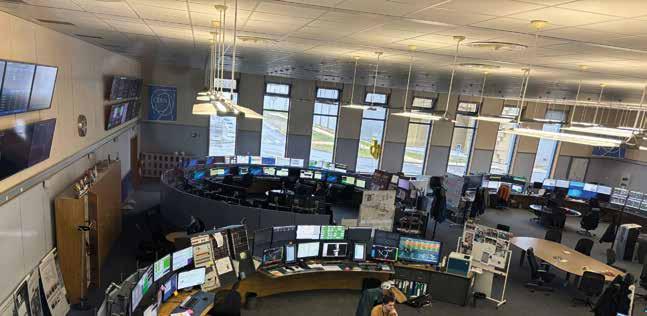
Highlights from their trip to one the most fascinating laboratories open to the public, included a 90-minute laboratory workshop, during which students used liquid nitrogen to achieve superconducting properties in special alloys to levitate permanent magnets using quantum pinning. They also enjoyed a three-hour tour which visited the CERN Control Centre and included an informative briefing on how the accelerator produces charged ions, accelerates them in bunches through a LINAC (Linear Accelerator) before inserting them into consecutive circular accelerators called the Proton Synchrotron, Super Proton Synchrotron and finally the Large Hadron Collider, where they are smashed together in high energy collisions with the aim of creating rare particles to help physicists understand more about the Universe and world around us. Due to the size and scale of the experiment, the students had to board a bus to visit one of the four main detectors called ALICE (A Large Ion Collider Experiment) detector where they discovered how the particles that are created in the experiment are detected, the engineering challenges involved in making this possible and the computing power required to record, filter, analyse and store the huge quantity of data extracted.
Then, Dr Muhammad Alhroob, a researcher for the University of Warwick’s Department of Physics, also met with Princethorpe’s students to talk to them about how his career in physics came about and some of the interesting projects he had worked on at CERN. Upper Sixth student, Jamie, commented “We loved the talk from Dr Alhroob - it was both informative and entertaining.”
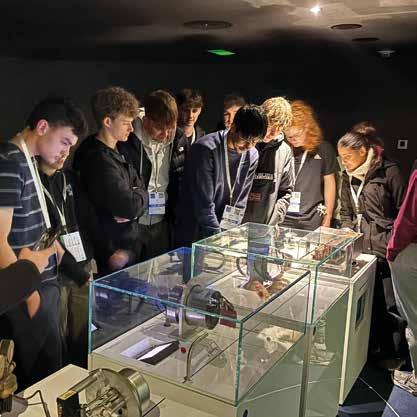
The Sixth Formers also spent several hours in the exhibitions that included a 30-minute video on the history of CERN and several interactive galleries explaining the development of particle accelerators and technological advancements as a result of the research and experimentation carried out at CERN.
Outside CERN the students also enjoyed cultural highlights including a walking tour along the shoreline of Lake Geneva, the Christmas markets and the cobbled streets and the striking architecture of the historic old town. They even fitted in a brief visit to the Museum of the History of Science and a quick stop at IKEA enroute back to the airport.
Trip leader, Mr Lee, judged the trip to have been a resounding success. “It was an excellent trip. CERN hosts 10,000 physicists trying to unlock the secrets of the universe and their work with complex scientific instruments such as the Hadron Collider is revolutionising our understanding of the universe. We enjoyed a very busy two days, and our Sixth Formers were impeccable ambassadors for the College.”
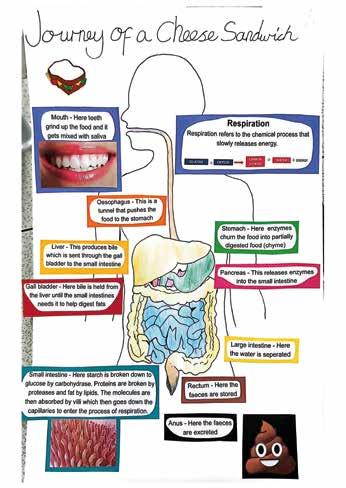
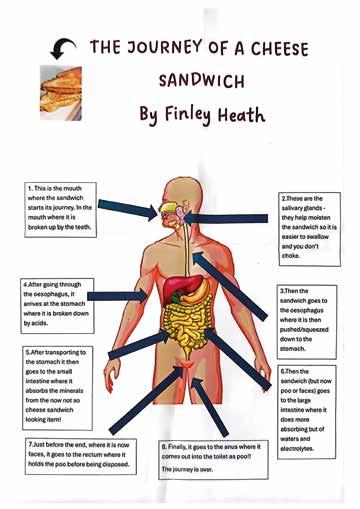
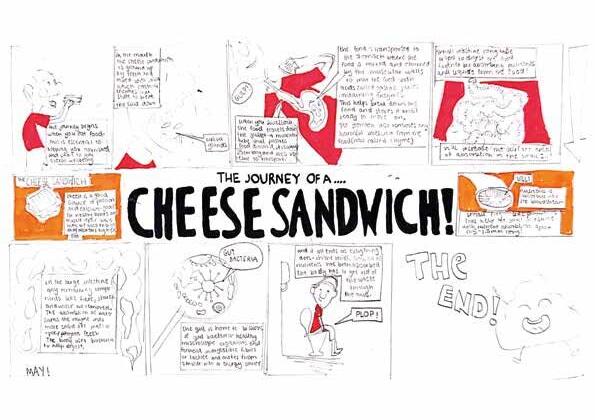
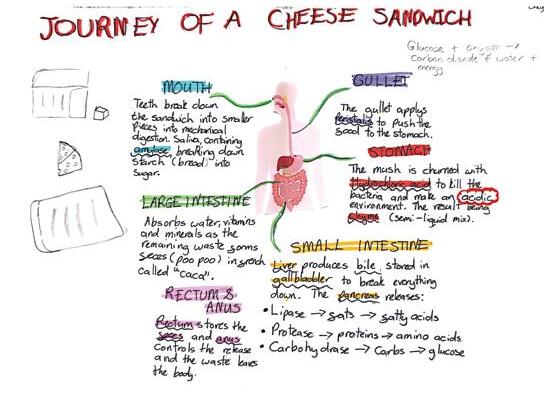
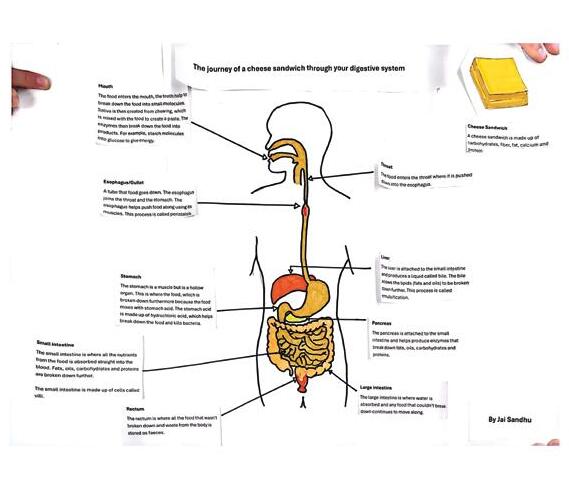
Digestion of a Cheese Sandwich
May Reynolds, Y8
Year 8 da Vinci Projects in Biology.
Pupils studied the digestion of a cheese sandwich. After background lessons on food groups, digestion and enzymes, pupils had to indepedently create a resource to summarise the roles of the organs and the process of digestion. Here are some fantastic examples from Mrs Smith’s class
Miriam Lambe, Y8
Finley Heath, Y8
Jai Sandhu, Y8
Chey Okpala, Y8
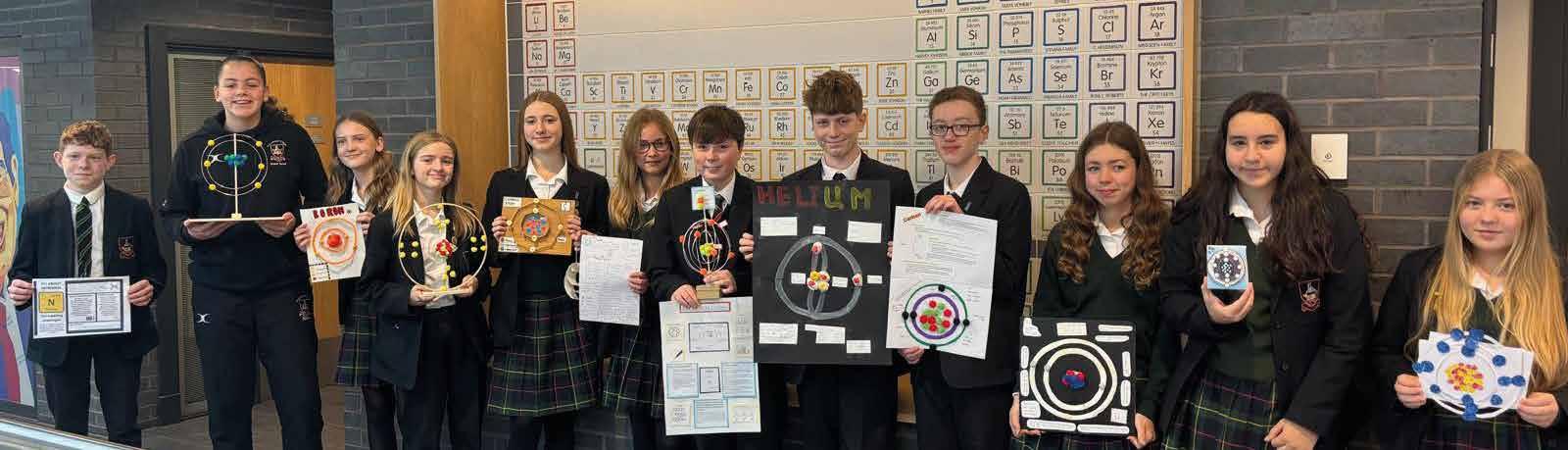
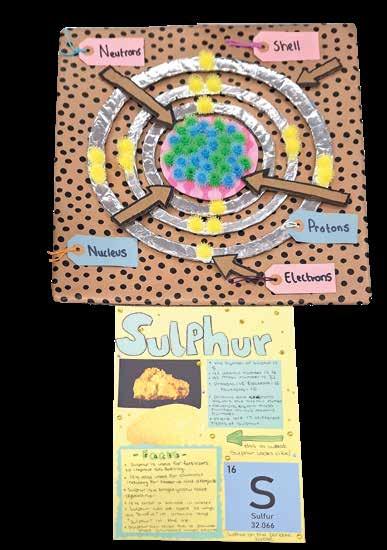
Atom Structure
Year 9 have been learning about the structure of the Atom. They built models of their chosen element and presented interesting facts about the atomic structure of their element. This included how to determine the number of subatomic particles and information about any isotopes of the element. Well done to Year 9 for truly outstanding work.
Congratulations to William Slay, Sophie Crawford, Florence Munn, Eloise Burchill, Evelyn Waterworth, Isabelle Johnson, Harry Down, Dylan Llewellyn, Harry McBean, Jess Gilder, Sofia Papadogiannakis and Emmie Reason.