

The healthcare industry is a cornerstone of society, constantly evolving to address new challenges, improve patient outcomes, and integrate innovative technologies. Among the driving forces behind this progress are visionary leaders whose dedication, expertise, and forward-thinking approaches are transforming healthcare. These leaders serve as inspirations, paving the way for a more accessible, equitable, and efficient healthcare system.
With the launch of this edition “The Most Inspiring Healthcare Leaders to Watch in 2025,”- we present a distinctive collection of the most inspiring healthcare leaders to look for. This collective read invites you to embark on a journey through the inspiring stories of these healthcare leaders. We always aim to empower and encourage, aspiring healthcare leaders by promoting their innovative ideas, breakthrough solutions, and entrepreneurial journeys. This special read is a part of that objective.
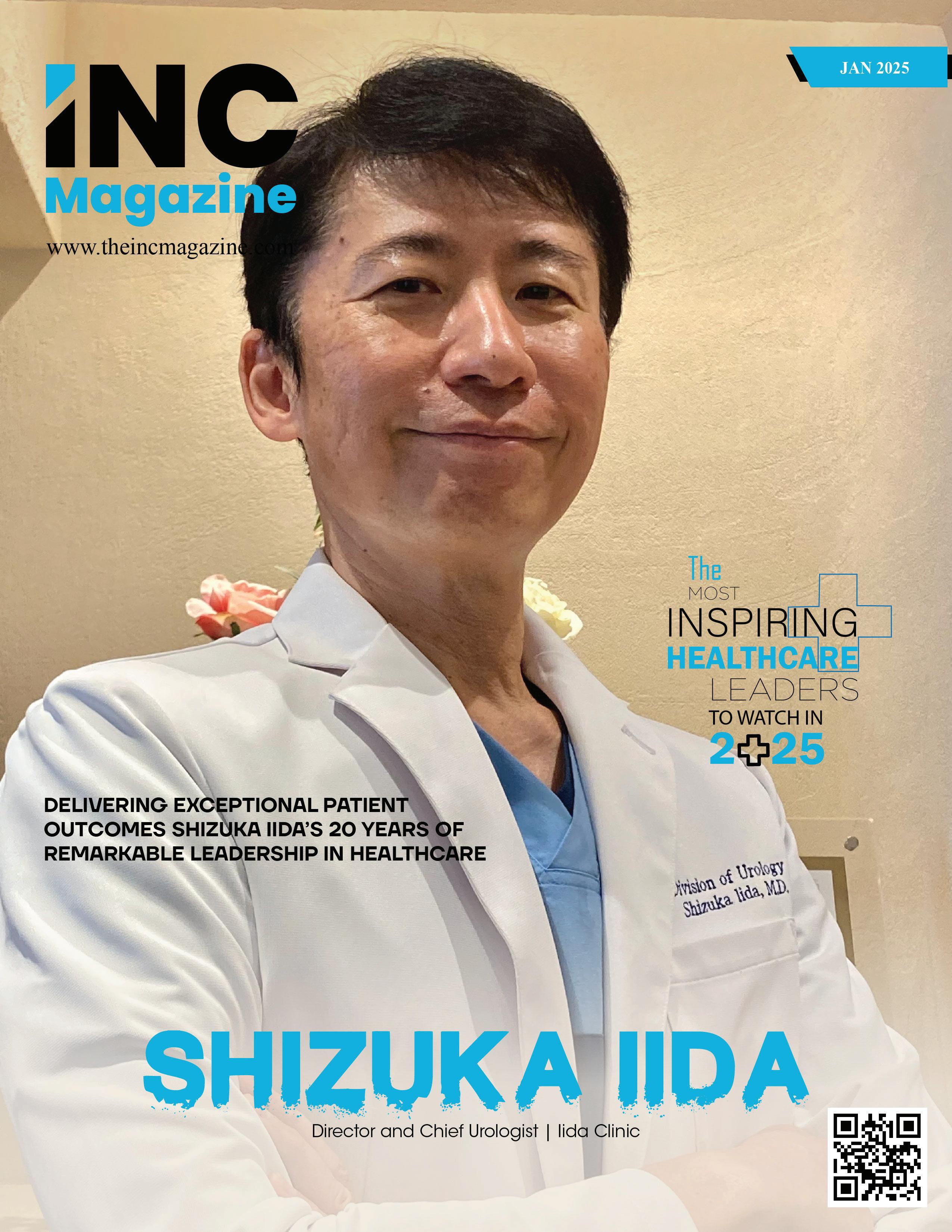
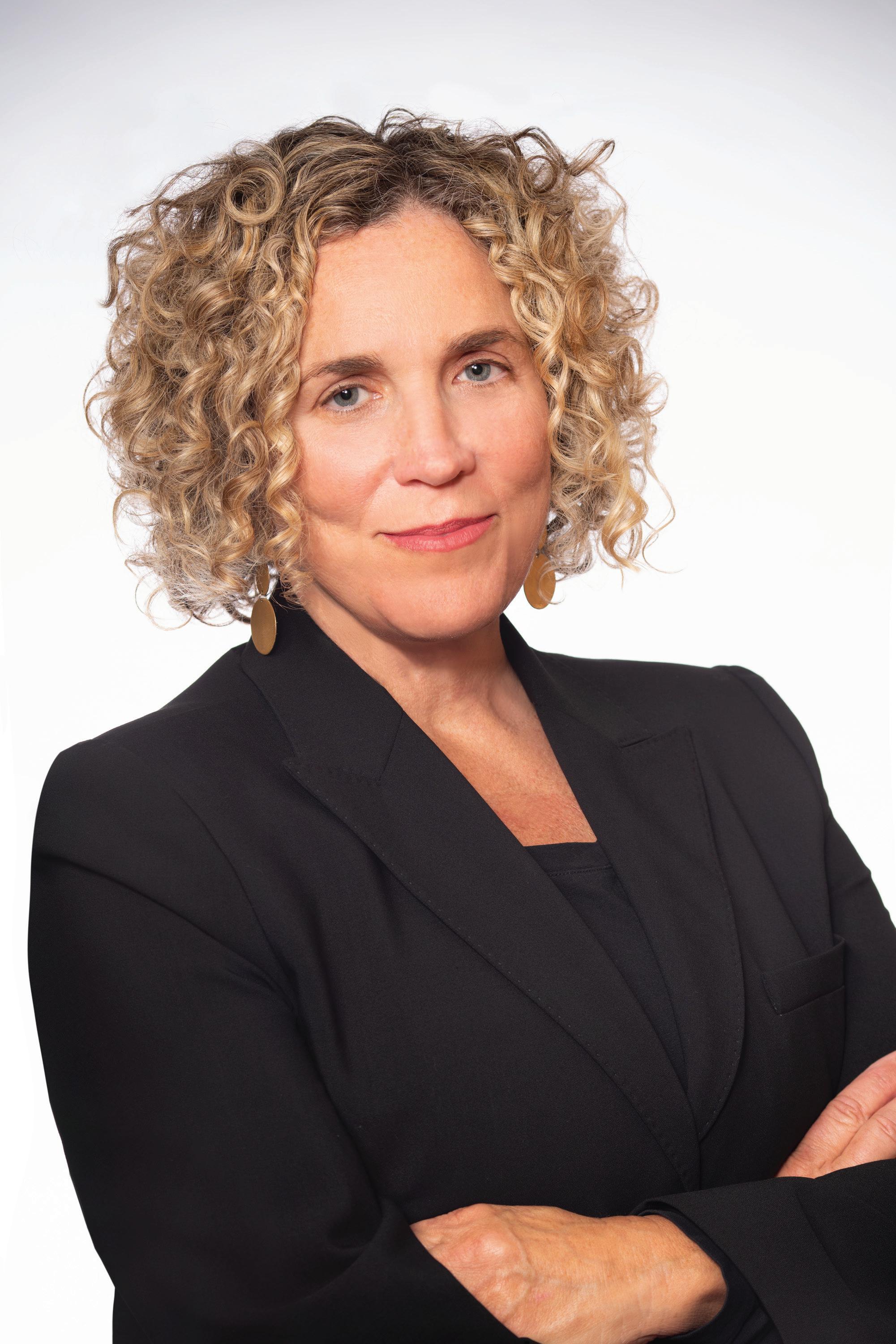
On Cover, we have, Shizuka Lida the Chief Director at Iida Clinic. Lida is a remarkable leader in the healthcare industry, boasting over three decades of experience as a medical doctor. He has been a visionary leader for nearly two decades, dedicated to bridging the gap in health and providing expert care for patients as the Director at Iida Clinic Medical Corporation, Shizuka Iida is committed to improving health outcomes and contributing to the broader medical community. He has been selected as ‘one of the Best Doctors in Japan’ for 2020-2021 for his notable contributions.
As I wrap up this note, I heartily welcome our readers' valuable feedback and suggestions on how we are doing. We always strive to provide meaningful insights and information on the healthcare industry and make our coming edition even more impactful. We hope you will enjoy exploring this edition as much as we enjoyed crafting it. Stay tuned for more such empowering stories and insights into various trends in the healthcare sector.
Happy Reading ....!
Mary Tagliaferri An Ardent Leader Setting a New Benchmark in the Biopharmaceutical Industry
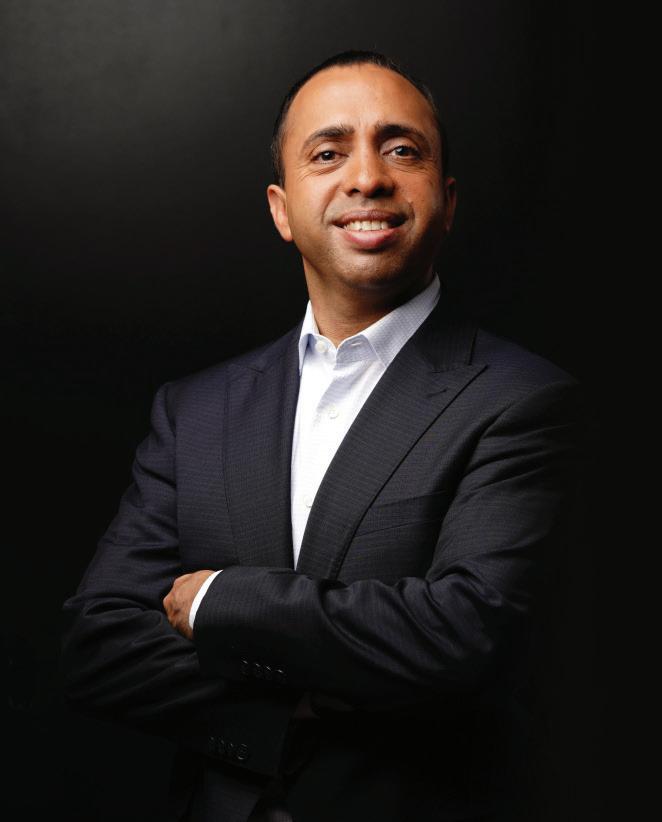
Pradeep Goel: Removing Frictions and Barriers of the Healthcare Sector with Solve.Care
Wibe Wagemans: A Pioneer in AI & Mobile Tech Who Introduced Pardigm to Tackle the Top 5 Global Health Conditions
Shane Foss: Making Affordable Healthcare Simple!
Dr. David Berger: Transforming the Healthcare System
Ways Software Can Boost Your Healthcare Business
and

Managing Editor
Publishing Control Team
Editor-in-Chief Visualizer
Art & Design Head
Business Development Manager Co-designer
Business Development Execu�ve Marke�ng Manager
Assistant Technical Head Technical Head
Digital Marke�ng Manager
Assistanr Digital Marke�ng Manager
Research Analyst
Circula�on Manager
Sonal K. Ehsan Jami Alex, Michael
Mary Chars Anushka Bhosle Shweta Ambilwade
Kenneth Lyods Chirs Philip Maria, Wilson, Mar�na, Alex, Kelvin
Jacob Smile Alina Sege
Jennifer Parker David King
Earl Lewis Scoot Taylor
sales@theincmagazine.com January, 2025
Email: Info@theincmagazine.com
For Subscription: www.theincmagazine.com
Follow us on : www.facebook.com/theincmagazine/ www.twitter.com/theincmagazine www.instagram.com/theincmagazine/ www.linkedin.com/company/theincmagazine
Copyright © 2025 The Inc Magazine

The
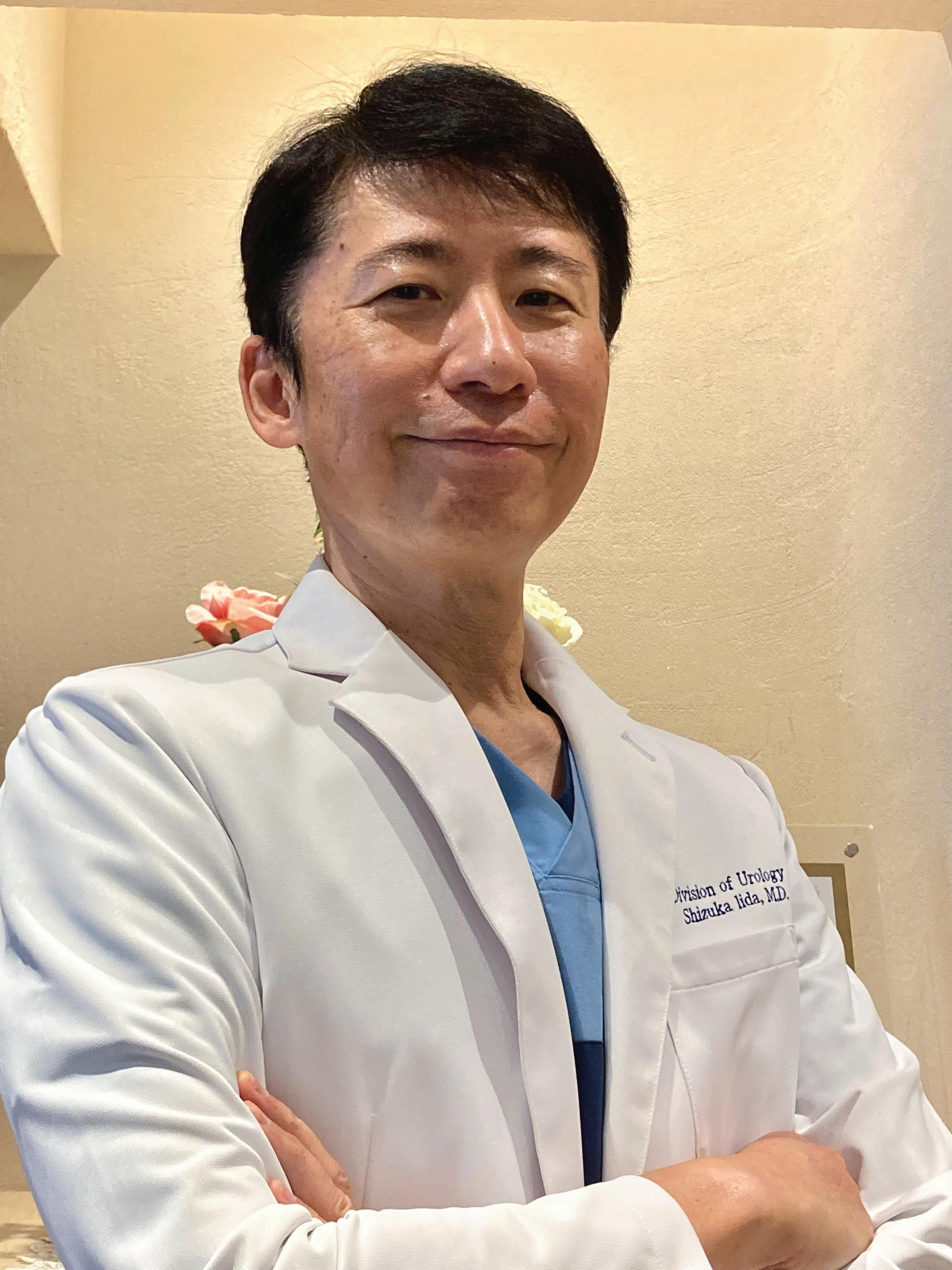
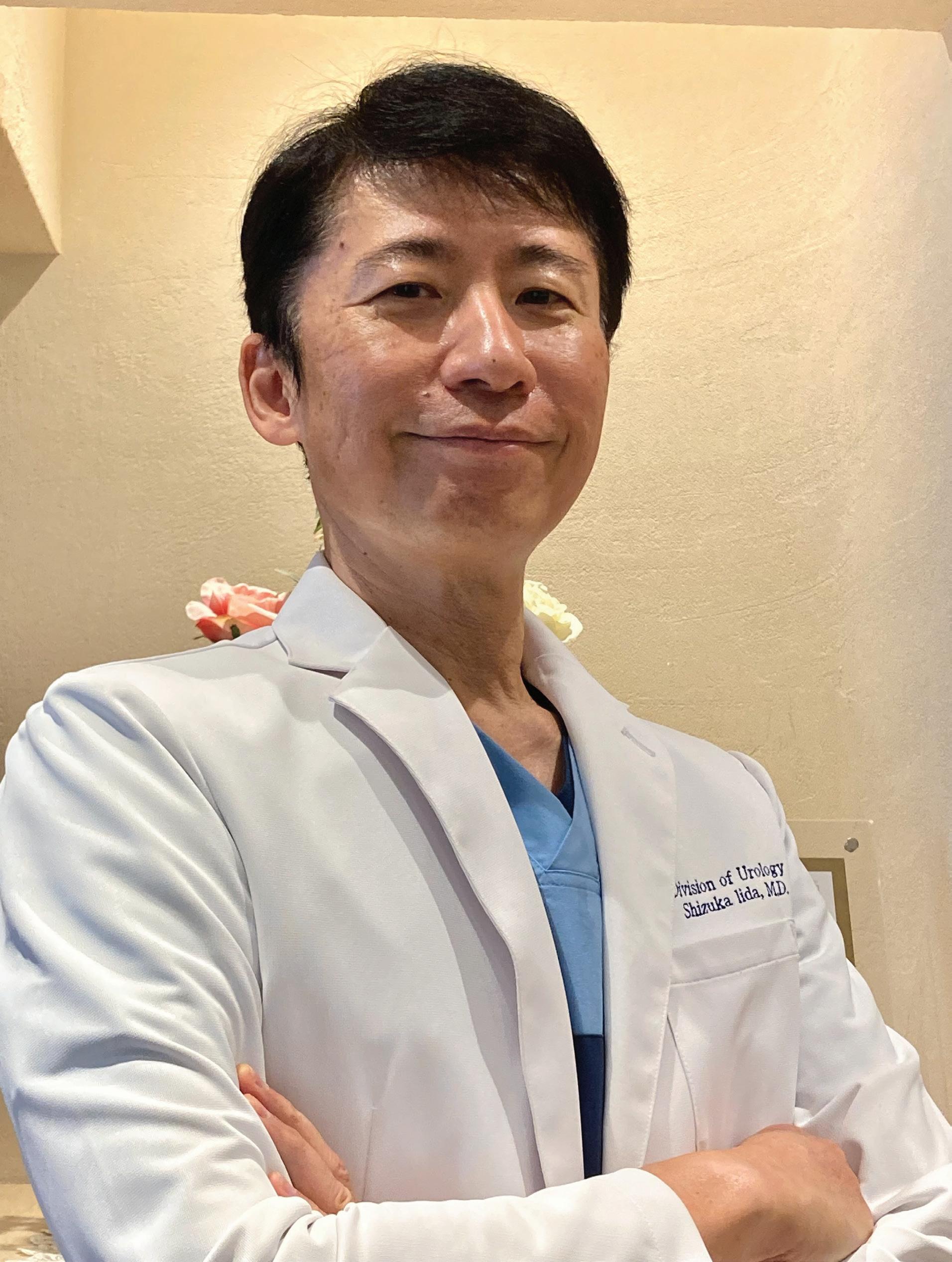
Shizuka Iida is a remarkable leader in the healthcare industry, boasting over three decades of experience as a medical doctor. He has been a visionary leader for nearly two decades, dedicated to bridging the gap in health and providing expert care for patients as the Director at Iida Clinic Medical Corporation, Shizuka Iida is committed to improving health outcomes and contributing to the broader medical community. He has been selected as ‘one of the Best Doctors in Japan’ for 2020-2021 for his notable contributions.
in Shizuka Iida’s Approach at Iida Clinic
Since stepping into the role of Chief Director at Iida Clinic, Shizuka Iida’s leadership approach has evolved significantly. Early on, he recognized the importance of fostering a collaborative environment where every team member felt valued and heard. This realization led him to implement regular team meetings and open-door policies, encouraging open communication and teamwork. Moreover, he shifted his focus toward data-driven decision-making. Another key evolution in his leadership style has been the emphasis on continuous professional development. Shizuka Iida initiated programs that support ongoing education and training for the staff, ensuring they stay updated with the latest medical advancements and practices. This investment in the team has cultivated a culture of excellence and innovation within the clinic.
One of the most notable challenges has been managing the increasing demand for specialized services while maintaining the highest standards of patient care. To address this, Iida Clinic implemented a strategic approach focused on optimizing workflow efficiency and enhancing resource allocation. By leveraging technology and streamlining processes, the team was able to reduce wait times and improve patient satisfaction.
Another key challenge has been ensuring continuous professional development in a rapidly evolving medical field. To overcome this, Iida Clinic established a robust training and education program for the staff, emphasizing ongoing learning and skill enhancement. This initiative has empowered the team to stay current with the latest advancements and best practices, ultimately improving patient outcomes and fostering a culture of excellence.
Uphold
Inspiring and motivating a team to consistently maintain high standards of care and innovation requires a multifaceted approach. Shizuka Iida believes in leading by example. By demonstrating a strong commitment to the clinic’s mission and values, he sets a positive tone for the entire team. He prioritizes staying engaged, approachable, and supportive, which fosters an environment of trust and collaboration.
He emphasizes the importance of clear communication and shared goals to keep the team motivated. Regular meetings and feedback sessions allow the team to align their efforts, celebrate achievements, and address any challenges collectively. Recognizing and rewarding the hard work and dedication of the staff is crucial for maintaining high morale and motivation.
At Iida Clinic, the team strives to honor its legacy while driving innovation. They uphold the high standards of patient care established by the founders while integrating advanced medical technologies and treatments. This approach ensures that they remain at the forefront of urology and hemodialysis care, providing exceptional services to the patients.



At the heart of Iida Clinic’s operation is a commitment to treating every patient with the same care and compassion that would be extended to their family members. This philosophy fosters a warm, welcoming environment where patients feel valued and supported throughout their healthcare journey.
Iida Clinic’s emphasis on family values is reflected in the team dynamics as well. They encourage a culture of mutual respect, collaboration, and open communication, ensuring that every team member feels like a vital part of the Iida Clinic family. This sense of belonging and camaraderie not only enhances job satisfaction but also drives the collective commitment to excellence in patient care.
Family Values and the Culture of Iida Clinic
Several promising trends in the healthcare industry, especially in nephrology and urology, are shaping the future of patient care:
1. Precision Medicine: The shift towards personalized treatment plans based on individual genetic profiles is revolutionizing nephrology and urology.
2. Minimally Invasive Procedures: Advances in minimally invasive surgical techniques, such as laparoscopic and robotic-assisted surgeries, are becoming increasingly common.
3. Artificial Intelligence and Machine Learning: AI and machine learning are being used to analyze large datasets, predict disease progression, and assist in diagnostic processes
4. Regenerative Medicine and Stem Cell Therapy: Research in regenerative medicine and stem cell therapy holds great promise for treating kidney and urological conditions.
These trends are not only enhancing the quality of care but also paving the way for innovative solutions that will continue to transform nephrology and urology in the years to come.
Iida Clinic’s Focal: A Patient-centric Approach
Iida Clinic prioritizes a patient-centric approach, particularly for those with chronic conditions such as renal failure. To achieve this, Shizuka Iida and his team have thoroughly reviewed and streamlined existing medical practices. They concluded that the effective use and sharing of patient information is crucial. As a result, they have centralized the management of electronic medical records, image storage systems, and accounting processes. This allows them to securely handle each patient's information, ensuring that staff members can always access and deliver patient information effectively when needed.
Iida Clinic’s long-term goals encompass several key areas: expansion, collaboration and partnership, enhancement of services, community engagement, and research initiatives. These goals aim to position the clinic as a leader in urology and hemodialysis care while continuing to provide exceptional patient outcomes.
Iida Clinic’s first mission is to manage every patient seriously and provide appropriate medical services to them. We make full use of the latest technology to achieve the highest clinical outcomes with the shortest hospitalization. In November 2014, Iida Clinic built a new clinic to accommodate the expansion of the business. This clinic has a total floor area of about 1.5 times that of the previous clinic, but it is structured to be a “Smart Clinic” that consumes less electricity and water.
Today, the number of natural disasters is increasing due to abnormal weather caused by global warming. It is a natural obligation for companies to aim for a carbon-neutral society, and the medical industry is no exception. Iida Clinic was the first to launch a smart clinic, and in 2015, the Ministry of Economy, Trade, and Industry of Japan (MITI) honored the company with the Energy Conservation Grand Prize for the team’s energy conservation efforts.
The Future Outlook: Collaboration and Expansion of Research Initiatives
Iida Clinic is actively seeking partnerships with leading academic institutions, research organizations, and healthcare providers. These collaborations will enable them to share knowledge, resources, and expertise, fostering innovation and enhancing the quality of care. Secondly, the organization plans to expand its clinical research efforts in areas such as urology and nephrology. By participating in multi-center clinical trials and conducting their own research studies, they aim to explore new treatment options, improve patient outcomes, and contribute to the broader medical community.
They are also looking to form educational partnerships with medical schools and training institutions. These partnerships will facilitate the exchange of knowledge and provide opportunities for the staff to engage in advanced training and professional development.


Like all modern businesses, software has been transformational in the healthcare industry. Without being able to use it properly, your healthcare business is likely to fall behind the competition. At the same time, you cannot simply get any pieces of software and assume they are going to have a positive impact without having a clear strategy in place of how you are going to implement it. You also need to know how it can benefit your company to ensure that you are choosing and using it the right way.
Be glad to know there are some important steps you can take to help move your company forward in a positive direction. All it will require is dedication and a commitment on your part to ensure that you thrive as a company and business owner. Here you can review four ways that will help your business get and stay ahead.
First of all, software is invaluable in ensuring that you are storing your patient information and keeping what you need at your fingertips. You want to have everything in one place – no matter if the patient sees you on a regular basis or if they only come in from time to time. Obviously, you need to have the right software that allows you to not only access this easily, but also protects it as you are keeping so much valuable information that is so personal to your patients. You are bound to be governed by your own code of ethics, but you also need to remember to follow all the laws of the land at the same time.
A healthcare business is likely to be an extremely busy one, which means that anything to help with the daily management of it is bound to be useful. There are specific pieces of software that can provide a welcome boost in managing everything from the financial side of things such as invoicing and payroll to the more logistical side such as rostering and incident management. This is where an NDIS software solution can prove to be so invaluable. Ultimately, you can rely on this type of software as long as your team knows how to use it properly, and this comes down to effective training, as well as ensuring that you have an excellent working culture.
You want to know what you’re up against as a business owner. Therefore, it’s worth your time and energy to study the competition. It’s an opportunity to identify what they are doing well and areas where they are falling short so you can fill in the gaps. In the process of studying the competition, it may also spark some new ideas in you as to how you want to run your business and ways to innovate your products or services.
When you are running a healthcare business, there is inevitably going to be risk that you need to work hard to keep as low as possible. Part of this comes down to software helping to keep human error down to a minimum as you reduce all the issues that can come with notes that are kept in an ad-hoc manner. You can also use it to identify trends as they are developing. The more that is fed into the software and the better that it becomes, the more likely it is that your business is going to be at the forefront of the medical world rather than simply playing catch up.
So far, the only discussion has been around how software can be used within the business environment itself. However, in the present and near future, there is an inevitable push towards giving people the tools that they need to manage their own care. This could mean that you have an app that allows patients to access information themselves, which in turn, helps to reduce the pressure on your business to deal with every single query. For example, if you run a physiotherapy company, an app could act as a reminder of the prescribed exercises, how many times they need to be repeated, exactly how they need to be completed etc. Not only is this useful for your business as a whole, but it is also empowering and can make such a major difference to patients and the ways that they look after themselves.
Helping To Increase Productivity
This is a central part of everything that has been discussed so far, but increasing productivity is another useful factor in ensuring that your company runs effectively. Software in general is designed to speed up processes rather than slowing them down. Again, this is only the case if it is used in the right way. The items themselves are not going to work on their own. Instead, they need to be accompanied with plenty of forethought in deciding the
best ways in which the software can be used, as well as training. This should be ongoing as software can be continually upgraded in providing more and more useful tools. You don’t want to risk your business getting stuck in the mud.
In the field of healthcare, it is all too easy for costs to spiral out of control. There are so many elements that are expensive including the equipment and premises itself. On top of this, you are bound to find that you need to make continual upgrades in order to keep pace with the other companies that are operating in this space. The right software can help to modernise many manual processes. Not only this, but it can also play a big role in keeping on top of invoices, as well as managing payment and ensuring that people are chased up when necessary. Just like other companies, healthcare businesses are bound to struggle unless they have a steady flow of cash into the company at all times.
The world of healthcare is still in the process of being revolutionised by technology. As well as all the complex equipment that is playing a role in this, the software used by the providers such as your own business is so central to make sure that the companies thrive and patients receive the highest standard of care possible. These are just a few of the main ways that you can pick the right software and ensure it is working in the best way possible to the benefit of your business.
The question should always be how this is going to work in favour of your company in the first place. There is no point in bringing it in unless it will have a net positive impact. What are the problems that your business is facing and how can software play a role in alleviating these issues? For example, you may struggle with the day-to-day management of the company. Alternatively, it could be that the financial side is presenting the highest number of headaches. Once you know the main issues, you can set about solving them with the right choice of software.
As previously mentioned, this needs to work hand-in-hand with your staff members, who are bound to be the lifeblood of the organisation and play such a central role in its successful running and the right patient care.


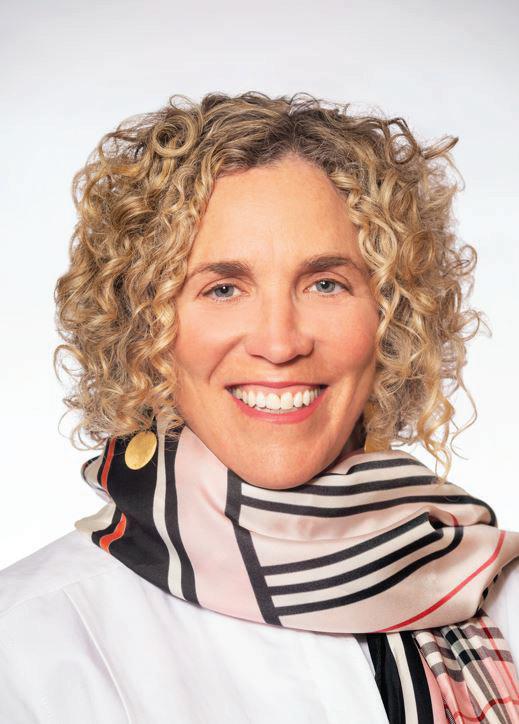
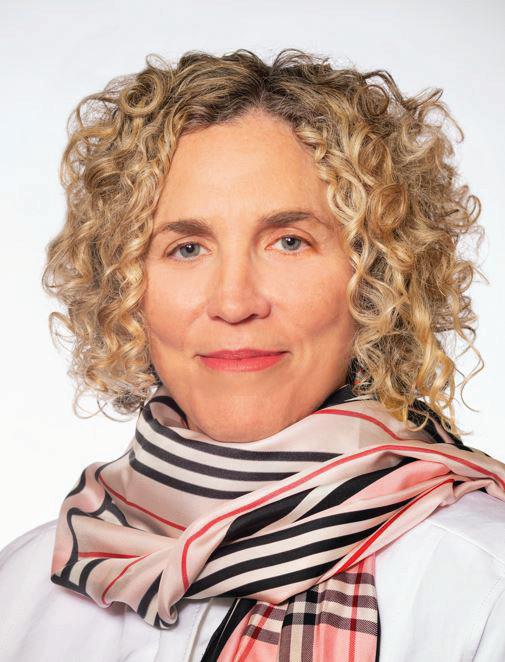
Mary Tagliaferri Chief Medical Officer | Nektar Therapeutics

Dr. Mary Tagliaferri, a breast cancer survivor, mother, and amazing business leader, heads Nektar Therapeutics, a global biopharmaceutical company, in pursuit of clinical excellence. She boasts over two decades of professional expertise in pharmaceutical medication development, including substantial regulatory skills in the fields of oncology and women's health.
In the key position of Chief Medical Officer at Nektar, Dr. Tagliaferri directs clinical strategy, clinical operations, biometrics, pharmacovigilance and oversees the company's medical affairs, significant clinical investigator contacts, medical writing and publication tasks. She has provided strategic development leadership for the company's immuno-oncology and immunology portfolio since joining Nektar in January 2015.
Nektar Therapeutics is a biopharmaceutical firm with a strong, entirely owned R&D pipeline of experimental drugs in oncology and immunology, as well as a portfolio of authorized partnering medicines.
drugs. AtD can have a substantial negative influence on patients' and their families' quality of life because it is a chronic skin condition. Due to the obvious eczematous patches on their skin, patients may experience social shame. Additionally, the severe itching and constant scratching can severely disrupt sleep. With ongoing symptoms and numerous restless nights, AtD can negatively affect emotional health and result in depression.
Rezpegaldesleukin (Rezpeg), a novel chemical from Nektar, is the company's main immunology medication that is currently undergoing clinical testing. It targets the underlying immunological dysregulation by restoring T regulatory cells in both quantity and function to tame the excessive effector T cell response. We think this therapy has the potential to improve the lives of patients since it has a completely different mechanism of action from the atopic dermatitis medications that are now approved.
Rezpeg in AtD recently exhibited early efficacy results that showed greater efficacy than presently approved biological medicines and provided a long-lasting impact for up to 9 months without treatment. Because of these encouraging new data showing remarkable efficacy, safety, and persistence, the company is enthusiastic to move Rezpeg into a Phase 2b trial in patients with moderate to severe atopic dermatitis.
They plan to start a global Phase 2b clinical trial this year for people with moderate to severe atopic dermatitis (AtD) whose condition cannot be effectively controlled by topical anti-inflammatory Jan 2025 | 19 | www.theincmagazine.com
Dr. Tagliaferri highlights both her work in immunology and the significant clinical advancements in oncology. The primary objective for enhancing the effectiveness of cellular treatments has been to improve the function or fitness of CAR T cells. We think their treatment, NKTR-255, could have a wide range of applications to boost cellular therapies, including CAR T cells, TILs, engineered T cell receptor therapies, and NK cell products.
Dr.Tagliaferri’s Roller-coaster Ride
"Much of my inspiration and commitment to finding new and improved therapies for patients is fueled by my own journey with cancer", said Mary Tagliaferri.
Dr. Tagliaferri’s story truly began when, at the young age of 30, she was diagnosed with early-stage breast cancer. She faced major precancerous breast disease in her 40s, which necessitated a bilateral mastectomy. In her 50s, Dr. Tagliaferri was diagnosed with a new type of cancer. She and numerous other patients were forced to come around to new clinical procedures during the COVID pandemic, which made obtaining care more challenging and impersonal.
Having endured long periods of treatment, side effects, and recovery, the heroic physician was reminded over and over of the importance of discovering new cancer medicines, especially ones with low toxicities, so patients can have the highest chances of a cure and the fewest life-disrupting side effects.
Throughout her three decades of experience in drug development, the magnificent woman led clinical research in a broad range of fields, including oncology, immunology, pulmonology, infectious disease, and women’s health.
Prior to Nektar, she co-founded Bionovo, a biotech business specializing in the research and development of cancer and women's health medicines. She also co-founded the Mt. Zion Carol Franc Buck Breast Cancer Translational Research Program in Botanical Medicine and the first traditional Chinese medicine
clinic at the cancer center early in her career at the University of California, San Francisco.
What Makes Dr. Mary Tagliaferri a Healthcare Pioneer?—The
Curiosity, being a quick learner, being extremely flexible to the shifting biopharmaceutical landscape, and attention to the company's goals and purpose are just a few of the qualities that have benefited Dr. Tagliaferri's career advancement. She also places a high priority on ethical behavior, success being acknowledged, receiving constructive criticism, and rolling up her sleeves to get the job done. These principles help put the visionary approach into practice.
Dr. Tagliaferri works hard to create an inclusive and equitable atmosphere. As the mother of two black children, she has had a personal and distinct perspective on racial discrimination. She has frequently witnessed inaccurate assumptions being made about her children based on the color of their skin. The entire Nektar team upholds a zero-tolerance policy with regard to prejudice, and Dr. Tagliaferri highlighted that the workplace fosters a culture of respect for one another.
Dr. Mary Tagliaferri has tremendous professional success with numerous memorable accomplishments. She garnered two honors from the San Francisco Business Times in 2019, including Women Who Lead in Life Sciences and The Most Influential Women in Business. She received the Woman of the Year award from the State of California's Assembly District 14 in 2012 for her dedication to women's health, particularly breast cancer awareness, and for her mentoring of young women in the biotech industry.
Dr. Tagliaferri’s Take on the Gender Pay Gap
I strongly believe in leading by example and providing a roadmap to success. Regarding pay, I serve on the compensation committees for two
publicly-traded companies, RayzeBio and Enzo Biochem, and there are simple and equitable approaches to evaluating fair compensation that address salary, equity allocation, and benefits by using a third-party consultant specializing in compensation to create an objective process for establishing equitable compensation regardless of gender. Leveraging objective data to support pay equality is my strong advice for bringing about meaningful change.
It would be incredibly satisfying to see Rezpeg approved for the treatment of atopic dermatitis and other autoimmune indications. A significant life achievement would be NKTR-255, a new polymer-conjugated human IL-15, being approved, which would demonstrate the efficacy of a cytokine for the treatment of cancer.
Serving on the Board of Directors for two companies, including as Chairperson for one, Dr. Tagliaferri is looking forward to new opportunities to serve as a Board member for emerging companies in the next few years.
On a personal level, she wishes to continue to be very physically active. As someone who has reaped numerous personal benefits from years of meditation and community building with a network of like-minded people, she relishes the idea of teaching meditation classes.
Parting Words by Dr. Mary Tagliaferri
Keep a good balance of work, rest, and play; keep strong connections to your community of family and friends; and don’t forget that laughter is some of the best medicine.





Healthcare is evolving faster than ever, bringing new tools and technologies that promise to change how you think about health and treatment. This year, there have been breakthroughs that seemed like science fiction just a decade ago.
From the way doctors diagnose diseases to how you manage your own health at home, the innovations are both groundbreaking and hopeful. And it’s not just about fancy technology. Instead, it’s about making healthcare more accessible, efficient, and tailored to meet your unique needs.
So, let’s dive into the top healthcare innovations of 2024 and explore what they mean for you.
Gene editing is a big deal in the world of science and medicine. It’s like having a tiny pair of scissors that can cut and fix parts of DNA. One of the most famous tools for doing this is called CRISPR. It has changed the game by making gene editing quicker, cheaper, and more accurate than ever before.
Thanks to CRISPR and other gene editing technologies, scientists are now looking at ways to cure genetic disorders. These are illnesses that people are born with and passed down through families. Imagine being able to correct these issues before they even start, like fixing a typo in a book before it’s printed. That’s the kind of potential we’re talking about. Diseases that once had no cure are now targets for gene editing research.
Technology is changing the way healthcare comes into your homes, making it easier and safer for patients to receive care. Smart home health devices are one area where technology is making a big difference. These gadgets can do things like remind you to take your medicine, monitor your sleep, and even alert someone if you fall. They work in the background but play a big role in keeping you safe and healthy.
A specific example of how technology is making home care easier is the use of ph measurement technology to ensure the correct placement of NG or OG tubes. Traditionally, checking if these tubes were in the right spot required an X-ray. Now, with pH indicators, you can do this check at home. This not only saves a trip to the hospital but also reduces exposure to X-rays.
Next-Generation Vaccines
The world witnessed a major leap in science with the development of mRNA vaccines during the COVID-19 pandemic. But what’s truly exciting is how this technology is not stopping there. The next generation of vaccines promises to do much more than just fight COVID-19.
mRNA vaccines work by teaching your bodies how to make a protein that triggers an immune response. This response is what protects you from getting sick. The beauty of this technology is its flexibility. Scientists can quickly change the mRNA sequence to target different viruses. This means you could have faster and more effective vaccines for a wide range of diseases, not just COVID-19.
3D printing is a game-changer, especially when it comes to prosthetics and organ transplants. This technology has made huge leaps in recent years. Imagine being able to print a hand or a heart layer by layer, customized just for you. That’s exactly what’s happening now.
With 3D printing, creating prosthetics has become faster and less costly. This means that more people can get the help they need to live fuller lives. Doctors and engineers can design prosthetics that match a person’s exact measurements. This makes the prosthetic more comfortable and more effective.
But it doesn’t stop at limbs. Scientists are working on printing organs like kidneys and hearts using a method called bioprinting. This involves layering living cells to form real, functioning organs.
Virtual Reality (VR) is changing how people manage pain and recover from injuries. That’s right! When you use VR for pain relief, it’s like your brain gets tricked into forgetting about the pain. You might be swimming with dolphins or walking in a peaceful forest. This helps because your mind gets busy with what you’re seeing and doing in the VR world, so it pays less attention to the pain.
The benefits of using VR include not needing as much medicine for pain. Since VR can help reduce how much pain you feel, you might not have to rely on pain medication. Another benefit is that you might get better faster because VR can make physical therapy more fun. This means you might do your exercises more often and more correctly. This can help your body heal quicker.
As we’ve seen, the healthcare innovations of 2024 are truly groundbreaking. They’re making care more tailored to what you need and helping you get better faster. These innovations show us that taking care of health can be more effective and less stressful. So, keep an eye on these exciting changes. They’re here to make a big difference in how we all stay healthy.


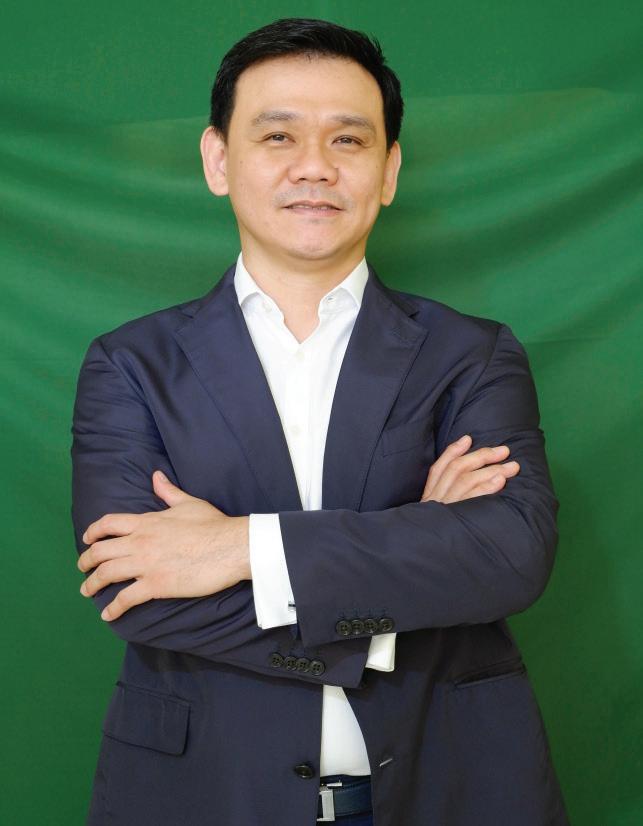
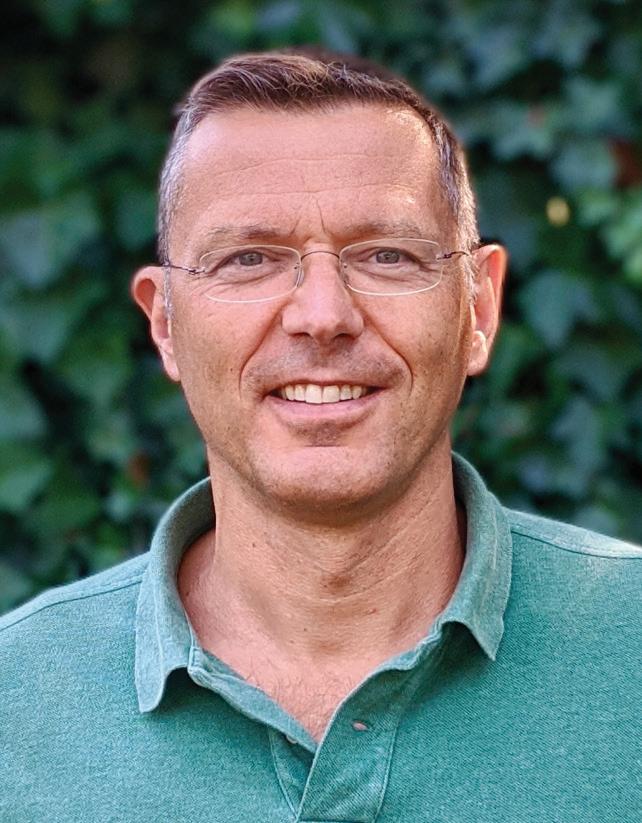

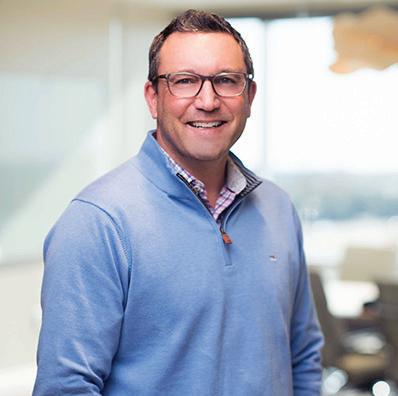
Meet Shane Foss, the founder and CEO of Hooray Health, a limited benefit medical plan provider built to use with a National Provider Network of Retail Clinics and Urgent Care Centers. The organization was founded to fulfill a need in the healthcare industry for affordable, reliable, easy-to-understand coverage solutions that provide employees and their families with the needed access to quality healthcare services.
Around seven years ago, Shane experienced back spasms and went to the urgent care near him. They took an x-ray of his neck and gave him two injections, a muscle relaxer and anti-inflammatory medicine to reduce the pain. At that point of time, he had health insurance, which was a $75 copay for his visit. Initially, Shane thought he owed only $75, but to his surprise, he got a bill of $800 three months later. Shockingly the urgent care told him they had carve-outs for additional services, and Shane owed $800.
At this point of time, Shane realized why most personal bankruptcies result from bad medical debts. So, he thought there had to be a better
Founder & CEO | Hooray Health
solution to help people seek treatment with the comfort of knowing the costs beforehand. Eventually, after a month of market research and talking to several industry experts and employers, Shane founded Hooray Health, fully focused on hourly employees who can’t afford high premiums and deductibles. Under Shane’s leadership, the organization focuses on removing the cost barrier to seeking care.
He says, “Too many Americans avoid caring for themselves and their children because they do not know the cost of the care. Hooray Health has eliminated that fear with a $25 copay with no balance bill with a provider network that allows members a worry-free experience because they know it will only cost them $25. Someone needs to fight for the low-income and middle class.”
Servant leadership drives Shane’s life. Whether it is for his family, partners, employees, or investors, Shane’s focus on his responsibility toward others’ success has led to his success. He also believes partnering with people who can complement your
strength is very important. His business partner and COO is one of the smartest and most talented persons Shane has worked with in his long career. His work ethic, willingness to learn, and aptitude for organizational structure and process complement Shane’s ability to market and sell products.
Being the founder of Hooray Health, Shane was never afraid to fail because his greatest learning moments have come from those failures. He feels most people don’t understand the need for failure, and everyone is scared to fail. However, some people like him refuse to give up even after a failure and work to adapt and persevere.
“I will never forget that I have been one step from success and utter failure more times than I can remember. I look at every interaction with a person as an opportunity to learn and grow; curiosity drives my ability to communicate with anyone.”States Shane.
Shane believes success at the end of the day is his ability to continue to positively impact his family’s lives, enjoy his work and the people he works with, and live the active life he enjoys presently.
Shane’s biggest failure was the first business he purchased in 2010. He feels he was not honest with himself in assessing his ability to grow the company under the corporate structure and leadership. It was a miserable five years that could have been avoided
if he had said no to the opportunity in the first place. This experience helped Shane realize that poor leadership affects good leadership’s ability to grow and improve sales.
Shane has a collaborative, honest, and level-headed servant leadership style. When a difficult situation arises, he does not get emotional and irrational; instead, he focuses on identifying the core problem, potential issues and discussing the possible solutions. Shane plans to improve the efficiency of the employees by organizing shorter meetings with tighter agendas and participants who can leave the meeting when it is not valuable to them. He is also planning to implement 5 key metrics to focus on leaders, as he feels leaders are drug in too many directions that do not add value to the company.
Since its inception, Hooray Health was never married to a single product idea. Instead, it looks at market trends, listens to its client’s feedback, and, most importantly, reviews the utilization data to offer the most appealing product for its target audience continually.
Shane believes Hooray Health’s market focus will continue to grow at a fast pace, and it will continue to innovate to maximize its competitive advantage. He also expects an annual compound growth rate of 30% over the next few years.


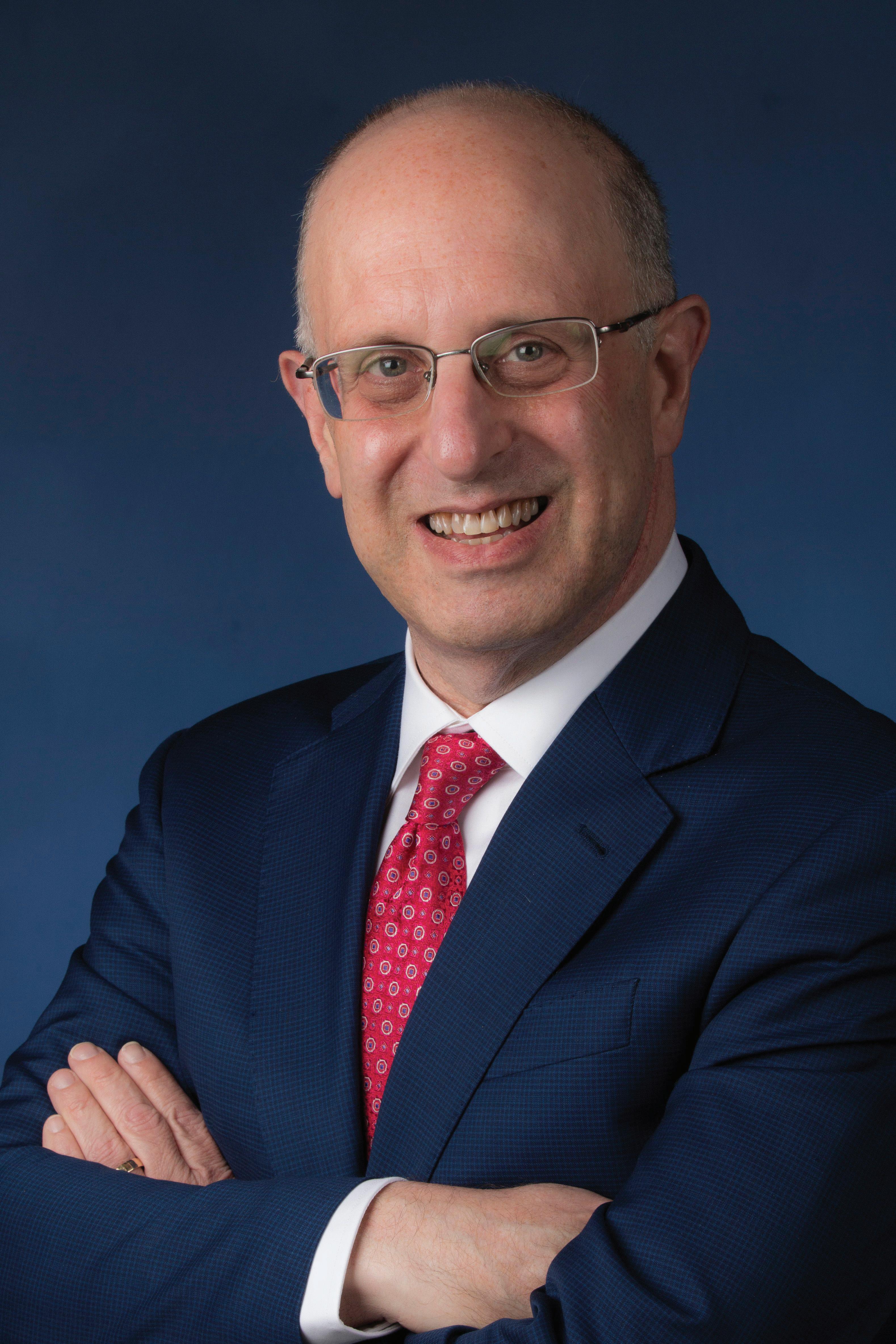
David Berger CEO of University Hospital at Downstate
With 25 years of healthcare leadership experience at multiple academic institutions Dr. David Berger, serves as the CEO of University Hospital at Downstate Health Sciences University. Dr. Berger leads the hospital and its outpatient services, home care, community health centers, accountable care organizations, and other related entities. He provides operational and fiscal oversight for University Hospital at Downstate and oversees the development and implementation of hospital-wide policies and procedures that help to improve patient care and satisfaction.
Dr. Berger was born in Brooklyn and grew up on the South shore of Long Island. As a child, Dr. Berger suffered from asthma and he was often ill and out of school as a child. However, even with all the illness, he graduated from high school at 16 near the top of his class.
Dr. Berger’s medical issues eventually convinced him to become a physician and help others in need. After completing a surgical oncology fellowship at MD Anderson, Dr. Berger moved up the ranks quickly and was recruited to a leadership position at Baylor College of Medicine within five years of his fellowship. At Baylor, he received federal funding for two separate lines of research, and Dr. Berger was elected president of two academic surgical societies. As a result, he was quickly promoted to tenured Professor.
A few years ago, Dr. Berger’s mom developed a medical issue and had a prolonged course with
multiple hospital admissions. Dr. Berger then experienced how difficult it was to navigate the medical system and coordinate care. During this time, he noticed it was very difficult for an average person to navigate the healthcare system. This experience helped him to realize he could have a bigger impact on improving the healthcare system by becoming a hospital/health system leader. To help achieve his goal, he completed his Master’s in Healthcare Management from Harvard in 2007.
Dr. Berger has been able to use his experiences and education to build clinical programs, increase efficiency and improve externally reported quality metrics. Under his leadership at the Michael E. DeBakey VA Medical Center (MEDVAMC), the surgical volume doubled and outcomes improved. For these efforts the MEDVAMC was recognized for the best surgical outcomes in VA for consecutive 11 years. As a result, Dr. Berger was recruited to Baylor St. Luke’s Medical Center first as the Chief Medical Officer and eventually becoming the Chief Operating Officer. Over the course of three years, the hospital was able to grow its surgical volume and improve from a Leapfrog “D” hospital to a Leapfrog “A” hospital.
Additionally, four of the major clinical service lines became ranked in the top 40 in U.S. News and World Report.
During his tenure as the Operative Care Line Executive at Michael E. Debakey, Dr. Berger realized the potential of digital health to transform the way healthcare is delivered. The VA was the first
integrated healthcare delivery system to develop a fully functional electronic health record. Dr. Berger quickly learned how data analytics could improve the quality of care provided to a very large population. By using the data, the hospital also performed brilliantly in terms of morbidity and mortality.
The hospital’s leadership implemented digital tools to assist operations. The MEDVAMC was the second hospital in the nation to implement a workflow control system in the operating room with real-time RFID to enhance throughput. Additionally, Dr. Berger was an early adopter of telehealth. At the VA he helped to build telehealth programs in preoperative evaluation, virtual tumor boards, and virtual postoperative recovery. At the University of Florida – Central Florida Dr. Berger led the Covid-19 response and worked to build tele-triage, tele-ICU, tele-primary care and tele- psychiatry platforms.
University Hospital at Downstate is a safety net hospital caring for a community, which is dealing with many issues around social determinants of health. Hospital staff has to work hard to identify and address the health care issues their patients face daily. The local community has a high rate of diabetes, hypertension, pregnancy complications, renal failure, and heart disease. University Hospital at Downstate is the only renal transplant program in a borough of 2.7 million people. Dr. Berger has worked with his senior leadership team to reinvigorate this crucial program. This year the transplant service is on track to transplant over 70 patients with outstanding outcomes.
Dr. Berger believes, personal success is a happy marriage and well-adjusted children. Professionally, he defines success as providing every patient with the right care in the right place every time. Additionally, he loves coaching and mentoring others. Therefore, Dr. Berger’s main goal is to also help others to achieve what they view as success.
The two keys to his life are resiliency and home support. Additionally, he also has had a leadership coach through much of his journey who has helped him navigate challenges.
As the whole world is slowly coming out of the Covid pandemic, Dr. Berger and his team are trying to focus on how they can provide better care to their community while dealing with the issues around workforce burnout and shortages. The keys for the team will be partnering with other providers and community-based organizations within central Brooklyn to be able to keep the population healthy. Dr. Berger is also focused on using technology to better connect with patients and to make work easier for the dedicated staff. After dealing with a pandemic for over two years many of the hospital’s employees are suffering burnout. So, the entire team is working to identify the causes of burnout and how they can best support the workers. The hospital is currently engaged in a journey to become a highly reliable organization. Its goal is to become the best place to give care and the best place to get care in NYC.