
Our job is to love people. When it hurts. When it’s awkward. When it’s uncool and embarrassing. Our job is to stand together, to carry the burdens of one anotherand to meet each other in our questions.
– Jamie Tworkowski








Our job is to love people. When it hurts. When it’s awkward. When it’s uncool and embarrassing. Our job is to stand together, to carry the burdens of one anotherand to meet each other in our questions.
– Jamie Tworkowski
The healthcare sector often evolves as discoveries, doctors, and companies enter the marketplace. And the individuals leading the charge are making a great impact on the lives of people across the world.
With a passion for making healthcare better and a commitment to excellence and kindness for the needy, the inspiring leaders of the healthcare realm have dedicated themselves to creating a positive difference in patients’ lives and bringing innovation to the sector.
It is time to shine a spotlight on the healthcare trailblazers, the visionaries who have come forward to envision the future and are now giving it shape with innovative approaches and ideas.
In our latest edition, “The Most Inspiring Healthcare Leader in 2024”, we proudly honor the executives leading the companies that redefine how healthcare services are delivered around the world. They are not just industry professionals; they are change-makers who refuse to settle for the status quo. They come up with unique solutions to the existing industry hurdles and bring revolution in their respective domains. This uniquely craft edition brings together some healthcare pioneers who have been dedicated to creating a progressive tomorrow for future generations and setting an example for others to follow.
At The Inc. Magazine, we understand the significance of acknowledging these efforts and celebrating the success of these amazing leaders. In this read, you will find the stories of the inspiring leaders of the health sector, their innovative endeavors, and their exemplary approaches that keep them motivated throughout the journey.
We focus on featuring some of the most inspirational healthcare leaders among a diverse group of individuals coming from varied corners of the industry, including healthcare providers, entrepreneurs, researchers, and policymakers. Check out the complete edition and share your valuable feedback.
Overall, the impact of healthcare leaders resonates across every facet, from global health initiatives to organizational-level strategies. Their inspiring leadership and unwavering dedication push healthcare to grow, fostering innovation, improving outcomes, and bringing positive change on a global scale.
As good health is becoming a major concern, mainly after the epidemic, these leaders serve as beacons of excellence and catalysts for change, ensuring a healthy future for all.
So, become part of this journey celebrating the success and efforts of these inspiring healthcare leaders in 2024. Hopefully, their journeys will inspire you to innovate and initiate great ventures. Thanks a lot for being a valuable part of our publication. As I put an end to this editor's note, I wish you all the best in accomplishing success in your endeavors.
C O V E R S T O R Y


Managing Editor
Publishing Control Team
Editor-in-Chief Visualizer
Art & Design Head
Business Development Manager Co-designer
Business Development Execu�ve Marke�ng Manager
Assistant Technical Head Technical Head
Digital Marke�ng Manager
Research Analyst Assistanr Digital Marke�ng Manager
Circula�on Manager
Sonal K. Ehsan Jami Alex, Michael
Mary Chars Anushka Bhosle Shweta Ambilwade
Andrew Johnson Chirs Philip Maria, Wilson, Mar�na, Alex, Kelvin
Jacob Smile Alina Sege
Jennifer Parker David King
Earl Lewis Scoot Taylor
sales@theincmagazine.com February, 2024
Phone - + 1 415 799 8483
Email: Info@theincmagazine.com
For Subscription: www.theincmagazine.com
Follow us on : www.facebook.com/theincmagazine/ www.twitter.com/theincmagazine www.instagram.com/theincmagazine/ www.linkedin.com/company/theincmagazine
Copyright © 2024 The Inc Magazine
CereSoft
Silver Spring, Maryland
Homecare Precision Greater Pennsylvania
Cosentus Irvine, California
Aquavit pharmaceuticals New York
Yashoda Super Speciality Hospitals Kaushambi, Ghaziabad, Uttar Pradesh
MAPS, Chicago
Serum Institute of India Pune, India
Mayo Clinic United States
Marshfield Clinic Health System Marshfield, Wisconsin
H.H. Chen CEO and Founder
Ester Mbaya Executive Director
GS Bhalla Founder and CEO
Sobin Chang CEO
Upasana Arora Managing Director
Dr. Thomas Pontinen Co-Founder
Adar Poonawalla CEO
Ajai Sehgal Chief Data & Analytics Officer
Established in 1993, CereSoft is a company that distinguishes itself in healthcare with resilient innovation, overcoming challenges through customer-centric strategies, and embracing transformative technologies and helps healthcare providers with managing their finances.
Homecare Precision is dedicated to high-quality, compassionate homecare, supporting diverse health needs with genuine care for independent and joyful living.
Cosentus is a global Business Services company specializing in Medical Billing, IT, Accounting, Recruiting, and Marketing.
Aquavit Pharmaceuticals specializes in discovering, developing, and commercializing innovative healthcare solutions, prioritizing personalized medicine with a modern and diverse approach to address unmet needs in various specialty areas
As Yashoda Hospitals' Kaushambi Unit Director, I've ensured quality, affordable healthcare, expanded with a Medicity and super-specialty hospital, achieving notable success and awards in cross-functional management and leadership.
MAPS Centers for Pain Control in Chicago provides exceptional anesthesiology and interventional pain medicine, setting a standard with a committed team of experts in multidisciplinary excellence.
Serum Institute of India, founded in 1966 by Dr. Cyrus Poonawalla, is the world's largest vaccine manufacturer, supplying over 1.3 billion doses to 170 countries.
Mayo Clinic, founded in Rochester, Minnesota, remains dedicated to the core value of prioritizing "The needs of the patient come first" over its 100-year history.
Mitch Kwiatkowski Chief Data & AI Officer
Sutter Health Sacramento, California
Kiran Mysore Co-founder and CEO
For over a century, Marshfield Clinic Health System has been dedicated to serving rural areas. With locations and hospitals covering over 45,000 square miles in Wisconsin and the Upper Peninsula of Michigan, we offer integrated healthcare to ensure excellent and comprehensive care for rural communities.
Sutter Health is a leading not-for-profit healthcare system, serving Northern California with award-winning facilities and a dedicated team of 68,000 professionals and volunteers across diverse locations from urban centers to rural communities, including an affiliate in Hawaii







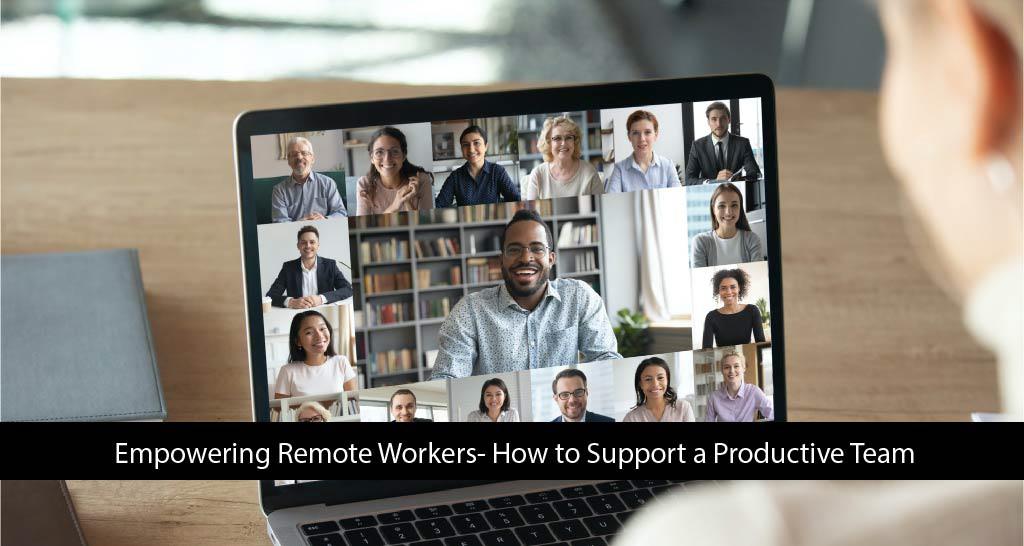
Remote and hybrid work models are going nowhere, even after the pandemic. According to a performance-based remote work survey in 2020, 67% of employers reported that productivity had been the same and 27% stated that it was even higher with employees working remotely. That’s impressive, right?
Not surprisingly, countless organizations continue to run with the model. But even as remote work saves tons of money and space for companies, employee support continues to be challenging. It’s not all sunshine and rainbows, boss, because you may need to do a lot of hard work to support your employees physically, emotionally, and technically.
Lucky for you, we’ve got some valuable tips to help you cover all fronts. Let’s dive in!
Be accessible and available
Not being in the same office with your colleagues elevates the risk of miscommunication. Moreover, employees often feel edgy and isolated when working alone in the long run.
They miss the water cooler chats, team bonding activities, and even just staying in touch. Professionally, a lack of communication can cause bottlenecks and conflicts.
The best way to support your team members is by being accessible and available to them. Also, listen to them and ensure good communication between team members to ditch the gaps.
Micromanaging is the worst way to lead, right? And it goes against being supportive. But managers often end up micromanaging their remote team because they can’t physically see what everyone is working on.
Foster trust in your team to get their work done. Also, give them the autonomy to do things their way. As long as they deliver on time and quality, you shouldn’t hover over them.
Supporting a remote team is about setting clear expectations and stepping back to let people work. And when they do a great job, give them the recognition they deserve.
Investing in the right tools is another crucial step when it comes to providing support to your remote team. It includes communication apps, video conferencing software, and project management tools.
Also, invest in an Unattended Remote Access solution to facilitate seamless IT support to remote workers. Typically, they will encounter tech issues at some point, and your IT support team should be right there to help.
Having a robust solution ensures early resolution, minimal downtimes, and zero productivity loss.
Think beyond tech tools and IT support for your remote team, business leaders! You can go the extra mile by providing them with WFH facilities such as ergonomic equipment and stipends for home office supplies.
It enables them to work comfortably and create a dedicated, distraction-free workspace at home. A remote team’s success depends on its ability to handle its job well, and that starts with having the right resources.
Just because employees aren’t physically in the same space doesn’t mean they should feel disconnected. Making them feel like a part of a community is a much-needed support initiative.
Schedule regular team-building activities and encourage people to get to know each other beyond their work roles. Feeling like a part of a cohesive group makes workers more engaged and motivated, regardless of the physical distance.
Remember, managing a remote team isn’t always easy, so don’t expect shortcuts, boss. But being supportive makes you a good leader and sets your team up for success. Try these hacks to build a team of winners. You’ve got this!
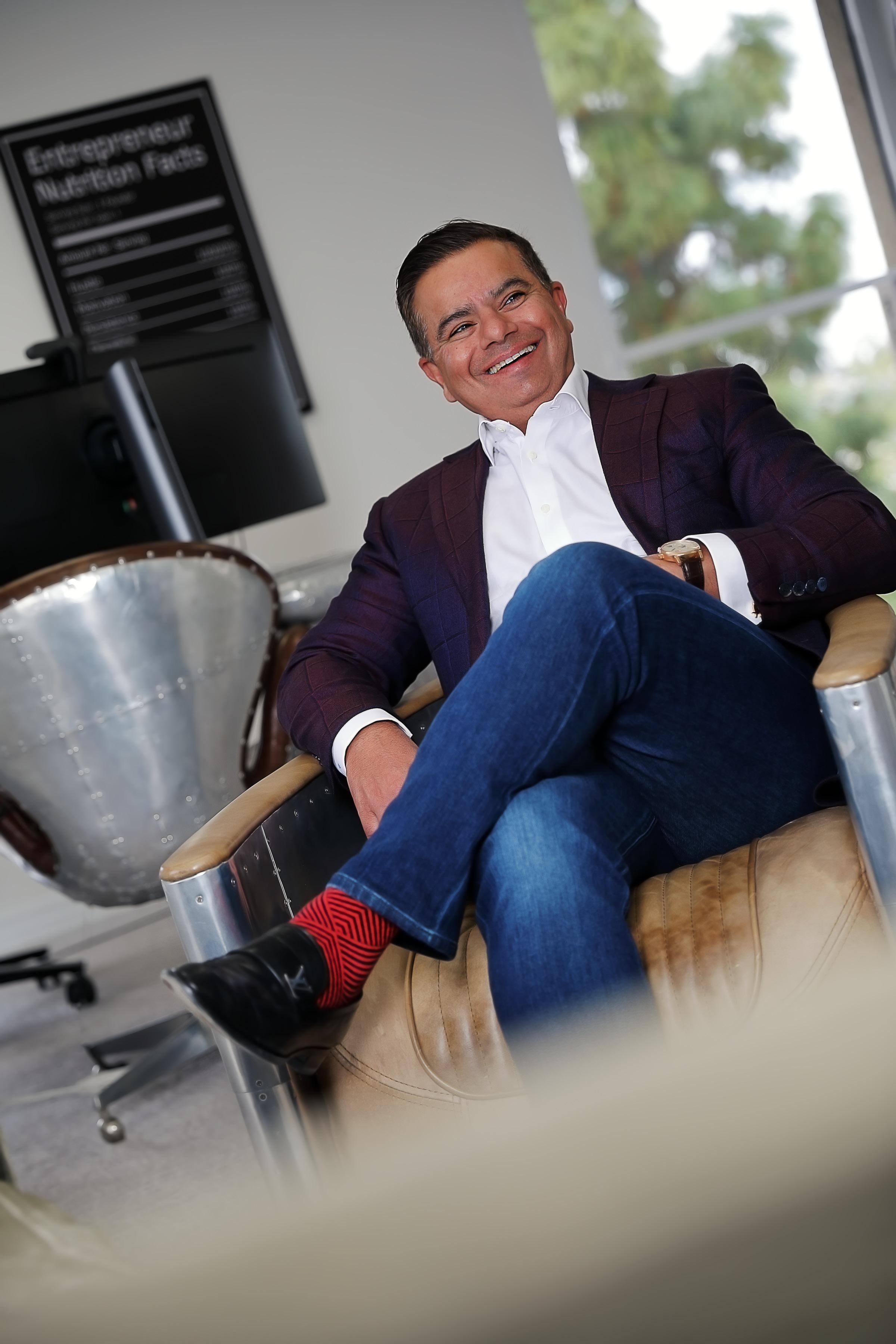
GS Bhalla started his entrepreneurial journey at an early age, in the early 2000s, in an industry he had no background knowledge of.
CEO | Cosentus Holdings LLC
Starting a business at an early age and venturing into an industry without prior knowledge takes a lot of courage and determination. It's a testament to Mr. Bhalla’s entrepreneurial spirit and drive.
Building a team from scratch and maintaining the loyalty and dedication of his first employee for over two decades is remarkable. It demonstrates his ability to create a positive and nurturing work environment that fosters long-term relationships.
By prioritizing his team and customers as his greatest assets, he recognizes the importance of investing in people and building strong relationships. This mindset is crucial for sustainable growth and success in any business.
Continuing to focus on his team means providing them with opportunities for growth, fostering a supportive culture, and recognizing their contributions. By doing so, he has created a motivated and engaged workforce that will be instrumental in achieving Cosentus’s goals.
Likewise, prioritizing customers reflects a customer-centric approach, which is key to building a loyal customer base and maintaining a competitive edge. By understanding their needs and consistently delivering value, Cosentus has forged lasting relationships and drive business growth.

GS Bhalla is a dynamic entrepreneur providing doctors and healthcare providers with best-in-class technology and Revenue Management services at Cosentus
A consummate entrepreneur and business leader, GS Bhalla is aware of the difficulties of expanding a company profitably while maintaining focus on its greatest asset—its people and culture. Having founded Cosentus more than 20 years ago, he has discovered a creative method for maximizing value for our clients. His dedication to his employees is proven, as Cosentus still has more than 80% of its founding employees working with the company!
Sharing about his achievements so far, Mr. Bhalla stated, "We formed our team from scratch, and we take a great deal of pride that the first employee that I hired 23 years ago still works with the company! This is one of our major accomplishments. We are highly focused on our greatest asset, our team, and our customers."
Overcoming the Hurdles Along the Way
Working from home has been a big challenge; getting employees back to the offices so they can collaborate and co-create has been the biggest challenge.
Some of the key measures Cosentus has adopted to overcome the challenges include managing cashflows, concentrating on client outcomes and employee performance, establishing a pleasant and welcoming atmosphere, surrounding yourself with
loyal and positive people, staying adaptive, managing change, and having an unshakeable faith in yourself and your team.
The Marvels
GS Bhalla and his team have been highly focused on profitable growth without losing sight of the real reason they are in business: their customers and their employees. With an employee approval rating of 85% compared to the average of 57% for US corporations, the company has been certified as a "Great Place to Work" consecutively for 2022 and 2023. In independent surveys, 96% of our female employees gave Cosentus a "Great Place to Work" rating because they built an inclusive and diverse workforce.
The industry is placing a lot of emphasis on the adoption of new technologies and team building. Cosentus is creating new alliances with businesses that are at the forefront of innovation, like Salesforce, to stay ahead.
Mr. Bhalla’s Entrepreneurial Journey Directly from His Mouth
I look forward to going to work every day and locking arms with my team. Although the financial results have been satisfying, there is no comparison
to the joy of knowing that the work we perform has had a genuine impact on people's lives. Additionally, we have been able to aid international NGOs. For example, we help more than 1,000 underprivileged kids from New Delhi's slums receive nourishment, nursery care, and education, including vocational training, so they can have a better chance at life than they did growing up. That is the type of payoff that doesn’t land on a balance sheet or P&L but has a profound impact on society; that, to me, is true success.
We at Cosentus are continuously innovating and creating solutions for our clients so they can focus on patient care and saving lives, not managing and administrating their business.
Our high client and employee retention rates are our greatest successes. Cosentus has also been acknowledged by Inc. 5000 as one of the US's fastest-growing businesses for 2022 and 2023. In addition, we have received the "Great Place to Work" stamp for 2022 and 2023, all due to the amazing work our employees do for our customers.
By combining clinical and financial outcomes for both patients and providers, the company aims to become a major disruptor in the healthcare industry. The team also aims to focus on creating divisional alliances with smaller competitors in the medical billing space through acquisitions and integration into Cosentus. We have big plans, including growing into one of the top five providers of healthcare services in the US in the next five years.
Focus on the big picture, measure outcomes, protect cashflows, and don’t lose sight of your greatest asset, your people.


As a mathematician, biostatistician, and pharmacoeconomist, she entered the pharmaceutical and biotech space and spent years striving to build a bridge between science and business, which resulted in a number of successful alliances, partnerships and M&As. Later, she founded Aquavit to build a personalized drug delivery platform using big data, which proved to be the turning point for her journey ahead, and the reason why she is our top 10 most Influential Women CEOs this year. She is Sobin Chang: an innovator, a leader, and an inspiration who brings a wealth of expertise to management, marketing, and research in pharmaceuticals, devices, and biologics, proven by the well-recognized brand BOTOX® as well as a $7.5 billion oncology portfolio at Novartis.
Prior to Aquavit, Sobin led a multidisciplinary team of executives evaluating potential applications and values for new products at Allergan as Chair of the Portfolio Committee for BOTOX®. She was always recognized by her peers and by every organization of which she was a member for her influence with her innovative thinking, passion, and execution. She has a wide range of therapeutic experience, including oncology, dermatology, infectious disease, allergy
and immunology, and neuroscience, which has resulted in over 25 patents and 60 publications. Her diverse background and adaptability also led her to serve at the FDA DDMAC (Division of Drug Marketing Advertising and Communications) providing guidance on the FDA Modernization Act.
Born and raised in Seoul, South Korea, Sobin moved to the US to study as an undergraduate and fell in love with what the country represented and everything for which it stood. She graduated magna cum laude with honors in Mathematics from the University of Missouri and moved to the East Coast to further her studies at the Yale School of Medicine. While at Yale, she taught several graduate-level courses, including Fundamentals of Clinical Trials.
Sobin was one of the first three recipients of Yale's post-doctoral fellowship in pharmacoeconomics. Her four years at Yale provided her with a unique set of training from the Yale School of Law and Yale School of Management in addition to the core disciplines offered by the Yale School of Medicine in Public Health. These experiences led her to build a career at global pharmaceutical companies such as Pfizer, Merck, and Allergan in research, commercialization, and strategy.
The pharmaceutical and biotech industries are very specialized and competitive. Most people require extensive education and experience in order to navigate the time-consuming and costly FDA approval process (on average, it takes over 10 years and one billion dollars to successfully bring a new drug to the market in the US). To make such large investments in new technologies and commercial strategies, companies must take calculated risks. Nevertheless, ultimately the new drug developments are made to be "one-size-fits-all" for average humans in size and condition because, from an economic standpoint, personalization is almost impossible.
To pursue the dream of personalized medicine through predictive modeling using big data, Aquavit has spread its wings as one of the distinctive pharmaceutical companies established in 2010 and evolving into a renowned global business. Dedicated to research, development, and launching innovative solutions, Aquavit developed the first-of-its-kind, patented, personalized injection treatment optimizer, a smart compounding device, the first-of-its-kind personalized drug delivery platform, and state-of-the-art, AI-powered, big data analytics. Recently, the team developed a self-injectable vaccine that can be drop-shipped to places where access to clinicians is limited during a pandemic. This technology was well-recognized and received a fast-track approval of its patent by the USPTO.
"Our mission is to take our innovations to the end user as quickly as possible and optimize the positive outcome as a part of the cohort."
Being at the forefront of innovation has its challenges. At Aquavit, there have been unlicensed copycats of key innovations, seriously impeding their advancement. The US Federal Court recently awarded the company a damage amount of over $10 million against a counterfeiter and imposed about $8 million in sanctions on them.
"We take pride in all our inventions and innovations and these are unnecessarily painful steps we must take to continue to protect our product integrity, physicians, and patients,” Sobin firmly emphasized.
2023 is going to be a year of Aquavit’s several major milestones. The new botulinum toxin assets, Dermatox, Microtox, and Aquatox, will kickstart large-scale clinical trials. The American Academy of Dermatology, the largest dermatology conference in the world, will host the introduction of their new smart analyzer, Perfectionist I and II, which utilizes their big data platform.
The Aquavit team is actively engaged in machine learning, population health, and epidemiology, which has helped pave the way for their personalized medicine platform. Sobin believes that collaboration and shared learning are the best ways to accomplish this goal. She served as the opening keynote speaker for the Big Data in Pharma conference in Philadelphia. Their innovative strategy and tenacity, along with a global collaboration of researchers, medical professionals, and industry leaders, will help them achieve their dream.

Aquavit will keep growing and expanding over the course of the next five years on an unprecedented trajectory. The big data platform and the personalized delivery of medicine with a human touch will always remain their key focus, as pronounced in their company tagline: Science Personalized, Healthcare Modernized.
On a personal level, Sobin pursues lifelong learning, producing positive energy, and imparting wisdom, experience, resources, and hope to others. Ultimately, she wishes to contribute to the world in the most meaningful way possible.
Sobin is a member of the American Skin Association's Education Council of the Board, the Founding Chair of The Institute for Botulinum Toxin Research in partnership with the Yale School of Public Health, and an Advisory Board member of the University of Missouri Center for Precision Medicine, a multibillion-dollar state-wide initiative.


Robots in medicine are revolutionising the sector by simplifying tasks like delivering and sterilising medical supplies and performing delicate surgical procedures. Intel provides various technologies for creating medical robots, such as those that provide aid during surgery, are modular, or are fully autonomous mobility robots.
Robots are increasingly being used in various clinical settings, not just the operating room, to assist healthcare professionals and improve patient outcomes. During the current COVID-19 epidemic, hospitals and clinics are using robots for a significantly wider variety of jobs to decrease patient exposure to infectious diseases.
Medical robotics has broad use due to its ability to streamline processes and reduce risks. In infectious illness wards, robots can clean and prepare patient rooms without human assistance. Medical facilities may save time and effort by using robots equipped with artificial intelligence (AI)-enabled medicine identification software to speed up locating and dispensing the correct medication to each patient.
Robotics and automation are also widely utilised in labs. They facilitate the automation of manual, repetitive, and high-volume operations, freeing up technicians and scientists to concentrate on more strategic endeavours that hasten the pace at which discoveries are made.
By incorporating robots into healthcare, we can improve the quality of care provided to patients, streamline clinical workflows, and ensure the safety of both patients and medical staff.
Robots in the medical field allow for less invasive surgeries, individualised and regular monitoring of patients with chronic illnesses, intelligent therapies, and social engagement for the elderly. Because robots lighten the strain, nurses and other caregivers may spend more time with each patient, improving their long-term health and happiness.
In addition to streamlining regular operations, reducing the physical demands on human employees, and guaranteeing more consistent procedures, autonomous mobile robots (AMRs) also provide several other advantages. By monitoring stock and arranging immediate orders, these robots may help mitigate the effects of personnel shortages and ensure that essential items like medications and tools are always available. Hygiene and sanitation Thanks to AMRs, hospital rooms can be promptly cleaned and prepared for new patients, freeing up staff time to concentrate on providing high-quality care for patients.
Intact and Secure Workplace
AMRs are used to move linens and supplies in hospitals where the potential of pathogen contamination is high. Hundreds of hospitals and clinics have begun

employing robots to clean and disinfect their facilities since they have been shown to lower the spread of bacteria and other pathogens and hence the number of HAIs. Another way AMR, specifically social robots, benefits healthcare personnel is by easing their workloads by assisting with heavy liftings, such as transferring patients’ beds.
employing robots to clean and disinfect their facilities since they have been shown to lower the spread of bacteria and other pathogens and hence the number of HAIs. Another way AMR, specifically social robots, benefits healthcare personnel is by easing their workloads by assisting with heavy liftings, such as transferring patients’ beds.
Increases in the accuracy of surgical robots have paralleled developments in motion control technology. These robots, equipped with artificial intelligence and computer vision, allow surgeons to conduct difficult procedures at record speeds. Surgeons may be able to monitor treatments from a control room if surgical robots are capable of fully autonomous operation.
There are two primary types of robotic surgery: Invasive procedures for the abdomen and chest are called minimally invasive. These operations predominantly target soft tissues, such as robotic hysterectomy, robotic prostatectomy, bariatric surgery, and others. These robots are designed to be inserted via a tiny incision and then lock themselves into position, providing a solid platform from which remote surgical procedures may be carried out. In the past, most interior surgeries required huge incisions, or “open surgery.” The likelihood of infection and other problems increased, and the time needed to recover was lengthened significantly. Even for a skilled surgeon, it is challenging to do manual work via an incision the size of a button. Surgical robots have made these treatments more streamlined and precise, hoping to decrease the prevalence of infections and other problems.
Orthopaedic procedures: Using spatially defined limits to guide the surgeon, these robots combine intelligent robotic arms, 3D imaging, and data analytics to achieve more predictable outcomes. Robots may be taught in specialised orthopaedic surgery thanks to AI modelling, which provides detailed treatment instructions.
Surgeons may get insight from talks with other professionals in their area thanks to the ability to send a video stream from the operating room to other places, whether nearby or far away. Patients may be certain that only the most skilled surgeons will work on their cases.
Artificial intelligence is being used more and more in surgical robots. Using computer vision, surgical robots can identify various kinds of tissue within their range of view. For instance, modern surgical robots may aid doctors in avoiding sensitive tissue, such as nerves and muscles. Using high-definition, 3D computer vision, surgeons may get valuable insight and improve their efficiency during surgeries.
When it comes to teaching future surgeons, robotics is crucial. Artificial intelligence and simulated environments are used in simulation platforms to teach surgical robots. Within the simulated setting, surgeons may train using robotics controls to perfect their craft.
Robots with a modular design are more adaptable than traditional machines and may be programmed to carry out various tasks. These include therapeutic exoskeleton robots and robotic prosthetic arms and legs used in medical treatment.
Rehabilitation after neurologic injuries, including strokes, spinal cord injuries, TBIs, and MS-related disabilities, may all benefit from therapeutic robots. Intel and Accenture are working on a robotic arm that can be attached to a wheelchair to aid people with spinal cord injuries to carry out their everyday activities. Robots using artificial intelligence and depth cameras can measure a patient’s range of motion in various situations and keep better track of their improvement than a person can. Patients may benefit from interacting with them since they can get guidance and support.
Health robots will continue to improve in parallel with advances in machine learning, data analytics, computer vision, and other technologies. Robots of all stripes will keep becoming smarter and better at doing their jobs independently.

A leader takes people where they want to go. A great leader takes people where they don’t necessarily want to go, but ought to be.