

In an era where uncertainty is the only constant, visionary leadership is no longer a luxury but a necessity. Companies that thrive in uncertainty are those led by visionary leaders. Whether through revolutionary health care, digital transformation, or distinctive business models, they are building the path for a future where success is measured not only by numbers but by impact, integrity, and inspiration. As 2025 comes to an end, their journeys serve as both motivation and a future roadmap for the next generation of entrepreneurs and trailblazers.
“The 5 Most Visionary Business Leaders Redefining Success in 2025” highlights the new wave of visionaries across the business landscape. These remarkable individuals are more than leaders—they are changemakers who are shaping a brighter, more innovative future. In a world driven by innovation and dynamic leadership, these business leaders exemplify what it means to create impact-driven legacies. From IT solutions to travel technology, they are not only building successful businesses but also redefining what it means to lead with vision and integrity.
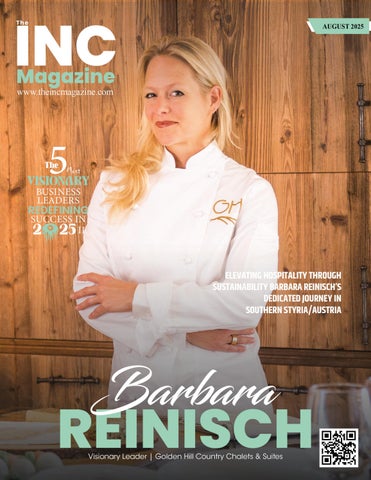
In this exclusive feature, Barbara Reinisch has been featured at the forefront. She is a dynamic and inspiring leader, driven by a passion to make sustainability a natural part of beauty, luxury, and the art of living. She is known for treating her employees and team members like family, showing understanding for personal needs and emergencies, and nurturing a supportive work culture. Join us as we explore Barbara’s inspiring journey and the impact she is creating.
Moreover, this publication includes success stories and discussions, as well as the latest industry trends, articles about market research, and more. We sincerely appreciate the support of our worldwide readership and look forward to coming up with more insightful content in the upcoming editions.

Happy Reading ....!

Kyrah J. Altman: A Trailblazer, Visionary DEI Leader, and Community Mobilizer
Nadine Shehaiber, A Visionary Leader, Shaping the New Frontiers in Talent Management
Per Sjofors: A Visionary Leader with his Brand, Endeavor Accelerating Business Growth
Long Dinh: An Eminent Business Leader Empowering Companies to Resolve Complex Customer Queries with Ada
Editor-in-Chief
Managing Editor
Publishing Control Team
Visualizer
Art & Design Head
Business Development Manager Co-designer
Business Development Execu�ve Marke�ng Manager
Technical Head
Assistant Technical Head
Digital Marke�ng Manager
Assistanr Digital Marke�ng Manager
Research Analyst
Circula�on Manager
Sonal K. Ehsan Jami Alex, Michael
Mary Chars Anushka Bhosle Shweta Ambilwade
Craig Dower
Chirs Philip Maria, Wilson, Mar�na, Alex, Kelvin
Jacob Smile Alina Sege
Jennifer Parker David King
Earl Lewis Scoot Taylor
sales@theincmagazine.com August,
Copyright © 2025 The Inc Magazine





Kyrah Altman President & Co-Founder | Let’s Empower, Advocate, and Do Inc

Kyrah J. Altman is a visionary leader committed to creating meaningful, positive change. She empowers organizations to prioritize employee mental health by cultivating trauma-informed, culturally competent, and 2SLGBTQIA+ inclusive workplace communities. As the President and Co-Founder of Let’s Empower, Advocate, and Do Inc. (LEAD), Altman drives cultural transformation through innovative mental health and diversity, equity, and inclusion (DEI) consulting across public, private, and nonprofit sectors.
The Key Motivation Behind this Powerful Initiative
LEAD was founded in the wake of the Sandy Hook Elementary School shooting in Newtown, CT. At the time, Kyrah J. Altman and her classmates, then high school sophomores in Leominster, Massachusetts, were profoundly affected by the preventable loss of life. Weeks after, in 2012, they established LEAD, Inc. to honor those lost by addressing the root causes of gun violence in schools-namely, untreated mental illness in youth and civilian access to military-grade assault weapons.
From the outset, Altman recognized the vital connection between mental health and DEI in youth-centered environments-particularly in schools, where every individual deserves the opportunity to thrive. Academic institutions should serve as safe, supportive spaces for students, faculty, and staff alike. However, the rising prevalence of adolescent suicide, non-suicidal self-injury, and cyberbullying underscored the urgent need for a transformative approach. Altman understood that effective prevention required more than awareness; it demanded a proactive, action-oriented model designed to enhance mental health literacy and cultural responsiveness among professionals serving vulnerable populations.
LEAD’s mission is to “revolutionize health education” by addressing interconnected needs and empowering adults working with underrepresented and under-resourced communities. While it began with a
focus on schools, LEAD’s reach now extends far beyond, impacting summer camps, youth and professional sports teams, nonprofit organizations, government institutions, and corporations worldwide.
Altman's Remarkable Journey: From Early Beginnings
Altman's journey into social entrepreneurship and mental health advocacy is deeply personal, rooted in early life experiences and a strong commitment to creating change. Growing up in a household marked by trauma, she assumed caregiving responsibilities at just nine years old while grappling with Post-Traumatic Stress Disorder by middle school. Rather than letting these challenges define her, Altman transformed them into a powerful source of purpose-dedicating herself to creating systems that provide individuals with the resources and support needed to prevent and alleviate suffering.
Altman’s focus on advocating for mental health took root in high school. The tragedy at Sandy Hook Elementary served as a catalyst, bringing national attention to the urgent need for mental health support of students and violence prevention in community settings. Driven by an intrinsic belief that if she could create change, she had the responsibility to act, Altman co-founded LEAD with her classmates. After two years of spearheading numerous community service initiatives, LEAD’s mission crystallized: to provide training and curriculum that strengthen mental health literacy, promote lifelong well-being, and foster community resilience. LEAD’s evidence-based, hands-on curricula equip participants with practical skills, tools, and strategies that go beyond raising awareness to drive meaningful action and prevent mental health crises.
Altman’s passion for social justice continued to grow in college, where she majored in Human Services and Social Justice with minors in Public Health and Social Entrepreneurship. While pursuing her studies, she became the nation’s youngest Youth Mental Health First Aid instructor, equipping thousands of college students
with early intervention strategies to prepare them for careers supporting youth experiencing crises. A pivotal moment in Altman’s journey came during her freshman year when she won $32,500 in the 2016 George Washington University (GWU) New Venture Competition. This achievement enabled her to incorporate LEAD as a 501(c)(3) nonprofit, transforming it from a grassroots initiative into a national social enterprise.
During her senior year at GWU, Altman was recognized as the 3rd Best Studentpreneur in the United States by Entrepreneurs Organization's Global Student Entrepreneurship Awards and nominated as one of L’Oréal’s Women of Worth. That same spring, LEAD was named one of DC’s “Red Hot Nonprofits,” further cementing its growing reputation in 2019. After graduating Altman returned to her home state of Massachusetts to establish LEAD’s first office at the NonProfit Center in Boston.
Over the past 12 years, LEAD has grown from its initial focus on schools. Fueled by Altman’s vision, LEAD has since developed programs, including Camp, School, Team, Workplace, and Community Mental Health certifications, that empower individuals with no-fluff mental health and DEI education. LEAD’s Proven Process thrives on its commitment to delivering peace of mind, customization, and accessibility to each Community Partner. By intentionally limiting its client base per year, LEAD ensures the highest quality of service, offering tailored solutions and dedicated support to meet the unique needs of every client.
Although Altman stepped down as LEAD’s CEO in 2024 to take on a new role, she remains deeply involved with the organization. Now in her 12th year as Board President, she oversees LEAD’s international network of volunteers and Mental Health Certification instructors. Additionally, Altman remains LEAD’s most sought-after consultant and faculty member, playing a key role in delivering and continuously enhancing the organization’s educational products and services.
This year, Altman collaborated with Shari Duffy, the mother of late LEAD co-founder Megghan Duffy, to launch a self-paced e-course on LEAD’s Learning Lab titled “Megghan’s Course: A Mental Health Toolkit for Young Adults with a Terminal Diagnosis.”
Four years in the making, this project was inspired by Megghan, who was diagnosed with stage four cancer and passionately advocated for the mental health needs of young adults facing terminal illnesses, particularly those in the 2SLGBTQIA+ community. Though Megghan passed away in 2020 at the age of 23, her vision continues to inspire and guide LEAD’s mission. Thanks to generous donations and the dedication of LEAD’s employees and volunteers, Megghan’s Course is available for free enrollment throughout 2025, offering vital resources to young adults with terminal illnesses-and their caregivers-around the globe.
Since 2012, Kyrah has received numerous accolades and recognition, including being named one of the Ten Outstanding Young Leaders by the Greater Boston Chamber of Commerce in 2019 and being featured in national outlets such as The New York Times. To advance her professional expertise in 2025, Altman will pursue Harvard Business School’s Credential of Leadership, Impact, and Management in Business (CLIMB) and serve as the Equity, Diversity, and Inclusion Manager at the Boston Public Library.
The Significant Lessons Learned in the Initial Phases of LEAD
“A newspaper once described me as “an energetic 12-year-old who talks at a rapid-fire pace and has the single-minded drive of a heat-seeking missile.” Over a decade later, that description still captures my approach to social entrepreneurship and leadership,” reflects Kyrah J. Altman.
Building LEAD from her college dorm room was a crash course in resilience, adaptability, and the power of mission-driven work. Every setback-from limited resources to logistical hurdles-taught Altman critical lessons about persistence and creativity. These early challenges emphasized the importance of pivoting when faced with obstacles, a skill she attributes to her upbringing in an entrepreneurial family. Altman quickly learned to see obstacles not as barriers but as opportunities to innovate, refine strategies, and grow stronger as a leader.
The COVID-19 pandemic from 2020 to 2023 brought significant global challenges, collective trauma, and financial strain to many organizations, including LEAD.
Widespread disruptions forced the organization to adapt quickly, accelerating plans to transition its in-person workshops online. LEAD’s team worked tirelessly to move all programming to a learning management system, making it accessible to a global audience. This effort began with an interactive, COVID-inspired course titled “Yikes: Coping with the Anxiety of Uncertainty,” which marked the launch of LEAD’s Learning Lab. Today, LEAD’s Learning Lab has evolved into a trusted resource for professional development and train-the-trainer programs, offering courses on topics such as self-care, stress management, suicide prevention, trauma-informed care, cultural responsiveness, anti-racism, and allyship.
Empathy also emerged as a cornerstone of Altman’s leadership philosophy during LEAD’s formative years. As a trauma survivor and mental health advocate, she recognized the importance of fostering psychological safety within the organization. Altman understood that building a resilient team required more than professional expertise-it demanded a workplace culture rooted in trust, understanding, and respect.
A pivotal lesson during LEAD’s early days was the importance of “practicing what you preach.” Altman ensured that LEAD’s internal culture mirrored its mission of promoting mental health and well-being. LEAD’s website reflects this philosophy: “Our team spends intentional time developing a company culture that reflects our beliefs and promotes healthy, happy minds in everyone who works for the organization. We aim to build community resilience within our organization and as members of our communities. Why? We know that LEAD, Inc. can’t make lasting change if we don’t take care of ourselves emotionally, physically, socially, and mentally.”
To embody these principles, LEAD adopted intentional practices informed by research on self-care, mindfulness, and positive psychology. These practices, which continue to shape the organization today, include:
1. Daily mindfulness meditations: Starting each day with five minutes of guided mindfulness (using tools like Headspace) to enhance focus and readiness.
2. Movement breaks: Taking at least two 10-minute walks daily to step away, recharge, and return with fresh perspectives.
3. Weekly gratitude messages: Encouraging team members to share appreciation with one another, fostering a culture of positivity and connection.
The lessons learned during LEAD’s early phases have become cornerstones of its success, underscoring the transformative power of aligning organizational values with internal practices and prioritizing both individual and collective well-being.
Today, as Board President, Altman continues to apply these insights, ensuring that LEAD thrives as a mission-driven organization and a supportive, resilient community.

Redefining Workplace Mental Health: LEAD’s Transformative Approach
Kyrah J. Altman is dedicated to revolutionizing mental health education, particularly within corporate environments, over the next five years. Central to this vision is the expansion of LEAD’s Workplace Mental Health Certification, a program that has already certified hundreds of companies, nonprofits, and government organizations or trained their own LEAD-credentialed instructors.
LEAD’s Workplace Mental Health Certification goes beyond theoretical concepts, offering actionable insights that build critical competencies, break down barriers to innovation and inclusion, and enhance team resilience. As the first early intervention program specifically tailored to corporate settings, it equips all members of a workplace community with the knowledge to identify risk factors, recognize warning signs, and understand the prevalence of chronic stress and mental health challenges. Participants gain essential tools to foster mental well-being, promote cultural transformation, and create psychologically safe teams that thrive.
By normalizing conversations about mental health and providing workplaces with practical, evidence-based tools, LEAD is driving cultural transformation across industries. Programs like the Workplace Mental Health Certification empower organizations to boost productivity, enhance innovation, and improve employee retention by fostering supportive environments that prioritize well-being.
As Altman frequently highlights in her keynotes, “While not everyone has a mental illness, everyone can improve their mental health.” This philosophy underscores LEAD’s commitment to reshaping workplace cultures through proactive and inclusive mental health strategies.
Altman reflects, “At LEAD, our commitment to innovation, practical application, and continuous improvement drives us to remain at the forefront of mental health education and to be a leader in the field.”
By focusing on the intersection of mental health and DEI, expanding evidence-based programming, and fostering resilience at both individual and organizational levels, LEAD is well-positioned to create transformative, lasting impact across communities and workplaces worldwide.
To get involved with LEAD, visit www.LEADnow.org or email info@LEADnow.org. Why wait? #LEADnow

CPO | Brown Legacy Group
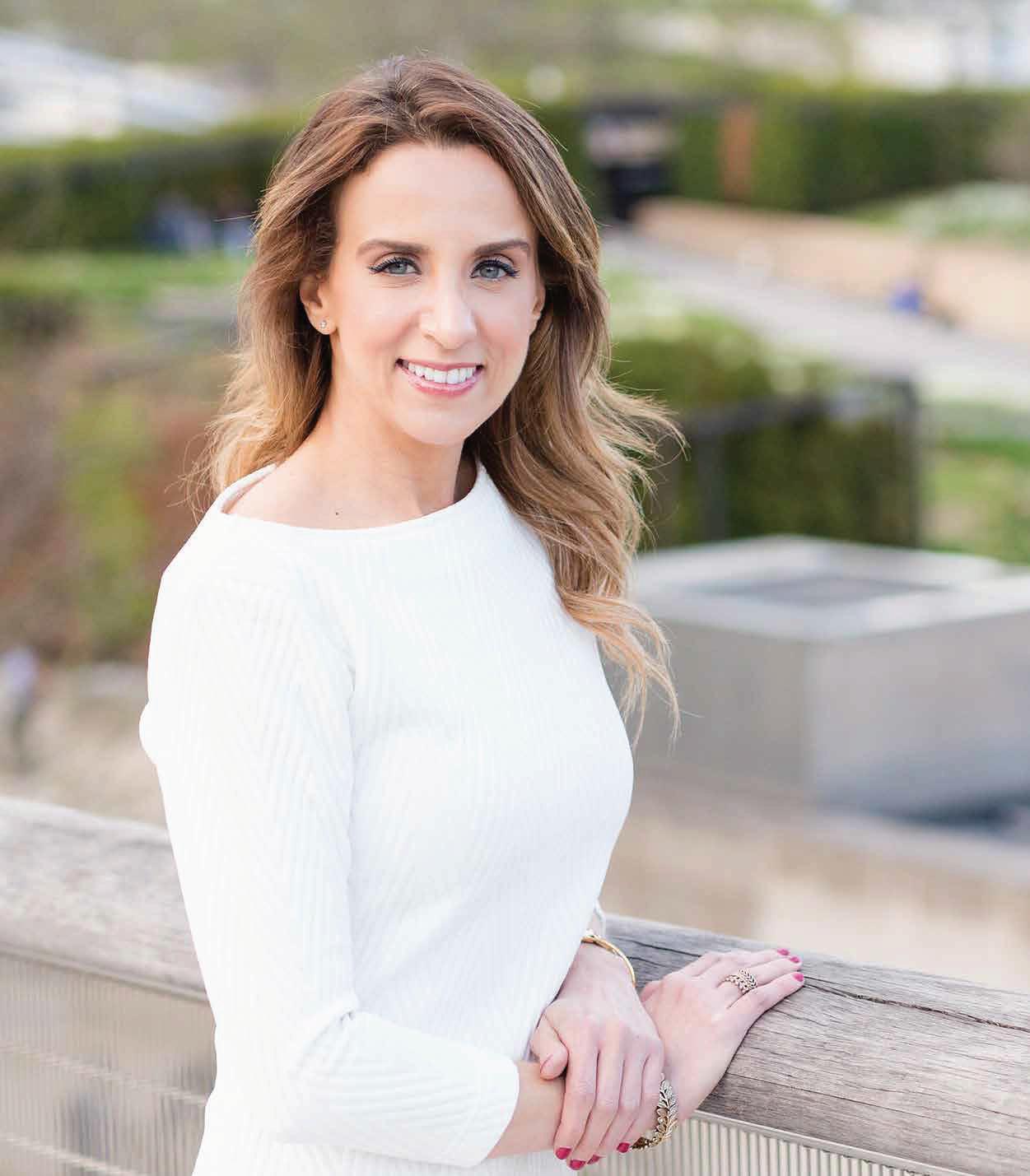
Nadine Shehaiber, Chief People Officer at Brown Legacy Group (BLG), is a passionate leader who has paved her way with mastery and excellence. With over two decades of extensive global experience and expertise in human capital, culture transformation, and employee engagement, Nadine stands as a frontrunner in the industry. Throughout her journey, she gained excellent knowledge and practice in talent management and HR while working with some of the most well-known global brands, including Deloitte, Blackstone, BP, and Walgreens.
Nadine is renowned for empowering businesses and leadership teams to use their most valuable resource—their people—to accomplish incredible achievements. Her strong background as a business analyst and technologist has provided her with a profound understanding of business dynamics and the ability to address people's challenges from that perspective. She excels at resolving problems and creating plans of action that align with business objectives.
Sharing her key inspiration behind joining BLG, Nadine Shehaiber said "The company's unwavering commitment to innovation and excellence was the key driving force. They are very focused on driving purpose in their organization that fosters the greater good for their people, their families, and the communities in which they live and serve. Having the opportunity to build the talent management function from scratch using a human centric approach while collaborating with such a talented team were major factors in my decision."
Distinctive Strategies for Forming and Managing High-Performing Teams
Nadine focuses on developing a clear strategy with specific goals, fostering transparent communication, ensuring buy-in and commitment, and promoting cultural awareness to drive success within the organization. Nadine believes in setting up dynamic teams with diverse skillsets, backgrounds and perspectives to drive innovation. In choosing leaders, Nadine prioritatizes those that can inspire, motivate and guide the team while encouraging collaboration and open communication so everyone feels heard and valued.
Nadine believes in a collaborative, learning culture that emphasizes the importance and provides the support for continuous development. She believes that it’s critical to create an environment that emphasizes collaboration over competition, encouraging members to support one another, build trust among team members through team-building activities and by setting expectations for accountability, equipping the team with strategies for constructive conflict resolution to maintain a positive working environment, and providing opportunities for training and skill development to enhance team members' capabilities and confidence.
Taking trust as essential, she recognizes achievements, provides constructive feedback, and encouraging flexibility and adaptability. Utlizing technology, Nadine stays agile and responsive to the latest evolution in the global market, regularly reviewing and adjusting strategies. She further reviews the performance metrics regularly and provides feedback to maintain high motivation and productivity.
Nadine has leadership competencies and a leadership profile that best fits an organization. She uses that as a litmus test to identify potential leaders and develop them for their leadership roles. She observes employees who consistently perform well, solve problems effectively, and show initiative. Once found, she matches them with seasoned mentors and offers individualized coaching and mentoring. Nadine invests in their development through training programs, workshops, and courses, encouraging continuous learning and providing constructive feedback. She further fosters a culture that recognizes and rewards leadership behaviors and empowers employees to take the initiative to build a strong pipeline of future leaders ready to drive the organization forward.
The Key Challenges of Chief People Officers
According to Nadine, managing remote and hybrid workforces, facing talent shortages, re-skilling and upskilling talent, ensuring employee well-being, supporting diversity and inclusion, and navigating quickly evolving technical landscapes are some of the major challenges of CPO.
To creatively address these challenges, the inspiring lady prioritizes flexible policies to accommodate different work styles and preferences, expand talent pools when searching for top talent, strengthen employer value proposition and brand, and set up entry-level programs to cultivate future talent. She implements targeted recruitment strategies and partnerships to address talent shortages while investing in robust training programs for re-skilling and upskilling existing employees. She has also developed comprehensive wellness programs including mental health resources and work-life balance initiatives for employee well-being. She advocates for inclusive hiring procedures, offers ongoing diversity training, and creates an environment where all employees feel valued and heard.
Leading the Way
To stay ahead of industry trends, Nadine focuses on continuous learning, active networking, and leveraging data and technology. She regularly participates in industry conferences, workshops, and webinars to stay informed about the latest developments and best practices. She also subscribes to leading industry publications and follows thought leaders on social media to keep up with emerging trends. Networking with peers and joining professional organizations allows her to exchange ideas and gain insights from other experts in the field. Nadine also encourages her team to do the same, fostering a culture of continuous learning and knowledge sharing within the organization. Additionally, she also monitors performance metrics and pinpoints opportunities for improvement. By leveraging HR technology and tools, she stays agile and adapts strategies as needed to meet evolving business needs.
Integrating Diversity and Inclusion into the
Nadine ensures strong leadership commitment, implements inclusive hiring practices, and provides ongoing education and training. She supports employee resource groups (ERGs) and regularly updates policies to promote inclusivity, such as
flexible work arrangements and equitable pay. She also encourages open communication and feedback, tracks key DEI metrics, and embeds DEI in the overall business strategy. By integrating these elements into all aspects of the organization, DEI becomes a fundamental part of the culture and operations and has leadership follow-through and commitment.
Remarkable Initiatives to Drive Diversity and Inclusion
Nadine has introduced several initiatives to drive diversity and inclusion within an organization. She launched a comprehensive diversity recruitment program including community engagement programs, partnerships with diverse job boards, universities, and professional associations. Nadine didn’t love the unconscious bias fad. She addresses them head-on with conscious bias awareness training that helps people be more self-aware and use strategies to break down and better understand their biases.
Nadine has developed culture competency training to enhance understanding of different cultures and promote respect among employees. She’s also developed mentorship and sponsorship programs specifically aimed at underrepresented groups to bridge the gap in leadership representation. Also, she reviewed and updated company policies to ensure they were inclusive and supportive of diverse needs.
Creative Strategies for Recruiting and Retaining Top Talent
Nadine aims to create an attractive and supportive work environment that attracts top talent and retains and nurtures them for long-term success with these strategies.
highlights the company’s culture, values, and career opportunities is essential.
work-life balance and draw in talent that is looking for flexibility.
programs, mentorship, leadership development initiatives, and opportunities for lateral moves within the company.
programs to celebrate employee achievements and milestones fosters a positive work environment.
analytics to identify and engage potential candidates.
process helps new hires feel welcomed and integrated into the company culture from day

Distinctive Strategies to Enhance Employee Engagement
Nadine implements several specific strategies to foster a work environment where employees feel engaged, valued, and motivated to contribute to the organization's success.
communication channels
events environment
The Future Outlook
Nadine's vision for the future of human resources (HR) is one where HR is a strategic partner that drives organizational success through innovation, inclusivity, and employee empowerment. She believes that HR will increasingly leverage advanced technologies like AI, machine learning, and big data analytics and traditional HR procedures will become less important in favor of a more all-encompassing strategy that puts the employee experience first.
The trend towards remote and hybrid work models will continue to grow in the upcoming years and DEI will remain a critical focus, with HR leading initiatives. Nadine strongly supports lifelong learning. According to her, learning will become the norm for skill development and career growth. The use of data and analytics will become more sophisticated, and it enable HR to measure the impact of its initiatives accurately.
The well-being of employees, particularly mental health support, will receive more attention. HR will adopt more agile methodologies, allowing for faster adaptation to changing business needs.









Companies that do business around the world are getting increasingly worried about the possibility of changing tariffs. When trade talks, policy changes, or geopolitical worries cause import and export tariffs to change quickly, they can mess up supply lines, drive up prices, and cut into profits. Any company that wants to stay strong and successful needs to make plans to lessen the operational and financial effects of these risks.
1.Bring in more customers and vendors
Having a wide range of providers and customers is one of the best ways to lessen the effects of tariffs. If all your products come from one country or seller, your business may have to pay tariffs on those goods. When you want to lower your risk and increase your range, you should get resources from other countries and investigate new markets.
2.Check your supply lines once more
If you want to learn how to lower your price risk, you should look at the whole supply chain. If a country has free trade agreements (FTAs) or lower taxes, it might be a good fit for your business. However, moving some of your production to countries with better trade conditions can cut your costs by a huge amount.
3.Reports and information on how to sell funds
Businesses can get ready by learning about upcoming changes to tariffs and the rules that govern international trade. For information and advice that is specific to your industry, use trade intelligence tools, sign up for trade bulletins, and talk to trade experts or customs brokers.
4.Classification and Tariff Engineering that you should use
Businesses may be able to cut costs by changing the way their goods are designed or packaged so that they fit into lower tariff categories. Tariff engineering is an effective way to cut costs that must be carried out in strict accordance with the rules. To avoid unpleasant surprises like taxes and fines, make sure the tariff codes are right.
5.Make price plans that can be changed
When you are making your price models, think about how tariffs might cause costs to go up. To get ready for future price increases, businesses may need to change prices, raise prices, or add profit buffers to contracts.
Look into government programs that can help
Tax credits, grants, and duty drawback programs are some of the ways governments help offset tariff costs. Understanding and taking advantage of these resources can ease financial concerns and improve your business’s resilience.
Businesses around the world can protect their operations and keep their options open in case tariffs change by planning ahead and coming up with smart solutions. If they want to stay in the market, they need to think carefully about price, Ash, supply lines, and source.