


Alisa Ben 10







Long Dinh
Kevin MacRitchie
Louis Lehot
Jennifer Kouchis
Lynn Wood
Dawn Hendricks
Susanna Kass



Yet again, we have an exclusive edition that will amaze you with some of the most motivational stories. The spotlight is on a few business tycoons who inspire others to make a better world. These executives are honest, trust their instincts, and don't only relish the rewards of their team's labor of love; they also put in their own hard labor as well. They have accountability and make tough choices. Because they have a progressive mindset, they don't see failure as a setback but rather as an opportunity to try again. True leaders motivate us to question the status quo and give us hints of another way to think, live, and be. Thus, go through our unmatched selection of business visionaries and leaders to learn about their creative thinking, knowledge, initiatives, values, and much more.
We constantly advocate for people who break new ground and set the bar high in their area of expertise. A large part of this edition is devoted to the business world's inspirational leaders who are ushering in groundbreaking innovations for a brighter future for all.
Knowingly or unknowingly, business leaders have had a profound impact on the global community. These brilliant minds have blessed us with their knowledge and enabled us to accomplish some incredible things that continue to be celebrated today. Their most notable accomplishments can be observed in an array of fields. Let's learn about some notable business figures from around the world and get all enlightened. We are sure that these motivational tales of achievement will never fail to amaze and excite our readers around the world. Additionally, we are optimistic that reading a few informative pieces will keep you engaged with the issue for a considerable amount of time.
Finally, I take off with an overwhelming sense of appreciation for the support and love received from our global audience. Keep us updated on how we are doing with your valuable input until we return with an exciting read.
Let’s Read...!!




























The Internet of Things (IoT) is a novel technology that allows people to communicate and share information using data. Over the past few years, it has become one of the top technologies in the world. Several Wireless connectivity and smart tech gadgets have emerged from IoT, revolutionizing many sectors worldwide. With the help of IoT smart computing, cloud and big data analysis can be possible within a few minutes.
According to TDengine, Internet of Things (IoT) is a term that represents evolving technologies in smart physical objects which help people to connect, share, and accept data and information securely. Our daily lives experience the connectivity of physical objects with the internet, turning them into smart TVs, smartphones, Smart cars, and many others, completely changing the ease of living. In 2023, it is predicted that around 43 billion devices will be connected to the internet, and by 2025 the number of IoT devices will be 75.44 billion.
The most significant impact of IoT devices is on the daily lives and corporate sector. Smart devices and features help businesses to improve their service and customer relations. As IoT is widespread in the market, businesses can use it for effective insights and data analytics which increase the productivity and value of businesses. There are many more trends of IoT emerging in 2023, which we will discuss in this article deeply.
As billions of smart devices are connected to the internet to provide an accessible service to people. But this network requires security to protect billions of users’ confidential data and information worldwide. Though these IoT devices make peoples’ lives easier, it opens the door for cyber attackers to steal their data. Many large organizations are ready to invest in cybersecurity majors to protect their data. Cyber attacks like phishing, breaching, and intrusion are rising, raising security concerns among users and other companies worldwide.
The IoT technology adoption has been is proven useful and essential to the healthcare industry for improving the service. Healthcare experts use smart wearables and sensors to detect major problems during surgery. This incredibly increases the opportunities for IoT in the healthcare industry. Many smart gadgets like smartwatches and SpO2 sensors help patients monitor their health without concern to doctors in an emergency. So, the healthcare industry will also turn towards virtual technology in the future.
IoT in the manufacturing sector is one of the most recent developments in this technology. In this sector, managers and workers always deal with the machines, so they require special types of sensors and devices to detect faults in the machines. The use of wearables allows factory workers to understand the condition and safety of their factory. IoT devices are equipped with sensor technology which enables manufacturers to find problems early and work on them.
Data analytics with machine learning is a new trend in AI technology that uses all the IoT devices’ data. In these modern days, data is an asset that can be extracted from smart devices to run more efficient systems. Projects like smart homes with elevators and smart cities can be possible due to the collaboration of IoT and machine learning. Integrated insights are injected into the machine learning systems which support the IoT or smart devices to optimize and adapt the new trends in the device automatically.
Covid-19 pandemic advancements in the workplace gain momentum. From video conferencing tools to the modern and sophisticated workplace, IoT technology has changed the way of working in companies. Machine learning applications like robotic automation help employees handle customers more efficiently in the workplace. With the help of this technology, professionals can also carry out virtual meetings using AR and VR to gain guidance and assistance from their colleagues and employees.
IoT technology develops smart devices for smart cities, which significantly change the way of living in society. People can now use smart devices to live their lives more easily and comfortably. In US cities re-establishment of cities started in the early years. This evolved the working of traffic lights, pipelines, and parking meters in the city. The aim of smart cities is not only to provide ease to people but reward them with financial, environmental, and social comfort in the city. This revolutionary change in urban areas can bring sustainability to people’s lives and improve their quality of life.
The internet of things has the ability to transform the rules and regulations of governmental sectors run in the country. IoT comprises various smart gadgets, sensors, and devices that help the government to summarize and categorize data. IoT technologies assist the government in managing cities by giving efficient water systems, routes, and food supplies to the country’s citizens. Government agencies can also offer E-services to citizens to manage their identification cards, property documents, and citizenship proofs. Many lengthy processes can be done in a minute with IoT devices.
Efficient customer service is the main objective of any company or business. It gains more relevance in the early years because most of businesses turn their head towards customer-centric business. Smart devices and efficient internet service allow them to offer great service to customers. The most important thing in customer service is real communication. IoT enriches the quality of communication which helps to understand the behavioral patterns of customers. Automation in chatbots greatly helps businesses to resolve the queries of customers at any time.
IoT brings innovation in every sector where it is implemented. Web development is also benefited from IoT. IoT devices and technologies can be used to design user interfaces and the architecture of websites. Smart watches and smart cameras are the latest examples of IoT-based web development. Web developers and tech professionals use IoT to create and design front-end interfaces innovatively.
The upcoming fifth-generation wireless 5G network is a great opportunity for IoT technology. 5G is able to deliver high-speed data with better reliability. It provides wider connectivity to smart devices like phones, laptops, and tablets to connect over the 5G network. According to Star Dust research, the 5G network is 10 times faster than the current LTE network. This incredible speed results in better data transfer and communication between people worldwide.

The term “technology” refers to the body of knowledge concerned with the development, improvement, and use of technological means and the connections among human culture, social organization, and the natural world. To put it another way, technology is the application of scientific knowledge to practical ends, such as the development of tools for use in business and daily life. It follows that any application of scientific knowledge to valuable ends is the use of technology.
Technology’s Effect on Society
Every element of our lives depends on technological improvements, and our anticipations and requirements in this sphere are constantly growing to meet them. Technology is used by people in their efforts to increase their levels of knowledge, relationships, and productive activities. How we as a community decide to put technological advances to use will influence the nature of the outcomes we experience, whether favorable or unfavorable.
Technology’s positive effects on society:
The positive benefits that technology has had on individuals and society as a whole far exceed the negative ones. Our lives are made more accessible, and we are given luxuries and comforts that we would be forced to go without. The following is a list of the many ways in which the advent of technology has contributed to the betterment of our lives:
Improved Communication: Conversations are the foundation of communities and the medium through which we share ideas. Historically, humans have sent messages to one another using pigeons or other birds. After then, communication advances and shifts to digital channels like text messages, emails, and smartphones. Letters to friends and family are often sent via electronic channels such as email, social media, etc. It’s the
most rapid, productive, and fruitful channel available today. Even if people are far apart, they may still readily communicate and exchange information with their loved ones.
Technology improves education and learning: These days, expanding one’s horizons via online study is a breeze. It’s possible to access the vast majority of the information available on the Internet without spending a dime.
Technology improves education and learning: These days, expanding one’s horizons via online study is a breeze. It’s possible to access the vast majority of the information available on the Internet without spending a dime.
Mechanized Agriculture: Technological advancements alter the traditional methods of agricultural labor. Farming has been revolutionized by the widespread use of technological advances like equipment and technical instruments.
Mechanized Agriculture: Technological advancements alter the traditional methods of agricultural labor. Farming has been revolutionized by the widespread use of technological advances like equipment and technical instruments.
Access to information is simple: we can look up anything we need on the Internet whenever we need it. You may utilize the wealth of free resources on the Internet to further your education, career, etc.
Access to information is simple: we can look up anything we need on the Internet whenever we need it. You may utilize the wealth of free resources on the Internet to further your education, career, etc.
Adverse effects of technology on society:
Adverse effects of technology on society:
There are benefits and drawbacks to everything on Earth. Just as there are positive effects of technology on society, there are also adverse effects of technology, such as:
There are benefits and drawbacks to everything on Earth. Just as there are positive effects of technology on society, there are also adverse effects of technology, such as:
Increase in unemployment: As a result of the cheap cost and outstanding efficiency of machinery and technological equipment used by big and small businesses today, the jobless rate continues to rise.
Increase in unemployment: As a result of the cheap cost and outstanding efficiency of machinery and technological equipment used by big and small businesses today, the jobless rate continues to rise.
Increased pollution: Not only people but also technology is impacting our ecosystem. Vehicles and other machines are a significant contributors to the steadily rising levels of pollution that drive climate change and other harmful effects.
Increased pollution: Not only people but also technology is impacting our ecosystem. Vehicles and other machines are a significant contributors to the steadily rising levels of pollution that drive climate change and other harmful effects.
Increased health and mental concerns: Technology is now affecting humans’ physical and psychological health. Individuals become less socially engaged, less physically active, less physically fit, and more likely to engage in sedentary behaviors.
Increased health and mental concerns: Technology is now affecting humans’ physical and psychological health. Individuals become less socially engaged, less physically active, less physically fit, and more likely to engage in sedentary behaviors.
Increase in cybercrime: As internet usage continues to rise, so does the number of cyberattacks. Attackers may target youngsters or the defenseless for financial gain or a sense of thrill.
Increase in cybercrime: As internet usage continues to rise, so does the number of cyberattacks. Attackers may target youngsters or the defenseless for financial gain or a sense of thrill.
Technology has caused social problems and cultural changes.
Technology has caused social problems and cultural changes.
Social Issues:
Social Issues:
The following are some of the social problems we encounter online:
The following are some of the social problems we encounter online:
Identity Theft: Using the identity of another individual by fraudulently obtaining his financial/personal information to commit a crime.
Identity Theft: Using the identity of another individual by fraudulently obtaining his financial/personal information to commit a crime.
Gaming Addiction: Excessive usage of online games over a lengthy period substantially impairs an individual’s ability to operate in numerous living areas.
Gaming Addiction: Excessive usage of online games over a lengthy period substantially impairs an individual’s ability to operate in numerous living areas.
Health and Fitness: Excessive online time has been linked to deteriorating vision, aching backs, and other physical ailments.
Health and Fitness: Excessive online time has been linked to deteriorating vision, aching backs, and other physical ailments.
Cyberbullying: Using technology to harass, abuse, criticize, or target another individual is known as cyberbullying.
Cyberbullying: Using technology to harass, abuse, criticize, or target another individual is known as cyberbullying.
Terrorism and crime: Cyberterrorism refers to the theft of our cyber-infrastructure and digital information such as software, hardware, data, or lead.
Communication Breakdown: When information is not transferred, interaction is lost.
Defamation of Character: Defamation of character is the act of disseminating false information with the intent of causing severe damage to another person’s reputation.
The advancement of technology has had a significant impact on our society. We have gone a long way in terms of our principles and communication methods. Face-to-face conversations may be challenging for many individuals in today’s world. People connect with their friends using electronic devices such as smartphones, tablets, and laptops. Also, nowadays, people judge one another according to how technologically advanced they are, such as whether or not they have the most recent mobile phones or vehicles. It is common to practice in today’s society to put on headphones and listen to music rather than engage in conversation.
Most people in today’s world gravitate toward the Internet since it is all they have ever known. Touchscreens on mobile devices such as cell phones are all the rage these days. People are only further disconnected from reality as a result of technology. The capacity of people in today’s society to engage in real-life scenarios, such as making individual relationships, finding solutions to problems, and acting like adults, is severely lacking. All of this is having an impact on our society. Each time we purchase from an online vendor rather than traveling to a storefront in our community, technology exerts some cultural implications. We are actively reshaping culture via technology each time someone settles down for a night of watching our entertainment on demand.
In conclusion, technological advancements such as the Internet, mobile phones, and laptop computers are an absolute requirement for modern life. Because of these developments, we sometimes fail to remember the plight of people who struggle to meet fundamental human needs, such as access to adequate nutrition, healthcare, and safe drinking water. Using advanced technology to aid society’s most vulnerable members is a noble act by industrialized nations. Medical services, Internet-based economies, agricultural techniques, industrial processes, and other areas have all benefited from these technologies’ widespread adoption and usage. Culture changes:

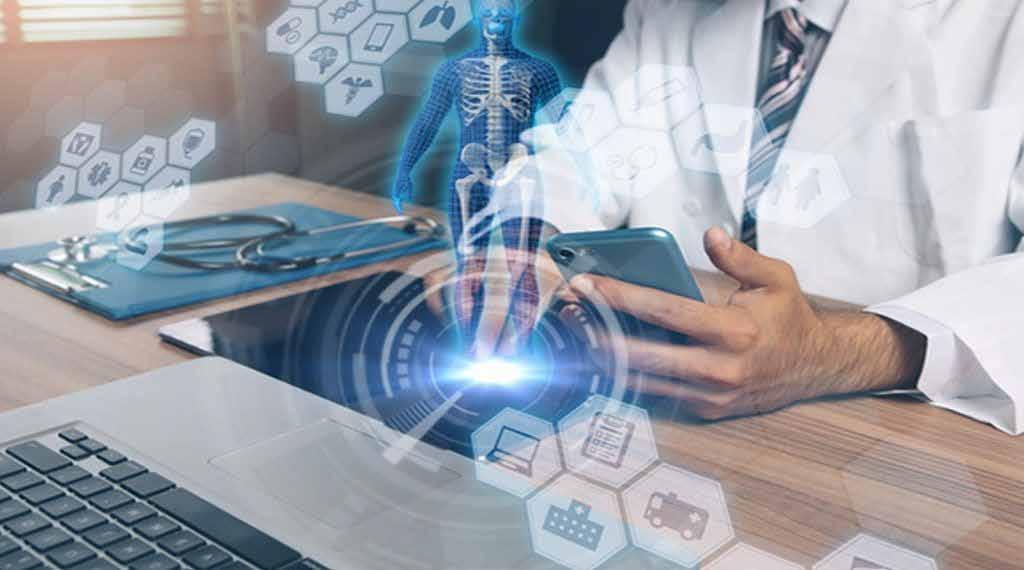
Hospital and doctors’ treatment quality has greatly improved because of technological advancements in recent decades. Improvements in diagnostic imaging surgery, molecular diagnostics, and biotechnology are a few examples of the impact of technology.
Communication: Conversations are the foundation of communities and the medium through which we share ideas. Historically, humans have sent messages to one another using pigeons or other birds. After then, communication advances and shifts to digital channels like text messages, emails, and smartphones. Letters to friends and family are often sent via electronic channels such as email, social media, etc. It’s the
Demand from consumers for improved health, the existence of health insurance systems that help pay for innovative medical technology, and the desire of medical specialists to deliver the best treatment possible to patients have all contributed to the field’s rapid development. In this article, we examine how changes in medical technology have affected public opinion on medical topics.
Today’s medical treatment cannot function without the aid of computers and other forms of technology. The advancement of health information technology has resulted in many positive outcomes, such as improved patient care quality, less paperwork, more efficient administration, lower medical costs, fewer medical errors, easier access to care, closer monitoring of the management of chronic diseases, earlier detection of infectious disease epidemics, and many others.
Hospitals and clinics rely on technology aids to better handle health care data. Electronic prescription systems, such as computerized physician order input systems, electronic medical records systems, and clinical decision support systems, are all examples of cutting-edge healthcare technology. These aid doctors in keeping tabs on
their patients and their illness management and referral processes, which help reduce prescription mistakes.
Medication mistakes may be avoided thanks to automated dispensing equipment, bar-coding during dispensing, and robots for dispensing.
Using these advancements, doctors and patients are less likely to experience the kinds of mistakes and harm that could have been possible with older methods.
Electronic health records make patient information and tracking their recovery easier. Lab orders, discharges, referrals, transfers, and processes may all be simplified using a computerized provider order entry system.
While a Picture Archiving and Communications system collects, stores, and distributes pictures from equipment like x-rays and computer tomography scans, a Clinical Decision Support system informs doctors of the best methods for diagnosing and treating different conditions.
But Radio Frequency Identification technology allows for a wireless communication system to be used to monitor a patient’s development and medicine. Using bar codes on the medications and the wristbands worn by patients, medication errors may be reduced, and safety can be improved.
The healthcare industry has been profoundly influenced by the proliferation of wireless gadgets, such as those that gather and transmit data to a person’s cell phone. They also tell you how many calories are in the meal you’re going to eat.
There are a variety of other sleep monitoring devices that collect data on sleep duration and quality. Also, you may get wristbands that measure your skin conductance reaction and provide feedback on your mental and emotional health and stress levels. Sharing this information on social media may motivate individuals to exercise more, get better sleep, and decrease their body mass index.
Additionally, people with diabetes may use a wireless sensor to monitor and record their blood sugar levels. The gadget also shows the user how their diet and exercise routine impact their body’s ability to manage glucose levels.
The pace at which a person breathes, as well as their body temperature, heart rate, and blood pressure, may all be measured using sensors.
Other scanners can transmit pictures of a foetus or heart through wireless transmission to an expert, who can then analyze and interpret the data in real time. The ability to monitor patients around the clock, in real-time, remotely, and concurrently has significantly influenced healthcare delivery, particularly for people with chronic diseases.
Technology advancements in the healthcare industry have accelerated rapid illness diagnosis and treatment. Through telemedicine, patients and doctors can establish a rapport because of the ease with which patients may share information about their health status, symptoms, and treatment outcomes with their doctors remotely.
Diabetics, for instance, may have their progress tracked by sending regular updates on their blood glucose levels to their physicians. Specialists in weight reduction may keep tabs on their clients’ daily progress toward their goals. With this innovation, patients may avoid the hassle and cost of traveling to a medical facility for treatment.
Another medical technology innovation is robot-assisted surgery. In this procedure, robots assist doctors in conducting procedures on patients. The patient heals more quickly and has less scarring because of the less invasive nature of robotic procedures. Hysterectomy (the removal of the uterus), prostate cancer, and heart surgeries are only some of the procedures that benefit most from robotic surgery.
The diagnosis, treatment, and prevention of some illnesses have all been drastically altered by technological advancements in recent years.
Thanks to medical technology, preterm infants are receiving better treatment and care than ever. Special ventilators, steroids, artificial pulmonary surfactants, and newborn intensive care have all decreased the mortality rate for premature infants.
People may now access much healthcare information on the internet, allowing them to make educated choices about their medical treatment. Patients may research their options for medical treatment and choose the best possible provider by comparing and contrasting their profiles online.
Assistive technology has advanced, creating tools that help persons with disabilities lead more independent, productive, and fulfilling lives. Touch screens, speech synthesizers, Braille displays and embossers, voice recognition, alternative keyboards, pointing and typing assistance, joysticks, trackballs, optical pointing devices, keyboard modifications, screen readers, talking word processors, and big print word processors, among others, are among the options that computers provide to persons with a variety of disabilities.
Online platforms are also often used to disseminate fake health warnings. Inaccurate information spread by internet users only increases the general public’s already-present scepticism of scientific progress. People worry about launching new treatment methods since they don’t know whether they’ll be effective.
The above shows that the public has benefited much from the development of medical technology. This includes the enhancement of healthcare generally and the saving of countless lives. Medical procedures were often fraught with human mistakes before the development of modern medical equipment. Due to inefficient medical technology, many lives were lost because certain treatments took too long to complete. Some individuals still view technological progress with scepticism. Thus they haven’t completely reaped the advantages of technology. Many worries that progress in technology may bring with it unanticipated dangers.