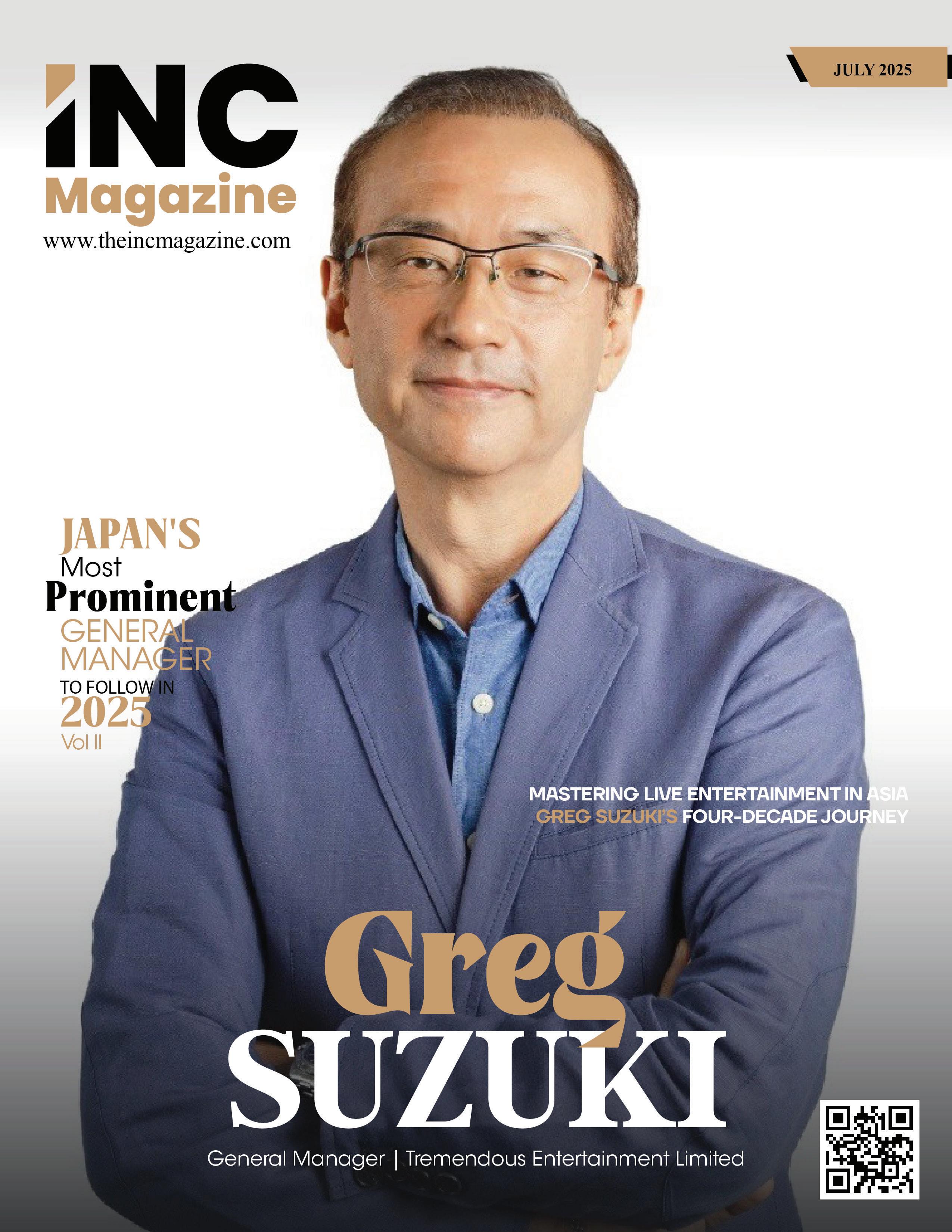


Japan’s business arena is entering a bold new era, one defined by sharp strategy, fearless decision-making, and leaders who know how to turn vision into results. At the center of this evolution stand the General Managers: the power players who bridge big-picture thinking with day-to-day execution, guiding teams to outperform and industries to transform.
In this “Japan’s Most Prominent General Manager to Follow in 2025” edition, we’re highlighting the leaders rewriting the rules of leadership. These are the professionals who don’t just adapt to change; they create it. Whether steering legacy brands into the digital age or scaling fresh businesses to global relevance, they are proving that true leadership thrives where insight meets action.
One such highly influential and visionary leader is Greg Suzuki, the General Manager of Tremendous Entertainment Japan. Greg holds over four decades of experience in bringing global entertainment to diverse markets. Honored with awards like the "Company record of International Sales Award," Greg’s career spanned from being a musician to managing top-notch live shows. His professional journey is an inspiration for all in the live entertainment industry.
As we turn the pages of this read, may you find yourself encouraged, inspired, and all set to embark on your professional journey, armed with knowledge, innovation, and dedication.
Before I wrap up, I would like to thank our worldwide readers for their unwavering support of the publication. We always strive to bring you more stimulating content in the future, so stay tuned!
Happy Reading ....!
A Global Leader of Dermatology and Aesthetics Devices
Managing Editor
Publishing Control Team
Editor-in-Chief Visualizer
Art & Design Head
Business Development Manager Co-designer
Business Development Execu�ve Marke�ng Manager
Technical Head
Assistant Technical Head
Digital Marke�ng Manager
Research Analyst Assistant Digital Marke�ng Manager
Circula�on Manager
Sonal K. Ehsan Jami Alex, Michael
Mary Chars Anushka Bhosle Shweta Ambilwade
Benjamin Granath Chirs Philip Maria, Wilson, Mar�na, Alex, Kelvin
Jacob Smile Alina Sege
Jennifer Parker David King
Earl Lewis Scoot Taylor
sales@theincmagazine.com July, 2025
Phone - + 1 415 799 8483
Email: Info@theincmagazine.com
For Subscription: www.theincmagazine.com
Follow us on : www.facebook.com/theincmagazine/ www.twitter.com/theincmagazine www.instagram.com/theincmagazine/ www.linkedin.com/company/theincmagazine
Copyright © 2025 The Inc Magazine


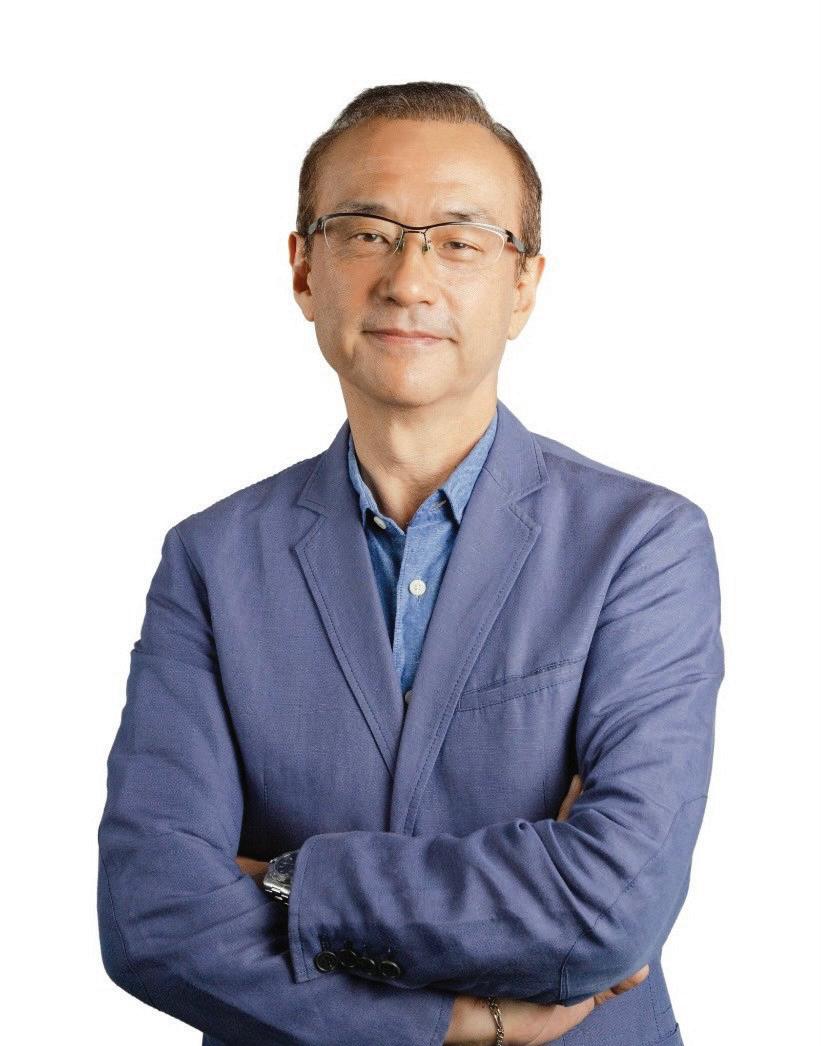
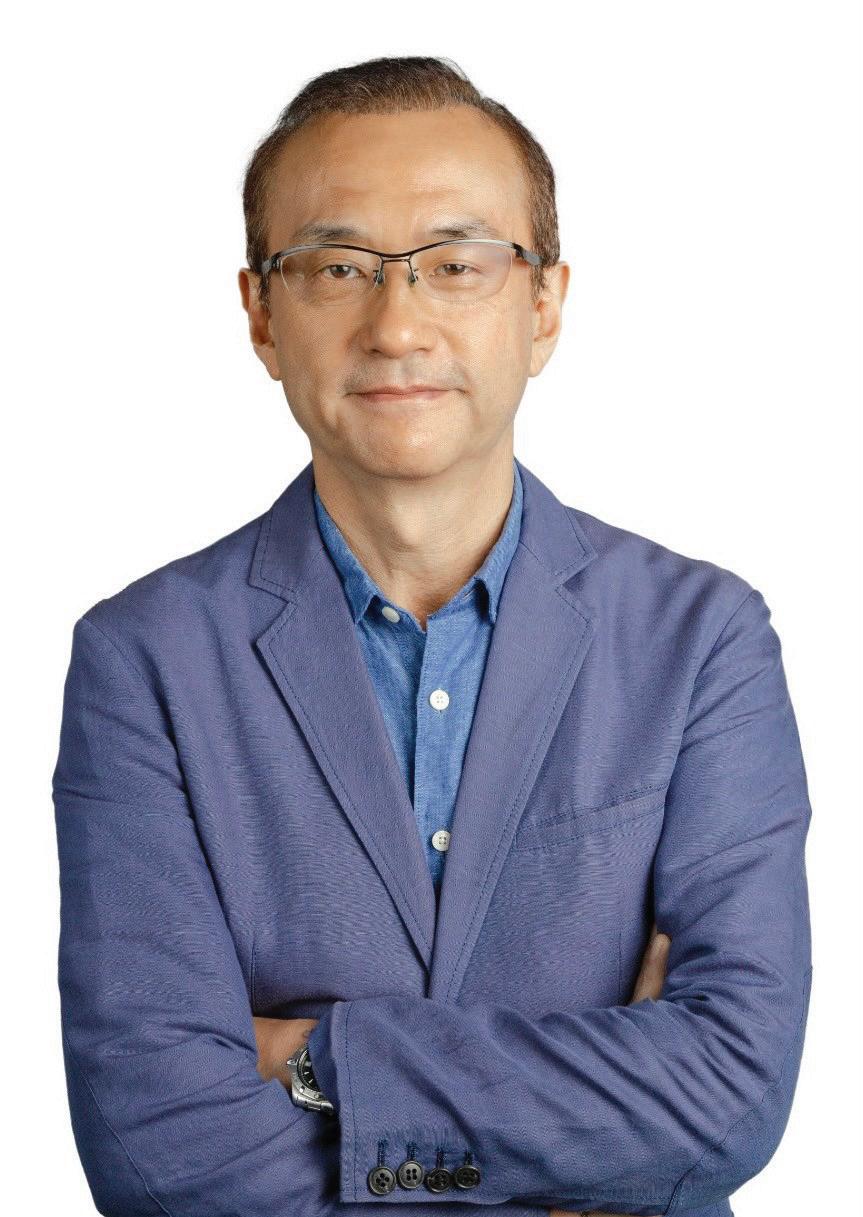
GREG SUZUKI General Manager
Introducing a veteran in the live entertainment industry, Greg Suzuki, the General Manager of Tremendous Entertainment Japan, holds over four decades of experience in bringing global entertainment to diverse markets. Honored with awards like the "Company record of International Sales Award," Greg’s career spanned from being a musician to managing top-notch live shows. His professional journey is an inspiration for all in the live entertainment industry.
Greg’s Journey: Early Life and Qualification
Born in Tokyo in 1959, Greg set his sights on a music career in the US while in high school. After studying at an International School in Tokyo, he enrolled in College in Los Angeles, majoring in music theory and composition. He worked with mentor Osamu Kitajima, a well-known Japanese artist in Fusion Jazz, Rock, and New Age music. Greg was one of the first Japanese musical to register in musician union in Los Angeles as a guitarist.
In 1986, Greg shifted his career to backstage management after he joined Ringling Bros. Barnum and Bailey combined shows Inc., later known as Feld Entertainment. After three years, he became a tour director of Asia for the company. During 26 years of his career at Feld Entertainment, Greg worked on shows like Disney on Ice, Disney Live, and George Lucas Super Live Adventure.
After 26 years, in 2012, Greg joined Tremendous Entertainment, handling entertainment exhibitions like Star Trek and Barbie Live. As General Manager of Tremendous Entertainment Japan G.K., he brings Broadway Shows to Japan and takes Japan IP shows to tour Asia.
Greg has over four decades of expertise in live entertainment. Despite fast-changing elements like technology improvement, the core value of live entertainment remains the same: a human-to-human connection between performers and audience. This connection creates a business of feeling human live energy, distinct from recorded entertainment.
Greg was fortunate to work with top live entertainment content and focus on keeping the show creator’s brand direction to assure promoters and audiences appreciate the brand’s value. Over 26 years of involvement with Disney shows (Disney on Ice, Disney Live, etc.) taught Greg about strict brand management.
Pivotal Moments in Career
Greg cites the nature of live entertainment as a pivotal aspect that shaped his approach to show promotion and management. Unlike recorded entertainment, where performers can repeat performances, live entertainment has only one chance to perform before the audience, and unexpected situations can arise. The motto of Feld Entertainment, “The Show Must Go On,” emphasizes the need to continue despite the obstacles. Greg learned to be flexible, calm, and think beyond during shows.
Greg’s Secret of Staying Inspired and Innovative
Greg stays inspired and innovative by researching each show to understand the target audience. For example, the children’s show “High Five” targets mothers and children aged between 3 and 8. For “Mongol Khan,” audience data showed 70% female, 30% male, with an average age of over 40. Greg and his team find the media channels used by the target audience, leveraging social media for a younger audience and traditional media (TV, radio, newspaper, etc.) for older ones in Japan.
The Distinctions between Good and Great Leaders
According to Greg, what distinguishes a good leader from a great one in the entertainment business is managing risk and adapting to unexpected outcomes in live entertainment. Leaders should analyze outcomes and improve for future projects. One more important factor of the live entertainment business is the venue location, especially in Japan, where securing a venue requires long-term planning. Greg and his team are working on a nationwide tour of a Broadway show in 2028, securing venues 3 years in advance.
Tremendous Entertainment stands out in the industry because of its track record of managing Asia’s number one theater, Marina Bay Sands Theatre, for the last 15 years. The company has successfully promoted over 200 Broadway and major shows, grossing over US$250 million in ticket sales. Past productions include stage shows like Barbie Live and High Five and exhibitions like Star Trek and CSI. There is no other Asian live entertainment entity to achieve this record.
Greg decides which global brands of products to bring into new regional markets by leveraging brands with global recognition, like Disney and Mattel, which work across Asian countries. Shows are often based on IP from movies or anime. For independent brands like the Harlem Globetrotters, Greg considers local trends; despite the brand not being known in Japan, the popularity of pro basketball games in Japan made it a viable choice. Greg also brought Japan’s Kabuki show to Marina Bay Sands theatre for 2 consecutive years.
Greg ensures consistency in brand experience across diverse markets, Singapore, Malaysia, and Japan, by addressing language differences. In Singapore and Malaysia, English-speaking shows do well. When it comes to Japan, Korea, and China, it requires subtitles or a translator. For the Mongol Khan Tokyo show, Greg chose the Mongolian-speaking versions with Japanese subtitles. For the Harlem Globetrotters show in Tokyo-Yokohama, a translator cum stage entertainer will sync with the English MC to help the audience understand.
Greg started in live entertainment management at Feld, and the business has evolved with the advent of digital entertainment. Digital entertainment is now ubiquitous, especially on mobile phones. The rise makes live
entertainment a more precious experience. Digital tools like video chat and video conference bring convenience to international business, but face-to-face meetings remain crucial for major decisions due to the importance of human-to-human connection. Thus, live performances are valued, which has led to higher ticket pricing.
Greg encountered numerous challenges while managing the Disney Live stage show in Chongqing, China, in 2008. A local promoter hijacked the show equipment containers and did not return them to Greg due to some complicated dispute issues. He finds that in live entertainment, unexpected issues arise, especially when touring across cultures. Getting advice from local advisors to understand the cultural differences and mentalities is crucial to solving the issues.
Advice for Young Professionals
Greg advises young professionals in live entertainment to get to the venue where the action is whenever possible. Touring with a show as a member of the management staff is ideal. Knowing what’s happening on-site, backstage, and front-of-house is important. The best reward is seeing the audience with standing ovations and feeling their positive energy.
Evolving Consumer Expectations in Live Entertainment
Greg thinks consumers will expect more amusement actors on stage. In sports entertainment like professional basketball games in Japan, laser beams, fire special effects, and DJ music hype up the audience. Greg predicts more hologram-projected concert shows for past legends. Traditional live performances like orchestra concerts and opera may incorporate visual backgrounds, lasers, or lighting effects to enhance the atmosphere.
Greg notes that while young people enjoy short instant entertainment like TikTok, they still go to longer movie theaters. To attract a young audience, combining new ideas is necessary. Adding moving projection scenery to enhance the stage backdrop and incorporating elements like circus stunts in the Disney on Ice show can make the content more exciting. Young audiences will still sit for 120 minutes if the content is upgraded and includes innovative ideas.

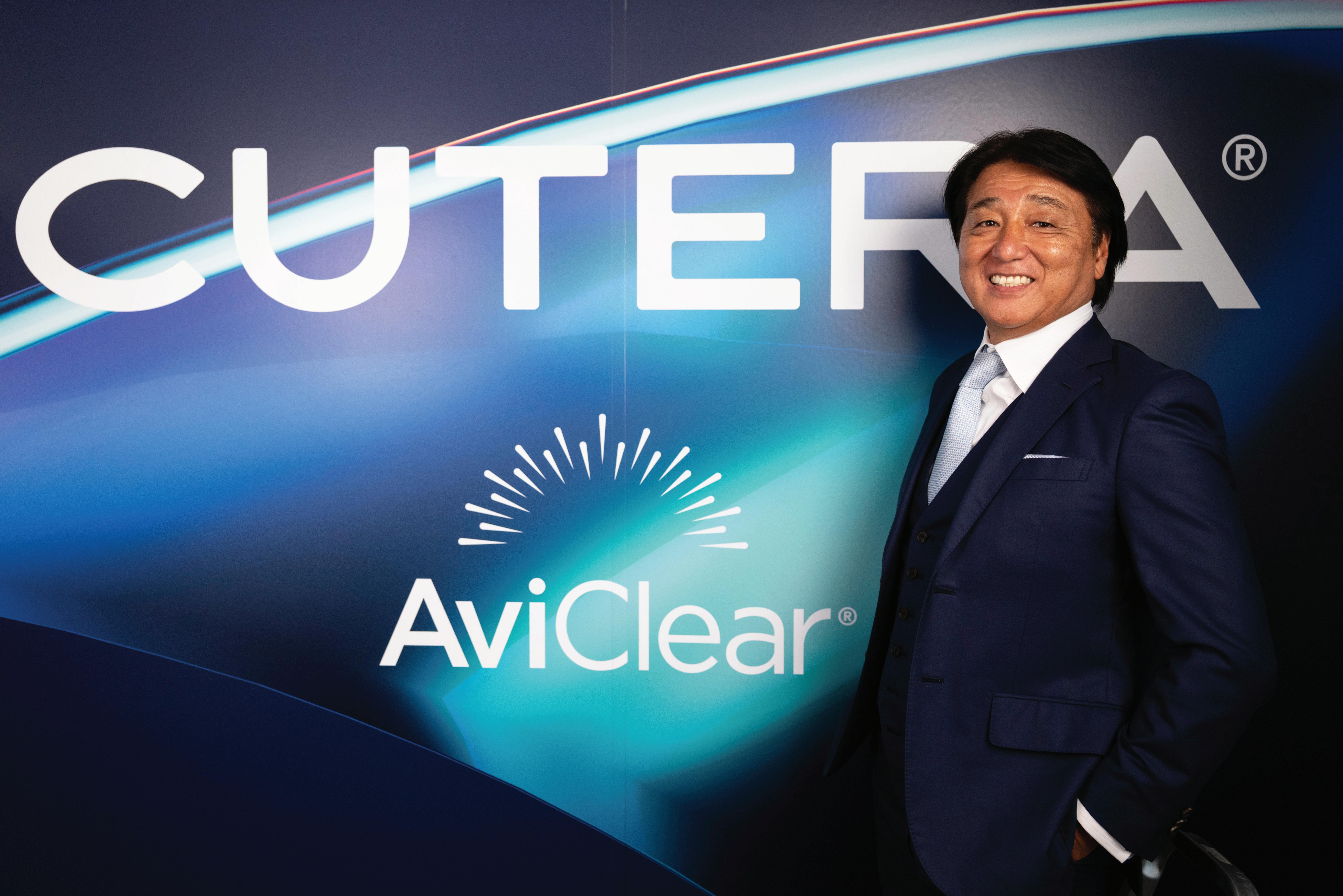
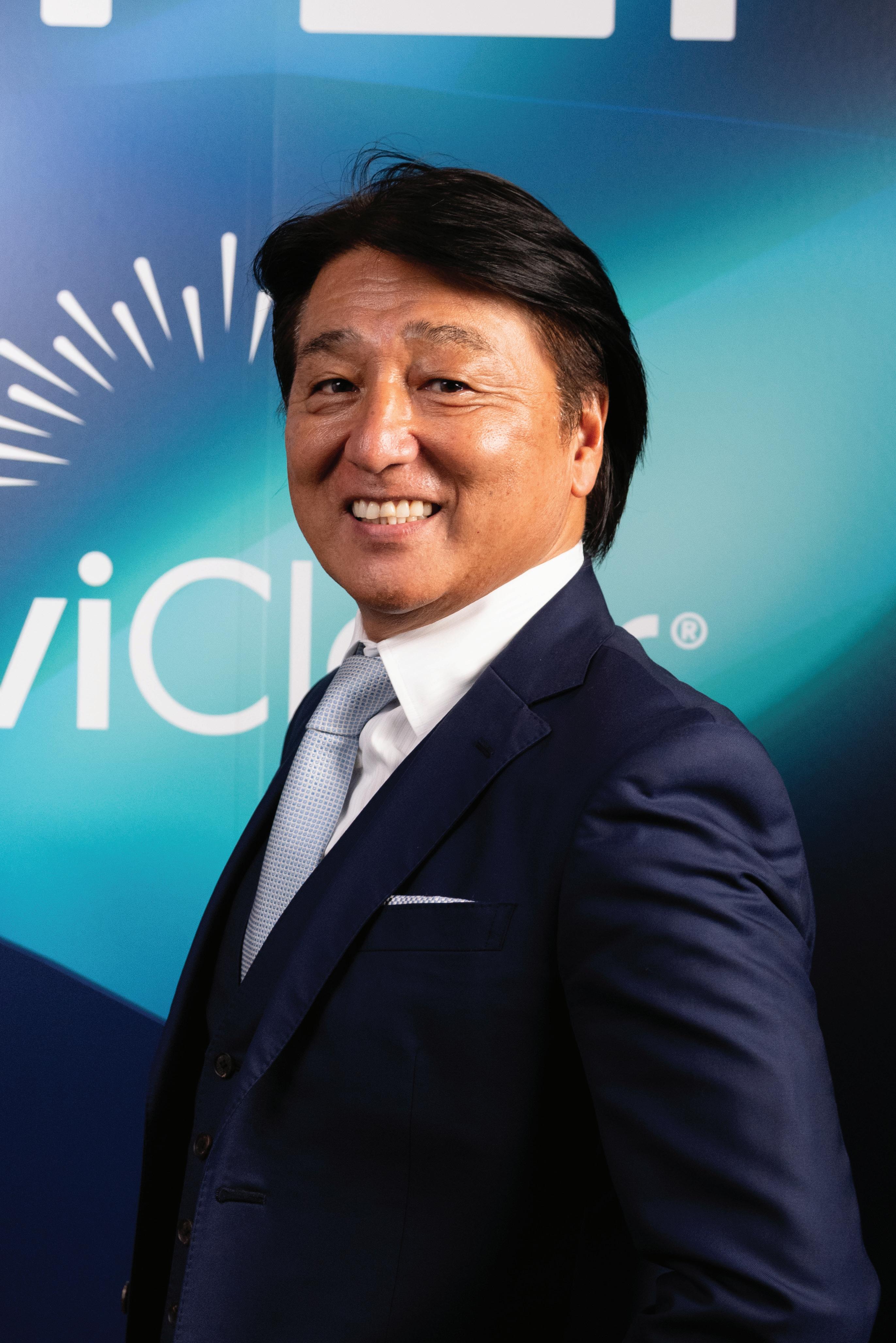
Meet Takeshi Fujiwara, the General Manager of Cutera, a leading global aesthetics device company with a comprehensive product portfolio and a global distribution footprint. Mr. Fujiwara began his professional career as an engineer specializing in the design of automated machinery. His early work at a design engineering firm laid the foundation for his deep technical knowledge. He then transitioned to a client company based in Germany, which manufactured floppy disks and photographic film, working within their engineering department.
After several years abroad, he returned to Japan, taking on the role of manufacturing plant manager for a Swedish medical device company. This marked his entry into the healthcare sector and his first professional engagement with medical practitioners. His performance eventually led to his promotion to President, beginning a trajectory of executive leadership in the global medical device field.
“I’ve served as president at four international medical device companies based in Sweden, Germany, and the United States, including my current role at Cutera,” Mr. Fujiwara explains. “One of my proudest achievements has been obtaining regulatory approval for two Japan-originated therapeutic medical devices. Most recently, at Cutera, we’ve secured approval for a new laser-based acne treatment device, marking another important milestone in our contribution to healthcare innovation.”
Motivated by Purpose
Mr. Fujiwara’s motivation stems from meaningful communication with his team, medical professionals, and the patients they ultimately serve.“It’s when I hear words of appreciation for our products or services from doctors, patients, and team members that’s when I feel most motivated,” he shares.
One of the most rewarding aspects of his work has been collaborating with leading KOL (Key Opinion Leaders) doctors to gain approval for new medical devices and treatments. These breakthroughs provide access to care for previously underserved patients, reinforcing the purpose behind his work.
Mr. Fujiwara is also very proud of Japan’s robust healthcare system, including universal medical insurance, which has helped the country to be a global leader in life expectancy. “The development of medical technology has also contributed to this,” he explains.
Beyond physical health, Mr. Fujiwara emphasizes the importance of mental and emotional well-being, areas where he believes aesthetic medicine can make a subtle yet meaningful difference.“There are many patients with mental illnesses, and I think aesthetics is slightly related to mental illnesses,” he notes.
In recent years, the demand for cosmetic medicine has grown rapidly in Japan, and Mr. Fujiwara has witnessed transformative stories of individuals who, after receiving aesthetic treatments, have gained more self-confidence and experienced a change in personality, becoming more positive and proactive. “There are stories of people who have changed their personalities and become more proactive through cosmetic medicine. I think that has the common goal of making people happy and joyful,” he says.
Mr. Fujiwara has shaped his leadership style through decades of hands-on experience and executive roles across diverse global organizations. In the early stages when a winning organization is not yet in place. He was deeply involved in both field operations and back-office functions, leading by example and motivating his teams with a supportive, inclusive approach.
"We must win the corporate wars (We call competitors) so that's the way we'll go until we become a winning people and organization,” Mr. Fujiwara says. For him, a winning organization is defined by its culture of ownership and professionalism. He firmly believes that the most successful organizations are those where employees themselves have a sense of management and keep professionalism at the top of their minds, think for themselves, come up with ideas, and execute them.
Mr. Fujiwara’s management philosophy is anchored in four principles: Open, Honest, Trust, and Walk & Talk, emphasizing transparent communication and direct engagement. He aligns with Jack Welch’s 4E Leadership Framework (Energy, Energize, Edge, and Execute) and adds a fifth "E": Ethics, which he sees as indispensable in today’s business landscape. Above all, he places high value on teamwork as the backbone of sustainable success.
Mr. Fujiwara believes that his leadership today has been shaped by all his experiences, both successes and setbacks. However, he consistently emphasizes the

importance of returning to the fundamentals, which include a clear vision and mission, especially in the field of medicine, where the quality of life is paramount.
Even when corporate directives stray from these core values, Mr. Fujiwara remains grounded. He makes it a point to stay aligned with these guiding principles, ensuring that his decisions reflect both self-assurance and reasonableness. This kind of steadfast commitment helps people around him see not only a proactive leader but also someone who is deeply rooted in integrity and authenticity.
“As long as we are in healthcare, the rules must be strictly enforced,” says Mr. Fujiwara. However, he believes that when certain regulations no longer reflect contemporary realities, it's essential for industry organizations to engage in dialogue with the government to advocate for meaningful and timely reforms.
Transparency and team alignment are foundational factors within Cutera. “In terms of the team as a whole, we have an all-employee meeting once a month to recognize and check the progress of each goal explains.
Additionally, Cutera prioritizes continuous education and communication. As new information becomes available, it is promptly shared across the company. Special attention is given to training newcomers to ensure they understand the cosmetic medicine that Cutera offers, enabling all employees to stay attuned to market trends. Furthermore, Cutera instructs on the use of AI during all employee meetings as well.
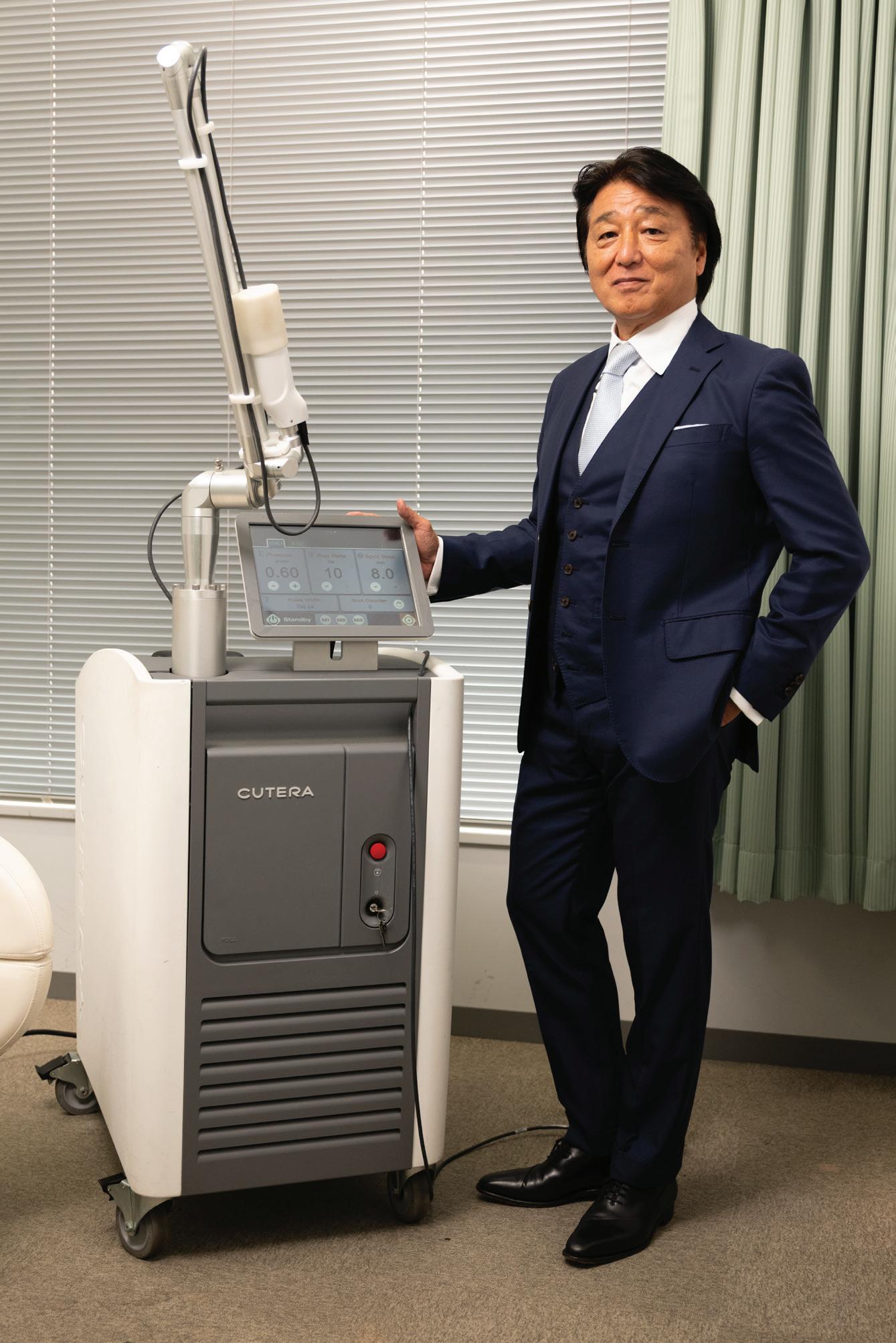
Cutera consistently stays updated on emerging technologies and market trends to remain informed about industry developments. The pico-laser has achieved the top position in the stain removal market in Japan. Furthermore, it has recently obtained regulatory approval for the first laser treatment for acne in Japan. Mr. Fujiwara highlights that in a fiercely competitive environment, it is crucial for a company to maintain its leadership in the industry and to prioritize innovation in its business practices.
“If you are running at the top of your field, you will see new opportunities, and if you are number two, you will only see the butt of number one,”- he emphasizes.
Mr. Fujiwara believes that AI, robotics, smart diagnostics, and various other technologies will evolve independently. The progress of AI has been extraordinary. He asserts that every emerging technology will advance, leading to the creation of new devices that integrate these technologies. As a manufacturer, Mr. Fujiwara believes it is essential to integrate such innovative technologies into the equipment, aiming to produce devices that improve the quality, safety, usability, and efficacy of treatment. Nevertheless, the concept of beauty is predominantly rooted in human emotions.
Despite the potential for significant technological advancements, Mr. Fujiwara believes that the interpersonal relationships between the medical device supplier and the medical professionals and the medicals professionals and their patients will remain crucial. He further asserts that the evolution of home care will be influenced with the development of digital communication between the clinic and the patient.
At present, laser therapy demands a significant level of skill, and its effectiveness is contingent upon the practitioner. In the future, Mr. Fujiwara believes it is essential to enhance the safety and efficacy of laser therapy by enabling control of the instrument, ensuring that consistent results can be achieved irrespective of the practitioner administering the treatment. Additionally, he advocates for equipping the instrument with a feedback mechanism to verify that the treatment is conducted accurately.
In Japan, the impact of Korean cosmetic medicine and K-POP has resulted in decreased resistance to cosmetic procedures compared to previous years. This indicates that there remain opportunities for the advancement of aesthetic medicine in Japan. Likewise, Mr. Fujiwara and his team at Cutera believe that numerous other nations are still in the developmental phase of cosmetic medicine, and it is crucial for globalization to nurture KOLs worldwide by CUTERA.
Mr. Fujiwara believes that aesthetic clinics are expected to become more common. As competition in the market intensifies, it is expected to see lower prices. “We believe that this will lead to a bifurcation of high-end clinics and low-cost clinics,” he says. “Therefore, we will need to be prepared to provide equipment that meets the needs of each.”


The unprecedented pace with which artificial intelligence (AI) is accelerating the transformation of businesses, the fundamental essence of leadership is undergoing a huge transition. This is a result of the fact that AI is accelerating the transformation of organisations. To generate value, find answers to tough problems, and navigate rapid change, the economy that is powered by artificial intelligence requires not only the use of algorithms and automation, but it also requires rethinking the ways in which humans and machines collaborate to accomplish these goals. Future leaders will need to adjust their mentalities, skill sets, and strategies to be successful in this new era. Such adjustments are necessary to achieve success.
The process of making decisions in the past was usually structured in a hierarchical manner, with authority being concentrated at the top levels of the organisation. Because of the rapid pace of technological advancement, adaptability is essential in an economy that is driven by advanced artificial intelligence. It will be vital for leaders to adopt adaptive leadership, which include immediately assessing changing conditions, delegating decision-making authority to teams, and iterating solutions based on data received in real time. Adaptive leadership will be required. Cycles of planning that are rigid will be replaced by cycles that are flexible and sensitive to changing circumstances.
When it comes to insights, trends, and predictive analytics, artificial intelligence gives leaders access to a level of information that remains unparalleled. On the other hand, the path that leadership will take in the future will not consist of adhering to algorithms without question. Leaders who are most likely to achieve success will mix the analytical precision of artificial intelligence with human empathy, ethics, and contextual awareness. This will be the most effective way to accomplish success. Although artificial intelligence has the potential to optimise for efficiency, they will come to the realisation that it cannot replace the complex decision-making process that considers the influences on society, cultural values, and long-term sustainability.
An environment in which artificial intelligence is integrated into the workplace will result in the automation of many routine jobs. This will free up human capacity for higher-order problem solving and creative innovation. It is vital for leaders to gain skills in areas such as emotional intelligence, digital literacy, and systems thinking. Also essential is the growth of these abilities. To ensure that their workforce will continue to be flexible in the face of technological advancements, it will be vital for them to foster an environment that encourages continuous learning. It will be vital to encourage collaboration between people and artificial intelligence systems to drive both efficiency and innovation. This will be the case.
One of the distinguishing characteristics of the future of leadership will be the way leaders make responsible use of artificial intelligence. concerns like as employment displacement, data privacy, and discrimination in algorithms will require proactive governance to be addressed. This will be important to solve these concerns. To do this, it is necessary for leaders to engage in open communication with stakeholders regarding the advantages and disadvantages of artificial intelligence (AI), as well as to be forthright regarding the part that AI plays in the decision-making process. When we live in an era in which technological capabilities can rapidly surpass legislative frameworks, trust will emerge as a competitive advantage that will be of great value to enterprises.
At the end of the day, leadership in an economy that is driven by artificial intelligence will require finding a balance between the opportunities that are given by technology and the values that are held by humans. Intelligent leaders will not only use artificial intelligence to increase productivity and innovation, but they will also use technology to improve the well-being of people, advance equity, and find solutions to challenges that affect the entire world. Leaders who understand that artificial intelligence is not a replacement for human potential but rather a strong partner in the process of constructing a future that is better and more inclusive will be the ones who are successful in their endeavours.


In the extremely competitive business world of today, it is crucial to attract exceptional talent; yet, it is equally important to retain top personnel. It is not something that happens by chance that people are loyal; rather, it is something that is developed by leadership via consistent actions that inspire trust, engagement, and a feeling of shared purpose. Loyalty on the part of employees is not something that happens by coincidence. They are aware that it is not only about the perks or the revenue; rather, it is about establishing an atmosphere in which people feel valued, supported, and motivated to grow with the business. Leaders that place an emphasis on long-term loyalty are conscious of this fact.
The confidence that people have in one another is the cornerstone of loyalty. It is important for leaders to communicate openly about the company's goals, challenges, and decisions to foster an atmosphere that places a high value on honesty. If employees believe that their leaders are acting with integrity, it is more probable that they will continue to be dedicated to their organisation even when confronted with difficult situations. The act of actively listening to information and proving that the ideas of employees do, in fact, influence decisions is another part of transparency that should be considered.
2. Ensure that your professional development is your top priority
The likelihood of an organisation keeping its employees increases when the organisation makes an investment in the professional development of its employees. Mentorship, training programs, and different professional growth paths are all ways that leaders can promote long-term commitment among their followers. Leaders can also provide unique opportunities for professional development. These regular development conversations and opportunities for skill building are evidence that the organisation places a high value on its employees' futures in addition to their current productivity. This is demonstrated by the fact that the organisation provides these opportunities.
3. Recognise and Reward Individual Responsibility at the Individual Level
Recognisance is one of the most powerful things that can motivate people. It is essential for leaders to acknowledge the achievements of both individuals and teams on a regular basis. This can be done in a variety of ways, including the presentation of formal awards, public praise, or even just simple expressions of gratitude. The emotional connection that exists between employees and the company is strengthened when the organisation acknowledges and appreciates the efforts that the employees have put forth.
4. Promote a positive and productive atmosphere in the workplace
To keep employees loyal to the company, it is essential to provide them with a working environment that is respectful, welcoming, and supportive. Leaders have the capacity to shape this culture by demonstrating the importance of teamwork, encouraging a healthy balance between work and personal life, and resolving conflicts in a timely and fair manner. According to research, employees are more likely to remain loyal to their company if they have the perception that they are respected, that they are safe, and that they are linked to their colleagues.
5. Give your employees a sense of purpose and autonomy in their work
To micromanagement, there is a lack of trust and originality in the workplace. To cultivating a sense of autonomy within their workforce, leaders should delegate decision-making authority to their employees, allow them to take ownership of initiatives, and encourage them to share their ideas. When combined with a clear awareness of how their job contributes to the mission of the firm, this results in a deeper level of engagement and dedication from employees. This is especially true when the previous point is taken into consideration.
6. Show Genuine Care
The titles that employees hold in their jobs are not the only thing that define them. A leader who demonstrates a real concern for the well-being of their team members by checking in with them during challenging times, catering to their specific requirements, and commemorating key milestones is the kind of leader who can develop strong human connections.
Ultimately, to create long-term and loyal employee connections, it is necessary to have leadership that requires active participation. When leaders make trust, growth, recognition, culture, autonomy, and caring their top priority, they create an environment in which employees not only want to remain with the firm but also want to work there. This is because the atmosphere is conducive to the long-term success of the organisation. And in a business environment that is always changing, this devotion can become a competitive advantage for the company.