How will 2024 develop in terms of sales for construction machinery makers?
6. News
Caterpillar’s record 2023 sales; US$4.4 billion for Indian road works; Thailand investing US$19.4 billion in transport infrastructure; Chile’s US$1 billion Chacao bridge behind schedule
10. Construction technology
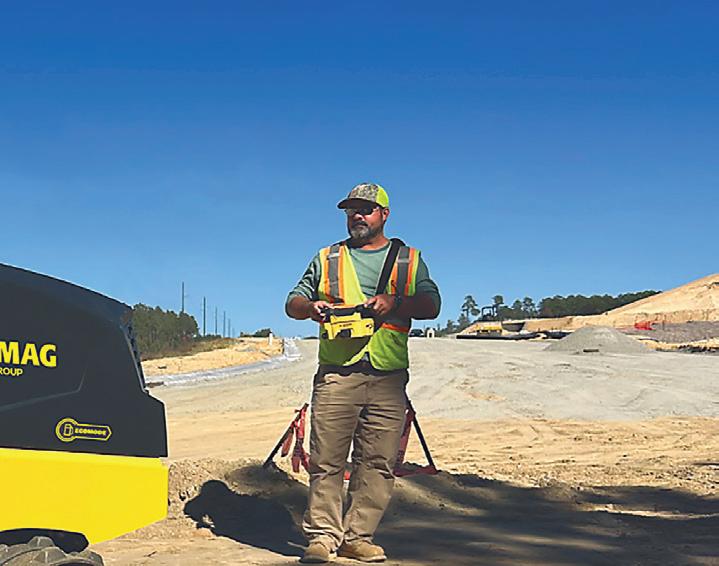
New technologies for construction from BOMAG, Caterpillar, Komatsu, Leica Geosystems, Topcon, Trimble and Volvo CE
14. IRF
Decarbonisation in focus at IRF congress in Istanbul; IRF Global – climate change resilient infrastructure in developing nations
18. Key project report
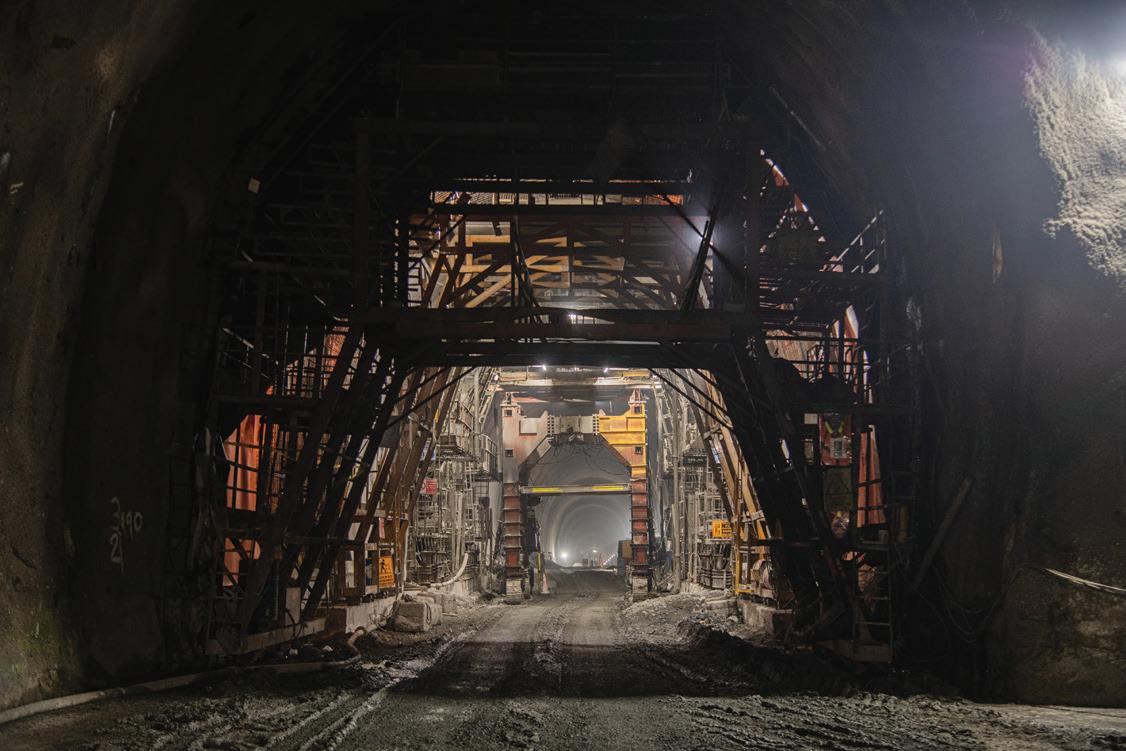
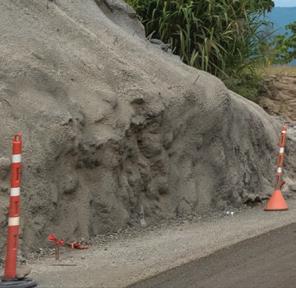
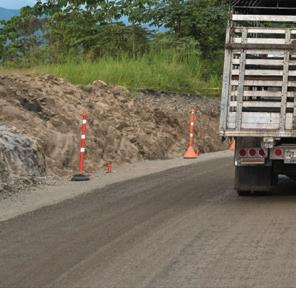
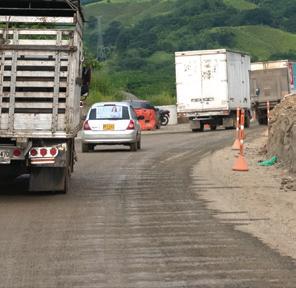
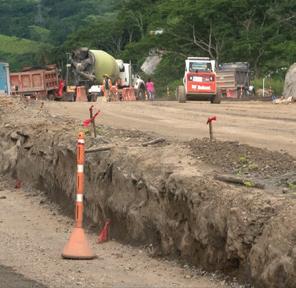
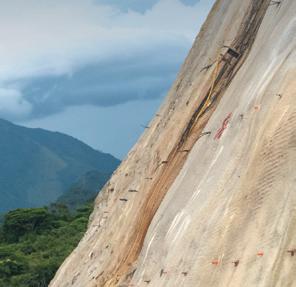
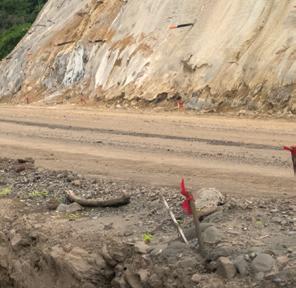
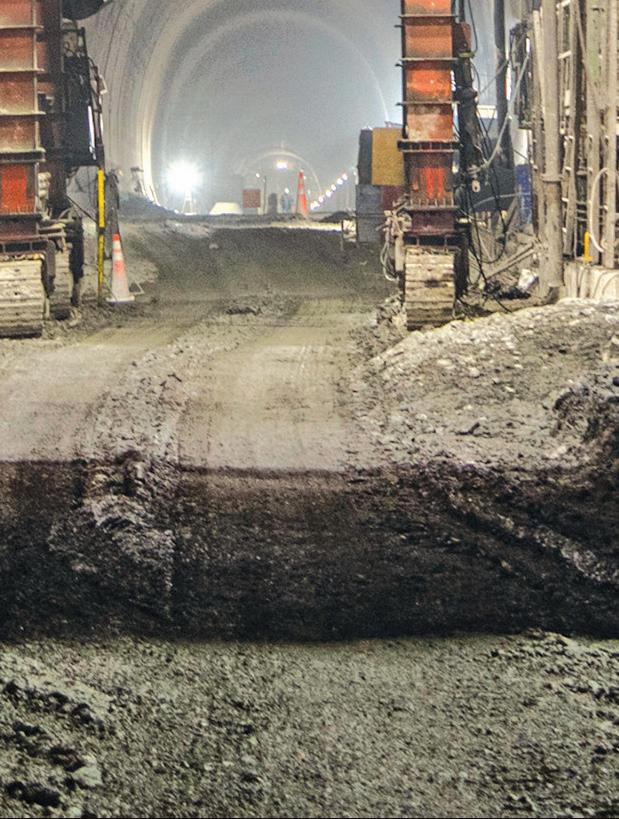
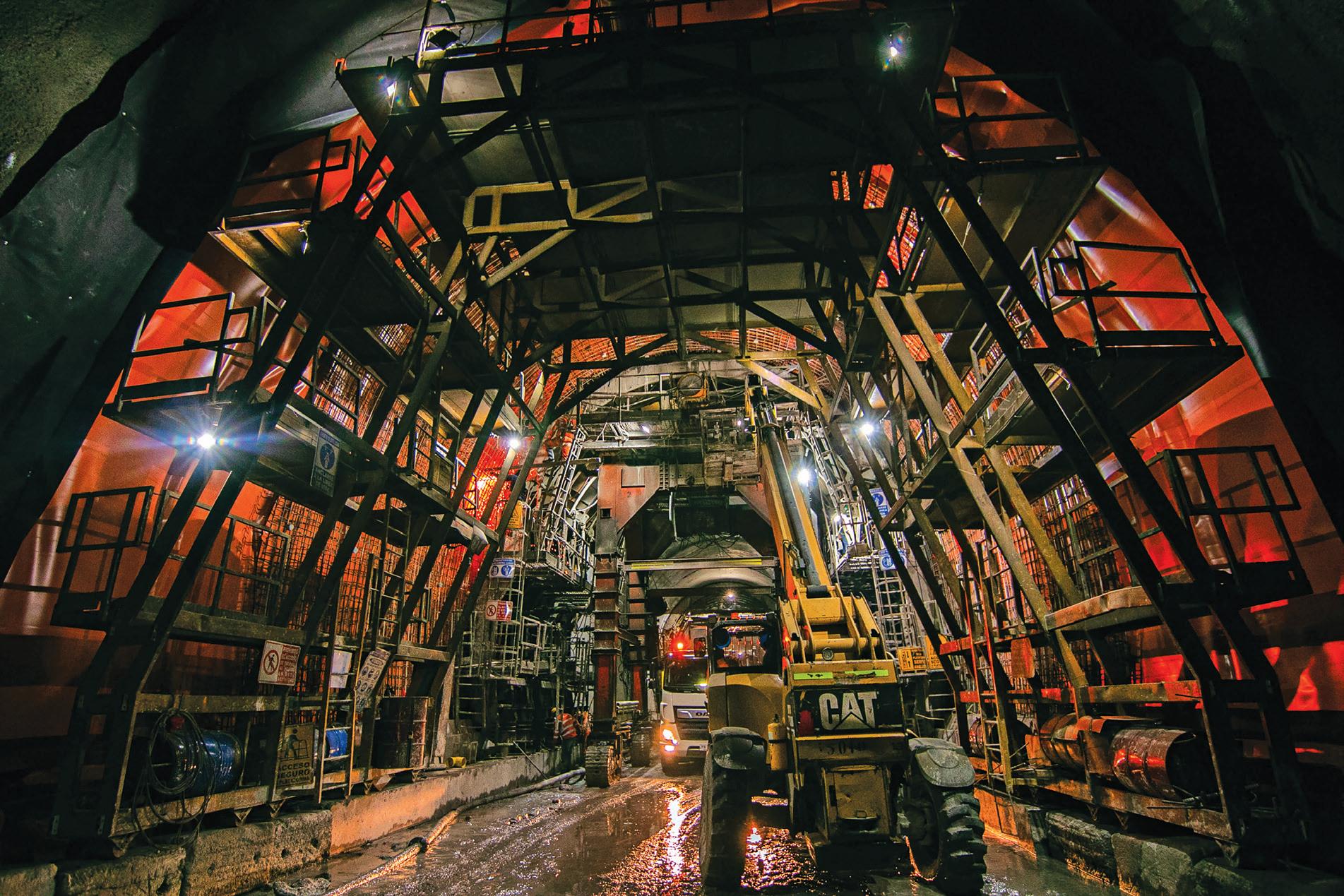
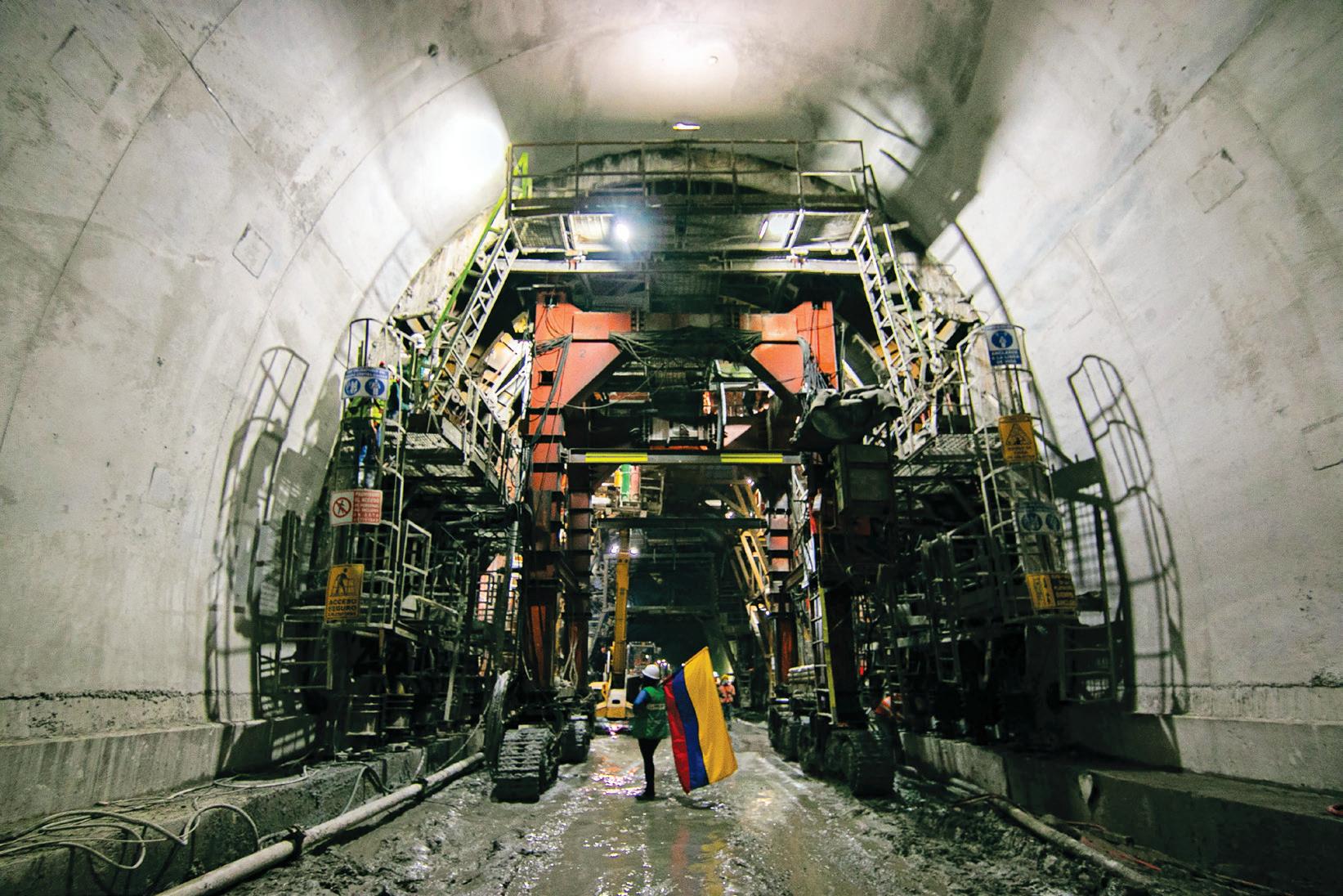
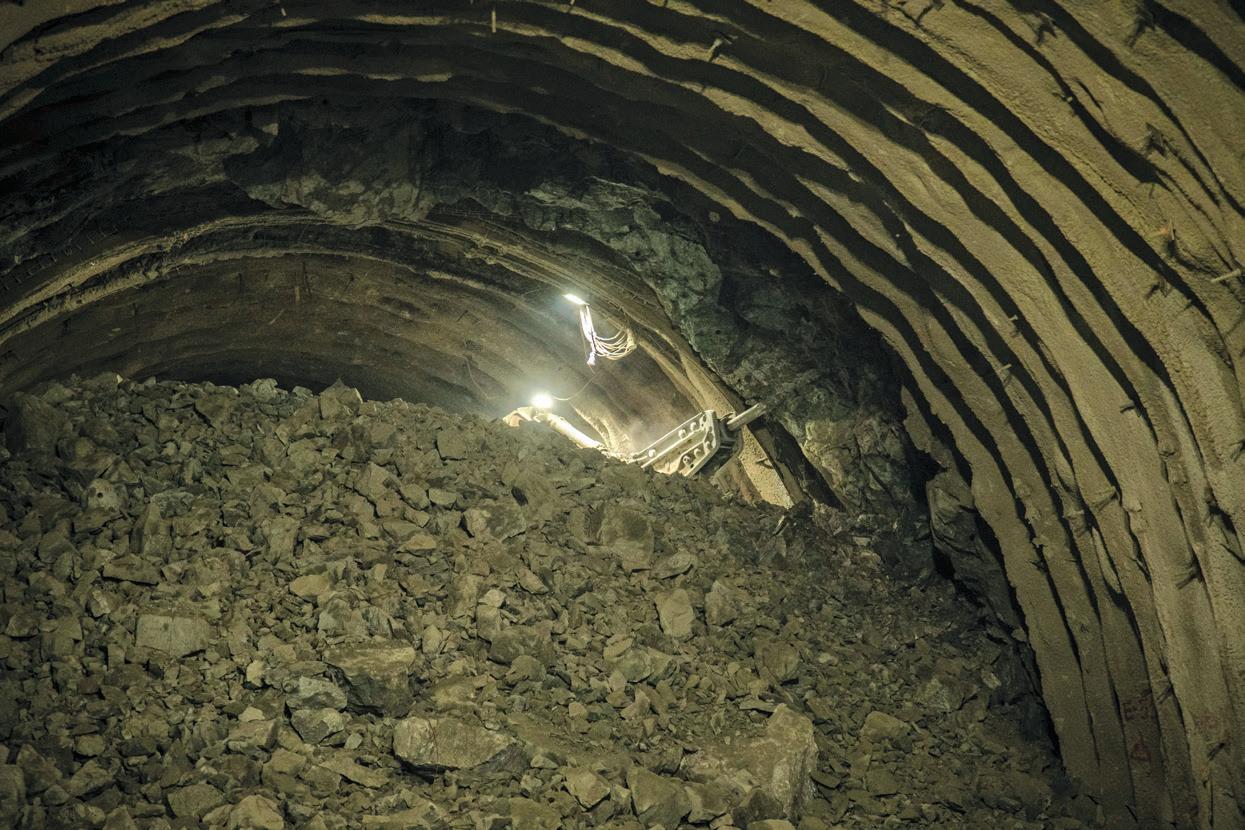
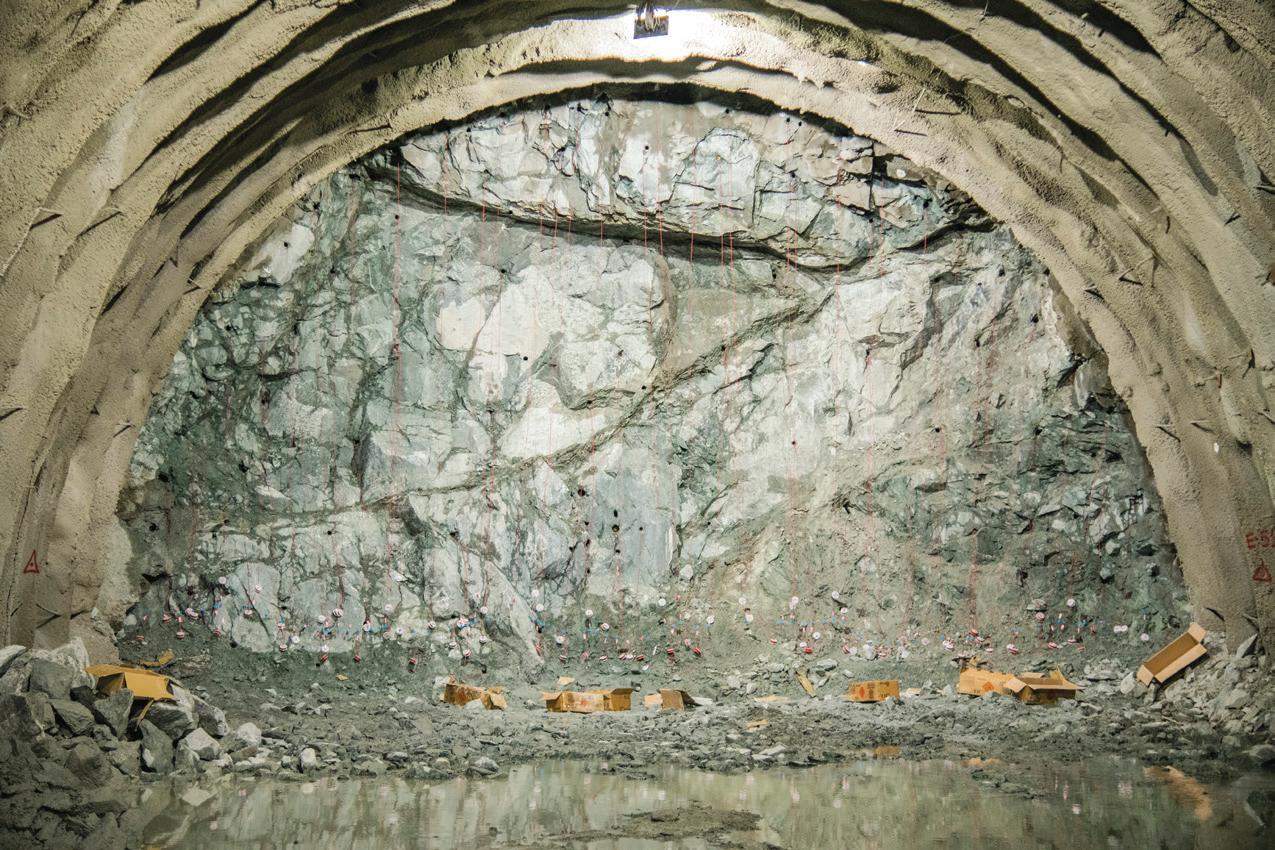
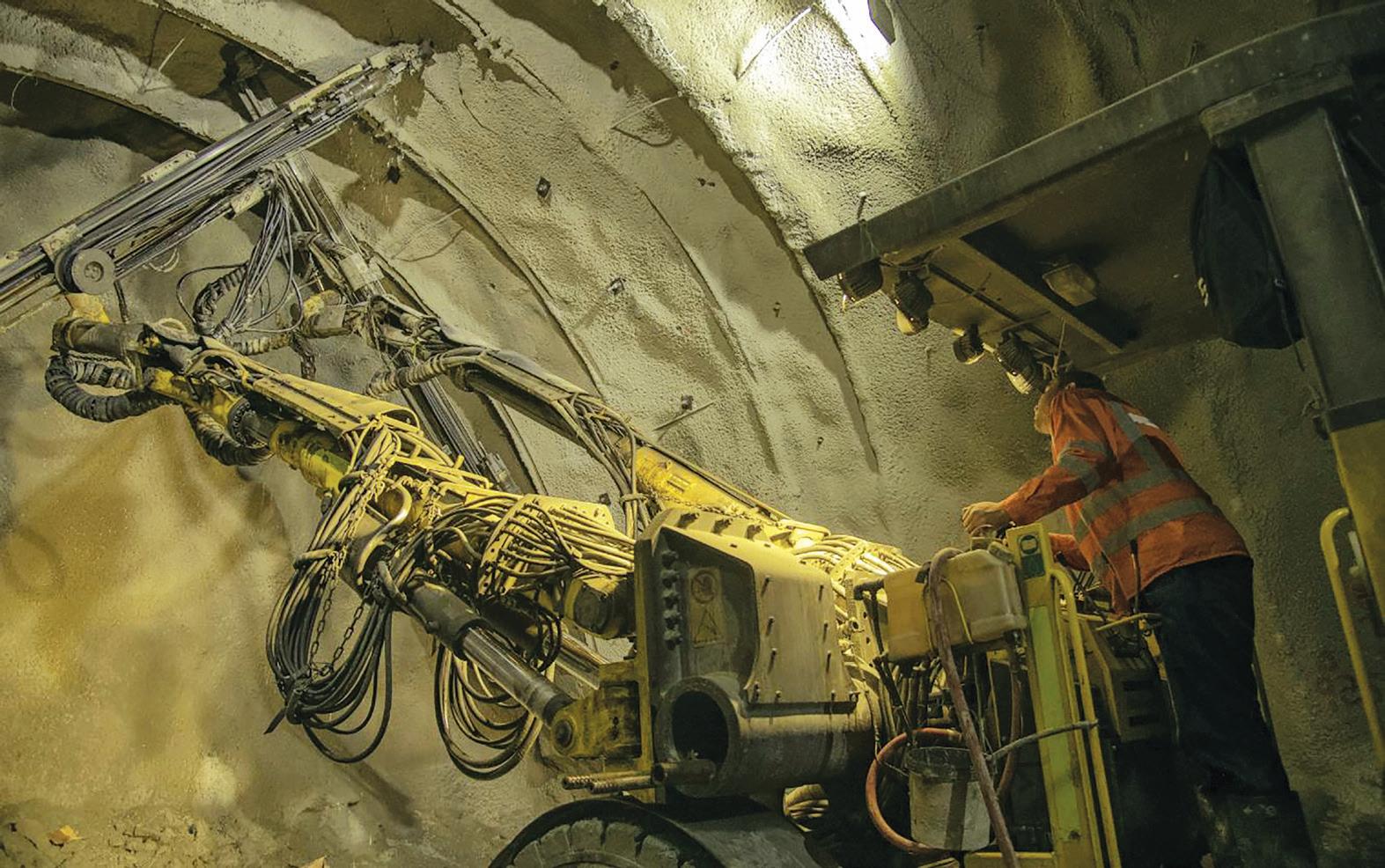
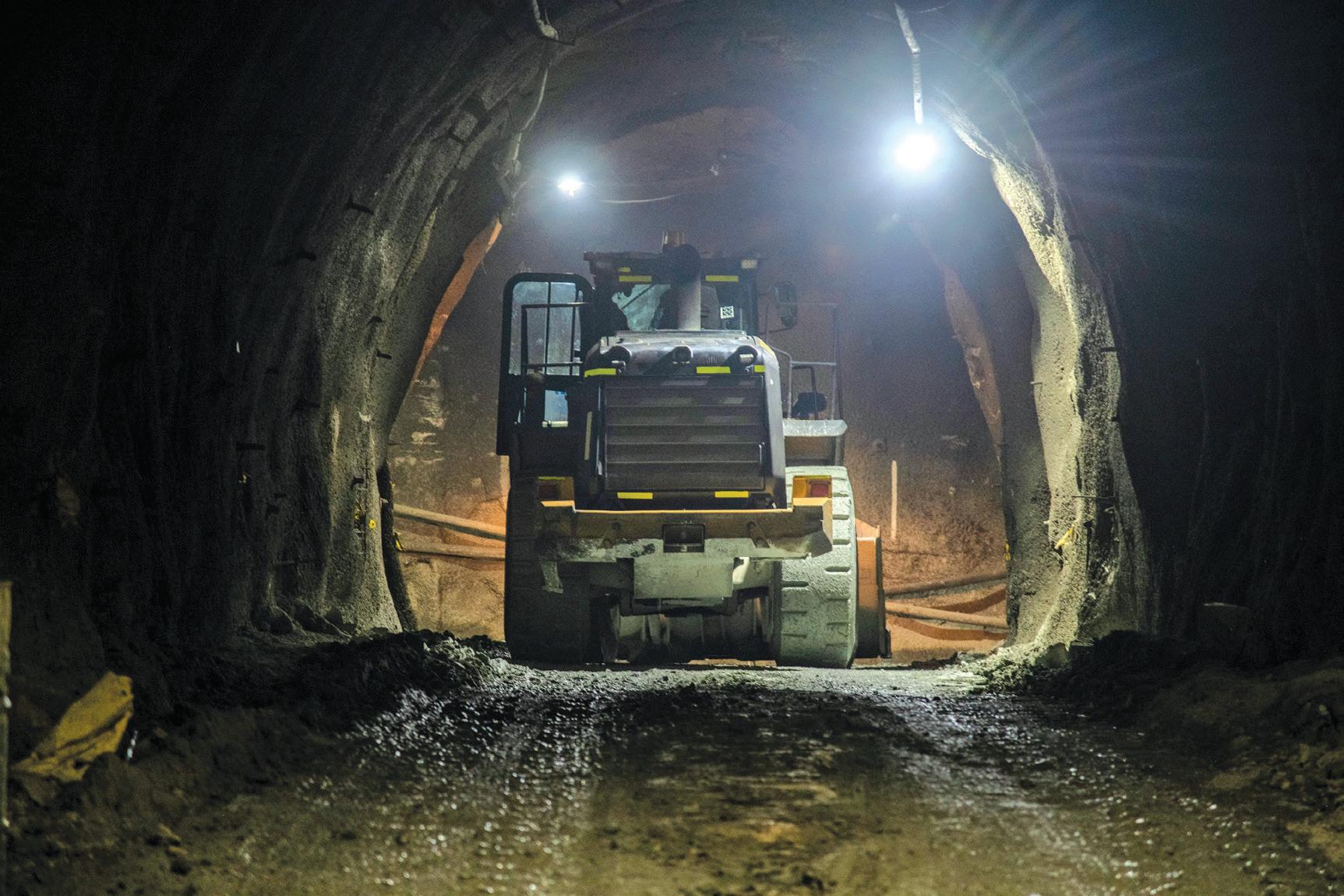
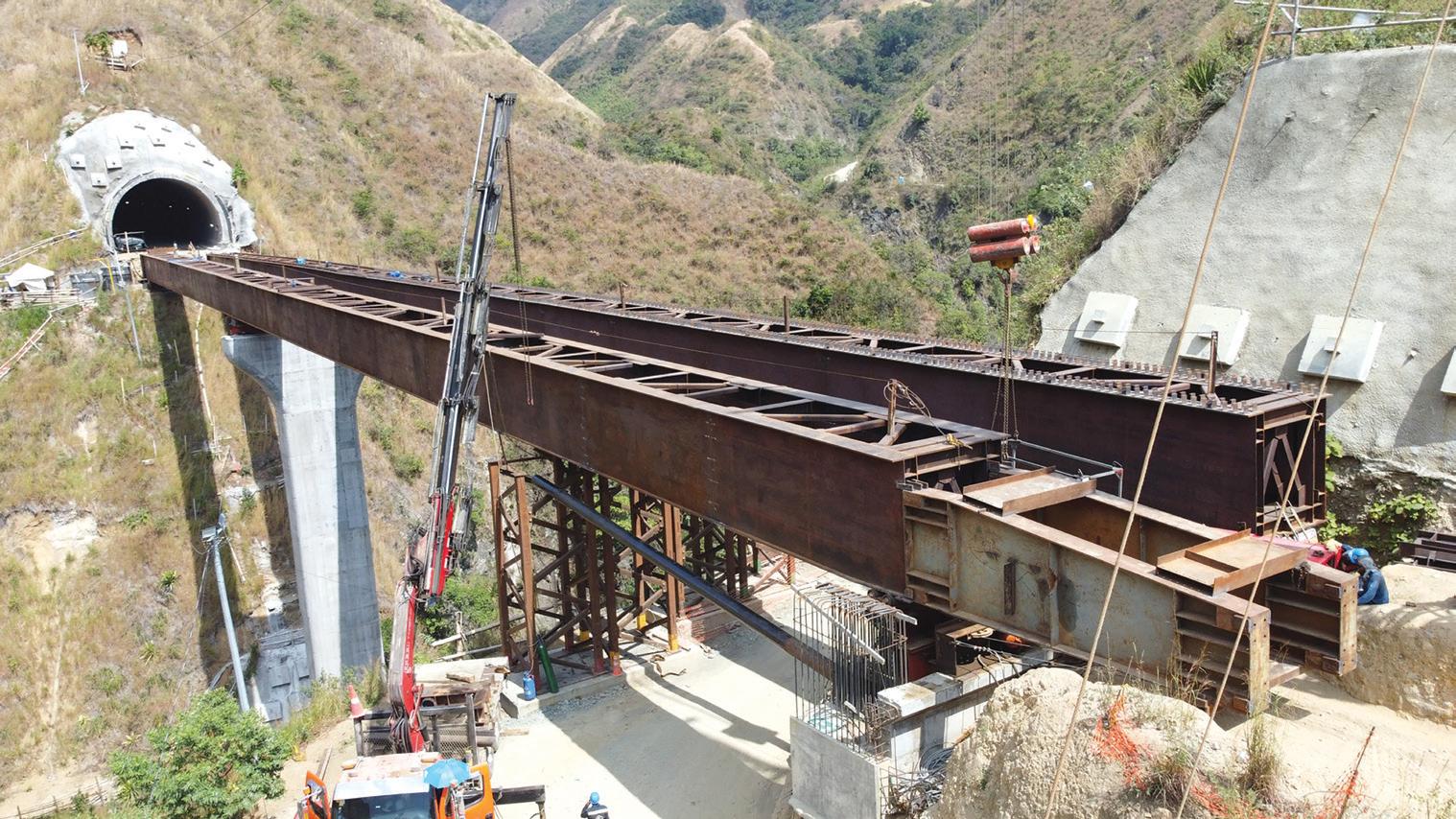
Construction is underway for Colombia’s Santa Fe –Cañasgordas highway, with the challenging tunnel section now being tted out
24. Highway managemnet and safety
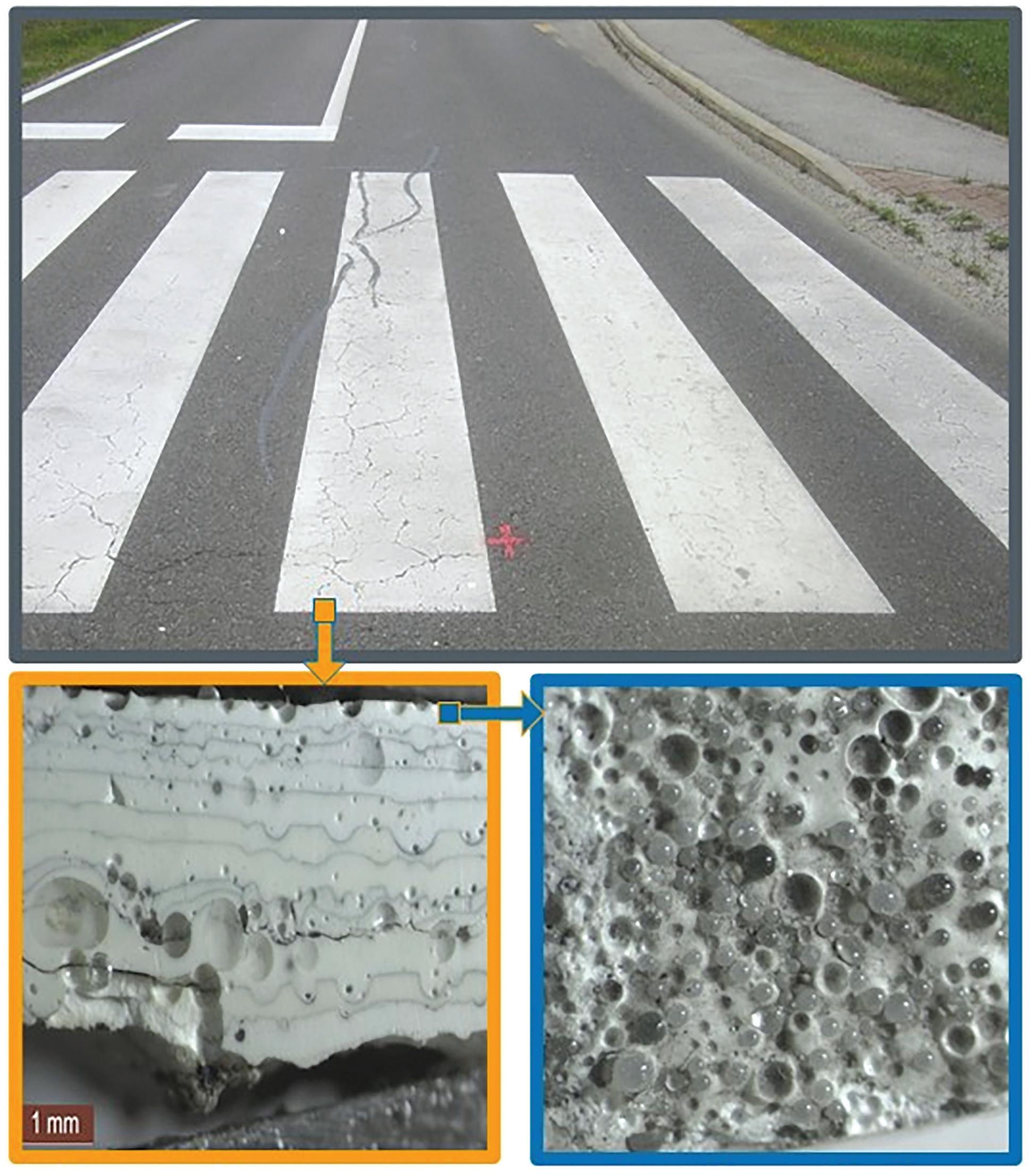
Microplastics
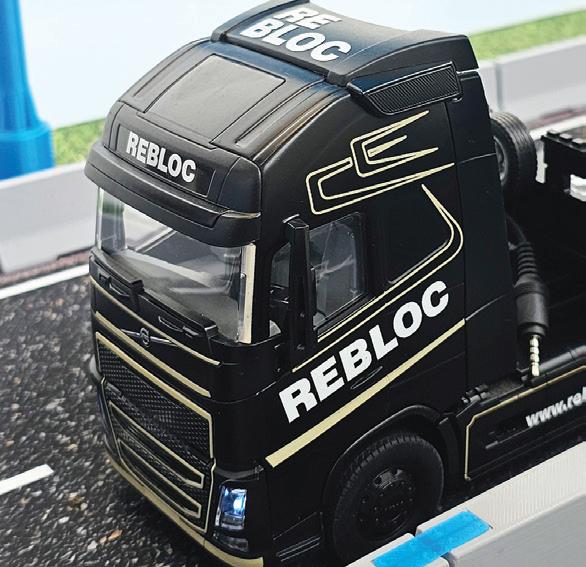
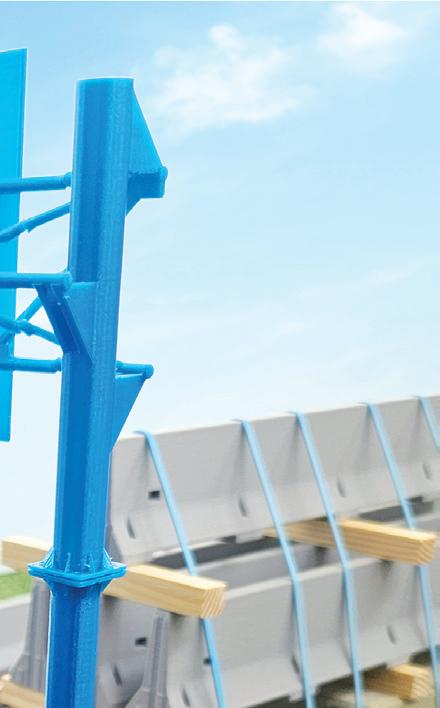
– ERF and Swarco viewpoint; Rebloc’s new highway gantry; traf c system from MEDIANETS for Istanbul; Yunex/Municipia digital twins; AECOM seatbelt camera; SRL remote system; Kapsch in Sweden
32. Airport paving
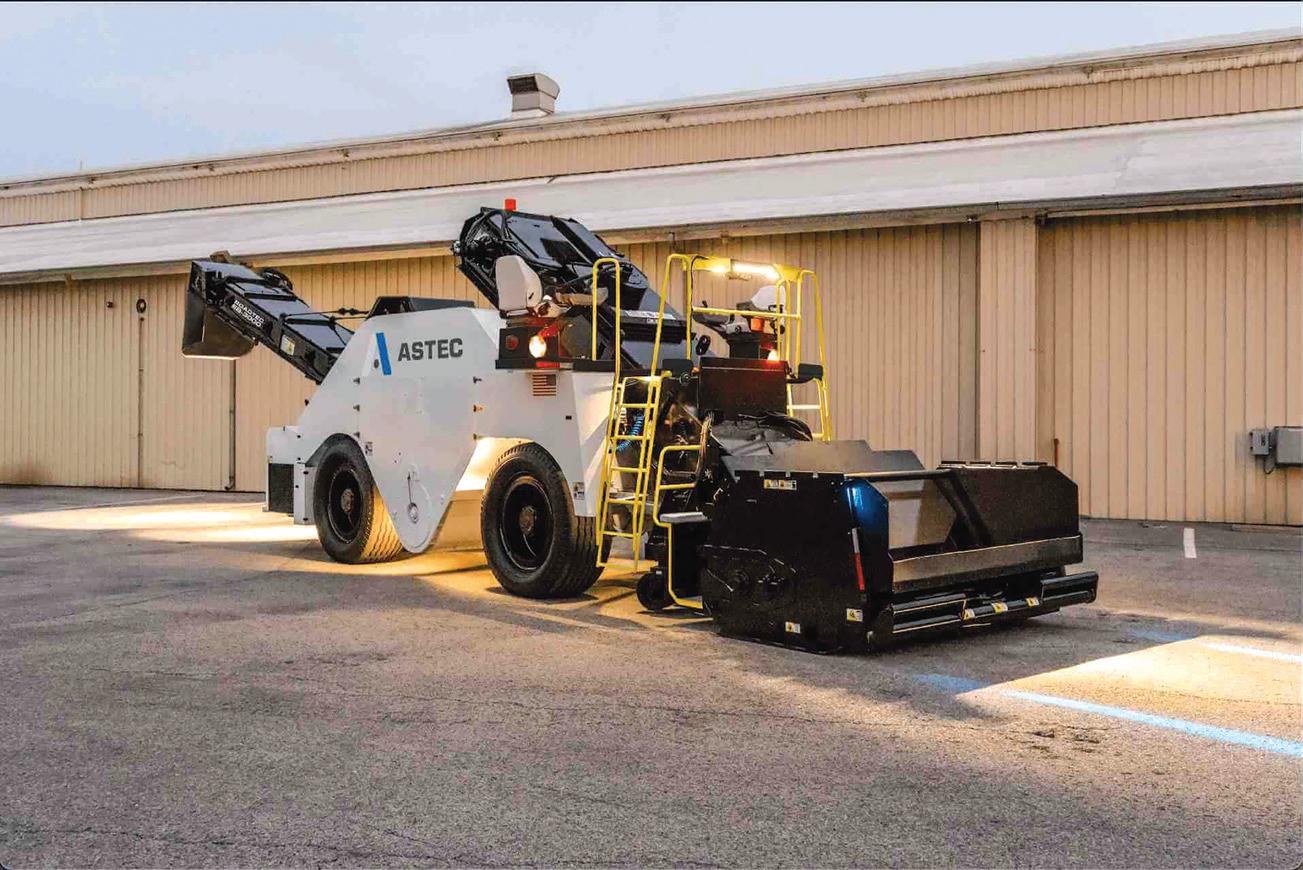
Astec machines have played key roles in refurbishing surfaces at Sydney Airport
34. Concrete Plants
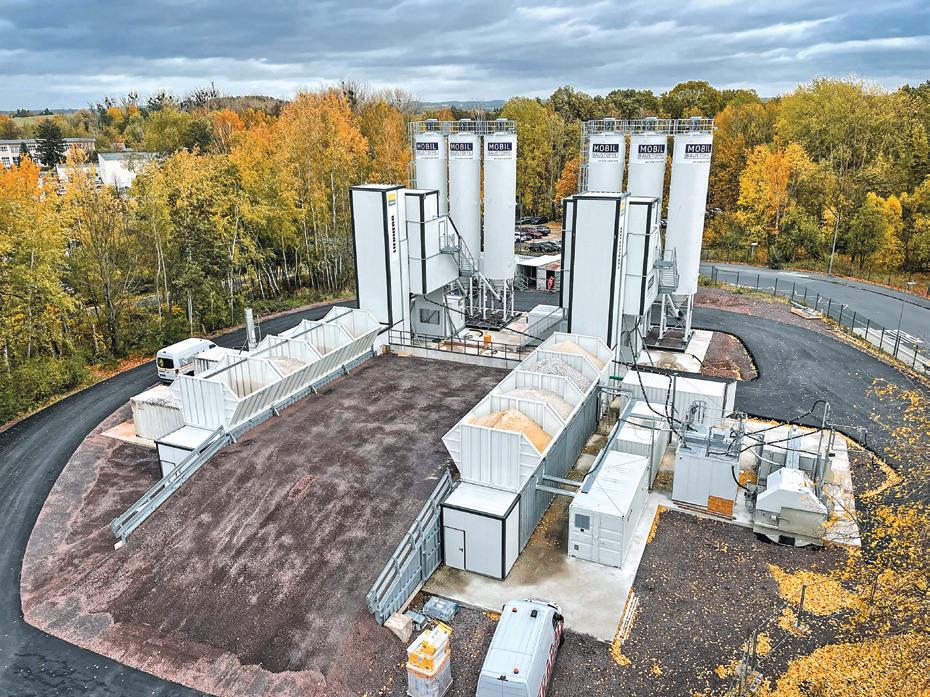
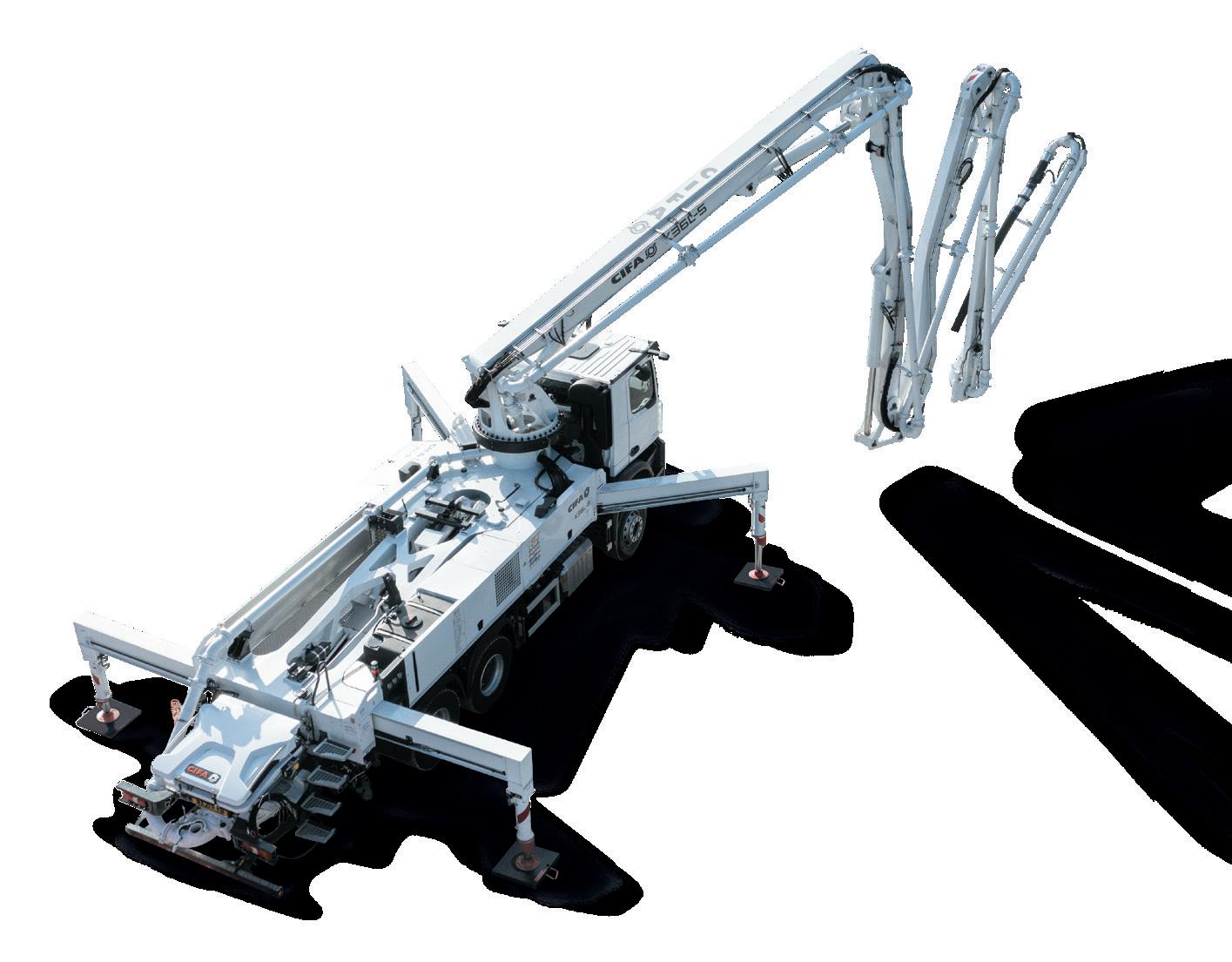
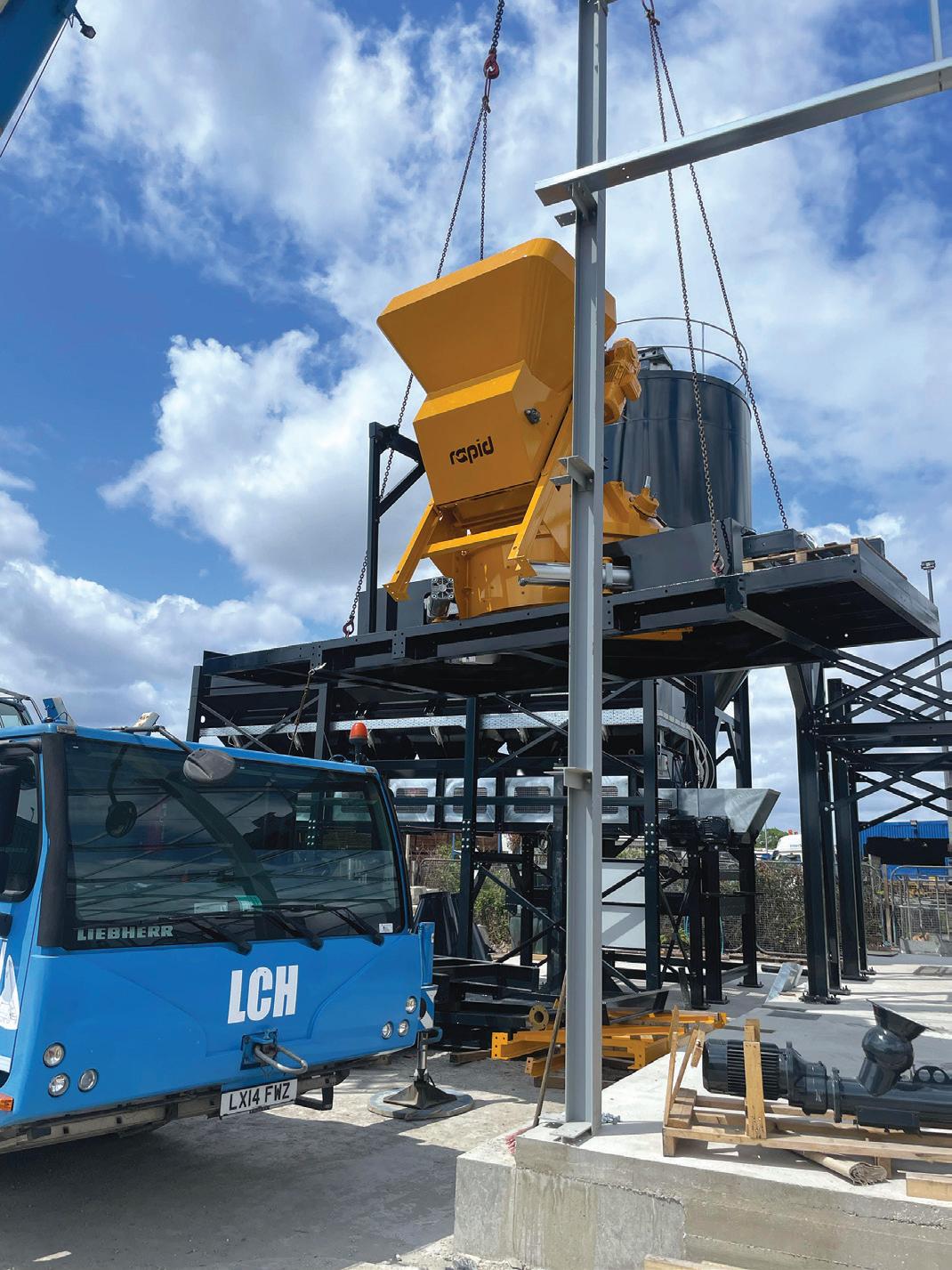
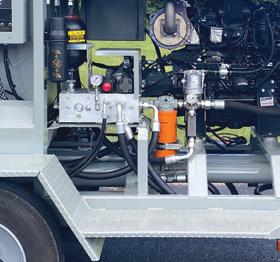
Rapid supplies new plant; innovative concrete from CEMEX; Liebherr’s new batching plant; low carbon materials from Tarmac and Heidelberg Cement; Blastcrete’s latest concrete pump
38. Demolition
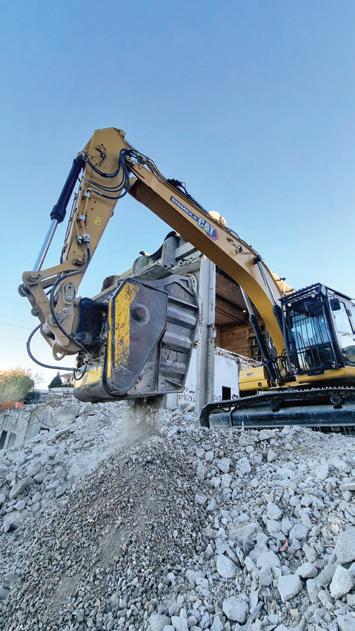
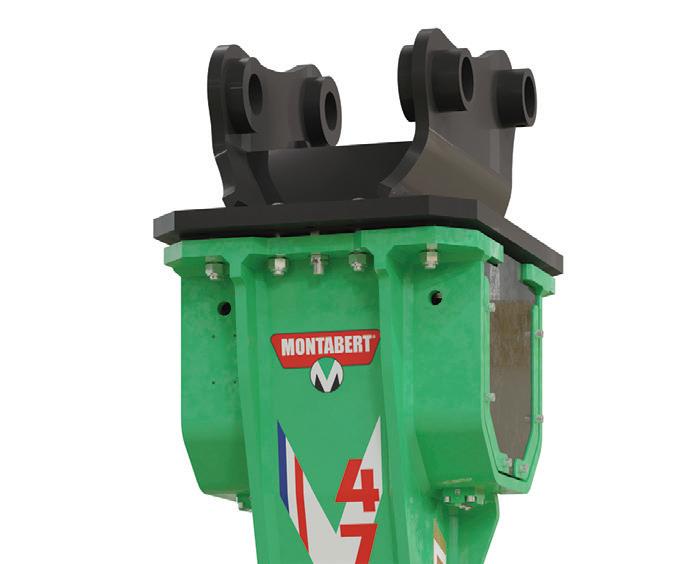
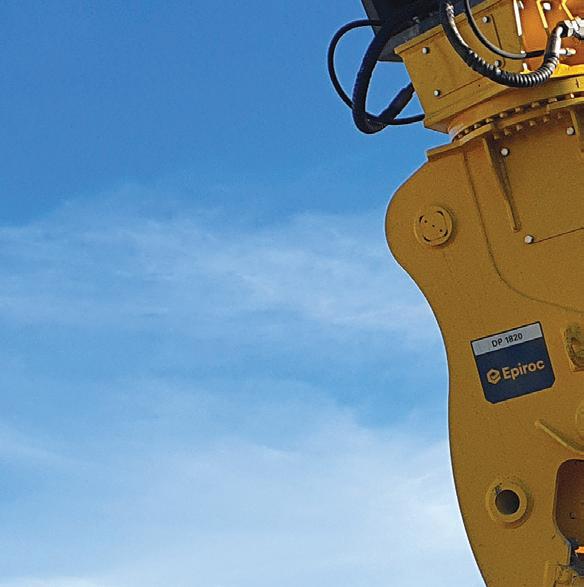
New machine developments from Epiroc, MB Crusher and Montabert
40. Earthmoving
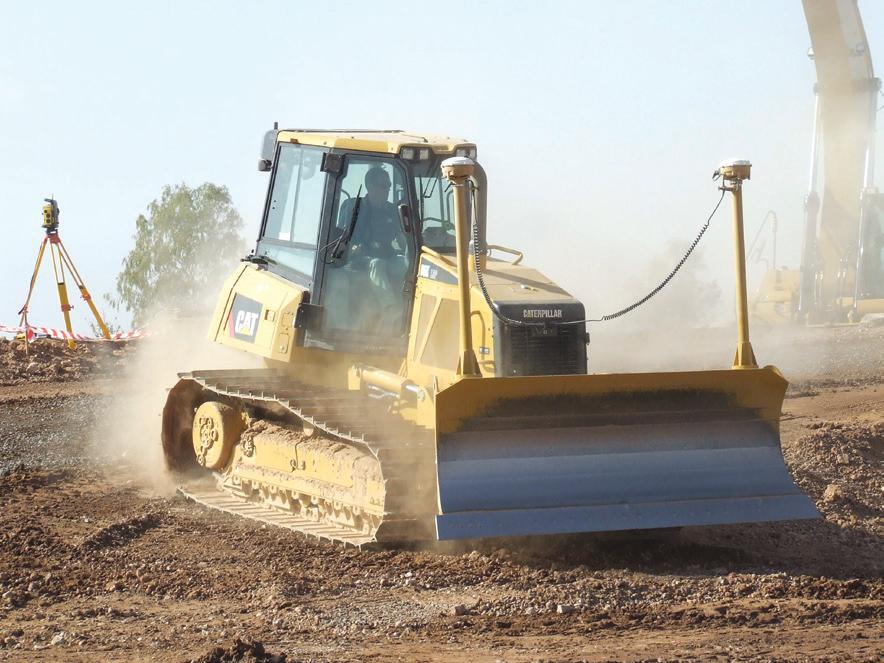
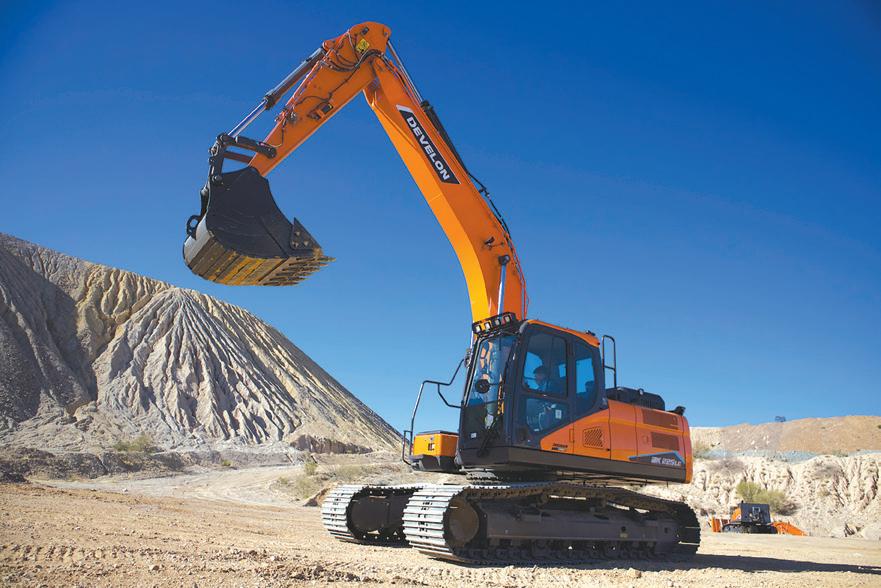
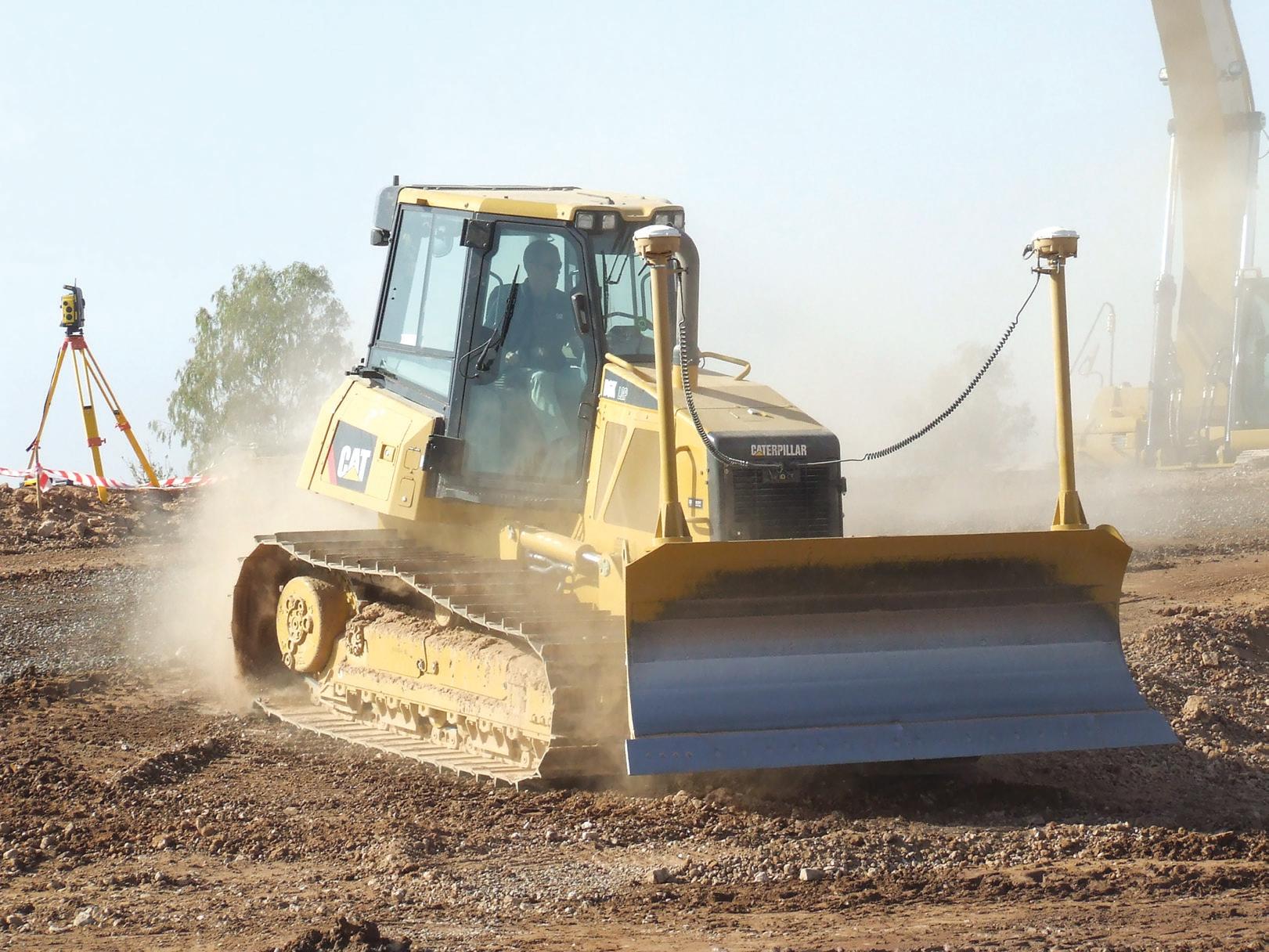
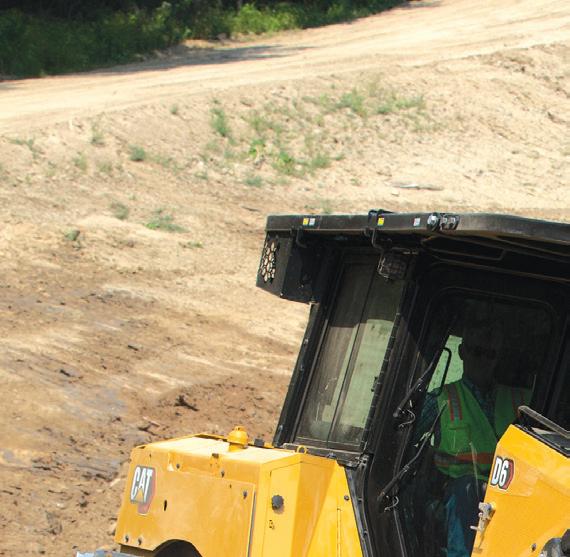
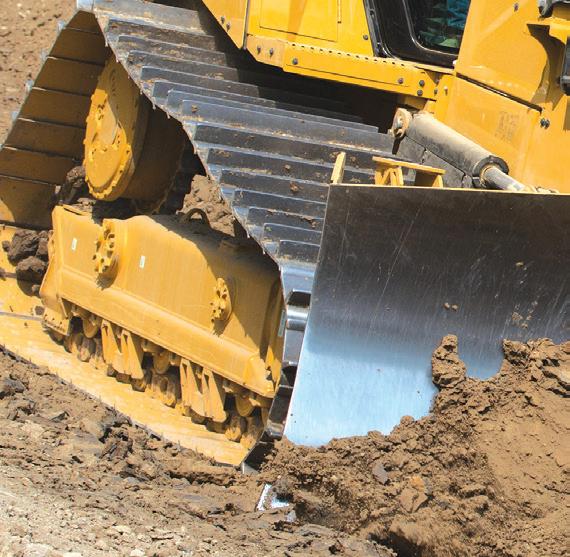
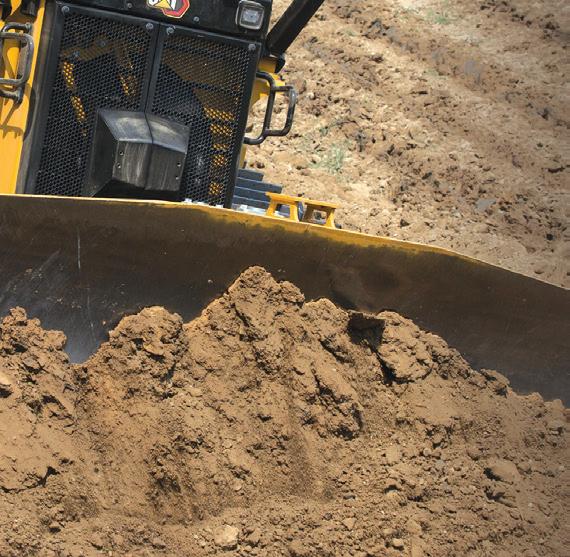
Electric excavators from Develon, Hitachi and Komatsu; Caterpillar’s dozer control options
43. Bridge maintenance
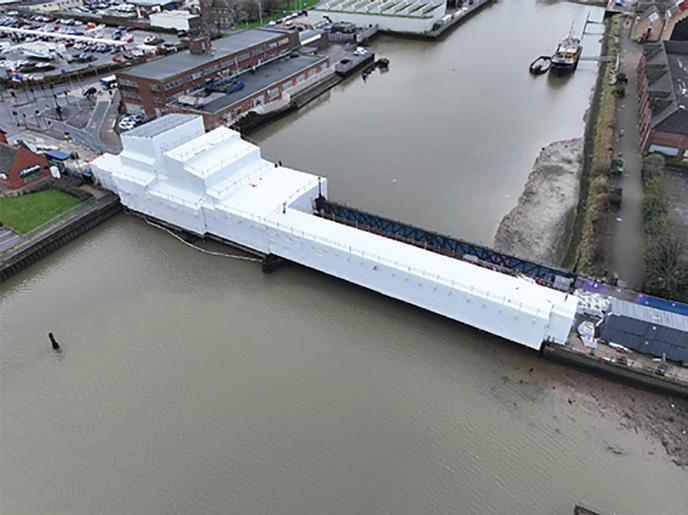
Kistler’s structural analysis technology; Tyne Bridge and Grimsby Bascule Bridge refurbishment works
46. Road recycling
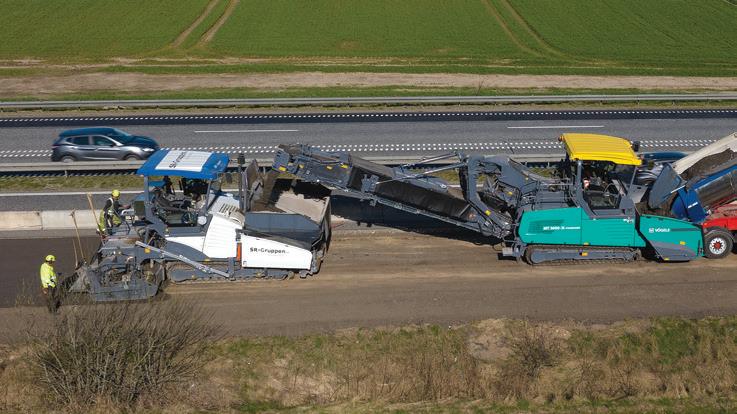
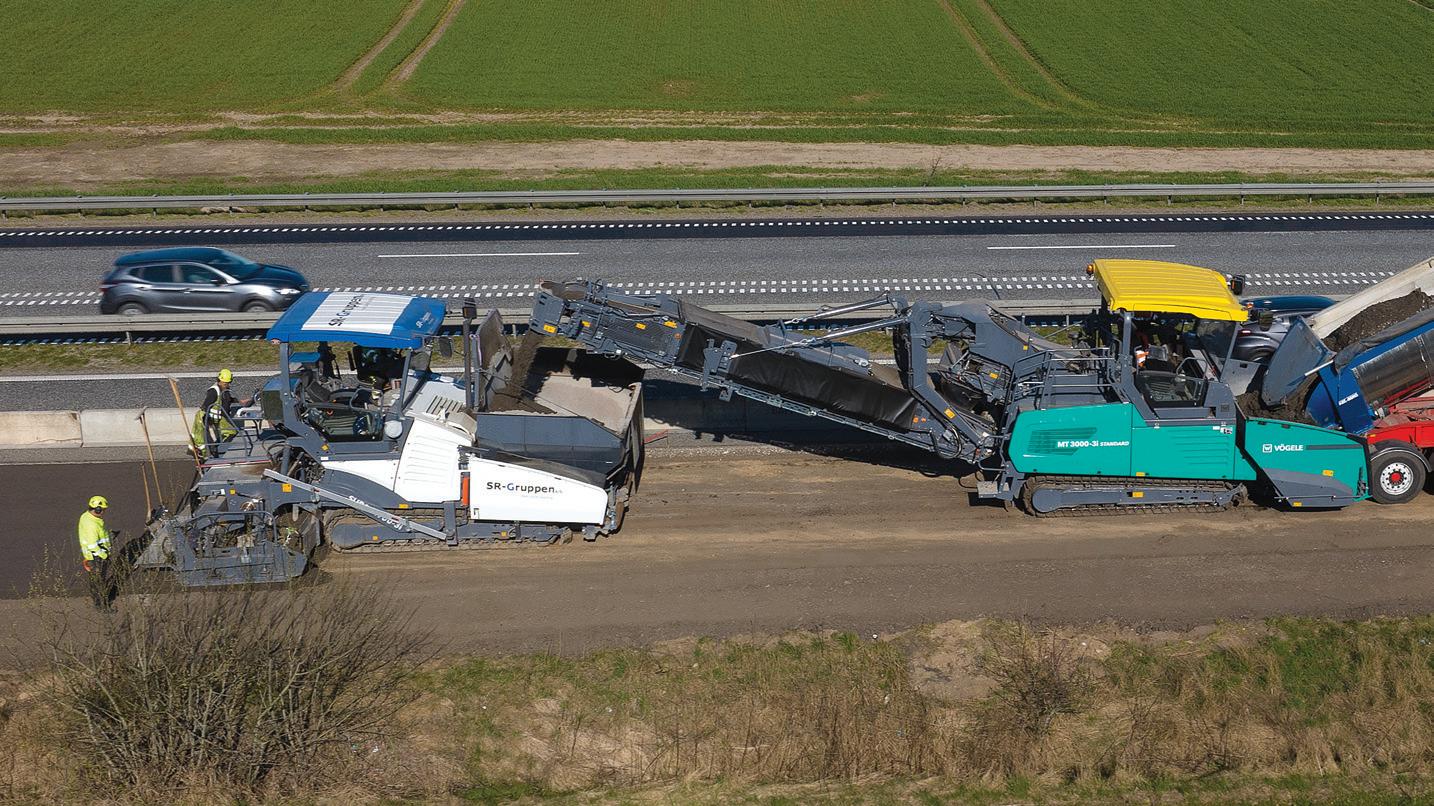
A novel road recycling job in Denmark with equipment from Wirtgen
48. Equipment
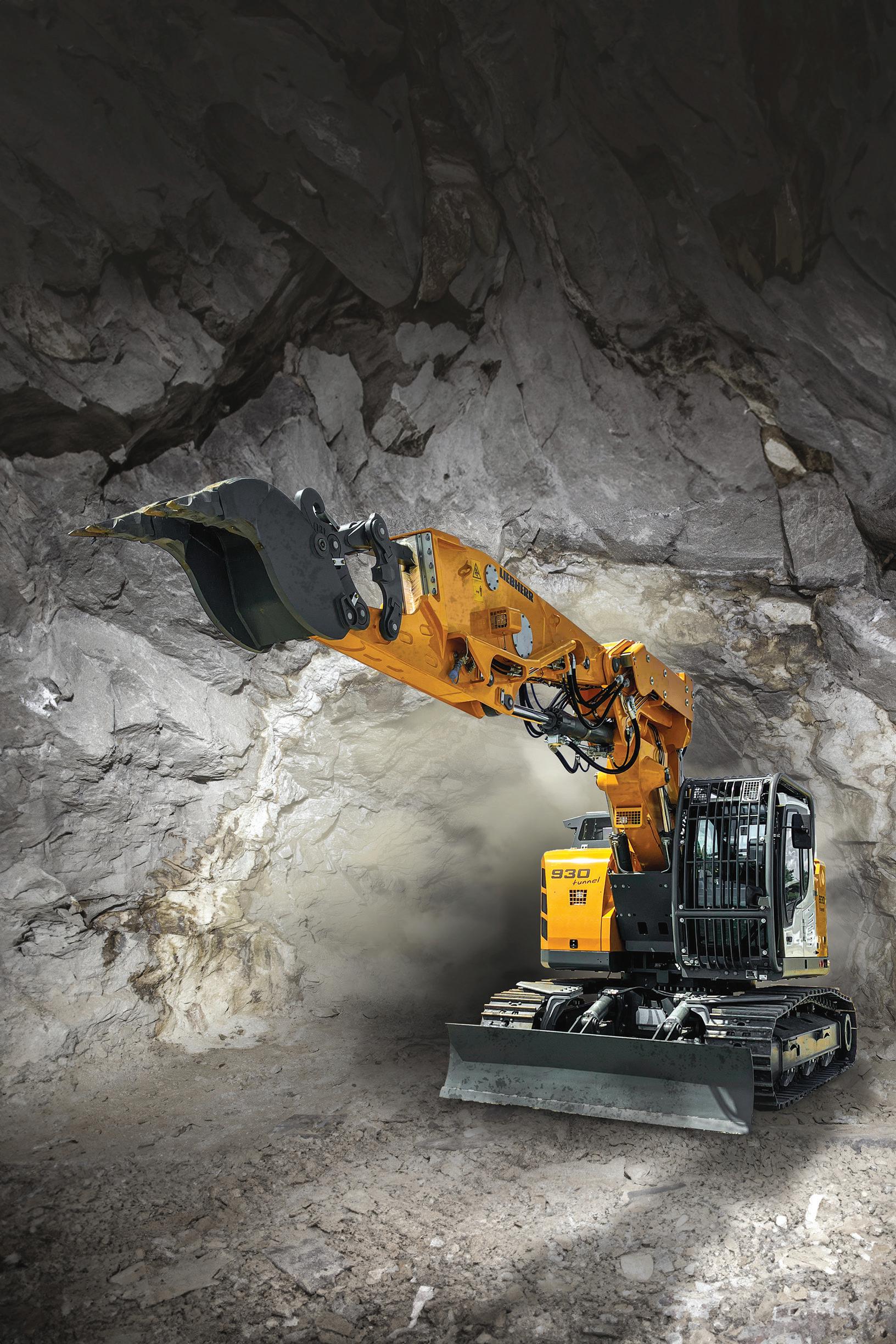
Ef cient tunnelling machine with Liebherr; Develon’s smart excavator technology
49. Onsite
Aggregate Industries trials new low carbon materials; Lekatech’s productive electric breaker; QMS builds stacker for Heidelberg
50. Skidmarks
Further humorous roadrelated stories from around the world
DIGITAL EDITION BONUS CONTENT
Between pages 10 and 11
EUROFILE
eu1-eu6
National Highways
EMERGENT
em1-em6
DE1. Utility machines
New electric compact machines offer
investigating performance; Increasing levels of cycling are being seen in Europe as infrastructure improves; Wheeled excavators from Komatsu; UK rm’s new Volvo CE excavators; Wirtgen machines in Sicily; Norwegian contractor employing Hitachi equipment
Pakistan-Afghanistan highway; billions for Ivory Coast roads; Lintec & Linnhoff deal for Saudi; Powerscreen milestone in India; Manitowoc machines in Middle East; Brazil support facility for Develon; QMS supplies plant to Ghana
emissions; versatile hydraulic attachments offer increased capabilities for carriers
SWARCO SOLIDPLUS
BEADS
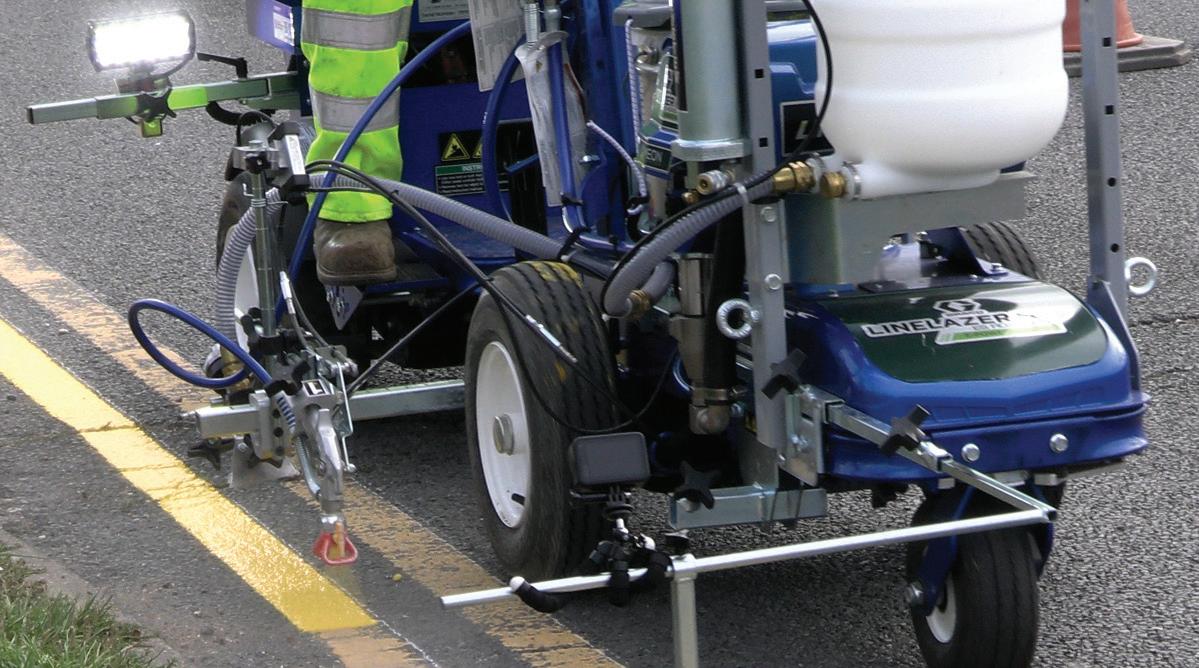
Modern road markings must be easily “readable” for both the human eye and driver assistance systems. There are already specific recommendations by the European Union Road Federation in this context (e.g., a minimum RL value of 150 mcd/m²*lx).
High-performance markings with SWARCO SOLIDPLUS offer excellent retroreflection at night and in wet conditions. Their high visibility supports human and machine vision and increases road safety significantly.
No part of this publication may be reproduced in any form whatsoever without the express written permission of the publisher. Contributors are encouraged to express their personal and professional opinions in this publication, and accordingly views expressed herein are not necessarily the views of Route One Publishing Ltd, or the International Road Federation. From time to time statements and claims are made by the manufacturers and their representatives in respect of their products and services. While reasonable steps are taken to check their accuracy at the time of going to press, the publisher cannot be held liable for their validity and accuracy
WORLD HIGHWAYS/ROUTES DU MONDE, USPS 8757, is published 6 times a year by Route One Publishing Limited, Second oor, West Hill House, West Hill, Dartford Kent DA1 2EU, UK.
The US annual subscription price is US$246.00 Airfreight and mailing in the USA by agent named World Container Inc, 150-15, 183rd Street, Jamaica, NY 11413, USA.
Periodicals postage paid at: Brooklyn, NY 11256
US Postmaster: Send address changes to WORLD HIGHWAYS/ ROUTES DU MONDE, Air Business Ltd, c/o World Container INC 150-15, 183rd St, Jamaica, NY 11413, USA. Subscription records are maintained at Route One Publishing Limited, Second oor, West Hill House, West Hill, Dartford Kent DA1 2EU, UK. Air Business Ltd is acting as our mailing agent.
Printed by: Warners Midlands PLC’
Mike Woof, EDITOR mwoof@ropl.com
2024: a bumper year for construction?
There are positive signs for the construction machinery segment in 2024, although how the year will develop remains to be seen.
Recent news from Caterpillar and Volvo CE have shown strong sales during 2023 and some in the industry are hopeful that this will continue for 2024. Caterpillar saw a record US$67.1 billion turnover in 2023, up from $59.4 billion in 2022. Meanwhile for Volvo CE, net sales rose to SEK 104,981 million in 2023, compared with SEK 100,261 million in 2022, and adjusted operating income amounted to SEK 16,993 million in 2023 against SEK 13,244 million in 2022.
However, Volvo CE added a note of caution as its fourth quarter performance was weaker. For this period, global net sales dropped by 4% to SEK 26,578 million against SEK 27,596 million for 2022 and net sales of machines decreased by 6% in 2023, although service sales increased by 6%. According to Volvo CE, the rm saw increased orders in North and South America in 2023 but added that this was largely due to the low order intake from Q4 2022, which had been driven by the unpredictable supply chains.
The rm commented that overall global net order intake remained low, declining by 26%. Volvo CE's analysis is that this has been caused primarily
by lower demand in China and cautiousness among European customers and dealers. Deliveries also decreased by 27% in Q4 due to the general weakening demand in China and Europe and the slowdown in Brazil.
For 2024, it is unclear whether ongoing issues in China will hinder growth in the sales of equipment worldwide, making accurate forward marketpredictions for construction machinery sales dif cult.
But Europe’s construction machinery manufacturing association, CECE, is positive about the coming year for the sector and has pointed to the welcome return of the INTERMAT 2024 exhibition in Paris as a highlight.
In Asia too there will be two exhibitions that are part of the bauma NETWORK in 2024. These are bauma CHINA in Shanghai in November and bauma CONEXPO INDIA in New Delhi in December. And in Europe, 2024 will also see ve editions of Le Dig Tour trade fairs, the French exhibition partner: rst in May, two in June and two in September.
CECE has also announced its new Exhibition Partner – the Japanese CSPI-EXPO. This trade fair is an annual event, taking place in Tokyo. The next edition is scheduled for 22-24 May and will be the 6th edition of the fair. MW
Caterpillar’s record sales
The US off-highway equipment giant’s full-year sales and revenues stood at US$67.1 billion, up 13% compared with $59.4 billion in 2022.
The increase re ected favourable price realisation and higher sales volume, driven by higher equipment sales to end users.
The impact of changes in dealer inventories partially offset the increase. Operating
pro t margin was 19.3% in 2023, compared with 13.3% in 2022.
Adjusted operating pro t margin was 20.5% in 2023, compared with 15.4% in 2022.
Caterpillar’s fourth-quarter sales and revenues were US$17.1 billion, a 3% increase compared with $16.6 billion in Q4 2022.
The company’s operating pro t margin was 18.4% for the quarter, compared with 10.1% for the same period of 2022. Adjusted
operating pro t margin was 18.9%, compared with 17% for the fourth quarter of 2022.
For the full year of 2023, Caterpillar’s enterprise operating cash ow was $12.9 billion. During the year, the company repurchased $5 billion of Caterpillar common stock and paid dividends of $2.6 billion. Liquidity remained strong, with an enterprise cash balance of $7 billion at the end of 2023.
Chile’s US$1 billion bridge behind schedule
The US$1 billion project for Chile’s landmark Chacao bridge project is behind schedule. The 2.75km bridge was originally intended to be ready in 2019, with the completion date then slipping to 2020. With just 45% of the construction work complete, the bridge will now not be ready until 2026.
The construction rm Hyundai has been in discussion with the Chilean Government over the project. To date, the construction work has cost an estimated $716 million.
When complete, it will be the longest suspension bridge in Latin America. The suspension bridge design was selected as it would be able to withstand the earthquakes that occur in the region. Some of the largest earthquakes ever recorded have occurred in this area of Chile.
The connection to Chiloe Island will provide a muchneeded economic boost, improving tourism and reducing journey times compared to the ferries used at present.
US$19.4 billion for Thailand’s transport development
Thailand plans to invest US$19.4 billion in developing its transport system. The programme is being drawn up by the Transport Ministry for the 2024 and 2025 period with 150 projects being planned. And tenders will open in late 2024 for four motorway sections that are expected to cost a total of $4.11 billion. These are a 38km stretch of the M9 motorway that links Bang Khun Thian in Bangkok with Bang Bua Thong in Nonthaburi and a 35km section of the M9 between Bang Bua Thong and Bang Pa-in. There will also be work on the 22km M5 motorway in Ayutthaya, as well as a 61km stretch of the M8 motorway in Ratchaburi. Construction should commence in 2026 and be complete by 2028.
Meanwhile, the Asian Infrastructure Investment Bank (AIIB) will help provide
nancing for the $29.35 billion Land Bridge megaproject. The Land Bridge will link Ranong and Chumphon in southern Thailand. This will include a motorway, rail links and port improvements. The plan will help improve the ow of vessels through the Straits of Malacca.
Amongst the priority road projects for the transport development programme are the Motorway No 9, the Western Ring Road of Bangkok, upgrades for Motorway No 5 to Bang Pa-in and improvements to Motorway No 7 that links with U-tapao Airport.
Improvements will also be carried out to Motorway No 81 that links Bang Yai with Kanchanaburi and Motorway No 6 that connects Bang Pa with Nakhon Ratchasima. Thailand’s international links will also bene t when work commences on the 5th Thai-Lao Friendship Bridge in Bueng Kan later in 2024.
Caterpillar reports strong sales for its construction machines
US$4.4 billion of works are being planned for India for two major road projects. One of the projects is for the 75km toll road that will cost up to $3 billion in Bengaluru.
The tender process for the project is opening and is for a Design, Build, Finance, Operate, and Transfer concession package. The 50-year tolled concession for the Bengaluru Business Corridor is to be carried out under the PPP model. The Peripheral Ring Road (PRR) project will have four lanes in either direction and is being managed by the Bangalore Development Authority (BDA).
The Indian Government is to provide a further $792.4 million to help develop roads close to the country’s border with China. This is in addition to the $609.5 million previously given to the Border Roads Organisation (BRO) for the 2023-2024 nancial year.
The $101 million Sela Tunnel
in India’s Arunachal Pradesh State has been inaugurated by Prime Minister Narendra Modi. The Sela Tunnel project has been executed by India’s BRO. The tunnel was built as part of Project VARTAK managed by BRO and with construction carried out by Patel Engineering.
The tunnel consists of a link
road and two tunnels. Tunnel 2 is 1.555km in length with one bi-lane tube for traf c and another dedicated to emergency services. Meanwhile, Tunnel 1 is a 980mlong single-tube. The two tunnels are 1.2km apart. The project also included building 8.7km of connecting roads.
The rst phase of the new dual cable-stayed bridge structure spanning the Houston Ship Canal in Texas is close to completion. The project has been delayed due to a number of major issues. The 6.6km link was originally expected to cost US$962 million but problems were found with the design.
A number of the concrete pylons that had been constructed then had to be demolished. The design was modi ed and along with the demolition, this added some $300 million to the pricetag.
The Houston Ship Canal Bridge carries the Sam Houston Tollway and the project is being managed by The Harris County Toll Road Authority. The new link features two bridges, one for Northbound tra c and the other for Southbound tra c, which are being
constructed close together. Both of the new bridges will carry four lanes, doubling capacity compared to the existing link.
The new bridges will also have full width shoulders as well as more protection against high winds.
The Southbound link is being built rst and when it has been completed in 2025, all the tra c from the existing bridge will be transferred to it. Demolition work will then commence for the existing bridge, followed by construction of the new Northbound bridge, which is due for completion in 2027.
The original box girder bridge opened to tra c in 1982, featuring four lanes in either direction and with 53m clearance for vessels.
important connection to India’s border with China. Located at an altitude of 3,000m, the tunnel will replace the Sela Pass, which is around 400m higher. The construction of the new tunnel connection will provide a safer route for drivers and allow travel in poor weather.
A new bypass project worth $435.6 million is being suggested for Ayodhya in India’s Uttar Pradesh State. The plans are being put forward by India’s Ministry of Road Transport & Highways (MoRTH).
The 68km bypass route runs through Lucknow District, Basti District, and Gonda District. The project is being proposed under the PPP model and the National Highways Authority of India (NHAI) is handling the bidding process for the work. Should the timeline be adhered to, the project will be complete within 30 months.
Kenya’s road improvement plan
A major programme of road improvements worth US$5.21 billion is planned for Kenya over the coming ve years. The works will be managed by the Kenya National Highways Authority (KeNHA).
The programme will see the addition of 1,183km of new roads to the country’s network, as well as improvements and maintenance to 492km of existing roads. A further 27 structures will be constructed.
Maintenance will be carried out to 75,891km of Kenya’s trunk roads, while designs for 5,575km of roads will be drawn up by KeNHA. Priority projects will be for the roads linking Thika and Magumu, Sagana and Marua Chemlil and Katito, Isebania and Ahero and Mau Mau Roads.
The road development programme will help develop Kenya’s economy as well as its international links with its neighbours, including Tanzania and Uganda.
An artist’s impression of the delayed Houston Ship Canal Bridge in Texas, with its rst phase now nearing completion
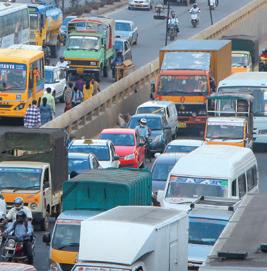
A Bengalaru road project could help address chronic congestion in the area
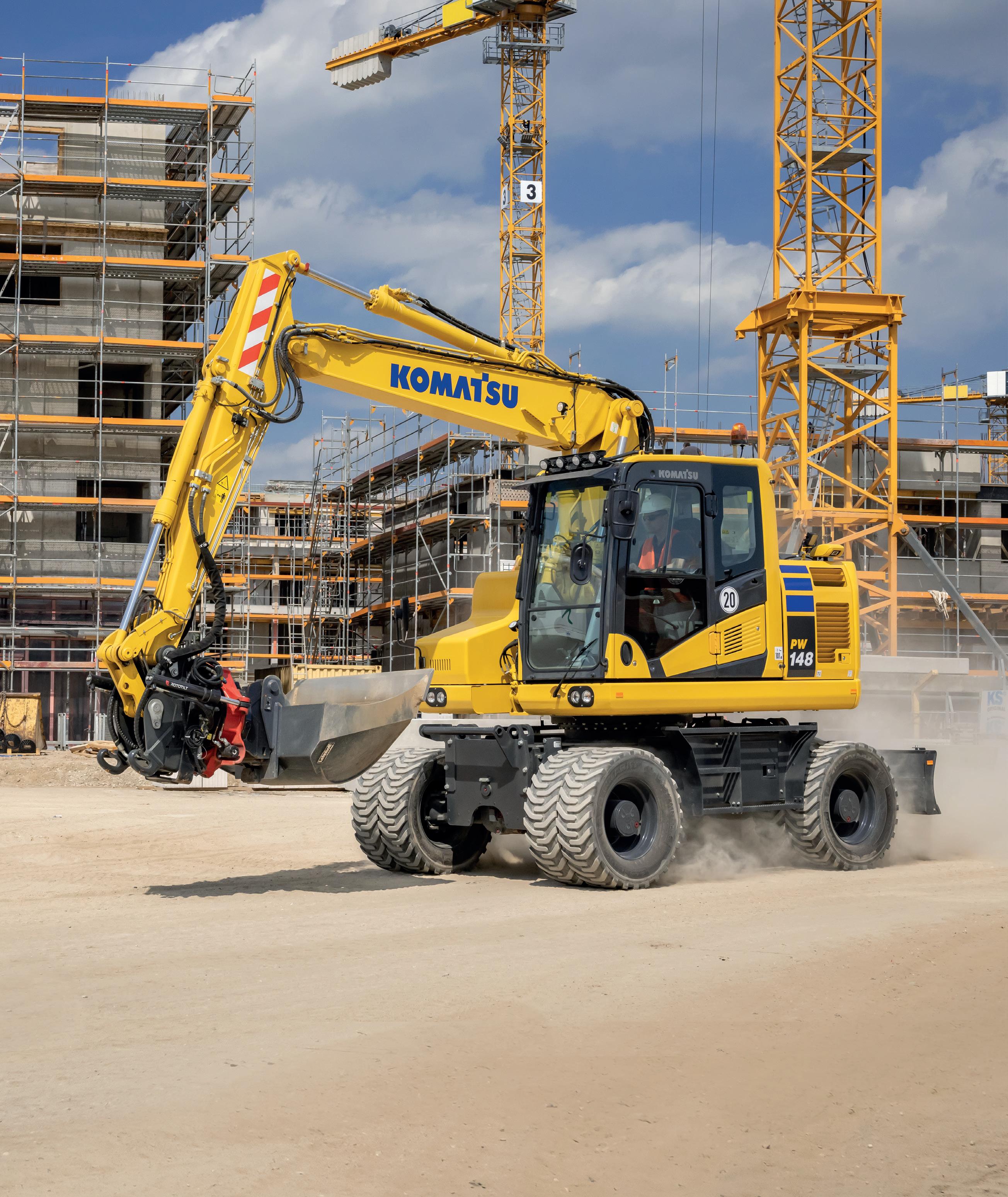
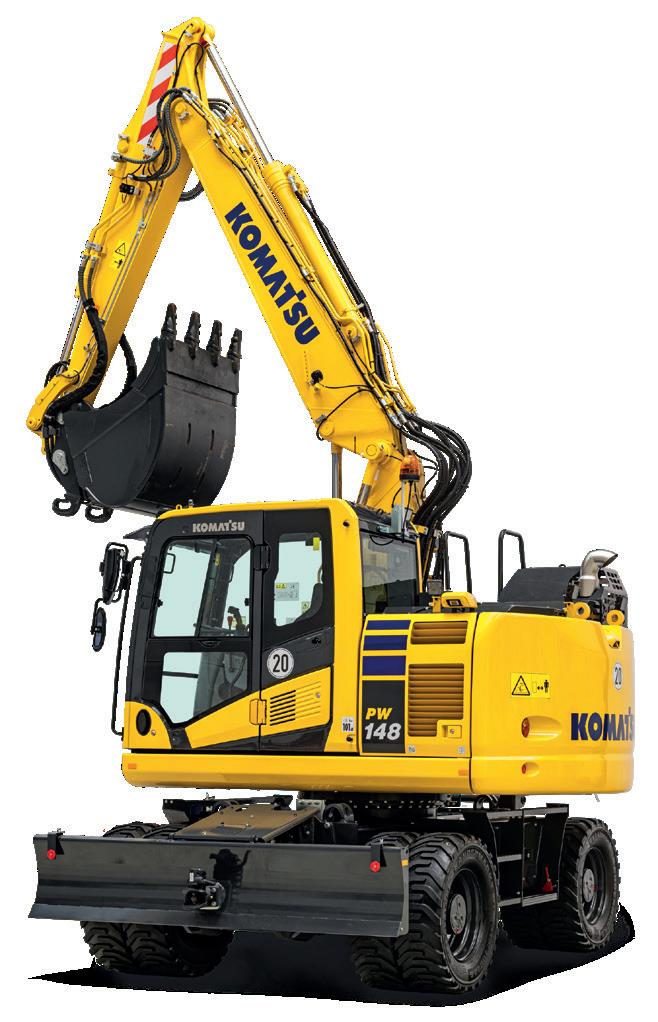
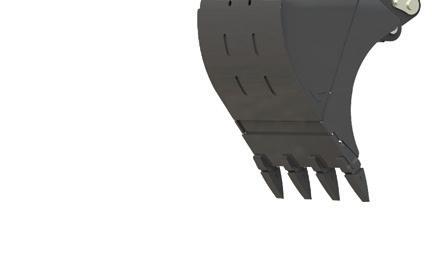
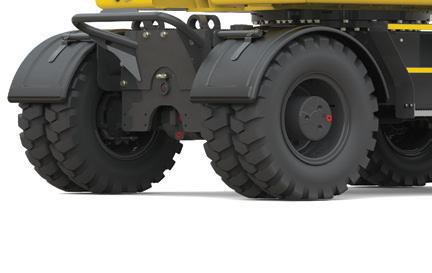
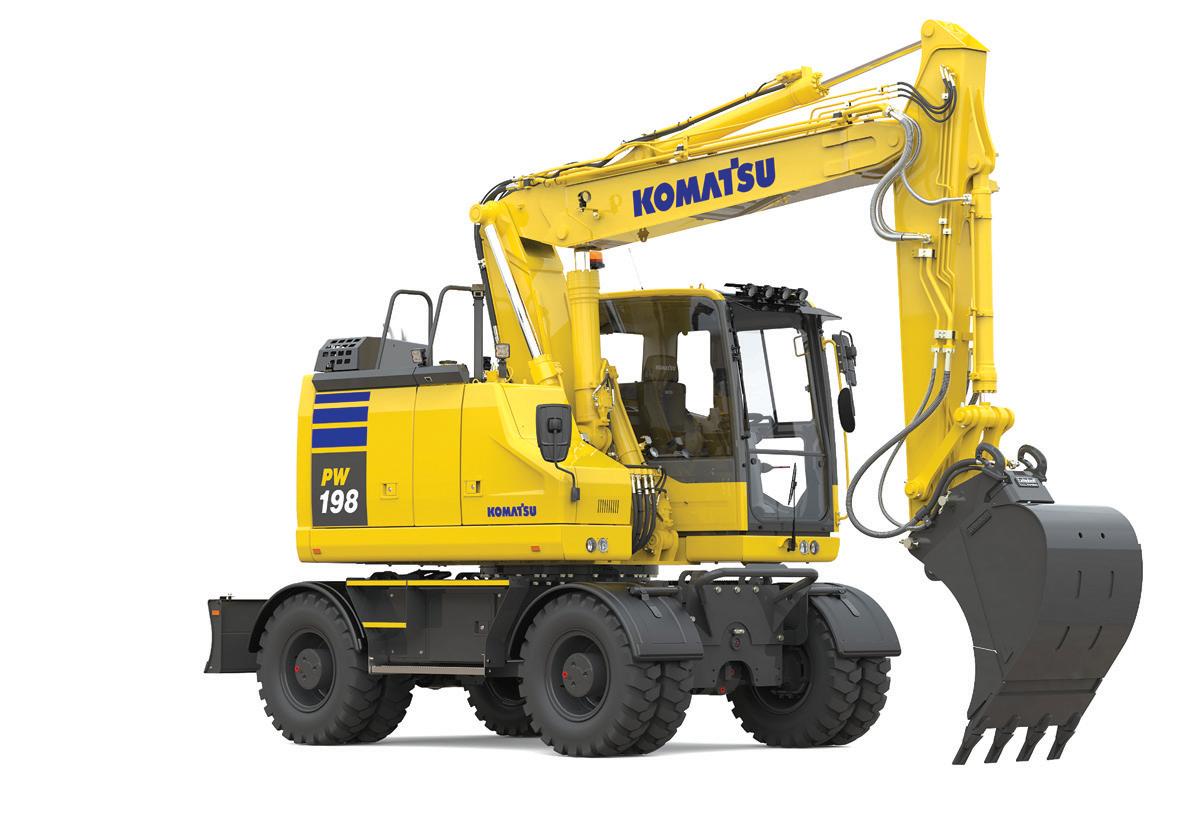
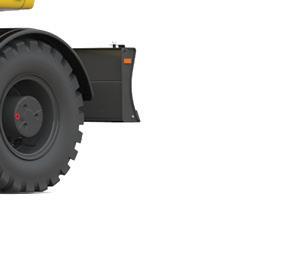
Komatsu PW148-11
The Komatsu PW148-11 is compact and powerful. A short rear swing radius allows safe work even in tight spaces. Features such as integrated attachment control (KIAC) or the optional trailer hitches increase productivity and versatility, while the premium comfort seat and adjustable joystick steering provide maximum operator comfort.
CONSTRUCTION TECHNOLOGY
Technology solutions
Construction machinery manufacturers are introducing new systems that can boost machine ef ciency and site safety –Mike Woof writes
While many of the new technologies have been developed by specialist suppliers, many of the original equipment manufacturers (OEMs) are also introducing their own solutions. These can help boost working ef ciency as well as site safety for the industry.
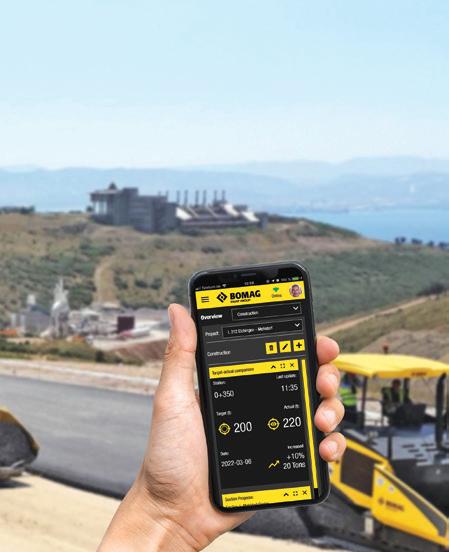
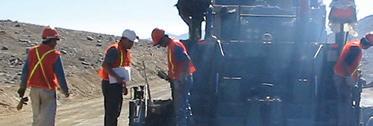
Bomag says that its latest Asphalt Pro system offers new capabilities for construction. The package can provide key data to everyone involved in a project, including details of every stage of the materials being supplied and used. Users can receive the data on a tablet device or smartphone. The package can supply data on materials from the mixing plant through truck distribution and also on parameters for the paver and compaction.
is o ering new capabilities for its paver package
Should a paver fail onsite, a warning is sent to the mix plant for example, so that truck loads can be stopped and costly material wastage minimised. Similarly, the paver operator will know when trucks will arrive with asphalt for paving.
Useful information includes comparing theoretical asphalt tonnage supplied with actual tonnage used. If the theoretical quantities match the actual tonnages used, this highlights paving ef ciency. But if there is a large disparity, the paver operator will know that the screed needs adjustment.
The sophisticated digitalisation package also allows users to reduce CO2 emissions as it helps to minimise energy use.
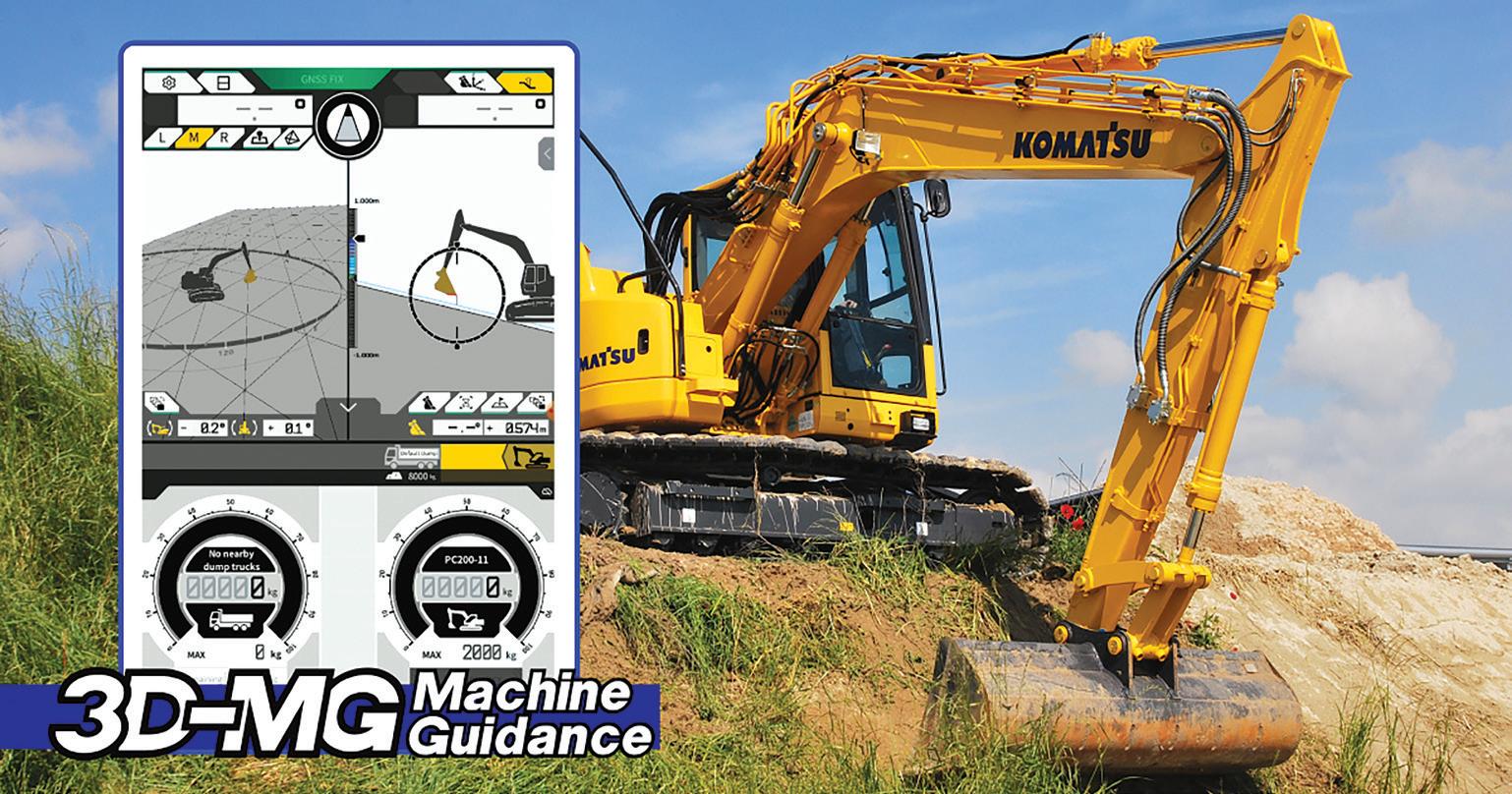
Komatsu is offering its Smart Construction 3D Machine Guidance kit for a broad range of standard Komatsu machines as well as mixed eets. The 3D Machine Guidance kit provides an accessible way to add 2D and 3D machine guidance to any crawler or wheeled excavator from 13-120tonnes.
The kit can be customised with options such as a tilt bucket and couplers kit, a twopiece boom kit, a super long front kit, and
a SATEL radio kit. A 3D safety zone feature has been integrated into the system, allowing customers to generate avoidance zones. The feature alerts operators when they are near hazards such as powerlines, underground utilities or public roads.
The 3D Machine Guidance system’s automatic le conversion is compatible with common design le formats. This ensures integration with existing 3D systems from different manufacturers. In addition, the 3D Machine Guidance kit has an integrated payload meter option for Komatsu machines. This feature allows for dynamic material weighing, boosting productivity by ensuring trucks are loaded optimally.
The kit is also integrated into the Smart Construction suite as a rst step towards optimising earthmoving. It automatically collects terrain and payload data, which can be visualised and analysed using Smart Construction solutions.
Volvo CE says that its Connected Map provides visibility of the jobsite by giving a realtime visual overview of the position of every machine, vehicle and visitor. The intelligent positioning service can be accessed by all site personnel, both in the machine (via Volvo CoPilot or an Android/iOS device) and in the of ce
(via the Of ce portal).
Connected Map can display site features and landmarks, including roads to help operators navigate the site, loading zones, unloading zones, speed zones and restricted areas. Points of interest such as of ces, workshops and service stations can also be visualised. Single-lane (narrow road) sections can be de ned, to warn the operator if another machine is approaching in a single-lane section, helping to avoid traf c jams.
Connected Map users also stay informed about the location of machines, due to Connected Map's search functionality which will search and nd users or machines in real time, with the machine's last position visible for 30 days. Away from the of ce, Connected Map makes it easier for the operator to become familiarised with the site and know where everyone is, boosting safety.
BOMAG
www.bomag.com
Komatsu www.komatsu.com
Volvo CE
www.volvoce.com
BOMAG
Komatsu is o ering a smart 3D construction system
EUROFILE EDITION
eu1 NEWS
National Highways investigating performance; Denmark highway project
eu4 FEATURE
Increasing levels of cycling are being seen in Europe as infrastructure improves
eu5 EQUIPMNT
Wheeled excavators from Komatsu; UK rm’s new Volvo CE excavators
Performance probe for National Highways
eu6 ONSITE
Wirtgen machines in Sicily; Norwegian contractor employing Hitachi equipment
Spot the dog
England’s National Highways agency is being investigated because “performance has dipped in a number of areas”, the independent regulator Of ce of Rail and Road (ORR) announced.
The ORR will consider whether National Highways is meeting its performance target metrics and if it has done enough to reach them. Despite the investigation, though, ORR has said that National Highways has achieved many of its aims and delivered improved roads.
A report published last July noted several risk areas where problems could arise and which has now done so, according to UK media reports. These surround the delivery of major schemes and management of road assets under the ve-year plan RIS2 – Road Investment Strategy 2, launched in 2020.
According to UK media, the ORR sent a letter to the National Highways chief customer and strategy of cer Elliot Shaw, outlining the concerns of the ORR.
“Whilst each individual item of concern is potentially manageable, the number and breadth of our concerns, the repetitive nature of many concerns, and the proximity to the end of the
road period, means that we consider that a more formal approach to assessing National Highways’ performance is now appropriate.”
The letter went on to emphasise that this investigation “is about understanding how National Highways is learning lessons and embedding them in its approach to delivering the RIS. It is not necessarily about resolving individual items”.
The agency manages England’s Strategic Road Network that takes in motorways and some major A-class highways – a total of 7,240km. The SRN is the most heavily used part of England’s roads, carrying a third of all traf c and two-thirds of all freight, according to the agency.
Upon its launch, RIS2 committed the central government to spend €32.02 billion (US$34.5 billion) on building new roads as well as road improvements to “reduce the negative impacts of the existing SRN (Strategic Road network)” and “make the network safer, more reliable and more sensitive to the places through which it runs”.
The Lower Thames Crossing and the Stonehenge Tunnel are among the major projects that the agency wished to start by 2025. But due to planning holdups, the schemes have been moved forward to what
Spot, a 25kg creation from Boston Dynamics, is being trialled by National Highways, BAM Ritchies - the ground engineering division of BAM Nuttall - and AECOM to inform forthcoming operational work. The robotic dog's-eye view is being employed to capture data remotely in di cult-to-reach locations and across various terrains alongside the motorway and major A roads, according to National Highways.
These access-constrained sites include steep-sided embankments and natural slopes, slopes beneath tree canopies or otherwise obscured by vegetation, culverts and under bridges and other structures. These are areas where it is di cult and sometimes unsafe for geotechnical inspectors to reach.
Spot is to help meet the standards set out in the UK’s Design Manual for Roads and Bridges and reduce the frequency of physical walkover surveys by inspectors and the need for costly and disruptive tra c management.
Several properties have already been acquired and up to 25 more might need to be expropriated
Route 54 Næstved-Rønnede upgrade coming
The Danish Road Directorate has announced that more than €200.2 million has been allocated for construction of a motorway between Næstved and Rønnede.
The project on the island of Zealand could entail upgrading the two-lane Route 54 and will likely start in 2026. But planning and designs will have to take account of two Natura 2000 areas sites located close to the project site. Natura 2000 is a network of nature protection and conservation areas within the European Union and includes both terrestrial and marine locations.
Næstved is a town of around 45,000 people in the southern part of Zealand. Rønnede, around 19km away, has a population of about 3,000, but it lies close to European route E47 that connects Lübeck in
EU
Germany to Helsingborg in Sweden via the Danish capital Copenhagen.
The current route 54 is basically a country road with cycle paths on both sides. There is a general speed limit of 80km/h, but there are also local speed limits of 60-70km/h.
Upgrades and realignments have been considered over the past decade and a previously completed environmental assessment will have to be updated before work can start, according to media reports.
A recent town hall meeting held by the Danish Road Directorate showed residents of the area are concerned about noise and animal-vehicle crashes.
Animal underpasses and noise barriers will be considered in future planning, the directorate noted.
Greek tenders
Greece is tendering two highway projects worth a total €693.5 million. Both the Thessaloniki to Edessa and Drama to Amphipolis highway projects will be handled under the PPP – private-public partnership model.
The contracts are open for international bids and the Ministry of Infrastructure and Transport is using the country’s National System of Electronic Public Procurement (ESIDIS).
Messina bridge design approved
The design has now been approved for the Messina Strait mega project that will link the island of Sicily with the Italian mainland.
Carrying both road and rail links, the suspension bridge is expected to cost as much as €13.5 billion.
The bridge will have to cope with the earthquakes that occur in the region. It will require the highest support towers, as well as the longest central span for any suspension bridge yet built.
A suspension bridge was suggested in 1990 but the was prohibitive and discussions ceased in 2006. The project was revived in 2009 and then cancelled in 2013, again on grounds of cost.
funds for Polish roads
Five Polish regions have signed nine agreements for road investments under the European Funds for Eastern Poland programme, according to the Polish magazine Pap Business. The projects will see upgrades to around 214km of roads and construction of 17km of roads.
The European Funds for Eastern Poland 2021-27 programme o ers additional funds, apart from the support under regional and other Polish national programmes. The aim is to accelerate economic development of the Eastern voivodeships.
The total available under the programme is €2.7 billion of which around €430 million has been earmarked for the region’s voivodeship roads. Other areas for investment are entrepreneurship development, smart energy distribution networks, biodiversity protection, favourable
urban climate: adaptation to climate change and zero emission mobility modern transport; and sustainable tourism
A voivodeship is the highest-level administrative division of Poland, corresponding to a province in many other countries. Today's voivodeships are named mostly after historical and geographical regions. They range in area from under 10,000km² - Opole Voivodeship - to over 35,000km²Masovian Voivodeship. Populations range from nearly one million to more than ve million.
According to the government, eastern Poland covers over 40% of the country's area and has a population of around 10.5 million - just over a quarter of the country's total. Eastern Poland also accounts for 20% of the gross domestic product.
Road in Poland’s Opole Voivodeship will bene t from the European Funds for Eastern Poland programme
Bosnian deal with China Road and Bridge
has engaged China Road and Bridge Corporation to rebuild 15km of highway around Hum, close to the border with Montenegro.
Local news reports call the agreement a memorandum of understanding and cooperation for the work that would cost around €108 million. No other details of the work were given by the Serb Republic, which is a one of the two autonomous entities that make up Bosnia and Herzegovina. The road is part of the major route from Foca to Hum, a 151km
motorway for the most part that lead
Local news reports call the agreement a memorandum of understanding and cooperation for the work that would cost around €108 million
south from Foca. It includes the M20 and M18 motorways.
Bosnia and Herzegovina recently signed a €110 million loan deal with the EBRD - European Bank for Reconstruction and Development - for construction of the Mostar North-Mostar South section of panEuropean Corridor 5c.
The project will include the construction of an interchange and a 1km dual-carriageway motorway section, the EBRD said in a press release.
As well, the European Union will
BMO Entreprenør, a subsidiary of Endúr, has been awarded a contract worth €4.54 million for the rehabilitation of road bridges administered in southern Vestland county, Norway.
The scope of work includes concrete rehabilitation, steel surfacetreatment, removal and installation of bridge railings and moisture insulation. Works are expected to start in few months and take around two-and-a-half years with options for one-year extensions.
“We are delighted to secure our continued presence in the market for rehabilitation of bridges in Western Norway, said ”, says Aleksander Rød, chief executive of BMO. “We have a long and solid track record in the region and look forward to cooperating with one of our most important customers.”
BMO Entreprenør, based in Kongsberg, is a major Norwegian provider of bridge rehabilitation of bridges, quays, dams and other concrete and steel structures.
provide a €150 million grant through the Western Balkans Investment Framework (WBIF) and up to €150 million will be secured from local commercial banks for the project.
The WBIF is a joint initiative of the European Union, nancial institutions, bilateral donors and the governments of the western Balkans. It provides nancing and technical assistance to strategic investments in the energy, environment, social, transport and digital infrastructure sectors. It also supports private sector development initiatives.
The county is located in Western Norway and it is centred around the city of Bergen, Norway's second largest city after the capital Oslo and with a population of around 290,000.
Hardanger Bridge suspension bridge – the longest in Norway –crosses the Eidfjorden to connect the municipalities of Ullensvang and Ulvik. It replaced a ferry connection and shortens the driving time between Oslo and Bergen.
Boost for cycling in Europe
New data shows a boost for cycle journeys in much of Europe
– Mike Woof writes
The latest data from France shows an increase in cycling for mobility.
There has been a 5% growth in bicycle use in France, according to a report by the association, Vélos & Territoires. Both conventional bicycles and e-bikes gure in this increase in cycling according to the data. The utilisation of bicycles increased by 7% during the week and by 6% in urban use compared to 2022. New cycle lanes in Paris as well as restrictions on the use of private cars have further helped increase levels of cycling in France’s capital.
And according to data from Transport for London (TfL) cycling in the city shows a 20% increase in cycling in 2023 compared to the pre-pandemic baseline in 2019.
The ndings, presented in the Travel in London report, showcase a positive trajectory for cycling, building on the momentum gained during the COVID-19 pandemic. TfL says that while overall cycling numbers have climbed, there have been changes in the characteristics of these journeys. The average length of cycling trips has decreased, indicating a shift towards shorter, more localised travel. Additionally, the demand pro le has become less ‘peaky,’ with a higher proportion of off-peak travel compared to the pre-pandemic period.
For both Paris and London, the reduction in the use of private cars for urban trips is helping deliver improvements in air quality, delivering health bene ts for all citizens. Given that poor air quality has such a major impact on public health, causing breathing issues (and deaths) for many and contributing to lost productivity as well as extra healthcare costs, tackling the causes of airborne pollution can deliver huge bene ts. These cities share the bene ts of having comprehensive public transport systems, so there is less of a reliance on the use of private vehicles. However, the ongoing switch amongst many commuters away from motorised vehicles to using bicycles and e-bikes for short urban journeys is reducing traf c congestion while also boosting public health (and reducing the burden on health systems) due to the advantages of active travel.
In Italy meanwhile, further boosts for cycling are expected with the development of the Apulian aqueduct, which will see a total 192km of cycle routes. The project is being managed by AQP, with nancing of €35 million being provided by regional funds and NRRP funds. The new sections will deliver a cycle path on an aqueduct, forming part of the National Cycling Route No 11.
As mentioned earlier, the growth in cycling is providing a massive advantage in the overall reduction of transport emissions. For Europe’s cities with the largest populations, Paris and London, lowering levels of airborne pollution will provide long-term bene ts. This will also help to boost public as well as boosting productivity. Amsterdam and Copenhagen have set the lead in encouraging cycling in urban Europe but are now being followed by other cities, notably Barcelona and Berlin. However, questions remain over the safety of cyclists due to poor standards of driving. It is clear that too many drivers still do not understand what constitutes a safe passing distance. There have been suggestions that improvements in cycle safety can only come with mandatory cycle training for all drivers. This is backed up by the lower incidence of crashes between cyclists and motorists in Denmark and the Netherlands, countries where a high proportion of the population (and drivers included) are regular cyclists. There could be a wider bene t to road safety also, since research shows regular cyclists on average have fewer crashes when behind the wheel and make safer drivers than those who do not cycle. Meanwhile, the layout of many cycling facilities in Europe is also in question, with too many routes not meeting speci cations for safety standards and clearly not having been designed by people who actually ride bicycles.
Cycling is an increasingly important mobility mode in Europe
More short-tails from Komatsu
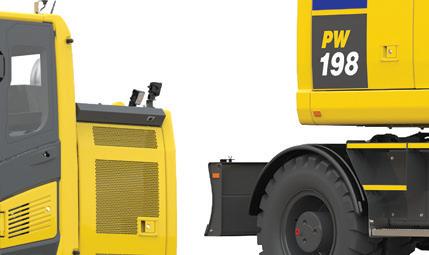
With the launch of the PW168-11 and PW19811, Komatsu reports it has rounded up the operating weights of its wheeled excavator range to 20tonnes.
Komatsu says that the new machines - at 16 and 20tonnes - are compact and easy to transport yet powerful and versatile.
There is no need for a special low-bed trailer. With a low transportation height of just 3.1m, they can be transported on standard low-bed trailers with a loading height of up to 4m. The short rear overhang of 1.85m (PW168-11) or 1.9m (PW198-11) is ideal for narrow construction sites.
The units are equipped with 4-cylinder Komatsu 110kW and 129kW diesel engines are EU Stage V emissions compliant and factory-supplied with environmentally friendly HVO Diesel fuel as standard. The machine design with an optimised boom and rear engine enables enormous lifting performance.
standard.
Komatsu notes that contractors are increasingly using a tiltrotator and 3D guidance systems on wheeled excavators. Because of this, the company’s new models are open to any kind of system and are prepared for use with a tiltrotator as well as for 3D guidance systems. With useful extras such as joystick steering, tool control management or trailer coupling, the PW168 and PW198 can be optimally prepared for tough construction sites.
The new Komatsu diesel particle lters, which are replaced after only 8,000 hours, enable long
and uninterrupted work schedules. Exhaust gas treatment is carried out fully automatically, without disrupting work ow. All maintenance points are centralised and easily accessible from ground level behind steel aps.
All important functions are displayed as standard via the machine monitor and the Komtrax eet management system.
Komatsu https://komatsu.eu/en
Thanks to a low centre of gravity, the machines are stable when driven on any road. The new premium seat with multi-stage ventilation and seat heating is particularly comfortable. All-important functions can be operated via joysticks while the all-round visibility is supported by four cameras with a bird's-eye view as
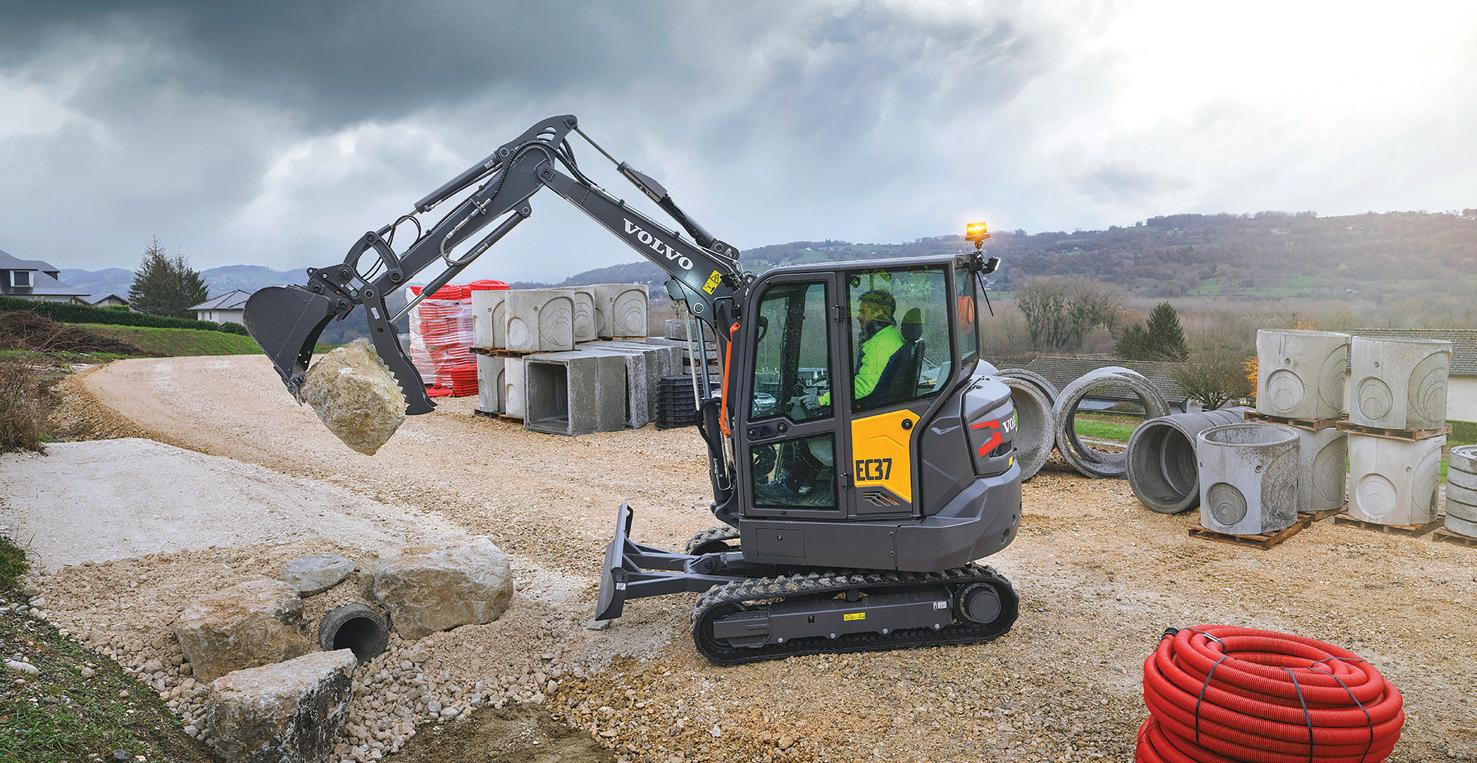
Volvo EC37, ECR40 excavators for UK
SMT GB recently introduced the new Volvo EC37 and ECR40 compact excavators into England, Scotland and Wales.
Both the 3.5tonne EC37 and the 4tonne ECR40 boast smooth operation and easy servicing, as well as a spacious and more comfortable cab, according to SMT GB - the exclusive dealer of Volvo Construction Equipment and K-Tec Earthmover products in the three nations.
The new models replace the phased-out Volvo EC35D, ECR35D and ECR40D excavators. They also feature many of the bene ts already
ECR50 and ECR58 excavators, such as the same spacious, ergonomic and silent cab.
The EC37 and ECR40 share the same platform and components: the only di erence is that the EC37 has a conventional upper carriage design while the ECR40 has a short radius concept to allow working in more con ned spaces.
The models bene t from a new elongated undercarriage for them to maintain optimum stability in almost any environment, thanks to a much better weight balance provided by the longer contact between the tracks and the ground. High system pressure ensures
an impressive traction force when climbing gradients or travelling over rough terrain, while the machines’ superior breakout force, tear out force and lifting capacity deliver all the power to get the job done.
Because of the customisable hydraulics ow setting and work modes for a large range of attachments and applications, it is now easier to set up the machine for any task which translates into increased uptime. If two or more operators are using the machine, the contractor can set up the controls to each person’s preference with just a few simple setting changes on the newstyle HMI – the human-machine interface.
With an intuitive navigation system and proportional ngertip controls, these compact machines are the perfect choice even for newly trained operators. Smooth hydraulics and their practical yet comprehensive set up for multiple functions – together with an intuitive jog wheel, 5” colour display and easy-to-navigate HMI functionalities – provide great controllability while allowing operators to e ciently adapt the machines to any job requirements.
SMT GB
www.smt.network/gb
Volvo Construction Equipment www.volvoce.com
The PW168 and PW198 expand the range of the successful short-tail wheeled excavators in the 16-20t operating weight class
The Volvo EC37 (left) has a conventional upper carriage design while the ECR40 (above) has a short radius concept to allow working in more con ned spaces
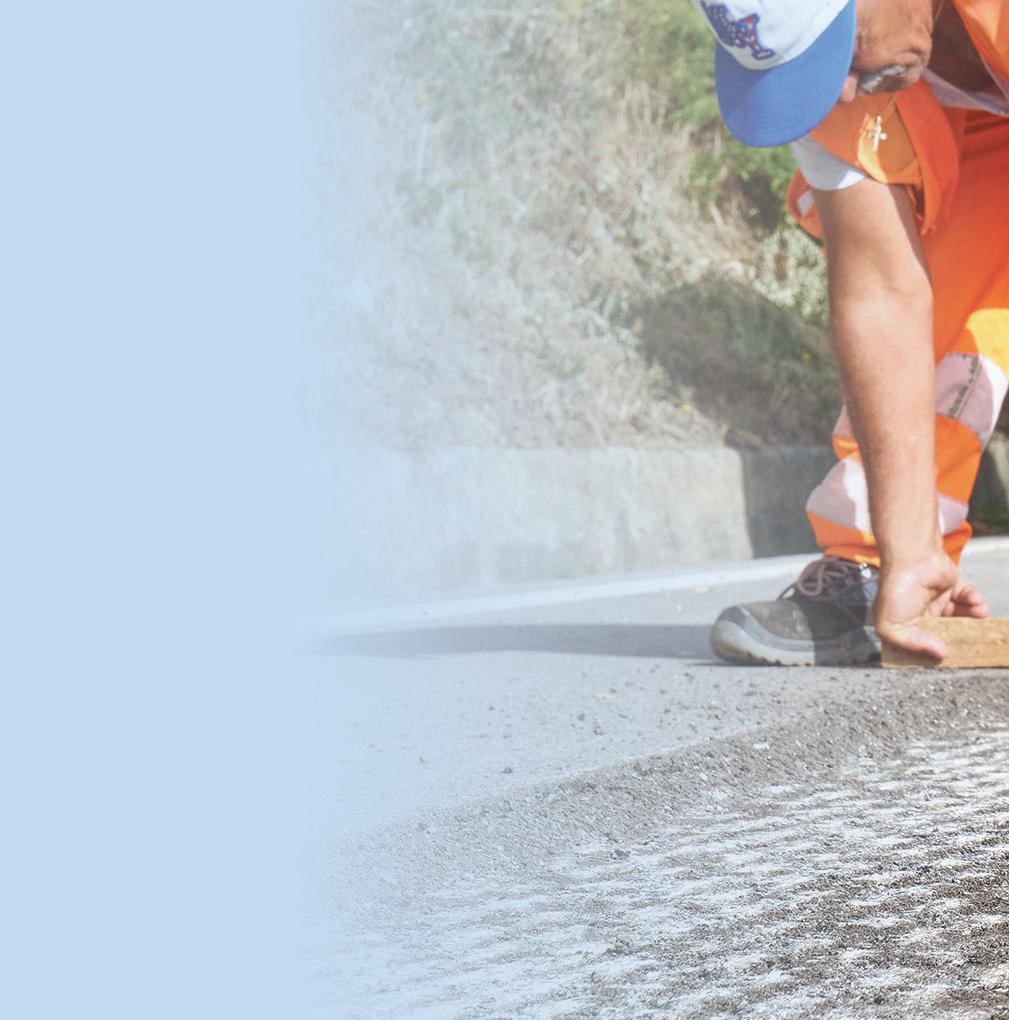
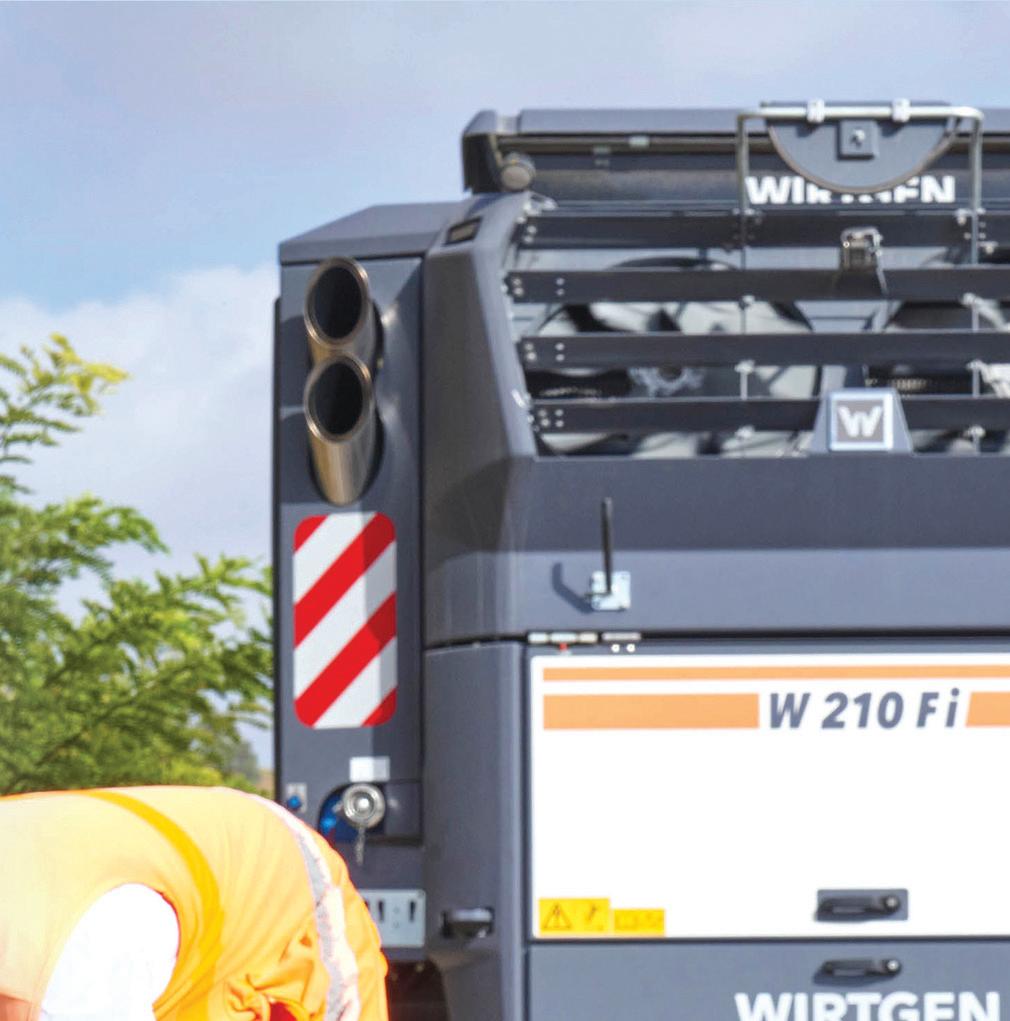
Wirtgen’s rapid road rehab
It’s a picturesque Sicilian landscape of small roads stretching up and down hills and around tight curves. But when these small roads need big renovations, it takes a large machine to do it fast and e ciently.
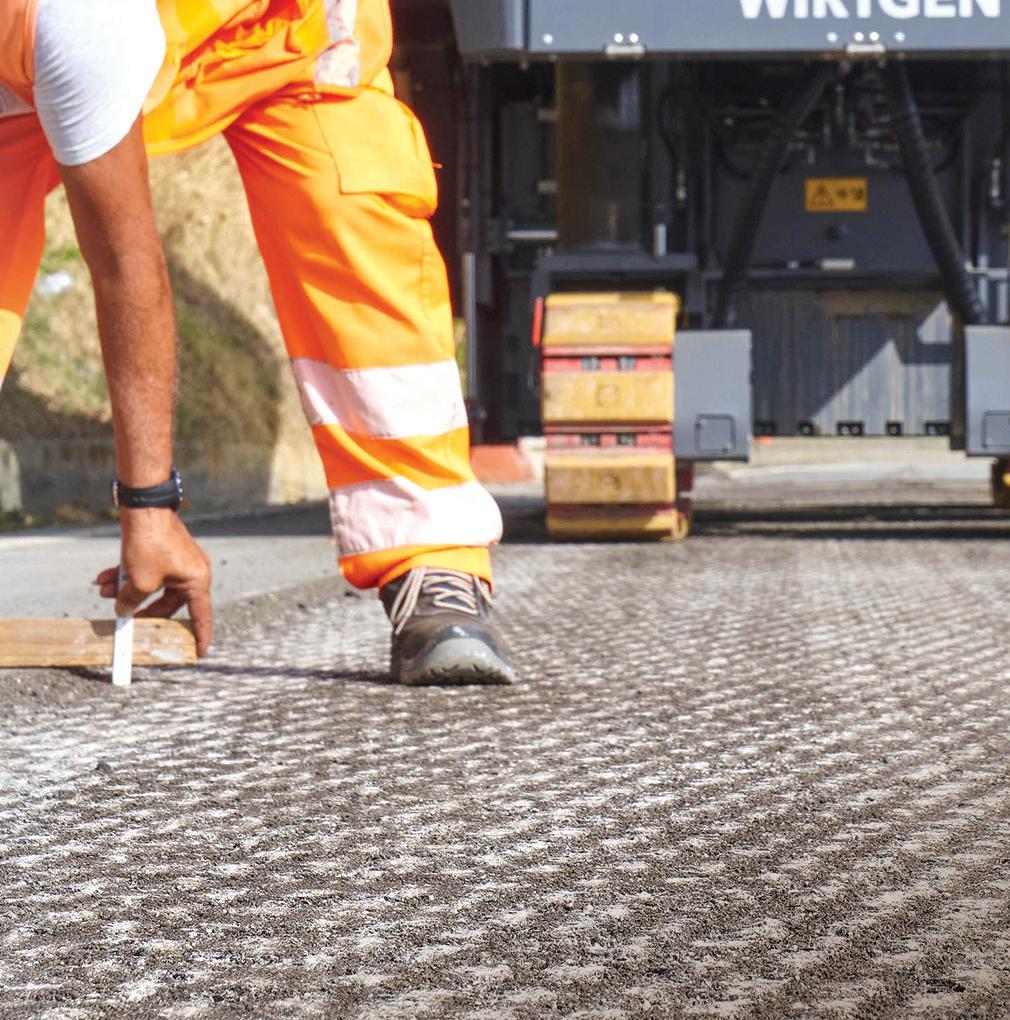
This is why a contractor chose the W 210 Fi large milling machine which can mill up the entire roadway in twoto-three passes.
The lengths of the individual sections of the rehabilitation project varied between 50-500m. For rehabilitation of this kind, the milling machine is repositioned several times a day and moves from one section to the next partly under its own power. The clear advantage of the new F-Series technology is that it delivers the desired milling pattern with the rst cut, even on short sections.
“I’ve been working with Wirtgen equipment for a long time, including milling machines of this size,” said says Roberto Prainito, owner of the contracting company Sicilstrade. “I’m really impressed by the new features of the F-Series.”
The Mill Assist system monitors milling quality and delivers a perfectly consistent surface right from the start, whether it’s 25mm or 500m to a depth of 50mm. This lets the driver focus entirely on the loading process and on keeping the cut in line. The individual sections could therefore be milled o in record time, enabling the completion of several sections per day.
The combination of its outstanding maneuverability and high capacity and exibility for material o oading made the machine the ideal choice for the project on Sicily’s winding roads. An experienced paving team from Sicilstrade was always onsite, ready to ll in each new patch directly behind the machine.
Out with the old asphalt and in with the new—in only a couple of hours and without any serious disruption of tra c. “We are working on only small patches here and the machine does a superb job,” said Prainito.
Wirtgen www.wirtgen-group.com
Picture postcards for Hitachi
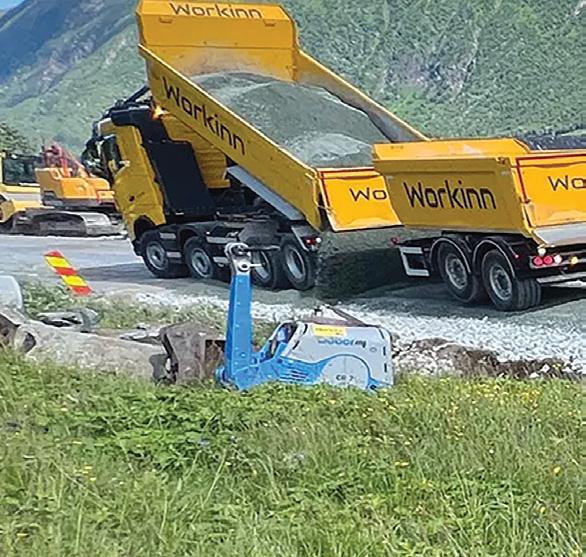
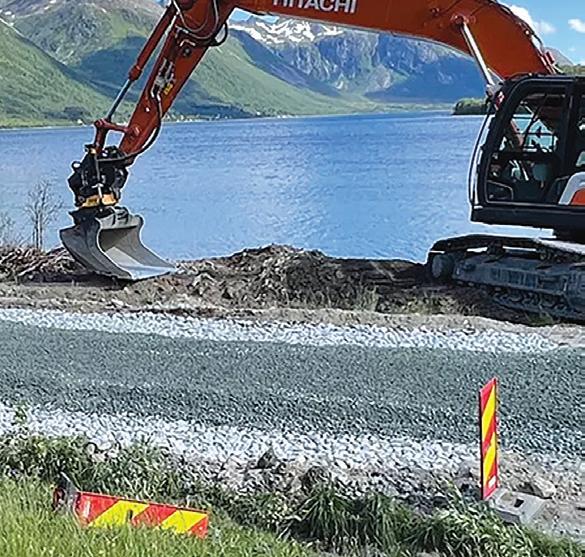
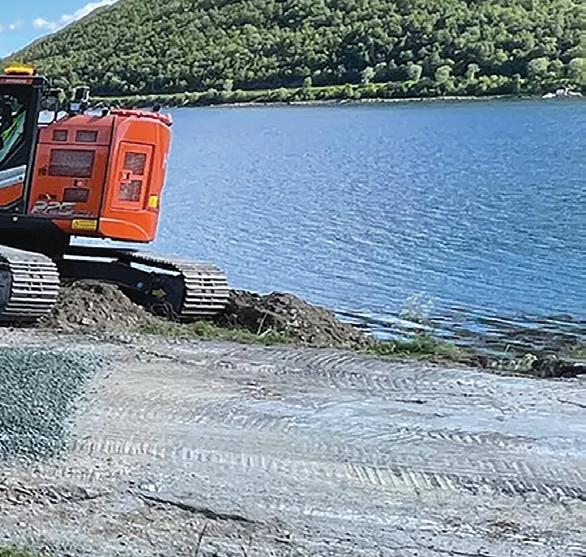
An Hitachi short-tail swing Zaxis ZX225USLC-7 excavator is working on a variety of tasks on one of Norway’s most picturesque islands, Kvaløya. It is replacing gutters and carrying out repairs along a picturesque road near the village of Sjøtun high in the mountains.
Kvaløya is a mountainous island in Troms county, northern Norway. At 737km2, it is the fth largest island in mainland Norway. At least 10 mountains on the island are higher than 700m with three more than 1,000m in height.
The road is a favourite with tourists in motorhomes, thanks to the stunning scenery, so the upgrade is an important project for the region’s economy.
A short-tail swing excavator is perfect for this project, explained operator Eskil Karlsen. “On jobs like this, you need an excavator that takes up little space. The roads here are very narrow so the ZX225USLC-7 is absolutely perfect.”
Karlsen, who previously operated a Zaxis-5 excavator, said he is impressed with some of the new Zaxis-7 features. “You can immediately feel the di erence in the cab environment. The noise levels are also much lower, so it’s easy to communicate with people around you,” said Karlsen.
“Having a new machine de nitely motivates you,” he said, especially because of the added comfort, ergonomics and e ciency, making the
ZX225USLC-7 excavator “by far the best” he has used. One of the new ZX225USLC-7s is being operated by Jonny Langø to widen the road. He has worked for the company since 2009 and previously used a Hitachi ZX225-3. The quiet operation and comfortable cab of the Zaxis-7 machines are most notable for him.
"It's very nice to have a new machine now. First of all, I have had a calmer and nicer working day. The biggest di erence is probably the sound. The climate in general has become better inside the cab as well.”
Hitachi Construction Machinery Europe www.hitachicm.com/eu/en
The Mill Assist and Automatic Functions Wirtgen’s W 210 Fi large milling machine make for quick work in the hills of Sicily
em1 NEWS
Pakistan-Afghanistan highway; billions for Ivory Coast roads; Japanese funding for Indian roads; Colombia road projects delayed
em4 EQUIPMENT
Lintec & Linnhoff deal for Saudi; Powerscreen milestone in India; Manitowoc machines in Middle East; Brazil support facility for Develon; QMS supplies plant to Ghana; Haver & Boecker in Brazil; Manitowoc in Brazil; Nepal jobsite with MB Crusher
US$97 million WB backing for Pakistan-Afghanistan expressway
Cameroon’s plans for asphalt road surfacing
The Pakistan Government is launching a US$97 million expressway project to link with Afghanistan.
World Bank (WB) nancing will help pay for the Khyber Pass Economic Corridor (KPEC) development project in Pakistan’s northern area. The objective is to expand economic activity between Pakistan and Afghanistan by improving regional connectivity and promoting private sector development along the Khyber Pass Corridor. The project comprises two main components: Component-I: Development of Peshawar- Torkham Expressway
(PTEX), Including Southern Link Road. Component-II: Development of the Khyber Pass Economic Corridor.
Pakistan’s National Highway Authority (NHA) has been asked to implement this Project under Component-I. Component I is divided into Expressway Development through the Design and Construction of the Peshawar - Torkham Expressway Design and the Peshawar Southern Link Road construction. According to the NHA, to move forward, a service of an environmental specialist is being hired for the Khyber Pass Economic Corridor Project (KPEC).
Meanwhile, the Executive Committee of the National Economic Council (ECNEC) recently approved another northern area project of the Ministry of Communications, Government of Pakistan, titled the Peshawar Northern Bypass Project (PNBP), costing US$97 million (Rs 27.051 billion). The project envisages the construction of a 32.2km, 4fourlane bypass with service roads on either side, on the northern side of Peshawar city. The bypass will be constructed along a new alignment passing through agricultural land with allied facilities.
Cameroon is setting out plans to surface 6,000km of roads. The work forms part of the Cameroon Government’s National Development Strategy 2020-2030 (SND30).
Paving roads with asphalt will be costly and it is not clear as yet how the programme will be nanced. But the work will boost connectivity, especially to rural areas and the underdeveloped north of the country. A consultancy process will be undergone with local rms before the rst asphalt plant is purchased.
This follows the announcement that Cameroon's Ministry of Public Works is looking to set a budget of close to US$960 million for road works in 2024, a signi cant increase from the $828.5 million in 2023.
US$445 million budgeted for Algerian repairs
Algeria is setting a road repair and maintenance budget of US$445 million. The funding package will be used to improve the country’s national road network.
The road improvement budget will be managed by the Ministry of Public Works and Basic Infrastructure. The East-West Highway is Algeria’s most important new highway route, with further new highways planned for the future.
The programme will include both upgrades and maintenance work. Algeria has a highway network of 8,896km and 414,503km road network.
Tender for US$250 million Paraguay road
The tender for a US$250$280 million bi-oceanic road connection in Paraguay is being planned. The tender should be ready to open in 2025. The road will connect Gral and Pedro Juan Caballero, with the 240km section providing an improved route between Uruguay’s borders with neighbouring Argentina and Bolivia. Much of the funding will come from the Latin American Development Bank (CAF). The road project is of major economic performance for landlocked Paraguay as the route will boost transport and trade between the country and its neighbours.
UAE road contract awarded
A US$190.6 million road contract has been awarded in the United Arab Emirates (UAE). The package of works is for the Al Khail Road improvement project and was awarded by the Roads and Transport Authority (RTA). The contract is for upgrade and maintenance works to a total of 7km of the Al Khail Road. The work will be carried out at Zabeel, Ghadeer Al Tair and Jumeirah Village Circle. Bridges measuring a total of 3.3km will also be constructed.
Chennai’s rst ring road was 25.2km long and the fourth circular, the Chennai Peripheral Ring Road, is under construction
Japanese loan for works in India
Several road projects in India are among nine infrastructure projects that will bene t from an Of cial Development Assistance loan from Japan of around US$1.56 billion.
Highway improvements include the North East Road Network Connectivity Improvement Project’s Dhubri-Phulbari bridge work and road improvements to the National Highways H 127B Phulbari-Goeragre section. Construction of Chennai Peripheral Ring Road Phase 2 will also bene t from the loans.
The road network connectivity projects aim to improve infrastructure development in India’s north-east region, while the Chennai peripheral ring road project aims to alleviate traf c congestion and strengthen connections to the southern part of the state.
The 133km-long Chennai Peripheral Ring Road is a six-lane access-controlled expressway with a route alignment with the state of Tamil Nadu, eventually running from Ennore Port to Mahabalipuram. This new green eld expressway with ve sections will be Chennai’s fourth ring road. It will connect the towns of Singaperumalkoil, Sriperumbudur, Tiruvallur, Tamaraipakkam, Periyapalayam, Puduvoyal and Kattupalli.
Chennai - formerly known as Madras - is the capital city of Tamil Nadu, the southernmost state of India and is located on the Coromandel Coast of the Bay of Bengal.
According to the 2011 Indian census, Chennai is the sixth-most populous city in India and forms the fourth-most populous urban agglomeration.
Colombia’s massive roads programme is seeing delays
Construction delays are a problem for Colombia’s massive road development programme. Eight of the country’s Public-Private Alliance (APP) road projects were completed in 2023, but a further 16 are behind schedule and remain incomplete.
The works are worth a total of US$513.5 million and are being carried out for the country’s
A number of Colombia’s major road projects are currently behind schedule
National Infrastructure Agency (ANI). Three stretches of the Pamplona-Cucuta highway should be complete during 2024, along with a section of the North Connection Highway. But work has still to be completed for the Bucaramanga-BarrancabermejaYondo Project, which had been scheduled to be ready for traffic in 2022.
The Pamplona-Cúcuta highway is of particular note as it is one of the most important infrastructure projects in the country and is being managed by Colombia’s National Infrastructure Agency (ANI). The project is being carried out by the Unión Vial Río Pamplonita Concessionaire, a company that belongs to the Spanish group Sacyr.
Manitowoc’s Peru facility
Vietnam’s road expansion plans
Vietnam is planning to continue its massive transport development programme. In 2024, work will start on 19 transport projects including 11 expressways, such as those linking Lo T with Rach Soi, Cho Moi with Bac Kan and Dau Giay with Tan Phu. Eight rail lines will also be improved according to the plans from the Ministry of Transport. Other priority road projects include the expressways
connecting Cam Lam with Vinh Hao, phase one of the expressway from Dien Chau to Bai Vot and the North-South Expressway East expressway.
Three National Highways in the Mekong Delta will be improved at a cost of US$386 million. Around 2/3rds of the funding will be provided by the World Bank while the Vietnam Government will provide the
remaining 1/3rd. Work will be carried out to National Highway 53, National Highway 62 and National Highway 91B.
And in Ho Chi Minh City (HCMC), a study is being carried out for the possible construction of a $63 million tunnel running under Ton Duc Thang Street close to the Saigon River. The work will help address HCMC’s chronic traffic congestion issues.
Ivory Coast road expansion
A massive road development programme for Ivory Coast (Côte d'Ivoire) in West Africa has seen the transformation of the country’s transport network.
The country’s Ministry of Equipment and Road Maintenance has revealed that this programme has boosted the national road system from 25,000km of roads to 82,000km so far.
The programme has seen maintenance and upgrade work carried out to 2,000km of surfaced roads and 1,500km of existing dirt roads connecting conurbations bene ting from asphalt surfacing. The country’s highway network has increased from 140km to 400km while there are now 8,100km of surfaced roads connecting towns and cities, a gure that will be increased to 9,500km by 2025. Recent works have seen the revamping of routes to ensure they remain passable during the rainy season.
A loan package worth
US$195.3 million from the Islamic Development Bank (IDB) is paying for construction work on two road links. And a new road is planned to improve transport connections between Ivory Coast and Nigeria. Much of the funding needed for the project is being supplied by the African Development Bank (AfDB). The 1,081km road will connect key ports and cities through Nigeria, Benin, Togo,
Ghana and Ivory Coast. The route will be designed to cope with the heavy rainfall that occurs during the rainy season as well as climate change. The new highway route is the result of negotiations and agreements between the nations. This route will provide muchneeded economic growth to each of the countries, helping also ensure better political stability for the West African region.
Manitowoc has opened a new o ce in Peru , located at Santiago de Surco, a district of Lima. The new facility will improve parts deliveries and allow access to aftersales services in Peru and neighbouring Latin American countries. The new facility is part of Manitowoc’s plan to expand its presence throughout Latin America, with o ces already running in Sao Paulo (Brazil), Santiago (Chile), Bogota (Colombia), and Monterrey (Mexico).
US$498 million loan for Costa Rica roads
A US$498 million loan will help pay for works to key road links in Costa Rica.
The funding package is being supplied by the the Central American Bank of Economic Integration (CABEI) to Costa Rica’s National Road Council (CONAVI).
Work will be carried out to the Interamericana Norte, Route 1, for the section linking Barranca and Limonal. Other improvements will be carried out to the ring road around Lindora and pedestrian bridge that span Route 32.
Meanwhile, a new temporary bridge structure is being erected that will improve the tra c connection with Costa Rica’s Juan Santamaria Airport. The bridge should be ready for tra c in April 2024 and boost the connection to Route 1.
Coast is bene ting from major road improvement works
Productive cutting
One of MB Crusher’s hydraulic drum cutters has been used to carry out important work for a project in Nepal. Fitted to a Volvo CE EC210 excavator, the MB-R800 unit has been employed in the construction of a road section as well as a tunnel stretch. The road measures 7m-wide while the tunnel is 3.5m wide by 4.5m high and runs for a distance of 6.5km.
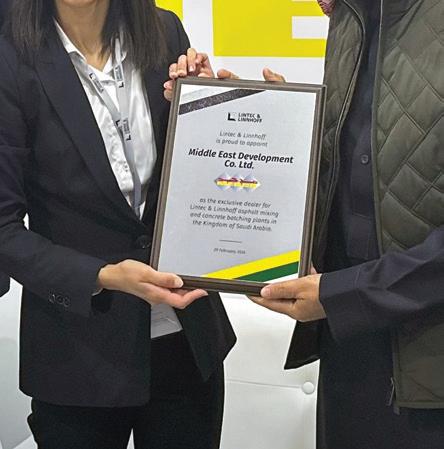
Lintec & Linnho ’s Saudi deal
Lintec & Linnho has agreed an exclusive distributor agreement for the Kingdom of Saudi Arabia with Middle East Development (MEDCO).
Christabel Chan, Global Business Director and Tony Chakra, regional sales manager, Middle East and Africa at Lintec & Linnho signed the agreement with Mohammed Khashoggi, vice president at MEDCO, to reinforce the company’s rm commitment to the Saudi Arabian market.
This latest announcement comes just a few weeks after Lintec
& Linnho announced a distributor agreement with Tutt Bryant in Australia.
The MEDCO distributor agreement will cover the full range of Lintec & Linnho ’s Asphalt Mixing and Concrete Batching Plants, including, but not limited to, the Lintec CSD Containerised Asphalt Mixing Plant and Lintec UCP Ultra Concrete Batching Plants.
Tony Chakra said, “As we participate in Saudi Arabia’s largest construction event, Big 5 Construct Saudi, we can think of no better occasion to announce
our partnership with MEDCO. The company has represented Lintec & Linnho in the Middle East region over the last two years and sold several Lintec CSD Containerised Asphalt Mixing Plants and Lintec UCP Ultra Concrete Batching Plants. We are therefore con dent that this partnership will help the company better serve our customers thanks to their unwavering commitment to the e cient delivery of equipment, support services and spare parts.”
Lintec & Linnho www.lintec-Linnho .com
Haver & Boecker Niagara in Peru
Haver & Boecker Niagara has set up a new service and support facility, Haver & Boecker Andina Sucursal Peruana, in Arequipa, Peru.
This will boost the rm’s support for extraction operations by increasing access to supply parts and equipment service. The facility provides service and support for operations throughout the region through diagnostics, equipment refurbishment and parts. In addition to servicing existing equipment and supplying new parts, Haver & Boecker Niagara will both produce and repair exciters here, with a dedicated service shop speci cally for exciters.
“Haver & Boecker Niagara opened its rst South American subsidiary more than 50 years ago in response to the country’s
booming aggregates industry,” said Roberto Montiglio, managing director of Haver & Boecker Niagara’s Andean Region. “We have only seen the industry continue to thrive, which is why we are o ering dedicated service and support
facilities throughout the country, including the Arequipa operation. This allows us to better serve our customers, all while continuing to provide new and innovative solutions to the market.”
The new facility will be located
According to the client, the unit performed reliably in the tough application and was able to deliver a quality nish, while ensuring high productivity and utilisation.
MB Crusher www.mbcrusher.com
at an industrial condominium called MEGACENTRO MADSA. A substantial inventory of critical components and high-rotation parts will be kept in stock to shrink delivery times.
The facility will be led by a crew of four full-time employees, including branch manager Luis Salinas and service engineer Miguel Salluca who bring nearly 20 years of combined experience to their new roles. The crew follows the company’s signature PROcheck approach, a service programme dedicated to keeping customers’ operations running at peak performance. An evaluation can be completed quickly, even while equipment is operating.
Haver & Boecker Niagara www.haverniagara.com
Haver & Boecker Niagara has established a new support facility in Peru
Manitowoc cranes for Middle East
Integrated Logistics Company (ILC) in the Middle East has expanded its eet of Manitowoc cranes.
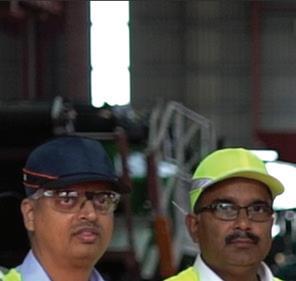
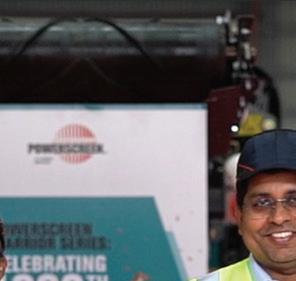
Powerscreen success in India
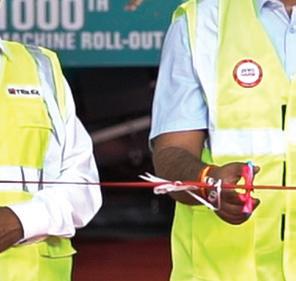
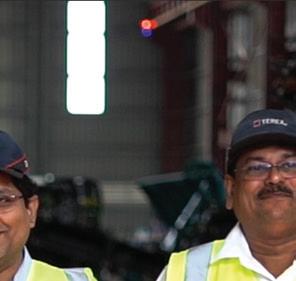
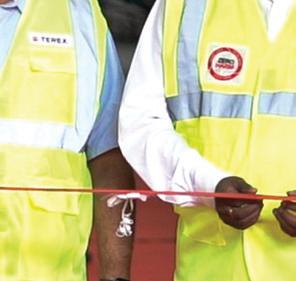
Powerscreen has made over 1,000 Warrior machines at its state-of-the-art facility in Hosur, India.
The rm established its manufacturing presence in India 15 years ago, contributing to the growth and development of the country’s industrial sector. The 1000th machine, a Warrior 600, represents the culmination of years of research, development, and engineering expertise.
This machine was the rst tracked screener designed with conveyor folding options for containerisation by Powerscreen
in Dungannon, Northern Ireland, in collaboration with the Hosur team, to be exported to global markets.
Ciaran Fanning, engineering director, Powerscreen explains, “Using a shipping container transport model, we were able to reduce delivery costs and increase vessel ability while leveraging lower manufacturing costs in India to provide a global product. Extensive collaboration between our Dungannon and Hosur teams has resulted in impeccable build quality with a volume that results in repeatable
Develon’s Brazil facility
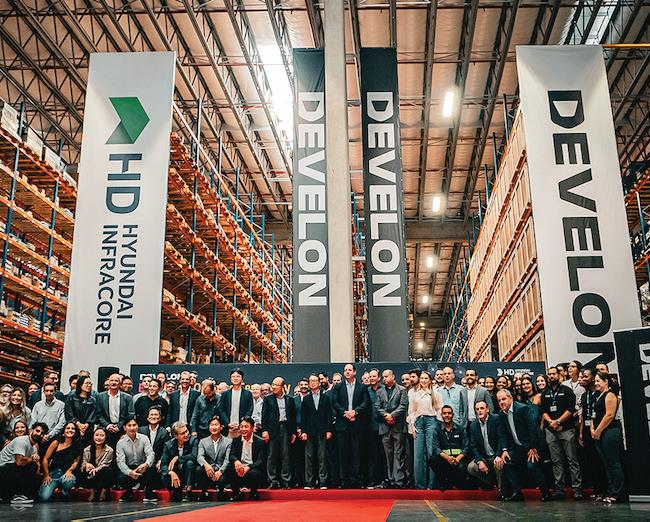
Develon, formerly known as Doosan Construction Equipment, has opened a new Parts Distribution Centre (PDC) for the Brazilian market at Jundiaí, close to the city of São Paulo.
Jundiaí was chosen not only for its proximity to São Paulo, but also for its access to main airports such as Congonhas, Guarulhos and Viracopos and the sea port of Santos.
The new facility in Jundiaí is the rst in South America and the 11th worldwide as Develon looks to continue its Global PDC Footprint expansion strategy.
Speaking at the opening of the new PDC, Young-cheul Cho, CEO of HD Hyundai Infracore (HDI), the parent company of Develon, said: “Today, it is my greatest pleasure to be here with all of our distinguished
partners for the opening of our new PDC. We value Brazil to the utmost and its importance is growing more and more, along with its great potential in terms of both its people and its natural resources. Having seen the growing opportunities in this country, we are here today to ful l our promise made two years ago to our sta and customers to open the new PDC in the country.”
The new PDC will play a crucial role in Develon's expansion in Brazil, ensuring parts are quickly available for customers throughout the country, via the company’s network of dealers.
Occupying an area of 1988m2, the new PDC has involved an initial investment of over US$2 million, not including the value of the stock, with the goal of establishing an
and reliable production. Although quite popular domestically and in regions close to India, the real success of this product has been the export destinations, particularly Europe and North America, which were previously not explored by the Hosur facility.”
The Warrior 600, since rebranded as the Titan 600, is an entry-level scalping screen that provides a cost-e ective solution in high volume, smaller sized, or recycling applications.
Terex www.terex.com
The rm took delivery of 20 GMK4100L-2 cranes in 2023 and is now the largest owner of this model in the Middle East. The company also added 10 of the GMK6300L-1 cranes plus its rst GMK5250XL-1. All the new cranes will be based at the company’s branches in Kuwait and Qatar. The 31-crane deal makes ILC the single largest purchaser of Grove cranes in the Middle East and it now has 79 Grove cranes in its eet.
“After all these years working together, we have built a strong and trusting relationship with Manitowoc, and Grove is our favourite brand because of the high build quality of its cranes. The tough Mercedes engines, superb Allison and Mercedes gearboxes, MEGATRAK suspension, and highly e cient hydraulic and electrical systems combine with a strong structure to provide the reliability and durability demanded by our customers. Our maintenance costs have reduced thanks to the cranes’ reliability, and we’ve had no major problems. However, we know that when we need support we can count on a rapid response,” said Saleh Al Huwaidi, CEO of ILC.
inventory of 12,000 items in 2024 to reduce delivery times by 70%.
Cho continued: “This event is very meaningful for me since it is not only celebrating the opening of the facility but it shows how
much our company with the new DEVELON brand is dedicated to the Brazilian market.”
www.global.develon-ce.com/en/gate
Develon has opened a new parts facility in Brazil
New plant for Ghana
A 250tonnes/hour hard rock aggregate plant has been installed recently by Quarry Manufacturing & Supplies (QMS) in Ghana. The equipment for the granite quarry has been designed and installed by QMS experts to produce a variety of material sizes for use on infrastructure projects throughout the country.
The bespoke granite plant is located just outside Ghanian capital Accra. QMS was tasked with designing, installing and then supporting the new plant, which is the latest of the company’s installations in Africa.
“The plant for the Ghanian granite quarry has been designed and built to produce a variety of aggregate sizes at a production rate of 250tonnes/hour. Our equipment has to not only be able to meet the quarry owner’s production targets, but also consistently produce the sizes required to make the quarry a pro table ongoing concern,” explained Quarry Manufacturing & Supplies managing director Jonathan Beck. “Furthermore, although we will be supporting the quarry throughout its operational lifetime, the plant has to be hard wearing and easily maintained by quarry sta .”
The plant has been designed and installed to produce six product sizes: 0-5, 6-8, 9-12, 13-16, 17-22 and 23-28mm from an initial feed size of 650mm. The feed material initially goes to the primary jaw crusher station. This consists of
a QMS 1,200mm x 750mm jaw crusher - JB-1275 - with hydraulic clamping and adjustment. In addition, the station consists of a GF 1043 grizzly feeder, a feed hopper and support structure.
A primary surge tunnel with vibrating feeder feeds the material to the secondary crushing station which consists of a B3-XC secondary cone crusher with corresponding support structure, including walkways.
Following secondary crushing, the material is fed to the rst screening station where an SVIC02M 1.83m x 6m double deck inclined screen produces the rst three products. Any oversize is then fed to the tertiary feed hopper, which includes a vibratory feeder, before being fed to the tertiary crushing stage. This is undertaken by a QMS B4 cone crusher.
The rugged and productive QMS B-Series cone crushers feature a novel hydraulic system that provides automatic overload protection by allowing the head assembly to drop, permitting the passage of tramp iron and other non-crushable material.
The system then automatically returns the head assembly to its original position. The design of the hydraulic system means the crusher operates at a de nite setting with less setting drift and greater stability throughout the circuit. The crusher setting is maintained even after passing a piece of uncrushable material.
“A blend of high motor power, large eccentric throw and increased speed give the B-Series greater capacity than other crushers of comparable size, whilst the truly modern design creates excellent product shape and can be con gured to maximise production of premium single sized aggregates,” explained Beck.
Following the tertiary stage of crushing, the material is fed along the QMS-supplied and installed conveyors to the second screening stage. This consists of an SVI-C03M 1.83m x 6m triple deck screen to produce the nal material sizes. As well as providing all support structure, including walkways, QMS designed and installed all the conveyors as well providing an electrical package which included all electrical panels, cabling, container, as well as QMS’s own in house full plant automation and sequencing system.
Given the importance of the granite quarry to Ghana in supplying the material for the countries urgently needed infrastructure developments, equipment choice was essential. Explaining why the Ghanian’s chose Quarry Manufacturing & Supplies, Beck said: “As we are able to support our equipment with our own engineers in Africa and have the industry knowledge to adapt any plant to suit the quarry, mine or aggregate plant’s unique requirements, we believe that our products and service provide the
ideal solution whatever the size of operation.”
With the Ghanian quarry now operating and the country in need of the aggregates that the QMS equipment will help produce, the installation is only the rst of many such plants QMS is set to deliver in Ghana and Africa. “Quarry Manufacturing & Supplies has a reputation for equipment and plant design excellence. Our crushers, screens, feeders, conveyors, process control systems and other associated equipment are now used throughout the world in some of the most demanding of applications,” explained Beck.
Beck adds that the actual installation of a quarry plant is a primary step as QMS prides itself on supporting its equipment wherever it is found in the world.
“We don’t just make and install the equipment; we also support and upgrade all our plants, as well as provide aftermarket care on equipment made by other manufacturers. It is our belief that when a QMS plant becomes operational that’s only the start of the story. We provide the expertise, know-how and drive to keep customers’ operations working at full e ciency as well as carrying a full parts inventory for maximised uptime, even in countries many miles from the UK such as Ghana.
One of the notable developments in the construction machine market has been the rapid expansion in the availability of compact electric machines and a wide array of new units is coming to market – Mike Woof reports
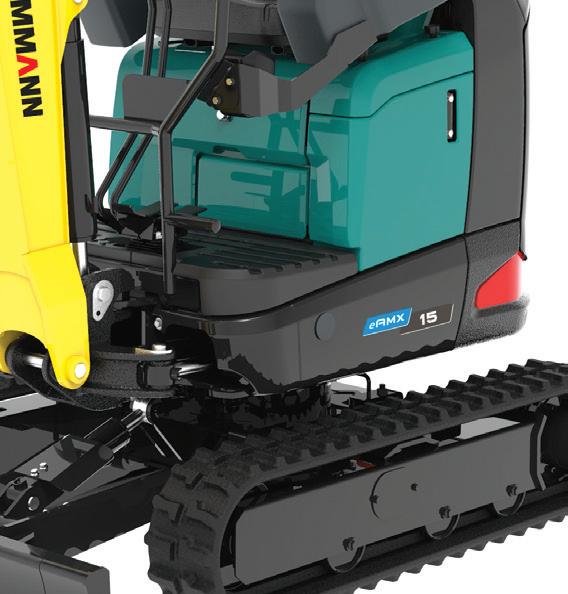
Within only a few years construction machine makers have introduced a wide range of compact electric equipment, and more new models are on the way. A notable development from Ammann is its rst electric-drive mini excavator, the Ammann eAMX 15, with performance comparable to its diesel equivalent. The machine has an 11kW motor and suits use on sites with strict emissions standards inside structures or underground, while its quiet operation allows work on urban jobsites and at night.
The Ammann eAMX 15 has a 21.5kW, cobalt-free lithium battery in the rear compartment and protected from vibration. A charge lasts up to eight hours when the machine is operating in standard mode and it can be recharged fully in 10 hours using a standard supply. It can also recharge up to 80% in an hour when using an optional external charger. The machine has load-sensing hydraulics, with a ow-sharing distributor, for smooth movements. It also has three working
operator to personalise settings.
The short tail pro le allows operation in con ned spaces and the machine is compact, with an offset of just 150mm. The width of the chassis and blade can be reduced from 1050mm to 790mm, allowing access to narrow trenches. Total height is 2300mm and the rotation radius is 710mm, while good reach and boom swing angles allow excavation in tight spaces.
Meanwhile, French rm Mecalac is now offering its rst range of electric machines. Produced in Annecy in France, these machines can be used all day, offering more than eight hours of working on a jobsite.
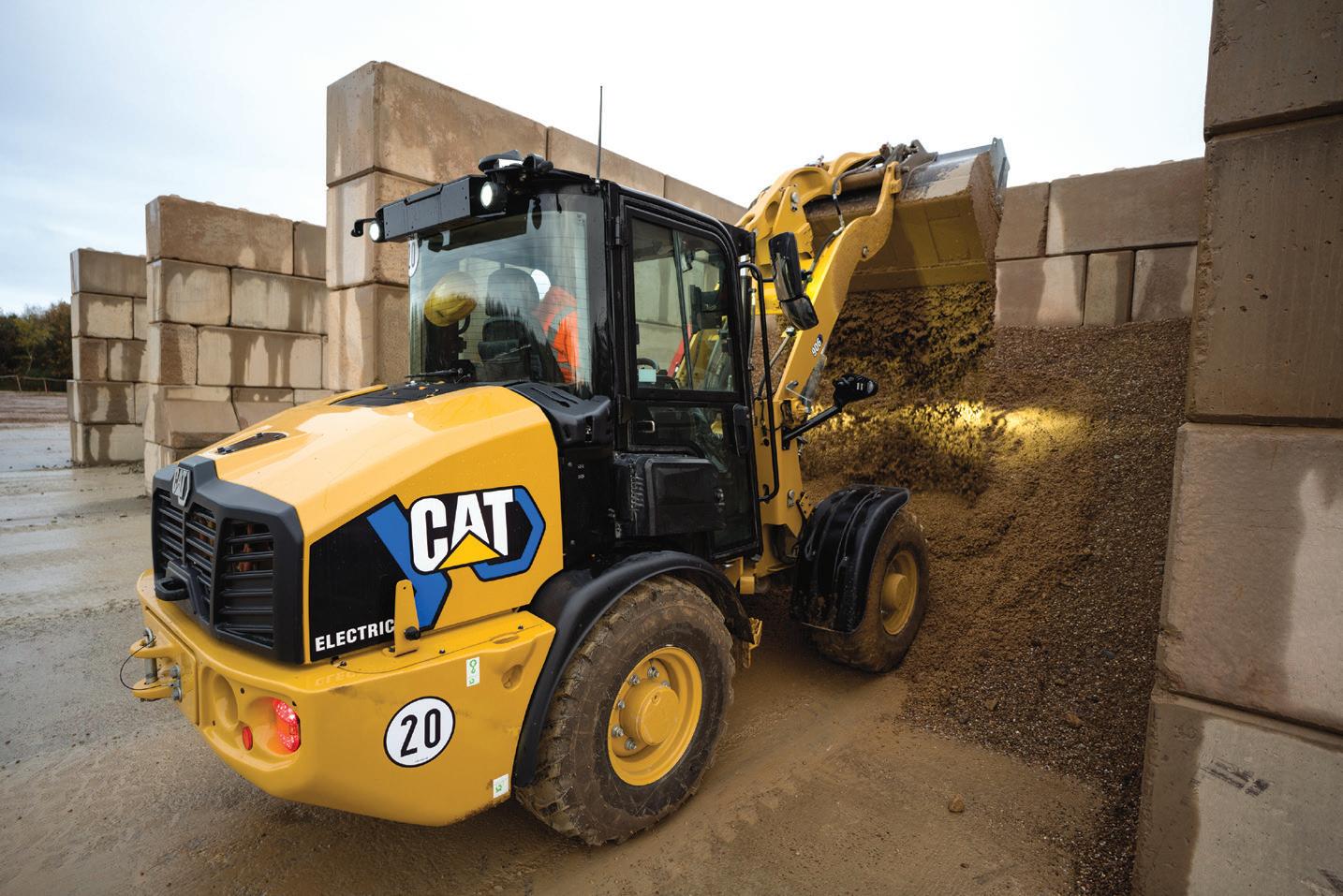
From Caterpillar comes a trio of batterypowered electric prototype machines powered by Cat-designed lithium-ion batteries. The Cat 906 battery electric prototype compact wheeledl loader is equipped with the Cat 300 V battery (64kWh). Depending on use and application, it can run for up to six hours on a single charge.
The Cat 950 GC battery electric prototype medium wheeled loader is designed to handle jobsite tasks, from material handling to truck loading, general construction and stockpiling. Its Cat 600V (256kWh) battery allows a run time of up to six hours on a single charge, depending on use and application. The Cat 301.9 battery electric prototype mini excavator, compact in size, can work in a wide range of applications. Its ability to enter narrow doorways makes it an excellent machine for interior demolition work. Its Cat 48V battery (32kWh) provides a run time
The new electric excavator, dumper and wheeled loader offer bene ts including less vibration, a drop in working noise, reduced maintenance and lower maintenance costs. In addition to these technical advantages for drivers, these machines contribute to the decarbonisation of worksites and help to improve the air quality in cities.
Mecalac’s electric e12 excavator is said to offer performance and a compact design for the 10-12tonne class. The power source, separate from the turret, enables a record capacity of 150kWh to be installed, offering eight hours of working.
The ES1000 swing loader is said to be a fast, with its 100% electric transmission and power supply. The stability of the rigid chassis and the ability to manoeuvre and swivel the arm simultaneously are said to be key to its productivity and enable ef cient use of space on worksites.
Compact and manoeuvrable on all types of terrain, the Mecalac eMDX electric dumper is said to be an ef cient solution for transporting materials on construction sites. It now incorporates all Mecalac's expertise and technologies in terms of zero emission solutions.
These machines can be recharged in 4-8 hours (depending on the model), for a working time of eight hours. Charging can be via a Type 2 socket or via an industrial 5-pin socket (3P+T+N) on a worksite charging station.
Ammann
www.ammann.com
Caterpillar www.cat.com
Mecalac
www.mecalac.com
Caterpillar’s new electric compact wheeled loaders
UTILITY MACHINES
Attachment innovation
quick coupler enables the user to connect hydraulic and mechanical implements automatically, safely and in seconds, without leaving the cab. The AIO 601 can be tted to all forwarders from 27-40tonnes. Compact, robust and equipped with high pressure and high ow connectors, the AIO suits demanding demolition and recycling applications.
Meanwhile, Engcon is widening its range of tiltrotators with a new generation unit featuring improved hydraulics. The selfsensing hydraulic system can determine the volume and ow rates needed to operate a particular attachment and set the levels accordingly, increasing ef ciency and productivity, while also reducing fuel consumption for the carrier machine.
Utility machines are versatile pieces of equipment tht are used for a wide variety of tasks.
But new developments mean these machines can be adapted quickly for an even wider range of duties, further expanding their capabilities. These advances can bring cost savings for contractors by ensuring less costly utility machines can handle tasks that would otherwise require the use of more expensive, purpose-designed machines. And the attachment systems also allow the machines to change between tools more speedily, further improving utilisation and delivering additional cost bene ts to their users.
One of the most interesting developments is an innovative system from French rm Intercontinental Equipement Verdun (IEV) that allows a customer to employ a wheeled loader instead of a grader for levelling work onsite. The quick attachment system offers 30° of rotation to either left or right for the wheeled loader bucket. Used in conjunction with machine control technology from Leica Geosystems to adjust bucket angle, the IEV attachment system means that a small to mid-sized wheeled loader can take the place of a grader for duties such as haul road maintenance or preparation duties.
Using a wheeled loader for grading work allows a customer to reduce costs as when the grading work is complete, the machine can then be utilised for other tasks simply by changing the attachment. This does away with the need for a dedicated grader to handle the work, increasing machine utilisation and reducing eet costs. A range of attachments are available to suit varying sizes of loaders, from compact to mid-sized.
An array of new attachments systems are also available that allow users of compact machines to switch between attachments more quickly. These units also allow tools to be positioned in different orientations, so that operations can be carried out more precisely and accurately.
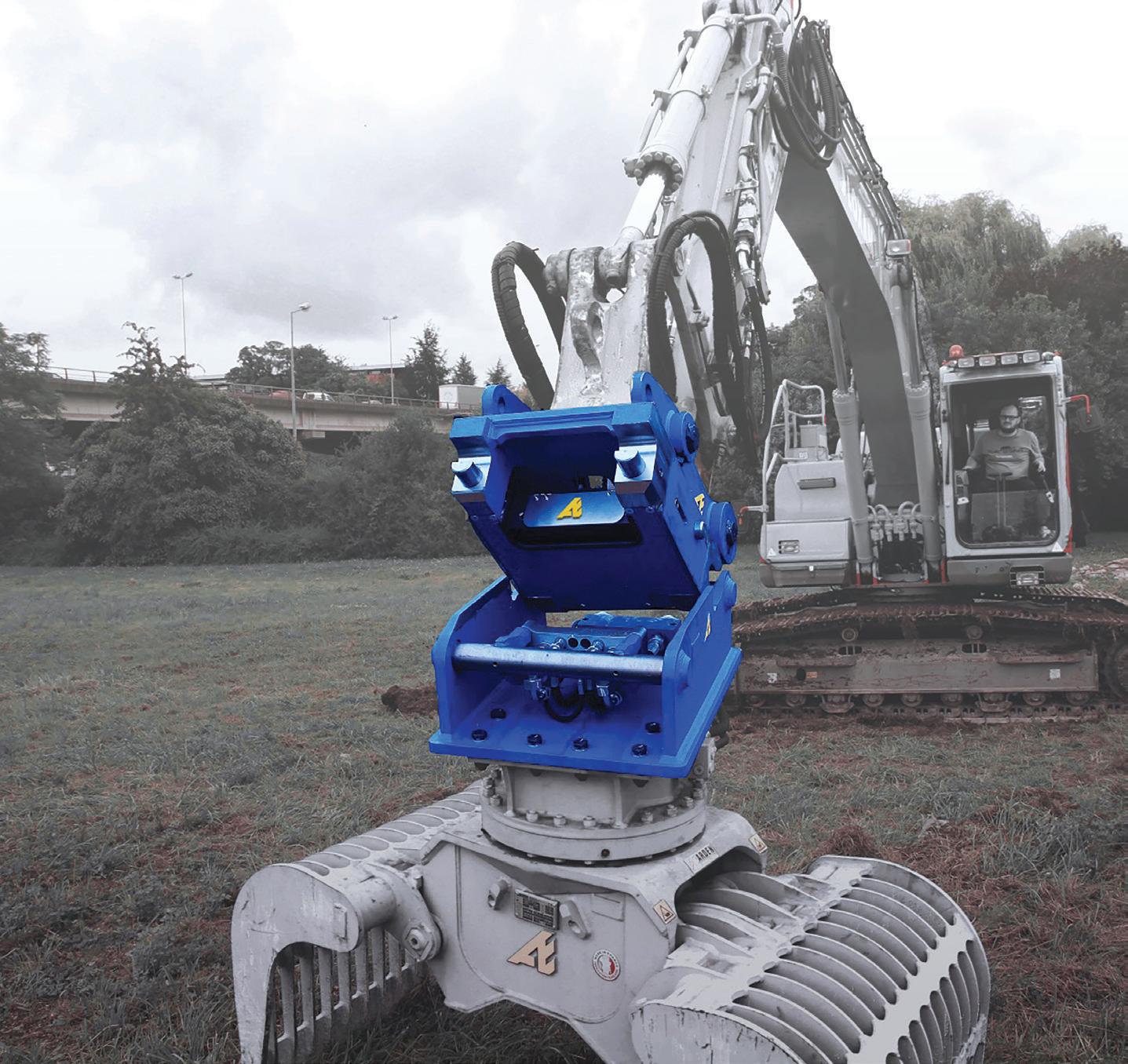
One of these is the Quick Arden (QA) quick coupler system from Arden Equipment (Arden). This system can be used on a hydraulic excavator or backhoe loader, allowing an array of tools to be operated. The self-locking quick couplers are tted to all excavators from 0.8-12tonnes and meet current safety standards. The QA05H and QA Series 3 hydraulic quick couplers are tted with a safety paddle on the front pin that acts as a locking indicator.
Arden's AIO (All In One) Mautomatic
The controls can be linked to a smartphone with a user ID, which allows an operator to personalise the system and save settings. Data is stored in the cloud and there is no need to connect a laptop or tablet as the settings can be changed remotely through the internet.
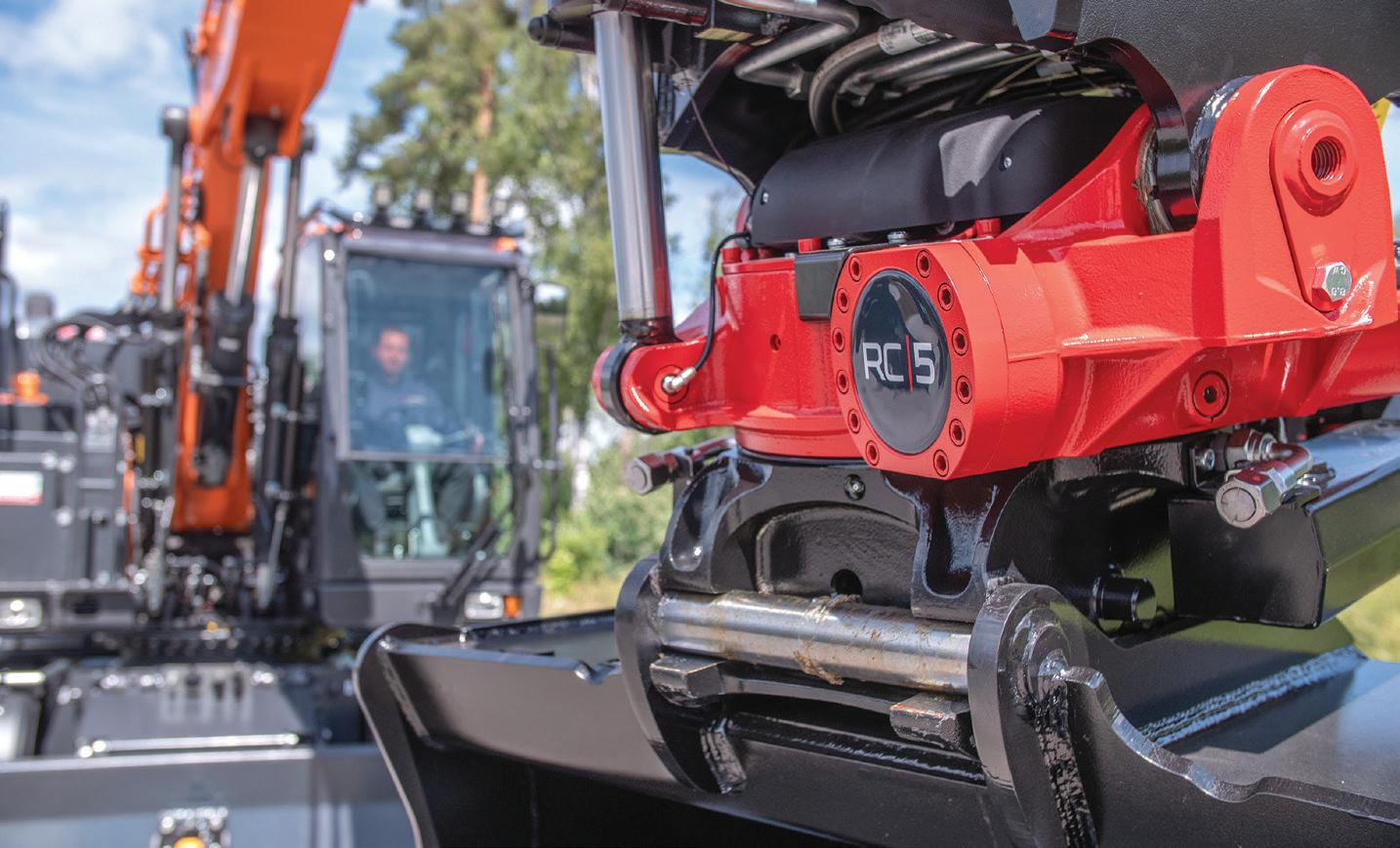
Rototilt says working with a tiltrotator attachment can reduce an excavator’s energy consumption, while boosting sustainability.
“A tiltrotator makes it easier for you to work with an excavator, thanks to the increased exibility of the work tool’s movements. It enables you to adjust its angle and rotation, which in turn makes it easier to carry out tasks with fewer machine movements. This saves fuel, but it has even more advantages in the long run,” said Rototilt product manager Sven-Roger Ekström.
Arden Equipment www.arden-equipment.com
Engcon www.engcon.com
IEV www.iev-verdun.fr
Rototilt www.rototilt.com
Arden’s quick-coupler system can be used on wheeled loaders and excavators
Rototilt claims fuel savings from using its new attachment system
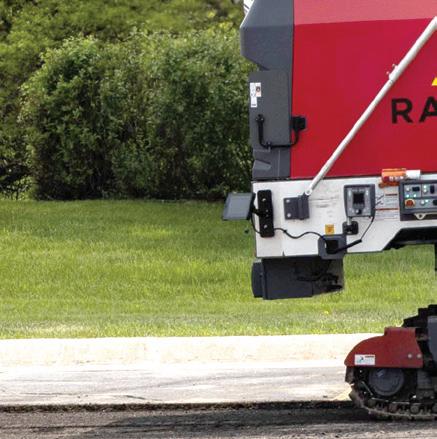
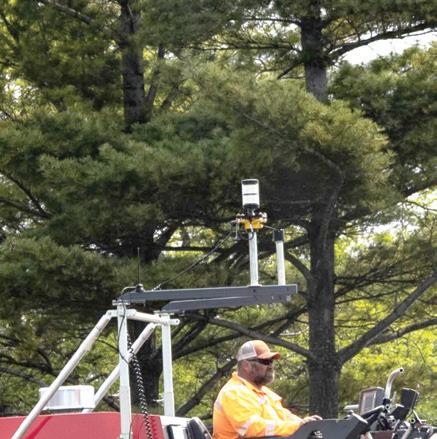
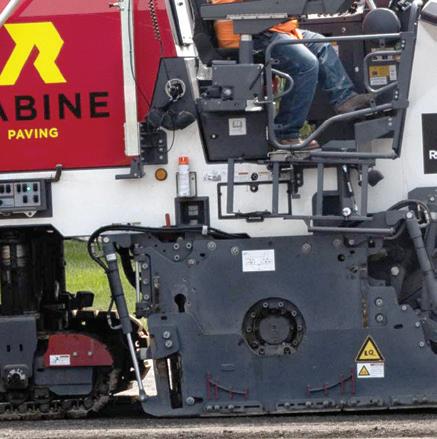
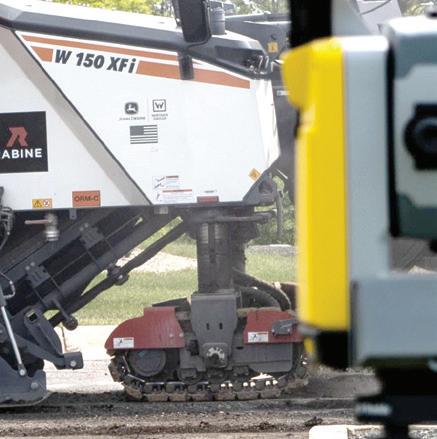
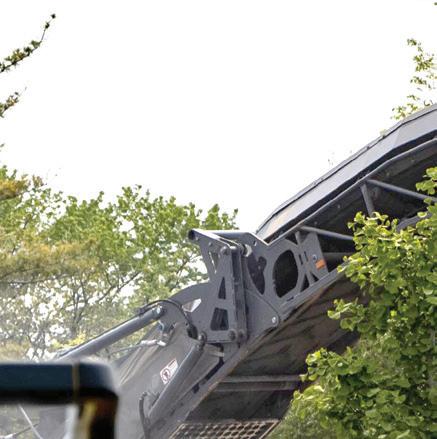
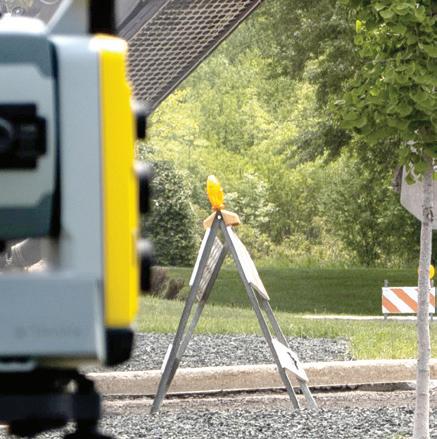
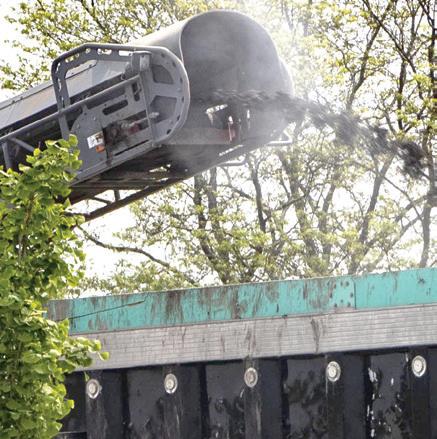
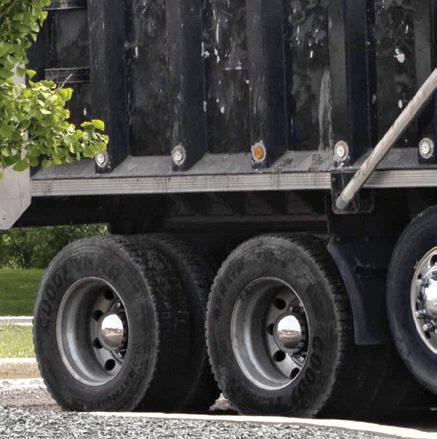
The specialist US contractor Rabine Paving is taking a lead in the milling market by being an early adopter of the latest Trimble Roadworks Paving Control Platform for Mills and Cold Planers.
This sophisticated technology is being used along with the Trimble SPS930 Universal Total Station and Trimble Business Center Software to deliver improved ef ciency and quality pro les even on complex surfaces, ADA slopes and drainage.
“When it comes to pavement restoration, surface smoothness, drainage and ADA adaptations are the primary challenge,” said Kyle Miller, director of operations at Rabine. “We have great operators who are able to adjust to these complexities and deliver optimal results - but we’re always looking to give them every advantage. That’s where technology comes into play.”
In early 2023, Rabine became a beta tester for the new Trimble Roadworks Paving Control Platform for Mills and Cold Planers. For milling, a 3D design is displayed to the machine operator, showing areas that are on, above or below ideal grade, comparing the actual drum position and slope with the digital design. The platform guides the milling drum to cut the de ned depth and slope without needing string lines or manual adjustments.
“It’s really the next level and an opportunity for us to improve our ef ciency, eld safety and precision,” said Miller. “It’s also a key component of our efforts to attract new operators to our industry.”
The contractor has been running 3D concrete screeds for several years, though its milling remained 2D. When Miller joined the company in January 2023, he looked to 3D for paving applications. He explained, “I came from the civil and earthworks industry where
Taking the lead in milling
3D machine control is well established. I wondered if there was a place for 3D in milling work ows.”
A skilled milling operator can see the changes of slope and contours necessary for drainage and ADA requirements in a parking lot, Miller said and continued, “If a third-party inspector nds any deviation outside the specs, we have to rework, which is costly. I believed that the same advantages we’ve had with the screeds could be realised with a more automated milling solution.”
He talked to the local Trimble Heavy Civil Construction dealer, SITECH Midway, about using 3D. This opened the door to beta testing the newest Trimble milling solution. The Roadworks Paving Control Platform for Mills and Cold Planers was installed on a Rabine paver and was on a jobsite in May 2023.
The rst project that Rabine put the new 3D mill solution to work on was a mill job at an of ce building/distribution centre in Wisconsin. “This project proved to be a perfect demonstration of the 3D milling capabilities,” said Miller. “It’s a small employee parking lot, but with complex slopes and a roundabout. The software automatically adjusted to slopes and roundabout radius at a fairly quick speed.”
The 3D milling work ow is straightforward, according to Miller. The crew sets up control, shoots the edges, curves and basins and then uploads it to Trimble Business Center to create 3D milling plans and quality and production reports.
“The technology automatically calculates the surface so we’re able to accurately read the pro le ahead of time,” said Miller. “It takes the operator's guesswork out of the equation. Instead of the operator having to gauge mill depth based on experience, the Roadworks solution mills to the design pro le within the
designated precision. It allows our crews to optimise material quantities that are milled on a site.”
Rabine’s relationship with SITECH Midway was important as the dealer had a team from the contractor at its of ce to learn the basics of total station operation and 3D machine control. “Not only did they introduce us to the key functionality of the platform, but they help us in other ways, such as building pro les, walking the jobsites and working with the operators to answer questions or troubleshoot,” said Miller. “Our jobsite is safer because we can reduce ground support near the mill machine pinch points. This technology allows us to address drainage or ADA slopes with greater accuracy, speed, and operational ease, and reduce material quantities so we’re more sustainable.”
“Technology allows us to be more competitive because of our increased production,” said Miller. “Even more important is our ability to bring new or less experienced operators up to speed quicker. We also believe it’s going to attract new talent to our team.”
Another advantage of the 3D milling system will be the detailed as-built conditions data. Looking forward, Miller added, “If we’ve milled a particular site in the past, we can provide value to our clients because we already have the surface le that we can reference.”
“The value of the solution goes beyond the mill,” Miller said. “I can see us using this system for subgrade or nished grade as a way to guarantee yield and improve quality. Overall, we are certain that this investment is going to pay off.”
Trimble www.trimble.com
Using Trimble technology on its milling machines has delivered major bene ts for contractor Rabine
Topcon’s new GNSS technology
Topcon Positioning Systems is broadening its range of solutions in its HiPer family of global navigation satellite system (GNSS) receivers with the introduction of a new offering.
The latest tool is the HiPer CR, a compact and lightweight GNSS receiver designed for centimetre-level, real-time kinematic (RTK) accuracy. This system suits use in a wide range of applications in the surveying, construction, extraction and civil engineering industries. The new package joins a portfolio of fuller-featured high accuracy receivers, including the HiPer HR and VR.
The HiPer CR provides multiconstellation tracking, including GPS, GLONASS, Galileo, BeiDou, and QZSS. It can be used in a variety of con gurations, including as a network RTK rover, in base and rover setups, and integrated hybrid use
Caterpillar now o ers a remote control system for safer operation
with a robotic total station.
“When used as a network rover with Topnet Live - the company’s global GNSS correction service - the HiPer CR will have access to high-quality data corrections to enable increased ef ciency and productivity,” said Ray Kerwin, director, global product planning.
“Users can select to use the receiver as part of a Hybrid Positioning system, which means they can use a robotic total station for prism measurements or can switch to GNSS measurement with the HiPer CR for obstructed areas like warehouses, trailers, or buildings. With Hybrid Positioning, users have the versatility to switch between modes quickly, whatever the jobsite circumstances demand,” he said.
Topcon www.topconpositioning.com
Safer construction sites
Leica Geosystems is offering a new system that is said to help boost safety for personnel on construction sites.
The innovative PA10 system utilises new technology to identify when personnel may be walking around a jobsite. The system then alerts machine operators to the presence as well as the location of construction personnel. At the same time, the system will warn any personnel walking around a site that construction machines are operating in the immediate vicinity. Thomas Bonvalot of Leica Geosystems explained, “It’s a personnel awareness system. Everybody onsite will know where a machine is working and the machine operator will know there is a pedestrian.”
Leica Geosystems www.leica-geosystems.com
Advanced remote control
Cat Command technology allows machines to operate remotely from a safe workspace.
This can be useful in hazardous environments or applications, such as working on unstable surfaces or demolition.
Cat Command is integrated with the machine's electronic and hydraulic systems for fast response and smooth control. Integrated technologies such as Payload,
E-Fence and 2D/3D levelling assist operators in dif cult or repetitive applications to ensure the required ef ciency and the highest level of safety. The Cat control station has a universal design and can control a backhoe loader, wheeled loader, bulldozer or skid-steer loader, without changing seats, joysticks or pedals.
Caterpillar www.cat.com
The new PA10 system from Leica Geosystems will help boost site safety for personnel
Topcon Positioning is widening its range of solutions for the GNSS technology market
On the road to IRF Istanbul Congress, rst stop: decarbonisation
As the world gears up for the highly anticipated IRF World Congress 2024 to be hosted in Istanbul on 15-18 October, work on some of the core themes of the Congress is moving on steadily
Under the overarching theme of “Connecting to Empower Mobility: Roads as Enablers of a Sustainable Future for All”, the Congress serves as a dynamic platform to explore innovative solutions and collaborative efforts.
Set against the backdrop of escalating climate concerns and the imperative to transition towards a greener and more sustainable mobility, the theme of decarbonisation takes centre stage this month and we report here on three recent and important developments.
New Strategy on Reducing Greenhouse Gas Emissions from Inland Transport
The 86th Session of the United Nations Economic Commission for Europe (UNECE) Inland Transport Committee (ITC) laid the groundwork for a new decarbonisation agenda by leading the adoption by its Members States of a new strategy for the reduction of GHG emissions from inland transport.
IRF president, Anouar Benazzouz, speaking at the high-level policy segment “Taking ambitious climate action – Moving towards decarbonised inland transport by 2050", referred to some of the signi cant challenges – but also the opportunities – that the road
transport sector is facing in reducing carbon emissions. While the lack of institutional capacity and the inadequacy of traditional funding and nancial instruments were mentioned among the main barriers the sector is facing, Benazzouz referred to the adoption of new technologies, innovation and digitalisatoin as some of the key opportunities to work on.
“We have today the tools that can deliver signi cant results and impact. Not tomorrow, but now. Not aspirational goals but action,” he said addressing the plenary meeting.
The new Strategy on Reducing Greenhouse Gas Emissions from Inland Transport, was adopted by Ministers and country representatives at the end of the meeting. The strategy is a framework document that was welcomed by the IRF President in his intervention. “We welcome the new ITC strategy and the commitment in there to ‘support the adoption of new technologies and innovations, including Intelligent Transport Systems (ITS) and digital solutions,” stated Benazzouz.
An Alliance for Road Decarbonisation
In an effort to accelerate decarbonisation by facilitating concerted action, the International Road Federation will be supporting the Alliance for Road Decarbonisation recently launched in France.
François Gemenne, HEC Professor, IPCC co-author; Patrice Geoffron, University of Paris-Dauphine Economics Professor; and Géraud Guibert, President of La Fabrique Écologique, unveiled the goals of the Alliance for Road Decarbonisation at an event hosted in Paris on 12 March at the presence of the press and many of the members of the Alliance.
The objective is to work in partnership with public authorities to develop and implement – by addressing both technologies and usage – effective solutions for a decarbonisation that is also socially viable.
The Alliance includes academics, experts, local authorities, associations, mobility operators and infrastructure managers,
automotive manufacturers, carriers, professional federations, unions, engineering groups, insurers, and startups.
“It’s an incredibly rich eco-system, the one that the Alliance has been able to pull together in such a short period of time," commented Susanna Zammataro, IRF director general. “As IRF we are pleased to join this effort and bring in our international expertise and network. We look forward to seeing the rst results of this collaborative work presented at the Ministerial Meeting which will be hosted during our World Congress in Istanbul in October 2024,” she added.
The Alliance articulates its ambitions around four priority areas of work for the year 2024:
1. Just and acceptable mobility transition: accompanying economic actors and citizens in this transformation, ensuring social inclusion and territorial equity.
2. Decarbonisation of logistics: promoting the use of more sustainable freight transport solutions, reducing CO2 emissions related to logistics, and collaborating with supply chain actors.
3. The road at the heart of a mobility system in sparsely populated and rural areas: ensuring access to decarbonised mobility for all, adapting to the speci c needs of rural areas.
4. Road resilience in the face of climate risk: developing infrastructure and transport solutions more resilient to extreme weather events.
Ministerial Meeting on Decarbonisation and Resilience
Amidst the bustling activities of the IRF World Congress 2024, a pivotal moment awaits in the form of a closed Ministerial Meeting included in the Congress programme with the aim to bring the conversation of decarbonisation to a higher level.
Under the theme “Decarbonised and Resilient Transport for Resilient Societies and Economies”, ministers, representatives from leading organisations in the sector and industry leaders will convene to underscore the importance of prioritising decarbonisation efforts.
Through collaborative partnerships and bold policy commitments, the meeting aims to lay the foundation for resilient societies and economies built on decarbonised transport systems.
The Ministerial Meeting will conclude with a declaration that will be feeding into the dialogue of the COP29 in November 2024.
• For more information about the IRF World Congress, visit www.irfnet.ch or contact the International Road Federation (IRF) at irf2024@ irfnet.ch.
Climate resilient transport infrastructure
Building resilient transport infrastructure in developing countries: the key role of capacity building in addressing climate change
Transport is the forerunner of the economy and plays a pivotal role in the development and connectivity of nations. As the impacts of climate change become increasingly evident, there is a growing need to shift our focus from traditional engineering approaches to a more holistic understanding of the effects of climate change on the transport infrastructure sector in developing countries with climate resiliency in mind. Particular attention should be given to the importance of capacity building for various stakeholders such as government professionals, engineers, contractors, workforce, and local communities.
This article explores broader dimensions of climate resiliency in transport infrastructure in developing countries, emphasising the importance of building the capabilities of professionals, such as engineers, and the role of donor banks and funding agencies in this transformative process.
Understanding Climate-Resilient Transport Infrastructure
So, what is climate-resilient transport infrastructure? It extends beyond engineering, integrating climate change understanding into planning, design, execution, and asset management. The goal of enhancing climate resiliency is to ensure that these projects not only meet standards and engineering speci cations but, more importantly, withstand and adapt to the effects of changing climate conditions.
How does building capacity = climate resilience? When designing transport infrastructure, assets should withstand climate conditions for longer periods. Engineers' capacity should match future project needs by enhancing their skills. However, the pace at which climate change is occurring requires a
paradigm shift in their skills and approaches. Capacity-building programs are needed to empower engineers with the knowledge and tools necessary to address the challenges posed by climate change.
Capacity Building for Climate Resilience
Capacity building ensures engineers' skills align with evolving climate challenges. It includes:
1. Education and Training: Engineers need further education that incorporates climate change science, its local impacts, and the speci c vulnerabilities of transport infrastructure.
2. New Engineering Approaches: Adopting innovative approaches and design techniques like nature-based solutions, sustainable materials, and green infrastructure.
3. Risk Assessment and Management: Pro ciency in comprehensive risk assessments that consider climaterelated risks, including infrastructure's vulnerabilities to extreme weather events, sea-level rise, and other climate-related factors.
4. Technological Integration: Equipping engineers with advanced tools like GIS, remote sensing and simulation models for accurate climate impact assessment and integrate this information into their designs.
Role of Donor Banks and Agencies
Donor banks and agencies play a crucial role in supporting climate-resilient infrastructure development in developing countries. It goes beyond nancial assistance; it extends to knowledge transfer, capacity building, and fostering sustainable practices. Key areas include:
1. Funding for Capacity Building: Donor institutions can allocate funds speci cally for capacity-building programs to enhance
local engineers' skills. This can include scholarships, workshops, and collaborative initiatives with established engineering institutions.
2. Knowledge Transfer and Collaboration: Facilitating collaboration between developed and developing countries allows for the transfer of knowledge and best practices. This can be achieved through joint research projects, exchange programs, and mentorship initiatives.
3. Incentivising Climate-Resilient Projects: Donor banks and agencies can use their in uence to incentivise climate-resilient projects by incorporating speci c criteria in funding agreements. This ensures that funded projects meet immediate infrastructure needs and contribute to long-term climate resilience.
4. Technical Assistance and Advisory Services: Providing technical assistance and advisory services can further support engineers in implementing climate-resilient practices. This includes access to experts, guidelines, and tools that assist in the integration of climate considerations into project planning and execution.
Climate resiliency in transport infrastructure is a multifaceted challenge that requires a comprehensive approach. Enhancing the capabilities of engineers in developing countries is key to achieving this goal. Donor banks and funding agencies, as key stakeholders, are responsible for supporting this capacity building process. By investing in education, training, and technology, we can empower engineers to design and implement projects that not only withstand the impacts of climate change but also contribute to a more sustainable and resilient future for transportation infrastructure globally.
• Author: Zeevik Halber, CEO, AnyWay Solutions
IRF Global R2T Conference & Exhibition
The IRF Global R2T Conference, a pinnacle event for global leaders in roads and mobility, offers a vibrant forum for innovators, decision-makers, and industry professionals. Discover cutting-edge advancements and forge pivotal connections in an environment dedicated to shaping the future of transportation.
Who Will Attend?
• Construction Contractors, Engineers, and Managers
• Equipment Manufacturers, Suppliers, and Distributors
• Highway & Municipal Agencies, Transportation Officials
• Design Consultants and Engineering Professionals
• Transport Research Institutes & University Academics
• Traffic Technology and ITS Specialists
Themes:
• Asset Management & Pavement Preservation
• Emerging Trends in Road and Bridge Construction
• Innovations in Materials and Technologies for Durable Pavements
• ITS & Smart Mobility Technologies
• Road User Charging & Connected Vehicles
• Preparing Infrastructure for Autonomous Vehicles
• Strategies for Decarbonizing Road Transport
• Vision Zero: Aiming for Zero Road Fatalities
• AI & Big Data in Transportation
• New Mobility and Social Acceptance
Variokit formwork from PERI was used during the lining operation
COLOMBIAN TUNNEL COMPLETED
The challenging driving work for a tunnel stretch on Colombia’s Santa Fe – Cañasgordas highway has been completed. This important infrastructure project will help boost transport and develop this area of Colombia and forms part of the country’s fourth-generation (4G) highway development project. The highway will improve connectivity between Colombia's central region, its Paci c Coast, and its Atlantic Coast, cutting journey times from around 8-9 hours to just 4 hours 30 minutes, while also boosting safety for drivers.
This route now features the longest road tunnel in Latin America. The new link will provide a major economic boost to the Antioquia department and will help to increase trade in the region. The Mar 1 highway is 180km in length and connects the city of Medellín with the municipalities of Santa Fe de Antioquia and San Jerónimo.
The project includes the rehabilitation of 60km of roads, the construction of 60km of new roads, maintenance to 60km of existing roads, the construction of 37 bridges, and the construction of a new control centre.
The new Guillermo Gaviria Echeverri Tunnel (GGE) is of vital importance to link the Mar 1 (Medellín - Santa Fe de Antioquia) and Mar 2 (Cañasgordas - El Tigre) highways. When the tunnel
A tunnel stretch on Colombia’s Santa Fe - Cañasgordas highway is complete – Mauro Nogarin reports
is ready for use, it will deliver a better and safer transport link. The existing road between Giraldo and Cañasgordas features many sharp turns and does not have a good record with regard to crashes, so the new tunnel will provide a safer and more direct route for drivers.
According to the original project approved by Colombia’s Ministry of Transport, the Santa Fe de Antioquia – Cañasgordas section has an approximate length of 38km and its design allows a speed of 80km/h. The route includes the Guillermo Gaviria Echeverri Tunnel as well as various access roads.
Construction started on the highway project in 2018 and it has been divided into two sections. Section 1 has a length of 18km and consists of 4.4km of new roads, 17 bridges and seven tunnels (including the GGE Tunnel), while Section 2 is 20km long and has 11 tunnels, 13 bridges and 12.5km of new roads.
To speed construction, more than 2,000 personnel have been working in shifts to ensure that the construction is carried out 24 hours/ day. In total, this project has cost €160 million, contributed by the Government of Antioquia and the Municipality of Medellín, responsible for the execution of Section 1, and the National Government, through ANI, in charge of Section 2. To manage the project, the work has been divided into four Functional Units (UF).
The UF1 Western Tunnel – San Jerónimo, with the improvement of the road and the construction of a second road. The UF2 has been divided into two sections: the first, 14km long, where the road was improved and the construction of a second road between San Jerónimo and Santa Fe de Antioquia; and the second, which corresponds to the Santa Fe de Antioquia – Cañasgordas section, for operation and maintenance. The UF3, the Aburrá Cauca highway – Western Tunnel section connection, with the construction of the second Western Tunnel and its accesses. Finally, the UF4 has also been divided into two sections: the first with the rehabilitation of the existing road and the improvement of the bridge over the San Juan River; and the second with the rehabilitation of the existing road between Bolombolo and Santa Fe de Antioquia.
A key section of the Santa Fe de Antioquia and Cañasgordas section is the 9.7km Gaviria Echeverry Tunnel (GGE), the longest in Latin America when it comes into operation in 2025. The GGE Tunnel will allow traffic speeds of up to 80km/h. This stretch is being built by the region with resources from the Antioquia Government and Medellín authorities, with a total cost of €400 million.
The tunnel breakthrough occurred in October 2023 with fitting out work now underway and the entire project is expected to begin operation in the second half of 2025.
From a morphological perspective, studies for the 9.7km alignment of the GGE Tunnel confirmed the presence of two large geological formations: the first located in the Cañasgordas and Barroso portal; and the second in the Giraldo portal.
The Cañasgordas and Barroso portal features sedimentary rocks that originated in a marine environment and has characteristics that make it more susceptible to deformation, which resulted in technical difficulties during the excavation process. The Giraldo portal is composed of igneous rocks, which is more favourable for excavation due to the quality of the rock mass.
The traffic bore for the GGE Tunnel has 1m-wide platforms, 3.7m-wide lanes and an extra width of 0.4m, and is 5m high. However, a false ceiling has been installed to separate the upper section of the tunnel as this provides the space needed for the important fresh air ventilation system. The 9.7km length of the tunnel means that fresh air has to be circulated through constantly to remove exhaust fumes and ensure safety for users.
The GGE Tunnel was excavated from both portals, with one close to Giraldo and the other in the vicinity of Cañasgordas. Each of these works was carried out according to two different geological conformations. Igneous rocks were excavated from the Giraldo portal, with basalts and hard granite featuring good geomechanical characteristics in general. However, some fractured and fault zones were encountered and their low quality generated certain technical difficulties during drilling operations.
The equipment
For the complex excavation work of the tunnel, the Antioquia al Mar consortium, selected by the National Infrastructure Agency (ANI), used two- and three-arm Jumbo rigs from Atlas Copco.
These rigs are equipped with software that can determine the characteristics of the rock face geology.
The Jumbo Boomer XE3C is designed for use in tunnels with face areas of up to 190m2 and drill holes up to 64mm in diameter. The XE3C is equipped with an RCS control system to optimise productivity and also features self-diagnosis functions. The system helps saves time and resources as well as minimising human errors. The Epiroc rigs managed to achieve a high average advance rate that boosted productivity.
In addition, Epiroc equipment was also used to build the ventilation system and remove detonated material. Meyco ME5
shotcreting machines also from Epiroc were employed to seal the tunnel walls.
In addition, over 20 dump trucks were used to transport the1.5 million m3 of excavated material to the authorised storage areas.
To carry out the formwork for the tunnel lining, Variokit from PERI was used: a modular system that includes components for multiple applications thanks to complementary standard parts with special functions. Caterpillar telehandlers were used for general lifting and handling duties during the tunnel drive.
Atlas Copco www.atlascopco.com
Caterpillar www.cat.com
Epiroc www.epiroc.com
PERI www.peri.com
At the Cañasgordas portal, the tunnellers encountered sedimentary rocks such as mudstone and sandstone, whose geomechanical conditions were classified from very bad to regular and highly fractured.
Much of the tunnel excavation work was carried out using proven drilling and blasting technology, with Epiroc's three-boom XE3C and two-boom E2C jumbos equipped with ABC Total navigation systems to ensure drill accuracy and efficiency. The proven NATM method was also used. The engineers paid close attention to the rock conditions through continuous monitoring of their geotechnical instrumentation. This allowed them to see which method was best suited to the immediate geological conditions.
Because of the length of the tunnel drives, ensuring fresh air is able to reach the tunnel faces posed a challenge. During tunnelling work, fresh air was provided initially to the face using a large electric fan at the portal, which pushed the air through a flexible ventilation channel that was located at the top of the drive. But given the length of the drive and the pressure on maintaining the advance rate while also securing the roof and installing the tunnel
1. A Caterpillar telehandler was used for general duties during excavation
2. Once the lining had been installed, the Variokit system could be moved ahead
3. Breakthrough linking the two drives of the tunnel occurred in October 2023
4. Epiroc rigs were used at the face for the drill and blast operations as well as bolting duties
5. The sophisticated rigs allowed an accurate blasting pattern to be achieved
6. A wheeled loader was used to excavate material from the face
Highway
The road infrastructure of the Santa Fe de Antioquia – Cañasgordas section was carried out with resurfacing work that lasted approximately six months, through the milling and resurfacing process.
The intervention was carried out in a 25km section, using 25,000m3 of asphalt, where in the first section the milling of the deteriorated asphalt layer and the additional replacement of the granular base of the second section were carried out.
Another of the important works being built on the Santa Fe de Antioquia and Cañasgordas highway is Bridge 10. This is 110m long and spans a deep canyon, requiring a central pier 45m in height.
lining system, there were issues as to how the ventilation system could be brought forward as well.
Installing the tunnel lining required the use of scaffolding and this interfered with the task of bringing forward the exible ventilation channel, as well as ensuring the air system remained undamaged (and making repairs if needed). These two processes were further complicated by the nature of the drill and blast procedure as well as the transport of excavated material from the face.
The rate of advance was affected and there were concerns as to whether the schedule could be maintained, while the quality of the air reaching the working faces fell short of requirements at times, resulting in personnel having to wear masks. A solution was found however, through the use of the parallel emergency tunnel as an air supply system. This method is used often in mining but is comparatively unknown in the tunnelling sector.
The installation of the supports has been calculated according to the type of terrain found and the length of the section where the protective coverage will be built, with sections less than 300m, between 300-600m and greater than 600m.
The tunnel has a waterproo ng system that includes the collection of water leaks, channelling it outside the tunnel and directing it to the treatment plants, minimising the environmental impact of the link.
Likewise, in the areas where greater volumes of water were detected, a special drainage system has been installed to
TUNNEL IN NUMBERS
Work Quantity
Source: ANI/GT
The challenging topography has meant that a bridge has had to be constructed at one of the portals
waterproof the infrastructure, in order to avoid damage in the most extreme hydrogeological conditions.
The tunnel features a hydraulic concrete lining, which is designed to ensure that the infrastructure will remain in optimal condition and is in accordance with the Colombian regulations. The concrete lining has been reinforced with steel bars and synthetic micro bres, which were added to provide extra security in the event of a re inside the tunnel. The work complies with the same safety standards recommended by the EU’s Directive 2004/54/EC, as well as the US NFPA 502 regulations for the re protection system.
To optimise safety for drivers, the tunnel is being equipped with 90 SOS cabins and 115 niches housing re hydrants. There are also nine emergency parking areas at set distances of 1,000m. The parallel emergency tunnel runs alongside the main tunnel and has access every 450m to the main tunnel, in order to carry out rescue operations in the event of a incident inside.
Finally, the tunnel also has a state-of-the-art ITS system such as voice and video systems, infrared cameras and gas concentration meters, among others, connected to an operation and control centre with a re station, ambulances and rescue vehicles.
The tted out tunnel will feature emergency access, parking areas and drainage systems
Road markings and microplastics
Recent regulations from the European Commission have exempted road markings from microplastic bans and restrictions, at least for the moment, writes David Arminas
The European Commission has recently adopted several initiatives aimed at reducing pollution from synthetic polymer particles – microplastics. It has been noted that road marking paint releases microplastics and is recognised as an emitter under the initiative but is exempt from being regulated. The European Union Road Federation, ERF, has been closely following the discussions, conference presentations, academic papers and political debates surrounding the issue of microplastics and road paint. As far as the current initiatives go, paint is listed as a producer of emitted microplastics. But there is a big difference between what is called “intentional microplastics” emission and “unintentional microplastics” emission.
At the moment, road marking paint falls into the unintentional category, explains Luca Lottero, policy and project of cer at the ERF. Microplastic release from road markings in the environment is a consequence of abrasion from traf c and must be considered unintentional, while this regulation aims at reducing the microplastics intentionally added to certain products. For the immediate future road marking paint is exempt although it has been noted that it still will emit microplastics to a lesser or greater extent.
“Our point is that road markings are a small contributor in terms of microplastic emission,” says Lottero. “They are an essential safety device while other “paints” have decorative purposes and this should be taken into account for future regulation.”
For the intentional source of microplastics, the aim is to reduce as much as possible the inclusion of microplastics in the product. “For the unintentional sources the goal is to develop inter alia, standardisation, certi cation and regulatory measures as well as harmonising methods for measuring their releases,” he says.
“So we are not expecting a “ban” but some more certi cation to be provided to the competent authority. When it comes to paints speci cally, the text on pellet losses says that more assessments are necessary to nd the best measures.”
ef cient and inclusive highway systems, helping enable the effective movement of people and goods, reducing collisions and harmful impacts on vulnerable road users and communities. As such, says Lottero, they contribute to the ambitious goal of a Europe without road fatalities by 2050 contained in the Vision Zero strategy published by the European Commission in November 2022.
“For this reason, the societal bene ts of good quality road markings should be taken into consideration and the EU Commission
should not treat them as decorative paints when it comes to regulation,” he says.
As stated in the position paper released by the ERF in December 2022 titled Road Markings and Microplastics, a good portion of the scienti c literature on this subject has been dominated by numerous misconceptions and false assumptions due to the lack of industryexpert involvement and the absence of data derived from practices.
The road marking sector is committed to manufacturing sustainable systems while at
Dozen layers of microplastic pollution Protected by glass beads
the same time providing the highest levels of safety for all road users. The ERF says it remains committed to contributing to the discussion by bringing into focus for any study the viewpoint of its members as well as other relevant and trusted stakeholders within the industry. As Tomasz Burghardt, road marking systems researcher with SWARCO points out, microplastic release from abrasion is extremely low.
"In the recent EU report (https://data. europa.eu/doi/10.2779/917472), despite assuming completely unrealistic 30-74% abrasion given by a lobbyist group, road marking contribution to microplastic pollution was estimated at 0.7-1.3," says Burghardt. "If one were to calculate per eld research outcomes, with abrasion consistently listed at <5%, the contribution of road markings to microplastic pollution would be <0.07%."
But what is actually being banned?
In essence, the new regulation restricts the manufacture and sale of organic synthetic polymers that are insoluble and resistant to degradation, both as substances on their own and where they are intentionally added to products that release microplastics when used. The de nition of microplastics used to establish the restriction is very broad, covering microbeads (particles smaller than 5mm) and bre-like particles (particles under 15mm in length and with a length to diameter ratio greater than 3).
The main measure adopted by the Regulation (EU) 2023/2055 is to ban the sale of these microplastics as substances on their own or of products that use them - in mixtures in a concentration equal to or greater than 0.01% by weight.
The road marking sector is committed to manufacturing sustainable systems while at the same time providing the highest levels of safety for all road users(Image: David Thompson Highway, Alberta, Canada - David Arminas/World Highways
Granular in ll
Some examples of common products included in the ban are granular in ll for use on synthetic sports surfaces, which constitutes the largest source of environmental emissions of intentionally present microplastics. The ban will come into force after a period of eight years to give pitch owners and managers time to switch to other alternatives and to allow for most existing pitches to reach their natural end-of-life.
Cosmetic products
Cosmetic products that use microplastics for the purposes of exfoliation (microbeads) or to obtain speci c textures, fragrances or colours. The ban will come into force immediately for cosmetic products containing microbeads,
ROAD MARKINGS
while the transition period will be between four and 12 years for other cosmetics, depending on the complexity of the product, the need for reformulation and the availability of suitable alternatives.
Other products
Other products affected include detergents, fabric softeners, loose glitter, plant protection products, toys, etc. In terms of the entry into force of the ban for these products, in some cases – such as glitter - the ban will be immediate, whereas a transitional period of several years is provided in other cases.
The sale ban will not apply to products that do not release microplastics when used or where their release can be minimised - construction materials for example. Products used on industrial sites, in vitro diagnostic devices and some food additives are also excluded from the ban, although manufacturers will have to provide instructions on how to use and dispose of the product in order to prevent the release of microplastics. Equally, products that are already speci cally regulated at EU level, such as medicinal products (for human and veterinary use), food and feed, and food additives are also excluded from the scope of the Regulation.
The European Commission is hoping that these measures will lead to a 70% reduction in microplastic emissions or the equivalent of preventing the release into the environment of around half a million tonnes of these products over the next 20 years.
SWARCO
www.swarco.com/solutions/road-marking-systems
Stop the pollution
(image: near Calgary, Canada - David Arminas/ World Highways)
Reading marks out Meon
The ECO ES RoadLiner from Meon has risen to the top of a UK authority’s ‘trybefore-you-buy’ scheme for purchasing a road marking system.
UK pavement specialist Meon was involved in the Electric Line Marking Machine Scheme set up by Reading Borough Council, for the city of Reading, near London. The aim of the scheme was to give the borough’s highways team rst-hand experience of various self-delivering line marking services and machines before they decided to purchase equipment for their internal use.
The decision to invest in the ECO ES RoadLiner – what Meon says is an industryrst all-electric line marking machinevalidated Reading Borough Council's belief that they could successfully self-manage and deliver these services internally in a sustainable and cost-effective manner.
The council is addressing climate change through its Climate Emergency Strategy which has the goal of achieving a net-zero carbon, resilient Reading by 2030.
Karen Rowland, lead borough councillor for environmental services, believes that an electric line marking machine, such as the ECO ES RoadLiner with its cold-application, can help reduce carbon while creating markings that will be more durable and last longer. “This all contributes to our overall sustainability goals, meeting the climate emergency," she said.
In addition to the environmental advantages, the council now has greater service reliability, according to Meon. They can respond to minor maintenance needs within
their local infrastructure, self-deliveryservices. "We still use our main contractor, WJ, as they are responsible for our main works,” said Sam Shean, highways and traf c services manager for Reading Borough Council. “So we are not looking to compete with them but we are looking to deliver the minor maintenance.”
Using the ECO ES RoadLiner, council operatives can immediately refresh double yellow lines, parking enforcement lines and access protection markings – white lines painted on the road to deter motorists from parking across driveways. “All the bits that could take a while to put on a programme to get a contractor to do, we can react and deal with it straight away," said Shean.
The lithium-battery-powered ES RoadLiner is developed from the body of a Graco LineLazer ES 2000 and the drive unit of the LineDriver ES, both of which provide proven reliability. Line marking performance is directly proportional to bead application accuracy. Because of this, the ECO ES RoadLiner has a pressurised bead system that guarantees a constant dosage applied immediately after spraying the line.
Typically, applications are made at between 1.5kph and 2kph. Additionally, when supported by the direct drive, pumps can deliver up to 8km of 150mm-wide highperformance marking in a single operative’s work shift.
Meon says that the ECO ES RoadLiner is the industry’s rst all-electric line marking machine capable of applying highway speci cation line markings which have 300% increased durability. There is also
60% increased retrore ectivity compared to traditional methods and cutting carbon output by up to 90%.
The council's decision to manage and deliver line marking projects internally not only reduces costs but also provides new opportunities for upskilling within their highways team. Meon says that the investment in the ECO ES RoadLiner for internal use enhances the borough team’s capabilities, boosts morale and promotes professional growth.
"The support from Meon has been key to this success and we want to keep that partnership going,” noted Shean. “We’ve got a brand-new machine and the team has had the training, but we know there will be support from Meon when needed going forward."
Founded in February 1994, Meon began as an import export agency, It now offers complete solutions and products for line marking, surface repair, decorative resin and aerosol markers across the UK & Ireland.
Reading was introduced to Meon through the Local Council Roads Innovation Group.
LCRIG brings together highways teams from around England and Wales and central government, other national organisations, supply chain companies and academia to discuss best practice road maintenance and keep up to date with the latest technologies.
Meon
https://meonuk.com/
Graco
www.graco.com
The ECO ES RoadLiner
– what Meon says is an industry- rst all-electric line marking machine
REBLOC H4b Highway Gantry
REBLOC reports that it has unveiled the world's rst H4b-tested highway gantry system, a pioneering breakthrough in road safety.
The company says that its new system revolutionises the conventional approach of a cast-in-place foundation that includes the base pole and safety barriers on both sides.
REBLOC’s integrated system provides a double-sided H4b safety barrier that acts as foundation for the base pole of the gantry system. Rigorous H4b testing of the complete system has shown exceptional stability, making it ideal for central reservations to ensure superior safety. The system comprises three precast concrete barriers. The two outer barriers ank the central barrier housing the integrated foundation and base pole. EN-1317 compliant testing ensures reliability upon vehicle impact.
Additional installations including light poles or traf c signs can be easily
incorporated on top of the certi ed system. The precast concrete elements are securely anchored to an embedding depth of only 200mm.
An inspection access simpli es electric cabling. All three elements are rmly connected using steel plates on top of the barriers.
REBLOC says that the system's node ection performance in H4b testing means that it is suitable for central reservation use on highways with high speed limits. But there are many other key features, such as the design itself – it optimises space and aesthetics and eliminates the need for separate structures.
Also, the slim pro le - less than 1m wide at its widest point - means it excels in congested areas where there is heavy traf c but little land for traditional gantry systems.
REBLOC
www.rebloc.com
MEDIANETS tra c prediction for Istanbul
MEDIANETS Lab in Hungary says it will develop a traf c congestion forecast and control system that will use arti cial intelligence (AI) to control traf c lights.
The project, called Multi-Input Deep Learning for Congestion Prediction and Traf c Light Control – TRALICO - is being developed with the Istanbul IT and Smart City Technologies company in Turkey and the Nara Institute of Science and Technology in Japan.
According to Hungarian media reports, the there is no similar solution being tested in real life situations in any large urban environment in Europe or Japan. A key objective of the project is to run the solution in real life traf c conditions in Istanbul.
The three-year project will be coordinated by Vilmos Simon, head of MEDIANETS Lab which is part of the Department of Networked Systems and Services within the Faculty of Electrical Engineering and Informatics at Budapest University of Technology and Economics. BME, as the university is known, is is a public research university located in the capital Budapest.
MEDIANETS - Multimedia Networks and Services Laboratory - specialises in applying arti cial intelligence to smart city environments. Research and development activities include machine learning and
data analytics for intelligent and automated cities, V2X communication and intelligent transportation systems. MEDIANETS says that it is active in a signi cant number of European and national research projects.
The Nara Institute of Science and Technology is a Japanese national university located in Kansai Science City located between the cities of Nara, Osaka and Kyoto. It focuses on information science, biological sciences and materials science research.
Meanwhile, the company Istanbul IT and Smart City Technologies was founded in 1986 by the Istanbul Metropolitan Municipality to provide maintenance and repairs to its vehicle
eets and carry out traf c signalling services for the city. Upon establishment of a research and development department in 1995, it expanded its activities to include intelligent transportation systems, especially traf c signalling.
MEDIANETS and the project were selected for funding under the European Interest Group CONCERT-Japan programme, an international initiative to support and enhance science, technology and innovation, especially in the energy and environment sectors, between the European region and Japan. The primary function is to organise joint EuropeanJapanese research calls for proposals and other research-related activities with the aim to enhance cooperation and exchanges between the two regions. EIG CONCERTJapan membership is made up of a number of funding agencies and ministries in Europe and Japan and works as an independent body.
MEDIANETS Lab
https://medianets.hu/home
BME Tra c Lab
https://tra c.bme.hu
Istanbul IT and Smart City Technologies www.isbak.istanbul
Yunex, Municipia to develop mobility digital twins
Yunex Traf c Italy has agreed to cooperate with Italian engineering group Municipia to develop digitalisation of mobility and traf c management processes based on arti cial intelligence.
Yunex said the two companies will jointly work on creating digital twins of systems for Italian cities, with a focus on reducing CO2 emissions and enhancing the ef ciency of urban traf c ow.
“In Italy, we are currently witnessing a profound wave of transformation that includes the development of smart cities, the concerted pursuit of sustainability goals and the optimisation of highway traf c and tunnel systems,” said Gino Franco, managing director of Yunex Traf c Italy.
“As the technology player of the Mundys Group, we aim to push the boundaries of innovation and create integrated mobility ecosystems. By joining forces with Municipia, we are harnessing the
power of platform-based, modular and intelligent solutions to help Italy reduce urban emissions, promote a more sustainable approach to mobility and improve the mobility experience for end users.”
Stefano De Capitani, chief executive of Municipia, said their joint efforts will create “an endto-end model of management and new processes for mobility
regulation, infrastructure programming, the use of urban spaces and management of services”.
The core of the collaboration will be the creation of platforms that use arti cial intelligence technology and the Internet of Things (IoT) to develop digital twins of urban mobility systems.
“This will enable us to deliver value-added services tailored
to support local authorities in managing their urban traf c more effectively – and ultimately provide more convenient, greener and connected mobility services to the citizens of Italy,” said Capitani.
Their work will include dynamic regulation of traf c lights, prioritisation of dedicated vehicles such as emergency vehicles or public transport, increasing safety for vulnerable road users such as cyclists, providing real-time information on variable electronic message signs or mobility applications.
The two companies will foster a public-private partnership model for project nancing in order to help digital platform development. The result will be a reduction in accident rates, congestion, pollution, noise and land use. Yunex www.yunextra c.com
Municipia https://municipia.eng.it
AECOM seatbelt trial expanded
A trial of mobile technology which can detect motorists who are not wearing a seatbelt or using mobile phones is being extended across the England.
The trial with National Highways was launched in 2021 and gave police the opportunity to spot motorists breaking the seatbelt and mobile phone use laws. The transgressors are then sent warning letters informing them of the dangers of their behaviour.
passing motorists. The images are processed using arti cial intelligence (AI) to analyse whether the motorists could be using a handheld mobile phone or drivers may be without a seatbelt.
Ten more police forces will be using the new system, in partnership with AECOM. It is mounted to a vehicle or trailer and has multiple cameras giving di ering views of the driver and their passengers.
The latest trial began in February and will run until March 2025, with a possible full roll-out after that
There are plans for the technology to be xed to gantries for the rst time, giving an unobscured view of all lanes. The technology captures footage of
The images are then passed to the police for consideration on any action to be taken. Drivers can be ned up to £500, around €585, for not wearing a seatbelt, in addition to penalty points.
Using a mobile phone while driving can result in a ne of up to £1,000, about €1,170, and six penalty points placed on their driving licence.
The police forces in England taking part in the trial are Durham, Greater Manchester Police, Humberside, Sta ordshire, West Mercia, Northamptonshire, Wiltshire, Norfolk, Thames Valley Police and Sussex.
AECOM
https://aecom.com
Seeing is believing: cameras detect drivers who have not buckled up (image courtesy National Highways)
SRL Traf c Systems has introduced the hand-held Euro Remote to offer complete remote control of the company’s Eurolight temporary traf c signals.
The SRL Euro Remote has been developed in response to demand from the company’s customers using the SRL Radio Remote – the equivalent product for Radiolight temporary traf c signals.
Euro Remote can be used by operators up to 300m from a given set of traf c lights to independently operate individual signals. This facilitates a safe approach to traf c management where the need for adaptive signal phasing is paramount.
The SRL Euro Remote consists of two components - a robust receiver box which is securely attached to the temporary traf c light and a rugged hand-held transmitter, used by the operator.
The system also bene ts from an ‘AllRed’ safety feature which prevents accidental disablement of the all-red phase.
The Euro Remote has a rechargeable Lithium-ion battery and features a simple USB-C connector enabling users to conveniently charge in a vehicle or at a depot. A battery indicator light is located on the transmitter allowing operators to easily monitor the battery level. SRL said it advises weekly remote control charging for better battery management, though users should be led by the battery LED on the device.
It can be used to control ve phases, as well as an all-red function and the compact transmitter bene ts from feedback LEDs. This provides a clear visual indicator of the current phase status. This simple inclusion provides instant operator feedback and reduces the likelihood of simple human error.
Euro Remote from SRL
Euro Remote is compatible with Eurolight Portable, including Pedestrian systems, and Eurolight Temporary and Haul Route Plus.
“For the team at SRL, this innovation has been a long time coming,” said Peter Almond, managing director of manufacturing at SRL. “Ultimately, safety is the utmost priority for all workers in our sector. We’re proud to have developed another product which facilitates unparalleled exibility and safety, not only for operatives but for road users too.”
SRL Tra c Systems
https://www.srl.co.uk
SRL Euro Remote has a robust receiver box securely attached to the temporary tra c light and a rugged hand-held transmitter used by the operator
EcoTra X set for Sweden
Kapsch Traf cCom has been selected by Tra kverket, the Swedish Transport Administration, to replace the national centralised traf c signal control and monitoring system.
Under the agreement, Kapsch Traf cCom will implement its EcoTra X Command and adapt it to the Nordic RSMP-protocol. Kapsch said that the implementation promises to enhance the ef ciency and reliability of Sweden's centralised traf c signal control and monitoring system through technology that integrates with Tra kverket's existing infrastructure.
EcoTra X Command will be managed through Tra kverket’s road operative environment.
The system - a single copy of the software running on a single physical or virtual server - in Stockholm will control and monitor the traf c signal facilities in the North, Mid and East regions. The system in Gothenburg will control and monitor traf c signal facilities in the West, South and Southeast regions.
"Through the implementation of our EcoTra X software, we have shown that our product is not only viable for running traf c lights on a national scale, but also aligns with
Nordic standards for managing traf c light,” said Mikael Hejel, area sales manager Nordics at Kapsch Traf cCom.
Kapsch, based in Vienna, said that its work with Tra kverket signi es a milestone in the use of advanced technology to manage traf c ow and safety in Sweden. The EcoTra X software is designed to be easily implemented within the existing infrastructure, ensuring a smooth transition and minimal disruption to current operations.
Kapsch Tra cCom www.kapsch.net/en
command performance
Sweden for Kapsch Tra cCom’s EcoTra X Command. Image courtesy Kapsch Tra cCom
Astec’s Shuttle Buggy lands in Australia
Performance reliability of the Roadtec SB-3000
Material Transfer
Vehicle was a key factor in contractor Boral’s decision to use it for paving
on
the Western Sydney Airport Project
Astec’s new model, the Roadtec SB-3000 “Shuttle Buggy”, has been helping deliver paving works on the Western Sydney Airport project in Australia.
Scheduled to open in 2026, the totally new airport will have the capacity to accommodate up to ten million passengers annually. Also known as Badgerys Creek Airport - it is within the Sydney suburb of Badgerys Creek – it was of cially designated by the federal government in 2014 after decades of debate about where a new airport should be located within Greater Sydney.
The new airport will have 24-hour operation and will supplement Kingsford Smith Airport, which has reached capacity due to a nighttime curfew and ight caps. The rst stage of construction began in 2018 and is expected to be complete and open by December 2026.
In February 2023, Boral was appointed as the partner to produce, deliver and lay the asphalt for the runway, taxiway and airside roads and pavements at the new Western Sydney International Airport. Boral, as part of the CPB Contractors and ACCIONA Australia joint venture, is overseeing the surfacing project, ensuring that the airport's infrastructure is completed to the highest standards of quality, safety and sustainability.
Astec says that reliability of performance
was a key factor in Boral’s decision to include the SB-3000 Material Transfer Vehicle in its eet of equipment on the major infrastructure project in New South Wales state.
The new model Astec Shuttle Buggy includes a number of enhanced design features that are contributing to the continued success of the SB-3000. Increased capacity is one of the bene ts.
When fully laden, the SB-3000 can store more than 30tonnes of product. There is also four-wheel steering – including crab steering – to provide exibility for delivering medium to large projects while retaining the manoeuvrability of a smaller machine.
Dual hydraulically controlled platform stations enhance operator comfort and provide safety bene ts including clear line of sight to the sides, back and front.
A Stage V Cummins B6.7 engine - quieter and more environmentally friendly - powers the Shuttle Buggy which also has a wider, lower pro le design for improved overall balance. There is also easier servicing and maintenance thanks to all major components being located at ground level.
Boral has much experience of airport paving, including the upgrade to Emerald Airport in Queensland state that showcased the country’s rst stone mastic asphalt runway, completed in 2020. The runway is expected to last ve-plus years longer than a standard asphalt runway surface and is forecast
to provide signi cant savings for Central Highlands Regional Council, the airport owner, in future maintenance costs due to the longer lifespan.
Using stone mastic asphalt also eliminated the need to cut regularly spaced grooves in the 1.9km-long surface – a normal runway compliance process that could have cost the council up to A$700,000 (US$455,000).
Stone mastic asphalt contains a larger proportion of coarse aggregate and more binder than traditional runway surfaces and provides the same skid resistance performance as grooved runway surfaces. Additional bene ts of stone mastic asphalt include increased rutting resistance, durability and performance in hot and cold weather – all key considerations for the airport project.
Boral collaborated with the project team to develop mix designs and perform placement trials prior to resurfacing the main runway, taxiway and apron bays, reconstructing the general and eastern aprons and refuelling area and expanding the general apron. The works were primarily performed at night to enable the airport to return to live operations from 5.30am each day.
The works were part of a A$16 million (US$10.5 million) upgrade of Emerald Airport's facilities.
Astec Inc www.astecinc.com
When fully laden, the SB-3000 can store more than 30 tonnes of product and there is also four-wheel steering – including crab steering (image courtesy Astec/Boral)
Concrete plant for UK customer
Rapid International (County Armagh, Northern Ireland) has recently supplied Orchard Fencing with a new static concrete batching plant, located in Erith, south-east London.
The plant is capable of production of up to 22m3/hour of concrete and is part of a £2 million at the facility, including reconditioning of the precast machines and new Coote Engineering machines and moulds.
The rm’s original plant was over 30 years old and required either upgrading or replacing. Orchard Fencing learned of Rapid International and contacted Victor Pickering of Concrete Technology, Rapid’s GB mainland sales partner. Concrete Technology carried out an extensive site visit and advised on what speci cation of plant would best meet requirements.
Orchard Fencing’s new Rapid concrete batching plant has three 12.5tonne aggregate hoppers, with integral 600mm weighed belt conveyor, discharging into a mixer loading skip. This skip feeds a 0.75m3 output Rapid RP750 planetary mixer, which is housed on a mixer platform with the production facility. The platform allows maximum access for maintenance and cleaning at mixer level. The mixer is also said to be easier to clean and maintain than the rm’s old plant, with few blades and no centre.
Two discharge chutes are located under
Low carbon concrete for airport
Cemex is supplying Vertua lower-carbon concrete for the construction of Terminal 2 at Puerto Vallarta’s International Airport, which aims to be one of the most sustainable terminal buildings in Latin America.
The 68,000m2 new terminal is planning to be one of the most ef cient in terms of sustainability, with the aim of obtaining LEED certi cation and minimising carbon emissions from construction. Cemex is contributing over 85,000m3 of Vertua low carbon concrete, which will avoid the emission of 16,000tonnes of CO2 compared to conventional concretes.
Vertua is a part of Cemex’s Future in Action program, which focuses on achieving sustainability through climate action, circularity, and natural resource management with the primary objective of becoming a net zero CO2 company by 2050.
the mixer doors to direct the material into the receiving hoppers on the Coote Engineering dry cast machines.
Cement is stored in an 80tonne storage silo, with screw conveyor, which conveys material from the silo to the weigh hopper. A 500kg cement/powder weigh hopper is included, which is mounted on loadcells with aeration pads and a vibrator to aid in discharging. The plant also features a single compartment additive weigh system, for versatility in additive batching.
To streamline mixer cleanout, the plant includes a high pressure Rapid Jetwash mixer system, tted with three spray heads. The plant has an anti-vandal cabin tted with a Pneutrol Dynamix batching control system, which allows the operator to oversee the entire batching process and offers unlimited recipe storage, manual control via the PC and remote operation.
The rm says that the plant offers improved quality and service for its current customers and stockists. The company’s new semi-dry machine requires an accurate mix which would be very dif cult to achieve without the Rapid static batching plant, the moisture probe inside the mixer calculates how much water to add which gives a fast, consistent and accurate batch.
Rapid International www.rapidinternational.com
Low carbon concrete from CEMEX will help reduce emissions during the construction of a new airport in Mexico
A recently installed Rapid International plant is proving e cient for a UK customer
Liebherr’s new batching plant
Liebherr is offering a new batching plant range suited for construction site operations. The Mobilmix 3.0 A-R is versatile and can be ready for use within three weeks of delivery.
The rst concrete batching plants of the new generation are already up and running. The equipment was delivered to Strabag subsidiary Mobil Baustoffe.
Mobil Baustoffe has acquired two highperformance concrete batching plants of Liebherr’s new generation and will be able to produce large quantities of concrete for big projects. With the 3m³ twin-shaft mixers, the two batching plants can deliver up to 250m³ of concrete/hour. Up to 280m³ of aggregates
can be stored in eight chambers of the silos. The four separate chambers can be lled from one side by means of swivelling partitions. This allows the double batching plant to be fed ef ciently and quickly. Up to six types of binding agent with a total capacity of 600tonnes can be stored in the cement section.
The plant is said to have low wear rates and is also claimed to be easy to maintain. The galvanised design helps to ensure availability and a long service life. At Mobil Baustoffe, the plant was installed ready for concrete production within three weeks.
Frequency converters control the drives on the weighing belt, charger skip, cement section and mixer. This can allow energy savings of
Low carbon concrete
CEVO is a new low carbon concrete brand being introduced by Tarmac, standing for ‘concrete evolution’. And the rm now has a simpli ed system for rating the carbon performance of its concrete products, using colour-coded grades from A++ to G.
Tarmac has also unveiled a new carbon calculator which provides customers with access to concrete carbon footprint data, making it easier to compare different products and identify low carbon alternatives. The introduction of the CEVO range makes the process of accessing transparent data and procuring low carbon concrete simple. The CEVO brand is aligned with the industry standard ratings provided by the Institution of Civil Engineers
up to 30% while processes can be optimised. Hybrid mixing processes and shorter mixing times are easy to achieve and power peaks are reduced. There is also a reduction in wear due to the smooth starting and stopping of the drives. The frequency converters offer highly accurate dosing of cement with an accuracy of +/- 0.5 %. With a typical recipe of 300kg of cement/m3 of concrete, up to 7.5kg of cement can be saved, an important bene t from both ecological and nancial points of view. The two twin-shaft mixers can adjust the speed during the mixing process to enable precise mixes.
Liebherr www.liebherr.com
(ICE) Green Construction Board Low Carbon Concrete Routemap. The rm says its new carbon calculator provides customers with access to concrete carbon footprint data. This has been developed using Tarmac data benchmarked against the Green Construction Board standard and calculated in accordance with PAS
2050 methodology. Tarmac’s carbon calculator and CEVO coincide with a recent update to the BS8500 British concrete standard for concrete helping to lower carbon emissions by allowing up to 20% of the cementitious elements of concrete to be limestone ller as well as other replacements. It
follows years of rigorous testing and demonstration projects. The business has developed an alkaliactivated material (AACM) system to replace cement in concrete. This Tarmac AACM system has been trialled over the past two years, including by National Highways on a project on the M42 motorway, and the Environment Agency and BAM Nuttall. British Standards has released the rst version of a new performance standard to specify AACMs. Reducing carbon emissions from products forms a part of Tarmac’s net zero strategy, with its parent, CRH, to reduce CO2 emissions across the business by 30% by 2030 and achieve net zero by 2050.
Tarmac www.tarmac.com
CEVO is a new low carbon brand developed by Tarmac in the UK
Liebherr has already supplied the rst of its new generation Mobilmix plants to Strabag
Low carbon materials
Heidelberg Materials is now offering evoZero, an innovative, carbon-captured net zero cement. This advanced CCS technology has been utilised for the rst time at a large scale in Brevik and allows a net zero carbon footprint of evoZero.
The evoZero product achieves its net zero footprint through carbon capture and storage technology at the Heidelberg Materials plant in Brevik, Norway, without compensation from credits generated outside the company.
The evoZero cement is being made available in two versions, depending on the customer location. evoZero Carbon Captured Brevik is directly delivered from the Brevik CCS plant in Norway, achieving its net zero footprint over a project life cycle. Customers in other European countries may choose evoZero Carbon Captured, which will be delivered from plants close-by, while leveraging
E cient concrete pumping
Blastcrete Equipment LLC is introducing its X-40D trailer-mounted concrete pump system, which is said to be compact but ef cient. The pump provides high-volume pumping for a variety of applications and offers a low-maintenance, versatile unit capable of handling a range of rock sizes.
The X-40D is said to make pumping concrete with a variable blend of rock simple and is capable of handling aggregate mixes up to 38mm. This unit offers remote control operation rather than touchscreens as customer feedback indicated these are dif cult to operate when wearing gloves wet with concrete.
the carbon saving attributes realised in Brevik. evoZero Carbon Captured features a net-zero footprint upon delivery.
For both products, the carbon capture attributes are transparent and traceable by harnessing the power of blockchain technology and customers will receive a veri able carbon proof for their evoZero purchase. The carbon capture and emission accounting mechanisms have been independently reviewed by a thirdparty veri er.
As the technology will not change the chemical composition and performance of cement, evoZero comprises the full cement portfolio, from conventional highest strength CEM-I to CEM-III, regardless of weather conditions. As a result, evoZero can be used for all applications.
The evoZero products will be available across Europe. During the pre-selling
The X-40D incorporates a PULSAR piston pump from Mecbo to deliver a high volume. The PULSAR pump has a long stroke to push a greater volume of concrete with less mechanical movement, reducing maintenance and allowing a smooth pour. The Mecbo PULSAR pump system can also reduce energy consumption by 30-40%. The 150mm x 1,000mm swing tube piston pump is complemented by a rugged receiving agitator to keep the concrete mixed and prime for pumping. Blastcrete engineered the unit for minimal maintenance to limit downtime.
The 3.2tonne pump and integrated trailer is easy to transport and has four lifting eyes that also allow operators to position the machine where needed. Forklift tubing is mounted to the lower hopper for at pack removal. The X-40D features a wireless remote control and durable, solid-state electronic components function in a wide variety of weather conditions. Factory options that can be added include the Auto Lubrication System and the 12 VDC Screen
is
phase now underway, customers can already place orders and secure the rst batches of evoZero for sustainable building projects.
Brevik CCS is the world's rst carbon capture facility in a cement plant on a large scale. Completion of the facility is scheduled for the end of 2024. Once operational, 400,000 tonnes of CO2/year will be captured and stored, or around 50% of the plant’s emissions. Heidelberg Materials follows a clear, science-based approach to reduce its carbon footprint through the levers of product and process innovation as well as industrial-scale CCUS. With the CCUS projects already launched, the company aims to save 10 million tonnes of CO2 cumulatively by 2030
Heidelberg Materials www.heidelbergmaterials.com
Vibrator. Power options include the liquid cooled, Tier 4 Final compliant 53.6kW Yanmar or 55kW Deutz diesels or a 56kW electric motor.
Blastcrete Equipment LLC www.blastcrete.com
The new X-40D trailer-mounted concrete pump from Blastcrete Equipment LLC is said to o er high performance and durability
Over the years, concrete production and applications have evolved, with a rm in central Italy using a BF120.4 MB Crusher bucket for onsite crushing and the production of a new material, an eco-concrete.
Montabert upgraded breakers
Montabert is introducing ve upgraded versions of its hydraulic breakers. The XL2700 replaces the XL2600; the V4700 replaces the V4500; the V47 replaces the V45 and V46; the V57 replaces the V55 and V56; and the V67 replaces the V65.
comparable to conventional materials.
The rm, Sismex, started out as an earthmoving contractor and has since diversi ed, including supplying roll-off dumpsters to construction sites where companies can segregate waste and rubble for collection and transportation to their plants. Onsite, the company uses its BF120.4 MB jaw crusher, mounted on a Caterpillar excavator, for recycling materials recovered from demolition sites.
"We initially used the crusher bucket to crush the debris from demolition jobs for reuse in road foundations," said the company owner. "Then, we discovered it could also produce a recycled material suitable for non-load-bearing concrete production."
Sismex mixes the material produced by the BF120.4 with cement to create blocks of eco-concrete. Dubbed "eco" because it comprises only of recycled materials processed with the jaw crusher bucket. This innovative approach offers characteristics and performance
The eco-concrete blocks offer a sustainable method for building solid structures using recycled materials. MB Crusher's jaw crusher bucket plays an essential role, turning demolition materials into new construction materials, reducing waste and allowing resource conservation.
Recycled concrete is another material that can be processed ef ciently using equipment from MB Crusher. This is versatile, reduces the environmental impact associated with old concrete disposal, and requires less energy for production. A single operator and an MB Crusher jaw crusher can produce high-quality material, which can also be screened on site with the MB screening bucket, for reuse in road substrates, base material, foundations, and various other applications. The MB Crusher units are able operate where reinforcement is present in the concrete also. Disposal costs and times often skyrocket with reinforced materials. The metal can damage conveyor belts and cause machine downtime. However, with the MB Crusher bucket, the metal can be separated using a magnet to pull the ferreous material from the pile.
MB Crusher www.mbcrusher.com
The upgraded hydraulic breakers have bene ted from technical advancements developed by Montabert, allowing these hammers to offer higher performance than their predecessors. They have also been designed to be maintained at a lower cost and feature repairable components.
The new breakers have already been proven on various sites. The XL2700 and V4700 were made available rst, with several of the former being used in a major tunnel project. The range has been completed with the introduction of the V47, V57, and V67.
Montabert www.montabert.com
Montabert is now o ering improved hydraulic breaker models
MB Crusher’s units are well-suited to the reprocessing and recycling of demolition materials for use in construction
Epiroc’s new demolition tool
FAE ROAD PLANERS: THE ALTERNATIVE
Epiroc claims increased performance is now possible for its DP 1820 Demolition Pulverizer. The rm is offering a Performance Booster for its DP 1820 Demolition Pulverizer, boosting output while retaining reliability.
The DP 1820 was introduced in the third quarter of 2022 and features a slim, modular design. The unit is designed for carriers in the 15-22tonne class and has a rugged and durable structure, allowing it to cope with the additional power of the rm’s new Performance Booster.
The Epiroc Performance Booster elevates the DP 1820's performance by up to 20%, ensuring jobs are completed faster and more ef ciently. The package not only boosts power but also minimises jaw cycle time by up to 25%, contributing to increased productivity on the jobsite.
At the same time, the new package boost ef ciency and can reduce carrier fuel consumption up to 35%. The Performance Booster can be retro tted onto existing attachments, a distinctive feature made possible by the robustness of the standard Epiroc pulveriser body. Other pulverisers on the market require different bodies to withstand the load of a Performance Booster, so Epiroc says that the DP 1820 offers a cost-effective solution.
The DP 1820 weighs 1.82tonnes and has a jaw opening of 746mm, delivering precise handling and a high crushing force. The slim design eliminates the need for cylinder rod protection and its 360° endless hydraulic rotation allows accurate positioning and handling on the jobsite. The design also eliminates the need for additional cylinder protection.
Versatility is claimed as the units can be used for demolition tasks as well as the secondary breaking of debris.
Epiroc www.epiroc.com
in excavation
New innovations for the crawler excavator market will boost productivity as well as sustainability –
The crawler excavator segment of the off-highway machinery market is seeing key innovations coming to market that will help transform the construction industry. New technology can help deliver earthmoving works more quickly and more accurately, while reducing fuel consumption and emissions, boosting sustainability. And several rms are now offering electric machines, with the bene t of zero emissions.
Komatsu is offering electric excavators for the 13tonne and 21tonne classes that are powered by lithium-ion batteries. The 13tonne class PC138E-11 electric excavator is being offered rst in the Japanese market but is being made available for Europe also. The rm is also introducing its PC210LCE-11 electric excavator in Europe. Komatsu says it is keen to develop a market for electric construction machines in the medium-sized range in Europe, which is why these two new models are so important for the company.
The more compact of the two models is aimed particularly at the rental machine market and is powered by a 225kWh lithiumion battery and features a integrated cooling system. The high capacity battery in the 13tonner is said to offer a long operating time before requiring recharging, while the machine also has a short tailswing design. The combination of electric power and the short tailswing suits the machine for construction sites in urban areas where space may be limited and the bene t of its zero emissions and low working noise will be a major advantage for users.
The machine has a bucket capacity of 0.5m3, with a tail swing radius of just 1.83m. Weighing in at 15.3tonnes the machine has a 72.5kW motor, as well as its 225.6kWh battery.
Komatsu is offering the PC138E-11 excavator with a Smart Construction 3D Machine Guidance kit, which helps to optimise working and allow operators to work to grade accurately and more quickly. This is said to be simple and versatile package and offers an accessible way for customers to use 2D and 3D machine guidance. The system can be customised with an array of options, allowing the package to be suited a customer’s requirements.
Meanwhile, Develon is now offering its 23tonne DX225LC-7X, a ‘smart’ crawler excavator. This model is said to help operators work more quickly and ef ciently and bene ts from advanced features such as Full Electric Hydraulic (FEH) technology. The company says that the new model offers advantages for controllability, versatility, operator comfort, uptime and return on investment. It is also said to deliver increased productivity while retaining the robust structure seen on more conventional models.
As well as the FEH system, other standard features of the DX225LC-7X include integrated 2D machine guidance, semi-automatic 2D machine control, a laser receiver, an E-fence virtual wall and a load weighing system.
The rm says that its Full Electric Hydraulic (FEH) technology is similar to the D-ECOPOWER VBO (virtual bleed off) system now incorporated on the standard DX225LC-7 model and all Develon crawler excavators from the DX350LC-7 and above. In effect, the FEH is a VBO system without pilot pressure lines. The joysticks and pedals are fully electric, but give the operator the same feeling as hydraulic joysticks.
For the FEH system, an electric signal is sent to the central controller and is more precise and provides faster information. Back pressure and energy loss are eliminated by delivering the exact amount of oil needed, as the system does not use pilot pressure, saving fuel. According to
Develon is now o ering its rst ‘smart’ excavator
Komatsu is hoping to build a market for its new electric excavators
Develon, the FEH system allows a reduction in fuel consumption of 8% compared to the D-ECOPOWER VBO system.
When the DX225LC-7X is delivered to the customer, the sensors are already calibrated. The buckets still need to be calibrated but no speci c tools are needed for this as the system asks the operator to enter the required measurements, taking around an hour to calibrate three buckets.
The integrated machine guidance system on the DX225LC-7X uses sensors mounted on the front and body to recognise the location of each working device and inform/guide it for the operator. Feedback to the operator is provided through audio and visual displays which allow improved control of the machine in relation to the intended or designed direction of travel. The system will always receive the reference point, even when the machine changes position, without the operator having to reset the reference point every time the machine is moved.
There are three major Machine Control functions, and they can be activated by selecting: Grade Assist; Lift Assist and Weighing; Virtual e-fence.
Grade Assist Mode - On/Off can be set using the instrument panel and joystick. When the Grade Assist mode is set, the boom and bucket are activated in green according to the mode setting in the instrument panel icon.
Bucket Angle Setting - When the Bucket
Assist function is activated, the current angle is memorised. When the driver operates the Bucket joystick, the last value is memorised after stopping the operation. When the Bucket Assist mode is on, the Bucket is green on the instrument panel icon.
The Weighing System and Lift Assist function measures and displays the current weight of the bucket as the operator is loading materials and warns the driver when the total loading weight exceeds the target. Power for the machine comes from a six-cylinder DL06V diesel that is Stage V/Tier 4 Final emissions compliant and rated at 129kW.
And Hitachi’s ZX390TC-7 model features
A LONG WAY TOGETHER
a more conventional power system, but is innovative in regard to its high versatility. Hitachi Construction Machinery (Europe) is aiming this machine at use in heavy-duty applications such as demolition jobs.
Although the machine is based on the rm’s conventional ZX350LC-7 excavator, it has been specially adapted to work with larger working tools. The machine features the rm’s proven Zaxis-7 technology and a Stage V-compliant engine but has a larger boom and bucket cylinders. It also has reinforced linkage, allowing it to carry 5tonne tools, such as hydraulic shears for crushing normally used by larger machines.
WHEREVER YOU ARE, BKT IS WITH YOU
No matter how challenging your needs, BKT is with you offering an extensive product portfolio for every field such as agriculture, OTR and industrial applications. BKT provides concrete, reliable and high-quality solutions to your requests and working needs.
Wherever you are, BKT is with you.
For info: europe@bkt-tires.com
Hitachi’s ZX390TC-7 is a ruggedised excavator for use in challenging applications
EARTHMOVING
The ZX390TC-7 is equipped with a full hydraulic control system, suitable for use with all attachments, which can be changed within seconds from the operator’s seat. For added stability when handling heavy attachments, the ZX390TC-7 undercarriage is 250mm longer than the system for the standard ZX350LC-7. In addition, the ZX390TC-7 features an additional 1.4tonne counterweight.
To ensure the safety of operators, the machine has side impact protection and a demolition-spec cab with FOPS guard level 2 and high-spec P5A safety glass. Safety is also ensured by the good visibility from the cab, assisted by the 270° view provided by the Aerial Angle camera system.
The structure of the machine is said to be highly rugged, allowing it to cope with heavyduty applications such as demolition projects. As Hitachi’s quality assurance team approved the modi cations, the new model remains covered by the manufacturer’s warranty and service programmes.
Develon
eu.develon-ce.com/en/
Hitachi Construction Machinery (Europe)
www.hitachicm.com/eu
Komatsu Europe
www.komatsu.eu
Bomag’s compact compactor
Bomag is introducing a new generation, radio remote-controlled multi-purpose compactor. The BMP 8500 compactor is said to be powerful and robust and features an improved radio control system over previous models.
The rm says that using radio control o ers better performance than infrared systems, which allows multiple units to operate simultaneously onsite. Should a remote control unit go missing, a new unit can be paired without the need for special knowledge or tools. Ergonomically shaped joysticks make precise control easier and the controller has two batteries that enable a continuous running time of 35-40 hours.
The optional charger allows the second battery to be charged while the machine operates. The charger can also t into the
roller's storage compartment.
Bomag's new roller has a variable working width that can be adjusted easily from 610-850mm. The machine is designed for low maintenance and dependable operation. Encasing the exciter housing prevents water and dirt from entering, which increases reliability.
The articulated joint requires no grease nipples, further reducing maintenance requirements. The integrated Bomag Operator Safety System (BOSS) automatically shuts down the machine if it comes too close to the operator. The Bomag Economizer allows operators to identify soft spots in the ll and avoid making and unnecessary passes.
Bomag www.bomag.com
Interact
Attend
Present
Promote
Learn,
Kistler’s latest at Intertra c
Kistler is showcasing for the rst time its complete Structural Health Monitoring portfolio for bridge protection and traf c safety at this month’s Intertraf c exhibition
Also at the event in Amsterdam, Kistler is highlighting the potential of digitalisation through its new KiTraf c Digital platform - what it says is the most advanced and accurate weigh-in motion system available.
Overweight trucks, extreme weather, cracking and corrosion are just a few of the factors affecting bridge infrastructure and shortening lifespans. Kistler’s Structural Health Monitoring portfolio system automatically monitors bridge structures on a 24/7 basis. It continuously measures and tracks the actual structural resistance of the bridge and the real traf c load as reported by the integrated WIM system. In this way, it detects even the smallest structural movements and vibrations as they occur and before they cause more serious damage. Structural engineers and road operators are constantly informed of the relevant data and are noti ed immediately via noti cations and alarms.
The monitoring system provides seamless availability of highly reliable bridge structural data thanks to its acceleration sensors from the K-Beam family. The quality of the results
depends on the sensitivity, frequency range, temperature stability and signal-to-noise ratio of the sensors, as well as on the performance of the data acquisition system. Accelerometers from Kistler are speci cally designed to withstand even the most extreme weather conditions. They operate in temperatures ranging from -55°C to 125°C, have highest temperature stability (variations below 0.01%/oC), measure highly accurately from 0Hz to 1500Hz and can precisely detect even the smallest vibrations.
In addition to precise sensors, the turnkey solution consists of the KiDAQ data acquisition system and a cloud-based software platform. "This allows users to easily access the data and con gure all the equipment remotely," said David Cornu, head of business unit for traf c solutions at Kistler. "This type of system can be used not only to monitor damaged bridges, but also be implemented on new bridges or bridges under reconstruction. Our experts in measurement technology and structural engineering will assist users and operators in designing the optimal monitoring solution."
Meanwhile, the KiTraf c digital weighin-motion (WIM) system from Kistler detects overweight trucks on the road at any speed and in real time as they pass. Overweight
vehicles are easily identi ed and can either be automatically ned, stopped and forced to unload or be diverted to an alternative route. All these measures ensure a highly effective protection of both pavement and bridge.
The advanced KiTraf c Digital platform is based on several rows of Lineas Digital sensors installed in the road along with a proprietary data acquisition and processing system installed in the roadside cabinet. Lineas Digital are the world's rst fully digitised weigh-in-motion sensors, generating a vast amount of data to ensure longevity of roads and bridges.
The platform’s piezoelectric quartz crystals provide extreme measuring accuracy, with a weighing precision of up to +/- 2% for the gross vehicle weight. Kistler says that this makes KiTraf c Digital the most accurate WIM system available and the rst in the world to receive the OIML R134 certi cation for accuracy class F5 from the Swiss Federal Institute of Metrology, METAS. With this certi cation, the system can be used for automatic enforcement of overloaded vehicles, known as direct weight enforcement.
Kistler www.kistler.com
The Great Belt Bridge in Denmark, one of the world’s longest suspension bridges, bene ts from Kistler’s Structural Health Monitoring portfolio (image courtesy Kistler Group)
BRIDGE MAINTENANCE
Completion of work is expected in 2028 to mark the centenary of the 389m-long and 17m-wide through arch steel bridge
Work on the refurbishment of the Tyne Bridge between Newcastle and Gateshead will begin on April 2 after months of waiting for €41 million of UK government funding.
ESH Construction was appointed by Newcastle and Gateshead councils in June 2022 to carry out the €48.5 million programme of repairs.
Last September sca olding work by Infrastructure Site Services was started in preparation for ESH’s main bridge works.
Completion of work is expected in 2028 to mark the centenary of the 389m-long and 17m-wide through arch steel bridge whose main arch span is around 162m.
Work to start on Tyne Bridge refurbishment
The bridge over the River Tyne in North East England was designed by engineering rm Mott, Hay and Anderson which went on to design the Forth Road Bridge in Scotland.
Government funding of €41 million was con rmed in February according to Newcastle City
Council. The total €48.5 million package includes an upgrade to the A167 Central Motorway in Newcastle.
The city’s transport department noted that the last major repair work was completed in 2001, while the A167 had not received upgrades since opening in 1975. About 70,000 vehicles use the bridge daily.
the iconic structure clad in sca olding over the four-year period. Scheduling of the Central Motorway upgrade will also be con rmed in the coming weeks.
A full programme will be set out in due course, detailing the phasing of the refurbishment which will see various sections of
The full programme to the Tyne Bridge includes steelwork repairs, full grit blasting and repainting, concrete repairs, drainage improvements, stonework and masonry repairs, bridge deck waterproo ng and resurfacing, parapet protection and bridge joint replacement.
Corporation Road Bridge work extended
More refurbishment work than was rst thought is needed after grit blasting nished on the Corporation Road Bridge in Grimsby, northern England.
Grit blasting to the undersides of the bascule bridge, nearly 100 years old, for spans one through four allowed a detailed inspection of the structure. The timber lifting deck was removed and a temporary deck installed while work continues, according to the Spencer Group, the principal contractor on the project and which has carried out maintenance and repair work on some of the UK’s most iconic bridges, including the Humber, Forth, Erskine, Severn and Menai bridges.
Harsh environmental conditions, including the salt water of the Alexandra Docks over which the bridge crosses, has led to higher degradation of the steel structure than expected. This has required further designs to be added to the scope of works in addition to further physical repairs.
Steel repair work has begun both above and below deck, with painting work progressing as repairs permit.
Encapsulation and scaffolding are now fully erected to the north side of spans ve and six above deck, preventing dust, debris and adverse weather from affecting the work in
progress. Grit blasting is progressing on these sections as well.
Detailed design work to the bridge lifting control room has now been completed with work due to start in the next few weeks, according to the client, North East Lincolnshire Council.
Restoration work including structural renovation and aesthetic improvements started in February last year on the heritage listed bridge and will cost around €5 million. Spencer Group said the bridge will remain open to pedestrians and cyclists, except during short periods when the contractor will need to test the lifting mechanisms and the bridge will need to be fully closed.
Equans, part of the Bouygues Group,
is project manager for the work which are expected to take 11 months to complete.
Corporation Road Bridge is a relatively rare Scherzer rolling lift bascule bridge, as noted by Equans. The rolling lift trunnion - sometimes a Scherzer rolling lift bridge raises the span by rolling on a track resembling a rocking-chair base. The Scherzer rolling lift is a re nement patented in 1893 by American engineer William Donald Scherzer.
The Grimsby bridge was built in 1928 to replace an existing swing span bridge to allow shipping traf c access to the former shing dock from inland waters. Although little shipping uses the river, undertaking the works will allow the bridge to be removed from the “heritage-at-risk” register.
“The bridge is a key structure in the borough and these works will help to protect this landmark for many years to come and preserve its Grade II listed heritage status,” said Neil Foster, Equans’ project manager on the North East Lincolnshire contract.
Corporation Road Bridge is a relatively rare Scherzer rolling lift bascule bridge (image courtesy Grimsby City)
Road recycling in Denmark
The use of novel road recycling technology for a project in Denmark has delivered a quality surface in reduced time. And this has been achieved while dramatically reducing carbon emissions from the work
The project was managed by the local contractor SR-Gruppen A/S, which used equipment from the Wirtgen Group to deliver the work in 50% of the time and a CO2 reduction of over 50%. A 6.5km section of the busy E 45 highway close
becoming worn due to heavy traf c levels and was in need of major repairs. An innovative approach to the refurbishment work was taken, specifying recycling of the existing asphalt surface to produce a 200mm base layer of cold mix. A KMA 240i mobile cold recycling plant from Wirtgen played a central role for the job, with the contractor also utilising Wirtgen milling machines as well as Vögele paving equipment
The client had speci ed cold recycling of the road surface material as this offers a sustainable construction method for structural rehabilitation. The work had to be carried out to a tight schedule so ef cient production was crucial. “We produced up to 300tonnes of cold mix/hour with the KMA 240i,” said Morten Wold, divisional manager for the contractor.
The E 45 highway was milled at widths
Hamm rollers were used to carry out the compaction duties
using Wirtgen W 210i and W 250i milling machines. The milled material was transported to the KMA 240i mixing plant located nearby, where it was recycled into cold mix. Because the cold mixing plant is mobile, the contractor was able to keep the treatment operation close to the asphalt removal and paving location, cutting material transport. This method reduced transport requirements by around 70%, cutting CO2 emissions for the construction project. To verify the quality of the nish, tests were carried out on the reclaimed asphalt pavement (RAP) before construction commenced.
The mix was loaded into an impact crusher and reduced to a size of 0–32mm, loaded by wheeled loader into the KMA 240i’s largecapacity receiving hopper, and fed into the twin-shaft continuous mixer. The machine used featured twin feed augers with a double-trough system as well as an accurate weighing system that ensured the necessary quantities of lime and cement binding agent additives were used. The continuous weighing system ensured that the additives were precisely dosed. The foamed bitumen was added using the microprocessorcontrolled dosing system and the mix included 2.2% foamed bitumen, 6% lime and 0.8% cement.
A total of 51,000tonnes of the stabilised bituminous cold mix was used for the project and was loaded into trucks and transported to the jobsite. Graders and Hamm rollers were used to prepared the frost protection layer
beneath the milled-off asphalt pavement as a roadway for pavers and trucks to operate on.
A MT 3000-2i mobile feeder from Vögele was employed to ensure a steady material ow on the site.
As no road closures were permitted, the material transport logistics were challenging. However, the MT 3000-2i provided the necessary versatility to rehabilitate two lanes of highway, a total of 20.45m-wide.
A Vögele SUPER 1900-3i paver was used to lay the material true to grade and slope, providing a 200mm base layer of cold mix as the foundation for the highway. Care was taken during compaction, using a 12tonne Hamm HD 120i tandem roller carrying out the necessary compaction duties followed by a Hamm GRW 280i pneumatic-tyre roller, to deliver the nal surface treatment.
After only two days, the contractor was able to lay down a binder course and a surface layer with a thickness of 80mm. For this, the rm chose a robust asphalt grade modi ed with polymers that suited the requirements of the route, which carries heavy traf c and a high percentage of large trucks. The Vögele SUPER 1900-3i and MT 3000-2i were also used to lay the binder course and wearing course, with the Hamm tandem roller carrying out the main compaction work and the Hamm rubber tyre rollers handling the nishing duties. Using this method delivered a signi cant reduction in fuel consumption, transport costs, CO2 emissions and also cut the time needed for the work by 50%.
Wirtgen
www.wirtgen-group.com
A Vögele SUPER 1900-3i paver and MT 3000-2i material feeder were employed to pave the recycled cold mix layer followed by the binder course and wearing course
E cient
tunnelling
Liebherr says that its new R 930 Tunnel is specially designed for use in underground construction sites. The ruggedised machine o ers versatility for the challenges and harsh working conditions of tunnelling and underground quarrying applications.
Developed at Liebherr-France SAS in Colmar (France), the R 930 Tunnel replaces the R 924 Compact Tunnel and allows highlevel performance in all types of underground applications.
The R 930 Tunnel has been designed to meet the demands of underground construction sites with tight spaces and di cult access. Its attachment, available in two lengths, features a bearing that can swivel to 2x45° angles, allowing the excavation pro le to be followed. The machine has a short slewing radius and powerful, protected LED headlights that reduce the risks of collision with construction site personnel and walls. In addition, the cylinders and hoses are specially positioned for maximum protection from potential impacts, limiting the risk of damage. The R 930 Tunnel has steel bodywork, making it a robust machine, ideal for underground applications. Also, the new crawler excavator can be equipped with the Liebherr quick coupling system, which allows tools to be changed quickly and easily.
A Liebherr two- or three-tooth ripper bucket ensures high productivity on underground construction sites. The R 930 Tunnel can also be equipped with a cutter or hammer to cover a broad area of applications. Its grading blade allows the creation of a at ground surface and stabilises the machine on uneven ground. It also protects the undercarriage and crawler drives against impacts from rubble. The whole ROPS-, FOPS- and FGPS-certi ed operator cab,
along with its rear and side monitoring cameras, ensures construction site safety. It also has protection for its electronic components. Claimed to be comfortable and ergonomic, the cab is equipped to withstand dusty environments on underground sites. It comes with an easy-to-clean seat with headrest.
Liebherr www.liebherr.com
New technology for Caterpillar’s mid-sized dozers will help optimise productivity and accuracy
Productive dozing
New technology from Caterpillar allows for faster and more accurate dozing work. These two technology upgrades are aimed at the rm’s medium dozer line. Formerly ARO with Assist, The Cat Assist with attachment ready option (ARO) is being o ered as standard for the D4, D5, D6, D6 XE and D7 model, while a ; the D4, D5, D6, D6 XE and D7 models, while a new Cat Grade with 3D Ready option is o ered for the D4, D5 and D6 dozer models.
The Cat Assist with ARO system ensures that the mid-sized dozer come equipped with features that can be easily upgraded to Cat Grade 3D. These features include a stable blade system that makes nish dozing easier, a traction control system to reduce track slip and minimise wear, an auto carry system to maximise blade loads and a blade load monitor to optimise productivity. They also include a slope assist system that holds blade angles with no GPS, a steer assist tool that automatically keeps dozing straight and IMU sensors on the machine for GPS capability
Cat Grade with 3D uses a GPS signal to adjust blade lift and tilt movements automatically, so operators can get to design faster, save time, and reduce the cost of rework, labour, and materials. The new Cat Grade with 3D Ready option consists of all the hardware required for the 3D system and comes installed and tested from the factory. The option includes onboard sensors, GNSS antennas and receivers, and a touchscreen display. This allows the 3D Ready hardware to be quickly updated to a complete Grade with 3D system with the purchase of necessary licenses through the Cat Dealer.
Caterpillar www.cat.com
Versatility and durability are key features of Liebherr’s new tunnel excavator
Trialling a new surface material
In the UK, Lancashire County Council has partnered with Aggregate Industries to carry out trials of a new carbon neutral Foamix product for road works.
This was one of the rst trials of the low carbon Foamix product carried out in conjunction with mobile plant operation, SiteBatch Technologies.
Manufactured by Aggregate Industries, Foamix is a low carbon solution for pavement construction, repair and maintenance.
Trialled on the motorway slip road in Lancashire, the new Foamix solution is a cold recycled bitumen bound material, manufactured with negative carbon aggregates and biogenic bitumen throughout the process. This coste ective, solution recycles the existing carriageway, o ering net zero production and a sustainable option for asphalt construction.
Foamix o ers a very low carbon footprint due to its cold process and recycled content. Aggregate Industries has further developed Foamix by incorporating carbon negative aggregates and
a biogenic binder. The trial delivered a carbon neutral asphalt solution, with net zero embodied carbon emissions, supporting the target of National Highways to deliver net zero construction by 2040.
The new carbon neutral Foamix is claimed to be the most sustainable and lowest carbon asphalt construction material. And it is possible to achieve a negative carbon footprint when reusing milled cuttings. The newly developed Foamix option has achieved a reduction to Net Zero CO2e/ tonne across Scope A1-A3 emission due to the new product mix and use of onsite mobile plant production and installation. The carbon neutral Foamix can be used in conjunction with the SuperLow Carbon asphalt to deliver an ultra-low carbon pavement.
Aggregate Industries www.aggregate.com
Productive breaking
The innovative Lekatech Electric Hammer is said to deliver high power but with low vibrations. To prove the design, Lekatech undertook eld trials at the Seepsula quarry in Finland.
The e cient Lekatech Electric Hammer is powered by new and patented linear electric motor technology. The rm says its unit o ers a power to weight ratio superior to conventional hammers and is well-suited to use with the latest electric excavators.
Lekatech chose the Seepsula quarry, located close to the Helsinki-Vantaa Airport, and two experienced hammer operators for eld testing. The large quarry is the leading aggregate supplier in Southern Finland, with extensive expertise in using modern breaking equipment to produce a variety of aggregates.
Lekatech www.lekatech.
Versatile material feeder
Quarry Manufacturing & Supplies (QMS) has supplied a bespoke 60m radial stacker conveyor to Heidelberg Materials UK. Designed and built to the company’s requirements, the UK manufactured stock piler is in use at the Frindsbury Wharf site.
In order to load aggregates e ciently onto a variety of haulage solutions, Hanson required a versatile loading system. This had to be able to move the aggregates at high speeds, without losing material from the conveyor.
Following discussions with Quarry Manufacturing & Supplies, a bespoke 60m-long radial stacker
conveyor was supplied to the Frindsbury Wharf site.
Manufactured at the QMS UK headquarters, it was installed and commissioned, by the rm’s service engineers. The rm claims its radial stackers can deliver 30% more stockpile capacity on the same footprint when stockpiling in a trapezoidal shape compared to standard stackers. The company also says the electric unit supplied to Frindsbury Wharf is e cient and cost-e ective.
The ultra-low Foamix material from Aggregate Industries has been used successfully on a paving job on a busy motorway in Lancashire
Equipment from QMS is now working at the Frindsbury Wharf site in the UK
SKIDMARKS
Our Skidmarks page is highly rated by readers. Your input could help make this page even more entertaining. If you come across any amusing road-related stories or pictures email me at mwoof@ropl.com
GOING GREY GRACEFULLY?
Around 25% of private cars sold in the UK in 2023 were painted grey. Cost comes as a factor in this as does the fact that grey cars do not show up dirt or scratches as easily as other colours. Of note is that insurance research suggests yellow cars are more likely to be driven at excessive speeds and be involved in crashes.
Meanwhile, 20% of private cars sold in the UK in 2023 were black, which would probably have made Henry Ford very happy, were he still around to take note. Including white and silver cars, these four colour options accounted for 80% of all cars sold in the UK in 2023. Of note too is that grey, black, white and silver cars are more likely to be stolen as thieves prefer to be more discreet with the vehicles they take.
JUST ONE LICK
Drivers in Canada have been warned not to let any moose loose on the road lick their vehicles as they pass. Wildlife experts point out that moose will often wander onto the roadway and will lick the road surface because of the salt spread to prevent skidding during icy weather. But as vehicles may also be covered in salt from the road, it can be dangerous if these large animals lick vehicles also. Instead, drivers have been cautioned to keep moving slowly past the animals to ensure their safety.
SPEEDING ACTION
Police in an area of Liverpool in the UK recently enlisted the help of schoolchildren to address the problem of speeding motorists. The children stood at the roadside, using speed detection equipment to see how fast vehicles were travelling. Drivers over the speed limit were cautioned by the children for misbehaviour. Both police and schoolteachers supervised the speeding crackdown however. Some locals were enraged that children should be involved in tackling the safety issues caused by speeding motorists around schools, claiming that this was child labour. Some of
the drivers stopped were reportedly parents hurrying to pick up their o spring from school and should at least have known better. Also in the UK, a man has been ned for a series of o ences of impersonating police o cers. The man tted a ashing blue light to his car and wore clothing that looked as if he may have been an o cer on duty. He used this to stop motorists for alleged speeding o ences, claiming to be a ‘special constable’. He had in fact been a special constable for a six-month period back in 1996. When he was caught by a real police o cer and charged, as well as having his blue light con scated, he bought a new light and simply carried on. When he nally went to court, he was found guilty of 13 o ences, including impersonating a police o cer. He was also banned from driving and ned heavily, although he was not given a prison sentence.
SEEING AHEAD
A Tesla owner lmed himself behind the wheel of his car as it drove along the road in the US, while he wore a set of the new Apple Vision Pro glasses. What he was viewing on the virtual reality headset has not been released. However, he did not seem to be paying attention to driving and has been charged by the local police. Apple does caution users not to try to drive, ride a bicycle or operate machinery for example while using the headset. As he could a ord the US$3500 purchase price of the new Apple Vision Pro glasses, it seems unlikely that he will have issues paying the ne. How he thought posting a video of himself committing tra c o ences would allow him to avoid being ned for tra c o ences remains unclear.
GARAGE ATTACHED
The sellers of a home in the UK city of Nottingham put their property on the market, which included an unusual feature. The garage was separated from the
Photo of the month
the
conservatory by a curtain, instead of a wall. Work had been carried out on the property but had not been completed, leaving the garage and conservatory still connected. The property would probably appeal most to petrolheads wanting to relax in the conservatory of an evening while scenting the odour of exhaust fumes from a recently parked vehicle.
DOGGED DRIVING
Police o cers in Slovakia stopped a car as they suspected the driver did not have a licence. In fact, the driver was not even human. A man had let his pet dog get behind the wheel of the vehicle and the animal looked as if it was at least in partial control. However, the man claimed that his dog had been excited for some unexplained reason and had instead jumped onto his lap while he was driving. He said he was in control at all times. The o cers did not believe his excuse though and he was charged, although the o ence he was booked for has not been reported. Slovakian police have reiterated advice that pets should be secured for safety reasons when travelling in a vehicle.
CLEANING UP
People who write amusing messages on dirty vehicles in the UK may be placing themselves at risk of being ned. Apparently, ‘vehicle defacement’ is an o ence
with a maximum ne of £5,000. The o ence does include those who write rude or even amusing messages on vehicles. This does depend on the vehicle owner feeling su ciently aggrieved or insulted to report the o ence, as well as having evidence as to the culprit.
LIQUID CHALLENGE
Road construction workers in Iceland faced a di erent and somewhat frightening challenge recently. A road building crew had to retreat quickly when molten lava from volcanic activity began moving towards their equipment. The personnel acted promptly and moved the excavator and dump truck from the danger zone, without harm.
WATER FEATURE
Police o cers had to borrow canoes from members of the public to go to the rescue of a driver who stalled his car in a ooded area in England. They managed to help the man to escape his car, which had ground to a halt in the water. He was tested for alcohol use and proved to be over the legal limit, later being charged for this o ence and which will likely see him being banned from driving for 12 months. His car is likely to have dried out by then though whether the engine can be repaired or will have had to be replaced is unclear.
Enjoy a knowledge programme of over 120 sessions, from debates to demonstrations. 200+ speakers will cover the hottest topics touching on policy support, best practices, user cases, trends and more.
LARGEST EVER EVENT FLOOR
900+ public and private organisations spread over 12 halls will present the latest solutions and developments in mobility and traffic technology. From road safety to parking solutions, intelligent infrastructure, traffic management, smart mobility, and everything in between.
• eATR Rammer: Unleash the force of compaction, rivaling its petrol counterpart!
• eAPF Vibratory Plate: Power-packed performance, matching the output of traditional
• eARX Light Tandem Roller: Go big and green! Fully electric, 8+ hours of non-stop operation without recharging! Get the job done efficiently and eco-friendly with your electric trio!