Major cities are benefiting from cleaner air as tougher restrictions take hold
06. News
Improved Chinese highways; Volvo’s new battery plant; strong performance for Cummins; Vietnam’s highway development
10. Technology
Travel simulation with Systra; Hexagon’s laser scanning; transport planning with PTV Visum
12. IRF
IRF’s 75th anniversary; African free trade deal; safe urban mobility for Africa; GRAA winner profile – Samuel De Champlain Bridge
16. Diary
Key exhibitions and conferences around the world listed
17. Highway management and safety
SRL solar signals; Drivewyze data; Swarco traffic system; Causeway software for Bath; Traffic Group’s worksite command vehicles; lighting solution; Bridgestone’s condition monitoring; Roadmaster retroreflectometer; barriers and TMAs
DIGITAL EXTRA CONTENT
Between pages 16 and 17
DE1-4
Key project report
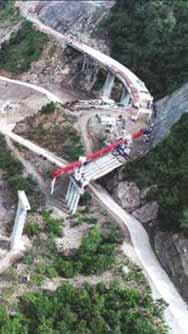
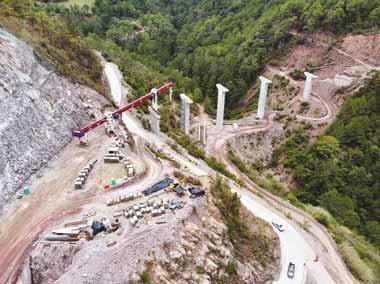
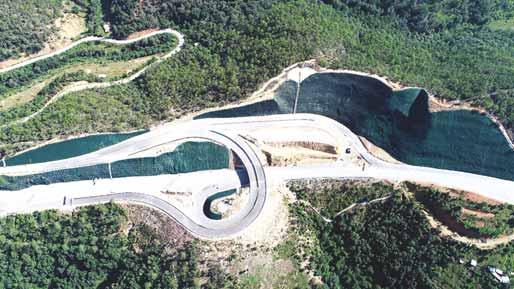
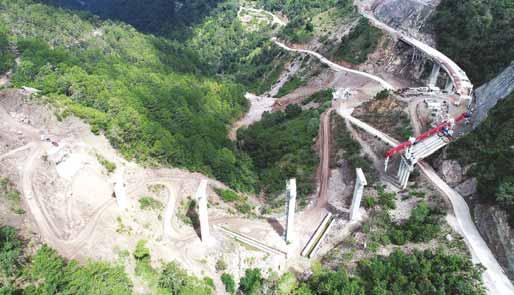
A new highway in Mexico will boost connectivity for a rural region but has been challenging to construct
DE5-6
Road safety
24. ASECAP
ASECAP Days tolling conference highlights decarbonising road infrastructure and transport
28. Airport paving
Milling Leipzig airport; NAPA airport runway project award winner
30. Concrete paving
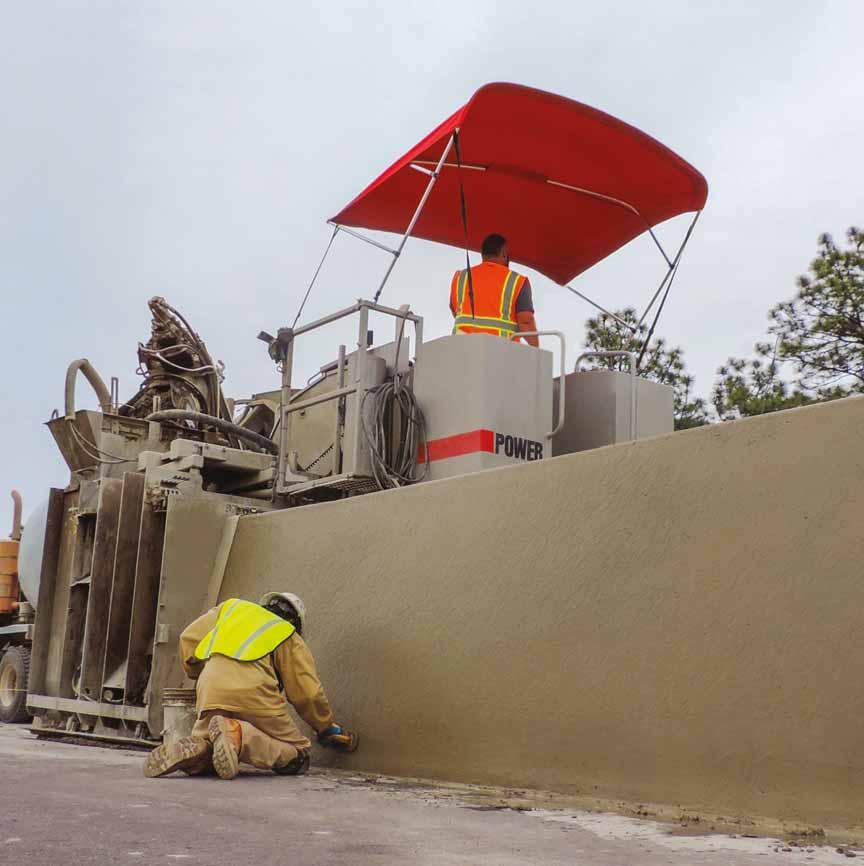
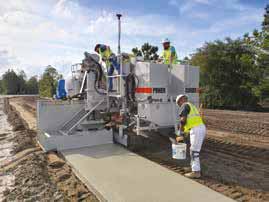
Compact concrete slipforming innovations from GOMACO, Power Curbers and Wirtgen
32. Demolition
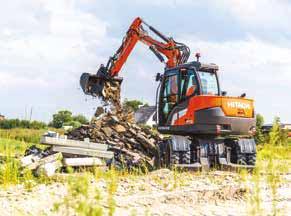
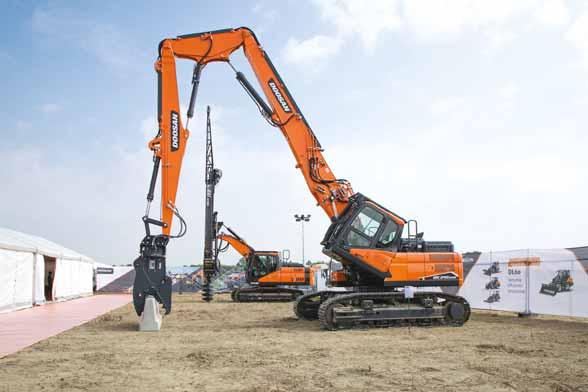
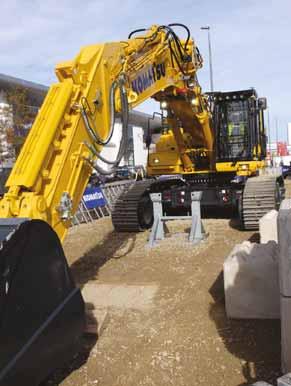
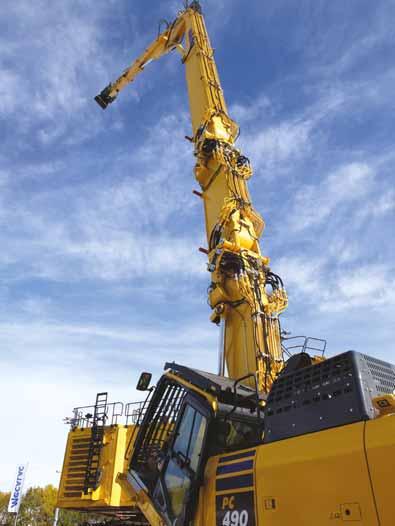
New ruggedised excavators for demolition
35. Earthmoving
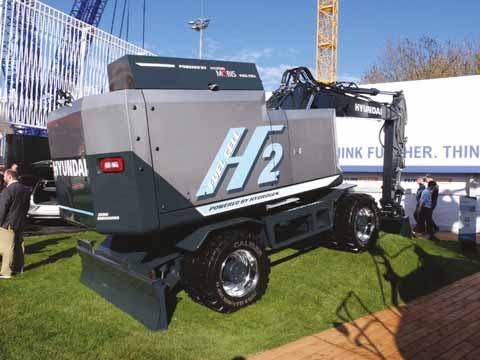
New power alternatives to diesel for earthmoving machines
39. Concrete plants
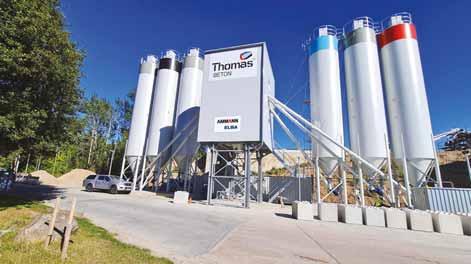
Zero emissions cement trial; Elba plant upgrade in Germany; new Eurotec plant in Mali
43. Road recycling
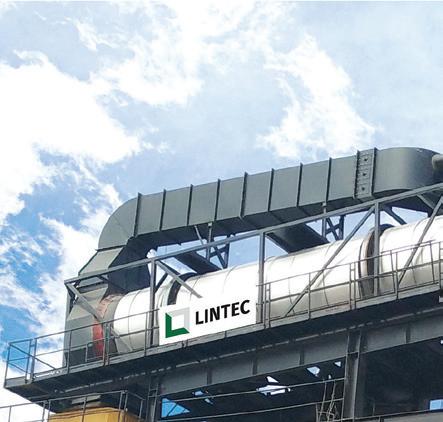
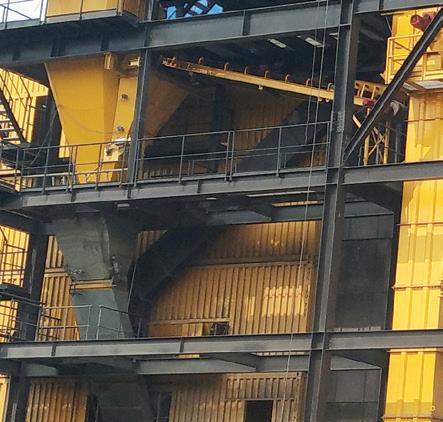
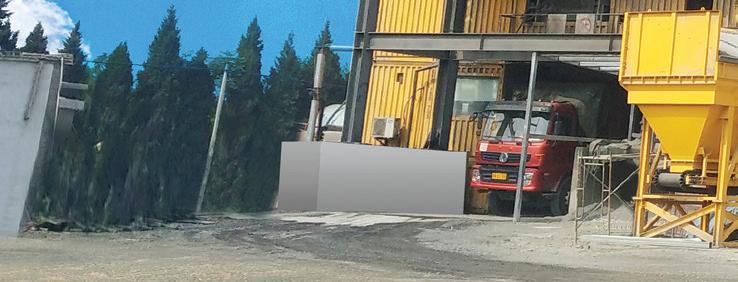
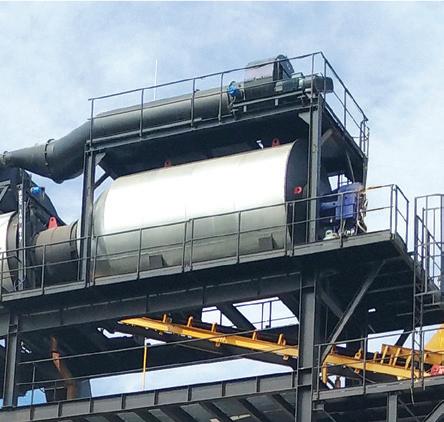
NAPA highlights increased RAP use in the US; a new Lintec plant in China can use high RAP content
45. Utility machines
New wheeled excavator models from Case, Cat, Hitachi, Hyundai and Wacker Neuson; innovative compact excavator developments
48. Equipment
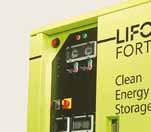
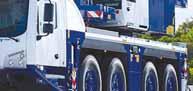
Solar power onsite with Prolectric; Epiroc’s longlasting bits; LIFOS offers hybrid power; Tadano’s high lifting power; Lekatech and Vemcon offer attachment efficiency; Superior’s modular dust control
50. Onsite
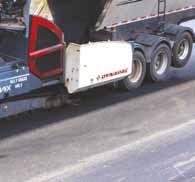
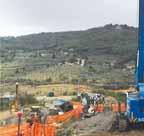
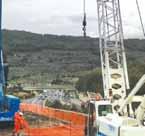
Dynapac’s efficient feeder in Germany; Soilmec piling rigs for Trevi
51. Skidmarks
Further humorous roadrelated stories from around the world
REGIONAL
Between pages 26 and 27
em1-em6
Tunnel proposed for Morocco; Dubai customer for Tadano crane; Keestrack delivering sustainability; Mexican firm buying Liebherr mobile crane
eu1-eu5
Messina Straits bridge proposal; electric machines; intelligent construction equipment
The US has a poor record on road safety for a developed nation, with some states having particularly high rates of road deaths
CONTRA FLOW
Cleaner air
Cleaner air is a goal for towns, cities and countries right across the world.
Pollution from vehicle exhausts is a key factor in poor urban air quality, with many cities having taken steps to reduce the threat to health this poses. Chinese cities have been notorious for poor air quality but stricter measures on vehicle emissions and the removal of old generation diesels from the roads have seen some, like Shanghai, make huge improvements in air quality in recent times.
In UK capital London, there are plans to increase the size of the ultra-low emission zone (ULEZ). Initially this was limited just to the centre of the city but was extended to include a much wider area in 2021. There are now plans to extend the zone further so that it covers the city’s suburbs as well. Tackling exhaust emissions has been set as a priority for improving public health in London, as well as addressing climate change.
This plan has met with considerable resistance, with many claiming that replacing older generation vehicles with newer models would be costly at a time when people in the UK economy are struggling in the face of high inflation. However, a new report shows the value of the ULEZ for public health, revealing that the 2021 expansion of the zone has helped reduce pollution. The report has been published by the Greater London Authority (GLA) and Transport for London (TfL) and peer-reviewed by an expert on urban pollution at Imperial College London, Dr Gary Fuller.
The report estimates that since the zone was introduced, nitrogen oxide (NOx) emissions are 23% lower across the UK capital overall than
Tacklingexhaust emissions has been set as apriorityforimproving publichealthaswellas addressingclimatechange
Mike Woof, EDITOR mwoof@ropl.com
they would have been had the scheme not been introduced. More importantly still, the report shows that NOx levels are 26% lower within the ULEZ zone. This has an enormous benefit for public health, considering the massive financial (and personal) cost of respiratory illnesses to Londoners caused by vehicle pollution.
It is now 20 years since London’s congestion charge system was introduced. This helped cut car journeys in the city by 30% when it was implemented and eliminated an estimated three million car journeys in 2019.
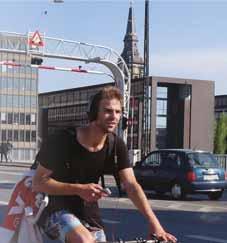
In London and other European cities such as Paris, there are strong moves to reduce vehicle use and encourage cycling for personal transport, following models set previously by Amsterdam and Copenhagen. Building more dedicated cycling facilities is intended to help encourage cycling, lower exhaust pollution levels and also improve public health.
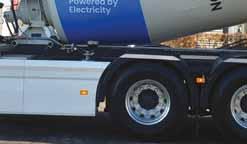
Meanwhile, moves are also being made to reduce the environmental impact of construction itself. Major cement producers such as CEMEX, LafargeHolcim and Heidelberg Cement have all invested heavily in developing low carbon technologies. These ensure lower levels of CO2 are emitted during production, as well as allowing for carbon capture within concrete structures. Furthermore, the drive away from internal combustion engines using fossil fuels and towards electric vehicles is expected to help deliver further reductions in CO2 emissions from transport. Environmental targets required to address health threats and climate change can be achieved, as long as people can accept change. MW
ASIA / AUSTRALASIA: Roger Adshead Tel: +44 7768 178163 Email: radshead@ropl.com
Email:
More quality in road construction
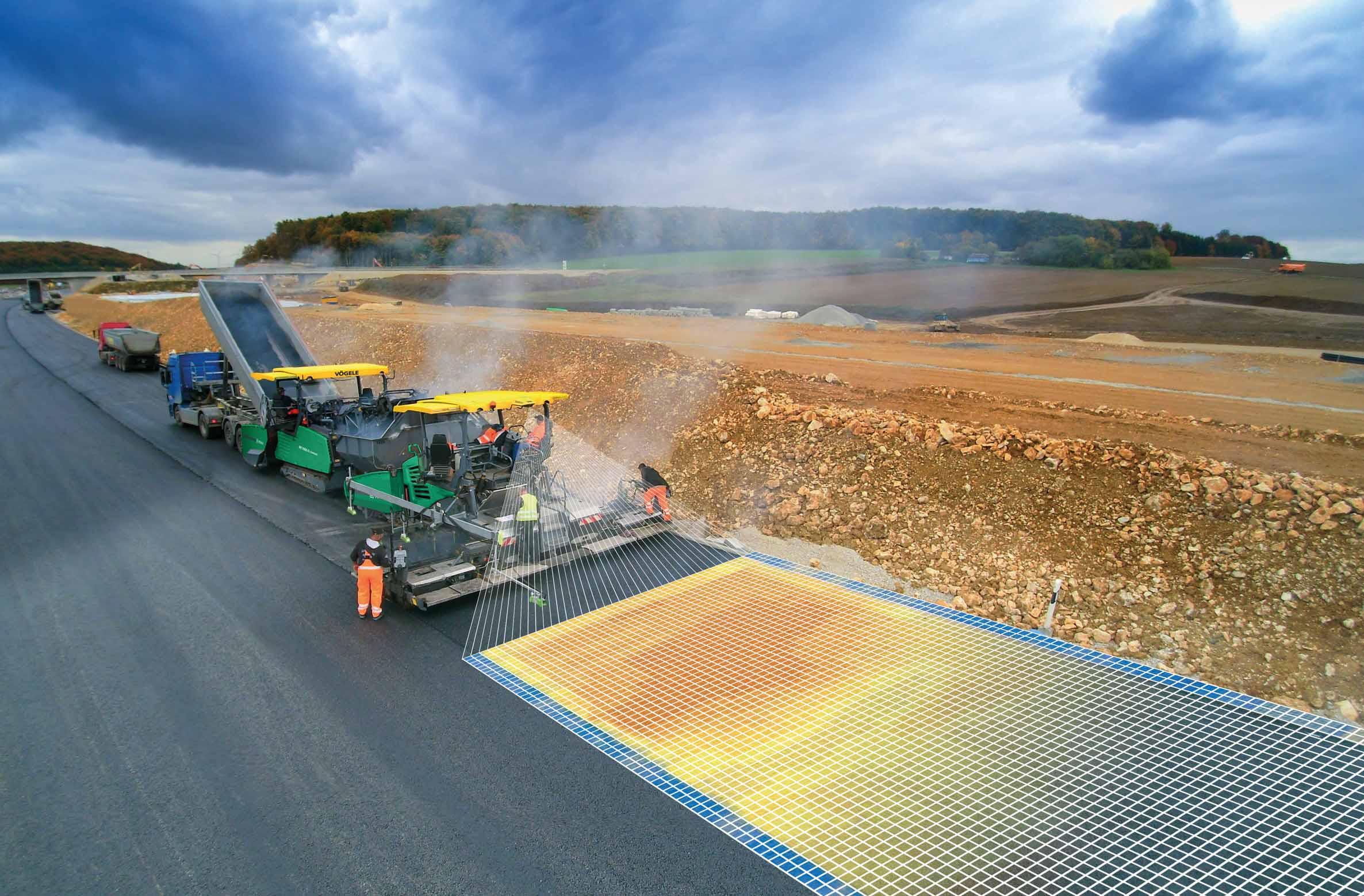
VÖGELE ROADSCAN
TECHNICAL HIGHLIGHTS
> Comprehensive measurement of asphalt temperature across entire pave width up to 10 m
> Simple operation and real-time display via the paver operator’s ErgoPlus console
> Simple installation, no adjustments (plug & play)
> High-precision, permanently-integrated GPS receiver for recording exact position data
> Option of recording sub-base temperature before paving
> Can be combined with weather station to record external parameters affecting the project
Key Chinese highways are to be improved
Key highways in China are to benefit from major improvement works.
China’s Sichuan Province plans to spend US$29.4 billion on road and water transport infrastructure during 2023. A total of 39 expressway projects will be carried out with a total length of 3,953km. Work will commence on eight expressway projects, which will total 600km.
Meanwhile, the city of Cangzhou in Hebei Province will spend $1.87 billion improving road infrastructure during 2023. The highway network will be extended by 174km, while there will be
improvements to 532km of rural roads in the area surrounding the city. Road maintenance works will be carried out to existing road links as part of the programme, which has been planned by the Cangzhou Department of Transportation.
Work is now underway for the 25km Taichang to Changzhou stretch of the Shanghai-Wuhan Highway. Widening the section is expected to cost a healthy S$5.3 billion and take 36 months to complete. A feasibility study is planned for the G206 Ruijin Jiguang Expressway Ruijin South Exit to Huichang in Jiangxi. The estimate for the rebuilding work is
Volvo CE is building a new battery facility
With the US$7.8 million investment from Volvo Group, a new production facility and equipment will be built at the Changwon plant in South Korea – which at around 1.1mn m2, is the largest excavator production site in Volvo CE, producing around 55% of its total excavator volumes.
The new facility at the Changwon plant will produce a wide range of common electric storage solutions (battery packs) for Volvo Group and become a core competence centre for electric excavators. This will enable Volvo Group to offer more sustainable solutions to its APAC markets in a more flexible, cost-effective and agile way and include supply chain, manufacturing and logistics.
Andy Knight, head of operations excavator and managing director of Volvo Group Korea, says: “As the largest plant in Volvo CE and the core site for excavator development and production, Changwon is at the forefront of our shift to a sustainable future.
“This investment is an important milestone in our electrification roadmap and supports our recent investments in production facilities for electric excavators. Changwon is ideally located close to
$196 million. The 27km stretch of the highway to be upgraded will see safety improvements as well as upgrades for the carriageway.
And a budget of $1.2 billion is being set for rural road works in the Xinjiang Uygur Autonomous Region. The plans call for 6,000km of roads to be constructed or improved. In addition, Gansu Province is setting out an impressive budget worth $19.1 billion for road development works. This will include work for 500km of expressways, 200km of secondary roads and surfacing 10,000km of rural roads that connect with villages.
battery module supply partners and other key suppliers in South Korea to meet the needs of customers in the future. We are also home to a highly skilled and motivated workforce who are fully committed to meeting our future environmental targets.”
The new production facility will be built inside the current component workshop at Changwon – without disruption to the existing operation. Once complete, the facility will be approximately 2,500m2, including assembly and logistics areas. The building work will begin in April 2023, with battery pack production expected to commence in June 2024.
Coming soon after an announcement to invest in the production of electric wheeled loaders at its plant in Arvika, Sweden, and electric haulers from the company’s production facility in Braås, Sweden, this is another sign that Volvo CE is committed to becoming completely fossil-free by 2040 – in line with the Paris Agreement and as laid out in its Science Based Target goals. And it is taking another step forward in its ambition to transform the industry through electromobility and other more sustainable solutions.
Hydrogen engines for production in 2025
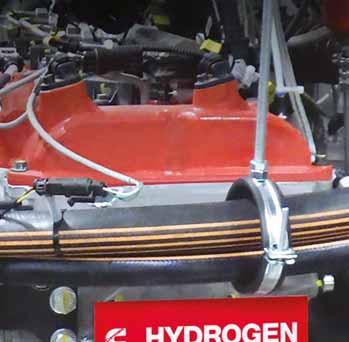
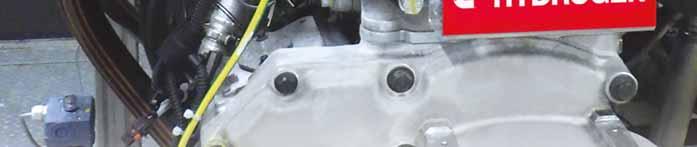
Hyundai Doosan Infracore (HDI) is aiming to mass produce internal combustion engines (ICE) that use hydrogen as fuel in 2025. The firm is unveiling its prototype ICE power unit that runs on hydrogen in 2023, with full-scale testing planned for 2024, to be followed by full-scale mass production in 2025.
The firm has completed the design of its hydrogen ICE unit, an 11litre class engine that produces a power output of 300kW and a torque of 1700Nm at 2000RPM. It meets the Tier 5/Stage 5/Euro 7 regulations which require the emissions to be reduced to 90% of the current level to meet Zero CO2 (below 1g/kwh) and Zero Impact Emission (Zero Emission in EU).
Hydrogen engines are powered by low-purity hydrogen, making them durable, economical and energy-dense, which makes them the most suitable engine system for mid-to-large-sized vehicles and vehicles for long distances. A single charge of 10 minutes enables a distance of up to 500km, and HDI says that the units are 25-30% more economical than fuel cells or battery packs when vehicle price and maintenance costs are considered.
HDI plans to leverage its existing engine technology and facilities to reduce costs and accelerate commercialisation. The new hydrogen engines will be installed on commercial vehicles such as trucks and large buses, and construction equipment for validation by 2024, and full-scale mass production is planned for 2025.
HDI is also introducing EV battery packs and plug-in full hybrid powertrains so that customers will have power options.
Cummins reports strong performance for 2022
Cummins is reporting a strong performance both for its fourth quarter and full year 2022.
Revenues for the fourth quarter were US$7.8 billion. Excluding Meritor, the acquisition of which was completed on August 3, 2022, revenues were $6.6 billion, 13% higher than the same quarter in 2021. Excluding Meritor, sales in North America increased 25% and international revenues decreased 1% compared to fourth quarter 2021. But strong demand across all global markets was offset by a market slowdown in China, as well as Russia, where operations have been suspended indefinitely.
Net income attributable to Cummins in the fourth quarter was $631 million, or $4.43/diluted share. The tax rate in the fourth quarter was 17.2% including $52 million, or $0.36/diluted share, of favourable discrete tax items. Excluding the Meritor business and related integration costs, net income for the quarter was $644 million, or $4.52/diluted share, compared to $394 million, or $2.73/diluted share, in 2021. Fourth quarter results also include $0.11/diluted share of costs related to the separation of the Filtration business.
Earnings before interest, taxes,
Cummins reports a strong financial performance for 2022, a year in which the firm also unveiled innovative technologies such as its fuel-agnostic engines
(EBITDA) in the fourth quarter was $1.1 billion, or 14.2% of sales. Excluding the Meritor business and related integration costs, as well as $19 million of costs related to the separation of the Filtration business, EBITDA was 16.1% of sales, compared to 12.1% of sales a year ago.
Fourth quarter results for the company included a full three months of Meritor. Meritor results within the quarter include $1.2 billion in revenue and EBITDA of $60 million. Fourth quarter results also include $27 million of integration related costs. EBITDA
Golden Gate upgrade works
Upgrade works are planned for the historic Golden Gate Bridge in California. The US$400 million grant is being provided by the US Department of Transportation via the Federal Highway Administration (FHWA).
The work will secure the bridge, which opened to traffic in the 1930s, against seismic damage. The San Francisco area is noted for its seismic activity due to its proximity to the San Andreas fault. A number of key structural components will be upgraded or replaced as required to strengthen the bridge.
share. The tax rate in 2022 was 22.6% with a net zero impact from discrete tax items. Excluding the Meritor business and related acquisition costs, integration costs and purchase accounting impacts, net income for 2022 was $15.67/diluted share, compared to $14.61/diluted share in 2021. Full year results also include $0.72/ diluted share of costs related to the nite suspension of operations in Russia and $0.45/diluted share for the separation of the Filtration
for Meritor operations, excluding the integration costs, was $87 million in the quarter, or 7.5% of sales.
Revenues for the full year were $28.1 billion. Excluding Meritor, revenues were $26.2 billion, 9% higher than 2021. Sales in North America increased 18% and international revenues decreased 2% compared to 2021, as strong demand across all global markets was partially offset by the market slowdown in China, as well as Russia.
Net income attributable to Cummins for the full year was $2.2 billion, or $15.12/diluted
The grant is being provided by the Bipartisan Infrastructure Law of the Biden-Harris administration. This funding is being used to improve 10 of the most important bridge links in the US.
Key corporate highlights rm in 2022 include the acquisition of Jacobs Vehicle Systems (JVS), a supplier of engine braking, cylinder deactivation, start and stop and thermal management technologies. They also include the acquisition of Meritor, a leading global supplier of drivetrain, mobility, braking, aftermarket and electric powertrain solutions for commercial vehicle and industrial markets. In addition, Cummins acquired the Siemens Commercial Vehicles business, a leading global supplier of high-performance electric drive systems for commercial vehicles. And another innovation for 2022 is the industry’s first unified, fuel-agnostic internal combustion powertrain platforms.
The massive expansion programme of Vietnam’s road network continues as work is underway on new expressway routes.
Work is well underway on Vietnam’s Khanh Hoa-Buon Ma Thuot Expressway Project-Phase 1, the Van Phong-Nha Trang Expressway Project and the Nha Trang-Cam Lam Expressway project. All three should be complete by 2025.
The 117.5km Khanh Hoa-Buon Ma Thuot Expressway Project-Phase 1 is the largest of the three and forms part of the eastern section of the North-South Expressway MegaProject, with a cost of US$933.4 million.
Another project will be the widening of the My An-Cao Lanh Expressway in the Mekong Delta Province. Some of the necessary $60 million funding will be provided by the South Korean Government, with the Vietnamese Government sourcing the remainder.
The proposal has been put forward by Vietnam’s Ministry of Transport and is for a new expressway with two lanes in either direction stretching 26km and linking Thap Muoi District with Cao Lan District. The expressway would link with National Highway N2, Ho Chi Minh Road and the North-South Expressway.
Adelaide will benefit from a major road project
A major road project in Adelaide, South Australia, will help reduce congestion and cut journey times for commuters and heavy transport vehicles and the tender process is now underway for the work.
The T2D Project will see the construction of the last 10.5km stretch of the North-South Corridor (NSC).
Once the project is complete, South Australia will benefit from a 78km highway running between Gawler to the north of Adelaide and Old Noarlunga on the southern side of the city. The route will feature tunnels as well as lowered and surface-level highway sections. It will also have a number of overpasses and underpasses at key intersections.
According to the authorities by having the cars and trucks using the route, the T2D Project will connect communities across Greater Adelaide. The commute from West Hindmarsh to Darlington will take just nine minutes, saving 30 to 40 minutes of travel time during peak hour traffic. The highway will deliver shorter journey times to key destinations including the CBD and major gateways such as Port Adelaide and Adelaide Airport as well as a crucial route for heavy vehicles and commercial freight trips.
Vietnam’s road development projects continue
Six Brazilian road tenders planned
The SA Department for Infrastructure and Transport is providing details about the scope and technical requirements of the project to parties that would lead a consortium to bid to design, build and operate the motorway, which is being jointly funded with the Australian Government.
Companies must demonstrate they have the capacity to take part in the project before they gain access to the ROI. The procurement process will be progressed with an Expression of Interest scheduled to be issued by the Department by April 2023, followed by a Request for Proposal in around September 2023, and the Contract Award in mid-2024. Following the release of major design and other changes by the state government in December 2022, the timeline and approach to both project construction and procurement was revised.
Main building works are proposed to start in 2025, with tunnel-boring machine (TBM) works for the Southern Tunnels planned to begin in 2026 and project completion expected in 2031.
South Australian companies can register their interest in being involved in the River Torrens to Darlington Project through the project page on the Industry Capability Network (ICN) Gateway website portal.
Six new road tenders are being planned by the authorities in Brazil’s Sao Paulo State. The aim is for the works to be underway by 2026, with all six projects costing a total of US$6.2 billion. One of the projects, for the Litoral Paulista route, is expected to open for tender in 2023.
ZXXXXXXXXX
xxxxxxxxx
Other projects planned include a tunnel linking Santos with Guaruja and to sections for the ViaOeste route and works for the Renovias road. Tendering for the ViaOeste sections is expected in 2024, with tendering for the Santos to Guaraja tunnel in 2025 and the Renovias link in 2025-2026.
New York road repairs planned
New York State is budgeting US$100 million for road repairs. The spending will be directed towards roads that have been damaged due to the recent extreme weather conditions. The funding has been sourced from the state’s own financial resources.
Over 800km of roads will be targeted for maintenance and improvement works in a total of 64 road sections. A fiveyear plan by the New York State Department of Transportation (NYSDOT) will see bridge improvements as well as road repairs.
Advanced travel microsimulation
SYSTRA is introducing a sophisticated Paramics Discovery 26 package that offers new capabilities for active travel microsimulation. The software now includes cyclist modelling and pedestrian visualisation capability.
The Paramics Discovery 26 includes active travel modes for the first time and has been designed to enable transport professionals to design, evaluate and present transport and mobility solutions. The package can be used to test a wide variety of transport planning interventions simply and quickly, including assessing the impact of increased traffic on a road network, new junctions and infrastructure, changes to traffic signal control, public transport operations, roadworks and event planning.
The intuitive software also enables transport planners to assess both economic and environmental impact from their proposed interventions including cycling and walking to public transport and private motorised modes. SYSTRA managing director Consultancy, Sébastien Dupont said, “We listened to our clients, colleagues and authorities around the globe who expressed a strong interest for sustainable transport modes to help their detailed transport planning and appraisal programmes. With Paramics Discovery 26 we have equipped authorities with an intelligent tool to support the transition to Net Zero."
SYSTRA www.systra.com
Fast laser scanning
Hexagon says that its next-generation Leica BLK360 laser scanner offers precise and accurate scanning operations.
According to the firm, the new BLK360 creates photorealistic, accurate digital twins within just 20 seconds. Like its predecessor, the new BLK360 can introduce reality capture to new industries and markets due to its speed, portability, and ease of use. The new BLK360 is said to be an ideal sensor for any application
Fast modelling
The latest version of the PTV Visum transportation planning software offers easier and faster dynamic modelling according to the firm.
The new version means that users can blend mesoscopic and macroscopic assignments in the same model run, which allows them to evaluate more projects in less time. This is said to leverage the dynamic perspective and high level of detail provided by simulationbased assignments (SBA) for critical parts of the model. Furthermore, the mesoscopic SBA now allows lane level modelling, which unlocks new use cases that were previously only possible in microscopic simulation.
Meanwhile, PTV Visum 2023 brings tight integration with
requiring fast, up-to-date scanning, such as digital construction and building life cycle monitoring. It enables users to move quickly about any environment without interruption, viewing and sharing the data during the capture process to provide real-time access to updated digital twins. The BLK360 is said to boost Hexagon’s portfolio of sensor-software systems. These can generate Smart Digital Realities by merging digital and physical worlds in real time.
Activity-Sim, the popular opensource package for Activity Based demand Modeling (ABM) and provides a renewed network-wide signal optimisation algorithm. For easier modelling of bicycle traffic, users can now import bicycle networks from OpenStreetMap (OSM). Besides many other improvements, Public Transit analysis gets a boost by extended and drastically accelerated import of e-Ticketing data.
In addition, the visualisation tool PTV Visum Publisher was upgraded for the new release. It provides personalised cloud-based dashboards with illustrative visualisations, by which transportation modellers can share their project stories with anyone. The 2023 edition of the traffic engineering software PTV
Combined, the new scanning and imaging technologies onboard the BLK360 enable fast and accurate reality capture workflows. BLK360 data can be automatically uploaded to HxDR, Hexagon’s cloud-based reality capture platform where users can build their own Smart Digital Realities.
Hexagon www.hexagon.com
Vistro improves trip generation by adding ITE TripGen data to the model via ITE’s web-app. Moreover, the improved Universal Traffic Data Format (UTDF) import allows users to quickly integrate layout, lanes, phasing, timing plans and volumes. Thus, users can import data from various traffic models and signal controller systems for future analysis in Vistro, Vissim, or Visum.
The new features of PTV Optima empower traffic operators to better deal with demand changes. Also simulating the impact of traffic deviations and rerouting information in case of temporary road closure has been simplified.
PTV
company.ptvgroup.com/en-gb/
A new software package from SYSTRA offers capabilities for active travel microsimulation
Producing up to 600 tonnes per hour, Rapidmix delivers speed and cost efficiency. Fully mobile and selfcontained, Rapidmix travels from site to site with ease. Offering full weighing of all materials, Rapidmix provides accuracy you can depend on.
rapidinternational.com/rapidmix
IRF kicks off 75th anniversary celebrations in Geneva
This is a special year for the International Road Federation as it marks the 75th anniversary of its creation.
Connecting people, ideas, and organisations has been at the core of IRF’s work over the past seven decades. The striking feature of this incredible journey is the outstanding picture of service that has exemplified IRF activities over the years.
Innovating since the day it was created back in 1948, the Federation has been instrumental in providing leadership for global road sector development and has brought road professionals and people around the world together, and in a common mission, in a way that no other organisation could.
IRF has shared this enriching sevendecade journey with UNECE and the Inland Transport Committee. It is in fact the work of the latter that brought the Federation to move its headquarters to Geneva. The HighLevel Segment of the 85th Inland Transport Committee (UNECE ITC) hosted in Geneva on 21st February offered the perfect setting to kick off celebrations for this important milestone. It is the of a series of international and regional events through which the IRF will mark this anniversary.
Addressing the plenary, IRF president Anouar Benazzouz stressed that, “An anniversary is an important moment of lessons from the past, while also representing an open window on the opportunities for the
unchanged: delivering better mobility systems for all, together.” Benazzouz also thanked UNECE for “the trust, openness, and leadership that have distinguished both its work and of our successful collaboration over the past seven decades.” A message that was echoed during a bilateral meeting by UNECE secretary general, Olga Algayerova who expressed gratitude to the IRF for its unwavering support and contribution to the sector and to UNECE’s work.
ITC 2023 was also the opportunity to celebrate and reinforce the collaboration with another long-standing partner of IRF who equally celebrates in 2023 its 75th anniversary, the International Road Transport Union (IRU). In an MoU signed on 21st February, both organisations agreed to focus on people, prosperity, and the environment while addressing new challenges and opportunities, including digitalisation and decarbonisation. They will also continue their collaboration in areas such as labour shortages, training, and road safety.
“Partnerships will be crucial to deliver on current and future challenges,” said Benazzouz while sharing with the plenary some of the key messages of the “Road Sector Joint Statement for COP27” released by IRF together with other leading organisations in the sector. The Joint Statement is a collective call to all parties to act with pragmatism, ensure a just transition and embrace innovation.
• Access more information on IRF’s 75th celebration activities on www.irfnet.ch.
The African Continental Free Trade Area and demand for transport infrastructure and services
Robert Lisinge, chief, Energy, Infrastructure and Services Section at the United Nations Economic Commission for Africa (UNECA) speaks to the IRF about the African Continental Free Trade Area (AfCFTA) agreement entered into force in 2019.
The agreement aims to increase intraAfrican trade by eliminating import duties. Its planners hope to double intra-African trade if non-tariff barriers are also reduced; a major milestone in the continent’s regional integration. However, inadequate transport infrastructure and services could hamper the realisation of AfCFTA’s benefits. The urgent need to improve transport connectivity in Africa in the context of AfCFTA has created new research demands.
In this regard, the United Nations Economic Commission for Africa (ECA) has undertaken research to explore the effects of AfCFTA on trade flows in Africa. The research also examines how the AfCFTA signatories could reap the agreement’s full benefits through the integrated planning of trade and transport.
The study has enabled ECA to:
•Forecast the demand for different modes of transport — road, rail, maritime and air —because of AfCFTA.
•Estimate the infrastructure investments required for different modes of transport.
•Estimate the impact of improvements in transport infrastructure and services on the volume of intra-African trade.
•Forecast the demand for equipment for different modes of transport — trucks for roads, rolling stock for railways, aircraft
The research shows that introduction of the AfCFTA will lead to a general increase in intra-African freight demand of around 28%, compared with a scenario without the AfCFTA.
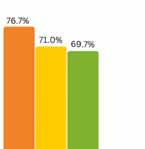
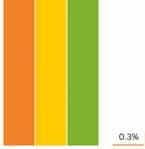
Currently, intra-African freight transport demand is heavily skewed towards road transport (77%), with rail’s share close to 0% (figure 1).
African transport policies to expand the rail network, combined with trade policies to implement the AfCFTA, are expected to change that distribution.
By 2030, with the AfCFTA implemented and the continent’s plans for freight infrastructure and service improvements realised, the share of rail would increase from 0.3% to about 7%.
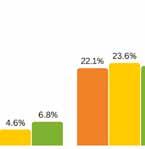
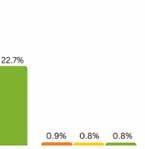
The share of freight transport by road would decrease from 77% to 70%. The share of freight transport by ship would increase, but without AfCFTA it would be reduced. The air cargo transport mode share would remain almost unchanged from that without AfCFTA.
Up to 57,363km of road require upgrading to accommodate the anticipated increase in freight as a result of AfCFTA. These links are critical to the success of AfCFTA. Some 20,031km of the critical links would be addressed by completing regional infrastructure projects planned for 2030. These are essentially projects of the Programme for Infrastructure Development in Africa (PIDA).
It is worth noting that demand for the different modes of transport varies from one region to another and from one trading pair of regions to another. For instance, the largest truck demand to support trade flows is within West Africa, with 39.3%, from West Africa to Southern Africa, with 19.8%, from Southern Africa to West Africa with 9.9%.
For ECA, the report is a useful tool to enhance the effectiveness of its support to member States and to sub-regional and regional organisations when they develop national and regional AfCFTA strategies. The report also supports UNECA’s objective to crowd-fund private sector investment in Africa’s infrastructure development.
• The full report is available at: https://repository uneca.org/handle/10855/47596
Up to 57,363km of road require upgrading to accommodate the anticipated increase in freight as a result of AfCFTA
Tirakhov Andrey
Figure 1 : Distribution of intra-African freight transport demand by transport mode
Safe and efficient urban mobility for Africa
Transitioning to zerocarbon transport globally is essential to keep climate change in check. Yet seven years after the Paris Climate Agreement, transport emissions are still rising. In a new op-ed, Nina Elter argues that a radical shift in our approach to transportation sustainability is required. Every year, governments around the world invest more than US$700 billion in road infrastructure. While these investments yield significant economic and social returns, transport continues to generate large costs on societies, in the form of harmful emissions, traffic injuries and lost time due to congestion. Left unchecked, these issues will continue to grow in time. In fact, global transport activity will more than double by 2050, due to population growth and economic development. Any currently expected emissions reductions will thus be more than offset by the increased demand for transport. This means that it is vital to raise the collective ambition to ensure that we provide a sustainable transport system is safe, accessible, green and efficient.
A sustainable transport network needs to be delivering across these four areas and it is important to understand how these are inter-connected. For instance, the social factor of sustainability is one that is often overlooked, yet, it is critical in order to decarbonise, as people need to change their behaviour. As an example, providing subsidies for people to move to an EV is important, but this alone will not deliver the change needed, without considering the other factors, such as individual accessibility or financial sustainability.
The principle of “systems thinking” acknowledges that there are often multiple interventions to a problem, and recognises that these interventions that may not always be popular or perfect. By anticipating the impact of each trade-off, it is possible to minimise its severity or even use it for its own benefit. Systems thinking therefore allows the ability to make informed choices.
One of the key solutions to the funding dilemma that has proven successful is road pricing. From tolling of individual roads to a nationwide distance-based charging regime, fair rates force road users to think carefully about whether their vehicle is the best one for the job, leading to smarter vehicle choices. Sufficient revenue also means better maintained infrastructure, so travel uses a little less fuel, vehicles experience a little less damage, and assets are maintained optimally, each of these benefits bringing cost and carbon savings to the system. And, finally, if digital systems are used, a whole raft of further opportunities and impacts are unlocked.
Last, but not least, the sector must embrace the principles of circular economy, an economic system in which waste and resources are minimised by keeping them in use for as long as possible. In the context of roads, applying circular economy principles means designing and operating networks in a way that maximises the use of resources and minimises waste and environmental impact. The Ray, a non-profit charity and net-zero highway testbed in Georgia, US, has recently tested rubber roads where recycled tyres are added to the asphalt mixture of the pavement. Given that there are 1 billion end-of-life tyres generated each year and there are currently
4 billion such tyres in landfills and stockpiles worldwide, it is a prime example of using the circular economy model. Additionally, it was found that rubber roads reduce emissions from tyre tread by 30-50%, the reduced resistance generates fuel savings, and the roadway noise is reduced as well. The pavement life expectancy can be almost doubled, and safety is increased due to better grip and reduced hydroplaning, especially during heavy rain events.
Looking around the world, the current policies in place are not sufficient to get the reduction necessary to reach the global warming limit of 1.5°, or even 2°. By understanding and changing structures that are not serving us well - including mental models and perceptions, it is possible to expand the choices available and create more satisfying, long-term solutions to chronic problems.
This generation has a big challenge to ensure that children and grandchildren will be able to live a decent life and it is time for all hands on deck and to think big and think outside the box. Use what is there already, improve it and continue to innovate.
Nina Elter is founder and CEO of NEwROAD Consulting, a strategy consultancy with the mission to accelerate the move to a sustainable transportation system and a NetPositive future. She brings 20+ years of experience in transportation and technology, with a focus on infrastructure funding, safety applications and sustainable development.
GRAA Winner Profile: Samuel De Champlain Bridge Corridor project
The Samuel De Champlain Bridge Corridor in Montreal, Canada is a complex project which includes one of the largest bridge projects in North America, the $4.2 billion signature cable-stayed Samuel De Champlain Bridge, as well as a new Île-des-Soeurs Bridge, reconstruction and widening of the federal portion of Autoroute 15, a 2,044m west approach, and a 762m east approach.
Opened to traffic on July 1, 2019, this Public-Private-Partnership project was delivered in only 48 months (from design to substantial completion) and met all quality objectives through the implementation of a comprehensive design quality management plan (DQMP).
The quality system set the framework for all major processes, including multiple layers of design reviews and checks, change management, design surveillance in fabrication and construction, and quality audits. This complex project required close collaboration amongst all stakeholders including designers, specialty experts, fabricators, constructors, reviewers/ checkers, and owners. The quality team’s efforts went beyond what was required by the project agreements to overcome challenges associated with managing a large global team.
The Samuel De Champlain Bridge came with stringent design requirements and performance criteria. The bridge had to be designed to withstand a long list of site-specific challenges such as ice loading and abrasion, wind and seismic hazards, vessel collision and scour potentials. Adding to these challenges was Montreal’s severe winters which mandated the shutdown of the seaway operations for four months of the year; this necessitated
turn, its quality management program.
The private partner developed, implemented, and maintained an ISO 9001-compliant Design Quality Management Plan, which TYLI tailored to contain projectspecific missions, visions, and goals; defined roles and responsibilities of the team members.
The DQMP instituted multiple quality measures that exceeded the project requirements including an independent check of the design by a separate team, still internal
project completed within a tight timeframe in this challenging location.
Receiving the IRF Award in the Quality Category category, Carol Choi, PE, CMQ/ OE, TYLin design quality manager for the Samuel De Champlain Bridge Corridor Project noted, “TYLin ensured that this design-build project was guided to completion through a comprehensive quality management plan. Our entire team is very honoured to be recognised for our excellence in Quality Management.”
Showcasing industry excellence
The International Road Federation’s Global Road Achievement Awards (GRAA) is a one-of-a kind competition to recognise innovative road projects and exemplary people that place the road industry at the forefront of worldwide social and economic development.
Instituted in 2000, the Awards have distinguished more than 200 programmes, projects and products from around the world.
Today, the Awards are recognised as a prestigious industry accolade in their own right, but they also serve to remind a much wider audience that the mobility everyone takes for granted would not be possible without the talent and commitment of our industry.
2023 applications are currently being accepted across the 12 award categories until May 8, 2023 at www.irf.global/graa
HIGHWAY LINK
MEXICO’S NEW
Mexico’s Oaxaca State is to benefit from a major new highway link – Mauro Nogarin and Mike Woof report
The Mitla Tehuantepec II
Highway represents an important infrastructure project for the development of Mexico’s Oaxaca State.
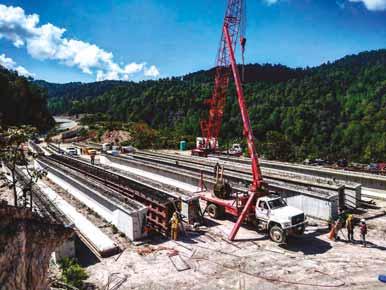
Construction progress has been steady for the highway project in Mexico, despite a number of challenges. And according to the recent technical report provided by the country’s Ministry of Transportation (SICT), the highway is currently 70% complete and is scheduled to be completed by the end of 2023.
This key development of transport infrastructure is of vital importance to promote the economic and tourist growth of the Oaxaca region, located in the southern part of the country. Construction of the route has been undertaken with the aim of improving road safety, reducing transportation operating costs
and travel times in the city. Driving from Oaxaca to the Isthmus of Tehuantepec has previously taken six hours, but the completion of the new highway will reduce the journey time to two hours. Safety will also be improved for drivers as the existing Route 190 has many tight turns.
This highway will provide a major boost for more than 80,000 inhabitants of the various communities in Oaxaca State that until now have not had the benefit of a paved highway.
The new highway runs between the municipality of San Pablo Villa de Mitla and the municipality of Santa María Mixtequilla. San Pablo Villa de Mitla is on the outskirts of Oaxaca, the capital of Oaxaca State, and located to the east of the city.
Meanwhile, Santa María Mixtequilla lies close to the Laguna Superior and the
coastline. Building this new route will provide a new transport connection and benefit the communities of San Lorenzo Albarradas, Santa María Albarradas, San Pedro and San Pablo along the route. Also benefiting from the highway are Ayutla, Santo Domingo Tepuxtepec, San Pedro Quiatoni, Santo Domingo Narro, San Juan Juquila Mixes, Santiago Quiavicuzas, San Juan Lachixila, Santiago Lachiguiri and Santa María Jalapa del Marqués.
This important road infrastructure project will deliver better transport infrastructure for the Tehuantepec Isthmus Region, as well as with the neighbouring states of Chiapas and Veracruz, and will provide better access to the Mixe area. At present, the area has poor road connections, limiting economic development and also access to health or education facilities for the population.
During the construction of the three sections that make up this highway, several construction problems have provided challenges to the builders. These have been due to the conditions related to the stability of the geological and topographical area in this mountainous region. There have been constant risks from large falling rocks as well as from landslides.
The alignment of the highway is actually located in a geologically complex region. This characteristic is attributed to the diversity of rock types found on the surface, as well as to the geological and structural characteristics of the region implicitly linked to its tectonic evolution. This last manifested itself with lithological changes produced by the emplacement of intrusive rocks and the segmentation of blocks of land with displacements generated by the dynamics of the lateral faults. Together, these play an important role in the formation of zones with a high degree of instability.
The Mitla-Tehuantepec II Highway is around 169km long and consists of 28 crossing structures, 13 viaducts, 20 junctions, 54 bridges, and 10 tunnels. Having so many civil structures has added considerably both to the cost and complexity of the works. Building bridges or tunnels where the formations are heavily faulted has meant that more support has been needed to ensure that the civil structures will be able to cope with the conditions. Many of the bridges have deep piling while thick concrete sections are used to support the tunnel stretches.
The road is being designed with a crown width of 12m and a width of 7m and has been designed for vehicle speeds of between 90 and 110km/h. A conventional asphalt construction method comprising wearing course, binder course and base course has been installed on top of the prepared base. The asphalt grades of these three layers have been selected to cope with the conditions.
So far, around 93.5km of the route is already in operation with a further 75.5km remaining under construction.
The new highway is divided into three main sections to facilitate the construction process. Section 1 is 26km in length and connects the city of Mitla with Santa María Albarradas. Section 2 runs from Santa María Albarradas to Santiago Lachiguiri, a distance of 94km. The third section connects Santiago Lachiguiri with the Tehuantepec II junction, a distance of 49km.
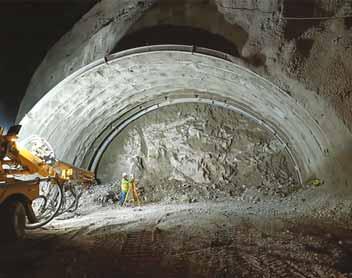
Section 2 includes the construction of three tunnels that have a total length of 460m with a section 12m wide and 9m high and a gauge of 5.5m.
Construction work has been completed for Sections 1 and Section 3 as these stretches have been less challenging. Section 2 is the most complex due to the challenging geological and topographical conditions, and work is ongoing as a result. For this reason, the Ministry of Transportation and Communications (SICT) expanded the geotechnical information
with the important exploration works. The team carried out 14 survey bores and took samples to help develop the final design of the tunnel sections. In all, 211 open pit wells were also drilled to determine the thickness of the soils, and 365 refraction seismic profiles to depths of 60m and 120m were carried out to measure the thickness of the soils so as to be able to determine risk factors during excavation work.
According to the project approved by SICT, the superficial foundations of the bridges and viaducts were made using continuous footings when the resistance of the ground was very low. Meanwhile, deep foundations were utilised when it was necessary to look for more resistant soils. A high grade concrete was used for the foundation works.
For the construction of the piers, Bauer and Soilmec piling machines were used. The piles used a high grade of concrete and the reinforcing steel was placed using a Link Belt LS 108 crane. The ‘Nebraska’ type precast beams were 30m in length and the engineering team used mobile launchers that were 50m long with capacities of up to 150tonnes.
The construction method used in this project has consisted of placing rails that allow the assembly of the precast beams together with the casting of the slabs, exchanging the rails and the launching equipment after a certain number of spans.
This equipment is said to allow greater efficiency as the contracting team is able to work in different areas of the structure at the same time. This eliminates the need to wait for the assembly to be finished to start other tasks. By using the rails and the feeder truck, which is responsible for taking the girder to the launching equipment, construction times are also reduced significantly.
Conventional drilling and blasting techniques have been used to drive the three tunnels planned for section 2 in the municipality of Santiago Lachiguiri. This drilling and blasting method has utilised Epiroc drill jumbos, a Putzmeister PM 500 shotcreter, an excavator fitted with a hydraulic hammer, and a wheeled loader.
Rural roads
Delivering this new highway will provide an important lifeline for this area of Mexico’s Oaxaca State. With the Sierra Madre del Sur, the Sierra Madre de Oaxaca and the Sierra Atravesada mountain ranges meeting in Oaxaca State, the terrain is very rugged in places and altitudes reach up to 3,759m. Lying in-between the mountainous area, the state has many narrow valleys, canyons and ravines that make transport challenging.
The new highway route will provide an important transport link that will provide better access both to the state capital, also called Oaxaca, as well as to the major port at Salina
In general, and from a technological point of view, although the andesite rock on the surface of the tunnel interior was found to have a medium-high degree of fracturing (due to the regional faults of the Pacific coast of Oaxaca), in the depths of the tunnel the conditions were of better quality and resistance.
The tunnel section measures 14.8m wide by 9.44m high while the total length is 173m.
The supporting structure was made with fibre-filled shotcrete with a resistance coefficient of f'c=300 kg/cm2, IR 254 x 44.8 kg/m metal frames and 6m-long corrugated rod injected anchors. While the final coating is made of concrete, it was f'c=300 kg/cm2 with a thickness of 45cm. The false tunnel, with a length of 188m, was also lined with concrete f'c=300 kg/cm2 reinforced with a thickness of 60cm.
The last part of the work has concluded and was supervised by the president of Mexico Manuel Lopez Obrados on January 14, has been Subsection 5, is considered one of the most complicated from a technical point of view. Originating at the Ayutla junction and the Tepuxtepec junction, this important set of infrastructures is 8.5km long, made up of five viaducts that total a total of 786m. Subsection 5 connects directly through three areas (Ayutla, Loma Larga and Tepuxtepec) where around 10,000 inhabitants live.
SPECIFICATION
TOTAL ROAD LENGTH: 169km
TOTAL ROAD WIDTH
INCLUDING SHOULDERS: 12m
ROAD WIDTH: 7m
PROGRESS (JANUARY 2023): 70%
Section 2
LENGTH: 94km
BRIDGES AND VIADUCTS LENGTH: 6.5km
LENGTH OF THE THREE TUNNELS: 0.46km
Source: SICT
Cruz. Previously, the towns along the alignment of the highway have only had unmade roads as access, which has made transport difficult in periods of poor weather. Even in good weather, the rugged terrain has made journeys on the twisting unmade roads slow. The new highway will speed transport and deliver a major economic boost to the area. It will also allow access for tourism as the highly rugged location is known to be one of the most biologically diverse states in Mexico. Oaxaca State also has amongst the most historic and archaeological sites in Mexico, another major draw for tourism that will benefit from the new road connection.
The financial cost of road crashes in the US places a heavy burden
Road crashes place an enormous financial burden on the US, in addition to the massive human impact. Data from the National Highway Traffic Safety Administration (NHTSA) shows that road crashes in the US came with a financial cost of US$340 billion in 2019. More worryingly still, data shows pedestrian deaths are increasing in the US.
The NHTSA report is titled, ‘The Economic and Societal Impact of Motor Vehicle Crashes, 2019.’ Its shocking revelation is that road crashes in the US during 2019 killed an estimated 36,500 people, injured 4.5 million, and damaged 23 million vehicles. The US has a population of around 328 million, so this represents a loss of approximately $1,035 for each citizen.
trillion. The report also looks at the cost of risky driving behaviours that contributed to crashes that led to fatalities, serious injuries and property damage only.
Alcohol-involved crashes resulted in 14,219 fatalities, 497,000 injuries, and $68.9 billion in economic costs in 2019, accounting for 20% of all crash costs.
Crashes involving alcohol levels of .08 BAC or higher are responsible for more than 90% of the economic costs and societal harm from crashes attributable to alcohol use.
Crashes where at least one driver was identified as being distracted resulted in 10,546 fatalities, 1.3 million non-fatal injuries, and $98.2 billion in economic costs in 2019, accounting for about 29% of all crash costs.
costs associated with motorcycle crashes, failure to wear motorcycle helmets, pedestrian crashes, bicyclist crashes, and numerous different roadway designation crashes.
Nearly 95% of people who die using US transportation networks are killed on streets, roads and highways. Roadway fatalities and the fatality rate declined consistently for 30 years, but progress has stalled over the last decade and went in the wrong direction in 2020 and 2021. The USDOT’s National Roadway Safety Strategy outlines what the Department is doing to address this crisis.
“This report drives home just how devastating traffic crashes are for families and the economic burden they place on society,” said Ann Carlson, NHTSA’s Acting Administrator.
Even those not involved in crashes end up paying for around 75% of incidents due to higher insurance costs, taxation, lost time and additional fuel use caused by crashrelated delays.
However, the report says that when quality of life valuations are considered, the total value of societal harm from motor vehicle crashes in 2019 was nearly $1.4
Failure to use seatbelts caused 2,400 avoidable fatalities, 46,000 serious injuries, and cost society $11 billion in easily preventable injury-related costs, accounting for about 3% of all crash costs. Seat belt use prevented more than 14,600 fatalities, 450,000 serious injuries, and $93 billion in injury-related economic costs in 2019.
Speed-related crashes are associated with 10,192 fatalities, 498,000 non-fatal injuries, and $46 billion in economic costs in 2019, accounting for 14% of all economic costs. Speed-related crashes cost an average of $141 for every person in the United States.
The report also includes data on the
The report is drawn from sources including NHTSA’s Fatality Analysis Reporting System, Crash Investigation Sampling System and the Crash Report Sampling System. However, the report also accesses crashes that have not been reported to the police, using consumer survey data and a variety of other sources.
This report comes in the wake of an earlier one from NHTSA showing that driving under the influence of drink or drugs is a massive problem for road safety in the US. The earlier study shows that over 50% of people killed or injured in road crashes were either under the influence of drink or drugs at the time of the incident. The study was carried out at trauma facilities in a range of major cities in the US states of California, Florida, Iowa, Maryland and North Carolina.
“Speed-related crashes cost an average of $141 for every person in the United States ”
Of major concern is that 20% of the people tested had traces of at least two drugs in the system, with one of the most common being THC as found in cannabis.
Since the use of cannabis was legalised in some US states such as California and Colorado, the incidence of road crashes involving drivers under the influence of the drug has also increased. Determining the level of intoxication from cannabis use is more complex than for alcohol use. Drug tests can show that someone has taken cannabis but it is hard to measure the degree to which a person is affected by the drug. Research does show that the effects of intoxication last considerably longer than most people realise and while someone may think they are safe to drive 90 minutes after taking the drug it can be up to four hours before the effects of the drug have diminished sufficiently for it to be safe to drive.
There were 3,434 pedestrians killed on US roads in the first six months of 2022, an increase of 5% from the same period in 2021. Of concern is the fact that the figures for pedestrian deaths in 2021 were already showing a record high over the previous 40 years.
Compared with the data from 2019 and before the pandemic, there has been an 18% increase in pedestrian deaths in the US. There were 519 more pedestrian deaths in the first half of 2022 compared with 2019, a horrific increase. More shocking still is that pedestrian deaths in the US have shot up by 60% since the 2,141 recorded in 2013.
2020. Speeding offences have also increased in this time. There are concerns also about the safety of road infrastructure and issues with regard to protecting pedestrians from fast-moving vehicles. Inadequacies with pedestrian protection have been identified on the network.
US road deaths have increased since the start of the COVID-19 pandemic. There were 31,785 road deaths in the US in the first nine months of 2022, according to the NHTSA. This represents a small drop compared with the same period in 2021, but is still far higher than the same period in 2019.
Worse still, the US is suffering a major crisis in road safety and yet little is being done to address this desperate situation. New data from the Governors Highway Safety Association (GHSA) reveals an increase in pedestrian deaths for the first half of 2022.
The problem is being caused by a combination of factors including dangerous driving, inadequate infrastructure and the use of larger vehicles. Approximately one pedestrian was killed every 75 minutes on average according to the GHSA data.
The GHSA data is based on information from the State Highway Safety Offices (SHSOs). The analysis was carried out by Elizabeth Petraglia, PhD, of research firm Westat. Road deaths increased in 24 US states during the period and fell in a further 21 states. California, Florida and Texas have particularly high rates of pedestrian deaths, accounting for 38% of those killed in the first six months of 2022, despite having only 28% of the US population. Previous research has shown Texas to have the worst record for DUI of any US state, which is likely to be a factor in its poor safety record.
But explaining the reasons for why US roads are more dangerous for pedestrians than before the pandemic may be hard to define completely. Some factors are known. There has been an increase in DUI offences in the US since the start of the pandemic in
While the current administration in the US has pledged $800 million for safety improvements to roads, this will be a drop in the ocean with regard to what is needed. The money will be used for improving pedestrian walkways, cycle lanes, roundabouts and lighting and will be of benefit. But this will not come close to addressing the many issues affecting road safety in the US. Improving road safety effectively would include making huge improvements in driver training right across the US, tackling speeding and DUI and requiring regular vehicle safety checks. Such measures have been used to good effect in other countries that have had poor road safety records in the past, notably France and Portugal. But until he US bites the bullet and takes proper action, the current carnage on the country’s roads will continue.
Road crashes place a heavy economic and human burden on the US
Contact: Roger Adshead | radshead@ropl.com | +44 7768 178163
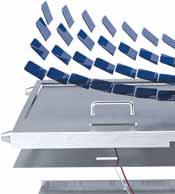
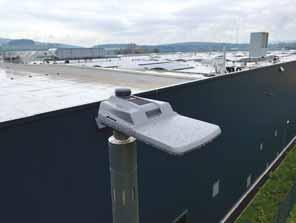
Solar powered traffic systems deliver projects more sustainably, cost-effectively and safely. Importantly, SRL says its system is the only solution on the market that can be retrofitted onto customers’ existing stock. Its Solar PLUS is the latest addition to the company’s growing solar portfolio.
Solar traffic signals from SRL
SRL Traffic Systems says it’s one of the first companies to offer UK traffic managers solar technology for mobile traffic signals
Designed and manufactured in the UK and available exclusively for hire, SRL Solar PLUS significantly extends battery cycles, reducing electricity consumption and the frequency of exchanges required.
Early results from SRL’s alpha tests designed to identify the optimum cell are showing the product’s potential to eliminate exchanges for months at a time. The beta trials that have been running on live customer sites throughout the UK since November show that the solution is performing well in even the poorest domestic weather conditions.
SRL’s Solar PLUS works with either AGM (absorbed glass mat) or lead acid batteries. However, the solution is best suited to products using AGM batteries, as they are designed to discharge and recharge better than lead acid alternatives. Traffic lights incorporating the new technology run with three batteries in the base of the box.
SRL Solar PLUS signals are available to hire via a range of flexible, added value contracts, enabling customers to access the solution best suited to their business. Traffic management companies that have previously purchased SRL’s Pedestrian, Radiolight and Eurolight signals may hire SRL Solar PLUS lids, retrofitting their existing stock and promoting circularity. Retrofitting is undertaken by an SRL commissioning engineer.
Signals featuring SRL Solar PLUS incorporate a telematics device within the boxes. The unit empowers operations managers to check battery charge levels and system functionality remotely, enabling them to identify exactly when batteries need to be exchanged or serviced. It also allows them to monitor their assets’ precise locations.
SRL Traffic Systems www.srl-solarplus.co.uk
Data boost for Drivewyze
Drivewyze has partnered with one.network to improve the quality of data regarding work zones and lane closures that are provided to US state transportation agencies.
The one.network company is a road management and work zone data technology provider. Drivewyze, a transportation technology company, provides solutions for commercial vehicle fleets, drivers and transportation infrastructure owners and operators.
With the partnership, one.network data is extended into Drivewyze’s connected truck network via in-cab alerts to improve roadway safety.
The platform from one.network manages and shares lane closure, work zone and roadway disruption information with GPS providers, which can now be displayed in commercial motor vehicles through the Drivewyze platform. This gives drivers with a “heads up” to upcoming lane closures and work zones allowing time to slow down or take an alternative route.
With this platform, state transportation agencies can also manage their work zone and lane closure information directly through one.network’s Live Link application. To disseminate this data, one. network’s data feeds can be pushed to passenger vehicles and smartphone applications via popular GPS providers and routing apps and now, through this partnership, to Drivewyze’s network of cross-platform connected trucks.
“With this partnership, Drivewyze can extend these work zone and lane closure safety programmes into commercial motor vehicles, offering state agencies a unique one-to-many reach across the regulated and, historically, fragmented trucking industry,” said Brian Heath, chief executive of Drivewyze.
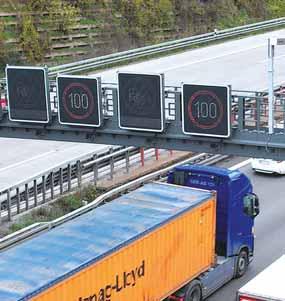
SWARCO sets up live-lane in Germany
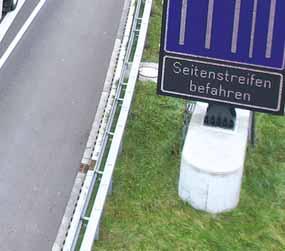
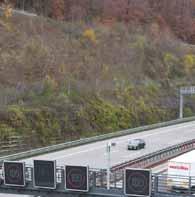
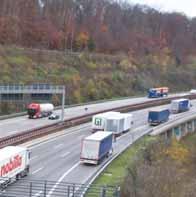
SWARCO has installed a temporary hard shoulder clearance, or live-lane running system, on the A8 motorway in south-west Germany for the Die Autobahn highways agency.
The A8 motorway is an important central east-west link in the European transport network. The section between Karlsruhe motorway interchange and Karlsbad junction features a winding route and gradients of around 7.5% and is highly congested with about 110,000 vehicles per day. Traffic flow is often blocked in this section due to slowmoving trucks and there are frequent overtaking manoeuvres and lane changes taking place.
SWARCO’s system spans 2.8km along the motorway between Karlsruhe and Karlsbad. It consists of four display cross-sections with LED variable message signs (VMS), eight pole installations for VMS or camera technology as well as 12 route stations. In addition to the outdoor equipment, SWARCO also provides central control software.
The camera technology is from Fuunkwerke video systeme while the operation of all functions is managed by the Autobahn GmbH traffic control centre in Stuttgart. Before the hard shoulder lane becomes a live-lane, it must be checked by the traffic control centre to ensure that no obstacles are blocking the lane.
SWARCO says that the system offers a climate- and resource-friendly possibility for using existing infrastructure more effectively without the need for costly and more permanent expansion of that infrastructure. In fact, notes SWARCO, the capacity of the infrastructure can increase up to 30% with such a system. The first live-lane running took place in early December 2022.
SWARCO www.swarco.com
Fuunkwerke video systeme https://funkwerk.com
Traffic Group takes command
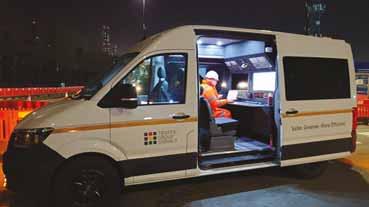
Traffic Group Signals has taken delivery of a converted Volkswagen Crafter van for use as a mobile worksite command vehicle.
Traffic Group Signals says that its Command Centre Vehicle gives its technical team and customers everything needed to “commission and control even the most complex sites in safety and comfort”.
The Volkswagen Crafter, introduced in 2006, is the largest 3-5tonne van made by German automaker Volkswagen Commercial Vehicles.
Thanks to mobile CCTV, deployed on a 4m mast, when onsite the Traffic Group Signals team can access a live feed of the traffic flow from within the vehicle, displayed across two 27” LCD (685mm) screens. Connectivity is also made simple thanks to an onboard WiFi network/4G router.
Integrated traffic signal controllers for the Metro Pro - a fully wireless, temporary traffic signal system featuring permanent signalling technology - and Evo 1 Pro – a crossover portable traffic signal system - can swiftly make necessary adjustments.
At the same time, the onboard computer ensures seamless connectivity into Signal Studio, a
software platform developed by Traffic Group Signals to design and implement complex temporary traffic signalling schemes.
The VW Crafter Command Centre Vehicle also incorporates a workbench area, a tripod traffic signal, additional batteries and a generator for charging. These features, alongside a wide selection of spare parts, provide
backup for almost every scenario, says Traffic Group.
There is also a well-equipped meeting space within the vehicle, complete with rotating captain seats for roadside comfort, heating and air conditioning, plus a kitchenette with hot and cold water for onsite refreshments.
“Nothing quite beats being on the ground at a site when it comes to commissioning, especially for complex schemes,” said Jason Swan, technical manager at Traffic Group Signals. “By having this facility at the roadside, we can optimise timings based on local observations. This highly agile approach to fine-tuning timings enables us to move traffic more efficiently and minimises delays for the travelling public.”
Traffic Group Signals www.trafficgroupsignals.com
The set-up consists of four display cross-sections with LED variable VMS, eight pole installations for VMS or camera technology as well as 12 route stations (image courtesy Autobahn GmbH Niederlassung Südwest)
The VW Crafter Command Centre Vehicle also features a kitchenette with hot and cold water for on-site refreshments
Signify brightens up Eichenzell
Signify is helping the German municipality of Eichenzell become a future-proof smart city through the use of its BrightSites streetlighting solution.
Signify – which uses Philips products, Interact connected lighting systems and data-enabled services - installed LED lighting which is managed by the Interact City system. Eichenzell can continuously monitor and manage all lights from a single dashboard. The system can be also integrated into the municipality’s IT systems and even citizen apps.
The upgraded streetlights are equipped with Philips Outdoor Multisensors, which use movement detection to adjust the light level as required. Information-sharing between the lights allows for them to work in unison, providing, for example, increased brightness in the direction of travel for pedestrians, cyclists and cars. This leads to better road safety at night and reduces energy consumption.
The innovative BrightSites solution removes the need to dig and lay fibre connections, while needing only a fraction of the time and cost of traditional methods. Through BrightSites, lighting infrastructure
becomes a platform for real-time safety, traffic management, pollution monitoring and other smart city services that require high-speed data connectivity.
Signify says that the broadband luminaires help build a platform for wireless broadband connectivity, capable of providing 5G to citizens at significantly lower cost compared to conventional means.
“The project marks Eichenzell’s first introduction to BrightSites and Signify’s first application in Germany,” said Rada Rodriguez, Signify’s market leader for Germany, Austria and Switzerland. “With over 1,700 light points remaining across the municipality, there is ample potential to deliver super-fast wireless connectivity in major parts in the city of Eichenzell,” she said. Signify
www.signify.com/global
Causeway Alloy for Bath
Council in England is using the Causeway Alloy connected asset management software solution to control its entire stock of 22,271 lighting assets. Among the assets are streetlights, bollards, illuminated signs and feeder pillars as well as belisha beacons - an amber-coloured globe lamp atop a tall black and white striped pole, marking pedestrian crossings.
In total, the local authority has now raised 8,874 maintenance jobs in Causeway Alloy and logged 5,527 defects. The news follows on from the council’s original decision to enter into a three-year
Causeway Technologies in June 2022, to deploy the software.
The council has now also shifted its entire street lighting and highway electrical asset management process to a mobile app-based system. By so doing, the council has gained full visibility and control over their operations, from issuing a job all the way through to invoicing.
This has enabled engineers in the field to receive job orders within minutes, saving precious time in the event of emergencies. Staff can send and receive messages in real time through one integrated platform, with
detailed statistics appearing against each job to reduce the need for printing. Causeway Alloy’s paperless system has helped the council use its time more effectively; it no longer has to manually create invoices or go through the process of closing down a job.
As both the council and its street lighting contractor Volker Highways use the same asset management system, processes are more integrated and streamlined, meaning that all queries can be resolved quickly. Instead of taking a reactive approach to street lighting and highway electrical asset
management, Causeway Alloy enables teams to proactively inspect and fix assets with greater levels of efficiency.
The company’s cloud-based asset management software Causeway Alloy and Causeway Horizons, connects people, systems, and assets, said Simon Phillips, director of major accounts at Causeway Technologies. Organisations can make better and more informed decisions to manage their infrastructure assets with greater efficiency, speed and clarity than ever before.
Causeway Technologies www.causeway.com
Causeway Alloy is managing more than 22,000 lighting assets for Bath & North East Somerset Council in England (image courtesy Causeway)
Signify brings wireless broadband connectivity through smart street lighting to Eichenzell, Germany
Fleeting look at road conditions
Bridgestone Mobility Solutions has introduced a portfolio of artificial intelligence (AI) data solutions to provide digital insights into road conditions.
The Bridgestone Road Conditions solutions uses anonymised and aggregated data from Webfleet connected vehicles. Webfleet is Bridgestone’s global fleet management solution used by more than 60,000 businesses across the world to improve fleet efficiency, support drivers, boost safety, stay compliant and work more sustainably.
By locating road damage and visualising road assets, the advanced data solutions support cities, municipalities and road authorities to improve preventive maintenance, infrastructure planning and traffic flow.
Bridgestone Road Conditions applies AI to define the severity of road damage, helping to prevent accidents as well as tyre and vehicle damage.
As a first step, customers can access two solutions that help identify the location and severity of road damage, as well as visualise various road assets. The Road Damage Detection solution identifies road anomalies by analysing anonymised and aggregated data leveraged from connected vehicles, which are equipped with Webfleet’s fleet management solutions. Using sensors and vehicle data, this unique tool accurately determines the locations of road damage, such as potholes, cracks and patches. Meanwhile, the Road Asset Visualisation solution provides intelligence on roads and infrastructure by analysing multiple connected vehicle sensor as well as camera data. Vehicle-mounted cameras use Edge AI capabilities to process data directly on the device in real time, ensuring data privacy by uploading only anonymised data to the cloud for further analysis.
This way, road assets and characteristics such as road signs, traffic lights and lane markings can be visualised and flagged if they are damaged, vandalised or blocked by vegetation, explained Raghunath Banerjee, vice president of data solutions at Bridgestone. Bridgestone Road Conditions is currently available in the UK, Ireland, France, Spain, Portugal, Italy, Poland, Netherlands, Belgium, Germany, Switzerland and Austria. Other solutions from Bridgestone Mobility, part of Bridgestone EMIA, includes Fleetcare (maintenance as a service), Tirematics (advanced tyre solutions) and Advanced Data Solutions.
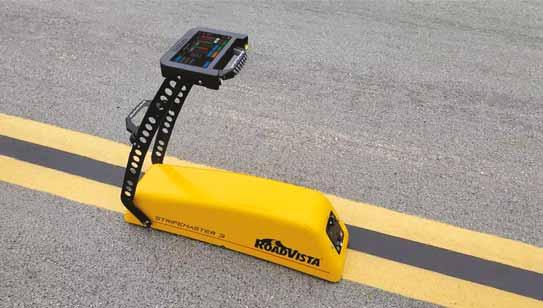
RoadVista has launched StripeMaster 3, the company’s next generation retroreflectometer for testing and measuring pavement markings.
StripeMaster 3 quantifies roadway and airfield pavement marking characteristics including retroreflectivity, daytime visibility and night-time retroreflected colour.
RoadVista says StripeMaster 3 provides safety for drivers, pilots, automated vehicle functions and helps agencies comply with the new MUTCD minimum retroreflectivity requirements for pavement markings.
MUTCD is the national standard for traffic control devices used on all streets, highways, bikeways and private roads open to public travel. It currently requires that pavement markings be visible at night and that all markings on interstate highways be retroreflective but does not require a minimum level.
StripeMaster 3, a full asset management tool, is completely designed and manufactured in the US. The user can test and quantify pavement markings on roadways, highways and airfields with measurable data with standard and custom attributes, locations, comments and other important data.
It can also document the condition of pavement markings through an automated ‘pass/fail’ feature. Its large, nearly-18cm touchscreen display is easy to read, even in direct sunlight and the instrument’s handle makes it light enough to carry and manoeuvre along a continuous road marking when testing on busy roadways.
A dedicated software package provides data that can be viewed and printed onsite or can be downloaded after testing for comprehensive report generation, analysis
and GIS integration, explained Eric Nelson, director for RoadVista. It has the capability for immediate onsite records or easy data export via USB or Bluetooth for comprehensive data management.
Testing can be performed day or night and will perform dry, wet or rain testing per
ASTM standards. This comprehensive system empowers municipalities with full insight into their markings for both human and machine vision creating safer roads for all vehicles.
RoadVista www.roadvista.com
Safe with Gregory’s TTMA 200
In the US, the Bipartisan Infrastructure Law, passed in 2021, will invest US$110 billion nationwide for essential repairs to roads and bridges.
The plan aims to make a transportation system with "safer people, safer roads, safer vehicles, safer speeds, and better post-crash care". However, it will also create an estimated 4,000 more work zones in the next two years, an increase of 18%. According to past statistics and trends, that increase alone could put 155 more roadside workers at risk of a fatal accident.
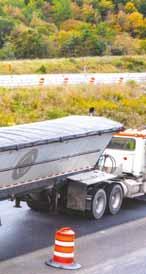
The need for better protection around worksites – for the safety of not just road workers but drivers approaching work zones –has never been more urgent, says Gregory Highway Products, a US manufacturer of barriers. And the need for better barrier protection is paramount.
Gregory Highway is committed to keeping our roads safe with the TTMA 200, said Jeff Grover, vice president of highway products at Gregory Industries. “We specialise in safer people, safer roads and post-crash care.”
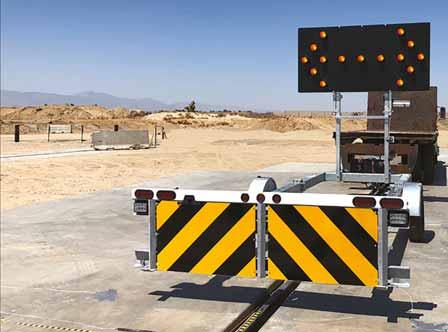
A big feature of Gregory’s TTMA 200 is the directional signage with blinking lights that can be seen on the back of trailers on the highway (image courtesy Gregory Industries)
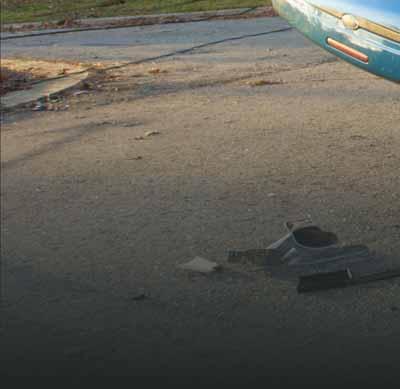
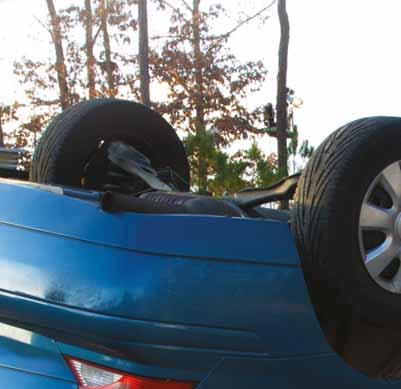
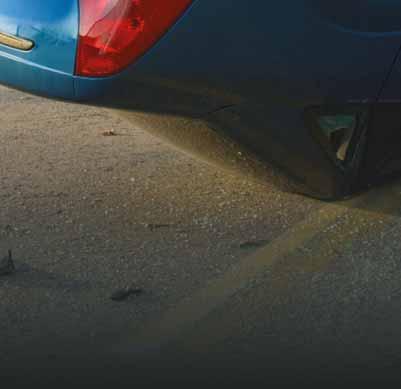
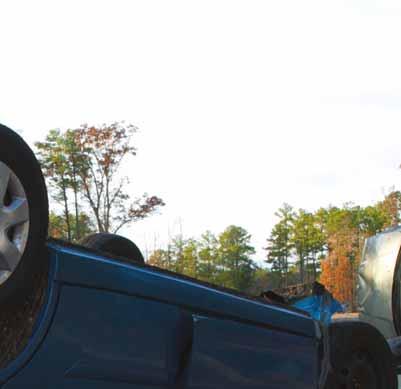
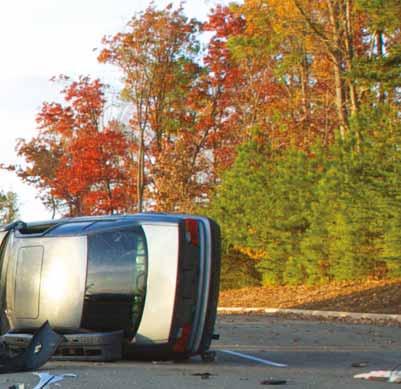
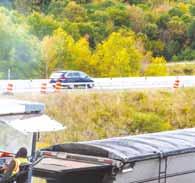
A recent event in the US state of South Carolina proves the point. A late-night drive on a South Carolina highway ended abruptly when a car crested a hill and crashed into a work zone. Fortunately, every life on the scene was spared. But that’s not always the case.
The lives of those involved in the South Carolina crash were spared because of the TTMA 200, a trailer truck-mounted attenuator. The car hit a TTMA 200 head-on, protecting a highway sweeping truck ahead of it.
A direct impact on anything solid would have resulted in a
tragic ending. But the TTMA’s tube busting technology absorbed the impact of a crash and saved the lives of the work crew and the driver.
Stated simply, it’s the directional signage with blinking lights that can be seen on the back of trailers on the highway. Its galvanised steel parts are made to last and to be used in virtually any highway environment. In the event of a crash, the parts can be replaced, resulting in a smart long-term investment.
Gregory claims that its unit, which is designed for use in mobile and stationary work zones, is one of the most versatile attenuator trailers on the market. Thanks to its hitch-mounted design, the trailer can be placed into service in minutes by attaching to most support vehicles with no modifications.
In 2019, the TTMA-200 passed the MASH TL-3 Crash Test and is now eligible for reimbursement under the Federal-aid Highway Programme.
Gregory Industries www.gregorycorp.com
Tertu T32 barriers for Slovenia
Barriers from French global manufacturer Tertu are lining roads and cycle paths in Slovenia, including the famous Velika Planina natural beauty area.
The T32 steel-backed timber guardrails are separating and protecting users of a recently created bicycle path along a main road into the city of Velenje. The north-eastern city is nestled among the green hills of the Šalek Valley, with the Kamnik–Savinja Alps to the west and the Pohorje Mountains to the east.
On a very different route, a T32 VRS (vehicle restraint system) runs along a scenic and sinuous mountain road into Velika Planina, an area of stark beauty. The area is a dispersed high-
elevation settlement of mostly herders' dwellings on the karst Big Pasture Plateau in the Kamnik Alps region of Slovenia.
Tertu says that the T32 guardrails – crashtested and certified CE for N2-W2 and N2-W3 performance – offer low visual distortion in front of obstacles or along an elevation gain. For areas of natural beauty, their natural looking appearance makes the T32 a perfect fit.
The system consists of C125 steel posts with post spacing of 1.33m and the B-profile steel rail (296x4300x2.5mm) is cladded with four half-round logs of 16cm. The rest is around 750mm high and for safety the wood is pressure-treated with chromium and arsenic-free
preservatives. Meanwhle, in the UK Tertu reports that more of its steel-backed timber guardrails are now VRS certified.
HORIBA MIRA Certification has approved, in compliance with the UKCA standards, the T22 4MS2 N2AW4 (2m post spacing) and TM18 4M N2AW5 (4m post spacing) models. These join the already certified T32 crash barrier offering both N2W2 and N2W3 performance. All these steel backed timber VRS are fully certified for use in the UK, making more of Tertu’s systems available for UK roads.
Tertu www.tertu.com
Tertu’s T32 steel-backed timber barriers were recently installed to separate and protect a bicycle path from the main road into Velenje city (image courtesy Tertu)
SPEEDING UP THE MOBILITY TRANSITION
INTERTRAFFIC EVENTS & SUMMITS
SHANGHAI / CN 24 - 26 JUL 2023
MEXICO CITY / MX 14 - 16 NOV 2023
AMSTERDAM / NL 16 - 19 APR 2024
24/7 NEWS, VIEWS & INSIGHTS
INTERTRAFFIC WORLD MAGAZINE
INTERTRAFFIC NEWSLETTER
INTERTRAFFIC ONLINE PLATFORM
Intertraffic is all about connecting public and private sectors to shape the world’s mobility future. Not just at world leading events but with year-round engagement to accelerate the exchange of knowledge and expertise to tackle pressing mobility issues, seize current opportunities and spotlight future ones. We showcase the stories of people, organisations, projects and technologies driving a sustainable, liveable and mobile society. Join us for valuable insights, exceptional networking and fruitful collaborations. More info on INTERTRAFFIC.COM
Prepare for ‘interoperability on steroids’
The gathering of Europe’s toll professionals offers a chance for views to be exchanged by senior people on a number of big issues: and there’s currently an awful lot to think about, reports Geoff Hadwick
This year’s Asecap Days conference in Brussels took “decarbonising road infrastructure in a tough economy” as its theme.
More than 250 delegates came together in the Belgian capital to get the expert view on some of the key challenges facing the ITS sector, such as the future for road user charging, infrastructure finance, climate change, cooperative, connected and automated mobility (CCAM) and cybersecurity.
In a future full of sustainable digital transport networks, expect “interoperability on steroids” says John Davis, commercial director of TollPlus, part of Vinci: “Rapid technology change and increased connectivity is totally transforming our business as Europe transitions towards a digital transport network.”
And it’s going to be complicated. “Digital transformation is happening everywhere,” Davis told the annual gathering of Europe’s leading toll road operators. “It’s leading to an Internet of Things [IoT] where everybody and everything is connected.”
Emerging ITS technologies such as Mobility as a Service (MaaS) and connected and autonomous vehicles (C/AVs) are leading to an Internet of Transport Things (IoTT), he continued, all of which need to be layered through “a myriad of choices around adapting: emerging technologies, emerging cooperative business and operational models and changes in customer ownership”.
The challenge that ITS faces is: “How can such changes be safely adapted on top of legacy systems and existing operations?” With a lot of teamwork and commitment, said Davis. “Transitioning to a sustainable digital transport network [will be] very similar to the tolling
sector’s transition to interoperability. It was a long journey, but we got there.”
Technology was “the easy part”, according to Davis. It was far trickier getting hearts and minds, and an innovative approach, to fall into place. It was worth the effort, though, he said, because this is also where the European Union’s heart lies.
“Rapid technology change and increased connectivity is totally transforming our business ”
John Davis TollPlus
All pictures courtesy of Asecap
The EU wants to “adopt digitalisaton as an integrated component of an interconnected, interoperable, and efficiently managed transport system”, he said. It wants “to improve the safety, security and environmental performance of the transport sector in Europe and prioritise sustainable transport policies as a key component of achieving the union’s climate action objectives”. These are the drivers behind almost all of the EU’s policy initiatives at present.
Data says it all
The common thread bringing all of these elements together is data and TollPlus has ce systems that are “transaction-focused,” packed with modular options that can be easily added or deleted. The ITS sector needs to be geared towards empowering people, businesses and organisations to make better decisions based on insights from data, reckons Davis.
In Europe, there is a raft of new and emerging policy and regulatory requirements including Directive (EU) 2019/1024 on open data and the reuse of Public Service Information, the Data Governance Act (DGA), ePrivacy Regulation (ePR), General Data Protection Regulation (GDPR), the EU Sustainable and Smart Mobility Strategy, and the EU Data Strategy and its associated white cial intelligence.
It’s the same picture in the US where the industry is “grappling with similar challenges” despite less focus on “Regulation First”.
Other topics at this year’s Asecap Days included: green mobility and climate change mitigation via sustainable funding; sustainable low-carbon motorways; adapting roads in order to achieve a meaningful digital transformation; cooperative, connected and automated mobility (CCAM); new thinking around resilience, safety,
and emerging technologies; and the future for road user charging.
There is a lot going on in the world right now, said International Road Federation (IRF Geneva) president Anouar Benazzouz, as companies struggle to contend with the vagaries of war, pandemic and climate change. “Going forward, the role of infrastructure planners, designers and contractors will fundamentally change,” he told the Asecap delegates.
“ We know that for every €1 we invest in our roads, €8 comes back in societal gains ”
Geert van der Linden DG Move
“To be able to embrace new technologies as they emerge, countries around the world, and lending institutions, will need to have proper processes and regulatory frameworks in place. Infrastructure providers will need to ensure that they have the skills, knowledge and systems in place to build the associated infrastructure.”
His message and the call from IRF Geneva has been equally clear: “We need to learn system thinking. We need to build true partnerships to deliver on these critical issues.” Pragmatism will be key, Benazzouz added, and local context will matter more than ever. Why pragmatism? “Because roads move people and goods, [and] almost every journey involves interaction with roads. We need to decarbonise
John Davis, TollPlus: prepare for ‘a long journey’
Anouar Benazzouz, IRF Geneva: ‘We need to learn system thinking’
Wolfgang Schildorfer, University of Applied Sciences, Upper Austria: ‘Information retrieval … will be key to providing CCAM decision support’
without compromising the services we provide and without undermining a vital network that serves all other transport modes, including active mobility and public transport.”
Don’t criminalise us
The same theme was taken up by Massimiliano Salini, member of the European Parliament, who agreed that the industry must work hard to prevent compromise and conflict: “I strongly reject the criminalisation of the road transport industry for climatic reasons.”
Salini says that he has to constantly remind the EU parliament “to consider how many sustainable technological solutions come from the ITS sector while maintaining the mobility of goods and people every day”. The EU needs to make policy and legislative decisions “based on scientific data and not on ideological positions: this is the real challenge for me, and for you”.
And scientific data underpinned a wideranging discussion on using digital twins to monitor traffic flows and improve road safety standards. “Information retrieval from all sorts of different data sources will be key to providing CCAM decision support,” argued Professor Wolfgang Schildorfer, vice dean for research in transport logistics and mobility at the University of Applied Sciences, Upper Austria. The industry needs to work towards the full convergence of all its tech developments if it is going to make real progress on CCAM, he said.
Europe’s motorway operators are well placed to support digital twin testing and can help provide the test beds necessary for bringing together work on “parallel projects” such as Cope and Esrium, both of which are trying to “intelligently combine information from all road users” such as people, automated vehicles, and road surfaces to create “a kind of ‘collective perception’ and ‘situation awareness’ platform”.
Yes to all of that, added Konstantinos Koutsoukos, president of Greece’s Hellenic Association of Toll Road Network (Hellastron)
and chief executive of Egnatia Odos. “Motorway operators could be considered as a sports team coach who combines the skills of his players and decides how to set up the team for the best possible result,” he told the Asecap delegates. “Without players there is no team … [but] without a coach, the team cannot play.”
Europe’s motorway operators need urgently to define a clear approach for this new era, he continued: “They need to have an integrated and well-defined strategy; to develop and provide the demanded infrastructure; to complete the required digital transformation; to comply with the vision for sustainability; and to change their way of thinking and their operational philosophy.”
And none of this should come as a surprise. It’s been coming for a long time. Maybe it is a lack of funding that is holding things back, suggested Koutsoukos. So, he asked: “Who should fund, or co-fund, the motorway infrastructure needed?” How about: “The state (to improve the safety, mobility and the environment) by extending the concession period? The motorway industry itself (to decrease the operating expenses)? The automobile industry (to sell the next generation of vehicles)? The telecom industry (to sell more xG services)? The content providers (to sell "content" to users)? Or the users themselves (to travel quickly, safely and protect the environment)?”
Change the way you think
All of them in truth, he concluded, answering his own question. “We need to change our way of thinking and operational philosophy,” he said. “A new win-win approach is required because motorway operators will soon be just one of the links of the chain, and not the full chain. Time is precious, and even though this issue has been under consideration for the last few years, most operators are still thinking about how to set up the team.”
In short - stop thinking and act now, he argued: “We can take the leading role.”
“ I strongly reject the criminalisation of the road transport industry for climatic reasons ”
Massimiliano Salini MEP
Asecap director general Malika Seddi
Bill Halkias of Hellastron
“ The A79 is the first motorway in France to adapt prices according to environmental criteria ”
Françoise Congestri Operations manager, toll and customer areas, APRR
Bringing down barriers on first free-flow toll motorway in France
According to Françoise Congestri, operations manager, toll and customer areas for French motorway operator APRR, the east-west free-flow section on the A79 offers three major advantages over a conventional toll barrier.
1. More fluidity with no more stops and queues at the toll barrier: “This saves time, smooths traffic flow, and means there is less risk of traffic jams.”
stop and restart at toll barriers. For example, each time it stops at a barrier, a heavy goods vehicle consumes one litre of ordinary diesel, which represents CO2 emissions of 3.1kg (source: ASFAAssociation of French Motorway Companies).
“There is also less soil artificialisation because a free-flow overhead gateway requires less infrastructure than the installation of a conventional toll barrier,” Congestri says. “This means less land conversion and a muchreduced impact on the natural environment. The estimated surface area required for a toll barrier is 16hectares."
2. Improved safety with less risk of road accidents by avoiding slowing down and restarting in the midst of many cars. “This reduces the stress of arriving at the toll barrier and having to find the right lane, look for your payment method, etc,” she explains.
3. More sustainable mobility: lower levels of fuel consumption and CO2 emissions are achieved by eliminating the need for vehicles to
Working with Aliaé, Congestri says that the A79 test zone has been set up to use “a complex electronic toll system with antennae able to read toll tags, cameras, able to read licence plates, and lasers able to categorise
And it’s a role that Europe’s politicians value. According to keynote speaker Geert van der Linden, senior policy officer, DG Move, at the European Commission: “We know that for every €1 we invest in our roads, €8 comes back in societal gains.”
Digitally transformed roads and proper traffic management technology mean less time lost in jams, he said. “To achieve our automation dream we need to take baby steps and set up new partnerships. We need to connect everybody to everything.”
The politicians will put their money where their mouths are too, Van der Linden added:
vehicle categories”. For drivers, “signs are posted along the motorway to inform them that they are travelling on a free-flow toll motorway and of the four payment methods available”.
Firstly, she said, there is the toll tag so that drivers don't have to do anything. The invoice is made available each month in their online customer account and the user is charged automatically around the 15th of the month following the trip.
Secondly, customers register their vehicle’s number plate and bank details at www.aliae.com so plates are detected on every trip and their bank accounts are charged weekly.
The third option is pay-pertrip, where the drivers can pay online at www.aliae.com by “simply entering their number plate to find their trips. You must pay for your trip within 72 hours after using the A79, and to make sure you don’t
“Smart mobility will connect all the dots and digital infrastructures will exchange info and collaborate with vehicles. Future-proof deployment will support human drivers today and prepare the roads for driverless vehicles tomorrow.” Public and private investments will be aligned, and legislation will provide the bedrock for it all.
Under the headline of ‘Efficient and green mobility’, Van der Linden told the Asecap conference that the EU is committed to a proposal to amend the ITS Directive 2010/40/EU that will extend the scope of the Directive to mandate availability of
forget to make a payment, you can register your email address and receive a notification as soon as payment is due.”
Fourthly, pay as you go, where “customers pause to pay for their journey with cash, bank card or private card” at a traditional terminal at the side of the road.
Congestri also shared the way in which the tolls are being collected according to vehicle type. “The A79 is the first motorway in France to adapt prices according to environmental criteria,” she proudly told the conference. “For light vehicles (class 1, 2 and 5), the overall toll will not exceed €5 for the 88km stretch of road, and there is a reduction for low-emission 100% electric vehicles. And, for heavy goods vehicles (class 3 and 4), the overall toll will not exceed €20 for the 88km. Again, there will be reductions or penalties according to their euro pollution class.”
crucial data (real-time traffic information, road-safety related events and multimodal travel information services) … and mandate deployment of essential services (currently road safety).
In terms of measuring the success of these initiatives, Van der Linden said: “The expected impact of the revised Directive until 2040 (which includes mature C-ITS services) are: time-saved benefits of €145 billion and a reduction in the cost of accidents of €30bn.” All this for “a total cost of €21 billion, resulting in a cost-benefit ratio of 8:6.” A wise investment, thinks the EU .
Milling a runway surface
No less than 15 planers were used for the job, one of the world’s biggest ever milling projects. The airport is one of Germany’s largest and is a key international facility for airfreight. The refurbishment of Leipzig/ Halle Airport has been carried out by contractor Kutter & Co. The first phase of the project involved the removal of the concrete of the north runway and the associated taxiways within a 30-day slot. The resurfacing could only begin after the completion of this first phase, which was very challenging and involved removing 350,000tonnes of concrete reinforced with steel rebar from an area of 300,000m2 The continuously reinforced concrete pavement (CRCP) was extremely hard and abrasive but had to be removed by this cutting method within the tight timeframe.
Concrete milling is already an established technology and technological advances mean that most grades of concrete pavement can be removed cost-efficiently. The removal of reinforced concrete pavements containing tie-bars, dowels and rebar mats is possible. At the same time, selective removal enables the separation of concrete layers with different properties and, consequently, also the reduction of contaminated material. In addition, milled concrete can be recycled without further treatment.
Concrete cancer was the reason for the need to resurface the 3,600m of runway and taxiways. This alkali-silica reaction occurs when aggregate constituents used in the production of the concrete come into contact with water. The silica reacts with the cement contained in the concrete and forms a gelatinous mass. The ensuing expansion begins to exert pressure within the concrete and can lead to an explosive reaction if untreated.
A project of this magnitude requires highperformance machines and optimal cutting tools for the milling drum. The Wirtgen W 250i
cutting performance. The machines were fitted with ECO milling drums featuring fewer picks at larger tool spacings than is the case with standard milling drums. The lower number of cutting tools reduces cutting resistance, making it possible to mill harder concrete. To meet the target of removing 350,000tonnes of concrete in 30 days, each machine had to mill off an average of over 1,100tonnes concrete/day. The first step was the fastest possible removal of the concrete surface in layers. After this, machines equipped with 3D levelling technology delivered the specified target height for the subsequent resurfacing. A total of around 60 employees from Kutter worked on the project in two shifts to meet the deadline. A total of 12,500 truck loads were required to shift the 130,000m3 of concrete removed.
“In order to get through this challenging project and deliver within the tight deadline, we constantly had 10 (and sometimes 14) W 250 Fi class large milling machines working simultaneously in two shifts. We also always had backup machines onsite as reserves,” according to Bernhard Fischer, project manager and branch manager at Kutter
The planning of the project began at an early stage to assure a smooth process chain.
conducting a series of tests. The experts agreed on the type of round-shank pick required to achieve optimal milling performance and long service life. This allowed accurate consumption estimates for picks and wearing parts and the procurement of sufficient stocks for the site, helping to minimise downtime once work began.
The concrete removed during the airport project in Leipzig was temporarily stockpiled close to the project site and recycled for use in the subsequent project phases as the base layer for the new runway. Short haulage distances and minimal new material requirements also reduced fuel consumption.
In addition, the Wirtgen cold milling machines themselves offered a broad spectrum of machine technologies. Optimised speed ranges controlled by Wirtgen Mill Assist and engine-temperature-controlled fan speeds helped lower fuel use. Automatic activation and deactivation of the water spraying system and milling-performance-dependent water metering meanwhile helped reduce water consumption. Wirtgen
www.wirtgen-group.com
A team of 15 Wirtgen milling machines was used to remove the old concrete runway and taxiway surfaces at Leipzig/ Halle Airport in Germany
The concrete surface being removed was hard and abrasive but careful selection of cutting tools optimised wear life
Airport runway award
The National Asphalt Pavement Association (NAPA) in the US recently announced ST Wooten Corp of Wilson, NC, as winner of the 2022 Ray Brown Asphalt Pavement Award. This was for excellence in construction of an asphalt pavement for an airport facility. ST Wooten Corp was recognised at a ceremony during NAPA’s 2023 Annual Meeting in Miami Beach, FL.
“The asphalt pavement industry is committed to building high-quality projects that deliver superior performance to the travelling public. All contractors’ projects earning a Quality in Construction award are measured against best practices designed to live up to that commitment,” said 2022 NAPA Chairman of the Board James A Mitchell. “Earning the Ray Brown
Asphalt Pavement Award demonstrates that ST Wooten Corp. has met or exceeded these rigorous standards.”
ST Wooten Corp won the award for the MCAS Cherry Point Airfield repair project in Havelock, NC. The company paved two runways at Cherry Point with an asphalt paver with a vibratory screed. A portable asphalt plant was erected onsite to facilitate efficient hauling of the mix to the paver and to improve mix temperature retention. Wooten saw-cut the cold longitudinal joints to vertical and applied tack before placing the adjacent lane. A material transfer vehicle was used to ensure a smooth, continuous pavement could be laid without mix or temperature segregation. ST Wooten used
non-tracking tack during paving to avoid causing foreign object debris damage to the aircraft using adjacent runways and taxiways. This type of tack also prevents the pickup of mix or aggregate by paving equipment.
The award is named in honour of Ray Brown, retired Director (1991-2007) of the National Center for Asphalt Technology (NCAT) at Auburn University. Under Brown’s guidance, NCAT became renowned for its asphalt pavement research. The award is presented to the highest scoring Quality in Construction – Airport Pavement project.
NAPA
www.asphaltpavement.org
Contractor ST Wooten won the NAPA award in the US for a high-quality airport runway paving operation
New concrete paving equipment
The latest units are said to be more versatile, more productive and easier to operate. Of note is the fact that three of the major concrete slipformer makers, GOMACO, Power Curbers and Wirtgen, have upgraded their offerings for machines at the compact end of this market segment, although in very different ways.As with other types of construction machines, electric power is now being seen as a potential power source for concrete slipformers. With the machines being used in urban areas, electric power offers a key benefit for operation. GOMACO is now offering the compact CC-1200e slipformer featuring electric power. According to the firm, the battery will power the machine for eight hours when laying kerb in a straight line although this may drop to around six hours when working around curves due to the extra power needed for steering. Recharging the 48V DC lithium-ion battery pack takes around 8-10 hours when using a conventional 220V supply, although the firm offers a two-hour fast charger as an option.
As with other slipformers from the firm, customers have a choice of 3D machine control packages from Leica Geosystems, Topcon or Trimble for steering the unit. The machine is operated using a radio remote control unit that features GOMACO’s proven G+ control system. Features include rotary-sensored slew drive steering on the front assembly for tight turning, smooth paving and ease of control.
The machine can pour a 610mm radius,
The major players in the concrete slipforming market are offering an array of new and improved technologies for users
Electric power drives GOMACO’s new CC-1200e slipformer
A new control system is available on the latest version of the 5700-D slipformer from Power Curbers
has a paving speed of up to 12.2m/min and an auxiliary speed of 28.3m/min for site mobility. Different mold configurations are offered allowing a 305mm wide by 356mm high section. The mold can be mounted on either side of the machine while the hopper and mold are adjustable up to 381mm.Leg elevation is controlled by three hydraulic cylinders, each with a stroke of 254mm as well as an additional 127mm of manual adjustment.
Meanwhile from Power Curbers, the latest generation 5700-D now benefits from the upgraded SlipSmart Control Solution. According to the firm, this offers a new level of responsiveness, simplicity, and precision.
Compact in size and highly manoeuvrable, the 5700-D can operate in tight spaces and the firm says that the machine offers versatility for contractors. The latest generation machine can handle a range of kerb and gutter work, highway safety barriers, pedestrian paths, cycle lanes and other special applications. The 5700-D is stringless capable and compatible with Leica, Topcon, and Trimble 3-D systems.
Versatility is a key feature of Wirtgen’s SP 20(i) Offset Paver, which can be used to slipform concrete safety barriers up to 2m high. At the same time, the machine is said to be compact and easy to transport. Because of its compact size and comparatively low weight, the machine can be moved from one site to another quickly, allowing contractors to optimise utilisation.
As with other Wirtgen slipformers, the SP 20i can be used with an array of machine control systems. One of these is the firm’s own improved package, which has been developed in-house. The AutoPilot 2.0 control system offers stringless paving capabilities and can control the height adjustment and steering of a slipformer. This package can be used on the entire Wirtgen range of offset pavers and placer/ spreaders. The system uses a GNSS signal and can be configured with ultrasonic sensors on the machine as well as other technologies to serve as a reference. Using this control permits fast and precise paving of tight radii and complex geometries. The system can be operated from a tablet, allowing users to generate and edit terrain models. In addition, Wirtgen also recently updated its large SP 124(i) slipformer. This four-track machine can pave widths up to 12m and now benefits from the firm’s latest generation dowel bar inserter. Dowel bars are extracted from the magazine by a chain feed system and then carried to the insertion location. The machine has smart cylinders featuring displacement sensors that position the dowel bar inserter accurately. Featuring a high degree of automation, the system reduces the need for manual working, boosting efficiency.
The market for ruggedised demolition excavators has very specific requirements, with three new models now available – Mike Woof writes
Anotable development for the demolition sector has been the availability of three new ruggedised excavators bearing the names of key manufacturers. These excavators have all been specially configured to cope with the extremely tough demolition sector, one of the harshest working environments for any piece of off-highway equipment.
Pennsylvania-based Caterpillar dealer Cleveland Brothers has built a one-of-akind demolition machine for its customer Independence Excavating in the US. The client had asked if a Cat 6015 excavator would make a suitable base for a rugged and versatile machine that could be used on demolition projects.
In 2022, Cleveland Brothers Equipment partnered with its customer Independence Excavating to modify the Cat 6015. This was equipped with a Fortress 145FS Series Mobile Shear, while the working range of the machine was extended with a custom-designed and built Pierce Pacific three-piece boom/stick. The resulting machine is capable of tearing down, wrecking, cutting and processing materials in difficult to reach places.
Critical components have all been protected to ensure long life, while the machine is also equipped with numerous safety features. Independence Excavating’s Demolition
maintenance manager, Ryan Lebeau said, “Its performance is impressive.”
LeBeau says that his team chose to partner with Cleveland Brothers because of the close relationship and previous experience purchasing Cat 6015s from them. “About 85% of our fleet is Cat machines,” he said. “Because we have contracts across the country, the nationwide serviceability and parts that Cat offers are key.”
As projects come up, Lebeau said the machine will most likely be travelling around the US.
New from Develon (Doosan) comes the DX245DM-7 demolition excavator, a ruggedised version of the firm’s 25tonne class excavator. With its heavy-duty specification, the new DX245DM-7 weighs 31tonnes and has been designed for tough, high-reach demolition works using hydraulic attachments.
The machine replaces the previous DX235DM-5 model and is powered by the firm’s own DL06P diesel, which meets the Tier 4 Final/ Stage V emissions requirements and delivers 129kW at 1800rpm. The DX245DM-7 forms part of the firm’s range of demolition excavators that also includes the heavier 47tonne DX380DM-7 and 61tonne DX530DM-7 models.
As with other demolition machines from the company, the DX245DM-7 has a high visibility, tiltable cab that is suited to high-reach demolition applications and offers a 30° tilting angle.
Another key feature of the DX245DM-7, which is shared with the other models in the range, is its modular boom design and hydraulic lock mechanism. This provides a versatile solution that allows the customer to use the same excavator for other applications onsite, as well as demolition.
The design enables the operator to change between a demolition boom and an earthmoving boom to allow different types of work on the same project. A stand is provided to assist with the boom changing operation, which uses quick-change hydraulic and mechanical coupler connections. A cylinder-based system is used to push the locking pins into place to complete the procedure. The multi-boom design also means that the earthmoving boom can be mounted in two different ways. Along with the demolition boom, this permits three different configurations for the same base machine.
For the DX245DM-7 equipped with the 18m-long demolition boom, the range allows the machine to work with a demolition attachment to a maximum height of 16m. The recommended maximum combined weight for the attachment and quick coupler in this mode is 2.5tonnes. The maximum pin height of the demolition boom on the DX245DM-7 is 18m.
When equipped with the digging boom in the straight configuration, the DX245DM-7 can work to a maximum height of over 9.8m. In this format, the recommended maximum weight for the attachment and quick coupler is 3.3tonnes.
Caterpillar
The new DX245DM-7 demolition excavator offers a combination of high performance and rugged construction
Using the digging boom in the alternative bent configuration, the DX245DM-7 can work with an attachment to a maximum height of 8m. In this mode, the recommended maximum weight for the attachment and quick coupler is 3.3tonnes.
The DX245DM-7 has a hydraulically adjustable undercarriage, which extends to a maximum width of 3.74m to provide optimum stability when working on demolition sites. The width of the undercarriage can be retracted hydraulically to 2.54m in the narrow width position for transport. The system uses a lubricated, internal cylinder design.
Standard safety features include a FOGS cab guard, safety valves for the boom, intermediate boom and arm cylinders and a stability warning system. Biggest of these machines is the highly versatile demolition excavator now offered by Komatsu in the shape of its new PC490HRD-11. This novel machine can be used for high-reach demolition work when equipped with breakers or cutters. However, it features a quick-change boom system that means it can be converted easily for other duties.
Komatsu’s in-house boom change system includes oversized quick connectors for the hydraulic lines, to minimise back pressure and oil heating without restricting oil flow. The system also features hydraulically-powered pins which are mounted inside the main boom structure, reducing risk of damage.
Changing the boom over takes just a few minutes and this is rested on a special stand when not required. Power for the machine comes from a Tier 4 Final/Stage V compliant diesel that delivers 362kW. Operating weights for the machine vary widely from 55.2tonnes up to 73.4tonnes, depending on the size of boom and attachment being used.
Using the firm’s novel K100 system, the machine offers a high-reach of 28m and an extended high-reach of 32m. The machine is able to handle a range of demolition attachments from 2.5tonnes at the 32m extended high-reach arrangement, up to 3.35tonnes in the 28m high-reach arrangement,
and up to 5tonnes for the digging or medium height arrangements.
To maximise stability, the heavy-duty undercarriage is hydraulically adjustable while the operator benefits from a graphical working range indication system, with an integrated arm end camera display. Customers have the choice of an optional arm end camera also. Other safety features include the proven KomVision surround view system, a neutral position detection system and a fully regulation compliant tilting cab.
According to Komatsu, the cab of a machine with the K100 system looks similar to that of the conventional boom change machine. All the controls of the K100 system are incorporated within the human/machine interface (HMI) panel, which is the working range indicator system in normal use. The HMI panel offers instructional animations as well as a built-in view from the alignment camera so that the operator is aware of machine condition at all times. No additional monitors are needed, ensuring the view from the operator cab remains uninterrupted.
To ensure that the machine copes with the tough demolition environment, the machine features a heavy-duty structure as well as proven Komatsu components.
The standard safety and fleet management equipment fitted to the PC490HRD-11 are retained with the K100 boom change system, with the Neutral Detection System, Komatsu Care, KomVision and Komatsu’s telematic system Komtrax all featuring in the standard specification.
Versatility is ensured due to the Komatsu standard powered pin connection system and the optional K100 quick-change boom connection system. Using the different front ends allows for six different working arrangements, with a boom extension system for high-reach working. Customers can also change over to the digging boom for more conventional excavator tasks if required.onsite. This also means that the customer may require one less machine onsite.
Caterpillar www.cat.com
Cleveland Brothers www.ClevelandBrothers.com
Doosan Construction Equipment www.eu.doosanequipment.com
The new Komatsu machine offers an impressive reach height
Alternative power for earthmoving
Since the 1920s, the diesel engine has dominated the earthmoving machinery sector as a means of motive power but that is now changing - Mike Woof writes
The construction machinery sector has relied on the diesel engine as its primary source of motive power for a century. Early earthmoving machines used steam power and these began to be replaced by equipment using petrol engines at the start of the 1900s. But firms began switching to diesel engines in the 1920s as the performance of these units improved.
However, with the need to address climate change issues, that dominance of the diesel engine for off-highway earthmoving equipment is being challenged and from a number of angles.
Electric power is now becoming accepted as one alternative but has so far been limited to compact machines. In the last year or so prototypes of larger machines have been unveiled featuring electric power from firms including Caterpillar, Komatsu and Volvo CE for examples.
Meanwhile, hydrogen fuel systems have been unveiled with most using modified internal combustion engines, although there have also been fuel cell systems tested such as a JCB prototype, only Hyundai is preparing to offer a fuel cell excavator at present. Volvo
CE
has invested heavily in developing fuel cell power units at its Eskilstuna facility in a big step towards commercial introduction of the technology. Several construction machinery firms such as Hyundai Doosan Infracore, JCB and Liebherr as well as the engine maker Cummins have been working on internal
Caterpillar says that its 22tonne 320 excavator prototype features five 600V Cat lithium-ion batteries which provide a total of 320kw/h electric power. This allows up to six hours operation before recharging is required, depending on the operation. More demanding operations such as trenching will have a shorter
Cummins has carried out extensive testing of its IC engines using hydrogen as fuel
Hyundai’s fuel cell excavator is close to commercial availability
EARTHMOVING
The 19.7tonne GC wheeled loader uses four Cat 300V lithium-ion batteries for a total of 256kw/h electric power. It takes around one hour to recharge. Both the 320 medium excavator and 950 GC medium wheeled loader can use DC fast charging.
Komatsu says that its 20tonne class PC210E electric hydraulic excavator is equipped with a Proterra-manufactured lithium-ion battery system. Komatsu and USbased Proterra have been jointly developing electric medium-sized hydraulic excavators and have been conducting PoC (Proof of Concept) tests on advance research machines at construction sites. The PC210E will be available commercially in the Japanese market in due course.
The PC210E model integrates Proterra’s lithium-ion battery technology which is proven in heavy-duty vehicles with Komatsu’s hydraulic pump, controller, and electric motor. In addition, Komatsu has developed a robust structure to protect the batteries. As a result, the company claims performance equivalent to a conventional diesel excavator and eight hours of operation from a full charge.
Volvo CE says that its EC230E excavator will meet demands for electric excavators in the 23tonne class. However, a more radical innovation comes in the shape of an electric power system for its 20tonne class L120 wheeled loader. The system has been developed in conjunction with Parker Hannifin and converted by Volvo Group’s own CE Engineering Solutions. Volvo CE says that it is working with CE Engineering Solutions and selected electromobility partners to accelerate the availability of electric solutions across all segments. This latest collaboration to expand its line of electric wheeled loaders follows Volvo CE’s investment in Dutch manufacturer Limach to broaden the company’s electric excavator portfolio.
The manufacturer says that its partnership approach allows for speedier implementation to the market. It is being carried out in parallel with the company’s continued development of more electric solutions, such as its 23tonne class EC230 electric excavator using the firm’s own technology. Volvo CE says the machine delivers the same performance as its diesel counterpart, but with zero exhaust emissions and near silent operation.
Powered by 240kWh batteries, it provides a runtime of approximately five hours in most medium-duty applications. Consistent with Volvo’s existing charging solutions, it is estimated to charge from 0-100% in just 1.5-2 hours. The L120H Electric Conversion offers features as standard: Comfort Drive Control; Load Assist with Onboard Weighing; plus radar detection with its new Collision Mitigation System. In addition, the L120H Electric Conversion will be supported by dedicated electromobility applications which allow the operator to check battery and charging status and to preheat the cab.
Volvo CE says that, depending on market demand, it brings the possibility to
convert existing customers’ L120H wheeled loaders to electric in the future. With a US$7.8 million investment from Volvo Group, a new production facility will be built at the Changwon plant in South Korea. This facility will produce a wide range of common electric storage solutions (battery packs) for Volvo Group and become a core competence centre for electric excavators.
The company also recently announced a plan to upgrade its Arvika factory in Sweden which produces the firm’s medium and large wheeled loaders. The $6.3 million investment from Volvo Group will allow for the production of electric wheel loaders at Arvika, while the firm has plans to build electric haulers at its facility in Braås, Sweden. Arvika will erect a new building, approximately 1,500m2, which will allow the facility to free up areas inside its assembly factory to build electric wheeled loaders. While it has not yet been announced
which models will begin their electric transformation and exactly when, production of both electric wheeled loaders and conventional ICE wheeled loaders will continue for now on the same production line. Volvo CE says it will ensure a phased introduction model by model, taking into account all aspects of the electric ecosystem, including infrastructure requirements, charging solutions, battery handling and business models.
Some firms are taking the prospects of hydrogen as a fuel for ICE units very seriously.
Hyundai Doosan Infracore (HDI) is aiming to mass produce internal combustion engines (ICE) that use hydrogen as fuel in 2025. The firm is unveiling its prototype ICE power unit that runs on hydrogen in 2023, with full-scale testing planned for 2024, to be followed by fullscale mass production in 2025.
The firm has completed the design of its hydrogen ICE unit, an 11litre class engine
Caterpillar claims its 320 electric excavator prototype matches conventional machines for performance
Komatsu has been working in partnership with Proterra for its electric excavator design
A LONG WAY TOGETHER
No matter how challenging your needs, EARTHMAX SR 41 is your best ally when it comes to operations that require extraordinary traction. Thanks to its All Steel radial structure and the special block pattern, EARTHMAX SR 41 provides excellent resistance against punctures and an extended service life. In addition to long working hours without downtime, the tyre ensures extraordinary comfort.
EARTHMAX SR 41 is BKT’s response to withstand the toughest operating conditions in haulage, loading and dozing applications.
For
europe@bkt-tires.com
EARTHMOVING
that produces a power output of 300kW and a torque of 1700Nm at 2,000rpm. It meets the Tier 5/Stage 5/Euro 7 regulations which require the emissions to be 90% reduced to the current level to meet Zero CO2 (below 1g/kWh) and Zero Impact Emission (Zero Emission in EU).
Liebherr won an innovation award at the bauma exhibition in Germany for its 50tonne R9XX H2 prototype excavator, built at its Colmar facility. The machine is powered by an IC engine modified to run on hydrogen. This clean burning concept produces mostly water vapour from the tailpipe while the CO2 emissions profile of the machine from manufacturing to decommissioning are estimated to be around 70% lower than for a conventional machine.
The special H966 power unit was developed at the firm’s Liebherr Machines engine facility in Switzerland and uses conventional technology adapted for the purpose. The port fuel injection (PFI) and direct injection (DI) systems are said to ensure efficient combustion. Series production of the Liebherr hydrogen-fuelled engines is scheduled to commence in 2025. The H966 engine features six cylinders and a four-cylinder H964 unit is in development.
JCB is investing £100 million on a project to produce efficient hydrogen engines. A team of 100 engineers is already working on the development with the recruitment of up to 50 more engineers under way. The firm has unveiled an IC engine that runs on hydrogen as well as a prototype backhoe loader and telehandler and will be offering construction machines using this as fuel on the market in the near future.
Cummins is now moving ahead with its hydrogen-fuelled, internal combustion engine
(H2-ICE) development programme. The firm is working on a medium-duty 6.7litre engine and a heavy-duty 15litre engine that will be fuelled by hydrogen. The new hydrogen engines will be able to operate with zero carbon emissions, while delivering high power density and improved thermal efficiency.
The engine development work will be accelerated after receiving a £7.2 million funding award from the UK Government
provided through the Advanced Propulsion Centre (APC). This has recognised the potential for H2-ICE to play a major role in decarbonising commercial trucks and construction equipment from 2025 onward.
Designated as the APC18 BRUNEL Project, the technical readiness work will expand on Cummins’ experience from its existing H2-ICE programme and recent testing. Planned development of the 6.7litre hydrogen engine will focus on medium-duty applications including construction machinery, such as excavators and wheeled loaders.
Cummins partnership with hydrogen storage specialist NPROXX adds an important resource in terms of integrating the hydrogen engine, with the high-pressure gas tanks and supply lines installed on the vehicle or equipment.
Caterpillar www.cat.com
Cummins www.cummins.com
Hyundai Doosan Infracore www.hyundai-di.com
JCB www.jcb.com
Komatsu www.komatsu.com
Liebherr www.liebherr.com
Volvo CE www.volvoce.com
Liebherr’s 50tonne class excavator prototype offers electric power
Volvo says the new conversion solution makes it easy for its customers to go electric
Over the two-year trial period, the Cement 2 Zero (C2Z) project will investigate the technical and commercial aspects of upscaling Cambridge Electric Cement (CEC) production to produce 20tonnes of zero emissions cement. This will then be used in a construction project.
The innovative project, which secured £6.5million of UK Government funding from UKRI as part of the Transforming Foundation Industries Challenge, aims to advance decarbonisation for the construction and cement sectors to net zero for the future, to help meet the UK Government’s commitment of achieving Net Zero by 2050.
The trial is being led by the Materials Processing Institute, supported by the University of Cambridge (UoC), and in collaboration with key players in the supply chain. C2Z is the first collaborative trial of its kind and aims to address the global construction industry’s biggest challenge of decarbonisation, in response to the climate emergency.
Concrete is the most widely used material on earth, after water, and it is fundamental to our way of life, our economy and shaping our world. However, the chemical and thermal combustion processes involved in the production of cement are a significant source of carbon dioxide (CO2) emissions. More than four billion tonnes of cement are produced each year, accounting for around 7% of global CO2 emissions, according to the Global Cement and Concrete Association (GCCA).
The first phase of trial melts is being carried out by the Materials Processing Institute, initially in a 250kg induction furnace, before being scaled up to 6tonnes in an electric arc furnace (EAF). Once the process has been substantially trialled and developed, industrial scale melts will follow in CELSA’s EAF in Cardiff.
The two-year industrial trial will test each stage of the production process and brings together the expertise of the Materials Processing Institute, the University of Cambridge and key supply chain partners – Atkins, Balfour Beatty, CELSA, Day Aggregates and Tarmac –before using the innovative product in a live UK construction project.
Chris McDonald, CEO of the Materials Processing Institute, said: “Cement 2 Zero has the potential to make a significant contribution to achieving a zero carbon society and challenge conventional production processes, creating high-value materials from demolition waste.”
Dr Philippa Horton, University of Cambridge, said: “If Cambridge Electric Cement lives up to the promise it has shown in early laboratory trials, it could be a pivotal point in the journey to a zero emissions society. The Cement 2 Zero project is an opportunity to collaborate across the entire construction supply chain, to expand CEC from the laboratory to commercial application.”
Zero emissions cement
An innovative zero emissions cement trial is starting in the UK, with the aim of developing net zero cement for the global construction industry
This break-through is a result of Dr Cyrille Dunant and his research team at the University of Cambridge. They developed a new process which brings together two critical industries and construction materials – cement and steel – by combining the production processes, transforming a by-product of steel recycling into a valuable material, in one zero emission process.
Dr Dunant, said: “It’s estimated that annual production equates to more than 500kg of concrete/person on the planet/year, and it is not currently possible to produce the material without creating CO2 emissions.
“This breakthrough offers a positive move in cement production and will support the industry response to the UK’s legally binding commitment to bring all greenhouse gas emissions to net zero by 2050. “
Known as Cambridge Electric Cement (CEC), three researchers at the University of Cambridge, Dr Cyrille Dunant, Professor Julian Allwood and Dr Philippa Horton, invented
a process that converts construction and demolition waste to cement over molten steel, using an electric arc furnace (EAF), which is used to recycle scrap steel.
The Cement 2 Zero project aims to demonstrate that concrete can be recycled to create a Slag Forming addition which could, when cooled rapidly, replace Portland cement.
Dr Dunant discovered that the chemical composition of used cement is virtually identical to that of the lime-flux used in the conventional EAF steel recycling process.
Portland clinker, one of the main ingredients in cement, is produced by firing limestone and other minerals in a kiln at high temperatures (1,450°C), which accounts for more than 50% of the cement sectors’ emissions.
By contrast, Cement 2 Zero will use recycled cement as the flux in the electric steel recycling process (EAF powered by renewables), the by-product of which, when cooled and ground, produces Portland cement clinker, which is then blended to make "zero emissions" cement.
A concrete plant upgrade
German concrete producer Thomas Beton has modernised its batching facility with the commissioning of a new Ammann Elba CBS 120 SB concrete mixing plant.
The firm is based in Lürschau, Germany and this new equipment has helped deliver a major increase in capacity. The CBS 120 SB can deliver up to 120m of concrete and was connected to an onsite aggregate linear bin for this installation.
The increase in output was needed because the old plant had reached the limits of its capacity. Local demand for fresh concrete had increased due to high output from a nearby precast plant as well as for construction works in the area; A number of challenges had to be dealt with. The existing dosing system had to be integrated into the new construction, despite a height difference onsite. At the same time, the plant had to
upgrade in order to be able to meet demand for concrete.
After the stock had been checked, it was determined in detail which components could be replaced and which could be used. The upgrade process took only eight weeks. While the old mixing tower continued to operate, the
Concrete plant for Mali
A contractor in Mali has increased its concrete production capabilities with the addition of a third Eurotec ECO concrete batching plant. The new ECO90 joins the existing ECO30 and ECO50 machines already used by the firm, Z For Mining (ZFM).
The new ECO90 plant is located in Mali’s capital Bamako and will be used by ZFM to supply high-quality concrete to local contractors.
plant CBS 120 SB with single-shaft mixer CEM 2660 S was connected to the existing aggregate linear bin as a belt conveyor plant.
The locking and dosing system for the onsite linear bin was renewed. A major achievement was the threading of the new 35m-long weighing belt
ZFM has been keen on Eurotec machinery ever since it acquired its first model, a second-hand ECO30, from a local contractor in 2013. The company, which provides contracting services such as road building and the civil works across the West African nation, immediately set the plant to work. Soon after this, ZFM acquired a brand-new ECO50 model that was used for shotcreting underground tunnels. Daily production output of both the ECO30 and the ECO50 varied between 10-100m3 in response to the needs of the project and client requests.
conjunction with Eurotec’s in-house developed ECS process control system software. The ECS program runs on Windows OS and helps to produce a precise and consistent blend. The steel structure and interior abrasion-proof linings of the ECO90’s twin-shaft mixer are said to ensure durable performance while mixing particles of up to 150mm in diameter.
After arriving onsite, the plants can be installed quickly as they need minimal foundations. The aggregate bins are designed to enable materials to be loaded easily, with minimal ramps.
Most recently, ZFM took delivery of a new Eurotec ECO90. This plant has begun operations and is supplying ready-mix concrete to local contractors. With an output of up to 90m3/hour with mixer size at 2m3 per batch, the ECO90 features a cement weigher and water weigher, both of which are accurately metered using load cells. Optional additive weighers can also operate in
into the concrete linear bin, which was carried out by Ammann Elba dealer Proschwitz, Trittau.
The discharge gates are actuated by compressed air from an integrated screw compressor. Weighed aggregates are conveyed directly into the pre-hopper of the mixing plant via a conveyor belt. A sand moisture measuring device below the dosing gate is used to check moisture levels. The cement is stored in six cement silos, each with a capacity of 100tonnes. A high-performance EZL 80/100 system ensues efficient dosing in the cement weigher.
Both a dedusting filter system and a mixer cleaning system are integrated in the CBS 120 SB, preventing contamination. The plant also has the LL 60 winter cladding system, protecting against the weather.
Ammann www.ammann.com
Zeidan Zeidan, managing director, ZFM said, “With our long experience and strong reputation in the construction sector, it is vital that we continue to deliver the best possible service to our clients, and this is why we add extra value by hiring expat operators to oversee production. These operators have been highly trained in the art of producing concrete in the optimum way, as well as efficiently carrying out preventive maintenance to ensure our plants always remain operational and ready to serve.”
Both online and in-person customer service are said to ensure that should issues arise with the plants, they are swiftly identified and resolved.
Lintec & Linnhoff www.lintec-linnhoff.com
A new Ammann Elba concrete plant is helping increase output for a producer in Germany
Clean concrete delivery
CEMEX now has the first fully electric and zero emission heavy concrete mixer truck from Volvo Trucks in its fleet. The truck is the latest development of an agreement signed between the companies in 2021 to collaborate to improve productivity and carbon emissions reductions through the global implementation of electromobility solutions on construction equipment and trucks, technology solutions, and services. The Volvo FMX electric truck can be used for a full day’s shift with a single charge. It will be operating at CEMEX’s Berlin Spandau ready-mix plant in Berlin.
Under its Future in Action program, CEMEX recently announced updated leading industry climate action targets of below 430kg CO2 per tonne of cementitious materials, an approximate 47% reduction in CO2 emissions, by 2030. This new goal aligns with the 1.5ºC of the Science-Based Target initiative. The company also reaffirmed and verified its goal of being a net zero company by 2050.
Volvo Trucks has the most complete electric lineup in the global truck industry, from 16-44tonnes. The company is committed to achieving net zero greenhouse gas emissions in the value chain by 2040 at the latest.
CEMEX is now operating a fully electric truck mixer based on a Volvo truck chassis in Berlin
The use of RAP in asphalt mixes continues to increase in the US according to data from NAPA
RAP use in the US
According to the National Asphalt Paving Association (NAPA),
the use of recycled asphalt pavement (RAP) is increasing in the US.
NAPA’s 12th industry survey examining the use of recycled materials and warmmix asphalt (WMA) in paving reveals that 95% of RAP is reused in new pavement. The average percentage of RAP used in mixtures increased to nearly 22% in 2021, compared with 15.6% in 2009, the first year of the survey.
The survey, which also evaluates greenhouse gas (GHG) emissions, found that annual RAP usage saved 2.6 million tonnes of CO2e—the equivalent of removing 570,000 passenger vehicles from the road.
According to the Asphalt Pavement Industry Survey on Recycled Materials and Warm-Mix Asphalt Usage: 2021, producers used 85.3 million tonnes of RAP in asphalt production in 2021, conserving 4,134 million litres of asphalt binder while replacing in excess of 80.3 million tonnes of virgin aggregate. When combined with the savings realised through the use of 613,360tonnes of reclaimed asphalt shingles (RAS), the study estimates that producers saved
more than $3.5 billion while freeing up nearly 48.66 million m3 of landfill space.
“The latest Asphalt Pavement Industry Survey on Recycled Materials and WarmMix Asphalt Usage has new data, but a familiar conclusion: Our industry takes sustainability seriously,” said NAPA Chairman of the Board James Mitchell, CEO of Superior Paving Corp. “Quantifying our impact in this way began in 2009 through partnership with the Federal Highway Administration (FHWA) and each year it reveals that the asphalt pavement industry is a leader in connecting the country while keeping waste out of landfills.”
Using data from 261 companies, the survey also tracks usage of another 1.173 million tonnes of other recycled materials incorporated into nearly 8.3 million tonnes of asphalt pavement mixtures, including recycled tyre rubber (RTR), blast furnace slag, steel slag, and cellulose fibres.
In addition to RAP and RAS, the survey documents usage of warm-mix asphalt (WMA), a technique used to produce 177.9 million tons of mix, or roughly 41 percent of the total estimated asphalt mixture market in 2021.
While this represents a 5% reduction from the 160.5 million WMA tonnes
reported in 2020, the authors note that WMA tonnage is up almost tenfold from 2009.
“The 2021 survey results show that the asphalt pavement mixture production industry has a strong record of sustainable practices and continues to innovate through the use of recycled materials and WMA,” the authors write, noting that stockpiled RAP to the tune of 124 million tonnes nationwide could mean there are opportunities to increase the amount of RAP used in mixtures.
“NAPA members have led the way in reusing pavements and engineering innovations like warm-mix asphalt,” said NAPA president & CEO Audrey Copeland, PhD, PE. “The increased implementation of these technological solutions demonstrates how our industry continually works together with suppliers, road owners, and the best available science to find and implement climate-friendly innovations that work for the public good.”
Survey data come from 1,388 production plants representing 261 companies in all 50 states and the District of Columbia and was gathered between January and August 2022
ROAD RECYCLING
Recycled materials
A road building rm in China is bene ting from the use of a new asphalt plant able to handle a high percentage of recycled asphalt pavement (RAP) in the mix. The rm is operating a Lintec CSM4000HRC asphalt mixing plant that is equipped with a hot recycling system.The plant is being operated by Lu An Highway Industry in China’s Anhui province, providing high-quality asphalt for the S244 regional expressway and other expressway and road maintenance projects.
Lintec’s HRC hot recycling system allows up to 60% RAP being used in each batch, providing signi cant environmental bene ts as well as major cost savings. And since this plant was commissioned it has produced over 2 million tonnes of asphalt, with a high percentage of RAP use. After reaching this milestone, it has now nished supporting construction of the S244 regional expressway and other rehabilitation projects in China’s Anhui province. The plant installation commenced in February 2016 on a site in Lu’An city. The plant then began operations in June 2017, providing hot mix asphalt for the 23km Huoqiu Garden to Xuji interchange section of the S244. The plant produced approximately 150,000tonnes of mix for the 03 section of the highway, after which the project was completed in 2022.
Having concluded work on the expressway, the equipment has since been used to carry out asphalt pavement repair and maintenance projects on other expressways in Anhui province. Total production for the plant passed the 2 million tonne mark and continues to climb. The use of the HRC system in the plant has allowed the contractor to use an average of 40% RAP in the mix. The Lintec plant features a 320tonnes/hour capacity and paired with the HRC system, has allowed the e cient integration of RAP. According to Lintec, its HRC attachment can be retro tted into any of the rm’s asphalt plants to allow the use of RAP from milling waste or road surface material excavated during repair works. This helps lower the transport and production costs of asphalt, while reducing the need for fresh bitumen and aggregates.
RAP materials are rst pulverised in an asphalt recycling granulator and then processed and screened into the required sizes. They are then heated inside the HRC’s parallel drum and kept at the optimum temperature of 140-150°C before being fed into the RAP bu er silo before weighing. By being kept completely separate from the virgin aggregates until mixing begins, the desired amount of RAP can be chosen for each batch. The RAP then mixes with the separately weighed and screened virgin aggregates to produce a precisely controlled batch of hot mix asphalt. The hot recycling system o ers several other environmental advantages besides reducing the need for quarrying raw materials.
Lintec & Linnho www.lintec-linnho .com
Utility machine innovations
New developments will make utility machines more efficient and reliable, lowering running costs for users
– Mike Woof writes
Major manufacturers are introducing versatile new utility machines as well as technologies that will reduce running costs for users, as well as boosting productivity. Smart control systems are being launched, while a number of key partnerships are also being seen for the compact machine segment.
Wheeled excavators are highly versatile machines that can be equipped with an array of tools and attachments to handle a wide range of applications. These units have traditionally been popular in Europe but are now being sold in other international markets also.
One key development for this segment comes in the shape of a partnership between Case CE and Hyundai Construction Equipment. The two firms have jointly launched a fourmodel E-Series wheeled excavator range. A fifth larger model will be introduced in the future.
The wheeled excavator line-up includes the conventional tail swing WX140E and WX160E, along with the short radius WX155E SR and the WX175E SR. The conventional tail swing WX210E will be launched at a later stage.
Features of the machines include Bosch Rexroth Load Independent Flow Sharing hydraulic systems on the four smaller models as well as heavy-duty ZF axles and hydrostatic transmissions. Enhanced site safety is thanks to a large operator cab with CASE Maximum View Monitor enabling 360° view cameras and additional rear radar.
The units operate on a range of bio fuels and synthetic fuels thanks to Cummins Stage V diesels, with no requirement for exhaust gas recirculation (EGR). The four
machines have Stage V compliant Cummins B4.5 diesels rated at 129kW while the WX210 E will have the Cummins B6.7 diesel delivering 145kW.
The machines will be available with several combinations of front and rear dozer blades plus front and rear outriggers. Upper equipment will comprise a choice of mono or two-piece main booms except the WX175E SR which will have a two-piece articulating boom only Meanwhile, Hitachi Construction Machinery
(Europe) NV (HCME) is now offering its smallest wheeled excavator, the ZX95W-7. The machine is said to be compact and agile, with impressive lifting capacity. Well-suited to use on urban jobsites, the machine shares proven technology and features with other Hitachi Zaxis-7 excavators that are said to optimise productivity, comfort, safety and uptime.
The machine can be used on a wide range of projects, including road and general construction. The compact size and short
Case CE and Hyundai are jointly launching new wheeled excavator models
Hitachi say that its new wheeled excavator is highly productive
turning radius allow the machine to work efficiently and safely in confined areas in the vicinity of pedestrians and road users. Adding the two-piece boom, in combination with the swing boom, further boosts adptability.
The ZX95W-7 is said to be manoeuvrable due to the four-wheel steering while its high lifting capacity helps boost productivity. Versatility is further improved when used with a tiltrotator and S-type couplers for attachments.
The cab is said to offer high comfort with good ergonomics and all-round visibility. Ease of use is claimed for the controls while visibility is boosted by the rear-view camera.
Stability is provided by the blade positioned on the rear of the undercarriage, and by the optional outriggers for left and right sides. Options also include the choice of single or twin tyres.
Uptime is said to be maximised and good access to the engine compartment makes inspections quick and convenient. Downtime is minimised by the priority given to easy maintenance and cleaning.
The new Wacker Neuson EW100 wheeled excavator benefits from sophisticated features such as an intelligent attachment management system, as well as the capability to use diverse operator assistance systems.
When changing attachments, the machine assists the operator by adjusting the hydraulic oil flow to the preset tool according to the selection made on the touchscreen display.
The excavator is said to offer good visibility due to the low profile engine hood. In addition to the rear-view camera, this ensures a comprehensive view all around the machine.
Safety is said to be maximised as the excavator is stable even when rotating 360° with a lifted load. Benefiting from powerful drive hydraulics and a high basic work performance, the EW100 can be used to complete tasks which would otherwise require a 14tonne class excavator according to the firm.
Case CE www.casece.com
Hitachi Construction Machinery (Europe) www.hcme.com
Hyundai Construction Machinery Europe www.hyundai-ce.eu
Wacker Neuson
www.wackerneuson.com
Technology package from Cat
A key development from Caterpillar is the new package of systems for its mini excavator range called Ease of Use Indicate and E-Fence. These tools are offered for the Cat 306 CR, 308 CR and 309 CR mini hydraulic excavators.
The firm says that the E-Fence tool limits machine motion to preset boundaries, while the Ease of Use Indicate system can help operators dig to grade faster. The systems can be used for a wide range of duties, boosting efficiency and consistency.
The Ease of Use E-Fence system constrains machine motion to preset boundaries and can be used to avoid structures overhead or underground, as well as to the front, left or right of the machine. Once the E-Fence range limits are set using the touchscreen, no part of the boom, stick or bucket will pass the limits. Setting height limits using E-Fence Ceiling helps operators avoid obstacles such as powerlines or underground utilities. Structures in front of the machine are protected by E-Fence Wall, and the system is of benefit when the machine is working next to live traffic or walkways or loading trucks.
An entry-level grade system, the Ease of Use Indicate system provides visual and audible indications to bucket position compared to target grade. With Indicate, the operator selects target depth and slope from the in-cab guidance system, and the monitor provides feedback.
Both the Ease of Use E-Fence and Indicate are packaged with Swing Assist and Bucket Assist features. Swing Assist automatically stops machine swing at one or two set points, suiting truck loading and trenching applications. It helps operators, reducing fuel use and improving cycle times. Bucket Assist maintains last known bucket angle and keeps the cut accurate in sloping, levelling, fine grading and trenching applications.
The Ease of Use Indicate and E-Fence tools can be ordered together or as separate feature packages, installed at the factory or through Cat dealers as an upgrade kit.
Caterpillar www.cat.com
High performance is a feature of the new Wacker Neuson wheeled excavator
Versatile mini digger from Doosan
Doosan says that its new DX85R-7 mini-excavator offers versatility and is the latest addition to the company’s next generation range of Stage V models.
The 8tonne class DX85R-7 is a reduced tail swing (RTS) excavator designed to offer performance, stability, versatility, operator comfort, controllability, durability, ease of maintenance and serviceability according to the firm.
The DX85R-7 has an improved upper structure platform for durability and a different boom swing cylinder layout giving an increase in boom swing angle. Together the RTS design and boom swing angle mean the DX85R-7 suits work in confined spaces. The bucket digging force of the DX85R-7 is 6.7tonnes and this is combined with a traction force of 6.6tonnes, while travel speeds are 2.9km/h in the low range and 4.8km/h in the high range.
The DX85R-7 is powered by the Doosan D24 Stage V compliant diesel providing 48.5kW at 2100RPM. The machine is said to
offer fuel efficiency as well as a power output and torque at low RPM. A combination of Diesel Oxidation Catalyst and Diesel Particulate Filter aftertreatment methods ensure compliance with Stage V regulations. The DPF offers a 25% increased ash cleaning period of 5000 hours compared to the DX85R-3.
The cab has a full glass entry door to maximise operator visibility on this side of the machine from inside the cab. The four standard
high luminance LED work lamps on the cab further boost visibility. Protected by a FOPS, the machine has a rear-view camera as standard and an optional around view monitoring (AVM) 360° system offering a choice of five views on the display.
A new series main control valve (MCV) is utilised in the DX85R-7, improving performance by reducing the internal pressure loss, compared to the DX85R-3. The new MCV cuts energy wastage and
pressure losses by over 40%, significantly reducing operating costs.
The DX85R-7 also offers improved lifting power and stability through a number of design changes, including the 127mm increase in the tumbler length, a redesigned undercarriage with lower ground approaching angle, an expanded rear swing radius and dual flange and double profile roller for both rubber track and steel track type shoes. Dozer improvements on the DX85R-7 have increased the jack up height/digging depth and the lift angle. A newly designed 1.45tonne cast counterweight also ensures machine stability when working.
The DX85R-7 mini-excavator has Doosan’s latest DoosanCONNECT system installed as standard, which provides a telematics management system for the excavator, by collecting data from sensors on the machine.
Doosan Construction Equipment www.eu.doosanequipment.com
Versatility is claimed for Doosan’s latest 8tonne excavator model
Clean solar onsite power
Prolectric is now offering the ProPower 3-Phase Solar Hybrid Power unit, which can help contractors meet sustainability targets.
This high-performance system offers 60kw of hybrid power output to worksites, helping to cut carbon emissions and reduce diesel use.
With double the inverter output (30kVA), and 105kWh of battery storage, three times that of the single-phase ProPower, the new ProPower three-phase brings solar hybrid power to sites with high power generation needs. The threephase ProPower can also be connected up with existing diesel generators up to 100kVA to further expand onsite power capacity.
suiting use in urban and residential areas. By minimising generator run-time the ProPower saves on fuel costs, reduces maintenance, and cuts CO2 emissions by an average of 70%.
The ProPower, available in both single-phase and three-phase, is housed in a compact trailer and is loaded with the latest integrated solar systems and battery technology. The ProPower runs in silent mode when battery-operated,
The ProPower also comes with remote realtime monitoring and management via an online power portal. The portal gives visibility of the units performance with diagnostics and alarms, and allows remote adjustment to optimise operation. The power portal also provides reports for measuring carbon, diesel, and quiet running
hours across an entire fleet. The ProPower is fitted with hydraulic operating solar panels and fast-charging lithium-ion batteries, to provide accurate state of charge information, which can be optimised when the ProPower switches over to the generator. This reduces emissions and maintenance in combination with remote administration via the portal.
Prolectric
www.prolectric.co.uk/3-phase
Long-lasting bits
Epiroc says that its latest DTH bits offer high performance and long working life. According to the firm, these units offer up to 20% longer service life compared with earlier generation bits.
A new design and the use of the new Epiroc carbide help improve productivity.
Onsite hybrid power
LIFOS says that its new all-in-one Fort solar photo-voltaic battery storage system helps the hire and construction industries transition to a diesel-free and low-carbon future.
The hybrid and renewable energy system comes in three models - 12kWh, 23kWh and 35kWh, with further options due soon.
The Fort has 18 solar panels delivering 3.4kW of green power that can be quickly deployed either by using the fitted solar panel kick stand or the optional container roof mounting kit. The kit makes it suit site use and it can be fixed onto the roof of a welfare unit, while the design allows for easy transportation. LIFOS Fort batteries use A grade lithium-ion phosphate battery cells, offering longevity, reliability and traceability.
The all-new face design helps to optimise flushing and handling of drill cuttings. In addition, these bits have more buttons than earlier designs, which increases the overall energy when drilling. There are three different button
shapes to choose from to tackle different drilling needs and types of rock. The use of the new Epiroc carbide buttons helps deliver an important performance gain, according to the firm. The Epiroc DTH drill bits are produced with improved heat treatment and increased face hardness, providing a more durable, sturdier and robust bit. The company claims that this allows for a substantial increase in productivity, providing more drilled metres/shift.
The Fort comes with a five-year warranty but all Fort customers have the option to join the LIFOS Seven-Year-Switch programme. This allows customers at the end of year seven to upgrade critical components so the battery is operating like new, extending the life expectancy of the asset to 15 years and beyond.
In addition, LIFOS has designed the LiQ Battery Management software to remotely control, monitor and report data from the Fort. It will provide information on diesel usage, CO2 savings and solar power generation for easier ESG reporting.
LIFOS Advanced Battery Technology www.lifos.co.uk
Epiroc
(Image courtesy LIFOS)
Epiroc claims long life and high performance for its latest DTH bits
High-performance all-terrain lifting
Tadano says that its new AC 4.070-2 allterrain crane offers high performance for the 70tonne lifting capacity segment.
According to the firm, this sophisticated machine benefits from cutting-edge technology and can deliver the best performance on the market in as many axle load configurations as possible.
A key feature is that the AC 4.070-2 can transport its maximum counterweight of 11.9tonnes itself, while staying within an axle load limit of 12tonnes. It can carry a 4.4tonne counterweight when the axle load is reduced to 10tonnes, making the AC 4.070-2 a versatile taxi crane. With a main boom length of 50m, the crane can lift 7.1tonnes at a radius of 12m, and 7.3tonnes at a radius of 10m. Its performance means that the Tadano AC 4.070-2 suits duties as an assist crane for erecting large lattice boom crawler cranes, as well as suiting use for construction projects. The machine has a compact design with a total length of 11.7m, a width of 2.55m, and a travelling height of 3.8m, which the firm claims makes it the most compact four-axle unit of its class on the market.
Tadano offers two extensions for the crane’s 50m main boom, a swing-away jib with a length of 6.5m and a double folding swingaway jib with a length of 16m. This makes it possible to reach a system length of up to 66m.
The machine has Tadano’s sophisticated IC 1 Plus control system, which determines lifting capacity for every boom position as a function of the superstructure’s slewing angle. Computations are carried out in the cab so the lifting capacity for a specific radius is instead determined in real time. As a result, the AC 4.070-2 is able to take advantage of the maximum lifting capacity. Used together with the Flex Base system featuring outriggers that can be extended to any point within their range, the machine can carry out jobs that would normally require a larger crane.
The innovative Tadano IC-1 Remote telematics solution for location-independent crane and fleet management is also available for the AC 4.070-2. This cloud solution provides remote access to crane data from anywhere, enabling online troubleshooting by Tadano Support. The novel Surround View System features a separate monitor in the carrier cab that provides 360° visibility. It shows the maximum possible extension lengths for the outriggers and the counterweight tailswing radius from a bird's-eye view perspective. Accordingly, Tadano Surround View makes it easier to position the crane at worksites without the need for additional personnel.
Tadano
www.tadano.com
Dust control
Superior Industries has developed a new Modular Skirting System. The system is said to be easy to install and controls dust and prevents spillage within conveyor load and transfer zones.
The new Skirting System retrofits to any brand of existing structure with little or no field fabrication. Two sets of adjustable legs aid in this universal installation. Additionally, easy to adjust clamping mechanisms are used in place of nuts
and bolts to hold skirtboard rubber against the belt. An optional stilling zone is available to accelerate the settling of dust while material is moving inside the system.
Optimising performance
A partnership between Lekatech and Vemcon is said to offer attachment users greater working efficiency. The novel Vemcon CoPilot platform system is said to ensure productivity, transparency and efficiency. Using the system, an inexperienced operator can work faster, safer and more precisely, which automates and optimises recurring machine movements.
Excavator operators, contractors and OEMs who control their fleet via the Vemcon CoPilot platform will have access to operating modes for Lekatech's electric tools. The Vemcon CoPilot platform provides one application to control attachments using just one display. With the integration of the Lekatech app to the Vemcon platform, users can now select different application modes. In addition, the app allows users to combine different frequency and energy settings for the electric hammer. At the same time, the user monitors data coming from an electric hammer at a glance. The app can be used to collect hammer operating hours. It has also various safety functions and warnings and the hammer will stop automatically in the event of a fault.
Lekatech www.lekatech.fi
Superior’s Modular Skirting System is sold in 1.5m sections for conveyor belt widths up to 1.73m.
Superior Industries www.superior-ind.com
High performance is claimed for the powerful new crane from Tadano
Improved paving quality
A project in the US has benefited from the use of a material feeder, helping to maximise quality. The work was carried out by contractor Cobleskill Stone Products.
The firm was able to deliver high-speed working while ensuring the asphalt paving work was carried out to optimum standards with the use of a Dynapac MF2500CS mobile feeder.
Cobleskill Stone Products is an aggregate producer, material supplier and construction services provider for upstate New York. The firm carries out a large number of asphalt paving jobs in the state and recently used the Dynapac MF2500CS mobile feeder to help pave two rehabilitated stretches of I-88. One of the sections was located near to Schenevus and the other close to Central Bridge.
“The Central Bridge project included three lifts of blacktop to put down T&L, a binder course and a top course,” explained Michael Moore, vice president of Cobleskill Stone Products.
“The job specs only required using a material transfer vehicle (MTV) for the binder and top course, but we chose to use one for all three courses,” added Dan Mark, the project superintendent on the Central Bridge project.
“Using an MTV like the Dynapac MF2500 provides better rideability because there are no truck transitions, and we’re able to lay more tonnage at a constant speed.”
“We looked at multiple brands before choosing the Dynapac MF2500,” said Moore. “Using a tracked machine opposed to a wheeled machine had specific appeal because we were
working with crack and seal material. Once we established the carrying capacity met the job specs, we looked at the remix capabilities built into the machine and the oscillating conveyor, and it was clear the machine fit the bill for how we wanted to approach the project.”
At the I-88 Schenevus project, Cobleskill Stone Products’ operators typically laid 5.2m of asphalt/minute, which allowed them to complete echelon paving with two pavers running side-byside for a portion of the project.
Cobleskill Stone Products was supplied the machine by Anderson Equipment Company for the I-88 project.
Dynapac www.dynapac.com
Widening works
Widening works are being carried out for a third lane on the Firenze South-Incisa section of the A1 highway in Italy. This important route connects Milan with Naples and the improvement work is required to boost capacity.
Trevi is carrying out the work for the third lane on the Florence South to Incisa section of the A1 route on behalf of Amplia. The most significant part of the work is the execution of the bored piles for the construction of the portals of the entrances to the new San Donato tunnel and the slopesupporting bulkheads, all with a diameter of 1,200mm and depths varying from 22-30m. Additional
works consist of plastic secant piles with a diameter of 920mm and a depth of approximately 18m and also tie-rods for approximately 44,000m.
In order to perform the work, Trevi is using a fleet of Soilmec equipment consisting of an SR-35, an SR-45, an SR-75, an SR-100 and an SM-21 for tie-rods. The machines have been proving both reliable and productive for the work, while also delivering the quality required. Soilmec www.soilmec.com
Trevi www.trevigroup.com
Soilmec piling machines are carrying out piling work for a road widening project in Italy
A material feeder from Dynapac has played an important role on a road paving job in the US
SKIDMARKS
Our Skidmarks page is highly rated by readers. Your input could help make this page even more entertaining. If you come across any amusing road-related stories or pictures email me at mwoof@ropl.com
MOBILITY MISTAKE
Police in the UK recently stopped a pensioner slowly riding along a stretch of dual carriageway on his mobility scooter. The officers had to stop traffic to allow the pensioner to turn around and head back up a slip road. It is not clear how the pensioner, with 63 years of driving experience behind him, made the error of taking the mobility scooter onto the dual carriageway. With its top speed of 11km/h (7mph) it was not safe on the road where the speed limit is 110km/h (70mph).
RECORD CRASH
A massive traffic jam in China followed a huge crash involving a record number of vehicles. Traffic on the Zhengxin Huanghe Bridge in Henan ground to a halt following the crash, which involved hundreds of vehicles. Over 70 emergency workers, including police, ambulance personnel and fire crews, were then brought to the scene of the smash to assist those involved. Bad weather including fog and low temperatures were contributory factors for the crash.
RECORD REPAIR COSTS
A woman in the UK had a shock when her car was returned after requiring minor repair work. The Audi A4 had suffered a small dent in one door along with some scratched paintwork, but when the car was returned to the woman nearly a year later, the repair had cost in excess of £75,000. The massive repair bill was due to the cost of storage for her car as well as the cost of renting replacement vehicles. A dispute between insurance firms had resulted in the long wait for the repairs while her insurance firm had rented first a high-end Jaguar and then an even more luxurious Audi model as replacement vehicles while her rather more ordinary secondhand A4 was awaiting repair.
UNSAFE RIDE
Police in the UK county of Hampshire had to react quickly when calls came in about a cyclist on the M3 motorway. Officers used
a rolling roadblock to stop the man, who they quickly realised he was under the influence of drink or drugs as he visibly unsteady on the bike. One officer gently pushed the man off his bike onto a grass verge to stop him from riding any further. When questioned, the man said he had not taken drugs but admitted to be under the influence of alcohol. He was charged and fined for the offence. More recently, police on the M3 spotted a driver trundling along in his car at a mere 25km/h (15mph) at 5am in the morning. The car was veering from side to side and at one point, hit one of the guardrails. The officers pulled the driver over and a breath test showed him to be well over the limit for alcohol.
SIGNS OF CONFUSION
Uneven road markings have been placed outside a new development area in New Zealand. The newly developed properties are located to the south of New Zealand’s largest city, Auckland. The company responsible for the development says that the unusual road markings have been scheduled for replacement with more conventional markings.
A RABBIT’S TALE
In Wale, a rabbit survived being hit by a car travelling at around 50km/h (30mph). The driver said that he heard the noise of an impact but did not see anything and decided to carry on with his 50km (30mile) journey to his place of work. He parked his car, only to be told later that the terrified rabbit was stuck in the grille of his vehicle. The rabbit was safely removed without injuring it and surprisingly, the animal had only very superficial scratches.
A QUICK CLEAN
An elderly driver in the US state of Maryland had an unfortunate time when he crashed his Toyota saloon car into a carwash. He had pressed the accelerator rather than the brake by mistake,
Photo of the month
causing the vehicle to race into the carwash, where the Toyota immediately turned over. He was rescued from the car after 90 minutes by local firefighters who had to cut a hole in the roof of the vehicle to extract him. The man was unharmed in the incident fortunately, although his Toyota sustained severe damage to the front end as well as to the roof due to the use of cutting equipment, and the carwash will require extensive repairs.
UNSAFE PARKING
Two people in the UK thought they had left their vehicle in a safe place when they left Luton Airport to go on holiday recently. The pair left their car in the hands of a parking company and jetted off on vacation. When they returned however, they found that the front end of the vehicle had been damaged. The person returning the car to them handed over the keys, explained that the vehicle could still be driven and then departed quickly. The couple quickly realised that the damage was more extensive than they had realised but with no other options as it was now early in the morning, had to drive home carefully, hoping that the bumper would not fall off as they made their journey. After contacting the parking company, the firm eventually caved in to the requests of the couple to pay for the repairs to the vehicle.
DUI FOOL
A driver in Switzerland is likely to be regretting the day he took a rented Lamborghini Huracan Spyder for a drive along the busy
A1 route. The man lost control of the vehicle and managed to smash into a safety barrier, wedging it underneath. When police officers arrived on the scene they realised he was under the influence of alcohol and a roadside test showed that he was well over the limit. The penalties for drink-driving in Switzerland are not inconsiderable and he is likely to be regretting his foolish decision to get behind the wheel while under the influence given the fines, not to mention the effect the costly repairs will have on any future motor insurance he tries to obtain.
STAY INSIDE
Police stopped a suspect vehicle in the UK city of Leicester after they spotted one of the passenger’s legs hanging outside of the vehicle. The driver of the VW was under the influence of alcohol with around two times the permitted level in her bloodstream. The passenger was also drunk. The police charged the driver accordingly and the woman was later banned from driving for 17 months.
SAFE LANDINGS
A novice pilot in the UK mistook the A1 dual carriageway for a runway and nearly landed the light aircraft on the road, before realising his error. The 72-year old man was making one of his first solo flights without an instructor when he made the mistake. He came within 100m of a section of the dual carriageway close to the city of Newcastle in the Cessna light aircraft before breaking off his landing attempt.
Can’t park there mate – image courtesy of Mike Woof
POUNDS LIKE A HAMMER, FLOATS LIKE A FEATHER
STEER-BY-WIRE MACHINE CONTROL
Question: How can an operator easily control a multi-tonne asphalt roller? The answer: With innovative steer-by-wire machine control. This highly advanced system makes machine operation smooth and comfortable.
Advanced steer-by-wire is the hallmark of the Ammann ARP 75 Pivot-Steer Roller. The machine also sets a new market standard with an advanced driver lever with intelligent functions and a 10-inch multifunctional touchable display.