






“Australia’s
New
Innovations







Community
Celebrate the winners from the 2026 Women in Industry Awards.
Insightful guidance for landfill operators.
‘Smart landfilling’ approach for current conditions.
What to expect at Waste Expo 2026.
Western
“Australia’s
New
Innovations
Community
Celebrate the winners from the 2026 Women in Industry Awards.
Insightful guidance for landfill operators.
‘Smart landfilling’ approach for current conditions.
What to expect at Waste Expo 2026.
Western
Fire risk has become one of the most pressing challenges facing the waste and recycling industry. As waste volumes continue to rise and lithium-ion batteries increasingly enter the waste stream, the potential for fast-moving, high-intensity fires has grown significantly. ese incidents are not only difficult to predict and control, but they also pose serious risks to people, infrastructure and the environment.
Traditionally, fire management in waste facilities has relied on reactive systems – sprinklers, alarms and manual intervention. But in today’s operating environments, this approach is no longer sufficient. Fires linked to battery-related thermal runaway events can escalate in seconds, o en before visible signs such as smoke or flames appear. is is where technology is reshaping the industry. Artificial intelligence and advanced sensor systems are enabling a shi from reactive response to proactive risk management.
In this edition, we explore several of these emerging technologies, highlighting how innovation is supporting safer, smarter operations across the sector. We also look at how innovation is extending well beyond fire detection. Across plant and equipment, operators are turning to smarter, data-driven systems to improve efficiency, reduce risk and make better use of assets.
In landfill management, for example, technologies are enabling operators to monitor compaction in real time, while integrated “smart landfilling” approaches are helping maximise valuable airspace. Inside materials recovery facilities, automation is reshaping how waste is handled.
We also hear from Alison Price, Chief Executive Officer of the Waste and Recycling Industry Association Queensland, who explores a landmark study into the workforce challenges facing the industry.
WRIQ’s first industry-wide Economic Contribution and Workforce Study provides a comprehensive evidence base on workforce conditions, recruitment challenges, retention pressures and future workforce needs.
It’s an important read as ultimately, the industry’s future will be shaped as much by its people as its technology.
Happy reading!
Lisa Korycki, Managing Editor
CEO
Christine Clancy
christine.clancy@primecreative.com.au
PUBLISHER
Sarah Baker sarah.baker@primecreative.com.au
MANAGING EDITOR
Lisa Korycki lisa.korycki@primecreative.com.au
JOURNALIST
Sean Gustini sean.gustini@primecreative.com.au
HEAD OF DESIGN
Clayton Hawley clayton.hawley@primecreative.com.au
ART DIRECTOR/DESIGN
Daz Woolley, Laura Drinkwater
BRAND MANAGER
Chelsea Daniel chelsea.daniel@primecreative.com.au P: +61 425 699 878
CLIENT SUCCESS MANAGER
Ben Sammartino ben.sammartino@primecreative.com.au
HEAD OFFICE
Prime Creative Pty Ltd
379 Docklands Drive
Docklands VIC 3008 Australia
P: +61 3 9690 8766 info@primecreative.com.au www.wastemanagementreview.com.au
SUBSCRIPTIONS
+61 3 9690 8766 subscriptions@primecreative.com.au
Waste Management Review is available by subscription from the publisher. e rights of refusal are reserved by the publisher
ARTICLES

All articles submitted for publication become the property of the publisher. e Editor reserves the right to adjust any article to conform with the magazine format.
COPYRIGHT

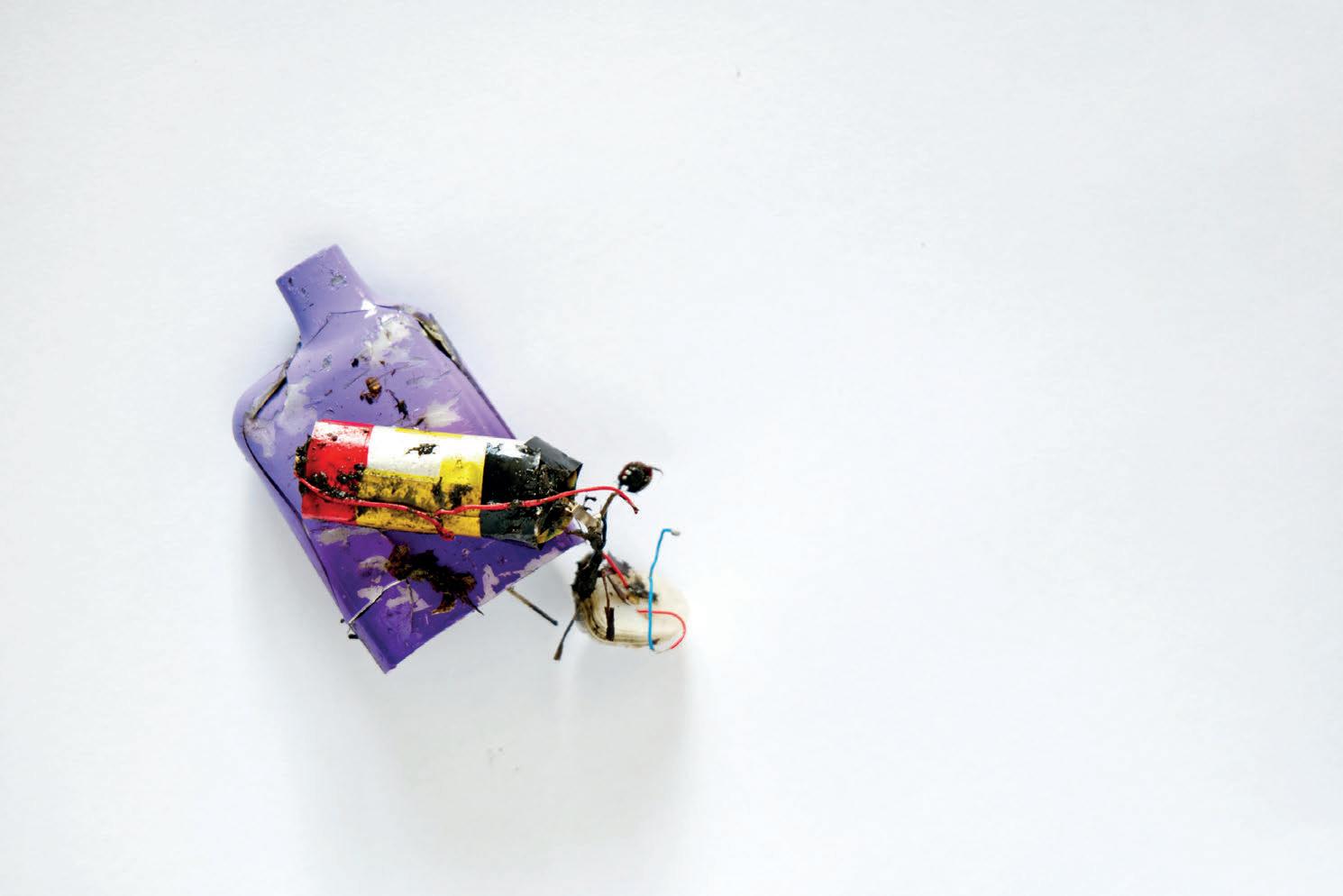
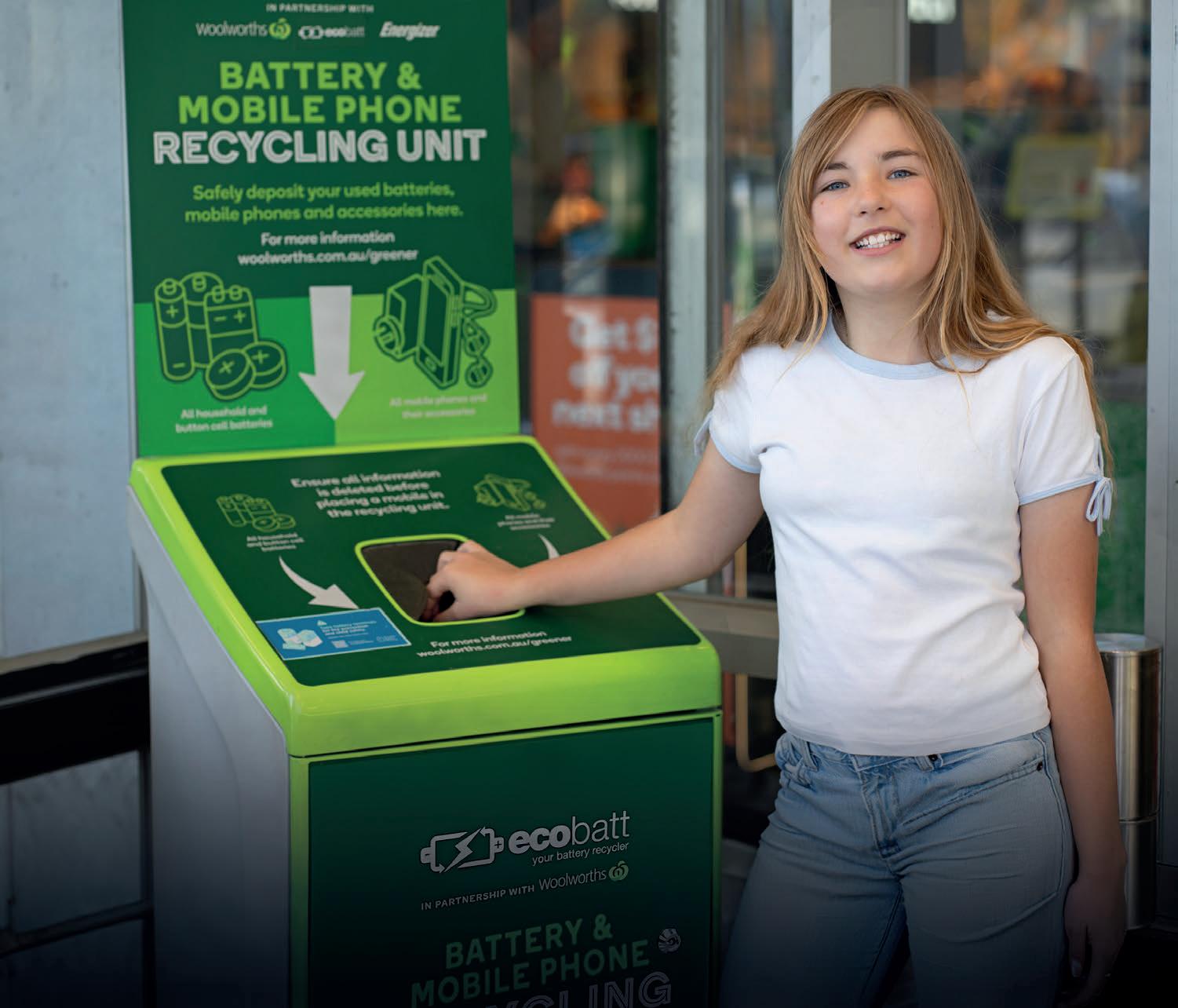
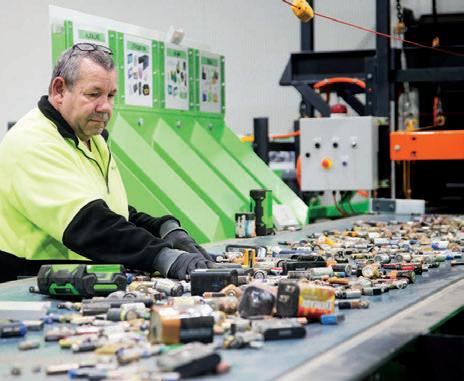
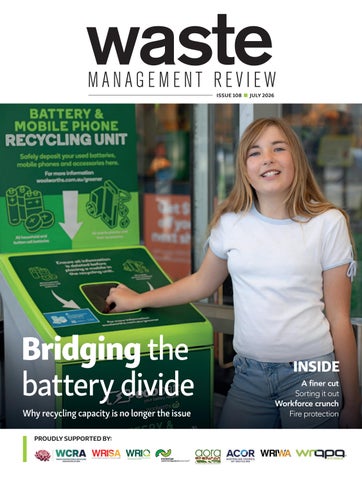
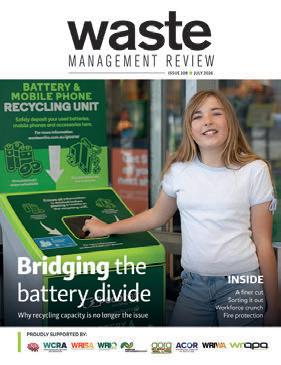
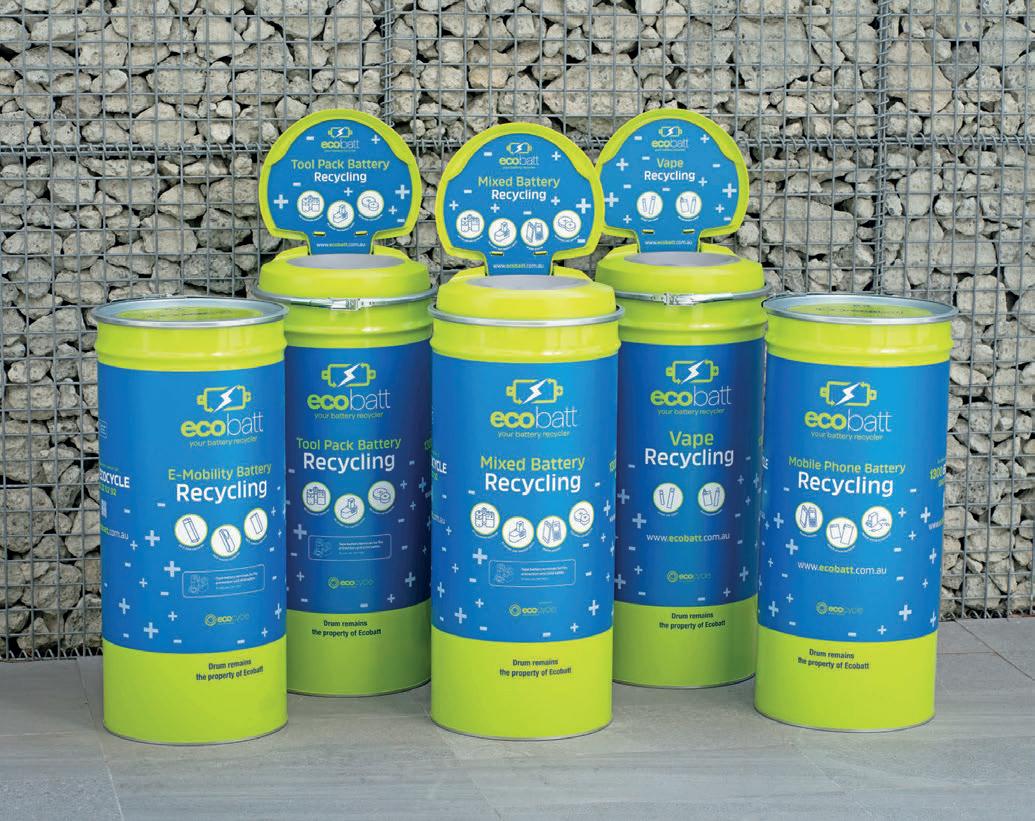
Why Australia’s recycling capacity is no longer the issue for end of life batteries. Image: EcoCycle Group
Waste Management Review is owned by Prime Creative Media and published by John Murphy. All material in Waste Management Review is copyright and no part may be reproduced or copied in any form or by any means (graphic, electronic or mechanical including information and retrieval systems) without written permission of the publisher. e Editor welcomes contributions but reserves the right to accept or reject any material. While every e ort has been made to ensure the accuracy of information, Prime Creative Media will not accept responsibility for errors or omissions or for any consequences arising from reliance on information published. e opinions expressed in Waste Management Review are not necessarily the opinions of, or endorsed by the publisher unless otherwise stated.
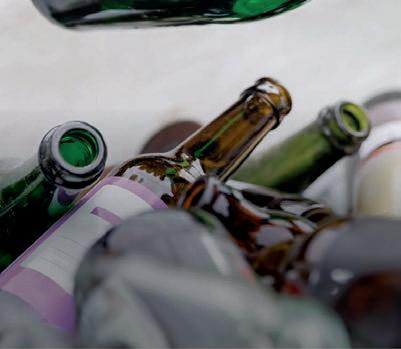
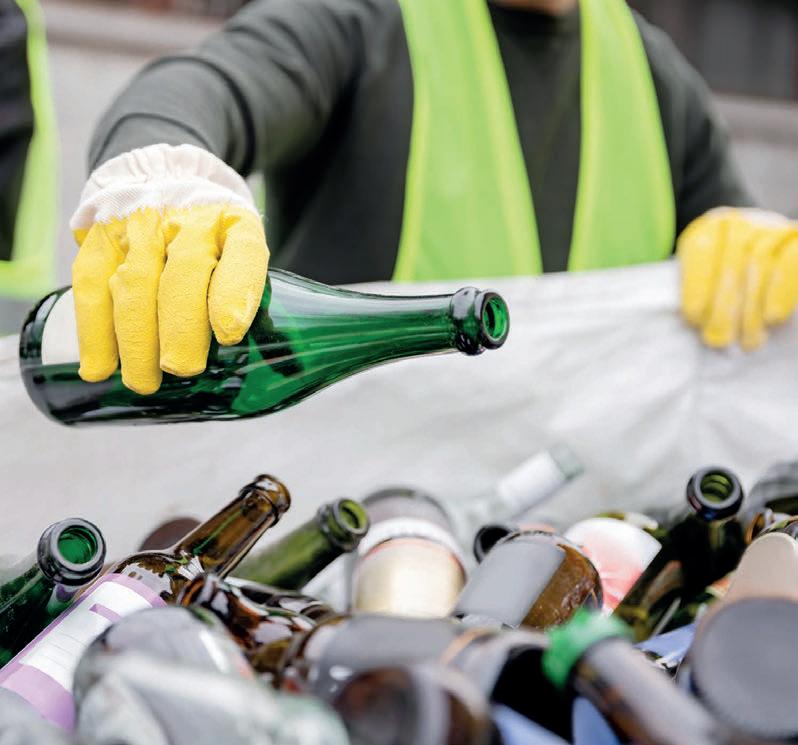
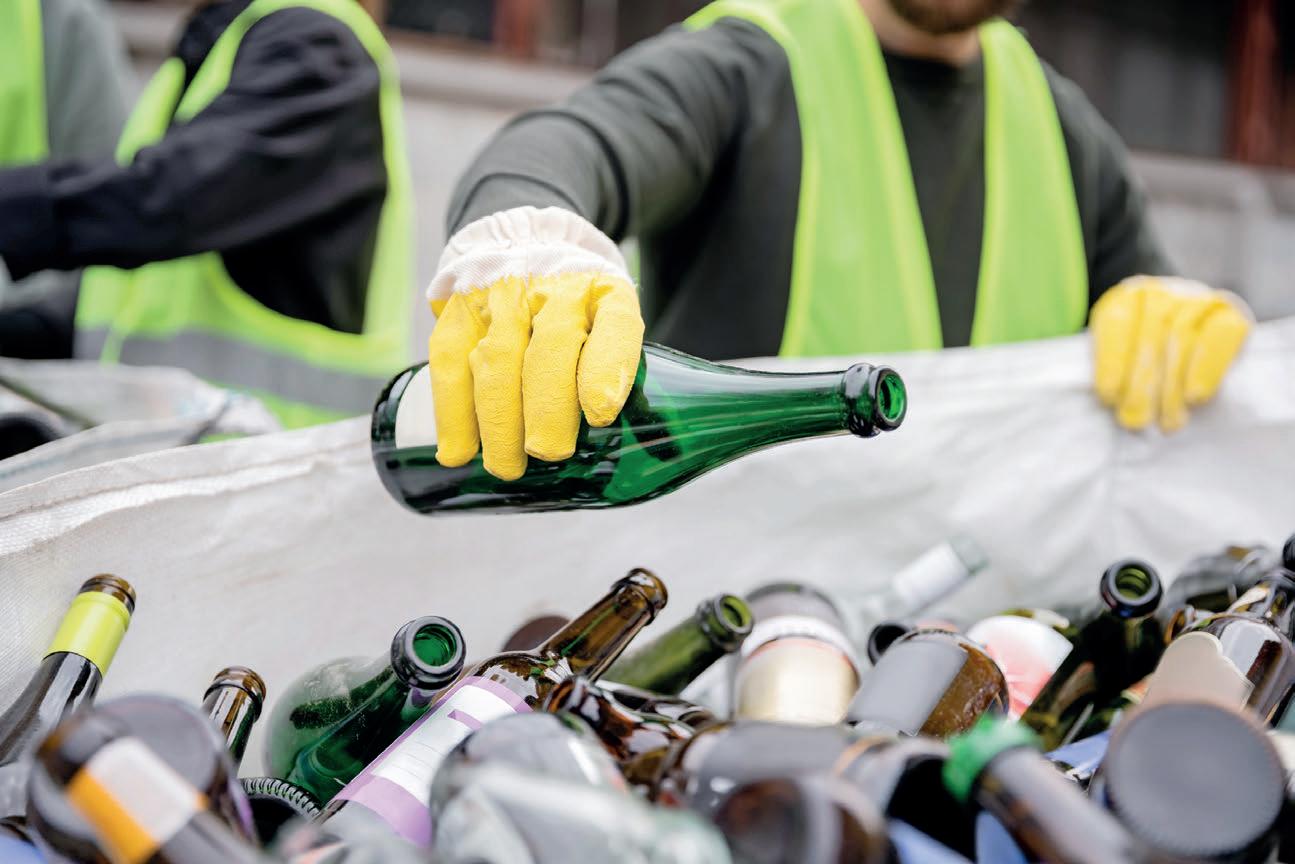
e glass bin rollout is aimed at reducing contamination and creating a clean, single stream of material for recycling. Image: LightField Studios/shutterstock.com.au
e
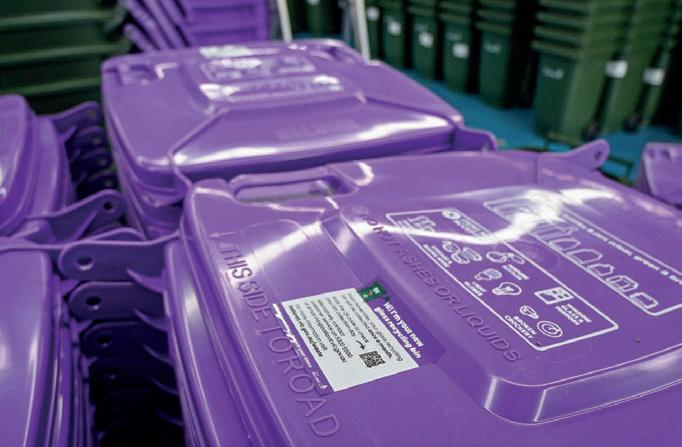
Victorian Government has mandated the rollout of a fourth, purple-lidded kerbside bin for glass collection. Reception across the state has varied. We take a look at the case for and against.
Glass has long been one of the more problematic materials in kerbside recycling systems. When collected alongside other recyclables it can break easily, contaminating paper, plastics and other valuable resources.
Across Australia, this has contributed to broader challenges in resource recovery. According to the Department of Climate Change, Energy, the Environment and Water (DCCEEW), the national resource recovery rate sat at 66 per cent between 2022 and 2023 – only a two per cent increase over six years.
A 2024 DCCEEW report, the National Kerbside Collections Roadmap, identified inconsistent bin systems across the country as a key factor behind this slow progress. Differences in how waste is collected can create confusion for residents, leading to contamination and the loss of recoverable material.
e Victorian Government is working to address this through the rollout of a fourth, purple-lidded glass bin across all councils and shires. By separating glass at the source, the system aims to reduce
contamination and improve the quality and volume of recovered materials.
Mark Rodrigues, Executive Director of Climate Action and Circular Economy at the Department of Energy, Environment and Climate Action, said analysis showed a modernised four-stream recycling system provides the highest long-term economic return for Victorians.
“We are on the way to building a worldclass recycling system in Victoria, where the community can have confidence that materials will be recycled and put to their highest value,” he says.
“By collecting glass separately, the other materials we recycle will no longer be contaminated by broken glass.
“Clean and uncontaminated paper, glass and plastics have much greater value and can be more easily reprocessed into new products.”
According to the department, 27 Victorian councils have already implemented a fourth bin collection and are experiencing a reduction in processing costs along with increased recycling outcomes.
City of Ballarat launched its four-bin kerbside collection service in November 2025. At the time, Ballarat Mayor Tracey Hargreaves said the rollout of these bins was a proud moment for the community.
She called the introduction of the monthly glass collection service a major milestone which would contribute to a cleaner and greener Ballarat.
e City’s glass bin rollout followed recycling data collected in 2024 which showed the council collected more than 700 tonnes of glass through its dedicated glass recycling facilities. Despite this, a further 600 tonnes of recyclable glass still ended up in household waste bins.
e fourth bin rollout across the state has industry support.
Darren orpe, Director of APR Recycling, is passionate about reducing contamination in waste streams to achieve a circular economy and has long called for glass to be eliminated from the yellow-lid recycling bin.
APR Recycling took a “glass out” approach and started to partner with the City of Yarra, back in 2019.
“Everybody wants circularity and is pushing for it, but you’re not going to get it with wastepaper and cardboard full of glass shards,” Darren says.
“Glass shards can be the same size as the fibre extracted from old paper and cardboard products, which are used to make new paper. When these paper machines get mixed up in our paper recovery systems, they can cause breaks in the recovered product.
“It’s a nightmare for paper makers to have glass in there.”
Darren says contamination is also a consumer safety concern.
“Imagine if you’re an egg carton manufacturer that’s using paper which comes from a glass-in facility, and a carton you produce potentially has glass fragments in it,” he says. “A consumer could hurt themselves while handling
“Clean and uncontaminated glass, paper, and plastics have much greater value and can be more easily reprocessed into new products.”
Darren orpe, Director of APR Recycling
it. ere is a serious safety risk involved in not separating these waste streams.
“My operation is not anti-glass. We want the best circular outcome for the material, and we want people happy and healthy while they engage with sustainable practices. at’s why we support the purple-lidded bin.”
While some councils have rolled out the fourth bin, not all councils are onboard.
Maroondah City Council, in the eastern suburbs of Melbourne, has been committed to sustainability and promotes a circular economy through its own practices.
It has openly opposed the rollout and was a lead council in the creation of the ‘Let’s Be Clear on Glass Campaign’ challenging its introduction.
More than 35 councils and shires have since signed up to the campaign.
Developed by the Waste Recycling Industry Association Queensland (WRIQ), WRAQ delivers industry-designed training to strengthen Queensland’s workforce.
Nationally Accredited Asbestos Training for the Waste Industry Free pilot available until 31 July.
LAUNCHING 1 JULY
Industry Micro-Credentials
Free pilot for 4 courses until 31 July. PRE-ENROLMENTS NOW OPEN

“I’m very proud of our waste management and sustainability capabilities,” says Linda Hancock, Mayor of Maroondah.
“We have a strong focus on food organics and garden organics (FOGO) and have one of the lowest contamination rates in the state. We constantly keep our residents updated with information on correct recycling; we run various e-waste collections each year and help people to donate or reuse their items.
“‘Avoid, reuse, recycle, repurpose’ – that’s a mantra in our community. We do what we can to promote a circular economy.”
She says the glass bin mandate is “not viable for Maroondah”.
“Our community doesn’t want a fourth bin. It will require an extra truck for collections, and I doubt residents will be filling the bins or even needing to put them out for months at a time.
“Rolling the bins out would cost more and having more collection trucks on the road harms our own sustainability efforts due to the extra pollution they would emit. I don’t see the value.”
She says the mandate was established without consultation with the state’s local governments.
“We didn’t have any input in the plan,” she says. “We suddenly received documents to begin rolling these bins

out in the city, as well as a timeline for the project.
“Some councils were given upfront funding to roll the bin out in a trial form, but many local governments didn’t get anything like that.”
While the Let’s Be Clear on Glass Campaign’s ultimate objective is to cancel the rollout altogether, Linda says that realistically, the council must work with the Victorian Government. In the interim, the campaign is pushing for the
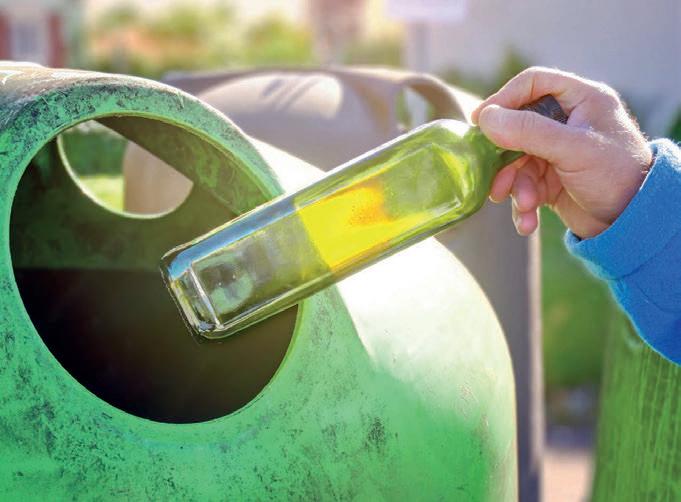

government to review other recycling options, such as increased investment and efforts into its successful Container Deposit Scheme (CDS).
“CDS promotes circular economy goals and even supports vulnerable residents through the refunds it provides,” Linda says.
“Some people engage with the scheme just to donate money to good causes – such as our local community groups.
“And the small amount of glass that people may put through a CDS scheme won’t pose a contamination threat and will still be sorted out.”
Darren is adamant that this approach will not work.
“A lot of people resisting are saying we can put it all through CDS, but you can’t put the food-grade glass containers through the scheme,” he says.
“ ere’s nowhere else for them to go. e stream of glass supplied to the manufacturer now is very clean.
“I think the residents want it. We’ve already seen the rollout work in other councils. ey start out afraid of the unknown, but a er making that change, they wouldn’t give it away.
“A glass bin is the way forward.”
e Victorian Government’s fourth bin rollout is scheduled for completion on July 1, 2027 WMR






Australia’s recycling capacity is no longer the issue. e challenge lies in retrieving the growing volume of batteries that never enter the recovery system.
For more than a decade, Australia’s battery recycling sector has focused on building the infrastructure needed to support a growing battery economy.
Collection networks have expanded, stewardship programs have been established, new transport, sorting and processing technologies have been developed.
Across the country, industry has invested heavily in the systems required to safely manage batteries at the end of their useful life.
Nick Dodd, EcoCycle General Manager, says that in many respects, the sector has achieved what it set out to do.
Today, Australians can recycle batteries through thousands of dedicated collection points. Advanced processing
facilities can recover critical materials from increasingly complex battery streams. Investments continue to flow into logistics, safety systems and domestic recycling infrastructure.
Yet despite this progress, one challenge continues to persist. Many batteries still never enter the recovery system.
Some remain stored in homes and businesses long a er they have reached

the end of their useful life. Others remain embedded in obsolete devices sitting in cupboards, storerooms and warehouses. Some continue to find their way into waste streams that were never designed to manage battery materials safely.
e result is a growing disconnect between the batteries entering the Australian market and those being recovered at end-of-life.
Nick says that as battery use continues to accelerate across consumer electronics, energy storage systems, power tools, mobility devices and electric vehicles, closing that gap may become one of the most important challenges facing Australia’s resource recovery sector.
Because Australia’s battery challenge is no longer whether batteries can be recycled. It is whether they are being recovered in the first place.
Australia’s relationship with batteries has changed over the past decade.
Battery technology now underpins everything from personal electronics and household appliances to renewable energy storage and transport systems.
As products become increasingly electrified, battery volumes entering the Australian market continue to grow. At the same time, battery recycling infrastructure has evolved significantly.
EcoCycle Group, through its EcoBatt and Eco E-Waste operations, has contributed to this broader industry investment, developing a national collection and recovery network supported by specialised logistics, battery discharge capability and advanced processing technologies.
Today, EcoBatt operates more than 7500 battery collection points across Australia, providing households and businesses with convenient access to battery recycling services through retailers, councils, libraries, workplaces and community facilities.
e scale of these networks demonstrates how much progress has been made. However, accessibility alone does not guarantee participation.
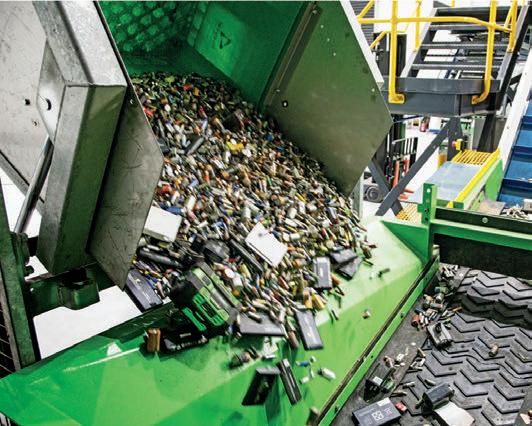
Nick says a significant proportion of batteries continue to remain outside formal recovery pathways. Many are

retained by consumers who intend to recycle them later. Others are stored because they are attached to old devices, contain personal data, or are perceived to have some residual value.
“Individually, these decisions appear insignificant. Collectively, they represent a substantial volume of material sitting outside Australia’s circular economy and highlight a critical challenge,” he says.
“ ere is still significant work to do to ensure current stewardship schemes are appropriately funded, effectively managed, and capable of delivering measurable social and environmental outcomes.”
He says the continued accumulation of batteries in homes and businesses suggests that greater investment and focus is required to improve consumer awareness, reduce barriers to participation, and encourage timely recycling of end-of-life batteries.
Many modern devices are no longer designed around easily removable batteries. Smartphones, wireless headphones, power tools and a growing range of consumer electronics now contain embedded batteries that may remain hidden from view throughout the product’s life. As these products reach end-of-life, consumers are o en le with a decision: store them, dispose of them, or recycle them.
“Too o en, the outcome is storage,” says Nick. “While stockpiling may appear harmless, it effectively removes critical materials from the circular economy and delays their recovery. Multiplied across millions of households and businesses, these individual decisions contribute to a significant volume of batteries sitting outside established recovery systems.
“Closing this recovery gap will become increasingly important as battery volumes continue to grow and the value of recoverable materials increases.”

e implications extend far beyond recycling rates. Battery recovery plays a critical role in reducing safety risks across Australia’s waste and recycling sectors.
Batteries that enter general waste streams can become damaged during collection and processing, increasing the risk of thermal events and fires.
For operators managing waste, recycling and resource recovery facilities, battery-related fires have become an increasingly familiar challenge. Preventing batteries from entering inappropriate disposal pathways remains one of the most effective ways to reduce that risk.
Recovery also supports resource conservation. End-of-life batteries contain materials that require significant resources to mine, refine and manufacture. Recovering these materials helps reduce reliance on virgin resource extraction while supporting more efficient use of finite resources.
ere is also a growing economic dimension to the conversation. As governments and industries globally focus on critical minerals, supply chain resilience and sovereign manufacturing capability, end-of-life batteries represent an increasingly important source of recoverable materials.
“Lithium, nickel, cobalt, copper and aluminium recovered from batteries can re-enter productive use rather than being lost through disposal or long-term storage,” Nick says. “Viewed through this lens, battery recovery is not simply an environmental outcome. It is an economic opportunity.”
e supply chain dimension is also coming into sharper focus. Australia is rich in natural resources, yet much of the discussion around critical minerals focuses on extraction.
End-of-life batteries represent a secondary source of many of the
same materials already in circulation throughout the economy. Recovering these materials through urban mining creates an opportunity to reduce waste, improve resource efficiency and support domestic processing capability.
“As governments and industries seek to strengthen supply chains and improve resource resilience, the ability to recover materials already in market will become increasingly important,” says Nick.
“Equally important is ensuring that these materials are processed onshore wherever possible. When end-of-life batteries and recovered materials are exported for processing, Australia forfeits a significant portion of the economic value, investment, employment opportunities, and technical expertise that could otherwise be retained within the local economy.”
He says policy and regulatory frameworks should be designed to encourage investment in domestic recycling and processing infrastructure, creating the conditions for recovered materials to be returned to productive use within Australia.
By working in partnership with local industry, governments can help build a more resilient circular economy, strengthen sovereign manufacturing capability, and maximise the economic and environmental benefits associated with battery recycling and resource recovery.
He says battery recovery is as much about recognising end-of-life products as part of Australia’s future resource base as it is about managing waste responsibly.
Historically, limited recycling infrastructure represented a genuine constraint. Collection opportunities were less accessible. Processing capacity was limited. Many battery streams lacked viable domestic recovery pathways. at environment has changed considerably.
Across Australia, industry continues to invest in collection networks, transport systems and processing infrastructure designed specifically for battery recovery.
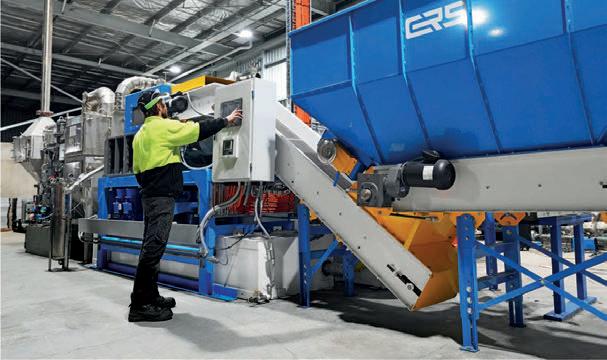
EcoCycle Group’s recent investment in its Batteries in Devices Shredding (BIDS)
EcoCycle


facility provides one example of how the sector is adapting to emerging challenges. e facility was developed to process products containing embedded batteries, reflecting the growing complexity of modern electronic devices and the changing nature of battery waste streams.
e Group has also invested in battery discharge systems designed to safely manage lithium-ion batteries prior to processing, alongside continued investment in logistics and collection infrastructure.
ese developments, Nick says, reflect a broader trend occurring across the resource recovery sector.
“ e industry is preparing for larger volumes, more complex products and higher expectations around material recovery,” Nick says.
“ e next test is not whether Australia can build the infrastructure, but whether enough batteries will enter the system to make that investment pay off.”
Nick says improving recovery rates will require more than infrastructure alone. Consumer awareness, convenience, education and participation all play a role.
e industry has already demonstrated that collection networks can be built at scale. e next challenge is ensuring those networks are fully utilised.
is requires ongoing collaboration between governments, industry, retailers, stewardship organisations and the broader community. It also requires a shi in mindset.
“Batteries should not be viewed as a disposal problem to be dealt with later. Nor should they remain forgotten
in drawers, garages and storerooms indefinitely,” Nick says. “ ey should be recognised as recoverable resources that contain critical materials capable of being returned to productive use.
“ e more effectively Australia can recover batteries at end-of-life, the greater the opportunity to reduce fire and safety risks within homes, businesses, and the broader community, while recovering critical materials that would otherwise be lost.”
Increased recovery and onshore processing can support local jobs, investment, and manufacturing capability, helping to build a stronger circular economy and more resilient supply chains.
With the right policy settings, industry investment, and community participation, end-of-life batteries can deliver environmental, economic, and social benefits for Australia while reducing the risks associated with improper storage and disposal.
“Australia’s battery sector has reached an important point in its development,” Nick says.
“ e foundations have largely been established. Collection networks exist. Processing technologies continue to advance. Industry investment remains strong. e next stage of the journey will be defined not by the infrastructure that is built, but by the material that enters it.
“For Australia’s resource recovery sector, success will increasingly be measured by recovery rather than recycling capacity alone. Because the future challenge is not proving batteries can be recycled. It is ensuring they are recovered.” WMR




New Cat® 325 Tier 3.
•Tier 3 engine – no AdBlue required.
•Helps reduce owning and maintenance costs.
•Cat technology upgrades available, including Cat Grade 3D. For what you’ve done and for what you’ll do, we’re here for you.
Contact your local Cat dealer for more.





A nine-month trial proves FlameSmart’s autonomous AI system and earns crucial backing from global waste industry insurance brokers.
Protecting waste facilities is a unique fire engineering challenge. High fuel loads consisting of municipal solid waste are combined with dustgenerating activities and the constant presence of high-temperature machinery.
For operators, managing the balance between high-risk fuel piles and heavy equipment operations means navigating constant threats of asset loss, business interruption, and skyrocketing insurance premiums.
To address this, Australian developer FlameSmart recently put its automatic fire detection and suppression system through an intensive, nine-month trial at an operational waste transfer station.
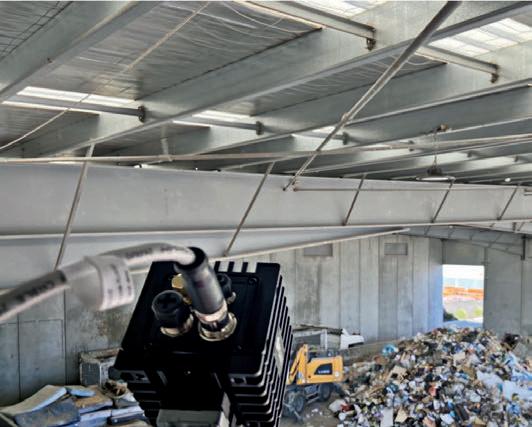
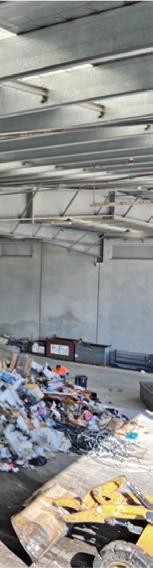
Operating 24 hours a day within a 1250-square-metre facility, the system was tasked with identifying and extinguishing live, deliberate test fires under authentic working conditions.
Data logs captured during the trials were provided to third-party specialists at ProAct Fire Engineering, who independently assessed the data and compiled a summary performance report. e results of the report indicate that the technology successfully achieved its intended function of rapid, autonomous fire intervention within the active industry test environment.
“Well, you couldn’t do better,” Nick Boyd, Founder and Chief Executive Officer of FlameSmart, says when discussing the suppression rate achieved during the field trials.
“ e fire testing and our patent process has shown us just how unique and powerful our technology is. It’s the only system in the world which acts just like having a trained firefighter on site 24 hours a day, seven days a week, 365 days a year.

“Other artificial intelligence (AI) fire systems focus on the fire only. FlameSmart’s patented AI technology tracks both the fire and the water jet, meaning it can automatically react to wind and pressure changes to adjust aim, just like a live firefighter on the scene.”
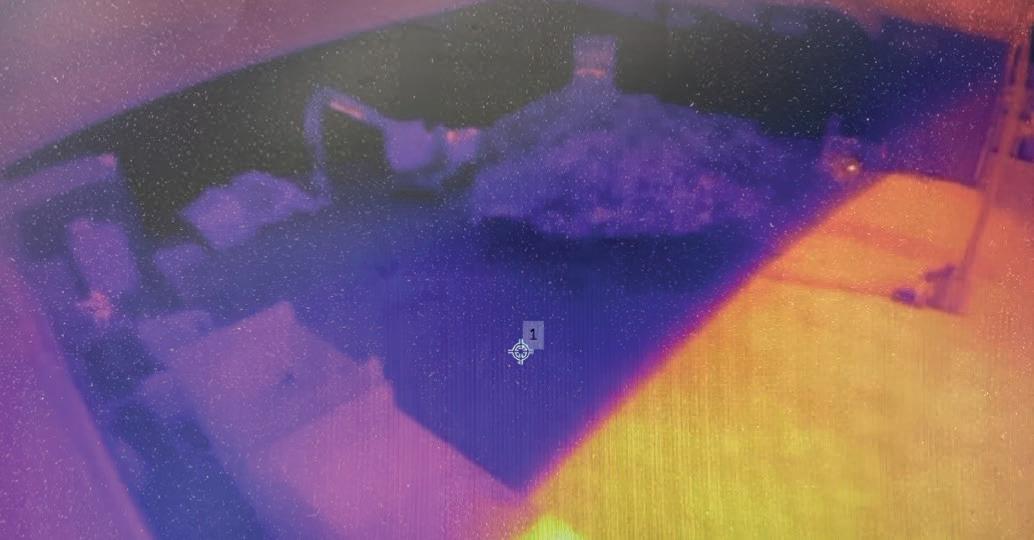
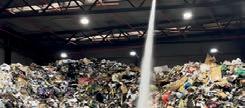
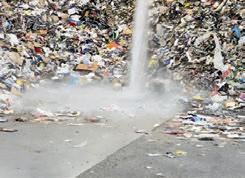
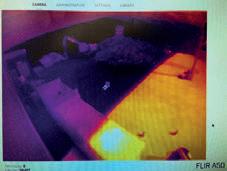
e FlameSmart system operates by coordinating high-grade thermal vision and powerful action fire monitors. FLIR thermal cameras provide the vision, detecting a fire’s earliest heat signature and feeding data to the AI “brain”, which then triggers water cannons (from United States manufacturer Elkhart Brass), as well as alerting fire authorities and other critical contacts. Even if communications are down, the system continues to suppress the fire independently.
Global Fire Solutions provides the Elkhart Brass SideWinder Fire Monitor for the FlameSmart System, which,
according to representative Damian Wing, is a world-class, high-precision unit delivering up to 2800 litres per minute with a maximum 65 metre reach.
Nick says this setup allows the system to deliver water to a fire in as little as 22 seconds from detection.
ProAct Fire Engineering verified that of the 61 valid test fires, the system achieved a 100 per cent detection and suppression rate, under the conditions, with an average suppression time of 36 seconds a er ignition, and a minimum of 22 seconds.
Nick says that validation has opened doors to essential financial and riskmanagement sectors such as the waste and resource recovery industry.
Following an assessment of the independent engineering report, global insurance broking firm Securus Risk Advisors added FlameSmart to its select portfolio of approved global suppression technologies.
Securus Risk Advisors is one of the most prominent risk consultancies for insurance surveying of recycling risks in Australia.
Given the inherently elevated fire risk within waste and recycling operations, the introduction of advanced suppression technologies represents a clear and tangible benefit, says Lee Dumford, Securus Global Head of Risk Control.
“Following discussions with FlameSmart regarding its purposedesigned system, and a review of both manufacturer data and independent third-party assessments, the solution appears well aligned to the specific hazards presented within this sector,” Lee says.
“Its ability to detect and suppress fires at an early stage supports a meaningful reduction in loss potential, which in turn can enhance insurer confidence, improve placement prospects, and contribute to the possibility of favourable premium outcomes.
“While the system requires capital investment, the overall risk mitigation and long-term commercial benefits are considered to significantly outweigh the initial cost.”
Nick says this corporate backing provides local operators with a

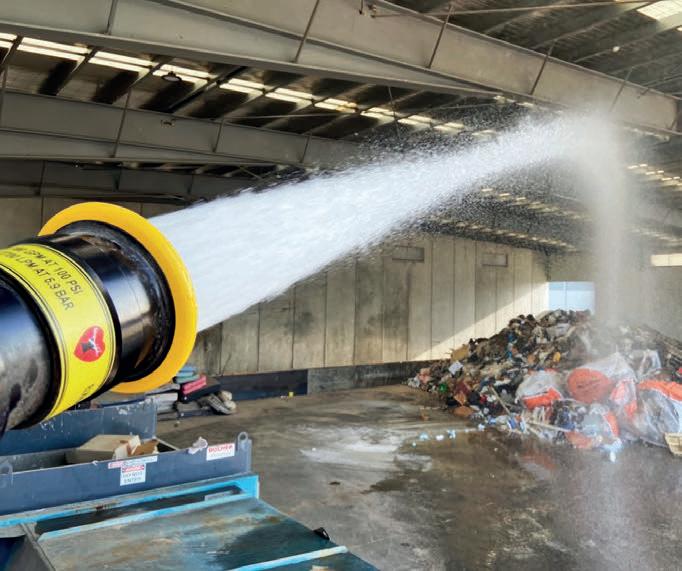
reliable pathway toward lowering risk profiles by implementing fieldproven autonomous safeguards. It also positions the technology for widespread commercial adoption.
“I’ve had a lot of interest from significant industry players,” he says when reflecting on the market’s response to the trial data and the commercial journey ahead.
“ e success of the industry trials and the subsequent approval from Securus has laid the foundation for

widespread adoption of our technology and a significant reduction in the threats posed by ignition sources such as lithiumion batteries.
“At the end of the day, every waste operator needs the equivalent of a highly-trained firefighter on site 24 hours a day, and that’s exactly what FlameSmart delivers through its autonomous AI technology.” WMR
For more information, visit: www. amesmart.com.au
Advanced technologies are helping the waste and recycling sector mitigate rising operational risks, from volatile lithium-ion battery res to persistent odour challenges.
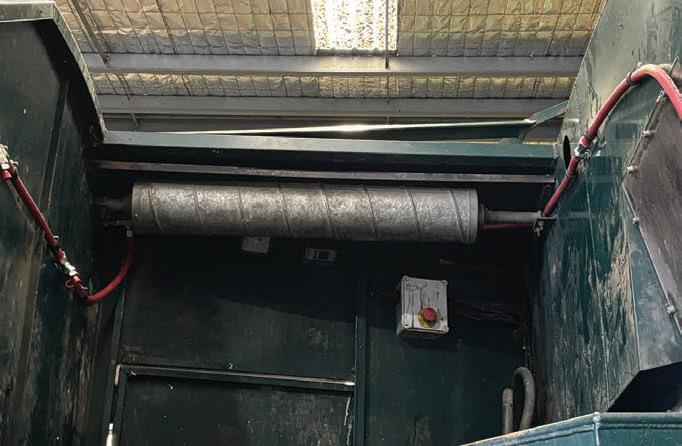
The rise of lithium-ion batteries, volatile waste streams and persistent odour challenges is driving a new level of operational risk across Australia’s waste and recycling sector.
Facilities, transfer stations and collection fleets are under pressure to improve safety and reduce environmental impact while continuing to deliver essential services, says Peter Jefferies, ENCAPS Australia Director.
ENCAPS offers a suite of technologies designed to address these risks. Operating as a specialised product distribution business, the company has grown rapidly over the past 18 months to fill what Peter says is a critical safety gap in the market.
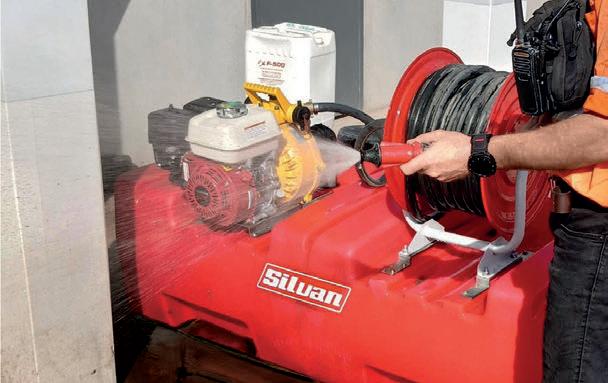
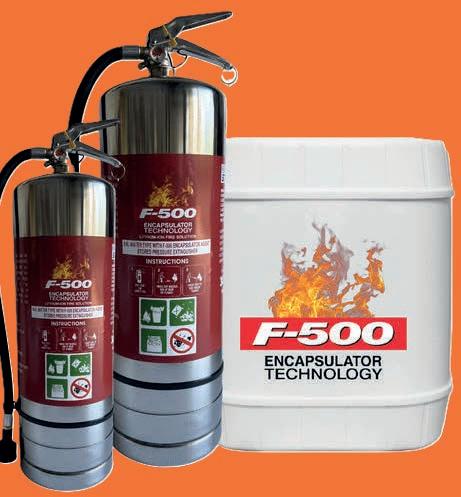
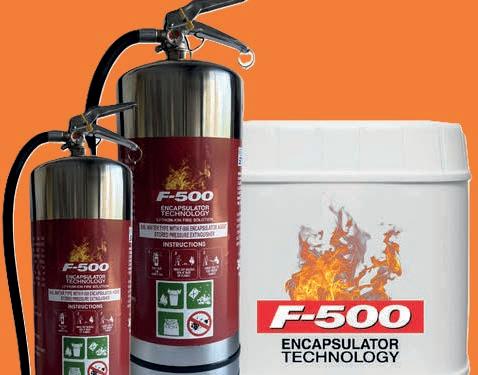
At the core of its fire protection offering is the F-500 Encapsulator Agent (F-500 EA), an advanced firefighting additive that rapidly cools fire, suppresses vapours and neutralises toxic gases.
Unlike traditional firefighting foams that primarily create a mechanical blanket over the fuel surface, F-500 EA works at a molecular level by forming
micelles that encapsulate hydrocarbons and other fuel sources while improving the cooling efficiency of water.
Peter says this capability is particularly important in the management of lithiumion battery incidents.
“ ermal runaway events generate intense heat and can rapidly spread from one cell to another. F-500 EA assists by removing heat more efficiently, suppressing flammable vapours and helping to reduce the risk of fire reignition,” he says.
“ e agent is per- and polyfluoroalkyl substances (PFAS)-free, fluorinefree, non-corrosive, non-toxic and 100 per cent biodegradable, making it suitable for a wide range of waste and recycling applications.”
Peter says one of the key advantages of F-500 EA is its versatility. It can be deployed through a variety of delivery systems depending on the risk profile of a site or operation.
Large waste facilities and landfill operations can use dedicated portable
firefighting units equipped with three per cent F-500 EA to rapidly respond to stockpile fires, battery incidents and equipment fires.
Water cannons can also be configured to induct the agent directly into the water stream, enabling operators to protect large waste cells, transfer areas and processing zones more efficiently.
Fixed deluge systems provide another layer of protection for high-risk areas such as battery storage zones, waste bunkers, transfer stations and processing facilities.
“By automatically applying the F-500 EA/water mixture across a broad area, these systems can help contain incidents before they escalate into major fires,” Peter says.
e technology can also be integrated into automatic fire suppression systems protecting mobile plant, processing equipment and critical infrastructure.
Dedicated battery recovery drums containing F-500 EA solution provide a practical method for isolating damaged or compromised lithium-ion batteries, reducing the risk of thermal runaway during storage and transport.
“For rapid intervention inside materials recovery facilities or transfer stations, many operators are adopting 90-litre quick attack mobile units (QAMUs), providing a highly mobile firefighting capability that can be deployed quickly across large facilities,” Peter says.
“Portable fire extinguishers containing F-500 EA further support first-response activities, allowing staff to address developing incidents safely while emergency procedures are initiated.”
e growing number of garbage truck fires caused by incorrectly disposed lithium-ion batteries is a significant focus for the waste industry. ese batteries are o en hidden within household waste streams and can become damaged during collection or compaction, creating what

the industry commonly refers to as a “hot load”.
Once ignition occurs – o en within a collection vehicle hopper – fire growth can be rapid. Operators are o en regularly forced to dump burning waste loads onto roadsides or public spaces to prevent total vehicle loss.
ese incidents create risks for drivers, emergency responders and the wider community while also disrupting collection services and generating substantial financial losses.
To address this, ENCAPS has merged BlazeCut hardware with F-500 EA concentrate into a synchronised system. Peter says it marks the first time these technologies have been brought together to protect vehicle hoppers.
e system features an in-cabin actuation button, allowing a driver to manually deploy the suppression agent the moment a fire is spotted on their hopper cameras.
ENCAPS is also fine-tuning an upgraded option with automatic fire detection and suppression within the hopper area during the critical early stages of an incident.
e objective is simple: to reduce the intensity and volume of a fire before it develops into a major event.
“Early intervention can significantly reduce heat release, limit fire spread and provide drivers with valuable time to implement emergency procedures safely,” Peter says.
“If we can minimise the volume and intensity of hot loads, it’s a good news story for the community, the driver, and the business.”
He says this same automatic suppression principle can also be applied throughout waste and recycling facilities on larger mobile and fixed assets including shredders, conveyors, excavators, loaders and

processing equipment. ese systems continuously monitor protected areas and automatically activate when elevated temperatures indicate the presence of fire.
Applications extend beyond machinery to include battery storage areas, battery collection bins and sorting rooms where lithium-ion batteries frequently enter the waste stream.
“By detecting and suppressing fires automatically, operators can significantly reduce the risk of fire spreading through processing facilities and stockpile areas,” Peter says.
For smaller enclosed spaces, the BlazeCut T (Tube) Series systems provide compact automatic fire protection for forkli s, electrical cabinets,
switchboards, battery charging stations and control panels.
“Many fires begin inside these enclosed compartments where they may go undetected until considerable damage has already occurred,” Peter says.
“Automatic detection and suppression provide an important layer of protection for critical infrastructure while minimising operational downtime.”
Beyond fire protection, odour management remains a significant challenge across the sector.
Community expectations continue to increase, and operators are under pressure to minimise nuisance odours while maintaining efficient processing operations.
HydroLock, another product in the ENCAPS’ suite, provides an environmentally responsible approach to odour management by targeting hydrocarbons, volatile organic compounds (VOCs) and other odour-causing molecules commonly associated with waste handling, organics processing and landfill operations.
It can also be applied during maintenance and fabrication activities involving oxy-cutting and hot works – processes that o en generate smoke, fumes and odours that can impact workers and surrounding operations.
Peter says the encapsulation technology helps to reduce airborne contaminants and nuisance emissions, creating a safer and more manageable work environment.
“As lithium-ion battery incidents continue to rise, waste operators are recognising that there is no single solution to the challenge,” he says.
“Effective risk management requires a layered approach that combines education, battery stewardship, operational controls, fire suppression and environmental management.

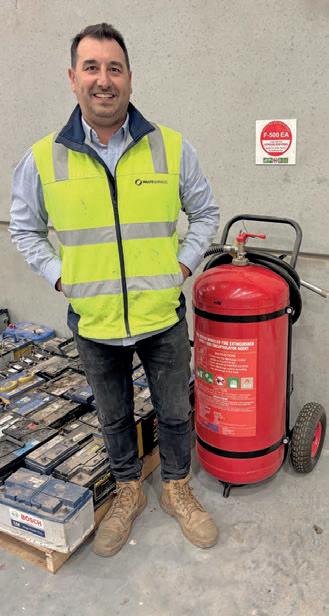
“By integrating advanced fire suppression, automatic detection and odour control technologies, ENCAPS Australia is helping waste and recycling operators reduce risk, protect critical assets and create safer working environments.”
WMR
For more information visit: www.encaps.com.au
As lithium-ion battery res surge across waste and recycling facilities, Magnum’s erminator system is rede ning re protection in modern waste management.
Fire risk is the most acute and costly challenge facing the waste and recycling sector today.
Exponentially increasing waste volumes are converging daily with lithium-ion thermal battery incidents, while tighter regulatory scrutiny is challenging operators, insurers and policymakers in their efforts to establish reliable solutions.
Geoff Haviland, Magnum Chief Operating Officer, says it’s against this backdrop that erminator® represents a benchmark breakthrough – Australia’s first, fully closed-loop, autonomous system designed to detect, assess, suppress and verify extinguishment of fire threats before they escalate.
“ erminator signifies a paradigm shi in existing fire protection systems,” Geoff says.
“Magnum’s patented design combines mechanical robustness, precision electronics and artificial intelligence

(AI)-enabled robotics, interfacing with the highest resolution thermal imaging to create an integrated, autonomous waste environment solution.”
Fire risk in the waste industry has changed fundamentally. ermal runaway events – o en invisible, unpredictable, energetic, self-sustaining, and difficult to extinguish – are increasing.
ese events are mostly triggered by damaged or discarded lithium-ion batteries entering via heterogeneous waste streams.
Static sprinklers, infra red (IR) and flame detectors, and thermal cameras o en struggle in waste facilities due to fixed positions, slow response, and limited contextual awareness.
Geoff says the industrial-grade mechanical, electrical and intelligence architecture of erminator is engineered
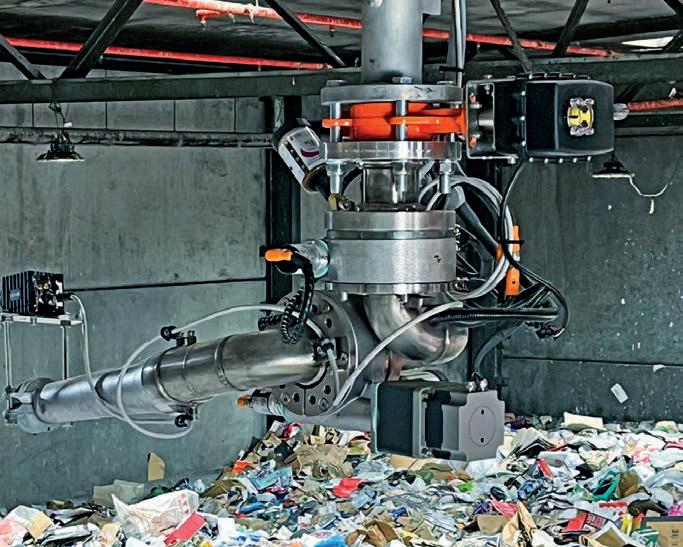
to withstand extreme industrial environments including vermin, dust, vibration, moisture and temperature fluctuations. e platform integrates seamlessly into existing infrastructure, whether in transfer stations, materials recovery facilities (MRF), waste depots, or recycling plants.
Augmented thermolocation intelligence underpins erminator’s advanced detection capabilities. Magnum’s AI-driven decision-making combines with a best-in-class FLIR camera to deliver continuous, high-resolution thermal monitoring, dynamically assessing temperature anomalies against environmental baselines.
“With pinpoint accuracy to detect a five-centimetre square thermal threat at 50 metres, erminator can identify, diagnose and differentiate between risk heat signatures such as overheating materials, smouldering waste, or embedded battery fires long before visible flames or smoke appear,” Geoff says. “ e advantage for operators is profound; early detection lowers incident severity, reduces downtime, and improves safety outcomes. For insurers, it represents a measurable reduction in catastrophic loss risk.”
What differentiates erminator from existing systems is its AI-driven, predictive decision-making intelligence.
“ erminator’s algorithmic logic and continuous self-learning capability enable full recognition, analysis and precision response to a myriad of fire risk patterns; including Li-ion battery ignition signatures,” says Geoff.
Once a potential threat is identified, the AI evaluates extensive contextual variables to determine the most appropriate response. is can range from targeted suppression
to alert escalation or facility shutdown protocols. erminator will monitor and evaluate until extinguishment is verified.
“ erminator’s autonomous, thermal threat decision-making and extinguishment verification logic offers proactive, closed-loop fire protection, aligned with Industry 4.0 (digital transformation of manufacturing and industrial processes),” Geoff says.
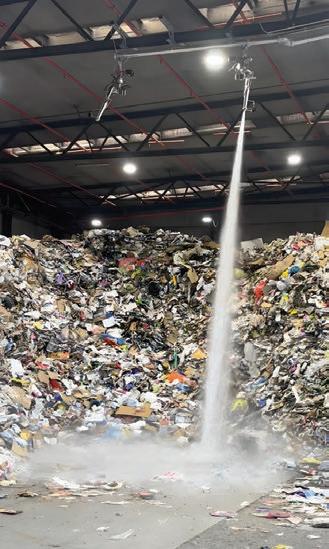
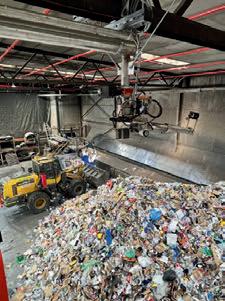
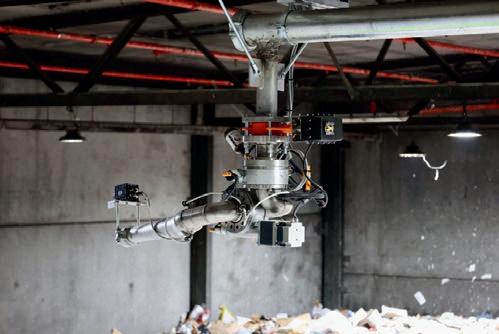
Unlike fixed systems that activate blanket suppression across broad zones, erminator’s intelligent robotic cannon delivers millimetre-perfect, pressurised water intervention.
Where space is constrained and waste streams are constantly moving, this precision creates operational benefits – deploying suppression only where needed; faster extinguishment via direct application; and minimising personnel exposure to hazardous conditions.
erminator’s unified electronic platform and centralised architecture of sensors, cameras, control units and robotic actuators enable real-time data processing and communication. is integration allows for continuous monitoring and reporting, remote access and control, data logging for compliance and analysis and seamless integration with existing site systems.
“For regulators and insurers, this level of transparency is particularly important,” says Geoff. “Detailed incident logs and system performance data provide verifiable evidence of risk management practices, supporting compliance with safety standards and underwriting requirements, making fire risk insurable.”
Suitable for diverse facility types, erminator can be deployed across new and existing sites with minimal infrastructure changes. Magnum’s authorised sales and service partner Ogtec manages installations, spare parts and customer support.
A er a decade of prototype development, Magnum partnered with industry to trial erminator units under real-world
conditions in the harshest environments.
Geoff says that a er two years of continuous ongoing operation across multiple waste management sites, erminator results verified conclusively:
• Zero recorded system failures
• Zero human intervention required
• Zero mechanical failures
• Zero offline incidents
• 5 confirmed extinguishments before ignition incidents within 15 seconds
• 100 per cent elimination of reignition cycles
• 70 per cent reduction in water consumption
• 100 per cent data recording, every second
• Alignment with best-practice risk mitigation strategies
He says Magnum’s erminator system is already delivering transformational solutions for the waste industry, with Australia’s leading operators installing the technology across their facilities to achieve enhanced fire security and greater peace of mind.
“For waste operators, erminator helps reduce fire incidents and associated downtime, while mitigating environmental contamination and cleanup impacts. Its targeted suppression approach minimises collateral water damage and reduces operational disruption, while also strengthening worker safety, confidence and overall asset protection.
“For insurers and underwriters, the system contributes to a lower frequency and severity of claims, provides enhanced risk visibility through detailed data and reporting, and increases confidence in the resilience of insured sites.
“For regulators, erminator supports improved compliance with fire safety standards, enables transparent and auditable system performance, and aligns with best-practice risk mitigation strategies.”
He adds that Magnum’s erminator is officially certified as a Fire Engineered Performance Solution, compliant with guidelines set by the Australasian Fire and Emergency Service Authorities Council (AFAC), Environment Protection Authority (EPA) Victoria, Country Fire Authority and Fire Rescue Victoria.
“Fire prevention can no longer rely solely on reactive measures or isolated technologies,” says Geoff.
“It requires integrated, intelligent systems capable of adapting to complex and dynamic environments; erminator embodies this nextgeneration approach. Combining mechanical durability, advanced electronics, AI intelligence, robotics, and thermal imaging, it sets a new benchmark for fire protection in highrisk settings.
“In an industry where the cost of inaction can be catastrophic, erminator is not just an innovation –it is an essential evolution.”
Proudly Australian-owned and operated since 1972, Magnum established a reputation throughout the global mining community for engineering excellence, uncompromising product quality and industry solutions that eliminate operator risk, optimise performance and extended lifecycle in the world’s harshest environments. WMR
For more information, visit: www.magnumaustralia.com
Robotic precision enhances system
e ectiveness, reaction speed and target suppression accuracy.
An Australian start-up is automating waste management to help eliminate lithium-ion batteries and prevent res in recycling facilities.
As Australia’s domestic waste stream becomes more complex, materials recovery facilities face increasingly volatile contaminants. Every week, news headlines detail another facility fire caused by compromised lithium-ion batteries. ese incidents threaten worker safety and escalate operational
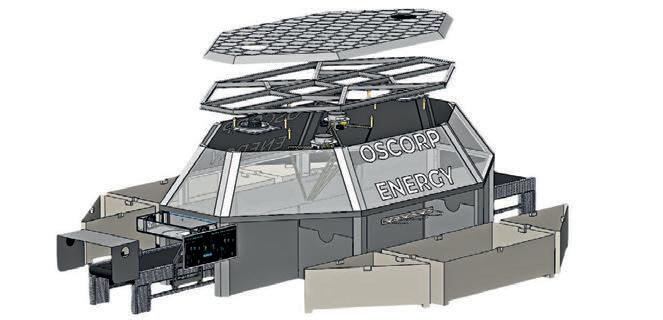
In response, Australian startup Oscorp Energy is developing advanced autonomous technologies to mitigate hazardous inputs before disaster strikes. Founded in 2024, the artificial intelligence (AI) company develops intelligent material sorting equipment capable of processing complex waste streams.
a vision to enable fully autonomous waste facilities of tomorrow,” says Ani Goswami, Founder of Oscorp Energy.
“Specifically, we are building machines that can precisely identify hazardous and flammable materials, such as batteries, in any form of waste and safely remove them so that facilities don’t catch fire.
“We call it the world’s first end-of-life battery electronics AI model, essentially covering anything and everything that contains a battery.”
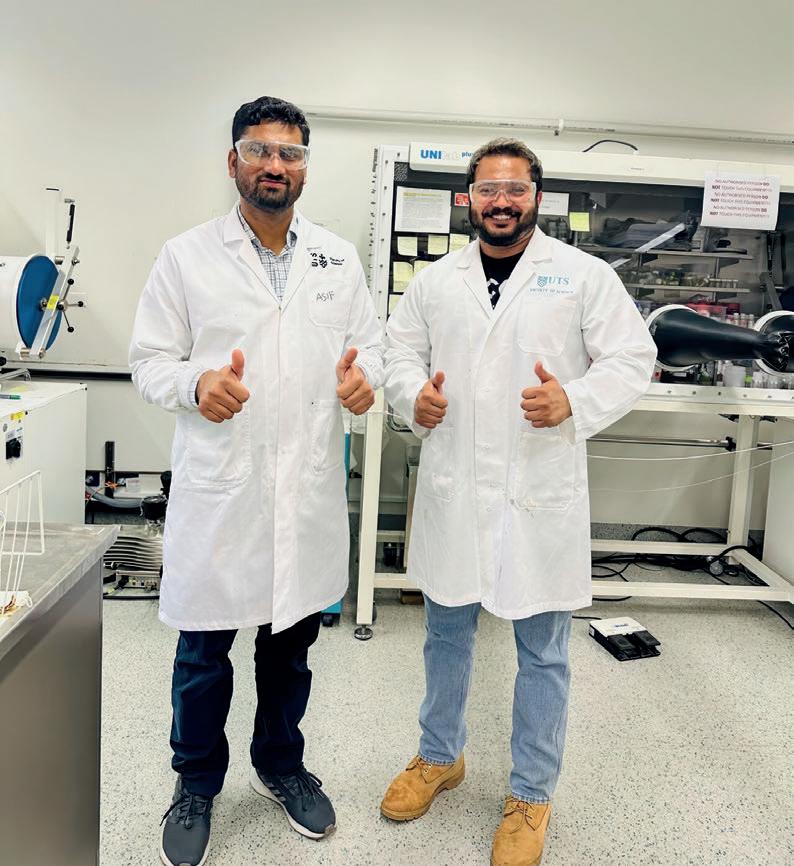
Operating from a specialised prototype robotics laboratory in Queensland, Oscorp Energy is led by Ani, as well as co-founders Dr Chandrakant Bothe, who holds a doctorate in artificial intelligence, and Dhiren Rami, a robotics expert holding a master’s degree in the field.
At the core of Oscorp Energy’s technology is a high-speed robotic sorting machine that can be retrofitted into existing materials recovery infrastructure and sorting lines without requiring costly facility overhauls.
It has AI-based sensors, that can precisely identify batteries and battery electronics on a sorting belt and safely remove them.
Ani says the company built its “AI brain” from scratch for this job, rather than customising off-the-shelf so ware.
To accurately spot items moving fast on unpredictable conveyor belts the so ware needs to see thousands of examples.
e company has spent a lot of time and computing power building a massive library of real-world facility data to train
Achieving this standard requires constant, disciplined data collection. e system must account for structural deterioration, crushing, and varied form factors typical of consumer electronics waste.
“Our AI models should be able to identify all of them, so that’s what we’ve
been working towards,” Ani says. “We have trained our AI on close to a million different batteries and battery electronics so far, and our goal is two million, at least, by the end of this year.”
While the initial goal is battery electronics to limit active fire risks, the core so ware has expanded into broader municipal solid waste and commercial streams. e system now categorises household recyclables, organic waste fractions, heavy metals, medical waste, and discarded textiles.
To achieve this, the development team blends supervised training methods with autonomous refinement models, allowing the machinery to process real-world volumes without stalling.
“ ere are three ways you train your AI: first is supervised learning, the second is unsupervised learning, and third is reinforcement learning,” Ani says.
“On a fundamental level, supervised learning is essentially you have pictures of different wastes, you manually tag every item, and then train your AI, so that you’re telling the AI, ‘Hey, this is a plastic, this is a phone, this is a battery, etc.
“Once the AI has been trained to a sufficient level, then comes the component of unsupervised learning, where the AI can try and see other objects and try to identify patterns from what it has learned. We have started implementing unsupervised learning, where the AI trains itself.”
Because no two recycling facilities process the exact same types of waste, the so ware is built to adapt quickly to new locations. It uses a central AI system that studies the local waste mix when

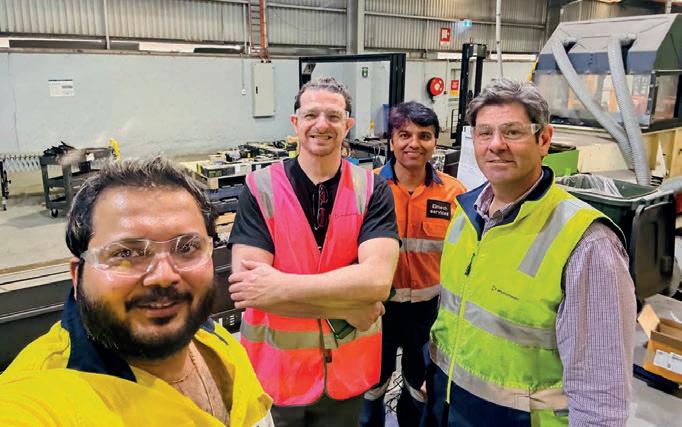
first installed. e equipment then tracks and memorises these local differences to create a custom sorting plan tailored to that specific facility.
“Our goal is to provide as much accurate information as possible, and our benchmark is 99.5 per cent accuracy,” Ani says.
“To achieve that, our base models would be trained heavily, and then each facility would have its own waste fingerprint. Within two weeks that AI should be able to understand ‘Okay, this is the type of waste I’m dealing with on a day-to-day basis’.”
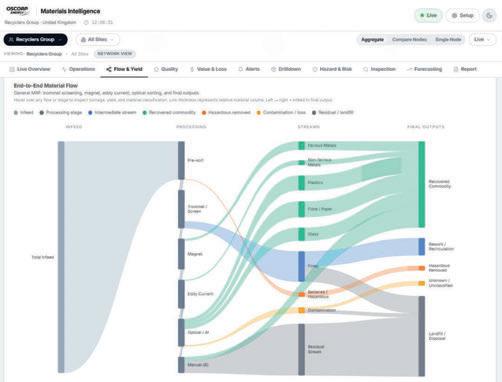
Alongside the sorting machines, the company is developing a data platform called Vision OS. is so ware connects multiple sensors placed throughout a recycling facility to give managers a bird’s-eye view of their entire operation. It allows them to quickly spot where sorting errors happen, find belt jams, and track real-time trash trends.
“It tracks and logs each and every material that is on your belt and gives you the visibility on what is flowing on your belt, where your contamination rates are higher, on what specific lines, what you could do to improve,” Ani says.
e technology has attracted significant commercial attention and financial
backing, with the company securing capital from European venture capital group Atlas, alongside global investor Antler and Antipodean Capital.
On the industrial front, a memorandum of understanding (MoU) signed with lithium battery recycler Livium Limited has taken the technology from laboratory testing into commercial field trials.
As part of the MoU, Oscorp is now building a robotics sorting component to complement the AI.
“So, the brain is sufficiently developed, now we have started building the body,” Ani says.
“It’s pretty exciting and I think batteries is a tough challenge when it comes to robotics, because batteries come in so many different forms, shapes, and sizes. ey are chemically active as well, so the risk of them blowing up is high.
“For us to have a robot pick and sort different form factors and shapes of batteries is an engineering challenge.”
Ani says by replacing manual sorting with robotics, operators can shield employees from hazardous materials while optimising plant uptime.
“Waste sorting is a manual, dangerous, dusty job. We’re wanting to create systems that are safer for everybody.”
He says that ultimately, installing automated systems addresses fundamental blind spots that have impacted resource recovery yields for decades.
“Given the way this industry is operating, I would say our technology is a game changer for the industry, because once they see the value in it, they will realize what they have been missing all these years.”
WMR
For more information, visit: www.oscorpenergy.com.au











by

Certified Fire Engineered Performance Solution, compliant with AFAC, EPA Victoria, CFA & MFB guidelines, replacing current sprinkler systems.
“The only closed-loop autonomous fire suppression system on the market - with zero ongoing monitoring costs.”
Verified results from 2+ years of onsite industry trials
Zero recorded system failures
Zero mechanical failures
Zero recurring fees
Zero delays
100% verified reignition elimination
Don’t become a runaway statistic.


Already adopted by 5 leading industry operators Authorised
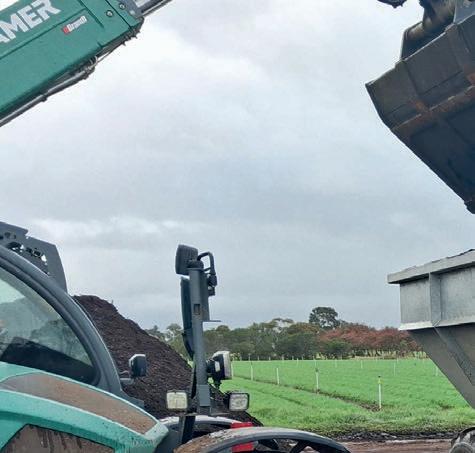
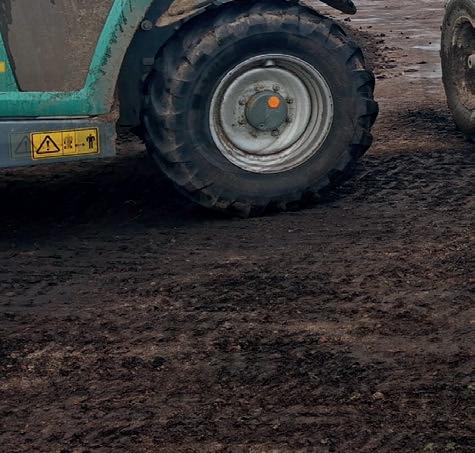
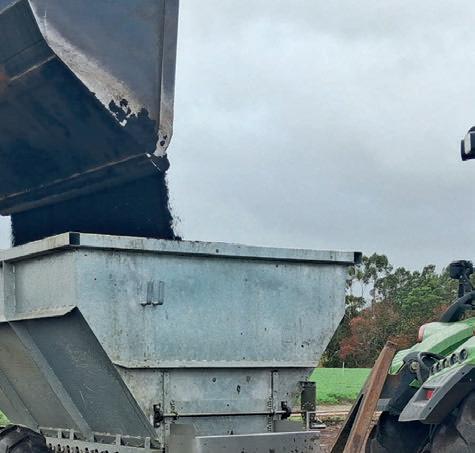
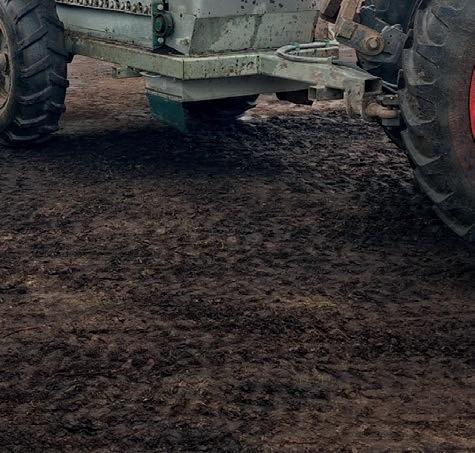
Peter Schreurs and Sons Vegetable Farm proudly uses compost to improve soil health and yield resilient crops.
The Peter Schreurs and Sons Vegetable Farm has operated in Victoria for more than 60 years. From a 420-acre farm in Devon Meadows, the family business works to offer a constant supply of quality produce to the market.
“We predominantly grow leeks, but also specialise in other crops,” says Mark Schreurs, Operations Manager. “We grow sugarloaf cabbage, radicchio, baby cos lettuce, kohl rabi, and more depending on the season.”
Peter Schreurs and Sons’ customer base is wide, consisting of the major supermarket chains, local markets and processors. However, Mark says the market is saturated by the presence of many farms pushing similar produce, and under pressure from increasing compliance regulations around organics standards.
Peter Schreurs and Sons has been resilient to these challenges, largely due to what Mark calls unconventional
farming practices – a step away from the philosophy of directly feeding synthetic nutrients to plants, and towards regenerative principles, creating better overall conditions for plants to thrive.
A major contributor to soil health is the presence of compost.
Peter Schreurs and Sons first experimented with compost in the mid2000s. Mark says at the time, they had little success with the material and were sceptical of its quality.
“Back then, we were trying to use compost as if it were a fertiliser,” he says. “We were putting it down on top of the soil and crop, expecting to see the crop respond. We saw no response and so didn’t think the compost was worth the investment.” is changed when they needed to use up a large amount of excess compost in stock, and realised they had been using it wrong the whole time.
“Our farm is broken up into many smaller paddocks, and some had bad,


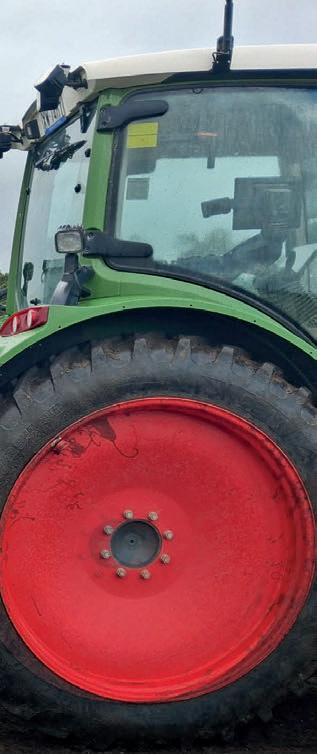




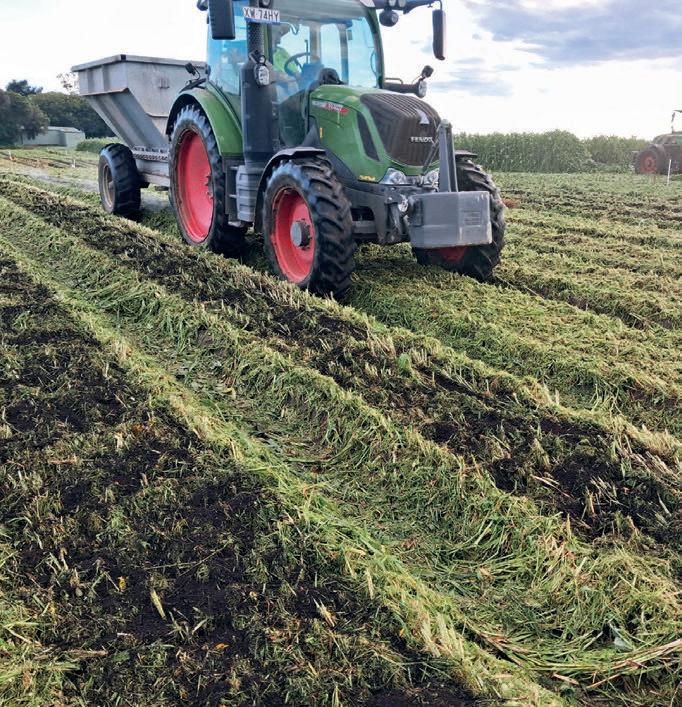
rocky ground that turned slimy when wet,” Mark says. “We decided to spread the compost into the soil of these paddocks just to use it up. And 18 months later, we found that all those same paddocks were coming up really nicely and making great seed beds.
“Instead of applying compost to the plant as a fertiliser, we needed to use it in the soil as a conditioner. It changed the soil and created an environment conducive to growth.
“Once we found success with this method, we started exploring compost with a long-term vision in mind.”
Peter Schreurs and Sons now adds clean, humic, mature compost to its soil each year, using it to build and manage the soil’s biology to foster crop growth. e compost is heavy in carbon, which is the main driver of the biological activity in the soil.
“We have experienced so many benefits in using compost in our soil,” Mark says. “It’s less expensive than fertilisers, it
offers increased water-holding capacity which makes our soil resilient in the warmer months, and our drainage has also improved dramatically.
“ e amount of soil organic carbon we have is increasing too, thanks to compost. It started off as one per cent in our soil when we first measured it in 2008, but we’ve built it up to around four per cent now, which is fantastic by industry standards.”
Mark recently shared his compost insights at the Solutions for on-farm organics: Digging into compost webinar delivered through the Soil Wealth ICP project. e project is funded by Hort Innovation using the vegetable research and development levy and contributions from the Australian Government. Soil Wealth ICP is a partnership between Hort Innovation, Applied Horticultural Research and environmental consultant RM Consulting Group. e levy is a compulsory charge paid by vegetable
“Instead of applying compost to the plant as a fertiliser, we needed to use it in the soil as a conditioner. It changed the soil and created an environment conducive to growth.”
Mark Schreurs, Operations Manager at Peter Schreurs & Sons Vegetable Farm
producers, which is invested into agricultural innovation, productivity, and biosecurity.
e webinar explored the practical approaches to managing organic materials on farm, as well as the role compost can play in improving resource efficiency, supporting soil health outcomes and reducing waste.
“I was invited along to provide my perspective on compost as a grower,”

Mark says. “I got the chance to promote using compost in vegetable production, and share our farm’s journey with the material.”
e session included perspectives from industry stakeholders, including John McKew, National Executive Officer of the Australian Organics Recycling Association, who provided insights into commercial compost production, compost quality, compost and soil conditioning standards, and the importance of growers working closely with suppliers to source fit-for-purpose compost products.
“Compost is a proven part of the natural solution to feed our soils,” John says. “It helps return nutrients already present in our food and green waste back into the soil, where they can be used productively rather than lost forever in landfills or incineration.
“It is proven to improve the veracity of synthetic fertilisers when used in cohort with compost.”
While Mark’s experience supports the use of compost to feed soils, he says that some farmers are reluctant to use it. at reluctance is due to a combination of strict environmental compliance around compost use, being unaware of the time it takes for compost to yield positive results and scepticism because compost is largely unknown in the industry.
Despite these concerns, Mark continues to be a strong advocate for its use.
“Nature has all the answers,” he says. “Compost has made our farm tough and fertile. It’s the way forward.” WMR
For more information, visit: www.aora.org.au





A trailblazing new study is bringing the challenges facing the waste industry workforce into focus. Alison Price, Chief Executive O cer of the Waste Recycling Industry Association Queensland, breaks down what it means.

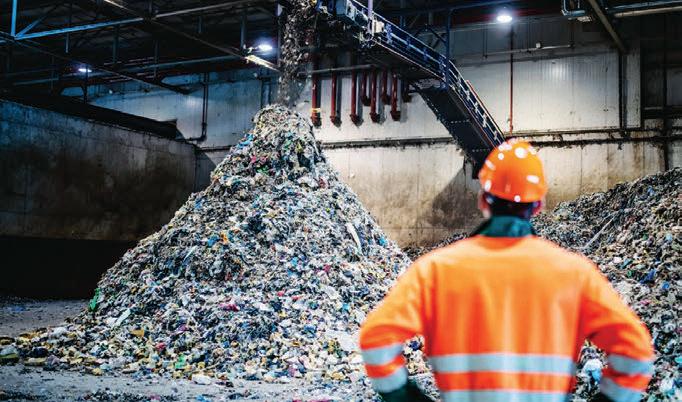
For years, workforce challenges have been one of the most common topics raised by Queensland’s waste and recycling industry. Whether it’s attracting drivers, finding machinery operators, retaining skilled staff, developing future leaders or creating meaningful career pathways, businesses across the sector have consistently told us they are feeling the pressure.
e challenge has never been recognising that these issues exist. e challenge has been proving the scale of them.
Until now, much of the discussion around workforce shortages in waste and recycling has been based on individual business experiences, regional observations and industry anecdotes. While those experiences are real and important, they only tell part of the story.
is year, that changed. e Waste Recycling Industry Association Queensland (WRIQ) undertook the first industry-wide Economic Contribution and Workforce Study for the state’s waste and recycling sector, supported by the State Government. e report surveyed businesses and workers across Queensland and provides the first comprehensive evidence base on workforce conditions, recruitment challenges, retention
pressures and future workforce needs. What the findings revealed is both unsurprising and significant.
e industry employs approximately 8478 Queenslanders directly and supports more than 16,000 jobs across the broader economy. It contributes around $2.7 billion to Queensland’s Gross State Product and manages more than 9.8 million tonnes of material each year.
Yet behind those impressive numbers sits a workforce under increasing pressure. e report confirms that recruitment challenges are most acute in frontline operational roles, particularly drivers, machinery operators, mechanics and labourers.
Businesses reported significant difficulty attracting qualified applicants, with more than half of employers indicating shortages in the aforementioned operational roles.
e challenge is not simply replacing retiring workers. Queensland’s population is expected to grow by about 1.6 million people over the next 20 years. At current waste generation rates, that equates to millions of additional tonnes requiring collection, processing and recycling each year.
e industry will need to expand capacity substantially while simultaneously
addressing an ageing workforce and persistent recruitment shortages.
e data suggests that workforce pressures will become increasingly apparent within five years, with a more significant crunch point emerging within the decade if current trends continue.
e industry itself is changing. Modern waste and recycling operations are increasingly sophisticated. Compliance obligations continue to evolve. New technologies are being introduced. Material streams are becoming more complex.
As a result, businesses are looking for workers with broader technical skills, stronger problem-solving abilities and greater adaptability than ever before. One of the clearest findings from the report is that workforce capability is becoming just as important as workforce availability.
However, training remains heavily reliant on internal, non-accredited systems developed by individual operators.
Smaller and regional businesses o en lack the resources to develop training programs themselves, while existing vocational education offerings do not always reflect the operational realities of modern waste and recycling businesses.
is is not a criticism of the training system. Rather, it reflects the fact that waste and recycling have evolved rapidly without tapping into the Vocational Education and Training scheme.
is is where industry-led solutions become important. Representing more than 100 Queensland organisations operating across the waste and recycling value chain, WRIQ has been working to begin addressing some of these challenges.
WRIQ members manage approximately 97 per cent of Queensland’s waste collections and collectively own and operate more than $3.8 billion in essential waste and recycling infrastructure in Queensland.
Encouragingly, industry is not waiting for someone else to solve the problem. Across Queensland, businesses are investing in training, through initiatives
such as Workforce Connect and the Waste and Recycling Academy Queensland.
ese initiatives are focused on practical outcomes: developing job-ready skills, supporting workforce retention and ensuring training reflects the realities of modern waste and recycling operations. Early feedback suggests businesses recognise the value of solutions designed with industry, for industry.
However, current efforts alone will not be enough.
If we are serious about increasing resource recovery, strengthening circular economy outcomes and maintaining safe, reliable waste services for growing communities, workforce development must become part of the conversation.
e industry needs scalable training pathways that can be accessed by businesses of all sizes. It needs leadership

and supervisory development programs to support retention. It needs stronger attraction pathways for younger workers and under-represented groups. It needs training that keeps pace with technological change and evolving operational requirements.
Most importantly, it needs long-term investment rather than short-term projects. e encouraging news is that momentum is building.
Across Queensland, businesses are already responding. Operators are investing in training, mentoring future leaders, introducing new technologies and working together through industry initiatives to strengthen workforce capability.
e challenge now is scaling those efforts across the sector.
We now have the evidence needed
to move the conversation forward. For the first time, Queensland’s waste and recycling industry has a clear picture of its workforce challenges, strengths and opportunities. at gives industry, government and training providers a shared starting point for action.
e workforce challenges identified in this report are significant, but they are not insurmountable. is industry has never lacked resilience, innovation or a willingness to collaborate. What it has lacked is data. Now we have it.
e next step is using it to build the workforce that Queensland’s waste and recycling industry will need for the decades ahead WMR
For more information, visit: www.wriq.au
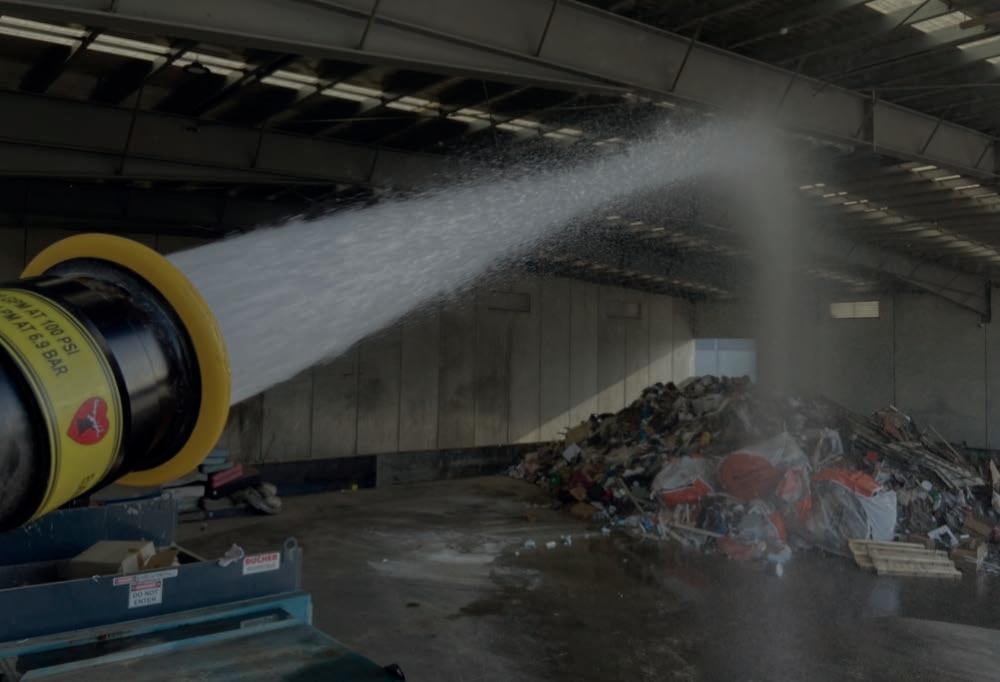





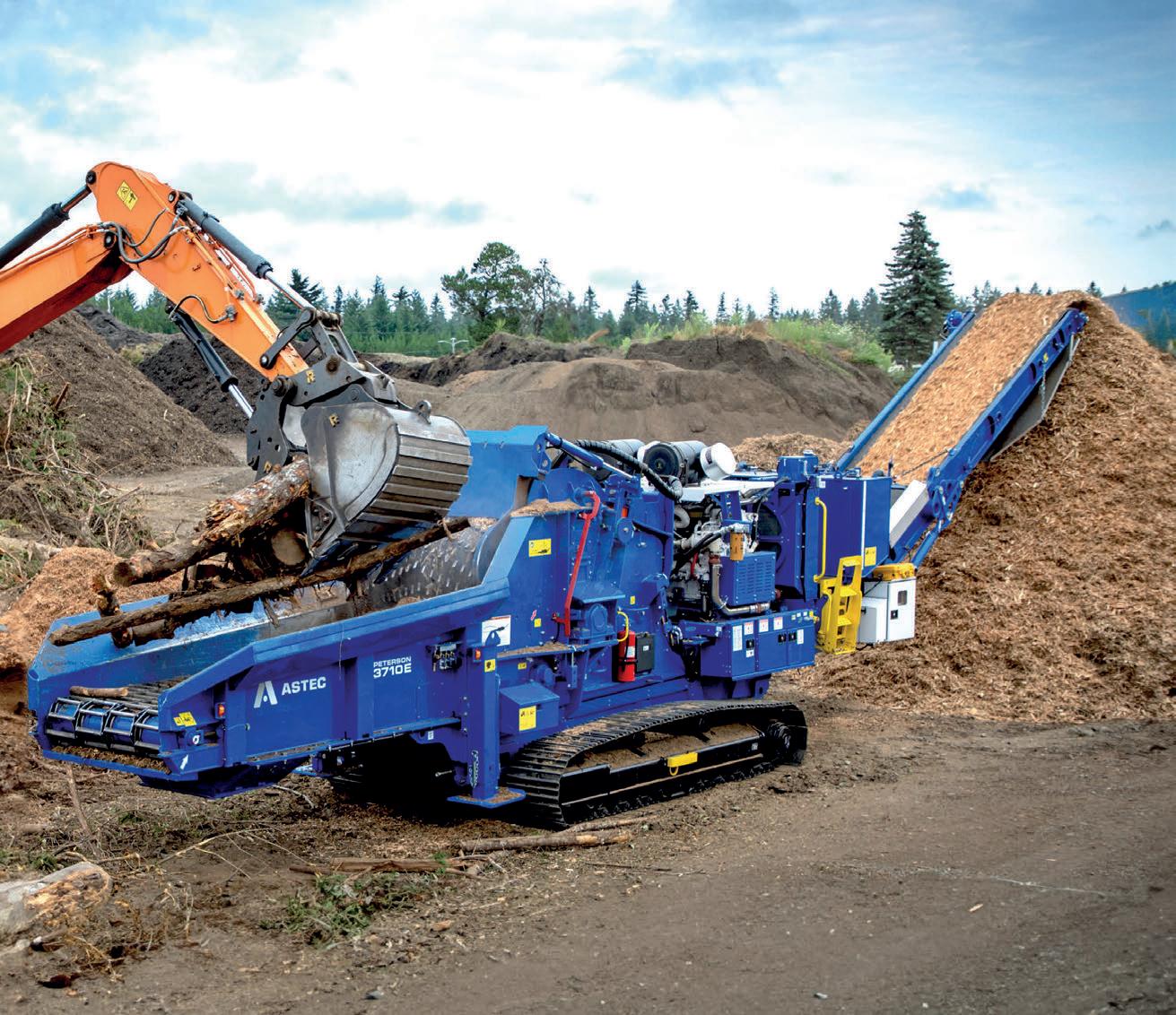
Plantation Logging is expanding into microchip production with the Peterson 4310D.
Seeing is believing” is a phrase o en used when new equipment claims to do something different. For Plantation Logging, it was more than just a saying – it was the tipping point behind a decision that has since opened a new line of work and reshaped how the business approaches its chipping operations.
“We wheeled it (the Peterson 4310D drum chipper) off the truck, into the yard, and started putting logs through it,” says Dave Hughan, Plantation Logging General Manager.
“It started chipping into them straight away. It was just surprising how well it performed from the start.
“I was sceptical as to whether it’d actually do what I was told it would do, but it has; and faster than I thought it would.”
Plantation Logging, a Western Australian operator employing more than 100 employees and subcontractors, has spent three decades building a reputation in harvesting and haulage.
Operating across southern Western Australia’s plantation forests, the company handles more than one million tonnes of material annually and has diversified into road construction, farming and pastoral operations.
Chipping has been part of that mix for several years, producing biomass and export-grade material for market. What has changed is the ability to move into a more refined product stream.
More recently, the business has expanded its chipping capability to include microchip production – enabled by the purchase of a Peterson 4310D
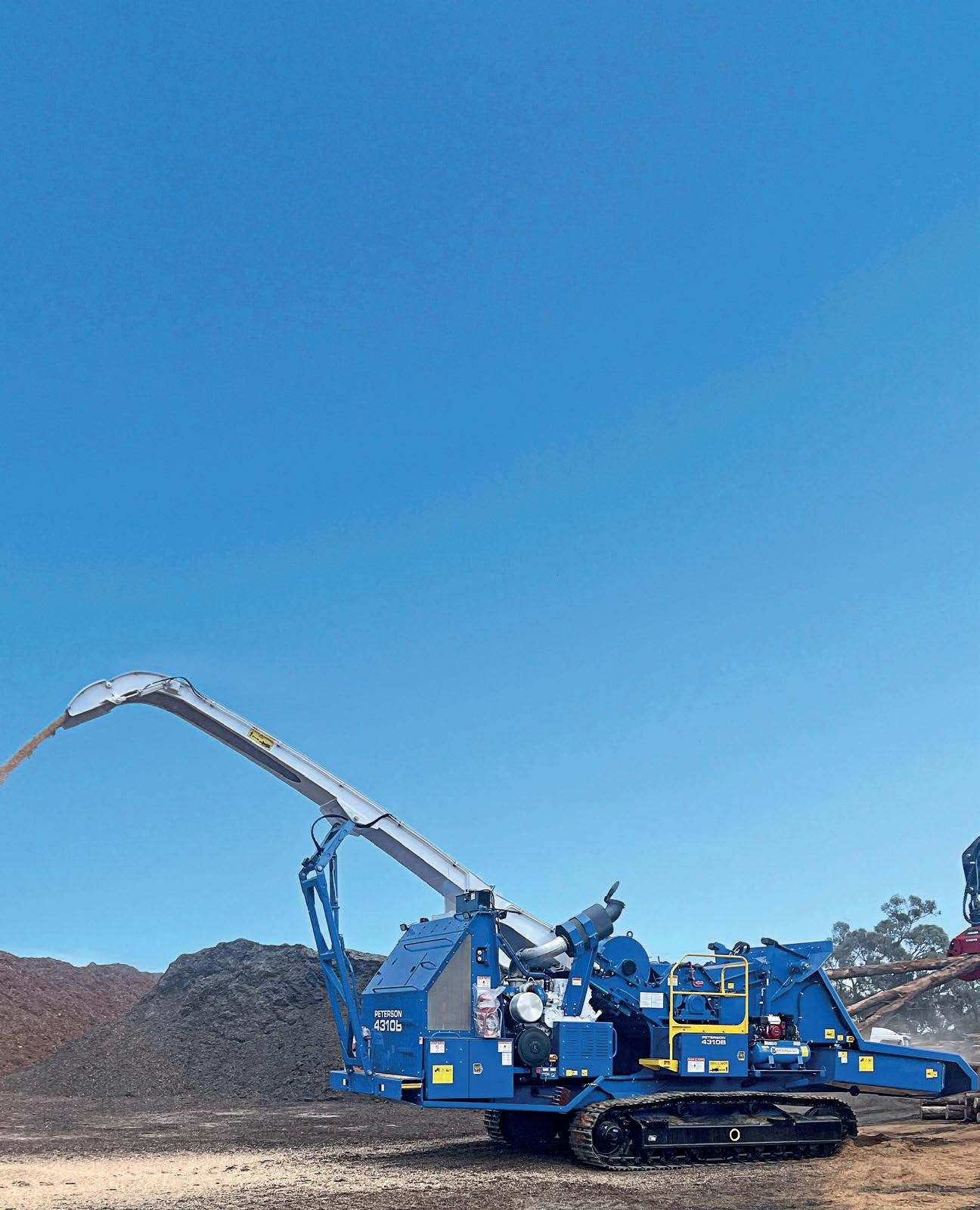
drum chipper from Komatsu Forest. Dave says the machine, the first of its kind in Australia, allows Plantation Logging to process whole logs down to a consistent five-millimetre product for use in potting mix, opening a completely new market.
“A company came to me a while ago and asked how they could produce potting mix from wood chips, and if we could do it,” Dave says. “At the time I couldn’t see any way of being able to do it for them.” e idea didn’t disappear. e demand was there, but the pathway wasn’t. Traditional chipping equipment was designed to produce larger outputs for biomass fuel, export chips or general woodchip products. Producing a fine, consistent microchip at scale had remained out of reach. at changed when Dave began exploring what was possible.
Enter the Peterson 4310D. While some chippers may operate with as few as four knives for larger, bulk material, the 4310D is fitted with a 12-pocket drum, increasing the number of cutting points to produce a much finer and more uniform product –making consistent microchip production possible at scale.
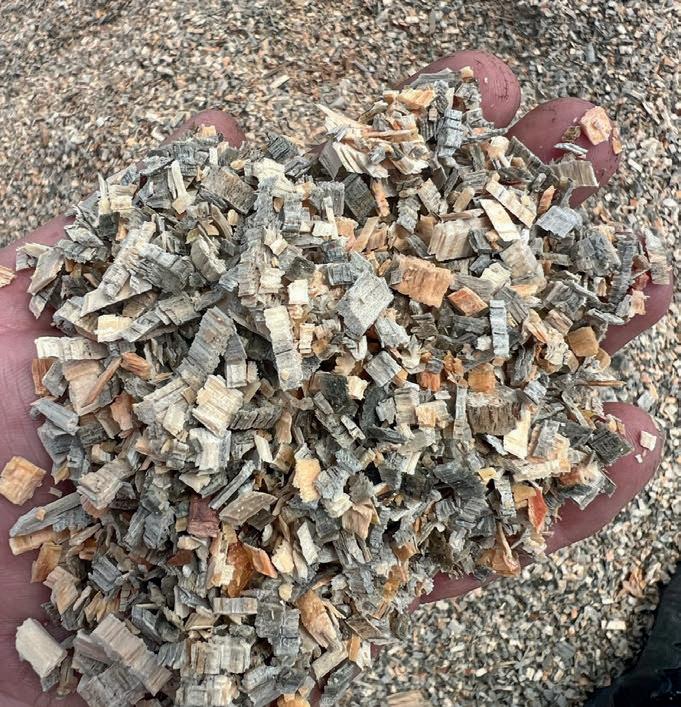
e outcome has exceeded expectations. e machine takes whole logs and reduces them to a microchip small enough to pass through a five-millimetre screen, at volumes that make the operation commercially viable.
“Everything fits through a fivemillimetre screen,” Dave says. “Whole logs down to five millimetres… that’s impressive.”
But what surprised him most was not just the size of the output, but the speed at which it could be achieved.
“I only worked on 30 tonne an hour,” he says. “Because I thought reducing a log to a five-millimetre chip would just take a long time, but we’re up to about 45 tonne an hour now.” at performance has introduced a level of flexibility into Plantation Logging’s operations that wasn’t there before. e 4310D is also fitted with a six-pocket drum to produce larger chips for export or biomass markets.
“I’ve already been able to pull my other chipper out of the system for maintenance and insert this one in to do the same job,” Dave says.
“We had it doing export chip from reject power poles. We were getting just over 100 tonne an hour out of it. at was really good.
“Because we only had one chipper before, if that chipper went down, well, that was it. Now it gives us options.” at flexibility allows Plantation Logging to move between different product streams, adapting to demand without committing equipment to a single purpose.
For a business already producing large volumes of biomass each year, that optionality is increasingly important as markets shi and diversify.
“Biomass is slowly building,” Dave says. “We’ve been doing it for a few years now, and it’s really starting to take off into generation.”
While the technology itself has been critical, support behind the 4310D has also played a role in its success. Despite being a specialist unit, service and parts availability have met expectations.
“Everything ts through a vemillimetre screen. Whole logs down to ve millimetres… that’s impressive.”
Dave Hughan, Plantation Logging Managing Director
e ve-millimetre microchip is being used in potting mix.
“ e service has been really good,” Dave says. “Matt Pratico, the owner and local service agent for Komatsu Forest has stocked parts that we might need, so if something goes, it’s all there. ey’ve done the right thing.” at support has contributed to a smooth introduction, with minimal downtime.
“Downtime wise, we’ve had really nothing to speak of,” Dave says. “ e machine itself has just held together and kept going about its business.”
For Plantation Logging, the move into microchip production represents


a natural evolution rather than a departure from its core operations. Chipping remains a familiar part of the business. What has changed is the level of precision and the ability to supply a new, specialised product at scale.
“We couldn’t see a way of doing it before,” Dave says. “Now we can, and we can do it at scale. e 4310D just did it from the start. at’s what convinced me.”
WMR
For more information, visit: www.komatsuforest.com.au
How technology elevated operations at a regional materials recovery facility facing real-world problems.
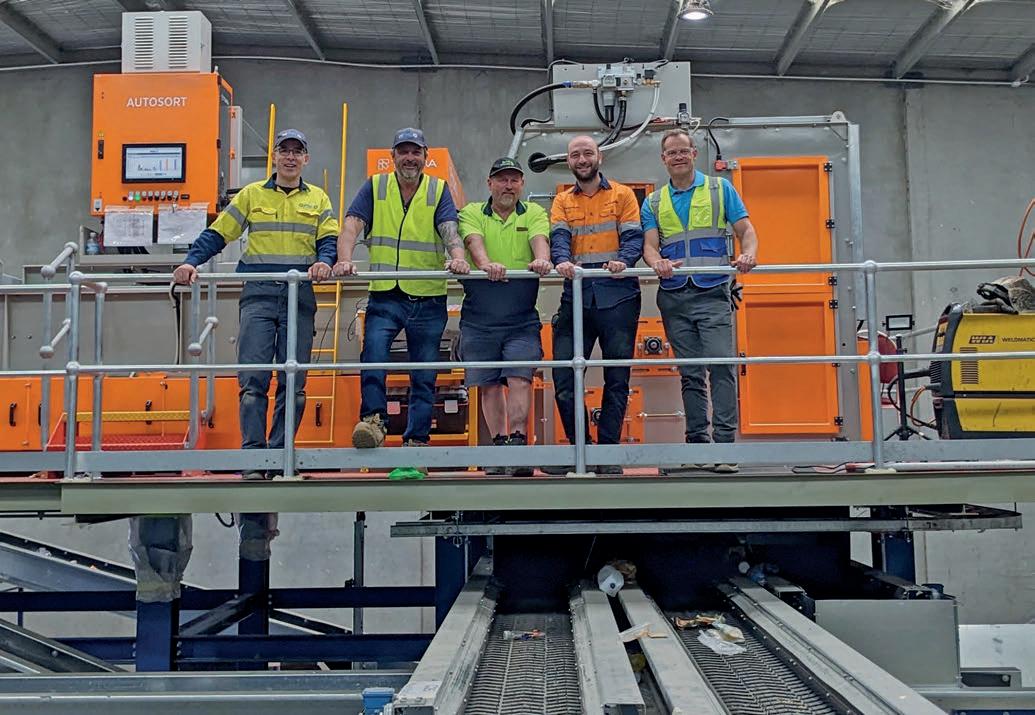
e facility’s high frequency of waste, combined with limited space, made quick and accurate material sorting di cult for sta . Images: CEMAC technologies
Tambo Waste is embedded in the local communities that make up Victoria’s East Gippsland region. e business has operated as a proud waste management and recycling leader since 1991, and offers comprehensive collection, disposal and recycling solutions tailored to residential, commercial and industrial needs.
But leading such a large waste management operation doesn’t come without its challenges.
Brad Duncan, Group Operations Manager, says that shi ing workforce expectations and the physically demanding nature of manual picking for days on end make it difficult to maintain consistent staffing levels and to continue to be an employer of choice for the local workforce. At the same time, when it comes to manual
sorting processes, there will always be limitations, since people can only pick so fast. And, with limited space on the line to sort the material, too many valuable items can slip through the system and end up in landfill.
“We were just throwing money away,” Brad says. “We needed a solution that could pick faster and more accurately than people ever could.”
In mid-2025, Tambo began extensive research to find suitable sensor-based sorting equipment that could supplement the manual labour involved in the material recovery process. Brad says the technology needed to create a safer and healthier work environment, while lowering processing costs and increasing the recovery rate of commodities.
is lead Tambo to CEMAC technologies, a distributor of waste management equipment. CEMAC technologies supplied the waste outfit with the TOMRA AUTOSORT™– an advanced sensor-based optical sorting machine used to identify and separate target material for recovery within mixed waste streams.
“ e AUTOSORT technology clearly stood out to us for its highest accuracy sensor setup, flexibility, reliability and low maintenance,” Brad says.
“Paired with strong regional support, these are critical factors for a facility operating outside major metropolitan hubs.”
TOMRA’s AUTOSORT was designed as an all-in-one solution, capable of sorting a
waste stream into five separate fractions within limited space. It was a perfect fit for the size of Tambo’s Materials Recovery Facility (MRF).
Brad explains that the equipment’s straightforward installation was also thanks to the diligent work of Eric Paulsen, Managing Director of CEMAC technologies.
“Communication and transparency throughout the project were standout strengths,” he says.
Now, the custom-designed equipment sits comfortably within the facility’s small footprint, separating waste streams into paper, mixed plastics, residual waste, natural high-density polyethylene (HDPE) and polyethylene terephthalate (PET).
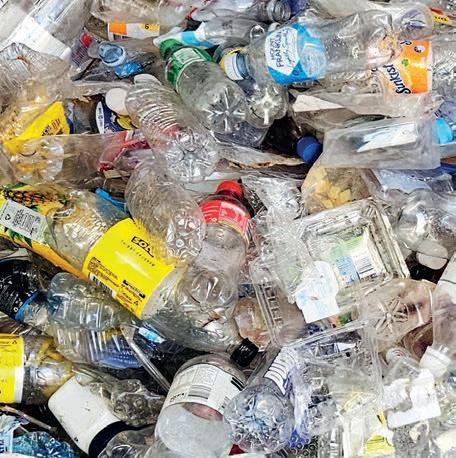
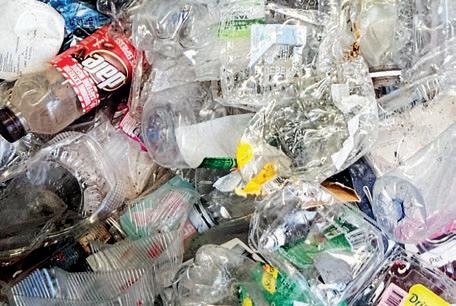
e complete AUTOSORT system includes a double valve block, speed conveyor and integrated hood and is fully integrated with the optical sorting controls. e TOMRA high-end flying beam NIR spectrometer can differentiate between waste components with ease. is allows Tambo to process material with greater efficiency and accuracy – and is particularly useful for waste components that are difficult for humans to sort consistently, such as PET trays.
“ e machine has given us cleaner products and bigger volumes,” Brad says. “Especially in paper and cardboard.”
e AUTOSORT has also highlighted areas of inefficiencies within the MRF



that have since been fixed, resulting in the facility operating closer to its full capacity.
Brad says Tambo’s shi to automation, increased conveyor usage and modernised material flow has measurably improved team safety and future-proofed the working environment.
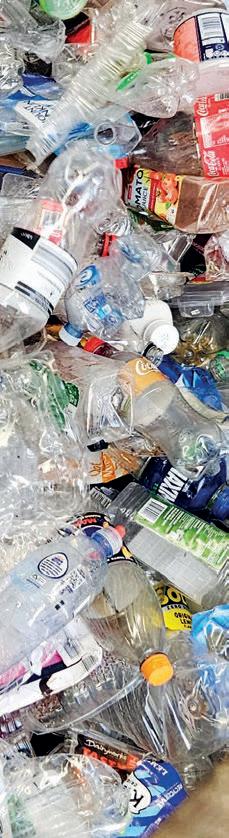
“Guarded conveyors, clearly defined walkways, and the elimination of some manual bin handlings have reduced risk across the MRF,” he says.
“ e process now moves seamlessly from conveyor to hopper to baler, reducing manual contact points and creating a safer and more controlled environment overall.”
e AUTOSORT’s efficiency has given Tambo the ability to expand its operations and take on material from additional areas in East Gippsland and even interstate councils, if regulatory barriers such as permitting requirements, waste tracking obligations and differing state classifications are resolved.
Brad says the MRF is now wellpositioned for long-term expansion.
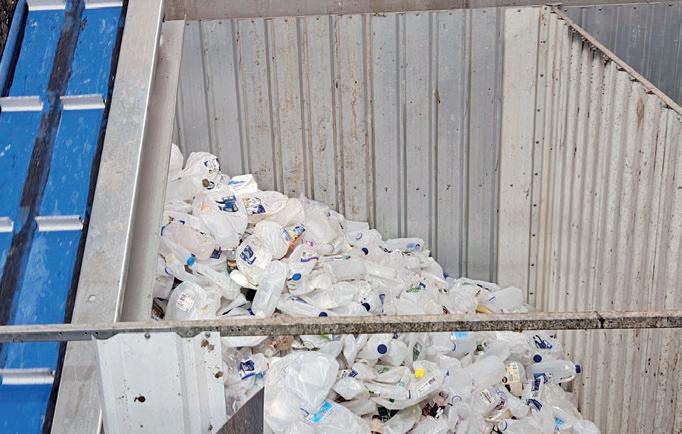

“ e AUTOSORT has had a positive impact on our workflow,” he says.
“We’re now confident that we’ve got the right product in place to set us up for the future.” WMR
For more information, visit: www.cemactech.com
North West Services is helping councils and operators maximise e ciency with exible equipment solutions.
In an industry where reliability, experience and practical knowledge matter, North West Services has built a reputation as one of Australia’s leading specialists in landfill compactors and waste management equipment.
e company’s core focus is providing flexible dry hire solutions – from single machine hire through to full equipment packages – tailored to the needs of local government and private operators across Australia.
Whether a customer requires a shortterm replacement machine, a long-term hire or a complete suite of waste-specific equipment, North West Services’ offering is designed to remove complexity and give operators certainty.
“With landfill compactors in particular, the capital outlay is significant,” says Managing Director Luke Purvis.
“For many customers, securing capital funding for specialised machinery can be challenging. But with dry hire, they know
what they’re spending, they can budget for it, and they don’t carry the risk of owning that machine long-term.” at model has become increasingly relevant as landfill operators face growing pressure to extend site life, manage costs and improve efficiency.
“Historically, many sites, particularly in regional areas, operated with a mix of older or non-specialised machinery, which o en limited performance.
“Over time, that impacts how efficiently they can compact waste and ultimately how they use their available airspace,” Luke says.
Operating from its base in North Queensland, North West Services owns and operates one of Australia’s largest privately-owned fleets of landfill compactors supported by a broader range of waste-specific machinery, earthmoving equipment and transport assets.
It delivers equipment across Queensland, New South Wales, Victoria
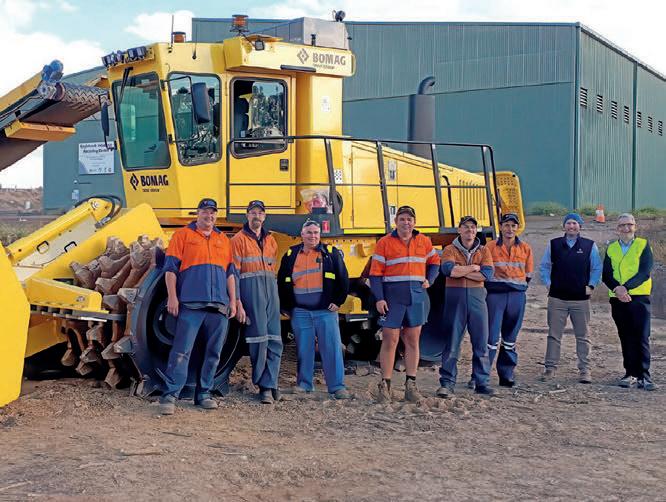

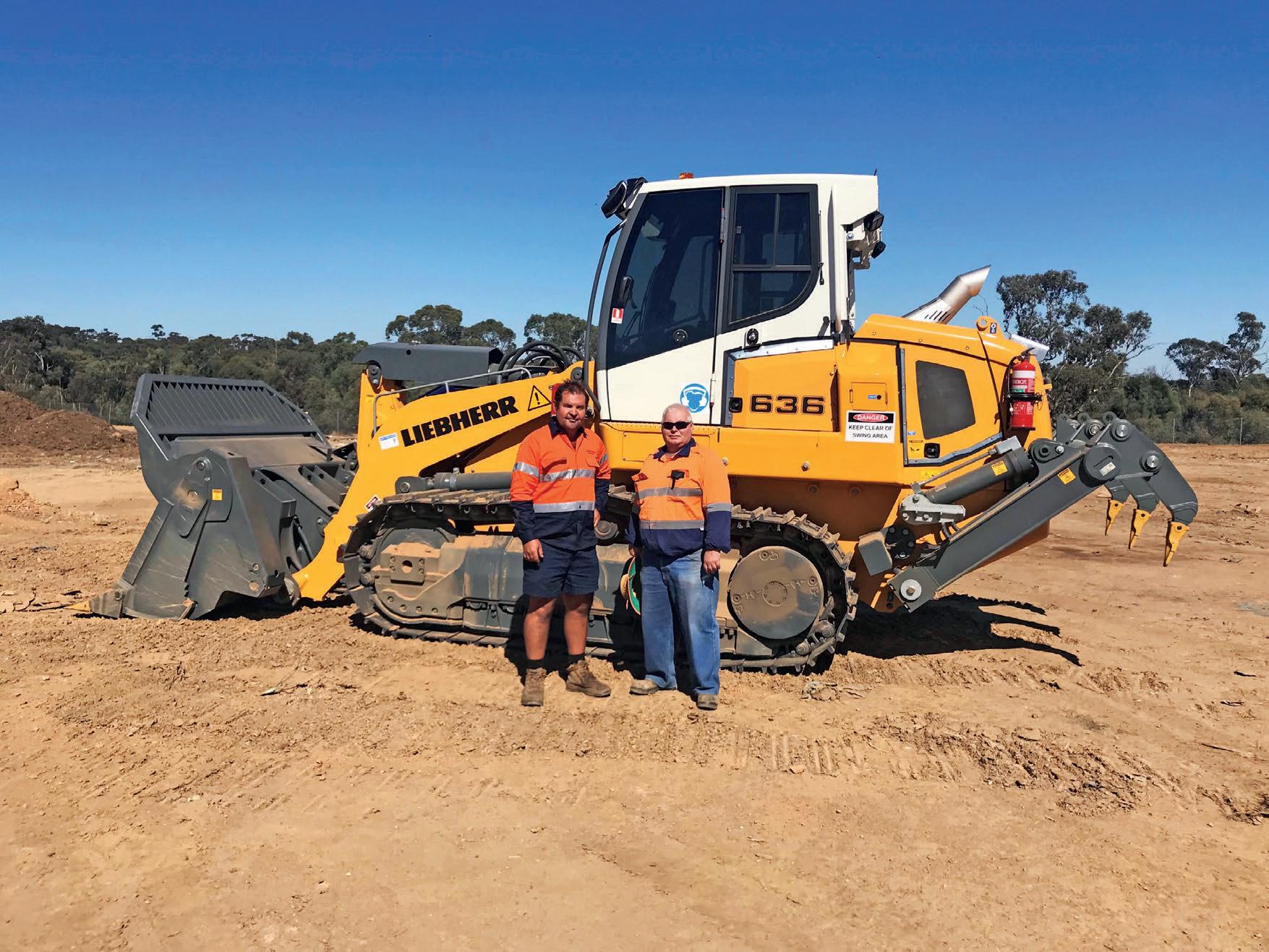
equipment reliability is critical to daily operations, delays in repairs or part availability can quickly impact operations.
“When a critical piece of equipment experiences a major failure, lead times for parts and repairs can be considerable,” Luke says.
“Our ability to provide replacement machines ensures customers can maintain operations with minimal disruption.”
Beyond availability, the service offering also removes the burden of maintenance, servicing and performance monitoring from the customer. Machines are supported through telematics systems that track usage, identify faults and flag servicing requirements in advance, allowing issues to be managed proactively.

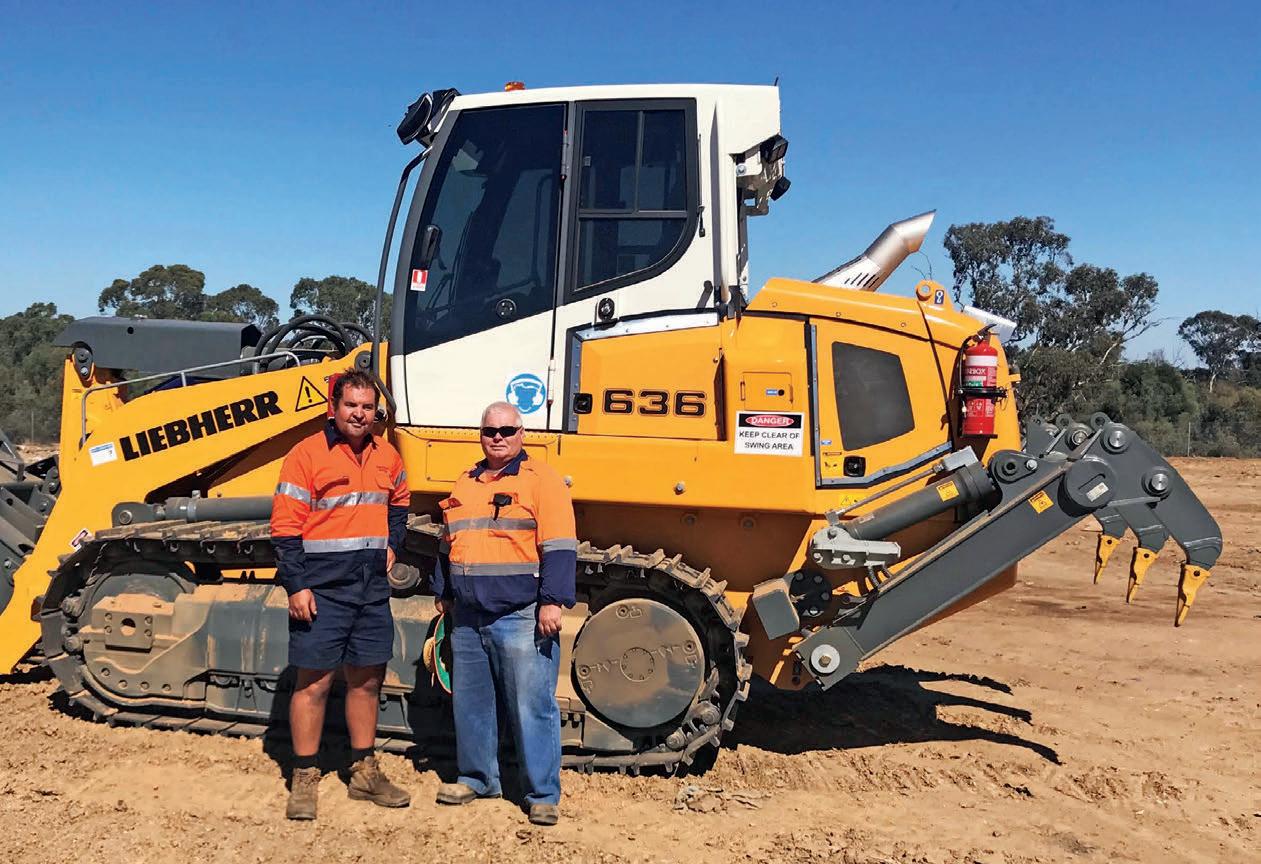
Longer-term hire arrangements also give operators certainty over costs and equipment performance. Contracts are o en structured over multiple years, with the option to upgrade or replace machinery as required during the term.
“At the end of a hire period, customers aren’t le with a machine that’s reached the end of its useful life,” Luke says. “We can upgrade or replace machinery, so they’re always working with equipment that suits their needs.”
e ability to evolve with customer requirements is supported by how North West Services approaches each project. Rather than offering a standard solution, the team leverages more than 25 years of hands-on experience in landfill operations to understand the specifics of each landfill, including waste volumes, site layout and long-term objectives.
North West Services was founded in 2003 by Ray Purvis and Noeleen McCleery, initially operating landfill facilities within their local government area. at industry experience continues to shape the way the business supports its customers today, says Luke.
“Because we’ve been on the other side of the fence, we understand what
our customers are dealing with,” he says. “We’ve operated the machinery, maintained it and relied on it to keep landfill operations running.”
He says that operational perspective has become more important as landfill management becomes more technical. Equipment is now expected to do more than move waste, with technology playing a growing role in improving efficiency and extending asset life.
North West Services has adopted global positioning system (GPS) machine guidance designed specifically for landfill applications. ese systems allow operators to track compaction, manage passes and optimise landfill profiles in real time, supporting more efficient use of airspace and environmental controls.
“GPS machine guidance provides operators with real-time visibility of compaction performance, pass counts and landfill profile,” Luke says. “It helps them work more accurately and get better outcomes from the site.” e integration of technology also provides additional reporting capability, giving operators clearer visibility of performance and supporting compliance and operational planning.

is is particularly valuable for contractors operating under fixed-term landfill agreements. Rather than investing in assets beyond the life of a contract, they can align equipment hire directly with project timelines.
“Customers might come to us with a five or seven-year contract to operate a landfill,” Luke says. “ ey don’t need to own that machine beyond that period, so hiring makes sense.”
In some cases, this extends to providing full equipment packages for individual sites, including compactors alongside loaders, excavators, and other supporting machinery, allowing operators to source everything through a single provider.
While the company has grown significantly since its early days, it remains grounded in the values on which it was built.
“Our goal has always been to provide more than just a machine,” Luke says.
“We want to be a trusted partner who understands the realities of landfill management and can deliver solutions that stand up to the realities of landfill operations.” WMR
For more information, visit: www.nwserv.com.au

Cat Compaction with Compaction Algorithm o ers insightful guidance for land ll operators across the country.
Australia’s landfill space is becoming increasingly precious. e New South Wales Environment Protection Authority (EPA) predicts Greater Sydney will run out of landfill by 2030, and Victoria’s landfills are expected to reach capacity in the mid 2030s according to EPA Victoria.

e Cat ® Compaction with Compaction Algorithm platform uses telematics from active land ll compactors to help operators e ciently compact waste. Images:
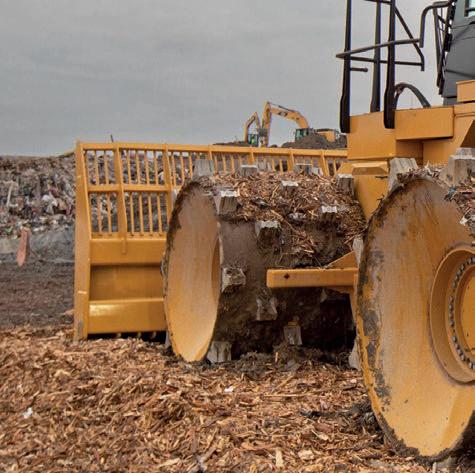

Meanwhile, the Western Australian Government and Waste Authority WA have set a diversion goal of no more than 15 per cent of waste generated in Perth and Peel regions sent to landfill by 2030.
In the face of this looming crisis, landfill operators must work to use space efficiently. To do this, many of them turn to Caterpillar.
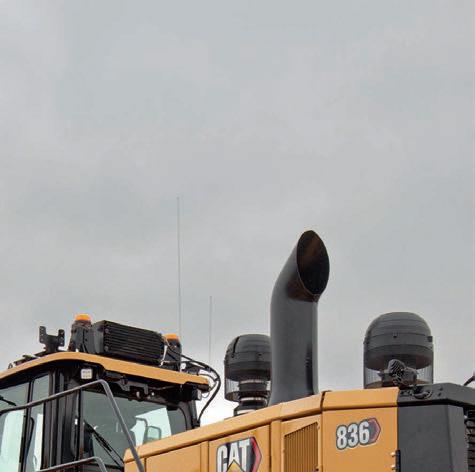
Caterpillar is a well-known heavy equipment manufacturer that has long built durable machinery for the waste and recycling industries. It also creates smart technology and so ware to help those products work better.
“Caterpillar offers technology which assists operators using all types of our

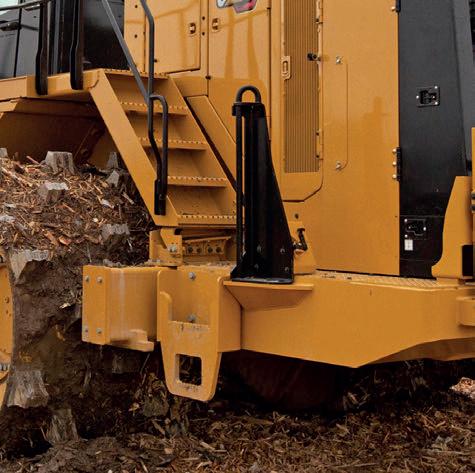
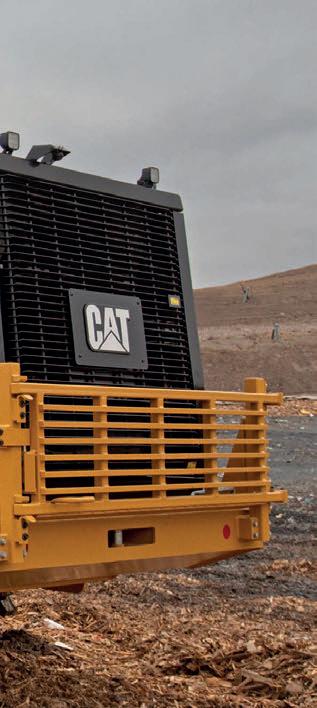

e Cat Compaction with Compaction Algorithm is available for Caterpillar’s large-scale 836 and smaller 826 land ll compactor models.
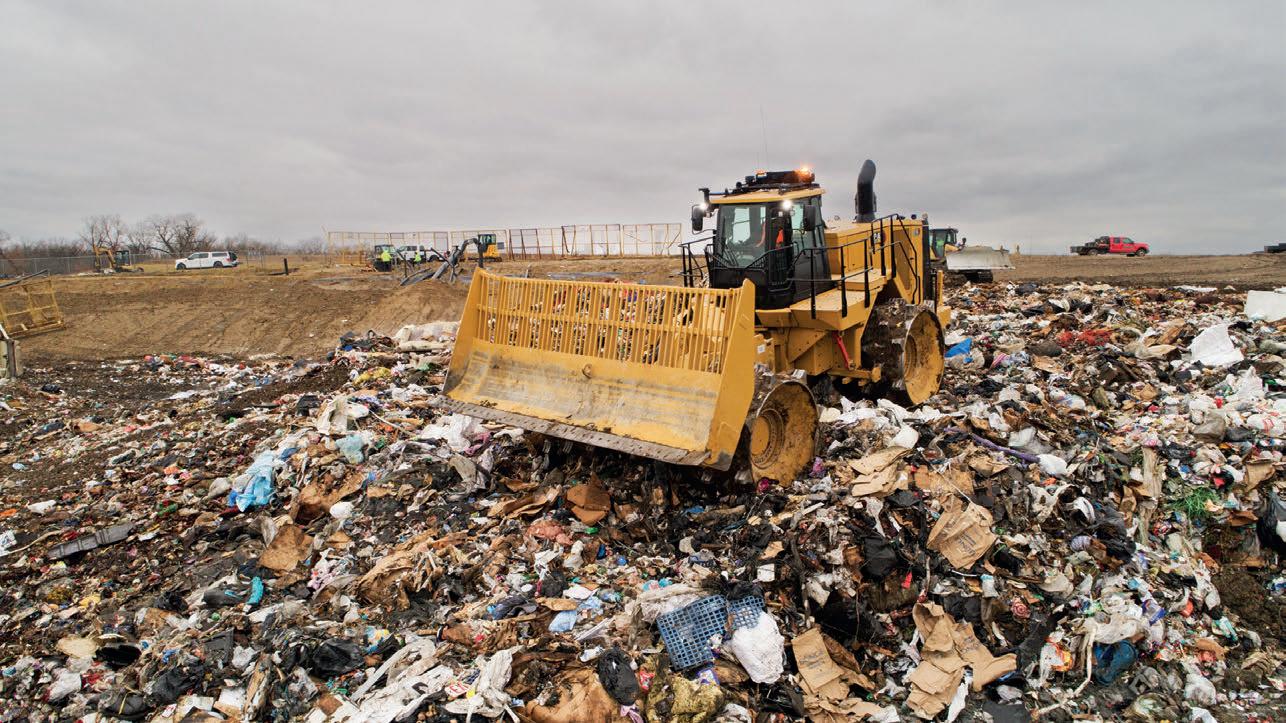
machines,” says Matthew Blackwood, Caterpillar Senior Sales Representative – Industrial, Waste and Forestry. “ ese solutions are tailored to the requirements of each niche.”
In the waste management space, Cat Compaction with Compaction Algorithm platform uses telematics and Global Positioning System (GPS) data to help landfill operators efficiently compact waste.
“ e first level of the platform is what we call the Satellite Base Augmentation System,” Matthew says.
“At this level, the platform only uses a landfill compactor’s GPS location to track where it has travelled within the landfill.
“ is shows operators their routes, and as a result, how many passes they’ve done on each section.”
e second level, Caterpillar’s RealTime Kinematic (RTK) system, measures crucial data such as ground slope and changes to a landfill’s elevation.
“ e RTK system will measure a landfill area’s elevation when it begins compacting,” Matthew says.
“As compaction occurs, this elevation will drop, and so the machine’s elevation will drop, and the RTK will calculate this difference.”
e Cat Compaction with Compaction Algorithm’s telematics are displayed on a separate monitor in the cab of a landfill
compactor and can be loaded with site designs developed by civil engineers and surveyors.
Matthew says that the intelligence platform was first made available for Caterpillar’s 836 Landfill Compactor which is o en deployed in large-scale facilities.
“Landfill managers typically use many of our 836s on big sites at the same time as other equipment,” he says.
“Operating multiple machines on the same working face requires a lot of coordination and communication.
“ e Compaction Algorithm tracks the machines’ coverage and efficiency, to limit two compactors over-compacting the same spots. Each operator knows where they need to go and what else they need to compact, leading to more efficient operations.”
But customer feedback pushed Caterpillar to roll out the technology platform for its smaller series of machines – the 826 Landfill Compactor.
Matthew says it has proven a successful move.
“Our 826s are typically used by councils and smaller contractors,” he says.
“ rough direct customer feedback, we found that these operators also need the Cat Compaction with Compaction Algorithm technology because it enables them to reach their desired level of compaction quicker,
helping them to reduce operating costs as a result.”
Cloud-based so ware, called VisionLink™, connects landfill compactors directly to managers back in the main office. By looking at the data from each machine and driver, managers can make quick decisions to cut costs and save time.
“Office staff organising the operations can log into the VisionLink system and track the machinery, and what compaction levels they are achieving,” Matthew says. “ ey can make datadriven decisions to optimise their work in real time because the equipment information they receive is live.”
e Cat Compaction with Compaction Algorithm is available to waste managers throughout Australia and New Zealand and has been well received.
“ is type of technology is at the forefront of every landfill operator’s mind,” Matthew says. “It is something customers always ask for in our equipment range. With growing pressure on land availability, any data they can get on how they use their space is absolutely critical.
“It is essential, so we will keep supplying it.”
WMR
For more information, visit: www.cat.com
Tana’s ‘Smart Land lling’ approach combines pretreatment, compaction, digital tools and service support.

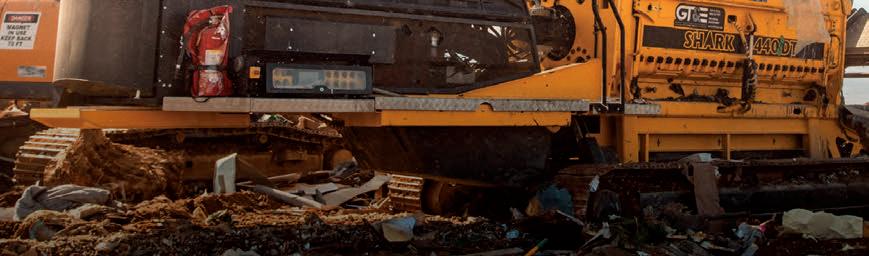
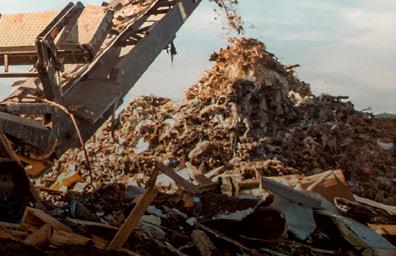
Tana’s ‘Smart Land lling’ approach to waste management employs key shredding and compaction machinery, and data recorded by
Australia’s waste management sector is facing a growing landfill capacity problem, forcing operators to rethink how they manage and extend existing airspace.
Increasingly, the answer lies in smarter landfill practices – integrating pretreatment, compaction and data-driven decision-making to maximise efficiency and lifespan.
Tana Australia is helping landfill operators manage waste through its
an advanced eet management system.
‘Smart Landfilling’ approach – an integrated solution that combines pretreatment, compaction, digital tools and service support to ensure efficient and optimised landfill operations.
“ e ‘Smart Landfilling’ concept is built around one key objective: maximising the efficient use of landfill airspace,” says Mikko Poikonen, Product Marketing Manager, Compactors at Tana Oy.
Mikko explains that the approach favours shredding waste as pre-treatment
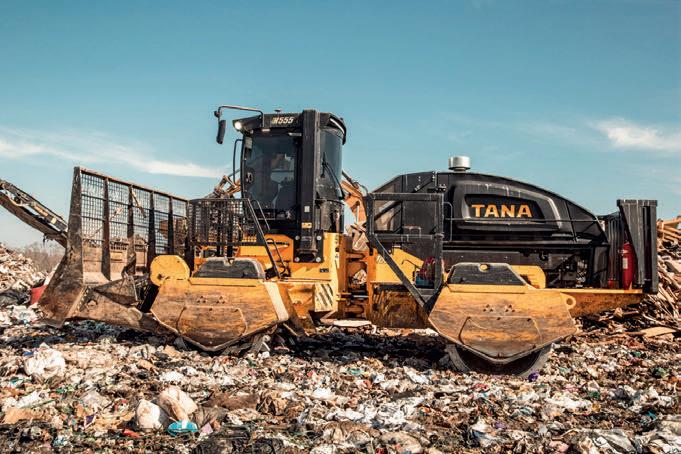
before compacting it at a landfill site to maximise efficiency.
“Landfills receive a wide variety of waste streams, with significant differences in material composition and particle size,” he says. “By pre-shredding the waste, the material becomes more uniform and homogeneous, so the compactor can handle it more efficiently and achieve a higher level of compaction.
“At the same time, shredding o en enables the separation of valuable materials –such as metals – from the waste stream, supporting recycling and improving overall process efficiency.”
Tana’s shredders are designed to tackle many challenging waste streams, from high-volume materials such as municipal solid waste and contaminated streams including construction and demolition waste, to bulky items such as spring mattresses and tyres. ey can withstand foreign objects such as concrete and metal and can be equipped with an optional magnet to enable metal separation during processing.
Following shredding and pretreatment of landfill waste, Tana’s landfill compactors play an important role in maximising efficiency. ey are built
with Tana’s signature rigid-frame design, which ensures that the machine’s weight is evenly distributed across both drums.
e full-width drums do not leave uncompressed areas, and their structure prevents material from escaping beneath the drums, ensuring that the crushing and compaction force is applied precisely where it is needed. In addition, the design enables a maximum number of tooth contacts with the ground, which breaks down the waste structure more efficiently and improves overall compaction performance.
Tana’s latest H-series landfill compactor models are specifically built with smart power management systems to adapt engine speed and hydraulic output to a given load.
“By optimising the interaction between the diesel engine and drive hydraulics, we can maintain high pushing force and crushing performance even at lower engine speeds,” says Mikko. “And, by combining pre-shredding with efficient compaction, operators can achieve significantly higher compaction performance, which in some cases can extend the lifespan of a landfill by several years.
“Field studies have shown improvements of up to approximately 30 per cent in the compaction density of shredded material, highlighting the impact of proper material preparation on overall landfill performance.” e capabilities of Tana’s machines are recorded by fleet management platform TanaConnect, used to further achieve efficiency in landfill management. Mikko explains that the platform transforms landfill operations from running on experience-based decision making to realtime, data-driven decision-making.
“ e system provides transparency into machine utilisation, such as working time versus idling, as well as fuel consumption, making it easier to identify underutilised capacity,” he says. “In addition, it supports maintenance operations by providing accurate data on machine usage, helping to identify root causes of potential issues and returning machines to work as quickly as possible.”
When equipped with an optional Global Positioning System (GPS), the compactor’s
movement can be recorded via GPS coordinates, providing real-time insight into compaction behaviour. e collected data supports optimisation of driving patterns, speed, and the number of passes according to conditions.
“Instead of relying on experience or visual estimation, operators can be confident in the quality of the work they perform,” Mikko says. “Applying this data ensures maximum utilisation of available airspace while also reducing fuel costs.”
Data provided by TanaConnect also allows for scheduled maintenance to be planned systematically in advance, so that potential deviations in machine performance can be detected at an early stage. is reduces unexpected downtime, improves machine availability, and helps optimise the use of maintenance resources.
Mikko believes the role of TanaConnect will only increase as the waste management sector progresses with innovation.
“ e growing volume of waste and the need for better utilisation of recyclable materials are driving landfills to operate more efficiently,” he says. “Smart Landfill solutions help address these challenges by enabling decision-making based on measurable and verifiable data. is allows for more efficient use of airspace and systematic optimisation of operations.”
Mikko is also managing the sector’s expectations regarding the integration of other technologies, such as automated and remotely operated machines. He says
they are already technically feasible, and development in the area is progressing rapidly, but they are not yet a reality.
“ e transition is likely to take place step by step,” he says. “ e first practical advances are expected to come in the form of partially automated solutions and intelligent operator assistance systems.
ese technologies already deliver value while paving the way for higher levels of automation in the future.”
He says the main challenges to these innovations are related to landfills as working environments.
“A landfill is a constantly changing workplace, where materials, terrain, and working conditions vary significantly,” he says. “ is makes fully autonomous operation far more complex than in more controlled environments.
“In addition, local safety requirements and regulations play a significant role, as they determine how and to what extent new technologies can be implemented across different markets.”
Tana has been in the waste management game for a long time. From its humble beginnings in Finland in the early 1970s, the environmental technology and manufacturing company has become a pioneer of solid waste management, recycling and circular economy solutions.
It operates in 50 countries around the world, accommodating unique market conditions and problems. WMR
For more information, visit: www.tana.com.au
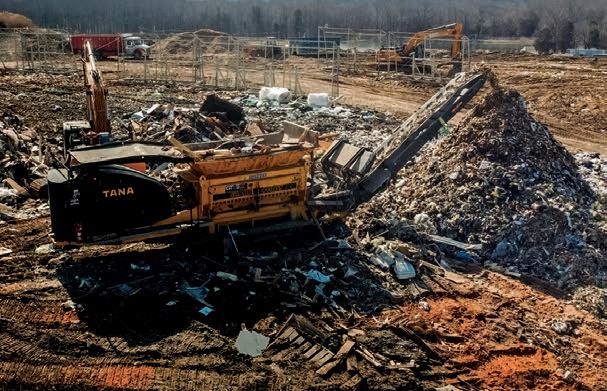


Ethos Resources is helping councils navigate increasingly complex waste procurement,
bridging the gap between government and industry to deliver practical, long-term outcomes.
Waste management is no longer a background function of local government. It has become a complex, high-stakes service shaped by infrastructure demands, community expectations and long-term financial risk.
For many councils, particularly across regional Australia, the challenge is not just maintaining services but navigating the procurement decisions that underpin them. at is where Ethos Resources has found its niche.
Founder and Director Joel Harris says the company operates squarely in the local government waste sector, focusing on procurement transactions that range from small contract evaluations to large-scale infrastructure delivery.
Its work is grounded in a simple reality: councils are dealing with increasingly complex systems, but o en without the time or internal resources to manage them effectively.
“I think local government needs that,” Joel says. “ ey’re skinny on the ground, they find it hard to get people who understand procurement and understand the waste industry.
“So, we can step in and provide that support to bring those two things together. We understand the waste industry broadly, and we understand local government, so we can act as a bridge between government and the private sector and hopefully get a more sensible outcome.”
at bridging role sits at the core of what Ethos delivers. Waste procurement is rarely a simple transaction. It involves technical specifications, financial modelling, contract structuring, governance oversight and market engagement, o en all at once. Councils must balance compliance obligations with cost pressures, community scrutiny and the need for long-term sustainability outcomes.
Joel says the Ethos team works across councils, contractors, financial advisors and legal teams, ensuring that each decision is aligned and defensible. e aim is to create procurement pathways that can withstand scrutiny while delivering practical outcomes.
“I think an overarching pain point for councils is that they’re trying to do 100 things and don’t have the actual ability to focus on specific projects,” he says. “Waste teams don’t necessarily like to do procurement, but the law says that they have to do things in a certain way.
“ ey don’t always have the understanding about the industry or
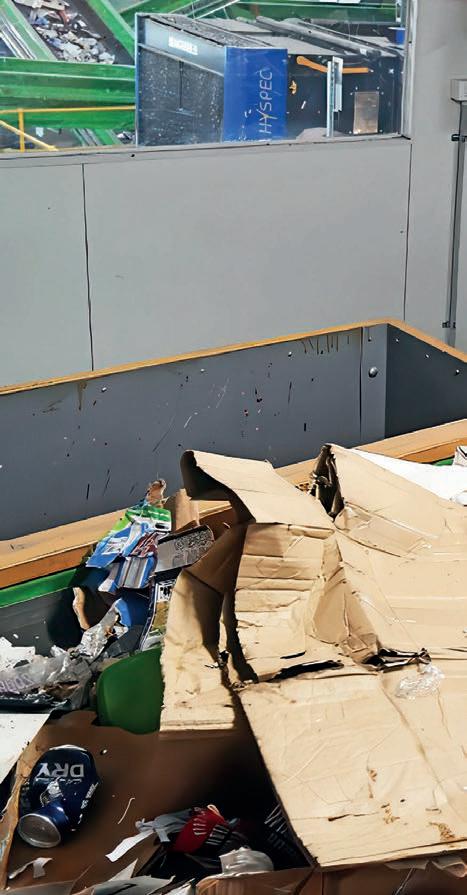
contracts to be able to pull that together, so they need to get somebody to come in, focus and deliver the work.
“ at’s where we come in. We can start from the initial scoping to work out what the problem is, then structure procurement, manage the documentation, bring together lawyers and advisors, and take it through to contract award and even delivery.”
is end-to-end involvement is a feature of Ethos’ model. Rather than stepping in for isolated tasks, the company o en supports projects from early strategy through to implementation. at includes feasibility assessments, business case development, procurement strategy, bid evaluation and contract negotiation.
Examples of this work span a wide range. At the larger end, Ethos has managed major procurement processes such as the City of Gold Coast’s kerbside collection contract, which had not been retendered in more than a decade. It has also supported the Sunshine Coast Council in delivering a new material recovery facility valued at $60 million.
At the smaller end, the company assists regional councils with targeted procurement tasks, such as evaluating

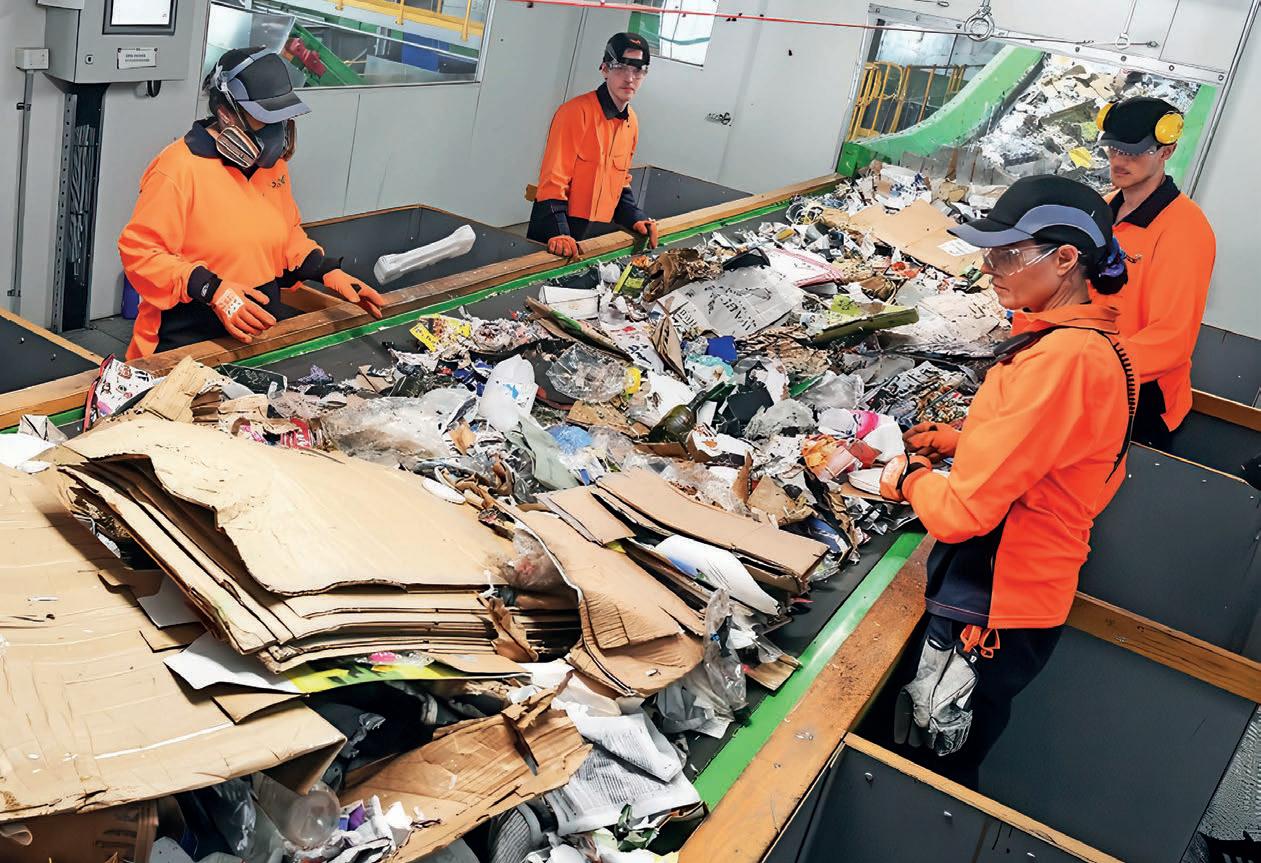
tenders or sourcing providers for specific waste streams.
Joel says the breadth of projects reflects the challenges across local government, noting that the complexity of the sector itself has shi ed over time.
“It’s gone a little bit beyond just collecting rubbish bins now,” he says. “I think it’s becoming more technically complex, and there’s an evolution happening. We’ve moved through one phase of resource recovery, and now we’re looking at the next wave, particularly around organics.
“ e next five years, particularly across Queensland and New South Wales, will be about how councils implement organic services from the kerbside and what infrastructure they need to support that.
“At the same time, community expectations of what resource recovery should look like are increasing, even though behaviour and education still need work. at creates another layer of challenge for councils.”
Joel says that increasing complexity reinforces the need for specialised knowledge. Ethos deliberately positions itself as a waste industry specialist first, and a procurement advisor second.

is distinction allows the team to interpret market behaviour, assess contractor capability and structure procurement processes that reflect realworld conditions.
It also shapes how it works with clients. Ethos embeds itself within council projects, working closely with internal teams and external stakeholders.
Joel says the value of that approach is particularly evident in regional and rural areas, where capability gaps can be more pronounced.
“Finding those people with expertise in waste and procurement, and keeping them in your community, is really difficult,” he says. “So, councils need people who can come in, understand their problem and deliver a solution.
“ e model has changed. Councils might have delivered these services themselves 20 years ago, but the complexity of the industry means they can’t do that anymore.
“Now it’s about collaboration between government and industry to deliver the service or the solution to the community.
at’s where we sit, in that intersection.”
e Ethos team brings experience across local government, infrastructure

delivery, finance and operations, allowing problems to be examined from multiple angles. is helps ensure that procurement decisions are not only compliant but viable in practice.
It also contributes to a sense of ownership that extends beyond contract award. Ethos stays involved during the early stages of a project to make sure everything set up actually works properly once it’s up and running.
For Joel, that continuity is critical, both professionally and personally.
“What drives us is that we actually really like the people that we work for,” he says, “and there’s a sense of responsibility in that.
“We have lots of long-term relationships, so it’s about sustaining those and continuing to be consistent, reliable and deliver a great outcome.
“ ere’s a real satisfaction in helping a council achieve something, whether it’s a new facility or a better service for the community. At the end of the day, it’s about helping them deliver an essential service as well as they can.” WMR
For more information, visit: www.ethosresources.com.au
Regional councils are rethinking waste through collaboration, procurement and local capability.
Regional waste is o en defined by distance, but at this year’s Coffs Harbour Waste Conference, it became clear that distance is only part of the story.
Across the session, speakers returned to the same underlying tension: regional councils operate with fewer resources, less infrastructure and greater exposure to market shi s, yet are increasingly expected to deliver long-term certainty in a system that rarely offers it.
For Lismore City Council Mayor Steve Krieg, that tension is immediate, political and personal.
“I come to you not as a bureaucrat or an employee, but as an elected official, and I take a very different lens to this,” he said. “My future as the mayor depends on people liking what I’m doing, and I come to you today a little battered and bruised. We had a council meeting yesterday, and our waste facility was a very hot topic.”
Steve’s opening set the tone for the session. Regional waste is not just about infrastructure or contracts. It is about decisions that carry financial, environmental and community consequences, o en well beyond a single electoral cycle.
In Lismore’s case, those decisions are compounded by circumstance.
e council’s landfill was inundated during flooding, forcing waste to be transported interstate. While that arrangement solved a short-term problem, it has created a longer-term risk – one that sits uncomfortably with regional self-sufficiency.
“My biggest fear as the mayor is not another flood, it’s Queensland closing their border to our waste,” Steve said. at statement cuts to the core of the regional waste challenge. For many councils, reliance on external processing or disposal markets provides short-term ease but undermines long-term security. It is a trade-off that becomes more pronounced as landfill capacity declines and population growth accelerates.
Steve was blunt about the financial reality. Rebuilding or developing landfill
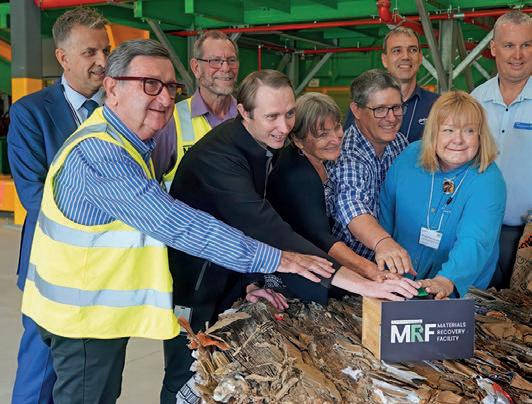
infrastructure is expensive, o en beyond the means of a single regional council.
“Can Lismore City Council afford some $80 to $90 million to build a new landfill? e answer is no. You simply can’t do it,” he said.
e response, he argued, must be regional.
“We can all be parochial about our own LGAs (local government areas) but in some circumstances you need to work together to get the best outcome for your region, not just your own individuality,” he said.
“If we all stood on our own two feet and said we’re building for Lismore and Lismore only, that is the most expensive way. en Ballina will have to come up with a solution, Richmond Valley will have to come up with a solution… that will see $60, $80, $90 million spent individually rather than pooling resources.
“If we can aggregate regional volumes, that creates a feasible and resilient piece of infrastructure. It all comes back to us taking control and writing our own destiny.”
e concept of “control” surfaced repeatedly throughout the session. Whether in landfill planning, procurement or recycling infrastructure, regional councils are increasingly looking for ways to regain influence over systems
that have historically been shaped by external markets.
Antony Cullen-Ward, Regional Projects Coordinator at NetWaste, approached the issue from a different angle: procurement. If regional councils cannot individually compete with metropolitan scale, then collaboration becomes the only viable pathway.
“Going alone, it’s just too difficult,” he said. “You just physically haven’t got the right base to do it.”
NetWaste is a voluntary regional waste group in New South Wales formed in 1995 to collaborate on waste management, resource recovery, and environmental education across 25 member councils covering nearly 40 per cent of the state.
It is sponsored by the NSW Environment Protection Authority (EPA) and manages a network of contracts covering everything from scrap metal and tyres through to organics processing and kerbside services.
e benefits, Antony argued, are tangible.
“We’ve had a 50 per cent saving by going into a joint environmental monitoring contract,” he said. “Regional procurement ensures a better outcome than going alone – all councils get a better price, simple as that.”
But the process is not straightforward. It requires coordination across multiple
councils, alignment of priorities and a willingness to share control.
“Start a conversation,” Antony said. “Most of our contracts come out of people sitting down and saying, ‘We’ve got this problem, do you have the same problem?’ It builds from there.”
e idea of starting a conversation echoed an earlier statement by Steve. Whether planning landfill infrastructure or bundling procurement, regional solutions rely on collaboration that is o en easier in theory than in practice.
Antony said the challenges are not limited to governance or finance. Physical distance remains a defining factor. A lack of infrastructure in a vast geographical area reinforces the need for shared approaches. It also highlights the gap between metropolitan and regional systems.
Peter Windley, Waste Operations Coordinator at Shoalhaven City Council, described how that gap informed the development of a new materials recovery facility (MRF) in his region. For Shoalhaven, the decision to invest locally was driven by exposure to distant markets and the risks that come with them.
“Distance adds cost, and more importantly, it adds vulnerability,” he said. “When your processing is far away a single change in a contractor arrangement, a haulage increase, a processing issue hundreds of kilometres away can quickly become a service and budget problem.”
e solution for Shoalhaven was to build capability closer to home – an approach that aligns with Steve’s push for regional self-sufficiency and Antony’s emphasis on scale.
Peter framed it as a shi in mindset.
“Resilience is not finding another contractor when the market tightens,” he said. “It’s about having enough local capability and enough operational flexibility to keep your recycling service stable.”
Across all three presentations, the message was consistent. Regional waste management is evolving from a reactive system – responding to capacity, cost and market pressures – to one that seeks greater control through collaboration, investment and long-term planning.
at evolution is not without resistance. Community expectations, political pressure and financial
constraints all sit within the decisionmaking process. As Steve pointed out, proposals for new facilities o en trigger opposition, even when they are technically sound.
“No one wants to live near a tip,” he said. “But technology proves that you can actually do it and do it well.”
e challenge, then, is balancing competing pressures while maintaining a focus on future needs. Across the session, speakers emphasised the importance of acting early and recognising that waste infrastructure takes years, if not decades, to plan and deliver.
For Steve, the timeline was clear.
“If we don’t start looking at this now, in five years it’s going to be too late,” he said. It is a sentiment that encapsulates the broader session. Regional councils are operating within fixed constraints such as distance, scale and funding. But through collaboration, and targeted investment, they are beginning to reshape how waste is managed across their regions.
Steve said that shi may not be easy, but it is increasingly necessary.
“It all comes back to us taking control and writing our own destiny.” WMR
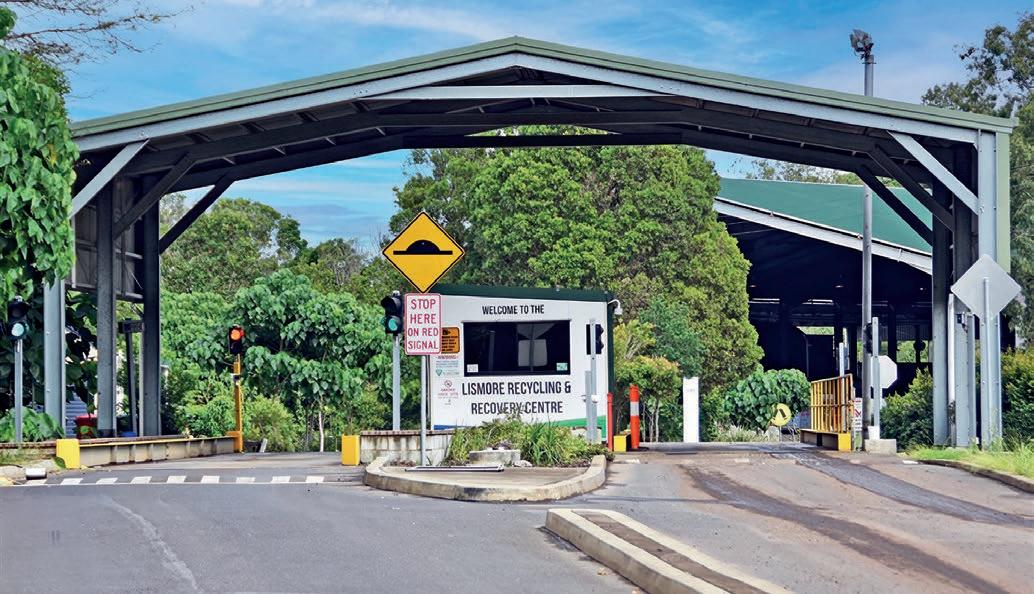

Western Australia’s Container Deposit Scheme is expanding to accept wine and spirit bottle returns – only the second in the country to do so.
Western Australia’s Container Deposit Scheme (CDS), Containers for Change, has been a cornerstone of the state’s environmental stewardship efforts for some time.
Established in 2020, the scheme was modelled on the success of others throughout the country to achieve efficiency and minimise consumer costs. It has since evolved, with Western Australia now taking a leading role in shaping best practice. As of July 1, wine and spirit bottles were eligible
to be returned for recycling through the scheme.
Western Australia is only the second state in Australia to accept wine and spirit bottles following the successful expansion in 2023 of Queensland’s CDS, Containers for Change, managed by Container Exchange.
e Return and Earn scheme in New South Wales, along with South Australia, Australian Capital Territory and the Northern Territory have committed to expanding their schemes to include wine and spirit bottles (up to three

litres). Changes are expected to be implemented in 2027.
e expansion in Western Australia means almost all beverage containers between 150 millimetres and three litres are eligible to be returned for a 10-cent refund, adding about 200 million extra containers to the scheme annually.
e expansion was first proposed by the Western Australian Government in January 2025 as a re-election commitment and was formally announced last September. Announcing the start date in June this year, Matthew Swinbourn,




“Containers for Change is delivering strong economic, social, and environmental bene ts for Western Australia.”
Matthew Swinbourn, State Environment Minister
State Environment Minister, said the expansion is critical to growing Western Australia’s circular economy, in addition to achieving other positive outcomes for residents and communities.
“Containers for Change is delivering strong economic, social, and environmental benefits for Western Australia, encouraging recycling, reducing landfill, retaining valuable resources, and supporting jobs and community organisations across the state,” he said.
“Containers for Change delivers value across the community, from teaching children financial responsibility to supporting jobs for people facing barriers to employment.”
Not-for-profit organisation Western Australian Return Recycle Renew Limited (WARRRL) has funded and operated Containers for Change since its inception.
Tim Cusack, WARRRL Chief Executive Officer, views the expansion as a watershed moment.
“ e refund point network has worked tremendously hard to prepare for this milestone, and we are proud to say the network is operationally ready,” he said.
However, not all stakeholders welcome the expansion. A group of wineries in the state has publicly expressed concern that the scheme will drive up the retail price of wine by $1.25 due to compliance and administrative costs, label changes, and a 15-cent supplier levy.
Consisting of more than 200 wineries, the Friends of WA Wine has been advocating to pause the expansion and has aired its concerns during meetings with the State Government.
e government and WARRRL are working with all stakeholders to ensure a smooth transition.
“WARRRL remains committed to working closely with all new First Responsible Suppliers to ensure their transition into the scheme is as practical, effective, and seamless as possible for everyone involved,” Tim said.
As part of Containers for Change expansion, new wine and spirit suppliers have a three-year transition period to update labelling, meaning some newly eligible containers may not immediately display the 10-cent mark.
Cellared products may access a transition period of up to 10 years. WMR
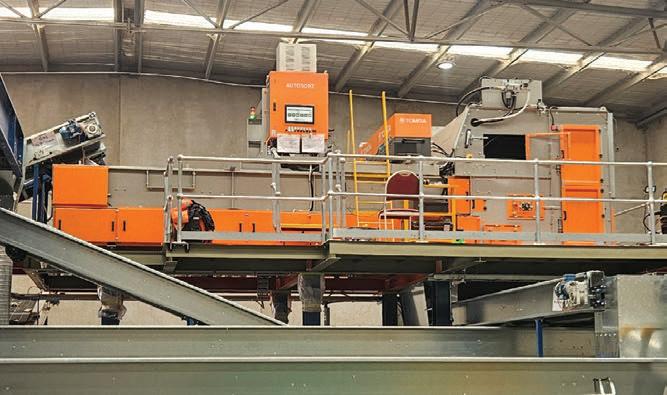
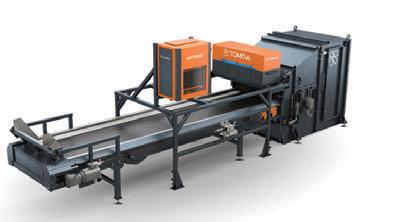
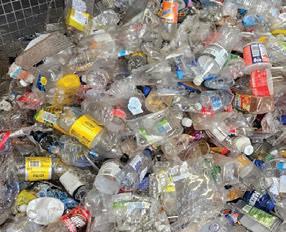
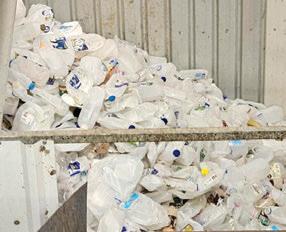
Queensland’s Noosa Shire Council is trialling a Community Repair Day to promote reuse and foster fellowship in one fell swoop.
Noosa is a world-renowned environmental destination.
e Queensland region boasts pristine beaches, national parks and long everglades, and is recognised as a biosphere reserve by the United Nations Educational, Scientific and Cultural Organisation – representing a balance between nature and humanity.
Emma Menzies, Waste Education and Sustainability Officer at the Noosa Shire Council, says this balance fosters an environmental duty that many residents share.
“Noosa is a very environmentally conscious place,” she says. “About 47 per cent of the area is dedicated to conservation, so lots of people move here because they care about the environment and want to live more sustainably.”
Noosa Shire Council runs many waste management programs and awareness
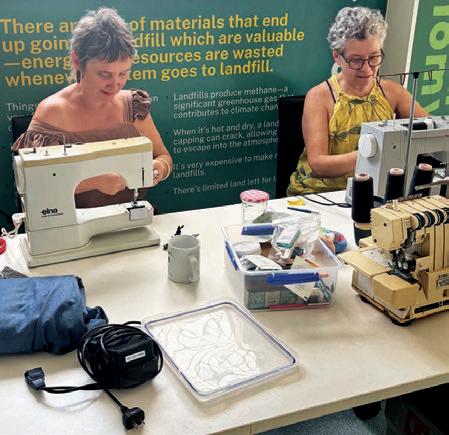

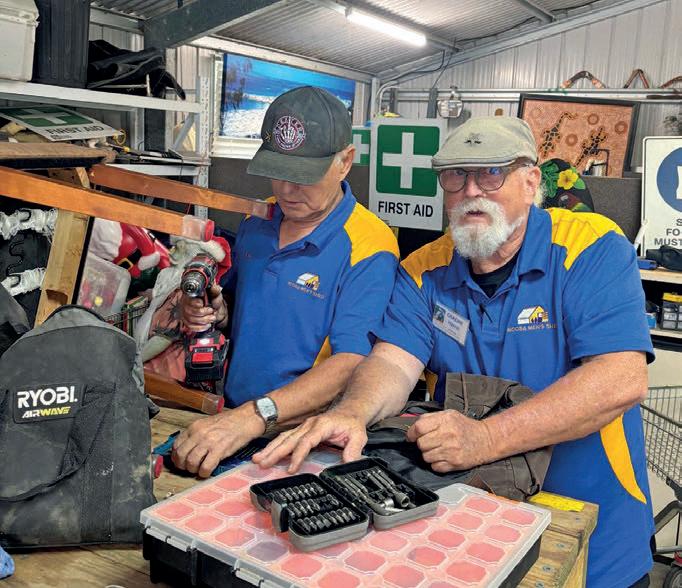
campaigns to support the community’s environmental values. It has a target of net zero emissions for its operations, includes solar panels on many of its buildings, and manages more than 180 bushland reserves, in addition to running river health report cards and partnering with various nature restoration groups.
e council’s most recent sustainability program targets reuse and takes inspiration from programs offered by nearby local government areas.
“We wanted to create an event that would get people to think about the items they use in different ways,” Emma says. “Correctly managing waste is one thing, but it’s just as important to get the most use out of your items before sending them to landfill.”
is inspiration was particularly drawn from the nearby towns of Maleny and Caloundra which promoted sustainable thinking by hosting community repair days – events where residents could bring old and broken items and have them fixed, instead of throwing them out.
Modelled a er these programs, the first ever Noosa Shire Council Community Repair Day was set up in March – one of four monthly events to be held as part of a trial.
e first event was held at and delivered in collaboration with the Reviva Reuse Noosa tip shop, which has its own working space near the town centre.
e Noosa Shire Council also paid for assistance from the Men’s Shed Association – a non-profit community organisation that provides safe spaces
for men to gather and work on their own projects. Men’s Shed members, along with a team of sewers, repaired and refurbished a steady stream of items from Noosa’s residents including clothes, tools, bikes, small pieces of furniture, and general household items. Fi y people took in items to be repaired.
Attendance at subsequent Community Repair Days has increased.
“I think the events have gone really well,” Emma says. “A few participants have come up to me a er each day and expressed how they have a different sense of what ‘end-of-life’ means for their items.
“We set out to make people conscious of the use they can get out of their items, and it seems like we’re doing just that. e community is definitely interested.”
In addition to the environmental benefit of diverting these items from landfill, Emma believes the Community Repair Days are contributing to social cohesion among residents.
“When people come to have their items repaired, they also stop for a chat and a warm drink,” she says, “I think this social element is essential for more people to take up the service and reuse their items.
“We want this event to become a staple for the community, where people know they can go and feel welcome. It is a feelgood project, a er all.”
She says the repair days are also coming at a helpful time for residents who may be struggling with increasing cost-of-living; increasing the longevity of items through
free repairs means money doesn’t have to be spent on new, replacement items.
“We’re living in very specific economic conditions at the moment,” Emma says. “ ings are tight, people can feel that. So, if our event acts as a way for people to reduce what they need to spend to get by, that’s so important, and will only further contribute to the community we’re trying to build.”
Emma is hoping the Community Repair Days will become a permanent fixture for the community.
“If we continue long-term, we would love to see members of our community volunteering to help out,” she says. “ at has always been another goal of mine for the event.
“We know it’s making a difference, and people are enjoying it, so I’m very excited to see where else it goes.” WMR
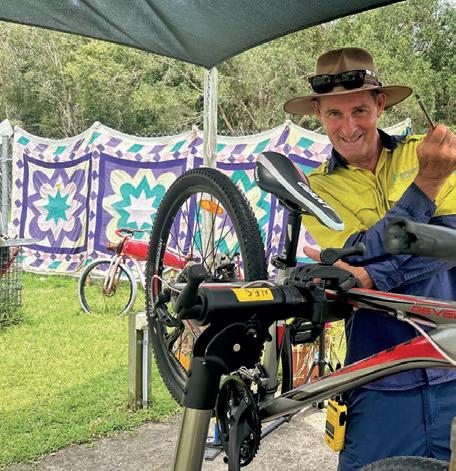











Specialists in:
•Resource recovery infrastructure
•Procurement of all things waste
•Feasability and business cases
•Landfill closure and rehabilitation
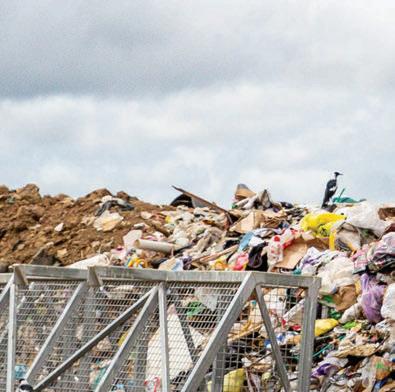

•FInancial analysis and governance
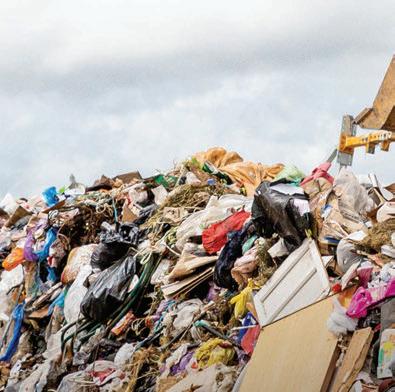
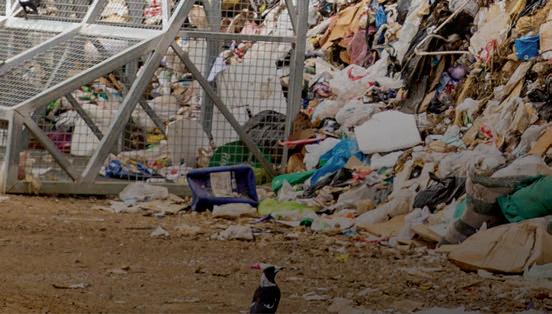
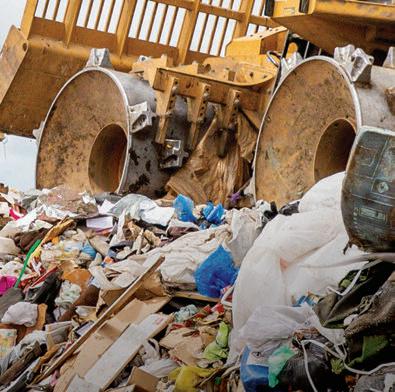
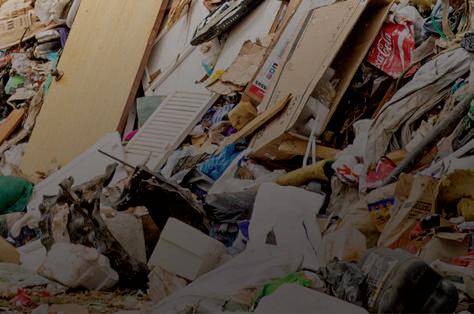



e 2026 Women in Industry Awards recognised the remarkable achievements of women who are shaping the future of Australia’s industrial sectors.
It’s been a big journey for our very little business.”
ese were the proud words of Karlie Zec, the inaugural winner of the Women in Leadership Award at the 2026 Women in Industry Awards.
e owner of waste management operation Tiny Tins used her platform to recognise the growth of the company, while also delivering an important message to women.
“We started with two trucks and 100 bins 12 years ago, and now we have 10 trucks and over 600 bins,” she said.
“My biggest word of advice goes to all the women out there. If everyone tells you you can’t do it, you can, you just need to give it a go.
“Although most nights I don’t sleep, I do have two children, and I run a business, and I do fundraise, here I am, still up here in Sydney.”
2026 Women in Industry Awards winners:

Heavy industry excellence was on full display when Australia’s leading women took centre stage at the 2026 Women in Industry Awards held at Doltone House Darling Island Wharf in Sydney.
Now in its 13th year, the event marked its largest iteration yet. It drew a record number of nominations and welcomed a crowd of more than 350 industry professionals, supporters, and guests to the gala dinner.
Molly Hancock, Head of Events Marketing at Prime Creative Media, praised the high calibre of nominations in her opening address, and reflected on the growing influence of the awards in various sectors.
“ e quality of nominations received this year has once again been exceptional,” she said. “Every nominee and finalist demonstrated excellence in their field – a commitment to delivering outstanding results, and a determination to make a positive difference within their organisation, industry, and community.”
is year’s ceremony featured 15 categories celebrating outstanding achievement across leadership, emerging talent, workplace safety, and excellence.
e 2026 Awards also marked a shi in the program’s history, introducing four

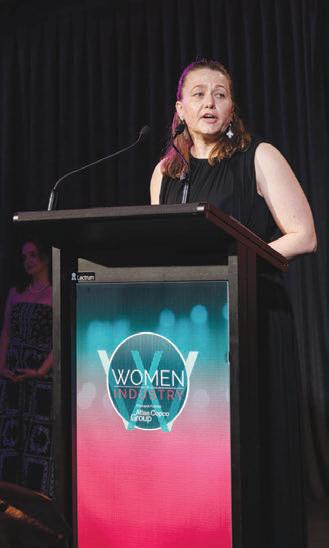

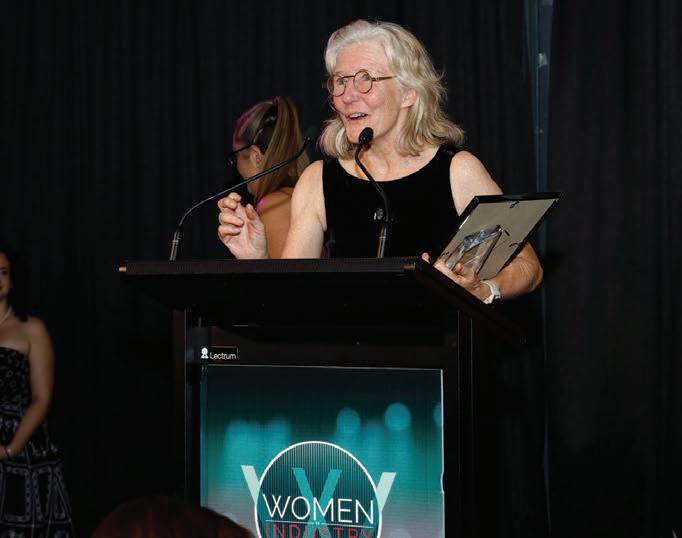
new categories: Women in Leadership, Marketer of the Year, Excellence in Health and Medicine, and Tradeswoman of the Year.
Caroline Luczynski was the first recipient of the Marketer of the Year Award for her work as marketing and communications manager for Global Transport at SMEC. She acknowledged the hard work of women that her company amplifies.
“Congratulations to all the women recognised,” Caroline said. “Your work continues to elevate our industry. At SMEC, we are engineering positive change, and so this is part of that journey, particularly for women in the industry.
“What makes our work powerful is exactly all of you in this room. It’s the collaboration, the knowledge, and shared commitment that turn complex challenges in our industry into real impact on the ground.
“Our work is about elevating the remarkable work that you guys do, amplifying the impact, innovation, and stories behind it. So, this recognition is not just for me – it’s for the teams and for the people, projects, and communities that we serve.”
Sydney ophthalmologist and global health innovator Dr Sarah Crowe was the inaugural winner of the Excellence in Health and Medicine Award.
Dr Crowe was recognised for her pioneering work in establishing the charity OOXii which aims to transform access to vision care worldwide through an award-winning social impact vision kit.
e charity provides affordable vision testing and glasses to people in remote and low-resource communities including in Australia, Papua New Guinea, TimorLeste and Vanuatu.
Tradeswoman of the Year was awarded to Shannen Jeffrey at Newmont.
e company’s streak continued as the evening culminated with the presentation of the program’s highest honour, the Woman of the Year Award, chosen from the winners of the 15 nominated award categories. Brooke Adamson, Manager of Process Operations at Newmont, took home the premier award.
In her acceptance speech, she spoke about how honoured she was to receive the award and reflected on the support that played a pivotal role in her journey.
“ ere are so many phenomenal women, and also men, that play a key role in mining and industry in general that support women,” she said.
“Without a lot of those sponsors and advocates for myself, giving me the confidence to put my name forward and know I can do it, I wouldn’t be here tonight.”
Brooke echoed Karlie’s sentiment of achieving professional success while still having a family – a reality for many women in demanding sectors that she said deserves praise.
“At work, I’m looking a er about 300 people, and multi-billion-dollar copper gold concentrators,” she said. “I look a er Australia’s only molybdenum processing plant, but in my personal life, I have seven children.
“My youngest is one year old. So, if you think you can’t have a career and be a mother, I am proof that you can.”
“If you think you can’t have a career and be a mother, I am proof that you can.”
Brooke Adamson, Manager of Process Operations at Newmont
Brooke also took home the Excellence in Mining Award. When receiving this award, she noted that she has seen an important change in attitudes within the industry towards acceptance and celebration. But there is still work to be done.
“It is known that women need to check eight of 10 boxes when applying for a job relative to men who will tick six boxes and apply,” Brooke said.
“We need to encourage women to apply for these awards and prove to them that they are backed up and doing an exceptional job. We need to help boost confidence, call out behaviours that
aren’t aligned with our values, and stand beside them. “We need to be their biggest supporters and advocates, and we need to encourage everyone in our industry to do the same.”
Beyond recognising outstanding achievements, the Women in Industry Awards serve as an important platform for fostering connection, collaboration and progress across Australia’s industrial sectors.
e event brings together women from different industries and career stages, creating valuable opportunities to build networks, share experiences and inspire future leaders. WMR
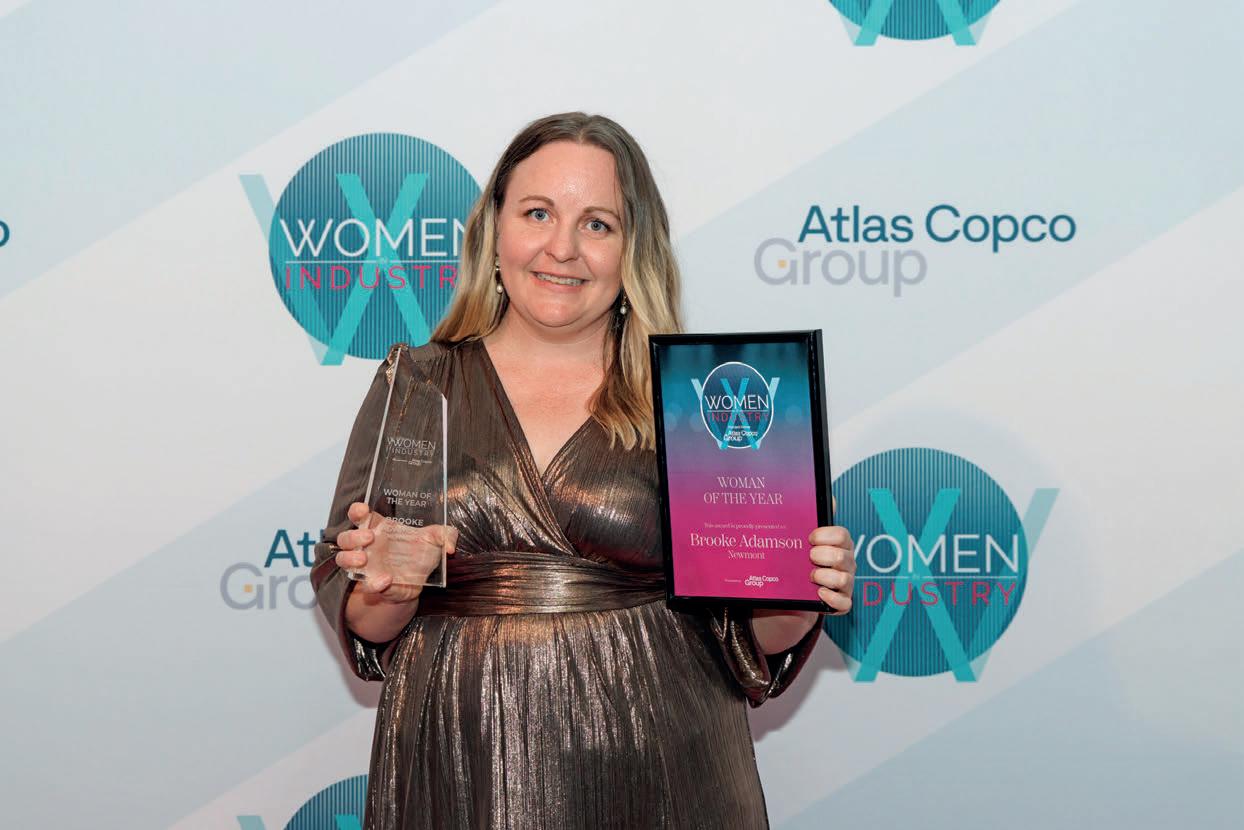
Unpacking national trends, digital twin tech, and collaborative procurement, Waste Expo 2026 o ers a practical roadmap for Australia’s evolving resource recovery sector.
The waste and resource recovery sector is experiencing rapid evolution, driven by a focus on technological integration and data integrity.
Highlighting these shi ing dynamics, Waste Expo Australia 2026 is set to bring together 150 exhibitors and more than 3500 visitors over two days to explore the practical realities of modern resource management. With delegate registration officially opening
this month, this year’s expo is shaping up to be a key industry event for local government teams, tier-one contractors, and environmental engineers aiming to optimise infrastructure and navigate rising commercial complexities.
e confirmed program bridges highlevel strategic benchmarking with bootson-the-ground engineering solutions.
Attendees will be granted an exclusive first look at the key insights shaping the country’s waste trajectory with a preview
Exhibitors can engage face-to-face and build new partnerships across the public and private sectors. Images: RX Global
of the National Waste and Resource Recovery Report 2026 e sessions dig deep into sophisticated operational toolkits, unpacking everything from the deployment of digital twin technology in waste-toenergy (WtE) facility lifecycles to the governance frameworks needed to unlock regional value through collaborative council procurement.
Event director Sherri Pearson says that by moving past speculative metrics to uncover the “ground truth” of material streams, the expo showcases how the industry is actively shi ing from reactive waste handling to proactive circular

“Featuring real-world case studies – such as transforming catastrophic storm debris into high-value biochar assets – this year’s program provides the exact roadmap required to scale up urban composting, refine corporate policy, and build a more resilient waste network for
Highlights of the National Waste and Resource Recovery Report 2026: Blue Environment’s Joe Picken unpacks National Waste and Resource Recovery , Australia’s most authoritative snapshot of waste generation, recycling, and resource recovery trends.
Case Study: From guesswork to ground truth – Unlocking circular outcomes through granular e construction industry is awash with data but how much of it truly reflects what’s happening on site? Led by Mitchell Stapleton-Coory, from environmental management firm Byrd, this session challenges the reliability of construction and demolition (C&D) waste reporting, revealing
how downstream averages and proxy metrics mask contamination,material loss, and real-world inefficiencies.
Reframing evaluation through program logic: Unlocking alignment and impact in strategic change initiatives: Evaluation is o en treated as an a erthought, reduced to reports that are quickly forgotten. is session, led by Donna Shiel, Practice Lead for Waste and Advisory at Tonkin + Taylor, highlights how early alignment and embedded evaluation is a continuous learning process that shapes both delivery and policy, driving what works and what comes next.
Digital twins delivering results for WtE facility design, commissioning and operation: As Australia’s WtE sector grows, digital twin technology is helping operators improve planning, efficiency and long-term performance.
Ramboll Senior Consultant Anthony Douglas explores how virtual process models can support every stage of a WtE facility lifecycle from concept design and approvals through to commissioning and operational optimisation.
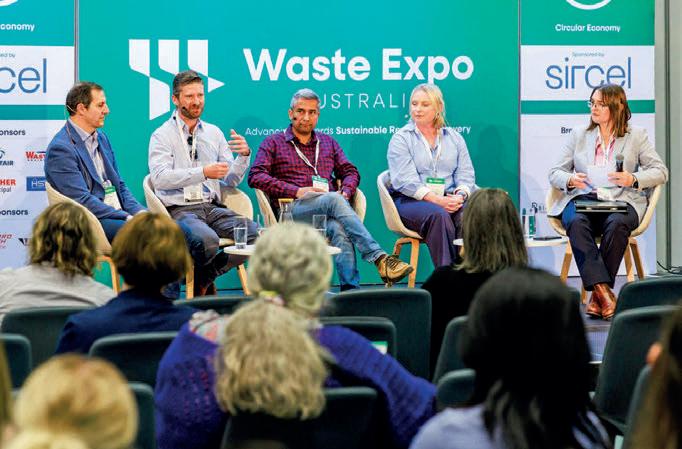
How to introduce composting programs in large urban areas or multiple rural communities: Many large communities have a desire to introduce food waste collections and composting but struggle with the education, infrastructure, and access needed to support large-scale centralised composting facilities.
In this session, Peter Robinson from Global Composting Solutions shares how source-separated organic waste collection can be introduced in large urban environments. He also looks at the role of targeted education in reducing potential contamination and how to achieve circularity of farm to food to urban composting to farm.


Program sessions re ect long-standing challenges and emerging shi s.

Collaborative procurement –unlocking commercial value for local government across Australia: As waste procurement becomes increasingly complex, local governments are facing rising costs, reduced market competition and growing infrastructure challenges. is session, led by BDO Australia’s Brad Byrne, will explore how collaborative procurement is emerging as a practical strategy for councils to improve pricing leverage, attract private investment and access infrastructure and technologies that may not be viable individually.

Case study: Collaborative biochar innovation – transforming storm recovery into climate action, community bene t and circular economy leadership: In 2021, Yarra Ranges Council faced one of the most devastating storms in its history, leaving behind widespread damage and an unprecedented volume of organic waste. is case study explores how the crisis became a catalyst for innovation, leading to the creation of the Lysterfield Biochar Facility.
Yarra Ranges Council Climate Coordinator Amy Gregorovich provides insight into how the council transformed disaster recovery into a circular solution, converting green waste into valuable biochar while delivering environmental and community benefits.
Waste Expo Australia, co-located with the Greener Infrastructure Conference, will be held 28-29 October at the Melbourne Convention and Exhibition Centre. WMR
For more information, visit: www.wasteexpoaustralia.com.au



Beyond the Bin, powered by Inside Waste and Waste Management Review is dedicated to all things involving waste and resource recovery – from EPA requirements and licensing through to infrastructure, landfills, product stewardship and all peripheral issues.



Powered by Inside Waste & Waste Management Review




SEARCH “BEYOND THE BIN’
Terex Ecotec has introduced the latest evolution of its established TTS 620T trommel screen, delivering a comprehensive package of performance, e ciency, and operational improvements.
Building on a proven platform since its original launch in 2015, the revamped model re ects extensive feedback from distributors and end users across global markets.
e new Ecotec TTS 620 includes new features – and improved older ones – while still delivering e ciency and maximum productivity.
A series of engineering enhancements improve durability and material ow. Longer tracks provide increased stability, while upgraded conveyor designs allow for higher throughput. Enhanced electrical systems build upon the original model, with a range of new options, including a
timed cleaning brush and remote-operated setup functions.
Ease of operation remains a key focus, with intuitive controls and intelligent feeder management supporting consistent throughput.
Improved service access and modular conveyor design simplify maintenance, so that the TTS 620T continues to o er a practical, e cient solution for operators in recycling, composting and material processing environments.
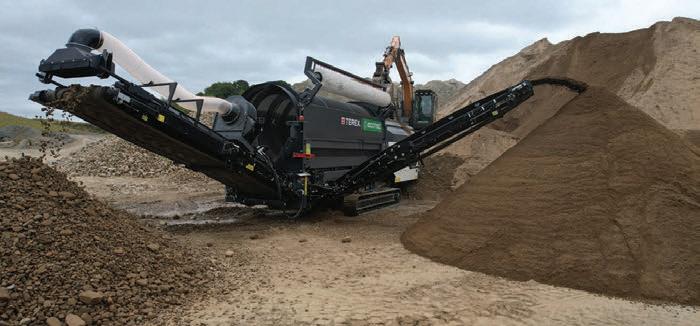


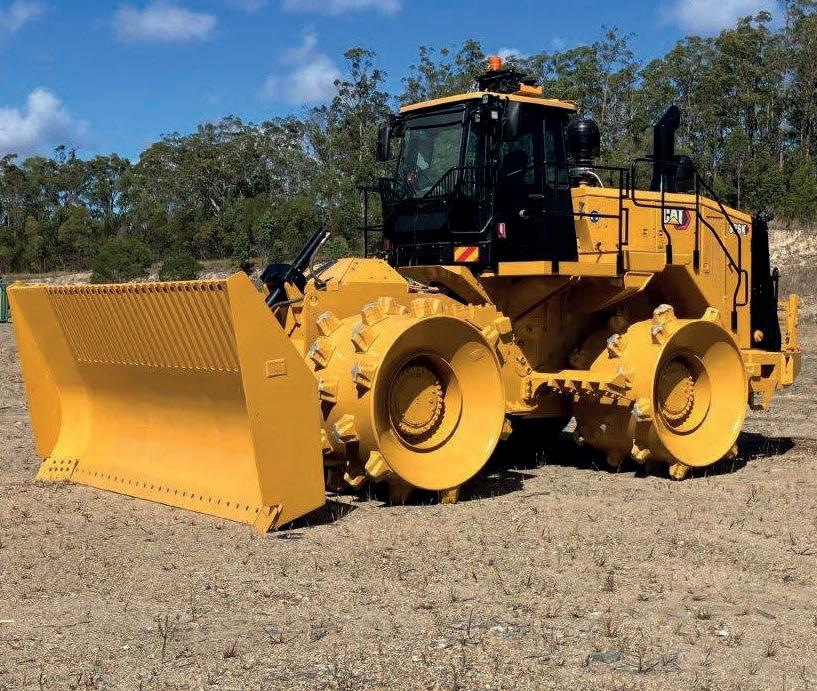
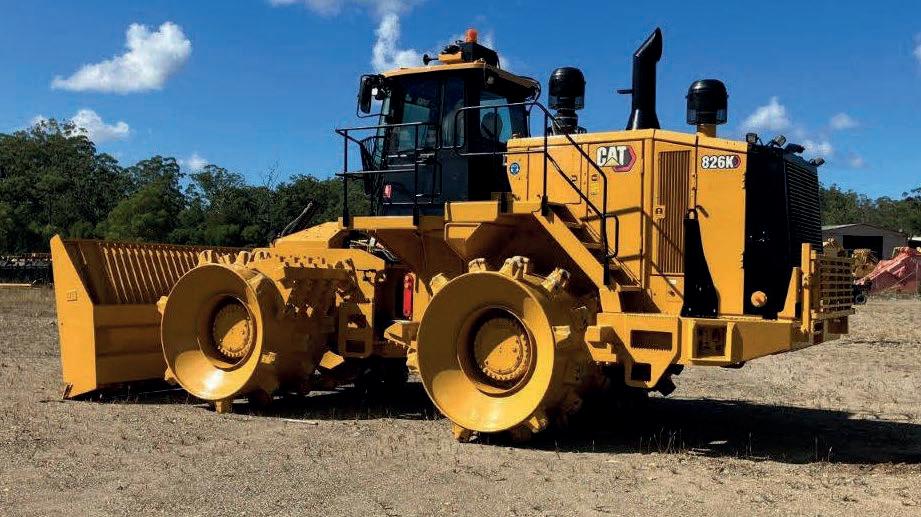









e EDGE TRT622 is a heavy-duty, tracked trommel screen engineered speci cally for maximum productivity and superior screening precision across the toughest applications.
Whether processing construction and demolition waste, municipal solid waste (MSW), skip waste, or organic materials such as mulch, compost, and topsoil, this 36.5-tonne powerhouse is built to deliver. e standout feature of the EDGE TRT622 is its 6.9 metre (22 inch) trommel drum. By keeping material in the drum longer, it
ensures thorough separation. When paired with the optional high-throw aggressive screening action, it e ortlessly produces high-quality, ne materials.
To keep operations running smoothly and prevent costly downtime, the TRT622 is packed with intelligent engineering features:
Advanced powertrain: A four-wheel direct drive system combined with a hydraulic variable-speed drum (featuring forward/ reverse functionality) o ers total control over throughput.

Smart feeding: e feeder conveyor boasts intelligent load-sensing controls that automatically prevent overloads, protecting the asset while optimising ecopower consumption.
Zero spillage design: Steep-sided hopper bin walls, a larger drum opening, and an ultra-wide collection conveyor work in tandem to eliminate material bridging and messy spillage.
With high manoeuvrability and a robust chassis design, the EDGE TRT622 is ready to transform recovery rates and product quality.




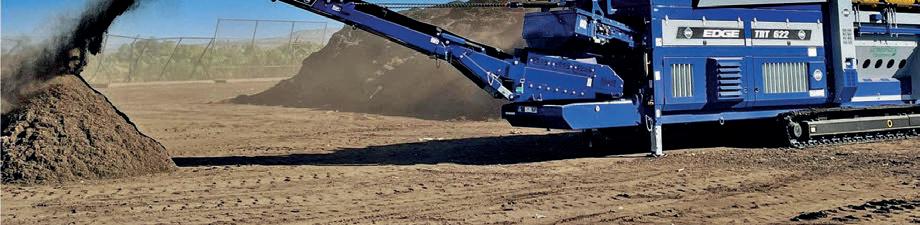


info@focusenviro.com.au www.focusenviro.com.au



e EDGE ColorPRO is a self-contained, portable colouring system engineered to deliver the highest return on investment of any colouring system available on the market.
Combining production rates with e ciency, this portable unit is suitable for operators seeking a large-capacity, highly mobile colouring solution that can easily service multiple sites.
EDGE ColorPRO is built to handle large workloads, boasting a throughput capacity of almost 400 cubic metres per hour.
e system uses a powerful, two-stage mixing process. By combining the aggressive force of a built-in hopper auger turn sha with a 2-metre x 6.9-metre spiral drum barrel, the system ensures a thorough and e cient material colouring process.
e specialised hopper auger ips and rotates the material for e ective dispersal before it enters the barrel, guaranteeing e cient delivery of colorants to the feed material.
A 12.6 cubic metre-capacity hopper accommodates large volumes with ease, while a variable-speed feeder, forward/reverse feed
conveyor, and speed-adjustable barrel rotation allow the system to be easily tweaked to suit di ering workloads.
A unique, built-in material detection system automatically guards against colour wastage.
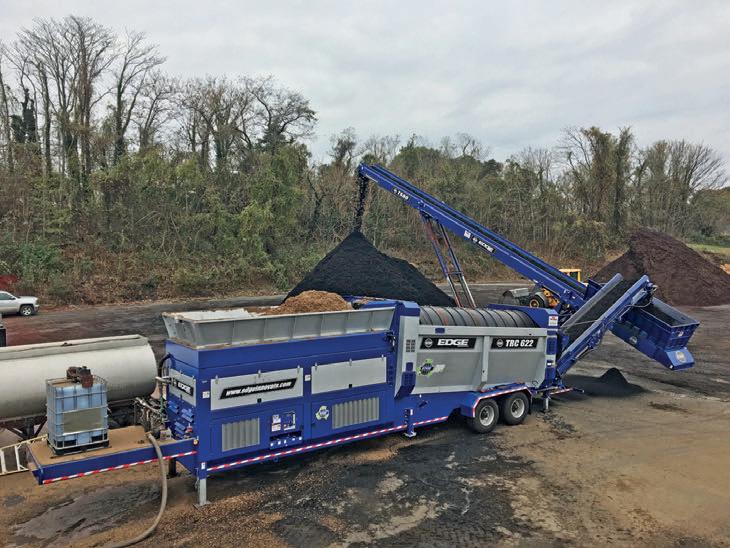
e EDGE FTS Mulch Master is a portable feed stockpiler designed for the stockpiling of lower-density, bulky materials such as mulch, compost and soils.
It combines traditional ipping and rotation with constant material ow to provide blockage-free stockpiling while also preventing compaction, contamination and risk of combustion.
It can accept material directly fed from wheel loaders, wood grinders, shredders, screeners or trommel screens.
e FTS Mulch Master has a 25 per cent additional bu er capacity over the standard EDGE FTS units with a bespoke hopper design to prevent material bridging.
Steep hopper sides and variable high speed feeder conveyor allow unrestricted ow of material that is further regulated via a double screwed forward/reverse auger.
e auger ful lls two roles; it conditions material by ipping and rotation, allowing the material to separate, aerate and untangle, as well as regulating the ow of material and preventing
material bridging at the transfer point. Available with various discharge conveyor lengths from 15 to about 23 metres, with
operators having the choice of traditional track-mounted or 360 degree slew track chassis formats.
e Rotochopper FP-66 horizontal grinder is engineered to bridge the gap between mid-volume operations
e FP-66 brings the features of larger grinders into a more streamlined, fuele cient package. Image: FOCUS Enviro FOCUS
FOCUS ENVIRO 02 4365 4247
info@focusenviro.com.au
www.focusenviro.com.au

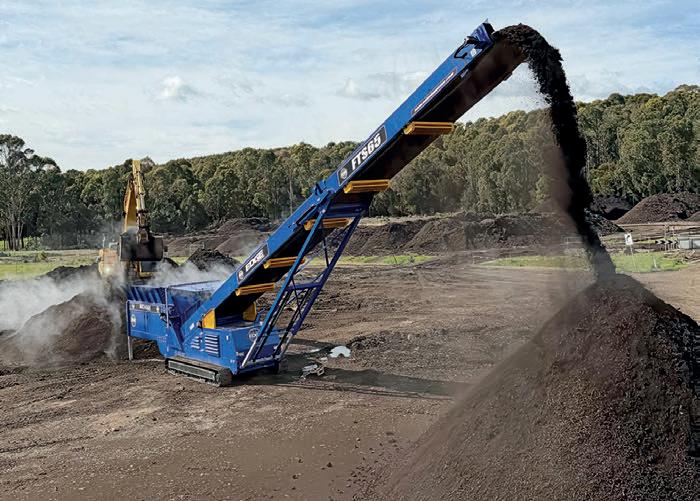



and high-capacity performance. Designed for pallet recyclers, mulch producers, and forestry biomass operations, the FP-66
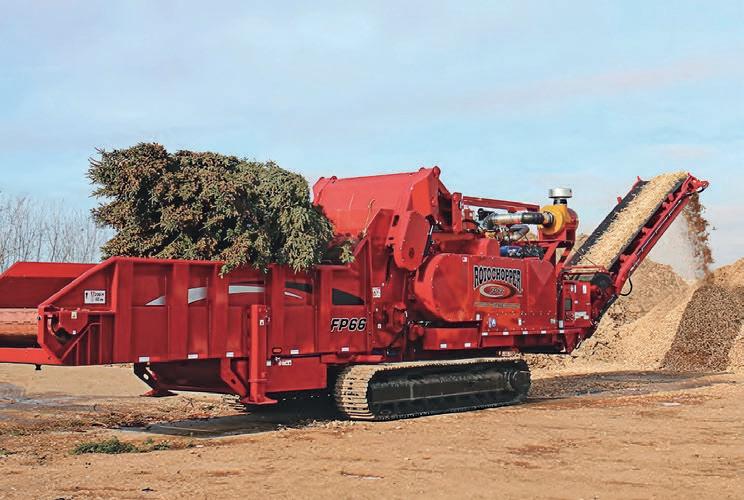
brings the features of larger grinders into a more streamlined, fuel-e cient package.
At the heart of the FP-66 is Rotochopper’s “Perfect in One Pass” philosophy. is is achieved through a 157-centimetre rotor featuring a specialised tooth arrangement and tip speed, paired with optimised screen geometry.
Together, they maximise production capacity while maintaining strict control over the product size.
e unit features a steel slat infeed conveyor that reduces spillage and wear compared to traditional belts, alongside a patented adjustable slab ramp infeed plate. is allows operators to hydraulically adjust the feed angle to suit varied materials. Maintenance is simpli ed through a screen cradle system that allows for rapid changes and a digital operator interface for real-time monitoring. For operations looking to scale their output without the overhead of a larger machine, the FP-66 delivers industrial-grade results at a signi cantly lower operating cost.










Delivers high quality, multi-platform media communications that showcase the world-class performance of the Australian waste management and resource recovery industries.


Waste Management Review is published 11 times a year and contains:


•Interviews with industry leaders
terviews verage

• In-depth profiles on innovative people, facilities and services



•Coverage on international developments
•Updates and analysis on new regulations and policies
•Successful supplier/client showcases



and get every Waste Management Review magazine issue delivered direct to your door.
•Details of new-to-market products and equipment. www.wastemanagementreview.com.au
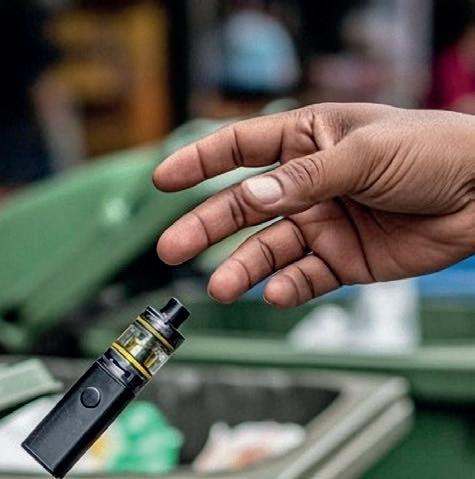

Access to safe disposal of vapes is still largely dependent on where you live. Image: Shutterstock AI/shutterstock.com


States and councils are being le to do the heavy li ing on vape disposal, writes Shannon Mead, founder and Executive Director of Australian environmental charity No More Butts.
Battery-related fires linked to products such as disposable vapes are no longer an emerging risk in Australia; they are a recurring operational reality.
In 2025 in New South Wales alone, Fire and Rescue NSW recorded 332 lithium-ion battery incidents. Data published in April 2026 reported 62 community fires and 103 suspected battery-related waste fires across the state in the first few months of the year.
e national figure for battery-related fires is estimated at more than 10,000 a year. e risk is immediate, growing, and increasingly borne by waste workers, councils, emergency responders and local communities.
To their credit, many state and local governments have started to recognise that reality and, in many cases, have begun to act accordingly.
In the past 12 months, new collection programs have been funded, trials have expanded and additional infrastructure
has been built. But these efforts remain fragmented and inconsistent, with access to safe disposal of vapes still largely dependent on where you live. at patchwork exists because the national response remains absent. When we wrote in this column in 2025 that the Commonwealth had announced $12.5 million to establish a consumer vape disposal scheme, we expressed cautious optimism. Eighteen months on, No More Butts has made repeated enquiries and is still waiting for clarity on its implementation.
Even if deployed, that funding would only address part of the problem: lawful consumer products. e funding package was never designed to address the broader waste stream created by illicit vapes.
A patchwork without a national policy cannot deliver a national solution.
e New South Wales Environment Protection Authority (NSW EPA)
embedded battery trial, now operating across 34 councils, has shown consistent uptake where services are visible and free.
More significantly, the state is moving beyond trials. From October 2026, mandatory product stewardship for batteries will require brand owners to fund collection and recycling through a levy-based scheme. is is the most advanced regulatory model in the country. However, it still depends on identifiable, lawful producers. Illicit vapes sit outside that system entirely and there is still no alternative approach confirmed, leaving a continuing gap that regulation alone cannot close.
In Queensland, 14 councils are delivering new battery disposal locations under a $2 million program. is is practical, visible intervention that improves access where it exists. e funds were distributed to support 88 permanent battery collection points, as well as
temporary drop-off locations and the promotion of free weekend dropoff programs.
However, due to the presence of nicotine, vapes are generally not accepted in mixed battery disposal bins, and there is currently no clear public map identifying which of these locations accept vapes.
Irrespective, the clock is ticking. ese are funded trials rather than embedded systems. Once funding ceases, there is no guarantee infrastructure will remain.
Where services continue, the costs are likely to fall to councils and ultimately ratepayers. For most councils that are not participating, no equivalent access exists. e result is uneven coverage and uncertain continuity.
“ e system has been built on geography rather than design.”
Shannon Mead, Executive Director, No More Butts
that end-of-life solutions are technically viable and scaling. Some councils received small grants to expand drop-off points, but statewide funding remains limited and no coordinated expansion has been announced.
e broader issue is continuity. With the closure of Sustainability Victoria in June, there is a lack of clarity about how statewide coordination of local programs will be sustained. e system remains fragmented between capable processors and uneven collection access.
While encouraging on paper, this is a policy signal, not a system.
Australia has processing capacity across multiple operators, including EcoCycle and Envirostream (Livium). What it still lacks is a coordinated national collection framework that links that capacity to universal consumer access.
Without that link, progress remains jurisdictional and ad hoc, rather than systemic.
For lawful vape products dispensed