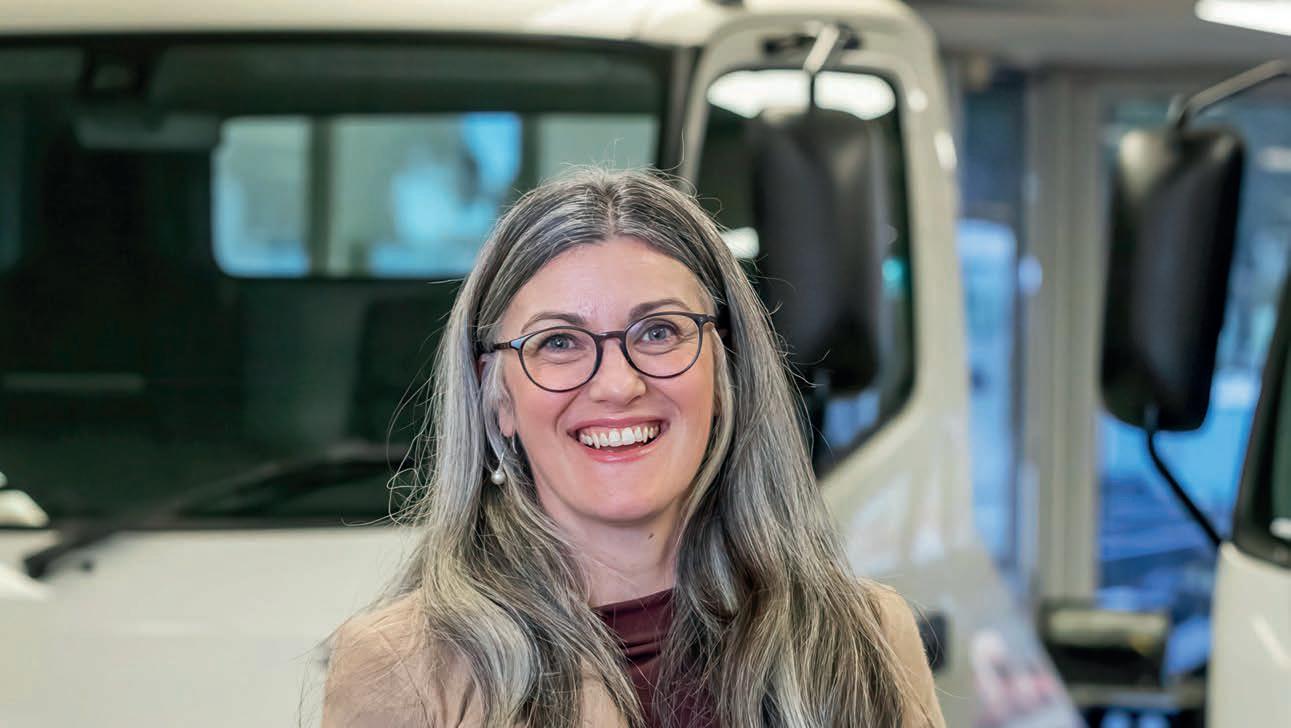
Personality Profile: Marta Gawlick, CMI Hino Melbourne
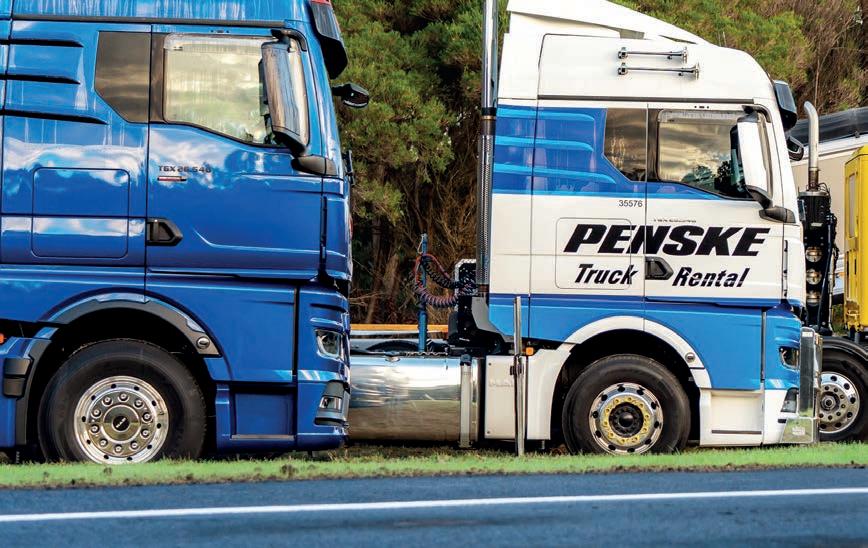
Prime Movers & Shakers: Adrian Beach, Penske Truck Leasing
INNOVATION
Industry Insights: ARTSA-i, TIC, VTA
Feature: ISUZU RTW
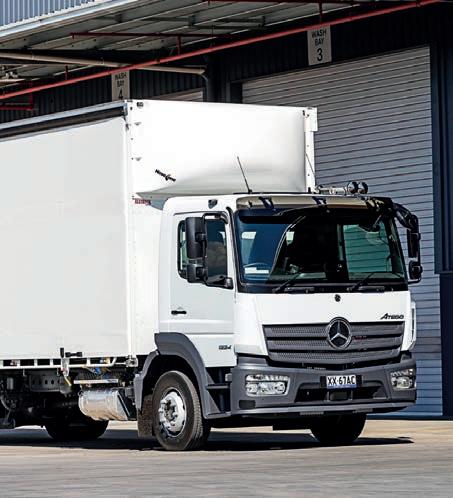
Truck Tech: Damorange Refrigerated Transport Test Drive: Mercedes-Benz Atego
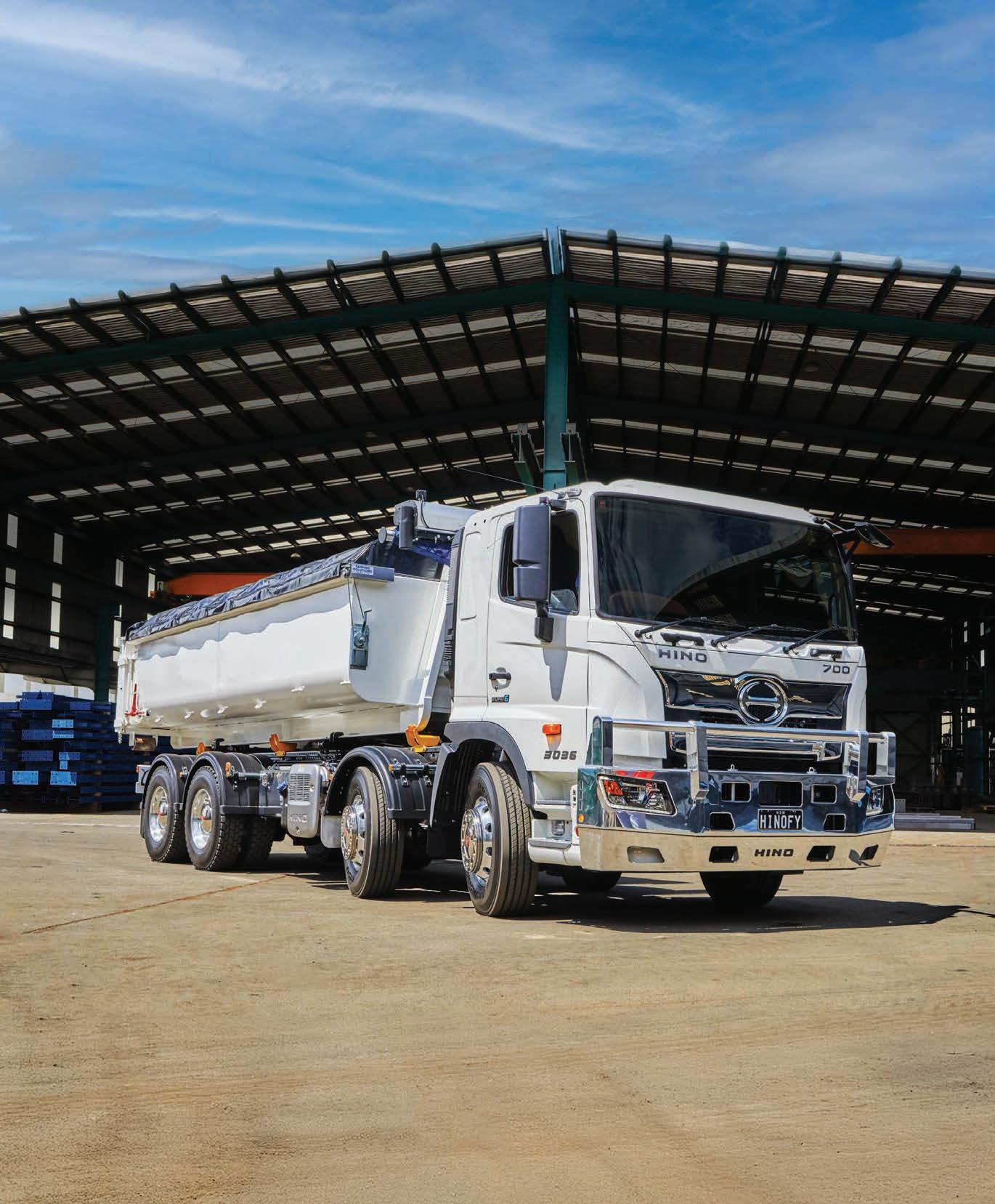
Want something bigger? Our new FY Series gets heavy duty with a load-sharing second steer axle in an 8x4 configuration. Delivering big time on our Japanese performance and reliability ‒ whether youʼre craning bricks or crushing garbage. Itʼs also big on safety and comfort with an impressive new suite of innovations that will be the envy of the industry.
Head to isuzu.com.au or visit your nearest Isuzu Trucks Dealer today.
THE NEW SHAPE OF EFFICIENCY.
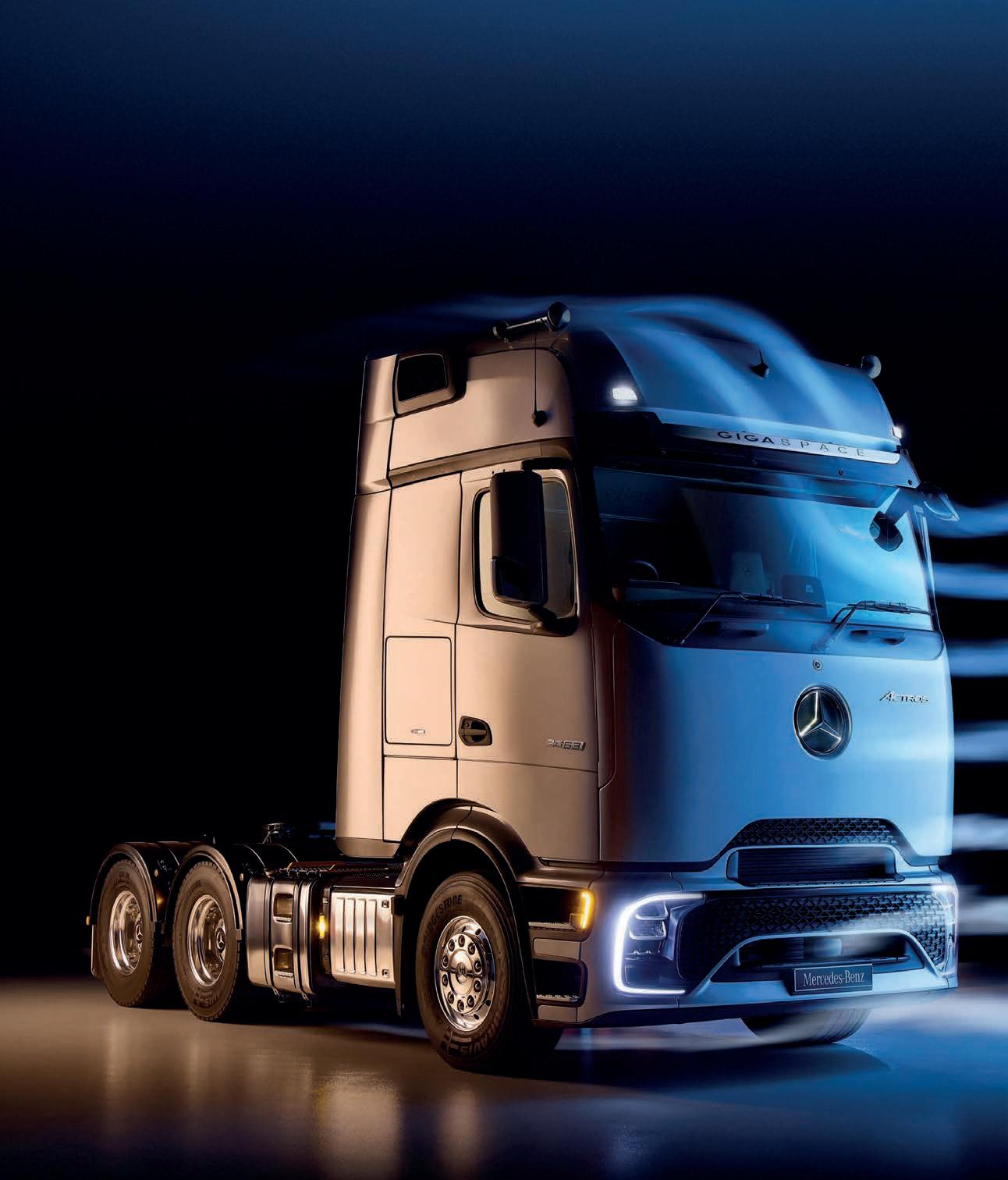
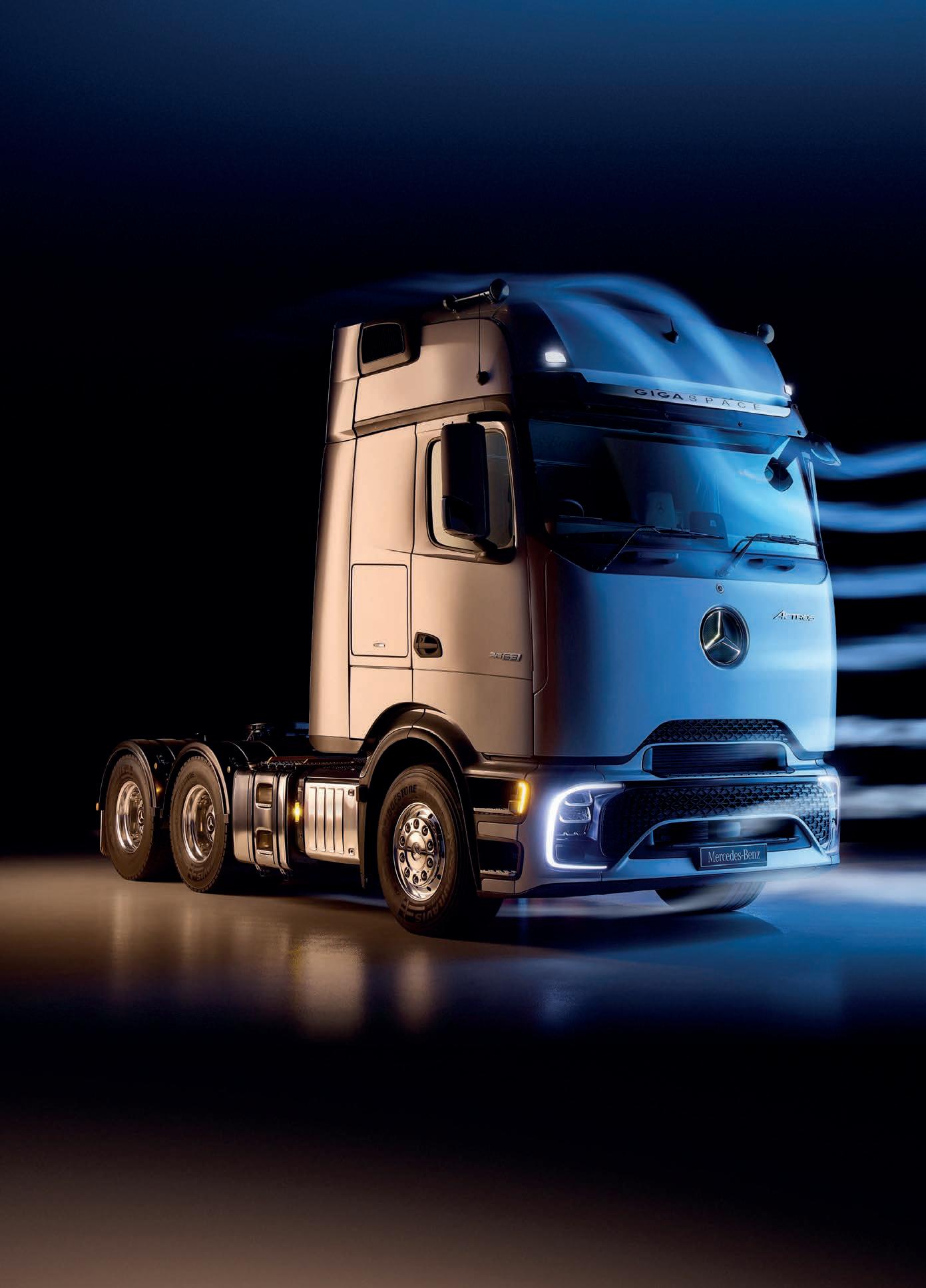
Introducing the Mercedes-Benz Actros ProCabin.
Evolution never stops. The redesigned Actros ProCabin has been reshaped to cut drag and boost your bottom line with ultimate fuel efficiency. Building on recent fuel economy and reliability upgrades, the ProCabin also delivers the kind of safety gains and driver comfort you expect from Mercedes-Benz Trucks.
MEET THE TEAM
Australia’s leading truck magazine, Prime Mover, continues to invest more in its products and showcases a deep pool of editorial talent with a unique mix of experience and knowledge.
Christine Clancy | CEO
With more than two decades of experience as a media professional, Christine has worked in newsrooms across Canada, Vietnam and Australia. She joined the Prime Creative Media team 12 years ago, and today oversees more than 43 titles, including a dozen print and digital transportation titles. She continues to lead a team that focuses on continuous improvement to deliver quality insights that helps the commercial road transport industry grow.
Paul Lancaster | Editor
Paul joined Prime Creative Media as an editor in March 2025 and has enjoyed a broad career spanning over 20 years across different sectors, including law, journalism and marketing in Australia and internationally. He gets great satisfaction from creating targeted content that appeals to wide ranging audiences. Paul says this comes from listening to industry members, businesspeople and the broader community.
Peter Shields | Senior Feature Writer
A seasoned transport industry professional, Peter has spent two decades in the transport media sector. Starting out as a heavy vehicle mechanic, he managed a fuel tanker eet and held a range of senior marketing and management positions in the oil and chemicals industry before becoming a nationally acclaimed transport journalist.
Ashley Blachford | Business Development Manager
Handling placements for Prime Mover magazine, Ashley has a unique perspective on the world of truck building both domestically and internationally. Focused on delivering the best results for advertisers, Ashley works closely with the editorial team to ensure the best integration of brand messaging across both print and digital platforms.
Peter White | Contributor
Since completing a Bachelor of Media and Communication degree at La Trobe University in 2021, Peter has obtained valuable newsroom experience, supplemented by direct industry exposure at Prime Creative Media. As the Editor of Trailer, Peter brings a fresh perspective to Prime Mover. He has a strong interest in commercial road transport and in furthering the magazine’s goal of growing the industry.
CEO Christine Clancy christine.clancy@primecreative.com.au
Editor Paul Lancaster paul.lancaster@primecreative.com.au
Managing Editor, Luke Applebee Transport Group luke.applebee@primecreative.com.au
Senior Feature Peter Shields Writer peter.shields@primecreative.com.au
Business Ashley Blachford Development ashley.blachford@primecreative.com.au Manager 0425 699 819
Art Director Blake Storey blake.storey@primecreative.com.au
Design Jacqueline Buckmaster, Danielle Harris
Client Success Ben Sammartino Manager ben sammartino@primecreative.com.au
Head Of ce 379 Docklands Drive, Docklands VIC 3008 info@primecreative.com.au
Subscriptions
03 9690 8766 subscriptions@primecreative.com.au
Prime Mover magazine is available by subscription from the publisher. The right of refusal is reserved by the publisher.
Annual rates: AUS $110.00 (inc GST). For overseas subscriptions, airmail postage should be added to the subscription rate.
Articles
All articles submitted for publication become the property of the publisher. The Editor reserves the right to adjust any article to conform with the magazine format.
Copyright PRIME MOVER magazine is owned and published by Prime Creative Media. All material in PRIME MOVER magazine is copyright and no part may be reproduced or copied in any form or by any means (graphic, electronic or mechanical including information and retrieval systems) without written permission of the publisher.
The Editor welcomes contributions but reserves the right to accept or reject any material.
While every effort has been made to ensure the accuracy of information
Prime Creative Media will not accept responsibility for errors or omissions or for any consequences arising from reliance on information published. The opinions expressed in PRIME MOVER magazine are not necessarily the opinions of, or endorsed by the publisher unless otherwise stated.
COVER STORY
“We welcome any changes to the industry, especially with AI and robotics in the warehouse space, which is good because it’s still somewhat an old school industry where these types of technologies are now being introduced to help deliver improved service and reduce overheads. We’re still young and we adapt quickly to change.”
Prime Feature STORIES PRACTICAL ALTERNATIVE
FLEET FOCUS
30 Fresh is Best
A Central Queensland food distributor continues to expand on the back of strong family values, trusted partnerships and a long-standing commitment to quality service.
36 In Good Hands
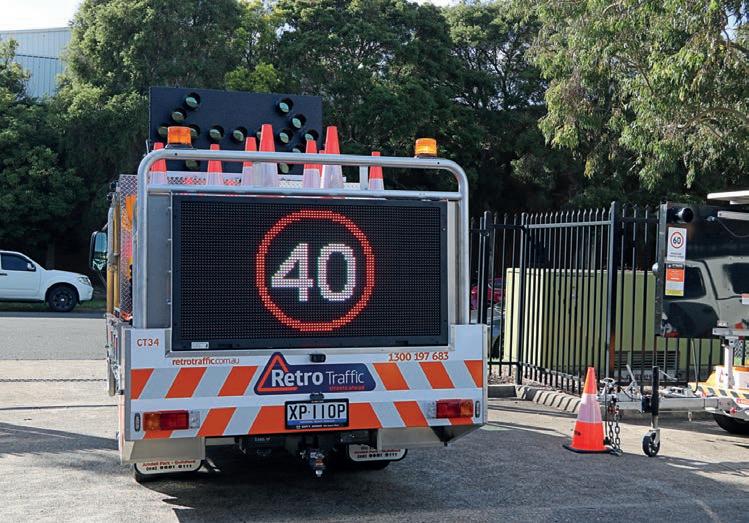
For almost 40 years Retro Traffic has been keeping motorists and workers safe around roadworks and construction sites. Prime Mover looks behind the company’s success and uncovers a captivating story.
42 Safety First
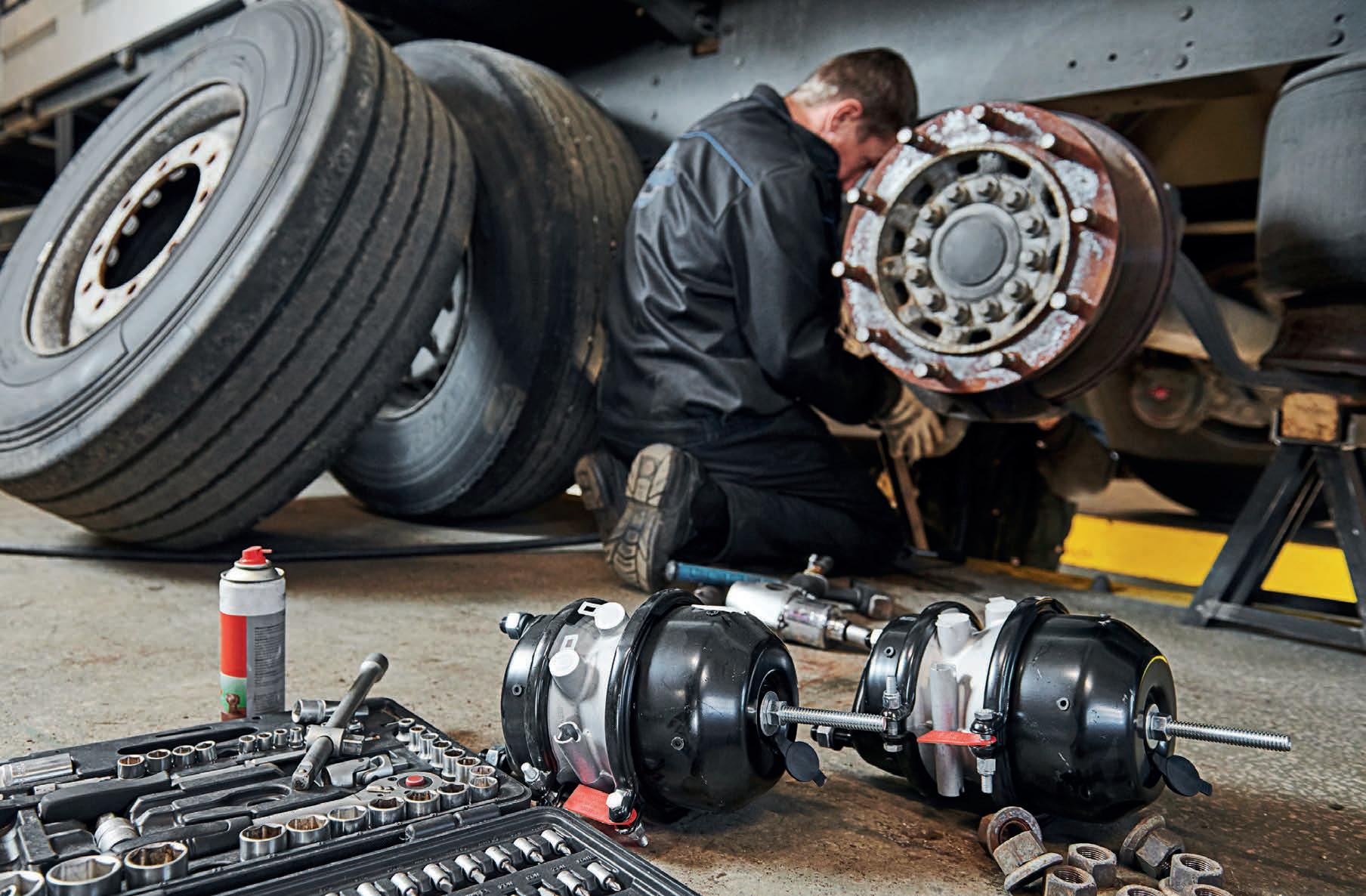
In refrigerated transport, the industry’s real ‘new energy’ is not about what powers the truck – it’s about how safely and efficiently it performs every day.
44 Ready for Work
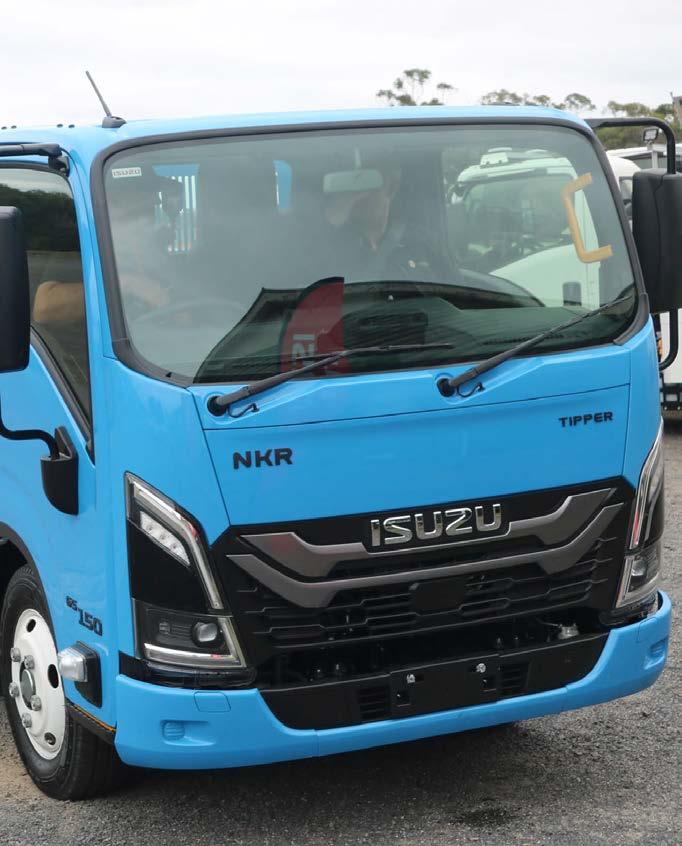
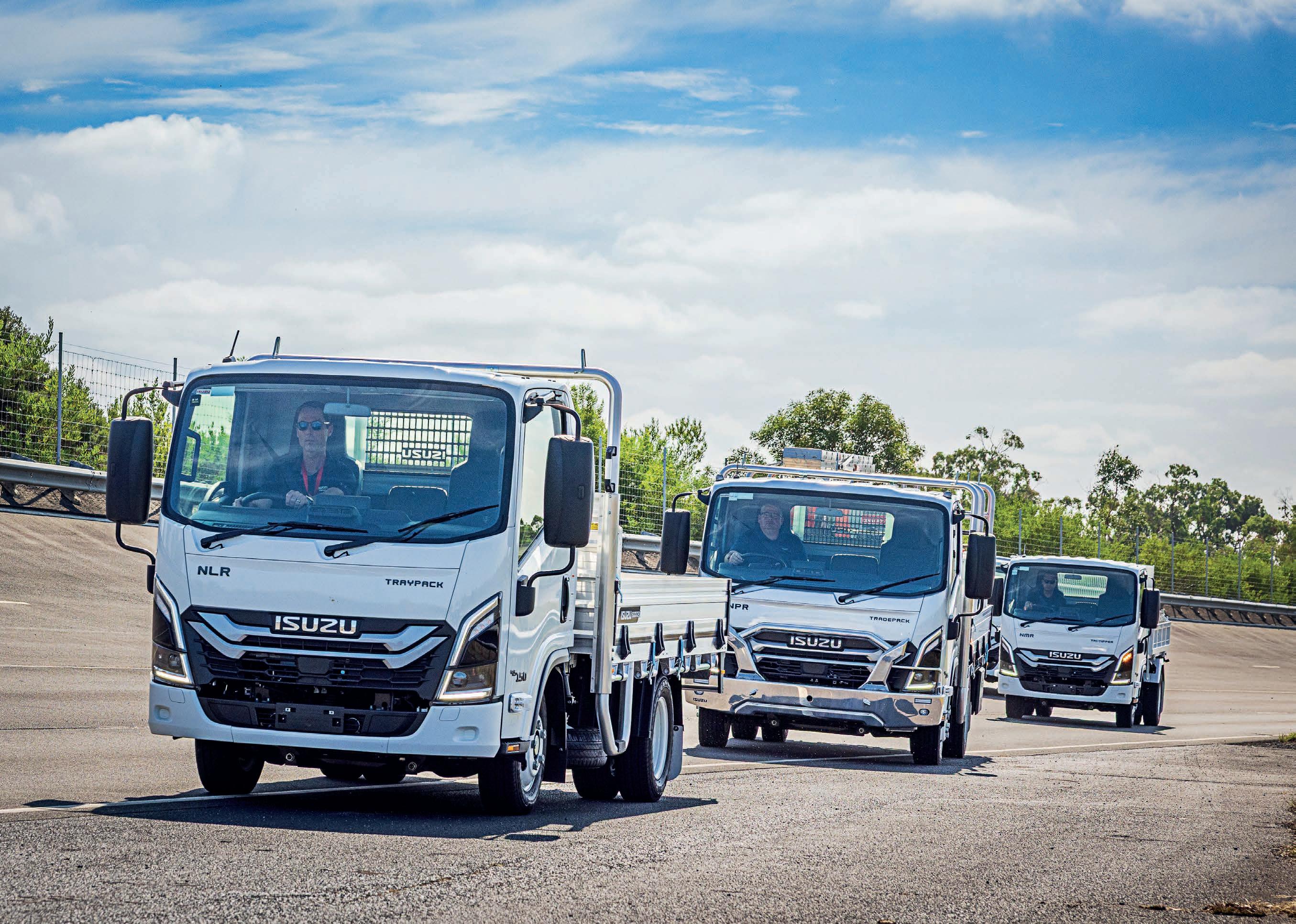
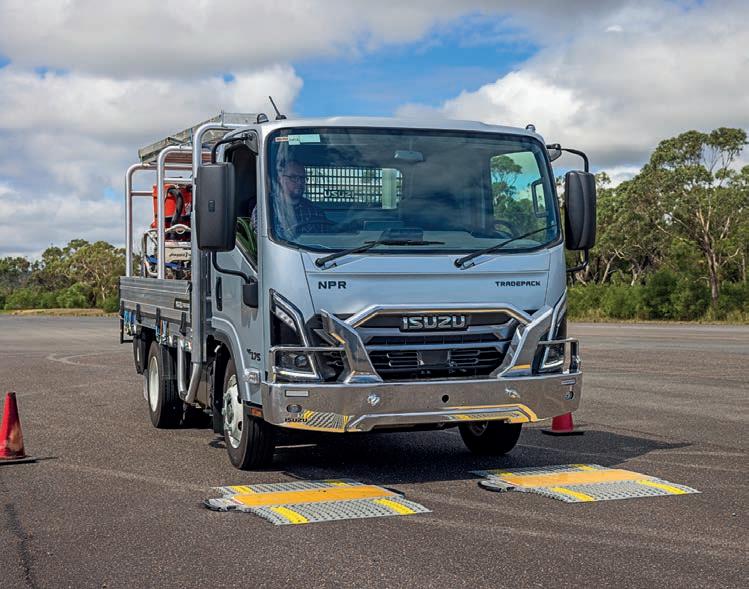
Isuzu has jumped into the truck versus ute debate with its latest a comprehensive line up of ready-to-work N Series light trucks.
TEST DRIVE
50 Practical Alternative
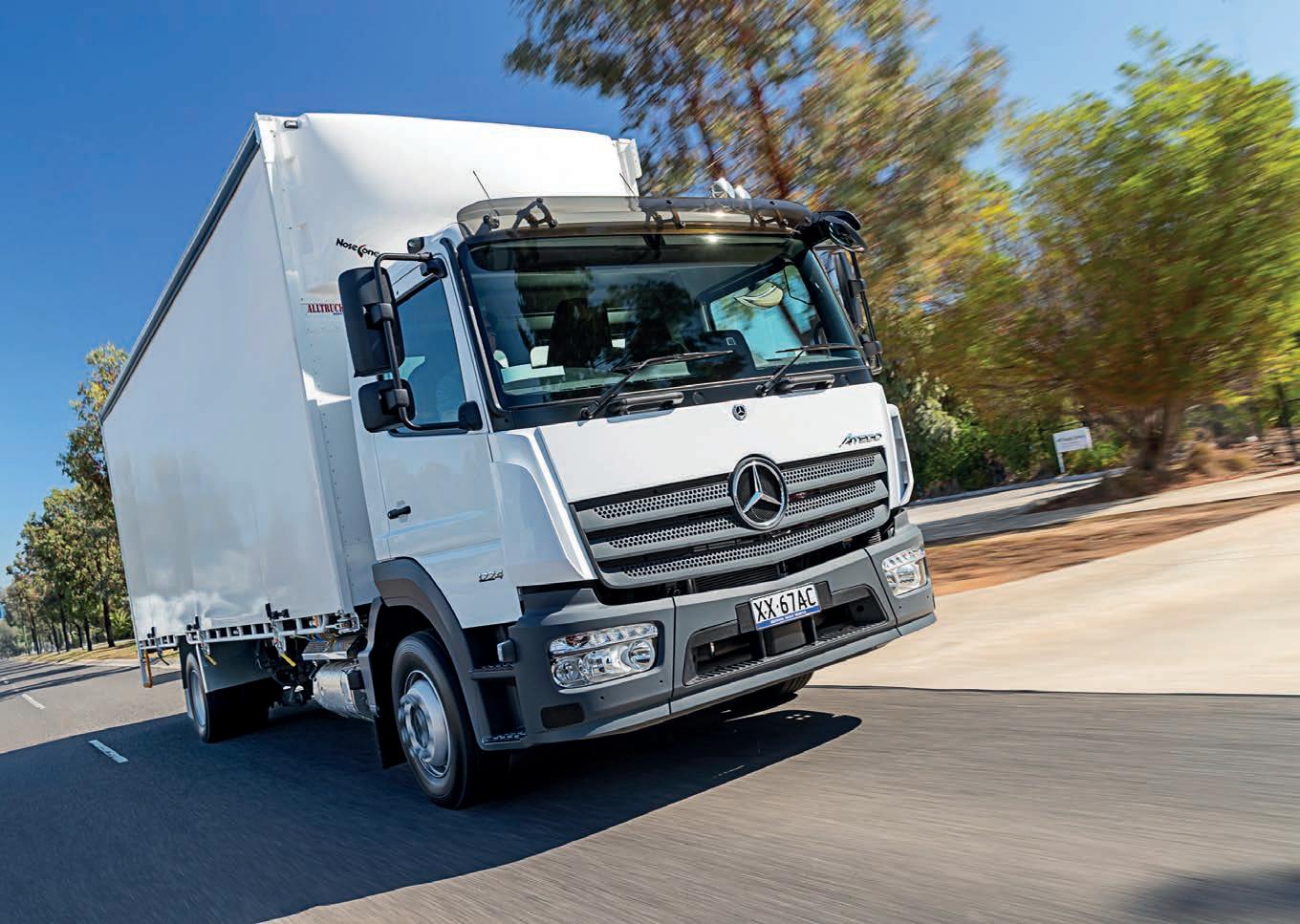
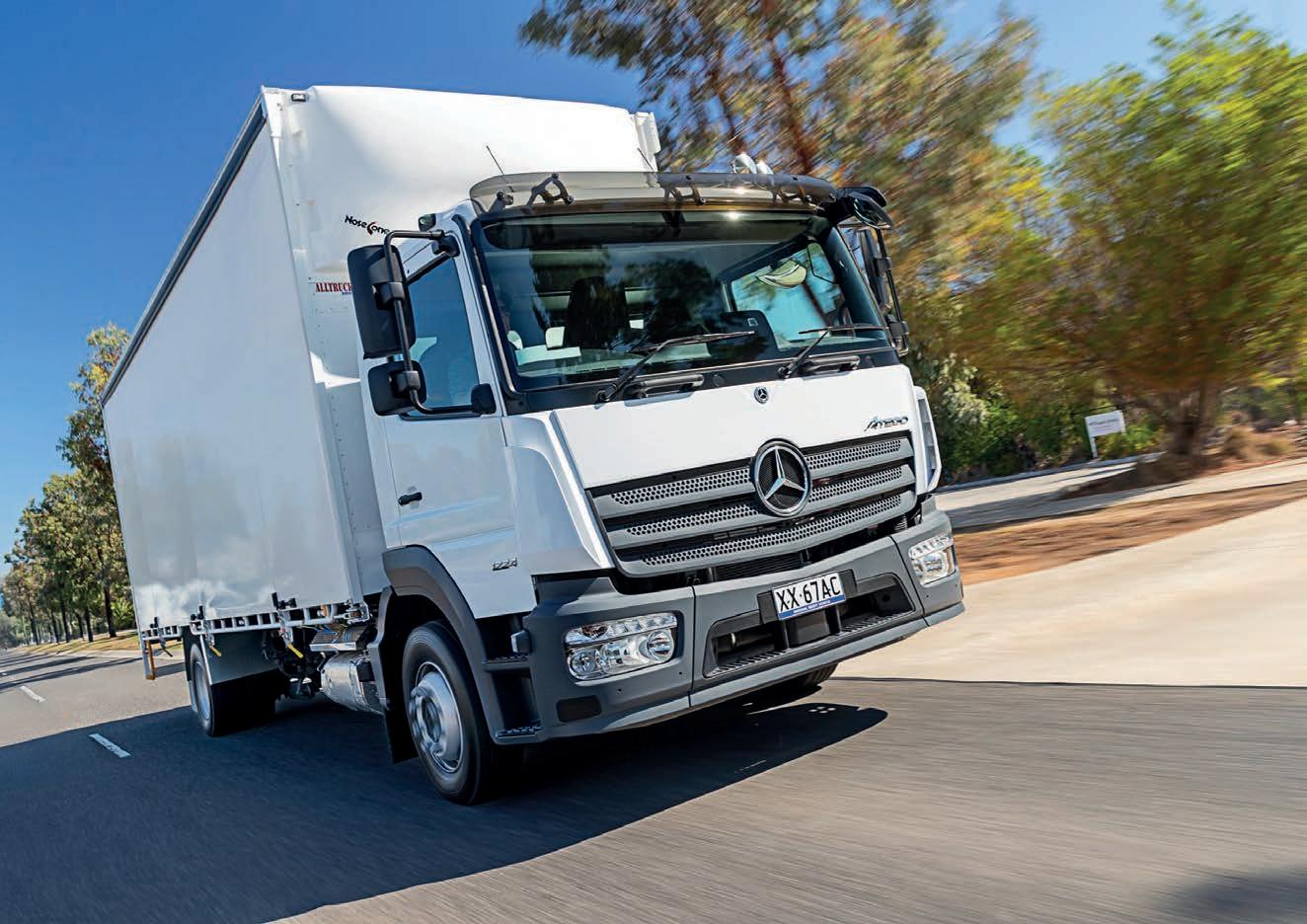
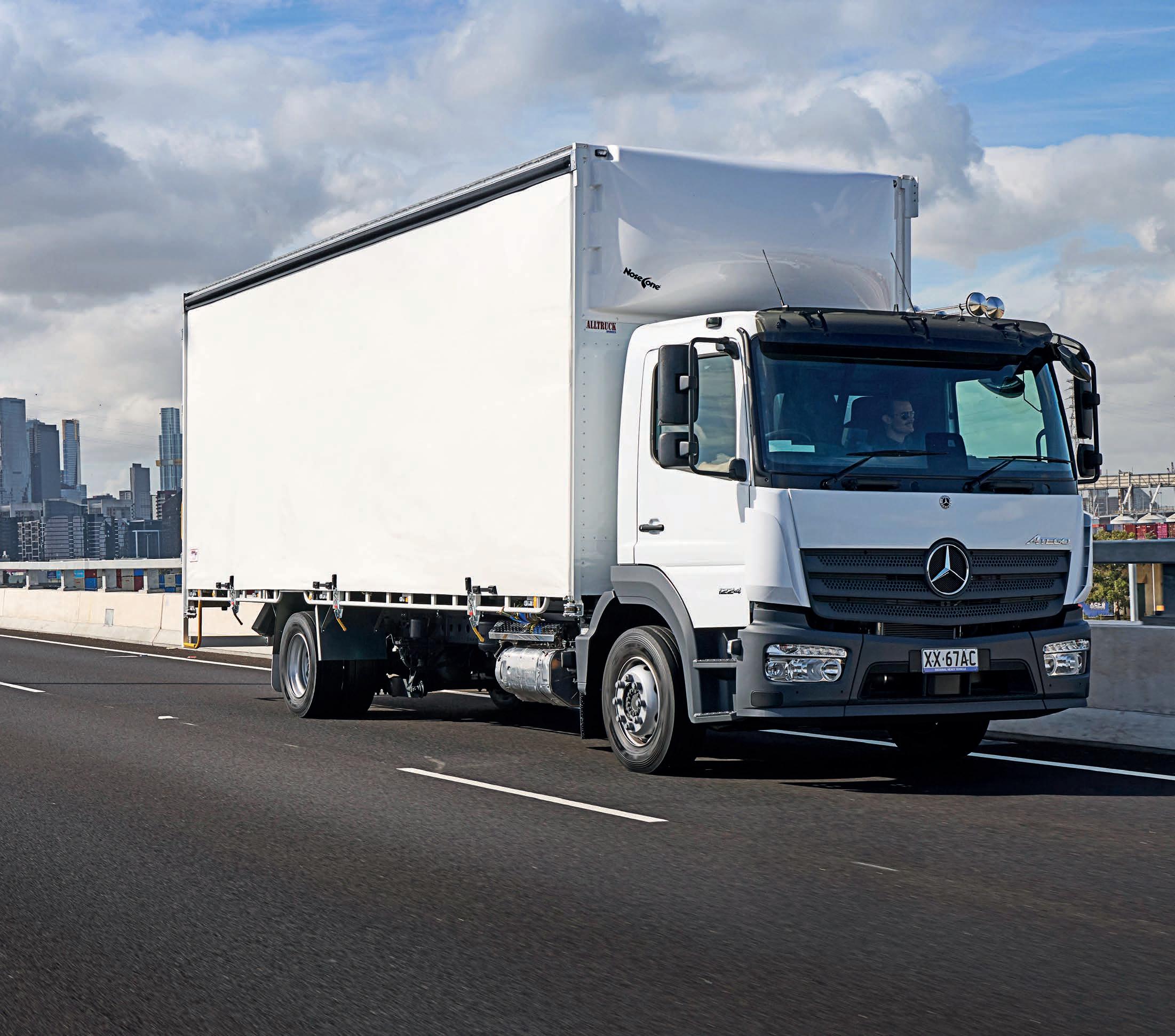
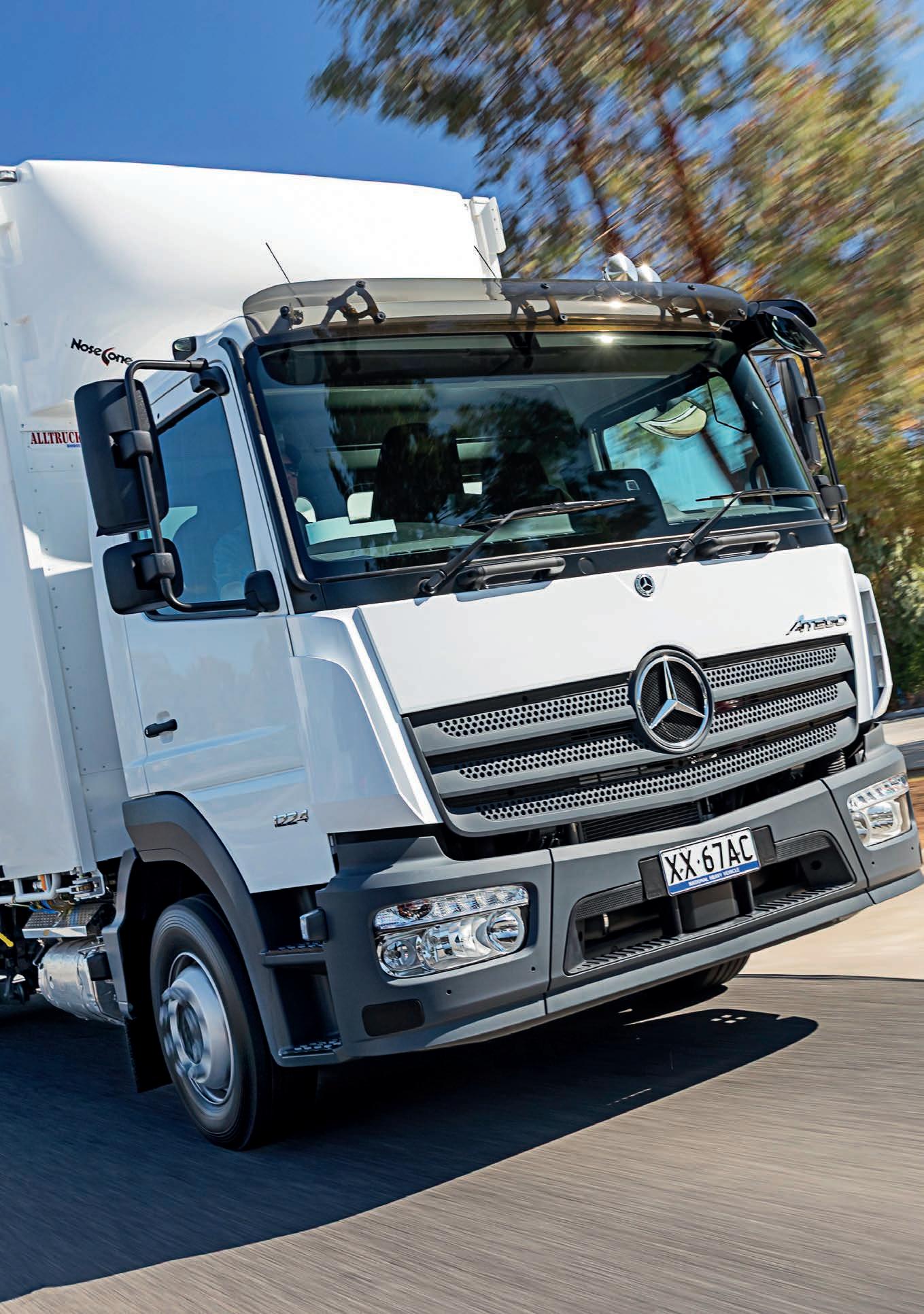
The latest range of Mercedes-Benz Atego models suits a wide variety of applications, as Prime Mover discovered first-hand.
POWER TORQUE TECH
54 Shanghai bound
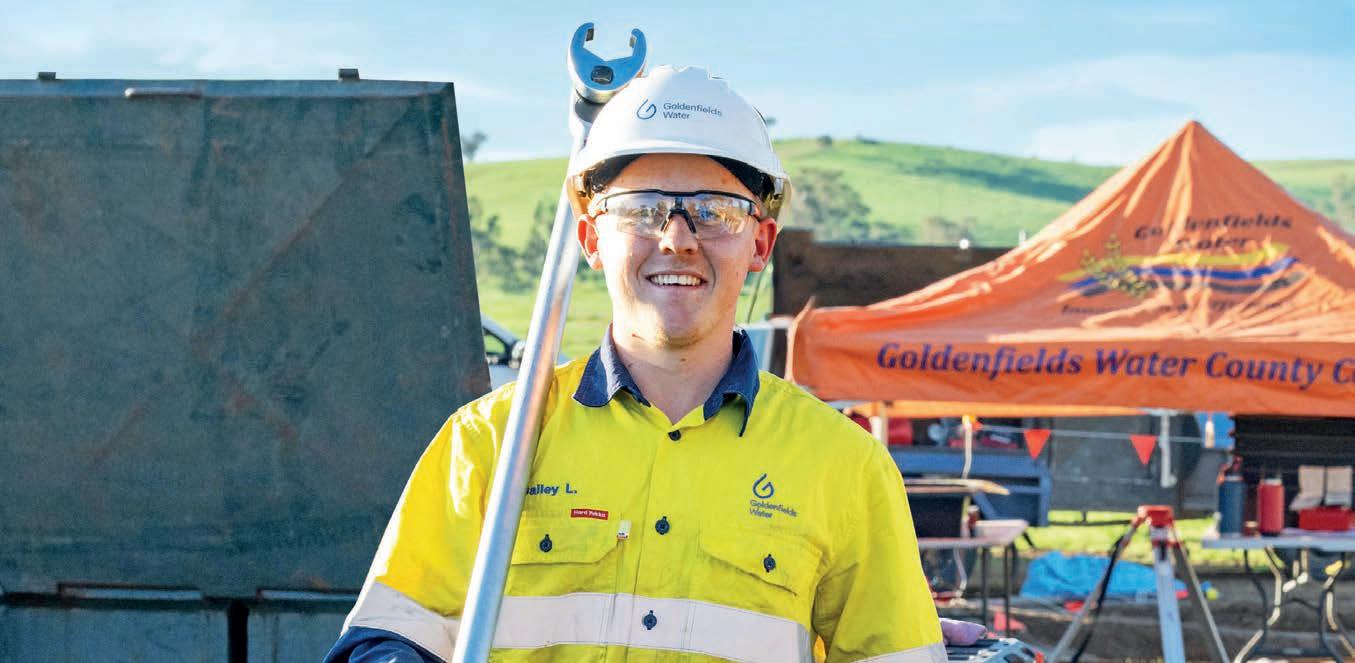
WorldSkills Australia has selected a team 39 young apprentices, trainees and students to represent the nation at the world’s largest vocational skills competition.
Paul Lancaster Editor
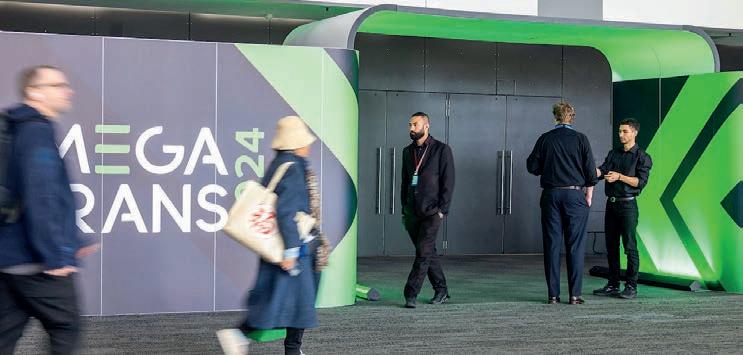
In a sector that quite literally keeps Australia moving, the most valuable progress often begins not on the road, but in the conversations that shape it. Earlier this quarter, two key industry gatherings in Victoria – the Victorian Transport Association (VTA) 2026 Annual Conference in San Remo, Phillip Island, and the Power of Penske Media Day in Anglesea – reinforced a simple but critical truth that connection across the transport sector is not a luxury, it’s a necessity. From operators and suppliers to policymakers and regulators, the road transport industry is a vast and complex ecosystem. It employs hundreds of thousands of Australians and underpins nearly every supply chain in the country. Yet despite its scale and importance, it is an industry that often works in silos – until events like these bring people together. At the VTA conference, the focus extended well beyond compliance updates and operational challenges. It was about alignment. Industry leaders, government representatives and eet operators shared a platform to discuss
Industry Pulse
the realities facing transport businesses today – rising costs, regulatory pressures, workforce shortages and the ongoing transition toward safer and more sustainable operations. These conversations matter because policy decisions made in isolation rarely re ect the operational realities on the ground. When politicians and regulators hear directly from those running eets – whether small family operators or large national carriers – the gap between theory and practice begins to close. That dialogue is essential if Australia is to build a regulatory framework that supports both safety and productivity. Equally important is the opportunity for operators to learn from one another. The diversity within the sector is one of its greatest strengths, but it also means solutions are rarely one-size- ts-all. Sharing experiences – what works, what doesn’t, and what’s changing – helps lift the entire industry.
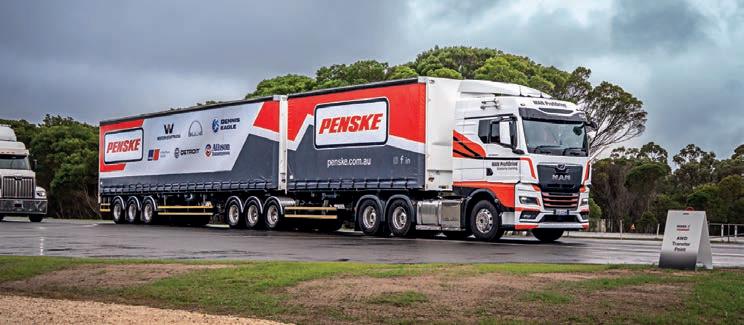
That sense of collaboration carried through to the Power of Penske media day at the Australian Automotive Research Centre. Set against a backdrop of advanced vehicle testing and performance demonstration, the event showcased not just new technology, but the direction the industry is heading. Here, the conversation shifted toward capability – what modern eets can achieve when safety, engineering and operational ef ciency come together. But just as importantly, it was another opportunity for connection. Media, manufacturers and operators engaged
directly, exchanging insights that go beyond product speci cations to the real-world demands of freight transport.
In many ways, these events highlight a broader shift in the industry. The challenges facing road transport –whether decarbonisation, safety, or workforce sustainability – are too complex to be solved in isolation. They require collaboration across every layer of the sector, including governments. Constructive engagement with policymakers is vital, not just to advocate for the industry, but to ensure its voice is understood. Road transport is not an abstract concept; it is a network of businesses, drivers and communities that keep Australia’s economy functioning every day. It also includes ongoing dialogue between operators themselves. In a competitive industry, it can be easy to focus inward. But the reality is that shared challenges – compliance, cost pressures, infrastructure constraints–demand shared understanding.
Events like those held in San Remo and Anglesea serve as a reminder that progress is built on these connections. They create space for honest conversations, practical insights and, ultimately, better decisions.
For an industry that rarely stops moving, taking the time to come together may be one of the most important steps forward.
> ARENA announces $25.3 million in e-truck funding
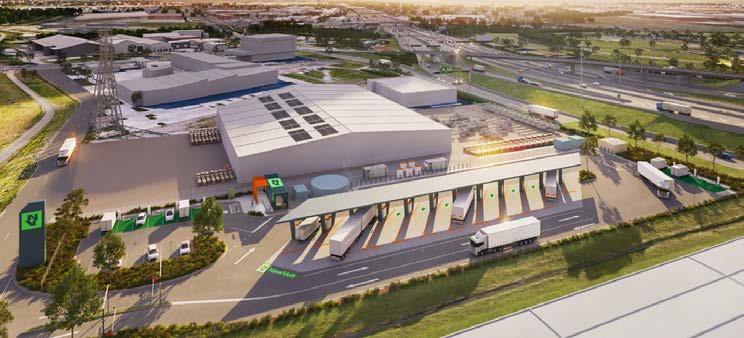
The Australian Renewable Energy Agency (ARENA) has announced up to $25.3 million in funding for NewVolt to build a shared fast-charging network for electric trucks in Victoria.
The large-scale investment is intended to support the electrification of Australian road freight.
NewVolt will deliver three open-access, fast-charging hubs for heavy and medium electric trucks along major freight corridors in Melbourne’s west, south-east and northern suburbs.
Melbourne is the first step in a planned national network of 60-plus sites, spanning Sydney, Brisbane, and electrification of the Hume Highway corridor, alongside the Pacific, Newell, Sturt and Western Highways.
NewVolt has broken ground on the national e-truck fast charging network with construction already under way in the west Melbourne suburb of Laverton North.
The three charging hubs across greater Melbourne network, will be at Melbourne West (Laverton North), Melbourne North (Campbellfield/ Somerton), and Melbourne South-East (Dandenong South).
The sites cover the city’s three principal freight precincts, provide open-access fast charging for both foundation fleet customers and the broader market.
The hubs will provide scheduled, price-certain fast charging - with power up to 400kW per bay with dual-plug capability - purpose-built for heavy and medium commercial trucks.
ARENA’s investment includes support for between 50 and 100 electric trucks operating heavy freight across greater Melbourne in what represents the first phase of NewVolt’s planned national network.
ARENA CEO, Darren Miller, said projects like this are critical to cutting emissions from one of Australia’s hardest-to-abate sectors.
“Heavy freight is one of the toughest forms of transport to electrify. It relies on high-powered, reliable charging and
today the upfront cost of new trucks and infrastructure is a real barrier,”
Miller said.
“By backing shared charging infrastructure projects like NewVolt, ARENA is lowering the barrier to entry for a broader spectrum of operators and building the foundations of a national electric freight network.”
He said the project would also help strengthen Australia’s energy security.
“Australia’s freight supply chain is reliant on imported diesel.
Decarbonising our heavy freight is not only good for emissions, but it also means the freight sector will be protected from international oil price volatility.
“Projects like this can help build a more resilient transport system by powering trucks with Australian electricity instead.”
The first site is targeted to open in late 2026, with the remaining hubs to be delivered through 2027.
NewVolt CEO and Co-Founder, Anthony Headlam, said: “The NewVolt Network represents foundational infrastructure for heavy vehicle electrification. The network is purpose-built for trucks –offering price-certain, scheduled fast charging for fleets large and small, powered by renewable energy.
“The trucks are now available in the market and the business case for fleets to electrify keeps getting better. Our network helps fleets deploy those trucks confidently.”
With Australia’s road freight industry runs almost entirely on imported diesel,
costing about $30 billion a year, and with the conflagrations in the Middle East, it is estimated that as of late March 2026, Australia holds roughly 30 days of diesel.
“Australia has the renewable energy resource, and now the trucks, to remove that dependence. Every electric truck on Australia’s roads, charging on Australian renewable energy, adds resilience to our supply chains. The NewVolt Network is a foundation for that resilience,” Anthony Headlam said.
The project is funded through ARENA’s Driving the Nation Program, which aims to help industry build confidence in electric freight solutions and accelerate emissions reductions across Australia’s transport sector.
NewVolt is also developing a bundled truck and charging product, enabling operators - particularly smaller and mid-sized fleets who lack the balance sheet to absorb large capital outlaysto access electric trucks and NewVolt network credits as a single, integrated commercial package.
“What operators have needed is a network they can rely on, and a commercial model that works for them so they can start their transition confidently.” Anthony Headlam said.
The total project will be a phased build-out process, with 14 sites to be completed by 2027, 40 by 2032 and 60 by 2040. This is designed to match the pace of electric truck market development, with each phase reinforcing demand for the next.
A rendering of what the new e-truck charging site at Laverton North, Melbourne, will look like.
> Truckers need relief not more regulations: NatRoad
The National Road Transport Association (NatRoad) has warned that a proposed fuel cost recovery mechanism being considered by the Fair Work Commission risks creating a “compliance nightmare” for small trucking businesses already under extreme financial pressure.
The warning comes as the Commission began hearing a major application for a road transport contractual chain order covering fuel cost recovery across the industry.
NatRoad CEO, Warren Clark, said while the intent to support operators was welcome, the mechanism as proposed was unworkable in practice.
“We want every transport business in this country, from fleet to owner driver, to recover their costs,” Clark said.
“That’s exactly why we’re asking for this to be done properly, because a mechanism that sounds good on paper but can’t be applied in practice helps nobody.”
Mr Clark said the complexity of modern road freight movements make accurate cost recovery calculations nearly impossible for small operators.
“How does a small trucking business calculate cost recovery on a single pallet of office paper, carried on a B-double with 50 other items, for 50 different customers, dropped at different locations?” he said.
“The proposal doesn’t answer that question, and until it does, it cannot be enforced, and it cannot be complied with.”
NatRoad also warned the shift from a “fuel levy” to broader “cost recovery” obligations risks creating significant compliance burdens for operators who lack the systems and resources to calculate detailed cost structures.
“Fuel costs can change before you leave the depot. City driving means idling in traffic. Regional driving means headwinds on the highway,” Clark said.
“How is a small operator supposed to calculate cost recovery for a trip before they’ve even taken it? This
needs to be thought through and not rushed.”
Clark said the proposal also failed to reflect the commercial realities of the industry, where a large proportion of freight is moved without formal contracts.
“You can’t impose a contractual obligation when no formal contract exists,” he said.
“Much of the road freight in this country moves on a handshake, a phone call, or a quote. That’s the commercial reality of this industry, and any workable solution has to account for that.”
NatRoad further warned that mandating standardised cost recovery could distort competition, disadvantaging smaller operators while favouring larger carriers with economies of scale.
“Competition drives efficiency in this industry,” Clark said.
“We should be encouraging businesses to find smarter ways to manage costs, not designing regulations that punish those who already have.”
NatRoad is calling on the Fair Work Commission to convene an urgent, industry-wide conference to work
NatRoad says trucking businesses need less regulation and more relief.
through practical and enforceable solutions.
Those who understand how road freight actually moves in this country are the operators themselves, and they must be at the centre of this process.
It is not something that can be resolved through a rushed legal proceeding or imposed from the outside. It requires a structured, collaborative discussion with the people who run trucking businesses every day.
“We are calling on the commission to resist pressure for a rushed outcome,” Clark said.
“The proposal before the Fair Work Commission is significant and complex. The industry should be given proper time to consider it, and not be expected to respond over the Easter weekend.”
NatRoad is also urging the Commission to avoid repeating past mistakes.
“The history of this industry includes the Road Safety Remuneration Tribunal, which was a well-intentioned intervention that came within days of pricing thousands of owner-drivers out of work,” Clark concluded.
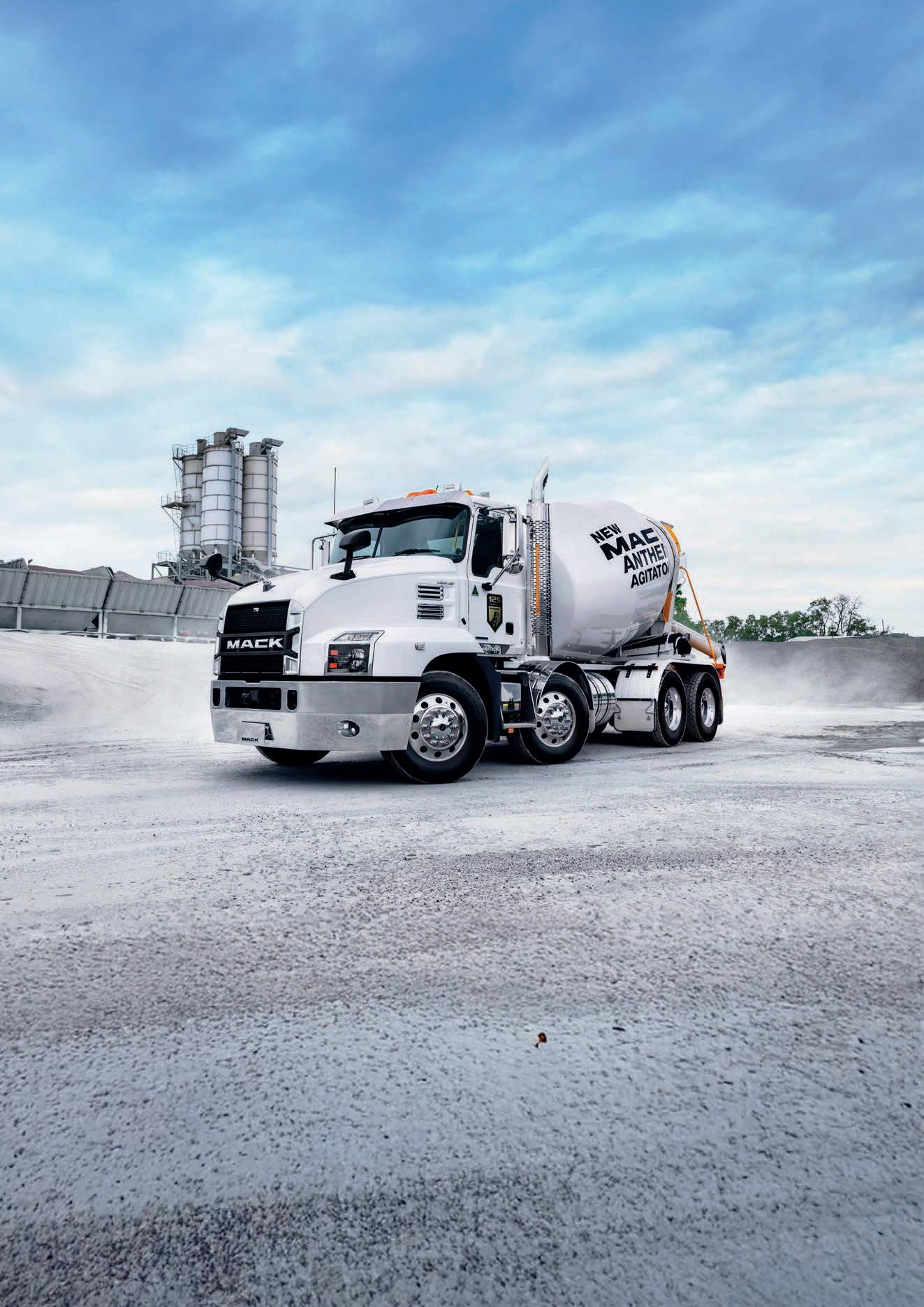
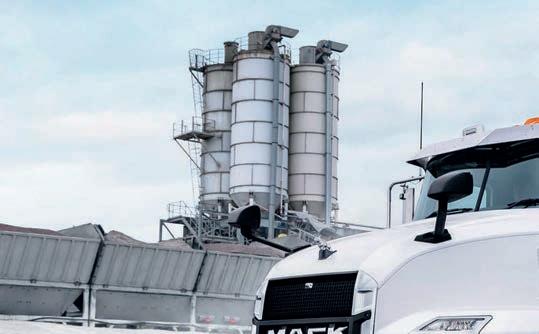
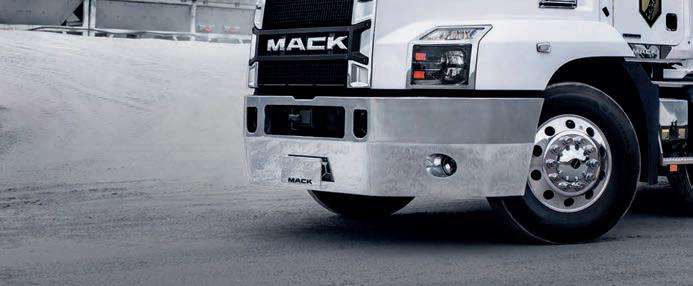
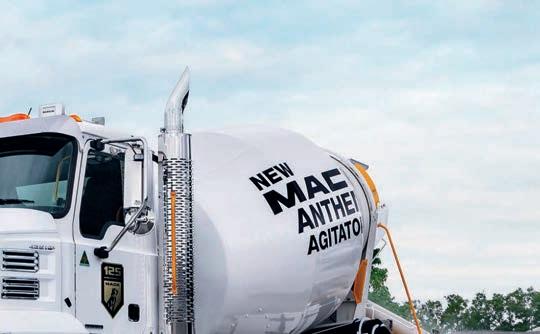
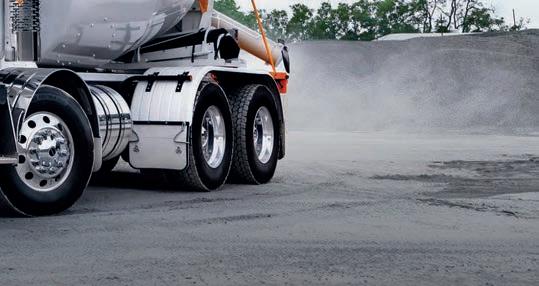
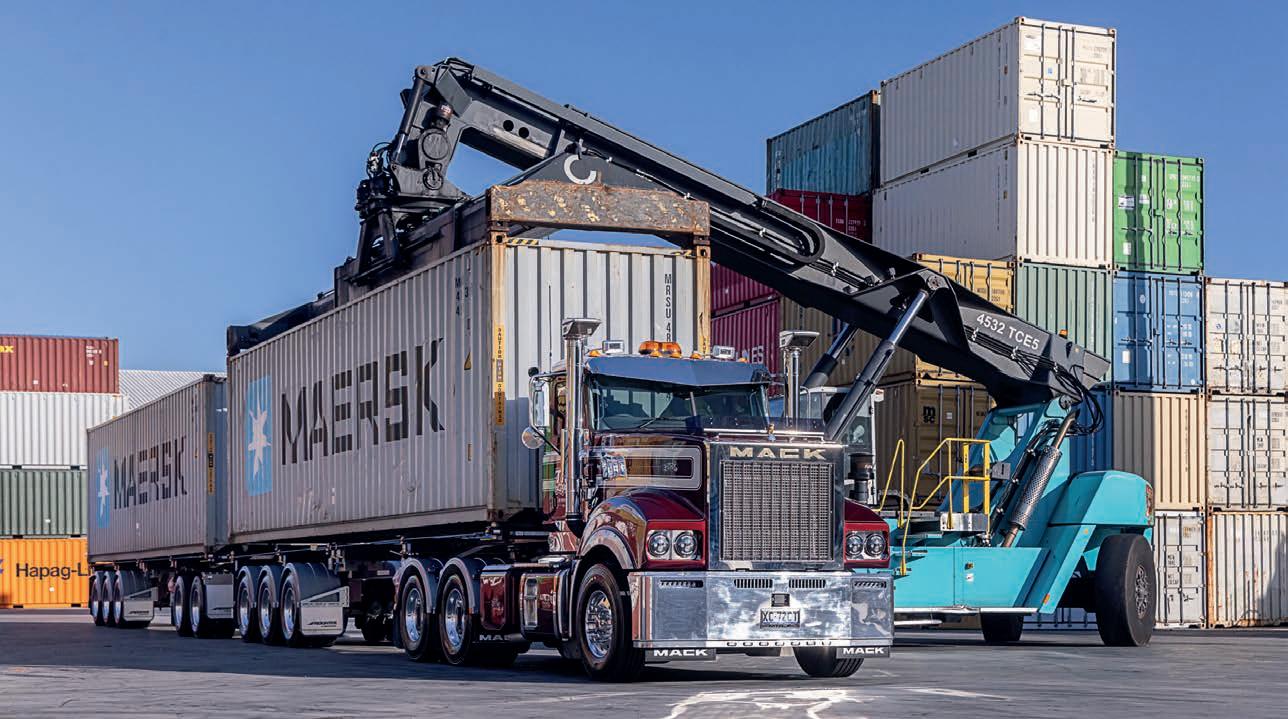
MACK ANTHEM
>SA opens door to higher productivity trucks
South Australia is moving to boost freight efficiency.
Cement Concrete & Aggregates Australia (CCAA) has welcomed the South Australian Government’s fasttracked heavy freight reforms, aimed at lifting productivity and lowering fuel consumption across the state’s transport network.
The Malinauskas Government announced immediate changes to expand access for more efficient truck and trailer combinations, including 100 new network maps and increased payload capacity on key freight routes.
CCAA CEO, Michael Kilgariff, said the reforms highlight the impact of targeted adjustments to freight settings.
“These changes are about getting more out of the infrastructure we already have,” said Kilgariff.
“Improving access to higherproductivity vehicles allows operators to move freight more efficiently, reducing fuel intensity and lowering operating costs across supply chains.”
Under the reforms, higher-capacity vehicles – including quad-axle trailer configurations for B-doubles – will be permitted, increasing payloads by up to 13 per cent and cutting fuel use by as much as 18 per tonne of freight.
Kilgariff said the changes would deliver practical benefits for industries reliant on heavy materials transport.
“For the heavy construction materials sector, freight efficiency directly influences project costs, timelines and reliability of supply,” he said.
“Measures that improve payload capacity and network access help ensure materials can be delivered where they’re needed, when they’re needed.”
He added the reforms align with recommendations CCAA has been advancing at a national level.
“These reforms align with the practical measures CCAA put forward in our January submission to the NTC, focused on improving freight productivity while maintaining strong safety outcomes,” said Kilgariff.
> MLG Oz secures $20M contracts
Integrated mining services and resource asset management company, MLG Oz, has secured a series of contract awards and extensions worth approximately $20 million in annual revenue, strengthening its position across Western Australia’s gold sector. The agreements include a contract extension with Gruyere Mining Company, new mobile crushing works for Northern Star Resources, and a civil construction project with Endurance Mining.
MLG has extended its road maintenance and site services contract at the Gruyere Gold Mine, located about 200km east of Laverton, under a fiveyear arrangement comprising a threeyear term with two one-year options. The extension is expected to deliver around $4 million in annual revenue and reflects the company’s established
presence on site.
In a separate award, MLG will deliver mobile crushing services across multiple Northern Star operations, including Jundee, Bronzewing, Thunderbox, Carosue Dam, Kanowna Belle and South Kalgoorlie. The contract expands an existing relationship and will see MLG supply and operate mobile crushing and screening plants with associated personnel on a campaign basis through to September 2028.
The company has also received a letter of intent from Endurance Mining for a civil construction project in Western Australia. The three-month project, scheduled to commence in April 2026, is expected to generate approximately $6 million in revenue and includes earthworks, drainage, pipeline installation and access infrastructure.
MLG Acting CEO, Mark Hatfield, said
CCAA noted the changes were developed in consultation with the National Heavy Vehicle Regulator and industry stakeholders, with safety a central consideration.
“This is a considered approach that balances productivity gains with safety and network capability,” said Kilgariff.
“It also reinforces the opportunity for other jurisdictions to adopt similar reforms that support more efficient freight movement nationwide.
“CCAA looks forward to working with governments on long-term reforms that improve productivity, support decarbonisation and reduce the cost of delivering essential construction materials.”
the awards highlight MLG’s ability to grow long-term partnerships while diversifying its client base.
“We are fortunate to win this additional work with the calibre of companies such as Gold Fields, Northern Star and Endurance Mining, and further reflects MLG’s ability to build and maintain long-term, trusted relationships with its clients,” he said.
“The extension of services at Gruyere and expansion of our crushing and screening across Northern Star’s Yandal and Kalgoorlie production centres is a really important outcome for MLG.
“The awarding of a new civil construction project with Endurance Mining – our first with this company – extends our base of clients. We look forward to working alongside the Endurance team to support the development of their asset.”
South Australia is looking to expand productivity in transport.
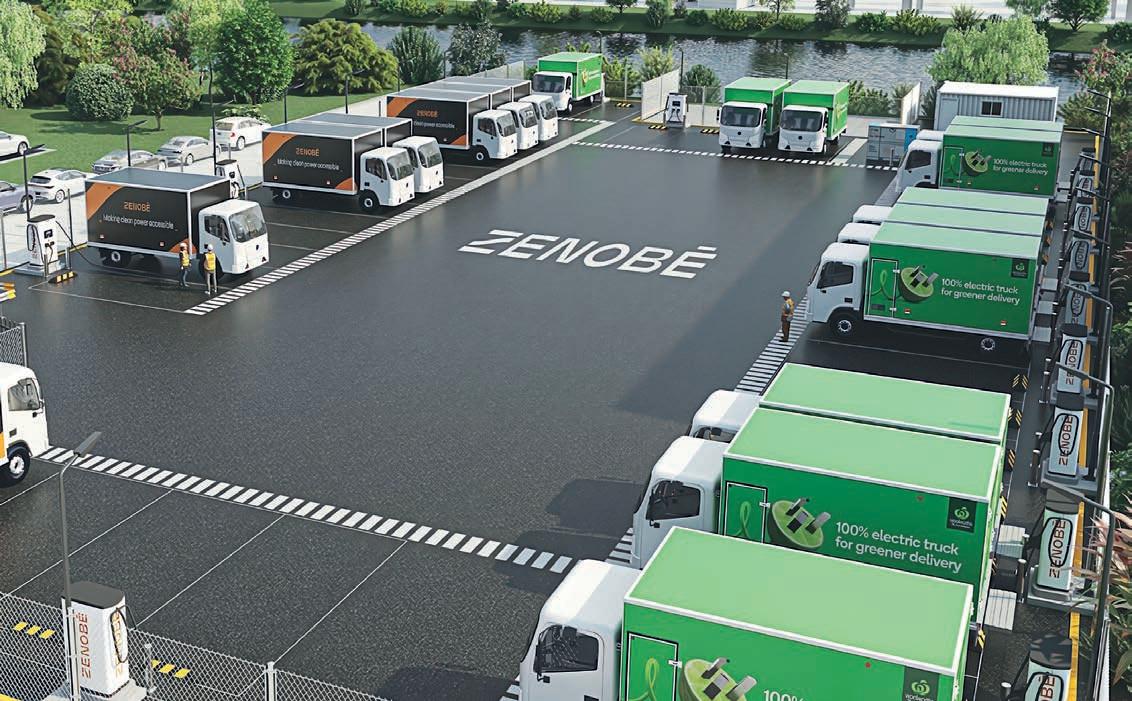
> Zenobē to accelerate e-trucks with $100 million investment
Global commercial vehicle and battery electrification provider, Zenobē will commit $100 million to accelerate the rollout of zero-emission freight across Australia.
The massive investment is aiming to support the potential doubling of heavy commercial electric trucks and the charging infrastructure across the nation. It will also build on Zenobē’s broader global growth ambitions to support up to 4,000 electric commercial vehicles by the end of 2026.
There are around 1000 heavy electric trucks currently on the road, and the Zenobē funding is designed to help double that number by the end of 2026, at a critical moment for the sector, the company said.
With 56 per cent of Australia’s truck fleet now more than a decade old, operators are increasingly making decisions about replacement technologies as vehicles reach the end of their operating life, Zenobē noted. Zenobē said it is removing both the
financial and technical barriers by funding, designing, and optimising end-to-end zero-emission fleet solutions from day one.
The Zenobē $100 million investment will fund the electric trucks as well as the full ecosystem supporting them, including charging infrastructure, battery replacements, and deployment, which are designed to match or beat the total cost of ownership (TCO) of diesel fleets. It will also cover upfront planning at no cost to operators, including depot assessments, fleet and energy modelling, and tailored proposals to de-risk the transition.
Despite the Zenobē announcement and a recent funding package by ARENA, e-truck adoption is still in its infancy in Australia.
The company said about 500 electric trucks were on track to be sold in 2024, more than the total sold over the previous decade, which highlights both the progress made and the scale of the opportunity ahead.
Zenobē aims to remove one of the biggest barriers to electrification adoption by making the transition (TCO) neutral for fleet operators.
This is achieved through a long-term view of asset lifecycles, access to low-cost capital, and the expertise to design, develop, and manage cost-effective, fit-for-purpose truck charging infrastructure for diverse customer needs, the company said.
“The direction we set in the next five years will define the trajectory for the next two decades,” said Zenobē Country Director, Australia and New Zealand, Gareth Ridge.
“Our goal is simple: to make the transition total cost of ownership neutral so the sustainable choice is also the commercial one.”
By combining capital investment with charging infrastructure and fleet electrification expertise, Zenobē said it aims to accelerate the shift to zeroemission freight while strengthening the resiliency and sustainability of the logistics and supply chain sectors.
Image: Zenobē.
An artist’s depiction of a Zenobē electric charging hub.
> E-truck depot gains Federal backing
Australia’s largest heavy electric trucking depot proposal has been recognised as a nationally significant project.
New Energy Transport has been selected as one of four inaugural participants in the Australian Government’s Investor Front Door program.
Announced by Treasurer Jim Chalmers, the initiative is designed to streamline approvals and attract investment into major transformational projects.
New Energy Transport’s inclusion highlights the growing importance of electrification in the heavy vehicle sector.
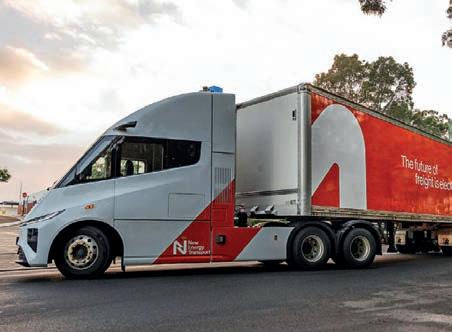
The company is developing a vertically integrated model combining renewable energy, high-speed charging infrastructure and electric trucks, with plans centred on a major depot near Wilton in New South Wales.
“Being selected for the Investor Front Door program is a significant recognition of what we’re building at New Energy Transport,” said New Energy Transport Co-CEO, Daniel Bleakley.
“This announcement confirms that electrifying Australia’s road freight infrastructure is a national economic
and security priority.
“Electric trucks offer a pathway to decouple Australia’s freight system from volatile global energy markets, dramatically improving supply chain resilience and national energy security. We’re proud to be leading the charge to all-electric road freight in Australia.”
The Wilton facility is expected to support up to 50 heavy electric trucks and form the first node in a broader east coast charging network. Initial operations are targeted for late 2026, with future expansion planned to connect major freight routes between Sydney, Melbourne, Brisbane, Adelaide and Canberra by 2031.
The Investor Front Door program will provide coordinated federal support, including assistance navigating regulatory approvals and access to potential financing pathways.
New Energy Transport has already demonstrated early capability in the sector, completing a 480km electric truck run between Sydney and the Hunter region, as well as an end-toend electric freight delivery between Sydney and Canberra.
“Our commercial deliveries have proven that electric road freight is not only technologically possible in Australia – it’s commercially viable
> Viva announces fuel supply agreement
Viva Energy Australia will support the Australian Government, through Export Finance Australia (EFA), to secure additional fuel to bolster Australia’s fuel security.
EFA and Viva Energy have agreed commercial terms that ensure Viva Energy can move quickly to secure and deliver additional fuel into the Australian market wherever it is most needed.
The Government’s program involves price support and working capital if required.
Viva Energy’s domestic refining capability, national network of import
terminal infrastructure, and global importing capability through its trading partnership with Vitol, one of the world’s largest energy traders, puts it in a unique position to help the Australian Government respond to this crisis.
“We understand just how critical fuel
and delivers real economic and productivity gains for our customers,” said New Energy Transport Co-CEO, Fredrik Pehrsson.
“The Windrose all-electric prime mover used in the Sydney to Canberra run achieved an 84 per cent reduction in energy costs compared to diesel, and also completed the journey 25 minutes faster than a diesel truck on the same route,” he said.
“These results show the immediate economic and productivity benefits available to major transport buyers that transition to all-electric road freight in Australia.”
The recognition comes amid ongoing diesel supply pressures, with industry increasingly exploring alternative energy solutions to improve resilience and manage rising operating costs.
is to keep motorists, farmers and businesses moving,” said Viva Energy CEO, Scott Wyatt.
“Our dedicated teams have been working tirelessly to keep our customers supplied from our Geelong refinery production as well as sourcing extra cargoes, managing challenging logistics and responding to rapid market developments.
“We are proud to be able to support the Australian Government in going above and beyond to secure additional fuel supply and see the country successfully navigate these challenging and uncertain times.”
Image: Kaizen.
The Federal Government is set to push ahead with electric truck depots.
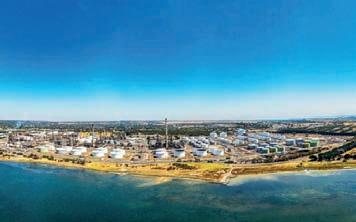
Viva’s Geelong refinery.
> Majority of Australians support road user charge
Most Australians would support replacing the fuel excise with a per-kilometre road user charge, particularly when reforms are tied to improved road outcomes, according to new research from Transport Australia.
The survey found 59 per cent of respondents favour a shift away from fuel tax, rising to 71 per cent among electric and hybrid vehicle drivers. Support also increases to 65 per cent when linked to better road maintenance.
Transport Australia CEO, Ehssan Veiszadeh, said the findings reflect growing awareness that current funding models are under pressure.
“Australians rely on the road network every day to get to work, move freight, connect communities and support the economy,” he said.
“As fuel excise revenue becomes less sustainable over time, particularly as the vehicle fleet changes, we need to have a national conversation about future road funding.”
The research also highlighted stronger backing in Queensland (67 per cent) and among metropolitan residents (66 per cent), while 53 per cent of respondents believe all drivers should contribute equally to road
maintenance regardless of vehicle type. That figure rises to 64 per cent among EV and hybrid drivers.
More than half (51 per cent) say EV and hybrid motorists should begin paying a road user charge now, although there is also support for a phased introduction – especially within that cohort.
However, the survey points to a knowledge gap, with only around one-third of Australians saying they understand how roads are currently funded.
Transport Australia conducted the study in partnership with toll road operator, Transurban, and technology firm, Q-Free.
Transurban CEO, Michelle Jablko, said the findings underline the potential to reshape road funding.
“A modern road user charge is a fair and sustainable way to tackle congestion and fund the road maintenance we need to keep our cities moving,” she said.
Q-Free CEO, Mark Talbot, added that governments have explored multiple funding models over the past decade.
“New approaches are needed, and these will require new policies and operational solutions to implement them,” he said.
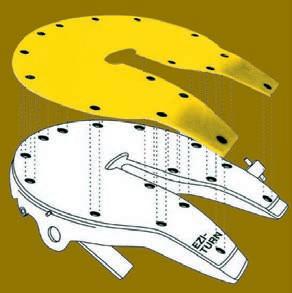
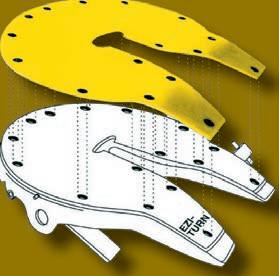
• 30 + years in the market place
• Clean, grease-free fifth wheel
• More cost effective
• Easy to fit
• Consistent steering characteristics
• Environmentally friendly
• Australian designed & manufactured
• Used by some of the most highly respected companies since 1990
Transport Australia CEO, Ehssan Veiszadeh.
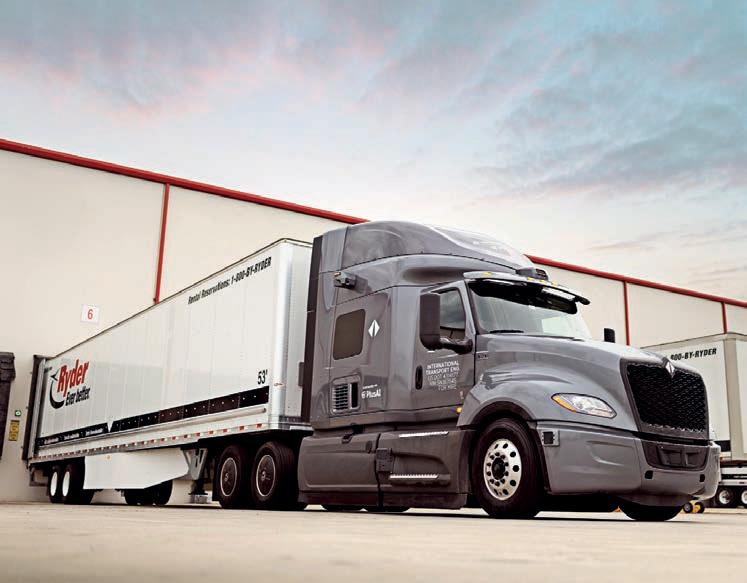
> International Motors launches Level 4 AV live fleet trial
US truck builder, International Motors LLC (International), has collaborated with Ryder System, Inc. to launch a joint autonomous truck pilot in Texas.
As part of the pilot, Ryder is operating a daily 600-mile route (966 kilometres) along the I-35 corridor between its locations in Laredo and Temple, Texas.
Ryder is International’s inaugural customer participating in the truck manufacturer’s previously announced autonomous fleet trial program, with the pilot now placing a factory-integrated autonomous vehicle (AV) into a live freight operation.
Designed to demonstrate that autonomous technology can be seamlessly integrated into existing customer operations, an International autonomous truck runs a dedicated transportation route for a Ryder supply chain customer, allowing both Ryder and International to evaluate performance, reliability, and operational requirements under real-world conditions.
As part of the trial, International has deployed its second-generation autonomous tractor, equipped with a comprehensive suite of factoryinstalled sensors – including lidar, radar, and cameras – on an International LT Series truck, powered by the S13 Integrated Powertrain and running the latest generation AI-based SuperDrive autonomous driving software from PlusAI.
“In partnering with fleet customers to determine path-to-deployment, we’re focused on integrating factory-ready virtual driver software into existing transport operations, without the need for dedicated autonomous terminals,” said International’s head of Autonomous Solutions, James Cooper.
“The mission is to deliver a quality, OEM-validated solution to ensure our customers receive the reliability and valued experience they trust from International.”
The International – Ryder pilot is intended to validate autonomous technology as part of an active long-
haul logistics network, as well as identify optimal use cases and near-term value proposition in long-haul transport and gain operational feedback to finalise launch-ready product features.
“For Ryder, this pilot represents an important step forward – moving beyond terminal- and maintenance-focused trials to evaluating autonomy in live operations,” said RyderVentures senior director and new product strategy at Ryder, Seth deVlugt.
“The insights we gain here will help us further understand how autonomy could potentially be applied across portions of the supply chain.”
Initial results from the pilot include:
• 100 per cent on-time delivery.
• 92 per cent autonomous route coverage, supervised by a human safety driver.
• Pre-trip inspection below 30 minutes, in line with current expectations.
• Improved fuel efficiency.
“As an OEM, our target is to provide our customers with an end-to-end solution including vehicles, digital solutions, and operational support services, allowing customers to operate directly from their existing infrastructure and minimising
Together, we’re working to turn pilots into scalable, commercial solutions.”
International said that achieving advancements in AV deployment depends on collaborations among industry experts, such as International, Ryder, and PlusAI so as undertake the following:
• Collect operational data on uptime, serviceability, and terminal processes.
• Evaluate logistics, operations, and support considerations for AVs.
• Explore point-to-point transportation concepts through digitally enabled and softwaredefined vehicle solutions.
“Autonomy is informed by real-world operational experience, not test tracks,” said Seth deVlugt.
“Operating an AV in an active logistics network with the supervision of a safety driver allows us to validate the technology where it matters most – on a real lane, moving real freight, for a real customer.”
Ryder is the inaugural customer to participate in International’s previously announced autonomous fleet trial program. Image: International Motors/Ryder Systems.
> Penske appoints NZ GM
Penske Australia & New Zealand has appointed Stephen Kelly as the General Manager of its Penske New Zealand business.
Having joined Penske in November, Kelly brings vast senior leadership experience across dealership, sales, parts, and service operations.
In this role, he will oversee all New Zealand branch operations, including energy solutions, mining, commercial vehicles, defence, marine, and rail and he will continue to be based at Penske’s Christchurch branch.
“In his short time with the business, Stephen has made a strong impact at the branch level and as a member of the New Zealand leadership team,” said Penske Australia & New Zealand Managing Director, Hamish Christie-Johnston.
“He brings extensive experience from his time with Terra Cat and Miles Motor Group to Penske, having worked in both dealer and OEM environments, in on- and off-highway industries, and in sales, parts, and service.
“Stephen has already met with key customers, partners, and suppliers over the past few months and will continue to travel across our network to gain firsthand insights into operational priorities.”
With the handover process already underway, Kelly said passion was an evident theme from customers.
“The customers I have met with have clearly demonstrated a genuine
passion for the brands we represent and for our partnership,” he said.
“From mtu and Detroit engines to MAN Truck & Bus, our customers depend on the performance and reliability of our products, which is backed by the expertise and commitment of our team.
“When world-class products are matched with the knowledge and dedication of our people, that’s the Power of Penske.”
Expressing his gratitude to Kevin Smith, Christie-Johnston added:
“On behalf of Penske, I’d like to thank Kevin, our previous general manager of Penske New Zealand, for his service and wish him well in the future.”
Stephen Kelly, Penske New Zealand’s new General Manager. Image: Penske Australia & New Zealand.
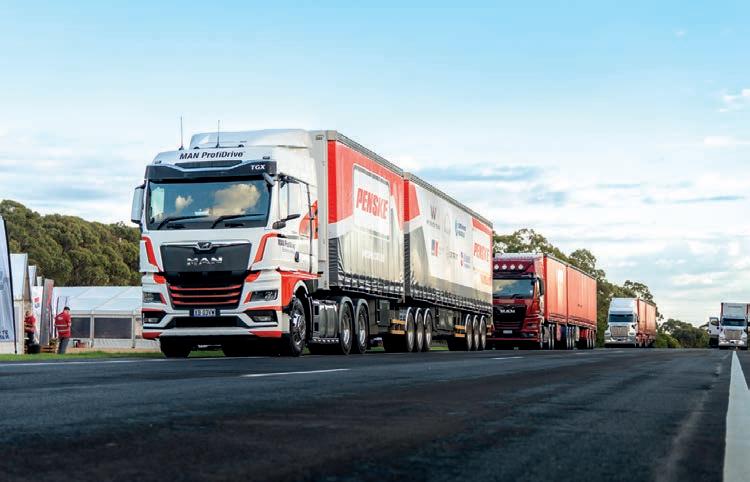
A MAN prime mover. Image: Penske Australia & New Zealand.
> Toyota eyes cellcentric stake
Toyota Motor Corporation is set to join Volvo Group and Daimler Truck AG as an equal shareholder in fuel cell joint venture, cellcentric.
This follows the signing of a non-binding Memorandum of Understanding between the parties.
The agreement outlines plans for Toyota to invest in cellcentric and become a third equal partner, combining expertise to accelerate development, production and commercialisation of fuel cell systems for heavy duty transport and related applications.
The partners said Toyota’s fuel cell development, production technology and manufacturing experience would complement Volvo and Daimler Truck’s commercial vehicle capabilities, strengthening cellcentric’s competitiveness and technological edge.
The collaboration will also include joint management of fuel cell unit cell development and production, considered the core component of fuel cell systems, along with associated architecture and control systems.
All three companies position hydrogen as a key pathway to decarbonising transport and aim to
scale innovation through cellcentric, while supporting hydrogen infrastructure development with industry partners.
Martin Lundstedt, President and CEO, Volvo Group, said: “We are thrilled to explore this collaboration with Toyota, so that we through cellcentric can accelerate and create critical mass for hydrogen applications. This is an important signal to customers, suppliers, and others in the ecosystem. Given the importance of accelerating the transformation into net-zero transportation, the need of great companies coming together and collaborating is more important than ever. Welcoming Toyota onboard will be a big leap towards realising decarbonisation of our industries.”
Karin Rådström, President & CEO, Daimler Truck, said: “We are proud that Toyota plans to join cellcentric as a shareholder. This will enable us to strengthen development and further scale hydrogen technology, which we believe must complement battery-electric drives in decarbonising transport.”
Koji Sato, President and CEO, Toyota, said: “We are deeply grateful for the opportunity to soon be joining
Daimler Truck and Volvo Group as partners in building a hydrogen society. cellcentric which possess deep expertise in commercial fields together with Toyota’s over 30 years of fuel-cell development in the passenger car sector, can combine their strengths to deliver one of the world-leading fuel cell systems for heavy commercial vehicles. Toyota will continue to contribute to realising a hydrogen society alongside like-minded partners.”
Nicholas Loughlan, Managing Director, cellcentric, added: “We are extremely proud that Toyota is intending to join as a shareholder of cellcentric - a great sign of trust in our company from one of the world‘s leading automotive companies. Together, in this new set-up, we look forward to seizing the opportunity to significantly improve our company across the entire value chain.”
Cellcentric will continue to operate as an independent entity serving on- and off-road heavy-duty applications, as well as stationary uses. The three shareholders will remain competitors in other areas while leveraging shared scale and investment efficiency in fuel cell development.
The agreement is non-binding, with further negotiations to follow and any final deal subject to regulatory and board approvals.
Daimler Truck AG CEO, Karin Rådström. Image: Daimler Truck.
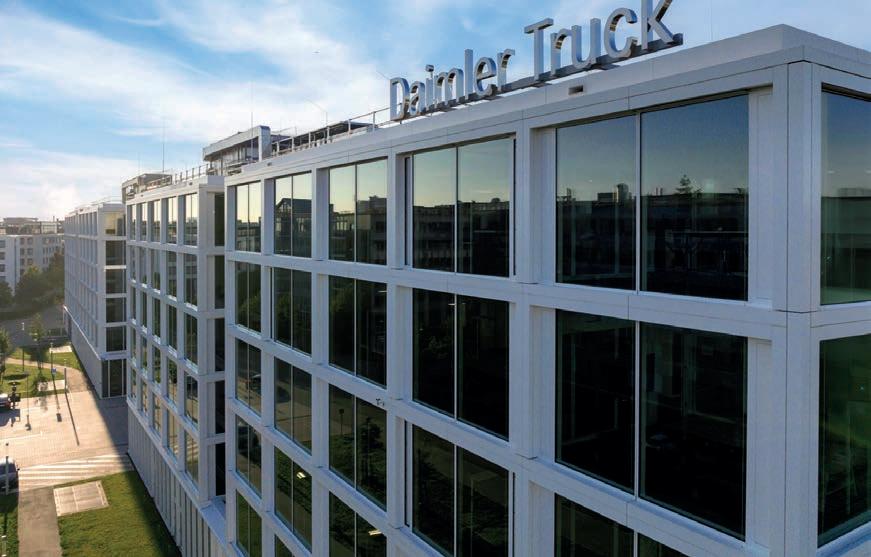
Daimler Truck headquarters. Image: Daimler Truck.
New Kenworth trucks come with the reassurance of Castrol VECTON, enhancing performance and extending the life of your engine.
www.castrolvecton.com.au
All Cummins-powered Australian made Kenworth’s come with the reassurance of Castrol Vecton 15W-40 CK-4/E9 as initial fill.
BONDS
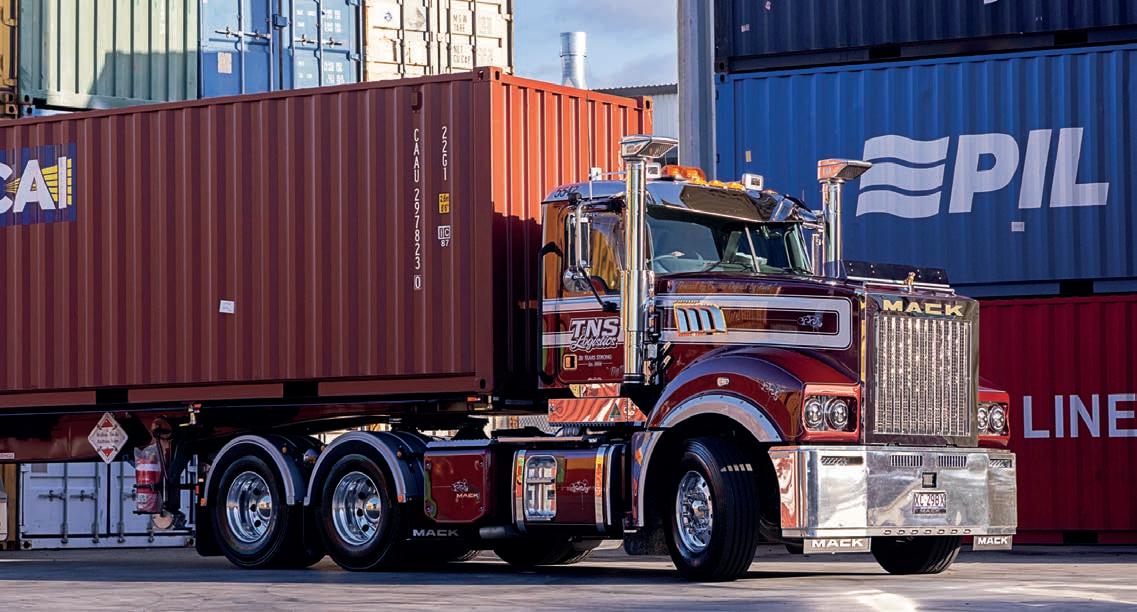
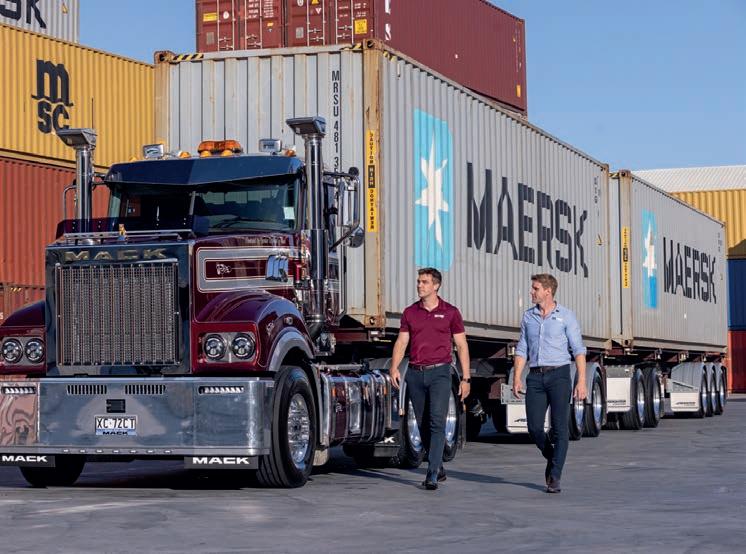
Images: Mack Truck Australia.
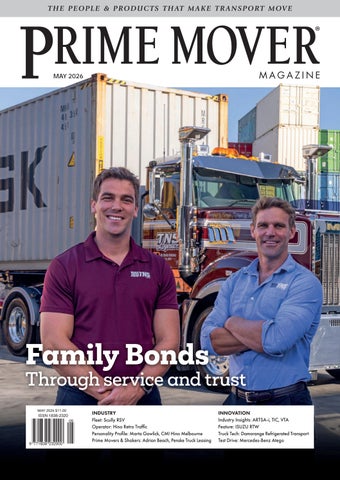
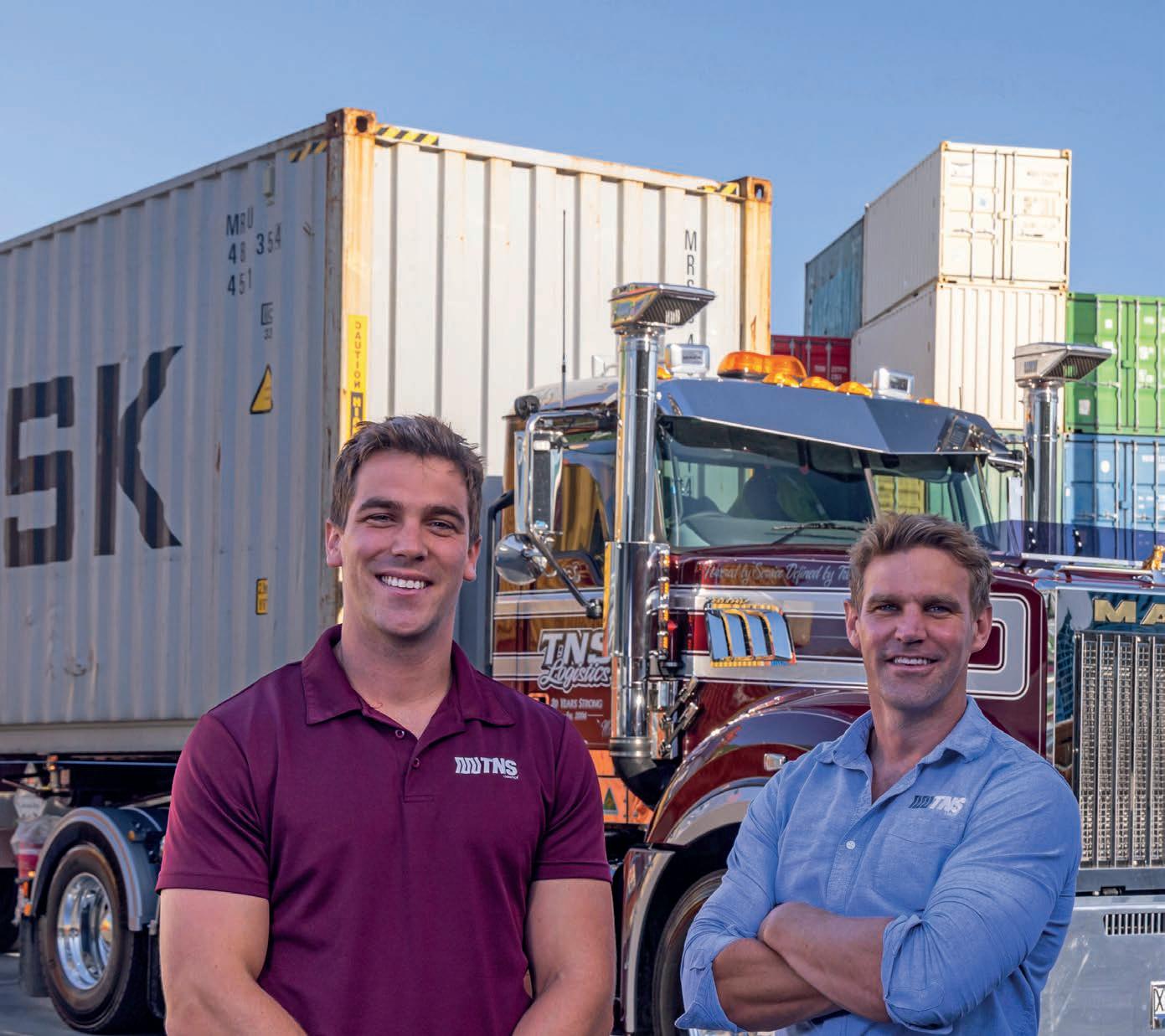
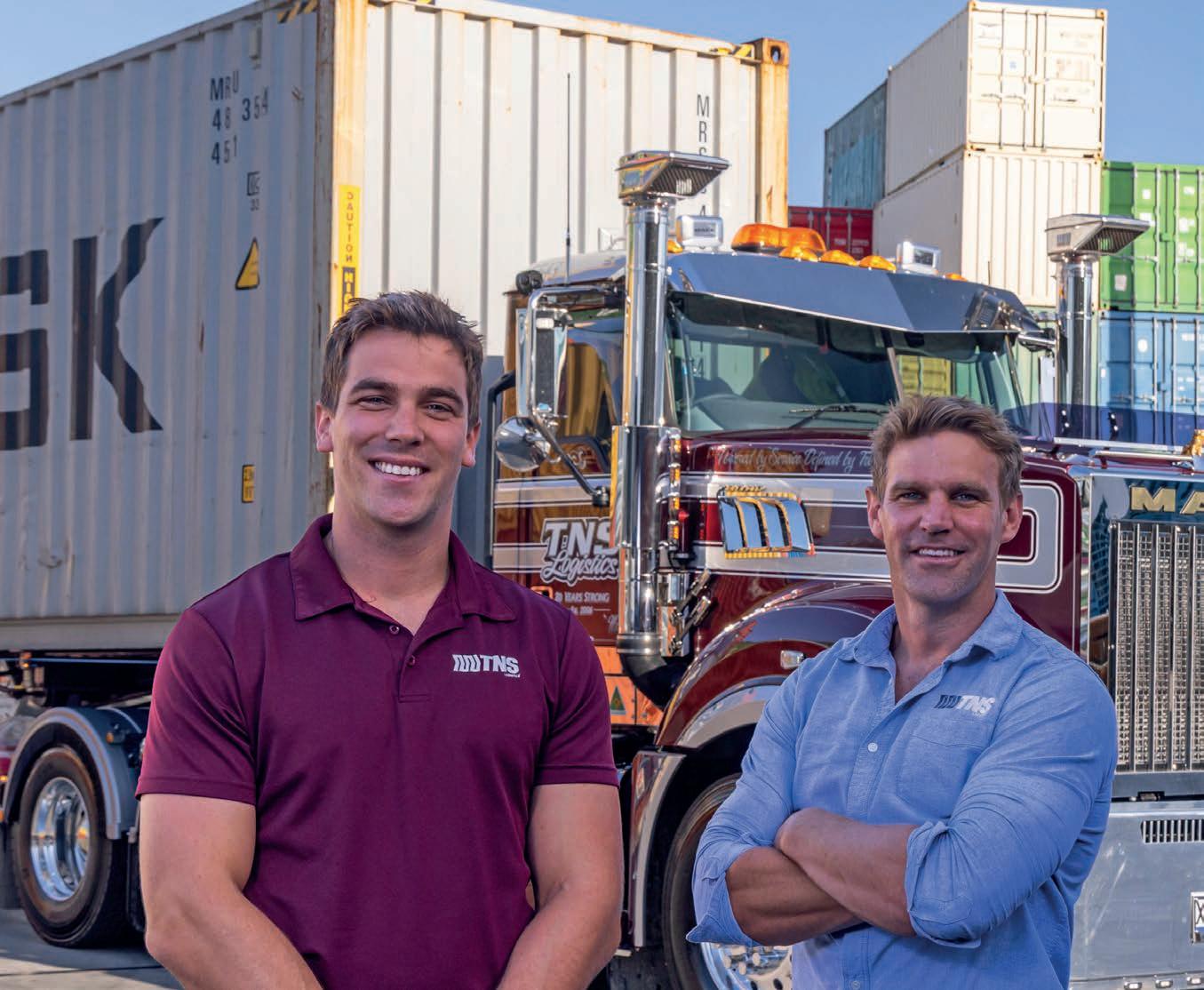
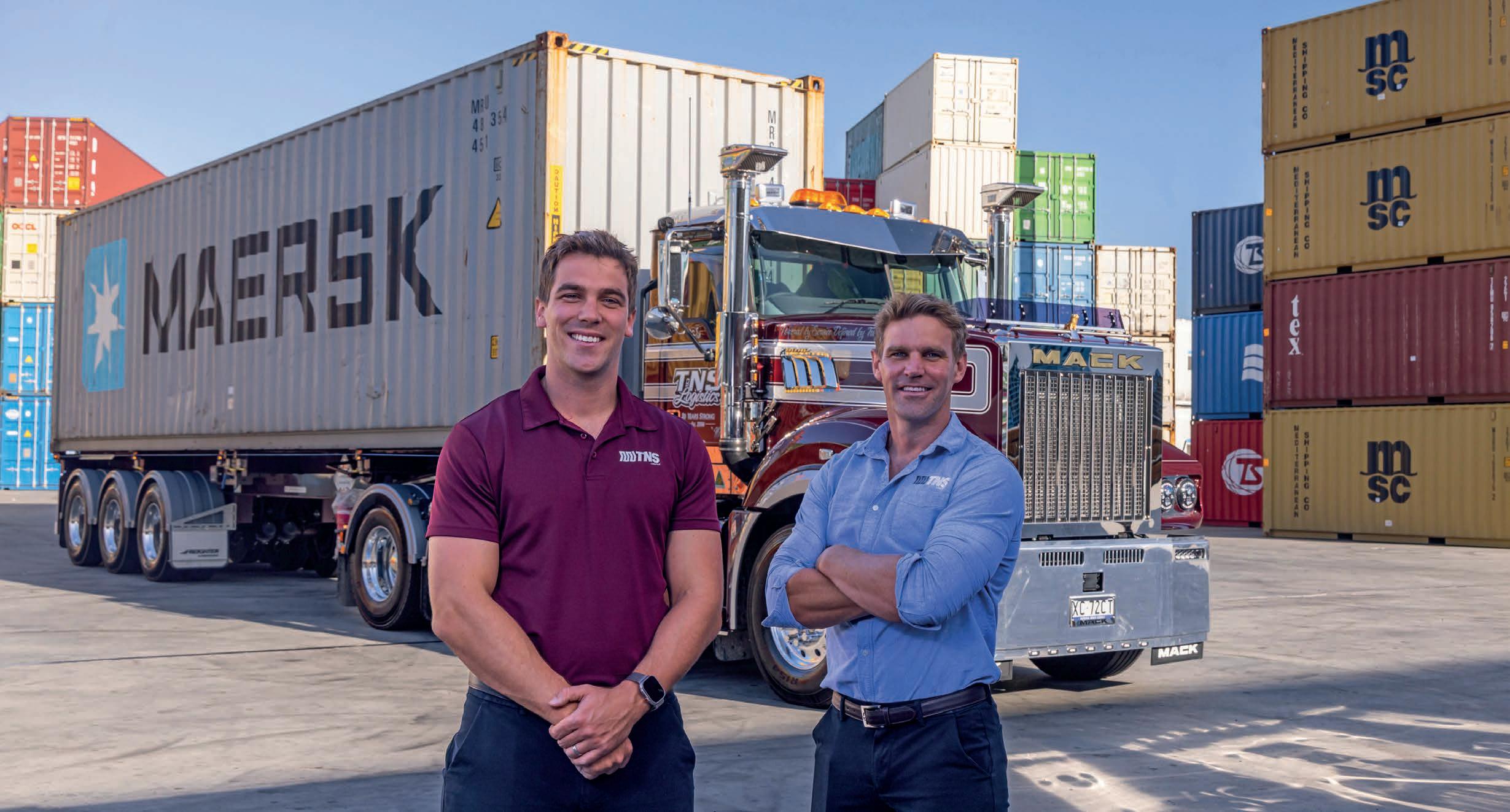
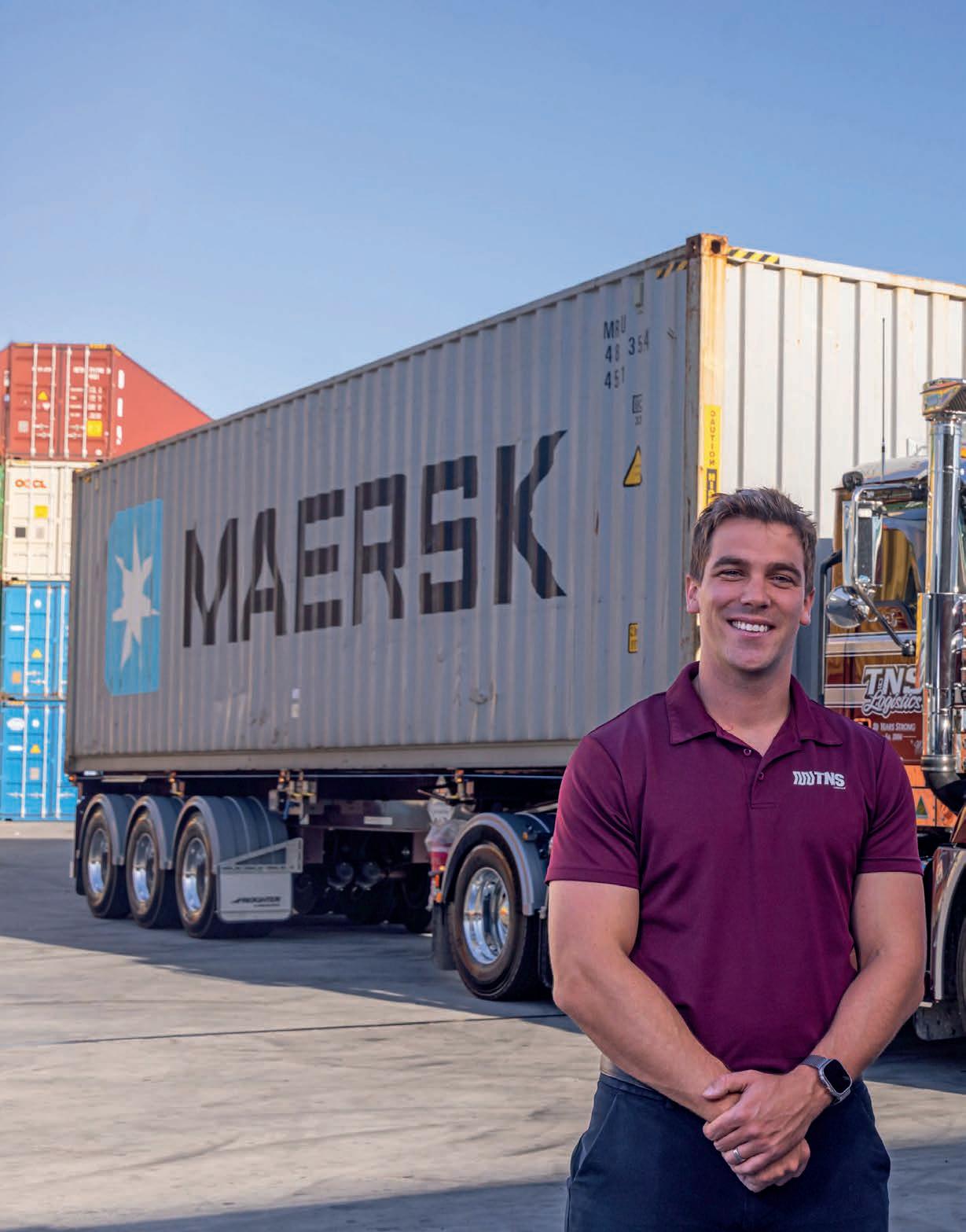
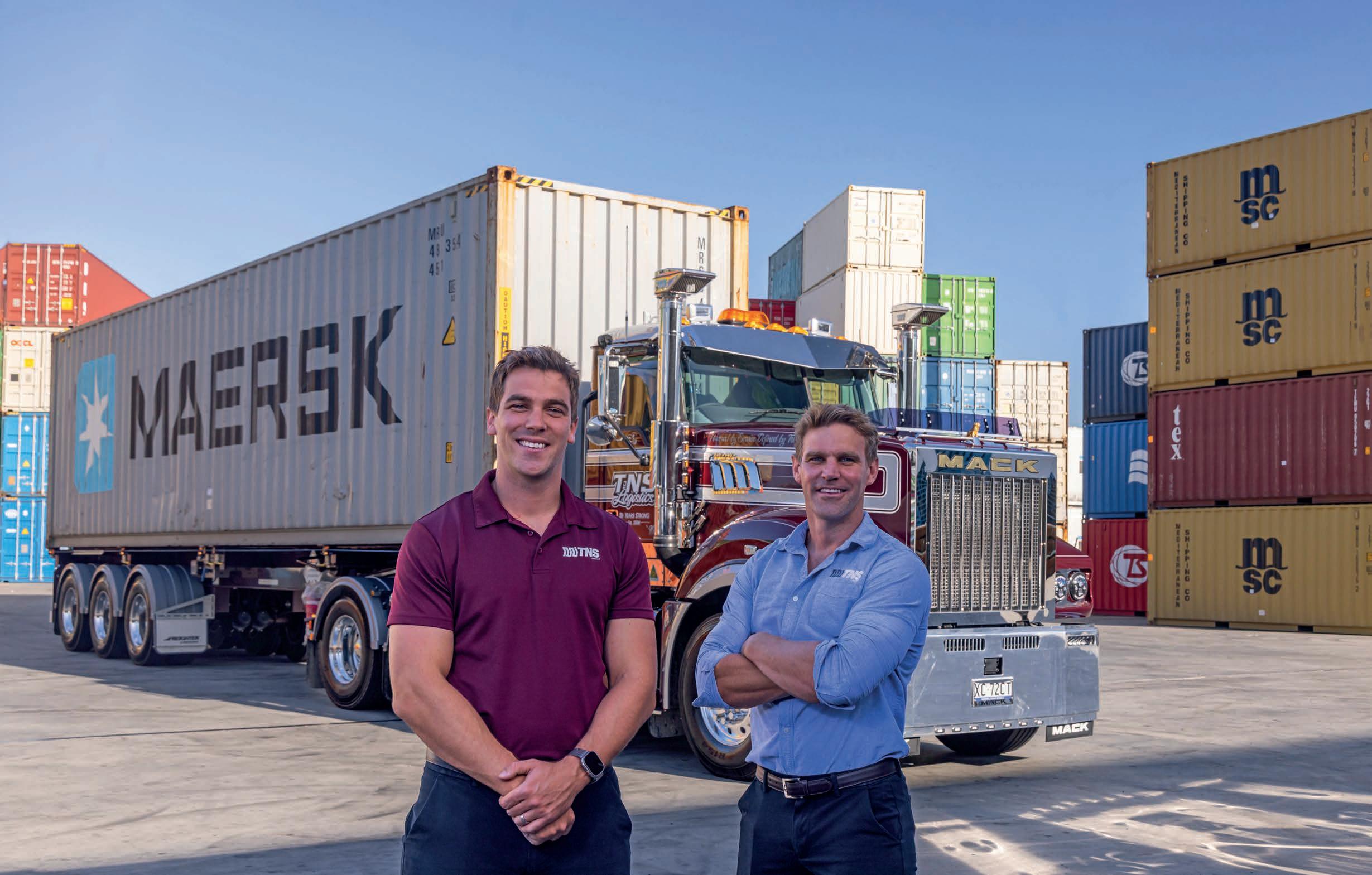
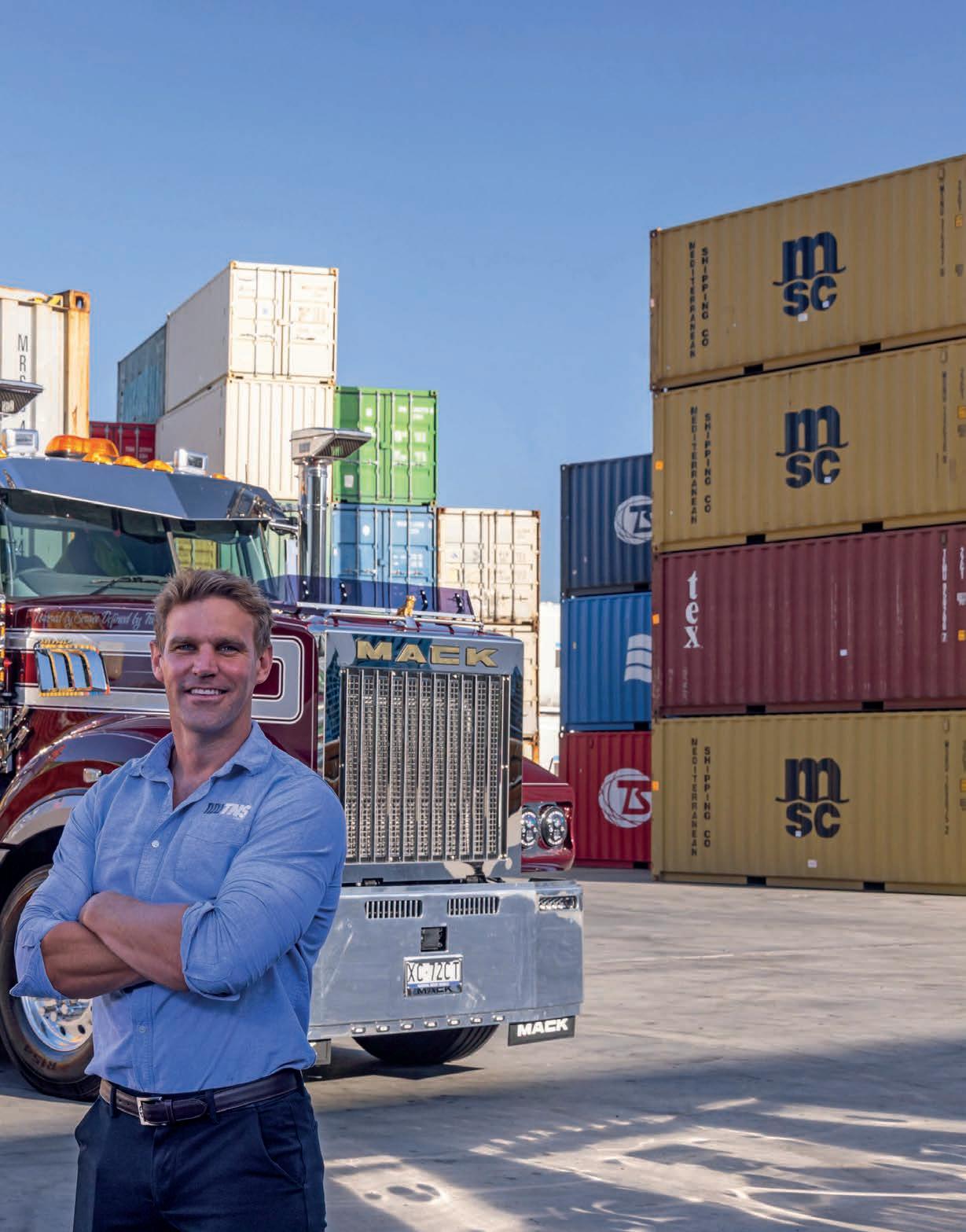
Jack and Matt Norton are at the helm of TNS Logistics’ continued growth.
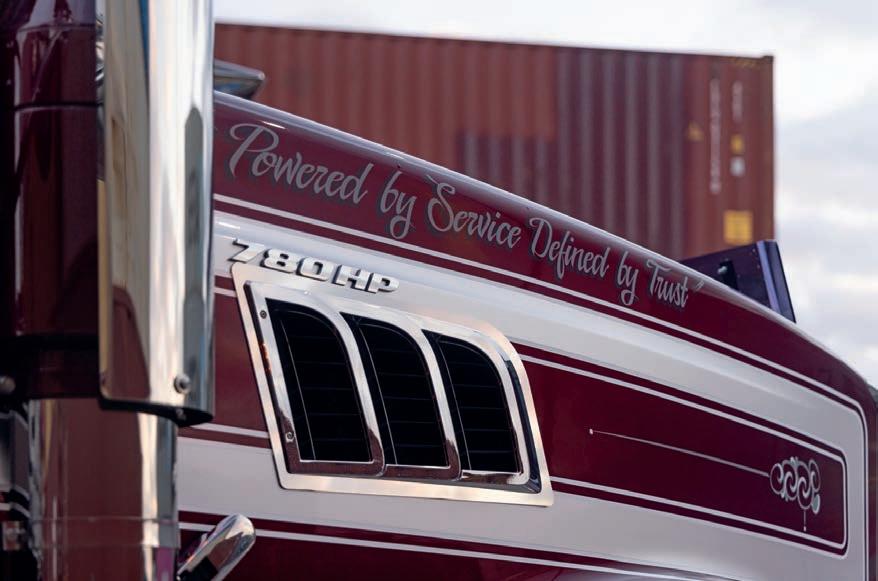
As it readies to celebrate 20 years in transport, adhering to its motto of ‘Powered by Service, De ned by Trust’ and its diversi cation of service o erings, Brisbane-headquartered family operation, TNS Logistics, is thriving in challenging and competitive sectors.
Established in 2006 by Tom and Sharon Norton, TNS Logistics commenced operations as a container carrier around Brisbane using a well-worn Ford Louisville. As the industry and clients’ requirements have evolved, TNS has also expanded its service offerings. Sadly, Tom passed away a few years ago, and the business is now run by the next generation of Nortons - sons Matt and Jack, with continued assistance from matriarch Sharon, who looks after the accounts.
“It’s important for us to have Mum still there giving us some honest feedback,”
TNS Commercial Director, Matt Norton, says.
The family is very proud of the company’s journey to today’s success from the humble beginnings of 20 years ago. Competing in the same space as some major national and international players, TNS has managed to achieve signi cant growth over the past ve years. Matt Norton looks after the commercial aspects of the business, while Jack Norton predominantly looks after the transport operations.
“I’ve always been quite hands on, starting as an allocator, and transport
manager, overseeing the day-to-day operations of the trucks and the ef ciency of the eet,” Jack says.
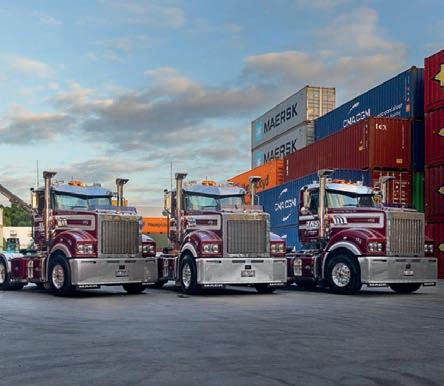
The TNS eet currently includes 46 trucks and 96 trailers, including the dollies for the A-doubles. In early 2026 TNS took delivery of three 780hp Mack SuperLiner Platinum editions, the rst of these models to be delivered in Australia. Another ve Mack SuperLiners are also on order for delivery throughout the year and will operate in A-double and B-triple con gurations. The new prime movers will move the total combinations to
28 A-doubles and three AB-triples. The existing triples are running mostly on routes between Charleville, Moree and Dalby to Toowoomba.
Agricultural work, mainly involving grain and cotton, is expected to continue as a major contributor in the TNS Logistics operations over the next few years, which is re ected in the establishment of the Toowoomba depot, making the company one of the largest containerised freight providers in that city.
“What we found as we’ve grown the business is that it is about relationships,” Jack says. “Some jobs have gone to tender, and other operators are actually going to do a job below cost just to keep wheels moving. With today’s overheads, if you don’t
“A part of that was looking at where do we see warehousing going in the next 10 to 15 years. And we were convinced that direction was ‘pick and pack’ as bricks and mortar stores are probably being closed down and more shopping is going online these days. And it exploded through COVID.”
TNS Commercial Director, Matt Norton
have the work to support your eet, downsize it, otherwise you won’t be there in two or three years.”
The TNS Brisbane facility covers 20,000 square metres and has forklifts with capacities ranging from two to forty tonnes to provide the safe and ef cient movement of freight. In addition, there is a straddle carrier to handle the inyard movement of containers.
Technology plays an increasing role in the operations of TNS Logistics, which employs a cloud-based warehouse management system to streamline the operations end-toend, including integrating customers’ virtual storefronts with the warehouse system to import orders directly, utilize barcode scanning for accurate order
picking, to provide tracking of order movements in real-time and capture courier consignment proof of delivery with sign-on glass.
“We welcome any changes to the industry, especially with AI and robotics in the warehouse space, which is good because it’s still somewhat an old school industry where these types of technologies are now being introduced to help deliver improved service and reduce overheads,” Matt says.
“We’re still young and we adapt quickly to change.
“Mum and Dad ran this business themselves and Jack and I did the same, yet over the last two years, we’ve really concentrated on getting the right
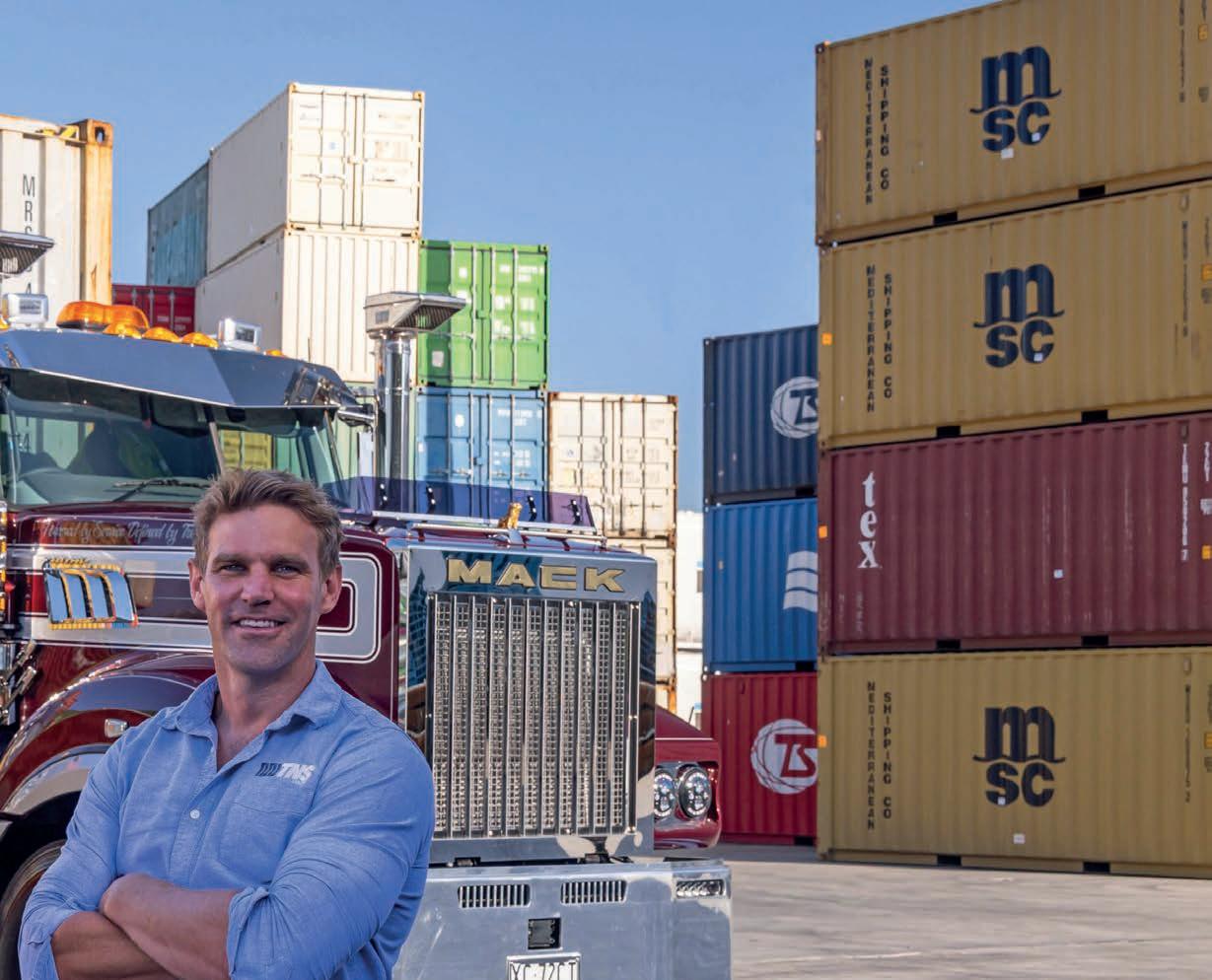
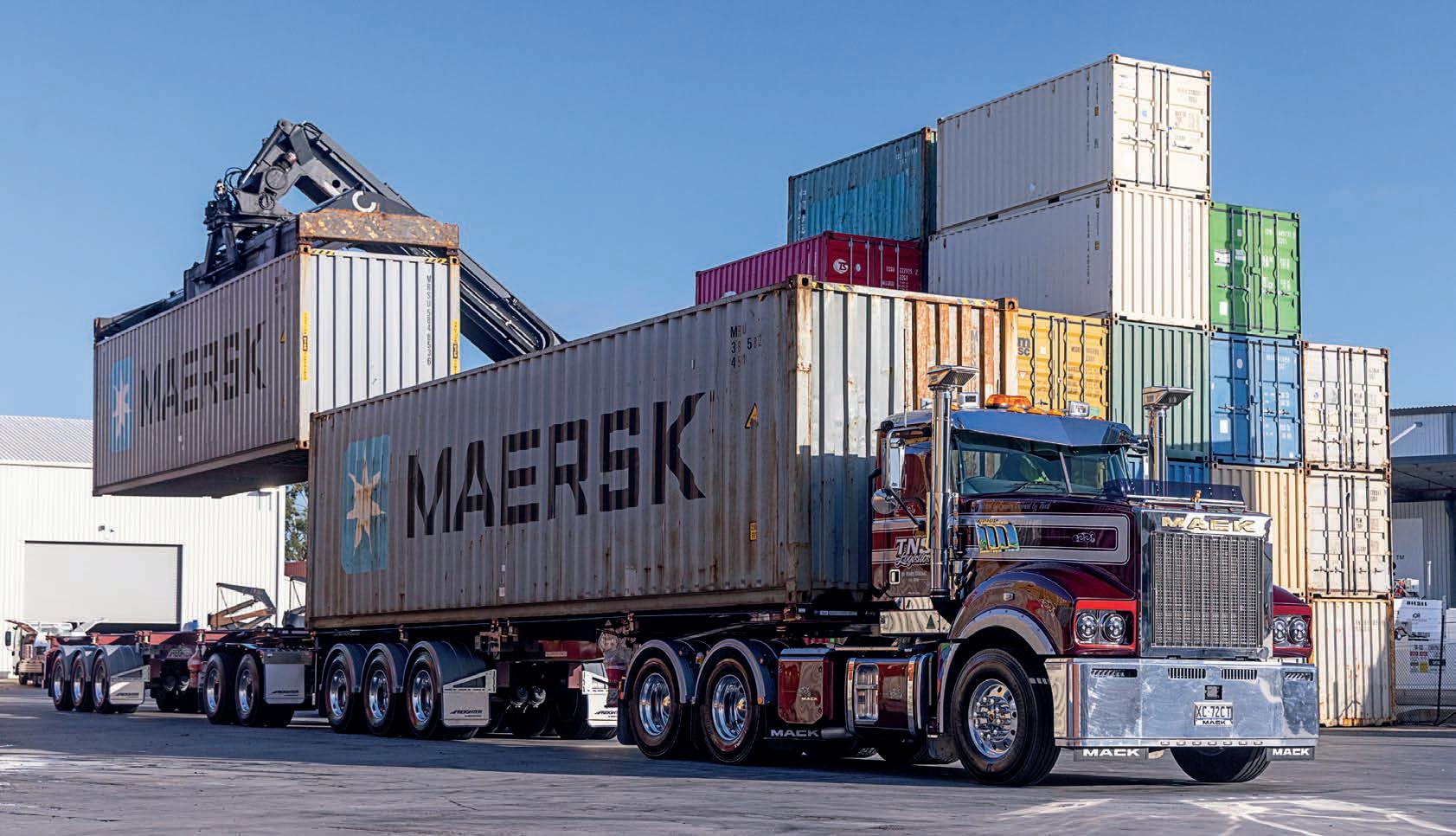
TNS Logistics’ Mack truck is a common sight at dock operations.
The TNS Logistics’ credo is proudly displayed for all to see.
people in the right positions.
“We’ve got a good upper management group now, and that’s where we were introduced to Mack trucks. We’ve got Michael Hansen who was at SEQH for nine years and had a really good relationship with Mack. When we expressed some frustrations with the product we were using, Michael suggested we bring Mack in and have a chat. And they’ve been there for us ever since.
“They took us through the Wacol factory, which I thought was amazing to see how much was actually built and assembled here. The engineers are available to look at the product, come up with a solution and get it back to us. That’s important to us.”
The Mack SuperLiners are rated to 130 tonnes GVM for triple applications and a 160 tonne GVM combination is under consideration for port work. As part of TNS’s 20-year celebrations each Mack truck delivered during 2026 will feature a unique paint scheme with a heritage style logo.
TNS has NHVR accreditation for mass and maintenance, with the in-house mechanics complemented by dealer service departments and factory-backed repair and maintenance contracts.
“The rst three Mack Anthems were put
The Nortons find that the Mack prime mover is well-suited to transporting heavy loads.
on service contracts when the transport industry was having dif culty attracting mechanics,” Jack says. “The SuperLiners with 780hp run circles around everything else we’ve got, especially going up to Toowoomba with 85
tonnes and back to Brisbane with 85 tonnes. It’s impressive.”
Like any trucking business across Australia, TNS has found that nding good, quali ed drivers is a common challenge.
The distinctive livery of TNS Logistics’ prime movers.
“You can’t see the young ones coming through,” Jack says. “We’ve been pretty lucky, and to be fair, we do have a couple good young ones here.”
As experienced by almost every transporter in the import/export sector, the wharves can present challenges in frequent cost increases and dif culties in complying with the booking and slotting systems.
To remain competitive TNS looks to being innovative.
“It’s how you can legally carry more weight or how you can cart more boxes, and better utilise equipment like our side loaders,” Matt says.
A factor in this innovation is the provision of 3PL services for smaller importers. The 3PL services were reintroduced around the time of the Covid pandemic. Earlier Tom and Sharon had been involved in warehousing but had discontinued it, and when their sons looked again at offering warehousing services as additional arms for the business, they looked critically at the viability.
“A part of that was looking at where
“What we found as we’ve grown the business is that it is about relationships. Some jobs have gone to tender, and other operators are actually going to do a job below cost just to keep wheels moving. With today’s overheads, if you don’t have the work to support your eet, downsize it, otherwise you won’t be there in two or three years.”
TNS Transport Operations Director, Jack Norton.
do we see warehousing going in the next 10 to 15 years” Matt says. “And we were convinced that direction was ‘pick and pack’ as bricks and mortar stores are probably being closed down and more shopping is going online these days. And it exploded through Covid.”
Part of the offering is nal mile delivery in the greater Brisbane area for which TNR has a 12 pallet UD Croner equipped with a tail lift and a 10 pallet Foton.
“We’ve got a number of clients where we do pick, pack and nal delivery,” Matt says. “For example, we have a particular client who imports and supplies toys to toy stores around
Queensland. Our staff will pick over 20,000 items in a week to ful l those orders and they can be as small a matchbox car.”
Another client is Catamac Filters for which TNS stores and picks and packs lter kits.
“We like to position ourselves as a one stop shop, pick up the container from the port, do the un-pack, and provide storage and nal distribution,” Matt says.
“We wanted to create a seamless supply chain solution for our clients where they can speak to just one or two people and then we get it all done.
“We’ve grown 300 per cent in the last ve years, which is great. We basically just need to do that again.”
It’s very much a hands-on job for the Norton brothers.
FRESH IS BEST
A Central Queensland food distributor continues to expand on the back of strong family values, trusted partnerships and a long-standing commitment to quality service.
For General Manager, Scott McIntyre, Rum City Foods is more than a business – it is a family legacy that has been growing steadily since 1978. Founded by his mum and dad, Kelvin & Glenda, the company remains 100 per cent family owned and operated to this day, with both still involved and proudly watching the business evolve across generations.
“They built it from the ground up,” Scott says. “And they’re still part of it, still invested in what we’re doing. It’s something we’re all very proud of.” From its beginnings in Bundaberg, Rum City Foods has expanded into a key food service and fresh produce supplier across Central Queensland. The business now operates four depots across Maryborough, Bundaberg, Rockhampton and Gladstone, servicing a vast regional footprint that stretches from coastal centres, such as Yeppoon, Hervey Bay and Rainbow Beach to inland communities including Gympie, Emerald, Biloela, Clermont, Gayndah, Biggenden, Monto & Theodore. They even deliver to Townsville from the Rockhampton base.
The need for quickly delivered fresh food is rapidly growing in Central Queensland, where towns and cities rely heavily on companies such as Rum City Foods. The business currently supplies food services to a wide range of businesses – from pubs, clubs, hospitals and correction centres.
While it is steadily expanding, at its core, however, the business remains rmly anchored in family values. Scott works alongside a close-knit team that includes his brother-in-law, who manages warehouse and logistics operations, helping ensure the day-to-day ef ciency of the company’s growing distribution network.
“It’s a real family business,” he says.
“That’s how we run it, and that’s how we want our staff to feel as well.”
That philosophy extends to the company’s workforce, with around 120 staff spread across its four depots.
Training and mentoring are central to maintaining the culture that has underpinned Rum City Foods for nearly ve decades.
“We’re very strong on training our staff to understand how we operate,” Scott explains. “It’s about having the right
attitude, treating customers properly and taking pride in what you do. If people t that, they do very well here.”
Supporting that service commitment is a growing eet of around 65 vehicles, made up of a wide array of Isuzu and Hino trucks, plus six Toyota utes. The eet plays a critical role in ensuring timely, reliable delivery of fresh and frozen products to a diverse customer base that includes pubs, clubs, hospitals, correctional facilities and other food service operators.
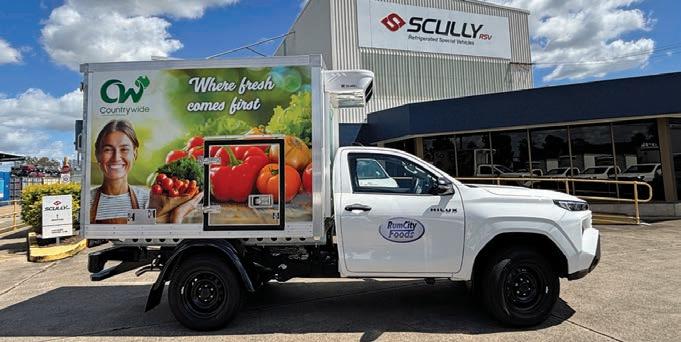
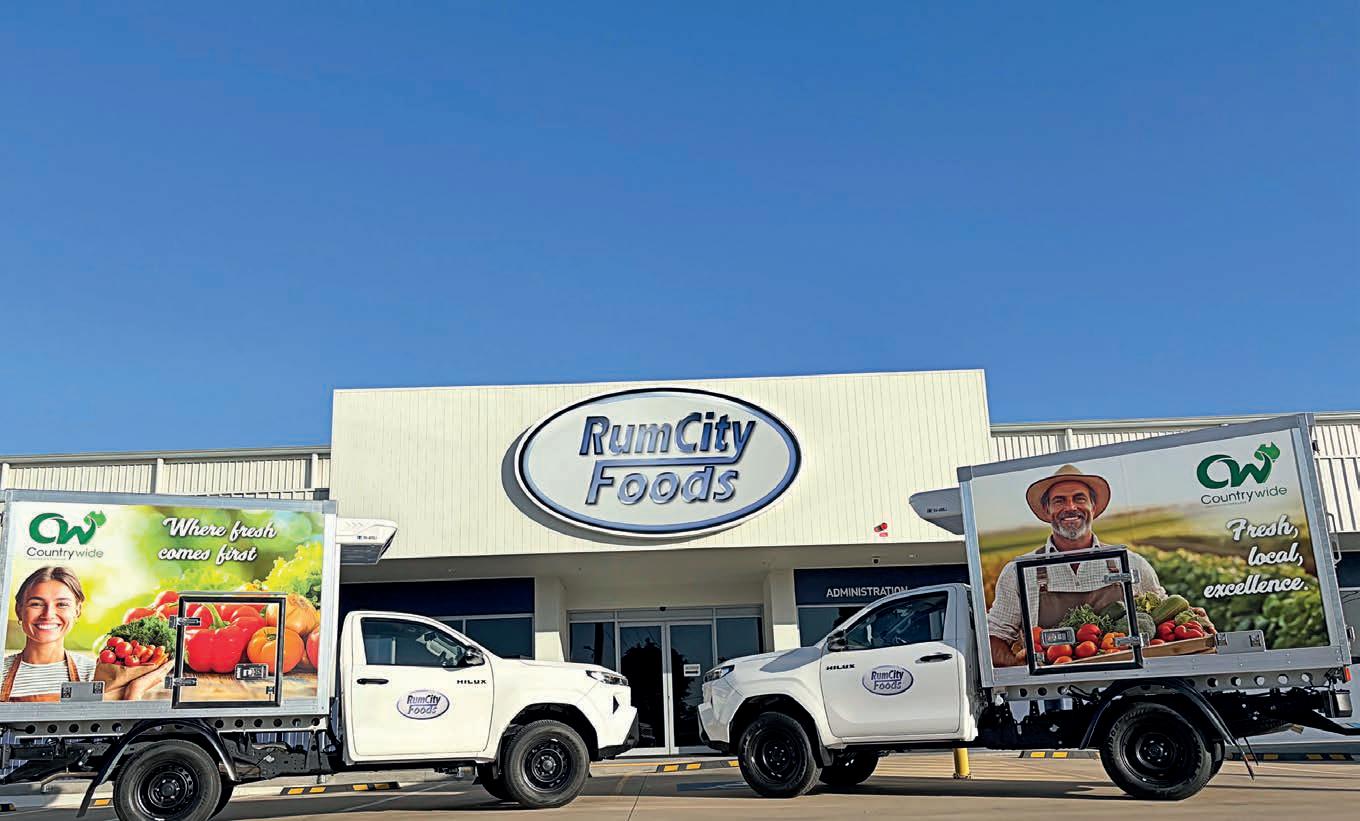
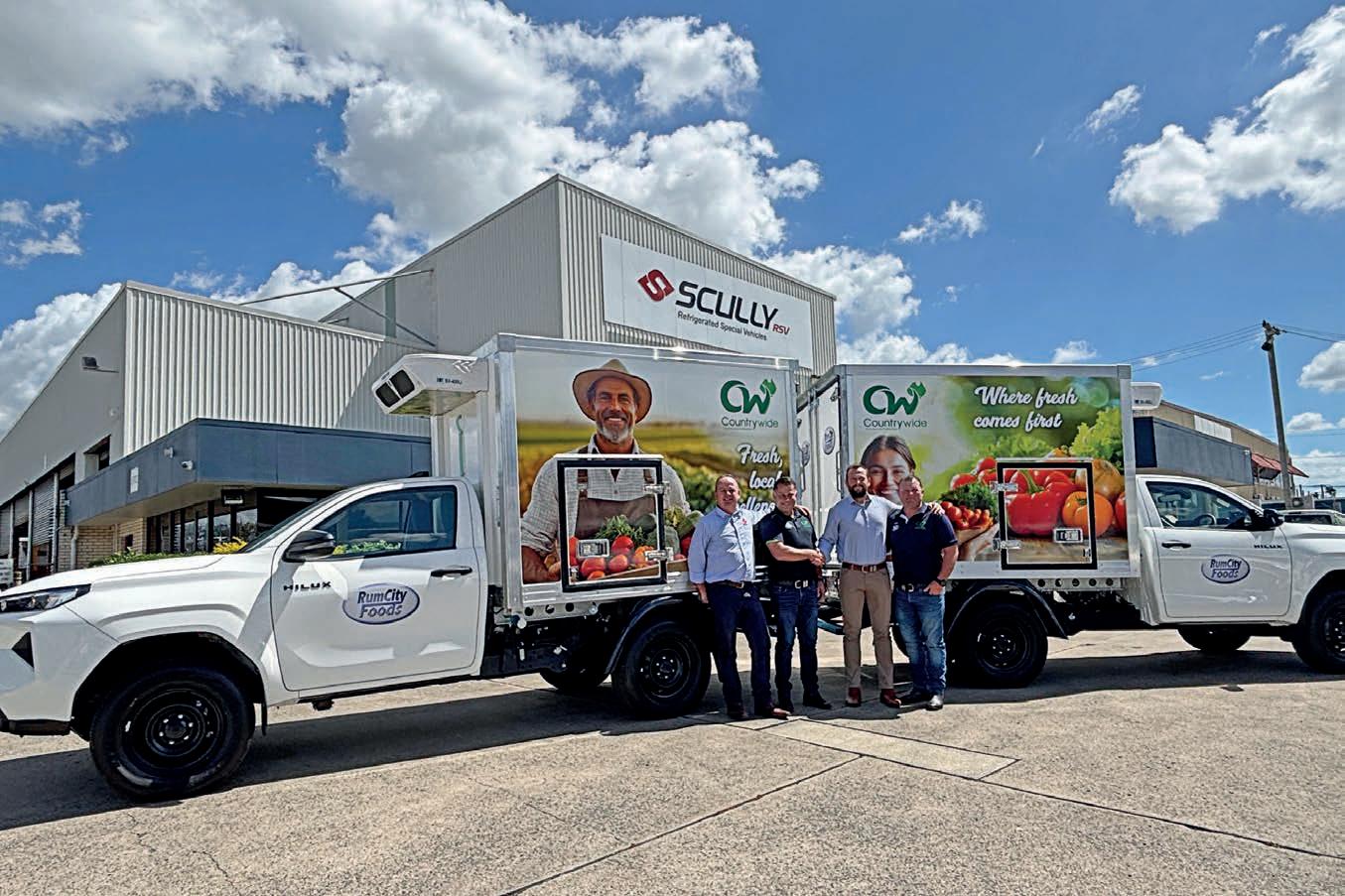
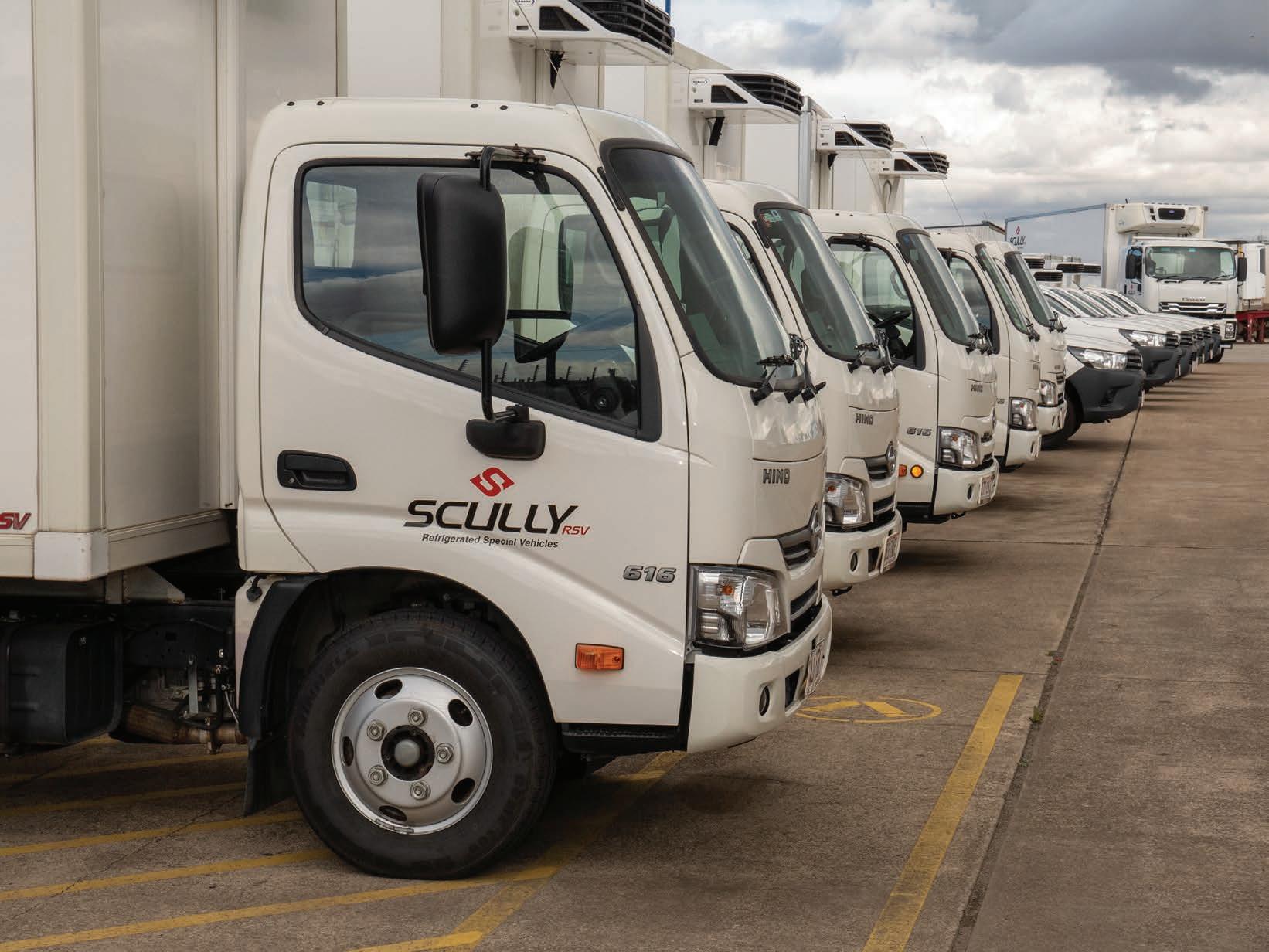
The latest addition to that eet comes in the form of two new 2026 Toyota utes, tted with custom-built Scully RSV bodies and Thermo King refrigeration units.
The use of the Thermo King refrigeration technology in the utes is seen as a rst for the region.
The vehicles are dedicated to the company’s fruit and vegetable division, operating in and around the Rockhampton region, including Gracemere and surrounding areas.
For Scott, the decision to standardise the eet around Toyota utes is a practical one.
“We like to keep everything streamlined
Pride of place at Rum City Foods’ depot in Rockhampton – two new Toyota Hi-Lux utes with Scully RSV bodies.
and consistent,” he says. “It makes things easier from a maintenance and operational point of view.”
Equally important is the t-out provided by Scully RSV – a company that has been working with Rum City Foods for more than 30 years. Over that time, the relationship has become a cornerstone of the business’s transport operations. “We’ve been with Scully for three decades now,” Scott says. “They don’t give us any reason to look elsewhere. They look after us very well, and we know we’re getting a reliable product.”
The custom Scully bodies, paired with Thermo King refrigeration units, provide the temperature control and durability required for transporting perishable goods across often challenging regional routes.
The new 2026 Hi-Lux utes are used exclusively for delivering fresh fruit and vegetables in and around Rockhampton and surrounds.
The new vehicles have already made a strong impression, both in performance and driver satisfaction.
“They’ve got plenty of power, and for a delivery vehicle, they’re extremely comfortable,” he says. “Our drivers are very happy – there’s a bit of competition to get behind the wheel of the new ones.”
Beyond eet upgrades, Rum City Foods is also pursuing strategic growth opportunities. The recent acquisition of Growers Own Ready Fresh in Rockhampton, a well-established fruit and vegetable business, re ects the company’s ongoing commitment to expanding its market presence.
Established in 1990, Growers Own has built a strong reputation as a trusted fresh produce supplier throughout the Rockhampton region. The two companies now complement each other in the growing food delivery sector.
“It was something we’d been working on for a while,” Scott says. “They were a strong business, and it gave us a good opportunity to grow in that market.”
While expansion remains rmly on the agenda, Scott is measured in his approach, emphasising consistency and service above all else.
“We’re always open to growth, but we’re focused on doing what we do well every day,” he says. “If the right opportunity comes along, we’ll take it – but it has to make sense for the business.”
Operating across such a large and diverse region does come with its challenges, particularly in areas like fuel costs and logistics. However, Scott remains con dent in the resilience of both the business and the industry.
“Everyone needs food,” he says. “There’s always going to be demand, especially for fresh produce and reliable service.”
For Rum City Foods, that demand is met with a combination of family commitment, experienced staff and trusted partners – qualities that have de ned the business since its inception. Nearly 50 years on, the company continues to honour its roots while embracing the future, with Scott and his family determined to carry forward the legacy his parents began.
“It all comes back to family,” he says. “That’s what drives us, and that’s what keeps the business moving forward.”
Image:
Rum City Foods and Scully RSV celebrate the handover of the new Toyota utes.
BIG MOVING
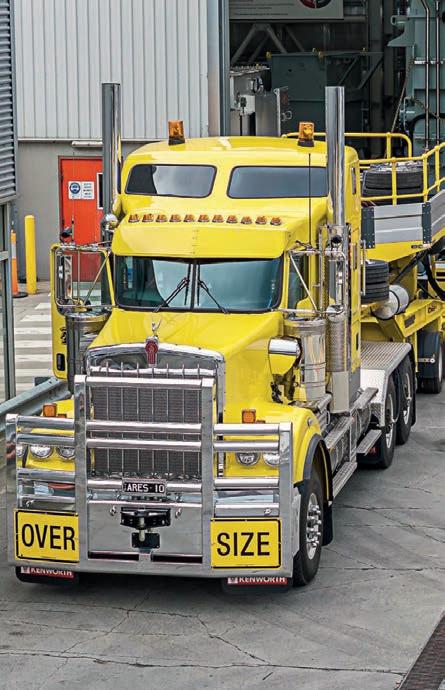
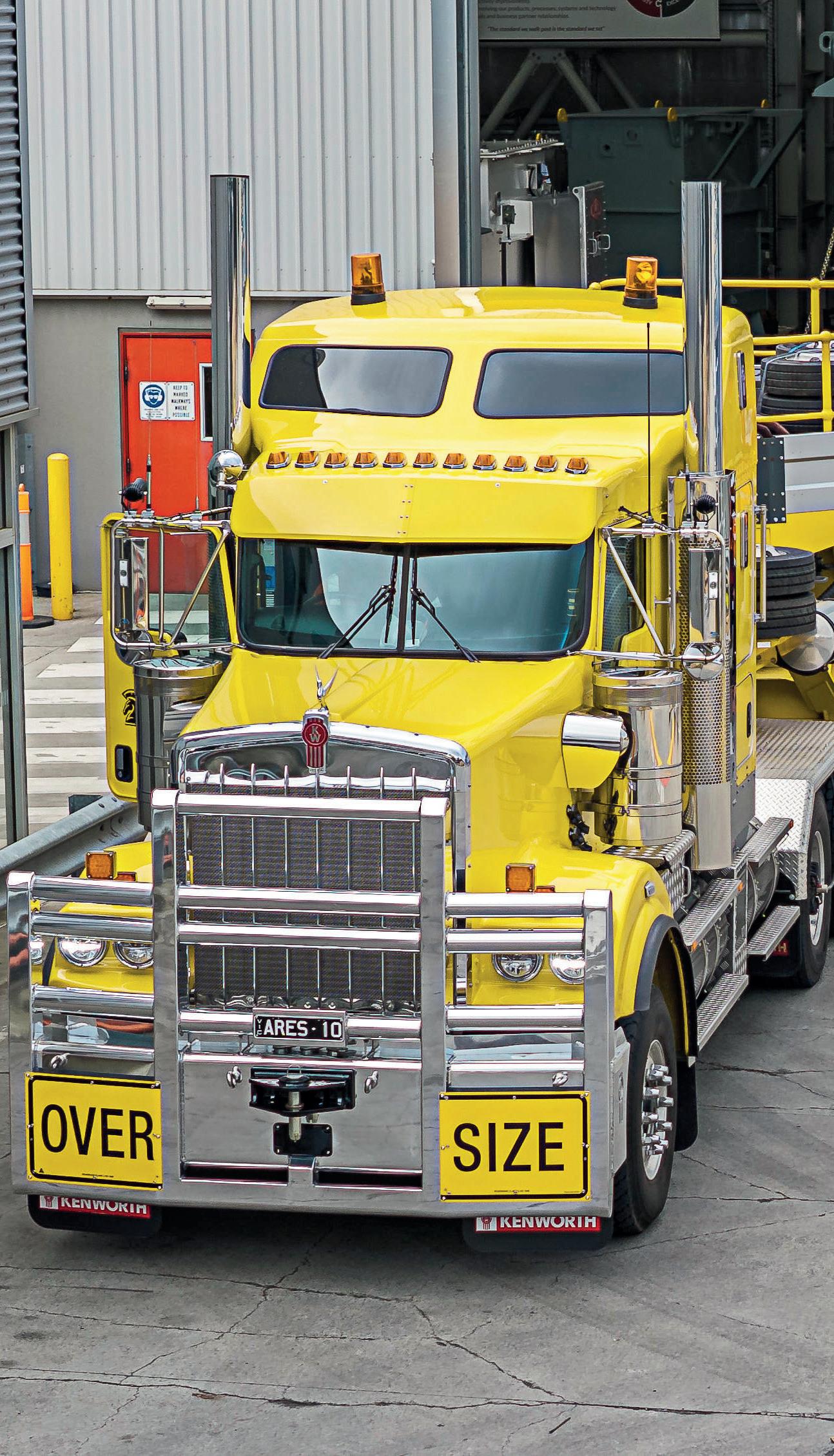
In the specialised world of oversized haulage, Ares Group is positioning itself at the forefront of a shift away from brute-force logistics toward precision-led engineering. Working across mining, renewable energy and major infrastructure, the company is increasingly de ned not just by what it moves, but by how it thinks.
At its core, Ares Group delivers end-toend project logistics – combining route surveys, engineering design, and heavyhaul transport into a single integrated service. But in a sector where loads are growing larger, routes more constrained, and project timelines tighter, that integration has become critical.
‘Moving big’ is no longer the challenge it once was. Moving big, safely and predictably, is where the industry is heading.
Nowhere is this more evident than in the transport of oversized plant and equipment for the mining and
energy sectors. From transformers and processing modules to large-scale infrastructure components, these loads often push the limits of both physical transport and regulatory frameworks. Traditional approaches – relying heavily on standard trailers and reactive problem-solving – are increasingly being replaced by proactive engineering-led solutions.
For Ares Group, the process starts long before a truck turns a wheel.
Planning, ARES Group CEO, Davorin Jelaca, says, is where most transport failures originate.
“Misjudged load behaviour, poorly understood site conditions or unclear of oading requirements can trigger costly delays and safety risks once a project is underway,” he says.
As a result, Ares has adopted a ‘plan rst, move later’ philosophy, placing engineering analysis at the centre of every job.
ISRI: DEALERS
This begins with understanding the load itself – not just its weight, but how it behaves in motion. Stability, centre of gravity and dynamic forces all in uence how a piece of equipment should be transported.
“From there, our engineers design a tailored platform system, ensuring the trailer con guration, lifting interfaces and site constraints are all aligned before execution begins,” Davorin says. “The platform isn’t just a trailer, it’s the heart of the transport.”
That philosophy re ects a broader shift in the heavy haulage sector, where bespoke solutions are increasingly replacing one-size- ts-all equipment. Modular platforms, custom support frames and specialised axle groupings are now routinely engineered to suit individual loads, particularly in industries like mining where equipment is both massive and highly variable in design.
A recent project in Western Australia –the Collie Battery Project – highlights how this approach translates into realworld outcomes.
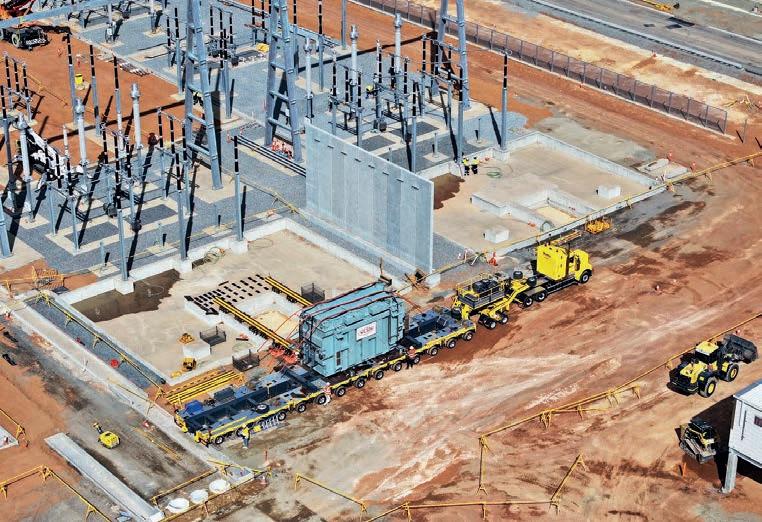
Working alongside Wilson Transformers on the Collie Battery project, Ares Group was tasked with transporting critical infrastructure to support what will become one of the country’s most signi cant energy storage developments. The project, centred in Collie, is designed to deliver up to 2,000 MWh of storage capacity, strengthening grid reliability as the state transitions toward renewable energy.
For Ares, the challenge extended far beyond simply moving transformers from point A to point B.
“Each stage of the operation was meticulously planned and riskassessed, including the development of a comprehensive traf c management strategy covering transport routes across four states. Given the size and sensitivity of the equipment, even minor miscalculations could have led to delays or damage,” Davorin says.
Central to the solution was the design of custom of oad platforms tailored to both the transformers and the speci c conditions at the Collie site. These platforms were engineered to integrate seamlessly with the transport system, ensuring a controlled transition from road to nal position.
The of oading process itself relied on precision techniques, including controlled jack-and-skate operations. This method allows heavy equipment to be carefully manoeuvred into place with minimal stress on both the load and the supporting structure – an approach particularly suited to high-value, highrisk components like transformers.
ISRI
• Supporting drivers for more than 50 years
• Seating – on a higher level
The start of a massive move for the Ares Group starts with planning and the right equipment.
The result was a tightly executed operation, with equipment delivered as planned, minimal on-site adjustments and reduced overall project risk. In an industry where unforeseen complications are often the norm, that level of predictability is increasingly valuable.
Beyond the technical achievement, the project also underscores a broader trend in Australia’s heavy transport sector. As infrastructure and energy projects grow in scale and complexity, the expectation is shifting toward fully integrated logistics solutions – where engineering, planning and execution are aligned from the outset.
For companies like Ares Group, this represents both a challenge and an opportunity. The margin for error is shrinking, but so too is the tolerance for inef ciency.
Ultimately, the evolution of oversized haulage is less about moving bigger loads and more about moving smarter. By embedding engineering into every stage of the process, operators can reduce risk, improve safety and deliver greater certainty for project partners.
As Australia’s mining and energy sectors continue to expand into new frontiers, that combination of ingenuity and precision is set to become the industry standard.
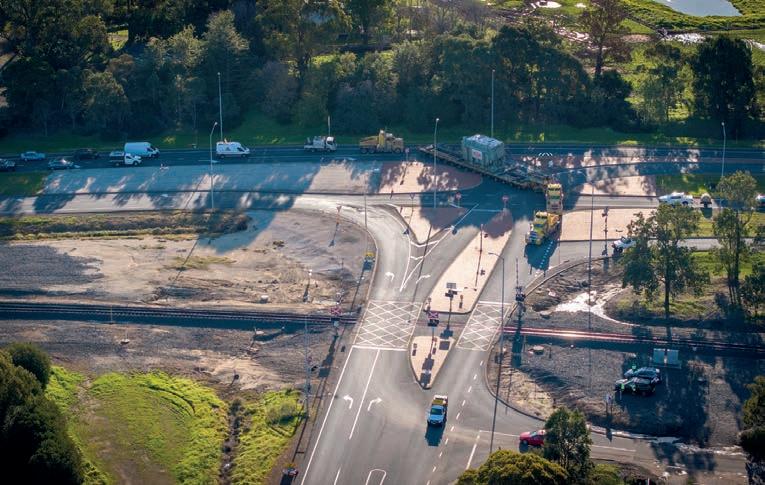
Slow and steady is the solution in big moves.
Making it to the final destination in a job well done.
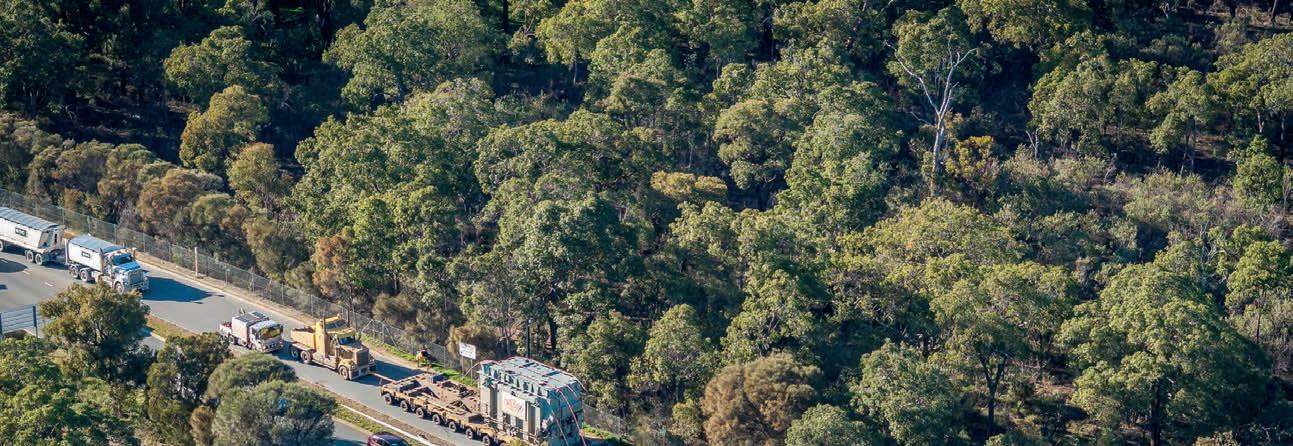
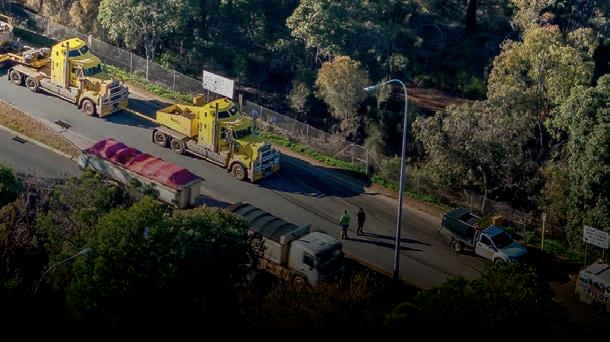
The scope of the types of moves by the Ares Group is evident from overhead.
Cool confidence in one move
IN GOOD HANDS
For almost 40 years Retro Tra c has been keeping motorists and workers safe around roadworks and construction sites. Prime Mover looks behind the company’s success and uncovers a captivating story.
Established in 1987 by Peter Karlsson, Retro Traf c has been engaged on numerous projects, big and small, throughout its evolution. During recent years, this has included major projects such as the construction of the Rozelle Interchange, the Warringah Freeway upgrade, and the M1 extension at Beres eld.
Retro Traf c has also been a preferred contractor to Ausgrid (formerly Energy Australia) for the past ten years.
Peter Karlsson operated a backhoe when the M2 motorway was being built, and always an innovator, he
imported some safety tagline from Sweden. He would arrive at the work site and before he would operate the backhoe he would cordon off the area.
This led to him bringing more safety line to Australia which he sold along the East Coast. From this, Peter realised there was an opportunity to establish a traf c control company which he subsequently did and now, almost 40 years later, Retro Traf c continues to thrive in a vibrant industry.
Fiona McKendry has worked for the business for 19 years and spent the rst year performing onsite traf c control
duties before moving into the of ce and becoming skilled at formulating draft traf c control plans and becoming Peter Karlsson’s “right hand person”.
Arriving is Australia as Irish backpackers in July 2006 Fiona and partner Ciaran Deighan intended to be in this country for only nine months. Fortunately, they stayed and acquired half of the business from Peter in 2018 and have owned it outright since 2020. Ciaran, who earned a degree in transport and logistics back in Ireland, joined Retro Traf c in a management role in 2013 after driving trucks, mostly
Image:
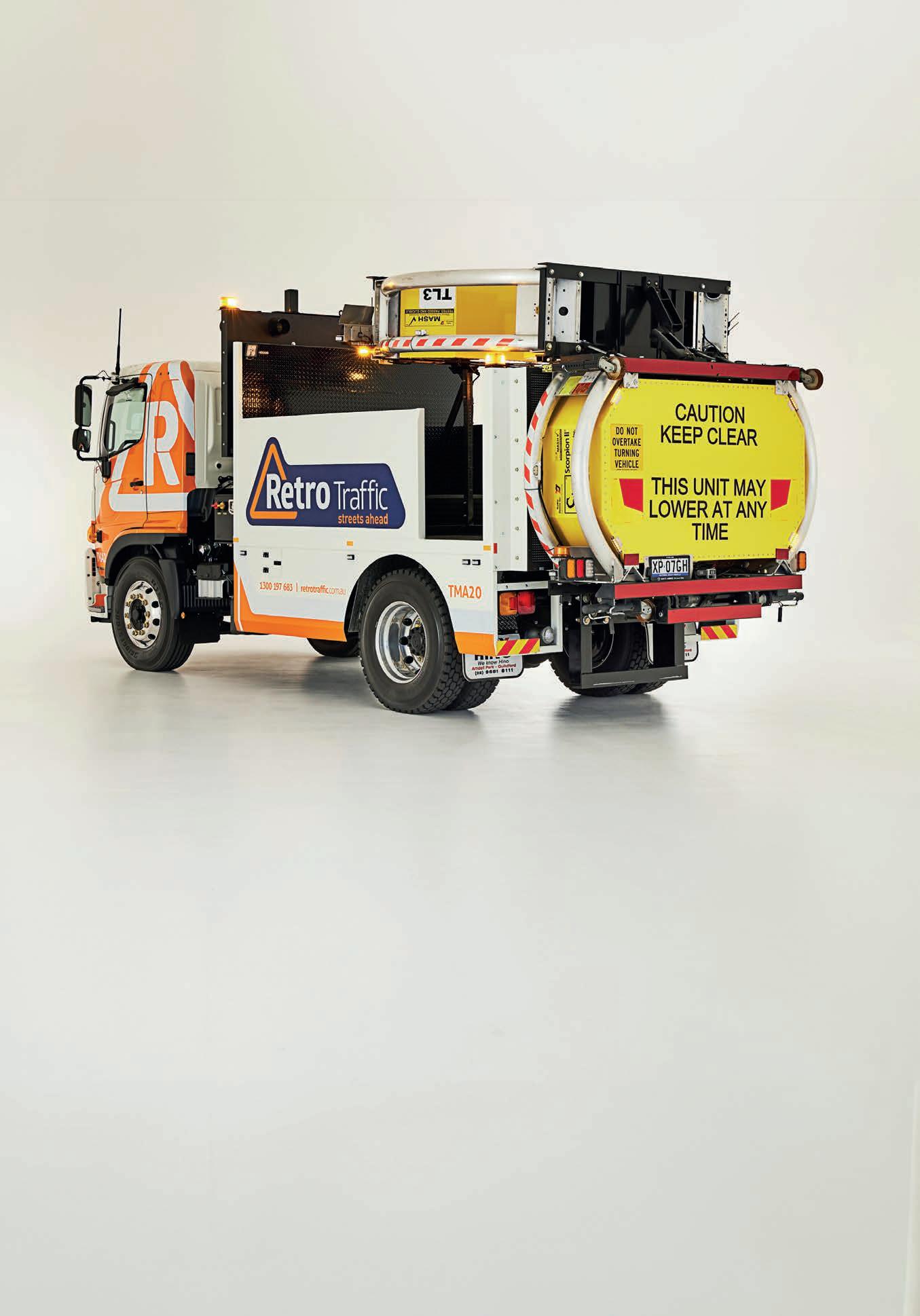
One of the impressive Scorpion units from Retro Traffic.
“We were the rst privately owned tra c control company to ever work on the Harbor Bridge. We’re currently working on the Western Harbor Tunnel project as sole providers of tra c control.”
Ciaran Deighan.
doing work for Energy Australia. Since the full acquisition, the eet has grown signi cantly from around 40 vehicles to more than 200, and the business outgrew its original premises and has since relocated to larger facilities in Sydney’s Rydalmere at which around 50 staff are based. Just like its vehicles, Retro Traf c’s premises are immaculate and include a wellequipped gymnasium for the staff, along with training facilities and an industrial sized truck wash.
In recent years Retro Traf c has expanded with a depot in Beres eld
near Newcastle which supports work on the M1 extension. A new 2,000 square metre depot has also recently been established near Yatala to support local projects in SE Queensland.
The majority of Retro Traf c’s clients are Tier One construction companies including John Holland and Seymour Whyte, as well as electricity provider Ausgrid. Recent major projects on which Retro Traf c has provided traf c control services include the Rozelle Interchange.
“We did a maintenance contract on the Harbor Bridge for ve years,” says
Ciaran. “We were the rst privately owned traf c control company to ever work on the Harbor Bridge. We’re currently working on the Western Harbor Tunnel project as sole providers of traf c control.”
It’s not all just major infrastructure projects.
“We also provide a lot of our services to road maintenance operations such as asphalting, providing traf c control for major operators such as Boral and Fulton Hogan between Wollongong and Newcastle,” says Ciaran. “We’ve got utility companies as well where we are providing traf c safety during pole replacements and during storm emergencies when wires are down. So it’s a 24/7 operation, and we have people on call all the time.”
During early 2026 Retro Traf c responded to the potentially dangerous collapse of the Great Western Highway at Victoria Pass.
Ciaran has a high level of regard for his people.
“You don’t really respect what they do until you actually experience it yourself. They’re out there on the road and there’s B-doubles ying by and you’re putting your life in their hands. Drivers get frustrated at night when they don’t see anybody actually working, so they think, there is no need to slow down because there’s nobody there. But they don’t realise that the road shoulders are not there, or there’s barriers there, and the infrastructure on the road has changed.”
“We’ve had three TMA (Truck Mounted Attenuator) strikes in the last six months,” says Ciaran. “And two those were fatigue related where the driver fell asleep at the wheel and came into the worksite. Another guy was drunk on the M1 travelling over 100 km/hr and straight into the back of a TMA truck. He could have gone straight over ten workers. That could have been the case 15 years ago because the technology wasn’t around then.”
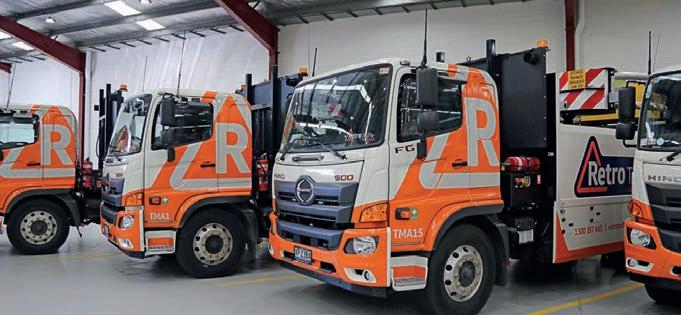
The attenuator equipment comes from Traf c Technologies in the USA and it tted to the Hino 500 trucks
Retro Tra c Director,
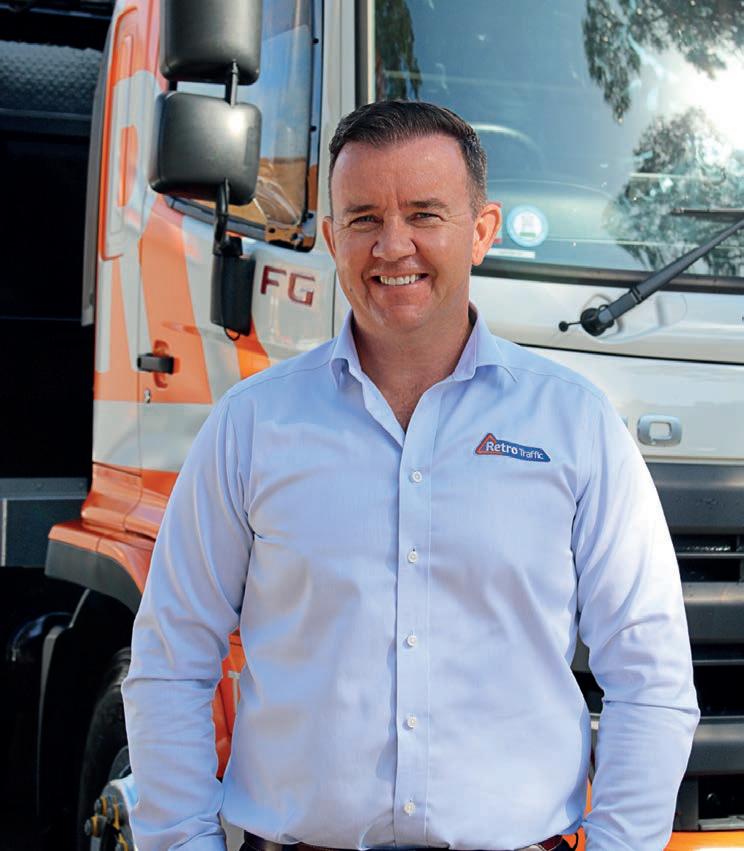
Retro Traffic Director, Ciaran Deighan.
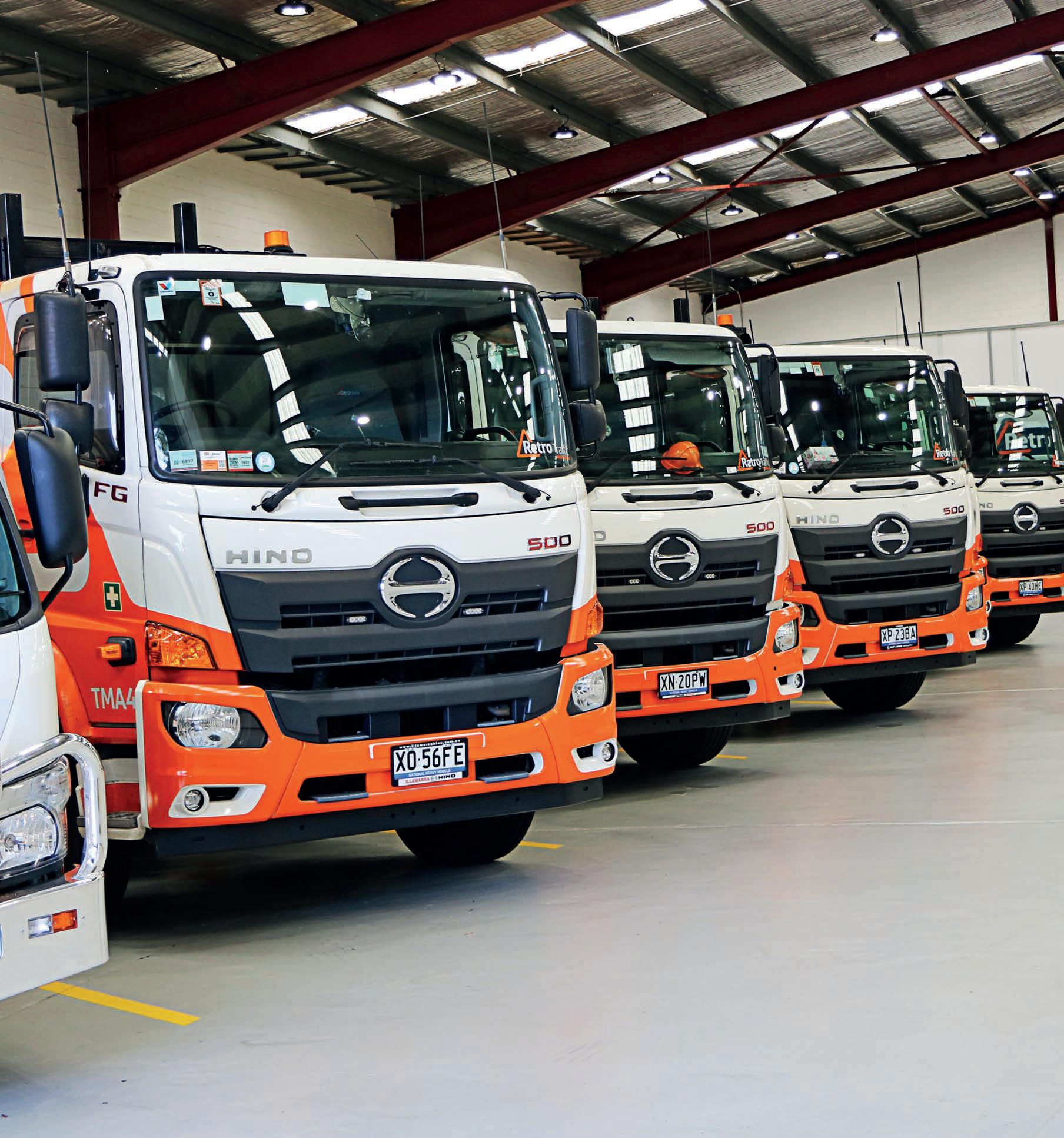
Retro Traffic’s line-up of Hino trucks.
locally. It is important to be aware of the weight distribution which changes signi cantly on the trucks whenever the attenuator deployed.
The Hino 300 “cone trucks” have been developed by Retro Traf c to provide the safest and most practical storage of portable signs and traf c cones as well as their implementation and collection.
“We’ve invested in Hino 300 Narrow Cabs, because they can take more weight than utes. I would say there’s lots of utes out there that are over their payload, which is why we’ve upgraded many of our own Isuzu and Ford utes’ suspensions.
The eet also has Hino 300 Wide Cabs with GVM’s of seven tonnes.
“That is a challenge, because not many people have a Light Rigid licence,” says Ciaran. “So we train them and put them through a course. It comes at a cost, but that cost is less than if there was an accident so it’s a risk we weren’t willing to take.”
Looking at the eet it soon becomes evident that Hino is the preferred brand.
“I drove Hino’s myself when I was on the road, tilt trays and bogies. They’re a good truck,” says Ciaran. “The only trucks we have are Hino’s. We’ve got 40 cone trucks, which are the Hino 300 Wide Cab with another ten currently on order. We’ve got 40 of the 4.5 tonne
Hino 300 Standard Cabs, and we’ve got 28 Hino 500 attenuator trucks.”
The trucks are sourced through City Hino in Western Sydney.
“We’ve got a good relationship with the guys out there. Especially during Covid, when it was hard getting a supply of trucks but they really looked after us. That was also a period of rapid growth for us. I think City Hino looks after us because we’re easy to deal with, and we re ect the brand well for them.
Peter was very meticulous about how things were presented,” says Ciaran.
“And Fiona and I are still very much aligned with that. The range that they have works well for us. You have the 300 Standard Cab with which we do a lot of work around the city on tighter streets. They’re very versatile and with technology like the reversing cameras they’re easy to drive so drivers with a car licence aren’t really daunted by the size of them.”
Playing such an integral part in the often complex eld of road maintenance and construction, vehicle reliability is an important consideration.
“One of the reasons we went with Hino is the reliability. If we don’t have a truck on the road it costs us money to hire another truck,” says Ciaran.
“If we’re doing lane closures and traf c management, there could be many other trades involved in those roadworks. When asphalting it could be another 50 trucks working inside the barriers, and if one of our trucks breaks down, then those other 50 trucks aren’t working. Then that has a knock-on effect to the client.
The Hino 500 range suits the TMA applications, particularly the shorter wheelbase models. The cone trucks run extra batteries to power the multiple ashing lights and the electronic screens with additional solar power panels located on the roofs.
“I’m going to sound biased, but I think we’ve probably got the best eet in the industry which is very competitive, but we don’t sacri ce on our reputation and our safety record”.
Retro Traffic vehicles are well-known in and around construction zones.
Australia’s truck sector faces a de ning period, as Penske sharpens its focus on reliability, e ciency and customer experience in a highly fragmented market.
FORCE MARKET
Penske Australia’s Executive General Manager of OnHighway, Craig Lee, says the company’s long-standing strategy of diversi cation remains central to navigating an unpredictable transport landscape.
Craig explains that Penske set this direction more than a decade ago, around the time the parent organisation acquired the business, ensuring it could withstand uctuations across different segments. By spreading its exposure, the company avoids
over-reliance on any single part of the market and can better absorb downturns.
His remit covers everything in the on-highway space – trucks, buses and all commercial vehicle operations – excluding passenger cars. Based in Brisbane, where Penske’s commercial vehicle division is headquartered, he has held the current role for six years after previously overseeing operations, including company-owned workshops. Looking ahead, Craig says the Australian road transport sector is
de ned by structural challenges, particularly at the operator level.
He describes the industry as highly fragmented, with low barriers to entry allowing new operators to enter the market with minimal nancial stability.
He sees this dynamic as often leading to unsustainably low freight rates, as smaller operators may lack a clear understanding of their cost base.
Over the next ve years, he expects to see increasing consolidation among transport operators as the industry seeks greater stability and ef ciency.
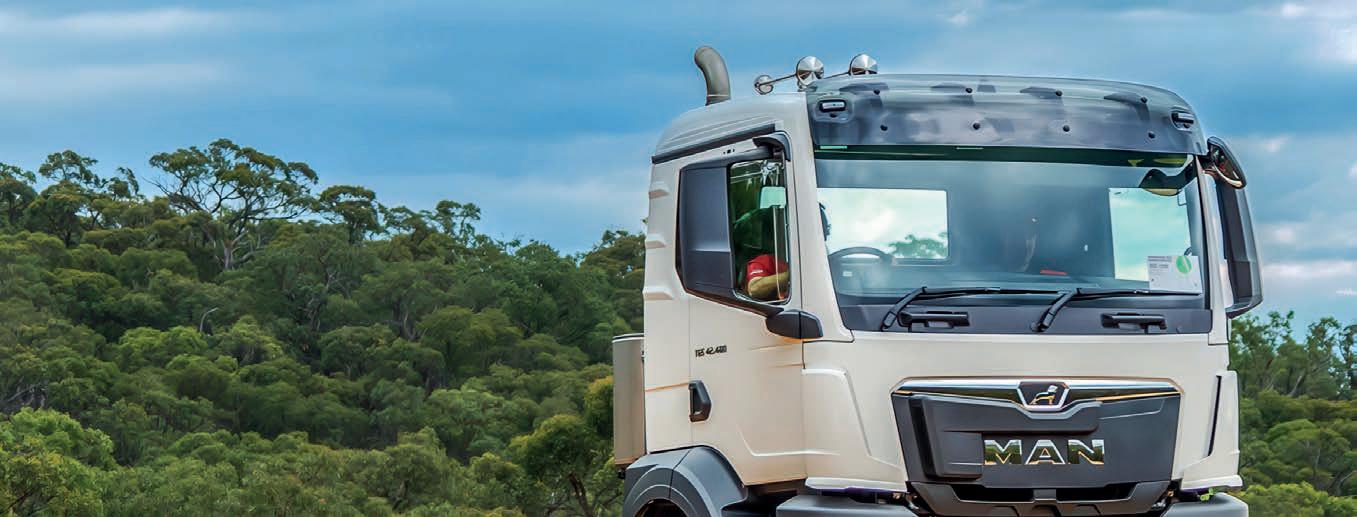
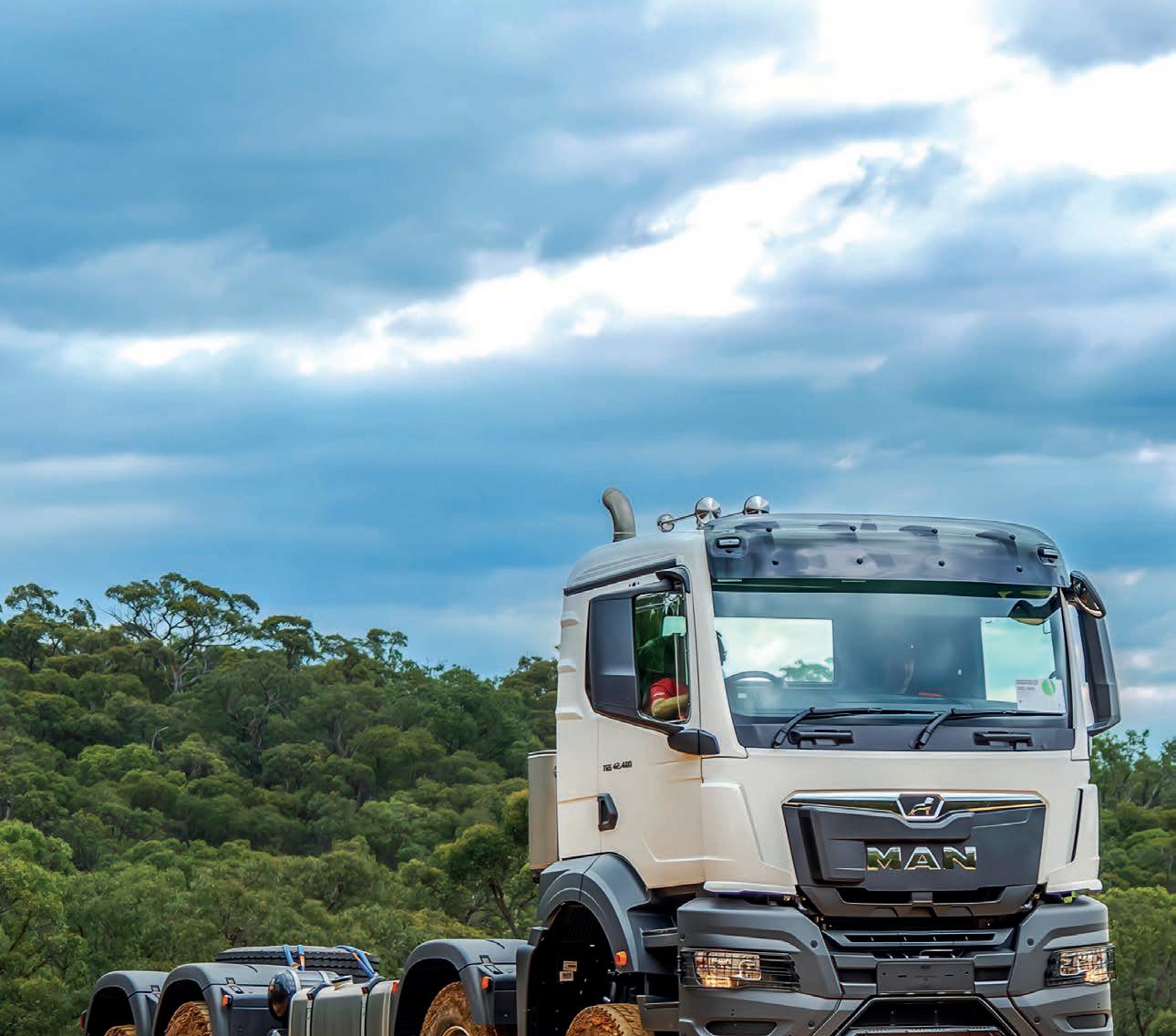
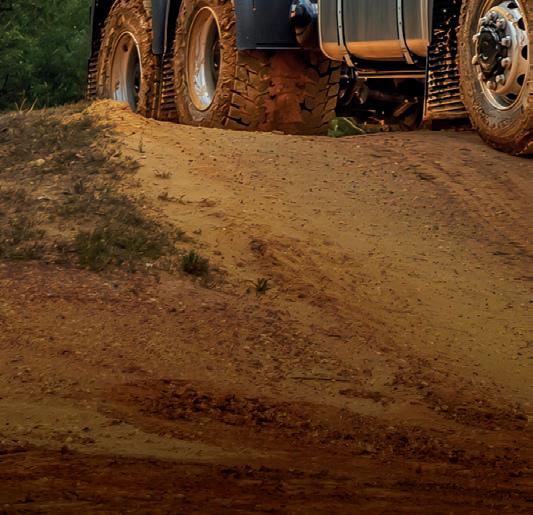
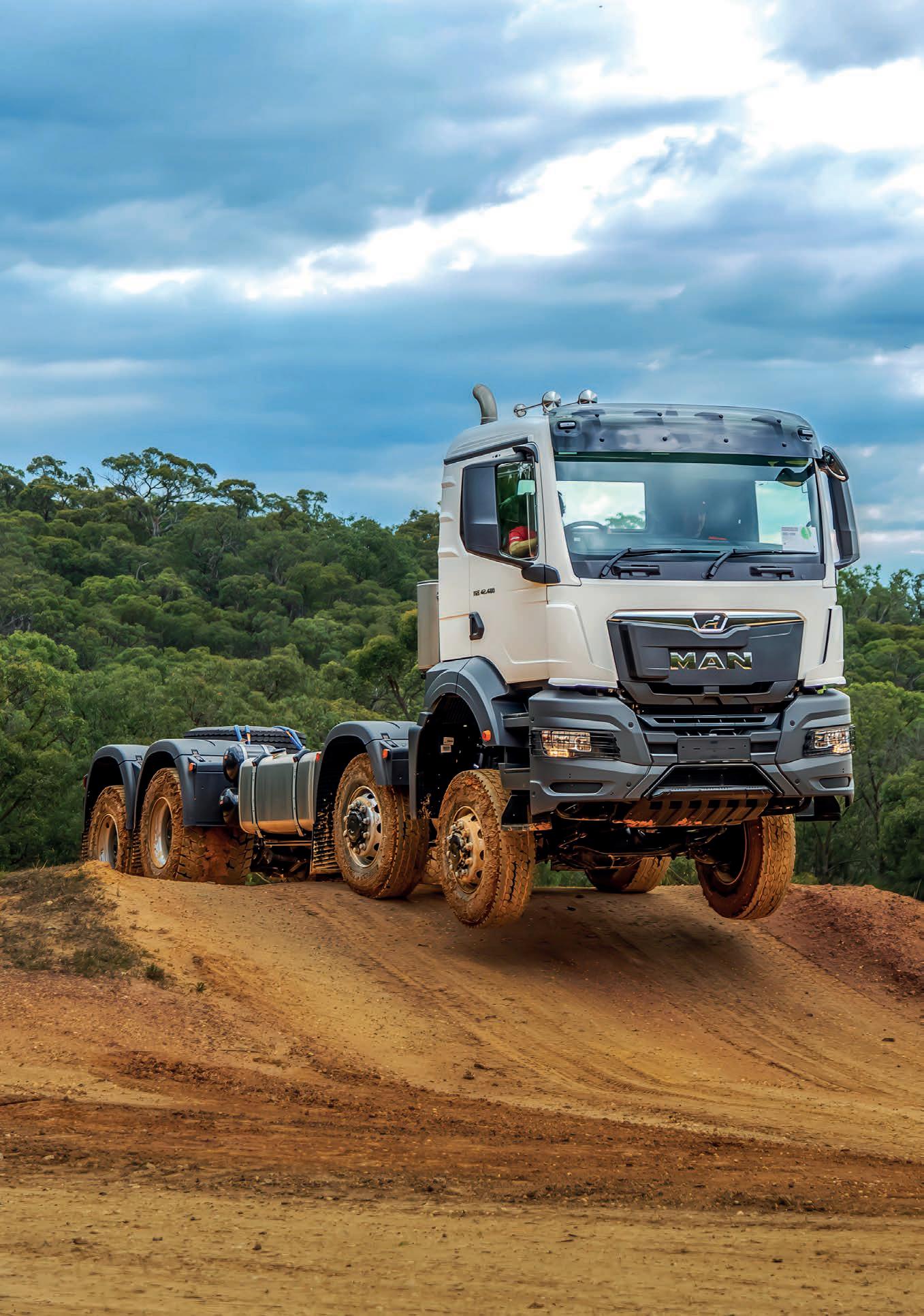
MAN TGS 41.480 8x8 AWD doing the tough stuff with ease.
Craig says Penske’s performance is ultimately tied to the success of its customers. If operators struggle, demand for new trucks inevitably declines, reinforcing the importance of a healthy and sustainable transport sector.
On the topic of emerging technologies, Craig says industry attention on hydrogen and battery-electric trucks does not align with current operator priorities. Instead, he says most eets are focused on improving productivity, reliability and cost management. Craig is adamant that emissions reduction in heavy-duty trucking remains a signi cant challenge in Australia, particularly for longhaul, high-mass applications. While electri cation may suit urban and local delivery tasks, he says largescale adoption for 70-tonne linehaul operations is not viable in the near term.
He says recent federal investment in renewable diesel signals a more practical approach to emissions reduction. By lowering the carbon intensity of fuel, the industry can achieve meaningful gains without relying on technologies that are not yet commercially scalable for heavy transport.
From a product perspective, Craig sees Penske’s focus as remaining on delivering Euro 6-compliant trucks that maximise uptime, ef ciency and safety. He emphasises that while innovation attracts attention, consistently delivering reliable, fuel-ef cient and comfortable vehicles is a complex challenge in itself.
He says over the next 12 to 24 months, Penske will continue re ning its existing product range rather than introducing radical new technologies. Strengthening the dealer network is also a priority, ensuring customers receive consistent service and support across the country.
Despite strong global performance from brands such as MAN, Craig says Penske is not achieving the level of market share it believes its products deserve in Australia. He attributes this partly to entrenched buying habits, with many operators remaining loyal to traditional brands.
Craig says the Australian truck market is unusually crowded, with more than 20 OEMs competing in a relatively small market—far more than in larger regions like Europe or North America. This makes execution at the sales and customer engagement level critical. He sees the key as giving operators direct experience with the product. Events, demonstrations and test drives allow customers to understand the trucks’ performance, reliability and comfort rsthand – factors that often outweigh initial purchase price over the life of the vehicle.
Craig believes aftersales support is equally important, noting that a truck’s value is quickly undermined if it cannot stay on the road. Reliability and service capability remain decisive factors for operators managing timesensitive freight.
In terms of innovation, Craig points to practical advancements rather than headline-grabbing technology. He highlights Penske’s Dennis Eagle refuse
vehicles as an example, with features such as enhanced driver visibility and kerbside entry designed to improve safety in urban environments.
Craig says safety, ef ciency and realworld usability continue to drive development across the company’s product lines. Penske’s Western Star range, for instance, incorporates full safety suites, automated transmissions and the latest emissions technology in heavy-duty applications.
One of the most impactful yet overlooked areas of improvement is driver training, Lee says. Through programs such as MAN Pro Drive, Penske offers certi ed training to help operators maximise fuel ef ciency and safety.
He believes driver behaviour is both the biggest risk and the biggest cost variable in a prime mover. By improving how vehicles are driven, eets can signi cantly reduce fuel consumption and enhance overall performance.
Internally, Craig says Penske’s strength lies in its people. Experienced brand managers and leadership teams oversee individual product lines, while he maintains a strategic focus on ensuring the right products are positioned in the right markets.
The direct engagement with dealers and customers is essential, as they provide the most accurate feedback on how trucks perform in real-world conditions, he explains.
As the industry navigates economic pressures, regulatory change and evolving technology, Craig says Penske’s approach remains grounded in practical outcomes – delivering trucks that work, supported by strong service networks and informed by customer experience.
Penske Australia’s boss of trucks - Australia’s Executive General Manager of On-Highway, Craig Lee.
A MAN TGX 26.540 6x4, with a ProfiDrive B-double.
SAFETY
FIRST
In refrigerated transport, the industry’s real ‘new energy’ is not about what powers the truck – it’s about how safely and e ciently it performs every day.
Industry conversations on the future of transport continue to be dominated by electri cation, hydrogen and autonomy. However, on the ground eet operators are asking more immediate and practical questions: how safe is the vehicle, how reliable is the operation, and where is energy, both fuel and effort, being lost?
For Eurocold, those questions are reshaping what a modern refrigerated eet should look like. Rather than waiting for next-generation technologies to mature, the company is focusing on delivering tangible improvements now which are centred on safety, compliance and integrated performance.
That approach is re ected in Eurocold’s latest rollout – a 50-unit eet of Euro
6 UD Quon 14-pallet refrigerated trucks, with the rst units entering the market by the end of April. The move is positioned not as a routine eet upgrade, but as a deliberate attempt to reset expectations across the sector.
“We’re not interested in where the industry might get to; we’re building where it needs to be now,” says Eurocold Managing Director, Avraam Solomon.
At a glance, the trucks represent a step forward in emission compliance, aligning with the imminent and legislated shift toward Euro 6 standards. But Eurocold argues the real innovation lies elsewhere – in how the entire vehicle has been engineered as a single, integrated asset.
“It’s not just a chassis upgrade,” the
company notes. “It is a fully integrated asset designed around the driver, the load and the operating environment.”
That integration brings together three core elements: the UD platform, advanced safety and telematics systems, and a high-performance isothermal body supplied by ISOKIT. The result is a vehicle designed not only to move refrigerated freight, but to do so with greater consistency, ef ciency and safety.
Eurocold Chief Operating Of cer, Clayton Nel, says the combination is what sets the new eet apart.
“Safety, compliance and thermal performance all matter,” he says. “When you bring them together properly, that’s when you set a new benchmark.”
The first Euro 6 UD Quon 14 pallet unit takes shape at Eurocold’s Berrinba facility, with ISOKIT isothermal body assembly. Images: Eurocold Fleet Partners.
Safety, in particular, sits at the centre of the design. The trucks are equipped with a suite of advanced driver-assist technologies, including lane departure warning systems, active safety features and Guardian fatigue monitoring –technology that provides real-time insights into driver alertness.
For Clayton, these features are no longer optional extras.
“If you’re putting drivers on the road for 10 hours a day, safety can’t be an add-on; it has to be built into the truck from day one,” he says. “The chassis, the safety systems and the body all have to work as one. That’s what makes this truck different.”
The emphasis on fatigue monitoring re ects a broader industry shift.
Long recognised as one of the most signi cant risks in heavy vehicle operations, fatigue is now increasingly being addressed through technology that enables early intervention rather than reactive management.
Avraam believes the expectation has already shifted.
“We see fatigue monitoring the same way we see seatbelts – it shouldn’t be optional,” he says. “The expectation is already there. Now it’s about making it standard.”
Beyond safety, the eet also targets improvements in thermal performance – an often-overlooked factor in refrigerated transport. While engine ef ciency and fuel consumption dominate most discussions, insulation quality and temperature stability play a critical role in overall energy use. The ISOKIT bodies used in the new
eet are designed to minimise thermal loss, particularly in multi-drop operations where doors are frequently opened and closed. Improved insulation and temperature control not only protect product integrity but also reduce the energy required to maintain cooling, delivering operational savings over time.
This focus on integration addresses a longstanding issue in the sector. Many eets continue to source chassis, bodies and technology systems from different suppliers, creating complexity and inconsistent performance outcomes.
“A truck isn’t just a chassis,” Avraam says. “It’s the body, the refrigeration, the safety systems and how they all work together.”
Clayton agrees, adding: “When those pieces are integrated properly, that’s when you start to see real gains.”
The rollout also aligns with a broader shift toward Euro 6 emissions standards, which are rapidly becoming a baseline requirement for major eet operators. Once viewed as a progressive upgrade, Euro 6 is now increasingly tied to contract eligibility, brand reputation and long-term eet viability. “Euro 6 isn’t something eets will think about in ve years. It’s something they’re being asked about right now,” Avraam says. “If you’re bidding for serious contracts, compliance is part of the conversation from day one.”
However, upgrading to newer, more advanced vehicles has traditionally been constrained by capital costs and long replacement cycles. Eurocold is attempting to address that barrier
through a long-term rental model, offering operators access to the latest equipment without the need for signi cant upfront investment.
“Ownership locks you into cycles.
Access allows you to move when the business needs to move,” says the COO. “That’s where long-term rental changes the game. It removes the barriers to upgrading. It’s not just about funding trucks. It’s about enabling better eets.”
The model also provides more predictable operating costs and reduces the risks associated with ageing assets – an important consideration in refrigerated transport, where reliability is critical and downtime can have immediate commercial consequences. Eurocold’s 50-unit commitment is designed to accelerate this shift, moving beyond small-scale trials to a full market push. The company is backing the rollout with national availability, consistent pricing and a strong focus on visibility.
“We didn’t want to test this with a handful of units. We wanted to move the market,” Avraam says. “When you commit at scale, you create momentum. That’s what drives real change.”
Ultimately, the strategy re ects a broader recalibration within the transport industry. While alternative powertrains will continue to evolve, the immediate gains are being found in improving how existing eets operate – making them safer, more ef cient and better aligned with regulatory and commercial demands.
“The future will be multi-layered,” Avraam adds. “But the eets that win in the next few years will be the ones that get the fundamentals right rst.”
For refrigerated transport operators, those fundamentals are becoming increasingly clear: safer trucks, stronger compliance and systems that work together seamlessly. In that context, the industry’s “new energy” may not be about what’s under the bonnet at all – but about how effectively the entire vehicle performs on the road.
Eurocold COO, Clayton Nel, with Managing Director, Avraam Solomon, driving a more integrated approach to fleet performance.
WORK READY FOR
Isuzu has jumped into the truck versus ute debate with its latest comprehensive line-up of ready to work N Series light trucks.
The cult of tradie utes has undergone a metamorphosis since the demise of local manufacturing by the then Big Two’s V8-sedan based utes which
have been typically replaced by badgeengineered Thai-made dual cab 4x4’s, of which, for the past few years around a quarter of a million are being sold in Australia annually.
Isuzu Trucks see this as both an opportunity and a challenge and have invested signi cantly in developing its latest N Series Ready-to-Work (RTW) line-up which has been purpose built
for the Australian market and delivers quite a compelling argument to stepup from the traditional ute with the provision for more payload, more space, more capability and a selection of purpose-built bodies. RTW also means almost instant delivery from the dealership once the buying decision has been made with no need to go through the delays and complexities associated with waiting for a body builder to come through with a vehicle ready to hit the road.
Customers also get the assurance from six-year warranty coverage on the cabchassis, three-year warranty on Readyto-Work bodies, nationwide roadside assistance plus support from the Isuzu dealer network through more than 70 locations across Australia.
The Isuzu RTW vehicles sit within the light-duty segment, covering Gross Vehicle Mass (GVM) ratings from 4.5 tonnes through to 8.8 tonnes, making them ideally suited to a wide variety of trade, service and delivery applications. All of the N Series models can be had with passenger licence friendly 4.5 tonnes GVM.
Isuzu has gone to commendable efforts to put together some practical demonstrations of the differences in capabilities and safety between various versions of their RTW N Series light trucks and some typical spec alternatives from Ford and Toyota (the new Big Two).
Isuzu’s methodology for all trucks and utes involved in this exercise is to strap water- lled IBC’s to simulate
loads, and a high tech set of accurate scales ensures every wheel was carrying its share according to its OEM speci cations.
To demonstrate the manoeuvrability its light trucks, even with a dual axle trailer attached, we attempt to negotiate a gymkhana course of traf c cones, rst in a ute, then in an Isuzu light truck, with both having trailers attached to match each vehicle’s relative GCM’s.
Our rst lap is at the wheel of a dual cab ute and the effect of having it at maximum allowable weight is immediate and profound because in this circumstance you can’t see! Not only is the design of the bonnets and front guards on both brands nonconducive to allowing acceptable vision anywhere other than of the sky forward of the windscreen, but the combined weight in the tub and on the towbar means the rear suspension
The Isuzu range hits the test track.
is sagging noticeably, further lifting the front end and reducing forward and even side vision.
Switching to one of the little cab-over Isuzu trucks it’s not just the forward view which is signi cantly better, it’s the rear as well because the Isuzu’s mirrors provide an incomparable improvement over the utes’ offerings. In fact, the Isuzu’s spotter mirrors provide a similar surface area as the main mirrors tted to the utes. The rear vision cameras on all vehicles are reasonably effective but the driver needs to be able to have a wider eld of vision especially if a trailer is involved.
Narrow cabs, wide cabs and dual cabs are available throughout the Isuzu N Series range, the dual cabs making them as practical as a dual cab ute when it comes to accommodating extra people. The OEM speci cations of the utes involves a complex listing of payloads which can be carried, ranging from less than 1,000kgs to slightly over 1,200kgs. By contrast, the NLR Traypack readily handles two 1,000 litre IBC’s weighing a total of two tonnes on its tray.
The short 2.5 metre wheelbase of the Isuzu NKR model translates to a turning circle of just 8.5 metres, compared to one of the utes’ at 12.6 metres. Granted, the 4WD mechanisms of the utes preclude tight front wheel cut angles, but that wouldn’t matter much if you’re attempting to back a trailer through 90 degrees onto a construction site.
The RTW steel bodied tippers are put together in Japan while the trays and other bodies such as the innovative Servicepack are manufactured in Australia to a standard expected from a leading OEM by four local body builders all accredited by Isuzu. The alloy decks used for the Tradepack and Traypack bodies are rated at ve tonnes. The Traypack can be had in an extra-wide 2.4 metre version capable of accommodating two standard pallets side by side.
Included in the RTW range is the KKR which is a very small cab and suits
tipper applications. It’s narrower and shorter than the others and at less than two metres in height is ideal for entering car parks or grabbing a coffee at a Macca’s drive through. This smallest cab is also available with the service body and Traypacks.
The N Series features new drivelines with Euro VI emission standard engines, a six speed AMT and the very impressive new nine speed dual clutch transmission (DCT) which, in operation, seems smoother than even a torque convertor automatic.
The Isuzu N Series features one of the most advanced safety packages available in the light-truck segment, with its comprehensive suite of advanced safety technologies. Enabled by a second-generation stereo camera system, Isuzu’s Advanced Driver Assistance System (ADAS) incorporates a range of active and passive safety features designed to protect both the occupants and other road users. Across the range, operators bene t from safety technologies including Lane Departure Warning, Distance Warning System, Traf c Movement Warning, Intersection Warning System, Miss Acceleration Mitigation and, most importantly, Autonomous Emergency Braking. Additionally, models with
DCT or AMT have Full-Speed Adaptive Cruise control, plus speed and traf c sign recognition as standard. Another factor where the Isuzu demonstrates a distinct advantage over a dual cab ute is braking, mainly through the operation of the engine exhaust brakes which manage to easily control descent speeds of trucks and trailers even at full weight. Driving the utes down the same inclines requires riding the brake pedal and even manually clicking down a gear to hold the desired speed. Other features of the Isuzu N Series range include keyless entry and an electronic parking brake. In the current economic climate more operators are reassessing what they need from an easy to operate work vehicle and being able to get the combination of payload and worksite practicality available with a light truck with even better manoeuvrability than the alternatives should lead to potential purchasers giving one of the Isuzu RTW’s serious consideration. With the RTW’s inherent ability to deliver a good balance between convenience and capability, the only remaining question is whether your missus is OK with doing the school run in one. We can safely assume the kids will be delighted.
Images: Isuzu Australia
An Isuzu Tradepack going through a series of tests.
Damorange Refrigerated Transport relies on the best drivelines to undertake linehaul deliveries. Images: Damorange Refrigerated Transport.
GROWING
BONDS
From helping move goods for small-scale farmers to transporting fruit and vegetables nationwide, it is always about growing relationships for Werribee-based Damorange Refrigerated Transport.
In farming terminology, Damorange Refrigerated Transport could be described as a perennial crop – one that requires a decent period of time to establish itself.
It started out in 1974 as a one-truck, one-trailer operation – family owned and operated by Shane Splatt and his wife, Margaret, as L & S Splatt. By the 1980s it was thriving in the farming belt of the Werribee district, transforming into Damorange in 1988 and becoming a well-respected transporter of farming produce.
The couple retired in 2017 from active trucking duties, passing the baton to
their son, Scott, who runs the business that now operates a eet of 75 prime movers and 150 trailers crisscrossing the East coast.
The business specialises in refrigerated transport and storage of fresh fruit and vegetables, supporting growers and suppliers nationwide.
Based out of Werribee South, half an hour west of Melbourne, in the heart of Victoria’s thriving produce region, it is strategically positioned to service growers and distributors alike.
When Damorange Refrigerated Transport moved to Werribee, the area was the domain of many small fruit
and vegetable farmers, often operating on small scale 30-acre lots. It was these producers who became the lifeblood of the transport business and, as those farm allotments grew, so too did Shane Splatt’s family trucking business.
With depots in Brisbane, Gayndah, and Guyra and satellite depots in Sydney and Adelaide, the transport company is focused on its goal of being Australia’s industry leader in the safe, ef cient transportation and storage of fresh produce and an integral part of the nation’s cold chain network.
Those close relationships with key partners in its formative years that
re ect Damorange’s approach to transport today.
Damorange has operated two Kenworth T909 prime movers, each tted out with a full Dana driveline that includes the signature D46-170 rear axles, since late 2021.
In that time, these trucks have travelled more than one million kilometres, with minimal need for repairs or replacement. That reduced downtime off the roads has resulted in very few warranty claims being made on the two Kenworths.
Operating an impressive eet of prime movers and trailers, with a high percentage carting refrigerated fruit and vegetables on interstate runs, it’s not surprising that Damorange relies heavily on keeping its customers happy.
“Our customers have a lot of faith in us to deliver on what we say we will. That’s part of our success,” company founder, Shane Splatt, previously said. “We do the right thing by them, and they’ve accepted us and kept us on. For 30 years in some cases.”
The family credo of building relationships that prosper and grow is rmly instilled in second generation company owner, Scott Splatt.
“Our last Dana drive line product was speci ed on our T909’s was purchased in 2021 and 2022 and have now reached over a million kilometres each and the durability of the product has
been exceptional,” Scott says. “We plan to update this equipment soon and would have no hesitation in using the Dana drive axles, D46-170 in our next purchases.”
That ease of operation and maintenance has resulted in the Damorange in-house mechanics enjoying servicing the drivelines at the Werribee South yard.
“Our mechanical team have no issues and nd the Dana product durable for our freight task.”
Invariably, one of the mechanical team working on the Dana drivelines will be a third generation Splatt member –Scott’s son, Jaidyn, who is completing his 3rd year in a mechanical apprenticeship with the company and has worked on all their equipment within the eet.
The Damorange Refrigerated Transport relationship with Kenworth trucks began in 1993, receiving a brand new T900 Kenworth truck. Shane Splatt’s later decision to buy a pair of Kenworth prime movers cast the business’s decision to stick with that brand. They haven’t looked back since.
The pride in Kenworth prime movers has stemmed from their reliability and serviceability over the years. With the company’s trucks being on linehaul jobs around the country there is always the need to have access to a service centre should the need arise.
Father and son team, Shane and Scott Splatt.
With Kenworth being aligned to Cummins engines, the Damorange eet can readily nd a PACCAR dealership point for assistance, from across Victoria up to Queensland.
The transport company has grown with a series of traditional business relationships built on a solid foundation of respect, honour and mutual trust – ones that will last and grow through generational changes and economic highs and lows. An ‘old school’ business model, one that perfectly suits Damorange Refrigerated Transport and Dana.
& AIR SUSPENSION
Keep your fleet on the road & out of the workshop. Book a fleet consultation today. AIRBAGS
Rugged engineering
Long-lasting protection
Built for the long haul
The latest Mercedes-Benz Atego models suit various applications, As Prime Mover’s Senior Features Writer, Peter Shields, discovered on a road test.
PRACTICAL ALTERN
The Mercedes-Benz Atego more than holds its own on Australia’s roadways.
Just because it doesn’t have the imposing pro les and impressive speci cations of the Mercedes-Benz Actros models, the Mercedes-Benz Atego shouldn’t described as the “overlooked” member of the Daimler truck family.
The updated and expanded Atego range is now available in Australia with the line-up including trucks ranging from 12,000kg GVM to 16,000kg GVM and includes an all-new model rated at 14,800kg Gross Vehicle Mass (GVM) and 34,000kg Gross Combination Mass (GCM). Dubbed the ‘1427’, this new model has 272hp of power and 1,100Nm of torque and an eight-speed automated transmission.
Although it features expected MercedesBenz levels of comfort, technology, reliability and fuel ef ciency, the Atego has been positioned to keenly compete with its rivals in an Australian market sector mostly populated by Japanese brands. After spending a few hours behind the wheel of an Atego driving around some of Melbourne’s ever-expanding industrial areas, the conclusion is that this is a versatile and well-thought through truck which exudes the latest in safety and driver assistance systems and has been put together with class-de ning Daimler build quality.
ATIVE
The Atego now features the S-Cab ClassicSpace Extended 2.3 metre wide cab, which compared to the previous models, provides a more spacious environment for the driver and passengers as well as additional room behind the seats which, although not of sleeper dimensions is adequate for items such as tools, wet weather gear or lunch box coolers. There is a window in the back wall of the cab. In keeping with Daimler Trucks’ global quality standards, during the manufacturing process the cabs are double zinc coated and undergo cathodic dip priming prior to receiving their factory paint for optimal corrosion protection.
An impressive feature of the new Atego cab-chassis range is its versatility, with available wheelbases ranging
Images: DAIMLER Australia.
Making tracks on the open road.
between 3,010mm and 6,660mm, accommodating a wide variety of applications including tippers, metropolitan goods deliveries, at beds, tilt trays and elevated work platforms.
Speci cations
The Atego is powered by the OM936 7.7 litre turbocharged six-cylinder engine with available outputs between 230hp and 300hp and meets Euro VI emission standards through the use of the familiar AdBlue Supplementary Catalytic Reduction system.
The road test truck is an Atego 1224 model tted with the 240hp/1,000Nm version of the engine, backed with the Daimler PowerShift3 six-speed Automated Manual Transmission (AMT). The test weight is just under 10 tonnes, which is around 80 per cent of the 12 tonne GVM for this model, and a realistic example of what this truck would weigh when it sets out on the beginning of an urban delivery route. This unit has a GCM of 34 tonnes, so a pup or even a small dog trailer can be hitched to enable the transport of additional freight.
Despite the weight we have onboard, the transmission’s shifting is impressively smooth, even performing the occasional skip upshift where the engine’s torque is capable of handling it, such as on the at. A short run along
a freeway as part of our route shows 100km/hr can be maintained in top gear with engine ticking over at just 1,800rpm, which should result in good overall fuel economy.
Daimler Trucks has partnered with Melbourne body builder, Alltruck Bodies, to create a ready for work solution for buyers and to enable a ‘single invoice’ transaction between the dealer and the customer for a complete unit rather than simply a cab-chassis. The evaluation unit is equipped with one of Alltruck’s typical urban delivery curtain-siders.
Interior t-out
The Atego’s cabin interior is refreshingly sophisticated ergonomically. The driver’s seat is air suspended with wide cushions and a cloth nish which is ideal for metropolitan delivery situations where the driver may be getting in and out of the cab numerous times each shift, often after unloading various articles of freight by hand. It’s nice to settle into a comfortable seat which can be easily adjusted along with the steering wheel to suit the physical requirements of every driver. The centre seat has a proper three-point seatbelt which is an improvement over the sash belts found in other three-seater trucks. The seat ips to provide a handy work space for writing or using a laptop. There’s a driver’s airbag and other safety and convenience features including automatic wipers and headlights. The Driver Attention Assist system has been re ned to nullify the incidence of false alarms and the Lane Keeping Assist feature is subtle yet rm in its operation.
Electronically adjustable dual airbag rear suspension manages the load and provides an excellent ride in conjunction with the parabolic leaf set up at the front. The rear axle has a diff lock if things become slippery and traction is not ideal.
The Atego has as standard equipment an extensive suite of safety features including all-wheel disc brakes
controlled by the Active Brake Assist 6 system incorporating Advanced Emergency Braking System (AEBS) which has the capability to autonomously brake the truck to a complete standstill if the driver doesn’t respond to the audible and visual alerts of a potential impact. This is an impressive feature which would only come into play in the event of extreme fatigue or a driver’s ‘medical episode’ but it’s reassuring to know it’s there.
Ef ciency
The Atego’s braking system also incorporates Electronic Stability Control, Hill Hold Assist and Traction Control.
Thanks to the Active SideGuard Assist 2 system, the Atego can also autonomously brake when it senses vulnerable road users such as pedestrians and cyclists, especially if they are in the areas at the front and left side of the cab and may be obscured to the driver when the truck is starting off or turning left. This latest generation of Active Sideguard Assist provides even better support when changing lanes, overtaking and turning in complex situations as often can be encountered performing urban deliveries and high traf c volume.
The front wheel cut angle on the Atego provides a very tight turning circle relative to the truck’s wheelbase which helps make full use of the radars monitoring both sides and the front when manoeuvring in tight situations. The reversing camera also comes in handy when every metre of space when turning counts.
In the current political and economic climate fuel ef ciency and capacity have taken on a new importance. The Atego is tted with a 325 litre fuel tank and a 35 litre AdBlue tank, with the option of an additional 325 litre diesel tank.
The extensive list of optional wheelbase and driveline speci cations makes the Atego range extremely customisable to perfectly suit the range of applications envisaged any purchaser.
Form and function unite in the Atego.
SHANGHAI BOUND
The national team - known as the Skillaroos – is comprised of Australia’s best young apprentices and trainees, having earned their place through a gruelling series of regional and national competitions. They will compete in trades and skills ranging from baking and carpentry to landscaping and cloud computing.
More than 1,400 competitors from over 70 countries and regions will take part across 64 skill competitions.
The 39 Skillaroos will travel to Shanghai supported by 35 experts, who have overseen their training
and preparation, along with six team of cials, bringing the total Australian delegation to 80 representatives – the largest in Australia’s history.
Selection for Team Australia followed a rigorous two-year journey through regional competitions across the country and the national championships.
In addition to giving the Skillaroos a shot at gold, the competition offers Australia the chance to measure its vocational skills against the world’s best while showcasing the strength of the nation’s training system.
WorldSkills Australia CEO, Trevor
Fitter and Turner, Bailey Lowes, is excited at the prospect of showcasing his skills on the world stage.
Schwenke, said: “WorldSkills is about more than medals – it’s a chance to demonstrate the calibre of Australia’s apprentices, trainees and students alongside the best emerging talent from around the globe. At a time when skilled workers are more important than ever to Australia’s future, it’s inspiring to see so many young people striving for excellence in their trades and technical careers.”
One of the Skillaroos is Bailey Lowes, from the small New South Wales town of Temora, who will compete in the Industrial Mechanics section.
The 22-year-old tter and turner with Golden elds Water, is turning years of hands-on trade experience into a oncein-a-lifetime opportunity.
Bailey says his work enabled him to develop the practical, problem-solving skills that will transport him to the global stage.
The organisation services a vast area of the Riverina, and the demands of the job – often requiring quick thinking and on-the-spot solutions – have helped shape his approach.
“I’m always getting put in situations at work where I’m under pressure,” Bailey
explains. “Everyone needs water, so you’ve got to nd a solution and x it.” It’s that real-world experience, he believes, that sets him apart heading into international competition. Unlike some competitors who train exclusively for events, Lowes applies his skills daily on the job – a factor he sees as a major advantage.
“I’m doing this work every day,” he says. “I’ve built my skills from the ground up through my apprenticeship and on-site experience.”
Bailey recently completed his three-year apprenticeship through TAFE and is continuing to build his expertise with further study in engineering machining. But his journey to the world stage has been anything but straightforward. After progressing through regional and national competitions, he said his place in the Australian team was an achievement both overwhelming and rewarding.
“There were so many good apprentices there,” he says. “I was surprised, but I felt like I’d worked really hard for it. It was a big relief and I was just excited to take on the opportunity.”
That moment marks a signi cant
milestone not just personally, but for his family. Coming from a farming background, Lowes is the rst to pursue a trade career – a decision that has paid off.
“They were a bit shocked at rst,” he says of his parents’ reaction. “But they’ve been very supportive. It’s been great to have that backing.”
Support has also come from within the workplace. His employer and colleagues at Golden elds Water have played a key role in his development, providing both guidance and encouragement throughout his apprenticeship.
“They’ve taught me most of what I know on the job,” Bailey says. “They’ve been a big part of my journey.”
A crucial in uence has been mentor Rod Ryan, a retired tter and machinist who has worked closely with Bailey throughout his training. Together, they have spent countless hours outside of normal work time re ning skills and preparing for competition.
The hours of preparation are particularly important during the national competition, where Lowes faces the best apprentices from across
WorldSkills will be about implementing hands-on skills and experience.
Australia. The step up in competition is signi cant – and nerve-wracking.
“It’s a big jump,” he says. “You’re competing against the best in the country, so it de nitely puts the pressure on.”
Now, with Shanghai on the horizon, Bailey is intensifying his preparation. Training sessions are ramping up, and he is learning new techniques to broaden his capabilities ahead of the international challenge.
“Time’s ying,” he says. “I’m training a lot and picking up new skills I haven’t done before. I’m just taking it all in.”
Despite the scale of the opportunity, Bailey remains grounded. He approaches the competition with quiet con dence, shaped by years of handson experience and a belief in the work he has put in.
“I’ve worked hard to be where I am,” he says. “I’ve got con dence in my skills and I don’t let the pressure get to me.”
The trip to China will also be a personal milestone, with his mother and partner, Zali, set to travel and support him. “She’s very proud,” he says of his partner. “She’s seen how hard I’ve worked for this.”
Despite the temptation to dream of Shanghai’s bright lights, Bailey remains focused on the bigger picture – not just his own journey, but what it represents for other young tradespeople.
“This is the rst time I’ve done anything like this,” he says. “It’s a great experience, and I’d encourage any apprentice to have a go. It can be life changing.”
Another fresh-faced Skillaroo member is Queenslander Lachlan Wright, who, at 21, will compete in the heavy vehicle technology category.
Based in Brisbane, Lachlan works with Volvo Commercial Vehicles, where he has already completed his apprenticeship and established himself in a demanding and highly skilled eld. His trade spans a wide range of disciplines, from diagnostics and electrical systems through to hydraulics, air conditioning and engine schematics – an all-encompassing skillset that mirrors the complexity of modern heavy vehicles and mobile plant.
“It’s a pretty broad category,” he explains. “There’s a lot of variety, and that’s what interested me in the industry from the start.”
That variety, combined with the challenge of the work, initially draws him into the trade. But his pathway to international competition begins more unexpectedly, following encouragement from a trainer during his time in Queensland.
Competing against the best apprentices in Australia, Lachlan admits there is an element of uncertainty, particularly given that no one at his dealership has previously gone through the process.
“It was something new,” he says.
“People weren’t really aware of what was involved.”
Once the competition begins, Lachlan nds familiarity in the format. Despite the pressure – tight timeframes, observers watching closely and the added weight of expectation – he approaches each task much as he would in the workshop.
“It’s really just the same things you do day in, day out,” he says. “You’ve just
An eye for detail and a steady hand under pressure will be paramount.
got a clock going and a bit more stress.”
That ability to stay grounded proves crucial for Lachlan. Rather than becoming overwhelmed by the scale of the event, he focuses on the job in front of him – a mindset shaped by realworld experience.
“It’s no different to working on the side of the road with a customer,” he says. “You’ve still got to operate professionally and get the job done.” It’s a perspective that belies his age. In an industry where trust is essential, particularly when dealing with complex and costly machinery, Wright is already accustomed to working under scrutiny.
“You do get that pressure,” he says. “People are trusting you with their equipment, so you’ve got to know what you’re doing.”
Alongside the sense of achievement in being selected for the Australian team, something that was both exciting and daunting, comes a degree of uncertainty about what lies ahead.
“There’s excitement, but also a bit of nervousness,” he says. “You don’t really
know what to expect at that next level.”
As the reality of competing internationally begins to sink in, preparation ramps up for Lachlan. Since late last year, he has been training intensively, working with mentors at TAFE Queensland and industry partners to re ne his skills and address any gaps.
The focus is not just on technical ability, but on readiness for the competition environment itself –replicating the pressure, pace and scrutiny he will face in Shanghai.
“It’s about being match-ready,” he says. “Practising under those conditions so you’re prepared when it counts.”
That preparation will continue in the lead-up to September, with further training sessions and practice competitions designed to sharpen both skills and mindset.
For Lachlan, the World Skills competition will be his rst visit to a non-English speaking country – an aspect he is both curious and excited about.
“It’s going to be very different,” he says.
“The culture, the food, the language –it’s a whole new experience. It’s a oncein-a-lifetime opportunity.”
It is also a proud moment for his family. With no background in the automotive industry – his father an electrician and his mother a teacher –Lachlan has forged his own path into the trade. Their reaction to his selection is one of pride and excitement.
“They’re thrilled,” he says. “It’s a big achievement, and they’re very proud.”
For the next few months, Lachlan is keen to invest his time now for an experience that will stay with him long after the competition ends.
“The more practice we get, the better position we’ll be in,” he says.
Federal Minister for Skills and Training, Andrew Giles MP, said of the team:
“The Skillaroos are great role models for Australians young and old to see where a quali cation in vocational education and training can take you – skills that leads to a great long-term career in the jobs that Australians rely on every day.”
Australia’s Skillaroos, including Bailey Lowes, will sbowcase their on-the-job training.
CENTRE STAGE
MegaTrans 2026 will return to the Melbourne Convention & Exhibition Centre in September with a conference program featuring industry experts and built around the real-world pressures and opportunities reshaping Australia’s freight and logistics sector.
Re ecting an industry transition, the event program will explore the key challenges shaping the future of supply chains, from decarbonisation and automation to workforce pressures and infrastructure planning.
A standout session, Beyond Diesel: The Best Way Forward, will feature Andrew Newman, Director of Policy and Strategy at Freight Victoria, and Heather Bone, Director of Sustainability at Team Global Express.
Showcasing a panel of industry experts, the session will explore practical pathways beyond diesel as the sector works toward a lower-emissions future.
Innovation across the freight task will be explored in Automate All Avenues: Driving All Modes Forward, featuring Bruno Porchietto, CEO of Victoria International Container Terminal Melbourne, and Gren John Britto, Amazon Australia DSP Country Leader. The esteemed panellists in that session will examine how automation is transforming operations across ports, road and beyond.
Mid-tier operators, often the backbone of the sector, will be the focus of the session entitled Reinvigorating MidTier Logistics, which will feature Steven Ballerini, CEO of the Australasian Supply Chain & Logistics Association. This session will bring together a range of perspectives on how these businesses are under growing pressure from rising costs, tight margins and long payment terms, and how to overcome these challenges.
Strategic infrastructure planning will
take centre stage in Location, Location, Location: Establishing DCs for the Future, featuring Hermione Parsons, CEO and Managing Director of the Australian Logistics Council among the panellists. The session will unpack the tips and tricks needed to nd the right space and how to t it out to meet the evolving needs of the sector.
Sustainability will remain a key theme throughout the Megatrans program.
In Greener By Design: Manufacturing Driving Sustainability Across the Supply Chain, Scott Edwards, Associate Director Sustainability at Coca-Cola Europaci c Partners Australia, will join fellow panellists to explore how sustainability is being embedded across the supply chain.
Workforce challenges will also be addressed in Recruiting Right: Overcoming Staff Shortages, featuring Tony Mellick, CEO of Hi-Trans Express. Together with industry voices, session panellists will focus on practical strategies to attract and retain talent in a competitive labour market.
The complete package of sessions form
Industry experts and real-world logistics opportunities will be features of MegaTrans 2026.
part of a broader conference program that brings together a diverse lineup of speakers from across the supply chain, ensuring a wide range of perspectives and real-world insights.
Molly Hancock, Prime Creative Media Head of Marketing - Events, said the 2026 program re ects both the urgency and opportunity facing the sector.
“Freight and logistics are under real pressure right now, and that’s exactly why this program matters,” Hancock said.
“We’ve built it around the conversations the industry is already having on the ground and brought together the people who can speak to what’s actually changing and what comes next.”
With more speakers and sessions to be announced, the MegaTrans 2026 program is shaping up to give businesses practical ideas, sharper insight and a clearer path forward in a fast-changing freight and logistics landscape.
Free registrations are now open: megatrans.com.au/attend/
SAFETY PRIORITISE
Australia’s heavy vehicle transport sector poses a set of unique issues and complexities, particularly with vehicle maintenance and safety. Prime Mover contributor, Bob Woodward, considers a range of relevant issues and reminds operators and workshop personnel to be diligent, safe and accept responsibility for ongoing maintenance.
Irecently attended a road safety forum and came away with much uncertainty. Is there truly any focus on factors directly related to the road toll or is it a case of promoting consultation and keep doing the same thing? I have seen similar situations with vehicle and maintenance standards, and it seems that the more things change, the more the outcomes remain the same.
With the current crisis with fuel availability and pricing, many operators will be feeling the pinch and looking for ways to reduce other costs. There
is a saying in cost management, if you don’t measure it, you can’t improve it.
With respect to truck maintenance and defects, the NHVR report that some of the common defects include the following:
• Tyres and wheel-tread: Missing wheel nuts, damaged rims. These are all generally readily visible in a pretrip inspection. A tyre tread should not become non-legal during a single trip, but tread and sidewall damage can happen any time especially with potholes and road debris.
• Steering and Suspension: This
often requires two people to initiate whilst completing the inspection. If it requires two people for the workshop inspection, don’t expect a driver to be able to identify issues alone.
• Body and chassis: With chassis cracks and loose bolts there are many tell-tale signs for both. Some designs may have inherent problems while other issues may be limited to speci c types of operation. It is vital to know your eet and operational situation and don’t ignore it. A small crack can progress at an alarming rate leading to a catastrophic failure.
We’ve all heard the warranty guy say ‘never seen this before’!
• Lights: LED lights have resulted in considerably fewer light issues. Remember if you voluntarily t additional lights they must be functional to be roadworthy. Currently most lighting problems are centred on connectors and leads, so use quality components. Re ectors and visibility markings have an in-service life, so don’t forget to check during your general service inspections and then you can plan for replacement at the next inspection or service.
• Brakes: First and foremost, the ABS, EBS, etc. won’t do anything if the foundation brake system is not maintained – brake pad/lining
material and drum or disc in spec; brake actuators adjusted and set to OEM standards. Complete a roller brake test to NHVR-VSG 21 (Vehicle Standards Guide - National roller brake testing) after all brake component maintenance. If the roller brake test highlights any doubt, then delve deeper, there is probably an issue so you need to resolve it. Finally don’t forget check the EBS system for faults and address.
• More on brakes: With electronic braking systems, the need for air brake response timing is all but history. But looking back on brake systems, there is much to re ect. Meeting the application and release timing for road trains was a challenge, and few (if any) off the shelf systems met the in-service requirements when coupled as multiple trailers. Fortunately, combining some simple modi cations (removing self-sealing couplings, replacing them with clear bore taps) and the addition of relay and/or a quick release valve, a typical road train triple of the day was able to meet the performance requirements. Self-sealing couplings have also been responsible for trailer roll aways, for example where initially the parking brake had not been applied and then when the coupling was disconnected the supply line then maintained pressure in the system.
Looking back about ten years ago, there was a period of uncertainty in parking combinations with new European R13-compliant prime movers where the trailers were either parked on air or not at all. Industry issued a safety bulletin that highlighted that it “is unsafe to park a trailer on air, even if the truck is compliant with the European UN ECE R13 brake regulation, because its brakes will release if air leaks from the service system.”
The UN ECE R13 brake regulation requires the service brakes only maintain air pressure/supply for 15 minutes, to allow the driver to t wheel
chocks. Now tting wheel chocks might be OK for a single trailer, but tting wheel chocks to a quad trailer combination could be introduced as a new Olympic sport. The parking trailers either single or in combination is Australia is, I’d suggest, far more common than in Europe. FMVSS (USA - Federal Motor Vehicle Safety Standards) 121 mandates that airbraked trucks, buses, and trailers have parking brakes capable of holding the vehicle on a 20 per cent grade (more stringent that Australia – 18 per cent). These must be mechanical (usually spring-applied) and operate independently of the service brakes, holding the vehicle stationary even if all air pressure is lost. There is certainly little future in changing the current approach to these safety standards in Australia. Prior to the mandating of spring brakes, in the early 1980’s, there were more than a few roll-aways, with varying outcomes. Let’s not allow industry to ever revisit that situation. Unfortunately, many of those currently overseeing rules and regulations don’t have appropriate experience and also lack the bene t of history.
To all workshop personnel, don’t let maintenance shortcuts, oversights and neglect creep in on your watch! You’re responsible and accountable. With respect to drivers and driver training, I say to all workshop personnel, please be patient, technology is developing fast and it is dif cult to keep abreast of all innovations. The workshop has an important role in liaising with driver training, be patient as years of knowledge need to be shared. International harmonisation should not introduce impediments to a history of years of safe and productive operations, which is what often happens. Australian large combination vehicles are unique and therefore deserve more caution when considering adopting alternative vehicle standards. Australia is a world leader in large combination combinations, let’s keep it that way – safely.
Image: Kadmy/stock.adobe.com.
Australia’s truck workshops present their own set of issues for personnel to attend to.
General Manager at CMI
GAME NUMBERS
Marta Gawlik is the General Manager at CMI Hino Melbourne, where she has worked for the past 26 years. She shares insights into her extraordinary career in the transport industry with Prime Mover.
Prime Mover: Can you share a little about your career journey and how you came to be the General Manager at CMI Hino Melbourne?
Marta Gawlik: I started with the CMV Group in 2000 as an Assistant Accountant. I’m CPA quali ed, and over the years I’ve had the chance to be involved in all parts of the business. In 2017, when CMI Hino Melbourne became a standalone dealership, I stepped into the Financial Controller role. I’ve always had a strong grasp of the numbers, and after my mentor
and former General Manager, Mark Dempsey retired, I decided to put my hand up and apply for the role.
PM: What are the core responsibilities of your role?
MG: I look after the overall performance and direction of the business. Day to day, I focus on building a positive, values-driven culture, keeping us on track commercially, and making sure we’re set up for long-term success through consistent follow-through and continual improvement.
PM: What skills or qualities have been
most important to your success?
MG: The General Manager role is really a blend of commercial focus, leading a team, and keeping an eye on the bigger picture. There are a few skills and qualities which make the biggest differences day-to-day. Clear communication is a big one, whether it’s guiding the team, working through challenges, or keeping everyone aligned. Emotional intelligence also plays a huge part, especially when it comes to supporting people, reading situations, and building a genuinely positive culture. Resilience is essential because there are
Hino Melbourne, Marta Gawlik, is enjoying a stellar career in the transport sector.
always unexpected hurdles, and being able to stay steady, to adapt, and keep things moving is incredibly important. I’m always looking for ways to learn and grow, whether it’s taking a short course, picking up ideas from others, or just having a great chat with someone who sees things differently. I’ve learned you never really stop developing, and the more open you are to new perspectives, the better you become.
PM: What are the key factors which make a truck dealership successful in today’s market?
MG: A successful trucking dealership today is de ned by strong xed operations, disciplined sales execution, deep customer relationships, capable leadership, and operational control. Managers who balance commercial performance with people capability and customer outcomes are best positioned to perform consistently, regardless of market conditions.
PM: Over the last few years, what are the biggest changes you’ve seen in the truck industry, and how is CMI Hino adapting?
MG: The industry is changing rapidly, with new competitors entering the market, a growing range of fuel alternatives, and innovation increasingly focused on sustainability and safety. These shifts are occurring alongside tighter margins, rising cost pressures, and ongoing challenges in attracting and retaining skilled service technicians. At the same time, a younger workforce is seeking greater variety and continuous learning opportunities. In response, CMI Hino Melbourne is investing in capability development, including offering dual apprenticeships to upskill technicians and build a more exible, future-ready workforce.
PM: Is there a difference in the factors in uencing the buying decisions of single and small operators, and larger eets?
MG: Buying decisions differ markedly between small truck operators and
large eets because the context of risk, nance, and decision-making is fundamentally different. Single or small operators tend to prioritise cash ow, affordability, uptime, and trust, as the truck directly supports their personal income and any downtime has an immediate nancial impact; decisions are often quicker, more relationship-driven, and focused on short-term certainty. In contrast, large eets base purchasing decisions on total cost of ownership, standardisation, compliance/ safety, and long-term operational ef ciency, with input from multiple stakeholders and an emphasis on predictable costs, service levels, and policy-driven replacement cycles. In simple terms, small operators buy security and continuity, while eets buy predictability and control.
PM: Has there been a trend towards (or away from) OEM offerings such as nance, extended warranties and service contracts?
MG: There has been a clear shift toward OEM-backed offerings such as nance, extended warranties, and service and maintenance contracts. As trucks have become more complex and repair costs, parts prices, and downtime risks have increased, both eets and owner-operators are seeking greater cost predictability and risk transfer. OEMs have responded by expanding nance, warranty, and service programs, positioning them not as optional add-ons but as core parts of the ownership proposition. Telematics and OEM-backed roadside assistance are increasingly being bundled into these offerings, using real-time vehicle data to improve uptime through predictive maintenance, faster breakdown response, and more proactive eet and vehicle support. Large eets have led this trend, adopting bundled OEM solutions as part of total cost of ownership and cost-per-kilometre strategies, while smaller operators have become more selective but increasingly
receptive where these products deliver cash- ow certainty and peace of mind. Overall, OEM nance and service offerings have moved from peripheral products to central tools in modern truck purchasing and eet management.
PM: Have you had any mentors or role models who have in uenced your own career?
MG: Mark Dempsey, our former General Manager at CMI Hino Melbourne, has been my mentor for 18 years and we still catch up regularly. Mark has played a huge part in my development, always giving honest, constructive feedback and real-world guidance which has helped shape my career.
I also feel incredibly fortunate to be part of the CMV Group. I’m surrounded by so many talented people who are generous with their knowledge and always willing to help. The culture is genuinely supportive and encouraging, and we really value diversity and it makes a big difference.
PM: What do you think businesses can do better to encourage more women into the industry?
MG: Businesses can encourage more women into automotive and transport by making opportunities visible, creating inclusive environments, developing capability deliberately, supporting exibility, and holding leaders accountable. When women feel valued, supported, and able to see a future in the industry, attraction and retention follow naturally.
PM: What advice would you give to young women considering a career in the automotive or transport sector?
MG: Go for it! It’s exciting and dynamic, we need you to create diversity, your opinion and insight is important. Be curious, back yourself early, build capability, seek support and don’t wait for permission to grow.
Adrian Beach, Managing Director of Penske Truck Leasing Australia.
WHY BUY?
Eleven years ago Adrian Beach relocated from the cold winters of Cleveland, Ohio to the sunshine of Brisbane where he has overseen establishment and expansion of the Australian arm of Penske Truck Rental and Leasing.
The truck rental and leasing landscape in Australia has developed signi cantly over the past decade, a point which Penske Truck Leasing Managing Director Adrian Beach readily acknowledges.
“We had a lot of other players come in just a couple years after we did, and each one of those players brought a higher level of professionalism and were better competitors than the people that were here before we were,” Adrian says.
In its pursuit of a truly national service offering, the Penske rental and leasing operation has expanded to now include two locations in Brisbane, two in Melbourne, plus Adelaide and Sydney and Perth. The latest facility is located at Packenham in Melbourne and represents a new model for Penske Rental and Leasing as it is standalone and not part of a typical Penske
dealership. This stand-alone model can offer even more exibility.
“We can grow in different directions at Packenham,” Adrian says. “Maybe we want to do some light duty vehicles, plus we can do trailer rental and leasing for select customers.”
A challenge for this sector of the industry is changing the philosophy of transport operators in terms of traditionally owning their vehicles.
“I think much of the Australian market still needs to realise the bene ts, especially around the full service lease product,” says Adrian. “There’s still a pride of ownership here which I think people have gotten over in the US a long time ago.”
This mind-set can also lead to trucks being kept beyond the point of being economically sensible.
“The technology is changing a lot faster than it used to,” Adrian says. “If I’m a eet owner and I want to try a MAN the
two things that would probably worry me most are, what is this thing going to be worth at the end of ve or six years? And how much is it going to cost to maintain?”
“With our lease program, we make both of those worries go away, because all the maintenance is baked in. If we pick the budget wrong, that’s our loss, not the customer’s, and there’s zero residual risk. That’s also our cross to bear”.
“To get the right customer into a MAN for the rst time, we’ll lease a brandnew truck on a ve-year term. That’s typically what generates the lowest monthly rate. Then we’ll give them a ‘walk’ after two years.
“If, after two years, they nd they don’t like Penske, they don’t like the truck, they don’t like the lease program, or even if they don’t like me, they can hand it back with no questions asked and no early exit penalties.
“We just ask they give us 24 months to prove ourselves and the value of a MAN on a full-service lease can bring to their business. We’ve selectively used this program for over ve years and so far nobody has terminated early. I think that says a lot about the gear and my team.”
Not owning a truck used in a business still means that the management can retain control of their own transport needs, but without a lot of the complications.
“We are able to offer real value to a customer who’s more of a manufacturer or distributor, where transport isn’t really their core competency, it’s more of a function of their business”.
The service and maintenance programs built into the Penske offerings also contribute to the nancial ef ciency of the client.
“Sometimes the nancial needs of their business leaves them with capital that they can use on eet so they purchase a lot of vehicles. There’s other times where they may be wanting to reinvest in some facilities or new production equipment, so the eet manager doesn’t get the budget that they’d like.”
“Most of our contacts with companies like that, they’re not really eet people. There’s an operational guy or a warehouse manager.”
Short term rental or longer full service leasing neutralises the typical problems associated with commercial vehicle servicing such as having the correct servicing equipment and competent staff who are properly trained.
“My team proactively schedules services with the customer. Those services can take place at a Penske Truck Rental facility where we have our own service bays and technicians, or at an authorised dealership. This provides more control over the clients’ servicing experience and takes the admin burden off their shoulders. We can help run their eet so they can concentrate on running their business.”
Adrian points out that the Penske Rental and Leasing operation is not
restricted to the Penske brands of Western Star and MAN.
“Certainly we want to promote the brands represented by Penske, but medium duty rigids are a huge part of what we do,” he says. “And neither of those brands currently builds a 6x2 heavy rigid to move 14 pallets around the city. So, we’ve leaned on our global partnership with Hino to help in that category. We’ve got thousands of them in the US both in daily rental and longterm lease and we’re up to around 80 in the local eet”.
There can be a lot of exibility between the mix of the long-term lease and the short-term rental.
“A lot of our lease customers started renting for a couple of days, and that turned into a couple of months,” Adrian says. “And then we’d approach them and say, you’re at that point where it may make sense to have a longer-term lease.”
The Penske offerings provide a much higher level of exibility than what could usually be expected from a traditional nancial provider such as a bank.
Adrian cites an example of a customer who gets a new prime mover and they plan on going 250,000 kilometres per year under a short lease with a lot of maintenance built into it. “And then a year later, they might lose that contract, and they need to use the truck for a more local operation, so we go back and end the original lease, and write a new one and lower the payment and stretch out the term.”
Understanding existing and potential clients’ needs and having the exibility to address them has been a major plank in Penske Leasing and Rental’s local and global success. “So hopefully they’ve got no reason to go anywhere else,” Adrian says.
“I think much of the Australian market still needs to realise the bene ts, especially around the full service lease product. There’s still a pride of ownership here which I think people have gotten over in the US a long time ago.”
Penske Truck Leasing Australia Managing Director, Adrian Beach.
Images: Penske Truck Leasing.
Penske’s range of prime movers includes the latest MAN trucks.
Urgent action is needed by federal and state governments to promote innovations likely to reduce diesel fuel usage per tonnekilometre carried. Industry cannot do this innovation without changes to rules and schemes. I outlined my plan in the May 2024 ARTSA-iarticle. It was about reducing greenhouse emissions. Now I can rebrand the plan, so it is about reducing diesel fuel usage.
In a previous article about CO2 emissions in February 2022, I noted that the real cost of diesel fuel to operators was about $1.20/l. Now it is about $3.00/l. This is an annual rate of increase of about 24 per cent. Whilst the price might uctuate, the price trend is very clear. The near total reliance on diesel fuel in Australian heavy road transport is an obvious existential threat to many operators and thereby to costs of goods in our community.
I want to focus on two aspects of the ARTSA-i plan to reduce CO2 emissions and thereby improve diesel fuel economy. Both these aspects need government action. In the rst instance, our industry needs leadership from the National Transport Commission.
1. Establish a new National Heavy Vehicle Accreditation Scheme (NHVAS) module called PRODUCTIVITY. The purpose is to provide operator guidance and recognition of good practice
More Innovation Needed from the NTC
to improve tonne-kilometre fuel economy.
2. Promote electrically driven trailer use in Australia by establishing regulatory and technical standards
The new NHVAS module is needed to provide a pathway for operators to benchmark, measure and improve fuel economy. The module could be based upon the USA EPA SmartWay scheme, which is world leading. Operators in the Smartway scheme can expect to achieve fuel economy improvements of 5 - 10 per cent, if best-practice recommendations are followed. All operators in the US Smartway scheme are ranked. The ranking is publicly available. It is based upon the benchmarked performance and improvement of fuel economy by individual operators. The ranking provides a signi cant marketing advantage for high performing operators. It is trusted because the Smartway scheme has strict and veri able processes that are overseen by the US EPA.
The Australian PRODUCTIVITY module should also benchmark freight carried by the vehicles in the scheme. Best practice freight-carrying productivity should also be identi ed. Australia needs a government-supervised fuel ef ciency and freight-productivity scheme to provide guidance and leadership to the operator community. Operators with high ratings will have the bene t of reduced fuel costs and public recognition. They might reasonably expect a reduction in the Road User Charge as community recognition of proven efforts to reduce CO 2 gas emissions. The scheme would also establish the fuel economy and productivity performance of different types of multi-combination vehicles. That is, establish productivity benchmarks for different vehicle con gurations. This benchmarking is important to inform the community and its regulators about the productivity
improvements that are possible. It could help provide a justi cation for better road access for non-standard vehicles and for ‘normalisation’ in the access rules for innovative vehicles and con gurations. The community would bene t from another step in our industry’s impressive productivity improvements over the past 20 years. The proposal for the new NHVAS PRODUCTIVITY module should be developed by the National Transport Commission (NTC) and presented to the Australian state and territory transport ministers through their consultative meetings (which are called ITMM). The NTC should design the scheme, in conjunction with operator associations, while the government’s $20M ‘fuel ef ciency roof-rack’ adverts could have paid to set up the module. My second priority is for government to sort out the ‘electrically driven trailer’ situation. By historical convention, a trailer has no driven axle. This de nition is based on past technology. It did not recognize the possibility of electrically driven axles and trailers that carry a battery. There have been several trials of electrically driven trailers over the past two years. The Heavy Vehicle Industry Association (HVIA) has taken the lead here in marshalling industry interest and investigating technical standards that need to be developed. Now the NTC should step-up and develop a plan to have Australian governments remove the regulatory barriers and de ne technical standards.
Australia has more trailers per prime mover than any other country on earth. We are world leaders with community acceptance of long and heavy trucks travelling on city roads and freeways. Australia manufactures more than 90 per cent of its trailers. The use of multicombinations involving trailers with an electrically driven axle has potential to improve diesel fuel economy by 25 per cent. The fuel saving can come from the
PETER HART
trailers supplying the ‘peaking’ force that avoids gear changes. In time the selected size and mass of the diesel engine could be reduced. I am talking about a dieselelectric hybrid combination.
Operators may well say that the electrically driven trailer has additional technology and weight. Both these aspects must be paid for by operators. I call on Australian governments to do the following:
• Introduce a new ADR category, which is ‘Electrically Driven Trailer (TED)’.
• Introduce a new Australian Design Rule applicable to a TED trailer,
• De ne a technical standard for CAN communication between the motor vehicle (traction controller) and a driven trailer (TED). The control signals for the driven axle can probably go via the Brake CAN. Put the standard into a new ADR.
• Develop a national battery swap mechanical standard to facilitate 5-minute battery swaps on trailers.
• Develop a registration code for heavy TED trailers.
• State governments should commit to zero or nominal registration fee costs for the rst ten years of the TED trailer life.
Readers might ask, why bother? Australia currently has an indigenous trailer manufacturing industry. It is under threat from Asian manufacturers. It should not have gone unnoticed that
the country that supplied the most cars to the Australian market in March 2026 was China. A large proportion were electrically driven.
China works to a long-term plan and Australia would do well to also plan ten years ahead. Electrically driven trailer axles are now available from multiple suppliers in multiple countries. There will be signi cant electri cation of heavy trucks over the next decade. Australia’s long and heavy eet of motor trucks will be the last to have electric drive axles because of the engine size required and the range that a battery truck can achieve. Alternative fuel sources such as LNG and LPG have come and gone from Australian heavy-duty prime movers. I predict that new diesel trucks will still be predominant in 2036. Driven trailers could provide up to about 20-30 per cent of the energy needed to move a long combination truck. Additionally, trailer battery swaps could be done at Tarcutta, Dubbo, Albury etc. which would further reduce diesel fuel use. Australia has the advantage of an indigenous trailer manufacturing industry that is a proven innovator. Other countries also manufacture trailers, but not as many per truck as does Australia. Relatively, this multiplies the size of the Australian market. Australia will probably not build the electric axles or the battery that will
be used on a TED trailer. It can build control systems for electric drives on multicombination trailers. Our task is innovation and integration! Without the electric trailer development, I see the Australian trailer-building industry declining over the next decade as new technology trailers from Asia start to buffet the Australian marketplace. I also see new international markets becoming available in Europe and Asia as other countries liberalize access rules for long trucks. There will be new opportunities. I call on NTC to work on a national electrically-driven (TED) trailer plan and to present it to transport ministers. The widespread adoption of electrically driven trailers will provide a new energy source for road transport that will be signi cantly cheaper than diesel fuel. The use of regeneration on a trailer is inherently safer than relying on endurance brakes on a prime mover to control downhill speed. The ability to swap a battery on a trailer in under say 5 minutes would create a new industry in refuelling trailers. There is plenty of space! The ability to use the batteries in depots as energy sources is another likely innovation. Our great road transport industry needs to get moving with TED trailers!
Peter Hart Chair ARTSA-i
An image of a BPW e-axle in action, storing power. Image: BPW.
The geopolitical events of March and April this year have again focused the spotlight on the fragility of our fuel supply chain and Australia’s lack of in-country fuel storage, domestic re ning capability and our reliance on imported liquid fuels. The numbers look like this, Australia consumes over 56 billion litres of liquid fossil fuels each year across 11 major sectors of the economy, including heavy vehicle road freight. The heavy vehicle transport sector accounts for approximately 8.2 MtCO2 of this.
Over the past few years in this column, I have discussed the difficulties of decarbonising the heavy vehicle road freight sector and in turn reducing, or eliminating, our dependence on imported liquid fuels. I have also detailed that the Truck Industry Council (TIC) remains open to all forms of decarbonisation in the road freight sector, including new more fuel efficient trucks, hybrids, battery electric vehicles, freight productivity (moving more freight with fewer trucks), eTrailers, modal shift, hydrogen and any other decarbonising solution that may eventuate over the coming years.
Low carbon liquid fuels are proven technologies that are already being produced and adopted globally. These products are immediately compatible with existing infrastructure and the
Never Waste a Crisis
Australian truck eet. They can serve as drop-in replacements for current mineral diesel. With increasing demand for these products both domestically and internationally and with sustainable fuel projects under discussion in Australia, these low carbon fuels will be key contributors to Australia’s fuel security and decarbonisation pathway. Given the widespread recognition of the readiness, availability, and feasibility of sustainable fuels, the missing piece is a large scale domestic low carbon liquid production industry. Currently Australia exports approximately 60 per cent of its canola crop to Europe and Asia for sustainable fuel production, while the majority of our used cooking oil is exported to the USA for their sustainable fuel manufacturing. Were Australia to keep and process those feedstocks here, we would be on the pathway to domestic fuel security. There is probably little doubt that the end game for decarbonising road transport, both light and heavy vehicles, will be electri cation of some form, battery electric, hydrogen fuel cell, etc. This would in turn ensure national energy sovereignty for our Australian vehicle eet.
However, there are technology, economic and practical barriers, limiting the take up currently of electric trucks. These barriers will lessen with time; however, a transition strategy is required for our truck eet, with low carbon liquid fuels detailed above, being part of the strategy, along with hybrid trucks and increases in productivity, detailed below. Government needs to take a more active role in the deployment of Battery Electric Heavy Vehicles (BEHVs). Speci c public BEHV charging infrastructure is almost non-existent in Australia. Truck operators are not required to provide diesel refuelling infrastructure and yet charging infrastructure is exactly what it seems
the government expects the trucking industry to provide for their electric trucks. BEHV charging infrastructure needs to be facilitated by governments, at this point in time.
The federal government needs to strike a deal with the states and territories, to harmonise mass and dimension regulations across jurisdictions. Right now, a truck that is permitted in New South Wales may be illegal in Victoria, or Queensland. These inconsistencies are a productivity killer. Worse still, current regulations are biased toward protecting road assets and access for non-prescriptive heavy vehicles requires Local Government Areas (LGAs) to provide consent to allow a vehicle to operate on LGA roads, this hinders performance-based vehicle design. The outcome, restricted access for these more productive, safer, cleaner, more ef cient truck and truck-trailer combinations. Further, nighttime noise curfews prevent heavy vehicle access, irrespective of the noise emitted by the truck. Hence quiet, almost “silent”, electric trucks are blocked from night deliveries due to in exible curfews. Let us heed the current wake up call. We need our governments to put in place low carbon liquid fuel mandates, supported by government nancial incentives to build a local renewable fuel production industry. We need strong leadership that will ensure that speci c public heavy vehicle battery electric charging and hydrogen refuelling infrastructure is built to unlock the potential of these energy sources for the trucking industry. We need to wind back, or eliminate, nighttime curfews for “silent” heavy vehicles and streamline the approval process for heavy vehicle access, to enable the use of more higher productivity trucks and combinations. Let us not waste this crisis.
Tony McMullan CEO, Truck Industry Council
TONY MCMULLAN
Australia’s freight task keeps the nation moving, but today it is being carried by operators under unprecedented nancial strain. Escalating diesel prices are no longer a temporary inconvenience or a cyclical business challenge. They are a structural threat to the sustainability of road transport and, by extension, the resilience of our national supply chains. Through its active membership of the Australian Road Transport Industrial Organisation (ARTIO), the Victorian Transport Association (VTA) is playing a leading role in national advocacy for a long-overdue reform – mandating fair fuel cost recovery through the supply chain.
This is not about shielding operators from competition or commercial reality. It is about recognising that fuel is an uncontrollable cost, driven by global volatility rather than domestic demand or operator behaviour, and ensuring it can be transparently and fairly passed on – just as wage costs and other regulated inputs already are.
Australia is not facing a fuel supply crisis. Fuel is available. The crisis is affordability. Global price shocks, compounded by Australia’s reliance on imported refined fuel, have led to rapid and unpredictable cost escalation. For transport operators operating on thin margins, this volatility has become unsustainable.
Time to Fix Fuel Cost Recovery
Many are facing fuel bills tens of thousands of dollars higher than normal in a matter of weeks, with little or no contractual ability to recover those costs.
Recent developments in the Middle East underscore why this challenge will not disappear. While a delicate cease re may deliver temporary easing in global oil markets, it does nothing to address Australia’s fundamental exposure to international energy shocks. If we remain heavily reliant on imported fuel, Australia’s freight sector will continue to be vulnerable to geopolitical instability well beyond our control. Fuel sovereignty, or more accurately the lack of it, remains a de ning national risk – and one that is borne rst and most acutely by transport operators. This imbalance is not theoretical. It is already forcing dif cult decisions, reducing eet investment, scaling back services, tightening cash ow, and in some cases exiting the industry altogether. When that happens, capacity leaves the market, competition reduces, and costs eventually rise for everyone.
The VTA’s advocacy through ARTIO recognises a simple truth – transport operators cannot continue to carry fuel costs on behalf of the supply chain.
Following the Federal Government’s passage of the Fairer Fuel bill, ARTIO, strongly supported by the VTA and working alongside the Transport Workers’ Union, has taken the issue to the Fair Work Commission. The emergency application seeks temporary, targeted stabilisation measures during extraordinary conditions, including mandatory weekly fuel cost reviews linked to Australian Institute of Petroleum pricing, with fair recovery mechanisms owing through freight rates.
These proposals have been deliberately framed as pragmatic and time-limited. They are not permanent price controls. They are a circuit breaker – designed
to prevent otherwise viable businesses from failing due to short-term cost shocks beyond their control.
Disappointingly, some organisations have opposed even these temporary safeguards. That opposition fails to grapple with commercial reality. If operators collapse under unrecoverable fuel costs, freight does not move cheaply or ef ciently for anyone. The costs do not disappear – they are delayed, magni ed and redistributed in less transparent ways.
What makes this moment particularly signi cant is its alignment with broader reform. Australia stands on the cusp of the most substantial Heavy Vehicle National Law changes in more than a decade. From mid-2026, Safety Management Systems will become mandatory across the supply chain, reinforcing the principle that responsibility – and accountability –must be shared.
Fuel cost reform is a natural extension of that philosophy. A supply chain that demands safety, compliance and resilience cannot at the same time externalise uncontrollable costs onto the smallest, most exposed link in the system.
Transparent fuel recovery mechanisms already exist in many commercial arrangements, and they work.
Formalising and mandating their use during extreme conditions is about consistency and fairness, not intervention for its own sake.
Through ARTIO, Victorian operators have a direct voice in federal industrial processes, ensuring real-world experience informs national decisions. That advocacy will continue – not only to secure immediate relief, but to embed structural reform that matches the realities of modern freight.
Peter Anderson CEO, VTA ARTIO National Secretary
PETER ANDERSON
Slowing the Slump
Prime Mover’s resident numbers man, Peter Shields, looks at why, according to the Truck Industry Council’s March gures, truck sales in Australia are sliding.
The ever-changing situation in the Middle East can’t yet be blamed fully for the slowing of the Australian new truck market but no doubt the con ict will having an increasing impact as the year unfolds, even if hostilities have ceased by the time this is being read. Typically, the effect of such major global situations doesn’t become evident for some months due to the playing out of the order-builddelivery dynamic in the local, new truck sales industry, so it is reasonable to assume that other forces are in play.
Total truck sales during March 2026 of 2,790 units shows a 13.4 per cent drop compared with March 2025 (-13.4 per cent) and the 2026 YTD accrual of 6,710 trucks is down 18.8 per cent compared with last year (-1,262 units).
The Heavy-Duty segment recorded 1,240 sales during March 2026, according to the statistics compiled by the Truck Industry Council. This was 9.0 per cent down on March’s results last year while the YTD result for the rst quarter of 2026 was down 375 trucks, a contraction of 11.1 per cent.
The Medium Duty sector reported just 419 new units during March, which was 204 less than March 2025 (-32.7 per cent). The rst quarter of this year is down 589 trucks compared with the rst three months of 2025 (-35.4 per cent) and shows a 25 year low for the sector.
The March result for Light Duty trucks of 1,131 units, 40 less than during March of last year (-3.9 per cent). The YTD total for Light Duty of 2,630 units shows 298 fewer sales this year compared with 2025 (-10.2 per cent).
Despite a strong start to the year the sector for large vans with GVM between 3,500kg and 8,000kg cooled signi cantly during March with a total of 875 sales, a decrease of 9.0 per cent which whittled away most of the 8.7 per cent year on year sector growth shown at the end of February to result in a YTD growth of just 1.6 per cent at the end of the March quarter.
The unprecedented rise in diesel prices has already had a signi cant effect on transport’s operating costs and may result in many operators, large and small, putting their vehicle replacement programs on hold. It will be interesting to see the impact of what transpires locally and globally in the coming months. Stay tuned!