


Backed with service & support, we optimise operations to boost your bottom line
Chairman: John Murphy
CEO: Christine Clancy
Managing Editor: Mike Wheeler
Editor: Jack Lloyd jack.lloyd@primecreative.com.au
Design: Alejandro Molano
Head of Design: Blake Storey
Sales/Advertising: Emily Gorgievska
Ph: 0432 083 392 emily.gorgievska@primecreative.com.au
Subscriptions
Published 11 times a year
Subscriptions $140.00 per annum (inc GST)
Overseas prices apply Ph: (03) 9690 8766
Copyright Manufacturers’ Monthly is owned by Prime Creative Media and published by John Murphy. All material in Manufacturers’ Monthly is copyright and no part may be reproduced or copied in any form or by any means (graphic, electronic or mechanical including information and retrieval systems) without written permission of the publisher. The Editor welcomes contributions but reserves the right to accept or reject any material. While every effort has been made to ensure the accuracy of information, Prime Creative Media will not accept responsibility for errors or omissions or for any consequences arising from reliance on information published.
The opinions expressed in Manufacturers’ Monthly are not necessarily the opinions of, or endorsed by the publisher unless otherwise stated.
© Copyright Prime Creative Media, 2024
Articles
All articles submitted for publication become the property of the publisher. The Editor reserves the right to adjust any article to conform with the magazine format.
Head Office
379 Docklands Drive
Docklands VIC 3008 P: +61 3 9690 8766 info@primecreative.com.au www.primecreative.com.au
Sydney Office Suite 11.01, 201 Miller St, North Sydney, NSW 2060
Printed by: The Precision Group
83-89 Freight Drive. Somerton Vic 3062 Ph: (03) 9794 8337
Welcome to the April edition of Manufacturers’ Monthly
This month’s Cover Story from BOC explores research and industry guidance suggesting welding fume exposure may be most effectively reduced at the source through optimised shielding gases and consumables.
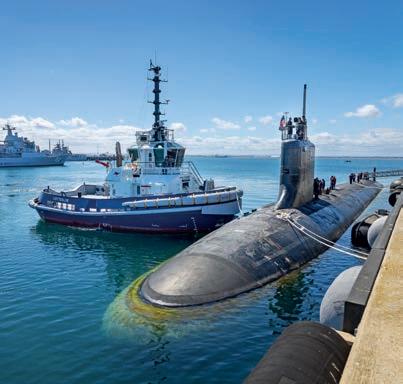
In the Manufacturer Focus, we follow ASC, which is drawing on four decades of submarine expertise to build a sovereign, nuclear-ready industrial capability.
Finally, in our Decision Maker column, Optiscan’s CEO & managing director, Dr Camile Farah, explores how digital pathology highlights the growing importance of sovereign manufacturing in healthcare.




At a time when Australia needs reminders of its sovereign potential in manufacturing, examples of local ingenuity are emerging in sectors as diverse as healthcare and defence. These industries are proving that advanced manufacturing is not just about making things – it is about shaping the nation’s strategic resilience, workforce capability and long-term innovation.
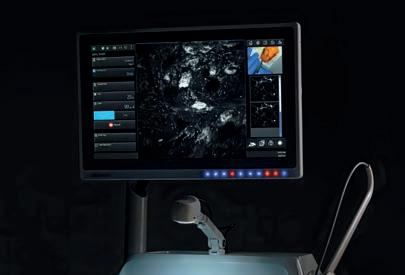
Dr Camile Farah, CEO and managing director of Optiscan Imaging, highlights digital pathology as an example of why sovereign manufacturing matters in modern healthcare. Pathology has long been one of the most analogue areas of medicine, relying on glass slides, manual workflows and physical transport of samples. This approach can slow diagnosis, strain hospital systems, and limit access to timely care. While many technologies focus on simply digitising slides, Farah explains that true transformation lies in digitalisation: the integration of imaging, software, data and workflows into a connected system. Emerging approaches, such as optical biopsy and real-time cellular imaging, allow tissue to be analysed immediately after removal. By removing the need for traditional freezing and sectioning, these techniques deliver faster, more scalable diagnostic insights.
Farah emphasises that as pathology moves into the digital age, manufacturing capability becomes strategically critical. Modern digital pathology systems depend on the precise integration of optics, electronics, embedded software, cybersecurity measures and AI-driven
analytics. Their reliability and performance hinge on how they are designed and built. Sovereign manufacturing, he argues, underpins resilience, supply chain security and the flexibility to tailor technologies to local clinical needs. With automation, robotics and AI becoming integral to pathology workflows, advanced manufacturing is no longer a background function – it is a clinical enabler. It ensures that systems can generate high-quality data consistently, integrate seamlessly with hospital infrastructure, and deliver real-time insights that improve patient outcomes.
In another manufacturing sector, ASC is demonstrating how decades of local expertise can support Australia’s strategic ambitions in defence. As the nation progresses along the AUKUS pathway towards nuclear-powered submarines, ASC is leveraging nearly four decades of experience in submarine construction and sustainment. Christian Hamilton, chief operating officer of SSN AUKUS at ASC, notes that the company’s work building the Collins Class submarines underscores Australia’s ability to deliver complex defence manufacturing domestically. Originally constructed at Osborne in South Australia, the six Collins Class boats continue to be maintained through deep-level maintenance at Osborne and mid-cycle dockings at Henderson in Western Australia. Hamilton said this legacy shows that with clear goals, Australia can mobilise the workforce, supply chains and industrial capacity required for large-scale,
technically demanding defence programs.
The transition to nuclear-powered submarines involves expanding the workforce, building international partnerships, and developing specialised skills for nuclear sustainment. More than 200 ASC employees are training in Pearl Harbor, Hawaii, USA to gain hands-on experience with US Navy Virginia Class submarines ahead of Submarine Rotational Force – West (SRF-West), which will see UK and US nuclear submarines rotate through HMAS Stirling from next year. Rigorous training and certification pathways are central to nuclear safety and regulatory compliance, with similar expectations extending to industry suppliers. Alongside government collaboration, ASC is investing in the next generation of talent through initiatives such as the Tonsley Technical College in South Australia. Hamilton said the nuclear submarine program will not only enhance Australia’s defence capability but leave a legacy of advanced manufacturing expertise, workforce development and industrial resilience.
What these examples illustrate is clear: sovereign manufacturing is not just a point of national pride – it is a practical, strategic necessity. Whether transforming healthcare or building nuclear submarines, the capability to design, integrate and produce complex systems locally ensures Australia can respond quickly to both everyday needs and extraordinary challenges. It is a reminder that, in manufacturing, ambition and expertise can translate directly into national strength.
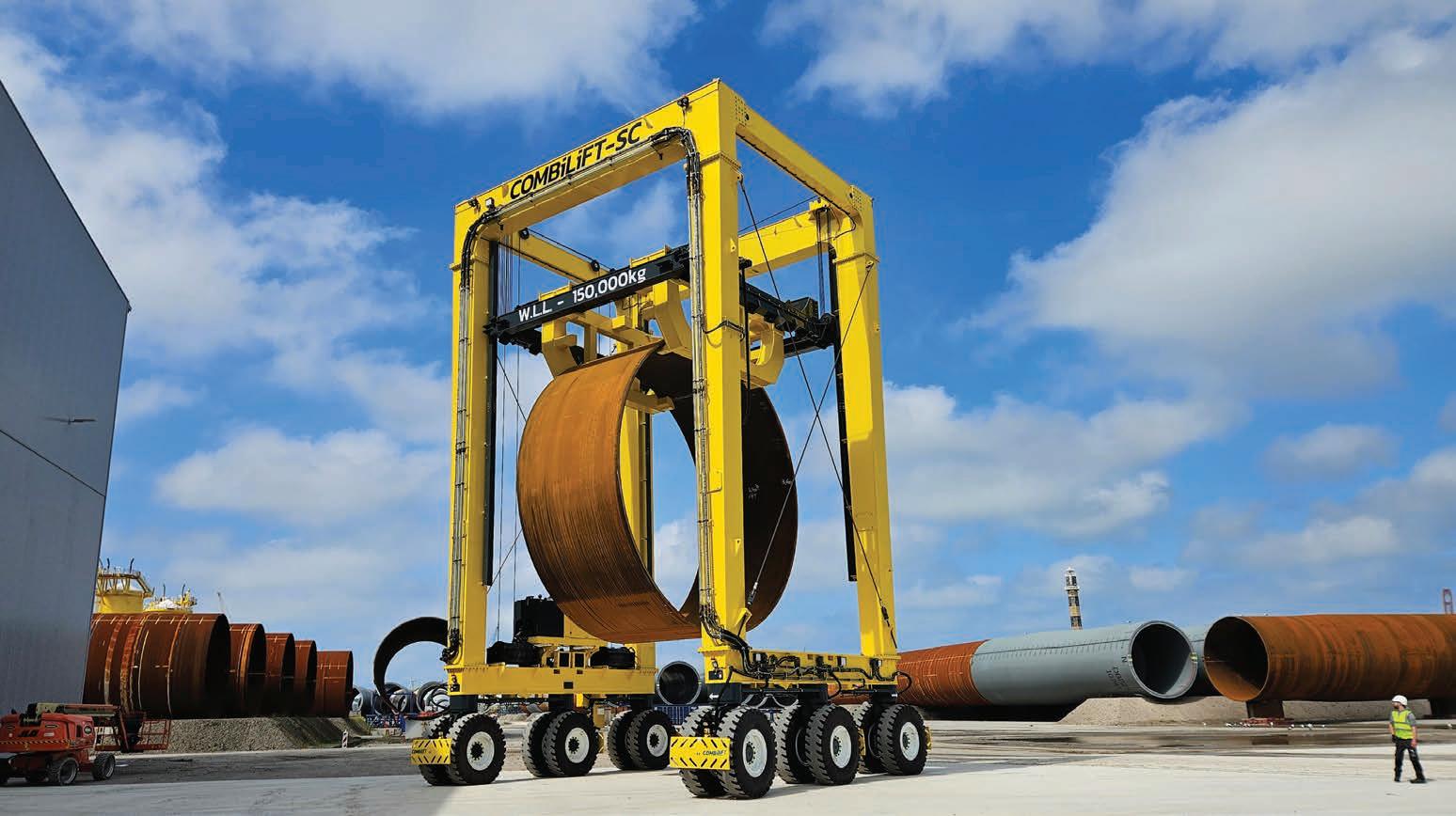
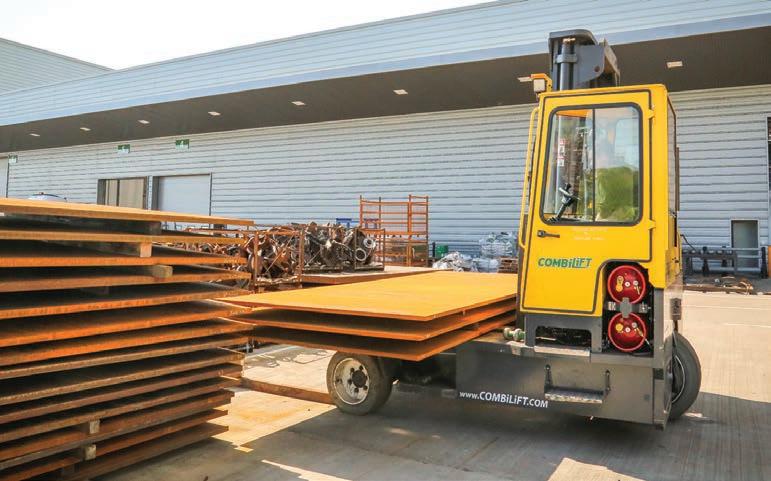
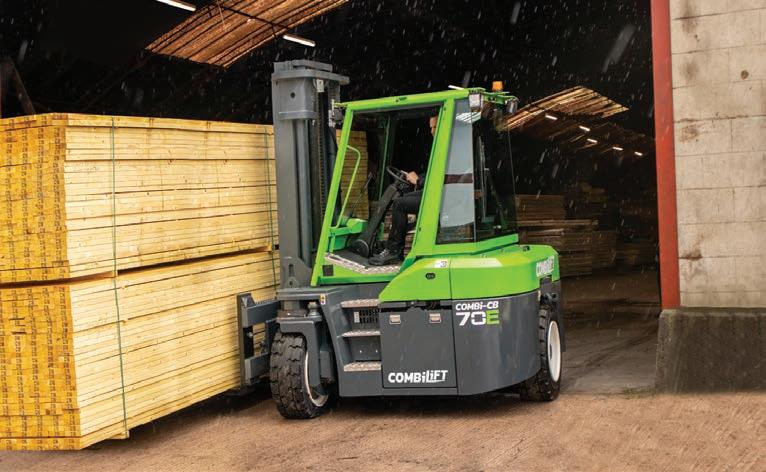
For 25 years, Combilift has been revolutionising the way companies handle and store goods. We help companies of all sizes and from every industry to maximise the capacity, safety and efficiency of their warehouse and storage facilities.
Our pioneering product range of multidirectional, articulated and pedestrian forklifts, straddle carriers and container loaders allows you to manoeuvre long loads safely, reduce aisle widths and increase the amount of space available for storage.
To find out how Combilift can help you unlock every inch of your storage space.

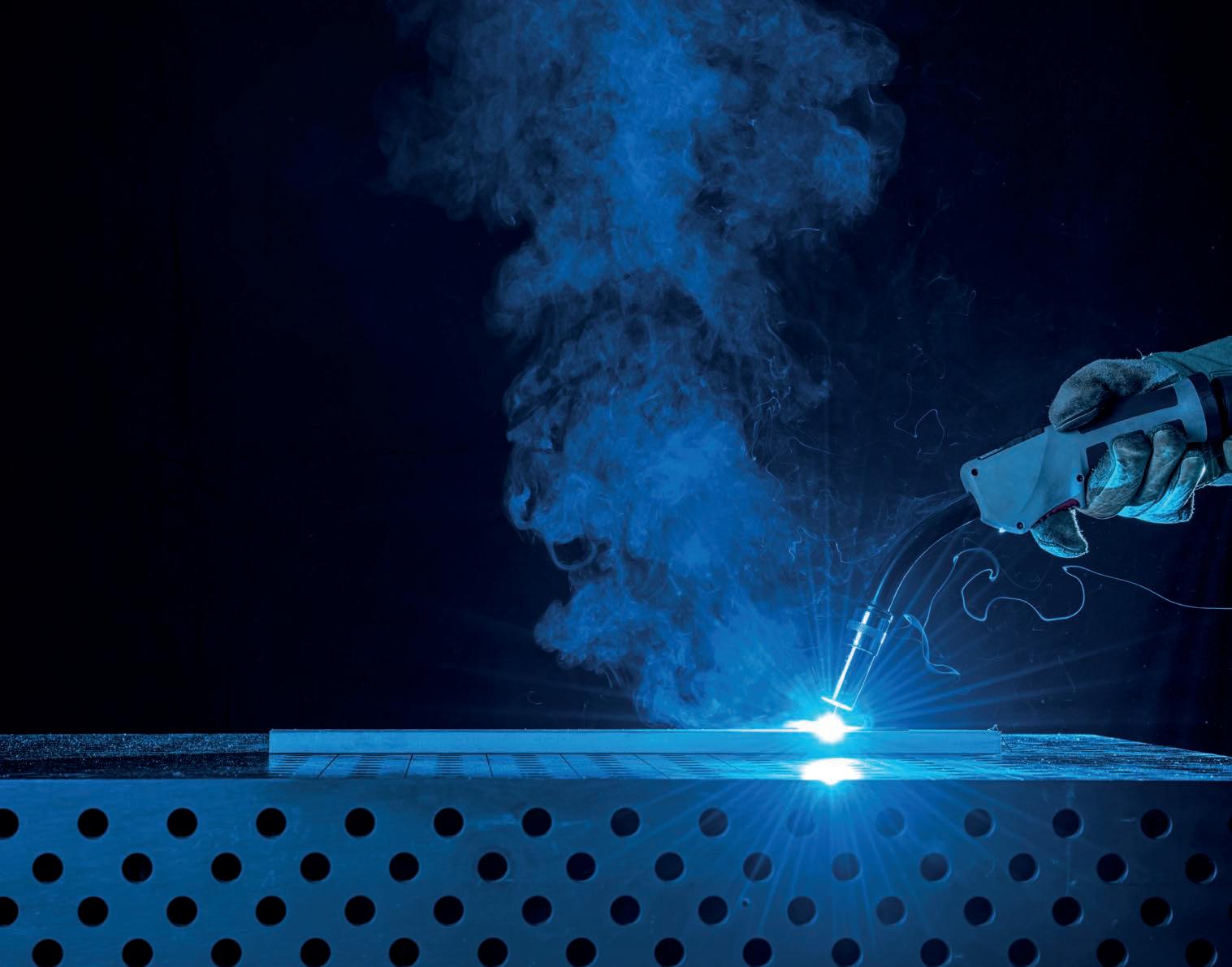
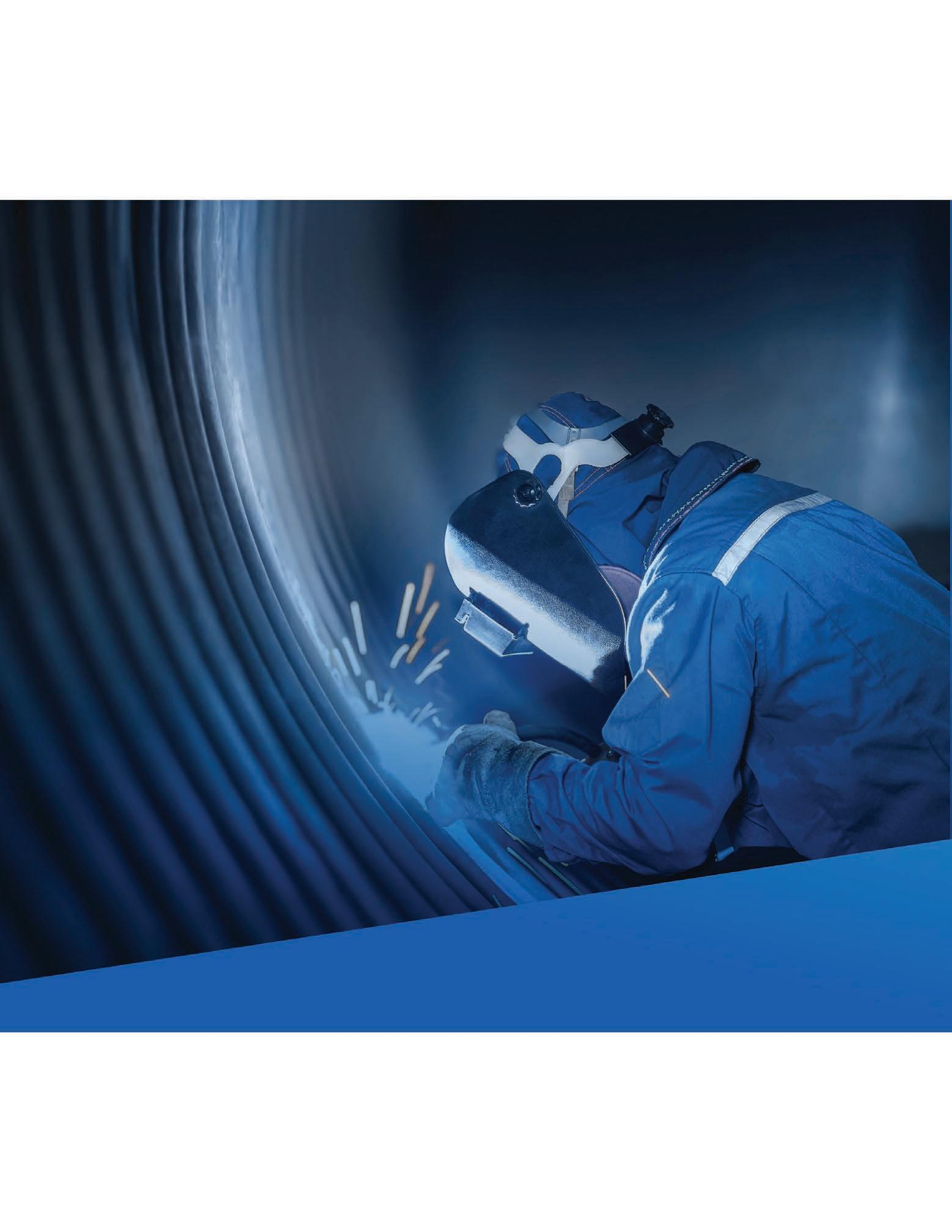
Manage welding fume emissions at their source; in the welding arc.
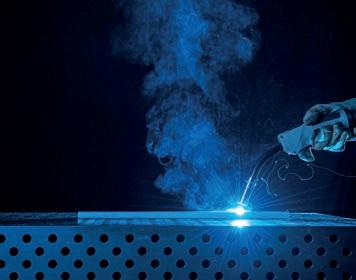
BOC’s Prevention Line gases are specifically engineered to help reduce emission rates across your processes — supporting cleaner operations and a safer working environment. By well informed shielding gas selection for cleaner, more stable arcs, our Prevention Line products not only improves air quality in the workplace, but also enhances weld quality, productivity, and worker safety.
Fume Emission Rates for GMAW/MAG welding carbon steel 10 m/min, using 1.2 mm GMAW/MAG wire. Data source: Linde Technology Arc Welding Laboratory Fume emission measurement according to EN ISO 15011-1.

A100%CO₂
BArgoshield52
CArgoshieldUniversal
CArgoshieldHeavy
DArgoshield10
DArgoshield54
Fume Emission Rates for FCAW welding carbon steel 12m/min, using 1.2 mm FCAW wire. Data source: Linde Technology Arc Welding Laboratory Fume emission measurement according to EN ISO 15011-1
A100%CO₂
BFCAW-S(Self-shielded)
CArgoshield52
DArgoshieldHeavy
EArgoshield10

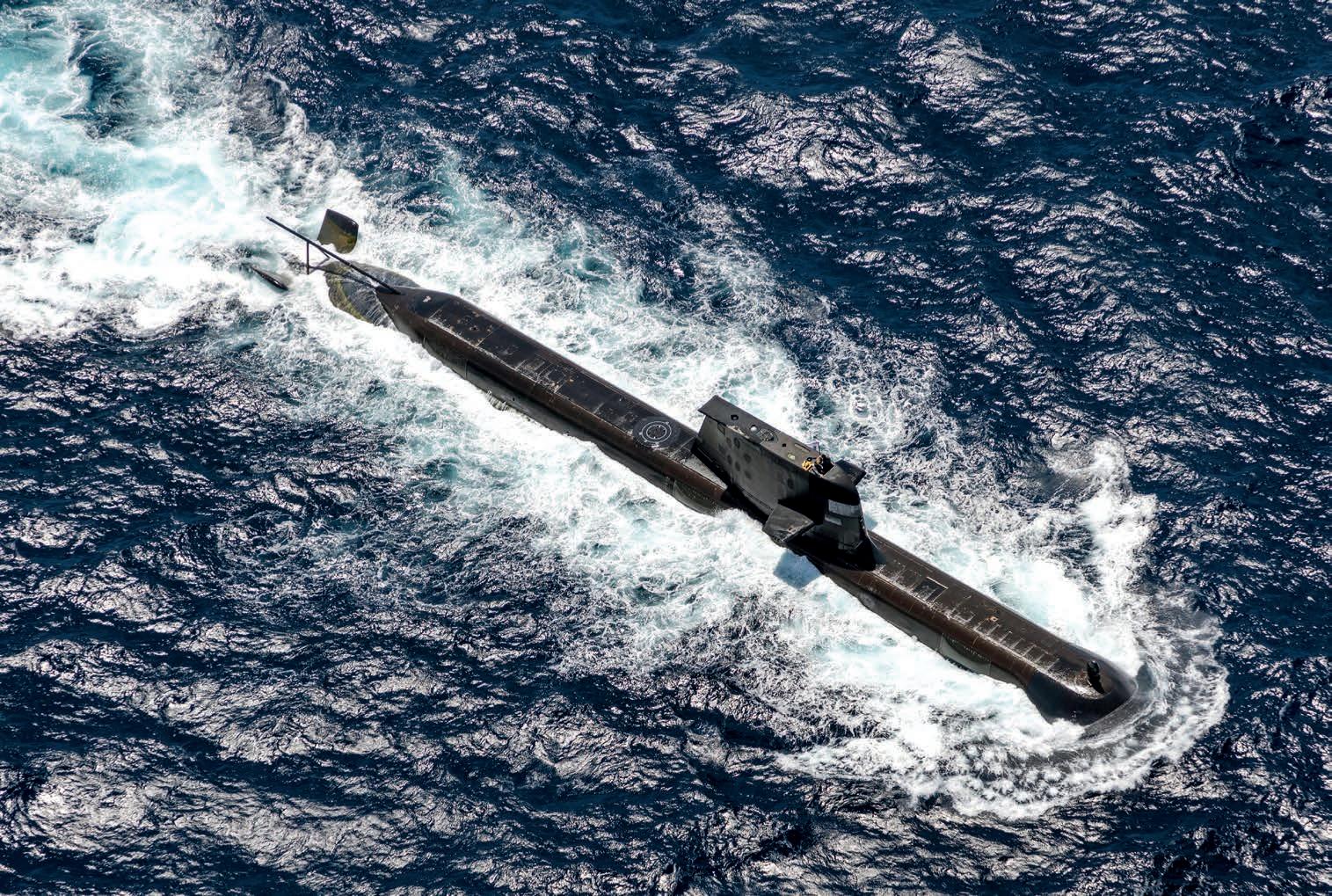
As Australia advances along the AUKUS pathway, ASC is drawing on four decades of submarine expertise to build a sovereign, nuclear-ready industrial capability.
For nearly four decades, ASC has been at the epicentre of Australian submarine manufacturing and sustainment, one of the nation’s most complex industrial capabilities. From reclaimed swampland at Osborne in South Australia to a multi-site operation supporting the Collins Class fleet, the company has evolved alongside the country’s defence ambitions.
Today, as Australia embarks on the AUKUS nuclear-powered submarine pathway, ASC again finds itself busy, this time balancing the sustainment of the existing fleet with the scale-up of a nuclearqualified workforce. At the operational helm of that transition is Christian Hamilton, chief operating officer of SSN AUKUS at ASC, whose career bridges both uniformed service and industry leadership.
Hamilton served in the Australian Army for more than 15 years, undertaking roles that included
deployments to East Timor, Iraq and Afghanistan. His background spans surface-to-air missile systems and radar technology, and extended schooling in the United Kingdom in advanced technologies. This experience would later prove highly relevant.
By April this year, he will have clocked close to 30 years across Australian defence and the defence industry. These experiences shape how he views ASC’s mission today.
“The advanced technology schooling in the UK was a relatively neat segue into an organisation like ASC,” said Hamilton. “I think ASC is unique amongst a lot of heavy engineering organisations because it is so closely aligned to our customer and our end user in the Royal Australian Navy.”
He describes the relationship with the Royal Australian Navy not as a traditional supplier
arrangement, but as a bona fide partnership grounded in shared outcomes rather than transactional exchange. While commercial disciplines remain fundamental, the purpose is unambiguous: deliver a capable submarine force to the nation.
“At its core, we want to make sure we give capable submarine capability to the Royal Australian Navy,” he said.
ASC, which positions itself as Australia’s submarine company, considers itself the nation’s sovereign submarine company for good reason. The organisation originally constructed the six Collins Class submarines – a national undertaking that required building not only a fleet, but an industrial base from scratch.
For Hamilton, that history is more than nostalgia; it is a reminder of national capacity. In the context of the nuclear transition, he argued that Australia should draw confidence from what has already been achieved domestically. The Collins program stands as tangible proof that complex, high-consequence defence manufacturing can be executed locally.
“When we’re looking at the nuclear journey, it’s important to give ourselves some national confidence that we can do this,” he said. “We started from old swampland, built the facility that the Collins class submarine was constructed in, grew the workforce, and delivered six submarines to the Royal Australian Navy all inside a period of 16 years.”
Hamilton said that track record demonstrates that when Australia has a clear target, it can mobilise the skills, supply chains and industrial coordination required to deliver at scale.
“When we have a clear target to aim at, we certainly have the know-how here in Australia and we have an ability, as proven by Collins, to be able to deliver on these programs,” Hamilton said. “That gives us tremendous confidence.”
Today, ASC’s operational footprint spans both South Australia and Western Australia, supported by a national workforce. At Osborne, the company undertakes deep-level maintenance of the Collins Class fleet – complex, multi-year activities that effectively deconstruct and reconstruct a submarine to return it to service. On any given day, around 1,500 people may be working at the site, including suppliers.
In Western Australia, ASC operates from Henderson, south of Fremantle, undertaking midcycle, intermediate and recertification dockings. These are shorter in duration than deep-level maintenance and are focused on ensuring that submarines remain certified and that defects identified during operational cycles are rectified. Work is also undertaken at HMAS Stirling, reflecting the close integration between industry and Navy.
Beyond its physical sites, ASC is embracing a distributed model of work. Increasingly, the
company is taking work to where expertise resides, rather than relocating individuals. Personnel are based in locations such as Queensland and Victoria, reflecting a broader industry trend towards national talent networks. “It’s all about getting the right, talented people doing the right work at the right time,” Hamilton said. “Sometimes it’s easier to move the work to personnel than to move personnel to the work.” That national approach extends offshore. As Australia prepares for nuclear-powered submarines under the AUKUS optimal pathway, ASC has established subsidiary organisations in the UK and the U.S to support workforce deployment and administration. The aim is clear: build sovereign capability by embedding Australians within mature nuclear enterprises.
In Pearl Harbor, Hawaii, more than 200 ASC employees – drawn largely from the Collins sustainment workforce but increasingly including direct recruits – are undertaking tailored development programs. These personnel are learning the technical skills required to support US Navy Virginia Class submarines when Submarine Rotational Force – West (SRF-West)
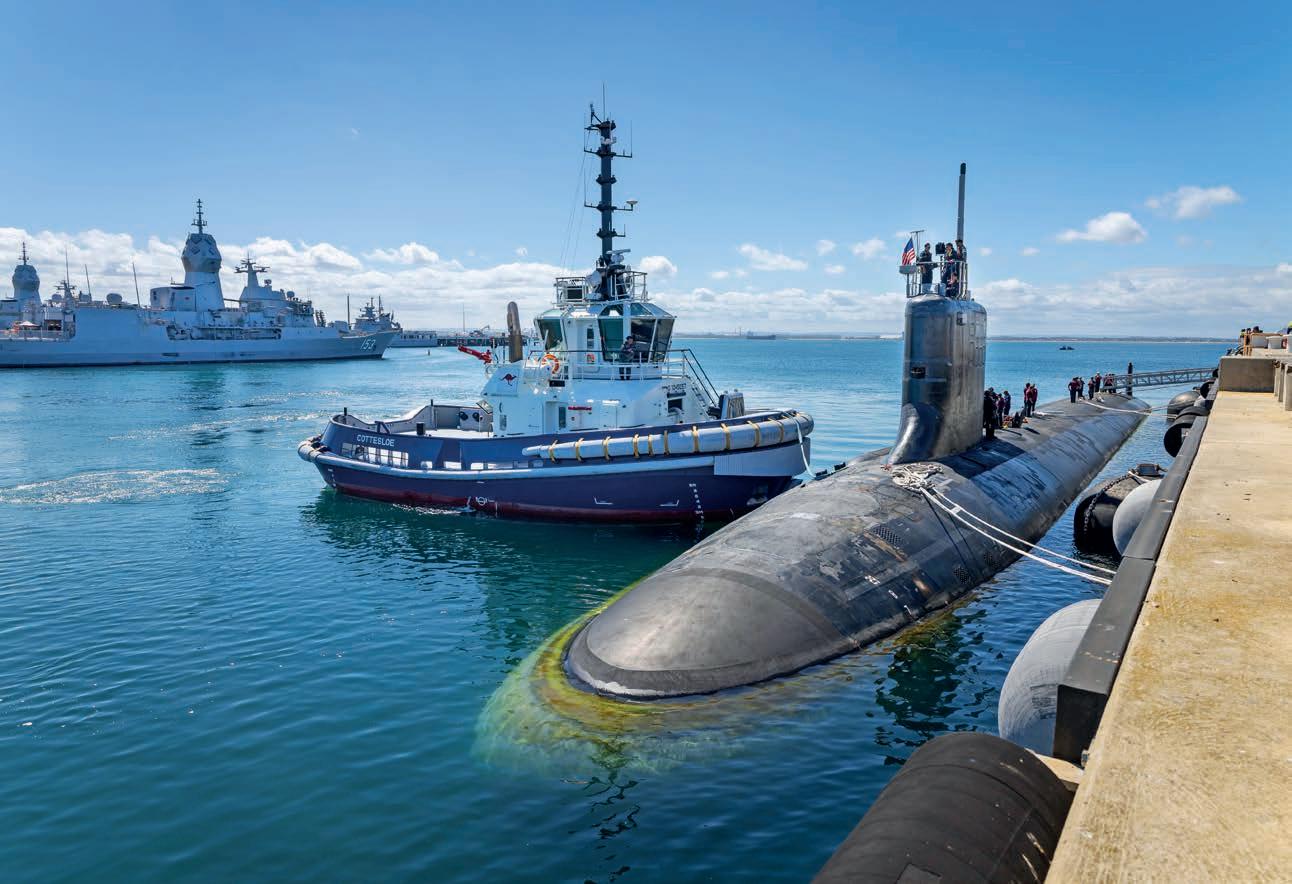
commences at HMAS Stirling from next year.
“They’re not only going to the various technical schools and getting the technical skills and qualifications,” Hamilton said, “but they are also getting practical on-the-job experience whilst they’re in Pearl Harbor as well.”
SRF-West will involve a rotational presence at HMAS Stirling of one UK and up to four US nuclear-powered submarines. The platforms will rotate through Western Australia and will not be permanently based in Australia, consistent with the longstanding bipartisan policy of no foreign bases on Australian soil. The US elements will operate under the USAustralian Force Posture Agreement, with separate arrangements enabling UK participation.
For Australia, SRF-West is a stepping stone towards safely and securely owning, operating, sustaining and regulating its own nuclear-powered submarine fleet from the early 2030s. Royal Australian Navy officers and sailors are currently training and serving in UK and US boats to gain at-sea experience in nuclear powered submarines, while Australian maintenance personnel – including ASC staff – will support the submarines ashore.
Hamilton emphasised that nuclear is fundamentally about assurance. Every individual deployed overseas is on a discrete, assessed training pathway aligned to
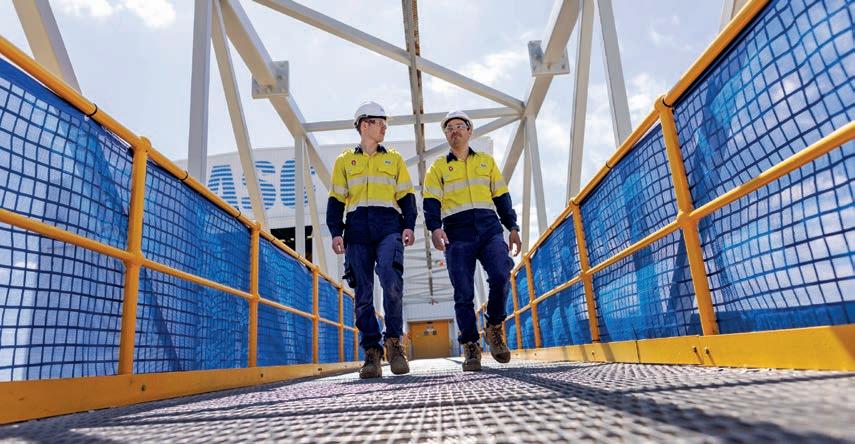
their trade or professional stream, whether engineer, technician or radiological specialist.
“In a nuclear world, making sure that you can assure and certify the capability of the people working on nuclear submarines is at the absolute heart of the nuclear safety case,” he said. “In order to be able to meet our regulatory obligations, it’s imperative that our people go through structured training that we can certify.”
That expectation extends into the supply chain. Companies seeking to become qualified and
participate in the nuclear enterprise must be able to quantify and certify workforce competence.
“It’s a non-negotiable that they are able to certify and quantify the capability they’ve got,” Hamilton stated.
By 2030, the goal is to have around 500 ASC personnel qualified and ready to support SRFWest activities in Australia. Some have already

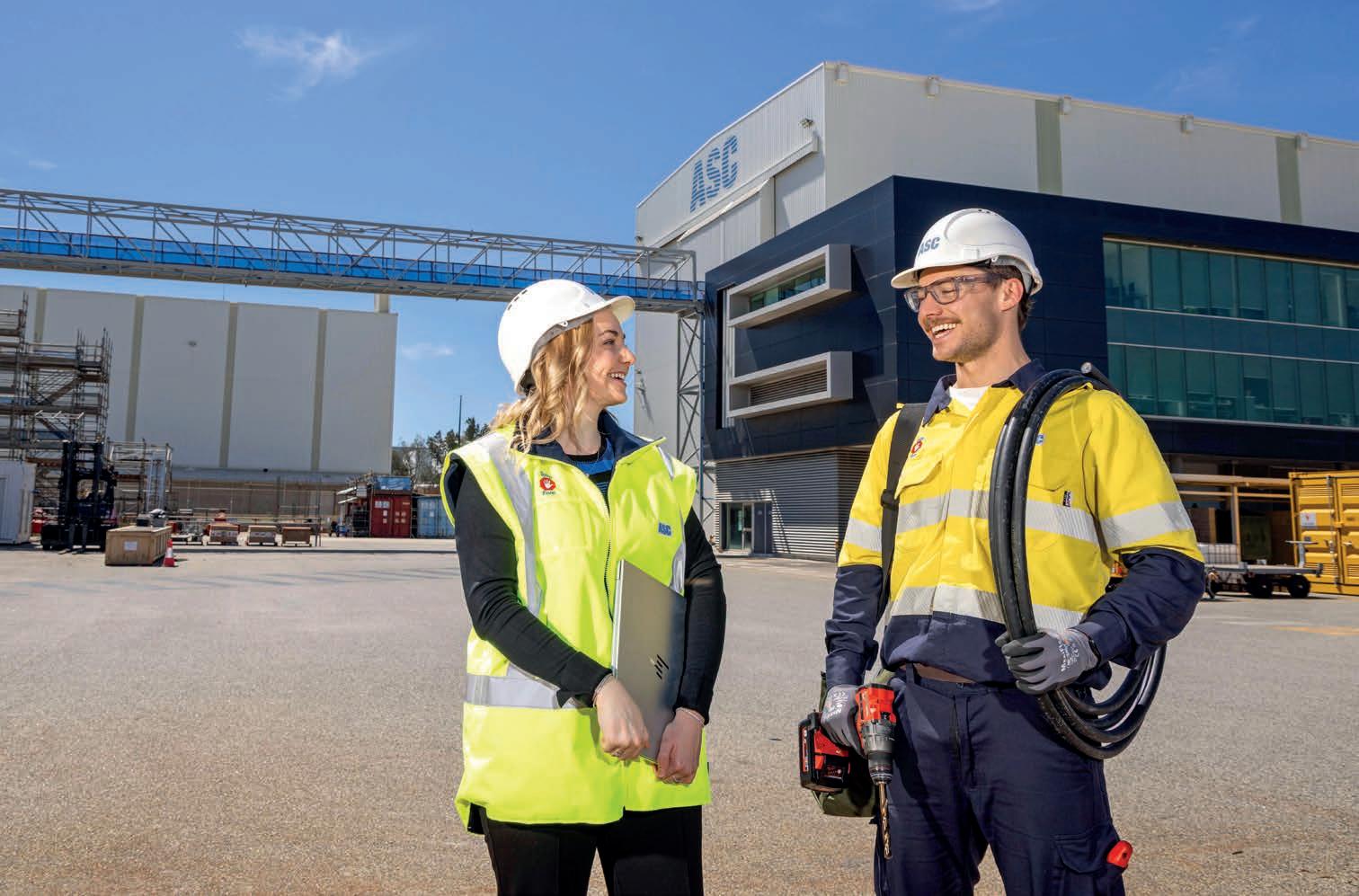
returned to support recent maintenance periods, demonstrating the practical value of the overseas placements. In February 2026, ASC’s total workforce had reached more than 3,000 people, reflecting both sustainment demands and nuclear preparation.
Collaboration with government underpins this expansion. As a government business enterprise, ASC works closely with the Department of Defence, the Department of Finance and the Australian Submarine Agency. Relationships with the South Australian and Western Australian governments are equally central, particularly given infrastructure and workforce implications.
In Western Australia, engagement is tied to the Henderson redevelopment and ASC’s role as a key stakeholder. In South Australia, collaboration extends to the design and construction of the future nuclear-powered submarine construction yard, with land originally owned by the South Australian government provided to the Commonwealth to enable development.
“We find at all levels of the SA and WA governments nothing but support and a real desire to lean in,” Hamilton says. “Anytime I’m near someone from the two state governments, they’re always asking what they can do – what more can they do.”
Workforce development is a shared priority. ASC has partnered with the South Australian government on the Tonsley Technical College
initiative, co-developing curriculum from Year 10 upwards to create direct pathways into apprenticeships and engineering streams aligned to nuclear requirements.
“It’s probably a sign of the times where industry is looking to go further up that talent pipeline,” Hamilton reflected. “If young people want to work in our naval shipbuilding or sustainment sector, they can now start that journey very quickly.”
Interest in ASC’s apprenticeship and graduate programs is strong, with more than 1,000 apprenticeship applicants and several hundred graduate applicants each year. Structured pipelines such as Tonsley offer an accelerated route into these competitive streams, addressing wider manufacturing workforce pressures while preparing for nuclear demand.
Yet for Hamilton, the nuclear transition is not solely about platforms or programs. It is about national resilience and long-term industrial maturity. Australia’s decision to invest in nuclearpowered submarines reflects a strategic judgement about security, but it also catalyses a generational uplift in capability.
“Ultimately, Australia’s undertaking the investment into nuclear-powered submarines because it believes that it’s in its national interest to
have that capability as part of its national security,” he said. “That gives you a real foundation around why a program like that is so important to us.”
The multiplier effect, he suggested, will extend beyond the boats themselves, embedding advanced manufacturing, regulatory depth and safety culture into the broader economy.
“It will leave a legacy that goes far deeper than just the delivery of nuclear-powered submarines for the Royal Australian Navy,” Hamilton said. “It means Australia would have stepped into an industrial-level nuclear capability where we’ve proven ourselves to be able to not only manufacture nuclear submarines in this country but safely maintain them and keep them operational.”
For young Australians contemplating careers in manufacturing or engineering, the message is clear.
“If you’re a young person at the moment entering into the workforce,” Hamilton added, “I’d hope that that grabs your imagination.”
From reclaimed swampland at Osborne to a nuclear-ready enterprise spanning continents, ASC’s journey reflects both continuity and transformation. As SRF-West approaches and the AUKUS pathway advances, the company stands at the intersection of Government policy, Defence industry, Navy capability and national purpose.


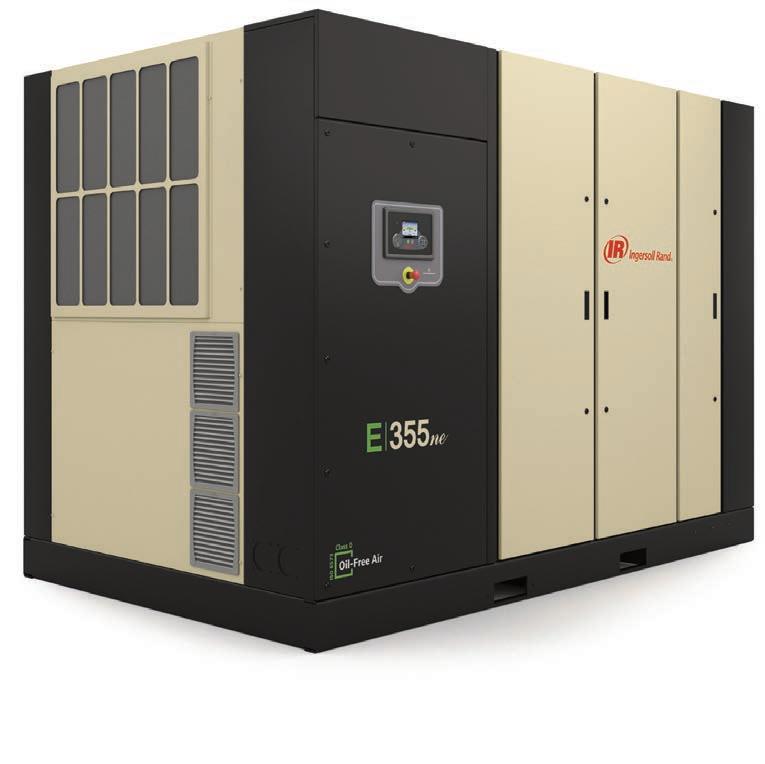
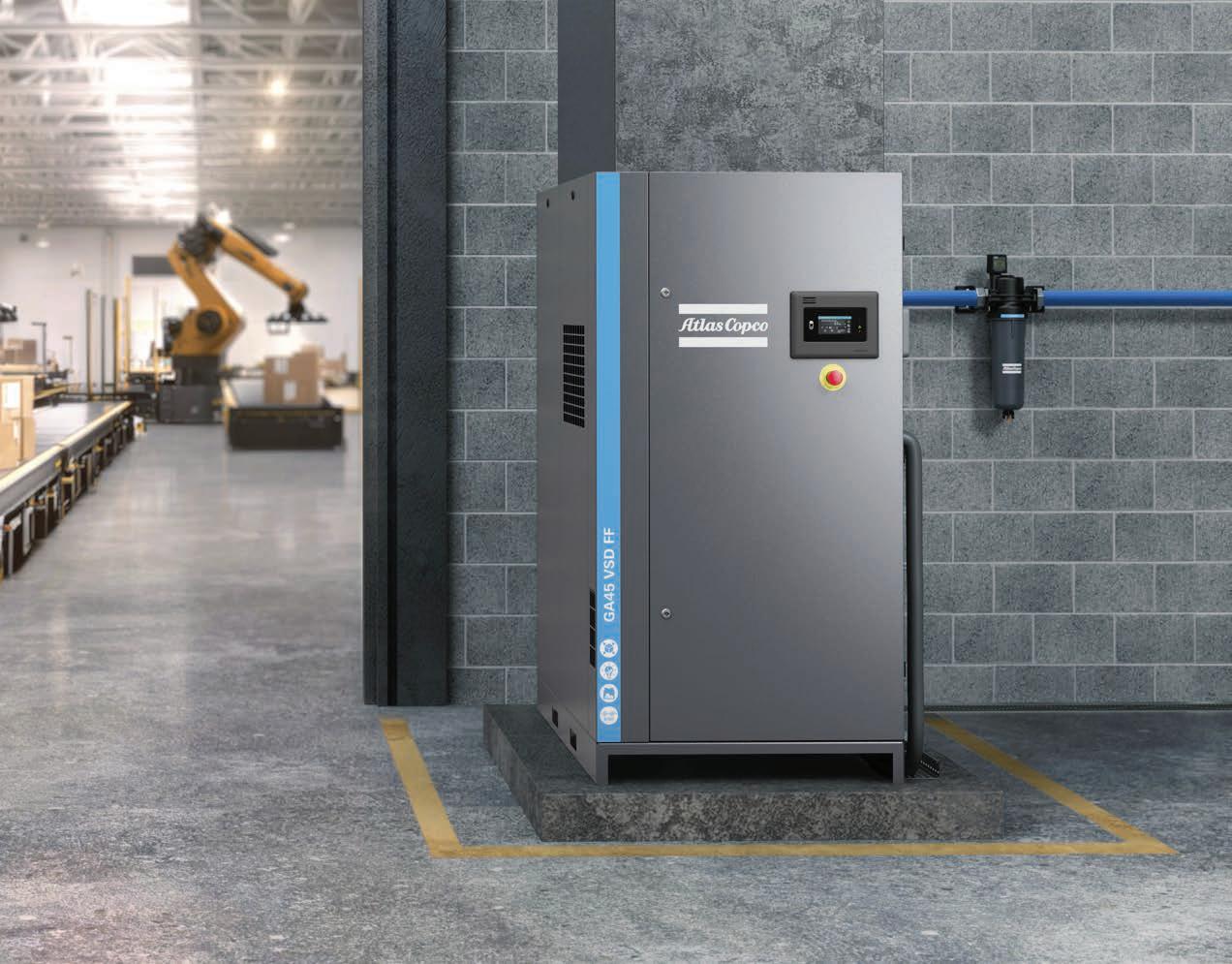
Higher reliability & lower total cost of ownership Atlas Copco’s new GA15-45VSD delivers:
Up to 35% energy savings with advanced VSD drive train
IE5‑rated iPM motor for maximum efficiency
Smart controls for real‑time optimisation
IP66‑protected motor built for tough Australian conditions
Elektronikon® Touch for remote monitoring and performance insights

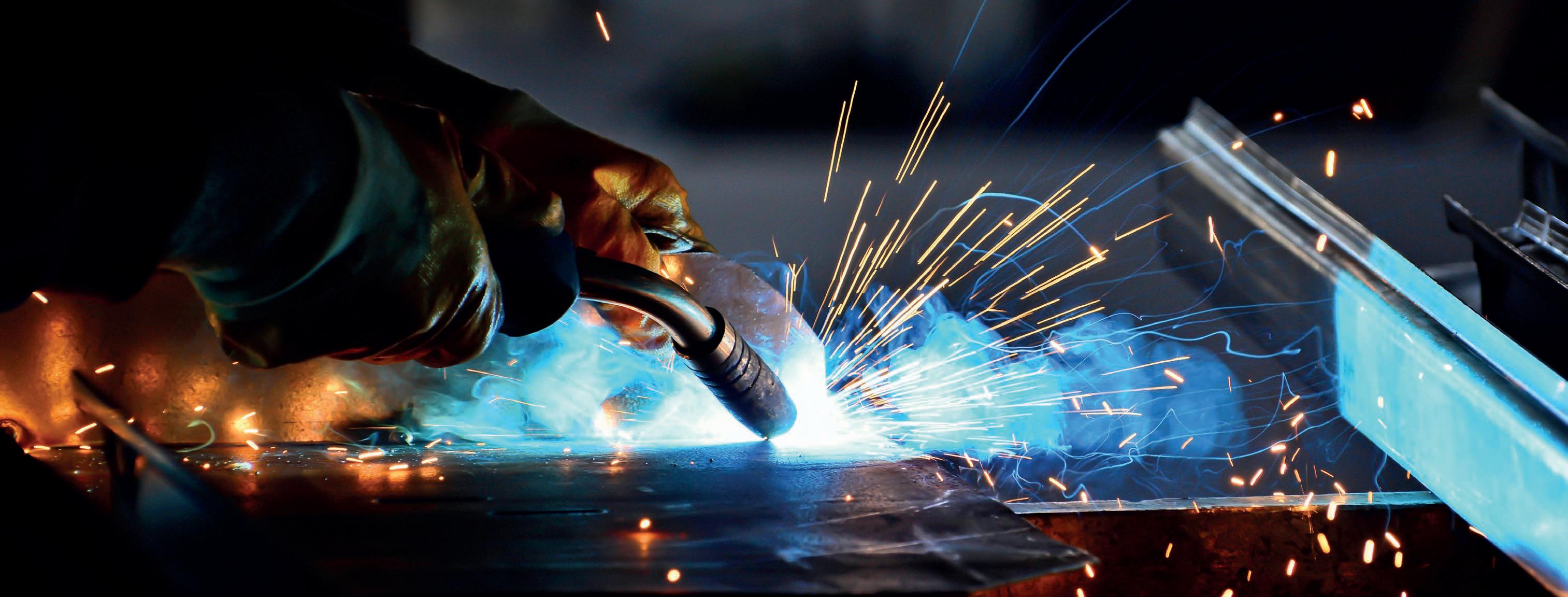
New research and industry guidance show that reducing welding fume exposure may be most effective when tackled at the source through optimised shielding gases and consumables.
In the ever-evolving landscape of occupational health and safety, welding fume exposure has drawn attention. Recent insights from BOC’s Hierarchy of Control for Welding Fume Reduction and Todescato et al.’s 2025 comparative study of low-Mn seamless flux and metal cored wires provide a compelling case for rethinking fume mitigation – not just through PPE and ventilation, but by targeting the source itself.
At the top of the well-known Hierarchy of Controls, elimination remains the ideal according to BOC, but impractical in most welding contexts. This positions substitution as a potent realistic strategy. In practice, this means deploying optimised shielding gases and filler materials that lower fume emission rates (FER).
One standout example is BOC’s Argoshield 10, a gas blend with reduced CO₂ content, which helps spread arc heat more evenly across the filler tip, thus reducing localised overheating and consequent metal vapour generation. This shielding gas has also been demonstrated to reduce FER for Gas Metal Arc Welding (GMAW), Flux Cored Arc Welding (FCAW) and Metal Cored Arc Welding (MCAW).
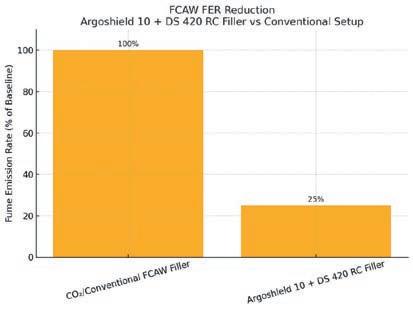
Take Figure 1, extracted from BOC’s guide, showing the FER reduction when combining Argoshield 10 with Diamond Spark Guard 420 RC FCAW wire from voestalpine Bohler Welding Group. The pairing achieves up to 75 per cent FER reduction (measured under controlled laboratory conditions) compared to conventional CO₂ – a measurable step-change in safety.
Complementing this, Todescato et al. (2025) confirms that low-Mn seamless cored wires, such as the GUARD range from the voestalpine Bohler Welding Group, reduce manganese exposure – an area of rising concern due to links with neurological disorders. The study reports a 27–45 per cent reduction in Mn emissions using newly developed wires in controlled arc environments.
According to BOC, when Argoshield 10 is combined with modern power sources that enable controlled metal transfer processes – like EWM’s forceArc puls or coldArc puls – the benefits of shielding gas substitution multiply for GMAW. The integration of advanced transfer modes reduces heat input; limits spatter and further suppresses fume generation at the source for solid wire.
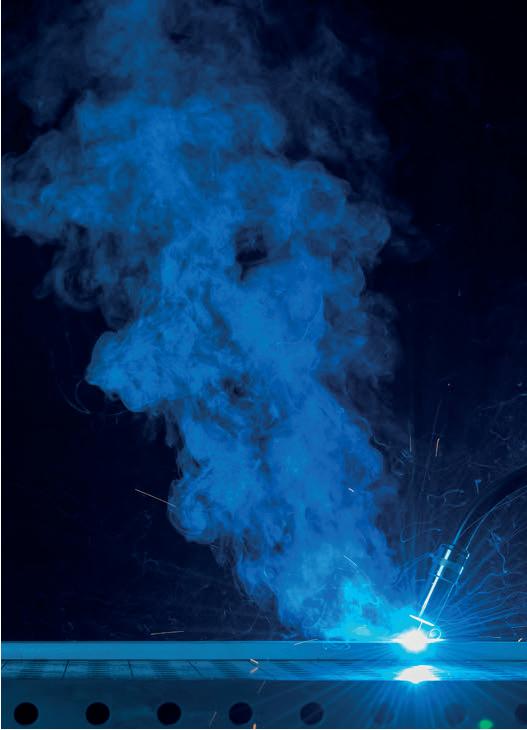
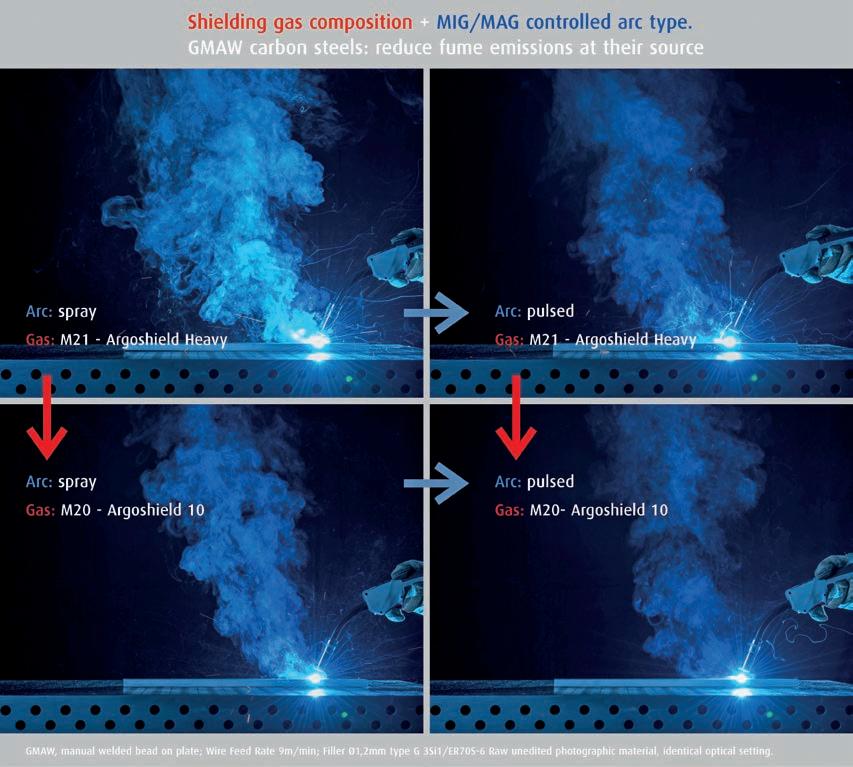
A qualitative example of this is shown in Figure 2 where the change of shielding gas from 18 per cent CO ₂ (M21) to 10 per cent CO ₂ (M20), then followed with change from spray transfer to pulse (the simplest form of wave form control), has a progressive reduction effect on visible welding fume.
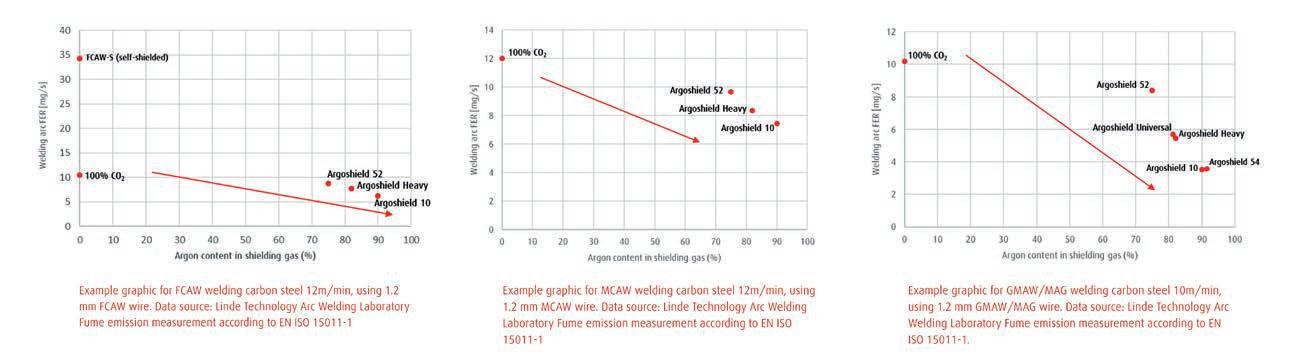
BOC, working with the Linde Technology Centre in Munich, studied the effect on fume emission rate of several of BOC’s shielding gases for GMAW, FCAW and MCAW. After hundreds of individual tests, the consistent trend of a marked reduction of fume emission with a lowering of the shielding gas CO ₂ content was observed across all three processes with 10 per cent CO ₂ (Argoshield 10) delivering the best combined results across all three processes. Argoshield 54 was the best gas mixture for GMAW on carbon steel.
From this study, BOC was able to reclassify its shielding gas ranges into three distinct lines – Competence Line, Performance Line and Prevention Line. The latter being determined to be the best available choice for welding fume reduction, and Performance Line indicated for higher welding speeds, thus increasing productivity. Several graphs showing their fume reduction performance on carbon steels were developed from this study.
The effect of waveform control was also
observed by RWTH Aachen University in a joint project with EWM GMBH when welding on stainless steel where a spray transfer was changed to a controlled mode of spray transfer combined with a pulse transfer known as forceArc puls. An average fume emission reduction of approximately 87 per cent was observed as shown in Figure 4.
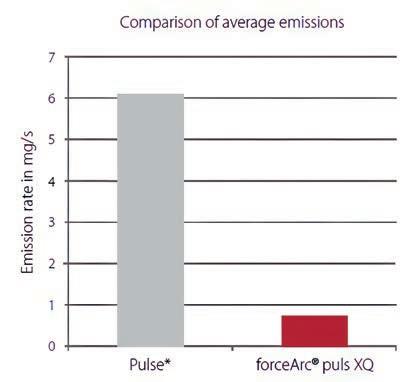
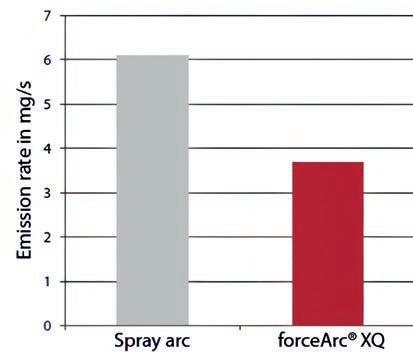
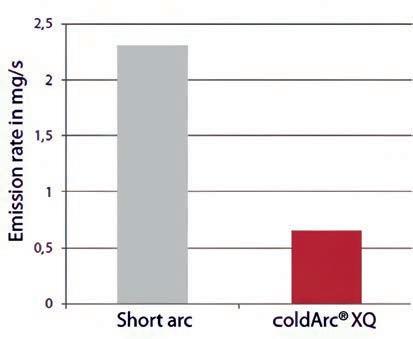
A similar effect was noted on carbon steel for both controlled spray (forceArc) and short-circuit (dip) transfer (coldArc) where fume emission reductions of approximately 40 per cent and 73 per cent respectively were noted by Technische Universitat Dresden (Dresden Technical University) in conjunction with EWM GMBH (Figure 5).
While PPE such as the Speedglas, Weldclass or CIGWELD’s Cyclone PAPR systems remain vital for protecting the welder, relying on them as a primary control is reactionary. A proactive strategy requires upstream intervention – through smarter consumables and equipment selection that lower the fume in the first place. Lowering the fume emission at source in turn lowers the level of exposure for anyone finding themselves in the welding environment. Also, the lowering of fume emitted at the source has a knock-on benefit of
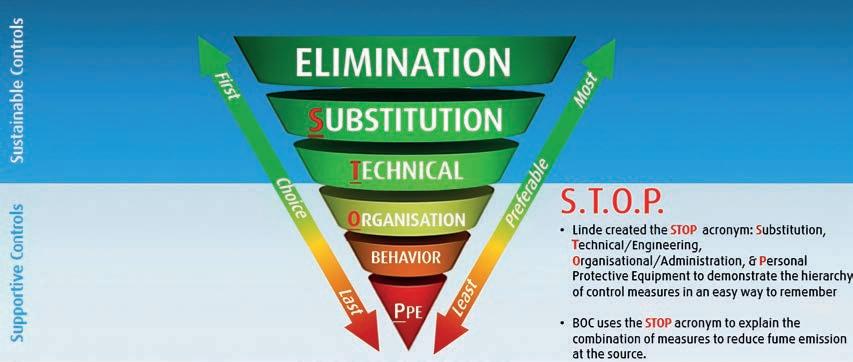
improving the effectiveness and efficiency of technical/engineering solutions in the form of fume extraction equipment such as fume hoods and on-gun fume extraction solutions. BOC and Linde have been campaigning in industry to promote the concept of the Hierarchy of Control for welding fume management based on these learnings. This concept presents a more readily accessible and relatable means of explaining how the combination of control measures can be effective in reducing welding
fume exposure. The S.T.O.P. acronym came from this work which is an easy concept for the welding and cutting fraternity to follow.
In the current regulatory and social climate, organisations serious about welder and welder co-worker safety should move beyond the status quo. The tools and evidence are already in hand. Welding fume control, at its most effective, starts not with extraction but with intelligent substitution led by the S.T.O.P. hierarchy of control process.
As Australia’s largest supplier and extruder of aluminium, Capral is committed to supporting Australian manufacturing with high-quality, locally produced aluminium extrusions. Our state-of-the-art facilities provide precision-engineered solutions for industries nationwide, from construction, to engineering, transport, and marine.
Choosing Capral is an investment in reliable supply, shorter lead times, and a stronger Australian manufacturing sector.
When you need Australian-made aluminium, Capral can do.
Order online 24/7 Pick-up & Delivery shop.capral.com.au Celebrating 90 years of Australian manufacturing
RSM Australia’s Rafael Morillo Maldonado examines how manufacturers can adapt to revenue volatility driven by shifting consumer preferences.
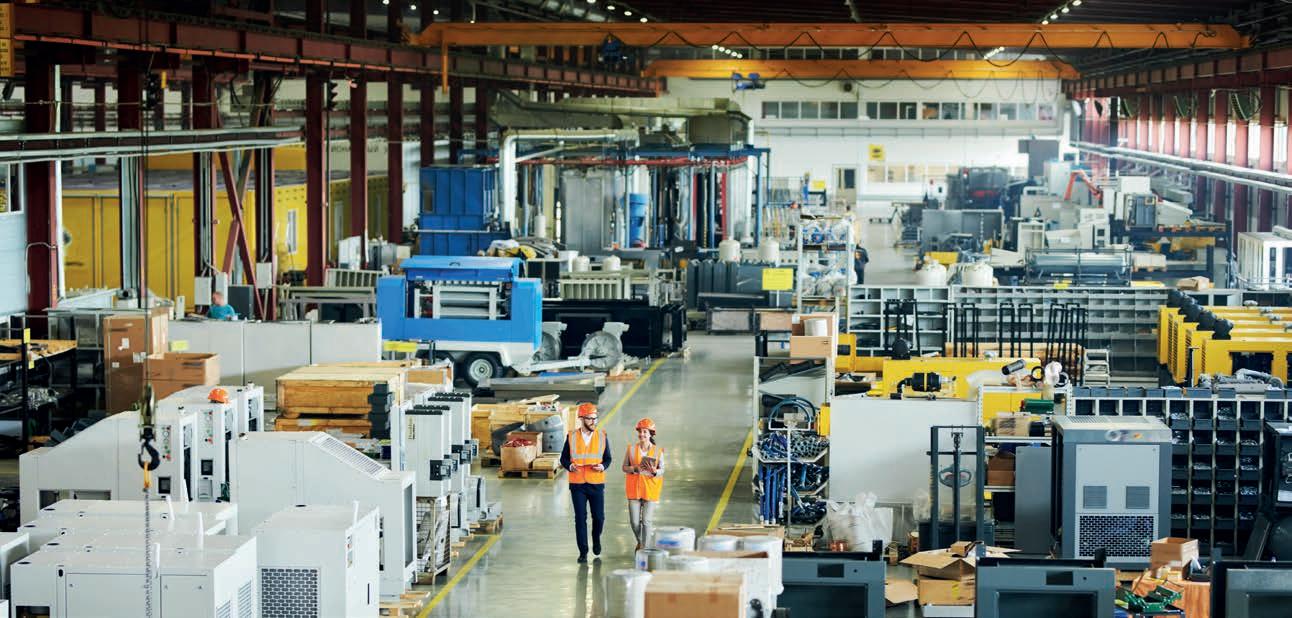
Revenue across the manufacturing sector is becoming increasingly unpredictable as consumer preferences shift at speed. From changes in product design to sustainability expectations and technological disruption, demand patterns are proving harder to forecast and more susceptible to sudden swings. For finance teams, that volatility is not just a commercial concern – it has direct accounting consequences, particularly for property, plant and equipment (PPE).
When sales soften or product lines lose traction, the expected returns from production assets come under pressure. If cash flow projections deteriorate, businesses may find that assets carried on the balance sheet no longer reflect their economic reality. In some cases, this could render equipment obsolete or now with expected returns lower than their carrying value.
Rafael Morillo Maldonado, Partner, Assurance & Advisory at RSM Australia, said one of the clearest warning signs appears in forward-looking cash flow projections.
“A primary red flag is when cash flow projection from the use of an asset or a group of assets – like a plant – is below the current asset value in the balance sheet,” he said.
Additionally, Morillo Maldonado said that a “consistent decrease in the pipeline for orders” or evidence of production volumes remaining below capacity due to lack of demand – rather than operational inefficiency – can indicate that “the value of an asset, or a group of assets, may be lower than what they have in the balance sheet”.
The speed at which demand patterns can change raises a question: how should manufacturers assess whether their PPE is at risk of impairment?
The answer, Morillo Maldonado suggests, lies partly in flexibility. Equipment that can be redeployed across multiple products or markets offers a buffer against volatility, while highly specific assets tied to a single declining product line are more exposed.
According to him, manufacturers therefore need to examine not only utilisation rates, but also their strategy, plans for capital allocation and the adaptability of their production lines. Where machinery can support different outputs, the risk of it becoming idle – and impaired – is reduced. By contrast, single-purpose assets linked to shrinking demand may quickly become stranded.
“It really depends on how flexible they are,”

Morillo Maldonado said. “If plant and equipment is, or can be, used in the production of different products, it decreases the risk of impairment.”
According to Morillo Maldonado, under accounting standards, reduced utilisation or margin pressure can serve as an impairment indicator – but it does not automatically mean a write-down is required. Instead, he said companies must apply judgement

and consider a range of factors in combination. Persistent losses, negative operating cash flows and sustained underperformance all point towards the need for a formal impairment test.
If indicators of impairment exist, then, he said that “there is a need to determine the recoverable amount of the asset, or group of assets, and compare it to the asset’s carrying value.”
Morillo Maldonado believes distinguishing between short-term volatility and long-term structural change is a difficult call for boards and CFOs. A cyclical downturn calls for careful consideration, while a permanent shift in technology or consumer behaviour could demand decisive action. Strategic alignment – particularly around capital expenditure – becomes critical.
In some instances, rapid technological changes can render existing equipment inefficient. In those cases, holding on to legacy assets may destroy value rather than preserve it.
If impairment indicators exist, such as recurrent negative cash flows from operating activities, finance teams must undertake an impairment testing to determine the recoverable amount of an asset. The Australian Accounting Standard 136 Impairment of Assets define the recoverable amount as the higher of an asset’s, or cash
generating unit’s fair value less costs of disposal and its value in use.
Determining the fair value of plant and equipment can be challenging. Where reliable market evidence is unavailable, companies must rely on a projected cash flow modelling to determine the value in use of it.
“If the impairment test confirms that the recoverable amount of an asset, or cash generating unit, is below it’s carrying value,” Morillo Maldonado explained. “The asset must be written down to its recoverable amount, and an impairment loss should be recognised,”
Importantly, in many cases the impairment test confirms that assets remain recoverable, even amid short-term turbulence.
For boards and CFOs, the challenge is balancing the risk of impairment against the need to invest in new technology.
“A key point is to understand the trends of the market,” Morillo Maldonado said. “If directors have an understanding where demand is heading, they can make decisions about investing in new equipment and technology confidently that investment is made where long-term growth is expected.
In sectors driven by rapid technological evolution, the window between innovation and obsolescence
can be narrow. Careful capital allocation, grounded in market evidence and scenario analysis, is therefore essential to avoid investing in assets that will not provide the expected returns.
Against this backdrop, advisory support can play a decisive role.
RSM Australia draws on more than 102 years of collective experience to help businesses navigate volatile economic conditions. From tax debt and rising interest rates to inflation, labour shortages and complex government policies, manufacturers face layered pressures that compound revenue uncertainty.
RSM works collaboratively with its clients to understand their challenges and support them in successfully navigating the domestic and international challenges of the manufacturing sector. By combining its expertise in accounting and corporate finance, RSM supports businesses in assessing and testing for assets for impairment.
RSM also provides modelling and advice to help manufacturers to make strategic decisions across daily operations, budgeting and forecasting, strategic planning, and complex transactions. Our goal is to help businesses reduce costs, boost efficiency and increase profitability.

Dr Camile Farah, CEO & Managing Director, Optiscan Imaging explores how digital pathology highlights the growing importance of sovereign manufacturing in healthcare.
When people think about manufacturing, pathology is not usually the first industry that comes to mind. Yet pathology sits at the very heart of modern healthcare, influencing nearly every clinical decision, and is increasingly becoming a test case for what advanced sovereign manufacturing really means.
For decades, pathology has remained one of the most analogue parts of an otherwise highly technological healthcare system. Glass slides, manual workflows, physical transport, and delayed reporting have persisted even as robotics, imaging, and AI transformed other medical disciplines. That legacy is now being challenged, and the way it is being challenged has important implications beyond healthcare.
The analogue bottleneck and the opportunity it creates
Traditional pathology workflows are slow, reactive, and resource intensive. Tissue is removed, processed, sectioned, stained, reviewed, and reported, often across multiple locations and over multiple days. While this model has served medicine for more than a century, it has become a bottleneck in systems under pressure to deliver faster, more precise care.
From a manufacturing perspective this analogue dependency highlights something else: a reliance on legacy processes that are difficult to scale, automate, or integrate with modern digital systems.
Breaking that bottleneck requires more than digitising glass slides. It requires re-engineering
the entire workflow, from how tissue is imaged, to how data is processed, to how insight is delivered and acted upon. This is where advanced manufacturing capability becomes central to healthcare transformation.
a manufacturing distinction
Much of what is currently described as “digital pathology” is, in fact, digitisation: converting glass slides into digital images. While this improves accessibility, it does not fundamentally change the process.
Digitalisation is different. It is the integration of digital technologies across the value chain –hardware, software, data, connectivity, and workflow
– to create a new operating model. Manufacturers understand this distinction well. Scanning a component drawing into a PDF does not transform a factory. Digitally integrated design, production, quality control, and feedback loops do. Pathology is undergoing the same transition.
One of the clearest examples of this shift is intraoperative pathology. Frozen section analysis, first developed in the early 1900s, was revolutionary in its time. But it is labour-intensive, destructive to tissue, slow, and dependent on highly specialised infrastructure and personnel. From a manufacturing lens, it is a process-heavy, lowthroughput workflow with inherent inefficiencies.
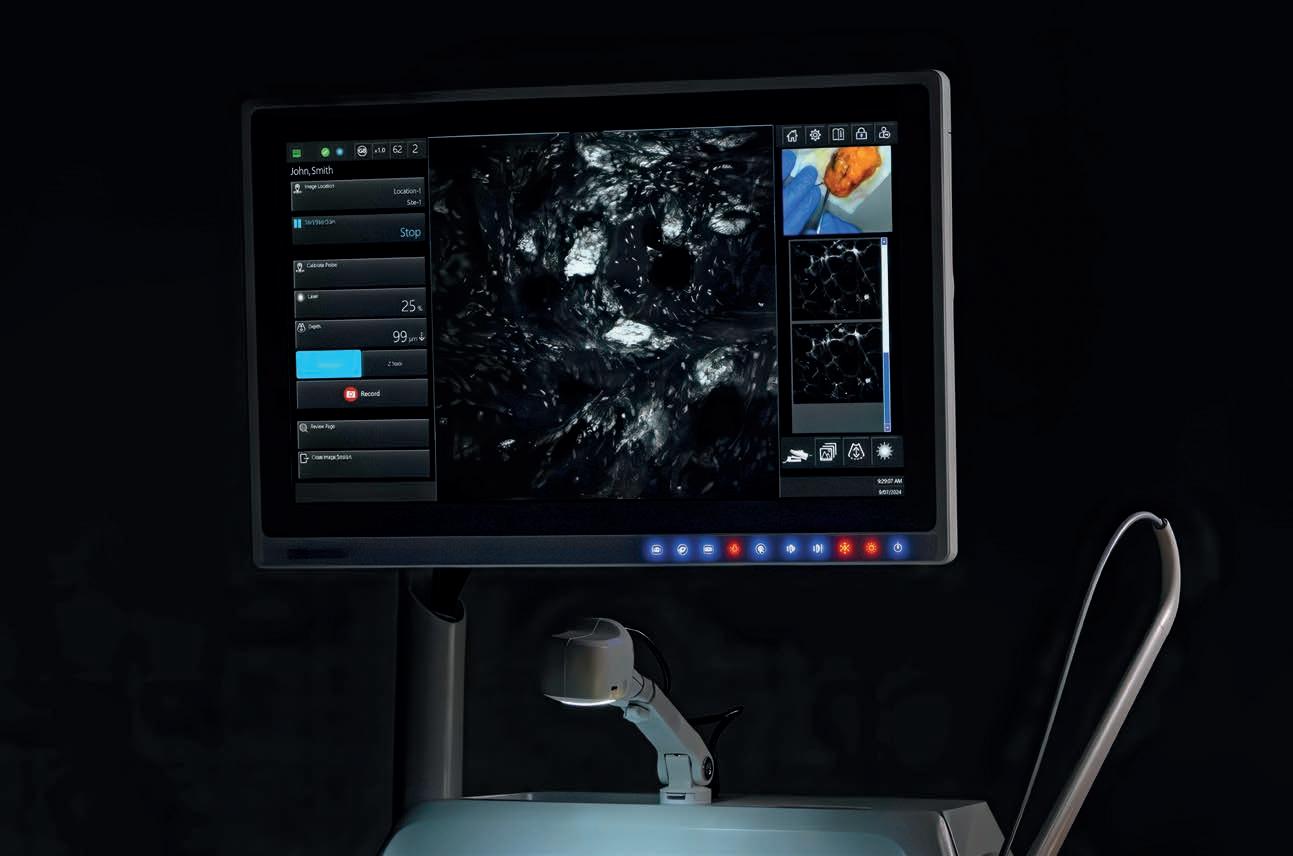
Digital section pathology, enabled by optical biopsy and real-time cellular imaging, represents a fundamentally different model. Tissue can be imaged at cellular resolution immediately after resection, without freezing or sectioning. Insight is generated digitally, in real time, and shared instantly.
This is not just a clinical advance, it is also a manufacturing one. It replaces a fragmented, manual process with a digitally integrated system designed for speed, repeatability, and scalability.
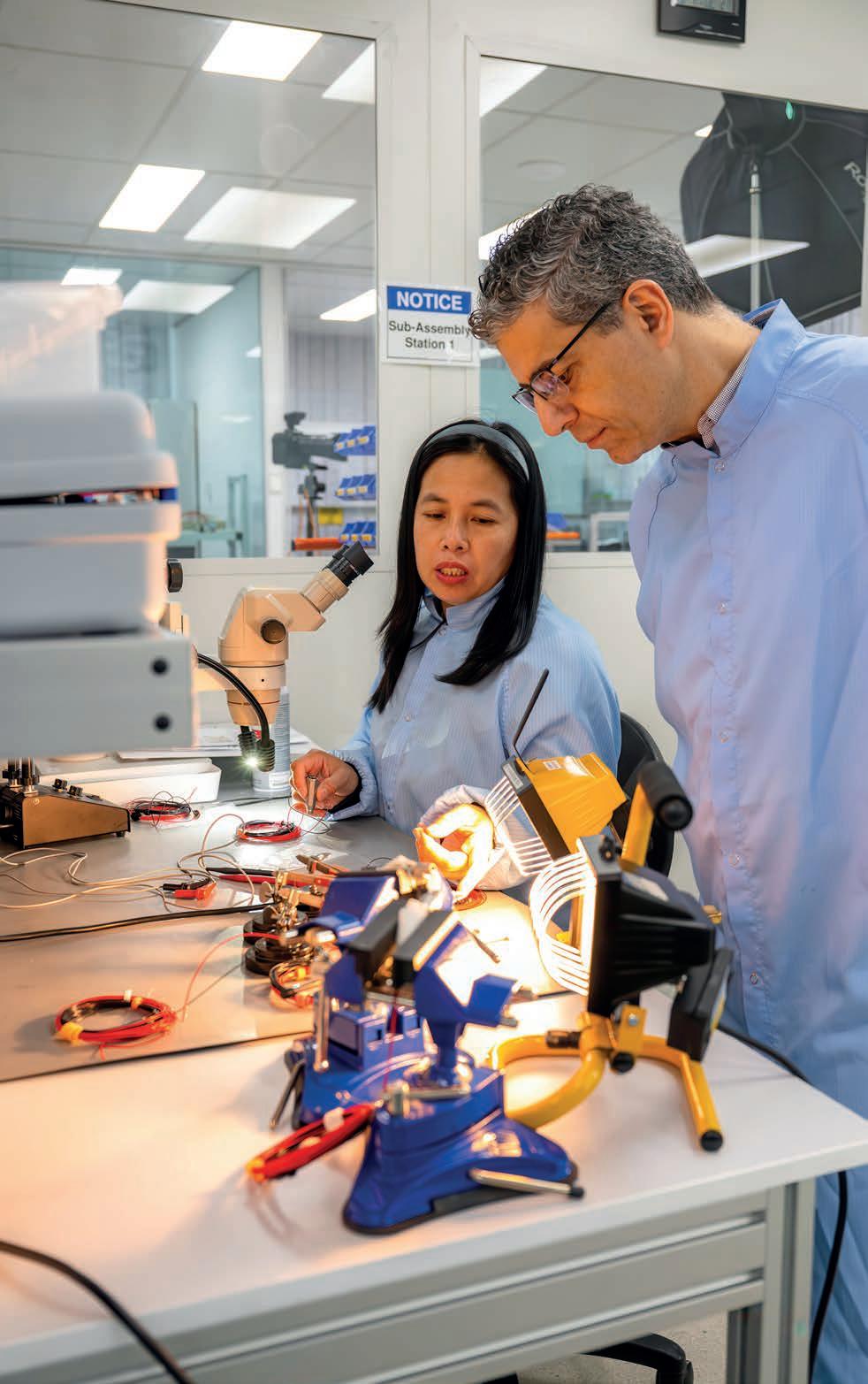
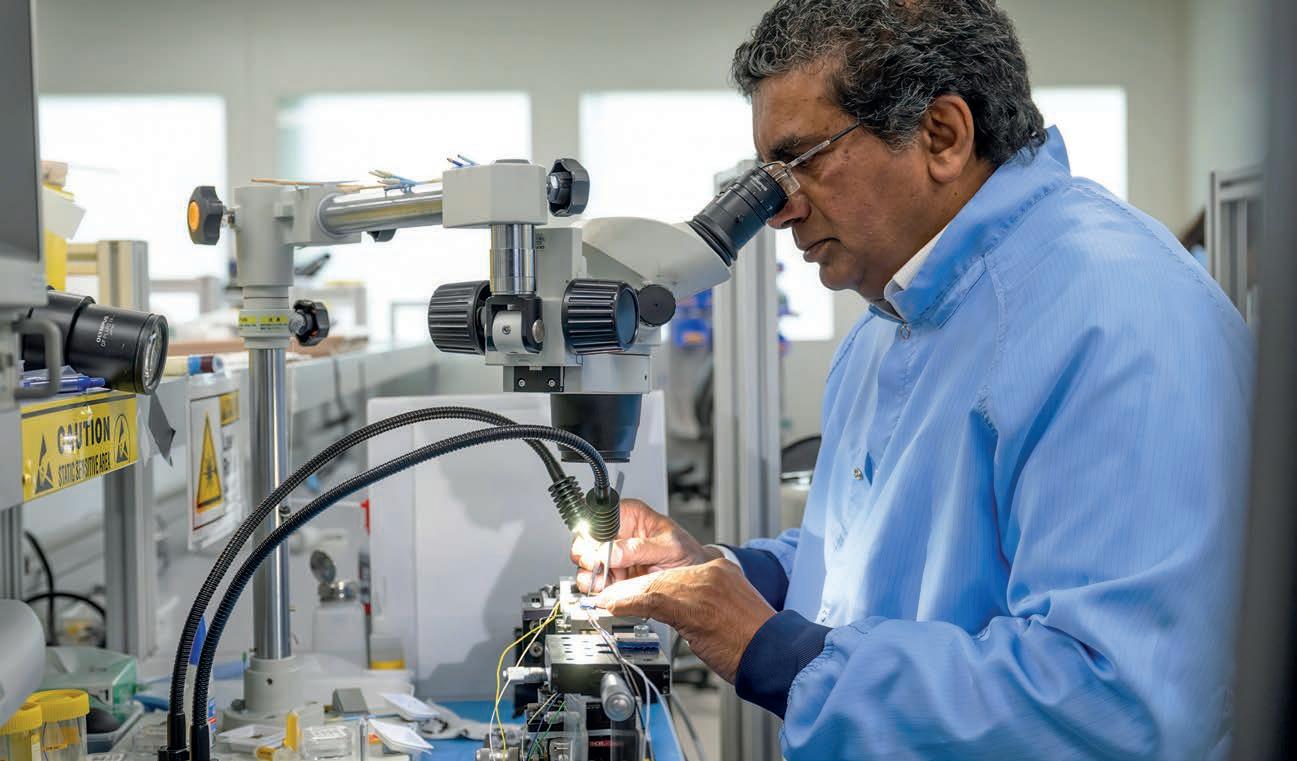
As healthcare becomes more digitally enabled, the question of where and how these technologies are built becomes strategically important. Digital pathology systems are not simple devices. They are complex, tightly integrated platforms combining precision optics, advanced electronics, embedded software, cloud connectivity, cybersecurity, and increasingly, AI-driven analytics. Their performance depends on manufacturing quality, systems integration, and long-term support, not just the initial design.
Relying on offshore development and manufacturing for such critical technologies introduces risk: supply chain fragility, limited control over iteration, and reduced capacity to adapt systems to local clinical and regulatory needs. Sovereign manufacturing capability in this context is not about isolation. It is about resilience, accountability, and the ability to evolve technology over time.
One of the lessons emerging from digital pathology is that manufacturing is no longer a downstream activity. It is a clinical enabler. Design decisions made on the factory floor directly affect how clinicians work, how quickly insight is delivered, and how reliably systems perform in realworld environments.
Pathology has remained one of the most analogue parts of an otherwise highly technological healthcare system.
This is particularly true for real-time, point-ofcare technologies, where devices must operate seamlessly within complex clinical workflows and interface with hospital IT systems, surgical platforms, and cloud infrastructure. Advanced manufacturing capability allows these systems to be built with the flexibility, reliability, and robustness that modern healthcare demands. All of this affects adoption in the clinical environment.
Proving that the imaging technology works for optical biopsies is just one part of the equation. The greater challenge is embedding that capability into automated workflows that can operate reliably in clinical and laboratory environments. With robotics being increasingly used in a range of clinical settings, robotic integration is critical, particularly in allowing cellular-level imaging to be performed consistently, at speed, and at scale.
From a manufacturing perspective, this evolution and innovation require sophisticated integration of hardware, software and safety systems that can be built to withstand real-world clinical use. As the reliance on robotics and automated workflows continues to expand – and as new technologies are explored – advanced manufacturing becomes a core enabler of clinical adoption.
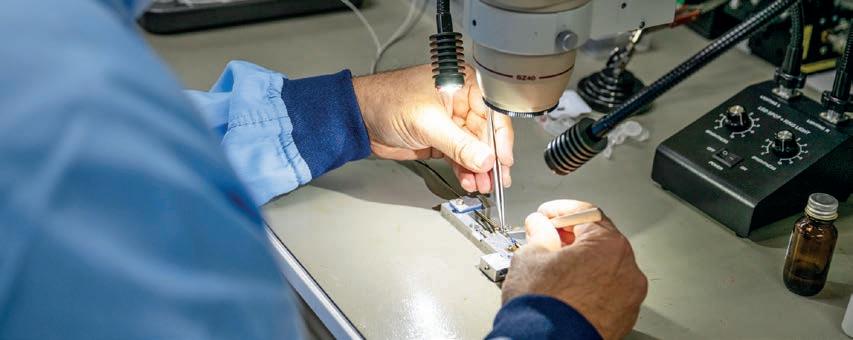
Manufacturing innovation demands integrated hardware, software, and safety systems for clinical use.
Artificial intelligence is rapidly becoming embedded in pathology workflows, supporting triage, pattern recognition, and quantitative analysis. But AI is only as good as the data and systems that support it.
Real-time digital pathology generates vast amounts of high-quality data, placing new demands on manufacturing: data integrity, system calibration, cybersecurity, and software lifecycle management. These are not traditionally “clinical” considerations but rather manufacturing and systems-engineering challenges. As AI becomes a clinical partner rather than a peripheral tool, the role of manufacturers in ensuring reliability, traceability, and regulatory readiness becomes even more critical.
The shift underway in pathology is not just about better diagnostics. It is about moving insight to the point of action and building the manufacturing capability to support that shift at scale.
Digital pathology is becoming faster, more precise, and more integrated into clinical decision-making. But it can only fulfil that promise if the manufacturing foundations are equally robust. In that sense, digital pathology is not just transforming healthcare. It is redefining what sovereign advanced manufacturing looks like in practice, and where precision, integration, and resilience are as important as innovation itself.

endeavourawards.com.au




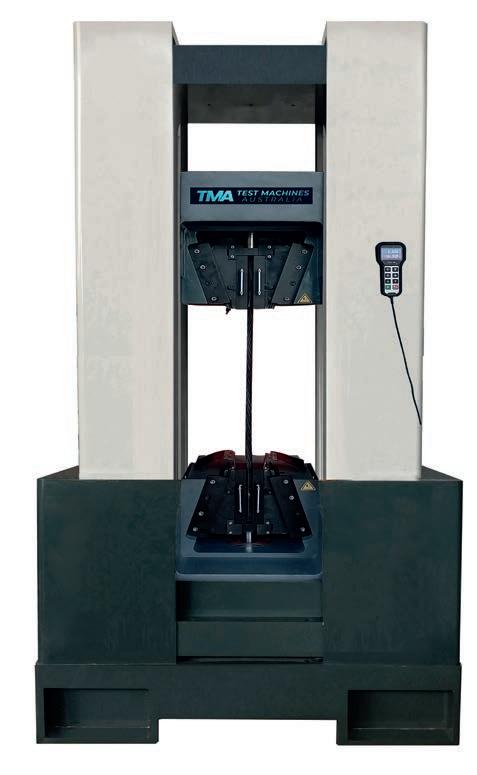
Test Machines Australia is formalising its long-standing service philosophy with TMA Care, a support platform designed to keep testing equipment running accurately.
For more than 20 years, Test Machines Australia (TMA) has designed and manufactured materials testing machines for customers across a range of industries. The company specialises in custom-built equipment used to verify the strength of materials and assess the performance of finished products, often forming a crucial part of quality assurance and production processes. Alongside its locally designed machines, TMA also supplies fixtures, accessories and technical expertise to support testing requirements across many sectors.
Now the company is formalising a service philosophy it has long provided through a new support platform known as TMA Care. The initiative packages together installation, training, calibration, remote diagnostics and ongoing service to ensure customers maintain reliable testing capability throughout the life of their machines.
“We call it lifetime support,” said Paul Cibotto, managing director and founder of Test Machines Australia. “TMA Care means you’re not simply buying a machine and a few years later, being told it’s no longer supported. You can call us, and we’ll still help you out.”
Cibotto said the decision to formally name and promote the support offering came after years of observing how inadequate service from other suppliers could leave expensive testing equipment idle. In many cases, TMA had been asked to repair or revive machines from other manufacturers when customers were unable to obtain assistance from the original supplier.
“I see so many machines sitting in corners not running because they can’t contact the supplier or the supplier won’t help them,” he said. “Sometimes it’s just communication problems or language barriers. We’ve gone in and got those machines running again and people are amazed.”
Materials testing machines are often a large capital investment and, for many manufacturers, are closely linked to production quality and compliance requirements. If a machine is unavailable, companies may struggle to verify whether the products they are producing meet required specifications. In some cases, a failed testing system can halt production. Cibotto explained that
after-sales support plays a key role in protecting this investment over time. Unlike other pieces of equipment, testing systems are typically custombuilt and cannot be replaced immediately if something goes wrong.
“These machines are built to order, whether it’s us or another brand. It can take two or three months to get a new one,” he said. “Having someone you can contact who understands the machine is critical.”
Another component of the support offering is regular calibration and inspection to maintain testing accuracy. While machines are supplied in calibrated condition, ongoing verification ensures the results they produce remain reliable. Routine checks can also identify early signs of wear or faults before they cause operational failure. Detecting issues early can prevent unexpected downtime and costly disruptions.
“We’ll come out every year, recalibrate the machine and provide a certificate. It ensures the machine
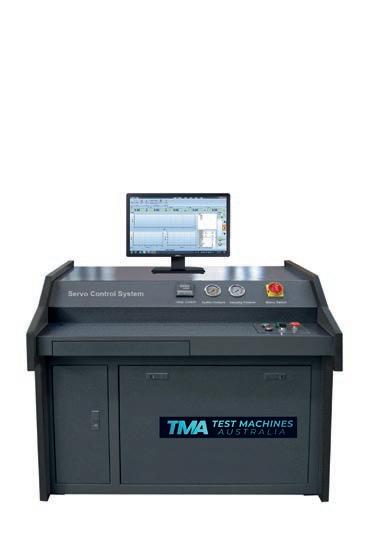
is running at its best capability,” Cibotto said. “Sometimes you notice a noise or a malfunction before it becomes a problem and the machine breaks down.”
Beyond on-site service, TMA Care also incorporates remote support technology. Many testing problems are related to software settings or operating procedures rather than mechanical faults, meaning they can often be resolved quickly without a physical visit. In some cases, the issue may be an incorrect operating procedure, something that can easily happen in complex testing environments.
The system also allows TMA to assist customers operating outside Australia with remote diagnostics and troubleshooting.
“We can do this anytime, day or night, and also
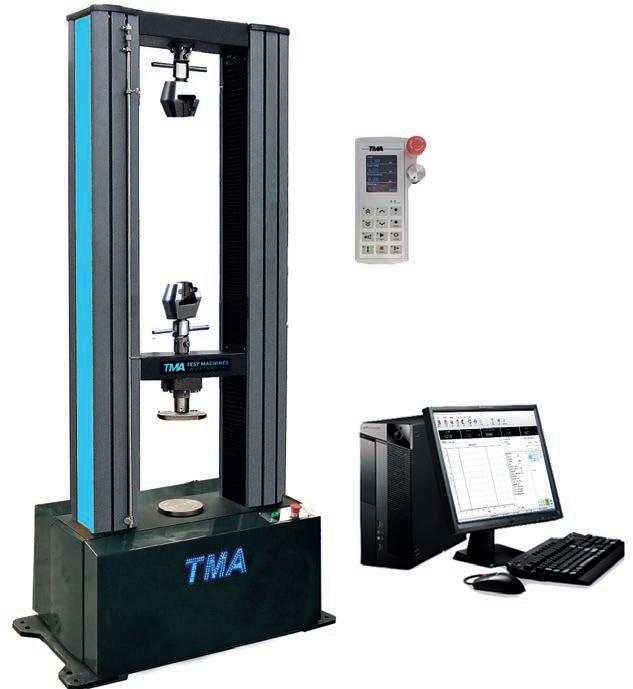
do it with our overseas customers,” Cibotto said. “If we find the issue needs a physical repair, then we organise a technician to come out.”
One of the most common issues customers face after installing a new testing machine is learning how to use it effectively. While the equipment may be capable, its performance ultimately depends on the knowledge and confidence of the operators.
“Many times, a company has this new machine, and the boss is proud because he’s just paid a lot of money for it,” Cibotto said. “But if the operators don’t know how to use it properly, it’s not getting used to its full potential.”
To address this challenge, as a part of TMA Care, the company offers an onsite installation and training program as part of its support model. Engineers visit the customer’s facility to install the machine, connect all systems and train staff in both operation and maintenance.
“We come out, set the machine up and train the operators on how to run the tests, not just how to turn it on and off,” Cibotto said. “By the end of the day they’re actually running tests, so when the boss comes in, he sees his investment already operating to its potential.”
Training also includes guidance on proper care and handling of the equipment. According to Cibotto, correct operation and maintenance are essential to ensuring testing systems remain reliable for many years.
Cibotto believes the ability to speak directly with knowledgeable engineers is one of the biggest advantages of working with a local manufacturer. Customers can explain their situation and receive practical guidance without navigating complex support structures.
Looking ahead, TMA expects the support model behind TMA Care to expand beyond its own machines. While servicing another manufacturer’s equipment may not immediately lead to a new machine sale, Cibotto believes it helps build trust and long-term relationships with customers.


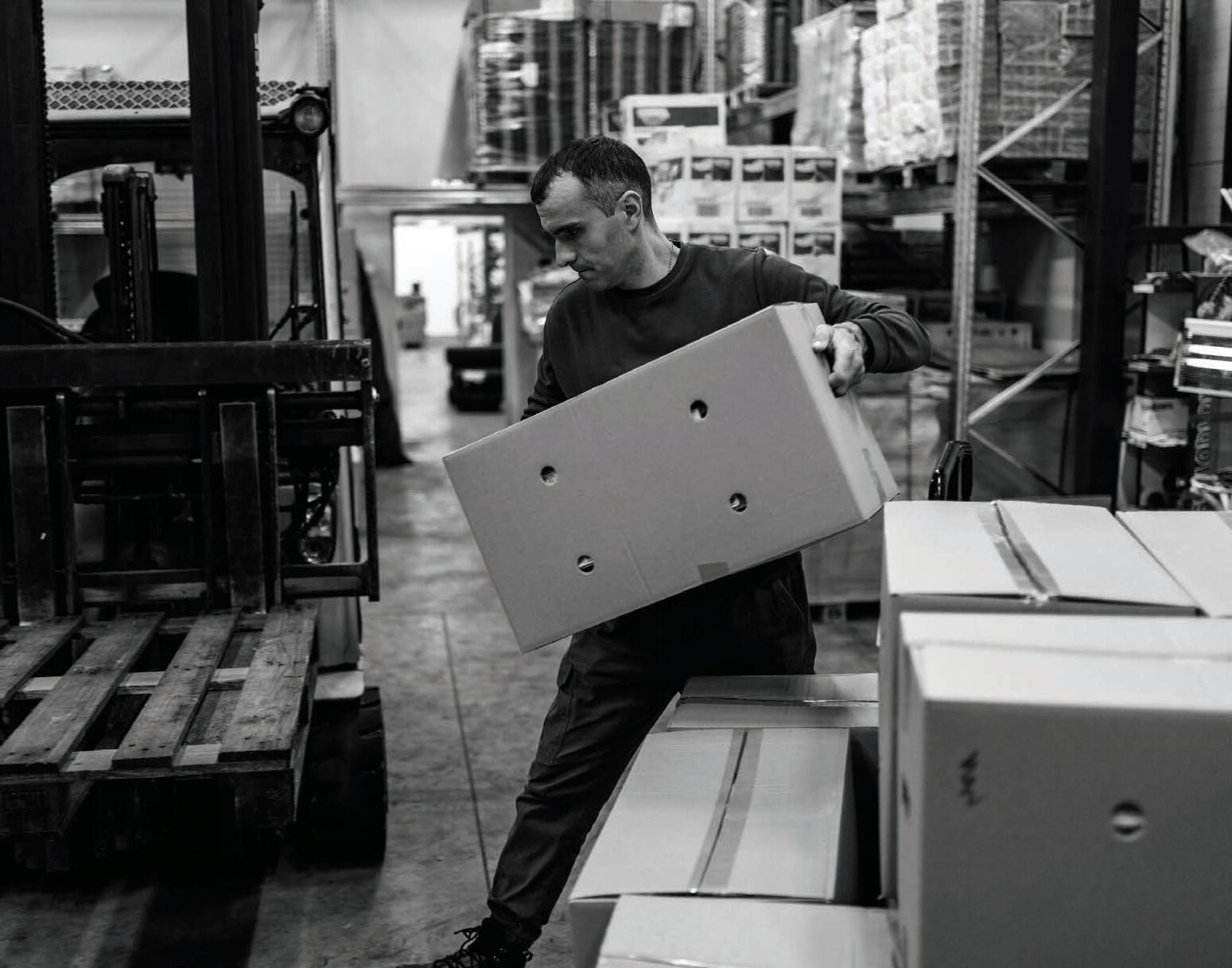
WorkSafe Victoria explores how a food and beverage manufacturer has improved workplace productivity by eliminating hazardous manual handling through consultation.
Manual handling – work that involves lifting, lowering, pushing, pulling, carrying or moving things – is a common part of many manufacturing operations. Yet injuries, generally known as musculoskeletal disorders (MSDs), related to manual handling are rarely caused by a single factor. Instead, according to WorkSafe Victoria, they often arise from a combination of physical strain, repetitive movements and workplace pressures.
For employers, a company’s effective processes and controls are essential to preventing these injuries. By taking a continuous improvement approach and eliminating risks where possible, businesses can protect workers’ wellbeing while also improving productivity.
A recent case study highlighted how one manufacturer approached this challenge. The company, a food manufacturer with around 50 employees – had been operating for two years and had no history of WorkCover injury claims. However, as the business scaled up production, a particular task within its process began raising concerns among workers.
The issue centred on the company’s flour mixing operation. To meet production targets, workers were required to empty around 120 heavy flour
bags into a mixing bowl every hour. Two employees were assigned to lift each bag from a pallet onto a metal grate positioned above the bowl. While the system allowed the company to maintain output, the repetitive and physically demanding nature of the work soon began to take its toll.
Workers frequently reported body soreness after performing the task. The strain could be attributed to several factors such as the application of high force during lifting, the repetitive nature of the work, difficult postures needed to reach the lowest bags sitting on the pallet and psychosocial hazards such as high job demand and limited job control. Workers had little flexibility in how the task could be performed.
Workers raised their concerns with management, prompting the company to take early steps to reduce strain. Task rotation was introduced, and additional workers were assigned to assist with the job. However, during a strategic visit to the site, a WorkSafe inspector identified that the task still presented a risk of a musculoskeletal disorder (MSD). The inspector also noted that the workplace had no elected health and safety representatives (HSRs)
and discussed the role of HSRs with the company manager, providing guidance on the hierarchy of controls and hazardous manual handling. Given the ongoing risk of MSD associated with the task, an improvement notice was issued.
In response, the company manager organised a toolbox meeting involving both workers and management to discuss the hazardous manual handling issue. Consultation quickly became a central part of the solution.
Following the meeting, the business established two designated work groups (DWGs). One group represented production workers who performed the hazardous task, while the second represented warehouse and transport workers.
Health and safety representatives were then elected from each DWG. From there, management consulted with the HSRs to ensure workers’ views were incorporated into potential solutions.
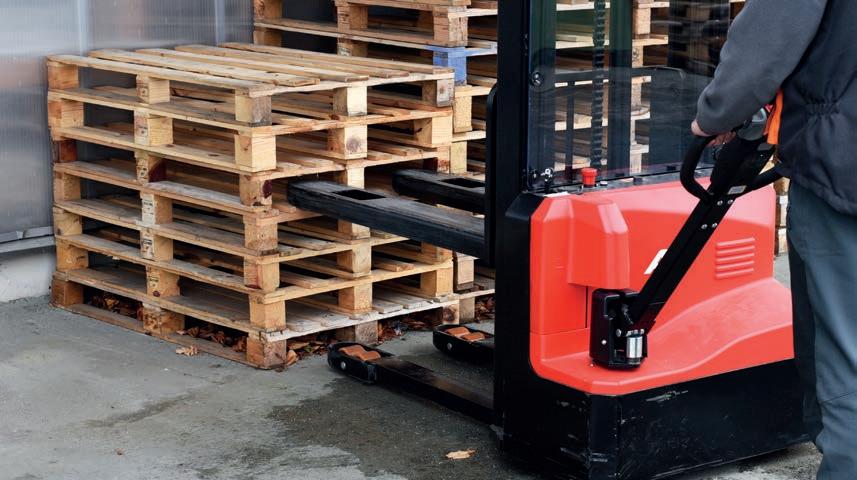
As a first step, the company purchased a heightadjustable pallet riser and provided training for all relevant workers. The equipment was designed to
reduce the physical strain involved in lifting the flour bags. After the system had been introduced, workers were asked to complete a discomfort survey to assess the impact.
The results showed that body stress levels had decreased, but the work had not been completely eliminated as a source of strain. As a result, there was still a risk of MSD. Following further consultation, workers and management agreed the pallet riser would remain in place as an interim control while the company explored a more permanent engineering solution.
The business later implemented an engineered system designed to eliminate the hazardous manual handling task altogether.
All relevant workers received additional training on the new equipment and were again invited to provide feedback on its effectiveness. Workers repeated the discomfort survey after the new system had been installed. This time, the results showed no body stress or discomfort during the task.
The experience reinforced the company’s commitment to continuous improvement in workplace safety. As part of this commitment,
the business has established a health and safety committee and continues to promote a workplace culture where employees feel comfortable raising safety concerns.
Through consultation and a focus on eliminating risk, the company prioritised both the physical and mental wellbeing of its workforce. The outcome also demonstrated that safety improvements can deliver operational benefits.
By removing the MSD risk associated with the flour handling task, the company also experienced an increase in productivity – highlighting that prioritising safety can be beneficial not only
for workers’ health, but also for the business’ bottom line.
Get practical tools to prevent MSDs, improve safety, and support a more productive workplace. Register for Manual handling basics today - https://www.worksafe.vic.gov.au/ manual-handling-basics
Manual handling basics is a free education program helping Victorian employers who manage occupational health and safety (OHS) in small to medium businesses.


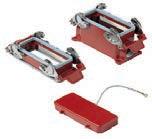
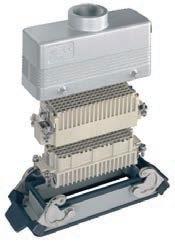
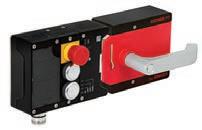
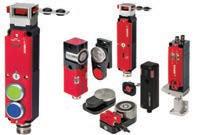
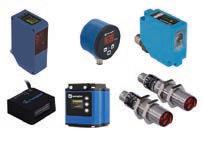

As manufacturing accelerates towards its next evolution, LINAK’s TECHLINE Industrial segment is positioning electric actuation at the centre of industrial performance.
For more than four decades, LINAK has been quietly reshaping the way machines move.
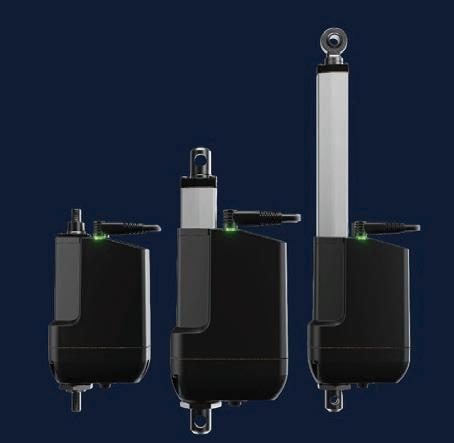
According to Andrew Davis, LINAK Australia TECHLINE sales manager, the Danish-founded company has built its reputation on designing and manufacturing electric linear actuator systems that convert electrical energy into smooth, controlled mechanical motion.
Davis said the company’s longevity stems from its commitment to application-focused engineering.
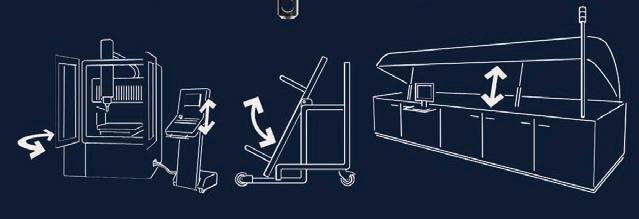
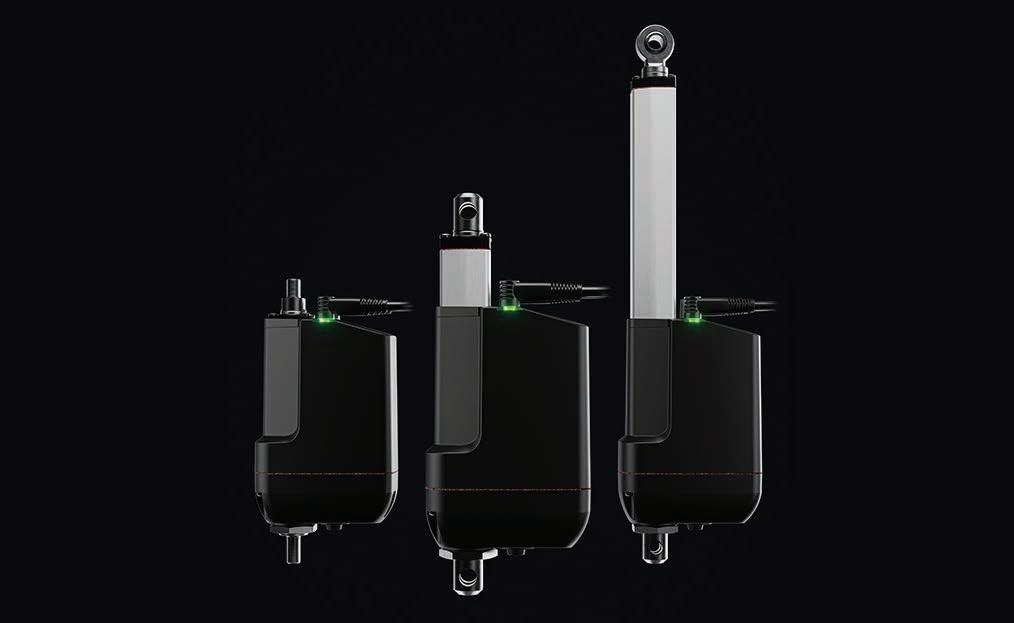
An electric actuator forms the foundation of the automation pyramid at the field level, where physical movement is executed. It converts control signals into precise pushing, pulling, tilting, or turning motions in robotics, automotive systems, valve control, and manufacturing machinery.
At the heart of its industrial activities sits the TECHLINE business unit, which concentrates on demanding applications across manufacturing, construction, energy, marine and materials handling.
“We offer highly durable, rigorously tested actuators, solutions for harsh industrial environments, and close collaboration with customers to develop tailored systems. Our reputation is built on reliability, quality and innovation,” said Davis.
Reshaping
“The shift toward electrification in manufacturing is accelerating as industries look for cleaner, smarter, and more efficient motion control technologies,” Davis said.
As the broader manufacturing sector is undergoing a pronounced shift towards electrification, electric actuators, once associated primarily with lighter-duty precision tasks, are now competing with hydraulic and pneumatic systems in heavy industrial settings. This transition is reshaping traditional approaches to motion control and system design.
Davis added that improved precision, control and repeatability are central advantages of LINAK TECHLINE electric actuators, that now deliver millimetre positioning accuracy and built-in data reporting capabilities that fluid power systems cannot achieve without retrofitting and complex system design.
Beyond accuracy, electrification reduces complexity, according to Davis. Hydraulic and pneumatic systems require pumps, valves, compressors, hoses, filters and reservoirs, each adding cost and potential failure points. Electric actuators operate with fewer components, eliminating the risks of oil leaks and contamination while simplifying overall architecture.
“Electric actuators consume most of their power moving and while in a static state consume next to no power, unlike hydraulic and pneumatic systems that must maintain pump or compressor pressure even at rest,” Davis explained. “When combining energy savings, fewer parts, reduced maintenance, improved uptime and longer service life, electric actuators routinely deliver a better total cost of ownership.”
Industrial environments, however, are rarely forgiving. Equipment must endure vibration, dust, chemicals, temperature swings, shocks and water ingress, often simultaneously. To address these challenges, Davis said TECHLINE actuators are engineered with rugged componentry and weather-resistant housings, reinforced mechanical components and designs optimised for outdoor and mobile equipment.
Before reaching the market, every actuator also undergoes validation at the LINAK R&D Test Centre. Testing includes vibration and shock trials,
temperature fluctuation cycles, dust and chemical exposure, and water ingress assessments.
“It verifies that actuators will perform consistently, even in the most demanding environments and prevents unplanned downtime caused by component failure in critical systems,” Davis added.
Through testing, validation and certification processes designed to ensure predictable mechanical behaviour, stable electronic performance and compatibility with industrial control systems, this also helps address global compliance and certification challenges.
“Certification-ready products accelerate time to market and reduce the burden on manufacturers who would otherwise need to perform their own compliance testing,” Davis said.
Alongside a durable design, Industry integration with digital control (IC integrated controls systems, which include I/O interface, Field Bus (CAN J1939, CAN open, IO-link and Industrial Ethernet (Ethernet IP, MODbus TCP, Profinet) has become a defining requirement. Electric actuators are increasingly expected not just to move, but to communicate. TECHLINE systems incorporate built-in sensors for position, current, temperature, velocity and acceleration etc.
“They can stream real-time operational data via EtherNet/IP, PROFINET, CANBus and other advanced communication protocols,” Davis said.
This data-rich environment supports predictive diagnostics, advanced control strategies and remote service capabilities, strengthening uptime and service responsiveness.
For more than 40 years, LINAK has been reshaping the way machines move with its electrical actuators.
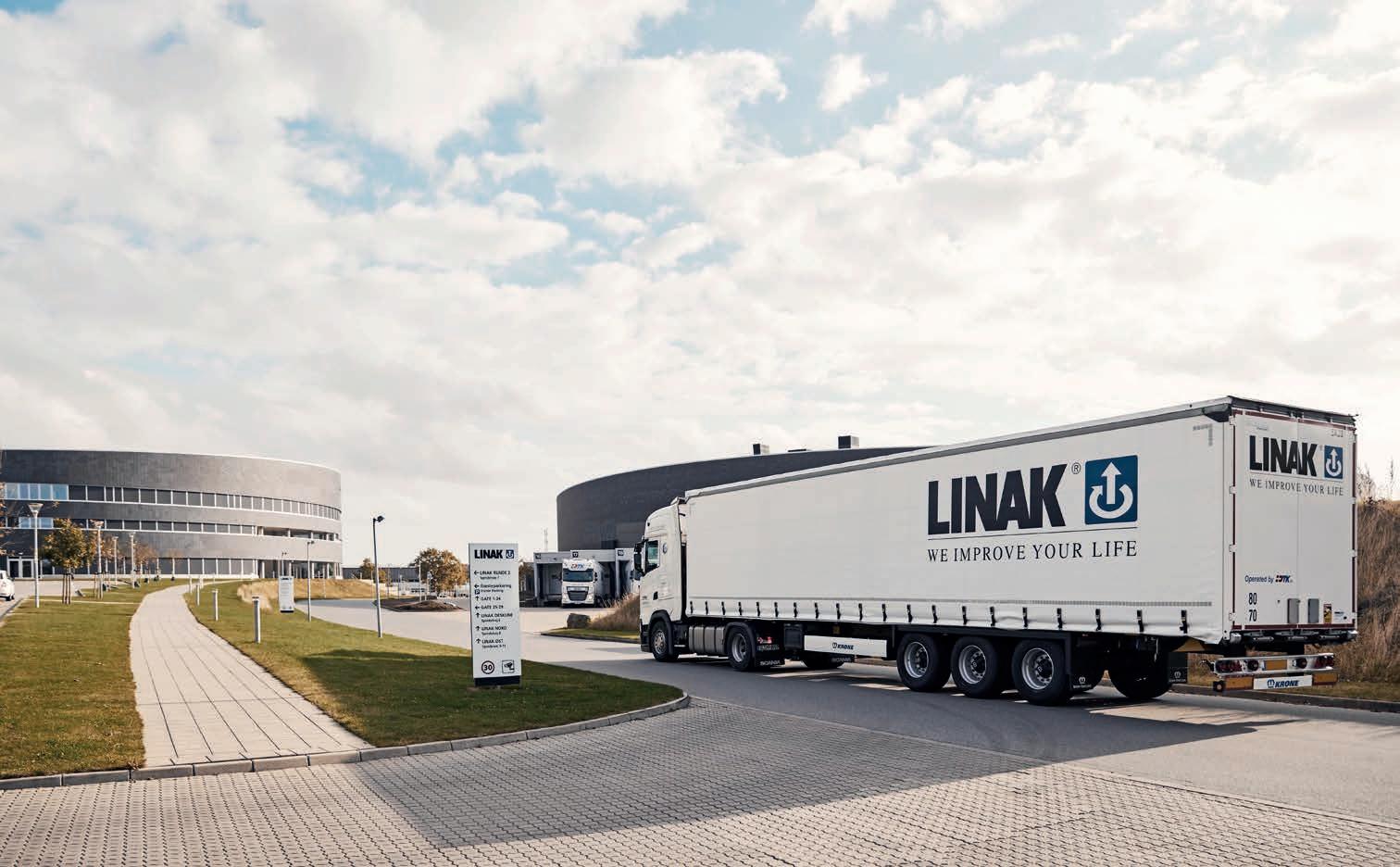
Tailored solutions for OEMs
Application-specific customisation remains central to the LINAK TECHLINE approach
Rather than offering off-the-shelf components alone, LINAK works in partnership with OEMs to tailor actuator solutions to precise mechanical and environmental demands. This collaboration ensures design flexibility and enables advanced control and feedback functionality.
One example of such collaboration can be seen in Clear Ridge Fabrication’s award-winning SUPA BIN Grouper. Seeking to reduce contamination between seed and fertiliser and cut fill-up times for air seeders, the company integrated LINAK LA12 actuators to control product doors across four internal compartments. Farmers manually set feedout rates via pushbuttons, blending seed varieties and fertiliser directly into the air seeder while eliminating the need to tip trucks in the paddock.
Building on its success – including winning the 2019 Henty Machinery Field Day award for ‘The Best Australian Designed and Manufactured Machine’ – Clear Ridge Fabrication introduced the Ultimate Control series. This incorporated LINAK LA14 CANopen actuators integrated with a COBO control system, touch screen interface and handheld remote. The CANopen network enabled the operator to have precise control over the system, with real-time monitoring, simplified wiring and advanced diagnostics.
The actuators also control engine throttle position, automatically adjusting speed when hydraulic systems engage, enhancing efficiency and safety. The company said LINAK was its chosen supplier from the start because of its global reputation, highquality manufacturing and known low failure rate.
From a systems perspective, CANopen integration unlocks functionality. Actuators can be commanded to run in, run out or stop or run to a desired position.
To improve control over the movement, you can also incorporate ramp times for smoother operation plus adjustable operating speeds, current limits to protect the application and actuator. Real-time monitoring captures position, current, speed and error codes, providing actionable insights and supporting rapid troubleshooting.
“In summary, using LINAK CANopen actuators for the Clear Ridge application (SUPA BIN Grouper) has resulted in improved efficiency, safety, real-time monitoring and adjustment (which reduces waste / excess material which comes at a cost).”
The future of industrial motion
Looking ahead, Davis sees accelerating demand driven by automation, intelligent motion systems and the electrification of heavy equipment. Materials handling is being reshaped by mobile
robots, COBOTS and automated logistics platforms, while construction and industrial machinery increasingly transition away from hydraulic systems to electric alternatives.
“The rapid growth of automation and intelligent motion systems is expanding at an unprecedented pace,” he said. “As factories, warehouses, machinery and construction environments become more autonomous, the demand for precise, digitally integrated movement increases.”
For manufacturers navigating cost pressures, sustainability targets and digital transformation, motion control has become a strategic decision rather than a purely mechanical one. Through TECHLINE, LINAK is positioning electric actuation not merely as a component choice, but as an enabler of smarter, more resilient industrial systems.

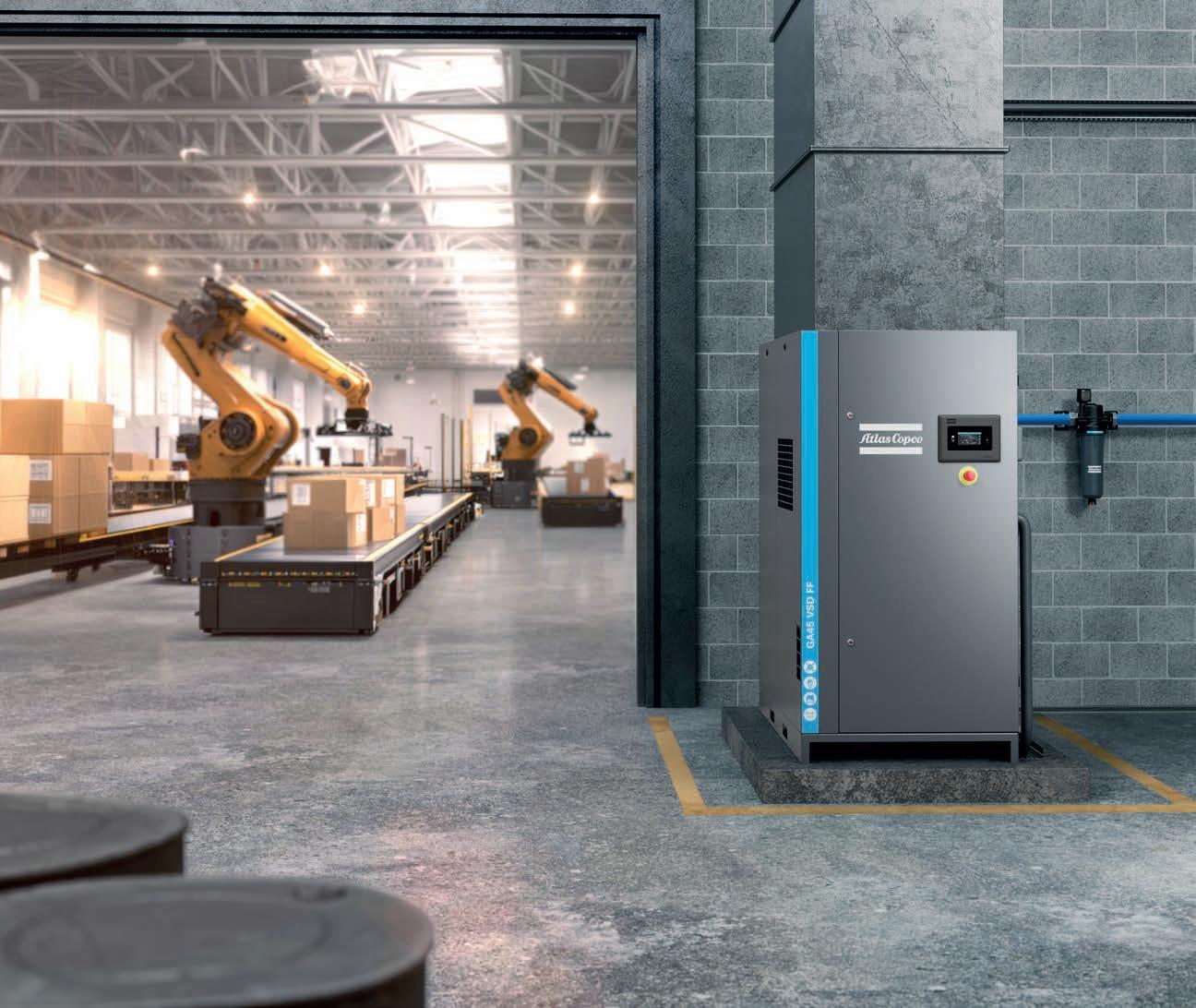
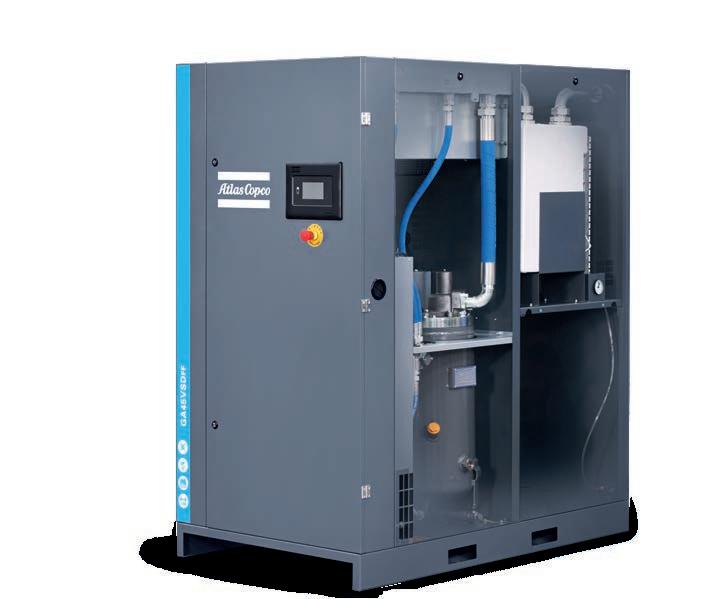
Atlas Copco launches its GA15-45VSD range, helping Australian manufacturers cut costs, boost productivity and improve sustainability through energy-efficient compressed air solutions.
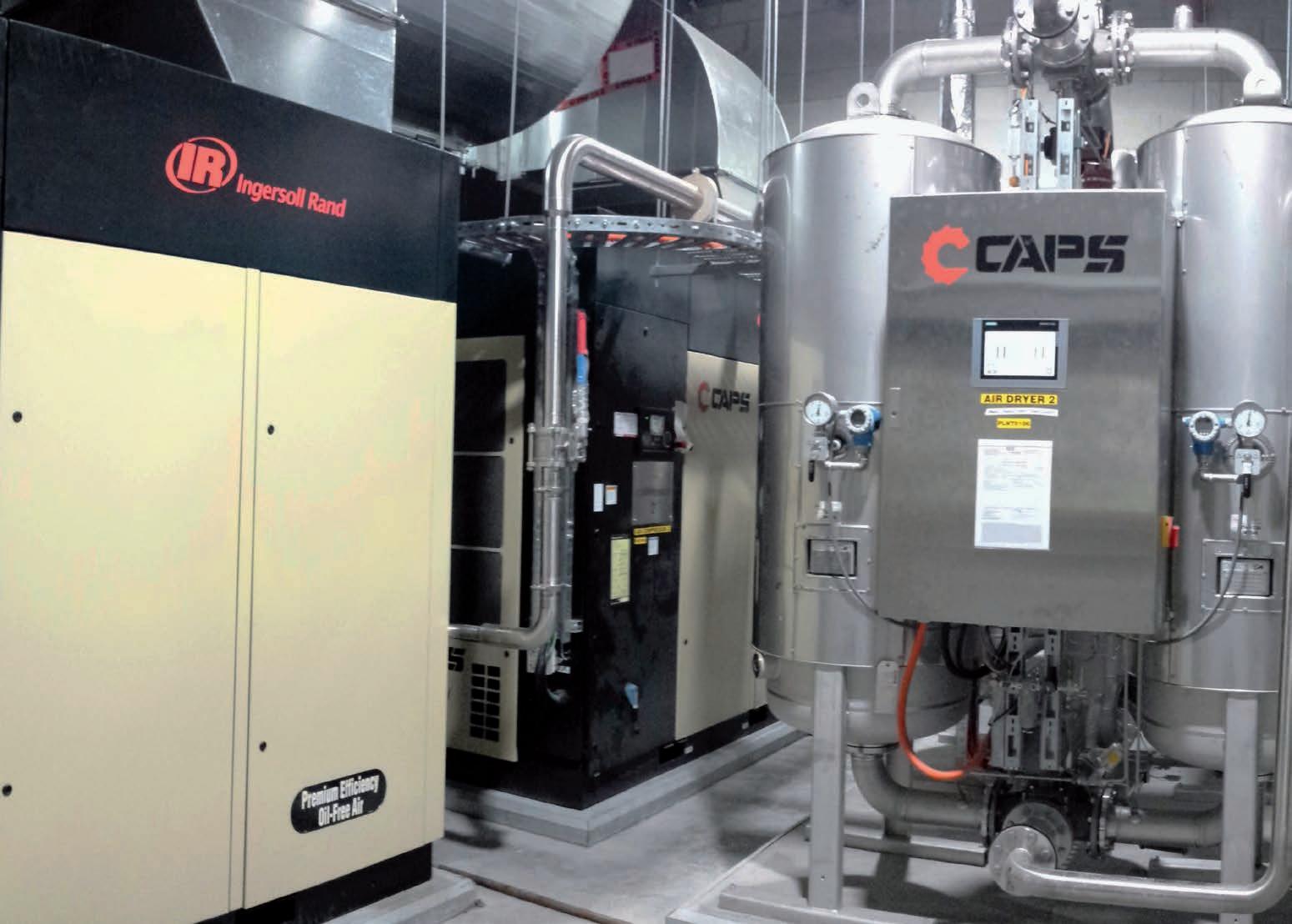
As Australian manufacturers continue to navigate rising energy costs and tightening sustainability expectations, equipment choices have never mattered more. Compressed air systems, often one of the highest energy users on the production floor, present one of the clearest opportunities for efficiency gains. Atlas Copco’s newly updated GA15-45VSD range is designed to meet that challenge head-on, delivering a stepchange in energy performance and reliability for medium-sized industrial operations.
At the heart of the new GA15-45VSD is a new drive train and Variable Speed Drive (VSD) architecture engineered to match air output precisely with demand. The latest generation can reduce energy consumption by up to 35 per cent
thanks to its advanced motor technology, intelligent controls, and direct-drive efficiency improvements.
Much of this improvement comes from the integration of Atlas Copco’s high-efficiency Interior Permanent Magnet (iPM) motor, built to meet IE5 efficiency standards. With an IP-66 rating, the motor is designed to perform reliably in harsh industrial environments, reducing the risk of contamination or thermal issues even in dusty or high-temperature facilities.
The new GA platform also incorporates the Elektronikon Touch controller as standard, offering operators remote monitoring, performance tracking, and optimisation tools. This allows maintenance teams to identify issues early, minimise unplanned downtime, and continuously
adjust performance for the most efficient outcome.
Speaking on the product’s relevance for Australian industry, Roshan Kumbla, Product Manager for Industrial Air, highlights its dual focus on sustainability and long-term reliability.
“Manufacturers are under pressure to reduce operating costs without compromising performance. The GA15-45VSD directly addresses that challenge by delivering reliable compressed air at significantly lower energy usage,” he said. “Our engineering team has focused on producing a compressor that works smarter – not harder – by using real-time air-demand data to optimise efficiency every second of operation.”
Kumbla also believes the upgraded design reflects the future direction of the sector.
“When we talk to customers, sustainability and total cost of ownership are consistently top priorities. This platform was developed with those exact conversations in mind. It’s compact, more efficient, easier to maintain, and built for Australian conditions,” he said.
With pressure mounting on manufacturers to drive productivity while meeting environmental commitments, the GA15-45VSD offers a forward-looking solution that blends performance with accountability.
As Kumbla put it, energy savings aren’t just a bonus anymore – they’re a business requirement.
“This compressor helps our customers meet that requirement with confidence,” he said.
For more information, please contact Atlas Copco Compressors at 1800 023 469 or compressorsau@au.atlascopco.com
Siemens SENTRON air circuit breakers are enhancing low-voltage protection and switching by combining robust fault protection with digital connectivity.
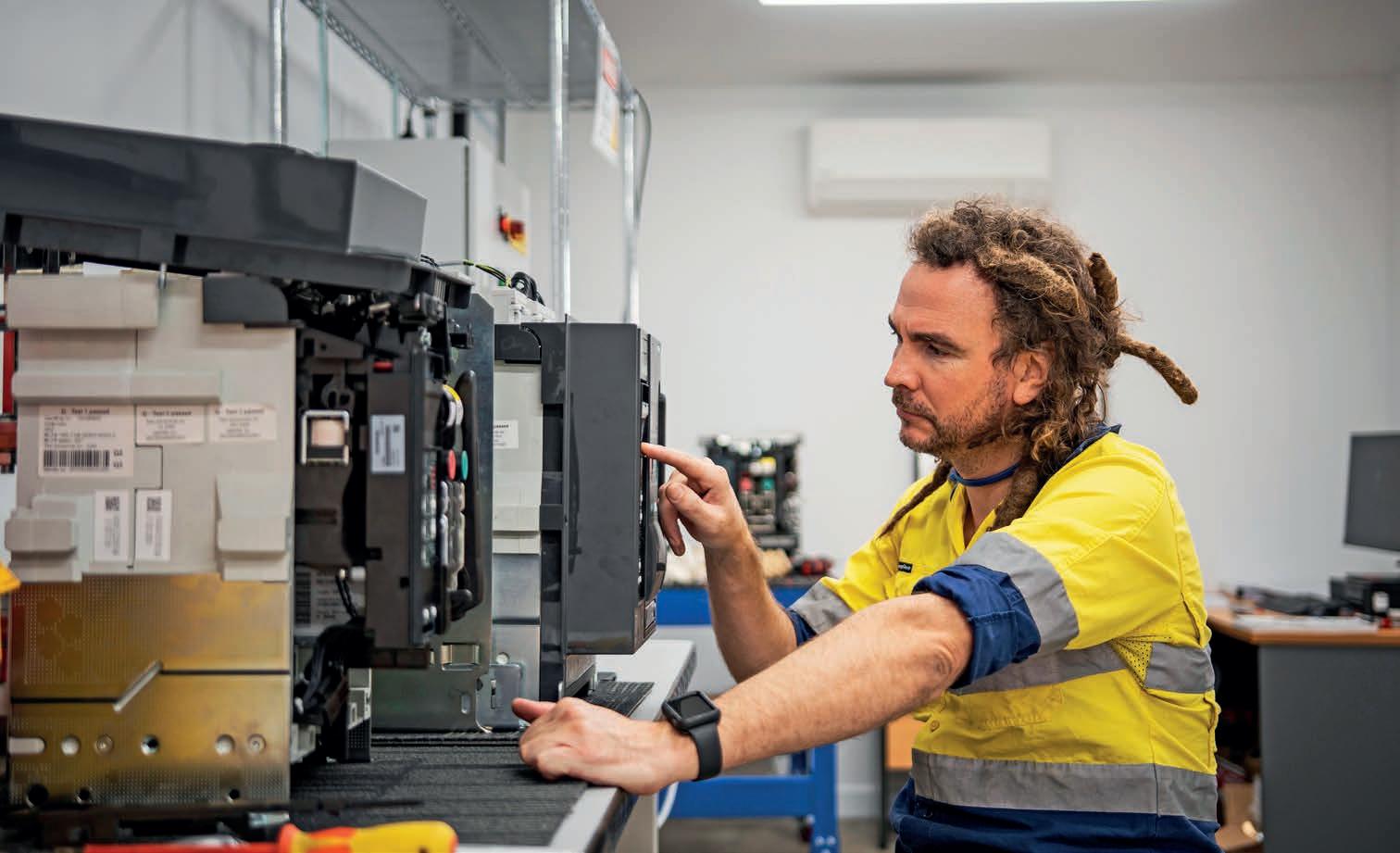
Reliable protection remains the foundation of any low-voltage power distribution system. Across industrial markets, air circuit breakers (ACBs) are installed in industrial plants, data centres, mining operations, renewable energy facilities and other critical utilities. Here, they serve as the primary safeguard that protects people, equipment and electrical networks from faults and operational disruptions.
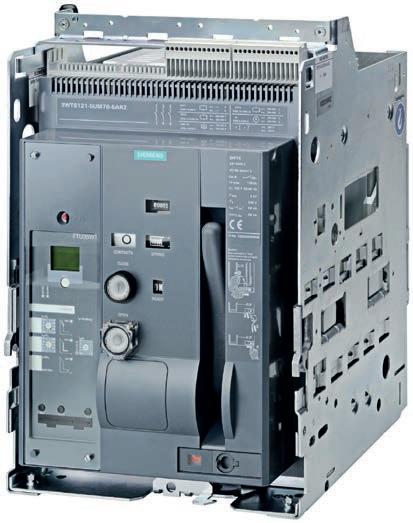
As the master distributor of Siemens products in Australia, APS Industrial positions the Siemens SENTRON 3WA and 3WT air circuit breakers as solutions designed to cover a spectrum of lowvoltage switchboard applications. The 3WA is even capable of switching applications up to 1150V AC.
“We position the Siemens SENTRON 3WT air circuit breaker and Siemens SENTRON 3WA air circuit breaker as an overall solution to cover most, if not all, applications – from basic to
premium and high-performance solutions for main incomer and critical protection roles in low-voltage switchboards,” said Ernest van Niekerk, electrical products business manager at APS Industrial.
APS also provides local technical support and configuration services, supported by its APS Adaptation Centre in Adelaide. Through local inventory and custom configuration capabilities, the company can supply tailored solutions with short lead times for switchboard manufacturers.
While both breakers share a common protection philosophy, they serve different applications. The 3WT is typically suited to commercial buildings where robust protection is needed without extensive communication capability. The 3WA, by contrast, includes advanced protection, measurement, condition monitoring and communication, making it suited to environments where data and connectivity are important.
Protection functions remain central to both the 3WA and 3WT breaker ranges, which incorporate electronic protection capabilities designed to ensure safe and reliable operation in modern switchboard environments. These include overload protection to prevent thermal damage to conductors and equipment, short-circuit protection for rapid fault clearance, and earth fault protection to detect leakage currents and minimise the risk of fire or equipment damage. Adjustable protection settings also enable coordination across distribution systems, while zone selective interlocking (ZSI) allows faster fault clearing while maintaining selectivity. Advanced electronic trip units further enhance protection accuracy, delivering precise measurement and diagnostic capabilities that assist engineers in designing reliable distribution networks.
“These features allow switchboard designers to achieve high levels of system reliability, improved fault discrimination, and enhanced protection for personnel and assets,” said van Niekerk.
The 3WA range adds further functionality, including integrated metering that monitors current, voltage, power and energy. It also incorporates a rating plug that determines the current rating and basic protective functions of the breaker, allowing rapid adjustment of rated current by changing the plug rather than replacing current transformers with the ACB.
Another feature is Dynamic Arc Sentry (DAS), also known as maintenance mode, which introduces a separate parameter set with reduced short-circuit and ground fault settings that can be activated locally or remotely to enhance personnel safety during maintenance.
Protection and switching in critical infrastructure
Beyond protection, SENTRON air circuit breakers are designed to support both protection and switching roles within low-voltage distribution systems. This combination is important in manufacturing plants where electrical infrastructure must respond quickly to faults and support operational control of large loads.
The SENTRON range combines protective intelligence with high switching performance, including high breaking capacities suitable for main incomers and generator connections. In the 3WA range, this includes ratings of up to 2500A and 85kA in frame size 1, 4000A and 100kA in frame size 2, and 6300A and 150kA in frame size 3.
“From small to large commercial applications like manufacturing plants, these breakers serve as the central protection and control point for the lowvoltage distribution network, ensuring faults are cleared quickly while allowing controlled switching of large loads,” said van Niekerk.
Motorised operation and remote control capabilities allow the breakers to integrate with automation systems and building control platforms, enabling operators to manage power distribution more efficiently.
One of the defining features of the newer SENTRON 3WA platform is its focus on digitalisation and connectivity. The breaker has been designed as a digitally enabled ACB with built-in communication capabilities, allowing integration with modern building management systems and energy monitoring platforms. It can also support two communication modules simultaneously, enabling communication via PROFINET and Modbus TCP at the same time.
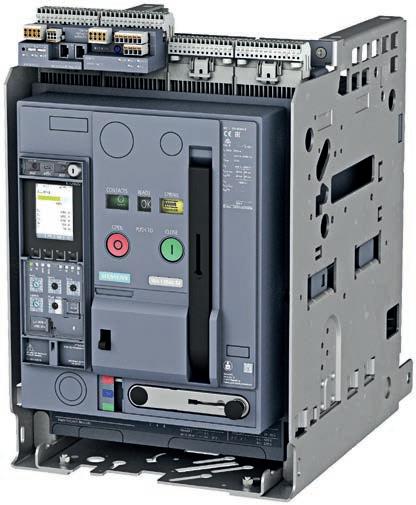
For switchboard builders, this digital architecture simplifies integration and reduces the need for external metering devices. Commissioning can also be accelerated through digital configuration tools, with commissioning and secondary injection testing performed from a laptop via a USB-C connection on the breaker.
For end users, the benefits extend to real-time monitoring and predictive maintenance.
“This digital visibility helps operators move from reactive maintenance to preventative maintenance, improving uptime and asset longevity,” van Niekerk said.
Compliance with electrical standards remains a critical consideration in switchboard design, particularly as safety and arc fault mitigation requirements continue to evolve. Both the 3WT and 3WA breakers support compliance with Australian and international standards, including AS/NZS 61439 for low-voltage switchgear and controlgear assemblies and IEC 60947 for low-voltage switchgear. The 3WA also replaces the earlier 3WL breaker, which has been installed around the world.
“A real advantage to our customers is that the 3WA has been independently approved to replace the 3WL and maintain the IEC 61439 certification,” said van Niekerk. “As the ACBs are physically the same, little to no modifications are required. Customers can remove a 3WL ACB and replace it with a 3WA with complete peace of mind.”
Within broader electrical distribution systems, SENTRON ACBs integrate with other Siemens protection devices including SENTRON 3VA
moulded-case circuit breakers and 5SY miniature circuit breakers used in APS Industrial distribution boards.
Engineers can design coordinated protection systems using tools such as Siemens’ SIMARIS electrical planning software or the Australian PowerCAD platform. By applying coordinated time-current characteristics and selectivity tables, systems can be designed so that faults are cleared by the closest protective device while upstream devices remain operational. This ensures maximum continuity of supply in tiered electrical distribution networks.
Looking ahead, van Niekerk believes intelligent protection devices will become increasingly important as Australia transitions toward renewable generation and more decentralised energy systems.
“This is because distributed energy resources and smarter grid infrastructure, intelligent protection devices will play an increasingly important role,” he said. “Air circuit breakers are evolving from purely protective devices into connected assets within digital power systems.”
In this context, digitally enabled platforms such as the Siemens SENTRON 3WA are expected to play a key role in building resilient, transparent and efficient electrical networks.
“APS Industrial with the Siemens SENTRON range of ACBs is at the forefront of providing customers what they need today,” van Niekerk said.
A partnership with Capral has helped Safetylyne grow into a national provider of bespoke aluminium height safety and roof access systems for complex Australian projects.
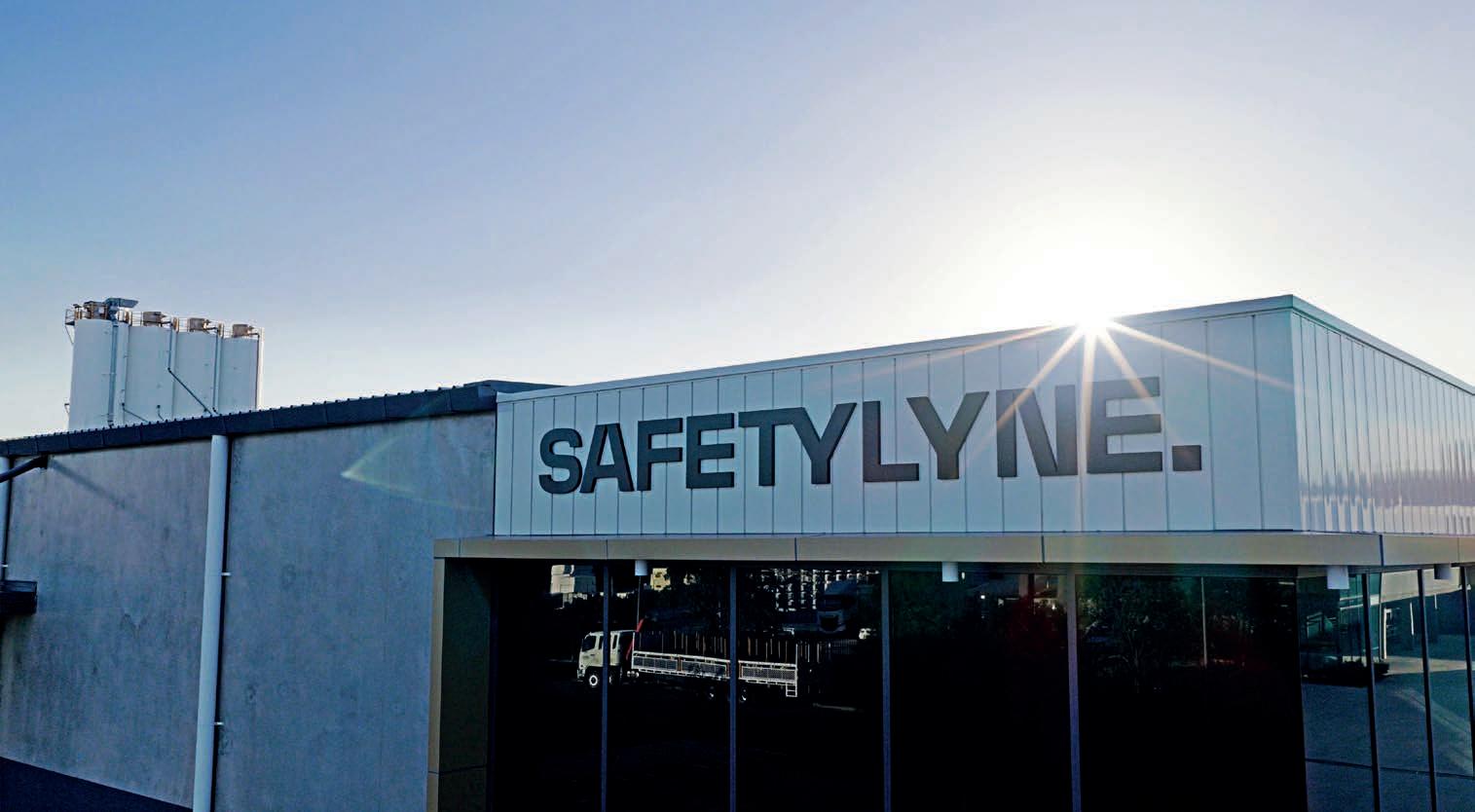
For 25 years, Safetylyne has partnered with Capral to deliver bespoke aluminium height safety and roof access systems for projects across Australia. That long-standing relationship has supported the company’s evolution into a national provider of engineered access solutions for commercial, industrial and complex infrastructure environments.
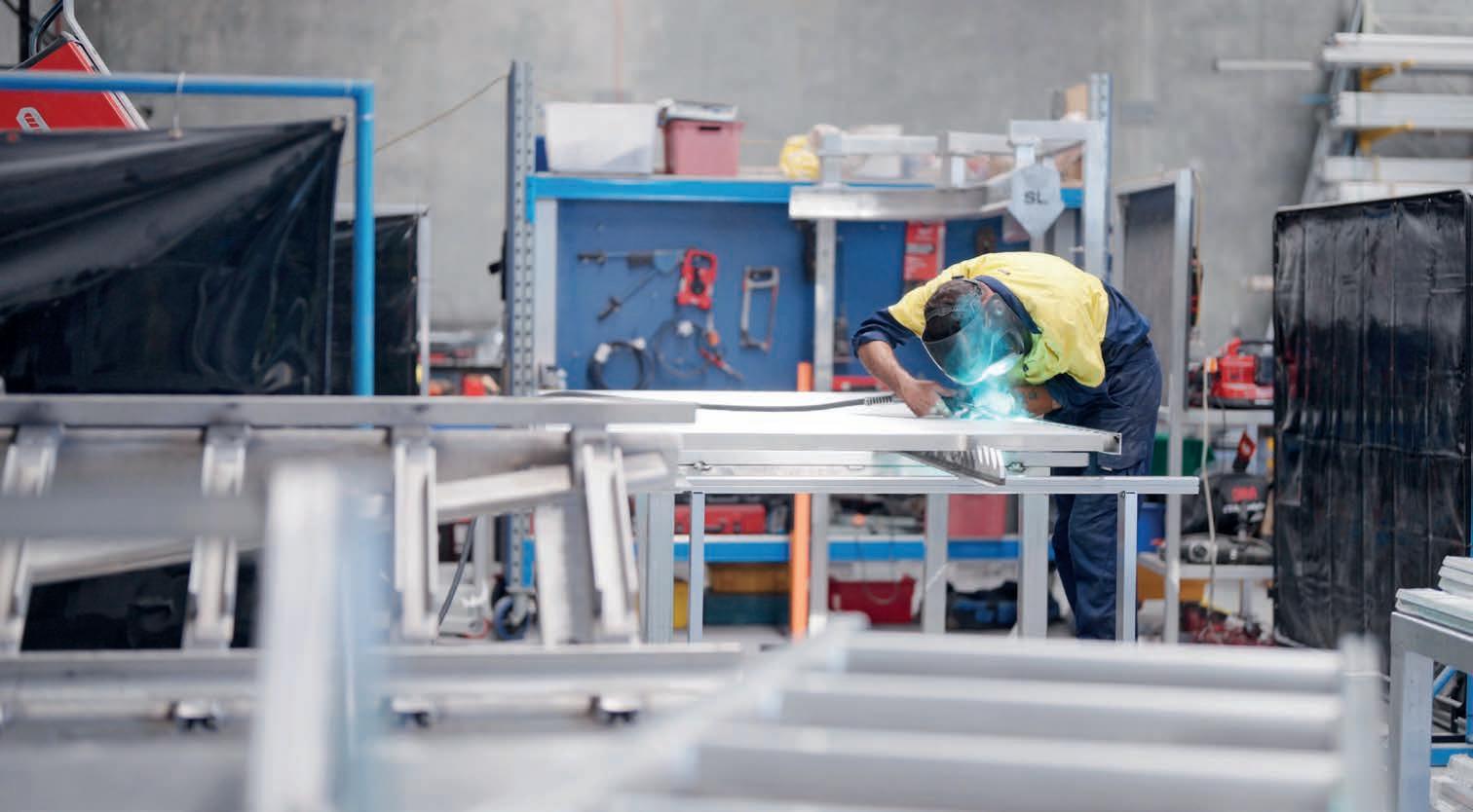
Founded in 2000, Safetylyne has built its reputation on solving access challenges that standard systems cannot. Today, the company designs, fabricates and installs compliant, end-to-end roof access and height safety systems, with a strong focus on bespoke aluminium solutions tailored to the project, the structure and the long-term demands of the asset.
That capability has developed significantly over time. In its early years, the business supplied and installed proprietary systems for builders and other clients. But as project requirements became more complex, Safetylyne identified a clear gap in the market for custom-engineered solutions.
“The gap we filled was custom solutions,” said Trevor Collett, Founder and Managing Director of Safetylyne. “The proprietary systems are still there and we still do them, but what was missing was the
ability to do bespoke solutions for a bespoke need.
Applying the standards and legislation to the client’s needs, giving them the best solution that meets the brief and is compliant, something an engineer can sign off on.”
That approach has taken Safetylyne well beyond
standard roof access products. The company’s portfolio now spans defence facilities, hospitals, bridges, manufacturing facilities and other large-scale public and industrial assets, often in environments where off-the-shelf systems are not enough.
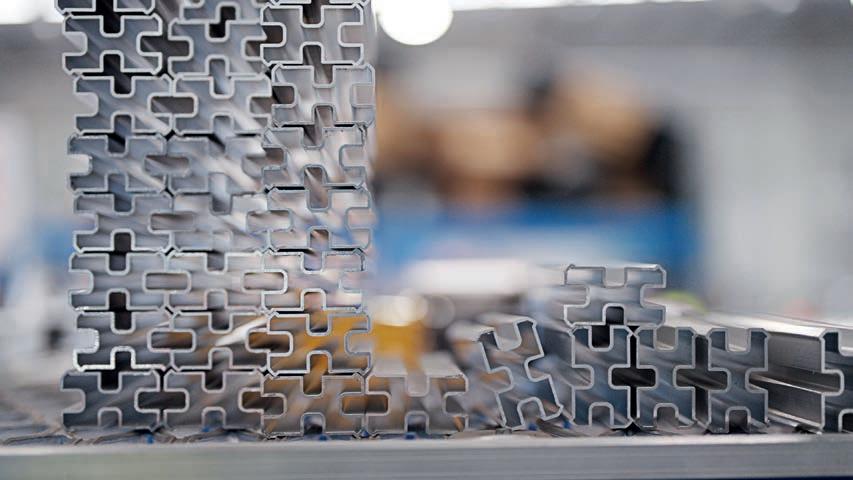
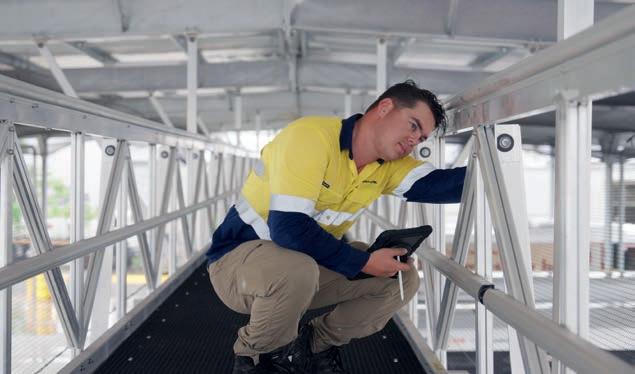
Aluminium has been central to that story, and so has Capral.
Safetylyne has worked with Capral since its earliest walkway systems, relying on the company’s aluminium supply, service and responsiveness to support both ongoing production and more specialised project demands. Over time, the relationship has grown beyond supply into a genuine manufacturing partnership, helping Safetylyne refine and strengthen the systems it brings to market.
For Safetylyne, aluminium is the material of choice for many access applications because it supports strong long-term performance in demanding environments. Its corrosion resistance, lighter weight and design flexibility make it particularly well suited to roof-mounted and elevated systems, especially where durability, structural load and maintainability all need to be considered together. That flexibility has also allowed Safetylyne to challenge conventional thinking in the access sector,
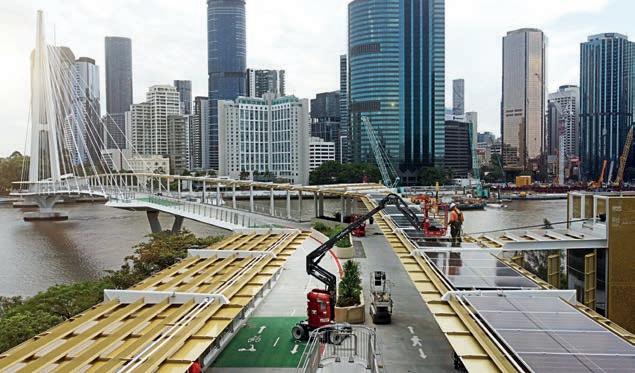
particularly in applications where steel is still seen as the default.
“There’s a common misconception in the market around the capability of aluminium for structural solutions,” Collett said. “There’s a common view in construction that stairs should be made from steel, simply because that’s how they’ve always been done. But we’ve delivered projects featuring external structural stair towers, some reaching around 20 metres high, built entirely from aluminium. With the right engineering, it can meet wind loading requirements and all other relevant performance criteria.”
Safetylyne’s in-house design team also works closely with Capral to refine custom profiles and improve product performance. Over time, this collaboration has led to practical innovations in extrusion design, fixing methods and system detailing that support cleaner installation, greater durability and stronger compliance outcomes.
This ability to collaborate and adapt has become a clear advantage for both businesses. As an Australian manufacturer using Australian aluminium, Safetylyne also places strong value on local supply capability.
“As an Australian-made manufacturer, that means a lot to our clients,” Collett said.
That local supply chain supports greater responsiveness, particularly on urgent or technically demanding projects where lead times and procurement certainty can have a direct impact on delivery.
Now at the 25-year milestone, Safetylyne continues to deliver aluminium access systems for increasingly complex projects across Australia. Backed by its partnership with Capral, the company remains focused on what has always set it apart: engineering practical, compliant and bespoke solutions for clients who need more than a standard product.
RMIT researchers are integrating carbon capture and conversion into a modular system designed to turn industrial CO₂ emissions into the building blocks of sustainable aviation fuel.
For decades, carbon capture and utilisation has been treated as a relay race: one technology to trap emissions, another to purify them, and yet another to convert them into something useful. At RMIT University, researchers are attempting to collapse that relay into a single, streamlined race. Working at the intersection of materials science, catalysis and industrial engineering, the team has developed a carbon conversion system designed to take carbon dioxide directly from industrial exhaust streams and transform it into the building blocks of jet fuel.
The work, led by Dr Peng Li and supported by Dr Lei Zhang, research scientist at Energy Revolution,
is underpinned by a simple but ambitious idea –remove the inefficiencies that have historically slowed carbon conversion. Rather than separating capture and conversion into distinct, energyintensive stages, the RMIT system integrates them. The result is a more compact, potentially lower-cost process aimed squarely at real-world industrial settings rather than idealised laboratory conditions.
“Our technology can convert the carbon dioxide (CO₂) taken from the industrial emissions directly into carbon monoxide (CO),” Zhang said. “The capture solution also has water in it, so the process converts it into CO and hydrogen, producing syngas, which is typically used in industry as a building block for many
fuels and chemicals, including jet fuel.
“One of the most widely used carbon capture technologies is amine capture. It uses a liquid called amine to absorb CO₂ from emissions. At the core of our technology is the CO₂ electrolyser, and we can directly pump that CO₂-rich amine solution into our system.”
At the heart of the technology’s advancements is the decision to eliminate steps that most carbon capture and utilisation (CCU) pathways treat as unavoidable. Conventionally, once carbon dioxide is
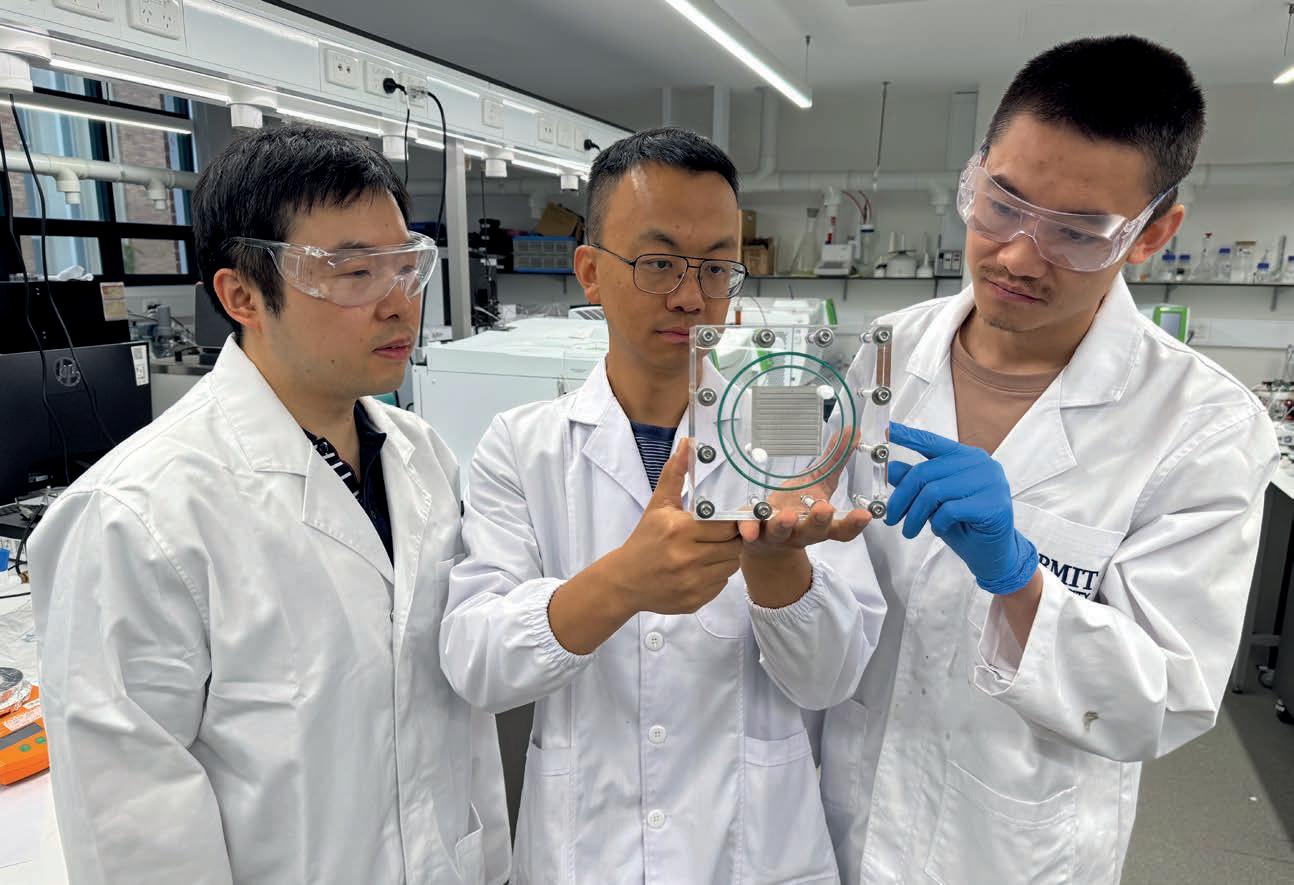
captured, it must be regenerated from the solvent, purified, compressed to high pressure, stored and then prepared for conversion. Each stage adds cost, complexity and energy demand.
RMIT’s approach removes much of that intermediate handling. By feeding the CO₂-rich amine solution straight into the electrolyser, the team bypasses regeneration, purification and compression before conversion. In industrial terms, that means fewer unit operations, simplified plant layouts and reduced capital and operational expenditure.
“The steps we saved are very high energyintensive steps,” said Zhang.
Importantly, the system does not produce jet fuel directly. Instead, it solves the most difficult part in generating syngas – a mixture of carbon monoxide and hydrogen that serves as a foundational feedstock for a range of fuels and chemicals. From there, industrial processes can take over.
“There is already a commercially available technology which is called the Fischer–Tropsch process, which can convert this syngas into jet fuel or sustainable diesel,” Zhang said.
That distinction is crucial in positioning the RMIT system within the broader decarbonisation landscape. Aviation is widely regarded as one of the hardest sectors to abate. Aircraft require fuels with very high energy density, and while electrification may work for short-haul routes, battery-powered long-distance flight remains impractical at scale. Sustainable aviation fuel (SAF), produced from nonfossil carbon sources, is therefore seen as one of the most viable pathways forward.
Scaling from lab to industry
To move from concept to impact, laboratory success must translate into industrial performance. The team has manufactured a three-kilowatt prototype, currently operating at lab scale, to validate the integrated process. The next milestone is a 20-kilowatt pilot system, designed to operate under real industrial conditions.
“The three kilowatt prototype is still lab scale,” Zhang noted. “The major hurdle for the next step is operating under real industry conditions. That’s what we’re doing now – working with industry partners such as Hart Bioenergy, which can provide a source of biogenic CO₂, and Resi Ventures, which can support future site and landrelated considerations. We are also engaging with organisations such as Viva Energy for downstream perspectives, including fuel quality requirements.”
The 20-kilowatt system is planned to be built next to a biogas plant, allowing the team to test the technology against an actual emissions stream. According to Li, the hardware itself has been designed with manufacturability and retrofitting in mind.
“It’s a very compact module system,” Li said. “We have already made contact with a potential manufacturing partner. It looks like one cubic metre – one metre long, one metre depth and one metre high. It includes the capture and the electrolyser system inside of a module system.
That modularity is not incidental. By creating a one-cubic-metre, plug-in style unit, the researchers are aiming to lower the barriers to adoption. Instead of requiring entirely new infrastructure, the
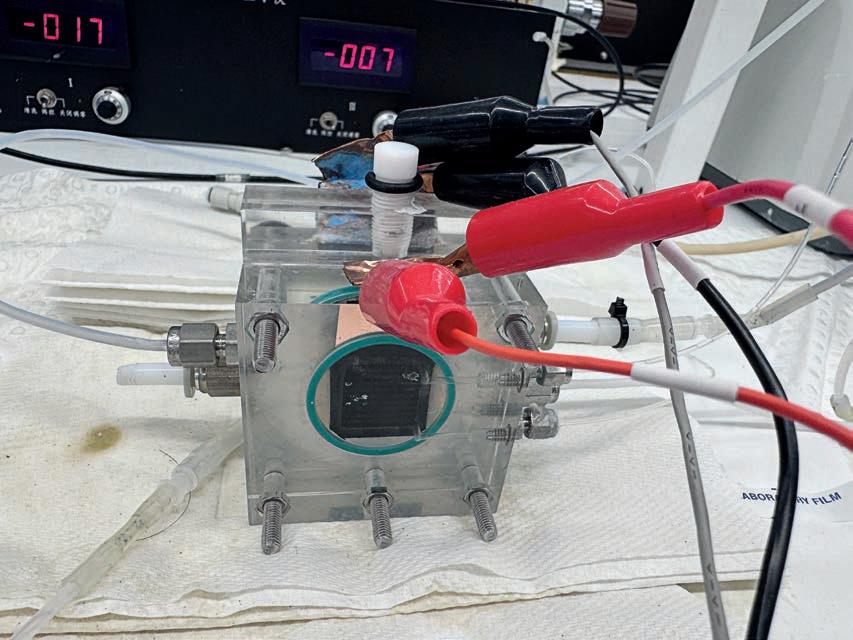
system could, in principle, be installed alongside existing emitters – power stations, cement kilns and biogas facilities – and begin converting waste CO₂ into valuable intermediates.
Such ambitions, however, rely heavily on industry collaboration. The RMIT team is working with a network of partners, each playing a specific role in the scale-up pathway. For Zhang, three elements are particularly important: demand, offtake and integration with existing operations. Hart Bioenergy, which generates biogas containing around 30 per cent CO₂, sees operational advantages in its current partnership with the RMIT team.
“We can remove their CO₂ and they have a higher combustion efficiency of their biogas. That’s why they’re willing to be the commercial partner with us,” said Zhang.
Viva Energy’s interest lies further downstream.
“Because they are one of Australia’s major fuel companies, Viva Energy is interested in longterm development of sustainable aviation fuel pathways,” Zhang said. “At the moment, Viva Energy is supporting our funding application and providing downstream perspective on future fuel requirements, while following the project’s progress with interest.”
Additional partners are also contributing expertise beyond chemistry and catalysis. Local company T-Power is developing the electronic charging and power systems, drawing on RMIT’s strengths in materials science, catalysis and chemistry to help scale the technology.
Despite the promise, both Zhang and Li are cleareyed about the limits of any single technology.
Carbon conversion, even in an integrated form, cannot by itself solve aviation’s emissions challenge. The broader energy system must evolve in parallel.
“Our technology is just one of many low carbon CCU technologies to contribute to reducing the emission,” Zhang said. “Only using our technology won’t solve the problem alone.”
Key enablers, he argued, are reduced electricity prices, the expansion of green electricity, and stronger demand signals for sustainable fuels as there remains a large cost gap compared to fossil fuels.
For manufacturers and industrial operators, the RMIT system represents both a technical innovation and a strategic proposition. By integrating capture and conversion into a modular and manufacturable unit, it offers a potential pathway to turn emissions liabilities into feedstock assets. Yet its ultimate viability will depend on the interplay between engineering performance, electricity markets, fuel standards and policy frameworks.

SHARON ROBERTSON, CHIEF EXECUTIVE OFFICER, MANUFACTURING INDUSTRY
When global supply chains come under pressure, the public debate tends to follow a familiar pattern: reserve stocks, empty shelves and the impact on cost of living. These are serious and legitimate concerns, and they will intensify as the economic effects work their way through. But there is a deeper issue that rarely gets the same airtime.

This is not a new pattern. We saw it during COVID, when global supply chains seized up almost overnight. We saw it again when the war in Ukraine sent energy and input costs surging across the manufacturing sector. And we are seeing it now as conflict in the Middle East disrupts trade routes that Australian industry depends on. The warning is the same each time. The structural response has not yet matched it. What each of these disruptions has shown is that the most critical resource in a crisis is rarely machinery or capital - it is the skills, knowledge and industrial experience that keep production running and new technologies deployable at pace.
The question for Australian manufacturing is not how we got here, but how we build the resilience to weather what comes next. Across the whole industrial base - food processing and the security of what ends up on our shelves, defence manufacturing, advanced materials production, the businesses making the components and goods the country runs on - that question has never been more pressing.
This is precisely the work of the Manufacturing Industry Skills Alliance. As Australia’s Jobs and Skills Council for manufacturing, and with the Future Made
in Australia agenda placing domestic industrial capability at the centre of national economic policy, we work with industry, training providers and government to build the workforce depth the sector needs. Our workforce planning identified the four challenges that sit at the heart of that work: attracting and retaining talent into manufacturing careers, increasing workforce diversity to broaden the pipeline, managing the knowledge loss risk of an ageing workforce, and building the emerging skills that advanced manufacturing genuinely demands.
Sovereign capability depends on people before it depends on anything else - not legislation and procurement alone, but the workers, qualifications and industrial knowledge that make production possible. Building it requires an honest and detailed understanding of where the gaps are, where the workforce is heading, and what the sector will need to function effectively in a less predictable world. These are not abstract concerns. In a tighter, more contested global environment, they are industrial capability questions. A manufacturer that cannot attract skilled workers cannot scale. A sector that has not planned for the retirement of its most
experienced people cannot sustain the knowledge those people carry. A training system that is not aligned to where industry is heading cannot produce the workers industry needs when it needs them.
The businesses best placed to weather what is coming are those already having these conversations - mapping their workforce needs, investing in structured training, and treating skills development as a strategic priority rather than a line item to be trimmed when margins tighten.
The current disruption will eventually pass. The structural vulnerabilities it has highlighted will not. Now is the time for Australian manufacturers to ask a harder question of themselves: when the next shock comes, will we have the workforce we need to respond?
Sharon Robertson is Chief Executive Officer of the Manufacturing Industry Skills Alliance, Australia’s Jobs and Skills Council for the manufacturing sector, funded by the Australian Government Department of Employment and Workplace Relations. The 2025 Manufacturing Workforce Plan is available at manufacturingalliance.org.au


16-17 September 2026
EXHIBIT IN 2026. BE SEEN. BE HEARD. BE CHOSEN.
The Women in Industry Awards return to Sydney in 2026 – offering professionals the chance to connect, celebrate success and recognise the sector’s leading talent.
With finalists for the 2026 awards announced soon, the Women in Industry Awards programme will culminate in a gala dinner at Doltone House, Darling Island Wharf in Sydney, on the 18th of June. The event will be an opportunity for businesses, decisionmakers and professionals from across the country to gather and recognise the outstanding contributions shaping Australia’s industrial future.
More than just an awards ceremony, the event has also become a key networking occasion for leaders across manufacturing, engineering, mining, trades, process control and commercial road transport. The gala dinner provides a rare opportunity for industry professionals to connect with peers, celebrate colleagues and strengthen relationships across sectors that play a vital role in Australia’s economy. For companies, the evening also presents an opportunity to reward teams with a night out that
recognises their efforts while placing them among industry leaders and innovators.
With Atlas Copco Group confirmed as principal partner for 2026, the awards will present a total of 16 categories, including four new additions designed to reflect the evolving nature of leadership across modern industry. The four new award categories are Marketer of the Year, Excellence in Health and Medicine, Tradeswoman of the Year, and Rising Women in Leadership: C-Suite Executive Award.
These additions complement a strong suite of returning categories that have become hallmarks of the programme:
• Rising Star of the Year (30 years and under);
• Business Development Success of the Year;
• Industry Advocacy Award;
• Mentor of the Year;
• Safety Advocacy Award;
• Excellence in Manufacturing;
• Excellence in Transport;
• Excellence in Engineering;
• Excellence in Mining;
• Excellence in Construction;
• Excellence in Energy; and;
• the prestigious Woman of the Year award, selected from the winners of the other categories. Finalists for the 2026 awards will be announced on 27 April, setting the stage for the gala evening where each category recognises tangible achievements – from operational excellence on the factory floor to leadership in boardrooms, major infrastructure projects and national supply chains.
Among those recognised in 2025 was Naomi Elliott, winner of the Excellence in Manufacturing category, whose journey reflects the calibre of leadership celebrated by the awards.
Fresh from her 2025 Women in Industry Awards win, Elliott reflected on a dynamic manufacturing career that has spanned leading Concept Labs and founding Suncoast Biochem, alongside championing broader industry initiatives. After more than a decade in finance and insurance broking, she discovered her calling in 2013 when she joined Concept Labs, the skincare, cosmetics and cleaning product contract manufacturer founded by her parents in 1998.
What began as a temporary step into the family business evolved into a 13-year leadership journey that has seen the company expand its reach internationally.
“After quitting my corporate job, I went overseas to study for six months and came back unsure of what I wanted to do,” said Elliott. “I had exposure to Concept Labs all through school, and that’s how I learned most of my accounting and business background.
“The business was quite small then, so I said to Mum and Dad, ‘I’ll look after the business while you travel. I’ll figure things out’. Thirteen years later, I’m still here.”
Now general manager, Elliott has been instrumental in transforming Concept Labs into a growth-focused manufacturer partnering with global brands across Australia, the US, the UK, New Zealand, Malaysia and Singapore. The company manufactures products using clients’ own formulations or its own under white label arrangements, positioning itself as a flexible and responsive player in competitive international markets.
Her leadership across Concept Labs and Suncoast Biochem has combined commercial acumen with operational insight, strengthening both businesses’ capabilities and expanding their footprint.
This 13-year commitment to manufacturing and the broader Australian business landscape was recognised at the 2025 awards, where she described winning the Excellence in Manufacturing title as unexpected, exciting and surreal.
“There were some really big companies and so many amazing women in the room, so it felt quite overwhelming,” she said. “The award really recognises how far I have come through personal and professional development over the last few years.
“It’s also recognition of my team. I couldn’t have come away with the win without their support.”
Elliott’s team holds particular significance, with Concept Labs comprising a workforce that is 70 per cent women in what has traditionally been a maledominated sector. She has consistently maintained that this composition was not the result of a targeted strategy, but of appointing the best people for the roles and fostering an environment where individuals can develop and thrive.
Under her leadership, flexibility around working hours, locations and conditions has supported team
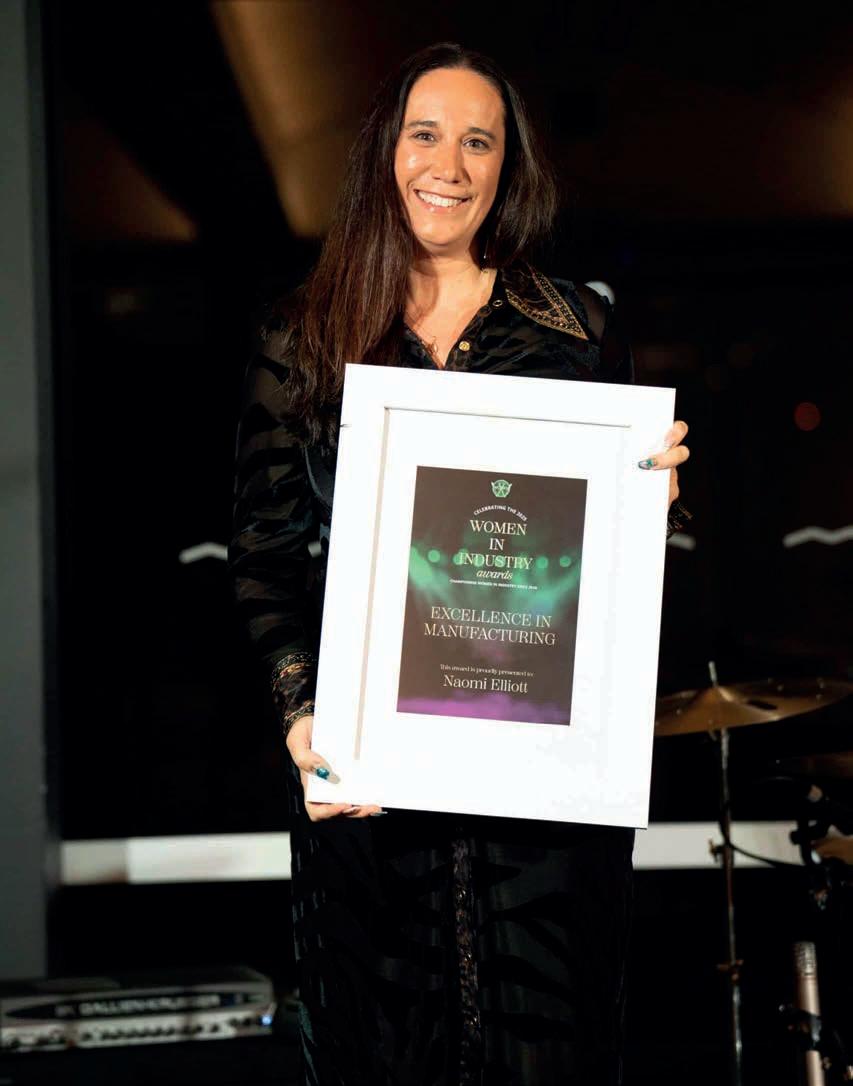
growth and retention, contributing to a strong and stable workforce.
“As a women-led business, the flexibility and support we provide around working hours, locations and general conditions have been more conducive to women, mothers and families,” she said. “For me, it’s about supporting and empowering women, and I think that’s what has attracted more women to join my team, to stay, and to grow within the business.
“I want to show my daughter that the opportunity is there for her to be wherever she wants to be, whether that be a boardroom, a lab, or a production line.”
While accepting her award, Elliott also emphasised that progress across industry depends on collective effort.
“I have three children, and I do this mostly for my daughter, but also for my sons – to recognise that
empowering women is important, but it’s also about men,” she said. “I’ve had really supportive male role models and mentors who never questioned my right to be there, to have a voice, or to be capable.
“I’ve been very blessed in that regard, and I hope I reflect the same for my team, even though it’s predominantly women-led right now.”
Stories such as Elliott’s highlight the spirit of the Women in Industry Awards – celebrating the leadership and innovation strengthening businesses and industries across the country.
With finalists announced on 27 April and the gala celebration set for Sydney, the 2026 awards evening will again bring together professionals from across Australia’s industrial sectors for a night of recognition, networking and celebration.


Innes Willox, chief executive, Australian Industry Group, explores the pressures that have seen Australian industry enter 2026 grappling with costs, workforce pressures and regulatory burdens.
Australian industry had a slow and unsteady 2025, as weak business conditions at home and upheavals abroad dragged on performance. As industry leaders prepared for 2026, one issue dominated their thinking: managing the rising costs of doing business amid subdued economic conditions.
Since 2012, Australian Industry Group has annually surveyed business leaders from across industry. These sectors – which include manufacturing, construction, technology and supply chain and technical services – provide the industrial foundation for national prosperity. Our 2026 report, based upon responses from 225 senior leaders, provides insights into how leaders anticipate the coming year.
Industry leaders entered 2026 with one big worry on their minds: rising business costs. While economic conditions have slightly improved over the last year, they remain subdued by historical standards. However, cost pressures on business are still growing, posing difficult challenges that are reshaping business strategy.
These leaders have identified three pressures that will define 2026. The first is the return of inflation, with input and energy costs continuing to rise while market conditions remain weak, placing pressure on margins and constraining investment opportunities.
The second is mounting regulatory burden, with imposts from both the taxation and broader regulatory regimes emerging as a leading negative factor for business growth. In our report, 37 per cent of leaders cite tax burden, and 33 per cent compliance burden, as major negative impacts on their business. A nationally operating business faces more than 100 taxes across federal and state jurisdictions. That is not a system designed for productivity – it is a system designed to turn businesses into compliance machines.
Finally, the third is persistent workforce pressures, with wages costs rising rapidly while workforce shortages persist for higher skilled roles.
Industry leaders have recalibrated their strategies to tackle this higher-cost, lower-growth economic environment. Technology investments – including
but by no means limited to artificial intelligence (AI) – are being rapidly ramped up to improve business processes and deliver efficiency gains. Businesses are leaning into technology to manage costs and lift productivity.
This should provide a shot in the arm to productivity at a time when the Australian economy most needs it. However, it also means that long-term growth objectives – particularly R&D, workforce development and non-tech investments – have been deprioritised to meet near-term cost challenges. Training and R&D are still positive, but more subdued. Both have eased from their post pandemic highs, reflecting the more cautious approach to long term and high risk investment. In our survey, 40 per cent of businesses plan to maintain their current training investment, while 37 per cent intend to increase spending. R&D investment intentions remain flat, with 25 per cent of businesses planning to increase spending and 18 per cent planning to reduce.
Traditional capex is the weakest area. Outside the
pandemic disruption, this year’s survey has produced the lowest reading we’ve seen – highlighting how restrained businesses are when it comes to large, non essential investments.
In terms of workforce shortages, we’ve seen some improvement from post pandemic peaks, but shortages persist in higher skilled roles, particularly in construction and in manufacturing. In 2025, around two thirds of businesses reported being affected by shortages, down from three quarters in 2024. That improvement reflects some softening in the labour market after an exceptionally tight period.
What has really changed is where shortages are occurring. Lower skilled shortages have eased and account for most of the improvement. By contrast, shortages in higher skilled roles have barely shifted.
Manufacturers report medium levels of expected shortage, with rates of 44 per cent for lower skilled occupations, and 54 per cent for higher skilled occupations. Constructors report high rates: 69 per cent for lower skilled jobs and 78 per cent for higher skilled roles.
Looking at our latest survey data, we’re not expecting much further relief. In fact, slightly more firms expect to be affected this year, suggesting these constraints are becoming structural, rather than cyclical.
So, while the worst of the post pandemic shortages are behind us, workforce constraints – particularly
for skilled labour, and in the construction and manufacturing sectors – remain a brake on industrial capacity, and the ability to grow. There is a clear story running through our report: businesses are operating in an environment of modest demand growth, rising costs and ongoing uncertainty.
In response, they are prioritising cost management to defend margins, improve productivity and near term returns, while taking a more cautious approach to longer term investment.
If these conditions become entrenched, our longterm competitiveness may die a death of a thousand cuts. It is imperative the national policy debate focuses on delivering flexible and fit-for-purpose regulations that enable business to invest, grow and internationally compete in all economic conditions.
The Treasurer’s Economic Reform Roundtable last August canvassed a range of potential reforms, across issues as diverse as planning, licensing, skills, federalism, tax and more. Now is the time to get on with the job and deliver these reforms.
The message from industry leaders is clear: regulatory reform is essential if we are to deliver the higher investment levels needed to drive a return to productivity and robust growth.
Read the full Australian Industry Outlook for 2026 report:
https://go.aigroup.com.au/outlook2026
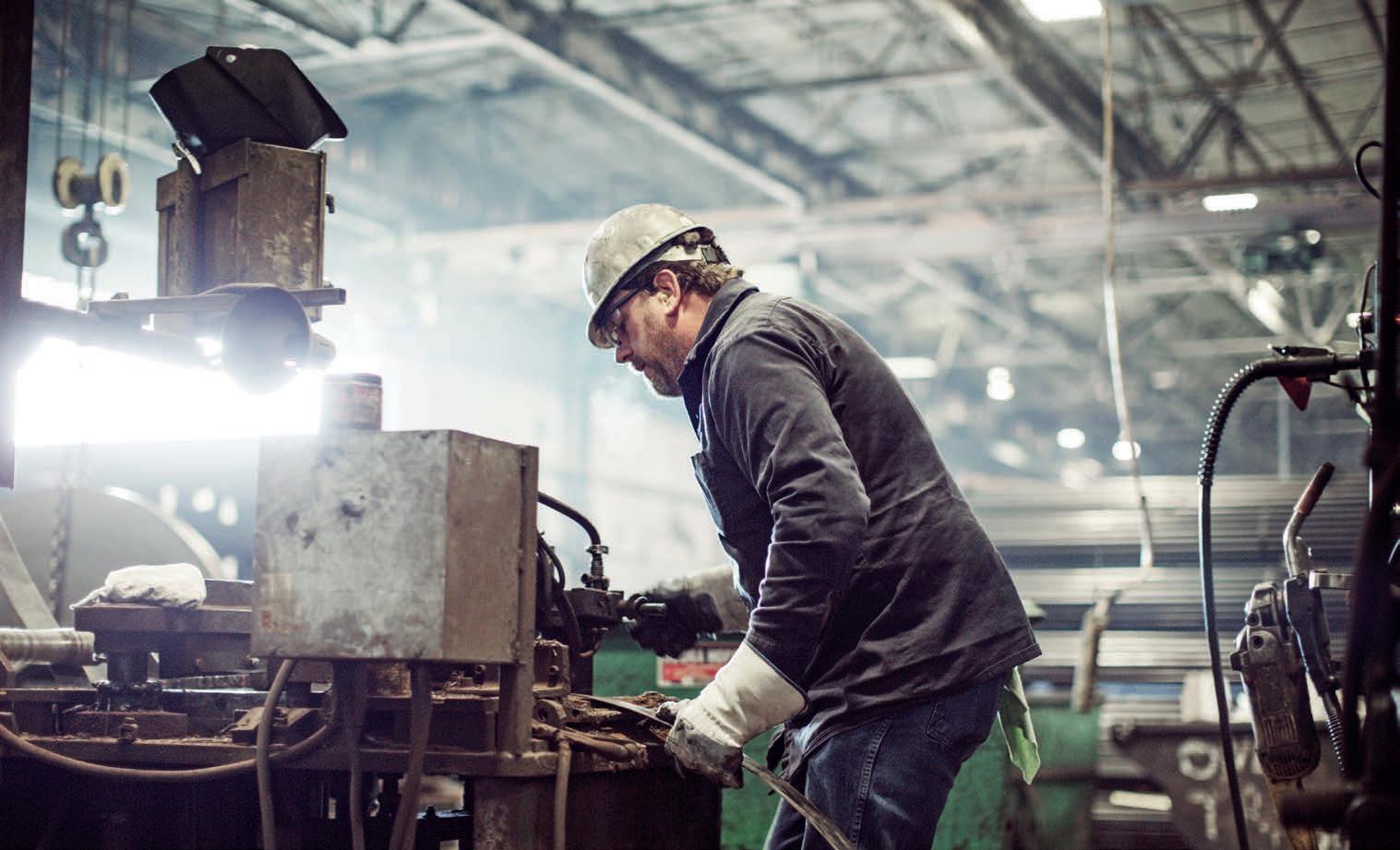

Finalists for the 2026 Manufacturers’ Monthly Endeavour Awards have been announced, highlighting the individuals and organisations driving progress across Australia’s manufacturing sector.
Australia’s manufacturing sector will once again take centre stage as the finalists for the 2026 Manufacturers’ Monthly Endeavour Awards have been announced, recognising the individuals and organisations driving innovation, leadership and excellence across the industry.
National recognition for outstanding individuals and businesses in manufacturing remains at the heart of the prestigious awards program, which has been celebrating industry achievement since its establishment in 2003.
“We received a record number of submissions for the Endeavour Awards this year, marking the highest level of nominations since the awards were established in 2003,” said Molly Hancock –head of event marketing at Prime Creative Media. “This reflects not only the remarkable talent
across Australia’s manufacturing sector, but also the continued growth of the industry, something these awards are designed to celebrate and showcase.”
The gala dinner, held at the Westin Brisbane on 13 May, will provide an exceptional showcase of industry achievement and a valuable opportunity to celebrate teams, network, and connect with fellow industry professionals.
Manufacturing businesses from across Australia are invited to attend the awards gala and be part of an evening that celebrates not only outstanding individuals and organisations, but also the strength and success of the Australian manufacturing industry as a whole.
Visit https://endeavourawards.com.au/ to purchase tickets.
Advanced Manufacturing Excellence Award
• Bosch Australia Manufacturing Solutions (BAMS)
• Central Innovation
• Coregas
• ESM Australia
• iOrthotics
• MULTIPANEL
• Pilz Australia
• Process Evolution
• REDARC Electronics
• Zenaji
Excellence in Sustainability Award
• Custom Denning
• E42 Pty Ltd
• Hullbot
• Loop Hydrometallurgy
• Monash University
• REDARC Electronics
• Second Squeeze
• The University of New South Wales (UNSW)
• Workspace Commercial Furniture
• Zenaji

Recognition for outstanding individuals and businesses in manufacturing remains at the heart of the awards program.
Innovation in Aerospace
• Hypersonix Launch Systems
• Metakosmos
• Space Machines Company
Innovation in Food & Beverage Manufacturing
• 365mesh
• BOC
• Ezy Chef
• Monash University
• Packserv
• Robotic Automation Pty Ltd
• Second Squeeze
• The Magnum Ice Cream Company
– Minto site
• Whole Green Foods Pty Ltd
Rising Star of the Year Award
• Edward Attenborough - Monash University
• Alex Hansen - NEACH
Innovation in Health Technology
• AlleSense
• Audeara Limited
• Cochlear Ltd
• CR Labs
• Dentalife Australia Pty Ltd
• GN Hearing Australia
• iOrthotics
• MediQo Health
• Optiscan Imaging Ltd
• Widex
Innovation in Transport
• Amtek
• Custom Denning
• Electric Power Conversions Australia
• Gemco Rail
• Incat Tasmania
• Janus Electric
• McNeall Plastics
• Premcar
• Rail First Asset Management
• Volgren Australia Pty Ltd
Outstanding Start-Up
• 365mesh
• CareWindow
• EarGenie Pty Ltd
• Future Maintenance Technologies
• Hullbot Pty Ltd
• Hypersonix Launch Systems
• Rampey Pty Ltd
• Second Squeeze
Leader of the Year
• Kerryn Caulfield- Composites Australia Inc.
• Camile Farah- Optiscan Imaging Ltd
• Derelle Mitchell- Health Focus Manufacturing
• Alan Oppenheim- Ego Pharmaceuticals Pty Ltd
• Demi Pressler-McHugh- McHugh Steel
• Bernie Quinn- Premcar
• Brenton Russo- MULTIPANEL
• Chandra Shanmugam- Copamate
• Cori Stewart- ARM Hub
• Honi Walker- SEMMA
VTA will stage its Alternative Fuel Summit at MegaTrans 2026, widening the industry conversation around decarbonisation.
The Victorian Transport Association (VTA) has formalised a key industry collaboration with MegaTrans 2026, confirming its Alternative Fuel Summit will be co-located with the national freight and logistics exhibition in Melbourne later this year. Scheduled for Day Two of MegaTrans (17 September), the Summit will bring together expert speakers, case studies and panel sessions examining the future of low and zero-emissions transport, spanning electric, hydrogen, biofuels and hybrid technologies.
Content will focus heavily on industry preparedness, supporting infrastructure and the commercial realities of alternative fuel pathways for operators across freight, logistics and broader supply chain sectors. VTA CEO Peter Anderson said the Association is “thrilled” to partner with MegaTrans and broaden the reach of the Alternative Fuel Summit by embedding it within one of Australia’s leading transport and logistics gatherings.
“We’re delighted to be joining forces with MegaTrans for this year’s Summit,” Anderson said. “Decarbonisation is one of the defining challenges of our time, and it’s essential that our industry continues to engage in practical, informed and forward-looking discussions about how we transition to cleaner transport.”
Anderson said incorporating the Summit into MegaTrans will enable the VTA to connect with a wider cross-section of the industry, from operators and suppliers to policymakers and technology innovators.
“Hosting the Summit within MegaTrans means these conversations don’t happen in isolation, they happen in front of thousands of people who influence, design and operate Australia’s freight and logistics networks every day,” he said. “It’s an opportunity to share knowledge, accelerate understanding and bring alternative fuel solutions into the mainstream.”
He added that the collaboration also aligns with the VTA’s broader objective of guiding transport operators through the national energy transition, particularly as fleet owners weigh up questions around fuel supply, refuelling networks, vehicle costs and long-term policy direction.
“This partnership helps us broaden that mission. By combining VTA’s industry expertise with the scale of MegaTrans, we’re ensuring the sector has access to the information, debate and collaboration needed to navigate the pathway to lower emissions,” Anderson said.
The Alternative Fuel Summit will complement MegaTrans’ wider sustainability agenda, exploring practical transition pathways and emerging technologies across the freight task. With mounting pressure on the sector to cut emissions while preserving service performance, safety standards and profitability, the Summit is expected to provide timely and grounded discussion on fleet transition.
MegaTrans organiser Prime Creative Media said the collaboration highlights the increasing role of peak industry bodies in shaping the event’s conference program, as MegaTrans continues to expand its partner network and operational involvement.
General manager of events at Prime Creative Media, Siobhan Rocks said alternative fuels sit at the heart of the event’s sustainability focus.
“Sustainability is a core pillar of MegaTrans, and alternative fuels are a critical part of that journey for the transport and logistics sector,” Rocks said.
“Partnering with the VTA allows us to take that conversation further by bringing together policy, technology and operational insight in a way that is relevant and actionable for industry.”
She said the partnership will extend beyond the Summit itself, with the VTA also hosting a breakfast on Day One of MegaTrans to facilitate early networking and set the tone for the Summit.
“Having the VTA involved across both days adds real depth to the MegaTrans program,” she said. “The VTA breakfast creates a strong platform for connection and discussion, while the
Alternative Fuels Summit extends our sustainability narrative into a dedicated forum focused on future transport solutions.”
The announcement follows continued growth in MegaTrans 2026’s industry partner network, with peak bodies, safety organisations and major operators joining ahead of the Melbourne event. Several organisations have been confirmed as official partners, including ICHCA Australia, the Chartered Institute of Logistics and Transport, CLOCS-A and ASCLA, reflecting the event’s aim to represent the breadth of the freight and logistics sector across road, rail, ports, intermodal and warehousing operations.
The event’s Operator Hub is also building momentum, with major freight and logistics operators such as UPS, Amazon, Wettenhalls, Cold Xpress, SGS Logistics and Centurion confirmed to participate, contributing operational perspectives to both the exhibition floor and conference sessions.
MegaTrans will be held at the Melbourne Convention and Exhibition Centre from 16 to 17 September 2026, bringing together suppliers, technology providers, fleet operators, logistics companies, infrastructure stakeholders and government representatives to address the evolving challenges and opportunities shaping the freight sector.
Full program details and ticketing information for the VTA Alternative Fuel Summit will be released in the coming months.



When machines communicate, robots move with precision or wind turbines feed the grid. It’s robust connections like LAPP’s EPIC connectors working behind the scenes that make it possible.
With a current carrying capacity of up to 660 A, the EPIC POWERLOCK is a powerful single-pole connector. This system was recently redesigned by LAPP. The round connector is now available in the new POWERLOCK version, which simplifies assembly, and unlocking.
The core feature is the newly developed mechanism with an integrated slider, which allows release without the need for special tools. This makes handling easier and prevents improper disconnection of the plug connection.
The contacts inside have also been redesigned: instead of different variants – depending on the conductor cross-section – the new POWERLOCK uses a single cone-shaped axial screw contact that automatically fans out the strands when inserted. This allows diameters from 35 to 240 mm² to be reliably connected. The combination of mechanical and colour coding minimises the risk of incorrect connections and enables clear assignment of the conductors.
With its high current-carrying capacity, IPprotected design, and reliable locking mechanism, EPIC POWERLOCK is suitable for industrial distribution systems, test benches, and mobile power supply solutions.
solutions for
With the EPIC M23 Power Quickflex, LAPP presents a circular connector that combines high electrical resilience with an innovative toolfree locking system. This connector sets new standards in connection technology for servo motors, automation technology, and demanding industrial applications.
Due to integrated Quickflex technology, the EPIC M23 Power offers maximum flexibility. Variable pole configurations and modular interchangeable inserts enable easy adaptation to different power requirements and device configurations. This not only facilitates quick conversion in the field, but also offers new possibilities in system planning – especially for applications that require high current carrying capacity in limited space. The robust design of the connector, combined with its high vibration and temperature resistance, makes it suitable for drive and automation solutions, robotics systems, and mobile machines.
With the new EPIC ClickConnect technology, LAPP offers a solution for the increasing demands and accelerated installation and maintenance processes in industrial production. The push-pull solution for M12 patch cords and cord sets relies on a tool-free locking system and opens up a new dimension in efficiency, safety, and reliability for users in automation, mechanical engineering, and industrial communication.
The focus is on tool-free locking based on a mechanical locking mechanism. The connection locks automatically with a simple push-fit. The resulting haptic and acoustic feedback ensures a reproducibly secure connection. Unlocking is easy by pulling on the integrated release element. The system reduces installation times and is optimised for use in compact installation environments where
conventional screw or clamping mechanisms are only accessible to a limited extent.
Due to its ease of use and minimised susceptibility to errors, EPIC ClickConnect is suitable for applications where maintenance intervals are short and production downtimes are critical.
field
The EPIC series stands for maximum reliability, versatile application possibilities, and advanced technology – properties that are indispensable in modern automation.
Contact:
Treotham Automation Pty Ltd www.treotham.com.au 1300 65 75 64
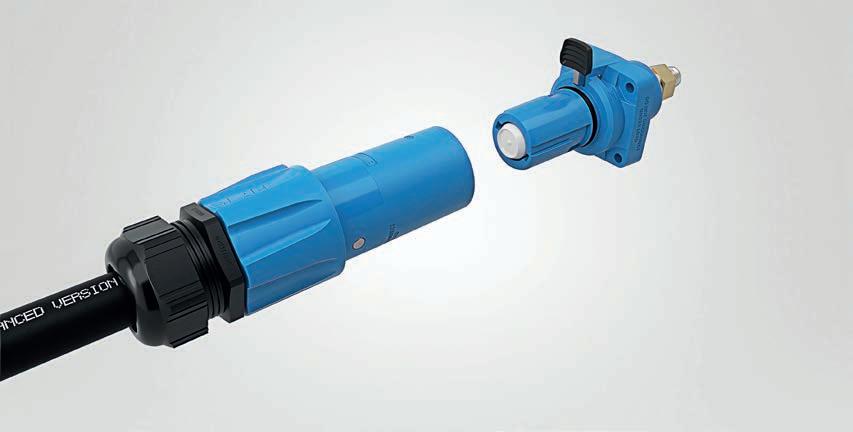
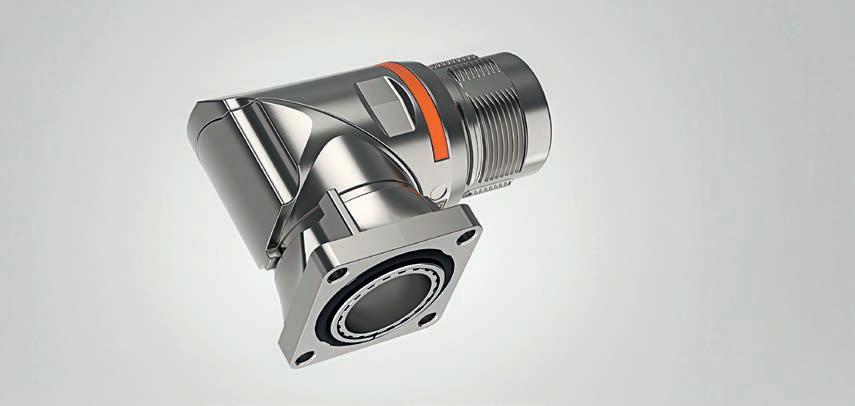


Geoff Crittenden, CEO, Weld Australia, writes an open letter to the Treasurer of Australia, the Hon. Jim Chalmers MP, regarding the Federal Budget and its focus on productivity.
Dear Treasurer,
In recent weeks, you have made it clear that the upcoming Federal Budget will focus on lifting Australia’s productivity – on “raising the speed limit” on our economy.
On behalf of Weld Australia and the thousands of businesses and skilled tradespeople we represent across manufacturing, construction and heavy industry, I welcome that focus.
But if we are serious about productivity reform, we must move beyond rhetoric and address the structural barriers that are quietly eroding output, competitiveness and living standards across Australia’s industrial base. Because the reality is stark. Australia’s productivity growth is at its lowest level in 60 years. Growth has stagnated at 0.5 per cent over the past year, and to reach even 2 per cent annual growth by 2030, which is still modest by historical standards), we would need to quadruple our current rate.
That is not a cyclical wobble. It is a structural warning sign. And nowhere is this more evident than in manufacturing.
Manufacturing’s contribution to Australia’s GDP has fallen to just 5.1 per cent, a record low and one of the smallest manufacturing footprints in the developed world. In the year to June 2024 alone, more than 5,100 manufacturing businesses closed their doors. At the same time, the sector contracted by 2.6 per cent over the last year, entering recessionary territory around mid-2024.
These figures are not abstract. They represent lost capability, lost apprenticeships, lost innovation, and lost sovereign resilience.
At the same time, the construction industry presents a productivity paradox. While the number of workers has increased in the past decade, output per worker has reduced. On average, people are working two hours less per year with 25.4 per cent lower output (calculated as construction work completed divided by the number of workers). For example, worker output in 2023 was $180,100, compared with $196,800 in 2018. With demand for skilled workers continuing to outpace the available supply, greater productivity is key to raising worker output. This is not primarily a labour problem. It is a systems problem.
When low-cost imported fabricated steel or structural components arrive on site noncompliant with Australian Standards and must be repaired, re-welded or reconstructed locally, those hours are recorded as economic activity. But they do not increase value. They simply correct avoidable defects.
If a project should require 1,000 labour hours but consumes 5,000 because low-cost imported product fails to meet Australian Standards, that is not productivity. It is inefficiency forced onto compliant Australian businesses.
At a national level, this distorts our productivity performance.
That is not sustainable economic policy.
There is a persistent myth that Standards and compliance are bureaucratic friction; a cost to be minimised.
In reality, credible conformity assessment is one of the most powerful productivity tools available. When fabrication is done right the first time, to verified Standard: projects move faster, risk contingencies shrink, insurance exposure falls, lifecycle maintenance costs decline and public asset value is protected.
When compliance is assumed rather than verified, we create false economies; cheaper upfront contracts that become more expensive over decades through remediation, repair and litigation. For Treasury, this is not merely an industry issue. It is a fiscal discipline issue.
Public infrastructure designed for a 50- or 100-year life cannot deliver value if compliance is declaratory rather than enforced. Wholeof-life costs ultimately land with governments and taxpayers. If we want to improve national productivity, we must improve first-timeright delivery.
A second structural drag on productivity is regulatory fragmentation. Every state and territory operates different occupational licensing systems,
overseen by different authorities and often applying inconsistent competency benchmarks. This limits workforce mobility, increases compliance costs for employers, and slows project delivery.
We support national licensing reform, but only if it is built around demonstrated competency, not paperwork.
In welding, certification aligned to ISO standards, allows skilled tradespeople to work across jurisdictions because competency is verified, portable and independently assessed. A national licensing framework for trades should adopt the same principle: assess practical capability, ensure consistency, and eliminate duplication. Workforce mobility is productivity reform.
The Productivity Commission recently posed the question of whether Australia should abandon national standards in favour of international alternatives. Our view is clear: the idea is not only impractical, but deeply misguided. The issue is not which Standards we use. The issue is whether they are being consistently enforced, particularly for imported fabricated products.
Right now, many imported fabricated steel components enter the Australian market without meeting any recognised standard, Australian or international. This not only creates a safety risk but undermines compliant Australian businesses that are doing the right thing. When overseas suppliers compete on price without undergoing equivalent certification, audit and inspection regimes, we do not have a free market. We have regulatory asymmetry.
Compliant Australian businesses invest in qualified supervision, certified welders, quality systems and inspection processes. If competitors are not required to meet the same bar before steel is erected or installed, we incentivise nonconformance. Productivity cannot improve in a system that rewards lowest upfront price over verified whole-of-life value.
verified
Every state and territory already has regulations requiring fabricated structural steel to comply with
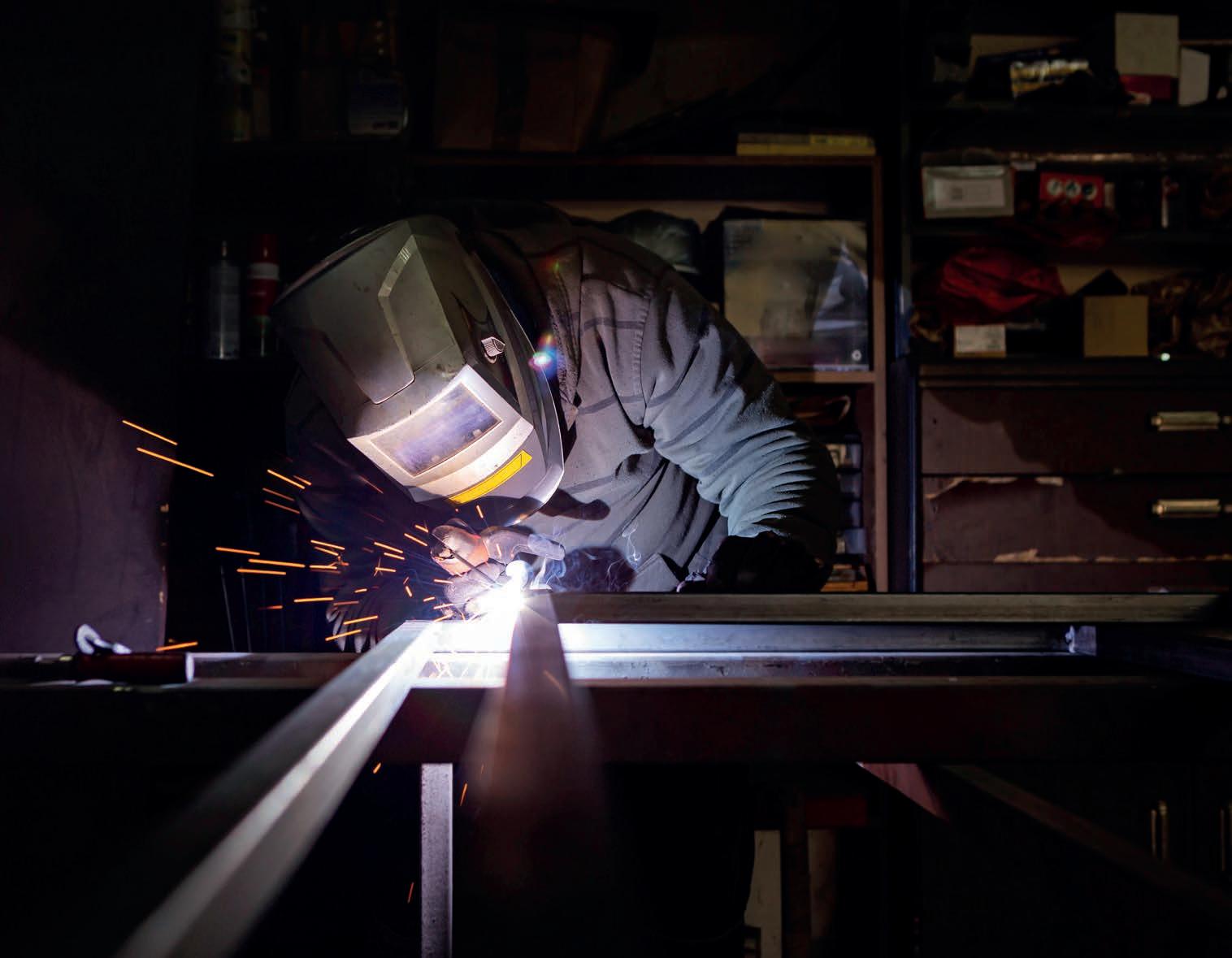
Australian Standards. On paper, the framework exists. In practice, however, compliance too often becomes a tick-and-flick exercise. This is because there is no nationally empowered body responsible for independently verifying that fabricated steel (whether produced domestically or offshore) genuinely conforms before it is erected, installed or incorporated into public infrastructure. In effect, we have rules without a referee.
To address this structural weakness, Weld Australia (in collaboration with the Australian Steel Institute and Standards Australia) has established the National Fabrication Authority (NFA), with a pilot currently underway in South Australia. The NFA is designed as an independent, not-for-profit certification and inspection body tasked with verifying compliance to Australian Standards for all fabricated steel, whether produced in Dubbo or Da Nang. Importantly, this is not new bureaucracy layered onto the system. It is targeted institutional capability; the verification function our regulatory framework currently lacks.
If productivity reform is about removing structural drag from the economy, then closing the gap between regulatory intent and enforceable compliance is a logical starting point. Standards without verification are aspirations. Verified compliance is productivity infrastructure.
If this Budget is to genuinely lift productivity, it should focus on structural enablers, not just stimulus measures. Specifically:
• Commit to national trade licensing reform based on competency and portability.
• Strengthen enforcement of compliance for fabricated structural products – domestic and imported alike.
• Align procurement frameworks to recognise verified conformance and whole-of-life performance, not just headline cost.
• Support industry-led certification systems that provide auditable, internationally recognised competency assurance.
These are not protectionist measures, they are productivity measures. They reduce rework, protect public capital, strengthen sovereign capability, and they allow local businesses to invest with confidence.
Australia cannot tax its way to prosperity. Nor can it subsidise its way to sustainable growth. We must build our way there. That means ensuring that every hour worked generates real value, not duplication, remediation or regulatory confusion. It means enforcing quality rather than assuming it. It means aligning national systems, so skills are portable, standards are credible, and markets reward compliance.
If we want to lift the economic speed limit, we must remove the structural drag. Weld Australia stands ready to work constructively with Treasury to advance reforms that deliver measurable, durable productivity gains.
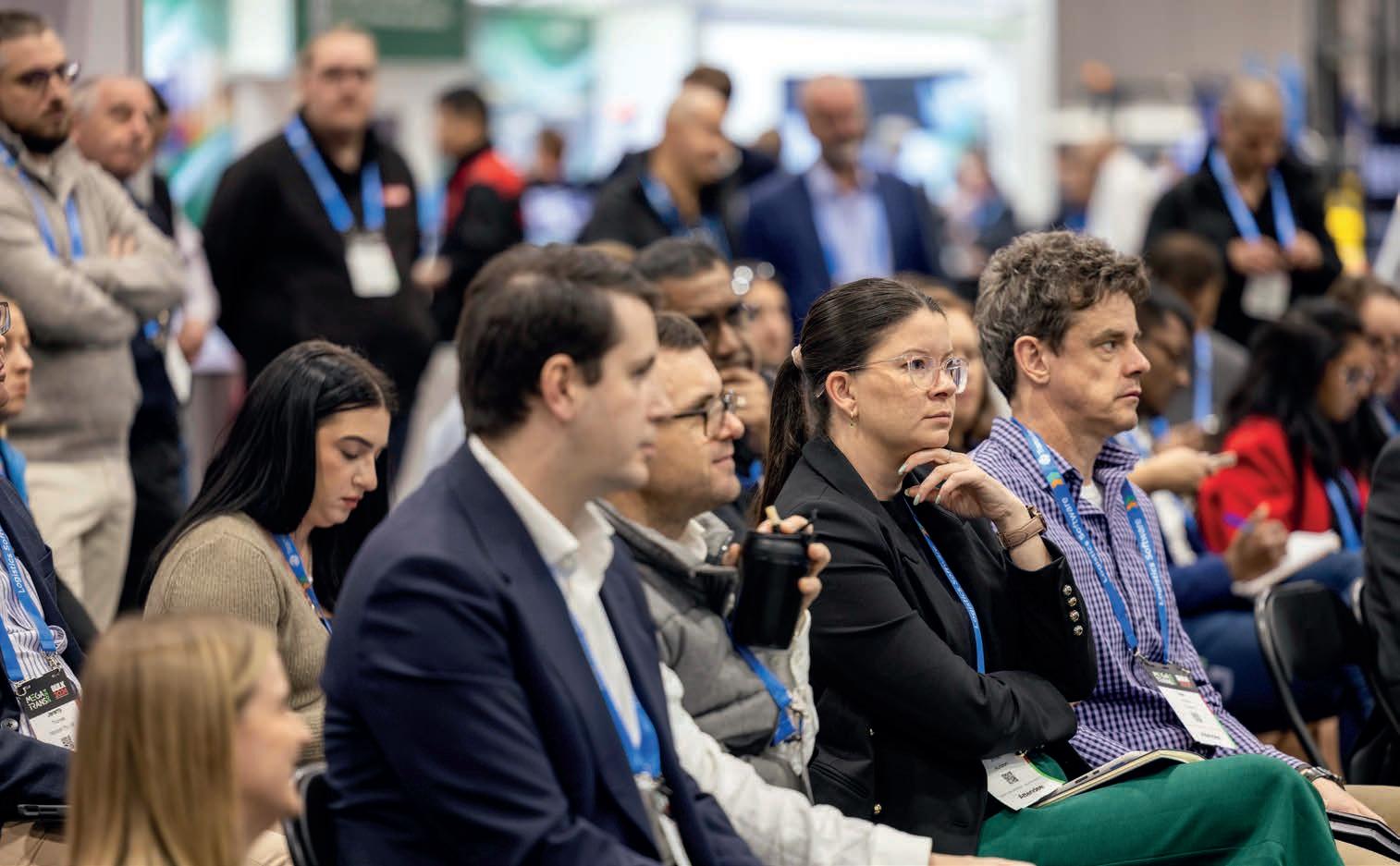
Bulk Expo has announced Australian instrumentation and measurement specialist SRO Technology as a Platinum Sponsor, as Early Bird tickets go live for the 2026 event.
Taking place on 16–17 September 2026 at the Melbourne Convention and Exhibition Centre, Bulk Expo is Australia’s only dedicated exhibition and conference for the bulk solids handling industry. The two-day event will bring together suppliers, operators, engineers and decision makers for a comprehensive exhibition, technical conference and targeted networking opportunities.
SRO Technology’s Platinum Sponsorship includes hosting the Day One Networking Drinks, a key opportunity for attendees to connect in a relaxed setting following the opening day of the expo and technical conference.
A long-standing name in bulk-materials handling measurement and protection systems, SRO Technology has supported bulk operations across Australia since 1988 through precision measurement, conveyor protection and materialshandling instrumentation. At Bulk Expo, the company will showcase its revitalised Ramsey product range alongside its latest monitoring and protection technologies at Stand C17.
Siobhan Rocks, general manager – events at Prime Creative Media, said SRO Technology’s engineering focus and long-term industry partnerships made it a natural fit for the event.
“Bulk Expo is all about real-world solutions for the challenges operators face every day, and SRO Technology is right there in the thick of it,” Rocks said. “Their focus on measurement accuracy,
site-level problem solving and engineering integrity aligns strongly with the audience we bring together.”
Rocks added that the company’s support strengthens the overall experience for attendees.
“Having SRO Technology come on board as a Platinum Sponsor and host the Networking Drinks is a genuine win for attendees. It creates meaningful opportunities for connection while reinforcing the technical depth and credibility of the event,” she said.
For a limited time, industry professionals can secure an Early Bird full Conference Pass for $155 AUD – a discount of more than 60 per cent. The pass includes two full days on the show floor, access to the Networking Drinks sponsored by SRO Technology and entry to the Bulk Handling Technical Conference curated by the Australian Society for Bulk Solids Handling (ASBSH).
“We know budgets are always front of mind,” Rocks said. “This deal is designed to give people maximum access to Bulk Expo without the usual barriers, so more of the industry can be involved.
“Between the conference, the expo, the networking events and the awards, it’s shaping up to be a brilliant couple of days for the industry.”
The technical conference, including the ASBSH program, will explore data-driven solutions and operational challenges across bulk handling environments. Topics include flow properties, storage design, conveying solutions, dust
mitigation, wear challenges, optimisation and realworld case studies.
David Steel, chief operating officer at SRO Technology, said the event provides an ideal platform to engage directly with the engineering community.
“SRO Technology has always been about more than just supplying parts; we’re about solving the complex site-level problems. Whether it’s tackling flow properties, dust mitigation, or the latest in conveying solutions, we’re here to provide technical integrity where it matters most,” he said.
Steel also pointed to 2026 as a milestone year for the company, following a global two-year revival of the Ramsey product range after its discontinuation in 2023.
“We’d love for everyone to drop by Stand C17 during the expo to see the new-generation V1.5 Ramsey Flex, Oretronic IV Tramp Metal Detection system and the revitalised Pro-Line Conveyor Protection series in person and join us for the Networking Drinks hosted by SRO. It’s the perfect time to have a chat about how we can support your operations,” he said.
Bulk Expo has received strong backing from across the sector, including ASBSH and the International Cargo Handling Co-ordination Association of Australia, with Belt Wise joining as a Gold Sponsor.
Early Bird tickets are now available for a limited time.