
Food & Beverage March 2026

Page 1


Slades Beverages

1850s roots, modern vision

Why float when you can surf?

s the food and beverage sector struggling to stay afloat in the modern age?

Compared to other manufacturing industries, the food and beverage sector operates on a seven-day cycle. Taking into account food spoilage, perishable goods, regulations and health-conscious consumers, the industry is constantly moving with no room for stagnation.

The sector can be likened to a rubber band. While its diligence is commendable, it is also prone to snapping. When ageing assets, facilities and traditional processes meet a wave of modernity, the industry can struggle to keep up.

The chief executive officer of Eurocold, a cold fleet solutions company, offers one example. When food businesses hold onto refrigerated trucks that are more than 10 years old, they often spend increasing time on repairs and maintenance. Working around ageing systems can hold a business back. Change is essential, and the clock is ticking before transitions come too late.

There is, however, good news. The food and beverage industry is flexible – returning to the rubber band analogy.

According to a sales director at Jungheinrich, a material handling and warehousing solutions provider, the sector is highly adaptive. For instance, from 2023 to 2024 there was an increase in the shift to electric lithium-ion forklifts from six to 81 per cent. With reduced operational downtime and improved sustainability outcomes, this transition demonstrates how Australian food and beverage companies are thinking ahead.

Reflecting this narrative, this edition features five Meet the Manufacturers. Family businesses such as Slades Beverages and Roma Foods were rundown

and ageing at the time of acquisition. Slades Beverages has expanded its operations beyond the original site to include a PET line, opening new contract manufacturing capabilities. Roma Foods focused on upgrading ERP systems and quality assurance procedures. Moofish, a family run seafood operation, plans to move into a new facility in 2026 to better balance space for machinery, people and product flow.

Moofish, Rub-A-Dub Seasoning and Chief Nutrition also promote Australian ingredients. Moofish champions Australian seafood, while RubA-Dub aims to build awareness of native ingredients to support a zero-kilometre food approach. The chief executive officer of Chief Nutrition believes Australian provenance provides a competitive advantage in international markets and advocates sourcing ingredients locally.

Supporting manufacturers are experts such as Biogone, which educates the industry on landfill biodegradable plastics that perform like conventional plastics. CAPS Australia also works to ease operational pressures with air solutions designed to prevent contamination through collaboration.

Collaboration extends further. Through Monash University programs that connect researchers with industry, a biosensor has been developed to monitor fish freshness. The technology is currently being discussed for commercialisation, with potential applications in seafood processing lines, supermarkets and export compliance.

Through a collective and collaborative approach, the food and beverage sector can do more than stay afloat when faced with waves of change. It can rise and surf.

Happy reading!  F

CEO: Christine Clancy

Managing Editor: Mike Wheeler

Ph: 041 557 2106

mike.wheeler@primecreative.com.au

Journalist: Dae Hong

david.hong@primecreative.com.au

Art Director: Michelle Weston

michelle.weston@primecreative.com.au

Sales/Advertising: Joanne Davies

Ph: 0434 785 611

joanne.davies@primecreative.com.au

Client Success: Cait Pillay Ph: (03) 9690 8766

caitlin.pillay@primecreative.com.au

Cover

Image: Slades Beverages

Subscriptions AUS NZ O/S

1 year subscription99109119

2 year subscription189199 209

For subscriptions enquiries please email subscriptions@primecreative.com.au

Copyright

Food & Beverage Industry News is owned by Prime Creative Media and published by John Murphy. All material in Food & Beverage Industry News is copyright and no part may be reproduced or copied in any form or by any means (graphic, electronic or mechanical including information and retrieval systems) without written permission of the publisher. The Editor welcomes contributions but reserves the right to accept or reject any material. While every effort has been made to ensure the accuracy of information, Prime Creative Media will not accept responsibility for errors or omissions or for any consequences arising from reliance on information published. The opinions expressed in Food & Beverage Industry News are not necessarily the opinions of, or endorsed by the publisher unless otherwise stated.

© Copyright Prime Creative Media, 2023

Articles

All articles submitted for publication become the property of the publisher. The Editor reserves the right to adjust any article to conform with the magazine format.

Head Office

379 Docklands Drive

Docklands VIC 3008

Ph: +61 3 9690 8766

enquiries@primecreative.com.au http://www.primecreative.com.au

Sydney Office

Suite 11.01,

6 News

8 Meet the Manufacturer: Slades Beverages

Slades Beverages’ manufacturing capabilities elevate beverage startups and the wider industry.

12 Meet the Manufacturer: Rub-A-Dub Seasoning

Founder of Rub-A-Dub takes a unique approach on food with the lens of ecosystems and locality.

16 Meet the Manufacturer: Roma Foods

Roma Foods goes against the “grain” with a focus in allergen and gluten-free product range.

20 Meet the Manufacturer: Chief Nutrition

Are snacks in the health foods category just confectionery? One company aims to carve out niche health food.

24 Meet the Manufacturer: Moofish

Seafood operation Moofish measures success not by volume but by presence.

28 Food distribution

Long-term rental dominates the European market. Should Australia rethink food distribution?

32 Plastic waste

Landfill-biodegradable plastics can serve as a starting point to solve plastic waste pollution.

34 Li-ion technology

The food and beverage industry operates seven days a week. Lithium-ion technology fills the needs of the fast-paced industry.

38 Air compressors

Food safety regulations will not soften. Oil- free air can make a difference.

40 Biosensor

Monash University research team developed a biosensor to monitor fish freshness.

44 MICE

The Melbourne International Coffee Expo was first launched in 2012.

46 AIP

INC 5.2 was held with the intent to formalise a Global Plastic Pollution Treaty. No resolution was reached.

48 Bulk 2026

Bulk Expo will return from 16 to 17 September 2026 to advance the industry.

50 Endeavour

The 2026 Endeavour Awards celebrates innovation, resilience and excellence across the manufacturing sector.

Sustainability That Pays Back

Cut energy costs, lift uptime, and track CO 2

Measurable ROI with Jungheinrich

Yowie Group secures three year seasonal confectionery licence

Yowie Group has secured a three year seasonal chocolate and confectionery licence for the Australian brands Violet Crumble, Polly Waffle and FruChocs, commencing 1 July 2026.

The licence covers Australia and New Zealand and excludes core bar products, which will continue to be manufactured by brand owner Robern Menz in South Australia. It includes standard minimum guarantee and royalty arrangements.

Yowie Group will manufacture and distribute 16 types of seasonal chocolate and confectionery products across retail channels, including supermarkets, convenience and independent retailers. The range will focus on Easter and Christmas products. The agreement targets net sales revenue of $6.5 million over the licence period.

“We couldn’t be more excited to welcome these wonderful brands to our seasonal sales lineup in Australia and New Zealand,” said Yowie Group

global CEO Jarrod Milani.

“This licence is a strong validation of Ernest Hillier’s manufacturing capability and broader strategy to rebuild a scaled confectionery platform.

“These are some of Australia’s most loved brands, and for retailers Ernest Hillier offers a flexible, locally based manufacturing partner capable of delivering engaging, high-quality seasonal ranges.”

Minimum net revenue targets are staged across the three years, with $1 million in year one, $2.5 million in year two and $3 million in year three. These targets are based on comparable seasonal ranges and remain subject to market conditions and customer uptake.

Production will be carried out at Ernest Hillier’s Coburg North facility, which has been upgraded to support seasonal manufacturing. The site holds FSSC 22000 food safety certification and SMETA ethical accreditation,

with expanded capabilities including chocolate moulding, panning, spinning and enrobing.

The licence is expected to increase factory utilisation, improve raw material purchasing scale and freight efficiency, and support additional local employment.

The licensed portfolio includes

Australian confectionery brands with a strong association with seasonal and gifting formats.

“This is a great outcome for Ernest Hillier and Yowie shareholders, and an important early step in building momentum across our manufacturing and brand platform. We’re moving with purpose, and shareholders can expect to hear more as further initiatives progress,” said Milani.  F

HACCP Group acquired by AFNOR International

AFNOR International, a division of the certification, training and standards organisation Afnor Groupe, has acquired the HACCP Group companies in Australia, including

technology company, and HACCP International, the food-safe product certification body.

The acquisition expands AFNOR International’s presence in the

provides HACCP International with access to the European market, which has grown in importance in recent years.

“The timing of this was right on many levels,” said Clive Withinshaw, managing director of HACCP

“Joining with Afnor, one of the world’s most respected certification organisations, brings great opportunities for the business and the staff as well as further benefits for the food industry and the businesses that support it.”

“We are looking forward to realising this market potential with our new partner, Afnor International,” added Martin Stone, managing director of

“The technical resources that Afnor brings will be of huge benefit both here in Australia and overseas.”

Founded in 1999 and based in North Sydney, HACCP Australia has become an established player in the Australian food safety sector, with a team of food scientists and industrial

food safety expertise. Its clients include food producers, government agencies, caterers, retailers and insurance underwriters.

HACCP International is a JASANZaccredited certification body specialising in food-safe materials, products and services for the food industry. Certified products are verified as suitable for food handling and processing. The company serves customers in 42 countries.

HACCP Australia and HACCP International were founded by Clive Withinshaw and Martin Stone, and both companies have earned a reputation as trusted food safety partners and certifiers for global businesses.

“The people, products and services offered by our Australian partners will integrate perfectly into the AFNOR International business and provide exciting opportunities in many areas,” said Myriam AugereauLandais, managing director of AFNOR International.  F

The licence covers Australia and New Zealand and excludes core bar products.
The acquisition expands AFNOR International’s presence in the Australasian and Pacific region.

VIC pushes for mandatory Health Star Rating on packaged food

Minister for health Mary-Anne Thomas has announced a proposal to mandate the display of the Health Star Rating system on all packaged food products.

Led by the Victorian and South Australian governments, the proposal will be discussed at the National Food Ministers’ Meeting.

The Health Star Rating system rates the overall nutritional value of packaged food from half a star to five stars and is designed to provide a simple guide for shoppers.

The scheme has been voluntary since it was introduced in 2014.

According to the Victorian government, 39 per cent of relevant food products currently display the rating, below the 70 per cent target.

“As it stands, families do not have access to enough information to make the right food choices,” said Thomas.

“This is about ensuring that we are providing parents and families with

simple information to make health choices.”

The government says this limits access to information for families making purchasing decisions.

The proposed change would

align with the Commonwealth Government’s National Obesity Strategy 2022 to 2032.

Australia has high rates of obesity, with poor diet identified as a risk factor for chronic diseases including

$2.7 million backs QUT smoke taint research in wine grapes

A Queensland University of Technology (QUT) research team will collaborate with Wine Australia to develop portable sensors to identify smoke taint in wine grapes before fermentation.

Seven QUT research teams have received more than $2.7 million in federal funding through the Australian

Economic Accelerator Ignite program.

One project focuses on supporting the wine industry by improving the detection of smoke taint in grapes.

Led by Associate Professor Soniya Yambem from the QUT School of Chemistry and Physics, the $455,847 project will involve collaboration with Wine Australia to develop portable

sensors capable of identifying smoke taint in wine grapes before fermentation. Dr Elena Eremeeva is also part of the research team.

Smoke taint occurs when grapes are exposed to bushfire smoke, which can affect the flavour and quality of wine.

“Although smoke compounds

heart disease and type 2 diabetes.

“Initiatives like this complement our work to improve preventative health care in Victoria – ensuring public health resources are focused where they matter most,” said Thomas.  F

accumulate in grapes after exposure, they remain bound and undetectable until they are released during fermentation, when they affect the aroma and flavour of the wine,” said Yambem.

“Current testing methods of wine grapes for smoke taint are expensive, slow, and often require sending samples to specialised laboratories.

“Our solution uses specially designed molecules called aptamers that precisely detect smoke related chemicals. This will enable faster decision making, reduce economic losses, and protect the wine quality and reputation of Australian wine both domestically and internationally.”

The projects form part of a $725 million national investment aimed at accelerating research with strong potential for practical application, including initiatives ranging from battery development using waste materials to new tools to protect crops from bushfire smoke.  F

The Health Star Rating system rates the overall nutritional value of packaged food.
The project will develop portable sensors capable of identifying smoke taint in wine grapes.

Slades Beverages’ adaptation to modernity

A family-owned business has grown from a local soft drink manufacturer to a versatile producer of branded and contract beverages.

George Tan recalled his early teenage years working during weekends at a rundown beverage facility – Slades Beverages – bought by his father in 2001.

“Back then, you only needed about five or six people to run the line,” he said. “We were turning on machines, running the line, packing boxes.”

Slades Beverages was founded in the 1850s as a small soft drink manufacturer. Owned by the Slades family for three generations, the company had maintained a diverse range of soft drinks reflecting its Italian and Greek heritage, including flavours such as Chinotto, Portello, and Sarsaparilla, which catered for the northern side of Melbourne. Competing with the likes of Gold

Medal Soft Drinks and Lloyd Soft Drinks, Tan said there were only a few soft drink operators, with Slades being one of the larger businesses. Part of its success came from its home delivery business in Victoria, with weekly deliveries from more than 200 drivers.

However, when Tan’s father took over, the delivery side of the business was struggling.

“My father had to find other channels to sell,” said Tan. “He decided to preserve the origin of the brand.”

With more than 30 flavours, Tan’s father decided to expand into the kids’ range, which was launched into canteens for healthier soft drink options. While this strategy proved successful, there was another problem.

“The factory was really old, rundown, and terrible,” said Tan. “I remember as a kid going onto the production floor that was sticky and smelly. The whole thing was a bit of a nightmare.”

The Slades facility was large but outdated, with roughly 25,000 square metres of production space. With a background in palm oil manufacturing in Malaysia, Tan described his father’s determination to turn things around. Taking advantage of the large space, he extended the factory away from the old site and built the company’s first PET line.

This upgrade was one of many, allowing the company to increase output and quality while establishing the foundation for another avenue –contract manufacturing.

Co-manufacturing with beverage packaging

Today, Slades Beverages has two facilities. The main facility is in Thomastown, which is 18,000 square metres and has three production lines. The other facility is in Ballarat, which is 10,000 square metres with its own natural spring water source and has a production line with room to grow.

Leading the company as managing director, Tan said the company operates multiple beverage brands and offers contract manufacturing services, demonstrating agility and foresight in a competitive market.

“Co-manufacturing was a much larger market, probably bigger than what we were doing with the Slades brand,” said Tan.

Slades Beverages’ competitive edge lies in its investment in packaging technology.

Tan said the barriers to entry in the beverage market are high, driven by set up costs for a facility, equipment, and warehousing. The company’s expansion and diversification have been tied to strategic investments in manufacturing. With upgrades, brands that lacked manufacturing capacity began to reach out for partnerships to enter the drink category, specifically around packaging.

A key part of Slades Beverages’ competitive edge lies in its investment in packaging technology. Tan emphasised that packaging is often the largest cost component for beverage products.

“It’s not the liquid that costs the customers. It’s the packaging, the caps and bottles, that costs the most,” he said.

At the time, there were not many packaging suppliers. Brands would have to either buy blown bottles or preforms, both of which were expensive. According to Tan, the company was making minimal margin and decided to lower costs in this supply chain by bringing packaging in-house.

“We’ve invested in a blow moulding bottle plant to compete in the market,” said Tan.

This plant includes an injection moulding system. Slades Beverages procures its own raw PET material and produces the preforms in-house. These preforms are then fed into a blow filler, allowing them to be shaped into bottles ranging from 300 millilitres to two litres.

“The filler will blow the preform into whatever shape, which will then be instantly filled and sealed,” said Tan. “We produce the syrup on-site and manage everything from start to end.”

By producing preforms in-house and integrating blow-fill technology, the company has reduced costs while improving efficiency. This approach

Slades has a 10,000 square metres facility in Ballarat with its own natural spring water source.
Images: Slades Beverages

has enabled Slades Beverages to support smaller brands and startups, providing access to equipment, suppliers, and manufacturing expertise that might otherwise be prohibitively expensive.

Just Water

With these equipment and facility advancements, the company currently co-manufactures for brands including private label drinks for ALDI, Frucor Suntory, Nexba, Ocean Spray, and a variety of plant-based beverage brands, including Minor Figures’ oat milk.

While the company is well known for its co-manufacturing capabilities and PET production, Slades Beverages launched its own water brand – Just Water – in 2019,

packaged in a recyclable paper carton format. The company uses the Cottonwood Springs site, a subsidiary of Slades Beverages, as a primary natural spring water source and production facility.

This innovation marked a shift away from conventional PET and glass packaging, offering an environmentally friendly option.

“We are always looking at the next generation of packaging materials,” said Tan. “Part of our business expansion into Just Water and the paper bottle format was to reduce PET plastic in our environment.”

Using the same packaging format with the production line in Ballarat, the company has expanded into plant-based milk, juices, liquid stock, and more. Tan said that moving

away from plastic and building selfsufficient facilities were key steps towards being plastic free by 2030.

The Cottonwood Springs plant reflects this vision.

“Building our Cottonwood plant in 2021 was to have the building energy self-sufficient, and we are 90 per cent there in achieving it,” he said. “As we are in a regional area, being able to self-sustain and lowering the impact on the environment is key to our sustainability goal.”

Returning to the family business

Tan said his life could have been different. Studying finance in San Francisco and gaining experience in the US, he had the choice to remain and pursue a career there.

“I love beverages. I have always been passionate about drinks,” he said. “There was always a hunger to come back and join the family business.”

Part of that passion includes the growth of beverage startups and brands. Slades Beverages offers a platform for smaller brands to enter the market, providing end-toend solutions that include supplier management, manufacturing, and packaging. This model has fostered an ecosystem where emerging brands can innovate and grow.

“In the last four years, more than 10 brands have been launched through our support,” said Tan. “Some of the challenges the industry faces can be overcome with partnerships with businesses like Slades.”

Managing director George Tan on far right.
Slades Beverages was founded in the 1850s as a small soft drink manufacturer.
The company operates multiple beverage brands and offers contract manufacturing services.

Looking ahead, Slades Beverages continues to explore new opportunities. The company remains attentive to global trends in health, sustainability, and functional beverages, seeking to anticipate consumer demands.

For example, Tan advises both partners and startups to take risks

in green developments and focus on healthier options for consumers, highlighting the functional and healthier beverage categories as areas of strong growth and opportunity.

“That’s the category that we see growing,” said Tan. “This approach will allow consumers to have better

and healthier choices on the grocery shelves.”

While Slades Beverages has already diversified and modernised its operations, the next phase focuses on continuous improvement. This includes extending the plantbased range and refining packaging technology. With the ability to export

to other countries, its profile extends to Japan, Korea, the US, Singapore, and China.

From its origins as a soft drink manufacturer serving Victoria’s home delivery market, the company has evolved into a multifaceted producer, supporting its own brands and those of clients.  F

The company launched its own water brand – Just Water – in 2019.
Slades Beverages procures its own raw PET material and produces the preforms in-house.

Rub-A-Dub Seasoning advocates for flavour from backyards.

Spicing it up with native ingredients

Rub-A-Dub Seasoning is rethinking how Australians engage flavour, sustainability and the food growing close to home.

“Never in my life would I have thought that I’d be a ‘spice man’,” said founder and director of sustainability at Rub-A-Dub Seasoning, Habib Trad.

Growing up, foraging has been a big part of Trad’s upbringing. He recalled his early exposure to foraging with his grandmother, learning to identify edible plants, trees and weeds as a part of everyday life. That experience later shaped his academic pathway into sustainable landscape architecture at the University of Sydney then later at Politecnico di Milano, in Milan, Italy.

“One of the subjects in my course was on biodiversity,” he said. Through this lens, food became less about recipes and more about ecosystems, locality and the idea that the most sustainable diet is one based on what grows nearby.

“The most sustainable food diet is a zero-kilometre food diet,” Trad added.

This zero-kilometre food diet is a concept grounded in consuming ingredients sourced from the immediate environment. Historically, communities relied on what they could grow, forage or preserve, rather than importing ingredients from across continents.

Trad explained that this was the reason why cuisines are developed so differently across regions, shaped by climate, geography and what was locally available.

“For example, my grandparents never knew what a guava or dragon fruit was,” he said.

For Trad, this way of thinking highlighted the disconnect that has emerged in modern food systems and the opportunity to reconnect

people with flavours found in their own backyards.

From then, he began consuming ingredients within his vicinity. The pandemic came as a blessing in disguise during this time, where he spent hours cooking and experimenting different flavours more deeply. Cooking became a creative outlet, and seasoning became the vehicle through which native ingredients could be introduced in a simple and accessible way. This was where Rub-A-Dub Seasoning was born.

Rub-A-Dub

Rub-A-Dub was not initially conceived as a business, but rather as an experiment in flavour and education, encouraging people to rethink what Australian ingredients could be.

“What sets us apart is our ingredients – embracing native Australian ingredients and carrying those flavours at the forefront of everything we do,” said Trad. “I wanted to let people be more aware about the flavours in their backyards.”

Long rooted in a personal connection to the land, biodiversity and foraging, Rub-A-Dub emerged from a broader philosophy around sustainability, locality and awareness of what grows close to home.

When asked about his favourite type of seasoning, he said it was difficult to pick as it differs every day. While the product range is the use of native Australian ingredients, it is positioned as everyday seasonings. The goal has been to make natives easy to use, removing the intimidation factor often associated with unfamiliar ingredients.

Trad wanted to simplify, not complicate, cooking habits. Rather than requiring advanced culinary skills, the seasonings are designed to integrate into simple meals. This approach has helped broaden appeal and shift perceptions around how these ingredients can be used.

“You don’t have to be a chef,” he said. “You can just boil an egg and sprinkle the seasoning on top.”

Collaborative expansion

When Trad first started the spice business, all production was performed in-house. In the early stages, all blending and packing was done manually in small quantities.

“I used to buy lemon myrtle in 500-gram little bags for family and

friends,” he said.

As production scaled, he noticed the surfacing challenges in balancing workload and risks. Trad decided to make a switch – a contract manufacturing model. Growth required a different approach, and partnering with experienced manufacturers allowed stability.

This collaborative model reflects a broader philosophy around community and shared expertise. Rather than attempting to control every aspect of production, Trad prioritised building relationships within the food manufacturing sector and relying on existing knowledge by

experts who are willing to help.

“This model has made our products better as we received advice from experts within the industry,” he said.

“It is always nice to witness a sense of shared community where everyone’s trying to help each other.”

For him, relationships are at the core of a business. These relationships have strengthened the product offering and fostered a sense of collective progress, particularly important in an industry where small producers often face similar challenges.

In the same way Rub-A-Dub approaches a contract manufacturing model for its products, the company

also partners with Indigenous Australian farmers when it comes to ethical sourcing. According to Trad, sourcing native ingredients presents its own complexities. Availability can fluctuate, supply chains are often limited, and ethical considerations are paramount.

Rub-A-Dub has worked to build relationships with Indigenous growers and communities. Events such as the Sydney Royal Easter Show have provided platforms to showcase products alongside Indigenous voices, helping demonstrate how native ingredients can be used practically while acknowledging their

Founder and director of sustainability, Habib Trad.

origins and significance.

“We meet each other’s expectations,” he said. “They use our product as a form of inspiration for people who are trying to use native ingredients, so that makes me feel

By relying on the knowledge of food industry experts and communities, Rub-A-Dub evolved from small scale production for family and friends into a growing brand rooted in long-lasting networks and relationships.

A gamechanger

Trad sees packaging as a critical player in Rub-A-Dub’s growth. Early iterations relied on paper-based resealable pouches, which aligned with sustainability values but limited retail opportunities. The move to airtight spice tins marked a turning point, providing improved shelf presence, extended product life and a stronger sense of value.

“The value of using tin that can be

repurposed was a decision that fitted our brand’s story,” said Trad.

The ability to repurpose packaging has become an extension of the brand’s sustainability narrative. Refillable tins reduce waste and encourage reuse, whether for storing pantry items, small household objects or even as planters. The company’s multi-use approach has supported Rub-A-Dub’s expansion into retail and gifting spaces, opening doors that were previously inaccessible.

According to him, the tins also tap into nostalgia and familiarity, reinforcing an Australian identity while offering reusability.

“Australians can get a sense of familiarity, bringing out a fond memory,” he added. “It has been an absolute game changer for us.”

Redirecting to sustainability

For Trad, biodiversity is more than a concept. It is a personal one.

“To truly belong to a place, you

Rub-A-Dub aims to spark curiosity and conversation around biodiversity and sustainability.
The seasonings are designed to integrate into simple meals.

need to understand who you’re sharing it with, and connect to the land,” he said.

He said that awareness begins with recognising what exists, from common trees and plants to lesserknown species that quietly sustain ecosystems. A lack of awareness can lead to consequences.

“Australia is experiencing dwindling biodiversity,” said Trad. “A lot of species is falling off our list due to our lack of knowledge.”

understanding and engagement.

Raising awareness is a critical first step in reversing this trend. Trad believes when people learn to identify plants, animals and edible species, they develop a stronger connection to place. He said this connection fosters respect, care and more sustainable behaviour.

“When we have healthy biodiversity, we can have a healthier landscape, better food and health,” he said. “It’s a full circle.”

Spreading the word

Looking ahead, the company’s goal is not solely brand growth, but widespread adoption of native ingredients across Australian households, whether through packaged products or personal foraging.

Normalising these flavours is seen to reconnect people with the land and with each other, using food as a bridge between cultures and perspectives.

Food plays a role in building this awareness as it transcends cultural

differences and provides a shared experience. By introducing native ingredients into everyday meals, RubA-Dub aims to spark curiosity and conversation, creating pathways for greater understanding of biodiversity, sustainability and cultural heritage.

“At the end of the day, food brings everyone together – it is our common factor,” he said. “Our vision is to see native Australian ingredients embraced as everyday pantry staples in homes across the nation.”  F

Australia continues to face challenges related to declining biodiversity, with species loss accelerating each year. The Australian Threatened Species Index 2024 shows that in the period from 1985 to 2021, the relative abundance of observed threatened and nearthreatened species declined by 73 per cent. While high profile animals such as koalas often attract public attention, smaller species disappear without notice, largely due to limited

Airtight spice tins marked a turning point for the company.

Roma Foods going against the “grain”

allergen-free and gluten-free products, redefining healthy food production in Australia.

Abit of craziness is needed to run a business.

When founder and managing director Max Buontempo acquired family-owned Roma Foods in the 1980s, he recalled the reactions from his peers.

“Not everyone understood it back then,” he said. “But being willing to do things differently is what allowed us to grow.”

At the time, allergen and glutenfree foods in Italian cuisine were uncommon. With consistent attendance at trade shows, meeting international buyers, and educating the sector on the gluten-free market and products, the company managed to build up to 70 export destinations.

“Our consistency, patience, and persistence had paid off,” said Buontempo.

Part of this persistence derives from Buontempo’s passion to

create. His career did not begin in food manufacturing, but in retail management for a division of a FastMoving Consumer Goods (FMCG) company. However, he always had a desire to shift to food manufacturing due to the opportunities presented.

“Manufacturing means control of what you can create while retail is focused on delivering,” he said.

With an opportunity to control the entire process, from sourcing to creating innovative processes and products, Buontempo started his journey to deliver meaningful impact on nutrition and health in the Australian market. With an Italian background, he decided to go against the grain of traditional processed white wheat products that dominated the Australian diet at the time.

“We started manufacturing alternative grains including millet, buckwheat, rice, and corn,” said

Buontempo.

Founded in 1953, Roma Food Products was a family-owned business with a history of manufacturing and distributing foods. When the acquisition happened in Adelaide, he initially planned to stay for only three months but ended up dedicating four years to revitalising the business.

According to Buontempo, the facility was outdated.

“There was very little left in the business,” he said. “We changed the whole operation from general processing into focused alternative grain manufacturing.”

He restructured operations, reset equipment, and focused on product development. The company eventually introduced the first glutenfree pastas, an innovation that helped open international markets and establish a reputation for allergenfree production.

“We’re a pioneer in the gluten-free industry – particularly in pasta,” he said.

Laying the foundations for glutenfree manufacturing in the food and beverage sector, Roma Foods had also established a European warehouse in the Netherlands to support international distribution. With a broader commitment to allergen free manufacturing while meeting some of the strictest food safety standards, Roma Foods has grown from a rundown manufacturing site in Adelaide into a well-known food producer.

“We had a vision to create better foods for healthier living,” said Buontempo. “Creating something from nothing is very rewarding and seeing it grow into a globally recognised allergen-free business has been incredibly fulfilling.”

The facility

The company relocated to Carrum Downs, Victoria, in 1990 and now operates from an 8,000 square metre facility dedicated to allergen-free and gluten-free production. The site houses multiple operations under one roof, including milling, dry blending, pasta production, baking, cereal and snack manufacturing, packing, warehousing, and quality assurance.

The facility is home to a diverse team, many of whom have decades of experience with the business. Long term staff provide institutional knowledge and operational stability,

Buontempo changed the operation from general processing into focused alternative grain manufacturing.
Founder and managing director Max Buontempo.
Roma Foods manufactures allergen-free and gluten-free products.

drawing from local talent in Melbourne’s southeast suburbs and the Mornington Peninsula.

“Being located at this site gives incredible strength to draw from good resources and good people,” said Buontempo.

Roma Foods’ capabilities extend to a fully automated pasta plant capable of producing more than 20 million servings annually. The company operates one of two crispbread lines in Australia, and owns a cookie and biscuit bakery, and the facility also produces

“We control the entire process from milling our own raw materials right through to packaging,” he added. “One of our strengths is that we do our product development in-house not only for our own products but also for other companies.”

By providing flexibility for custom formulations, the company has had to take extra measures for product safety and consistency, from controlled batching and continuous quality oversight to

Healthy foods, operations, and planet

Buontempo said Roma Foods’ products can only be released after quality assurance approval. With a continuous QA presence throughout the floor to maintain certifications, the company meets food guidelines of more than 50 countries, not just domestic requirements. Maintaining standards requires processes and technologies that safeguard and streamline operations.

“From the early days, we have implemented SAP,” said Buontempo.

Roma Foods has implemented Systems, Applications, & Products in Data Processing (SAP), an enterprise resource planning software, for nearly 20 years. It has become a backbone for material flow, traceability, inventory management, and quality assurance. The system facilitates compliance with export standards and supports continuous improvement across production, audits, and inventory control.

“It supports our QA audits, production and inventory checks,” he added. “For critical allergy control or export issues, we can pull up data as requested.”

Safety Culture software has also modernised good manufacturing

practice checks. With a digital system that captures images, corrective actions, and real time reporting, it replaces manual Excel spreadsheets. Preventative maintenance is managed through software that tracks downtime, spares, and asset history. Buontempo said this software has become a basis for team communication.

“While we’re semi-automated to a big degree, we also invest heavily in the best and most recent technology,” he said.

For food manufacturing operations, Roma Foods’ automated pasta lines capture data on processing parameters, allowing monitoring of factors such as moisture levels and output quality.

“Our investment into new equipment comes with newer technology that facilitates our growth,” said Buontempo.

Roma Foods is a member of the Australian Packaging Covenant Organisation and follows sustainable packaging guidelines, reducing unnecessary layers where possible.

Water and energy efficiency measures include on site water tanks for cooling systems and the installation of 694 solar panels, generating 276,000 kilowatt-hours per year, with excess energy fed

The company operates from an 8,000 square metre facility.
Starting with small scale pasta machines, the company progressively scaled up.

back into the grid. Waste reduction is embedded into site operations, with onsite systems and regular clean ups to manage leftover materials.

“In a business like ours where we make healthy products, sustainability, food safety, and product quality go hand in hand,” he added.

Focused on growth

A lot has changed since the pandemic. With rising input and labour costs, energy volatility, supply chain uncertainty, skill shortages, and complex export regulations, the industry is pushing for ongoing improvements to mitigate the challenges.

“Our relationships with partners of up to 30 to 40 years and our

dedicated staff have been valuable to the journey,” said Buontempo.

From a business perspective, early investment in machinery and automation has been critical to Roma Foods’ growth. Starting with small scale pasta machines, the company progressively scaled up production capacity, which has been complemented by its commitment to quality, training, and retention of a highly capable team.

“Investment in machinery was done from the outset. We went from 100 kilograms per hour of production and scaled it up to a tonne,” he said.

Buontempo noted that having the right team is as essential as investing in technology, with the culture and expertise of employees underpinning

operational success.

“If you’ve got good people around you, it really supports the business,” he said.

Looking ahead, Roma Foods maintains a focus on brand development and innovation, focusing on growing its brand internationally. The company is undertaking a refresh of its core brand Orgran and is continuing to grow the historical Buontempo brand and Pasta Roma, both of which are stocked in Australian retailers such as Woolworths and Coles.

Investment in new product development, particularly in free from categories, continues to be a priority, with in house teams dedicated to research and innovation. Roma Foods has also expanded into international markets, with a focus on Southeast Asia. Buontempo will be visiting Singapore in April to participate in trade shows to foster relationships with distributors and buyers to grow the reach of allergen free products.

“We are a family-owned business competing up against larger established businesses,” said Buontempo. “We’ll be reinvesting into remaining Australian-made.”

“I’m passionate about this stuff – I get in early and leave late at night and I’ve done that for the last 42 years,” said Buontempo. “As the business marks its 73rd year, we want to cement Roma Foods as a dedicated allergen-free manufacturer that is proudly Australian.”  F

The business marks its 73rd year.
Roma Foods meets food guidelines of more than 50 countries.
The company is undertaking a refresh of its core brand Orgran.

Living a Chief life

Chief Nutrition was launched in 2015, entering a category dominated by sweet bars and confectionery styled snacks dressed up as health food. Its aim was to carve out niche health food and a regenerative supply chain model.

When a category loses its focus, its product loses its value.

Take the healthy snacks sector as an example. Swayed by food trends and rival confectionery, snack businesses run the risk of favouring the incorporation of multi textural experiences and flavours over nutrition.

Dressing up the snack and marketing it under the guise of health food does not make the product healthy. According to co-founder and chief executive officer of Chief Nutrition, Brock Hatton, it just ends up as confectionery.

“If it looks like a candy bar, tastes like a candy bar, and costs the same as a candy bar, you’ve just bought a candy bar,” he said. “We call this the ‘candification’ of the health food aisle.”

With a background in industrial design, Hatton moved into the natural health food sector, where he has worked for more than 20 years across startups and distribution. That background shaped the product concept behind Chief.

At the time, Hatton and his team saw a gap in the market for convenient formats that delivered macronutrient and micronutrient profiles from clean sources. Beef became a starting point.

Local grass-fed beef offered a wholefood protein base that aligned with the nutritional brief. While jerky and biltong were already established formats, the team explored whether meat could be translated into a bar format typically associated with sweet snacks.

After extensive formulation work, Chief launched with two variants: beef, cranberry and chilli, and lamb,

rosemary and currants. Hatton said that the concept was polarising.

“I’ve noticed that many bars that we’ve grown up on have been sweet,” he said.

Introducing a savoury protein bar, particularly one built around beef that was not sweet, was a divisive format.

“We understood that the product is not going to be for everyone,” added Hatton. “We were very clear on delivering our key message of high protein, clean source and low sugar. We wanted to challenge traditional formats.”

Part of this shift required educating consumers and building confidence around the product. Those who embraced the format became strong advocates, validating the decision to pursue a defined niche rather than broad appeal. Today, Chief has built a loyal following. Specialising in collagen-based products, protein bars and beef jerky from organic ingredients, the Australian based company aims to produce healthy, minimally processed and sustainable food products.

“We were very clear on delivering our key message of high protein, clean source and low sugar. We wanted to challenge traditional formats.”
Images: Chief Nutrition
Co-founder and chief executive officer Brock Hatton.
Chief Nutrition was launched in 2015 into the health food category.

More than the product

As the brand gained traction, scrutiny from consumers intensified, particularly around sourcing. In its early stages, Chief purchased beef through wholesalers, specifying grass fed and grass finished product but without deep traceability. The business faced a new challenge around transparency.

“Consumers were asking for more information,” said Hatton.

That pressure prompted a reassessment of supply chain partnerships, becoming a turning point that reshaped the company’s priorities.

“It became a passion of our whole team,” he added. “We started to think of how we can make better supply chain choices that impact not just the end product but the environment we live in.”

This passion has become a driving force behind the business, especially in new product development where organic certification is crucial. While not perfect, the framework provides rigorous standards around soil testing and the absence of pesticide and herbicide residues.

Chief now works with a family-run farming operation with sufficient scale to support growth while maintaining certified organic credentials and documented environmental practices. By partnering with peak industry bodies

like Meat & Livestock Australia and commercialisation specialists, the company has developed products that transform underused materials into high value nutritional offerings.

For example, the company has focused on better utilisation of lower value inputs such as offal, pluck or organ meats. Encapsulated freezedried organ meats and collagenbased formats sit alongside its original meat bars and biltong.

“This challenge has been a catalyst for us to understand our supply chain better and make deliberate

“We partner with the right advocates and give them the mouthpiece they need to amplify messages in health,” he added. “We hope that hits home to educate consumers around real health.”

improvements and intentional partnerships with those who can better our environment,” said Hatton.

Shifting the manufacturing model

Manufacturing has always been outsourced within Australia. From inception, Chief adopted a contract manufacturing model, a deliberate decision driven by product diversity. Rather than investing heavily in a single vertically integrated facility, the business works with multiple specialised manufacturers.

Different product lines require different technologies. Drying, bar forming and packaging beef products differ markedly from cold pressing collagen bars, freeze drying organ meats or blending protein powders. By partnering with facilities equipped for each process, Chief has expanded its portfolio without the burden of underutilised assets.

“The decision has enabled us to grow without manufacturing constraints,” said Hatton. Additionally, it has widened the company’s capacity to explore innovative product solutions and formats, building a Managing Product Development process. This model has also supported growth in consumer sales, mostly through online channels.

Retail expansion has followed. Supermarkets like Woolworths and other convenience channels have broadened their range of health food products and have purchased more Chief products to stock in stores.

Leading the narrative

When asked about the challenges in the sector, Hatton points to structural shifts in retail channels, with independent health stores no longer holding the same dominance as in previous years. Supermarkets, pharmacies and online platforms now play a central role in distributing functional food products.

Protein as a macronutrient has gained mainstream attention, yet its presence alone does not guarantee overall nutritional value. With the “candification” of health food products, the current surge in protein fortified products blurs the line between functional nutrition and indulgence.

Many snacks in the health food category behave like confectionary.

“Consumers can lack necessary nutritional knowledge,” said Hatton. Education is central to addressing this confusion. Chief works with nutritionists, naturopaths, dietitians and integrative doctors to communicate broader health principles and contextualise product choices. Rather than relying solely on packaging claims, the company seeks to align with practitioners who can provide informed guidance to consumers.

“We partner with the right advocates and give them the mouthpiece they need to amplify messages in health,” he added. “We hope that hits home to educate consumers around real health.”

Looking ahead, international expansion is a priority. Chief currently services a dozen countries, but 2026 marks a concerted push into the US. A warehouse and small operational footprint are already in place, with plans to scale distribution.

Hatton believes Australian provenance offers a compelling narrative. He sees opportunity in promoting the environmental standards and quality controls embedded in local supply

chains. Even where products are manufactured offshore, Australian raw materials remain central to the value proposition.

“Part of our role at Chief is to promote Australia and how well we create products with raw materials,” said Hatton.

For the wider food and beverage sector, his message is one of confidence. Australian brands and suppliers, he said, are well positioned globally, not only because of production standards but also due to strong marketing capability and a reputation for clean, green sourcing.

What began as a niche savoury bar concept has expanded into a diversified portfolio underpinned by contract manufacturing, practitioner engagement and international ambition. As the health category continues to grow, the company is betting that transparency, ingredient integrity, a defined consumer base and Australia’s manufacturing capabilities will remain enduring differentiators.

“Don’t sell yourself short,” he added. “We’re really in a unique position and Australia has an amazing offering that can take on the world.”  F

Supermarkets, pharmacies and online platforms now play a central role in distributing functional food products.
Chief works with a family-run farming operation, specifying locally sourced grass-fed beef.

Fresh, local, and premium seafood

Built on cold chain discipline and long-term supplier relationships, Moofish is focused on strengthening trust in Australia’s premium seafood supply.

For restaurant goers and supermarket shoppers, seafood is a delicacy. For the food and beverage industry, this category is timely, fast paced, and sensitive.

Operations manager Nickita Hatjinikitas at Moofish, a family-run seafood operation, has worked within the business for much of his life, formally stepping into a full-time role more than seven years ago.

Growing up around the operation meant exposure to the realities of food handling and logistics from an early age. That familiarity has translated into a practical understanding of how systems need to function under pressure, particularly in a category as sensitive as seafood.

in a cold chain environment the whole way through production and

delivery,” said Hatjinikitas.

In an industry where freshness is measured in hours rather than days, seafood businesses operate under constant pressure. For Moofish, these priorities are deeply embedded in a family run operation that has evolved alongside Australia’s changing food supply landscape to deliver consistency, quality and trust.

“We receive and deliver stock that’s fresh from local farmers,” he added. “That is how we build trust.”

Moofish

Moofish have been supplying Sydney restaurants, cafes and hotels with premium quality meat and seafood products since the 1990s. Hatjinikitas’

Over the years, what began as a small team of traditional butchers and fishmongers in Sydney has expanded from retail into wholesale supply.

“We supply restaurants, cafés, supermarkets like Woolworths, Harris Farm Markets, IGA, and even Supabarn,” said Hatjinikitas.

The business supplies both retail ready portions and bulk product. While the scale has increased, the structure remains family led, with operations shaped by a handson approach to quality control. According to Hatjinikitas, this approach is a deliberate choice.

“Moofish is built on the commitment to quality, reliability and strong customer partnerships, ensuring that every product meets a high standard from product sourcing to delivery,” he said.

One facility, many uses Moofish operates from a facility in Botany, with separate sections dedicated to seafood production and butchery.

“We also have areas dedicated for logistics and labelling as well,” said Hatjinikitas.

Processing and packaging are central to maintaining consistency across customers with different requirements. Involved with wholesale and retail markets, the business strives for precision. This is made possible with the right technology. Precision equipment like its portion cutting machine can give more control. The machine’s programmable feature enables exact cutting specifications, whether preparing thin cuts for retail packs or larger portions for foodservice clients.

The seafood category is sensitive due to freshness.
Moofish have been supplying premium quality meat and seafood products since the 1990s.

“The machine can be programmed for specific cuts from five centimetres all the way to onekilogram cuts,” he said.

Accuracy at this stage reduces waste, improves yield and ensures customers receive uniform product every time.

“We’ve also got a thermoform packing machine from Ulma,” added Hatjinikitas.

This packaging machine packs over 50 units a minute, mainly for retail supermarket sites. Packaging fresh seafood within minutes of it being cut ensures the freshness is sealed in for the duration of its time on any retail display. As packaging for retail channels relies on high speed, this system enables the business to process large volumes efficiently while maintaining product integrity.

Moofish also utilises a thermo packing machine as part of an efficient system to support supermarket supply where presentation, shelf life and packaging consistency are critical. For bulk customers such as restaurants and caterers, the focus shifts to flexibility and portion accuracy, allowing chefs to work with product that meets their operational needs.

Additionally, the separation between dedicated areas for seafood and butchery is a deliberate choice, supporting food safety, traceability and efficiency. As demand continues to grow, the business is preparing to move into a larger facility in 2026.

“The expansion will increase the number of machines to boost efficiency and productivity,” said Hatjinikitas.

Operations manager Nickita Hatjinikitas at Moofish.

Moofish also utilises a thermo packing machine as part of an efficient system to support supermarket supply where presentation, shelf life and packaging consistency are critical.

Packaging seafood within minutes of it being cut ensures the freshness is sealed in.

categories, making cold chain integrity non-negotiable. With more conscious consumers looking to make informed decisions, extra measures are taken to ensure food safety.

For Moofish, the first step is to reduce transit times and maximise freshness. Local sourcing from partnered Australian fishers and farmers plays a role in supporting this model. By prioritising Australian producers, it eliminates the need to import from international markets. With less travel and reduced footprint, it strengthens overall traceability.

“Customers trust us knowing that there’s sustainable and premium quality seafood coming from Australia rather than sourcing internationally,” said Hatjinikitas. “It’s always better, especially in Australia, to stay within.”

Local sourcing allows product to move quickly from harvest or processing to distribution, preserving freshness and reducing the risk associated with extended transport. It also enables closer relationships with suppliers, built on familiarity, consistency and shared expectations around quality.

help prevent spoilage. Distribution is handled largely in house, with most deliveries completed using the company’s own fleet.

This level of control helps maintain cold chain conditions beyond the processing floor and into the final stages of delivery. For supermarket customers, distribution is often split between direct delivery and delivery to central hubs, where retailers manage onward logistics to individual stores.

Growing trajectory

From childhood to adulthood, Hatjinikitas has been involved in the family business, learning the ins and outs of the industry. Since the years from school holiday gigs, he has witnessed the growth of the business.

“I saw a lot of growth and potential in the business,” he said.

He said that more growth will come following the upcoming facility expansion. Like many food businesses, space has been one of the most persistent challenges. As operations scale, balancing people, machinery and product flow becomes increasingly complex.

Introducing automation will

streamline movement through the facility, reducing congestion and allowing staff to focus on quality assurance rather than manual handling. The upcoming facility expansion is expected to further ease these constraints, providing room for growth while improving efficiency.

“We have an honest and skilled team,” said Hatjinikitas. “We try to facilitate a working environment that follows the motive that we’re providing for their family as well as other families out there.”

Seafood decline

Despite the operational demands, Moofish remains focused on its broader goal of increasing seafood consumption in Australian households.

“Seafood consumption is declining,” said Hatjinikitas.

According to him, while meat continues to dominate dinner plates, seafood consumption has declined, with an 80 to 20 ratio.

“What we’ve noticed is that people are scared to try seafood,” he added. “Once they try and understand our premium product, their attitude changes.”

Driven in part by consumer hesitation around preparation, freshness and safety, overcoming these barriers requires trust. Moofish aims to continue to educate and push

the company’s narrative as a premium seafood supplier. The partnership with Australian suppliers is reflective of this to deliver fresh and reliable seafood.

Hatjinikitas said supplier relationships are viewed as partnerships rather than transactions. Trust developed over time allows both sides to operate with confidence, knowing standards are aligned. Working with reputable Australian farmers and fishers provides reassurance around handling practices and product integrity.

Actions speak louder than words. For Moofish, success is measured not only by volume but by presence. The goal is to be part of everyday food choices, helping seafood regain its place alongside meat as a regular option for families.

Through disciplined operations, supplier relationships and a commitment to quality, the business continues to navigate the complexities of seafood supply while staying grounded in its family led foundations.

“I encourage everyone to trust local businesses that source Australian products and produce,” said Hatjinikitas. “Our end goal is to be in as many family homes and being on their dinner plate, in fridges, freezers to cook our product with confidence in their own homes.”  F

The upcoming facility expansion is expected to provide room for growth while improving efficiency.

Is it time Australia rethinks food distribution?

Rising costs, ageing fleets and growing pressure on food service operators are prompting a shift towards rental and operating lease models in refrigerated transport.

Alot can happen within two years.

After the launch of cold fleet solutions company Eurocold in 2021, chief executive officer Avraam Solomon attended the Brisbane Truck Show in 2023, where he held a breakfast event with industry experts and transport operators. The event highlighted the Australian food and beverage sector’s emerging need for leasing and operating models.

“Food and beverage businesses need to worry more about what they put in the back of the truck, not about the truck,” said Solomon. “If they’ve got 100 vehicles and want to run their own trucks, they end up being a transport business.”

witness some change.

board with Eurocold because they remember the conversation and realised that Australia needed a shift,” he added.

The need for this shift derives from the increasing complexities of food distribution in recent years. Like many industries, it faces economic pressure, but the challenges are amplified by the nature of handling perishable goods. The sector operates continuously across multiple shifts, with little room for

performance. However, these technologies often come at a premium of 20 per cent or more compared to older models.

“In some cases, an electric vehicle is 100 per cent more expensive, doubling the price,” said Solomon. “There’s a lot of pressure on the transport industry, but especially in food service.”

For an industry already working within tight margins, these rising costs are creating strain. To save

between costs and food waste while adopting the latest trucks? This is where the rental and operating lease model can play a larger role.

Europe vs Australia

Food transport in Australia has historically taken an ownership driven path. Many operators built their businesses by paying outright for trucks and viewing the vehicle as a core asset rather than a tool that supports their primary business. For

Rental and operating lease models can play a larger role in Australia.

are best managed by specialists.

“Europe has a completely different view, treating trucks as a tool rather than a long-term asset,” said Solomon. “The attitude is to leave it to the specialist.”

This mindset allows food distributors to concentrate on product quality, customer service, and growth, rather than the complexities of asset ownership. In Europe, long-term rental represents 58 per cent of the market. In Australia, it sits at around four per cent. While there is a gap, Solomon said the Australian market is starting to realise the importance of a smarter and future-ready fleet model.

“As more pressure is being put on the Australian economy, Eurocold’s offering allows food distributors to focus on what they need to do,” added Solomon.

Cost benefits

When it comes to costs, the company has performed multiple comparisons with customers. Solomon found that owning an asset versus a lease agreement with the company was close to neutral. Additionally, a lease agreement has allowed flexibility, freeing up time from ancillary tasks that take businesses off track from priorities.

Managing a fleet of refrigerated trucks typically requires dedicated staff to handle servicing schedules, breakdowns, compliance, and shortterm replacements when vehicles are off the road. By outsourcing fleet management to Eurocold, many customers can streamline operations and redirect resources elsewhere.

“Our trucks are modern and keep food fresh,” said Solomon. “There are fewer breakdowns and it keeps the drivers happier.”

According to him, there is a relationship between newer vehicles and workforce attraction. With truck driver shortages affecting the industry nationwide, access to modern, reliable, and comfortable vehicles can help operators retain and recruit staff for an operational boost.

Beyond operational efficiency, there are also financial implications.

“A typical 14 pallet food service truck can cost around $200,000,” said Solomon. “If an operator owns a fleet of 25 trucks, it’s a $5 million investment tied up in depreciating assets.”

At the same time, food distributors

are under pressure to modernise warehouses and distribution centres. New facilities increasingly incorporate automation, advanced picking systems, voice technology, and energy-efficient designs, often requiring investments between $10 million and $20 million. Many businesses prefer to own these properties due to long-term capital growth potential.

“By removing the $5 million worth of truck assets and partnering with Eurocold, we’re seeing a lot of our clients having the flexibility to invest in their facilities,” added Solomon.

By removing the need to invest millions in refrigerated trucks, Eurocold’s rental model helps free up capital that can be directed towards facilities, technology, and business expansion. This can also simplify discussions with financiers, as the overall debt burden is reduced when vehicle assets sit off the balance sheet.

Eurocold’s integrated approach

As part of the Petit Forestier Group, Eurocold focuses exclusively on refrigerated transport with

CEO Avraam Solomon and COO Clayton Nel.
European markets embraced operating leases much earlier compared to Australia.

its integrated approach. Rather than financing vehicles sourced elsewhere, Eurocold designs and builds customised refrigerated trucks to suit each customer’s specific needs.

“We build all of our kits globally and we customise them for our

configurations. Oyster distributors may need multi-door setups, while general food service operators may prioritise tailgates, steps, or specific compartment layouts. Eurocold works closely with customers to design vehicles that match their product mix, delivery routes, and operational

Solomon described this service as a “time management gift for the customer” as the company brings together chassis procurement, body manufacturing, refrigeration systems, financing, insurance, and ongoing maintenance into one streamlined service. For customers, this eliminates the need to coordinate between multiple organisations.

This integrated cold chain solution combines truck design, manufacturing, financing, and long-term rental under one model, alongside lifecycle management of

Another challenge faced by owner-operators is fleet ageing. Many operators assume they will recoup strong value when selling trucks, but without specialist resale expertise, vehicles are frequently sold at a loss through auctions or wholesale channels. This can result in tens of thousands of dollars in lost value per

“Operators end up throwing away between $10,000 and $30,000,” said

In contrast, Eurocold’s model ensures vehicles are cycled out regularly, keeping fleets modern and aligned with the latest technology. The company manages the entire lifecycle of each truck, including

servicing, compliance, replacement planning, and eventual resale.

“We can give a competitive leasing proposal because we know how to handle the exit of an asset,” he added.

Where’s the industry headed?

Solomon sees the Australian market continuing to shift towards operating leases over the next five to 10 years. While the company advocates for rental, it also offers the option to sell vehicles for operators who prefer outright ownership.

“This is a transitional time,” he said. “There will always be people that only want to own trucks, but we will continue to advocate for what we believe in.”

Eurocold has spent its first few years in Australia working to educate the market on this shift.

The company has seen growing interest from businesses looking to improve flexibility and reduce operational burdens. Plans include continued expansion of its Australian fleet, further education across the food service sector, and deeper partnerships with customers looking to modernise operations.

“The world’s changing and I believe Eurocold can help the industry as a whole,” said Solomon.  F

Around 72 per cent of food waste is caused by transportation in Australia.
Eurocold manages the entire lifecycle of each truck, including eventual resale.

Dealing with waste plastic

According to Dr Ross Headifen, co-owner of Biogone and Fieldtech Solutions, landfill-biodegradable plastics offer a way to manage plastic waste, bridging the gap until a circular economy is established.

The food and beverage industry has a lot to manage with both their packaging and packing materials, much of which is plastic. With the fall of the Chinese “National Sword” policy in 2018, which restricted imports of foreign waste, Australia had to find alternate plans for recycling.

Prior to the policy, sending plastic waste offshore was doing very little to drive recycling in Australia. With no alternate plans, the country rolled out the circular economy concept with targets to increase recycling rates and reduce excess packaging and plastic.

However, reality is setting in as Australia struggles to meet these goals. It will take longer to achieve the optimistic plans developed over the last few years.

In addition to system hurdles to establish waste collection, there is the question of how plastic waste

will be recycled. Australia currently only processes and recycles about 15 per cent of its 3.5 million tonnes of plastic waste. However, this figure includes all plastic that is collected and repurposed for lowergrade applications, such as road construction or outdoor furniture.

This repurposing is not true recycling – it does not collect and process the waste to be returned to original manufacturers. Replacing virgin materials with recycled materials to make similar products is the definition of a circular economy.

The Ellen MacArthur Foundation states its second principle of the circular economy is “to circulate products and materials at their highest value. This means keeping materials in use, either as a product or, when that can no longer be used, as components or raw materials. This way, nothing becomes waste and the intrinsic value of products and

materials are retained.”

Pilot programs are underway across Australia to recycle plastic using a form of advanced recycling. Most centre around pyrolysis – the melting of plastic in the absence of air to create a liquid that can be used to produce new plastics. The process is energy intensive, requires separation of plastic types, generates multiple by-products, and needs a market for the final product. While this method has been trialled and failed overseas, improvements in technology and incentives may enable it to process plastic waste effectively.

Working with local and international suppliers to produce cost-effective plastic solutions, Biogone is a product range developed by FieldTech Solutions aimed at elevating a sustainable food and beverage industry with landfillbiodegradable plastics.

Landfill-biodegradable plastics

Landfill-biodegradable plastics can complement the move to a circular economy as they naturally biodegrade over decades rather than persisting for centuries. Producing landfill-biodegradable plastic involves adding a small amount of inert organic supplement, made of biodegradable polyesters, to the parent plastic.

Once in a modern landfill, microbes consume the polyesters as a food source and digest the plastic. As they do, they release enzymes that target the plastic, dissolving off non-plastic intermediates which the microbes can also digest as food. Figure 1 shows the effectiveness of this on conventional polypropylene packing tape with a landfill-biodegradable supplement versus a conventional non-biodegradable plastic.

The landfill-biodegradable

Landfill-biodegradable plastics are ideal for packaging materials for food.

technology can be applied to most forms of plastics, including PE, PP, PVC, and more, achieving a high accelerated rate of biodegradation compared to conventional plastics.

Recyclability

The landfill-biodegradable technology complements the circular economy in recycling. A landfill-biodegradable plastic product is just as recyclable as conventional plastic. The added supplement is an organic food source that sits alongside the polymer chain and does not interact with it. This means the polymer retains its original properties and recyclability.

As the circular economy develops, the process will begin with plastic waste currently sent to landfill. Over time, more plastic will be recovered and recycled, while less going to landfill. Any plastic sent to landfill will biodegrade naturally, while recyclable plastic remains fully compatible with recycling processes.

Even for plastics repurposed into simpler products, the supplement has no impact. It remains inert, leaving recycled materials looking and performing the same as if they were made from conventional plastic. Additionally, some residual plastic waste will never enter recycling streams. Making this plastic landfill-biodegradable ensures it will safely break down if sent to a

modern landfill. This represents an environmental win in managing plastic waste.

Other benefits

1. No shelf-life issue – The inert supplement has no impact on the plastic until it is disposed of in a modern landfill. The technology only takes effect in the landfill.

2. The supplement has US FDA approval for food contact, allowing landfill-biodegradable food packaging to be produced.

3. No actively formed microplastics – Microplastics form when additives called prodegradants interfere with the polymer chain, causing it to break into tiny fragments over 12–18 months. The landfill-biodegradable supplement does not affect the polymer chain and produces no microplastics.

4. Seventy-six per cent of Australian household waste goes to landfill, providing waste-toenergy recovery. Allowing plastics to biodegrade contributes to this and displaces energy that would otherwise be derived from coal.

5. No machinery change is required – The addition of the polyester supplement is the only modification at a small price increment.

6. Ideal for packaging and packing materials for food and beverage businesses.

Limitations

No single product will solve plastic waste pollution.

Landfill-biodegradable plastics look and perform like conventional plastics and will biodegrade in a modern landfill. However, they still photodegrade in sunlight as UV radiation directly attacks the polymer chain. If any plastic enters the oceans, there are no microbes to digest it, whether landfill-biodegradable or not.

Plastic waste will continue to go to landfills for many years. Landfillbiodegradable technology offers the food and beverage industry both disposal options – recycling without affecting processes as they develop and mature, or sending products to a modern landfill to biodegrade safely.

Introducing landfill-biodegradable plastic to the Australian market and across 25 countries, Biogone advocates for plastic waste reform in the food and beverage industry.  F

Images: Biogone
Pallet stretch wraps come in various colours made using landfill-biodegradable technology. They look and perform just like conventional products.
Biodegradation of packing tape film over 844 days. The orange line shows the film per cent biodegraded at 73 per cent after 844 days.

Lithium-ion technology, seven days a week

Jungheinrich is redefining material handling for Australia’s fast-moving food and beverage sector with its industry-leading lithium-ion solution.

What’s the difference between the food and beverage sector and other manufacturing industries?

“One of the unique things about food and beverage is that it is generally seven days a week,” said Tony Pascoe, sales director at Jungheinrich Australia.

The food and beverage sector present unique challenges compared to other manufacturing environments. Unlike industries that typically operate Monday to Friday, these facilities do not stop, often running 24/7 across multiple shifts. Due to fresh produce and other perishable goods that require careful handling to maintain quality, slowing down is not an option.

“Because it is a fast-paced industry, one of the biggest painpoints that manufacturers face is downtime,” he said.

Downtime disrupts operations, heightens cost pressures and impacts product integrity. As a result, operators seek dependable equipment that minimises interruptions and keeps the workflows moving. To keep up with the industry, adopting smarter, more reliable technologies that ease the burden of ancillary tasks and allow teams to focus on core priorities where efficiency is critical.

Pascoe emphasised Jungheinrich’s focus on delivering smarter material handling solutions that elevate both businesses and the industry.

Traditional material handling

For many food and beverage facilities, traditional lead acid battery forklifts introduce operational challenges. One of the drawbacks is the downtime required for recharging.

“They need to be brought into a physical charging room,” he said.

According to Pascoe, the multishift nature of the industry has historically forced operators to invest in battery-charging rooms, maintain costly spare batteries, or purchase extra trucks to avoid operational gaps. A fixed charging location reduces flexibility by occupying valuable floor space and increasing operational complexity.

When it comes to cost, these batteries can cost up to $10,000 or more. If a company owns a fleet of forklift trucks, they require spare batteries to maintain productivity. Each lead acid battery can weigh

Images:
Jungheinrich
Operators seek equipment that keeps the workflows moving.
Tony Pascoe, sales director at Jungheinrich Australia.

more than 1,000 kilograms, making the handling of heavy batteries difficult, time-consuming and labour-intensive.

Safety risks also occur as lead acid batteries require regulated ventilation as they produce hydrogen gas. Additional maintenance, such as spill containment, must also be managed.

In response to these challenges, Jungheinrich is driving the shift toward modern, more efficient lithium-ion solutions.

Lithium-ion solution

Founded in 1953, Jungheinrich has witnessed the evolution of the sector from internal combustion trucks to advanced electric fleets. Today, the company offers a suite of material handling and warehousing solutions, from forklifts and automation to racking and fleet management software.

The company’s approach combines advanced technology, tailored support and a strong commitment to sustainability, helping operators

reduce costs, streamline operations and meet environmental goals. Central to this strategy is ongoing education around the benefits of lithium-ion technology.

“The advantage of lithium-ion batteries is that it is multi-faceted,” said Pascoe.

Lithium-ion systems address many pain-points of traditional solutions. Lithium-ion batteries can be opportunity charged quickly, often during breaks, without the need to swap out heavy batteries. Pascoe offered a simple analogy.

“It’s similar to a phone,” he said. “You plug it in, you go for a lunch break, you come back and the battery is charged enough to get going.”

Unlike lead acid charging rooms, lithium-ion solutions require no wash stations, heavy lifting equipment or dedicated ventilation. Operators simply plug in and charge where convenient.

This charging approach is coupled with a high energy density and long battery life that improves efficiency, reduces energy consumption

and allows equipment to operate over multiple shifts with minimal disruption.

Pascoe also highlighted the sustainable advantages of lithium-ion technology as it eliminates gassing and emissions associated with lead acid batteries, making it ideal for

environments handling fresh food.

“One thing Jungheinrich prioritises as a company is sustainability,” he said. “From the perspective of the ‘clean and green’ food and beverage industry, lithium-ion technology offers less CO₂ emissions and energy consumption.

Lithium-ion batteries can be charged quickly without the need to swap out heavy batteries.
The food and beverage industry operates seven days a week.

Li-ion technology

“We don’t want to have a gas or diesel forklift truck pumping out fumes at fresh produce.”

With rising food safety standards and regulations, removing harmful emissions in enclosed or temperature-controlled environments supports safety and environmental objectives.

Operators can benefit from reduced energy usage and less complex maintenance processes.

An advancing industry

When asked about how receptive the food and beverage industry is to new technologies, Pascoe described the food and beverage industry as highly adaptive.

“The food and beverage industry is one of the front runners from the point of view of technology adoption,” said Pascoe.

only six per cent of electric forklifts were lithium-ion, but this surged to 81 per cent the following year. This increase reflects a demand for operational savings, improved

“These distribution centres do not jump in blindly,” said Pascoe. “Once they run a cost analysis of lithiumion technology compared to other options, they jump on board.”

“It’s similar to a phone. You plug it in, you go for a lunch break, you come back and the battery is charged enough to get going.”

efficiency, reduced maintenance and environmental performance.

For example, distribution centres for large supermarket chains now operate dedicated lithium-ion fleets. These investments are backed by rigorous cost and operational analysis. For operators managing thousands of employees and extensive logistics networks, the advantages of lithium-ion extend beyond simple fuel savings.

For the long haul

Jungheinrich is aiming to lift manufacturing and material handling burdens off operators through longterm partnerships. An example of this includes a rental model to help lower upfront costs. As lithium-ion batteries have a longer lifespan, this extends rental periods from a typical five-year period up to seven years.

For businesses looking to make their first step into lithium-

ion technology, Pascoe gave a straightforward answer – try it.

Businesses can participate in demonstration programs with no cost or obligation, allowing operators to experience the technology firsthand.

Jungheinrich works closely with clients to analyse existing energy usage, efficiency metrics and cost structures, providing data-driven insights into potential improvements. This partnership-based approach ensures long-term support and performance monitoring.

By embedding itself into customers’ logistics processes, Jungheinrich ensures that its equipment and services deliver measurable value across demanding, multi-shift food and beverage operations.

“We’re investing heavily in people, equipment and systems,” said Pascoe. “Part of that growth curve is partnering up with our customers.”  F

There has been a surge from six to 81 per cent use of lithium-ion forklifts between 2023 to 2024.

16-17 September 2026

EXHIBIT IN 2026. BE SEEN. BE HEARD. BE CHOSEN.

The move to oil-free air

As food safety regulations tighten, manufacturers are looking to compressed air systems with oil-free technology.

Historically, early industrial air compressors used oil or water for lubrication to prevent mechanical wear. Set as a standard in manufacturing industries, facilities today still rely on oil-lubricated air compressors. These companies often find themselves optimising around ageing systems.

However, the food and beverage manufacturing sector faces another layer of risk. Behind taste and quality, products undergo a complex web of processes and procedures. As the sector faces growing scrutiny under food safety regulations, extra caution and measures are being applied from sourcing and production through to packaging and distribution.

Choosing the right compressed air solution can lift operational burdens in food manufacturing – specifically by using oil-free air.

Oil contamination

Air purity is a priority for a range of applications where oil contamination can result in a damaged or fouled product. Oil-lubricated units may experience oil carryover, requiring additional filters, as they utilise several air treatment processes

downstream to clean and dry the air.

However, compressed air oil vapour is difficult to eliminate, as not all downstream filtration offers complete oil vapour removal. When balancing food safety measures within operations, businesses can find themselves stretched in terms of operational capacity. An effective approach is to eliminate compressor oil from the compression process altogether.

While some businesses remain with oil-lubricated methods due to the higher initial capital cost of an oil-free compressor, the longer-term benefits outweigh traditional approaches. For example, oil changes and oil filter replacements are a necessity for oil-lubricated compressors. This adds an extra layer of maintenance on top of other operational tasks that often require higher priority.

In more severe cases, an unmaintained compressor and downstream filtration system can cause downstream operational

compressors reduce the risks for operators, by removing the possibility of filter saturation, leading to failures,

this is CAPS Australia, which aims to deliver technology to help elevate Australian industry standards.

CAPS

Australia

Delivering reliable food safe air solutions, CAPS understands that every business is different, providing systems across a range of industries including food and beverage, mining, manufacturing and medicine.

The company offers oil-free rotary screw compressors ranging from 37kW to 355kW in either fixed or variable speed configurations. CAPS can also supply scroll compressors as an all-in-one solution, combining a dryer, storage tank and compressor within a single unit.

By supplying ‘Class Zero’ air quality compressors, clean and dry air minimises the risk of contamination, which can lead to recalls and reputational damage. Reduced risk to air quality also means less equipment requiring servicing, supporting longterm operational performance.

From the initial identification, supply and installation of the right air compressor solutions through

All solutions are developed by an in-house engineering team.
CAPS offers oil-free rotary screw compressors ranging from 37kW to 355kW in either fixed or variable speed configurations.

Parts Care ensures continued access to genuine OEM parts through automated deliveries or reminder plans for in-house service teams, while Performance Care provides scheduled maintenance, diagnostics and CAPS Insights to predict faults early and reduce time and cost impacts.

These programs operate alongside a team working in the same time zones as its clients, delivering onhand support throughout the entire process.

to maintaining and improving the operational performance of existing equipment, CAPS supports clients throughout the full lifecycle.

CAPS Care and Ecoplant

In terms of maintenance, CAPS’ dedicated team brings together service support, expert advice and spare parts. With 10 branches nationwide, its 24/7 maintenance and breakdown service helps ensure client operations continue to run smoothly, minimising downtime.

Scheduled maintenance can also

be packaged under CAPS Care programs. There are four program options designed to enhance service and support while maximising the operational performance of oil-free air compressors.

Packaged Care includes scheduled maintenance, predictive analytics and extended warranty coverage, allowing users to focus on operations without disruption. Planned Care delivers predictable servicing, diagnostics and early fault detection, supported by an extended air end warranty for new equipment.

Complementing these programs is Ecoplant, a dynamic controls platform designed to enhance compressed air system performance. The food and beverage manufacturing sector continues to face challenges in minimising downtime while optimising energy usage. The platform delivers predictive maintenance insights and alerts for potential system failures, supporting reliability and uninterrupted production.

For example, if a leak occurs, Ecoplant detects it and dynamically adjusts system controls to maintain efficiency. The platform’s intuitive dashboard provides reporting and real-time analytics, giving teams the information needed to make proactive decisions.

Customer-tailored approach

Part of CAPS’ more than 45 years of experience in the Australian market includes designing and supplying

bespoke compressed air systems tailored to individual customer requirements. This flexible approach enables businesses to maximise manufacturing output.

Supported by its Australian ISO 9001 accredited manufacturing facility, solutions are developed by an in-house engineering team. Matched to client requirements, custom-built systems allow for the integration of new technology into existing installations.

Becoming a direct part of the Ingersoll Rand global family in 2024, CAPS continues to work with partner brands including Ingersoll Rand, AIRMAN, Mitsubishi Heavy Industries, Sauer, Pedro Gil, Bollfilter, Next Turbo Technologies and Oxywise as elements in its designed solutions. By improving the operational performance and longevity of equipment and infrastructure, food and beverage manufacturers benefit from streamlined systems that are tailored to their specific needs.

Food regulations will not ease and are expected to become stricter. While the importance of air quality can be difficult to see, its impact is far-reaching. By partnering with solution providers such as CAPS Australia, manufacturers can access expert service and advice, supported by modern air compressor systems designed for the demands of the food and beverage industry.  F

CAPS continues to work with partner brands including Ingersoll Rand and AIRMAN.
Oil-free
The company supports clients throughout the full lifecycle.

The electrochemical ‘microneedle array’ (MNA) biosensor monitors hypoxanthine (HX) levels in fish tissue. HX levels in fish are used as an indicator of freshness, rising as spoilage occurs. By integrating new materials and fabrication methods, the team developed the first microneedle-based biosensor specifically designed to assess fish freshness.

Surpassing traditional methods

The technology represents a departure from conventional testing. Unlike traditional methods or previously developed biosensors, the team’s MNA approach does not require labour-intensive protocols, including sophisticated instrumentation and extensive sample preparation such as homogenisation, filtration and centrifugation.

“Our MNA biosensor provides a rapid, minimally invasive and costeffective way to assess fish freshness

“The biosensor directly analyses internal fluids where spoilage markers like HX accumulate,” Khazaei added. “This approach offers greater accuracy than surface-level pH tests or small-based assessments.”

in real time,” said Khazaei.

Co-designed by the Monash Institute of Pharmaceutical Sciences (MIPS), the technology uses a microneedle array that can be pressed onto the meat surface, eliminating the need for complex pre-treatments and enabling direct analysis of semi-solid samples such as fish tissue.

Furthermore, the MNA-based biosensor was used to monitor HX levels in fish tissue samples over a 48-hour period, tracking concentration levels and spoilage.

“The biosensor directly analyses internal fluids where spoilage markers like HX accumulate,” Khazaei added. “This approach offers greater

accuracy than surface-level pH tests or small-based assessments.”

He envisages broader applications for the platform beyond seafood, providing opportunities for processors, distributors and retailers. Real-time freshness testing can be implemented at multiple stages, from processing lines and cold chain logistics to retail outlets.

This capability allows quicker decision making, enabling suppliers to respond promptly to changes in freshness and prevent compromised product from reaching customers.

“Our platform is modular,” said Khazaei. “It can be adopted for meat, dairy or even plant-based perishables within three to five years.”

Traditionally, assessing fish quality has relied on laboratory tests that are slow, expensive and require skilled personnel.

For the technology to be commercialised across a variety of perishable goods, the team has ensured that it is user-friendly.

“It is very easy to use,” he added. “Individuals without scientific training will still be able to evaluate whether the fish is fresh or approaching spoilage.”

Integration into processing lines, supermarkets and export compliance procedures is expected to be a key focus, demonstrating the versatility and scalability of the platform.

Scalability requires industry collaborations

Scalability is an advantage of the technology. According to Khazaei, low-cost materials and fabrication methods allow large-scale production without investment in specialised equipment. Each sensor can be produced at a cost of around five to six dollars, making commercial adoption feasible for processors, retailers and regulatory bodies.

“Due to its cost-effectiveness, it

Image: Monash University
The project is led by Masoud Khazaei, a third-year PhD candidate in pharmacy and pharmaceutical sciences.

Each sensor can be produced at a cost of around five to six dollars, making commercial

can be easily transferred to industry applications,” he said.

This accessibility strengthens the case for widespread industry adoption, providing an affordable solution that maintains food safety standards. The simplicity of operation ensures the tool can be deployed widely without requiring specialised training, expanding access to freshness testing across the supply chain. Personnel can be trained quickly to produce the sensors, supporting deployment across multiple sites.

Industry collaboration is already underway.

“So far, we have filed a provisional patent and started discussions with potential commercial partners,” said Khazaei.

Support from Monash innovation and entrepreneurship programs is guiding the development of licensing and business models, with the objective of transforming the biosensor into a regulatory-compliant and commercially viable product suitable for seafood markets.

While the university’s programs have been helping the research, Khazaei said stronger collaboration

between research institutions and industry is important.

“What we do in the lab is very different from real-world applications,” he said.

Close engagement with industry partners ensures that the technology meets practical needs and can be integrated effectively into existing supply chain processes. More industry involvement is essential to ensure the sensors address the expectations and challenges faced by seafood processors and retailers.

“If you have an industrial partner that can vocalise what they expect from a project, we can adopt those comments in the fabrication steps for commercialisation,” Khazaei added.

As the technology progresses towards commercialisation, the research team will continue to explore enhancements.

What’s next

Developing the biosensor was not without challenges. Ensuring material compatibility, maintaining sensitivity in complex matrices and achieving long-term stability were hurdles. Each layer of the microneedle, from base material to enzyme immobilisation,

“Inspectors could make real-time decisions about freshness, improving traceability, reducing waste, and also building customer trust.”

had to be optimised to deliver consistent performance.

“The most important challenge was validating the sensor against gold standard assays using real fish,” said Khazaei.

Looking ahead, the research team is exploring multiplex biosensors capable of detecting multiple spoilage markers simultaneously, as well as integrating wireless data transmission to streamline monitoring and reporting. The possibility of embedding the sensors into packaging is also being considered, offering the potential to combine freshness assessment with consumer convenience.

As consumers are becoming more health conscious and making informed decisions, this technology will aid the industry in providing verifiable information on fish freshness. By building trust between industry and consumers, this transparency will encourage broader

adoption of seafood in households, complementing ongoing efforts to promote dietary diversity and sustainable protein choices.

“Inspectors could make real-time decisions about freshness, improving traceability, reducing waste, and also building customer trust,” said Khazaei.

In a sector where perishable goods are a daily concern, the ability to assess freshness is essential. By bridging research and industry, and by leveraging affordable materials, the Monash research team ensures the sensor not only addresses immediate operational needs but also contributes to sustainable food practices, helping reduce waste and strengthen consumer confidence.

“I hope to see this technology being commercialised and deployed in seafood processing lines, supermarkets and as an export compliance tool,” he said.  F

endeavourawards.com.au

Brewing coffee sector since 2012

Returning in March 2026, the Melbourne International Coffee Expo will offer an overview of where the coffee industry is heading in 2026.

The Melbourne International Coffee Expo (MICE) was launched in 2012. Over a 14-year period, it has flourished within the industry, cementing its reputation as an innovative and collaborative coffee tradeshow.

Setting the standard for coffee industry trade events, it showcases a range of exhibitors, providing value for attendees throughout the entire event.

Building on the successes of previous events, the expo will return to the show floor on 26-28 March at the Melbourne Convention and Exhibition Centre. With its current exhibitor line-up now live, MICE is giving coffee enthusiasts and industry professionals a clear preview of what awaits.

2026 Sponsors

MICE 2026 is supported by Platinum Sponsors Breville, La Marzocco and MILKLAB, alongside Gold Sponsors T2, Grounded Packaging,

Riverina Fresh and Venus Packaging. Supported by StreetSmart’s CafeSmart and industry associations including ASCA, NZSCA and Restaurant & Catering Australia, the expo brings together the brands, platforms and partnerships influencing the future of coffee and hospitality.

“The calibre of MICE’s sponsors and partners speaks for itself. These are the brands and organisations shaping the future of coffee and hospitality,” said Siobhan Rocks, general manager of events at Prime Creative Media.

“With brands and industry bodies backing MICE, the show continues to reflect where the industry is heading.”

Across the expo floor, ticket holders can connect directly with roasters, machine manufacturers, grinder specialists and suppliers of milk and ingredients. For cafés planning upgrades or operators thinking ahead, this face-to-face engagement supports informed decision-making.

From established espresso brands to next-generation brewing and workflow solutions, visitors can interact with names such as La Marzocco, HARIO, Breville, Baratza and WPM. These companies continue to influence how coffee is brewed, served and scaled, and MICE offers a rare opportunity to speak directly with the teams behind the equipment.

Roasters Playground

The Roasters Playground remains a focal point of the expo, offering an efficient way to discover and compare coffee in a single visit. The 2026 line-up combines familiar favourites with emerging roasters, giving attendees the chance to taste different profiles, discuss sourcing and explore performance across espresso and milk-based drinks. World class roasters including Single O, ST. ALi, Pablo & Rusty’s, Fonzie Abbott and Veneziano will be featured in one location. The

Australian Grown Coffee Association has joined as an association partner, Reground as a sustainability partner, and FoodPEEPS as the official social media partner.

Milk and beverage brands focused on café performance such as MILKLAB, Riverina Fresh, Minor Figures, OATSIDE and The Alternative Dairy Co. will showcase products designed for service environments. They will be joined by matcha, flavour and menu innovation partners offering ways for venues to broaden menus while maintaining consistency and quality.

“That ability to see, question and compare in real time saves businesses time and costly trial-anderror,” Rocks said.

Commercial considerations are also a strong focus, with MICE featuring suppliers across packaging, automation and café systems. From sustainability and production solutions to ordering, payments and inventory platforms, attendees can

The Melbourne International Coffee Expo was first launched in 2012.

assess options side by side, reducing the need for extended testing periods.

Beyond the exhibitor stands, clear standards guide demonstrations, sampling and stand operations. This results in a more navigable show floor experience, allowing for clearer conversations, less distraction and greater value within a single visit.

With the exhibitor directory now available, attendees can map out their visit based on key brands, categories and discussions, then secure access by purchasing a ticket.

Education

Progress comes with experience and knowledge.

The BeanScene Magazine Café Owners Education Series, sponsored by Grounded Packaging, will return to MICE, offering focused education for the coffee industry.

Running across three days, the series delivers practical content for café owners, operators and industry professionals. Attendees can choose individual days aligned with business priorities or attend the full program.

Day one, Thursday 26 March, will address the commercial pressures facing cafés, with sessions exploring pricing, margins and rising costs, shifts in consumer behaviour, wellness and value, and sourcing, supply chains and sustainability.

Speakers include founders and representatives from Old Quarter Coffee Roasters, Rosslyn Coffee, KeepCup and Pablo & Rusty’s Coffee Roasters.

Day two turns attention to growth and innovation, covering drink development, new revenue streams, building cafés for long-term success and approaches to scaling without compromising customer experience.

Day three focuses on people and future industry trends. Sessions will examine barista skills and career pathways, emerging beverage categories such as matcha and

signature drinks, and collaboration across the coffee supply chain.

The Café Owners Education Series is designed to deliver practical insights and relevant perspectives for café businesses at every stage of operation.

Across keynote presentations, panel discussions and workshops, the 2026 program provides actionable insights into sustainability, roasting innovation, hospitality leadership, green bean sourcing and the future of specialty coffee.

“Year after year, MICE brings together the people who drive the

global coffee industry forward,” said Rocks.

“Our reputation as the trusted place where business gets done continues to grow, and in 2026 we are elevating every aspect of the show, from exhibitors to education to consumer engagement.”

While the 2026 Expo will showcase established brands and speakers, it also remains a space for connection and conversation. Bringing together baristas, roasters, café owners, equipment suppliers and industry experts, networking continues to be one of MICE’s strongest offerings.  F

MICE remains a space for connection and conversation.
MICE is giving coffee enthusiasts and industry professionals a clear preview of what awaits with its current exhibitor line-up.

Improved packaging design and production must be matched with infrastructure capable of delivering outcomes.

Next steps for the Global Plastic Pollution Treaty

The second part of the fifth session of the Intergovernmental Negotiating Committee was held with the intent of creating the first global, legally binding agreement between more than 175 countries, yet no resolution was reached.

Nerida Kelton FAIP, executive director AIP – vice president Sustainability & Save Food – WPO

With negotiations ongoing to formalise a Global Plastic Pollution Treaty aimed at becoming an international legally binding instrument on plastic pollution, including in the marine environment, the Australasian Institute of Packaging (AIP) wanted to better understand the treaty and why it has hit a roadblock.

In 2025, INC 5.2, the second part of the fifth session of the Intergovernmental Negotiating Committee, was held with the intent of creating the first global and legally binding agreement between more than 175 countries. Unfortunately, there was no resolution as anticipated.

The development of the Global Plastic Pollution Treaty was designed

to address the full lifecycle of plastics. This means not only looking at disposal and waste management, but starting with plastic design, production and consumption. However, this mandate was disputed by many countries and was a sticking point for many at the INC 5.2 meetings. Global targets and initiatives need to be matched with in country action plans tailored to each nation.

The AIP invited Conor Carlin, past president of the Society of Plastics Engineers (SPE) in the US; Shaun Lewis, general manager of Waste Systems and Operations, Ministry for the Environment in New Zealand; Rocky Pairunan, manager for the Ocean and Plastic Waste Programme, World Resources Institute in

Indonesia; and Shannon DohertyAndall, sustainability manager, the Australian Beverages Council, to find out what happened at INC 5.2, what the barriers and gaps were and the next steps for achieving a signed Global Plastic Pollution Treaty.

Attending INC 5.2

When delegates gathered in Geneva for the resumed fifth session of the Intergovernmental Negotiating Committee, the room reflected the breadth of interests shaping the Global Plastics Treaty. For Andall, representing the International Council of Beverages Associations and the Australian Beverages Council in its observer role, the focus was clear: ensure the treaty recognises the practical realities of food and

beverage packaging.

“Our role is to provide technical clarity and to help make sure the treaty is workable for industry and regulators in every region,” she said.

Carlin brought polymer science into the conversation. SPE members had pushed for greater involvement at INC 5.2, concerned that negotiations lacked objective technical voices and grounding in polymer science.

“There was also a lack of grounding in polymer science specifically as it related to plastics and the different types of plastics and the effects that additives have on plastics,” he said.

From Indonesia, Pairunan represented the World Resources Institute Indonesia and its National Plastic Action Partnership (NPAP) network.

“WRI participation at the Global Pacific Treaty negotiation is focussing on observing the negotiation,” he said. “NPAP groups across the region would like to know what is being negotiated, what are the stumbling blocks in the negotiation process and how they can contribute to support international positions.”

For Lewis, representing New Zealand’s Ministry for the Environment alongside the Ministry of Foreign Affairs and Trade, the objective has been to advocate for an effective international framework to address transboundary plastic pollution.

Progress and outcomes

INC 5.2 did not conclude with a signed treaty. Yet participants describe incremental progress rather than failure. According to Andall, the week aimed to consolidate draft text and resolve political deadlocks carried over from Busan.

“In terms of learnings from the treaty not being signed, my biggest takeaway is that the disagreement isn’t about whether to act, but how,” she said.

Divisions remain over ambition levels and whether the treaty should include global production caps or focus primarily on downstream waste and chemicals management.

Lewis echoed a sense of gradual advancement. With each round, member states deepen their understanding of one another’s positions and of observer priorities.

“I think some progress has been made on consolidating texts, particularly around downstream measures,” he said.

However, some issues remain unresolved.

“We still have issues such as how to address plastic production, how to manage chemicals and products globally, how to finance implementation, and how decisions will be made under the treaty,” added Lewis.

Carlin observed the evolution of the chair’s text from Busan to Geneva, shrinking dramatically in length. While this reflected efforts to narrow differences, it ultimately did not deliver the level of compromise needed.

Discussions often revealed gaps in understanding around polymer chemistry and existing regulation, including what is already governed

under frameworks such as the Stockholm Convention.

“There is always a risk of scope creep in this,” said Carlin. “The different national and super national perspectives perhaps from the high ambition countries or from the European Union made it difficult to find a lowest common denominator.”

Full lifecycle versus targeted waste management

A core debate running through INC 5.2 is whether the treaty should address the full lifecycle of plastics or concentrate on waste management.

For the SPE, if a full lifecycle approach is adopted, education will be critical.

“We have the ability, with our sister associations across the globe to host educational round tables or build capacity with the groups that simply don’t have the same level of polymer processing expertise,” said Carlin.

Infrastructure is a recurring theme. Carlin pointed to the geographic and demographic realities of Australia and New Zealand, large landmasses, relatively small populations and distance from global markets. Ambition around improved packaging

design and production must be matched with infrastructure capable of delivering outcomes.

Lewis agreed that scale and distance are ongoing challenges for New Zealand. Regional cooperation between Australia and New Zealand is already under discussion.

“Even now officials from both countries are trying to talk about how to design a regional circular economy,” said Lewis.

What comes next?

Looking ahead, the immediate procedural step is to appoint a new chair following the resignation after INC 5.2. A future INC 5.3 session is anticipated, with discussion about potentially convening again in Geneva.

Carlin noted that even without a finalised treaty, there is recognition that national and regional goals, whether voluntary or binding, will play a role.

“In some countries, even in the US, many seemed to be in favour of national targets to contribute to the broader goals, instead of relying on one universal set of goals,” he said.

Lewis said the groundwork laid in smaller groups and informal discussions at INC 5.2 has clarified

bottom lines and may help negotiators move beyond non negotiables towards compromise.

“In INC 5.2 we saw different and innovative ways of working, like the shuttle diplomacy and Friends of the Chair, which actually I think helped progress discussions,” said Lewis.

For Andall, the absence of consensus reflects political dynamics rather than collapse. Countries seeking rapid progress are likely to continue advancing through regional blocs, coalitions and technical working groups. However, she cautioned against fragmented national rules that could undermine the very consistency a global treaty aims to create.

Strengthening data, monitoring systems and alignment with international standards can proceed in parallel, but the priority should remain cohesive global rules.

INC 5.2 may not have delivered a treaty text, but it sharpened the contours of the debate. For the food and beverage sector, where packaging performance, safety and recyclability are non-negotiable, the path forward will depend on whether negotiators can bridge the gap between global ambition and on the ground practicality.  F

On 7 February 2026 in Geneva, Julio Cordano of Chile was appointed as the new chair at the fifth INC session 5.3 to re-commence the treaty discussions.

Handling food at scale

BULK 2026 will bring Australia’s bulk materials sector together to showcase innovation, strengthen safety and build partnerships.

Product quality in food production is only the beginning. Achieving a tasteful and premium product involves the initial bulk handling of grain, powders, liquids and sugar through ports, silos and processing plants.

Bulk materials underpin much of Australia’s food, agriculture and manufacturing sectors. They form the backbone of supply chains that feed domestic markets and support exports.

To recognise and advance the bulk industry, the Bulk Handling Technical Conference and Expo (Bulk Expo) will return to the Melbourne Convention and Exhibition Centre from 16 to 17 September 2026.

Technologies for food and beverage

The 2026 event will highlight technologies such as automation and digital systems designed to improve energy efficiency and reduce emissions across processing and transport operations.

Instead of handling small bags or cartons, manufacturers deal with raw materials in large volumes. For food and beverage operations, clean and controlled bulk systems are

also for maintaining food safety and protecting brand reputation.

Advances in grain, feed and ingredient handling also deliver flow on benefits for agricultural supply chains and export capability. Visitors will be able to explore developments in robotics, smart conveyors and

Environmental performance continues to influence investment decisions across the sector. As standards tighten and national emissions targets approach, bulk handlers face pressure to reduce energy use, manage dust and improve site safety.

Safety across the bulk handling sector remains a priority. For food and beverage operations where quality assurance covers not only the product but also the workers, ensuring safe bulk handling practices is non-negotiable.

The International Cargo Handling Coordination Association Australia has joined the event as an official industry partner to help drive change, build resilience and advocate safety across the sector. The partnership reinforces Bulk Expo’s commitment to advancing safer and more efficient outcomes across the bulk solids handling sector.

“BULK2026 is all about bringing together the organisations and specialists shaping the future of bulk handling,” said general manager events at Prime Creative Media Siobhan Rocks. “Having ICHCA Australia join us strengthens that mission.”

“ICHCA’s presence builds even more value for exhibitors and delegates looking to stay ahead of safety expectations, operational challenges and global trends. It enhances our ability to connect

Images:
Bulk Expo will return to the MCEC from 16 to 17 September 2026.
The 2024 event had close to 70 per cent of attendees who held purchasing authority.

innovation with practical, real-world application across the entire bulk handling ecosystem.”

ICHCA represents Australia’s interests at ICHCA International and other global forums, ensuring local perspectives contribute to improvements in cargo safety and logistics performance. By adding further depth around safe operations and evolving regulations, it aims to lift safety benchmarks and strengthen industry capability.

Part of the path to improving safety is kickstarting conversations around it. Bringing together experts from multiple industries to find solutions for the wellbeing of Australia’s bulk handling sector is imperative. Through this, new connections can be made that are meaningful, lasting and a catalyst for change.

Networking opportunities

Networking remains central to the BULK2026 program. Building on the 2024 event, where close to 70 per cent of attendees held purchasing authority, BULK2026 is designed to serve both technical specialists and those responsible for investment decisions.

For many attendees, the value lies not only in the technology on display but in the conversations that help shape future projects and procurement decisions. The event will bring together engineers, operators, manufacturers and suppliers from food and beverage, agriculture, mining and ports.

For example, the event’s Gold Sponsor, conveyor belt optimisation specialist Belt Wise, will have a presence across the exhibition floor, providing opportunities to engage directly with operators, engineers and decision makers seeking smarter ways to protect assets, improve uptime and enhance workplace safety.

Bulk Expo has announced SRO Technology as a Platinum Sponsor of the event. The Networking Drinks, hosted by SRO Technology, will provide a key opportunity for attendees to connect following the opening day of the expo and technical conference.

Attendees will also have the opportunity to tune into sessions from industry professionals, consultants and academics. Topics will cover bulk material behaviour,

hopper and bin design, conveying systems and wear management.

For food and beverage manufacturers, where bulk handling systems influence product quality, hygiene and efficiency, these discussions are directly relevant. Improvements in ingredient handling can support consistency, reduce waste and improve throughput.

Overseeing development of the technical conference program, the Australian Society for Bulk Solids Handling was announced as an official association partner for the event.

“Partnering with ASBSH allows Bulk Expo to deliver a conference program that is truly relevant and valuable to the industry,” said Rocks.

Key conference themes include material handling challenges, storage and handling, conveying, environmental considerations, transportation, modelling and simulation, as well as dust monitoring and control. By bringing industry expertise and specialist insight to the agenda, the program is designed to deliver practical content for real world challenges, emerging technologies and best practice solutions across the bulk solids sector.

“The association’s understanding of the challenges and opportunities within bulk storage and handling will ensure delegates walk away with actionable insights and strategies to improve operations, efficiency and safety,” Rocks added.

Get involved

With technical sessions and structured networking opportunities to connect operators, suppliers and decision makers, the Expo is positioned as a practical forum where technical challenges are addressed alongside commercial realities.

The bulk handling sector remains central to Australia’s economy, supporting everything from food production to export logistics. As demand grows and expectations evolve, the industry will need to continue adapting its systems and practices.

Events such as BULK2026 contribute to that transition, providing a platform to share knowledge, showcase solutions and strengthen industry relationships.  F

The 2026 event will highlight latest technologies such as automation and digital systems.

A time of recognition in manufacturing

With nominations now closed, the 2026 Endeavour Awards will recognise the people and projects advancing innovation across Australia’s manufacturing sector at a gala dinner in May.

Presented annually by Manufacturers’ Monthly, the Endeavour Awards are the national program recognising achievement in Australian manufacturing. The Awards honour the achievements of individuals and organisations who are driving Australia’s manufacturing sector forward, with the 2026 gala dinner taking place on 13 May at the Westin in Brisbane.

Delivered in partnership with AMTIL and Australian Manufacturing Week, the Endeavour Awards bring together leaders, innovators and rising stars

to celebrate success, share stories and connect with peers shaping the future of Australian manufacturing.

Australian Manufacturing Week is the nation’s trade show for advanced manufacturing and precision technology. Owned and operated by AMTIL, the exhibition highlights technologies including CNC machining, robotics, additive manufacturing and software. It is designed to connect professionals and support industry growth.

“This partnership with AMTIL and Australian Manufacturing Week is a natural fit. It allows us to expand

our reach and further strengthen the manufacturing industry as the Endeavour Awards continue to grow into the future,” said Molly Hancock, Prime Creative Media’s head of marketing – Events.

Sponsors

Alongside the returning platinum sponsors BDO Australia and Weld Australia, the Endeavour Awards 2026 have announced the addition of two new sponsors: the Manufacturing Industry Skills Alliance (MISA) and RSM Australia. MISA is an industry-owned and

industry-led organisation dedicated to equipping the manufacturing workforce with the skills needed for a modern and competitive future. The organisation plays a pivotal role in shaping workforce planning, training product development, and fostering strong partnerships between industry, employers, unions and training providers across Australia.

RSM Australia, a provider of assurance, tax, consulting and business advisory services, delivers tailored solutions that help organisations manage risk, optimise performance and drive sustainable growth. RSM Australia’s sponsorship

The Endeavour Awards celebrates excellence across the manufacturing sector.

reflects its ongoing commitment to supporting innovation and excellence within the Australian manufacturing industry.

“The addition of these sponsors is the perfect fit for the 2026 Awards,” said Hancock. “The shared passion for industry growth and success will elevate the Awards program by creating more opportunities for connection, relationship building and support for manufacturing businesses and individuals.”

An appreciation for the industry

Supporting and championing local food manufacturing has never been more important. The Endeavour Awards provide an opportunity to recognise those making a difference, whether they are driving innovation, supplying vital products or services, or leading their organisations with vision and impact.

Winning the Best Technology Application Award and Australian Manufacturer of the Year at the 2024 Endeavour Awards, MEQ celebrated its efforts and its role in the industry. The award submission was based on MEQ LIVE, an agriculture-focused technology that allows breeders, farmers, feedlot operators and sale yards to measure the meat quality and yield of a live animal while reducing carbon emissions within the industry.

Remo Carbone, chief executive officer and co-founder of MEQ, expressed the team’s pleasure in celebrating their success at the Awards.

“It was great recognition for the team,” he said. “Everyone was super pleased to be there and be a part of it.”

For the first time in the award’s history, there will be an Innovation in Food Manufacturing Award. This category celebrates innovations that improve food and beverage production. It is open to businesses developing new solutions in processing, packaging, automation or sustainability.

With events like the Endeavour Awards, it emphasises the importance of recognising and supporting companies in their early stages as they take bold steps toward innovation.

Lifelong connections

Connecting with other advanced manufacturing leaders, both within and outside the food and beverage

sector, allows the opportunity to step beyond its internal focus and engage with a broader, appreciative community.

One of the most effective ways to catalyse growth in Australian manufacturing is through interactions between creative problem solvers who are striving to make a meaningful impact. Staying aware of each other’s progress and remaining engaged in these peer networks can lead to

new opportunities and collaborative efforts.

The Endeavour Awards are more than an awards night. They are a celebration of innovation, resilience and excellence across the manufacturing sector. The event brings together manufacturers from across the country to honour achievements, connect with industry peers and spotlight the people and companies shaping Australia’s

manufacturing future. From technologies to manufacturing capabilities, it is important to pause and celebrate achievements and acknowledge how far businesses have come. If you know of a business or colleague who has been nominated, now is the time to give them recognition.  F

To attend visit https:// endeavourawards.com.au/attend/

Winning the Best Technology Application Award in 2024 was MEQ.
The event brings together manufacturers from across the country to honour achievements.
Images: Prime Creative Media

Cool confidence in one move

Turn static files into dynamic content formats.
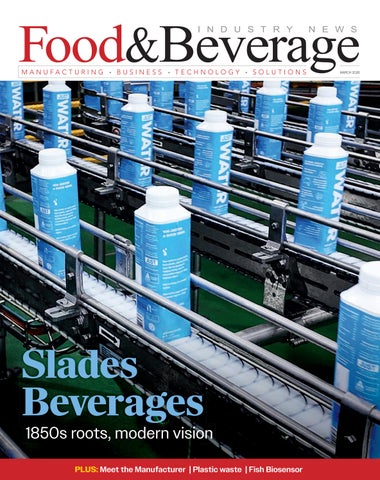
Create a flipbook