
Food & Beverage April 2026

Page 1


General Mills ANZ MD

Karen Jenkins

Flavours and health can coexist

he joys in life include music, art, nature and of course food. Not just any food –flavourful food.

Flavour has shaped food cultures throughout history across the globe. As cuisines developed their own tastes, different techniques, experimentation and technology emerged to bring these flavours to wider markets. In 1908, for example, a chemist in Japan isolated a savoury seasoning from seaweed. After gaining popularity in Asia, it was introduced into Western foods and is still widely used today – MSG.

With the growth of sweet and savoury categories, other additives and flavouring ingredients have also entered the market over the years. Flavour enhancers expanded the possibilities for taste, creating colourful experiences on the palate. However, the conversation around food has evolved.

Nutrition and health have become just as important. As health-conscious consumers look for less processed foods and cleaner ingredients, awareness of what goes into the body has become an industry expectation. Under this scrutiny, food and beverage manufacturers have had to rethink products that deliver both taste and nutritional value.

Does this mean flavour no longer matters in food and beverages? This edition of Food & Beverage Industry News shows that flavour and health can go hand-in-hand.

Managing director Karen Jenkins of General Mills ANZ explained that consumers want products that support health while still offering moments of indulgence. Describing the Australian market as an “incubator for ideas”, the company is investing in manufacturing capabilities to experiment with premium product ranges that aim to be both delicious and nutritious.

Other manufacturers are also responding to this shift, refining products to balance flavour with better nutritional outcomes. Companies like Funday Natural Sweets have developed no-sugaradded alternatives that allow adults to enjoy lollies again. Famous Soda uses mostly local ingredients to reduce sugar while maintaining flavour. The Yoghurt Shop positions itself as a premium brand without compromising on quality or health.

Ideas are welcome, but they must also be practical. For manufacturers aiming to deliver taste and nutrition, navigating regulations and operations can become another hurdle. This is where collaboration becomes essential.

Solutions providers play an important role in supporting the sector. Companies such as Atlas Copco and Eurocold offer rental solutions that help manufacturers manage temperature control without the burden of full ownership. This frees capacity for investment in other processes. Trimatt Systems provides a just-in-time packaging model while ensuring manufacturers understand the technology before committing. Bulk material handling specialist Flexicon also supports manufacturers with tailored systems and technical expertise.

This edition also features two university research stories: a portable smoke taint sensor for the wine industry and research into saltbush as a functional ingredient. A shared sentiment among researchers is the lack of communication between academia and industry that could accelerate innovation. Bridging that gap is the first step before ideas can become practical solutions.

For a healthier and sustainable industry that still tops in taste and quality, communication, partnerships, relationships, anything collaborativedriven goes a long way.

CEO: Christine Clancy

Managing Editor: Mike Wheeler

Ph: 041 557 2106

mike.wheeler@primecreative.com.au

Journalist: Dae Hong david.hong@primecreative.com.au

Art Director: Michelle Weston

michelle.weston@primecreative.com.au

Sales/Advertising: Joanne Davies Ph: 0434 785 611

joanne.davies@primecreative.com.au

Client Success: Cait Pillay Ph: (03) 9690 8766

caitlin.pillay@primecreative.com.au

Cover

Image: General Mills

Subscriptions AUS NZ O/S

1 year subscription99109119

2 year subscription189199 209

For subscriptions enquiries please email subscriptions@primecreative.com.au

Copyright

Food & Beverage Industry News is owned by Prime Creative

Media and published by John Murphy. All material in Food & Beverage Industry News is copyright and no part may be reproduced or copied in any form or by any means (graphic, electronic or mechanical including information and retrieval systems) without written permission of the publisher. The Editor welcomes contributions but reserves the right to accept or reject any material. While every effort has been made to ensure the accuracy of information, Prime Creative Media will not accept responsibility for errors or omissions or for any consequences arising from reliance on information published. The opinions expressed in Food & Beverage Industry News are not necessarily the opinions of, or endorsed by the publisher unless otherwise stated.

© Copyright Prime Creative Media, 2023

Articles

All articles submitted for publication become the property of the publisher. The Editor reserves the right to adjust any article to conform with the magazine format.

Head Office

379 Docklands Drive

Docklands VIC 3008

Ph: +61 3 9690 8766

enquiries@primecreative.com.au

http://www.primecreative.com.au

Sydney Office

Suite 11.01,

Happy reading!  F

6 Thought Leadership

General Mills’ ANZ managing director speaks about health trends, indulgence, manufacturing, and lively Mexican dinner tables.

12 Meet the Manufacturer: Funday Natural Sweets

Funday Natural Sweets aims to bring out the inner child with healthier lollies.

16 Meet the Manufacturer: The Yoghurt Shop

With a handcrafted yoghurt-making legacy, premium offerings are at the heart of The Yoghurt Shop.

20 Meet the Manufacturer: Famous Soda

Sugary drinks contribute to health problems. Famous Soda focuses on sugar-free options that are flavourful.

24 Smoke taint sensors

QUT researchers are developing a portable sensor that detects smoke taint in wine grapes.

28 Refrigeration

Chillers can lose up to 35 per cent efficiency in summer heat. Atlas Copco talks about what to look for in a chiller.

30 Printing

Trimatt Systems has boosted a flour manufacturer’s operation through an on-demand packaging solution.

32 Cold distribution

P.E. Foods partnered with Eurocold to bring long-term goals to life through trust.

34 Hygiene

A new online tool is helping manufacturers reduce contamination risks in cleanrooms.

36 Inventory

Fishbowl Inventory has a launched a new cloud platform built around an AI agent to save time.

38 Food regulation

Food and beverage businesses have a responsibility on public health. NSF’s audit program supports this movement.

40 Materials

Powder materials can disrupt operations through clumping. Flexicon offers innovative solutions to increase efficiency.

42 Ingredients

A RMIT researcher talks about how saltbush could be a nutritious alternative for salt.

46 BULK

BULK 2026 will return to Melbourne from 16 to 17 September 2026 to share knowledge and solutions.

48 Endeavour Awards

The Endeavour Awards will bring together individuals to celebrate the wins in Australian manufacturing.

50 AIP

Australia was placed second in the medal tally at the 2026 WorldStar Student Awards.

Pure Air Means Pure Confidence.

Atlas Copco provides ISO-certified Class 0 oil-free compressed air, ensuring zero risk of oil contamination throughout food and beverage production processes.

This level of purity protects product integrity during critical applications such as packaging, conveying, cleaning, aeration, and fermentation. With contamination-free air guaranteed, manufacturers avoid costly recalls, equipment damage, and potential harm to brand reputation.

Why Oil-Free Air Is Critical for Food & Beverage

• Prevents product contamination: Oil-free Class 0 air removes the risk of oil entering food products, protecting safety and brand reputation.

• Meets strict hygiene standards: Oil-free systems help manufacturers comply with ISO 8573-1 Class 0 purity requirements for food-grade production.

• Supports reliable, clean operations: Clean, dry, oil-free air improves equipment longevity and ensures safe performance in applications like packaging, conveying, and aeration.

Reliable Temporary Air Solutions With 24/7 Support

Atlas Copco’s rental services o er fast-deploying, flexible compressed air solutions designed to keep operations running smoothly during planned shutdowns, maintenance events, or unexpected emergencies. Their high-reliability oil-free compressors come with full maintenance included, supported by a global service network that ensures maximum uptime.

Whether the need is short-term or long-term, Atlas Copco provides engineered rental setups tailored to the customer’s facility and production requirements.

Atlas Copco Rental Making Agility Count

Bringing the dining table to life

General Mills ANZ managing director Karen Jenkins joins Food & Beverage Industry News to discuss how the company is positioning its brands for growth in Australia’s evolving food market. Dae Hong writes.

For Karen Jenkins, managing director at General Mills ANZ, Mexican food rings a personal reflection. While its rich combination of flavours is notable, something else keeps her on her toes.

She paints a picture – the family dining table.

“When you have Mexican food as a family, it’s a real crowd pleaser,” said Jenkins. “Everyone’s reaching for all sorts of ingredients – sauces, guacamole and customised condiments. What’s there not to love about that?”

Jenkins looks at food as more than just a category. For her, the busy hands and the chatters at the dining table bring a gathering to life. She said this liveliness has brought her to where she is today.

Jenkins’ career had not always been in the food and beverage sector from the get-go. Starting in an entry level marketing assistant role in a hardware company, she paved a way to an industry she loved.

“I’ve always had a passion for food, so going into FMCG and the food sector was a really natural fit,” she said.

As a brand manager at Lion across brands like Yoplait, Farmers Union, and Divine Classic, Jenkins moved to The Pillsbury Company where she took the role as senior brand manager for Häagen-Dazs and Pillsbury baking. In 2001, the company was acquired by General Mills, a food and beverage company with more than 150-year legacy.

Now marking 23 years at General Mills, Jenkins’ career has taken her from Australia to New Zealand and the United Kingdom before returning home to lead the ANZ business. Although she has moved around geographically, she highlighted that the breadth of the roles across marketing, sales, category management and strategic revenue management had given her a perspective that now extends beyond individual functions.

“I knew I’d found my place,” Jenkins said. “I’ve stayed in the food sector since then.”

When asked about what the most rewarding parts of the role were, she pointed to two things –manufacturing and culture.

Rooty Hill manufacturing plant

According to Jenkins, manufacturing is important within the Australian business. The company operates a production facility at Rooty Hill in western Sydney, NSW. The site employs around 180 people and produces several key brands for the local market.

These include Old El Paso products such as taco kits and tortillas, as well as Latina Fresh pasta and newer ranges including protein and

General Mills ANZ managing director Karen Jenkins.
Jenkins said the success of premium ice cream is due to its ingredients and expansion of flavours.

gluten-free products. The facility also produces the emerging local brand 25° South.

“In manufacturing, you’ve got to constantly invest – whether it be ongoing maintenance in our machines, investment in training our people and big capital projects,” Jenkins said.

These investments, she notes, are central to keeping Australian manufacturing competitive. For example, upgrades may include automation in machines like case packers or experimenting with new packaging materials. Ongoing training ensures employees are equipped to operate increasingly sophisticated equipment.

When equipment performs as expected and teams are supported with the right resources, it allows employees to focus on delivering quality output and maintaining consistent operations.

“Our investments are great for the team. It drives employee engagement and satisfaction when they come to work,” said Jenkins.

Culture has become another focus within the organisation. A well-run plant contributes to workplace engagement. According to Jenkins, strong engagement scores across the Rooty Hill business reflect the efforts of leadership teams to create an environment where employees understand both their targets and the broader purpose behind their work.

“The plant leadership team plays a role in empowering their teams through clear targets, investing in developing capabilities, and by remaining connected,” said Jenkins.

She shared that the business continues to show strong results in the Great Place To Work Australia study, with the 2025 results marking the sixth consecutive year General Mills ANZ has been recognised as a Great Place to Work. The company was also recognised as one of Australia’s Great Workplaces for Women.

“It is really hard to get these results typically in manufacturing, so I think

it’s a testament to the Rooty Hill team,” she added. “Employees can see their greater purpose with the product that is getting to consumers onto shelf – they’re seeing the growth and opportunities.”

An incubator for ideas

Australia and New Zealand also offer a unique environment for food companies when it comes to emerging trends. Jenkins said the region is often quick to adopt new ideas, making it an ideal market for experimentation.

Consumer trends frequently gain traction across Australian retail and QSR channels. Whether it is healthdriven products, new cuisines or indulgent treats, Australian shoppers tend to adopt new ideas faster than some other markets. As a result, the

local business can act as a testing ground for concepts before global expansion.

“I think the role Australia can play is as an incubator for ideas,” said Jenkins.

This includes experimenting with new flavours, formats and product categories before scaling successful innovations across other regions.

Several consumer trends are currently shaping the direction of product development and brand growth. Health remains an influence, particularly through the rise of protein focused products.

“Protein is mainstreaming and we continue to see that amplifying,” said Jenkins.

Proteins have become increasingly common across supermarket shelves, extending beyond traditional

“The plant leadership team plays a role in empowering their teams through clear targets, investing in developing capabilities, and by remaining connected.”
Jenkins is passionate about food and a lively dinner table.

categories such as meat and dairy into snacks, pasta and convenience meals. General Mills has responded to this shift through products such as protein enriched pasta within the Latina Fresh range.

“The second trend we’ve picked up on is indulgence,” she added.

While health-conscious choices influence everyday consumption, many consumers also seek moments of reward or enjoyment through premium products. In the ice cream category, this is reflected in growing demand for super premium offerings.

Häagen-Dazs’ research showed that premium ice cream is moving from an occasional treat to a daily indulgence. Nearly three in ten Australians (28 per cent) consider it an everyday indulgence. The research shows that 40 per cent of millennials are consuming premium ice cream as part of their daily routine.

Part of the success of premium ice cream are the ingredients and expansion of flavours. As an example, Häagen-Dazs has launched its

matcha and Biscoff flavours. Outside of ice cream, Jenkins said new tastes and international cuisines are influencing product development across multiple categories as well.

Despite these opportunities in trends, Jenkins stated that the food industry continues to face a competitive landscape.

“There are more entries and competitors than ever before,” she said.

These new brands and products are appearing across supermarket shelves, while consumers remain increasingly focused on value.

Balancing affordability with quality and innovation has become a key challenge for many food manufacturers. In response, Jenkins welcomes this challenge by remaining closely connected to consumers.

“Competition is healthy as it makes us all strive for what’s best for the consumers,” she said. “Our strategy in remaining competitive is by being consumer led.”

By placing the consumer in front of

Häagen-Dazs has launched its matcha and Biscoff flavours.
The Rooty Hill manufacturing site employs around 180 people and produces several key brands for the local market.

mind, General Mills can understand changing preferences and ensure the products are essential for maintaining relevance in a crowded market. Strong partnerships with retailers also remain critical. Supermarkets and other distribution channels continue to evolve, and collaboration helps ensure products are positioned effectively where consumers shop.

“We want to make sure that we are addressing consumer needs and that our brands exceed expectations to help consumers delight in meal occasions,” said Jenkins.

Sustainability

General Mills has committed to reducing greenhouse gas emissions by 30 per cent by 2030, with a long-term goal of achieving net zero emissions by 2050. These commitments are supported by a range of initiatives across manufacturing and packaging.

At the Rooty Hill facility, solar energy is used to support operations, while the site operates with zero waste to landfill. Packaging is another area of focus, with around 90 per cent currently designed to be recyclable or reusable, with a target to reach 100 per cent.

Culture is an important focus within the organisation.

Thought leadership

“We want to make sure that we are addressing consumer needs and that our brands exceed expectations to help consumers delight in meal occasions.”

Local manufacturing also plays a role in strengthening supply chains and supporting Australian agriculture. Many ingredients used in production are sourced locally, helping support farming communities while reducing reliance on international supply routes.

“Not only are we embedding, but we’ve got tangible outcomes and actions to get to those targets,” said Jenkins. “It’s important for us and future generations. I think we can see the industry continuing to make these positive changes.”

Circling back to the Mexican category, General Mills continues to see opportunities in this class of food. According to Jenkins, there is little rejection of Mexican cuisine, however awareness around it is not high. She noted that while shoppers do not always think about Mexican food during their daily shopping chores, they love the occasion.

“There is a big opportunity to drive

that cuisine, and we have an ambition for it to be a top 10 meal centre,” said Jenkins. “We want to bring more people into this category.”

Looking back at her career, Jenkins believes the key principle for food businesses remains simple – stay focused on the people who ultimately determine success in the market.

Being passionate about food and a lively dinner table herself, Jenkins wants to extend this experience to others.

She recalled a recent gathering filled with family and friends where they shared a Mexican-styled dinner. The table was filled with guacamole, salsa, sour cream, jalapenos, meat, vegetarian alternatives, and busy hands.

“It was so lively and a feel-good meal and pleased everyone,” said Jenkins. “I love that our brands like Old El Paso can bring a dinner occasion to life and our products make it more memorable.”  F

Häagen-Dazs’ research showed that premium ice cream is moving from an occasional treat to a daily indulgence.
General Mills continues to see opportunities in the Mexican category.

BULK HANDLING EVENT

16-17 September 2026

EXHIBIT IN 2026. BE SEEN. BE HEARD. BE CHOSEN.

Time machine to the lolly aisle

Funday Natural Sweets’ founder Daniel Kitay is reshaping confectionery with no-sugaradded alternatives to bring out the inner-child.

The word “lolly” brings out childhood nostalgia for Daniel Kitay, founder of Funday Natural Sweets. As a child, Kitay was always drawn to food.

“I’ve always been a foodie at heart and got excited with everything food and beverage,” he said.

While there were savoury snacks, Kitay was drawn to confectionery. He recalled a memory where his sweet tooth was tied to his younger mischievous personality.

“I had a tendency as a kid to sneak chocolates and lollies,” he said. “My parents would often find wrappers left behind my bed.”

However, this confectionery craze came to a close. In 2006, Kitay

eliminated chocolates and sweets from his diet, focusing on healthier foods. With a 25-kilogram weight loss, cutting off sugar proved to be a health benefit for him.

After completing commerce and law degrees and being admitted as a lawyer, Kitay began working across ecommerce and technology. Throughout those years, he remained determined to maintain a sugar-free life. He eventually moved into the health and wellness sector, particularly vitamins and supplements. That experience sharpened his understanding of consumer behaviour in better-for-you categories.

But while he no longer consumed

traditional sweets, his childhood indulgence in sugar-laden treats remained a constant craving.

“I didn’t want to engage in sugar confectionery, but I really missed it,” said Kitay.

Ignorance is bliss. He said that children often do not think of the negative impacts of confectionery consumption and it ends up as a happy and positive experience. For adults, a focus on health and weight management prevents the enjoyment of casual consumption of sweets. Instead, it brought about guilt.

That tension became the foundation of Funday Natural Sweets, with the confectionery business launching in 2020.

The company employs around 25 staff, with plans to approach 30.
Daniel Kitay is the founder of Funday Natural Sweets.
Images: Funday Natural Sweets

“They were using tapioca fibres, or they were using chicory fibres,” said Kitay. “The product tasted really good and didn’t make me miss having sugar in it.”

The taste experience remained satisfying, prompting the question of whether confectionery could follow the same path.

What followed was a 12-month development process to develop gummies. Without prior experience, Kitay turned his kitchen into a laboratory where he sourced silicone moulds online, contacted ingredient suppliers around the world and

functional properties without refined sugar required careful balancing of ingredients and processes.

“I needed the product to be close to or better than regular confectionery,” he added.

With a vision to ensure Funday’s wide accessibility, another challenge arose when developing vegan options.

Using pectin instead of gelatine introduced precise requirements around pH levels and heating processes. Pectin is a natural fibre found in fruits and vegetables, which acts as a gelling agent and thickener.

As the delicate system was at the

a decision not to manufacture ourselves in the early days.”

Instead, the business has invested in product development and quality capability while partnering with contract manufacturers for production. Each office has included its own kitchen and lab space, allowing the team to continuously test new recipes, ingredients and formats.

“We’re always developing new recipes and formulas, testing new novel ingredients,” said Kitay. “Having control over the recipe enables us to get better products with our co manufacturers consistently.”

The art of listening

“Funday has done really well because we listened,” Kitay said.

Funday entered a category long dominated by sugar-based products. Rather than targeting existing confectionery buyers alone, the brand has focused on consumers who had left the category entirely. According to Kitay, around 70 per cent of Funday’s sales are incremental to confectionery. These are shoppers who either had not been purchasing lollies at all or had stepped away due to health concerns.

“We were finding people that used to love confectionery but no longer engage in the category,” said Kitay. “They’re the ones we are focused on to help them enjoy confectionery again without the negative health impacts.”

This positioning has resonated with retailers. Rather than encouraging direct brand switching, Funday has expanded the category by bringing health-conscious consumers back into the aisle. Kitay says that the unifying factor is not age or gender but a shared desire for something sweet that aligns with personal wellbeing goals.

The company is aware of these consumer desires through its agile operating model. Rather than relying on specialised software to drive innovation, the business leans on community. Its customer database now approaches 200,000 engaged contacts. Product ideas are often shaped by direct feedback from this base. The team prioritises understanding what consumers want and why, then moves quickly to respond.

“We’ve listened more than we’ve spoken,” Kitay added. “We’ve been engaging with our customer and try to solve problems. We don’t launch products unless we know that we can solve problems.”

Global craving

Five years in, the brand has achieved awareness and distribution across Australia. The next phase is international expansion. Consumer demand from overseas markets has increased steadily, with enquiries from Europe and the United States. Kitay sees similar health driven confectionery gaps globally.

“What’s become apparent to us over time is that whether you’re in Australia or overseas, consumers

Kitay believes one of the most important disciplines in business is remembering why it exists.

have the same problem when it comes to confectionery,” said Kitay. “2026 will be the year that we take global launches seriously.”

The ambition for 2026 is to begin international launches and set Funday as an established better-for-you confectionery brand. The groundwork of past years has centred on building infrastructure, refining formulations and strengthening brand positioning. With those foundations in place, the company is preparing to extend its reach.

Kitay believes one of the most important disciplines in business is remembering why it exists.

“you can get so caught up in running and growing a business that you forget why you’re doing it,” he said. “My advice is to engage and listen to the people that matter most in your business.”

For Funday, the mission is to bring lapsed shoppers back to the lolly aisle, enabling them to relive the excitement and thrill they experienced as children.  F

The mission of Funday Natural Sweets is for people to enjoy lollies like a kid again.
The next phase for the company is international expansion.

Premium yoghurt that mums take home

The Yoghurt Shop’s COO joined Food & Beverage Industry News reflecting on its handcrafted production process and the opportunities ahead.

The Yoghurt Shop has a simple name, which derives from its inception that began with a simpler model – a small retail store inside Adelaide Central Market.

According to chief operating officer Brandon Reynolds, it was quite literally a yoghurt shop.

“When my father started the business, he never gave it a name,” he said. “It was just a shop.”

As customers visited the store to buy freshly made yoghurt produced by Reynolds’ father, Simon Reynolds, demand for the product grew. This was where the name emerged. Customers started to spread the word when describing the shop to friends. Over time the phrase “The Yoghurt Shop” became the brand itself.

Twenty-three years later, the business expanded into an awardwinning handcrafted Greek yoghurt brand. Now in its second generation, Reynolds works alongside his father, taking on the reins to expand the business while cultivating a healthy culture in the busy market.

“I’ve been working in this role for about five years, but I’ve been involved in the business for 15,” he said.

Reynolds admitted that he initially made it his mission not to join the business. Prior to joining, he had his own business and had explored other industries outside of dairy. When his father called him for help with the business, what was meant to be two weeks turned into another calling of passion.

“Since coming back, it’s been a real pleasure,” said Reynolds.

Over the past five years, The Yoghurt Shop had a compound growth of 39 per cent. He said that expansion has come with a range of opportunities.

“We had more people, more markets, more products, and more channels,” said Reynolds. “What’s been most rewarding for me was being able to bring some of my fabulous staff on the journey with me.”

According to him, growth has been incremental with no room for stagnation. This has been evident from the beginning.

The start

Since its launch in 2003, the business expanded to 10 retail outlets across South Australia within three years and eventually reached a peak of 15 stores.

“But we quickly moved from our original retail model to start supplying independent grocers in South Australia,” said Reynolds.

These independent grocers became interested in stocking the yoghurt after seeing its popularity among shoppers. Retailers such as Foodland began approaching the business to ask if they could supply the product in store. In the early days the supply chain was informal.

“We would pack the yoghurt in the back of the least busy store and then put it in the back of car and drive it out to the shop,” added Reynolds. “No fridge, no labels, no expiry dates, no nothing.”

As demand continued to grow, the company moved operations into a warehouse in Adelaide’s western suburbs. Production methods were still manual and inefficient.

“Most people would think we had big packing lines that were automated, but we didn’t,” he said.

“We had a staff of 10 with spoons, scooping yoghurt into tubs manually.”

Eventually the business reached a point where it needed to control its own supply. The Yoghurt Shop decided to establish its own manufacturing capability. In 2011, the company purchased its first dedicated yoghurt production plant. The investment allowed the business to move away from its retail focused origins and concentrate on supplying grocery retailers across Australia.

“We started exporting across Australia and across the world not long after,” said Reynolds. Today, the company distributes yoghurt across multiple countries while continuing to manufacture in South Australia.

Handcraft legacy

A defining feature of the brand is its production process. Unlike many large-scale dairy manufacturers, The Yoghurt Shop continues to rely on a traditional straining technique to achieve the texture and flavour of its products.

Each day operators hand strain incubated milk through cheesecloth to remove excess liquid and concentrate the yoghurt. Up to 20,000 litres of milk can be processed through this method during a production cycle. The technique is labour intensive but produces a thick and creamy yoghurt without relying on additives or stabilisers. By removing a large portion of the liquid from the milk, the company concentrates the natural milk solids that give the product its texture.

“It’s all done by batch, it’s not continuous and it’s all done by hand,” said Reynolds. “It’s the way that we’re able to make sure that the products taste as good as it does every time.” Reynolds has travelled around

The Yoghurt Shop’s COO Brandon Reynolds and his father, Simon Reynolds.
The company started as a small retail store inside Adelaide Central Market.

different countries visiting multiple yoghurt factories. In many conventional yoghurt processes manufacturers increase yield by adding ingredients. According to him, an ordinary yoghurt can turn 1,000 litres of milk into 1,200 kilograms of yoghurt by adding additives, milk solids and other ingredients.

In contrast, the straining method used by The Yoghurt Shop removes around 52 per cent of the original liquid from the milk, resulting in a richer final product. From 190g snack pots to 900g tubs, every product gets the same level of attention. However, no matter the handson process, the quality of milk dictates the success of the yoghurt.

Understanding this, The Yoghurt Shop focuses on sourcing ingredients locally where possible. Milk is supplied from farms around Murray Bridge

the company has introduced automation in other parts of the operation. As it is a labour heavy manufacturing process, The Yoghurt Shop had to think of ways to lighten the operational load on its employees while staying true to its craft.

“We are careful with capitalising on these types of investments and constantly ask how we can maintain the quality while improving consistency and efficiency,” said Reynolds.

As production volumes increase, packaging has become a key focus. The business has installed automated packing lines designed to improve efficiency while maintaining product quality. One recent addition is a twin rotary packing machine capable of producing around 6,300 units per hour.

The Yoghurt Shop focuses on sourcing ingredients locally where possible.
The company focuses on offering premium quality products.
The Yoghurt Shop was at Fine Foods Australia 2025 held at ICC.

Quality over anything

When asked about trends or challenges in the dairy sector, Reynolds said more competition from international trends will rise. Imported dairy products are becoming more common in the domestic market.

“As shipping become more advanced and costs are brought down, other markets can improve their productivity,” he said.

At the same time, Reynolds said Australian producers have opportunities to export premium products overseas. For The Yoghurt Shop, the strategy has focused on positioning the brand as a high value product rather than competing at the lowest price point.

Transforming milk into a premium branded product also creates greater value across the supply chain. With an opportunity to add value through the nation’s agricultural supply chains, he believes the future of Australian dairy will increasingly depend on value rather than price competition.

“My view is, if the rest of the world wants to compete to make the cheapest yoghurts, let them,” he said. “We are committed to making the

best yoghurts.”

plans. International markets such as China, Southeast Asia and the Middle East are key areas of focus for future expansion. The business is currently exploring opportunities to establish a physical presence in the Middle East while also investing in additional production capacity in South Australia. Plans for a new

yoghurt facility are being developed that could eventually produce up to three million units per week.

Yoghurt of choice

There is a phrase Reynolds sticks to.

“I want to us to be the yoghurt that mums take home and show off,” he said.

Reynolds described a moment in Shanghai where the company’s

products were at a retail store.

“I saw one of the ladies pulling out our product to show to her friends,” he added. “You only do that if you feel excited about a product.”

Part of this excitement, he said, is the quality backed by a strong Australian agricultural base. He advises the industry to support farmers and encourage younger generations to view agriculture as a viable career to ensure a stable milk supply. Modern farming involves advanced technology, business management and environmental stewardship rather than traditional perceptions of manual labour.

“If we remove this stigma, we can keep the milk pool strong and remain as productive as we are,” said Reynolds.

From its beginnings as a small market stall to its ambitions for international expansion, Reynolds has a positive outlook for what the future holds for The Yoghurt Shop.

“We’ve found a sweet spot of investing in our brand, in making great products and our people,” he said. “The future looks very bright for us.”  F

Behind the healthy Famous Soda

According to the World Health Organisation, sugary drinks are contributors to type 2 diabetes and obesity. Famous Soda was launched in 2018 to deliver sugar-free, all-natural alternatives.

For Michael Pillon, chief executive officer of Famous Soda, beverage runs in his veins. Previously a director of a winery, Michael wanted to change the world a little bit for the better and was compelled to transition to the better-for-you category.

“Sugar free, all-natural ingredients seemed to be on everybody’s lips at the time,” said Pillon.

The move to healthy beverages was not defined by trends alone. According to Pillon, it was both a commercial and personal decision. His mother and co-founder of Famous Soda, Julie Pillon, had always been passionate about a healthy lifestyle

and products that delivered on flavour and that were better-for-you.

Sugary drinks have been associated with obesity and type 2 diabetes. According to the World Health Organisation, calories provided by sugar sweetened beverages have little nutritional value and lead to unhealthy weight gain. To promote healthy beverage consumption, the family-run business was born with a focus on sodas first.

The move into the better-for-you segment was driven by a belief that the sugar-free, all-natural ingredients category had not yet been fully realised. At the time, several countries had already introduced, or

were considering, taxes on refined sugar. These regulatory changes, combined with shifting consumer attitudes towards health, suggested that demand for lower sugar and allnatural alternatives would continue to grow.

“Businesses were suiting a need, but nobody was really executing an exceptional brand that was incredible in flavour and presence,” said Pillon. In the food and beverage space, flavour comes first. The appeal of a business idea or capabilities in manufacturing assist with overall production and efficiency. However, the final result, the flavour, is what makes or breaks the brand.

The aim for Famous Soda was to develop products that matched the flavour and enjoyment of traditional soft drinks while removing the sugar and chemical ingredients component.

“We wanted to make it easier for consumers to make healthier choices without sacrificing any of the flavour or fun,” added Pillon.

What makes the taste

According to Pillon, the local market is small but highly competitive, with strong expectations around quality and brand identity. For emerging beverage brands, success often depends on achieving broad distribution and maintaining steady

Founders of Famous Soda Julie and Michael Pillon.
Famous Soda was launched in 2018 to offer a sugar-free soda alternative.
The company is looking to expand in Southeast Asia, the US and UK.
Images: Famous Soda

growth across retail channels.

“Consumers are now looking for functionality and additional benefits all wrapped up in one offering,” said Pillon.

The mother-son duo kicked off a soda alternative, working with biochemists and food technologists to recreate a sugar-free soda made with all natural ingredients. The use of ingredients like erythritol, malic acid or stevia is a strategic decision to elevate nutritional benefits for consumers.

For example, erythritol is 60 to 80 per cent as sweet as sugar and occurs naturally in pears, watermelon and grapes. According to Famous Soda, it is a healthy choice for people with diabetes as it does not raise blood sugar. On the other hand, malic acid, derived from plant foods, offers

since the 16th century.

“We have an immense amount of control over our ingredients in our recipes,” said Pillon.

Wherever possible, Famous Soda aims to source most ingredients from Australia and New Zealand. While certain specialised ingredients must still be imported, maintaining a high proportion of local sourcing remains a priority.

“We try to have at least 80 per cent of ingredients sourced locally in all our products,” he added. “A KPI of ours is to stick to that.”

Direct engagement with suppliers also allows the business to negotiate ingredient agreements. The system aims to provide transparency across the supply chain while also creating efficiencies. It also allows the company to track ingredient origins and maintain consistent product quality across different manufacturing sites.

In this environment, companies must balance innovation with consistent supply and strong retailer

relationships. Achieving widespread distribution remains a key factor in building brand recognition and sustaining momentum.

A green thumb

Another KPI for the business surrounds sustainability. Alongside product development, sustainability and supply chain transparency have become central, particularly in areas such as carbon reduction and packaging.

“We aim to reduce our carbon footprint every 24 months by 50 per cent,” said Pillon.

In addition to this goal, the company is striving to have 90 per cent of its packaging recycled by the end of 2028. The targets the company sets enable it to remain conscious of working towards carbon neutrality.

Packaging partnerships play an important role in achieving these targets. Working with packaging suppliers allows the company to collaborate on both material

innovation and environmental performance. The approach is intended to align product design with the broader values associated with the brand’s better-for-you positioning.

“With our footprint and scale of manufacturing, it’s very important that we apply a green thumb to what we do,” Pillon added.

Famous Soda is a paperless company and therefore operates with a paperless approach.

Operationally, digital systems support sales execution and supply chain coordination. Sales teams use customer relationship management software to track activity and performance across retail channels, while integrated systems help manage warehousing, stock control and forecasting.

While technology supports the day-to-day running of the business, people remain the most important factor in long-term success.

Building a capable team with diverse expertise is essential for navigating

Aligning product development with both health and sustainability goals is essential for the company.

the complexity of modern food and beverage operations. To ensure a healthy balance, Pillon aims to facilitate a positive work culture.

“You’re only as good as your team,” said Pillon. “You’re not an expert in every field and doing it alone is an impossible task. Making sure you surround yourself with the right individuals has always been imperative for us.”

As Famous Soda looks ahead, international expansion remains a key focus. The two prominent goals for the company are expansion in Southeast Asia, the US and UK.

At the same time, the company plans to continue broadening its product portfolio through new product development. Moving into adjacent categories allows the brand to apply its sugar-free, all-natural better-for-you philosophy across a wide range of food and beverage products.

Advocating for health

Looking more broadly at the food and beverage industry, Pillon said companies have a responsibility to consider the long-term health and environmental impact of their

products. Issues such as obesity, diabetes and heart disease are increasingly part of the public conversation around food and beverage manufacturing.

“I think we all should be conscious of what we’re putting in our products and what we’re selling to our communities,” said Pillon.

As a result, he encouraged manufacturers to rethink product formulations and explore healthier alternatives where possible. For brands operating in this space, aligning product development with both health and sustainability goals may become essential for long term relevance.

Famous Soda is seeking to demonstrate that going sugar free and improving sustainability does not require sacrificing taste or consumer enjoyment. As the brand continues to expand across new categories and markets such as functional beverages, its ambitions are aligned with the interests of consumers.

“We’re looking to be the sugar-free all-natural brand that consumers look for in the Southern Hemisphere by tackling and expanding our operations internationally,” said Pillon.  F

NAVIGATE SUPPLY CHAIN

The mother-son duo worked with biochemists and food technologists.

Smoked wines not a delicacy

Researchers at QUT are developing a portable sensor to help grape growers detect smoke taint earlier and avoid costly losses during bushfire seasons.

Smoked flavour in beef, pork and salmon is an exciting culinary experience for meat lovers. Does this sentiment apply to wine?

According to Soniya Yambem, an associate professor from the School of Chemistry and Physics in Queensland University of Technology’s Faculty of Science, smoke is a silent destroyer in the wine industry.

“Smoke can travel through the vineyards and can be absorbed through the skin of wine grapes,” she said.

Smoke taint develops when vineyards are exposed to bushfire smoke. Even if flames do not directly damage vines, airborne smoke can travel across large areas and settle on grape skins. Compounds from the smoke are absorbed through the skin into the fruit.

While smoke cannot be tasted in the grape itself, the flavour comes to the surface only after fermentation and processing.

“The taste comes across as ashy or medicinal,” added Yambem. “People

call it smoky wine or smoked wine, and it is a bad flavour.”

The bad taste follows the unpredictable threat of bushfires.

Australian summers can come at a cost. With the country’s flammable native vegetation such as eucalyptus forests, coupled with climate change, hot and dry conditions elevate bushfire risk, severely affecting ecosystems.

Aside from direct burns or smoke taint, the wine industry faces an economic predicament. In some cases, producers process fruit unaware of contamination and only discover the problem once the wine is made, resulting in product that cannot be sold. With barrels of wine that may already have undergone weeks or months of processing, Yambem said efforts “all goes down the drain” due to inconsistent flavours and quality. In other cases, growers may choose not to harvest or process fruit at all because of nearby fire activity, even if the grapes were not affected. Both scenarios translate into lost revenue.

Time is of the essence

According to Yambem, traditional analysis relies on laboratory testing for a panel of chemical markers associated with smoke exposure. Samples of grapes or juice are sent to specialised facilities, where trained technicians operate analytical instruments. While large wineries may be able to absorb testing costs, time is a constraint.

“It’s a time-consuming process,” said Yambem. “The harvesting period is quite limited depending on what

kind of wine you want to process. Making a decision in a timely manner is very important.”

Harvest windows are influenced by taste factors such as sweetness for the desired wine style. Additionally, for vineyards that span many hectares, smoke exposure can vary. This means that some sections may be suitable for processing while others are not.

“You would have to pick grapes from every part of your vineyard, process them, follow all the strict

Airborne smoke can travel across large areas and get absorbed by wine grapes in vineyards.
Associate professor QUT Soniya Yambem.

procedures before posting them to the lab,” Yambem said.

When bushfire seasons are intense, laboratories can face high sample volumes, creating backlogs. By the time results are returned, growers may already have been forced to make decisions without clear data. As bushfires continue to threaten Australian vineyards, Yambem and a team of researchers are working to equip grape growers with a portable sensor that can assess smoke taint risk before fruit enters the winery.

A portable solution

Through the Australian Economic Accelerator Ignite program, seven QUT research teams have received more than $2.7 million in federal funding. The $455,847 smoke taint research project will involve collaboration with Wine Australia. Led by Yambem, the team brings together Yambem’s expertise in physics and semiconductor device engineering with Dr Elena Eremeeva’s expertise in synthetic biology and aptamer development.

The project focuses on developing a portable sensor capable of detecting smoke-taint related compounds earlier and more efficiently than current methods. The solution uses specially designed molecules called aptamers that precisely detect smoke related chemicals.

Rather than relying on centralised laboratory testing, the goal is to have a device that grape growers and winemakers could use themselves in the field or at the crush pad.

“We want to make it in such a way that people don’t need to be trained for it,” said Yambem. “That is the ultimate goal.”

Yambem believes that collaboration between researchers and wider industries is important.

Smoke taint sensors

Currently supported by the Ignite grant, this scheme is designed to help translate early-stage technologies towards commercial readiness levels, which are used internationally to describe the maturity of an innovation. Yambem said that the team has already demonstrated proof of concept at around TRL 3, meaning that the underlying scientific principle has been shown to work in controlled conditions.

“Our short-term goal is to gain momentum in this work,” she said. “In order to progress the technology to the vision we have, there’s a lot of steps in between.”

Part of the progress involves building a team to develop this project and undertaking rigorous testing under varied laboratory and environmental conditions. Key questions include sensitivity, detection limits, response time and the potential for miniaturisation. The team must also verify reproducibility and robustness across different scenarios.

“We need to dig a lot deeper and explore aspects such as how much the sensor can detect, how fast it

can do it, and how to miniaturise it,” Yambem said.

After these stages, when a prototype suitable for field deployment is developed, the team hopes to have this technology available on the market.

A call for collaboration

The work builds on a collaboration between Yambem and other researchers at QUT, including Professor Kirill Alexandrov and Dr Elena Eremeeva. Alexandrov, a synthetic biologist, was already aware of the economic toll bushfires impose on the wine sector. With his industry connections, the team engaged with Wine Australia to better understand industry needs.

“We are from different expertise, but we have a very good synergy,” she said.

For Yambem, collaboration not only between researchers but with wider industries, is imperative for growth. One of the challenges she highlighted was the disconnect that can exist between academic research and industry needs.

Smoke taint develops when vineyards are exposed to bushfire smoke.
Dr Elena Eremeeva.

“It is a bit isolated. The academic world is slightly different from the industrial world,” she said.

“We don’t know what the industry needs or what problems it faces unless it comes up in the news.”

Researchers may develop technologies without fully understanding the immediate operational problems faced by producers. Conversely, industry challenges are not always publicly articulated in a way that invites academic solutions.

Through connections with Wine Australia and ongoing dialogue, the research team gained insight into the pressures faced by grape growers during bushfire seasons. This understanding helped shape the application.

“The biggest hurdle for doing such projects is to come up with those projects,” said Yambem. “We were not working on such problems because we didn’t know each other.”

Beyond wine

While the current project centres on vineyards, Yambem sees biosensors as relevant across the

food and beverage value chain. From agriculture to processing and quality assurance, there are numerous points where rapid, on-site detection of chemical or biological markers could improve decision making.

“Food is something people are

NSF Retail Food Safety Audits Program

With food safety audits and value-added services such as coaching and training, weʼre here to help businesses like yours not just meet standards—but exceed them.

Start your food safety journey with us today Letʼs drive up food safety | Contact us at asia@nsf.org

always going to eat to survive,” she said. “Biosensors are applicable in the entire chain starting from the growing process.”

For the wine sector, a portable smoke taint sensor could reduce uncertainty during volatile fire

seasons and minimise unnecessary waste. Through collaborations between researchers and industry, QUT researchers are aiming to move smoke taint detection from specialised laboratories into the hands of producers.  F

Yambem and a team of researchers are working to equip grape growers with a portable sensor that can assess smoke taint.

How cooling is a quiet achiever

Temperature control is often overlooked in food and beverage manufacturing. Atlas Copco offers rental chillers for high demand environments.

C“ooling is a quiet achiever.”

According to Naseh Chaker, product manager temperature control at Atlas Copco, temperature control rarely takes centre stage in food and beverage manufacturing, yet without it, entire operations can falter.

“When cooling works, everything else works,” he said. “This includes food safety, quality assurance, and maintaining the continuity of the production of a factory.”

Take dairy processing as an example. Milk and other dairy products need to be kept at low temperatures and must be cooled immediately after pasteurisation to prevent bacterial growth.

Another example would be meat processing, where maintaining low temperatures preserves colour, tenderness and freshness, factors that influence consumer perception and product value.

Delays and operational instabilities

case, a recall may commence, to the detriment of a company’s reputation.

Reducing foam

Outside of regulations and safety, Chaker named another use for chillers that people are not familiar with in beverage manufacturing during the filling process.

“During soft drink filling, temperature reduction helps prevent excessive foaming,” he said.

Without adequate cooling, foam formation can interrupt filling lines, reduce throughput and create product loss.

“Temperature control maintains the continuity of the process by preventing interruptions from occurring,” said Chaker.

By lowering the temperature of the liquid before filling, manufacturers maintain line efficiency and avoid costly stoppages.

Chaker added that these examples highlight that chillers are not simply

and beverage manufacturing.”

For processors navigating rising ambient temperatures and fluctuating demand, chillers have become operational safeguards.

So, what makes a good chiller?

What to look for in a chiller

When specifying chillers for food and beverage facilities, temperature stability and accuracy sit at the top of the list. According to Atlas Copco, chillers can lose up to 35 per cent efficiency in summer heat and even more sometimes, depending on chiller design and ambient temperature.

Each business has defined processes and needs, and maintaining a consistent supply temperature is fundamental. Even minor deviations can affect product texture, taste or safety.

“Another major aspect would be high ambient capability of the chiller,” said Chaker.

According to him, ambient

ambient temperature of around 35 degrees. However, in regions where temperatures can climb much higher, a unit rated at 200 kilowatts under standard conditions may deliver far less when exposed to elevated ambient heat.

Flow rate is also important. Efficient cooling depends not only on the chiller itself but also on delivering the correct flow through the system. Inadequate flow can lead to unstable temperatures and reduced accuracy.

“From a cost and sustainability perspective, energy efficiency must also be considered,” said Chaker.

“Businesses must ask how much power you are getting versus how much power you are giving.”

Performance is commonly measured using metrics such as coefficient of performance (COP) and energy efficiency ratio (EER), which compare cooling output against electrical input. High efficiency reduces operating costs and aligns

Images: Atlas Copco
Chillers can lose up to 35 per cent efficiency in summer heat.

a standard expectation. Part of the rising popularity of this feature is demand for convenience and lowering operational burden. The ability to monitor equipment performance in real time allows operators to see not only set temperatures but also operating parameters across the system.

If a deviation occurs, facility managers can identify when and why it happened. Remote access supports proactive intervention rather than reactive troubleshooting.

“That’s where Atlas Copco comes in,” said Chaker. “We are the experts, we help customers identify those small gaps and loopholes while providing the advice needed.”

Atlas Copco positions itself as a provider of integrated temperature control solutions rather than standalone equipment. He highlighted that the company’s point of difference lies in its ability to deliver complete systems.

“The main point of difference at Atlas Copco is that we are able to provide a full temperature control solution that can be fully integrated with each other, acting as one big system that covers heating, cooling and power,” Chaker said.

The company’s range of chillers ranges from 100 to 720 kilowatts, capable of reaching temperatures down to minus 10 degrees for high demand processes. All equipment is built with practical site considerations in mind, including crash frames, lifting points, forklift pockets and emergency stop functionality.

“We also provide remote monitoring

for our chillers to monitor how they are reacting to parameters beyond temperature,” added Chaker.

Beyond cooling, the company can supply accessories around the chillers where site power is insufficient. Pumps, hoses, buffer tanks and generators are integrated to create a cohesive system. This approach removes the need for clients to source and coordinate multiple suppliers.

Benefits of a rental model

For food and beverage manufacturers, Atlas Copco’s rental model offers several advantages. One of the most immediate is reduced capital expenditure. Instead of purchasing additional equipment to cover short term or seasonal peaks, businesses can access capacity as needed.

A common scenario arises in summer. According to Chaker, a facility may require only one chiller for most of the year yet need additional cooling during the warmest months.

“Instead of buying an extra chiller and not using it for nine months, businesses could rent a chiller and lower costs while saving space,” he said.

Maintenance responsibility is another consideration. With rented equipment, servicing and technical support remain with the provider. Training and aftercare support further strengthen client relationships. With in-house engineers and technicians, the company aims to combine global resources with local responsiveness. Equipment reliability and performance consistency are central to this approach.

“This model is good for maintaining business continuity,” said Chaker. “We have a full division dedicated to rental equipment only and we ensure quick delivery and fast installation.”

While cooling may remain a quiet achiever, its contribution to modern food and beverage manufacturing is anything but minor. In food and beverage manufacturing, as climate variability intensifies and production demands evolve, the importance of resilient temperature control will only grow.

Whether preserving dairy safety, maintaining meat quality or ensuring smooth beverage filling, Atlas Copco aims to simplify the process for manufacturers, taking on the operational burden.

“We’re happy to take that burden,” said Chaker.  F

Naseh Chaker, product manager temperature control at Atlas Copco.
Atlas Copco aims to combine global resources with local responsiveness.

More than lip service

Trimatt Systems is helping manufacturers reduce waste and improve traceability through just-in-time packaging solutions.

The Australian Packaging Covenant Organisation (APCO) has set the National Packaging Targets (NPTs) to transition Australia towards a circular economy for packaging. In its recent statement, APCO stated that the NPTs were not being met. However, the organisation highlighted that the national Consumption and Recovery Data (2023–24) has shown industry progress.

Part of this progress is Trimatt Systems, an Australian print and automation technology supplier. The company works towards waste reduction in packaging while supporting small- to large-sized businesses with reduced cost and flexibility. According to founder Matt Johnson, the targets are not merely business obligations, they are a testament to a long-term goal for a sustainable industry.

“We wish to see businesses invest in reducing their waste,” said Johnson. “By reducing their waste,

they can also reduce landfill.”

A key process for this is packaging. For food manufacturers, packaging is often viewed as the final stage of production. Yet it is increasingly becoming a focal point for improving efficiency, traceability and waste reduction.

For example, companies looking to purchase branded materials are met with a wall of high minimum order quantities. Although they require only 5,000 units, they are forced to commit to 50,000. As unused materials begin to pile up in warehouses, taking up inventory space and frustrating workers, the only solution left is disposal.

To address this pain point, Trimatt offers a flexible solution.

“Businesses have been benefitting from our short run, just-in-time packaging, branding, and identification,” said Johnson. “Recently, we’ve had success with a privately owned flour company in Australia.”

Flour manufacturer boost Trimatt Systems installed an automation system for the flour manufacturer in regional New South Wales. The installation took place at a newly built processing facility and represented the latest stage in a long-term partnership between the companies.

With a site that had modern production infrastructure, Trimatt Systems’ role was to develop a packaging system capable of supporting high volume operations while ensuring accuracy and traceability for both domestic and export markets.

“Our solution was to provide them with the benefit of just-in-time production of multiwall bulk bags for both domestic and international markets,” said Johnson.

The system allowed the manufacturer to produce branded bags on demand rather than storing large volumes of pre-printed packaging. Through integration with its Enterprise

Resource Planning (ERP) systems, the automation platform generates the required bag branding and product information as part of the production process.

“The technology functions as a closed-loop system,” he added.

The system communicates with the customer’s internal data platforms to ensure that each bag is correctly identified before it reaches the filling stage. Once the required information is printed, a camera system captures and verifies the data before the bag is sent to the filling line.

This process ensures that every bag entering production contains accurate product identification and traceability information. By verifying the data in real time, the system helps reduce the risk of packaging errors that could disrupt operations or create compliance issues. Through this approach, the flour manufacturer reduced its need for pre-printed inventory. Instead of storing large volumes of bags, it could generate packaging when required.

Images:
Trimatt Systems
Later this year, Trimatt will present its technologies at FoodPro.

See first, commit later Trimatt Systems takes a unique approach. Rather than a typical transaction where the buyer commits to a product right after a sale, the company wants to establish confidence first. Johnson said the aim is not simply to supply machinery but to develop a solution that improves overall operational outcomes.

Part of this approach is eliminating guessing. The company understands that there is no one size fits all solution for the range of categories in the food and beverage sector. To assume that one solution will solve all problems underscores the challenges being faced and may result in an investment in equipment that does not serve the business.

“The dialogue between Trimatt as a solutions provider and with the customer who has a problem is critical,” he said. “We try to stick with the facts and dig down to the root cause of the problem. We try to help customers on real data without guessing.”

A central approach is a consultative development process. Every project begins with a detailed dialogue between the company and the client to identify the underlying challenges within a production environment. Through this, inefficiencies that are not immediately visible to the manufacturer can be identified. From here a design concept can be developed. The equipment is manufactured at Trimatt’s facility in Boronia, Victoria.

There is an extra step before the system is delivered to the customer site. When Trimatt built the flour manufacturer’s system, they were invited to view the machine. This process is called the Factory Acceptance Test.

“The customer came with their engineering team, and we simulated their production in-house,” said Johnson. “The customer was able to view the machine in its full functioning state, and they were able to critique it before we shipped it to their site.”

The Factory Acceptance Test confirms that the system performs as intended and meets the operational requirements of the site. Johnson added that this structured approach has become standard practice for Trimatt. He believes that early engagement and transparency

throughout the process are essential for delivering reliable automation solutions.

“The Factory Acceptance Test conducted in our factory ensures the customer is 100 per cent satisfied before we ship it,” Johnson added.

After delivery to the customer site, the same engineering teams conduct a Site Acceptance Test. This stage replicates the earlier simulation but within the real production environment and verifies that the equipment performs correctly when integrated with the plant’s existing systems and processes.

Training is given to operational staff to ensure the system can be managed effectively once commissioning is complete.

More than the target

Johnson believes that the future of manufacturing in Australia will depend on the industry’s ability to work collaboratively and invest in practical solutions. The objective remains clear – help manufacturers optimise outcomes by applying experience, consultation and automation technologies to real production challenges.

He emphasised that this goal extends to value-adding overall experiences and boosting food and beverage businesses.

“When someone knocks on our door with a problem, we know we

free process that Trimatt offers on every project.”

While national packaging targets are high and ambitious, Johnson’s focus is on the bigger picture –sustainable industry growth in food and beverage. By committing to provide tangible results for individual businesses they meet along the way, its offerings are more than just targets or lip service.

Later this year Trimatt will present its technologies at the FoodPro exhibition, an industry event for the food manufacturing sector in Australia. The company plans to demonstrate solutions that enable

short-run and on-demand packaging identification for manufacturers.

When asked what to expect at the event, Johnson left a teaser.

“We’re going to make food colourful,” he said.

As food manufacturers continue to adapt to changing market conditions, packaging systems that deliver flexibility and reliability will become increasingly valuable. Through projects such as the flour manufacturer’s installation, Trimatt is demonstrating how consultative approaches can support those goals while reducing waste across the supply chain.  F

Trimatt Systems is an Australian print and automation technology supplier.
The company offers flexibility through its justin-time packaging solution.

Patience leads to growth

Eurocold CEO Avraam Solomon explains

how

long-term partnerships build trust, helping operators protect products while supporting business growth.

Since its launch in 2021, Eurocold has always been in the industry for the long haul.

“Long-term leasing and rental is the core of who we are,” said chief executive officer Avraam Solomon. “We are building that not through our success but by customers trusting us.”

Solomon believes trust is imperative. Rather than a transactional supply relationship, he shared that the business focuses on long-term partnerships that integrate fleet management into a broader operational strategy.

Take P.E. Foods as an example. When the family-owned bakery ingredient distributor expanded its business, the journey was not without challenges. With the acquisition of eight food distributors and the opening of six new facilities, the diversified product range introduced larger volumes and tighter delivery windows.

Additionally, there were increasing logistics complexities as a foodservice distributor. P.E. Foods moved away from a subcontract delivery model to operating its own fleet. While this provided greater control across delivery standards, drivers and customer experiences, problems around maintenance, performance and food waste became apparent.

opportunity for P.E. Foods to expand its distribution footprint, but rapid action was required. Vehicles had to be deployed quickly and configured appropriately for the region’s operating conditions.

Eurocold was able to adjust vehicles already under construction in its factory and respond quickly to the opportunity.

said Solomon. “We aim to provide businesses with assets they need from day dot. Today, P.E. Foods secures the region with strength.”

Sustaining a consistent business

This is where the partnership with Eurocold took shape.

From one week to four years

P.E. Foods first approached Eurocold for a short-term rental vehicle around four years ago as it began transitioning from subcontract delivery services to operating its own fleet. The initial rental quickly evolved into a broader relationship as the two businesses aligned around a longerterm fleet strategy.

That partnership proved its value again in late 2025 when a competitor withdrew from a regional Queensland market due to logistical challenges. The sudden gap created an

“We were able to deliver a truck to the region in less than a week,” said Solomon. “It might sound like a small thing, and it was only one truck, but it showed the trust they had in us to get them what they needed.”

The vehicle allowed P.E. Foods to service the new region immediately and secure the contract, strengthening its position in the market. Today, the partnership has expanded, with Eurocold delivering more than 20 vehicles to the business.

The relationship reflects Solomon’s belief that partnerships should move beyond price-driven negotiations.

“It’s not about getting the truck – it’s about getting the right truck,”

The relationship evolved quickly because the discussion went beyond trucks to operational capacity and long-term goals. According to Solomon, the initial engagement developed into a deeper collaboration as both businesses recognised an alignment in long term strategy.

“They started as a short-term rental customer,” he said. “But we saw straight away there was alignment with long term strategies.”

Solomon continued to list some inconsistencies faced by multi-site foodservice operators. For many food service businesses, rapid expansion across regions often leads to fleets being assembled over time from multiple suppliers, dealerships and specifications.

This fragmented approach can create inconsistencies across the

fleet. Operators may end up with vehicles that require different driver licences or refrigeration units with different capabilities. In refrigerated logistics, these differences can affect product quality and service reliability.

“It can threaten a business as the customer will now assess your whole interaction with the product,” said Solomon.

Such inconsistencies can create operational complications. Alongside this, unmaintained assets will age over time, leading to insulation breakdown and temperature drift. Food being transported by these vehicles can end up in landfill. With around 72 per cent of food wasted in Australia caused by transportation, the financial losses and reputational harm to the brand accumulate.

To combat this, Eurocold goes through a detailed consultation before a fleet is configured. Solomon said the company works closely with customers to understand how vehicles will be used in practice.

“We ask a lot of questions about loading docks, where customers are,

Images: Eurocold
Avraam Solomon with P.E. Foods CEO Matthew Einersen and COO Craig McInerney.

whether they load by pallet or by hand,” he said.

These details influence decisions around truck size, door placement and tailgate systems. Over time, the aim is to create consistency across the fleet so that vehicles can move between locations while maintaining the same operational standards.

This consultative approach provides flexibility for companies like P.E. Foods. By eliminating large amounts of capital tied up in vehicles, P.E. Foods can focus on investments in technology, including warehouse management systems, automated routing and digital platforms that improve operational efficiency.

“Partnering with Eurocold enables us to put one part of our business to the side,” said P.E. Foods chief operating officer Craig McInerney. “It lets us concentrate on other parts of our business that are right in front of us.”

By aligning fleet decisions with long-term operational goals, Solomon believes companies can avoid these inefficiencies.

A bigger picture

In the food and beverage industry, maintaining the cold chain is a nonnegotiable requirement. From dairy and fresh produce to prepared meals and frozen goods, the reliability of refrigerated transport plays a direct role in product quality and food safety.

Yet for many operators, managing a refrigerated fleet remains a secondary concern compared with sourcing products, servicing customers and expanding distribution networks. Additionally, the Australian market has historically approached truck procurement as a straightforward commercial exchange, where operators purchase a vehicle and return to the market several years later when replacement is required.

Solomon aims to paint a bigger picture and advocates for a leasing and rental model. However, he believes the transition to long-term partnerships for a rental model cannot happen overnight.

“You have to build trust, you have to build credibility,” he said. “You cannot just sell a long-term partnership to somebody in one meeting.”

While Eurocold advocates for leasing and rental models, it still sells and repairs trucks for businesses

in the process of making that shift. Rather than a transactional relationship, the company’s focus is to elevate other businesses to slowly see the value in rental, operational freedom, reduction of food waste, and overall growth.

Over time, the model has gained traction across the country. Under Eurocold’s fleet management approach, customers enter multiyear agreements where vehicles, maintenance and operational support are handled through a single partnership. The arrangement allows operators to focus on their primary business while the fleet remains managed and maintained in the background.

“Our customer needs to worry about what is in the back of the truck,” he said. “They do not need to worry about the truck.”

As food and beverage supply chains become complex and distribution networks expand across Australia, collaboration between companies like P.E. Foods and Eurocold proves to be of industry importance.

For Solomon, the result is a relationship where both parties grow together.

“They grow, we grow,” he said. “Success is good for both of us.”  F

P.E. Foods has developed a long-term partnership with Eurocold for four years.
Solomon believes the transition to rental models cannot happen overnight.

Clean cables for clean industry

A new online tool streamlines the design of clean cables for cleanrooms, helping food and beverage manufacturers reduce contamination risks.

are

For sensitive products like dairy, ready-to-eat meals, and beverages, cleanrooms are

a controlled environment that is designed for hygiene maintenance and contamination risk reduction is

The design of a cable guide system for cleanrooms is referred to as a clean cable. In food manufacturing,

for

reduction.

robotic arms require cables, having clean cables designed to operate under harsh conditions helps safeguard a business. A reliable clean cable that endures extreme temperature or moisture conditions can prevent product contamination and possible recall.

Understanding the importance of hygienic practices in food and beverage, Treotham Automation’s partnership with motion plastics solutions provider igus helps address challenges in cleanrooms.

e-skin flat configurator

Cleanrooms are characterised by the absence of particles and limited space. To safely guide cables under these conditions, igus has developed the e-skin flat. The e-skin flat configurator enables faster and automated design of flat cable guide systems in cleanrooms.

This reduces the time spent in previous manual effort to just a few minutes. Users can configure a complete system, have it filled automatically and then download a technical drawing and parts list.

The design of a cable guide system

Cleanrooms
designed
hygiene maintenance and contamination risk
The e-skin flat provides users with a clean, flat, and abrasion-resistant complete system.

for cleanrooms is complex. According to Treotham, it is necessary to take numerous requirements into account, select suitable cables and create technical drawings. This process requires expert knowledge, costing time and manual effort.

This is where igus comes into play. With the new e-skin flat configurator, users can design a flat cable guide system that is suitable for their cleanroom in just a few minutes.

“The online tool is the first of its kind for configuring cable guide systems for cleanrooms,” said Kira Weller, product manager e-chains and cleanroom expert at igus.

“It leads users step by step through the design of their system, checks the feasibility, and immediately provides all relevant data. This ensures planning security without waiting times or time-consuming coordination.”

The e-skin flat provides users with a clean, flat, and abrasion-resistant system made of high-performance plastic. Its chamber systems are easy to open, where cables and hoses can be quickly inserted and replaced

during maintenance. It complies with EN ISO Class 1 according to DIN 14644-1 and has the highest cleanroom classification.

Automatic filling for optimum results

To configure the e-skin flat with the online tool, the user must enter the required application parameters such as speed, acceleration, and travel. In addition, environmental parameters, limited installation space, or an offset centre-fixed system can also be specified.

Afterwards, the user can select the cable. The tool offers access to the large chainflex cable pool from igus, as well as readycables already harnessed with connectors, prioritising suitable cables for the e-skin flat system. Users can also add their own cables.

This is followed by automatic filling. An algorithm integrated in the online tool uses the product data stored in the system and the specified customer parameters to recommend the best solution for the application. The tool signals if

“The online tool is the first of its kind for configuring cable guide systems for cleanrooms”

a configuration cannot be realised. Manual adjustments can be made at any time in the configurator.

Just a few clicks

All relevant data will be immediately available for download on the results page, from technical drawing to parts’ list to installation instructions. Customers can also download an

satisfied with the design, they can request a corresponding quotation and experts from igus carry out a final check of the configured system.

“We wanted to make the configuration process for cleanroom cable guide systems as simple as possible,” said Weller. “With the new e-skin flat configurator, we are providing our customers with a complete package that allows them to continue design work immediately.

“Thanks to intelligent automation, we are able to significantly reduce the manual workload for both our customers and ourselves and maximise planning reliability.”

igus has received the Best of Industry Award 2025 in the category battery development and production.

“We were delighted to receive the award, which is also an incentive for us to continue our development in this area,” said Weller.

For the food and beverage sector, where manufacturers are juggling between output and regulatory compliance, an online tool for the automatic design of clean cables for cleanrooms lifts operational burdens, enabling focused attention on the business.

Supplying high-quality electrical components and products to a range of industrial markets, Treotham reinforces its values of innovation and problem-solving through its partnership with companies like igus to provide customers with a total solution.  F

igus has received the Best of Industry Award 2025.
To safely guide cables under these conditions, igus has developed the e-skin flat.

Reclaiming time

Fishbowl Inventory has launched a new cloud platform built around an AI operational agent called Juno to help small and medium businesses to reclaim time.

Repetitive preparation work is a silent killer.

Fishbowl Inventory’s APAC managing director Simon Jupe has dealt with small to medium enterprise businesses (SMB) over

asked the question, “What is the one thing you would love to have more of in your life?”, the answer has been unanimous.

“The biggest thing business owners or operators need is time,” said Jupe. With hours wasted on spreadsheets and repetitive ancillary tasks, business owners and operators drown in waves of workload and inefficiencies. While it is impossible to bring back lost time, he said artificial intelligence could optimise a business to go from a $5 million to $10 million

Artificial Intelligence (AI) is being embedded across business software, but in many systems, it remains limited to reporting and analysis. For manufacturers in the food and

more in action.

Fishbowl Inventory has launched its new cloud-based AI operations platform in the Asia Pacific region (APAC) built around an operational AI agent called Juno. Unlike traditional systems where AI tools sit on top of existing software to provide reporting insights, the new platform has been built with the agent embedded at its core.

“It’s a whole new platform as opposed to our legacy platform and it’s the future of our product going forward,” said Jupe.

The company has operated for more than two decades with its legacy inventory platform, Fishbowl Advanced, which has been widely used by its customer base. That

However, the company decided to take a different approach when developing its next generation system. Rather than shifting the legacy product into the cloud, Fishbowl spent the past 18 to 24 months rebuilding the platform from the ground up. The result is a system that integrates AI directly into operational processes rather than using it as a layer for data analysis.

“The platform is very much an operational layer rather than a reporting layer,” said Jupe.

With an AI assistant, the platform debuts AI Manufacturing, which prepares jobs by checking materials, flagging shortages and generating work orders for SMBs.

Fishbowl first launched the new platform in North America before expanding its rollout into the Asia Pacific region.
Fishbowl Inventory’s APAC managing director Simon Jupe.

last 24 months building it.

“The name started to be talked about at events and trade shows,” he said. “It took a life of its own from the engineering team.”

Part of this coincides with the company’s goal to provide an operational extension for SMBs. Many cloud-based inventory platforms have introduced AI assistants that extract data from existing systems to produce reports or answer questions about business performance. While useful, these tools often operate after the fact by analysing what has already happened in the business.

In contrast, the new platform positions Juno as part of the operational workflow. Instead of asking questions such as, ‘which products sold the most last month?’ or ‘what the margins were during a particular period?’, users can interact with the system to organise tasks that need to happen next.

For food and beverage manufacturers that must coordinate production runs, raw material purchasing and order fulfilment on tight schedules, the AI platform can enable operational balance.

“We’re dealing with the SMB market that’s typically sitting with Intuit QuickBooks or Xero for accounting,” said Jupe. “With Juno, they don’t need to spend hours on a spreadsheet working out their production schedule.”

For example, a user could instruct the system to create work orders required to fulfil incoming sales orders for the coming fortnight. The platform can then identify which raw materials are required to complete those work orders and highlight where stock shortages might occur. It can also draft purchase orders for suppliers to ensure materials arrive in time for production.

“We still put guardrails around what the AI agent can do,” added Jupe.

The system does not automatically send purchase orders to suppliers. Guardrails have been built into the platform so that users maintain final approval before any purchasing decisions are executed. The AI agent can prepare the required documentation, but human oversight remains in place to confirm actions before they are finalised.

Additional features

The system can be operated using natural language. Its compatibility

enables users to interact with the system as a conversational interface.

“The agent works like a conversational chat on the right-hand side of the screen,” said Jupe. “The difference is that it is not looking out to the wider web for knowledge.”

This is helpful in the case of recalls.

data generated internally. This includes information related to sales orders, purchasing records, inventory levels, production schedules and raw materials. Because the agent operates within the company’s own operational data, it can respond to requests that involve production

“You can simply use natural language to ask Juno on trace reports, which is a bigtime saver when it comes to the food and beverage industry’s compliance need.”

Traceability is a critical component of food manufacturing compliance. When conducting mock recalls or investigating quality issues, manufacturers often need to identify where a particular batch of raw material was used, which finished products it entered, and which customers ultimately received those products.

Traditionally, this process can involve running multiple reports and manually connecting information across different datasets. The new platform aims to simplify this by allowing users to request traceability information directly through the AI agent.

“You can simply use natural language to ask Juno on trace reports, which is a big-time saver when it comes to the food and beverage industry’s compliance need,” said Jupe.

Instead of searching the wider internet for answers, it works with

planning or supply management.

The platform’s shift from on premise software to cloud-based systems is also a strategic decision. Historically, many inventory platforms were installed locally on company servers or hosted environments, which required scheduled software updates and longer release cycles.

“With the way that the cloud architecture is built, it’s more nimble and fluid in the release cycle that you can use to deliver changes to the product,” said Jupe.

Changes to the platform can be deployed rapidly, enabling new features or adjustments to be introduced in response to customer feedback without the delays often associated with traditional software updates.

Automation to elevate

In a way, AI gives businesses a chance to be more human. For many

small manufacturers, operational efficiency remains a constraint. Business owners and operations managers spend large portions of their day working through spreadsheets or tasks that increase workload and stress.

“It means different things for different people,” said Jupe. “For some, it may mean not staying back in the office till late to get your purchase orders ready for the next day. Instead, you could spend that time on the road to see more customers or even to your kid’s soccer game.”

He emphasises that automation in this area does not necessarily aim to reduce staff numbers. Instead, the goal is to allow businesses to scale operations without proportionally increasing administrative workload.

Fishbowl first launched the new platform in North America before expanding its rollout into the Asia Pacific region. The system is now being introduced across Australia and New Zealand, with additional customers located throughout Southeast Asia.

The release marks the first stage of the new platform’s development. Additional updates planned throughout the year are expected to expand its capabilities and broaden the industries and business sizes it can support.

“We are excited to see where this platform will take us in the future,” said Jupe.  F

Images:
The new platform positions Juno as part of the operational workflow.

The weight of food responsibility

NSF’s audit program aims to support continuous improvement across food and beverage operations. Here’s how.

Delivering joy and satisfaction through flavours is only the cherry on top. Food and beverage businesses have a greater responsibility – public health.

To strengthen hygiene, compliance and consumer trust, NSF, a health and safety organisation, has launched its Retail Food Safety Audits program.

According to the organisation’s managing director APAC Sutida Ketudut, Australian food and beverage businesses are prone to regulatory challenges despite an efficient system.

“Australia has a strong regulatory framework and well-developed food safety systems,” she said.

“However, businesses still face challenges such as maintaining consistent standards across large store networks, managing allergen risks, and ensuring food safety practices are consistently implemented at the operational level.”

With more than 15 years at NSF in leadership roles across seafood

and retail operations, Ketudut’s experience tells her that businesses find it difficult to move beyond basic compliance towards continuous improvement and a stronger food safety culture.

The program is designed to address these pain points and elevate food businesses looking to improve food safety performance and reduce operational risks.

“The program strengthens food safety management through customised audits that assess areas such as food safety practices, cleanliness, maintenance and brand standards,” said Ketudut.

For multi-site businesses, standardised checklists, regular audits, benchmarking and cloudbased reporting through NSF Connect help ensure consistency across locations. She added that the program also has an educational component, helping teams understand food safety expectations and apply them effectively in daily operations.

The program introduces three services: NSF Food Safety Essentials, NSF Food Safety Plus and NSF Food Safety Advanced.

The process

The NSF Food Safety Essentials evaluates four areas: food safety, cleanliness, repair and maintenance, and brand standards.

The process begins with an on-site audit conducted by an experienced NSF auditor, who assesses the location against the NSF Food Safety Essentials checklist. The audit will assess critical practices including hygiene, temperature control, food storage and contamination prevention.

With inspections across areas like kitchens and back of house operations, NSF ensures everything is well maintained and verifies each store’s overall condition according to the business’ quality standard.

The NSF Food Safety Plus is a service targeted at growth.

“After the audit, the business

receives a report outlining results, identified gaps and recommendations for improvement,” said Ketudut.

“All audit outcomes are uploaded to NSF Connect, allowing businesses to track performance, manage corrective actions and benchmark results across multiple locations.”

Using the NSF Food Safety Checklist, additional insights are provided through NSF Connect, a cloud-based audit platform.

NSF Connect is developed from decades of hands-on food safety

NSF offers additional services including food safety training, system development, supply chain assurance and data analytics.
NSF managing director APAC Sutida Ketudut.

expertise, purpose-built by food industry experts. The platform helps businesses by keeping them informed, accountable and in control.

The core features include a performance analytics dashboard to help visualise outlet performance, spot emerging risks and make confident decisions driven by data. Businesses can instantly access online audit reports while engaging with corrective action management for continuous improvement.

NSF Food Safety Advanced delivers custom insight audits targeted at large, multinational brands. Through tailored audits, NSF aims to become an extension of the team by providing real time feedback.

Locations that meet the audit requirements may display the NSF Retail Food Safety badge, providing visible, independent assurance of their commitment to food safety.

“The badge indicates that a business has successfully met NSF’s independent audit requirements and demonstrates a verified commitment to food safety, hygiene and operational standards,” said Ketudut.

“The program strengthens food safety management through customised audits that assess areas such as food safety practices, cleanliness, maintenance

and brand standards.”

The badge provides visible thirdparty assurance that food safety practices have been independently assessed, helping businesses build customer trust, differentiate their brand and demonstrate food safety management.

To maintain the badge, businesses complete a follow up audit every six months to support continuous improvement.

Expert knowledge

With an audit program covering multiple locations, NSF provides a single point of contact by allocating a dedicated account manager who understands the company’s operations.

Operating in Australia for more than 10 years, NSF has a locally based audit team that combines regulatory

knowledge with global best practices.

“Our auditors provide practical recommendations aligned with Australian regulatory requirements and industry risks,” said Ketudut.

“For businesses operating under international brand standards, they also help bridge the gap between global frameworks and local regulations.”

Beyond audits, NSF offers additional services including food safety training, system development, supply chain assurance and data analytics to help organisations strengthen food safety performance over time.

“The Australian food industry has a mature and increasingly proactive approach to food safety,” added Ketudut.

“Many businesses are moving

beyond minimum compliance and adopting preventive, risk-based strategies.”

For more than 80 years, NSF has dedicated itself to developing health standards and providing testing, inspection, certification, advisory services and digital solutions to the food, water and wellness products industries.

The organisation has 40,000 clients in 110 countries and is a World Health Organisation (WHO) Collaborating Centre on Food Safety and Water Quality.

Advocating for the improvement of human health, Ketudut said that conversations and relationships within the industry will ultimately safeguard food and beverage businesses and the wider industry.

“Strong collaboration between industry, regulators and service providers is also driving improvement,” she said.

“This environment creates great opportunities to strengthen safety standards while supporting sustainable growth across the food and beverage sector.”  F

Food and beverage businesses have a responsibility in improving public health.

Non-free-flowing ingredients can cause downtime, material waste, and crosscontamination risks.

Maximise throughput, minimise downtime

Flexicon’s bulk material handling systems are designed to address clumping, dust and plant layout constraints while maintaining efficiency and sanitation.

The road to manufacturing is not easy. The food industry frequently encounters bulk solids that resist reliable flow –materials that pack, cake, compress, solidify, rat-hole, or agglomerate during storage, shipment, or processing.

Common examples include starch, cake mix, brown sugar, cocoa powder, and various powder blends containing moisture, oil, or fat.

These non-free-flowing ingredients often exhibit high angles of repose, leading to irregular discharge from bulk bags, silos, hoppers, or vessels. This results in inconsistent flow during weigh batching and packaging, reduced productivity, compromised batch accuracy, increased labour

demands, and even potential quality issues that harm a business.

Such challenges can undermine even well-designed processes, causing downtime, material waste, and cross-contamination risks in hygienecritical environments. For specifiers in food processing, selecting bulk handling equipment engineered specifically for these difficult materials is essential to maintain efficiency, product consistency, and regulatory compliance.

Specialised solutions address these issues at every stage –conditioning, discharging, conveying, filling, dumping, and batching.

For every stage Conditioning solidified materials is

a critical first step. Hydraulic bulk bag conditioners use compression to break up caked or compacted contents. Stand-alone units enable programmed, multi-side conditioning at variable heights for thorough loosening. Integrated models combine conditioning and discharging in one machine, saving floor space, reducing costs compared to separate units, and eliminating forklift transfers between steps.

Discharging non-free-flowing materials from bulk bags demands active flow promotion. Advanced dischargers feature devices that stretch the bag top upward and/or the bottom downward as it empties, while timed activators raise and lower opposite bottom sides, progressively

forming a steep “V” shape. This forces even stubborn materials – including residues in corners – to discharge completely.

Conveying remains a backbone for moving non-free-flowing materials reliably. Flexible screw conveyors excel here, as the screw is the only moving part contacting the product, driven from above the discharge point to avoid bearing exposure and contamination.

Custom-engineered screw geometries match the material’s flow characteristics to prevent packing, buildup, binding, or seizing. The fully enclosed tube routes easily –vertically, horizontally, or at angles – through confined spaces while preserving blended material integrity

Image:
Nadezda

without segregation or degradation. The screw’s gentle rolling action ensures smooth, controlled conveying and maintains blend uniformity by preventing separation throughout the conveyor length.

Weigh batching uses these conveyors to deliver high-capacity transfer for productivity along with precise, step-down dribble feeds for accurate dosing. Sanitary models offer tool-free disassembly, with quick cleaning via reversal, flushing, or component removal.

Additional equipment extends these capabilities. Sanitary bulk bag fillers feature stainless construction, continuous ground-and-polished welds, and pivoting fill heads for unrestricted access during high-speed filling and thorough sanitation.

Drum, box, or container dumpers create dust-tight seals during loading, tipping, and discharging. This prevents fugitive dust while ensuring seamless integration with hoppers or process equipment.

Cleanliness and contamination control

Sanitary design is paramount in food applications. Open-channel stainless steel frames eliminate cavities or recesses where bacteria, mould, or contaminants could harbour, enabling rapid, thorough wash-downs and unobstructed visual inspections. Dusttight connections between the bag spout’s clean side and downstream equipment further minimise airborne particles and cross-contamination risks.

Many configurations including flow control valves, clamp rings, and telescoping tubes support compliance with stringent food safety standards.

Most equipment can be built from 304 or 316 stainless steel, finished to industry and customer sanitary standards. This includes continuous, smooth, flush welds up to mirror polish. IP66 or IP67 enclosures and motors withstand high-pressure wash-downs with steam or cleaning solutions without damage.

Beyond basic construction, innovative features minimise wash-down time, eliminate crosscontamination during changeovers, prevent plant contamination, and allow fast cleanliness verification. These designs enhance safety and efficiency in food, dairy, and nutraceutical operations, safeguarding businesses and industries.

Flexicon offers the full range of engineered equipment for non-free-flowing bulk solids in contamination-sensitive applications.

materials

and

Material flow enhances safety

Food processing plants, upstream of packaging lines, will use a metal detector that scans the product to identify contaminants. Detection of a contaminant called a “strike” triggers the metal detector to divert a portion of the food product into a collection bag. Workers then inspect the rejected sample to verify that

the contaminant has been removed and log the incident into a qualityassurance report.

Bulk handling equipment that enhances material flow consistency also improves the reliability of metal detector strike detection, helping reduce both downtime and material waste.

In an industry where hygiene, consistency, and throughput are non-

negotiable, specifying bulk handling equipment tailored to non-freeflowing materials delivers measurable returns: fewer blockages, higher yields, lower labour, and stronger compliance. By prioritising engineered solutions for conditioning, discharge, conveying, and sanitary integration, food processors can transform challenging ingredients into reliable, efficient production streams. F

Non-free-flowing
can clump
stick to equipment walls, forming blockages.
Image:
Flexicon

Could saltbush replace salt?

A RMIT University researcher is exploring how a native Australian plant, could become a nutritious, plant-based alternative in savoury foods.

Three years ago, RMIT University senior lecturer and researcher in the Department of Food Technology and Nutrition, Dr Mahsa Majzoobi, was introduced to saltbush – a plant that has existed for thousands of years, mostly used as animal feed.

Visiting a local herb producer in Albury, NSW, she saw the abundance of saltbush growing on the farms and a question was triggered.

“I questioned why saltbush was not used much in human foods,” said Majzoobi.

After a series of reviews, she found that others had already investigated the health benefits of saltbush in addition to other native Australian plants.

“But it hasn’t been utilised well, and it seems like it’s still highly underutilised,” added Majzoobi. “That has guided me to perform this research, to learn more about

its health potentials, its nutritional profile, and whether we can use it in modern food products such as noodles and bakery products.”

Since 2025, Majzoobi has been exploring how an overlooked native plant could find a new place in mainstream food manufacturing.

Her work centres on plant-based innovation, with a particular focus on improving the quality and functional properties of plant ingredients through processing and understanding structure-function relationships in food systems. With strong industry collaboration to translate laboratory findings into practical applications, saltbush is one ingredient now under her microscope.

Saltbush replacing salt

From a nutritional standpoint, saltbush offers several interesting features. One of them is its protein.

“Based on what we found in our

research, saltbush has around 24 per cent protein content,” said Majzoobi. “This varies depending on variety, location, and season.”

For a plant ingredient, she

highlighted that this is a notably high figure and aligns with growing demand for plant-based protein sources. Fibre is another standout feature. Saltbush samples analysed

Dr Mahsa Majzoobi has been exploring how saltbush could find a new place in mainstream food manufacturing.
From a nutritional standpoint, saltbush offers several interesting features.
Images: RMIT University

below recommended levels for many consumers.

“Saltbush contains minerals including iron and calcium which we don’t get enough of in our daily diets,” said Majzoobi.

Even in developed countries, she said deficiencies in such micronutrients can contribute to what is sometimes described as hidden hunger or malnutrition. Consuming plants like saltbush that offer nutritious value can compensate for the lack of minerals in a diet.

Another notable feature is that saltbush contains bioactive compounds with antioxidant properties. These compounds are associated with supporting healthy cells and helping to mitigate cellular damage linked to ageing and normal metabolic processes. Taken together, the nutritional profile suggests that saltbush could contribute meaningfully to healthier product formulations.

“Saltbush has a natural salt replacer –potassium chloride. If you use saltbush instead of normal salt, it creates the saltiness that we want without having the negative impact on our health.”

“As the name indicates, saltbush contains salt,” said Majzoobi.

One of the plant’s most intriguing features lies in its natural salt composition. Sodium chloride is a compound typically associated with dietary salt and high blood pressure. In addition of this compound, saltbush contains something else. Majzoobi gave an example of product development for savoury products

“If you use normal salt, it affects blood pressure and may not be suitable for specific individuals,” she said. “Saltbush has a natural salt replacer – potassium chloride. If you use saltbush instead of normal salt, it creates the saltiness that we want without having the negative impact on our health.”

By incorporating saltbush into savoury snacks, bakery products or noodles, manufacturers may be able to achieve the desired salty flavour while reducing reliance on added sodium chloride.

A lens into sensory elements

Flavour is only one part of the formulation equation. Texture and processing performance are equally critical in commercial food production. Because saltbush contains both protein and fibre, alongside its mineral content, it interacts with water and other components in a recipe. It is not a neutral powder that can simply be added without consequence. When the research team tested the

use of saltbush in noodle applications, they found that the texture became too firm, making the noodles too brittle for industry standards.

“This was one of the challenges we faced,” said Majzoobi. “We had to focus on optimisation, not only in terms of ingredients, but also in our processes.”

According to her, saltbush carries a distinct herbal taste. While these characteristics may be desirable in some applications, they may be less compatible in others. Colour also posed a challenge. With its natural green hue, colour retention affected by storage time also impacts aesthetic appeal and the desirability of saltbush.

“The challenges you face when you formulate a product is about how you can get the best quality in terms of sensory and processing aspects,” said Majzoobi. “These are common challenges we will continue to face.”

These challenges are not unique to saltbush but reflect the broader realities of product development with emerging ingredients. For Majzoobi,

Majzoobi believes growth will come from more collaborations between research and industry.

they are part of the iterative process required to move from promising laboratory data to commercially viable food.

Sustainability

keeping the pulse

When asked if saltbush can help the food and beverage industry in terms of sustainability and efficient supply chains, Majzoobi highlighted that sustainability is a central driver behind the project.

Saltbush thrives in arid and saline environments where many conventional crops struggle. Its ability to grow under harsh conditions presents opportunities for climate resilient agriculture and more sustainable land use.

“Saltbush is a sort of ingredient that can support the diversification of agriculture systems,” said Majzoobi. “Using this type of native plant can reduce the reliance on imported ingredients and can contribute to local supply chains.”

From a supply chain perspective, expanding the use of Australian grown native ingredients eliminates costs and emissions from international exports. It also adds to domestic

food security and sustainability objectives. For manufacturers increasingly focused on provenance and resilience, such attributes carry strategic value.

The team is now extending investigations into additional applications and exploring further functional characteristics relevant to industry.

“Short-term goals are to finalise

this project by the end of December 2026,” said Majzoobi.

The team is looking at refining formulations, deepening understanding of saltbush characteristics and assessing its suitability.

In the long term, Majzoobi aims to support industry adoption of saltbush as a future food ingredient and to strengthen collaboration between

researchers and manufacturers. By working collaboratively, researchers can help manufacturers better understand how new ingredients behave in real world production settings.

“I personally believe the food sector benefits greatly from a closer collaboration with the researchers,” she said. “We hope this research initiates more collaborations.”  F

INSTRUMENTATION & CALIBRATION PTY LTD

Saltbush has a natural salt replacer – potassium chloride.

endeavourawards.com.au

Spotlighting bulk handling

BULK 2026 will return to Melbourne to highlight the systems, partnerships and technologies shaping bulk handling across the food and beverage supply chain.

Bulk handling underpins much of Australia’s food production and export capability.

Grain, sugar, flour, dairy powders, liquids and other ingredients move through ports, silos and processing plants in high volumes. Unlike finished goods packed into cartons, raw materials are handled in tonnes. How these materials are stored, conveyed and transferred has a direct impact on hygiene, efficiency and consistency.

For processors, this means systems must be designed to manage high throughputs while maintaining food safety standards. Clean and controlled bulk operations are essential not only for compliance, but also for protecting brand

agricultural supply chains. More reliable transfer systems can reduce spillage, contamination risk and downtime.

Recognising this, the Bulk Handling Technical Conference and Expo, BULK 2026, will return to the Melbourne Convention and Exhibition Centre from 16 to 17 September 2026. For food and beverage manufacturers, the event provides a platform to explore technologies that influence ingredient integrity, plant performance and workplace safety.

The scale of sponsors and association partnerships is part of the expo’s strategy to support the sector that serves as the pulse of many industries including food and beverage.

industry partner to help drive change and advocate for safer outcomes. ICHCA represents Australia’s interests at international forums, ensuring local perspectives contribute to improvements in cargo safety and logistics performance.

Creative Media Siobhan Rocks. “It enhances our ability to connect innovation with practical, real-world application across the entire bulk handling ecosystem.”

The Australian Society for Bulk Solids Handling has also been

The 2026 event will highlight automation and digital systems.
BULK 2026 supports growth across mining, agriculture and construction industries.

cover material handling challenges, storage and handling, conveying, environmental considerations, transportation, modelling and simulation, as well as dust monitoring and control.

“The association’s understanding of the challenges and opportunities within bulk storage and handling will ensure delegates walk away with actionable insights and strategies to improve operations, efficiency and safety,” Rocks said.

Additionally, SRO Technology has been announced as a Platinum Sponsor, with its Networking Drinks providing an opportunity for attendees to connect following the opening day of the expo. Belt Wise, a conveyor belt optimisation specialist, will have a presence across the exhibition floor, offering opportunities to discuss asset protection, uptime and workplace safety.

Focus on technology

As standards tighten and national emissions targets approach, bulk handlers are under pressure to reduce energy use, manage dust and improve site safety.

Environmental performance continues to shape capital investment decisions. As energy costs rise and environmental reporting becomes more detailed, food manufacturers are reviewing how conveyors, blowers, compressors and storage systems perform under load.

The 2026 event will highlight automation and digital systems aimed at improving energy efficiency and reducing emissions across processing and transport operations. Visitors will be able to explore developments in robotics, smart conveyors and platforms that provide real time data on flow rates, blockages and wear.

Not only does the event provide the industry with technologies suited to bulk handling, but it also allows networking and knowledge sharing. Building on the 2024 event, where close to 70 per cent of attendees held purchasing authority, the expo is designed to serve both technical specialists and decision makers.

For food and beverage businesses, this mix is practical. Conversations on the exhibition floor often shape future upgrades, retrofits and expansion projects. Engineers responsible for plant design can engage directly

with suppliers, while procurement managers can assess the commercial viability of new systems.

Alongside the exhibition, delegates will be able to attend technical sessions delivered by industry professionals, consultants and academics. Topics will include bulk material behaviour, hopper and bin design, conveying systems and wear management.

Central to food and beverage

For the food and beverage industry, bulk handling is not a peripheral activity. It is the starting point of production. From the moment grain

“ICHCA’s presence builds even more value for exhibitors and delegates looking to stay ahead of safety expectations, operational challenges and global trends.”

is unloaded at a port to the transfer of sugar into a mixing vessel, each movement affects quality, efficiency and safety.

While it does not often take the spotlight, BULK 2026 brings attention to the sector, supporting growth across mining, agriculture and construction industries. With demand growing and expectations around sustainability and traceability

increasing, systems must continue to evolve. Events such as BULK 2026 provide a forum to share knowledge, examine new solutions and strengthen relationships across the supply chain.

As food manufacturers look to optimise performance while meeting regulatory and environmental obligations, handling food at scale will remain a core focus.  F

Networking and knowledge sharing is a central part of BULK 2026.
Visitors will be able to explore developments in robotics, smart conveyors and platforms.

A time of recognition for food manufacturing

The 2026 Endeavour Awards will recognise the people and projects advancing innovation across Australia’s manufacturing sector, including a new category celebrating achievements in food and beverage production.

Innovation in manufacturing often happens quietly behind doors.

From new technologies and improved processes to advances in food production, the industry continues to evolve through the work of dedicated teams and forwardthinking businesses. Events such as the Endeavour Awards provide a chance to pause and recognise those achievements.

Presented annually by Manufacturers’ Monthly, the Endeavour Awards highlights the achievements of individuals and organisations contributing to the strength of Australian manufacturing.

The 2026 gala dinner will take place on 13 May at The Westin Brisbane, bringing together manufacturers from across the country to celebrate industry progress.

Delivered in partnership with AMTIL and Australian Manufacturing Week, the awards aim to showcase the innovation and leadership shaping Australia’s manufacturing landscape. The event provides a platform for manufacturers, suppliers and technology developers to share ideas and build new industry connections.

“This partnership with AMTIL and Australian Manufacturing Week is a natural fit. It allows us to expand

our reach and further strengthen the manufacturing industry as the Endeavour Awards continue to grow into the future,” said Molly Hancock, head of marketing events at Prime Creative Media.

Recognising innovation in food manufacturing Food and beverage production remains one of Australia’s most important manufacturing sectors.

From dairy and meat processing to packaged foods and beverages, the industry plays a key role in supplying both domestic and international markets.

Reflecting the sector’s importance, the 2026 program will introduce the Innovation in Food Manufacturing Award. The category recognises businesses that are developing new approaches to food and beverage production, whether through processing technologies, packaging improvements, automation or sustainability initiatives.

Advances in these areas continue to reshape the industry. New technologies are helping manufacturers improve efficiency, reduce waste and enhance product quality, while sustainability initiatives

are becoming increasingly important across the supply chain.

The awards also provide an opportunity to highlight companies whose innovations extend beyond their own operations and influence the broader industry.

Supporting the industry

To recognise food and beverage manufacturing, the 2026 awards have welcomed two platinum sponsors. The first is Manufacturing Industry Skills Alliance, an industry led body focused on strengthening workforce capabilities across the manufacturing sector.

The organisation works with industry, training providers and unions to help ensure Australia’s manufacturing workforce has access to the skills required for modern production environments. Its involvement reflects the growing focus on workforce development as the sector adopts new technologies and processes.

Joining as another platinum sponsor is RSM Australia, a provider of assurance, tax, consulting and business advisory services. The firm supports organisations across a range of industries, helping them manage risk, improve performance and plan for long term growth.

“The addition of these sponsors is the perfect fit for the 2026 Awards,” said Hancock. “The shared passion for industry growth and success will elevate the Awards program by creating more opportunities for connection, relationship building and support for manufacturing businesses and individuals.”

Events such as the Endeavour Awards also play a role in connecting different parts of the manufacturing ecosystem. Food and beverage producers, for example, often benefit from developments in automation, robotics and software that originate in other areas of manufacturing.

Bringing together manufacturers from diverse sectors encourages the exchange of ideas and helps businesses remain aware of new technologies and approaches that

could support their operations. These connections can be valuable for companies seeking to scale their operations or explore new export markets. Conversations that begin at industry events often lead to collaborations, partnerships or knowledge sharing that support future growth.

Celebrating progress

Beyond networking, the awards serve as a reminder of how far Australian manufacturing has progressed. The sector continues to evolve as companies adopt new technologies,

improve sustainability practices and respond to changing consumer expectations. For food and beverage manufacturers, this evolution includes everything from advanced processing systems and automation to packaging innovations and improved supply chain transparency.

The Endeavour Awards provide an opportunity for the industry to celebrate progress and recognise the individuals and organisations pushing manufacturing forward. By acknowledging achievements across technology, operations and leadership, the program highlights the role manufacturers play in strengthening Australia’s economy and supporting local communities.

As the 2026 event approaches, the awards will once again bring together manufacturers from across the country to celebrate the people and companies shaping the future of Australian production. For businesses in the food and beverage sector, the introduction of a dedicated innovation category signals growing recognition of the industry’s contribution to Australia’s broader manufacturing landscape.  F

Manufacturers interested in attending the event can find further details through the official Endeavour Awards website – https://endeavourawards. com.au/.

BDO Australia and Weld Australia will also return as platinum sponsors for the awards.
The 2026 gala dinner will take place on 13 May at The Westin Brisbane.
The Endeavour Awards recognises the individuals and organisations pushing manufacturing forward.

Australia takes second place in medal tally

At the 2026 WorldStar Student Awards, Australia was placed second in the medal tally behind China.

With 246 entries entering the 2026 round of the WorldStar Student Awards from 90 educational institutions across 23 countries, the competition this year was fierce.

Twenty-one Australian university students from the Industrial Design School at UNSW and the Master of Food Science and Agribusiness program at Monash University took on the competition and received two gold, two bronze and 16 WorldStar Certificates. Australia also placed second in the medal tally behind China which is an incredible feat for such a small country.

Mint Recyclable Toothpaste Tube receives gold and bronze

The standout student from Australia was Robin Luo from the Industrial Design School, UNSW, who received a gold award in the Health and Personal Care category and a bronze

by traditional toothpaste tubes. The mixed-media composition renders them unrecyclable through standard kerbside recycling programs and Mint aims to offer a more sustainable packaging solution.

Additionally, toothpaste residue often remains trapped inside, making recycling more difficult where product waste is an issue. To address these issues, Luo designed the Mint toothpaste tube entirely from polypropylene. This rigid, monomaterial construction allows the tube to be easily recycled through standard kerbside programs.

The design, inspired by a glue stick mechanism, features an auger and plunger system. This innovation ensures users can extract nearly all the toothpaste, reducing product waste, leaving the tube

cleaner for recycling. The result is a user-friendly and environmentally responsible solution.

“It was such an honour to receive gold in the Health & Personal Care category and bronze in the Accessible Packaging category at the WorldStar Student Packaging Awards for my Mint toothpaste tube, amongst so many strong entries this year,” said Luo. “Mint is a fully recyclable toothpaste tube made from polypropylene and was inspired by my experience working in the waste industry, where I often saw large numbers of toothpaste tubes being “wish-cycled” despite not being recyclable.”

“A big thank you to the Australasian Institute of Packaging for submitting my work and supporting the project.”

Chun Accessible Water Bottle- Inaugural gold winner of the Accessible Design category

A team of students from the Master of Food Science and Agribusiness program at Monash University, Chun Ming Tsang, Queenie Wu and Keith James received a gold in the inaugural Accessible & Inclusive Packaging Design category for the Chun Accessible Water Bottle.

The water bottle was designed to support individuals with neurological impairments, particularly poststroke users who experience limited mobility. Chun Ming Tsang personally suffered a stroke in childhood, which caused a loss of mobility. Through the daily experiences, he realised how challenging it can be to perform simple tasks like opening a water

Images: AIP
Robin Luo received a gold award for the Mint Recyclable Toothpaste Tube.
The Mint toothpaste tube is made entirely from polypropylene.

by enabling single-handed and even hands-free operation, empowering users with limited mobility to drink water independently.

The bottle was developed under the inclusive design and accessibility category, guided by criteria such as ease of use, ergonomic function, and sensory guidance. Key innovative features include a spring-loaded, mouth-activated opening that allows users to push down with their top lip to drink. Once released, it automatically seals to prevent leakage. A bayonet-style twist mechanism replaces the traditional multi-turn cap, requiring only a short turn with one hand.

“Receiving the WorldStar Student Award is a tremendous honour,” said Tsang. “The idea behind this innovation was inspired by my own stroke recovery journey and the challenges of using everyday packaging with reduced mobility.”

“I hope this recognition encourages the industry to place greater focus on accessible and inclusive packaging design that supports a wider range of consumers.”

James also provided his view on the global recognition.

“Winning a gold award for Accessible Packaging Design is incredibly meaningful to me, as it validates the importance of accessible design in everyday products,” said James. “As I pursue a career in assistive technology design, focused on developing devices that

The Chun Accessible Water Bottle was designed to support individuals with neurological impairments.

support people with specific needs, this award reinforces my commitment to inclusive, human-centred design.”

“It motivates me to continue creating thoughtful solutions that empower individuals and promote greater independence in their daily lives.”

H2OLYTE – electrolyte

Enhanced stacking and accessibility features maximise transport efficiency and consumer usability making this a standout pack on the shelf.

“Winning a WorldStar Student award is a milestone I will never forget,” said Gomez.

“This is a win for designing with

impact, not just aesthetics, and a reminder that small ideas, backed by good people and hard work, can travel a long way.”

Only winners from the Australasian Packaging Innovation & Design (PIDA) Student Awards are eligible to enter the WorldStar Student awards from across Australia and New Zealand.  F

Chun Ming Tsang, Queenie Wu and Keith James received a gold award for the Chun Accessible Water Bottle.
Adriano Sturla Gomez received a bronze award for H2OLYTE.
H2OLYTE is a redesigned electrolyte container that prevents landfill waste.

Cool confidence in one move

Turn static files into dynamic content formats.
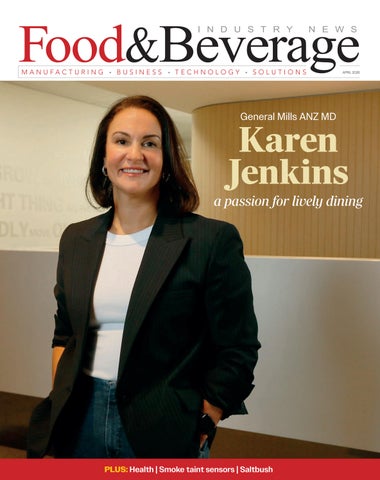
Create a flipbook
Food & Beverage April 2026 by Prime Group - Issuu