Music Hubs & Services Magazine Issue 4 Spring 2026
SCHOLARSHIP SUCCESS
Suffolk County Music Service celebrates a former member’s scholarship to the Royal Academy of Music
SUPPORTING TEENAGERS WITH AI
New resources from the BBC
ROCK & POP DIPLOMAS
Trinity College London launches new contemporary qualifications
LEARN TO PLAY 2025
Sheffield Music Hub’s event encourages more children to try out an instrument
PRACTICE MAKES PERFECT
Melsonic announces a nationwide study into technology-supported instrumental practice
A NEW GENERATION OF MUSICIANS
How the Inclusive Primary Music Strategy is transforming learning in Hertfordshire.
FACING THE MUSIC
How hubs can work to support schools without them feeling judged
VOICE FOR YOUTH
How youth voice is shaping the future of music education in Sheffield
From the Editor
Welcome to Issue 4 of Music Hubs & Services Magazine, the only publication created specifically for those working in Music Services and Music Hubs!
As ever I’m incredibly grateful to all those who have contributed to this issue, especially our advertisers whose support has ensured that we can keep the publication free-to-read for everyone.
We are now on the hunt for contributions for Issue 5, so if you ’ re reading this please consider making a submission for our next issue! Articles need to reach us by 30th October for our November issue, and can be emailed to admin@musiceducationsolutions.co.uk.
SUFFOLK COUNTY MUSIC SERVICE
Scholarship success
Suffolk County Music Service celebrates a former member’s scholarship to the Royal Academy of Music
A former Suffolk County Music Service member has been awarded a prestigious scholarship to study at the Royal Academy of Music, marking a remarkable journey that began with whole class music teaching in a Suffolk primary school
Maddie first engaged with the Music Service in Year 3, aged eight, as part of the whole class teaching programme at Great Barton Primary School Despite coming from a non musical family background, her talent and dedication quickly emerged through the opportunities provided by the county’s music programmes
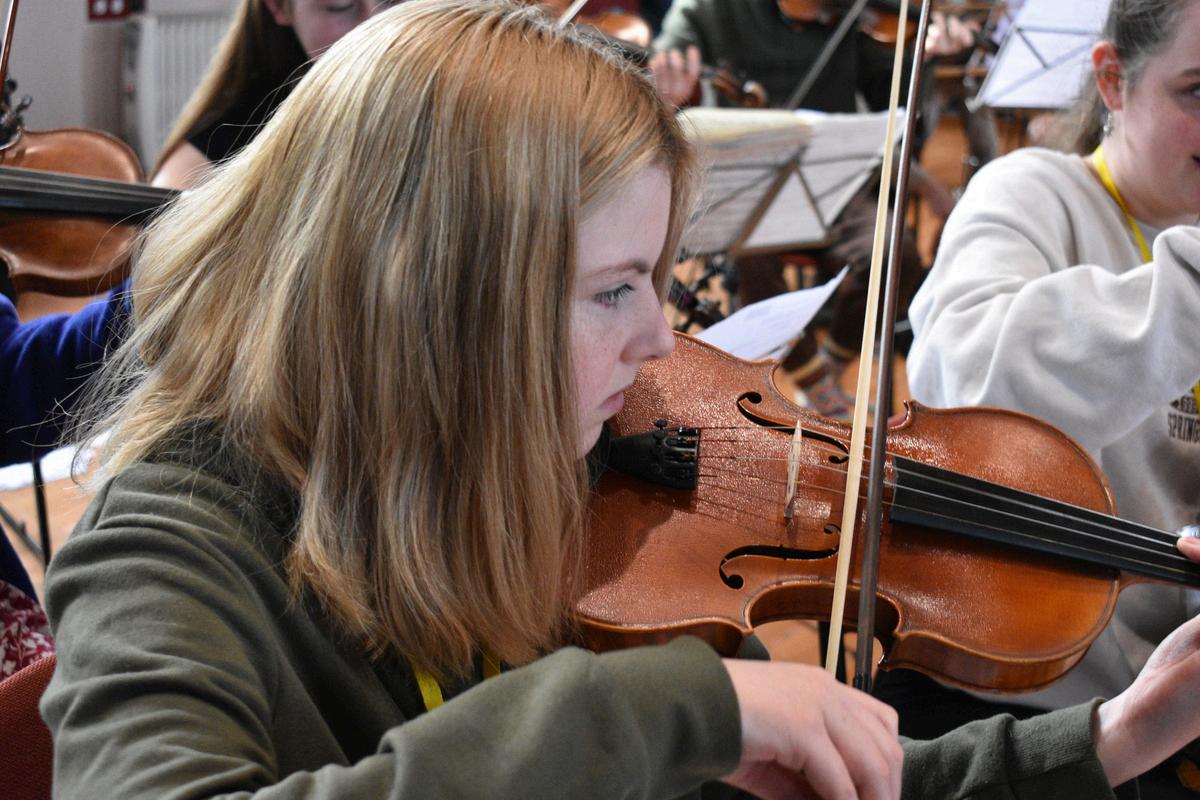
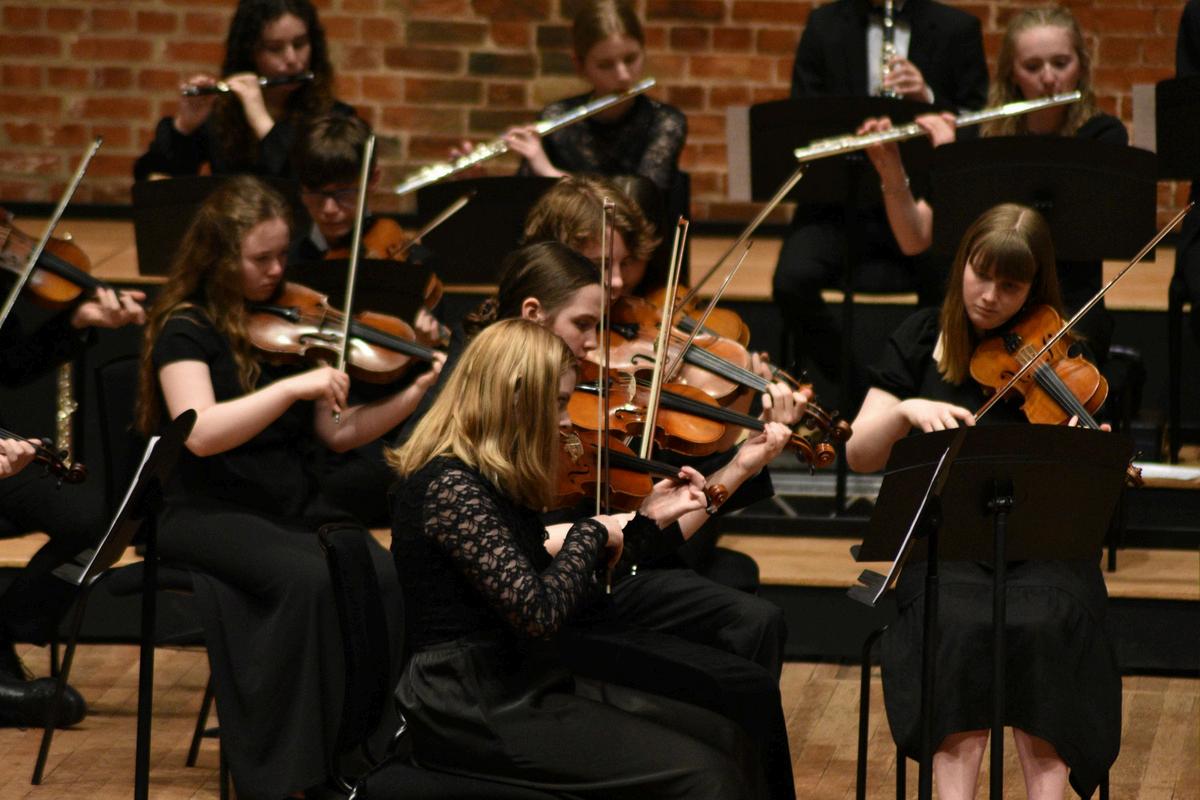
She went on to join Suffolk Youth Strings (SYS), where she performed as a soloist in a collaboration with the Orchestra of the Age of Enlightenment, before progressing to the Suffolk Youth Orchestra (SYO) Maddie later became Leader of SYO, with performances that included the orchestra’s European Tour to Leipzig, Germany, as well as appearances closer to home at Snape Maltings Her development continued nationally when she joined the National Youth Orchestra
In Year 8, Maddie secured a place at The Purcell School, where she is now in her final year, studying A Levels before progressing to the Royal Academy of Music
Staff at Suffolk County Music Service have expressed their pride in Maddie’s achievements. Many remember her well, including Ben Chadwick, Head of Service, who praised her commitment and growth throughout her time with county ensembles
Maddie’s mum said: “Thank you for helping my daughter progress and for setting her up for later musical success ” Adding: “My daughter wouldn’t be where she is without the Music Service ”
Suffolk County Music Service credits Maddie’s success not only to her individual talent and hard work, but also to the structured progression routes available through county music groups, ensembles and partnerships
The Service is now exploring ways to share Maddie’s story more widely, including local press coverage and social media, and hopes she may return in the future to inspire current students through rehearsals, performances or workshops with the Suffolk Youth Orchestra
Our bespoke music-hub partnerships allowus to develop solutionsaligned with your specific needs, helping to promote singing in schools and offering the support that schools need to develop their curricular and co-curricular music.
Gives access to over 1000 ageappropriate songs from Out of the Ark Supports co-curricular music, integrating singing into every lesson
Gives access to innovativefeatures suchas Includes a broad and flexible music curriculum collections and home-sharing How will Sparkyard help your music hub achieve its objectives? We are partnered with hubs and services. Fancy becoming one of them? Get in touch with Pete to see how we can support you: pete@outoftheark.com over 50 music
Supporting teenagers with AI
A recent BBC Bitesize and 5 Live Teen Summit Survey revealed that a third (30%) of teenagers are worried about AI’s impact on issues including careers, creativity and the spread of misinformation. A quarter (24%) also struggled to find out where to learn about AI and how best to use it.
But how can we support teenagers to embrace AI’s potential and acknowledge its challenges?
BBC Children’s and Education has launched the Bitesize Guide to AI to enable young people aged 14-19 to thrive in an AI world It provides practical help and advice with films featuring young people putting AI tools through their paces. Together with hosts, Newsround’s Emma-Louise Amanshia and Gareth Elis, they find out whether they can trust it for helping with revision, supporting their wellbeing or building their social feed
The collection also delves into the world of work and how AI is changing sectors such as gaming, sport and conservation The films feature young people who are already using AI tools in their roles, from supporting the fashion design process, helping games designers create new gaming experiences and football teams to scout and develop new players. The Bitesize Guide to AI also includes articles, interactive quizzes and topical features
For more information, please visit: www.bbc.co.uk/bitesizeguidetoai
SINGING, LAUGHTER, FRIENDSHIP, FUN & JOY
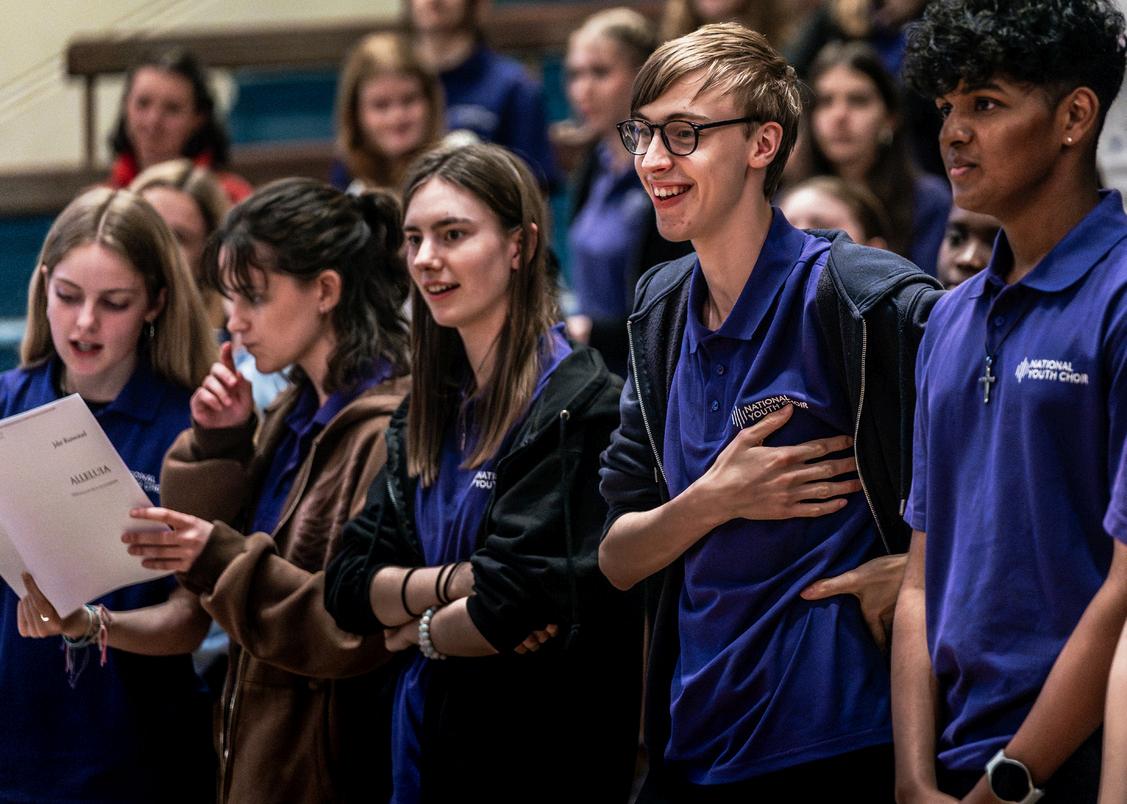
Encourage your young singers to join National Youth Choir this autumn for a musical adventure they’ll never forget! Sign up for an online audition from September 2025
Find out more about how your Y5-13s can benefit from holiday singing courses
Find your closest SING! workshops S
Introducing SING! from National Youth Choir
FREE termlysinging workshops for Y5-8s in your area
• Open to young people at state schools or home-schooled
• Led by our expert team of vocal leaders from National Youth Choir
• Young singers will learn exciting new songs, make new friends and develop their musical skills
• Easy to signpost to interested families using our mailing list
Trinity College London launches new Rock & Pop diplomas
With 53% global market share in regulated contemporary music qualifications, Trinity continues to lead the world in Rock and Pop music assessment, combining artistic authenticity, global credibility, and professional relevance.
The new Rock & Pop Diplomas offer musicians an exciting opportunity to gain professional, globally recognised qualifications that celebrate creativity, individuality, and real-world performance skills.
Developed by music industry experts, these diplomas have been designed with performance at their heart and our unique set list parameters allow musicians to showcase the skills needed at a professional level, while playing the music that speaks to them. These diplomas assess practical and relevant abilities that today’s musicians need to succeed in a constantly evolving landscape
Available at three levels - ATCL, LTCL and FTCL - and mapped to higher education standards, the Rock & Pop Diplomas are designed to be flexible, accessible and digital. Musicians can design their own setlist, perform the music that inspires them, and record their submission from home, in the studio, or live on stage
Ideal for aspiring professionals, teachers, and experienced performers, the Trinity Rock & Pop Diplomas offer the recognition and credibility that open doors to higher education and professional opportunities worldwide
This launch marks another important milestone in Trinity’s long-standing mission to transform lives through the power of performance and communication, helping musicians everywhere express who they are and reach their full potential through music.
SHEFFIELD MUSIC HUB
Learn to Play 2025
Sheffield Music Hub believes that every child regardless of race, gender, where they live, their levels of musical talent, parental income, whether they have special educational needs or disabilities, and whether they are looked-after children deserves the very best music education.
Learn to Play 2025 was designed to provide children and young people with an exciting, accessible opportunity to try music in a way that is often unavailable to them
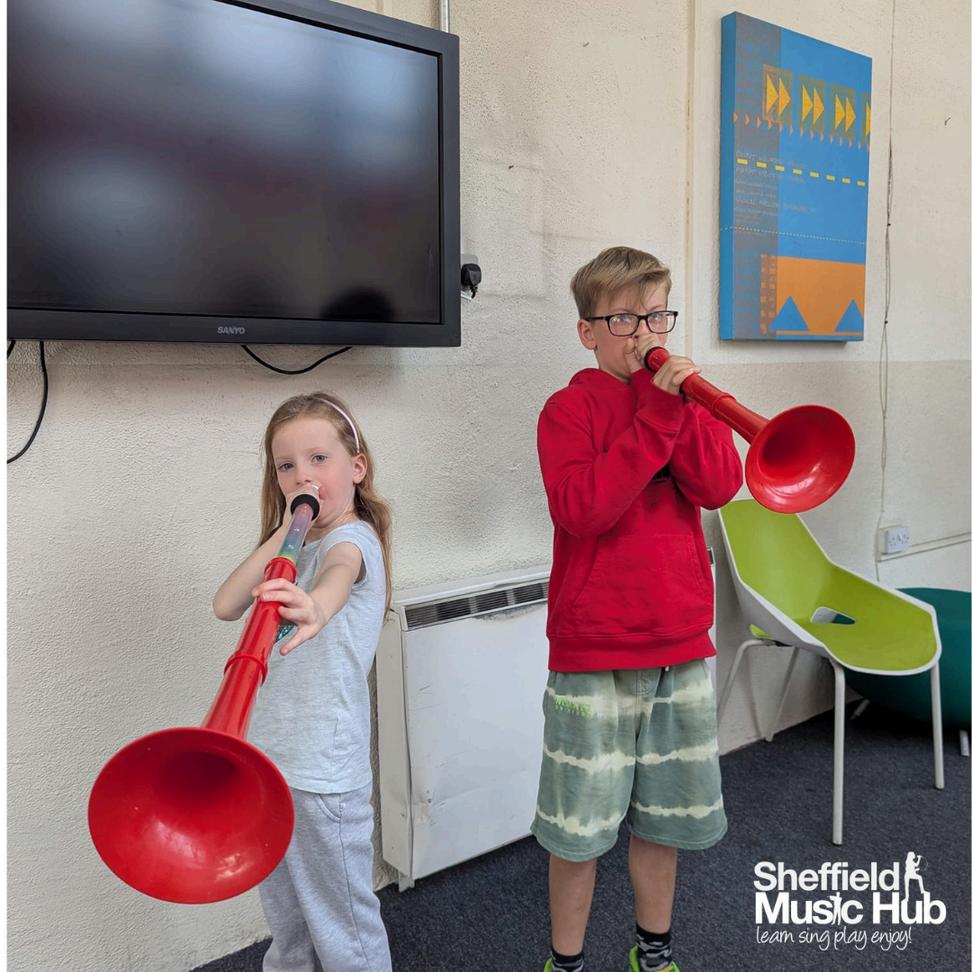
Learn to Play offered young people the chance to try a wide range of instruments, experience bespoke lessons, and try out music group taster sessions - all completely free. By removing financial and social barriers, we hoped to reach those who might never have had the chance to engage with music before
Even for those already engaged in music, this event offered the chance to explore new instruments We want to continually provide all young people with the opportunity to try a range of musical instruments to see what works for them!
We offered free bespoke instrumental lessons, free music group taster sessions, and instrument stalls where children could explore brass, guitar, percussion, strings, and woodwind.
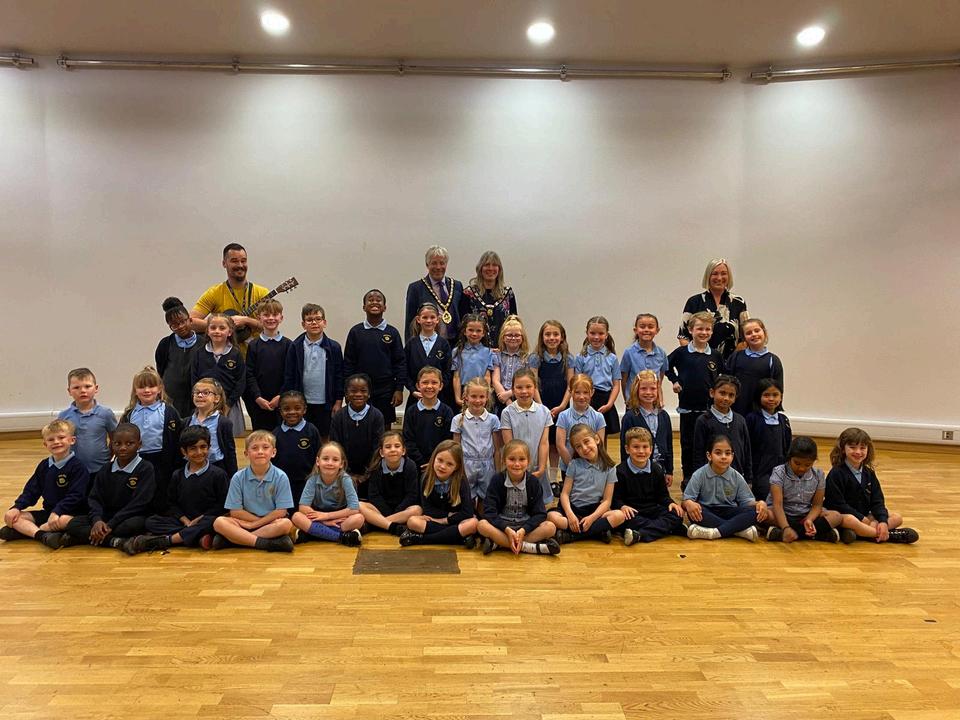
On Saturday 11th October, Red Tape Central was alive with music and energy as we welcomed over 150 children and young people to Learn to Play 2025, delivered in partnership with national charity Music for All
59% of attendees were completely new to Sheffield Music Hub, proving the event’s success in reaching fresh audiences and breaking down barriers to music education
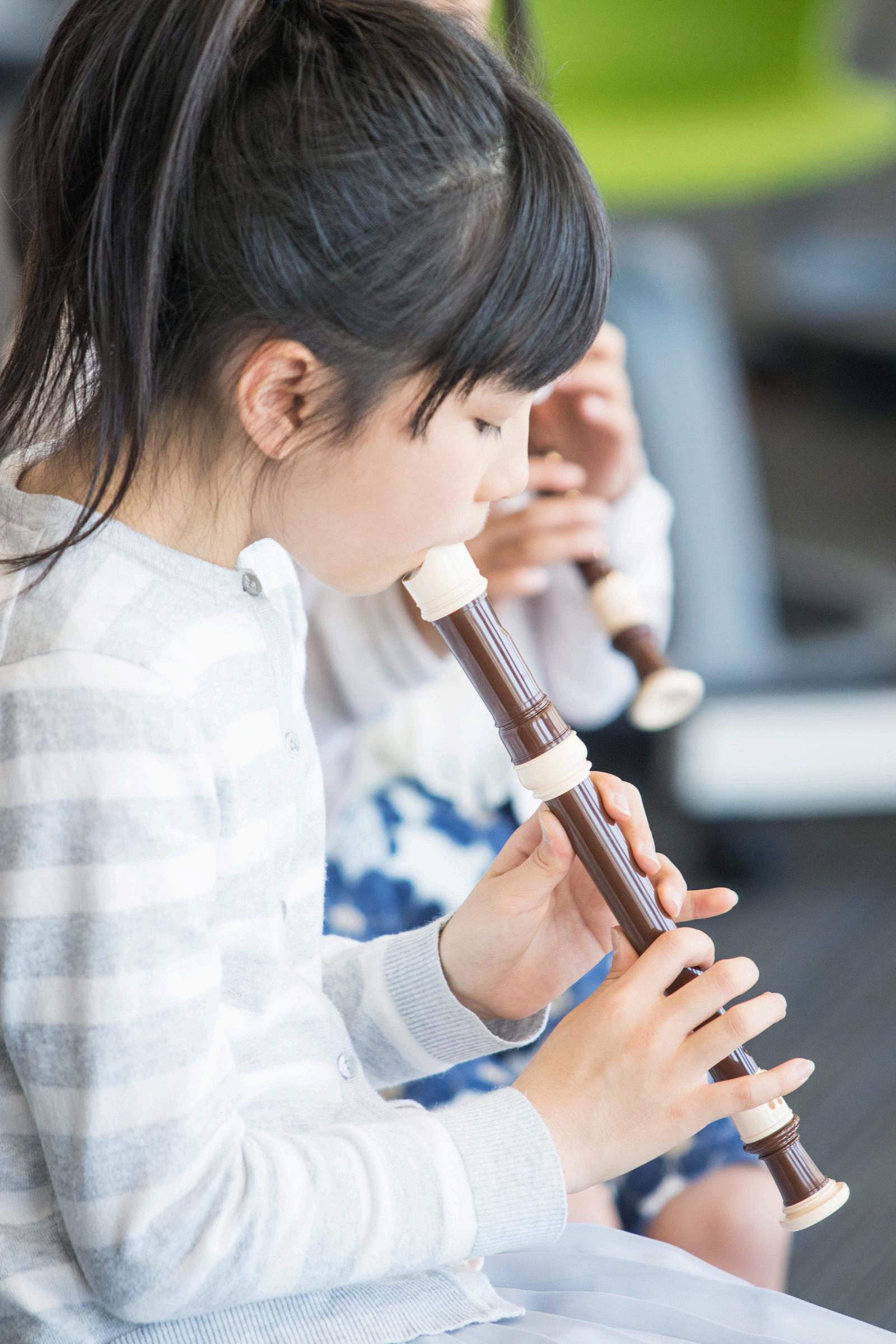
The instrument stalls were buzzing with activity, with children eagerly trying brass, woodwind, strings, guitar, and percussion Parents shared glowing feedback, praising the opportunity provided and the joy it brought to their children. Many told us this was the first time their child had ever held an instrument.
“It has been absolutely fantastic. I think there is just a chance for kids to come in, try lots of instruments, no judgement, it doesn’t matter if they get it wrong They are taught by all your wonderful staff how to play the instruments, to have a go at them and just to have fun with and that is the whole point isn’t it ”
A standout feature of the day was having older students supporting the event, especially on the instrument stalls These students played a hands-on role at instrument stalls, guiding and inspiring younger participants.
This involvement was a direct result of Sheffield Music Hub’s Voice for Youth programme. A programme that gives young people a platform to share their views and tell us what they want from music education in Sheffield
In practical terms their contribution enhanced the experience for attendees, allowed more children to try instruments, and freed staff to engage with parents and carers It also built community bonds and leadership skills among older students and helped inspire the younger students by showing them what is possible on their instruments
Learn to Play is a statement of what Sheffield Music Hub stands for: music for every child. By offering free, inclusive opportunities, we open doors that might otherwise remain closed. With over half of attendees new to Sheffield Music Hub, Learn to Play allows us to connect with new audiences and spread the joy of music.
MELSONIC
Practice makes perfect
Announcing a nationwide study on how technology can be used to support practice and accelerate progress in instrumental learning.
BY GAYATHRI SUDHAKARAN
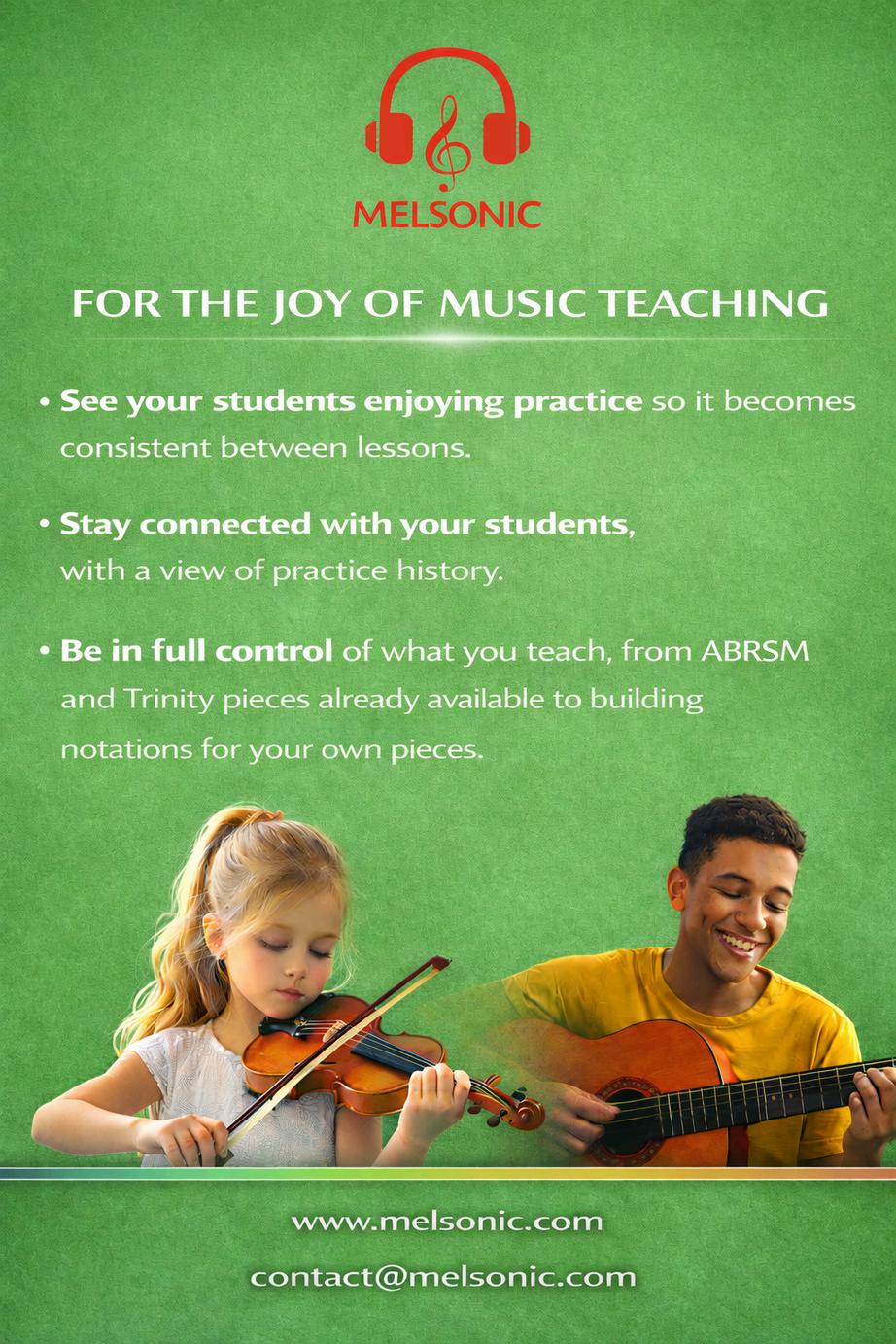
Across the music education sector, one challenge consistently emerges: how do we help pupils practise more consistently between lessons? While teachers can deliver high-quality instruction during lesson time, much of a student’s progress ultimately depends on what happens when they practise independently A new national research project aims to explore whether technology can help bridge that gap
Melsonic, an innovative digital practice platform, has launched a collaborative research study with independent researchers at Music Education Solutions® The project invites music hubs and services across the UK to take part in a 10-week trial investigating how technology might support more effective instrumental practice and accelerate musical progress For hubs looking to explore evidence-informed innovation in their teaching programmes, this project offers an opportunity to contribute to sector-wide research while giving teachers and pupils access to a powerful new practice tool
For instrumental teachers, the lesson itself is only part of the learning process What happens between lessons - when pupils practise independently, or not - often determines the pace and quality of their progress Melsonic has been designed specifically to support this part of the learning journey The platform provides a simple interactive digital player that pupils can use when practising at home. It combines notation, audio, and a built-in metronome, alongside features such as tempo control, looping, recording and playback These tools allow pupils to isolate difficult sections, practise at their own pace, and develop greater independence Crucially, practice activity is automatically tracked, giving teachers insight into how and when their pupils are practising The aim is not to replace traditional teaching, but to extend the
teacher’s influence beyond the lesson itself, creating a blended model where expert human teaching is supported by intelligent technology
The research project focuses on one of the most important questions in instrumental learning: the relationship between practice habits and musical progress The study will explore whether the use of Melsonic encourages pupils to practise more regularly, supports faster progress towards musical learning goals, and improves pupils’ confidence and enjoyment in learning It will also consider whether teachers feel more supported in guiding pupil practice, and whether lesson preparation time for teachers is reduced The findings will contribute to a wider evidence base around how digital tools can support instrumental learning in real teaching environments
Melsonic is inviting music hubs and services that currently teach guitar in either smallgroup or one-to-one settings to participate in the study Participating hubs will identify teachers who are willing to trial the platform with their pupils during normal lesson time The research period will run for 10 weeks, with a flexible start date from Summer Term 2026 onwards to suit individual hub schedules The aim is to keep the process manageable while still gathering meaningful insights into how the platform works in real teaching contexts
For the duration of the project, teachers and pupils involved will receive free access to Melsonic The platform already includes selected pieces from both the ABRSM and Trinity guitar syllabuses Participating hubs will also be able to request one additional piece per grade from these syllabuses to be added to the platform As more hubs join the project, the shared library will expand with all participants gaining access to the pieces requested by other hubs. At the conclusion of
the study, hubs will have the option to continue using the platform at an exclusive reduced licence rate for 12 months
The findings from the project will be collated into a research report and shared through music education sector publications and online platforms The study will also inform further development of the Melsonic platform, ensuring future improvements are shaped directly by feedback from teachers and pupils working in real classroom and instrumental teaching environments. Importantly, the research is being conducted independently by Music Education Solutions®, ensuring the findings are robust, objective and relevant to
For music hubs exploring ways to support pupil progress, increase engagement, and make practice more effective, this project offers a practical opportunity to test new approaches while contributing to valuable national research By working together, the sector can build a clearer understanding of how technology might support teachers, motivate pupils, and ultimately strengthen instrumental learning
Music hubs and services who would like to express an interest in the research project can find out more here.
Creating a new generation of musicians
How the Inclusive Primary Music Strategy is transforming learning in Hertfordshire
BY SARAH TODD
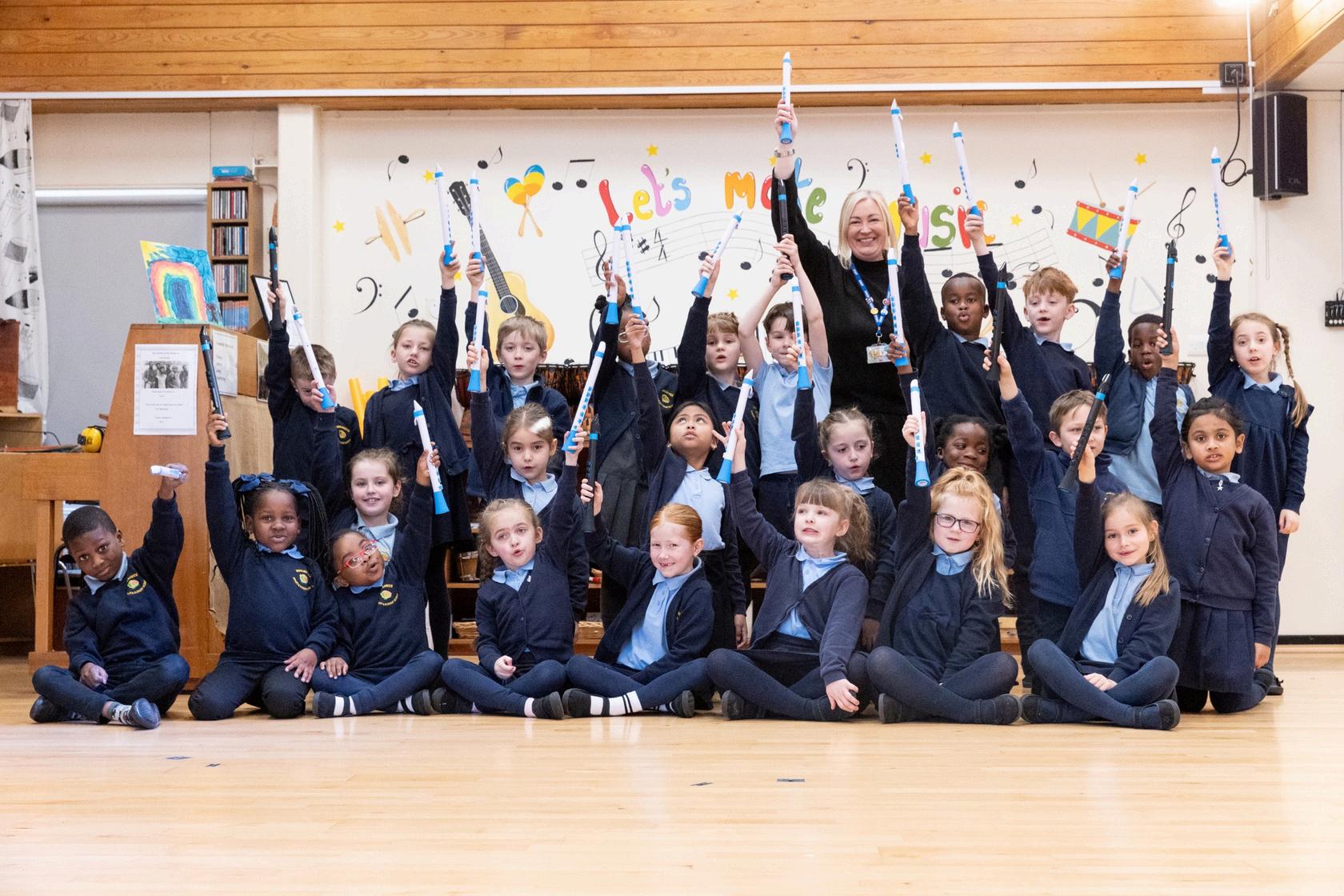
Woolenwick Infant and Nursery School in Stevenage, Hertfordshire, has emerged as a beacon of joyful and creative practice in music education by nurturing wellbeing and inclusivity across all ages of primary schooling.
Woolenwick invests in children’s development from the earliest age. Music is integrated into daily routines, storytelling and outdoor learning as well as cross-curricular projects. Supporting children with a wide variety of additional needs where a proportion of children live in deep, inter-generational poverty, every child has at least one hour of dedicated music education every week.
At Woolenwick, music holds the key to providing a truly holistic education by giving young children a better understanding of themselves and helping them to establish a growth mindset
The Infant School’s musical ethos centres on participation, inclusion and creativity, ensuring every child, regardless of background or ability, has access to high-quality musical experiences
The school has won multiple awards for its music provision including at The Pearson National Teaching Awards in November 2024, receiving the Gold Award in the ‘Impact through Partnership’ category. The Sunday Times and other media reported on their music provision as well as their partnership with Hertfordshire Music Service, Royal Ballet Opera and NUVO Instruments.
As a Lead School for the Hertfordshire Music Hub, Woolenwick is the only early years setting in Hertfordshire to be a Lead School for Music and the only school in Stevenage to achieve this status. The school’s impact includes increased engagement in music across all pupil groups, including those with SEND and EAL.
The Primary Music Strategy launched in September 2023 as a legacy project focused on boosting equity in musical instrument learning.
The strategy was realised following 18 months of grant acquisition and community fundraising. Setting out a bold, inclusive approach to instrumental learning, the strategy focuses on confidence-building and equitable access while developing the next generation of woodwind players
The Primary Music Strategy is completely free-of-charge at the point of access and breaks the link between family income and musical achievement. By mid-2026, nearly 200 children aged 6-9 years-old will be able to read music on the treble clef and confidently play a woodwind instrument (NUVO’s DooD, jSax and Clarineo instruments)
Woolenwick Infant & Nursery School and Woolenwick Junior School are the flagship UK schools for this legacy strategy, which was created with guidance and shared best practice expertise from musicians, academics and education experts
The Infant School has received comprehensive support from the Hertfordshire Music Service for many years Since 2019, its Woolenwick Choir has performed at The Stevenage Primary Schools’ Concert at the Gordon Craig Theatre. In particular, The Primary Music Strategy would not have been realised without the generosity and kindness of Sue Pettitt, Harriet Baker, Christina Luchies and Rachael Moorhead from Hertfordshire Music Service.
The Primary Music Strategy is intentionally designed to build creativity, resilience, and growth mindset - all of which impact the wider curriculum.
Sue Pettitt, Regional Area Manager for Hertfordshire Music Service, said: “The Primary Music Strategy at Woolenwick Infants’ School is a truly inspirational musical opportunity for all pupils The benefits of learning a musical instrument are multiple and thanks to this strategy, every child in the school will have the chance to experience the joy of creating music with friends. For these children, the impact of learning to read and play music will be lifelong.”
The pathway extends beyond wholeclass lessons, with progression routes into ensembles, short courses, and further workshops to nurture talent and sustain musical engagement.
As the strategy progresses, the children transition to playing the clarinet and saxophone and then participate in youth bands and orchestras Funding has also been secured to now create a Junior
Wind Band, which will begin in Summer 2026 whilst connections are being deepened between the local senior schools and their music departments
Every child should have access to a music-rich education and the benefits that access brings. As the Cultural Learning Alliance says: “The arts are a positive force in society; children feel more confident in their ability to create, challenge and explore, to be part of society and to make change happen. The arts empower children and contribute to the development of all aspects of a child’s potential and personality.”
By creating inclusive opportunities, the programme cultivates a lifelong love of music and encourages children to shinemusically, socially, and academically.
The strategy places fairness at its core, ensuring that every child, regardless of background, can experience the joy and benefits of music-making.
Woolenwick uses adaptive instruments, sensory soundscapes, and multi-modal approaches to ensure accessibility. The bespoke curriculum is suitable for vision, motor, hearing and cognitive impairment with minor adaptation
Empowering children to develop a growth mindset and feel more confident in their abilities and creative potential, means that their primary school journey is completed with raised aspirations for creative careers and lifelong musical enjoyment
BY DR LIZ STAFFORD
Facing the Music
How to take the awkwardness out of conversations with schools around quality of music provision
Strong partnerships between music hubs and schools are essential for delivering high-quality music education, yet anyone working in a music hub or a school knows that this relationship is not always straightforward Conversations about curriculum quality, progression, timetabling, staffing, or provision can become sensitive and difficult, particularly when schools are already under pressure from competing priorities Throw into the mix the fact that schools are often paying customers of a music hub, and things can get very awkward, very quickly!
The challenge for music hubs is: how do you have honest, constructive conversations about improving music provision while maintaining positive, respectful relationships with schools?
At Music Education Solutions we also have this challenge, and we find that adoping the ACT framework is the best way forward to shift the focus from
judgement to joint problem-solving. While simple, this structure provides an effective tool for music hub leaders, advisers, and teachers working with schools to address challenges and drive meaningful improvement in music education
The A in ACT stands for Acknowledge, which means that the first step in any conversation should be to recognise the context and pressures the school is facing Schools are managing a wide range of priorities: accountability measures, staffing challenges, financial pressures, and competing curriculum demands When hubs begin conversations by acknowledging these realities, it creates trust and shows respect for the school’s perspective For example, you can begin with: “We know that curriculum time is under pressure and that many schools are relying on non-specialists to deliver music It’s a challenge across the sector ” Acknowledgement signals that the conversation is supportive rather than evaluative
Representing the C in ACT, the second step is to Clarify the issue together. This means asking thoughtful questions rather than jumping straight to solutions, with the aim of developing a shared understanding of the situation Effective clarification might explore what music provision currently looks like across the school, and what the school itself would like to improve This step in the framework is crucial to ensure that assumptions are not made that undermine relationships, and that improvement strategies are grounded in the school’s reality
The T in ACT stands for Transform, where decisions are made about the way forward Once both parties have a clear understanding of the current situation, the conversation shifts towards practical, achievable improvement The key is that solutions are co-constructed, not imposed When schools feel ownership of the change, improvement is far more sustainable
While frameworks such as ACT can guide conversations, effective school support also depends on deep understanding of music education practice Hub staff need confidence in areas such as understanding what high-quality music provision in schools looks like, how to carry out constructive professional dialogue, how to develop practical strategies for improving music teaching and learning, and how to work collaboratively with schools to strengthen music provision
The T in ACT stands for Transform, where decisions are made about the way forward Once both parties have a clear understanding of the current situation, the conversation shifts towards practical, achievable improvement The key is that
This is why we have launched the Music Education Solutions® Music Education Support and Development Certificate. This has been designed specifically to equip music hub staff and lead school representatives with the knowledge and confidence to lead development work with schools By combining researchinformed thinking with practical tools for school engagement, the certificate supports music professionals to move beyond service delivery and become trusted partners in school music development
Improving music provision in schools depends on strong relationships, shared understanding, and the confidence to have honest professional conversations The ACT framework provides a simple but effective approach: Acknowledge the realities schools face, Clarify the current situation together, Transform challenges into collaborative solutions When music hubs combine this framework with deep professional expertise, they are well placed to support schools in delivering the high-quality music education every child deserves
Click here to book
SHEFFIELD MUSIC HUB
Voice for Youth
How youth voice is shaping the future of music education in Sheffield
Voice for Youth is a youth-led programme organised by Sheffield Music Hub. It gives young people a platform to share their views and tell us what they want from music education in Sheffield. The aim is to create a space where young voices are not just heard but help shape real decisions.
The programme is co-curated by young people, for young people. Two youth coleads, aged 14–19, helped design the first two events and led the discussions. They worked closely with Inclusion Lead Heather Burge and Assistant Projects Officer Rory Evans to plan and deliver the sessions.
The first event took place on 6th February at Sheffield College’s Silver Plate restaurant. It was a vibrant and inspiring evening, welcoming young musicians aged 13–18 to share their thoughts on the future of music education, the role of the Music Hub, and the development of its new home at Harmony Works. The event was co-led by Youth Co-Lead Samuella, who facilitated meaningful conversations around accessibility, inclusion, and career pathways in the music industry.
Discussions explored questions like “What does the Music Hub mean to you?” and “What could the Music Hub do for you?,” revealing a strong desire among students for a more inclusive and diverse music education experience.
One of the most powerful parts of the evening focused on closing the gap between young musicians and the professional music industry. This was a topic that Samuella was passionate about and chose to lead discussions on. Students proposed ideas for mentorships, networking events, and real-world experiences; feedback that led to the launch of a new mentoring scheme, and Sheffield Music Hub’s work experience programme.
The event also featured an architect working on the Harmony Works building, who presented room design concepts. Young people gave feedback on layouts, aesthetics, and how the spaces could be used; ensuring the new centre reflects the creativity and needs of its future users Harmony Works will be Sheffield Music Hub’s new purpose-built music education centre
The second Voice for Youth event was held in July at Sheffield Music Hub’s base, the Foundry Studio, with young coleads, Alex and Samuella, co-designing the session.
At this event, discussions focused on the types of workshops young people would like to see and how they should be delivered; whether through group activities, presentations, or one-to-one sessions. Building on feedback from the first event, students also explored ideas around student-led performances, asking questions like, “How much responsibility do we want?” and “What roles would we like to take on?”
As a result, older students supported the Sheffield Music Hub’s Learn to Play event by helping on instrument stalls and teaching younger children how to play each instrument
Plans are also in place for young people to take on key roles behind the scenes at the upcoming Spring Gala Concert, including Stage Management Assistants, Audio Visual Assistants, and Social Media/Comms Assistants. Find out more here : New Opportunities for Young People at Sheffield Music Hub | Sheffield Music Hub
Co-Lead Alex also led a session on how young people can make real change in their schools if they feel music education isn’t meeting their needs. Students discussed ideas like organising fundraising gigs to raise money for new equipment
The Music Hub is committed to embedding youth feedback into its strategic development. As stated by organisers, “Our work is for young people and should be shaped by young people.”
With each event, Voice for Youth is proving to be a movement empowering young people to shape the future of music in Sheffield.
Thanks to the ideas and suggestions shared at Voice for Youth, Sheffield Music Hub has already made several changes to give young people more opportunities to get involved:
Mentoring Scheme – Connecting young musicians with experienced mentors to support their growth and confidence. This scheme has now finished but we are looking for funding to resume it.
Work Experience Programme – This programme offers young people hands-on experience in music education here at Sheffield Music Hub
Student Roles at Learn to Play –Older students supported younger children at instrument stalls, helping them explore and try out new instruments.
Youth Roles at the Spring Gala Concert – Young people will take on behind-the-scenes roles such as Stage Management Assistants, Audio Visual Assistants, and Social Media/Comms Assistants.