How a Restoration Contractor Manages Multiple Projects at Once
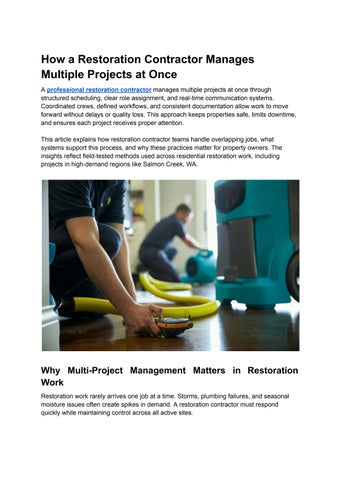
A professional restoration contractor manages multiple projects at once through structured scheduling, clear role assignment, and real-time communication systems
Coordinated crews, defined workflows, and consistent documentation allow work to move forward without delays or quality loss. This approach keeps properties safe, limits downtime, and ensures each project receives proper attention
This article explains how restoration contractor teams handle overlapping jobs, what systems support this process, and why these practices matter for property owners The insights reflect field-tested methods used across residential restoration work, including projects in high-demand regions like Salmon Creek, WA

Why Multi-Project Management Matters in Restoration Work
Restoration work rarely arrives one job at a time Storms, plumbing failures, and seasonal moisture issues often create spikes in demand A restoration contractor must respond quickly while maintaining control across all active sites.
Industry data shows that weather-related damage events can increase regional restoration demand by over 30 percent within a single week. Teams that lack structure often fall behind. Those with clear systems stay responsive.
Core Management Priorities
A restoration contractor balances speed, safety, and accuracy Each priority supports the next and prevents setbacks
Operational
Clarity
Clear task ownership reduces confusion and keeps crews focused on assigned scopes.
Scheduling and Resource Allocation Systems
Effective scheduling sits at the center of multi-project management. Restoration contractor teams assign crews based on skill set, job urgency, and location.
Work orders flow through centralized systems that track progress and equipment use This prevents bottlenecks and missed steps.
Crew Assignment and Daily Planning
Teams often divide into mitigation and rebuild units. This separation allows parallel progress across different properties
● Emergency response crews handle water extraction and containment
● Restoration crews focus on drying, cleanup, and repairs
● Supervisors monitor timelines and safety
Bonus Tip
Daily briefings help crews adjust priorities when new emergencies arise.
Communication That Keeps Projects Moving
Clear communication allows a restoration contractor to manage expectations across property owners, insurers, and internal teams.
Digital reporting tools track moisture readings, photos, and task completion This shared visibility reduces delays and rework.
Information Flow Between Teams
Field teams report updates that guide scheduling changes. Office staff adjust timelines and coordinate materials.
Documentation Standard
Consistent documentation supports quality checks and confirms work completion
Quality Control Across Active Job Sites
Managing multiple projects does not mean lowering standards. A restoration contractor uses checkpoints to maintain quality.
Supervisors conduct site reviews at defined stages These checks confirm drying targets, safety measures, and scope accuracy.
Quality Control Methods
Control Area Purpose Outcome
Moisture tracking Verify drying progress Prevent mold growth
Safety checks Confirm site compliance Reduce risk
Scope reviews Match work to plan Limit rework
This table shows how quality control supports consistency across projects
Climate-Specific Challenges in Salmon Creek, WA
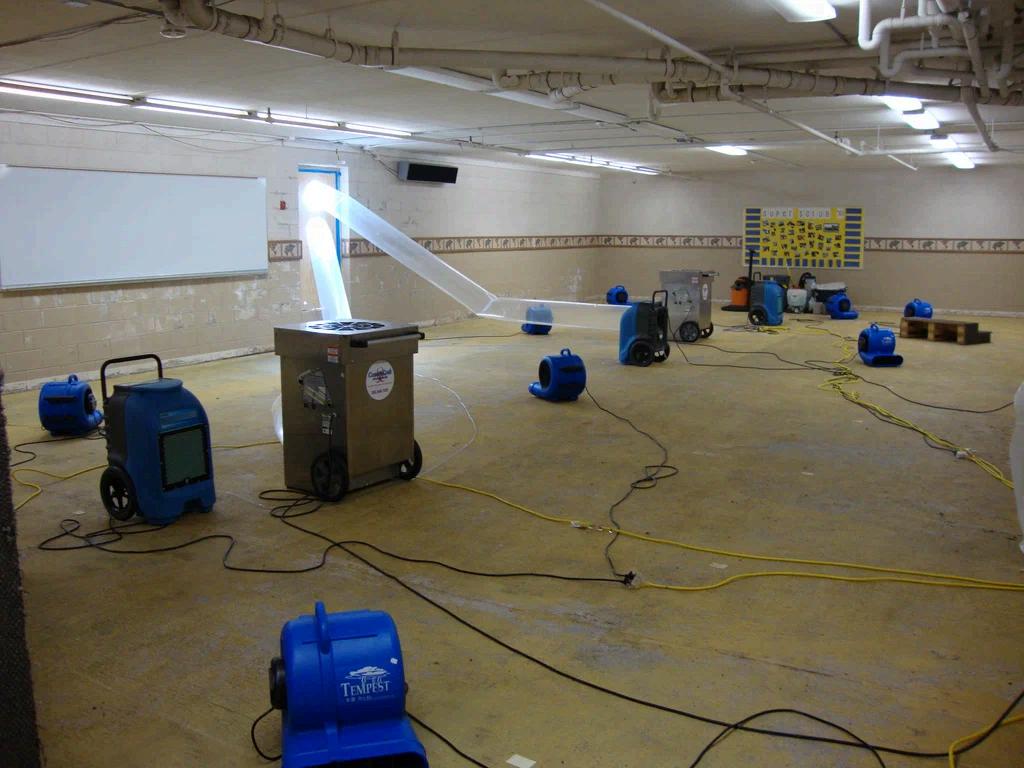
Salmon Creek’s rainfall and humidity increase drying times and scheduling pressure Restoration contractor teams account for this by adjusting airflow strategies and monitoring cycles.
Crawl spaces and basements often require extended drying Planning for these conditions avoids rushed work.
Weather-Driven Adjustments
Crews may rotate equipment between sites based on moisture readings. This ensures high-risk areas receive priority
Bonus Tip
Scheduling buffer time during wet seasons reduces overlap conflicts
Technology That Supports Multi-Project Oversight
Modern restoration contractor operations rely on tracking tools rather than manual updates. These systems provide real-time status across all sites
Market analysis shows companies using digital job tracking complete projects up to 20 percent faster than manual workflows.
Key Technology Functions
● Job status dashboards
● Equipment tracking
● Photo and report storage
Things to Consider Before Making a Decision
Property owners should evaluate how a restoration contractor manages workload before selecting a provider.
Pre-Decision Factors
Staffing Capacity
Adequate staffing prevents project delays during demand spikes
Communication Practices
Clear updates help owners plan around active work
Local Experience
Familiarity with regional climate improves scheduling accuracy
Bonus Tip
Ask how many active projects teams typically manage at once This reveals workload balance