

Written by Claire Binkowski
For some, horses are a phase. For others, they become the thread that runs through everything.
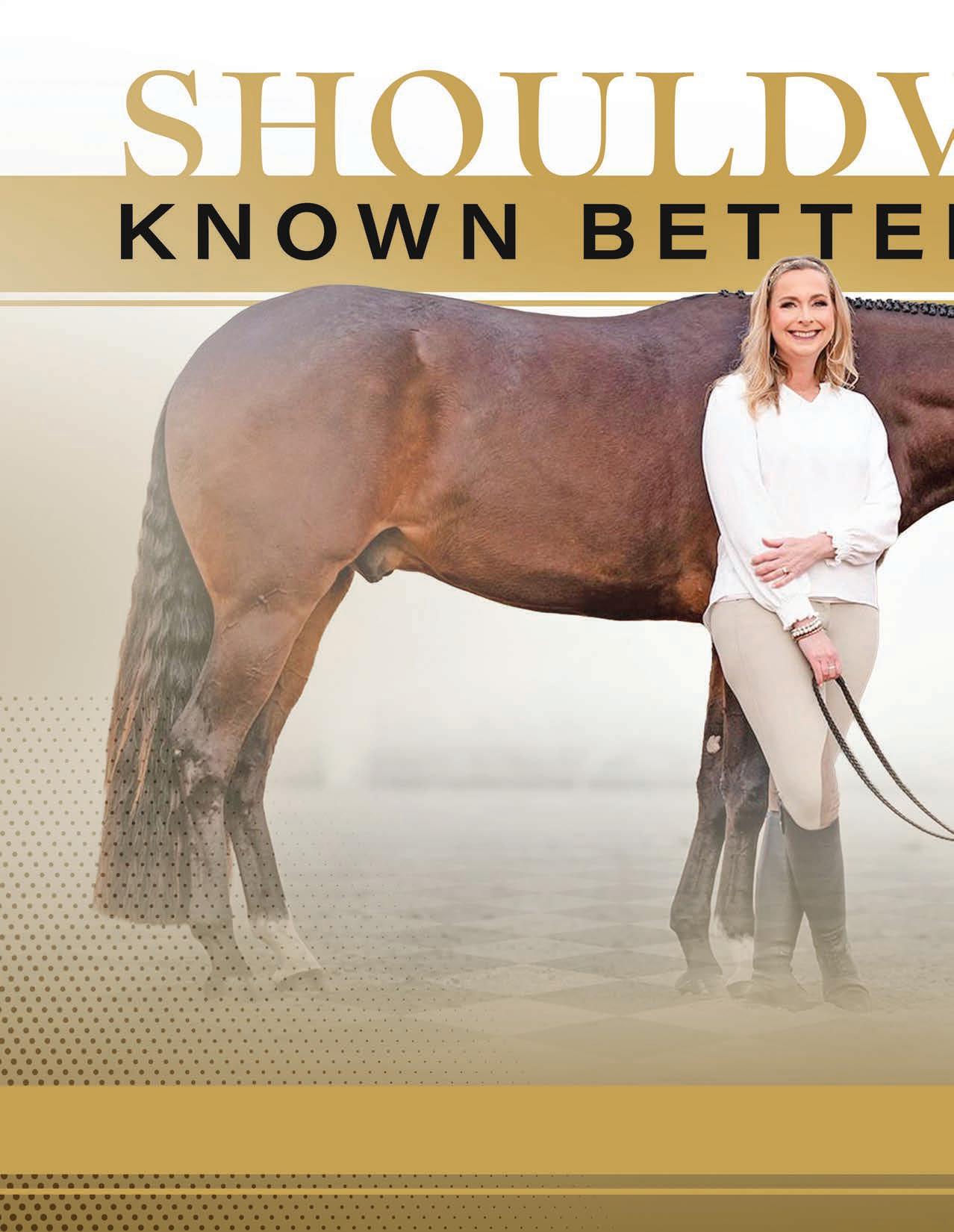
“I was drawn in the moment I stepped my foot in a stirrup,” says Allison Rassinoux. “At school, I was the weird horse girl who would make every creative writing assignment or essay about horses if there was a way to make it happen.”
It started simply enough. A neighbor needed a friend to accompany her daughter to a riding lesson. “My neighbor was taking her daughter to horseback riding lessons, and she did not want her daughter to go alone,” Allison recalls. “My neighbor’s daughter never went back for another lesson, but I was hooked.” That first ride—on an Arabian mare named Sugar—set the tone for what would become a lifelong pursuit.
From there, Allison moved between breeds and disciplines, gaining experience wherever she could. “Since that first lesson, I have ridden and shown Arabians, Thoroughbreds, and Tennessee Walking Horses,” she says. In 1997, she became an AQHA member with her first horse, Royally Teed. “He had Secretariat on his papers and loved to race other horses in the show pen, even when I did not want him to.”
Three decades later, what may have once looked like a passing interest has proven to be something far more enduring. “I think my parents expected it to be a phase,” she says. “But I am over thirty years into being ‘horse crazy’ and not planning on stopping any time soon.”
Just as horses took hold of Allison early, so did a clear vision for what she wanted her life to look like beyond the saddle.
“As a five-year-old, I did not want to be a princess. I wanted to be a veterinarian,” she shares. Horses only reinforced that direction. “I feel that horses definitely influenced the decision, if not further solidifying my desire to be a vet at a young age.”
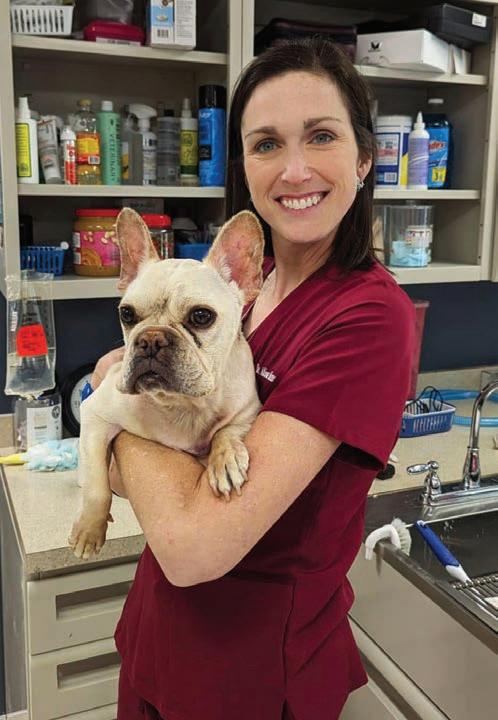
Today, Allison works as a small animal associate veterinarian on Long Island, New York, in a fast-paced general practice where no two days are the same. “A typical workday involves multiple appointments ranging from new puppies and kittens to sick middle-aged or senior pets, and walk-in emergencies,” she explains. “Surgical appointments can be routine or more complex procedures such as a splenectomy or twisted stomach.”
It’s demanding, technical work, but it’s exactly where she thrives. “My passion within veterinary medicine definitely lies in surgery,” she says. “Every day brings new challenges, but also more opportunities to learn.”
Given her lifelong connection to horses, it would have been easy to assume Allison’s path would lead her into equine veterinary medicine. But after completing a mixed animal internship that was largely equine-focused, she faced a decision that would ultimately shape the rest of her path. “I loved being an equine veterinarian,” she says. “But I had to make the very hard decision between owning and showing my own horses and treating others’ horses.”
She chose the saddle.
“I became a small animal ‘exclusive’ veterinarian to facilitate a show schedule and riding,” she says. It’s a trade-off she understands clearly, and one that underscores the level of commitment behind her time in the show pen.
That commitment is visible from the outside as well. “She eats and breathes all aspects of horses,” says her trainer, Farley McLendon. “She wants to do well.”
Balancing a busy career with showing requires a lot of planning. “My schedule is demanding,” Allison says, “but I am so lucky to have bosses who work with me to allow me to show around the country. Most of the major shows keep similar dates from year to year, so I am able to request time off very much in advance.”
Even then, consistency doesn’t come easily. With her show horse based in Oklahoma and her career in New York, she builds her riding schedule around travel. “I try to travel to Oklahoma to ride and practice at least once a month,” she says. “The biggest logistical challenge is coordinating my work schedule with Farley’s schedule and then hoping everything aligns with air travel and Mother Nature.”
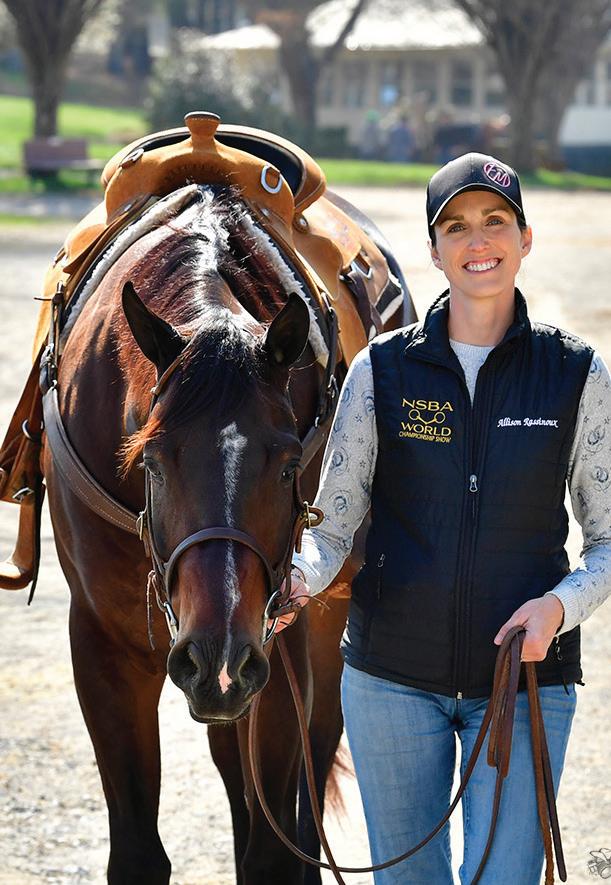
To stay competitive between trips, she joined a program at Big Apple Equestrian in Huntington, New York, where she leases a 10-yearold off-the-track Thoroughbred named Boone. “He has helped me maintain my hunt seat riding shape and correct past riding issues,” she says. “You definitely do not want to drive a Thoroughbred off
the track forward with your seat unless you really want to go somewhere.”
That extra work hasn’t gone unnoticed. “Having a practice horse in New York has helped tremendously,” Farley says.
With limited time in the saddle, every ride has to serve a purpose. When Allison travels to Oklahoma, the goal is simple: make every ride count. “We spend as much time in the saddle as we can,” Farley says. “I’ll let her ride a few others too, just to get her feel down.”
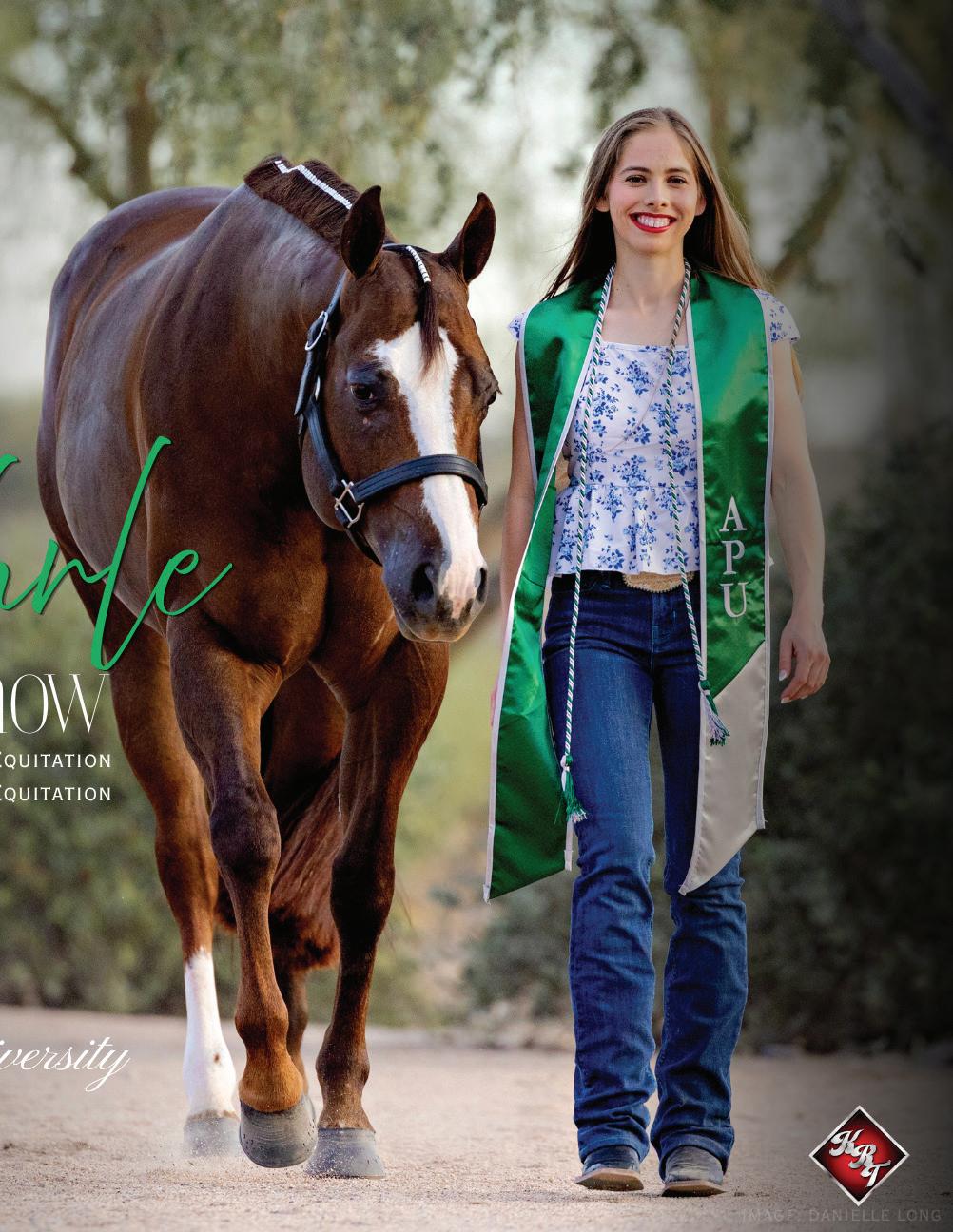
Although Allison is quick to credit Farley with helping bring her riding to a new level, her foundation has been built over years of different horses and programs. As a veterinary student at the University of Tennessee, she earned an IHSA National Championship in Horsemanship, a milestone that helped bridge the gap between collegiate riding and the broader industry. “That gave me the extra bump I needed to get into showing as an amateur in the ‘real world,’” she says.
In Texas she found success on the PHBA circuit with her palomino, Check Yes. After moving back to Tennessee, she earned Congress and AQHA World Show Top Tens with trainers Ryan Cottingim and Amanda Gately, before continuing to build on that momentum with Keith Miller.
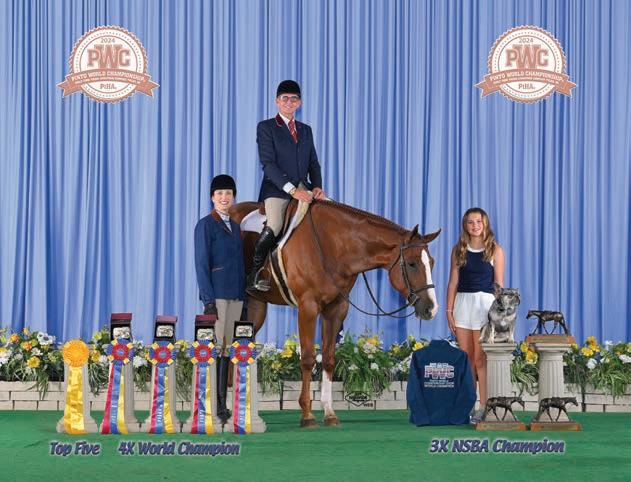
With Howdy Hippie, Allison earned a World Championship at the Pinto World Show, along with a Top 3 finish in the Amateur Junior English Pleasure. But it was her transition into futurity competition that marked a turning point.
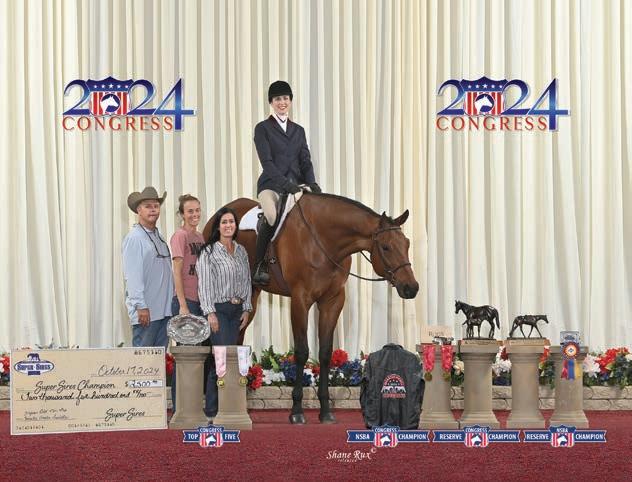
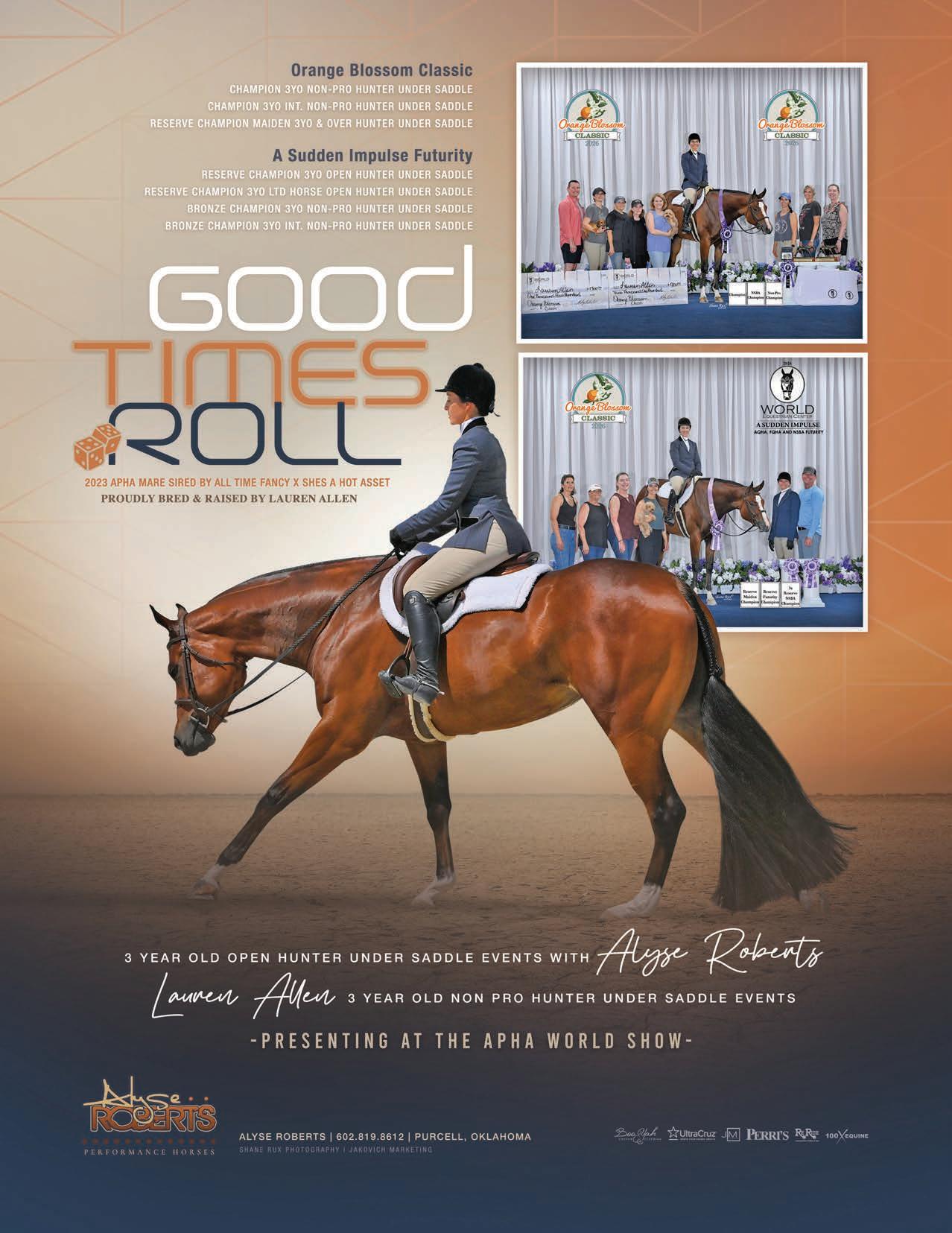
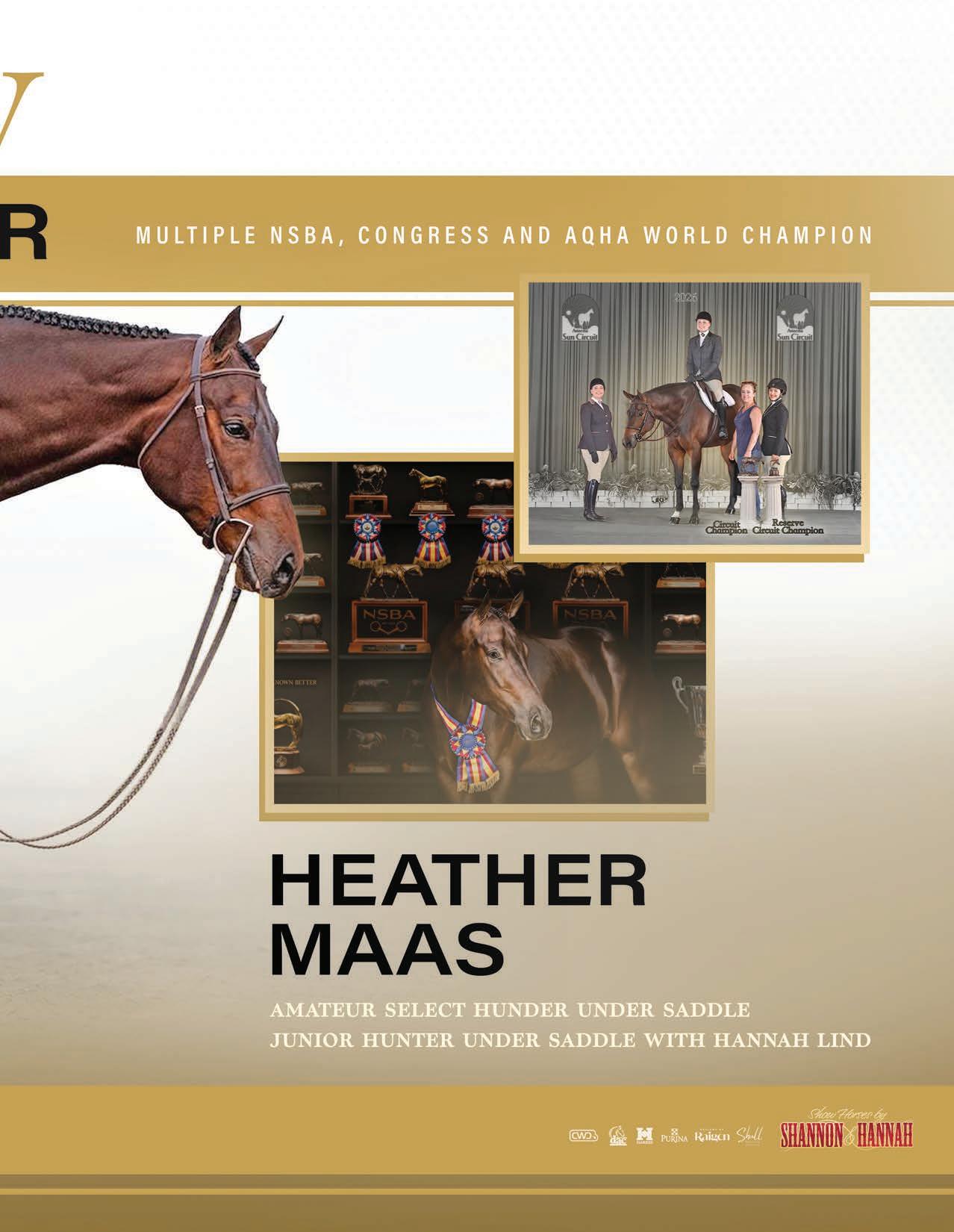
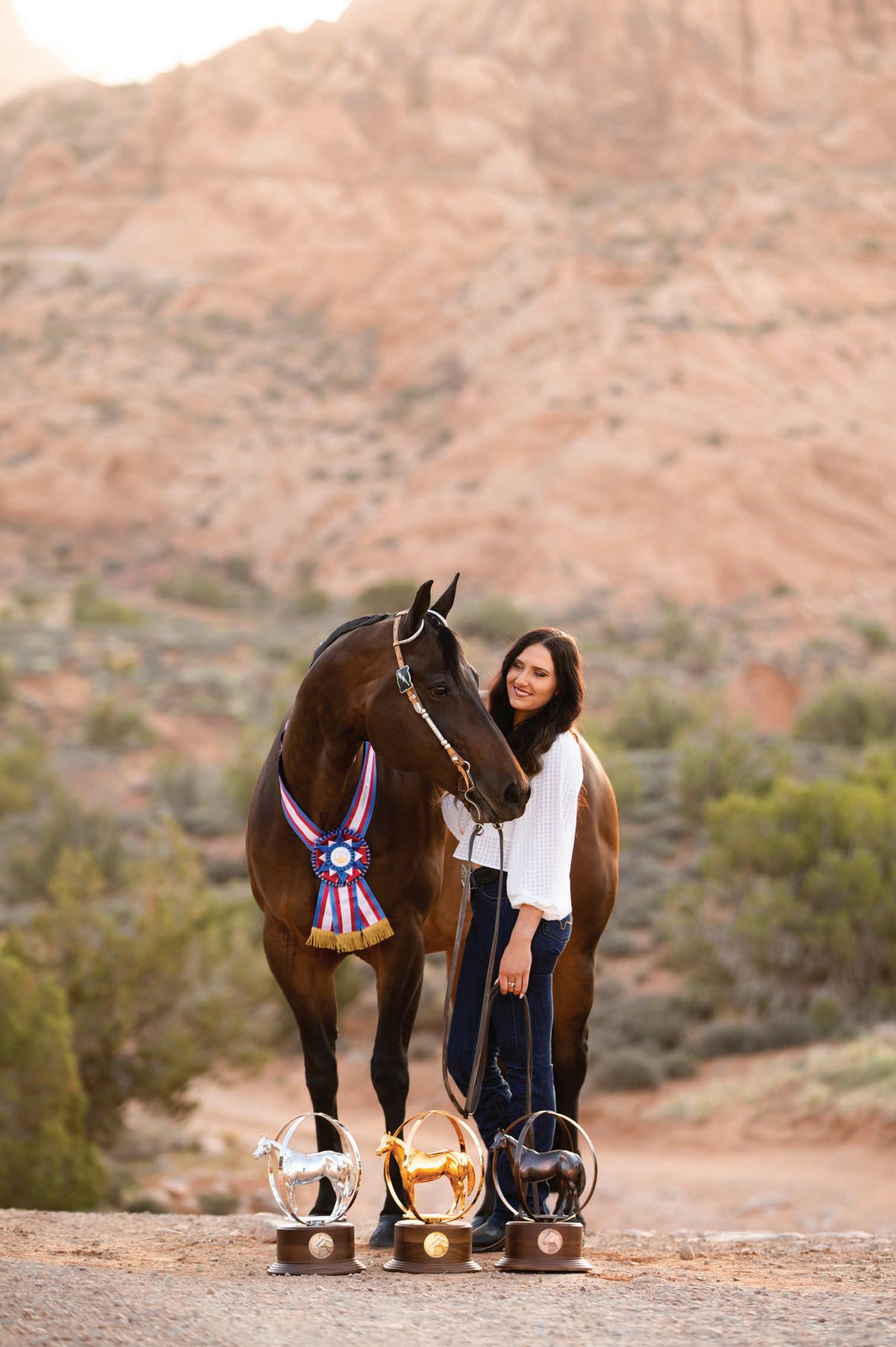
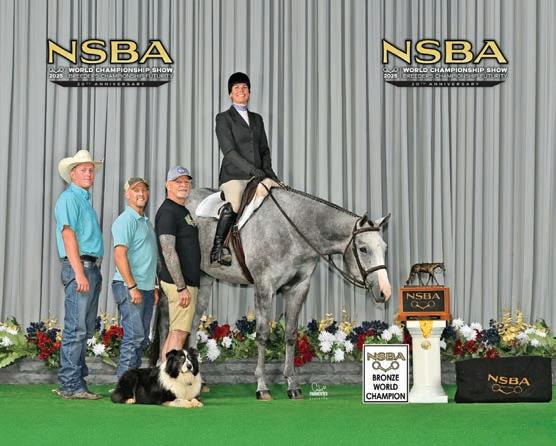
With Best Bea Goodtime Allison reached a new level, earning a Reserve Congress Championship in the 3-YearOld Non-Pro Hunter Under Saddle along with multiple Bronze Championships at the NSBA World Show.
Even with those accomplishments, her perspective on success remains grounded in the process behind it.
“Obviously, we all want to be the winner when we step in the pen,” she says. “But sometimes, especially with younger horses, coming out after really ‘getting it’—a transition, finding your spot on the rail—that can be just as rewarding.”
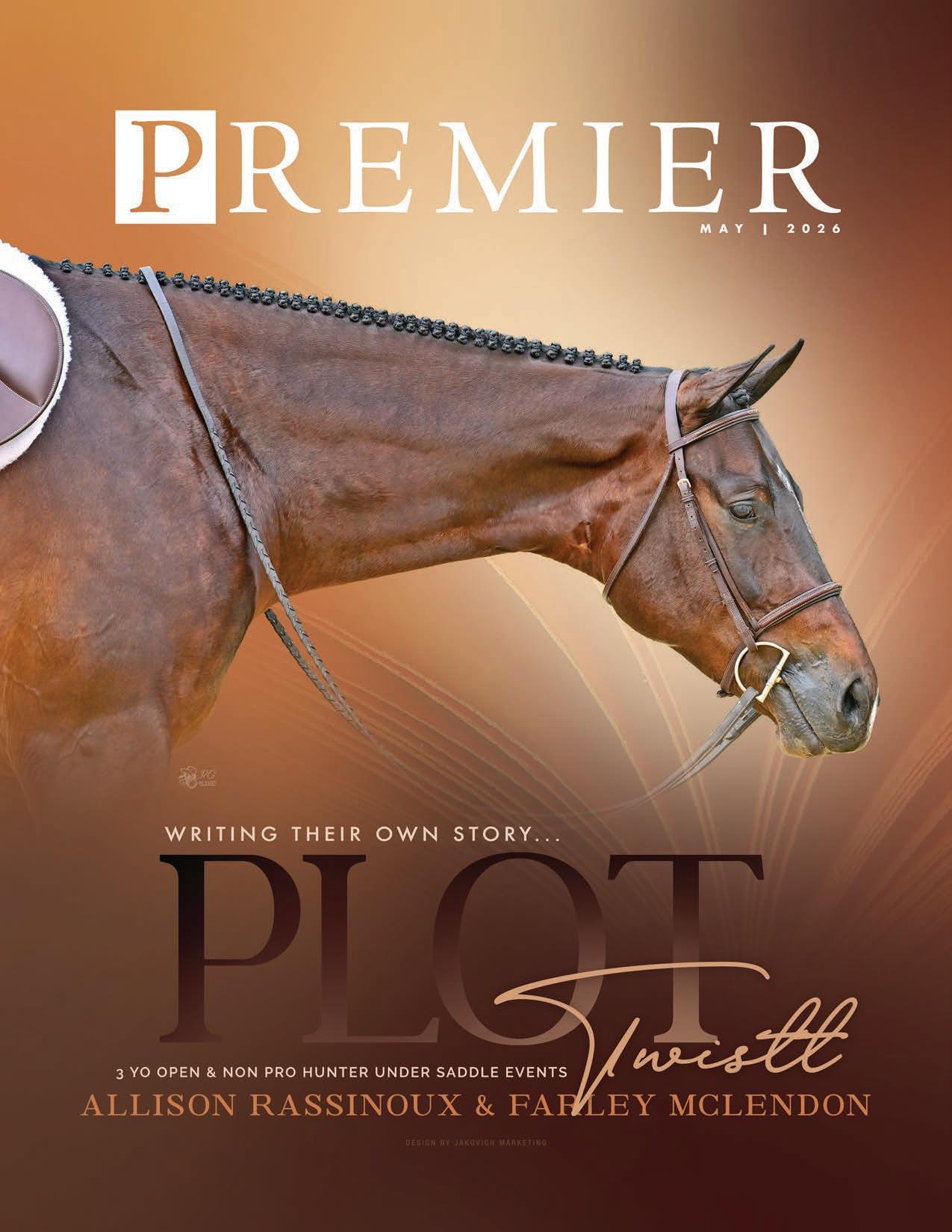
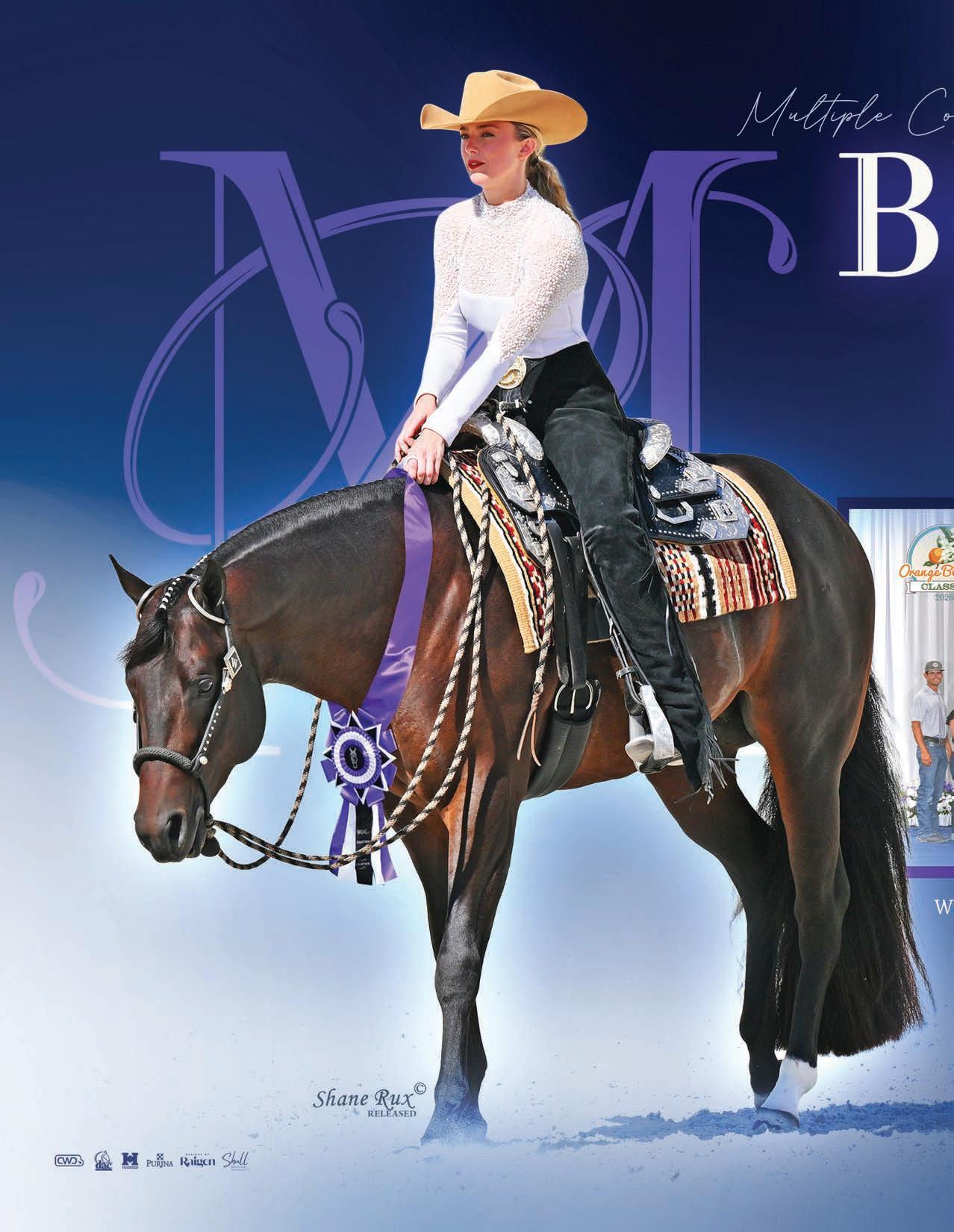
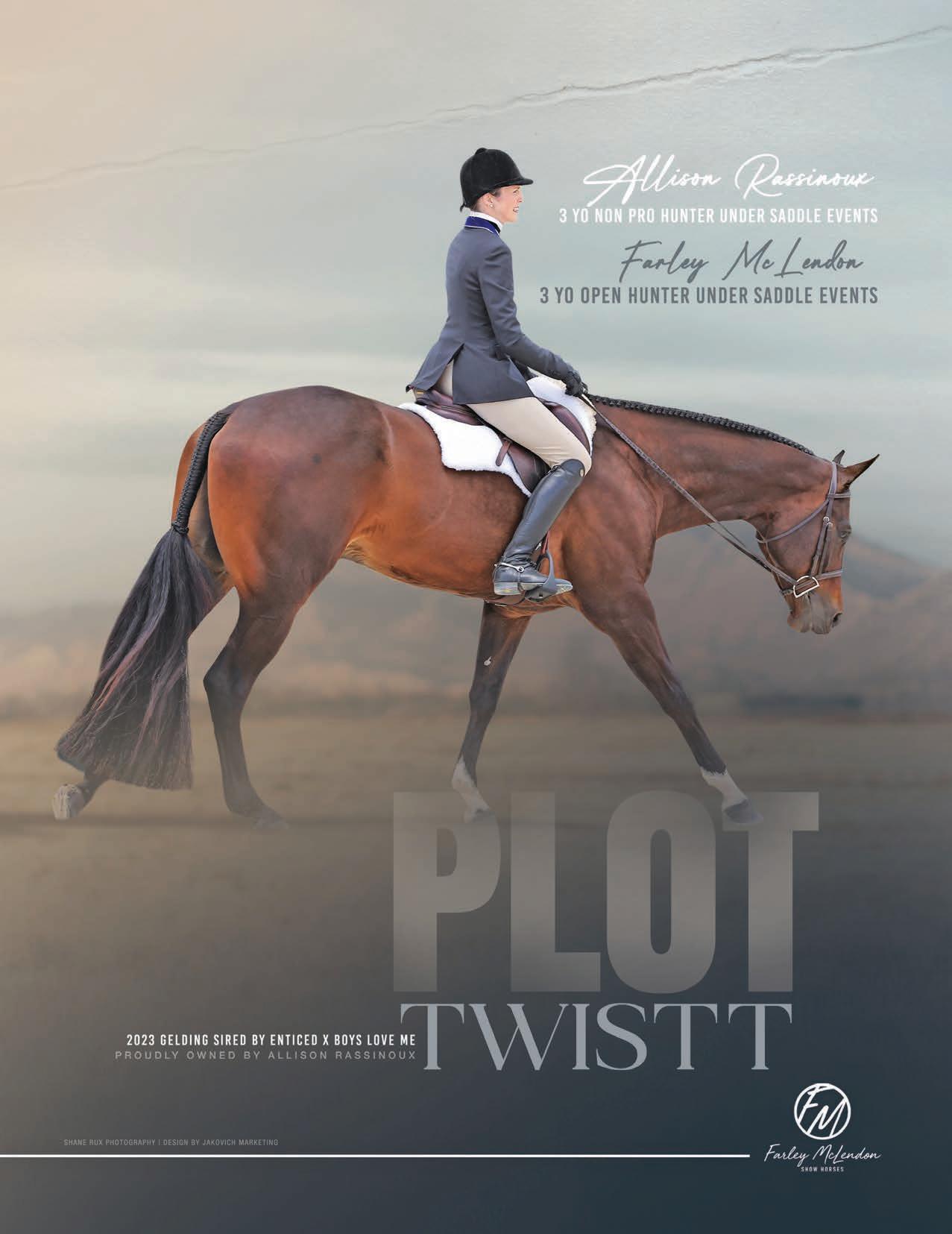
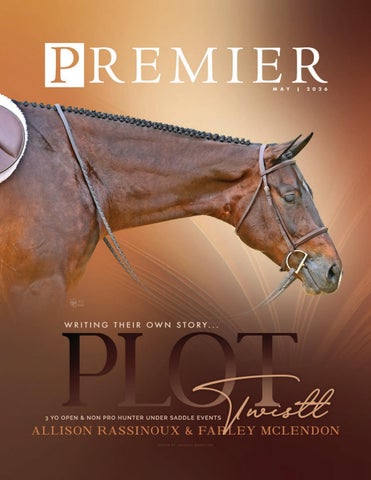
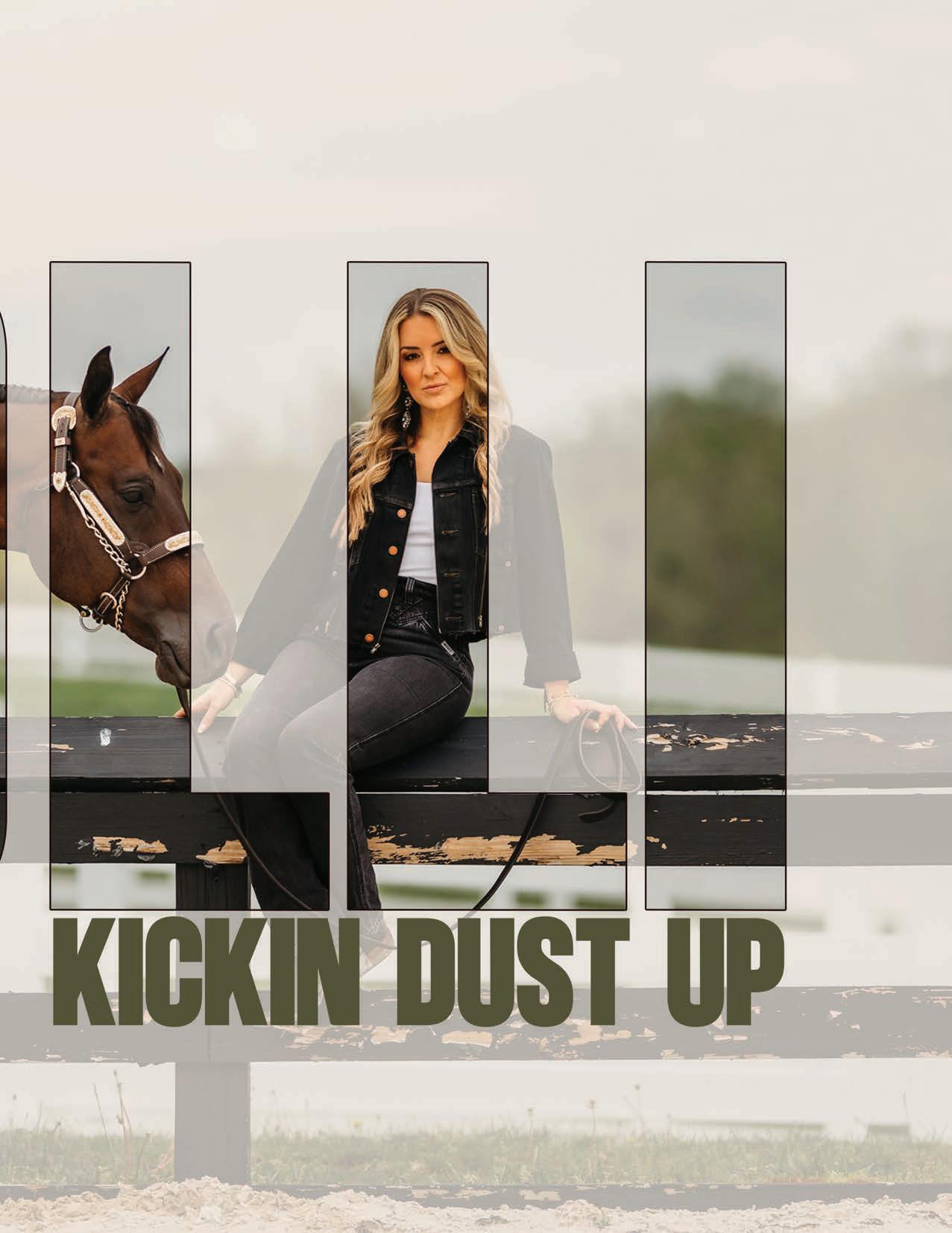
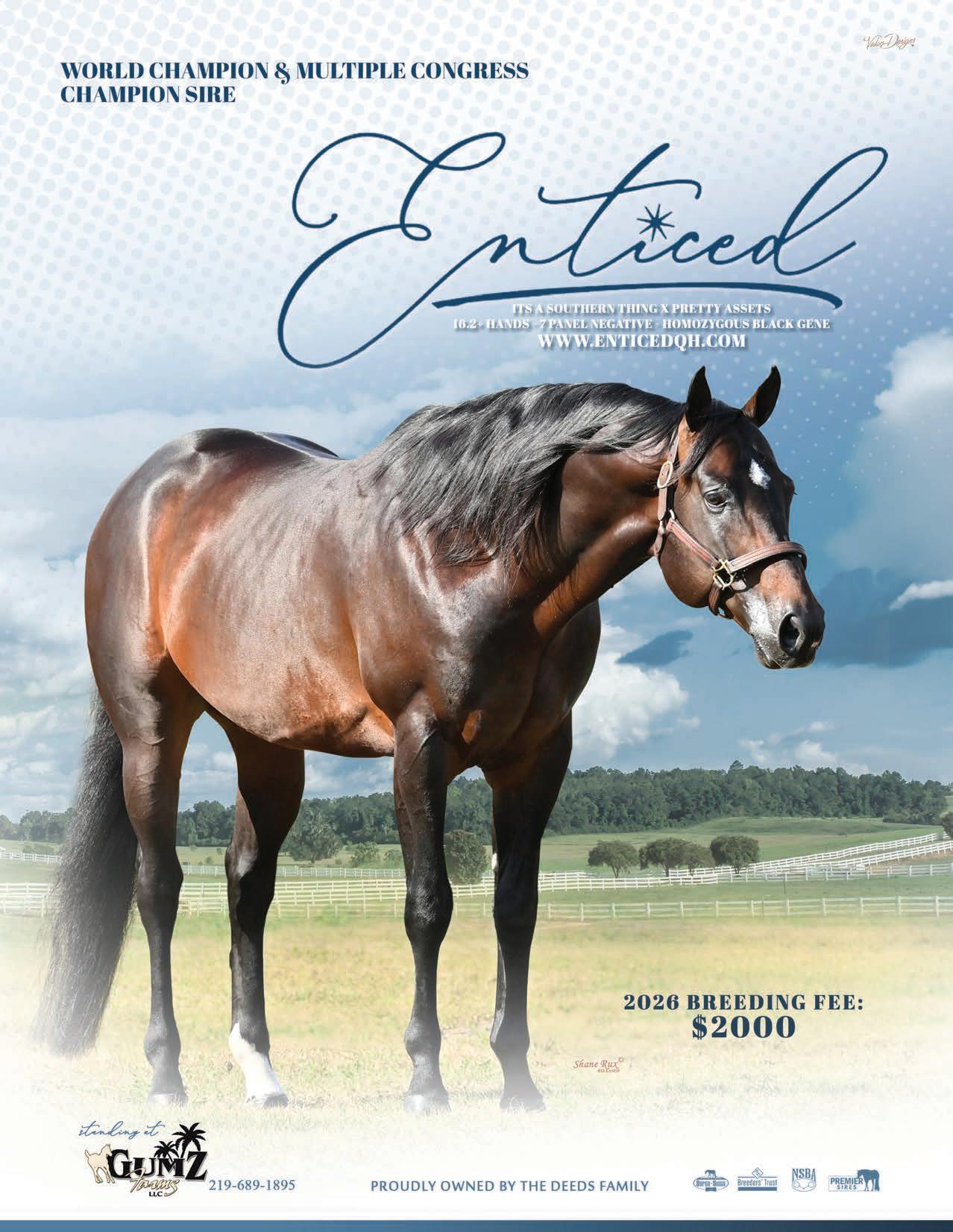
That process begins again this year with a new partner: Plot Twistt, a three-year-old gelding sired by Enticed out of Reserve Congress Champion producer Boys Love Me.
The bar for Allison’s new show partner was set high from the start, but it didn’t take long for the right one to emerge. “Allison is super tall, so it was important to find a horse that had some height,” Farley says. “We also wanted something with a lot of self-carriage and a slow hock.”
They looked at just five horses before finding “Hamish.”
“I actually knew he was the one off the video,” Farley says. “We just needed to sit in the saddle so my husband, Joe, and I drove all night to try him and a few others. As soon as I tried Hamish, I sent Allison videos and said, ‘let’s get him vetted.’” Winter storms delayed Allison’s first ride on her new horse until February, but the connection was immediate. “The first
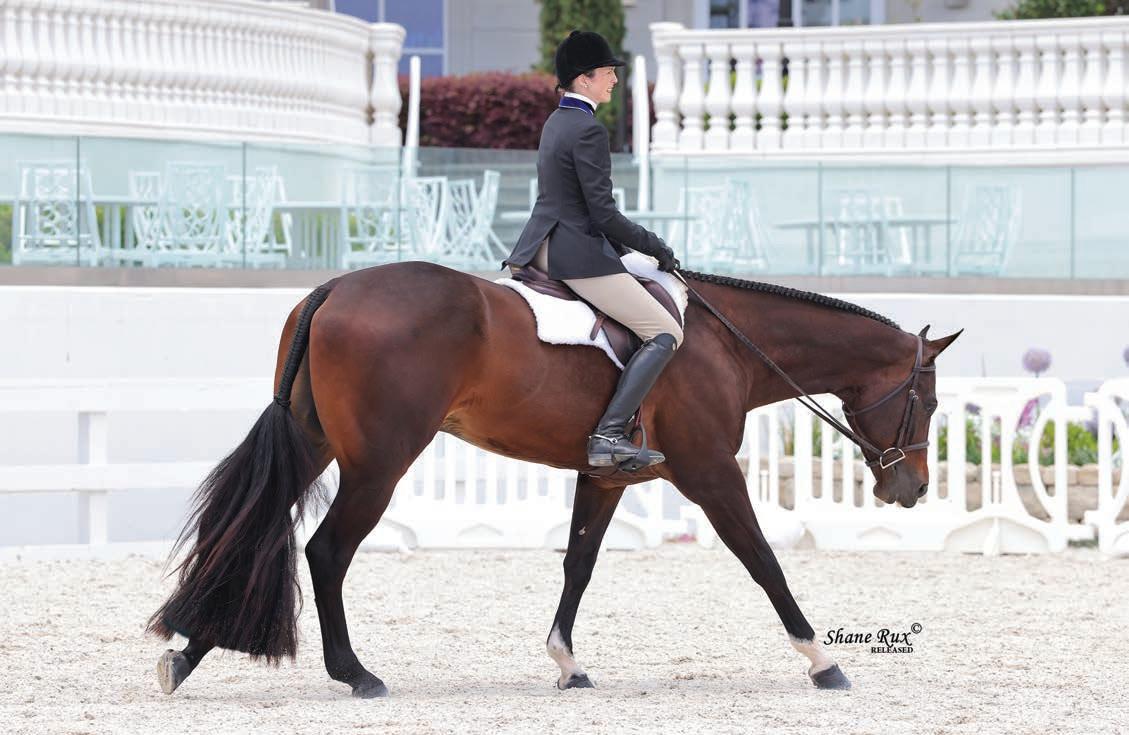
rides went great,” she says. “He accepted this non-pro rider as though he was a seasoned show horse.”
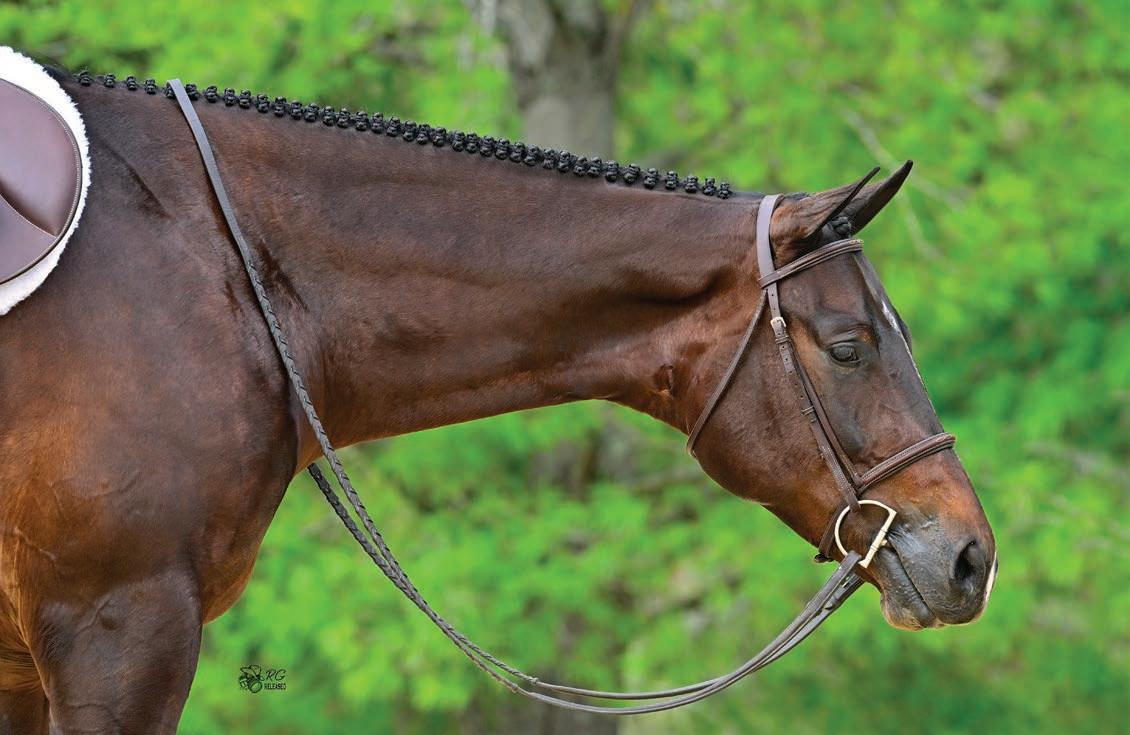
From Farley’s perspective, that natural ease is part of what sets him apart. “Hamish is super smooth,” she says. “When he gets in the groove, you can feel when he’s right and it’s easy.”
“He has such a long, floating trot,” Allison adds. “And his canter is like sitting on a couch—so comfortable.”
Like many young horses, Hamish comes with personality to match his ability. “He has his little quirks,” Farley says. “But all the good ones do. He reminds me a lot of Vin Diesel.”
If that comparison is any indication, Hamish has a bright future ahead of him. Already, the team has begun to find their rhythm, with Allison and Hamish earning a Top 5 finish in the 3-Year-Old Non-Pro Hunter Under Saddle at The Sudden Impulse Futurity and Farley showing him to a strong placing in the Maiden Hunter Under Saddle.
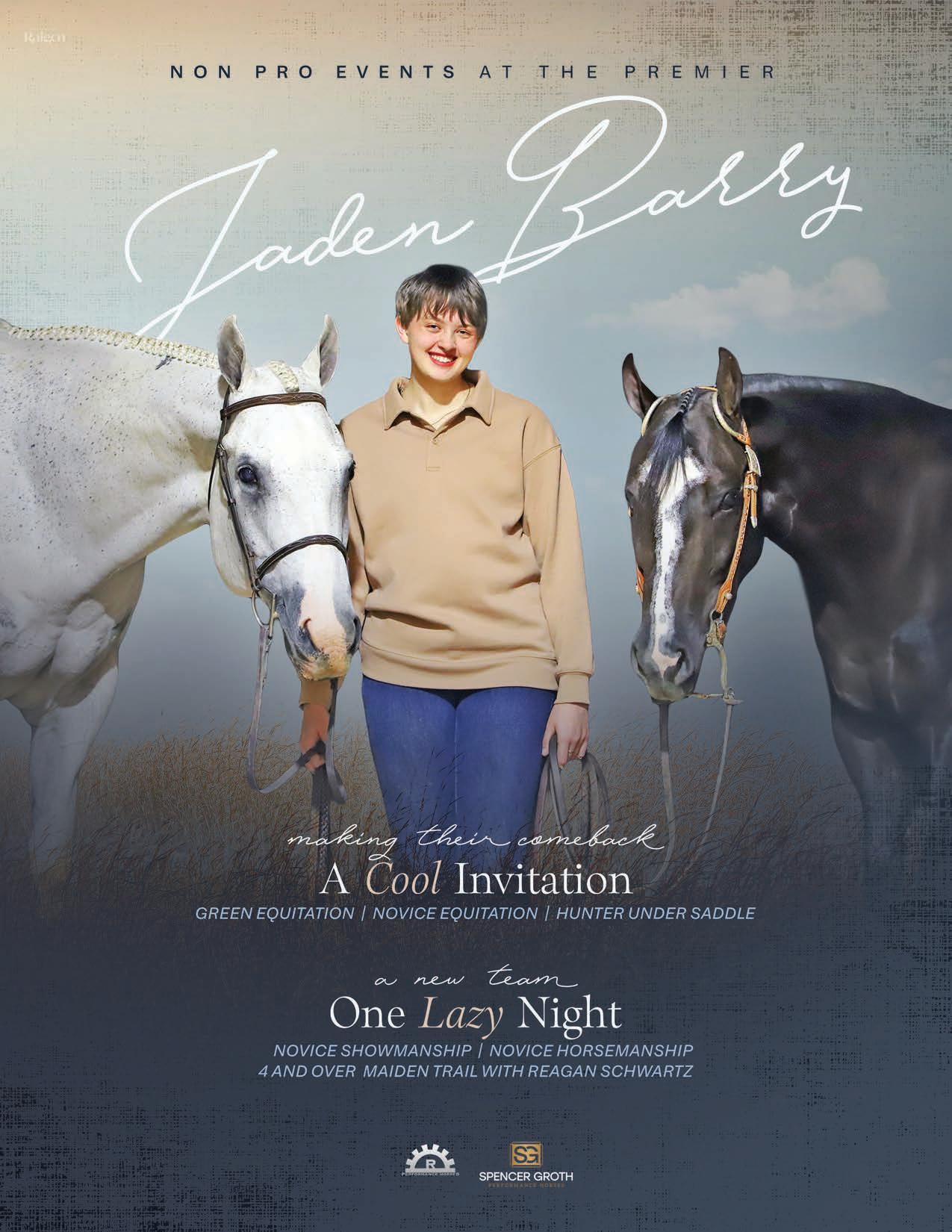
“Our next show is The Premier,” Allison says. “This is always one of my favorite shows of the year.”
Her goals reflect both ambition and perspective “My dream would be to win at the NSBA World, Congress, AQHA World,” she says. “But smaller goals, still equally significant, would be to have a better ride than my last one.”
It’s a mindset Farley has watched take shape over time. “Allison has worked super hard to get to where she is,” she says. “She has learned that it’s okay to have ups and downs. Little progress is better than no progress.”
And beneath it all, there’s a simplicity to the way Allison approaches the sport—one that resonates beyond results. “She is a reminder of why we all started this,” Farley says. “We love the horses. Competing is a bonus.”
That perspective doesn’t stay in the arena. It carries into the way Allison builds her life around the sport.
“My husband is one of my biggest cheerleaders,” Allison says. “He attends as many shows as he can and helps however he can—holding horses, shining boots, whatever is needed.”
Together, they’ve found a rhythm that balances the demands of showing with time away, often traveling when they can. “Whether it’s visiting family in France, seeing a Broadway show, or finding a new restaurant in New York City, it’s always an adventure,” shares Allison.
Still, it’s the quieter moments that keep everything grounded. “I am happy to sit and read a book with my dogs,” she says.
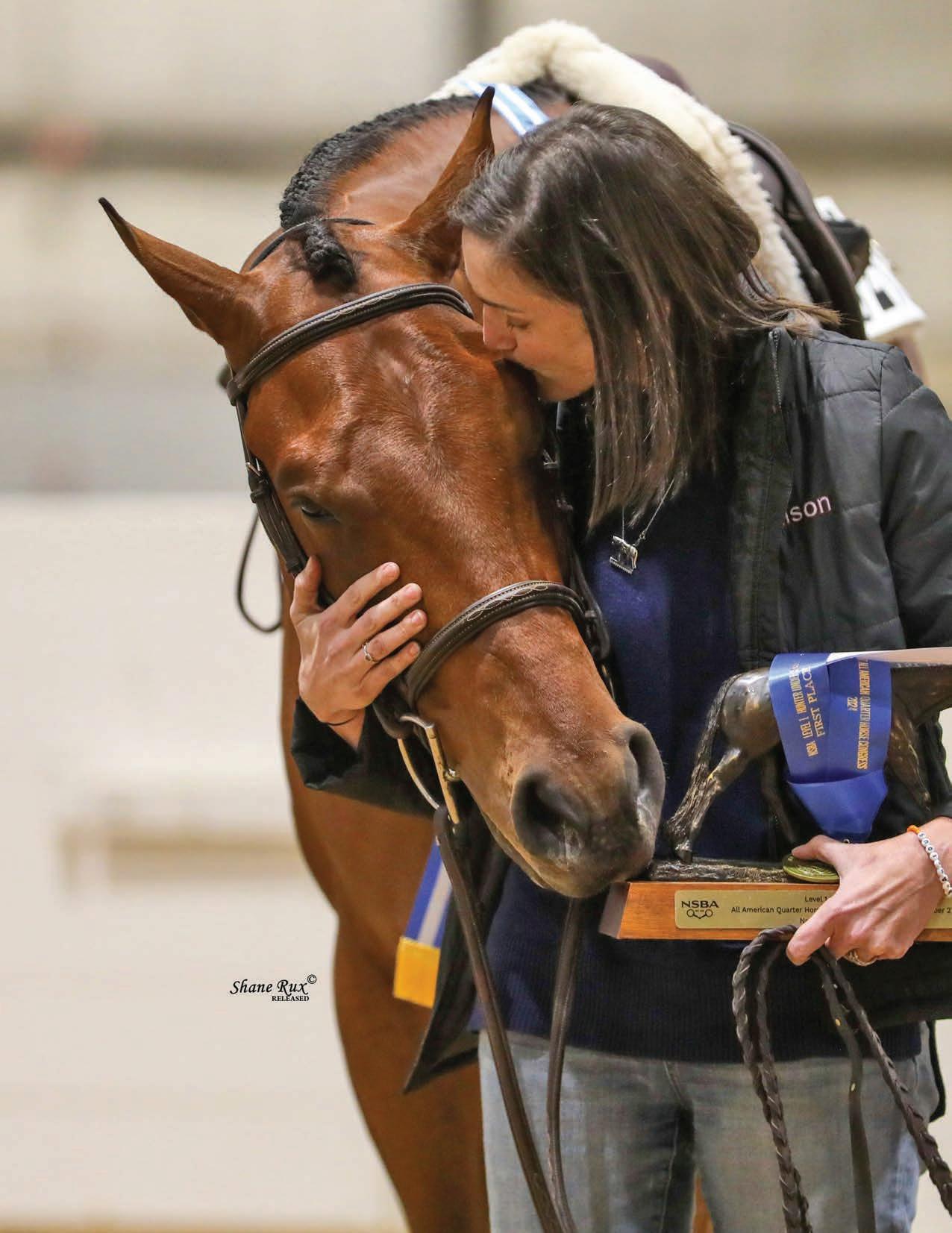
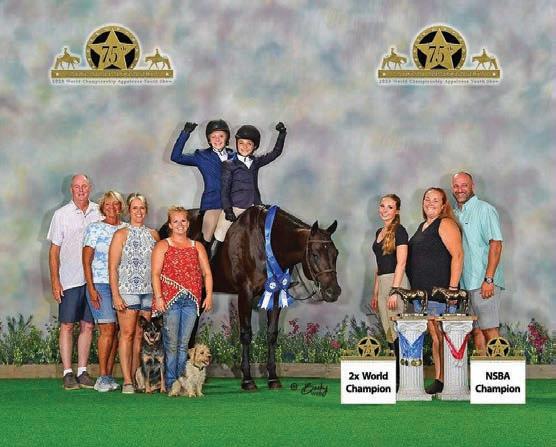
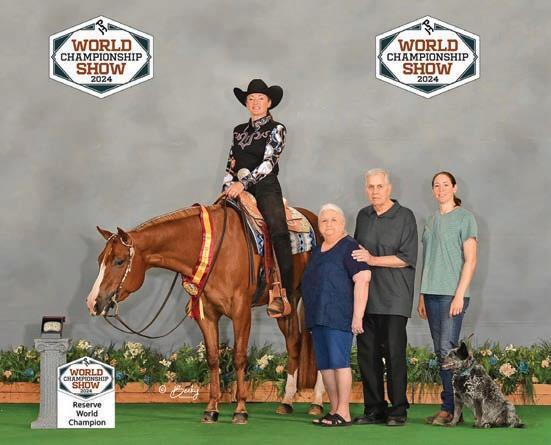
That balance—between ambition and appreciation—came into focus at the 2024 NSBA World Championship Show, where she earned her first major trophy as a Bronze Champion. “It was surreal to be announced alongside such incredible teams,” she says. “I’ve always dreamed of carrying one of those huge trophies out of the arena and then suddenly, it was happening.”
But even that milestone is part of a much longer arc. One shaped by time, consistency, and the understanding that progress rarely comes all at once.
“Everyone in the horse industry has experienced a setback,” she says. “Sometimes, just going back to the barn and remembering why you started is enough.”
For all the moving pieces—the career, the travel, the commitment—the reason she continues remains unchanged.
“Plain and simple—horses and horseback riding make me happy,” Allison says. “Would I change it? Nope.”
And after more than three decades in the saddle, her philosophy is as steady as it is simple:
“Pat your horse, tell them they are pretty, and enjoy the ride.”




Written by Claire Binkowski
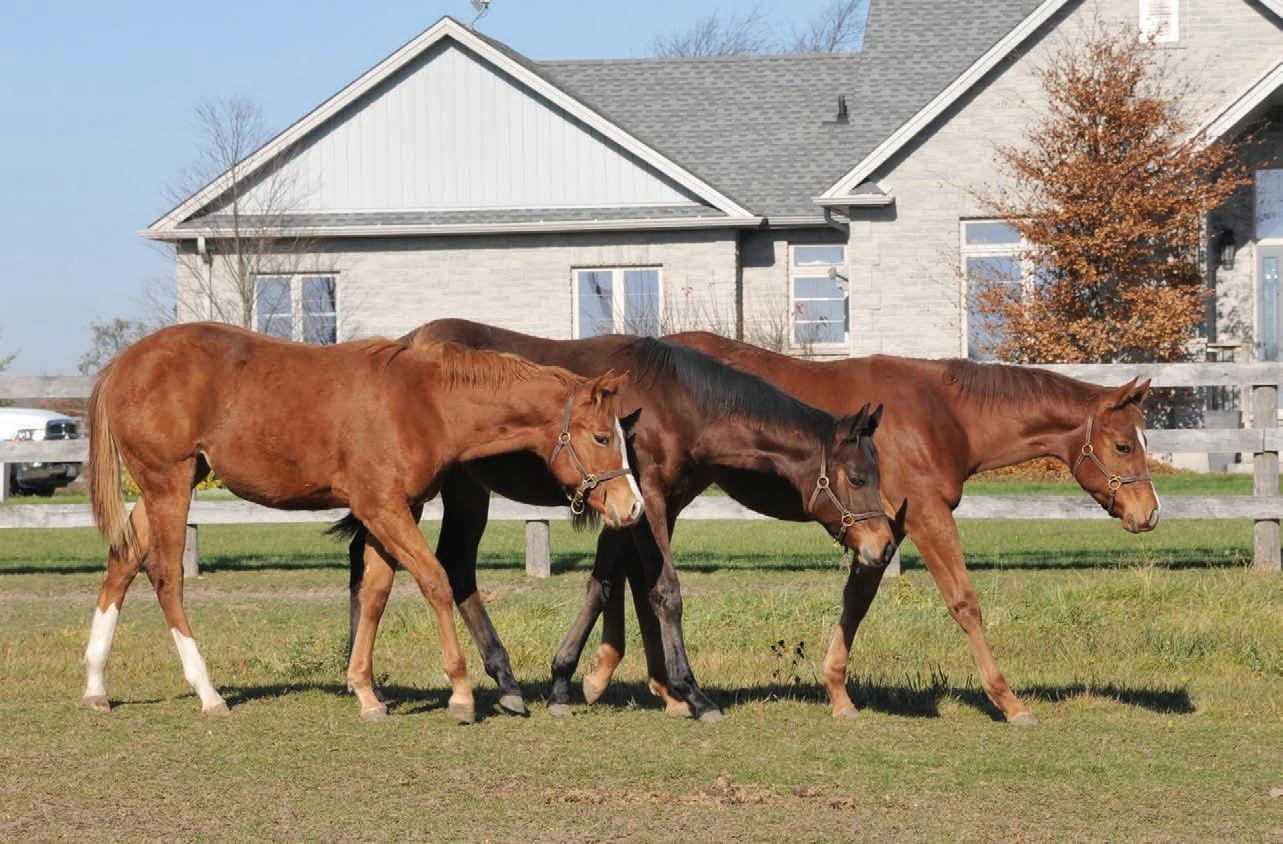
Behind every great horse is a breeder whose dedication began long before the first step into the show pen. Breeders are the backbone of the industry—thoughtfully pairing bloodlines, nurturing young horses, and investing years of patience, knowledge, and heart into each life they help bring into the world. Their work is fueled by passion and built on vision, responsibility, and an unwavering belief in what the next generation can become. They are the stewards of quality and integrity that sustain the industry at every level. This series shines a light on the small breeders whose work lays the foundation for it all. Their influence is woven into every stride, every partnership, and every success.
In Southern Ontario, about forty minutes from Toronto Pearson Airport, Greg Dubiel and his family have built a breeding program that reflects exactly how they started—practical, hands-on, and earned over time. “The farm’s name is Westwind Acres,” Greg says. “We breed and board. The farm got its name because as we were building it, we noticed that there was almost always a strong breeze coming from the west.”
Greg and his wife didn’t come from horse families, and there was no built-in roadmap when they decided to get started. “We started breeding in our early twenties. Neither of our families were into horses so we had to start from scratch,” he says. Their first breeding decision came down to timing more than
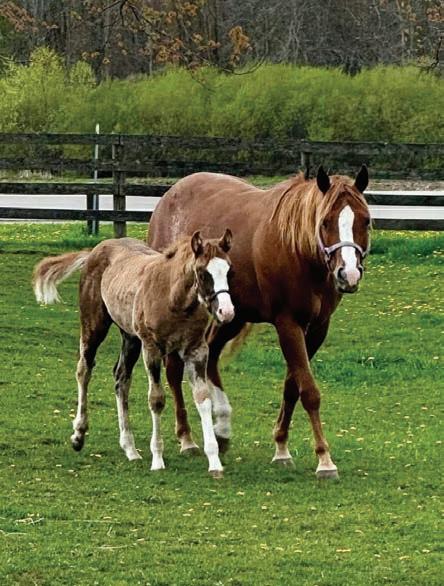
long-term strategy. “The first mare we bred was my wife’s Appaloosa show mare. My wife was about to leave for university, so wasn’t going to be showing much for a few years.” That cross produced Oh My Shes Awesome, who went on to win multiple world and national titles—an early success that gave them confidence but didn’t change the realities they were working within.
“When we started showing AQHA, it was not in the cards for us to buy a horse that was good legged enough or broke enough to compete at a high level with our budget,” Greg explains. “We knew that if we wanted something like that, we would have to breed it.” At the same time, they saw an opportunity. “We noticed a lot of people in our area would purchase certain bloodlines from the U.S., so we thought it was a good opportunity to bring some more of the prospects closer.” Ironically, most of their foals now end up going the opposite direction, with the majority sold into the United States.
Westwind Acres officially began breeding in 2004, with a transition into Quarter Horses in 2013. Today, the program is intentionally small. “We currently own six broodmares and a small herd of recipient mares. We
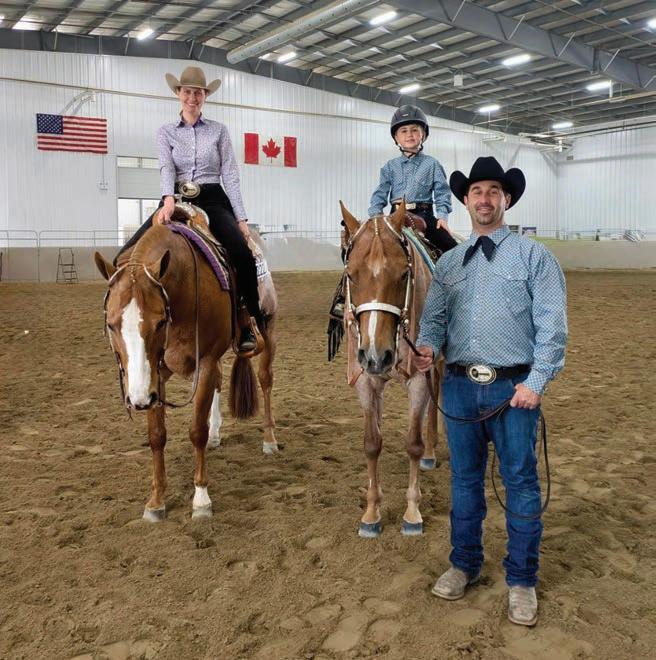
typically breed between four and six foals per year,” Greg says. What has changed over time is not the size of the program, but the focus behind it. “When we first started, we bought what we could afford when it came to broodmares. We had to sacrifice age for quality,” he says. As they grew, so did their expectations. “We looked critically at our program and tried to stay current with the bloodlines and improve the quality of our mares, all while trying to maintain genetic diversity.”
Their goals have evolved as well. “Initially, we really hoped to breed great legged western pleasure foals,” Greg says. “Over time though, our breeding model shifted, and we now strive to breed great minded, sound horses—and of course good legged—that can go on to compete in the all-around events.” Just as important as talent is usability. “Our goal is for our horses to be good enough to show in the open classes but level-headed enough for a DIY amateur, youth or select rider to be able to show,” he says. “There is nothing better than getting updates on horses we have bred from people telling us they are thriving at whatever they are doing.”
Like many breeders, Greg can point to one horse that left a lasting mark on the program—Huntin My Haylo. They found her online. “We had just built our barn and didn’t have a lot of money but found this mare online and loved her pedigree,” he says. What they saw in person didn’t match the ad. “She was advertised as being 16’2. When I went to see her in person, she was maybe 15’2 and in rough shape,” he recalls. “I called my wife and said I’m buying her because I can’t leave her here.”
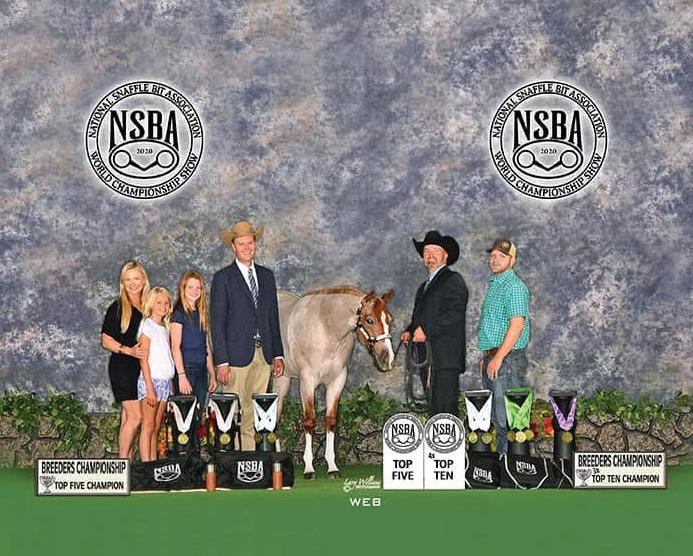
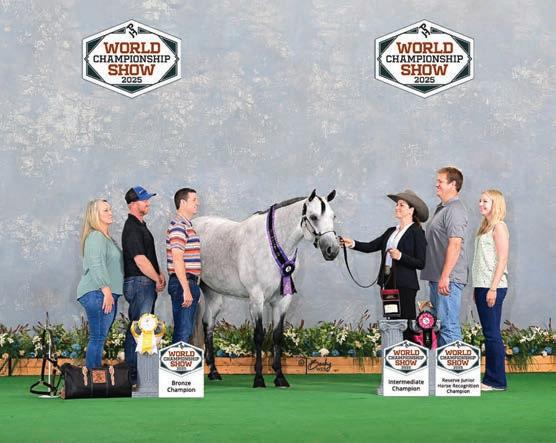
According to the vet, even getting her in foal wasn’t guaranteed. But she proved them wrong. “With a lot of TLC and groceries she turned out to be quite the producer,” Greg says. Her offspring went on to win at the highest levels, including world titles and major futurity success, among them She Blue Them Away, owned by the late Dr. Robie Herman, and Blue Da Ba Dee, who is still out showing in the all-around events today. Looking back, there’s one thing Greg would change. “One of our biggest regrets is not keeping one of her fillies to put back into our breeding program.”
Greg is also quick to be honest about what breeding really looks like behind the scenes. “Breeding isn’t for the faint of heart,” he says. “With all the highs, there are also many lows. Some years are good, and others are not. You have to persevere through the tough times.” The moments that make it worthwhile are often the ones you wait the longest for. “When that cross you have been waiting eleven months for—or sometimes years in the making—hits the ground and it’s exactly what we expected or better, it makes everything worthwhile.”
Still, his advice to new breeders is not what most expect. “My advice may be a pessimistic one or maybe a realistic one, but it would be to not breed,” he says. “Most breeders are lucky to break even, and many are selling at a loss. Most of the time you can buy a horse cheaper than you can breed one.” For those who choose to do it anyway, he emphasizes doing it right. “Do your homework and be honest about the faults that your mare has so that you can make choices that will improve the breed.”
When asked about his proudest moment, Greg doesn’t mention a title or a paycheck. Instead, he goes back to a foaling that could have ended very differently. “My proudest moment as a breeder was probably resuscitating a newborn foal who came out with no heartbeat and not breathing,” he says. What followed was seventeen minutes of CPR. “Just when I was about to give up, I started feeling the lifeless colt resisting my breaths,” he recalls. “When he finally started to breathe on his own, I let out the biggest celebration like I had just scored a touchdown at the Super Bowl.” That colt—WW Eat Your Heart Out, by Heart Stoppin out of Huntin Cold Cash—went on to become a World and Reserve World Champion, but for Greg, the significance of that moment had nothing to do with what came later.
Operating from Canada adds another layer of complexity to the business. “Shipping semen can be a real struggle if you don’t know how to do it properly,” Greg says. “We have also learned to have a tank of frozen semen on hand for the times that shipments get lost in
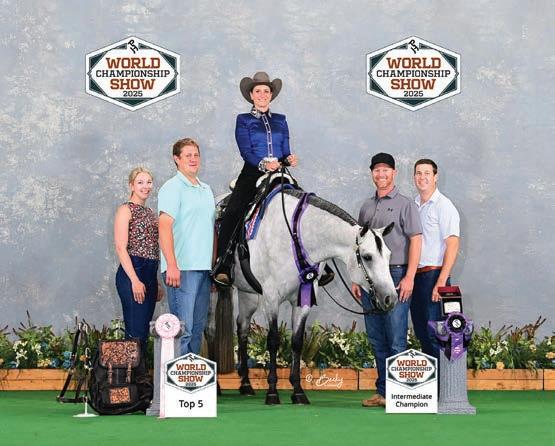
the dreaded Memphis FedEx hub.” There are also misconceptions from buyers. “A lot of people are reluctant to buy from breeders in Canada as they are worried about getting babies across the border,” he explains. “But the majority of our foals do get sold to the U.S.” Over time, they’ve built a system that works. “We work with great haulers and the paperwork required is minimal. We arrange it for the buyer to keep things simple.”
After more than two decades, the focus at Westwind Acres is on maintaining quality while planning ahead. “It has taken us many years to get to where we are today and some of our best producing mares are getting up there in age,” Greg says. “We are going to have to start replacing mares.”
At the same time, the goals that motivated them early on are still in place. “We want to keep producing top quality prospects,” he says. “We still haven’t attained the goal of one of our own homebred babies winning a Congress Champion title. It is good to have dreams.”
That goal feels closer ever. “We are really looking forward to showing one of our homebred at some of the majors this year,” Greg says. Best Be Lookn At Me is by Hay Goodlookn and out of their RL Best Of Sudden daughter, Good Girls Are Best, and is currently under the guidance of Troy Lehn Show Horses.
For Greg, one of the most meaningful parts of breeding has nothing to do with pedigrees or results. “We now share our passion for breeding with our son who adores the foals,” he says. “It has taught him some of the most valuable lessons about life, hard work, and caring for animals.” There are harder lessons, too. “He is still learning how to let one go when a horse gets sold,” Greg adds. “We remind him that we have to keep selling them in order to continue breeding new ones.”
Along the way, Greg has come to appreciate just how many people it takes to make a program like this work. “I am very grateful to all the stallion owners, breeding managers, and of course our vet for all they do to help get our mares in foal,” he says, “and to the owners and trainers who have taken a chance on buying a prospect from our small breeding program.”
At Westwind Acres, the process hasn’t been perfect or easy. But it’s been consistent—and for Greg, that’s what has mattered most.