Written by Claire Binkowski
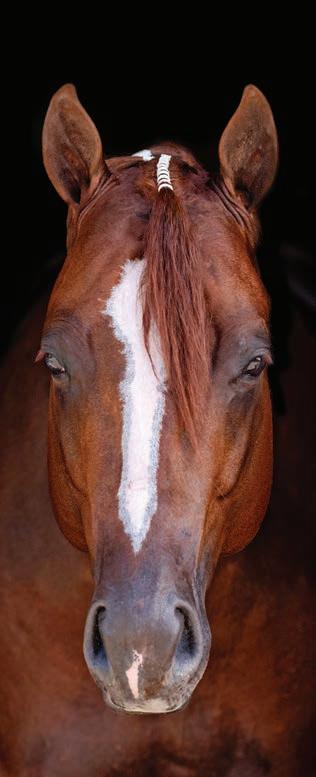
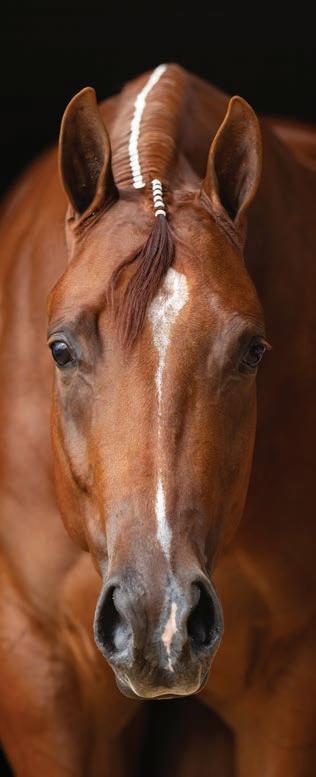
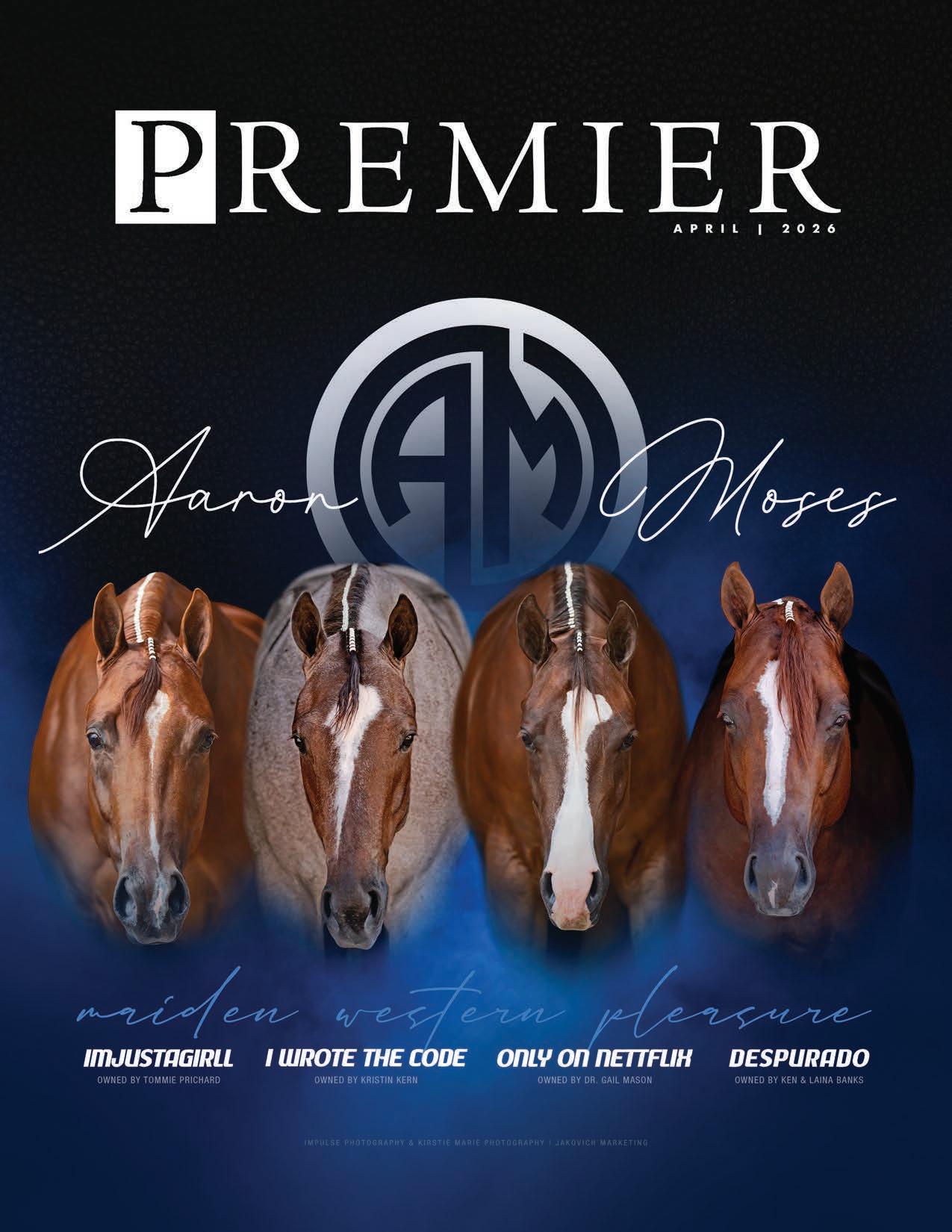
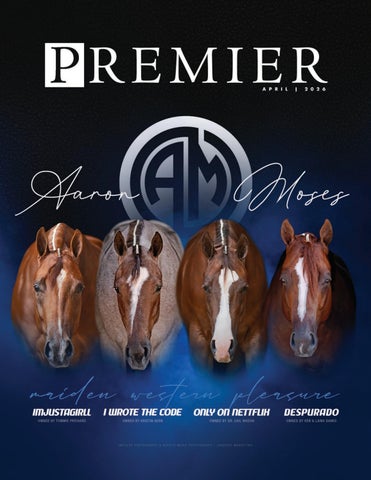
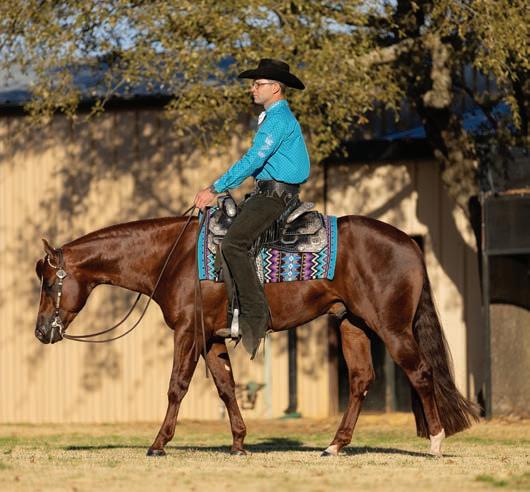
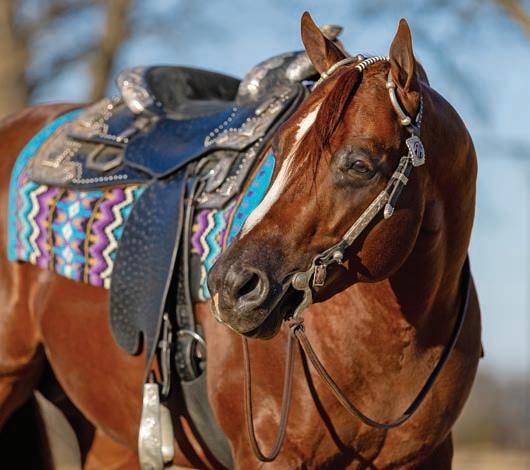
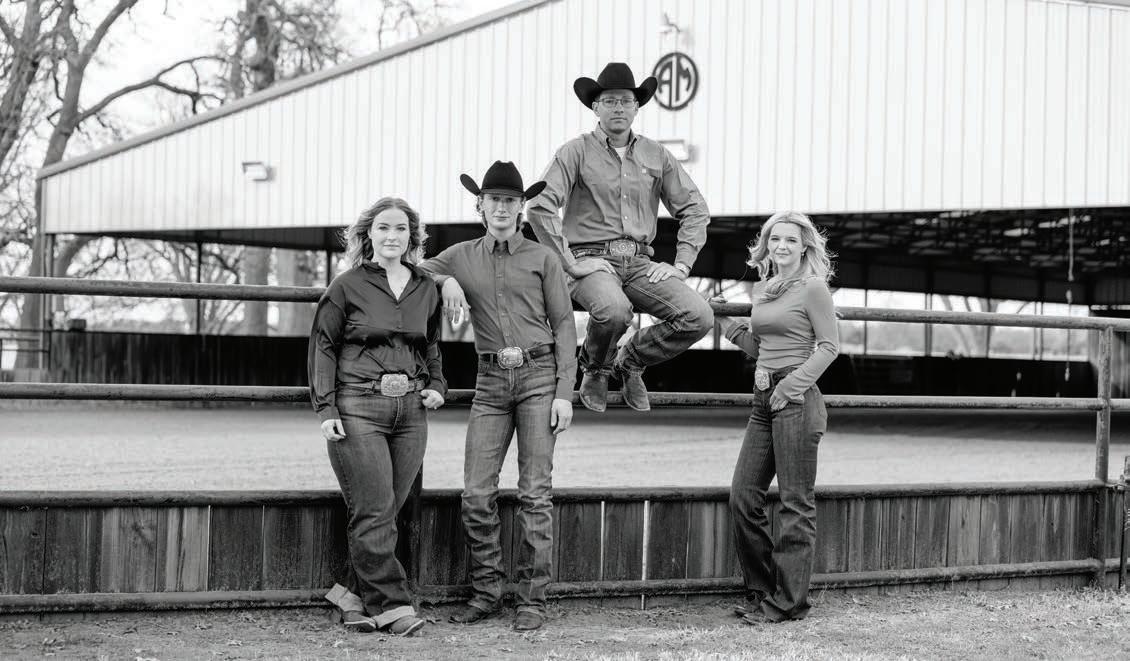
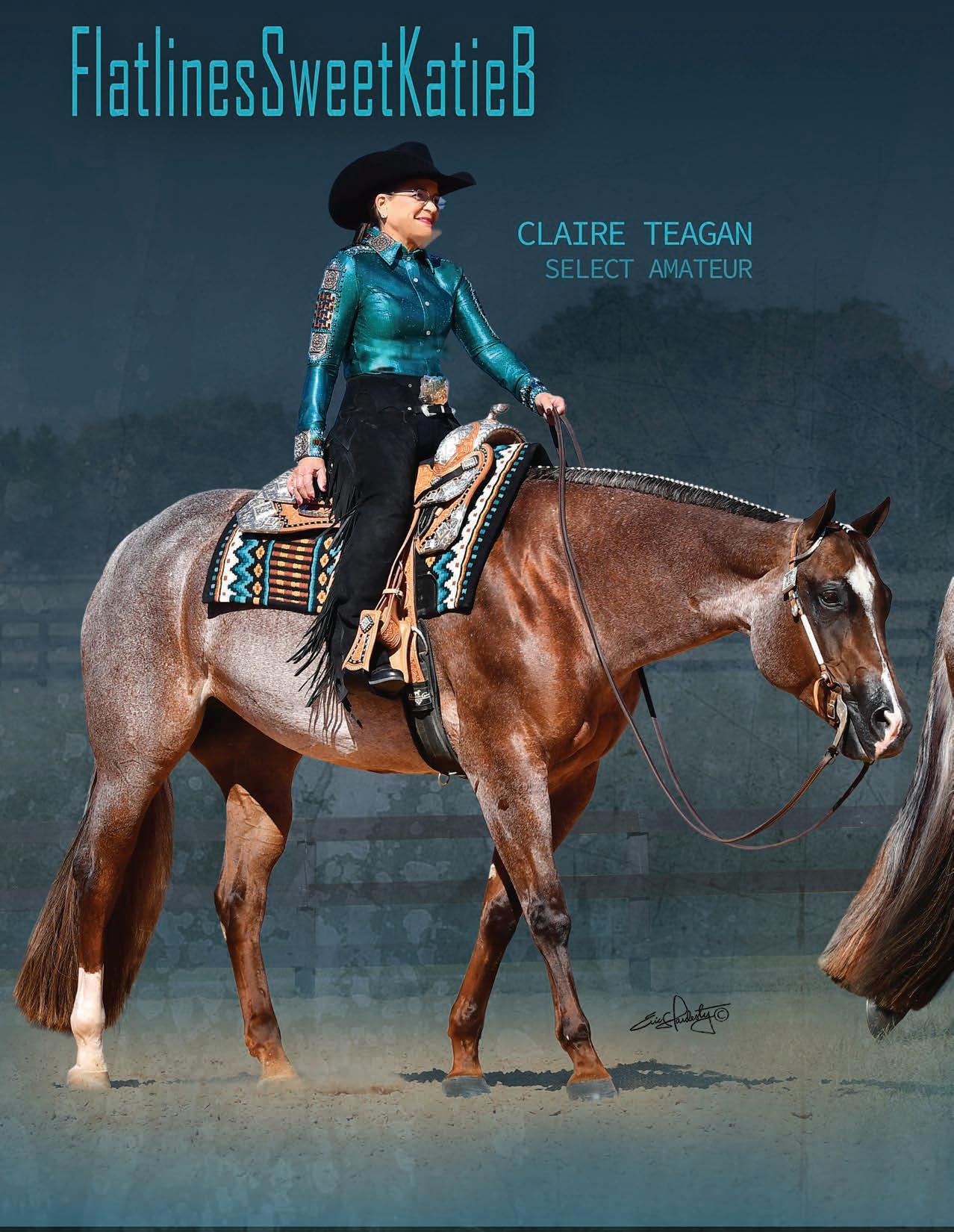
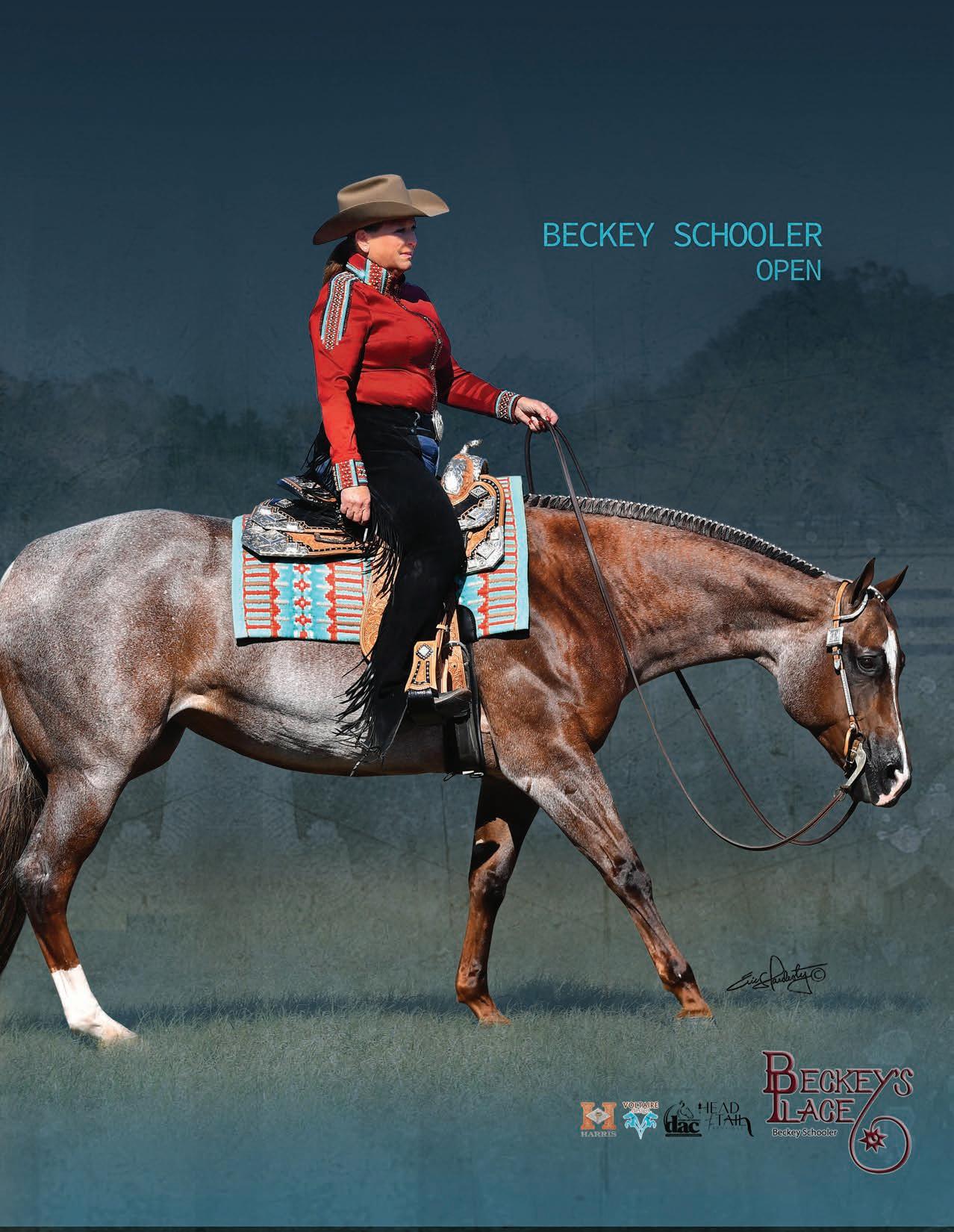
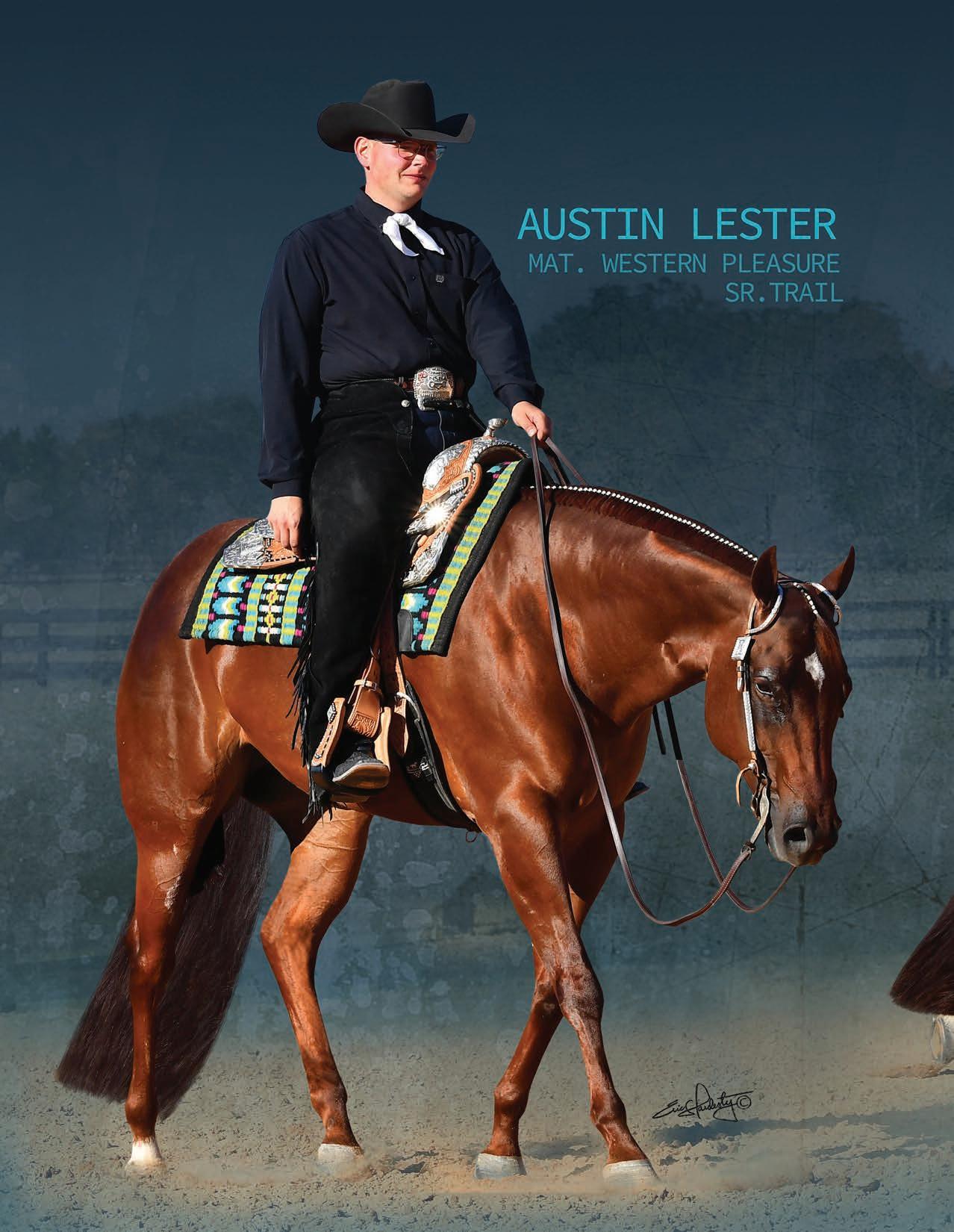
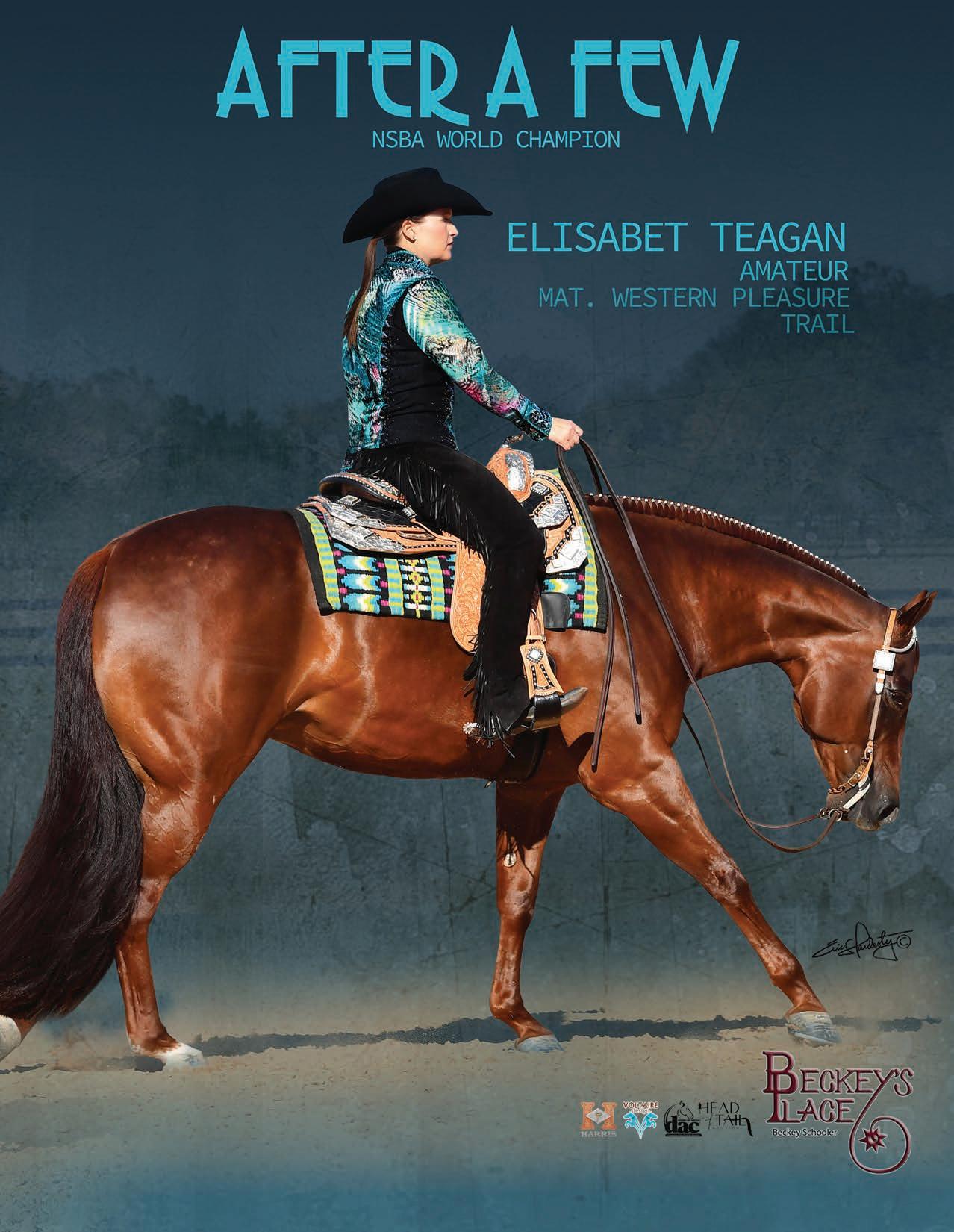
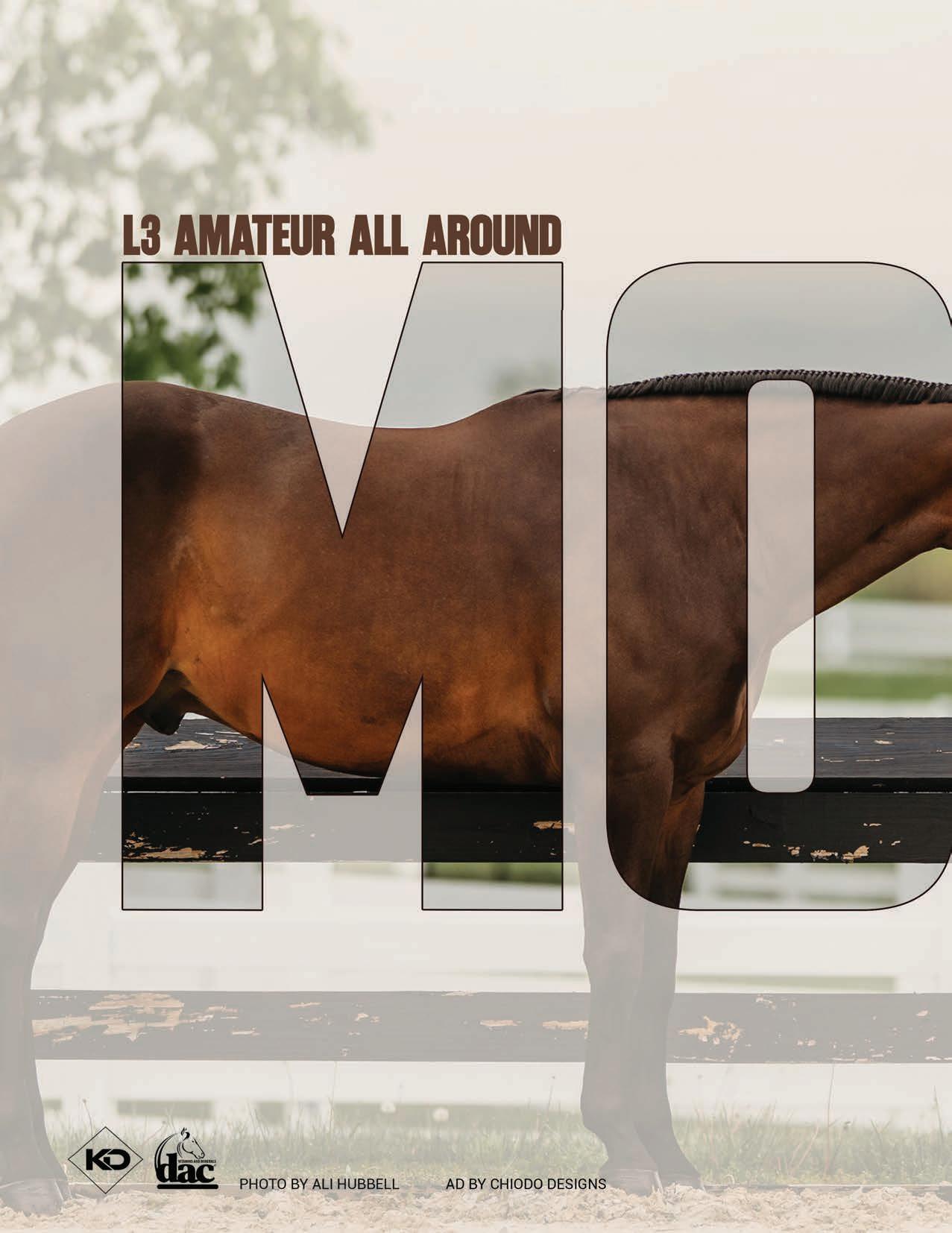
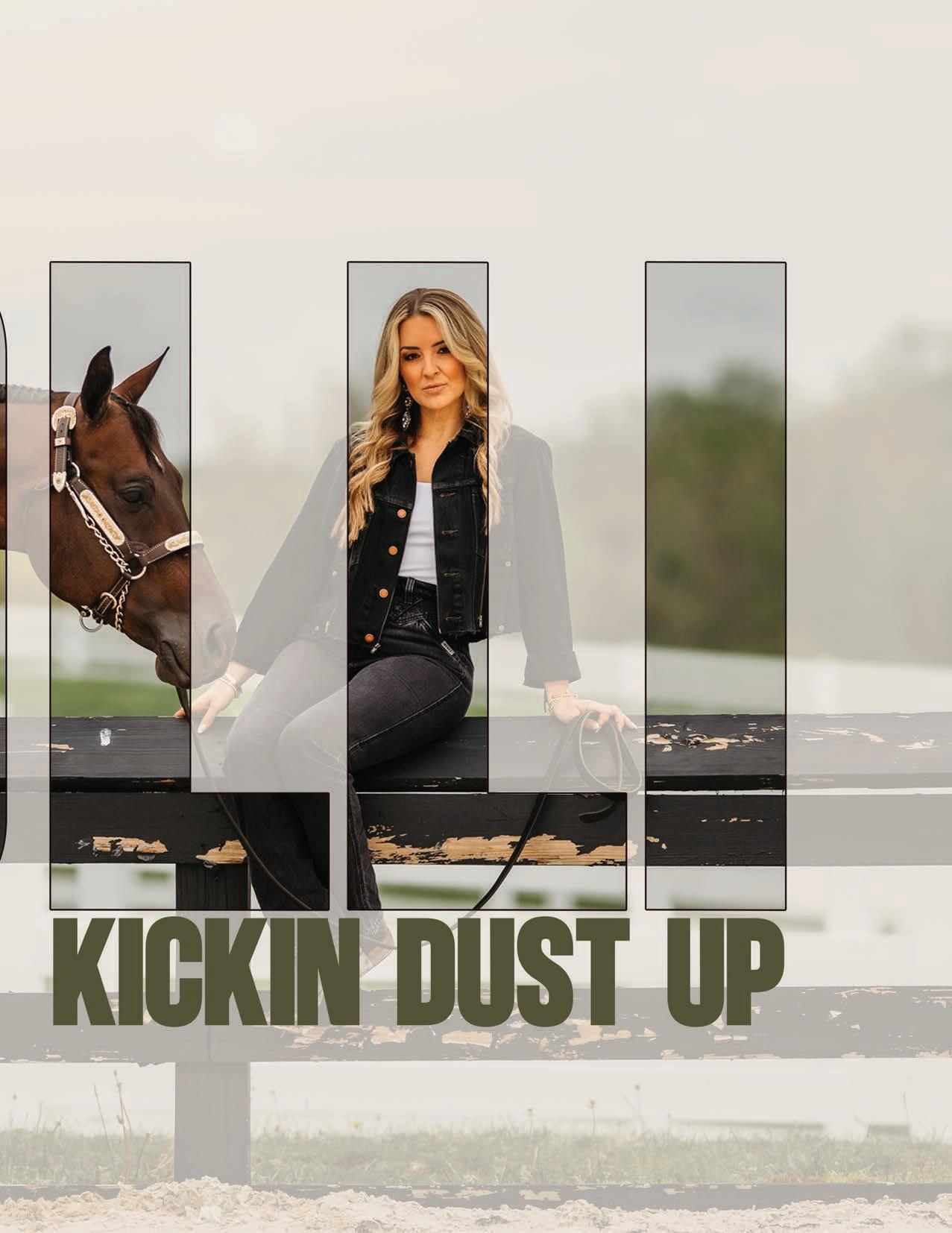
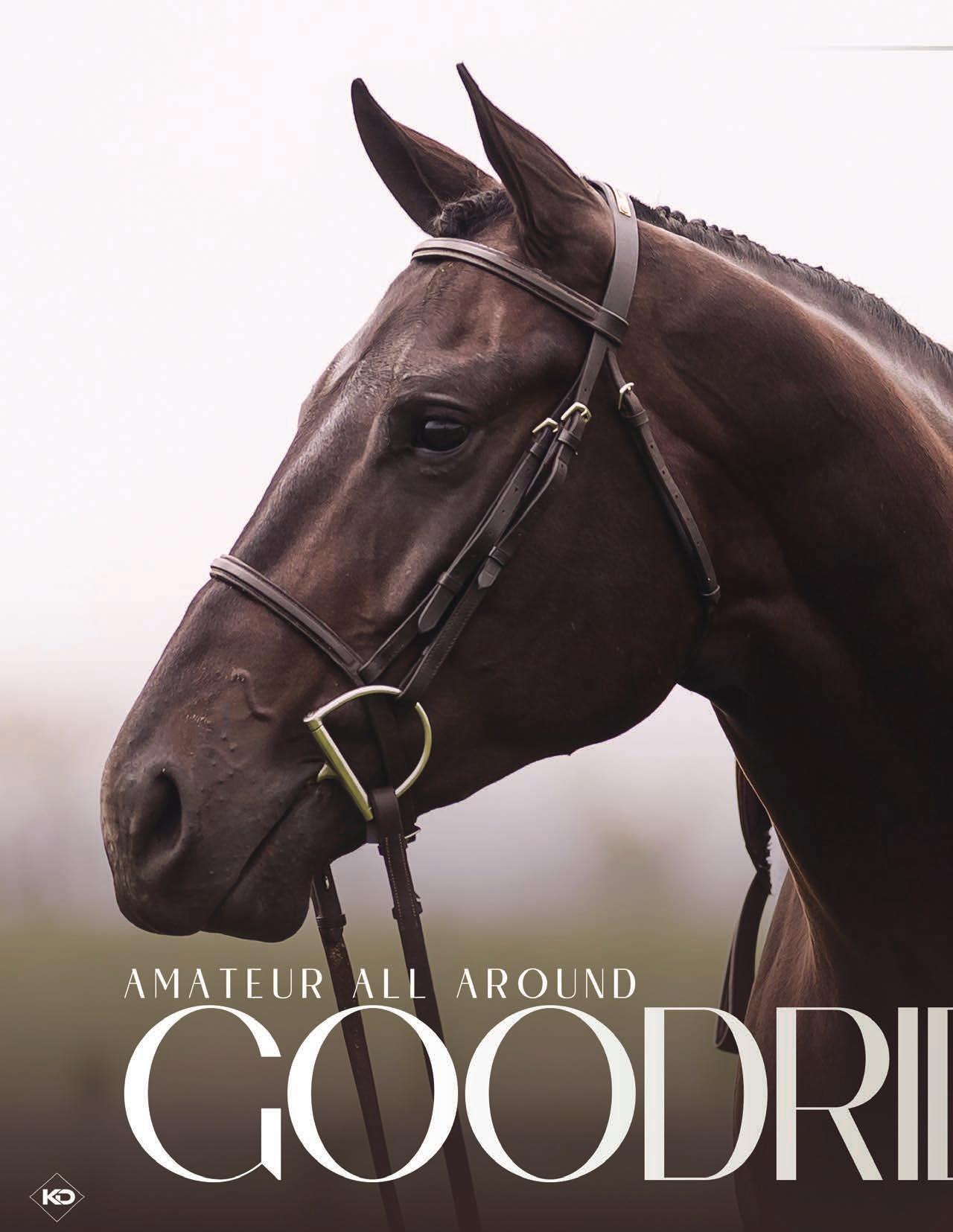
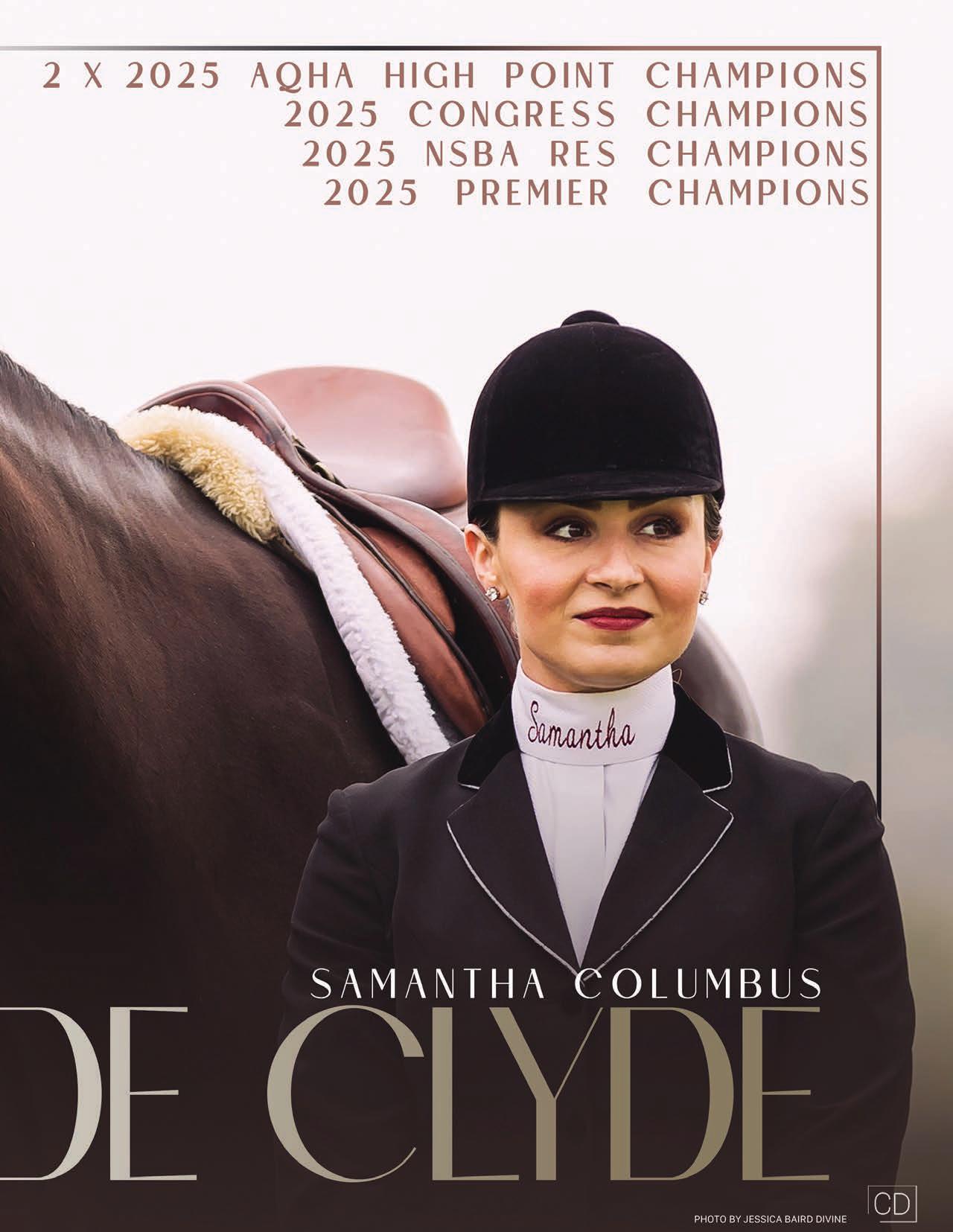
In a program known for producing consistency, confidence, and excellence, Aaron Moses is once again preparing a group of standout prospects for this year’s Maiden Western Pleasure events. He is doing so with momentum on his die, having kicked off the 2026 show season with Girl Code, owned by Kristen Galyean, winning the Virginia Maiden Western Pleasure. But beyond the talent and training, each of these horses carries something more—a story shaped by timing, resilience, and the people who believed in them at exactly the right moment.
From long-awaited comebacks to unexpected discoveries, this year’s lineup isn’t just about what will happen in the show pen. It’s about the journeys that led here—and the ones just beginning.
Kirstin Kern wasn’t expecting to find him that day.
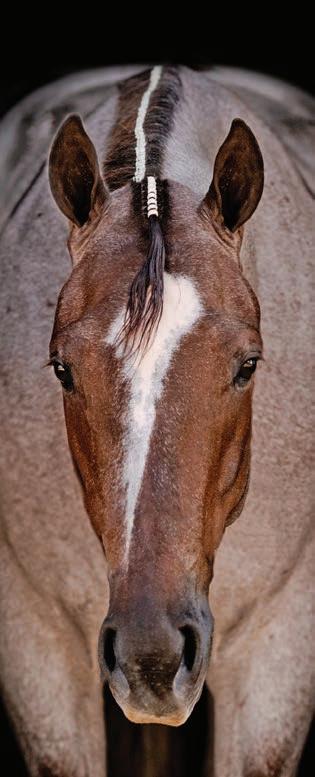
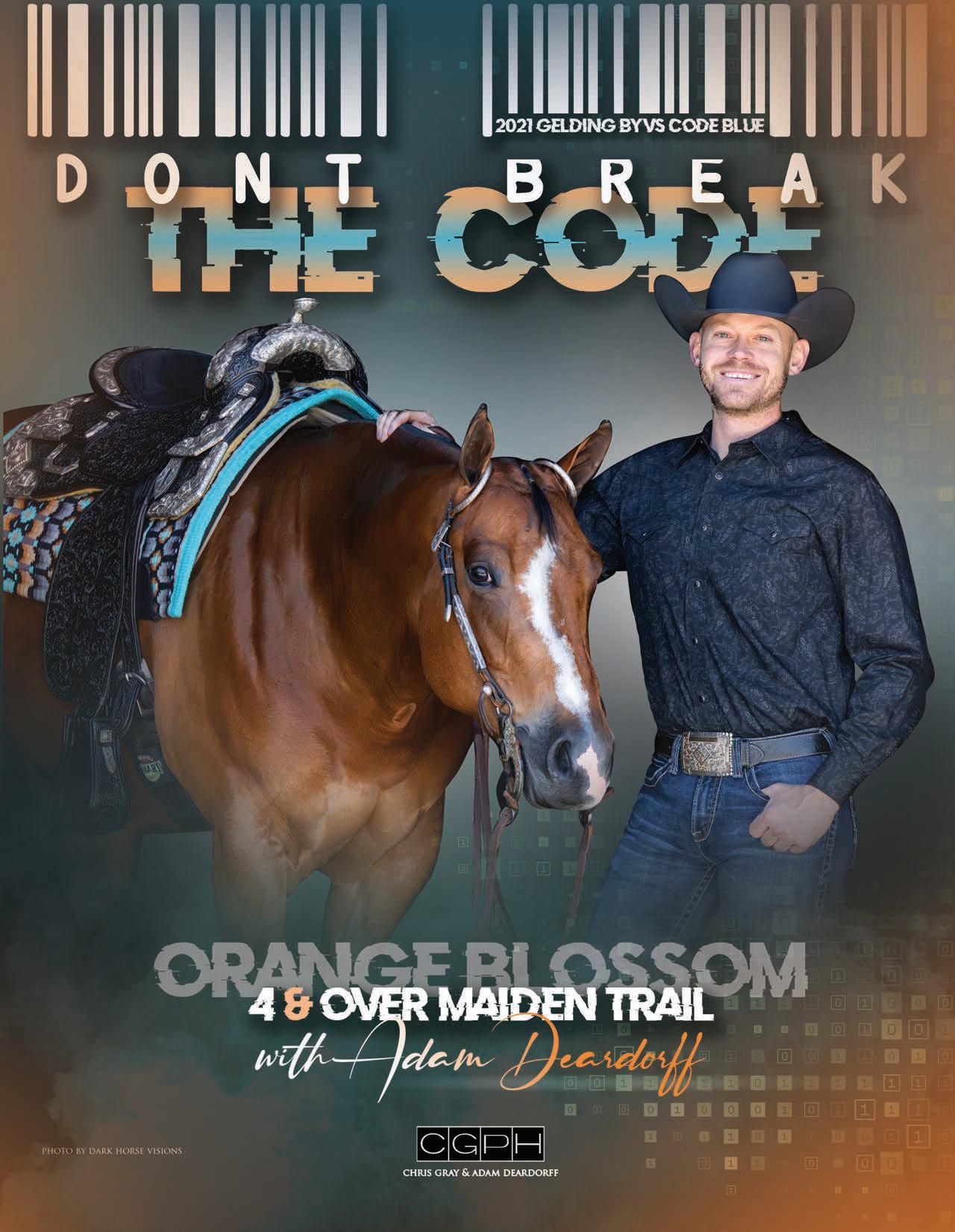
She had gone to Aaron’s to look at yearlings—just one stop in a broader search for a horse that could take her to the next level, and more personally, bring her back into the industry after more than a decade away from the show pen. But the moment she saw I Wrote The Code, the search was over. “I knew right then and there that I had to have him,” Kristin says. “He had something special.”
On paper he checked every box. By VS Code Red and out of Suddens Leadin Lady, “Brady” had a pedigree that suggested both talent and longevity. And from the very beginning, that potential was evident to those who knew him best.
“Being out of the great mare Suddens Leadin Lady, we knew this horse was special before we even saddled him,” says Aaron. “He has always been so good-minded, naturally talented, stayed level in his topline with rhythm and flow, and progressed every ride. We knew he was going to be a show horse pretty early on.”
The plan had been to debut him last year, but an unexpected setback forced them to wait. An eye injury left Brady with what Kristin now affectionately calls his “ghost eye”—a detail that could have easily altered his trajectory.
“You would think something like that would cause a bigger setback,” she says, “but Brady never missed a beat. He came back stronger and has never let it become a roadblock for him.” The lost time was significant—nearly an entire year during a critical stage of his development—but, as Aaron sees it, ultimately revealed just how much the horse was capable of.
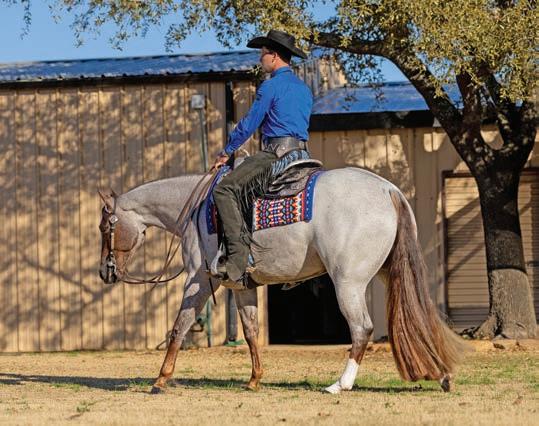
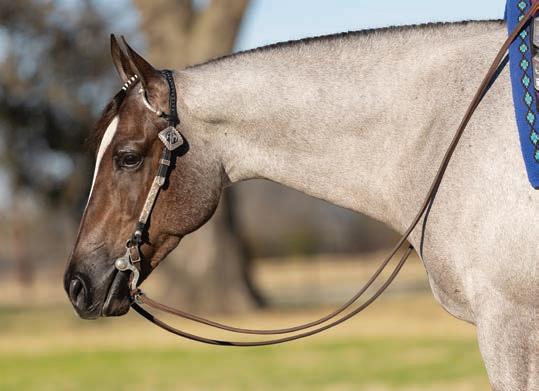
“He had almost his entire three-year-old year off due to an eye injury, which held him back from becoming a show horse last year,” he says. “But he’s really risen to the occasion this year as a strong four-year-old.”
For Kristin, that moment revealed something deeper.
“I think it speaks volumes about his natural talent, strength, and determination,” she says. “He’s an incredibly resilient horse that doesn’t let anything hold him back.”
That resilience feels fitting. Because Brady isn’t just another prospect—he represents a return.
“He’s special to me for a lot of reasons,” Kristin says. “Not just his talent, his resiliency, and his personality, but he’ll be the first horse to get me back in the show pen after over a decade. I think it takes a special one to do that. The stars really have to align.”
He’s also her first maiden horse, a milestone made even more meaningful by the team around them.
“For him to be with a trainer like Aaron is truly a gift,” she says. “When you factor in everything—the timing, the people, the horse—it feels like it was meant to be that Brady and I have reached this point together.”
With his debut on the horizon, Kristin is already looking a step ahead.
“My plan after Brady’s debut is to make my own later this year in the Limited Non-Pro events,” she says.
It’s the kind of step that doesn’t happen without the right horse beneath you. And if Brady has proven anything so far, it’s that the best ones don’t just meet expectations, they redefine them, often in the moments you never saw coming.
For Dr. Gail Mason, the path to owning Only On Netflix didn’t begin with possibility. It began with loss.
In October 2023, she was preparing to debut her three-year-old futurity mare at the All American Quarter Horse Congress when everything changed.
“Tragically, she suffered an anesthetic death,” Gail says. “It was devastating.”
That kind of loss that doesn’t just interrupt a plan—it makes you question whether you can begin again at all. It was in the immediate aftermath that Aaron stepped in.
“Aaron called me just after that and told me, in no uncertain terms, that he personally would find the horse for me,” she recalls. “I wasn’t sure I had it in me to even try again, but apparently he thought so.”
Nearly eighteen months passed before that promise resurfaced.
“Out of the blue, Aaron called my South Carolina trainer, Jeff Temple, and said he may have found a futurity horse for us,” Gail says. “About a week later, Jeff called me and said Aaron wanted us to meet him in North Carolina that same weekend.”
There was no hesitation.
“When you get a request from Aaron Moses, you just go,” she says. “And that’s exactly what we did, no questions asked.”
The horse waiting for them was Only On Netflix, lovingly known as “Griffen.” Bred by Casey and Deanna Willis, Griffen is by Nothin
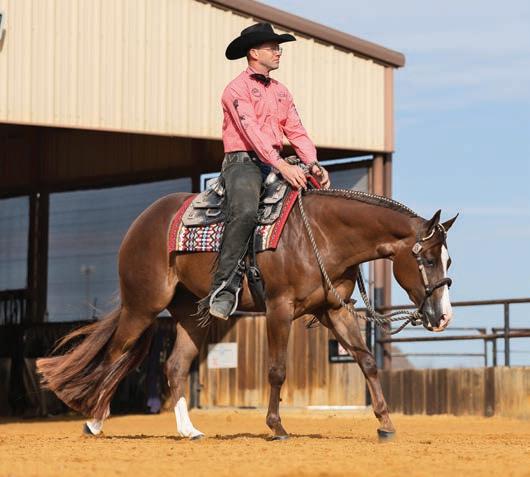
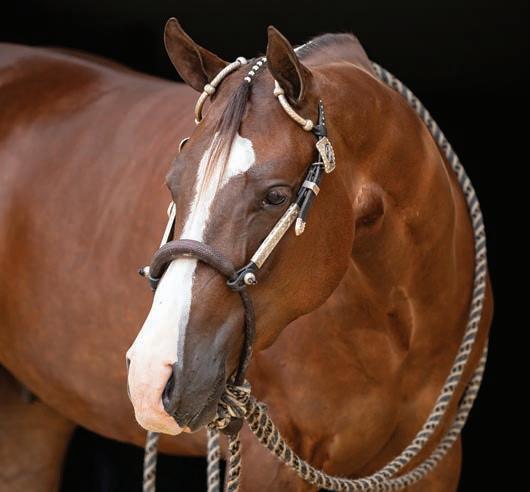
But Nett out of Outta Assets. At the time, he was Kelby and Kaitlin Hutchinson, who had already recognized his potential early on.
“We bought this horse from Kelby and Kaitlyn early in his two-year-old year,” Aaron says. “He was very broke and just wanted to do his job. He felt like a show horse form the start.”
Gail remembers the first moment she saw him just as clearly.
“Jeff and I were standing in the middle of the arena when Griffen jogged in,” she says. “He is tall, elegant, and flashy. He had only loped and jogged one way before we knew we wanted him. He has an incredibly deep, soft hock, and a flat, sweepy front leg. His jog is perfectly cadenced. Watching Kelby and Aaron ride him was breathtaking.”
And just like that, the journey began again.
In the months since, what has stood out most hasn’t just been his movement. It’s been his mind.
“He’s a very solid horse,” says Aaron. “He’s talented, has a good look, and he’s just a good boy that wants to do his job.”
With a young horse, patience often shapes the outcome as much as talent. Together with her team, Gail made the decision to give Griffen time.
“We chose not to show him as a two-year-old,” she says. “We felt he would benefit from more time to grow.”
It was a decision grounded in both experience and perspective. “I’ve been riding since I was five years old,” Gail says, “though I had a long absence during veterinary school and while operating two veterinary practices.”
But horses have a way of finding their way back into your life.
“In 1994, I fell off the wagon again after a client showed me photos of her Quarter Horse gelding,” she says with a laugh.
Now, she finds herself surrounded by some of the industry’s most respected horsemen and stepping into one of its biggest stages.
“It is truly the thrill of a lifetime to be among such quality people and trainers as Aaron Moses, the Hutchinsons, and Jeff Temple,” she says.
That journey now leads to the Maiden Western Pleasure at The Premier.
“To be among the best of the best at The Premier has exceeded any and all expectations,” Gail says. “Regardless of the outcome, we know we gave it our all, and we feel incredibly lucky to be part of this horse’s story.”
She pauses, then adds, “and it’s just the beginning.”
When Tommie Prichard first connected with Aaron, the two sat down to talk through what she wanted and where she was headed.
“When I first came to Aaron’s, we talked about my goals for showing western pleasure futurities and what kind of horse it would take to get me there,” she says.
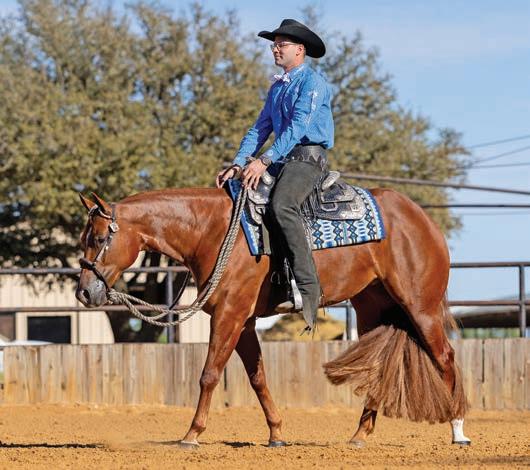
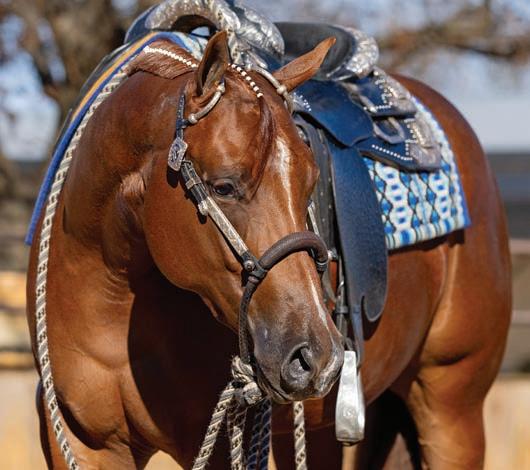
From the start, it was about more than just finding a nice horse—it was about finding the right one. One that matched her goals and had the ability to help take her there. As it turned out, the search didn’t take long.
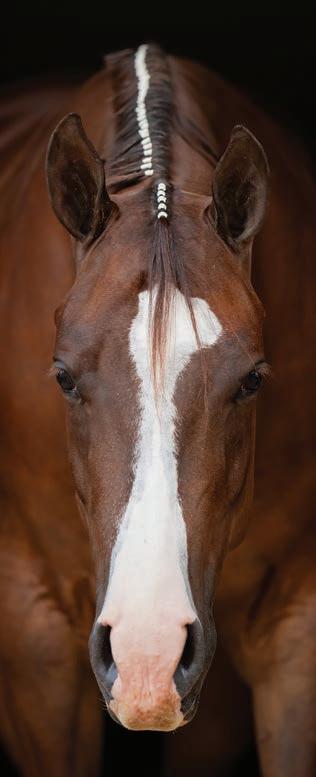
ImJustAGirll, known as Charlotte, had already begun to show that promise early. By Certainly A Vision and out of Hot Black Chocolate, she brought together pedigree with performance, having already found success in the longe line as a yearling before stepping into Aaron’s program to begin her training under saddle. From the very beginning, she made an impression that was hard to ignore.
“Within the first few rides, this horse really set herself apart from the rest,” says Aaron. “She had the natural ability and self-carriage that you want to ride every day. She profiles great, is built very well, and she’s stunning.”
It wasn’t one defining quality, but the way everything came together—consistently, effortlessly—that made her impossible to overlook. So, when the opportunity to purchase her came, there was no hesitation.
“Charlotte has a very natural way of going, along with the athletic ability,” she explains. “And she’s got a great personality. She’s kind, loves people, and she’s willing to please. I’ve owned and shown horses most of my life,” she says. “And I’ve never owned one quite like Charlotte. She is just the whole package, and then some.”
Even some time off did little to interrupt that trajectory. After a break during the middle of her two-year-old year, Charlotte returned to work with a level of readiness that only reinforced what had been evident from the start.
“She had to have some time off during the middle and end of her two-year-old year,” Aaron explains. “And when she came back to work, she was an even better horse. That’s when we really knew she was going to be a show horse this year.”
But beyond what she’s shown—and what’s still ahead—her impact is already firmly felt.
“I’m so honored to be in Aaron’s program,” she says. “And to own a mare like Charlotte.”
As her maiden debut approaches, the next chapter is already taking shape.
“Once she has the opportunity to be show in a Maiden class, I hope to show her in the non-pro three-year-old events this year, and for many more years to come,” Tommie says.
Then, with a smile, she adds the detail that says just as much as anything else.
“This mare is so special. She loves cookies—more than my grandchildren.”
It’s a lighthearted comment, but an honest one—and perhaps the most telling of all. Because beyond the pedigree, the preparation, and the plans ahead, Charlotte has already done the hardest part.
She’s made herself impossible not to love.
While some horses are found, others are part of the family from the very beginning.
“Despurado was bred, foaled, and raised at Banks Ranch,” says Laina Banks. “We were there the moment he hit the ground and have been deeply involved with him his entire life. He is family to us.”
Even his name reflects that connection.
“We gave him the barn name Caymus after one of our favorite wines, and he carries the name perfectly,” she says.
By Extremely Hot Chips and out of the multiple World and Congress Champion mare Strawberri Wine, Caymus carries a pedigree that naturally comes with expectations. But for the Ken and Laina, what stood out first wasn’t what was written on paper, it was the presence he carried from the very beginning.
“From the day he was born, Caymus has been known for his unique, charismatic presence,” Laina says. “He is beautiful, gentle, and like his mother, there’s just something about him that draws you in immediately.”
That presence translated seamlessly into his early development.
“Caymus was always special,” says Aaron. “It didn’t matter if he was standing in the field with his friends, walking down the barn aisle, or loping around on that first ride. He has a poise about him that you just can’t explain unless you see it for yourself.”
As he’s matured, that natural presence has been matched by his ability and his willingness to learn.
“He has a remarkable temperament, incredible trainability, and tremendous natural talent,” Laina explains. “He is cadenced and correct, with strong, powerful self-carriage.”
“He wanted to progress very quickly from day one,” Aaron adds. “He’s a very old-school style of horse that is unique and special, especially being a stallion prospect.”
With a colt like that, it would be easy to rush the process. Instead, every decision has been made with intention.
“From day one, we all believed we should take our tie and choose the right pace with him,” she says. “We wanted to give him the opportunity to be at his very best the day we put him in the show pen.”
That patience, combined with Aaron’s expertise, has shaped the horse he is today.
“Aaron had put incredible attention into the strategy for his success and has done an outstanding job preparing and managing him,” Laina says. “We are so thankful to Aaron and his team for all they have done for us, our horses, and our program.”
What continues to set Caymus apart, though, is something harder to define—but impossible to overlook.
“Like all of our maiden horses he has a very unique and distinguished style,” Aaron says. “It almost feels like going back in time, but in a more modern version. His poise and appearance just set him apart. You truly can’t take your eyes off him.”
Still, what makes Caymus special goes beyond how he moves or
performs—it’s what he represents.
“It’s always special when we raise a great horse at Banks Ranch,” Laina says. “Caymus already holds a tender spot in our hearts as he is a son of our remarkable mare, Strawberri Wine.”
Now, as he heads towards his Maiden debut, the moment carries a different kind of anticipation.
“It’s our favorite part of the breeding journey,” Banks says. “Win or lose, it makes all the hard work as a breeder worth it when you see them all dressed up and going into the pen for the first time.”
Because getting there is never simple—and never done alone.
“We truly appreciate and understand all the effort it takes by so many people to get one to make it successfully to the show pen,” she adds. “We are blessed to be surrounded by such a special team of people who help make our dreams a reality.”
His debut is just the beginning of what they believe will be a long career.
“We believe Caymus has a bright future in the Western
Pleasure pen, as well as following his mother’s legacy into an allaround career,” Laina says. “He is a special individual, and we are so excited for his future in all arenas.”
For now, though, the focus is simple—enjoying the moment they’ve worked so hard to reach.
Four horses. Four very different paths.
But in a program where nothing is accidental, they are connected by something deeper—the same patience, the same attention to detail, the same belief in letting each one develop into exactly what it’s meant to be.
By the time these horses walk through the gate, the real work has already been done. The decisions, the setbacks, the timing, the trust—it’s all there, built into each ride long before the first stride in the pen.
And in the moment, what you see isn’t just potential. It’s everything it took to get there.
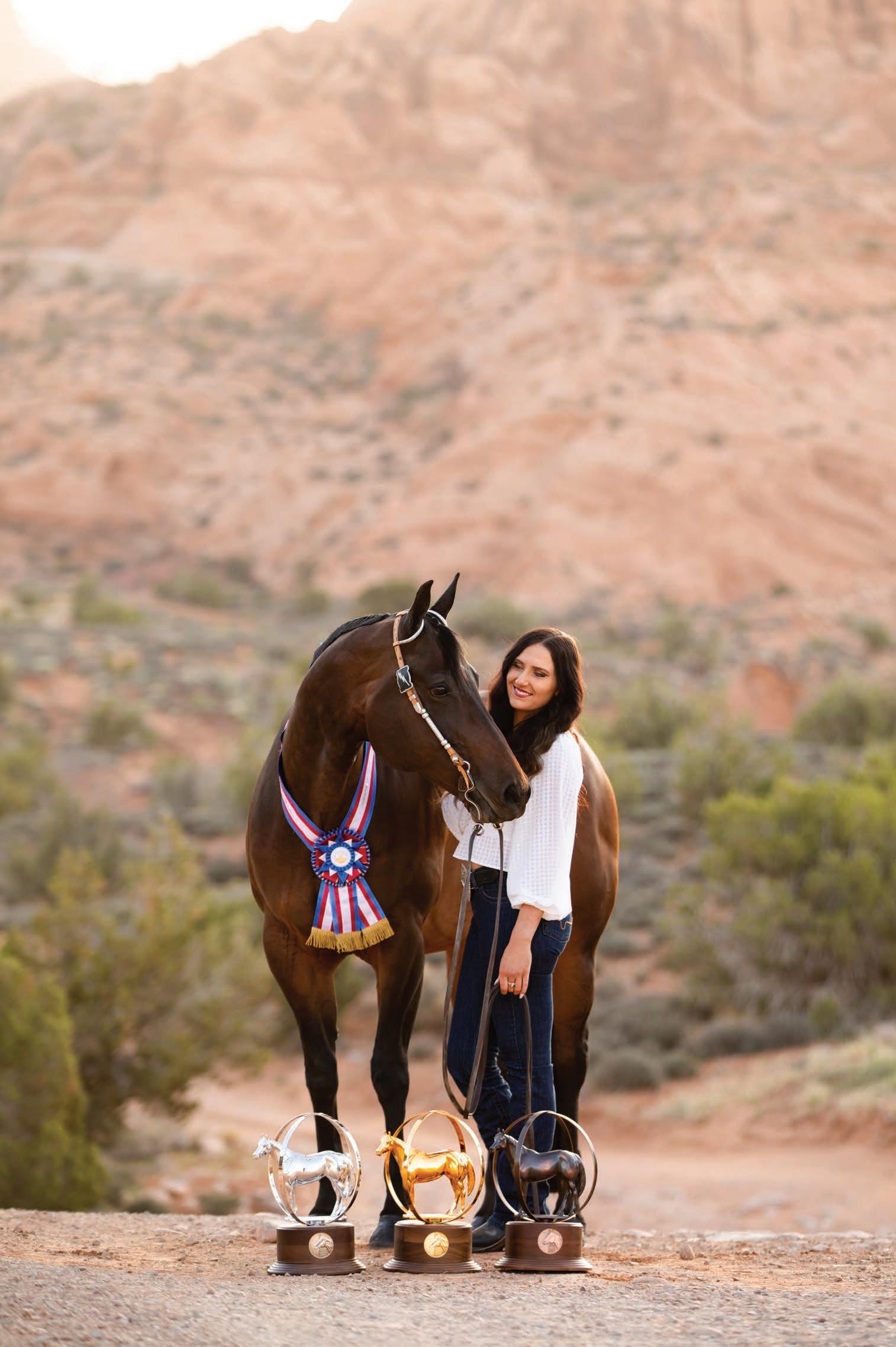

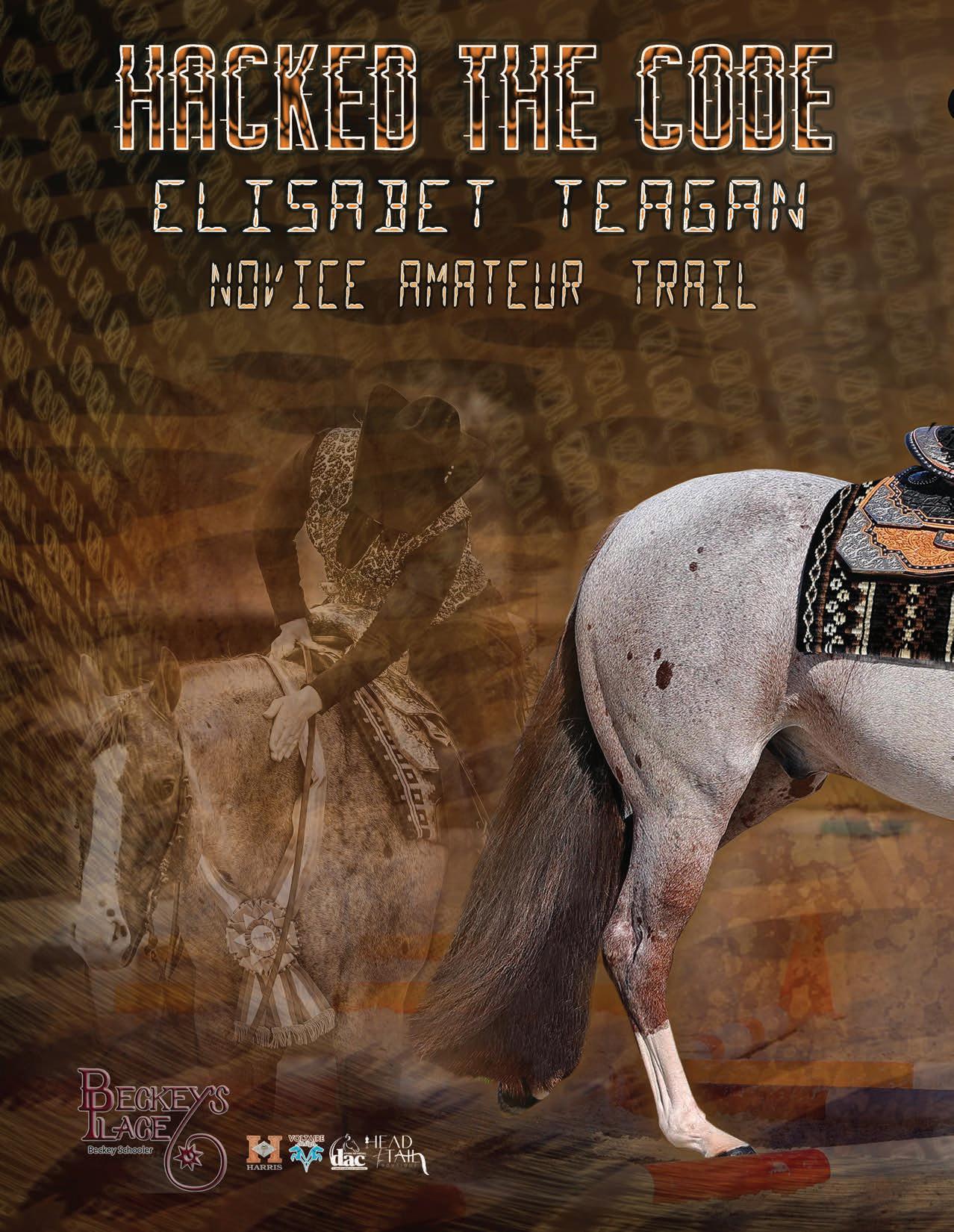
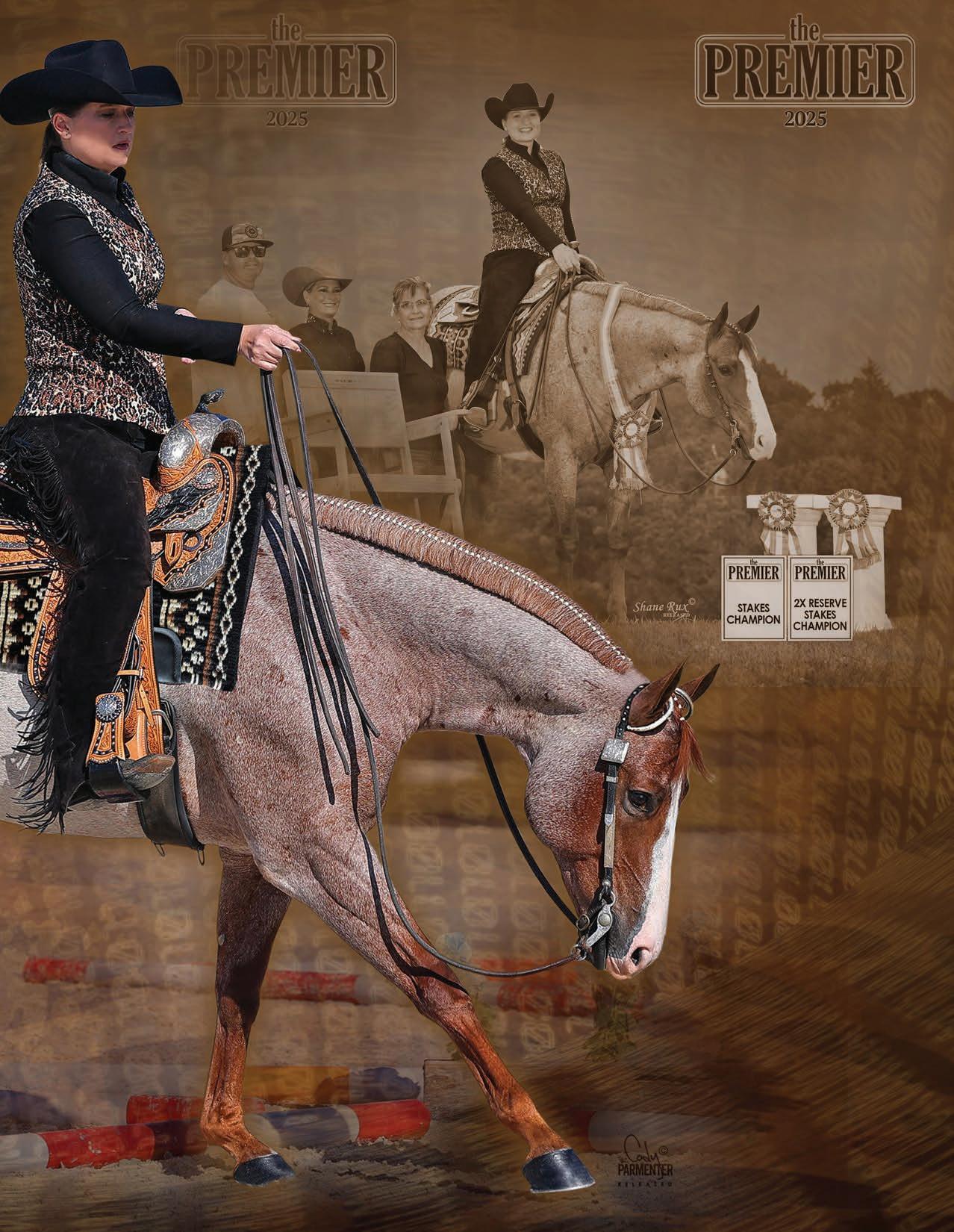
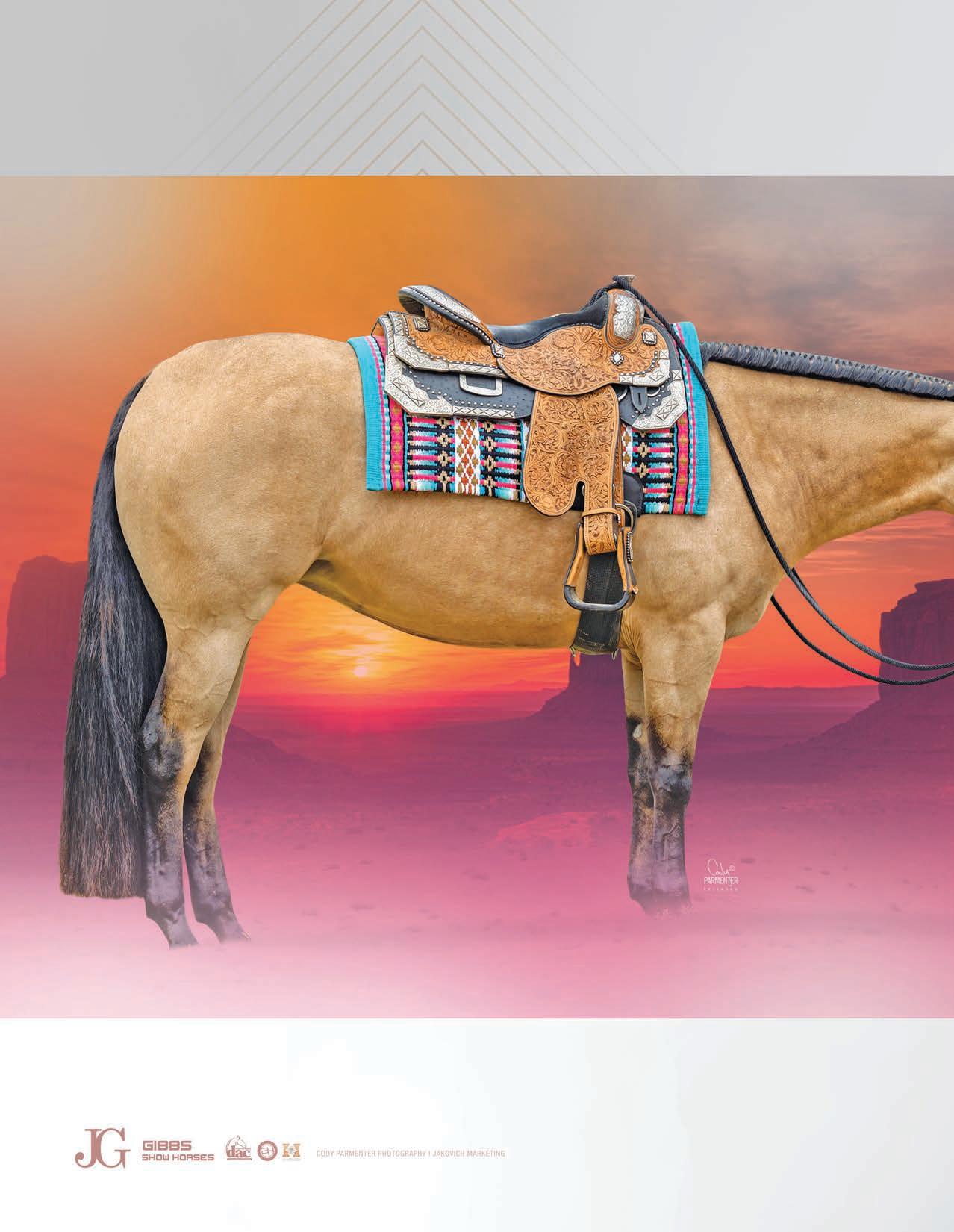
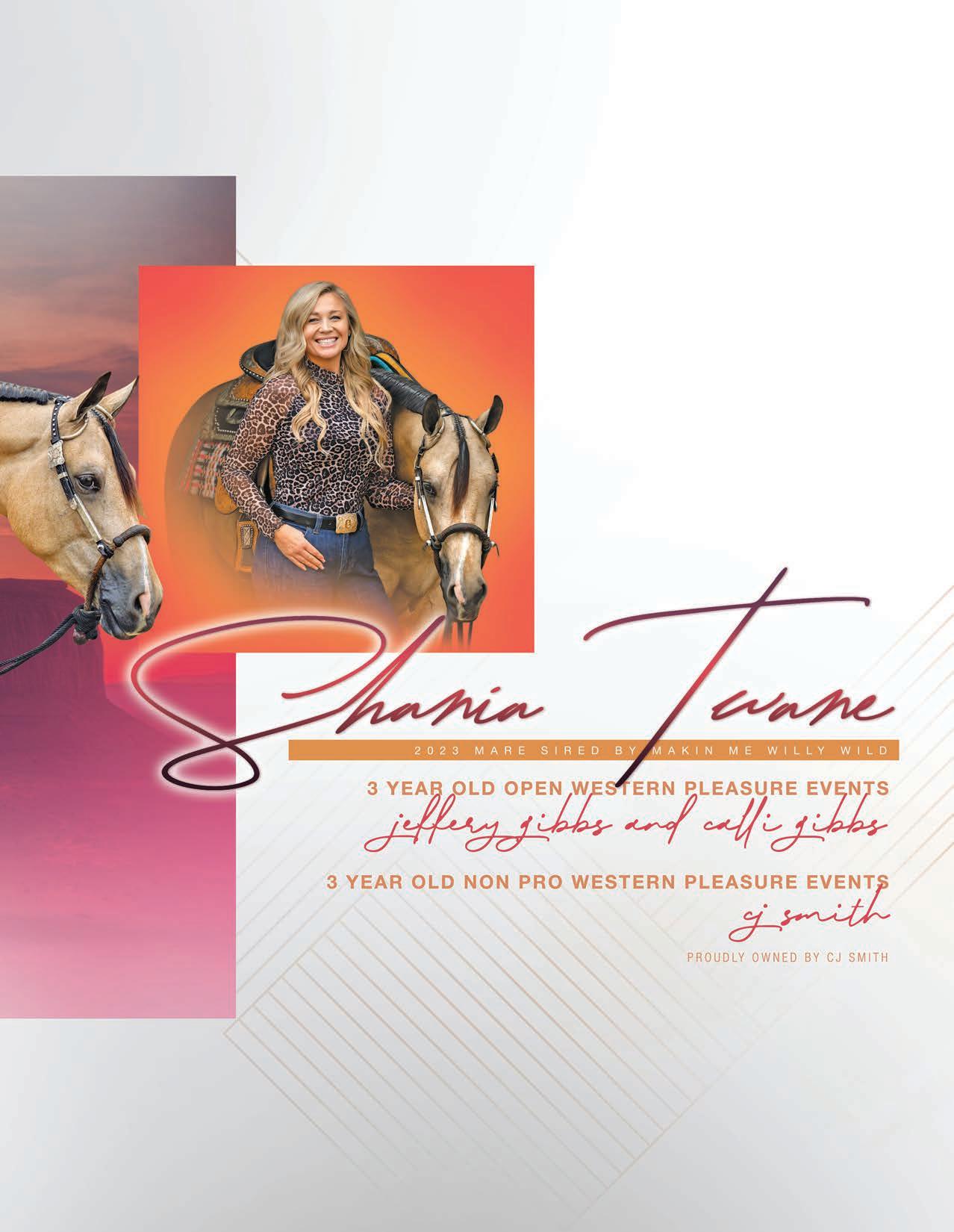
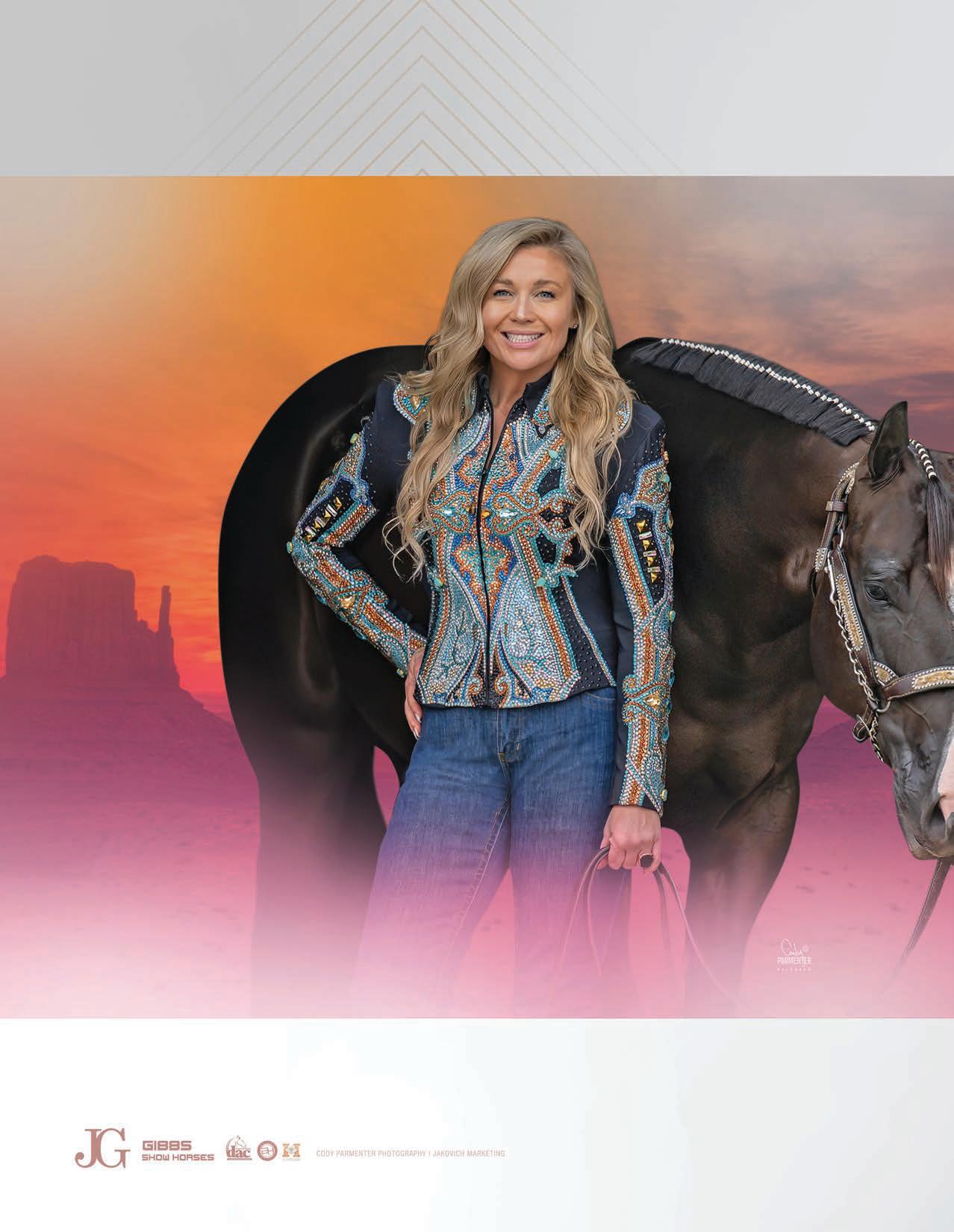
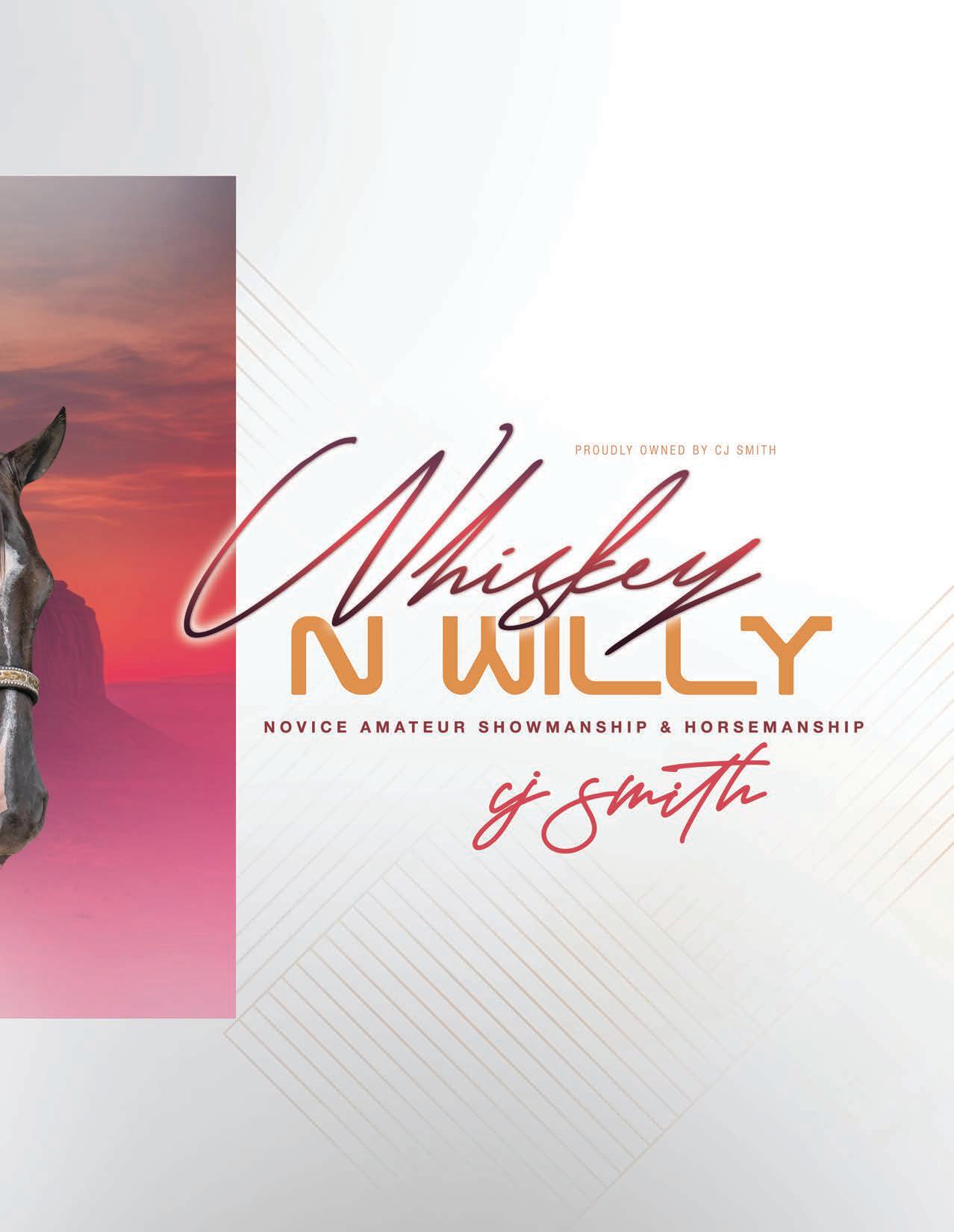
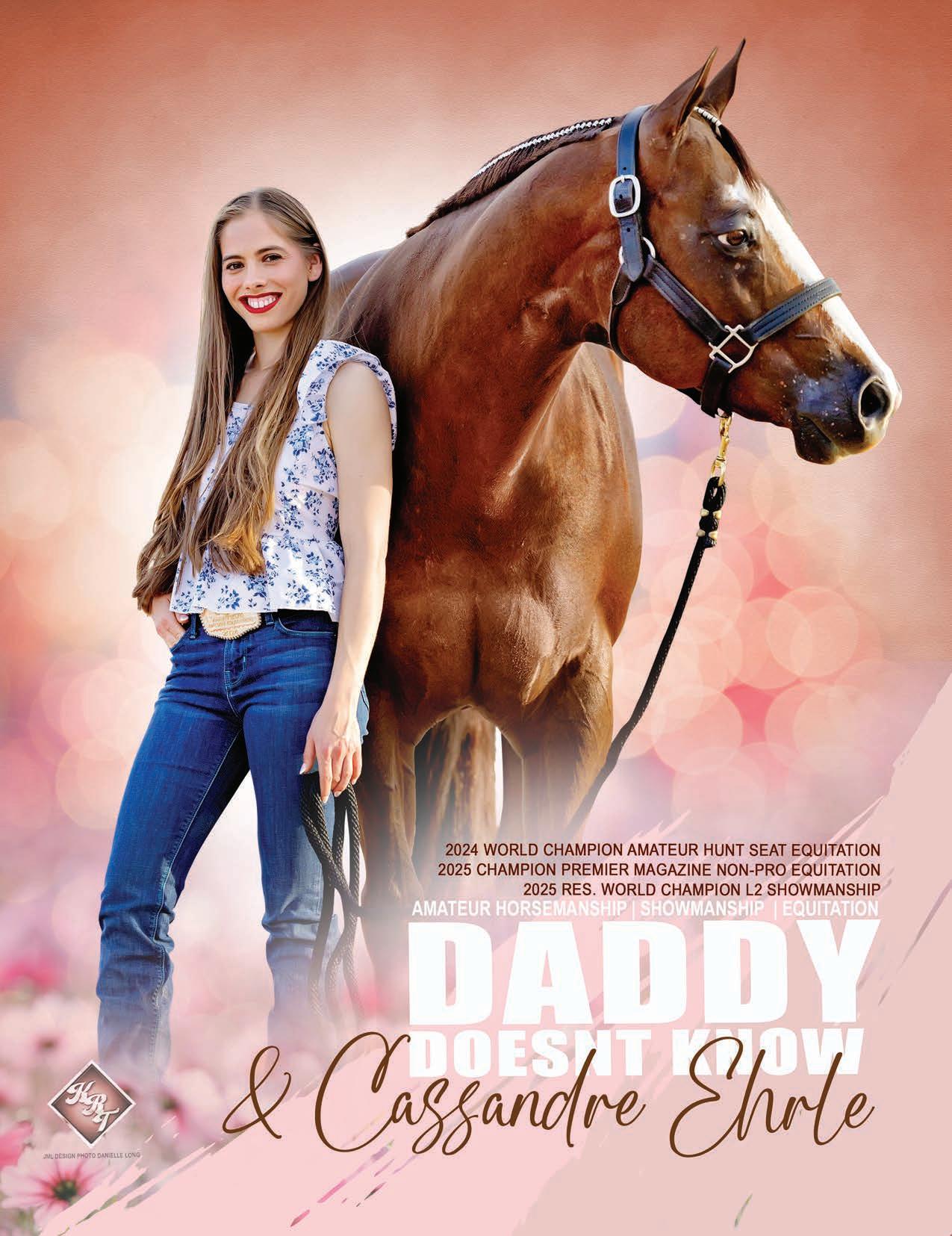
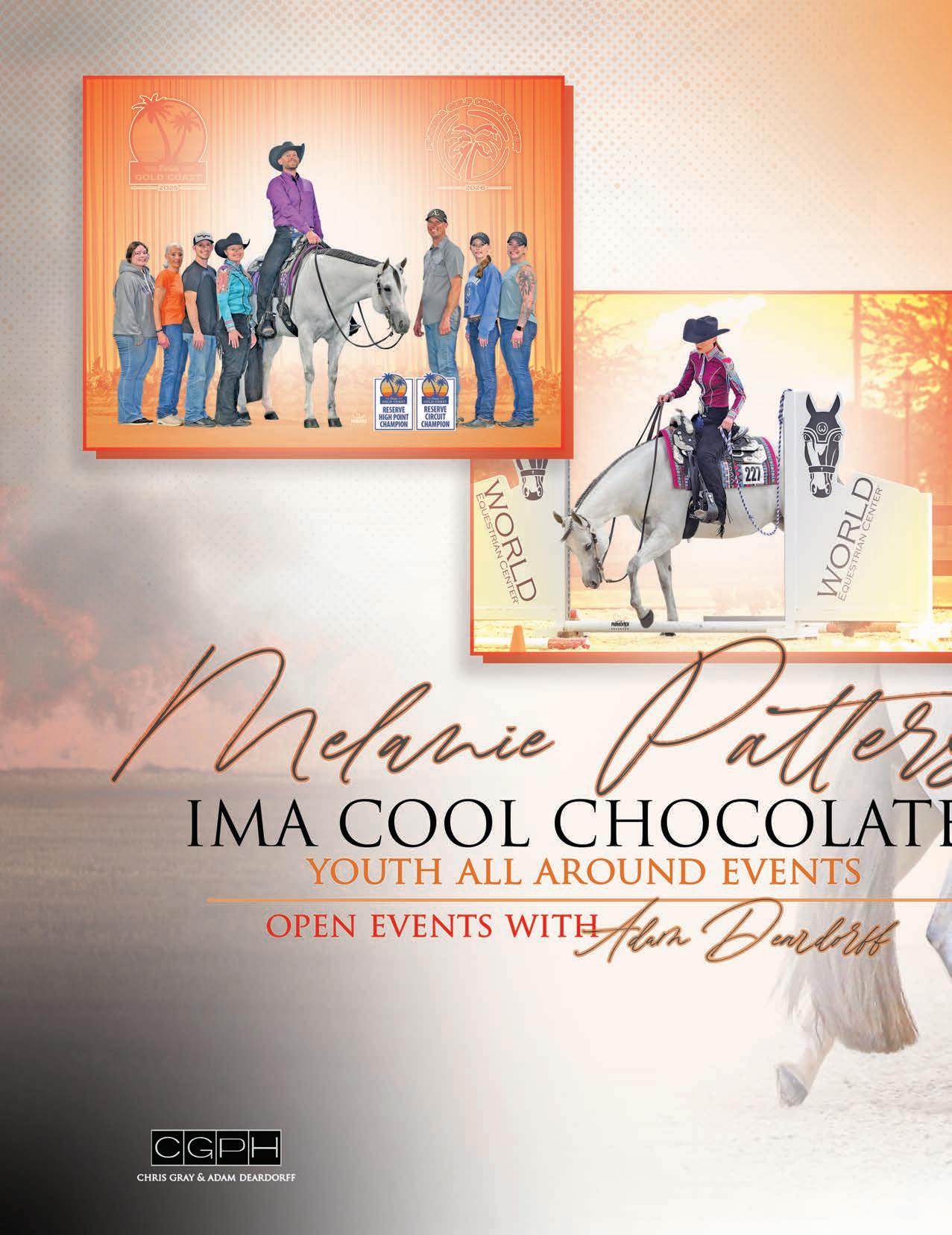
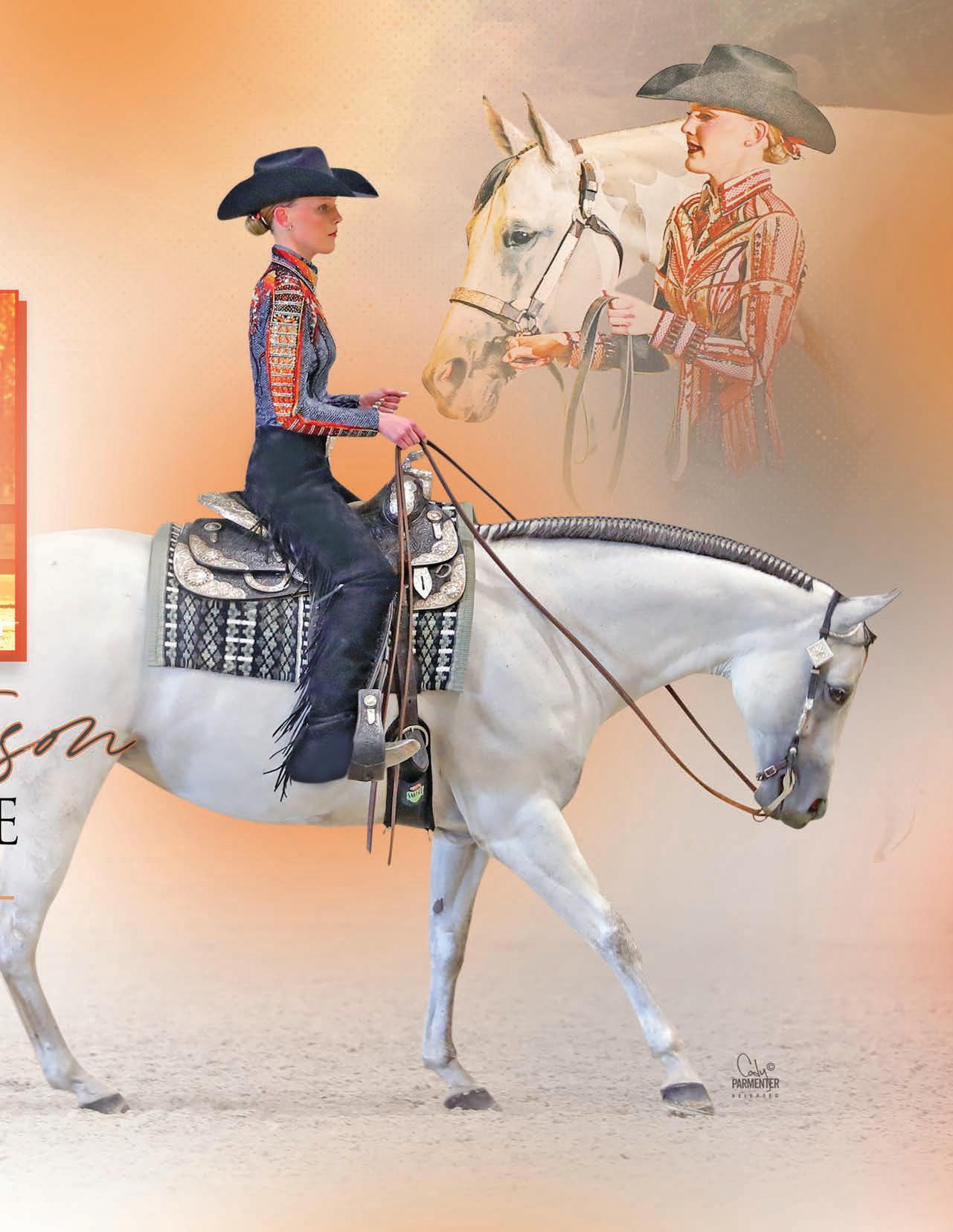
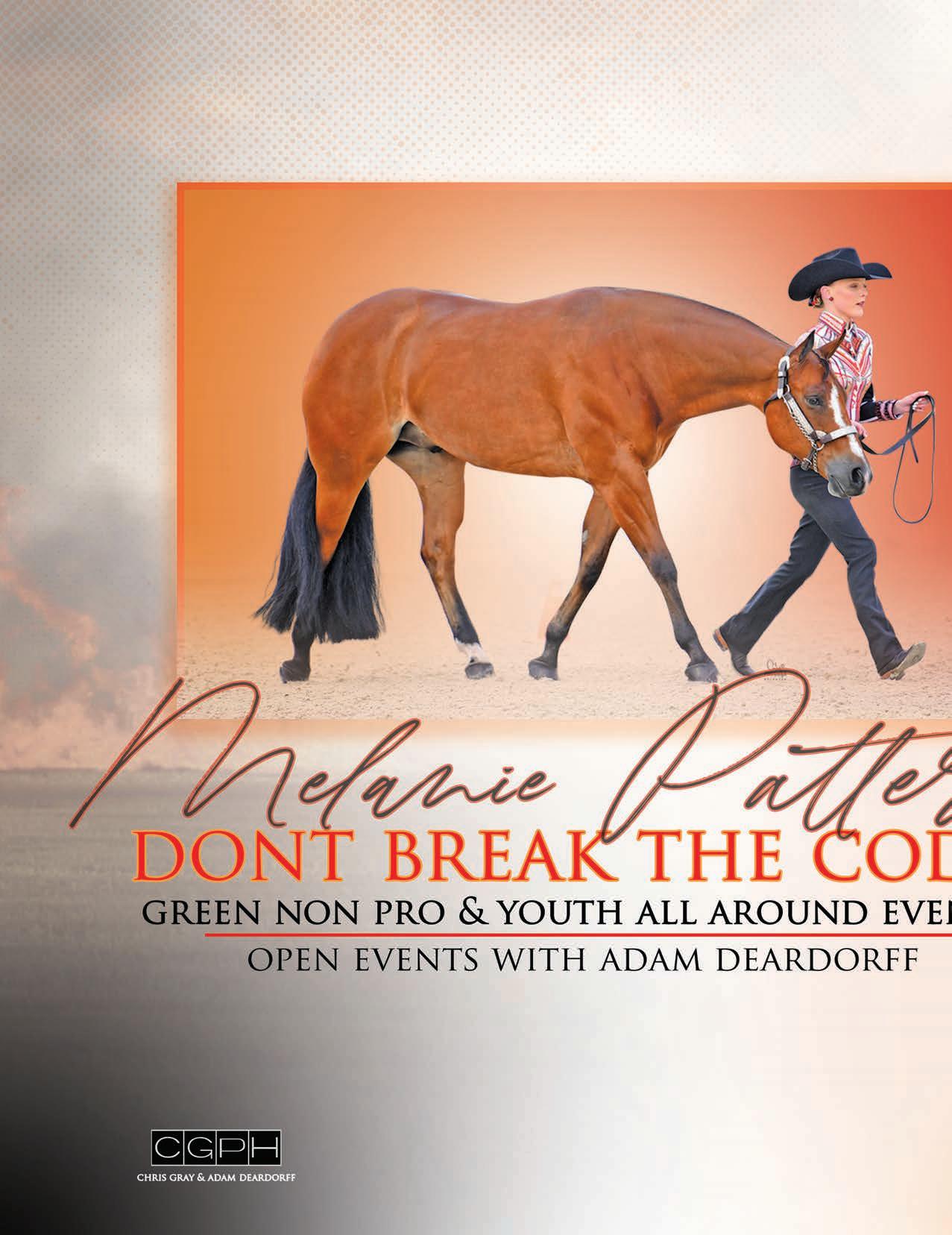
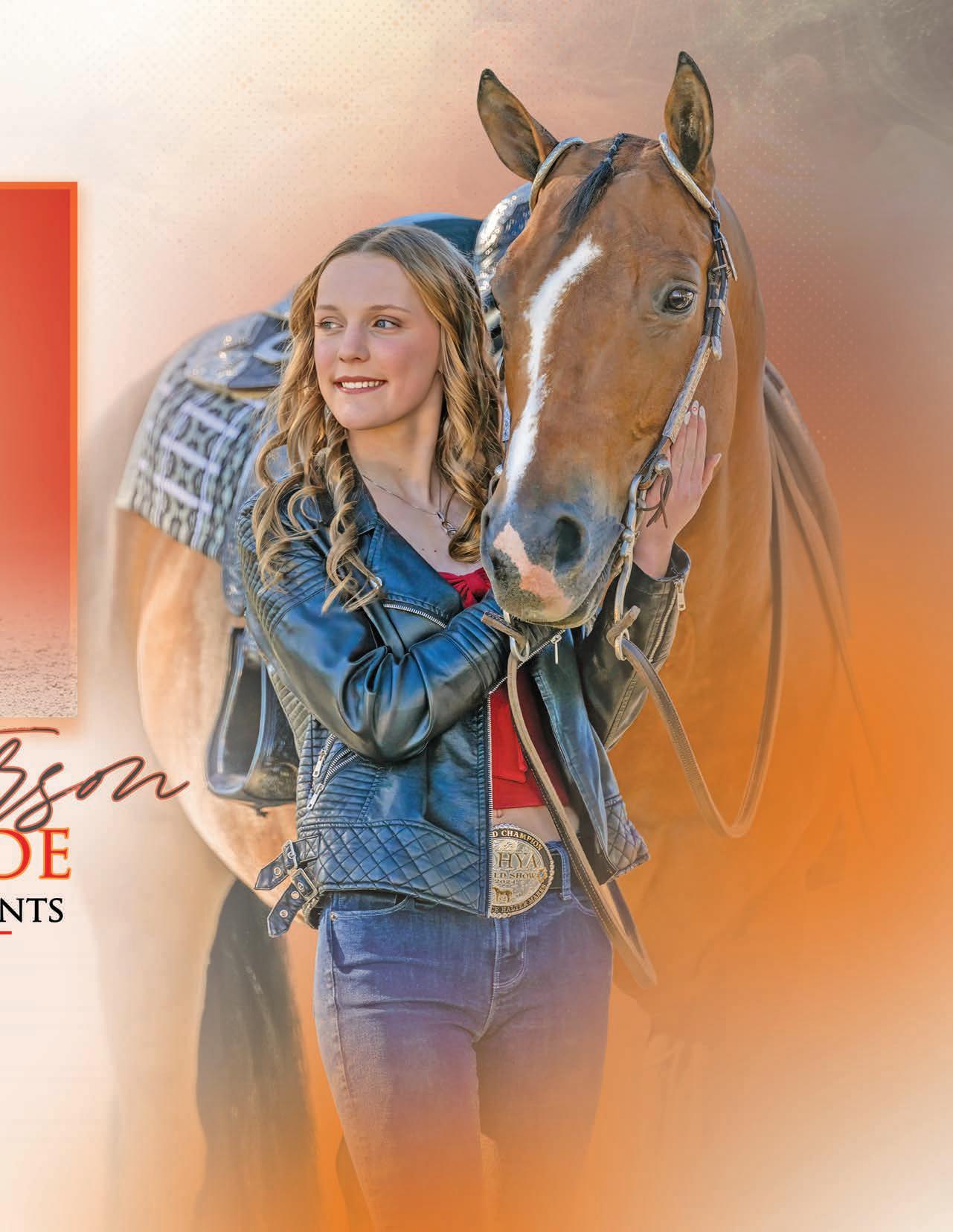
Written by Claire Binkowski
Often the first in the barn and the last to leave, assistant trainers are the steady heartbeat of the horse industry. They carry the weight of long hours, quiet sacrifices, and an unwavering commitment to the horses and programs they help shape. More than a supporting role, they are the future, carrying on tradition while redefining what excellence looks like for the next generation. This series focuses on the assistant trainers who keep the industry moving forward. Because while the spotlight may not always find them, their dedication doesn’t just support the sport—it shapes what it becomes.
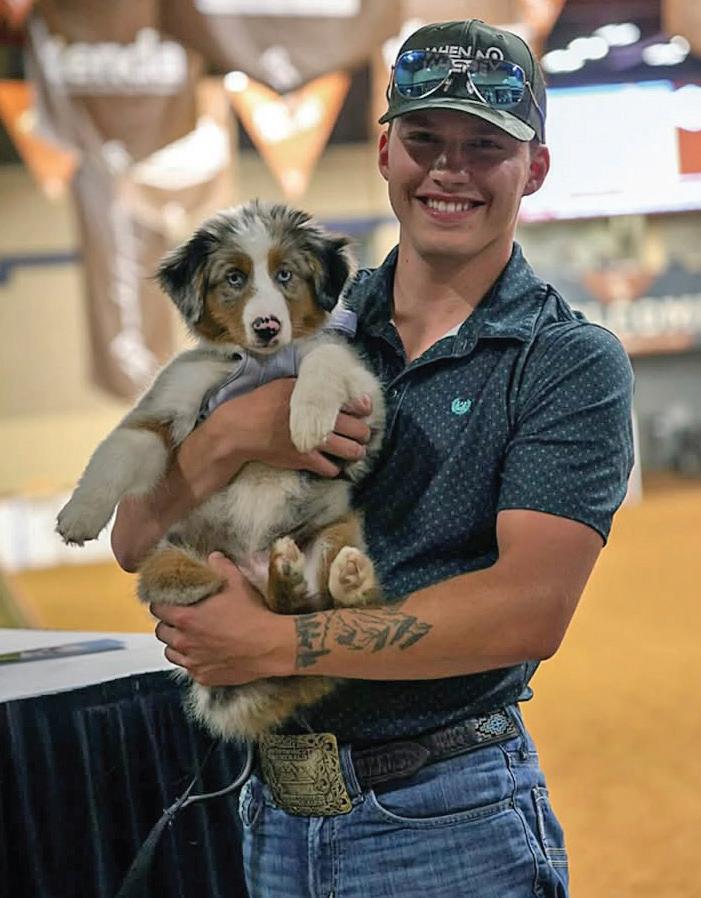
Long before Hunter Ball ever considered a career in the horse industry, he was simply a kid who preferred the barn over the house. On a small five-acre farm in La Center, Washington, his days were filled with 4-H projects, livestock to care for, and the kind of routine that quietly builds discipline and independence. It was a childhood where work ethic wasn’t something you learned, it was something you lived.
“Growing up I was heavily involved in 4-H from a young age,” Hunter recalls. “Raising pigs and show cattle, and playing basketball competitively—even winning a state title with my club team.”
Horses were always part of the picture, but they weren’t the focus, at least not yet. “I had always grown up around horses,” he explains, “but my path may not look like other assistant trainers.”
He rode when he could, often at friends’ houses and occasionally at small local shows, but there was no early immersion into the breed circuits and no clear indication that this would become his career.
After high school, Hunter moved to Oregon for college, and it was there that something began to shift. He was working fulltime at a veterinary clinic but found himself carving out more and more time for the barn.
“What started out as a hobby grew into a deeper passion,” he says. “While I worked at the vet clinic, I also started working at a barn in Redmond, Oregon three days a week where I focused on becoming a better rider.”
What began as a way to improve quietly turned into something more. The more time he spent in the barn, the harder it became to ignore the pull toward it, and the more difficult it became to imagine choosing anything else.
As his time in the saddle increased, so did his understanding of the industry itself. From the outside, disciplines like western pleasure are often reduced to what’s visible in a few minutes in the show pen. But for those inside it, the work is far more complex.
“A lot of people who don’t understand the industry are quick to throw hate on the riders or horses,” Hunter says. “But honestly, the amount of work and time that goes into shaping these
horses and teaching them new events from start to finish and getting them to perform the way they do is pretty incredible.”
That deeper appreciation came with experience—and with it, a growing desire to be part of the process in a more meaningful way. Around that time, an opportunity surfaced in a way that felt almost incidental. He came across a Facebook post from Vickery Performance Horses, looking for an assistant. At first, it felt out of reach.
“I thought, ‘Wow, that would be a great opportunity to learn from two of the best in the industry,’” he says. “But at the time, I didn’t think I was ready to move or even wanted to train horses full time.”
Still, the idea lingered.
“Maybe a month or two passed, and I had decided I wanted to move to Texas and train horses full time,” he says. “So I reached out and it just happened that they were still looking.”
Not long after, Hunter made the move to Texas, and as he puts it, “the rest has been history.”
Now, more than two years into his time with Bruce Vickery and Anthony Montes, Hunter looks back on that decision as a turning point—one that placed him in an environment where growth was inevitable.
“Anthony has given me lots of tips and tricks that he has learned over the years,” he says with a smile, “but I would like to keep my job so I probably shouldn’t give away his secrets.” Bruce, he adds, offers something equally valuable. “He’s a wealth of knowledge and always there to give advice on what he sees or answer any questions I may have.”
But as much as he’s learned from the people around him, the horses themselves have shaped him just as much—if not more.
“The biggest lesson I have learned is patience,” Hunter says. “Every horse learns differently and at different rates, so not pushing them too hard or rushing through obstacles and letting them figure it out themselves has been a rewarding part of the process.”
It’s a philosophy that shows up in the horses he speaks about most.
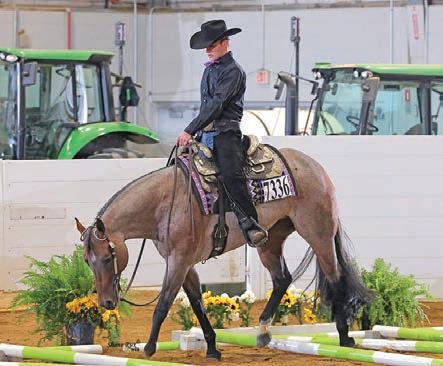
A barn favorite, Girlz Got Game is one of them. “She challenges me every day and has taught me many valuable lessons,” he says. Another, Never Doubt A Cowboy marks an earlier turning point. “He really grew my love for the horse industry and won me my first circuit trophy award.”
Each horse, in its own way, has left an imprint—not just on his resume, but on how he approaches the work itself.
That perspective becomes especially clear in how he defines success. One of his proudest accomplishments came at the 2025 Congress, where he showed Girlz Got Game in the Level 2 Senior Trail and finished fourteenth.
“We didn’t walk away with a trophy,” he says, “but for my first time showing at the Congress as an open rider, I was proud of her and what we were able to accomplish together.”
More importantly, it gave him direction.
“It gave me a baseline for what I needed to go home and work on for the next time I stepped into the show pen.”
Behind the scenes, the work is constant. Horse shows, in particular, require a level of organization and adaptability that often goes unnoticed.
“Keeping everything and everyone organized at horse shows can be a challenge at times due to our busy schedules,” Hunter says. “But it certainly keeps you on your toes.”
But once the pace of the show settles, it’s the steady, day-to-day work behind the scenes that matters most.
“The best part of my job is truly getting to work with such amazing horses,” he says. “Every day is something different, and every horse is different. They can all teach you something new each day. To be a small part of that horse’s journey is pretty rewarding.”
Looking ahead, his goals are clear yet firmly grounded in the process rather than the outcome.
“Of course, everyone has winning the major shows as a goal, and it is certainly one of mine,” he says. “But for me, improving each time I step into the show pen is my main focus. The prizes will follow with the work I put in at home.”
It’s a mindset built not on urgency, but on accumulation—on the understanding that progress is something earned quietly, long before it’s recognized publicly.
And in an industry defined by competition, it’s the culture that continues to stand out most.
“What I love most about the horse show industry is the competitive atmosphere,” Hunter says. “Everyone wants to be the winner in the class, but at the end of the day everyone is
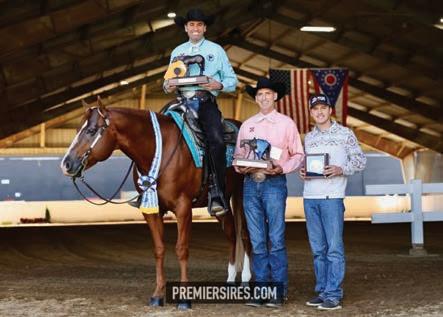
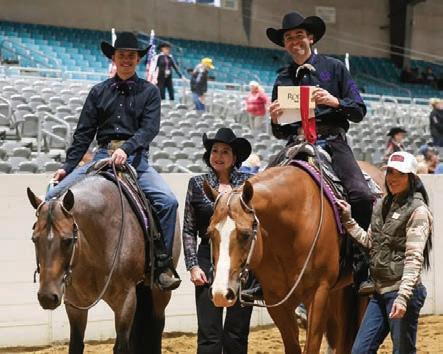
super friendly and always willing to lend a helping hand. All the trainers are really supportive and want to see you succeed.”
For those considering a similar path, his advice is simple and practical.
“Reach out to professionals or even assistants and ask questions. Hear what they have to say and absorb any information they give you,” he says. And go help trainers at shows and see if this is something you want to do every day.”
In many ways, Hunter’s story comes full circle. The same instinct that once pulled him to the barn now defines his career— showing up, putting in the work, and trusting the process. The stage may be bigger, the stakes higher, but the foundation hasn’t changed—and it’s that consistency that continues to set him apart.

Written by Claire Binkowski
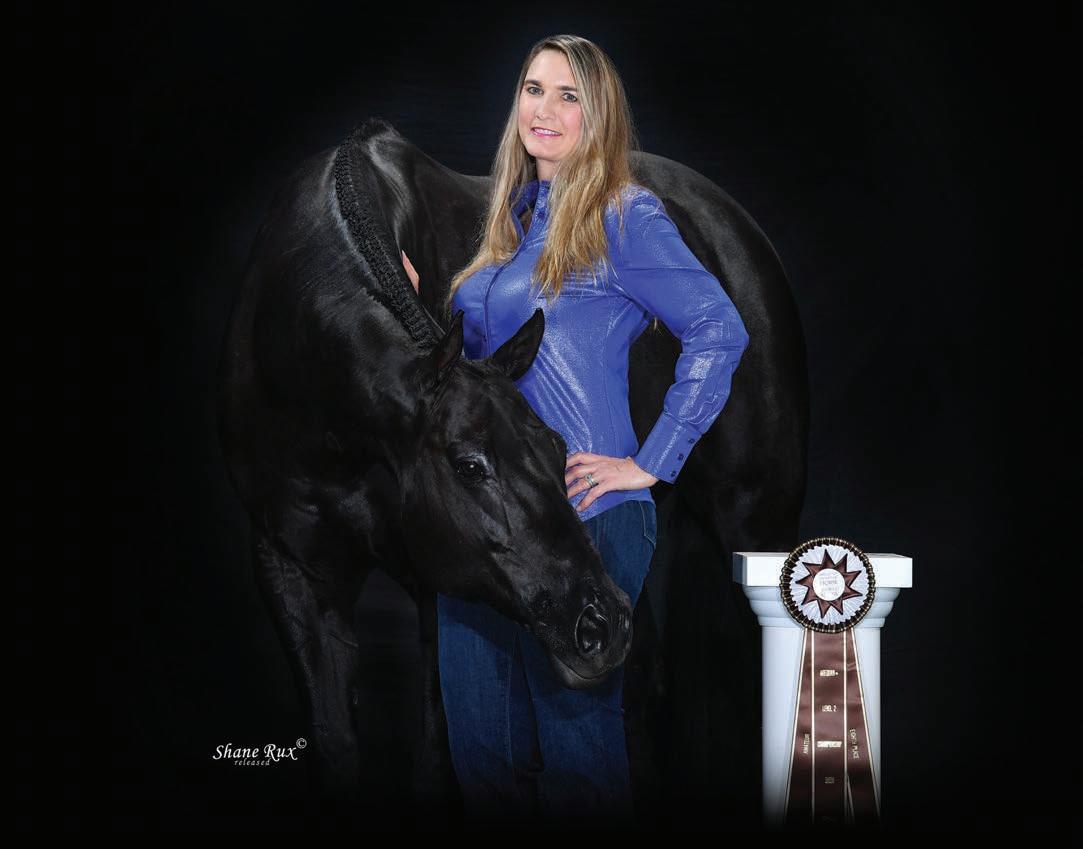
Behind every great horse is a breeder whose dedication began long before the first step into the show pen. Breeders are the backbone of the industry—thoughtfully pairing bloodlines, nurturing young horses, and investing years of patience, knowledge, and heart into each life they help bring into the world. Their work is fueled by passion and built on vision, responsibility, and an unwavering belief in what the next generation can become. They are the stewards of quality and integrity that sustain the industry at every level. This series shines a light on the small breeders whose work lays the foundation for it all. Their influence is woven into every stride, every partnership, and every success.
Out in West Texas, where the land stretches wide and the sky feels even wider, Dusty Trail Ranch sits quietly on a private road that shares its name. It’s the kind of place where the dust lingers in the air at sunset and each day unfolds at its own unhurried pace. The name itself is simple—unpretentious, almost understated.
“Our ranch is on a private road called Dusty Trail,” owner Sara Jackson-Vance says with an easy laugh. “I know, very original.”
But behind that simplicity is a breeding program built with intention, shaped by years of discipline, and driven by a vision that started long before it was ever possible to bring it to life.
Sara grew up on a ranch nearly twenty miles from the closest town, in a world where horses weren’t a luxury or a pastime—they were simply part of everyday life. By six, she was already riding on her own, developing both independence and instinct early. Horses surrounded her in every form: an uncle breeding Appaloosas, a cousin raising cutting horses, and a steady stream of young horses to ride, each one sharpening her feel and intuition.
Even then, her focus extended beyond the saddle. As a child, created an imaginary breeding farm complete with pedigrees and handwritten paperwork she still has today. In hindsight it feels telling. Long before Dusty Trail Ranch existed, the foundation was already there—not just a love of horses, but a fascination with how they were made, how breedings were planned, and how thoughtful decisions could shape something exceptional over time.
As Sara moved into her teenage years, that curiosity translated into success in the show pen and beyond. She competed locally and regionally, eventually advancing to the national stage through judging competitions. Being part of a team that won both the AQHA Youth World Show and Congress—along with earning individual accolades—refined her eye and gave her a lasting framework for evaluating horses. She still leans on those lessons today, noting that once you learn to recognize balance, movement, and presence, it never really leaves you.
And yet, despite that early enthusiasm, her path didn’t lead directly into breeding. Instead, it took a turn that required patience, discipline, and years of commitment in an entirely different field.
Sara built a career in medicine—first as an ICU registered nurse, then as a nurse practitioner, before ultimately returning to medical school, completing an emergency medicine residency, and earning additional degrees in business and healthcare leadership. It was a demanding journey, one that required focus and resilience, but it also meant putting her long-held dream on hold.
“I always knew I wanted to be involved with horses and the industry in some way,” she says. “But it took time before that dream could become reality.”
Horses never fully left her life during those years. She continued to show, but breeding at the level she envisioned required more than passion—it required the right timing.
That moment came in 2013. After finishing her residency and moving back to Texas, she and her husband, David, were finally in a position to begin a small breeding operation.
In the early years, the program centered around Appaloosas as Sara focused on building a thoughtful foundation and learning alongside trusted mentors. One of the most influential was Wendy McCain, who helped guide those first steps and remains a source of support today.
As the program developed, so did Sara’s vision. Through her trainers at the time, Brittany and Colt Andrews, she was introduced to respected breeder Nancy Sue Ryan—an introduction that would prove pivotal. That relationship not only led to access to exceptional mares, but also fundamentally changed how Sara approached building her program, ultimately guiding the transition from Appaloosas to Quarter Horses.
From Nancy Sue, Sara gained something even more valuable than bloodlines: a deeper understanding of the fundamentals that drive long-term success. Proper nutrition—particularly for broodmares and developing foals—became a cornerstone of her philosophy, shaping how she approaches every stage of development.
“I firmly believe that a strong nutritional program, both in utero and throughout development, produces sounder horses with greater longevity,” says Sara.
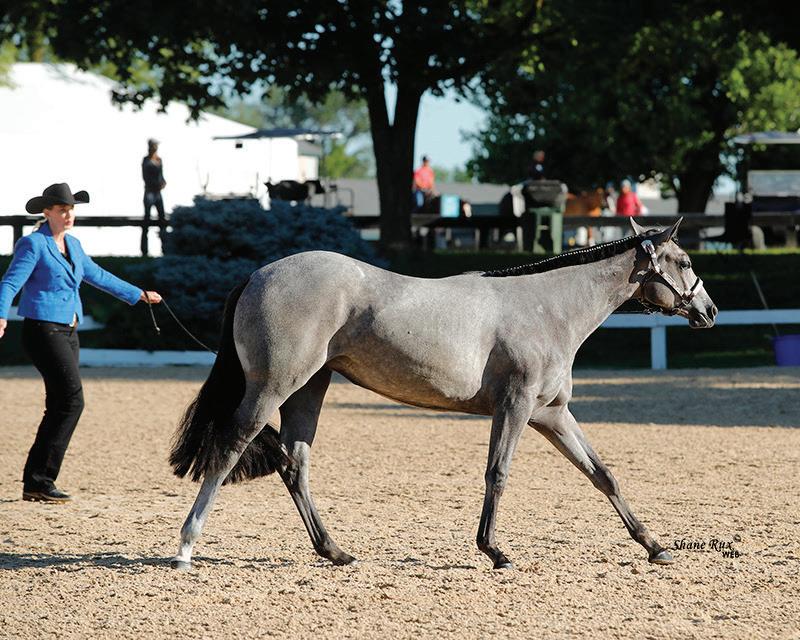
At Dusty Trail Ranch, that long-term focus is reflected in a deliberately small, carefully managed program. With fourteen mares and just three to five foals produced each year, the emphasis remains on consistency and quality rather than volume.
“We’re focused on breeding futurity horses out of exceptional mares,” Sara says. “Mares we would be proud to retain, show ourselves, or place in top show homes.”
That vision has grown over time. What began as a desire to raise horses she could enjoy herself has evolved into something more ambitious: producing horses capable of winning futurities, Congress,
and the World Shows. Increasingly, it’s also about building something that endures.
“We are now on our second generation of mares,” Sara says. “That’s especially meaningful and rewarding.”
Still, for all the planning and philosophy, breeding ultimately comes down to the horses—and the moments when everything comes together.
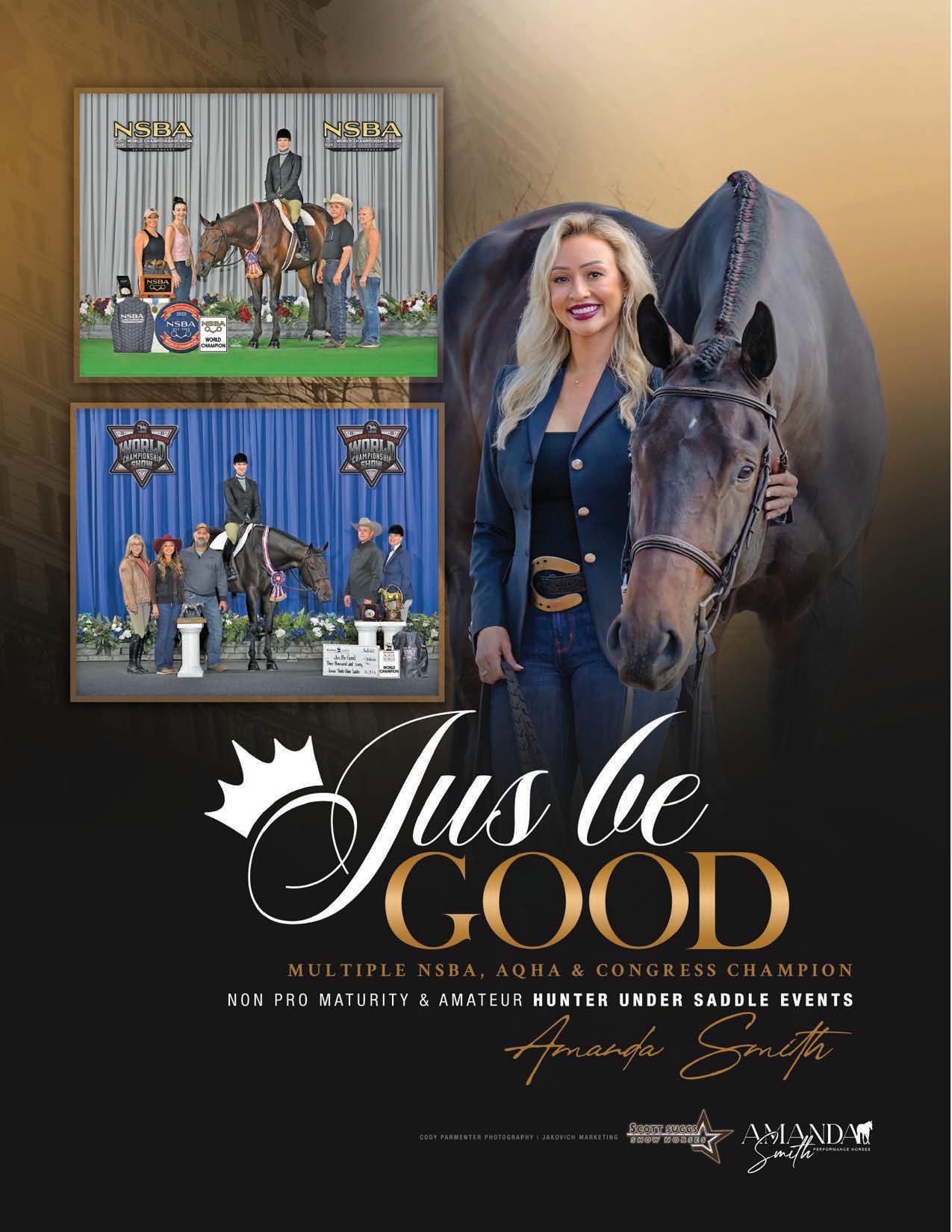
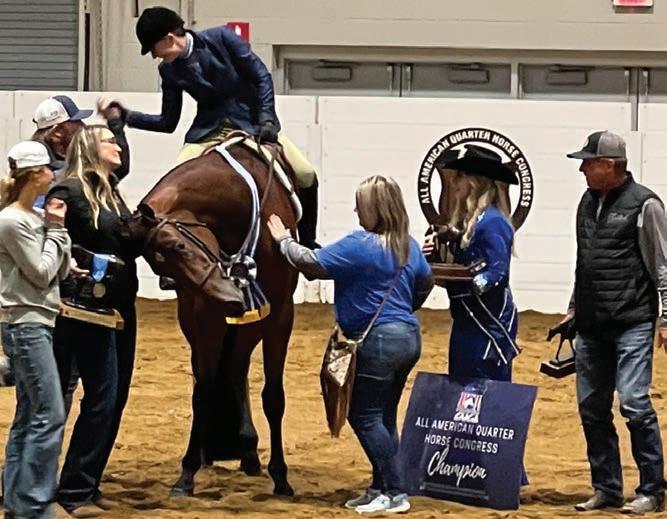
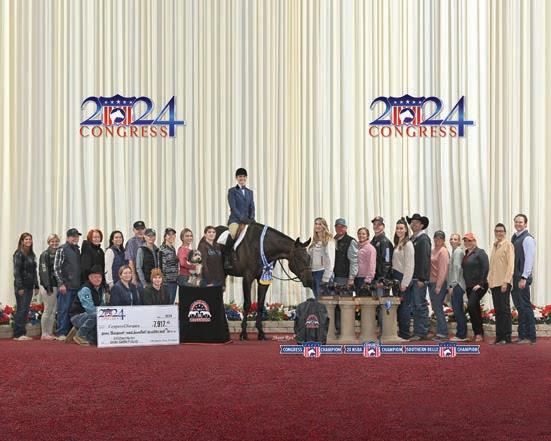
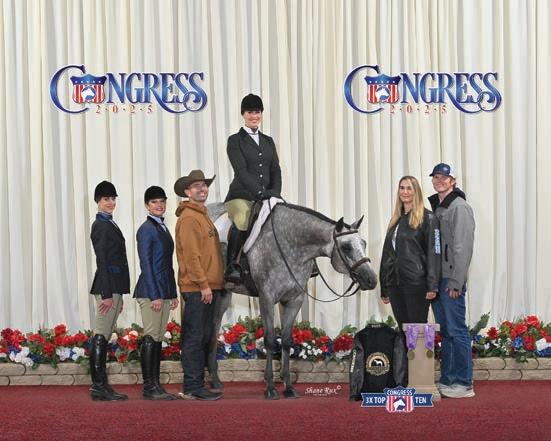
One of those moments arrived with Jus Be Good, a horse that represents both the foundation of her program and its future potential. Out of one of the first broodmares she purchased from Nancy Sue Ryan, he went on to win the Congress in the Three-Year Old Open Hunter Under Saddle with Amber Pickard—an achievement that still feels surreal.
Sara remembers sitting with Calli Rouse and Jeffrey Gibbs as it happened, needing reassurance that what she was witnessing was real. It was the kind of moment that makes the journey worth it.
“All the heartbreaks turn into joy,” she says. Because behind every win is a reality that few outside the breeding world ever see. The challenges are constant, and not every outcome matches the effort behind it. Over time, Sara has learned to approach the process with equal parts realism and optimism—expecting setbacks, while still hoping for the best.
“My experience has taught me that it doesn’t always turn out rosy and glorious, despite your best intentions and efforts,” she explains. “I actually started writing a book once called Horses and Heartbreaks. I’m still writing it.”
In Sara’s case, those challenges are compounded by geography. Operating in West Texas means limited access to veterinary care, requiring a level of independence and preparedness that shapes daily decisions. With the closest on-call vet more than two hours away, she is often left to handle emergencies on her own.
That reality influences everything—from where mares are foaled to how partnerships are structured. And yet, the fulfillment remains deeply rooted.
“I love seeing my horses succeed in other people’s programs,” Sara says. “I enjoy cheering them on.”
There’s pride in that success, but also perspective—an understanding that a breeding program’s impact extends far beyond its own fences. It’s that same perspective that keeps even the smallest details endlessly fascinating, like noticing that foals born to recipient mares often carry behaviors strikingly similar to their biological mothers.
That blend of science, instinct, and observation is what keeps the process endlessly engaging.
Outside of the breeding program, Sara’s life moves at an entirely different pace. As an Emergency Medicine physician and Medical Director, her days are defined by high-stakes decisions, leadership responsibilities, and ongoing demands on her time and attention. And yet, the barn remains a steady anchor—a place where everything simplifies.
“Riding gives me a complete escape,” she says. “That feeling of traveling on a great Hunter Under Saddle horse—it almost feels like flying.”
It’s a reminder of why she started, and why she continues.
Looking ahead, the path forward for Dusty Trail Ranch is clear, even if the journey itself is anything but predictable. The focus will remain on building and maintaining strong, quality mares—the foundation of everything. With a second generation now emerging and new prospects on the horizon, the program continues to evolve, always with intention.
Because in the end, it’s not just about producing winners. It’s about building something that lasts.
Vendors are an integral part of the horse show experience. Over the years, The Premier has been fortunate to welcome an exceptional group of vendors, many of whom return year after year, supporting our exhibitors and elevating the event. This series highlights the people behind the brands and services who play a vital role in our community.
Written by Claire Binkowski
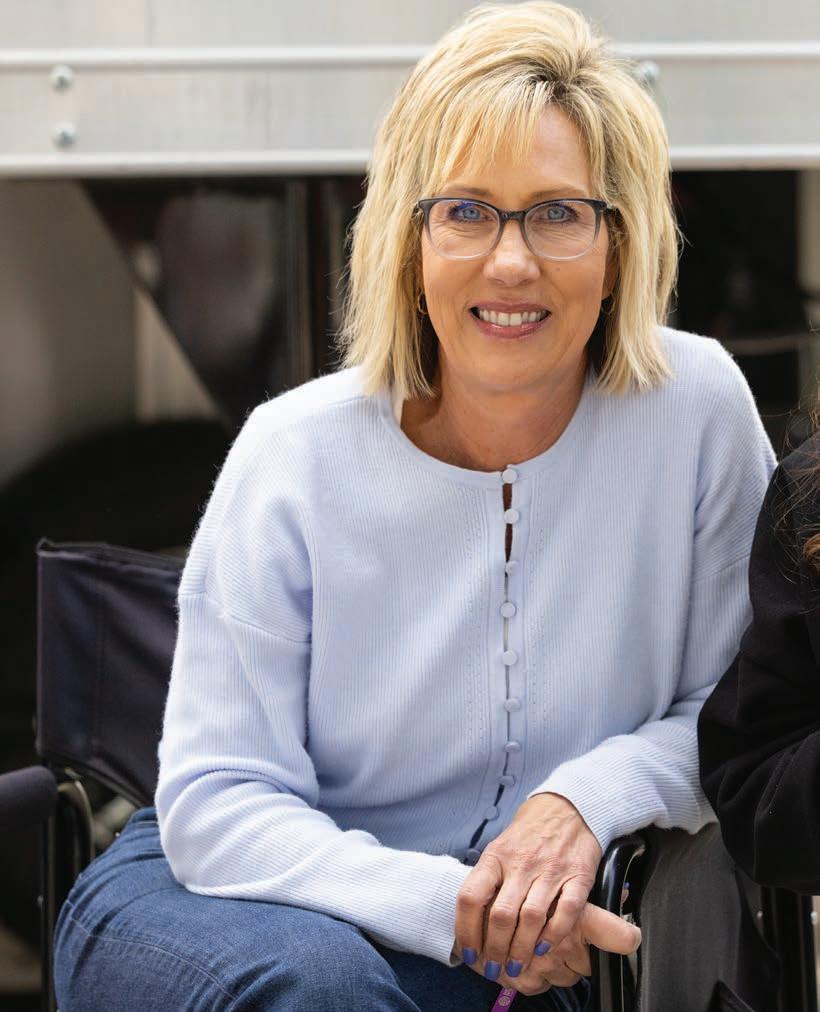
At most horse shows, there’s a rhythm that begins each day long before the first horse steps into the pen. Trucks pull in, horses nicker as feed carts roll through barns, and the quiet hum of preparation settles over the grounds. Somewhere in that early movement, often before most people have had their first cup of coffee, you’ll find Amy Engelskirger, already open for business.
“I am always open,” she says. “Whether I’m setting up at a show or it is after hours, I’m always happy to help out a customer.”
For many, that reliability has become part of the experience itself. The early morning text for a forgotten pad, the last-minute hunt coat adjustment before a class, the reassurance that whatever’s needed can be handled. Her customers, she laughs, “are very familiar with the back door.”
That instinct to show up, and to be useful, didn’t start with a business plan. It started much earlier, shaped by a childhood steeped in horses. Amy grew up in Brunswick, but some of her most formative memories trace back to summers spent in Erie, on her grandmother’s farm.
“Like most of us, horses are in my blood,” she says. “My grandmother, Dot Engelskirger, was a horse lady who instilled the love and passion for them into me.”
Those summers were simple but defining—local horse shows, long days outside, and a steady progression through the ranks. “I started in the lead line class and rode my way up to the breed level,” Amy shares. It was an education that extended far beyond riding, quietly shaping the understanding she would later build her business on.
Glamorous Threads didn’t begin with a formal launch. It grew out of necessity and a keen eye for detail. “I started sewing my own personal hunt shirts,” Amy explains. “As others saw what I was wearing, they also wanted their own unique hunt shirt.” What began as a personal solution quickly turned into something
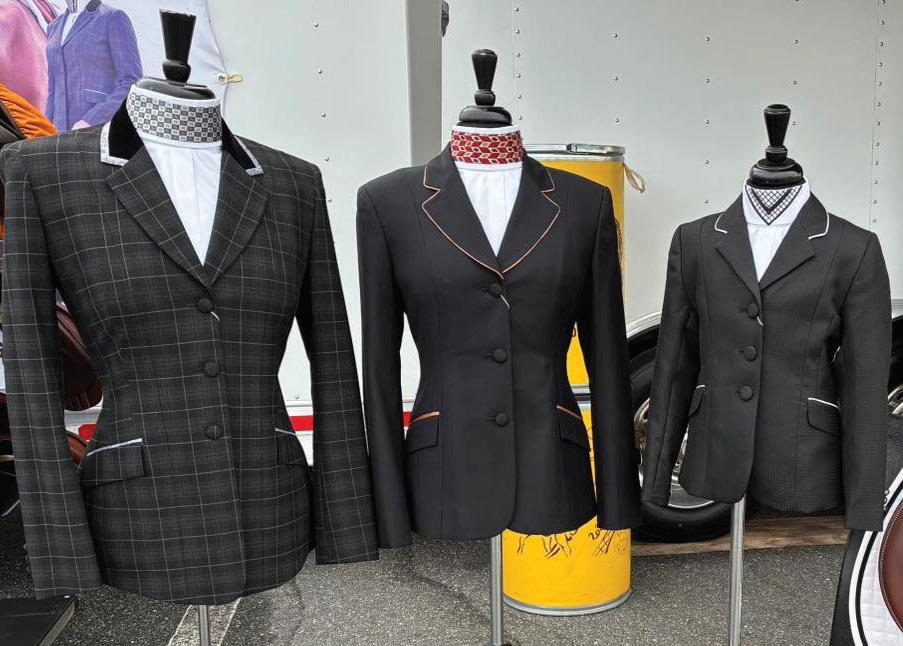
others sought out, and from there, the brand expanded naturally. Hunt coats followed, and with them, a point of distinction she still carries today. “To this day, Glamorous Threads hunt shirts are the only English show shirt made here in the USA.”
The shift into a full mobile tack store came at a moment when the industry itself was changing. When longtime staples Jim and Joni Roth and John Hall of the Hitching Post retired, a noticeable gap was left on the show circuit. “Our industry was in need of someone to fill the gap,” Amy says. “So, I purchased one the of the trailers to fill the void they would have left.”
Taking on that role meant more than acquiring inventory—it meant stepping into something recognizable, something people relied on. “I guess I was thinking that someone had to carry on the ‘go-to’ horse show vending trailer,” she says. “Today I am proud to pull in with the iconic Roth trailer.”
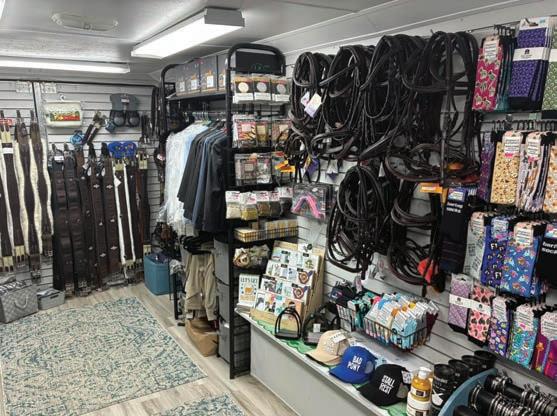
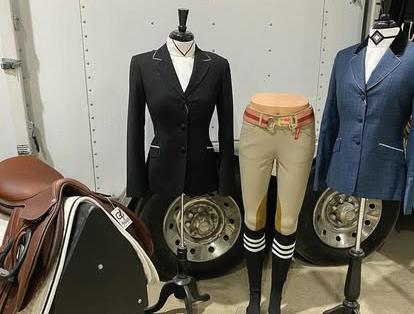
What she’s built since is equal parts retail space and resource center. “Glamorous Threads is a one stop shop for all English show essentials and more,” she says, a description that only begins to capture the scope. Her own line of apparel sits alongside helmets, breeches, saddles, and carefully selected tack and leather goods, along with grooming supplies, medicines, and poultices. And then there’s a small but essential detail that speaks to how well she understands her customers. “We cannot forget the convenience store section in the trailer,” she adds. “I carry everything from Advil to feminine products.”
It’s that awareness—of both the obvious and the overlooked—that sets
her apart. Amy doesn’t just sell to exhibitors; she’s been one. “I like to say not only do I do the talk, I also did the walk,” she says. Her time in the show ring informs everything, from how garments should fit to what’s currently legal in competition. “Customers rely on me to know if something is legal or not. And if I don’t know, I will find out.”
What most people don’t see is the constant work behind the scenes that makes that level of service possible. “I don’t think people realize the time that goes into stocking the trailer and taking custom orders,” she says. Inventory is continuously tracked, ordered, received, and priced. Custom pieces demand precision down to the smallest detail. “For custom orders, attention to detail is a must. From the correct trim on a custom hunt coat to the name plate on a custom saddle.”
And through it all, she operates largely on her own. “That I am one person operating my business,” she says, when asked what people often misunderstand.
Growth, for Amy, has never been about a single defining moment. Instead, it has unfolded through a series of decisions—some easier than others. One of the hardest came in 2022, when the demands of the business reached a point where something had to give. “I realized I could no longer show and vend at this level,” she says. “Telling my trainer to put my horse up for sale was one of the hardest things I’ve had to do.” It was a turning point that required stepping away from the show ring to fully commit to what she was building. “It was a hard decision, but one that needed to be made in order to make Glamorous Threads what it is today.” Still, the connection hasn’t faded. “Hopefully I will be able to return to the show ring in the future.”
For now, life on the road brings its own set of challenges—long miles, unpredictable setbacks, and the reality that things don’t always go according to plan. “Sometimes just getting from show to show can be the most challenging,” she says. “Your trailer blows a tire, or your truck breaks down at the least convenient times.” But it also brings the moments that make it worthwhile. “Helping out customers and spending time with my fellow horse show family, those are the parts I wouldn’t trade.”
It’s a lifestyle that doesn’t really pause when the show ends. The same demands that exist on the road carry over into everyday life, where the line between business and personal has all but disappeared. “Honestly, my business life is my personal life,” she says. The work continues whether she’s at a show or not— orders to fulfill, shirts to make, inventory to manage, equipment to maintain. It’s a pace that requires consistency more than anything else, guided in part by advice that has stayed with
her over the years. “One of my wise mentors once said, ‘To be successful, you have to be seen.’ That quote sticks in my mind and keeps me going forward.”
In the end, it’s not the scale of the business that defines it—it’s the moments within it. “Watching customers show in apparel that I’ve made or fitted to them is always incredibly rewarding,” she says. “There’s a lot of pride that comes from helping a customer find exactly what they’re looking for.” And beyond that, something less tangible but just as important: “The relationships built with customers and fellow vendors.”
Even now, Amy is still looking ahead, working on new pieces to expand the line she built from the ground up. But the foundation remains the same as it was in the beginning—show up, pay attention, and take care of people.
If she could offer her younger self a piece of advice, it wouldn’t be complicated. “Don’t quit,” she says. “Keep going. It will all work out in the end.”