No part of this publication may be published, reproduced, distributed, or transmitted in any form or by any means, including photocopy, recording, or other electronic or mechanical methods, without the prior written permission of the copyright holder, except in certain noncommercial uses permitted by law.
For permission requests, speaking inquiries, podcast interviews, and bulk order purchase options, email carnell@vitalguidance.com www.vitalguidance.com
ISBN: 979-8-9964845-0-8
Book Designed by Carnell Moore
First published in the United States ofAmerica by Carnell Moore
This book is for every teen who wants to build a brighter future. It offers practical guidance, meaningful reflection, and encourages some of the most important conversations you will ever have about your life and dreams. The future is yours to create - enjoy the journey!
Welcome To Your Journey Toward
Independent Living
Congratulations! Whether you are entering or preparing to graduate from high school, considering your next steps in life, or simply wanting to become more independent, you are about to begin one of the most exciting and important journeys of your life.
Independent living is much more than moving out on your own, getting a job, or paying bills. It is about learning how to make good decisions, solve problems, build meaningful relationships, manage responsibilities, and create a life that reflects our goals, values, and dreams.
Every one of us spends years preparing academically for adulthood. We learn mathematics, science, history, and language arts, all of which are valuable subjects. However, many of us discover that some of the most important lessons in life involve skills that are not always taught in a classroom.
Learning how to manage your time, communicate effectively, handle money, prepare for a career, maintain healthy relationships, navigate challenges, and respond to unexpected situations will have a
tremendous impact on your future success. That is why I wrote this book.
My hope is that Vital Guidance for Independent Living: The Top 10 Life Skills Teens Need To Know To Succeed serves as a practical guide, trusted resource, and encouraging companion as you prepare for adulthood. Whether your future includes college, trade school, military service, entrepreneurship, a direct job, or another path entirely, the skills in this book can help you build confidence and prepare for life's opportunities and challenges.
One of the greatest lessons I have learned is that there is no single path to success. People come from diverse backgrounds, face different obstacles, and pursue different dreams. Some people know exactly what they want to do after high school. Others are still exploring possibilities long after high school. Both situations are perfectly normal.
I know this firsthand.
I grew up in a family with limited financial resources and was one of fifteen children raised by a single mother. Despite facing challenges, my mother strongly believed in the value of education, hard work, and personal responsibility. She encouraged us to pursue opportunities that could help us build better futures for ourselves and our families.
Throughout my life, I have experienced many different seasons. I worked as a school bus driver while still in high school. I served in the United StatesAir Force. I earned college degrees at night to become the first person in my immediate family to graduate from college. I have worked in agriculture, financial services, media, art, water filtration, retail, nonprofit leadership, and community service. Along the way, I have experienced successes, setbacks, lessons, and opportunities for growth.
What I have learned is that success is often built one decision at a time. The choices you make today can influence opportunities tomorrow. The habits you develop now can help shape the person you become. The relationships you build, the knowledge you gain, and the responsibilities you accept can all contribute to your future.
The good news is that you do not have to have everything figured out today.
In fact, very few adults have everything figured out.
Life is a continuous learning process. Every experience teaches something valuable. Every challenge provides an opportunity to grow. Every setback can become a lesson that helps prepare you for future success.
As you read this book, I encourage you to approach each chapter with curiosity and an open mind. Think about how each lesson applies to your own life. Consider the goals you want to achieve, the person you hope to become, and the steps you can take to move forward with confidence.
Throughout these pages, you will discover practical strategies for managing your time, building strong relationships, exploring educational opportunities, preparing for careers, understanding money, securing housing, maintaining transportation, prioritizing health and wellness, understanding your rights and responsibilities, and preparing for unexpected challenges.
More importantly, I hope you discover something else:
You are capable of more than you may realize.
You have the ability to learn new skills.
You can develop confidence through experience.
You can overcome obstacles.
You can make wise decisions.
You can continue growing throughout your life.
And you can build a future that reflects your unique talents, interests, values, and goals.
Independent Living is not about becoming perfect. It is about becoming prepared and learning how to manage life responsibly while continuing to grow, adapt, and move forward. It is also about developing the skills that allow you to navigate opportunities and challenges with confidence.
My goal is not simply to provide information. My goal is to help you develop practical life skills that can serve you for years to come.
As you begin this journey, remember that success is not determined by where you start. It is shaped by your willingness to learn, grow, seek guidance, and continue moving forward.
Thank you for allowing me to be part of your journey.
Now, let us begin building the foundation for the life you want to live.
“There is a time for everything, and a season for every activity under the heavens:.” Ecclesiastes 3:1
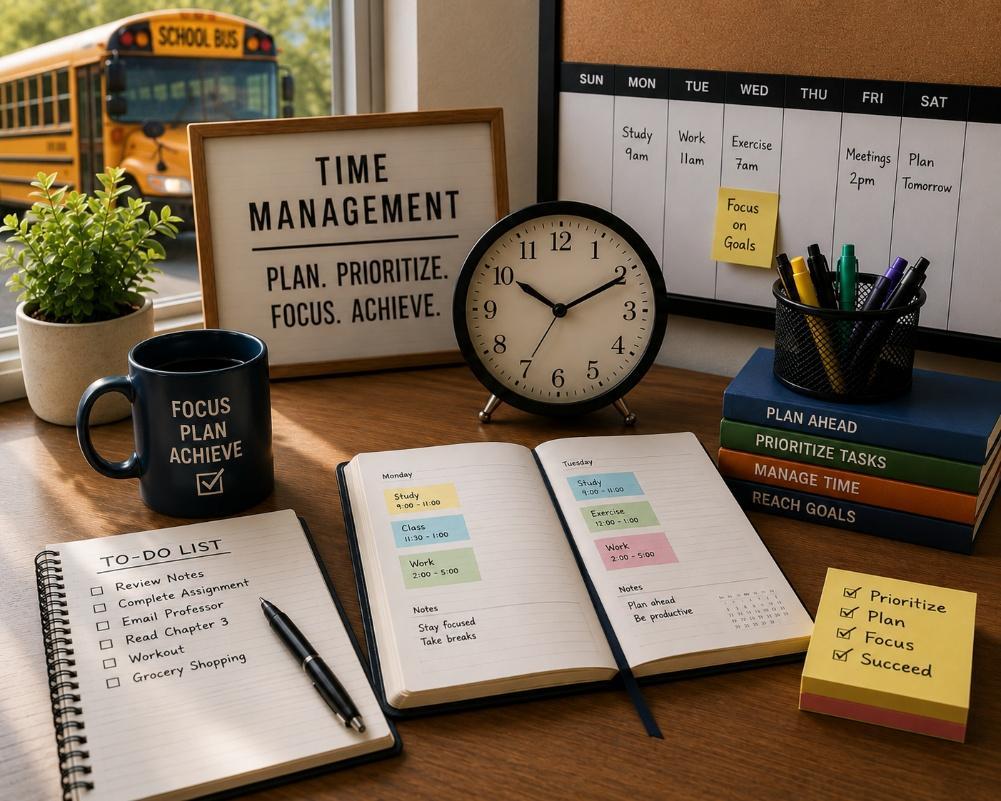
Time Management:
The Foundation of Independent Living
Time is one of the few resources that is distributed equally to everyone. Every person receives the same twenty-four hours each day. The difference often lies in how those hours are used.
Learning to manage your time effectively can help you succeed in school, work, relationships, and every other area of life.
Young adults first need to learn how to manage responsibilities, priorities, and daily habits because time management influences success in every other area of independent living. Whether you are preparing for school, participating in sports, working a part-time job, volunteering, or spending time with family and friends, learning how to balance your responsibilities can help reduce stress and create opportunities for future success.
Many people think time management is simply about schedules and calendars. While those tools can be helpful, time management is about making intentional choices. It is deciding what matters most, using your time wisely, and understanding that every decision has consequences. Learning this skill early can provide benefits that last a lifetime.
My First Lesson in Time Management
At sixteen years old, I obtained my school bus driver’s license and was trusted to drive students to and from school. Getting up in the morning to attend school was one thing but having the responsibility of helping other students arrive on time was an entirely different experience. Looking back, it was one of my first major lessons in time management.
To fulfill that responsibility, I had to wake up and leave home at least an hour earlier than my siblings because they were not included
on my bus route. In the afternoons, I arrived home later after dropping students off. Then I still had band practice, homework, vehicle responsibilities (had to clean the school bus), and everything else that came with being a teenager.
No one was calling it time management at the time, but that is exactly what it was as each day required planning, responsibility, and consistency. The experience taught me that success often comes from doing the little things well, day after day.
You may already be developing time management skills without realizing it. Simply arriving at school on time, completing assignments, participating in activities, or helping your family with responsibilities are all examples of managing your time effectively.
Setting Priorities
One of the most important parts of time management is learning how to set priorities. Not every task has the same level of importance, and not every opportunity deserves the same amount of your time.
A helpful question to ask yourself is: "What is the most important thing I need to accomplish right now?"
The answer may change from day to day. Sometimes school assignments need your attention. Other times it may be work responsibilities, family commitments, personal goals, or preparing for an upcoming event.
When you focus on your highest priorities first, you are more likely to make steady progress toward your goals while avoiding unnecessary stress and last-minute pressure.
Creating A Daily Schedule
Having a plan for your day can make a tremendous difference. A schedule does not need to be complicated. It can be as simple as writing down your most important tasks and deciding when you will complete them.
Many successful people use calendars, planners, smartphone apps, or simple to-do lists to organize their responsibilities. The method is less important than the habit of planning ahead.
When you develop the habit of creating a daily schedule, you become more intentional with your time and less likely to overlook important responsibilities.
Balancing School, Work & Personal Life
As you grow older, your responsibilities will likely increase. School, work, activities, family commitments, friendships, and personal interests can all compete for your attention.
You only have 24 hours. The goal is not to fill every minute of every day with activity. The goal is to create balance.
Healthy time management includes making time for:
• School and learning
• Work and responsibilities
• Family and relationships
• Physical activity and health
• Rest and recovery
• Hobbies and personal interests
A balanced life helps prevent burnout and allows you to perform at your best in all areas of life. Because when one area of life consistently receives all your attention, other important areas will suffer. Striving for balance helps reduce stress, prevent burnout, improve decision-making, and allow you to perform at your best.
Overcoming Procrastination
Everyone procrastinates occasionally. The challenge is not whether procrastination happens, but how quickly you act once you recognize it.
Many times, people delay tasks because they seem difficult, overwhelming, or unpleasant. However, avoiding a task rarely makes it easier. In most cases, the task remains and often becomes more stressful over time.
One helpful strategy is to break large projects into smaller, manageable steps. Instead of focusing on everything that must be done, focus on completing the next step. Small actions completed consistently often lead to significant results.
Remember, progress is usually more important than perfection.
Vital Guidance Tip
Success is rarely built through one extraordinary day. It is usually built through ordinary days managed well. The habits you develop today can create opportunities tomorrow.
Your Checklist
Reading about time management is helpful, but lasting improvement comes from putting good habits into practice. Use this checklist to evaluate how well you currently manage your time and identify areas where you can improve. You do not need to complete everything at once. However, every improvement can help you become more organized, less stressed, and better prepared for opportunities. Check off if you are currently:
□ Using a calendar, planner, or app to track responsibilities
□ Creating a daily to-do list
□ Prioritizing important tasks first
□ Arriving on time for school, work, and activities
□ Limiting distractions during study or work time
□ Setting deadlines for major projects
□ Scheduling time for exercise and rest
□ Reviewing your schedule at the end of each day
□ Asking for help when overwhelmed
□ Celebrating progress, not perfection
Questions To Think About
1. What are the biggest distractions that keep you from managing your time effectively, and how can you reduce their impact?
2. Describe a time when poor time management created a problem for you. What would you do differently now?
3. If you could improve one daily habit that would positively affect your future, what would it be and why?
Final Thoughts
Time management is not about becoming busy every moment of the day. It is about becoming intentional with the time you have been given. The responsibility of driving a school bus at sixteen taught me that other people were depending on me. That lesson stayed with me throughout the Air Force, graduate school, my professional career, and through community service work. I learned that managing time is about managing responsibilities.
The good news is that time management is a skill anyone can develop. You do not need to be perfect. You simply need to start. Every schedule you create, every priority you identify, and every responsibility you complete is helping prepare you for future opportunities.
Independent Living begins with learning how to manage yourself. And one of the best places to start is by learning how to manage your time.
On the next page, write the name(s) of someone you can have a conversation with about time management and go do it.
Then write down the day and time you had the conversation with the person. I recommend having multiple conversations on the topic
with the same person or others to help reinforce your understanding of time management. Also, write notes about what stood out most about the conversations.
Name:
Name:_______________________________
Name:_______________________________
Date:________
Date:________
Date:________
The Challenge
Use a tool from the Resource section to track your time for one week. Write down how you spend every hour of each day. At the end of the week, identify:
- One activity you should spend more time on: _________________
- One activity you should spend less time on: __________________
- One habit you want to improve: ____________________________
Time Management Resources
1. https://todoist.com: Todoist is a task manager that allows teens to create lists, set priorities, and track productivity streaks.
2. https://forestapp.cc: Forest is a gamified app where users plant virtual trees that wither if they leave the app to check social media.
3. https://calendar.google.com/: Google Calendar is essential for visualizing time by blocking out school, sports, and downtime.
4. https://mystudylife.com: My Study Life is an app designed specifically for students to manage classes, assignments, and exams.
5. https://rescuetime.com: RescueTime tracks how time is spent online, blocks distracting websites, and provides a look at habits.
“As iron sharpens iron; so one person sharpens another.”
Proverbs 27:17
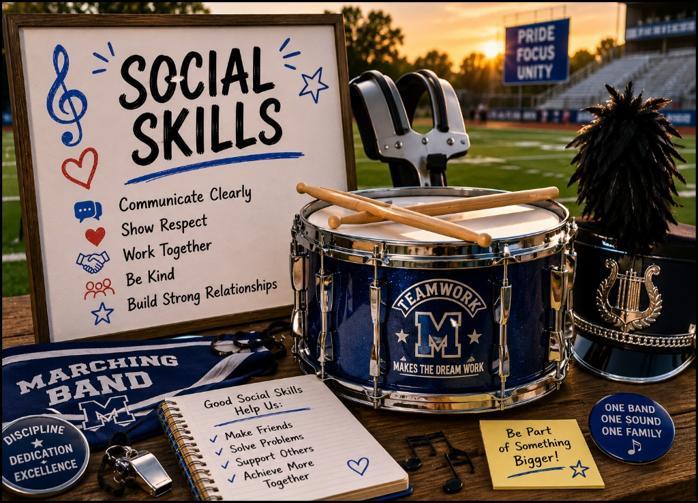
Social skills:
Communicating with Confidence & Respect
Social skills are some of the most valuable tools you can develop for success in life. Whether you are building friendships, participating in school activities, interviewing for a job, working with a team, or eventually leading others, your ability to communicate and connect with people can have a tremendous impact on your opportunities and experiences.
Many people focus on grades, talents, or technical skills, and those things are certainly important. However, success often depends on how well you interact with others. Strong communication, networking, teamwork, and problem-solving skills can help you build relationships, earn trust, and create opportunities throughout your life. The good news is that social skills are not something you are simply born with. They can be learned, practiced, and strengthened over time.
Finding Confidence Through Your Interests
As a student, my artistic ability helped me become more social. Classmates, teachers, and other students in various grades admired my artwork, which often opened the door to encouragement, conversations and new friendships. What began as a personal interest became a way to connect with others.
As I grew older, I discovered even more opportunities to develop social skills. Participating in school plays helped me become comfortable performing in front of people. Being part of the drill team taught me teamwork and discipline. Becoming a drummer in the marching band gave me the opportunity to work closely with others toward a common goal.
Each experience helped me grow in confidence and communication. More importantly, they helped me understand that relationships often begin with shared interests and activities.
You may already have talents, hobbies, or interests that can help you connect with others. Whether it is sports, music, art, gaming, volunteering, academics, church activities, or community organizations, your interests can provide opportunities to meet people, build friendships, and strengthen important life skills.
The Importance of Effective Communication
Communication is much more than talking. Effective communication includes listening, understanding, expressing yourself clearly, and respecting the perspectives of others.
Good communicators ask questions, pay attention, and seek to understand before responding. They make eye contact, show respect, and communicate in ways that help others feel heard and valued.
One of the most important communication skills you can develop is active listening. Many people listen only long enough to prepare their next response. Strong communicators listen to understand. When people feel heard and respected, relationships tend to become stronger and more meaningful.
Building Your Network
The word "networking" may sound like something reserved for business professionals, but networking simply means building positive relationships with people.
Your network can include:
• Friends
• Teachers
• Coaches
• Mentors
• Employers
• Family members
• Community leaders
• Church leaders
• Classmates
Many opportunities in life come through relationships. A teacher may recommend a scholarship. A coach may connect you with a college recruiter. An employer may provide a job reference. A mentor may offer guidance that helps you avoid unnecessary mistakes. Networking is not about using people. It is about building genuine relationships based on mutual respect, trust, and support.
The earlier you begin building positive relationships, the more opportunities you may discover throughout your life.
Working Well With Others
Teamwork is another essential social skill. Whether you are working on a school project, participating in sports, volunteering, serving in the military, or building a career, you will often find yourself working with other people.
Strong team members contribute, communicate, encourage others,
and remain focused on shared goals. They understand that success is often achieved when people work together rather than trying to accomplish everything alone.
Learning to collaborate with others can help you become a stronger leader, employee, friend, and community member.
Developing Problem-Solving Skills
Challenges are a natural part of life. Disagreements, misunderstandings, and unexpected situations will occasionally occur in every relationship.
Problem-solving is the ability to remain calm, evaluate a situation, and look for solutions rather than focusing only on the problem.
Strong problem-solvers ask:
• What happened?
• What are my options?
• What can I learn from this situation?
• What is the best next step?
The ability to solve problems effectively can help reduce stress, strengthen relationships, and increase confidence when facing difficult situations.
Drugs & Alcohol
One of the most important social decisions you will make as a young person involves how you respond to drugs and alcohol. What may begin as curiosity, experimentation, or "just having fun" can sometimes create consequences that affect a person for years, or even a lifetime.
Many young adults are introduced to drugs or alcohol through friends, parties, social gatherings, or people they admire. Unfortunately, some people feel pressure to participate because they want to fit in, avoid being excluded, or gain acceptance from a certain group. However, one important lesson I want you to remember is this:
Never use drugs or alcohol to solve your problems because they will not solve them.
Stress, loneliness, disappointment, anxiety, family problems, and personal struggles are real challenges, but drugs and alcohol do not provide real solutions. They often create additional problems that can affect your health, education, finances, relationships, reputation, and future opportunities.
Likewise, never allow yourself to be pressured into using drugs or alcohol simply to belong. If someone requires you to compromise your values or make harmful choices to gain acceptance, they may not be the type of friend who truly wants what is best for you.
Personally, I have never been drunk or high from drugs or alcohol. That is something I am proud of, although I certainly have my own faults and areas where I have made mistakes. My decision not to drink alcohol came early in life because I witnessed firsthand the impact alcohol had on some family members and friends. Seeing those experiences helped me decide that alcohol was not a path I wanted to follow.
Growing up in a small country town, drugs were not nearly as common or visible as they seem to be today. Now, drugs and alcohol appear to be much more accessible, including in many schools and communities. Despite that reality, there is still one powerful factor that can help protect you:
Your mindset.
People who know who they are and what they stand for are often much better equipped to resist unhealthy pressure from others. Confidence is one of the strongest defenses against poor decisions. When you are secure in your values, goals, and identity, you become less dependent on the approval of others.
If you are unsure about certain situations, seek guidance from supportive adults. Parents, mentors, coaches, teachers, youth leaders, and other trusted individuals can provide wisdom and encouragement when you face difficult decisions.
Over time, my friends learned that I was not going to drink alcohol. At first, some friends continued to offer it, but eventually they understood my decision. In fact, some of those same friends began speaking up for me when new friends would offer me alcohol because they respected the choice I had made.
Interestingly, I never lost a friend because I chose not to drink or use drugs. My friends did not lose me either. Respect became part of our friendships, and that is exactly the kind of relationship you should look for.
Healthy friendships allow people to be themselves without pressure, manipulation, or judgment.
Sometimes the strongest thing you can say is a simple, confident, and respectful "No thank you."
Vital Guidance Tip
Your talents may open doors, but your ability to communicate, work with others, and build relationships often determines how far those opportunities can take you.
Your Checklist
Strong relationships are built through consistent actions, not just good intentions. This checklist will help you evaluate your communication skills, relationships, and ability to connect with others. As you work through these items on the list, remember that social skills can be learned and strengthened throughout your life. Every positive interaction is an opportunity to grow in confidence and build meaningful connections. Each week:
□ Introduce yourself to someone new
□ Practice active listening
□ Maintain eye contact during conversations
□ Use respectful language
□ Participate in a group activity
□ Thank someone for helping you
□ Encourage a friend or teammate
□ Resolve a disagreement respectfully
□ Avoid negative peer pressure
□ Build relationships with positive role models
Questions To Think About
1. How have your friendships and relationships influenced the person you are becoming?
2. Why is listening just as important as speaking when communicating with others?
3. What is one social skill you would like to improve, and what steps can you take to develop it?
Final Thoughts
Many of the opportunities you will experience in life will involve other people. Learning how to communicate effectively, build meaningful relationships, work as part of a team, and solve problems can help you succeed in school, careers, and personal relationships.
My journey from artist to performer to musician taught me an important lesson: Social skills are often developed when we step out of our comfort zones and become involved in activities that interest us. Those experiences helped me build confidence, connect with others, and develop skills that have benefited me throughout my life.
Do not underestimate the value of relationships. The people you meet today may encourage you, teach you, challenge you, and help open doors tomorrow. Continue developing your communication skills, investing in positive relationships, and looking for opportunities to learn from others.
Independent Living is not a journey you have to take alone. Strong relationships and strong social skills can help make the journey more successful, enjoyable, and rewarding.
Write the name(s) of someone you can have a conversation with about building social relationships, communication skills and
confidence, and go do it. Then write down the day and time you had the conversation with the person:
Name:_______________________________
Date:________
Name:_______________________________
Date:________
Name:_______________________________
Date:________
Social Skills Resources
1. Social Quest (https://socialquest.app): Designed for teens to navigate social challenge in home, school, and community.
2. Cues (https://learncues.com): Focuses on reading body language and emotional cues through interactive training for job and dates.
3. The Social Express (https://brightenlearning.com): Animated, interactive lessons focusing on social-emotional skills and more.
4. Social Thinking (https://socialthinking.com): A go-to source for understanding the social world through an evidence-based lens.
5. Social Bridges (https://socialbridges.com): Helping teens connect, communicate, and cope using art, music, and technology.
“The beginning of wisdom is this: Get wisdom. Though it cost all you have, get understanding.”
Proverbs 4:7
Education Options:
Choosing the Path That Works for You
One of the biggest questions young people face is:
"What should I do after high school?"
For some young adults, the answer seems clear. They may already know what college they want to attend, what trade they want to
learn, or what career they want to pursue. For others, the future may feel less certain.
The good news is that there is no single path to success.
Once young adults better understand their interests, strengths, goals, and values, they can make more informed decisions about their future. Some people may choose college. Others may pursue trade schools, professional certifications, military service, entrepreneurship, or direct entry into the workforce. Each path offers opportunities for growth and success.
The key is finding the path that best fits your goals and aspirations.
My Educational Journey
I grew up on welfare and was one of fifteen children raised by a single mother. Unfortunately, my mother was pulled out of school after the third grade to help work the fields of a local farmer. Because education opportunities had been limited for her, she placed a tremendous emphasis on making sure her children valued education. In our home, grades mattered. A poor grade often came with consequences, so we worked hard to do our best in school. Looking back, I appreciate the importance she placed on learning and
I was a strong student, but I also knew that college was expensive, and we did not have the financial resources to pay for it. When I decided to enlist in the United States Air Force, many people were surprised, including my mother.
I still remember her saying:
"I thought you were going to college."
My response was simple:
"I am going to college."
The Air Force simply became part of the journey.
During my six years of military service, I completed three college degrees, becoming the first person in my family to graduate from college. After receiving an honorable discharge, I continued my education and eventually earned a master's degree from the University of Florida because my community college professor would always say: It’s not where you start, it’s how you finish.
That experience taught me an important lesson: There is more than one road to success.
Sometimes your path may look different from what others expect. What matters most is continuing to move forward, learn, and grow.
College
For many careers, a college degree can provide valuable knowledge, credentials, and opportunities. Colleges offer young adults the chance to explore academic interests, develop critical thinking skills, and build professional networks.
College can be an excellent option for young people pursuing careers in fields such as education, healthcare, engineering, business, communications, law, and many others.
However, college is not the only path to success, and people should carefully consider costs, career goals, and personal interests when making decisions.
Trade School
Trade schools provide specialized training for careers that require technical skills and hands-on experience.
Examples include:
• Electricians
• Plumbers
• Welders
• HVAC Technicians
• Automotive Technicians
• Construction Trades
• Medical Technicians
Many trade careers offer excellent earning potential, strong job demand, and shorter training periods than traditional four-year degree programs.
For young adults who enjoy working with their hands and solving practical problems, a trade school can be an outstanding option.
Professional Certification
Certifications allow people to develop specialized skills in specific industries. Examples include:
• Information Technology
• Healthcare
• Financial Services
• Real Estate
Some certifications can be earned in a matter of months and may lead directly to employment opportunities. That’s one of the greatest advantages of certifications. They allow you to work immediately, and continue developing skills thru your careers.
Military Service
Military service provides opportunities for leadership development, technical training, education benefits, travel, and personal growth.
For me, the Air Force provided structure, discipline, educational opportunities, and exposure to people from all over the world. It became an important part of my personal and professional development.
However, military service is not for everyone, but for some people it can be an excellent pathway to education, career development, and life experience.
Entrepreneurship
Some young adults dream of building businesses, creating products, or providing services that solve problems for others.
Entrepreneurship requires self-discipline, creativity, risk-taking, problem-solving, and a commitment to continuous learning.
Successful entrepreneurs often spend years developing their skills, learning from experiences, and adapting to change.
While entrepreneurship can be rewarding, it also requires dedication, patience, and perseverance.
Financial Aid & Scholarships
Many young adults, like I did, worry about how they will pay for higher education after high school.
Fortunately, there are many resources available, including:
• Scholarships
• Grants
• Work-study programs
• Military education benefits
• Employer tuition assistance programs
• Student loans
Young people should take time to research available opportunities and seek guidance from counselors, teachers, mentors, and financial aid professionals.
Do not assume that financial limitations automatically prevent educational opportunities. Many successful people have achieved
their goals by combining determination with available resources.
The Value of Lifelong Learning
One of the most important lessons I have learned is that education does not end when school ends.
The most successful people I know continue learning throughout their lives. They read books, attend training programs, earn certifications, seek mentors, and stay curious about the world around them.
Technology changes.
Industries evolve.
New opportunities emerge.
People who continue learning position themselves to adapt and grow throughout their lives. Your diploma, degree, certification, or training program may mark the completion of one chapter, but it should also be the beginning of a lifelong commitment to learning.
Vital Guidance Tip
Do not focus on choosing the "perfect" path. Many successful people adjust their course along the way.
Your Checklist
Choosing an educational path can feel overwhelming, especially when there are so many options available. This checklist is designed to help you explore opportunities, gather information, and make informed decisions about your future.
Remember, the goal is not to find the perfect path, but to identify a path that aligns with your interests, strengths, and long-term goals. Do the following before making your final decisions about what you should do after high school:
□ Identify your interests and strengths
□ Research at least three career fields
□ Explore college options
□ Explore trade school options
□ Learn about military opportunities
□ Research certifications in careers that interest you
□ Meet with a counselor or mentor
□ Learn about scholarships and grants
□ Visit a campus or training facility
□ Create a preliminary education plan
Questions To Think About
1. Which educational pathway (college, trade school, military, entrepreneurship, certifications, etc.) interests you most, and why?
2. How do your talents, interests, and strengths influence your educational and career goals?
3. What obstacles might prevent you from pursuing your educational goals, and how can you overcome them?
Final Thoughts
Your future is not determined by where you start. It is shaped by the decisions you make, the effort you invest, and your willingness to continue learning.
My journey from a welfare household to military service, multiple college degrees, and a professional career did not happen because everything went according to plan. It happened because I remained committed to learning, growing, and taking advantage of opportunities when they appeared.
Whether your path includes college, trade school, certifications, military service, entrepreneurship, or a combination of several options, remember that success is not about following someone else's journey. It is about building your own.
Stay curious.
Keep learning.
Seek guidance from people you trust.
Be willing to work hard.
And never stop investing in yourself.
Education is not simply preparation for life. It is one of the tools that can help you create the life you want to live.
Write the name(s) of someone you can have a conversation with about higher education options and go do it. Then write down the day and time you had the conversation with the person. Suggested questions include: What path did you choose; what would you do differently; and what advice would you give me?
Name:_
Date:________
Name:_______________________________
Date:________
Name:_______________________________
Date:________
Educational Options Resources
1. https://apprenticeship.gov: Paid on-the-job training allowing students to "earn while they learn" in high-demand fields.
2. https://trade-schools.net: A comprehensive directory of local or national vocational, technical, and career schools.
3. https://jobcorps.gov: A free, residential education and job training program for young adults ages 16 to 24.
4. https://gapyearassociation.org: Advocates for high quality gap year experiences that set students up for success in life.
5. https://todaysmilitary.com: For students who want to experience a military setting while getting a first-class education.
6. https://studentaid.gov (FAFSA): The free application for college-bound students to access federal grants, work-study funds and loans.
7. https://collegescorecard.ed.gov/: Provided by the U.S. Department of Education, this allows you to search and compare colleges by cost, graduation rates, and average student loan debt.
“Whatever you do, work at it with all your heart, as working for the Lord, not for human masters,”
Colossians 3:23
Career Preparation:
Building Skills for Long-Term Success
Many young adults believe career preparation begins after high school, college, or trade school. In reality, career preparation often begins much earlier.
The habits you develop today can help prepare you for future opportunities tomorrow. The way you approach school, activities, volunteer work, sports, clubs, and responsibilities can all help build
skills that employers, colleges, military recruiters, and other organizations value.
Career preparation is not simply about finding a job. It is about developing the skills, habits, and experiences that help you contribute, grow, and succeed wherever life takes you.
The good news is that you may already be building career skills without even realizing it.
Your Resume Starts Now
At your age, you may think a resume is not important, but it is.
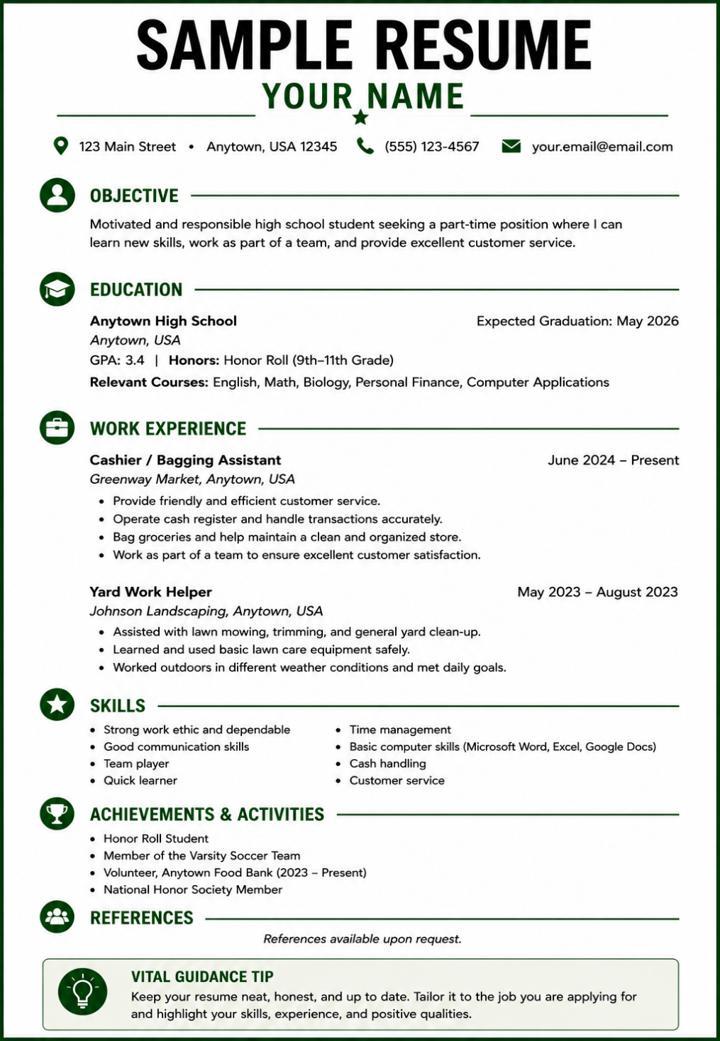
Many students assume resumes are only for adults with years of work experience. However, a resume is simply a way to tell your story and highlight your accomplishments, experiences, and responsibilities.
Your resume can include:
• School activities and athletics
• Church, clubs and community involvement
• Awards, recognition, and leadership positions
• Part-time jobs, special projects, and hobbies
A strong resume should be clear, organized, and easy to read.
Every responsibility you accept helps tell a story about who you are and what you can contribute. Keeping your resume updated allows you to document experiences while they are fresh in your memory and helps you prepare for future opportunities.
Showcasing Your Skills
Many young adults underestimate the value of the skills they are already developing. For example:
If you participate in sports, you are learning teamwork, discipline, and perseverance.
If you participate in band, theater, or other performing arts, you are developing communication skills, confidence, and collaboration.
If you volunteer in your community, you are demonstrating service, responsibility, and leadership.
If you work part-time, you are gaining experience in customer service, accountability, and professionalism.
These experiences matter because they help others understand your character, work ethic, and potential.
Crafting A Cover Letter
A cover letter provides an opportunity to introduce yourself and explain why you are interested in a particular opportunity.
Unlike a resume, which lists experiences and accomplishments, a cover letter allows you to share your goals, enthusiasm, and personal story.
A well-written cover letter demonstrates professionalism, communication skills, and genuine interest. Many emerging adults overlook the value of cover letters, but they can often help you stand out from other applicants.
Navigating Job Applications
Completing applications carefully is an important skill. Whether you are applying for a job, college, scholarship, internship, military service, or volunteer opportunity, attention to detail matters. Before submitting any application:
• Read instructions carefully.
• Complete all requested information.
• Double-check dates and contact information.
• Review spelling and grammar.
• Submit materials on time.
Preparing for Interviews
Interviews can feel intimidating, especially the first few times you participate in one. The good news is that interviewing is a skill that improves with practice.
Successful interviews often involve:
• Arriving on time
• Dressing appropriately
• Making eye contact
• Listening carefully
• Speaking clearly
• Demonstrating enthusiasm
• Asking thoughtful questions
Interviewers are not only evaluating qualifications. They are also evaluating attitude, professionalism, communication skills, and how well a person may fit within an organization.
Preparation builds confidence. The more you practice, the more comfortable interviews become.
Five Questions To Ask During An Interview
Asking thoughtful questions shows the employer that you are interested in the position and willing to learn. Ask the following:
1. What does a typical day look like in this position? This helps you understand the responsibilities and expectations of the job.
2. What qualities make someone successful in this role? This helps you learn what the employer values most.
3. What training will be provided? This shows that you are eager to learn and improve your skills.
4. What do you enjoy most about working here? This can provide insight into the company culture and work environment.
5. What are the next steps in the hiring process? This demonstrates professionalism and interest in the opportunity.
Five Questions To Be Prepared To Answer
While every interview is different, these are some of the most common questions employers ask:
1. Tell me about yourself. Be prepared to briefly discuss your education, interests, activities, and goals.
2. Why do you want to work here? Research the company and explain why the opportunity interests you.
3. What are your strengths? Identify positive qualities such as reliability, teamwork, communication, or a strong work ethic.
4. Tell me about a challenge you have faced and how you handled it. Employers want to see problem-solving skills.
5. Why should we hire you? Explain how your attitude, dependability, and skills can benefit the employer.
Developing Professionalism
Professionalism is one of the most valuable qualities a person can develop. Professionalism includes:
• Reliability
• Respect
• Honesty
• Responsibility
• Positive communication
• Strong work habits
Professionalism is not determined by your age, job title, or income level. It is reflected in how you treat people and how consistently you follow through on your commitments.
People who demonstrate professionalism often earn trust and create opportunities for future growth.
Building A Strong Work Ethic
One of the greatest compliments someone can receive is:
"You can count on them."
A strong work ethic means taking pride in your responsibilities and giving your best effort, even when no one is watching.
Throughout life, there will always be people with more talent, experience, or resources. However, effort, attitude, preparation, and dependability are qualities that every person can control.
Employers, teachers, coaches, and mentors often remember individuals who consistently show up, work hard, and contribute positively. Those habits can create opportunities that last a lifetime.
Vital Guidance Tip
Your first job may not determine your future career, but the habits you develop in your first job can influence opportunities for years to come. Show up, work hard, learn from others, and build a reputation for being dependable.
Your Checklist
Before you can achieve career success, you must first prepare for opportunity. This checklist will help you begin building the skills, experiences, and habits that employers, colleges, military recruiters, and other organizations value. Whether you already know your career goals or are still exploring possibilities, these steps can help position you for future success:
□ Create your first resume
□ List your skills and strengths
□ Identify three career interests
□ Complete a practice job application
□ Draft a cover letter
□ Practice interviewing
□ Obtain a professional reference
□ Participate in volunteer work
□ Research workplace expectations
□ Set one career goal for the next year
Questions To Think About
1. What experiences, activities, or accomplishments would you include on your resume today?
2. Why do employers value work ethic, attitude, and reliability as much as technical skills?
3. What career interests you the most right now, and what steps can you begin taking to prepare for it?
Final Thoughts
Career preparation is not about having your entire future figured out. It is about taking steps today that help prepare you for tomorrow's opportunities.
Every class you complete, every activity you join, every volunteer opportunity you accept, and every responsibility you fulfill helps build skills that can benefit you throughout your life.
Your resume tells your story.
Your work ethic demonstrates your character.
Your professionalism builds trust.
And your willingness to learn creates opportunities.
Start preparing now. Keep track of your accomplishments. Seek guidance from mentors and supportive adults. Most importantly, remember that career success is often built with one opportunity, one responsibility, and one positive habit at a time.
The future belongs to those who prepare for it, and your preparation can begin today.
Write the name(s) of someone you can have a conversation with
about career preparation and go do it. Then write down the day and time you had the conversation with the person:
Name:_______________________________
Date:________
Name:_______________________________
Date:________
Name:_
Date:________
The Challenge
Complete a mock interview with an adult. Ask them to provide feedback regarding: Appearance, Confidence, Communication, and Professionalism. Write down three things to improve:
Career Preparation Resources
1. https://careeronestop.org: A free site for young adults ages 1424 to explore careers, education, and jobs.
2. https://onetinterestprofiler.org: A free, user-friendly tool that helps students discover careers based on their interests & skills.
3. https://youscience.com: Combines aptitude testing with career interest surveys to help students find suitable career paths.
4. https://bigfuture.collegeboard.org: Offers a 10-minute career quiz and “Career Search” feature to explore career profiles.
5. https://schoollinks.com: Empowers students with real-time insights and powerful tools for academic and career success.
6. https://roadtripnation.com: Uses video storytelling to help teens explore career paths and hear from professionals.
“The plans of the diligent lead to profit as surely as haste leads to poverty.”
Proverbs 21:5
Financial Literacy: Learning How Money Really Works
Money affects many of the decisions we make throughout life. It influences where we live, the education we pursue, the transportation we choose, the opportunities we can afford, and even the amount of stress we experience.
Unfortunately, many young adults enter adulthood with very little understanding of budgeting, saving, credit, loans, taxes, or investing.
As a result, they often learn financial lessons through trial and error. The good news is that financial literacy is a skill that can be learned. You do not have to be a financial expert to make good financial decisions. By understanding a few basic principles and developing healthy money habits, you can build a strong financial foundation for your future.
My Financial Wake-Up Call
When I was serving in the military, I had very little knowledge of budgeting and often spent more money than I earned. Looking back, it is difficult to understand how it happened because many of my basic needs were already covered. I had housing, food, and activities available on base, yet by my fourth year of service I had accumulated more than $20,000 in credit card debt.
I could not blame anyone else. The responsibility was mine.
Like many young adults, I discovered that credit cards can make spending feel easy while making repayment much more difficult. Small purchases made over time can quietly become large balances that are challenging to manage.
Fortunately, I was determined to take responsibility for my situation. I took on a second job while continuing to serve in the military, and worked the two jobs to pay off my debt while completing my bachelor’s degree.
Later, during graduate school, I again relied on credit at times to help pursue educational opportunities. However, by then I understood much more about managing debt responsibly and using it strategically rather than carelessly.
That experience taught me a lesson I have never forgotten:
Money is a tool. When used wisely, it can help you achieve important goals. When managed poorly, it can create unnecessary stress and limitations.
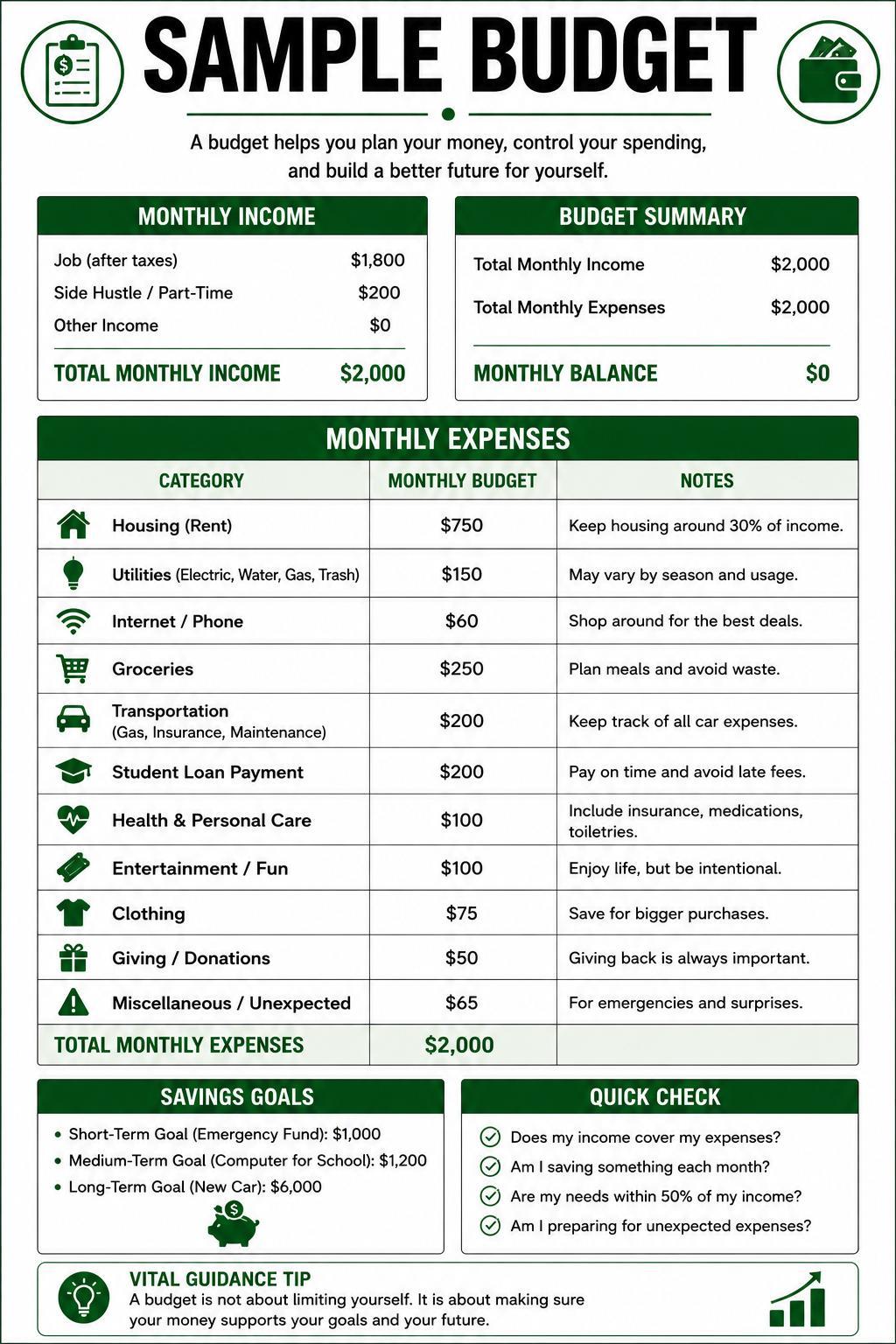
Creating A Budget
One of the most important financial skills you can develop is budgeting.
A budget is simply a plan for your money.
It helps you understand:
• How much money you earn
• How much money you spend
• Where your money is going
• How much you can save
Many people think budgets are restrictive, but a good budget creates freedom. When you know where your money is going, you are better equipped to make informed decisions and avoid unnecessary financial surprises.
A simple budget should include:
• Income
• Savings
• Housing expenses
• Transportation expenses
• Food expenses
• Entertainment
• Other personal expenses
The earlier you begin budgeting, the stronger your financial habits will become.
The Importance of Saving
Saving money creates options. Life is full of unexpected situations, and having savings can help reduce stress during difficult times. Savings can also help you pursue opportunities such as education, transportation, travel, business ventures, or major purchases.
Many financial professionals recommend paying yourself first. This means setting aside a portion of your income for savings before spending money on nonessential items.
Even small amounts saved consistently can grow over time.
The habit of saving is often more important than the amount you save because it focuses on behavior, discipline, and consistency rather than just income.
Understanding Credit
Credit can be a useful financial tool when used responsibly.
Credit allows people to borrow money for purchases and repay it over time. It also helps establish a credit history that may affect future opportunities involving housing, loans, insurance, and other financial matters.
However, credit requires discipline.
Before using credit, ask yourself:
• Can I afford to repay this purchase?
• Is this something I truly need?
• Am I borrowing for the right reasons?
Credit can be helpful when managed wisely, but it can become expensive when balances grow beyond your ability to repay them. Many credit cards charge more than 20% on balances more than 30 days old. Therefore, repay quickly or delay using when possible.
Understanding Loans
You will encounter loans at some point in life.
Examples include:
• Student loans
• Auto loans
• Home mortgages
• Business loans
Loans can help you achieve important goals, but they also create financial obligations.
Before taking out any loan, take time to understand:
• Interest rates
• Payment amounts
• Repayment schedules
• Total borrowing costs
Asking questions and seeking guidance can help you make informed decisions about borrowing money. Especially consider the question:
Why Am I borrowing?
Taxes & Financial Responsibility
Paying taxes is part of adult life.
Taxes help fund services such as schools, roads, public safety, and government programs. Understanding basic tax concepts can help you better manage your finances and avoid surprises.
As you begin working, take time to learn:
• How taxes are withheld from paychecks
• How tax returns work
• Why recordkeeping is important
• When professional assistance may be helpful
Financial responsibility includes understanding both your income and your obligations.
A Brief Introduction to Investing
Saving money is important, but investing allows money to potentially grow over time.
While investing involves risk, it can also play an important role in building long-term financial security.
Some common investment options include:
Stocks
When you purchase a stock, you are buying a small ownership interest in a company. As the company grows and becomes more valuable, the value of your investment may increase.
Bonds
Bonds are loans made to governments or organizations. In return, investors receive interest payments over a specified period.
Certificates of Deposit (CDs)
CDs are savings products offered by banks and credit unions that typically pay a fixed interest rate for a specific period of time.
Mutual Funds
Mutual funds combine money from many investors to purchase a diversified collection of stocks, bonds, or other investments. This diversification can help reduce risk compared to investing in a single investment.
Investing is a large and important topic that deserves more attention than we can provide in this chapter. For a more detailed discussion of investing principles, strategies, and long-term wealth building, please refer to my book Vital Guidance For Investing: The Top 10 Things You Should Know - coming soon!
Vital Guidance Tip
Financial success is not determined by how much money you make. It is often determined by how well you manage the money you have. Developing good habits early can create opportunities and reduce financial stress throughout your life.
Your Checklist
Financial success rarely happens by accident. It is usually the result of good habits, informed decisions, and consistent effort over time. This checklist will help you evaluate your understanding of money management and identify practical steps you can take to strengthen your financial future. The earlier you develop healthy financial habits, the more opportunities you may create for yourself later in life. Do the following:
□ Create a simple budget
□ Track your spending for one month
□ Open a savings account (if possible)
□ Set a savings goal
□ Learn how credit works
□ Understand the difference between needs and wants
□ Learn about taxes
□ Research investment basics
□ Avoid unnecessary debt
□ Discuss money management with a trusted adult
Questions To Think About
1. What is the difference between a need and a want, and why is understanding that difference important?
2. What financial mistake do young adults commonly make, and how can it be avoided?
3. If you started saving money today, what short-term and longterm goals would you save for?
Final Thoughts
Financial literacy is about more than numbers. It is about developing habits that support your goals, values, and future opportunities.
My experience with credit card debt taught me that financial decisions have consequences, but it also taught me that setbacks can become valuable lessons. With knowledge, discipline, and guidance, financial challenges can be overcome.
Start by learning the basics.
Create a budget.
Build a savings habit.
Use credit responsibly.
Ask questions.
Seek advice from trusted professionals.
And continue learning throughout your life.
You do not need to know everything about money today. You simply need to begin building the habits and knowledge that will
help you make wise financial decisions tomorrow.
The choices you make with money today can help create greater freedom, flexibility, and opportunity in the future.
Write the name(s) of someone you can have a conversation with about financial literacy and go do it. Then write down the day and time you had the conversation with the person:
Name:_______________________________
Date:________
Name:_______________________________
Date:________
Name:_
Date:________
Financial Literacy Resources
1. https://mymoney.gov/: A one-stop shop for financial literacy, featuring resources on saving, budgeting, and taxes.
2. https://fdic.gov/consumer-resource-center/money-smart-youngpeople: Offers four free, age-appropriate curricula.
3. https://councilforeconed.org/programs/for-students/: Free gamified lesson plans on personal finance, economics and investing.
4. https://jausa.ja.org( Junior Achievement) offers programs focusing on finance, career readiness, and entrepreneurship.
5. https://investor.gov/: A site from the U.S. Securities and Exchange Commission featuring investment calculators and quizzes.
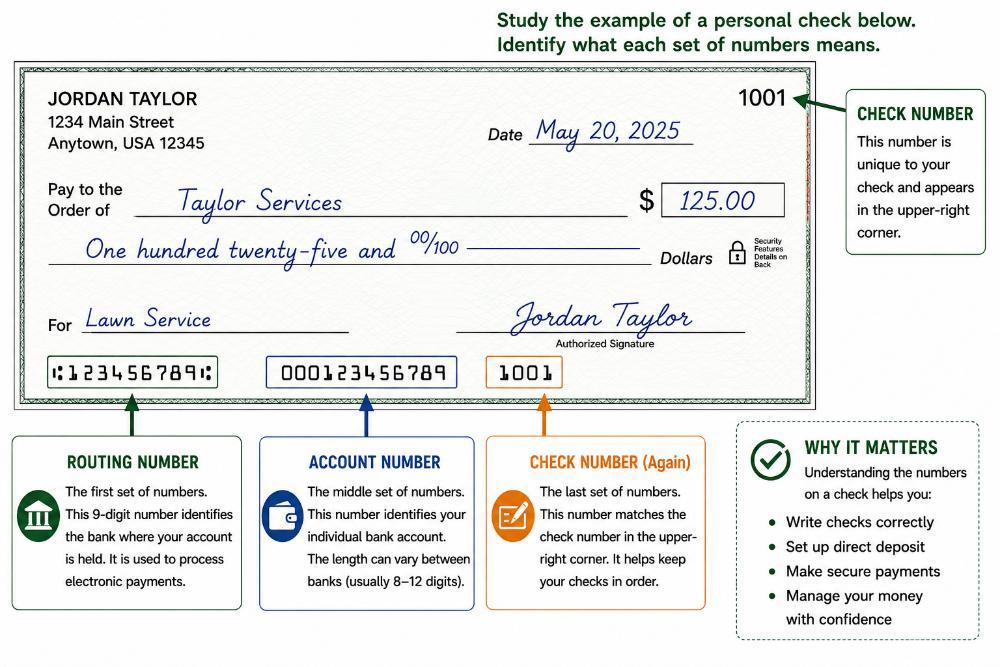
Study Challenge: Learn The Personal Check
“But as for me and my house, we will serve the Lord . . .”
Joshua 24:15
Housing:
Building a Safe & Stable Place to Call Home
One of the biggest milestones of Independent Living is securing a place to live. Housing affects your safety, finances, transportation, education, work opportunities, and overall quality of life.
After learning about careers and financial literacy, young adults are better prepared to understand the realities of housing. Rent, utilities,
deposits, leases, maintenance, and daily living expenses all become important considerations when choosing where and how to live.
Finding housing is not simply about having a roof over your head. It is about creating a safe, stable environment where you can continue to grow, pursue your goals, and build the life you want.
My Early Housing Experiences
My first home as a child had no indoor running water and no air conditioning, but it was my home.
The two homes I grew up in also experienced significant challenges, including domestic violence. While those circumstances were difficult, they taught me lessons about resilience, appreciation, and the importance of creating a positive environment whenever possible.
At eighteen years old, I moved out and rented a bedroom with three other young adults so I could be closer to my job while waiting to leave for the Air Force.
That experience taught me another important lesson: Housing is often a stepping stone rather than a final destination.
Many young adults begin their independent living journey with roommates, shared housing, apartments, military housing,
dormitories, or living with family while saving money and preparing for future opportunities.
There is no perfect starting point.
What matters most is finding a safe and stable environment that supports your goals and allows you to continue moving forward.
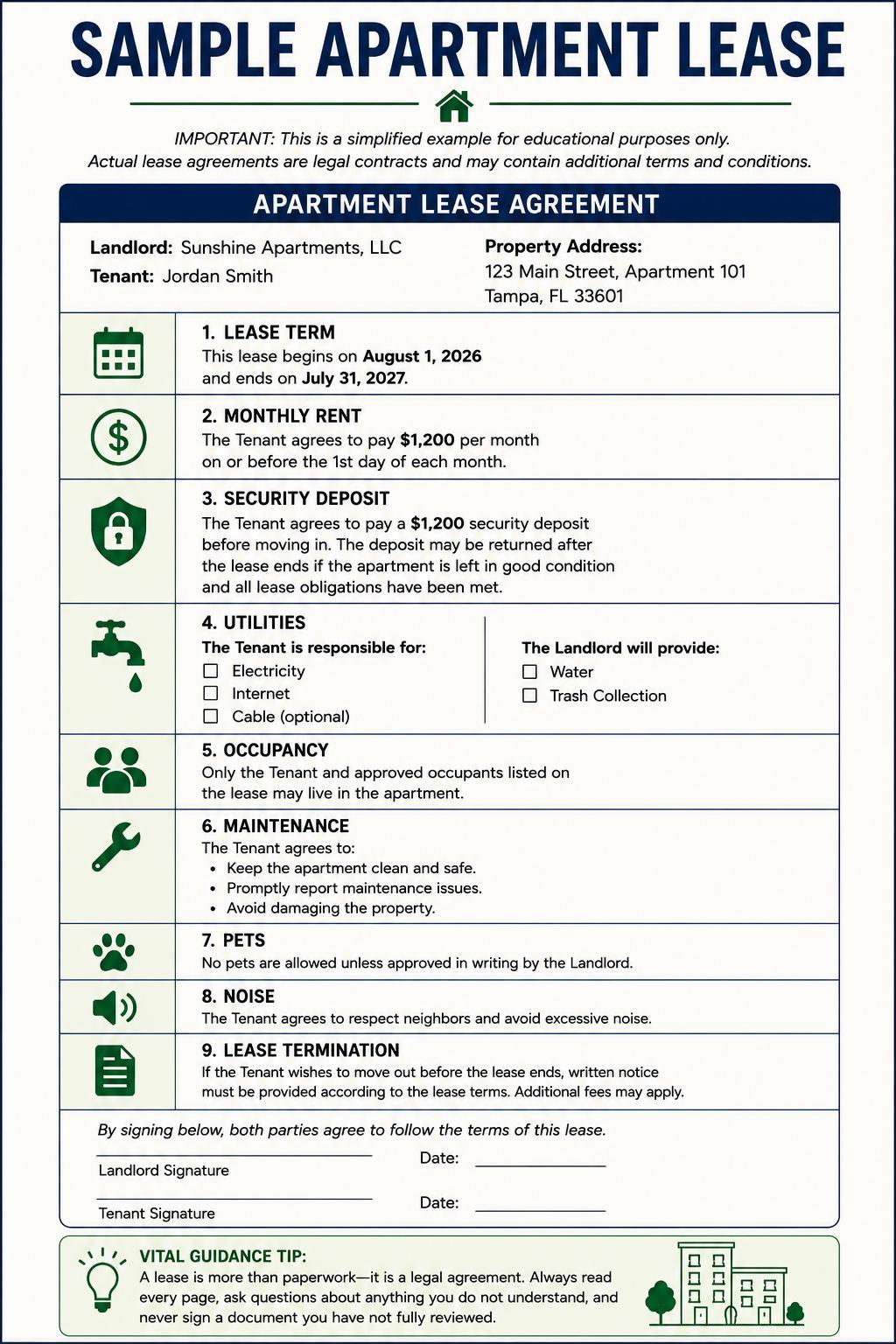
Understanding Rental Agreements
Many young adults begin independent living by renting.
A rental agreement, often called a lease, is a legal contract between a tenant and a property owner. It outlines the responsibilities of both parties and helps establish expectations regarding rent, maintenance, occupancy, and other important matters.
Before signing any lease, take time to read and understand:
• Monthly rent
• Security deposits
• Lease length
• Maintenance responsibilities
• Pet policies
• Guest policies
• Utility responsibilities
• Early termination rules
Lease Agreement Questions:
1. How much money would you need to save before moving into this apartment?
2. What monthly expenses would you have besides rent?
3. What responsibilities does the tenant have under this lease?
4. Why is it important to read a lease carefully before signing?
5. Which parts of this lease would you want clarified before agreeing to it?
If something is unclear, always ask questions. Seeking clarification before signing an agreement can help prevent misunderstandings later.
Understanding Your Rights & Responsibilities
Just as landlords have responsibilities, tenants have responsibilities as well. As a tenant, you are expected to:
• Pay rent on time
• Follow lease agreements
• Respect neighbors
• Maintain the property responsibly
• Report maintenance issues
At the same time, tenants often have rights related to safety, privacy, and habitability.
Learning about your rights and responsibilities helps create a positive housing experience and reduces unnecessary conflict.
Finding Safe & Affordable Housing
When evaluating housing options, affordability is important, but it should not be the only consideration. Young adults should also consider:
• Safety
• Location
• Transportation access
• Distance from work or school
• Neighborhood conditions
• Access to grocery stores and services
• Overall living environment
A lower rent may not always be the best value if it creates transportation challenges, safety concerns, or additional expenses.
Take the time to evaluate the overall picture before deciding.
Managing Utilities & Living Expenses
Housing costs extend beyond rent.
Many first-time renters are surprised to learn they may also be responsible for:
• Electricity
• Water
• Internet
• Trash collection
• Renter's insurance
• Maintenance expenses
• Household supplies
Understanding these costs in advance can help prevent financial surprises and improve budgeting accuracy.
This is where the financial literacy skills discussed in the previous chapter become especially valuable.
Taking Care of Your Space
Taking care of your space is important because your environment can affect your mindset, emotions, and productivity. A clean and organized space can help reduce stress, improve focus, and create a
greater sense of peace and control. Learning to respect and maintain your surroundings is also a sign of discipline, responsibility, and pride in yourself and the life you are building.
Whether you live with family, roommates, in a dormitory, or on your own, creating a positive environment can make daily life more enjoyable and productive.
Home Is More Than A Place
One of the most important lessons I have learned is that a home is about much more than the size of the house, the neighborhood, or the furnishings inside.
A home should provide:
• Safety
• Stability
• Comfort
• Encouragement
• Growth
• Positive memories
Every housing experience can provide opportunities to learn, grow, and prepare for future stages of life. While we cannot always control our circumstances, we can choose how we respond to them and what lessons we carry forward.
Vital Guidance Tip
Your first home does not have to be your forever home Focus on finding a safe, affordable place that supports your goals.
Your Checklist
This checklist will help you think through the many factors involved in securing and maintaining housing. As you complete these items, focus on learning the responsibilities that come with housing:
□ Understand rental agreements
□ Learn about security deposits
□ Create a housing budget
□ Research utility costs
□ Learn tenant rights & Responsibilities
□ Evaluate housing safety
□ Compare multiple housing options
□ Create an emergency contact list
□ Learn basic cleaning and maintenance skills
Questions To Think About
1. What factors are most important when choosing a safe and affordable place to live?
2. What are the advantages and disadvantages of living with roommates?
3. What responsibilities come with renting an apartment or home that many young people may not realize?
Final Thoughts
Housing is one of the most important aspects of Independent Living because it influences so many other areas of life. The place you live affects your finances, relationships, transportation, education, career opportunities, and overall well-being.
My own journey taught me that housing situations may change over time, and each stage can provide valuable lessons. Whether you choose to live at home while saving money, share housing with roommates, rent an apartment, live in military housing, or eventually purchase a home, every experience can help prepare you for greater responsibility and independence.
Remember to focus on safety, affordability, responsibility, and creating a positive environment.
A house is simply a structure.
A home is something you help create through the choices you make, the habits you develop, and the environment you build around yourself and the people you care about.
Independent living is not about finding the perfect home. It is about creating a place where you can continue growing into the person you want to become.
Write the name(s) of someone you can have a conversation with about housing and go do it. Then write down the day and time you had the conversation with the person:
Name:_______________________________
Date:________
Name:_ Date:________
Name:_______________________________
Date:________
Housing Challenge
Research three apartments, houses, or room rental opportunities in the area where you would like to live after high school. For each option, record:
• Monthly rent
• Security deposit
• Utilities included (if any)
• Distance from work or school
• Number of bedrooms and bathrooms
• One thing you like about the property
• One concern you have about the property
After comparing all three options, answer this question:
Which housing option would you choose and why?
Housing Resources
1. https://schoolhouseconnection.org: Covers lease reviews, housing rights, and stability for those experiencing homelessness.
2. https://bestcolleges.com: Offers a complete guide on finding affordable housing, understanding rental terms, and tenant rights.
3. https://edumed.org/resources/student-renters-guide/: Provides insights into renting, red flags, and renter’s insurance.
4. https://settleinus.org: Information for newcomers to the U.S. rental market, including a guide for budgeting.
5. https://rocketlawyer.com/real-estate/tenants/legalguide/apartment-renting-101: A 4-step plan for first-time renters.
“The Lord will watch over your coming and going both now and forevermore.”
Psalm 121:8
Transportation:
Freedom, Responsibility & Independence
Transportation plays an important role in independent living. As students begin working, attending college or trade school, participating in activities, and managing adult responsibilities, reliable transportation often becomes essential.
Transportation affects:
• Employment opportunities
• Educational access
• Healthcare appointments
• Family responsibilities
• Social activities
• Daily convenience
Whether you drive a vehicle, use public transportation, ride a bicycle, walk, or use a combination of options, transportation provides access to opportunities and helps support an independent lifestyle.
The goal is not necessarily to own the most expensive vehicle. The goal is to choose transportation that is safe, reliable, and appropriate for your needs and resources.
The First Driving Experiences
As kids, many of us probably enjoyed the thrill of sitting on a parent's lap and pretending to drive a car. I know my children certainly enjoyed those moments, and I remember how much fun they had pretending they were in control of the vehicle.
At the same time, I always reminded them of something important:
Driving is one of the most dangerous activities most people will do on a regular basis.
That is why driving requires responsibility, good judgment, and respect for safety.
I couldn't wait to get my driver's license when I turned sixteen. Soon afterward, I earned my school bus license and began transporting students throughout my county. That responsibility gave me more than transportation experience, it helped me develop confidence, responsibility, and independence.
Driving the school bus also provided the income I needed to purchase my first car.
The Story of My First Car
Like many first vehicles, my first car was far from perfect.
One weekend, one of my older brothers took me to a junkyard and told me to pick out a car I liked. I chose the 1976 Pontiac Grand Prix. The car certainly needed work, but I saw potential.
We pulled the car to the paint shop where my brother and his friends worked. The following weekend, we went searching for an engine that might work. Eventually, we found another vehicle with an engine my brother liked and brought it back to the shop.
What happened next felt like magic.
Although my brother and his friends worked as residential and commercial painters during the week, working on cars was one of their favorite weekend activities. Together they replaced the engine, got the car running, and helped transform it into something special.
I saved money to have it painted and reupholstered, and before long it looked almost new. Best of all, the entire project cost less than $1,000. I drove that car for nearly six years before eventually trading it in.
Looking back, that experience taught me several valuable lessons about transportation, patience, problem-solving, and making the most of available resources.
Understanding Vehicle Ownership
Owning a vehicle can provide freedom and convenience, but it also comes with responsibilities.
Vehicle ownership may include:
• Car payments
• Insurance
• Fuel
• Maintenance
• Repairs
• Registration fees
• Parking expenses
Before purchasing a vehicle, it is important to understand the full cost of ownership rather than focusing only on the purchase price.
Sometimes a reliable used vehicle may be a better choice than a newer vehicle with larger monthly payments.
The goal is to make transportation decisions that fit your financial situation and support your long-term goals.
Basic Vehicle Maintenance
Even if you are not mechanically inclined, understanding basic vehicle maintenance can save money and help prevent problems.
Important maintenance tasks include:
• Checking tire pressure
• Replacing windshield wipers
• Maintaining oil and fluid levels
• Following recommended service schedules
• Addressing small issues before they become larger problems
Learning just a few basic maintenance skills can help increase confidence and extend the life of your vehicle.
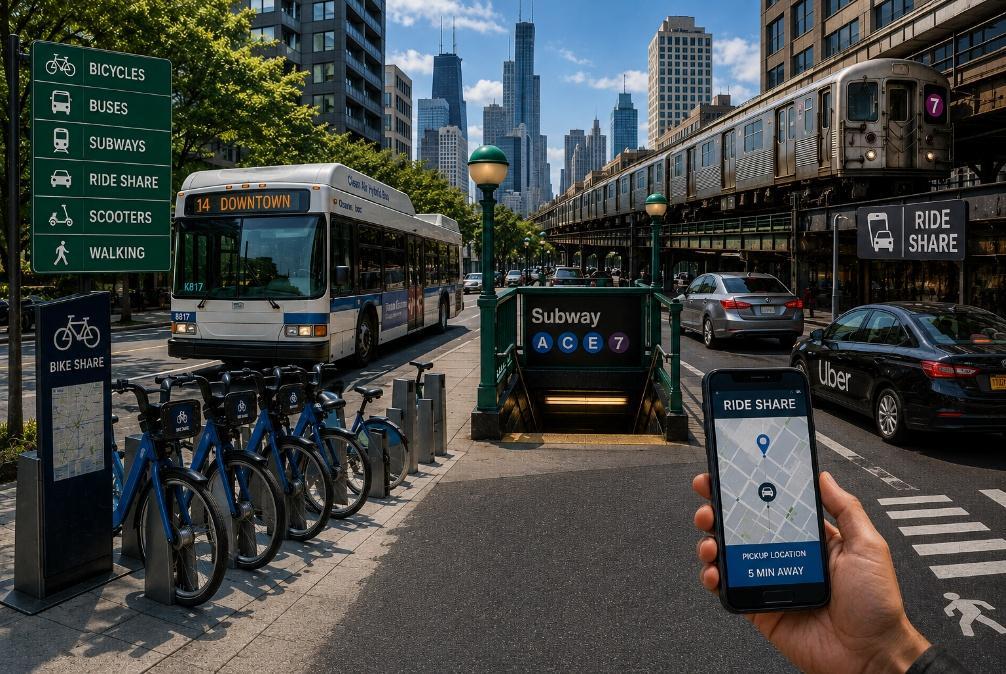
Using Public Transportation
Not everyone needs to own a car.
Many communities offer transportation options such as:
• Buses
• Trains
• Subways
• Ride-sharing services
• Bicycle programs
Public transportation can often be an affordable alternative to vehicle ownership, especially for students and young adults living in urban areas. Learning how to navigate public transportation systems can provide flexibility while reducing transportation expenses.
Choosing the Right Transportation Option
The best transportation choice depends on your circumstances. Consider:
• Cost
• Reliability
• Safety
• Distance traveled
• Maintenance requirements
• Availability of public transportation
What works well for one person may not be the best solution for another. The important thing is finding transportation that helps you meet your responsibilities while staying within your budget.
Transportation Safety
No matter how you travel, safety should always be a priority.
Responsible transportation habits include:
• Following traffic laws
• Avoiding distractions while driving
• Wearing seat belts
• Keeping vehicles properly maintained
• Planning ahead during severe weather
• Staying aware of your surroundings
Safe habits not only protect you but also protect the people around you.
Vital Guidance Tip
Reliable transportation creates opportunities. Whether you drive, ride, walk, or use public transit, focus on making transportation decisions that are safe, affordable, and dependable.
Your Checklist
Reliable transportation can create opportunities, while transportation challenges can create obstacles. This checklist is designed to help you understand the responsibilities that come with transportation and prepare for situations you may encounter as an independent adult. Whether you drive, use public transportation, or rely on other options, planning ahead can help you stay safe and dependable.
□ Obtain a driver's license or learner's permit
□ Understand vehicle insurance
□ Learn basic vehicle maintenance
□ Know how to change a tire
□ Learn how to check oil and fluids
□ Research public transportation options
□ Create a transportation budget
□ Keep emergency roadside numbers available
□ Understand traffic laws
□ Always wear a seatbelt
Questions To Think About
1. Why is reliable transportation important for education, employment, and independent living?
2. What transportation options are available in your community besides owning a personal vehicle?
3. What are some financial responsibilities that come with owning and maintaining a vehicle?
Final Thoughts
Transportation is much more than simply getting from one place to another. It provides access to education, employment, relationships, healthcare, and countless opportunities throughout life.
My first car taught me that success is not always about having the newest or most expensive option. Sometimes success comes from making wise decisions, using available resources, working hard, and appreciating the help of others along the way.
As you move toward independent living, remember that transportation is a tool that helps support your goals. Choose options that fit your needs, budget, and responsibilities.
Whether you are driving your first car, riding public transportation, or exploring other options, focus on safety, reliability, and responsibility.
The journey ahead is filled with opportunities, and dependable transportation can help you reach them.
Write the name(s) of someone you can have a conversation with about transportation and go do it. Then write down the day and time you had the conversation with the person:
1. https://uber.com/us/en/ride/teens/: Allows teens to have their own accounts, request rides, and order meals, with live safety tracking and parental supervision.
2. https://lyft.com/rider/teen: Enables parents to set up accounts for teens, featuring vetted drivers and real-time updates for both parents and teens.
3. https://hopskipdrive.com/?utm_content=hycl: A specialized service for safe, school-related, or activity transportation.
4. https://nhtsa.gov/road-safety/teen-driving: Contains information on states' driver licensing requirements for teens.
5. https://fmcsa.dot.gov/kidzone: See what it's like behind the steering wheel of trucks and business to become a safety wizard.
“Your bodies are temples of the Holy Spirit . . . Therefore honor God with your bodies.”
1 Corinthians 6:19-20
Health & Wellness:
Taking Care of Your Mind & Body
Independent living requires more than earning money, finding housing, and managing responsibilities. It also requires taking care of yourself.
Your physical health, mental health, emotional well-being, and personal relationships all influence your ability to achieve your goals and enjoy life. When you feel healthy and balanced, you are often better equipped to handle challenges, make decisions, maintain relationships, and pursue opportunities.
Health and wellness are not about becoming perfect. They are about developing habits that help you feel your best and support the life you want to build.
My Fitness Journey
I did not grow up playing organized sports. However, with eleven brothers and three sisters, there was always plenty of activity as we ran around the yard and created our own adventures.
As I entered high school, those childhood activities naturally changed. Hanging out with friends became more common than running around outside, and outside of physical education classes and marching band, I was not very active.
That changed when I joined the Air Force.
For the first time, I was surrounded by people from all over the world who valued physical fitness and healthy living. Some played sports and lifted weights while others simply enjoyed cardio exercising and taking care of their health.
Their influence motivated me to learn more about fitness, exercise, and nutrition. Over time, I became deeply interested in health and wellness and even competed in a few fitness shows.
While I still enjoy foods that are not always considered healthy, I have learned an important lesson:
When there is a conflict between what the mind wants and what the body needs, the body usually wins.
Learning to listen to your body is one of the most valuable wellness skills you can develop.
Physical Health & Exercise
Regular physical activity provides benefits that extend far beyond appearance. Exercise can help:
• Improve energy levels
• Reduce stress
• Support mental health
• Increase confidence
• Improve sleep
• Strengthen the body
• Reduce health risks
You do not have to become an athlete or spend hours in a gym to enjoy the benefits of exercise.
hiking, and many other activities can contribute to a healthy lifestyle. The best exercise program is often the one you enjoy enough to continue.
Nutrition & Healthy Eating
The food you eat provides the fuel your body needs to function properly.
Learning basic nutrition and meal planning can help you:
• Maintain energy
• Improve concentration
• Support physical health
• Manage stress
• Reduce long-term health risks
This does not mean you must eat perfectly every day.
Healthy eating is about balance and consistency rather than perfection.
As you become more independent, learning how to prepare simple, nutritious meals can save money and improve your overall health.
Understanding Healthcare & Health Insurance
Healthcare is another important part of independent living.
Regular checkups, preventive care, and seeking medical attention when necessary can help identify and address health concerns before they become larger problems.
Young adults should also begin learning the basics of health insurance, including:
• Coverage options
• Deductibles
• Copayments
• Provider networks
• Preventive services
While these topics may seem confusing at first, understanding them can help you make informed healthcare decisions throughout adulthood.
Managing Mental Health & Stress
Mental health is just as important as physical health.
Everyone experiences stress, disappointment, uncertainty, and challenges from time to time. Learning healthy ways to manage those experiences can improve emotional well-being and resilience.
Healthy stress-management strategies may include:
• Exercise
• Prayer or meditation
• Talking with trusted friends or family
• Journaling
• Hobbies and recreation
• Professional counseling when needed
Seeking help is not a sign of weakness. It is often a sign of wisdom and self-awareness. Strong people understand that they do not have to carry every burden alone.
Relationships, Sex & Personal Responsibility
As young people transition into adulthood, relationships become an increasingly important part of life. Friendships, dating relationships, emotional connections, and future family relationships all influence personal happiness, mental health, and overall well-being.
One important topic young adults should think carefully about is sex. While social media, entertainment, and peers often discuss sex, they do not always discuss the responsibilities that can come with those decisions.
Sex can affect emotional health, physical health, relationships,
finances, future goals, and personal responsibilities. That is why sexual decisions should be approached thoughtfully and responsibly rather than based solely on emotions, pressure, or the desire to fit in.
Students should also know that abstinence is a healthy and responsible choice. Choosing to wait may reflect personal values, faith, emotional readiness, future goals, or a desire to avoid complications while building a strong foundation for adulthood.
Healthy relationships should be built on:
• Respect
• Trust
• Communication
• Honesty
• Healthy boundaries
• Shared responsibility
Independent living includes making choices that protect your health, support your goals, and reflect your values.
Taking Care of Your Whole Self
Health and wellness are about much more than exercise and nutrition.
They include:
• Physical health
• Mental health
• Emotional well-being
• Healthy relationships
• Personal responsibility
• Self-respect
When these areas work together, they help create a stronger foundation for success and independence.
Taking care of yourself is not selfish.
Your health is one of your greatest assets. Protect it. The decisions you make today can have a lasting impact on the opportunities, relationships, and quality of life you experience tomorrow.
Vital Guidance Tip
Your health affects nearly every area of your life. The habits you develop today can influence your energy, confidence, relationships, and opportunities for years to come.
Your Checklist
This checklist will help you assess your current health habits and identify ways to improve your physical, emotional, and mental wellbeing. Taking care of yourself today can help you build the energy, confidence, and resilience needed for tomorrow. Be sure to:
□ Schedule annual medical checkups
□ Exercise regularly
□ Eat nutritious foods
□ Drink water daily
□ Get adequate sleep
□ Learn healthy stress-management techniques
□ Avoid drugs and alcohol
□ Develop positive friendships
□ Take care of your mental health
□ Ask for help when needed
Questions To Think About
1. How does physical and mental health affect your ability to achieve personal and professional goals?
2. What healthy habits could you begin practicing today that would improve your quality of life?
3. How do stress, sleep, nutrition, and exercise influence your overall well-being?
Final Thoughts
Health and wellness are essential parts of independent living because your body, mind, emotions, and relationships all influence the quality of your life and future success.
Physical health, nutrition, exercise, mental health, stress management, sleep, healthy relationships, and responsible decisionmaking all affect your:
• Energy
• Confidence
• Career performance
• Emotional well-being
• Relationships
• Long-term opportunities
My own journey taught me that wellness is not only for athletes or fitness experts. It is a lifelong responsibility for everyone. Learning how to care for your body, manage stress, build healthy habits, maintain positive relationships, and make wise personal decisions can help create a stronger and more balanced future.
Emerging adults should also understand that relationships and sexual decisions carry emotional, physical, financial, and long-term responsibilities. Healthy relationships should involve respect,
communication, trust, and personal boundaries. Abstinence is also a healthy and responsible choice for young adults who want to focus on their goals, values, emotional readiness, or future plans.
Listen to your body.
Protect your mental health.
Build healthy relationships.
Respect yourself and others.
Stay active.
Learn healthy habits.
And remember that your health and wellness will impact nearly every area of your life. Independent living becomes much more difficult without good health and wise decision-making, but when you learn to care for yourself physically, emotionally, mentally, and socially, you create a stronger foundation for the life you want to build.
Write the name(s) of someone you can have a conversation with about health and wellness and go do it. Then write down the day and time you had the conversation with the person:
1. https://kidshealth.org/en/teens/: Offers doctor-reviewed articles on emotions, sexual health, food, fitness, and diseases.
2. https://medlineplus.gov/teenhealth.html: A service of the U.S. National Library of Medicine providing reliable health information.
3. https://teenhealthandwellness.com/: A resource providing information on diseases, drugs, mental health, and social issues.
4. https://goaskalice.columbia.edu/: A Q&A resource that covers nutrition, emotional health, and relationships with reliable advice.
5. https://nami.org/: The National Alliance on Mental Illness provides resources for teens to understand mental health conditions and tips on how to talk to friends/family.
The Challenge
For seven consecutive days, exercise 30 minutes; drink more water; and sleep at least 8 hours each day. Then journal below how you felt at the end of the week.
“What does the Lord require of you? To act justly and to love mercy and to walk humbly with your God.”
Micah 6:8
Legal Rights & Responsibilities:
Protecting Yourself from Common Mistakes
As young adults move toward independent living, they begin encountering legal responsibilities that may not have seemed important before. Signing contracts, filing taxes, obtaining insurance, accepting employment, renting housing, and managing financial accounts all involve legal rights and responsibilities.
The good news is that you do not need to become a lawyer or tax expert to navigate adulthood successfully. What you do need is a basic understanding of how these systems work and a willingness to seek guidance when necessary.
One of the smartest things you can do is ask questions before making important decisions. Many problems can be avoided simply by taking the time to understand what you are agreeing to and seeking advice from knowledgeable people.
Learning From Others
There is no doubt that life can be challenging, and sometimes those challenges become even more complicated when other people are involved. As you grow older, experience will teach you many lessons about rights, responsibilities, and decision-making.
Until then, do not feel like you have to figure everything out on your own.
Parents, mentors, teachers, counselors, employers, coaches, and other supportive adults can be valuable sources of wisdom and guidance. Many times, you may be the one who has to start the conversation, but you may be surprised how honored people feel when you ask for their advice.
I learned this lesson during my time in the Air Force.
One day at Luke Air Force Base, I was standing outside near the flight line with a few friends. We were laughing, enjoying the day, and simply spending time together when I was unexpectedly called into the First Sergeant's office.
At the time, I was a young Airman, and the First Sergeant held one of the most respected leadership positions on the base. Naturally, I was a little nervous.
He welcomed me into his office, asked a few questions, and helped me relax. Then he asked a question that has stayed with me for the rest of my life:
"Airman Moore, which one of those guys out there is going to help you achieve your life goals?"
I sat quietly for a moment because I already knew the answer.
None of them.
Then he shared a simple but powerful lesson as he sent me on my way:
"Go have your fun but make sure you surround yourself with people who can also help you."
That advice had nothing to do with legal rights at the time, but it taught me something important about life. The people around you can influence your knowledge, decisions, opportunities, and growth. When it comes to understanding important responsibilities, it helps to have wise people in your corner.
Understanding Contracts & Agreements
A contract is simply an agreement between two or more parties. Many contracts are part of everyday life, including:
• Apartment leases
• Employment agreements
• Cell phone contracts
• Vehicle purchases
• Insurance policies
• Student loans
Before signing any document, take time to read and understand what it says. Ask questions such as:
• What am I agreeing to?
• What are my responsibilities?
• What happens if I do not fulfill my obligations?
• Are there fees or penalties involved?
Never feel rushed into signing something you do not understand. See a sample contract on the next page.
Understanding Taxes
As I stated in Chapter 5, taxes are a normal part of adult life.
As you begin working, you will likely notice taxes being deducted from your paycheck. These taxes help fund services such as roads, schools, emergency services, and government programs.
You do not need to become a tax expert immediately, but it is helpful to understand:
• Why taxes are collected
• How tax withholding works
• The importance of keeping records
• When to seek professional assistance
Learning the basics can help you avoid confusion and become more confident in managing your finances.
Understanding Insurance
Insurance helps protect individuals and families from unexpected financial losses. Common types of insurance include:
• Health insurance
• Auto insurance
While insurance can sometimes feel like an extra expense, it often provides important protection during difficult situations. Life insurance can also be used to help build wealth.
Understanding basic insurance concepts can help you make informed decisions as you become more independent.
Knowing Your Rights
Every individual has rights that deserve to be respected and protected.
As an adult, you may have rights related to:
• Employment
• Housing
• Education
• Privacy
• Consumer protection
Understanding your rights can help you recognize unfair situations and make informed decisions. At the same time, rights and responsibilities often work together. Respecting the rights of others is just as important as protecting your own.
Making Responsible Decisions
One of the most important lessons of adulthood is that freedom and responsibility go hand in hand. As your independence increases, so does your responsibility for the choices you make.
Responsible decision-making often involves:
• Gathering information
• Asking questions
• Seeking advice
• Considering consequences
• Learning from experience
You do not need to know everything. You simply need to remain teachable and willing to learn.
Vital Guidance Tip
One of the smartest things you can do is ask questions before making important decisions. Seeking guidance is not a sign of weakness; it is often a sign of wisdom.
Your Checklist
As you become more independent, understanding your legal rights and responsibilities becomes increasingly important. This checklist will help you become more informed about documents, agreements, laws, and responsibilities that can impact your daily life. Knowledge can help you avoid unnecessary mistakes and make more confident decisions as an adult.
□ Obtain identification documents
□ Learn basic employment rights
□ Understand contracts and agreements
□ Learn tenant rights
□ Understand traffic laws
□ Protect personal information
□ Learn about identity theft
□ Understand legal consequences of actions
□ Maintain important records
□ Ask questions before signing documents
Questions To Think About
1. Why is it important to understand contracts before signing them?
2. What legal rights and responsibilities come with becoming an adult?
3. How can understanding laws and legal obligations help protect your future?
Final Thoughts
Understanding your legal rights and responsibilities is an important part of independent living. Contracts, taxes, insurance, employment agreements, and other legal matters will become part of your adult life, but you do not have to navigate them alone.
My First Sergeant taught me a lesson I have never forgotten: surround yourself with people who can help you grow and achieve your goals. That advice applies just as much today as it did during my time in the Air Force.
Take time to learn.
Ask questions.
Read before signing.
Seek guidance from trusted adults and professionals. Respect the rights of others while protecting your own.
Most importantly, remember that becoming an adult does not mean having all the answers. It means developing the wisdom to know when to ask for help and the confidence to keep learning.
Independent living is not about knowing everything. It is about continuing to grow, make informed decisions, and build a strong
foundation for the future.
Write the name of someone you can have a conversation with about your legal rights and responsibilities in life, and go have the conversation. Then write down the day and time you had the conversation with the person:
Name:_______________________________
Date:________
Name:_______________________________
Date:________
Name:_______________________________
Date:________
Legal Rights Resources
1. https://vision.icivics.org/: Atop site for interactive games and lesson plans that teach core rights, the judicial system, and the Constitution.
2. https://lawforkids.org:Acomprehensive, engaging site covering youth legal rights, school policies, online safety, and how to navigate legal challenges.
3. https://americanbar.org/groups/public_education/lesson-plans: lesson plans for high schoolers on the 1stAmendment, Due Process, 2ndAmendment, and law and society.
4. https://aclu.org/know-your-rights/students-rights: Provides information on student rights at school, including free speech, dress codes, and protections against discrimination or unlawful searches.
5. https://youthlaw.org: Focuses on protecting the rights of children in courts, schools, and foster systems.
The Challenge
Gather and organize copies of your:
• Birth Certificate
• Social Security Card
• Driver's License or State ID
• Insurance Information
• Emergency Contacts
Create a personal document folder.
“So do not fear, for I am with you; do not be dismayed, for I am your God. I will strengthen you and help you . . .
Isaiah
41:10
Emergency Preparedness:
Preparing for Life’s Unexpected Challenges
Most people do not spend much time thinking about emergencies until they find themselves facing one.
An emergency can be a natural disaster, a medical situation, a transportation problem, a financial setback, a housing issue, or an
unexpected life challenge. While we cannot predict every situation we may face, we can prepare ourselves to respond effectively when difficulties arise.
Emergency preparedness is not about living in fear. It is about developing confidence, creating plans, and knowing where to turn when help is needed.
One of the greatest benefits of preparation is peace of mind. When you have a plan, challenges often feel more manageable because you already know some of the steps you can take.
An Unexpected Emergency
I grew up fairly confident in myself. Teachers admired my artistic abilities. I played the drums well enough to become captain of the percussion section of the marching band. At sixteen, I was trusted to drive a school bus. I maintained good grades and continued building confidence through new opportunities.
The Air Force provided even more opportunities for growth. I became a squad leader, served as a community relations specialist, and eventually became the editor of the base newspaper.
Life seemed to be moving in the right direction.
After receiving an honorable discharge, I enrolled at the University of Florida to continue my education.
The first couple of months were exciting. I was finally attending classes during the day instead of balancing school at night around military responsibilities. However, there was one problem.
My savings were disappearing quickly.
I had no steady income, and the financial reality of graduate school was becoming impossible to ignore.
Other students suggested applying for food stamps. One day I drove to the food stamp office and saw a line that stretched around the corner of the building. I sat in my car thinking about everything that had brought me to that moment: Six years in the military, three college degrees, and now I was considering standing in a line because I was running out of money.
I made a decision.
I drove away.
Instead of focusing on what I did not have, I focused on what I could do.
I went directly to the University of Florida and explained that I
needed work. Before long, the UF Department of Continuing Education hired me to help launch their monthly newsletter.
That experience taught me a lesson I have never forgotten:
When challenges arise, do not freeze. Look for solutions.
There are often resources, opportunities, and people willing to help if you are willing to seek them out.
Creating A Personal Emergency Plan
One of the best ways to prepare for emergencies is to think ahead.
Ask yourself:
• Who would I call if I needed help?
• Where would I go if I needed temporary housing?
• Who are my emergency contacts?
• How would I handle a transportation emergency?
• What would I do if I lost my job?
• What would I do if I became ill?
Thinking about these questions before an emergency occurs can help you respond more confidently when challenges arise.
Building An Emergency Contact Network
Every student and young adult should have a list of trusted people they can contact during difficult situations. Your network might include:
• Parents or family members
• Mentors
• Teachers
• Coaches
• Clergy
• Trusted friends
• Employers
• Counselors
One of the most valuable resources you can have is a strong support system.
Independent living does not mean handling every challenge alone.
Basic First Aid & Safety
Emergencies sometimes involve injuries or health concerns.
Learning basic first aid skills can help you respond appropriately while waiting for professional assistance.
Consider learning:
• Basic CPR
• How to call emergency services
• How to respond to minor injuries
• How to recognize emergency warning signs
• Basic safety procedures at home, work, and school
These skills can provide confidence and may even help protect others.
Preparing for Financial Emergencies
Not all emergencies involve weather or accidents.
Like my story, some of the most common emergencies involve money. And like me, many of you cannot call home for money.
So let’s get ready. Unexpected expenses may include:
• Car repairs
• Medical bills
• Job loss
• Housing issues
• Family emergencies
Building an emergency fund, even gradually, can help reduce stress
when unexpected situations arise. This is one of the reasons financial literacies and saving money are so important.
Accessing Community Resources
One lesson I learned at the University of Florida is that resources often exist even when we do not immediately see them.
Communities may offer:
• Educational support programs
• Employment assistance
• Food resources
• Housing assistance
• Counseling services
• Health services
• Nonprofit programs
Knowing where to find help can make a tremendous difference during difficult times. Seeking assistance when needed is not a sign of failure. It is often part of responsible problem-solving.
Developing A Resilient Mindset
Perhaps the most important part of emergency preparedness is developing resilience. Resilience is the ability to adapt, recover, and
continue moving forward when life becomes difficult.
Resilient people understand:
• Challenges are part of life.
• Problems can often be solved.
• Help is available.
• Difficult seasons do not last forever.
• Growth often comes through adversity.
You may not be able to control every situation you encounter, but you can often control how you respond.
Vital Guidance Tip
Emergencies are easier to manage when you have a plan. Build relationships, save when possible, learn basic safety skills, and remember that asking for help is often one of the smartest decisions you can make.
Your Checklist
Emergencies can happen when we least expect them. While we cannot prevent every challenge, we can prepare ourselves to respond effectively when difficulties arise. This checklist will help you create a plan, organize important information, and build confidence in your ability to handle unexpected situations. Being prepared today can help reduce stress and improve decision-making during emergencies. Make the time to:
□ Memorize important phone numbers
□ Create an emergency contact list
□ Build an emergency kit
□ Learn basic first aid
□ Know how to call 911
□ Develop a fire escape plan
□ Create an emergency savings fund
□ Know local shelter locations
□ Learn disaster preparedness basics
□ Practice emergency procedures
Questions To Think About
1. What types of emergencies should every young adult be prepared to handle?
2. Why is it important to have a plan before an emergency happens?
3. What items would you include in an emergency preparedness kit, and why?
Final Thoughts
Emergency preparedness is about more than creating a checklist or storing supplies. It is about developing the confidence, resources, relationships, and mindset needed to navigate life's unexpected challenges.
My experience at the University of Florida taught me that emergencies can appear in many forms. Sometimes they are financial. Sometimes they are personal. Sometimes they are emotional or practical. Regardless of the challenge, the most important thing is to keep moving forward and focus on solutions rather than obstacles.
Create a plan.
Build a support network.
Learn basic safety skills.
Save when possible.
Know where to find resources.
And never be afraid to ask for help when you need it.
Life will present challenges to everyone. The goal is not to avoid
every emergency. The goal is to be prepared, adaptable, and resilient when challenges arise.
Just because you are living independently does not mean you have to face life's storms alone. I encourage you to develop the skills, confidence, and support systems that can help you weather them successfully. Write the name(s) of someone you can have a conversation with about emergency preparedness and go do it. Then write down the day and time you had the conversation with the person:
Name:______________
Date:________
Name:_______________________________
Date:________
Name:_ Date:________
The Challenge
Create your personal emergency preparedness plan. Include:
• Emergency contacts
• Meeting locations
• Transportation backup plans
• Medical information
• Emergency supplies checklist
• Financial emergency plan
Emergency Preparedness Resources
1. https://ready.gov/kids/teens: The official FEMA website for helping teenagers lead in family and community preparedness.
2. https://preparecenter.org/toolkit/teenprepkit/: A comprehensive, interactive toolkit created by youth for youth, including videos, activities, and leadership projects to help teens prepare for disasters.
3. https://redcross.org/get-help/how-to-prepare-foremergencies/teaching-kids-about-emergency-preparedness/howfamilies-can-prepare-for-emergencies.html: Offers resources for teens to join Red Cross Clubs and take CPR/first-aid training.
4. https://nctsn.org (National Child Traumatic Stress Network: Provides psychological and emotional preparedness for teens to manage anxiety and cope before, during, and after disasters.
“For I know the plans I have for you,” declares the Lord, “plans to prosper you and not to harm you, plans to give you hope and a future.” Jeremiah 29:11
Final Preparation:
For Building The Life You Want To Live
By reading this book, you have taken an important step toward preparing for one of life's greatest adventures - independent living.
Throughout these chapters, we explored ten essential life skills that can help you navigate adulthood with greater confidence and success. We discussed managing your time, building strong
relationships, exploring educational opportunities, preparing for a career, understanding money, securing Housing, maintaining transportation, protecting your health and wellness, understanding your rights and responsibilities, and preparing for life's unexpected challenges. While each topic is important on its own, together they form something even more valuable; a foundation for building the life you want to live.
As you move forward, remember that independent living is not about having everything figured out. No one has all the answers. Every adult you admire is still learning, growing, and adapting to new situations. The goal is not perfection. The goal is progress.
There will be times when you make mistakes. There will be moments when things do not go according to plan. You may face disappointments, setbacks, or unexpected challenges. That is a normal part of life.
What matters most is how you respond.
Learn from your experiences.
Ask questions. Seek guidance from people you trust.
One of the greatest lessons I have learned throughout my life is that success is rarely achieved alone. Family members, teachers, coaches, mentors, employers, friends, and countless others have helped guide, encourage, and support me along the way. Never be afraid to seek advice from people who genuinely want to see you succeed.
The 5 Most Important Relationships
The people you surround yourself with can influence your decisions, encourage you during difficult times, open doors to new opportunities, and help shape the person you become.
Throughout this book, we have discussed important life skills. However, behind nearly every success story is a network of meaningful relationships that provide support, wisdom, accountability, and encouragement along the way.
While every person's journey is unique, I encourage you to find and develop the five most important relationships for success:
1. God (or Your Faith Foundation): Astrong faith can provide purpose, values, guidance, hope, and strength during life's greatest challenges.
2. Family: Healthy family relationships can provide love, support,
encouragement, wisdom, and a sense of belonging throughout life.
3. Mentor: Mentors can share experience, offer guidance, help you avoid mistakes, and encourage you to reach your potential.
4. Career Counselor, Teacher, or Employer: These individuals can help develop your skills, build your confidence, provide opportunities, and prepare you for future success.
5. Positive Friends: Good friends can encourage positive choices, provide support during difficult times, celebrate your successes, and make life's journey more enjoyable. The quality of these relationships can have a tremendous impact on the quality of your life. Invest in them to help you grow, learn, and become the person you were created to be.
It’s How You Finish
Remember that your future is not determined by where you started. I grew up in a family with limited financial resources, became one of fifteen children raised mostly by a single mother, drove a school bus at sixteen years old, served in theAir Force, became the first person in my family to graduate from college, and built a career helping others pursue their goals. None of those accomplishments happened overnight. They happened with one decision, one lesson, one opportunity, and one step at a time.
The same is true for you. You do not need to accomplish everything today but:
- Focus on making good decisions today.
- Focus on developing positive habits today.
- Focus on learning something new today.
Those small actions have a way of creating extraordinary results over time.
As you begin the next chapter of your life, I encourage you to remain curious, stay teachable, work hard, treat people with respect, and never stop investing in yourself. Continue building your skills, strengthening your character, and pursuing opportunities that align with your goals and values.
Most importantly, remember that your life has purpose:
You have talents to develop.
Relationships to build.
Dreams to pursue.
Challenges to overcome.
And contributions to make that only you can make. The future will not always be easy, but it can be incredibly rewarding for those who prepare for it. So:
Believe in yourself.
Trust the process.
Keep learning.
Keep growing.
And keep moving forward.
Independent living is not about knowing everything. Along the way, you will make mistakes, experience successes, and discover strengths you never knew you had.
The goal is not perfection. The goal is progress.
Again, thank you for allowing me to share part of my journey with you. One day, someone will ask how you became successful. And like me, the answer will not be one decision, one class, or one lucky break. It will be the thousands of small decisions you made to learn, grow, persevere, and keep moving forward.
Your future begins now.
Questions To ThinkAbout
1. Which chapter had the greatest impact on you, and what lesson will you apply immediately?
2. What is one area of independent living where you feel confident, and one area where you want to continue learning?
3. Looking ahead, how can the lessons from this book help you build the life you want to live?
Independent Living Plan:
Building The Life You Want To Live
Use the information below to create your Independent Living Plan. It does not need to be perfect, just thoughtful, and realistic. Then sign and date it as your commitment to building the future you want.
Here Is An Example: Independent Living Plan
Name: Jordan Smith
Start Date: June 1, 2026
My Relationship Goals
- Attend church twice each month.
- Spend more quality time with my family.
- Meet with a mentor once each month.
- Develop friendships with people who encourage positive choices.
- Improve communication skills by listening more and arguing less.
My Health & Wellness Goals
- Exercise at least 4 days per week.
- Drink more water and fewer soft drinks.
- Get at least 8 hours of sleep most nights.
- Limit screen time before bed.
- Schedule an annual physical and dental checkup.
My Education Goals
- Graduate high school with at least a 3.0 GPA.
- Visit three colleges and one trade school.
- Complete the FAFSA.
- Apply for at least five scholarships.
- Meet with my school counselor to discuss career options.
My Career Goals
- Create my first resume.
- Obtain a part-time job this year.
- Complete at least one mock interview.
- Research careers in sports management and business.
- Find a job-shadowing opportunity.
My Financial Goals
- Open a savings account.
- Save $1,000 for emergencies.
- Create and follow a monthly budget.
- Avoid unnecessary debt.
- Learn more about investing and retirement planning.
My Housing Goals
- Learn how rental agreements work.
- Create a sample apartment budget.
- Research Housing costs in my area.
- Learn basic cleaning and home maintenance skills.
- Understand utility costs and renter responsibilities.
My Transportation Goals
- Obtain my driver's license.
- Learn basic vehicle maintenance.
- Create a transportation budget.
- Always maintain auto insurance.
- Have a backup transportation plan.
My Emergency Preparedness Plan
- Build a basic emergency kit.
- Create an emergency contact list.
- Save emergency phone numbers in my phone.
- Learn basic first aid and CPR.
- Build a small emergency savings fund.
Five People I Can Call For Help
1. Mom - Support, encouragement, and advice
2. Uncle James - Career guidance and life experience
3. Coach Williams - Accountability and motivation
4. Ms. Adams (Counselor) - Education and scholarship guidance
5. Pastor Davis - Spiritual guidance and encouragement
My Next 90-Day Action Plan
This Month
□ Open a savings account
□ Create a resume
□ Begin exercising three times per week
Next Month
□ Apply for two jobs
□ Visit one college campus
□ Meet with my school counselor
Third Month
□ Save first $250
□ Complete a mock interview
□ Create a personal budget
My Personal Mission Statement
I want to become a responsible, trustworthy, and successful adult who honors God, serves others, supports my family, and uses my talents to make a positive difference in the lives of others.
1. https://todoist.com: Todoist is a task manager that allows teens to create lists, set priorities, and track productivity streaks.
2. https://forestapp.cc: Forest is a gamified app where users plant virtual trees that wither if they leave the app to check social media.
3. https://calendar.google.com/: Google Calendar is essential for visualizing time by blocking out school, sports, and downtime.
4. https://mystudylife.com: My Study Life is an app designed specifically for students to manage classes, assignments, and exams.
5. https://rescuetime.com: RescueTime tracks how time is spent online, blocks distracting websites, and provides a look at habits.
Social Skills
1. https://socialquest.app: Social Quest is designed for teens to navigate social challenge in home, school, and community.
2. https://learncues.com: Cues focuses on reading body language and emotional cues through interactive training for job and dates.
3. https://brightenlearning.com: The Social Express offers interactive lessons focusing on social-emotional skills and more.
4. https://socialthinking.com: Social Thinking is a go-to source for understanding the social world through an evidence-based lens.
5. https://socialbridges.com: Social Bridges helps teens connect, communicate, and cope using art, music, and technology.
Educational Options
1. https://apprenticeship.gov: Paid on-the-job training allowing students to "earn while they learn" in high-demand fields.
2. https://trade-schools.net: A comprehensive directory of local or national vocational, technical, and career schools.
3. https://jobcorps.gov: A free, residential education and job training program for young adults ages 16 to 24.
4. https://gapyearassociation.org: Advocates for high quality gap year experiences that set students up for success in life.
5. https://todaysmilitary.com: For students who want to experience a military setting while getting a first-class education.
6. FAFSA (https://studentaid.gov): The free application for
college-bound students to access federal grants, work-study funds and loans.
Career Preparation
1. https://careeronestop.org: A free site for young adults ages 1424 to explore careers, education, and jobs.
2. https://onetinterestprofiler.org: A free, user-friendly tool that helps students discover careers based on their interests & skills.
3, https://youscience.com: Combines aptitude testing with career interest surveys to help students find suitable career paths.
4. https://bigfuture.collegeboard.org: Offers a 10-minute career quiz and “Career Search” feature to explore career profiles.
5. https://schoollinks.com: Empowers students with real-time insights and powerful tools for academic and career success..
6. https://roadtripnation.com: Uses video storytelling to help teens explore career paths and hear from professionals.
Financial Literacy
1, https://mymoney.gov/: A one-stop shop for financial literacy, featuring resources on saving, budgeting, and taxes.
2. https://fdic.gov/consumer-resource-center/money-smart-youngpeople: Offers four free, age-appropriate curricula.
3. https://councilforeconed.org/programs/for-students/: Provides free, interactive, gamified lesson plans on personal finance, economics, and investing.
4. Junior Achievement (https://jausa.ja.org) offers programs focusing on finance, career readiness, and entrepreneurship.
5. https://investor.gov/: A site from the U.S. Securities and Exchange Commission (SEC) featuring investment calculators and quizzes.
Housing
1. https://schoolhouseconnection.org: Covers lease reviews, housing rights, and stability for those experiencing homelessness.
2. https://bestcolleges.com: Offers a complete guide on finding affordable housing, understanding rental terms, and tenant rights.
3. https://edumed.org/resources/student-renters-guide/: Provides insights into renting, red flags, and renter’s insurance.
4. https://settleinus.org: Information for newcomers to the U.S. rental market, including a guide for budgeting.
5. https://rocketlawyer.com/real-estate/tenants/legalguide/apartment-renting-101: A 4-step plan for first-time renters.
Transportation
1. https://uber.com/us/en/ride/teens/: Allows teens to have their own accounts, request rides, and order meals, with live safety tracking and parental supervision.
2. https://lyft.com/rider/teen: Enables parents to set up accounts for teens, featuring vetted drivers and real-time updates for both parents and teens.
3. https://hopskipdrive.com/?utm_content=hycl: A specialized service for safe, school-related, or activity transportation.
4. https://nhtsa.gov/road-safety/teen-driving: Contains information on states' driver licensing requirements for teens.
5. https://fmcsa.dot.gov/kidzone: See what it's like behind the steering wheel of trucks and business to become a safety wizard.
Health & Wellness
1. https://kidshealth.org/en/teens/: Offers doctor-reviewed articles on emotions, sexual health, food, fitness, and diseases.
2. https://medlineplus.gov/teenhealth.html: A service of the U.S. National Library of Medicine providing reliable health information.
3. https://teenhealthandwellness.com/: A resource providing information on diseases, drugs, mental health, and social issues.
4. https://goaskalice.columbia.edu/: A Q&A resource that covers nutrition, emotional health, and relationships with reliable advice.
5. https://nami.org/: The National Alliance on Mental Illness provides resources for teens to understand mental health conditions and tips on how to talk to friends/family.
Legal Rights & Responsibilities
1. https://vision.icivics.org/: Atop site for interactive games and lesson plans that teach core rights, the judicial system, and the Constitution.
2. https://lawforkids.org:Acomprehensive, engaging site covering youth legal rights, school policies, online safety, and how to navigate legal challenges.
3. https://americanbar.org/groups/public_education/resources/lessonplans/high-school/: lesson plans for high schoolers on the 1st Amendment, Due Process, 2ndAmendment, and law and society.
4. https://aclu.org/know-your-rights/students-rights: Provides information on student rights at school, including free speech, dress codes, and protections against discrimination or unlawful searches.
5. https://youthlaw.org: Focuses on protecting the rights of children in courts, schools, and foster systems.
Emergency Preparedness
1. https://ready.gov/kids/teens: The official FEMA website designed to help teenagers lead in family and community preparedness, featuring guides on building kits and creating plans.
2. https://preparecenter.org/toolkit/teenprepkit/: A comprehensive, interactive toolkit created by youth for youth, including videos, activities, and leadership projects to help teens prepare for disasters.
3. https://redcross.org/get-help/how-to-prepare-foremergencies/teaching-kids-about-emergency-preparedness/howfamilies-can-prepare-for-emergencies.html: Offers resources for teens to join Red Cross Clubs and take CPR/first-aid training.
4. https://nctsn.org (National Child Traumatic Stress Network: Focuses on the psychological and emotional preparedness for teens, offering tools to manage anxiety and cope before, during, and after disasters.
Acknowledgment
I am grateful to my wife, children, brothers, sisters, family, friends, mentors, educators, military leaders, church family, youth advocates, and the many individuals who have encouraged, supported, and guided me throughout my journey.
I would also like to express my sincere appreciation to Regina Watson, Independent Living, Youth Development and Transition Consultant, for her invaluable review and feedback on this book. Her expertise and insight helped shape this project into a meaningful resource for teens, families, mentors, faith communities, and professionals.
Finally, thank you to the young people I have had the privilege of serving and to everyone who has been part of my journey toward independent living, personal growth, and service to others.
About The Author
Carnell Moore is a founder, certified Life Management Advisor, and certified Child Welfare Case Manager dedicated to equipping the next generation with the tools needed to thrive.
His journey began in a humble, three-room house without indoor plumbing in Mayesville, South Carolina. Raised mostly by a resilient single mother who fought to ensure her 15 children completed their education, Carnell learned the value of perseverance
early in life.
He went on to serve honorably in the U.S. Air Force, earning a bachelor’s and two associate degrees during his enlistment. He later completed a master’s degree in communications with an emphasis on investor relations at the University of Florida.
Transitioning from a childhood on welfare to a stellar corporate career, Carnell served as a trust officer at First Union and rose to become a Top 10 mortgage advisor and million-dollar producer for Merrill Lynch.
However, driven by the belief that life is about much more than a portfolio, he founded Vital Guidance, Inc. to provide holistic coaching across relationships, health, finance, and charitable giving.
Carnell also founded The Premier Players Sports Foundation, an international non-profit providing mentorship and sports opportunities to foster, orphaned, special-needs, and at-risk youth.
Vital Guidance for Independent Living: The Top 10 Life Skills Teens Need to Know to Succeed is Carnell’s third book in his acclaimed series. Inspired by his deep client-facing experience and recent child welfare work, Carnell writes to ensure every teenager knows they have a shot at building the career and life they want.
He and his wife of over 30 years live in Tampa, FL and are the parents of five adult children.
You have completed Vital Guidance for Independent Living! Take a moment to celebrate your accomplishment. More importantly, remember that the lessons in this book are only valuable if you apply them. Continue learning, continue growing, and continue building the life you want to live.
Now turn the page and complete your Certificate of Completion!