Hiring and Training Excellence: Building a Strong and Skilled Workforce by Pratik Gandhi
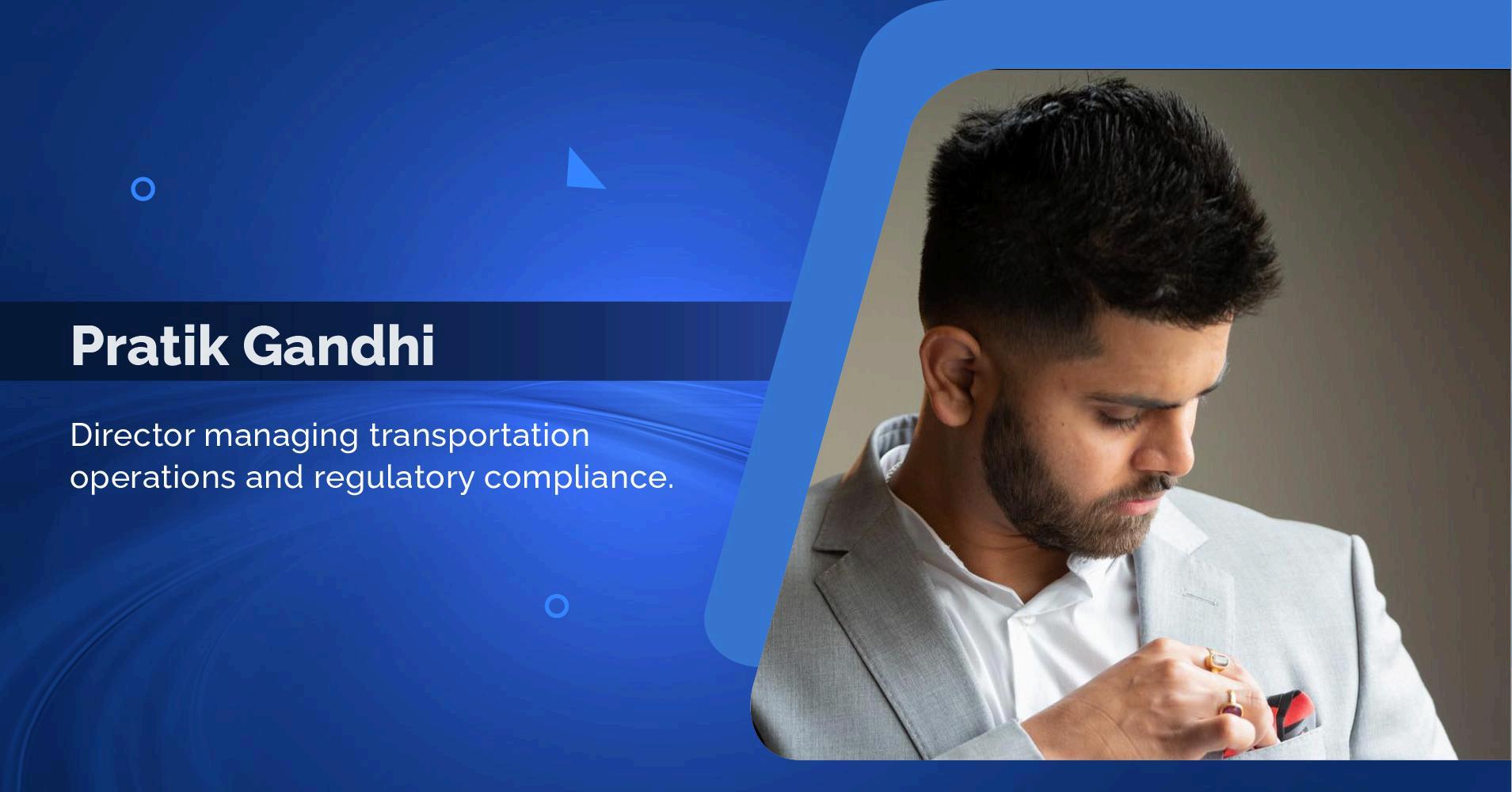
Pratik Gandhi believes hiring and training employees are two of the most important steps in building a successful organization When businesses follow clear best practices, they attract qualified talent and prepare teams for long-term growth Therefore, companies that focus on structured hiring and effective training often achieve better productivity and stronger performance
First, define clear job roles and expectations before starting the hiring process When you outline responsibilities, required skills, and performance goals, you attract suitable candidates As a result, applicants understand what the position demands and can decide whether they are a good fit This clarity also helps managers evaluate candidates more accurately
Next, use a consistent and fair selection process. Review resumes carefully, conduct structured interviews, and ask relevant questions that assess both technical skills and cultural fit Moreover, consider practical tests or skill assessments when appropriate These methods help ensure that hiring decisions are based on ability and potential rather than personal bias.
In addition, prioritize cultural alignment. While experience is important, values and teamwork also matter When employees share the organization’s vision and work ethic, collaboration improves Consequently, teams function more smoothly and maintain a positive work
environment Strong cultural alignment also reduces turnover and increases employee satisfaction.
Once you hire the right candidates, focus on structured onboarding. A well-organized orientation program helps new employees understand company policies, procedures, and expectations. Furthermore, introducing them to team members early creates a welcoming atmosphere When employees feel supported from the beginning, they adapt more quickly and perform better.
Training should continue beyond the initial onboarding phase Provide ongoing development opportunities to help employees grow their skills. For example, offer workshops, online courses, mentorship programs, and hands-on training sessions As a result, employees stay up to date with industry trends and improve their performance Continuous learning also increases motivation and engagement.
Moreover, encourage feedback during training. Ask employees about their learning experience and adjust programs when necessary By listening to their input, you can improve training effectiveness This approach demonstrates that the organization values employee development and professional growth.
Finally, evaluate performance regularly Set measurable goals and review progress through structured assessments. When employees understand expectations and receive constructive feedback, they can improve steadily In addition, recognizing achievements boosts morale and encourages excellence
Best practices for employee hiring and training include clear job descriptions, fair selection processes, structured onboarding, continuous development, and regular performance evaluation When organizations apply these strategies consistently, they build skilled teams, improve efficiency, and create a strong foundation for long-term success