


















How Equine Therapy Supports Whole Health for All Ages
Aging Backwards: Tips to Keep Energy, Balance & Strength
Finding Relief: Modern Treatments for Back Pain



Beyond the Decibels: Navigating Hearing Health






CONTRIBUTING WRITERS
Linda Thorsen Bond, Barbra Cohn, Matthew L. Van Deventer, Kathleen Duff, Jared Fiel, Rebecca Furuta, Sarah Huber, Courtney Johnson, Wendy McMillan, Christine Stevens, Darren Thornberry, Lisa Truesdale, Kristen M. White, Shelley Widhalm, Amy Harris Van Vranken
SPECIAL SECTION
COORDINATOR/DESIGNER
Greg Stone


MARKETING CONSULTANTS
Julie Casper, Pete Christiansen, Ruth Garfield, Susan Giglio, Thais Hafer, Keith Kratochvil, Parker Krug, Abbie Lance, Sara Luttes, Billy Magrini, Desirea Martinez, Jeri Martinez, Dale Sekuler Francine Wahlgren
ADVERTISING COORDINATOR
Jeanine Fritz
PUBLISHER
AFC Urgent Care
AgeWise Colorado
All American Gutter
Amavi Integrative Mental Wellness
Anytime Fitness Lafayette
Balfour Senior Living
Bath Fitter
Bath Hound
Biscochito Homecare
BlueBird Windows & Doors
Blue Moon Estate Sales
Braverman Law Group
Brookdale Senior Living
Champion Windows
Ciel Senior Living of Boulder
Cultivate
Dancing Rabbit LLC
Dignity Care
Family Hearing
Frasier
Gabe Bodner, The Bodner Team: One Trust Home Loans
Giving Home Health Care
Green Light Living
Greenwood & Myers
Mortuary
Harmony Senior Referrals
HealthSpan
Internal Medicine
Hearing HealthCare
Centers Home Instead Louisville
Homewatch CareGivers
Hover Senior Living Community
It’s Just Stuff Home
Organization & Move Management
J. Mahan & Co. Real Estate
K&H Home Solutions
Kaiser Permanente
Kapsak | Estes LLC
LeafFilter Gutter Protection
LeSean Wittkop Insurance
Lifetime Home Remodeling
Medicine Horse
National Medical Supply, Inc.
Premier Insurance Partners, LLC
Renewal by Andersen
Riverside Home Care
Senior Helpers
Silver Wings Arts Program
Spine West
Terry Chiropractic Boulder
The Brain and Behavior Clinic
The Exercise Coach
The Natural Funeral
TRU Community Care
Upgrade Labs
YMCA of Northern Colorado



SATURDAY, APRIL 4
LOBBY
9-9:20 A.M.
SEMINARS (No Registration Required)
LEVIN HALL
9-9:20 A.M.
Breaking the "All-or-Nothing" Cycle of Organizing presented by Maya Reisz, Dancing Rabbit LLC
9:30-9:50 A.M.
The Power of Basic Movements presented by Brandon Lam, exercise specialist and wellness coordinator, Frasier
10-10:20 A.M.
Securing the Compensation You Deserve: A Guide to EEOICPA and RECA Benefits for Former Energy Workers Exposed to Radiation, Beryllium, Silica and Other Toxic Substances presented by Alexis Scott, outreach coordinator, Giving Home Health Care
10:30-10:50 A.M.
Disposition Choices as Unique as Colorado presented by Becky Davis, preplanning specialist, Greenwood & Myers Mortuary
11:00-11:20 A.M.
An Attorney's Take on Estate Planning presented by Dan Kapsak, partner, Kapsak l Estes LLC
11:30- 11:50 A.M.
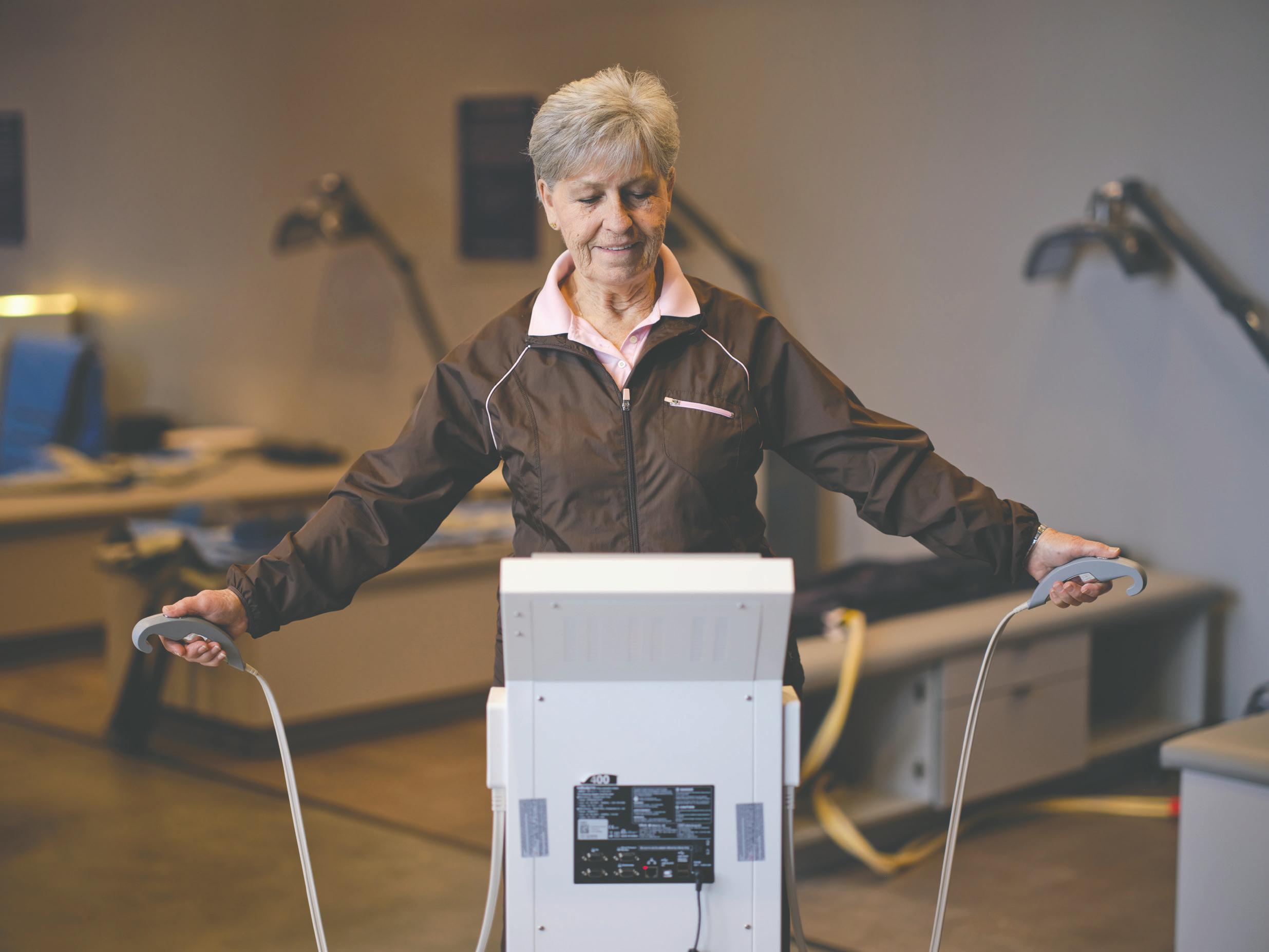
Add Life to Your Years: Four Simple Ways to Stay Strong, Sleep Better and Keep Your Energy Up After 60! presented by David Welch, lead biohacking technician, Upgrade Labs
12-12:20 P.M.
The Heirloom Approach to Memory Care: The Six Promises of Person-Centered Care presented by Joseph Ishak, Balfour Cherrywood Village Memory Care sales director and Michael Sell, business development director, Balfour
12:30-12:50 P.M.
Gentler, More Meaningful Funerals, Saying Goodbye Your Way: Seven Trends Changing the Face of End-of-Life Celebrations presented by Janene Centurione, certified end-of-life Doula and advance planning consultant, The Natural Funeral
Tech and Truth in Healthcare: What and Who You Can Trust These Days presented by Cliff Gronseth, MD, Spine West
9:30-9:50 A.M.
Age-Proofing Your Home Without Draining Your Savings presented by Gabe Bodner, The Bodner Team: One Trust Home Loans
10-10:20 A.M.
Turn Up the Volume, Turn Down the Ringing presented by Dr. Paige Andrade, Family Hearing
10:30-10:50 A.M.
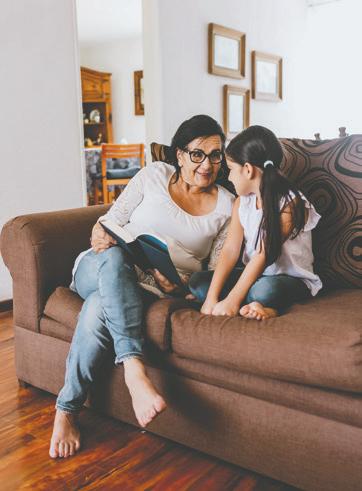
Aging Backwards: How to Keep Your Energy, Balance and Strength as You Age presented by Dr. Natalie Lyle, Terry Chiropractic Boulder
11-11:20 A.M.
Brainspan: 12 Science-Backed Ways to Keep Your Brain Healthy presented by Dr. Ilene Naomi Rusk and Dr. Stephen Schmitz, The Brain and Behavior Clinic
11:30-11:50 A.M.
Hormone Therapy in Midlife and Beyond presented by Dr. Jessica Knape, HealthSpan Internal Medicine
12-12:20 P.M.
Downsizing Your Stuff Before Downsizing Your Home presented by Beth Blacker, founder, It's Just Stuff
12:30-12:50 P.M.
Good Documents. Bad Outcomes: Why Estate Plans Fail and How To Prevent It presented by Diedre Braverman, managing attorney, Braverman Law Group
1-1:20 P.M.
The Importance of Bone Health as You Age presented by Ryan Danyew, owner, OsteoStrong Boulder
Bring your own snacks and beverages, food will not be provided. Overflow parking will be available at the Naropa Nalanda Campus, 6287 Arapahoe Ave. The Nalanda campus is .7 miles northeast from the Boulder JCC on the corner of Arapahoe and 63rd Street. You will have to walk from Naropa to the venue.




M. White



HealthSpan Internal Medicine in Boulder is passionate about.
• Sleep – restorative sleep protects brain health
he word “lifespan” is a familiar one. But making the most of all those years – keeping up your physical and mental health – is a big part of making the most of that lifespan.
Now more than ever, people are looking at proactive and preventative care to improve and extend their lives It’s something that Dr Jessica Knape MD, MA, and the founder and physician of
“Many of my patients are interested in protecting their cognitive function, metabolic health and overall vitality as they age,” she said. “One of the most important shifts people can make is moving from a reactive model of medicine to a proactive one. Rather than waiting for disease to develop, we can begin supporting the systems that keep us healthy before problems arise.”
Dr. Knape’s work is centered on several elements:
• Metabolic health – Stable blood sugar and metabolic flexibility support cognitive function
• Movement – regular physical activity supports circulation, metabolism and brain plasticity
• Nutrition – whole foods support mitochondrial function and reduce inflammation
• Stress resilience – learning to regulate stress physiology
• Connection and purpose –social engagement is linked to longevity and cognitive resilience
Michelle Amacker, owner of Upgrade Labs Boulder, also knows the importance of improving healthspan. It’s the driving force of Upgrade Labs.
“Our focus is to help you stay strong, active and independent as you age,” she said. “Not just living longer, but feeling good and capable throughout those years. We start with a simple, data-driven

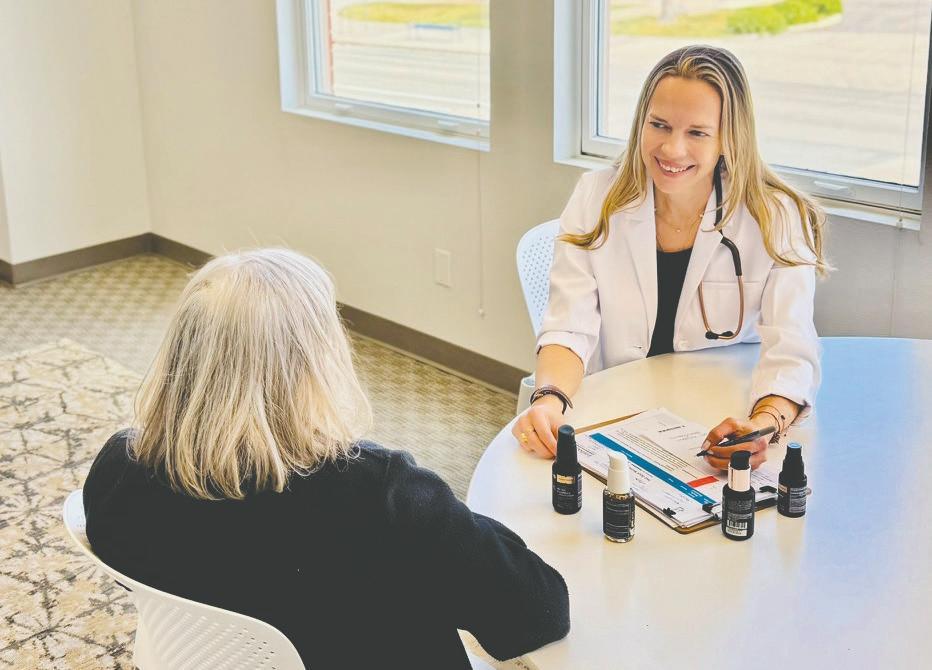
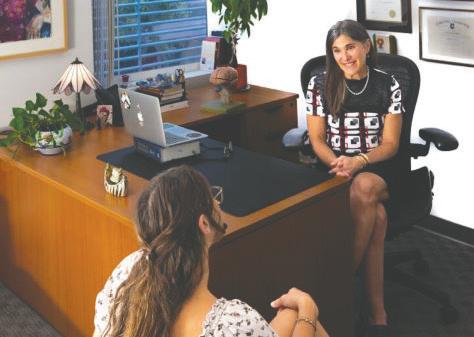
Dr. Jessica Knape, owner of Healthspan Internal Medicine, with a patient. | Photo: Healthspan Internal Medicine
analysis and create personalized plans designed to support specific needs, like reducing inflammation, maintaining and building muscle, improving cellular health and more.”
Amacker said biohacking, the art and science of changing the environment around you and inside you to have more control over your own biology, is especially helpful as people age.
“When your cells are functioning at their best, everything improves – energy levels, sleep, strength and overall well-being, helping you stay active, independent and vibrant longer,” she said.
One of the biggest misconceptions Dr Knape said she sees is that cognitive decline is simply an inevitable part of aging. While aging brings changes, she said, many drivers of brain aging are modifiable. Things like lifestyle, metabolic health, sleep quality and hormone balance can influence how the brain ages.
“Many chronic conditions like heart disease, diabetes and neurodegenerative diseases often begin with subtle metabolic and inflammatory changes long before symptoms appear,” Dr. Knape said. “Proactive care allows us to identify those risk patterns earlier and intervene sooner.”
Falls, UTIs, Upper Respiratory Care for simple and routine things, no appointment necessary That’s the goal of an urgent care facility, what AFC (American Family Care) Urgent Care aims to provide. It’s a great option for seniors that sometimes goes overlooked
“Sometimes even for acute visits, it might take a few days for a senior to get into a primary care office,” said Michelle Amacker FNP, IFMCP, owner and nurse practitioner with AFC. “Our providers are
knowledgable and efficient with an average door to door time of 45 minutes.”
AFC accepts Medicare and Kaiser insurance. They treat a variety of routine issues including falls requiring x-rays or stitches, colds and flu and urinary tract infections.
They also have the ability to do pre-op physicals prior to scheduled surgery and can test for a variety of viral and bacterial pathogens regarding respiratory issues

(Feature Impact) Cholesterol is often misunderstood, but managing it is vital for long-term heart and brain health. This waxy substance is essential for building cells and hormones; however, the key is maintaining a healthy balance.
Your body produces all the cholesterol it needs. The primary concern is having too much LDL (low-density lipoprotein), or “bad” cholesterol, which leads to plaque buildup in arteries (atherosclerosis). Conversely, HDL (high-density lipoprotein), or “good” cholesterol, helps reduce cardiovascular risk.
Blood cholesterol levels are influenced by genetics, age and lifestyle – not just the cholesterol found in food. The American Heart Association recommends:
• Regular Screening: Adults 19 and older should receive a lipid profile at least every five years.
• Early Intervention: Children should be screened between

ages 9 to 11, as high cholesterol can begin in childhood due to genetics or lifestyle.
• Holistic Assessment: Doctors consider age, smoking status and family history alongside test results to determine overall risk.
For most, a healthy lifestyle is the first line of defense. Prioritize a diet rich in fruits, vegetables and lean proteins while limiting ultraprocessed foods high in saturated fats. Regular physical activity, adequate sleep and avoiding tobacco are equally critical. While lifestyle is the foundation, some individuals may require cholesterol-lowering medications based on their specific risk factors. If side effects occur, consult a healthcare professional to adjust the treatment plan rather than stopping it
Managing cholesterol early through informed care and healthy habits is the best way to protect your heart for a lifetime. For more resources, visit Heart.org/KnowYourCholesterol.
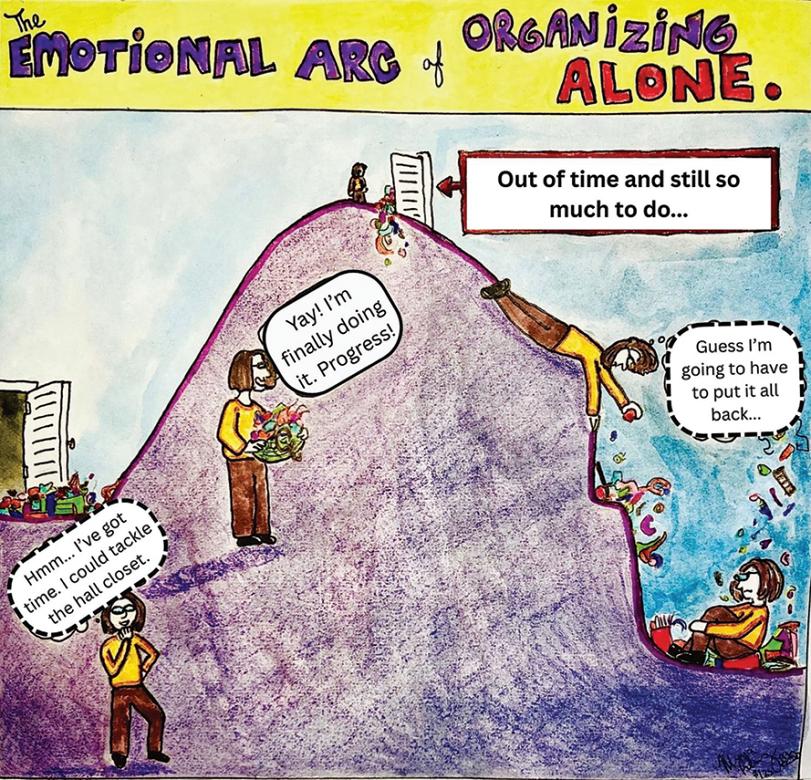
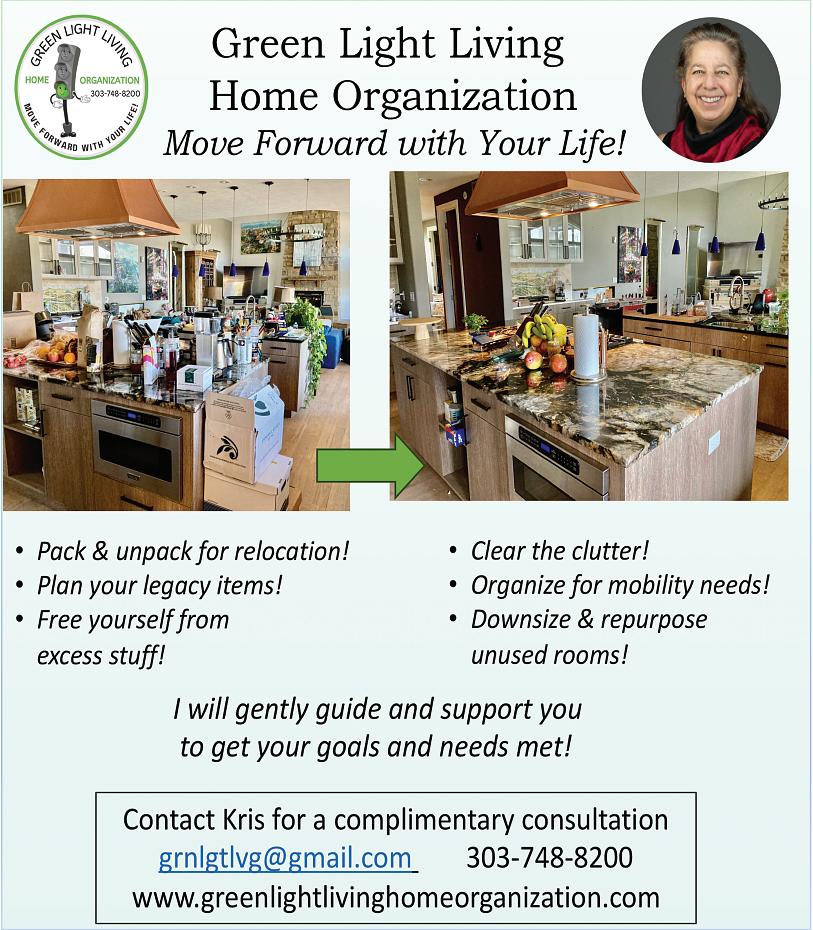
Decades of memories deserve to be honored, not rushed. Whether you’re downsizing, preparing to age in place, or simply simplifying, Dancing Rabbit guides you through the process with patience, care, and zero judgment. We help you keep what matters most.

Shelley Widhalm Aging at Altitude
With many ways to work toward preventing dementia, approaching life with a physically and mentally healthy perspective is a great start.
There are 12 key ways to help prevent dementia and memory loss
that can be incorporated at any age, using an integrative medicine approach of diet, exercise and lifestyle and treating medical conditions like high blood pressure before they become a larger issue.
“Changes to the brain happen years before we start to experience memory loss. That’s why prevention is so important,” said Elliot Good, owner and CEO of Amavi Integrative Mental Wellness
in Niwot and Westminster
A baseline neuropsychological assessment and brain health check-up at places like the Brain and Behavior Clinic in Boulder can help identify dementia and personalize a brain health roadmap.
“It helps identify subtle changes in thinking, memory and attention,” said Dr Ilene Naomi Rusk, director of the Healthy
Brain Program at the Brain and Behavior Clinic in Boulder “We want a detailed picture of how the brain is functioning. That way we can discern normal aging from dementia, and then it can guide our precision treatment and personalized lifestyle strategies.”
1-Exercise is probably the most important lifestyle consideration, because walking, lifting weights
and doing many other types of movement increase blood flow to the brain and reduce inflammation in the body, thereby protecting memory.
2-Try the Mediterranean diet that emphasizes a plant-heavy approach to eating with moderate fish, poultry and dairy intake and low red meat consumption. Even better is the MIND diet –Mediterranean-DASH Intervention for Neurodegenerative Delay, which aims to improve brain health and decrease hypertension by emphasizing green leafy vegetables, berries, nuts, whole grains, fish and beans. With both diets, removing ultra-processed and sugary foods is key, since they can lead to inflammation.
“There is not one perfect diet for every brain,” Dr. Rusk said. “The goal is the same, support metabolism, reduce inflammation and give the brain what it needs, which is a stable fuel source.”
3-Take care of medical issues, maintain heart health and control blood sugar, especially since Type 2 diabetes becomes more common
with aging and insulin resistance starves brain cells of efficient fuel. Hormone balance also is important for aging brains.
4-Get your blood pressure regularly checked. High blood pressure can lead to microvascular changes in the brain, while consistent blood pressures can help reduce the risk of cognitive decline.
5-Work toward improving sleep – adults need seven to eight hours a night. Get assessed for sleep issues like snoring and not feeling rested in the morning and treat sleep apnea if diagnosed by the provider During sleep, the brain is able to remove toxic proteins, like beta-amyloid, that if not cleared can form sticky plaques, a hallmark of Alzheimer’s disease.
6-Manage chronic stress and treat depression, which can damage areas of the brain like the hippocampus, important for memory and cognitive functioning. Stress also can increase cortisol, which can lead to inflammation.



7-Take care of the senses, Dr. Rusk suggests, and treat hearing loss to optimize the brain’s neural networks, as well as any issues with poor vision. Try smelling cinnamon, lavender and lemon to enhance the sense of smell, especially since optimizing all the senses is important.
11-Stay socially engaged, since social interactions stimulate brain regions involved in learning, memory, language and emotional regulation. Alternatively, social isolation is a risk factor for cognitive impairment and can lead to more depression.
“Engaging with people increases our cognitive reserves,” Good said. “If we have greater cognitive reserves, it keeps us from crossing the line into dementia or cognitive impairment.”



8-Take care of oral health, since some of the bacteria living in the mouth can be harmful to the brain. Chronic gum disease can increase inflammation in the whole body, and bacteria from the mouth can enter the bloodstream and also cause inflammation, according to an integrative medicine approach.


9-Wear a helmet for outdoor activities like skiing and biking to protect the brain from injury that can contribute to beta-amyloid accumulation.
10-Avoid smoking, which damages blood vessels and causes vascular changes in the brain, and limit alcohol intake to one drink or less a day for women and two drinks for men.


“It’s a touchy one because a lot of people drink a little,” Dr Rusk said. “When it comes to brain health, the safest level of alcohol is probably low, little or none, and if you choose to drink, moderation is important.”
12-Have a sense of purpose and continue to engage in challenging activities. Try a new instrument, pick up a new hobby or learn another language, since cognitive stimulation reinforces neural pathways in the brain.
Dr Rusk is offering a sixmodule online course called BrainSpan Bootcamp with her colleague, Dr. Jessica Knape, where they teach about using all of these pillars and more.
“When someone is diagnosed with early dementia, I like to offer realistic hope, work with the root causes … and treat early memory loss,” Dr Rusk said. “We are living in very hopeful times when it comes to preventing cognitive decline, and there are so many things to do that I hope will motivate people to take positive action when it comes to their brain health.”



Wendy McMillan Aging at Altitude
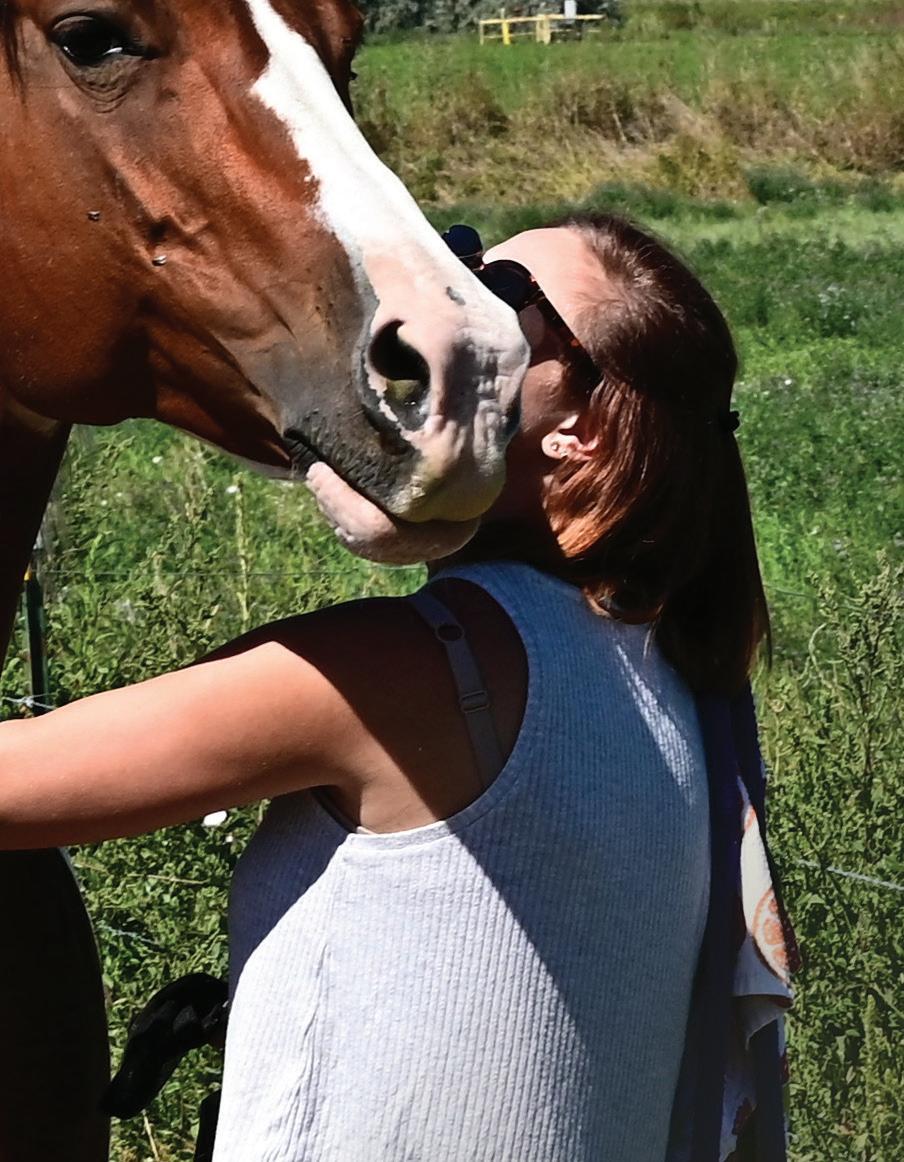
From ranch to rodeo, across prairies and pastures, Coloradans love our horses. As for the horses, they take that love and grow it into something even stronger Turns out, horses don’t need to carry us to move us forward.
“Horses don’t care about your age, background, or experience—they respond simply to your presence.”
Humans have recognized the healing potential offered by horses throughout time. In fact, as early as 400 BC the Greek “father of medicine” Hippocrates documented riding horses as a means to treat people with incurable disease. But it isn’t through riding where we find the greatest impact. It’s the horses themselves.
“One of the remarkable things about horses is that they meet you exactly where you are,” says Ania Wells, development director of Medicine Horse, a non-profit organization that provides equinefacilitated psychotherapy and learning sessions either free of charge or by donation.
“Horses are very sensitive to emotions and body language, so they often reflect back what a person may be feeling inside,” Wells continues. “Horses don’t care about your age, background, or experience – they respond simply to your presence. As one [Medicine Horse program] participant once said, ‘The horses don’t talk, but they can connect with you in ways that can truly heal’.”
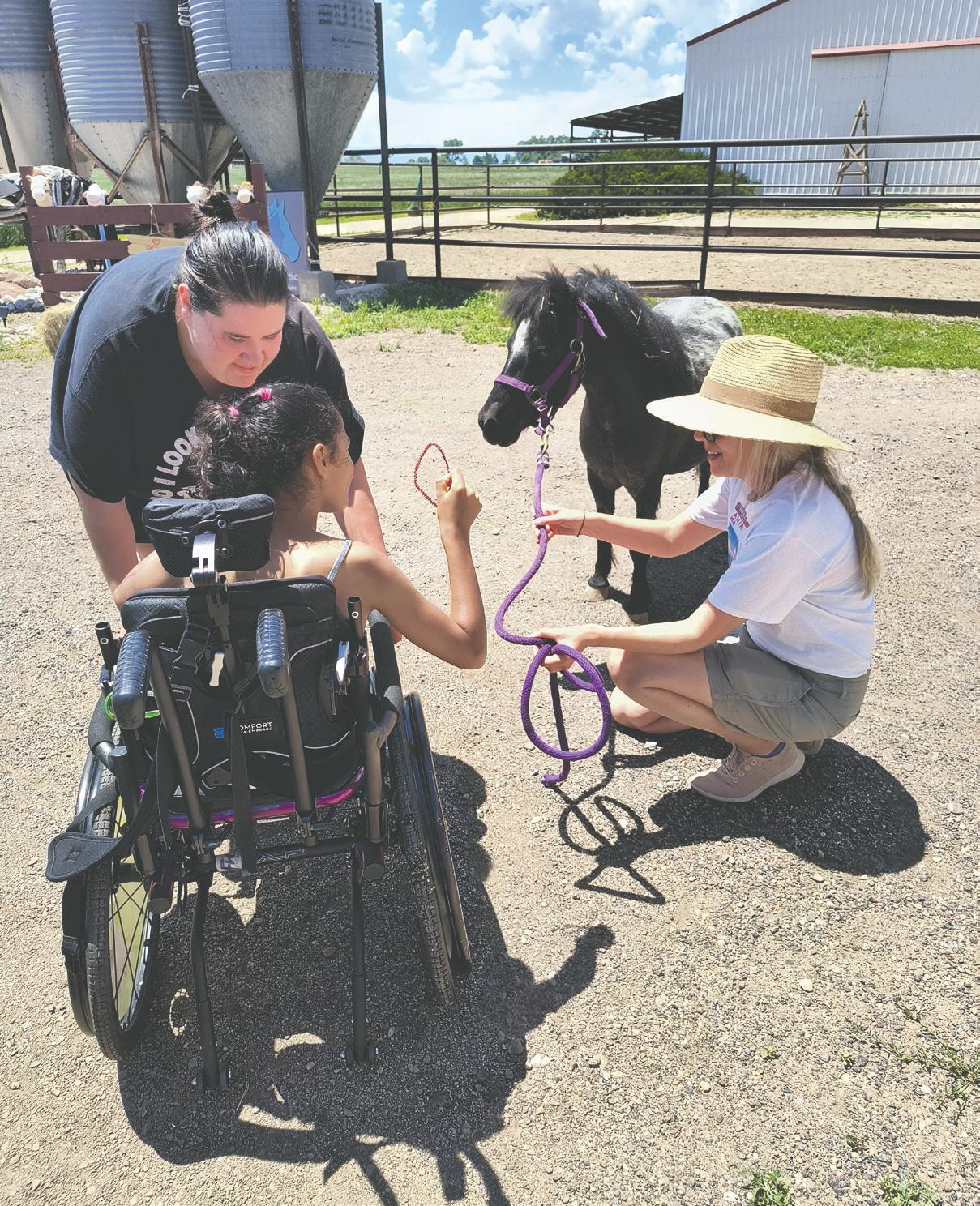
Equine-facilitated psychotherapy is a form of mental health support where people work with licensed therapists and horses to explore emotions, build trust and reconnect with themselves and others, Wells explains. Unlike therapeutic, or adaptive, riding, a recreational, instructor-led activity focused on teaching riding skills to individuals with disabilities for improved confidence, strength and well-being, typically participants don’t ride – instead, they spend time with the horses on the ground, grooming, leading, participating in activities or simply sharing space.
At Medicine Horse, individual and group sessions are led by licensed mental health professionals and trained interns. In an experiential alternative to traditional talk therapy supporting connection, growth and healing in an outdoor setting, participants

engage in activities such as grounding, grooming, and leading; horses function as co-facilitators, responding naturally free from agenda. “Those simple interactions can open meaningful conversations about grief, trauma, anxiety or life transitions,” Wells says.
“With a therapist’s guidance, those shared moments between participants and horses can lead to powerful insights and help people build confidence, communication, and emotional balance,” Wells says. “The experience truly is for everyone.”
Comfort with horses isn’t a prerequisite, Wells says. Many people come to Medicine Horse having never touched a horse before. The common thread across all groups facilitated at Medicine
Horse, including those tailored for veterans, cancer survivors, teens and LGBTQ+ participants and others, is that people realize they are not alone.
“Healing often begins in very quiet moments,” Wells says. “Standing next to a horse, sharing a story with others in the group, or simply feeling accepted exactly as they are.”
Those at Medicine Horse feel incredibly fortunate and honored to witness people’s journeys, Wells shares. One member of the cancer support group shared, ‘Medicine Horse taught me that true

strength lies in connection – with myself, with the horses, and with other brave survivors.’ A veteran confided after a session, ‘This is the first time I’ve really known that I made it back alive.’
“When teens ask if the groups can last longer, or participants return as volunteers, we know something meaningful is happening,” Wells says. “People aren’t just finding support here, they’re finding community.”
It seems fitting that in the Year of the Fire Horse, according to the lunar zodiac, Medicine Horse would be celebrating its 25th anniversary. Since 2001, the nonprofit’s mission has been simple yet profound: Horses Helping Humans; Healing through the empathic power of the horse.
“For a quarter century, our ranch has offered something simple but increasingly rare,” Wells says. “An accepting space where people can breathe, be seen, and begin healing side-byside with horses and nature. It’s a milestone that reflects the care, trust, and community that so many people have helped build together.”

Today the need for connection is greater than ever, Wells says. With this in mind, Medicine Horse is expanding opportunities for people to gather and belong. Look out for new programs including Garden Club, Book Club and community events like the Unicorn Festival, an annual Gala at the Ranch, and a holiday celebration. “All of it happens surrounded by horses, donkeys, goats and those beautiful mountain views that remind people they are not alone and that nature is healing.”
Learn more at medicinehorse.org.
Shelley Widhalm Aging at Altitude
Anew GUIDE program fills in a Medicare gap with respite care for caregivers and in-home support for those living with dementia.
“We do non-medical home care, and because it’s non-medical, Medicare does not recognize it; therefore, they don’t reimburse for it,” said Steven Stump, business development advisor for Home Instead in Louisville, which covers Boulder and Broomfield counties and northwest Adams County “However, this new GUIDE allows Medicare to pay for care for those who have dementia.”
GUIDE, or Guiding an Improved Dementia Experience, is a Medicare-based, 8-year pilot program launched in July 2024 that’s designed to help people living with dementia and their caregivers receive coordinated, continuous support The program is being implemented by 390 health care systems and other organizations, including TRU Community Care, which is partnering with Home Instead to carry out the non-medical home care services.
“It’s going to reduce the burden and strain on unpaid family caregivers, and it’s going to help prevent or delay long-term nursing home care, which is expensive for everybody,” Stump said.
Through the program, Home Instead will provide $2,500 worth of non-medical home care to help those living with dementia remain independent and age in place, while providing a break for the unpaid caregiver
“That way you can have peace
of mind,” Stump said. “We’re going to come in and provide high-quality care, which allows the caregiver to take a break and recharge.”
The care can include personal care, medication and physical therapy reminders, and assistance with calls, household chores, meal prep, errands, rides to medical appointments and technology support, something Home Instead also offers its regular client base of older adults needing daily support or recovery care following an injury, illness or surgery.
Stump attended the 2026 Alzheimer’s Association Community Leaders Summit in late February to early March in Anaheim, Calif., to learn more
about dementia support care, as well as Alzheimer’s research and advocacy
“It’s meant to motivate and inspire staff and volunteers to continue the good work they’re doing,” Stump said. “It’s nice for them to be recognized and to get additional training on how to do their job a little better.”
The Dementia Navigation Alliance (DNA) is a new local program that’s under development to serve as a navigation hub for guidance, support and resources.
“The founders of it are former Alzheimer’s Association employees and volunteers,” Stump said.
“They felt like there was a gap in the care for people with dementia and those doing caregiving. The
whole idea of the Dementia Navigation Alliance is to guide families through the dementia journey, providing navigation, emotional support, practical tools and community connection, which is going to help caregivers and patients experience less isolation and more moments of joy.”
DNA offers programming, support groups and a dementia navigation toolkit that addresses how dementia changes behavior, best communication techniques, safety and home setup.
“It’s a very holistic approach, and it involves a unique combination of care with joycentered messaging,” Stump said.
From spinal cord stimulation to radiofrequency ablation, discover the FDA-approved therapies helping patients manage pain and return to the activities they love.
By Rebecca Furuta Aging at Altitude
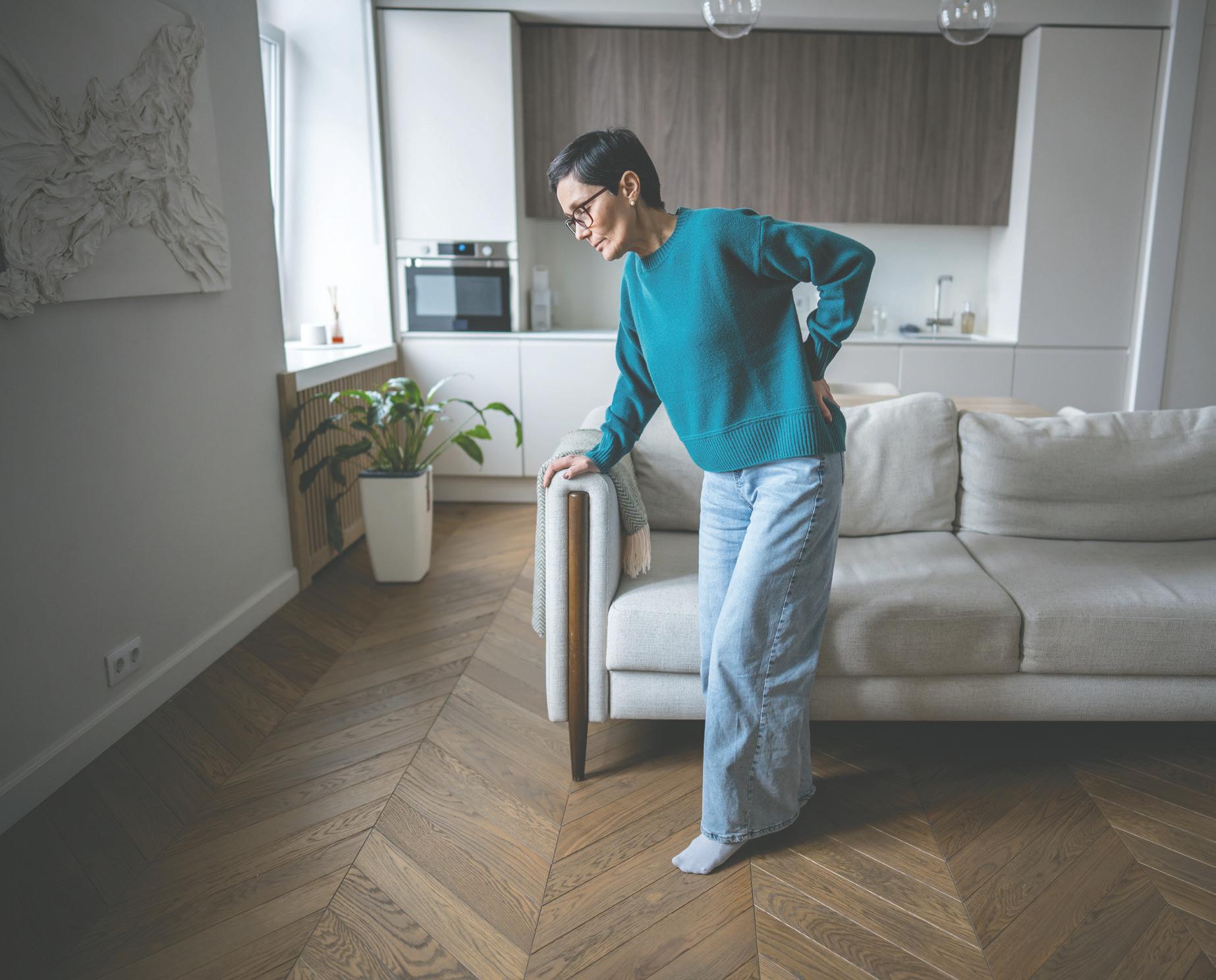
Chronic back pain can quietly reshape a person’s life – limiting movement, interrupting sleep, and turning everyday activities into daily challenges. While pain medications and surgery are often seen as the only options, advances in modern pain medicine are opening the door to treatments that are both less invasive and highly effective. Helping patients find those solutions has been the bedrock of Dr. Cliff Gronseth’s career. He founded Spine West in Boulder in 2001 with a focus on physical medicine and rehabilitation. “Our goal is to maximize people’s ability to move and function physically, and we try to do that in the least invasive way possible,” says Dr Gronseth. Today, that philosophy includes innovative treatments such as spinal cord stimulation and radiofrequency ablation –technologies designed to interrupt pain signals and help patients return to the activities they love. One of the most promising advances for chronic back pain is spinal cord stimulation, a therapy that works by interrupting pain signals before they reach the brain. The treatment uses thin electrodes placed near the spinal cord to deliver gentle electrical pulses that modify how pain is perceived. Unlike surgery, the process begins with a short, weeklong trial period so patients can see whether it works for them. “If they’re happy with the outcome of that trial, we can place permanent electrodes during a very minor procedure.”
The newest generation of stimulators has also made the technology more practical for everyday life. “The new devices are MRI compatible and can be micro-adjusted using an app on your phone,” he explains, giving patients the ability to fine-tune
their relief without additional procedures.
Another minimally invasive option is radiofrequency ablation, a treatment used to reduce pain from arthritic joints in the spine and knees. “It’s essentially an electromagnetic surgery to cauterize the nerves that carry
pain signals from the joints,” explains Dr. Gronseth. “It works very well for both knee and back pain, and we’re only dealing with the nerves that carry pain signals – so the stability of the joint isn’t impacted.” Relief isn’t always permanent because the nerves can eventually grow back, but the
“Our
procedure is low-risk and can be repeated safely if needed.
Many patients find that spinal cord stimulation and radiofrequency ablation work best as part of a broader approach to pain management. These treatments can complement regenerative medicine therapies, such as platelet-rich plasma (PRP) injections or stem cell procedures, which aim to support healing and reduce inflammation in damaged tissues. Unlike some newer experimental therapies, spinal cord stimulators and radiofrequency ablation are FDA-approved and generally covered by insurance, giving patients access to reliable, evidence-based options for longterm relief. By combining these approaches, physicians like Dr. Gronseth can tailor treatment plans to each patient’s needs,
addressing pain while promoting mobility and overall joint health.
For many patients, the ultimate goal isn’t just reducing pain, but reclaiming the activities that make life meaningful. Whether it’s hiking the trails around Boulder, playing with grandchildren, or simply sleeping through the night, even small improvements in mobility can have a big impact. As Dr. Gronseth explains, “Think of it like the treads on a tire. Once those treads are worn down, we can’t just replace them, but that doesn’t mean you have to suffer in pain.” By leveraging advanced, minimally invasive therapies and individualized care plans, Spine West helps patients restore function, manage pain with cutting-edge technology, and enjoy life again – step by step, day by day








Courtney Johnson Aging at Altitude
As the body ages, natural changes occur that affect faculties, including hearing.
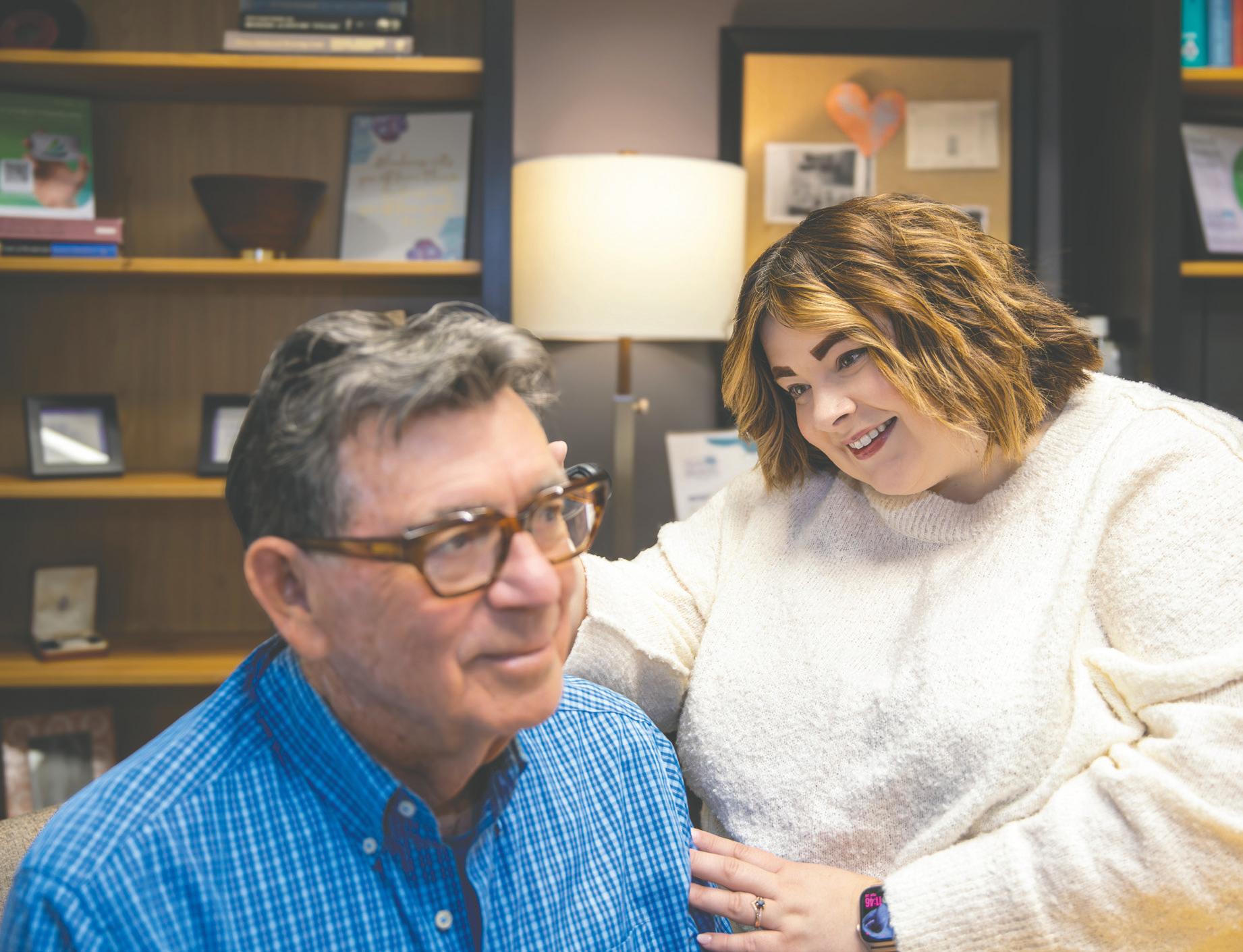
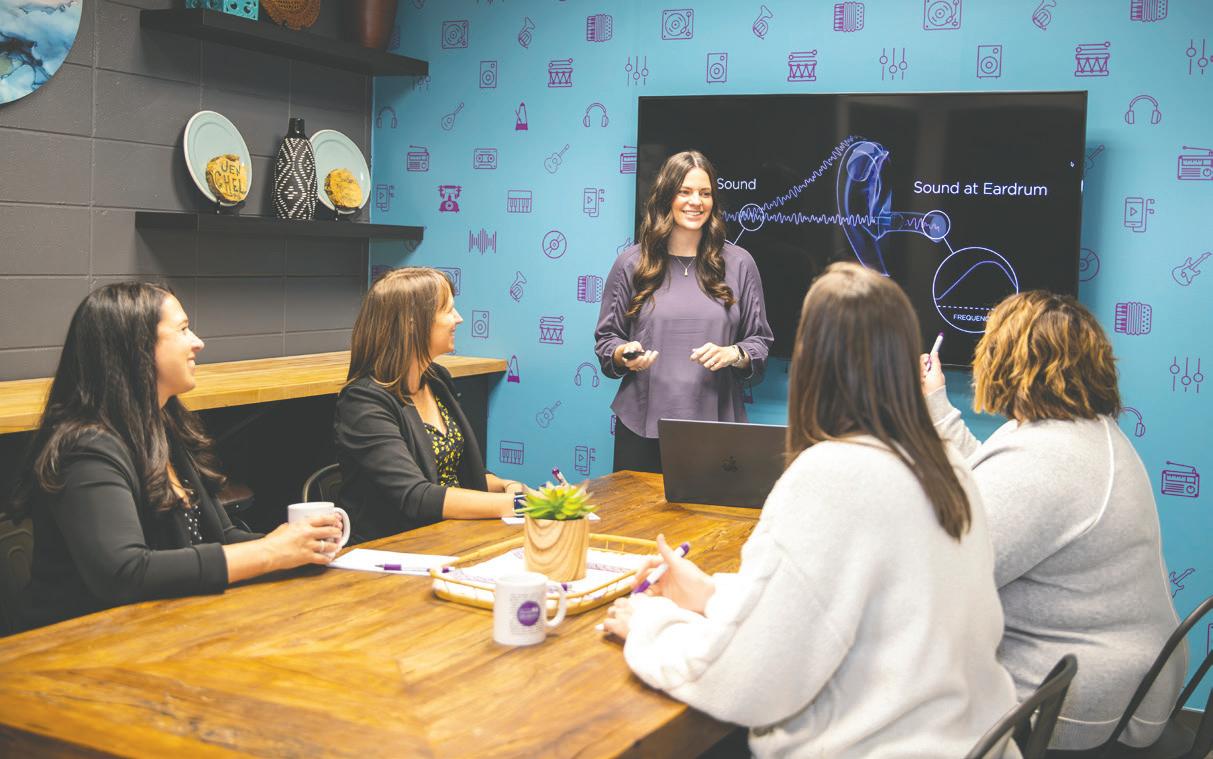
Doctor of Audiology for Family Hearing, Paige Andrade, Au.D., CCC-A, CH-TM, says that hearing changes over time due to the experiences our ears accumulate throughout life. Within the inner ear are thousands of sensory cells that detect sound and send signals to the brain. “These delicate
cells can be affected by years of noise exposure, certain illnesses, medications and chronic health conditions such as hypertension or diabetes – factors that tend to become more common as we age,” she said.
Over time, the cells do not regenerate. “The sound signal reaching the brain may become less detailed over time,” she said.
“That’s why many people first notice difficulty hearing softer sounds or understanding speech clearly in background noise. The encouraging news is that addressing hearing changes,
whether through hearing technology or other strategies can help people stay connected, engaged and mentally active as they age,” she added.
The use of senses becomes increasingly important for overall well-being and safety as people age. According to Dr. Andrade, recent research in the past 10 years has shown a connection between cognitive health and untreated hearing loss. “When the brain receives a less clear sound signal, it must work harder to interpret speech, which can leave fewer resources available for memory
and thinking. Studies also suggest that staying socially engaged –something hearing makes much easier – supports long-term brain health.”
Just as hearing specialists recommend protecting ears from excessive noise in the younger years, excessive noise in the later years can also speed up cell degeneration. “Using hearing protection around loud equipment, limiting prolonged exposure to loud environments, and keeping headphone volume at safe levels can help prevent additional strain on the inner ear,” said Dr Andrade.
Hearing specialists also see a connection with whole body health and ear health. “The inner ear relies on a healthy blood supply, so habits that support cardiovascular health – such as regular exercise, a balanced diet, good sleep and managing conditions like hypertension or diabetes – can also benefit hearing,” said Dr. Andrade. “In many ways, the same choices that help the heart, brain and body age well also help protect hearing for the years ahead.”
Early detection of hearing changes can be a positive first step in ensuring ear health into the maturing years. The sooner hearing loss is treated, the better the outcome.
“When hearing loss is treated sooner – through hearing technology, communication strategies or other care – it helps keep the brain engaged with sound and supports staying socially connected,” Dr. Andrade said. Early support can lead to better long-term outcomes and make the adjustment to treatment easier, according to Dr. Andrade.
Taking a proactive approach to hearing health can make a meaningful difference over time.
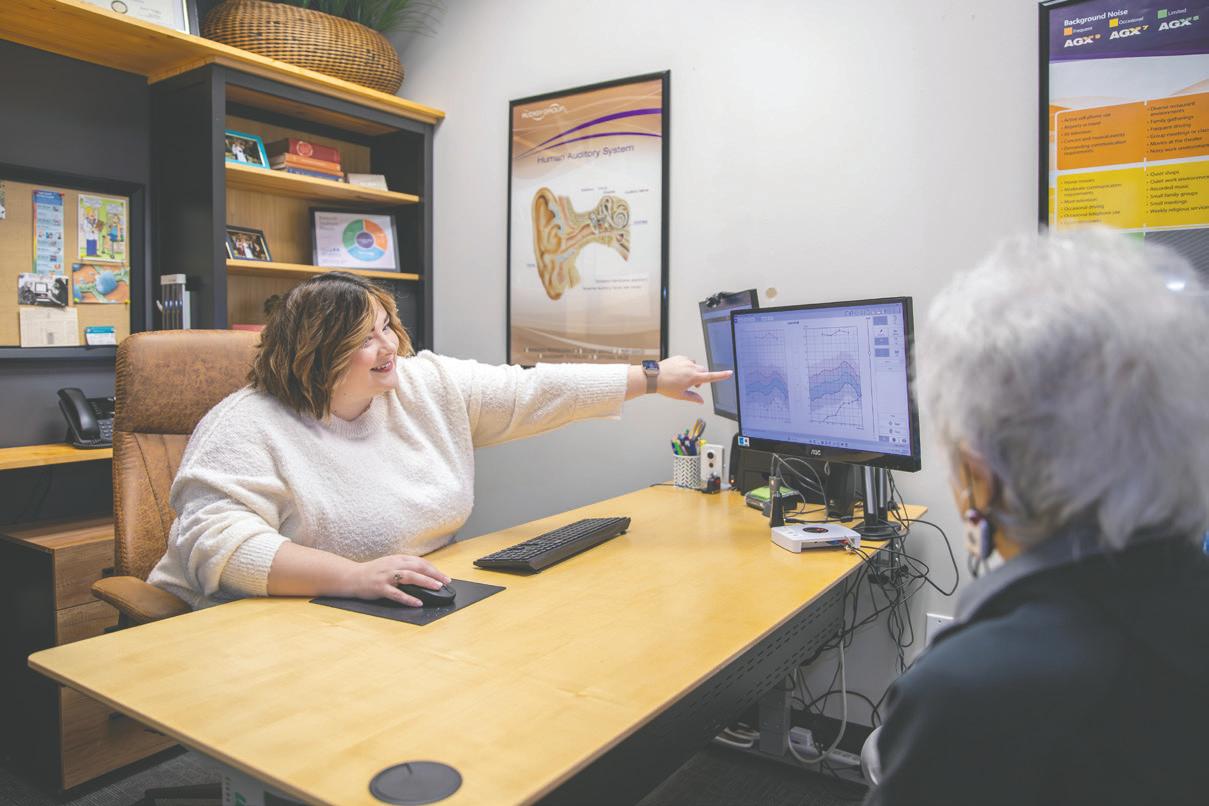
Hearing checks can help identify even the smallest changes. It can also identify whether more comprehensive testing is needed. “Hearing loss often develops gradually, and early evaluation can identify changes before they begin to affect communication and quality of life,” said Dr. Andrade. “For those with a family history of hearing loss – or symptoms such as tinnitus, dizziness, or ear fullness – a comprehensive hearing evaluation is the best next step.”
From technology to overall well-being, ear health may seem
complex. With an understanding of how communication, hearing, and brain health work together, Dr. Andrade said one can have good hearing health well into the later years. “Evidence-based care begins with a comprehensive evaluation and a thoughtful look at each person’s lifestyle, listening
needs, and overall health. Because hearing and daily communication challenges are different for everyone, the most effective care is individualized and guided by a hearing professional who can recommend the strategies and solutions that will work best in everyday life.”

Courtney Johnson
Aging at Altitude
As the body ages, daily mental and physical activity is key for longevity Evidence points to the connection between better cognitive function, mental health and emotional balance. “From brain and heart health to chronic disease prevention
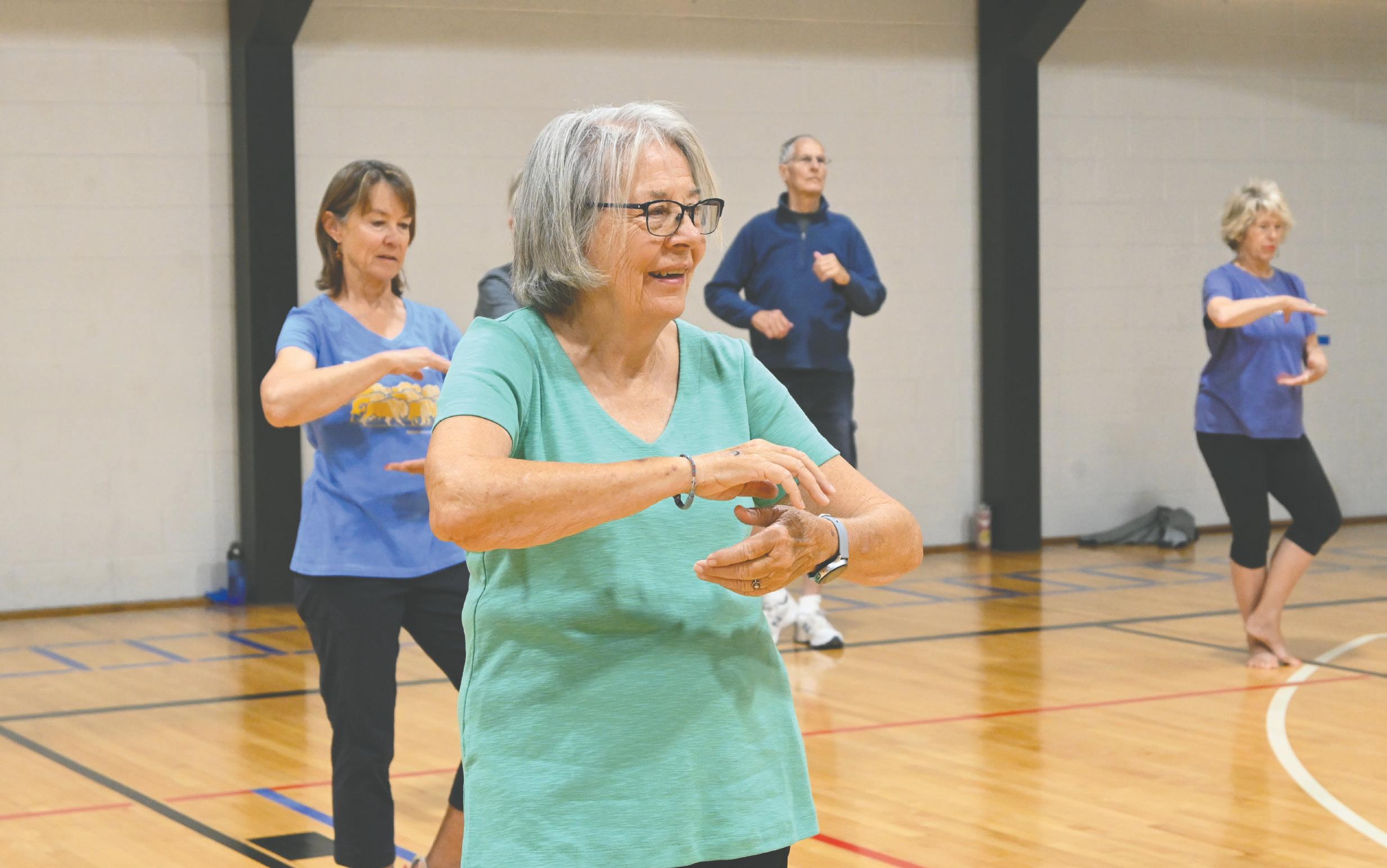
and management to bone and muscle strength to balance and coordination, the list goes on and on,” said Andra Coberly Webster, executive director of communications for the YMCA of Northern Colorado.
Programs including SilverSneakers, Renew Active and the Silver Wings Arts Program, help the local aging community boost mood, stay social and
maintain independence. “These programs give older adults easier access to fitness, wellness and community,” said Webster “They just feel better in their bodies. They feel fewer aches and pains, have more strength and feel steadier on their feet. It can help them continue to play with their grandchildren or garden or travel or do what they love.” These insurance based programs break
down the barriers for seniors to access low to no cost fitness classes, programs and more.
The Silver Wings Arts Program offers workshops in movement, crafting, visual arts and other sessions that stimulate the mind in a smaller, comforting setting.
“The program is designed to provide inspiring and unique daytime engagement, offsetting the isolation of home life, while also
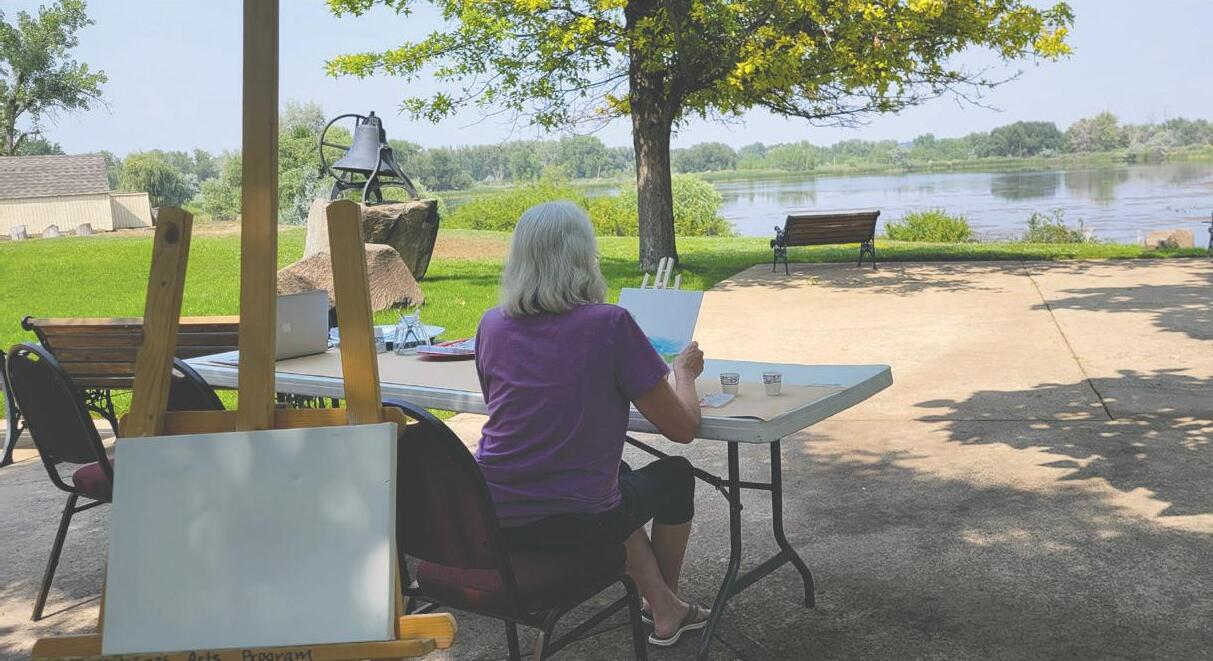
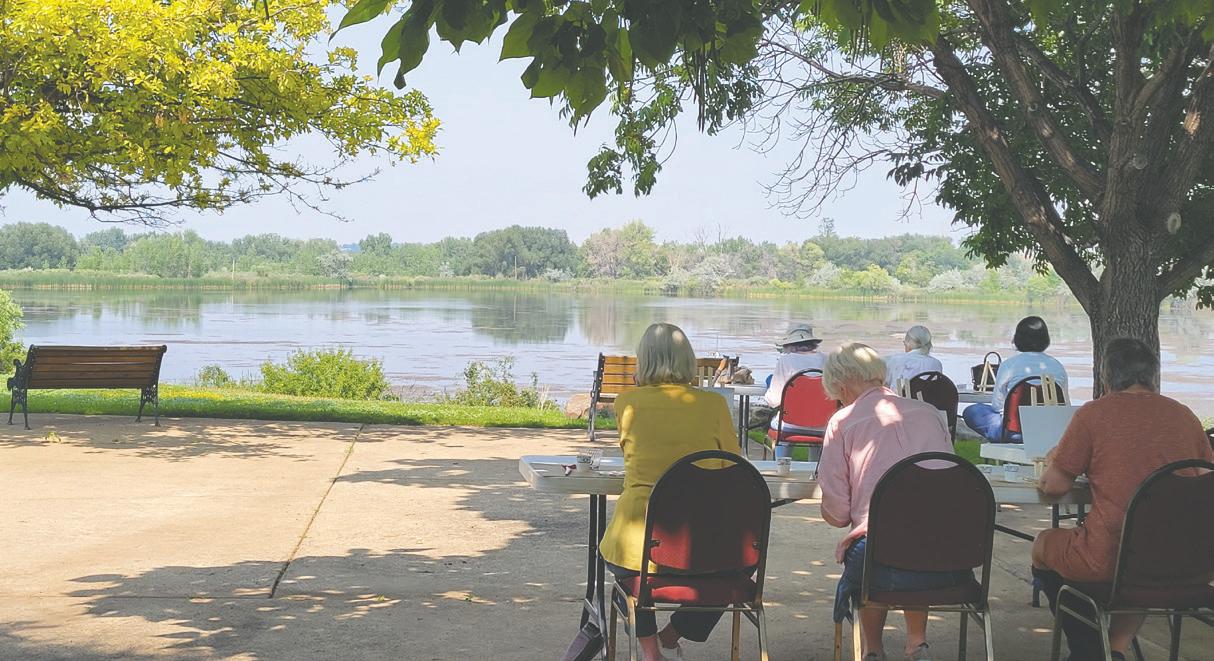





providing basic caregiving support, if needed,” said Dr Jocelyn Brownfounder and director of the Silver Wings Art Program.
Reopening in downtown Louisville, the Silver Wings Arts Program is now open for spring registration. Programs and classes at the YMCA are ongoing. “Of course, physical activity keeps the body strong and supple, reducing
the risk of injury and it keeps internal systems functioning more effectively,” said Brown.“It’s also important to keep mentally active with daily engagement that suits the individual’s lifestyle. Brain activity helps decrease cognitive decline and promotes emotional wellness, along with other physical and mental benefits.”
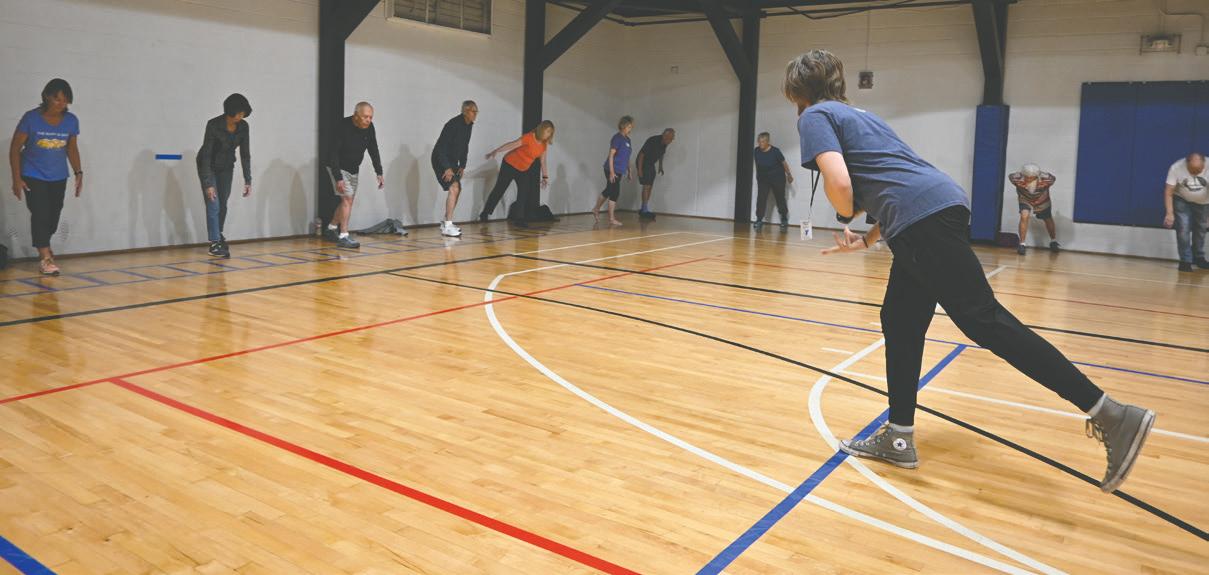



It’s no surprise that as people age, their energy, balance and strength can begin to decline. However, getting older doesn’t have to mean giving up an active lifestyle.
In fact, regular physical activity is encouraged for older adults. According to an article by Healthline, “Older adults should aim for at least 150 minutes of moderate aerobic activity each week.”
Muscle mass naturally declines over time, a process known as age-related muscle loss or sarcopenia. This gradual loss of muscle can begin in your 30s and
tends to accelerate with age. As muscle mass decreases, people may notice reduced strength, slower movement and difficulty performing everyday tasks that once felt simple.
Beyond overall health benefits, some forms of exercise can also strengthen bones and improve stability, reducing the risk of falls. According to the National Council on Aging, falls are one of the leading causes of injury among older adults, making balance and strength training especially important.
“We move a certain way for years, sometimes decades, without correction,” said Rebecca Johnson, owner of Anytime Fitness. “We become imbalanced, then lose strength, and it’s easy to fall and
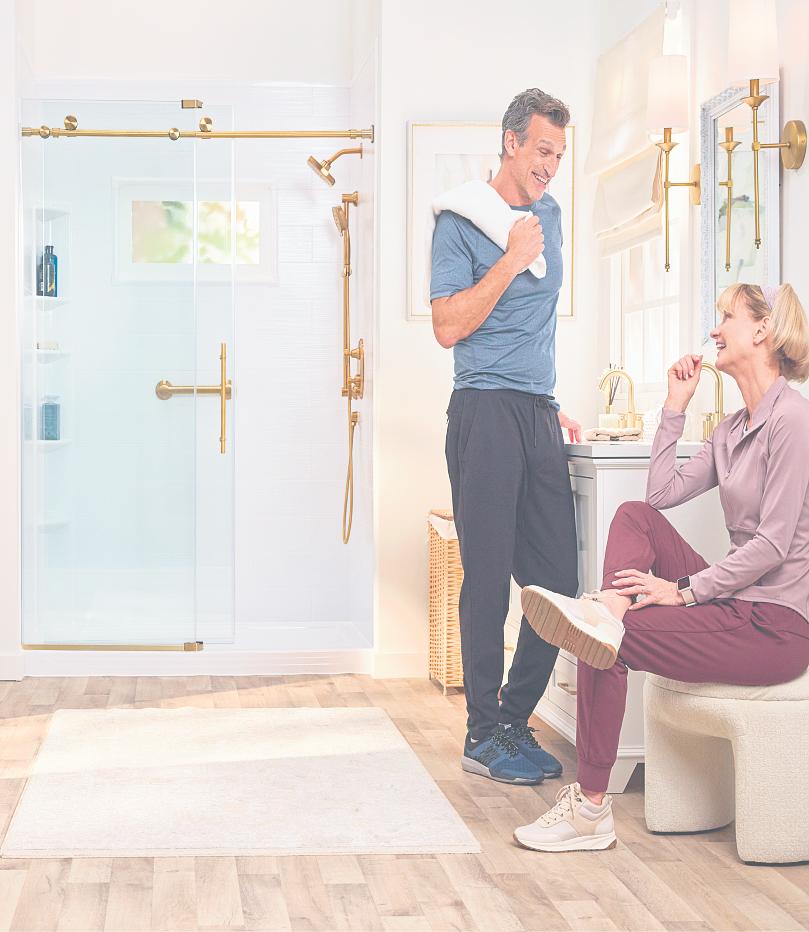
not have the strength or reaction time to catch yourself.”
Because of this, experts recommend focusing on exercises that build strength, balance and mobility. According to Allison Duff of Terry Chiropractic, some of the best options for older adults include walking or light cardio, bodyweight exercises and resistance bands, gentle yoga and balance exercises such as single-leg stands and heel-to-toe walking and stretching.
When combined with other mobility exercises, these activities can have a myriad of benefits such as strengthening muscles, improving balance and coordination, maintaining joint flexibility and range of motion, and supporting spinal alignment and posture. They can also make everyday tasks – such as standing, walking or climbing stairs – easier and safer
“When the body moves well, and muscles are strong and balanced, everyday activities become easier, safer and less tiring,” Duff said.
Consistency also plays an important role in seeing results. Duff said short, regular exercise sessions tend to provide more benefits than occasional strenuous workouts. She recommends strength training two to three times per week and 20 to 30 minutes of light cardio most days.
It’s also important to remember that everyone’s body is different, and exercise routines should reflect each person’s abilities and limitations. While someone in their
60s may still be running marathons, another person may feel most comfortable going on daily walks.
For that reason, experts recommend speaking with a doctor before starting a new exercise routine. Listening to your body and avoiding movements that feel overly strenuous can also help prevent injury
Some studios focus specifically on mindful movement to support long-term mobility At The Nest – Avita Yoga & Pilates studio, instructors incorporate BioSomatics Movement Education, described as “a gentle movement approach that uses slow, conscious movement to retrain the nervous system and release chronic muscular tension.”
“Practices like Pilates, Avita Yoga, and BioSomatics Movement Education encourage people to listen to the body’s signals rather than pushing through discomfort,” said Heather Boak of The Nest – Avita. “When exercise is approached this way, it becomes not just about working harder, but about moving with greater awareness and efficiency, which helps people stay active and avoid injury.”
Staying active later in life does not necessarily mean pushing the body to its limits. Instead, experts say the goal should be to maintain movement, build strength gradually, and support the body in ways that promote long-term health. With the right approach, regular exercise can help older adults maintain independence, confidence and quality of life as they age.
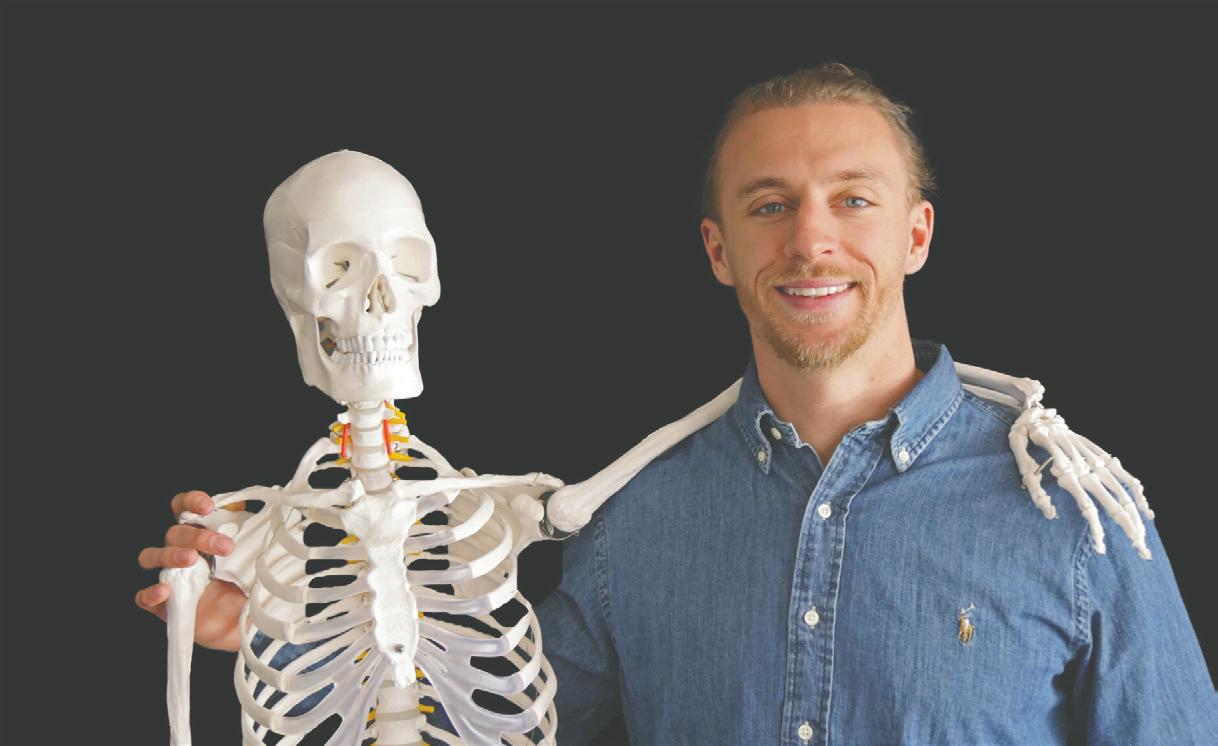
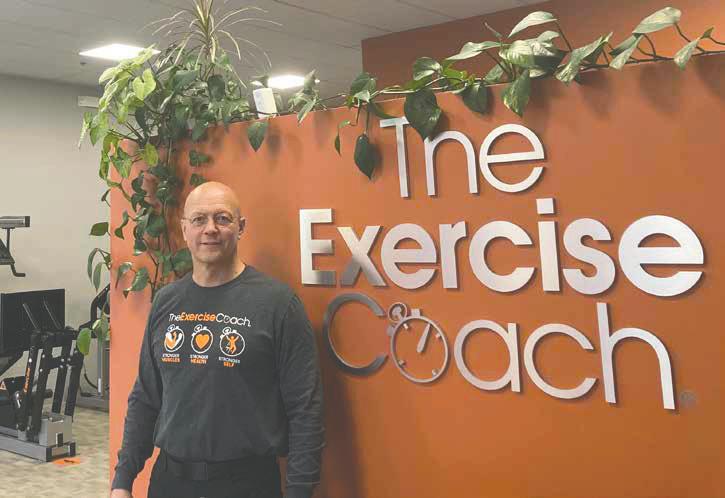
or many of us, the reflection in the mirror changes not just because of time, but because of a shift in our biology. According to Leo Rodriguez, owner of The Exercise Coach in Louisville, the secret to maintaining the vitality of young adulthood lies in our musculature.
“As deconditioning progresses, it is the loss of muscle and the gain of fat that detracts from our appearance,” Rodriguez explains. More importantly, this loss – known as sarcopenia –begins in our late 30s. Without meaningful strength training, we can lose up to a half-pound of Type II muscle every year However, Rodriguez offers a message of hope: “Strength is the #1 biomarker for aging, but the good news is sarcopenia is reversible.”
After years of traditional gym routines that led to injuries and long recovery times, Rodriguez opened his studio at 1075 E South Boulder Road in January 2023. His “business proposition” is designed for those with precious little time: personal training for just 20 minutes, twice weekly. This data-driven approach allows clients to measure strength digitally, ensuring workouts are effective, efficient and safe.
Forget the fear of becoming “too muscular.” Rodriguez notes that strength training simply adds capacity to your life, whether you enjoy hiking, running or playing sports. By becoming a “student of your own strength,” you can protect your body against future injuries and improve overall health.
Lisa Truesdale Aging at Altitude
hen her husband died in May of last year, S.T. (who asked that her full name not be used) felt understandably lost. Faced with financial instability and the terrifying possibility of losing her home, she reached out to AgeWise Colorado (AWC), a free service that connects the aging population with important resources and vetted providers in their community.
“To support S.T., I provided a variety of tools, such as a webinar on the homeowner tax credit, contact information for an affordable financial advisor
and equally important, a grief counselor,” says Barbara Boyer, the nonprofit’s executive director.
When Boyer followed up with S.T a few weeks later, S.T expressed a renewed sense of security after clarifying her finances with the advisor and meeting with the counselor “From our initial call, when she was fearful, she finally felt empowered to make plans for her future and keep her home safe,” Boyer explains.
In 1992, just 10 percent of Colorado’s 3.3 million residents were over the age of 65; that number is expected to grow to 20 percent of 6 million people by 2030. The average life expectancy has also increased, meaning that more people are living 20 or even 30 years past retirement.

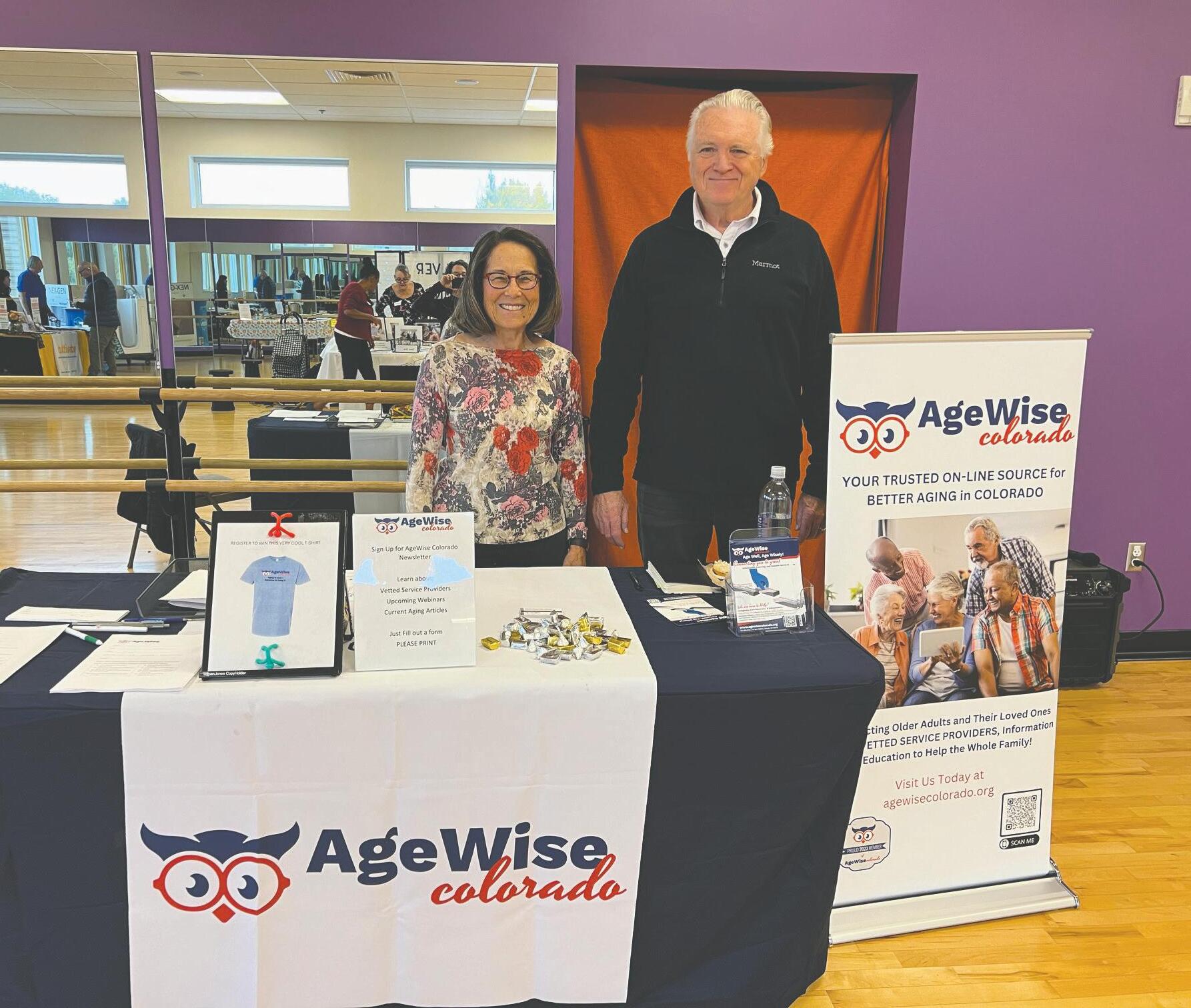
“How many of us are fully prepared for living that long after retirement?” asks Bob Brocker, AWC’s founder and president. “Aging in place, which 85 percent of people want to do, requires everything related to housing, transportation, mental and physical health care, finances, socialization and even end of life.”
AWC’s comprehensive online directory includes all of the above and more, like home modifications, assistive devices, and food access/delivery options.
All of the providers (government agencies, nonprofits and forprofits) are carefully vetted by AWC, the providers can be filtered by service area, and searching the directory is completely free. The website, agewisecolorado.org, also includes access to a number of informative webinars, with some of the most popular subjects being Medicare/Medicaid, combatting loneliness, organizing/decluttering,
and fraud/abuse.
Brocker says he often hears from people who wish they would have known about AWC sooner, as it would have saved them a lot of stress and time; one woman even said it took her nine months to figure out something that would have taken minutes had she searched the AWC website. And that’s exactly why he created it – because there was nothing else like it. “We are not provided an instruction book for these experiences; we have to create our own,” he explains.
Plus, he adds, everyone has their own unique experience in life and in aging, so it’s important to be informed and prepared.
“Don’t be that person who says, ‘If I had known I was going to live this long, I would have taken better care of myself, physically, mentally, financially and spiritually,’” he says. “Let AWC help you.”













Amy Harris Van Vranken Aging at Altitude
Many adults volunteer to give back to their community
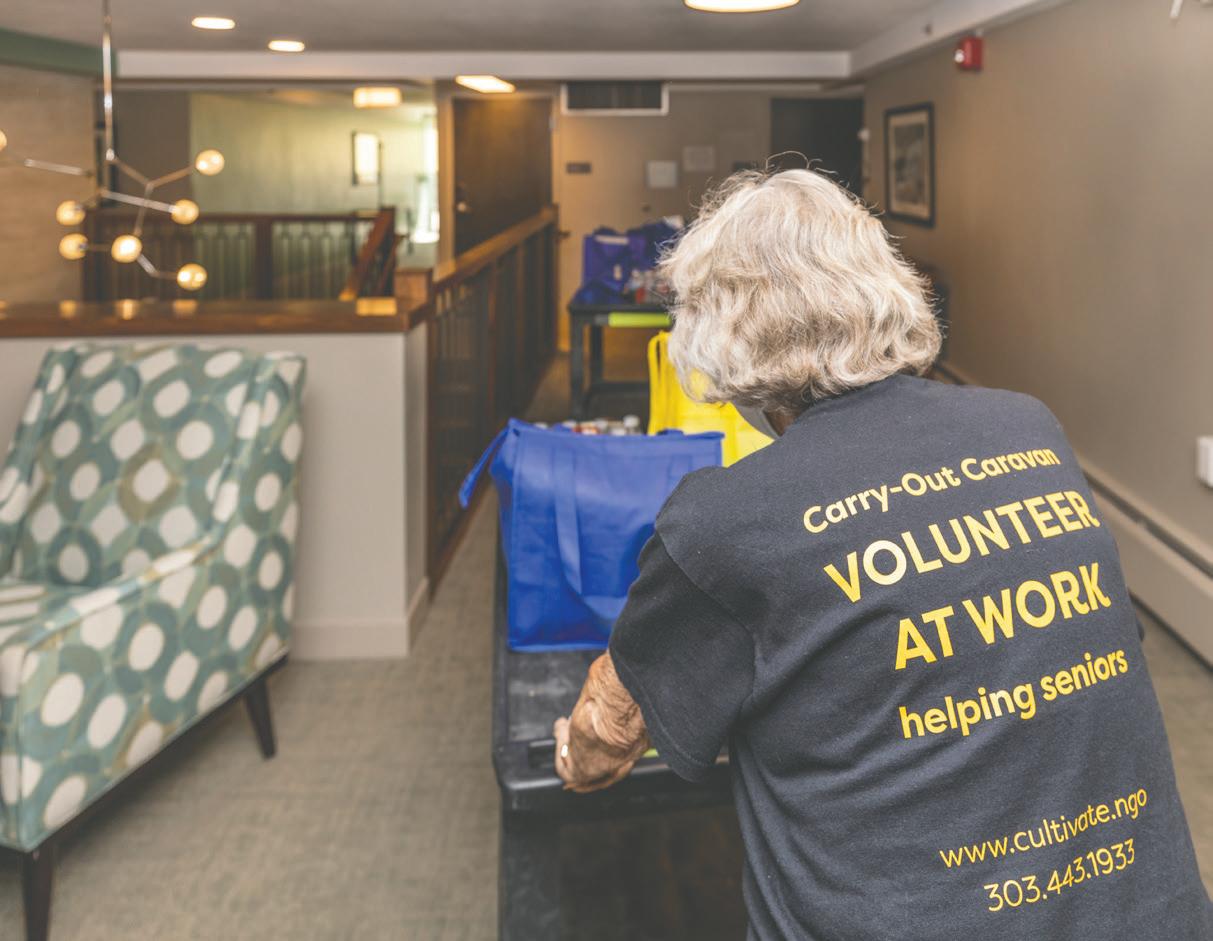
Volunteering is good for everyone, but it carries some especially positive rewards for seniors. The benefits are both physical and mental, boosting both health and happiness. One reason may be that many volunteer activities get you moving, whether you’re delivering groceries, doing yard cleanup or serving a meal. Moving more means better health, and seniors who volunteer enjoy a lower risk of high blood pressure, lower mortality rates, and lower rates of physical dependency and disability
But the rewards go beyond better physical health: volunteering as a senior also offers mental health and cognitive benefits. Whether you’re engaging with old interests – such as volunteering in the classroom after retiring from teaching – or learning new skills, volunteering helps you stay mentally sharp. That leads to enhanced cognition and lower rates of dementia. Seniors who volunteer for a cause that’s important to them also report reduced stress, higher levels of life satisfaction, and selfesteem. Sharing skills and giving and receiving appreciation brings deeper meaning to life. No wonder volunteers, especially those 65 and older, have lower rates of depression and anxiety
Volunteering also helps build

“Not only do studies show that volunteering increases health and wellbeing, volunteering is a great way to build new relationships and stay connected to the community”
your network and keep your social skills sharp, pushing back on the toxic social isolation that many seniors experience. Participating in meaningful shared activities is a great way to make new relationships, strengthen existing relationships, or just enjoy getting out and seeing some new faces.
“Not only do studies show that volunteering increases health and wellbeing, volunteering is a great way to build new relationships and stay connected to the community,” emphasizes Chrysti R. Britt, Executive Director at Cultivate, a nonprofit that connects seniors –as recipients and volunteers – with their surrounding communities in Broomfield, Boulder and Weld Counties
“So many of our senior
volunteers sign up because they have some free time and want to give back, but they end up finding that it fills their lives with so much more. Volunteering creates a sense of purpose, and our volunteers gain new friendships with other volunteers as well as lasting bonds shared with our clients,” Britt adds.
What if you’re not exactly up to snow shoveling or yard work?
Virtual or remote volunteering is a good option for those experiencing functional limitations. When you serve as a phone buddy, online tutor, or knit hats or blankets for those in need, studies show that you’ll still experience better cognitive functioning, improved sense of well-being, and protection against the toxic effects of stress.
There are volunteer opportunities for seniors of all interests and skills. Seniors have a lot to offer, and volunteering offers
a boost of health and happiness in return.
Learn more at: www.cultivate.ngo
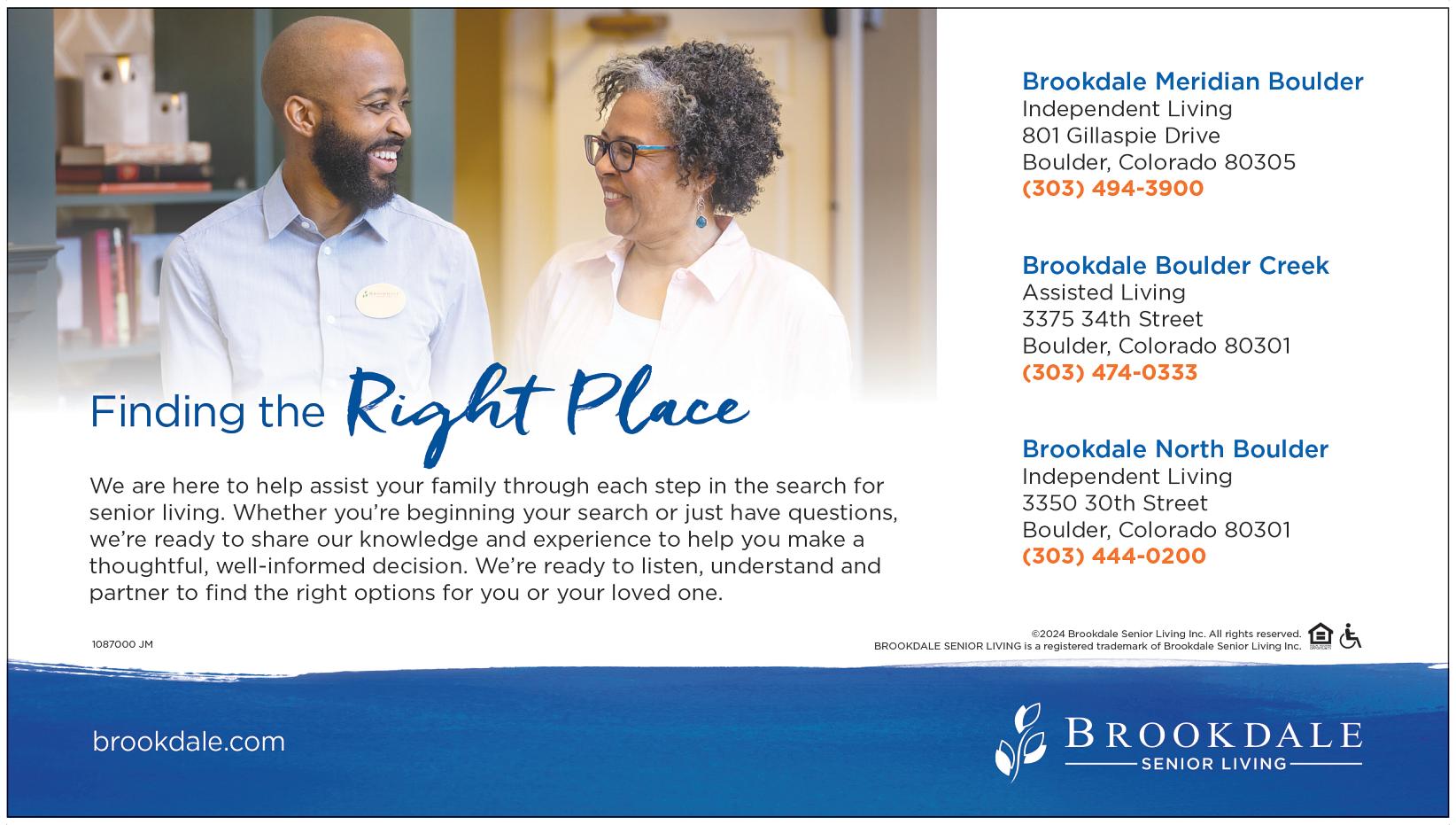
Brookdale Boulder Creek Assisted Living 3375 34th Street Boulder, Colorado 80301 (303) 473-0333
Brookdale North Boulder Independent Living 3350 30th Street Boulder, Colorado 80301 (303) 444-0200

Abit of advice for those who are looking to down-size their stuff before down-sizing their home: don’t do it alone.
Whether it’s a friend, a relative, neighbor or a professional organizer, sorting through personal items and making key decisions are only made easier by having support.
Maya Reisz, owner of Dancing Rabbit, LLC, in Boulder, said inviting someone to help during the process can help those who are down-sizing get ‘unstuck.’” This gives the homeowner a chance to bounce off ideas and share stories about items.
“People are too hard on themselves and try to do it on their own,” Reisz said. “Everybody has strengths and ways they process information. We have this weird idea that there is a set way to organize, but it varies by person to person. If downsizing feels completely daunting, that’s fair; it’s a huge transition. Don’t downplay downsizing.”
She also suggests setting timelines to minimize what can be the overwhelming nature of the task. Maybe it’s beginning with small, achievable goals, such as a single box or a junk drawer, Reisz said storage units are also a good place to start. They may be filled with items that are less emotionally charged than household items because they aren’t seen regularly.
“If you don’t have a timeline, it can be hard to find motivation,” she added. Some people who intend to down-size in the future create three- or even five-year plans, which can reduce stress.
Beth Blacker, owner and selfproclaimed chief of chaos to calm of It’s Just Stuff in Boulder,
said when it comes to helping people down-size their stuff, every client is unique.
“Every single client is different, so it makes every job different,” she said. “I really, really emphasize that each client comes to us with a special set of goals.”
Reflecting on personal values also can be helpful, Reisz explained.”You know you are going to say goodbye to things. You have to decide what is important to you. I also think it’s very important if you get help that you communicate your values clearly when it comes to organizing. They can’t see what you feel.”
Organizing doesn’t necessarily mean throwing everything out. Clients are assisted in making decisions regarding what they want to keep, what they want to donate and what they want to get rid of. But those decisions don’t come easy Items are representations of memories and feelings that may only be known by the owner
“It’s not my job to tell them to get rid of things. It’s my job to guide them like a Sherpa going up a mountain,” Blacker explained. “Some people think when you are throwing something away, you are throwing away the memory. And that is not true. This is a hard journey. It’s hard to acknowledge you have way too much stuff, but how do you preserve the memories?
Although down-sizing can be emotionally and even physically challenging, Reisz said there is another, more optimistic side to consider.
“You are going to have to compromise and let go of stuff, but you also have an opportunity to act like you are 20 again and going out in a camper van with was is important.”
Along those lines, she said it’s important to visualize the
space where the client is going to be relocating. She suggested measuring the expected space and mirror the use of that same area in the current home. For those planning to relocate to an aging community, ask if they can spend a night or two in one of the models to adjust to the size.
Both business owners emphasize that listening to their customers is the most important part of their jobs.
“I think it’s very important that (clients) communicate their values clearly when it comes to
Maya Reisz of dancing Rabbit, LLC, offered a few other tips that may make the transition easier:
1. Strategically place cardboard boxes in the home as drop zones When you notice that you didn’t need an item, place it in the box and take it to a donation center. This builds habits in a gentle way
2. Save sentimental items for later. Start with the easy items.
3. Think about what keeps you in the zone where you may be a little bit challenged but still able to feel clear about things Examples: picking a small project, using a timer, putting on music and having a mid-work coffee break.
4. It’s a lot of experimenting, so it’s helpful to bring a curiosity mindset to the process: “I wonder what is in there? I wonder if playing jazz will make this a smoother process? What feels good about this process? When do I start to get tired? What’s going to surprise me today?”

organizing. (Those helping) can’t see what you feel,” Reisz said.
Blacker said, “I try to remind people that this is a burden – a physical and mental burden – they are carrying. This is hard work for them, but also very rewarding.”
For some older adults, it can be difficult to acknowledge that their adult children may not place the same value on items such as family china, linens or long-held antiques and automobiles.
But for those who are ready and willing to organize, Blacker offers suggestions for taking collections and re-imagining them into keepsakes. For example, a T-shirt collection can become a quilt.
Family china can be remade into a serving platter or even a bird bath. Decoupage and resin can be used to make tables or shadow-boxes from cherished items. Photos and videos can be digitized for loved ones to access for generations to come.
Blacker said, “Families can benefit by seeing these projects for the long-term because they can look at them and smile and remember.”
For more information, visit: itsjuststuff.co and dancingrabbitllc.com

An approach that supports our deepest desire - connection
ou re Invited
A three-part Circle of Love workshop caring for someone with dementia
nowscheduling for: June: weeks of 8th,15th,and 22nd
Boulder


Transform the way you age with 20-MINUTE WORKOUTS, twice a week.
• Private atmosphere
• Scientifically-backed
• Suitable for all fitness levels
Book 2 Free Sessions

The Exercise Coach – Louisville (720) 619-6922 • exercisecoach-usa com



Hunger is a reality for 1 in 11 Boulder and Broomfield C
TOGETHER, WE CAN CHAN
Get involved and help us ac vision: a future where no o worry about their next GE THAT. people in ounties. hieve our ne has to meal. Learn















Linda Thorsen Bond
Aging at Altitude
Let’s hear it for the simple things – the things that make life easier, more comfortable and more enjoyable. Aging in Place means not packing, not relocating, not saying goodbye to the old neighborhood. But it can also mean putting up with inconvenience, ignoring wornout equipment and hassling with things that don’t work the way
they should.
Aging at Altitude asked local businesses for their best advice on how to adapt to help you age in place rather than pack up and move.
Renae Belobraydich, marketing manager of Bath Fitter, explained, “For many older adults, maintaining independence at home is a top priority, and bathroom safety is a crucial part of that equation.” Bath Fitter of Colorado
& Southern Wyoming helps make aging in place a practical reality by transforming your existing bathroom into a safer, more accessible space. Their custom tub-to-shower conversions, with low threshold and roll-in shower pans, eliminate the high step of a traditional bathtub, a common cause of falls. You can also add essential safety features such as grab bars, easy-to-reach shelving, handheld shower accessories, and built-in or fold-down seating to create a secure and comfortable
bathing experience. Contact Bath Fitter to learn more about their one-day installation process.
As homeowners age, their homes often become harder to navigate, maintain and secure. A window and door replacement company can play a meaningful role in helping seniors age in place comfortably, safely, and independently Phil Odell, VP of Marketing for KH Home Solutions, offers several practical

ways a window and door company can support aging-in-place homeowners.
Many seniors struggle with heavy windows. Modern replacements improve usability KH offers large crank casement windows that open easily, easyglide double-hung windows with low operating force, extended handles or fold-down cranks for easier reach, lower sash heights for better access and tilt-in cleaning features so seniors avoid ladders. Benefits include less strain, easier ventilation and safer cleaning from inside.
Another concern is that mobility devices, such as walkers or wheelchairs, require wider openings. Solutions include entry doors at least 36 inches wide, replacing narrow patio doors with wide sliding or French doors, installing low-threshold door systems for easier step-through, and ensuring smooth transitions between inside and outside. These measures improve accessibility, reduce tripping hazards and
facilitate easier movement with walkers or wheelchairs.
The bathroom is where most falls occur, and it’s often the room where a single smart upgrade can make the biggest difference in how long someone can comfortably remain at home.
Stefan Wonnacott, Regional Director of Bath & Shower for Lifetime Home Remodeling, notes, “If you’re thinking about aging in place, start there. A walk-in shower with a low or zerothreshold entry, or a walk-in tub with one of the industry’s lowest step-ins, removes the biggest daily obstacle. Add a grab bar or two, a fold-down shower seat and the space transforms from risky to easy. At Lifetime, we partner with Kohler® to bring these features into homes across Colorado, and people are often surprised by how great they look. Safety doesn’t mean clinical; the right products blend in, and some even enhance
Transportation Appointments, errands, shopping, & outings
Personal
the bathroom’s overall feel. There’s no need to remodel everything at once. One thoughtful change in the right place can provide years of independence, comfort, and confidence at home.”
Claire Young, Business Development Coordinator at Renewal by Andersen of Colorado, offers the following suggestion for improving visibility:
Increasing lighting and visibility in the home reduces the risk of falls and supports a more accessible, independent living environment. Renewal by Andersen windows increase home brightness by maximizing natural light through narrower frames made from strong Fibrex® material, which allows for a larger glass surface area.
Nickolaus Gervasi, regional field marketing manager at Champion Windows, notes that sunrooms

can be a helpful addition for those who wish to remain in their homes. Champion is a Great Day Improvements Brand, designing, manufacturing, and installing home improvements with support from knowledgeable renovation specialists. Many homeowners consider adding a sunroom for its panoramic views, natural light, and inviting atmosphere. Personal experience or observing a friend’s sunroom often motivates further investigation into the types of sunrooms best suited for individual needs.


Either way, a sunroom can change the way you live.
Homeowners have long been making investments in their homes, creating beautiful sanctuaries and bright venues for entertaining friends and family
That trend has only grown stronger, and sunrooms are at its center.
We love windows. We love sunrooms. And we love serving customers.”






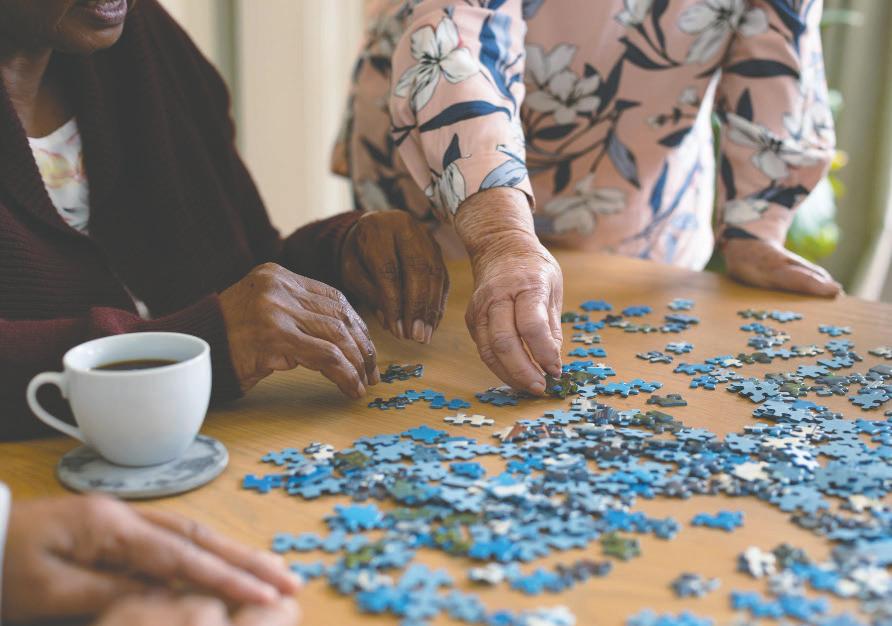
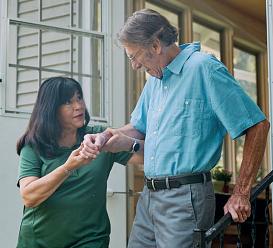
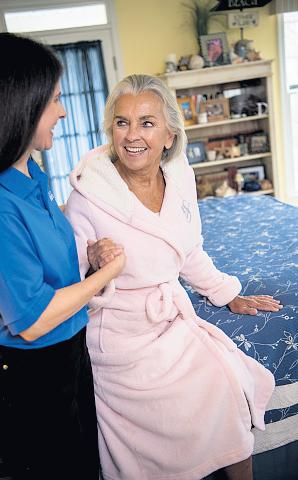
As the population of 65+ is growing, there is more need for senior care. Many families are choosing in-home options, which can be beneficial and also cost-effective. |
Kristen M. White Aging at Altitude
Aging in place – the broad concept of seniors staying in their own homes and receiving care, rather than moving to an assisted living facility or other location – sounds simple. But there are a multitude of options, avenues and reasons to consider this type of care.
Experts from several local agencies weighed in on reasons and situations to consider in-home senior care, plus the variety of options as well as how it can be beneficial for seniors and their families.
“A common misconception is that in-home care is simply to help
with tasks,” said Kimberly Corbitt, founder and executive director of Biscochito Homecare. “In reality, it is skilled relational work. Caregivers notice subtle changes in mood, mobility, memory and appetite. They help families adapt to new realities while preserving dignity and identity.”
effective. Everyone’s needs are different, and they evolve over time. In-home caregivers can evolve with them.
“We don’t have a daily or weekly minimum and provide as little as a one hour shift and up to 24-hour care,” said Judith
“Usually when everyday tasks begin to feel overwhelming or family caregivers are feeling stretched thin, it’s a good time to explore options.”
As the population of 65+ is growing, there is more need for senior care. Many families are choosing in-home options, which can be beneficial and also cost-
companionship level care all the way through end of life.”
Ashworth noted that especially since the COVID-19 pandemic, the in-home care industry has seen a surge in needs. Between limited capacity or wait times for assisted living facilities, as well as the high costs, many seniors and their families are looking for other options.
At a time of life when many older people feel a loss of independence, staying in their own homes with a bit of help can help them maintain independence longer.
“In-home care allows people to maintain their routines, relationships and sense of independence while still receiving the support they need,” said Cylar Mitchell, director of strategic growth with Riverside Home Care. “It doesn’t have to be all or nothing. Many clients start with just a few hours of week, and even small amounts of support can make a meaningful difference for seniors and their families.”
Because people age differently, the things they might need help with are often quite varied as well. In-home care offerings, depending on the business, can include:
• Companionship
• Personal care assistance
• Transportation to appointments or for errands
• Meal preparation
• Light housekeeping
• Medication reminders or management
• Vital sign measuring and logging
• Wound care
• Post hospital care and post rehabilitation care
• Respite support for family caregivers
Ashworth, owner of Dignity Care. “We can often get started within a couple of days. Having flexible home care such as Dignity Care is a big advantage as we are your provider from initial
Another common misconception about in-home care is that it is for the very sick, those with major medical concerns or other issues. In reality, in-home care can bridge the gap of whatever a senior currently needs help with, big or small.
Many families don’t consider in-home care until they’re in crisis or panic mode, Ashworth and Mitchell both said, which can be a mistake.
“Usually when everyday tasks begin to feel overwhelming or family caregivers are feeling stretched thin, it’s a good time to explore options,” said Mitchell. “I always encourage families to start exploring care options earlier Having a relationship with a trusted care provider in place can make transitions much smoother if the needs change.”
By using a reputable in-home care service, families can have peace of mind about the person caring for their loved one.
“We run in-depth background checks into all caregiver applications including the CAPS check specific to elder care,” Ashworth said. “We also have case managers that oversee individual training required for your loved one’s current care plan, providing supervision to ensure clients are safe and well cared for according to plans and family requests.”



Jared Fiel Aging at Altitude
Laura Lambrecht first realized it when she was helping her parents sell their home and move into assisted living.
“They had purchased a home about eight years prior, specifically for the benefits it offered for aging in place (ranch style, maintenance free yard, snow removal) and then suddenly they both faced health challenges which no longer allowed them to safely stay at home,” she said.
That’s when she realized she
needed help. “Luckily, we did have some resources available to help us, like an assisted living place, someone who specialized in home organization and downsizing and an estate sale company,” she said.
“Their support made the process go much more smoothly than had my siblings and I tried to do it all on our own. The emotional aspect of a change like this can be very challenging and having supportive professionals who can offer compassion, guidance and knowledge helps immensely.”
So, she became one! Lambrecht, a broker for WK Real Estate in Boulder, went on to get the
Seniors Real Estate Specialist designation, involving a 12-hour program that includes training in life stages, senior living options, communication skills, senior financing options and more.
“An agent with the SRES designation is passionate about working with clients over age 50 and committed to helping them find a home that aligns with their healthcare needs, lifestyle preferences and financial goals,” she said. “These specialists have been trained in how to effectively guide someone (and their family members) through a later-in-life real estate transition. They are also
well connected with resources like companies who help with Estate Sales, downsizing organizers, Aging in Place Specialists, assisted living placers, Elder law attorneys and more.”
As she discovered herself, SRES brokers help the rest of the family as much as the senior “These resources can be especially helpful for adult children who need to assist their parents,” she said.



Matthew L. Van Deventer Aging at Altitude
Self-enrolling in Medicare is an option, but working with a licensed broker might put you at ease knowing someone is on your side to help you navigate the complexities of the insurance marketplace. Another positive: it’s free to you and the support is ongoing.
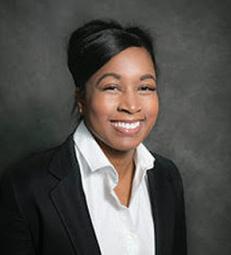
Medicare Advantage open enrollment, a period when those currently enrolled can make one-time changes, is January 1stMarch 31st, according to broker LeSean Wittkop who owns and operates her own agency, LeSean Wittkop Insurance.
The main enrollment period happens Oct. 15-Dec. 7 when seniors with Medicare can review and make changes for the following year Beneficiaries during this time can add, drop or change their Medicare Advantage plan or Part D prescription drug plan. Any changes made during his time will take effect on January 1st the following year.
Special Enrollment Periods allow for changes to be made any time based on specific life events or situations.
“I guide my clients through every step of their Medicare journey,” said Wittkop. “My role doesn’t end once you enroll. After you’ve chosen your plan, I remain available to answer questions, help you understand your coverage, and assist with navigating any changes or concerns that may arise as you transition into Medicare.”
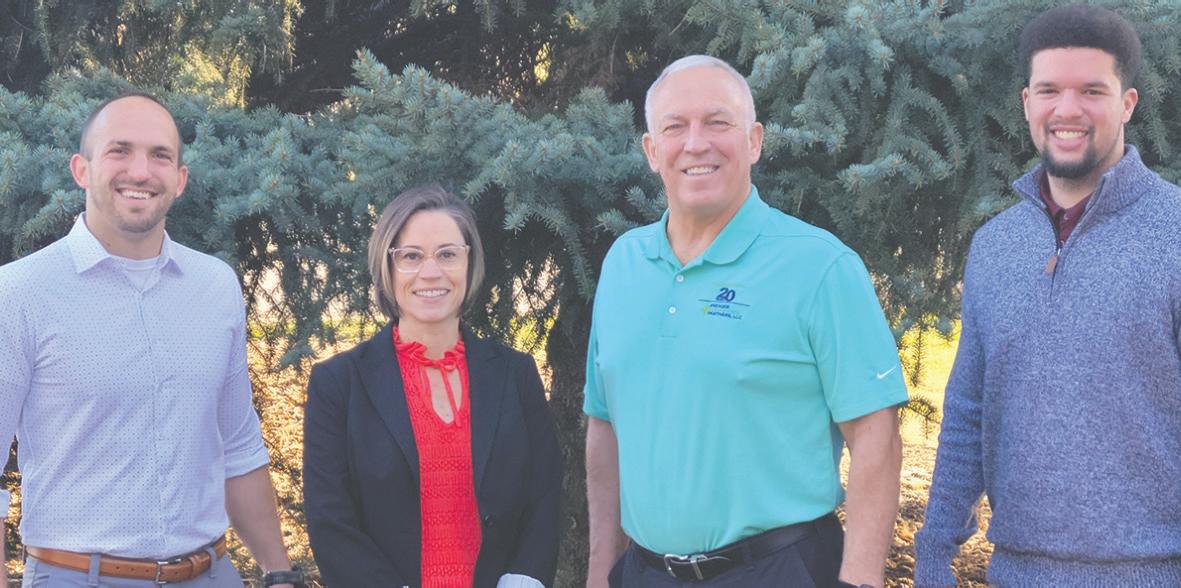
Original Medicare includes Part A and Part B, hospital coverage and medical coverage, respectively, explained Dan Martin, advisor with Premier Insurance Partners. Many people enroll in both of these plans, as well as
LeSean Wittkop
“The key thing to remember is that every person’s situation is different,” said Martin. “Your healthcare needs, prescription, doctors, travel habits and budget all play a role in determining the best plan.”
supplemental coverage.
Medicare Supplement, or Medigap, plus prescription coverage, known as Part D, helps cover out-of-pocket costs like deductibles, coinsurance and copays.
Part C is Medicare Advantage, one way to get Part A and Part B. This plan combines hospital, medical and usually prescription coverage in one plan and is offered through private insurance companies.
“The key thing to remember is that every person’s situation is different,” said Martin. “Your healthcare needs, prescription, doctors, travel habits and budget all play a role in determining the best plan.”
Premier Insurance Partners organizes a community initiative, NoCo Senior Social that creates opportunities for Northern
Colorado seniors to connect, attend events, learn something new and stay active.
Martin also said that licensed agents are paid by the Medicare plans, so working with a broker should not incur additional costs for the beneficiary.
“When choosing a Medicare plan, it’s important to think about what matters most to you and your healthcare needs,” Wittkop said.
Everyone is different: some clients focus their plan around keeping their doctor, others need a lower monthly payment, or they may prioritize certain flexibility in how they get their care.
Also, the various plans and addons, such as Medicare Advantage or a Medicare Supplement plan, will have different pricing.
To make things even more confusing, Medicare plans and
pricing are updated each year
Wittkop said there have been many changes to Medicare this year, including the removal of certain benefits and an increase in costs.
She strongly encourages Medicare recipients to talk with their broker annually, especially during the open enrollment period to review upcoming changes and make decisions for the upcoming year.
“Even if you ultimately decide to keep your existing plan, taking the time to review your options ensures you stay informed and confident in your Medicare coverage,” said Wittkop.
This year, according to Martin the Medicare Part B monthly premium increased to $202.90 and the deductible increased to $283. The catastrophic maximum for the prescription coverage, Part D, increases to $2,100.
“One of the most important things to remember is that Medicare planning isn’t a onetime decision,” said Martin.”Your health, prescriptions and lifestyle can change over time and Medicare plans change every year as well.”
Darren Thornberry Aging at Altitude
When it comes to sound advice for essential legal planning, social media is not the place to get it. An experienced attorney who considers you a friend and knows your particular situation is far more likely to help you put affairs in order with the best outcome for you and your family. Thanks to Dan Kapsak, partner at Kapsak | Estes LLC, for sharing heartfelt wisdom on essential legal planning with our readers.
What’s the absolute best piece of advice you could give to a senior who is planning for their legacy and getting affairs in order, legally?
DK: Work with an attorney who will take the time to hear the hopes and fears, wishes and regrets, and who will pick at a scab when necessary. Getting one’s affairs in order is not just completing forms, but the attorney should be ensuring the senior’s voice is heard and dignity honored. DO NOT listen to the “experts/influencers on social media – they do not know you or your situation, nor are they “advising” considering your particular state’s probate process.
What’s the most common legal service you provide for seniors?
DK: We provide comprehensive planning to address current needs, identified support in the event of disability and sympathetic assistance after a loved one’s death.
How should someone think about essential legal planning? Is there a roadmap to take or steps to follow?
DK: What do you want to
accomplish? Who would you trust to ensure your wishes are honored? Are there any loved ones with special needs/considerations? Who would you trust to “step into your shoes” and speak for you if you couldn’t? Beyond that, your attorney will take you to essential choices, possible options and traps to avoid.
Are there myths or misconceptions about legal planning that you run into with clients?
DK: Oh yes! In no particular order: 1) You need a trust; 2) I can do it myself; 3) Planning is outrageously expensive (only if you work with a lawyer who bills by the page!); 4) Probate should be avoided at all costs; 5) I’ll leave everything to my firstborn or the child closest to me, and they will know what to do; and 6) All fiduciary roles are to be done by the children in chronological order, or all together.
What are the four or five most important documents to have in place as a senior gets underway with essential legal planning?
DK: The “essentials” for planning will be a “Last Will,” Durable General Power of Attorney, Power of Attorney for Health Care, “Living Will,” and asset review including the nature of the asset, the owner(s) of the asset, if beneficiaries have been added, and fair valuation of each asset. How many times we sit with clients and tell them that their then current will will not control their estate since everything is jointly owned and beneficiaries identified.
What else would you like readers to know?
DK: A pet peeve of mine is the attorney billing the potential
client (PC) for the privilege of deciding whether the potential client is comfortable with the attorney! This work can become very personal and revealing, and the PC must trust the attorney to keep facts safe, but also have some empathy with the PC and their situation. The initial meeting should be free, to give both sides the opportunity to decide whether working together would be a good fit.
Another pet peeve is the “hawking” of living trusts as the end all/ be all of estate planning. Revocable trusts are valuable tools in the quiver, but not to the complete exclusion of other options and tools.

Scammers often target older adults, and with the rise of artificial intelligence, many scams are becoming more convincing and harder to detect.
The FBI reported that in 2023, people aged 60 and over lost a combined $3.4 billion to fraud.
An article from the National Council on Aging identifies the five most common financial scams targeting older adults: the grandparent scam, financial services scam, tech support scam, government impersonation scam and romance scam.

The grandparent scam occurs when a scammer pretends to be a grandchild or another relative who urgently needs money Because the scam relies on emotional manipulation and close family members, it can be particularly
services scams involve
criminals posing as representatives from banks or other financial institutions. Victims may receive phone calls, emails or text messages asking them to verify sensitive information such as their Social Security number, bank account details or passwords.
Tech support scams are another common tactic. In these cases, scammers pretend to represent a technology company and warn the victim that their computer has a virus or security issue. They may attempt to gain remote access to the device or request personal information to “fix” the problem.
Government impersonation scams occur when criminals claim to represent agencies such as the IRS, the Social Security Administration or Medicare. Scammers often threaten to suspend benefits, impose fines or


AtGivingHomeHealthCare,weunderstandtheuniqueneedsofindividuals impactedbytheirworkwiththeDepartmentofEnergy.Since2012,we’ve helpedover5,000atomicworkersgetapprovedfortheirWhiteCardand maximizethebenefitsandcompensationtheydeserve Reachouttoour experiencedteamtodayforano-obligationconsultation!









take legal action unless the victim provides personal information or immediate payment.
Romance scams typically occur through online dating platforms or social media. Scammers create fake profiles, build emotional relationships with victims and eventually ask for money, often claiming a financial emergency
Artificial intelligence has made these scams more realistic. Scammers can now use voice cloning technology, deepfake videos, phishing emails and fake websites to impersonate trusted individuals or organizations.
The National Council on Aging recommends several steps seniors can take to protect themselves. These include staying informed about the latest scams, verifying the identity of anyone requesting personal information, using trusted security tools and improving their understanding of artificial intelligence.
They also recommend that if you spot a scam, you should not engage, secure your accounts, and report the scam to the FTC or your local consumer protection agency
The Boulder County Area Agency on Aging also offers adult protection services to help at-risk adults.
According to their website, “an at-risk adult is anyone aged 18 or older who cannot meet their basic needs for health, safety or wellbeing or find the help they need on their own.”
One of the things they help with is financial exploitation. If someone is being mistreated, they will work with that person and provide them with resources.
BCAAA also has a reporting number as well. If you know an at-risk adult is being scammed, you can call 303.441.1309 to report any suspected abuse, neglect or exploitation.






Sarah Fuhrey Huber Aging at Altitude
Choosing between independent living and assisted living is less about age and more about lifestyle, health needs and future planning.
In most communities, independent living delivers convenience and social connection.
“Independent Living offers a thriving, maintenance-free lifestyle for active older adults who want community without
daily care,” said Lisa Bryant, director of community awareness and development at Hover Senior Living Community in Longmont.
Carrie Gray, vice president of sales at Balfour, said independent living residents at Balfour Louisville are seeking a simpler lifestyle. “You’re not managing the maintenance of a home any longer and may be looking for a community setting that has social activities.”
Amenities in independent living generally include dining options, housekeeping, fitness classes and social programming. Fraiser apartments, for example, feature fully equipped kitchens, and residents can choose between dining plans.
Balfour independent living residents flock to the fitness center “Our most popular offering is our group classes,” Gray said. “They provide social connection as well as the fitness benefit.”
At Solista Longmont, a Cogir independent senior living community, activities director Hailey Jones plans events as varied as field trip to museums and cultural centers, hikes and outdoor excursions, music performances, game afternoons and arts and crafts.
Assisted living is designed for residents who want support with
daily tasks.
“At Frasier, assisted living supports residents who need help with daily activities while still allowing them to live fully with care as needed,” said Julie Soltis, director of communications at the Frasier Retirement Community in Boulder.
Assisted living usually includes medical services and medication management. “We have in-house physicians that round, and specialists that come, including dental, vision, podiatrists,” Gray said. “If you’re feeling dizzy or need your blood pressure checked, you have access to that support.”
Bryant emphasized that assisted living encourages residents to maintain autonomy as much as
feasible. “We continue to honor each person’s independence while providing personalized support,” she said, “ensuring residents remain as independent as possible, with reassurance of compassionate care when it’s needed.”
Dining plans are typically more comprehensive than in independent living Assisted living residents also have access to the activities, transportation and fitness programs available to those in independent living.
“If you’re in a ‘between place,’ you will want to find a destination that has a continuum of care,” Gray said. “As needs change, you will know what to expect in the future and that there are services that will be available.”
As Frasier, most residents enter the community through independent living. “When additional support is needed, our interdisciplinary team works with residents and families to determine
the level of care that best meets their needs,” Soltis said.
Support options can be especially helpful for couples if one partner needs more care. Most communities give current independent residents priority access if they later require assisted living.
Even when support would be beneficial, the transition from independent to assisted living can feel daunting.
“Transitioning to a higher level of care can be challenging for some, and we approach it with understanding and support,” Soltis said. Prospective residents are urged to visit, participate in activities and meet staff before making a decision.
“At Hover, we listen first, honoring concerns, affirming independence and clearly showing how assisted living enhances freedom, safety and peace of mind,” Bryant said. “We guide,

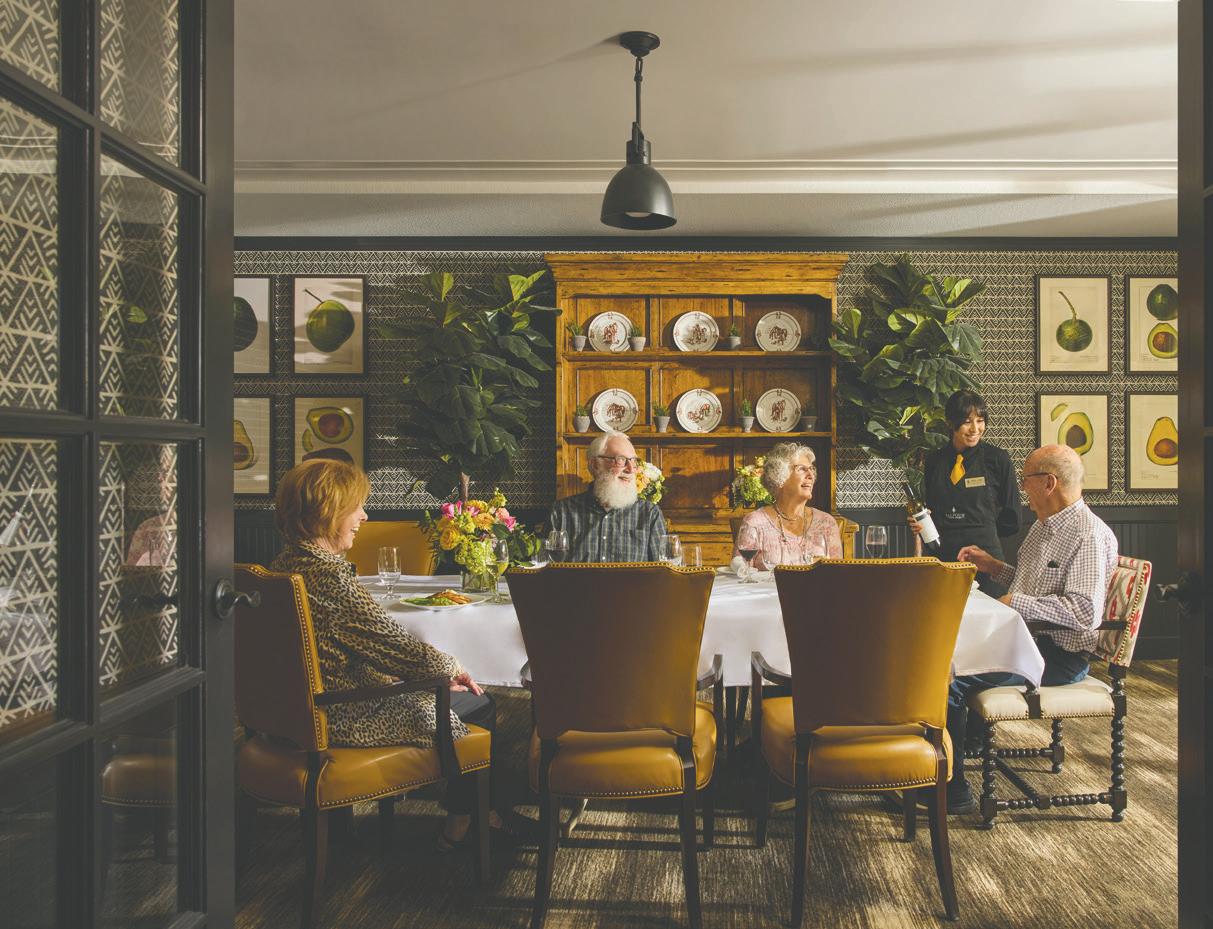
not push, helping each person confidently choose what best supports their lives.”
Ultimately, senior living professionals say the right choice depends less on age than on
personal needs and lifestyle.
“We are seeing age is truly a number,” Gray said. “It’s truly about where people are in their journey and what support is needed.”
When you come to American Family Care,you’ll be treatedby licensed medicalprofessionals including doctors,nursepractitioners, physicianassistants andx-raytechnicians. Our skilledteamensures you’ll receive the highest quality medical care,seven days aweek. AFCServices include:
• X-rayOn-site
• Bloodwork
• Vaccinations
• Cold, Flu, andSinus Infections
• Minor Cuts, Burns, andLacerations
AFC Boulder
• STITesting
• PinkEye
• Allergy
• Sprains &Strains
• Rashes
2795 Pearl Street Unit #106, Boulder, CO 80302
720.961.9700 |afcurgentcare.com/boulder
AFC Baseline
4800 Baseline Rd SteD106, Boulder,CO80303
720 961.9700 |afcurgentcare.com/baseline
AFC Longmont
589 S Hover St Unit 500 Longmont, CO 80501
720.961.9700 I afcurgentcare.com/Longmont
AFCLouisville
1335 E South Boulder Rd #3 Louisville, CO 80027
720.961-9700 I afcurgentcare.com/Louisville
NO APPOINTMENT NEEDED
M-F:8am-8pm,S-S:8am-5pm
• IV Fluids
• Pneumonia
• Urinary TractInfections
• Bronchitis andStrep Throat
• Andmore!

Barbra Cohn Aging at Altitude
Founded as Boulder Hospice in 1976, TRU Community Care is celebrating its fiftieth anniversary this year as the first hospice program
in Colorado, and one of the first in the U.S. “We’re proud to be part of a small number of legacy hospices,” says Vanessa Schmautz, LCSW, support services manager of TRU Community Care. “We’ve been able to maintain our nonprofit status, which is hard to do in the evolving healthcare climate.”
TRU offers a number of services including:
• A robust palliative care program that offers relief from pain and symptoms at any stage of serious illness.
• Hospice compassionate end-of-life care that focuses on comfort and quality of life at home.
• Program of all-inclusive care for the elderly (PACE) that helps seniors to live at home with medical and social support.
• Landmark specialized memory care for those living with Alzheimer’s and
other dementias.
• Grief services
• Remote patient management via mobile apps and tablets (TRU Tele-Care) that delivers uninterrupted care safely and effectively to individuals living with advanced illness and loss.
“Our grief services program, with many services also open to the public, makes TRU Hospice unique,” says Schmautz. “Last year, we had more than 200 groups and 55% of the attendees did not use our hospice services. We offer a plethora of groups

including drop-in groups, closed groups with the same people who meet for a set amount of time, meditation and sound healing groups, and loss-specific groups. Our newest is a memory making workshop that includes a crafting with beads to remember the person they’ve lost,” Schmautz says.
During the summer TRU partners with Dancing Spirit Equine in Lyons to facilitate grief groups for adults and children. For individuals who had loved ones die on TRU hospice, short term grief counselling is also available to them.
Schmautz says, “Because of our continuum of care, we’ve had many people use our palliative care program when they’re living with a life-threatening illness and still pursuing treatment. They’re able to meet with a team to really emphasize quality of life, and make sure their wishes are being met. When treatment has ended, the transition to hospice is smooth. Patients get even more wraparound services after their person
dies; the family goes on to get grief services. Support from TRU could last for years,” Schmautz adds.
Additionally, TRU Care offers advanced care planning (ACP) through the Conversation Project in Boulder County. In the United States, 93% of adults say that talking about end-of-life wishes is important, but only 33% have engaged in conversations with loved ones. The Conversation Project fosters meaningful conversations about healthcare and end-of-life wishes. Workshops are presented free-of-charge, and individual meetings are facilitated by trained coaches to help with advance directives. Find more information about the project attheconversationprojectinboulder.org
TRU also hosts community memorial events through the year. The Lights of Life Remembrance Service in February invites attendees to honor, remember, and share stories about a lost loved one. The Butterfly Release and Memorial on June 27, 2026 will take place at Whitetail Park, 2550 Autumn Ridge Blvd., Lafayette at
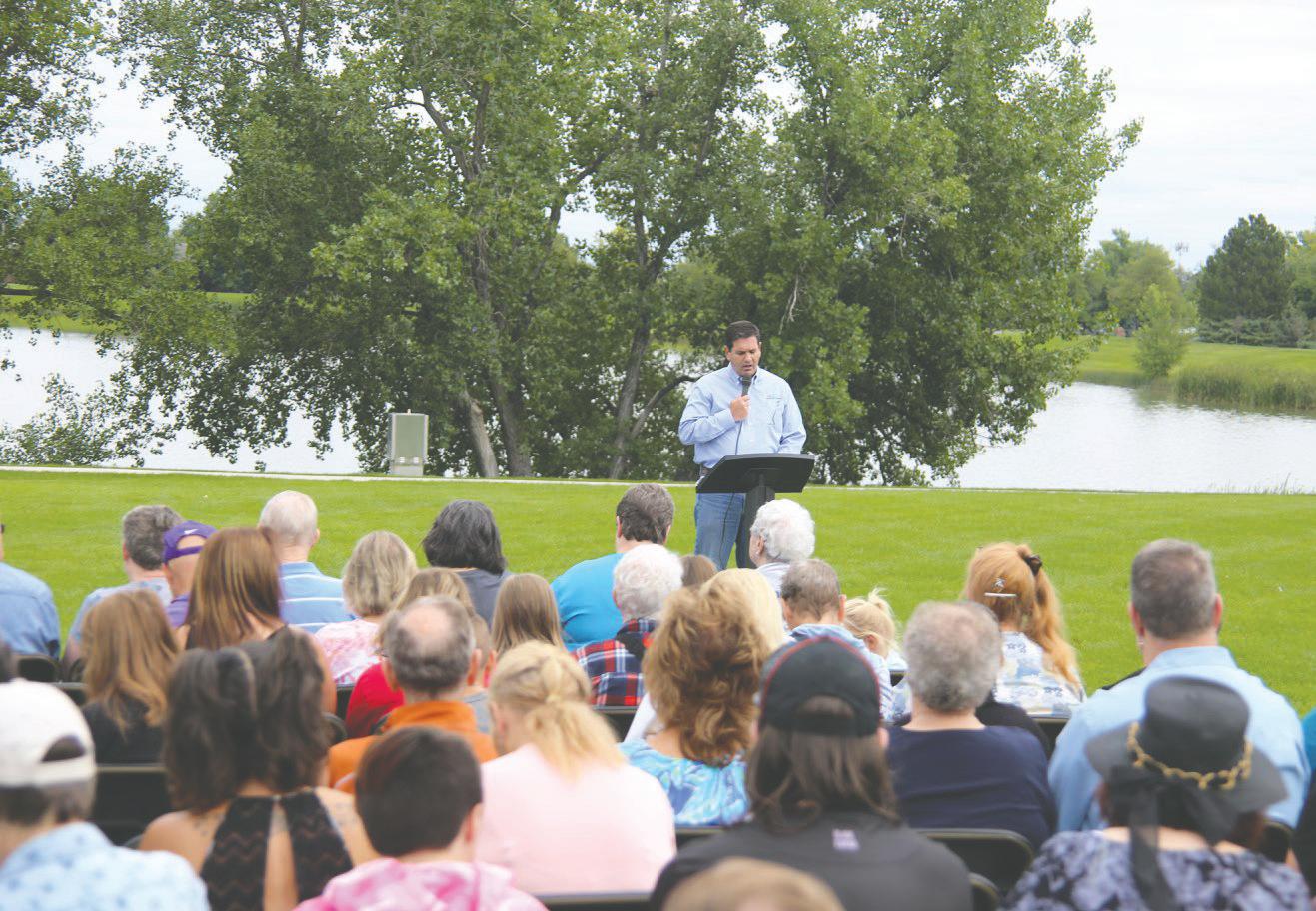
9 a.m. followed by a program at 9:30 a.m.. Individuals can reserve butterflies for $20 on behalf of people they’re remembering or attend for free. Visit trucare.org/ butterfly for more information. The Hospice Foundation of America says, “Hospice care is not about giving up, but about
maximizing the time left for patients and their families.”
If you or a loved one is nearing the end of life, take advantage of TRU Community Care’s services. They’re supportive, compassionate, and may make a difference in the interpretation of the term “a life well lived.”

Coloradans want choices. Whether it is finding the best route to get to our favorite destinations or even having alternatives for our body’s final destination, we want options.
Two local funeral companies, Greenwood & Myers Mortuary with offices in Boulder and Frederick and The Natural Funeral with offices in Lafayette and Loveland, offer just that!
Many of the newest choices for final disposition of a body have different environmental impacts. According to a 2025 survey by
the National Funeral Directors Association, interest in ecofriendly funeral options increased from 55% three years ago to 68% and it will probably keep increasing based off the demand seen in our area.
“It’s all around the green burial movement,” said Mike Greenwood, owner of Greenwood & Myers. “We want to provide people with all of the options so they can make an informed decision.”
Elizabeth Simmons, advance planning team lead at The Natural Funeral, agrees and added that many people have no idea these options exist in Colorado.
While traditional burial and

cremation services are available through them, the environmental impact of burial, including embalming chemicals and nonbiodegradable materials and cremation, with the release of about 500 pounds of carbon dioxide into the air, are extreme. Here are some of the other alternatives available today:
• Terramation is the most restorative gift one can leave for the planet, according to Simmons. “Terramation is a gentle, earth-based rite that transforms the body into nutrient-rich, living soil,” she said. “Unlike traditional methods that consume resources, Terramation is a net carbon sink, sequestering over 1,000 pounds of CO2 back into the earth. This transformation takes place over approximately two months This intentional pace provides families with a meaningful window to grieve and plan a personalized “Laying Out” ceremony, where the soil is returned to the earth according to their wishes.”
• Water Cremation (Alkaline Hydrolysis): A gentle, flamefree process using water and minerals.
• Natural Green Burial: Returning the body to the earth in its simplest form.
• Pyre Cremation: Rooted in ancient tradition and offered with modern care, this ceremony can take place on permitted land.

• Burial at Sea: This can be arranged to have ashes or remains buried at sea.
So, with all of these choices, when do you want to start looking into them?
“Now, not because there is an immediate threat or need but because death is the one event we are all guaranteed to face, yet often the only one we don’t plan for,” Simmons said. “By planning now, it prevents your family and loved ones from having to guess what you want when they are in the depths of shock and grief. Planning also ensures that your values, such as eco friendliness, are respected by your kin.”
Greenwood said often people start looking at their options after they turn 50 or hit retirement age. But he added that he has had situations where someone dies and, because there was no will and the surviving family members were not told of the person’s desires, it can actually end up in court and cause even more pain.
To help with the costs of funerals and arrangements, both Greenwood & Myers and The Natural Funeral provide financial programs, pre-planning assistance and many different options to meet your needs.
“We want to make entry into this conversation easy and convenient,” Simmons said. “One of our advance planners will talk with you about your wishes and help you to develop a plan that is specific to you.”




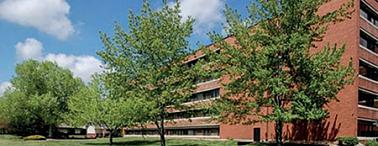
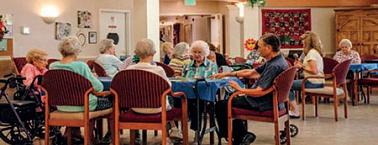






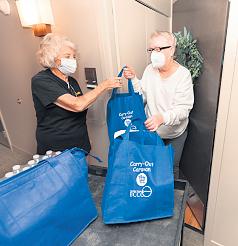
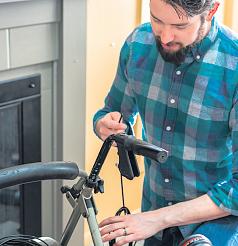
ARTS/ACTIVITIES


SilverWingsArts Program
908 Main St., Louisville, (720) 592-1481, silverwingsartsprogram.org
YMCAof Northern Colorado Multiple locations; Corporate Office: 2800 Dagny Way, Lafayette, (303)664-5455 ymcanoco.org
AUDIOLOGY/HEARING
Family Hearing
3059 Walnut St., Boulder, (303) 857-5838; 300 Nickel St., Ste. 15; Broomfield, (303) 276-1676; 2770 Arapahoe Road, Ste. 126, Lafayette, (303) 276-1693, familyhearingco.com
Hearing HealthCare Centers
4800 Baseline Road, Ste E-108, Boulder, (303) 963-9473; 1315 Vivian St., Longmont, (303) 963-9637, hearinghealthcarecenters.com
CHIROPRACTOR
Terry Chiropractic Boulder 3083 Walnut St. Boulder, (303) 440-0500 terrychiropracticboulder
DOWNSIZING/ HOME ORGANIZATION
Dancing Rabbit LLC (303) 522-9877 dancingrabbitllc.com
Green Light Living (303) 748-8200 greenlightlivinghomeorganization.com
It’s Just Stuff (720) 637-2492 itsjuststuff.co
ESTATE SALES
Blue Moon Estate Sales Boulder, (303) 901-4503 bluemoonestatesales.com
EQUINE THERAPY
Medicine Horse
7663 E. County Line Road North, Longmont (Visitors by appointment only) 720.883.8811, medicinehorse.org
FINANCIAL/BANKS
FirsTier Bank
1155 Canyon Blvd. Ste. 100, Boulder, (303) 225-0925; 8771 Destination Way, Broomfield, (720) 571.6167, firstierbanks.com
FUNERAL HOMES/PREPLANNING
Greenwood & Myers Mortuary 2969 Baseline Road, Boulder (303) 409-3960 greenwoodmyersfuneral.com
The Natural Funeral 102 W. Chester St., Lafayette. (720) 515-2344 thenaturalfuneral.com
HEALTH/FITNESS/GYMS
Anytime Fitness Lafayette 325 Waneka Pkwy., Lafayette, (720) 890-7437 anytimefitness.com
The Exercise Coach 1075 E South Boulder, Ste. #100, Louisville (720) 619-6922 exercisecoach.com/louisville
The NestAvita Yoga and Pilates 5353 Manhattan Circle Ste. 103, Boulder (720) 737-0143 thenestboulder.com
OsteoStrong Boulder
5420 Arapahoe Ave., Boulder, (303) 569-8422 osteostrongboulder.com
Upgrade Labs
2100 28th St., Unit 4F, Boulder (303) 219-4009 upgradelabs.com/boulder
YMCAof Northern Colorado
Multiple locations
Corporate Office: 2800 Dagny Way, Lafayette, (303)664-5455 ymcanoco.org
HOME AND GARDEN
AllAmerican Gutter Protection (888) 323-800 allamericangutterprotection.com
Bath Fitter
1500 W. Hampden Ave., Englewood, (303) 788-0200 bathfitterco.com
Bath Hound (720) 973-1424
5700 Washington St., Denver bathhound.com
BlueBirdWindows & Doors 1551 S. Sunset St., Ste. E, Longmont (303) 810.2888 gobluebirdco.com
ChampionWindows
10035 E. 40th St., Ste. 400 Denver, 303.800.2129, getchampion.com
K&H Home Solutions
6870 W. 52nd Ave, Ste. 107, Arvada, (720) 826-6300, khwindows.com
Lifetime Home Remodeling
9525 E. 40th Ave., Ste. 160A Denver, (303) 647-3028, mylifetimehome.com
Renewal byAndersen 1401 W. Bayaud Ave., #7 Denver, (720) 845-6232, renewalbyandersen.com
HOME HEALTHCARE
Biscochito Homecare Boulder, (720) 749-7869 biscochito.care
Home Instead
183 S. Taylor Ave. Ste. 161, Louisville (720) 890-0184 homeinstead.com
Giving Home Health Care 1490 West 121st Ave. Ste. 105, Westminster (720) 612-4708 givinghomehealthcare.com
Riverside Homecare 4790 Table Mesa Drive Unit 108, Boulder (720) 726-7926 rivhc.com/boulder-colorado
Senior Helpers 1715 15th St., Unit B, Boulder (720) 818-7310 seniorhelpers.com/co/boulder
HOSPICE & PALLIATIVE CARE
TRU Community Care Adminstrative Office: 2594 Trailridge Drive East, Lafayette, (303) 449-7740 trucare.org
INSURANCE / MEDICARE
Kaiser Permanente Multiple Locations (303) 338-4545 healthy.kaiserpermanente.org
LeSeanWittkop Insurance 5392 Spur Cross Trail, Parker, (720) 204-0081 lnwinsurance.com
Premier Insurance Partners, LLC
150 E 29th St., Ste 225, Loveland (970) 292-3030, pip1.com
LEGAL/PROFESSIONAL
Braverman Law Group, LLC
507 Canyon Blvd., #203, Boulder (303) 800-1588 braverman-law.com
LEGAL/PROFESSIONAL (continued)
Kapsak l Estes LLC
275 South Main St. Ste. 208, Longmont (303) 651.9330 kapsakestes.com
MEDICAL/HEALTH
AFC Urgent Care
2795 Pearl St., Unit #106, Boulder afcurgentcare
HealthSpan
Internal Medicine
2523 Broadway, Ste. 201, Boulder (720) 303-9444 drjesshealth.com
MENTAL HEALTH
Amavi Integrative Mental Wellness, LLC
6897 Paiute Ave., Ste.5, Niwot; 12041 Tejon St., Westminster, Ste. 550, (303) 652-4196 amavimentalhealth.com
The Brain and Behavior Clinic
2523 Broadway Ste. 200, Boulder (303) 938.9244 brainbehaviorclinic.com
MORTGAGES
Gabe Bodner, One Trust Home Loans
5377 Manhattan Circle, Boulder, (720) 600-4870 reversemortgagesco.com
NONPROFIT
AgeWise Colorado PO Box 102662, Denver, (720) 295-0163 agewisecolorado.org
Boulder CountyArea Agency OnAging 3482 Broadway, Boulder, (303) 441-1617 bouldercountyaging.org
Community Food Share
650 S. Taylor Ave., Louisville (303) 652-3663 communityfoodshare.org
PHYSIATRY
SpineWest
5387 Manhattan Circle, Ste 100B, Boulder (303) 494-7773 spinewest.com
REAL ESTATE
Laura Lambrecht
WK Real Estate
4875 Pearl E. Circle, Ste. 100, Boulder (720) 301.1645 laural.wkre.com
SENIOR LIVING
COMMUNITIES
Balfour Louisville 1331 E. Hecla Drive, Louisville (720) 442-0328 balfourcare.com
Brookdale
Senior Living
Assisted Living: 3375 34th St., Boulder, (303) 473-0333; Independent Living: 3350 30th St., Boulder, (303) 444-0200 brookdale.com
Ciel Senior Living of Boulder 801 Gillaspie Drive, Boulder, (303) 494-3900 cielseniorliving.com/boulder
Cogir Senior Living Broomfield 4275 W. 121st Ave., Broomfield, (970) 660-6335 cogirusa.com
Dignity Care
567 Mount Evans St., Longmont, (303) 444-4040 dignitycare.com
Frasier
350 Ponca Place, Boulder, (303) 499-4888 frasiermeadows.org
Hover Senior Living
1380 Charles Drive, Longmont (303)-772-9292 hovercommunity.org
TheAvenues Crofton Park 12431 King Ct, Broomfield (720) 328-9548 livetheavenues.com
VOLUNTEER/SERVICES
Cultivate
6325 Gunpark Drive #F, Boulder, 303.443.1933 cultivate.ngo