Summer 2026 Summer 2026



Summer 2026 Summer 2026
Happy Summer!
I know summer is easier for some of us and harder for others. Regardless of what it is for you, I hope you find a few tiny moments of joy, hope, and peace.
As you know (hopefully), PPAL zealously advocates for better and more accessible services to support families with children, youth, and young adults experiencing mental health challenges. We want to advocate for what you need – not what we think you need There are many ways we gather information about your needs and those of your children and family. One way is by quick surveys.
I’m asking you to complete a quick survey for us about your experience, if any, with Mobile Crisis Intervention (MCI) services If you have called MCI in the past two years, please complete the very brief survey (it’ll take less than a minute!) on the next page. This information is critical to effective advocacy for the services needed for our families in Massachusetts.
If you have any questions or want to learn more about MCI, please feel free to contact any one of us at PPAL. Your input is valuable and appreciated.
Be well.
Pam Sager
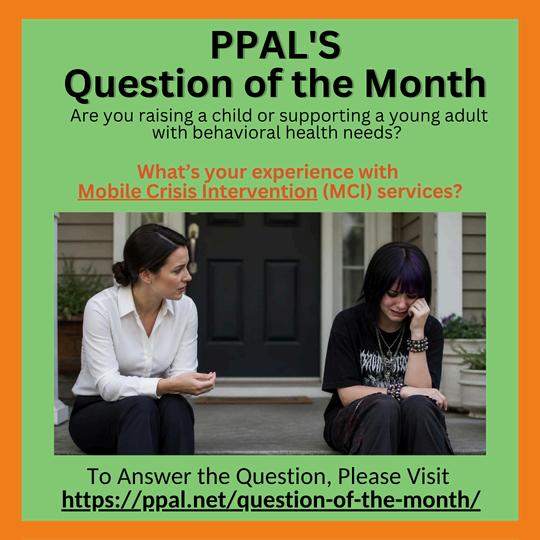
If you have called MCI in the past two years, please complete this very brief survey (it’ll take less than a minute!). This information is critical to effective advocacy for the services needed for our families in Massachusetts.

Juvenile Justice Basics: Juvenile Justice 101
7/14
12:00 - 1:30 PM
https://bit.ly/jj101-714
CLICK A LINK FOR MORE INFO! or visit
http://ppal.net/events/
What to Know What to Expect: Juvenile Justice 102
7/28
12:00 - 1:30 PM
https://bit.ly/jj102-728
The Mental Health IEP
7/28
5:00 - 7:00 PM
https://bit.ly/MHIEP728


s sometimes change s for links and the most up-to-date info
MONDAY
Virtual: Grupo de Apoyo Hispano 10:00 AM - 12:00 PM

TUESDAY
Are you navigating the mental or behavioral health systems for a child, teen, or young adult? FREEServices. Noinsurance required.
Hybrid: Caregiver Connections
5:00 PM - 6:30 PM (Winchendon)
Hybrid: Parenting Young AdultsLooking to the Future 5:00 PM - 6:30 PM (Gardner)
WEDNESDAY
Virtual: Relax & Connect 11:30 AM - 1:00 PM
Virtual: Caregiver Connections
6:00 PM - 7:30 PM
Do you need help navigating and advocating in the school system for a loved one with mental or behavioral health needs?
THURSDAY
Virtual: Grandparents Lunch and Learn 2 Thursdays nd 12:00 - 2:00 PM 4 Thursdays th 6:30 - 8:00 PM Virtual: Empowered Caregiver Connections 6:00 - 7:30 PM
School Problem Solving Clinic Make An Appointment! PPALSchoolClinic@ppal net
FRIDAY
Virtual: Parenting Power UP 12:00 PM - 1:30 PM In Person: Family Support Group 2 & 4 Fridays nd th 6:30 - 8:30 PM (Lynn, MA) Email Dalene to RSVP: ptahsw@verizon net

A diagnosis can work as an important step to supporting a child, especially in school. 82% of families are generally comfortable with their children’s mental health diagnoses
Not/ Little Are You Comfortable With Your Child’s Mental Health Diagnosis?
Most families shared that school staff worked at understanding a child’s diagnosissomewhat or to a great extent - and provided appropriate accommodations. However, approximately ⅓ of families indicated that school staff either don’t want to understand the impact of the diagnosis or don’t make appropriate accommodations. ⅓ is too many kids who are not getting their needs met.
One key aspect of public education is to provide individualized supports that enable students to excel at grade level. When a school neither understands the impact of a diagnosis nor implements appropriate accommodations, the student suffers and public education fails in one of its key missions Our kids are promised better
PPAL offers help with school issues, FREE 1:1 family support, and workshops led by PPAL staff who are caregivers just like you. Request family support here or call us toll free at (866) 815-8122.
info about your
Most families are reluctant to share the extent of their child’s behaviors out of fear of what might happen. A history of aggressive behaviors increases that fear.
Families Are Reluctant to Share Extent of Child’s Behaviors
69% families are reluctant to share the extent of their child’s behaviors out of fear of what might happen. Not knowing what might happen is the #1 reason for this concern, followed by concerns of being reported to MA Dept. of Children & Families (DCF).
When it comes to participating in daily activities (after-school, sports, arts) or accessing services, families experience considerable difficulties when a child has a history of aggressive behaviors.
What does this mean for families?
Uncertainty and stigma weigh heavily on families, especially as they decide when it’s “safe” to share information about a child’s mental health needs. This leads to isolation and hopelessness. Families need to get support for their children without fear of DCF or police involvement! Unfortunately, stigma lives.
PPAL offers FREE 1:1 family support and workshops led by PPAL staff who are caregivers just like you. Request family support here or call us toll free at (866) 815-8122.
Two diagnoses that are often misunderstood—and sometimes confused—are bipolar disorder and borderline personality disorder (BPD). While they can share some overlapping features, they are fundamentally different. Understanding those differences can help families find the right support, reduce stigma, and move forward with more clarity.
Both bipolar disorder and BPD can involve intense emotions, impulsivity, relationship challenges, and periods of crisis. But the pattern and underlying causes differ.
Bipolar disorder is a mood disorder, driven by changes in mood over time.
BPD involves ongoing patterns of emotional intensity, disturbed relationships, and a fragile sense of self, often shaped by temperament and life experiences, including trauma
It’s also important to note that autism, ADHD, and trauma histories can sometimes look like BPD, especially when the root causes of behavior aren’t fully explored. Girls and femme-presenting youth, in particular, are more likely to be labeled with BPD, sometimes inaccurately.
Understanding the difference between episodic mood changes and ongoing relational patterns is key.


In youth, bipolar disorder involves distinct episodes of depression and mania (or hypomania), lasting days or longer and representing a clear shift from baseline
Families often notice patterns over time
One caregiver described early signs of mania:
Less need for sleep
Increased energy and activity
Pressured speech
Growing paranoia
Fixation on routines or ideas

Tracking patterns became essential, says one parent: “Watch for patterns—make a pattern chart.”
Another parent described periods of “true mania” in her child: “He’d believe he was Spider-Man and go into ‘mission mode’… then crash after.”
Finding the right diagnosis and treatment made a dramatic difference: “Once we got the right medications, it was like night and day.”
Historically, some children—especially those with autism—were misdiagnosed with bipolar disorder, though understanding has improved over time.
Supports for bipolar disorder often include:
Medication management
Monitoring sleep, stress, and triggers
Ongoing clinical care
BPD involves ongoing emotional intensity, especially in relationships, rather than distinct episodes.
One parent recalled early concerns, reporting that her child’s teacher said: “I’ve been a teacher for 30 years and I have never seen a child like this”
In adolescence, her daughter struggled with emotional regulation, self-harm, and intense relationships. When she was identified as having “emerging BPD,” the parent felt overwhelmed: “I was devastated… I thought this would ruin her life.”
Over time, her understanding shifted: “It’s not that they’re bad people—they experience emotions very intensely.”
Bipolar Disorder
Mood disorder
Episodic: mania and depression
Episodes last days or longer
May include decreased need for sleep, high energy
Not always tied to immediate events
Often treated with medication
Triggers: sleep, stress, substances
Patterns tracked over time
Borderline Personality Disorder (BPD)
Pattern of emotional and relational dysregulation
Ongoing pattern of emotional intensity
Emotions shift quickly, often in relationships
Often includes fear of abandonment, intense relationships
Often triggered by interpersonal stress
Often treated with therapy (DBT)
Triggers: relationships, perceived rejection
Patterns seen in interactions
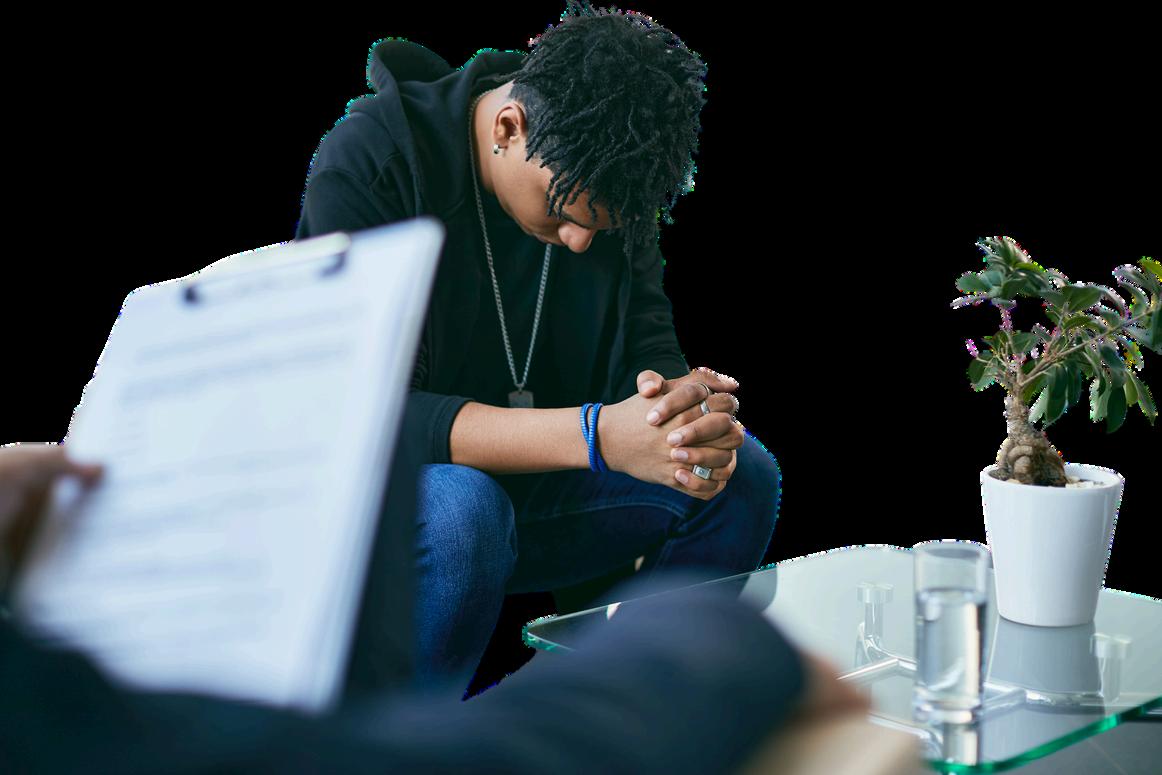
Families navigating BPD often encounter stigma and misunderstanding. As one parent said, “They acted like [my daughter] was a serial killer… like she was manipulative.”
Some providers may hesitate to work with individuals labeled with BPD, and assumptions are often made before understanding the full picture.
Misdiagnosis can happen in multiple directions: BPD may be mistaken for bipolar disorder (especially bipolar II) Bipolar disorder may be missed or delayed Autism, ADHD, or trauma-related needs may be misinterpreted as BPD
A trauma-informed approach can make a powerful difference; as one expert said, “When I see BPD in a kid, I just see a kid who has trauma.”
With the right support, outcomes can improve significantly: “She’s 21 now I don’t think she’d even meet criteria [for diagnosis] anymore.”
Across families, several supports stood out:
Tracking patterns and triggers: Understanding what leads to behaviors helps guide support.
Strong providers and relationships: Consistency and fit matter.
Advocacy: Parents often need to push back against harmful labels; “I make sure people understand him—and don’t treat him like a bad kid.”
Psychoeducation: Understanding how the brain works reduces shame.
Balancing validation and boundaries: Especially for BPD, both are essential
For BPD, Dialectical Behavior Therapy (DBT) is a key approach. It teaches practical skills to:
Understand emotions
Build coping strategies
Navigate relationships and communication
While developed for BPD, these skills are helpful across many diagnoses. However, DBT can be difficult to access and is often group-based, which may not work for every young person.
One parent shared: “You just feel so alone… like you’re the parent of a bad kid.”
But these stories tell a different truth.
Children with bipolar disorder or BPD are not “bad.” They are navigating complex emotional and neurological challenges. With the right understanding and support, they can grow, stabilize, and build meaningful lives.
“There is hope… they can get better”

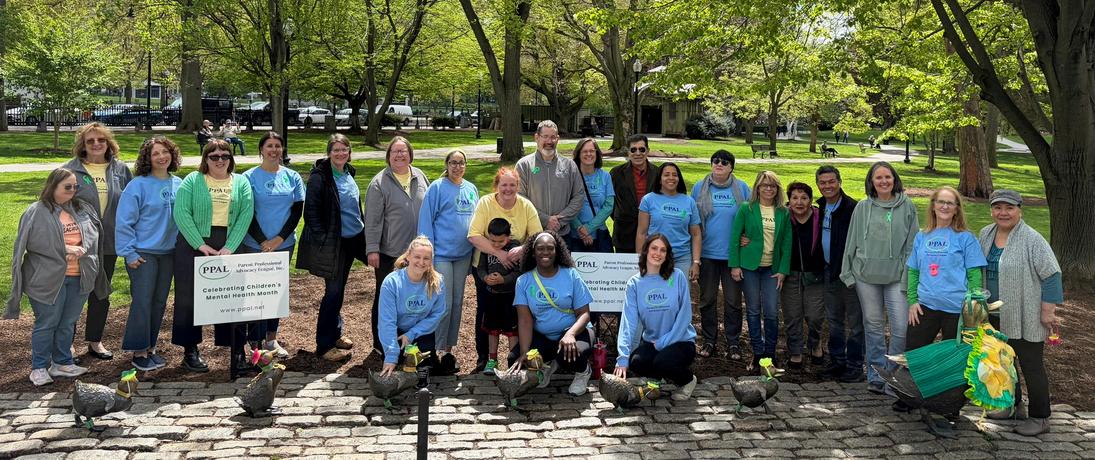
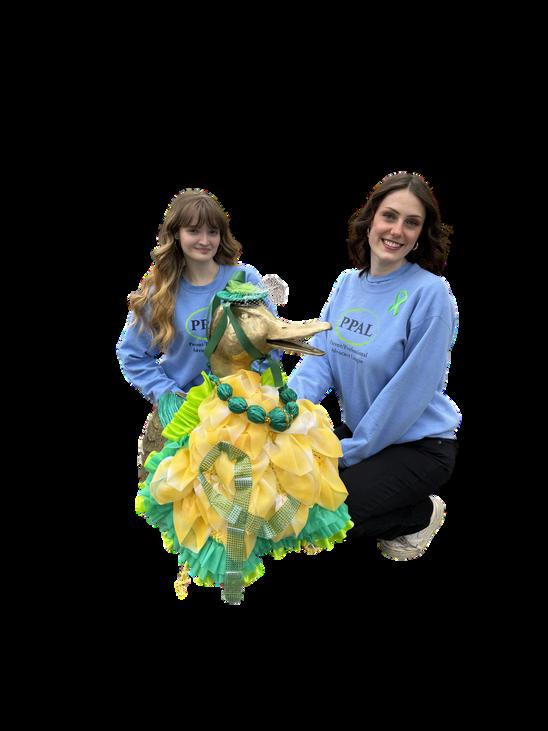
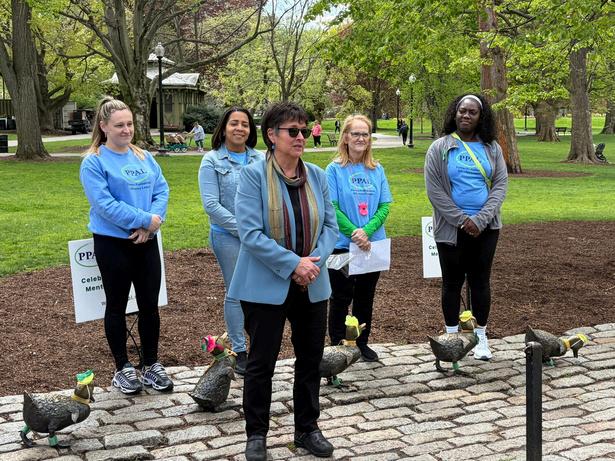
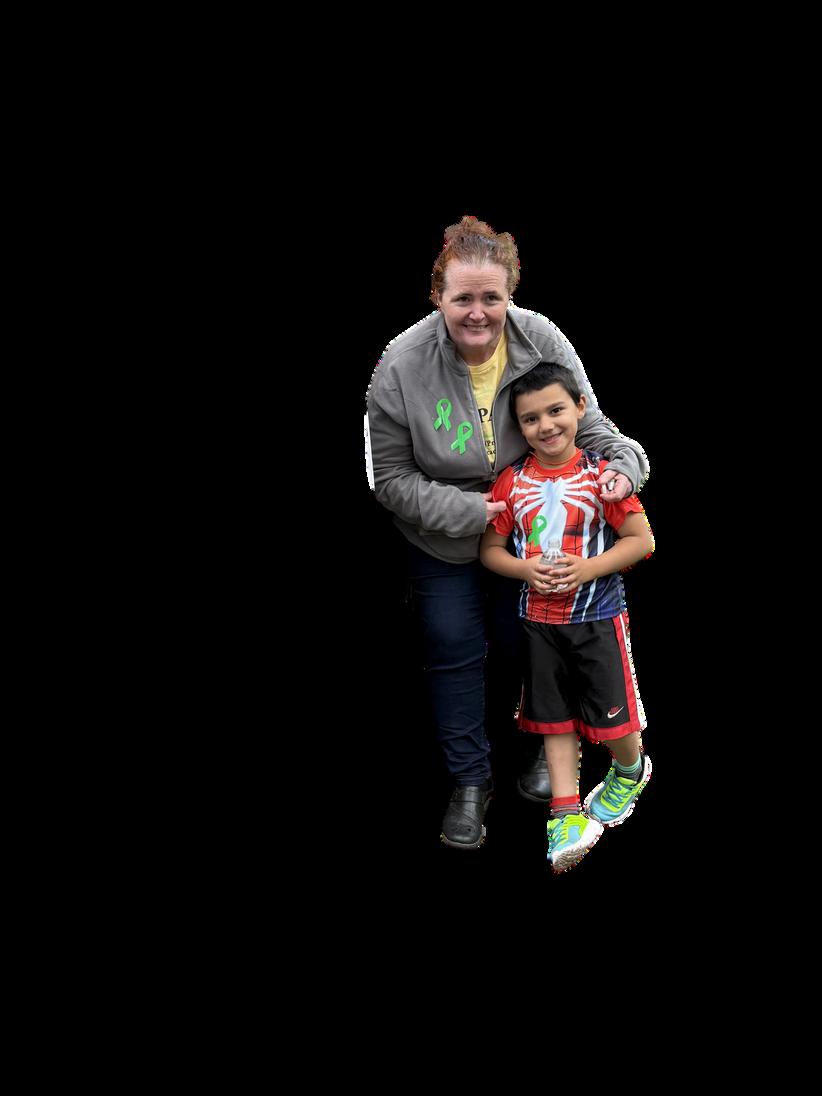
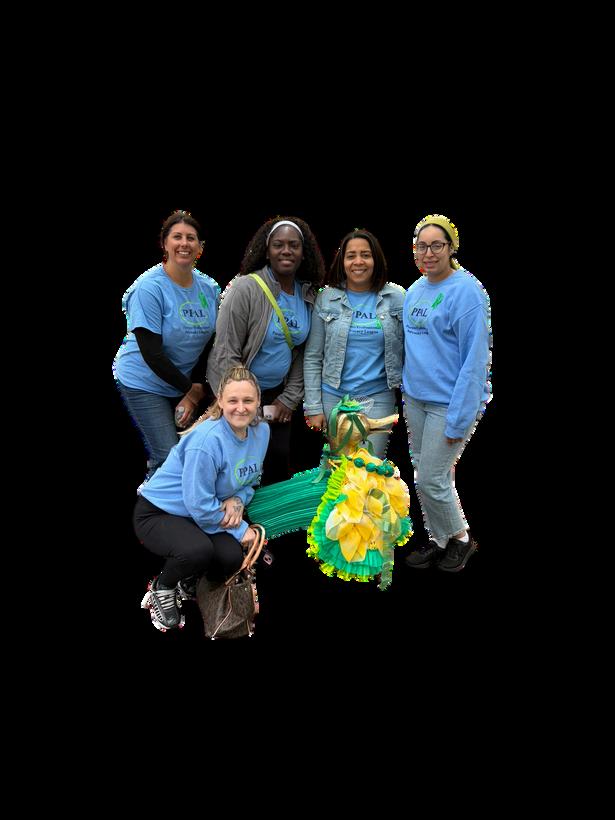
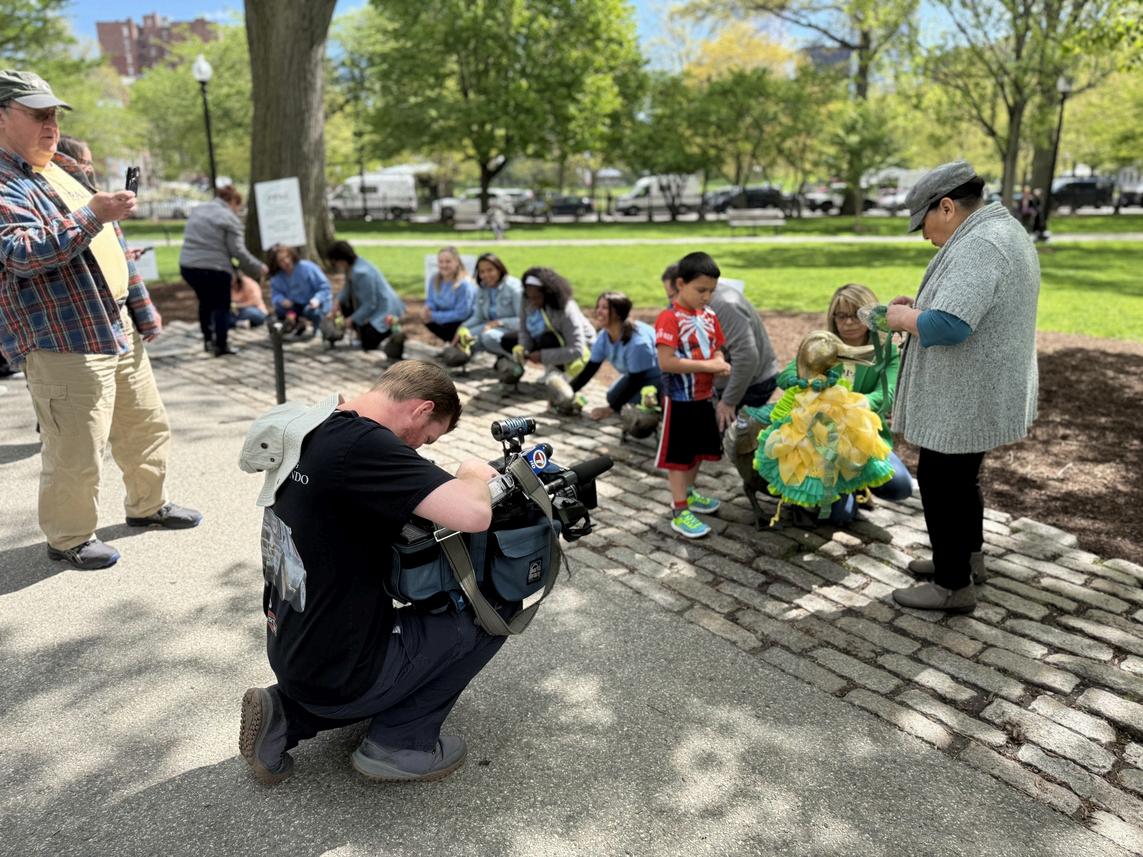
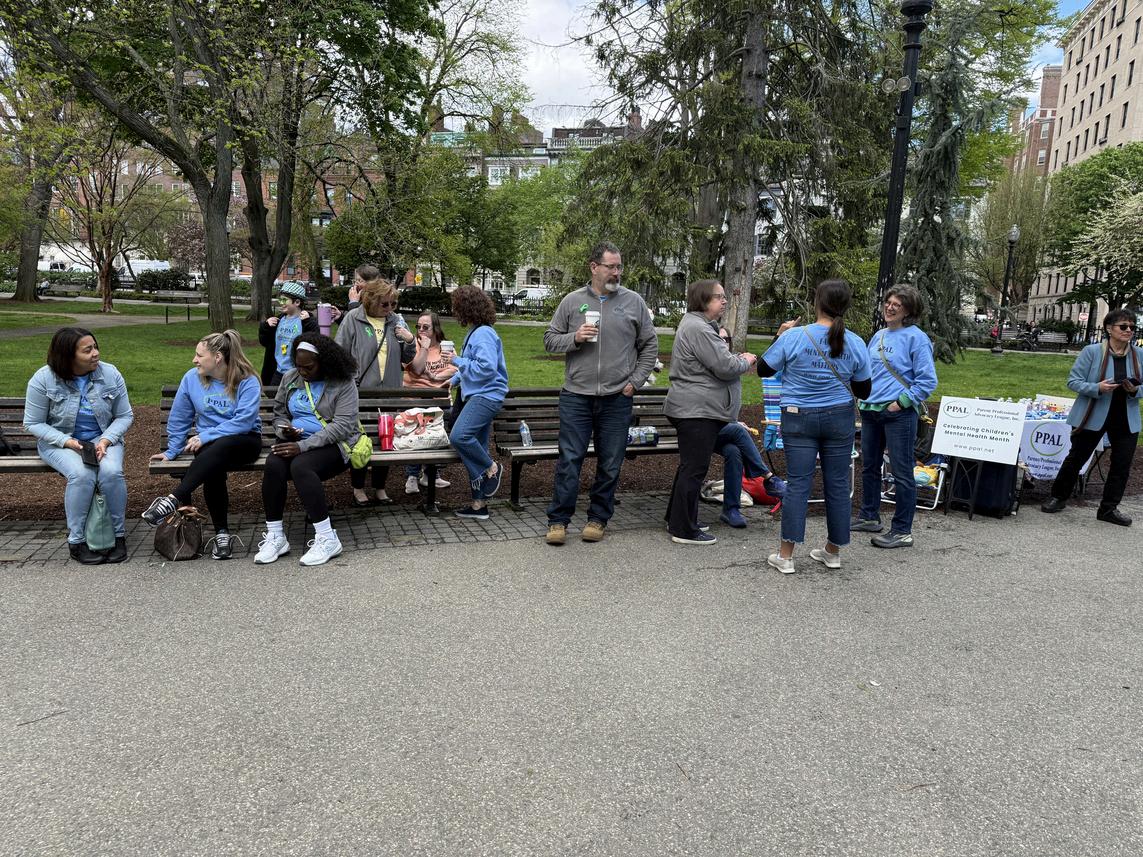
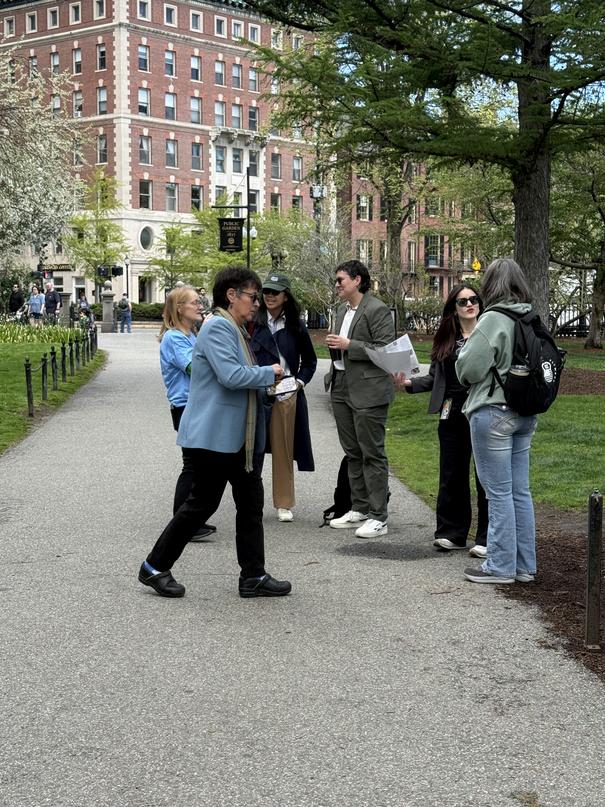
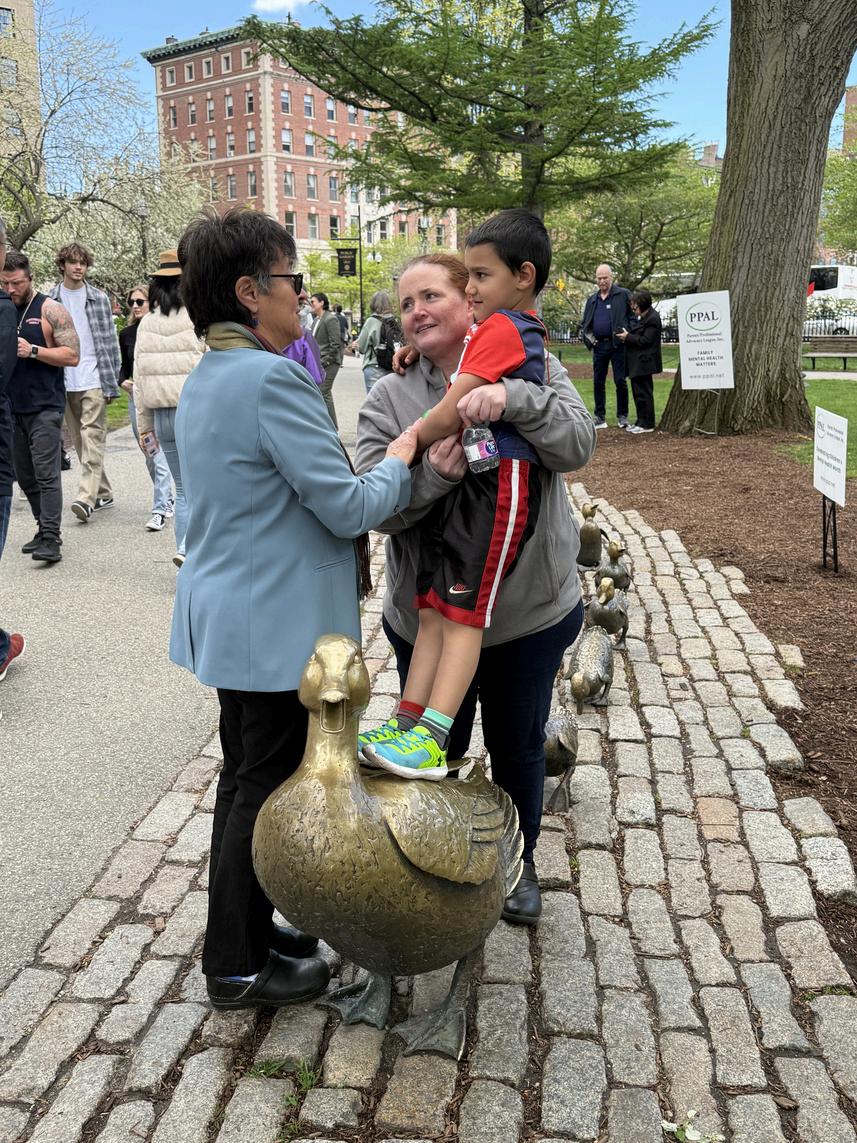
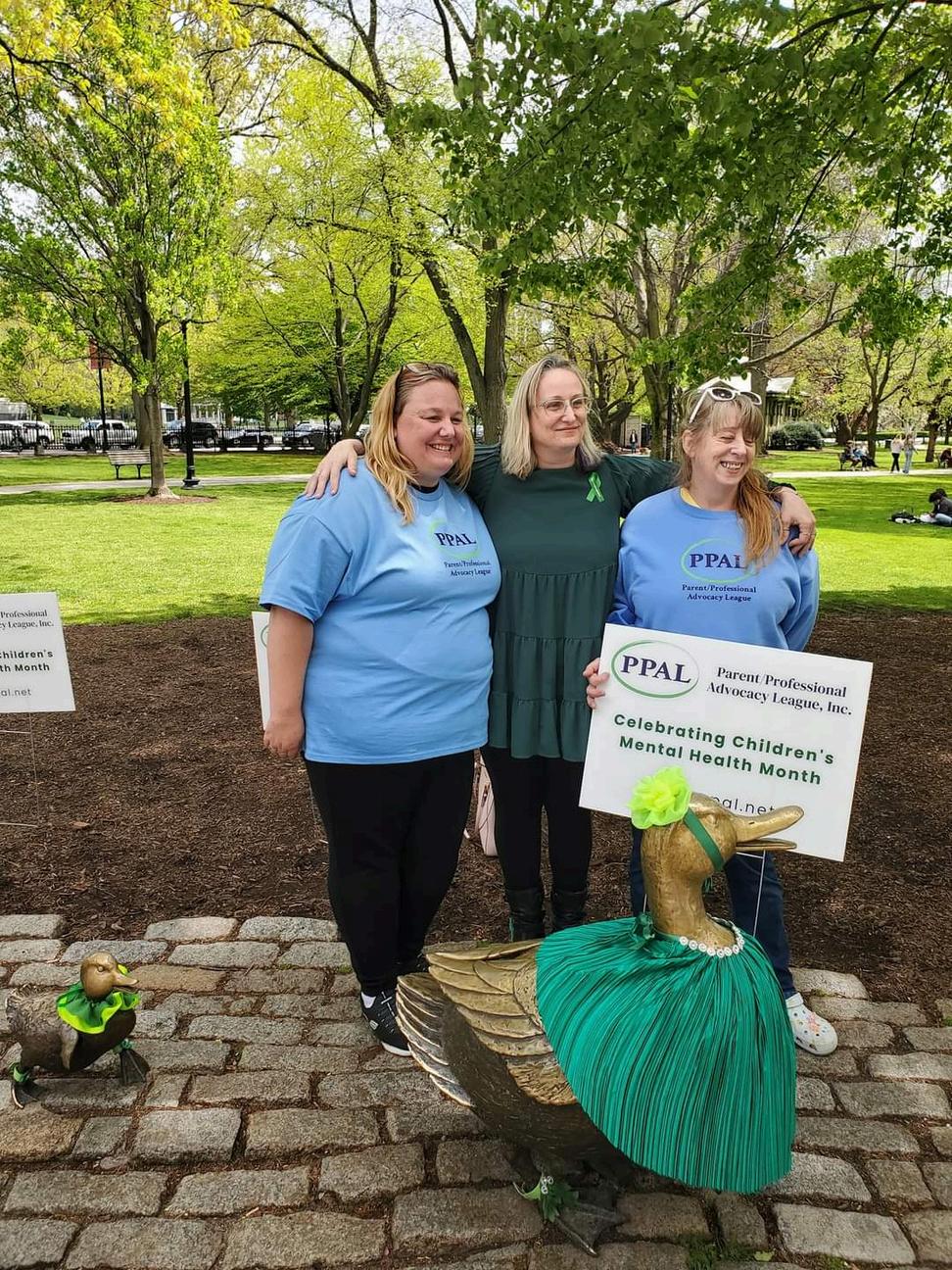
PPAL held our beloved Duck Day event during Childr our staff, family joined
Ducklings statues


Substance Use
Childr lucky R
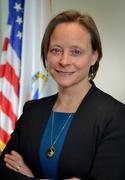
PPAL recently held our 15th Annual Children's Mental Health Conference! We kicked off the conference with our brand new video, a musical performance (over zoom!) and messages from Commissioner Emily Bailey, MA Department of Mental Health, and Commissioner Cecely Reardon, MA Department of Youth Services. Thank you to our performer, Chandra Nichols, and Commissioners Bailey and Reardon for a strong opening to our conference!
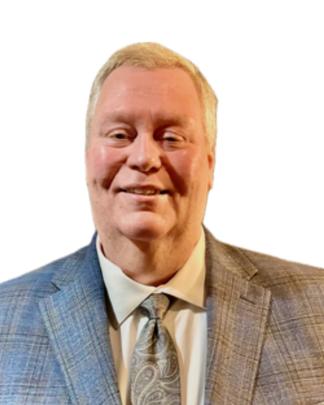

Our keynote speaker, Ken Frohock, LMHC, LRC hit it out of the park! Ken, an expert in attachment challenges in children and families, shared with us his extensive knowledge and valuable insight after years of research, training, and practice in this area helping us understand attachment in a new and different way As the adoptive father of three children, Ken was able to bring his experiences as a parent to humanize the deep knowledge he shared!
Our morning and afternoon break-out sessions were filled with many impactful workshops. The highlights include topics such as PANS/PANDAS, therapy models, and different approaches to supporting our kids and ourselves as parents/caregivers.
Between workshop sessions, we held our annual Children’s Mental Health Award Ceremony, where we thanked seven community members and organizations for their continued commitment to children’s mental health!



Meet Ann Berube PPAL Family Support Specialist
Fun Fact: In addition to finding peace in a flower garden at sunset, my daughter tells me I have a good sense of humor because sometimes I do goofy things to make people smile and laugh
What’s your role with PPAL and how did you get here?
I am a family support specialist here at PPAL I came to PPAL after participating in the Mass Families Family Leadership Series, serving as chair of our school district's SEPAC, and working as a prevention specialist at the former YOU, INC Family Center in Gardner All of these roles, are about empowering families with information and resources so that they can gain the skills needed to be the best advocates for their children and families
What drew you to children's mental health advocacy?
Having family members who struggle with their mental well-being brought me to this work I believe that a mental health diagnosis should not prevent someone from becoming the best version of themself, and I want to help make a positive difference in the lives of the families I support
What is your favorite part about your job and why?
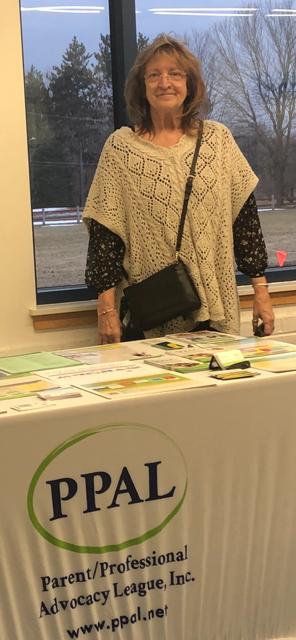
My favorite part of the job is watching families grow into strong advocates, hearing about their family's successful outcomes, and watching families develop their villages We all bring value to our communities, and by helping people find and build on their strengths and interests, we empower them to find their voices and grow their networks.
What professional accomplishments are you most proud of?
I am most proud of having persisted and survived navigating systems that build roadblocks. I am also proud of the connections and relationships I have built in North Central MA and across the state. I have enjoyed collaborating with, learning from, and working with all of our resourceful community partners and the strong, determined families.
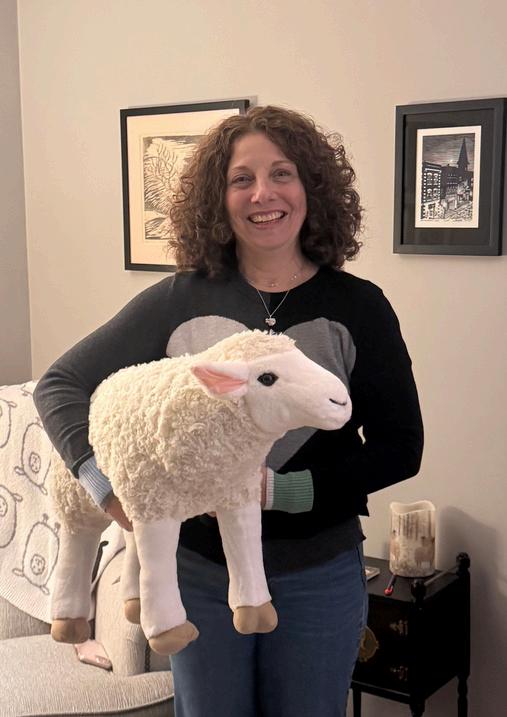
Meet Debbie Knight PPAL Family Support Specialist
Celebrating 2 years with PPAL!
Fun Fact: I LOVE sheep - some may say I'm a crazy sheep lady :) I have sheep decor, items, figurines, pictures (you name it!) all over my house! Sheep are just so cute and fluffy and they bring me so much joy.
What’s your role with PPAL and how did you get here?
As a Family Support Specialist, I provide peer-to-peer support for parents, facilitate a support group, teach the Active Parenting of Teens course, and help with other programs and events as needed. I also outreach to the community to spread the word about PPAL and our wonderful services Several years ago, I found myself looking for a career change and wanted to get into the mental health field somehow I was considering going back to school for another degree and spent some time researching programs and possible job opportunities I found the PPAL job listing almost by accident and it spoke to me I immediately worked on my application - even putting together a resume that was far, far from up-to-date The more I learned, the more I knew I wanted to be a part of PPAL's work and that it was the perfect fit for me right now
What drew you to children's mental health advocacy?
As a parent of children who struggled with various mental health challenges, I always felt isolated, frustrated and lost Finding the right services and help, understanding and navigating the systems - all of it was so overwhelming. I have watched other friends and family members also struggle to find the right help All of this motivated me to do something to make a difference and to effect change.
What is your favorite part about your job and why?
My favorite part is saying to a parent “I understand, I've been there, this is hard, and you are not alone” and helping them to let go of the blame, shame and guilt. For me, this is the essence of what we do and is very important in order for them to stay strong and keep fighting.
What professional accomplishments are you most proud of?
I am most proud of the outreach work I have been able to do, making connections to providers, schools, first responders, and services in the community.
Celebrating 5 years with PPAL!
What’s your role with PPAL and how did you get here?
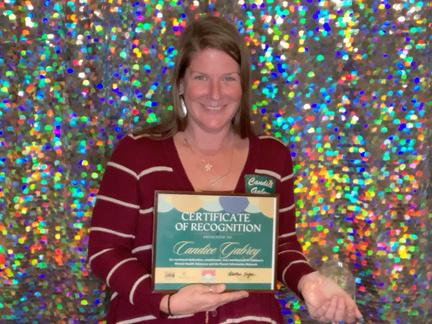
Almost 15 years ago, I attended a parent support group, as a parent, facilitated by the Parent Information Center (PINPPAL’s sister org in Southeast MA ) That day I met some of the greatest supportive parents that are still in my life today From there, I attended everything I could, gathered all the information I could, and learned how to advocate for my kiddos I became a parent facilitator for that group Eventually, I decided that caregiver support was where I wanted to land professionally. PPAL had an open position in Juvenile Justice work an area in which I had lived experience. During the interview, I knew that I was committed to working in the JJ realm supporting kids and families and it was evident that PPAL believed in me. I was hired that day (!) as a part-time JJ Family Support Specialist. I worked in that role until the summer of 2021 when I became the full-time JJ Program Manager
What drew you to children's mental health advocacy?
I was drawn to MH advocacy at first through my oldest 3 children and their unique learning needs I wanted to learn as much as I could to help them become successful in all areas of life. It has been challenging to say the least but they have each taught me so much about myself and that I can face the tough stuff. Also, in an ah-ha moment as an adult, I realized that I had my own MH challenges as a kid, and a negative police interaction as a 20 year-old resulting from the lack of mental health training for police That experience stayed with me for many years and impacted my mental health and my self-esteem I now know it was part of my journey to help others and advocate for legislative changes in Juvenile Justice This ignites my passion to help and support kids and families, and to use my voice to speak up when I am often the only person with lived experience in these rooms
What is your favorite part about your job and why?
My favorite part of my job is training, whether it be parents or professionals I love to train, push the edges of the envelope, create space for people to sit with uncomfortable feelings at times, and help to shift thinking. I also love bringing people together in person for our annual retreats– even though planning and getting it all together is the hardest part of my job!
What professional accomplishments are you most proud of?
Becoming a national trainer! I was also honored and spoke at the PIN 30th anniversary celebration in 2025 for "making it happen for my family." In addition, I was recognized by the Juvenile Detention Alternatives Initiative in 2019 and awarded the Tenacious Initiative Award presented by JDAI and Peter Forbes, a former Dept of Youth Services Commissioner.

This spring has been a powerful reminder that no family should have to navigate children's mental health alone. Across Central Massachusetts, families, caregivers, professionals, and community partners came together to build connections, reduce stigma, and strengthen supports for children and families.
Our team was honored to connect with families and providers at the Handle With Care Conference, Suicide Prevention Conference, Grandparents Raising Grandchildren Conference, DMH Central Mass Mental Health Awareness Day, Community Pride, and many other events. We also partnered with Grandparents Raising Grandchildren South Central and Adoption Journeys to offer an educational series that provided caregivers with practical tools, support, and opportunities to connect with others who understand their journey
Our caregiver support groups continued guest speakers, and expanded Men connection through fun community Craze in Foxborough, and Brush It Of
Every conversation, shared experience community where families feel support grateful to the Massachusetts Departmen and the families who make this work learn, connect, and grow together.
(Central MA Program Director and Assistant Program Director)
Contact PPAL:
Request family support here
Call us toll free at (866) 815-8122
Email: info@PPAL net
PPAL's Juvenile Justice (JJ) team has been busy spreading the word about the harm caused by unnecessary court involvement, CRAs, and 51As At the end of May, two members of the PPAL family, Board member Dalene Basden and JJ Program Manager Candice Gabrey, presented at the Youth at Risk (YAR) Conference. The all-day conference was geared toward those working with and caring for youth in various settings - family, community, school, religious, healthcare, human service, and legal - and aimed to strengthen and support those dedicated to youth and families through accessible, high-quality, continuing education and collaborative networking.
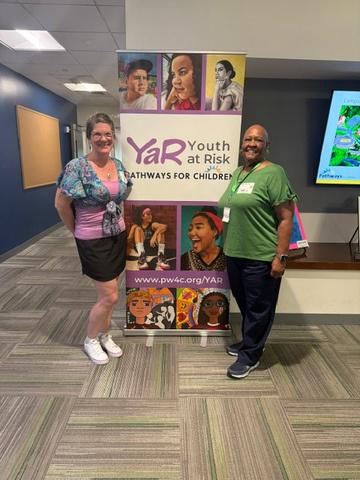
In front of an audience that included social workers, psychologists, educators, guidance counselors, community and public health workers, police officers, juvenile court personnel, lawyers, and many others, Candice and Dalene presented the workshop "Understanding Systemic Trauma: Real, Raw, Reality." The workshop helped participants to understand the negative impact of unnecessary court involvement, probation conditions, and the lack of mental health support. It also taught the effectiveness of understanding, empathy, and interaction in everyday work, and helped participants create action steps of how they could better provide support and skill-based learning for the families they encounter through their jobs. Candice and Dalene especially appreciated the opportunity to teach alternatives to filing 51As and CRAs, such as offering a support group as a resource, building trust with the family, and interacting in such a way that they can tell you what they need. And, of course, participants left knowing a great resource to offer their families- PPAL! Contact PPAL’s Juvenile Justice Program:
Request family support here
Call us toll free at (866) 815-8122
Email: info@PPAL net

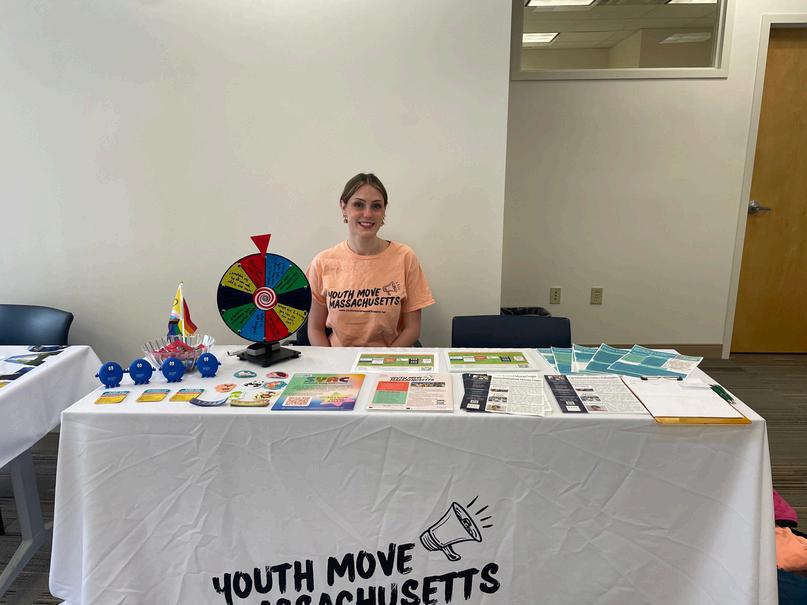
Youth MOVE Massachusetts has spent the start of the summer out in the community! YMM has been to over 15 community events and connected with new young adults across Massachusetts.
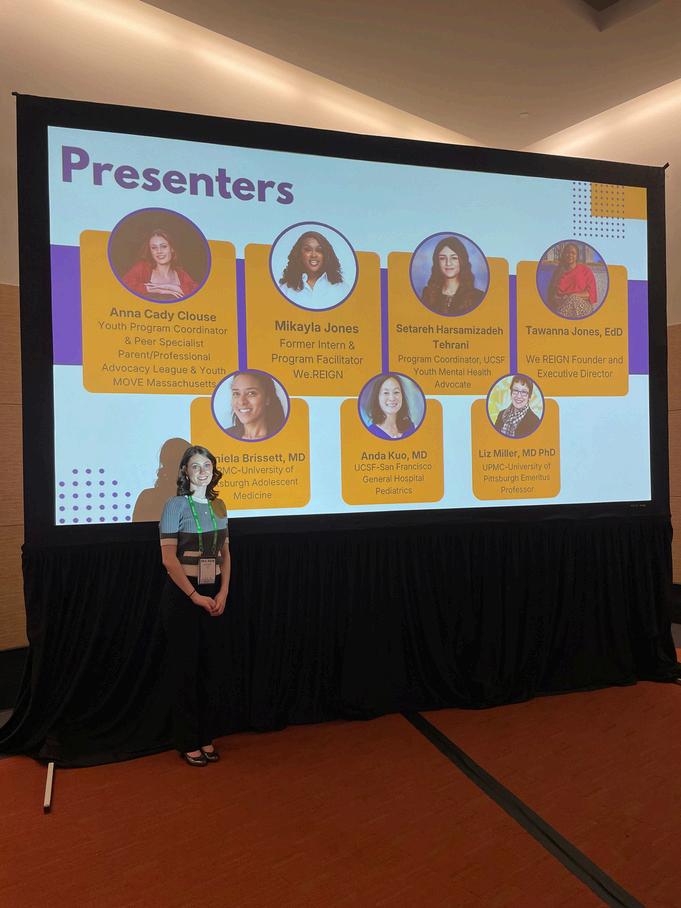
YMM has also been busy speaking at events, elevating youth voices, and breaking the stigma around mental health. YMM’s Youth Peer Specialist, Anna Cady, had the honor of presenting at the 2026 Pediatric Academic Societies Meeting. Anna Cady sat on a panel of youth leaders from across the country to discuss incorporating the youth voice into research and development settings.
YMM has continued advocacy around the DMH’s Rental Subsidy Specialist, Ashley, was one of two people with lived experience invited to speak at the Massachusetts Association of Mental Health’s DMHRSP briefing at the Massachusetts State House. Ashley also had the opportunity to speak to MassLive about her experience after the DMHRSP pause Check out Ashley’s article here!
YMM continues to host our peer support hour weekly on our Discord server and a monthly game night for young adults to enjoy time with peers in a supportive environment
YMM is preparing for our second upcoming Young Adult Advocacy Day in July, in collaboration with the Statewide Young Adult Council. Keep an eye out for updates coming soon!

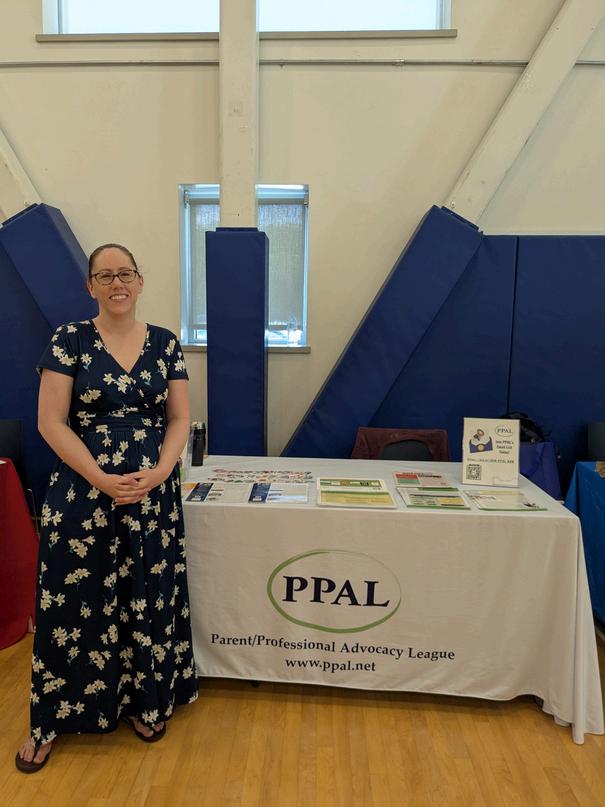
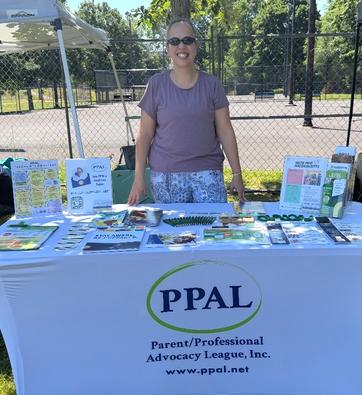
PPAL enjoyed participating in Family Movement’s 12th Annual Community Brunch on June 27, 2026, at the Dewitt Center in Boston. The organizer, Family Movement, is a 501(c)(3) mentoring organization serving Greater Boston. Their mission is to help families transition from homeless shelters into stable permanent housing by teaching and mentoring youth and families to achieve financial independence, with the goal of breaking the cycle of generational poverty and homelessness The event featured a men's panel; workshops on mental health, financial wellness, and entrepreneurship; a guest speaker; brunch; and vendors, including PPAL, hosting resource tables. PPAL appreciated speaking with families as a vendor, and connecting over the delicious brunch!
In late June, PPAL attended the One Boston Multicultural Fair, hosted by Afrimerican Culture Initiative Inc. (https://afrimericanone.org/). Rooted deeply in Boston’s multicultural neighborhoods, the Afrimerican Culture Initiative leads restorative projects that build community, repair harm, and promote inclusivity in communities historically impacted by redlining & urban renewal. The fair featured cultural performances, a DJ, vendors of food and other products, and various community organizations like PPAL. One highlight was a performance and dance lesson taught by a youth dance troupe! PPAL enjoyed attending the fair, connecting with families, and sharing information about our services and resources.
Contact PPAL:
Request family support here
Call us toll free at (866) 815-8122
Email: info@PPAL net
“We
need the tiny moments. If I can find a glimmer a day for the next month then something is going to feel different inside.”
Deb Dana
Summer 2026 Summer 2026