PPAL Childrens Mental Health ED Booklet - May 2026
Children’s Mental Health and the Emergency Department:
Tips for Parents and Caregivers
Thank you to Mildred’s Dream Foundation for their support of this project.
http://ppal.net/
What is a Mental Health Crisis?
There are many definitions Generally, a mental health crisis is any situation where a child's behavior puts them at risk of hurting themself or others, or hinders them from being able to function effectively. While underlying conditions may differ, a mental health crisis includes suicidal thoughts or expressions, suicide attempts, threats of violence, extreme anxiety that prevents functioning, hearing voices or seeing things that don’t exist, disordered thinking, and unusual aggression.
Helpful Items to Have at the Hospital
If you can, it’s helpful to bring these items to the hospital: your cell phone, a charger, and earbuds (many EDs have chargers you can ask to use)
your child’s insurance card
cash/ATM card/credit card
treatment team contacts (therapist, psychiatrist, pediatrician)
your child’s medications in their original bottles/pill packs (your meds as well) guardianship papers, if applicable a sweater or jacket; it’s cold in EDs paper/pen snacks
activities to pass the time (crayons and coloring books, a card deck, books to read)
comfort items for your child
Certain items/activities may not be allowed for safety reasons.
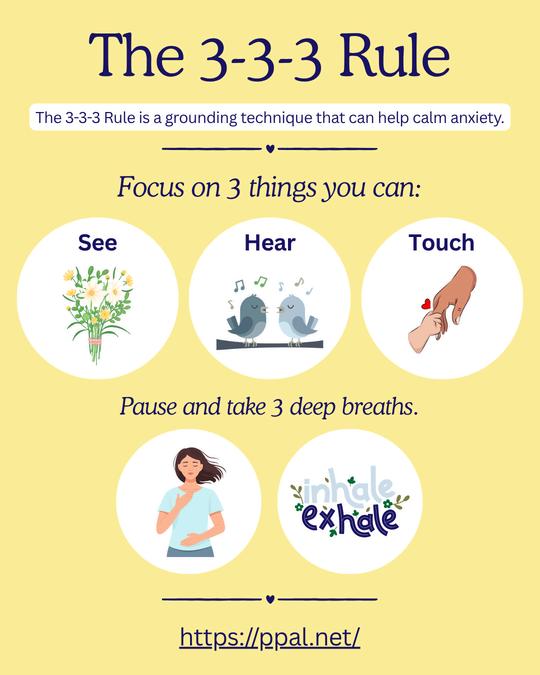
Most importantly, bring patience and take deep breaths.
What Should I Expect at the Hospital?
First and foremost, be prepared to wait The process can be long. Though each ED’s process may vary, we’ve outlined the most common below.
Some hospitals have separate areas or waiting rooms for children or mental health emergencies; others do not.
Upon arrival, you will check in, and your child will be triaged. This is just like if you were there for medical reasons You may have to wait for both. Vital signs will be evaluated. While you are waiting, charge your cellphone if possible.
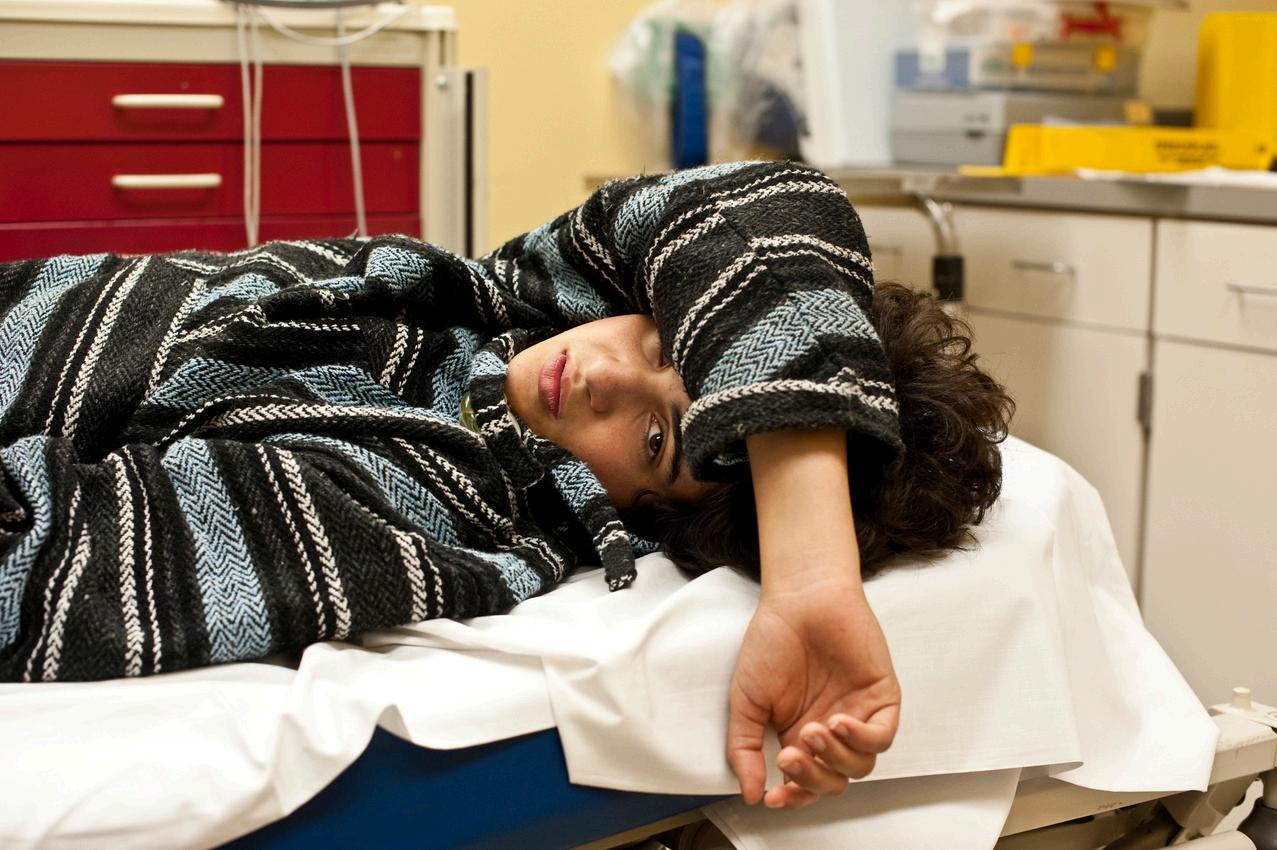
Your child may wait in a “safe” room. This room may be sparse, possibly with no TV. When no rooms are available, your child may be placed in the hallway. Your child may be asked to change into scrubs, and belongings may be put in bags.
First, the medical team (not psychiatric) will rule out any medical or physical conditions that may be causing your child’s symptoms. This could include bloodwork and/or a pregnancy test.
Next, a mental health professional will evaluate your child, including their current symptoms, medications, and relevant history. Expect questions about self-harm or harming others - this is standard. Discuss your concerns with the mental health professional and what led to this visit Do not be shy You are the expert on your child.
Your child’s current mental state will continue to be evaluated. This could last several hours. Be prepared to wait. This evaluation will be used to plan the next best steps for your child.
Hospitals do this every day and may assume you know what is happening. Let the hospital staff know if this is your first visit or if you need help understanding what to expect. The nursing team or a mental health professional can help. You will not want your other children with you in the hospital. Make arrangements for them, if possible.
If your child is 18 years or older, the ED will not provide you with information without your child’s permission.
Reminder: You are entitled to a translator
While you wait, remember to breathe.
What is it Like to Wait in the ED?
Rarely is the ED environment quiet, comfortable, or private Often, space is limited, and beds are in open areas Being watched and monitored may be uncomfortable for children and their families.
Hospitals have different approaches to keeping your child safe while in the ED. Most hospitals have sitters. This is someone who sits near your child to monitor their safety, even if you are there. Some hospitals use uniformed guards. Know that uniformed guards are likely hospital policy and not personal to your child. Feel free at any time to advocate against it
Some hospitals may use medications or physical restraints if they are unable to keep a child safe with behavioral support. This can be frightening. If at any time you feel this is unnecessary, advocate against it. You know your child best.
EDs differ in terms of giving your child their regular medication. Some do; many don’t They are more likely to administer medication if you bring in the pharmacy bottles/pill packs Not receiving their regular medications can be difficult for you and your child, particularly if your child relies on that medication for emotional/behavioral regulation. If you feel strongly about it, advocate for it.
Several hospital staff members will ask for information, most often nurses, social workers, pediatricians/ED doctors, and psychiatric teams. They often ask the same questions, which can be frustrating. Each person has a slightly different role in the assessment
It's okay to ask the hospital staff questions about how to manage the wait. If you and your child are waiting for several hours, your child may not be offered food at mealtimes your child, or if you can bring f
How Can I Be Involved?
The hospital team will talk with your child and should talk with you. If they don’t, introduce yourself to them and politely ensure they know that you are an important part of this process. Again, you are the expert on your child.
The hospital team may ask to speak with your child alone It is not uncommon for children to hide or protect their family from their pain and/or suicidal thoughts or plans. It’s possible they will open up to the hospital team. Though frightening, step out and give them a minute.
You can ask to speak to the hospital team alone. Advocate. Speak up. Share your concerns, including concerns for yourself and other family members. Share your child’s treatment history, including medication history, therapy, and any previous ED or psychiatric hospital stays. Try to be clear and concise. Focus on what has changed or happened recently to result in this ED visit, including what generally happens at home.
Ask the ED staff to consult with your child’s therapist, psychologist, psychiatrist, or other community-based providers, especially if the ED team is recommending a plan that does not match your child’s needs, or you believe the ED staff needs additional information.
If possible, take notes about everything - who talks with you and your child, recommendations, etc.
It's ok to take breaks, make calls (especially to someone who supports you), use the bathroom, get food, go for a short walk, etc. Advocate for your needs as well. Prepare to stay with your child. If you absolutely cannot stay, you may leave You must speak with hospital staff and let them know your plans. The hospital will be responsible for your child. If the hospital threatens to file a 51A (child abuse or neglect) with the Massachusetts Department of Children & Families (DCF) because you need to leave, tell them this is NOT abuse or neglect. Threatening to file a 51A is NOT appropriate in this setting. Contact the hospital Patient Advocate, PPAL, or one of the resources listed at the end of this booklet PPAL wants to know anytime a 51A is threatened against a parent for leaving their child in the ED.
What If I’m Uneasy About What is Happening in the ED?
Trust yourself if something feels off. PAUSE. You know your child best. Try to identify what is making you uneasy.
Ask questions and advocate to the best of your abilities. You can ask to speak with any member of the hospital team. You have the right to fully understand the recommendations and decisions that need to be made
Use your child's clinician as a sounding board to talk through what is happening and options for next steps.
Request a hospital Patient Advocate or social worker for help.
Contact the appropriate resource listed at the end of this booklet.
If anyone suggests or threatens filing a 51A against you, and you are not certain how to handle it, immediately contact PPAL or one of the other appropriate resources listed at the end.
Can My Child Refuse Treatment or Leave the ED?
Federal and Massachusetts laws about patient health information balance parental rights with the rights of children, teens, and young adults, especially in relation to mental health care.
Voluntary visits to the ED:
All treatment decisions for youth aged 15 and under are made by parents or guardians.
All youth aged 16 and older must consent to treatment, can leave the ED at any time, and can check themselves into or out of a mental health facility at any time. If you feel that your child cannot come back home unless they get treatment, have that discussion with them and the hospital staff. Make it clear why.
Involuntary visits to the ED:
Regardless of age, a child brought involuntarily to the ED (typically by a police officer or ambulance) cannot leave the hospital until they have been evaluated and cleared by the hospital team.
If a physician, nurse practitioner, qualified psychiatric nurse, qualified psychologist, licensed independent clinical social worker, or police officer believes there is a “likelihood of serious harm by reason of mental illness” they can sign a Section 12(a) application, which enables the hospital to hold the child for up to 72 hours (often called a “72-hour hold”). In such a case, your child will likely be admitted to an inpatient mental health facility during that time.
What Can I Do If My Child Doesn’t Need My Consent for Treatment?
Be empathetic to the feelings of your child. They may not be trying to be difficult; they may be afraid, angry, or confused. Work with them. Explain how you are a team. Offer to assist or partner with them for a better result.
Without your child’s consent, you can share information and your concerns with the hospital staff, even though they won’t be able to confirm or deny any information or ask questions. In our experience, providers welcome additional information about a patient.
What Are the Next Steps After Evaluation?
Once the evaluation is complete and your child is calm, the hospital team will make a recommendation for the next steps, such as discharge home, inpatient care, or community-based care Ask questions about the options It’s unlikely there will be specific recommendations for medications, behavioral management, or referrals to specific providers.
Likely discharge options include:
Discharging home. The hospital should always provide recommendations for follow-up treatment in your community If they don’t, ask You should receive information about: mobile crisis services in your community available community-based treatment such as Community Behavioral Health Centers, Behavioral Health Urgent Care, and CBHI (Community Behavioral Health Initiative) services when to bring your child back to the ED for unsafe/dangerous behaviors
Higher-level community-based treatment. The hospital might recommend a higher-level community-based treatment such as Partial Hospitalization Programs (PHP), Intensive Outpatient Programs (IOP), or Community-Based Acute Treatment (CBAT). It’s ok to ask for an explanation. This may require coordination with your child’s community providers
Inpatient hospitalization. The hospital staff will work on finding a bed for your child. This may take several hours or up to several days. For more information, see the following section. An ambulance will transport your child from the ED to the inpatient facility
What Happens If Inpatient Psychiatric Care is Recommended?
Typically, there is more need for beds than available beds The ED may want you to decide about placement quickly. It’s okay to ask for details about the proposed placement - age range of children in the unit, visiting hours/rules, hospital’s ability to support a child with specific attributes such as autism spectrum disorder, intellectual or developmental disabilities, medical concerns, or gender expansive/transgender identity.
Frequently, families are told their child must take the first bed available This is not the case. You have the right to ask questions and reject a placement. However, there are limited beds across MA, and insurance may influence a placement. There is no perfect placement – balancing priorities is important. Placements may not be geographically convenient to your home, but they shouldn’t place an undue burden on your family either. Advocate, if necessary. While finding a bed may take several hours or up to several days, generally, it should be completed within 12 hours. Sometimes, however, the wait is several days for hospital placement. This is called hospital boarding. Families need to be prepared to advocate for their children at this time.
For support and tips to manage this process, contact PPAL (Mon-Fri) at http://ppal.net/ or call: 866-815-8122.
For additional information about boarding, see: Best Practices: Pediatric Emergency Department Psychiatric Boarding | Parent Professional Advocacy League, a PPAL publication at https://ppal.net/publications/.
What If I Disagree with Discharge Recommendations?
If you don't agree or are uncomfortable with the discharge plan, discuss your concerns with ED staff Advocate for the level of care you think your child needs Document your discussions.
Engage the hospital Patient Advocate or social worker. Consult your child’s therapist, psychologist, psychiatrist, or other provider. Contact PPAL (Mon-Fri) at http://ppal.net/ or call: 866-815-8122. We can help you advocate.
Can I Refuse to Take My Child Home If I Have Safety Concerns?
The answer is YES. But it may not be simple. If you feel unsafe or believe that your other family members, particularly other children, will be unsafe if your child comes home or if there is a risk of a suicide attempt, overdose, domestic assault, running, refusal to eat, or other harmful events/actions, adamantly tell the staff so Clearly state your concerns Advocate.
Unfortunately, some hospitals may not be receptive to this. They might threaten to file a 51A report. A 51A is a report of suspected child abuse or neglect filed with the Massachusetts Department of Children and Families (DCF). This should NOT happen simply because you are trying to keep your family safe. If the hospital threatens to file a 51A, immediately ask to see the Patient Advocate or social worker, or contact PPAL (Mon-Fri) at http://ppal.net/ or 866815-8122 to help you advocate.
Caring for YOU!
You might be in this for the long haul. It is critical that you care for yourself. Breathe. Breathe. Breathe. Step outside and cry if you need to. Take the time to assess what you need to stay strong. Your needs are important! Lean on a friend or family member, or PPAL If someone asks if they can help, answer YES! They can help with other kids, pets, meals, sitting with you at the ED, or giving you a hug. Just say yes. When you don't have what you need, ask the hospital staff. It may take some time for things to feel a little more manageable. It’s okay that you don’t have everything figured out now. Do what you can. It’s enough. Consider a relaxation or meditation app such as www calm.com
FREE CHILDREN’S MENTAL HEALTH CRISIS RESOURCES
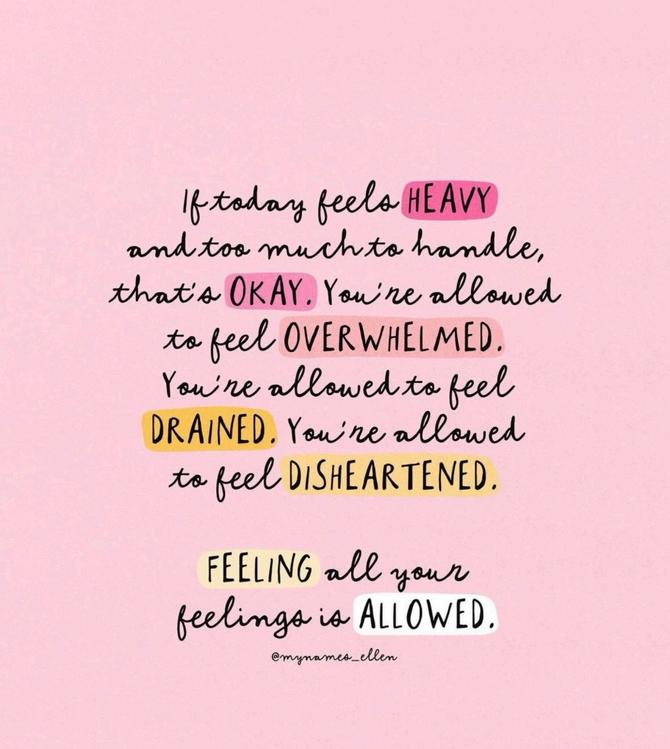
Every mental health crisis is hard. It’s scary, confusing, and challenging - for you and your child. It can be overwhelming, particularly if you end up in the hospital emergency department (ED).
ORGANIZATIONS SUPPORTING FAMILIES FOR FREE
Parent/Professional Advocacy League (PPAL) offers FREE family support. Contact PPAL (Mon-Fri) at http://ppal.net/ or call: 866-815-8122. See PPAL’s website for resources.
The Insurance Resource Center for Autism & Behavioral Health provides FREE resources for families, providers, clinicians, employers, and educators on issues related to medical insurance for autism and behavioral treatments.
The Mental Health Legal Advisors Committee helps children and adults with mental disabilities protect their rights and obtain needed services.
The Massachusetts Behavioral Health Help Line (BHHL) is a 24/7 service to connect you directly to clinical help, when and where you need it Even if you’re not sure what kind of help or treatment you may need, they can help guide you It’s free, confidential, and no health insurance is required
Community Behavioral Health Centers (CBHCs) | Mass.gov CBHCs across Massachusetts offer immediate, confidential care for mental health and substance use needs. Crisis services are available around the clock for anyone in Massachusetts who feels they may be experiencing a mental health crisis. This 24/7 in-person crisis support can be used by anyone in Massachusetts, regardless of health insurance. CBHCs also offer day-to-day mental health and substance use services, which are covered by all MassHealth plans and some commercial insurance plans.
If your child is experiencing a mental health or substance-use emergency, they may be evaluated at a Community Behavioral Health Center (CBHC), by Mobile Crisis Intervention, or a local hospital emergency department (ED) Families, schools, providers, and police may initiate this evaluation
¿A quién deben llamar las famílias durante una crisis de salud mental?
Quem as famílias devem chamar durante uma crise de saúde mental?
Children’s Mental Health: When Things Aren’t Working
Salud Mental para los Niños: Cuando las Cosas no Funcionan
Saúde Mental Infantil: Quando as Coisas Não Funcionam
Calling 911 for Help in a Mental Health Emergency
Llamar al 911 en una Emergencia de Salud Mental
Best Practices: Pediatric Emergency Department Psychiatric Boarding Going to an Inpatient Facility︱Youth MOVE Massachusetts
Publications from Trusted Community Resources
What Does DCF Do When It Gets a Report of Abuse or Neglect (“51A report”)? | MassLegalHelp
Taking a Child to the Emergency Room: An open letter about what the ER can (and can't) do for your child in a psychiatric emergency | Child Mind Institute
Llevar a tu hijo a urgencias
A Parent & Caregiver Guide to Helping Your Family Before, During, and After a Crisis | The Baker Center for Children and Families
Una Guía Para Padres y Cuidadores Para Ayudar A Tu Familia Antes, Durante y Después de una Crisis
Mental Health Hospitalization: A guide for families and caregivers | Mental Health America
When Should I Take My Child to the ER for Mental Health? | Children's Health
Through our parents and caregivers with lived experience, PPAL provides 1-to-1 support, support groups, education and training, acute crisis support, multicultural support, and more for families of children, youth, and young adults with mental health and juvenile justice needs. PPAL’s services for families are FREE, no insurance is required, and there is NO WAITLIST! Programs are currently offered in English and Spanish.
@mynames ellen
Thank you to Mildred’s Dream Foundation for their support of this project.