



Dear PPAL friends,
I’ve been thinking a lot lately about how we always hear, or say, “Do your best!” As an exhausted caregiver, “Do your best!” just sounds like another responsibility, another reason to seek perfection, another guiltinducing charge to work until things start to turn out good. Did I do my best if I didn’t get what I wanted or what my child needed? Did I do my best if I didn’t work on that situation until it was completely solved? Did I do my best if my child had the same outburst today that they had yesterday, even after we talked?
I think we often think that doing our best means perfection or doing whatever it is until we’re worn out and exhausted. How about a different approach? Let’s do 80% of our best. Maybe 90%. Let’s do “good enough”. Let yourself be. Let yourself live. You need that 10-20% for YOU! One thing I’ve learned after years and years of supporting my kids is that a sustained effort is always better than great effort. I can only sustain my effort (and myself) if I save some piece of “my best” for me. Do 80% of your best, and celebrate. It’s good enough. In community with you always,
Be well.
What to Know, What to Expect: Juvenile Justice 102 2/24
6:00 - 7:30 PM
https://bit.ly/JJ102-22426
CLICK A LINK FOR MORE INFO! or visit
http://ppal.net/events/
Guide to Supporting Childrens' Mental Health for First Responders 2/24
10:00 AM - 12:30 PM
https://bit.ly/kidsMH-22426
Moving To Young Adult Life: Transition Planning And Post Secondary Options 2/27
10:00 - 11:30 AM
https://bit.ly/move-22726
Juvenile Justice Basics: Juvenile Justice 101 3/2
10:00 - 11:30 AM
https://bit.ly/JJ101-3226
Active Parenting of Teens
3/3-4/7
6:00 - 8:00 PM
https://bit.ly/AP-3-2026
Moving to Young Adulthood: Social Security & Social Security Disability 3/7
9:30 AM - 12:30 PM
https://bit.ly/SSDI-3726
E4 Youth Forum 3/7
10:00 AM - 2:00 PM
https://bit.ly/E4-3726
La Salud Mental en el IEP 3/9
6:00 - 8:00 PM
https://bit.ly/MHIEP-3926

O t oups sometimes change Events for the most up-to-date info
MONDAY
Are you navigating the mental or behavioral health systems for a child, teen, or young adult?
Virtual: Grupo de Apoyo Hispano 10:00 AM - 12:00 PM
Hybrid: Parenting Young AdultsLooking to the Future 5:00 PM - 6:30 PM (Gardner)
TUESDAY
Hybrid: Caregiver Connections
5:00 PM - 6:30 PM (Winchendon)
Request 1:1 peer support! We have NO waitlist! FREEServices. Noinsurance required.
FRIDAY
WEDNESDAY
Virtual: Relax & Connect 11:30 AM - 1:00 PM
In Person: Caregiver Connections 2 Wednesdays nd 12:30 - 2:00 pm 4 Wednesdays th 6:30 - 8:00 PM (Westborough) Directions to PPAL office
Virtual: Caregiver Connections
6:00 PM - 7:30 PM
THURSDAY
Virtual: Grandparents Lunch and Learn 2 Thursdays nd 12:00 - 2:00 PM 4 Thursdays th 6:30 - 8:00 PM
Virtual: Empowered Caregiver Connections 6:00 - 7:30 PM
Virtual: Parenting Power UP 12:00 PM - 1:30 PM In Person: Family Support Group for Lynn Families 2 & 4 Fridays nd th 6:30 - 8:30 PM Do you need help navigating and advocating in the school system for a loved one with mental or behavioral health needs?

School Problem Solving Clinic Make An Appointment! PPALSchoolClinic@ppal net
94% of families encountered difficulties when trying to access mental health care for their child. The TOP 3 challenges/barriers in 2025:
Waitlist to see provider was long (35%)
Provider does not take our insurance (20%)
Hard to find provider in my area (15%)
78% of families encountered multiple difficulties (1/3 selected 4 or more).
Families selected all difficulties they experienced. 3 2 1 4 6+ 5
# of difficulties experienced
Families face too many barriers getting care their children. Service access and policy changes need to be made. PPAL will continue to advocate for these changes on behalf of families.
PPAL can help. PPAL offers FREE 1:1 family support and workshops led by PPAL staff who are caregivers just like you. If you would like help from PPAL, request family support here or call us toll free at (866) 815-8122
Bullying and cyberbullying are a MAJOR issues for children and their families. 74% of families reported bullying or cyberbullying was been part of their child’s experience. The other 26% weren’t sure.
94% WERE bullied/cyberbullied
When bullying/cyberbullying occurred,
18% DID the bullying/cyberbullying 13% were BOTH bullied and the bully
Do families know what to do next?
Bullying and cyberbullying are prohibited in Massachusetts schools. To protect students, school districts must post their bullying prevention and intervention plans on their websites and provide students and families annual notices. Despite this, only half of families can find the information.
While the plan should help families know what to do next on their child’s behalf,
30% felt not at all or little prepared
48% felt somewhat prepared
Only 22% felt well prepared
What does this mean for families?
PPAL knows that bullying and cyberbullying can lead to additional issues for the children involved, including school avoidance and anxiety.Findingandunderstandingtheschool bullyingandintervention planisagreatfirststeptoeffectivelyadvocatingforyourchild.
If you need help, PPAL can help. PPAL offers FREE 1:1 family support and workshops led by PPAL staff who are caregivers just like you. Requestfamilysupporthereorcallustollfreeat(866)815-8122.
For more information about school bullying and intervention plans, see: https://www.doe.mass.edu/sfs/bullying/ %

When my son was a baby, he couldn’t nap alone. He literally could neither fall nor stay asleep unless he was being held and either nursing or being bounced up and down (usually by someone walking or sitting on a yoga ball). It was exhausting, and confusingthis was long before the litany of diagnoses my child would eventually collect, so we had no explanation for why our baby seemed different from the others, and why we couldn’t do what other parents seemed to do - rest, or get things done, while their children were sleeping. Flash forward 5 years or so, and our days consisted of medical appointments and therapy - speech therapy, occupational therapy, ABA therapy, talk therapy. While other parents waiting at the school pick-up would complain about their busy schedules ferrying children to sports, classes, and playdates, I couldn’t help but think that their busyness was voluntary, and no one would suffer if they decided to simplify their schedules. Our busyness wasn’t by choice - we were just trying to give our children the best chance we could at a happy and independent life, even if it meant more time in the car some days than we spent at home.
Now that my kids have become a tween and a teen, the day to day has gotten a little easier - just in time for me to worry about bigger problems like what to do if my son can’t graduate high school. Not to mention that I’m now caregiving from the other side as well, helping to take care of an elderly parent. Recently I had an IEP meeting, two medical appointments, and a trip to the skilled nursing facility on the same day - never mind time for work, food prep, ferrying children around, or - shocker - taking care of myself.
Whether or not your schedule has ever looked like mine, if you are a caregiver of a child with mental health needs, chances are you are busy, overwhelmed, and tired. Caregivers bring extraordinary dedication, love, and persistence to the children in their lives. Whether you are parenting, fostering, grandparenting, or supporting a child in another meaningful way, you show up day after day often in ways no one else sees. Caring for a child’s mental health can be deeply rewarding, but it can also be exhausting, overwhelming, and lonely at times. If you’ve ever felt worn down or wondered how much longer you can keep going at this pace, you are not alone—and there is no shame in that.
This issue, we want to pause and acknowledge the very real burdens caregivers carry, why caring for yourself is not selfish, and how small, doable acts of self-care can help you sustain both yourself and the children who depend on you.
Many caregivers carry a heavy emotional load. Worry about a child’s well-being, guilt about not doing “enough,” grief for the challenges your child faces, and fear about what the future might hold can all coexist at once It’s common to feel responsible for fixing everything, even when so much is outside your control
There is also the physical toll
Interrupted sleep, chronic fatigue, muscle tension, headaches, and stressrelated health issues are common among caregivers Add in the mental load—remembering appointments, attending school meetings, managing medications, advocating for services, and constantly problem-solving—and it can feel like your brain never gets a break
Social and financial stress often compound these challenges. Caregiving can be isolating, especially if friends or family don’t fully understand your situation. Missed work, extra expenses, or reduced income can add another layer of strain.

If all of this feels heavy, it’s because it is heavy. You are not imagining it, and you are not weak for feeling the weight of it.
You may have heard the phrase, “You can’t pour from an empty cup” While it can sound cliché, it’s true Your well-being directly impacts your child’s well-being. When caregivers are depleted, stressed, or burned out, it becomes much harder to offer patience, regulation, and emotional support

Caring for yourself also models healthy coping for children. When they see you rest, ask for help, and tend to your own needs, they learn that taking care of mental health is normal and important.
Self-care is not about indulgence or perfection. It’s about sustainability—finding ways to keep going without losing yourself in the process.
Self-care does not have to mean expensive spa days or long stretches of free time. For many caregivers, the most helpful practices are small, realistic, and woven into everyday life.
Physical Care
Keep a water bottle nearby and take a few sips regularly.
Step outside for five minutes of fresh air, even if it’s just onto the porch.
Stretch your neck, shoulders, or legs while watching TV.
Aim for one nourishing meal a day simple counts.
Take short walks, even just around the block
Emotional Support
Journal for five minutes to get thoughts out of your head and onto paper.
Cry if you need to—tears are a natural release.
Talk with someone who truly “gets it,” whether a friend or another caregiver.
Check out PPAL’s many caregiver connection groups!
Set boundaries around draining conversations or people when possible
Mental Rest
Give yourself one “no news or social media” hour.
Listen to calming music, an audiobook, or a comforting podcast
Try a free meditation or grounding exercise through an app or YouTube
Let go of one non-essential task and allow it to wait.
Reclaim Small Joys
Drink your coffee or tea without multitasking, even for two minutes
Read one chapter of a book or a few pages before bed.
Watch a favorite comfort show.
Sit in silence for three minutes and take slow breaths. Do something creative—coloring, doodling, knitting, or crafting.
None of these need to be done perfectly or daily. Even small moments of care can add up.
Needing support does not mean you are failing—it means you are human. If others offer help, try to be specific about what you need: a meal drop-off on Tuesdays, an hour of childcare, help with errands, or rides to appointments. Accepting help can be hard, but it allows others to share the load.
Community resources can also make a difference School-based supports, faith communities, and parent or caregiver groups often offer practical assistance and connection. You don’t have to do this alone
There is no “right” threshold for seeking professional support If you are experiencing burnout, persistent sadness, anger, numbness, or simply feel stuck, reaching out can help
Seeking support is not a sign of weakness—it is an act of care for yourself and your family
If you are caring for a child’s mental health, you are doing deeply meaningful work. It is hard work, and you deserve care and compassion, too. You don’t need to overhaul your life or get everything right starting small is great.

You matter. Your well-being matters. And even on the days when it feels like too much, please know that you are doing the best you can with what you have. That is more than enough.
One of the most important (and quickly accomplished) things we can do to take care of ourselves is to try to think as kindly and gently about ourselves as we think about others When you find yourself thinking negative thoughts about yourself and your caregiving, try reframing them in a more positive light. For example:
“I’m failing my child.”
→ “I’m doing the best I can with a very hard situation. Showing up every day matters.”
“I should be able to handle this better.”
→ “This is hard for anyone. Struggling doesn’t mean I’m weak — it means I’m human.”
“Other parents seem to manage fine. What’s wrong with me?”
→ “Every child and family is different. I don’t see the full story of others, and comparisons aren’t helpful.”
“If I were a better caregiver, my child wouldn’t be struggling.”
→ “My child’s challenges are not my fault. What matters is that I care, learn, and keep supporting them.”
“I can’t ever take a break — my child needs me”
→ “Taking care of myself helps me care for my child. Rest is part of responsible caregiving.”
“I’m always getting it wrong.”
→ “I’m learning as I go. Some things work, some don’t — that’s part of caregiving, not failure.”
Some days caregivers just can’t find any time away from their children to care for themselves, and that’s ok too. Here are some ideas for caring for yourself with your children along for the ride:
Breathe together.
Try “smell the flower, blow out the candle.” Breathe in slowly through your nose, out through your mouth. You don’t need to explain — just model slow breathing while sitting with your child.
Do a short grounding game.
Together, name: 5 things we see, 4 things we feel, 3 things we hear. This can be done anywhere and helps both of your bodies settle when emotions rise.
Create a simple quiet-time ritual.
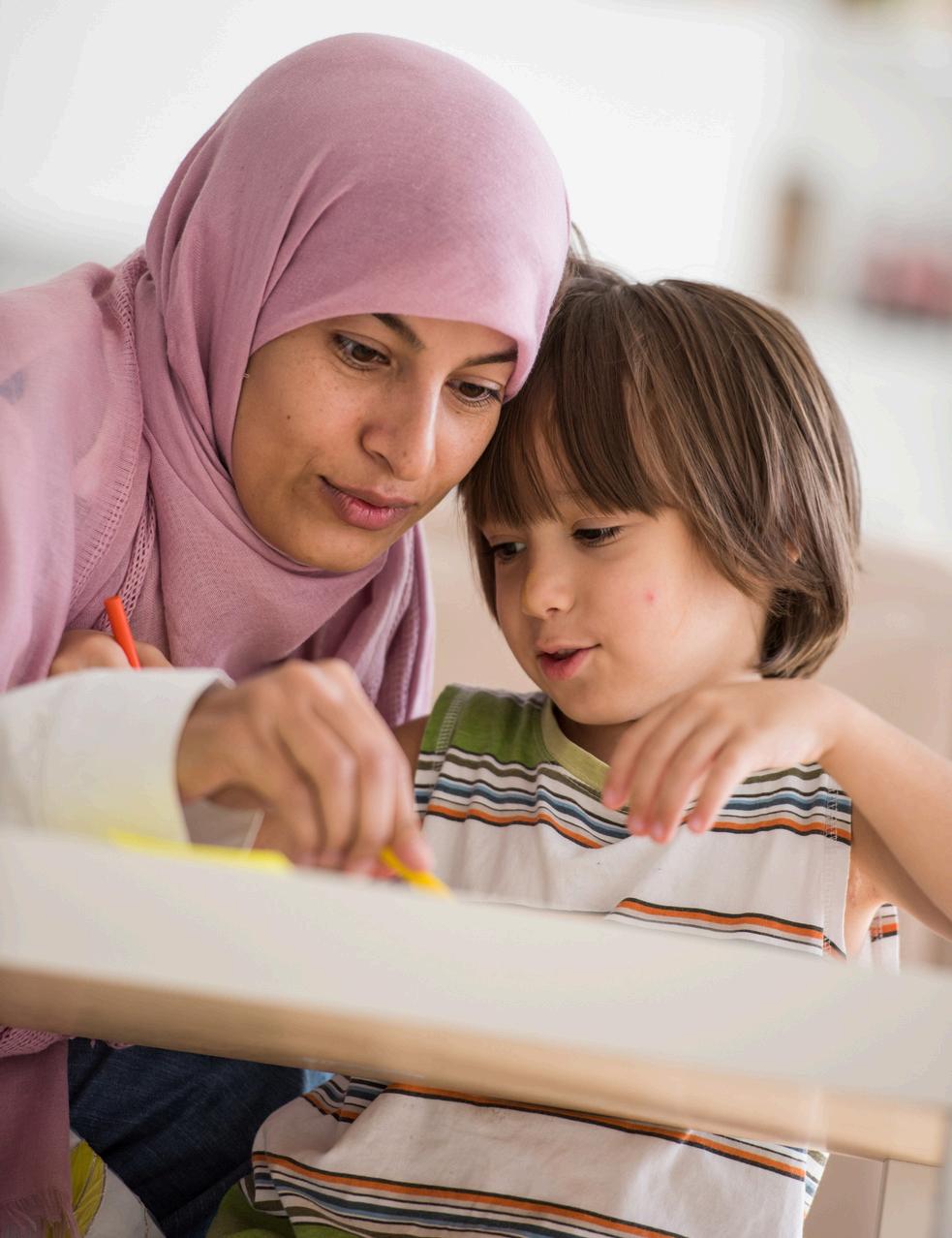
Read side-by-side, color, listen to soft music, build with blocks, or do a puzzle together. Predictable calm activities help children feel safe and give caregivers a mental break.
Try gentle movement together.
Stretch like cats, reach for the sky, roll shoulders, shake out hands, or do slow “animal walks.” Movement helps release stress stored in the body for both children and adults.
Step outside together.
Even a few minutes of fresh air — noticing clouds, trees, or sounds — can reset overwhelmed nervous systems.

Tips continued on the next page!
Use sensory soothing.
Sip a warm drink while your child has a snack, hold a soft blanket, squeeze a stress ball, or wash hands in warm water together. Simple sensory input can be very calming.
Share a regulating activity.
Drawing, kneading dough, stacking, sorting, or other repetitive activities can be soothing for both of you — and don’t require conversation or problemsolving.
Practice calming self-talk (out loud or silently).
“We’re having a hard moment. We can slow down.”
“We are safe right now”
“Let’s take this one minute at a time.”
Take micro-breaks while your child is settled. When your child is safely engaged, take a sip of water, close your eyes briefly, or stand and stretch. Even 30 seconds helps reset your body.
Notice and name small positive moments.
“That was a calm minute.” “I liked sitting together.” Recognizing small good moments can gently shift both your and your child’s stress levels.

Remember: Regulation is contagious. When you care for your own nervous system — even in small ways — you are also caring for your child.
Click Here to Register
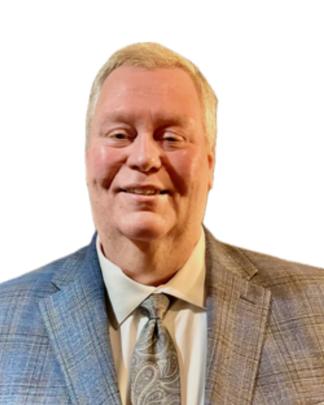
Ken Frohock, LMHC, LRC
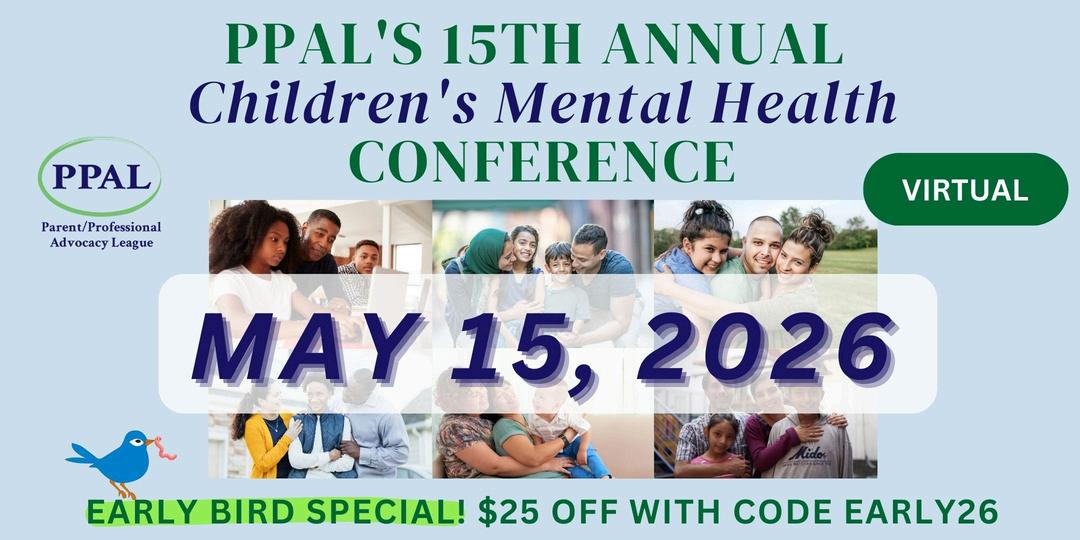
Join us forthe LARGEST children’s mental health conference in New England!
Our annual conference offers morning and afternoon workshops on children’s mental health topics for parents, caregivers, and professionals. Thanks to generous sponsor support, parents and caregivers attend free, and professionals pay a modest admission.
We invite you to join us at our conference for a full day of education, inspiration, support, and community. Workshops speakers will be announced soon - check our website for more information on our 15 Annual Children’s Mental Health Conference: th ppal.net/conference-2026

December was a busy and meaningful month for PPAL, filled with connection, learning, and fun for families across Central Massachusetts. One of our highlights was our family event at Launch in Leominster, where families enjoyed a morning of trampoline jumping, arcade games, and pizza. It was wonderful to see families laughing, connecting, and making memories together as we wrapped up the year.
We were also excited to offer our parent training, Uncomplicating the Complicated: Chaos to Calm, which provided families with practical tools and strategies to navigate complex systems and reduce stress The training was well attended, and we appreciated the thoughtful discussion and engagement from parents.
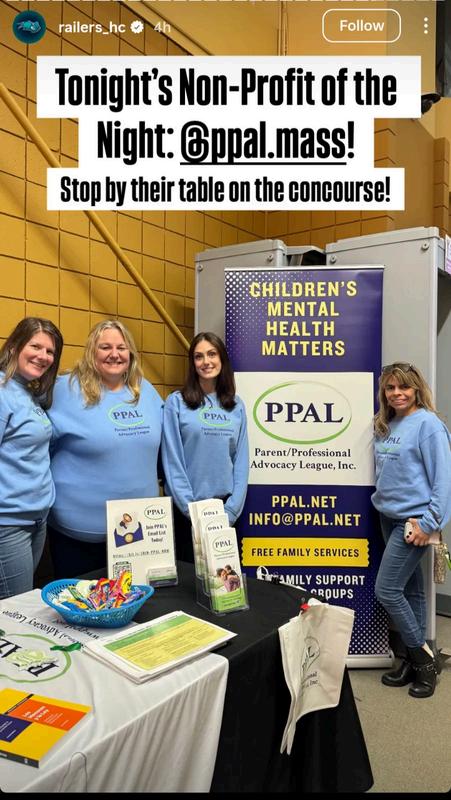
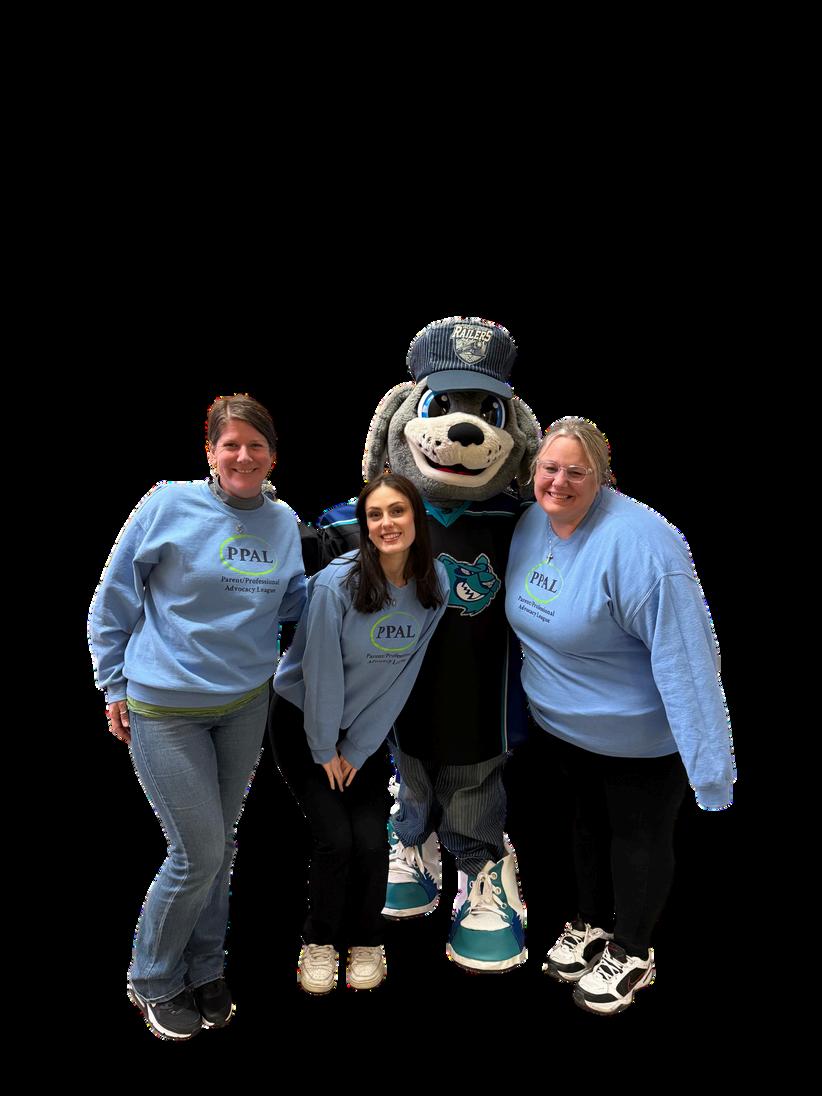
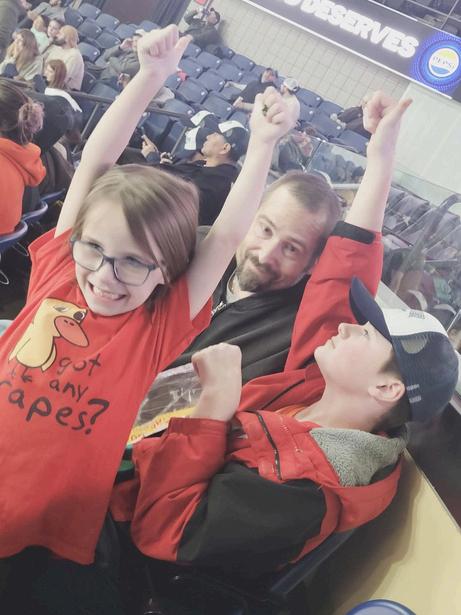
PPAL was also the Non-Profit of the month at the Worcester Railers Hockey game, and we were able to invite families to join us for a much needed fun night out!

Our support groups continued to be enriched by knowledgeable guest speakers throughout the month. Families learned about Mental Health Interventions for Suicidal Persons through a presentation on Question, Persuade, Refer (QPR). We also welcomed MHAP for Kids, who presented DCF 101, helping families better understand the Department of Children and Families and how to navigate related processes. In addition, a representative from Joseph D Early Jr’s District Attorney’s Office joined us for an important discussion on internet safety, including the risks and concerns surrounding ChatGPT, artificial intelligence, and online activity.
Alongside these events and trainings, PPAL continued to provide daily one-on-one support to families throughout Central Massachusetts, ensuring parents and caregivers had access to guidance, resources, and encouragement during the busy holiday season.
As we move into the new year, we remain grateful for the families who engage with our programs, the speakers who share their expertise, and our partners at DMH in Central MA who make this work possible. We look forward to continuing to support and connect with families in the months ahead.
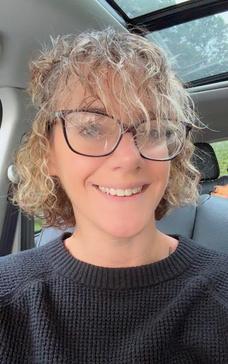
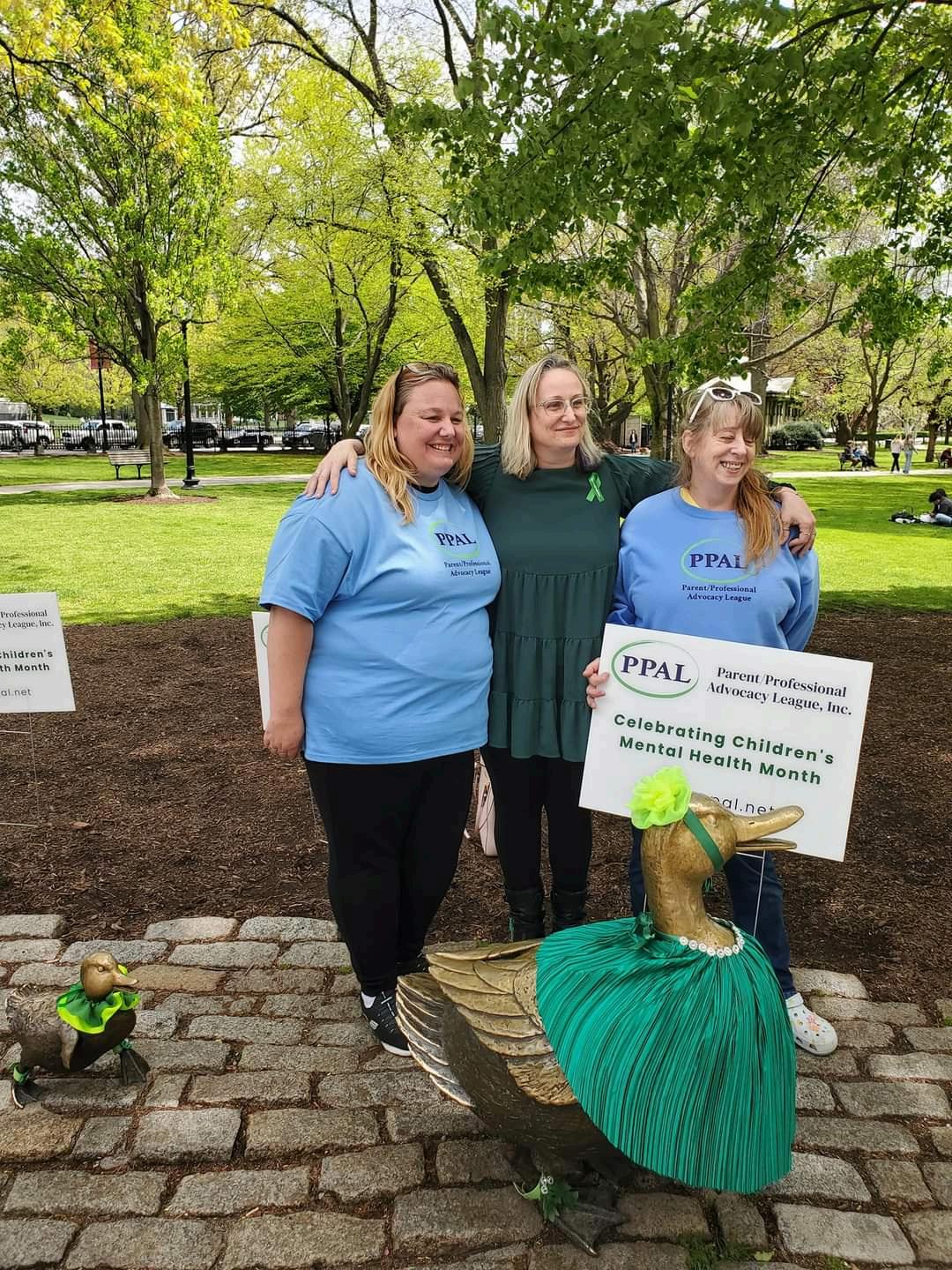
Celebrating 2 years with PPAL!
Tell me about your role with PPAL and how you got here. I enjoyed a 30+ year career as an executive assistant for an international coffee and donut corporation (guess who!), but I felt underutilized in my role. Something was missing. I longed for a meaningful job that was more closely aligned with my fulfilling volunteer work over the years. I had run volunteer events for my company, served on nonprofit boards, organized fundraisers, managed publicity and social media - and this work brought me more joy and self-respect than my corporate job I was eager to start fresh and develop a nonprofit career but it felt hard to break in. When I left corporate I created a virtual assistant business and started to network extensively to find clients. In one networking group, I met Pam Sager, who left our group a few months later to become PPAL's Executive Director. A short while after that, Pam called looking for my help. I worked for PPAL for a year as a virtual assistant with limited hours, then transitioned into a staff role with increased hours, and finally took on the Operations Manager role full time last year Among other things, I help with hiring and onboarding new employees, run payroll, organize supplies and marketing materials, help with the annual Conference, set up training events and send out emails to promote them It's a busy schedule - but so fulfilling!
What drew you to children's
My daughter Hannah was a very creative and energetic child - it was like raising an adorable little fairy who flitted around the house. When she entered elementary school, it was a real challenge - she couldn't sit still, she couldn't seem to do the simplest homework, and she didn't seem to be able to fit in socially with other kids By second grade, we took her for neurological testing While she was a strong vocal communicator with high intelligence, the testing showed that she had an auditory processing disorder (APD) that made it difficult for her to receive and understand auditory instructions/cues. (My mind went back to the 3,000 times I asked her to put on her coat when she was little!) It was also very clear to everyone that she had focus issues. After a diagnosis of ADHD and starting medication her ability to focus was greatly improved and she began doing well in school. The IEP process was difficult to get through, year after year, but we held our ground and got her the support she needed to get through school. She's now in her 30's and happy in a long-term relationship and employed full time. This lived experience made me feel that helping PPAL and the people who work for PPAL was a way I could help other parents in the same situation
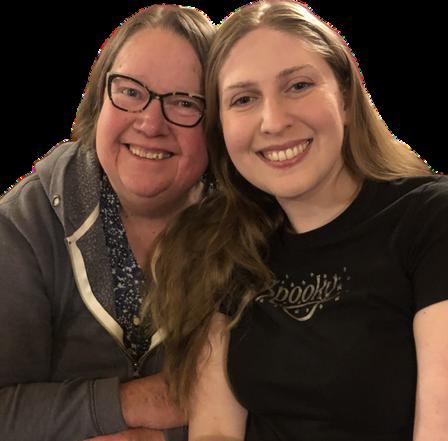
Lynn and her daughter, Hannah
What is your favorite part about your job and why?
The slogan for my virtual assistant business was "Bring me your chaos." Organizing and problem solving have always been easy for me - think of me like a Professional Home Organizer - but for your business! It's not a lie that I love a good spreadsheet, but I also love to design flyers, forms, and social media I enjoy thinking out a tough problem and making sure that all the steps in the process are documented so we never have to reinvent the wheel again Most of all, I enjoy the people I continue to meet through PPAL - I especially admire PPAL's warm and caring staff The guest speakers we meet at our staff meetings, Statewide meetings, and annual conference are all so knowledgeable and willing to share their understanding of many complex mental health situations - I'm continuing to learn so much, and I'm grateful for the opportunity.
What professional accomplishments are you most proud of?
I'm very proud of helping to plan and organize PPAL's Annual Children's Mental Health Conference, being held this year on May 15th (you should come!) I was just an observer the first year but I took notes about the planning process and by the second year I was ready to share a project management tool to guide our conference committee through the process step by step. We've come to rely on this to keep us on track and we continue to improve it. The conference is a big undertaking, and I'm so glad I was able to wave my organizational wand over it!
Youth MOVE (Motivating Others through Voices of Experience) Massachusetts, or YMM, is the Massachusetts chapter of Youth MOVE National. Youth MOVE MA is sponsored by PPAL. The mission of Youth MOVE is to connect, support, and develop youth leadership in advocacy to create positive change YMM does that by practicing authentic youth engagement through youth driven decision making and elevating youth voices of lived experience in mental health. We want young people to be heard and valued as leaders in their communities and systems that impact their lives. YMM generally supports youth ages 14-26.
PPAL’S YMM has a seat chairing the Department of Mental Health Statewide Young Adult Council (SYAC) which brings youth voice to the Department of Mental Health and other youth serving agencies. It also participates in the State Mental Health Planning Council.
We chatted with Anna Cady Clouse, Youth MOVE Massachusetts’ Youth Peer Support Specialist about what’s happening with YMM.

Youth MOVE Massachusetts is a youth and young adult-led organization rooted in peer support through lived experience with mental health needs. We provide our youth participants with access to leadership development and training opportunities and we offer opportunities for engagement in statewide and national policy advocacy efforts
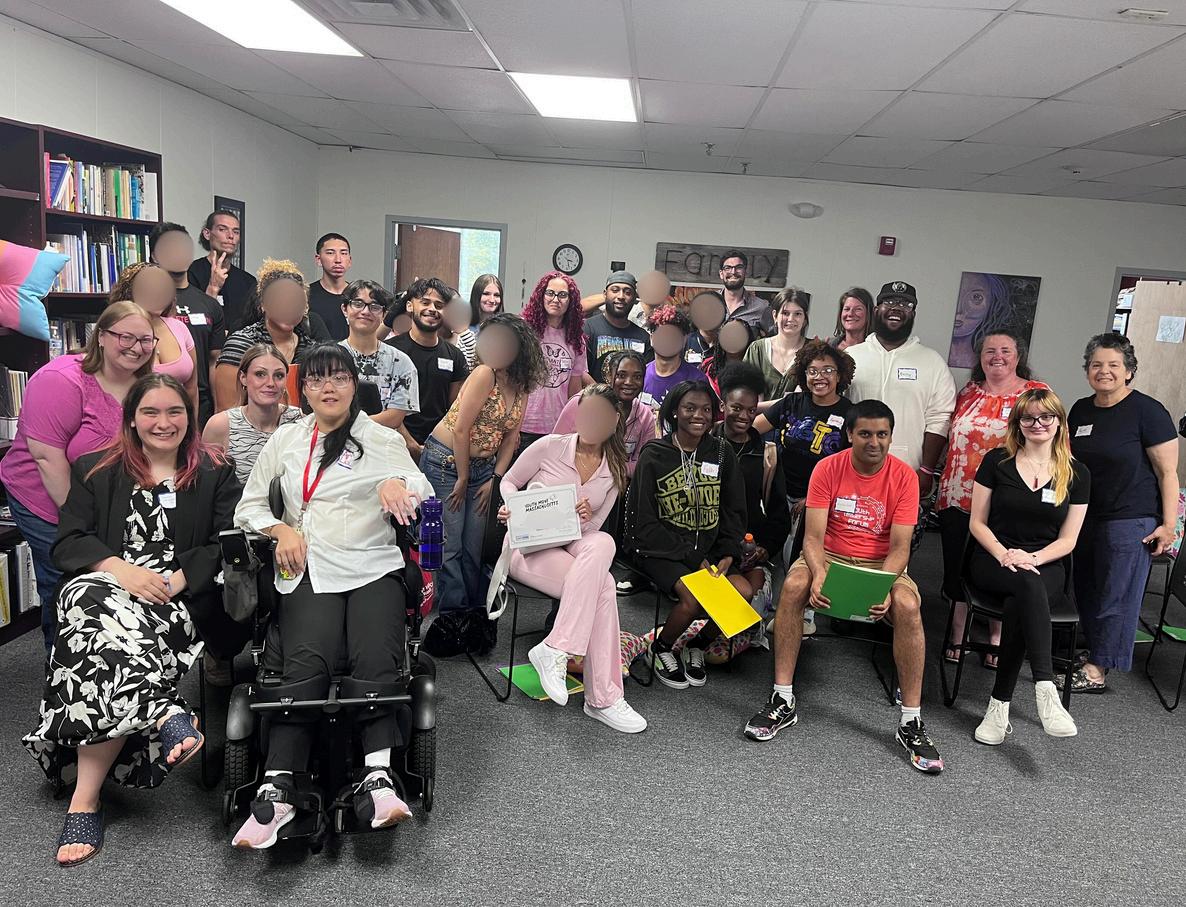
We heard that Youth MOVE Massachusetts won Chapter of the Year! Can you tell us more about the award?
Each year, Youth MOVE National awards one out of 40 chapters the honor of Chapter of the Year. This past year, YMM won! We were so excited to get the Chapter of the Year award!
We're grateful that Youth MOVE National recognized all of the hard work done in the past year. We have made strides to engage our community of youth by creating a discord, hosting a young adult advocacy day through SYAC, offering training for other youth organizations around the state, and helping out with Youth MOVE National projects such as their work with the American Academy of Pediatrics.
What training does Youth MOVE Massachusetts offer?
We host trainings for youth and trainings for adults and parents Our youth trainings include Self-Disclosure To Advocacy and Strategic Sharing. Our adult and parent trainings are ABOUT youth and our needs.
What is the difference between Strategic Sharing and Self-Disclosure To Advocacy?
Self Disclosure To Advocacy teaches youth about advocacy, how to disclose their mental health needs and challenges in a way that's safe, to weigh the risk and benefits of sharing their story, and how disclosing can benefit advocacy for lasting change
Strategic Sharing is a workshop that teaches youth how to share their experience with mental health needs in a story form, practice sharing their story, receive feedback, edit the story, and come away with a curated and impactful story to share in advocacy spaces
What other projects is YMM working on?
We’re currently helping the Children’s Mental Health Campaign on their E4 project. The E4 project is a look into the services and gaps for youth with co-occurring Autism Spectrum Disorder and Mental Health needs. YMM is hosting and facilitating focus groups of youth to discuss which services helped them and what is still needed. The goal is to make recommendations and design a system that can be more effective for youth with ASD who are experiencing Mental Health challenges We held our first inperson event, which went really well. We will have a virtual session on March 7th – if you have co-occurring ASD and mental health challenges, join us! Click here to register
Youth MOVE Massachusetts has also been doing a lot of housing advocacy for young adults served by DMH but who are ready for their next step. Young adults often feel caught between the DMH Children, Youth and Family world and the DMH Adult world. DMH has traditionally provided rental subsidies under its Rental Subsidy Program (“RSP”) to supplement the cost of apartments for young adults (also called transition aged youth) completing their current DMH program but who will continue as adult DMH clients. In July 2025, DMH announced that it will no longer provide those subsidies because the cost had become prohibitive. YMM, in collaboration with SYAC, jumped into action to support young adults who are affected by this We presented at the State Mental Health Planning Council about the housing cuts. We had a good reception and were thanked for our advocacy. We are continuing that work in 2026, currently looking at the proposed FY27 state budget and planning the advocacy we can do there. If you are interested in joining in this advocacy effort, contact us!
Can you tell us more about how youth can connect with Youth MOVE Massachusetts? First, please join us along with DMH at SuccessFest in March– details to come. It’s an event that happens every year in the spring and it’s always a blast!
Join us at our events, which you can find out about through our monthly newsletter, which you can sign up for by clicking here.
Join our Discord!
If you’re a youth, you probably know Discord. It’s a very popular platform among young adults right now. YMM has created our own server, like a chatroom community, that people can join. In the server there are different chat boards, called channels, but there is also the option for voice or video calling.
YMM’s discord was made to provide an accessible place for youth ages 16-25 with mental health needs in Massachusetts to meet each other, find friends, and receive support
There are specific virtual drop in hours where youth can join YMM staff for a planned activity. It’s through a video call on Discord– similar to Zoom–where youth can be seen and/or heard if they’d like to participate. We have a weekly peer support hour, a monthly game night, and movie nights.
Youth MOVE Massachusetts Discord channels available to youth:
Peer Support
General Group Chat
Games Channel
Music Channel
Advocacy Channel
Our server is always monitored, and we have safety protocols in place to keep our youth safe while using this platform. The YMM Discord is completely private– no one can join unless they have met with us and requested to join. We have a registration that requires multiple forms of contact including an emergency contact, which can be a parent/guardian. Before accessing the server, they have to agree to the rules of the Discord. If anyone is breaking the rules, YMM has the power to completely remove them from the server. There are also safety and wellbeing protections in place so that if certain “flagged” words are used, the post will not go public, and YMM and PPAL staff will be alerted for safety Staff will then reach out to the user and/or the user’s emergency contact to ensure there is no safety concern.
Find detailed instructions on how to access the YMM Discord Server on the YMM Website. You will be able to see a thorough walkthrough of what the Discord looks like and details about the safety measures.

https://youthmovemassachusetts.net/discord/
STATE BUDGET PROCESS - How it works
Budgets, budgets, budgets! Whether it’s ours or the state’s, we all know that resources can make a difference. Currently, the state budget is front and center. The formal state budget process begins in January of each year when the Governor releases their proposed budget for the next fiscal year The budget is based on information obtained from the various state agencies and departments. This proposed budget goes through many reviews, compromises, and revisions by our legislators before it is returned to the Governor for final changes, vetoes, and signature. Yes, the Governor does get the final word!
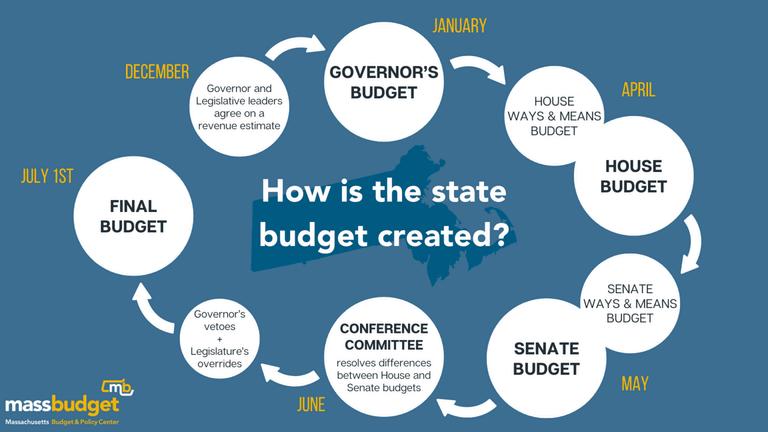
Between release and signature is where YOU come in! While the proposed budget is winding its way through the legislature, your advocacy matters Your calls, letters, meetings, and rallies with or to YOUR state Senator and Representative inform their actions, their votes, and what THEY will advocate for. YOU can arm them with the WHY behind their advocacy so they can debate effectively. You can share YOUR story, YOUR experience, and YOUR needs. Your advocacy is important at multiple points during the process PPAL will be providing information over the next couple of months to help you effectively advocate And, we will be walking right beside you as you do! There is, in fact, strength in numbers. If you want to be a policy changemaker, don’t miss our March 24 policy and advocacy meeting (virtual), The Inside Track.
- How might it affect you?
The Governor’s FY27 budget for the state, released in January, is proposed at $62.8 billion, an increase of 3.5% over FY26. While many areas of the budget may affect our families, the Department of Mental Health’s budget is generally of greatest importance to us, particularly the DMH Children, Youth, and Families (CYF) appropriation. You may remember our collective advocacy efforts last year to restore the over $15m proposed cuts to the CYF budget. YOUR advocacy worked. OUR advocacy worked. The funds were restored!
This year the cuts are not as severe. In fact, a quick look at the proposed budget seems to indicate that a slight increase may be proposed. Because level funding, or even a slight increase, doesn’t account for increases in costs incurred, the net effect is a decrease in funds available for spending. Following are proposed cuts that DMH will incur if additional funds are not allocated in the state budget
Total DMH CYF proposed cuts for FY27 are $4.180 MILLION (LINE ITEM 5042-5000). They break down as follows:
$2.3 M in proposed cuts to DMH FLEXIBLE SUPPORT SERVICES (FLEX), mostly targeting ED Diversion.
$1 M in proposed cuts to INTENSIVE HOME- BASED THERAPEUTIC CARE (IHBTC) $880K in proposed cuts to Day Services
Additionally, there is a $15 M proposed cut to jail diversion in the adult DMH budget that may affect children and families. This cut would affect Crisis Intervention Team training for first responders and significantly affect embedded Co-Response Teams (mental health clinician with police) deployed by over 130 municipalities.
Please keep an eye out for more information regarding PPAL’s advocacy efforts for this budget cycle. WE NEED YOU to help ensure stable and adequate funding for these critical services. MORE TO COME!!!
PPAL’s mission and area of focus is to provide support, education, and advocacy for families raising children with mental health needs. However, we frequently receive calls for support from parents and caregivers whose children have autism. If your child is dually-diagnosed with autism and significant mental or behavioral health challenges, PPAL can help If autism is the primary challenge below are some resources that might help support you, your child, and your family
The following Autism Support Centers in MA offer parent support groups, workshops, family advisory councils, and other opportunities to connect. They may serve different ages so please check them out first.
HMEA: Autism Resource Center of Central Massachusetts (walk-in) (children, adults and families) 712 Plantation St. Worcester, MA 01605 (508) 835-4278
autism@hmea.org www.autismresourcecentral.org
Pathlight: Autism Connections
(children, adults and families) (413) 585 8010 www.autismconnectionsma.org
Advocates, Inc./Autism Alliance of Metrowest
(children and families) 1881 Worcester Rd. Framingham, MA 01701 (508) 652-9900
AutismAlliance@Advocates.org www.autismalliance org
Vinfen Autism Support Center (children and families) 1208A VFW Parkway, Suite 202 West Roxbury, MA 02132 (617) 206-5902 or (617) 562-4094 AutismSupports@vinfen.org www.vinfen.org/asc
Lifeworks Autism Support Center (children, adults and families) 789 Clapboardtree St. Westwood, MA 02090 (781) 762-4001 autismsupportcenter@lifeworksarc. org www.lifeworksarc.org/service/adultautism-support-center/
Northeast Arc/The Autism Support Center (children and families) 6 Southside Rd. Danvers, MA 01923 (978) 777-9135
ascstaff@ne-arc.org www.ne-arc.org/services/autism-andspecialty-aba-services/autism-supportcenter
The Arc of Greater Brockton 1250 West Chestnut St. Brockton, MA 02301 (508) 583-8030 Arc of Greater Brockton info@thearcofgreaterbrockton.org
Kennedy-Donovan Center 294 Quaker Meeting House Rd. Sandwich, MA 02537 (508) 745-3590 People Inc. 1 Father DeValles Blvd., Suite 401 Fall River, MA 02723 (774) 488-5325 familysupport@peopleinc-fr.org
Better Community Living 5 Ventura Dr. Dartmouth, MA. 02747 (508) 999-4300
Plymouth County Family Support Inc. 118 Long Pond Rd., #100 Plymouth, MA 02360 (508) 927-4520 info@pcfamilysupport.org
The Arc of Bristol County 141 Park St. Attleboro, MA 02703 (508) 226-1445
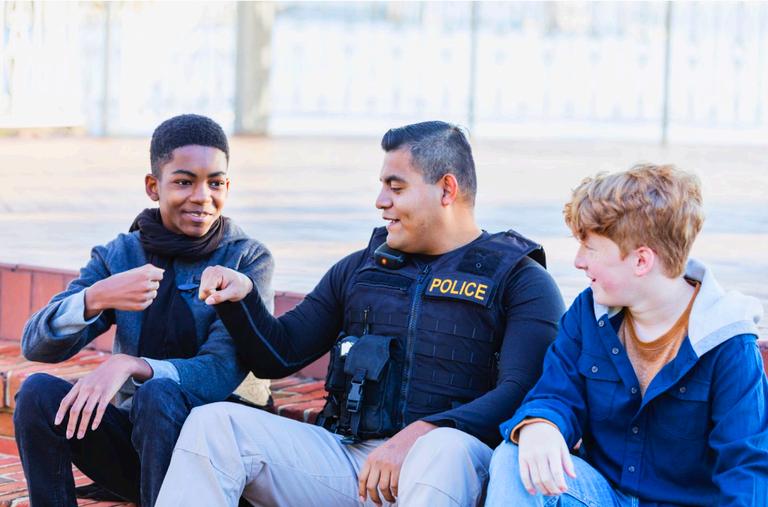
PP s tra t responders and families whose children are dealing with mental health needs, as well as the resources, tools, and strategies available to first responders and colleagues as they support the wellbeing of your community. This training is for your town or city's School Resource Officers, and other police, community crisis outreach teams, Fire Departments, EMTs, and community members that want to impact the experience of families with children's mental health.
It is an in-person training that is 2.5 hours long and is led by parent professionals. We utilize our lived experiences to help bridge interactions with first responders and families, and to help create better outcomes for youth, families, and first responders through these interactions.
With support from the Department of Youth Services, we are able to bring our training to communities throughout Massachusetts free of charge!!
Please reach out to training@ppal net for more information or to bring PPAL’s Guide to Supporting Children's Mental Health for First Responders to your community!


“You do too much. Go and do nothing for a while. Nothing.”
-Lillian Hellman